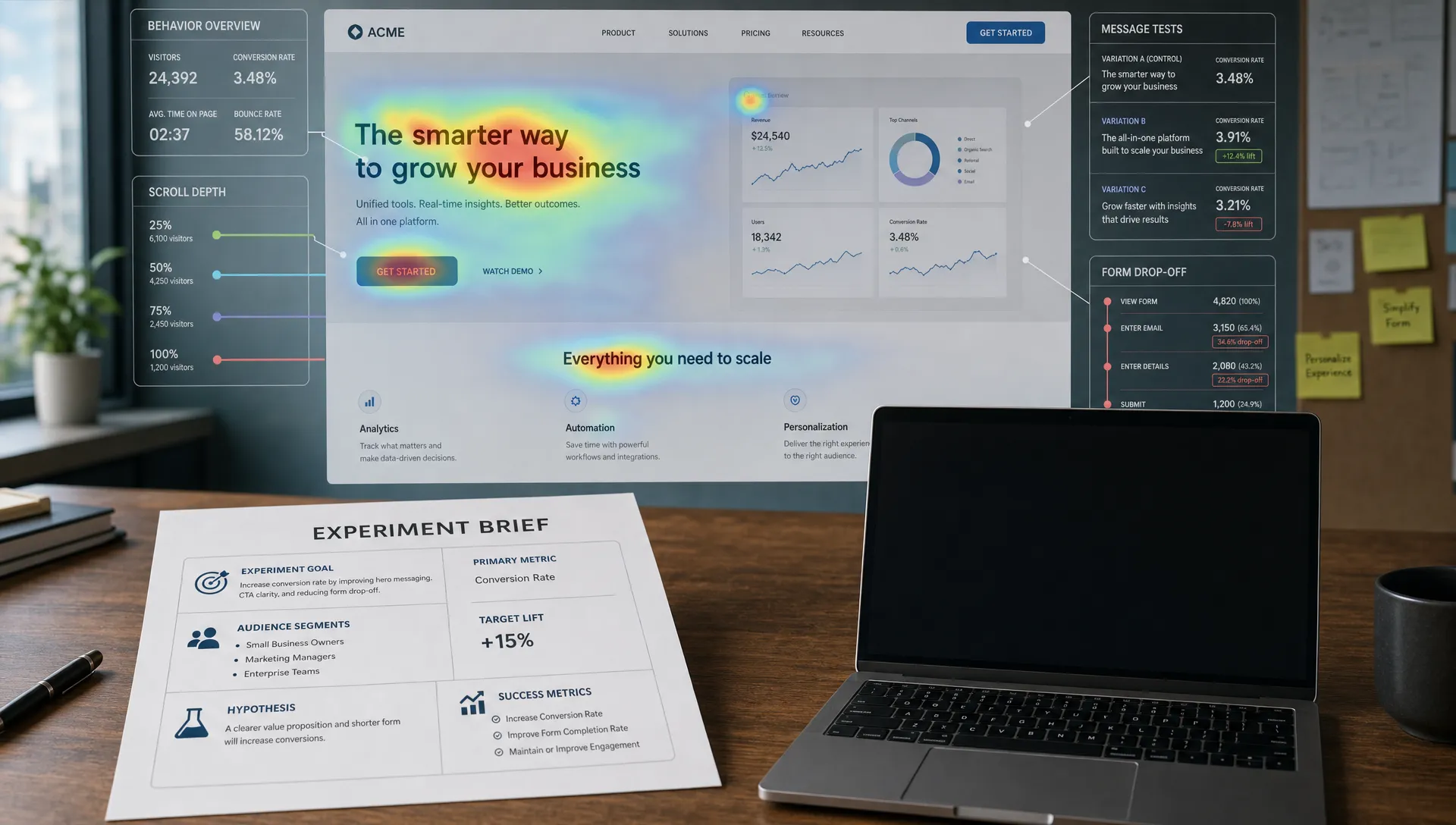
Most marketing teams do not need more opinions about their website. They need better evidence about why visitors hesitate, what messages move people forward, and which changes actually increase revenue. That is where AI-powered CRO is becoming hard to ignore.
AI-powered CRO, short for AI-powered conversion rate optimization, uses machine learning, generative AI, behavioral analytics, and automation to improve the percentage of visitors who take a desired action. That action might be booking a demo, requesting a quote, downloading a guide, starting a free trial, completing a purchase, or submitting an intake form.
The promise is attractive: faster testing, smarter personalization, better prioritization, and fewer wasted experiments. But AI is not a magic conversion button. Used well, it can sharpen your marketing strategy. Used poorly, it can amplify bad data, create confusing experiences, and push teams toward quick wins that do not support long-term growth.
So, should you use AI-powered CRO? The answer depends on your traffic volume, funnel maturity, data quality, compliance needs, and ability to act on insights.
Traditional CRO usually involves reviewing analytics, studying user behavior, forming hypotheses, building A/B tests, and measuring whether a change improves conversions. AI-powered CRO keeps those fundamentals, but uses AI tools to speed up or improve parts of the workflow.
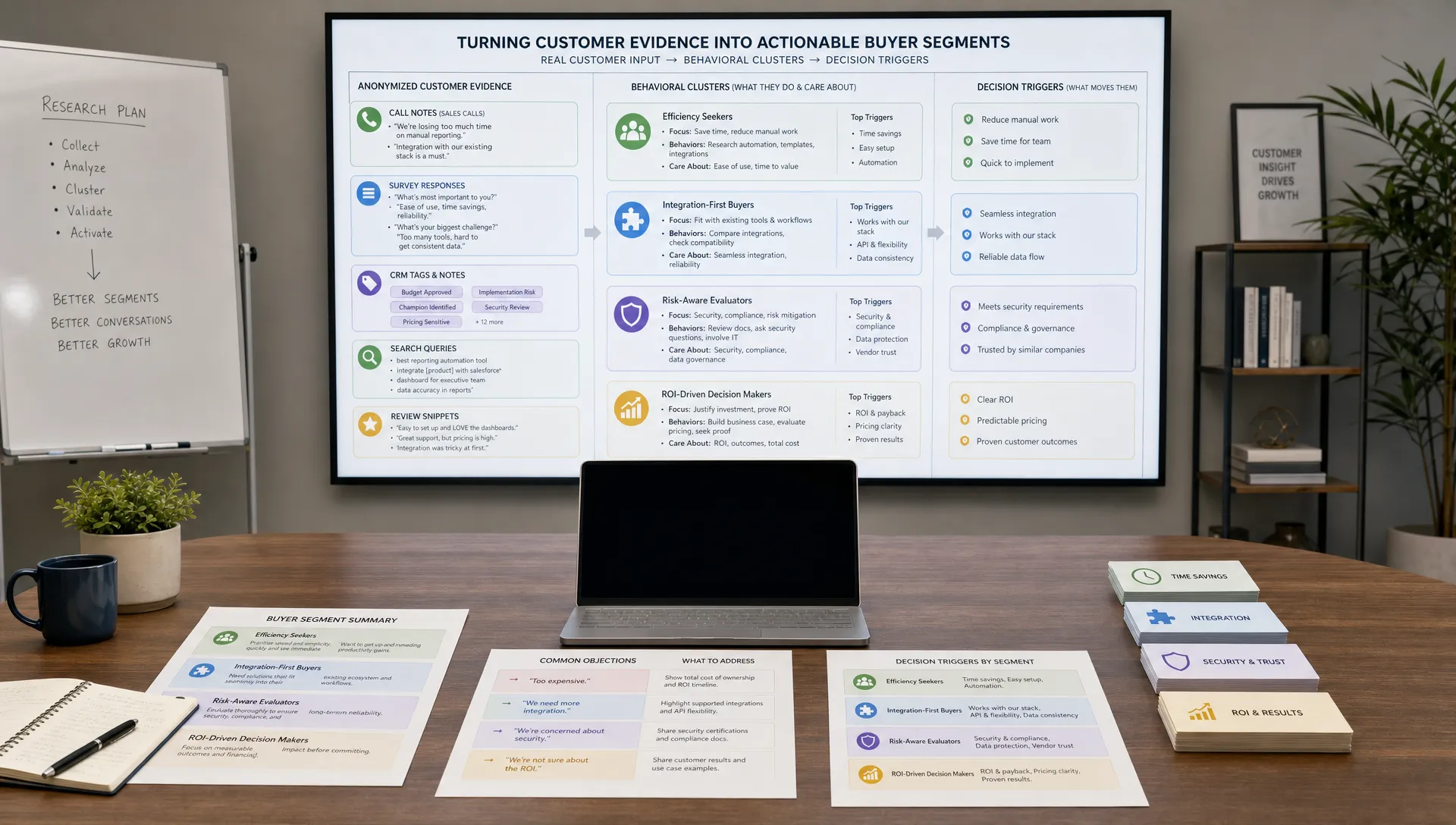
Instead of manually reviewing hundreds of session recordings, an AI system can cluster common behaviors. Instead of brainstorming headline variations from scratch, generative AI can draft page copy based on audience pain points. Instead of showing every visitor the same landing page, machine learning can help personalize content based on source, behavior, industry, intent, or stage in the buying journey.
In practical terms, AI-powered CRO can help marketers answer questions like:
The important point is that AI-powered CRO is not just A/B testing with a chatbot. It is a more data-driven approach to improving the full conversion journey, from ad click to landing page, content interaction, lead capture, sales handoff, purchase, and retention.
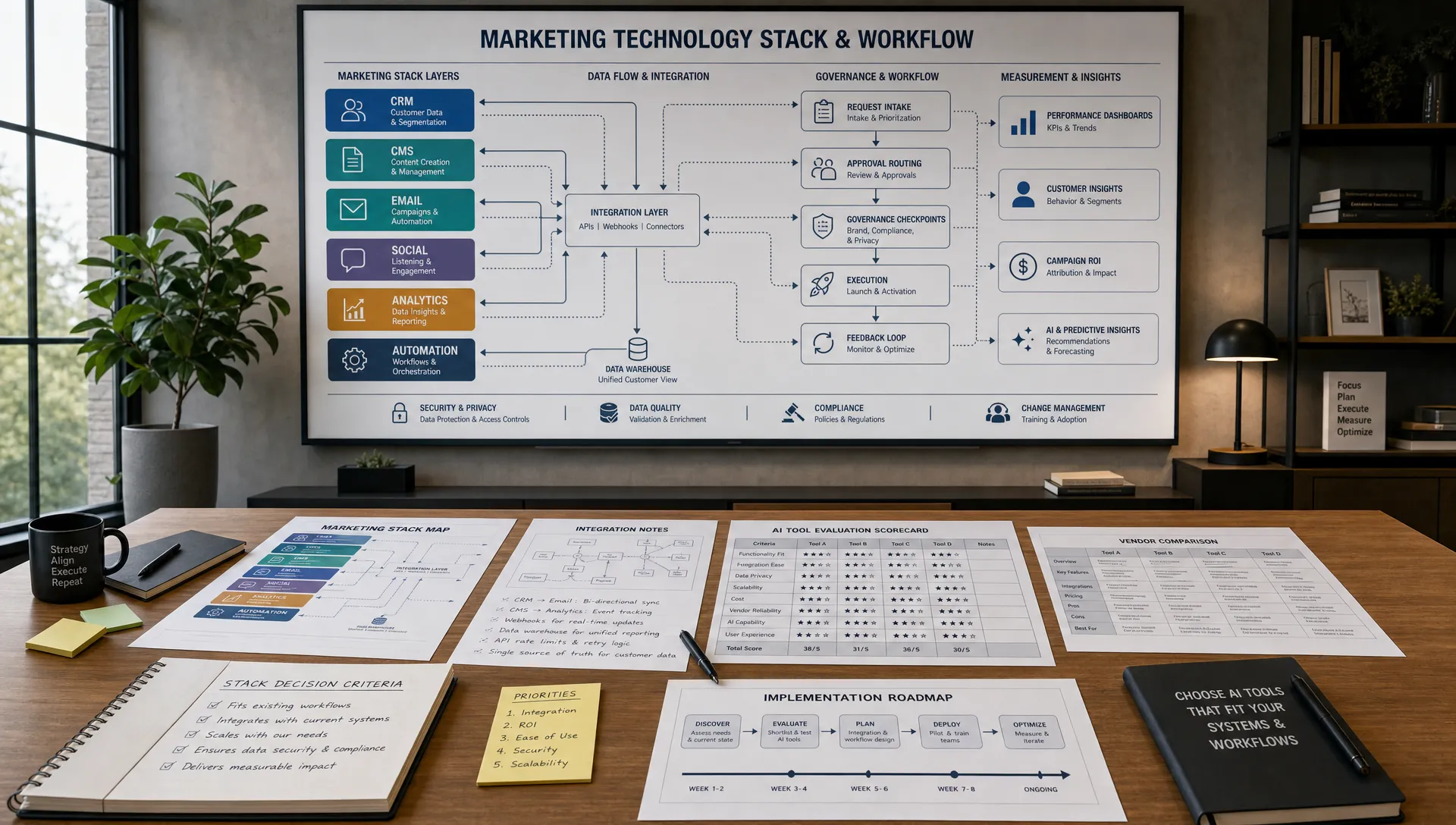
Most AI-powered CRO workflows combine several capabilities. You do not need all of them on day one, but understanding the building blocks helps you choose the right approach.
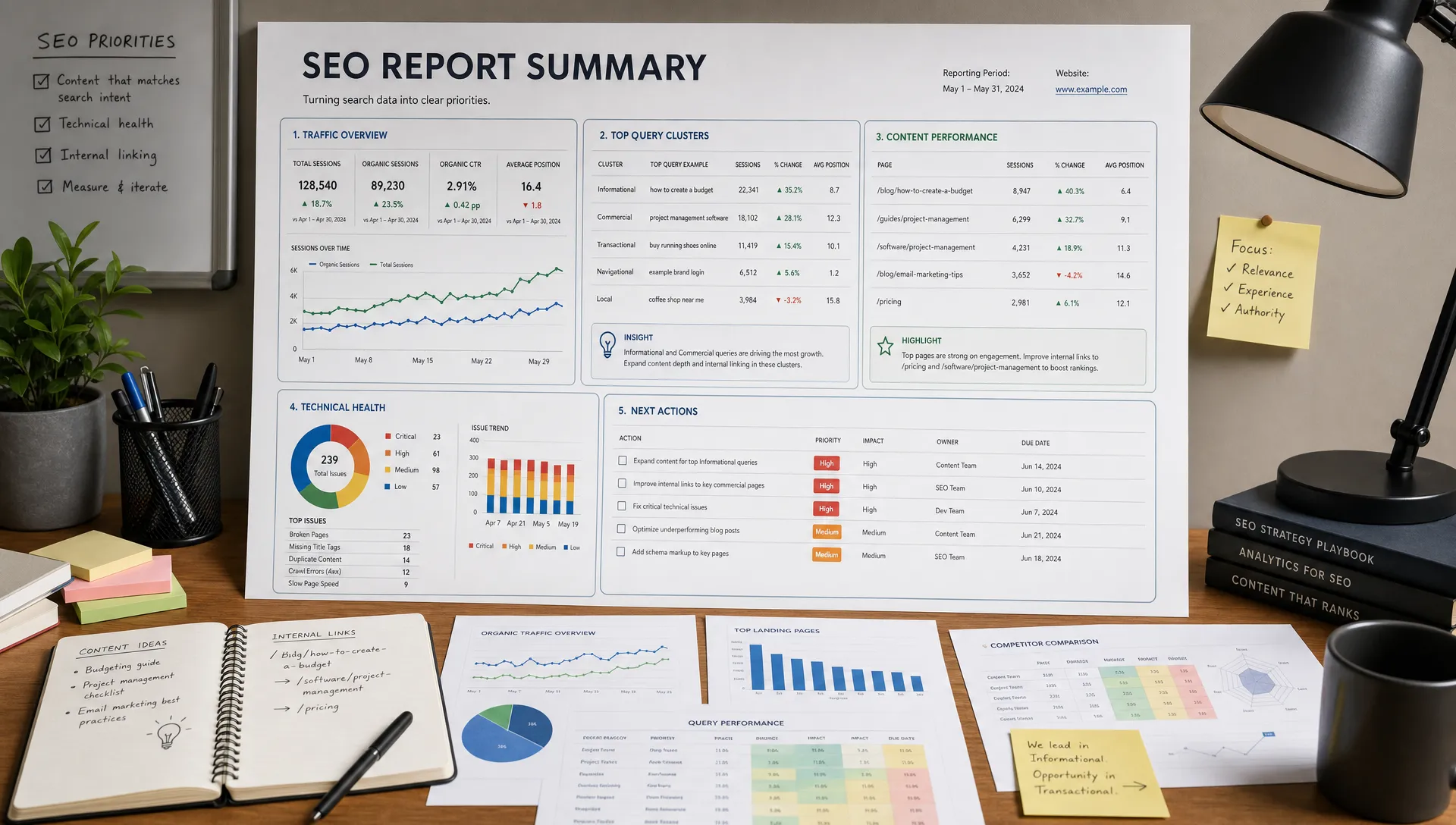
AI can analyze user behavior across pages, forms, checkout flows, chat interactions, and session recordings. It can detect patterns that are easy to miss manually, such as mobile visitors repeatedly abandoning a form field, users from a specific campaign skipping the pricing section, or high-intent visitors bouncing after reaching a vague feature explanation.
This does not replace human judgment. It gives your team a shorter path to the right questions.
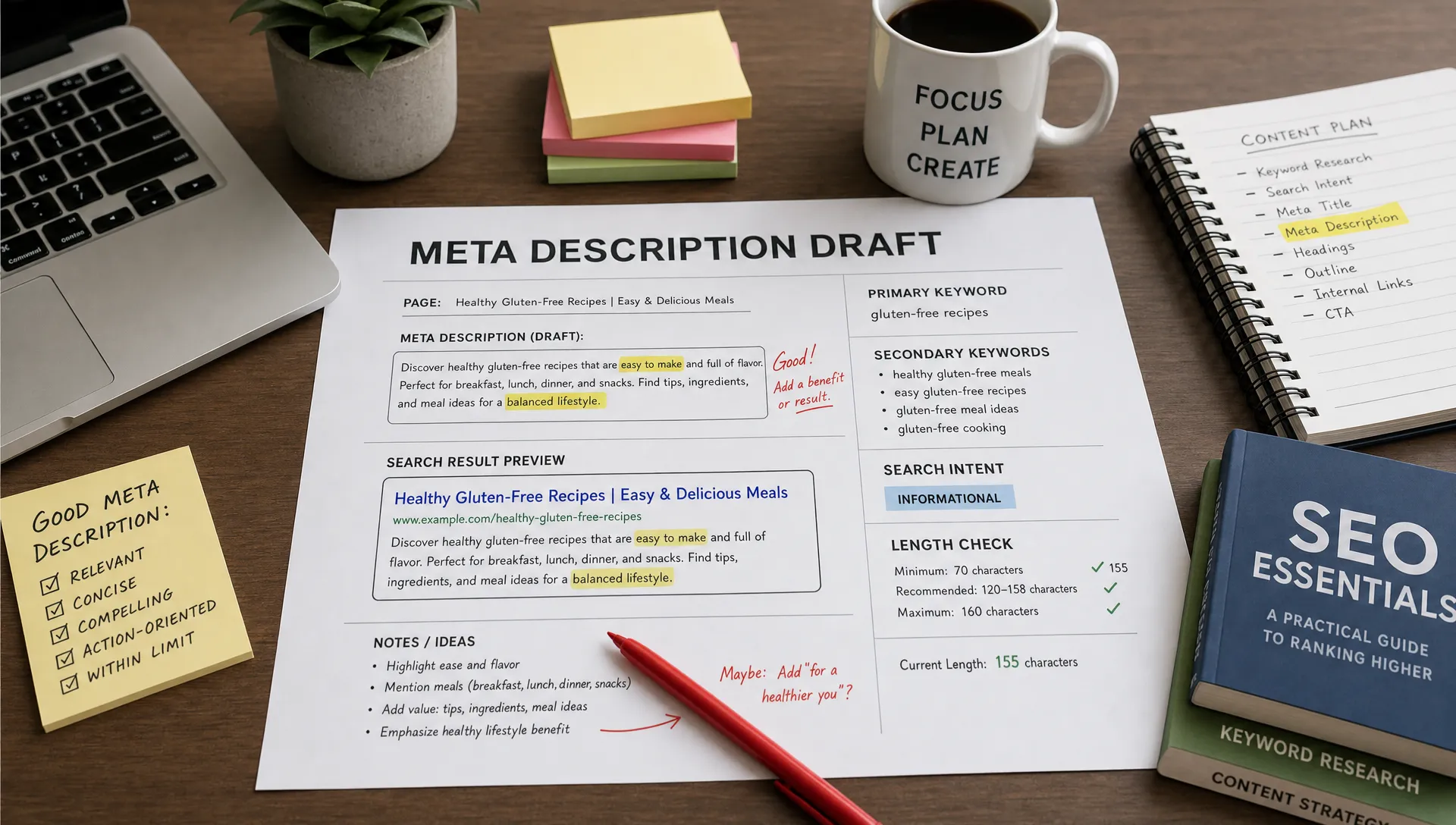
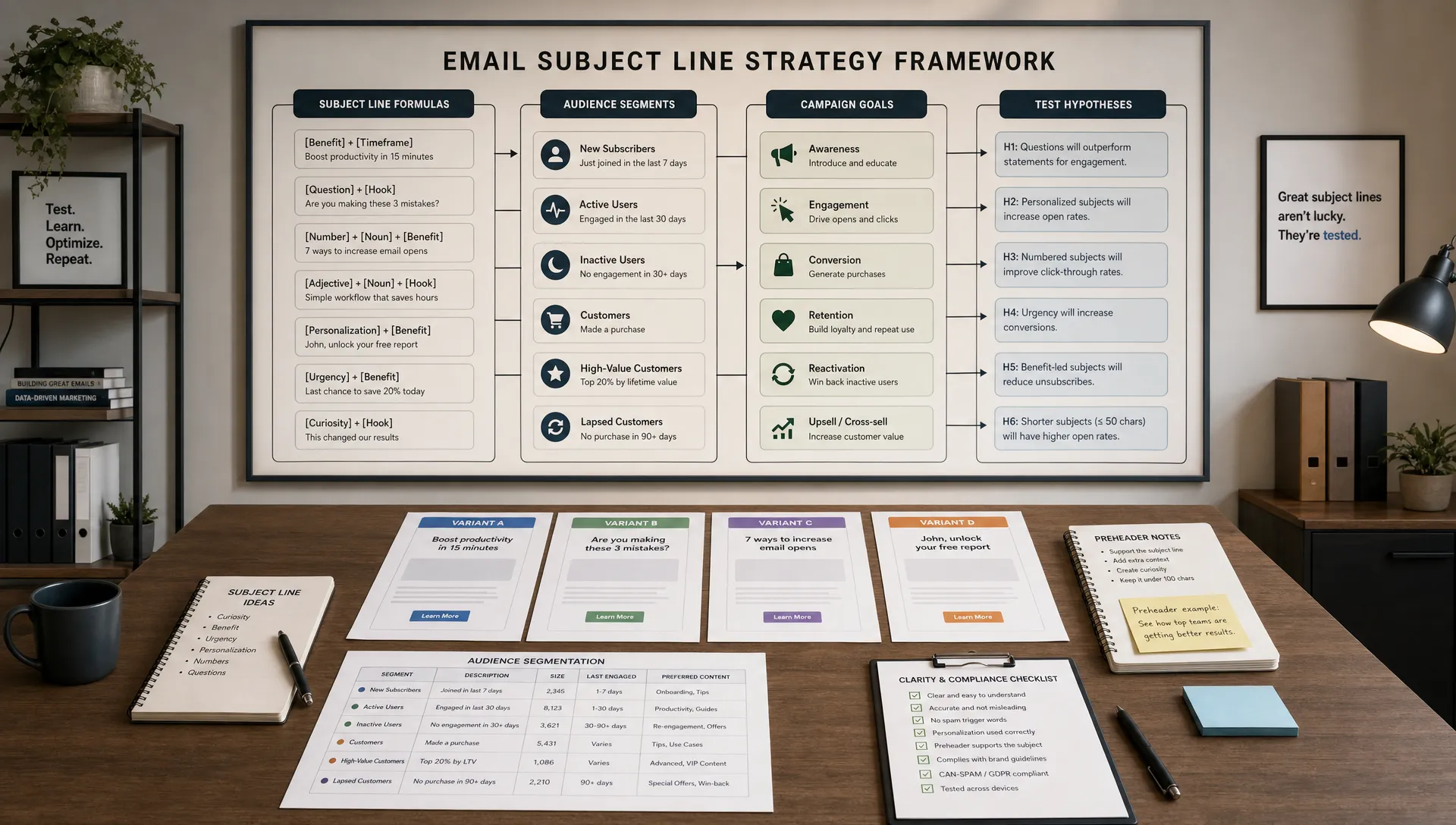
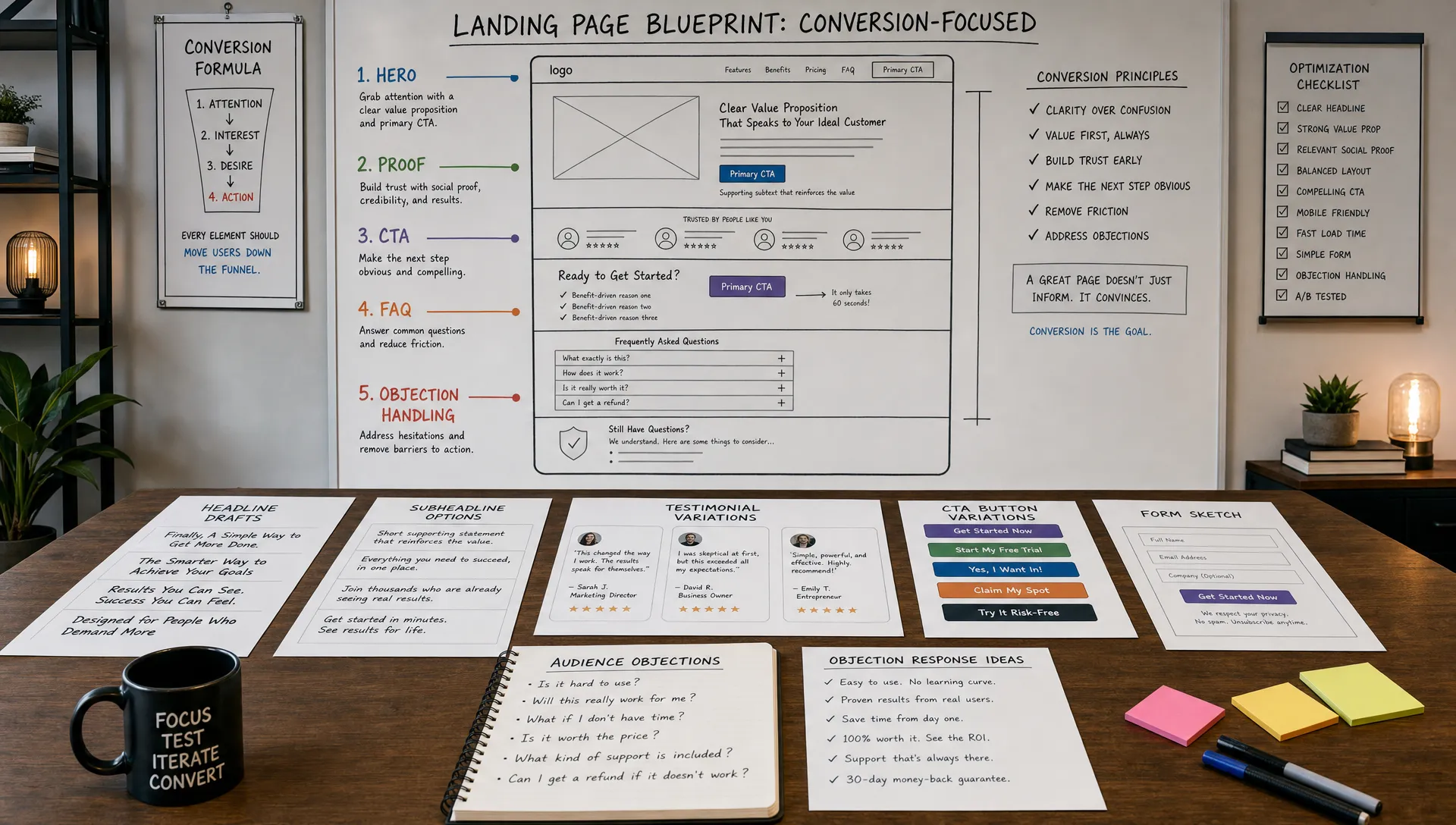
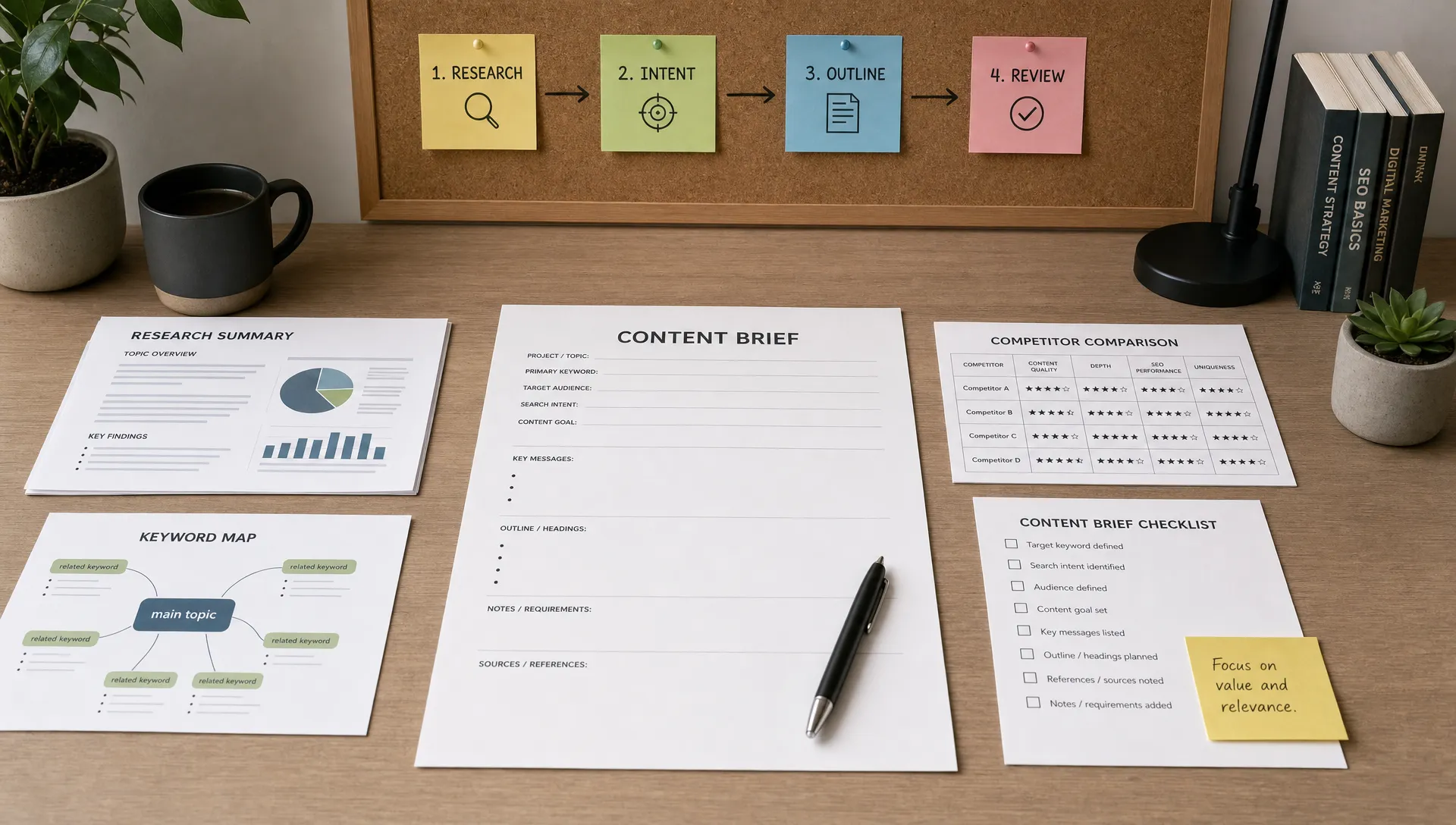
A strong CRO program runs on hypotheses, not random design tweaks. AI can help convert observations into testable ideas. For example, if users are dropping off before a demo form, AI might suggest testing shorter form fields, stronger trust signals, proof near the form, a lower-commitment call to action, or page copy that better explains what happens after submission.
The quality of these ideas still depends on your inputs. If your customer research, positioning, and analytics are weak, AI will make educated guesses from weak evidence.
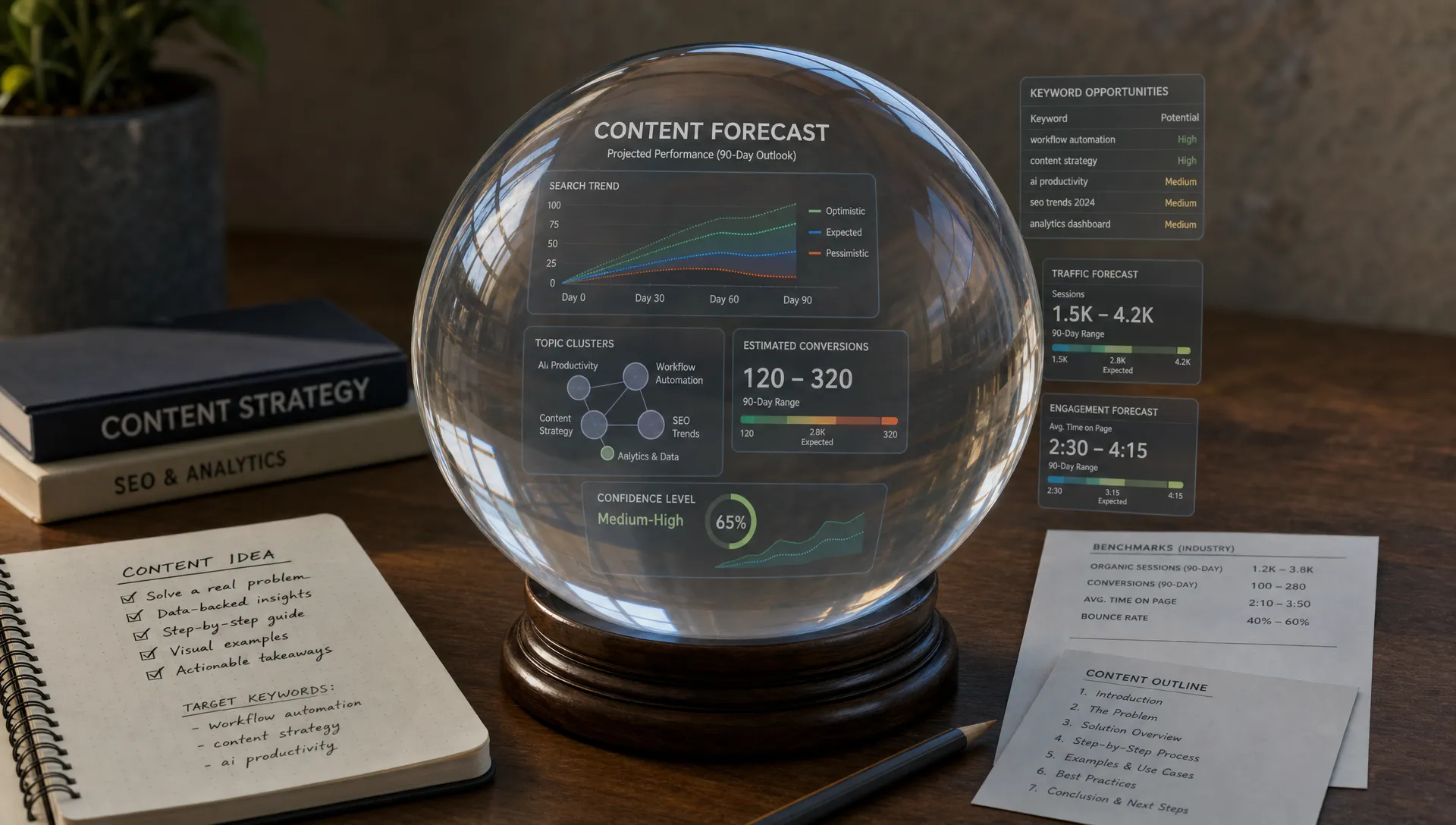
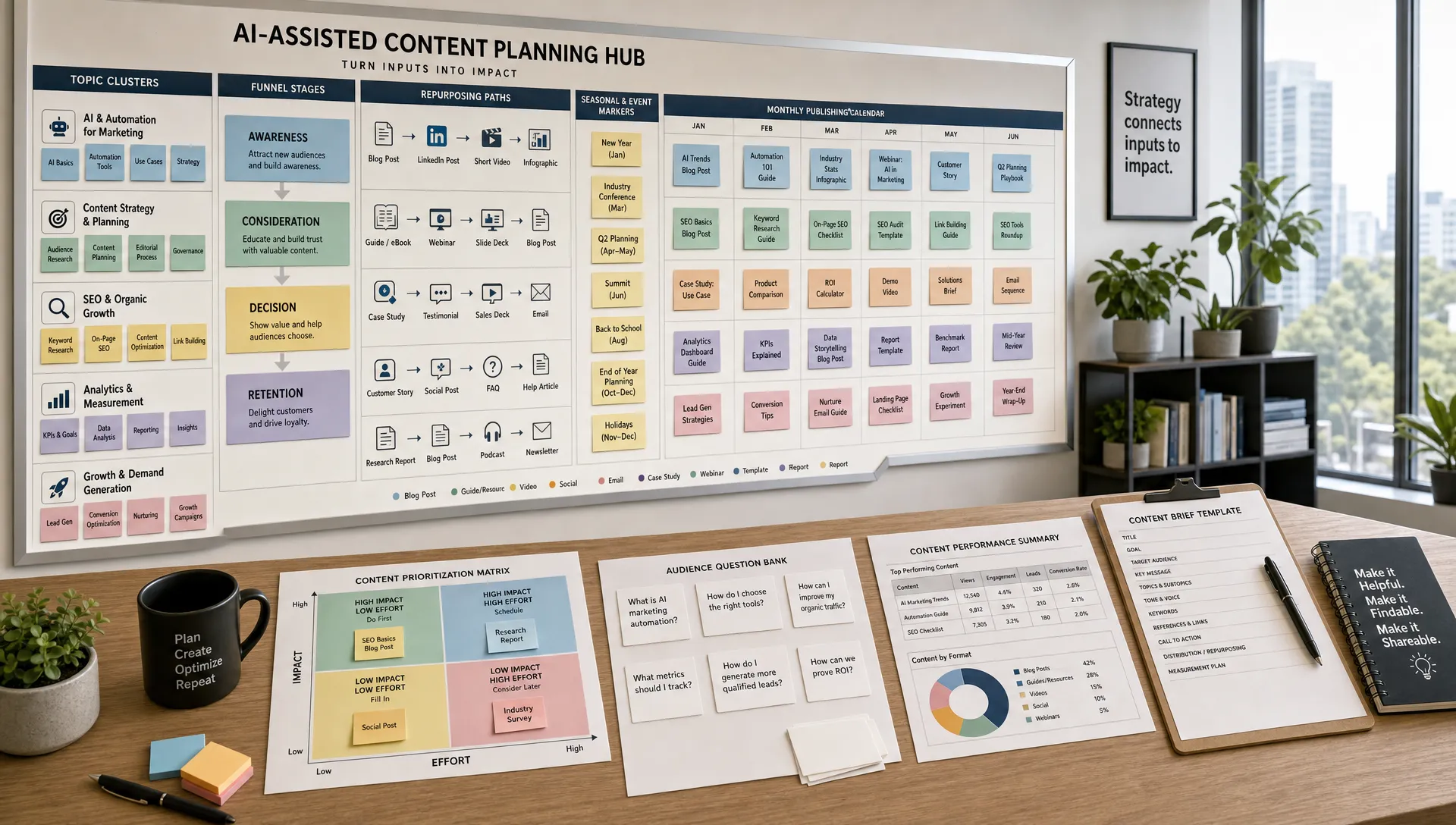
Not every test is worth running. AI can help score ideas based on potential impact, traffic requirements, implementation effort, and funnel proximity. This is especially useful for small teams that cannot test everything.
For example, a headline test on a high-traffic paid landing page may deserve more attention than a minor icon change on a low-traffic blog post. AI can surface that priority faster, but marketers should still consider brand, sales context, and business goals.
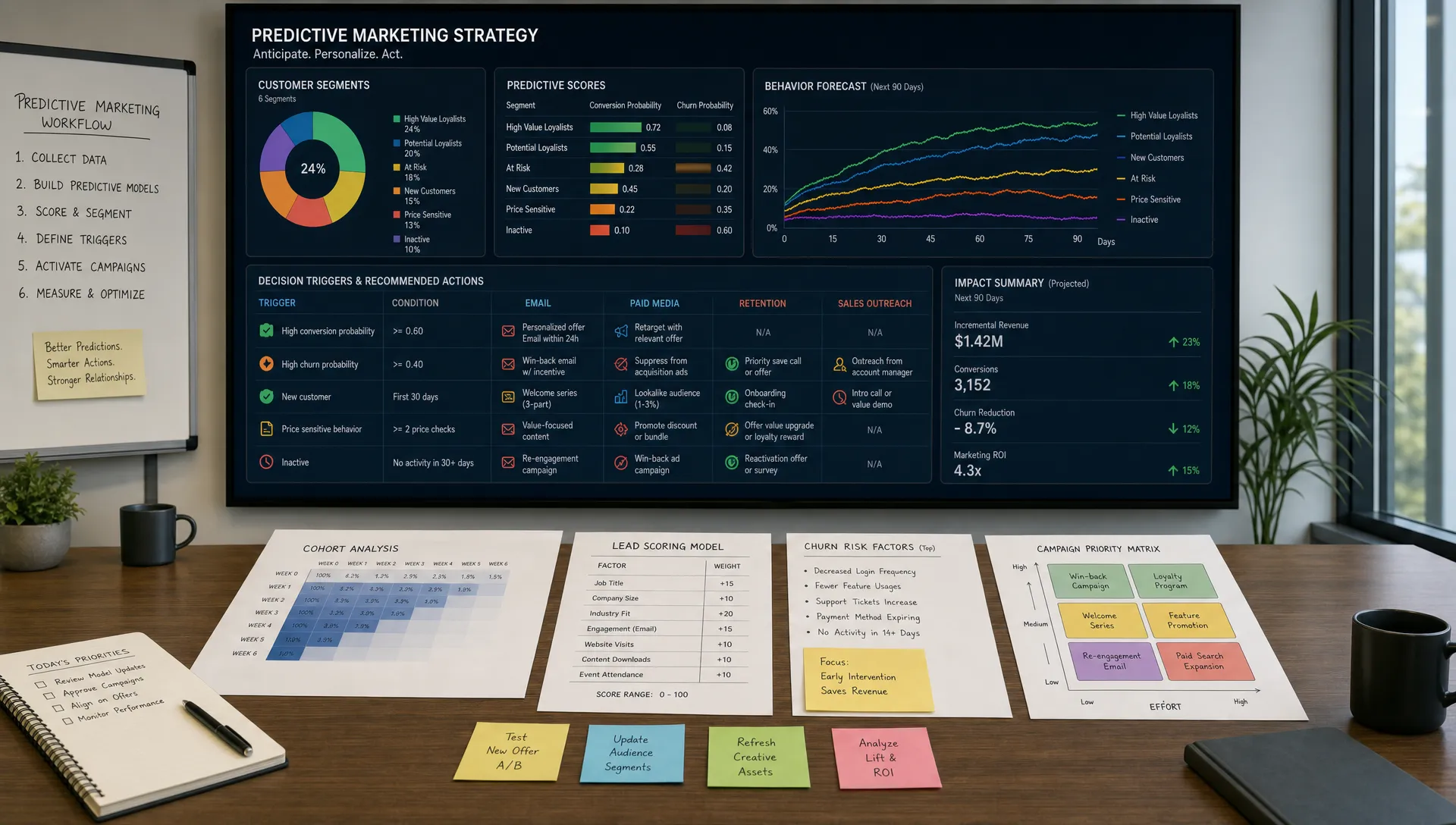
Personalization is one of the biggest reasons AI-powered CRO is growing. According to McKinsey research on personalization, customers increasingly expect relevant experiences, and poor personalization can create frustration.
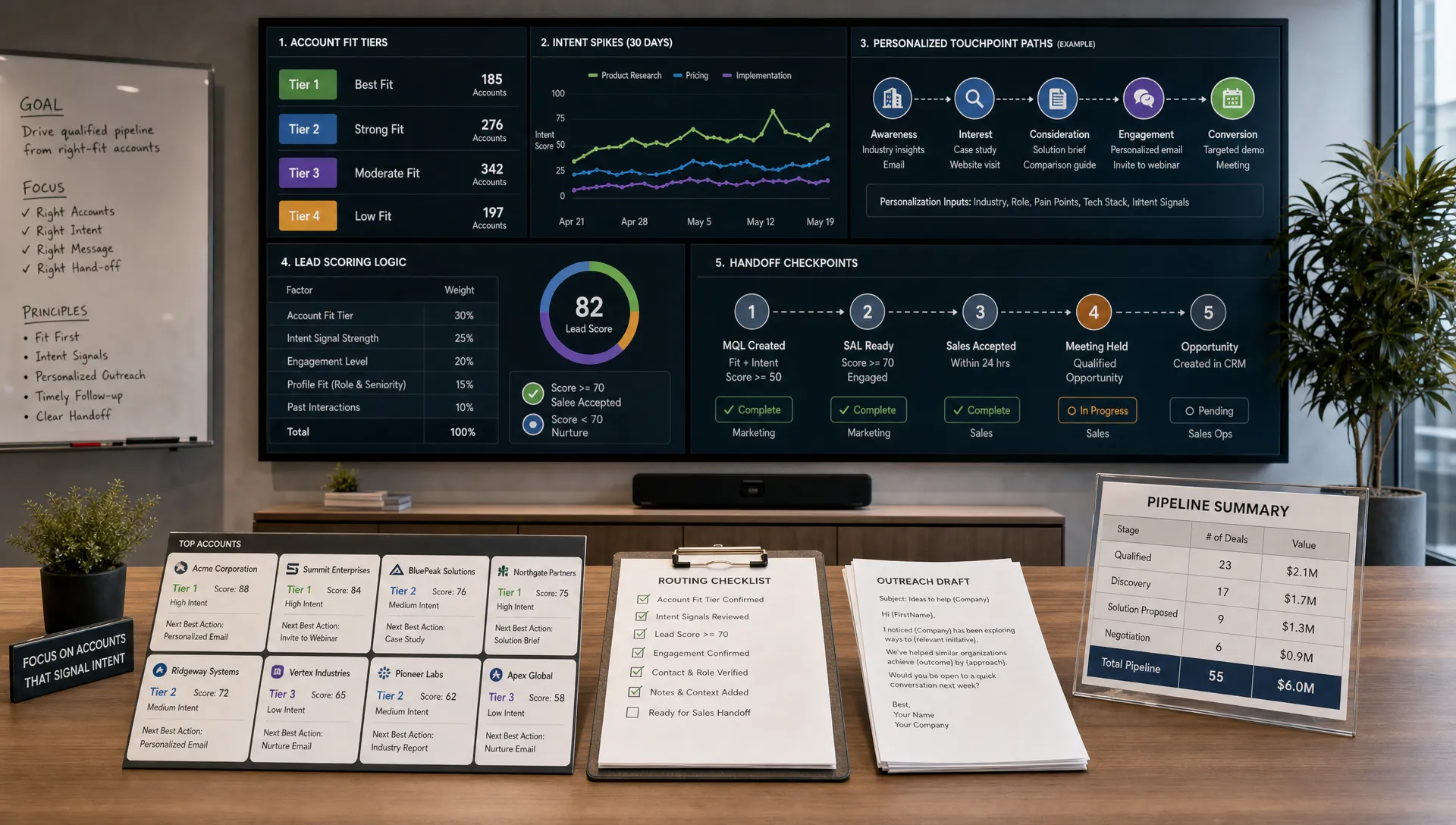
In CRO, personalization might mean showing different proof points to enterprise and startup buyers, changing calls to action based on traffic source, adjusting ecommerce recommendations based on browsing behavior, or tailoring content offers by industry.
The best personalization feels helpful, not invasive. If users feel watched, manipulated, or confused by inconsistent messaging, conversion gains can come at the cost of trust.
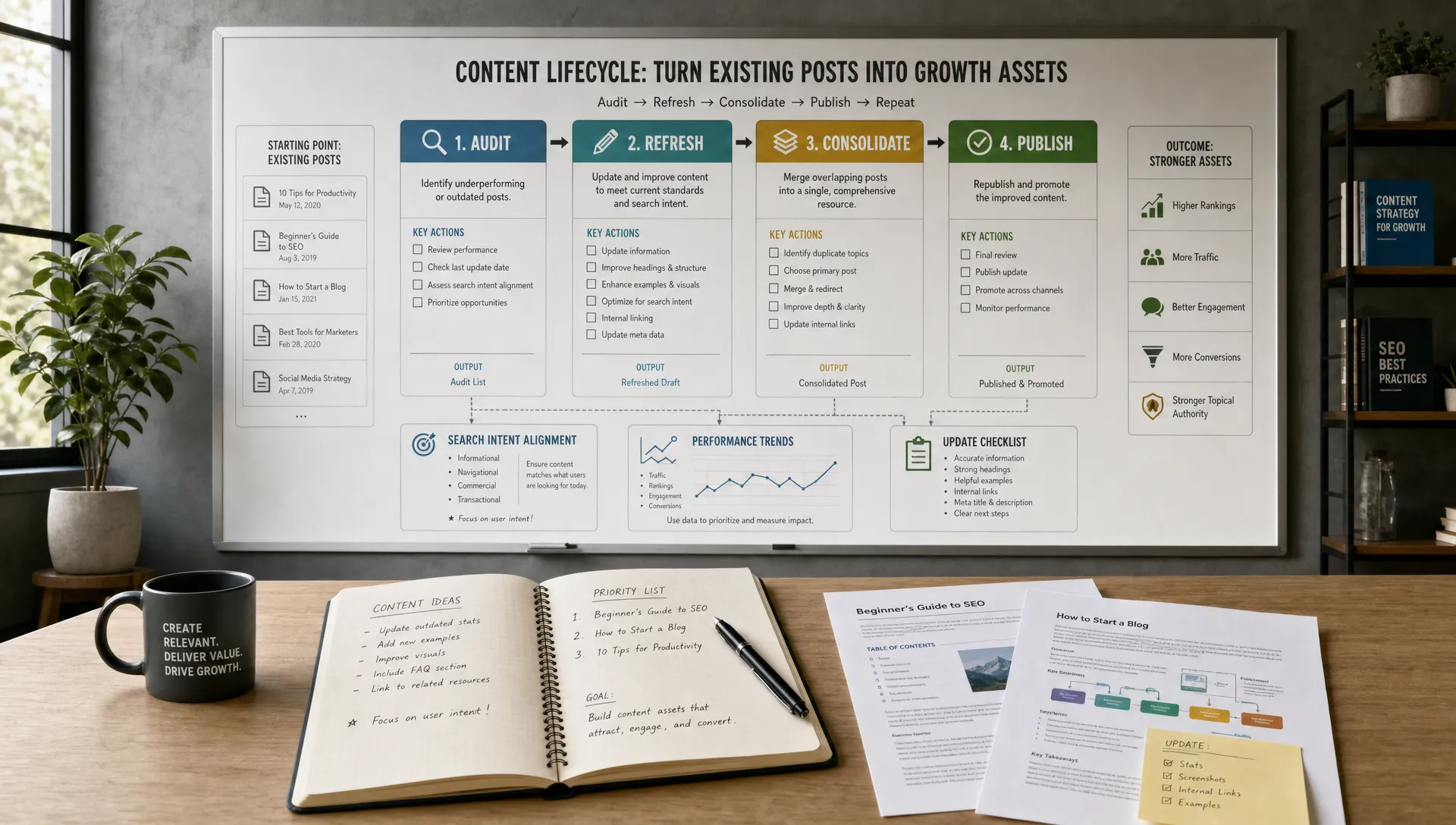
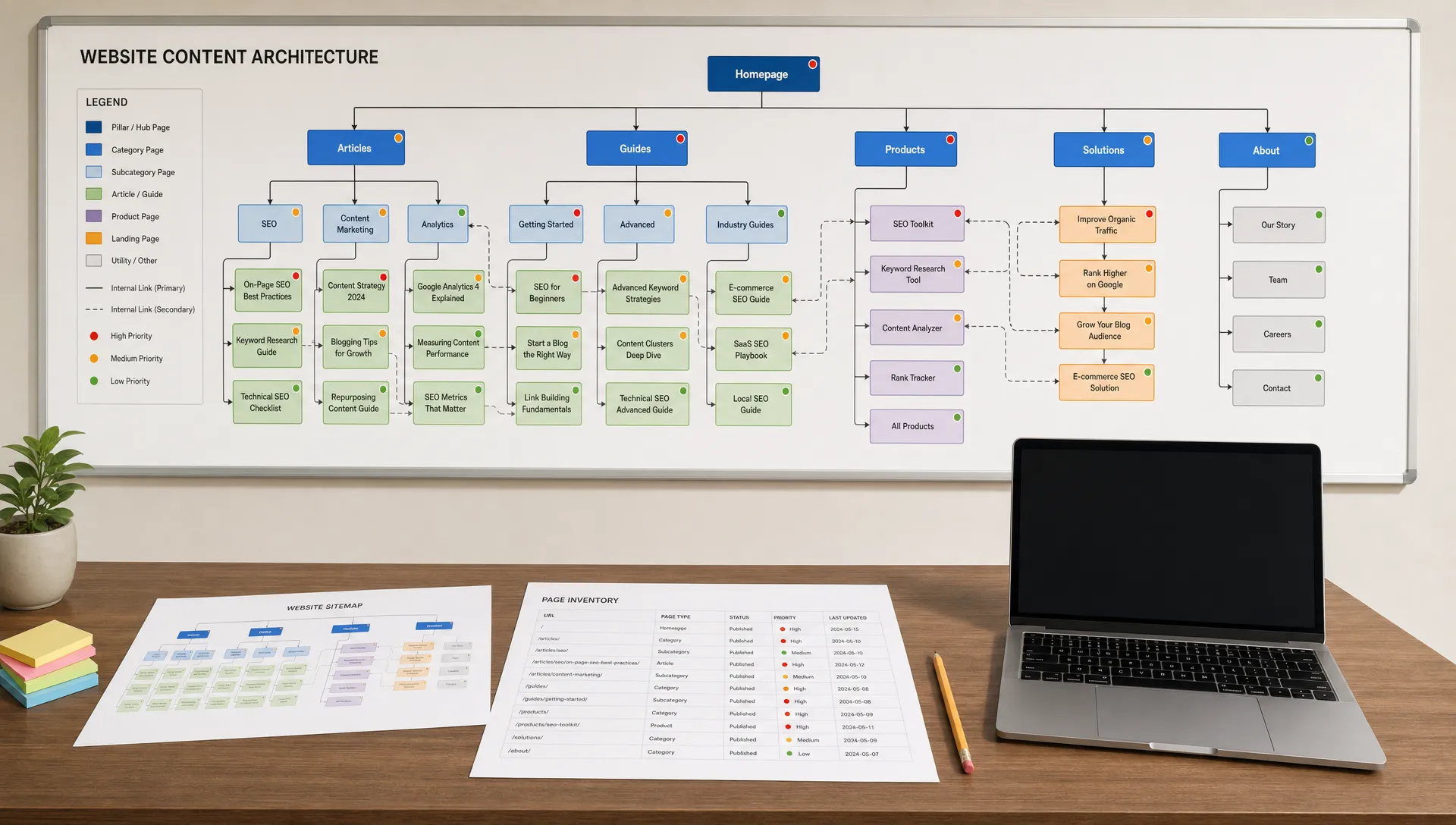
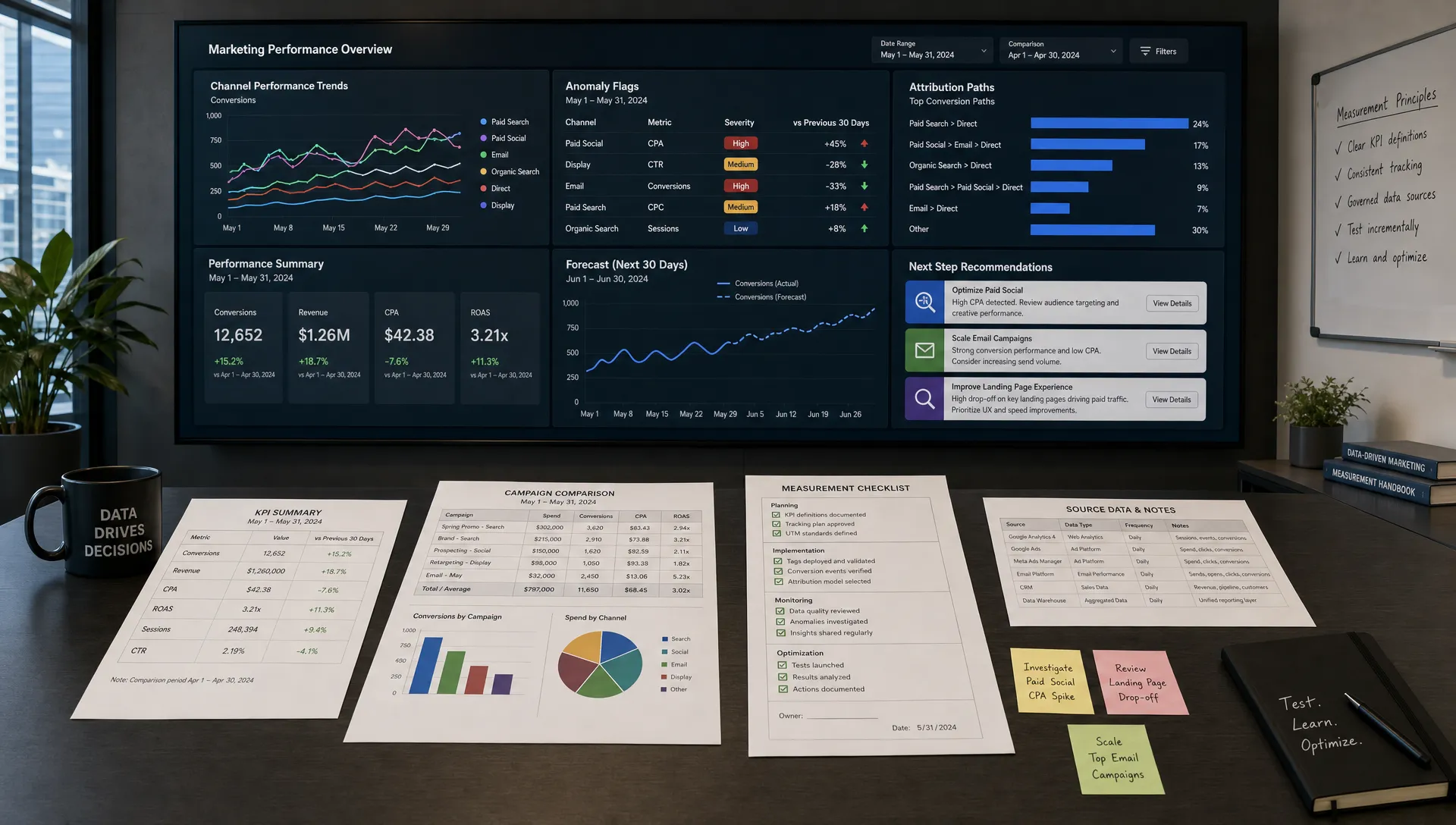
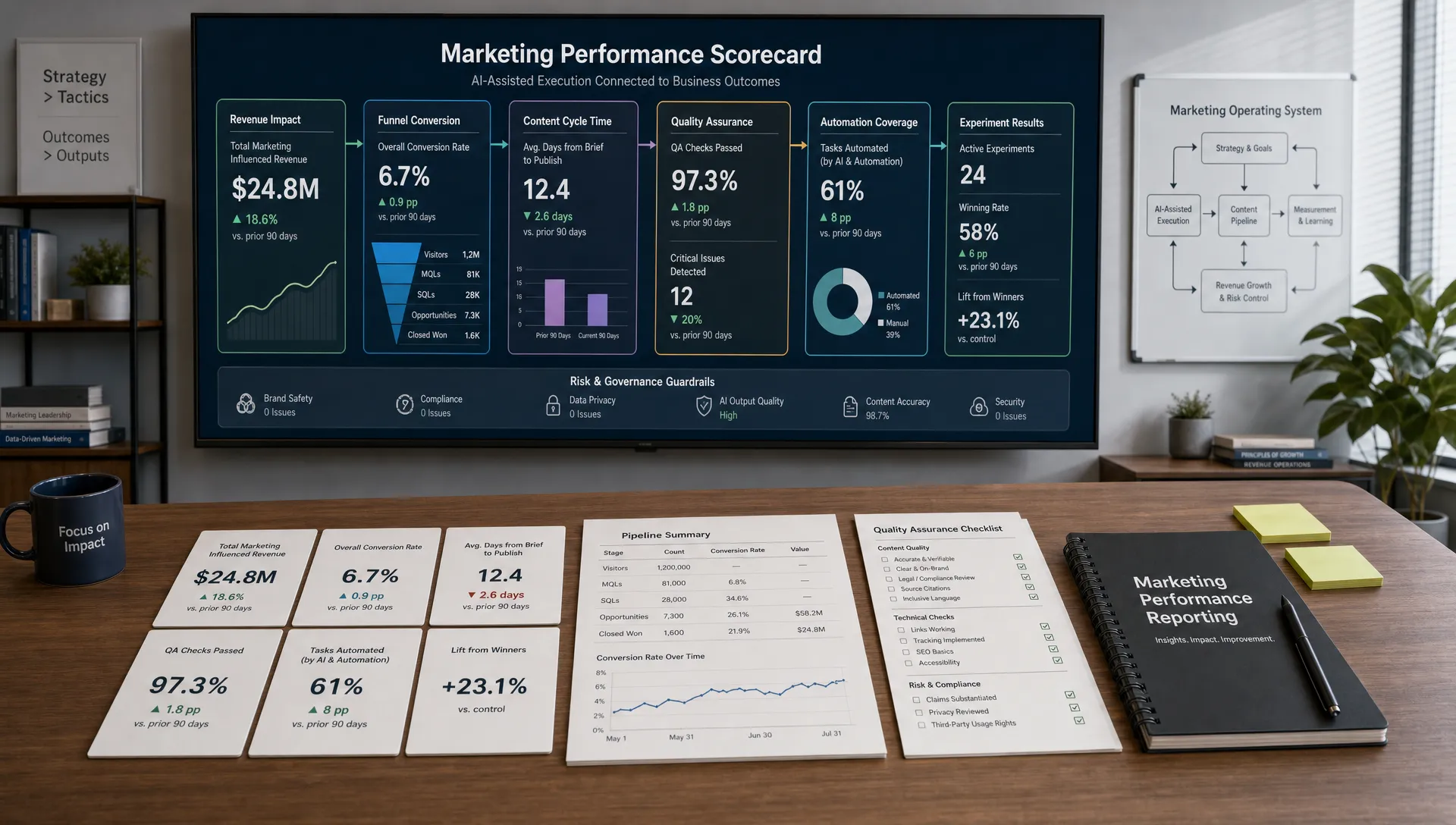
AI-powered CRO is most powerful when insights feed back into the broader marketing system. A winning landing page headline can inform ad copy. A high-converting objection-handling section can inspire email nurture content. A pattern in sales-qualified leads can guide SEO content strategy.
This is where CRO becomes more than website optimization. It becomes a learning engine for your digital marketing strategy.
AI-powered CRO is useful across many business models, but it is especially valuable when you have enough traffic or lead volume to identify patterns.
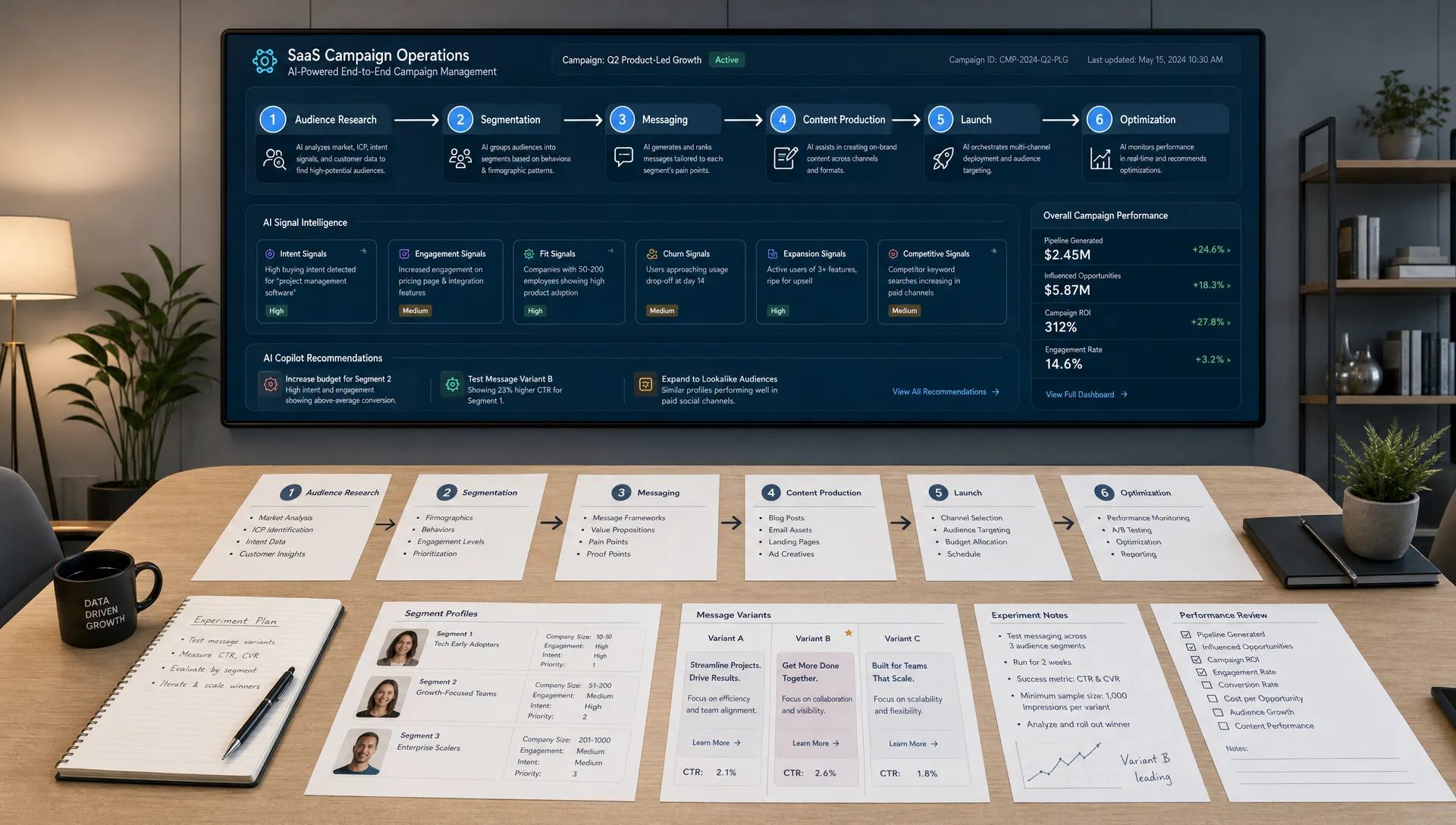
For B2B SaaS teams, AI can help optimize demo pages, free trial flows, product comparison pages, onboarding emails, and lead scoring signals. The goal is not only more conversions, but better-fit conversions.
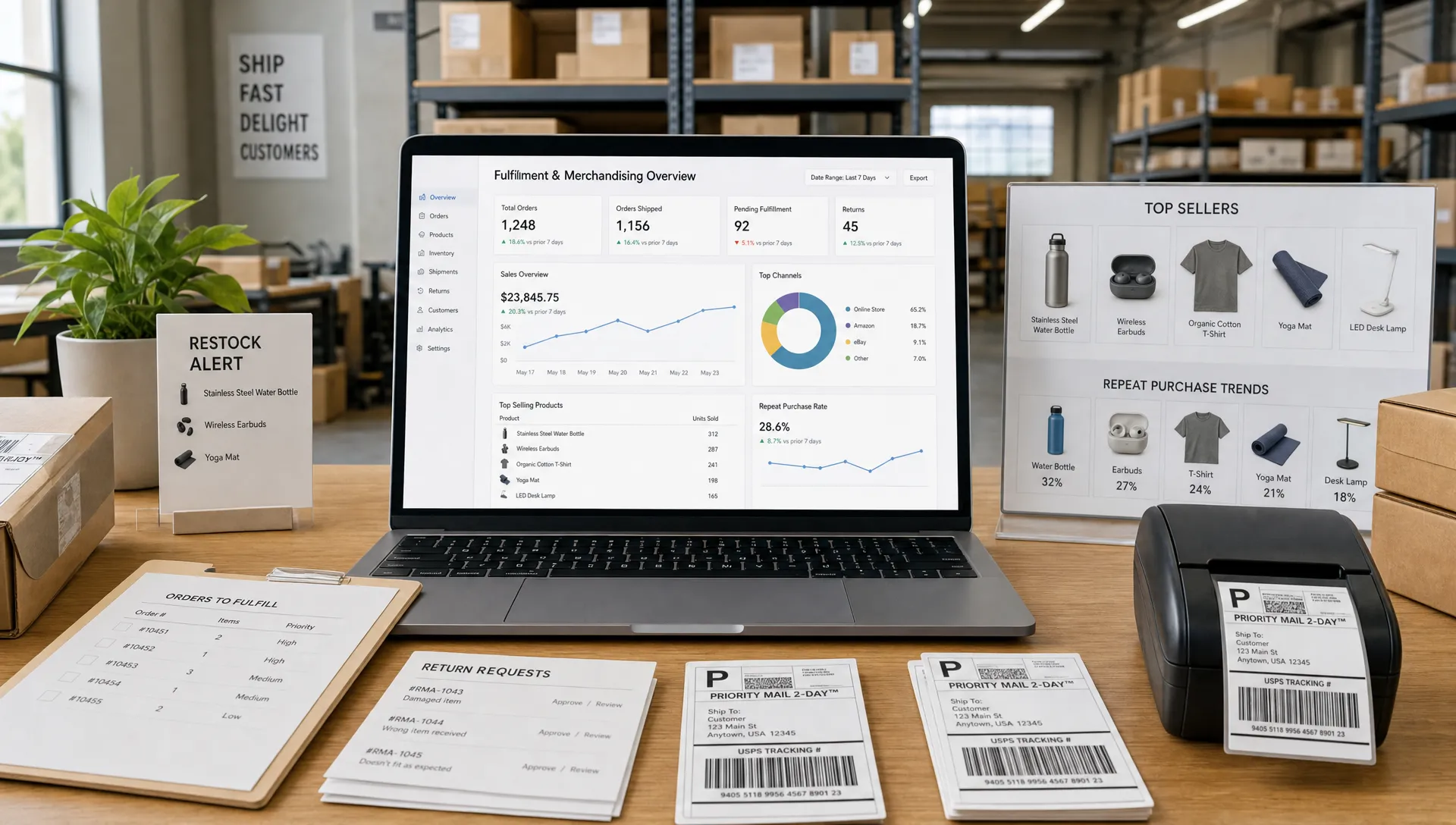
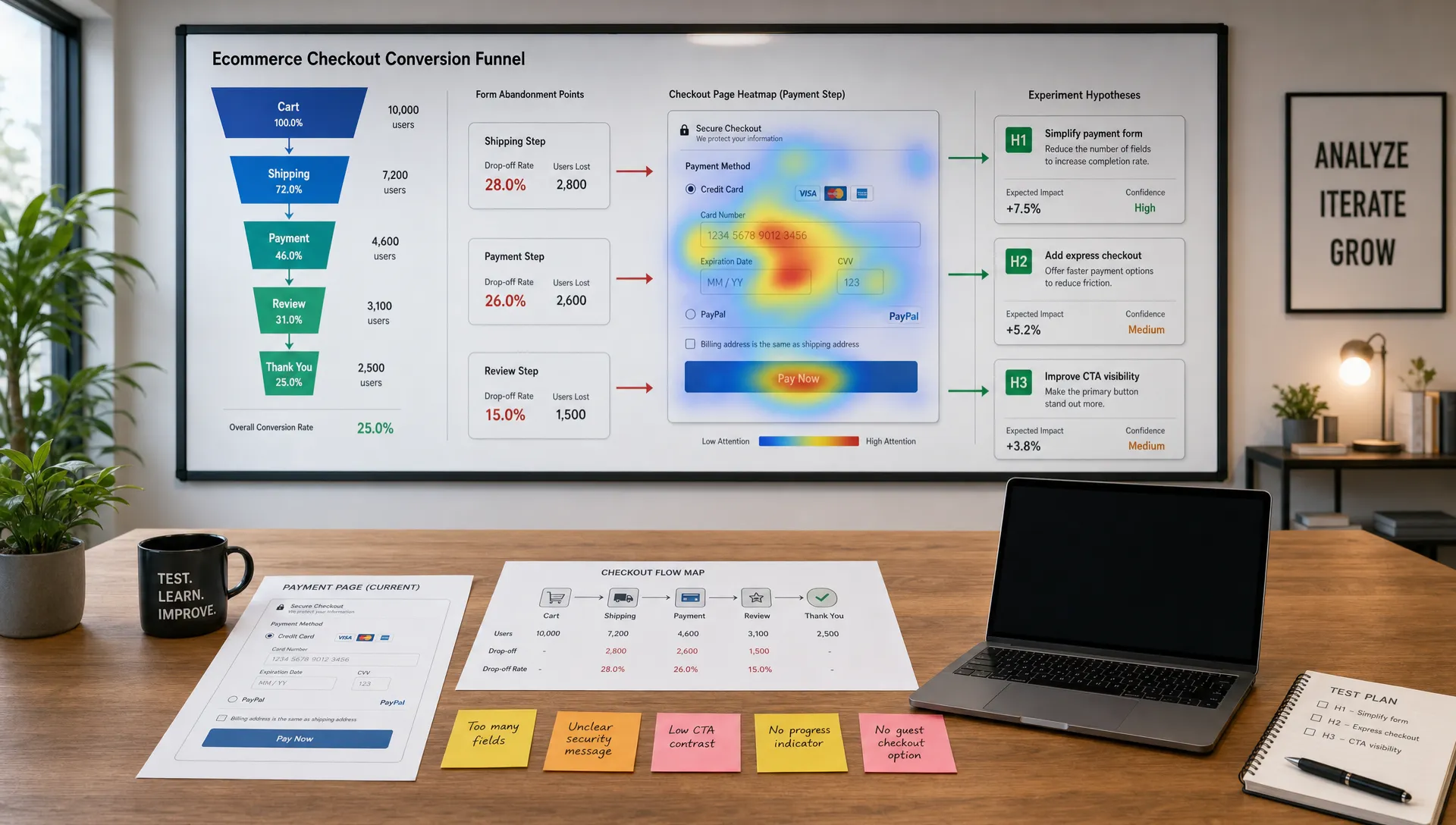
For ecommerce brands, AI can improve product recommendations, cart recovery flows, checkout UX, pricing presentation, and offer sequencing. This matters because Baymard Institute’s cart abandonment research consistently shows that a large share of online carts are abandoned, often due to friction that can be identified and tested.
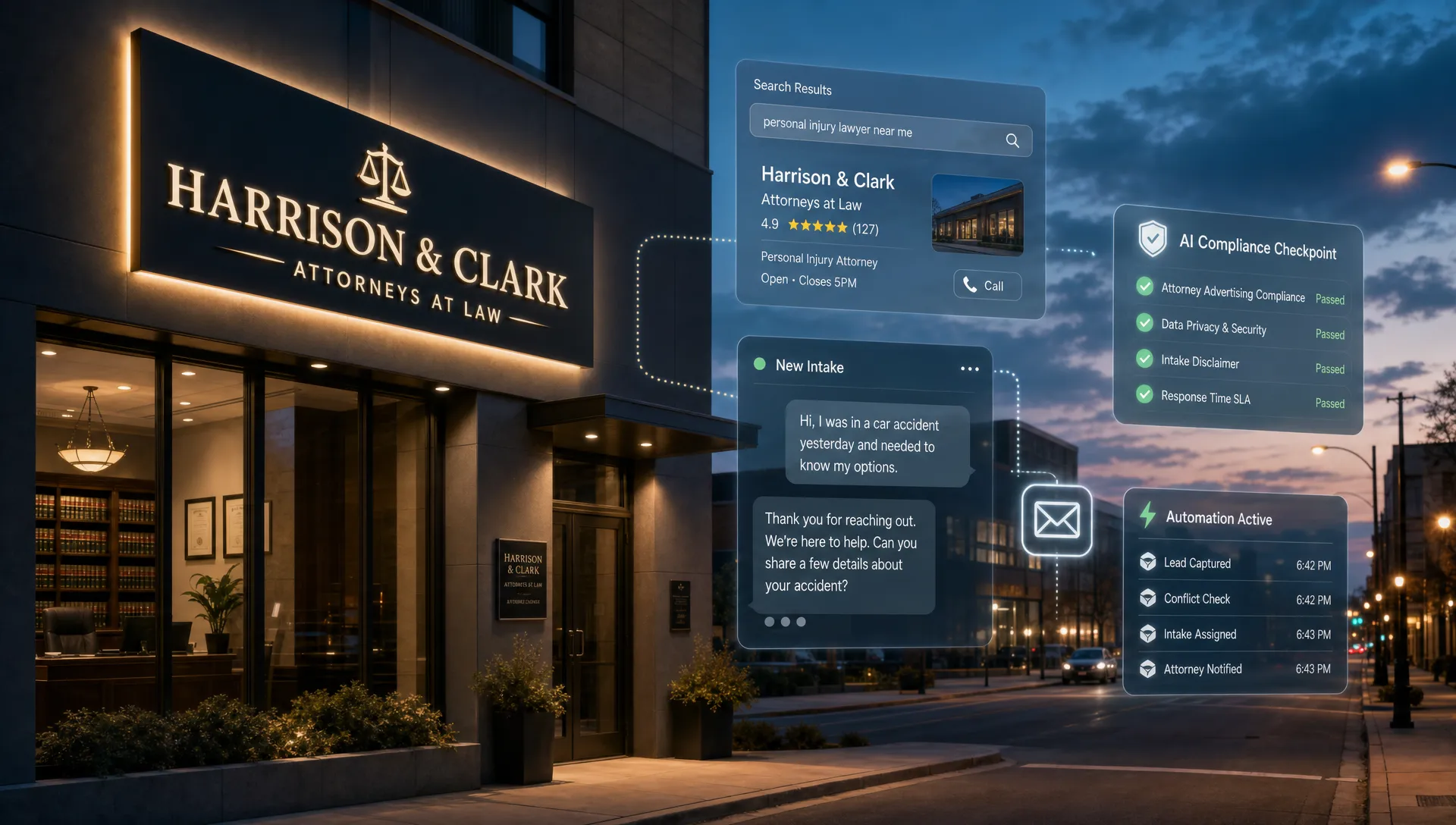
For service businesses, including agencies, legal, finance, healthcare, and consulting, AI-powered CRO can help improve landing page clarity, form completion, call booking rates, content offers, and follow-up journeys. The key is to balance conversion lift with credibility and compliance.
For content-led businesses, AI can help identify which articles, guides, calculators, or templates attract high-intent visitors. That insight can shape calls to action, lead magnets, internal links, and nurture sequences.
If you are comparing platforms, the best starting point is to understand the core categories of AI tools for conversion rate optimization, including testing tools, behavioral analytics, personalization engines, and landing page optimizers.
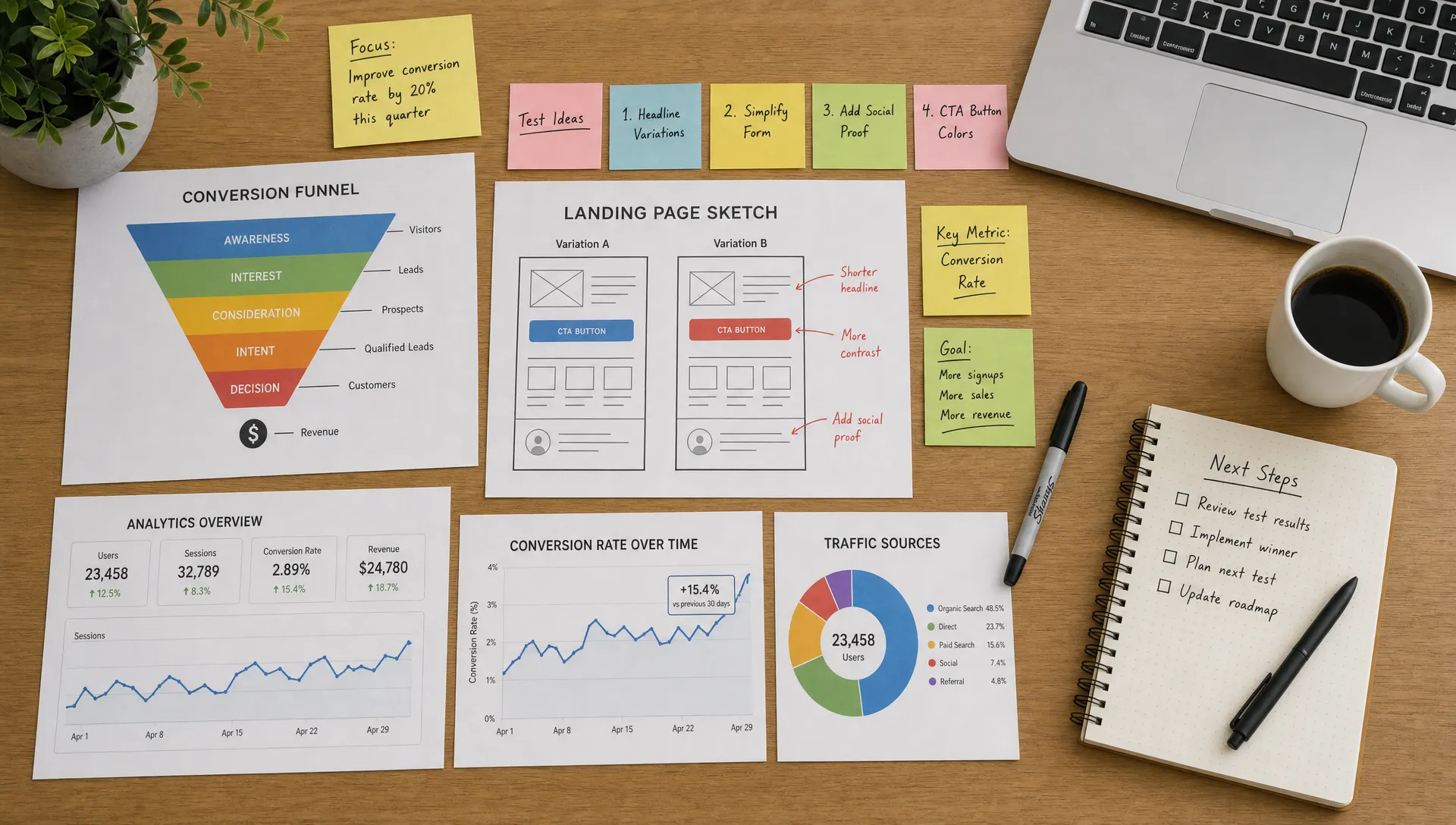
You should consider AI-powered CRO if your website or funnel already has meaningful traffic, clear conversion goals, and a team that can implement changes. AI is most valuable when there is enough data to analyze and enough operational capacity to act on what the data reveals.
It is often a strong fit when:
You may want to wait if your analytics tracking is broken, your offer is unclear, your site has very low traffic, or your team is not ready to execute. AI can identify possible problems, but it cannot fix organizational bottlenecks by itself.
Also, be honest about the scope of the problem. If your conversion challenge is bigger than landing page friction, the issue may involve positioning, pricing, sales process, follow-up, or founder-led revenue strategy. In that case, a specialist such as a revenue acceleration partner for founder-led B2B companies may be more relevant than adding another optimization tool.
AI-powered CRO works best when it is part of a broader growth system, not when it is treated as a shortcut.
The most obvious benefit is speed. AI can reduce the time needed to review data, summarize behavior, generate copy variants, and prioritize experiments. For lean marketing teams, that can make CRO realistic instead of something that always gets postponed.
The second benefit is pattern recognition. Humans are good at strategy, empathy, and creative judgment. AI is good at scanning large datasets for recurring behaviors. Together, they can uncover insights faster than either could alone.
The third benefit is personalization at scale. A marketer might manually create one landing page for a campaign. AI-assisted workflows can help create and test variations for multiple audiences, industries, traffic sources, or funnel stages while keeping the core message consistent.
Another advantage is workflow automation. AI can turn experiment notes into summaries, generate stakeholder updates, organize test results, and suggest next steps. This helps CRO programs build institutional memory instead of losing lessons in scattered documents.
Finally, AI-powered CRO can improve decision-making across channels. A conversion insight from a landing page can improve SEO content, sales scripts, paid search ads, email sequences, and product onboarding. If you are thinking beyond isolated tactics, this connects naturally to how AI for digital marketing improves performance across the funnel.
AI-powered CRO has real advantages, but it also introduces risks that marketers should take seriously.
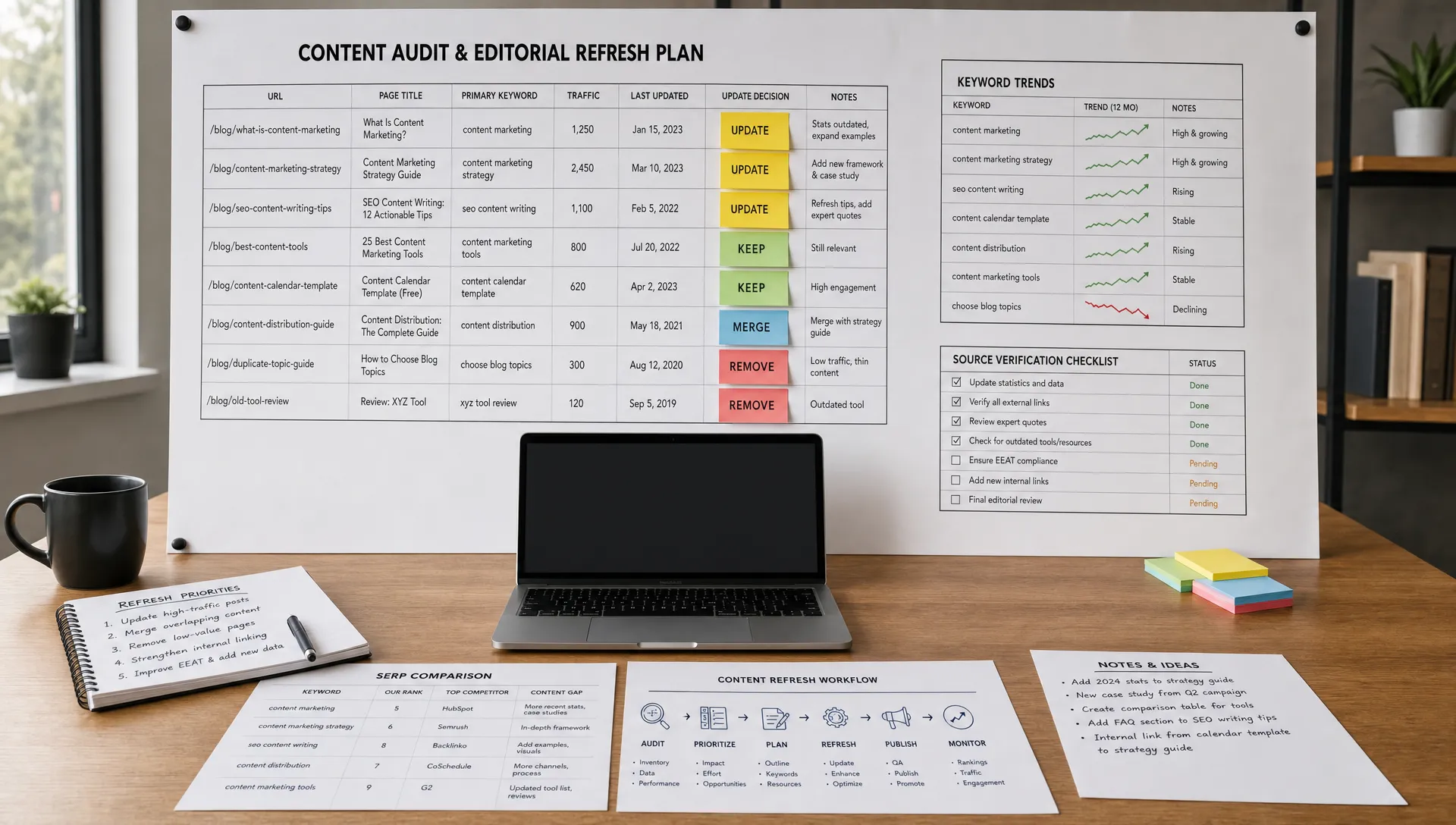
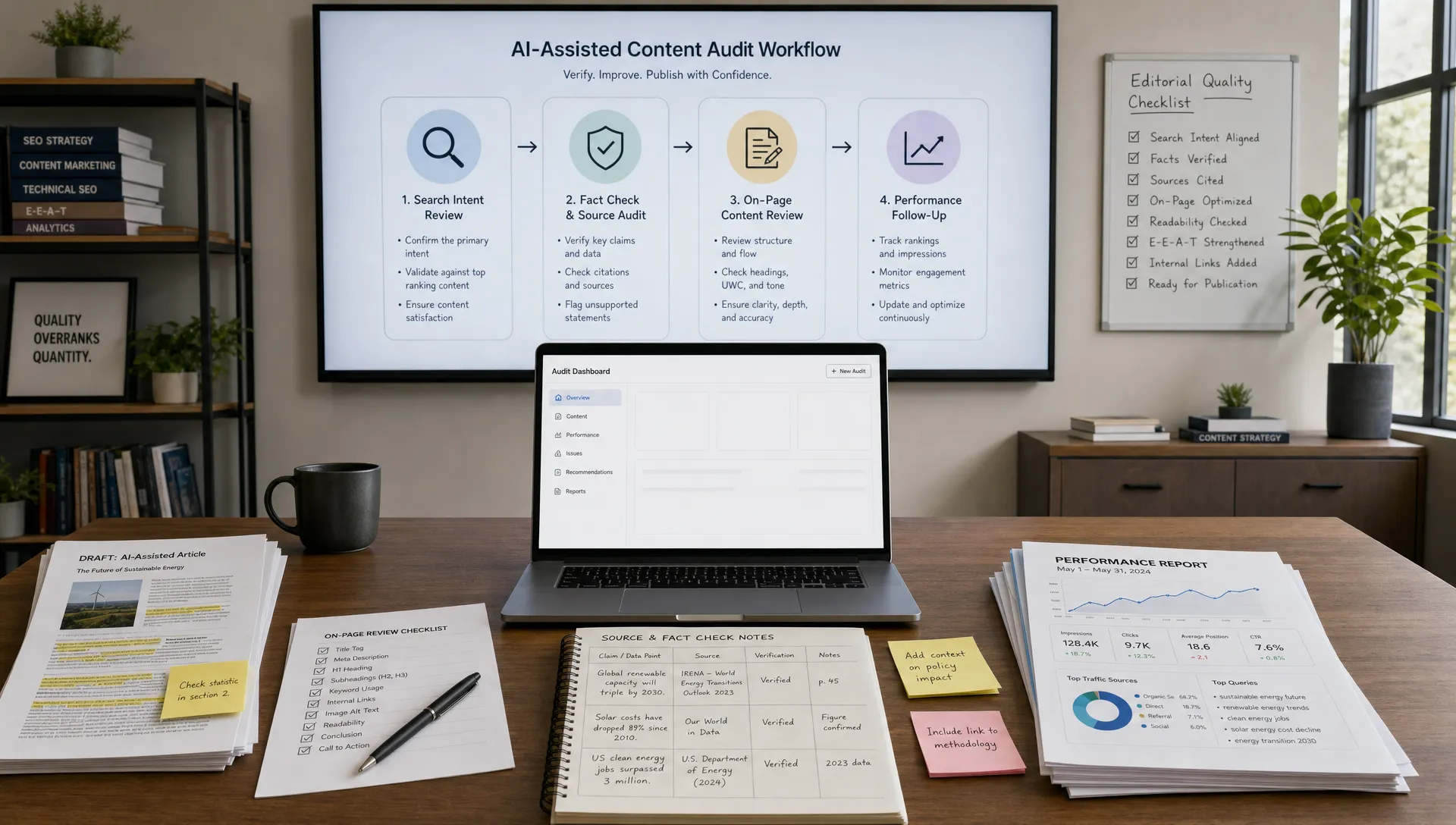
The first risk is bad data. If your analytics are misconfigured, events are duplicated, consent settings are inconsistent, or CRM data is messy, AI may produce confident but misleading recommendations. Before investing heavily in AI-powered analytics, audit your tracking.
The second risk is false certainty. AI can make test recommendations sound more scientific than they are. A pattern is not always a cause. A short-term lift is not always a profitable improvement. A winning variant for one segment may hurt another.
The third risk is over-optimization. If every page becomes a patchwork of aggressive conversion tactics, your brand can start to feel pushy. CRO should reduce friction and improve relevance, not pressure users into decisions they are not ready to make.
The fourth risk is privacy and compliance. Regulated industries need extra care around claims, data usage, consent, and personalization. Financial services firms, for example, should treat AI-driven marketing experiments as both performance initiatives and risk-management exercises. If your team operates in a regulated environment, review the practical guidance on AI marketing for financial services before deploying personalization or automated messaging at scale.
The fifth risk is tool sprawl. Many teams add AI tools before defining a CRO process. That usually creates more dashboards, more opinions, and more fragmented workflows. Start with the questions you need answered, then choose the tool.
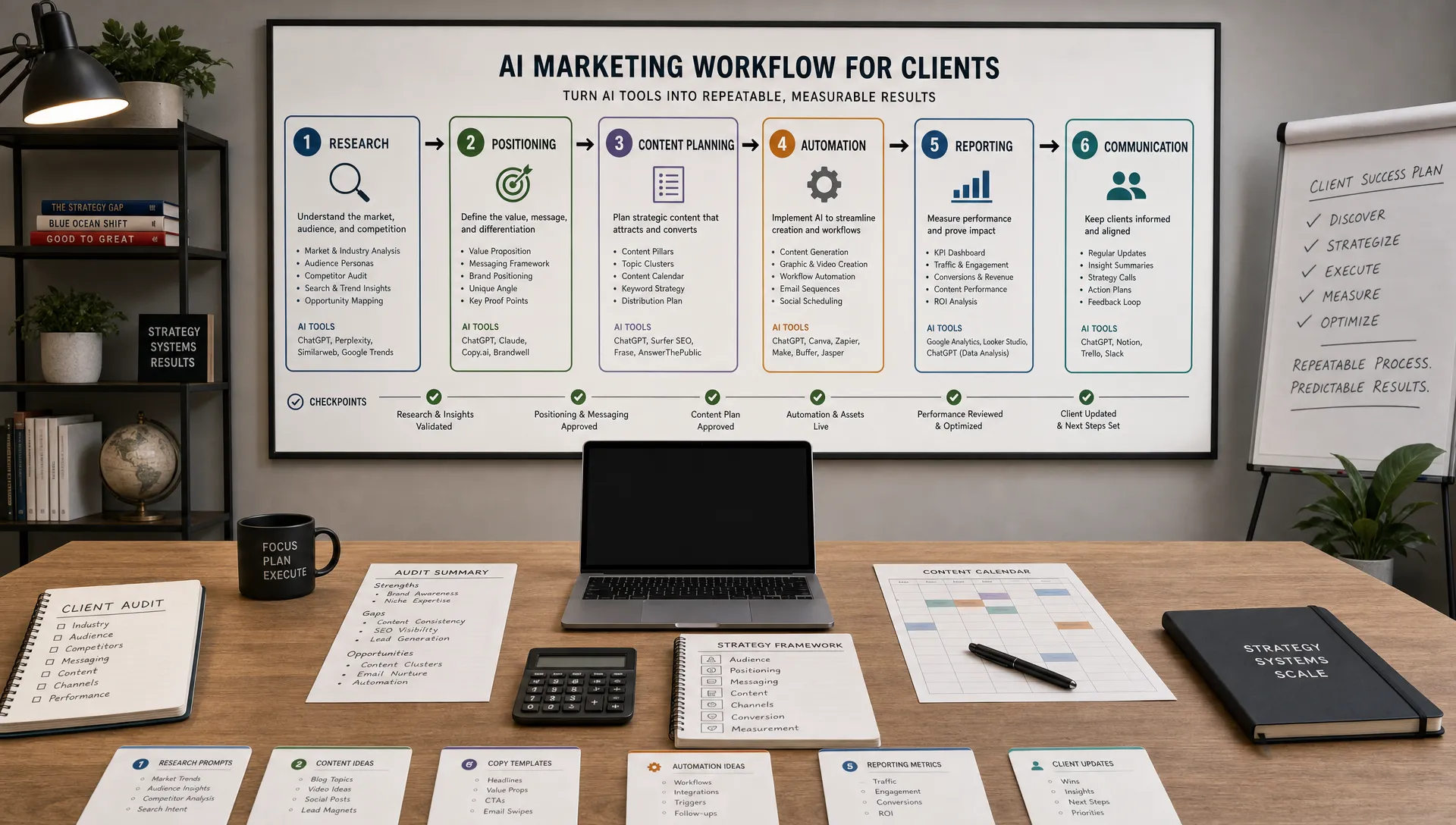
You do not need a fully automated experimentation engine to begin. A practical AI-powered CRO program can start small and mature over time.
For many teams, the biggest improvement comes from discipline rather than sophistication. AI can accelerate the work, but your process determines whether insights become measurable growth.
The right tool depends on your business model, technical stack, and funnel maturity. A small service business may need AI-assisted landing page analysis and form optimization. A SaaS company may need experimentation, product analytics, and lifecycle personalization. An ecommerce brand may prioritize recommendation engines, cart recovery, and checkout analytics.
When evaluating AI tools, look for capabilities that support your actual workflow. Useful features may include behavior analysis, test idea generation, audience segmentation, copy variation, personalization rules, experiment reporting, integrations with your CRM or analytics stack, and privacy controls.
Avoid choosing a platform only because it has generative AI features. The better question is whether it helps your team make faster, safer, and more profitable decisions.
What is AI-powered CRO? AI-powered CRO is the use of artificial intelligence to improve conversion rate optimization. It can help analyze user behavior, generate test ideas, personalize experiences, prioritize experiments, and summarize results.
Is AI-powered CRO only for large companies? No, but larger datasets usually make AI recommendations more reliable. Smaller businesses can still use AI for qualitative analysis, copy testing, landing page audits, and workflow automation, as long as they avoid overreading limited data.
Can AI replace a CRO specialist? Not completely. AI can speed up analysis and experimentation, but human expertise is still needed for strategy, customer understanding, brand judgment, compliance review, and final decision-making.
How much traffic do you need for AI-powered CRO? There is no universal threshold. If you want statistically reliable A/B tests, you need enough traffic and conversions for meaningful results. If you have lower traffic, focus on qualitative insights, usability improvements, message testing, and bigger changes rather than tiny variations.
What is the biggest mistake teams make with AI-powered CRO? The biggest mistake is using AI before fixing the fundamentals. If your offer is unclear, analytics are unreliable, or your team cannot implement changes, AI will not solve the underlying problem.
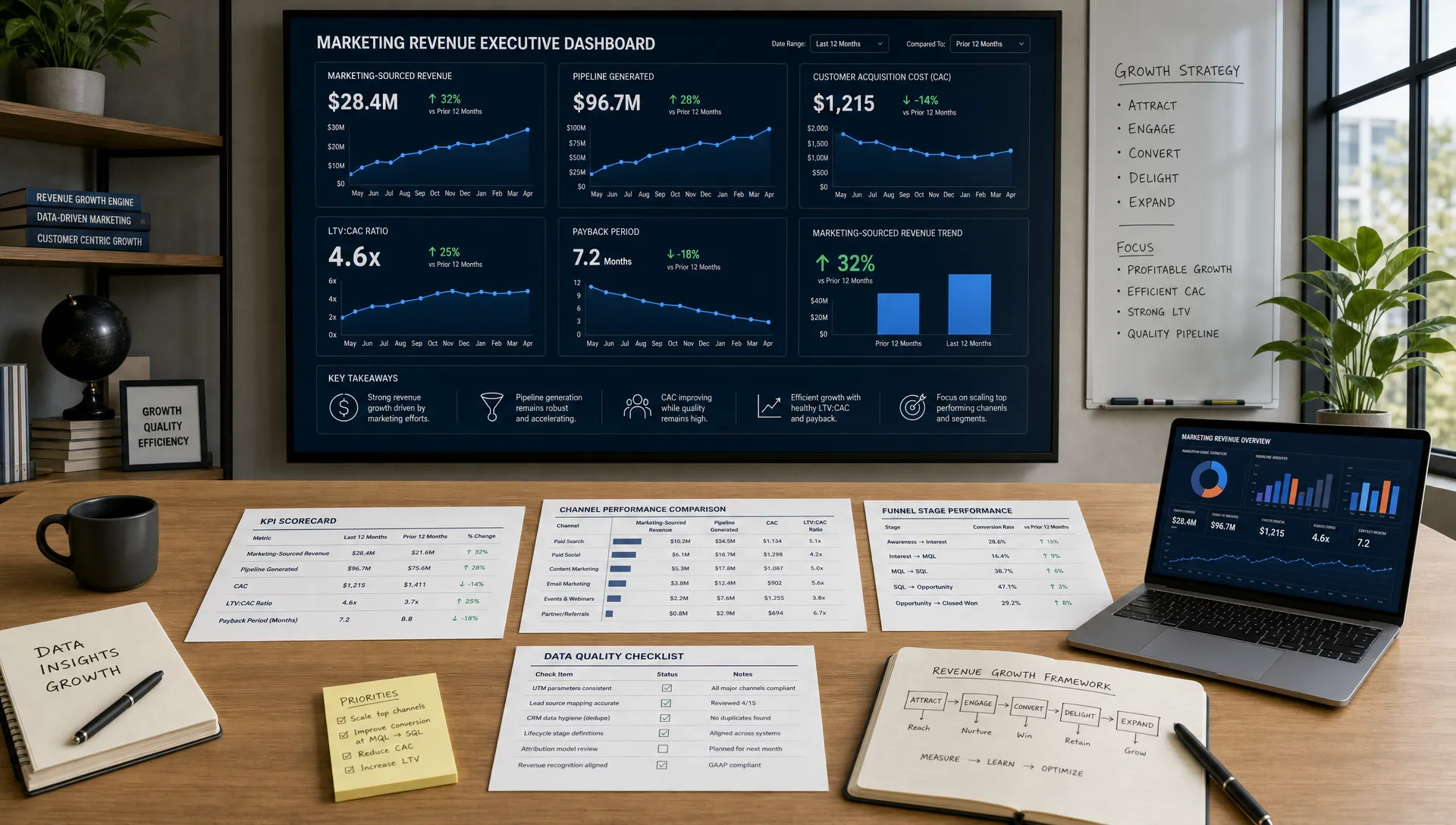
AI-powered CRO is worth using when you have clear goals, trustworthy data, enough traffic to learn from, and a team ready to act. It can help you test faster, personalize more intelligently, and connect conversion insights to the rest of your marketing strategy.
But the best results come from combining AI with sound judgment. Start with one high-value funnel problem, use AI to improve the quality and speed of your decisions, and measure outcomes that matter to the business.
For more practical AI marketing guides, tools, calculators, and resources, explore AIMarketer Hub and build a marketing workflow that turns data into action.