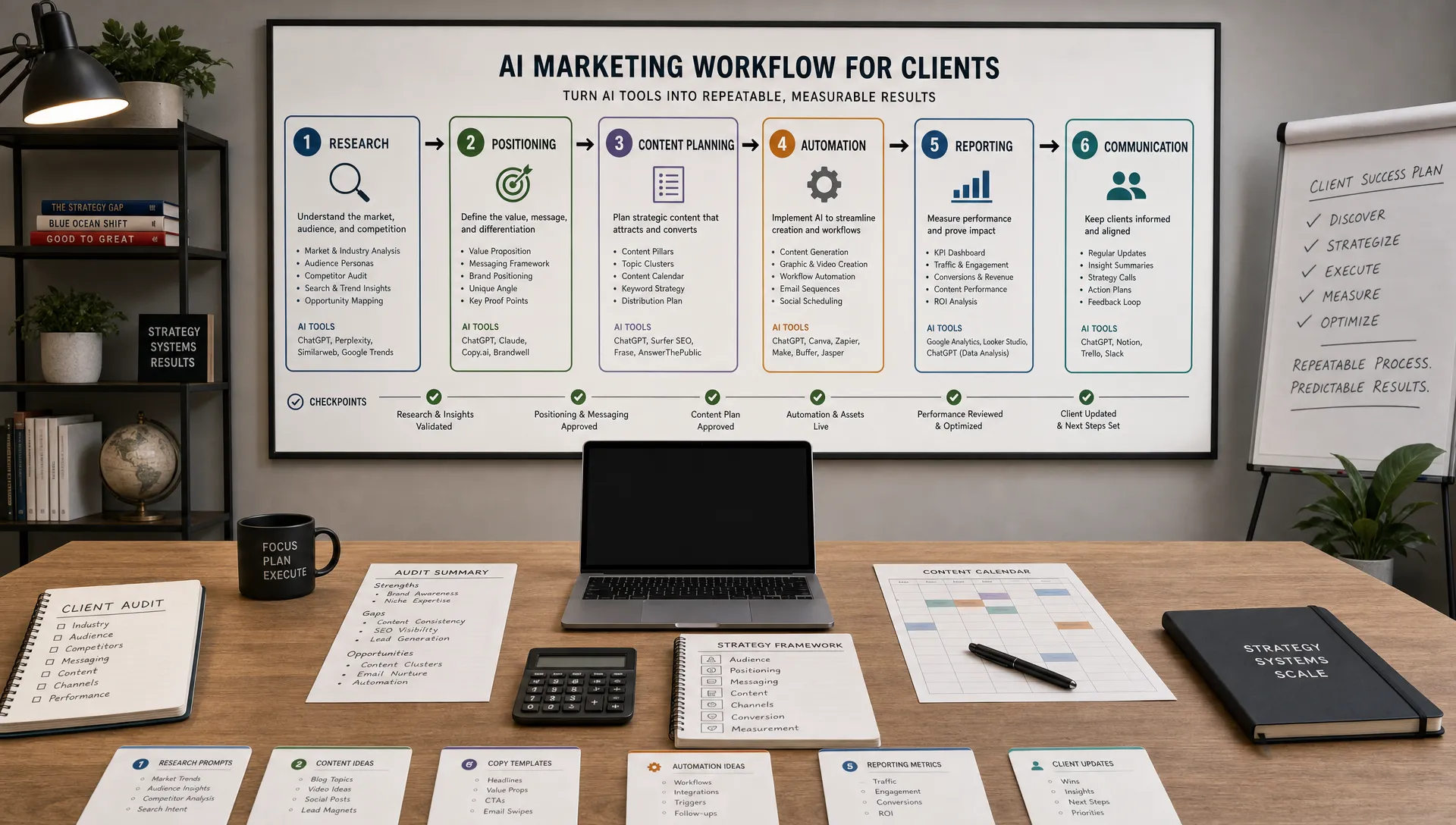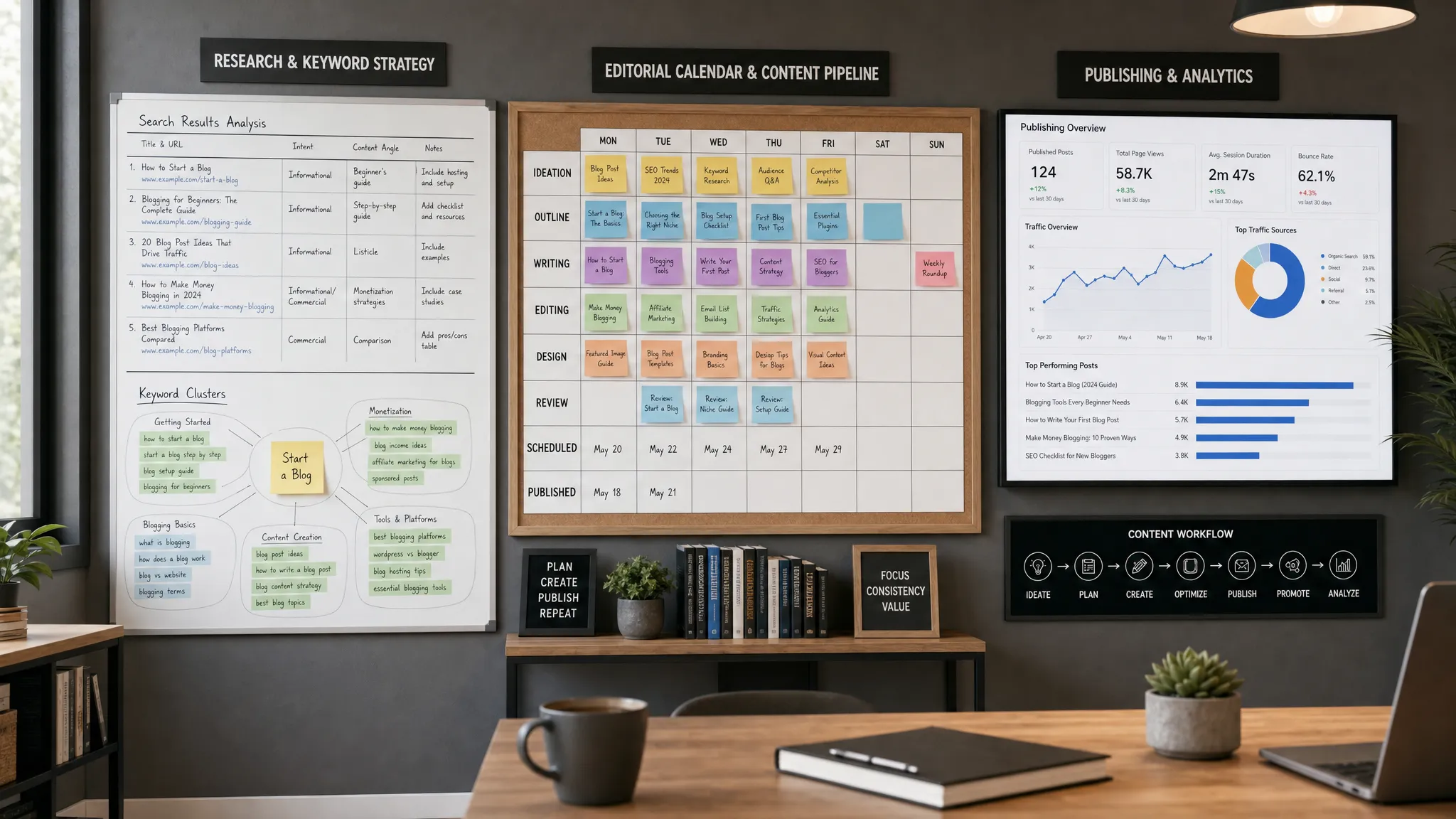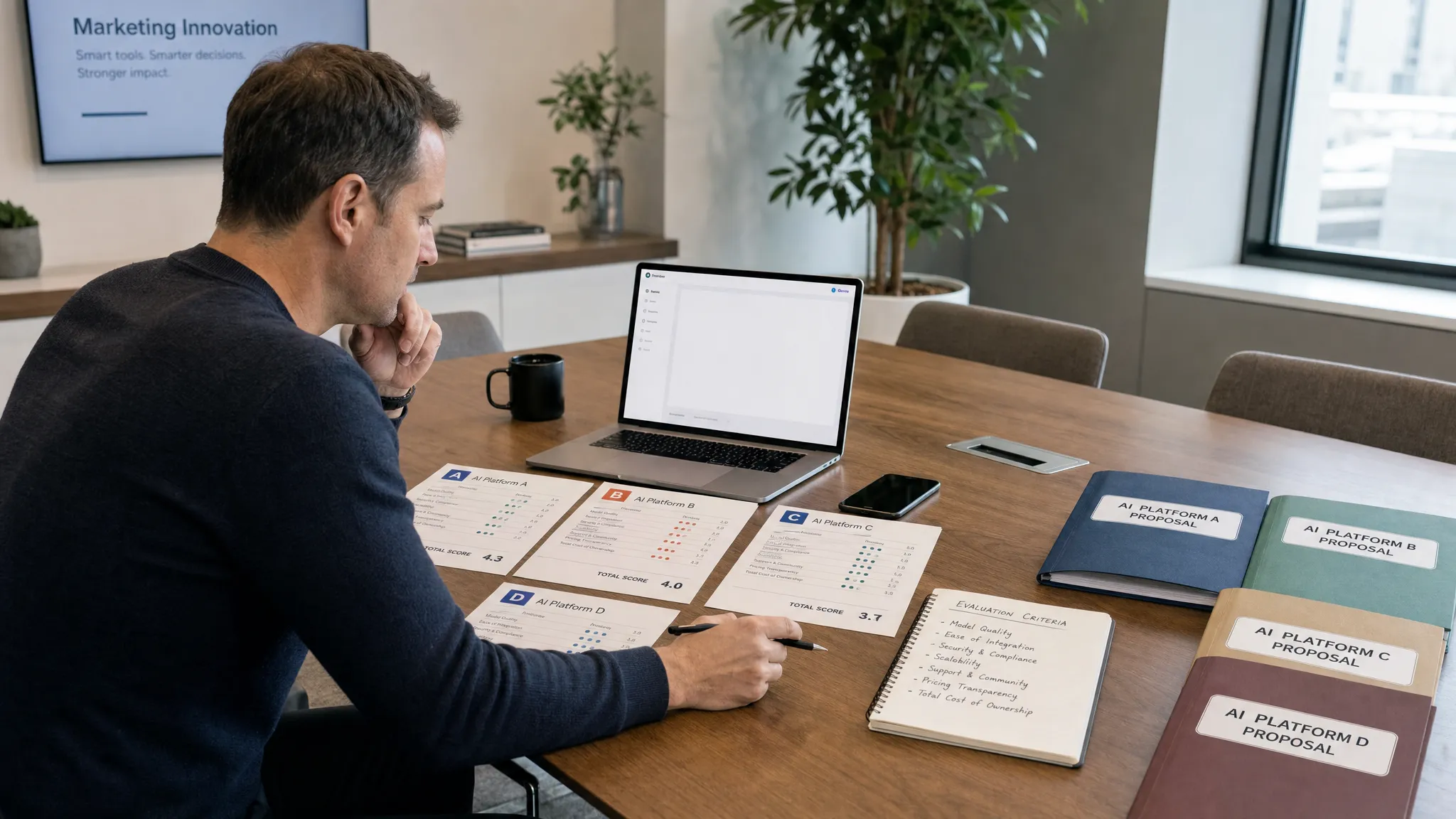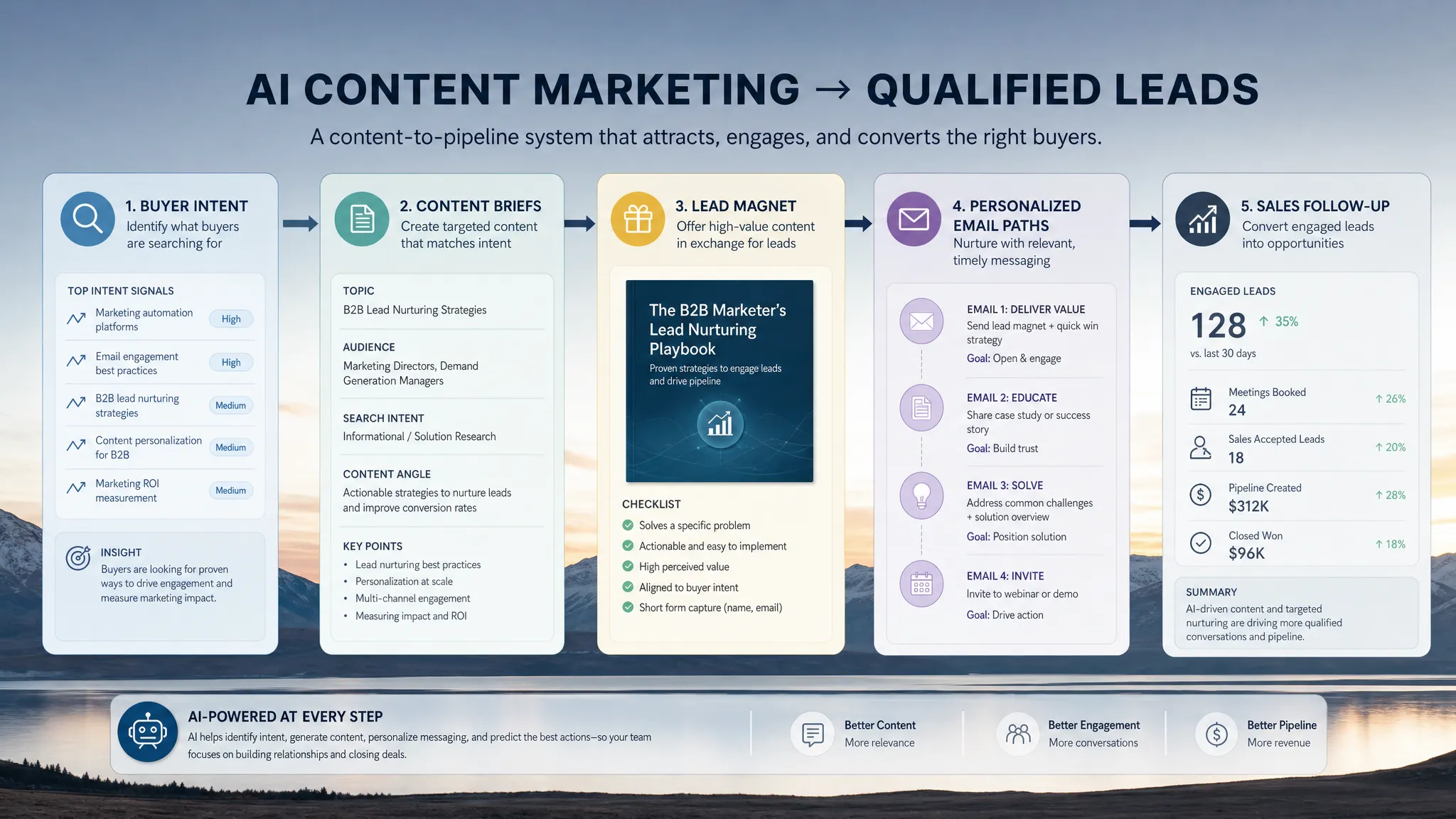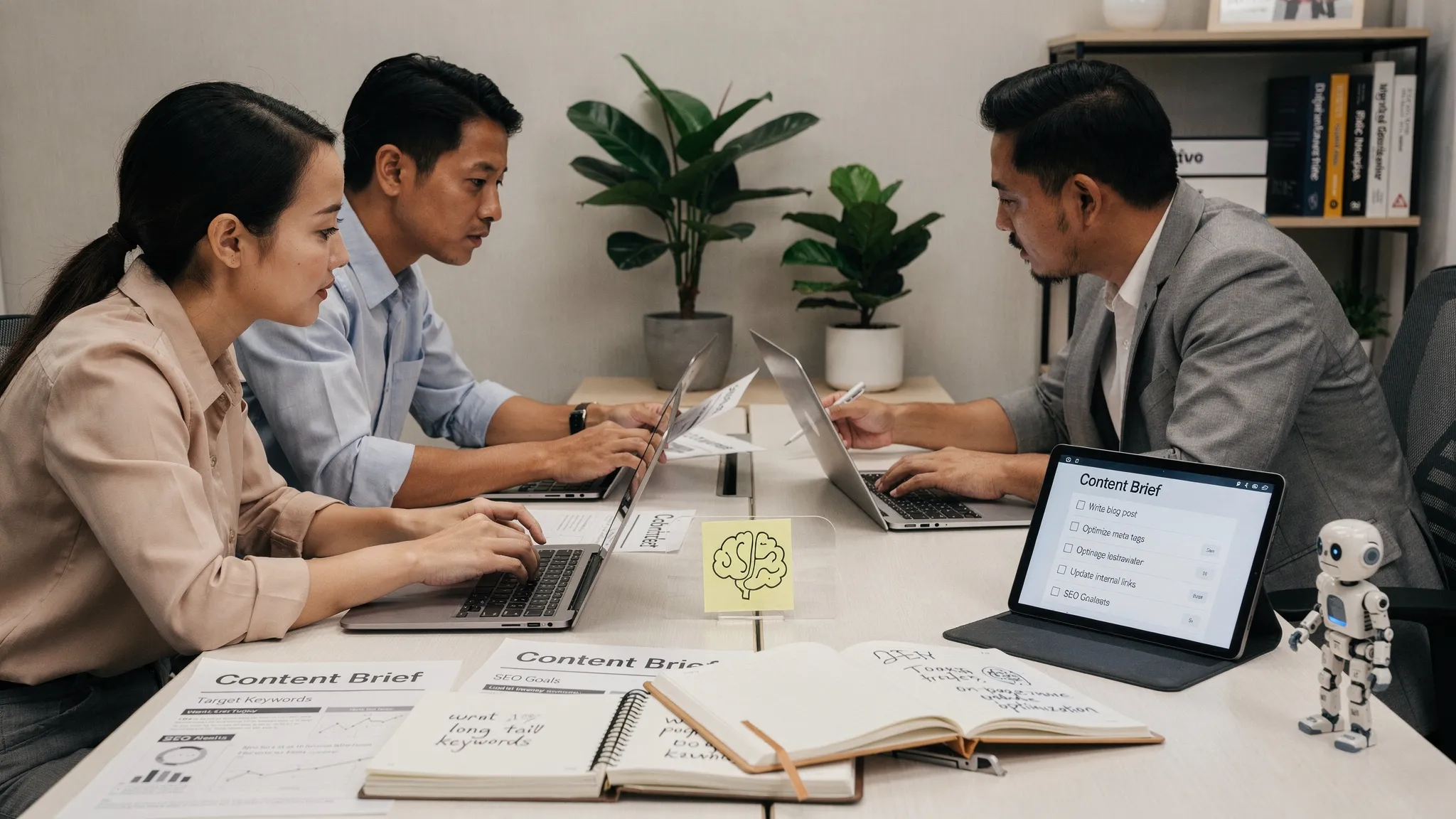
AI for digital marketing improves performance when it helps teams make better decisions faster, not when it simply produces more content or automates random tasks. The strongest results come from using AI to connect data, creative, targeting, testing, and optimization into one repeatable improvement cycle.
That matters because modern marketing is harder than it used to be. Teams manage more channels, shorter buying journeys, higher customer expectations, privacy constraints, and tighter budgets. A campaign that looked successful at the surface level may still hide wasted spend, weak conversion paths, or content that fails to move buyers closer to action.
AI gives marketers a practical way to see those patterns, respond faster, and personalize at a scale that would be difficult manually. Used well, it improves performance across the entire funnel, from research and content planning to paid media, conversion rate optimization, retention, and reporting.
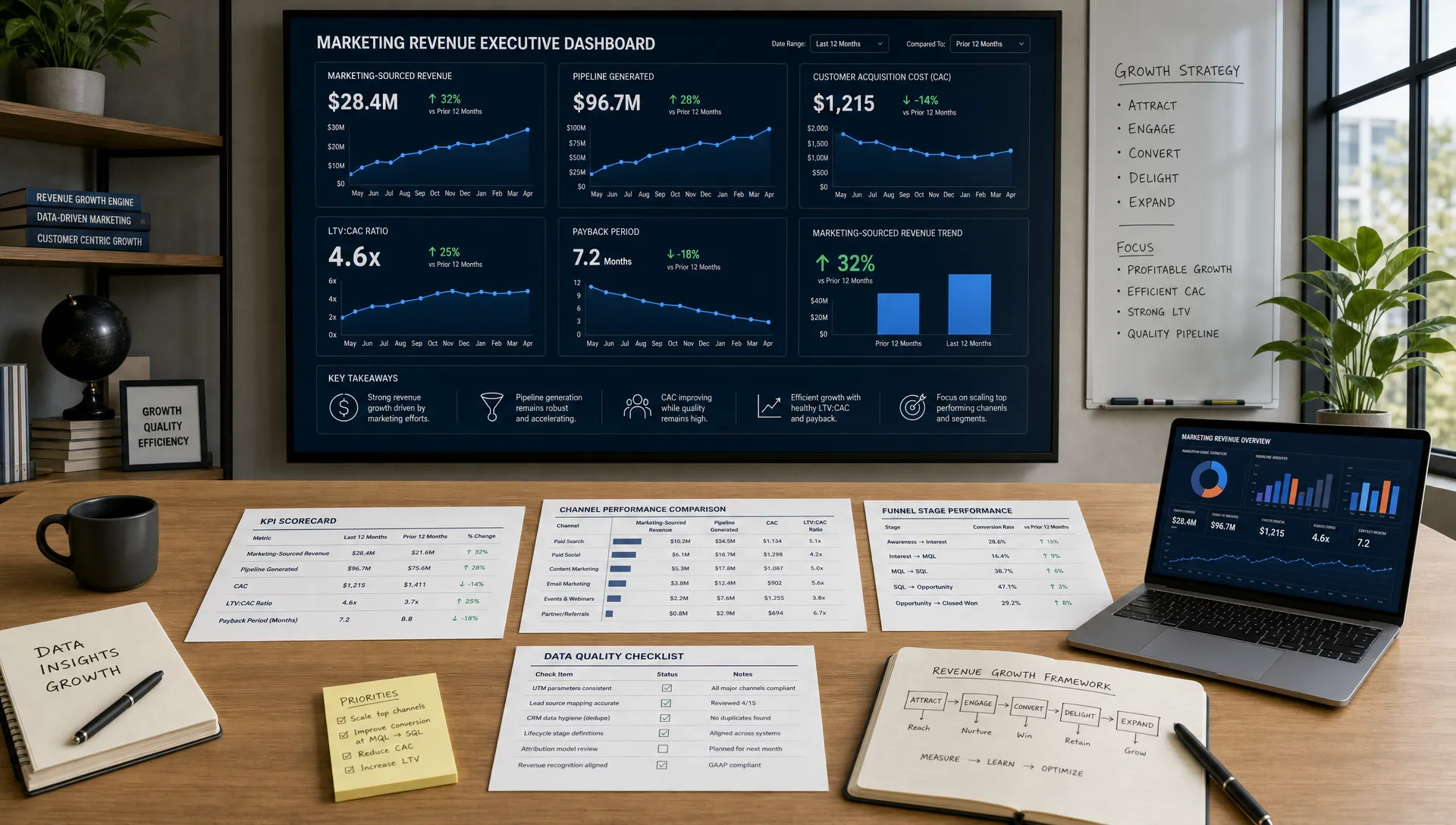
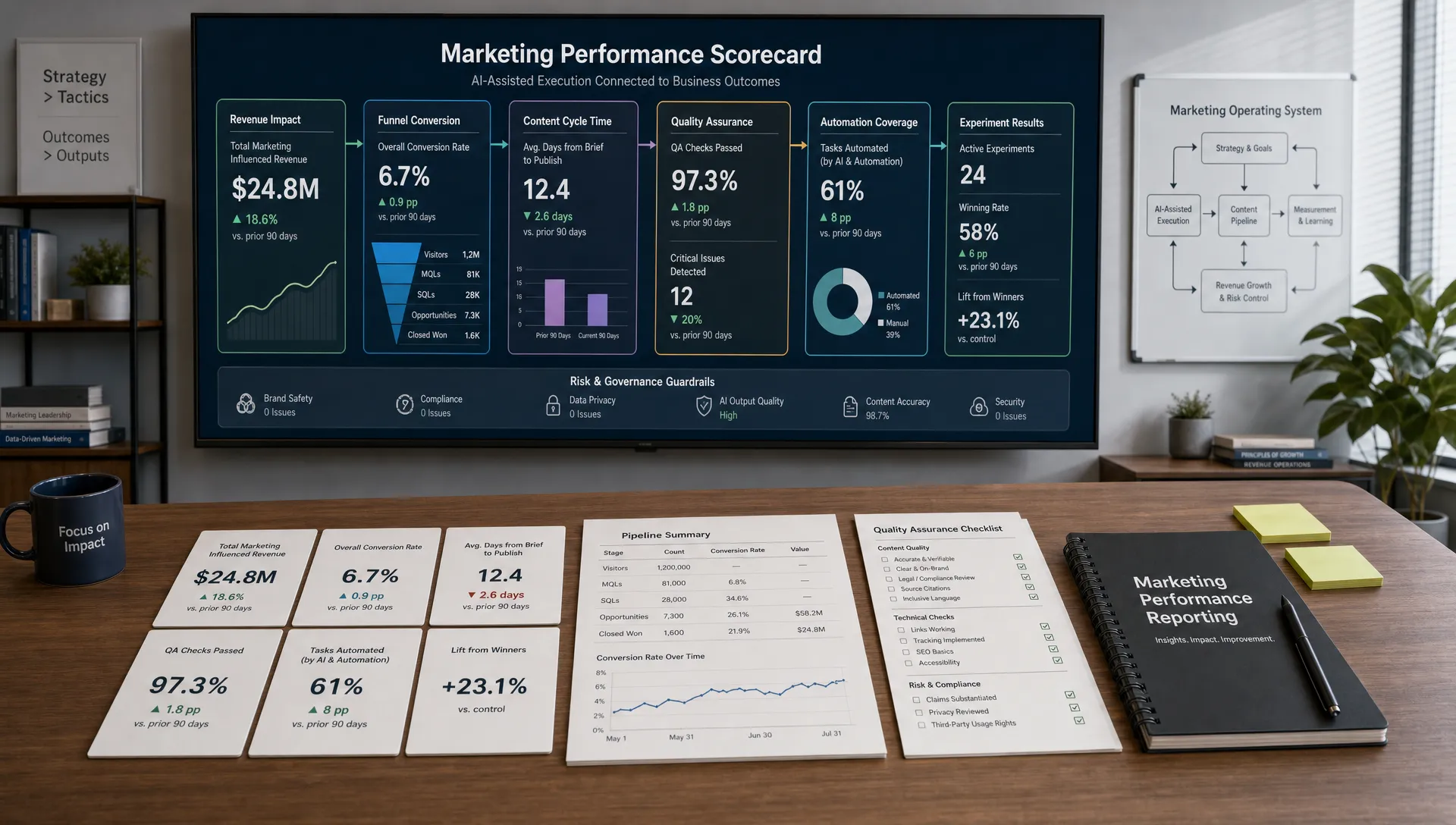
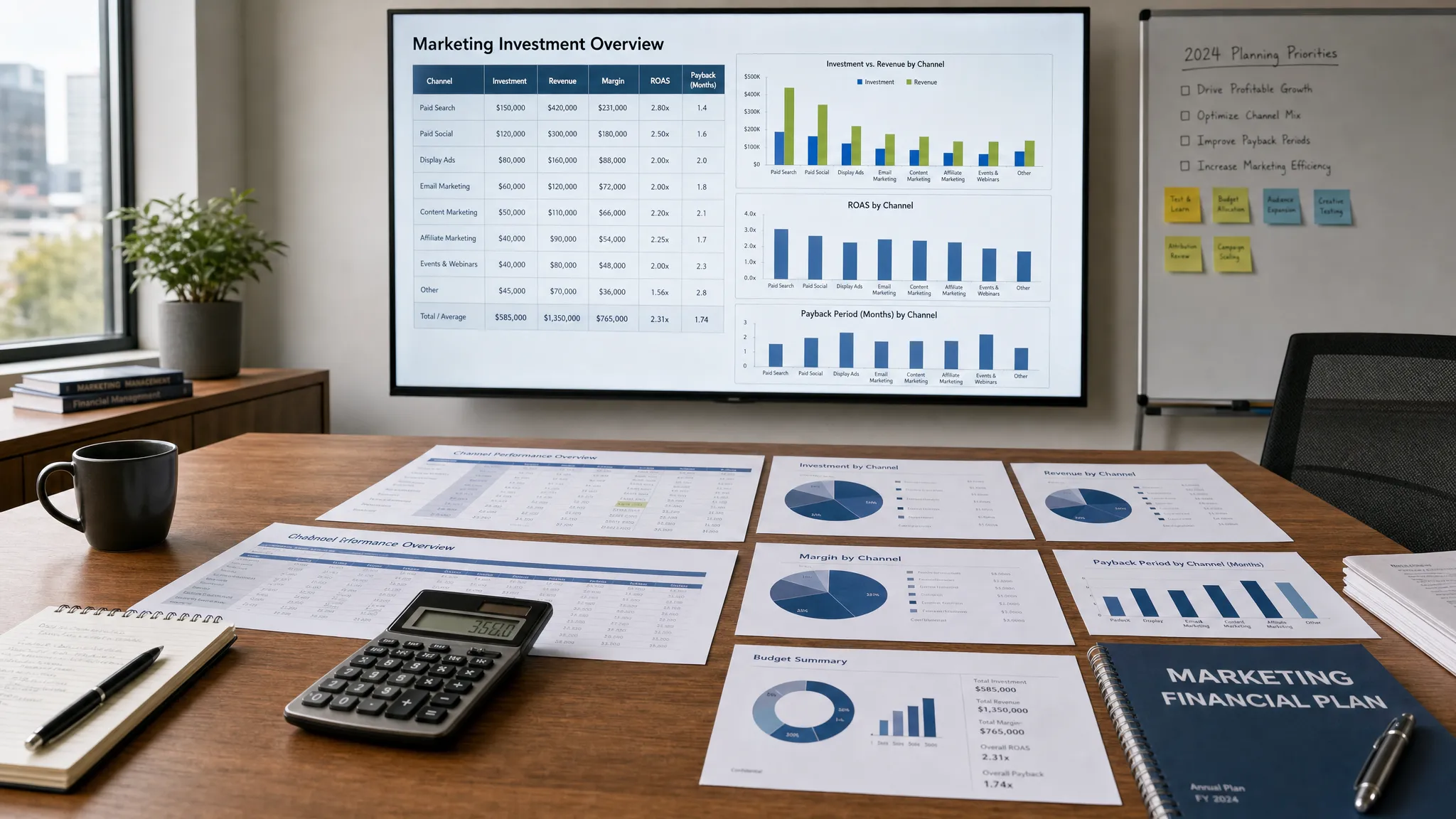
Before using AI, teams need to define what performance means. More impressions, posts, or website visits are not automatically better. Performance should connect marketing activity to measurable business outcomes.
For most companies, meaningful performance metrics include:
AI works best when it is applied to one of these outcomes. If the goal is vague, the AI output will be vague too. If the goal is clear, such as “reduce paid search cost per qualified lead by 15 percent” or “increase organic demo requests from product-led content,” AI can help identify the levers that are most likely to move the number.
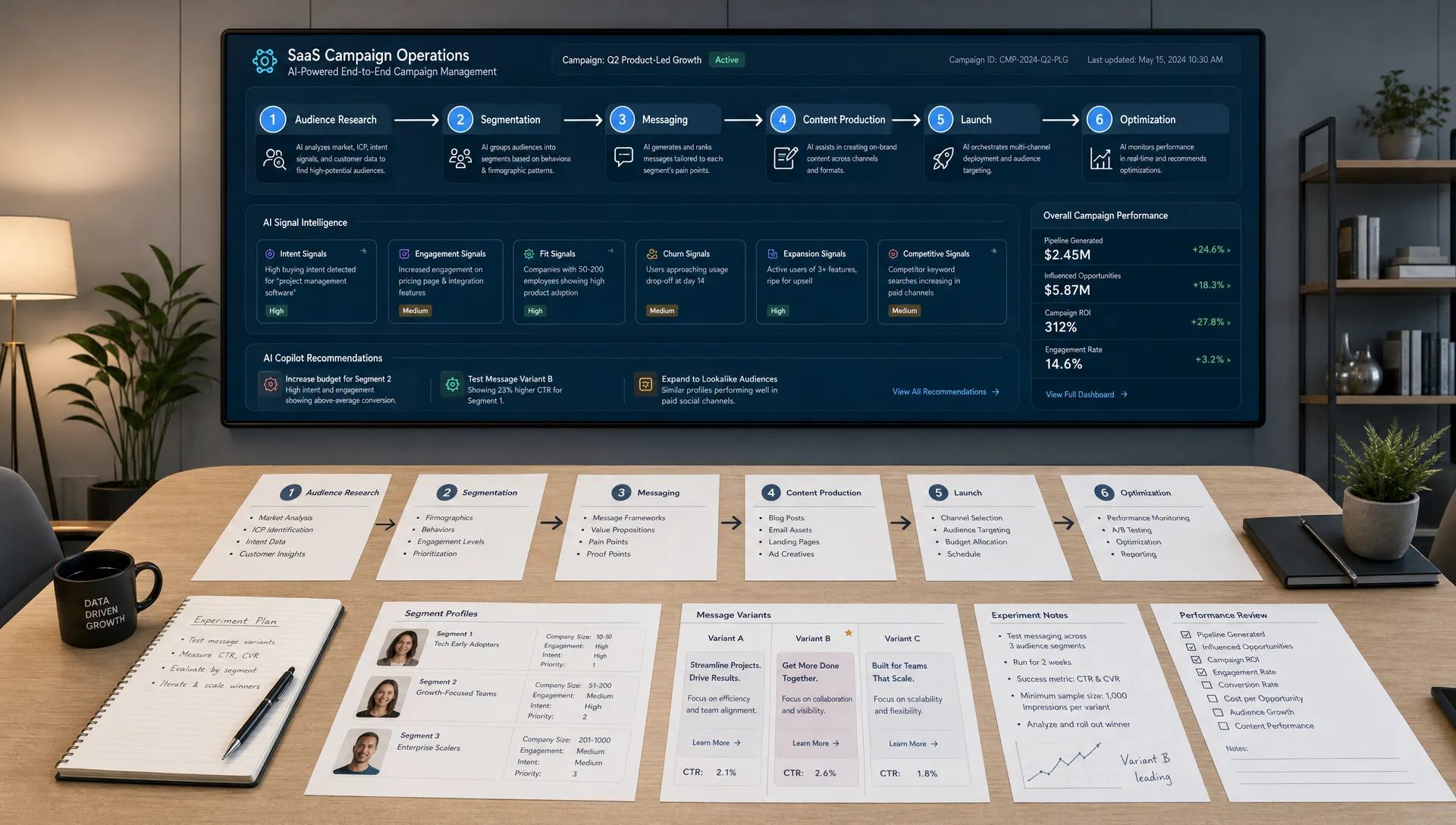
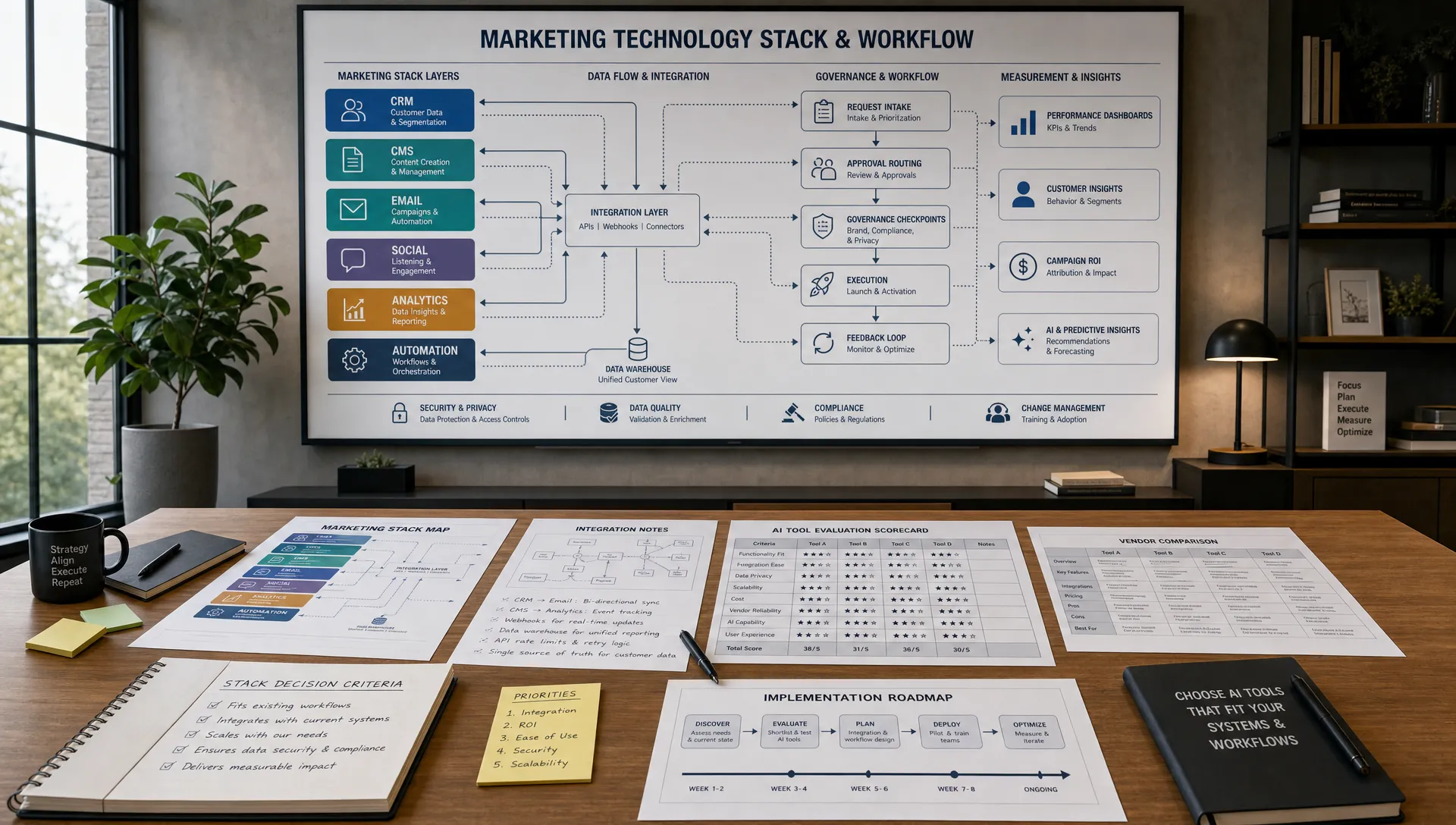
AI improves marketing performance because it strengthens four core capabilities: analysis, personalization, execution, and optimization. These capabilities are not new, but AI makes them faster, more scalable, and easier for lean teams to manage.
Digital marketing produces a huge amount of data. Marketers often have analytics from websites, ad platforms, email tools, CRM systems, SEO software, social channels, and customer support interactions. The problem is not a lack of information. The problem is that the information is fragmented.
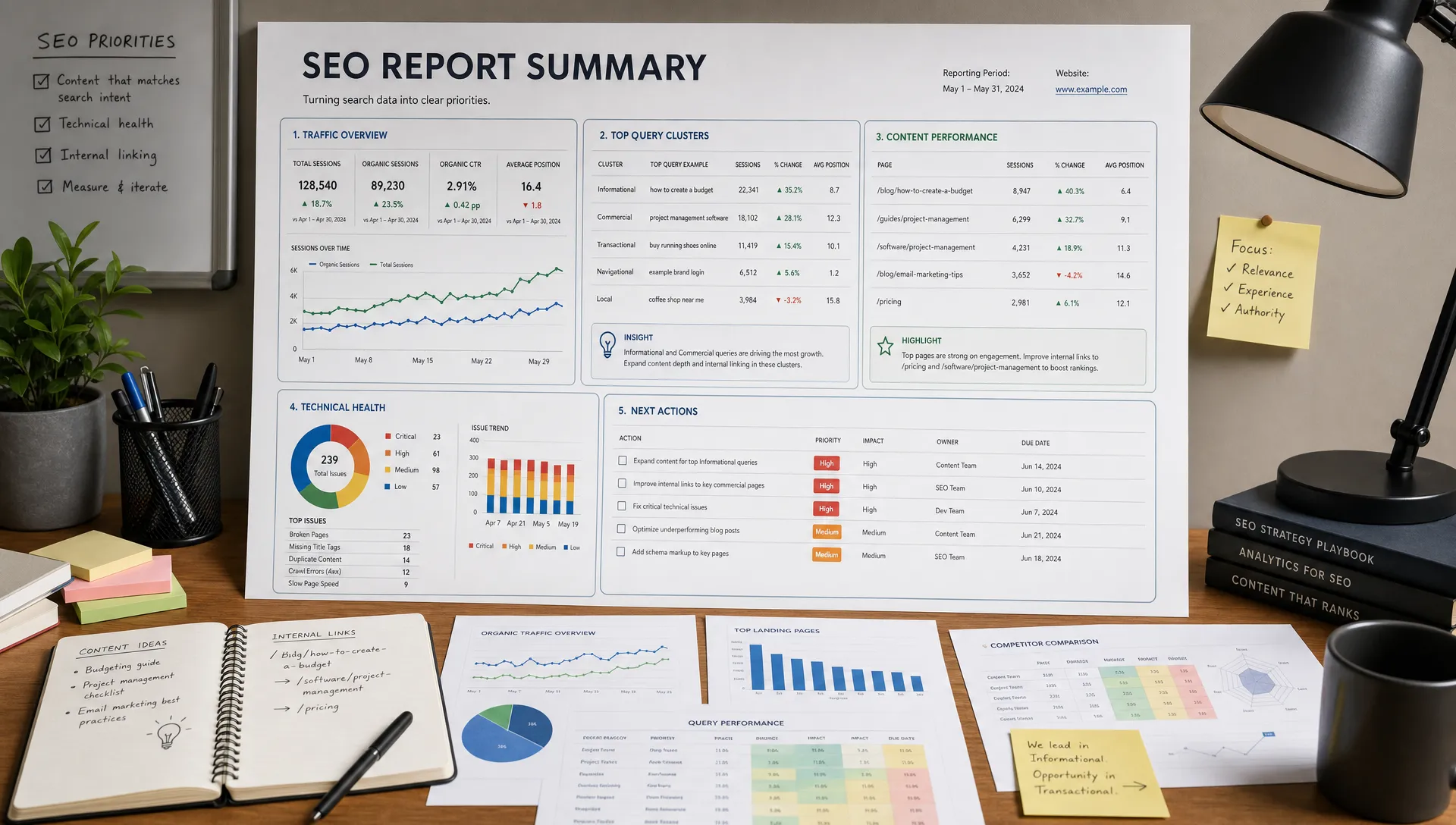
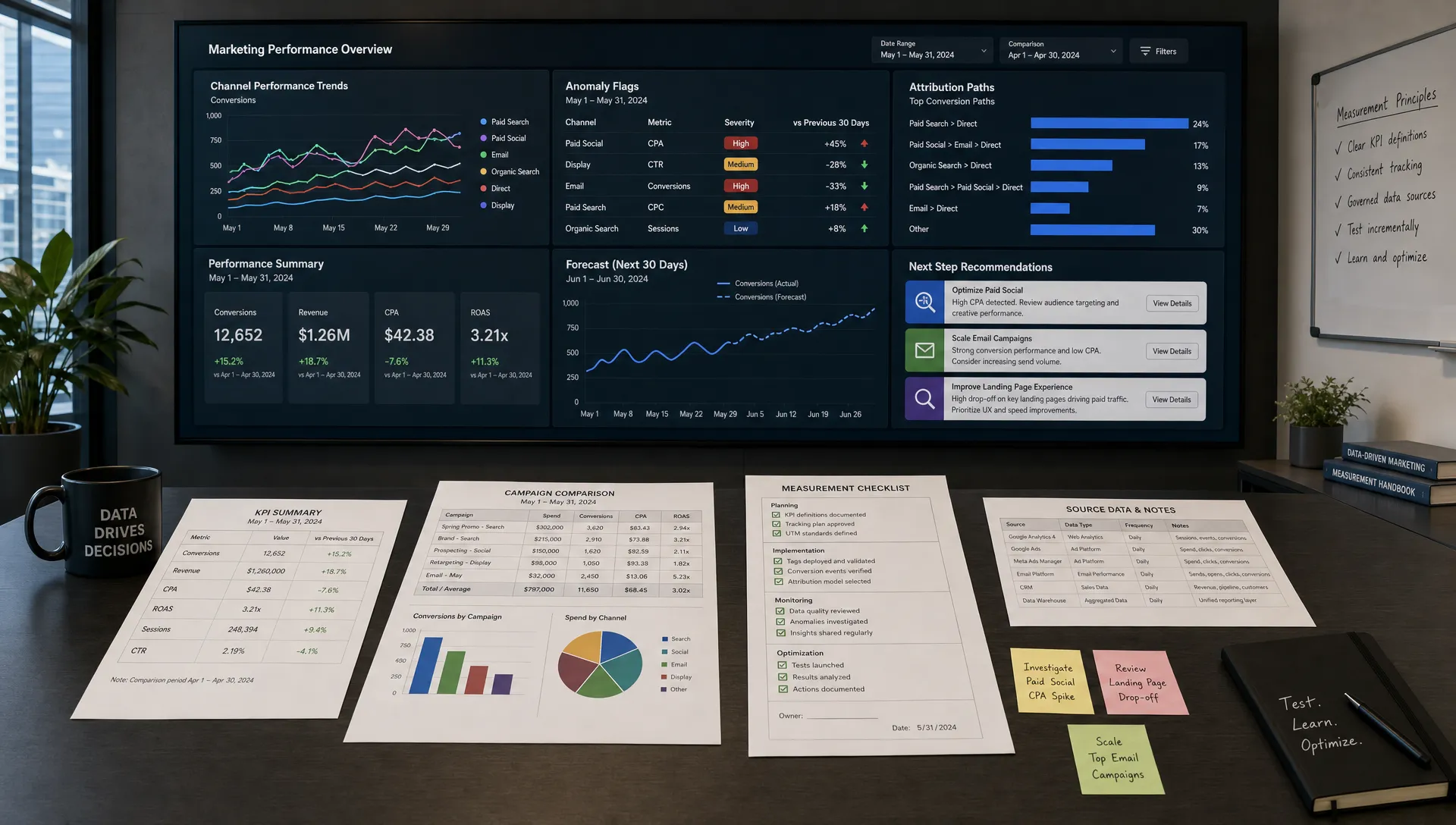
AI can help summarize large data sets, detect performance changes, cluster customer behaviors, and surface anomalies that a human analyst might miss. For example, an AI-assisted workflow can compare campaign engagement, conversion paths, and audience segments to identify which message is working best for which buyer group.
This helps marketers move beyond surface-level reporting. Instead of only seeing that traffic increased, a team can ask better questions: Which traffic converted? Which source brought high-intent users? Which content assisted a sales conversation? Which landing page caused drop-off?
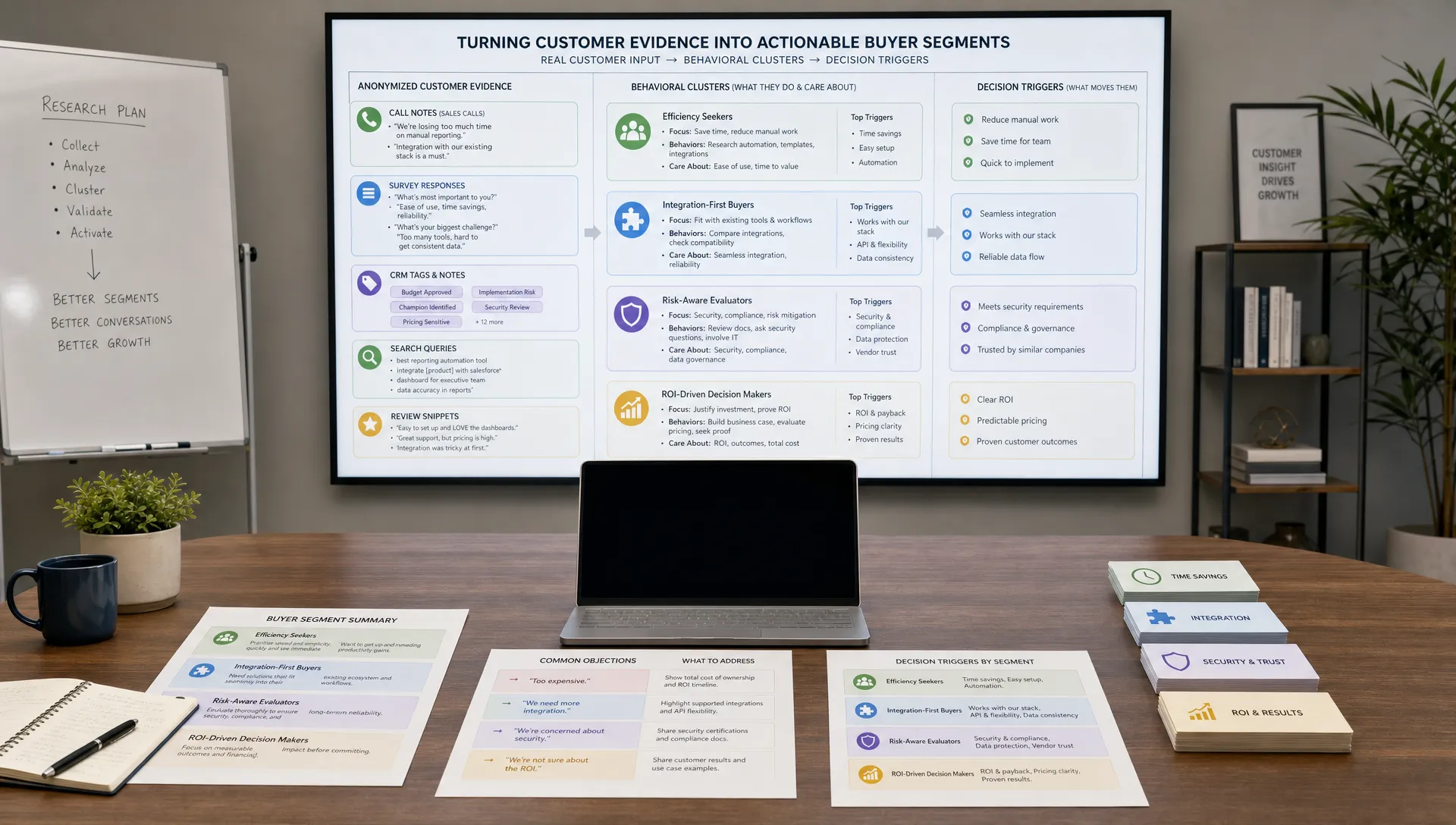
Traditional segmentation often relies on broad categories, such as industry, job title, location, or company size. Those categories are useful, but they rarely capture the full intent behind a user’s behavior.
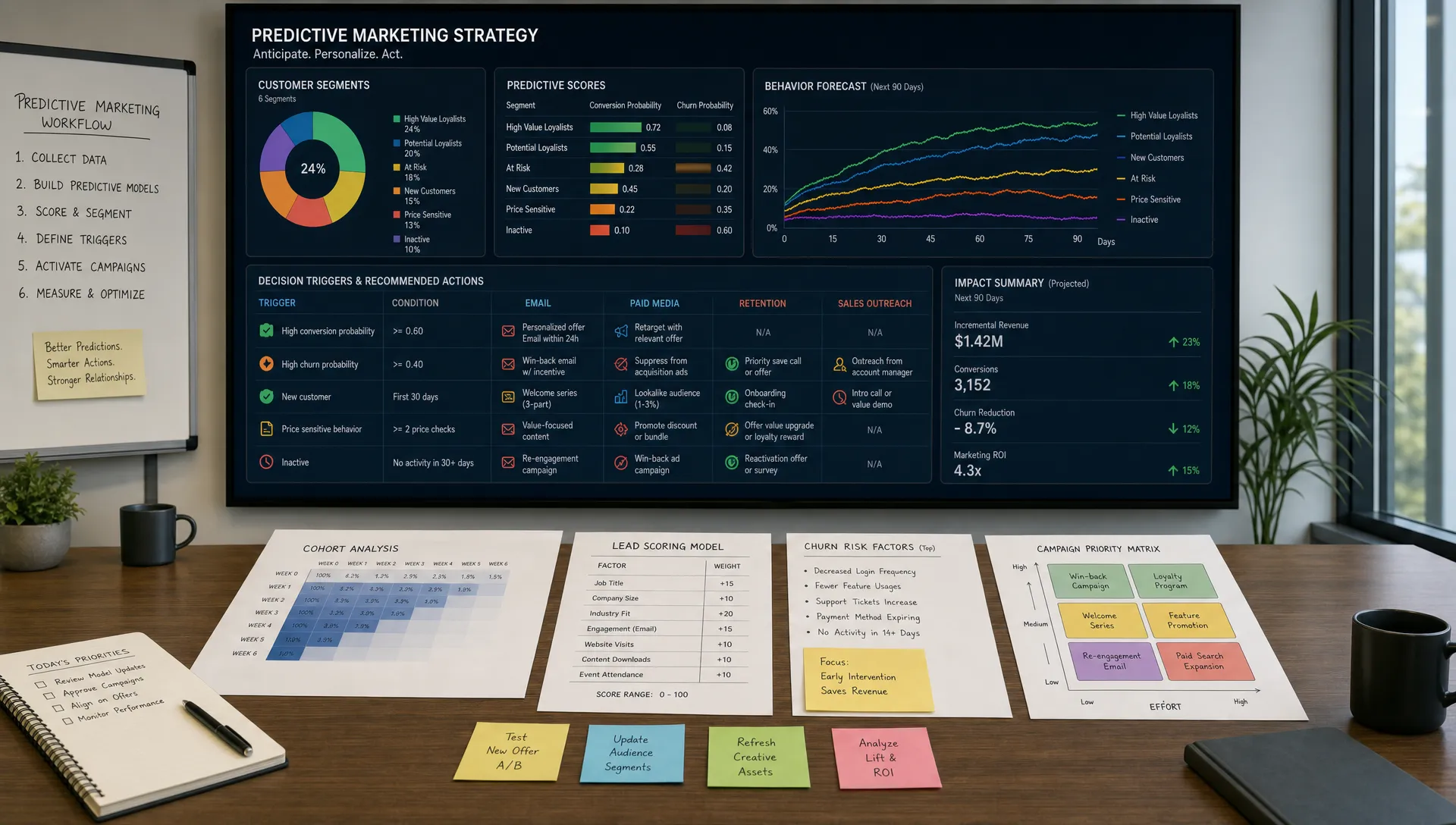
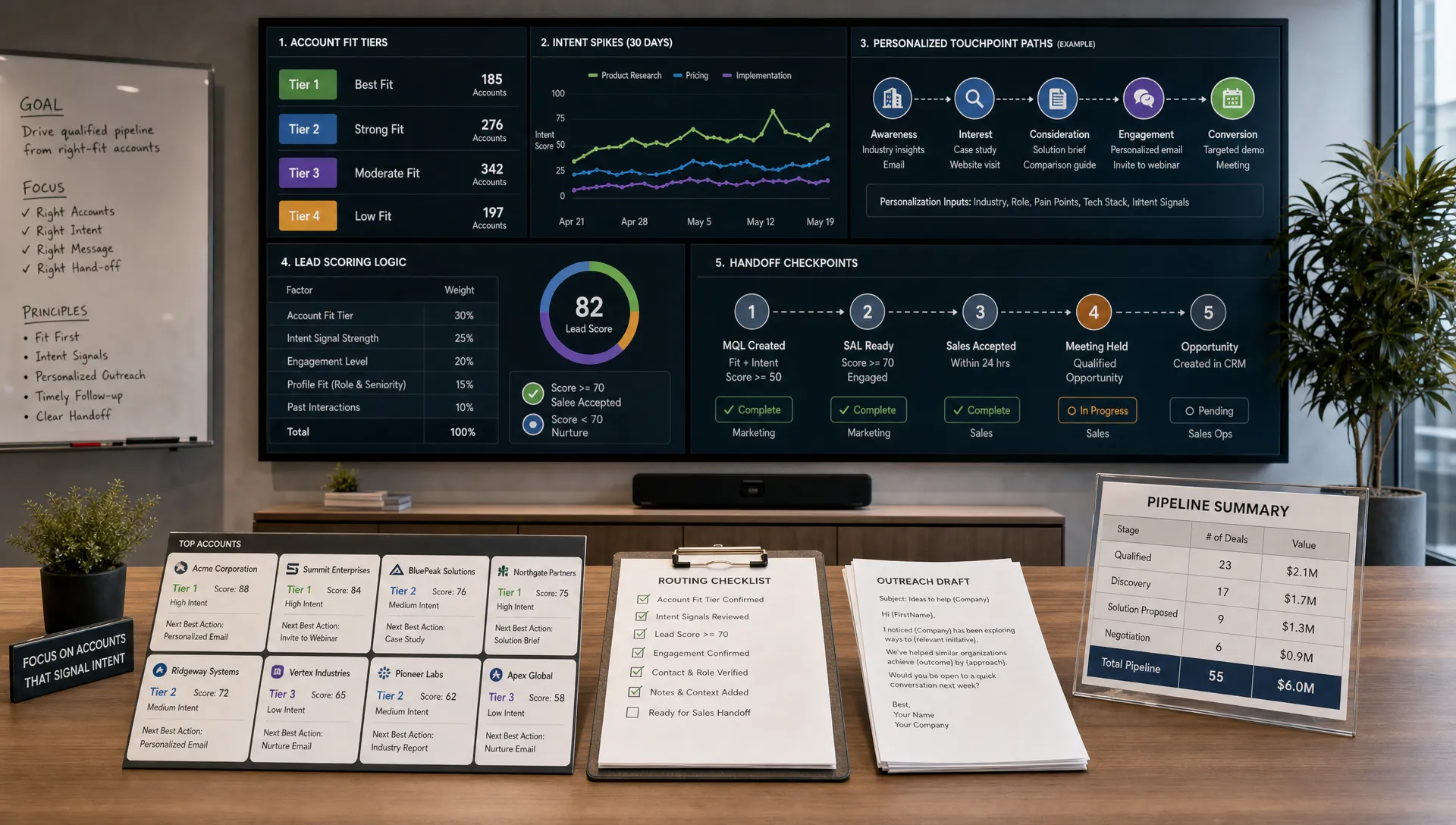
AI can enhance segmentation by analyzing patterns across multiple signals, such as search behavior, page visits, email engagement, product usage, form responses, and past purchase activity. This allows teams to group audiences by intent, need, and likelihood to convert.
For example, two visitors may both be “marketing managers,” but one is researching basic concepts while the other is comparing tools for a near-term purchase. AI can help identify that difference and support more relevant messaging, offers, and next steps.
Better segmentation improves performance because it reduces wasted impressions and irrelevant communication. Instead of sending the same campaign to everyone, marketers can match content and offers to the buyer’s stage, pain point, and context.
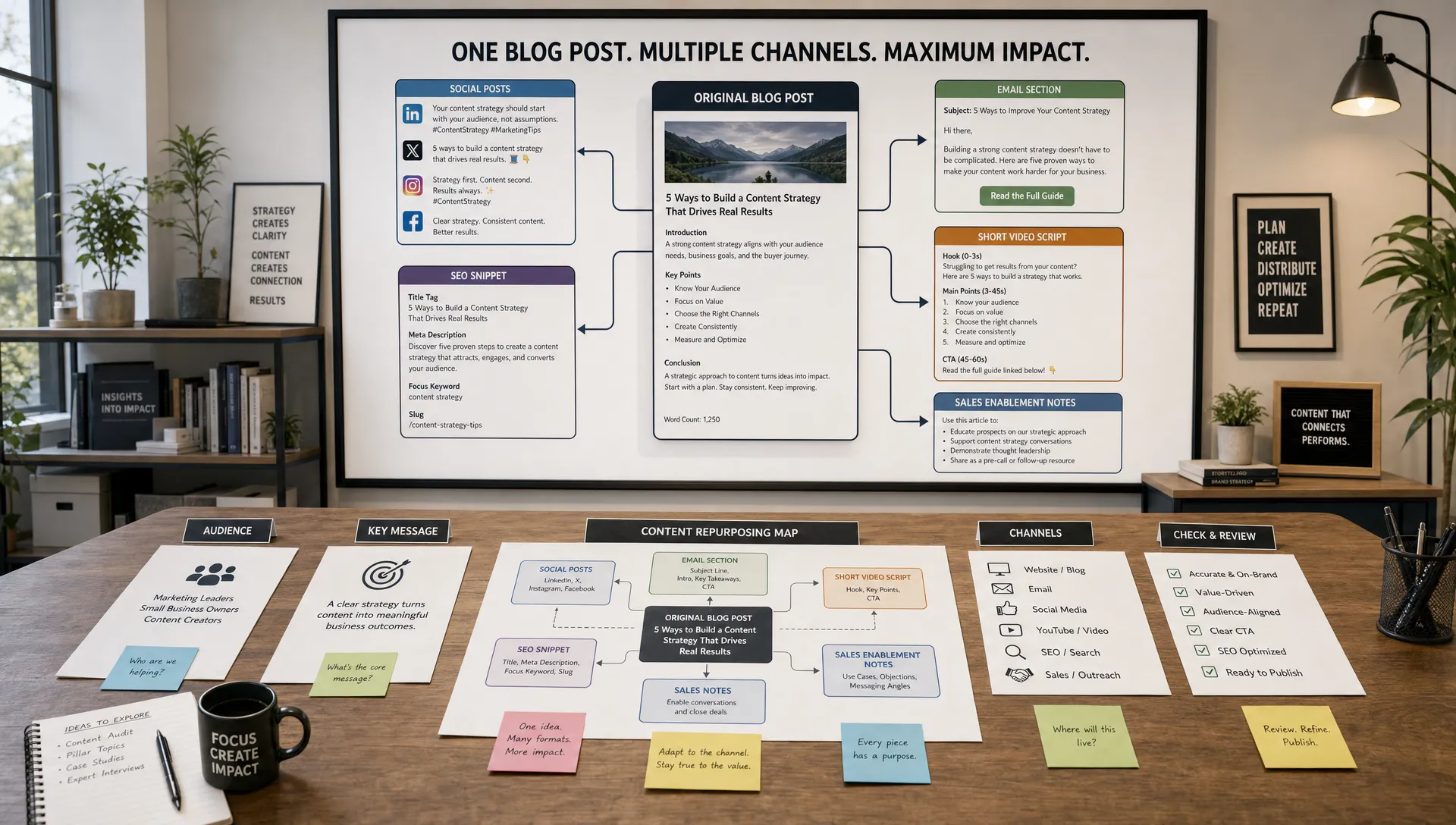
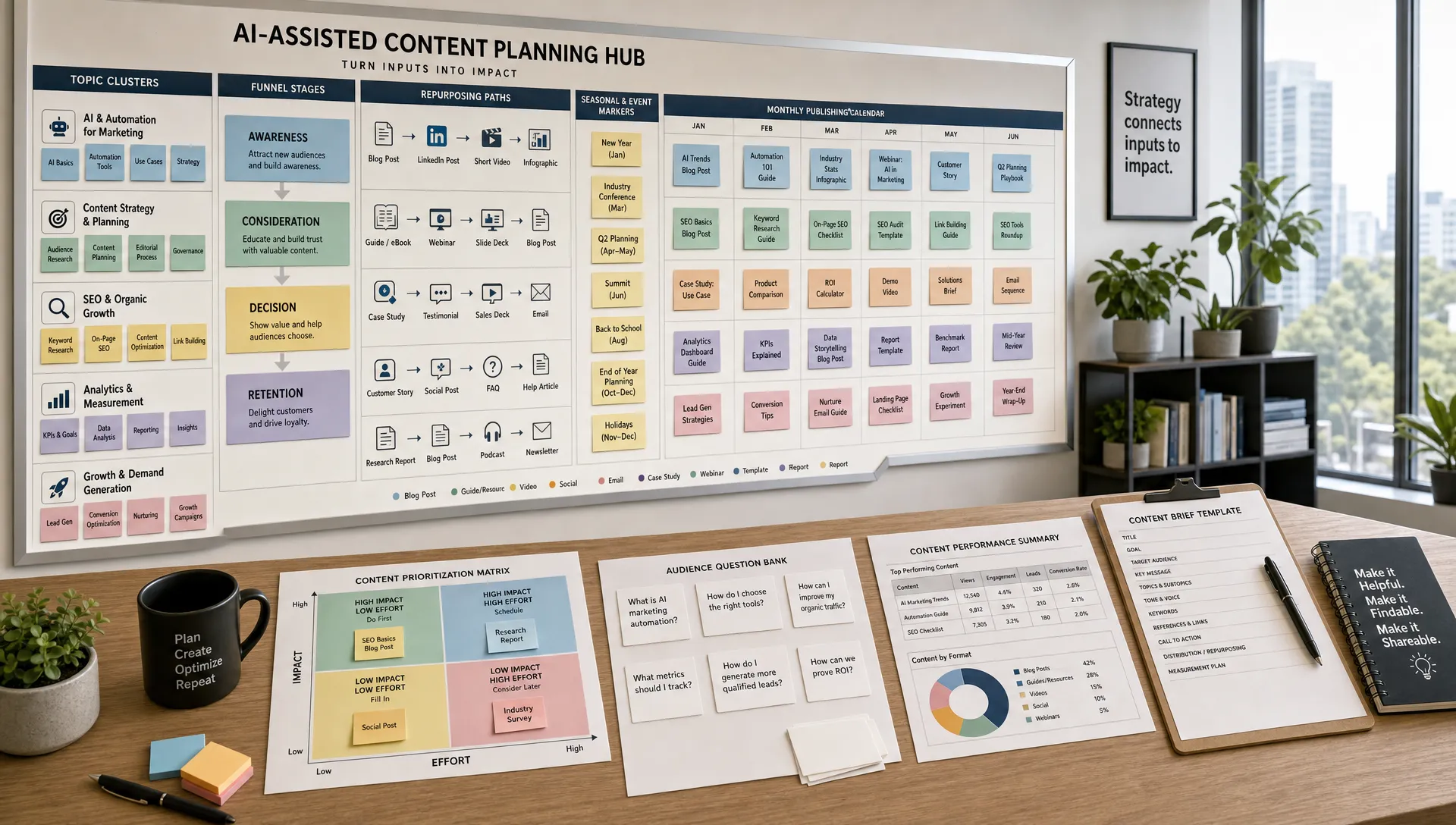
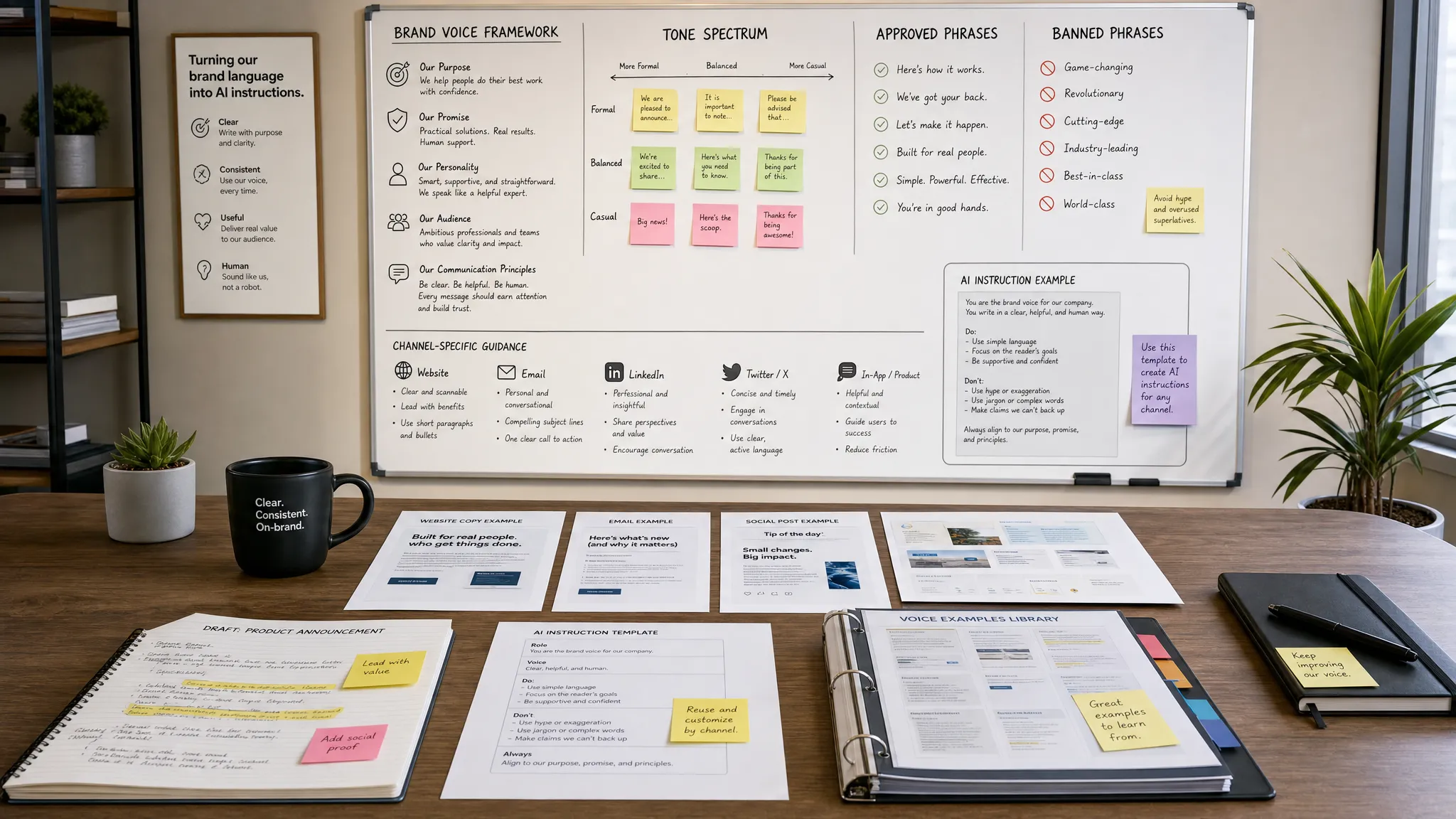
Content creation is one of the most common uses of AI for digital marketing, but speed alone does not guarantee better performance. Publishing more generic content can dilute brand authority and create SEO problems. The real advantage is using AI to accelerate the research, structuring, drafting, repurposing, and optimization process while keeping human strategy and editorial judgment in control.
AI can help marketers:
The best content teams use AI as a production partner, not as an autopilot. Human marketers still define the audience, positioning, proof points, voice, differentiation, and conversion goal. AI then helps produce and refine assets faster.
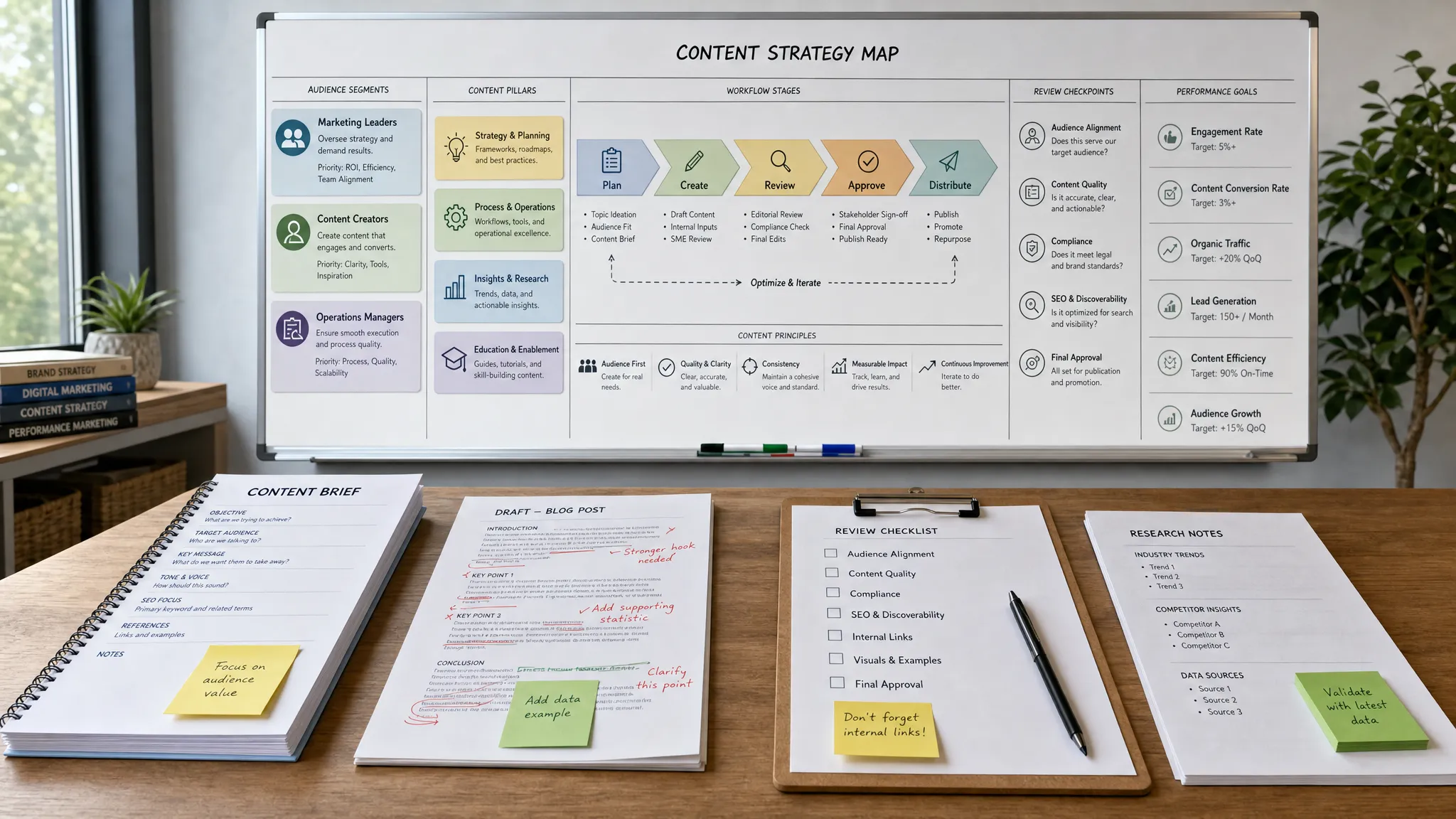
AI can improve performance at every stage of the customer journey, but each stage requires a different approach. The goal is not to add AI everywhere. The goal is to apply it where it reduces friction, improves relevance, or helps the team learn faster.
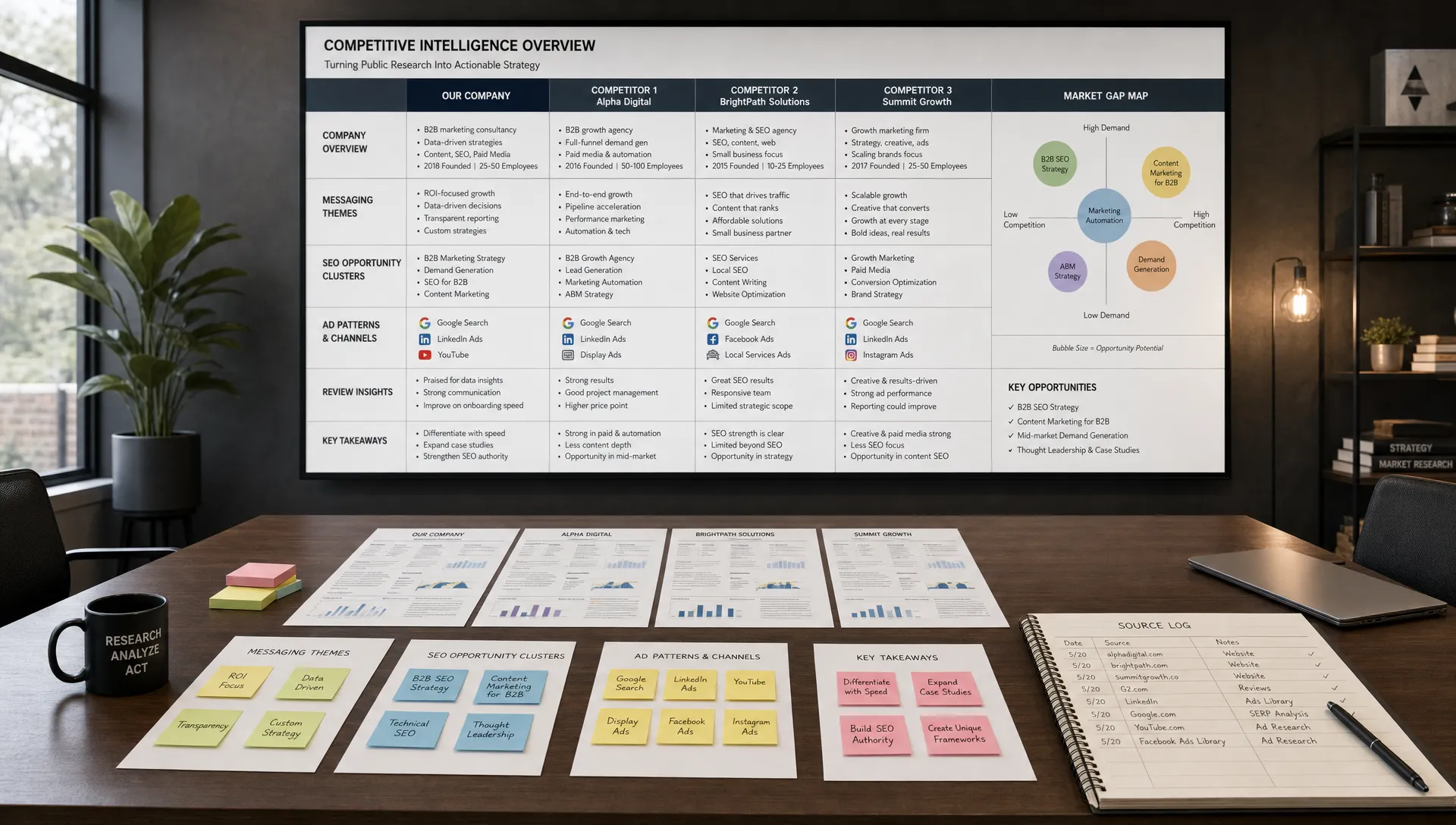
At the top of the funnel, marketers need to understand what their audience cares about before they are ready to buy. AI can analyze search patterns, competitor content, social conversations, customer reviews, and support tickets to uncover recurring questions and pain points.
This improves performance by helping teams create content that matches actual demand instead of internal assumptions. For example, a SaaS company may discover that prospects are not searching for a product category yet, but they are searching for ways to automate a painful workflow. That insight can shape blog posts, guides, videos, LinkedIn content, and lead magnets.
AI also helps marketers test positioning. By generating different message angles, such as cost savings, speed, risk reduction, or team productivity, teams can run small experiments before committing to larger campaigns.
In paid media, AI can support audience modeling, bid optimization, creative testing, and budget allocation. Most major ad platforms already include AI-driven optimization features, but marketers still need to guide them with clean conversion data, strong creative, and clear campaign structure.
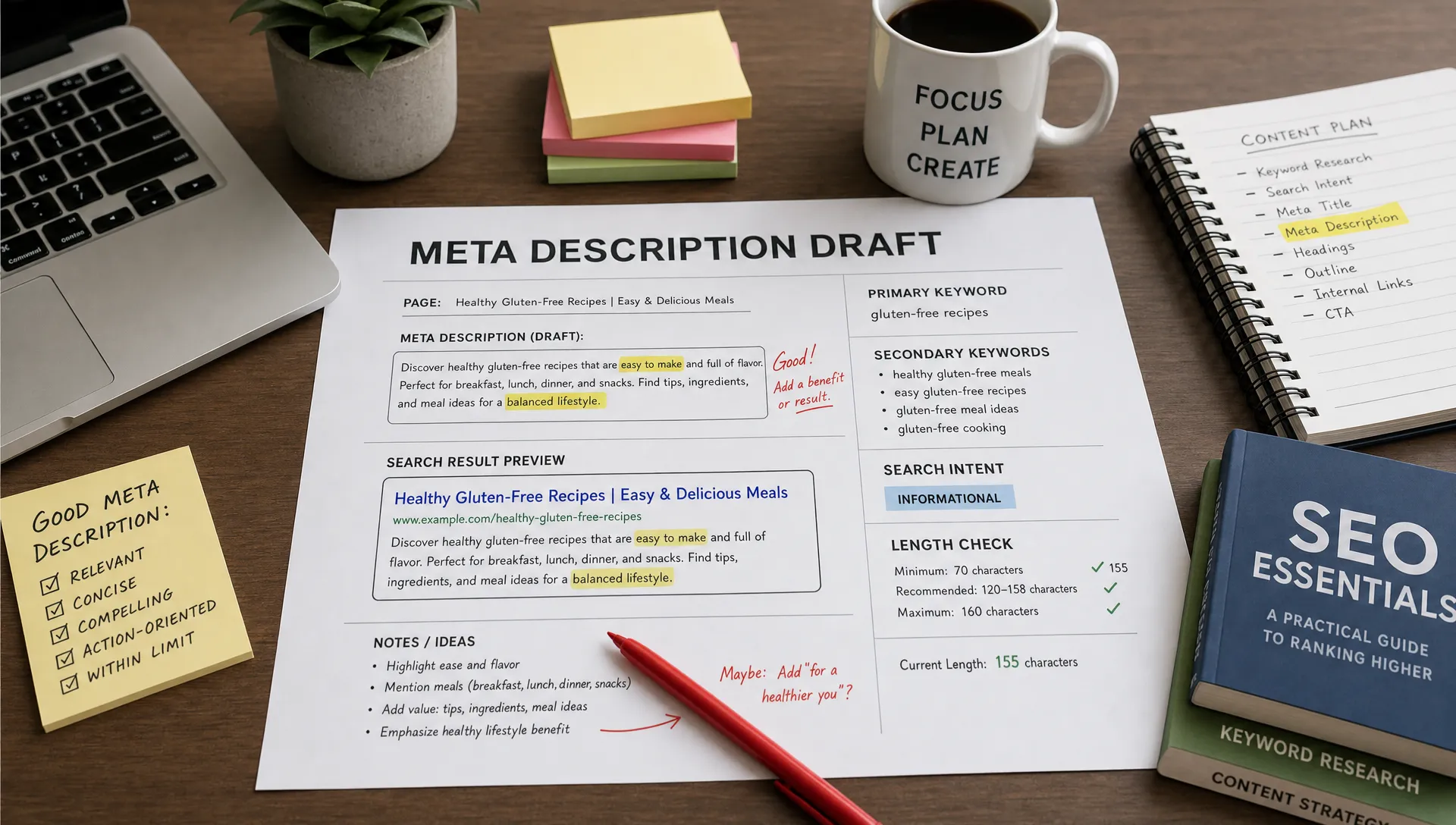
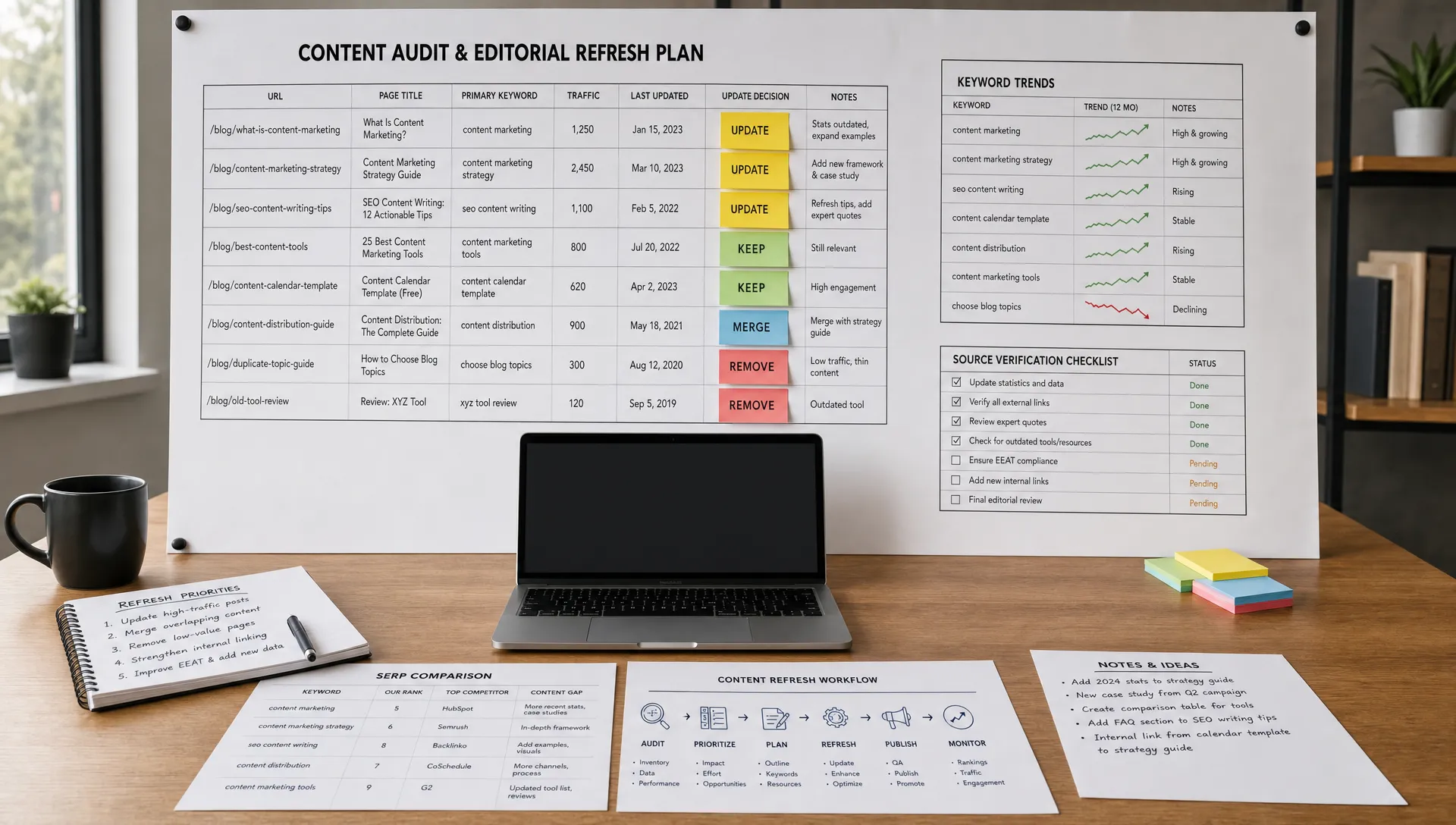
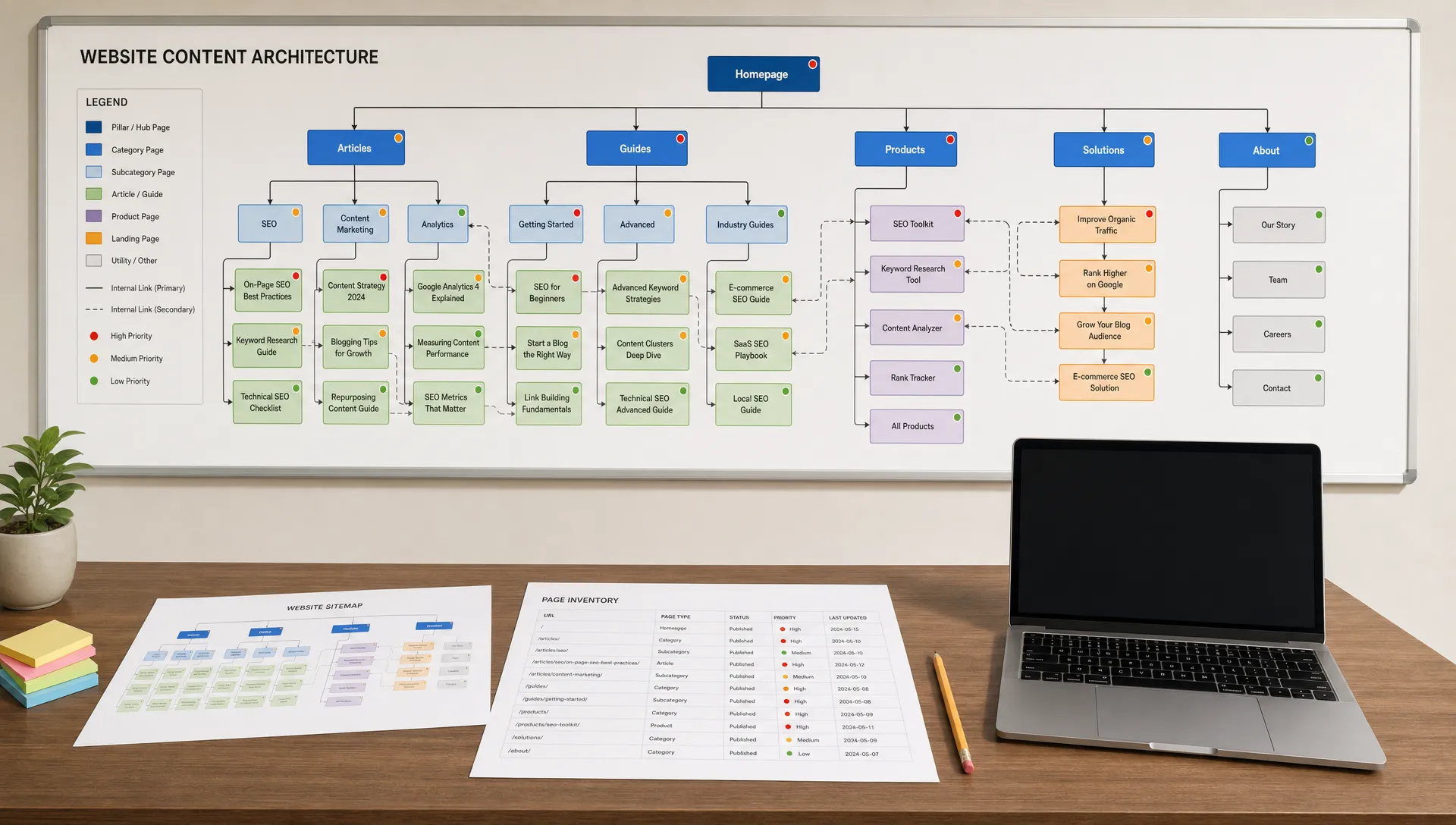
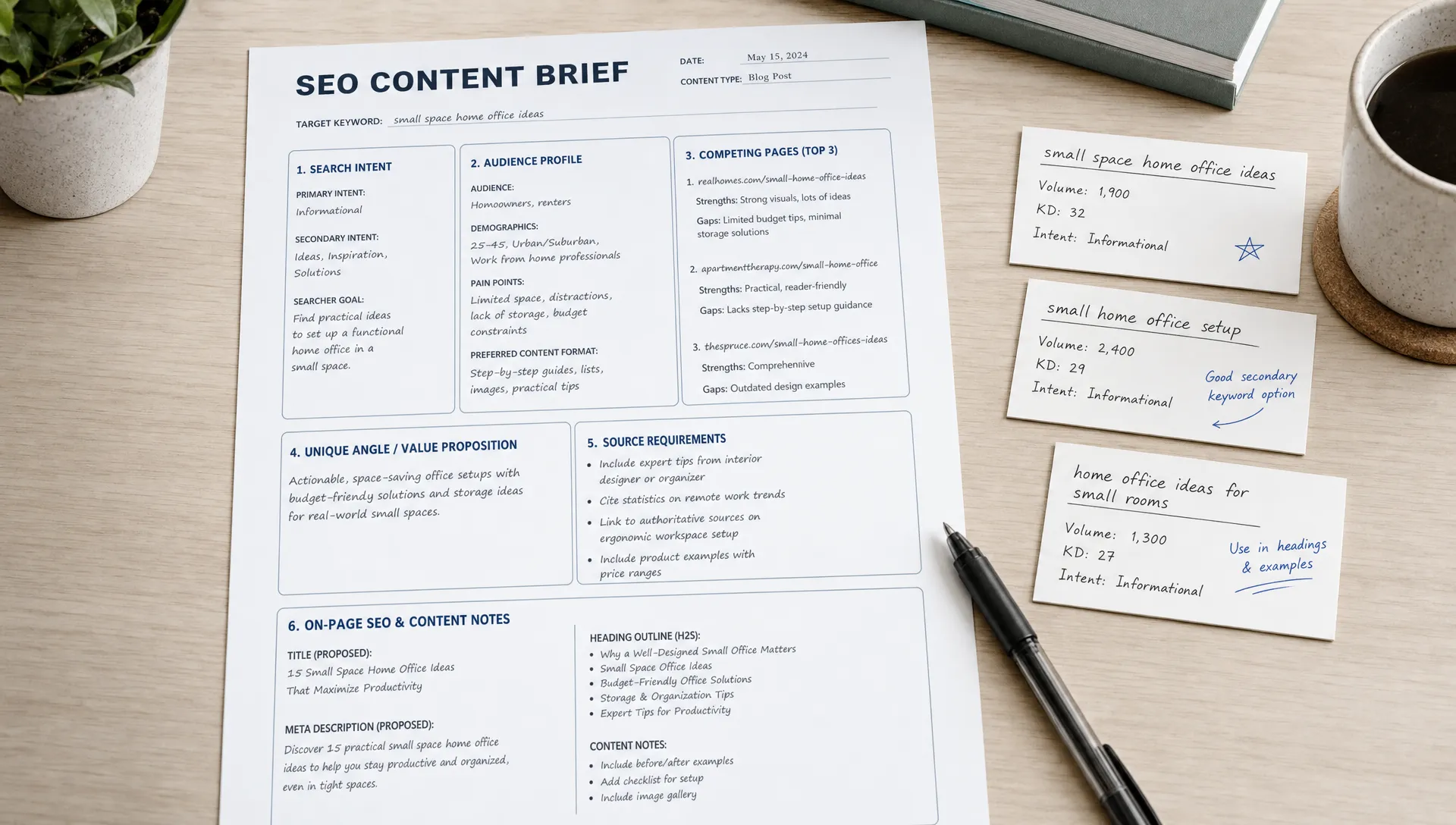
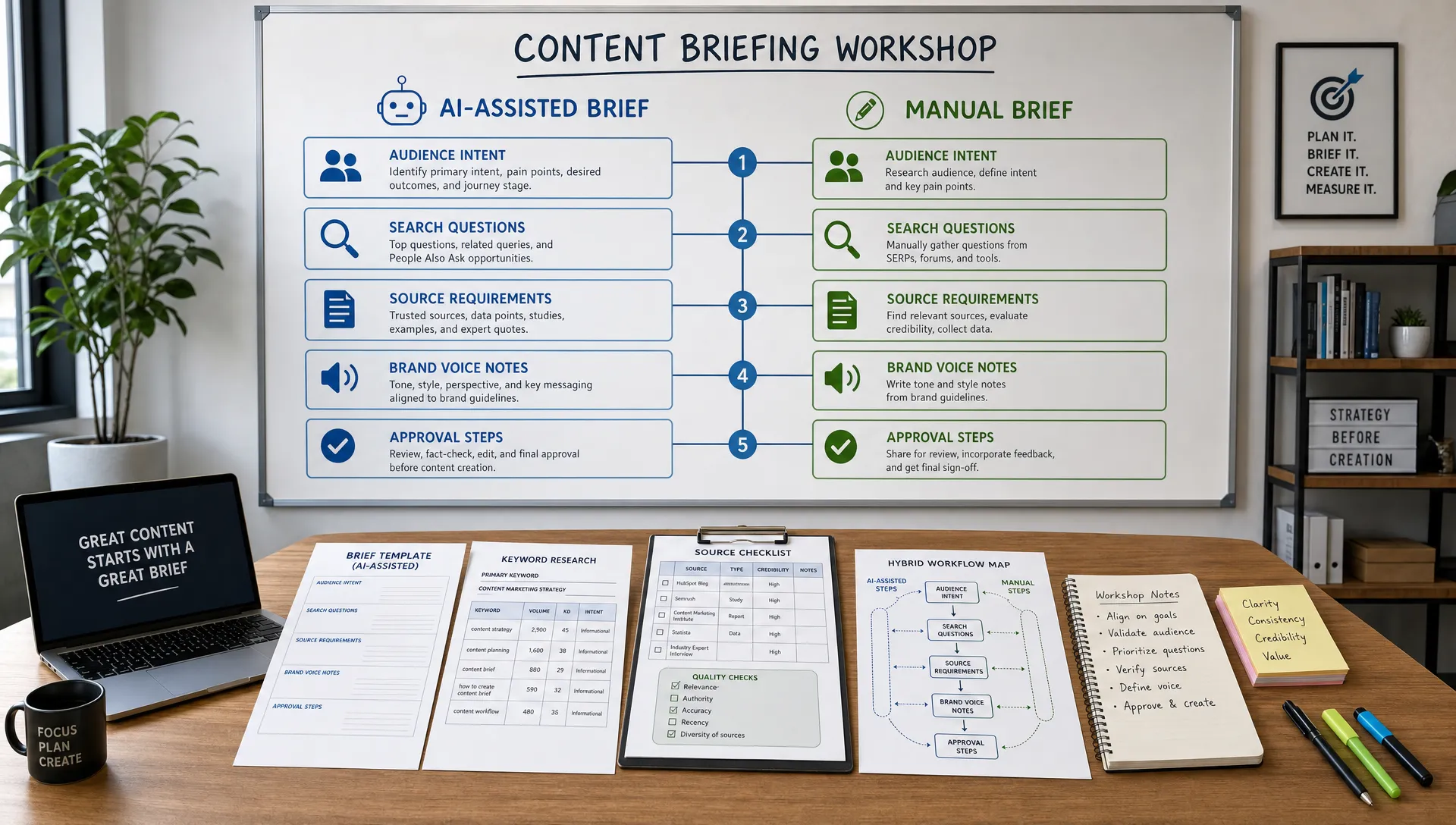
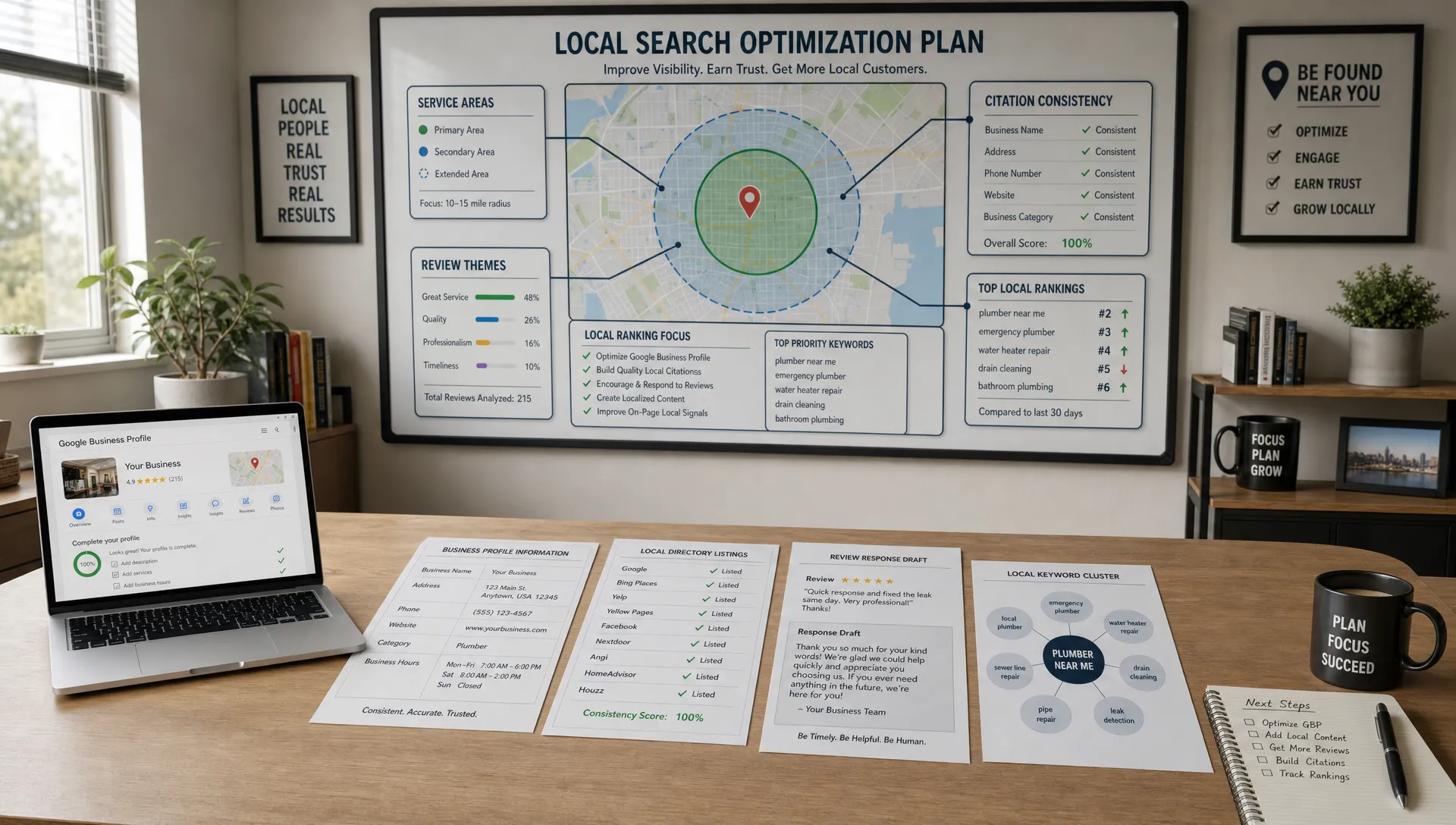
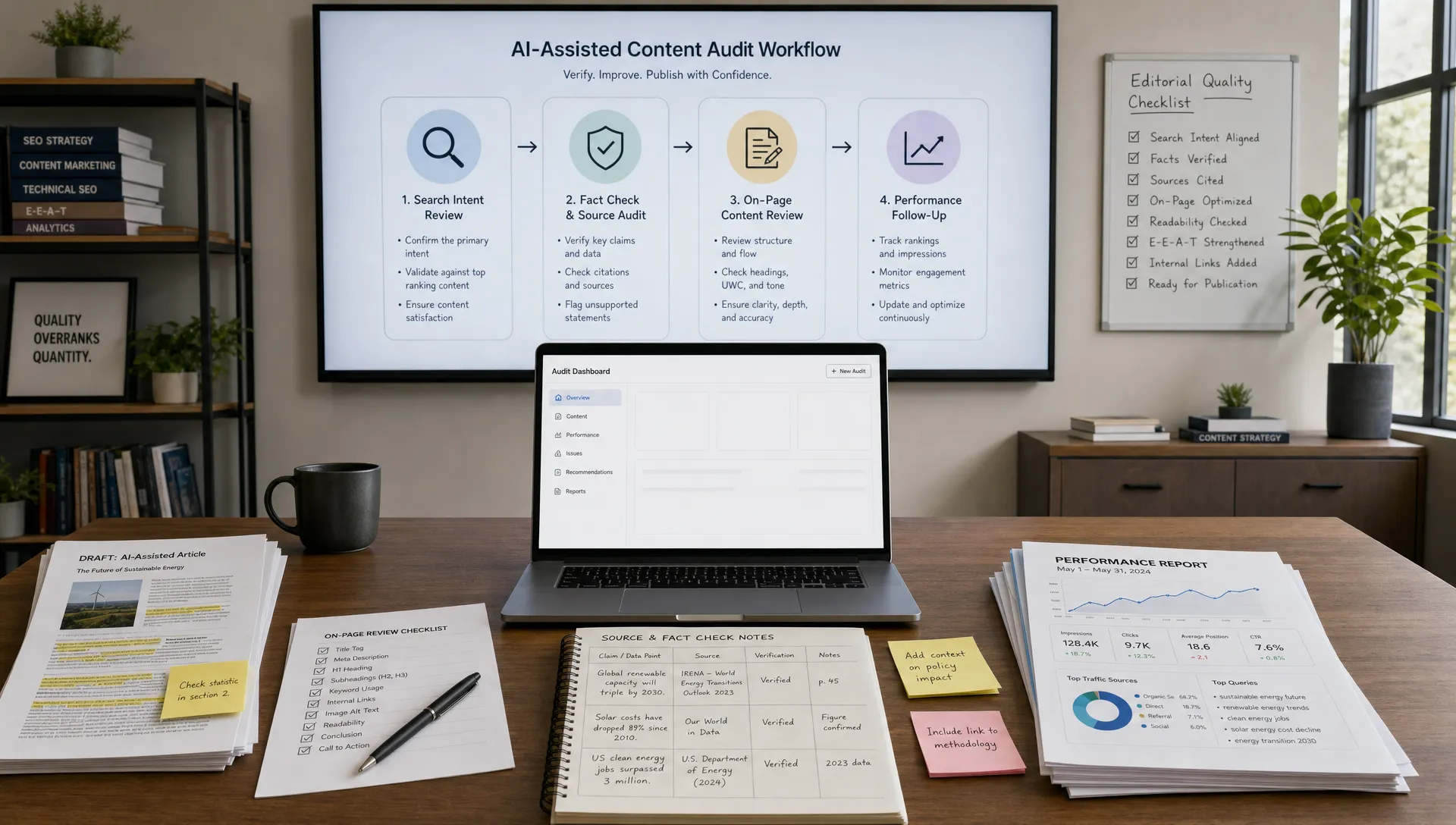
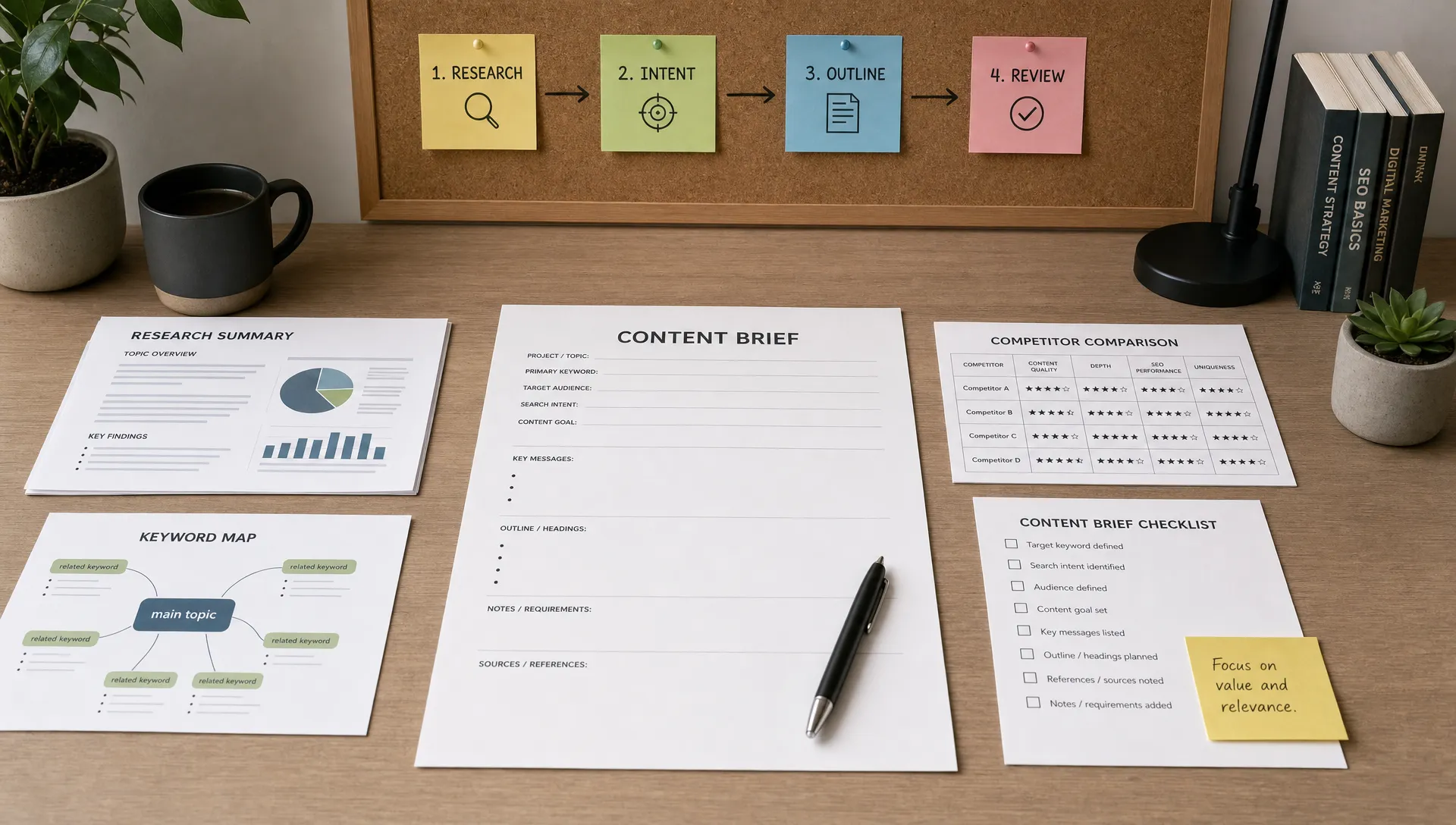
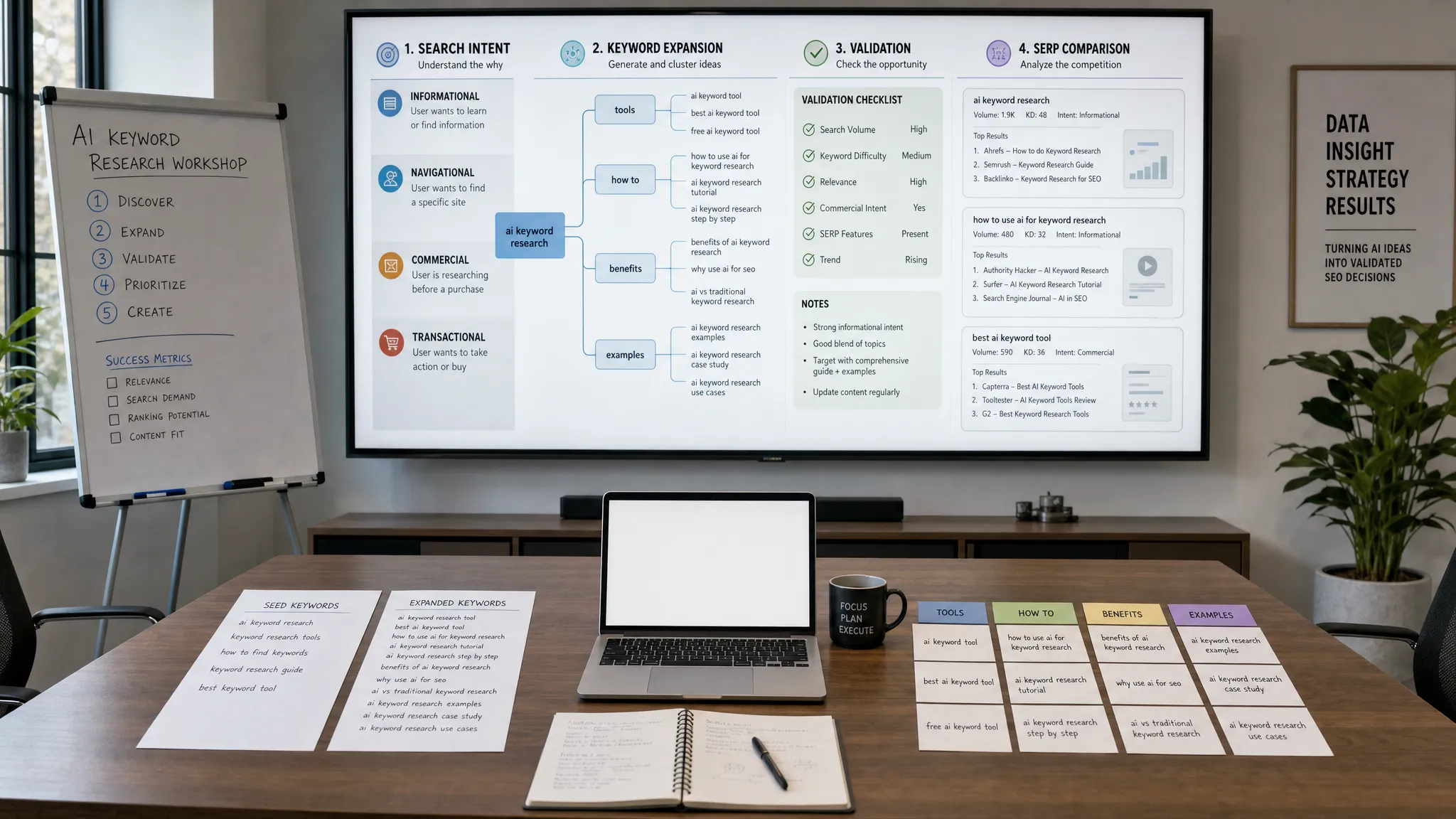
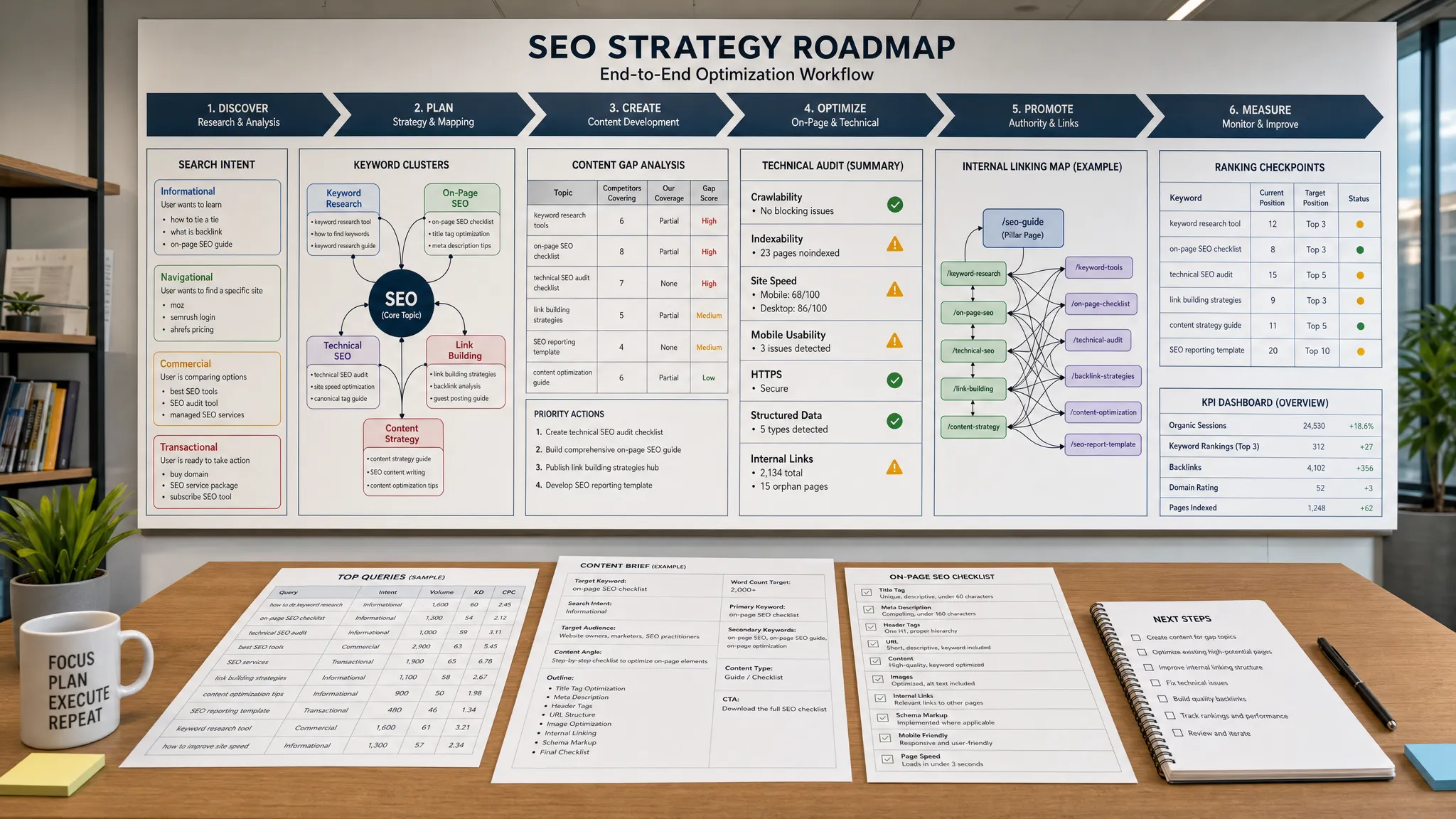
AI can also improve SEO performance by helping teams map search intent, cluster related topics, create content briefs, refresh outdated posts, and identify internal linking opportunities. The key is to focus on helpful, differentiated content rather than mass-producing pages that all sound the same.
For growth-focused teams, AI is especially useful when paired with disciplined experimentation. An internal team can run experiments, or they can collaborate with a specialized growth marketing and innovation partner such as User Story to connect acquisition strategy with automation, CRO, data, and content execution.
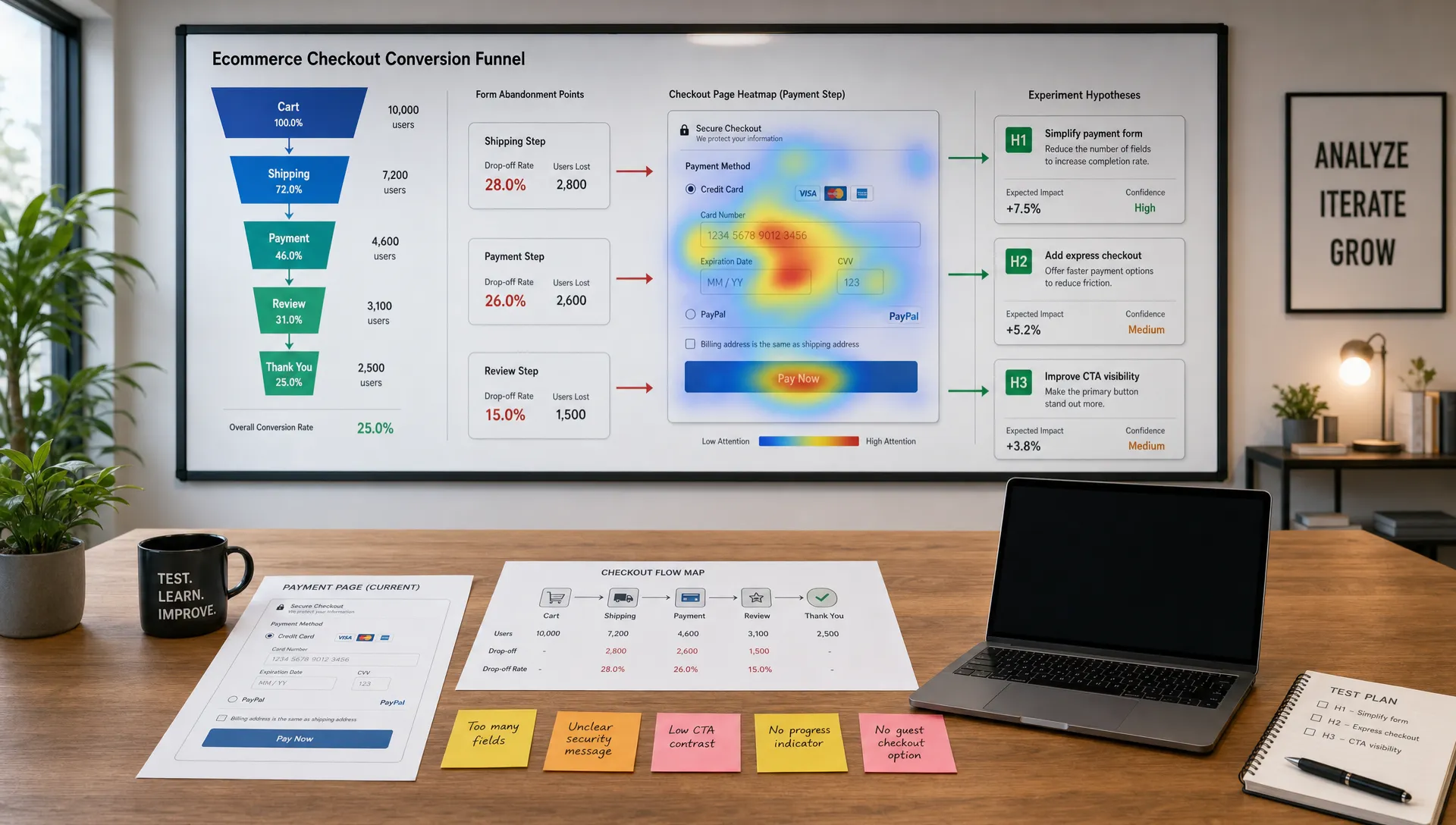
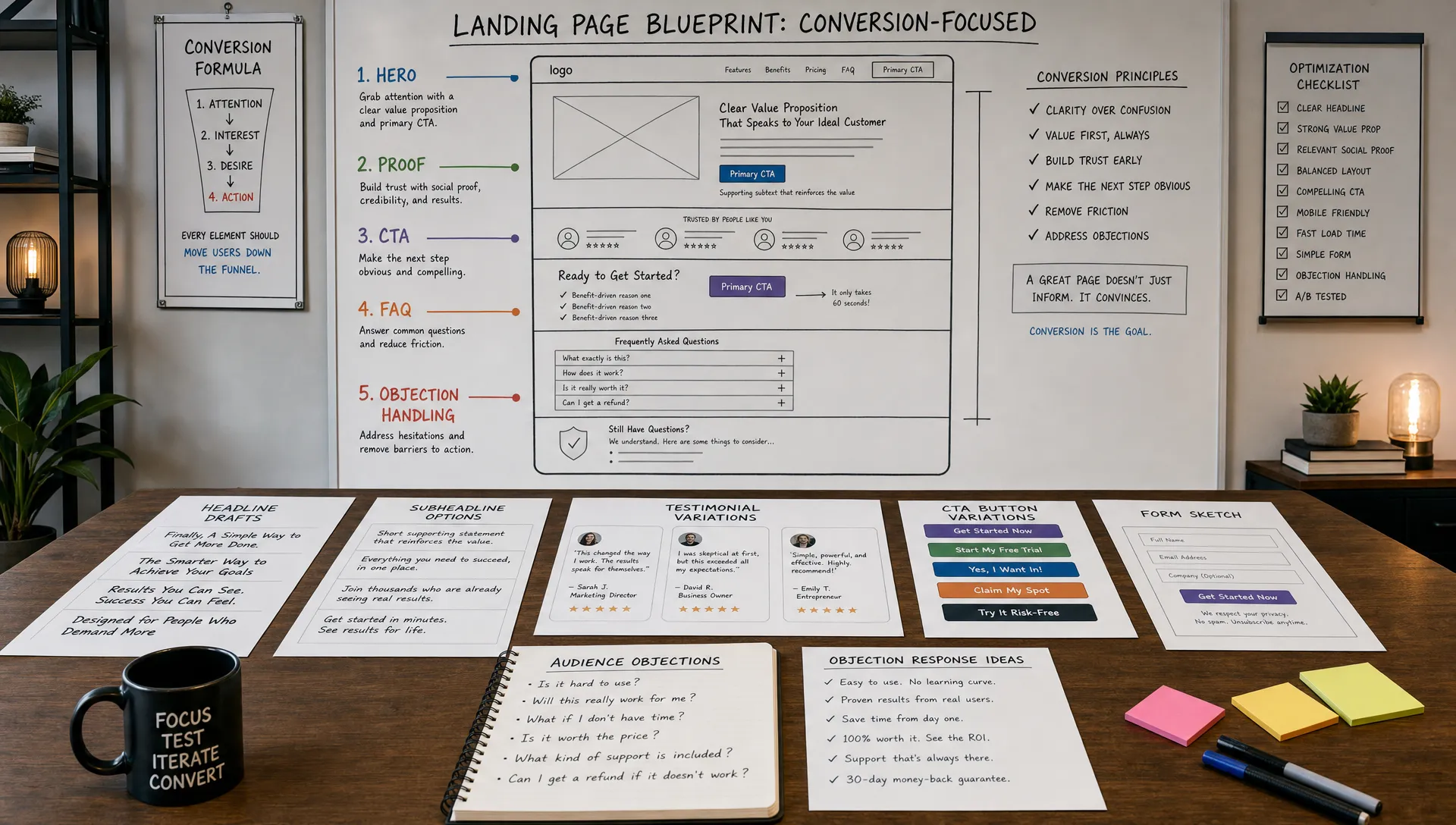
Conversion rate optimization is one of the strongest use cases for AI because small improvements can have a direct financial impact. AI can analyze landing page behavior, form abandonment, heatmap summaries, chat transcripts, survey responses, and customer objections to identify where people get stuck.
For example, AI might reveal that high-intent visitors leave a pricing page after encountering unclear package language. It might also identify that demo requests convert better when the page emphasizes implementation speed rather than a long list of features.
Marketers can use these insights to test better page structure, stronger calls to action, clearer proof points, shorter forms, improved FAQs, or more relevant offers. AI can generate test hypotheses quickly, but the final decisions should still be validated through experiments.
Performance does not stop after acquisition. For many businesses, retention and expansion are where the best return on marketing happens. AI can help identify customers who are likely to churn, accounts ready for upsell, or users who need onboarding support.
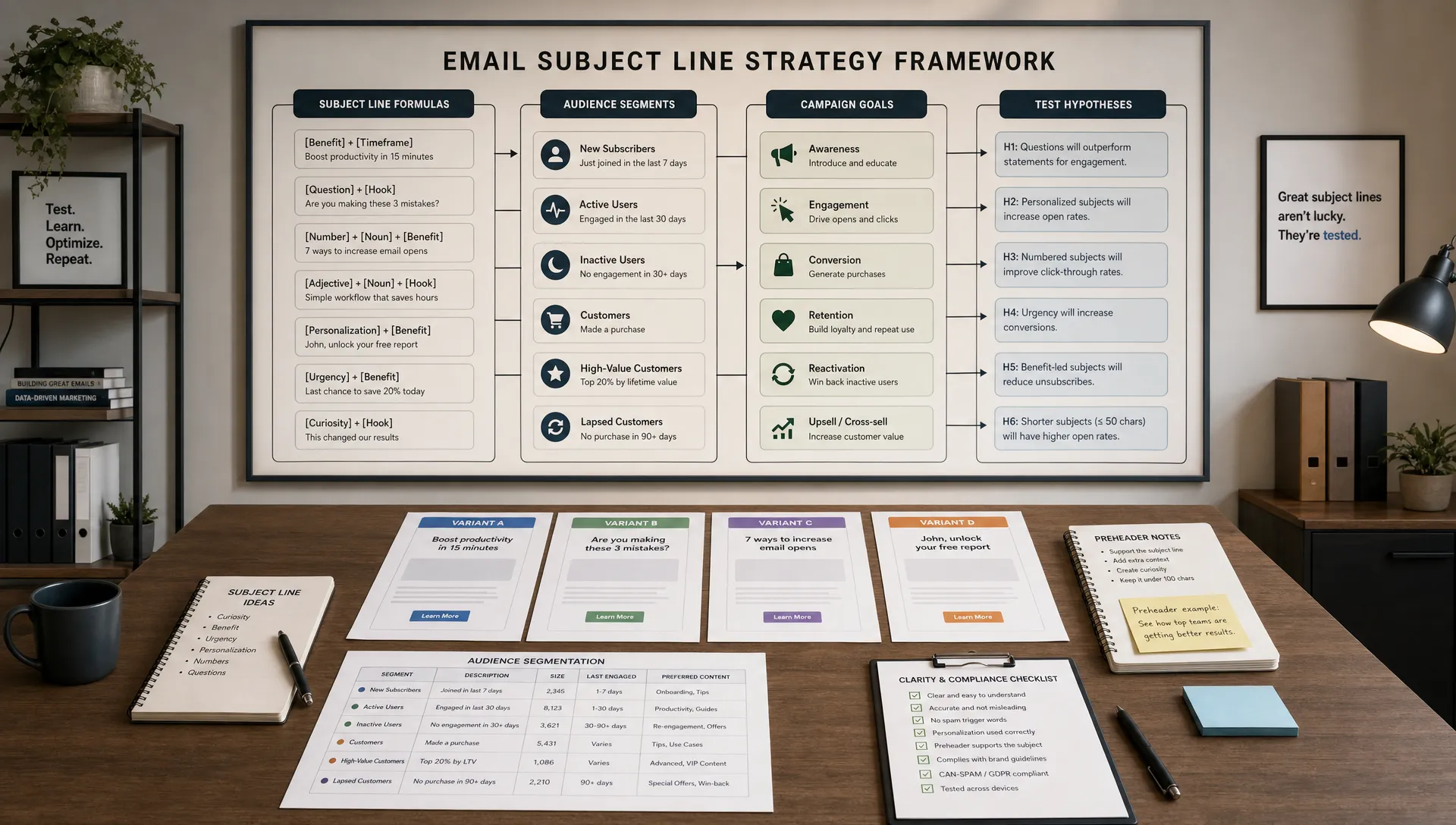
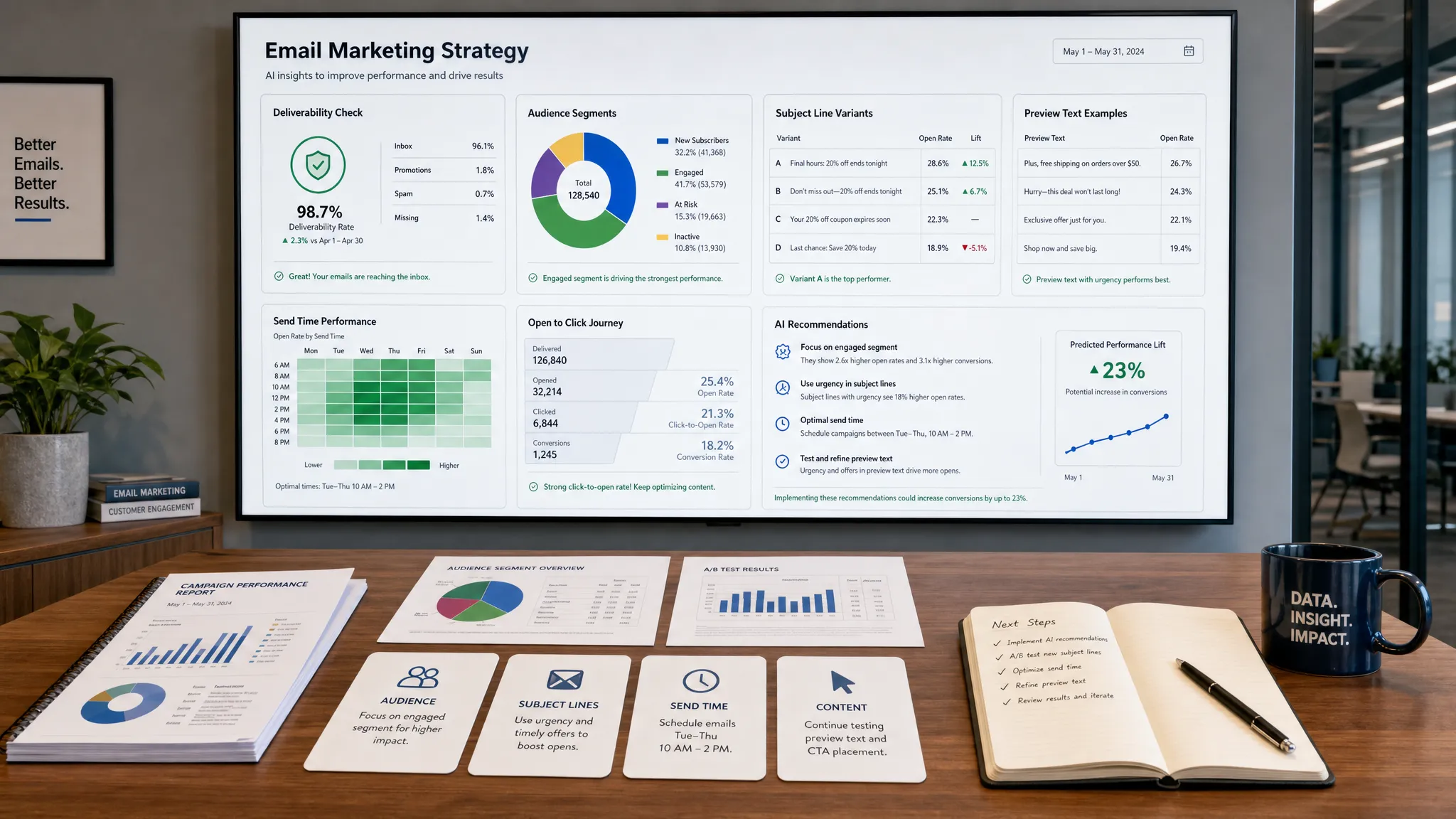
In email and lifecycle marketing, AI can personalize message timing, recommend content based on behavior, and help segment customers by usage or engagement. This makes communication more relevant and reduces the risk of overwhelming customers with generic campaigns.
Retention-focused AI is especially valuable for SaaS, subscription, finance, and professional services businesses where customer relationships develop over time. The better a company understands customer behavior, the easier it becomes to deliver useful, timely communication.
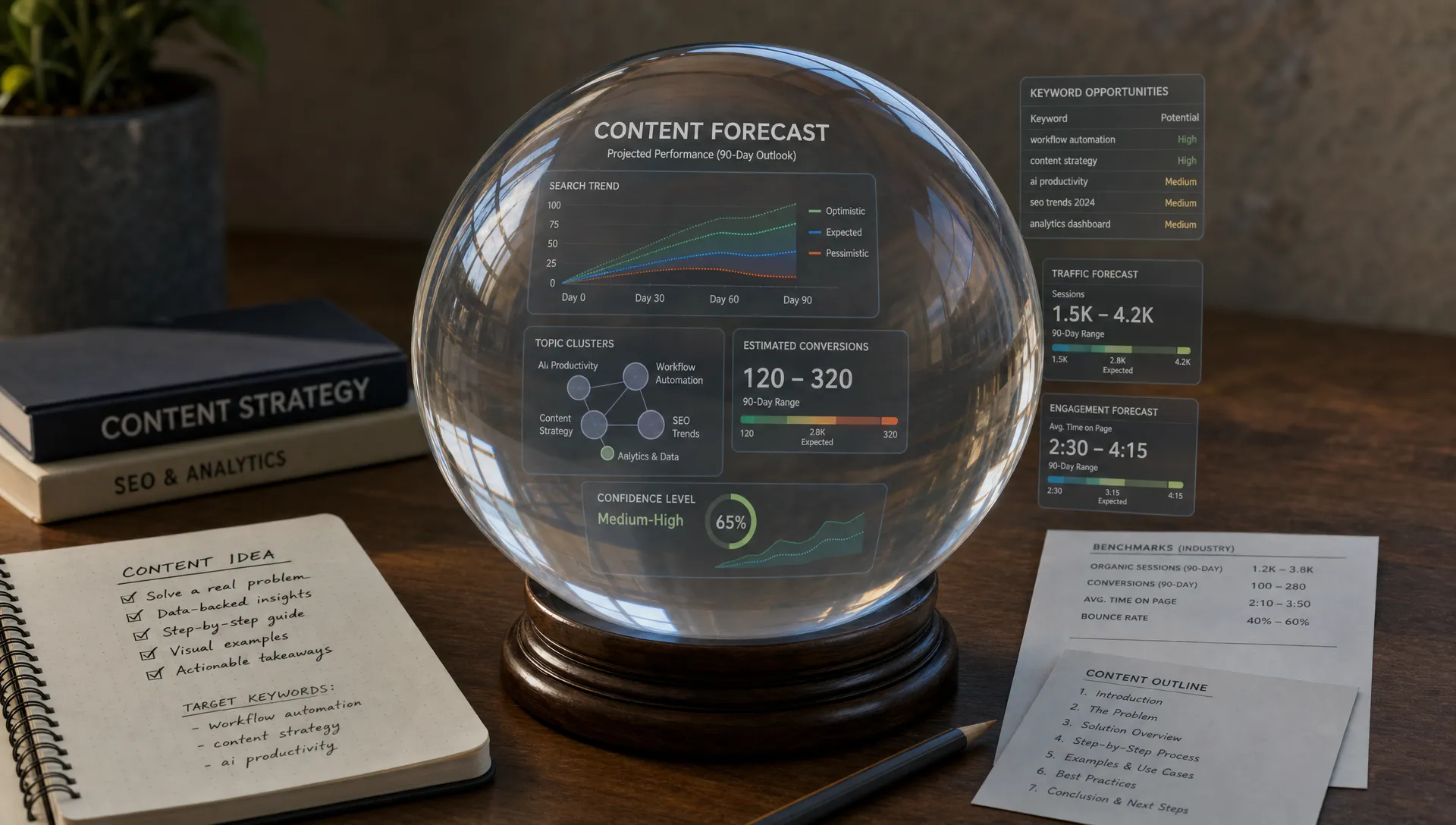
One of the biggest ways AI improves digital marketing performance is by increasing the speed and quality of experimentation. Many teams know they should test more, but they struggle to generate strong hypotheses, build variations, analyze results, and document learnings.
AI can help turn experimentation into a repeatable system. A marketer can use AI to analyze previous campaign data, suggest likely friction points, draft test variations, and summarize results after the experiment ends. This reduces the time between idea and action.
However, AI should not replace proper testing discipline. Teams still need a clear hypothesis, a defined success metric, enough data to evaluate the outcome, and a record of what was learned. Without that structure, AI can produce more tests, but not necessarily better decisions.
A strong AI-assisted testing process usually asks:
This approach prevents random experimentation and keeps AI aligned with business outcomes.
AI can analyze, draft, summarize, and recommend, but it does not understand your brand, customers, market position, and business constraints the way your team does. Human judgment remains essential.
Marketers are still responsible for strategy, ethics, creativity, taste, differentiation, and customer empathy. AI can produce a landing page variation, but a marketer must decide whether the message is credible. AI can summarize customer feedback, but a marketer must interpret what it means for positioning. AI can suggest SEO topics, but a marketer must decide whether those topics support the company’s growth strategy.
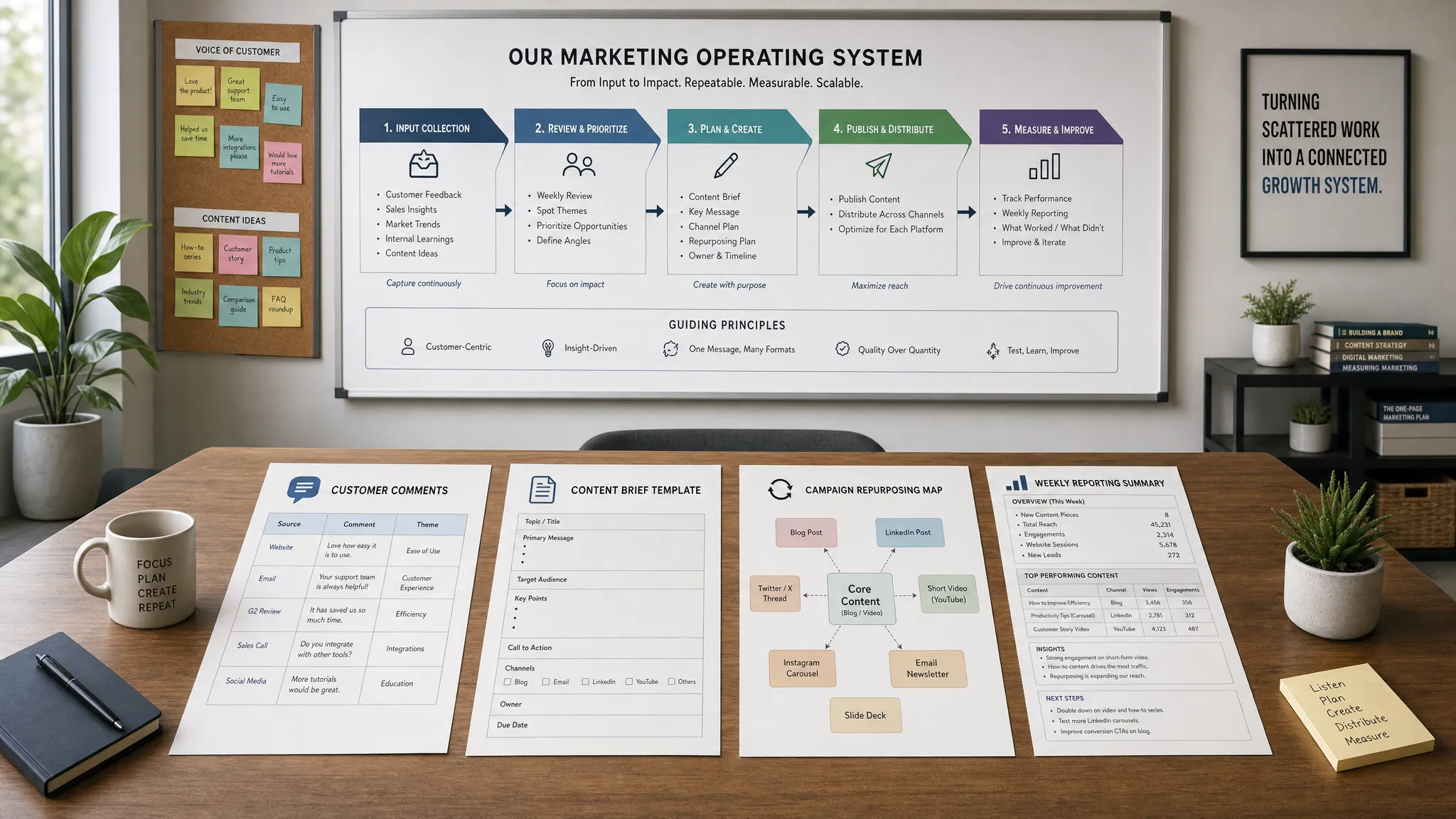
The strongest teams treat AI as a force multiplier. It handles repetitive work, speeds up analysis, and expands creative options. The human team focuses on direction, quality control, and decisions that require context.
The best implementation starts small. Teams do not need to transform every workflow at once. A focused use case with measurable impact is usually more effective than a broad AI rollout with no clear owner.
Start by choosing one performance bottleneck. It might be slow content production, rising paid acquisition costs, low landing page conversion, weak lead nurturing, or inconsistent reporting. Then identify where AI can reduce manual work or improve decision-making.
A practical implementation plan includes:
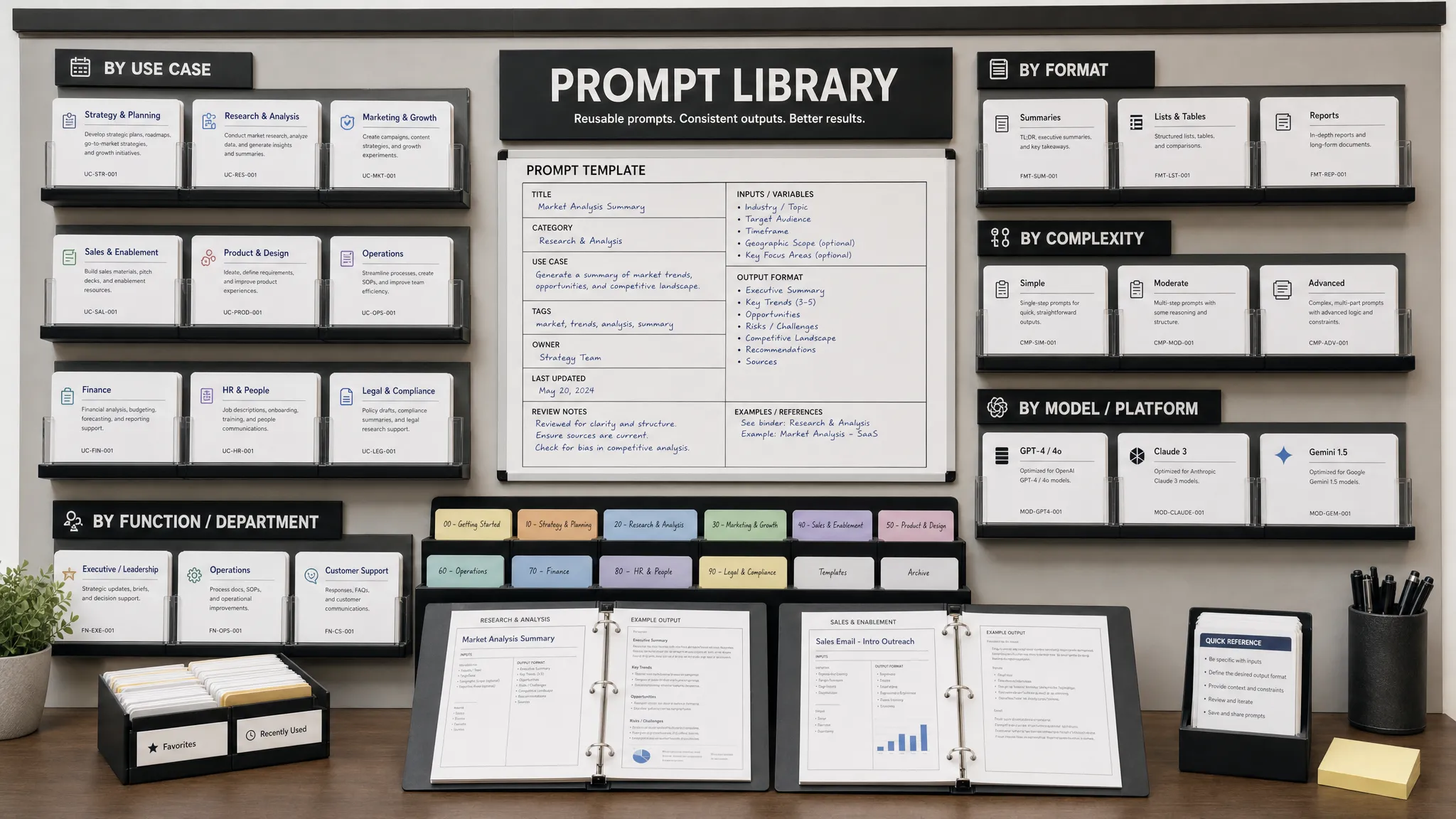
AIMarketer Hub’s focus on AI content generation, prompt libraries, SEO tools, performance analytics, and industry-specific guides fits this kind of practical adoption. Instead of treating AI as a trend, marketers can turn it into a structured system for faster execution and better decisions.
AI can improve performance, but only if teams avoid the common traps that weaken results.
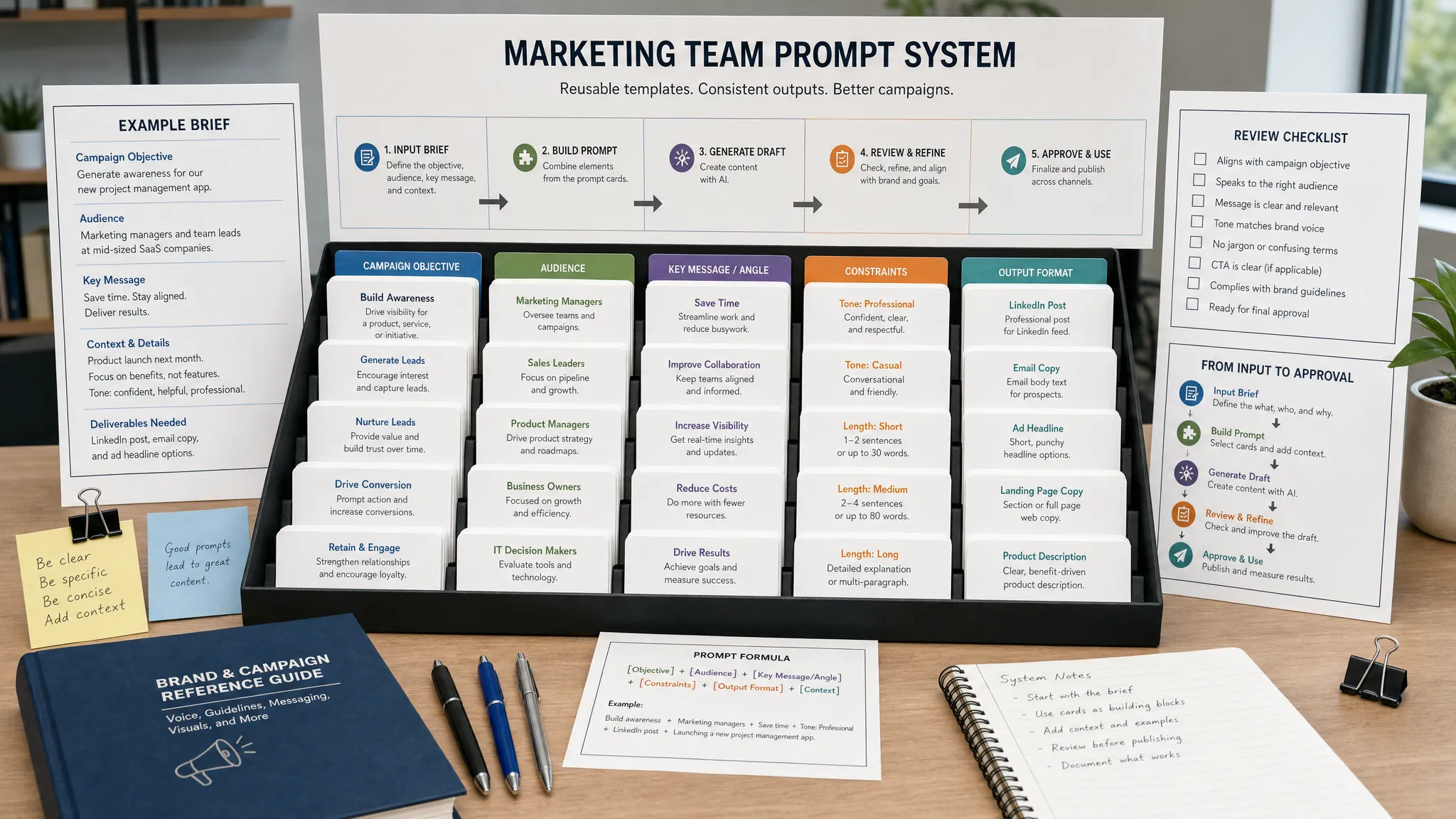
The first mistake is using AI without a clear goal. If a team asks AI to “make a campaign better,” the output will usually be generic. A stronger request includes the audience, channel, objective, offer, constraints, and success metric.
The second mistake is feeding AI poor inputs. If the tool does not have accurate customer insights, product information, brand guidelines, and campaign data, the output will reflect that weakness. Better inputs produce better recommendations.
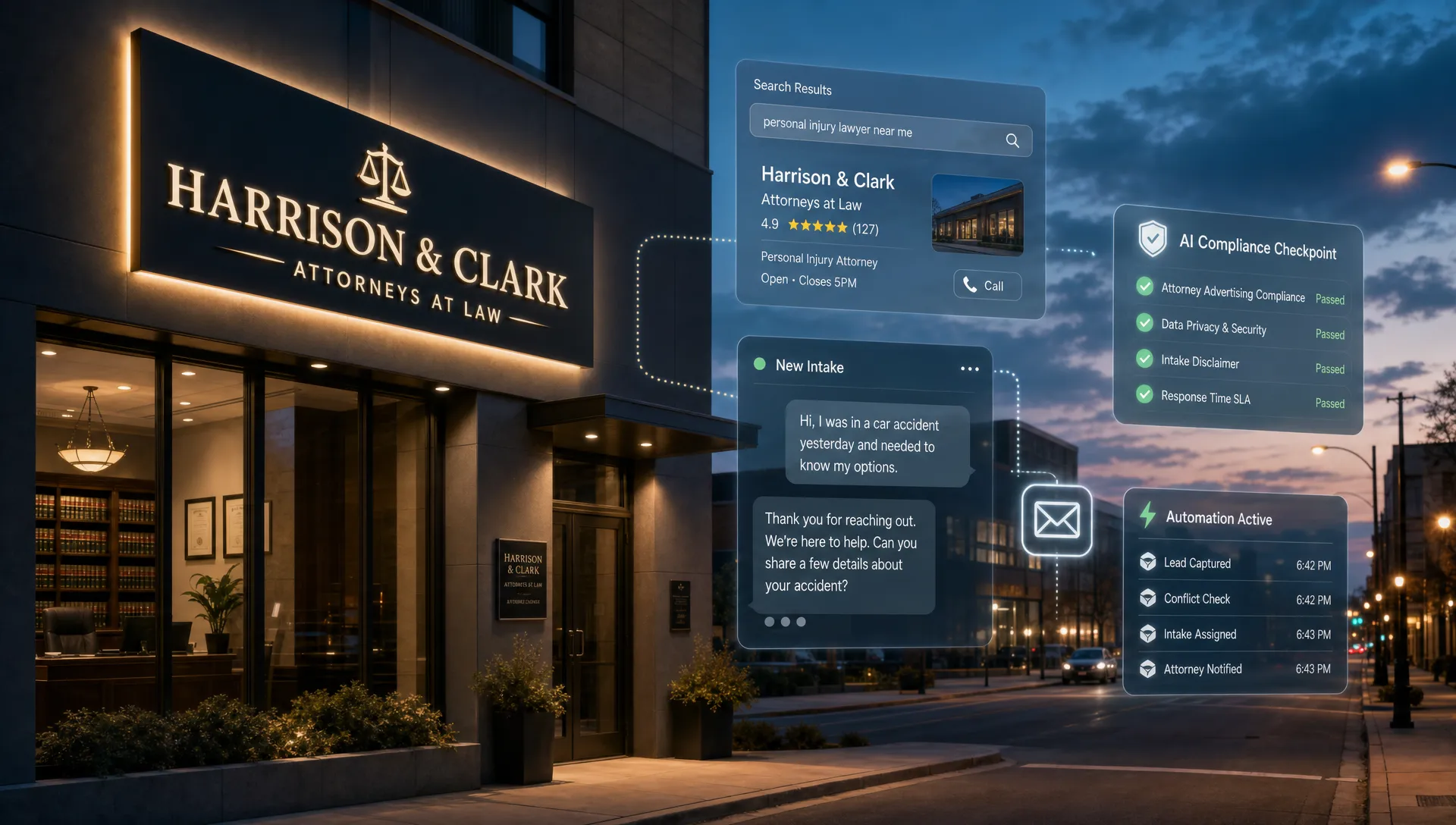
The third mistake is publishing AI-generated content without review. This can lead to factual errors, bland messaging, duplicated ideas, or claims that do not match the product. Human review is non-negotiable, especially in regulated or high-trust industries.
The fourth mistake is measuring only productivity. Saving time is valuable, but performance should also include quality and outcomes. A campaign that takes half the time to create but generates fewer qualified leads is not a true improvement.
How does AI for digital marketing improve campaign performance? AI improves performance by helping marketers analyze data faster, personalize messages, generate creative variations, identify conversion friction, and optimize campaigns based on measurable outcomes.
Can AI replace a digital marketing team? No. AI can automate repetitive tasks and support decision-making, but marketers are still needed for strategy, brand judgment, customer empathy, creative direction, compliance, and final quality control.
What is the best first AI use case for a marketing team? The best first use case is usually a clear bottleneck with measurable impact, such as content briefing, SEO optimization, landing page testing, email segmentation, ad copy variation, or reporting automation.
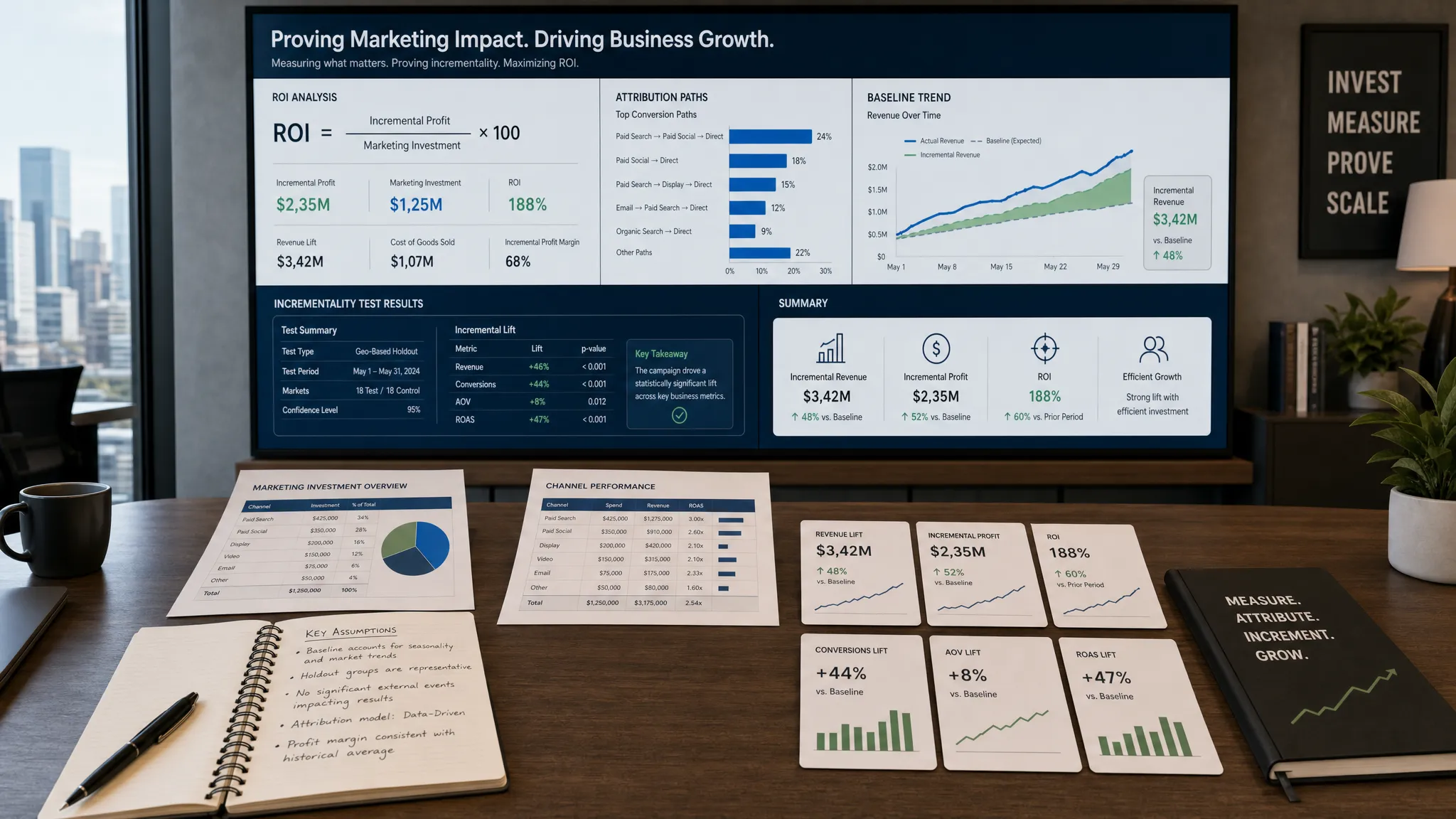
How should marketers measure AI marketing ROI? Measure AI marketing ROI by comparing time saved, cost reductions, conversion improvements, lead quality, revenue contribution, and campaign velocity before and after AI-assisted workflows are introduced.
Is AI useful for small marketing teams? Yes. AI is especially useful for small teams because it can reduce manual work, speed up content production, support analysis, and help marketers test more ideas without adding headcount.
AI for digital marketing improves performance when it is tied to strategy, clean inputs, testing, and measurable business goals. The goal is not to automate every marketing task. The goal is to help your team make better decisions, produce stronger assets, and act on performance insights faster.
If you want practical tools and resources for applying AI to real marketing workflows, explore AIMarketer Hub. Use AI content generation, prompt resources, SEO tools, calculators, analytics, and industry-specific guides to build a smarter, more measurable marketing system.