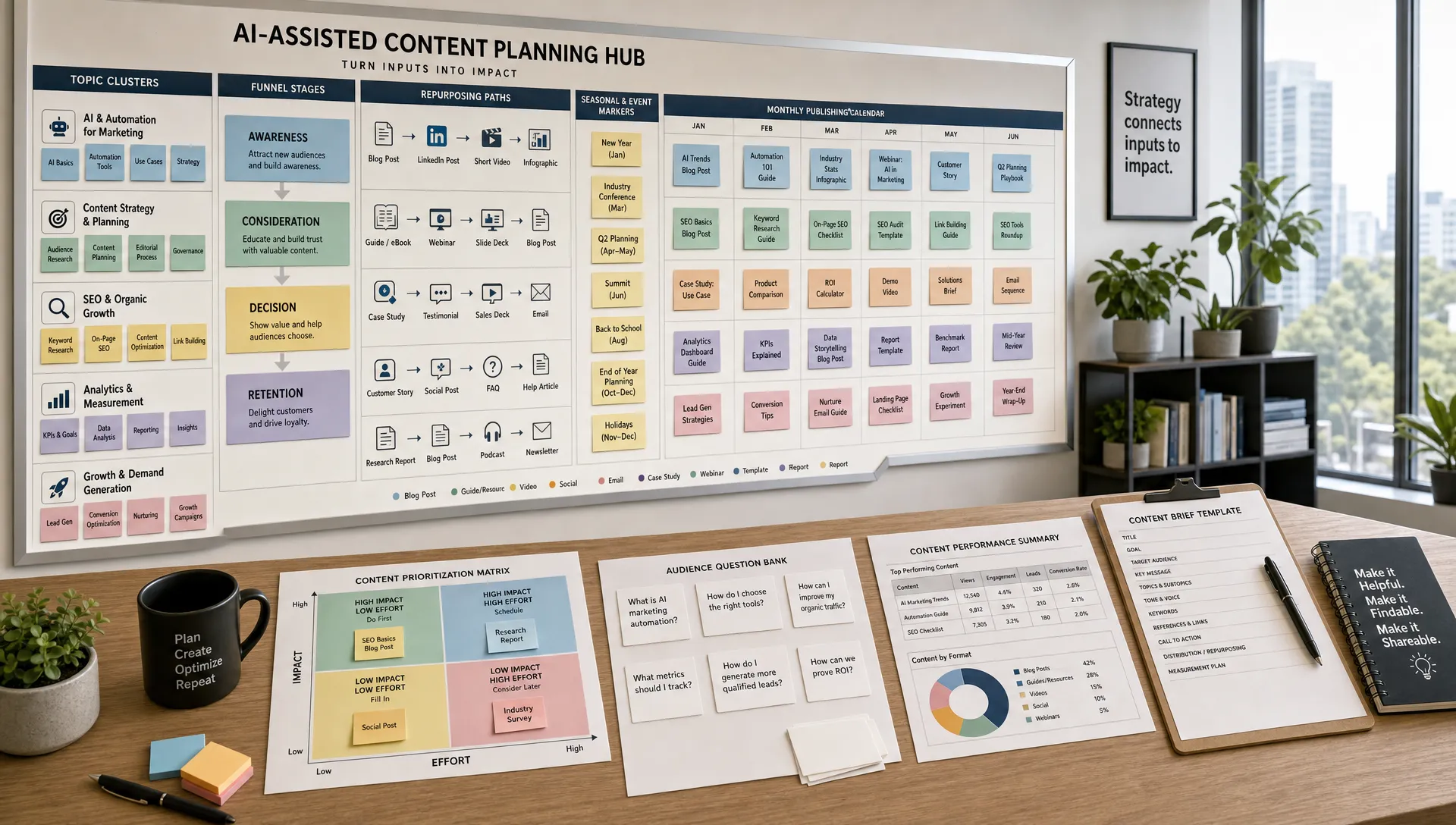
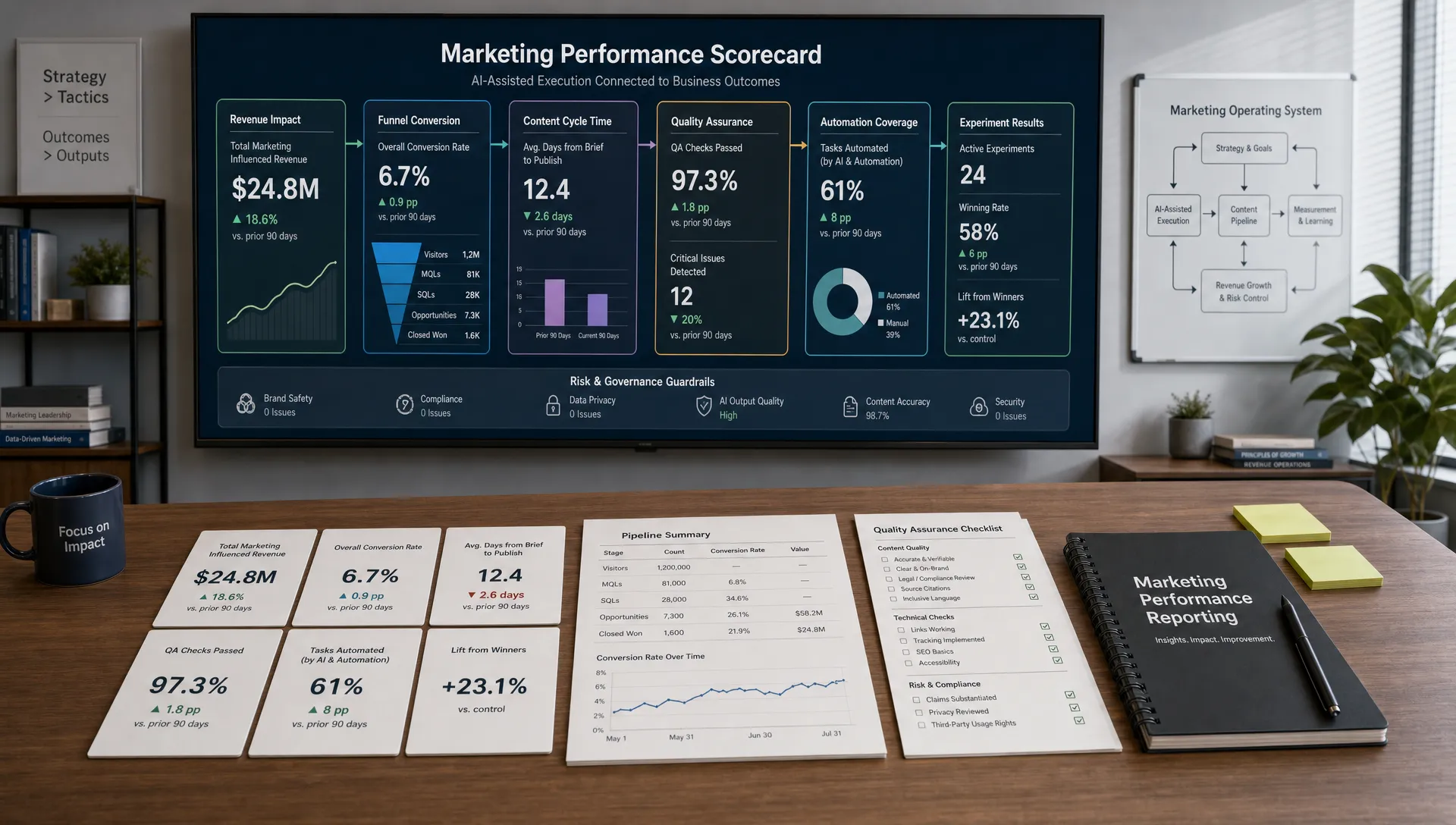
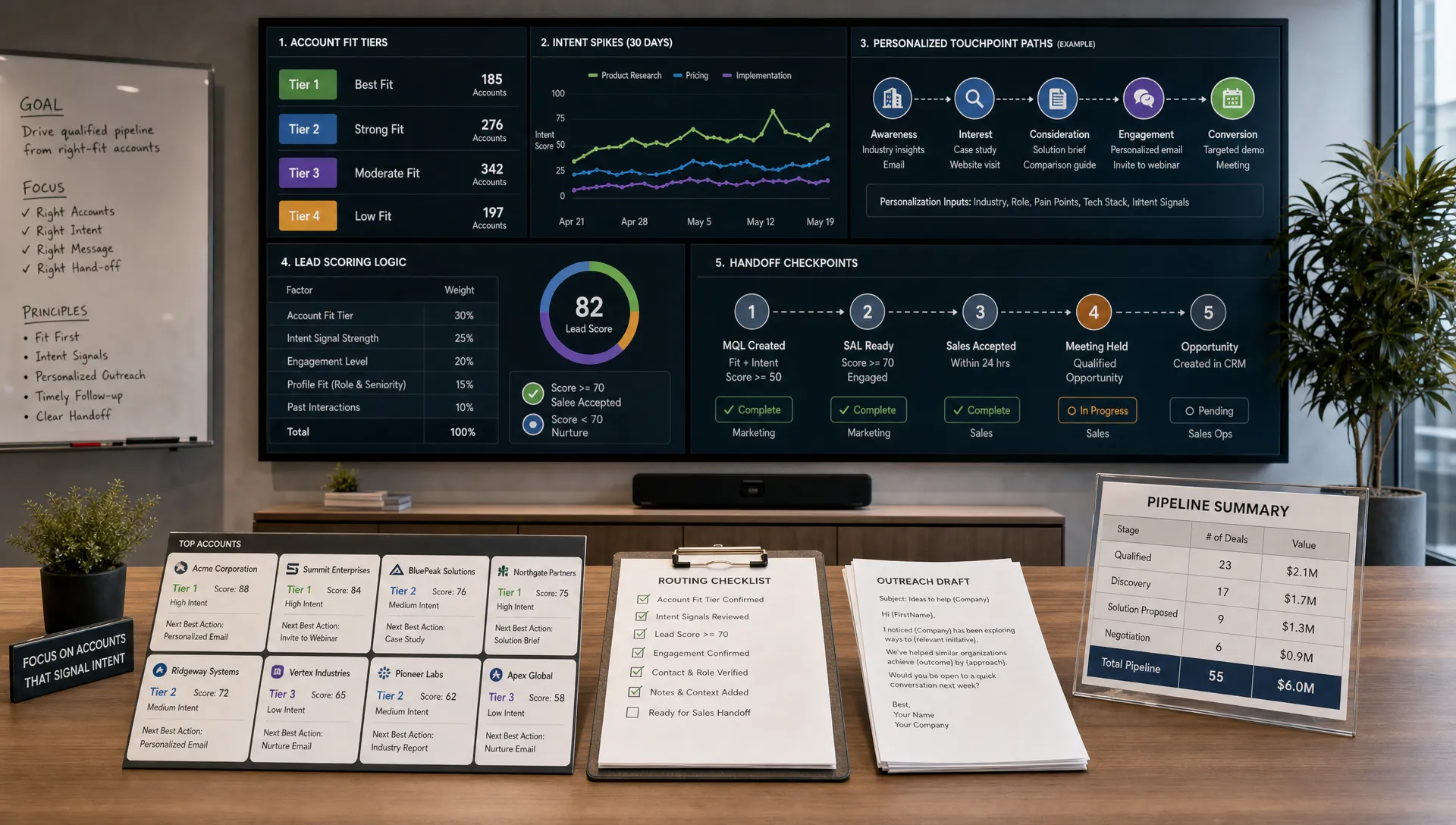
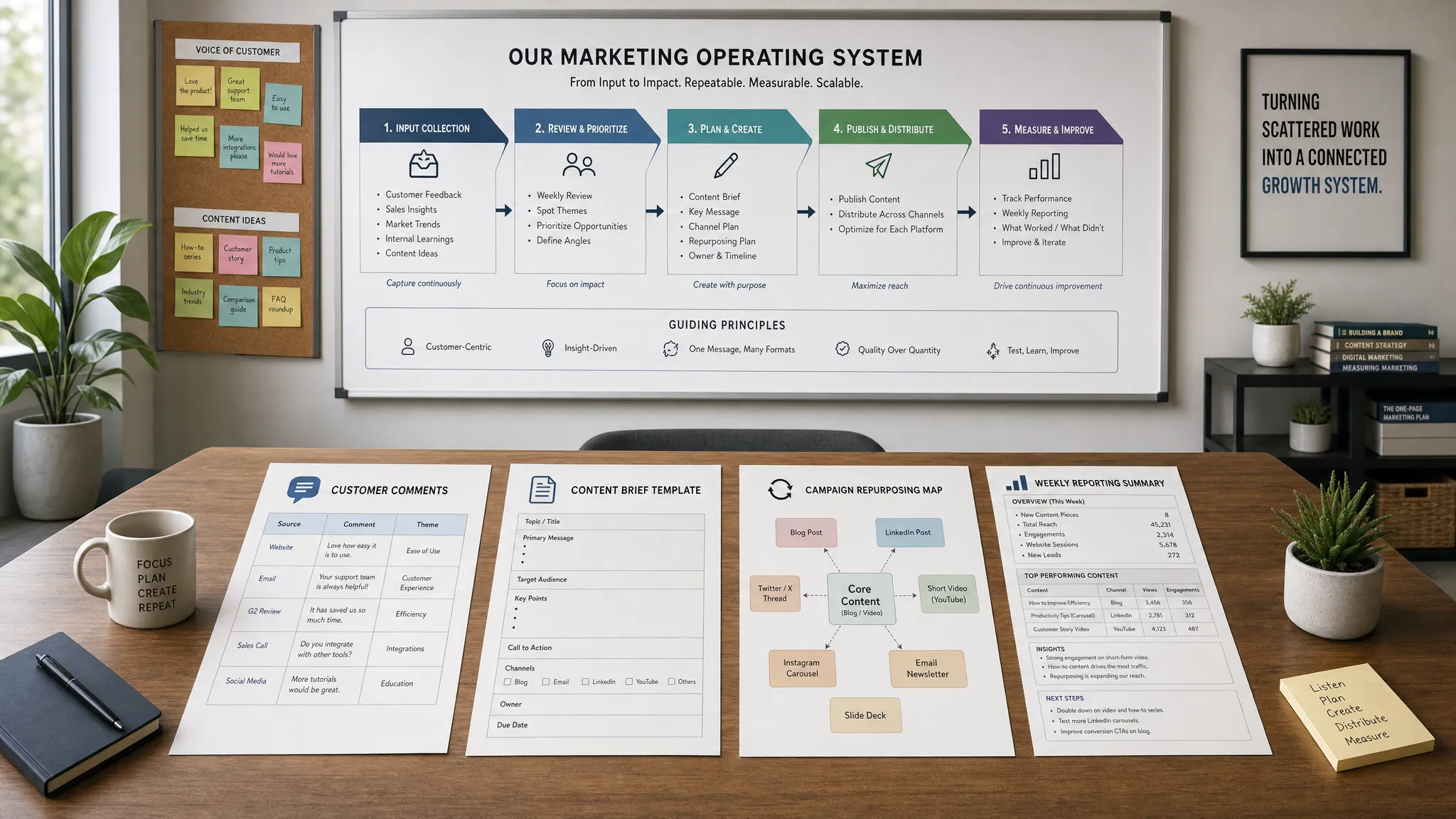
Financial services marketing has always been a trust business. AI can make that trust easier to earn by helping teams understand customer questions, produce clearer educational content, personalize lifecycle journeys, and spot performance patterns faster than manual analysis alone.
But finance is not a market where teams can move fast and fix it later. A vague product claim, an outdated rate, an overconfident investment statement, or a poorly governed audience model can create legal, compliance, privacy, and reputation risk. The upside is real, but only when AI marketing is designed around supervision, data discipline, and customer protection.
This guide is for banks, credit unions, fintechs, lenders, insurance providers, wealth firms, and financial marketers who want practical ways to use AI without weakening compliance or brand trust.
In many industries, marketing mistakes are inconvenient. In financial services, they can influence decisions about debt, savings, retirement, insurance, taxes, and access to credit. That makes clarity, fairness, and documentation just as important as speed.
AI marketing systems can touch sensitive areas, including personal financial data, eligibility language, risk tolerance, lending signals, and investment expectations. Even when AI is only used for content creation or campaign optimization, the output can still shape consumer understanding. That is why AI should be treated as a supervised marketing capability, not a shortcut around review.
A useful starting point is the NIST AI Risk Management Framework, which encourages organizations to govern, map, measure, and manage AI risks. For financial marketers, that translates into a simple principle: before asking what AI can automate, ask what the workflow is allowed to do, what data it may use, who reviews the output, and how the result will be monitored after launch.
The best teams use AI to strengthen marketing fundamentals. They do not let it invent strategy, approve claims, or replace accountable decision-making.
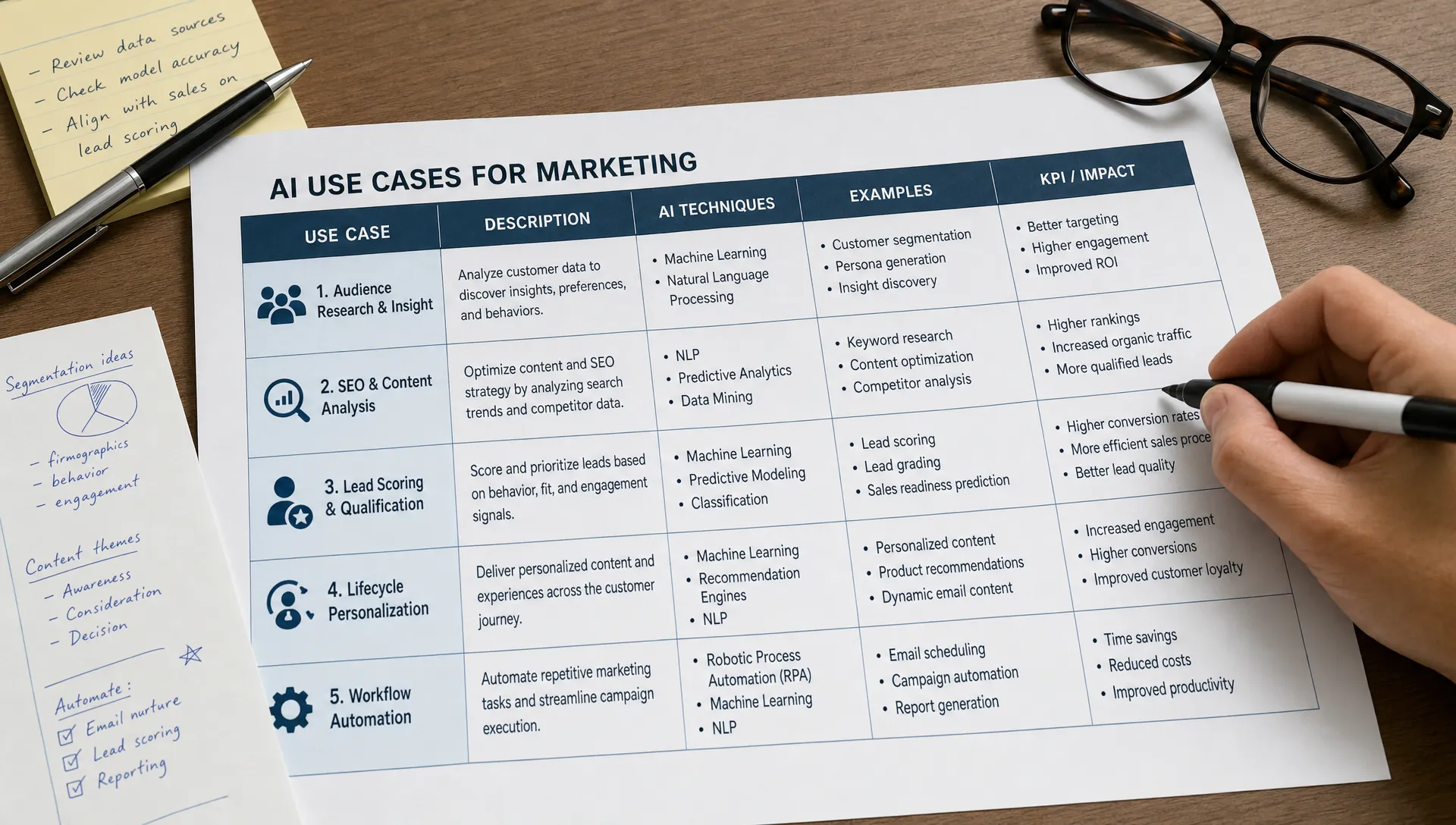
AI marketing for financial services works best when it improves speed and insight in controlled areas. The goal is not to automate every customer interaction. It is to reduce repetitive work, surface patterns, and help teams deliver more relevant information.
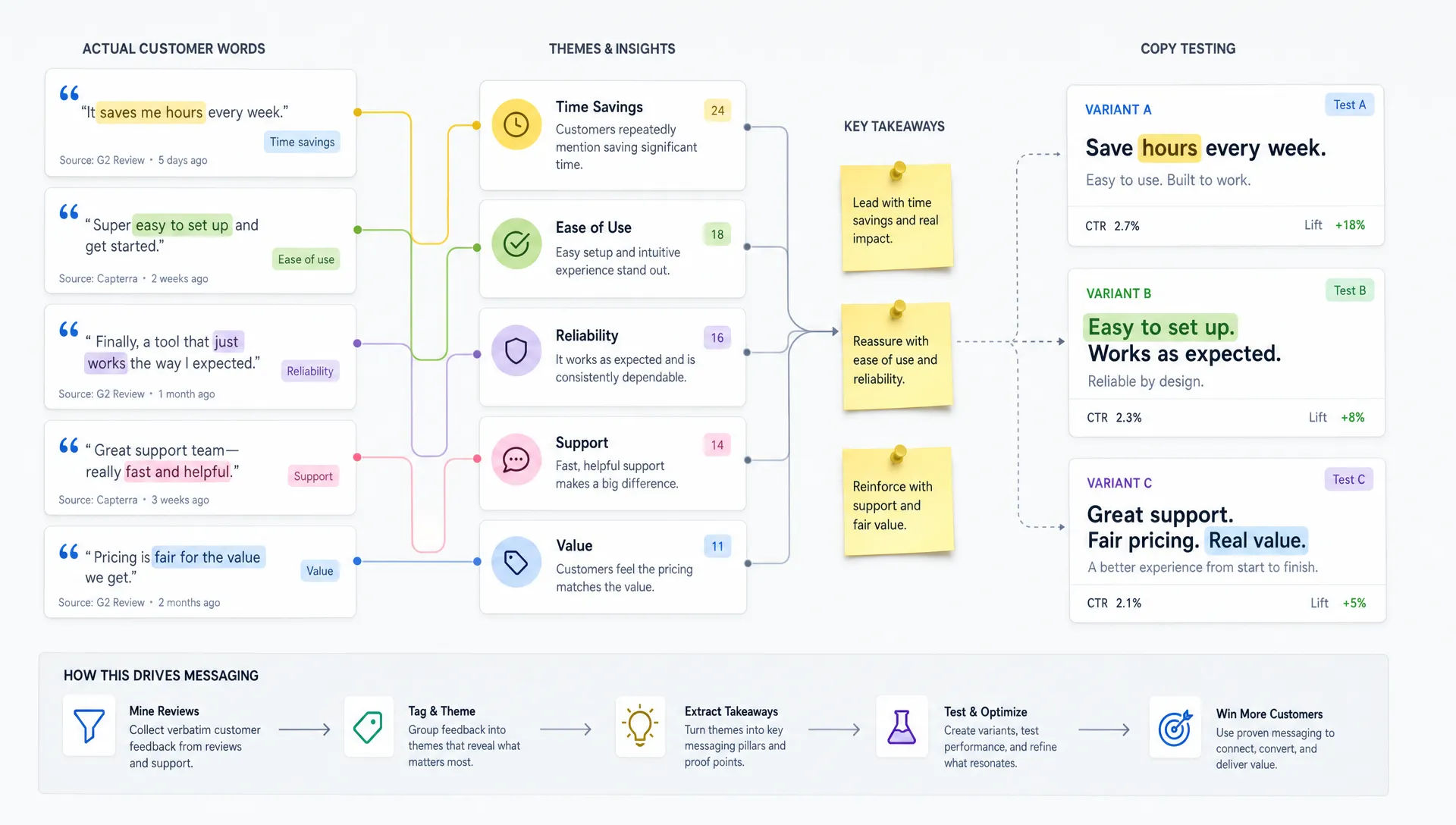
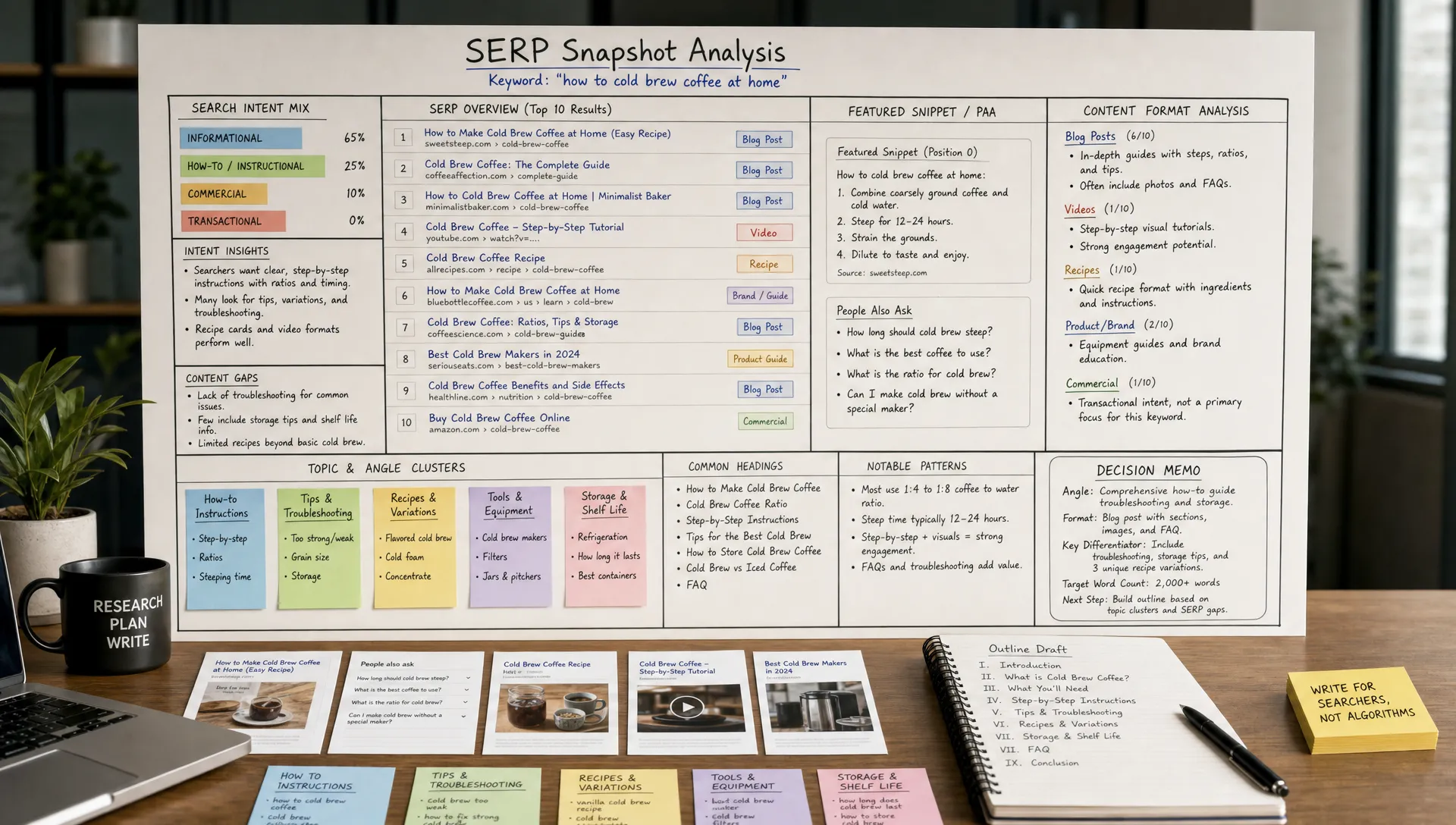
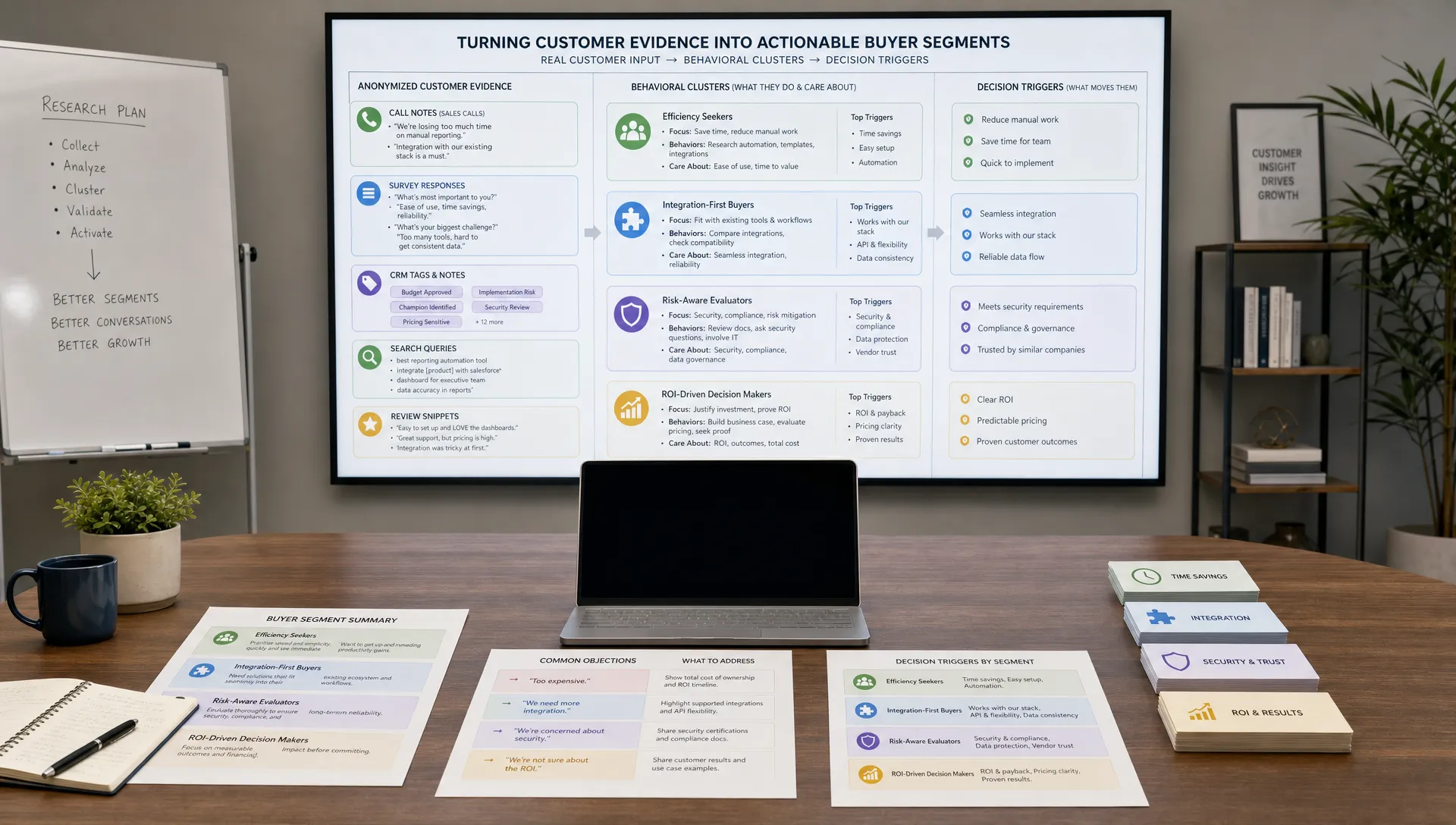
AI can summarize customer interviews, call center themes, survey responses, public reviews, search queries, and sales notes. This helps marketers understand what customers are really asking before they choose a mortgage lender, compare checking accounts, evaluate a robo-advisor, or shop for insurance.
The risk is that customer data may include personally identifiable information or regulated financial details. Use anonymized or aggregated inputs where possible, and define what data is off limits before it enters an AI tool. A good research workflow should produce themes, objections, and content opportunities, not expose individual customer profiles to unnecessary systems.
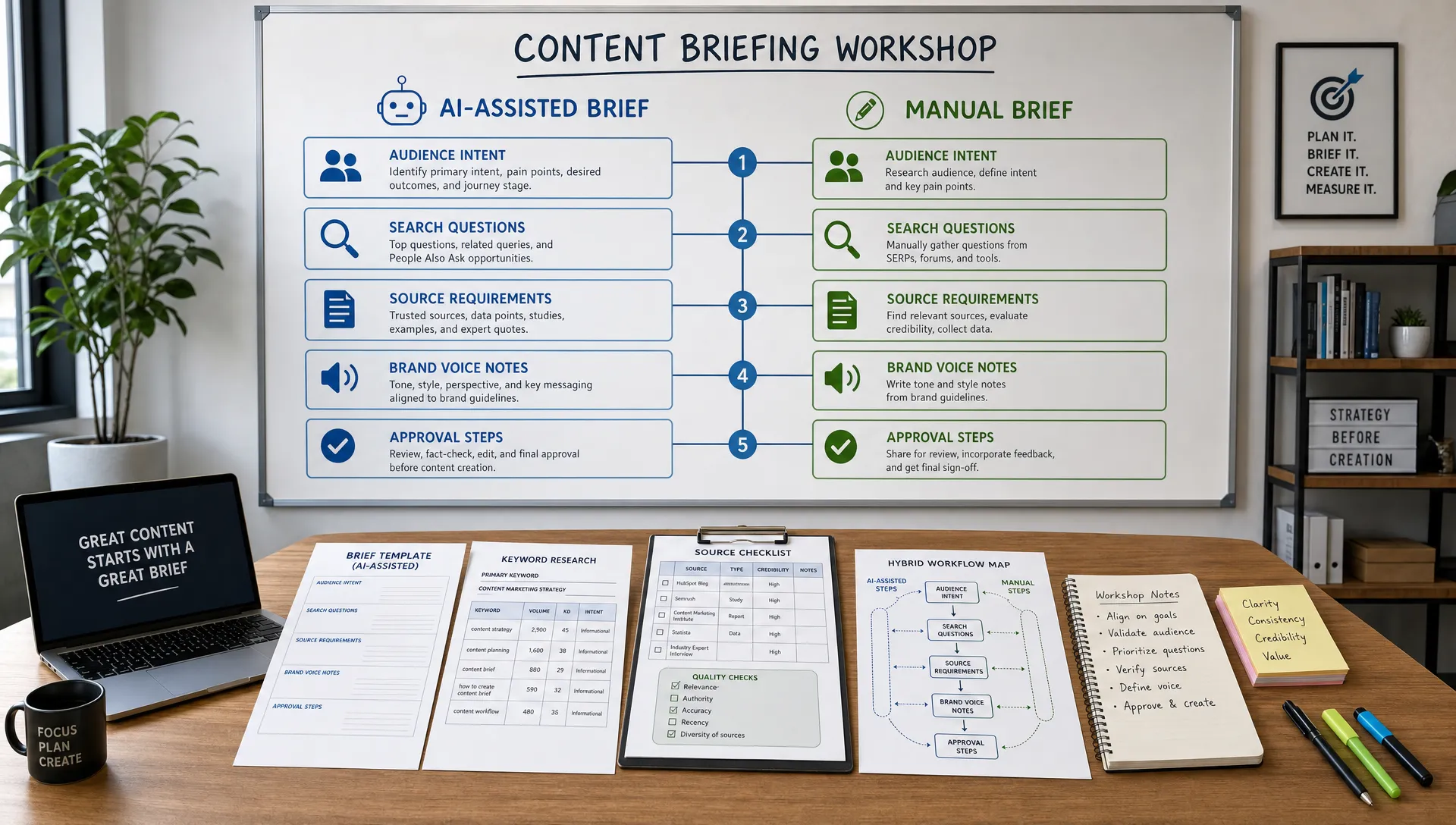
Financial products often require explanation. AI can help turn complex topics into outlines, FAQs, article drafts, email variants, and social post ideas. It is especially useful for creating first drafts of educational content, such as how interest accrues, what to prepare before applying for a loan, or how diversification works.
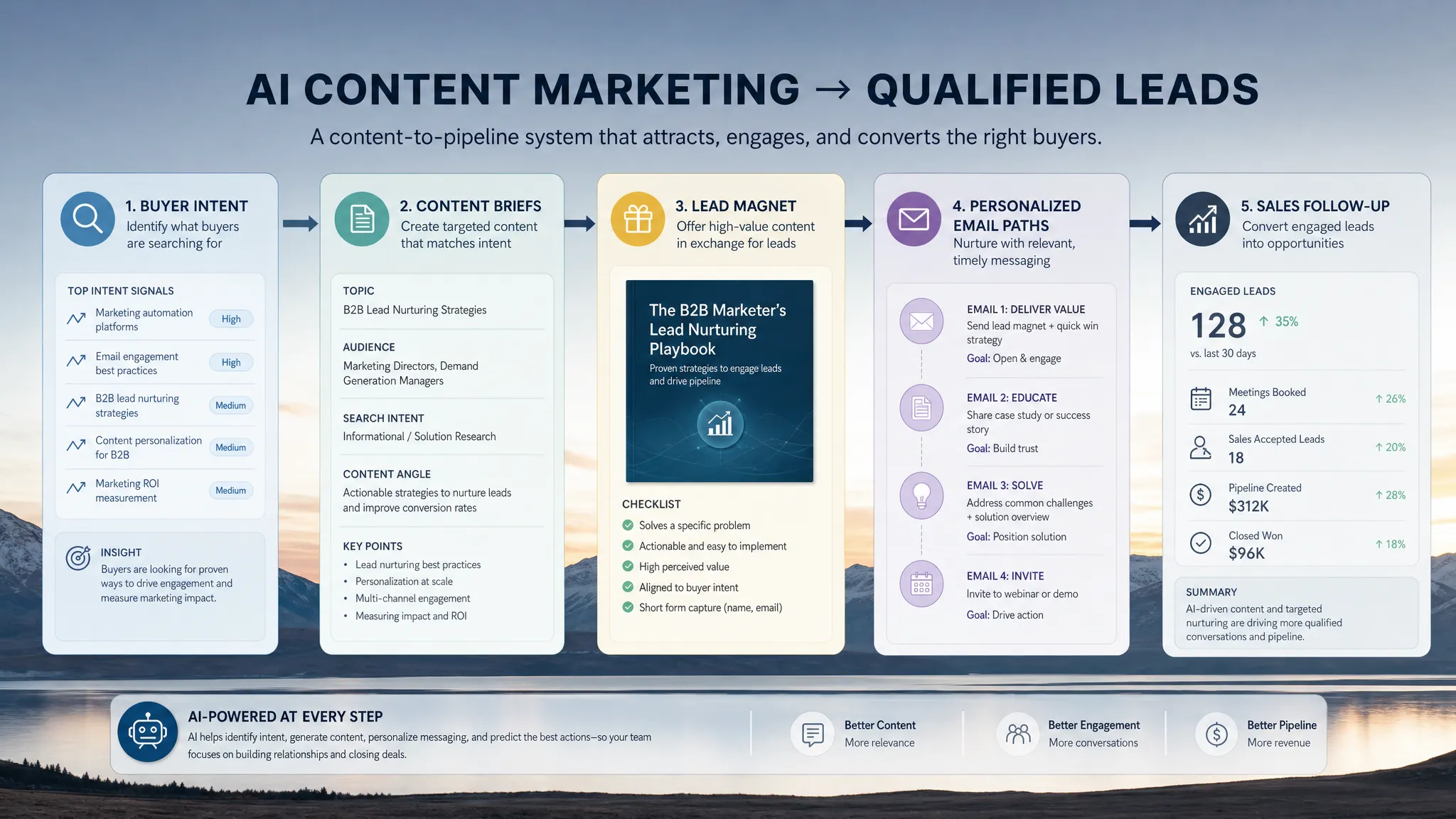
However, draft does not mean publishable. Every piece of AI-assisted content should be checked for accuracy, substantiation, tone, and required disclosures. If lead generation is a priority, pair AI speed with clear conversion paths and human validation. For more on that broader content system, see these AI content marketing tactics that drive more leads.
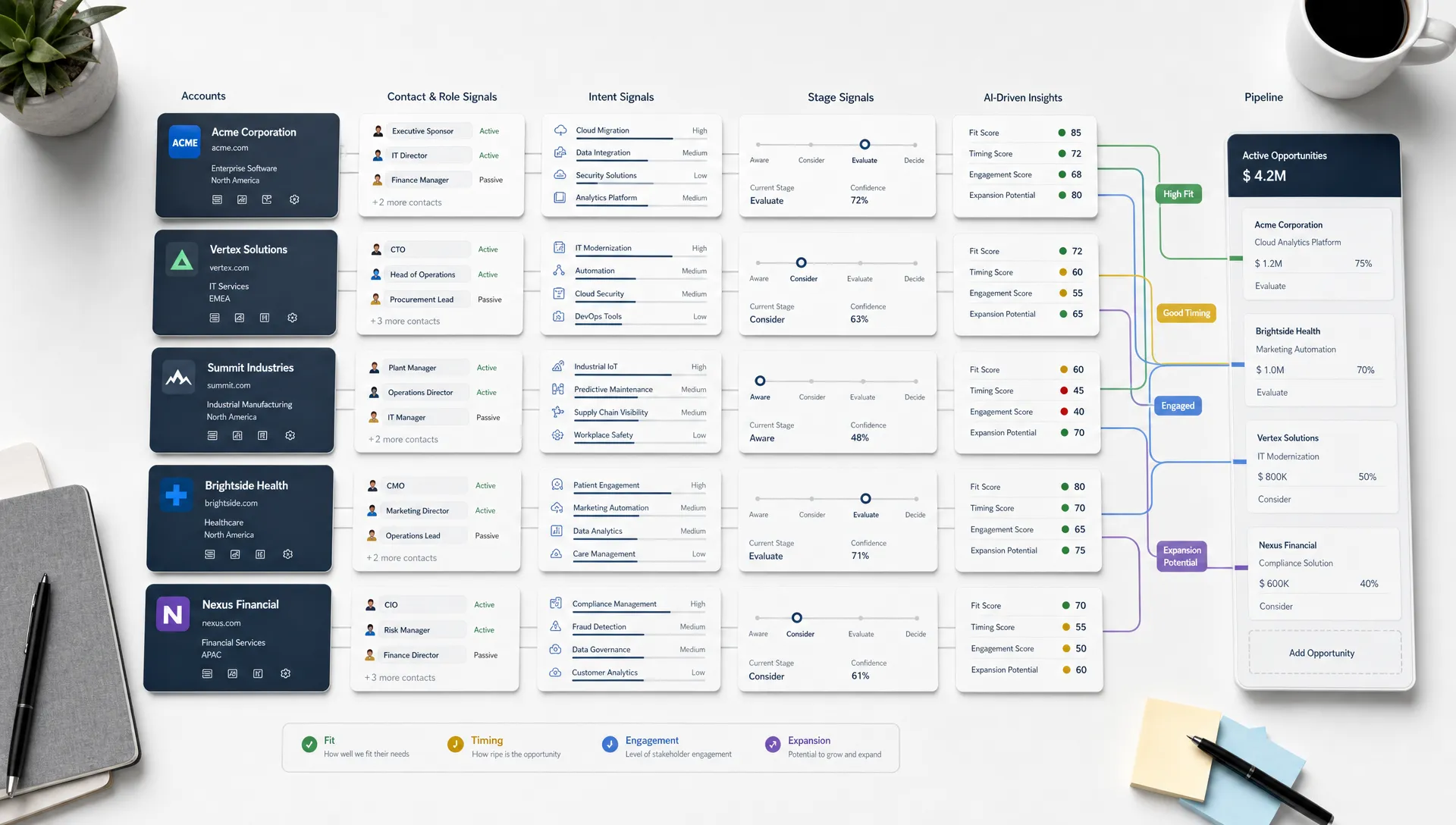
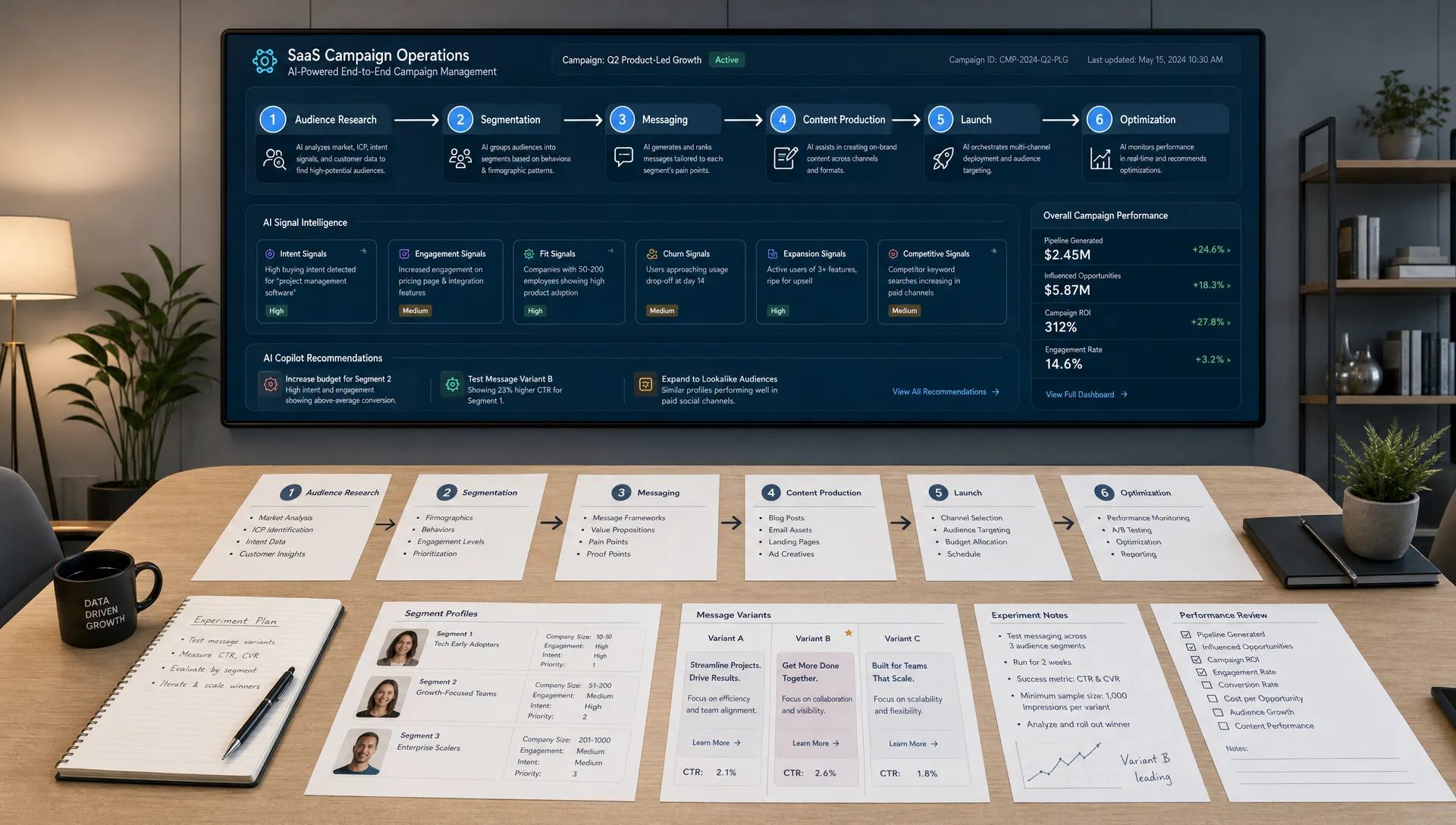
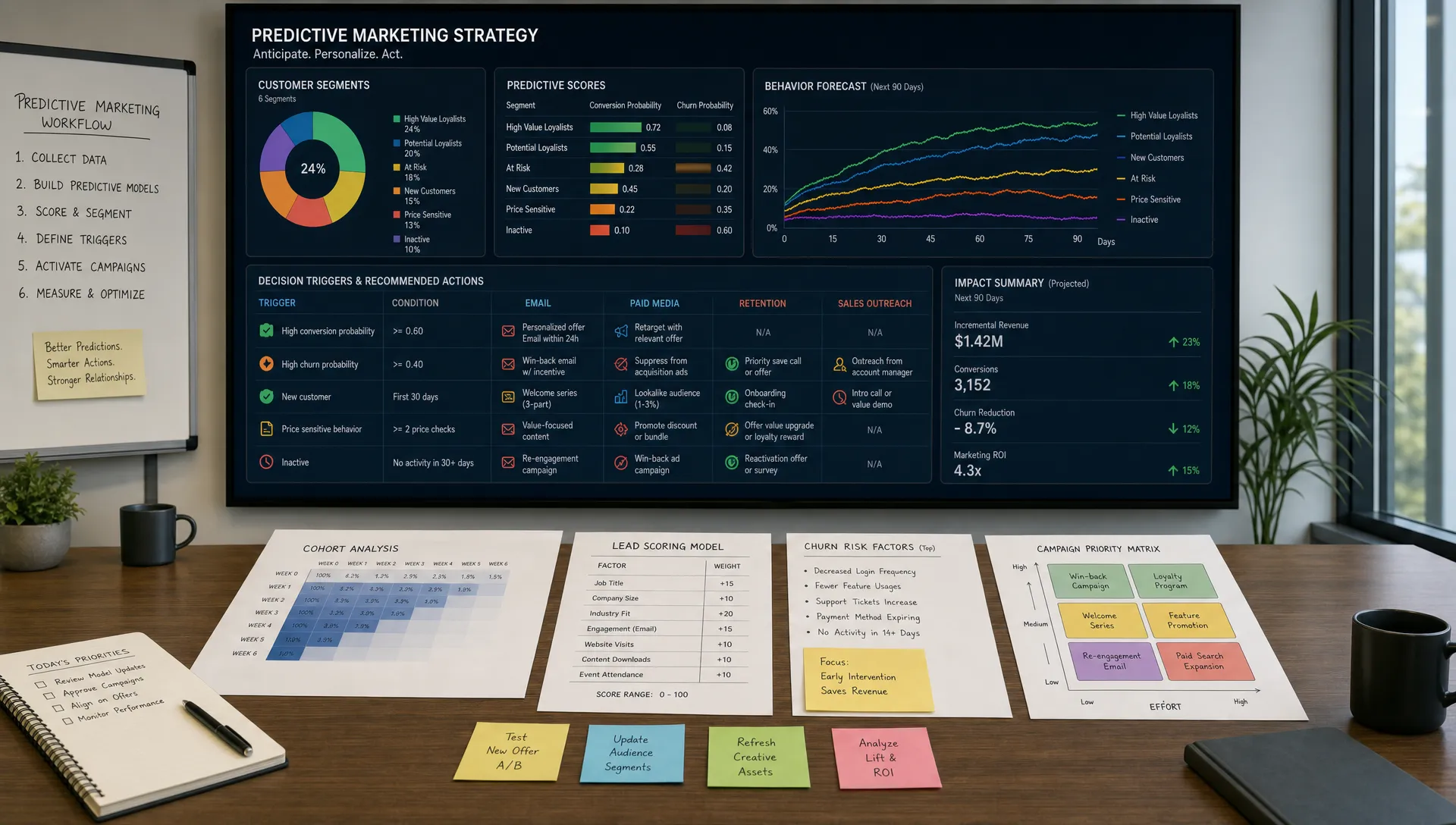
AI can help segment audiences by behavior, lifecycle stage, intent, and product interest. A credit union might distinguish between first-time auto loan researchers and existing members browsing refinancing content. A fintech app might personalize onboarding education based on which features a user has explored.
The safest personalization is contextual and helpful. It explains next steps, reduces friction, and avoids exploiting anxiety or financial stress. Do not let AI infer sensitive attributes or push products a customer may not understand.
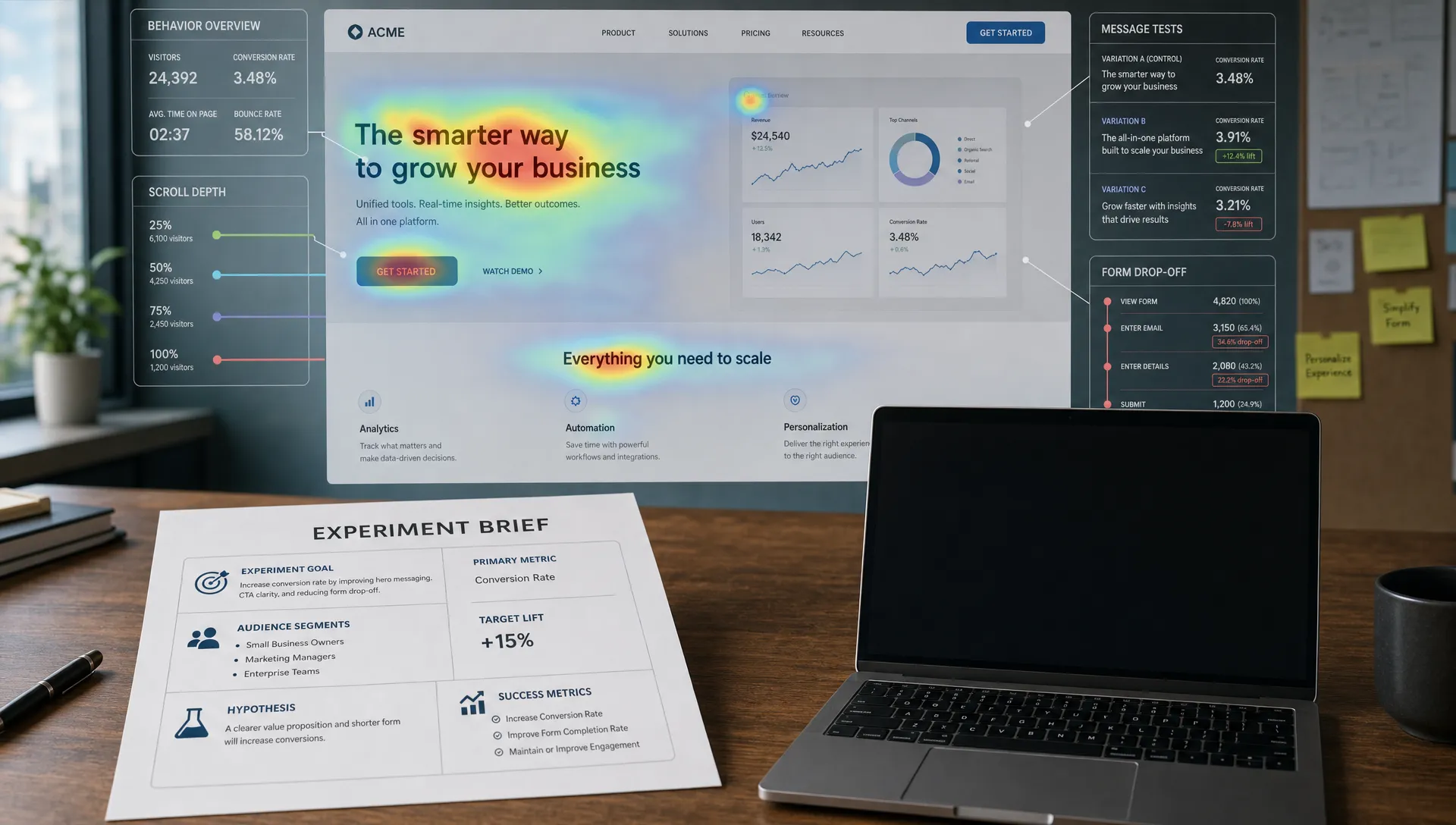
AI tools can generate ad variations, landing page hypotheses, keyword clusters, and test ideas. This is valuable in competitive categories where cost per click is high and small improvements in conversion rate matter.
The guardrail is claim control. AI should not create unapproved promises about approval odds, savings, returns, fees, or performance. Marketers should maintain an approved claim library and require citations or source references for any product statement used in ads.
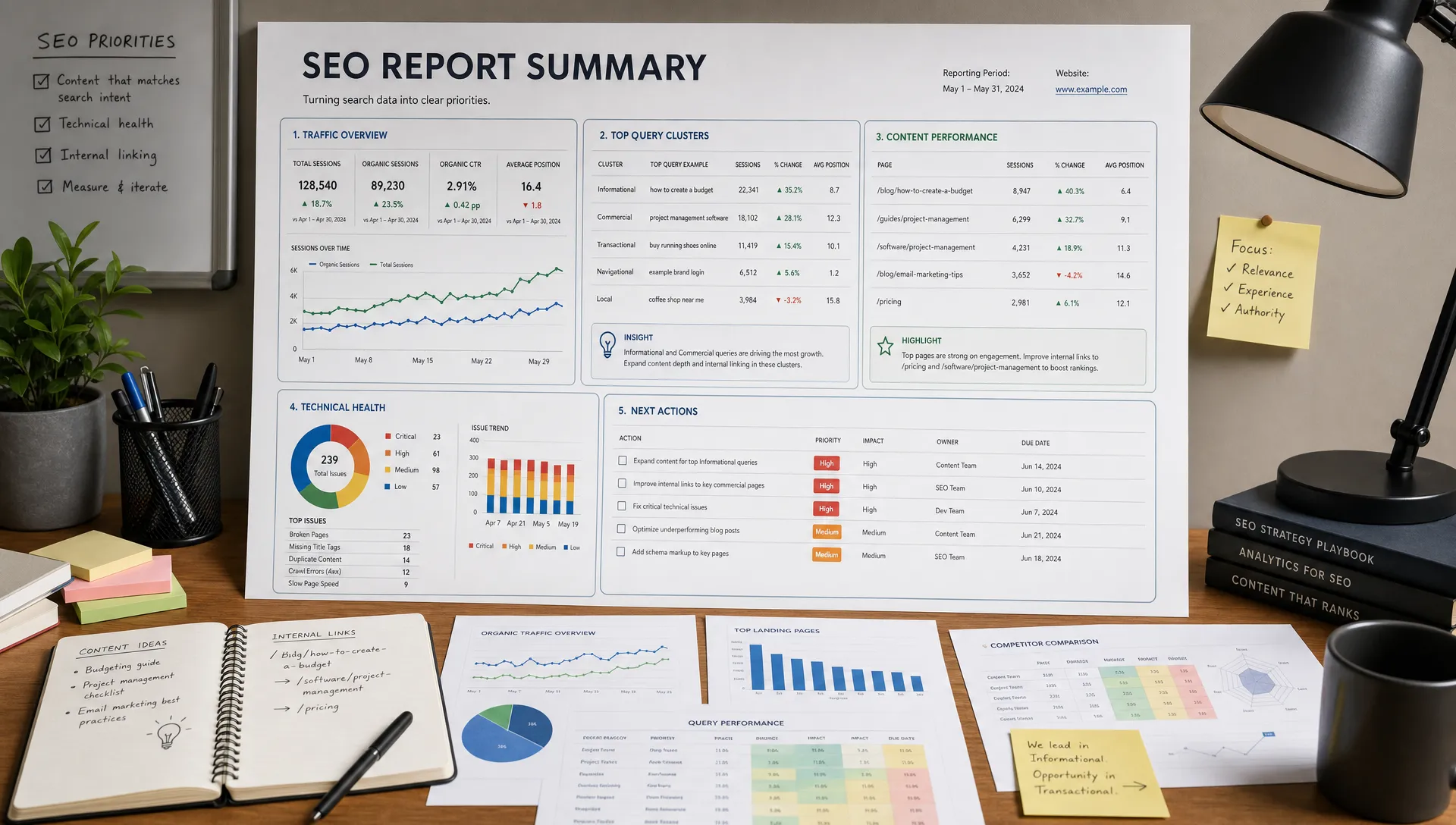
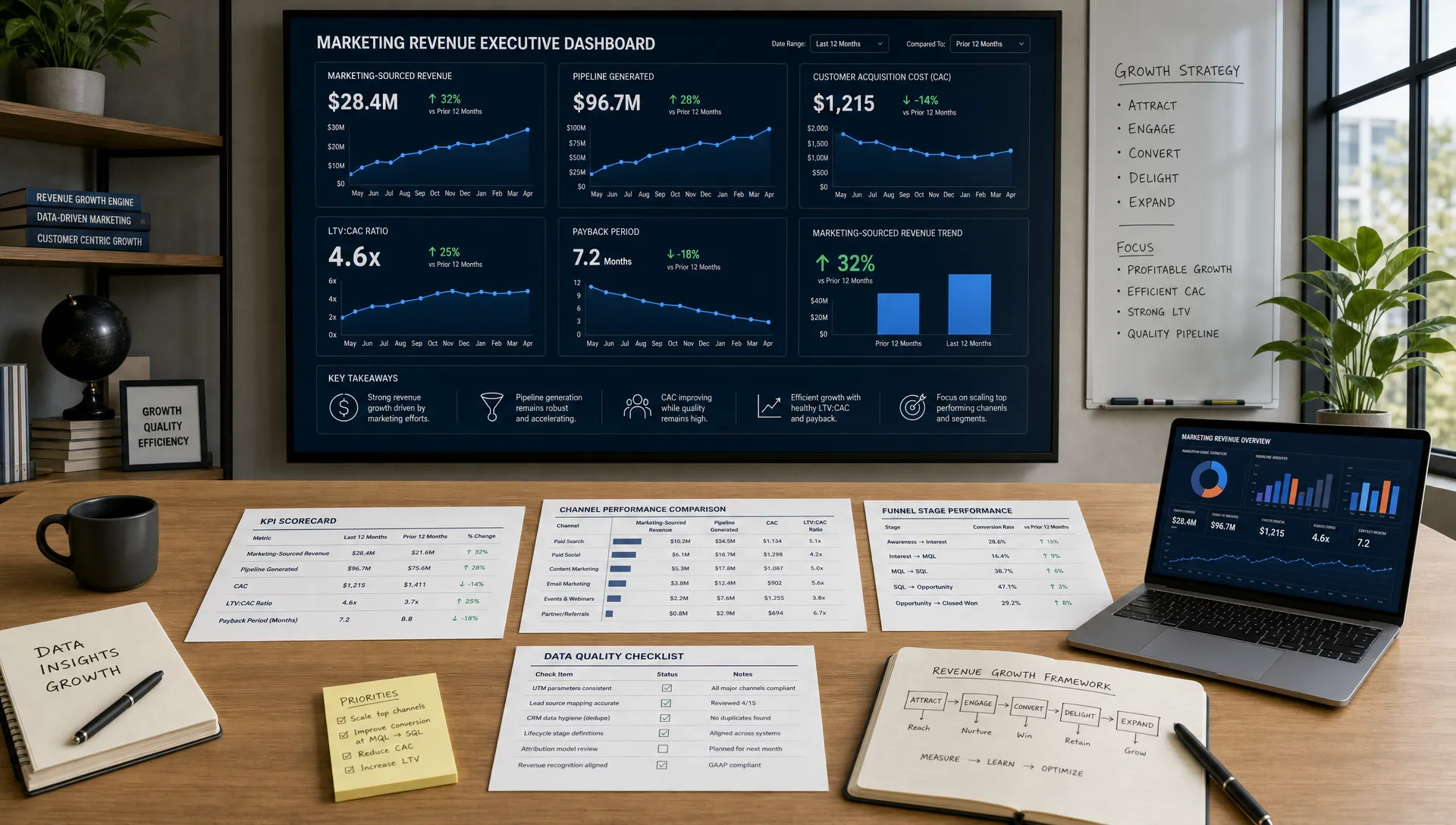
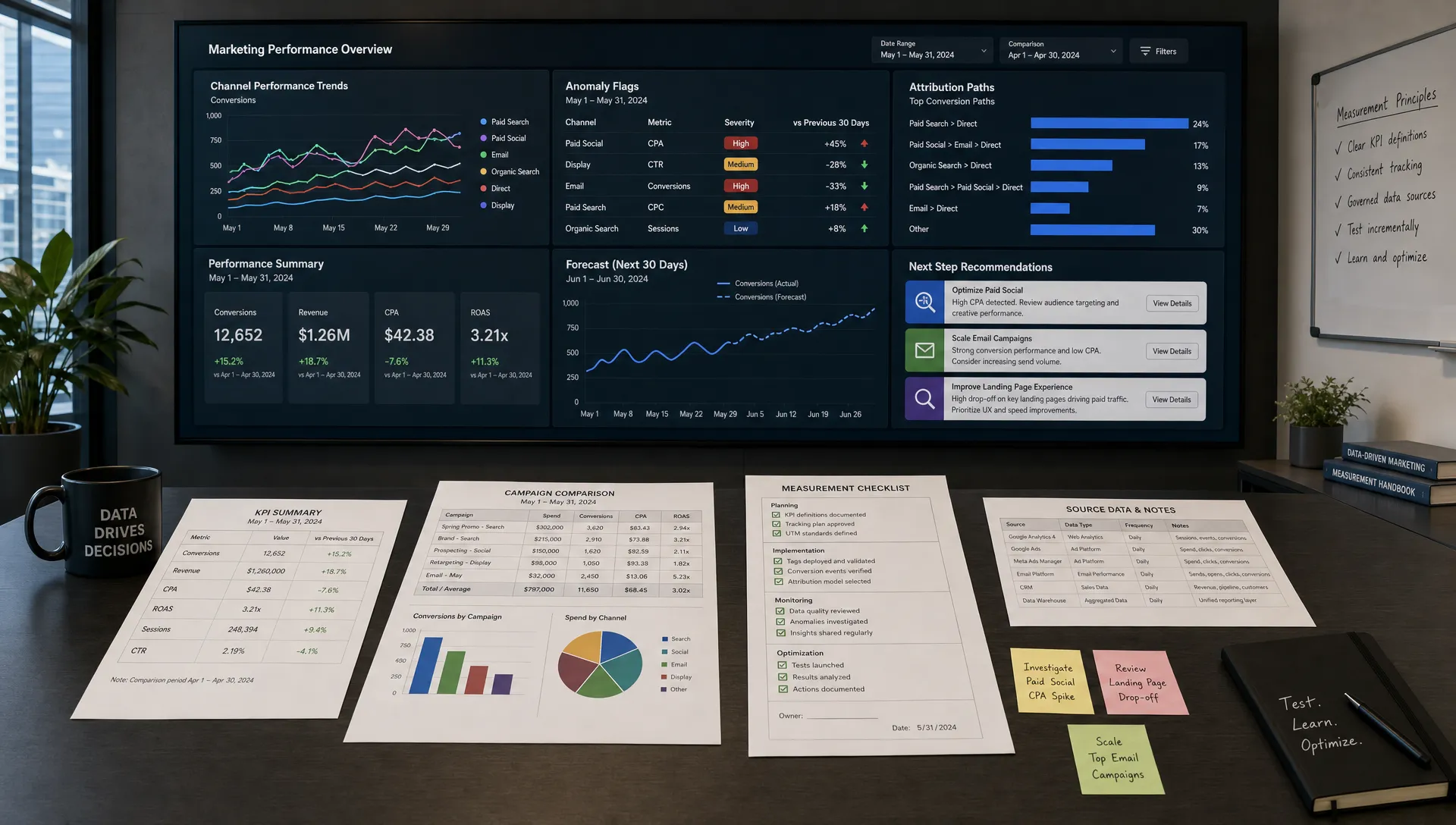
AI-powered analytics can identify campaign anomalies, summarize performance trends, and recommend where to investigate. It can help teams compare creative angles, audience segments, and funnel drop-off points more quickly.
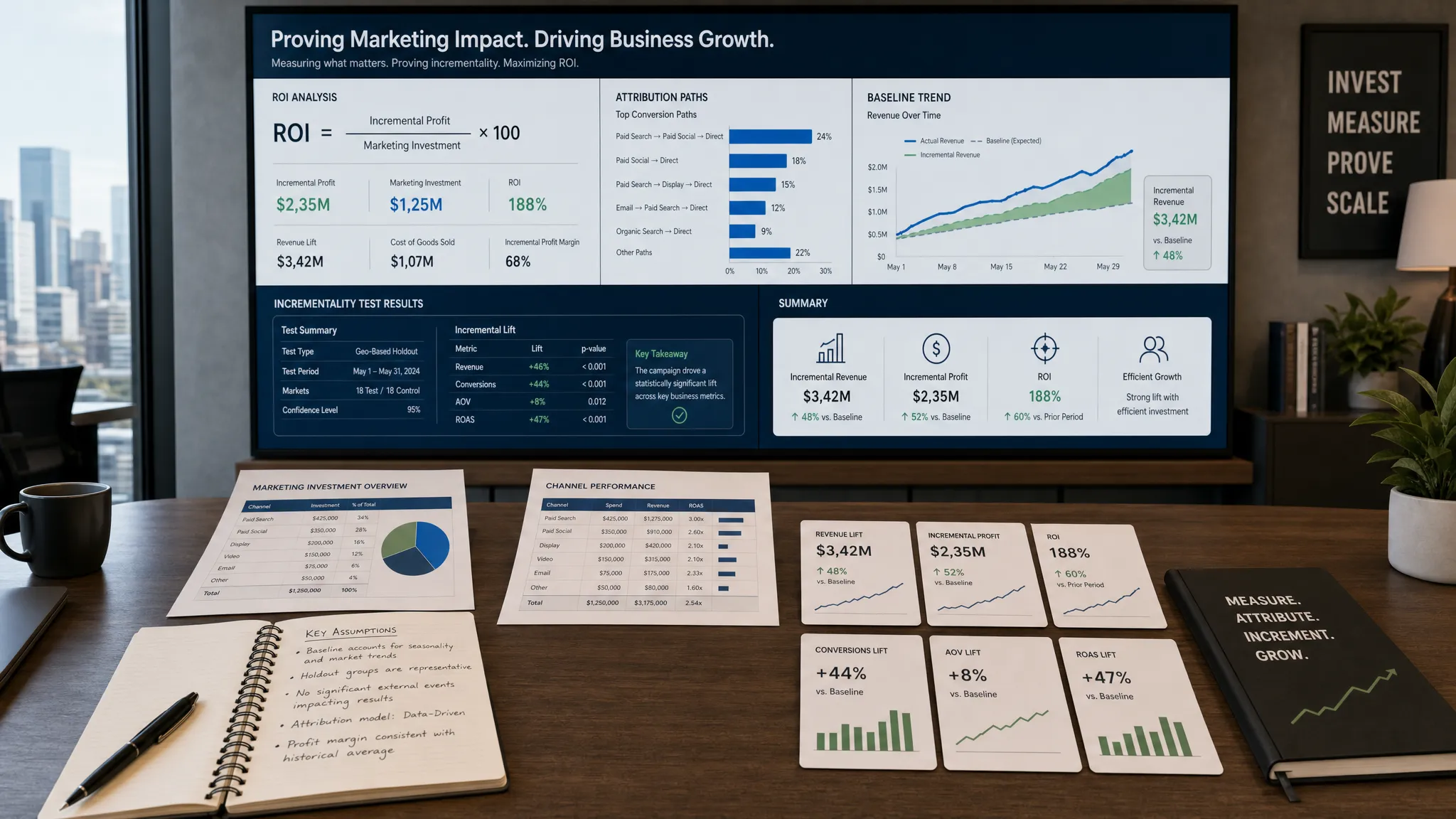
Still, AI should not be treated as an oracle. Attribution is imperfect, especially in financial services where buying cycles are long and customers compare multiple providers. Use AI recommendations as prompts for analysis, then validate them with business context, compliance requirements, and incrementality testing.
Not every AI marketing activity carries the same risk. Summarizing anonymized research notes is different from generating personalized loan messaging. Rewriting a blog intro is different from suggesting investment actions to a specific customer.
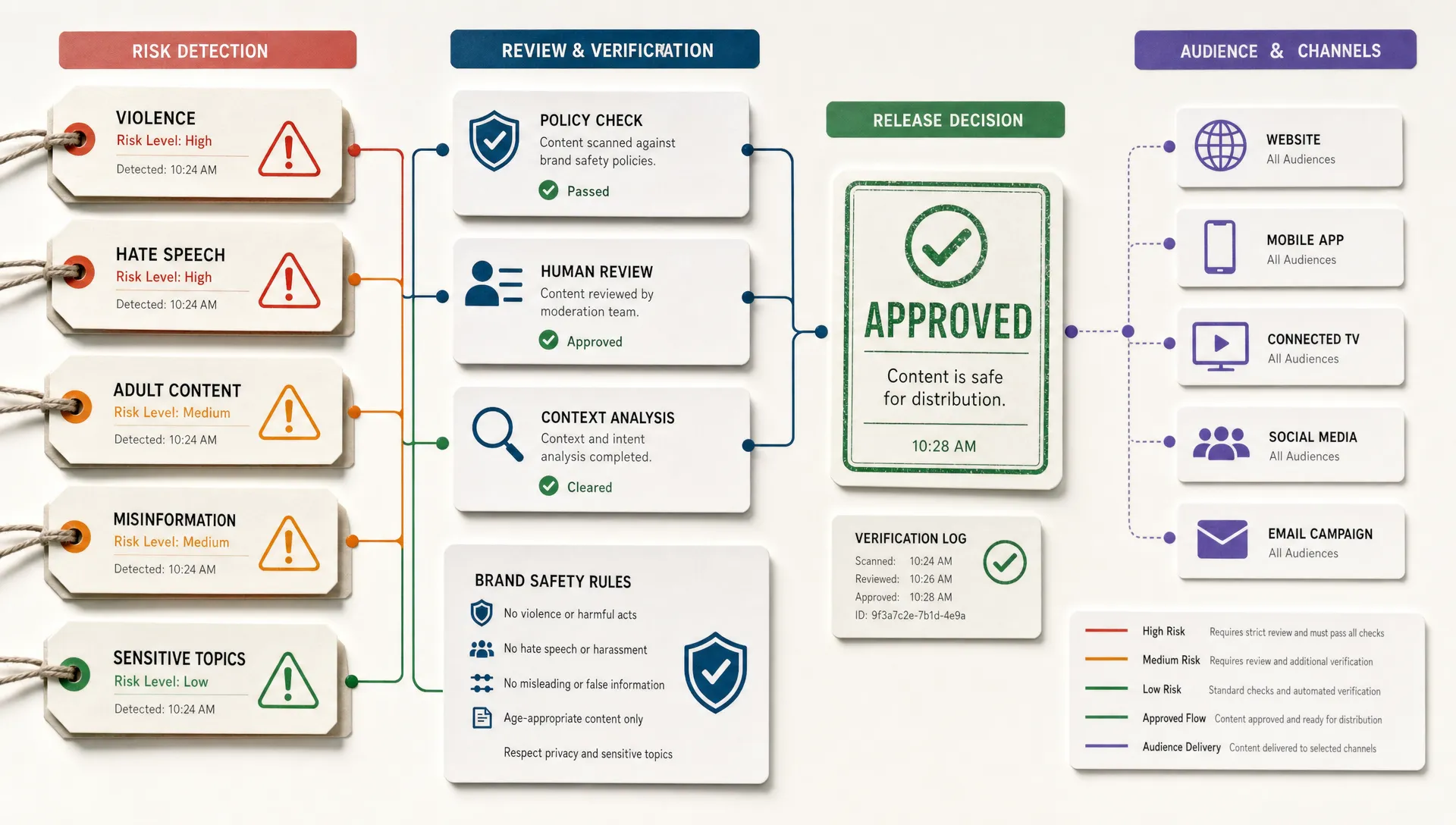
Create a simple risk tier for each use case. Low-risk uses might include keyword clustering, internal briefs, meeting summaries, and draft outlines. Moderate-risk uses might include customer-facing educational content, email segmentation, and ad copy testing. High-risk uses include personalized financial recommendations, eligibility messaging, pricing language, and anything that could be interpreted as advice or approval guidance.
This makes governance practical. Teams can move quickly on low-risk workflows while applying stricter review to areas that affect customer decisions.
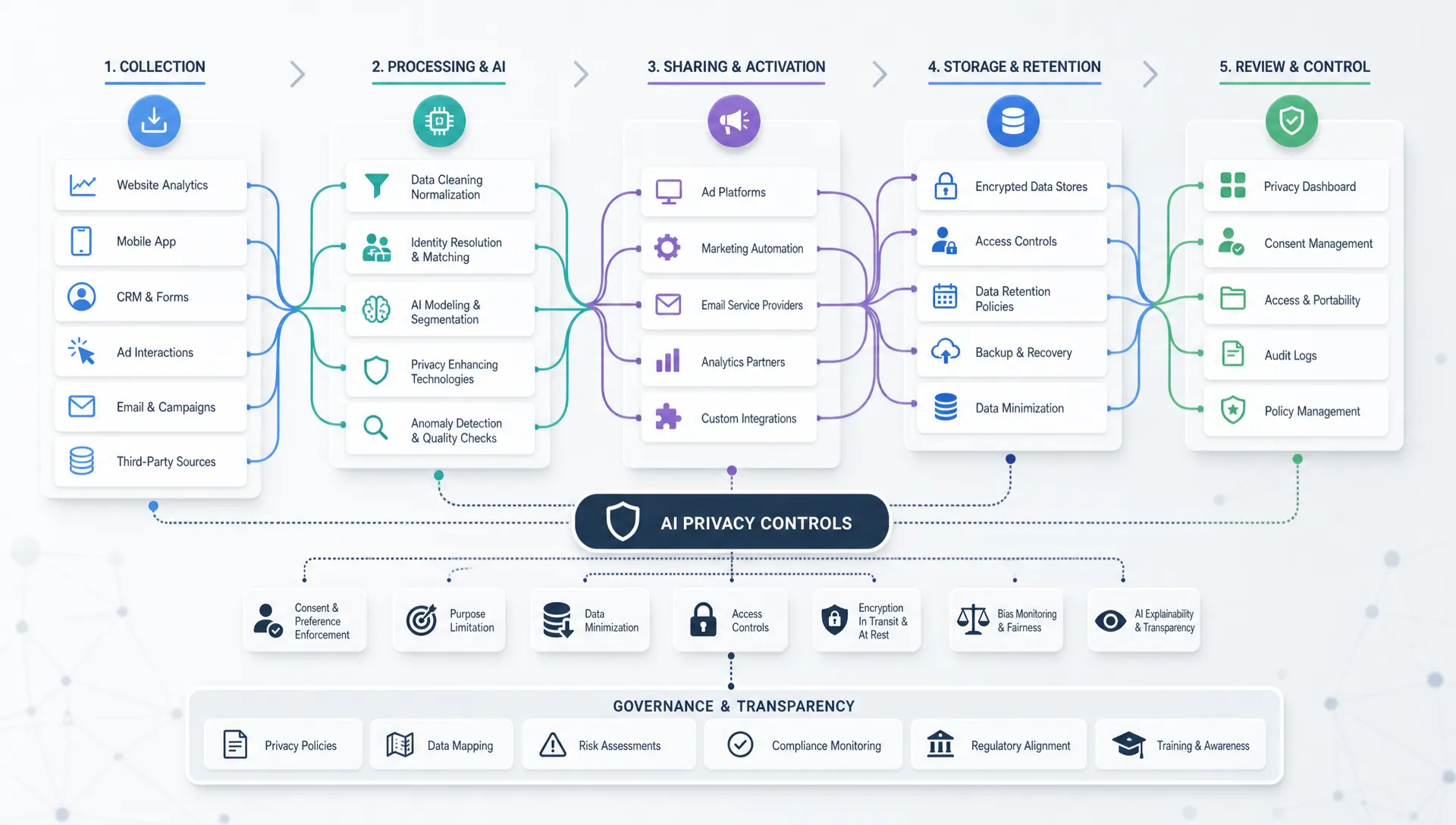
Financial marketers should assume that prompts, outputs, and logs may become part of the data environment. Before using any AI tool, clarify whether customer data can be entered, whether inputs are used for model training, how long data is retained, and who can access it.
A safe default is to avoid entering account numbers, Social Security numbers, full customer records, credit details, health-related insurance information, or any data that is not needed for the marketing task. When customer data is necessary, use approved enterprise tools, access controls, masking, and documented retention policies.
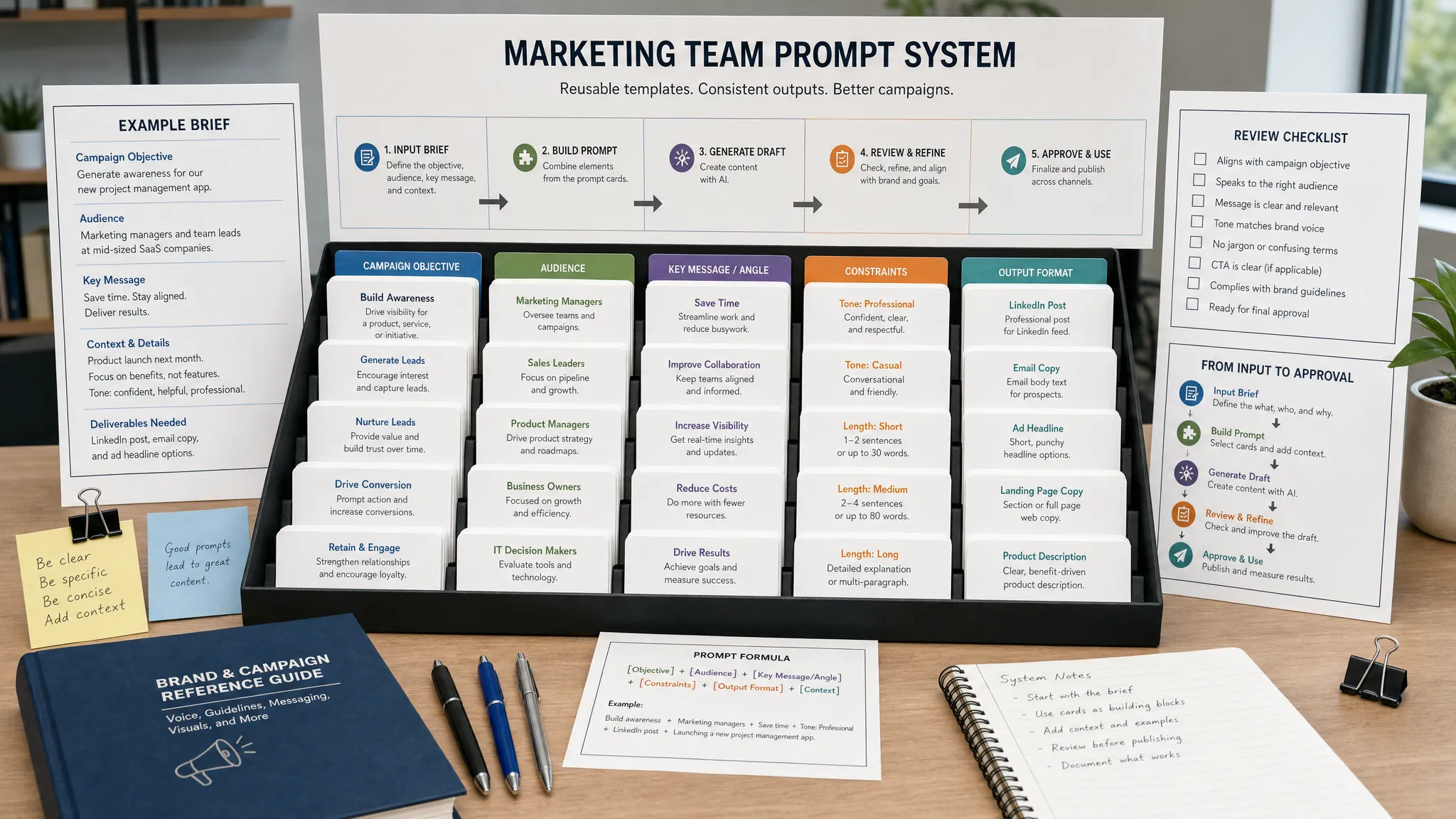
A strong prompt is more than a request for a catchy campaign. In finance, it should include the audience, product boundaries, claims that are allowed, claims that are prohibited, tone requirements, disclosure reminders, and source materials.
For example, an AI content prompt for a retirement planning article should specify that the output is educational, should not provide individualized investment advice, should not guarantee returns, and should use only approved product information. This reduces rework and helps writers, compliance reviewers, and subject matter experts work from the same standard.
Compliance should not be a final obstacle after a campaign is built. It should be part of the operating model. This is especially important for broker-dealers, investment advisers, lenders, and insurers.
FINRA member firms should consider how AI-assisted content aligns with FINRA Rule 2210 on communications with the public, including fair, balanced, and not misleading communications. Registered investment advisers should also consider the SEC Marketing Rule when working with testimonials, endorsements, hypothetical performance, and advertising claims.
The best approach is to build reusable review checklists. Ask whether the content is accurate, balanced, substantiated, appropriately disclosed, audience-appropriate, and consistent with approved product language.
Financial decisions can be stressful. AI-driven marketing should not intensify that stress through urgency tactics, fear-based copy, or hyper-personalized nudges that make customers feel surveilled.
Use AI to clarify choices. Explain terms, compare scenarios fairly, highlight risks as well as benefits, and guide customers toward the right next step. A helpful mortgage nurture sequence might explain documentation, rate factors, and closing timelines. A risky one might overpromise speed, imply guaranteed approval, or pressure customers to act before they understand costs.
AI marketing is not only copywriting. It often includes form submissions, email triggers, lead routing, CRM enrichment, chatbot handoffs, and verification flows. Test these systems before launch, especially when they affect customer communications or regulated records.
Before routing leads, triggering onboarding sequences, or letting an AI agent complete signup tests, validate how messages are created, captured, and stored. Developer and QA teams can use programmable temporary inboxes for automated verification to receive test emails as structured data, making it easier to confirm that signup, disclosure, and nurture workflows behave as expected.
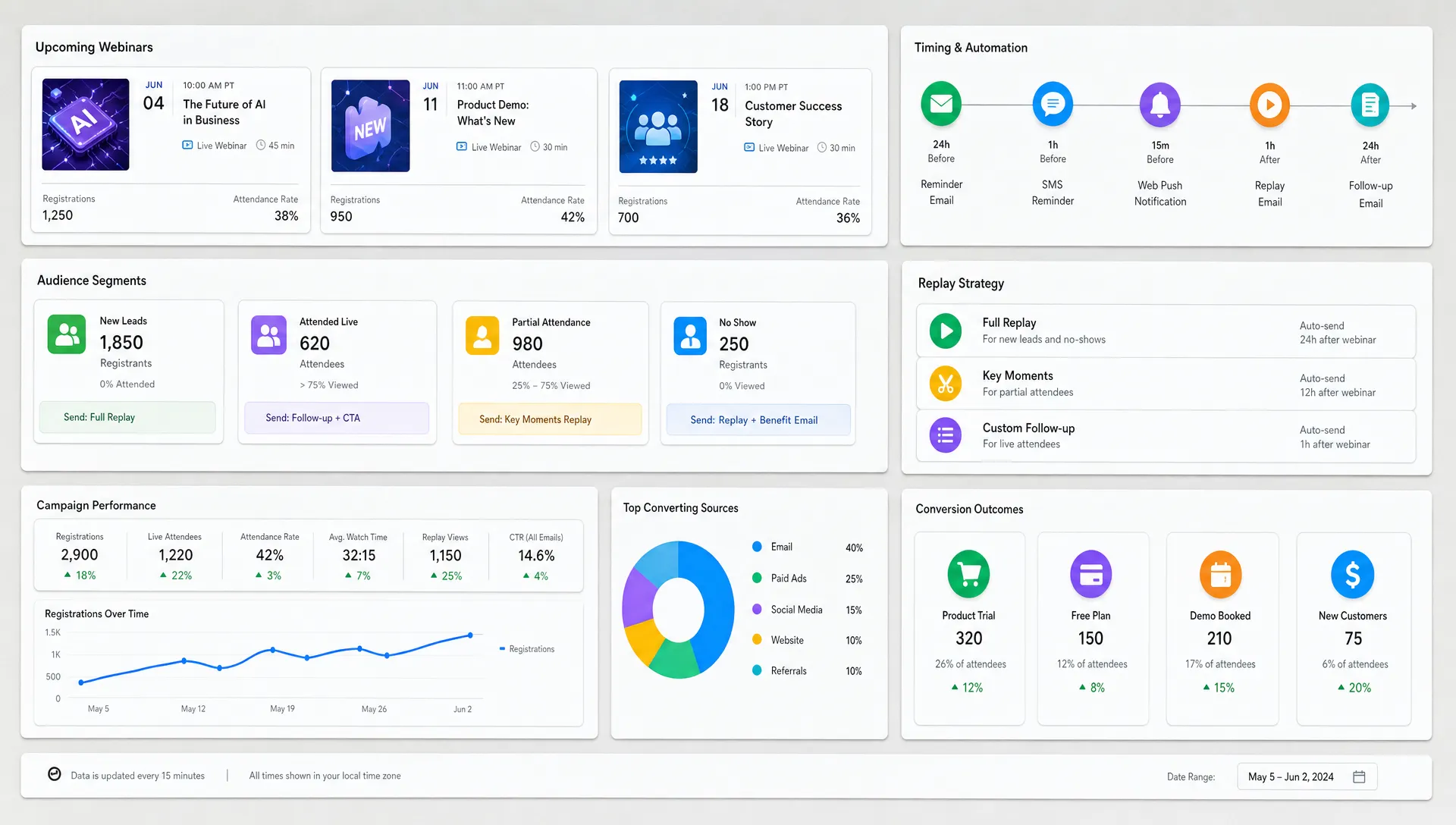
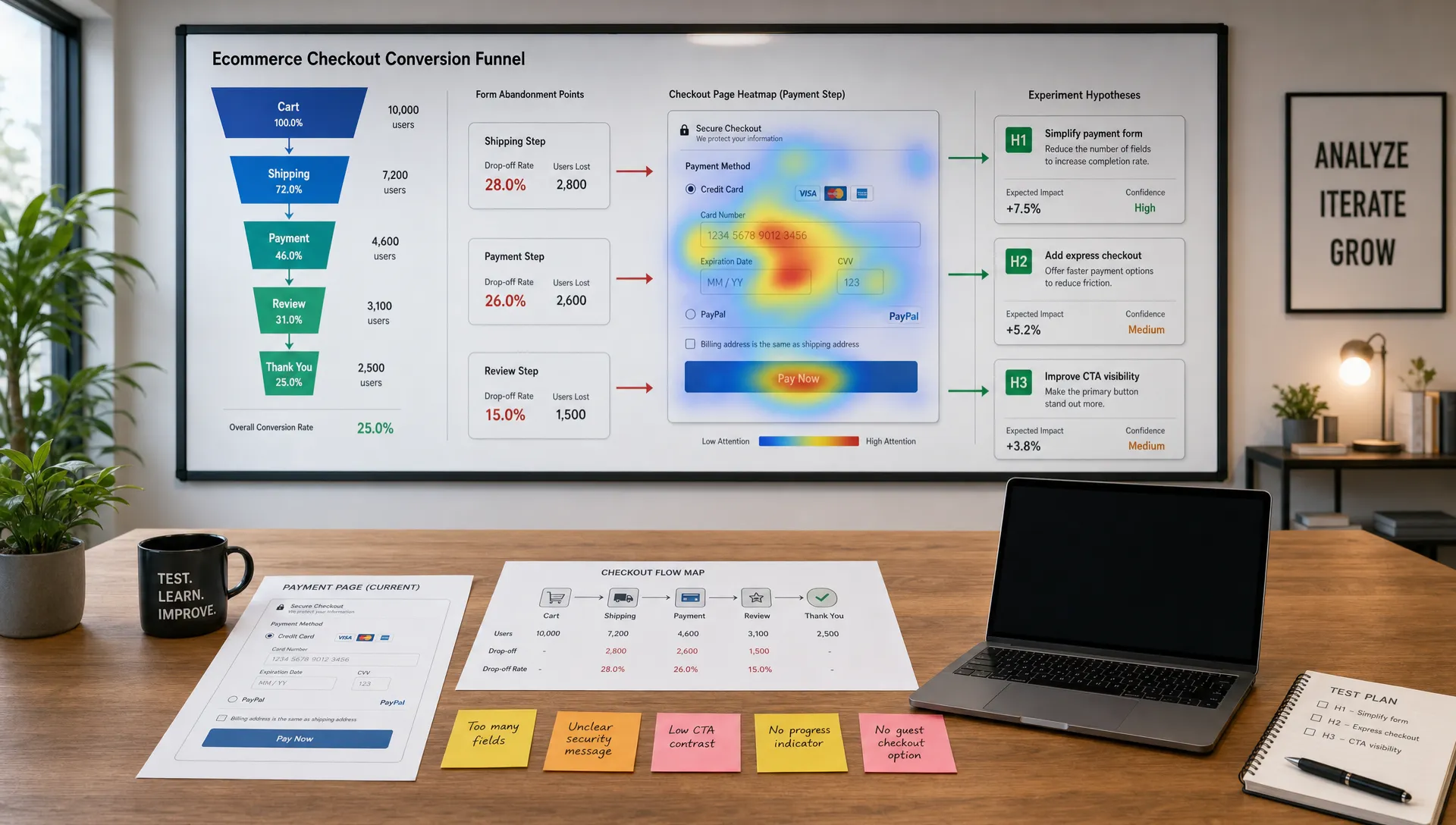
AI can produce more content, more variants, and more reports. That does not automatically mean better marketing. Measure outcomes that matter: qualified applications, booked consultations, funded accounts, reduced acquisition cost, lower funnel friction, retention, and customer satisfaction.
If you are building a full campaign, align goals, audience, offer, landing page, and measurement before launching. AIMarketer Hub has a practical guide on how to launch a digital campaign that performs, which is especially relevant when AI is accelerating production across channels.

Generative AI can produce confident statements that are incomplete, outdated, or false. In financial marketing, this can show up as invented interest rates, incorrect fee descriptions, unsupported savings estimates, performance claims, or misleading comparisons.
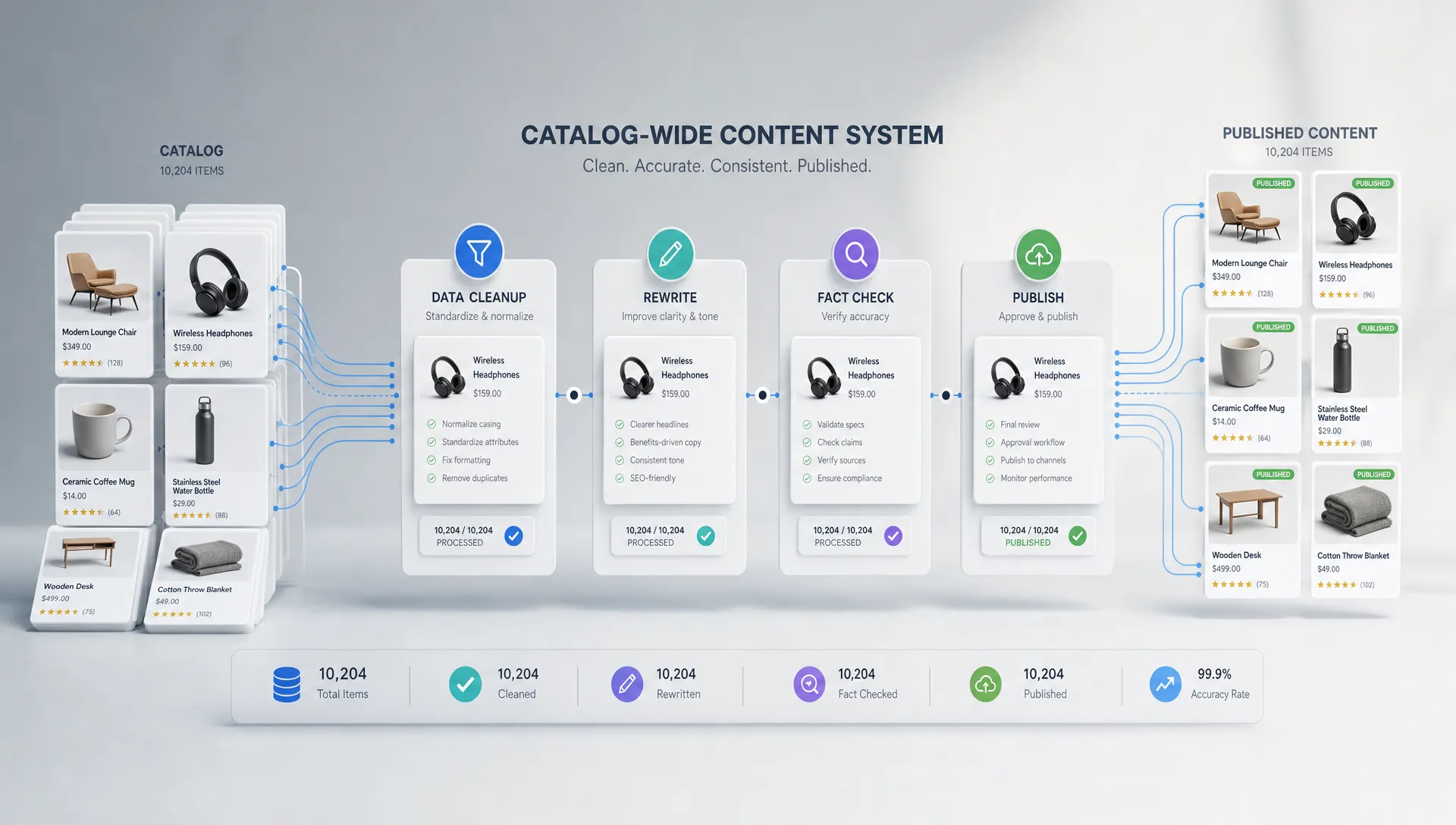
The fix is a controlled source-of-truth system. Product details, rates, fees, eligibility terms, disclosures, and disclaimers should come from approved documents or structured data, not from the model’s memory. Any AI output that includes a factual claim should be checked against an approved source.
Financial services firms operate in a privacy-sensitive environment. AI marketing workflows must align with internal security policies and applicable privacy obligations. In the United States, the Gramm-Leach-Bliley Act and related Safeguards Rule require financial institutions to protect customer information. The FTC’s business guidance on the Gramm-Leach-Bliley Act is a useful reference for understanding the broader safeguards context.
Marketing teams should work closely with security and legal teams before connecting AI tools to CRMs, analytics platforms, call transcripts, or support data. Convenience is not a sufficient reason to expand access to sensitive information.
AI can amplify bias in audience targeting, lookalike modeling, creative testing, or lead scoring. Even when marketers do not use protected attributes directly, proxies such as geography, income signals, device type, or browsing behavior can create exclusionary patterns.
This is particularly sensitive for lending, insurance, and other products tied to access and opportunity. Review audience models for disparate impact, avoid targeting criteria that could create unfair exclusion, and document why segments are used. Marketing performance should not be separated from fairness and access considerations.
Financial education is valuable. Personalized financial advice is regulated and context-dependent. AI content can blur that line if it tells a reader what product to choose, how to invest, when to refinance, or what level of risk to take without proper context and licensing.
Keep educational content clearly framed. Use scenarios, explain trade-offs, and encourage customers to consult qualified professionals when appropriate. If your organization offers advice, ensure AI workflows follow the same supervision and suitability standards as other advice-related communications.
Many AI tools are easy to adopt but hard to audit. Before using a vendor in a regulated marketing workflow, ask how data is processed, whether customer inputs train models, how outputs are logged, how access is controlled, and what happens when a model changes.
A lack of documentation creates problems later. If a regulator, executive, or compliance team asks why a campaign was launched, who approved it, and what sources supported the claims, your team needs an answer.
Customers appreciate relevance, but they dislike feeling watched. A message that references highly specific behavior or inferred financial stress can feel invasive even if it performs well in the short term.
Trust is a long-term asset. Use personalization to reduce confusion and improve timing, not to create pressure. If a campaign would feel uncomfortable when explained plainly to a customer, it probably needs a different approach.
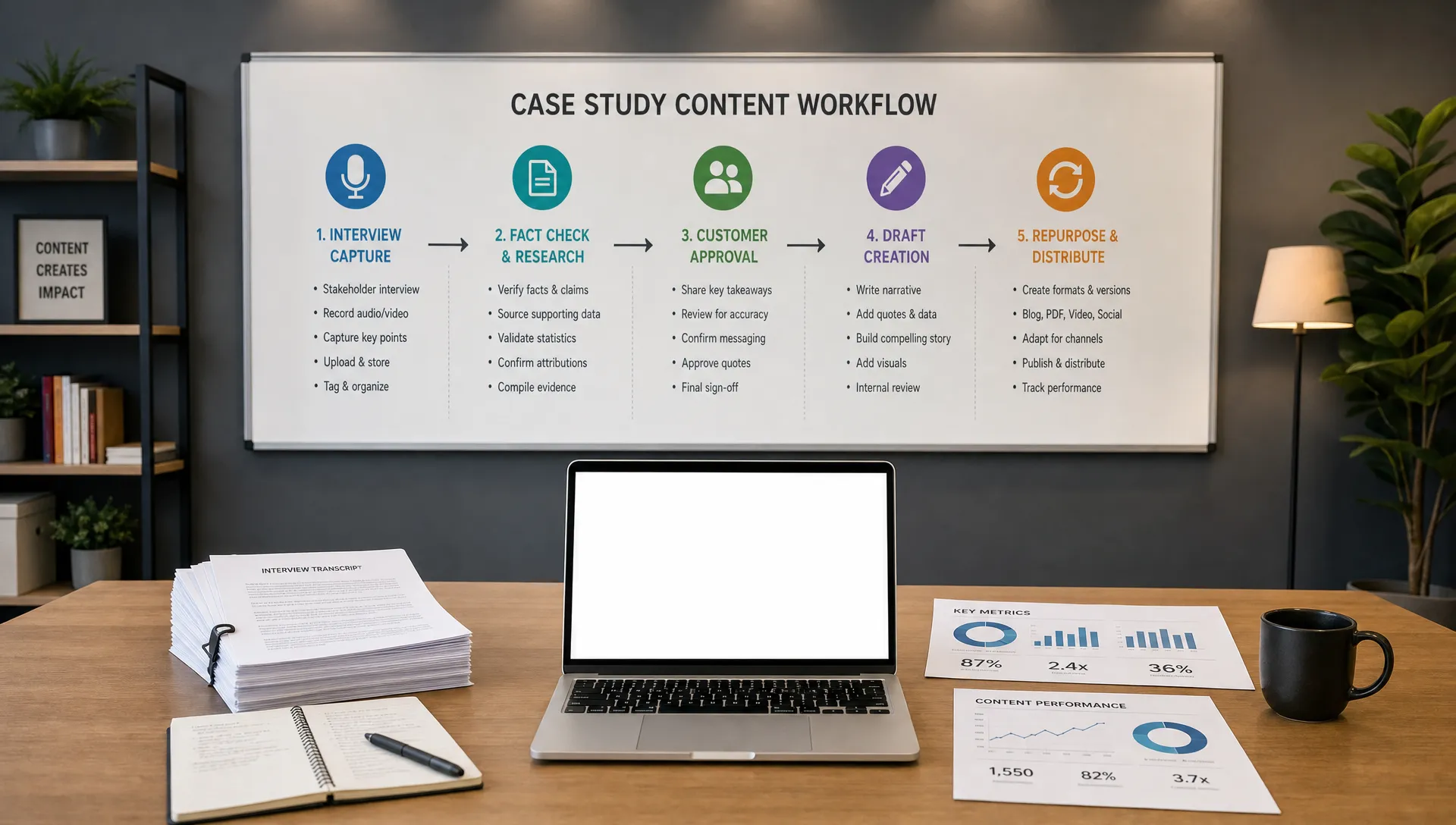
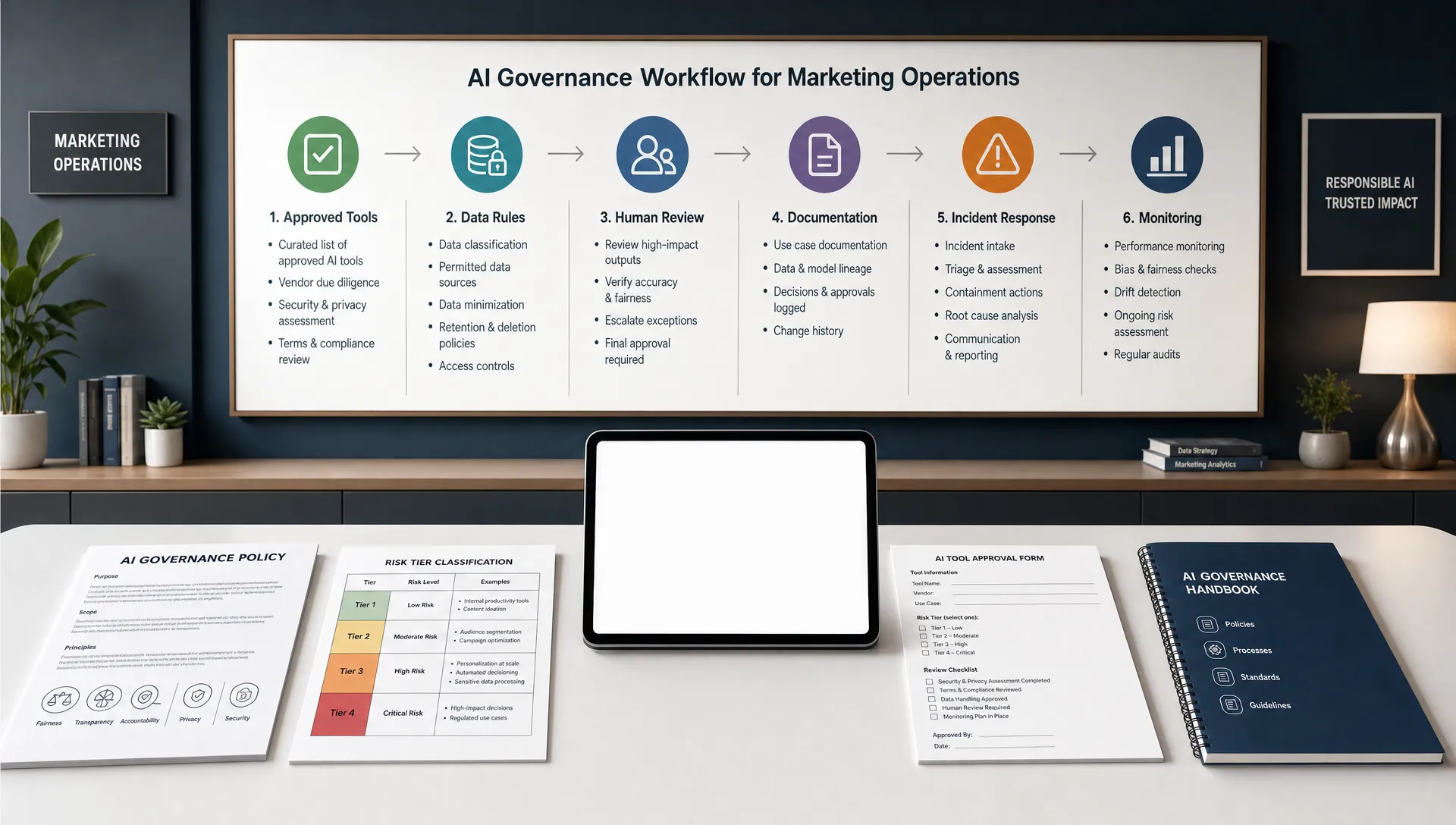
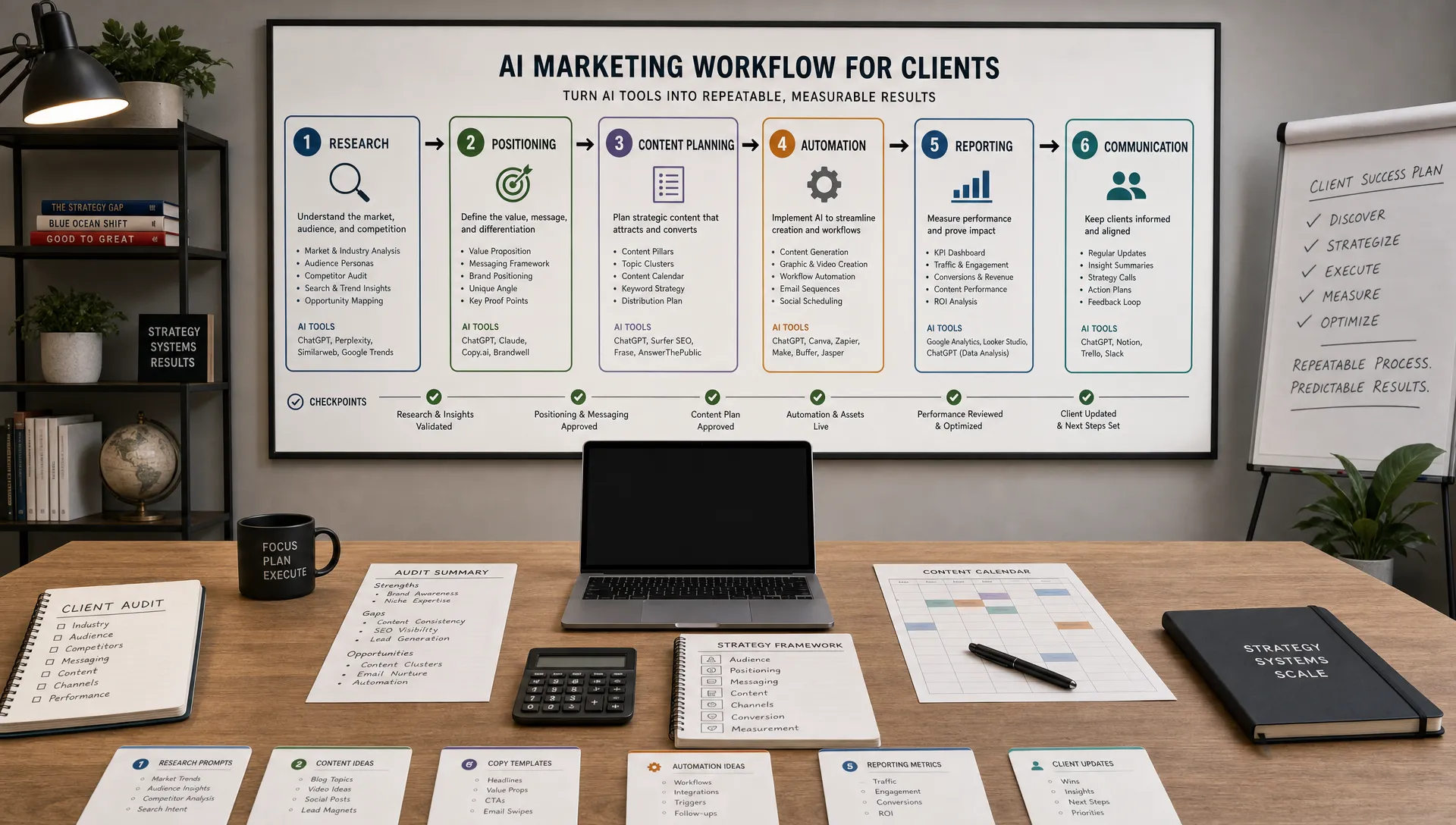
AI governance does not need to be bureaucratic to be effective. The key is to make responsible behavior repeatable. Every financial services marketing team should define how AI use cases are proposed, reviewed, launched, and monitored.
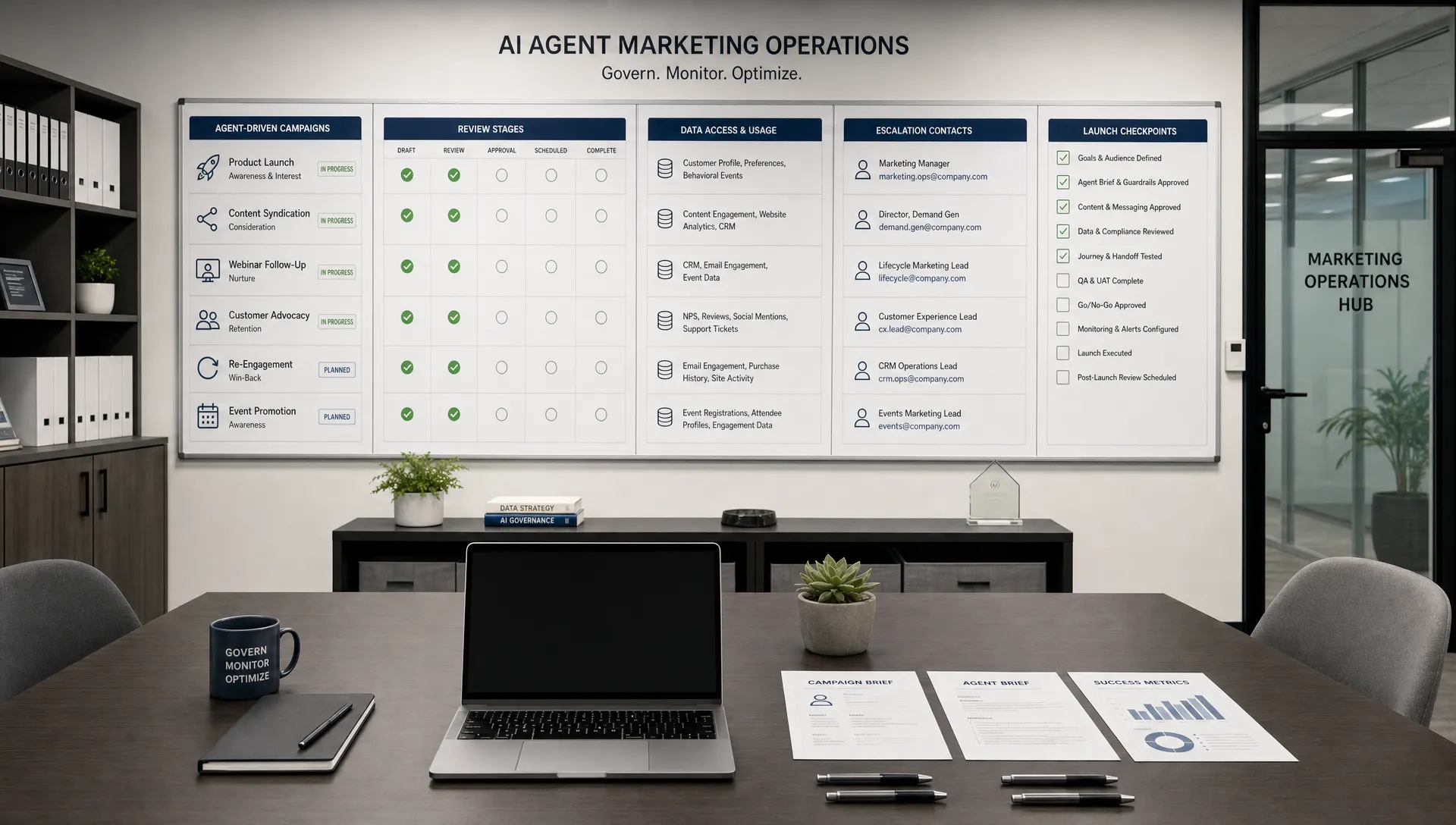
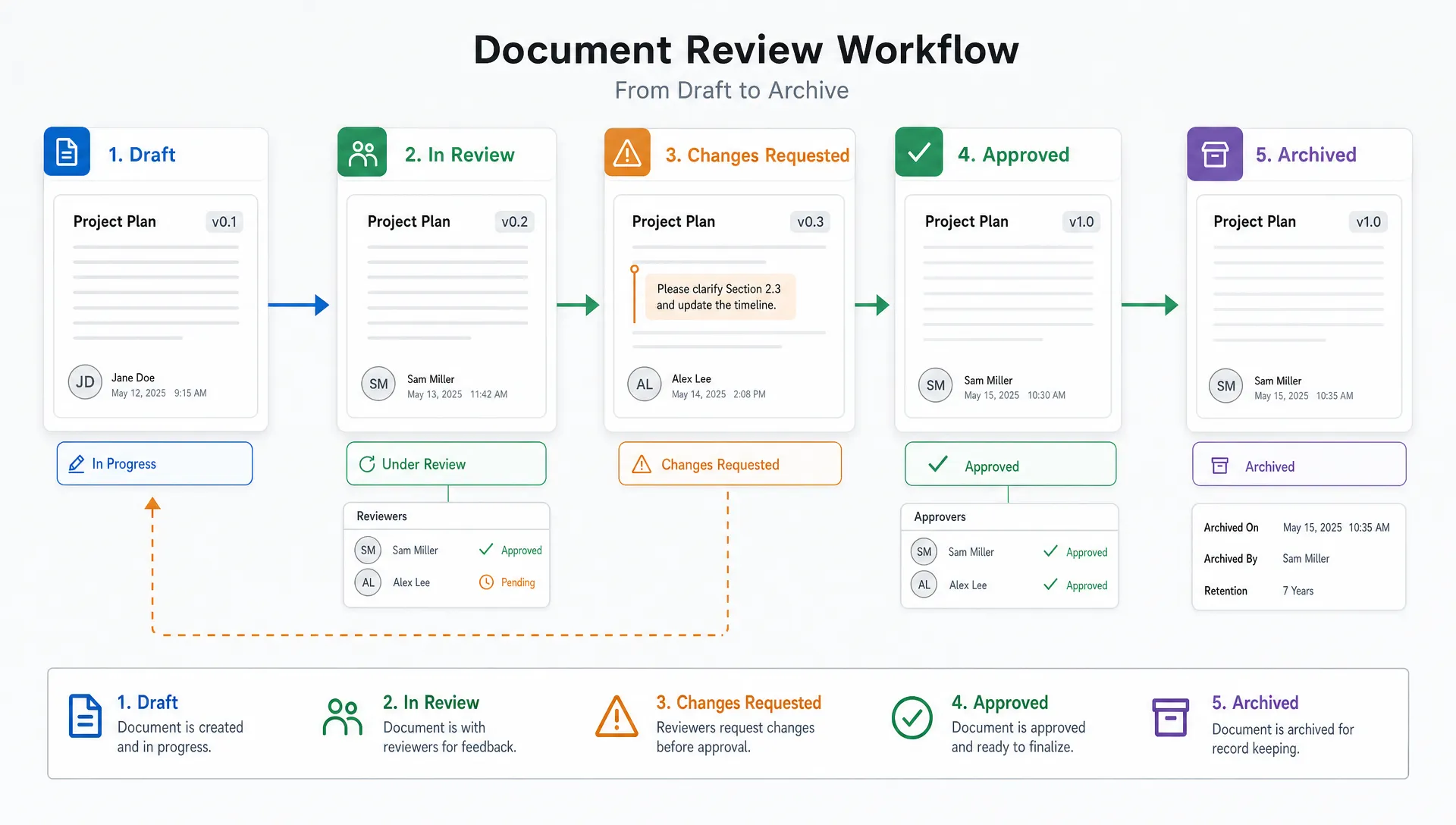
A practical workflow can include these gates:
This workflow helps teams move faster because expectations are clear. Instead of debating every AI output from scratch, marketers know which steps apply to each risk level.
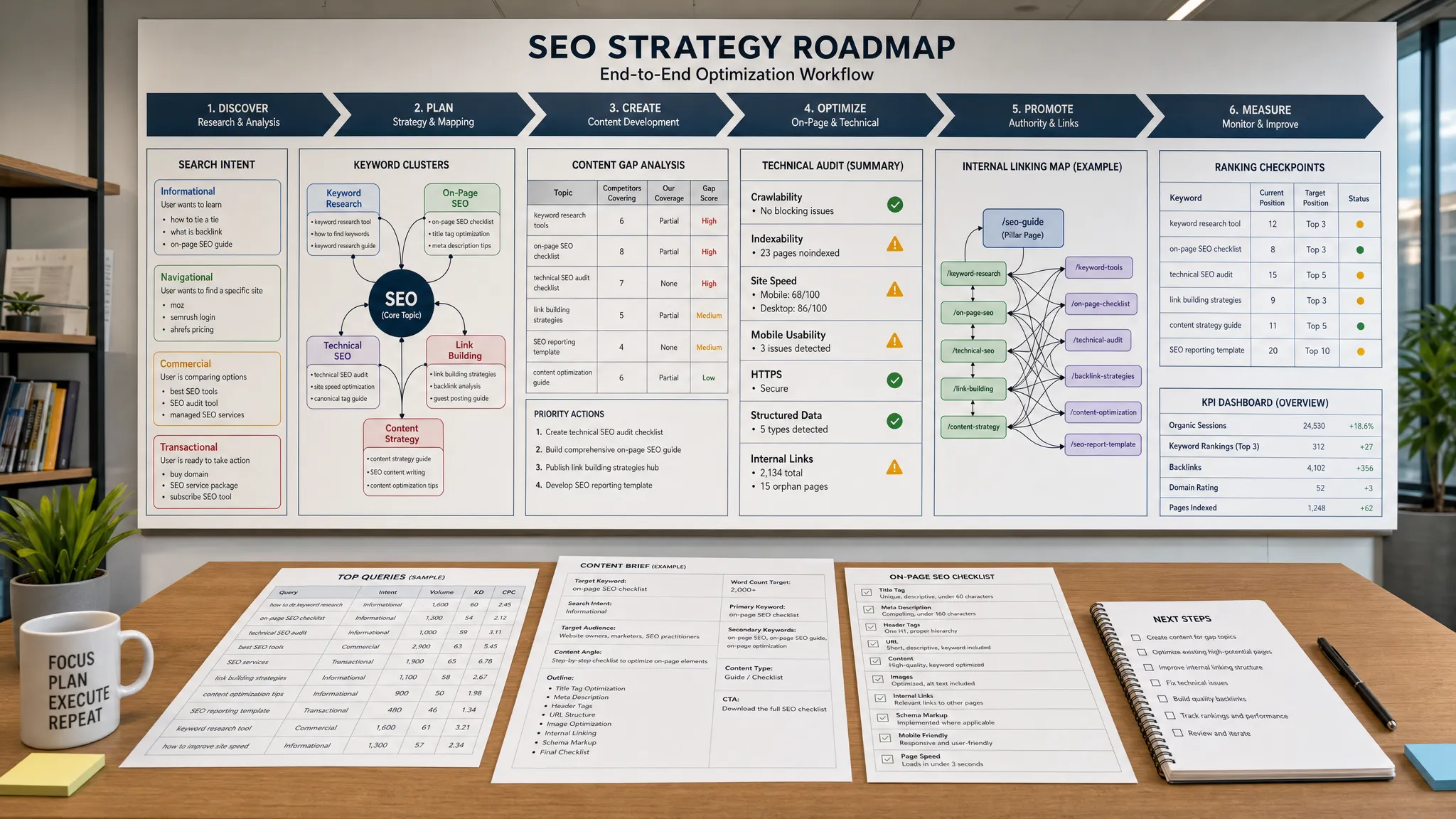
AI is useful for finding customer questions, clustering search intent, drafting outlines, and refreshing older content. In financial services, website content should demonstrate expertise and avoid shallow generic advice.
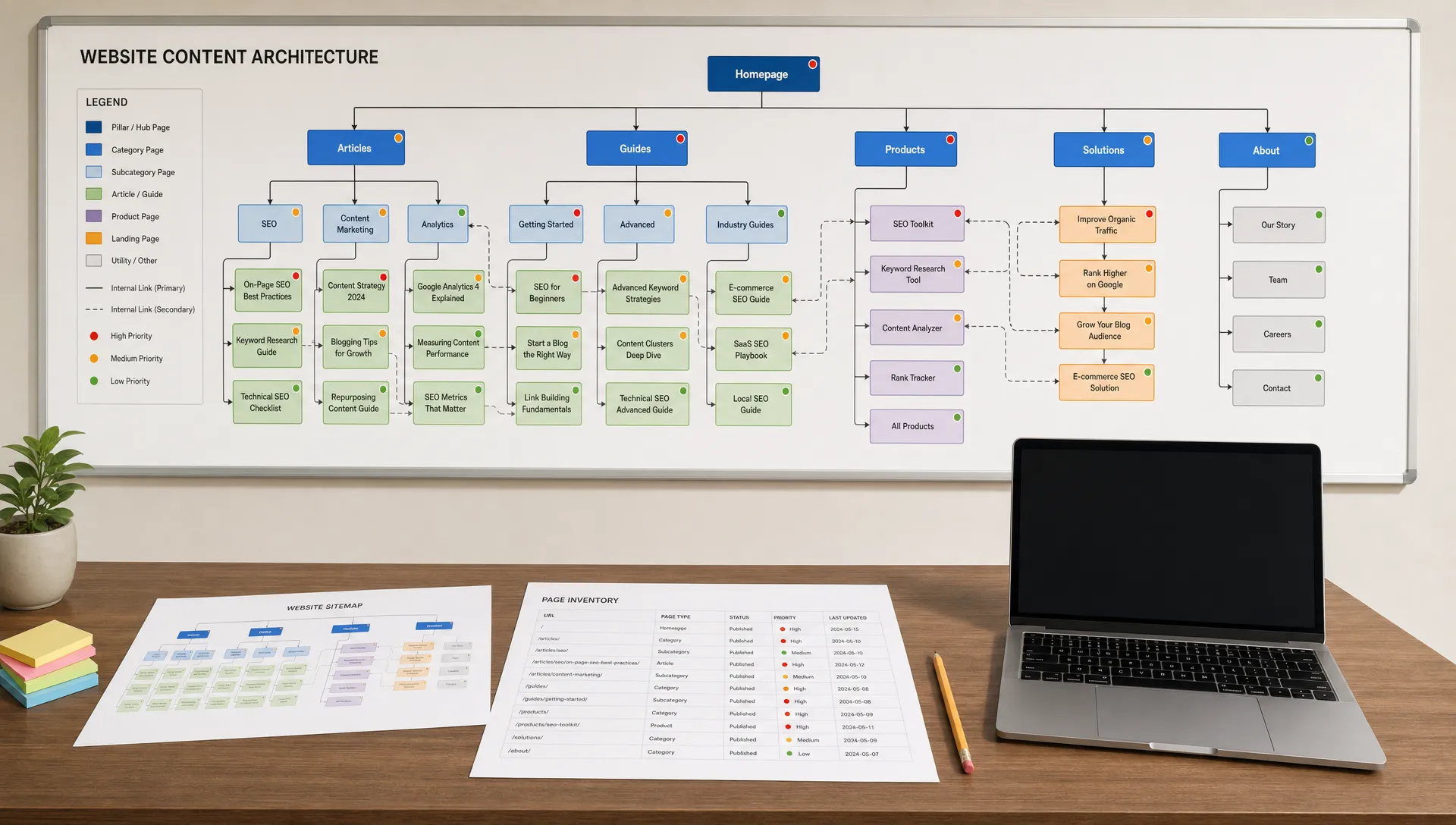
Prioritize content that answers real questions with clarity: how fees work, what affects rates, what documents are needed, what risks customers should consider, and how products differ. Add human expertise through subject matter review, examples, and transparent explanations. If your team is still defining where AI fits into the broader marketing operation, this guide to how smart teams use digital marketing and AI differently can help shape the operating model.
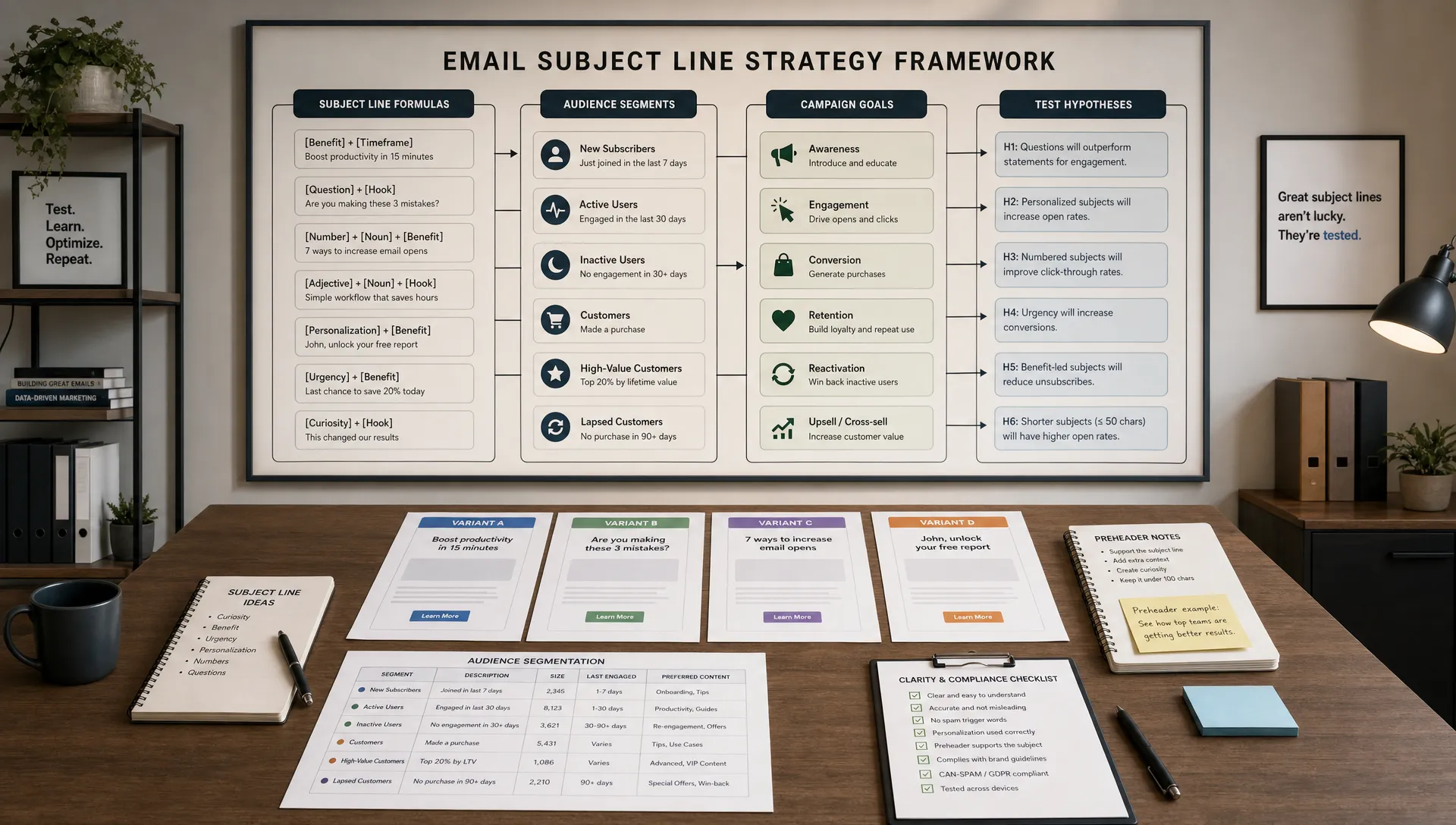
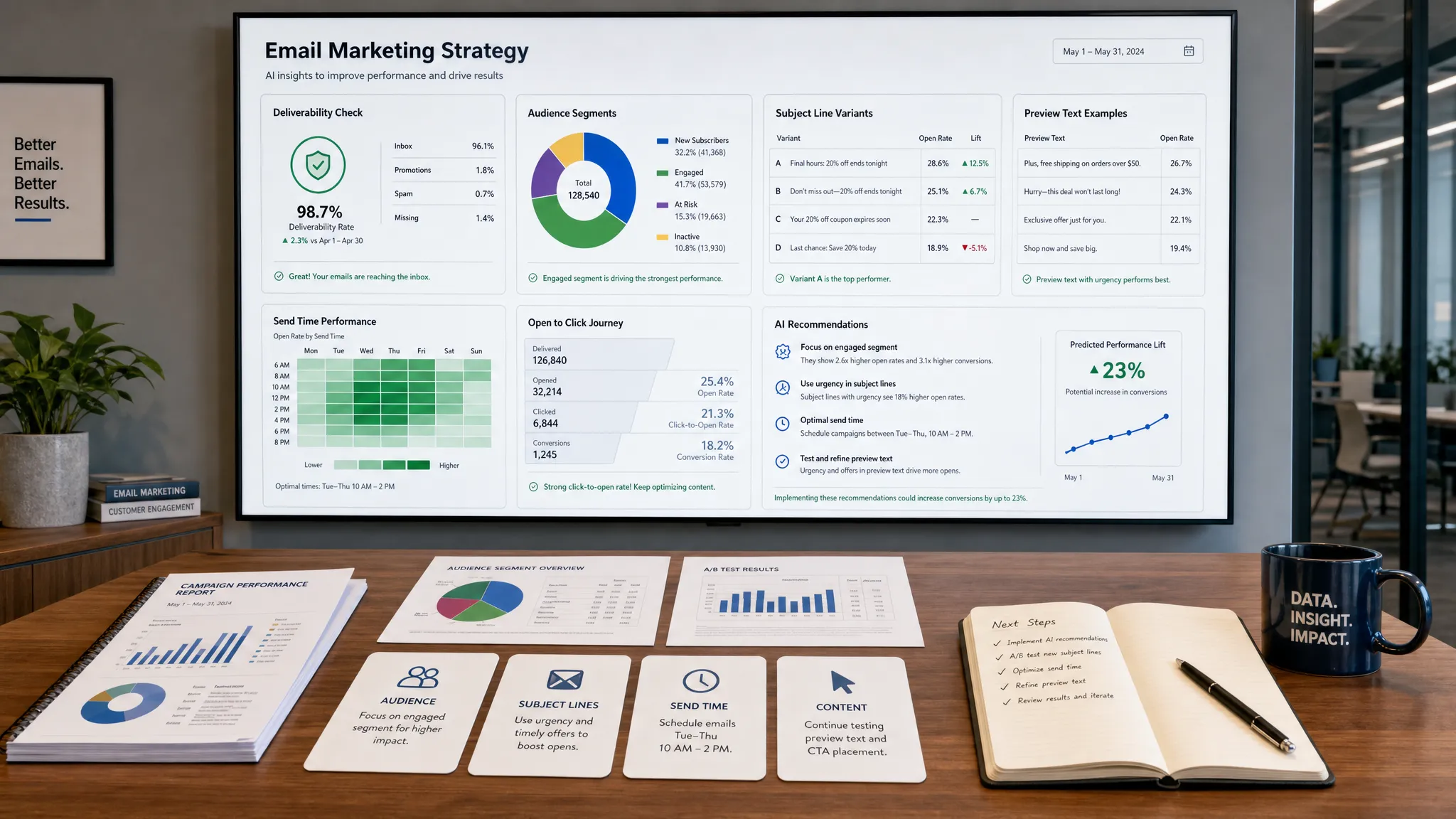
AI can improve email subject line testing, lifecycle segmentation, nurture sequencing, and churn prediction. The strongest financial email programs are timely, useful, and restrained.
Use triggers based on clear customer actions, such as an abandoned application, a completed calculator, or a downloaded guide. Avoid overly sensitive inferences, such as assuming financial distress or life events unless the customer explicitly provided that information and consented to its use.
AI can speed creative testing and bidding analysis, but finance ads need strict controls. Maintain an approved message library, monitor landing page consistency, and ensure disclaimers remain visible across devices.
For paid social, be careful with targeting options. A campaign that appears efficient may still create fairness or brand risk if it excludes relevant groups or targets vulnerable consumers.
Chatbots can answer common questions, help users find resources, and route inquiries to the right team. They should not improvise on rates, approvals, claims outcomes, or individualized advice.
Set clear boundaries. The bot should know when to say it cannot answer, when to provide general information, and when to hand off to a licensed or qualified human. Monitor transcripts regularly, and update responses when product details or regulatory language changes.
AI marketing maturity is not about how many tools you use. It is about whether your team can use them responsibly and consistently. Before expanding AI across financial services campaigns, answer these questions honestly:
If most answers are yes, your team can likely scale AI with confidence. If several are no, start with lower-risk internal workflows while building the governance needed for customer-facing campaigns.
Can financial services firms use AI for marketing? Yes. Financial services firms can use AI for research, content drafting, personalization, testing, analytics, and workflow automation. The key is to apply data controls, human review, compliance oversight, and documentation before AI output reaches customers.
What is the biggest risk of AI marketing in finance? The biggest risk is not one single tool. It is unsupervised output that creates misleading claims, privacy exposure, unfair targeting, or advice-like messaging. Strong governance reduces these risks.
Should AI write financial advice content? AI can assist with educational drafts, outlines, and explanations, but advice-related content should be handled carefully and reviewed by qualified professionals. Avoid individualized recommendations unless your organization is authorized and supervised to provide them.
How can financial marketers reduce AI hallucinations? Use approved source materials, restrict prompts to verified information, require citations or source references for factual claims, and have subject matter experts review customer-facing content before publication.
What AI marketing use cases are safest to start with? Safer starting points include internal research summaries, content briefs, keyword clustering, ad variant ideation, meeting notes, and performance summaries. Move into personalization and customer-facing automation only after governance is in place.
AI marketing for financial services is most powerful when it supports trust. Use it to understand customers better, explain complex products more clearly, test campaigns faster, and find performance opportunities that manual workflows miss.
Do not use it as a replacement for compliance judgment, product expertise, privacy discipline, or human accountability. The winning approach is balanced: automate the repetitive work, supervise the high-impact work, and document the decisions that matter.
AIMarketer Hub helps marketers explore practical AI tools, guides, calculators, and resources for building more efficient marketing systems. For financial services teams, the next step is not simply adopting more AI. It is building workflows that are faster, safer, and worthy of customer trust.