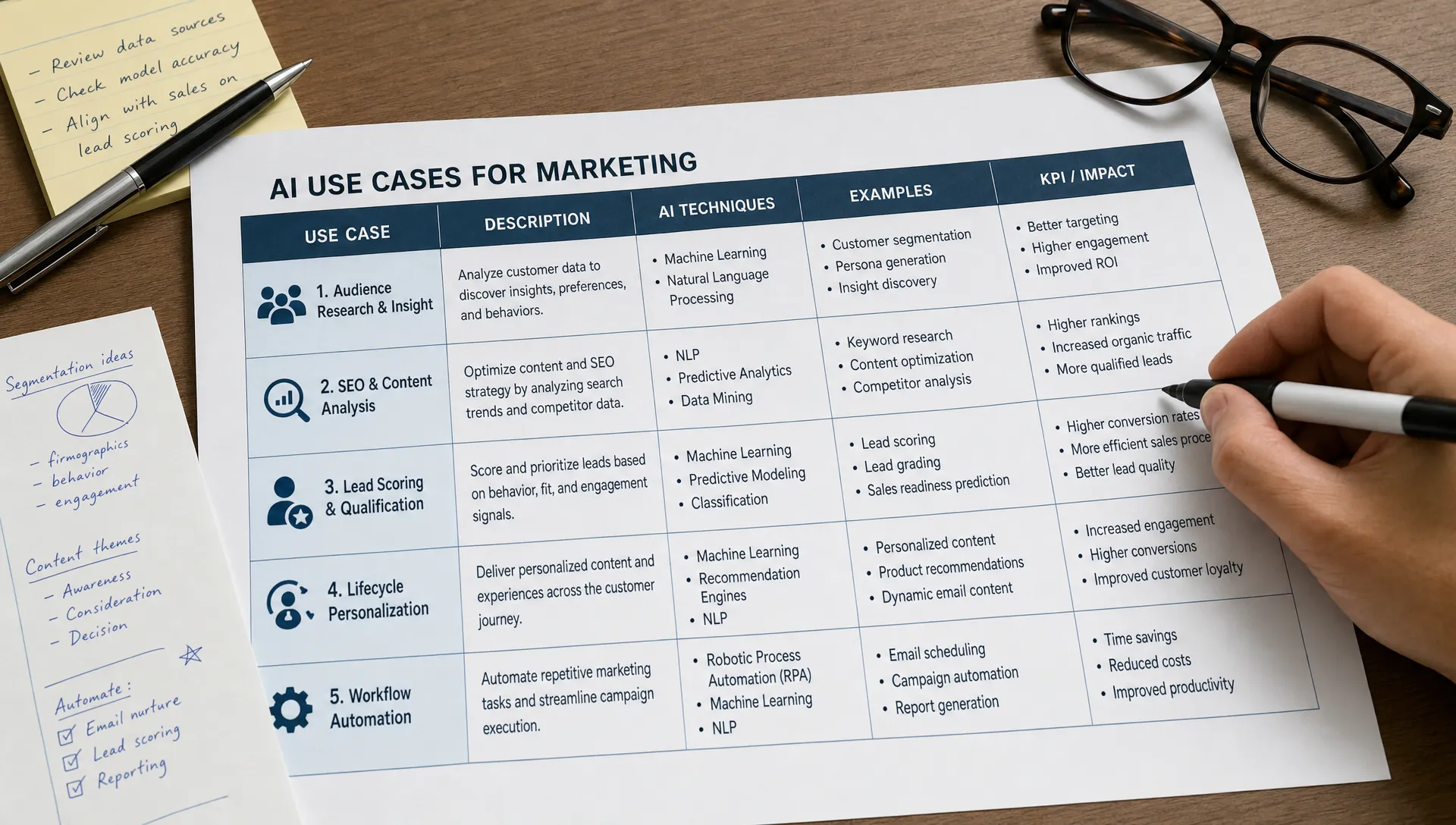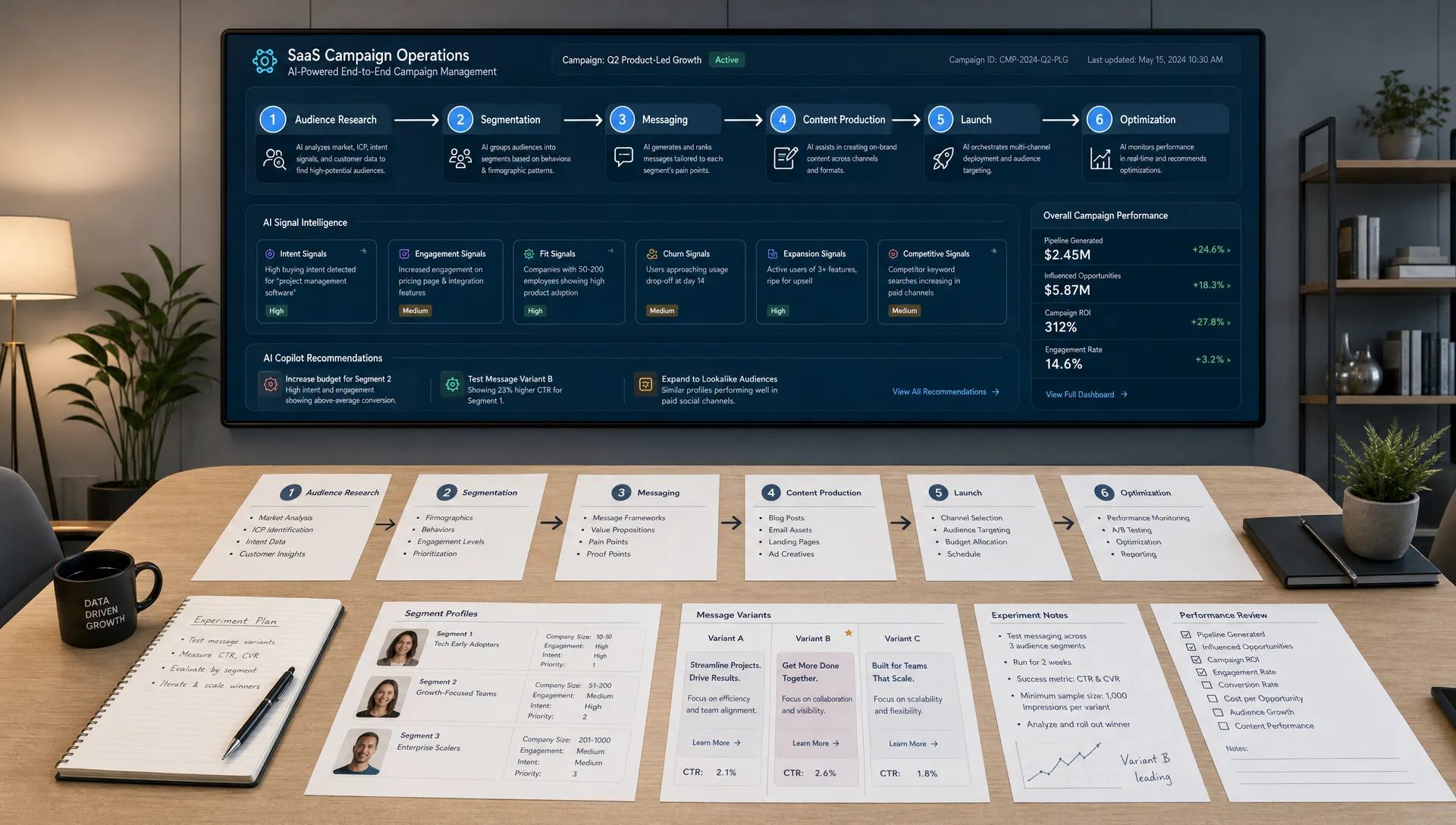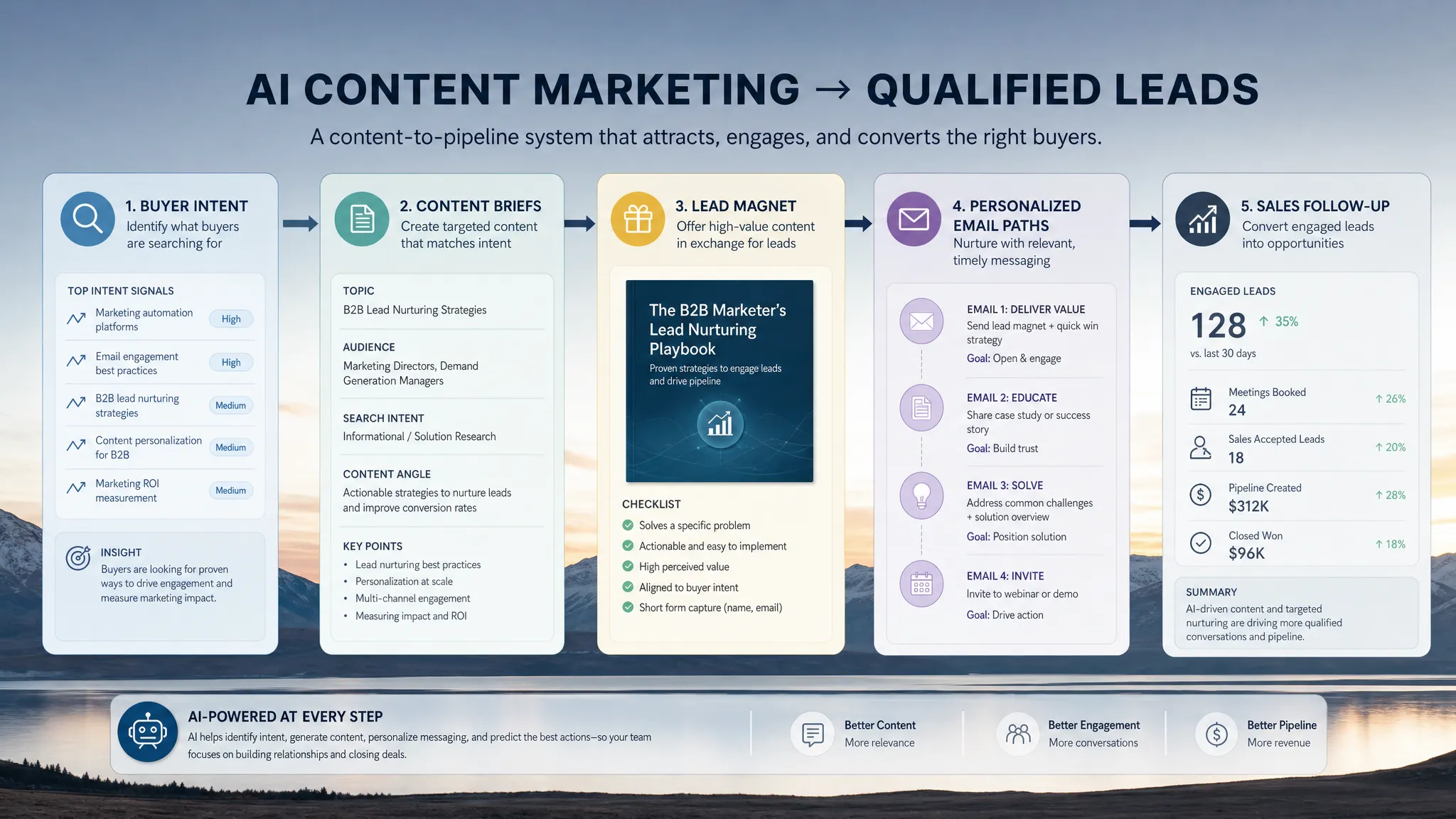
AI content marketing is no longer just a faster way to write blog posts. Used well, it becomes a lead generation system that helps you understand demand, create more relevant assets, personalize the buyer journey, and hand better qualified opportunities to sales.
The problem is that many teams stop at output. They ask AI to produce more articles, more social posts, and more email copy, then wonder why leads do not improve. More content is not the same as more trust. More traffic is not the same as more pipeline.
The teams seeing real gains use AI to answer a sharper question: what content would help the right buyer take the next step? That shift changes everything. It moves AI from a production shortcut to a growth lever.
Below are practical AI content marketing tactics you can use to attract, convert, and nurture more qualified leads without turning your brand into a generic content machine.
Most marketing teams do not have a content shortage. They have a relevance shortage. They publish broadly, optimize for scattered keywords, and create campaigns that do not connect cleanly to sales conversations. AI can help fix that, but only if it is pointed at the right inputs.
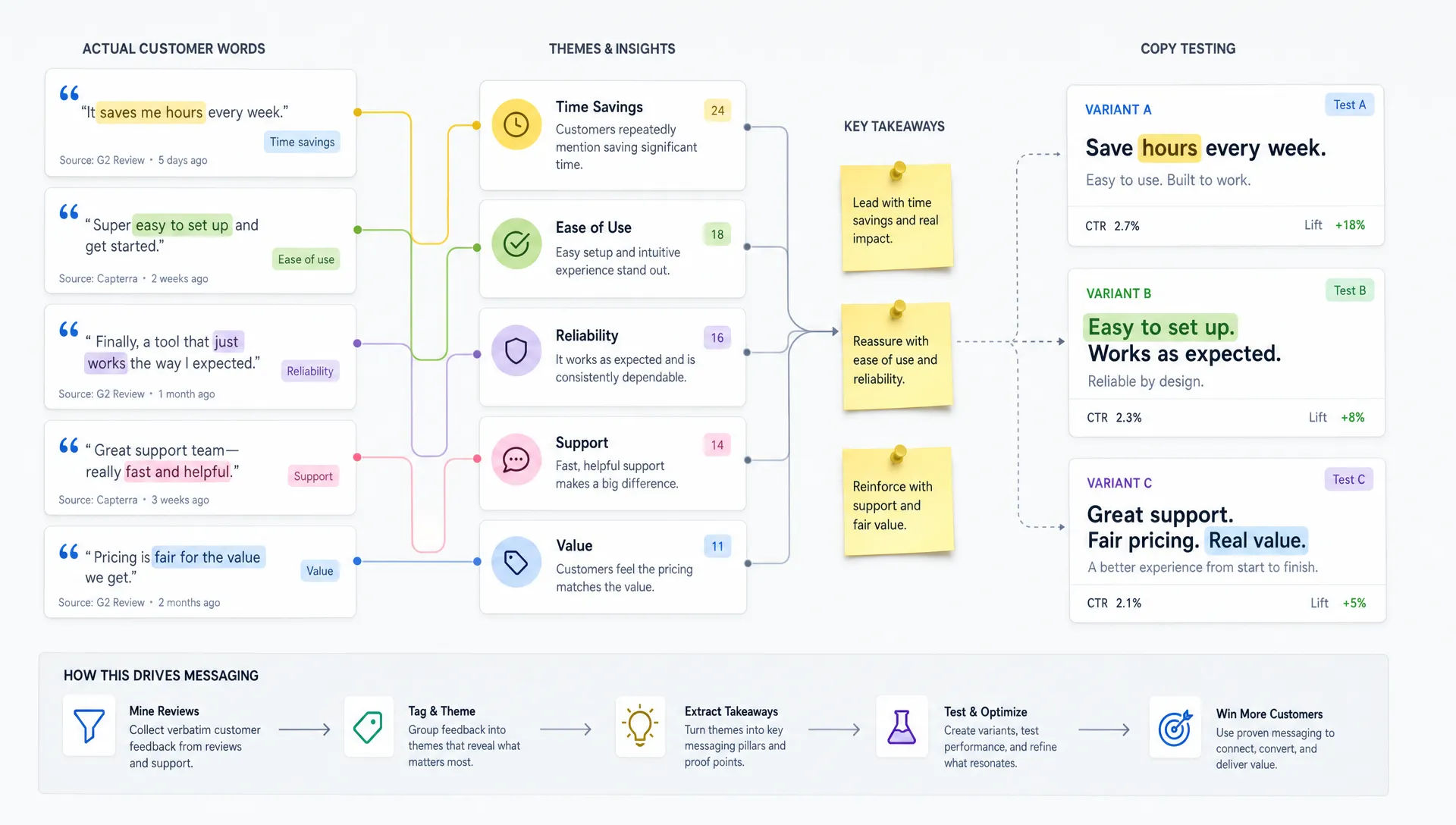
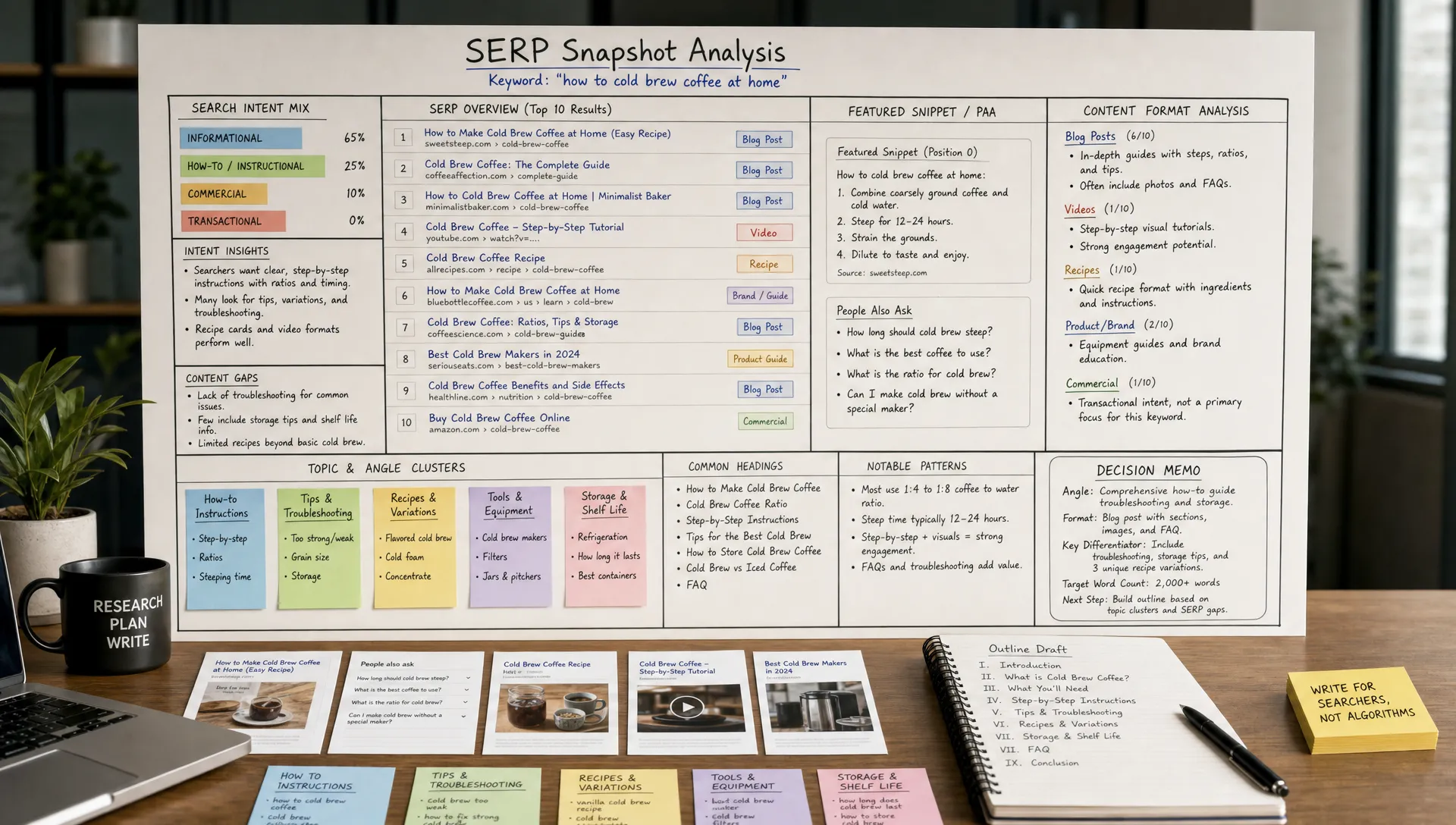
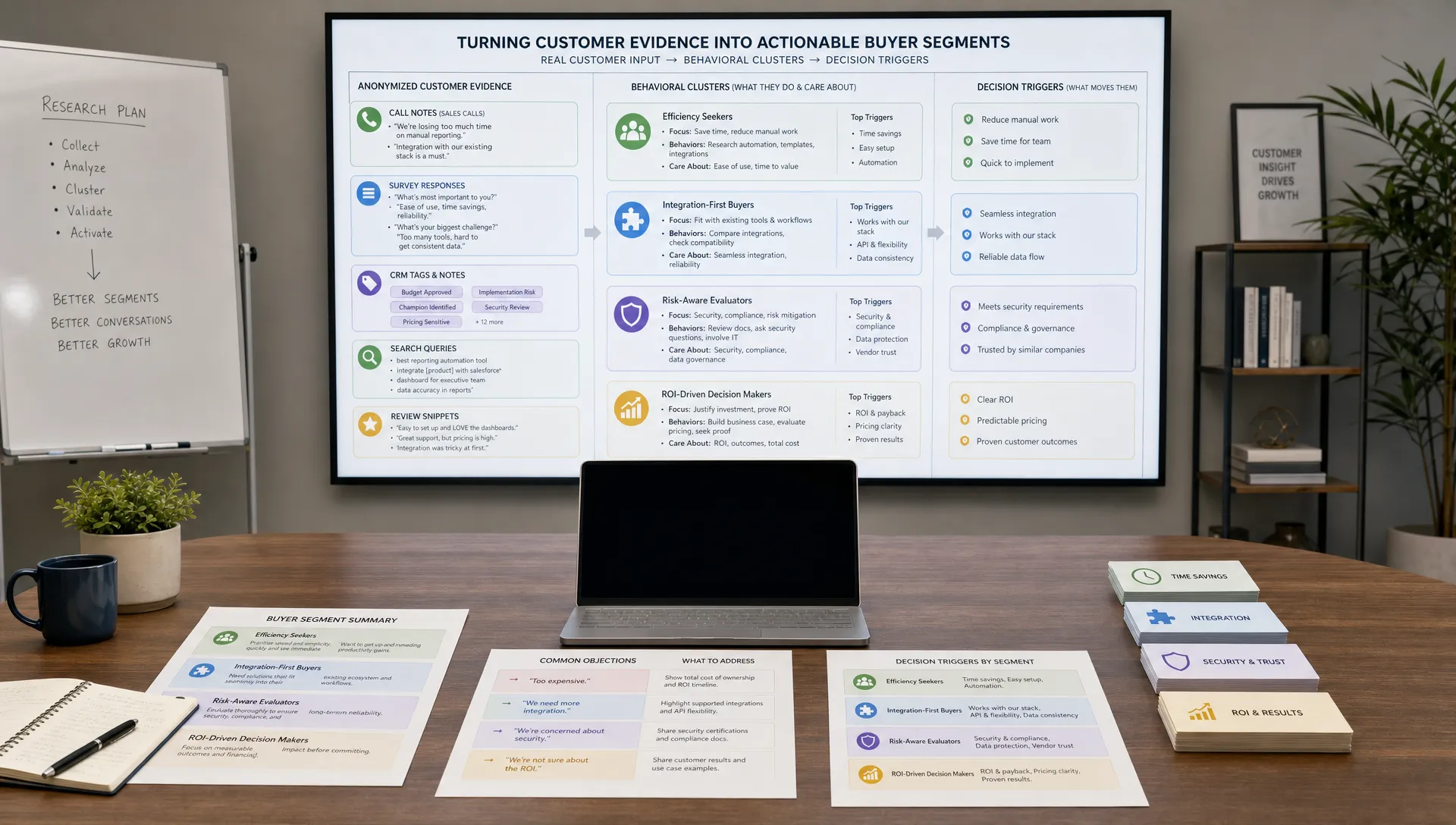
Strong AI content marketing begins with real buyer signals: search data, CRM notes, sales calls, customer objections, review sites, support tickets, competitive comparisons, and website behavior. AI is especially useful for spotting patterns across those sources faster than a team can do manually.
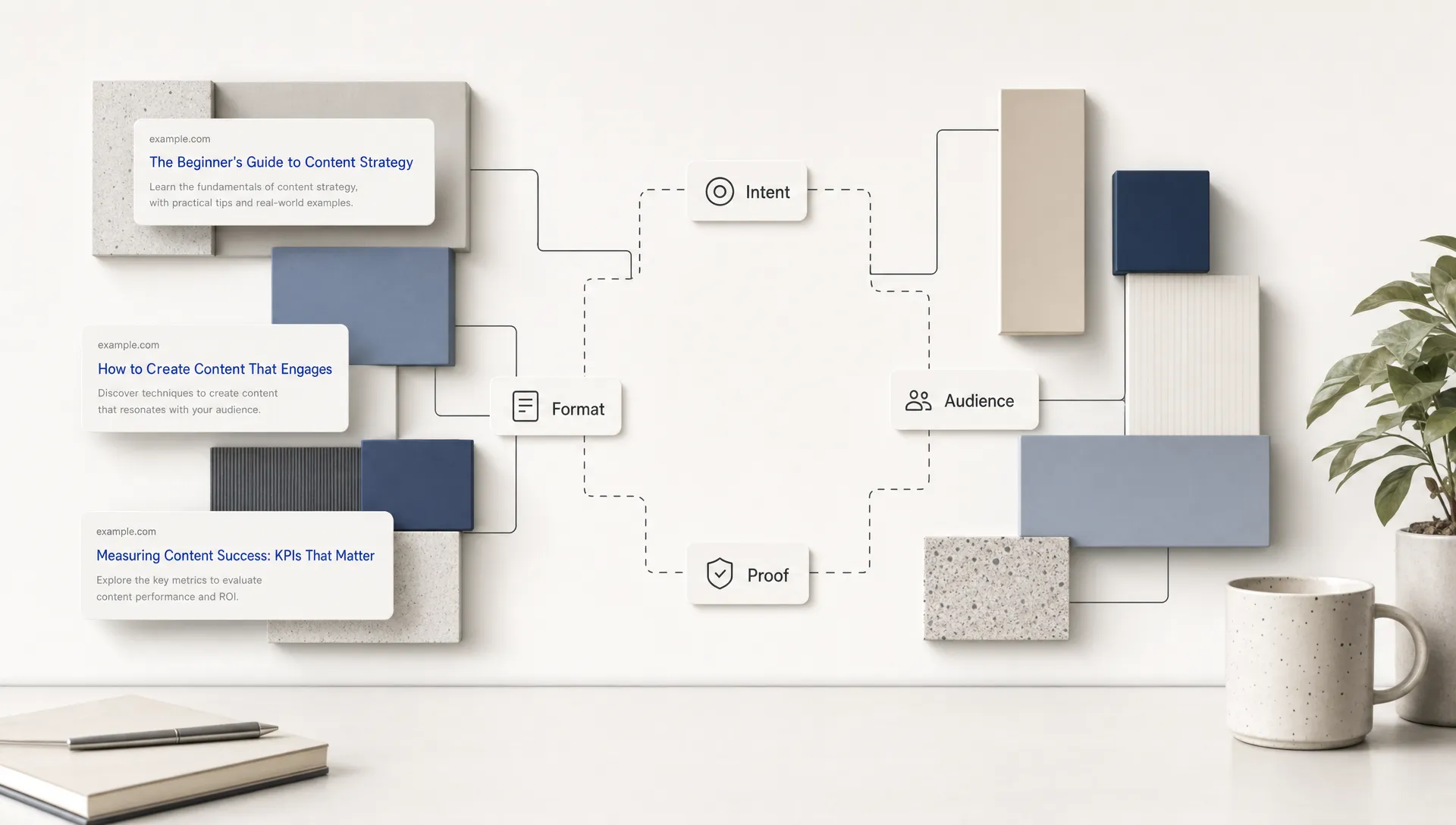
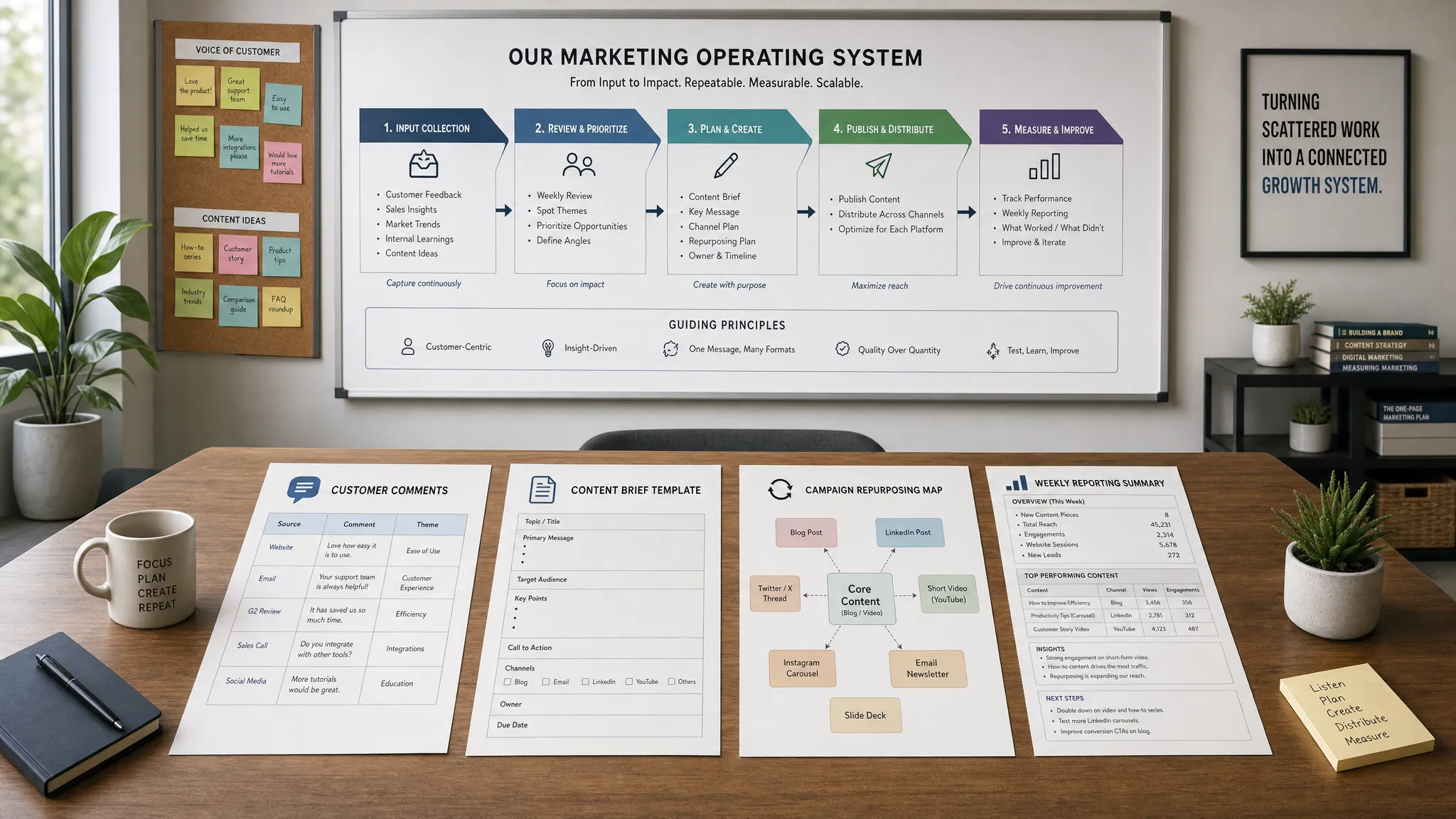
A lead-generating content system usually has four parts:
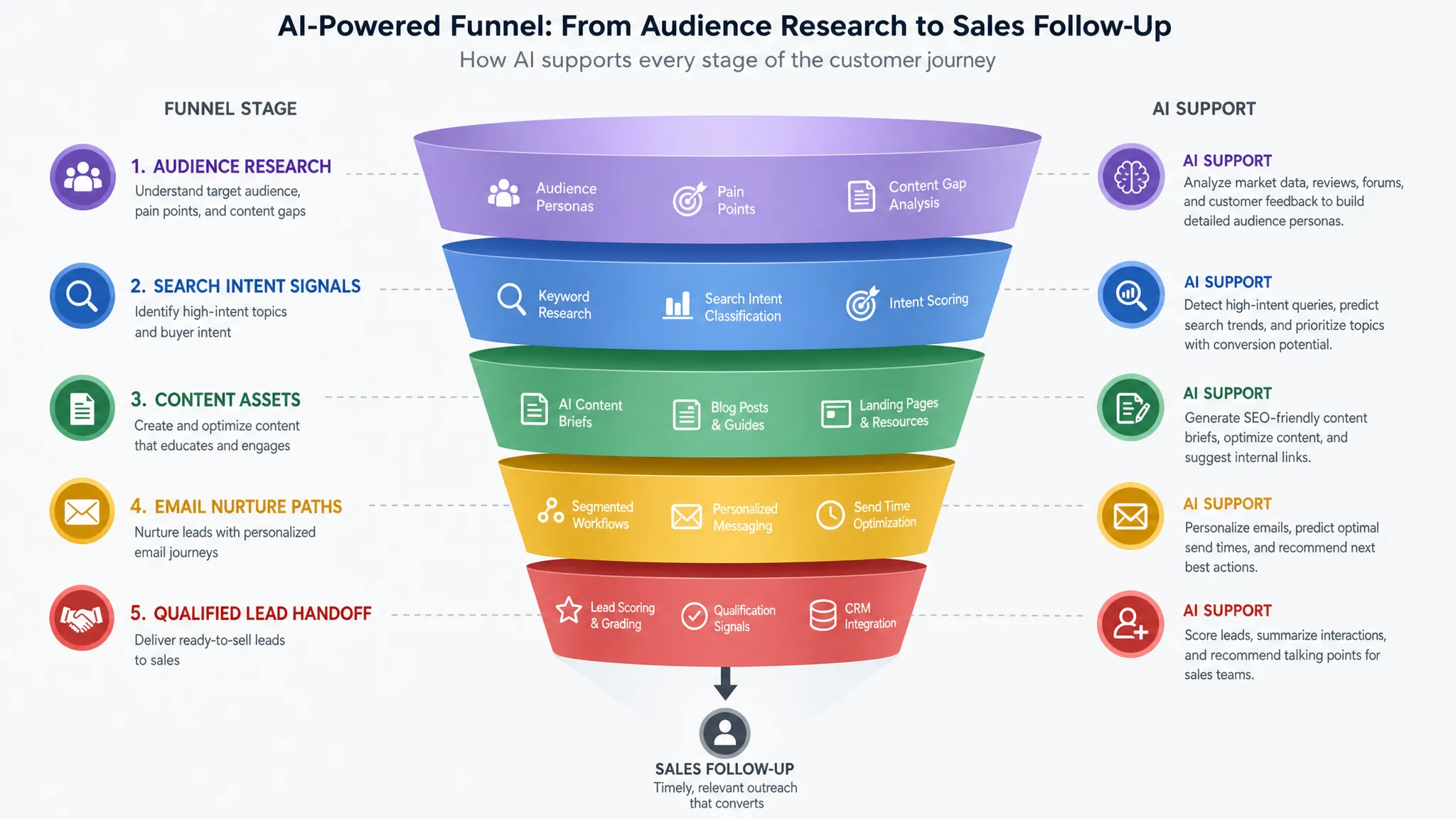
The first tactic is simple, but it is where many teams skip ahead too quickly. Before generating content, use AI to map the questions buyers ask before they become leads.
Start by gathering raw inputs from places where buyer intent already exists. Your sales team is usually the best source. Look at discovery call notes, demo questions, lost deal reasons, contact form messages, and email replies. Then add search queries, paid search terms, chatbot conversations, community discussions, and competitor comparison pages.
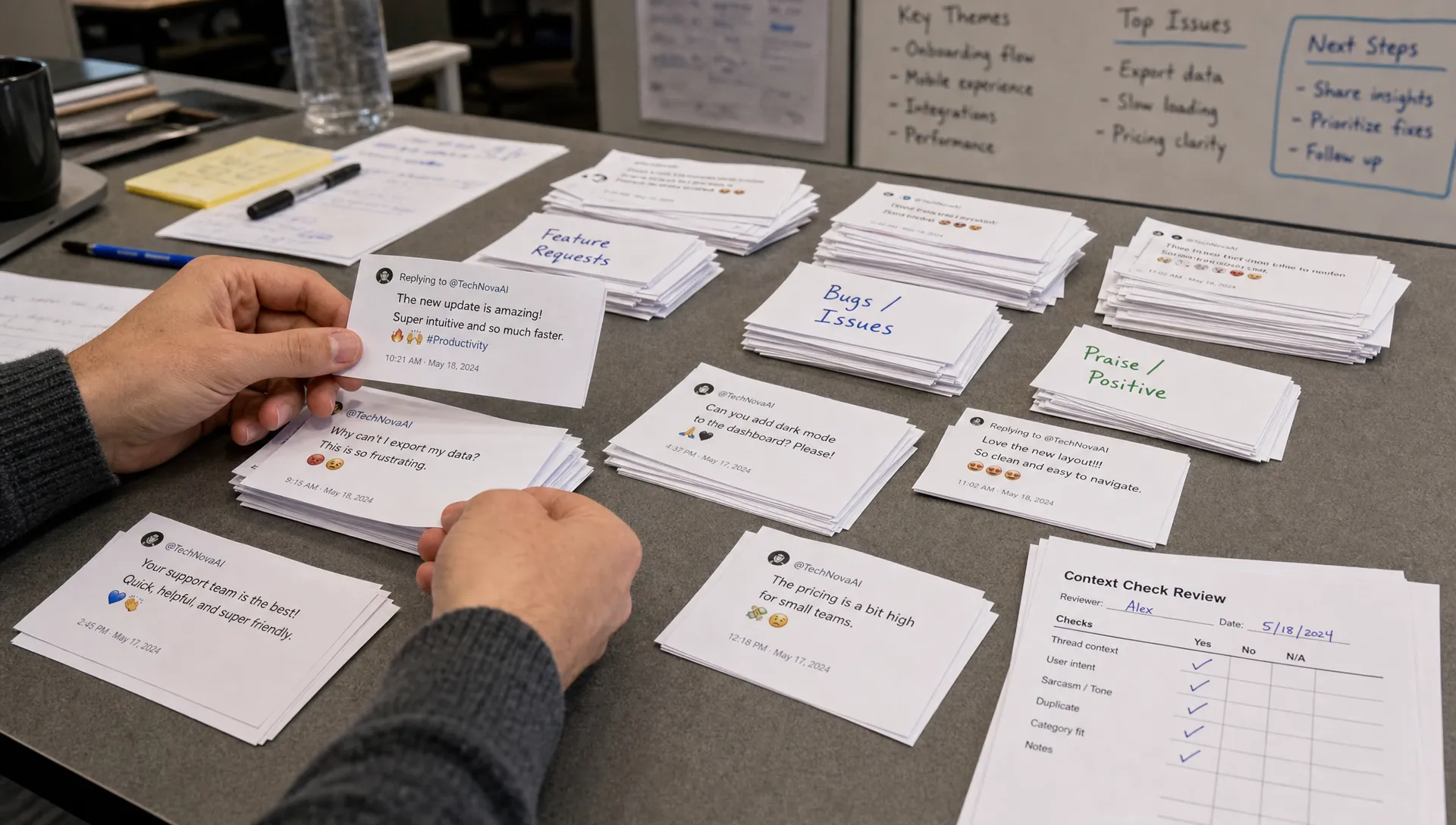
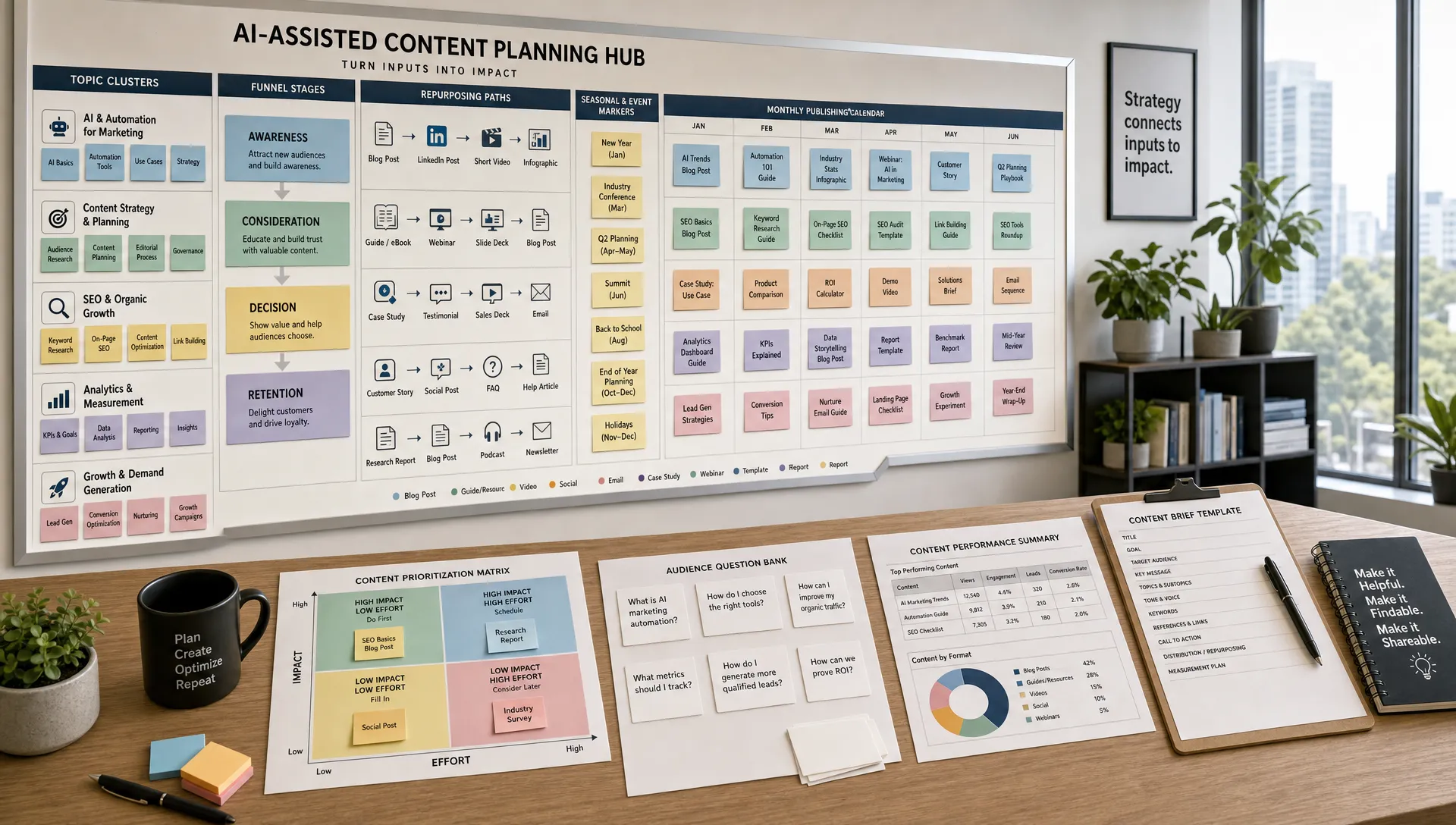
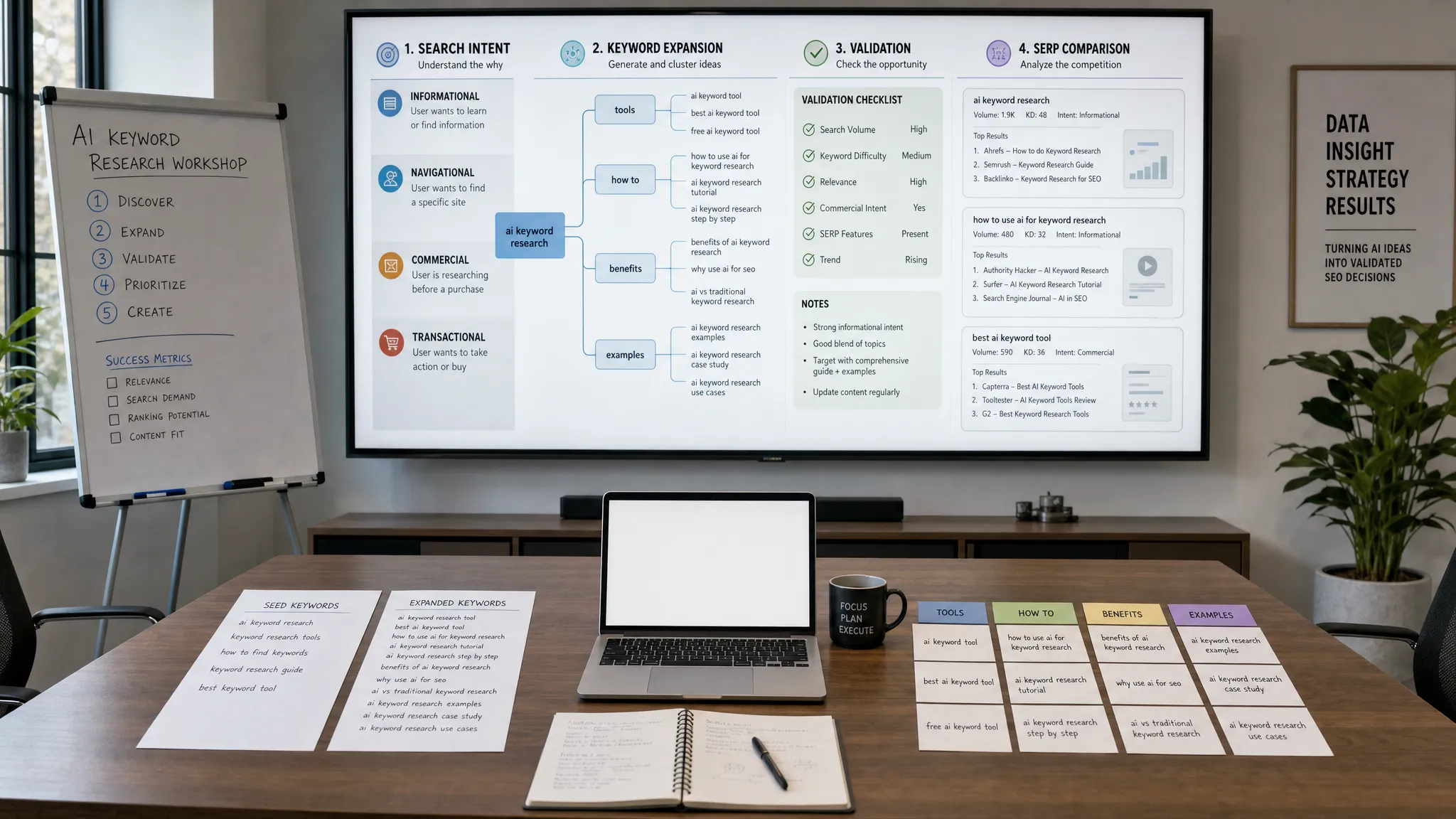
Feed those inputs into an AI tool and ask it to cluster them by intent. You are looking for patterns such as problem awareness, solution research, vendor comparison, implementation concerns, pricing sensitivity, compliance questions, and internal stakeholder objections.
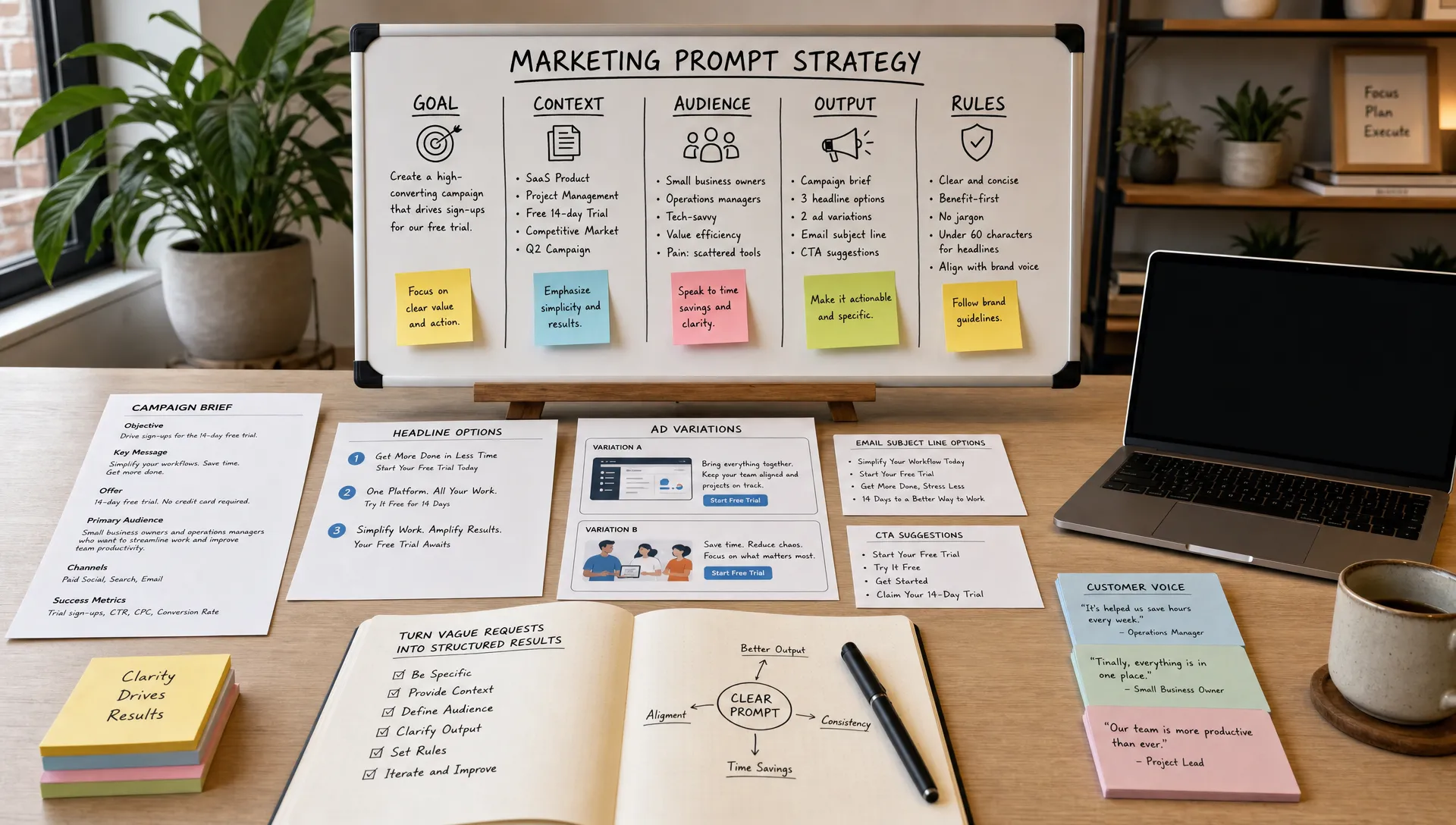
Prompt to try: Analyze these sales notes, search queries, and customer questions. Group them by buyer intent, identify the likely funnel stage, and suggest content assets that would help a prospect move to the next step.
The result should not be a random topic list. It should be a content roadmap tied to demand. For example, a SaaS company may discover that prospects search for integration questions before they care about feature comparisons. A legal services firm may find that prospects need plain-language explainers before they are ready for a consultation. A finance brand may identify calculator content as the bridge between education and lead capture.
This is where AI becomes strategic. It helps you prioritize content that answers questions buyers are already asking, instead of guessing what might perform.
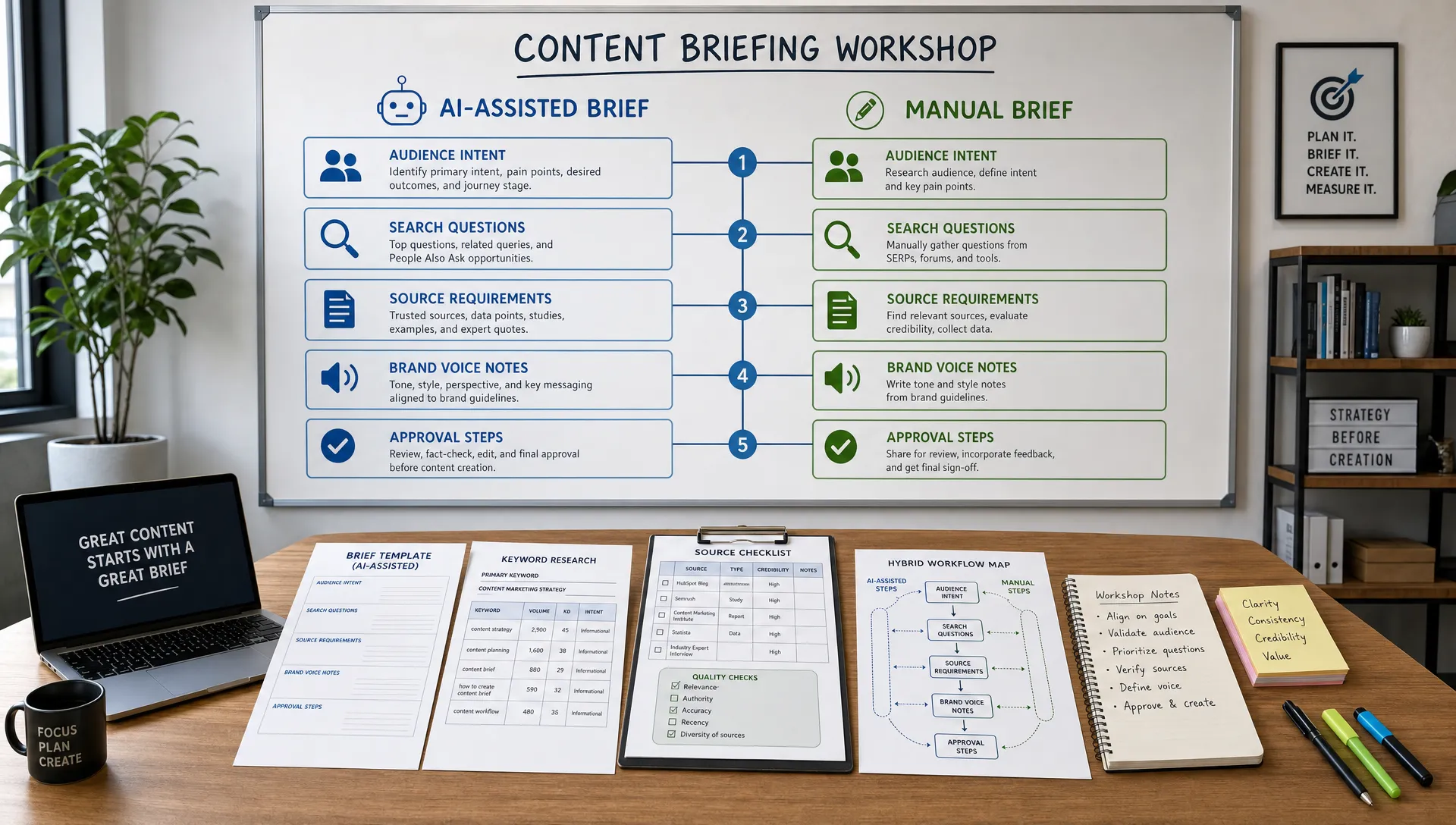
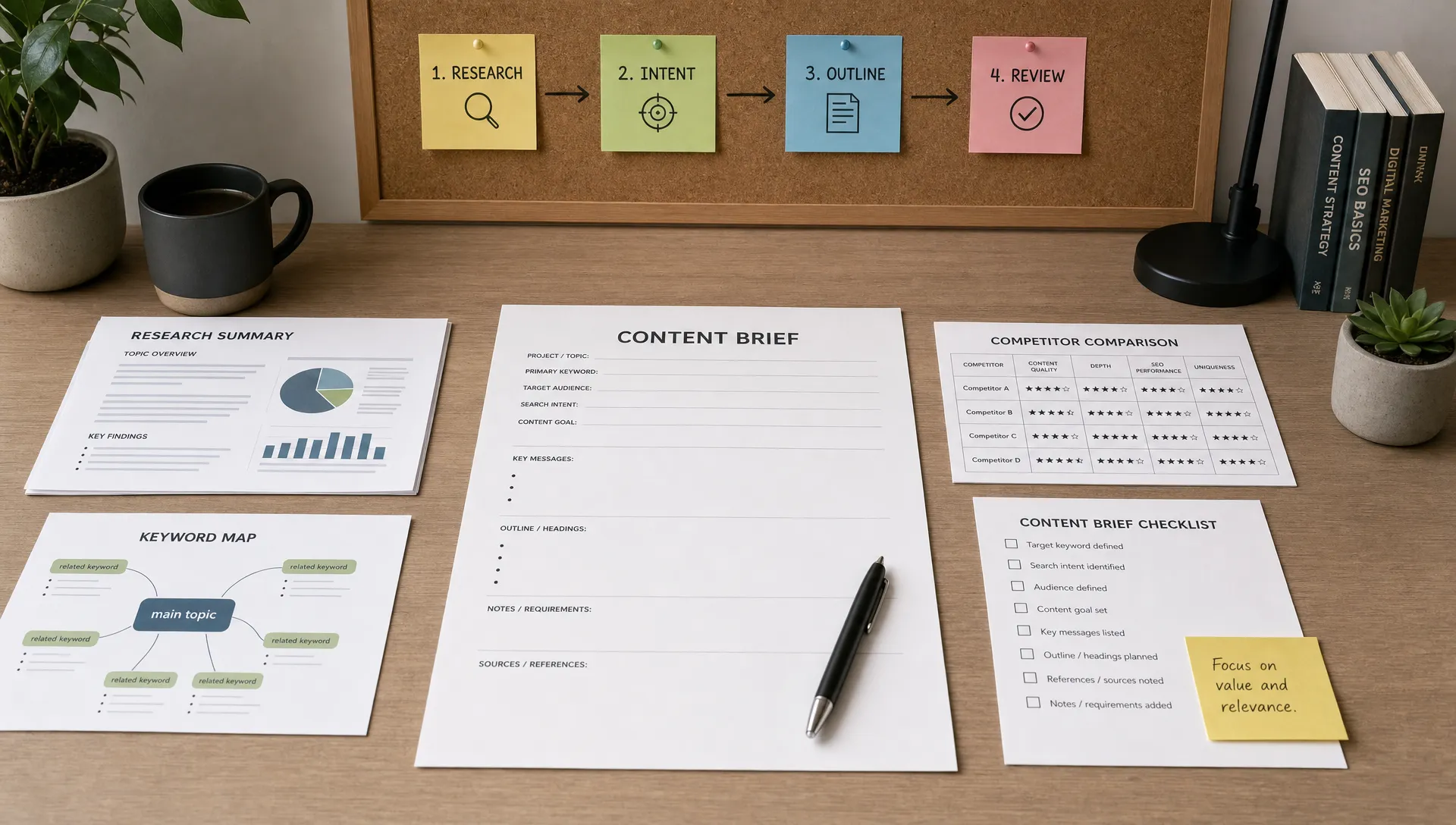
Your sales team hears the most valuable content ideas every week. The challenge is converting those conversations into structured assets. AI can help you turn raw sales intelligence into briefs for articles, landing pages, webinars, comparison guides, and nurture emails.
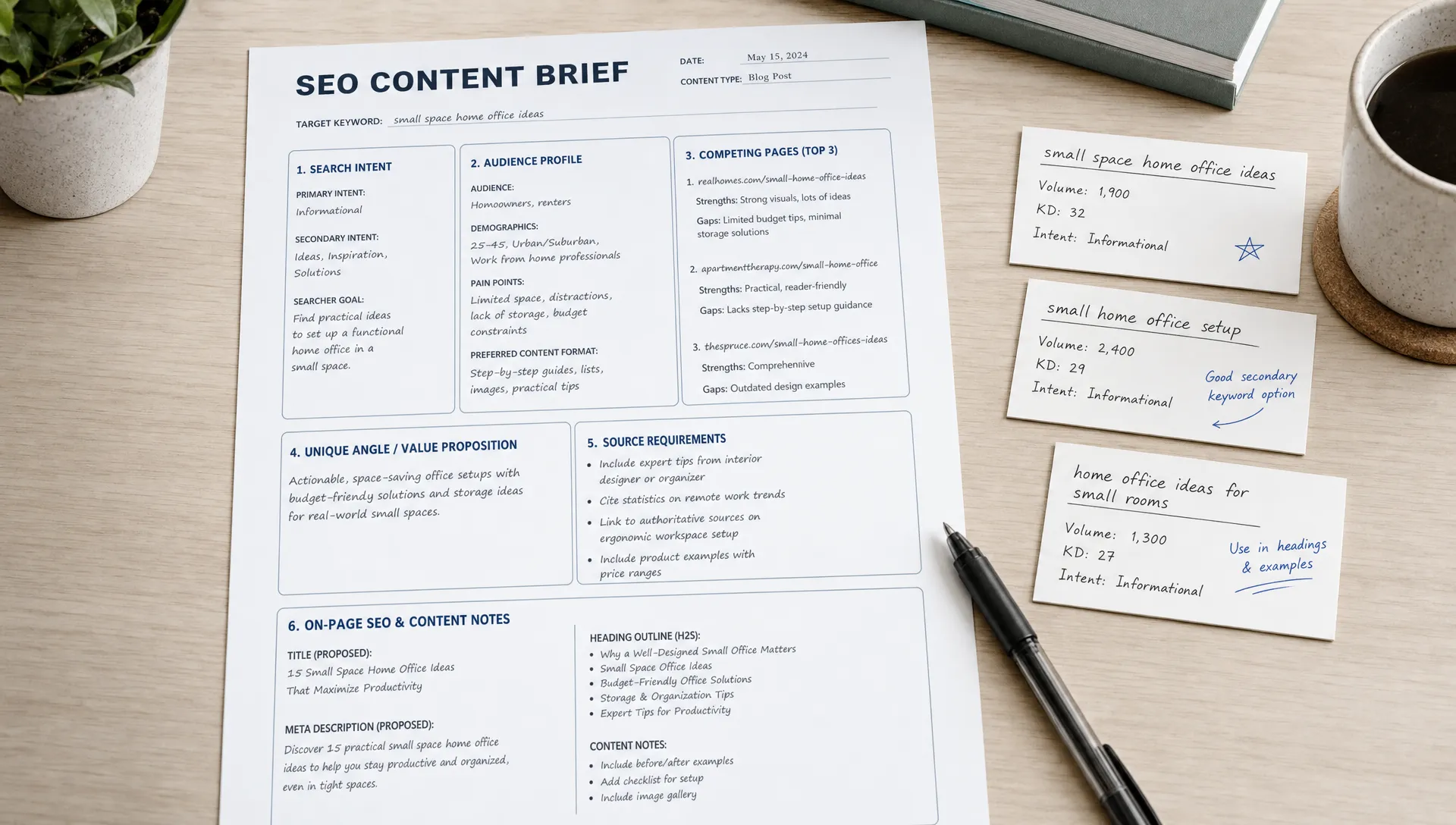
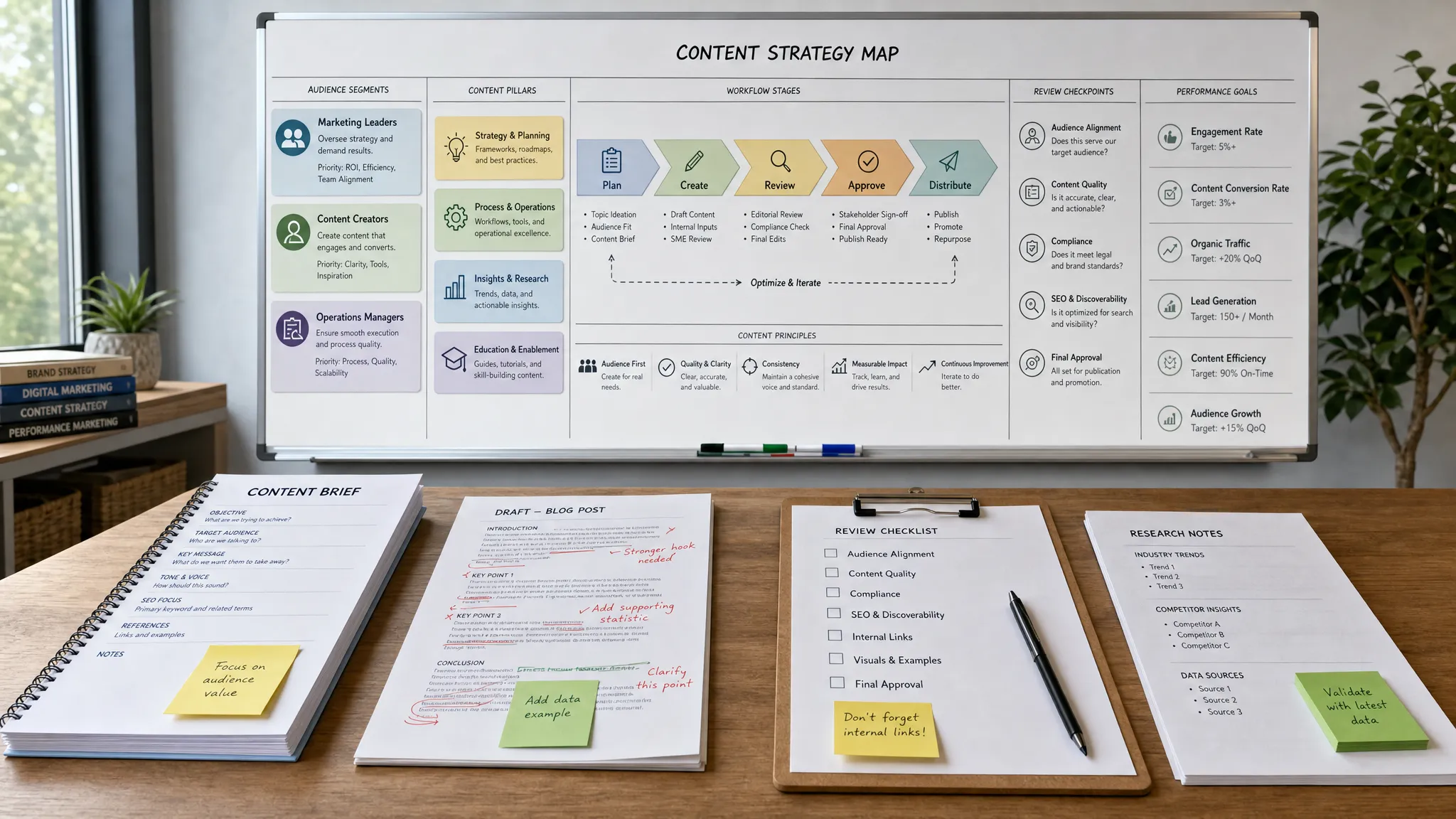
A strong content brief should include the audience, the problem, the emotional trigger, the buying stage, the key objections, the proof points needed, and the intended conversion action. AI can draft that structure quickly, but a marketer or subject matter expert should refine it before production.
This tactic is especially useful for bottom-of-funnel content. Instead of asking AI to write a generic guide about your category, ask it to transform a real objection into an asset. If prospects keep asking whether your solution works for small teams, create a page that addresses small-team use cases. If buyers worry about switching costs, create a migration checklist. If finance teams ask about ROI, build a calculator or planning guide.
The best lead-generating content often sounds less like a campaign and more like the answer a great salesperson would give on a call.
AI can help you create lead magnets faster, but the offer still needs to be worth the form fill. A thin PDF built from a generic blog post will not convert well, especially in competitive markets.
Think of lead magnets as tools that reduce uncertainty. The more specific the outcome, the stronger the conversion potential. AI can help you draft, structure, and personalize those assets, while your team adds expertise, examples, and validation.
High-performing lead magnet ideas include:
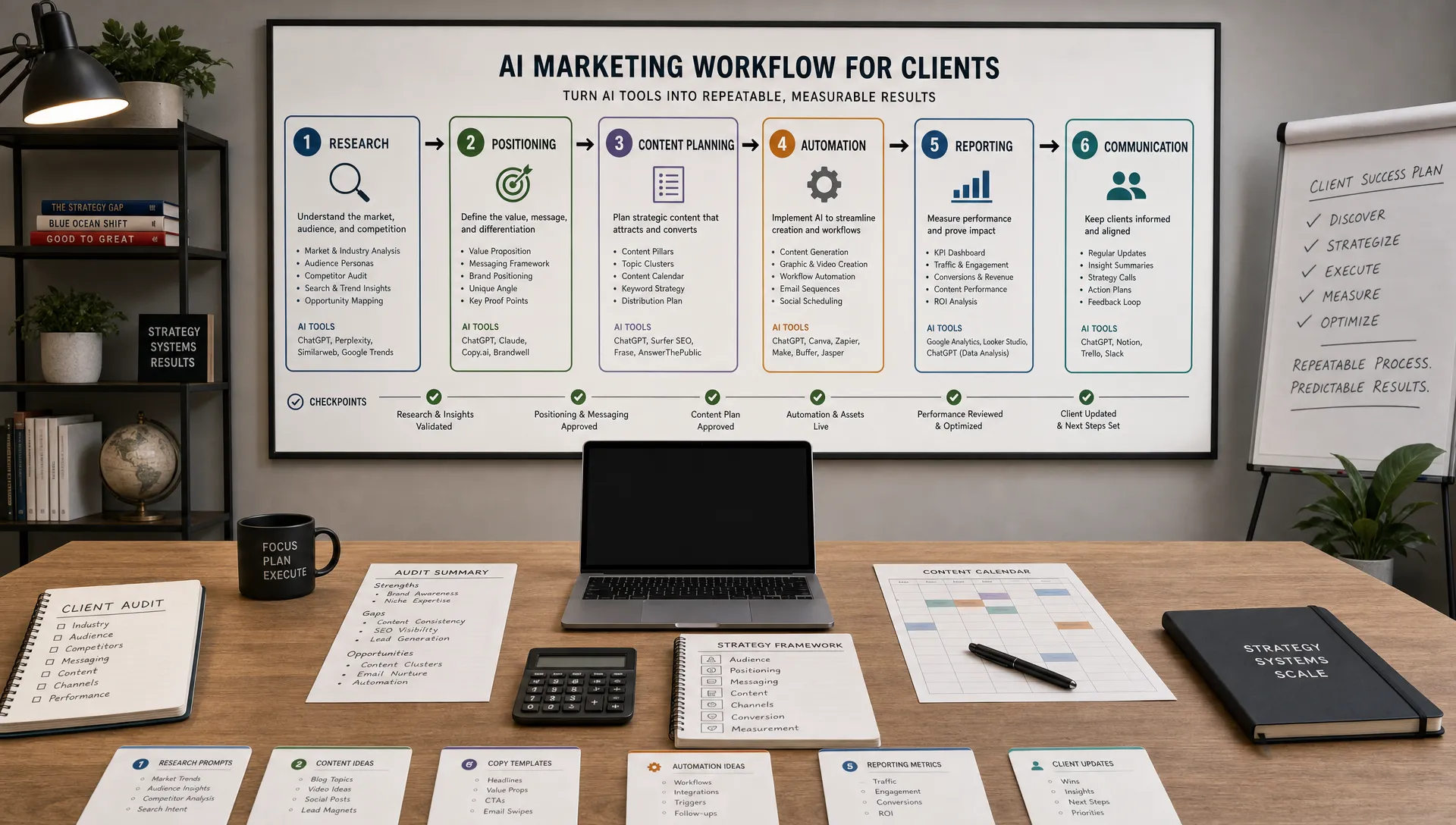
For AIMarketer Hub’s audience, this can mean using AI to turn a marketing strategy into a practical asset, such as a campaign planning template, SEO brief generator, prompt pack, or performance calculator. The key is to make the asset actionable enough that the prospect feels immediate progress after downloading it.
Do not gate everything. Use ungated educational content to earn trust, then gate assets that provide deeper utility, customization, or decision support.
Personalization is one of the most powerful uses of AI content marketing, but it can quickly become messy. The goal is not to create a different message for every individual. The goal is to adapt the content experience around meaningful differences in buyer needs.
Start with three to five segments that actually matter. For many B2B teams, that may be industry, company size, role, use case, or stage of maturity. For example, a marketing leader at a SaaS company may care about activation and retention, while a professional services founder may care about lead quality and time savings.
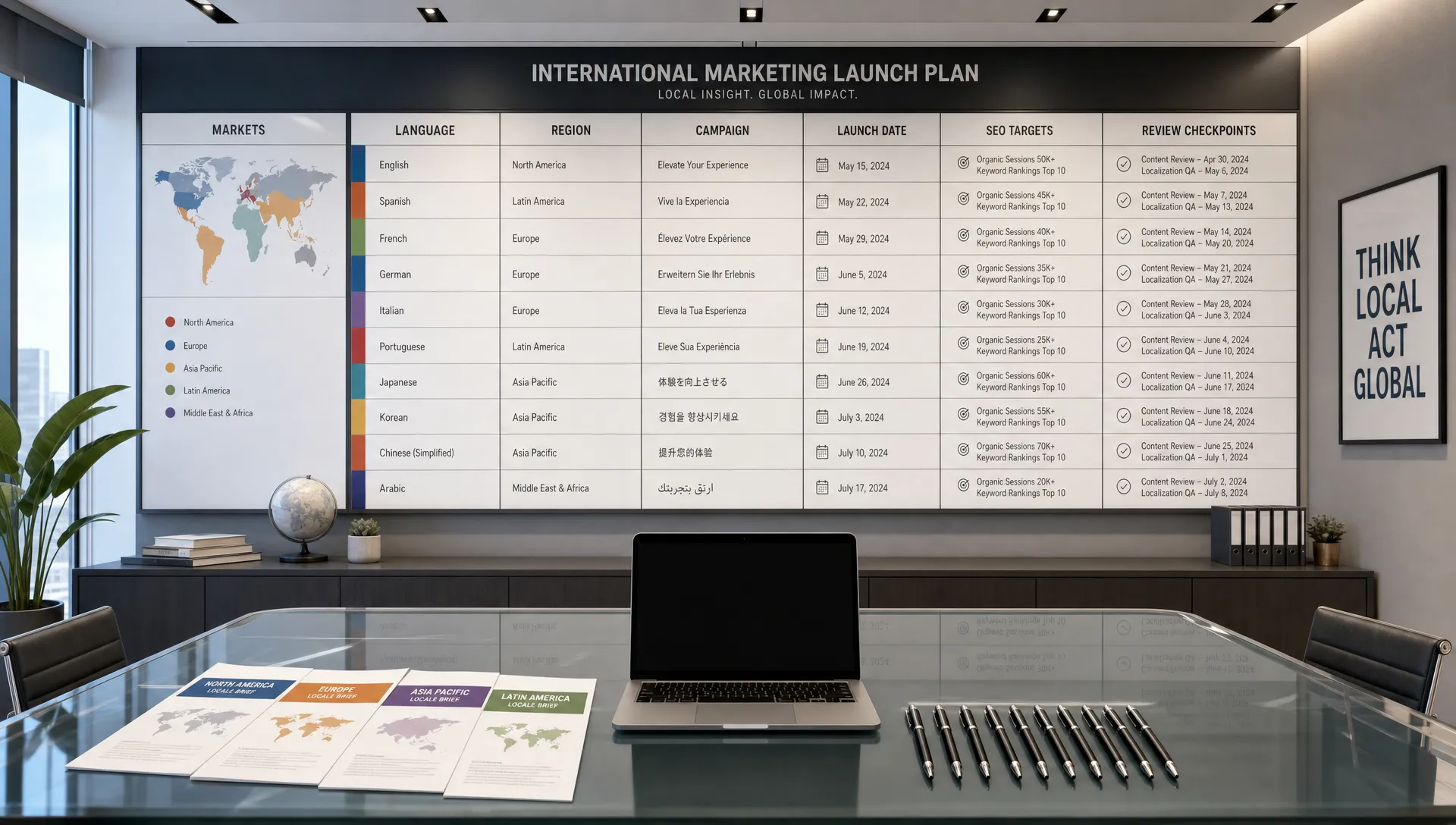
AI can help turn one core asset into segment-specific versions. A single guide on AI marketing workflows can become a SaaS version, a finance version, a legal version, and a small business version. Each version should adjust the examples, risks, terminology, and calls to action, not just swap a few nouns.
The human review step matters. Segment-specific content should feel like it was written with the buyer in mind, not like a mail merge. Use AI for speed and variation, but rely on brand standards, expert review, and customer insight to keep the message credible.
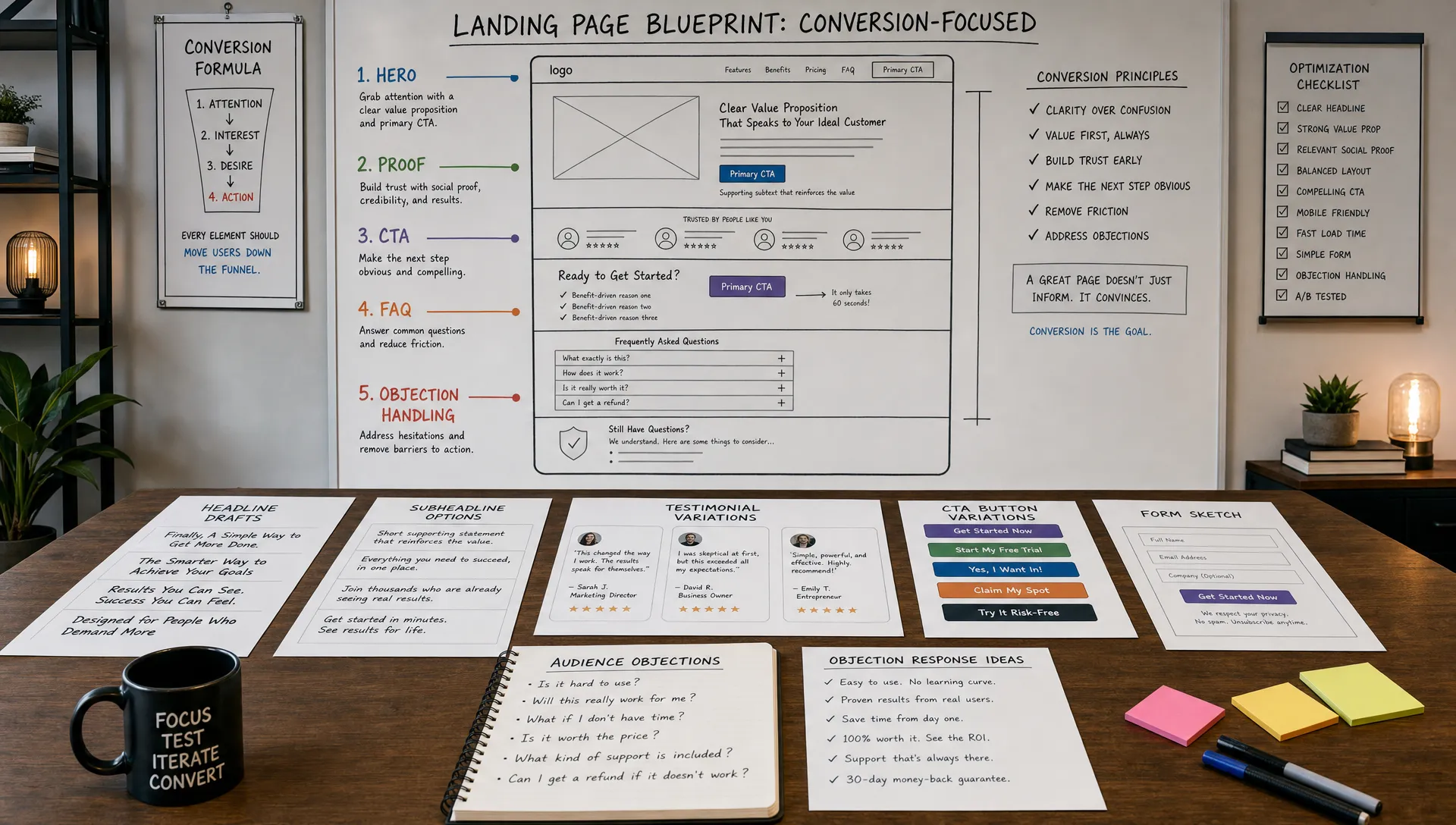
A common reason content fails to generate leads is that it gives the reader nowhere relevant to go next. The article may be helpful, but the call to action is generic. Or the CTA appears only at the end, after many readers have already left.
Every high-intent asset should have a next step that matches the reader’s stage. If the content is educational, invite them to get a checklist, template, calculator, or newsletter. If the content is solution-aware, offer a comparison guide, use case page, assessment, or webinar. If the content is decision-stage, make it easy to request a demo, consultation, audit, or quote.
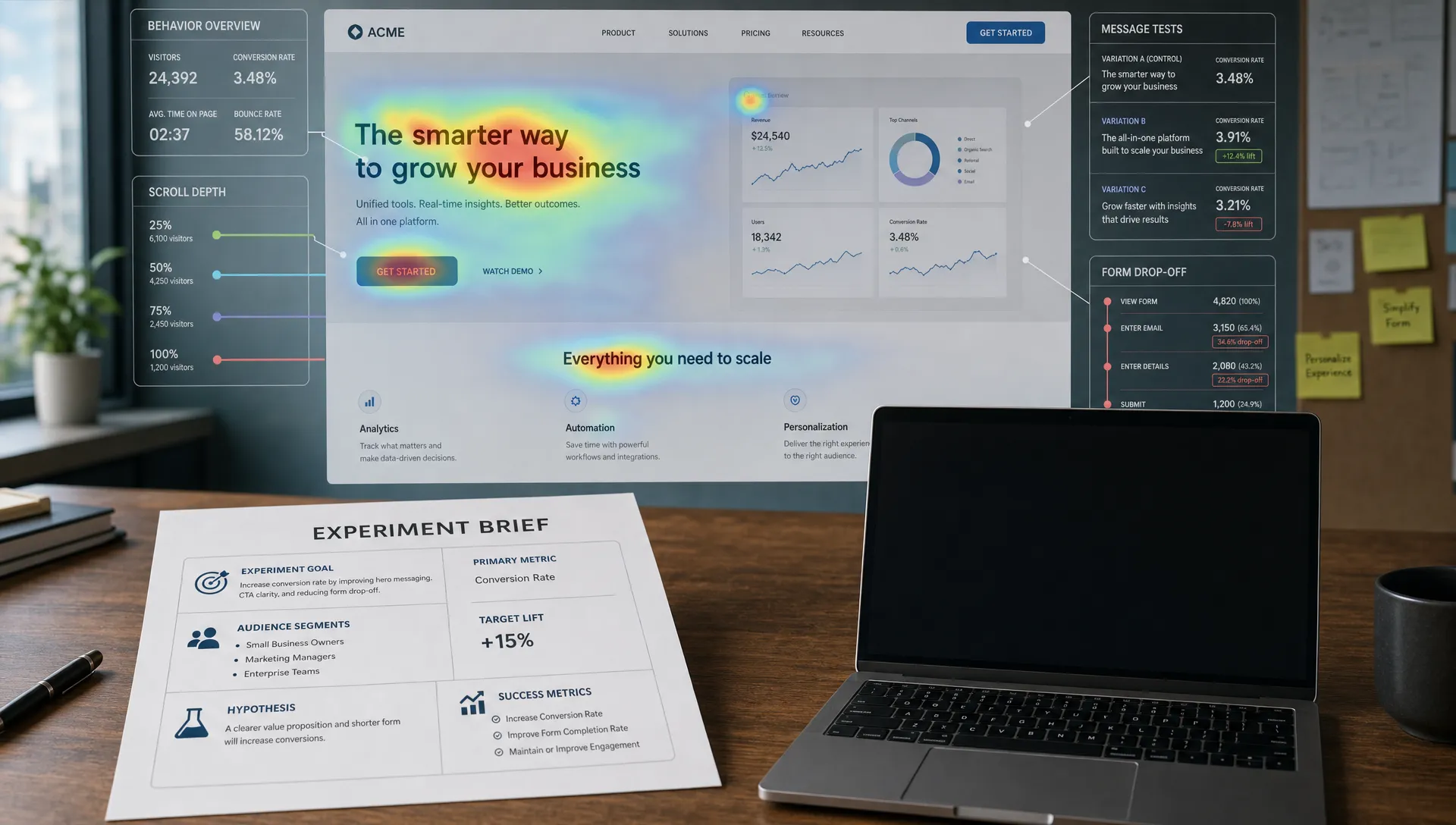
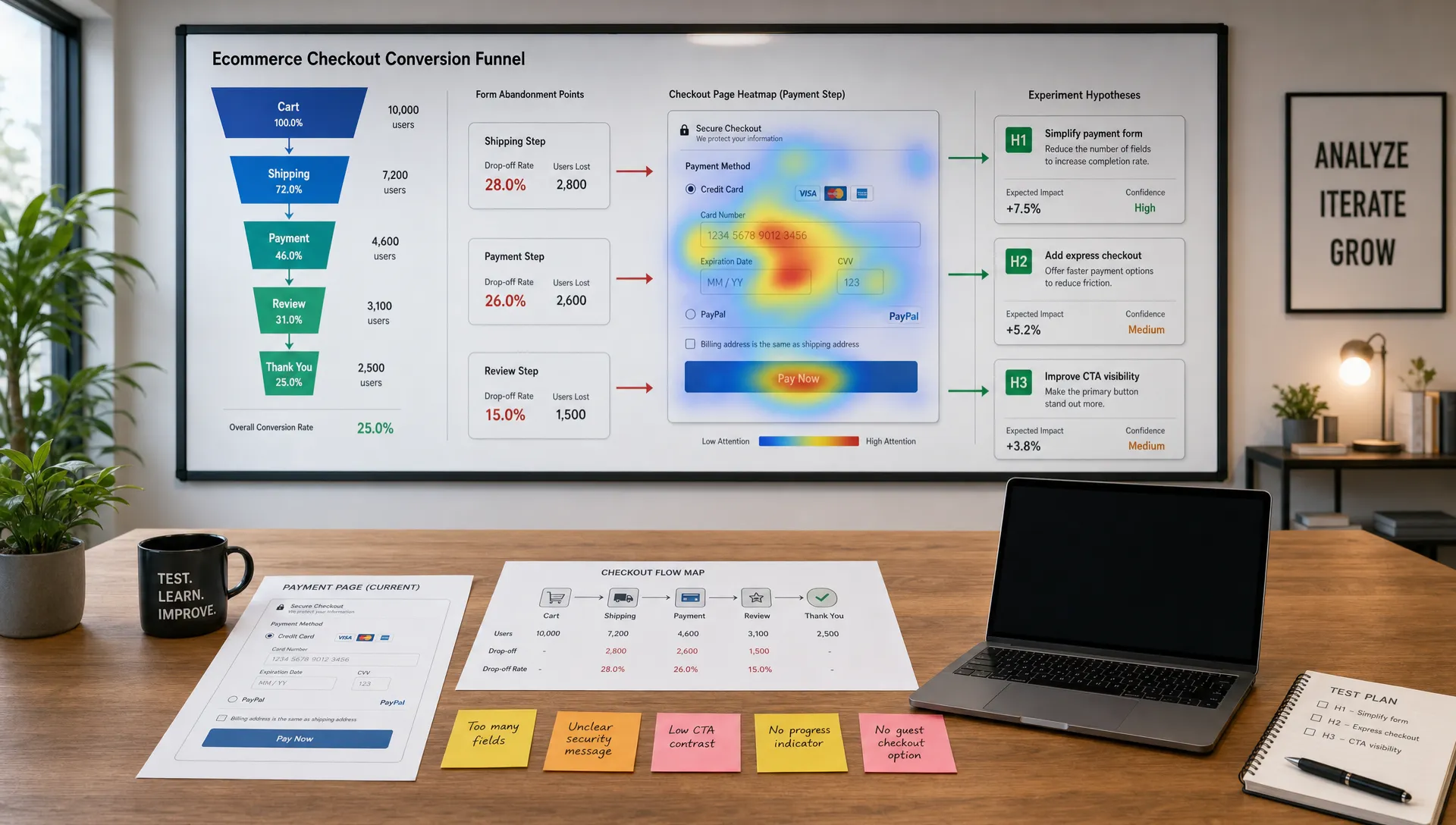
AI can help by reviewing existing content and recommending conversion paths. Ask it to analyze each page for intent, likely reader motivation, missing proof points, and appropriate CTA options. This is often faster than starting with new content, because you can improve the conversion rate of pages that already get traffic.
Also consider micro-conversions. Not every visitor is ready to speak with sales. A saved template, tool interaction, email preference selection, or calculator completion can reveal intent while giving the prospect more value.
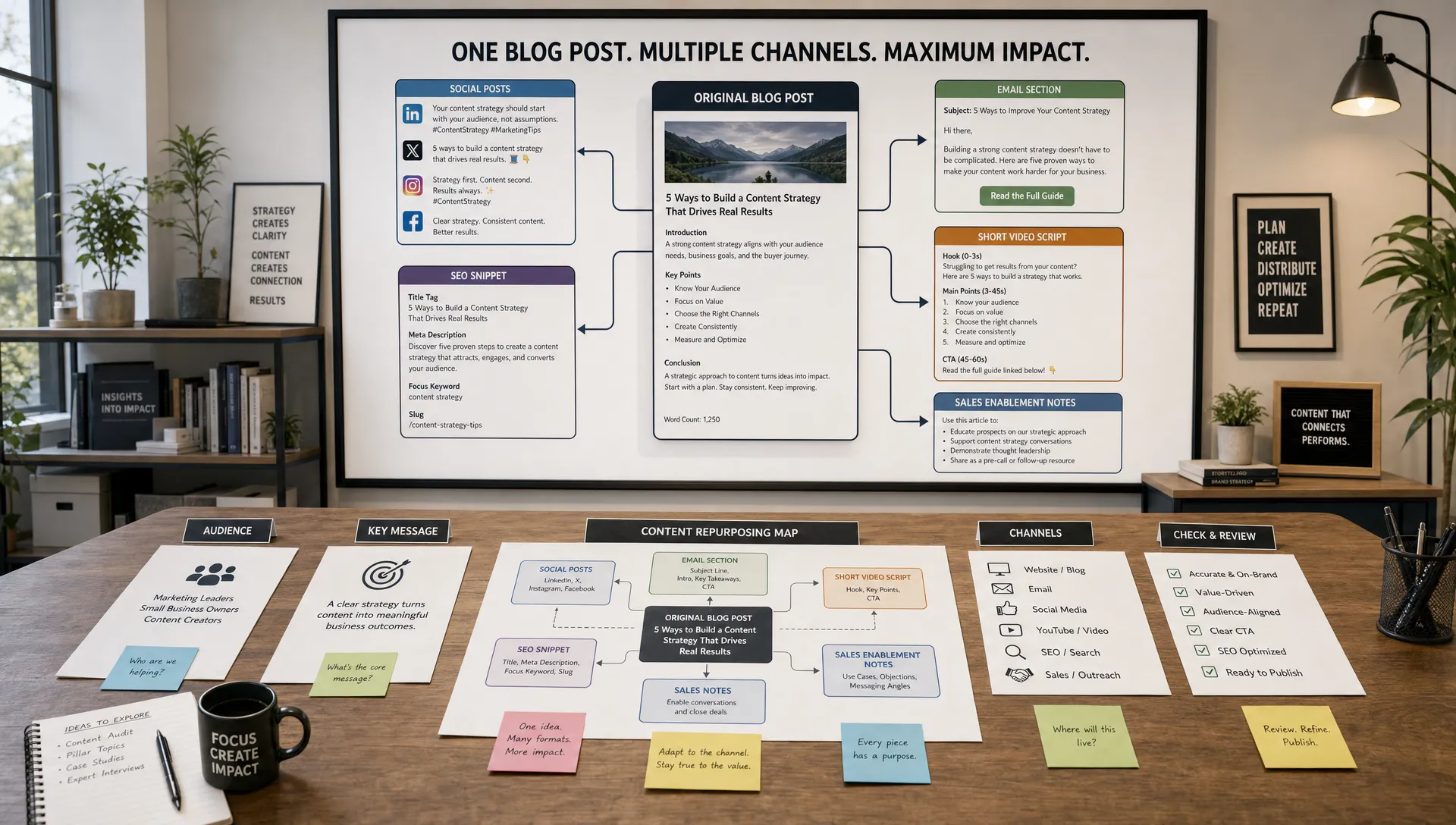
AI makes repurposing easier, but the goal should not be to spray the same message everywhere. The goal is to adapt the core idea to the way each channel works.
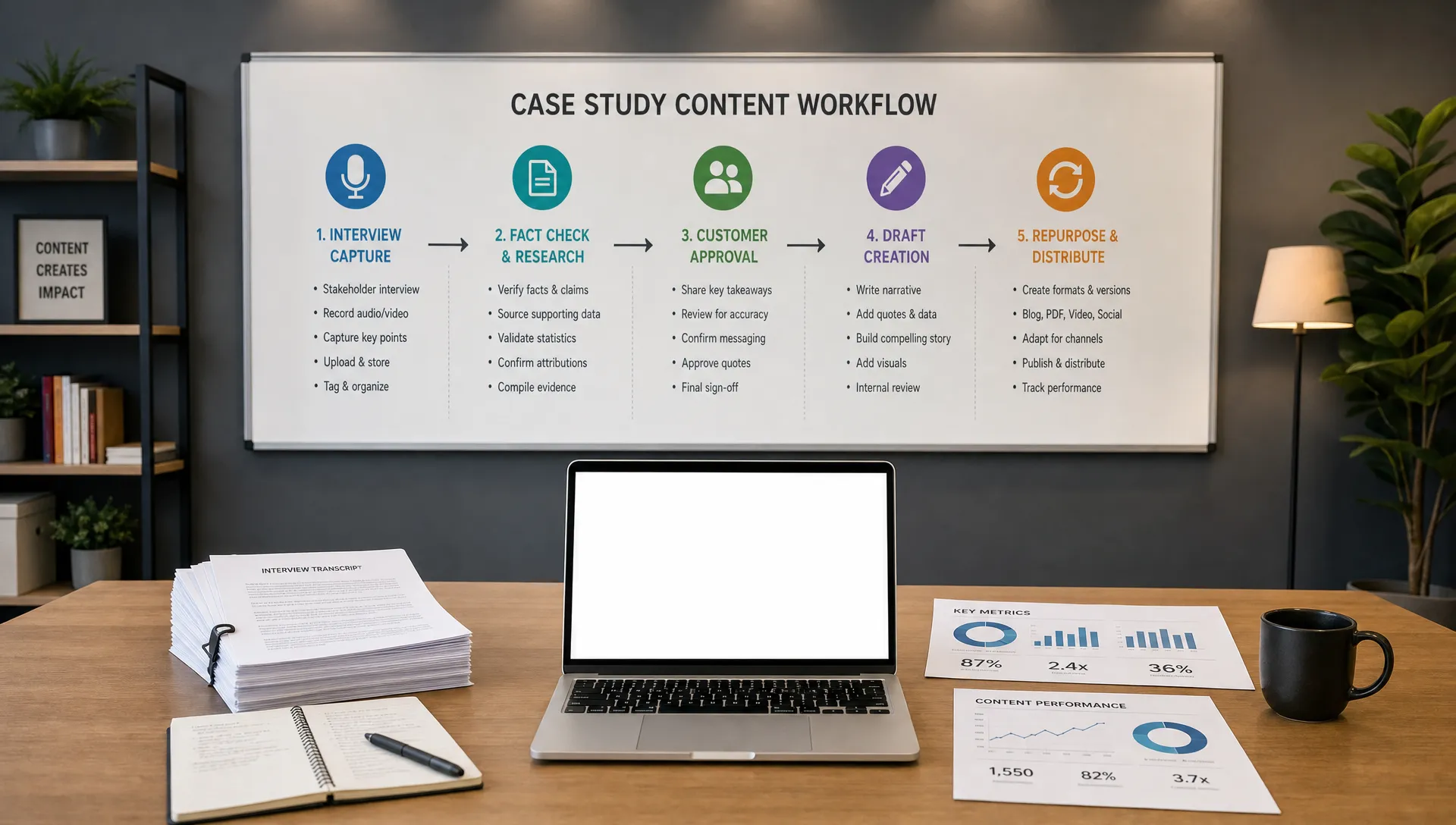
Start with one strong source asset, such as a research-backed guide, webinar, podcast interview, customer story, or in-depth tutorial. Then use AI to create channel-specific derivatives: a LinkedIn carousel, short email sequence, sales enablement one-pager, search-optimized article, nurture snippets, webinar follow-up, and ad copy concepts.
The best repurposing workflows preserve the idea while changing the format. A search article needs depth and structure. A social post needs a sharp point of view. An email needs relevance and momentum. A sales follow-up needs brevity and context.
AI can generate first drafts for each format, but your team should edit for channel fit. This keeps distribution efficient without making every touchpoint feel identical.
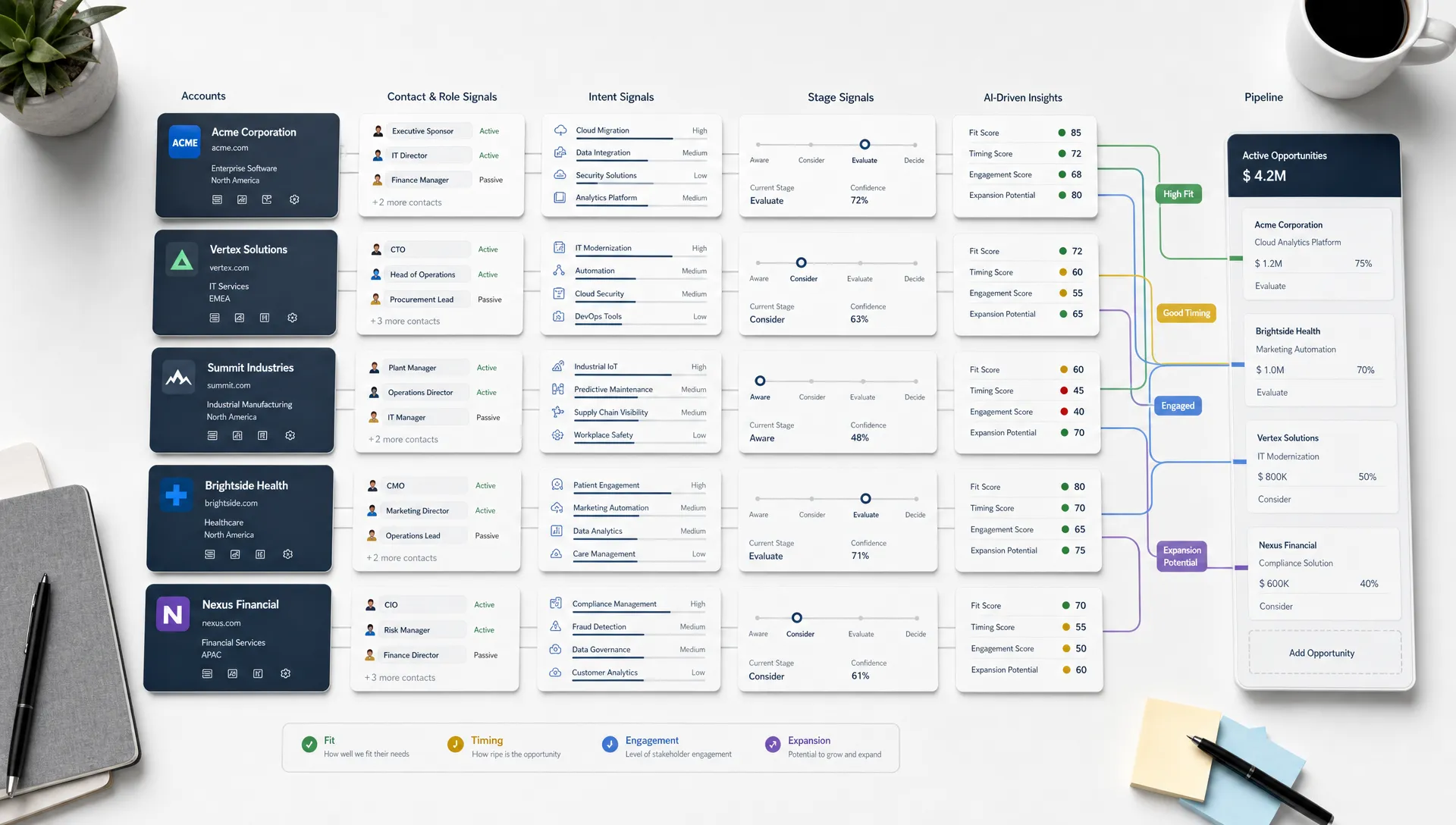
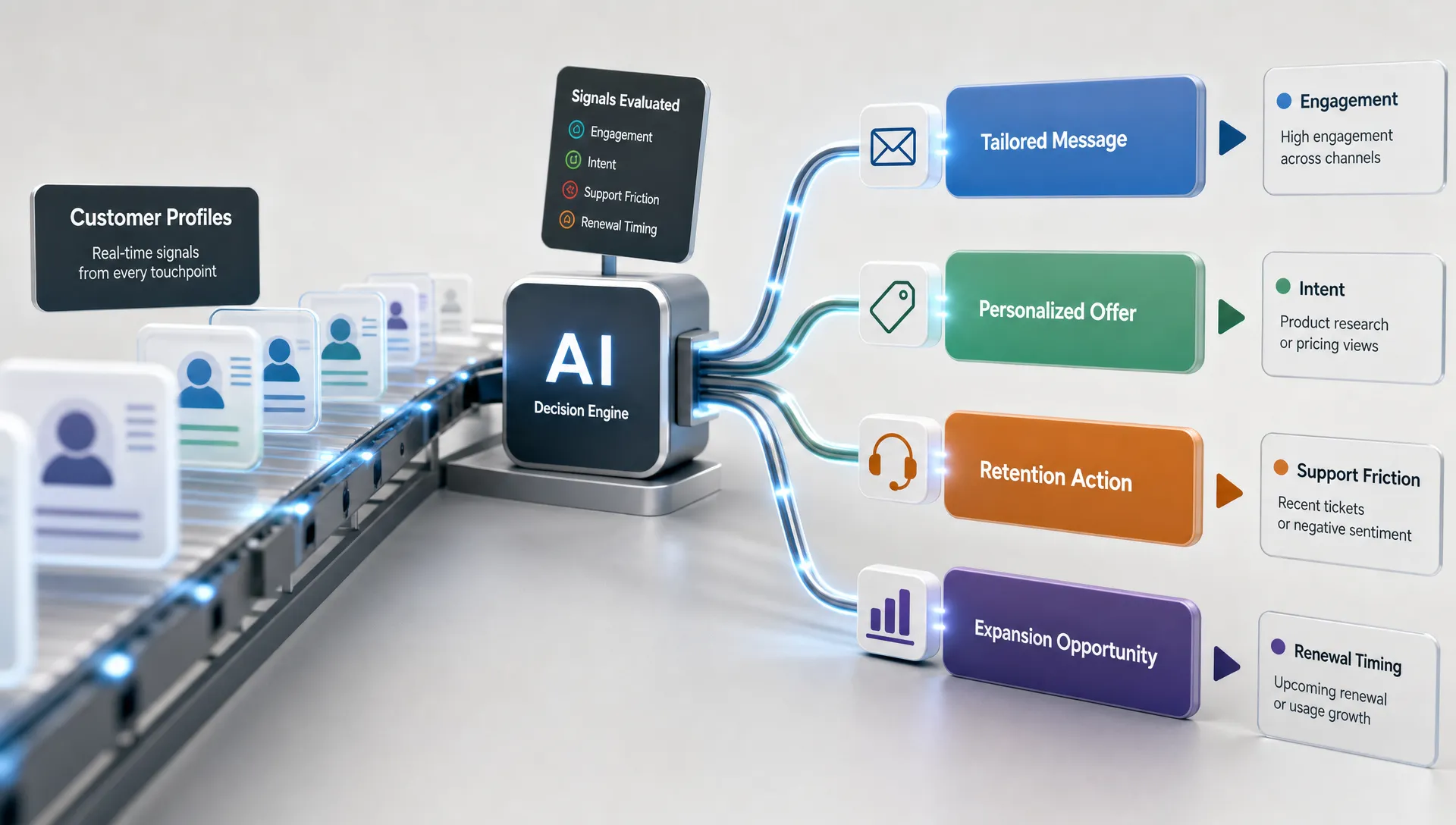
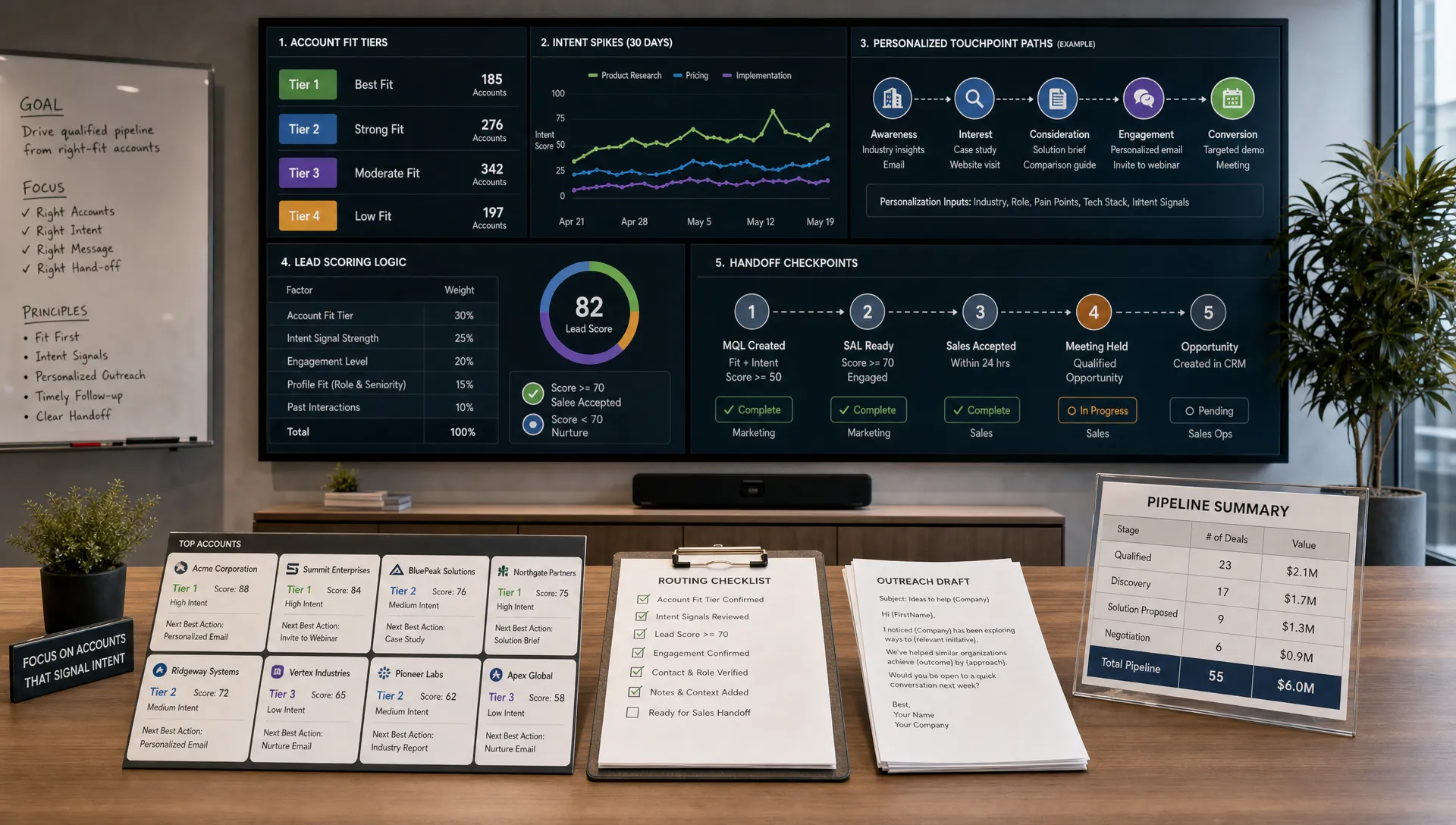
Content engagement becomes more valuable when it is connected to follow-up. If a prospect reads three pricing-related articles, downloads an implementation checklist, and returns to a comparison page, that behavior should influence sales or nurture priorities.
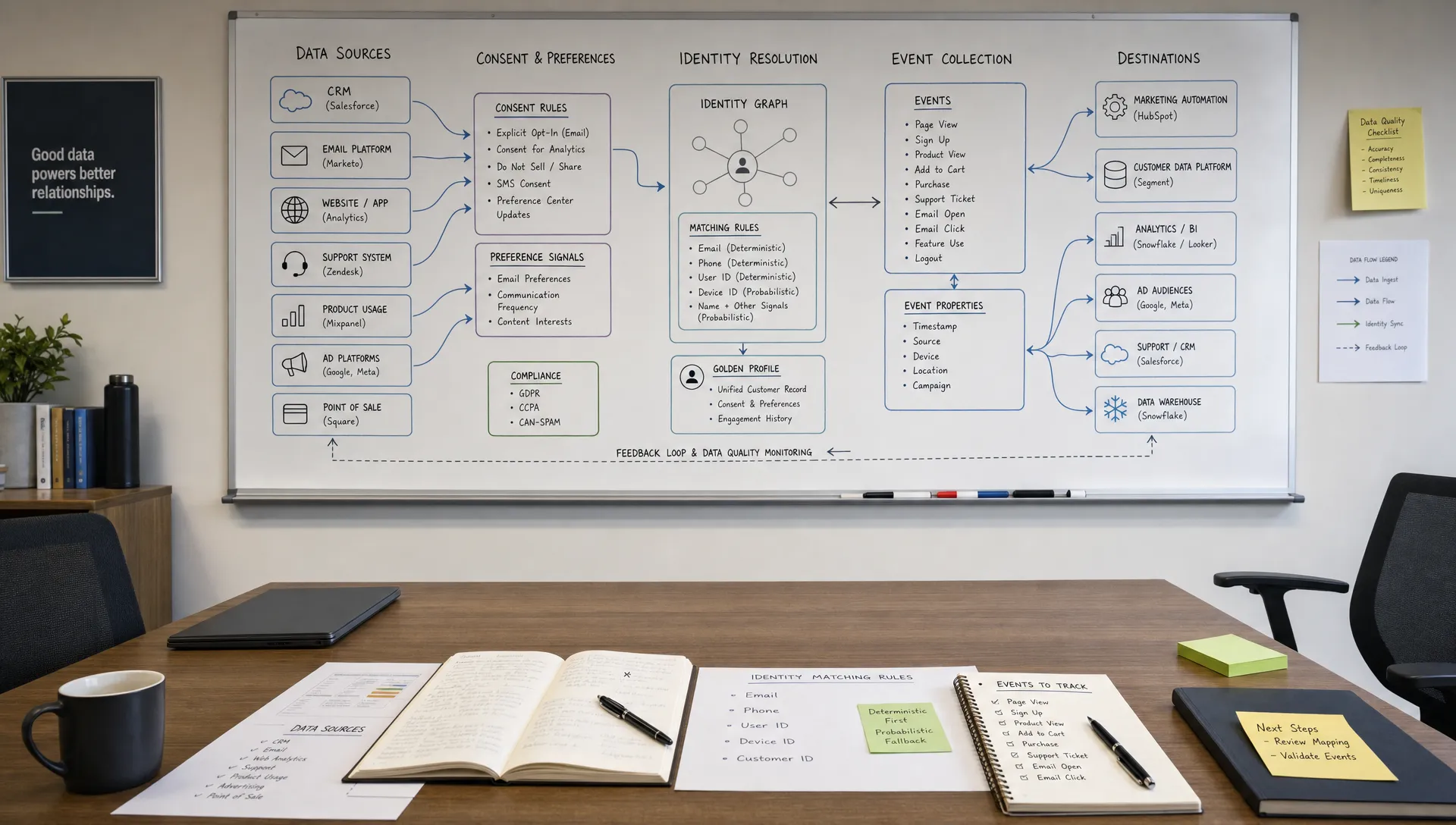
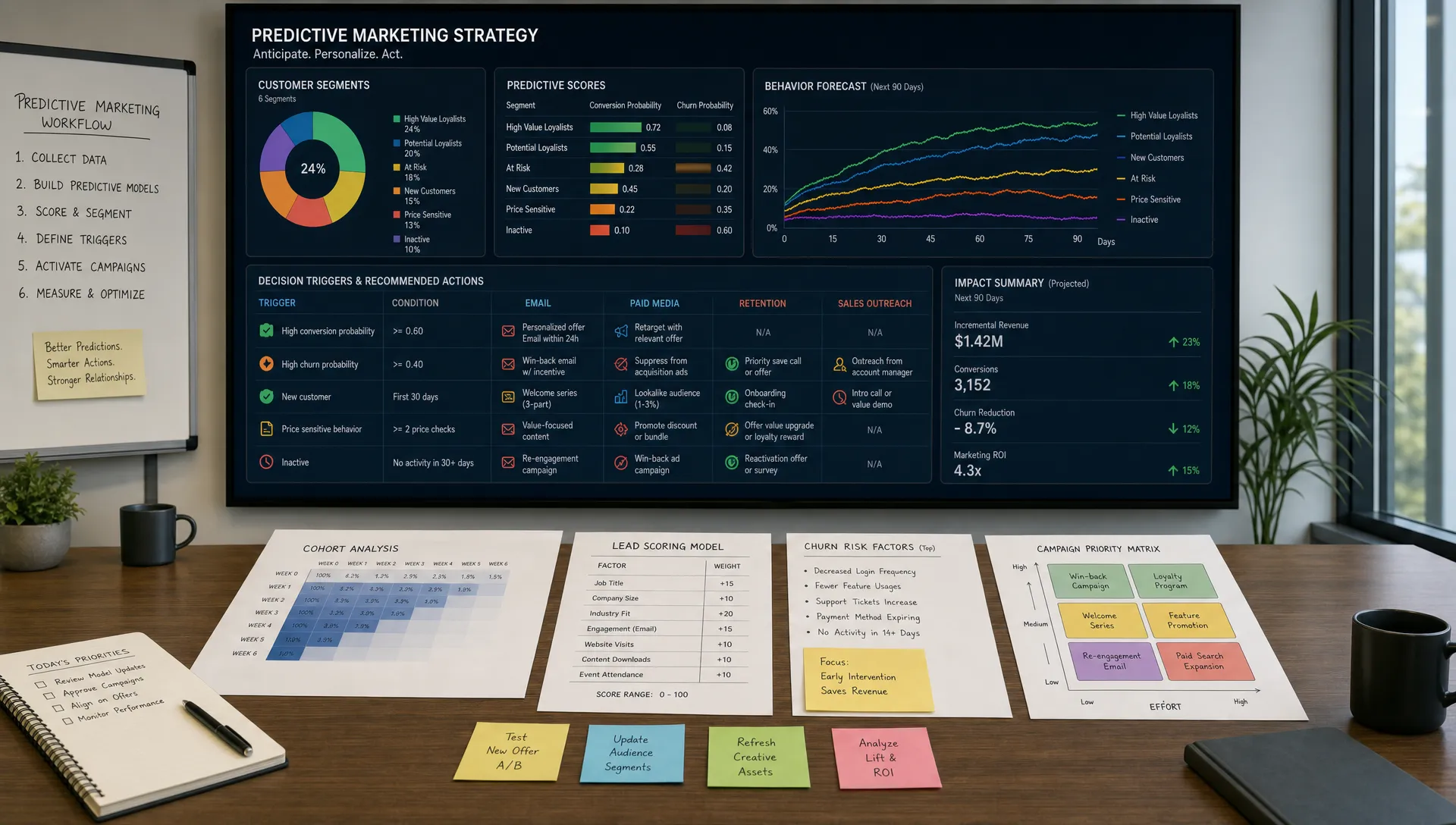
AI can help identify patterns that suggest buying intent. It can score engagement by topic, stage, account fit, recency, and intensity. It can also help summarize what a prospect or account appears to care about, which makes outreach more relevant.
This is also where relationship data can make content-driven lead generation stronger. When a target account engages with your content, warm paths into that account may matter more than another cold email. Tools like AI-powered referral intelligence can help teams analyze existing networks for warm introduction opportunities, which can turn content engagement into more credible sales conversations.
The takeaway is that content should not live in a silo. The highest value comes when marketing signals, sales context, and relationship intelligence work together.
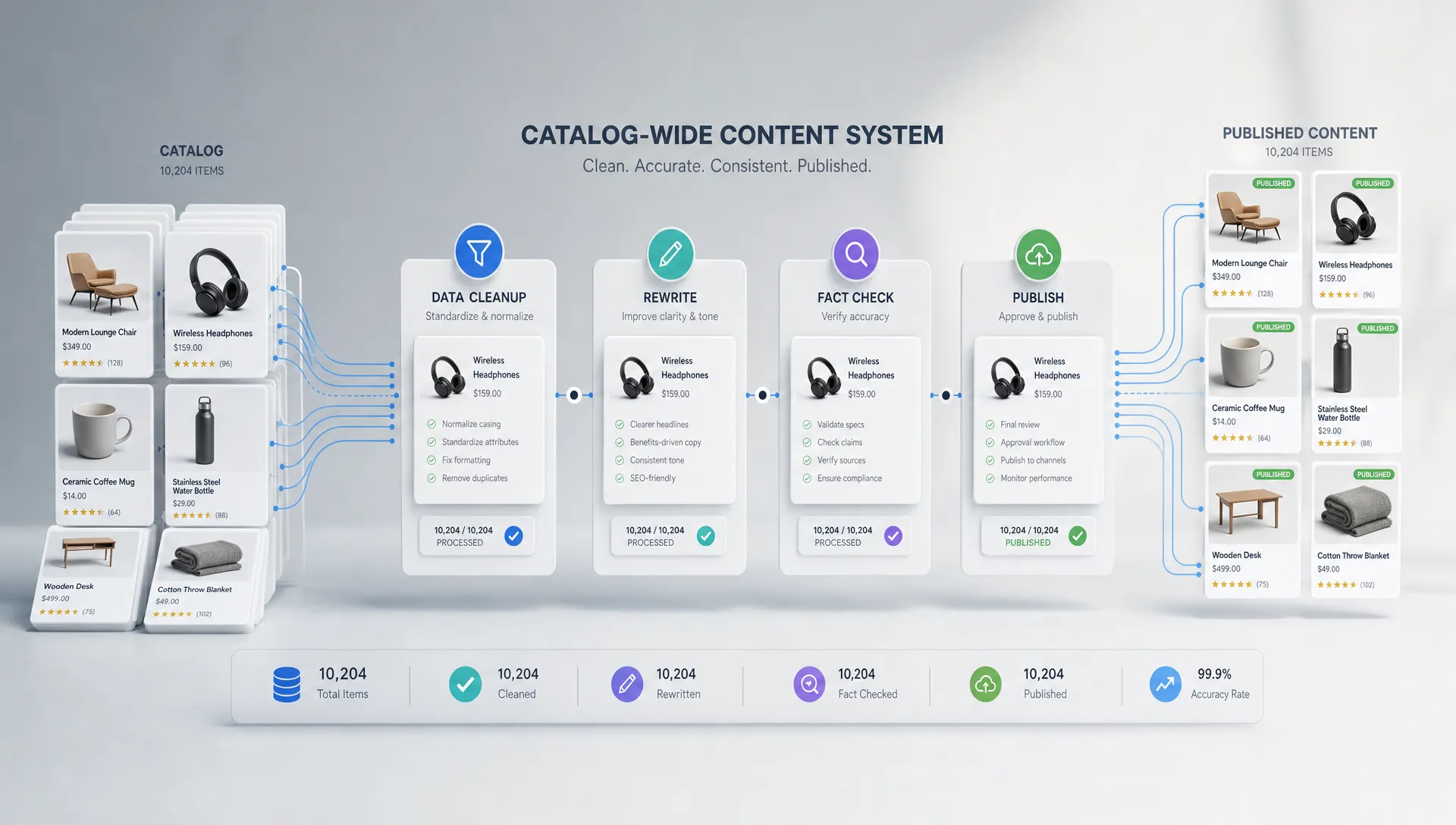
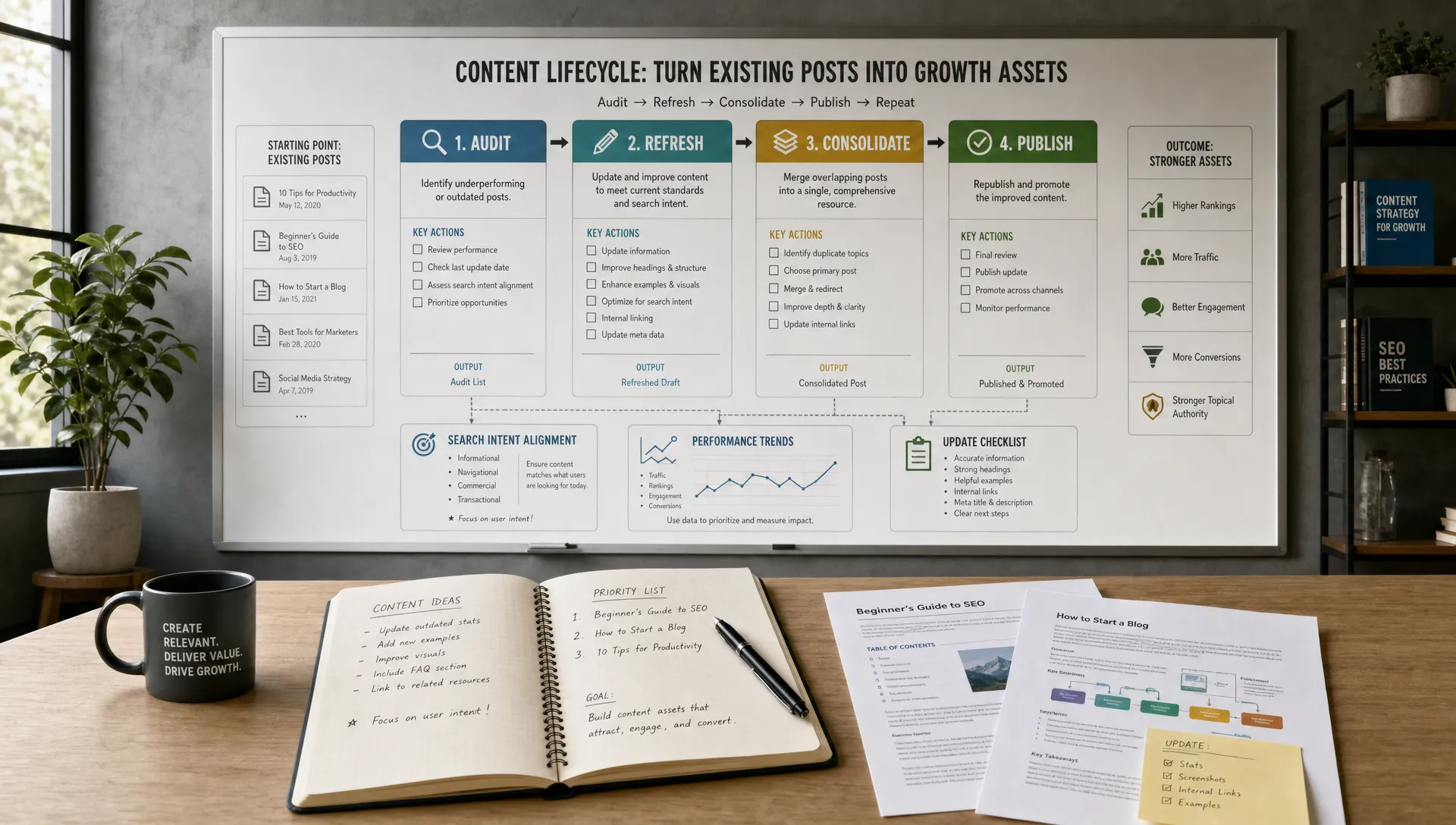
Publishing new content is not always the fastest path to more leads. Many teams already have pages that rank, get shared, or receive qualified traffic, but those pages are outdated, thin, poorly converted, or misaligned with buyer intent.
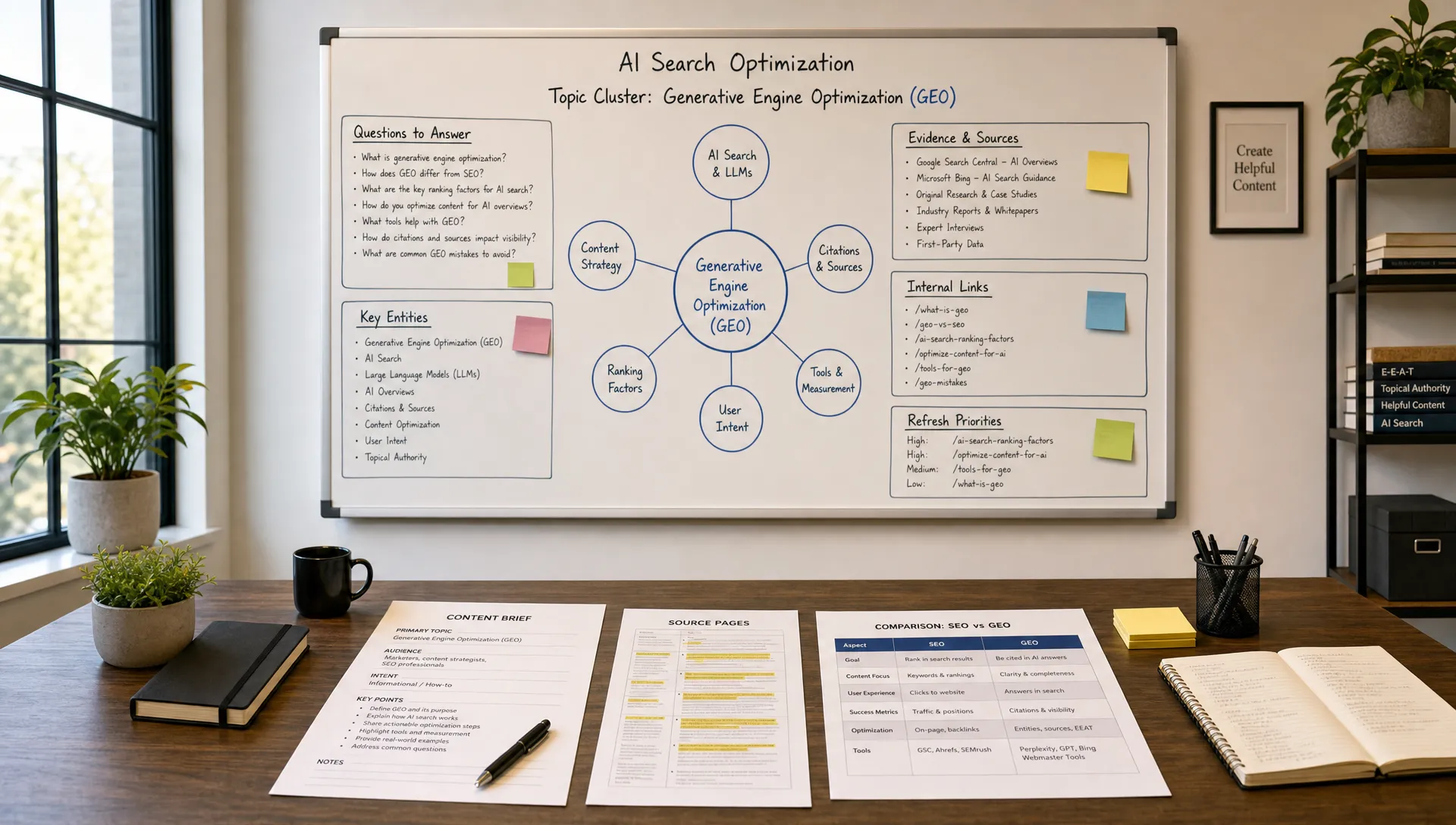
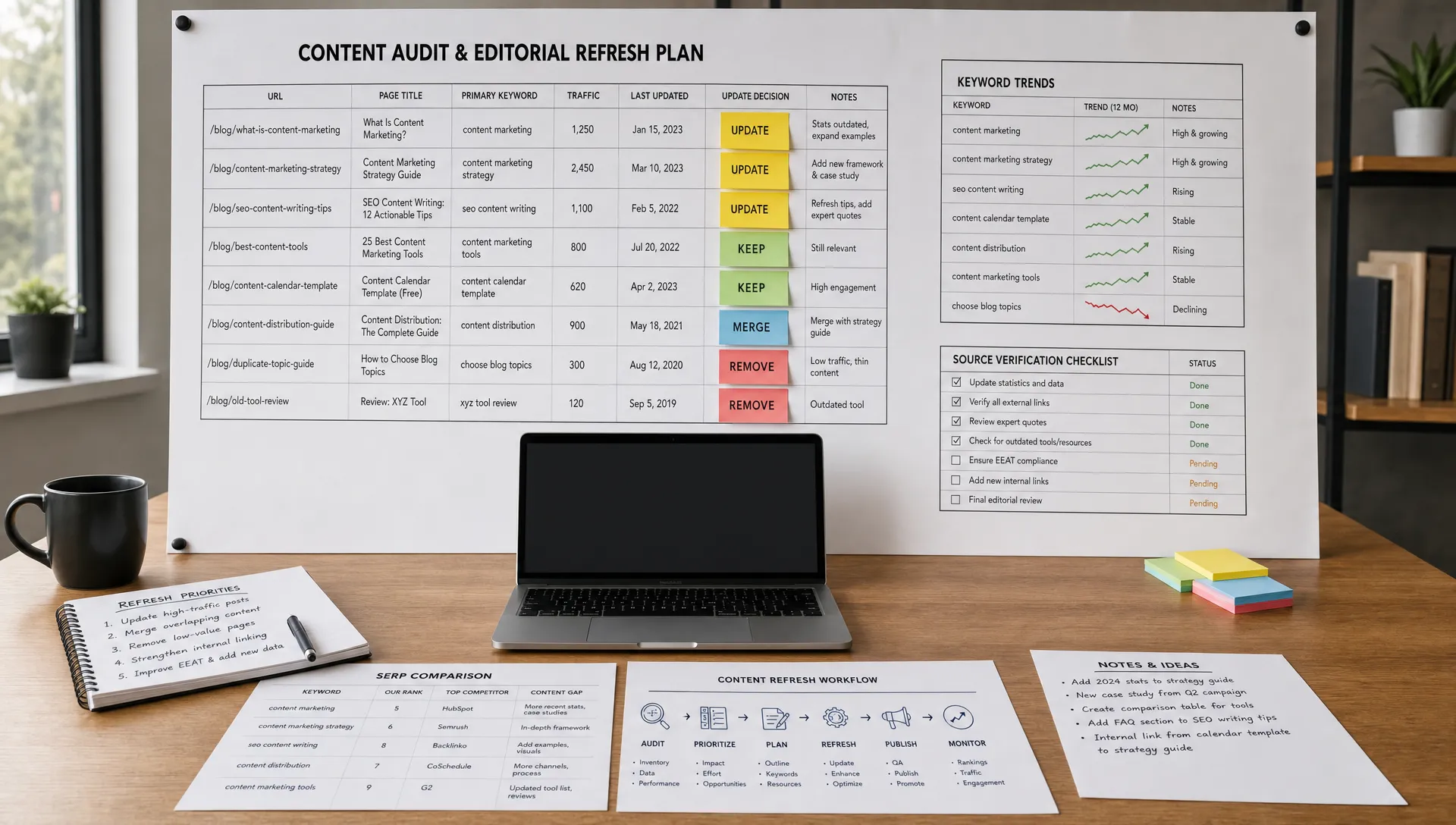
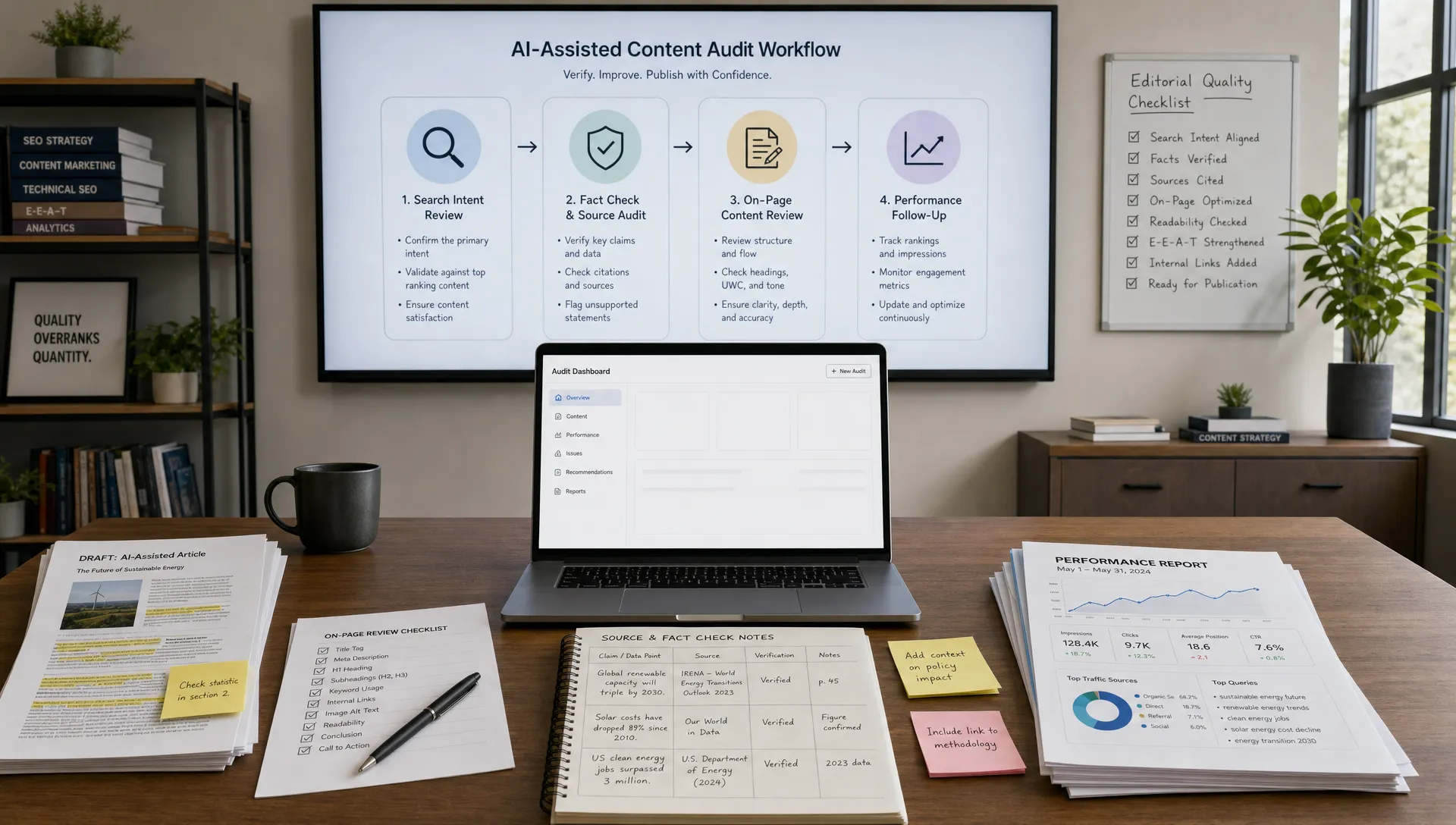
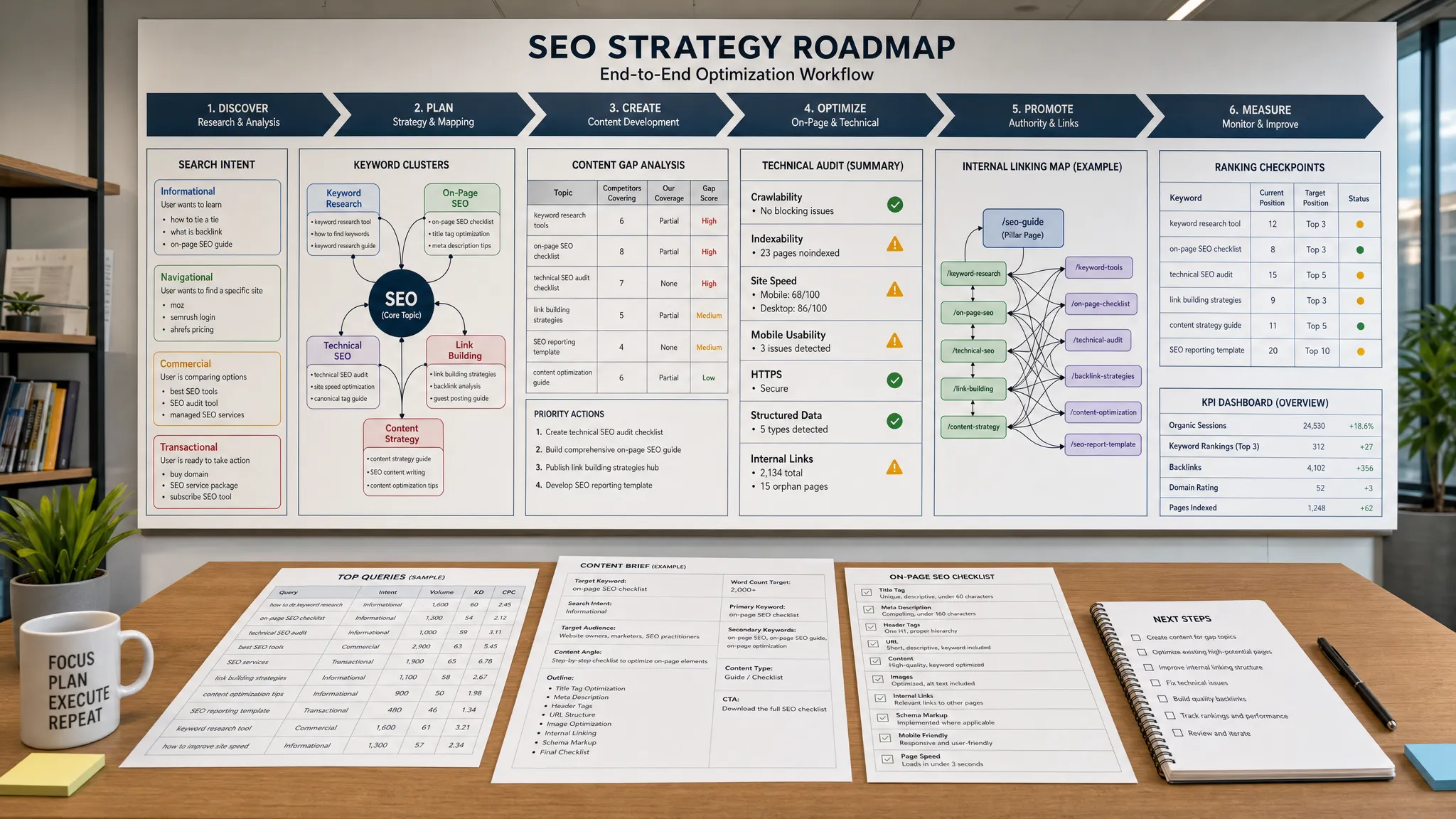
AI can help audit your content library. Use it to categorize pages by funnel stage, identify missing CTAs, find outdated claims, detect overlapping topics, and suggest internal linking opportunities. It can also compare a page against current search intent and recommend sections that would make the content more useful.
Focus first on pages with existing traffic or strategic value. Updating a page that already attracts the right audience can produce faster lead gains than creating a brand-new article from scratch.
When refreshing content, do more than add keywords. Improve the substance. Add examples, clarify positioning, answer objections, include decision tools, strengthen proof, and align the CTA with the reader’s next logical step.
AI can accelerate content production, but lead generation depends on trust. Buyers can sense generic advice. In regulated or high-stakes industries, weak content can create risk as well as poor performance.
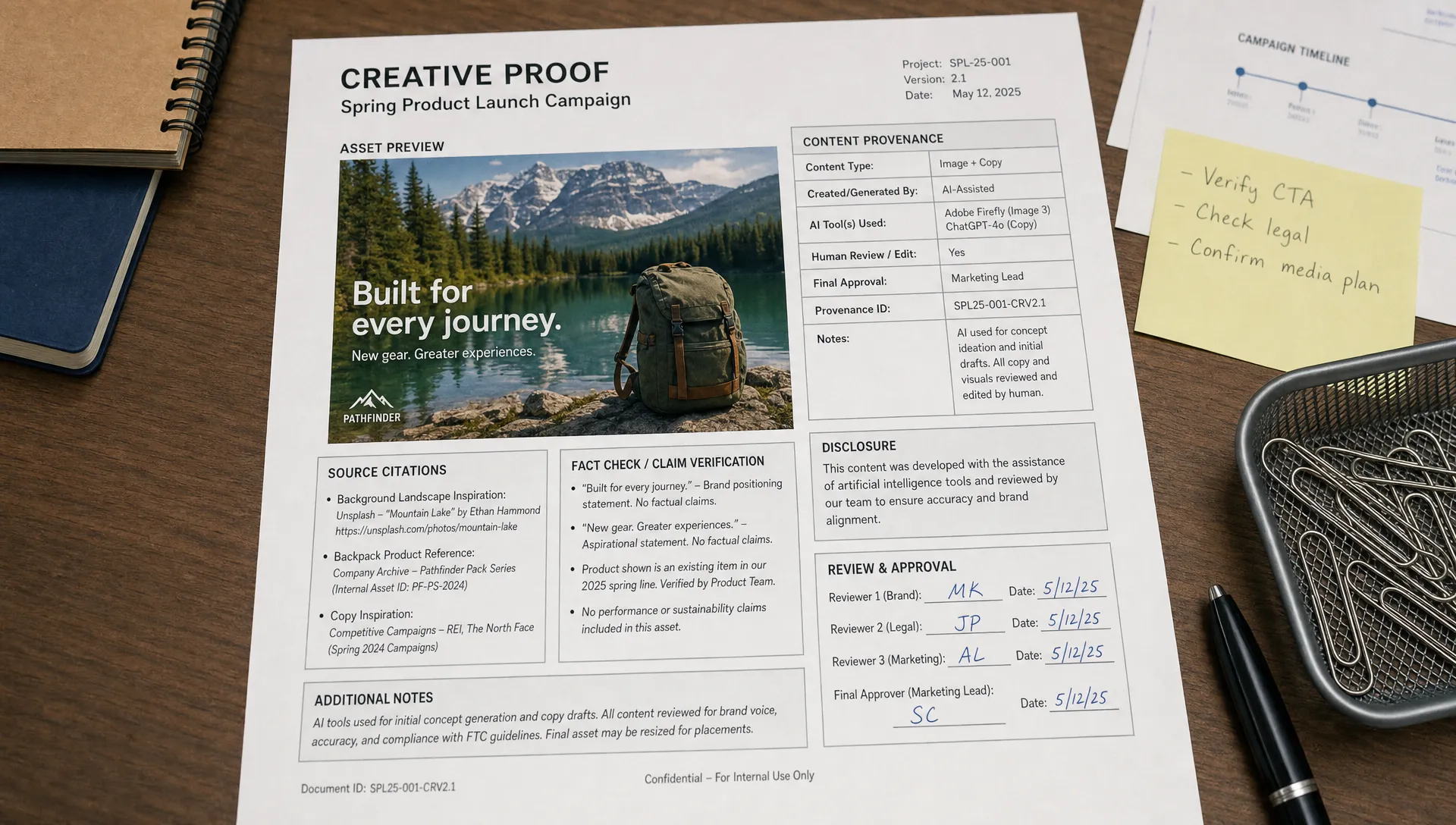
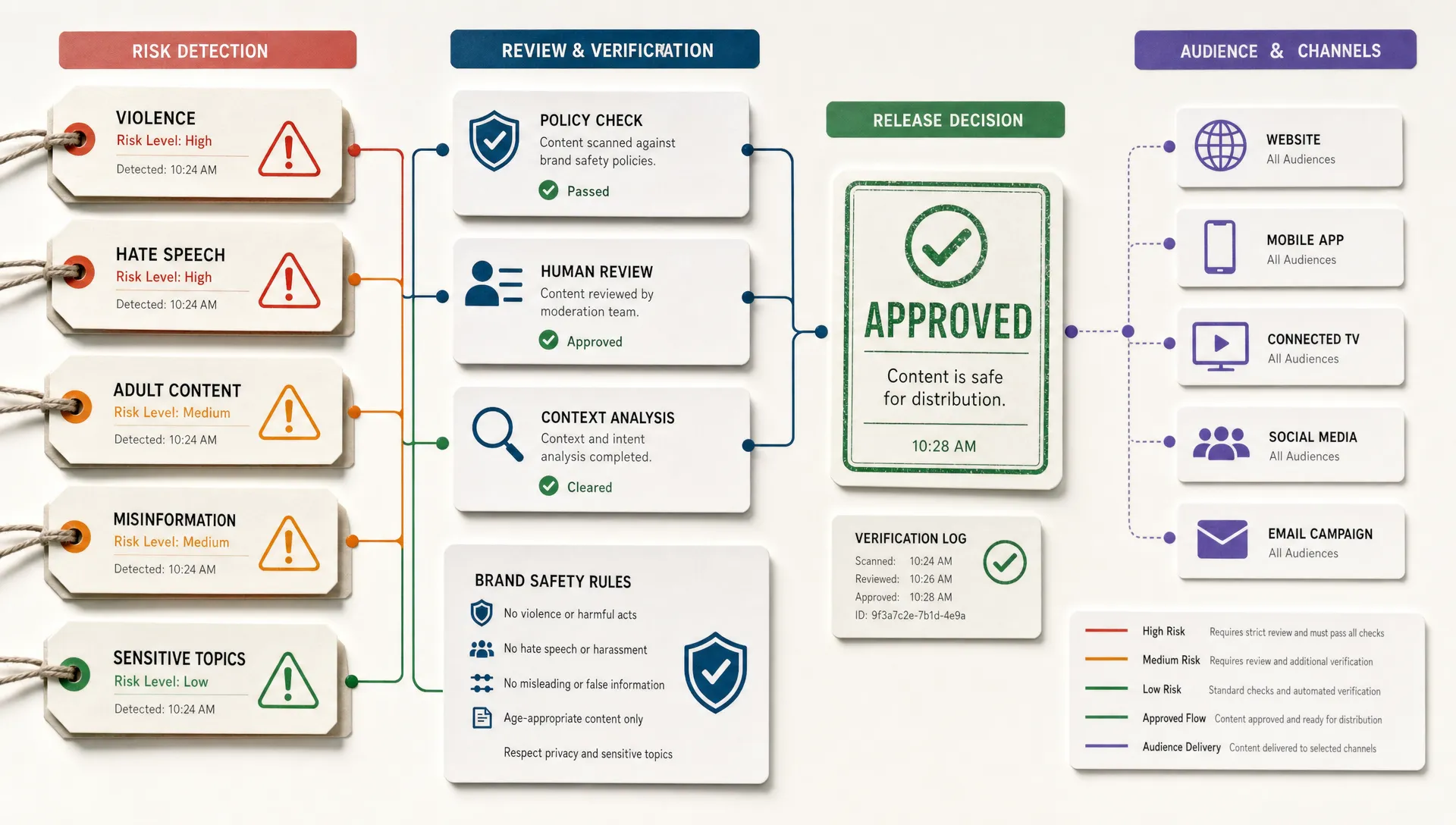
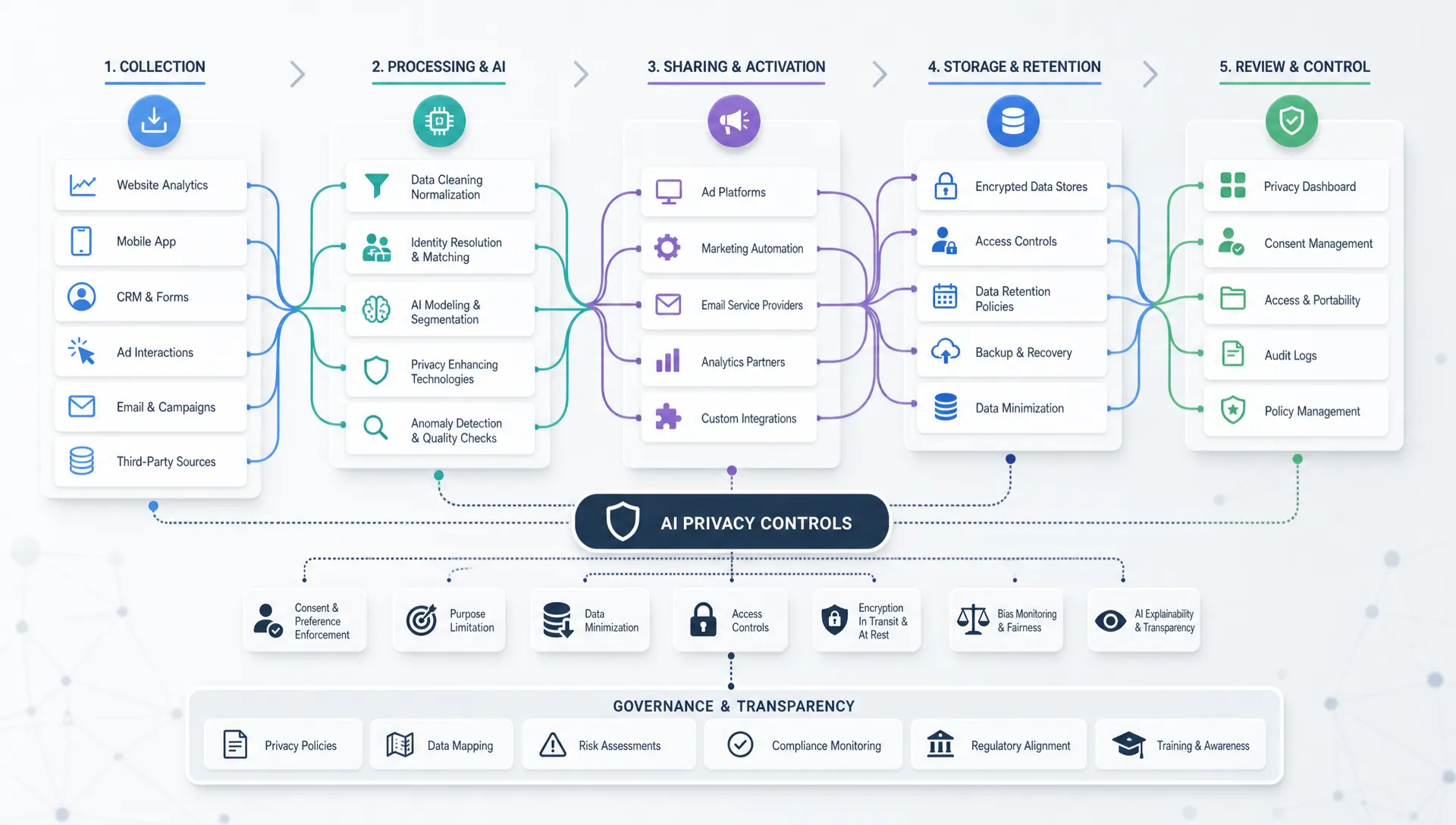
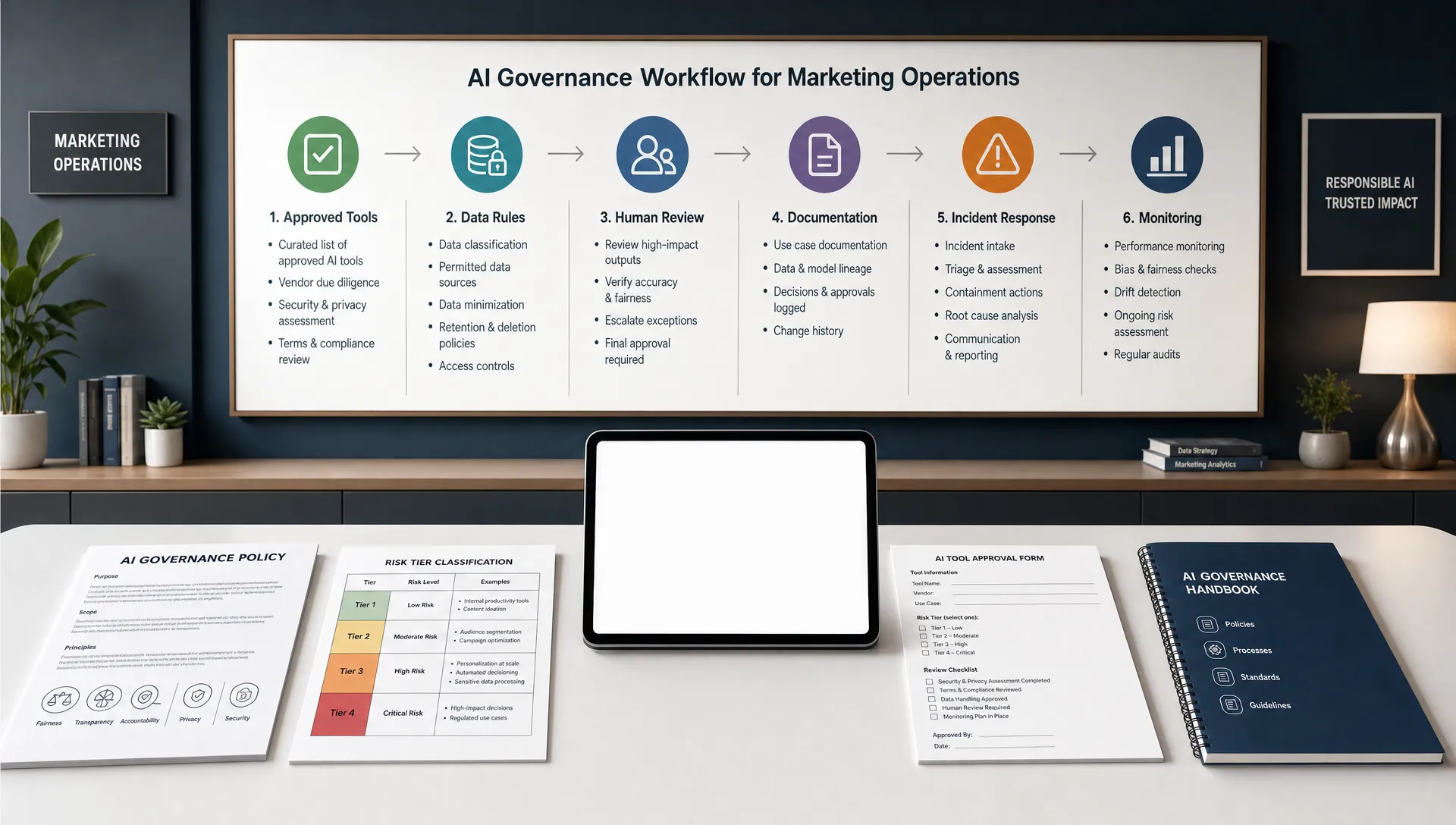
Human review is essential for accuracy, nuance, and credibility. Subject matter experts should validate claims. Marketers should refine positioning. Legal or compliance teams should review sensitive content when needed, especially in finance, legal, healthcare, and other regulated categories.
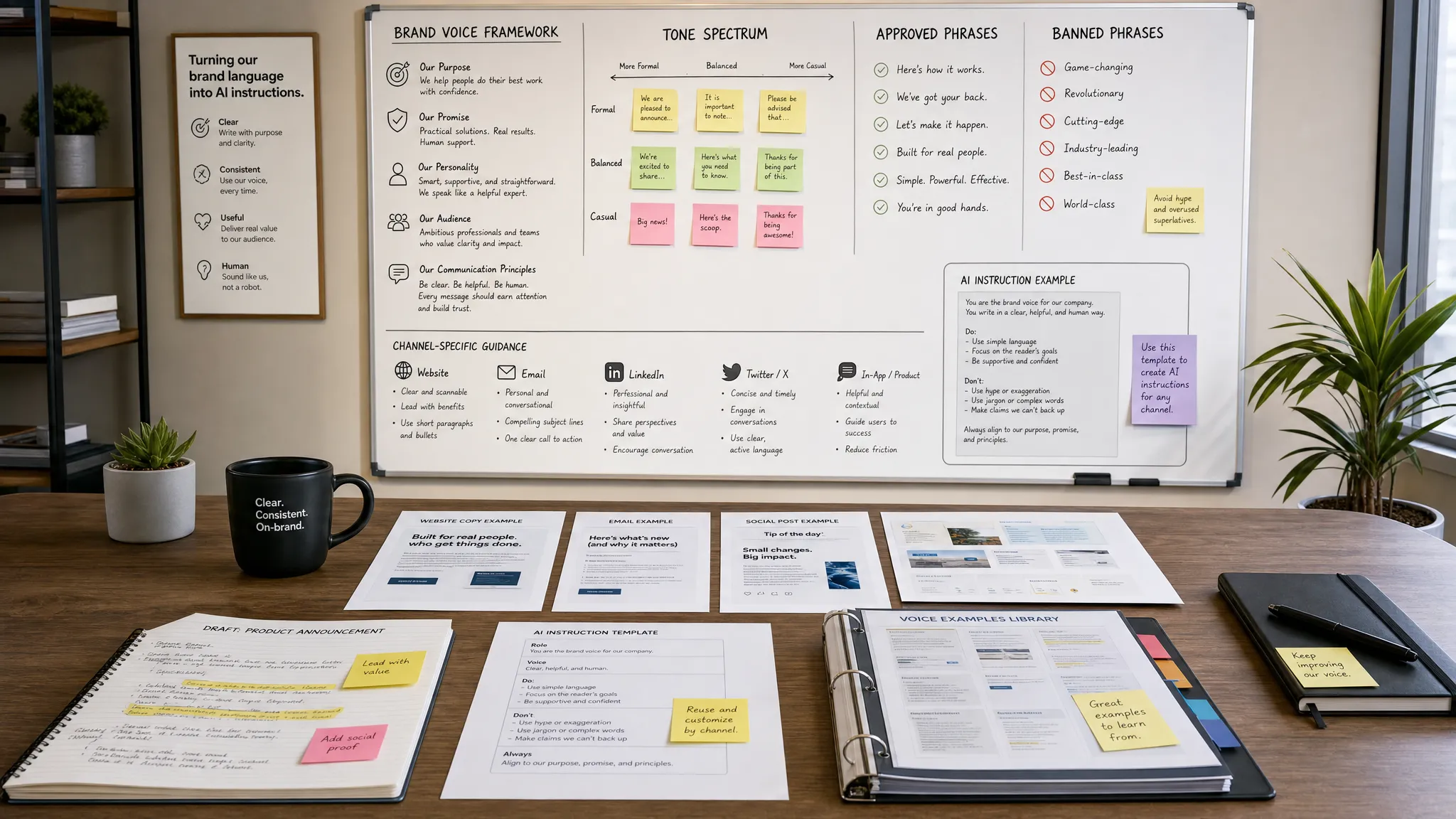
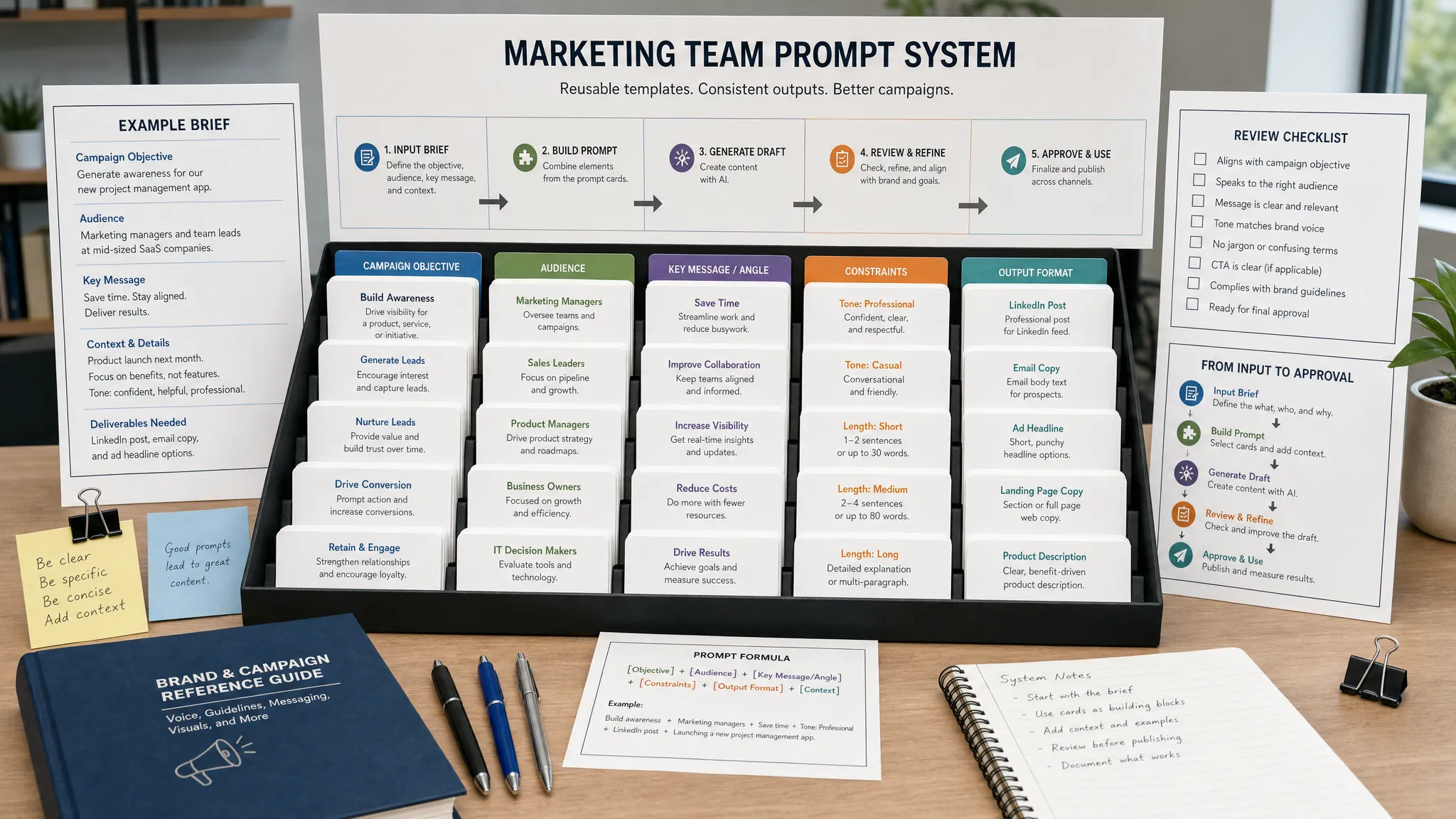
Brand voice also needs active management. Give AI examples of approved content, messaging pillars, tone guidance, banned phrases, audience context, and preferred formatting. Then evaluate outputs against those standards.
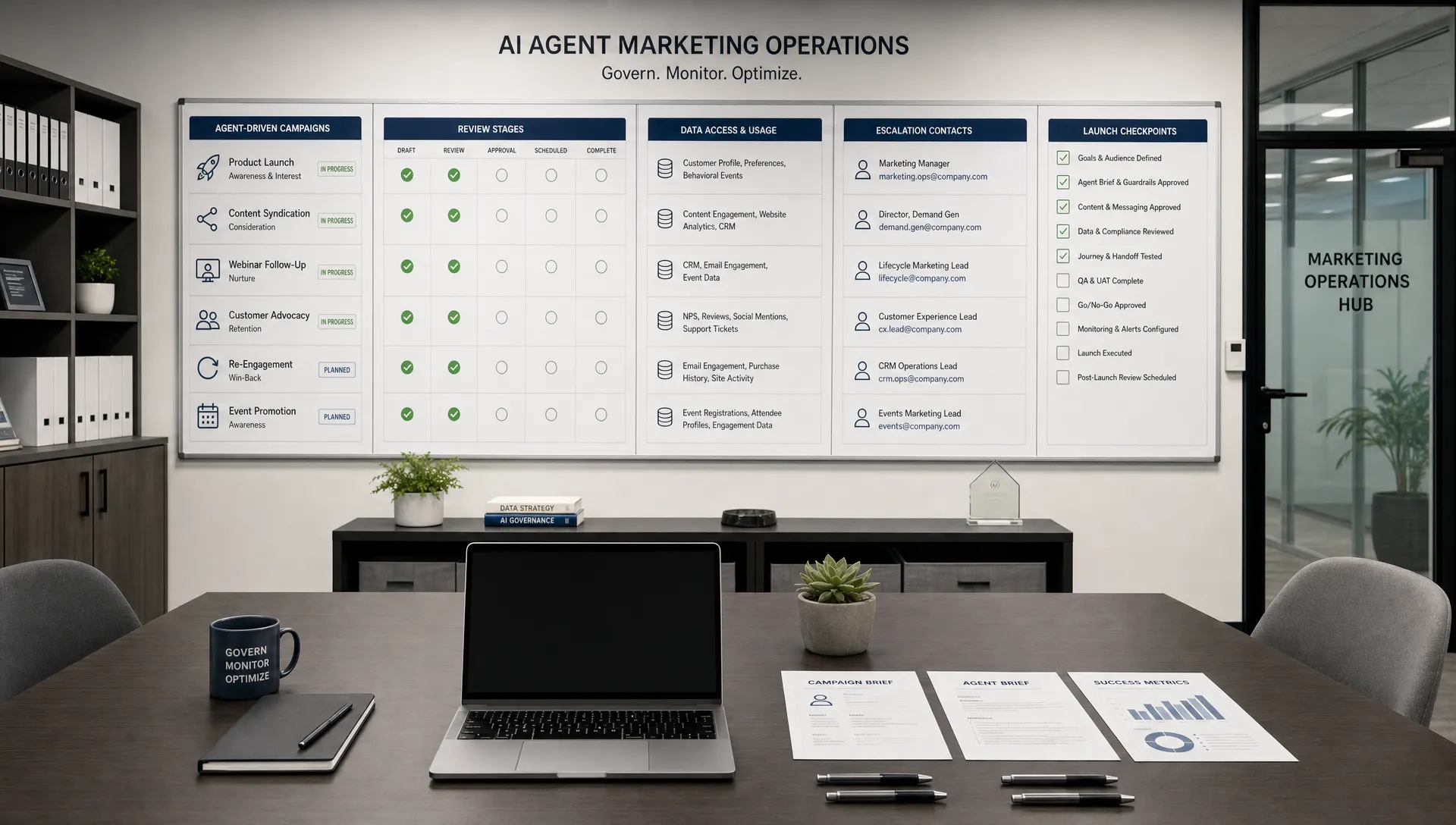
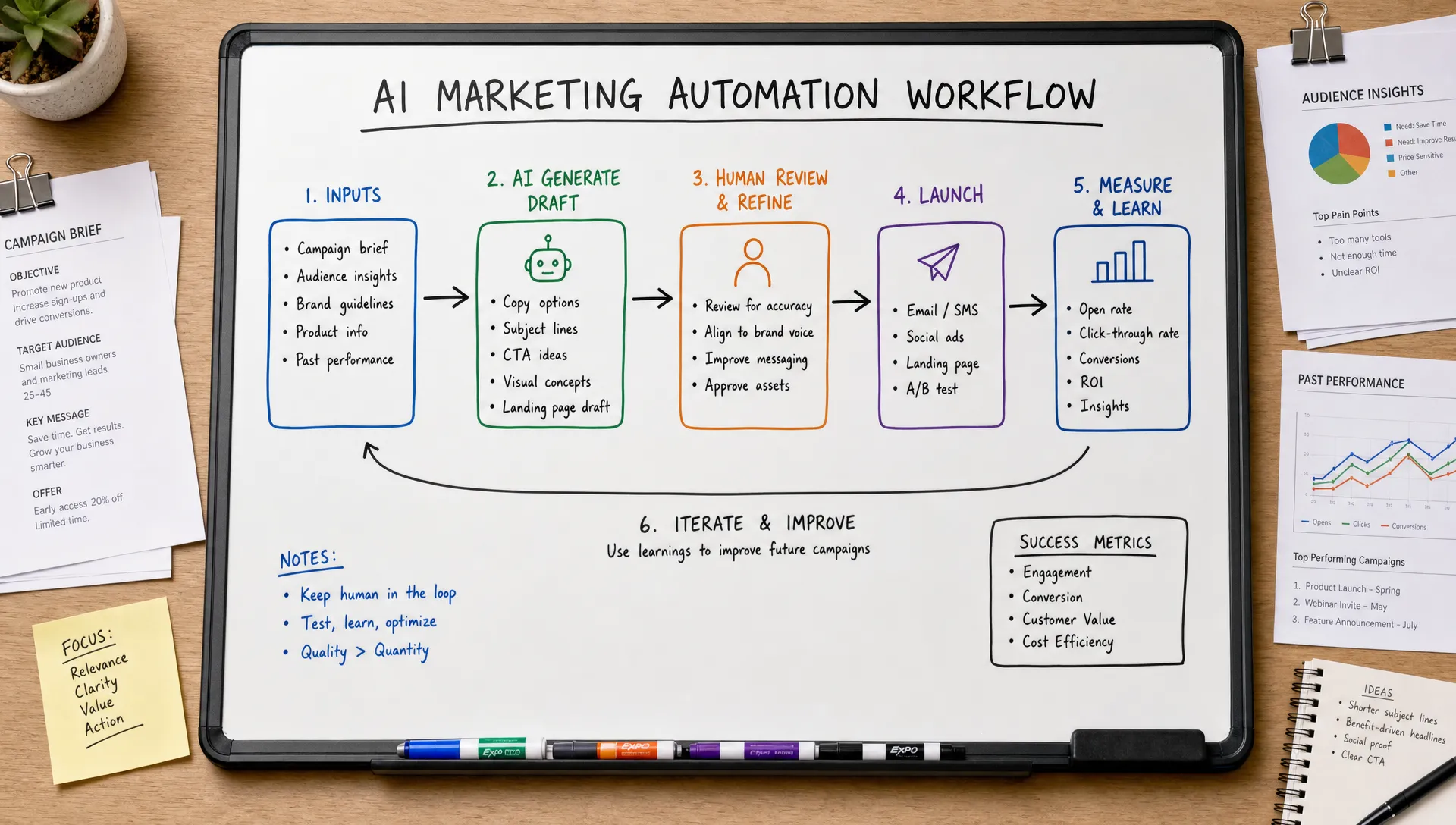
A practical workflow is to let AI handle structure, variants, summaries, and first drafts, while humans own insight, judgment, proof, and final approval. That balance keeps speed from undermining quality.
If your AI content program is measured only by volume, it will optimize for volume. That is how teams end up with hundreds of average assets and very few qualified leads.
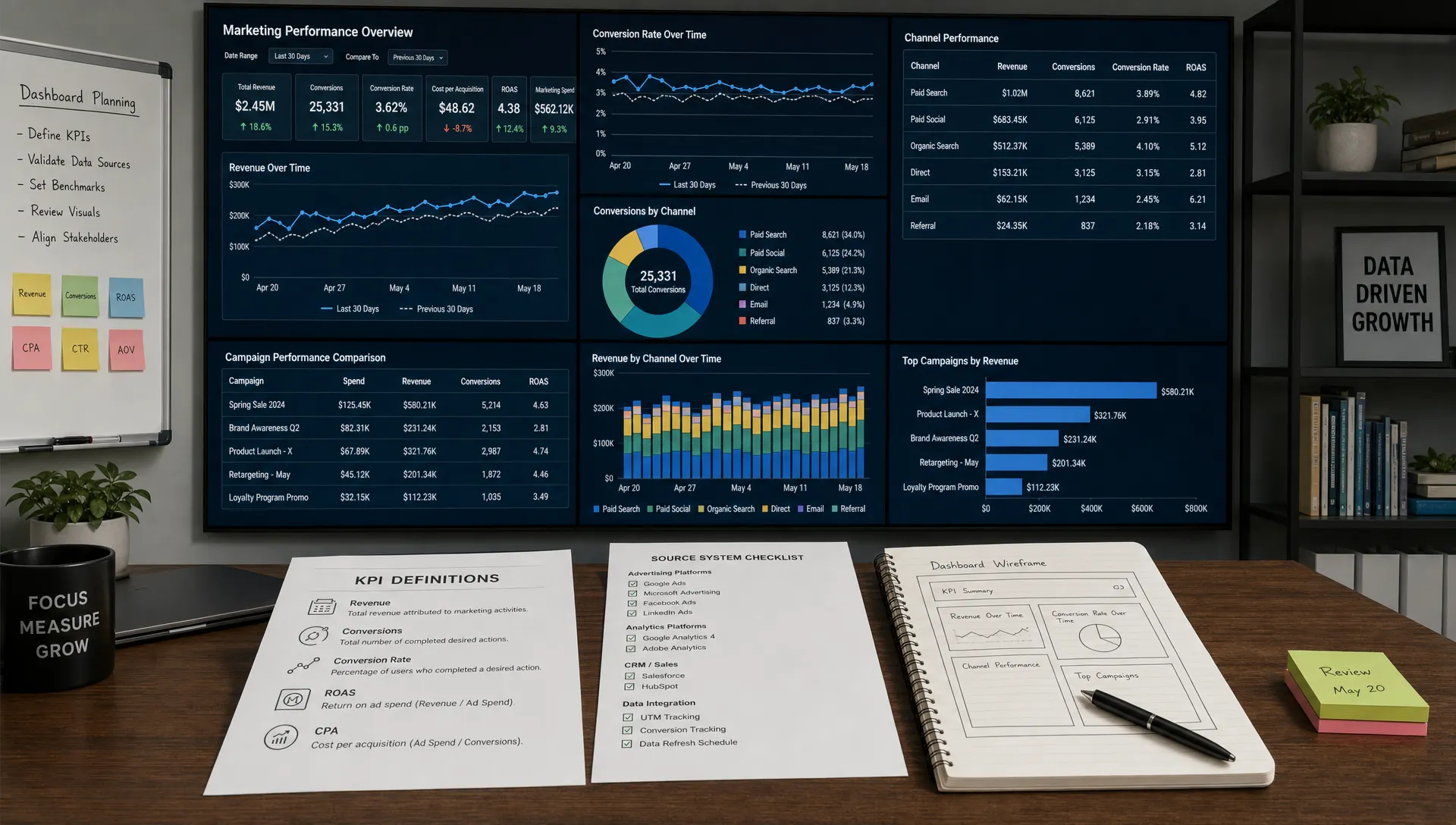
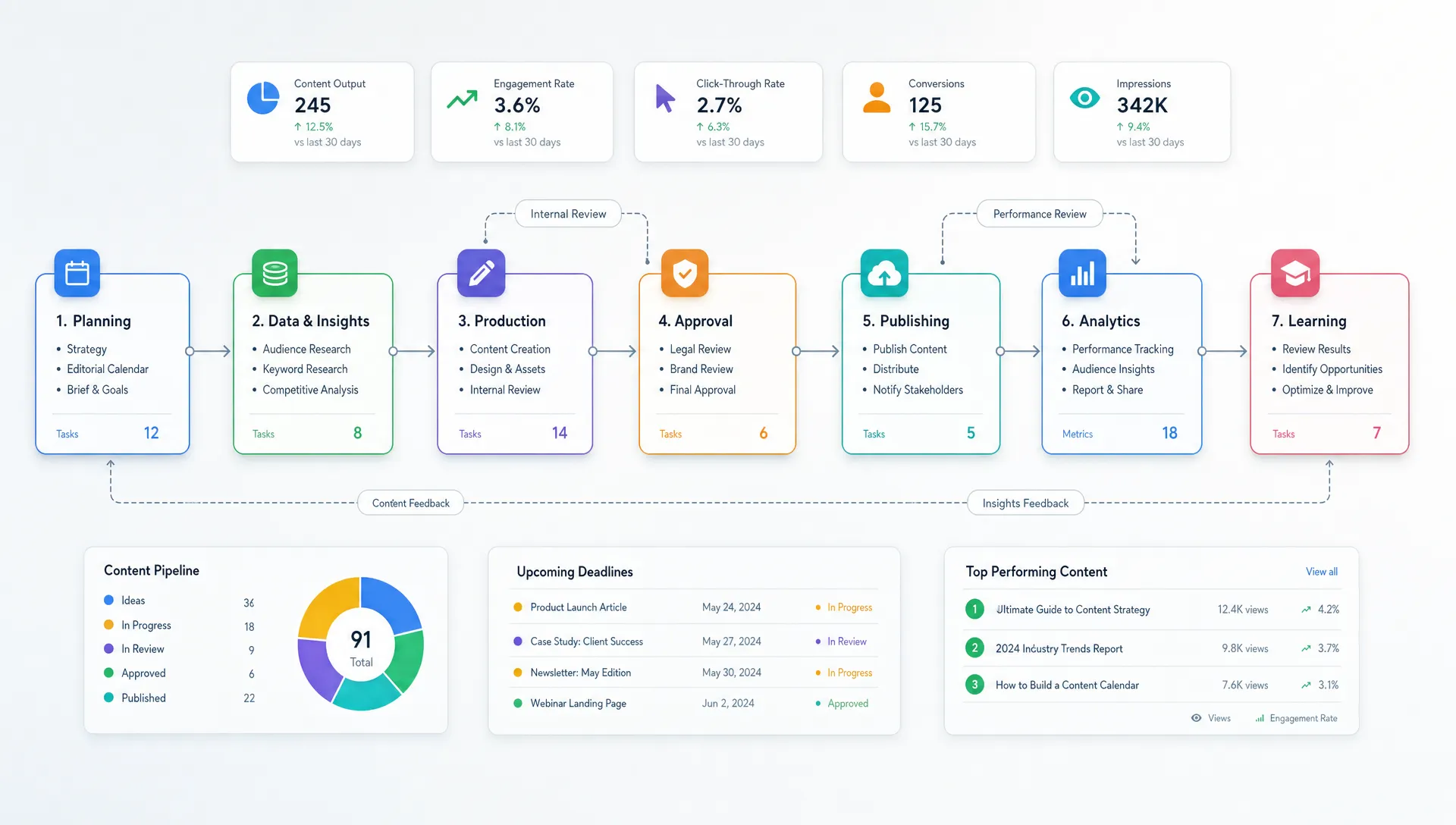
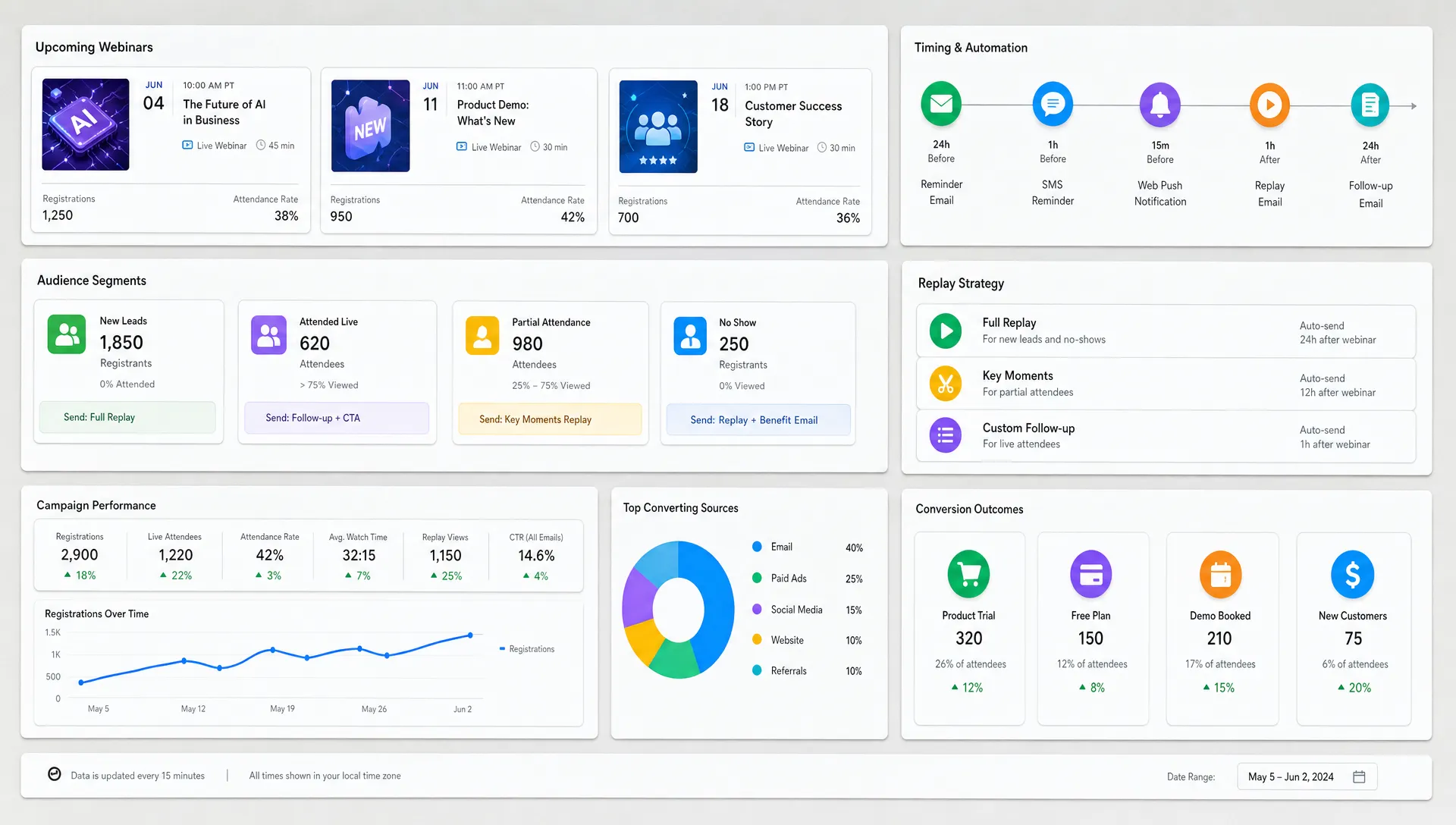
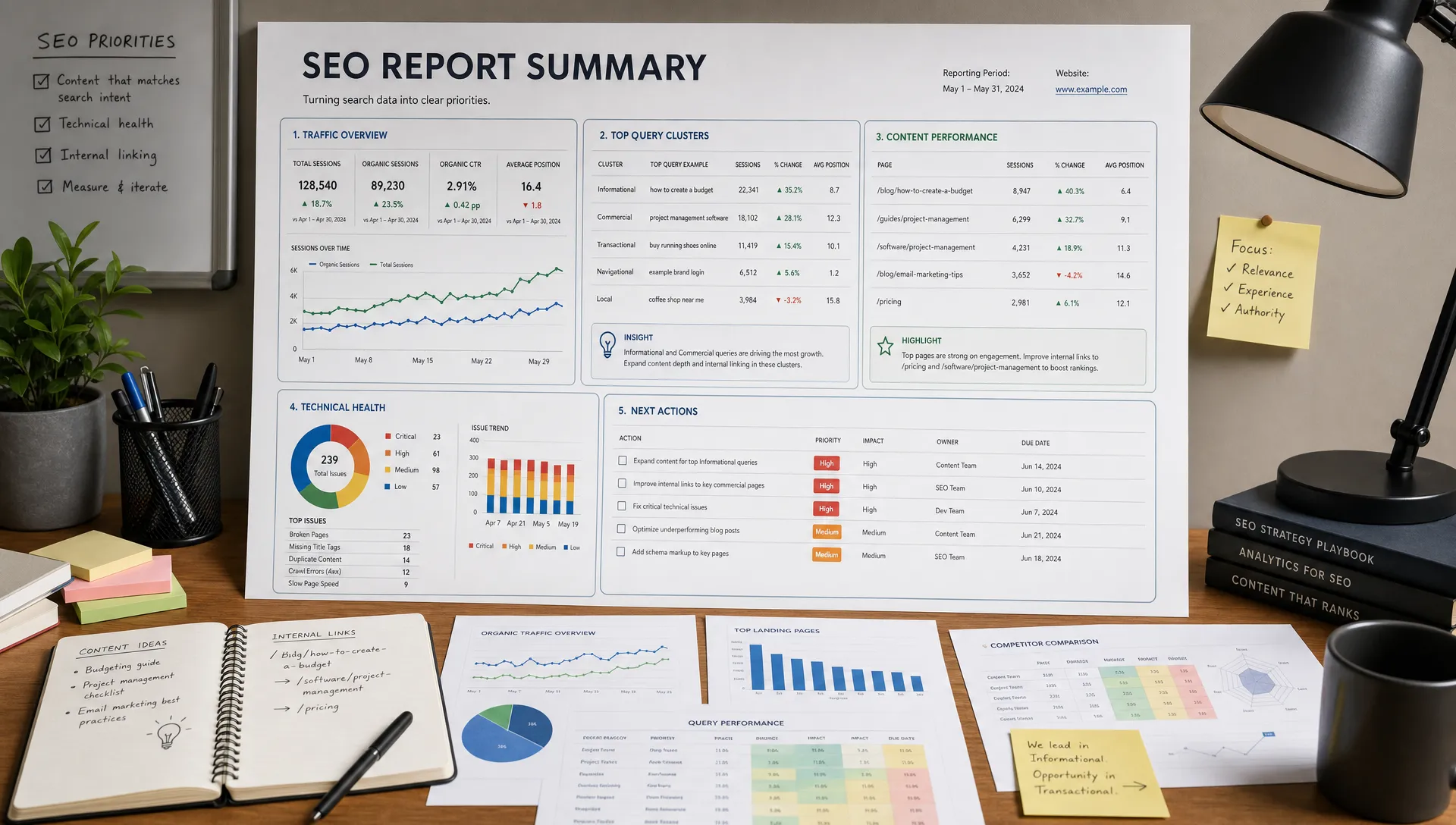
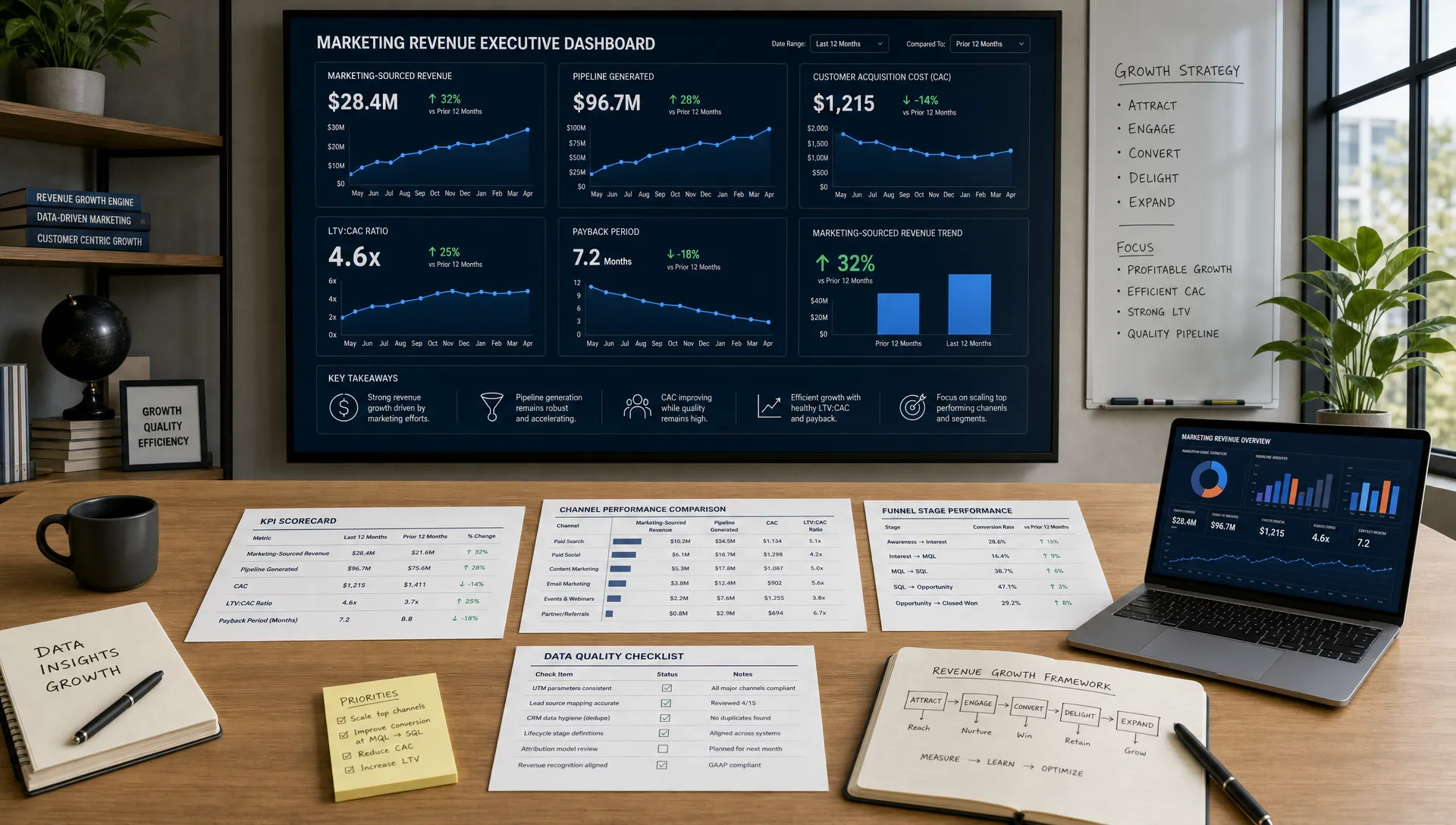
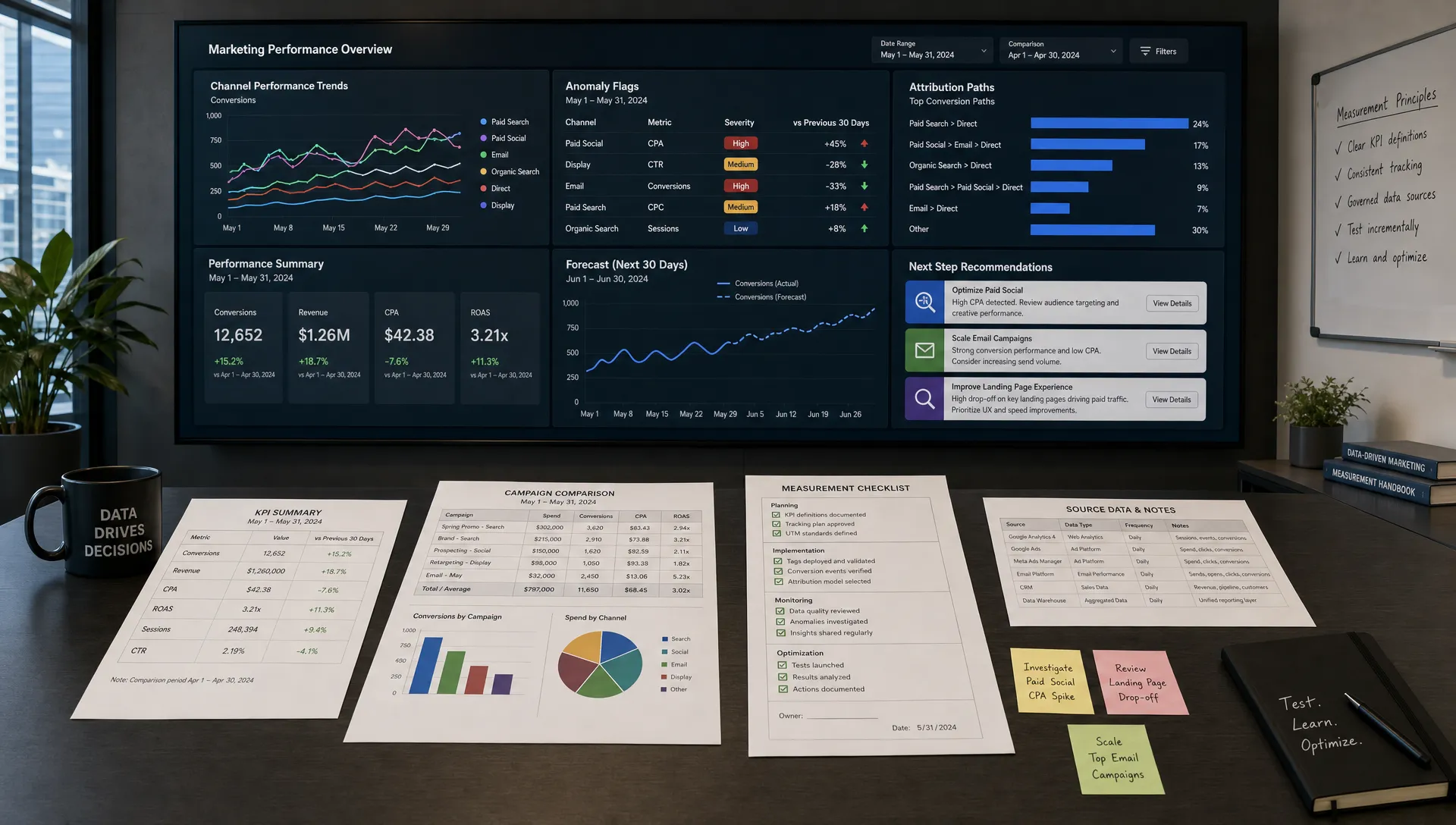
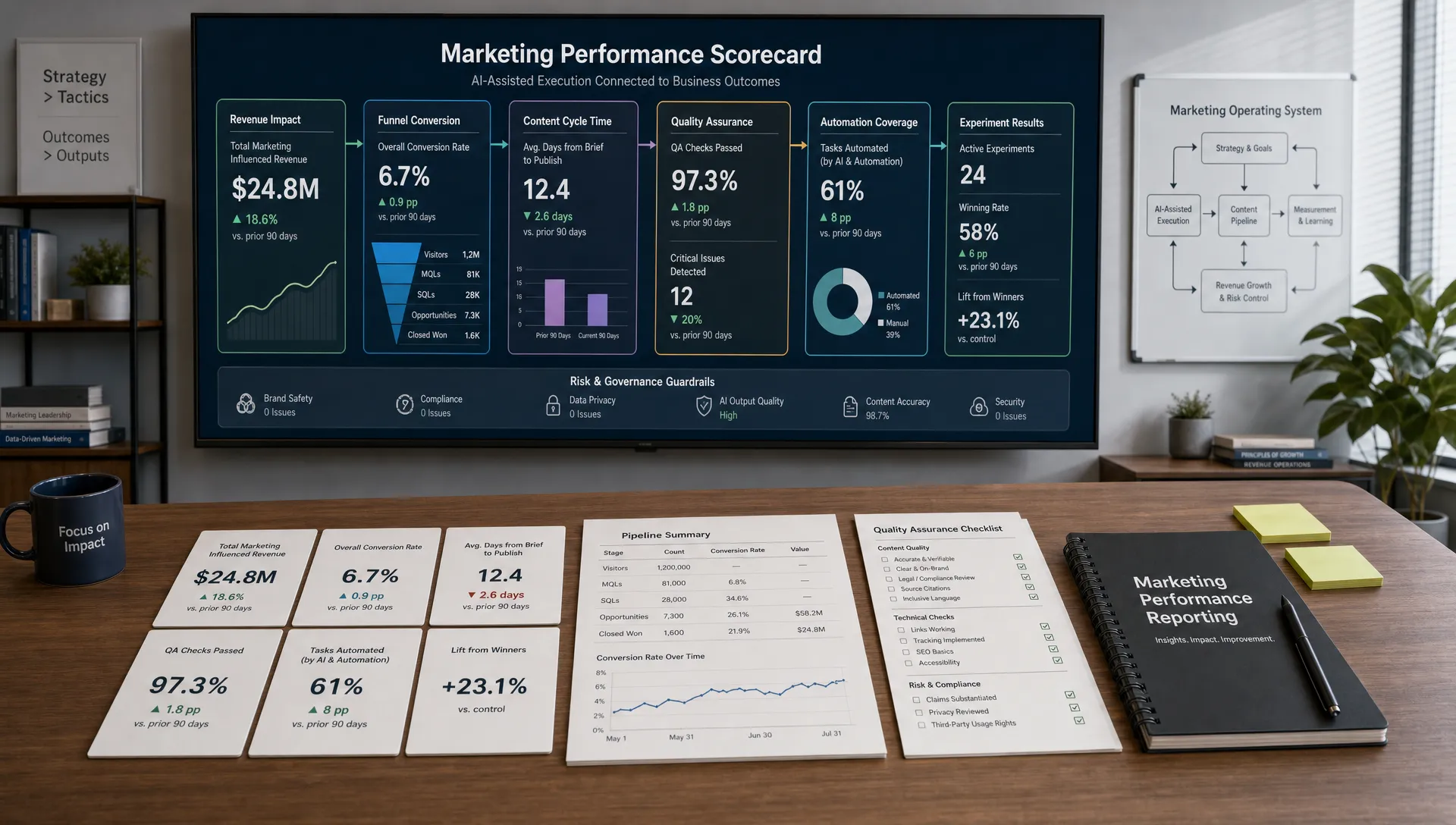
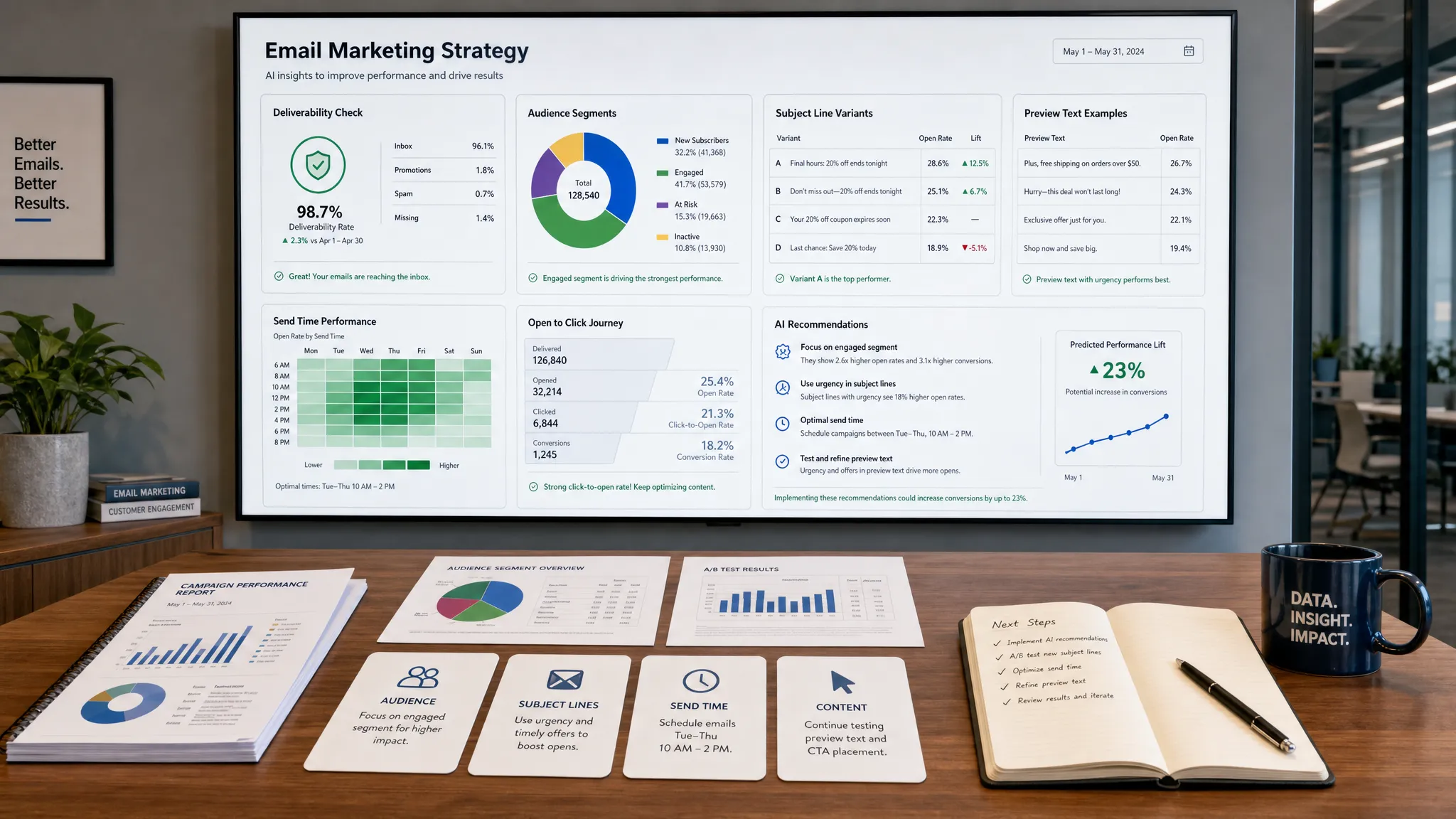
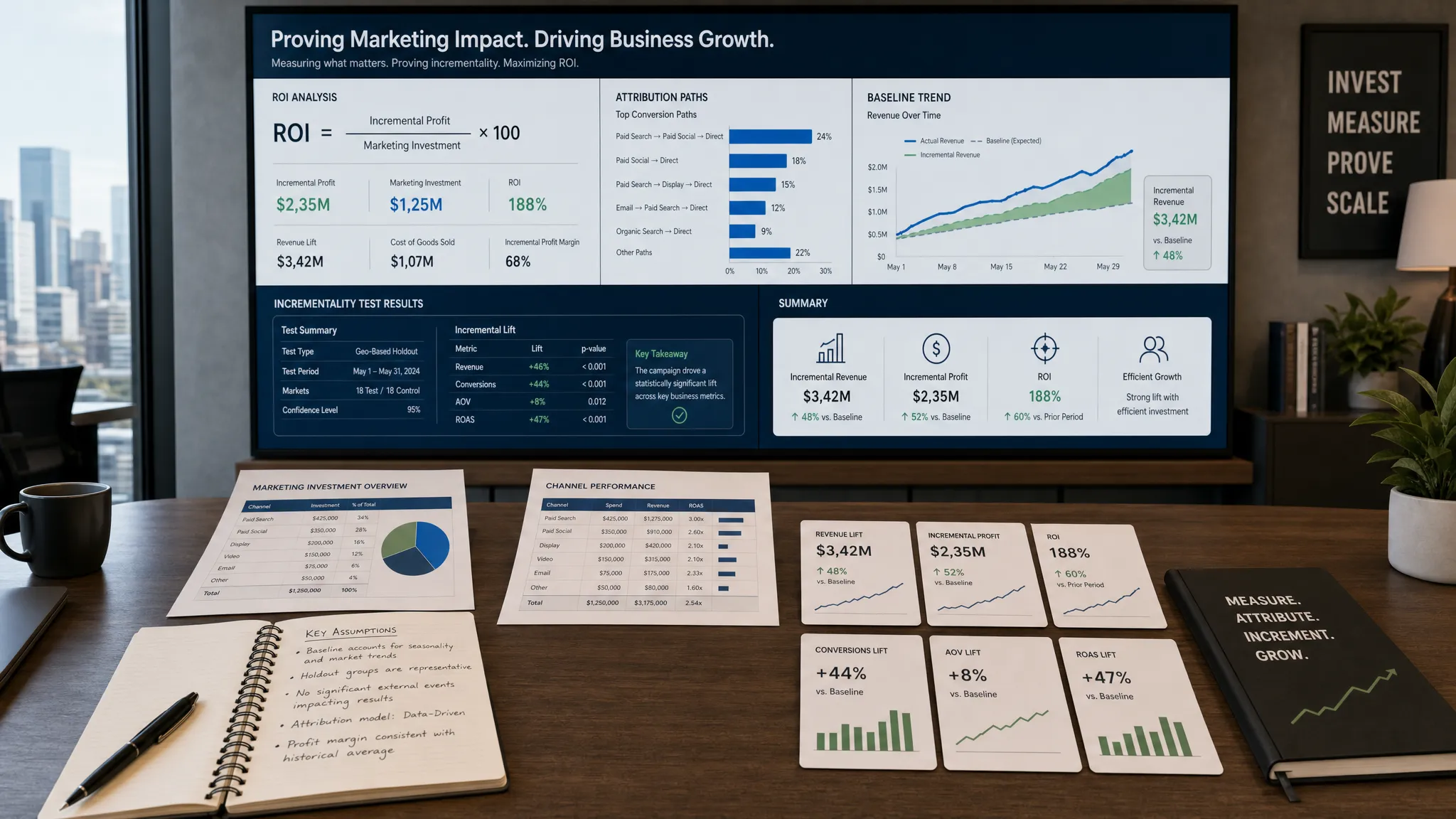
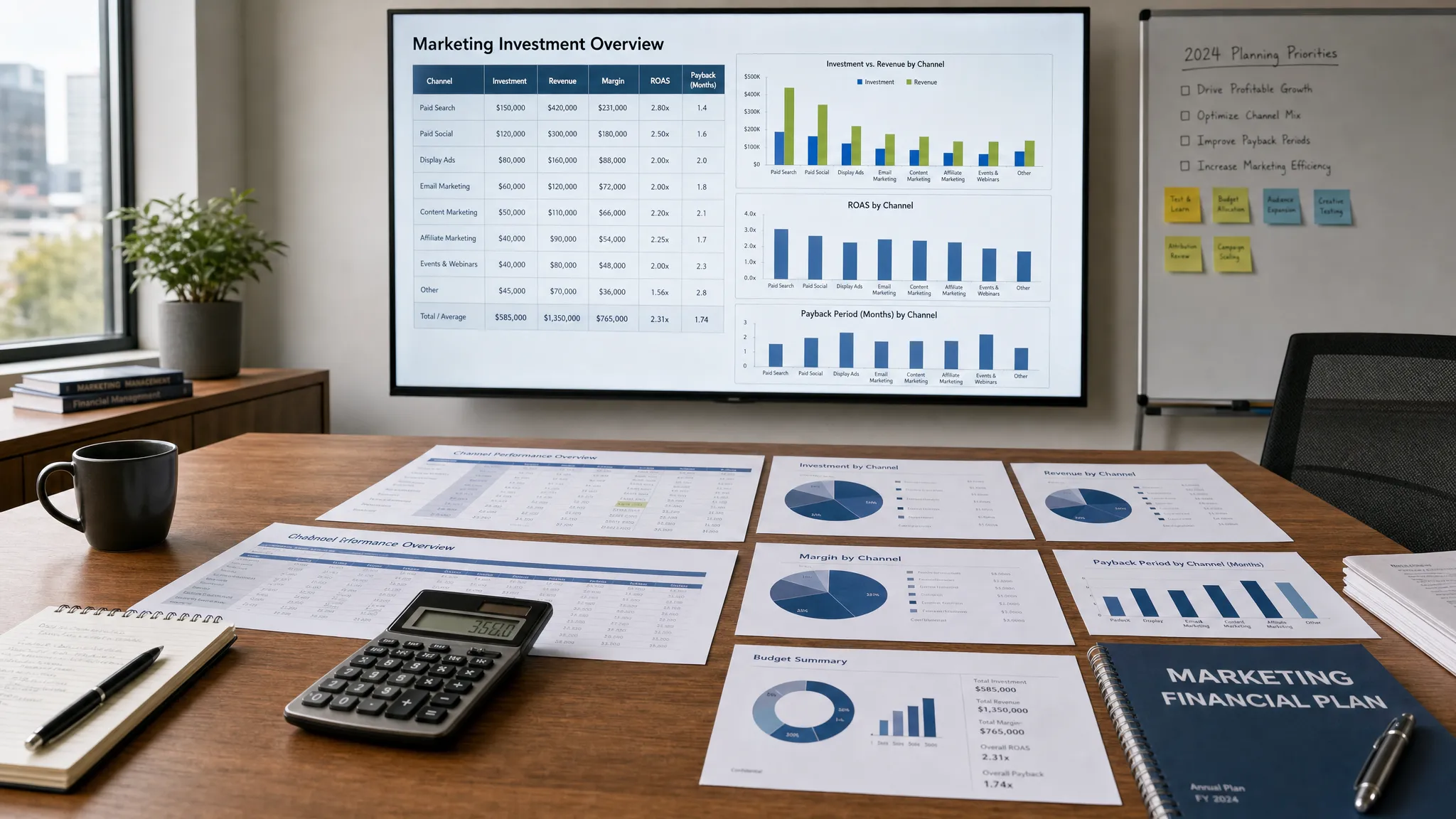
Lead-focused measurement should connect content to business outcomes. Track which assets influence form fills, demo requests, consultation bookings, newsletter signups, tool usage, sales conversations, and closed revenue. Also look at assisted conversions, since content often supports a buyer across multiple touches.
Useful metrics include conversion rate by page, lead quality by source, content-assisted pipeline, CTA performance, nurture progression, sales accepted leads, and revenue influenced by content. For earlier-stage programs, track leading indicators such as returning visitors from target accounts, engagement with bottom-of-funnel assets, and completion rates for calculators or templates.
AI can help summarize performance data and surface patterns, but your team should decide what matters. The goal is not to prove that AI created more content. The goal is to prove that AI helped create more useful content that influenced better opportunities.
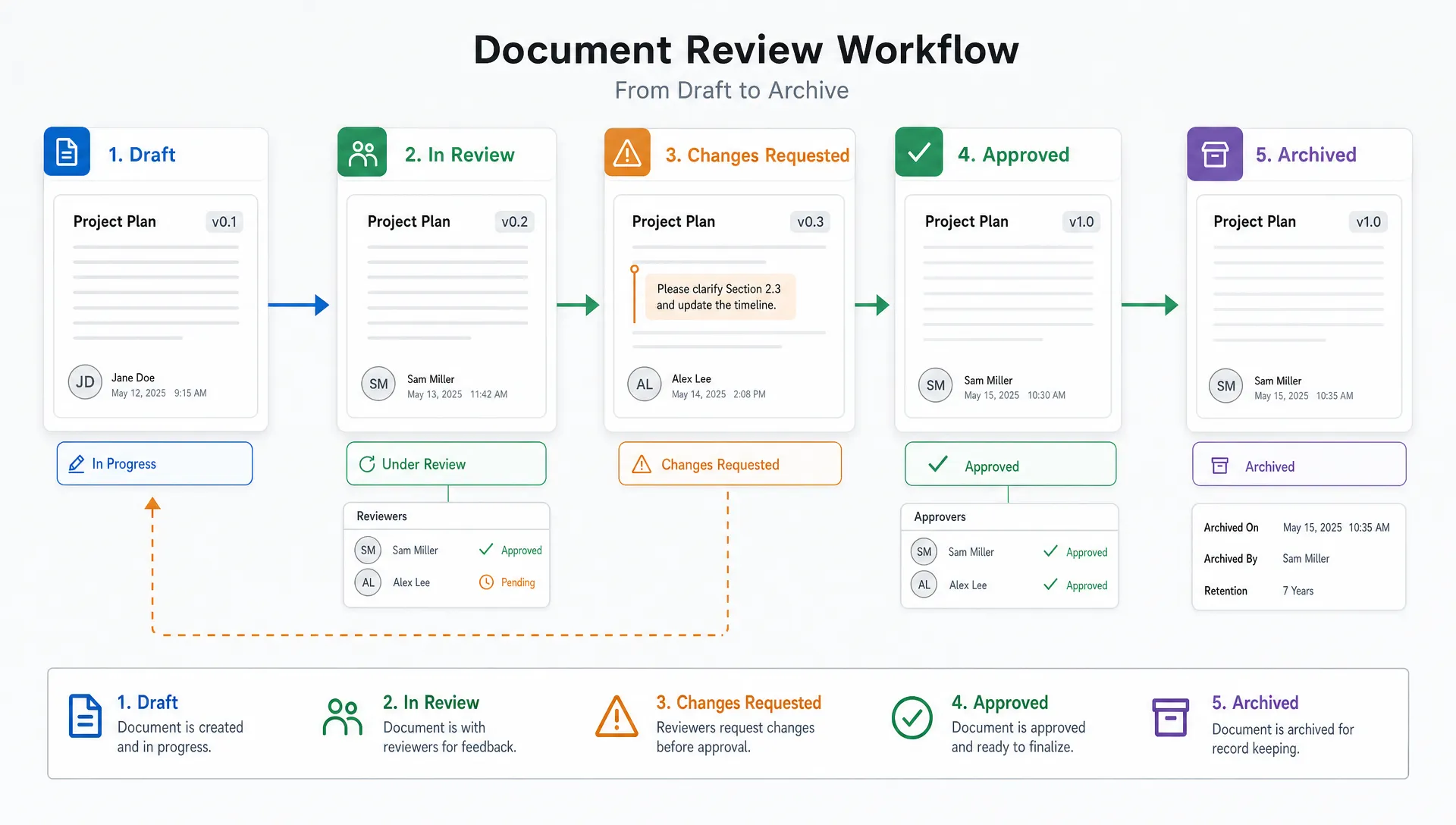
You do not need to rebuild your entire marketing system at once. A focused 90-day rollout can create momentum while giving your team time to improve the workflow.
This approach keeps the work practical. Instead of chasing a huge AI transformation, you build one repeatable lead engine, learn from it, and scale what works.
What is AI content marketing? AI content marketing is the use of artificial intelligence to research, plan, create, personalize, distribute, optimize, and measure content. The best programs combine AI speed with human strategy, expertise, and quality control.
Can AI content really generate more leads? Yes, but only when it is tied to buyer intent and conversion strategy. AI helps most when it improves relevance, creates better lead magnets, personalizes follow-up, and identifies which content signals suggest sales readiness.
Should AI write all of our marketing content? No. AI can produce drafts, briefs, outlines, summaries, variations, and repurposed assets, but humans should guide strategy, verify accuracy, add expertise, and protect brand voice.
What content should we create first with AI? Start with content that answers high-intent buyer questions. Good first projects include comparison guides, implementation checklists, ROI calculators, sales objection articles, industry-specific landing pages, and nurture email sequences.
How do we avoid generic AI content? Use real inputs from customers, sales calls, support conversations, and performance data. Give the AI strong context, then have subject matter experts add examples, proof, opinions, and practical detail.
AI content marketing works when it is connected to strategy, buyer insight, and measurable follow-up. Use AI to understand intent, create more useful assets, personalize the journey, refresh what already works, and prioritize the leads most likely to convert.
If you want a simpler way to put these ideas into practice, explore AIMarketer Hub’s AI content generation resources, prompt library, SEO tools, calculators, performance analytics, and industry-specific guides at AIMarketer Hub.