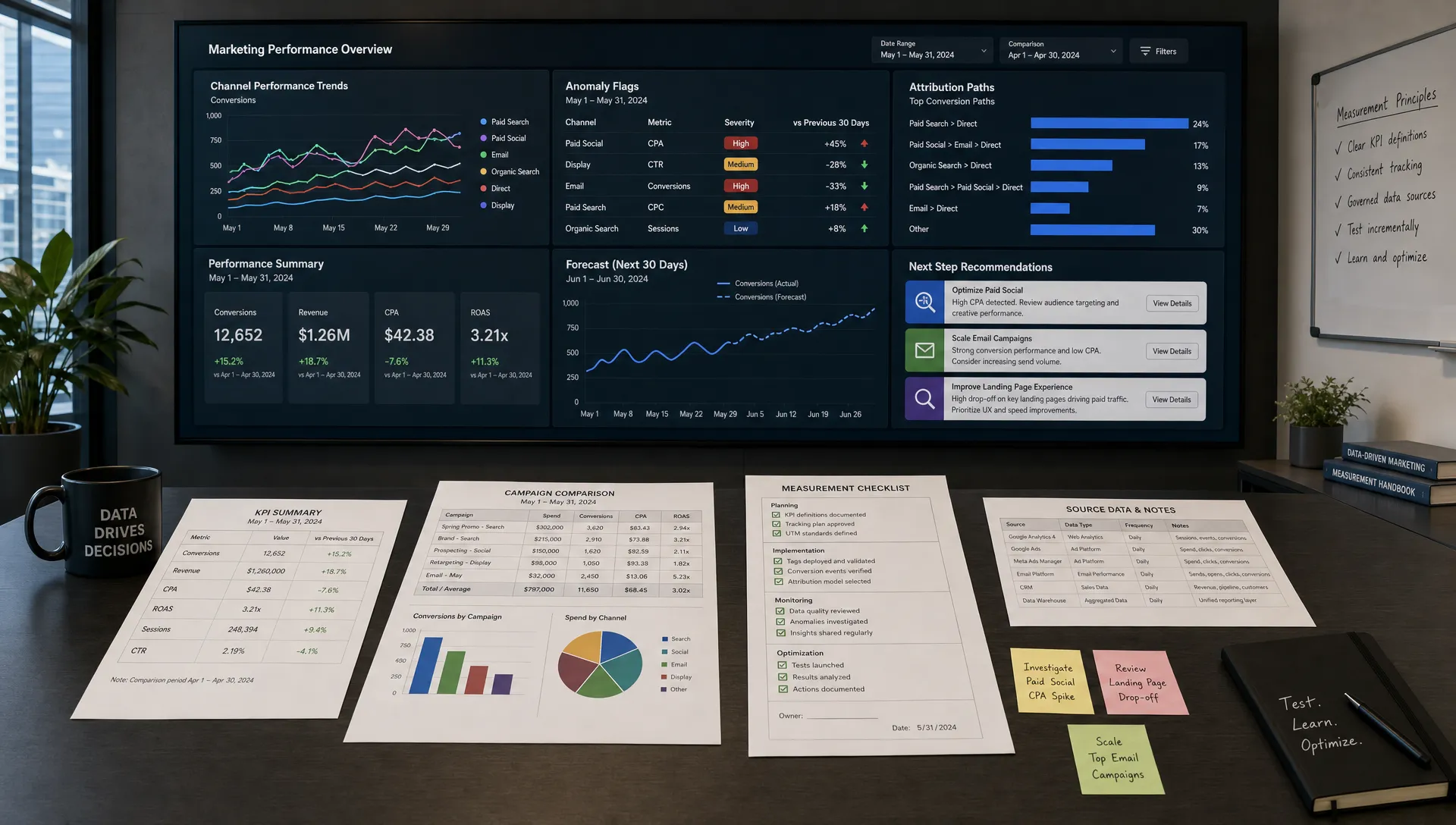
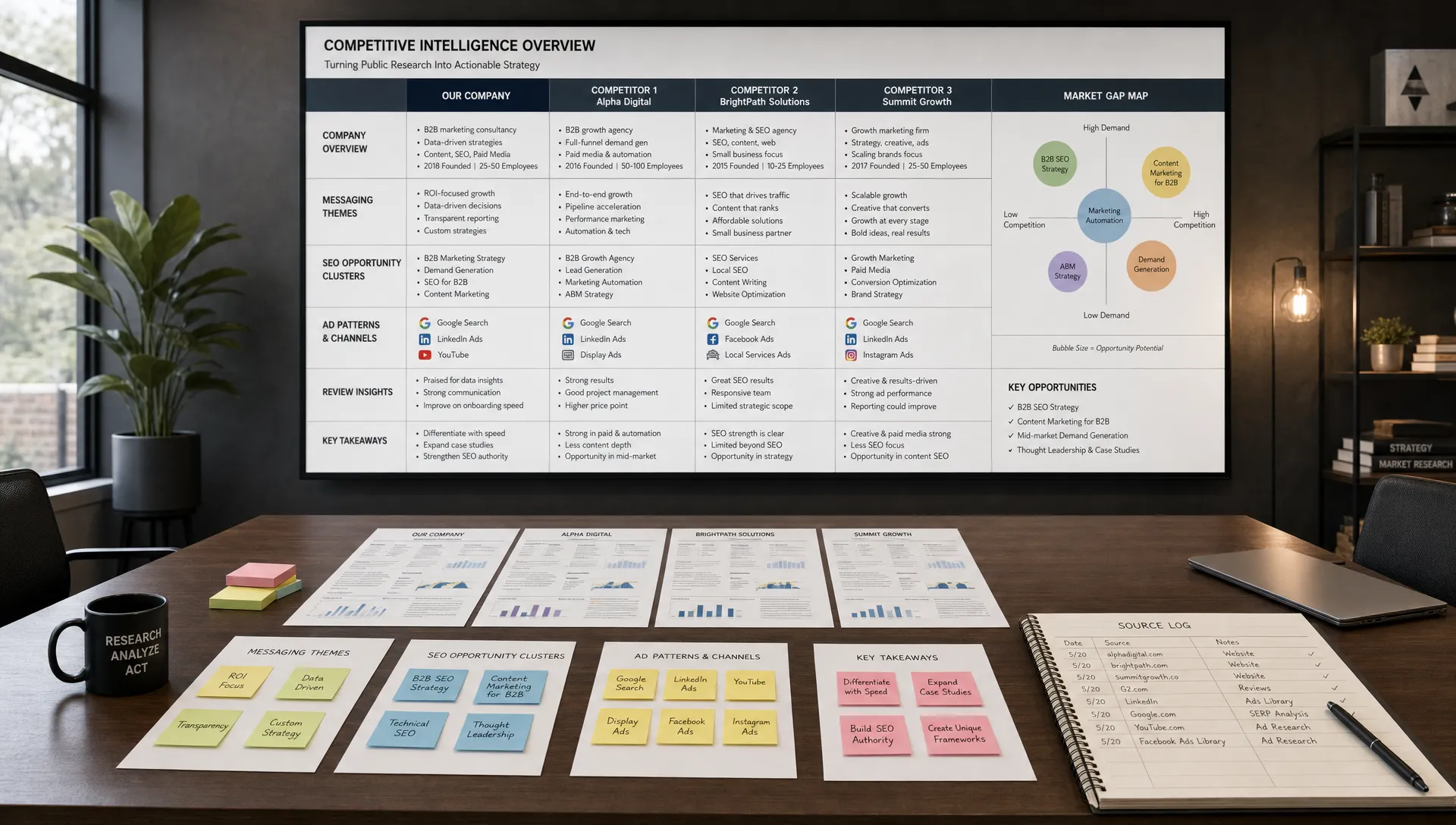
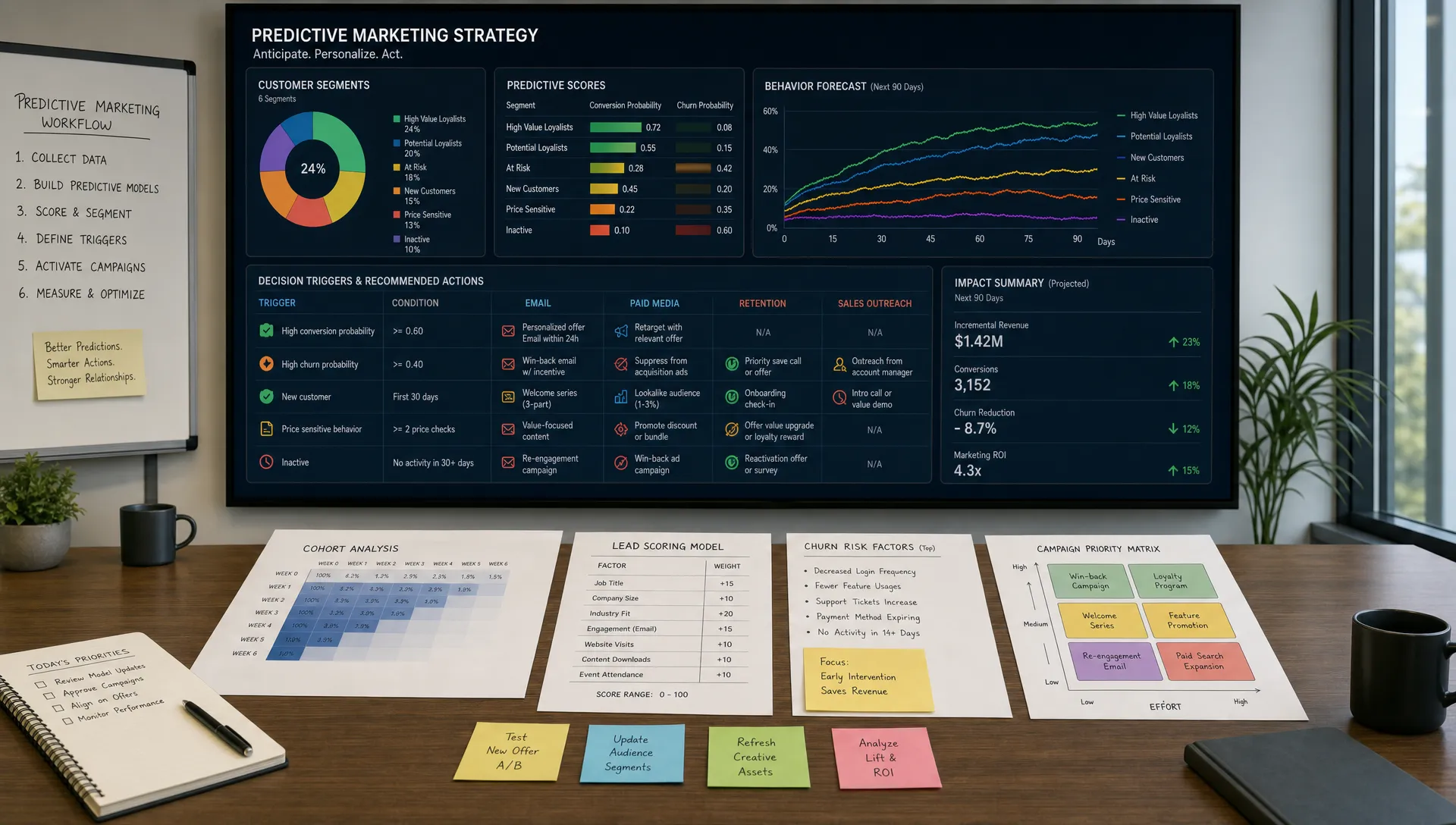
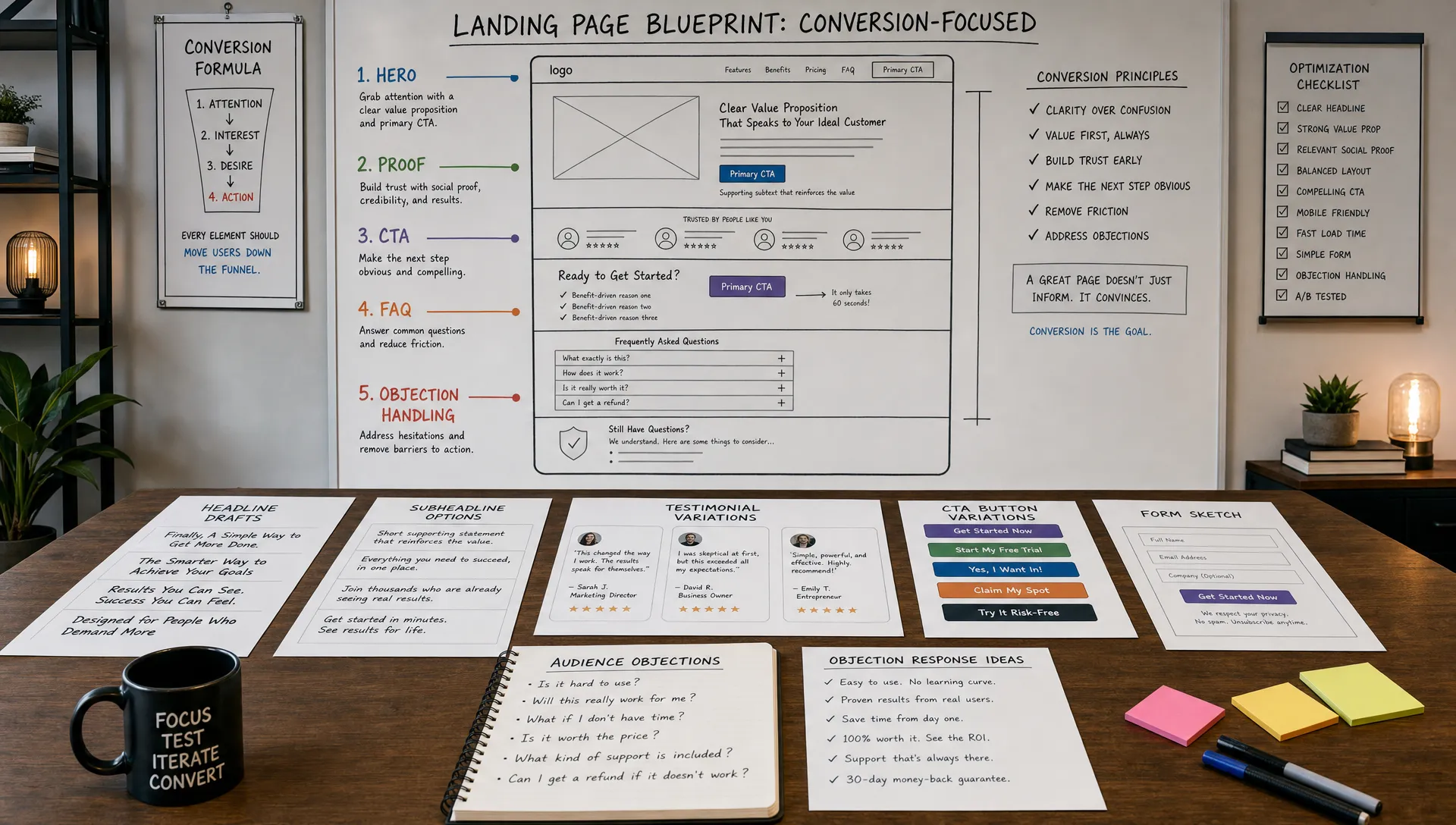
AI is no longer a side experiment for marketing teams. It is now part of campaign planning, content production, SEO, customer research, reporting, personalization, and budget decisions. Yet the gap between average teams and high-performing teams is widening. The difference is not simply who has the newest tool. It is how teams combine digital marketing and AI with strategy, process, governance, and human judgment.
Smart teams do not ask, “How can we use AI everywhere?” They ask, “Where can AI remove friction, improve decisions, or create a better customer experience?” That shift changes everything.
Below is a practical look at what smart teams do differently, and how marketers can apply the same habits without turning their workflow into a messy stack of disconnected tools.
Many teams begin their AI journey backward. They see a new writing assistant, image generator, analytics platform, or automation feature and try to force it into their workflow. Smart teams reverse the process.
They begin with a business question:
Only after defining the problem do they evaluate whether AI can help. Sometimes the answer is a content workflow. Sometimes it is better campaign forecasting. Sometimes it is audience research, SEO clustering, creative testing, or reporting automation.
This matters because AI does not fix unclear strategy. If your positioning is weak, AI can help you produce more weak messaging at scale. If your attribution model is broken, AI can make reporting look more sophisticated without making it more accurate. The best teams use AI to strengthen a clear strategy, not to replace one.
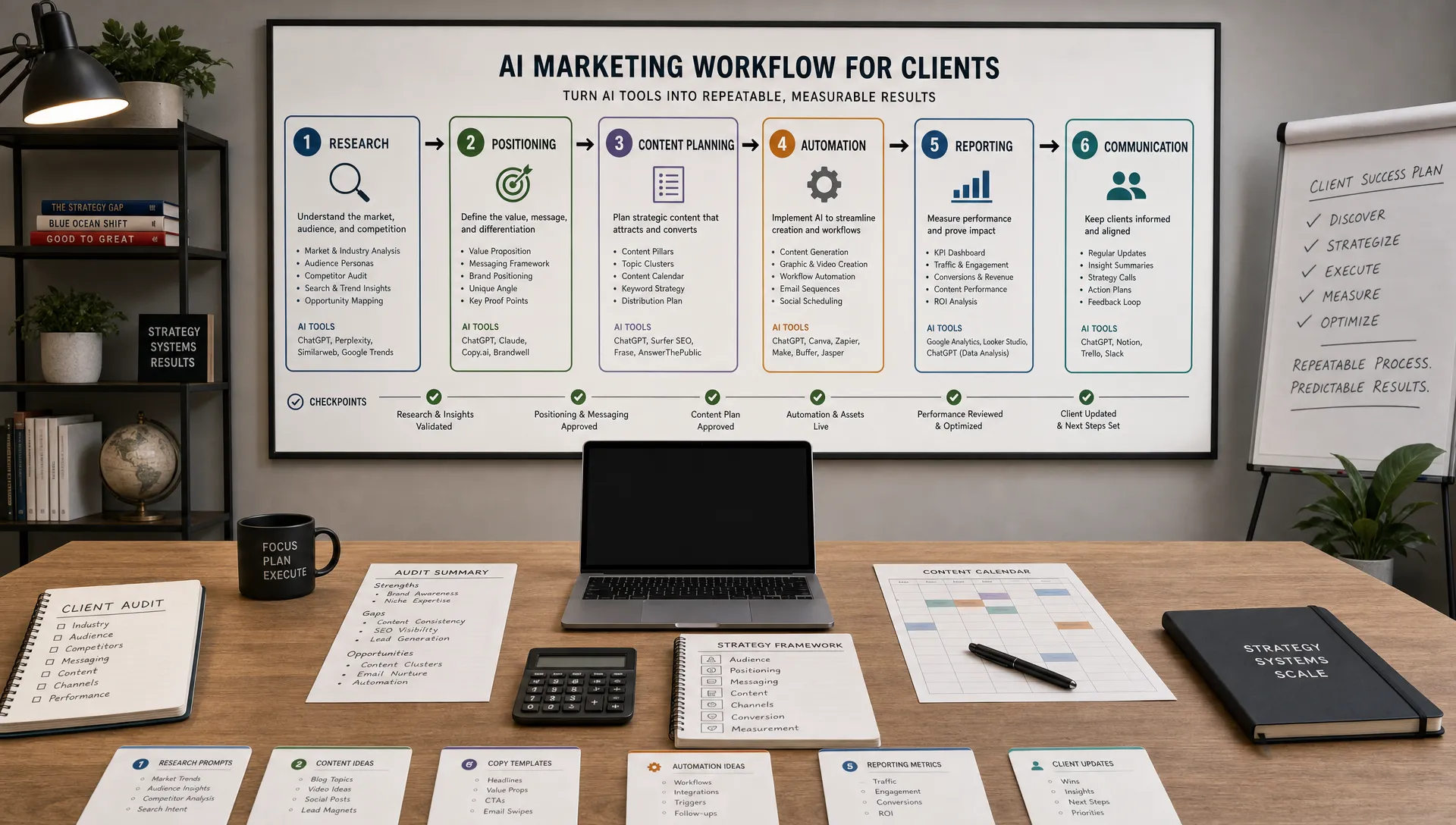
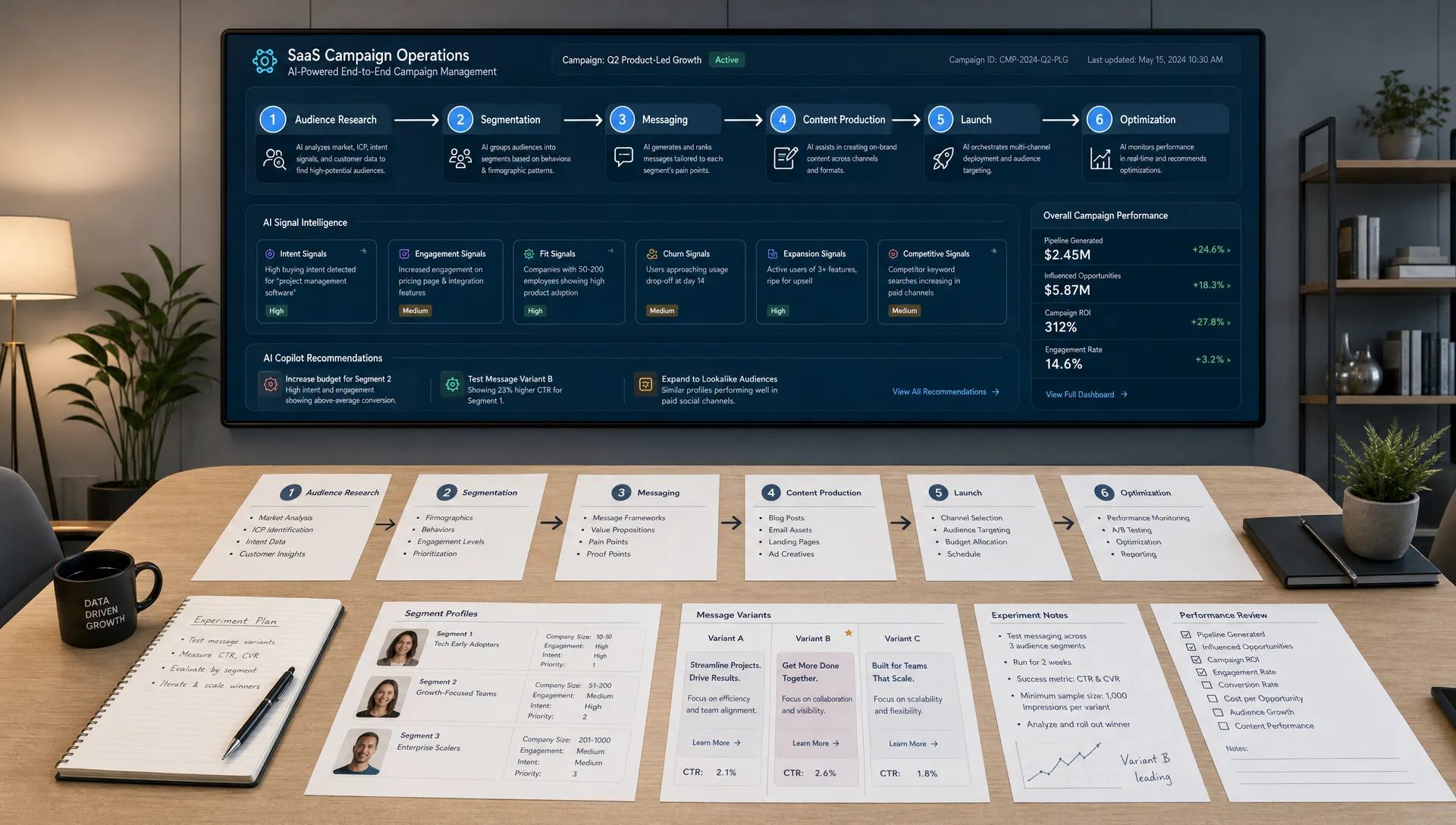
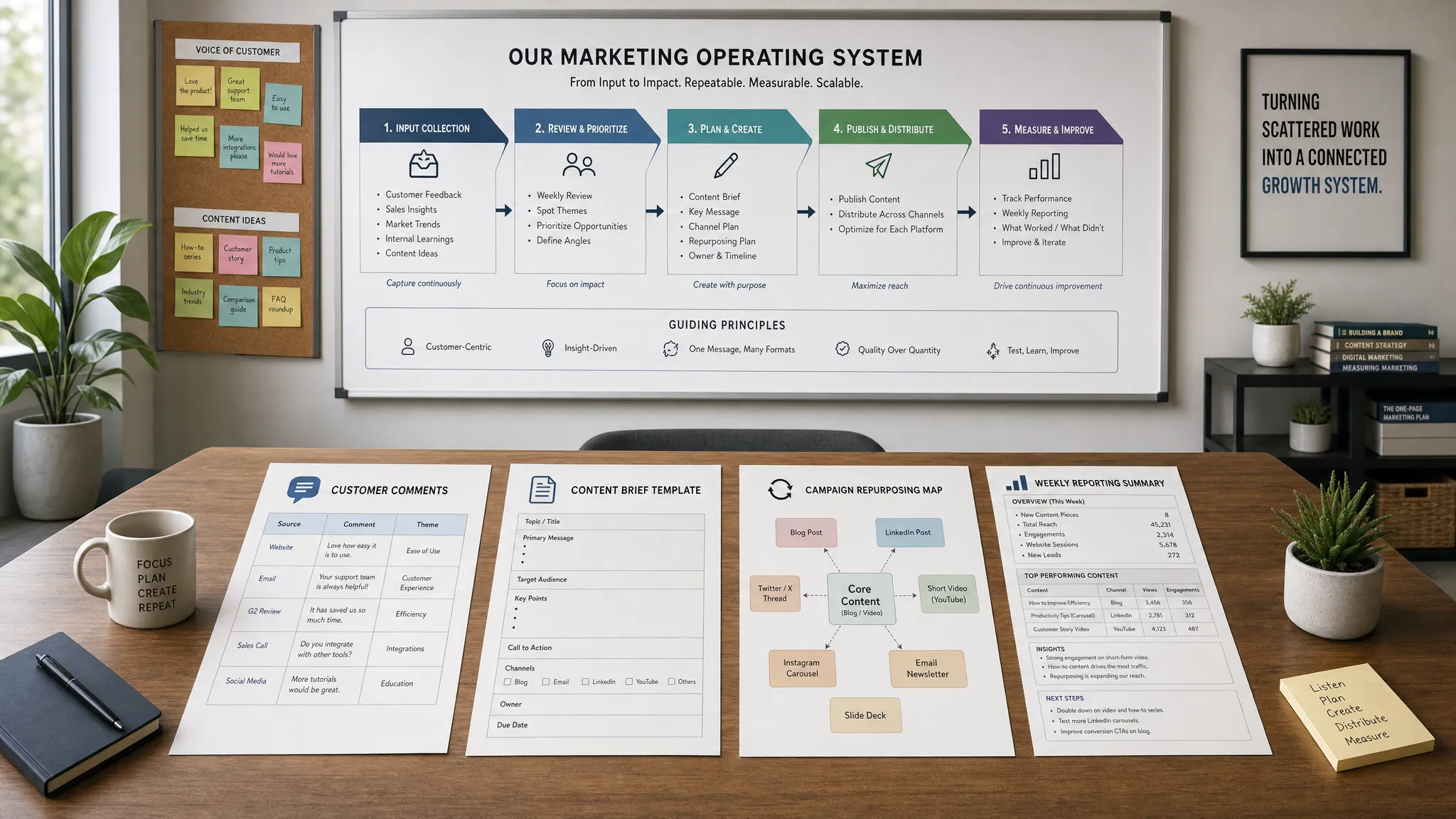
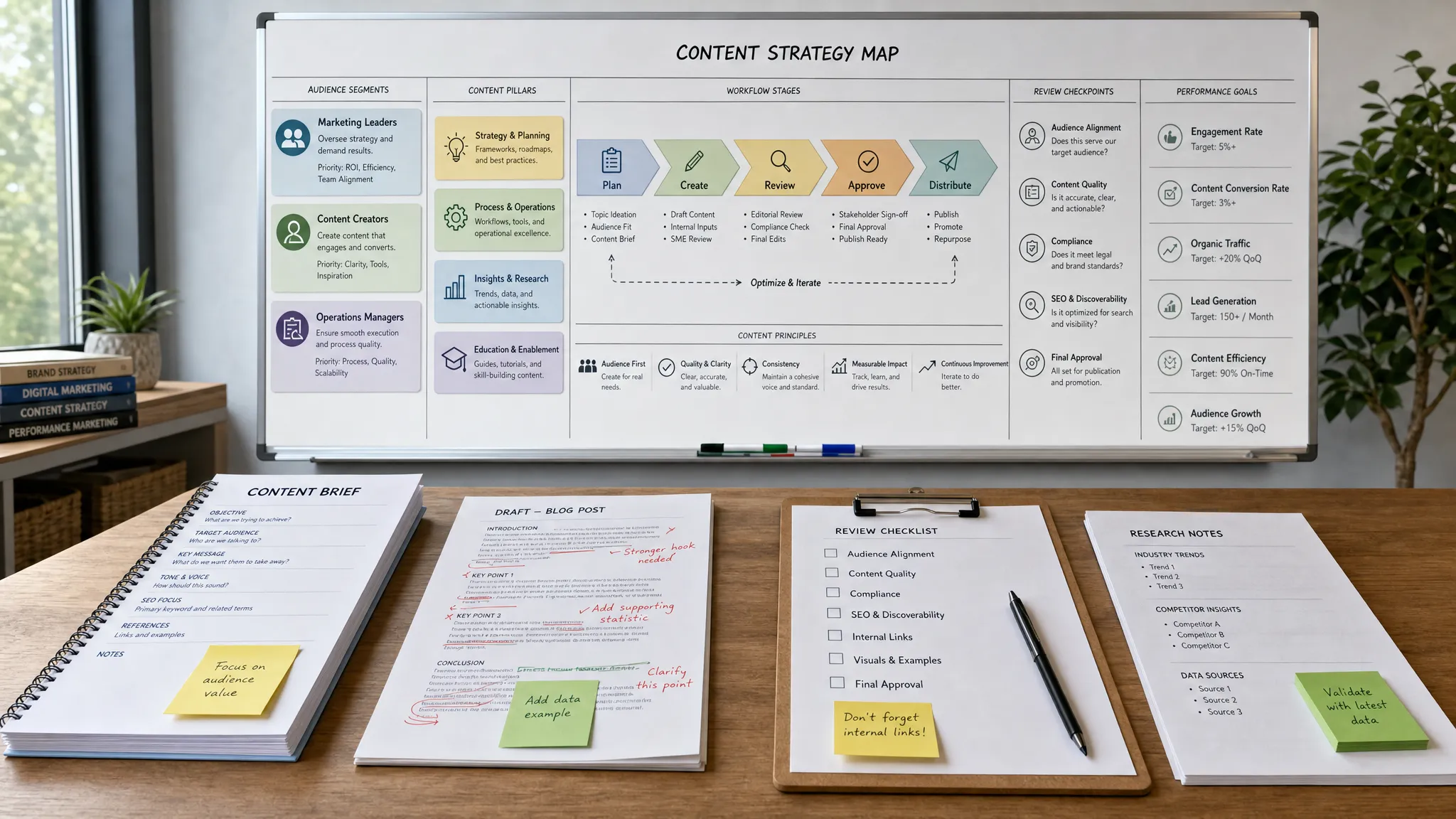
The most effective use of AI in marketing is rarely a single prompt that produces a finished asset. Smart teams design repeatable workflows where AI supports each stage of the process.
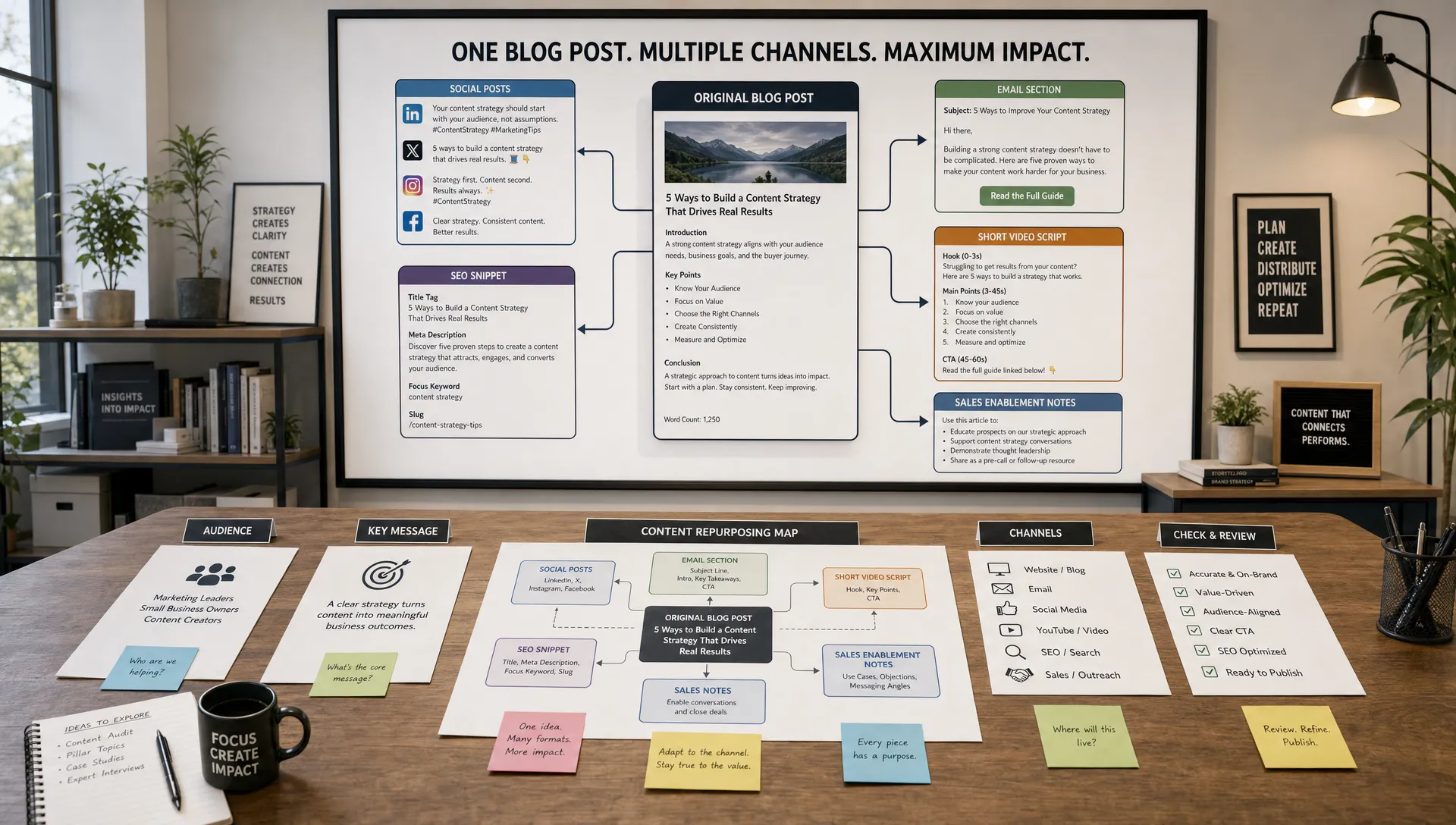
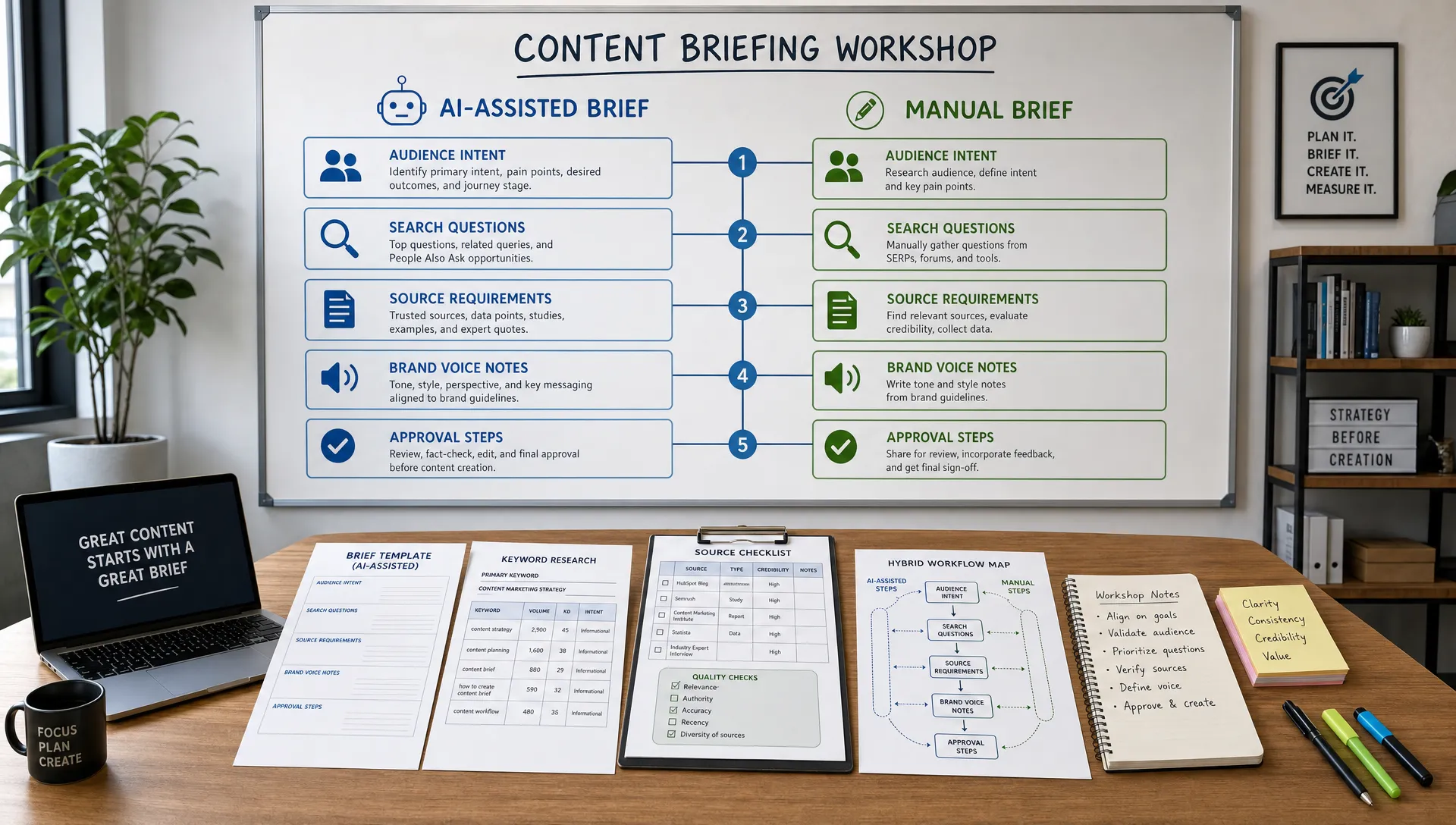
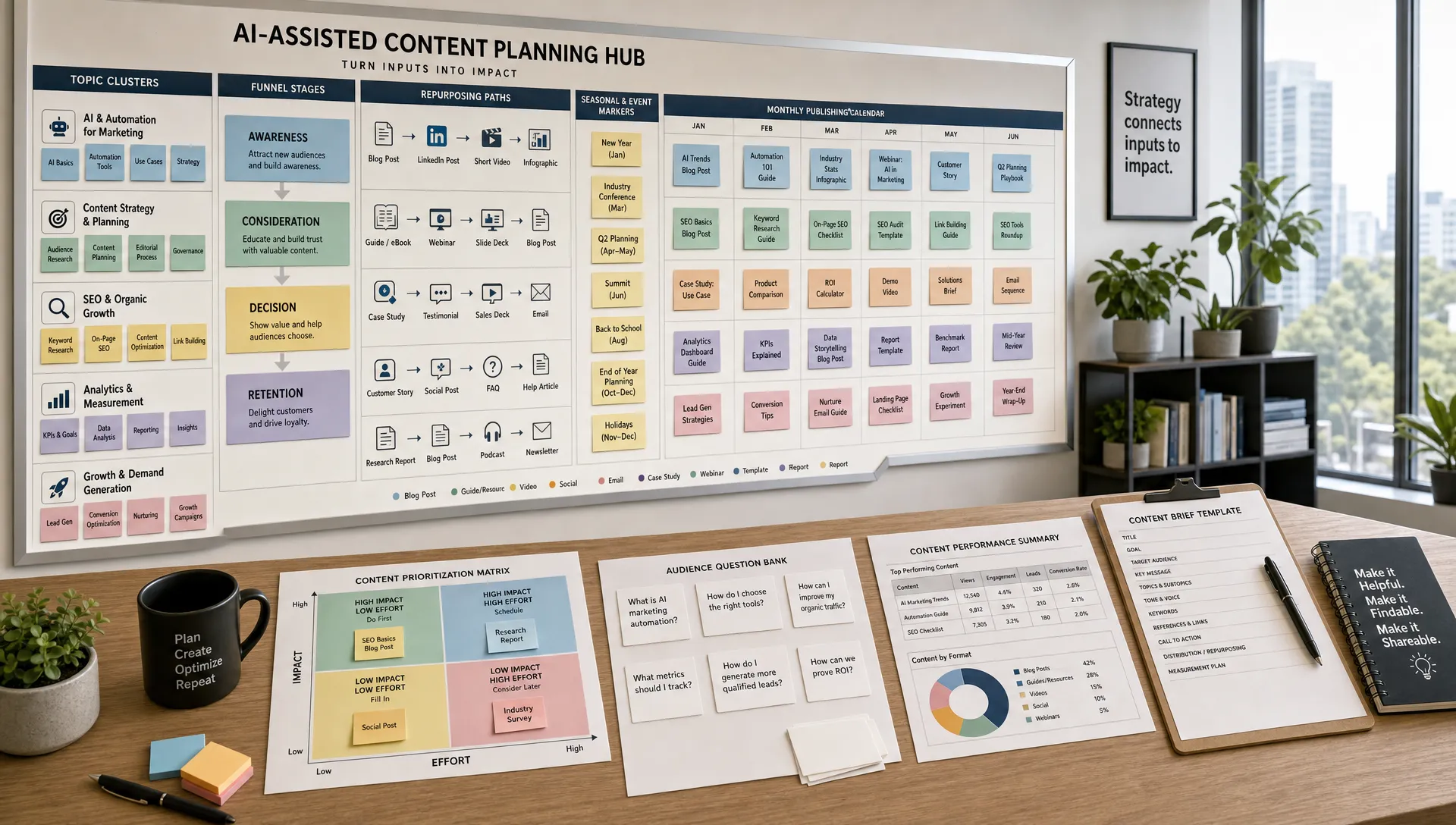
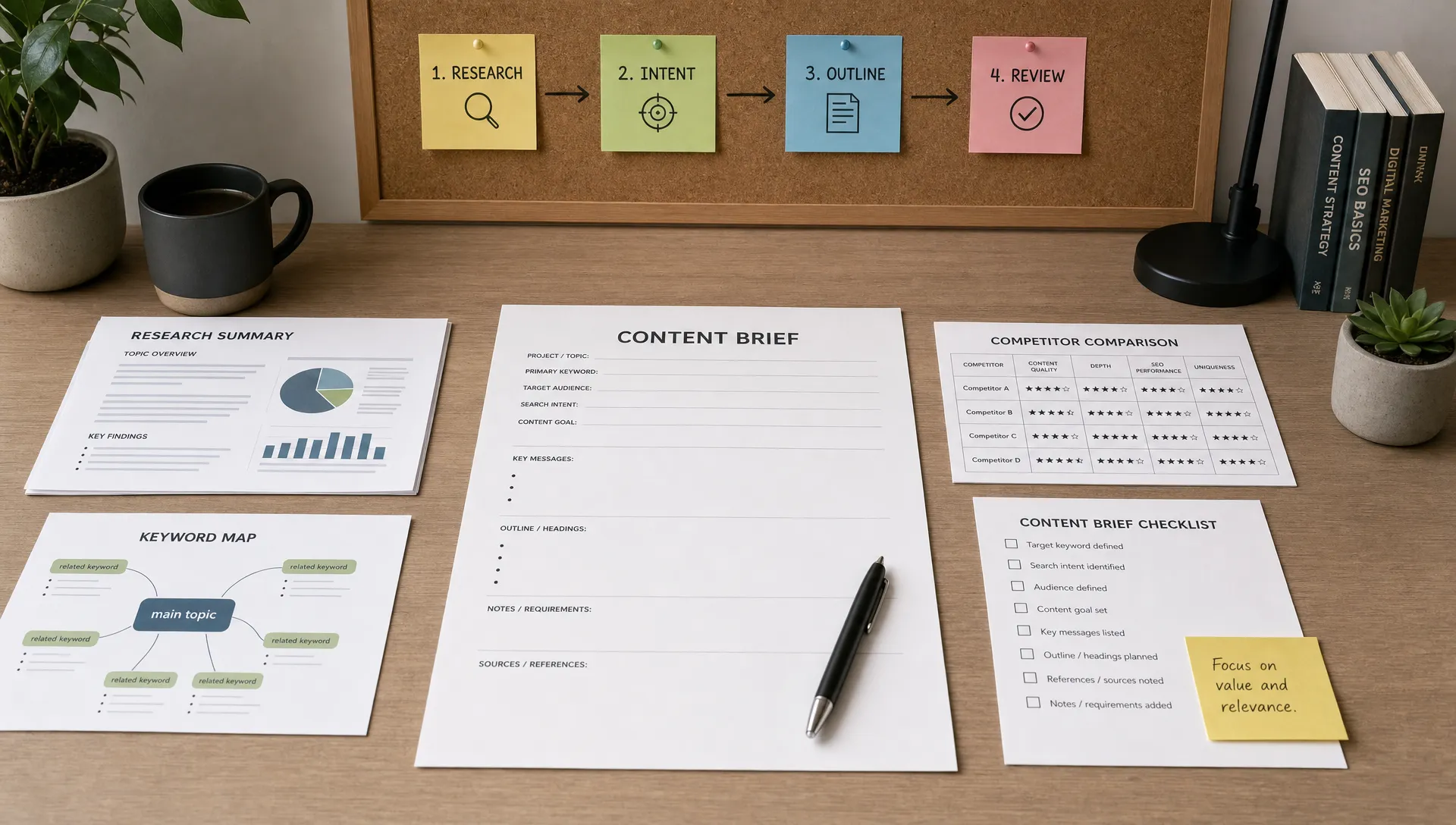
For example, a content team might use AI to analyze search intent, group related topics, draft a brief, create headline variations, generate a first draft, identify missing sections, repurpose the final piece into social posts, and summarize performance after publication. Human marketers still guide positioning, verify accuracy, add expertise, and make final creative decisions.
That workflow approach creates consistency. It also makes AI easier to improve over time. Instead of asking whether “AI content works,” the team can evaluate specific steps. Is AI improving briefs? Is it speeding up research? Are AI-assisted drafts ranking? Are human edits decreasing over time? Are conversions improving?
This is where AI becomes operationally useful. It is not a novelty. It becomes part of how the team plans, produces, measures, and learns.

Average AI marketing feels generic because the inputs are generic. Smart teams feed AI with better context.
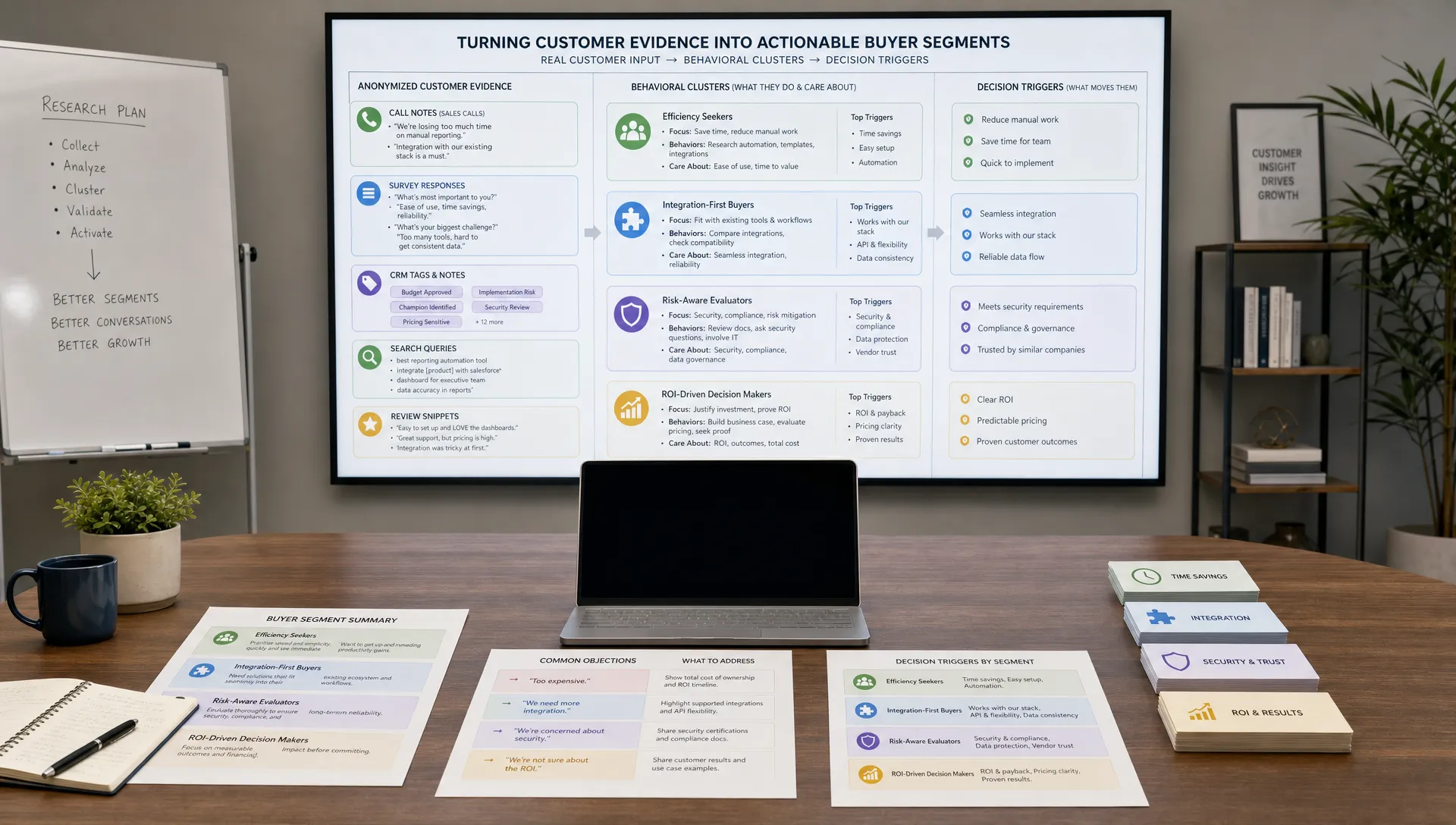
They use customer interviews, sales call notes, CRM data, support tickets, review mining, search data, competitor analysis, and campaign performance history. The goal is to help AI reflect the actual language, objections, priorities, and decision criteria of the audience.
A simple example: asking AI to “write an email for accounting software” will produce predictable copy. Asking it to write for “CFOs at multi-location healthcare businesses who are worried about month-end reporting delays, manual reconciliation, and audit readiness” will produce a more useful starting point.
The quality of AI output depends heavily on the quality of the input. Smart teams build customer intelligence systems before they scale AI production. They organize voice-of-customer insights, define audience segments clearly, document messaging pillars, and keep examples of high-performing assets available for AI-assisted workflows.
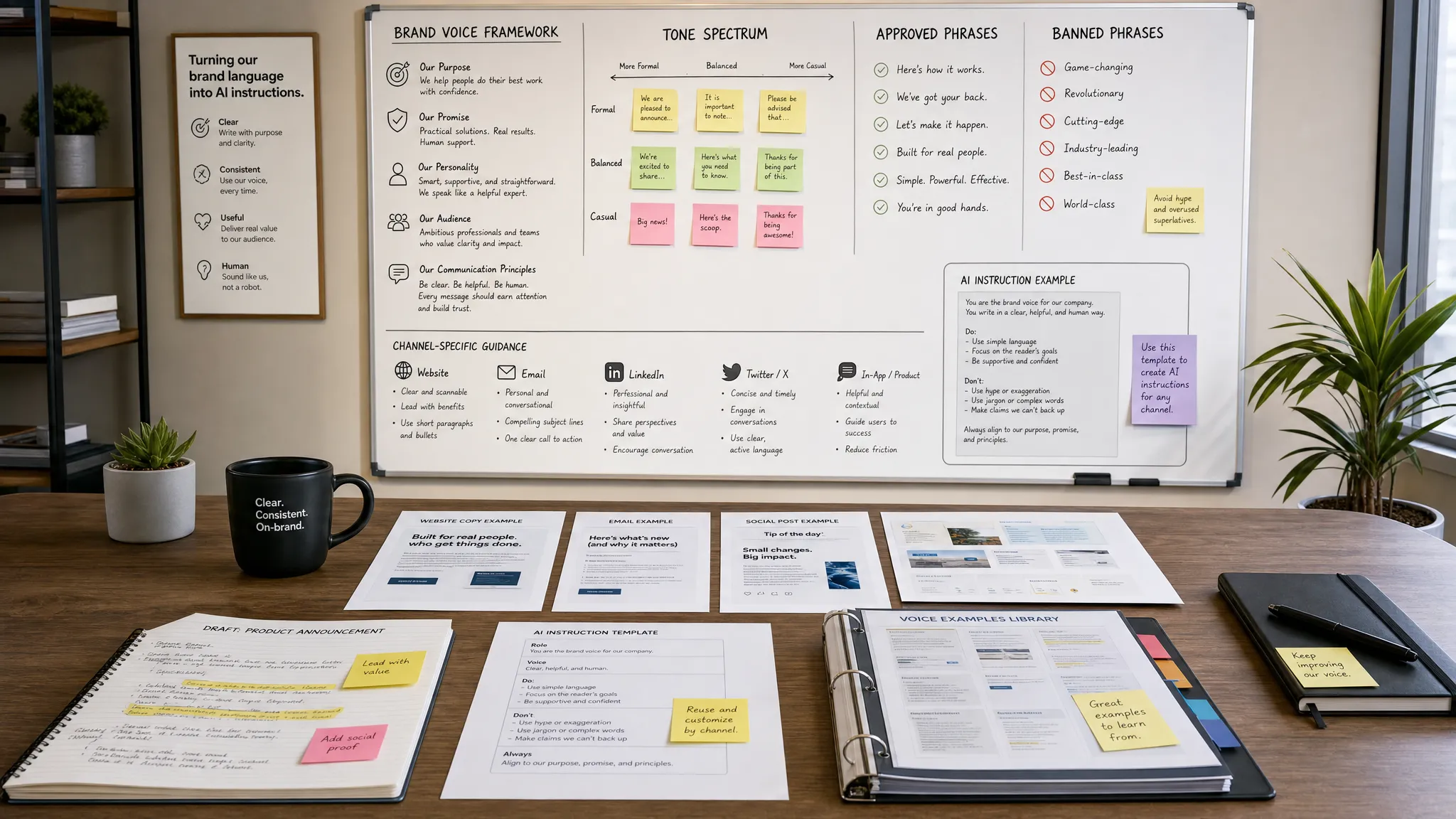
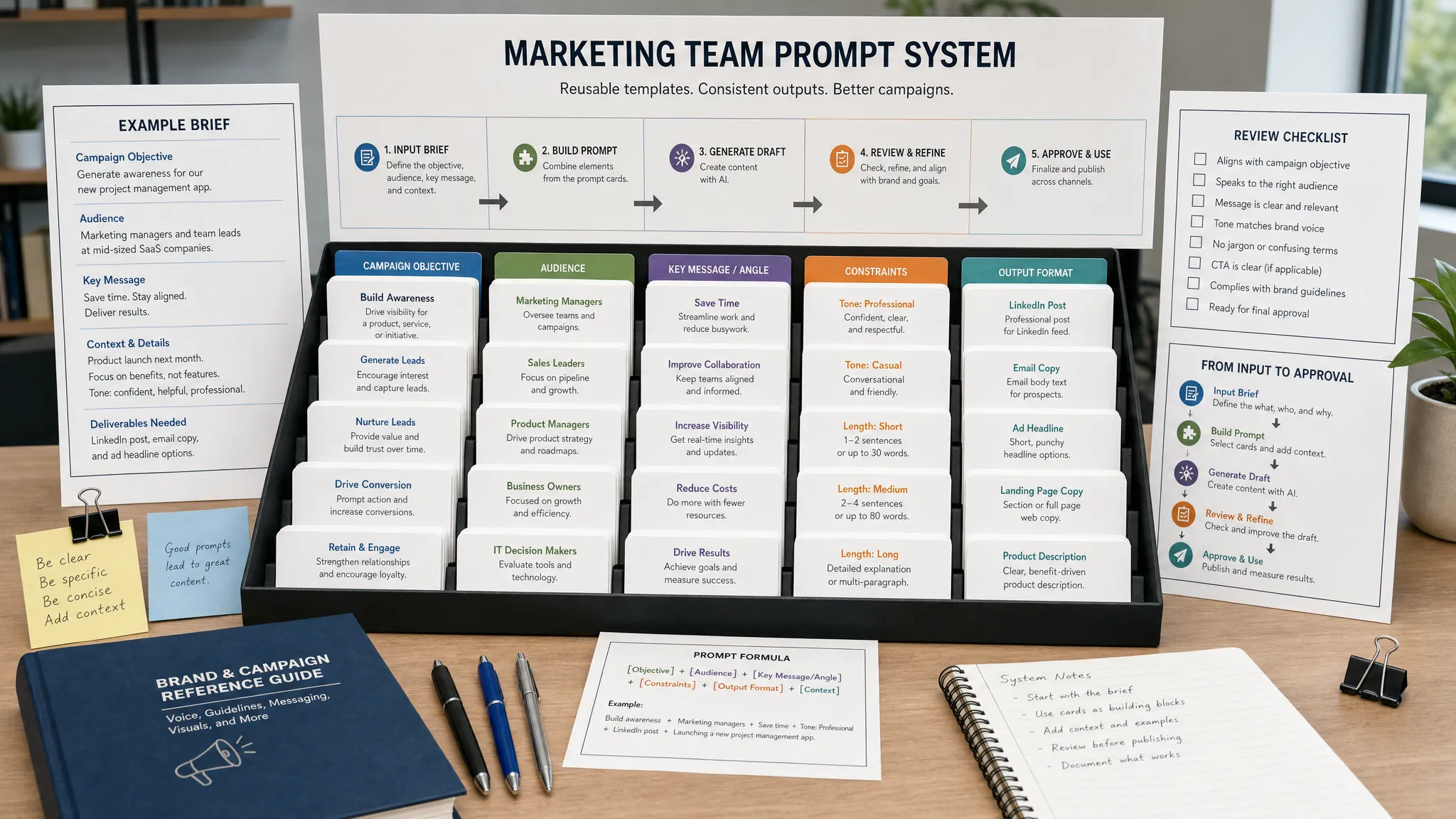
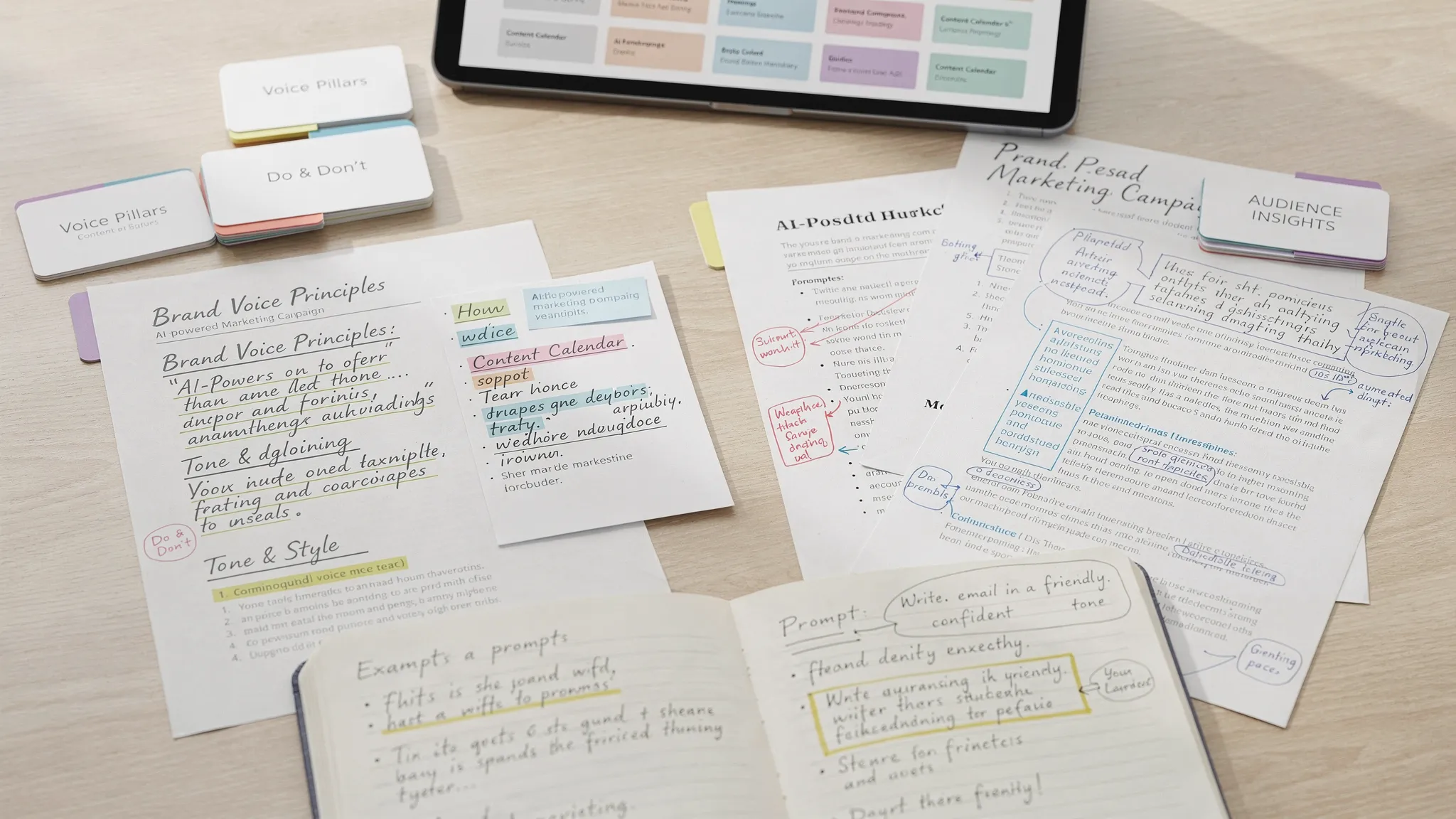
In practice, this means your prompt library should not only contain instructions. It should contain context. The best prompts include audience, channel, objective, offer, tone, constraints, proof points, and conversion goal.
AI can move fast, but speed without judgment creates risk. Smart teams know which tasks can be automated and which require human review.
AI is strong at pattern recognition, summarization, variation, organization, and rapid drafting. It can help identify themes in customer feedback, generate testable ad angles, summarize analytics trends, and turn a campaign brief into multiple channel-specific assets.
But marketers still need to make decisions about brand positioning, ethics, claims, compliance, customer sensitivity, and strategic tradeoffs. This is especially important in regulated or trust-sensitive industries such as finance, legal, healthcare, insurance, and B2B SaaS.
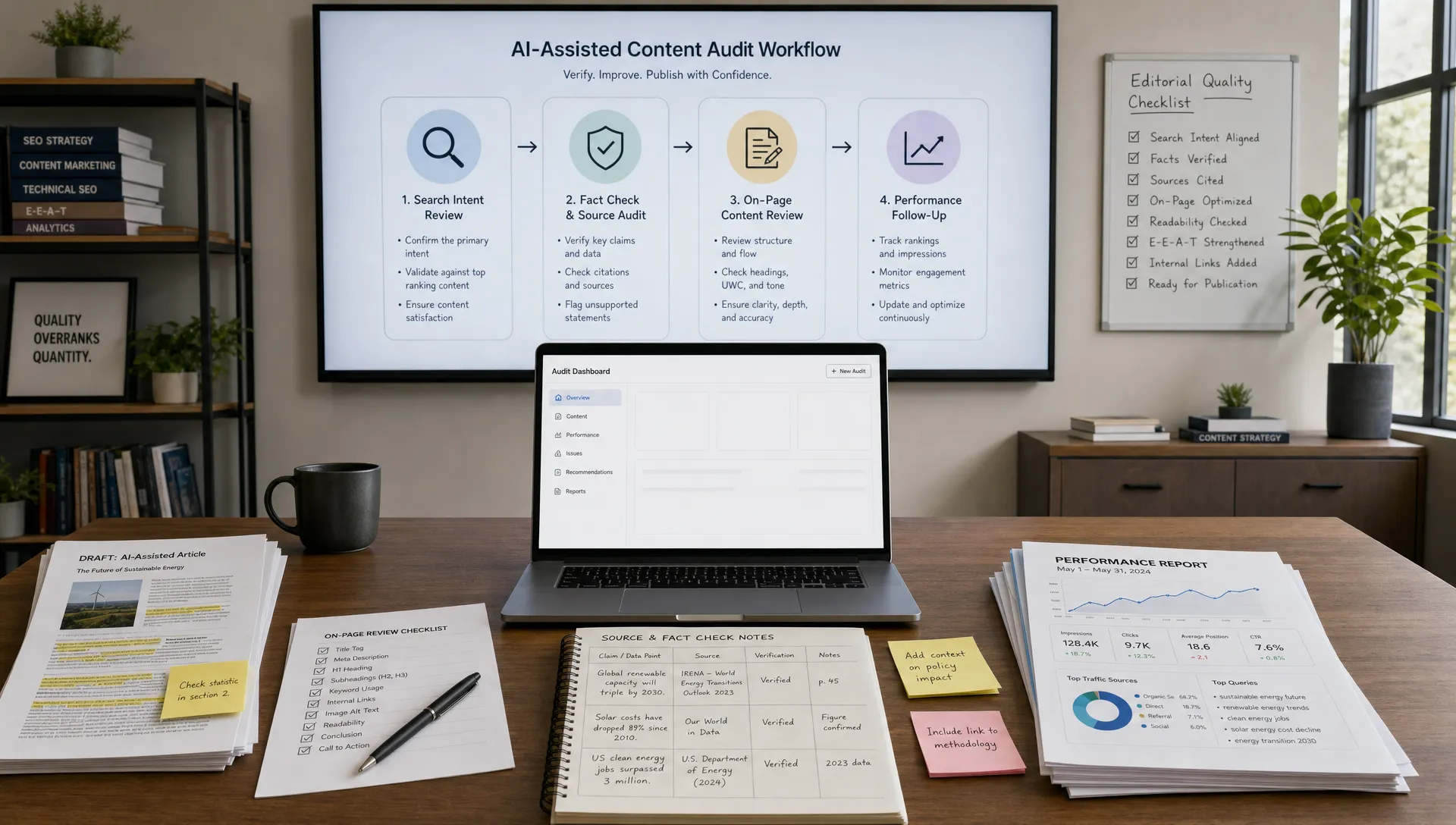
Human review is not a bottleneck when it is designed correctly. It is a quality control layer. Smart teams define review rules in advance:
This approach gives teams the productivity benefits of AI without surrendering responsibility.
One of the biggest traps in digital marketing and AI is measuring the wrong thing. AI makes it easy to produce more: more blog posts, more emails, more ad variations, more reports, more social captions. But more output is not the same as better performance.
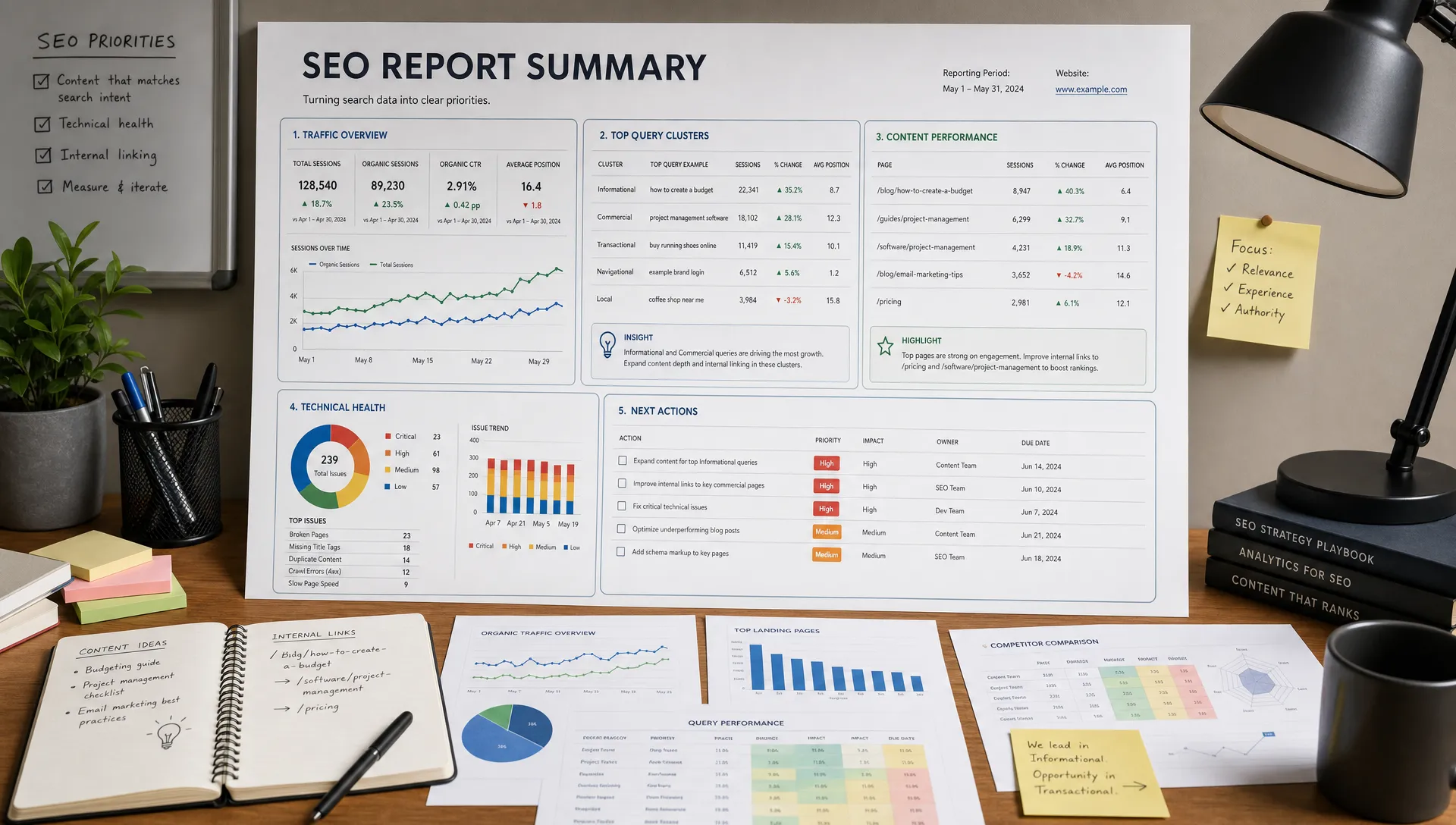
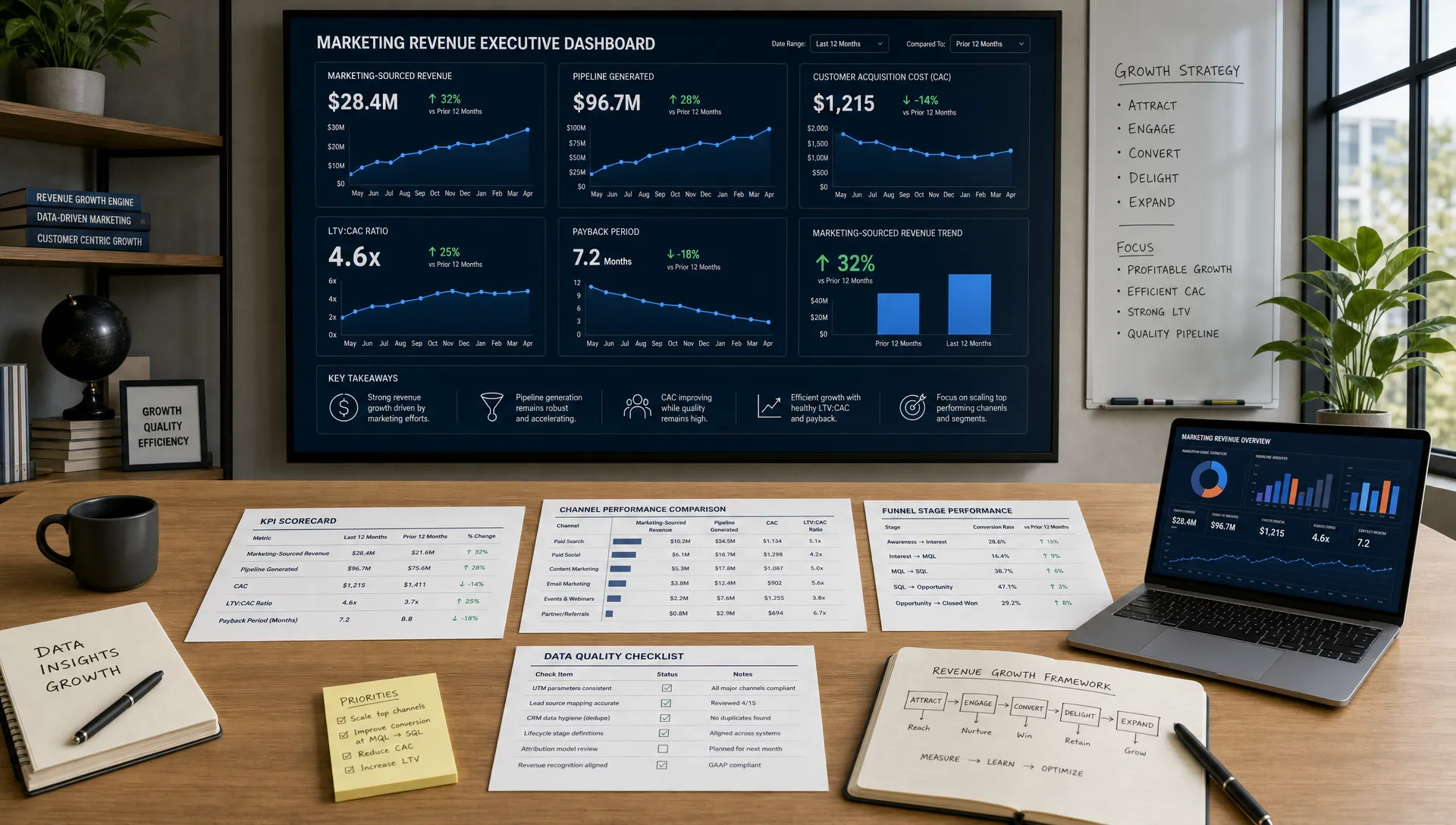
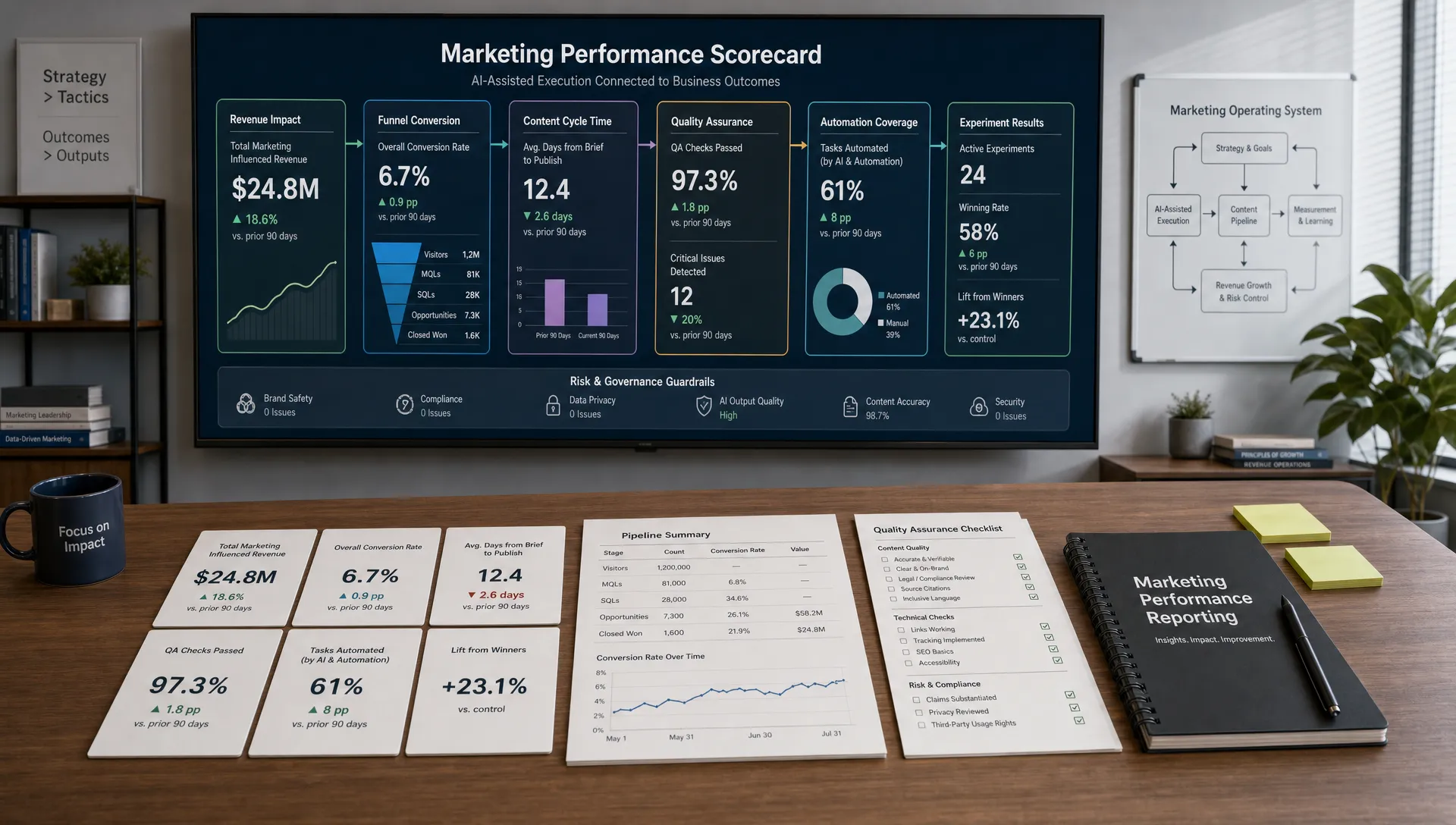
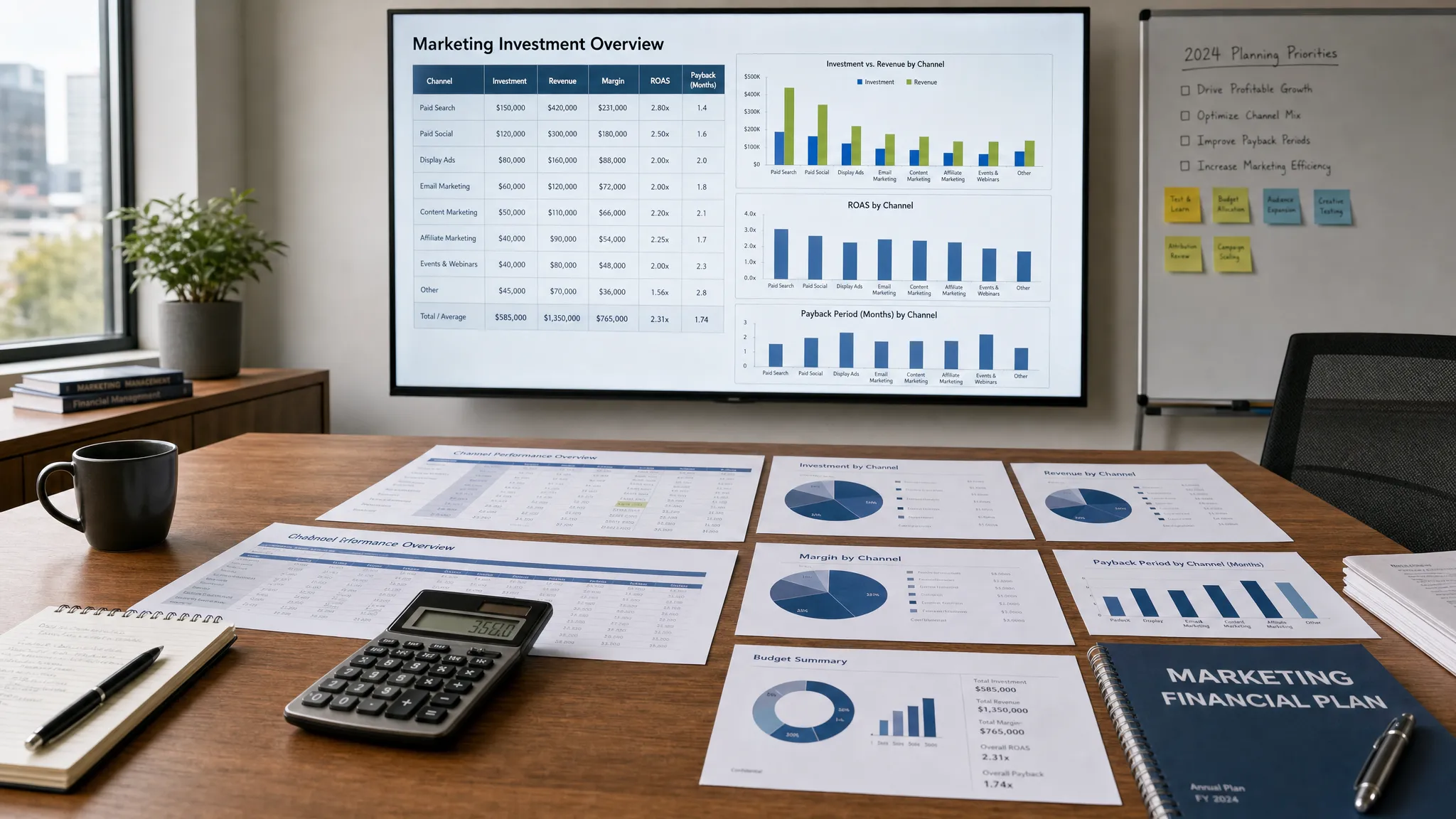
Smart teams measure AI by its impact on meaningful outcomes:
They also measure quality. Did AI-assisted content generate engagement from the right audience? Did it improve rankings for valuable queries? Did sales teams find the assets useful? Did customers respond better to personalized messaging?
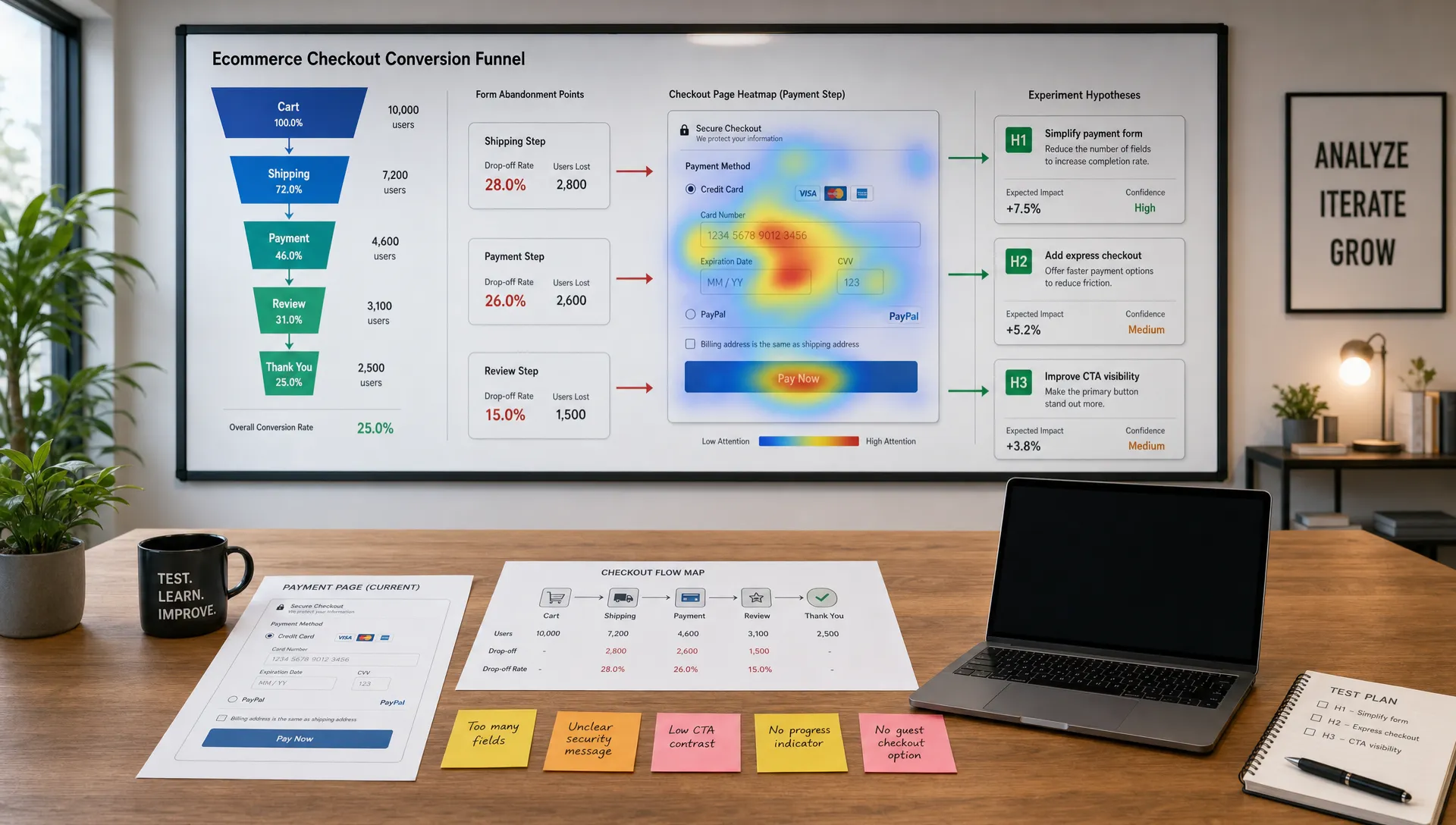
The best teams use AI to increase learning velocity. They test more ideas, but they do not confuse testing with guessing. Each AI-assisted experiment should have a hypothesis, a target audience, a performance metric, and a decision rule.
For example, instead of launching ten random ad variations, a smart team might test three specific message angles: pain relief, ROI proof, and risk reduction. AI can help produce variations under each angle, but the marketer defines the strategic question.
AI has changed SEO, but it has not eliminated the fundamentals. Search engines still reward helpful, relevant, trustworthy content. Smart teams use AI to improve SEO workflows while keeping the reader at the center.
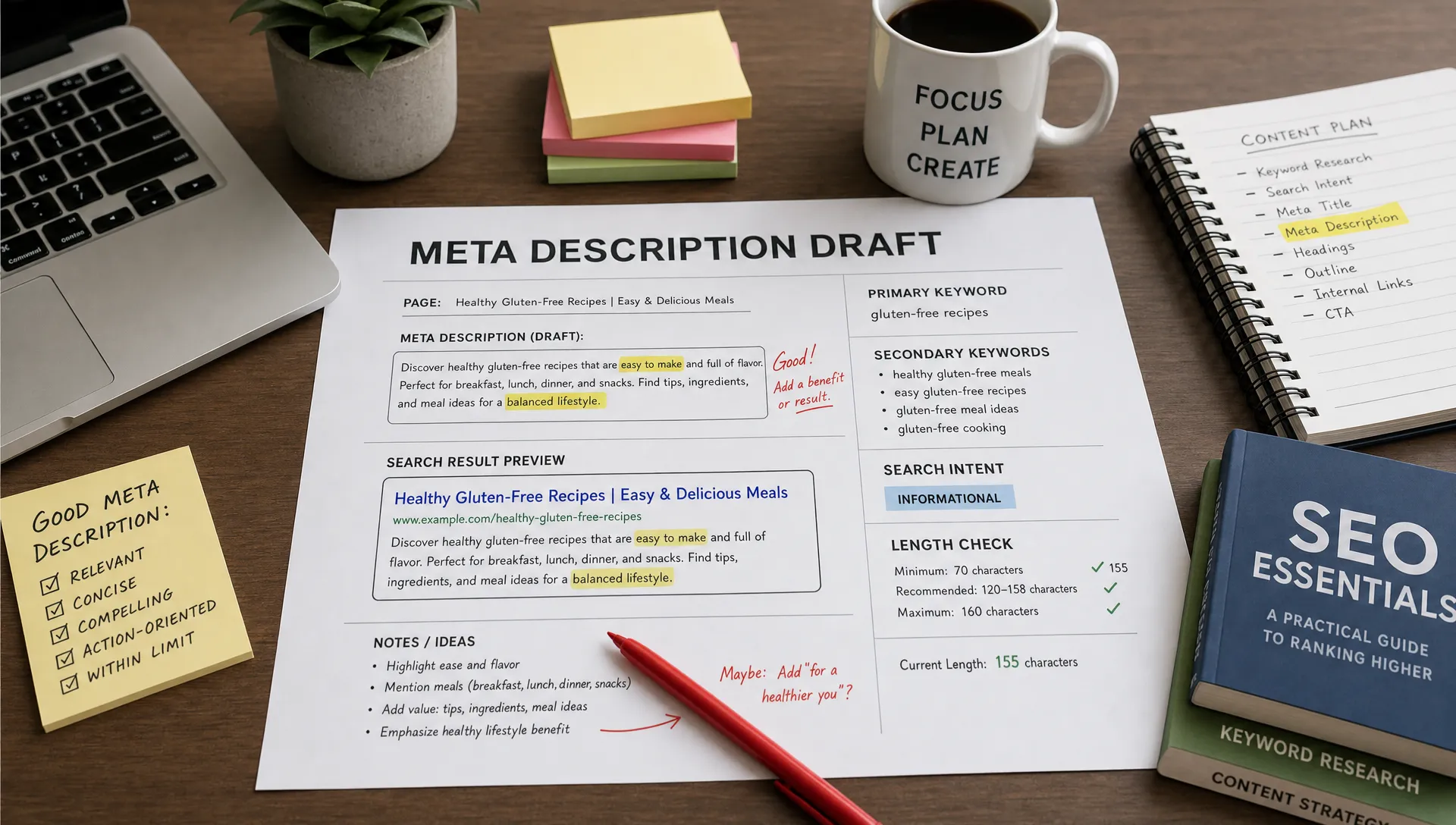
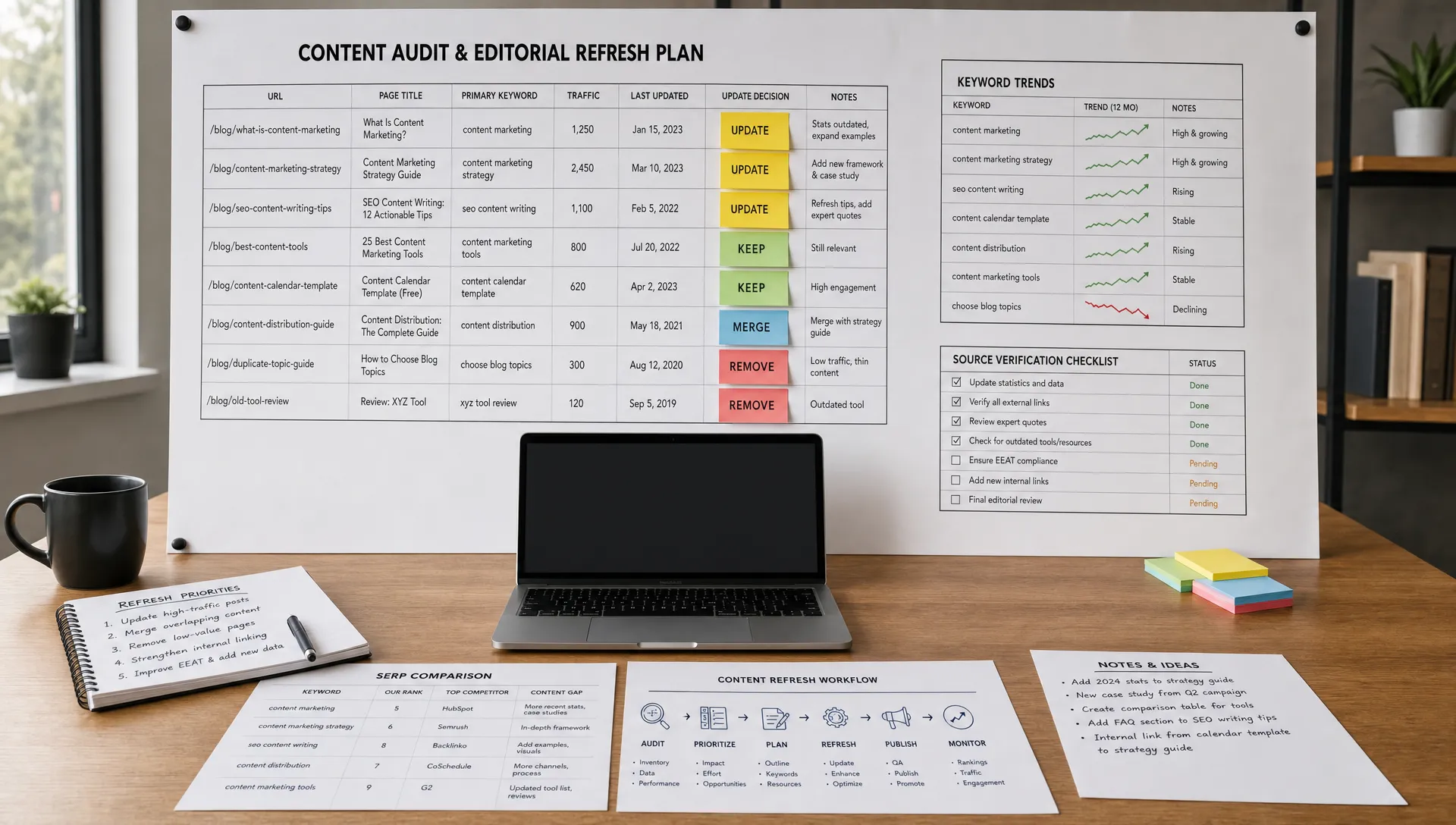
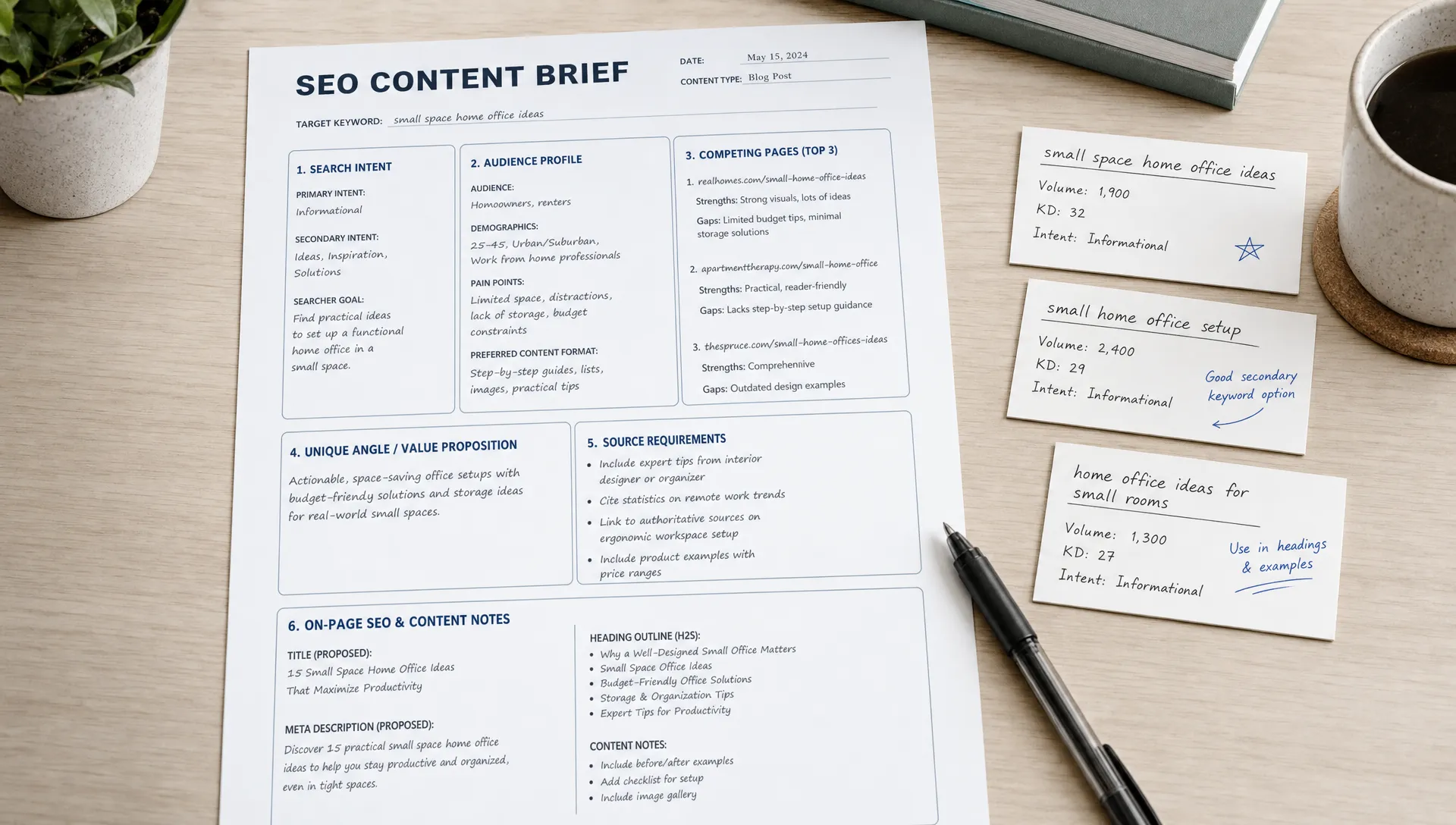
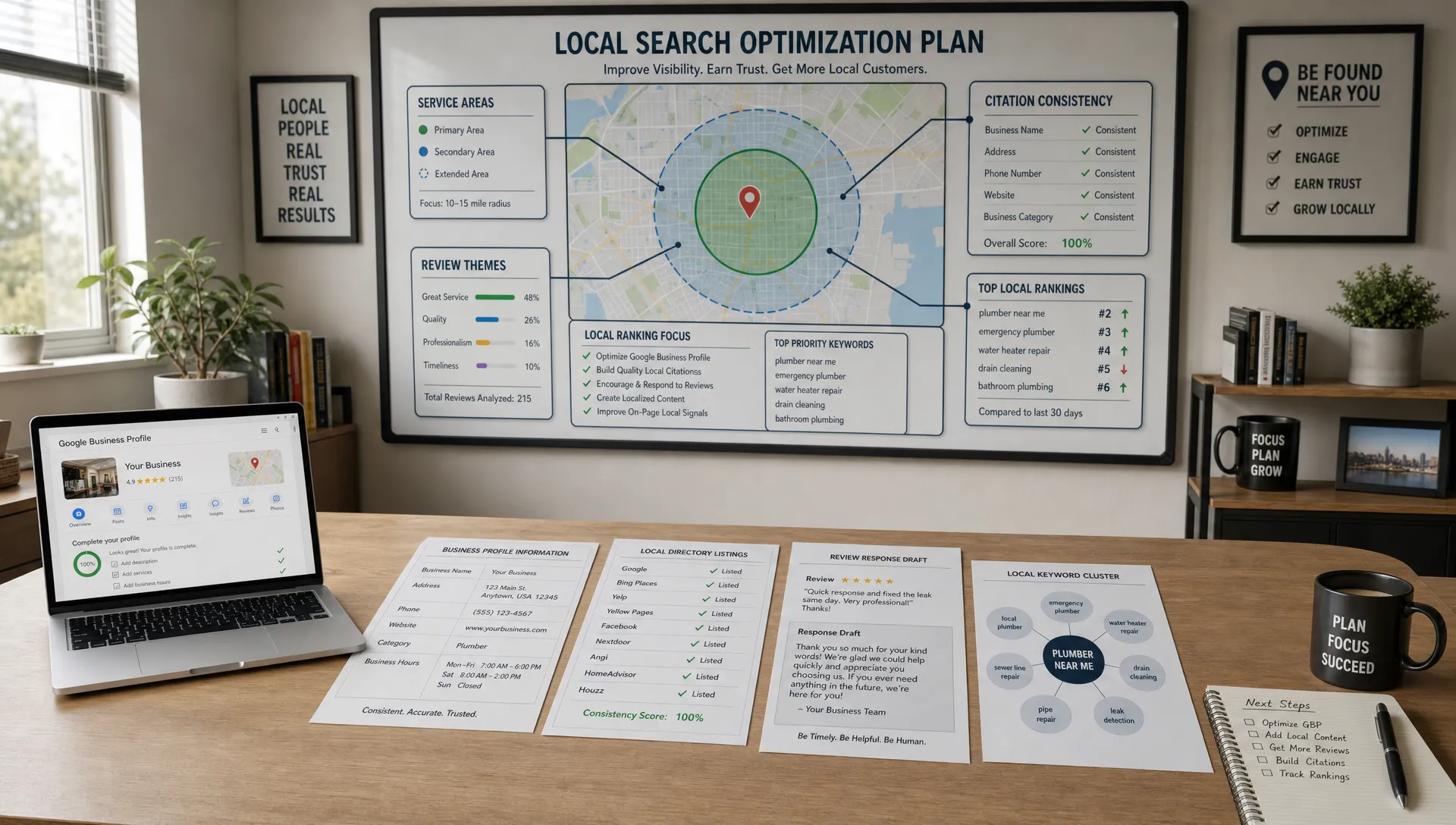
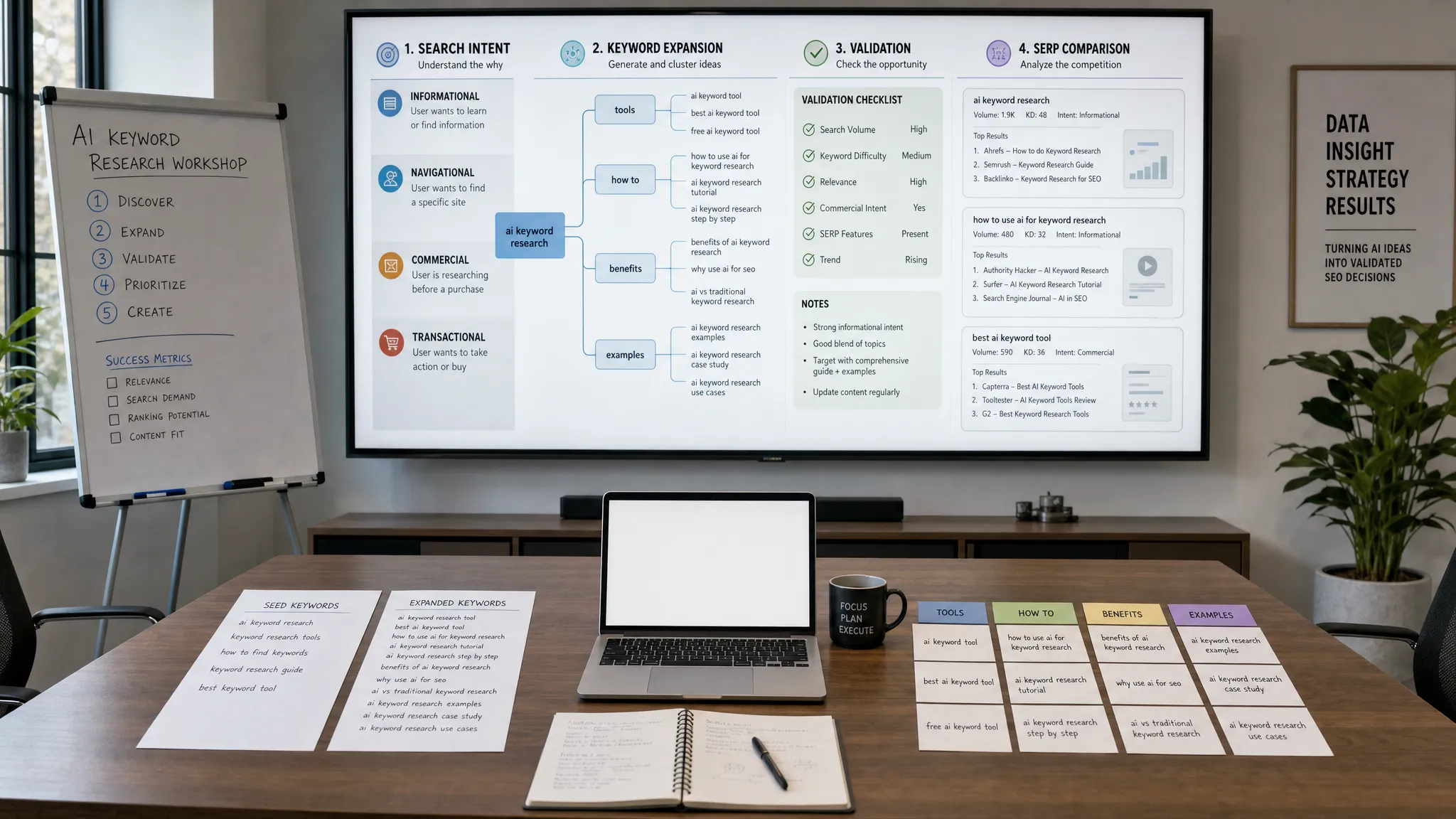
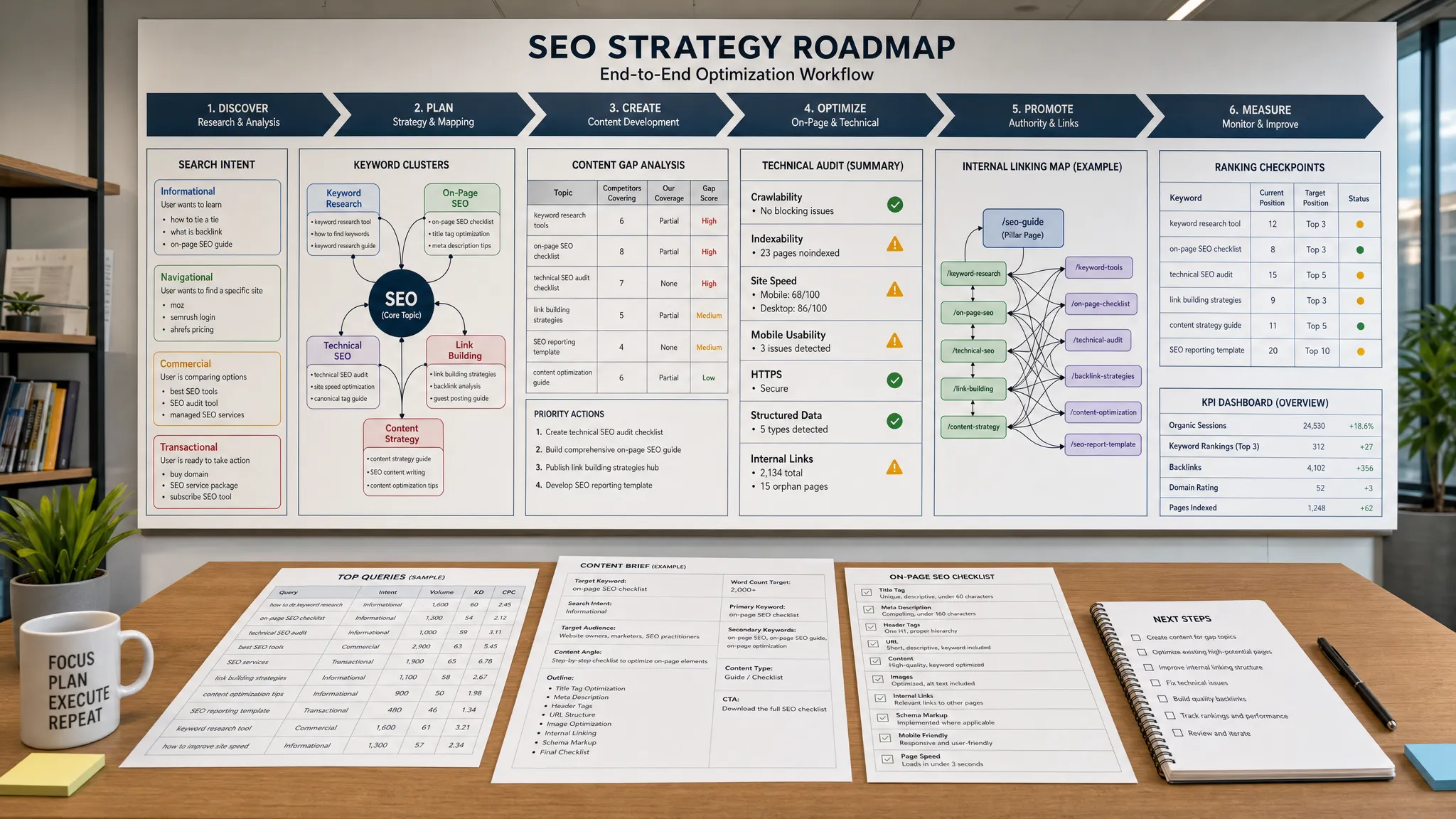
They do not publish thin articles just because AI can generate them quickly. Instead, they use AI to support stronger editorial planning. This can include clustering keywords by intent, identifying gaps in existing content, summarizing competing pages, building briefs, creating outlines, and refreshing outdated assets.
The real advantage comes when SEO is connected to conversion strategy. A smart team does not ask only, “Can we rank for this keyword?” It also asks, “What should the reader do next?”
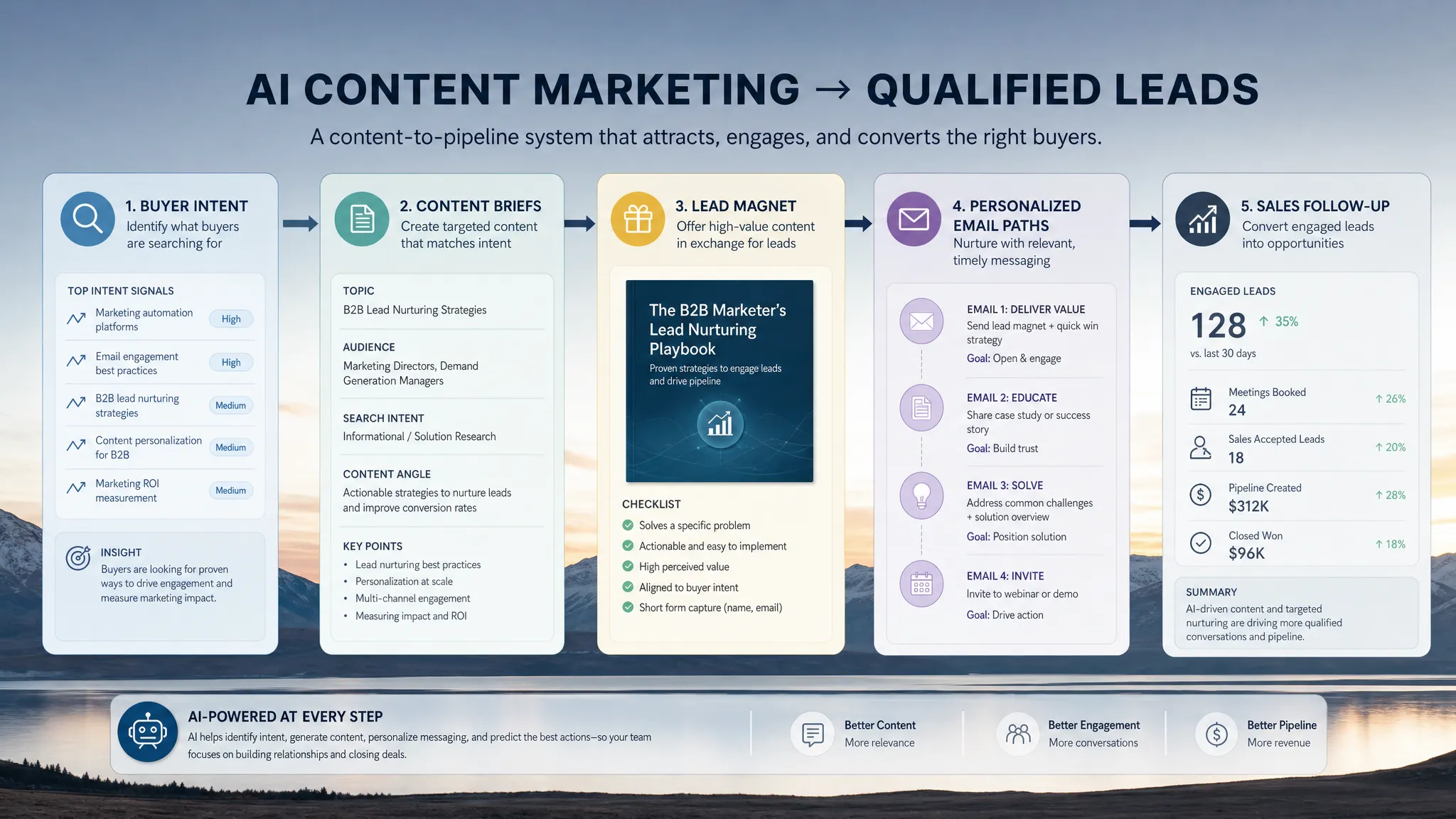
For top-of-funnel content, the next step might be a guide, calculator, checklist, or newsletter signup. For middle-of-funnel content, it might be a comparison, template, industry-specific resource, or product walkthrough. For bottom-of-funnel content, it might be a demo request, pricing page, or sales conversation.
AI can help map these journeys, but humans must understand intent. A beginner searching “what is AI marketing?” needs education. A marketing director searching “best AI SEO tools for small teams” is evaluating options. A SaaS founder searching “automated content creation platform” may be closer to buying.
Smart teams align AI content production with that intent, rather than treating every article as the same kind of asset.
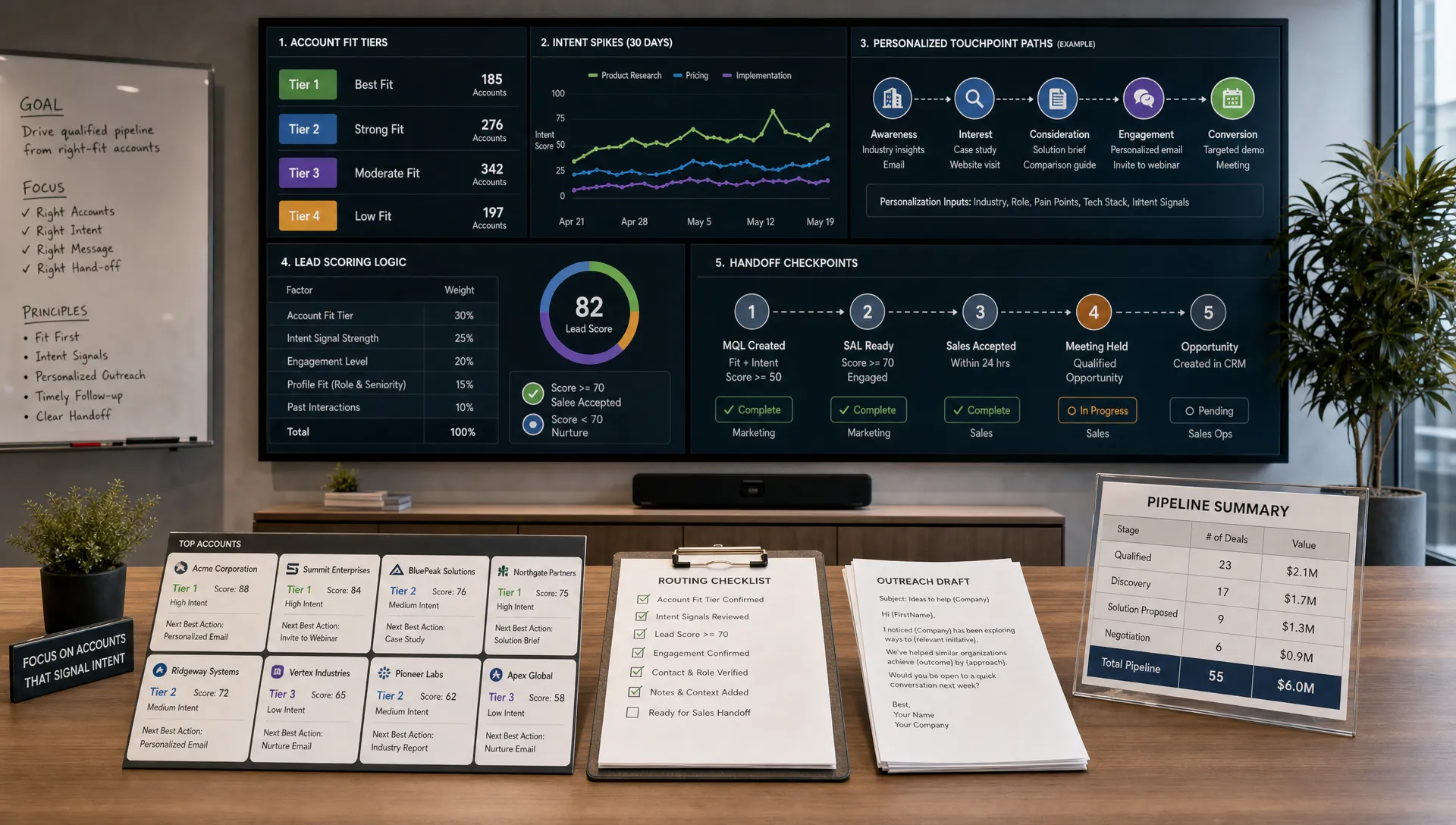
Personalization is one of the most powerful areas for AI in marketing. It can help tailor emails, landing pages, recommendations, offers, and ad creative based on audience behavior. But smart teams do not personalize just because they can.
They personalize when it improves relevance. They avoid personalization that feels invasive, inaccurate, or manipulative.
A good personalization system uses clear segments, permission-based data, and transparent value. For example, a SaaS company might personalize onboarding emails based on company size, role, or use case. An ecommerce brand might recommend products based on browsing behavior and purchase history. A B2B team might adapt case studies by industry.
Poor personalization happens when teams overreach. Referencing sensitive behavior, using data customers did not knowingly provide, or making incorrect assumptions can damage trust quickly.
Smart teams balance relevance with respect. They also keep a close eye on privacy requirements, consent, and data retention. AI does not remove those responsibilities. It makes them more important.
AI creates new marketing opportunities, but it also expands the risk surface. Synthetic media, manipulated documents, fake reviews, fraudulent invoices, automated spam, and misleading creative can all affect marketing operations and business trust.
Smart teams work with finance, operations, legal, and security teams to identify these risks early. This is especially important when marketing manages agency invoices, influencer payments, event expenses, partner reimbursements, affiliate payouts, or claims-based promotions.
For organizations that process invoices, receipts, claims, or employee expenses, AI-era fraud prevention may require specialized tools. Platforms such as Docklands AI invoice and receipt fraud detection software are built to detect manipulated, photoshopped, and AI-generated documents before they create financial losses.
This may seem outside the traditional marketing stack, but it reflects a broader lesson: smart AI adoption is not only about creating faster campaigns. It is also about protecting the systems, budgets, and trust that marketing depends on.
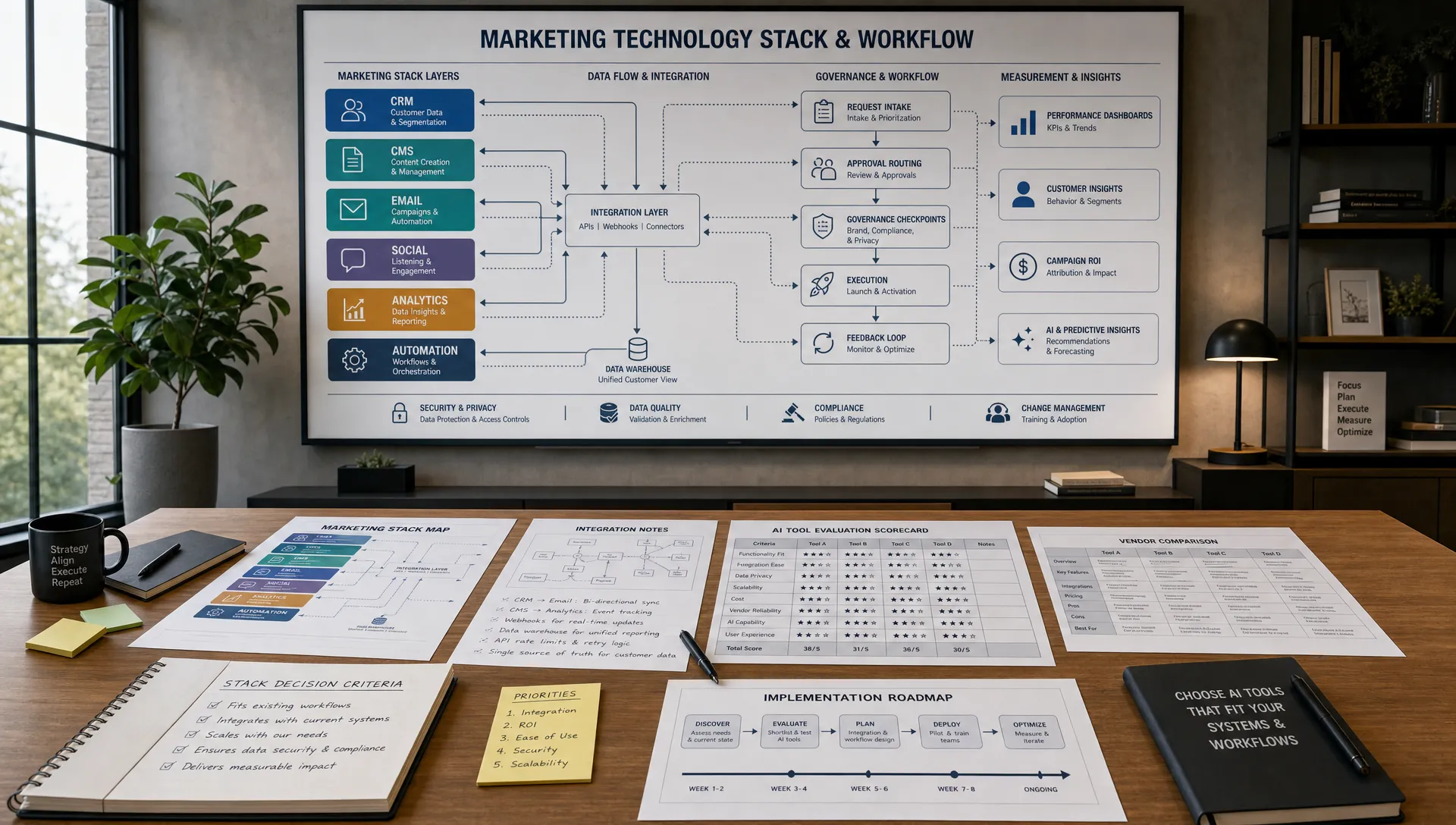
Smart teams do not let every marketer use AI in a different way with no shared standards. They create a simple operating model that defines how AI should be used across the team.
This does not need to be complex. A practical AI marketing operating model usually includes:
This creates consistency and reduces risk. It also helps new team members adopt AI faster because they are not starting from scratch.
The operating model should evolve. Every month or quarter, teams can review what worked, what failed, what saved time, and where quality issues appeared. AI changes quickly, so governance should be flexible enough to adapt without becoming chaotic.
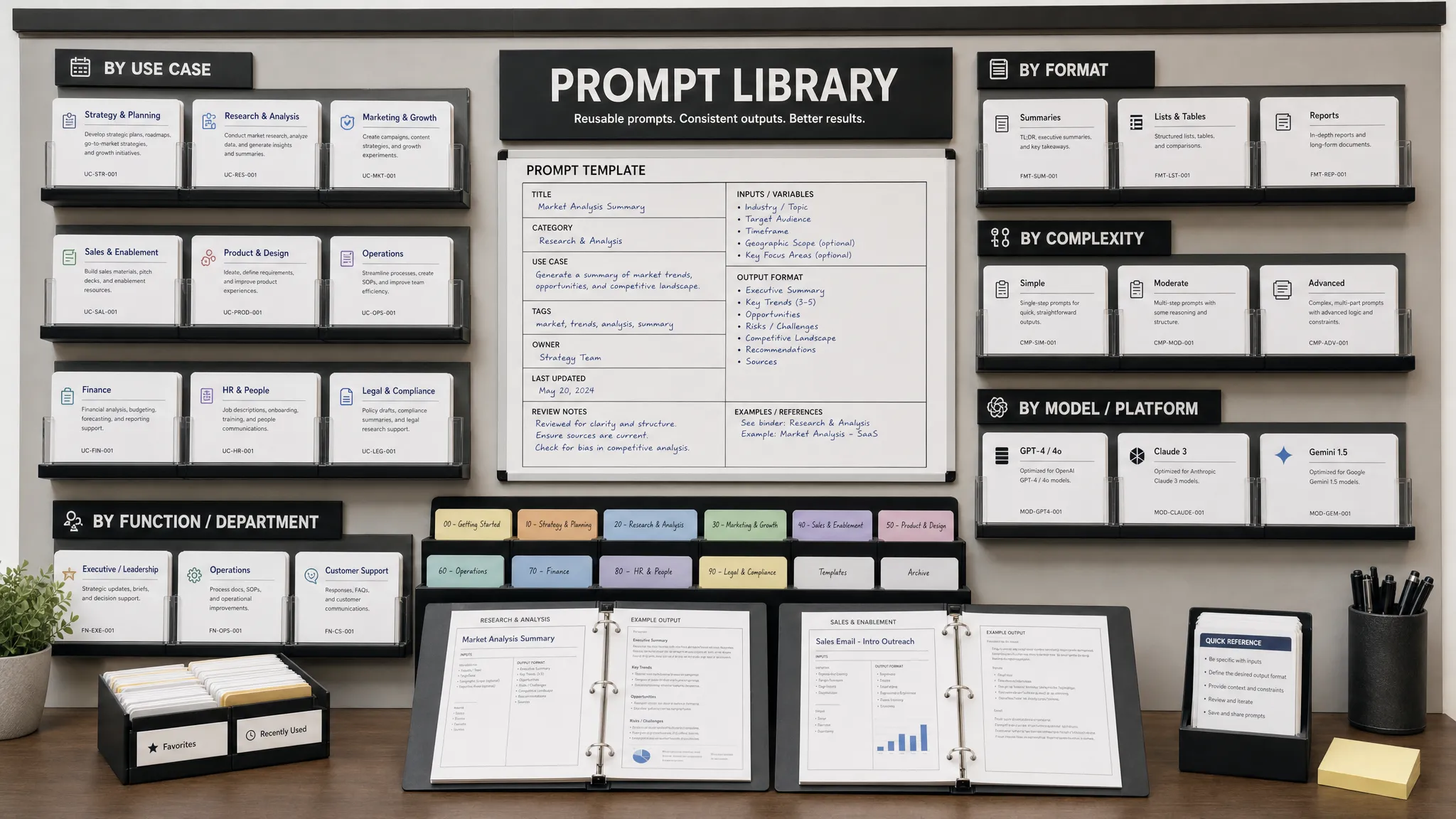
Prompt libraries are most useful when they solve repeatable problems. A generic collection of clever prompts may be interesting, but a team-specific prompt library can become a serious productivity asset.
Smart teams build prompts around common workflows such as:
The key is to standardize the inputs. A strong prompt might ask for audience, offer, funnel stage, channel, desired action, proof points, tone, and constraints. Over time, the team can improve the prompt based on real performance.
This is also where AIMarketer Hub can support marketers with AI content generation, a prompt library for marketers, SEO tools, performance analytics, calculators, and industry-specific guides. The goal is not to replace strategic thinking. It is to give teams a more practical starting point for repeatable marketing work.
Marketing work often breaks down between teams. Content does not match sales conversations. Paid media learns something that SEO never sees. Customer success hears objections that never make it into campaigns. Leadership sees reports but not the context behind them.
AI can help connect those dots.
Smart teams use AI to summarize cross-functional inputs, extract themes, and turn scattered information into usable marketing intelligence. Sales call notes can become objection-handling content. Support tickets can reveal product education gaps. Paid search data can inform SEO priorities. Webinar questions can become blog topics.
This makes marketing more responsive. Instead of planning in isolation, the team can build campaigns around what customers are actually asking, saying, and struggling with.
The result is better alignment. AI becomes a bridge between data sources, teams, and customer conversations.
The teams that struggle with AI usually fall into predictable traps. They produce too much content without a distribution plan. They automate messaging before clarifying positioning. They rely on AI-generated facts without verification. They use too many tools without integration. They chase novelty instead of performance.
Smart teams stay focused. They choose a small number of high-impact use cases, document their workflow, measure results, and expand only when the process works.
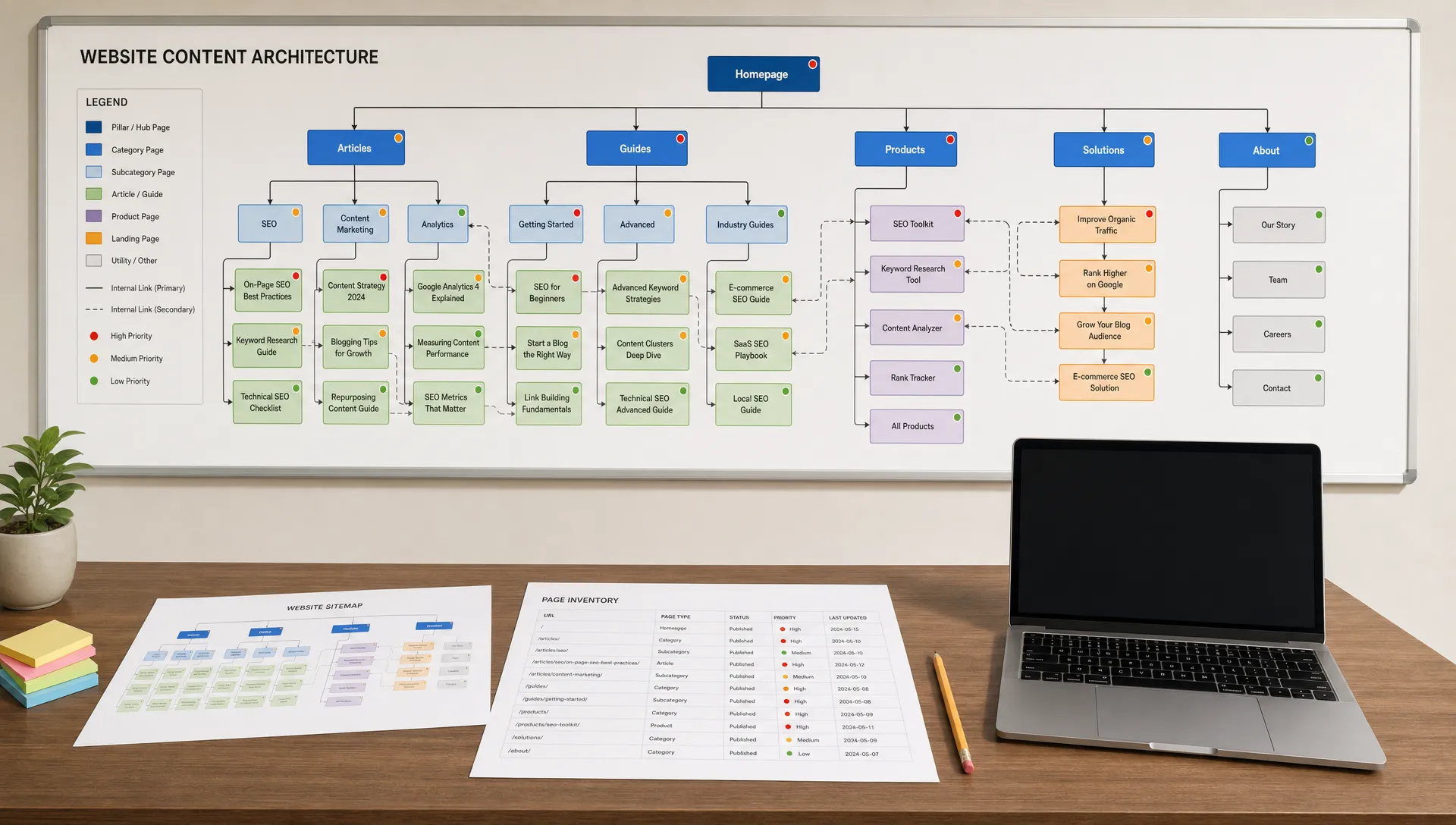
A practical starting point is to choose one workflow from each category: content, analytics, and operations. For content, you might use AI to create SEO briefs and first drafts. For analytics, you might use it to summarize campaign performance and identify anomalies. For operations, you might use it to repurpose approved assets into multiple formats.
Once those workflows are stable, you can add more advanced use cases such as predictive segmentation, dynamic personalization, creative testing automation, or lifecycle journey optimization.
If your team is early in its AI journey, do not try to transform everything at once. Start with a focused 30-day plan.
During the first week, audit your current marketing workflow. Identify repetitive tasks, slow approvals, content bottlenecks, reporting gaps, and areas where decisions are based on guesswork.
During the second week, choose two or three AI use cases with clear value. Good candidates include SEO brief creation, ad variation generation, email repurposing, customer feedback analysis, and campaign reporting summaries.
During the third week, create simple rules. Decide which tools are approved, what data is restricted, who reviews final outputs, and which metrics will determine success.
During the fourth week, run controlled tests. Compare AI-assisted workflows against your previous process. Look at speed, quality, conversion impact, and team feedback.
At the end of the month, keep what worked, improve what was promising, and remove what added noise. Smart AI adoption is iterative. You do not need a perfect system before you begin. You need a clear problem, a controlled workflow, and a way to measure progress.
The future of digital marketing and AI is not about replacing marketers with machines. It is about helping marketers make better decisions faster.
Smart teams use AI to reduce manual work, surface insights, test ideas, personalize experiences, and improve campaign performance. But they also protect quality, privacy, brand trust, and strategic focus.
That is the real difference. Average teams use AI to make more things. Smart teams use AI to make better decisions, build better systems, and create better customer experiences.
How is AI used in digital marketing? AI is used for content generation, SEO research, audience segmentation, personalization, ad testing, reporting, customer insight analysis, and workflow automation. The strongest results come when AI is connected to a clear marketing strategy and measurable business goals.
Will AI replace digital marketers? AI will replace some repetitive tasks, but it is unlikely to replace skilled marketers who understand strategy, customers, positioning, brand, and performance measurement. Marketers who learn to use AI effectively will become more valuable because they can work faster and make better-informed decisions.
What should marketing teams automate first with AI? Start with tasks that are repetitive, time-consuming, and low-risk. Examples include summarizing research, creating content briefs, repurposing approved assets, generating campaign variations, and producing first-pass performance summaries.
How can teams avoid low-quality AI content? Use detailed briefs, provide customer context, verify facts, add original expertise, and require human editing before publishing. AI should support the content process, not replace editorial judgment.
What metrics should teams track for AI marketing? Track time saved, production efficiency, conversion rates, content performance, lead quality, customer acquisition cost, engagement quality, and revenue influence. Avoid measuring success only by the amount of content produced.
AI works best when it is practical, focused, and connected to real marketing goals. If your team wants to move beyond random tools and start building repeatable workflows, AIMarketer Hub offers AI-powered marketing tools, prompt resources, SEO support, performance analytics, calculators, and industry-specific guides to help you automate, optimize, and grow with more confidence.
Explore the resources at AIMarketer Hub and start turning AI from an experiment into a smarter marketing system.