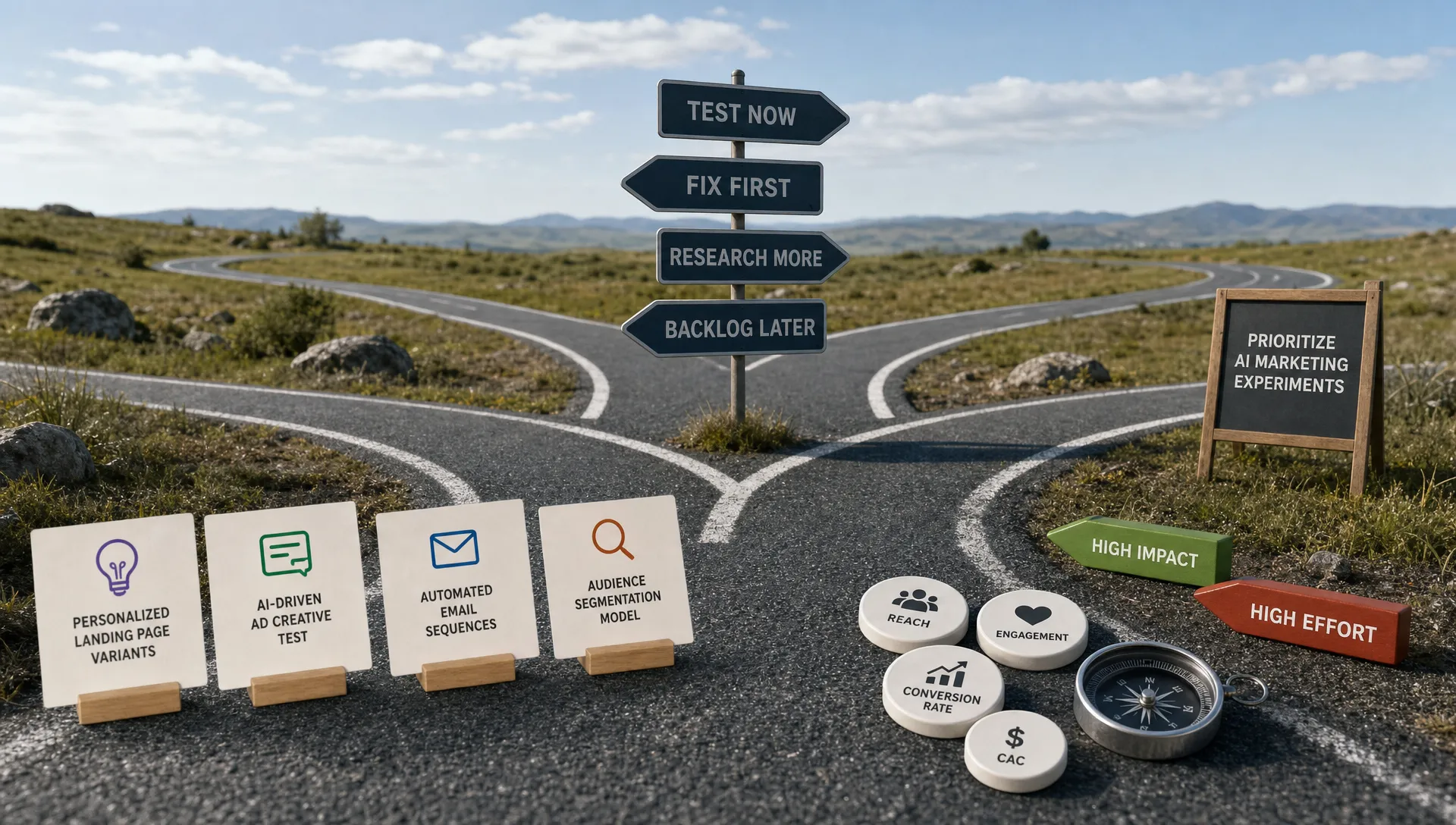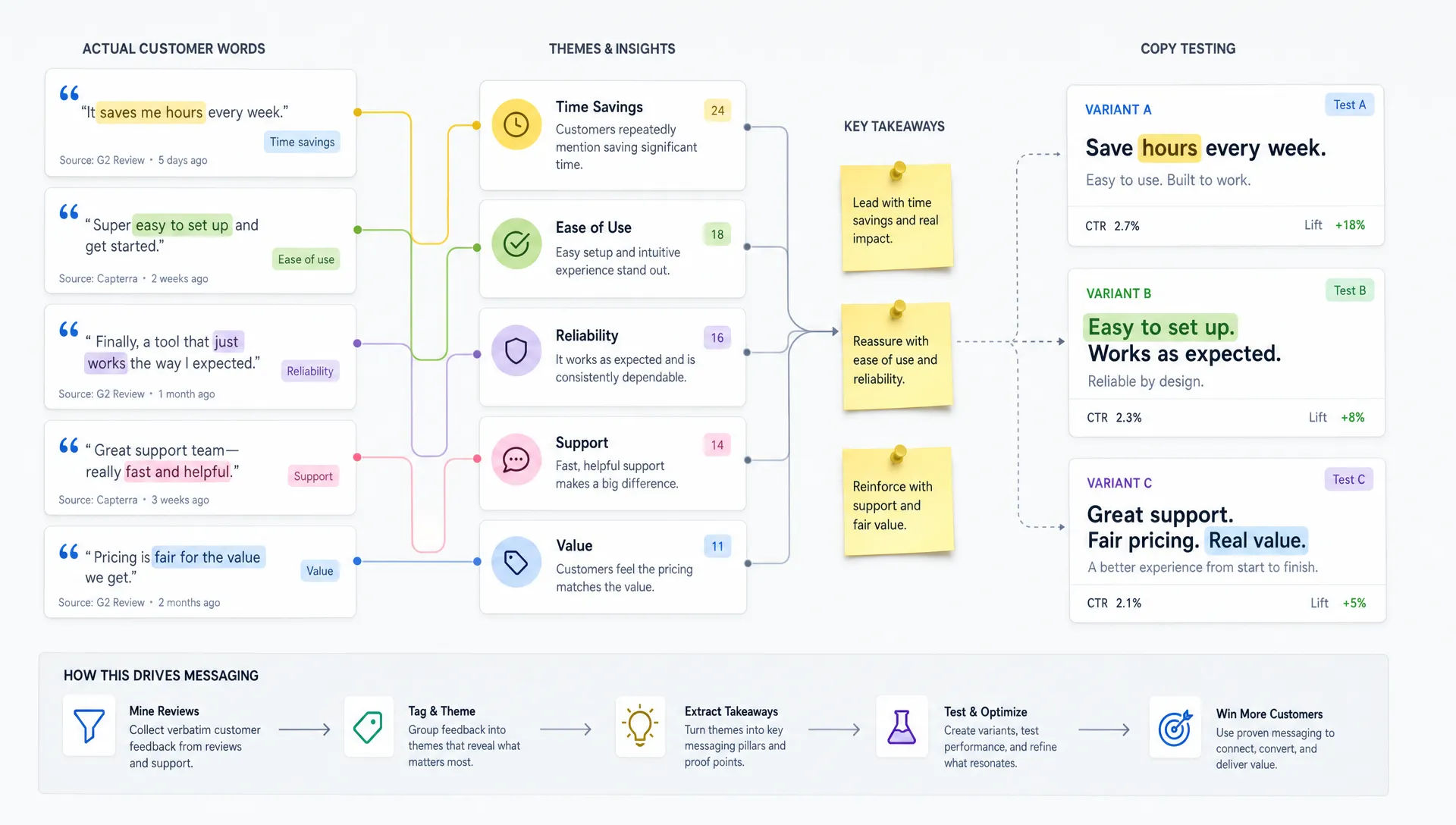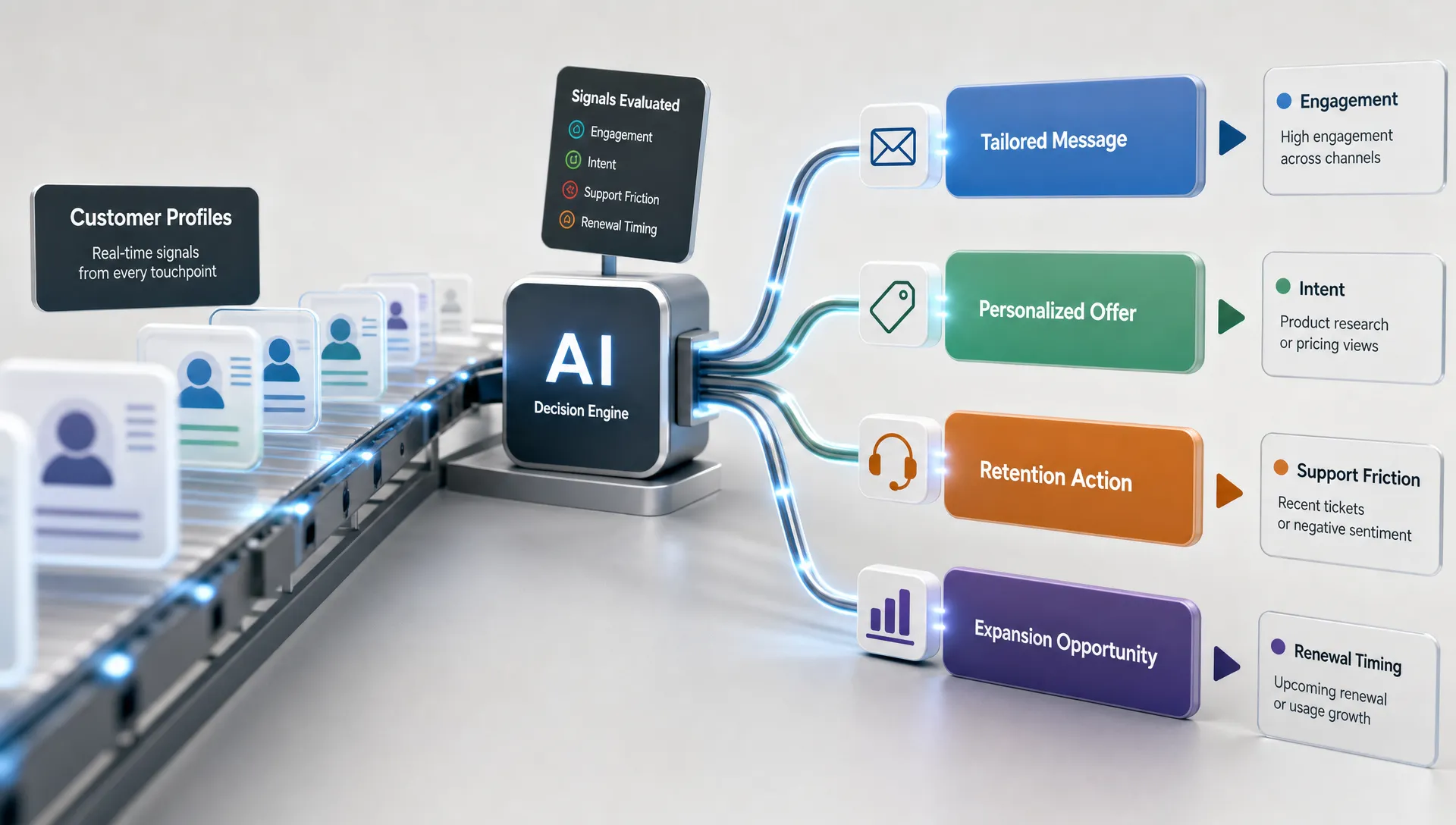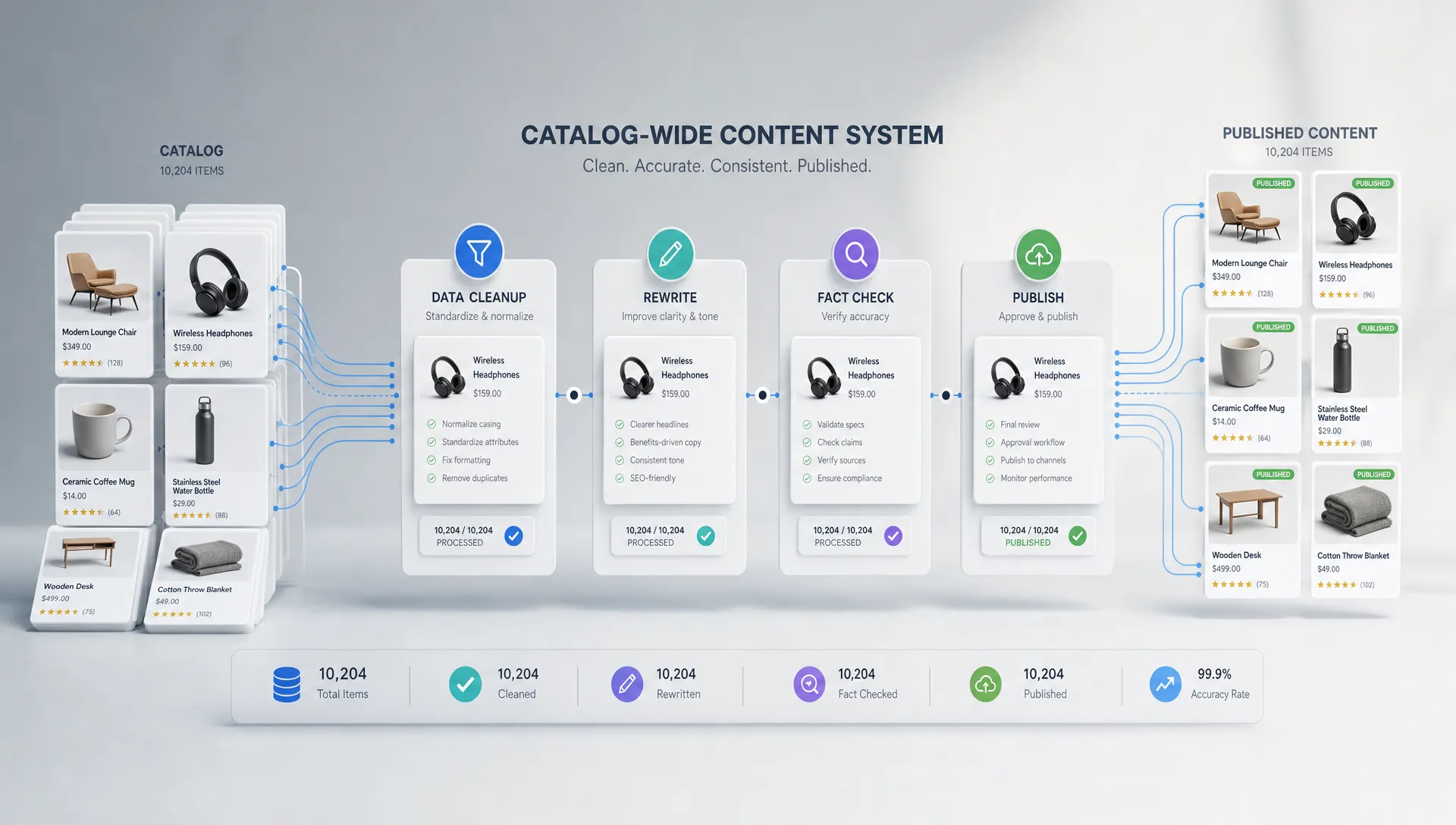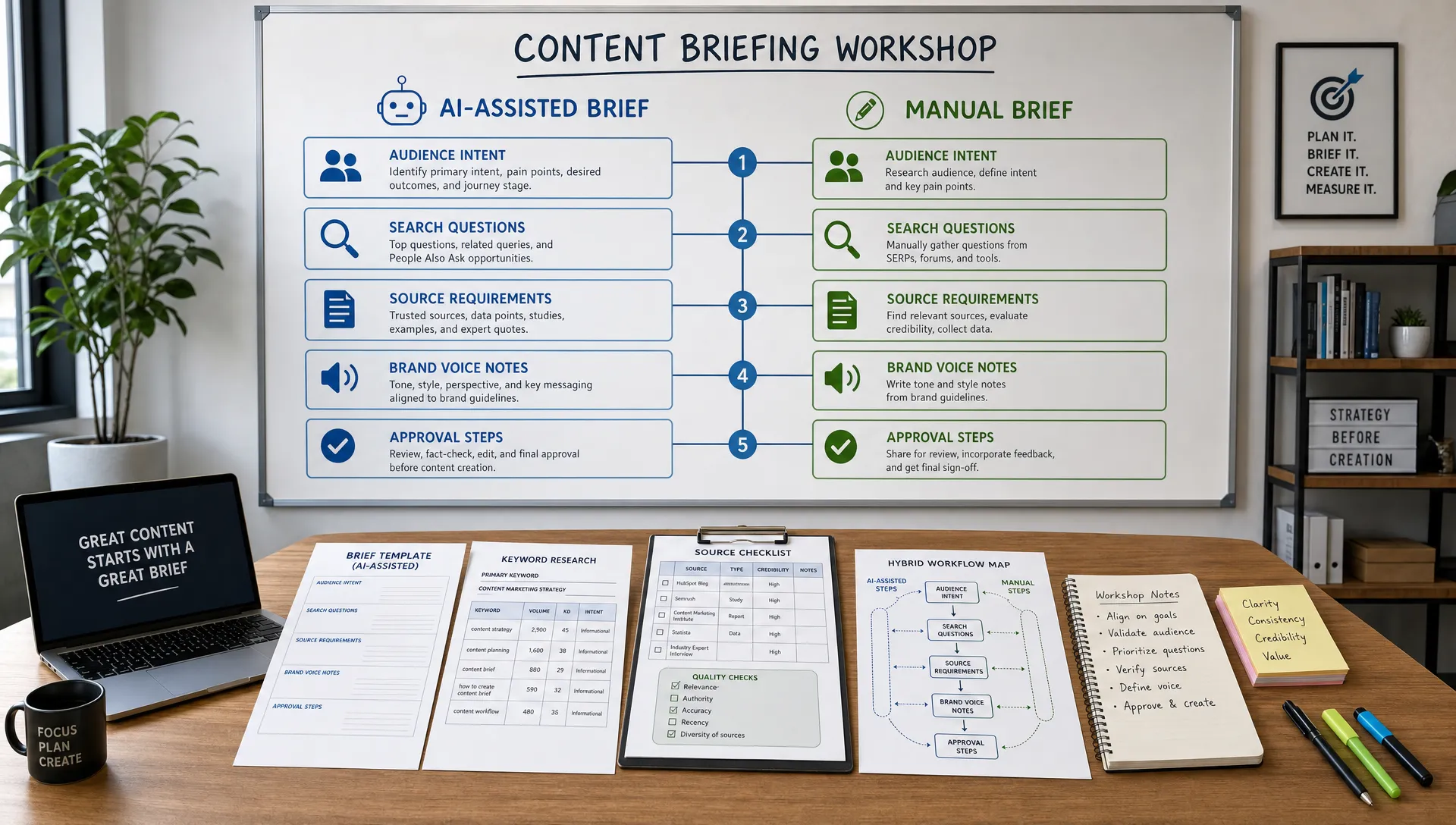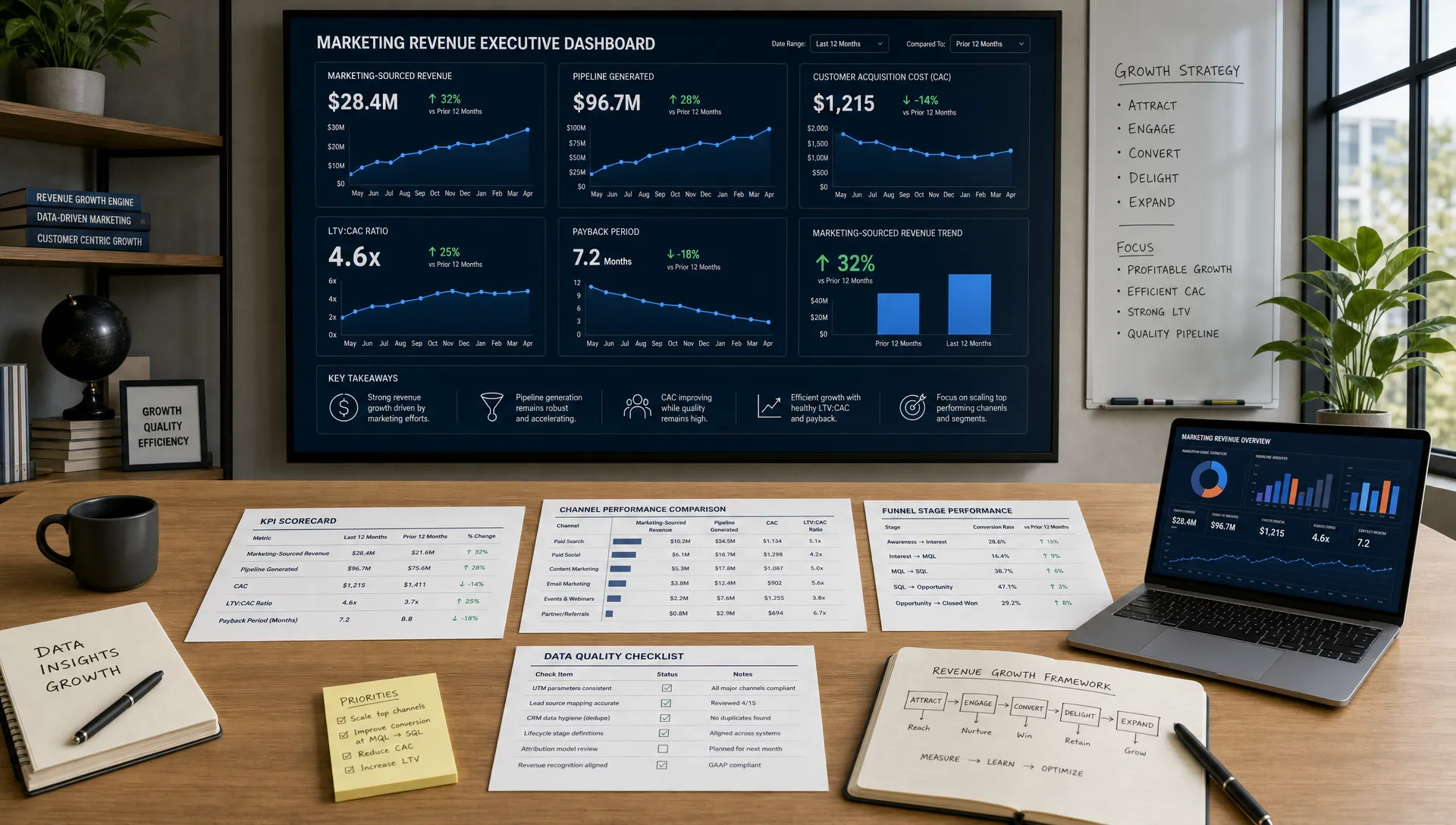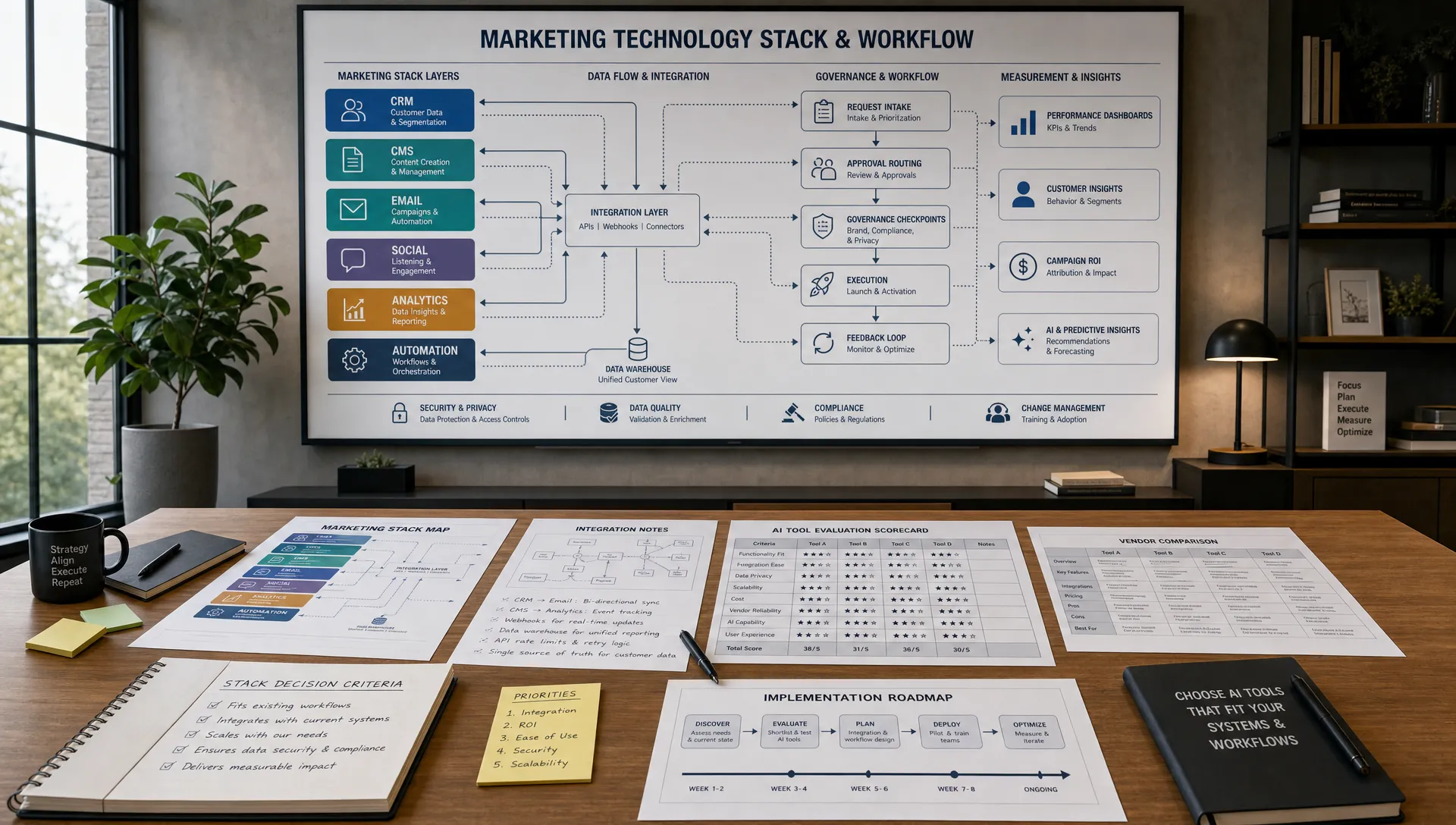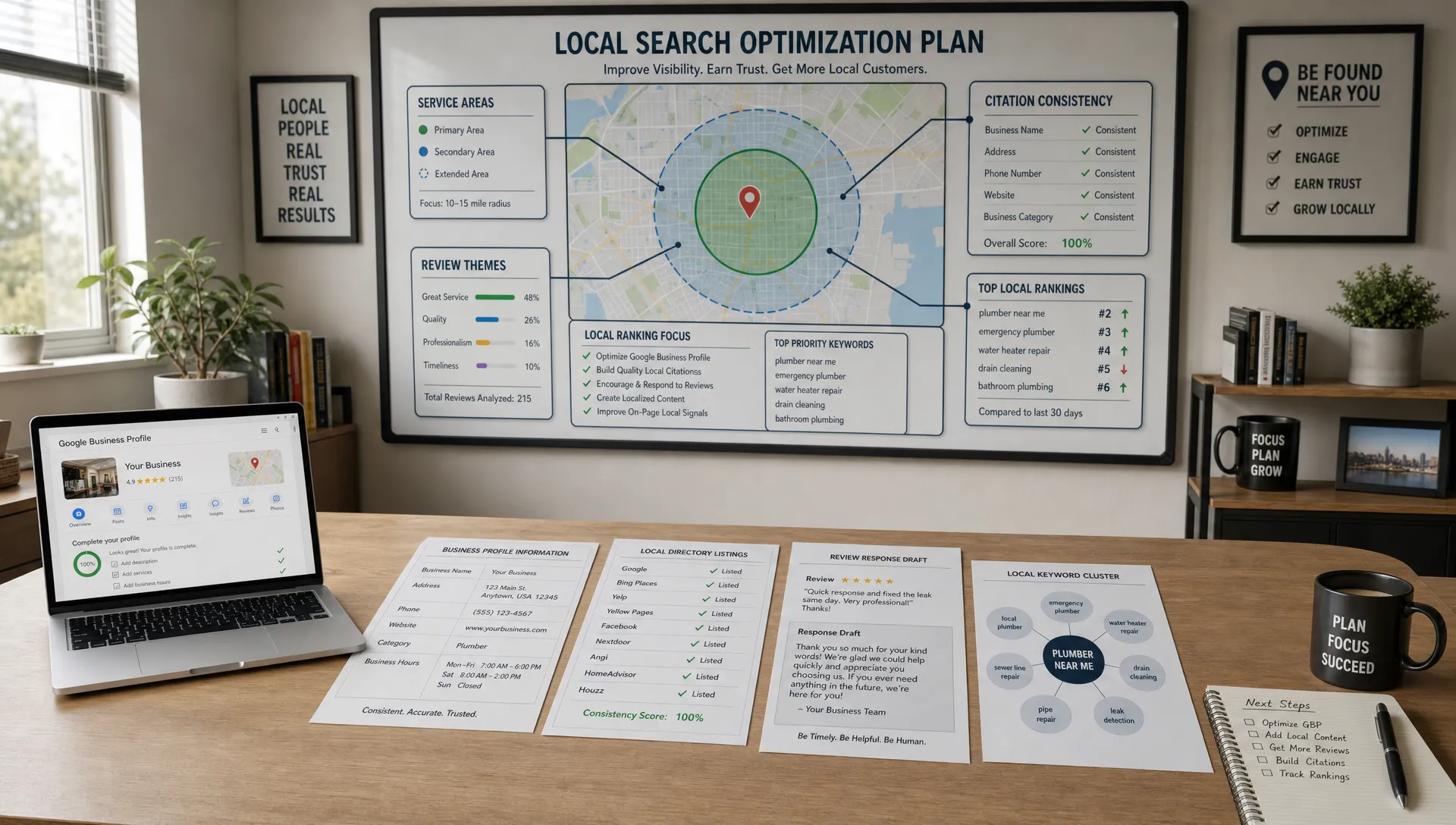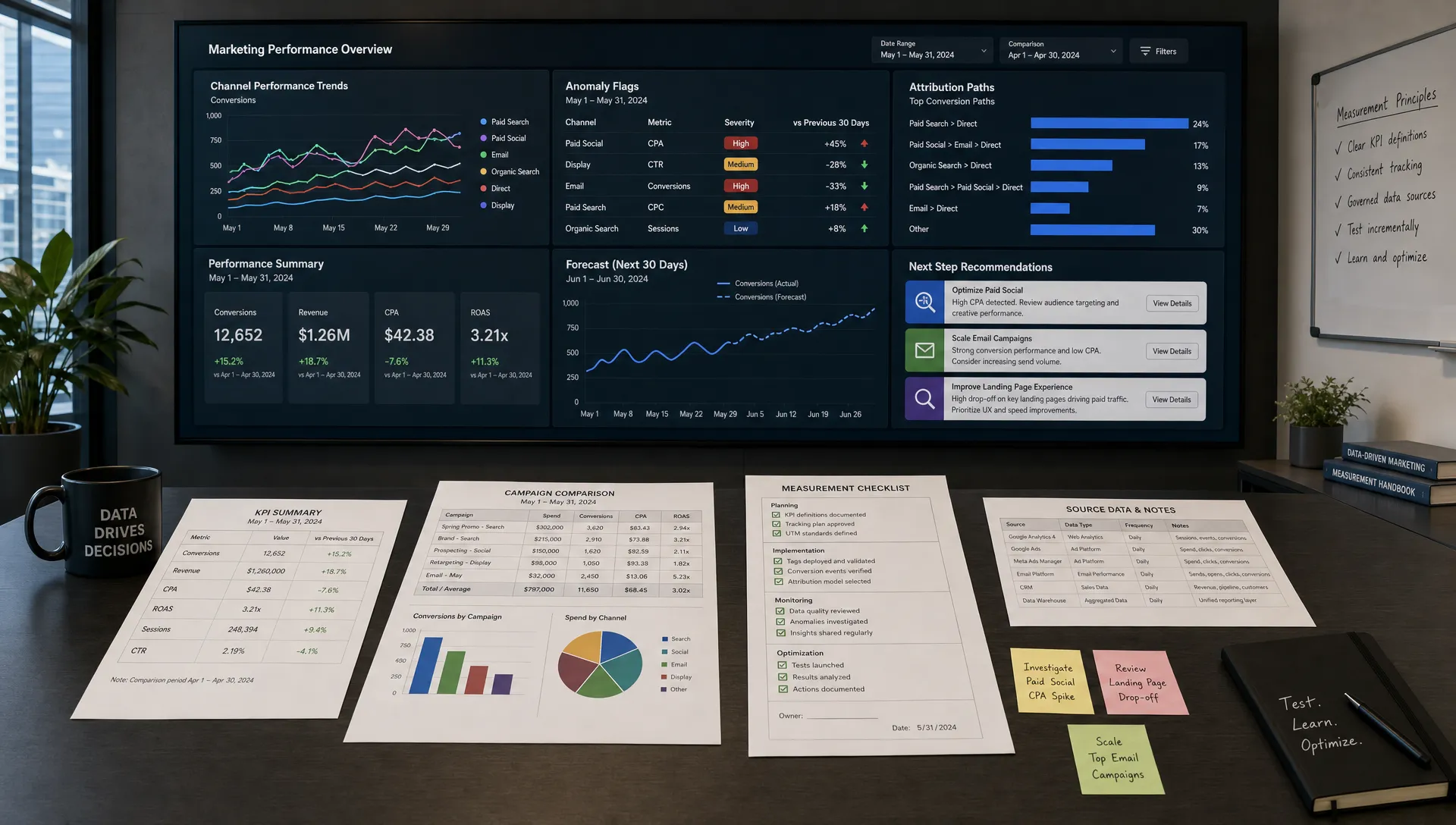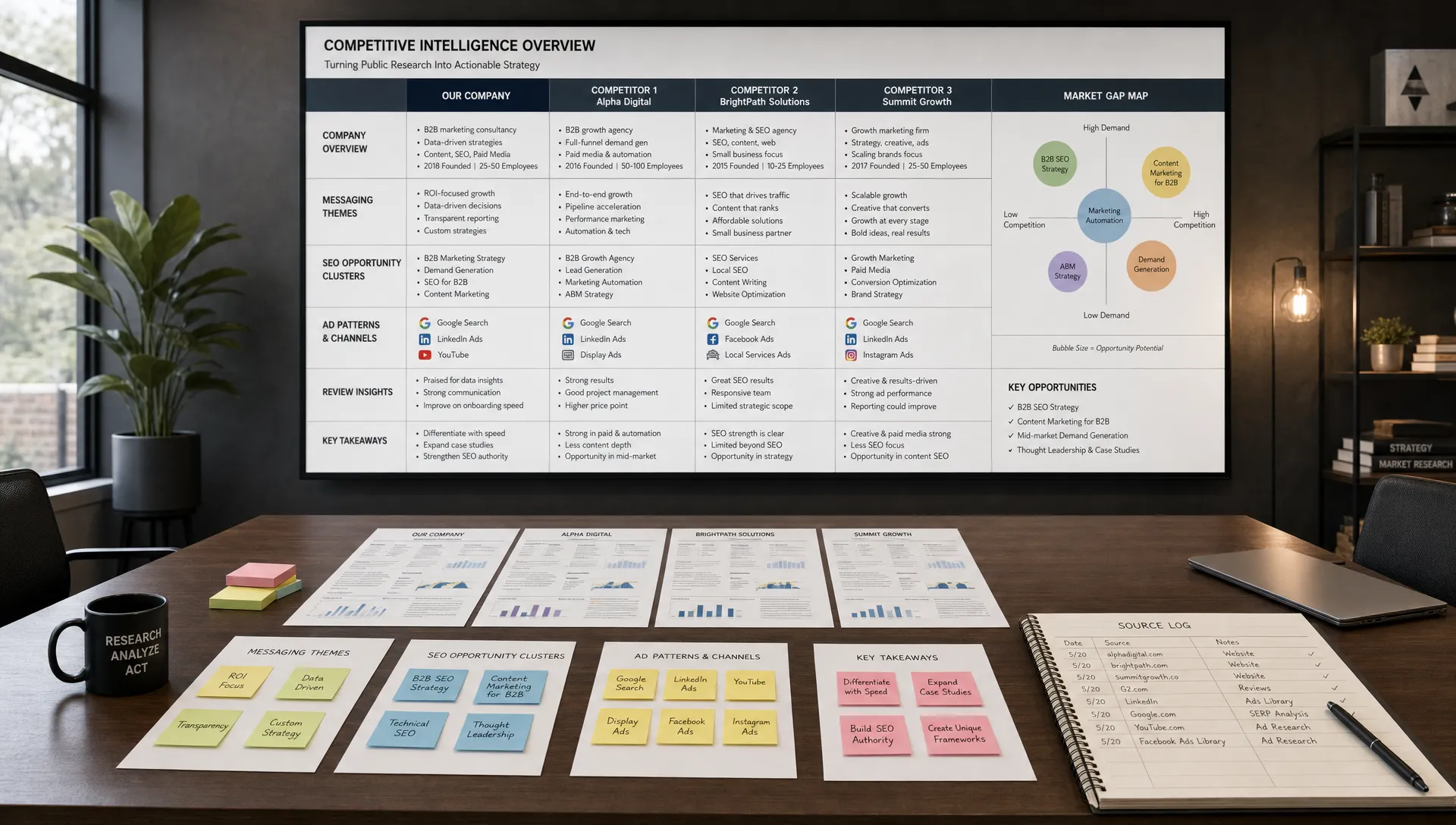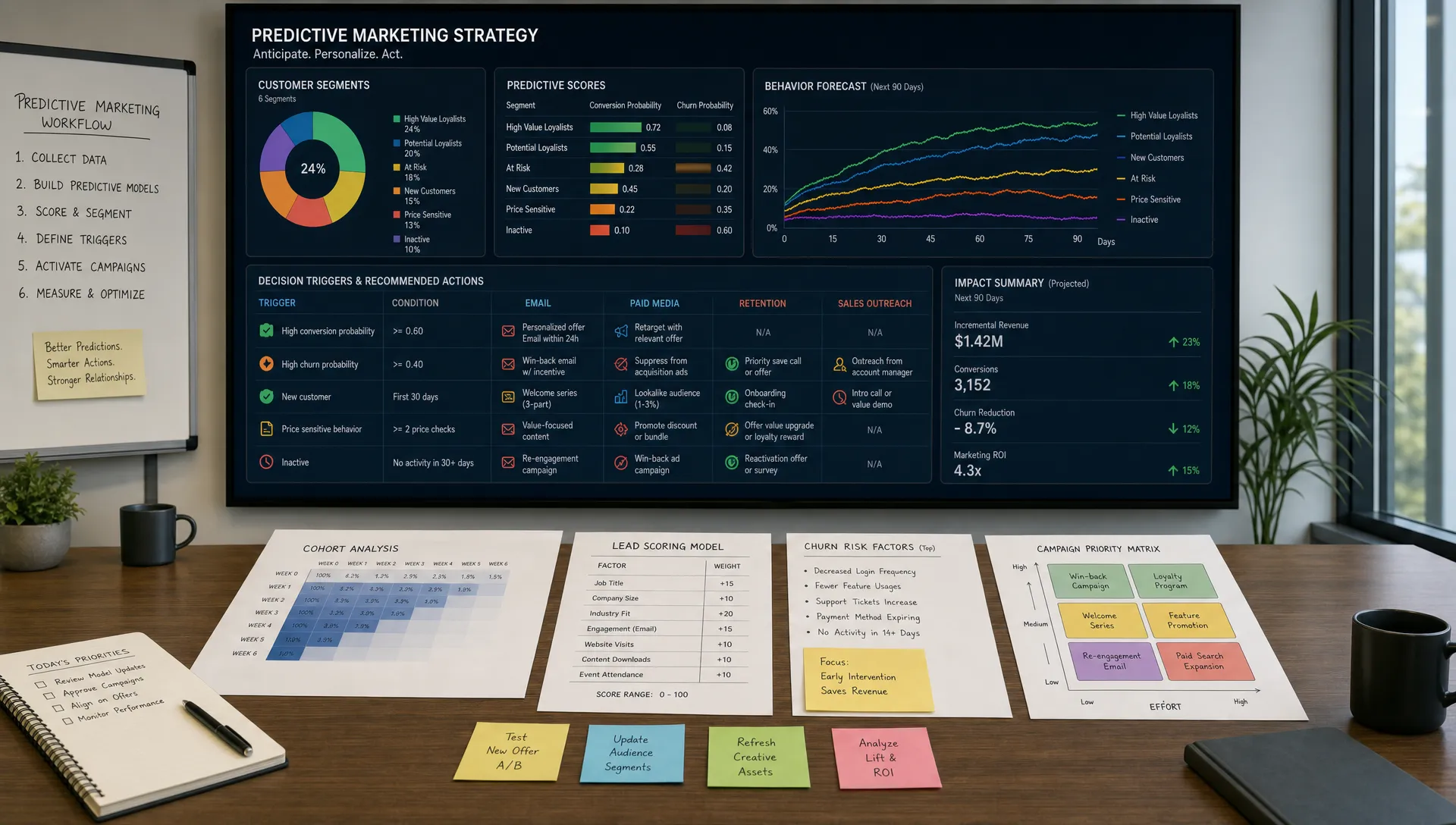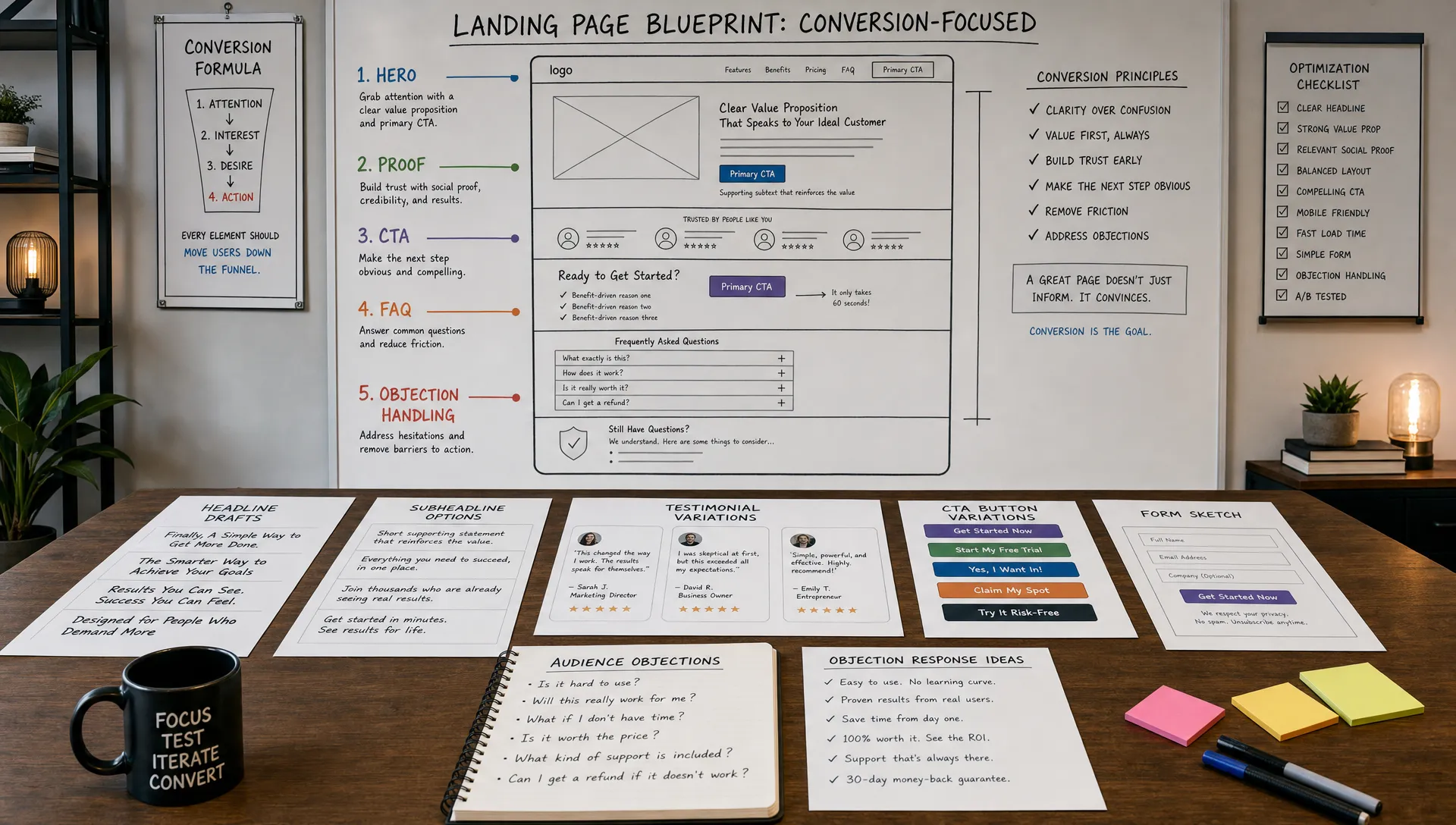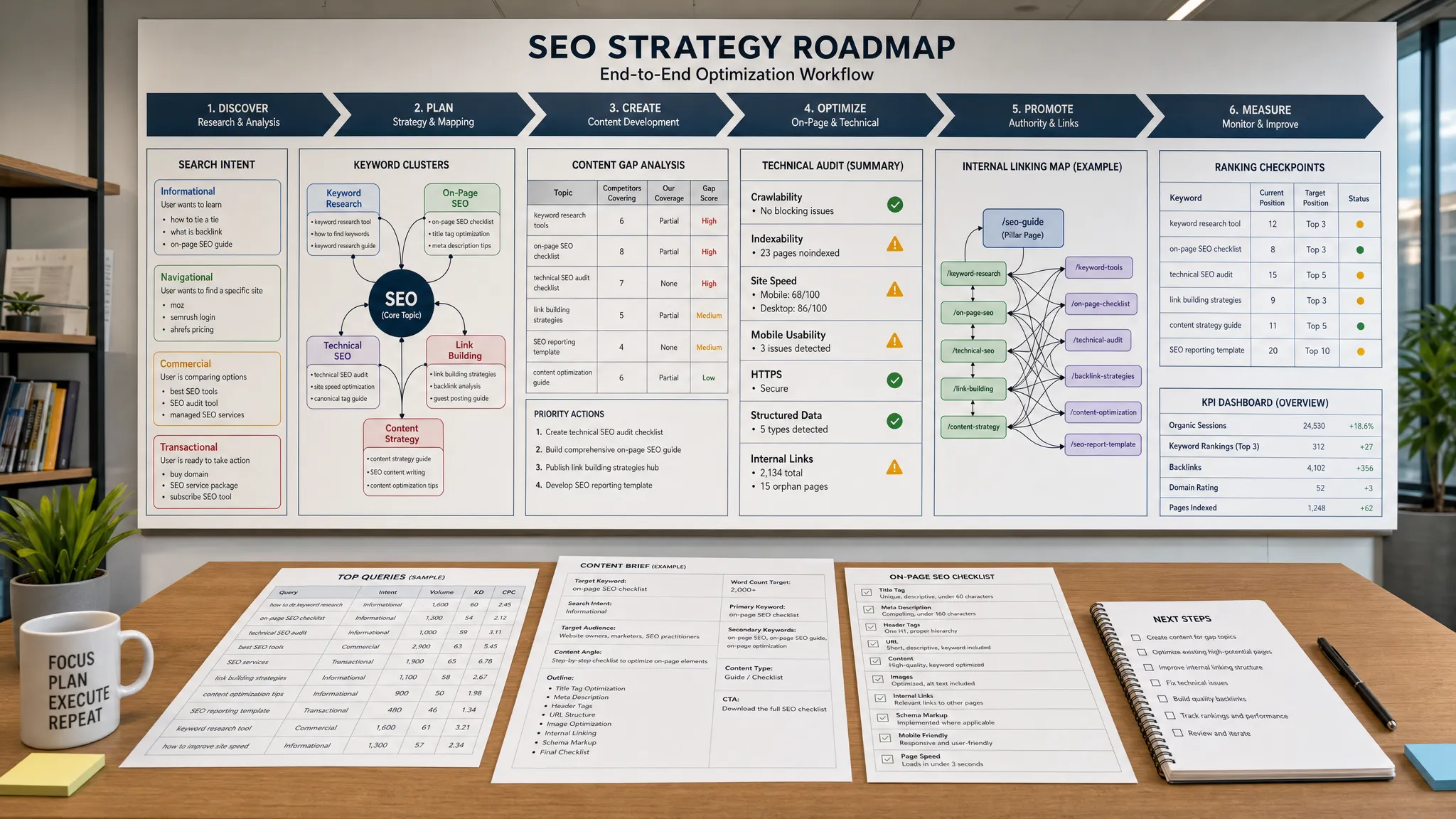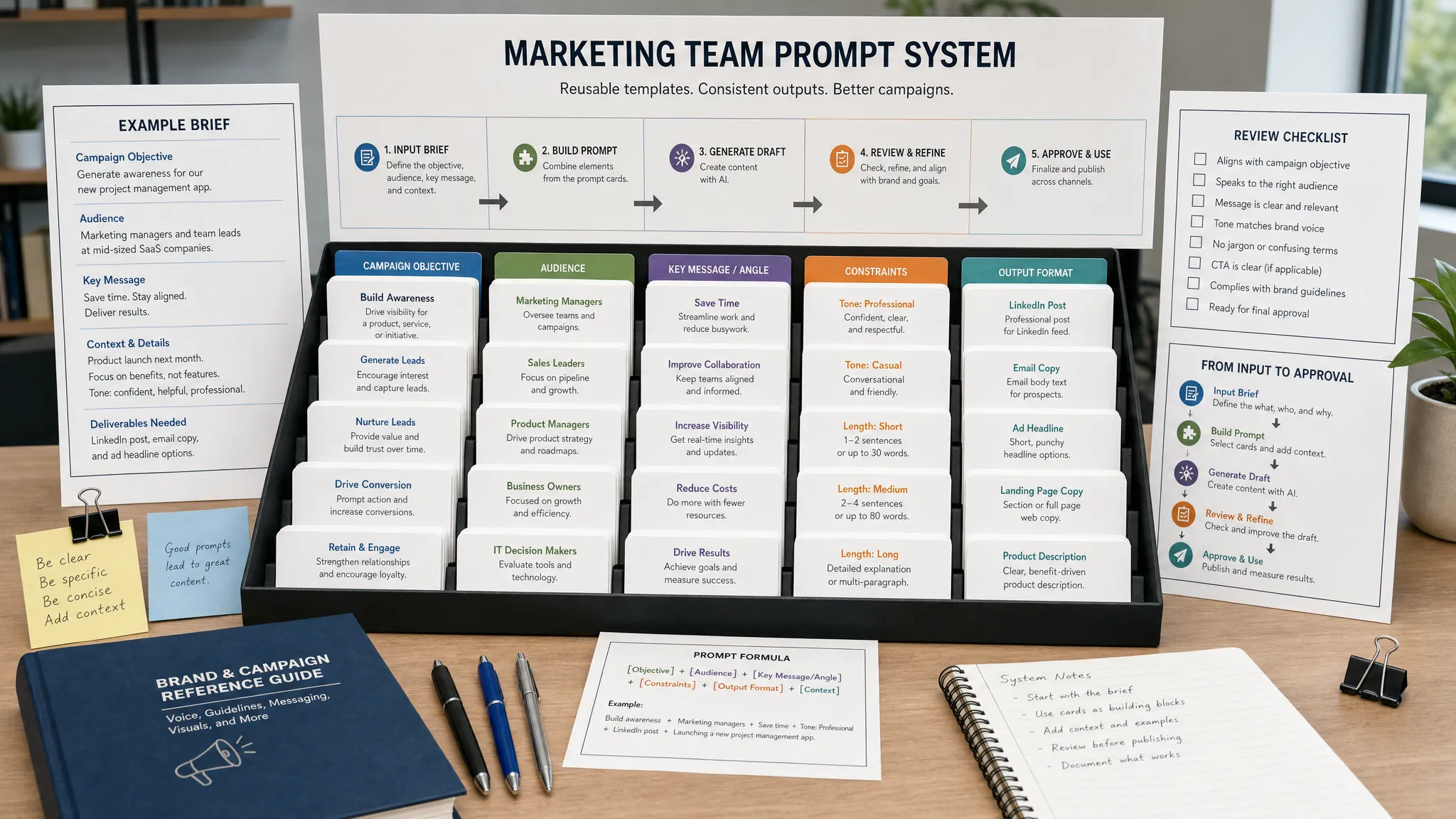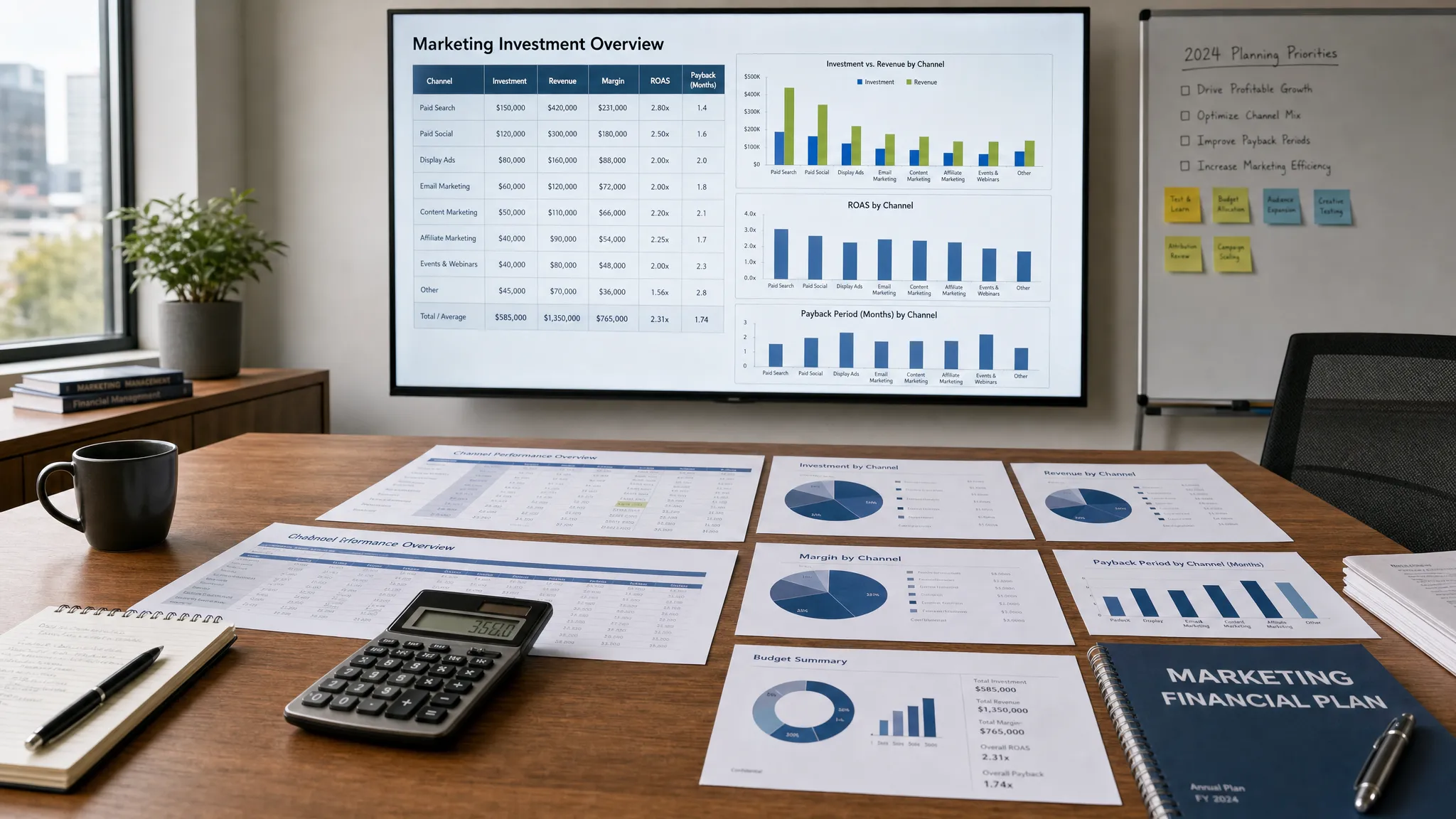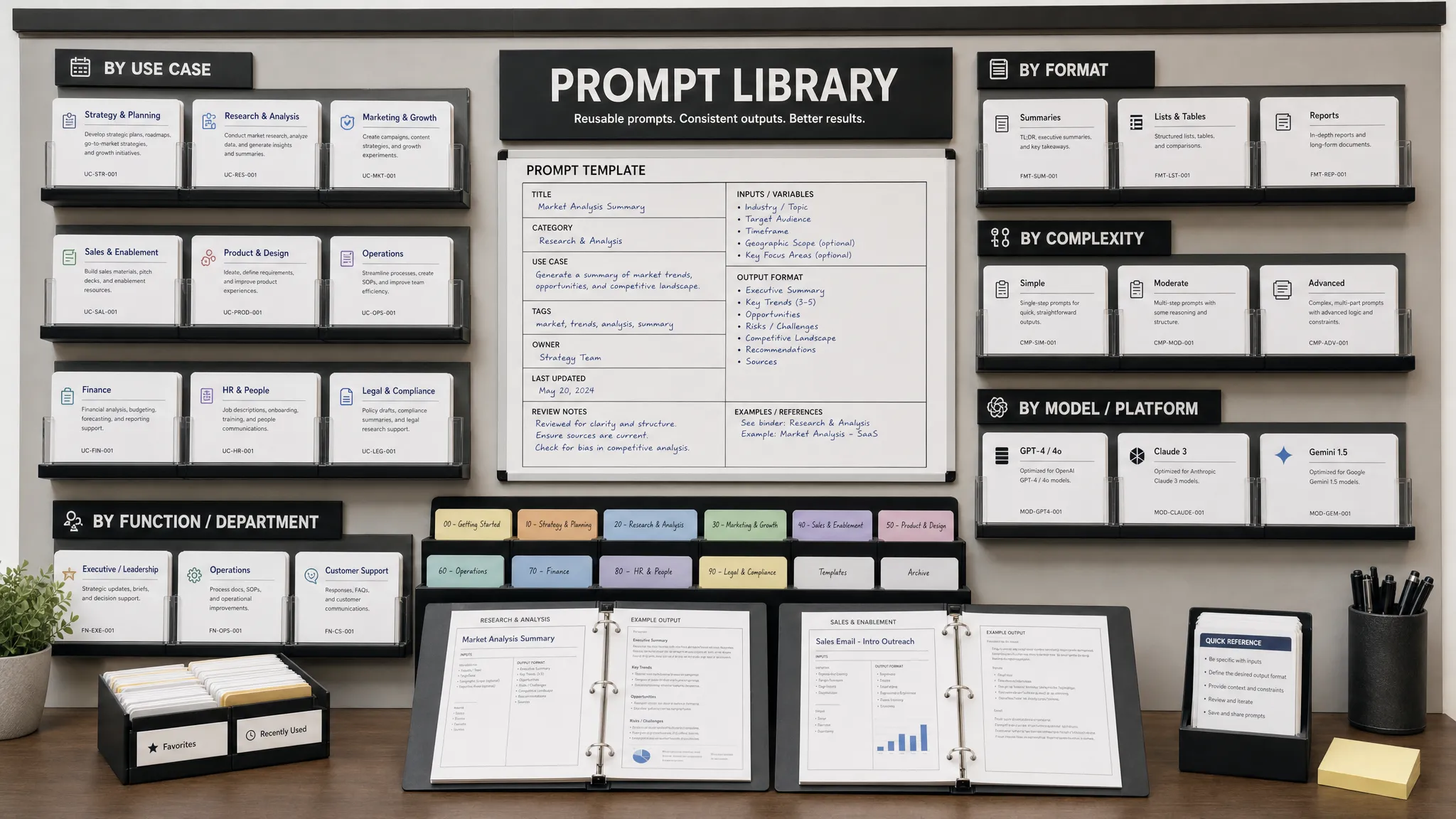
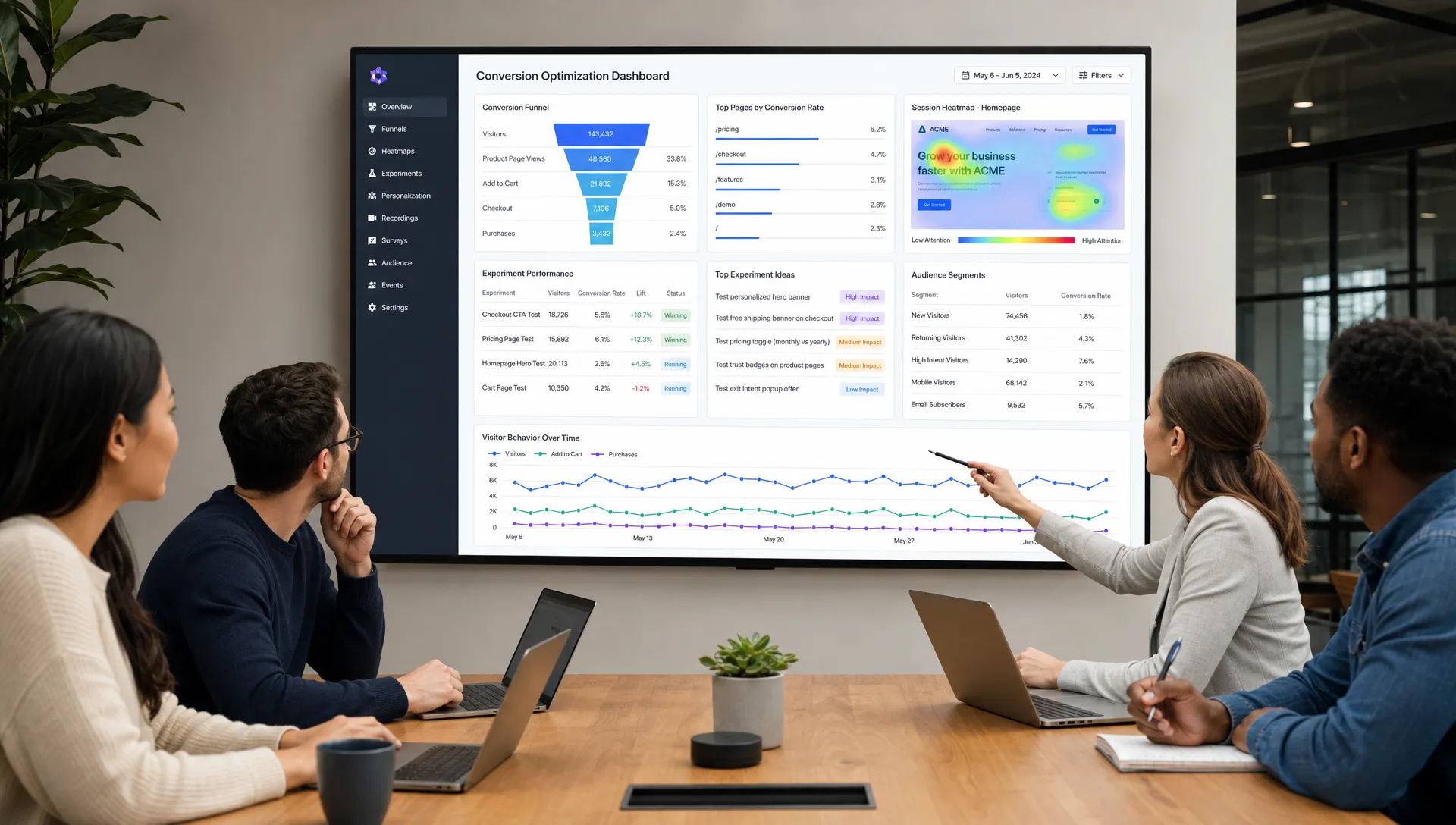
Conversion rate optimization used to be a slow cycle of hunches, spreadsheet analysis, design changes, and A/B tests that took weeks to interpret. AI has not removed the need for strategy, but it has changed the pace. The best AI tools for conversion rate optimization can surface user friction faster, recommend test ideas, personalize experiences, and help teams move from “what should we test?” to “what did we learn?” with less guesswork.
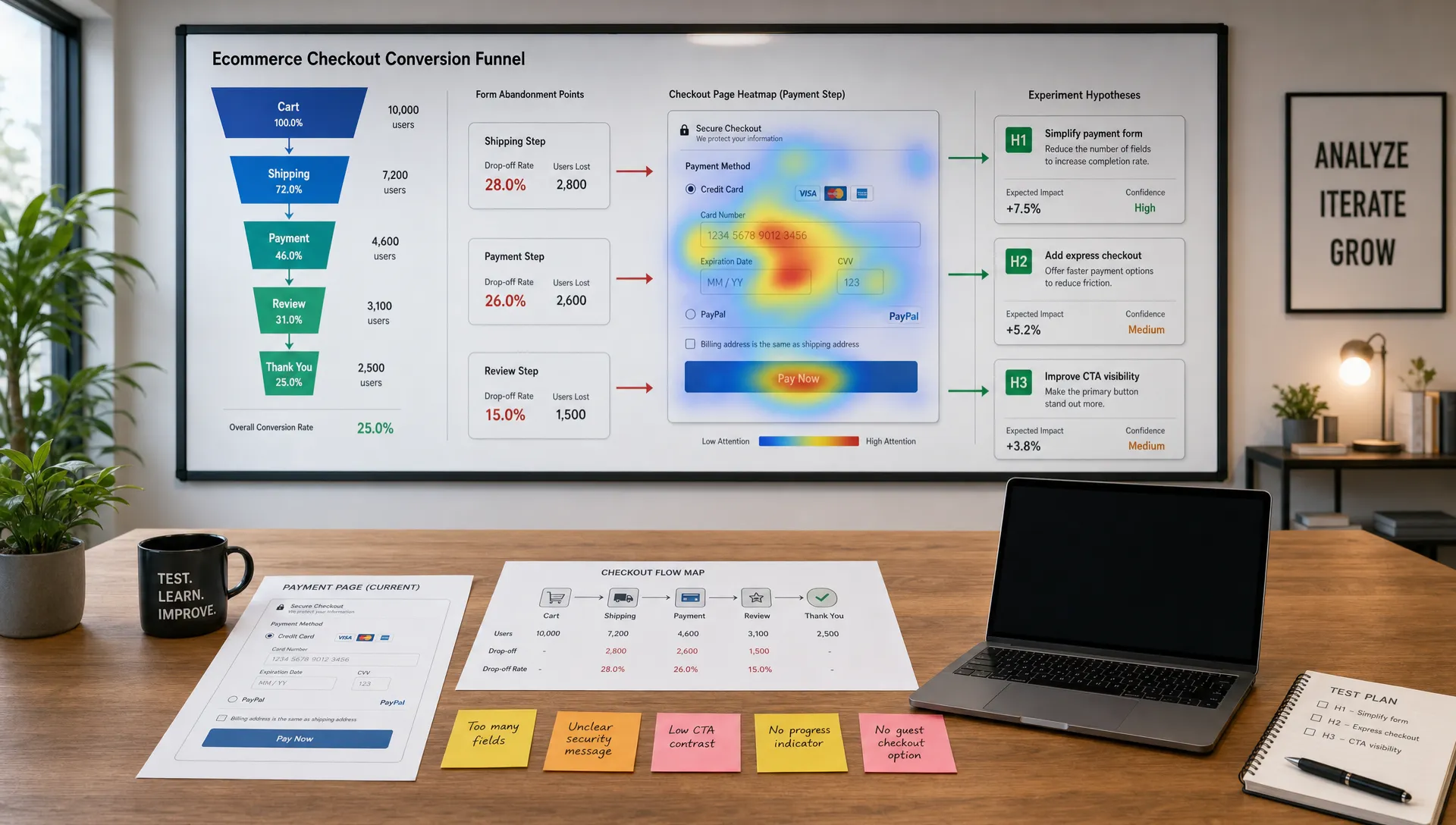
That matters because even small improvements compound. If your checkout, lead form, demo request page, or landing page converts a little better, every paid ad dollar, SEO visit, email click, and social referral becomes more valuable. Baymard Institute’s long-running cart abandonment research, for example, shows that ecommerce checkout friction remains a major revenue leak, with average abandonment often sitting near the 70% range across studies. AI CRO tools help teams find these leaks, prioritize them, and act before more traffic is wasted.
The key is choosing the right tool for your bottleneck. Some platforms are built for enterprise experimentation. Some specialize in personalization. Others reveal behavioral friction through heatmaps, recordings, surveys, or session analytics. A few are best for fast landing page testing, especially when your team needs to launch campaigns quickly.
If you are still shaping your broader AI stack, it can help to compare this CRO-specific list with a wider overview of AI tools marketing teams should try. For this guide, the focus is narrower: tools that directly help you increase the percentage of visitors who take action.
A strong AI conversion rate optimization platform should do more than add a chatbot to an analytics dashboard. It should help you make better decisions, reduce manual analysis, and improve the customer journey without hiding the reasoning behind recommendations.
Look for a tool that fits at least one of these CRO jobs:
The right choice also depends on your traffic volume. A high-traffic ecommerce brand can run continuous experiments and personalization at scale. A B2B SaaS startup with lower traffic may get more value from qualitative AI insights, stronger landing pages, and account-specific personalization than from a complex multivariate testing suite.
Best for: Enterprise experimentation programs that need web testing, feature testing, personalization, and governance.
Optimizely is one of the most established names in experimentation, making it a natural fit for teams that treat CRO as an operating system rather than a side project. Its value is strongest when multiple teams, such as product, growth, ecommerce, and content, need to collaborate on experiments with clear workflows and reliable measurement.
For conversion rate optimization, Optimizely helps teams build and manage A/B tests, personalize digital experiences, and connect experimentation to broader digital strategy. Its AI capabilities can support ideation, content workflows, and experience optimization, but the bigger benefit is its mature experimentation infrastructure.
Choose Optimizely if you have meaningful traffic, multiple stakeholders, and a need for a controlled testing environment. It may be more platform than a small team needs, but for larger organizations, it can become the backbone of a serious CRO program.
Best for: Growth teams that want testing, heatmaps, recordings, surveys, and planning in one CRO platform.
VWO is a strong choice for teams that want to connect user behavior insights with experimentation. Instead of relying only on web analytics, marketers can use VWO to observe how visitors interact with pages, spot friction, gather feedback, and convert those observations into tests.
Its AI-assisted features can help speed up common CRO tasks, such as summarizing insights, supporting hypothesis creation, and generating variation ideas. That makes it especially useful for lean teams that need structure but do not want to stitch together too many separate tools.
VWO is a practical middle ground. It is accessible enough for growing teams, but deep enough for mature optimization programs. If you are trying to build a repeatable workflow from research to test launch to analysis, VWO is worth shortlisting.
Best for: Brands that want experimentation, personalization, feature flags, and AI-powered audience insights.
AB Tasty combines A/B testing, personalization, and product experimentation, which makes it useful for companies optimizing both marketing pages and digital product experiences. It is particularly appealing for ecommerce, subscription, travel, media, and consumer brands that need to tailor experiences for different visitor segments.
One of AB Tasty’s advantages is its focus on personalization and behavioral targeting. CRO is rarely just about one universal winning page. Often, the better strategy is showing the right value proposition, product, or proof point to the right visitor. AI can help identify patterns that are difficult for teams to spot manually.
AB Tasty is best suited to teams that already have enough traffic and organizational buy-in to run ongoing experiments. If your company is moving from occasional A/B tests into a more advanced optimization culture, it can help bridge that gap.
Best for: Enterprise brands already invested in Adobe Experience Cloud.
Adobe Target is built for large-scale testing and personalization across digital channels. Its AI and machine learning capabilities, powered through Adobe’s ecosystem, support automated personalization, recommendations, and experience targeting.
The platform is especially compelling when paired with other Adobe tools, such as Adobe Analytics and Adobe Experience Manager. In that context, marketers can use deeper customer data to personalize experiences and measure outcomes across complex journeys.
Adobe Target is not the simplest tool for a small business. It requires the right data foundation, implementation resources, and governance. But for enterprises with high traffic, multiple customer segments, and a mature digital experience team, it can be a powerful AI CRO platform.
Best for: Ecommerce, retail, finance, travel, and media brands focused on personalization and recommendations.
Dynamic Yield, a Mastercard company, specializes in AI-driven personalization, product recommendations, triggered messaging, and experience optimization. It is designed for brands that want to tailor content, products, offers, and journeys based on visitor behavior and context.
For ecommerce teams, this can mean personalized product grids, smarter recommendations, and targeted promotional experiences. For financial services or travel brands, it can mean adapting offers and messaging based on user intent or customer profile.
McKinsey has reported that personalization leaders can generate meaningful revenue lift when they execute well, but personalization only works when data, creative, and measurement are aligned. Dynamic Yield is strongest when a business has enough customer data and content or product variety to make personalization genuinely useful.
Best for: Teams that need web experimentation, feature experimentation, and predictive personalization.
Kameleoon is a strong option for companies that want to combine marketing experimentation with product experimentation. It supports A/B testing, feature experimentation, personalization, and AI-based targeting, making it relevant for both marketers and product teams.
Its predictive targeting capabilities are useful when you want to identify visitors who are likely to behave in a certain way, such as converting, abandoning, or engaging with a specific offer. This can help teams move beyond broad segments and build more adaptive experiences.
Kameleoon is particularly relevant for SaaS, healthcare, ecommerce, and finance organizations that need strong compliance awareness alongside optimization. If privacy, experimentation rigor, and personalization all matter to your team, it deserves consideration.
Best for: B2B and high-consideration websites that want continuous AI-driven personalization.
Intellimize focuses on AI-powered website optimization and personalization. Instead of only running traditional A/B tests, it can automatically serve different page experiences to different visitors and learn which combinations perform best.
This is valuable when you have many possible page elements to optimize, such as headlines, hero copy, CTAs, proof points, logos, form layouts, and industry-specific messages. A manual testing program might take months to work through every combination. AI-driven optimization can accelerate that learning process.
Intellimize is especially useful for teams with meaningful website traffic and a clear conversion goal, such as demo requests, trials, quote requests, or pipeline creation. It works best when marketers can provide strong creative inputs and clean conversion data.
Best for: B2B SaaS and account-based marketing teams personalizing websites by segment, industry, or target account.
Mutiny is built around B2B website personalization. Its core use case is helping growth and demand generation teams adapt website messaging for different audiences without waiting on lengthy development cycles.
For example, a SaaS company might show different proof points to enterprise visitors, startup visitors, healthcare buyers, or finance teams. Instead of sending every visitor to the same generic page, Mutiny helps create more relevant experiences based on firmographic, campaign, or account-level data.
This is CRO with a B2B lens. The goal is not always a direct purchase. It may be a demo request, sales conversation, pricing page visit, or product-qualified action. If your pipeline depends on high-intent accounts and segmented messaging, Mutiny is one of the most relevant AI CRO tools to evaluate.
Best for: Fast landing page creation and AI-assisted traffic routing.
Unbounce is a popular landing page platform for marketers who need to launch campaign pages quickly. Its AI-powered Smart Traffic feature can route visitors to the landing page variant that is most likely to convert based on observed behavior and attributes.
This makes Unbounce especially helpful for paid media teams, agencies, and small marketing teams that run multiple campaigns. Rather than waiting for a traditional A/B test to reach a clean winner, Smart Traffic can help allocate visitors more intelligently as data accumulates.
Unbounce is not a replacement for a full enterprise experimentation platform, but it is highly practical for campaign CRO. If your bottleneck is slow landing page production or underperforming paid traffic, it can deliver value quickly.
Best for: Understanding why visitors are not converting.
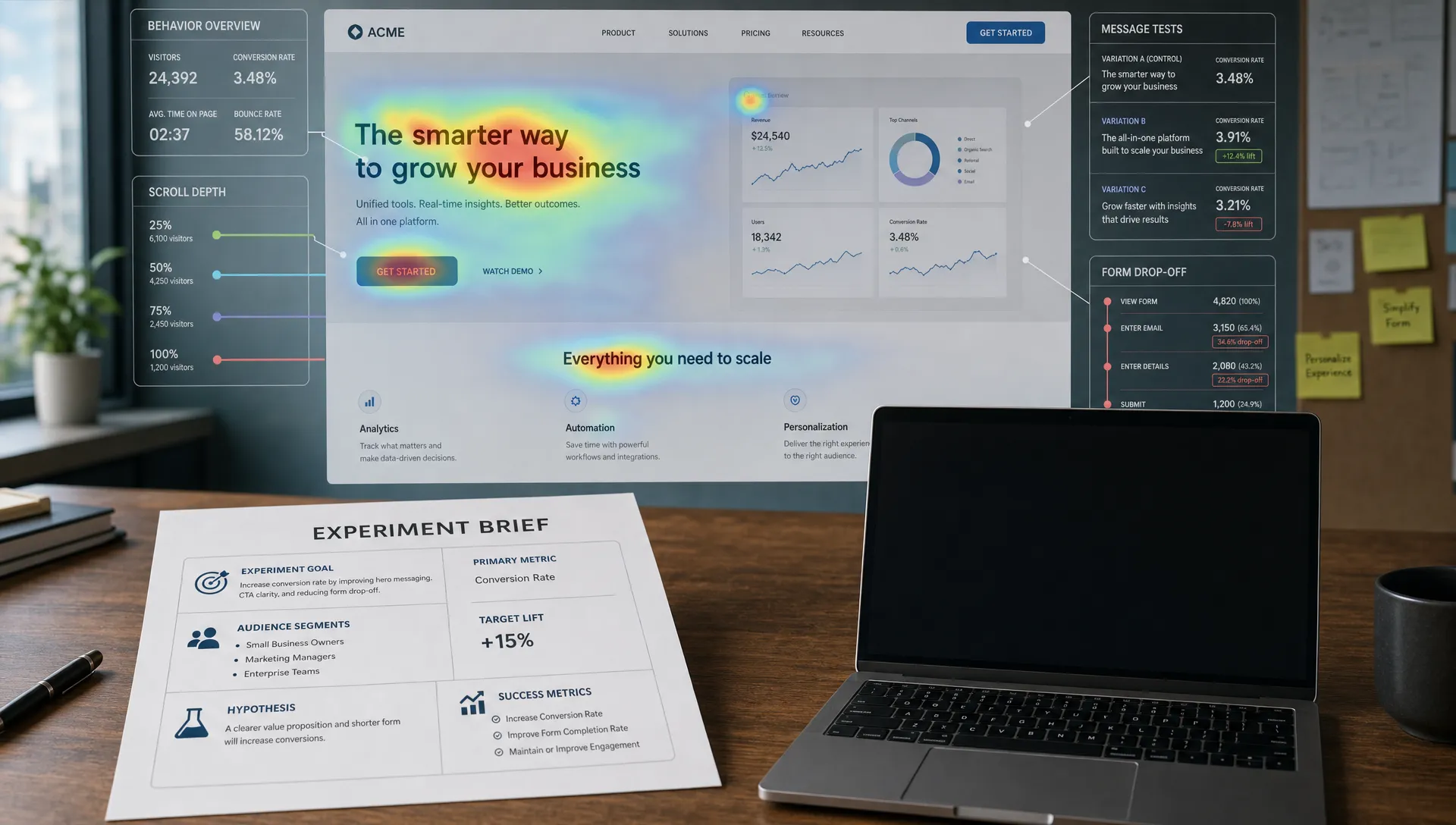
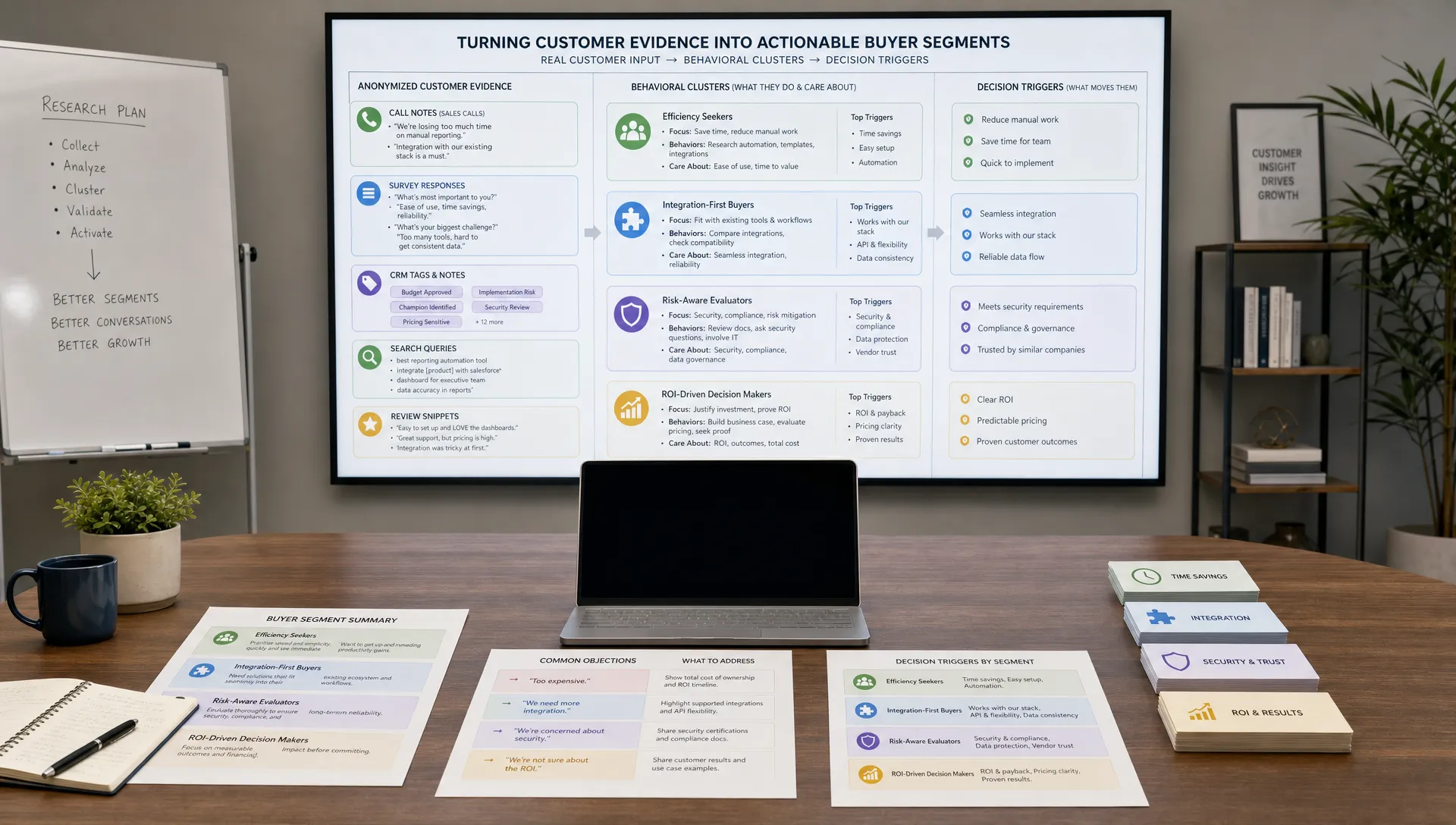
Hotjar is not a pure A/B testing platform. Its strength is behavioral insight. Heatmaps, recordings, surveys, and feedback tools help teams understand what users actually experience on a page. AI features can make this research faster by summarizing feedback, highlighting patterns, and reducing the time needed to interpret qualitative data.
For CRO, this is often where the best test ideas begin. Analytics can show that a form page has a low conversion rate, but Hotjar can reveal that users are missing the CTA, hesitating on a pricing section, rage clicking a non-clickable element, or abandoning when asked for too much information.
Hotjar is a strong fit for teams at almost any maturity level. Smaller teams can use it to find obvious friction before investing in advanced testing. Larger teams can use it alongside platforms like Optimizely, VWO, or AB Tasty to improve hypothesis quality.
Best for: Enterprise digital experience analytics and friction detection.
Contentsquare helps companies analyze digital behavior across websites and apps, with a focus on customer experience, journey analysis, and revenue-impacting friction. Its AI capabilities can help surface anomalies, quantify frustration, and identify opportunities that may be hidden in large volumes of behavioral data.
For enterprise CRO teams, the value is prioritization. Large sites often have thousands of pages, many journeys, and competing stakeholder requests. Contentsquare helps teams understand where friction is most costly, which makes it easier to decide what to fix or test first.
It is particularly useful for ecommerce, travel, financial services, telecom, and other complex digital businesses where small UX issues can affect large revenue volumes. Pairing this type of insight platform with a testing tool can create a strong research-to-experimentation loop.
The best AI tools for conversion rate optimization are not interchangeable. A landing page tool, a personalization engine, a heatmap platform, and an enterprise testing suite solve different problems. Before buying, define the conversion bottleneck you are trying to fix.
If your team lacks customer insight, start with behavior analytics and feedback tools. Hotjar or Contentsquare can help you understand why users hesitate. If you already know the problem but need a faster testing workflow, platforms like VWO, Optimizely, AB Tasty, or Kameleoon are more relevant. If your main opportunity is relevance by audience or account, evaluate personalization tools like Dynamic Yield, Intellimize, or Mutiny.
Your existing stack matters too. Ask whether the tool integrates with your CMS, analytics platform, CRM, data warehouse, tag manager, ecommerce platform, and ad platforms. A CRO tool that does not connect to your real conversion data may produce attractive dashboards but weak decisions.
If you are evaluating broader platform fit, governance, integrations, and ROI, the AIMarketer Hub guide on how to pick the right AI marketing platform offers a useful framework. CRO tools should be judged by the same standard: they need to fit your workflow, not just your wishlist.
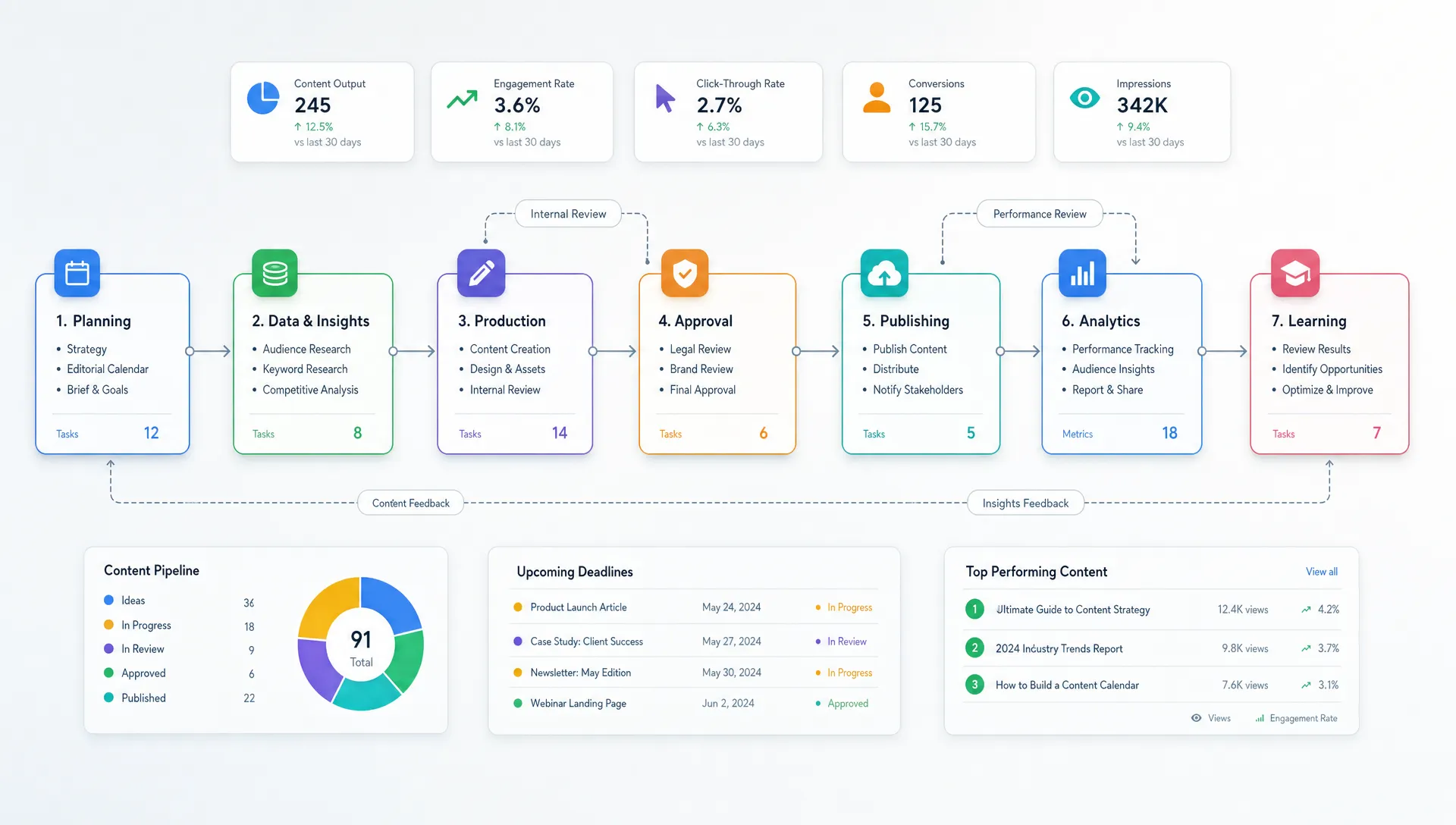
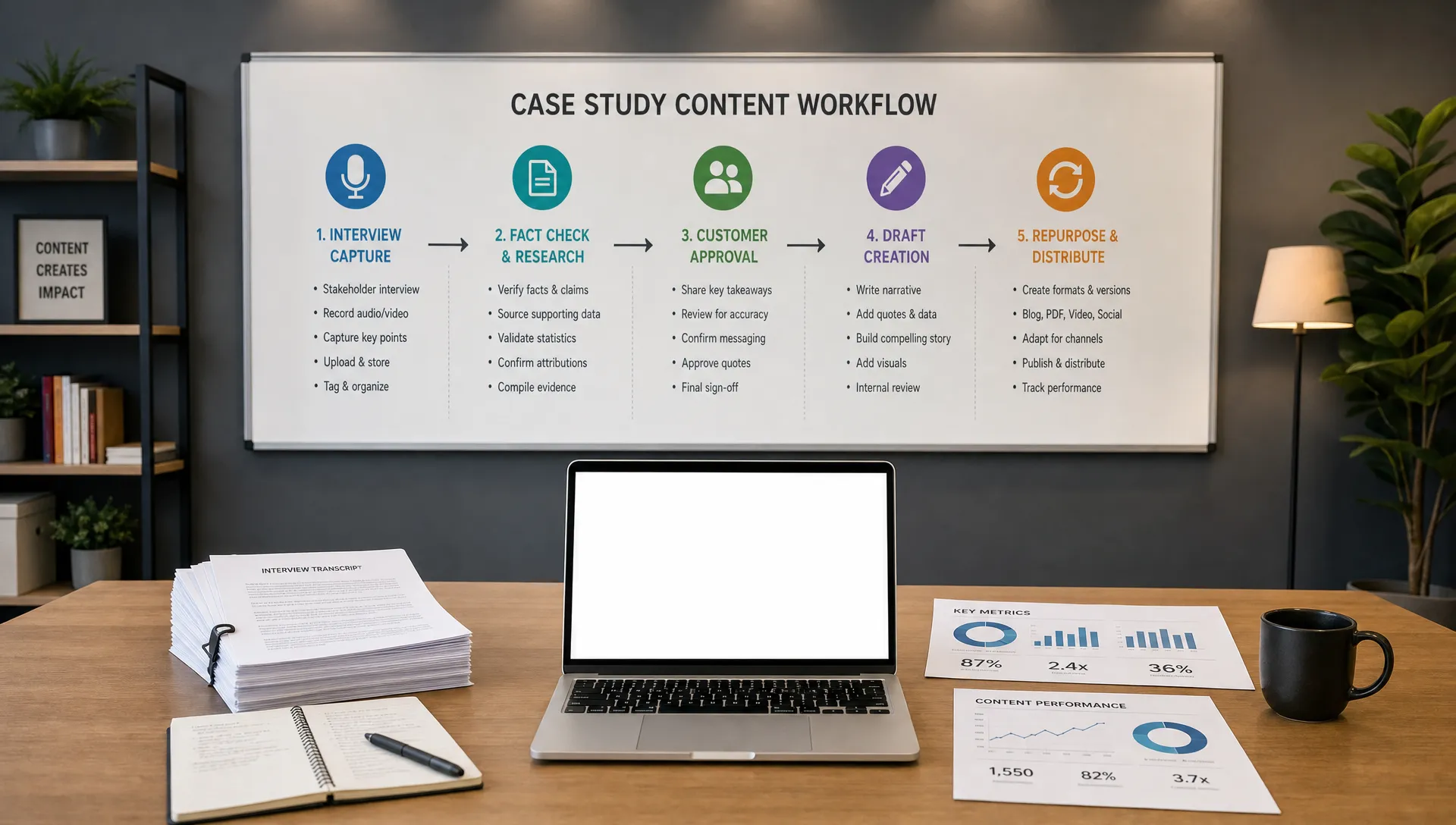
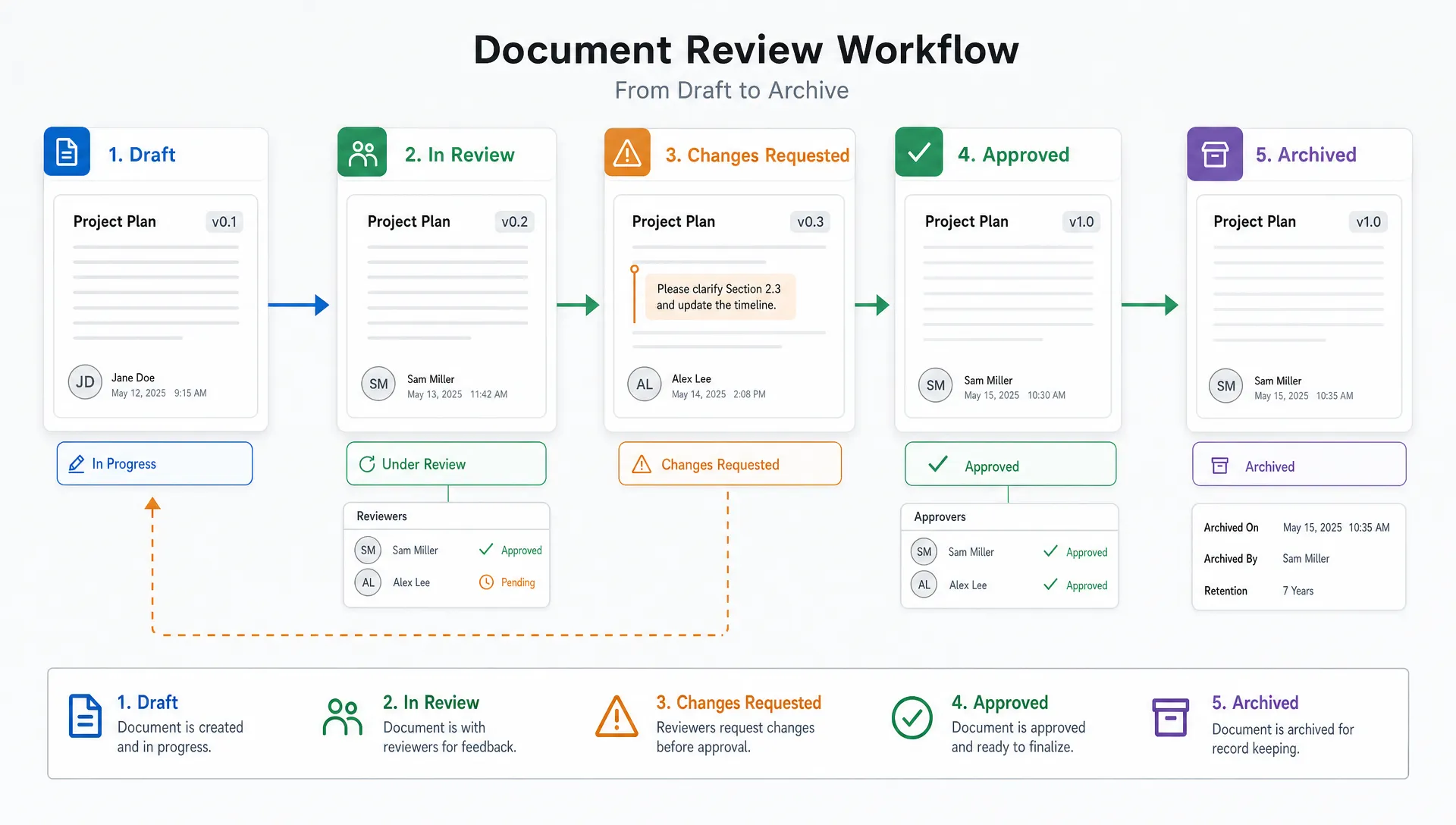
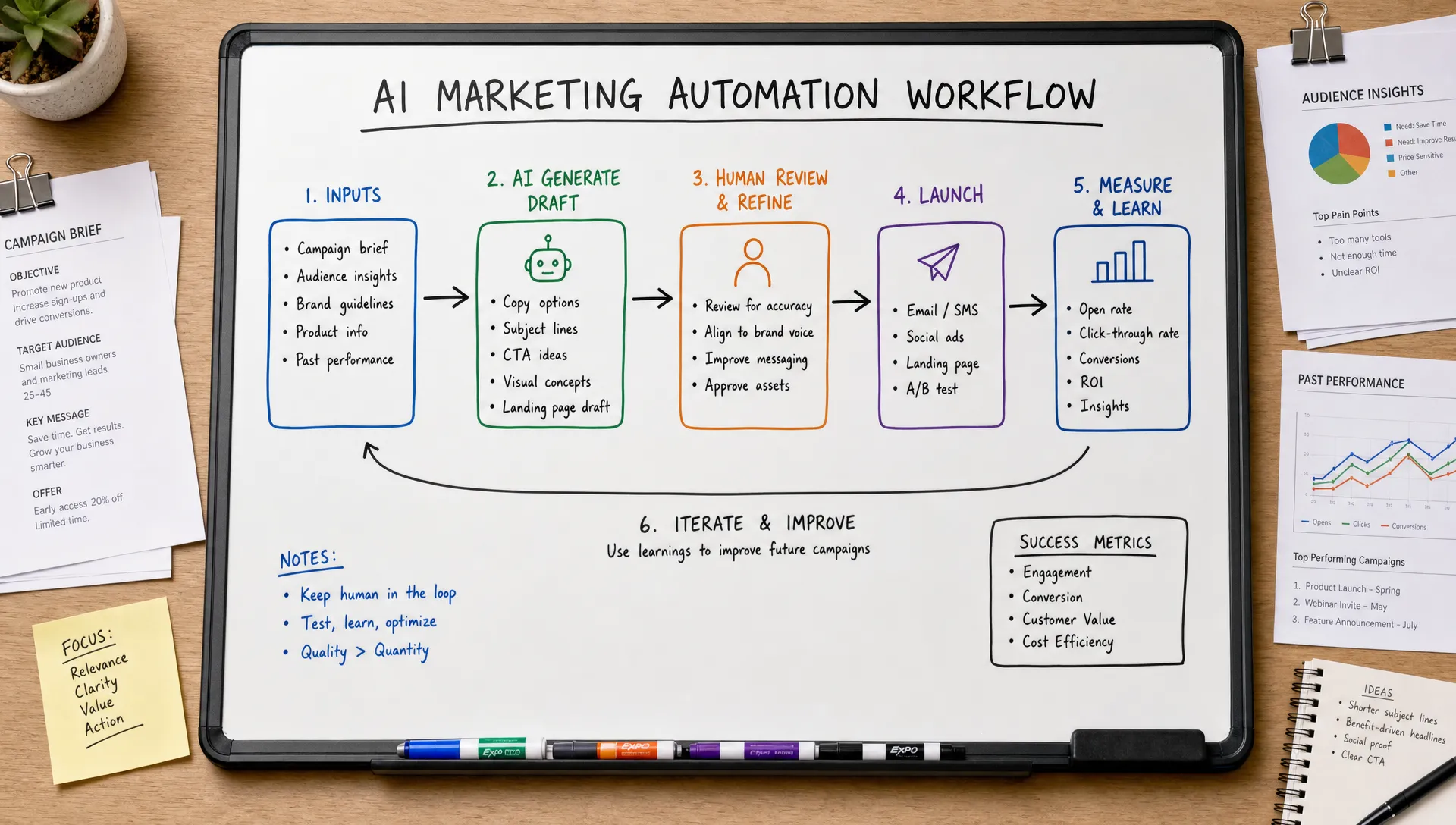
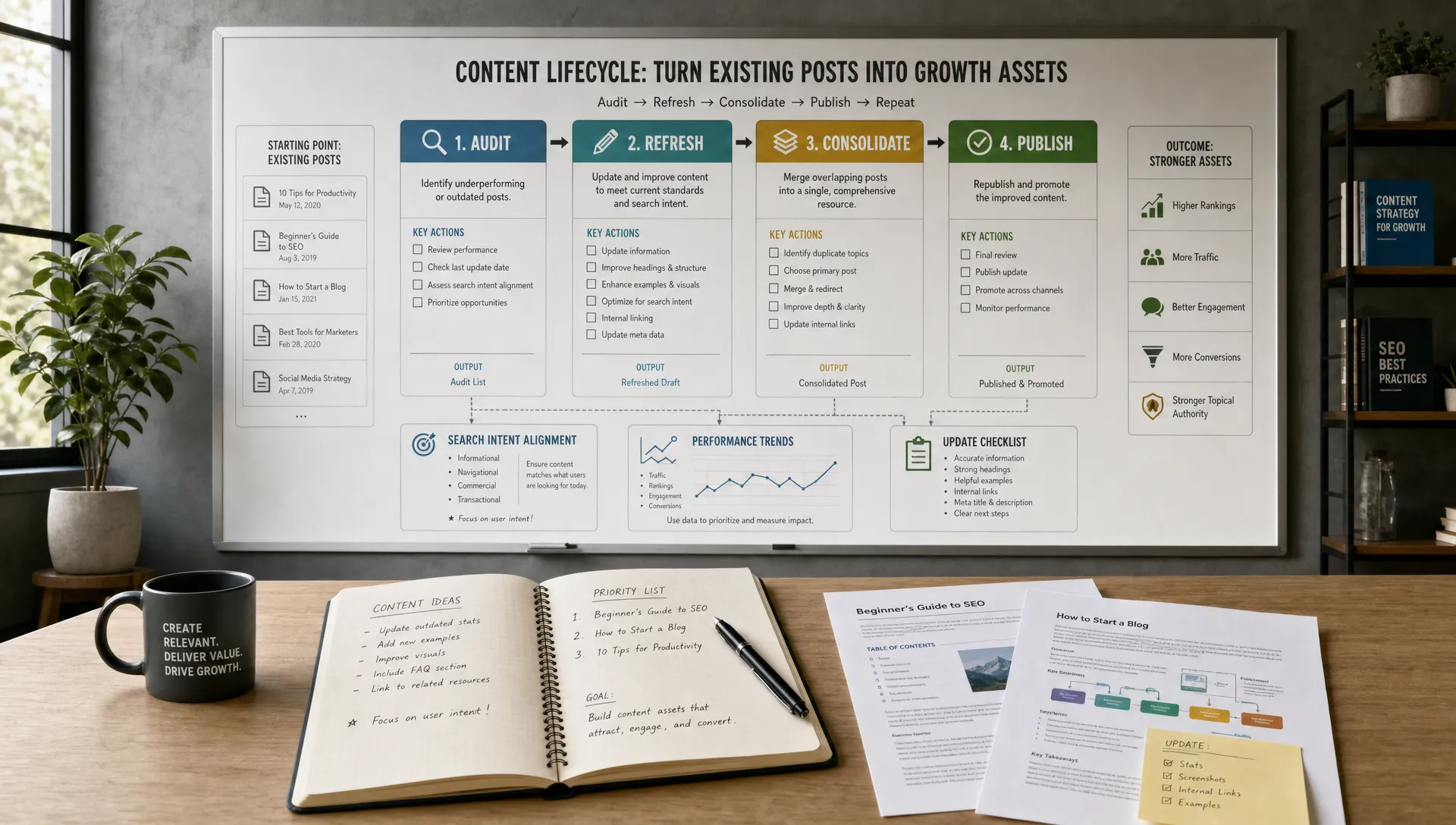
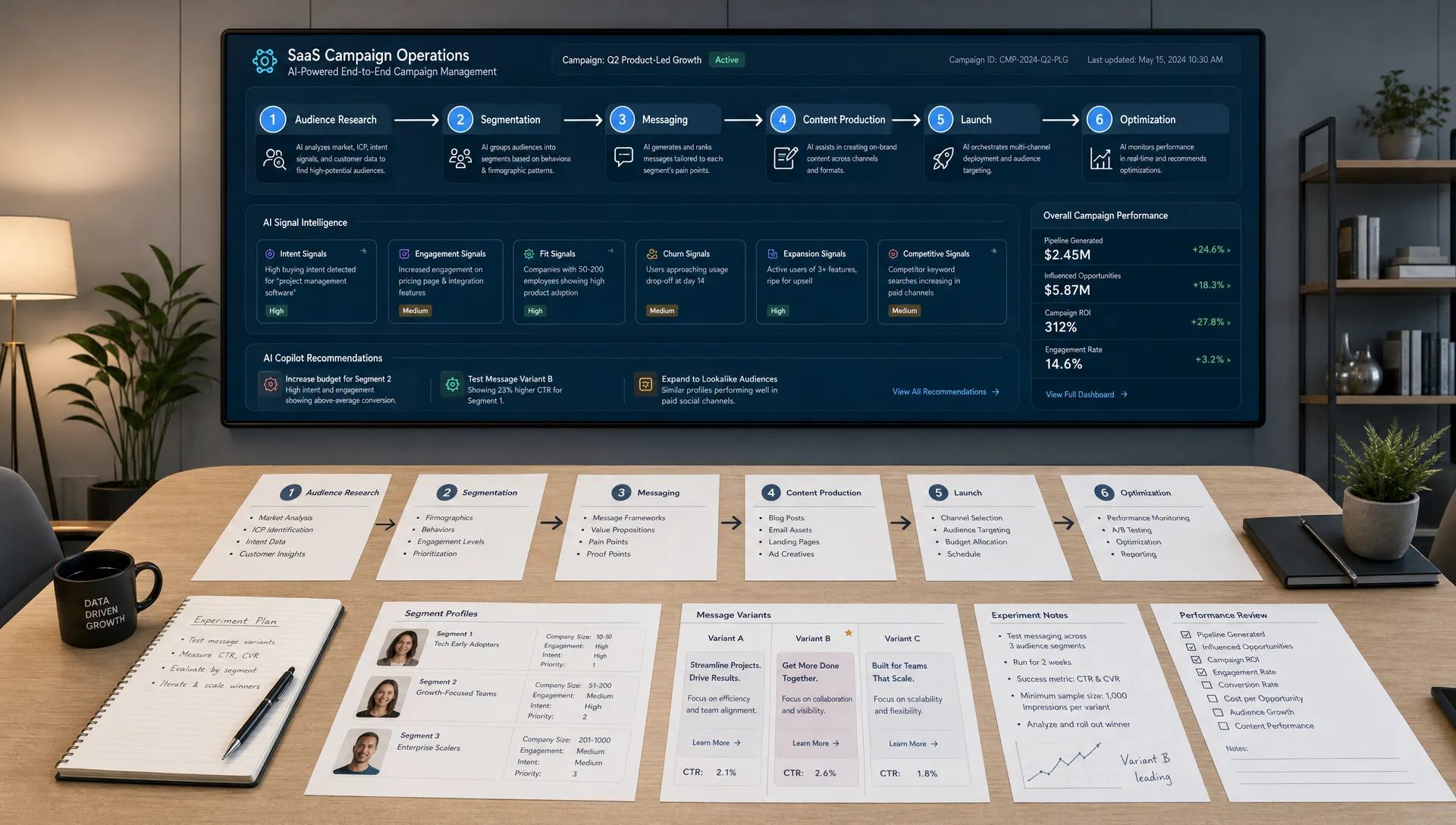
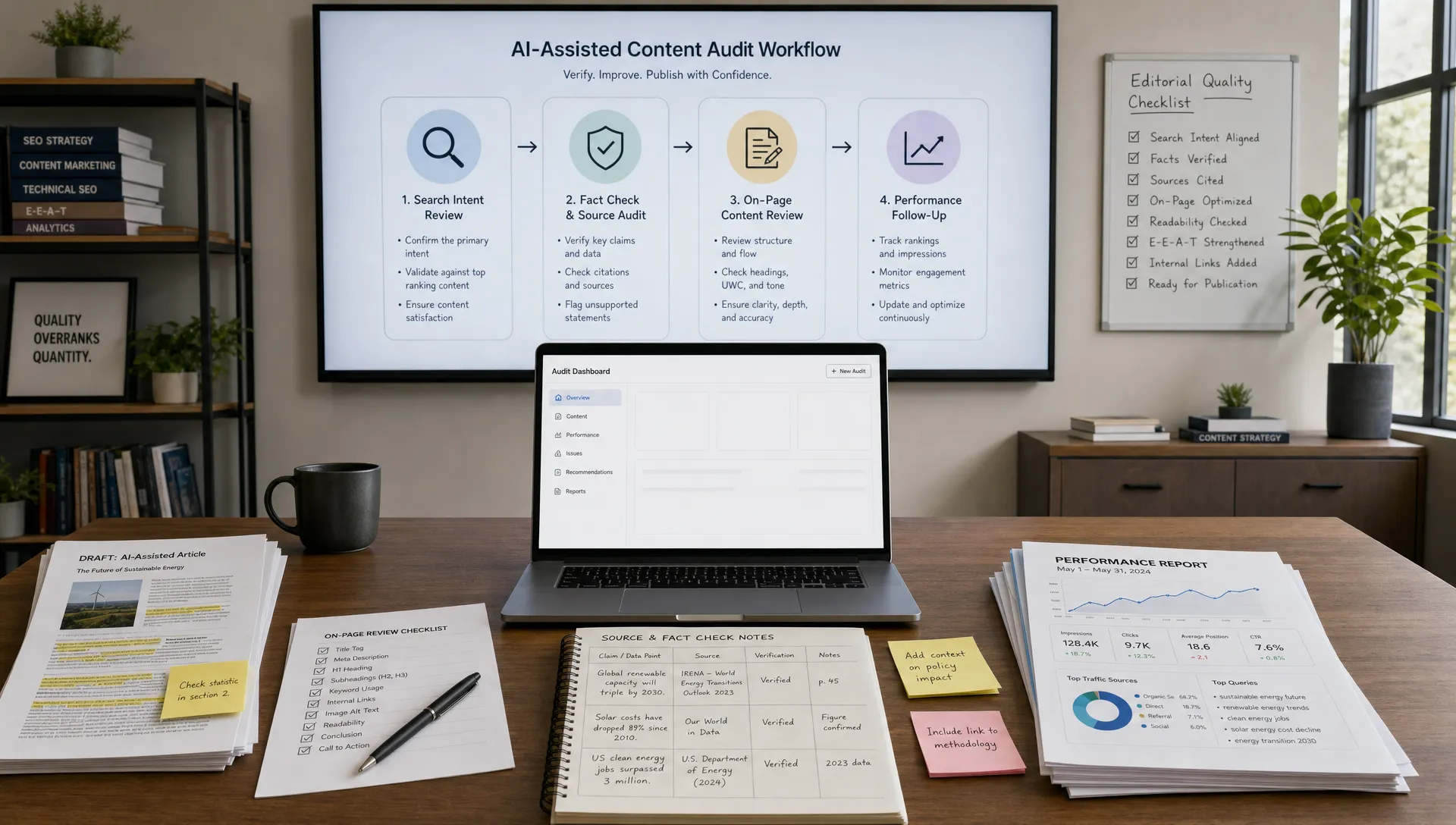
The strongest teams do not let AI randomly change pages. They use AI to speed up a disciplined conversion process. A simple workflow looks like this:
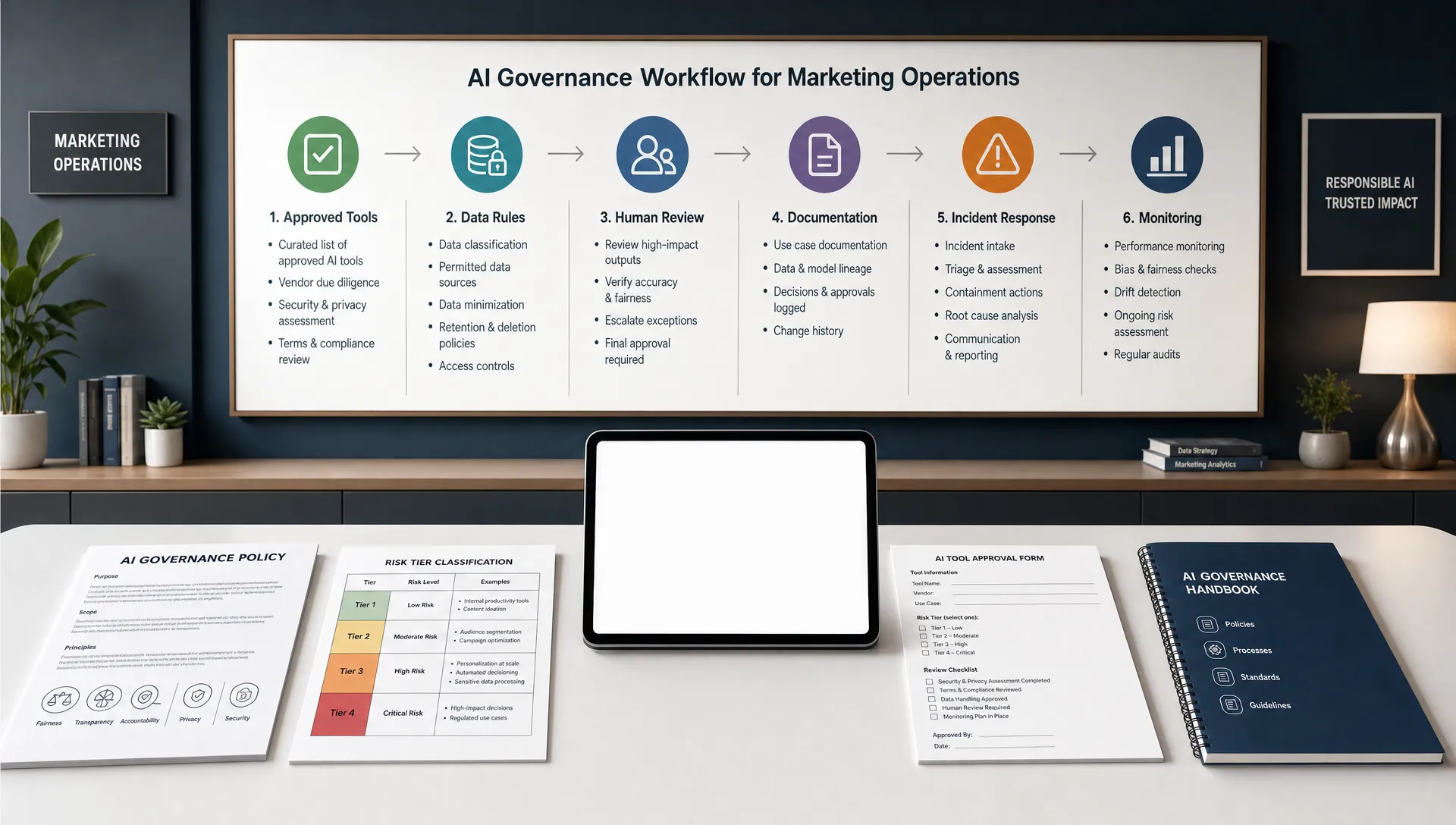
AI can assist at every stage, but it should not replace human judgment. A model may identify a pattern, but marketers still need to understand positioning, brand risk, customer psychology, and business priorities.
This is where CRO connects to the larger marketing system. AI can improve research, content, targeting, and analytics, but the best results come when those pieces work together. For a broader look at that performance layer, see how AI for digital marketing improves performance across the funnel.
One common mistake is using AI to optimize a weak offer. If visitors do not understand your value proposition, do not trust your brand, or do not want the offer, AI-generated page variants will only produce marginal gains. Start with the fundamentals: audience, message, offer, proof, and user experience.
Another mistake is over-personalizing too early. Personalization can lift conversions, but only when segments are meaningful. Creating dozens of tiny audience variations without enough traffic or data can make results noisy and hard to interpret.
Teams also need to be careful with privacy, consent, and data quality. AI CRO tools often depend on behavioral, firmographic, or customer data. Make sure your tracking practices align with applicable laws, platform policies, and your own privacy commitments.
Finally, avoid judging tools only by short-term lift. A test that increases clicks but reduces lead quality is not a win. A checkout change that improves conversion but increases support tickets may hurt the business later. The best CRO metrics connect to revenue, retention, pipeline quality, customer satisfaction, and long-term growth.
What are AI tools for conversion rate optimization? AI tools for conversion rate optimization help marketers analyze user behavior, generate test ideas, personalize experiences, improve landing pages, and identify friction that prevents visitors from converting.
Do AI CRO tools replace A/B testing? No. Some AI tools can automate parts of testing or personalize experiences dynamically, but controlled experiments are still important for proving whether a change actually improves performance.
Which AI CRO tool is best for small teams? Small teams often benefit from tools like Unbounce for landing pages and Hotjar for behavioral insights. These are easier to adopt before investing in enterprise experimentation platforms.
Which AI CRO tools are best for B2B SaaS? Mutiny and Intellimize are especially relevant for B2B SaaS personalization, while VWO, Kameleoon, Optimizely, and Hotjar can support testing and research across the website funnel.
How much traffic do you need for AI conversion optimization? It depends on the tool and use case. Traditional A/B testing needs enough traffic and conversions for reliable results, while behavior analytics, feedback summaries, and landing page improvements can be useful even with lower traffic.
AI can make conversion rate optimization faster, but it works best when paired with clear strategy, strong customer insight, and disciplined measurement. Start by identifying your biggest conversion leak, then choose the tool category that matches it: behavior analytics, experimentation, personalization, landing pages, or digital experience analytics.
If you are building a more efficient marketing workflow, AIMarketer Hub offers practical AI marketing guides, tools, calculators, and resources to help teams automate, optimize, and grow with more confidence.