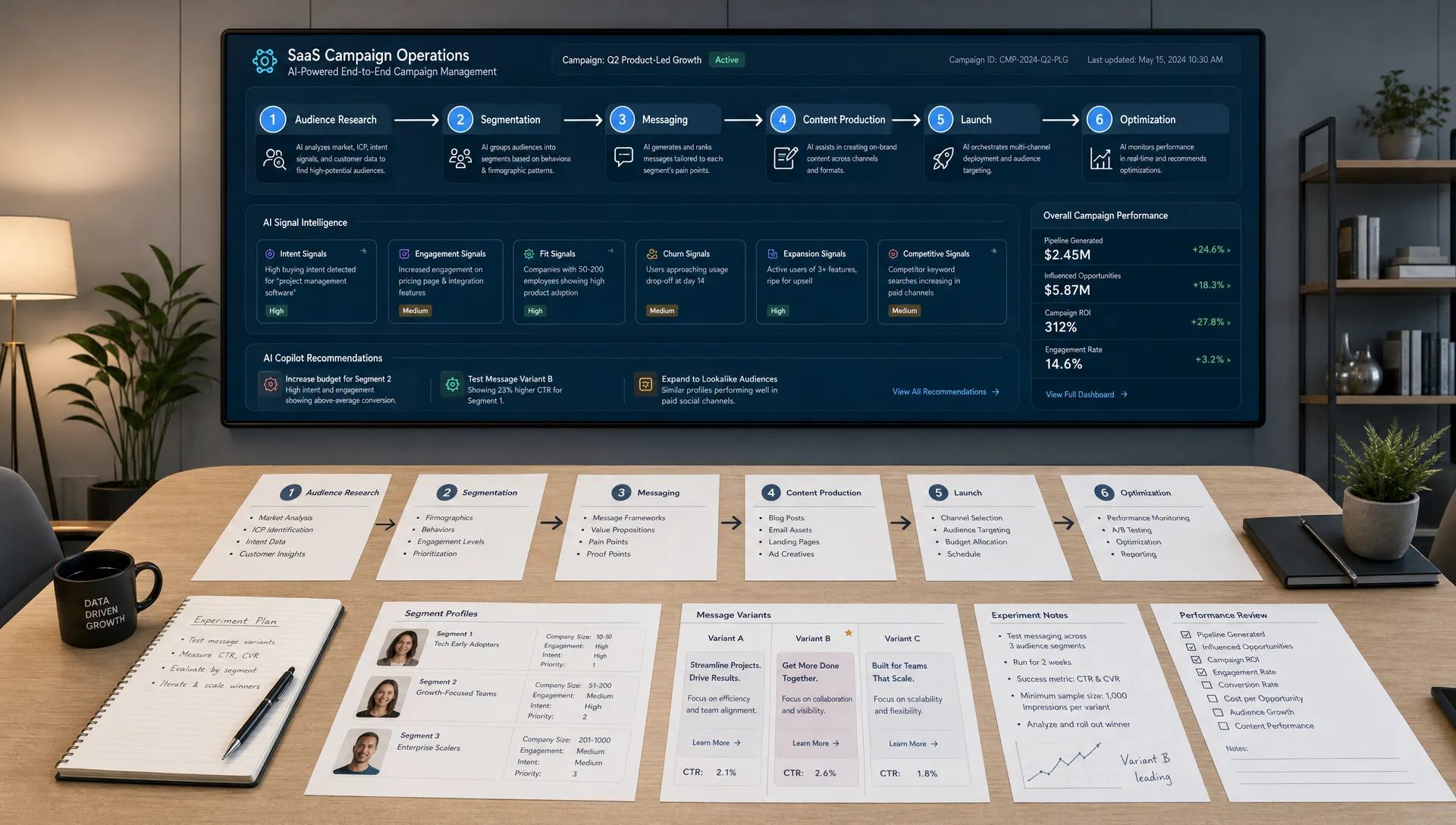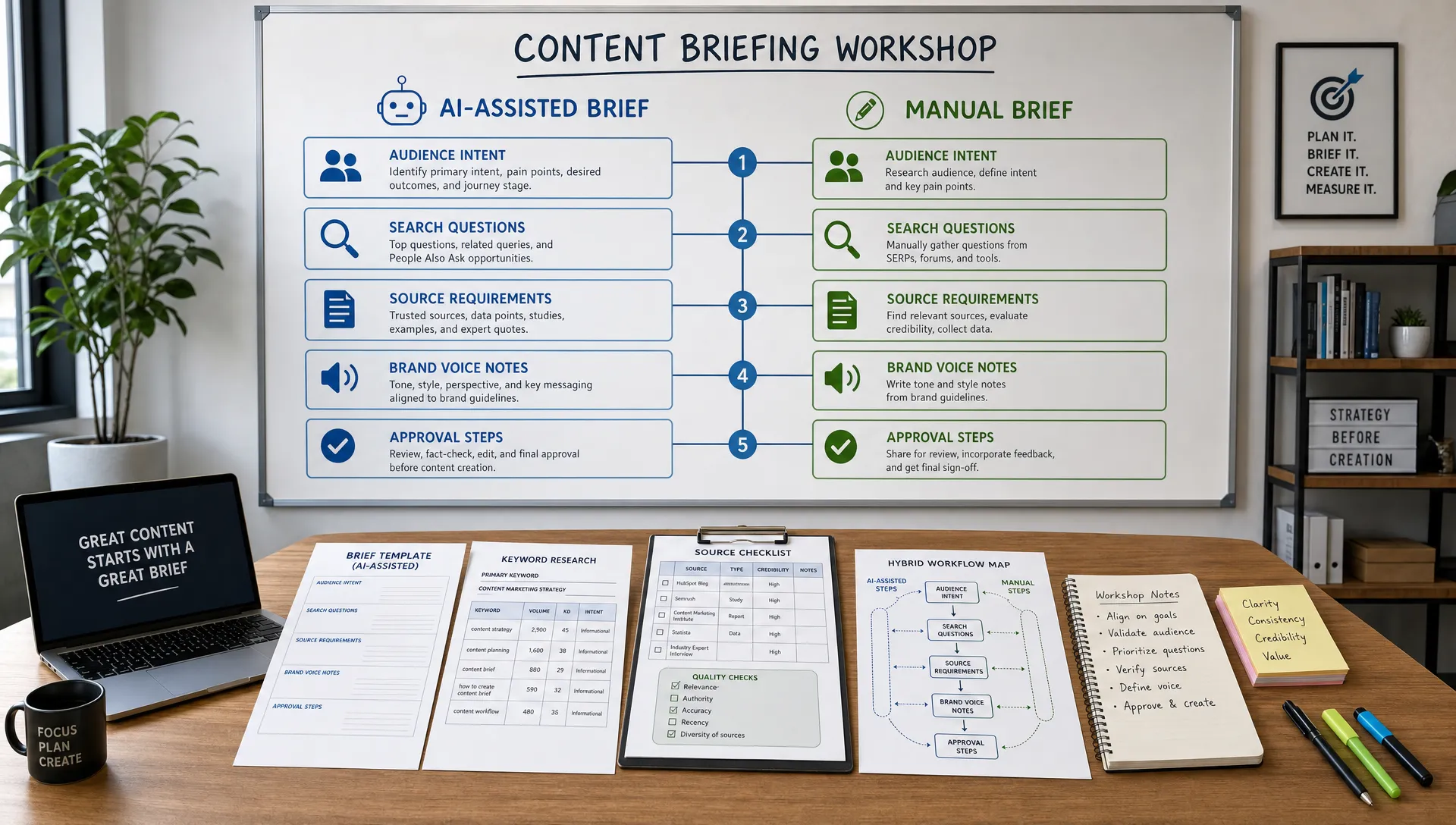
AI tools for marketing have moved from experimental add-ons to everyday productivity boosters. The real opportunity is not replacing marketers, but helping teams research faster, create more consistently, personalize campaigns, and learn from performance data without drowning in manual work.
The challenge is choice. New platforms appear every week, each promising better content, smarter targeting, or instant growth. A useful AI marketing stack should do something more practical: remove bottlenecks from the work your team already needs to do.
This guide breaks down the AI tools for marketing that every team should consider trying, organized by workflow rather than hype.
Before adding another subscription, define what the tool needs to improve. The best AI tools for marketing usually deliver value in one of four ways: they save time, improve quality, reveal insights, or help teams scale a repeatable process.
A tool is worth testing if it can help you:
The key is to avoid using AI as a shortcut for strategy. AI can accelerate execution, but your positioning, audience understanding, offer, and brand standards still need human judgment.
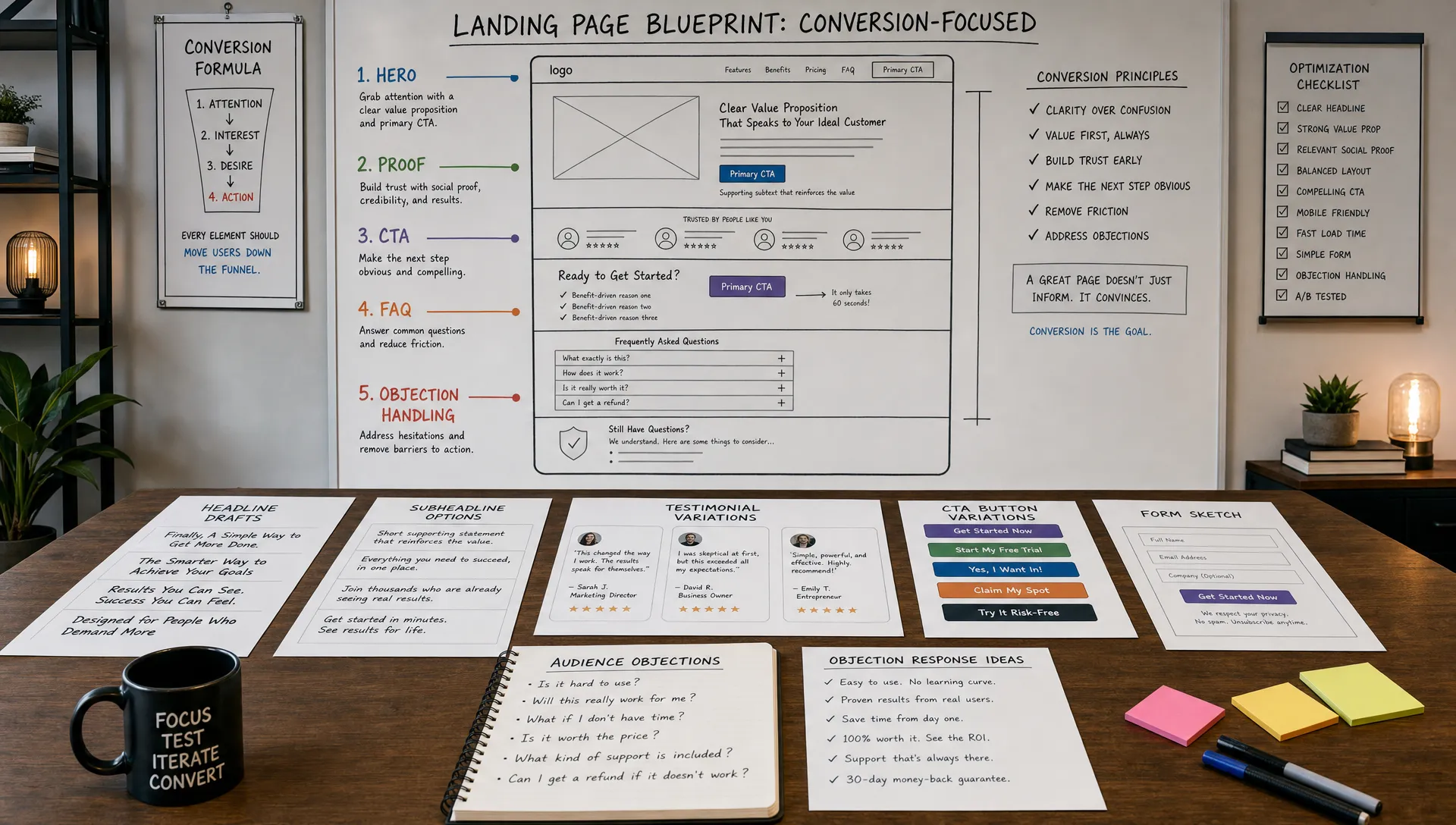
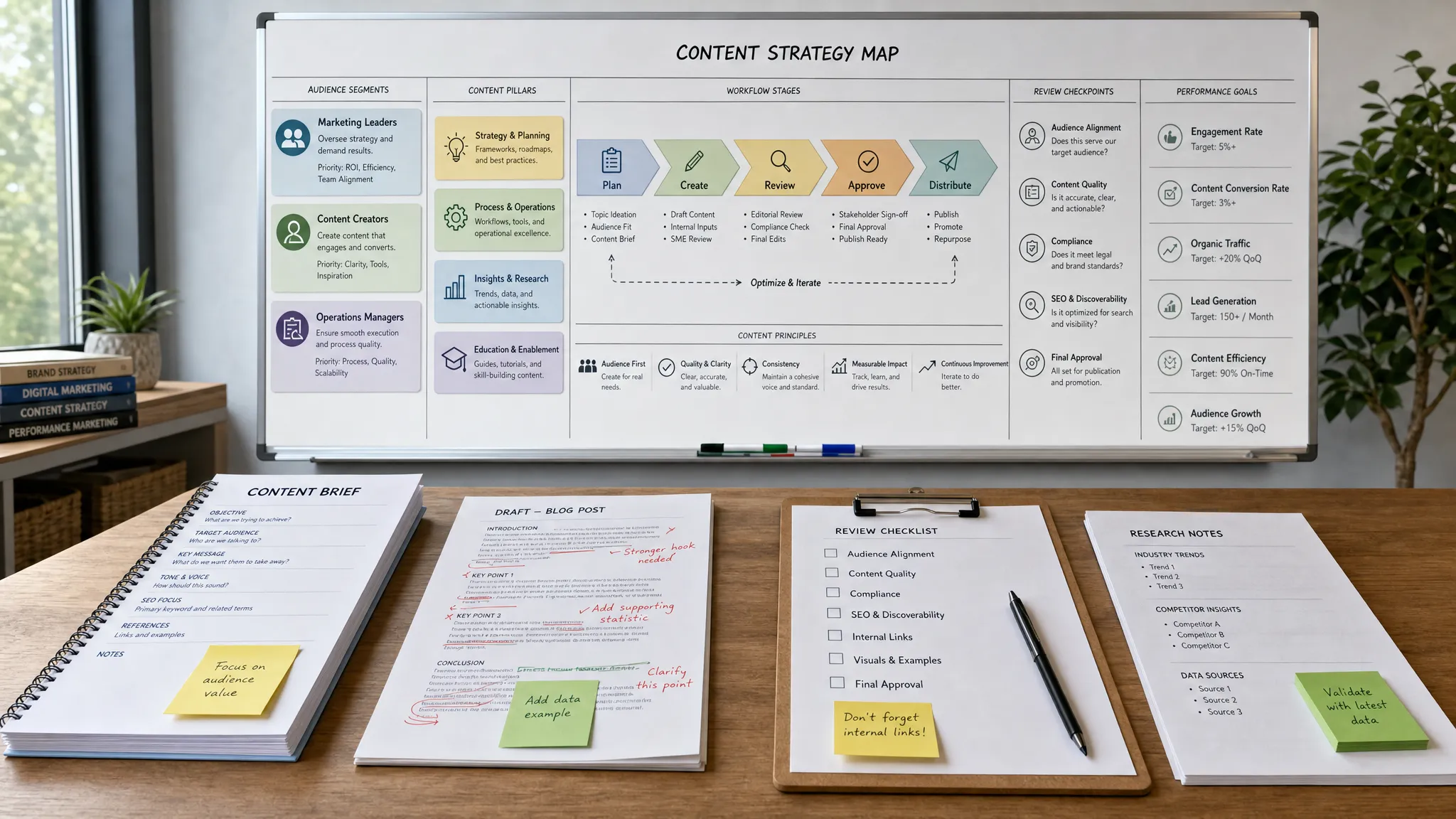
Content generation is the most obvious place to start because nearly every marketing team writes constantly. Blog outlines, landing pages, email sequences, social posts, video scripts, ad variations, product descriptions, and sales enablement materials all compete for time.
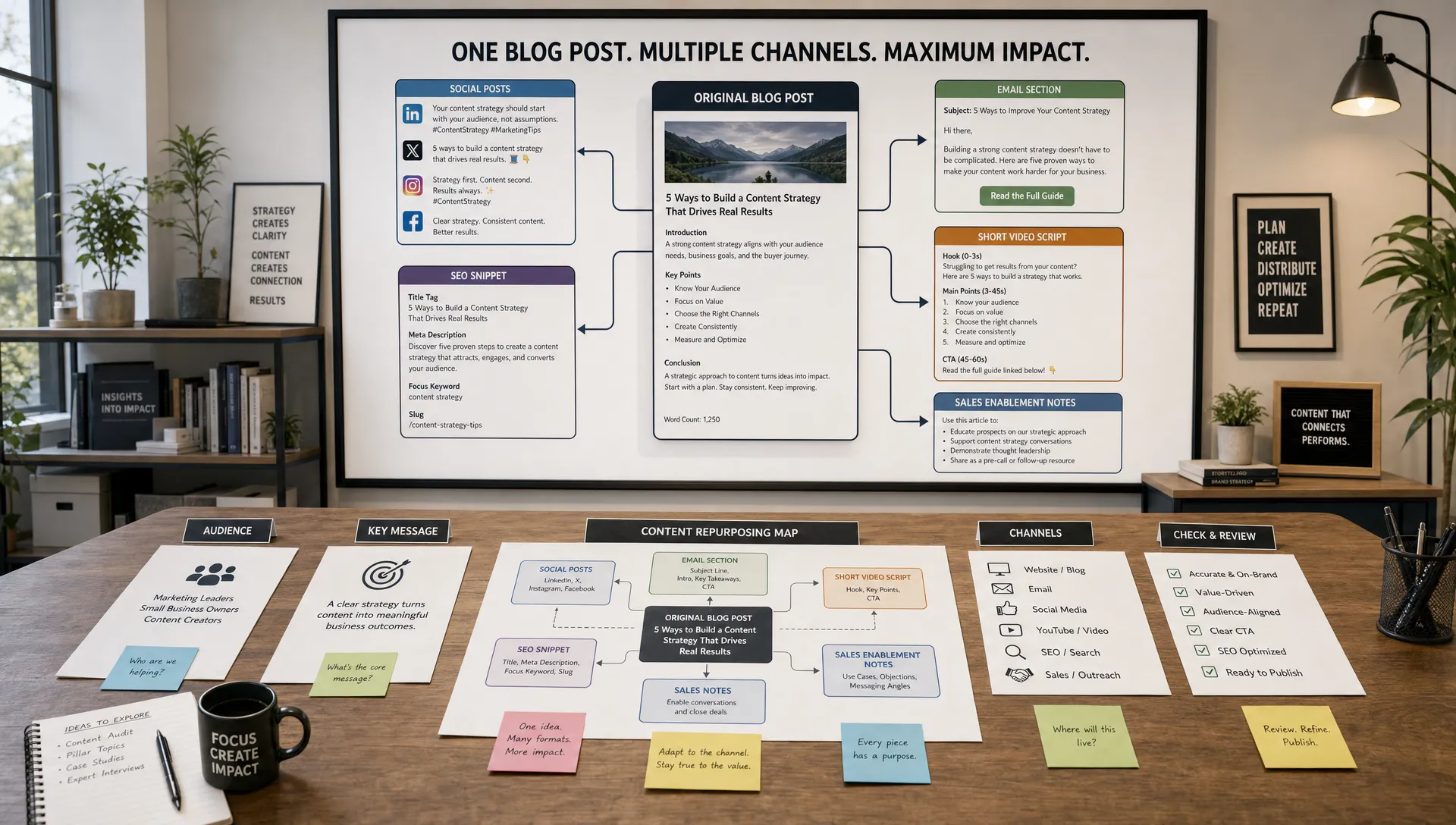
Tools like ChatGPT, Claude, Gemini, Jasper, Copy.ai, and Writer can help create drafts, rewrite copy for different audiences, summarize long materials, and repurpose one idea into multiple formats. For lean teams, this can turn a single campaign concept into a blog post, newsletter section, LinkedIn post, paid ad angle, and webinar description in a fraction of the usual time.
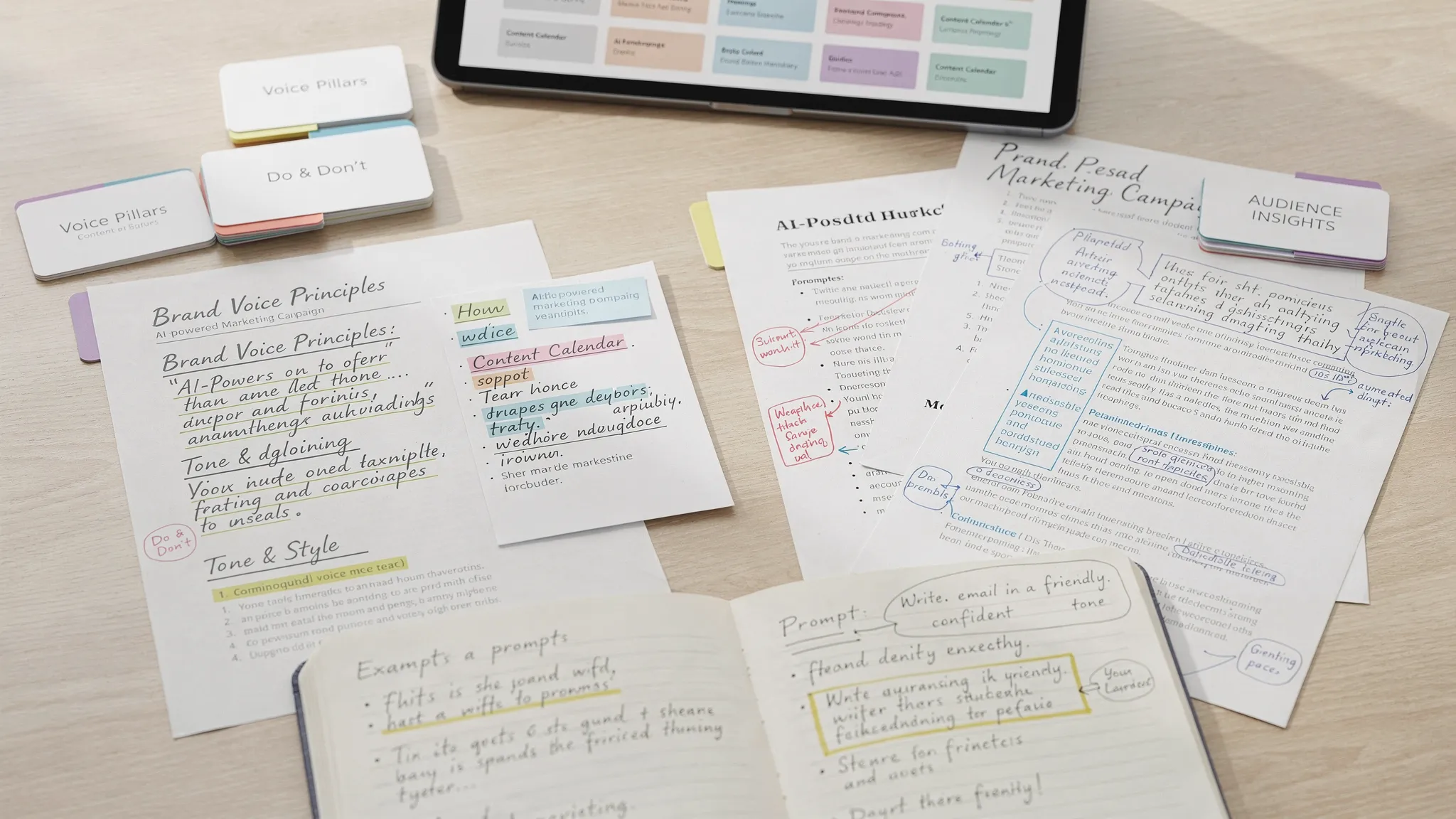
The best results come from giving the tool context. Instead of asking for a generic blog post, provide your audience, offer, tone, proof points, objections, and desired action. AI content tools are strongest when they are treated like junior collaborators who need a precise brief.
AIMarketer Hub is especially useful here because it brings AI content generation together with marketer-focused resources and prompts, making it easier to move from idea to usable draft without starting from a blank page.
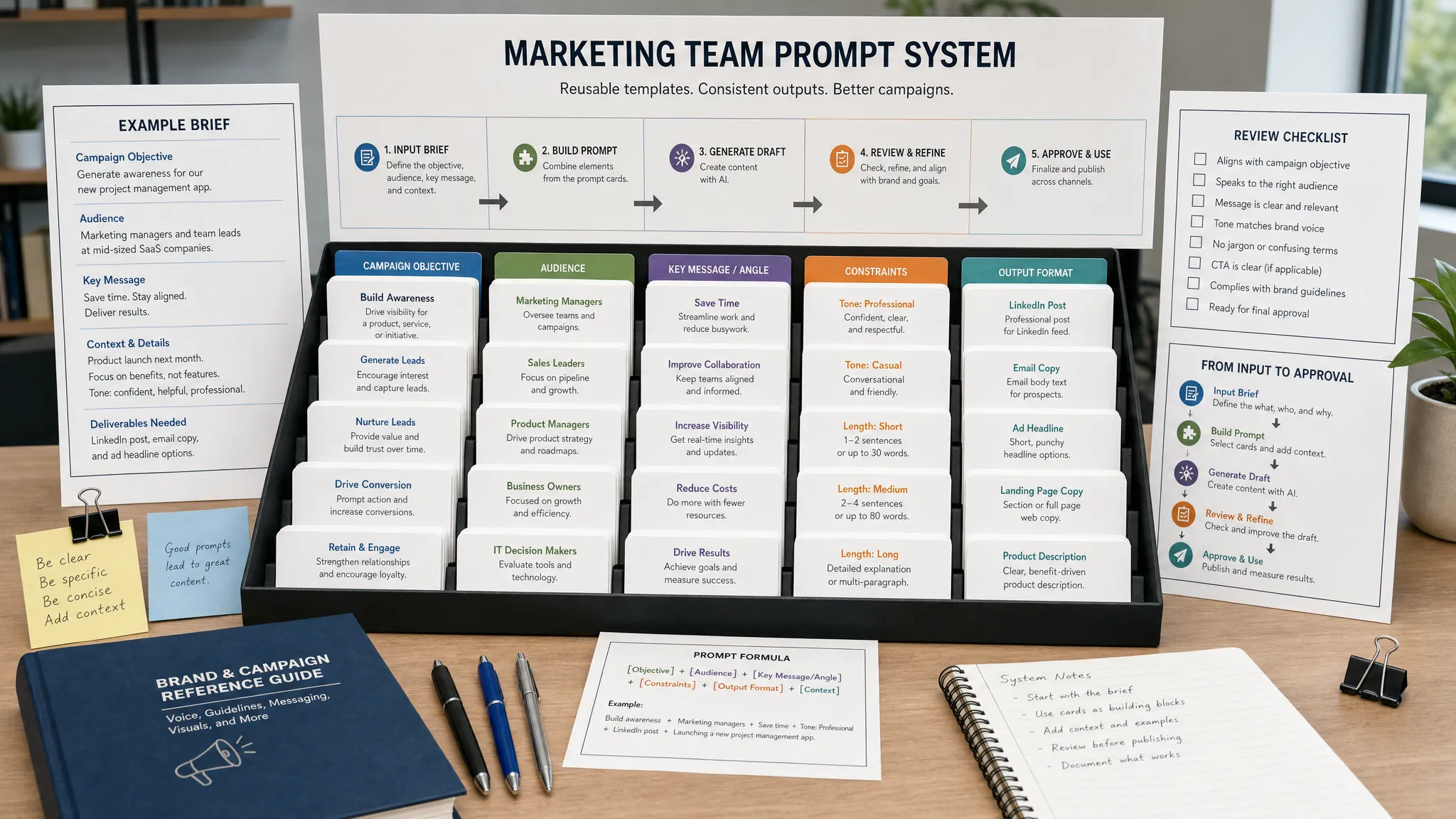
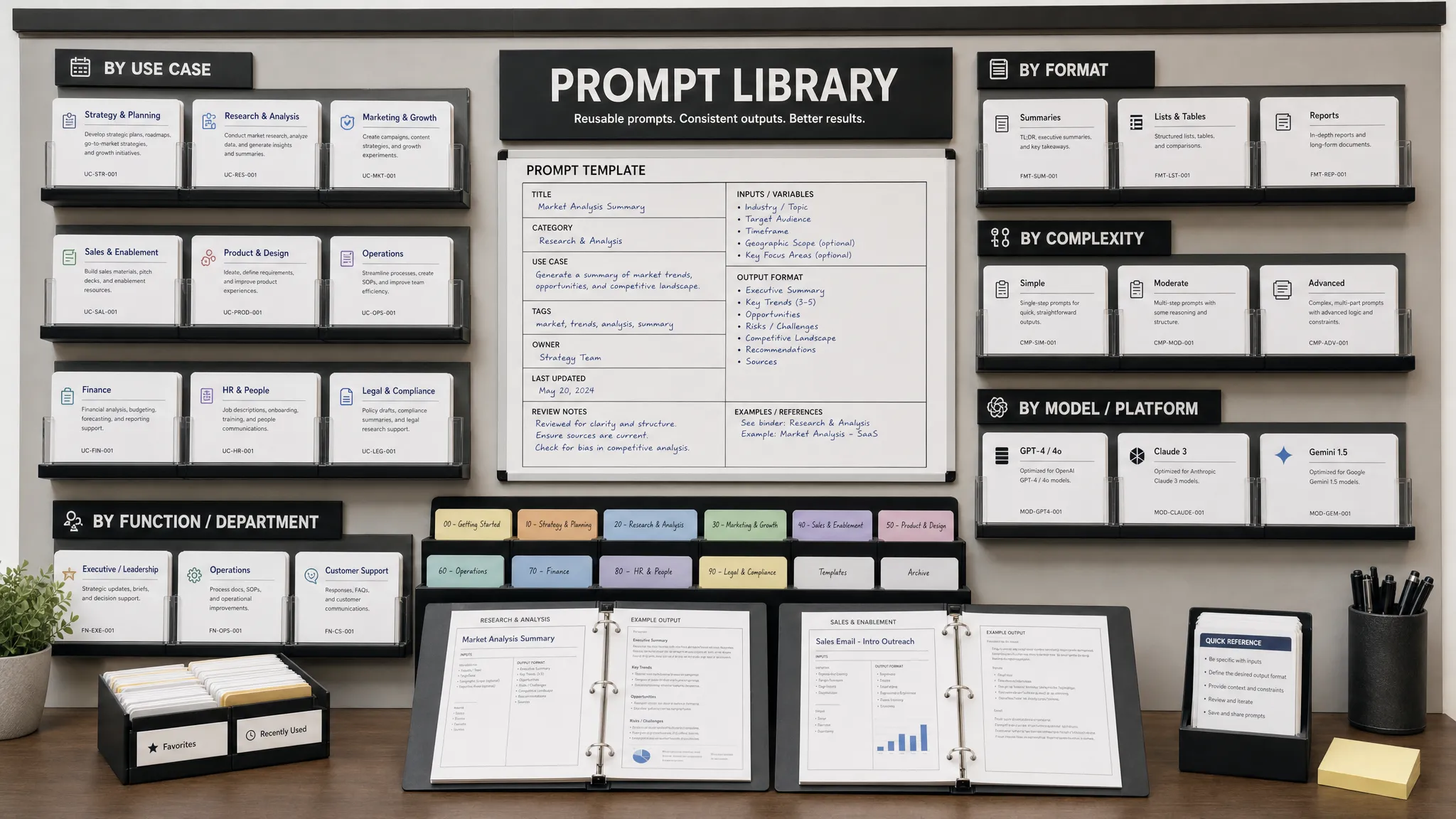
A prompt library may not sound as exciting as a new creative platform, but it can be one of the highest-impact assets for a marketing team. Once you discover a prompt that produces a strong campaign brief, keyword cluster, ad concept, or customer persona summary, you should not have to recreate it from memory.
Prompt libraries help teams standardize how they use AI. They also make onboarding easier because new team members can access tested workflows instead of experimenting from scratch.
Useful prompt categories include:
A strong prompt library should evolve over time. Keep the prompts that consistently produce useful output, refine the ones that need too much editing, and remove anything that creates generic content.
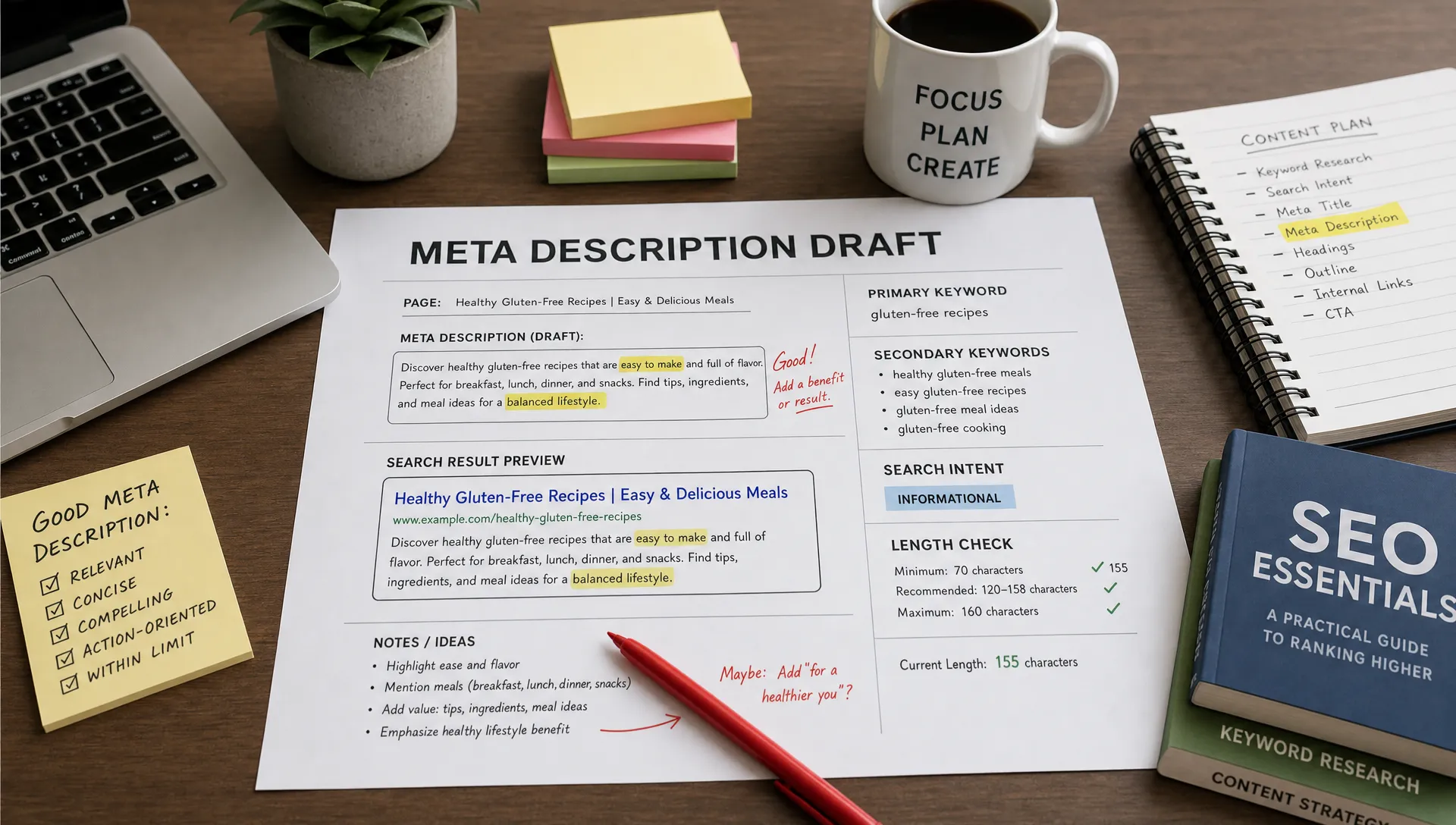
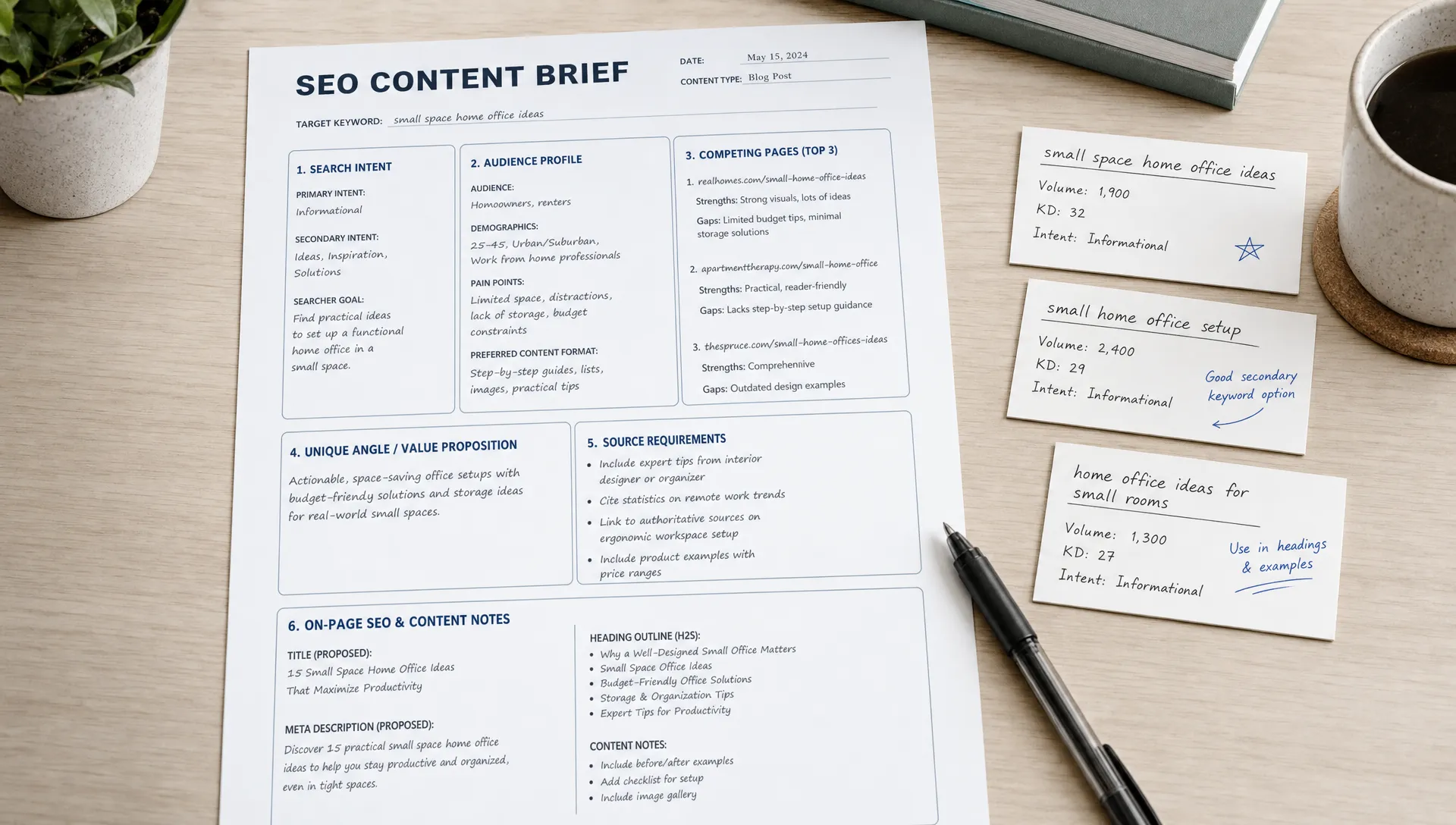
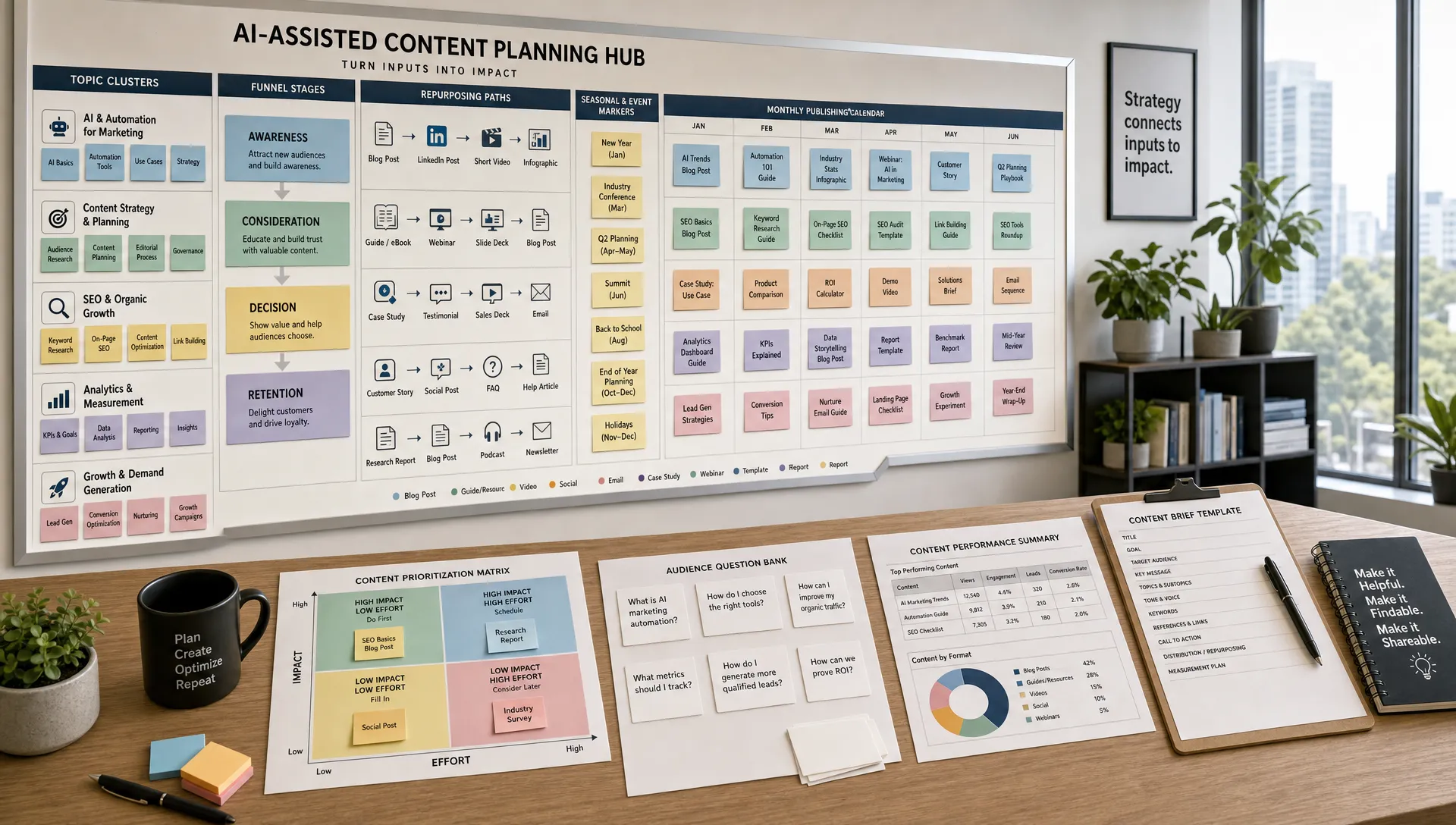
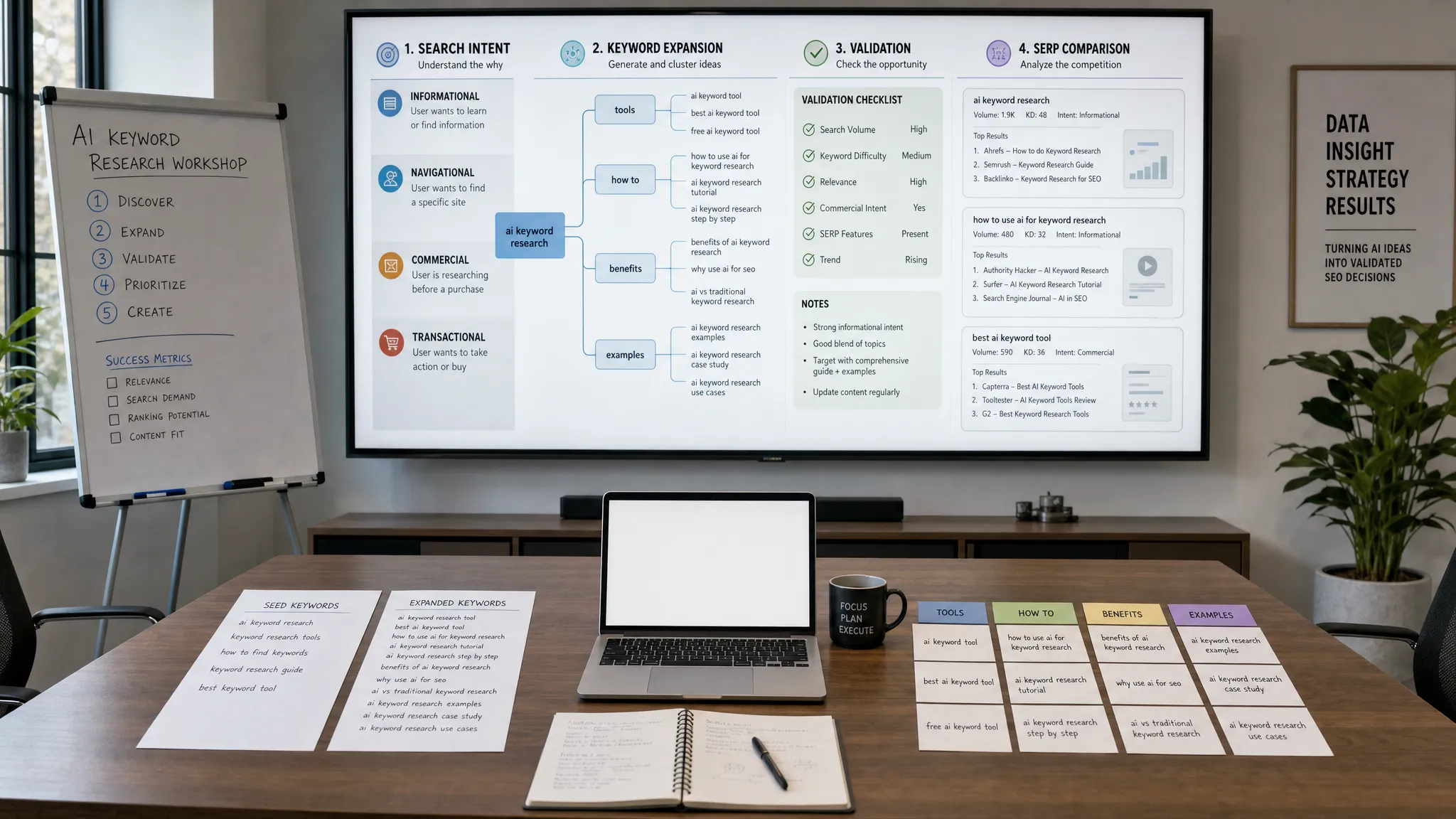
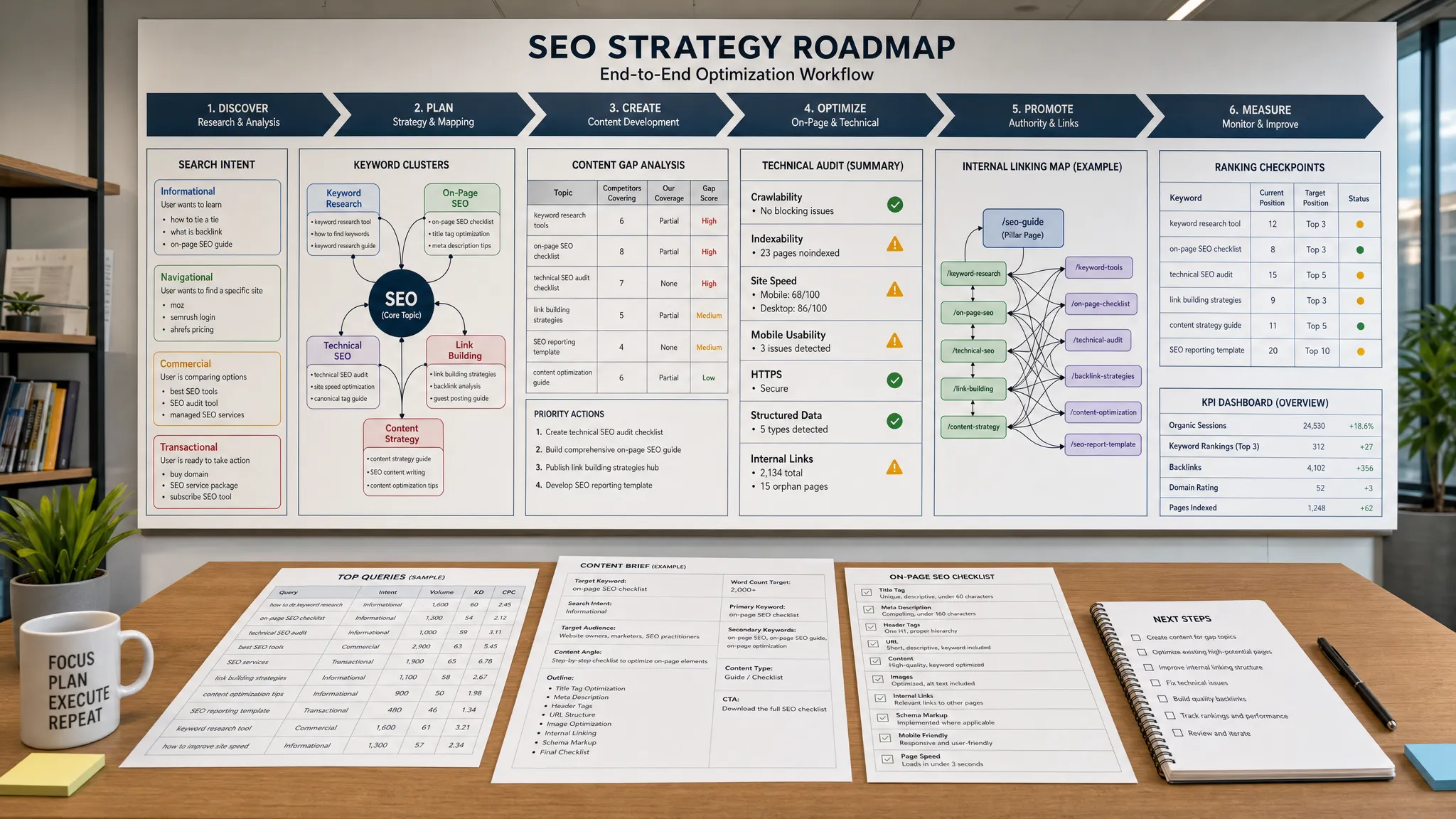
SEO is no longer just about publishing more content. Teams need to understand search intent, topical authority, technical health, content quality, internal linking, and how AI-driven search experiences may summarize answers.
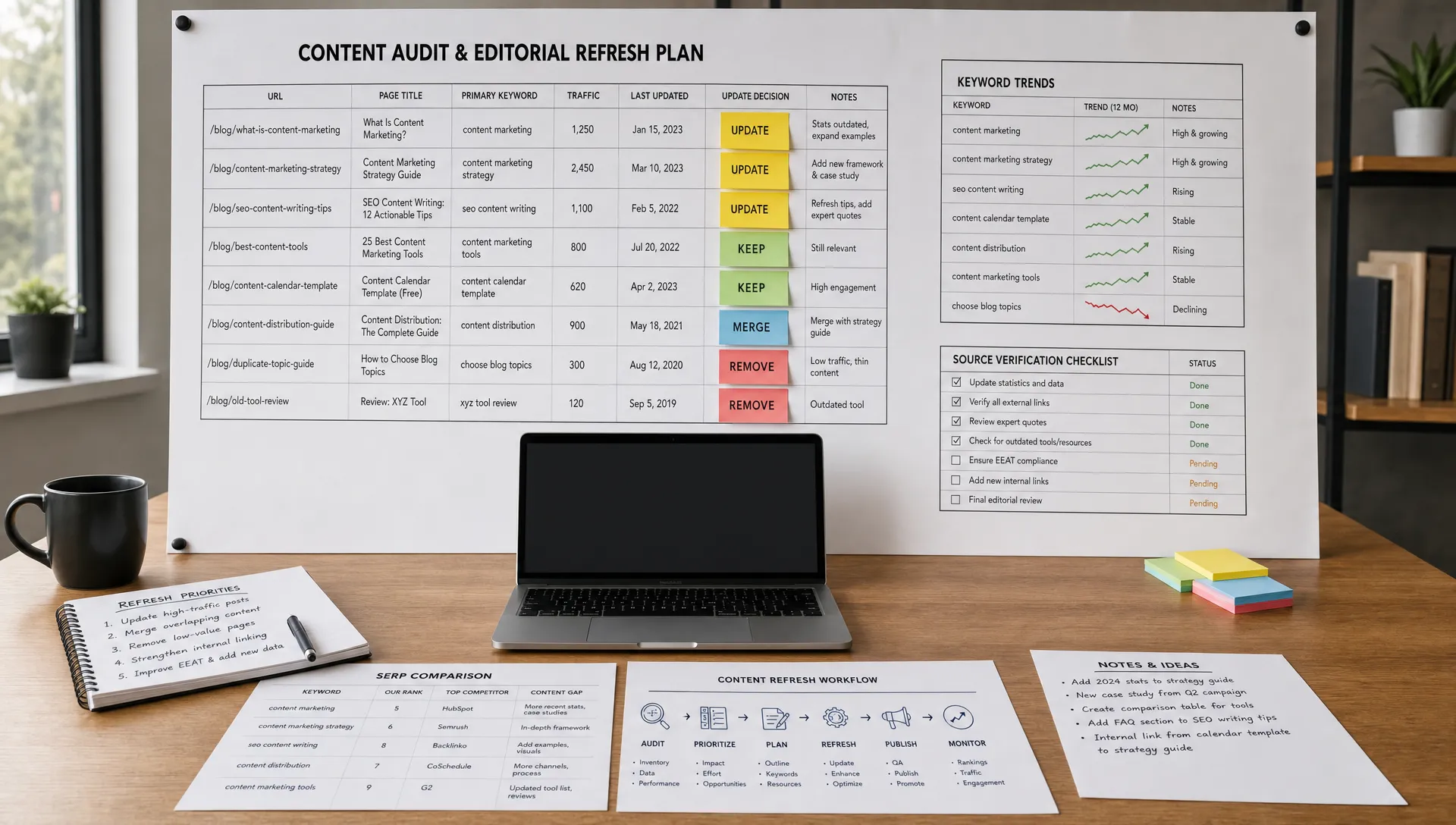
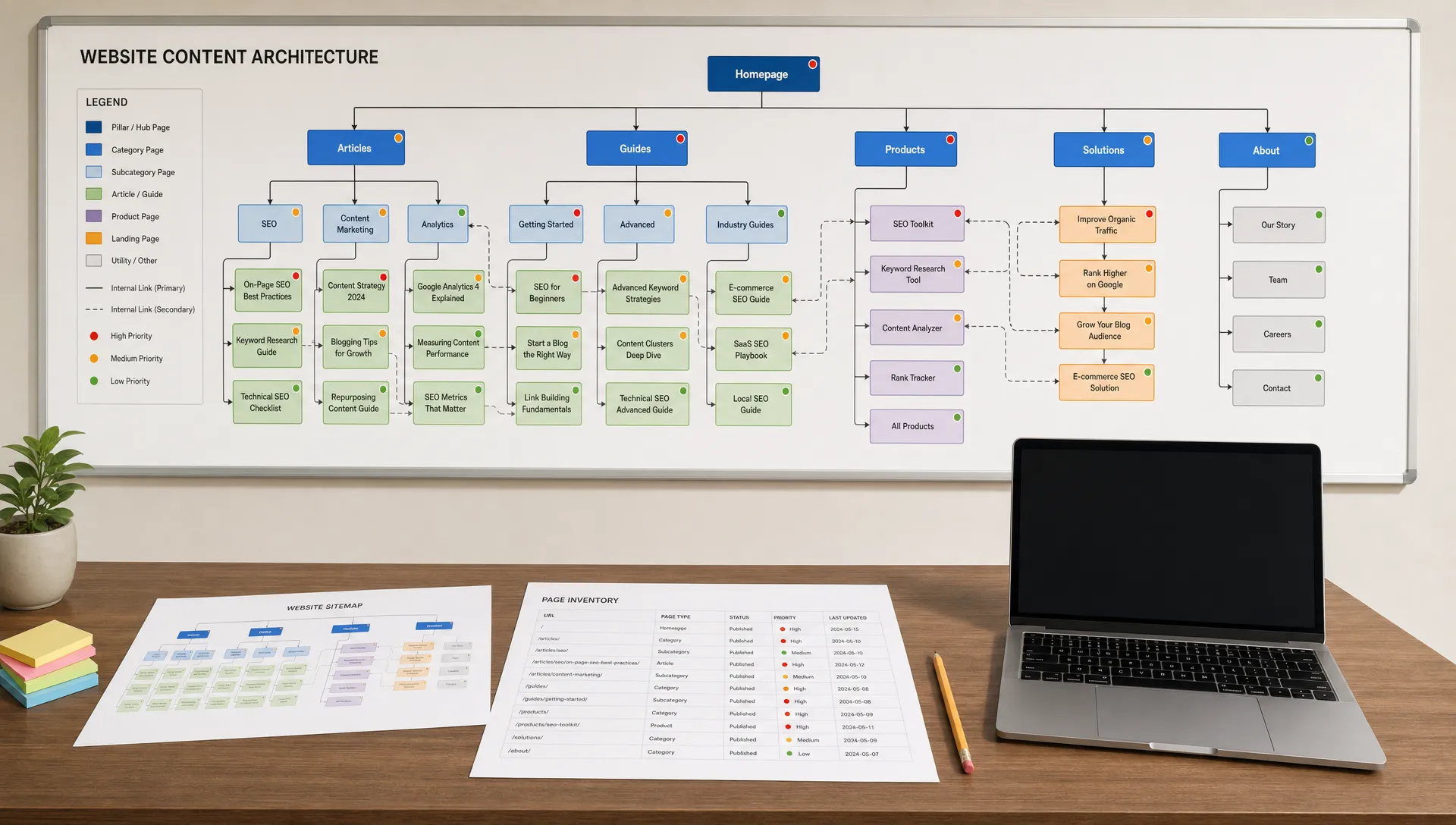
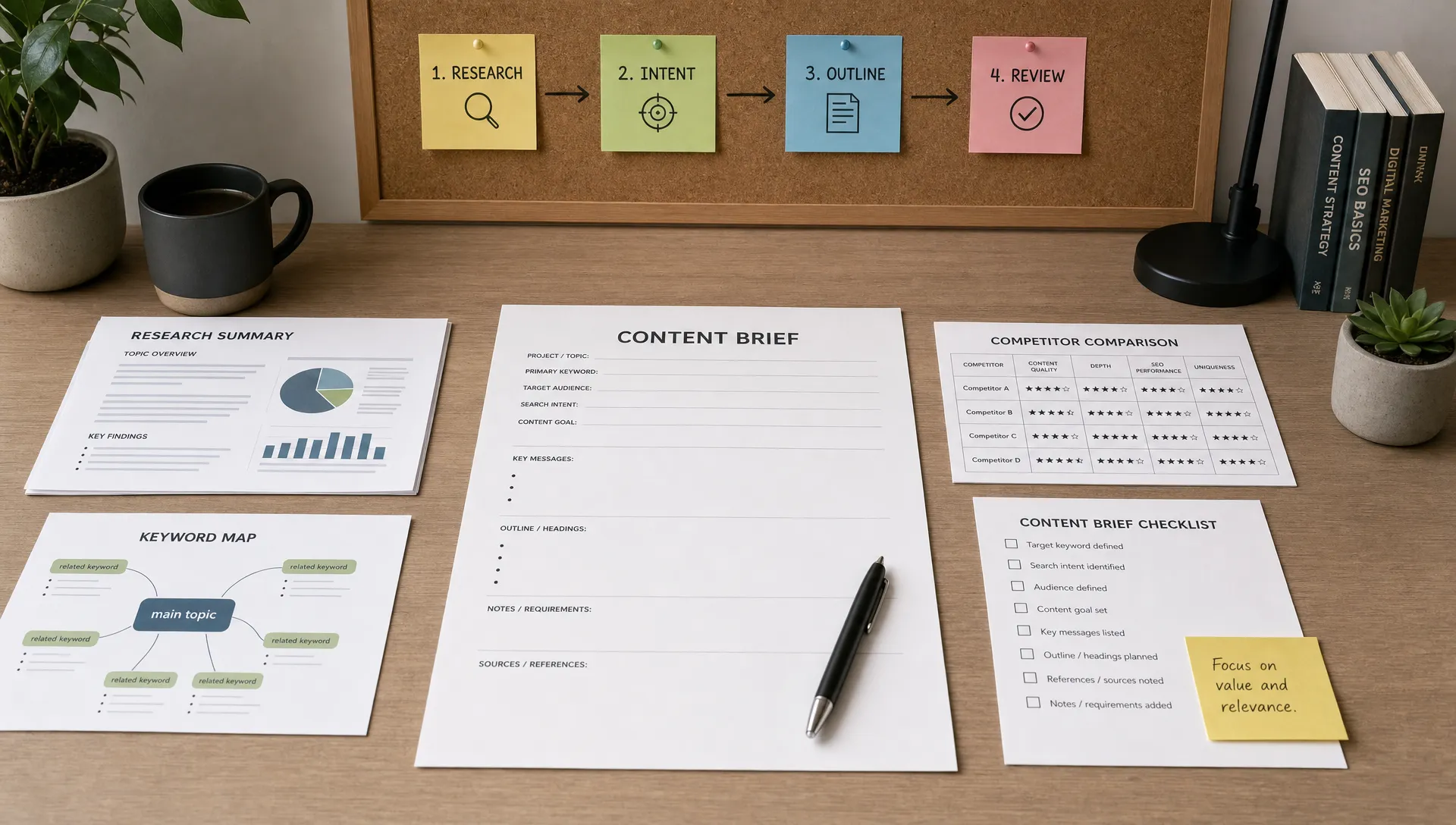
AI SEO tools can help with keyword discovery, topic clustering, SERP analysis, content briefs, on-page optimization, schema suggestions, and technical audits. Platforms such as Semrush, Ahrefs, Surfer, Clearscope, MarketMuse, and Frase use different approaches, but the goal is similar: help marketers create content that answers real user intent and earns visibility.
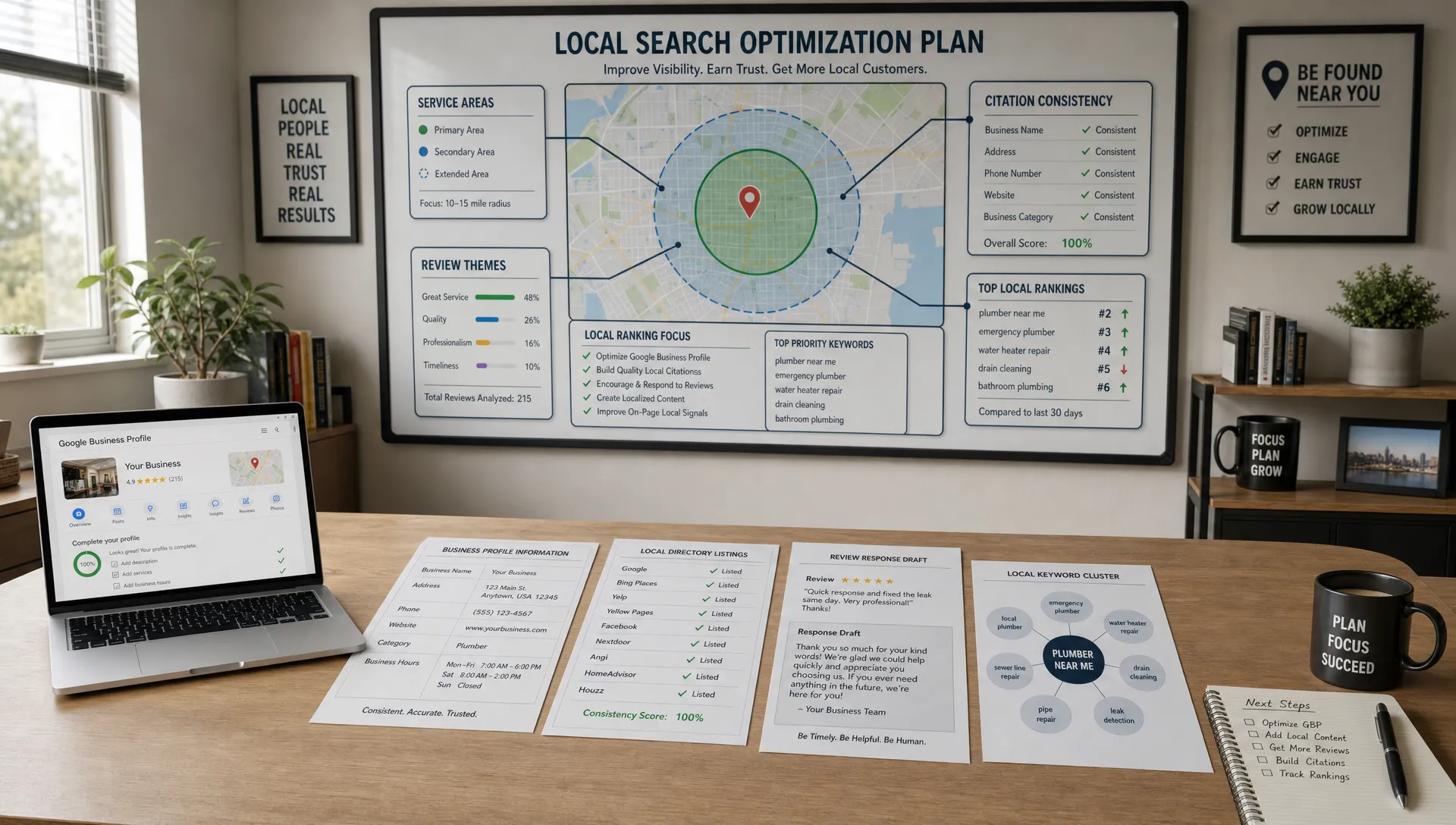
For smaller businesses, AI SEO tools are useful, but they do not replace strategy. A tool can identify issues, but it may not fully understand your local market, sales process, or competitive nuance. If you need hands-on support, especially for local visibility, technical fixes, and transparent reporting, working with a specialist such as SEO Bridge for practical SEO support can complement the software side of your stack.
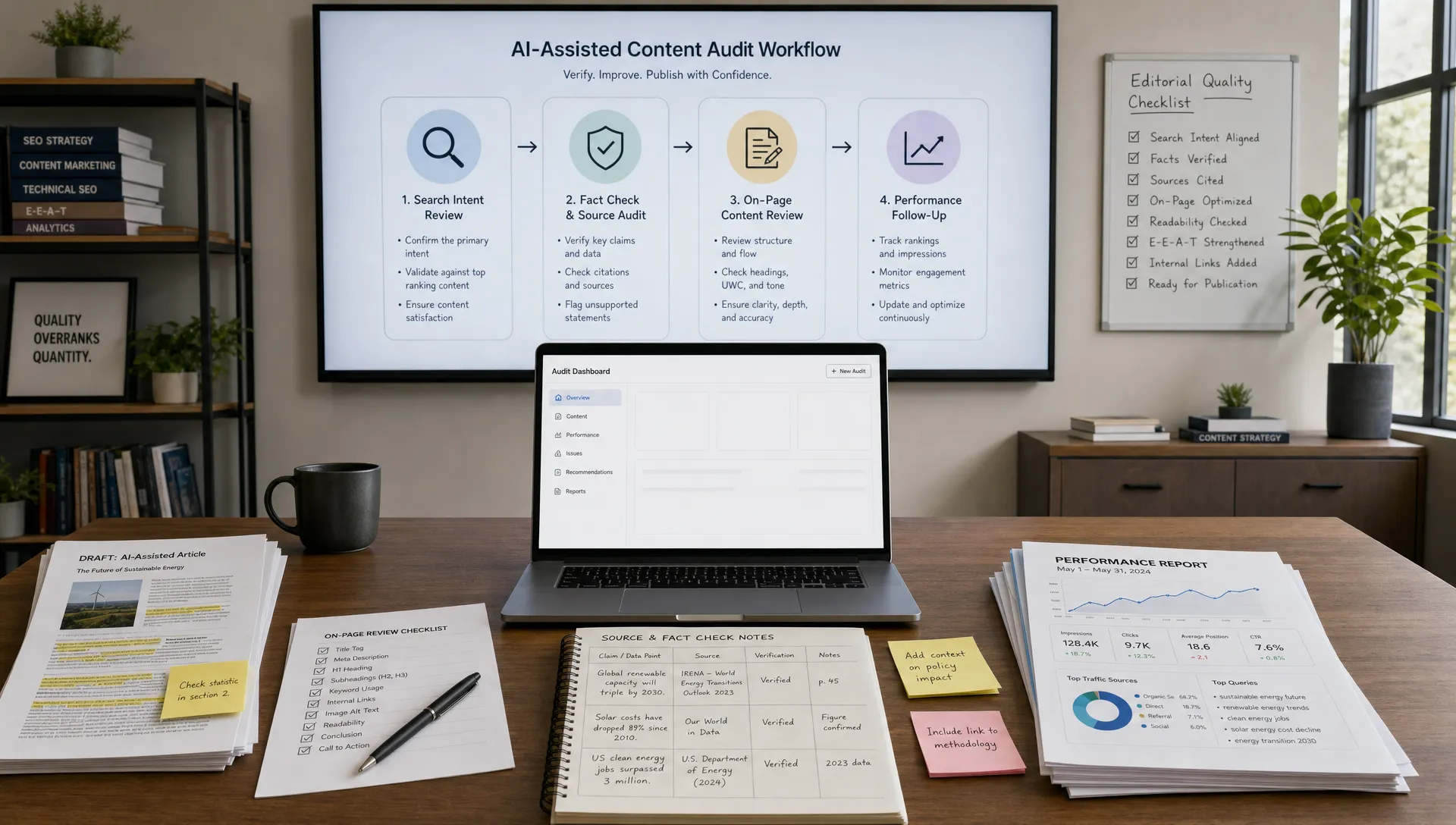
It is also important to remember that AI-generated content still needs to meet quality standards. Google has repeatedly emphasized that it rewards helpful, people-first content, regardless of whether AI was involved in the drafting process. Their guidance on AI-generated content is a useful reference for teams building AI-assisted SEO workflows.
Social teams are often asked to do more with less: post consistently, adapt to platform changes, monitor conversations, and prove impact. AI tools can help by turning long-form content into platform-specific posts, suggesting hooks, rewriting captions, identifying trends, and recommending posting schedules.
Tools like Buffer, Hootsuite, Sprout Social, Later, and Canva include AI-assisted features for drafting, planning, or creative production. The biggest advantage is repurposing. A webinar can become quote cards, short posts, a carousel outline, a newsletter recap, and a set of discussion prompts.
AI can also help with social listening by summarizing recurring themes in comments, reviews, and competitor content. This is where social media becomes more than distribution. It becomes a source of customer language that can improve ads, landing pages, and product messaging.
The human role remains essential. AI can draft ten caption options, but a marketer still needs to choose the one that fits the brand, current context, and audience mood.

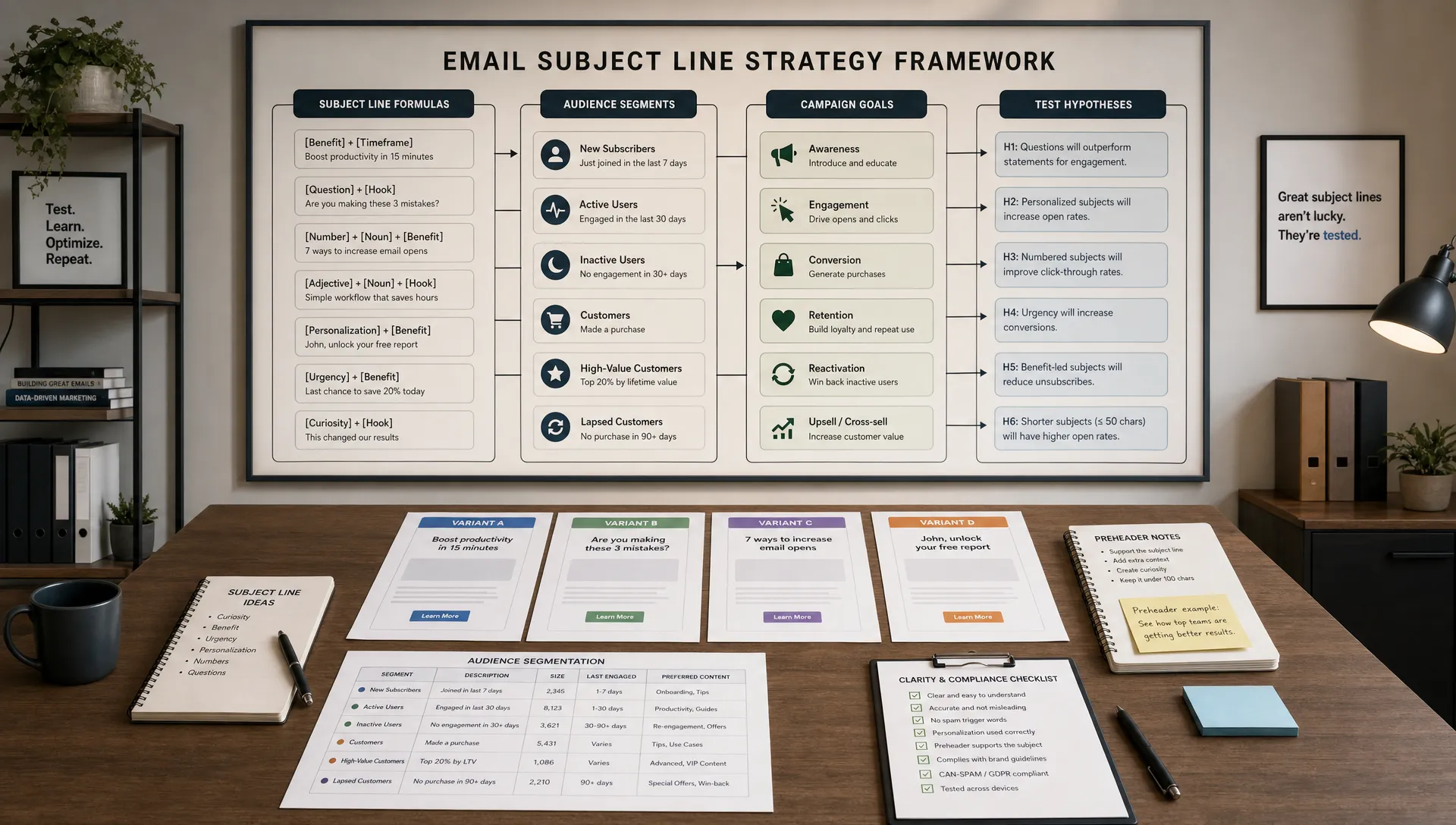
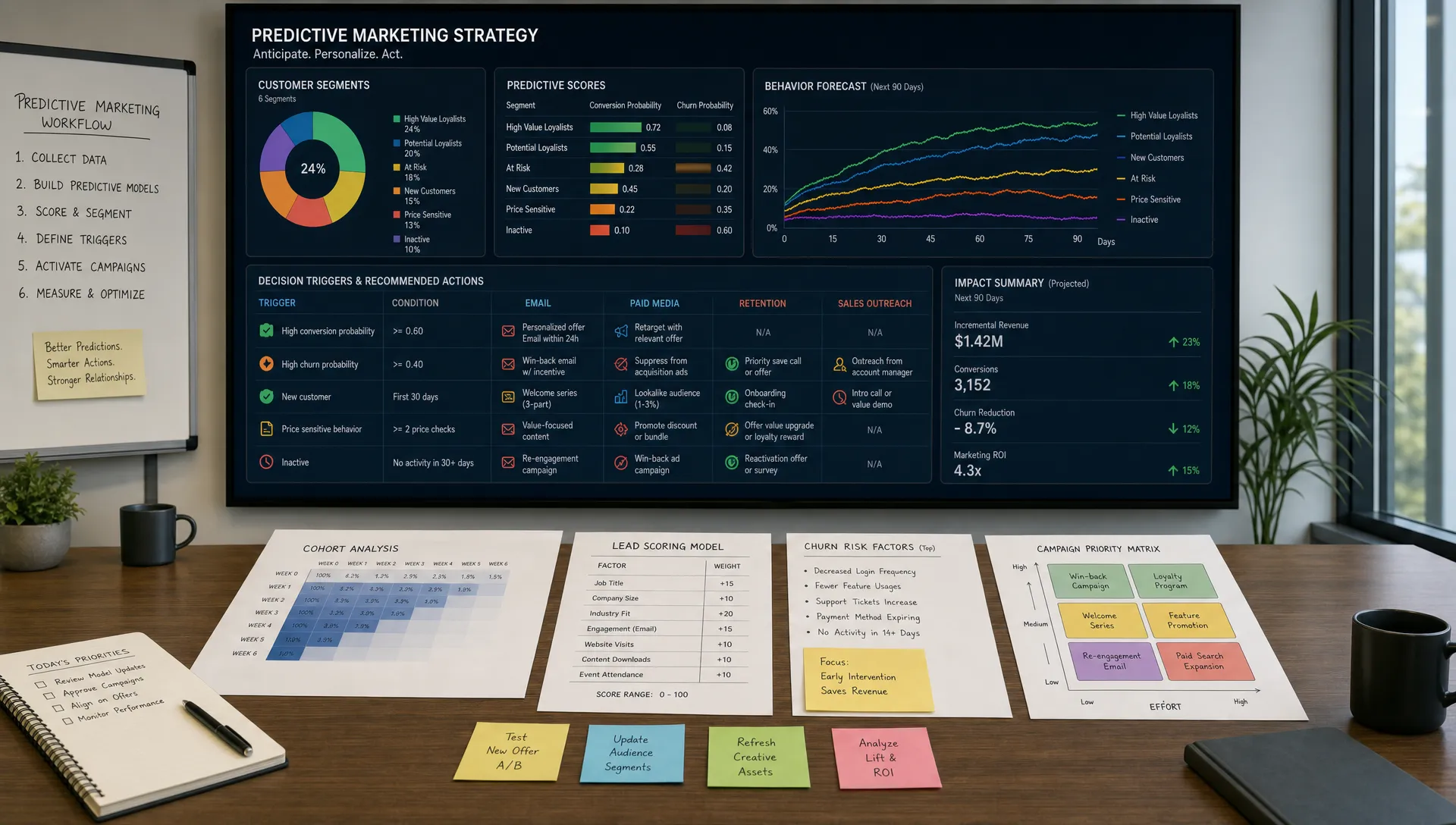
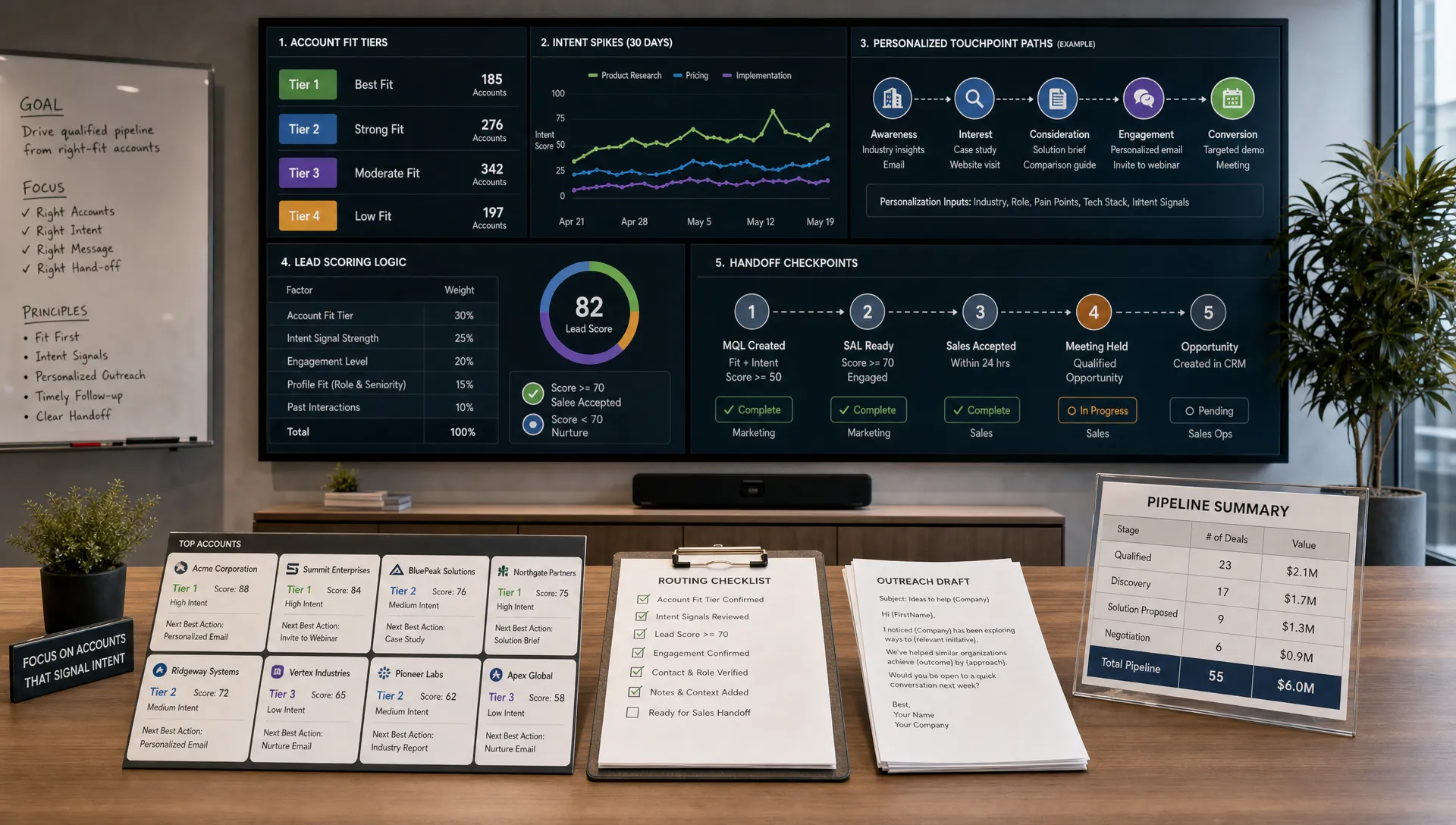
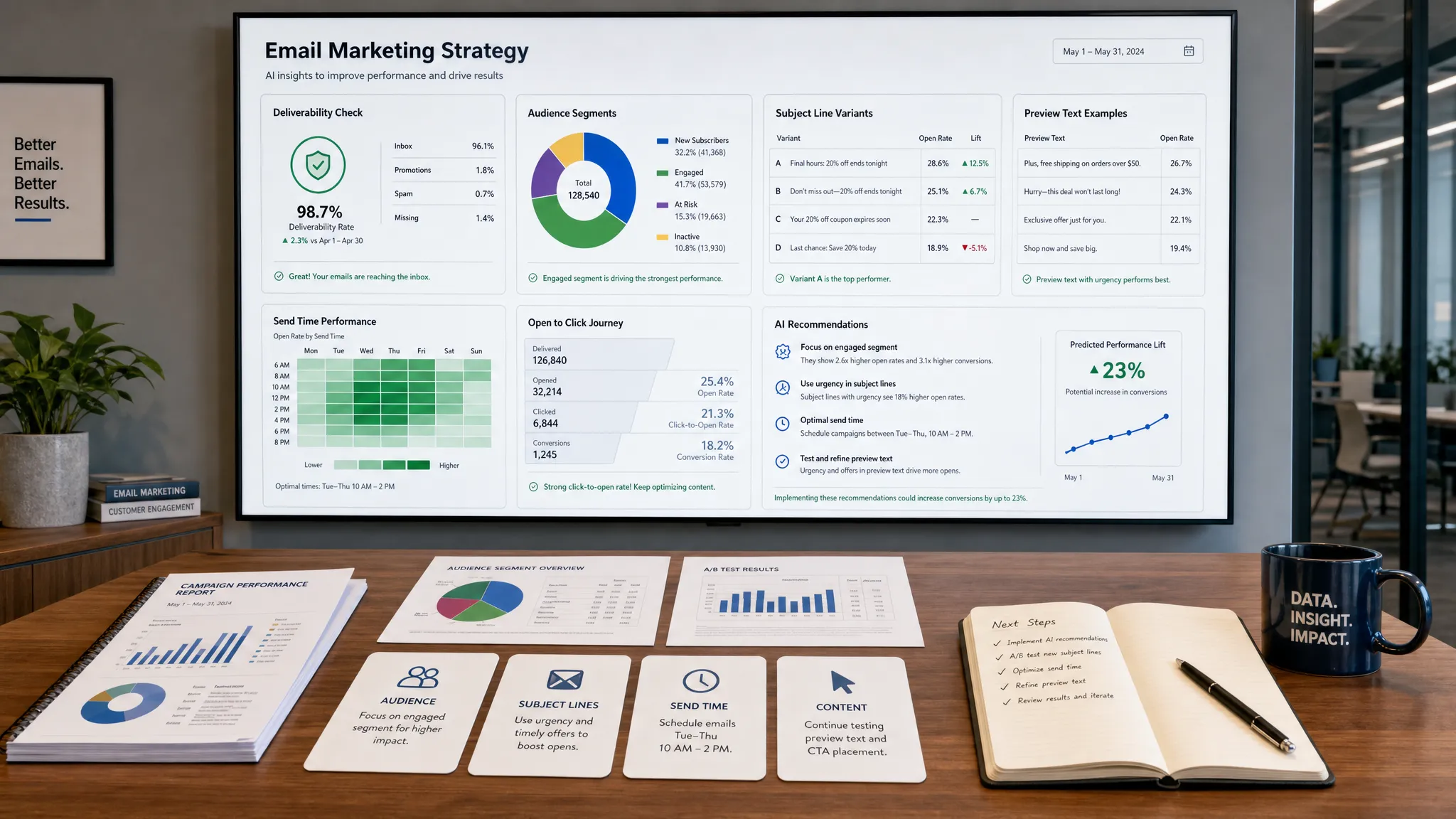
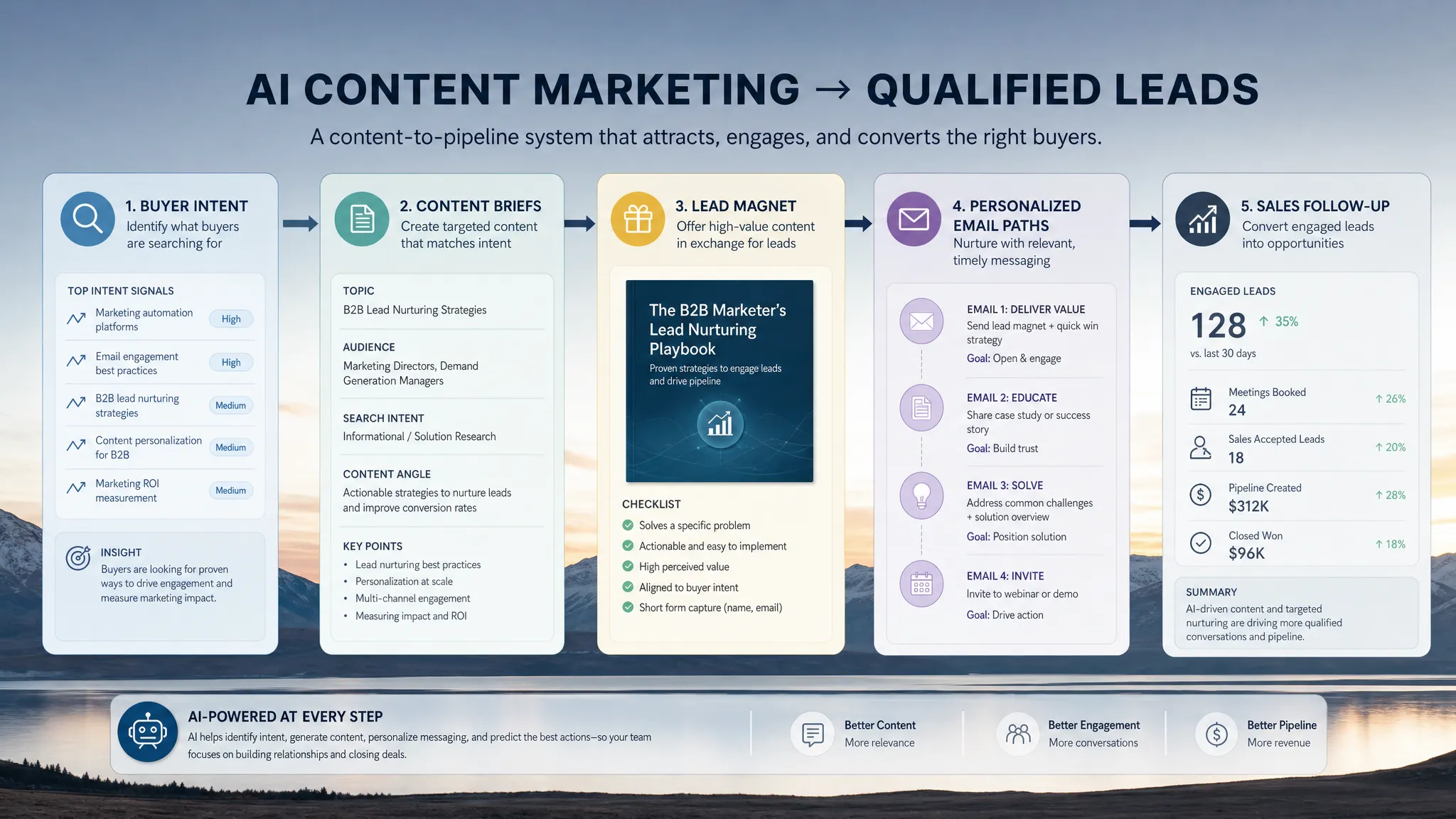
Email remains one of the most profitable channels for many businesses, but effective email marketing depends on relevance. AI can help teams move beyond one-size-fits-all newsletters by improving segmentation, timing, subject lines, and content personalization.
Platforms like HubSpot, Mailchimp, Klaviyo, ActiveCampaign, and Salesforce Marketing Cloud include AI capabilities for content suggestions, predictive segmentation, send-time optimization, and performance insights. Ecommerce teams might use AI to recommend products or trigger abandoned cart flows. SaaS teams might use it to personalize onboarding emails based on product behavior. Service businesses might use it to nurture leads based on form responses or content engagement.
Start simple. Use AI to generate subject line variations, rewrite emails by customer segment, or summarize past campaign results. Once your data is clean and your messaging is proven, you can expand into more advanced automation.
The biggest mistake is automating weak messaging. If the offer, audience, or sequence logic is unclear, AI will only help you send irrelevant emails faster.
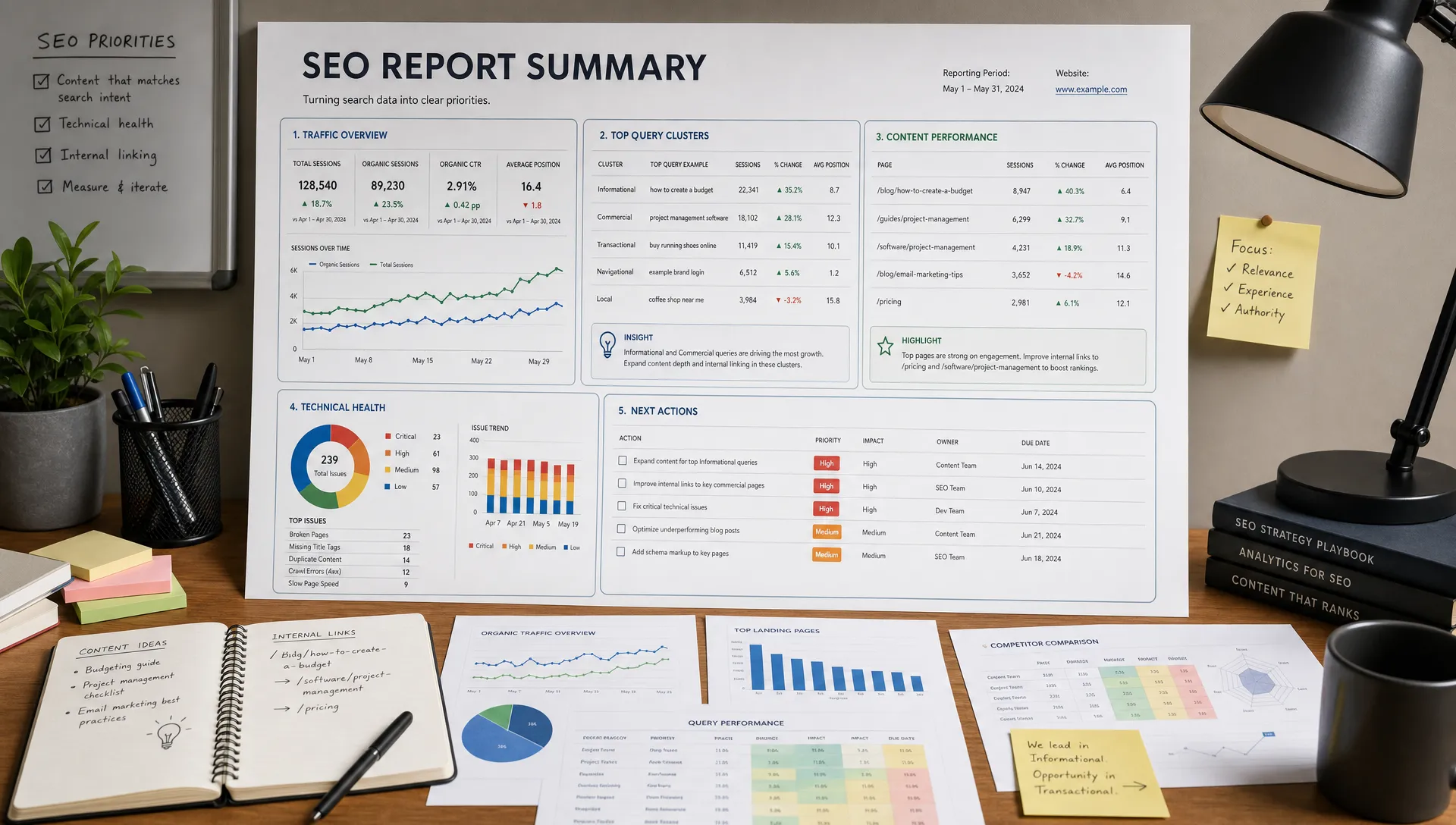
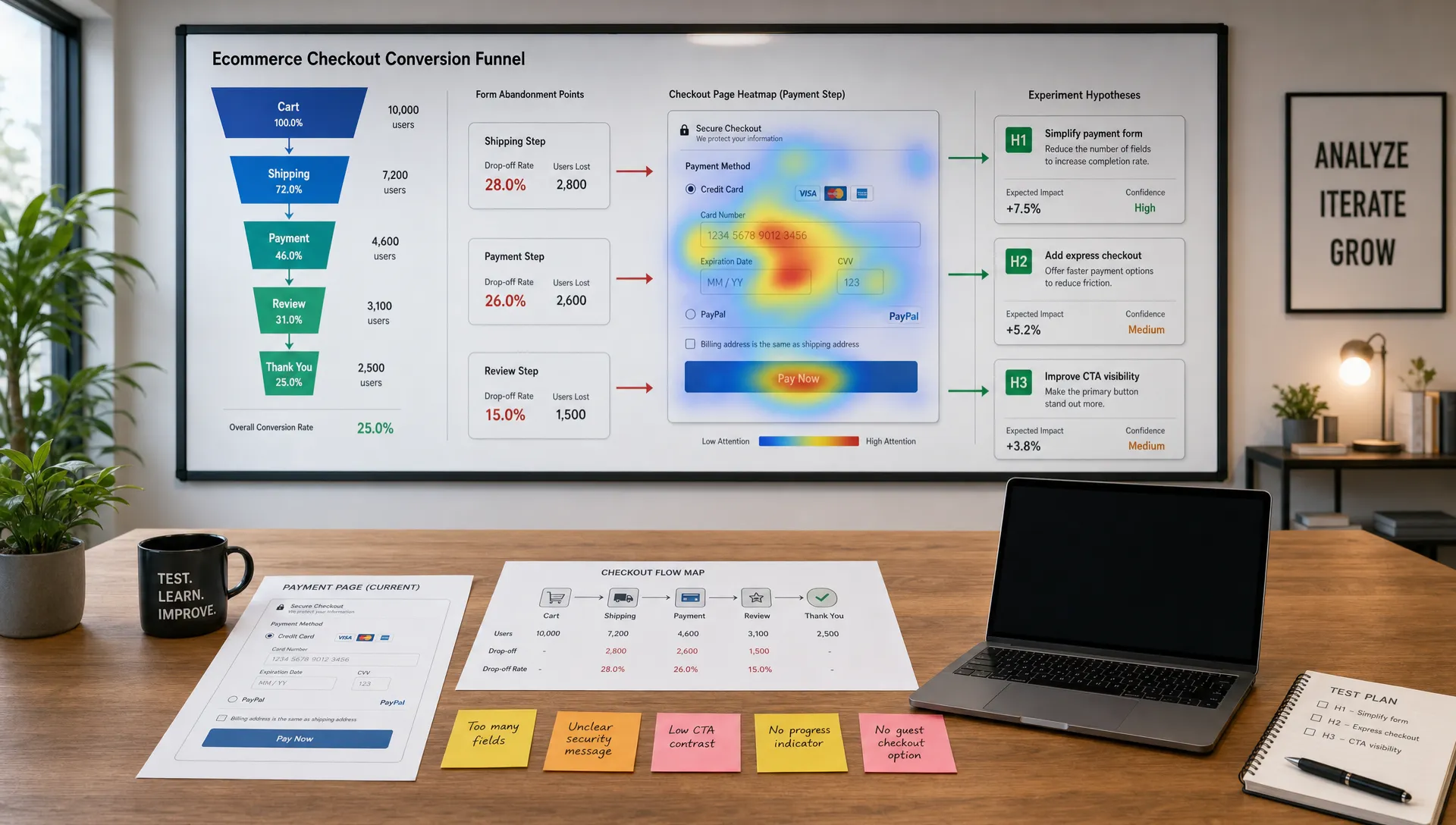
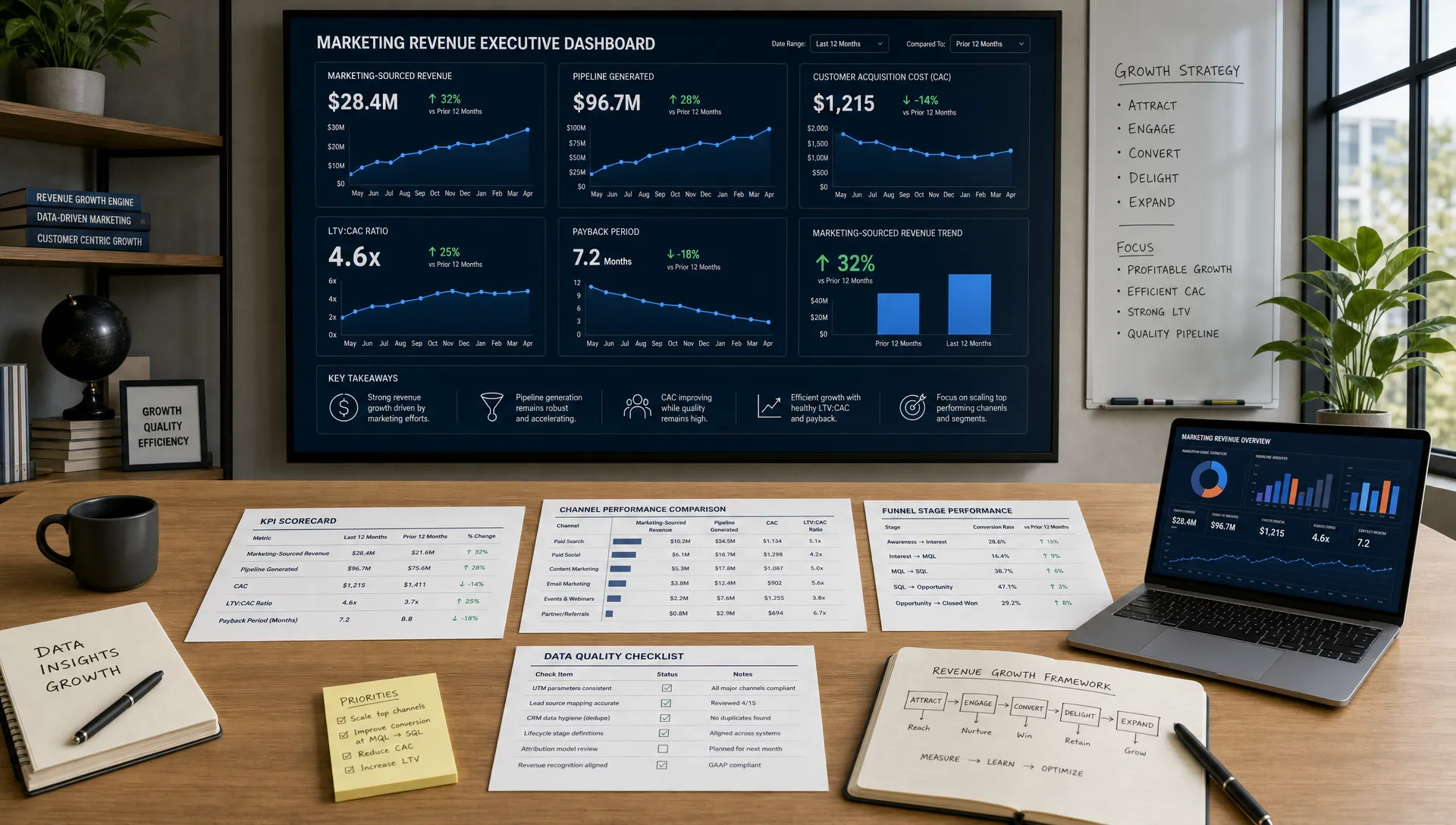
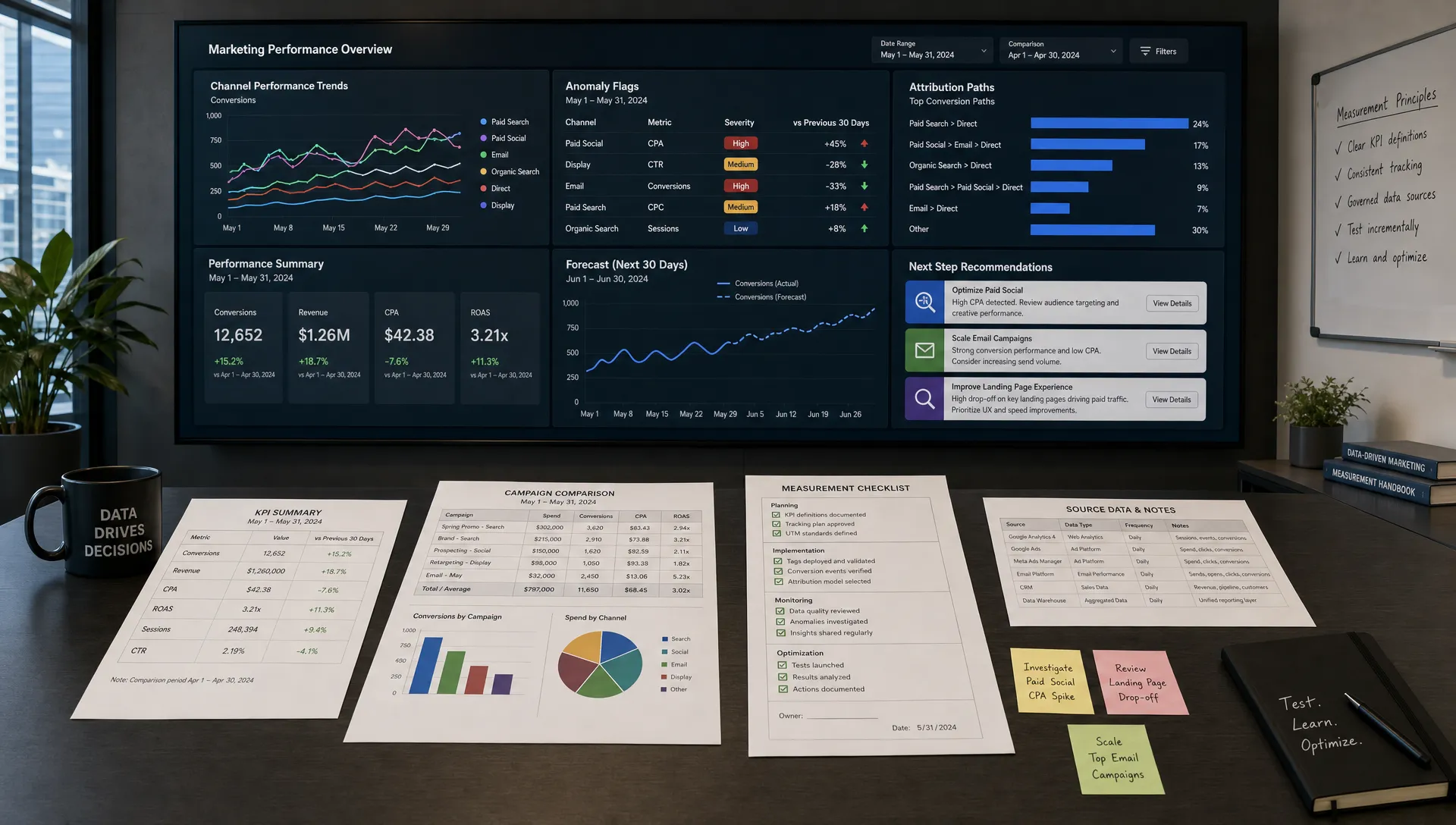
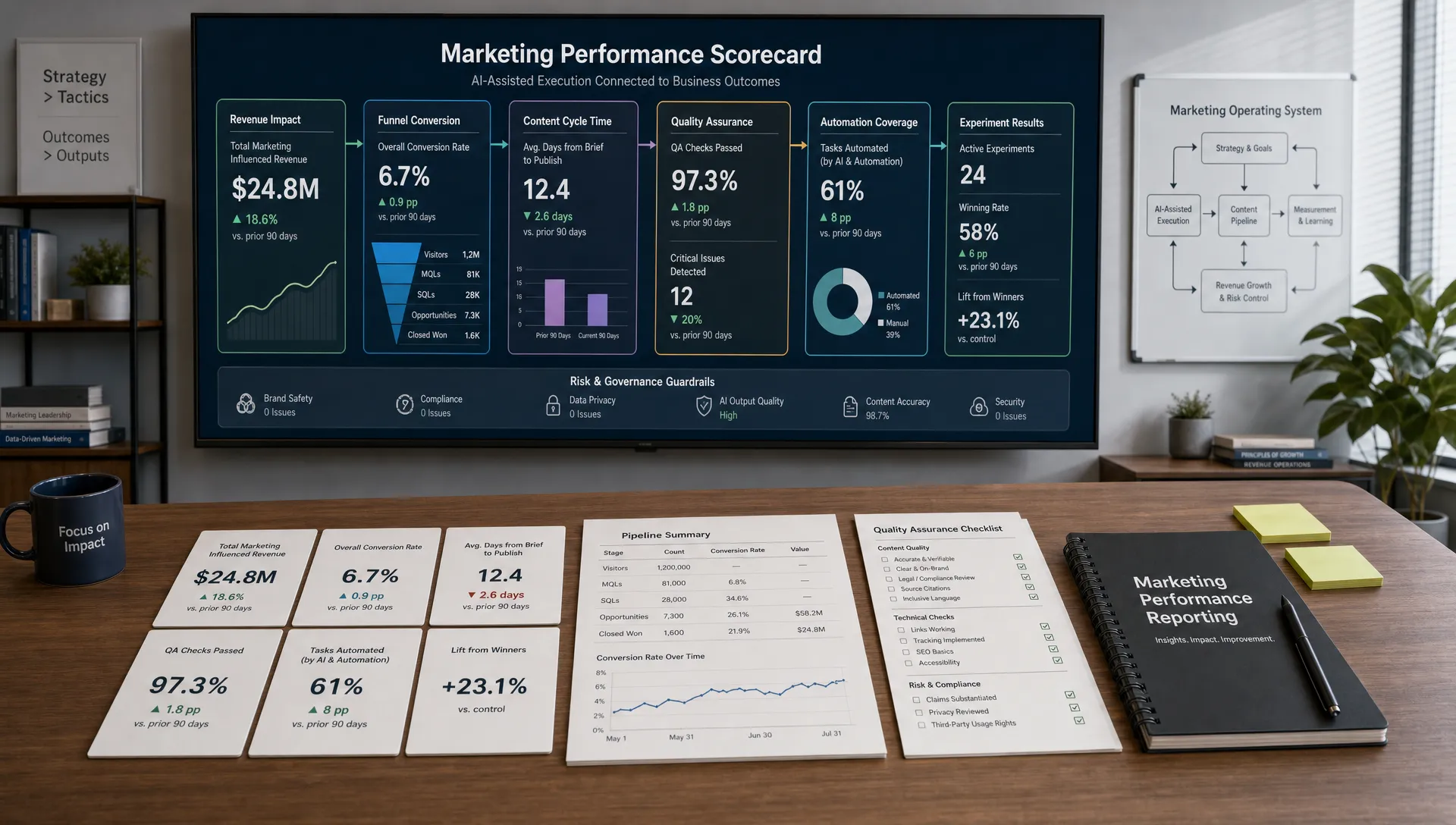
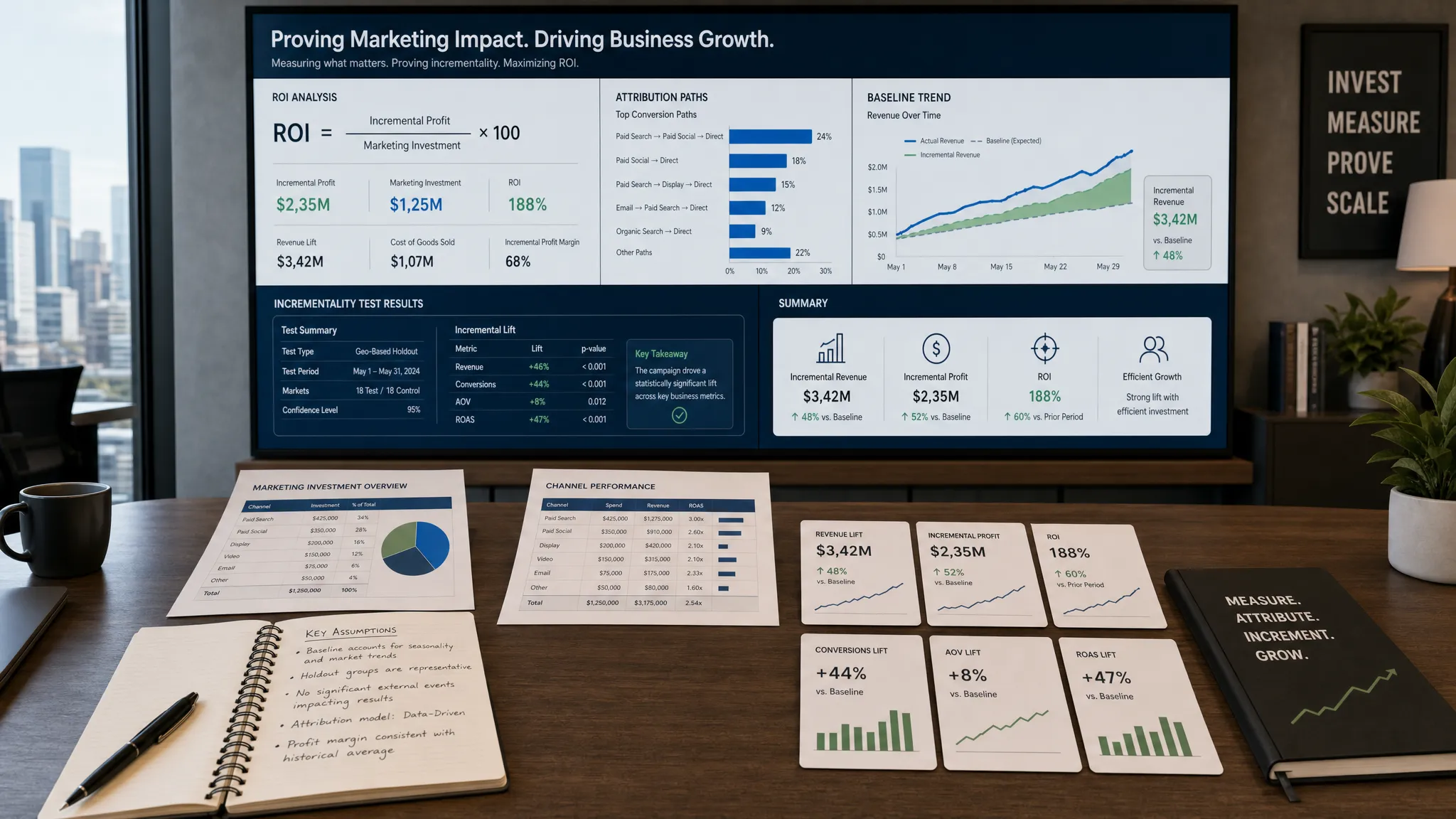
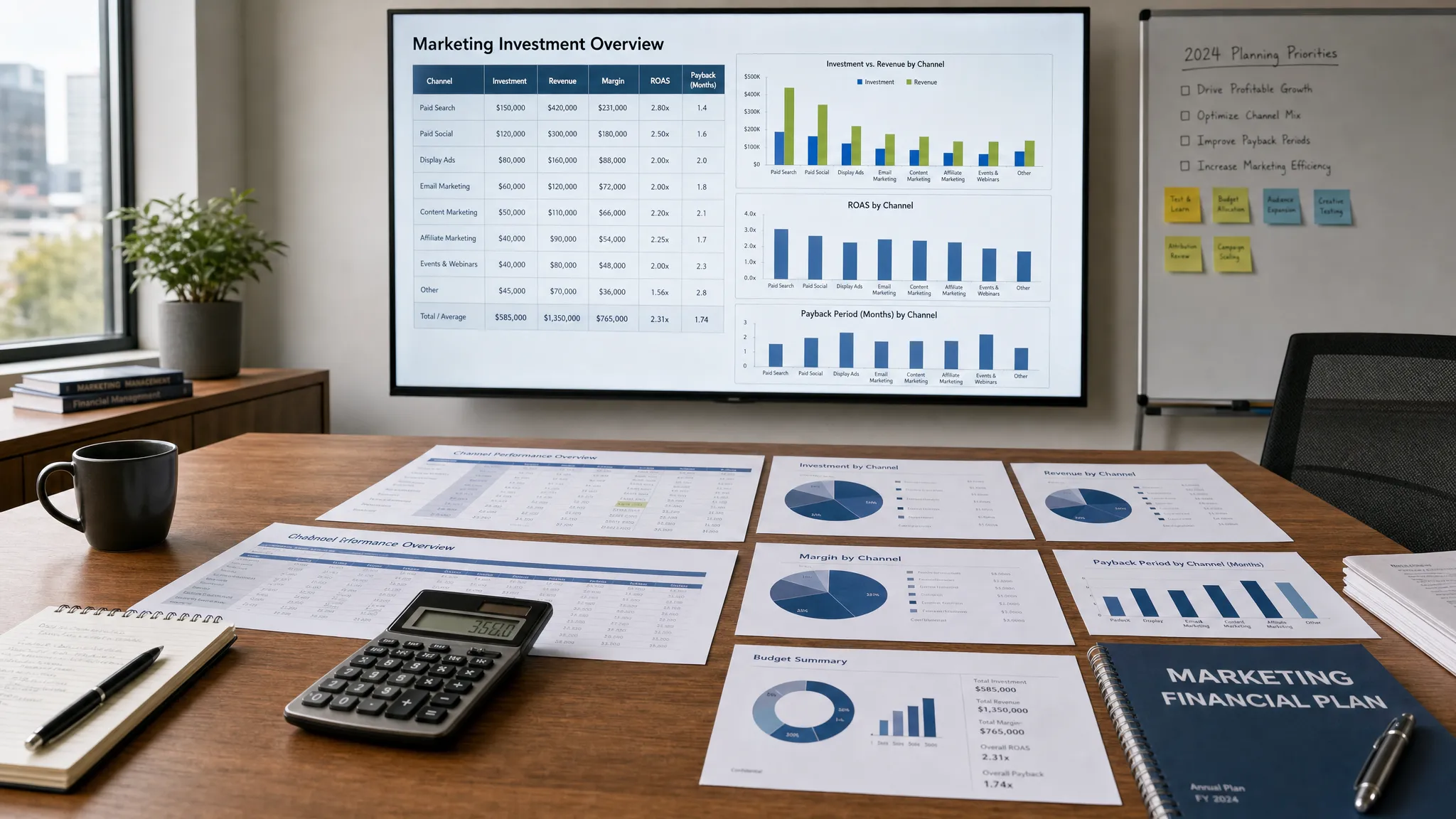
Marketing teams do not need more dashboards. They need faster answers. AI analytics tools can help translate campaign data into plain-language insights, spot anomalies, summarize trends, and recommend where to investigate next.
Google Analytics, Looker Studio, HubSpot, Tableau, Power BI, and many performance marketing platforms now include AI-assisted reporting or natural-language query features. Instead of manually digging through every channel, marketers can ask questions like which campaigns drove qualified leads last month, which landing pages declined in conversion rate, or which audience segments are responding best.
This does not eliminate the need for measurement discipline. AI reporting is only as reliable as the data behind it. Your team still needs clear goals, clean tracking, consistent naming conventions, and agreement on what counts as a conversion.
AIMarketer Hub includes performance analytics resources, making it a helpful starting point for teams that want to connect campaign activity with measurable outcomes.
Paid media teams are under pressure to test more angles, formats, and audiences while keeping acquisition costs under control. AI can help generate ad copy variations, creative concepts, audience hypotheses, landing page messaging, and performance summaries.
Major ad platforms, including Google Ads, Meta, LinkedIn, and TikTok, have built AI deeper into campaign creation and optimization. Creative tools like Canva, Adobe Firefly, and AdCreative.ai can also help teams produce visual concepts and adapt assets across formats.
The best use case is structured testing. AI can produce many ideas quickly, but marketers should organize those ideas around specific hypotheses. For example, one test might compare pain-point messaging against outcome-focused messaging. Another might compare founder-led creative against product demonstration creative.
This keeps AI from turning into random variation generation. More creative is only useful if the team learns what works.
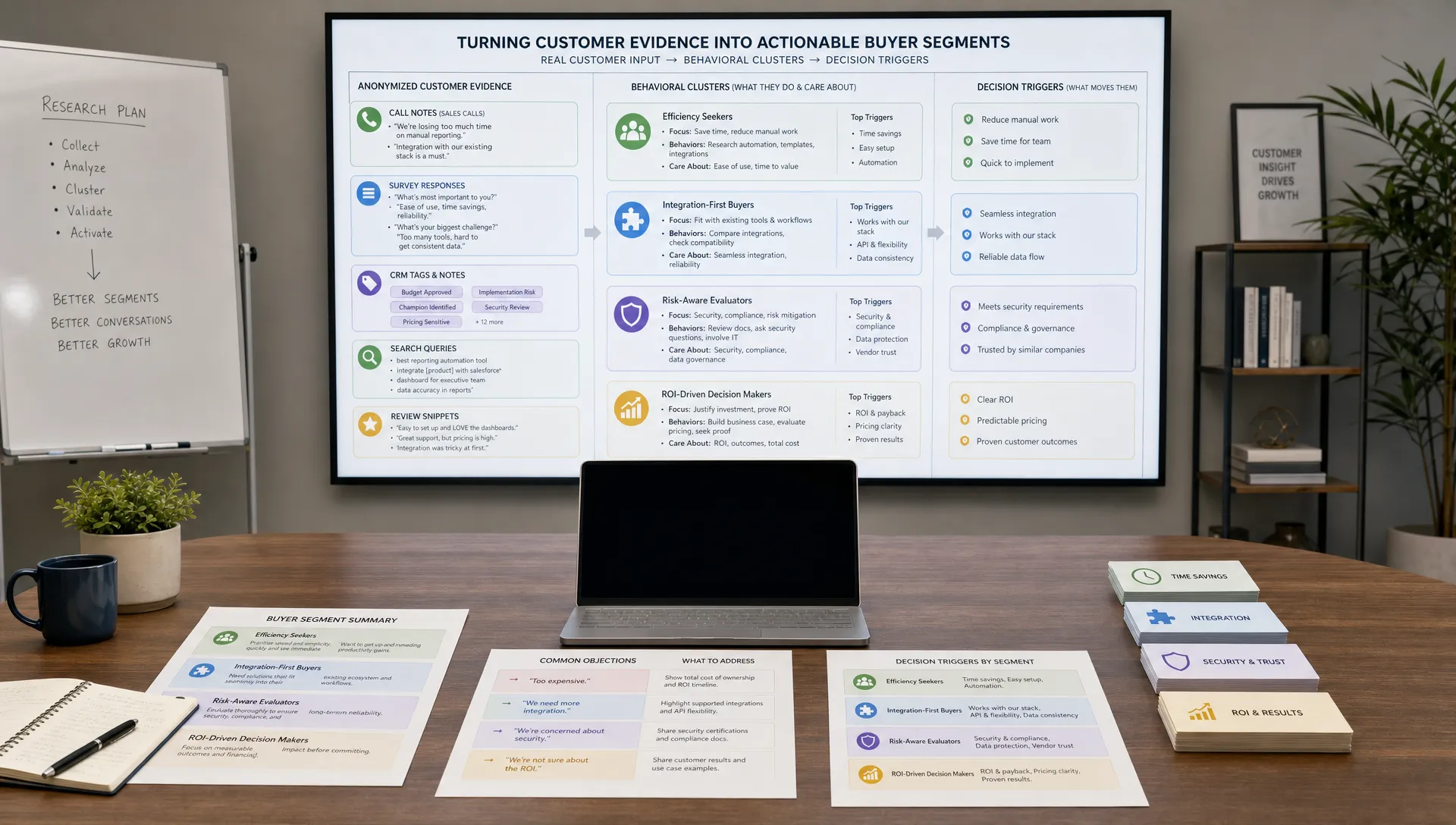
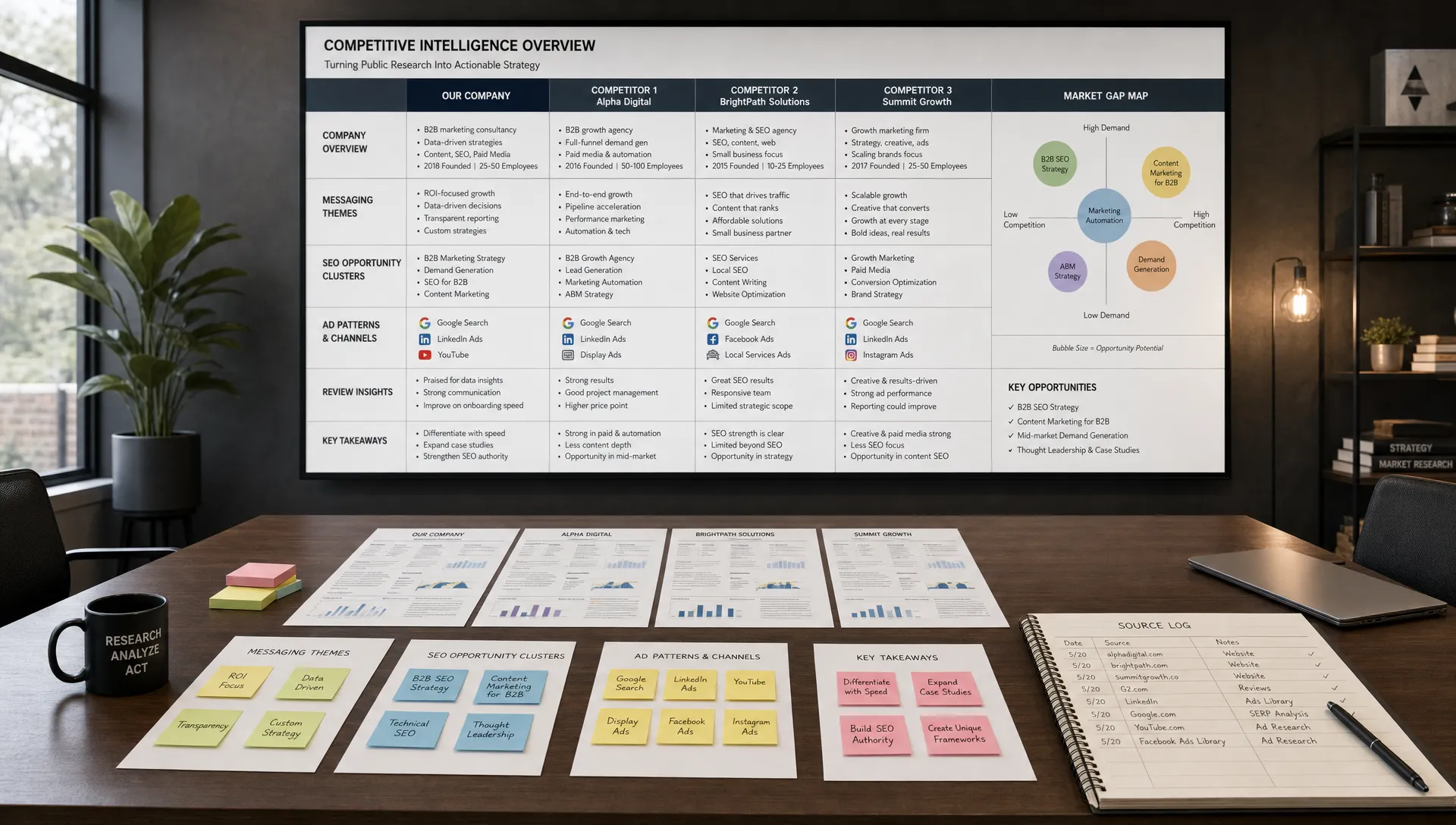
Strong marketing starts with understanding the market. AI research tools can summarize interviews, analyze reviews, cluster survey responses, monitor competitor messaging, and identify recurring customer pain points.
Tools such as Perplexity, ChatGPT with browsing capabilities, G2 review analysis workflows, SparkToro, Brandwatch, and customer feedback platforms can help teams find patterns faster. The goal is not to let AI invent personas. The goal is to process real inputs more efficiently.
For example, a team could collect sales call notes, support tickets, product reviews, and survey responses, then use AI to identify repeated objections. Those insights can inform homepage copy, ad angles, email sequences, and FAQ content.
This is one of the most underrated AI marketing workflows because it improves the quality of everything downstream. Better research leads to sharper positioning, stronger content, and more relevant campaigns.
Visual production is often a bottleneck. AI design tools help marketers create draft visuals, resize assets, remove backgrounds, generate image concepts, create presentation graphics, and turn scripts into short videos.
Canva Magic Studio, Adobe Firefly, Midjourney, Runway, Descript, Synthesia, and CapCut all serve different creative needs. Some are better for brand-safe business assets, while others are better for concept exploration or video editing.
For marketing teams, the safest way to use AI visuals is as a speed layer, not a brand replacement. Use AI to explore concepts, create rough drafts, adapt assets, or produce internal mockups. Final customer-facing creative should still be reviewed for accuracy, accessibility, licensing, brand fit, and potential bias.
Video is especially promising. AI can turn a podcast or webinar into clips, generate captions, clean audio, and help write short-form scripts. This lets teams get more value from every content investment.
Many marketing tasks are not difficult, but they are repetitive. Moving leads between systems, notifying sales, updating spreadsheets, creating tasks, tagging contacts, and compiling reports can eat up hours every week.
Automation tools like Zapier, Make, Airtable, Notion AI, and built-in CRM automations can connect platforms and reduce manual handoffs. AI adds another layer by summarizing form submissions, classifying leads, drafting follow-up messages, or routing requests based on intent.
A practical automation might look like this: a lead fills out a form, AI summarizes the request, the CRM tags the lead by industry, sales receives a short briefing, and marketing adds the contact to a relevant nurture sequence. None of this requires replacing the team. It simply removes the copy-and-paste work between steps.
Start with workflows that are frequent, rule-based, and low risk. Once those are stable, move into more complex automations that require approval steps.
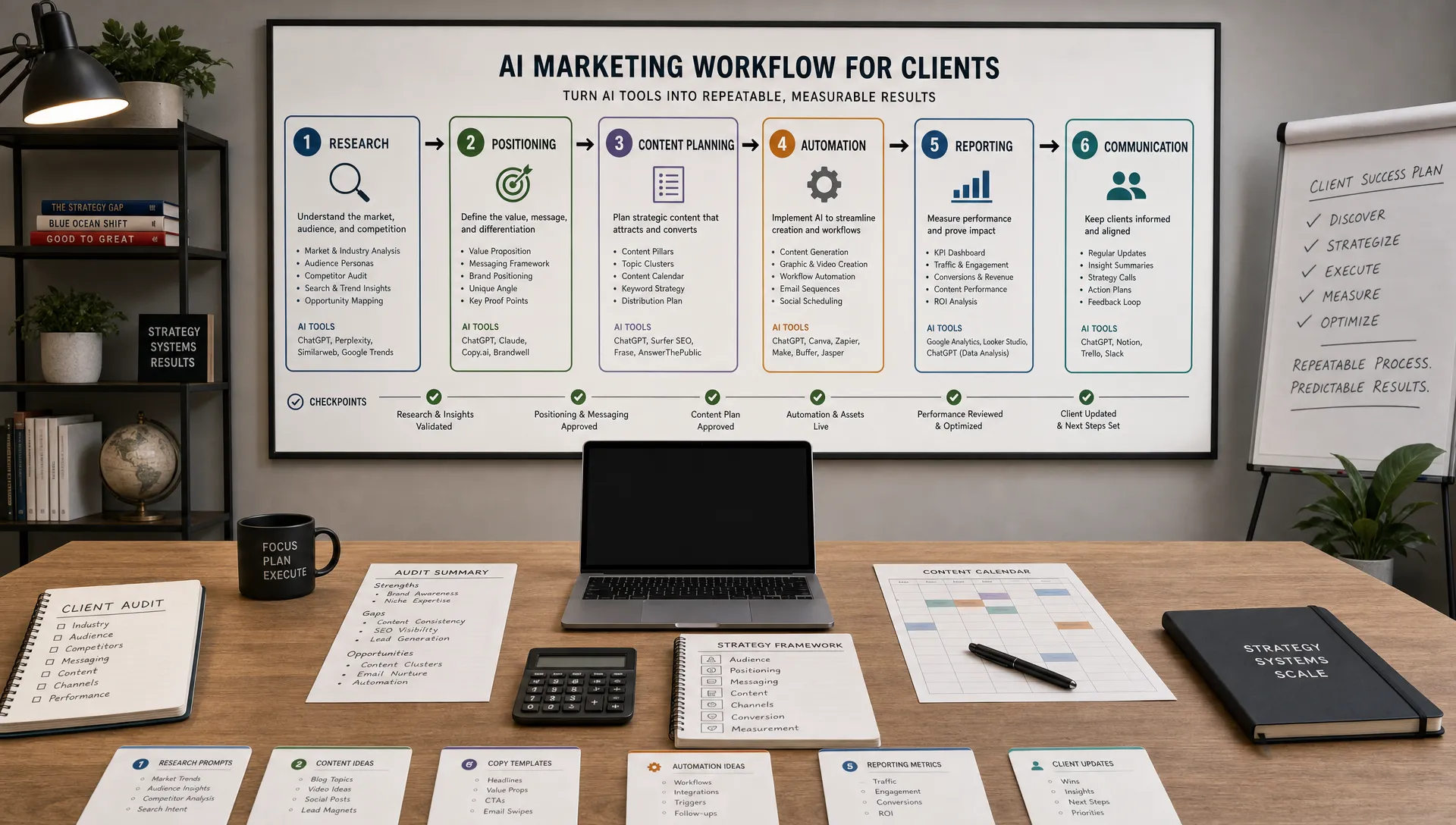
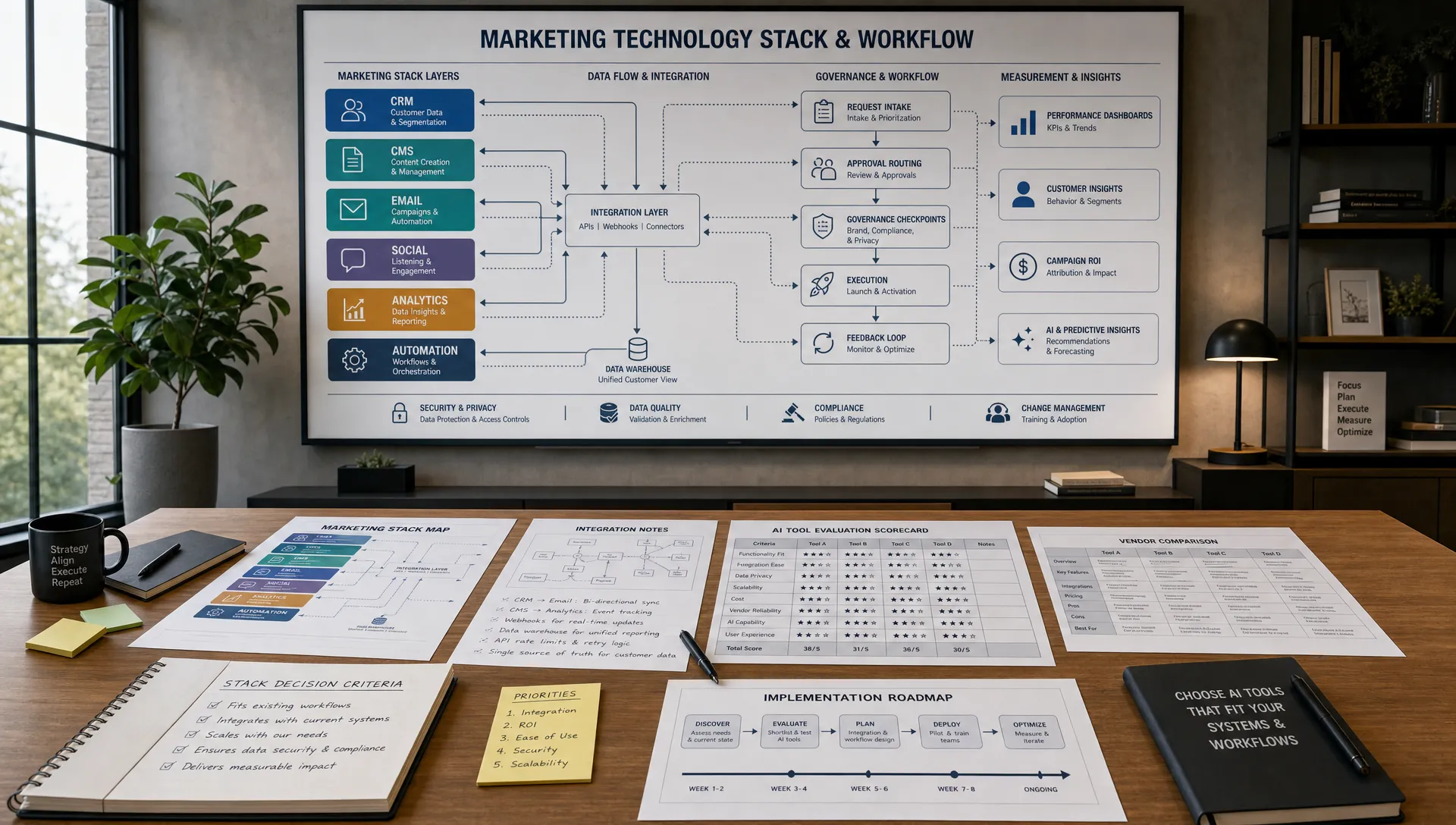
A common mistake is buying tools by category rather than workflow. A team might subscribe to a writing assistant, SEO platform, design tool, automation tool, and analytics product, then realize nobody has time to integrate them.
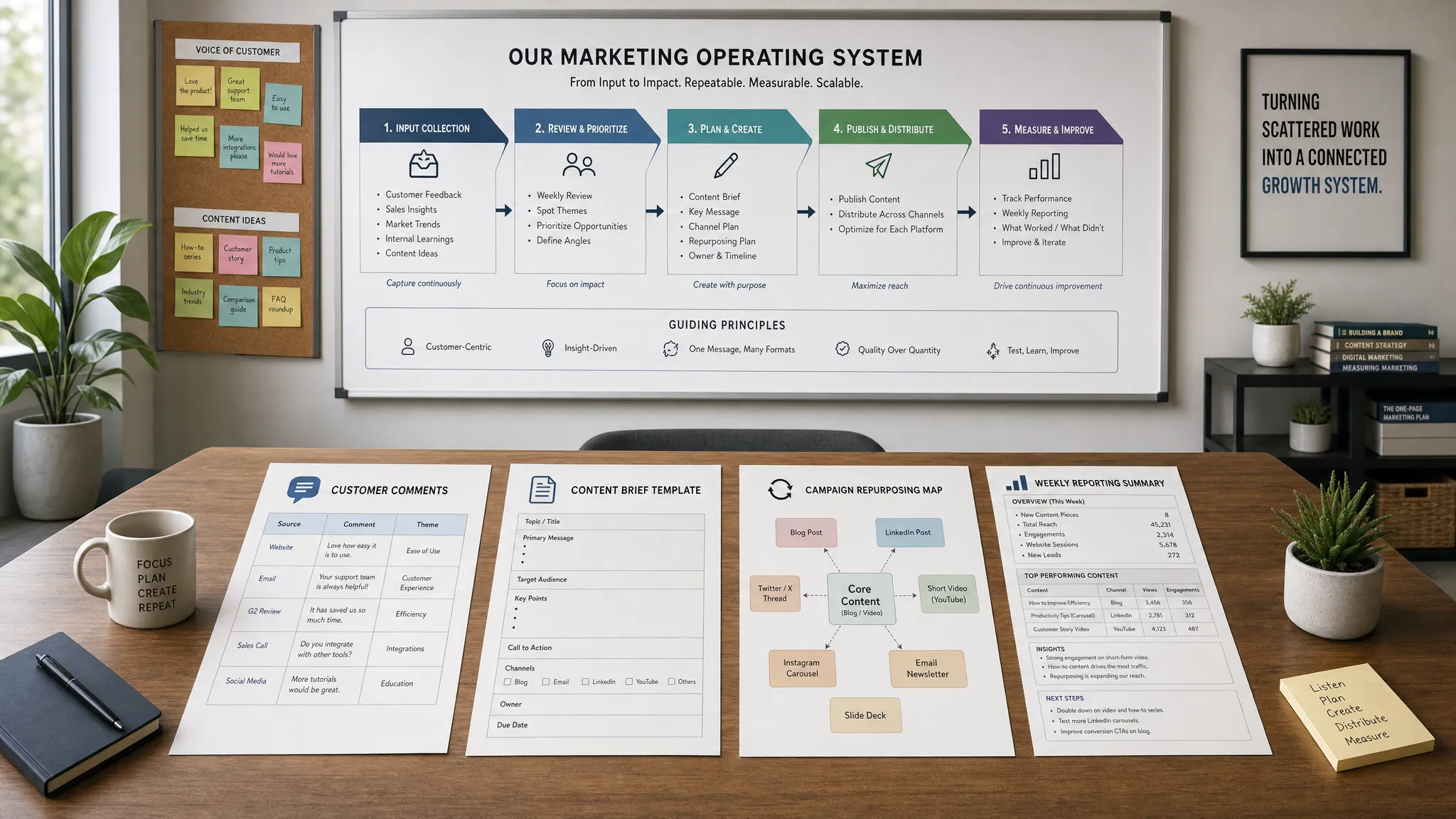
A better approach is to map your marketing process from idea to measurement. Where does work slow down? Where does quality vary? Where are decisions delayed because insights are hard to find?
For most teams, a simple AI marketing stack includes:
AIMarketer Hub can support several of these needs in one place through AI content generation, a prompt library for marketers, SEO tools, performance analytics, industry-specific guides, calculators, and curated resources. That makes it especially useful for teams that want practical marketing support without piecing together every workflow manually.
AI can make good marketing faster, but it can also make generic marketing louder. The difference comes down to process.
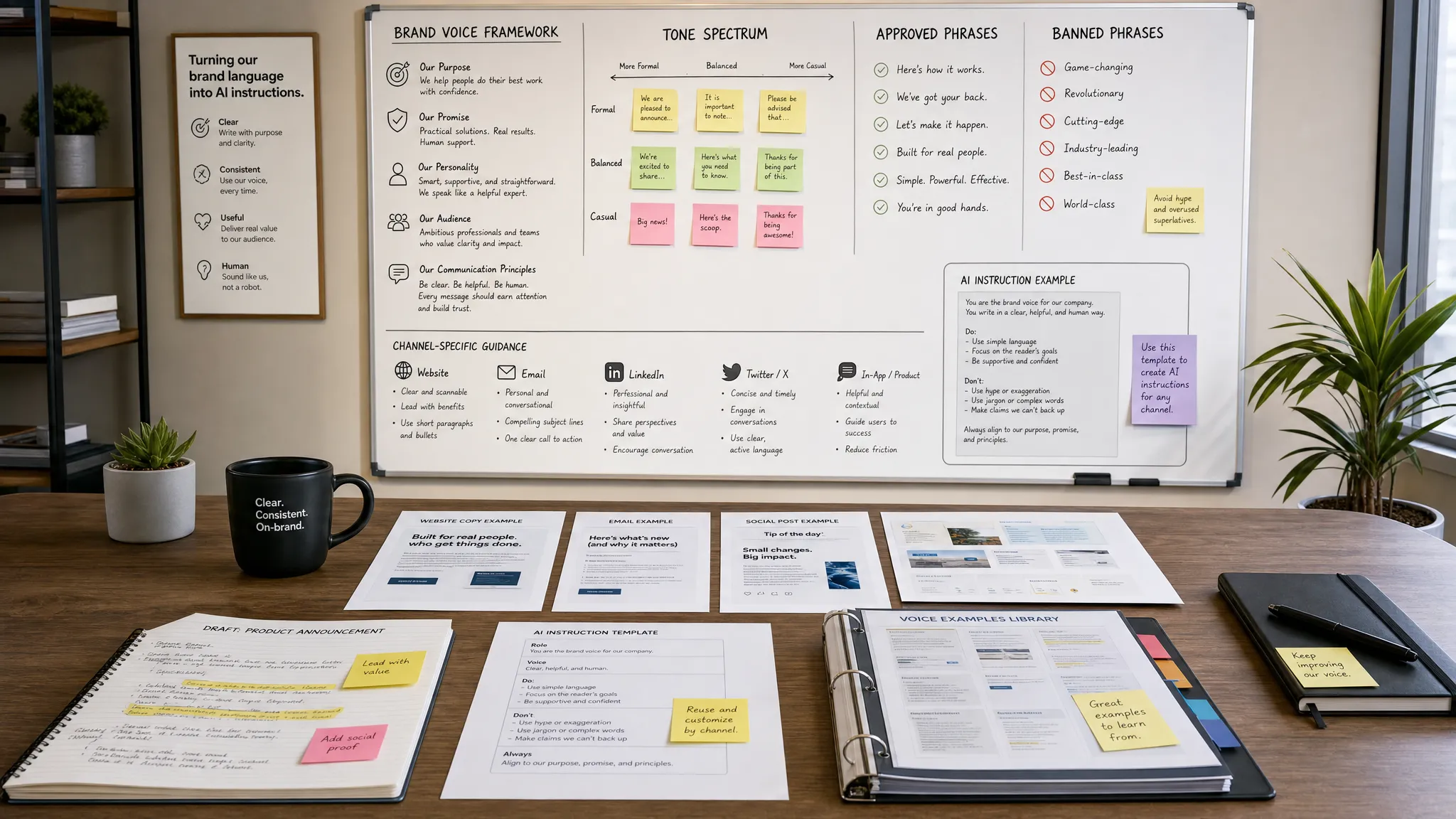
Set clear standards for brand voice, claims, citations, compliance, and approvals. Never publish AI output without review, especially for financial, legal, health, or technical topics. Use AI to accelerate research and drafting, but verify facts from reliable sources before publishing.
It is also worth creating a simple AI usage policy. Define which data can be entered into tools, which tools are approved, who reviews outputs, and when human approval is required. This protects customer data and reduces risk.
Finally, measure the impact of AI. Track whether it reduces production time, increases content output, improves conversion rates, lowers cost per lead, or helps the team act faster on insights. If a tool feels impressive but does not improve a real metric, it may not deserve a permanent place in your stack.
What are the best AI tools for marketing teams to start with? Most teams should start with a general AI assistant, an AI content generation tool, an SEO optimization tool, an email automation platform, and an analytics tool. The right mix depends on your main bottleneck, such as content volume, lead nurturing, reporting, or campaign planning.
Can AI tools replace a marketing team? No. AI tools can speed up research, drafting, analysis, and automation, but they still need human strategy, judgment, creativity, and quality control. The strongest teams use AI to remove repetitive work so marketers can focus on decisions and messaging.
Are AI-generated blog posts good for SEO? They can be, but only if they are helpful, accurate, original, and aligned with search intent. AI-generated content should be edited by humans, supported by real expertise, and reviewed for factual accuracy before publishing.
How much should a small business spend on AI marketing tools? Start small. Test one or two tools tied to a clear business outcome before building a larger stack. Many teams get value from a content assistant, SEO tool, and automation platform before investing in advanced personalization or enterprise analytics.
What is the biggest risk of using AI tools for marketing? The biggest risk is publishing generic, inaccurate, or off-brand content at scale. Other risks include data privacy issues, over-automation, weak review processes, and relying on AI recommendations without understanding the underlying strategy.
The best AI tools for marketing are not the ones with the longest feature lists. They are the ones your team will actually use to create better work, move faster, and make clearer decisions.
If you want a practical place to start, explore AIMarketer Hub. You will find AI content generation, prompt resources, SEO tools, analytics support, calculators, and industry-specific guides designed to help marketers automate, optimize, and grow with more confidence.