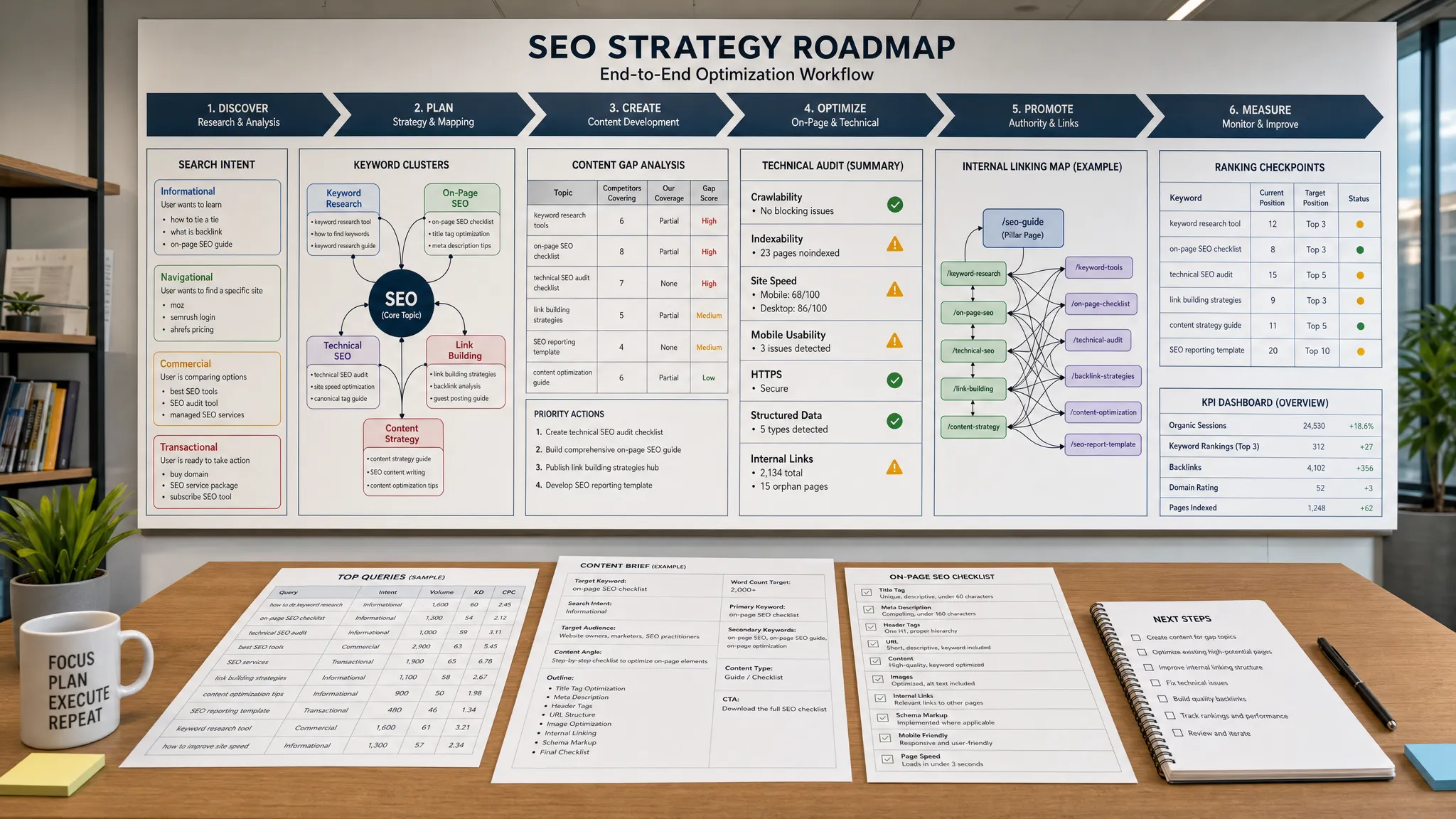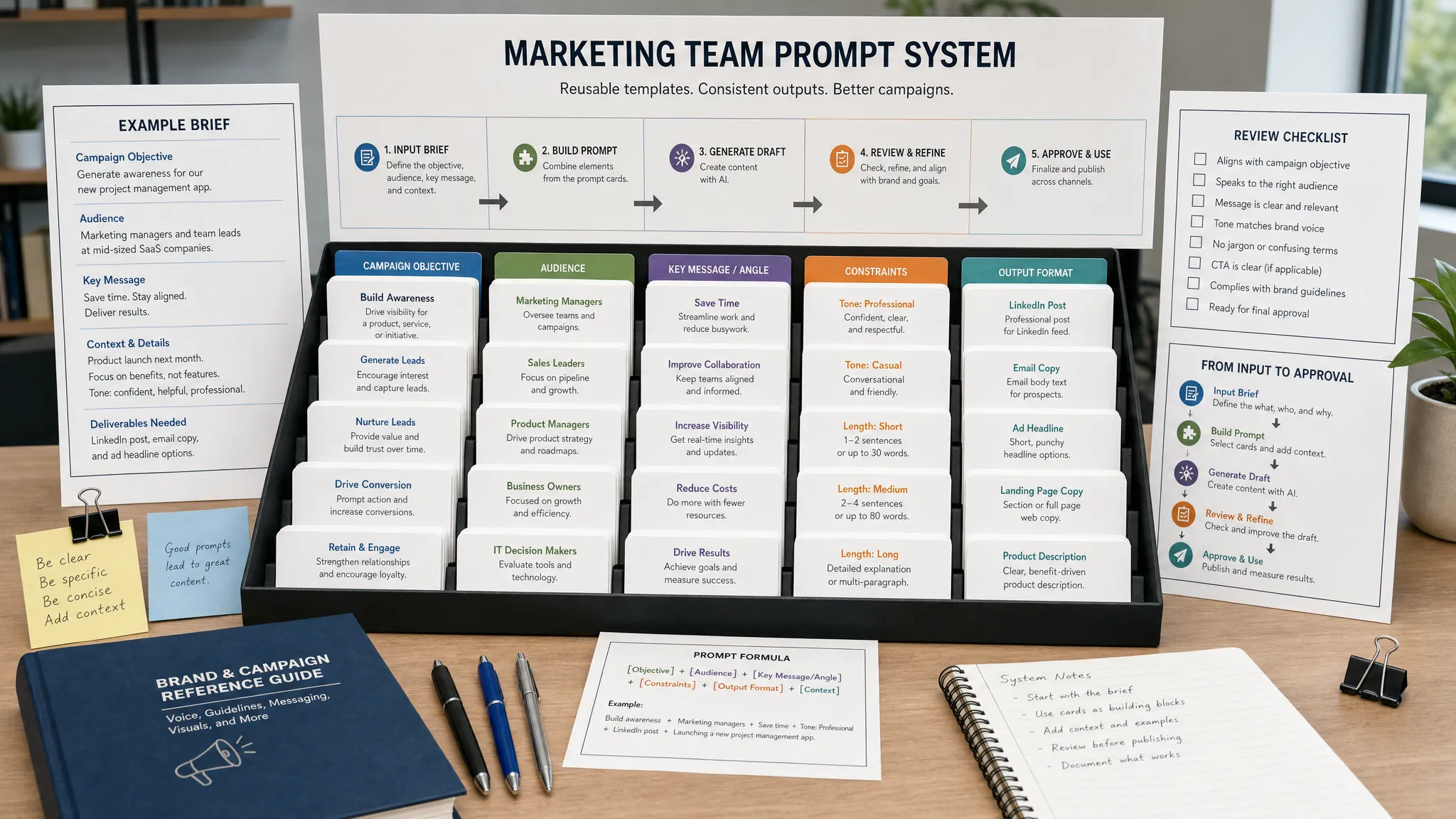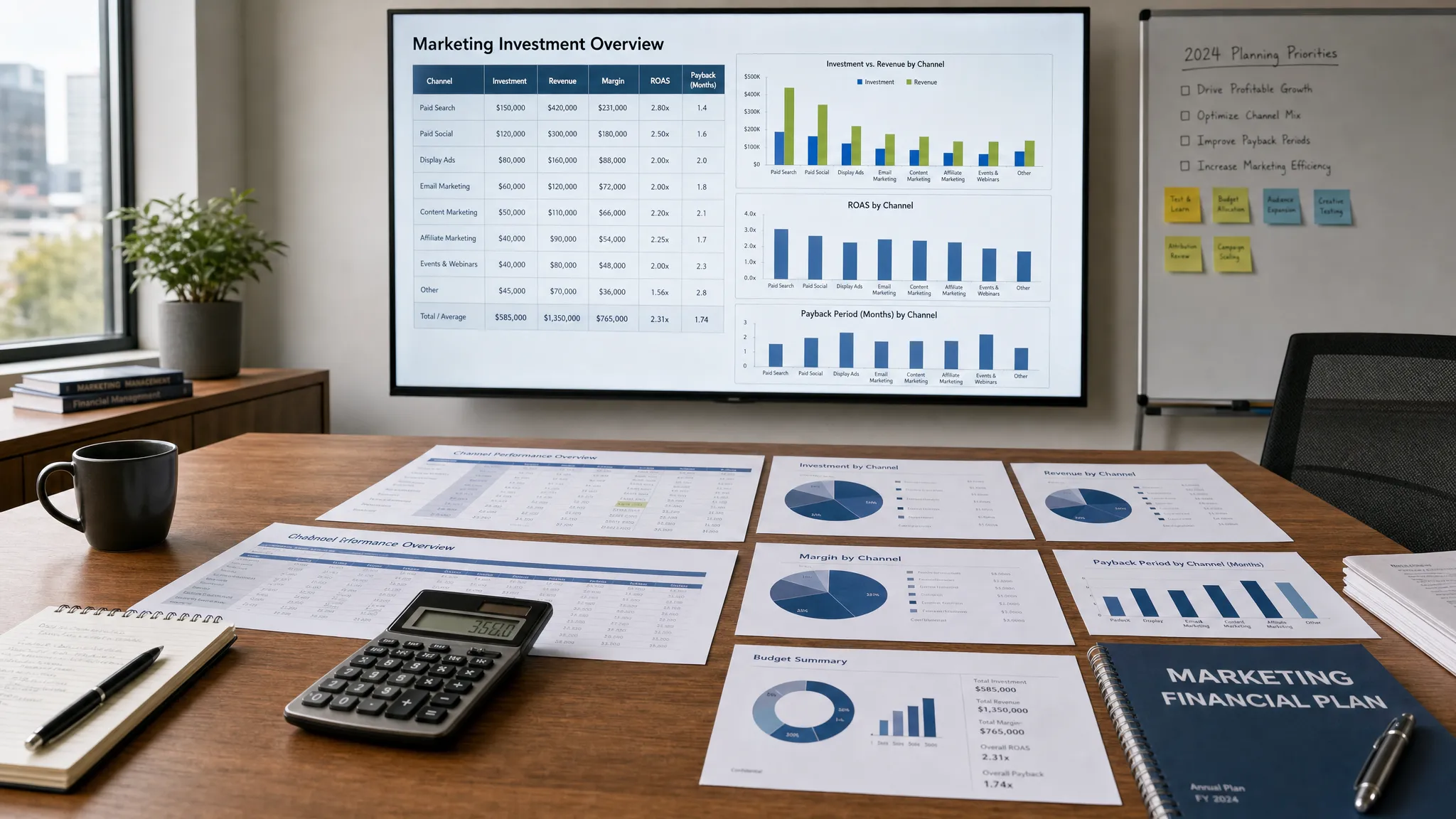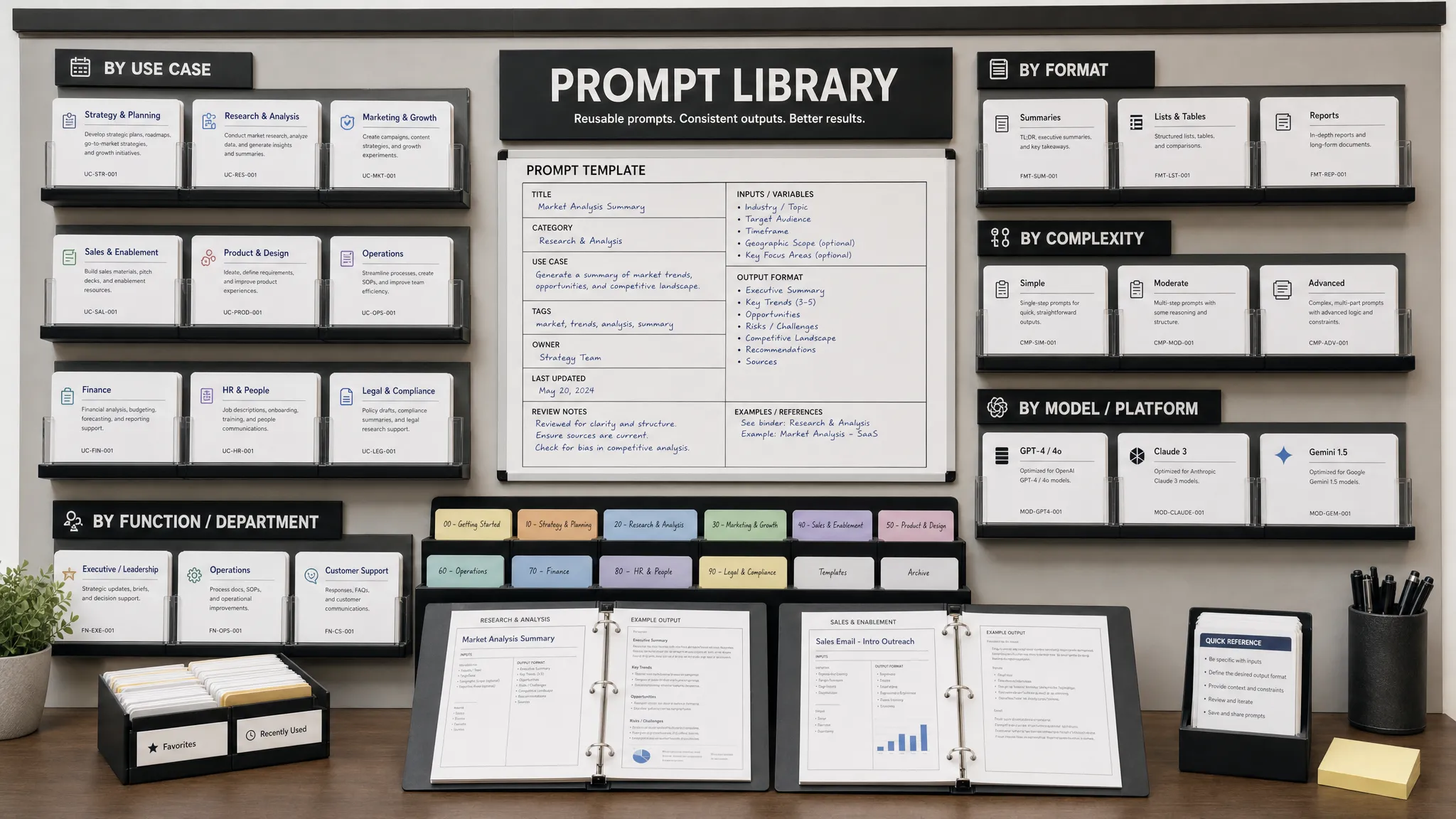
Internal linking is one of the few SEO levers you control completely. You cannot force another site to link to you, and you cannot control every algorithm update, but you can decide how your own pages connect, which pages deserve more visibility, and how easily readers can move from one useful resource to the next.
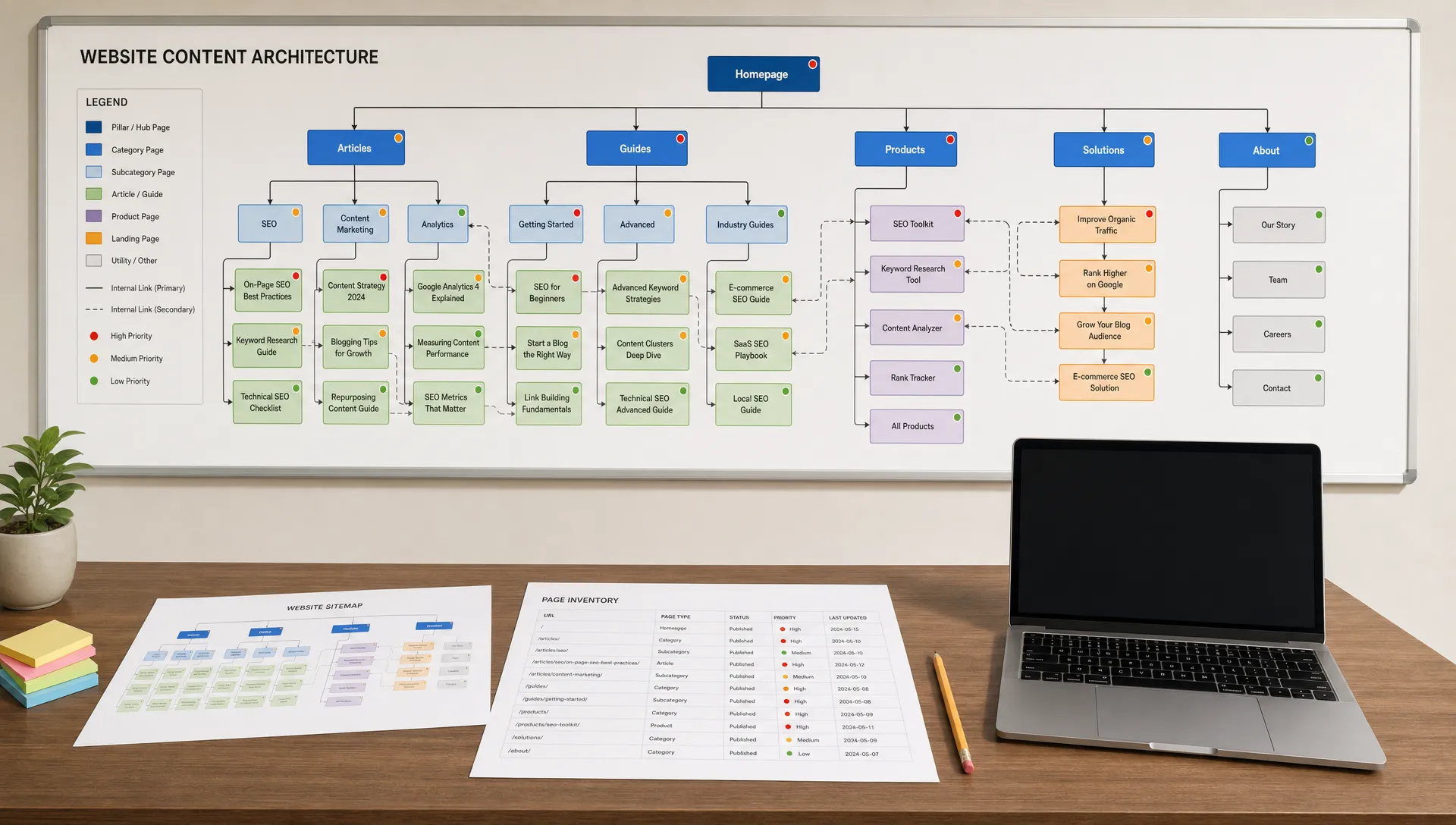
The problem is scale. Once a site has dozens or hundreds of articles, product pages, guides, and landing pages, internal linking becomes messy. Older posts get forgotten. New pages launch without enough support. Anchor text becomes repetitive. Important pages sit too deep in the site structure.
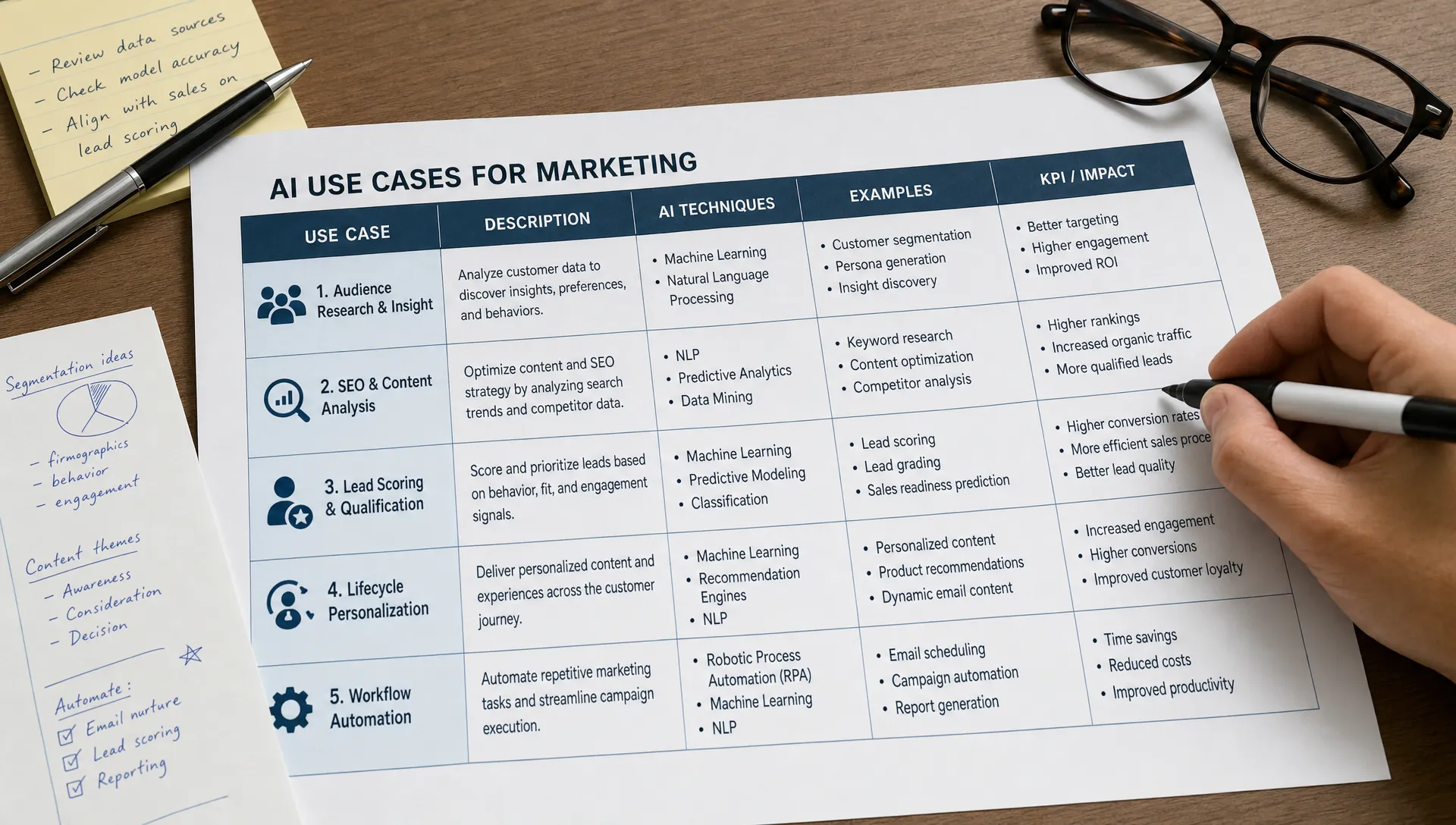
That is where AI can help. Used well, AI can improve internal linking by analyzing your content library, finding semantic connections, suggesting relevant anchors, and turning link building into a repeatable editorial workflow. Used carelessly, it can create spammy links, irrelevant recommendations, and a worse user experience. The difference is process.
Internal links help people and search engines understand your site. A strong internal linking structure makes it easier for readers to discover related content, compare solutions, and move naturally through the buyer journey. It also helps search engines find pages and understand relationships between topics. Google's SEO Starter Guide highlights the importance of linking to relevant pages and using useful anchor text.
For marketers, internal linking is more than a technical SEO task. It affects content ROI. If you publish a great guide but no related pages point to it, that guide has to work harder to earn traffic. If a high-intent page is buried, visitors may never reach the page that helps them take the next step.
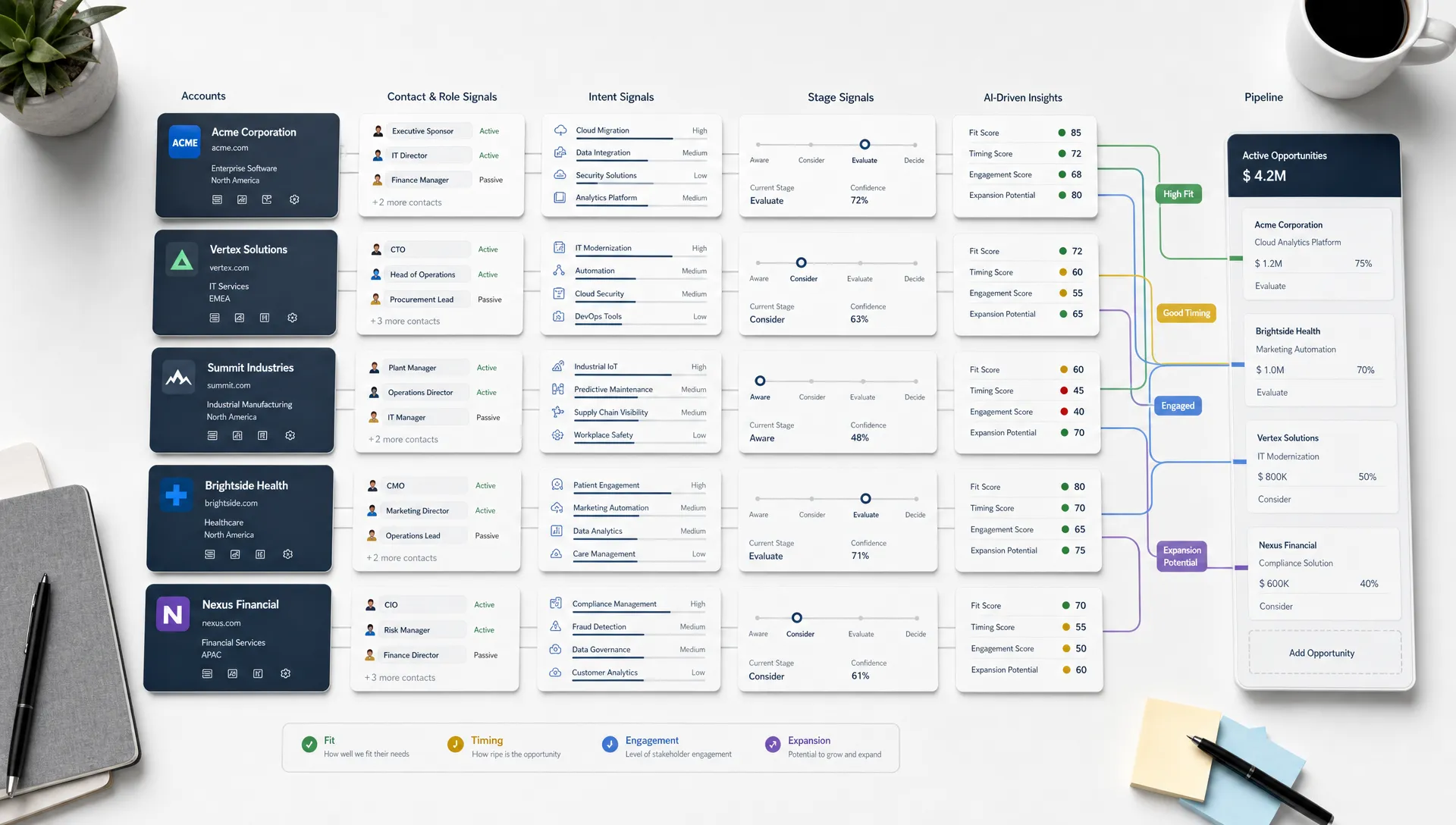
AI is useful because internal linking is both language-based and pattern-based. AI models can recognize topic similarity, audience intent, entity relationships, and content gaps faster than a human editor reviewing every URL manually. The best results come when AI handles discovery and prioritization, while humans make final editorial decisions.
AI can scan large content inventories, cluster pages by topic, identify pages with too few internal links, suggest natural anchor text, and flag opportunities inside existing paragraphs. It can also help standardize your internal linking rules so writers and editors follow the same process.
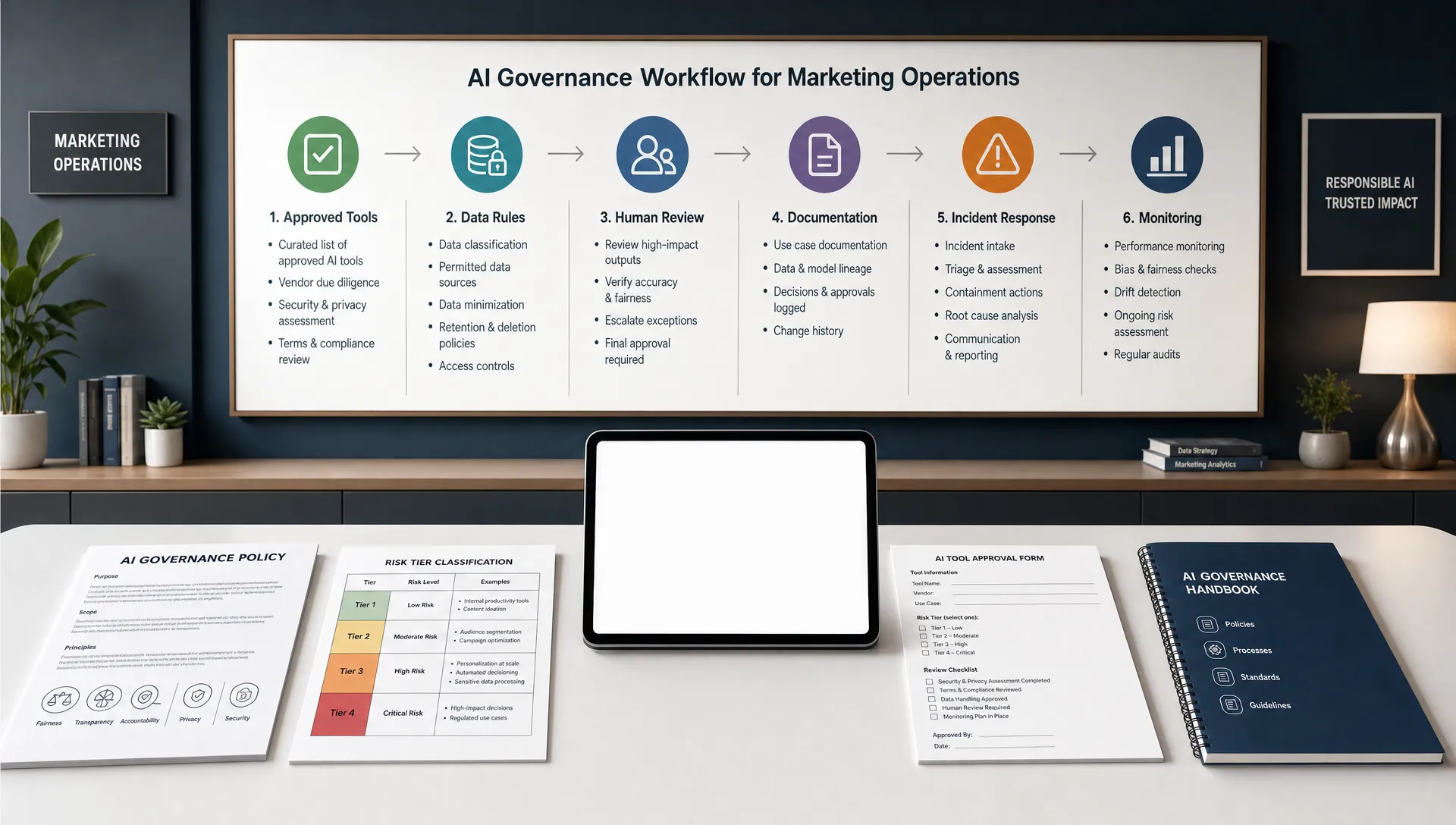
AI cannot fully understand your business priorities unless you provide them. It does not automatically know which products are most profitable, which pages must remain compliant, which articles are outdated, or which links may create legal or brand risk. It can also hallucinate URLs or recommend links to pages that no longer exist.
Think of AI as an internal linking analyst, not an autopilot. It can surface opportunities, but your team should still check relevance, page quality, user intent, and technical status before adding links.
Before asking AI to recommend links, give it a clean view of your site. A messy input creates messy recommendations. Start with a content inventory exported from your CMS, crawler, sitemap, analytics platform, or SEO tool.
Include the fields that matter for linking decisions:
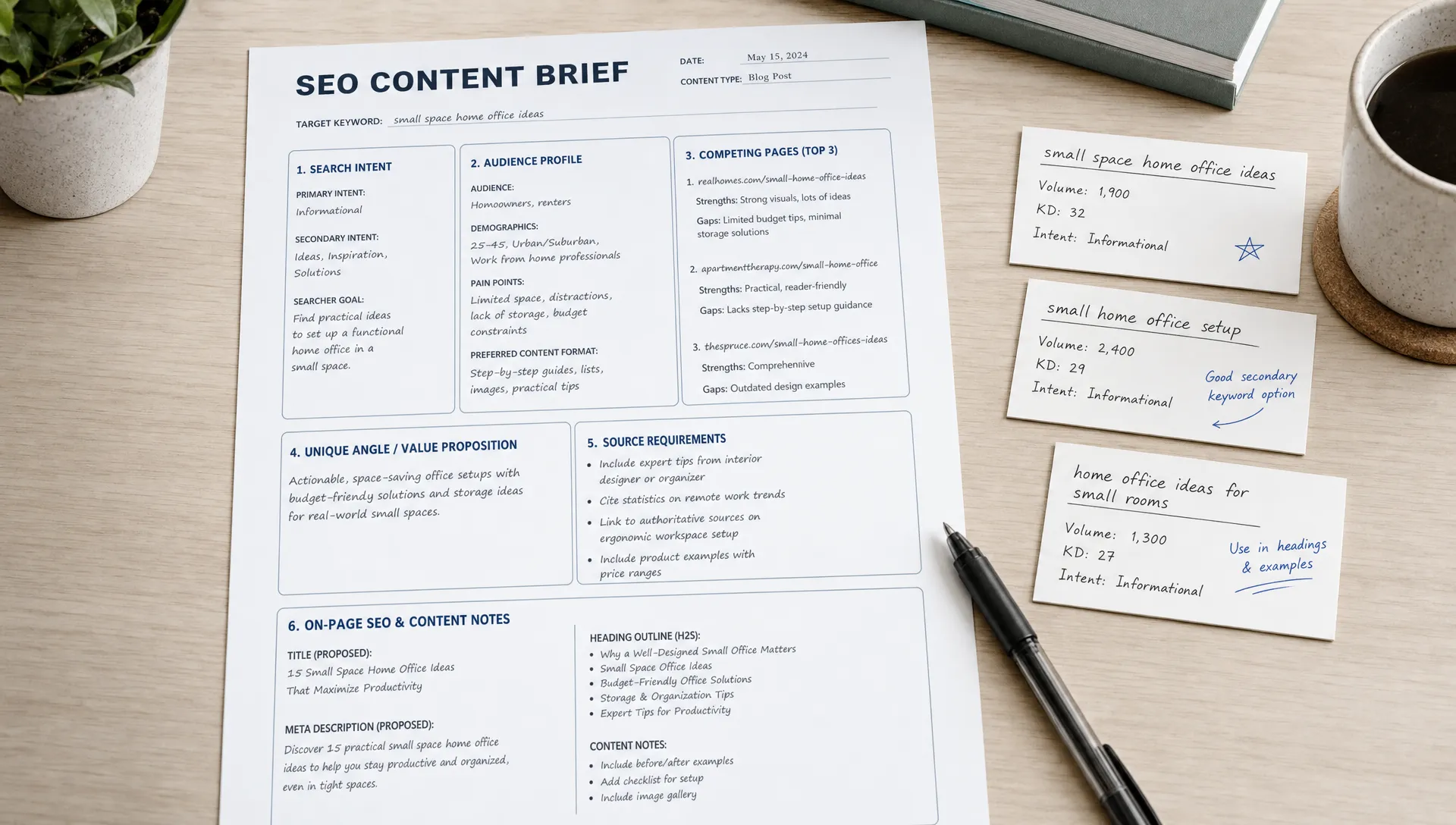
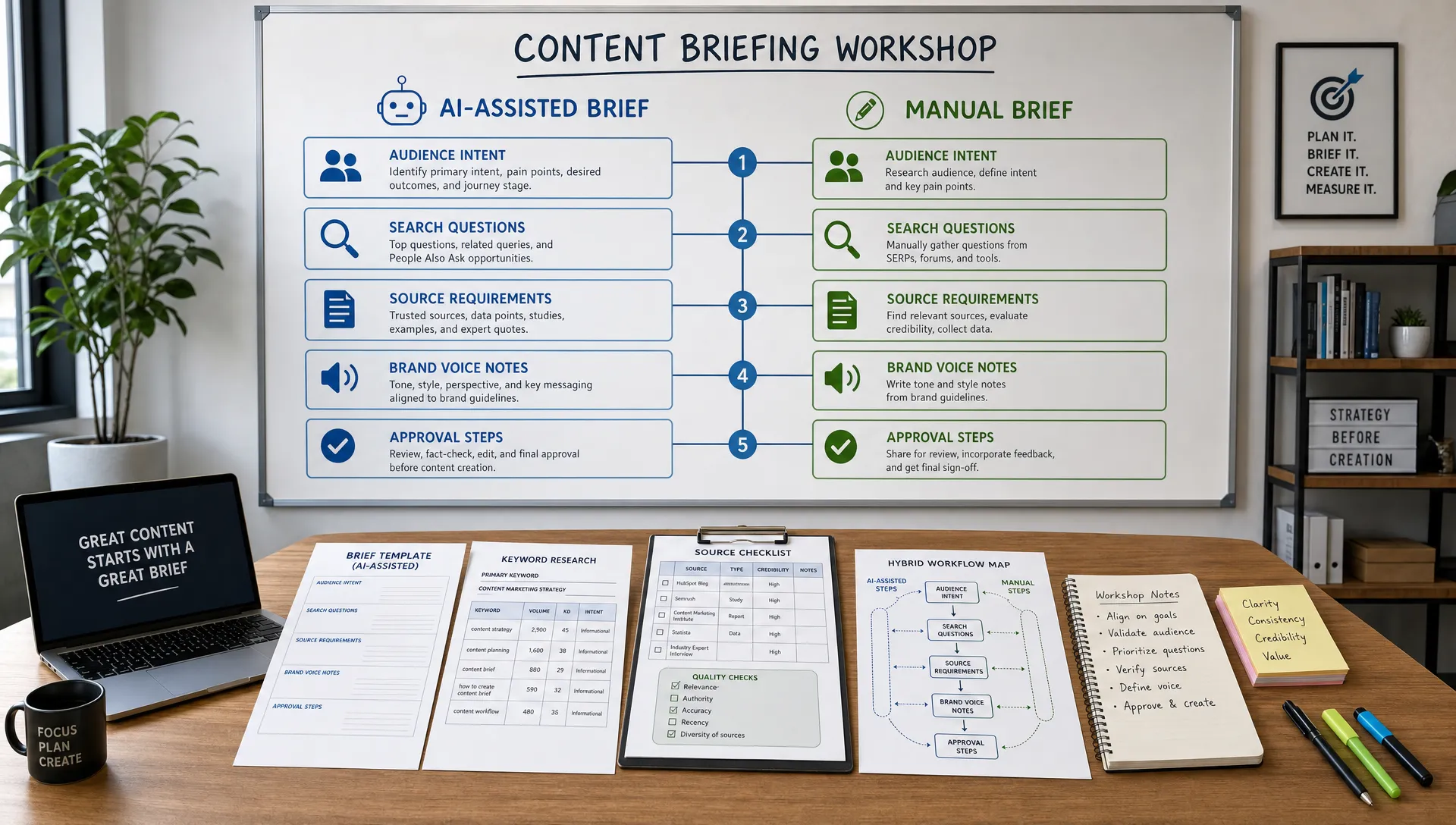
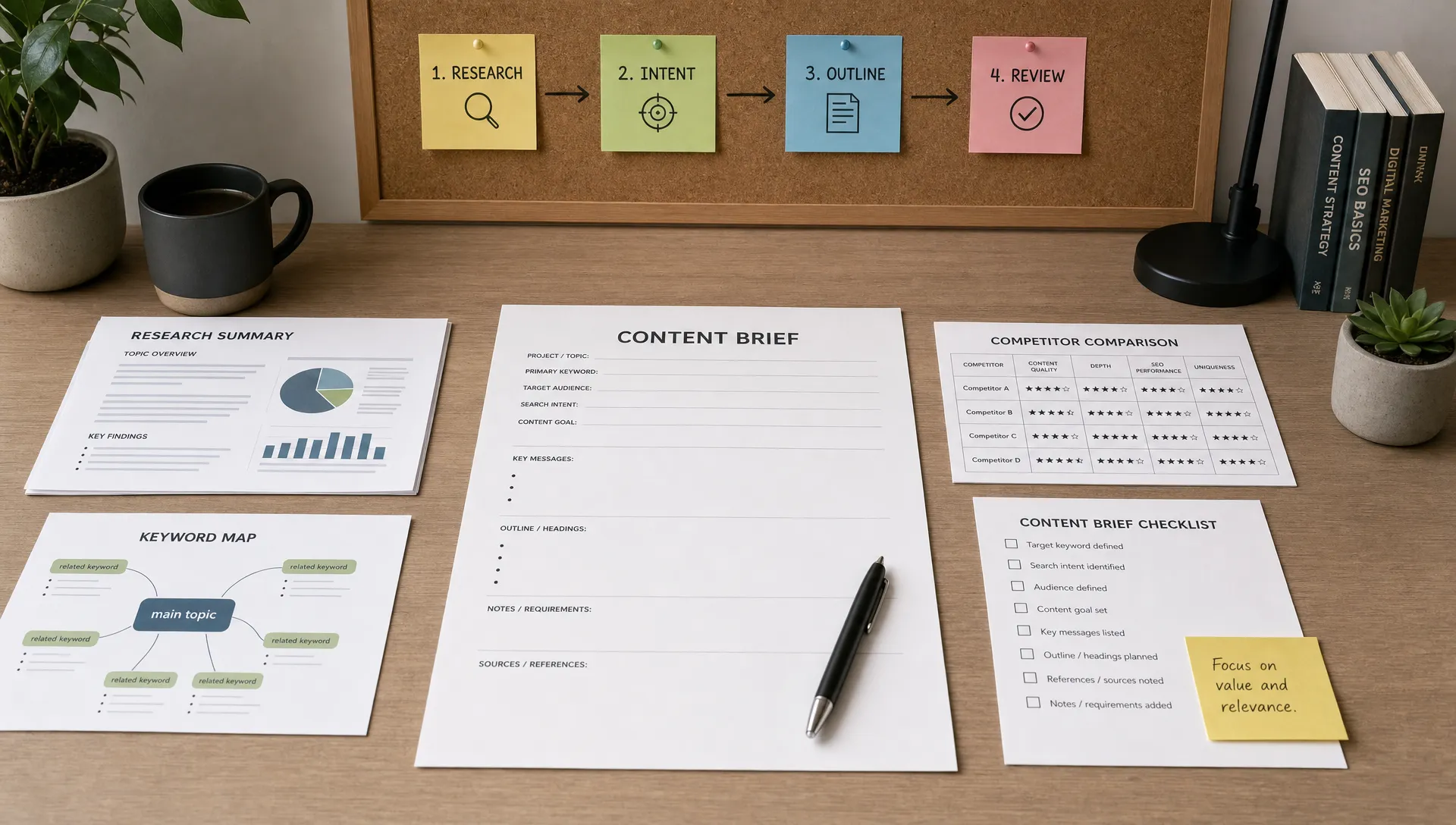
This inventory gives the AI context. Instead of asking it to guess from URLs alone, you are giving it a strategic map. If your team already uses AI to plan content, connect this process to your briefing workflow. A strong brief should define related pages before the article is written, which is covered in AIMarketer Hub's guide to building an AI SEO content brief that ranks.
Internal links work best when they reinforce clear topical relationships. A page about AI email automation should connect to related pages about segmentation, campaign testing, lead nurturing, and analytics, not random posts that happen to mention marketing.
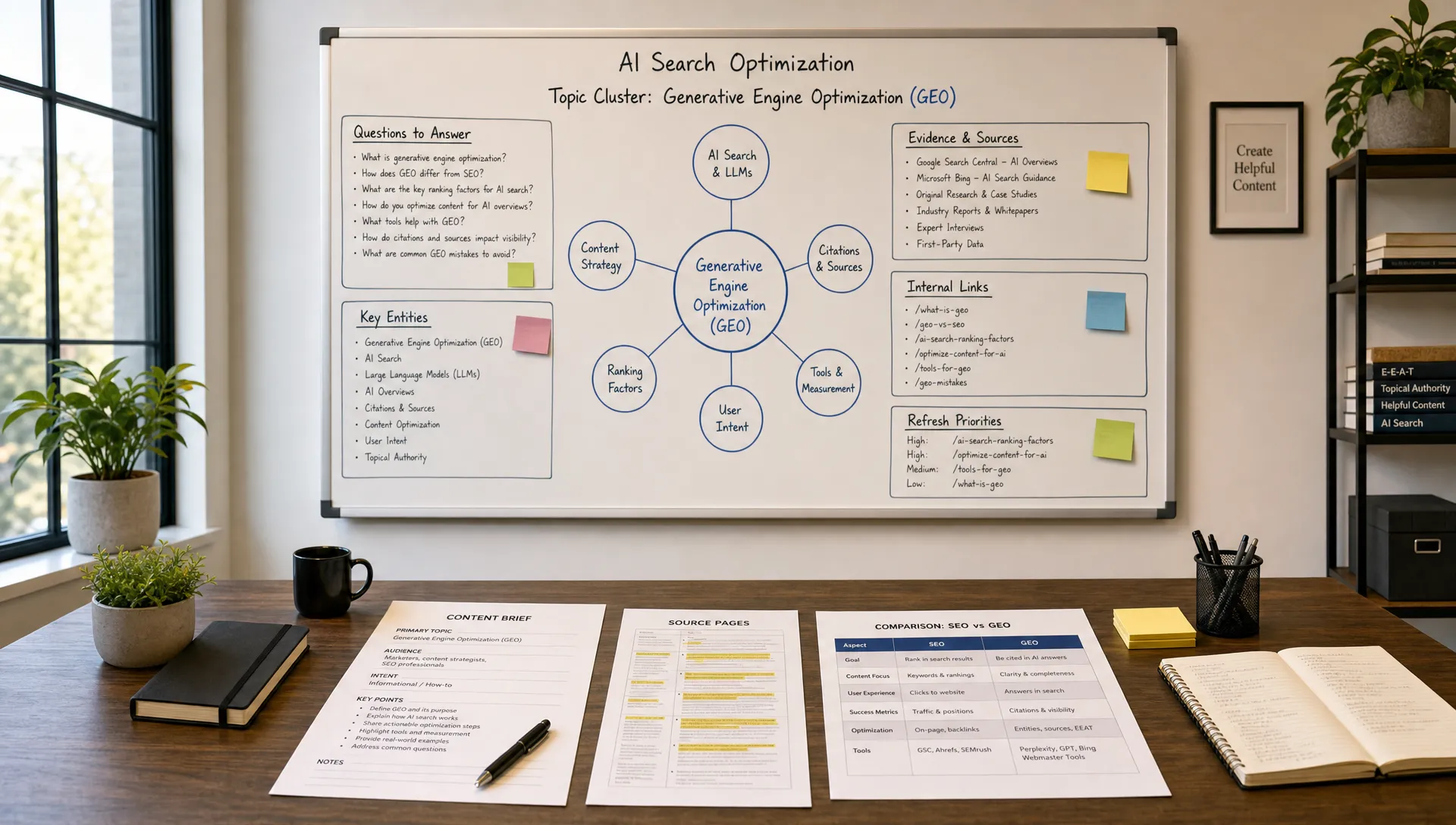
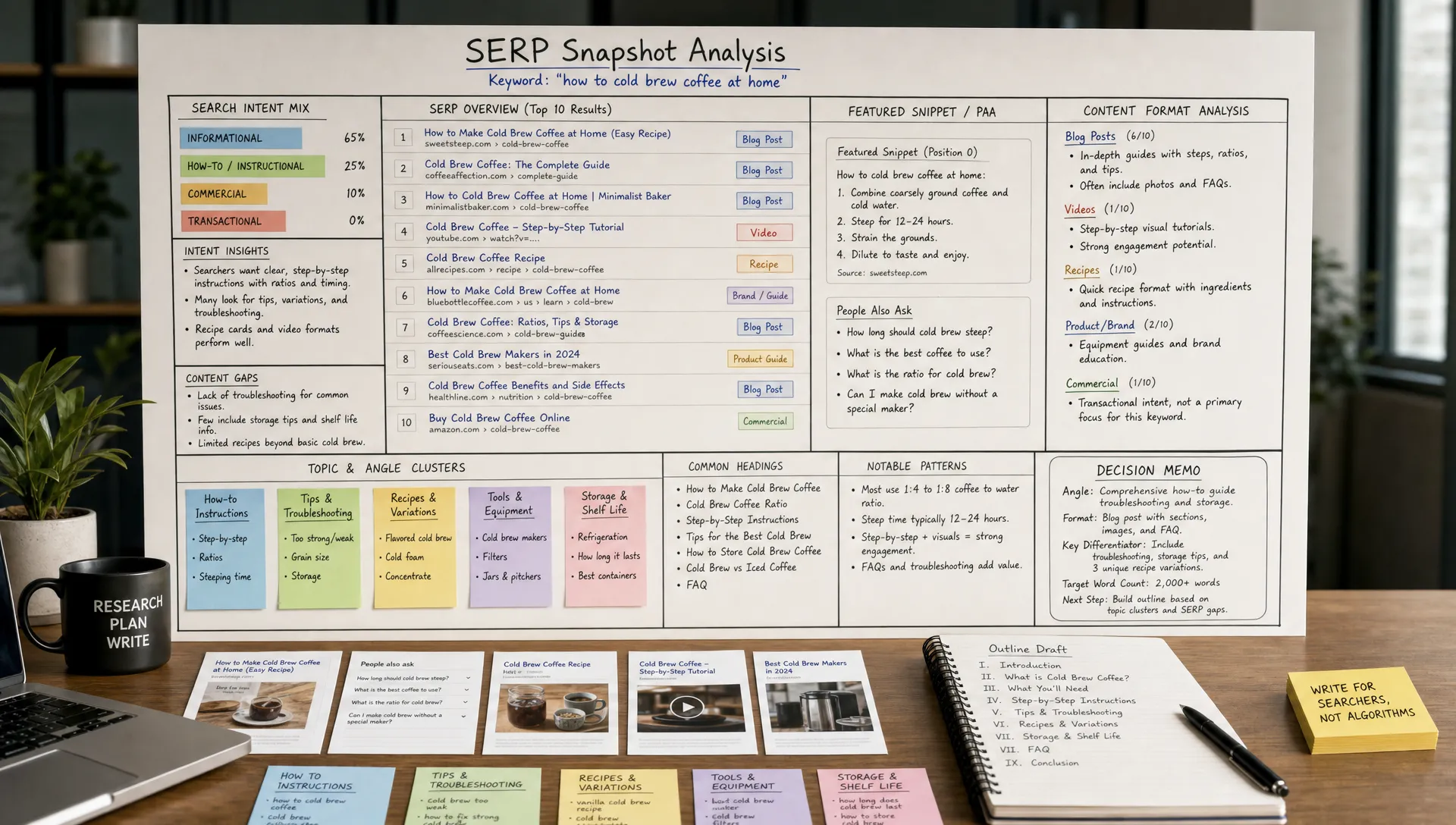
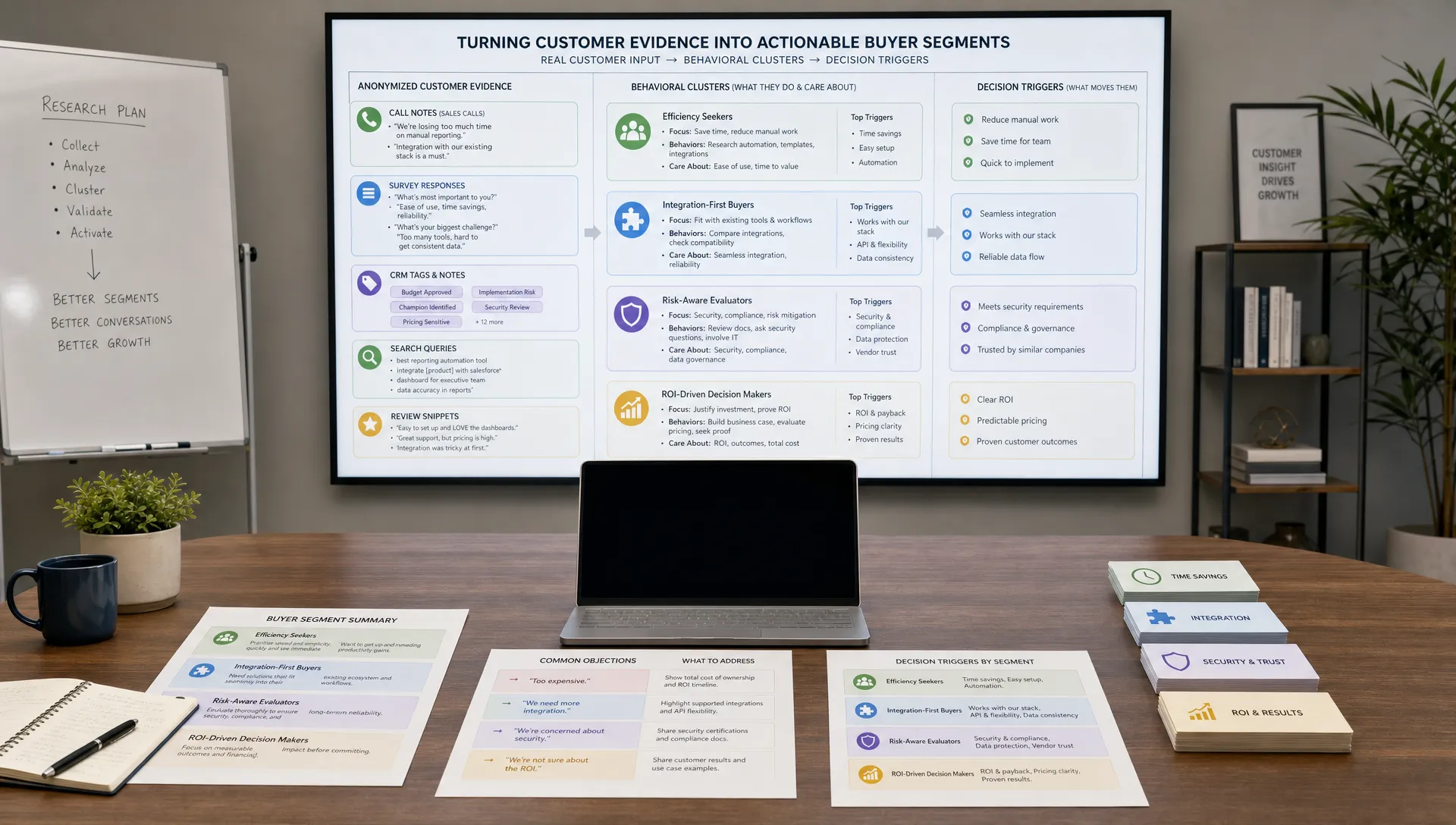
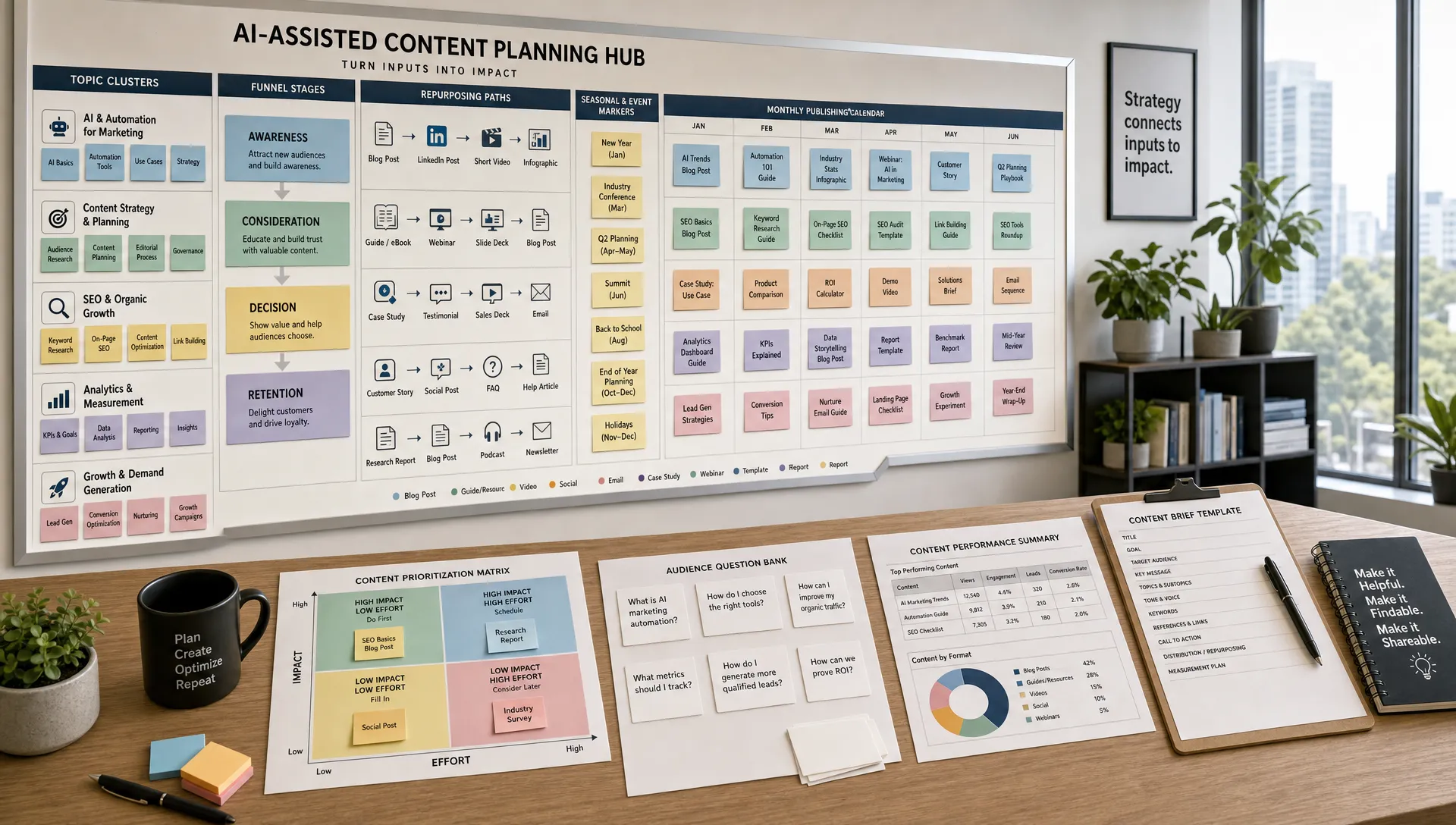
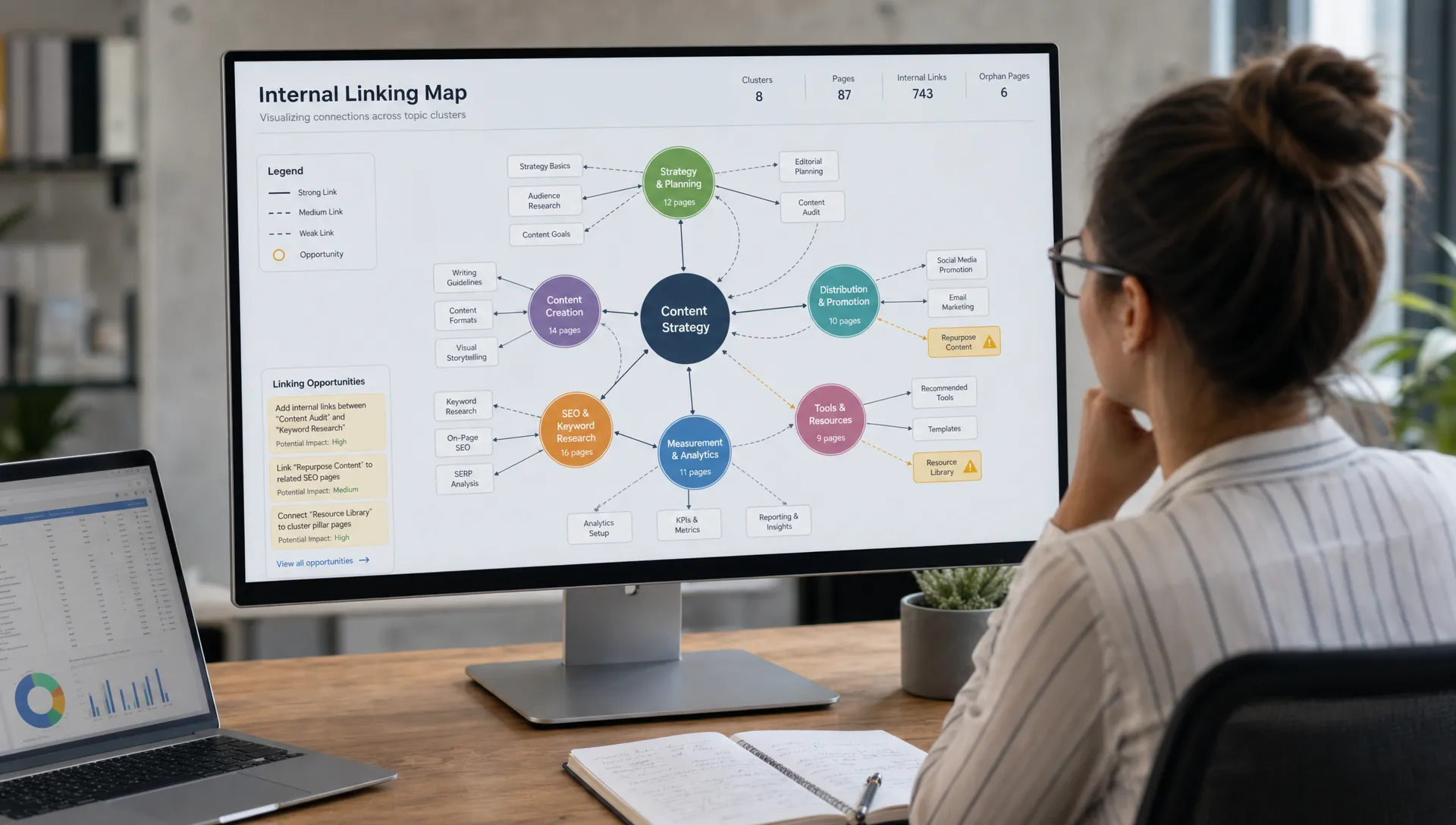
AI can help group your content into clusters. These clusters usually include a broader pillar page and several supporting pages. The pillar gives readers the big picture. Supporting pages answer specific questions or cover narrower use cases.
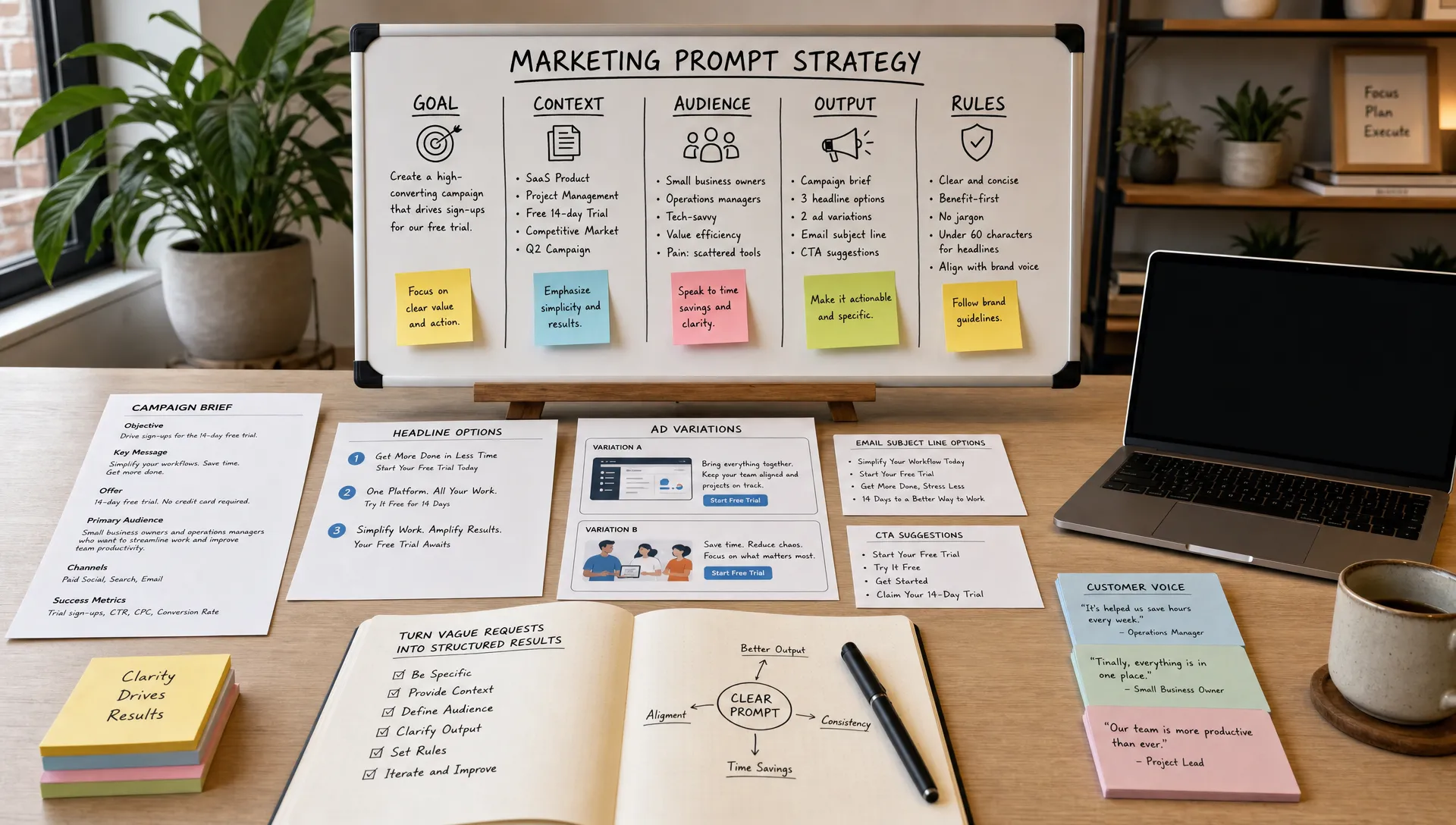
You can use a prompt like this:
You are an SEO strategist. Review the following content inventory and group the pages into topic clusters. For each cluster, identify the strongest pillar page, supporting pages, missing internal links, and pages that seem orphaned or poorly connected. Prioritize recommendations that improve user experience and search intent alignment.
The output should not be treated as final. Review each cluster manually. If the AI groups two pages together only because they share a word, separate them. If it misses a relationship that matters to your audience, add it. The goal is not a perfect machine-generated taxonomy. The goal is a better starting point than a blank spreadsheet.
Once your clusters are defined, ask AI to review individual pages and suggest where internal links would fit naturally. This is where AI can save a lot of editorial time.
A good internal link opportunity has three qualities. First, the source page and destination page should serve related intent. Second, the link should help the reader understand the topic or take a logical next step. Third, the anchor text should describe the destination clearly without sounding forced.
For example, a blog post about improving content production with AI could naturally link to a guide about AI content tools. But a page about salary calculators should not link to an SEO article unless there is a genuine contextual reason.
This principle applies to external links too. When training AI on relevance, give it positive and negative examples. A marketing education article might naturally reference business simulation software for marketing and strategy when discussing hands-on learning, but that same link would feel forced in an unrelated post about technical site audits. Relevance is the standard, not link quantity.
Use a prompt like this for page-level analysis:
Review this article and suggest up to five internal link opportunities from the provided URL list. For each suggestion, include the sentence where the link could be added, the recommended destination URL, a natural anchor phrase, and a short explanation of why the link helps the reader.
Limit the number of suggestions. If you ask for twenty links, the AI may deliver twenty, even when only three are useful. Internal linking should feel helpful, not mechanical.
Anchor text tells readers what they can expect after clicking. It also gives search engines context about the destination page. AI can help create anchor variations that are descriptive, concise, and natural.
The safest approach is to ask for multiple anchor options, then choose the one that fits the sentence. Avoid using the same exact-match keyword everywhere. Repetition can look unnatural and may reduce readability.
Strong anchor text usually follows these rules:
For instance, if the destination page is about AI tools for marketing workflows, anchors such as 'AI tools marketing teams should try' or 'tools that support AI marketing workflows' are more useful than a vague phrase like 'more information.' If you are evaluating your tool stack, AIMarketer Hub's roundup of AI tools for marketing every team should try is a natural next step.
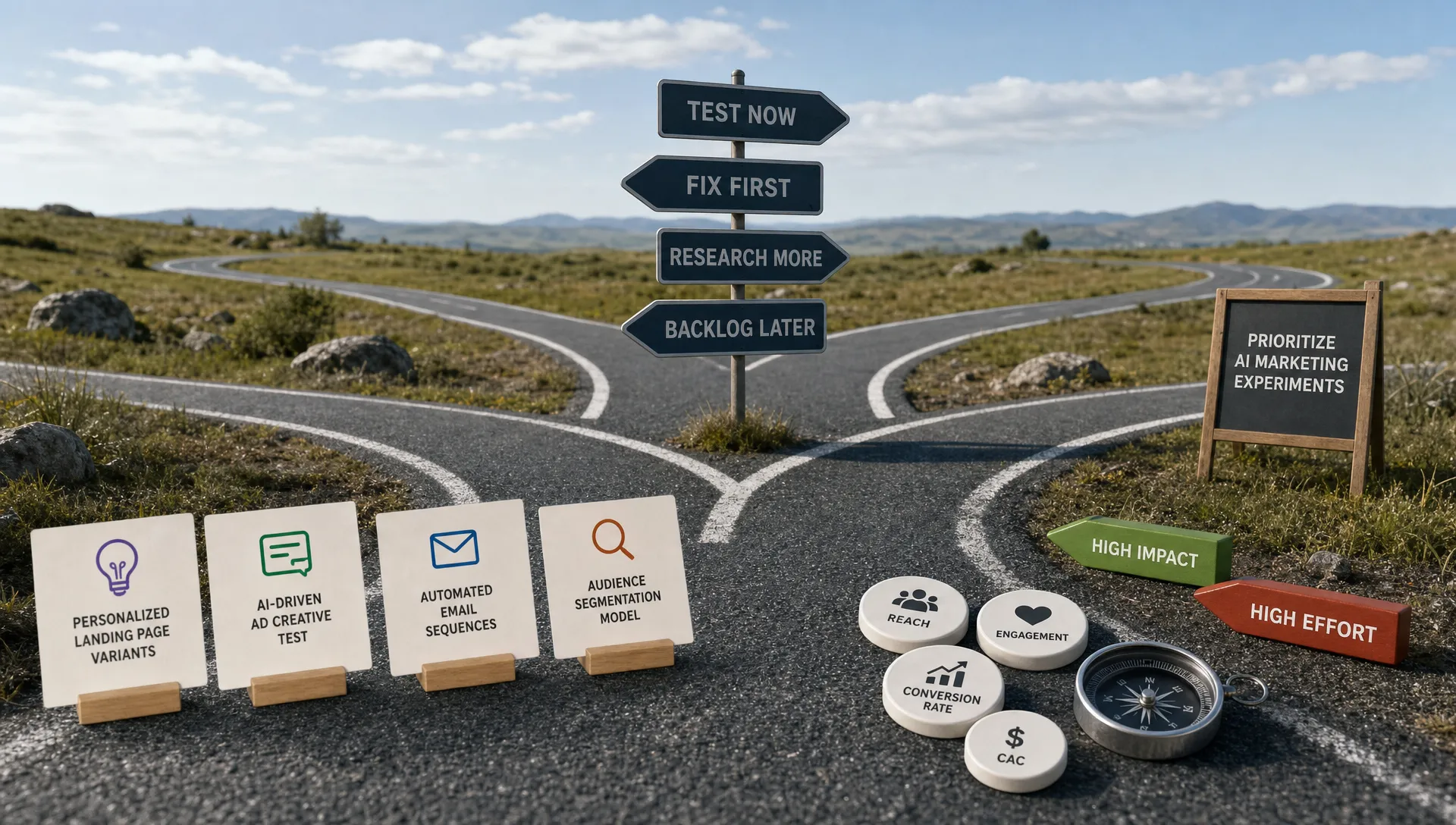
Not every internal link opportunity is equally valuable. AI may find hundreds of possible connections, but your team needs a prioritization model. Otherwise, internal linking becomes another endless task list.
Start by identifying your most important destination pages. These may include high-converting service pages, product pages, comparison pages, calculators, lead magnets, or cornerstone guides. Then use AI to find relevant pages that can support them.
A simple prioritization model can score each opportunity based on:
High-priority links usually come from pages with traffic, authority, and close topical relevance. A link from a popular guide to a highly relevant conversion page is often more valuable than a link from a low-traffic, loosely related post.
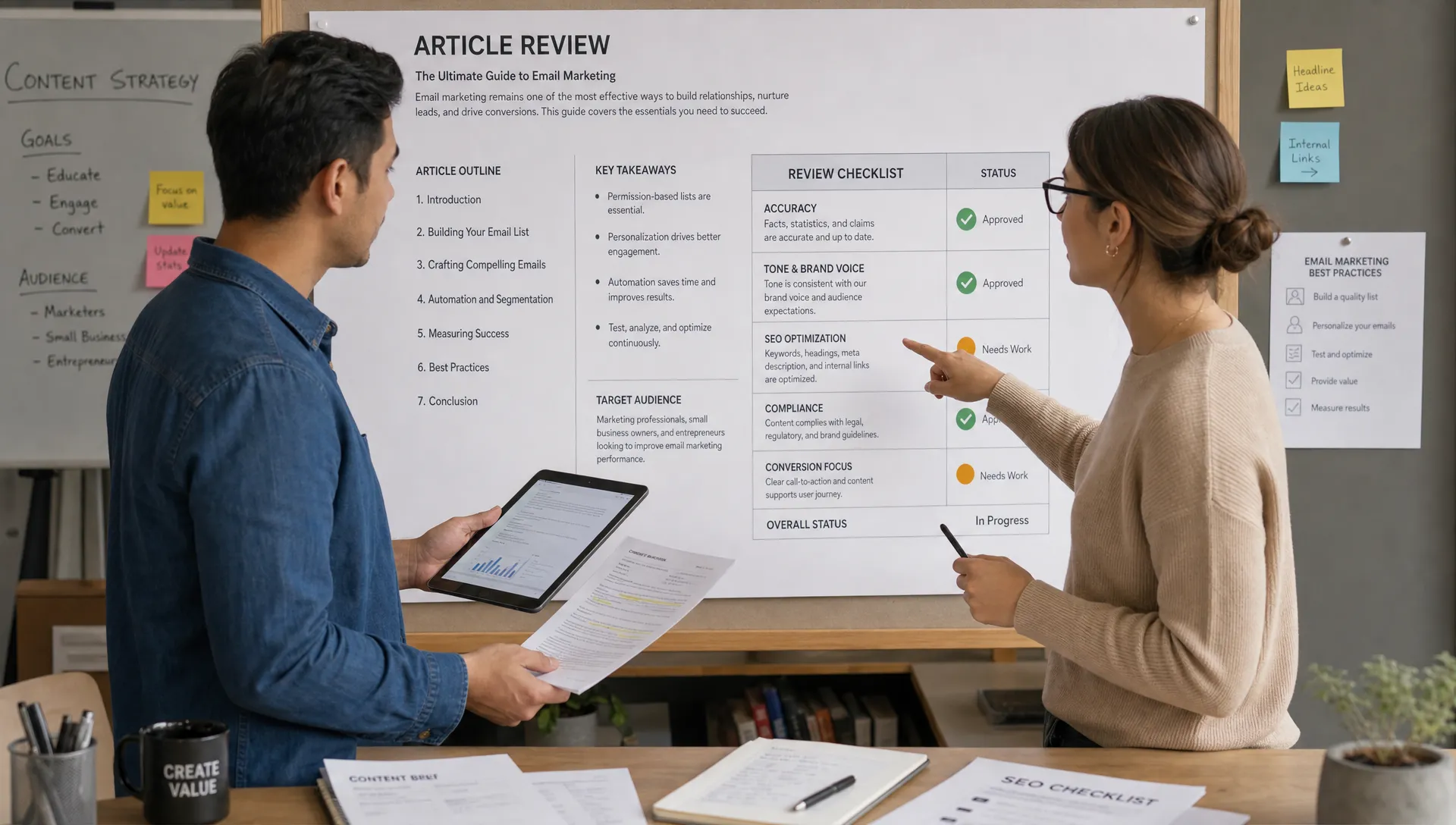
AI can assign a draft score, but humans should validate it. A page may look valuable in analytics but be outdated. A suggested link may look semantically relevant but interrupt the reading flow. Prioritization should combine data, editorial judgment, and business context.
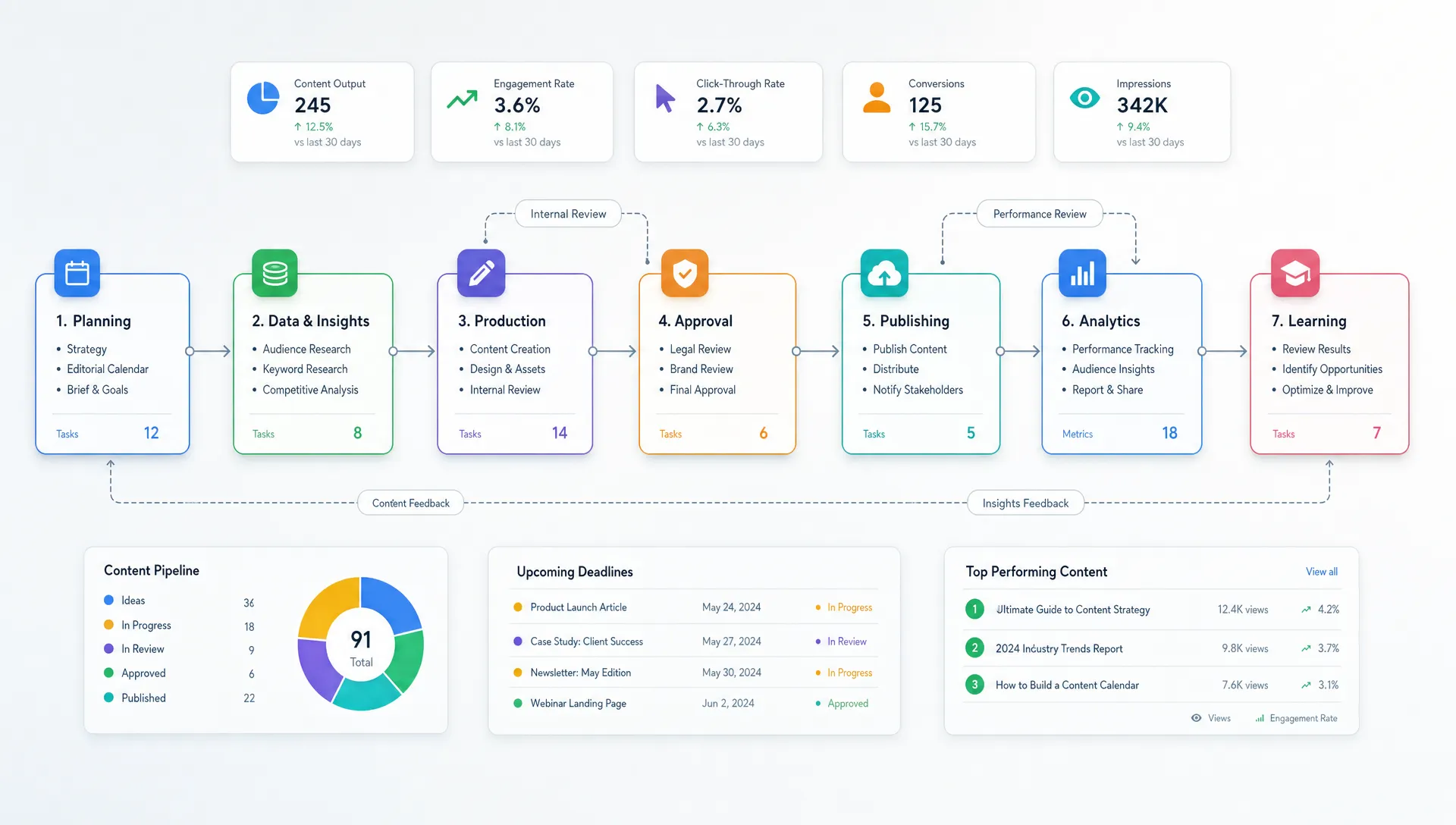
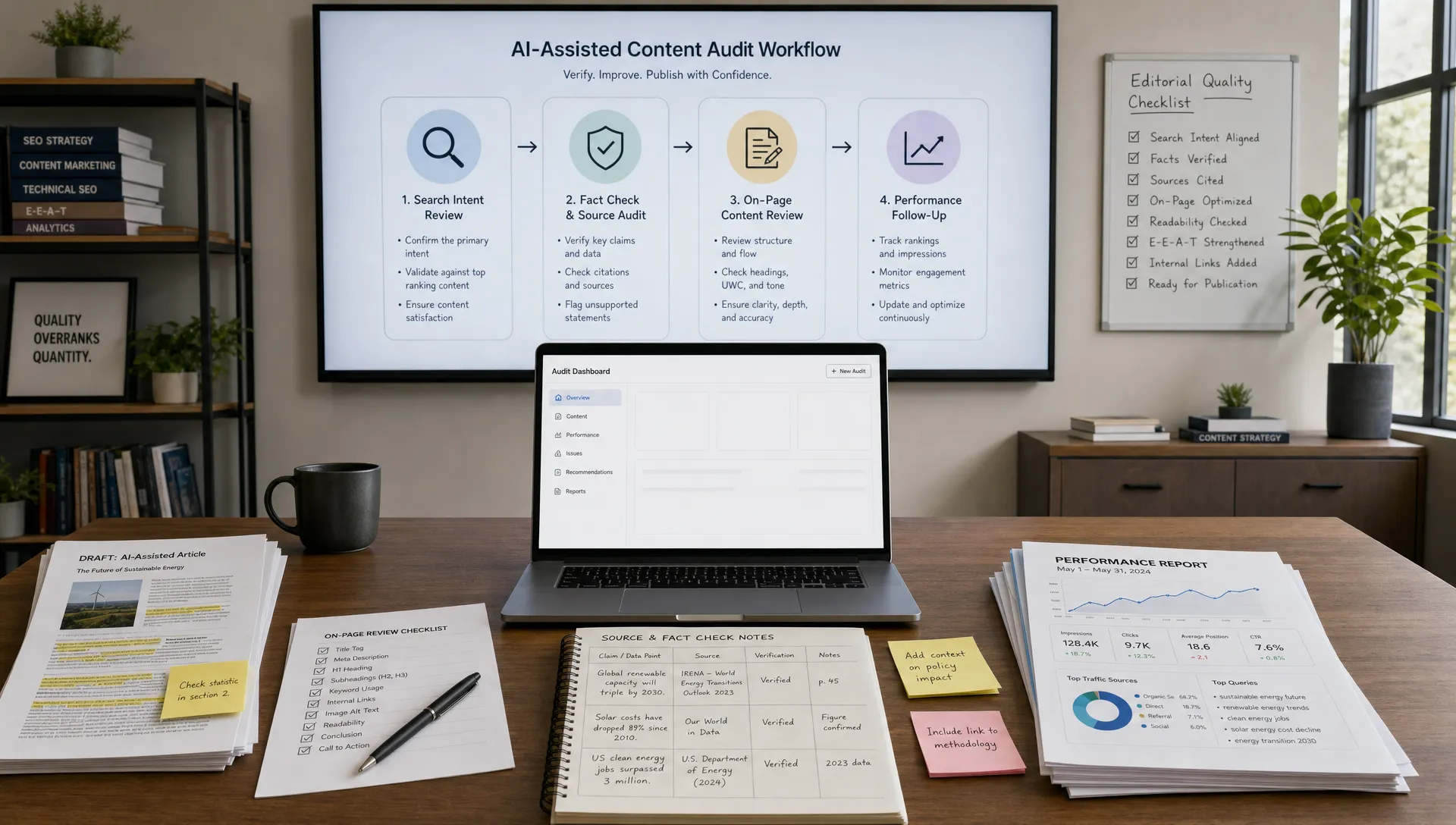
The best internal linking strategy is not a one-time cleanup. It is a workflow that happens before, during, and after publishing.
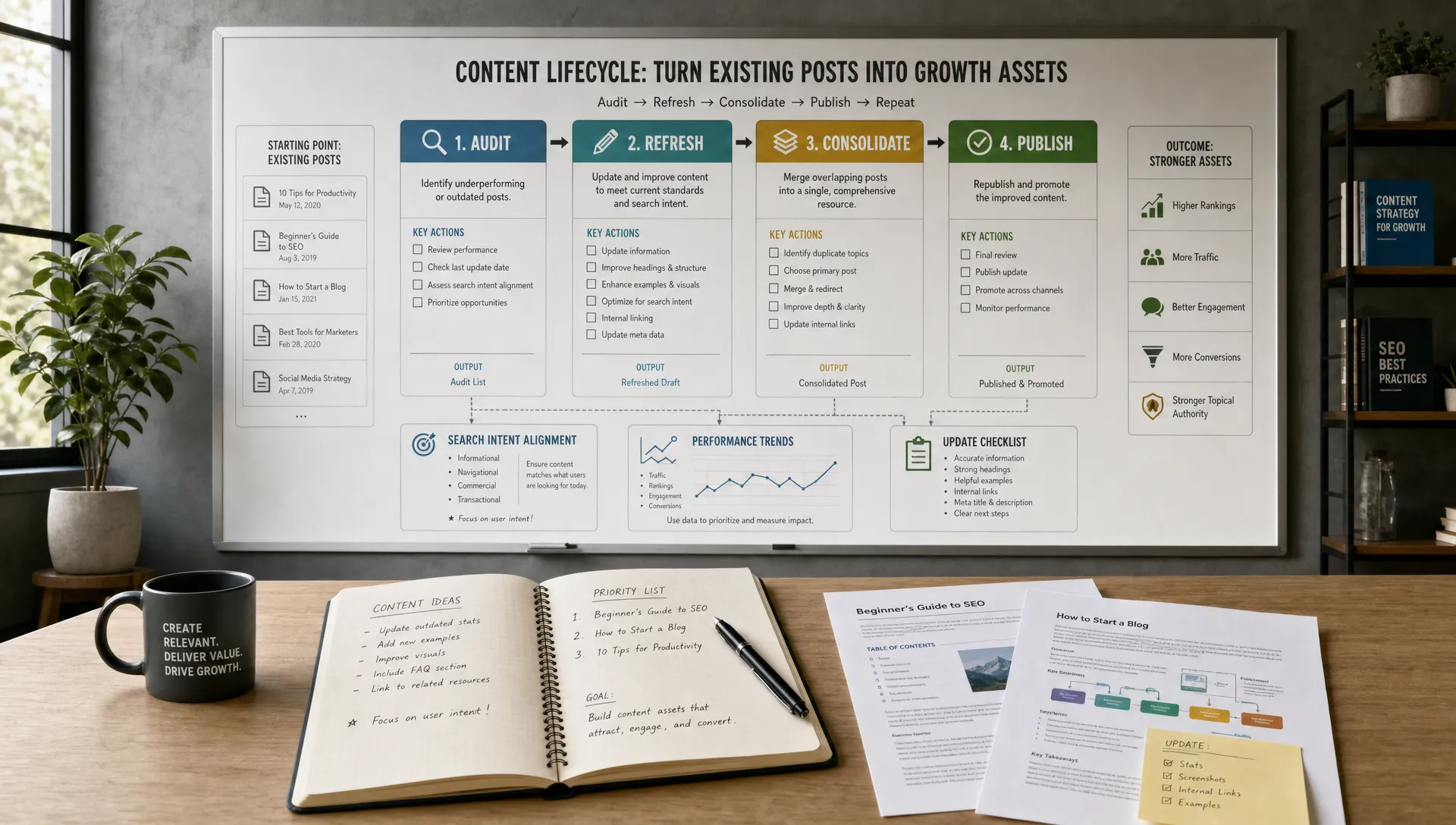
Before writing, use AI to identify related pages that should be considered in the brief. During drafting, ask the writer or AI assistant to include natural links where they help the reader. During editing, check that every link points to a relevant, live, indexable destination. After publishing, add links from older related pages to the new page.
This last step is often missed. New content rarely performs at its best if it only links outward to older resources. Older resources should also link back to the new page when relevant. AI can help by scanning existing pages and identifying the best places to add those links.
For larger teams, create internal linking rules. Define how many internal links are expected by content type, which pages should be prioritized, how anchor text should be reviewed, and who approves changes. AI works better when the rules are explicit.
An orphan page is a page with no internal links pointing to it. It may still be in your sitemap, but readers and crawlers have fewer pathways to find it. AI can help identify orphan pages when combined with crawl data.
You can export a list of pages with low internal link counts and ask AI to match them to relevant clusters. The AI can then recommend source pages that should link to each orphaned or underlinked page.
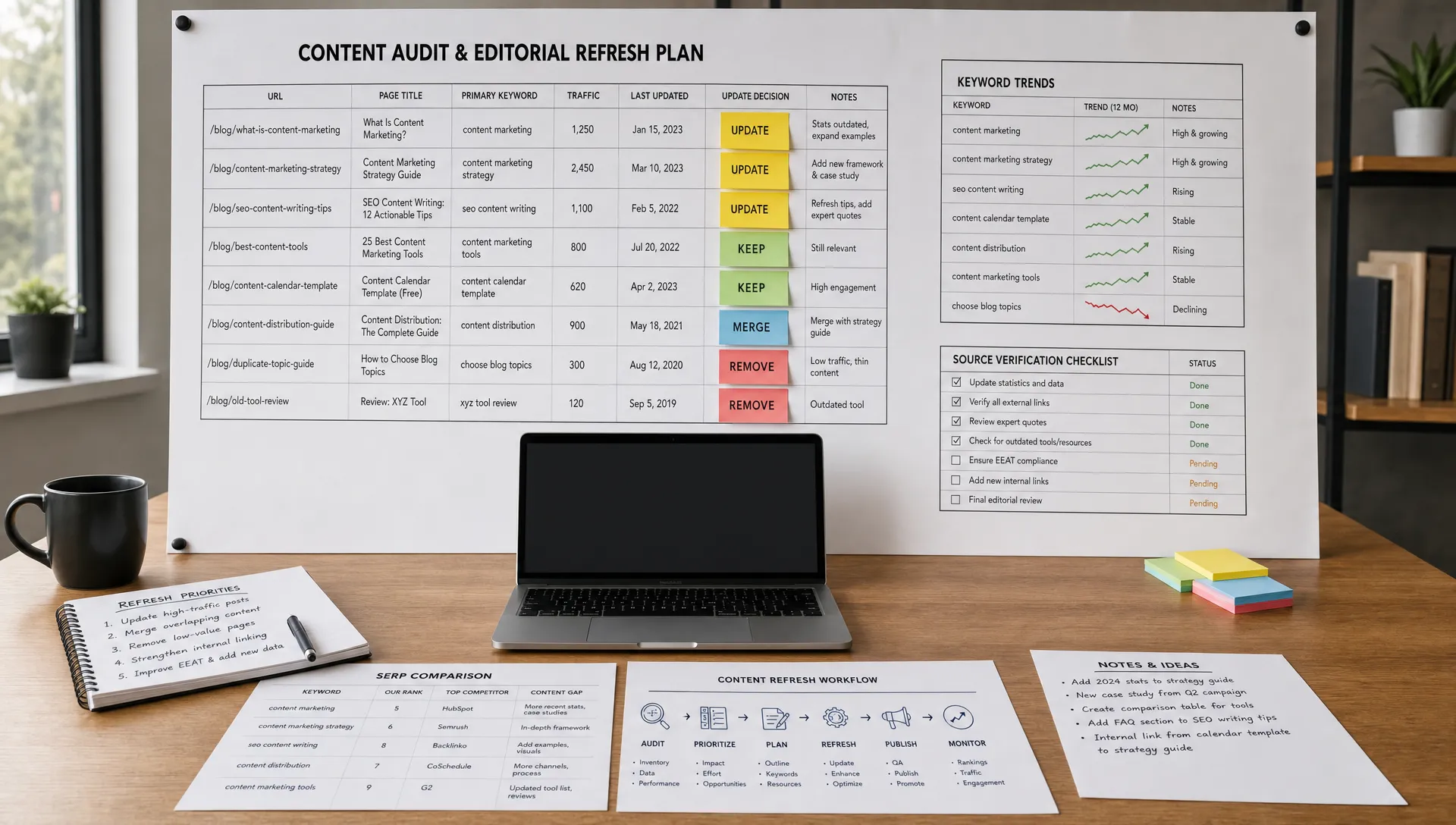
Weak clusters are another common issue. You may have ten articles about a topic, but none of them point to the strongest pillar page. Or you may have several similar posts competing with each other rather than supporting a clear hub. AI can summarize these patterns and recommend consolidation, redirects, updates, or new links.
This is especially useful for content-heavy sites, SaaS blogs, agencies, publishers, and businesses that have been creating content for years without a consistent internal linking system.
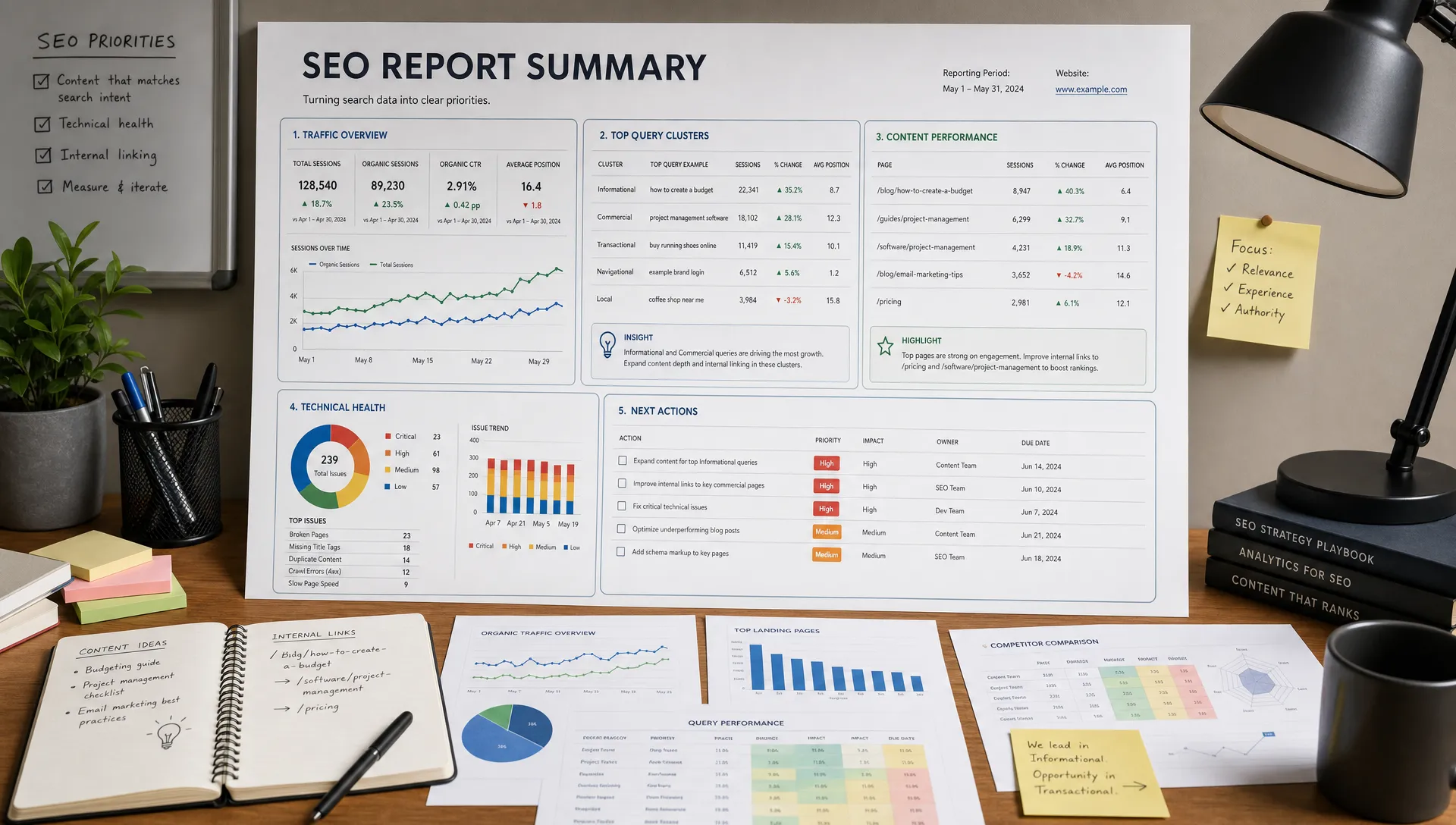
Internal linking improvements should be measured like any other SEO project. Do not stop at counting how many links were added. Track whether the changes improved discoverability, engagement, rankings, and conversions.
Useful metrics include:
Give changes time to settle. Internal linking is not always an instant-win tactic. Search engines need to recrawl pages, and users need to interact with the new pathways. Review performance after several weeks, then refine.
AI can help with reporting by summarizing what changed and comparing performance before and after implementation. This turns internal linking from a vague SEO task into a measurable improvement cycle.
AI can improve internal linking, but it can also scale bad habits. The most common mistake is accepting every suggestion without reviewing context. A link that technically matches a keyword may still be useless to the reader.
Watch for these issues:
The best internal links feel obvious after they are added. They answer the reader's next question, clarify a concept, or guide the visitor toward a logical next action.
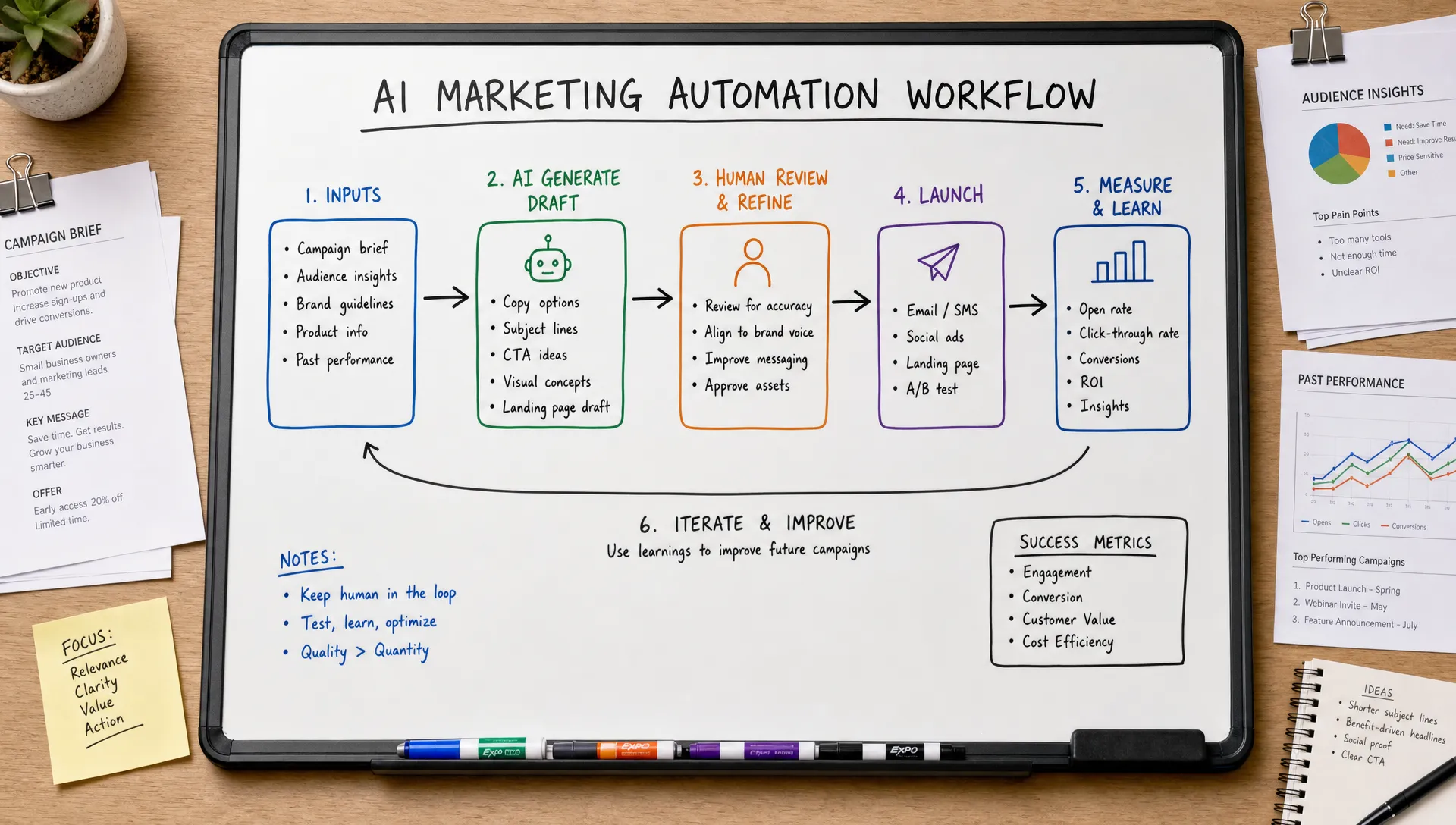
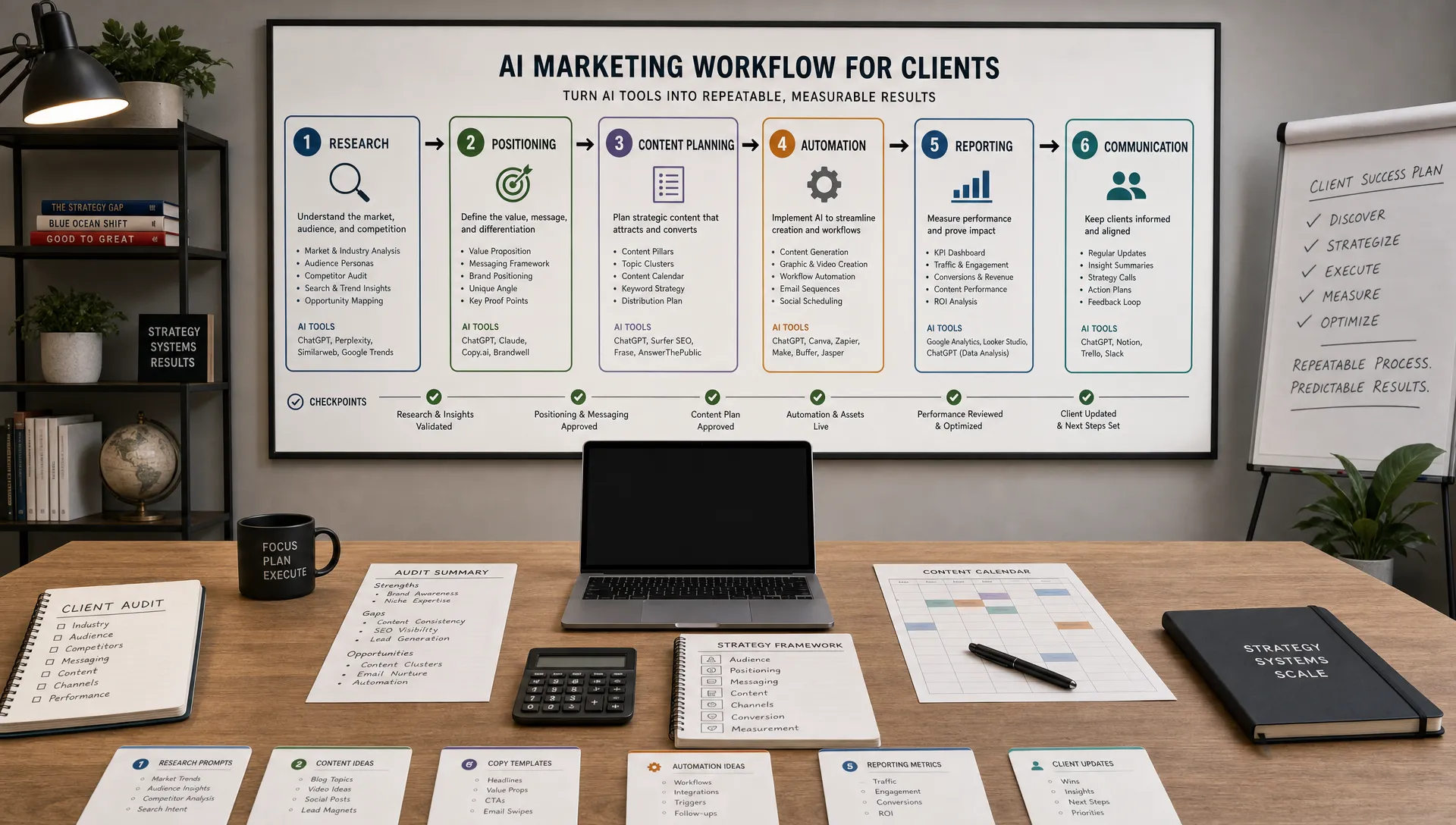
Here is a simple workflow you can adapt:
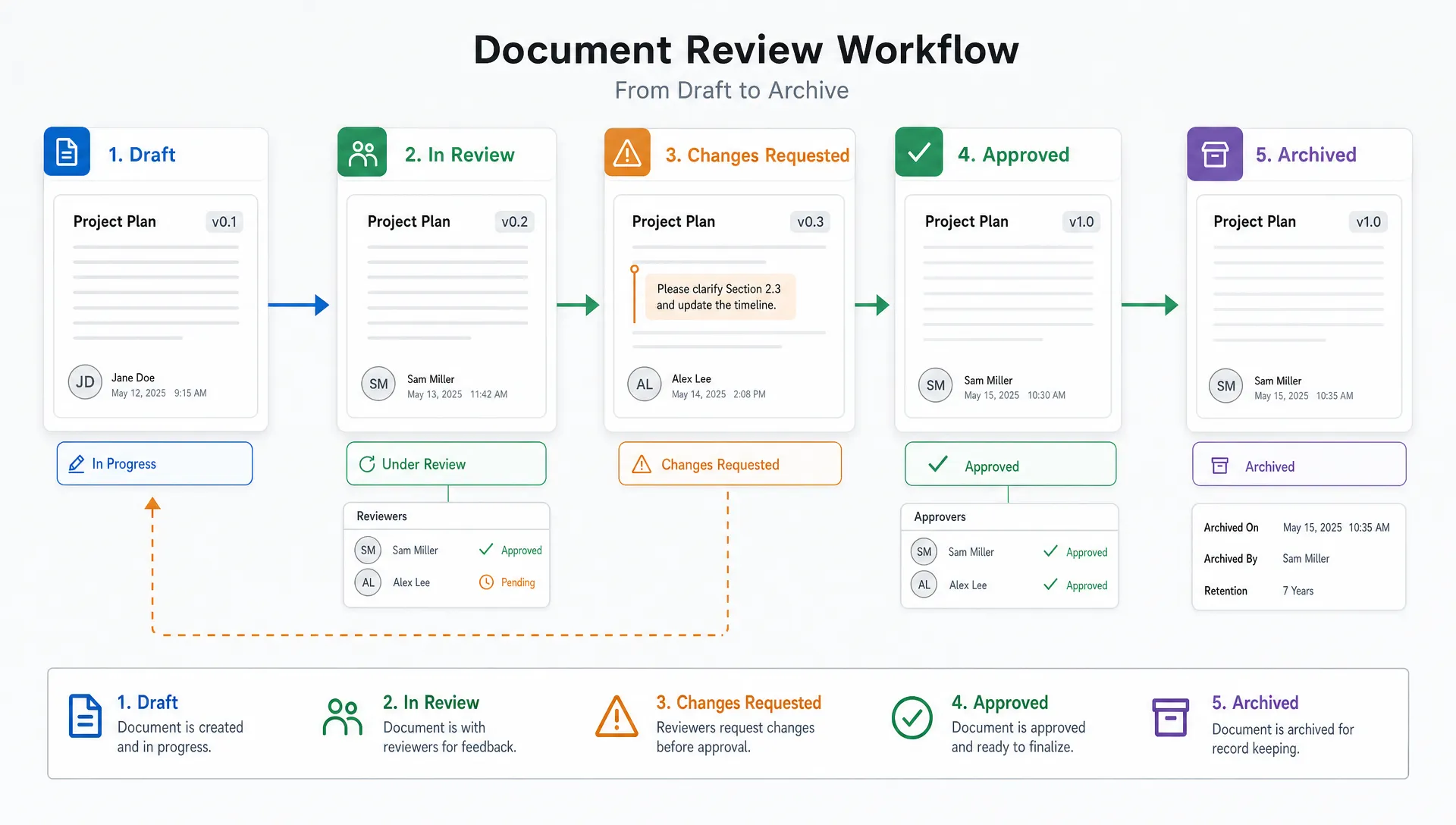
First, export your content inventory and clean the data. Remove redirected, duplicate, or irrelevant URLs. Next, ask AI to cluster pages by topic and funnel stage. Then identify priority destination pages based on business goals. After that, ask AI to suggest internal links from relevant source pages, including anchor text and placement. Finally, review, implement, and measure the changes.
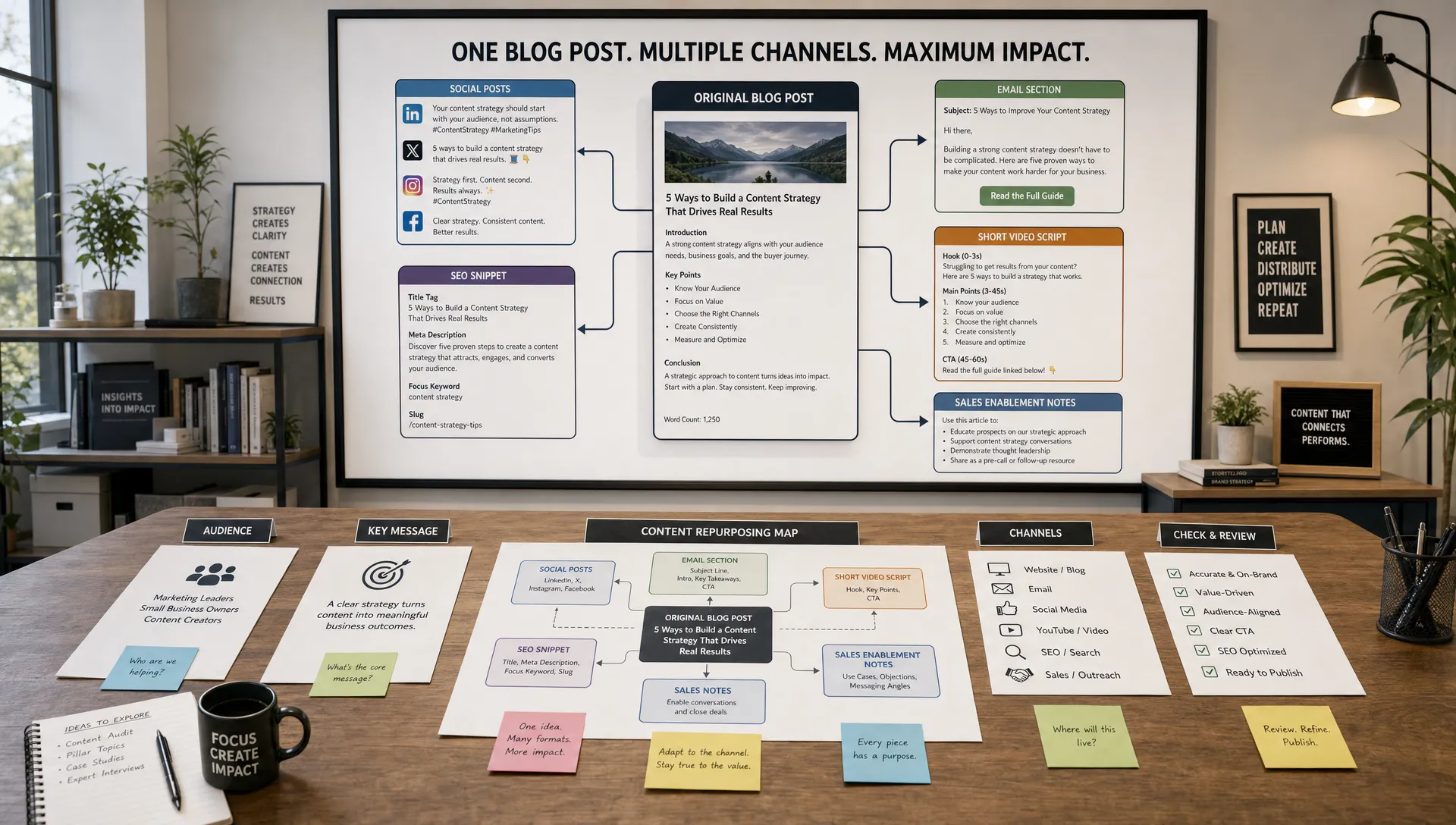
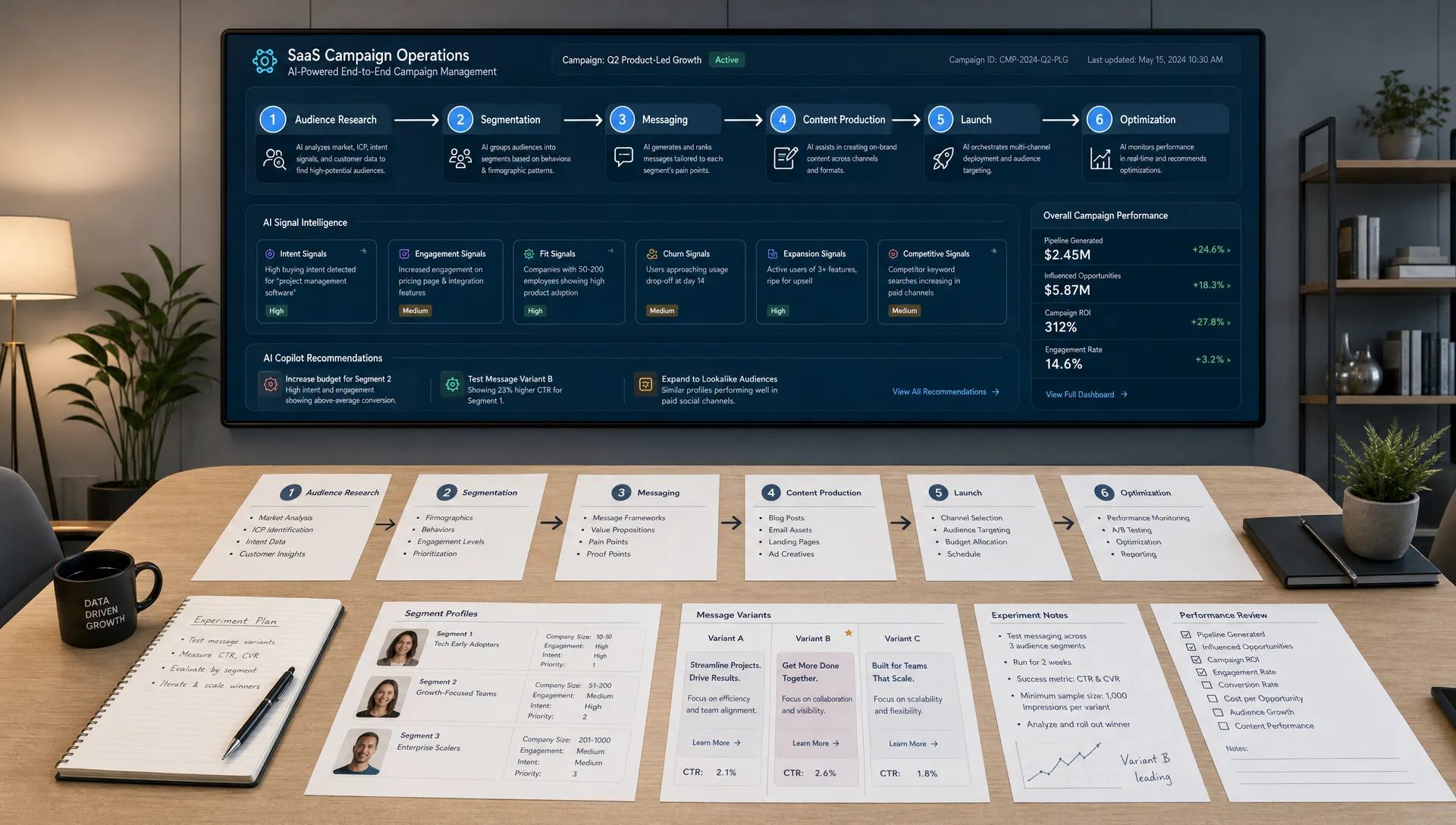
This workflow works best when connected to broader AI marketing automation. Internal linking should not live in isolation from content planning, SEO briefs, analytics, and conversion strategy. For a wider view of how AI can improve campaign performance, segmentation, content production, and analytics, see AIMarketer Hub's guide on how AI for digital marketing improves performance.
Can AI automatically add internal links to my website? AI can suggest internal links and some tools can insert them automatically, but automatic publishing should be used carefully. Human review is important to verify relevance, anchor text, URL status, and user experience.
How many internal links should a blog post have? There is no universal number. A short post may need only a few links, while a long guide may support more. Focus on whether each link helps the reader and connects to a genuinely relevant page.
Should AI use exact-match anchor text for internal links? Not every time. Exact-match anchors can be useful when they sound natural, but repeating them across many pages can feel forced. Use descriptive variations that accurately reflect the destination page.
Can internal linking improve rankings? Internal linking can support rankings by improving discoverability, context, and authority flow across your site. It is not a substitute for useful content, technical SEO, or strong topical coverage, but it can make all of those efforts work harder.
How often should I audit internal links with AI? For active content sites, a quarterly audit is a practical starting point. You should also review internal links after major content launches, site migrations, product changes, or SEO strategy updates.
AI can turn internal linking from a scattered editorial chore into a structured SEO workflow. The key is to combine automation with judgment. Let AI find patterns, suggest opportunities, and speed up analysis, but let your team decide what genuinely helps the reader.
If you want to build smarter marketing workflows, explore AIMarketer Hub for AI marketing guides, SEO resources, prompt ideas, calculators, and practical tools designed to help teams automate, optimize, and grow with confidence.