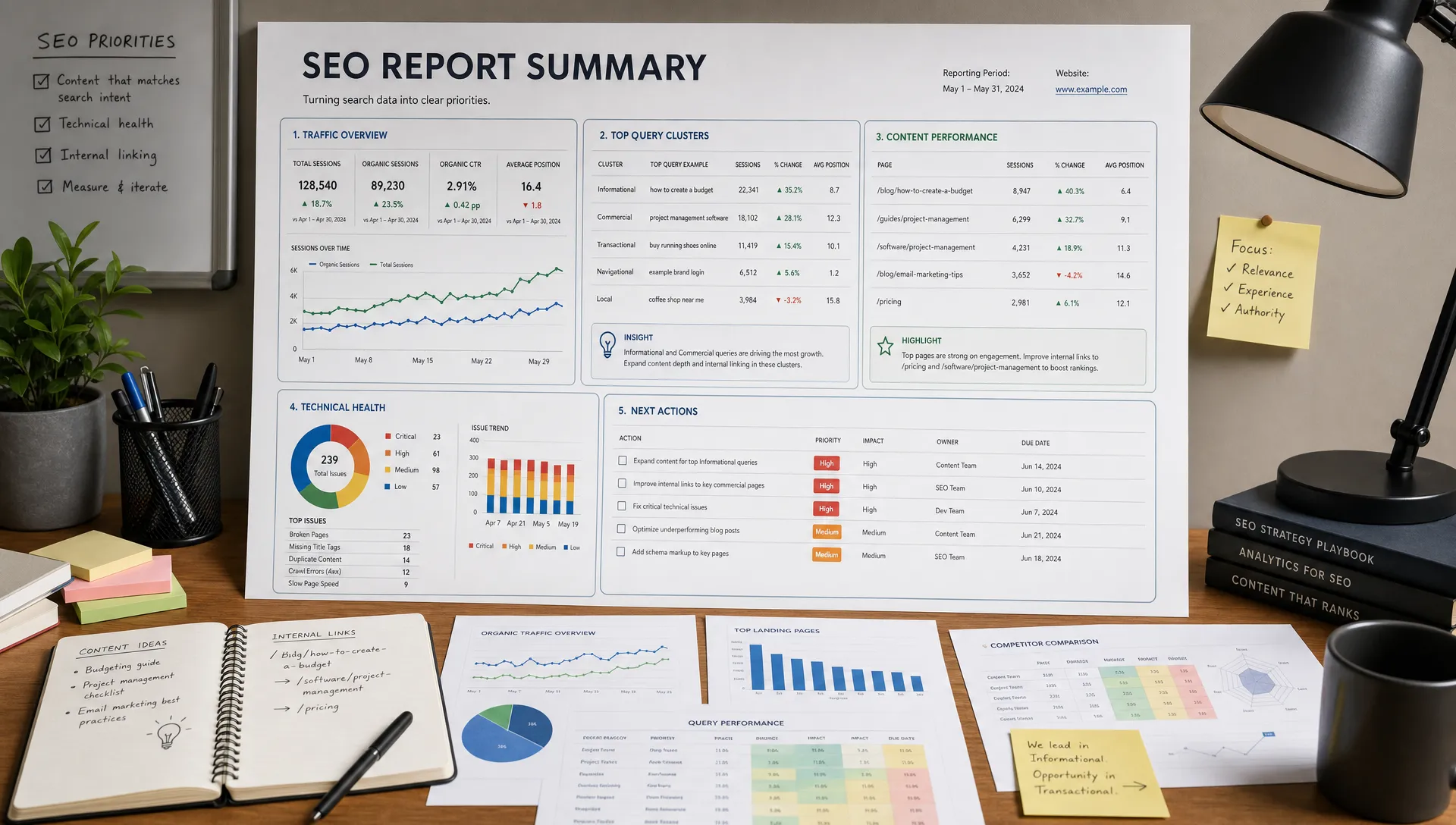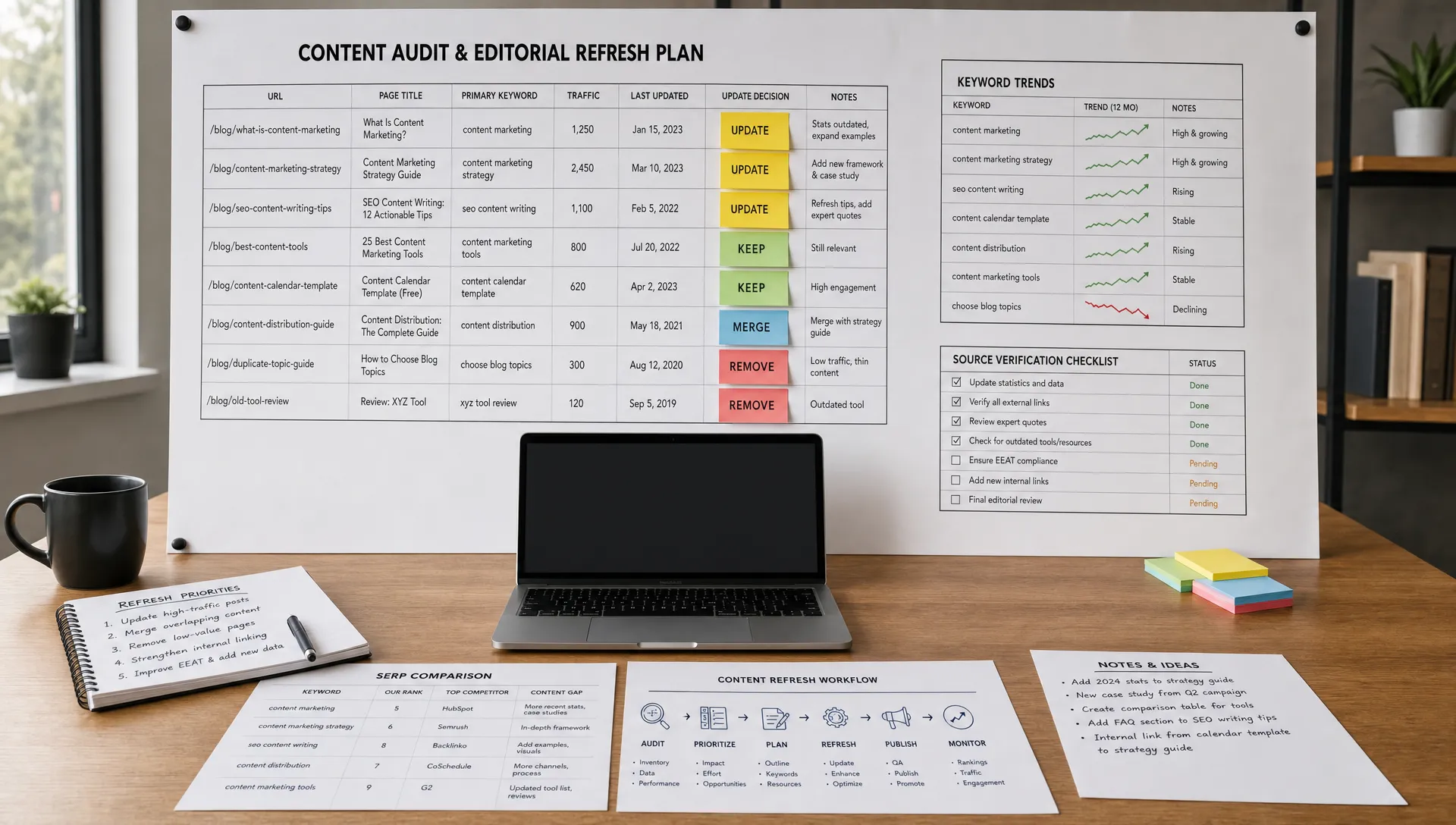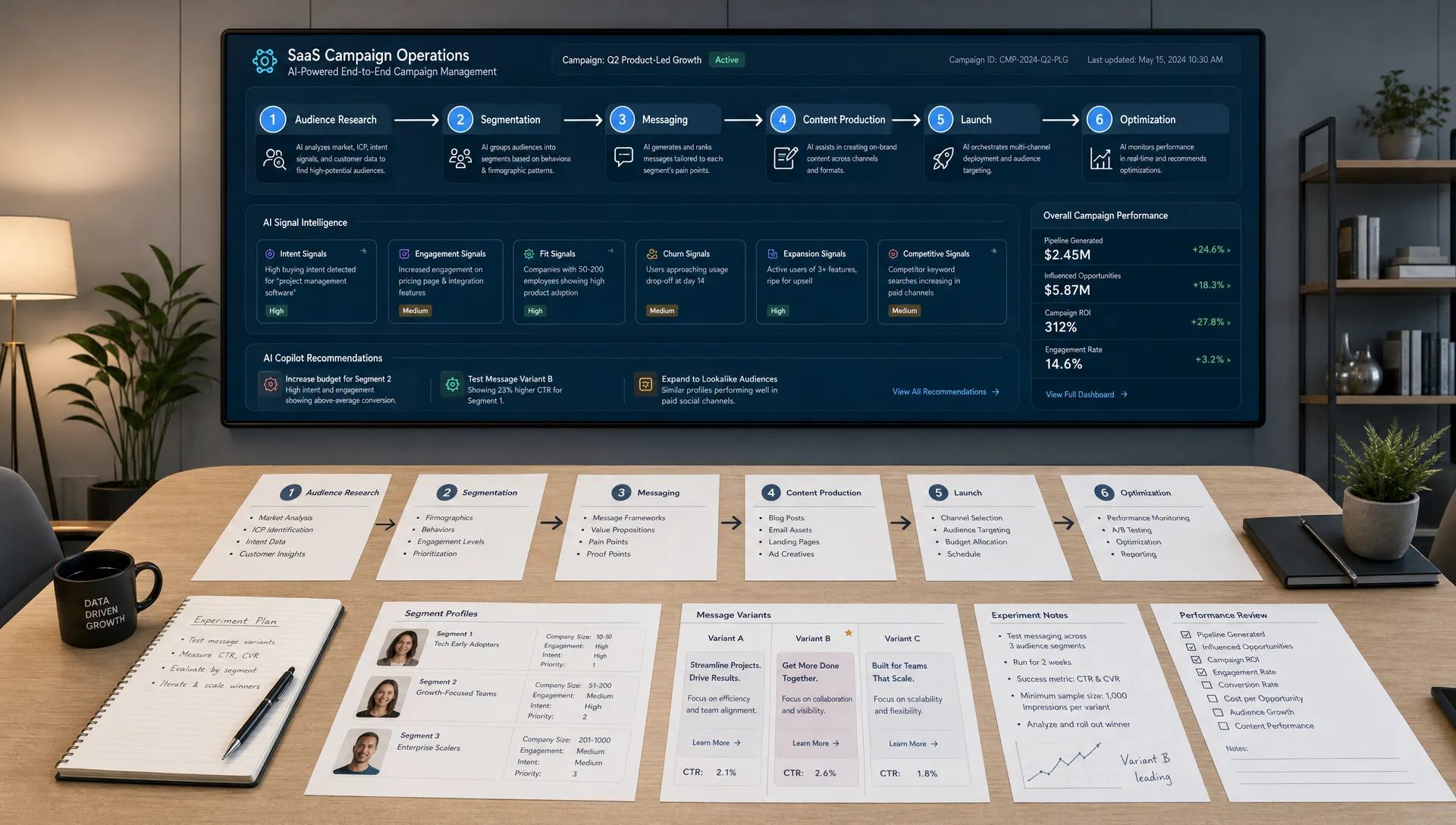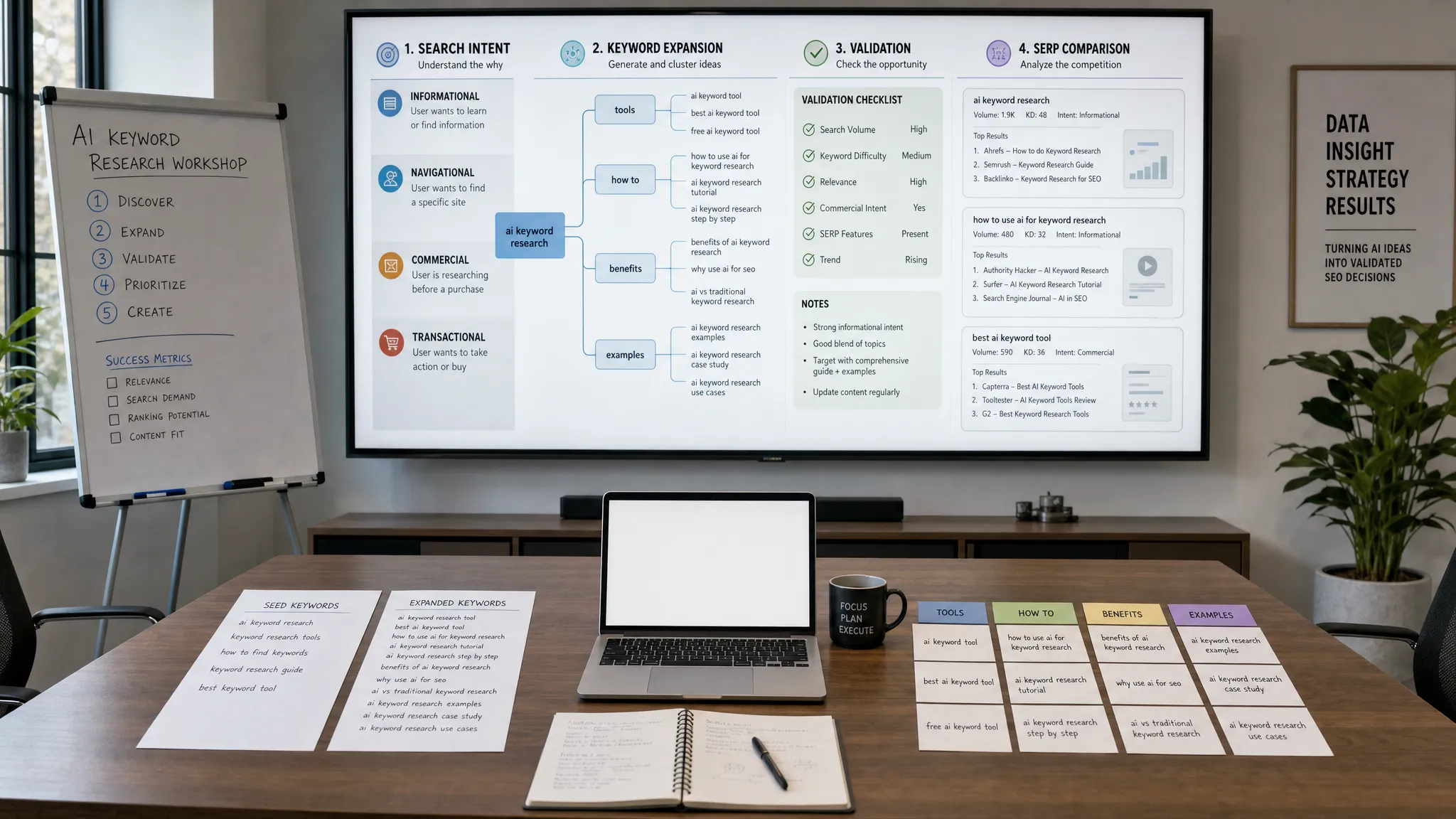
AI can make keyword research faster, but speed is only useful if it leads to better decisions. The best AI keyword research workflows do not ask a tool to magically find perfect keywords. They combine AI pattern recognition with real search data, audience insight, and business judgment.
That distinction matters. AI tools can suggest hundreds of keyword ideas in seconds, group them by topic, infer search intent, and turn messy notes into structured content plans. They can also hallucinate demand, over-prioritize generic phrases, and miss the nuance behind why a buyer searches in the first place.
If you want to use AI for keyword research effectively, treat it as a strategist assistant, not the source of truth. Use it to expand your thinking, organize your opportunities, and accelerate analysis. Then validate everything against search data and the actual search engine results page.
Traditional keyword research often starts with a seed term, a keyword tool, and a spreadsheet. You enter a phrase like AI marketing automation, export related keywords, sort by volume, and pick topics that seem attainable.
That still works, but it misses a major opportunity: understanding the context around each query. AI helps marketers move beyond isolated keywords and toward search journeys. Instead of asking only, what keyword has the highest volume, you can ask:
This is where AI is especially useful. It can process large lists, spot similarities, summarize intent, and propose topic clusters. It can also help smaller teams compete by reducing the manual effort required to build a keyword strategy.
Still, AI should not replace fundamentals. Google’s own SEO Starter Guide emphasizes creating helpful content for people, not just search engines. AI keyword research should support that goal by helping you understand what your audience actually needs.
Before opening an AI keyword tool or prompting ChatGPT, define the business context. Keyword research without context tends to produce bloated lists full of phrases that look interesting but do not support growth.
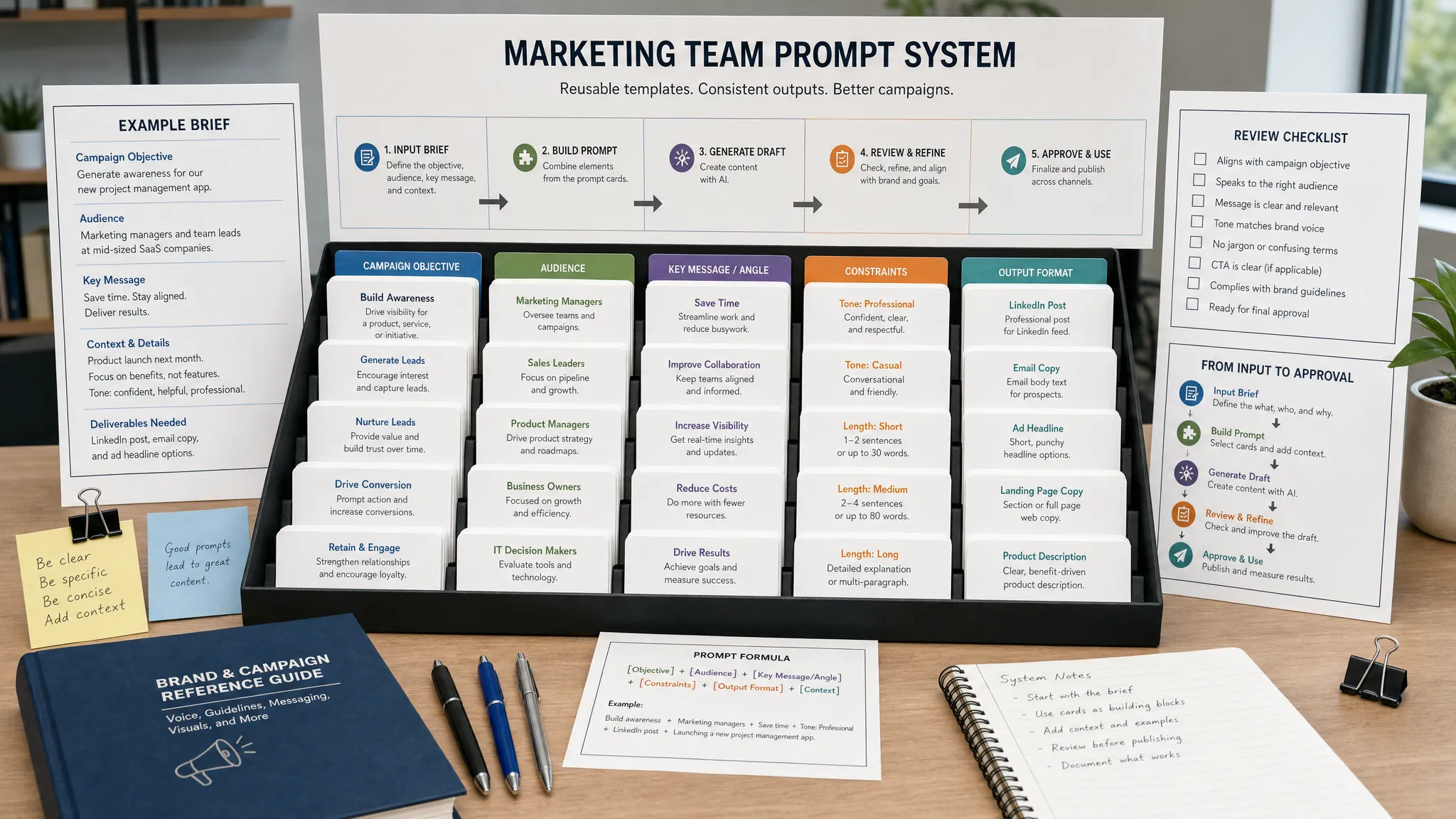
Start with four inputs:
For example, a SaaS company selling AI-powered analytics should not only chase broad keywords like AI tools. It should look for intent-rich phrases such as AI analytics for marketing teams, how to automate campaign reporting, or marketing dashboard insights with AI. These searches reveal a clearer problem and a more relevant path to conversion.
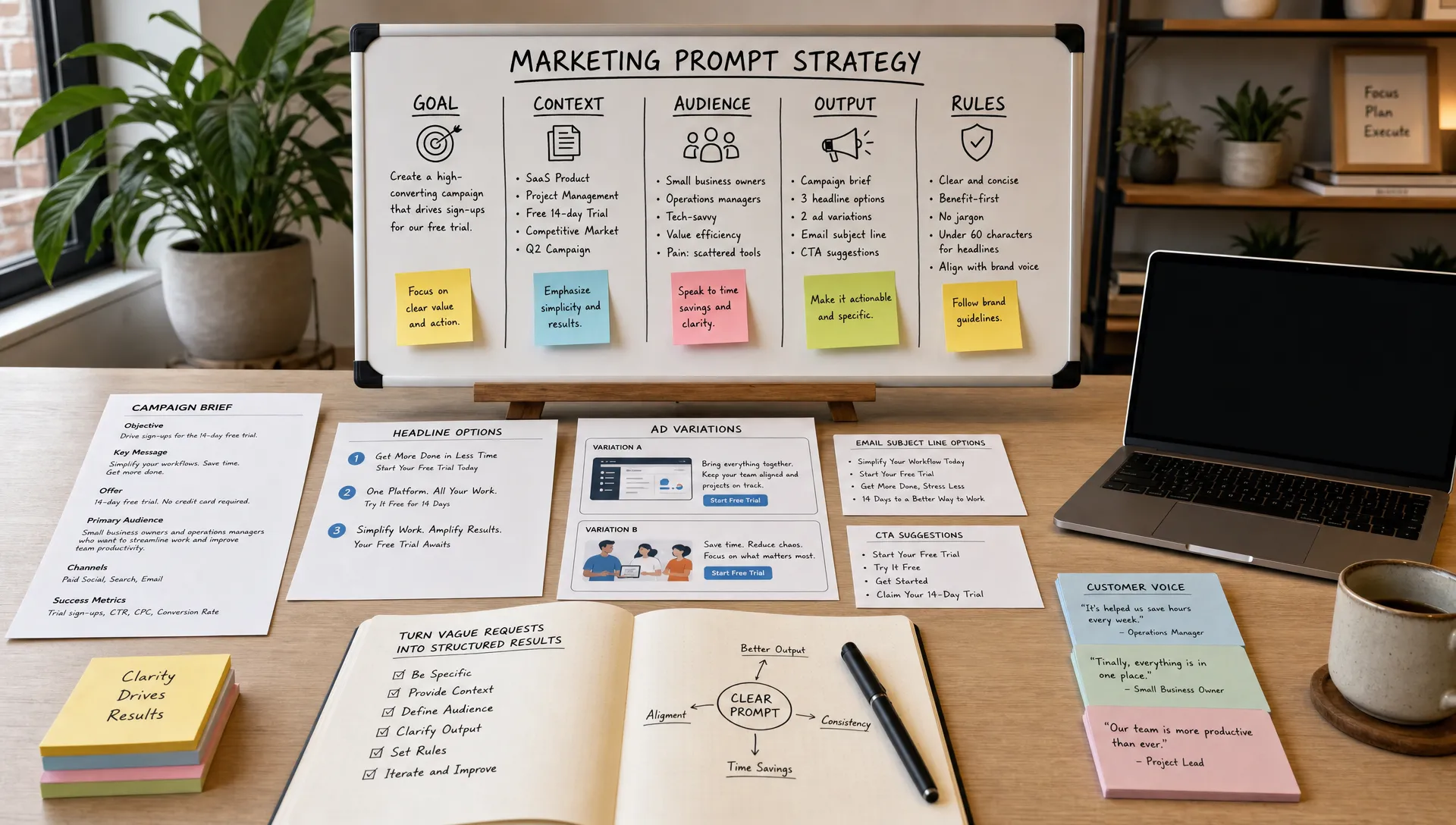
AI becomes much more powerful when you feed it this context. A generic prompt produces generic keywords. A context-rich prompt produces ideas that fit your audience, funnel, and positioning.
Seed keywords are the starting point for your research. They are the core terms that describe your product, topic, audience, and problems. AI can help you generate seeds from multiple angles instead of relying only on obvious product terms.
A useful first prompt is:
Act as an SEO strategist for a business that serves [audience] and helps them solve [problem]. Generate seed keyword themes related to [offer], grouped by customer pain point, use case, and buying stage. Avoid overly broad keywords unless they connect to a specific intent.
This type of prompt pushes the AI to think in categories rather than dumping a random list. You can then refine the output by asking for variants based on:
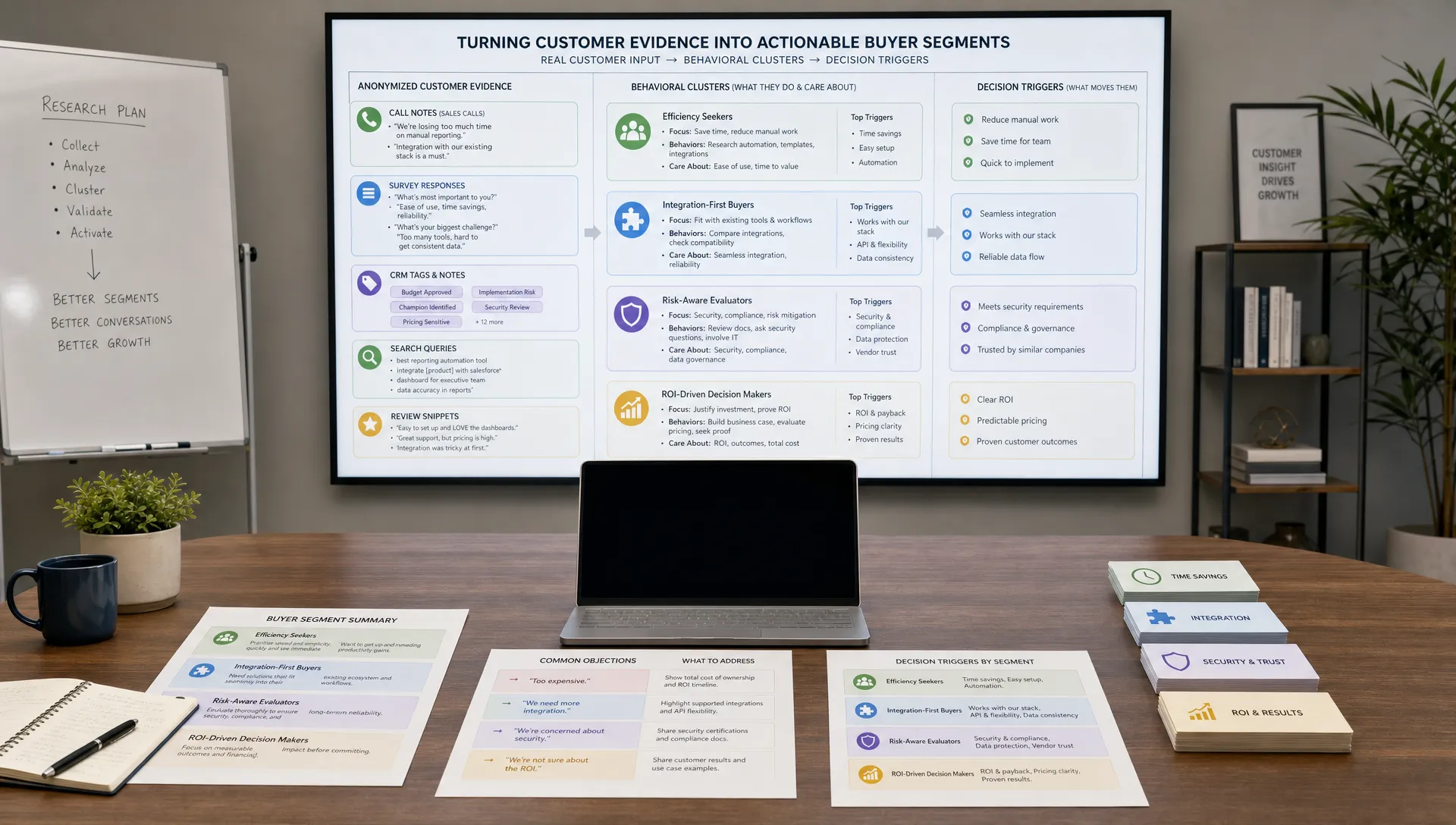
Do not stop with AI-generated ideas. Add real audience language from sales calls, support tickets, customer reviews, forum discussions, social comments, and internal search data. If your site already receives traffic, the Google Search Console Performance report can show the queries people use to find you today.
The goal is to create a seed list that reflects both your business and your audience’s vocabulary. AI helps you widen the map, but your customer data keeps it grounded.
Once you have seed themes, use AI to generate related keyword ideas. This is where many marketers go too broad. More keywords are not always better. A list of 5,000 phrases is only useful if you can interpret it and act on it.
Ask AI to expand each seed theme by intent and specificity. For example:
Expand the seed keyword [keyword] into related search queries. Group them into informational, commercial, comparison, and transactional intent. Include long-tail queries, questions, and problem-based searches. Remove duplicates and avoid phrases that are too vague to target.
This helps you avoid a common mistake: mixing all keywords into one flat list. Informational keywords might be best for guides and educational articles. Commercial keywords might require product-led content, use case pages, or comparison posts. Transactional keywords may belong on landing pages rather than blog posts.
After generating ideas, clean the list manually or with another AI pass. Remove keywords that are irrelevant, awkward, off-brand, or too far from your offer. AI often produces phrases that sound plausible but are not how people actually search. Keep the ideas that reveal a real need.
Search intent is the reason behind a query. If you misread intent, you can write a strong article that still fails to rank or convert because it does not satisfy what the searcher wanted.
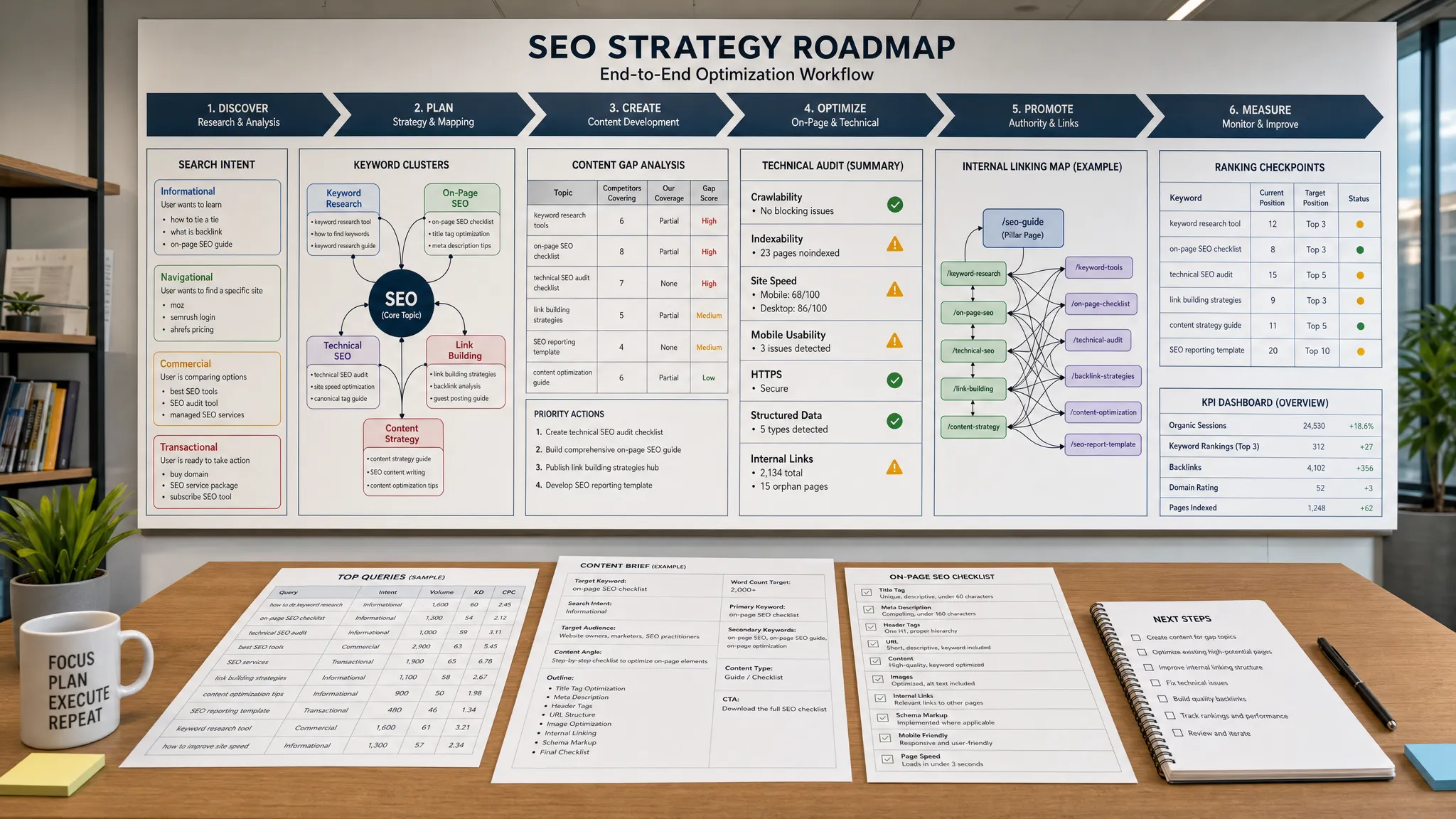
AI can classify intent quickly, especially when you have a large keyword list. Use categories such as:
You can also map each keyword to funnel stage. Top-of-funnel keywords often involve definitions, beginner guides, and problem exploration. Middle-of-funnel keywords involve frameworks, tools, templates, and comparisons. Bottom-of-funnel keywords involve pricing, alternatives, demos, and vendor-specific searches.
A practical prompt is:
Classify these keywords by search intent and funnel stage. For each keyword, explain the likely user goal in one sentence and suggest the best content format. Flag any keyword where the intent is ambiguous.
The explanation matters. If the AI cannot clearly explain the user goal, the keyword may need manual review. Ambiguous phrases can have multiple meanings, and the SERP will usually reveal which meaning Google favors.
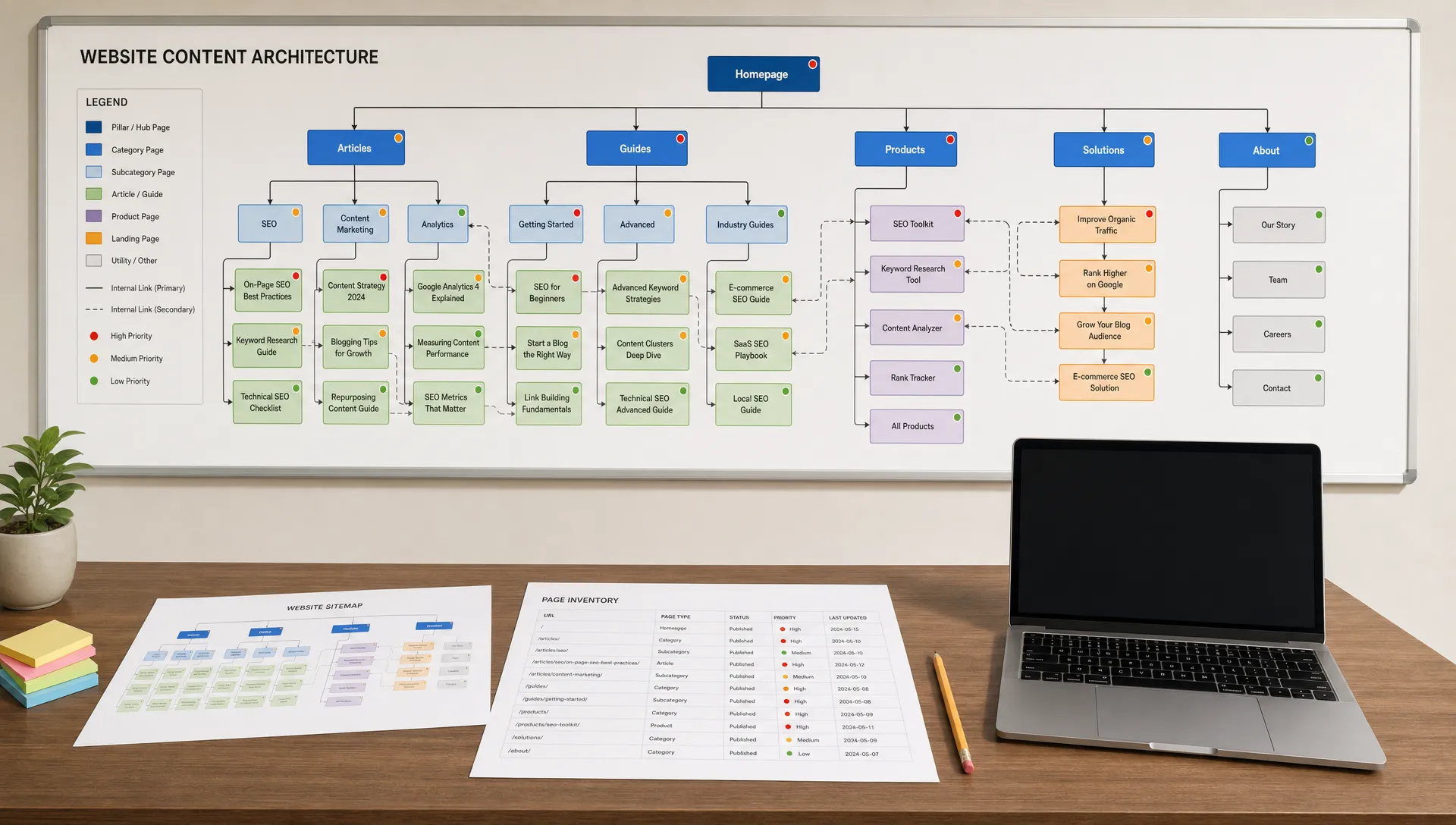
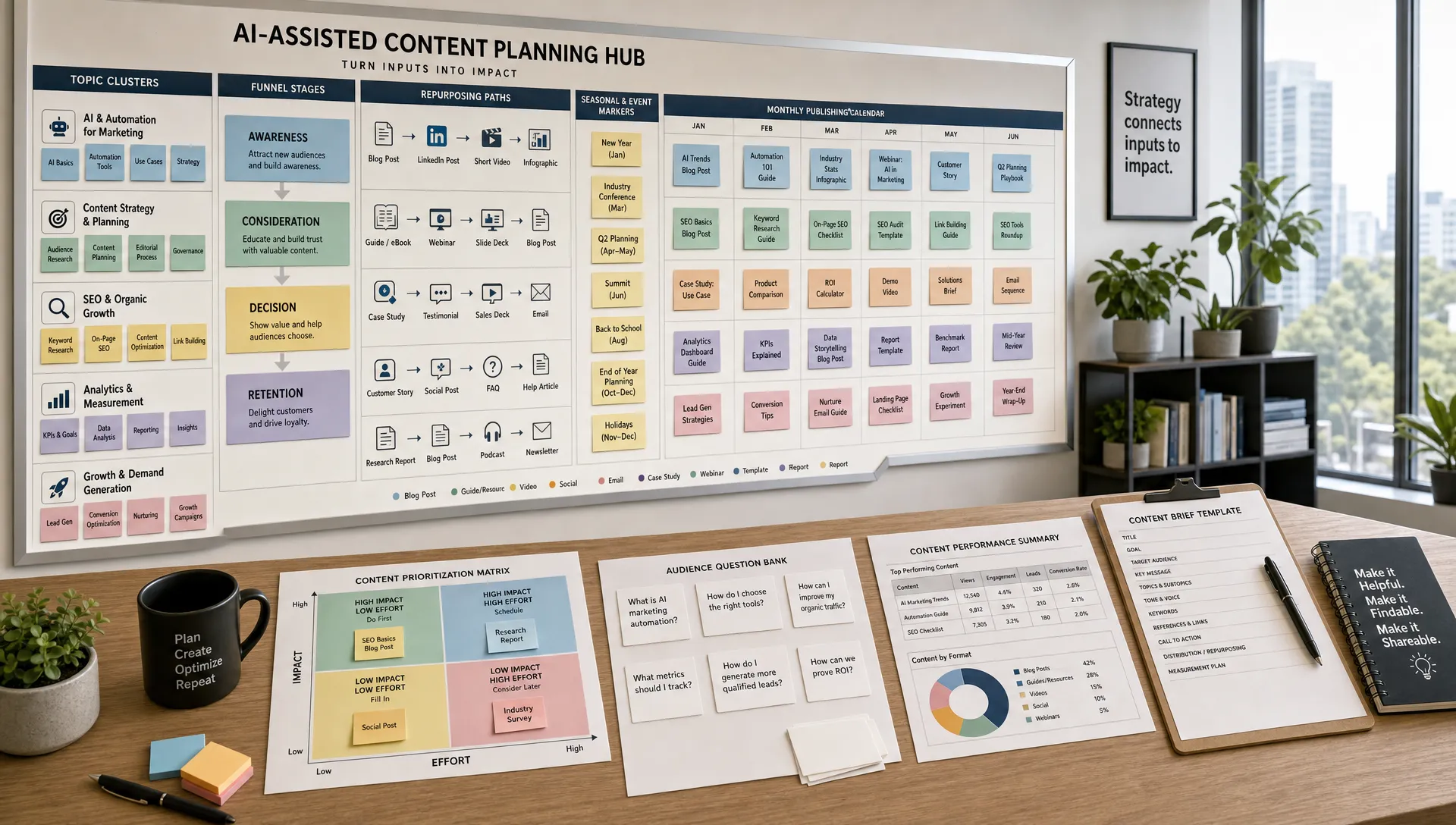
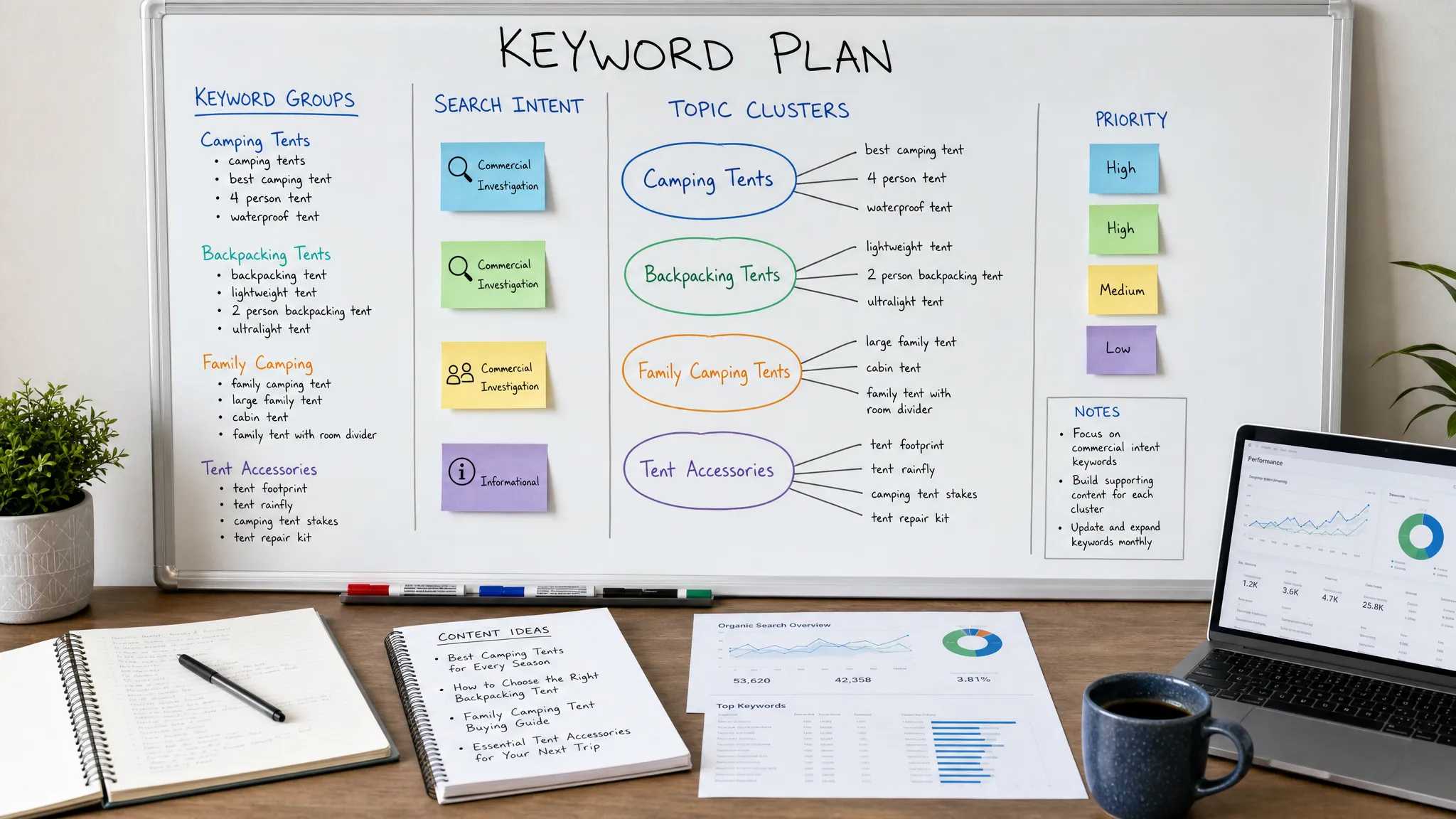
Modern SEO rewards topical depth. Instead of creating a separate article for every similar query, use AI to cluster keywords into groups that can be served by one strong page or a connected content hub.
For example, these keywords may belong in one article:
But a keyword like best AI keyword research tools may deserve a separate comparison-style article because the intent is more commercial and tool-focused.
Ask AI to group keywords by shared intent, not just shared words:
Group these keywords into SEO topic clusters. Each cluster should represent one search intent that could be satisfied by a single page. Name the primary keyword, supporting keywords, recommended page type, and any keywords that should be split into separate pages.
This is one of the highest-value uses of AI in keyword research. It reduces content cannibalization, helps you plan internal linking, and keeps your editorial calendar focused. If you are evaluating platforms for this workflow, AIMarketer Hub’s guide to AI SEO tools for small teams can help you think through what is practical instead of chasing overly complex stacks.
AI can suggest keywords, but it does not always know whether people search for them. Validation is the step that separates useful AI marketing from guesswork.
Use trusted data sources to confirm demand, competition, and trend direction. Google Keyword Planner, Google Search Console, Google Trends, and established SEO platforms can all help you check whether a keyword has meaningful search activity. Google Trends is especially helpful for understanding seasonality, emerging topics, and whether a phrase is rising or fading.
When validating, do not rely only on monthly search volume. Volume is useful, but it can hide high-value opportunities. A low-volume keyword with strong buyer intent may be more profitable than a high-volume keyword with vague intent. For B2B and niche industries, many valuable queries have modest search volume but attract the exact audience you want.
Look at these validation signals together:
AI can help you score these factors, but your data should drive the score. If the AI says a keyword is high opportunity, ask why. Then verify the claim.
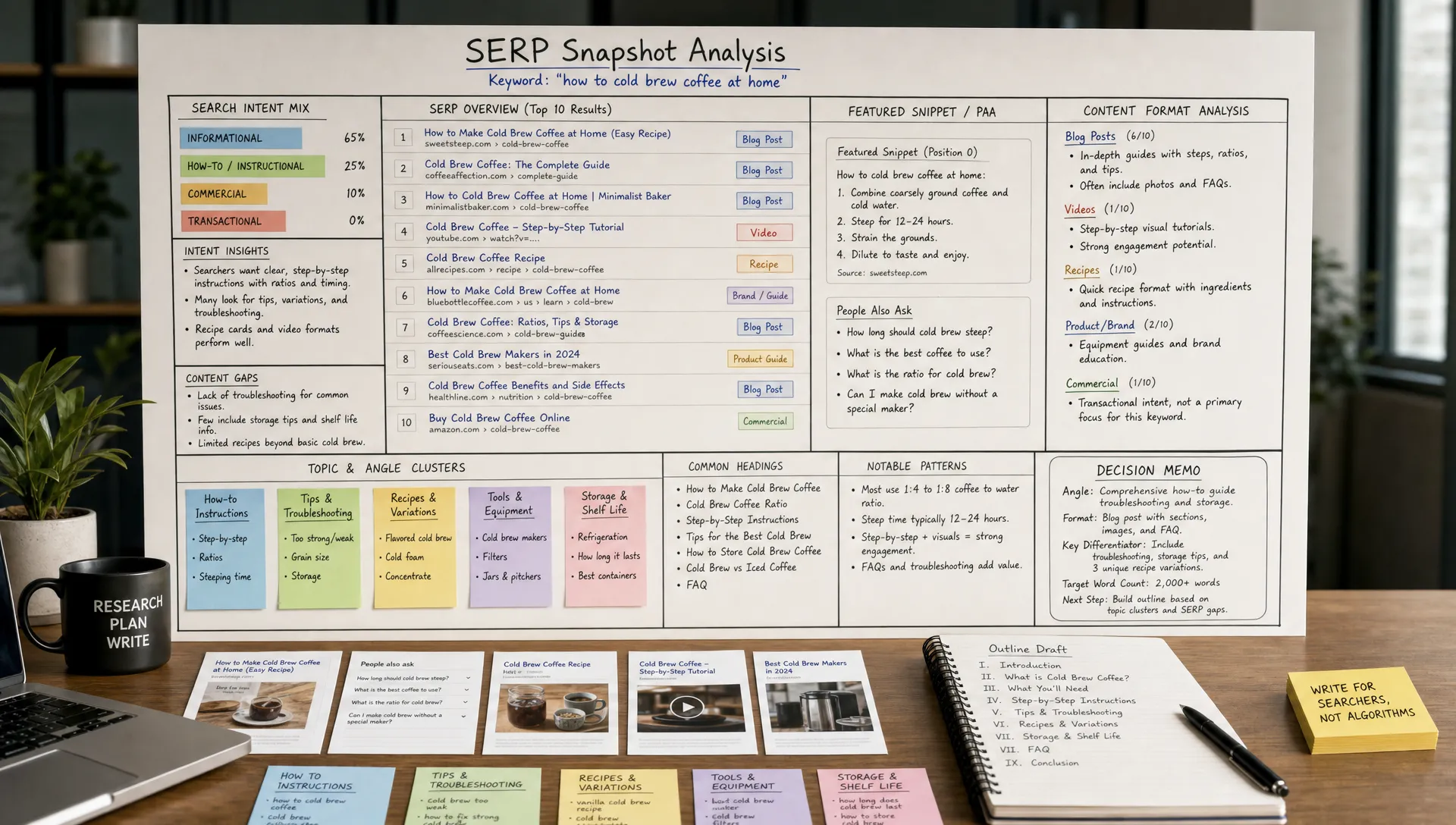
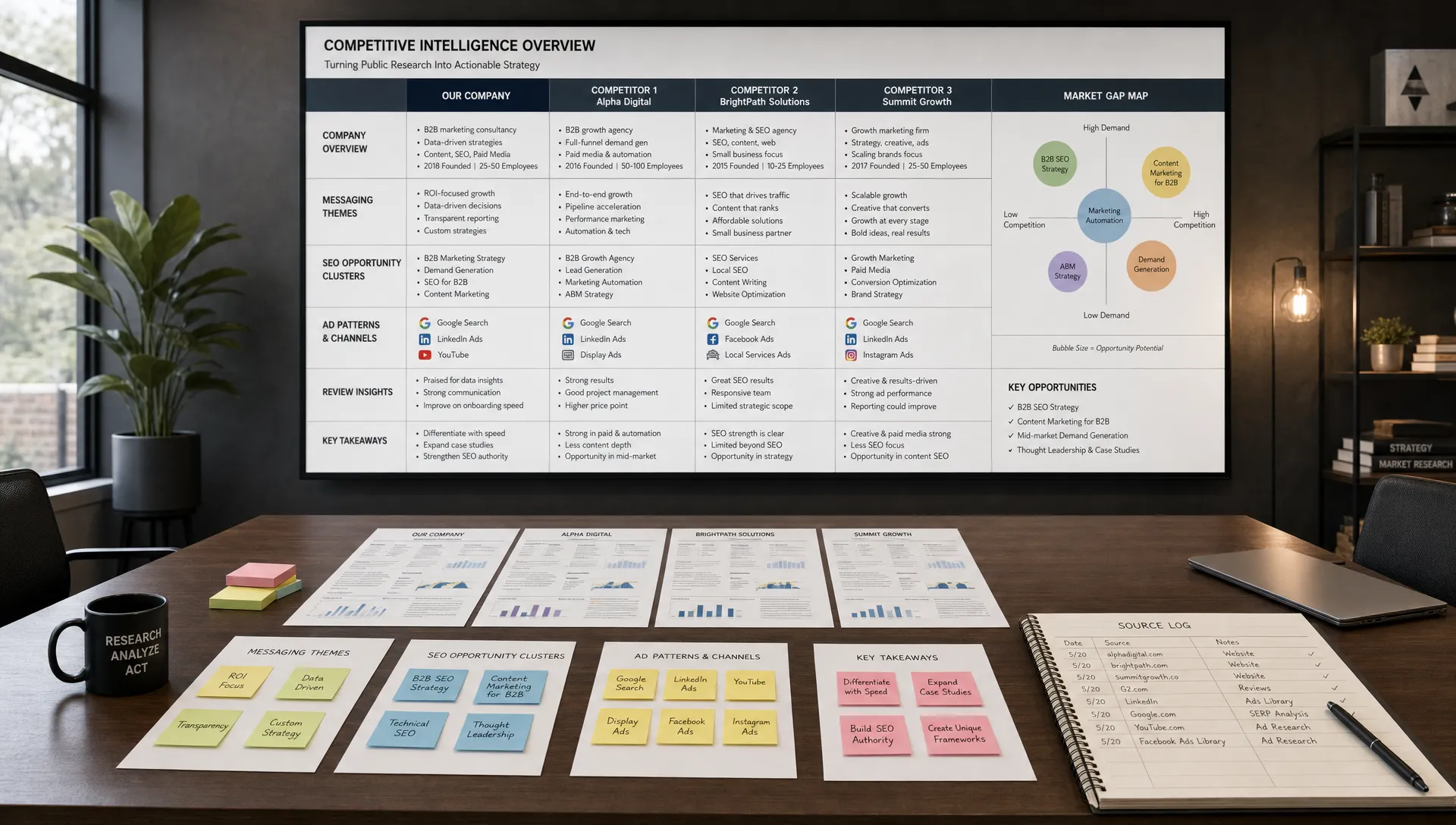
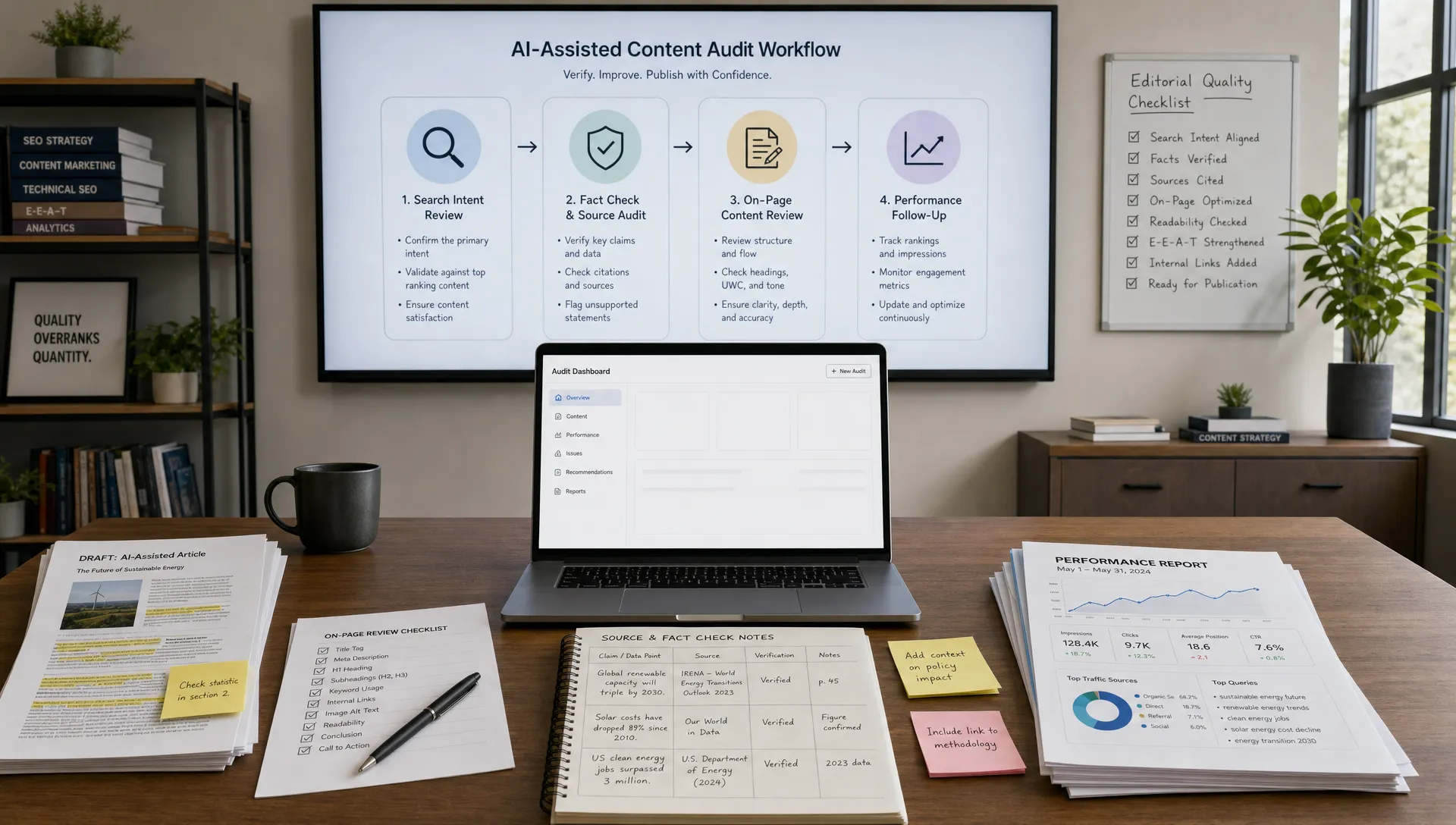
The search engine results page is the final judge of intent. Before committing to a keyword, review what already ranks. AI can help summarize the SERP, but you should still inspect it yourself.
Look for patterns such as:
Then use AI to identify gaps. A simple prompt can work well:
Review the following top-ranking page summaries for [keyword]. Identify common subtopics, missing angles, outdated assumptions, unanswered questions, and opportunities to make a more useful article for [audience].
This is not about copying competitors. It is about understanding the baseline expectation for the query. Your page should satisfy the intent better, faster, or with more useful specificity.
For example, if every ranking article explains generic keyword research but none show how a lean marketing team can turn AI output into a validated content calendar, that is your angle. If top pages list tools but skip prompt examples and quality control, you can win by being more practical.
After expansion, clustering, validation, and SERP review, you should have a manageable list of keyword opportunities. Now you need to decide what to publish first.
A simple opportunity score can help. You do not need a complex model. Rate each cluster from 1 to 5 across a few factors:
AI can calculate and sort these scores, but the inputs should come from you. This keeps prioritization connected to business outcomes rather than vanity traffic.
For many teams, the best first targets are not the biggest keywords. They are specific, intent-rich clusters where your expertise is obvious and the searcher’s next step aligns with your offer.
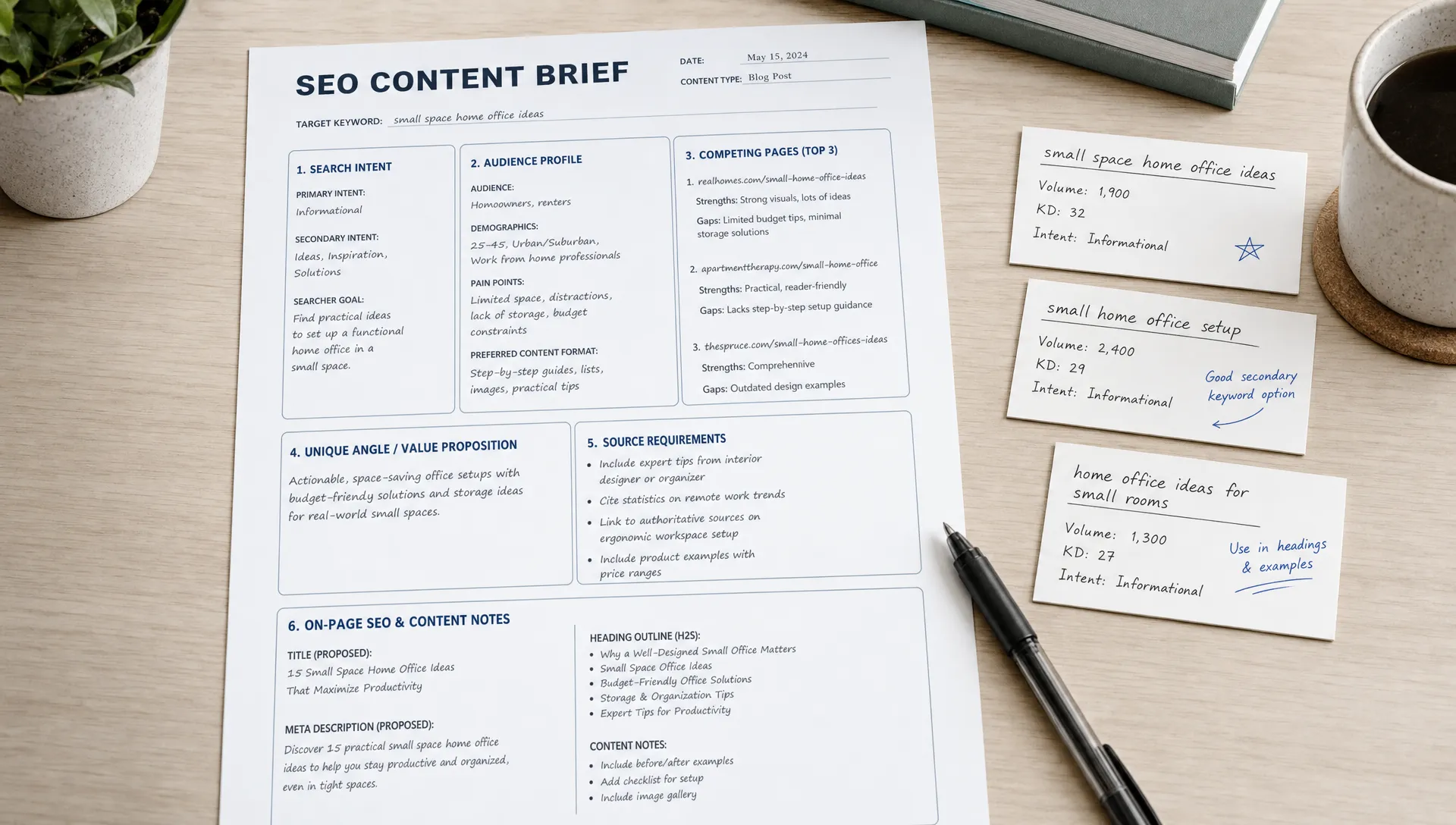
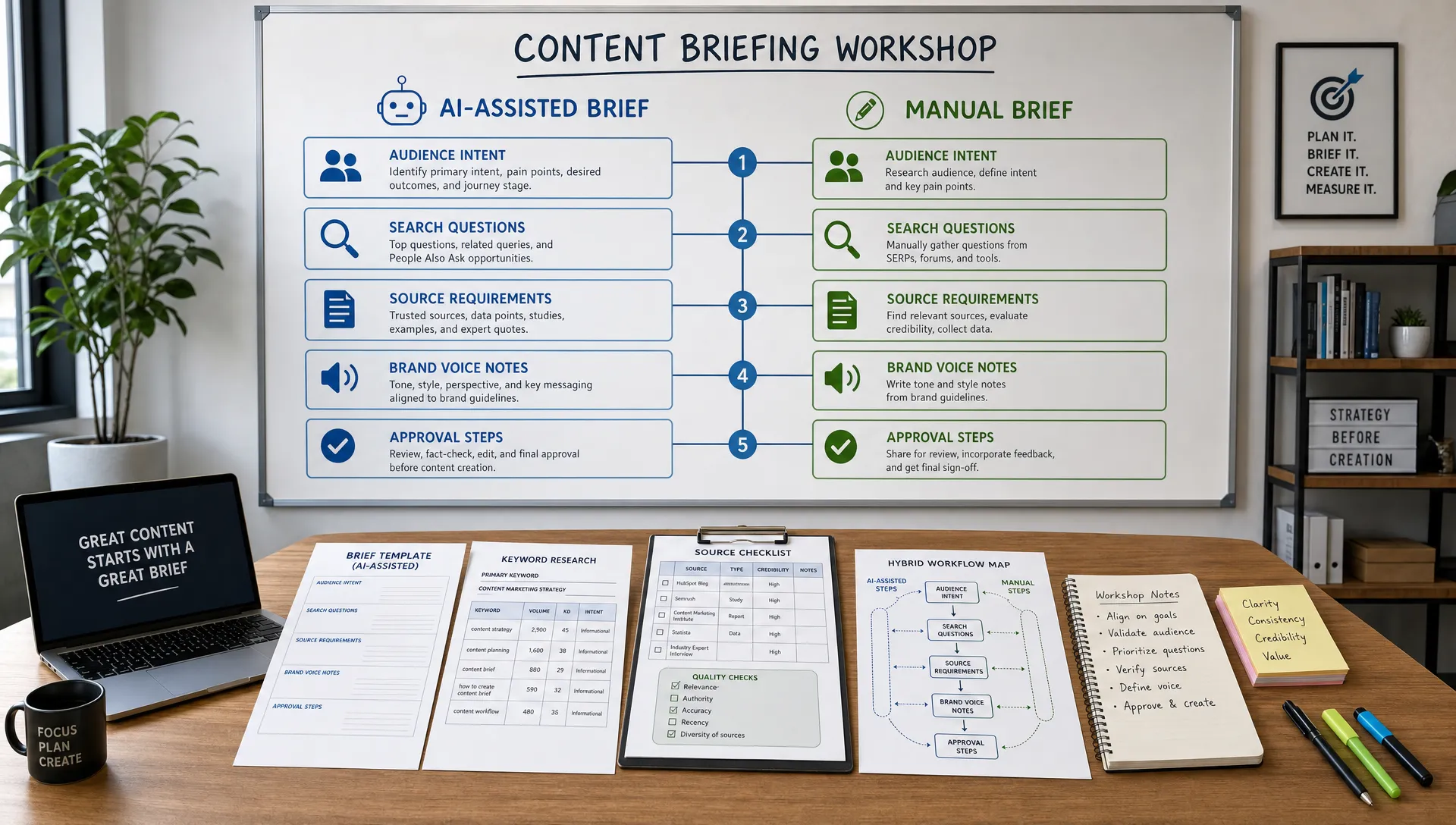
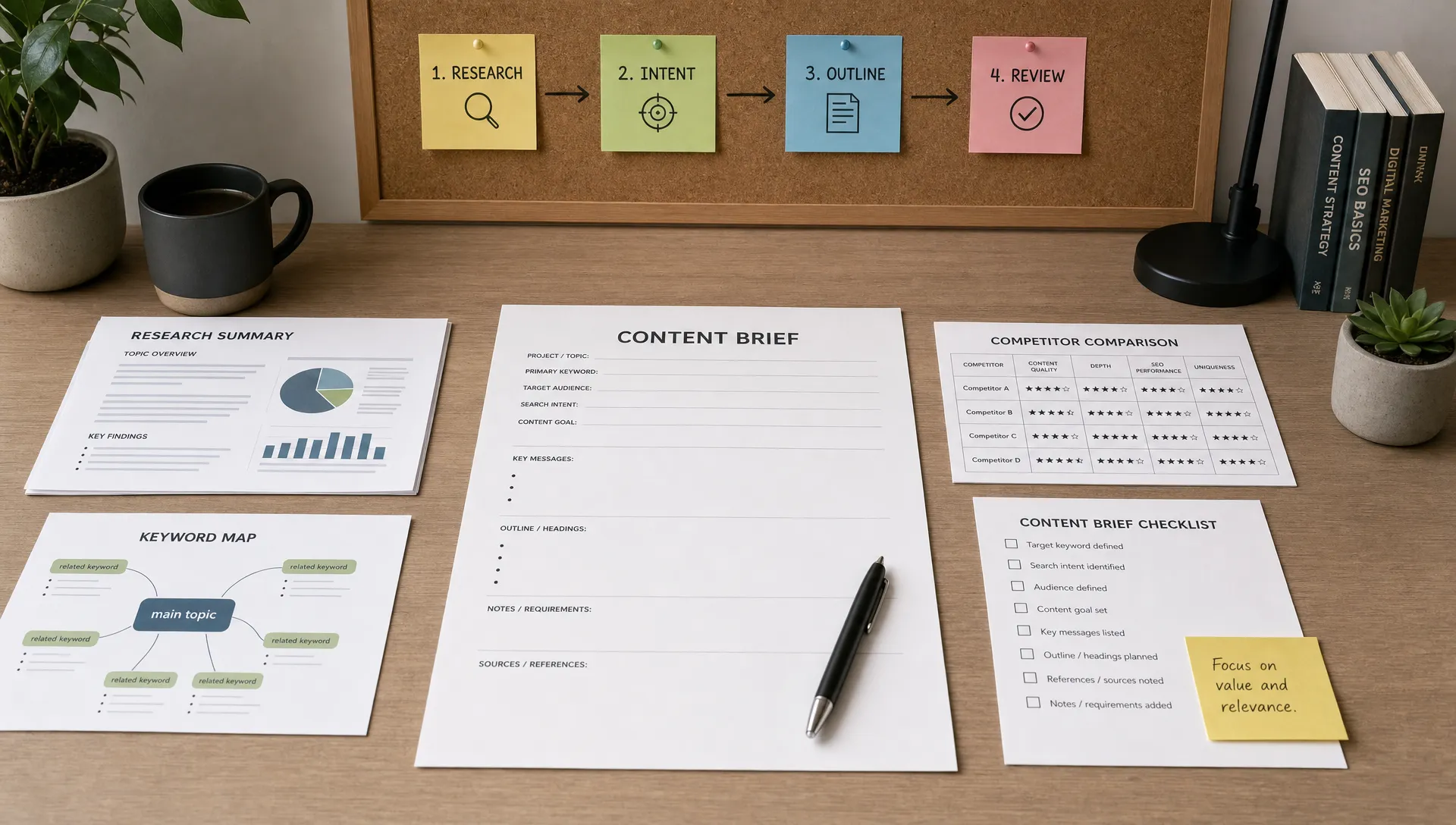
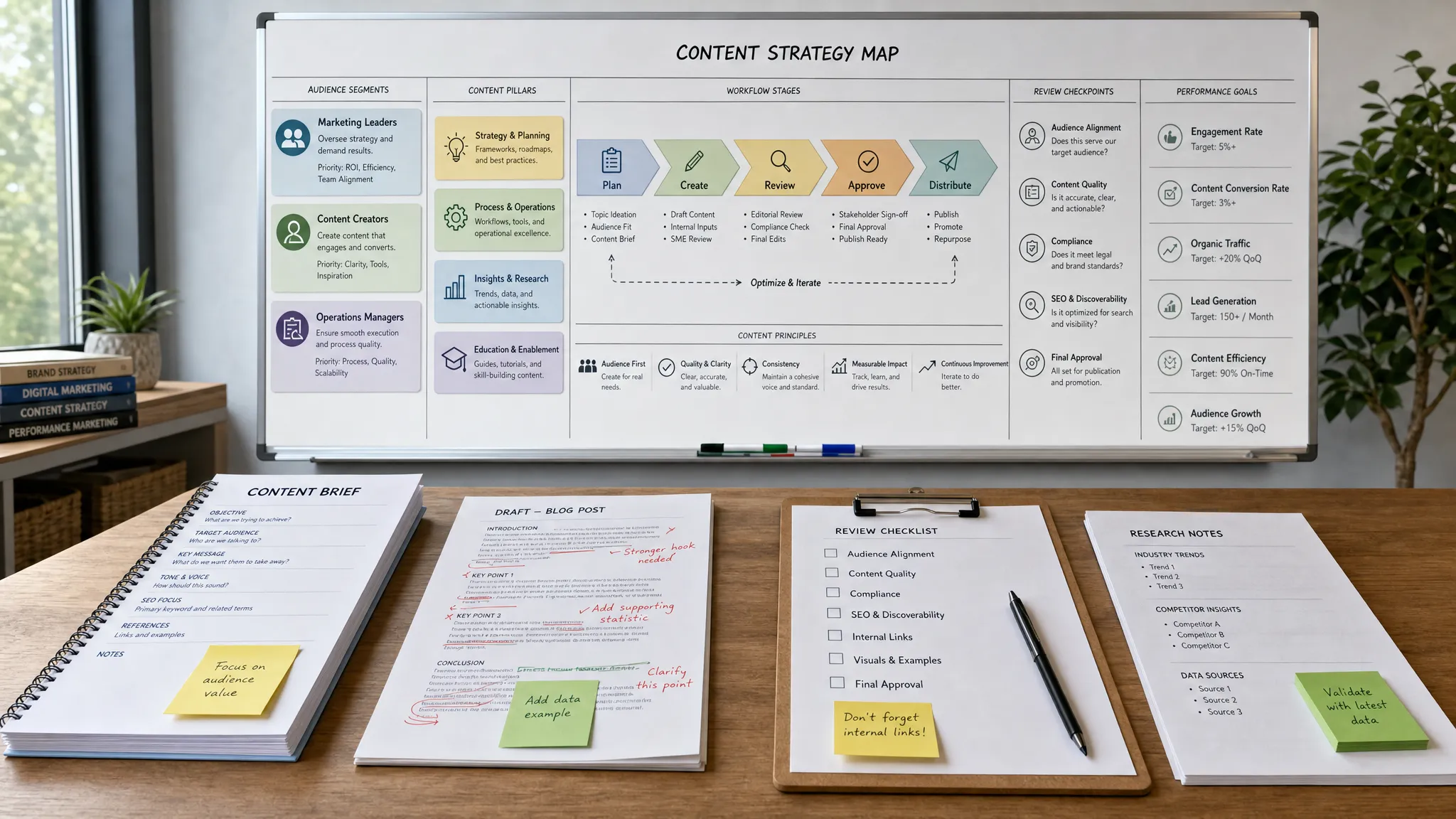
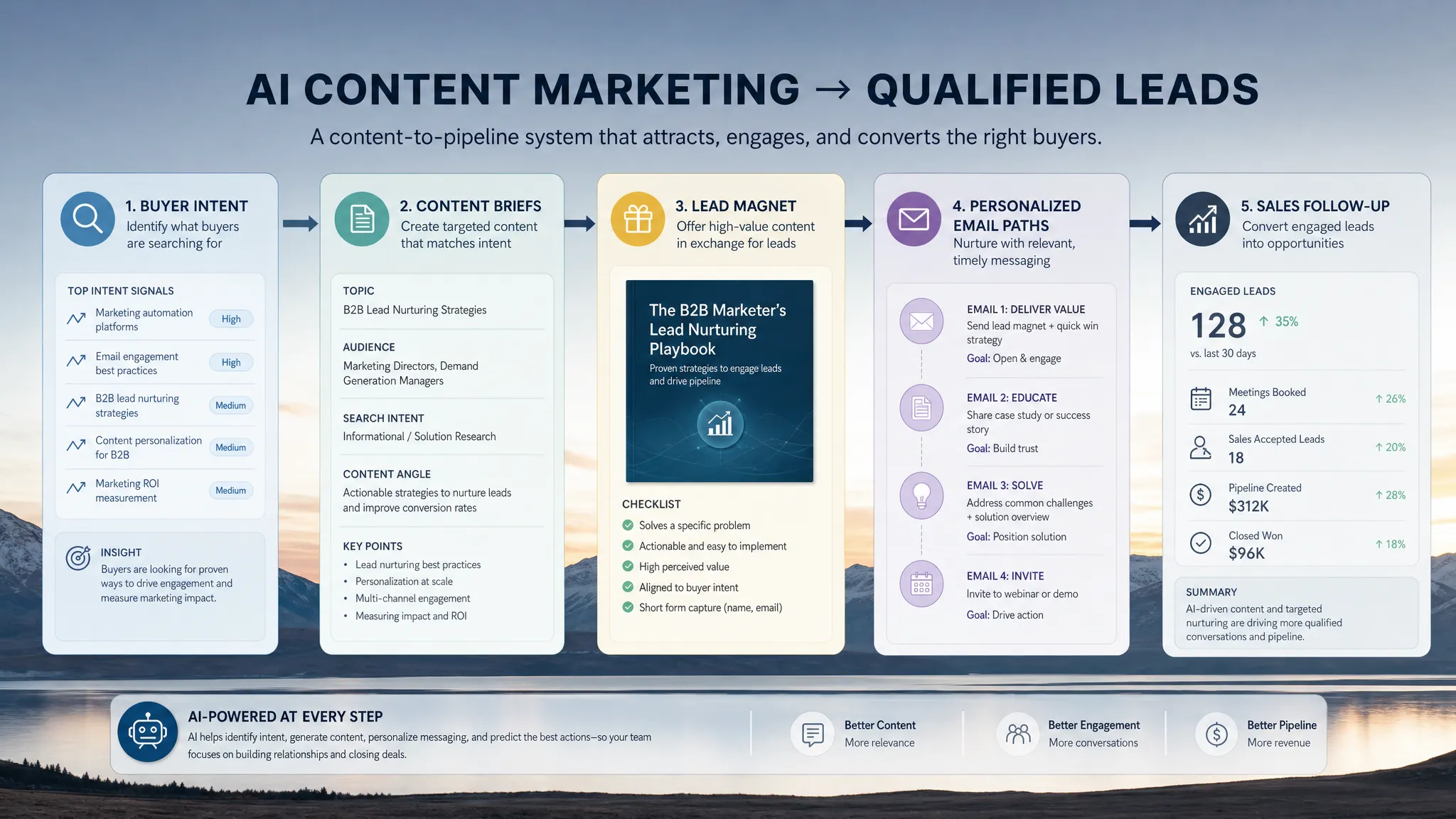
Keyword research becomes valuable only when it shapes content. Once you choose a target cluster, use AI to create a brief that helps writers, editors, and strategists stay aligned.
A strong AI-assisted content brief should include:
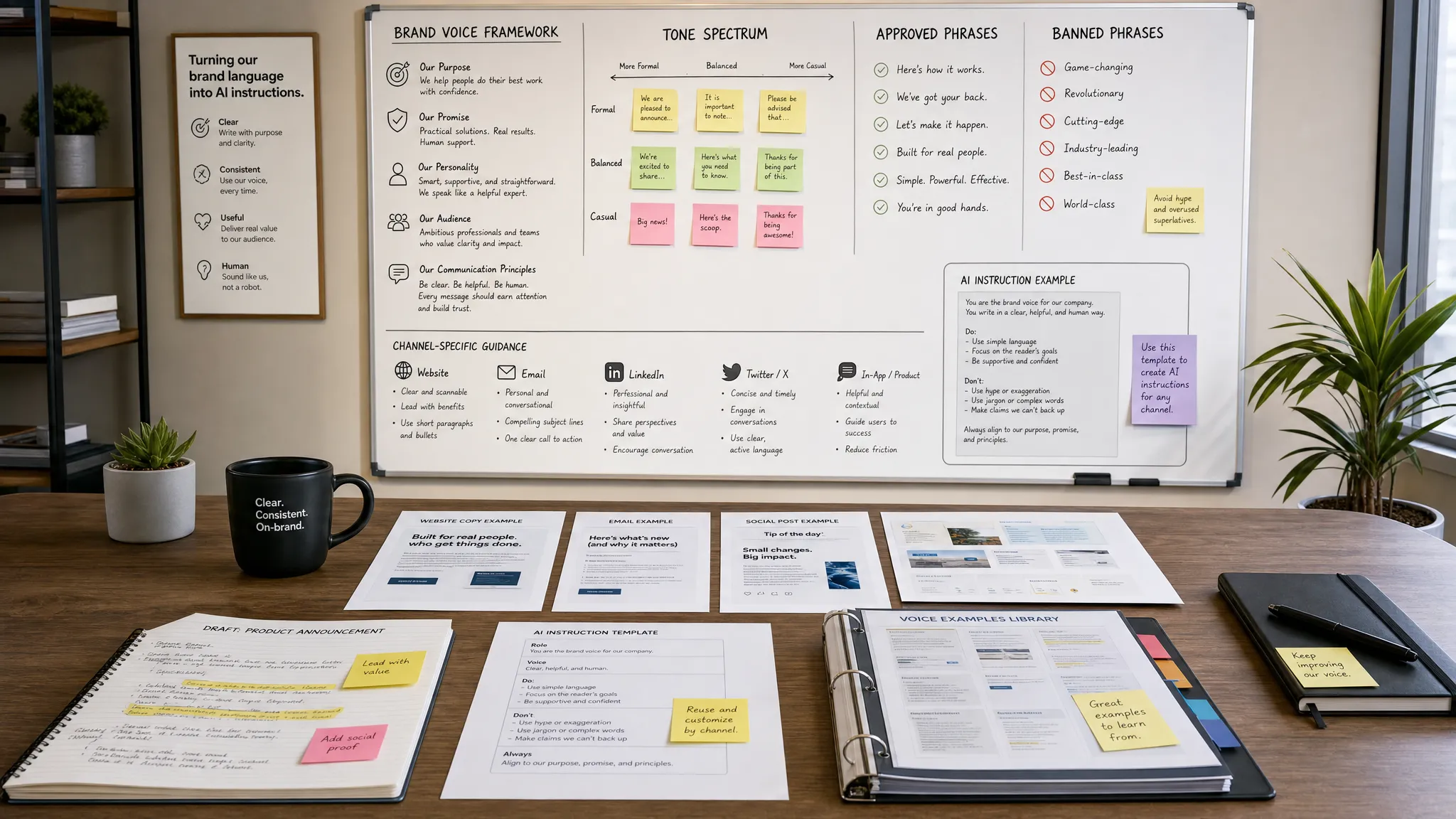
This last point is important. AI can scale content creation, but it can also flatten your voice if every article sounds like a generic internet summary. If your team is building an AI-assisted SEO workflow, pair keyword briefs with clear editorial standards. The AIMarketer Hub guide on using AI for marketing without losing your brand voice is a helpful companion for that part of the process.
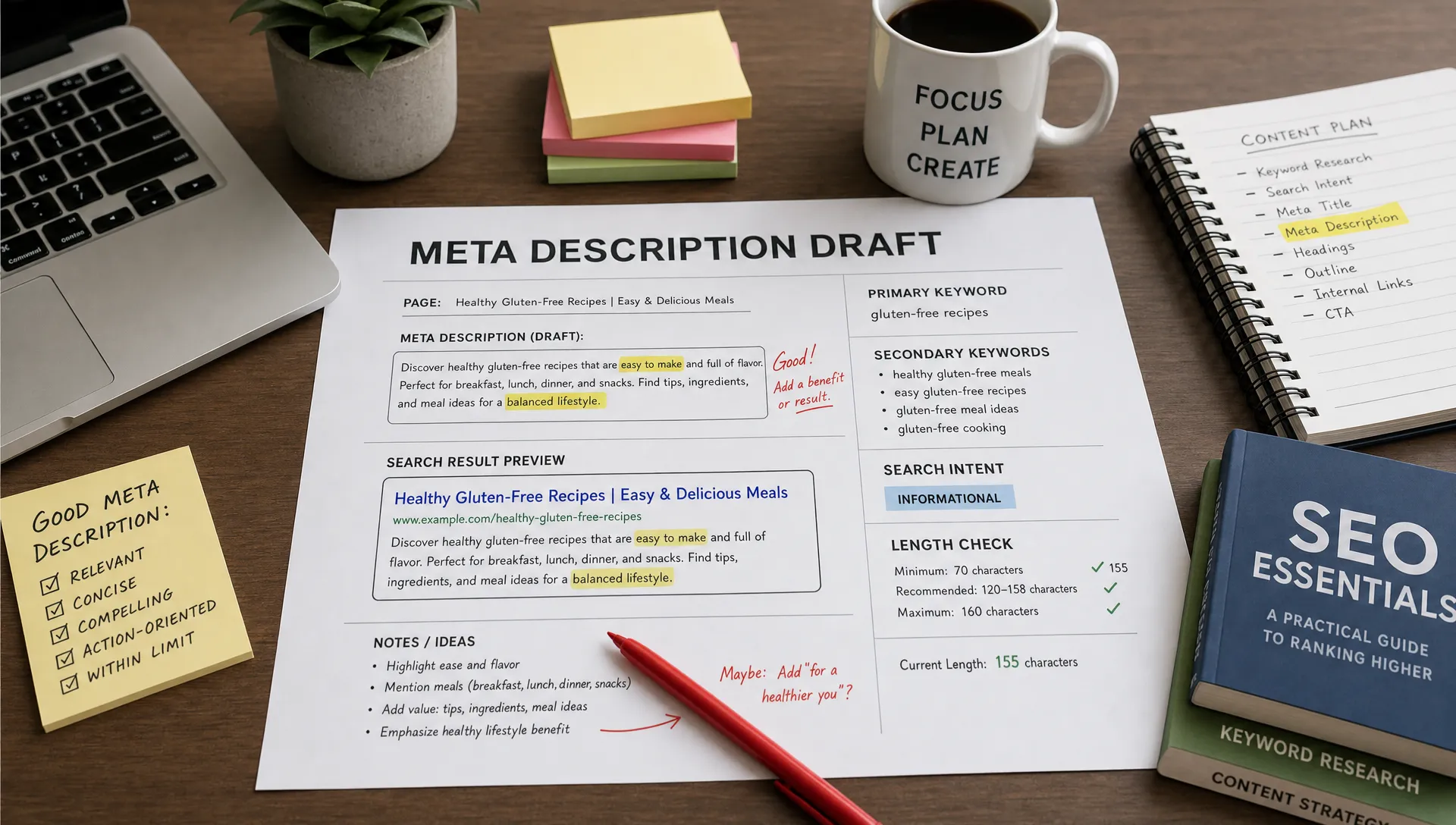
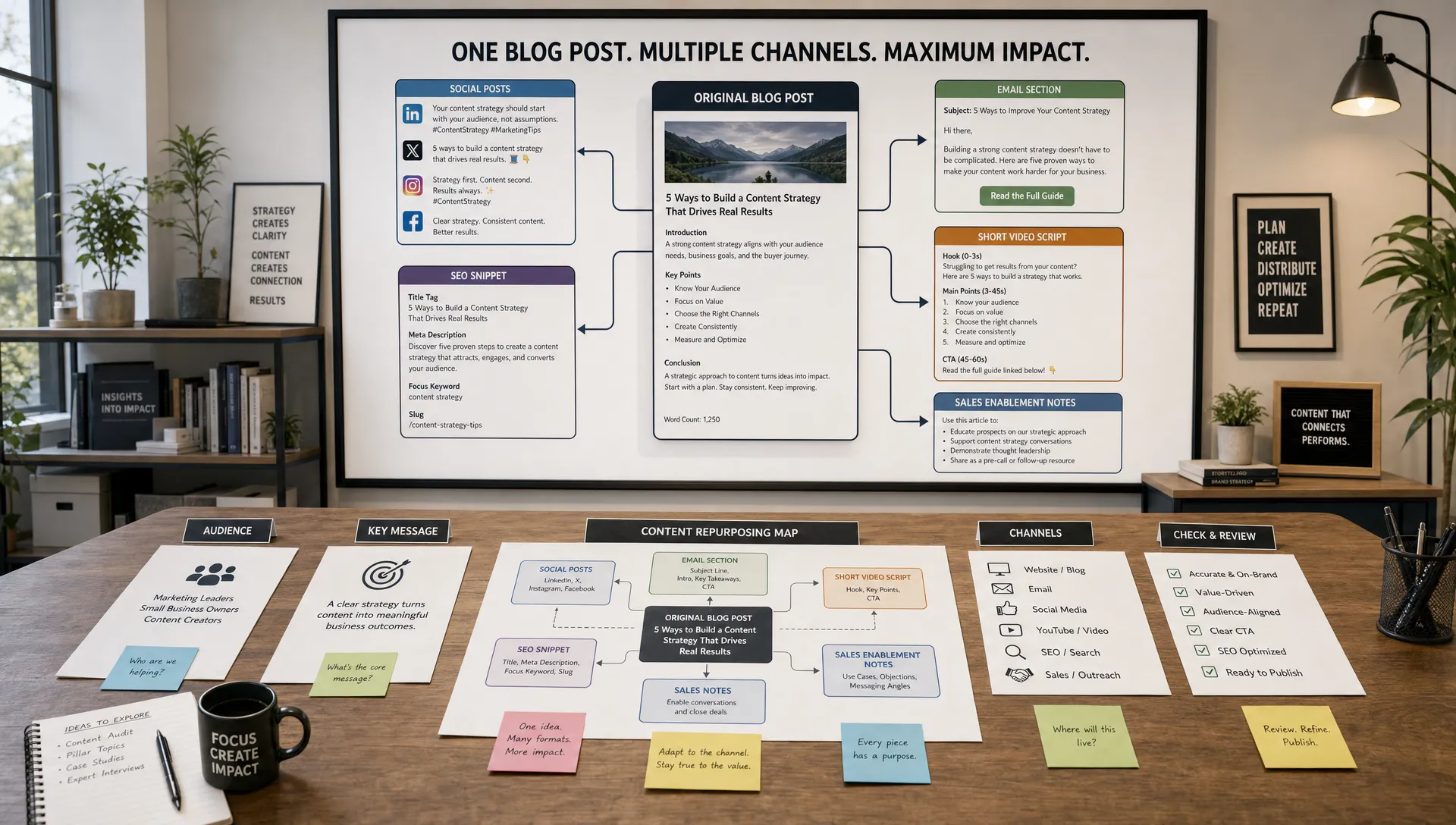
You can also connect keyword research to production workflows. AI can draft outlines, repurpose sections into social posts, generate meta descriptions, and help editors check content against intent. For more on scaling output responsibly, see the guide on how AI for content creation saves time.
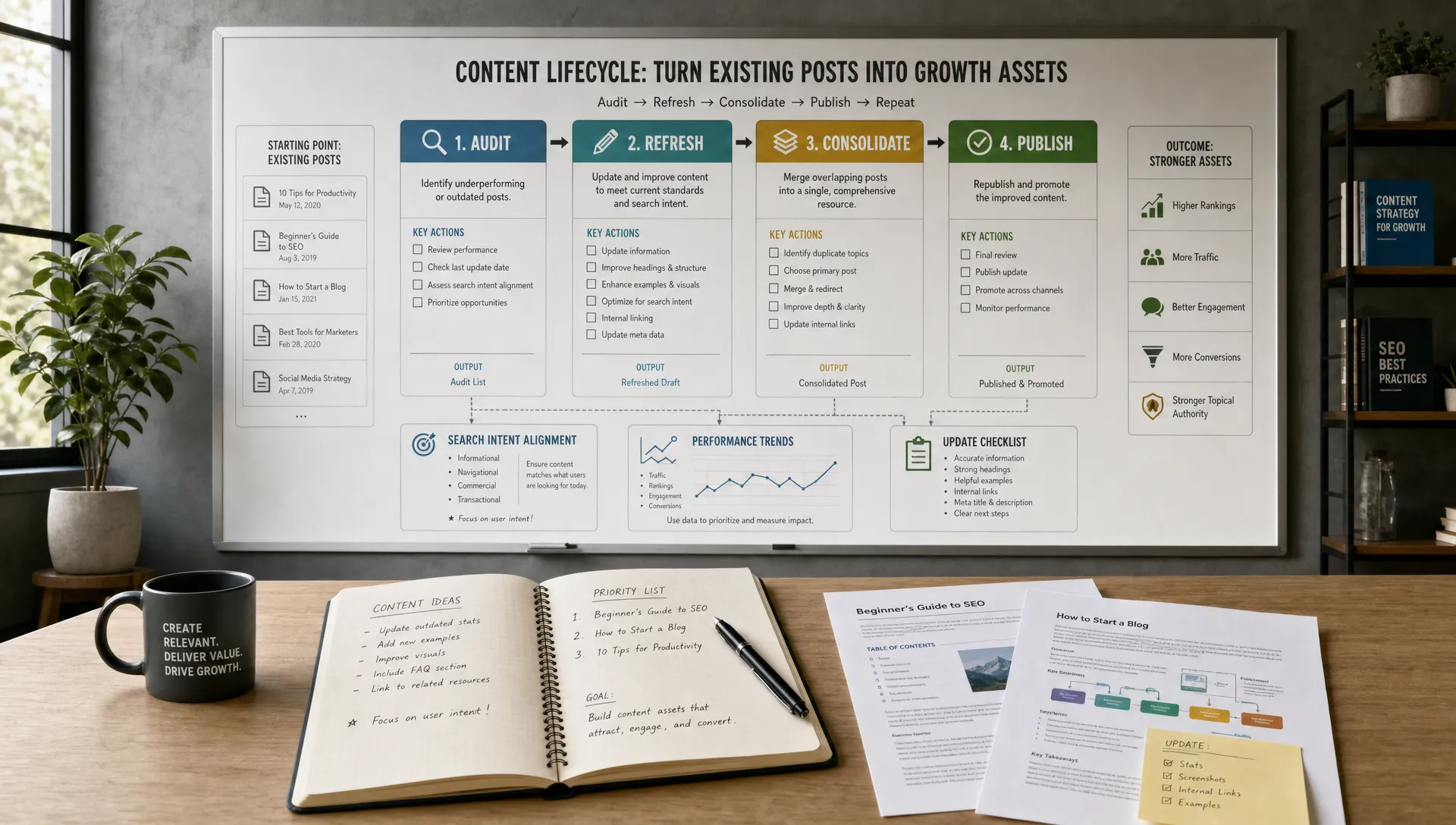
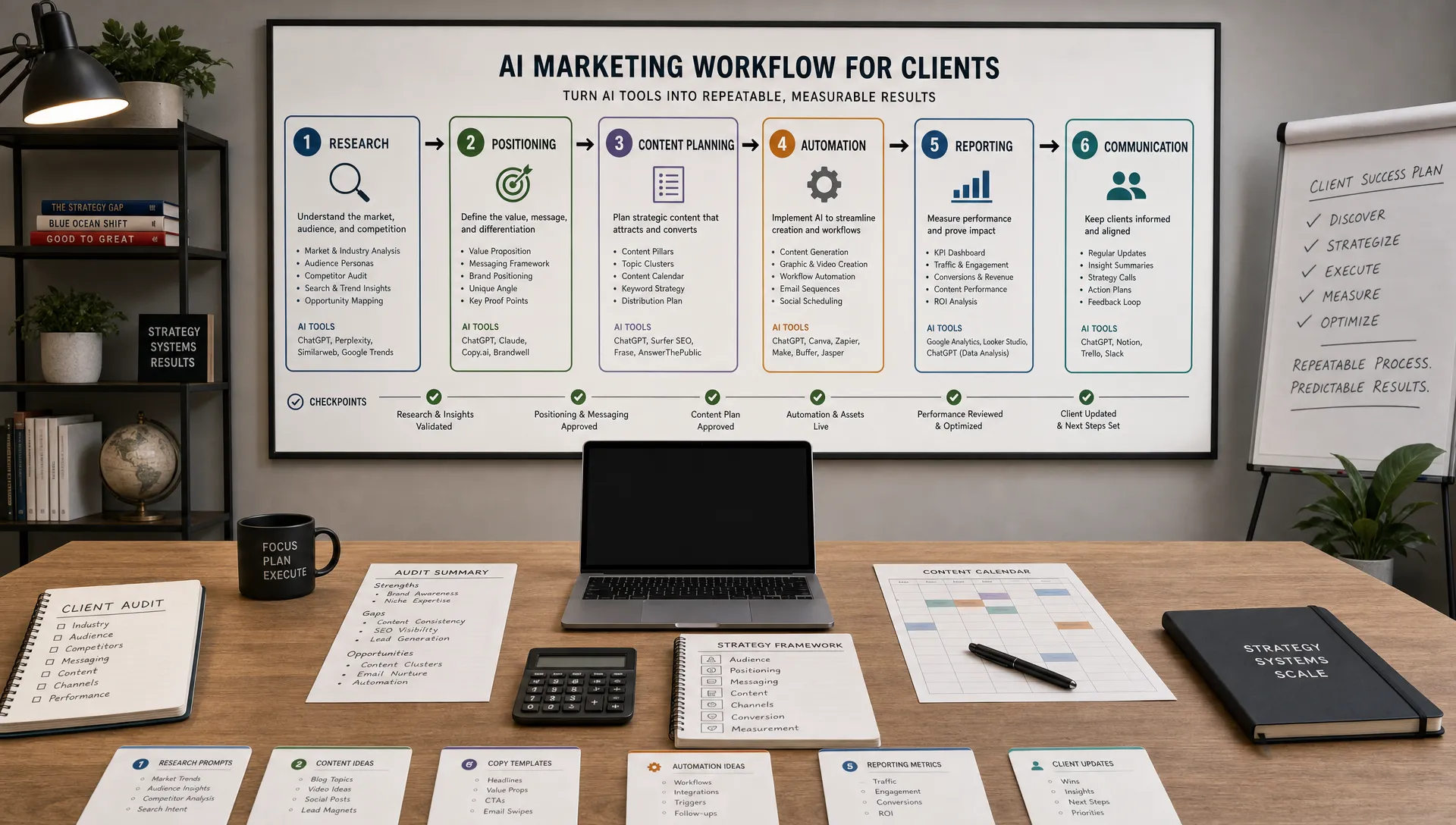
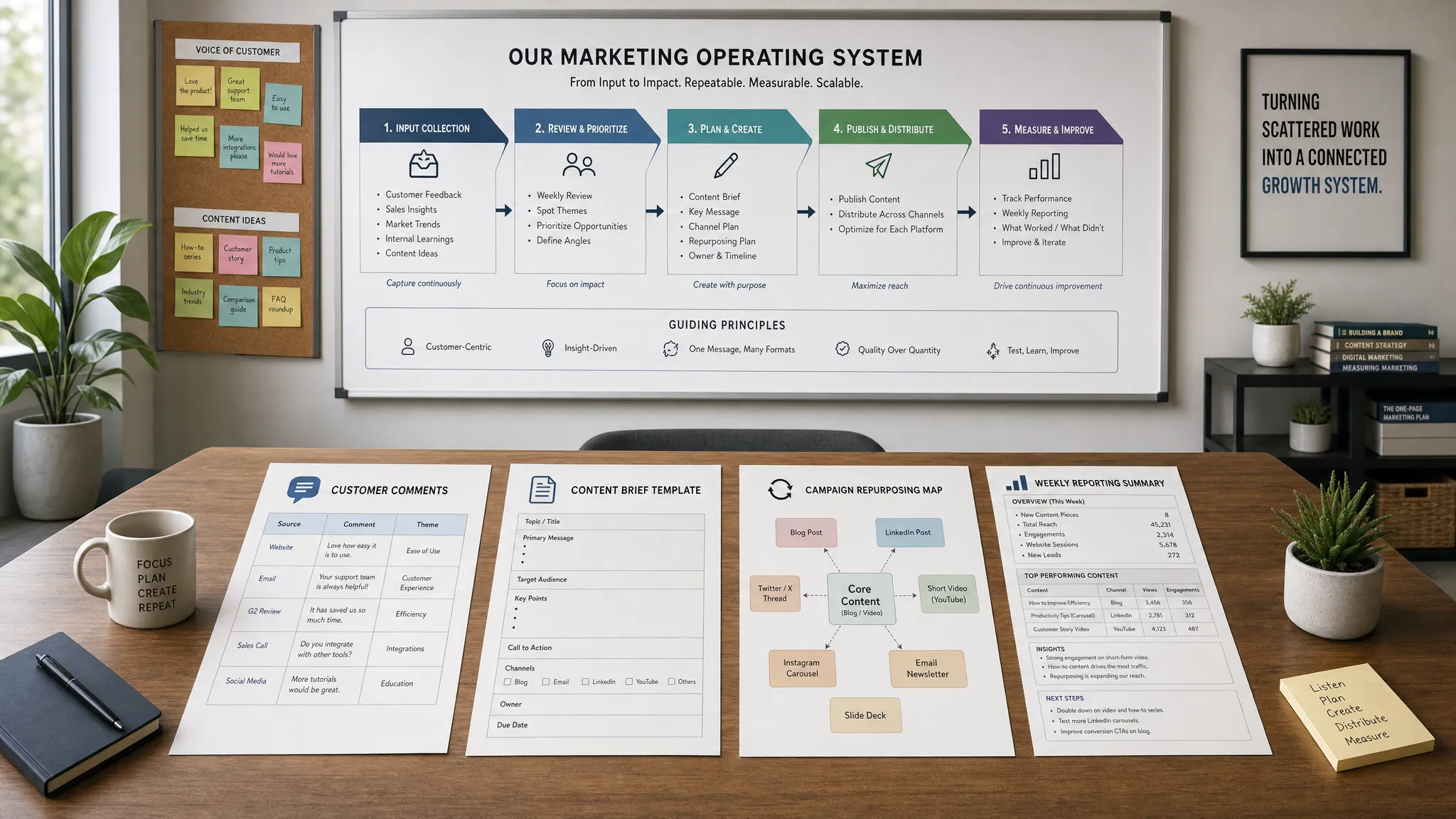
The most effective keyword strategy is not a one-time project. Search behavior changes, competitors publish new pages, and your own products evolve. A repeatable monthly workflow keeps your SEO strategy current without overwhelming the team.
Use this cadence:
This workflow is simple enough for small teams but structured enough to support consistent growth. It also makes AI marketing automation more practical because each step has a defined purpose.
AI keyword research can save hours, but it can also create problems if used carelessly. Watch for these common mistakes.
The first mistake is accepting AI output as fact. AI can invent keyword demand, misjudge competition, or suggest phrases that no real buyer would use. Always validate.
The second mistake is targeting too many similar keywords with separate pages. This can create content cannibalization, where multiple pages compete for the same intent. Use clustering to decide when keywords belong together.
The third mistake is chasing search volume without business relevance. Traffic that never converts is expensive, even if it looks good in a dashboard.
The fourth mistake is ignoring the SERP. If Google is rewarding product pages and you publish a long educational blog post, you may be mismatched from the start.
The fifth mistake is producing AI-generated content without original value. A page that only repeats what already ranks is unlikely to build authority. Add expert insight, examples, templates, data, opinions, or experience that competitors do not provide.
Can AI replace traditional keyword research tools? No. AI is excellent for brainstorming, clustering, intent analysis, and brief creation, but it should be paired with tools that provide real search data, such as Search Console, Keyword Planner, Google Trends, or dedicated SEO platforms.
What is the best way to prompt AI for keyword research? Give the AI context about your audience, offer, industry, and goal. Ask it to group keywords by intent, funnel stage, and content type instead of asking for a generic keyword list.
How do I know if an AI-generated keyword is worth targeting? Validate it with search data, review the SERP, check business relevance, and decide whether you can create a page that is genuinely more useful than what already ranks.
Should every keyword become a separate blog post? No. Many related keywords share the same intent and should be addressed in one comprehensive page. Use AI clustering to avoid creating multiple articles that compete with each other.
How often should I update AI keyword research? A monthly review works well for many teams. Fast-moving industries may need more frequent updates, especially when trends, regulations, tools, or customer needs change quickly.
AI for keyword research works best when it is part of a complete marketing workflow. Use AI to accelerate ideation, organization, and analysis. Use real data to validate demand. Use human strategy to choose the right opportunities and create content your audience can trust.
AIMarketer Hub brings together AI marketing resources, SEO tools, prompt guidance, calculators, and expert guides to help marketers automate smarter without losing strategic control. Explore AIMarketer Hub to build a more efficient, data-informed approach to content creation and digital marketing growth.