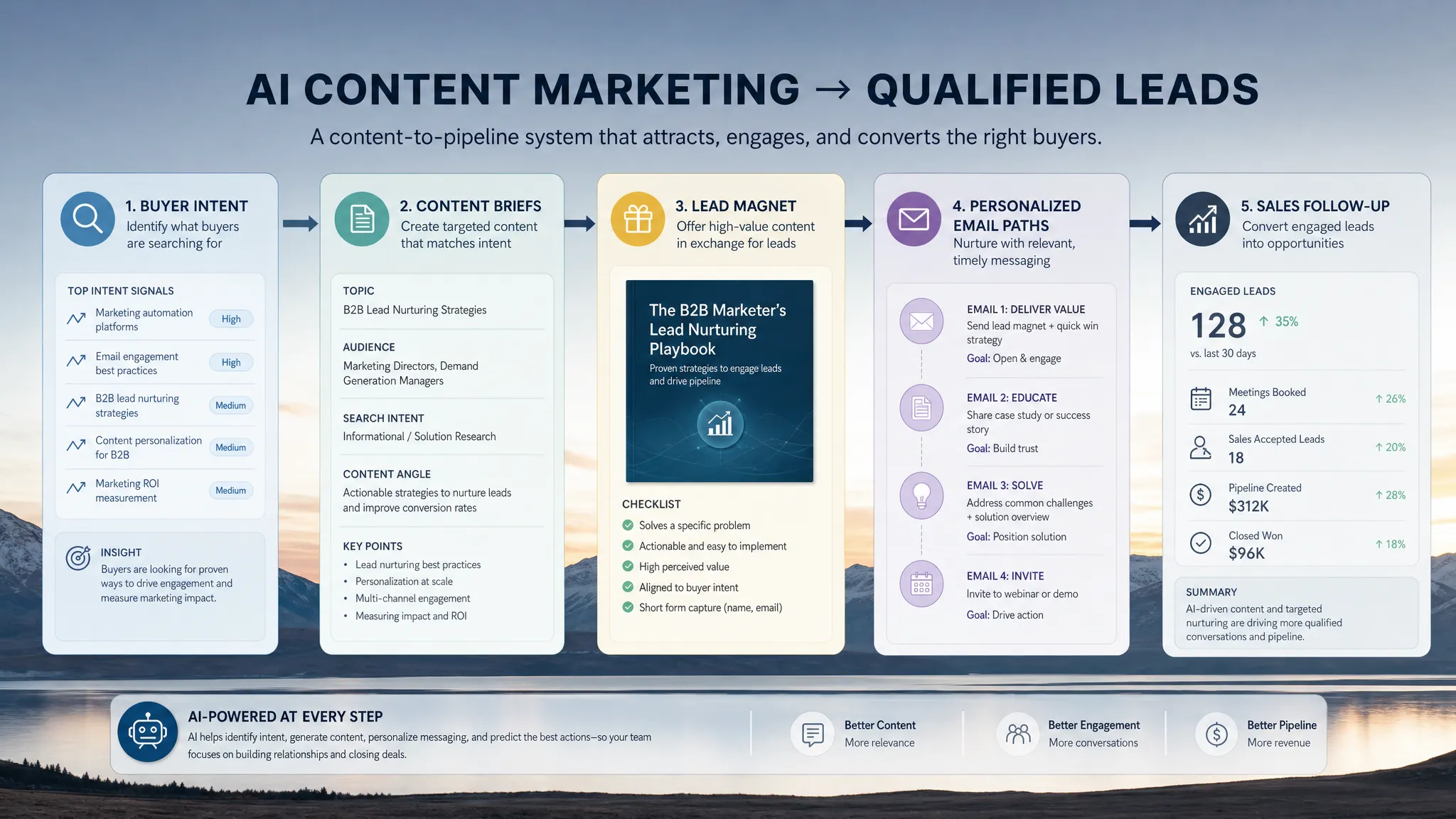
AI has changed content marketing from a slow, linear production process into a more flexible system where teams can research, draft, optimize, repurpose, and publish faster. For busy marketers, founders, agencies, and content teams, the appeal is obvious: more useful content, produced in less time, without adding headcount at the same pace.
But using AI for content creation well is not about pressing a button and publishing whatever comes out. The real advantage comes from redesigning your workflow so AI handles repetitive, time-consuming tasks while humans guide strategy, add expertise, verify accuracy, and protect brand voice.
In other words, AI does not replace strong marketing judgment. It helps you apply that judgment at scale.
Most content bottlenecks are not caused by writing alone. They come from the many steps around writing: choosing topics, analyzing search intent, building outlines, adapting content for different channels, reviewing drafts, creating metadata, and keeping older assets updated.
A single blog post might require keyword research, competitor analysis, subject matter expert input, drafting, editing, SEO optimization, graphics, social posts, email copy, and performance review. Multiply that by multiple campaigns, personas, industries, and product lines, and the workload quickly becomes too large for a small team.
AI helps because it can reduce the manual effort behind each stage. It can summarize research, generate first drafts, create variations, turn one idea into several assets, and surface optimization opportunities. That makes it especially useful for teams that need to publish consistently but cannot afford to lower quality.
Generative AI is also becoming a major productivity driver across business functions. McKinsey estimates that generative AI could add trillions of dollars in annual value globally, with marketing and sales among the areas positioned to benefit. For content teams, that value shows up as faster execution, more campaign coverage, and better use of existing knowledge.
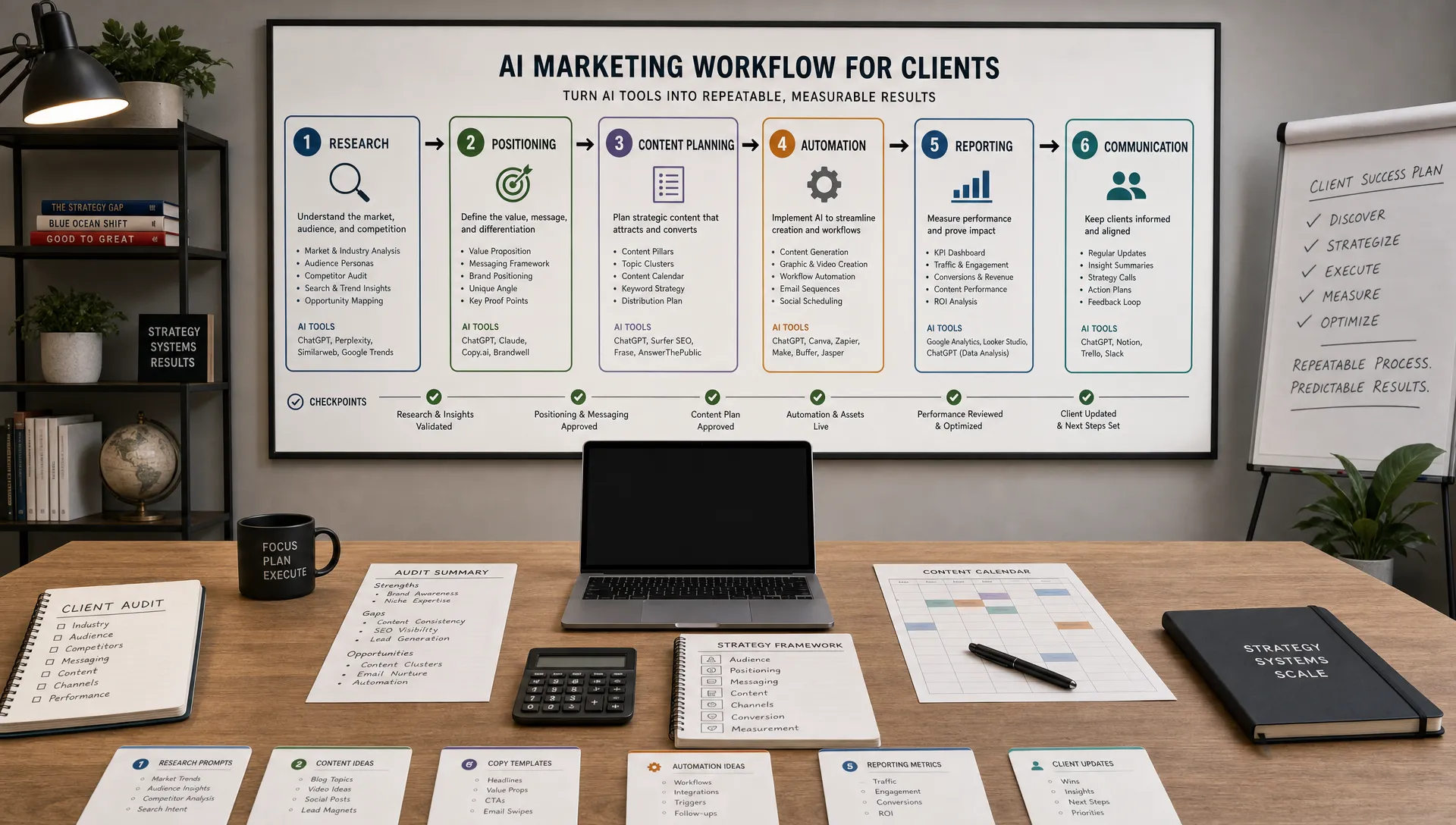
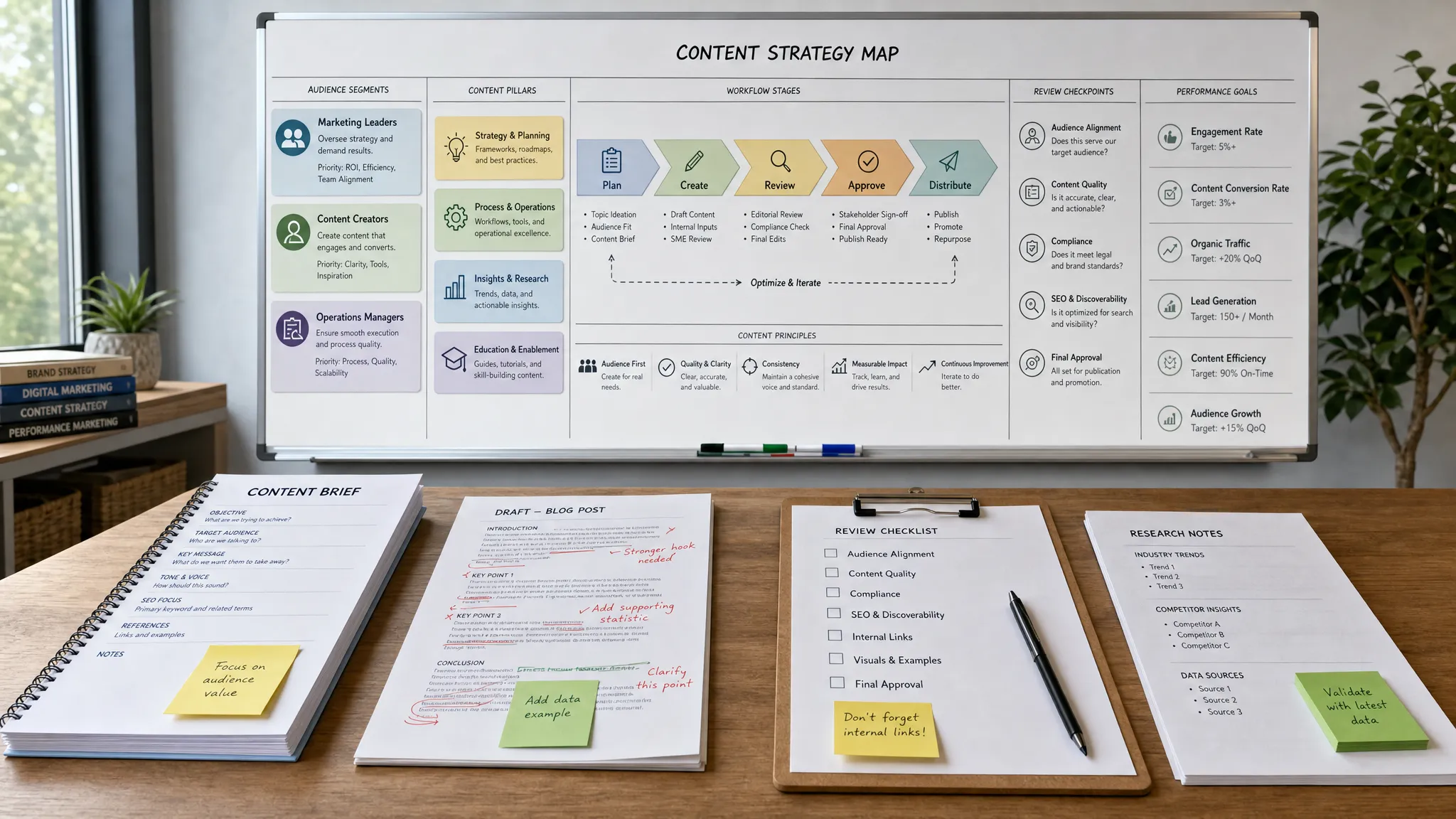
The biggest time savings come when AI is used throughout the full content lifecycle, not only during drafting. Here are the areas where AI typically creates the most leverage.
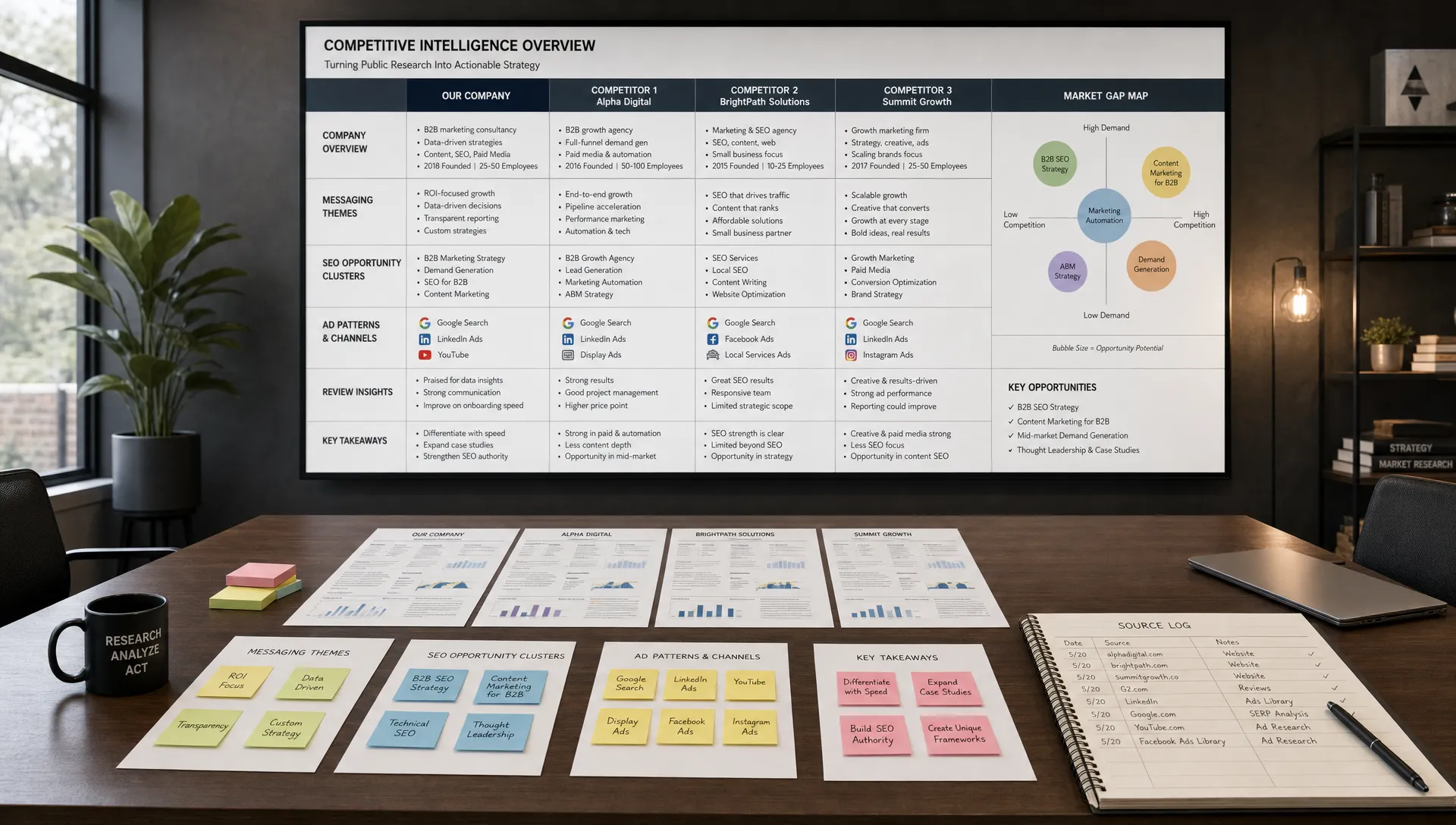
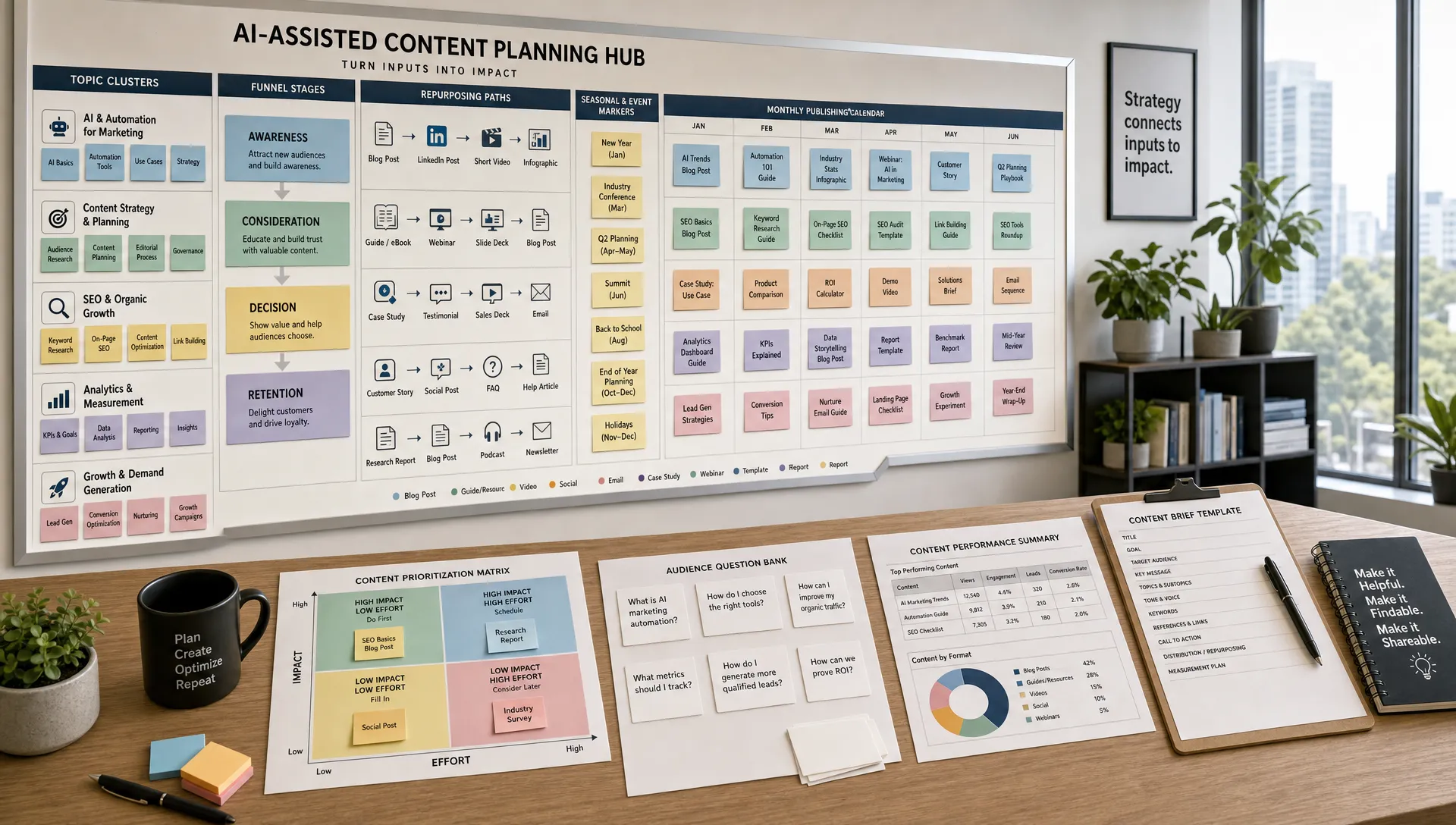
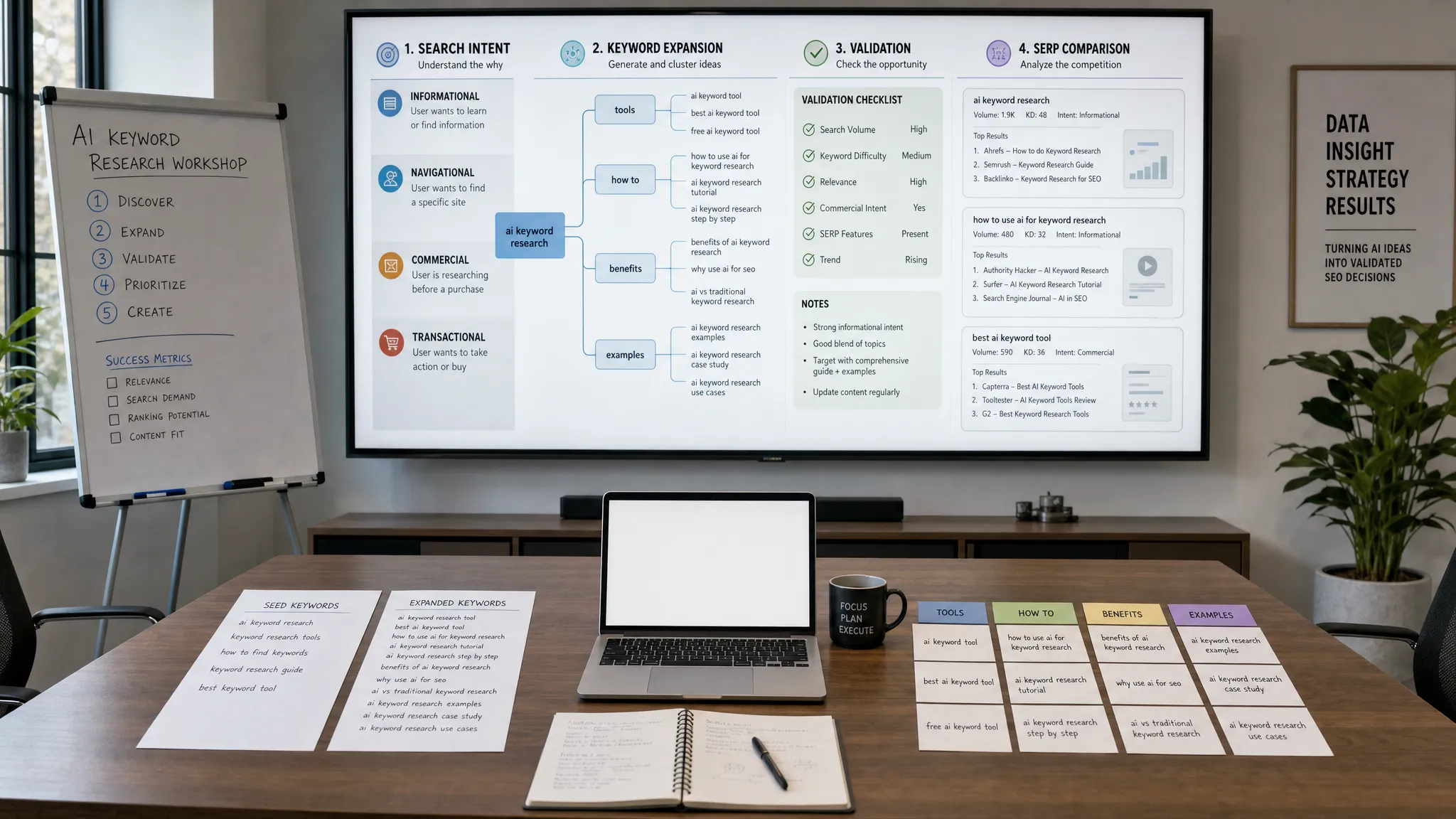
Before AI, marketers often spent hours reviewing search results, competitor blogs, customer questions, sales notes, and keyword tools before deciding what to write. AI can accelerate this process by summarizing patterns, clustering ideas, and helping teams move from vague topics to focused content angles.
For example, instead of asking a writer to brainstorm from scratch, a content strategist can use AI to explore questions such as:
The result is not a final strategy, but a stronger starting point. Human marketers still decide which topics align with business goals, customer needs, and brand positioning.
A strong outline can prevent wasted drafting time. AI can analyze a topic and propose a logical structure based on audience intent, common questions, and related themes. This is especially useful for SEO content, where missing a key subtopic can make an article feel incomplete.
The best use of AI outlining is collaborative. Start with a clear brief, including the target reader, funnel stage, primary objective, and desired action. Then use AI to generate a draft structure. After that, refine the outline manually by adding original insights, removing generic sections, and prioritizing what matters most to your audience.
This saves time because writers start with direction instead of a blank page.
Drafting is where most teams first experiment with AI for content creation. AI can produce a workable first draft in minutes, especially when given a detailed prompt, source material, brand guidelines, and a clear outline.
However, the first draft should be treated as raw material. It may contain generic phrasing, unsupported claims, repetitive points, or missing context. The human editor's role is to improve clarity, accuracy, and usefulness.
A practical approach is to let AI draft the parts that are structurally simple, such as definitions, introductions to familiar concepts, comparison points, and repurposed summaries. Then have human experts add examples, opinions, data interpretation, and real-world nuance.
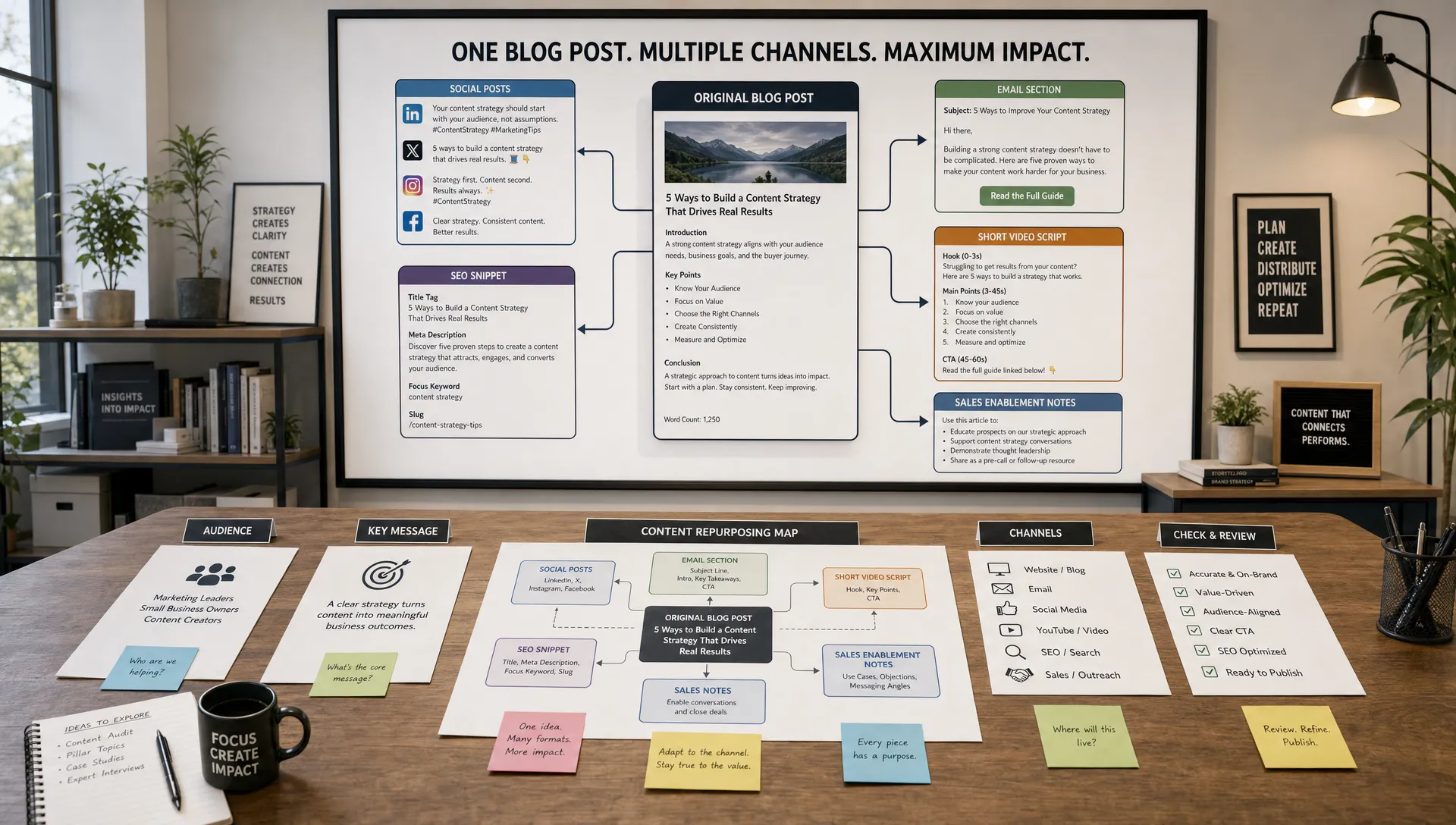
Repurposing is one of the highest-return AI use cases because many teams already have valuable content hidden in blog posts, webinars, podcasts, sales decks, case studies, and internal documentation.
AI can turn one long-form asset into multiple formats, such as:
This makes content distribution faster and more consistent. Instead of publishing one article and moving on, teams can build a mini-campaign around the same core idea.

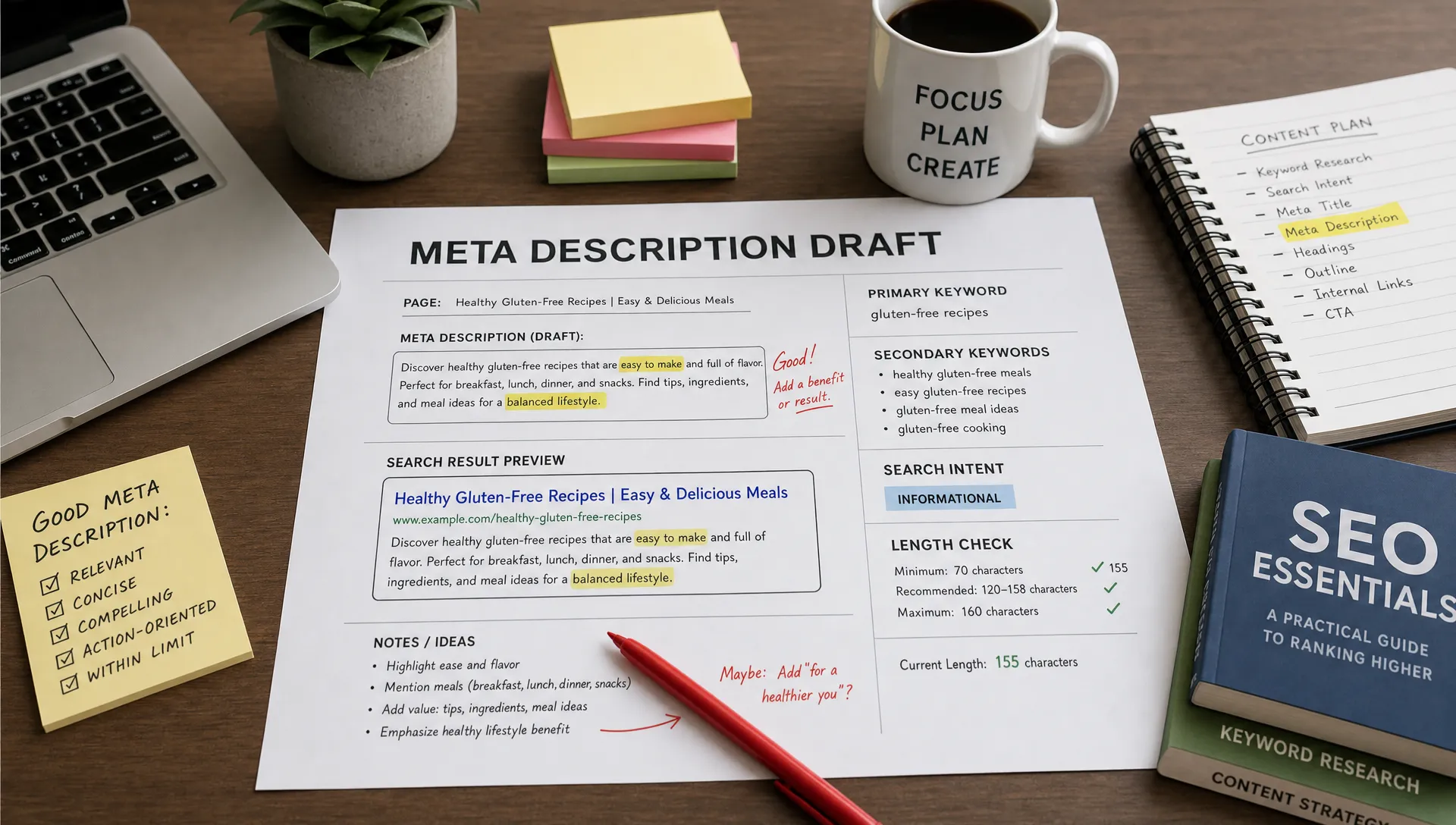
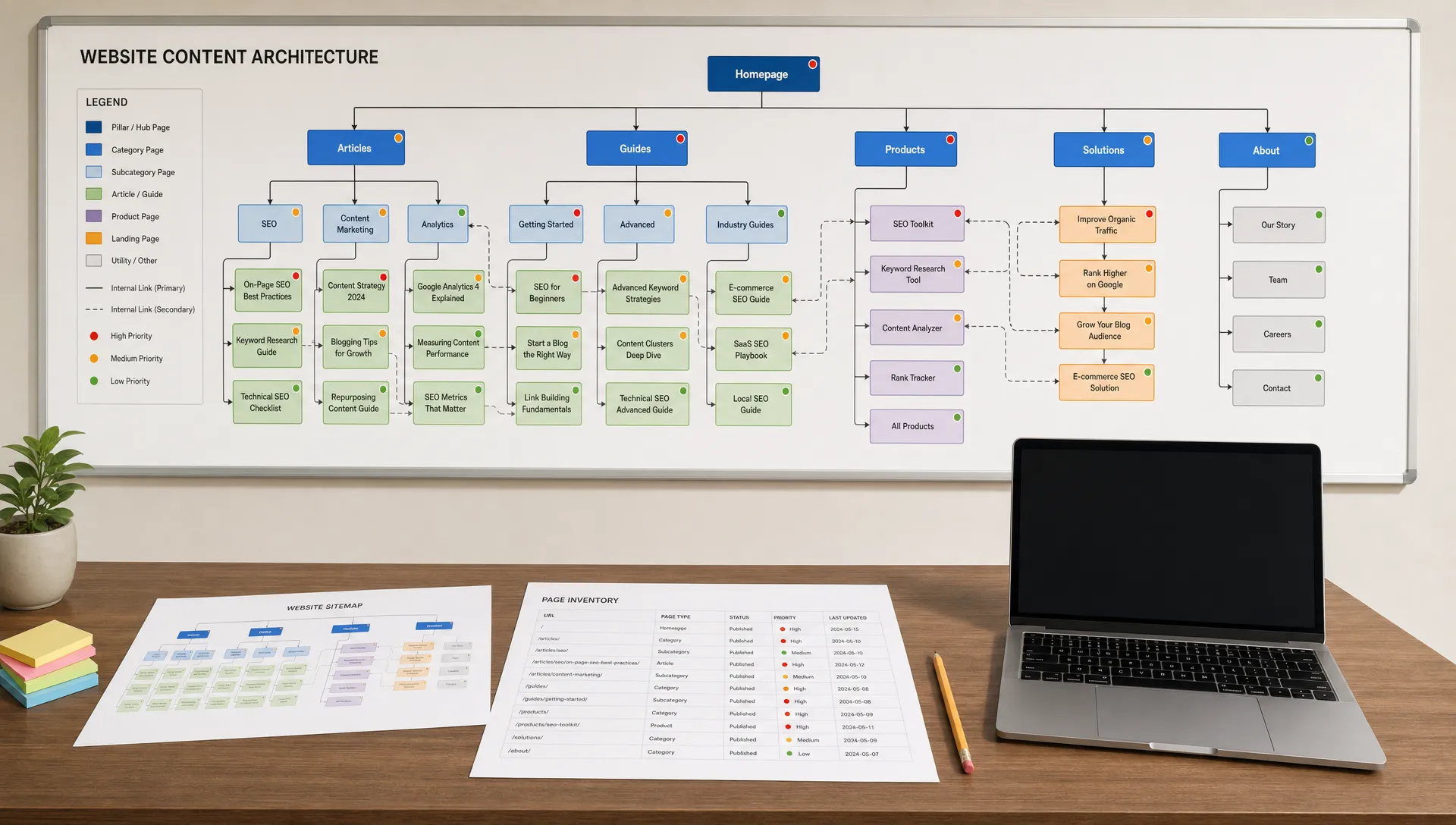
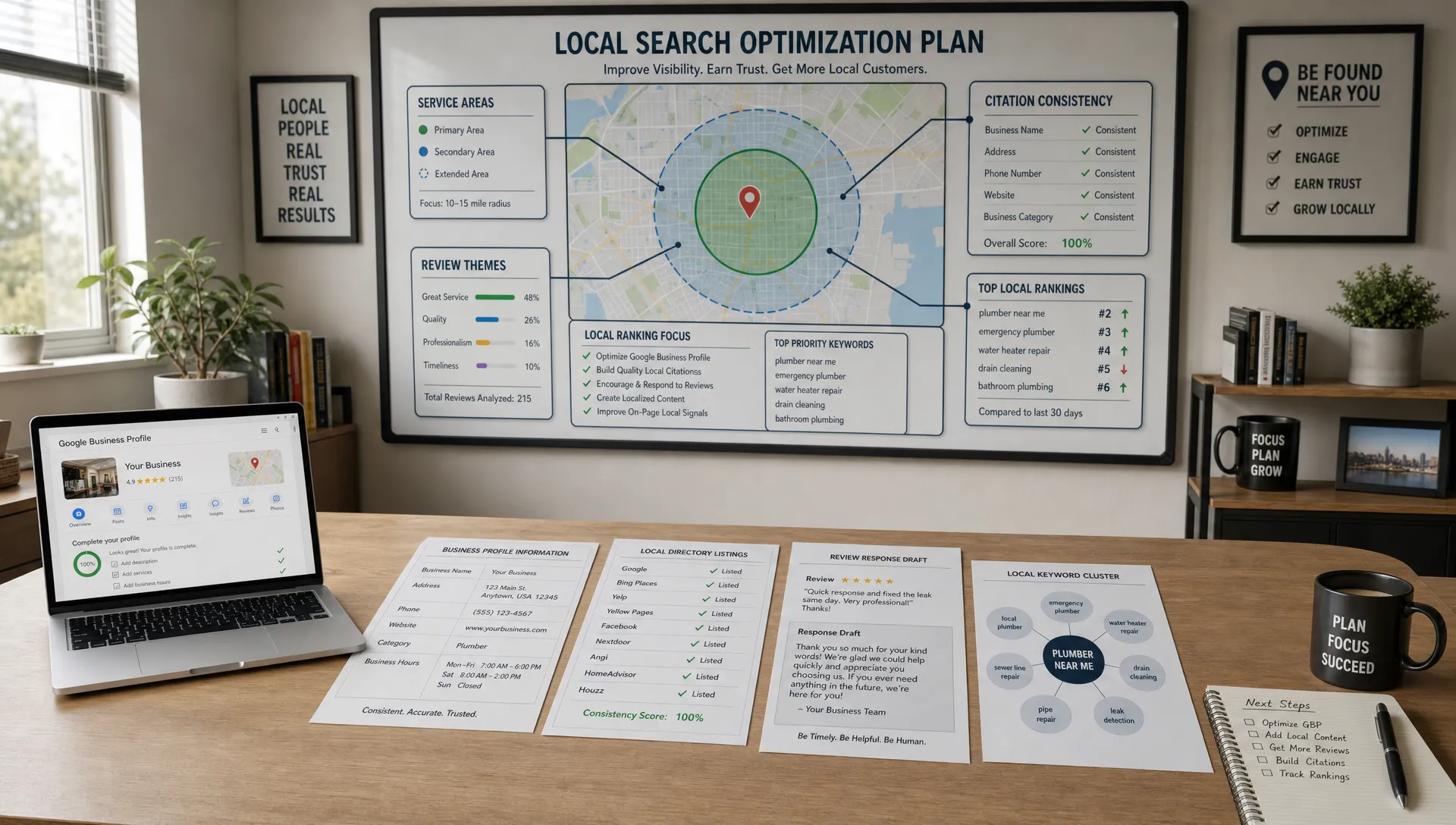
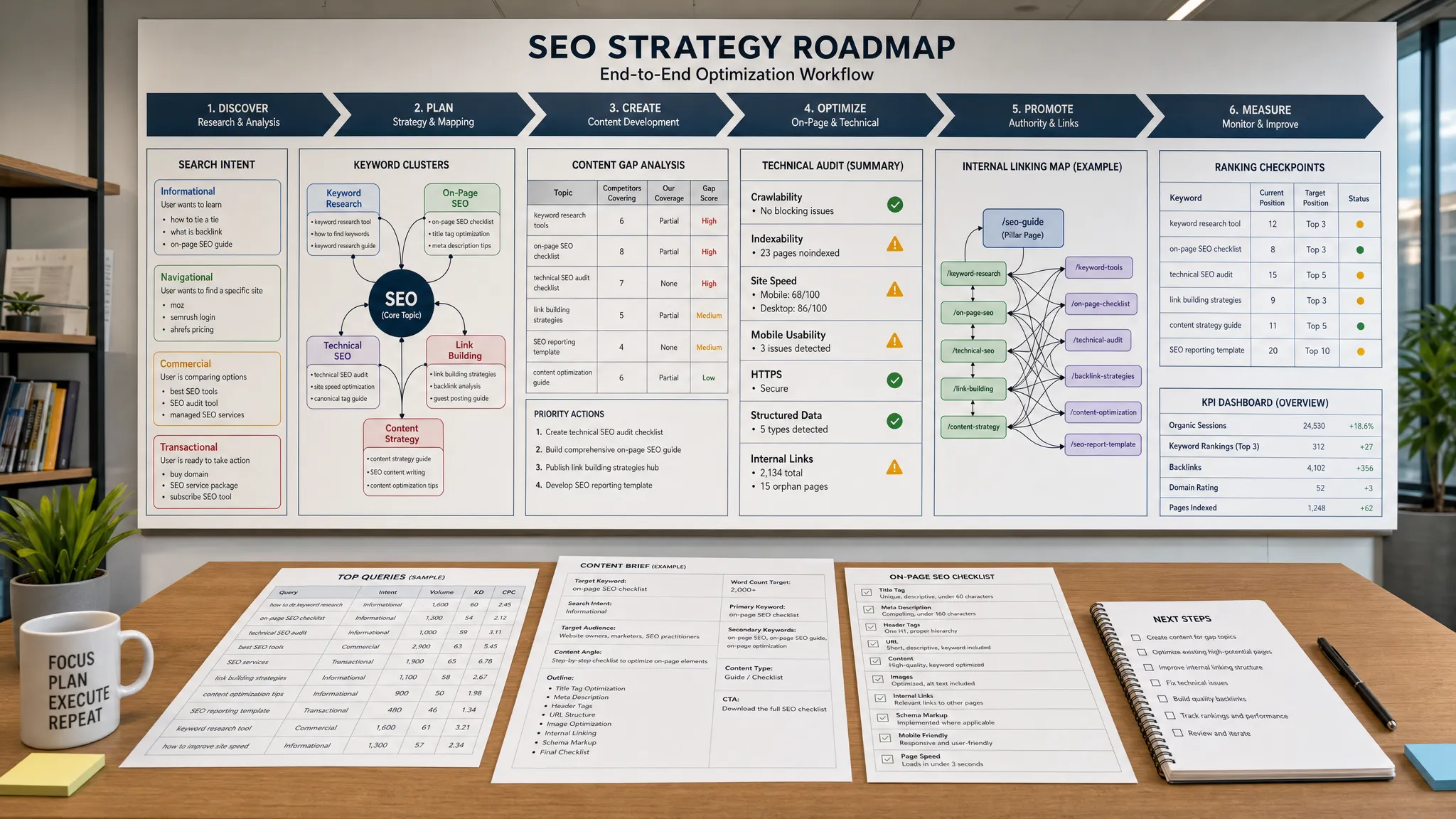
AI can support SEO tasks that are repetitive but important. It can suggest title variations, meta descriptions, internal linking opportunities, schema-friendly FAQ ideas, semantic terms, and readability improvements.
That said, SEO success still depends on helpfulness and trust. Google has made clear that its focus is on content quality, not whether content is AI-generated. Its guidance on AI-generated content emphasizes rewarding helpful, reliable, people-first content.
This matters because AI can help you optimize, but it cannot automatically make a weak article valuable. To perform well, your content still needs to satisfy the searcher's intent, demonstrate experience or expertise, and offer information that is genuinely useful.
AI can act as a first-pass editor. It can flag unclear sentences, identify repeated ideas, suggest stronger headings, simplify jargon, and check whether the article matches a stated audience.
For teams with multiple contributors, AI can also help enforce brand consistency. If you provide tone guidelines, preferred terminology, and examples of approved messaging, AI can compare drafts against those standards.
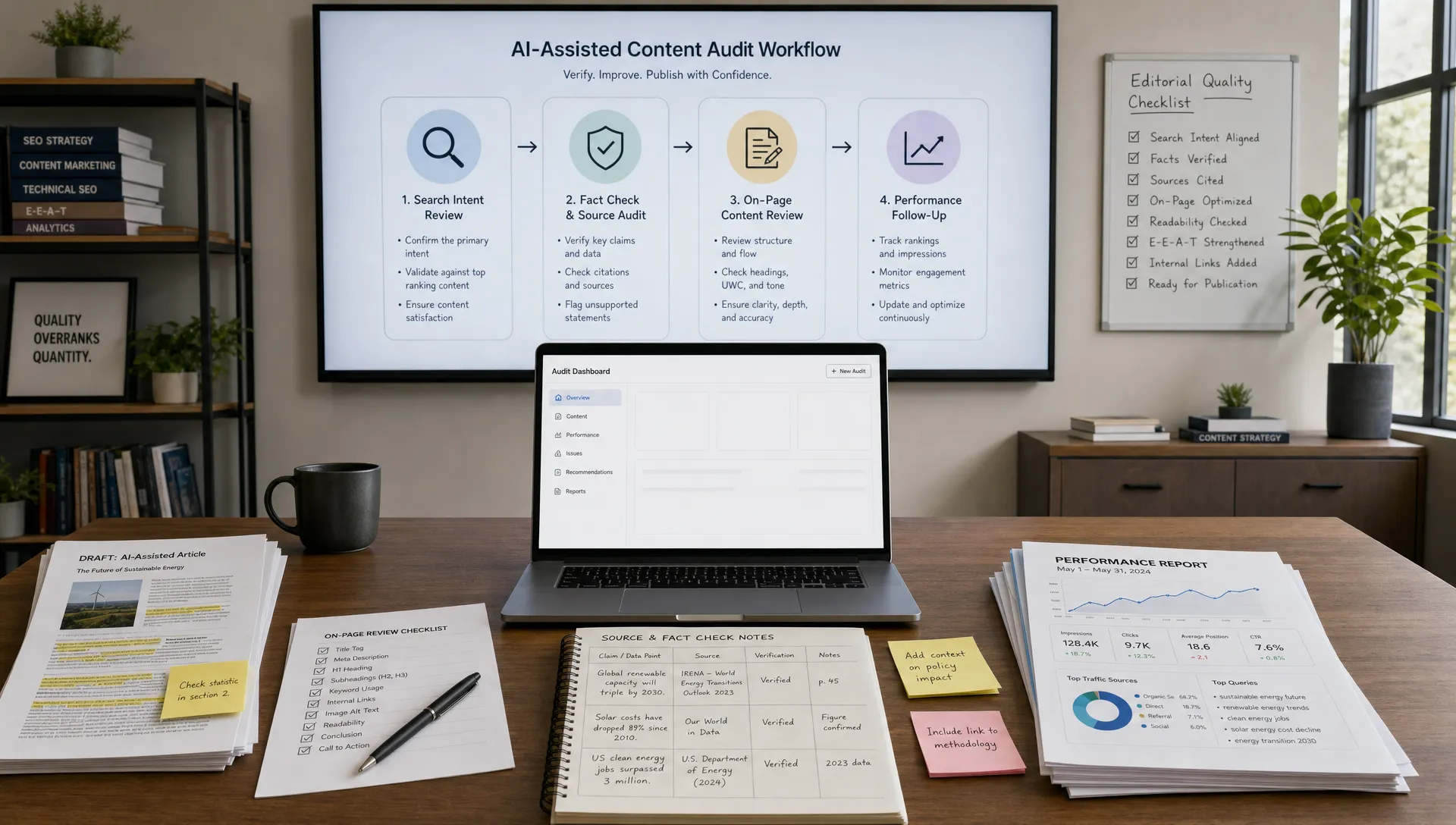
Still, final editorial approval should remain human. AI may miss factual issues, legal sensitivities, brand nuance, or claims that need evidence. A human review process is essential, especially in industries such as finance, legal, healthcare, and SaaS, where accuracy and compliance matter.
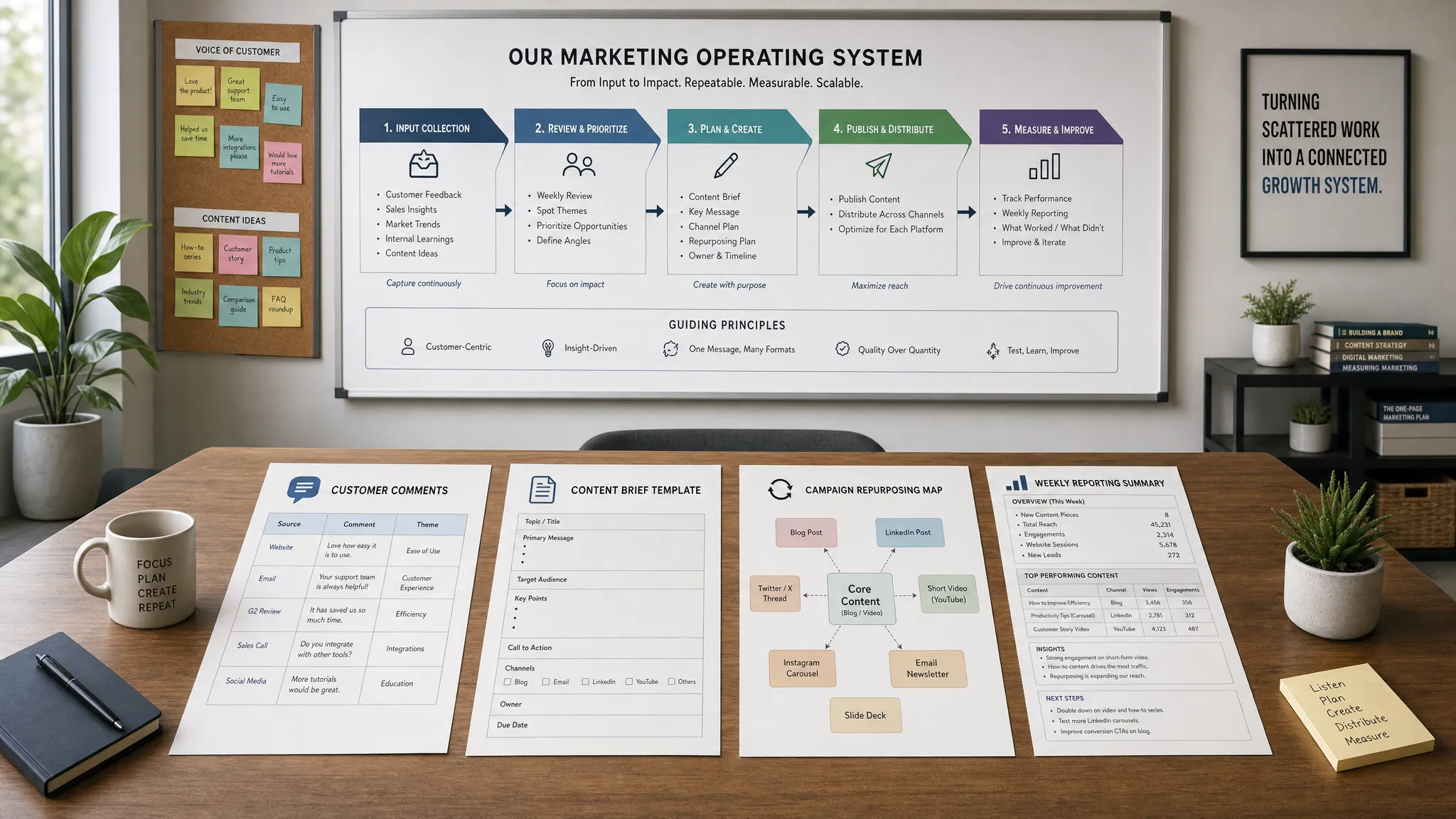
Saving time is only one part of the value. The bigger opportunity is using AI to build a repeatable content system.
Scaling content does not mean publishing more for the sake of publishing more. It means increasing the number of useful assets your team can create while maintaining strategic alignment, quality standards, and measurable outcomes.
A content strategy often includes several audiences, use cases, industries, funnel stages, and channels. Without AI, adapting content for each variation can be slow.
AI makes it easier to customize messaging while keeping the core strategy intact. A SaaS company, for instance, could create a central guide for a broad topic, then adapt it for startup founders, enterprise buyers, customer success teams, and technical evaluators. The underlying idea stays the same, but the examples, objections, and calls to action change.
This helps marketers scale relevance, not just volume.
Teams often lose time because every asset is produced differently. One writer uses one process, another uses a different structure, and briefs vary in quality. AI can help standardize repeatable workflows.
For example, a team can create reusable prompts for:
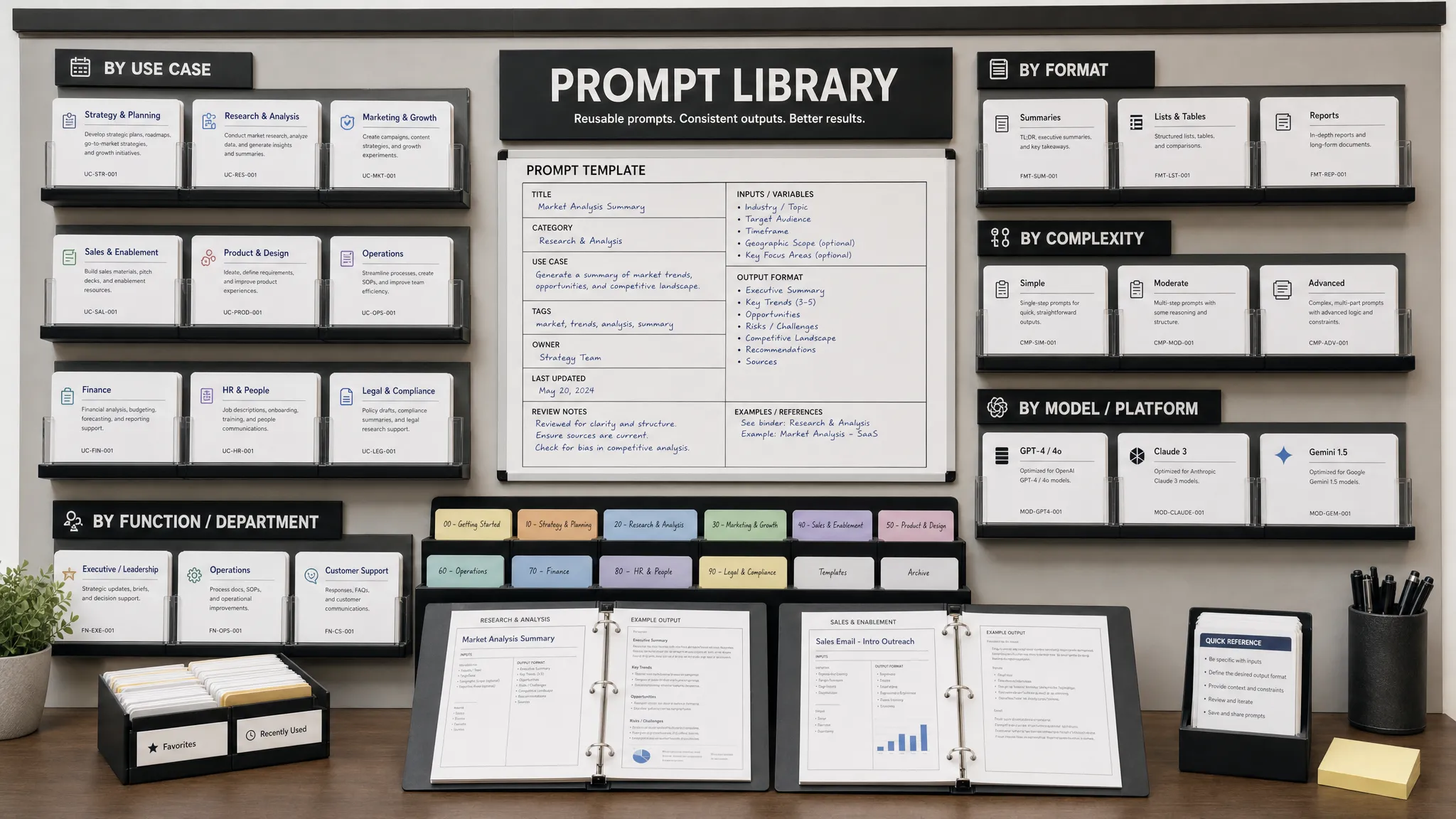
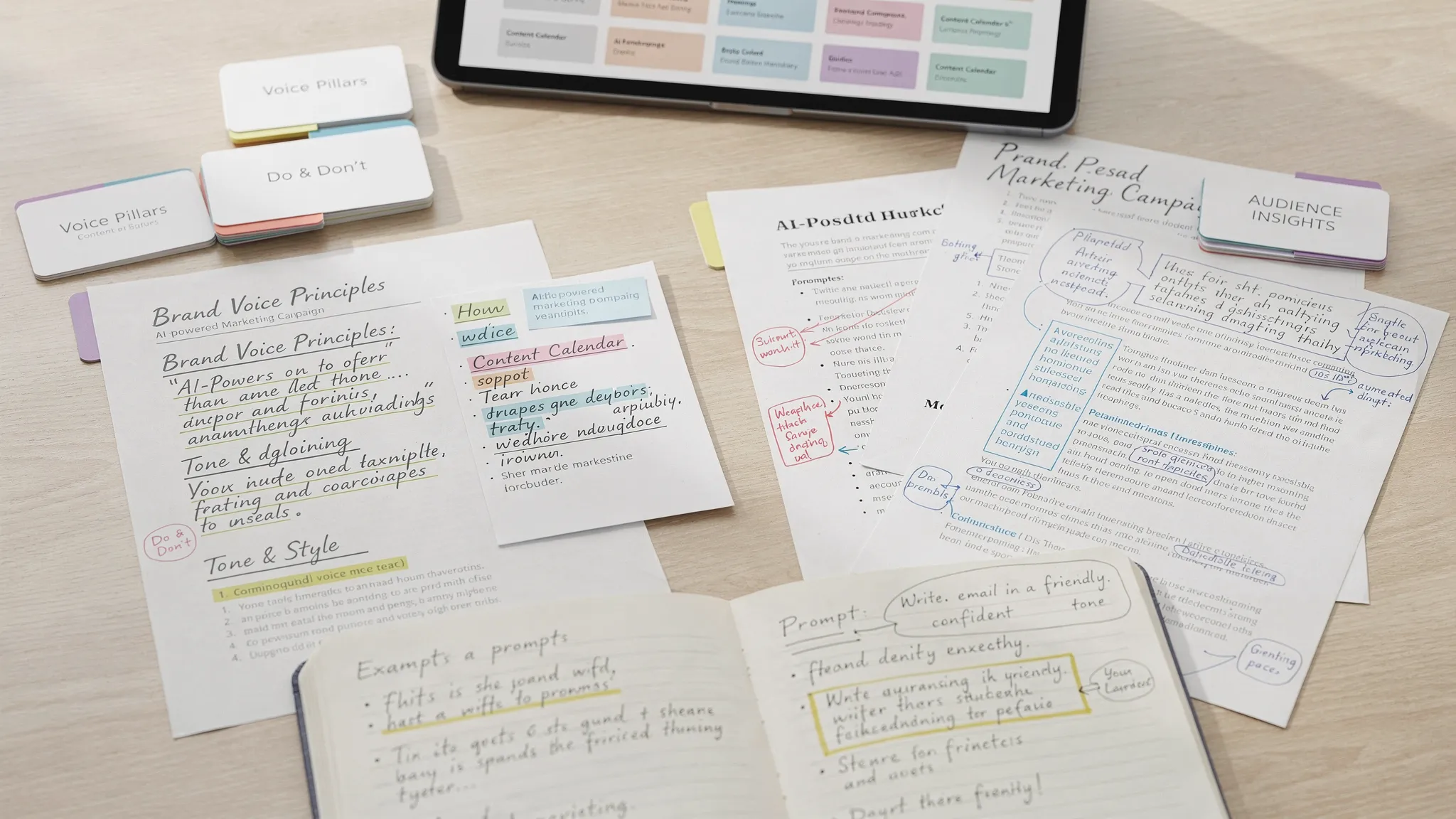
A prompt library gives marketers a shared starting point. This reduces inconsistency and helps new team members produce work that aligns with established standards.
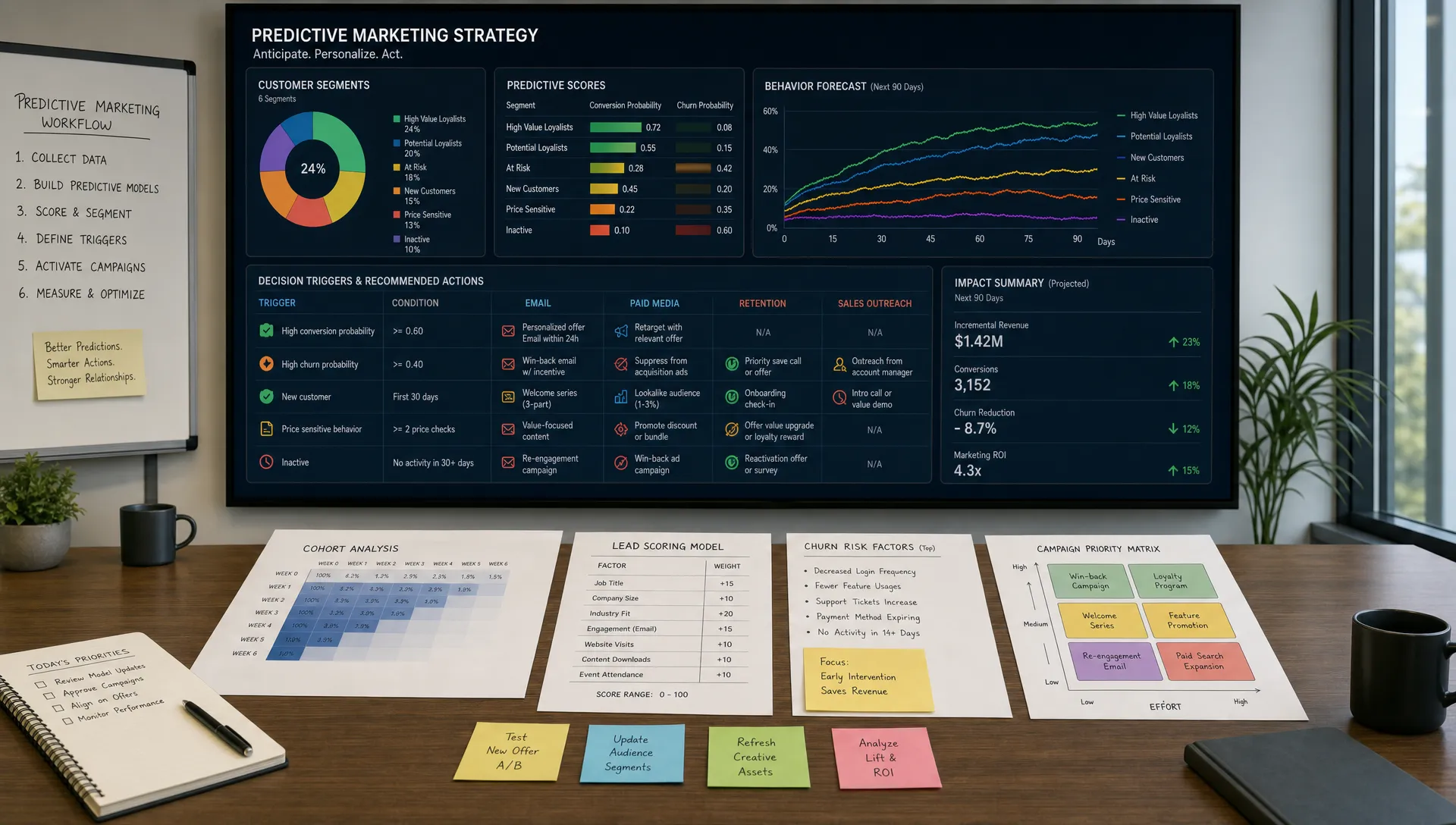
Personalization used to require significant manual work. AI makes it easier to adapt content by segment, persona, buying stage, or industry.
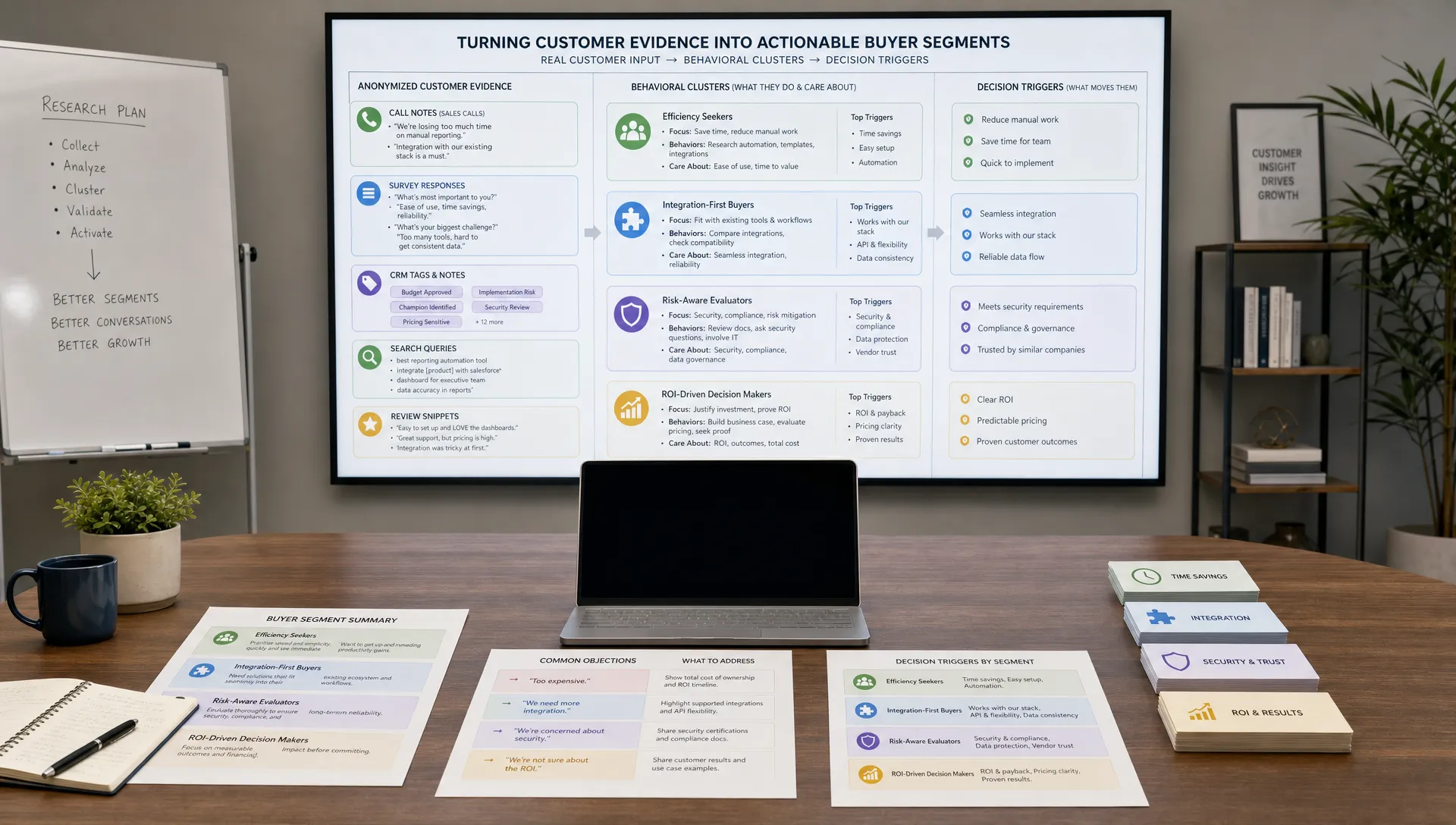
This is particularly valuable for B2B marketing. A single product may have different value propositions for a CFO, operations leader, marketing director, and technical buyer. AI can help tailor messaging for each stakeholder while preserving the same core positioning.
The key is to give AI enough context. Generic prompts produce generic personalization. Better inputs include customer research, sales call notes, persona profiles, product documentation, and examples of strong past content.
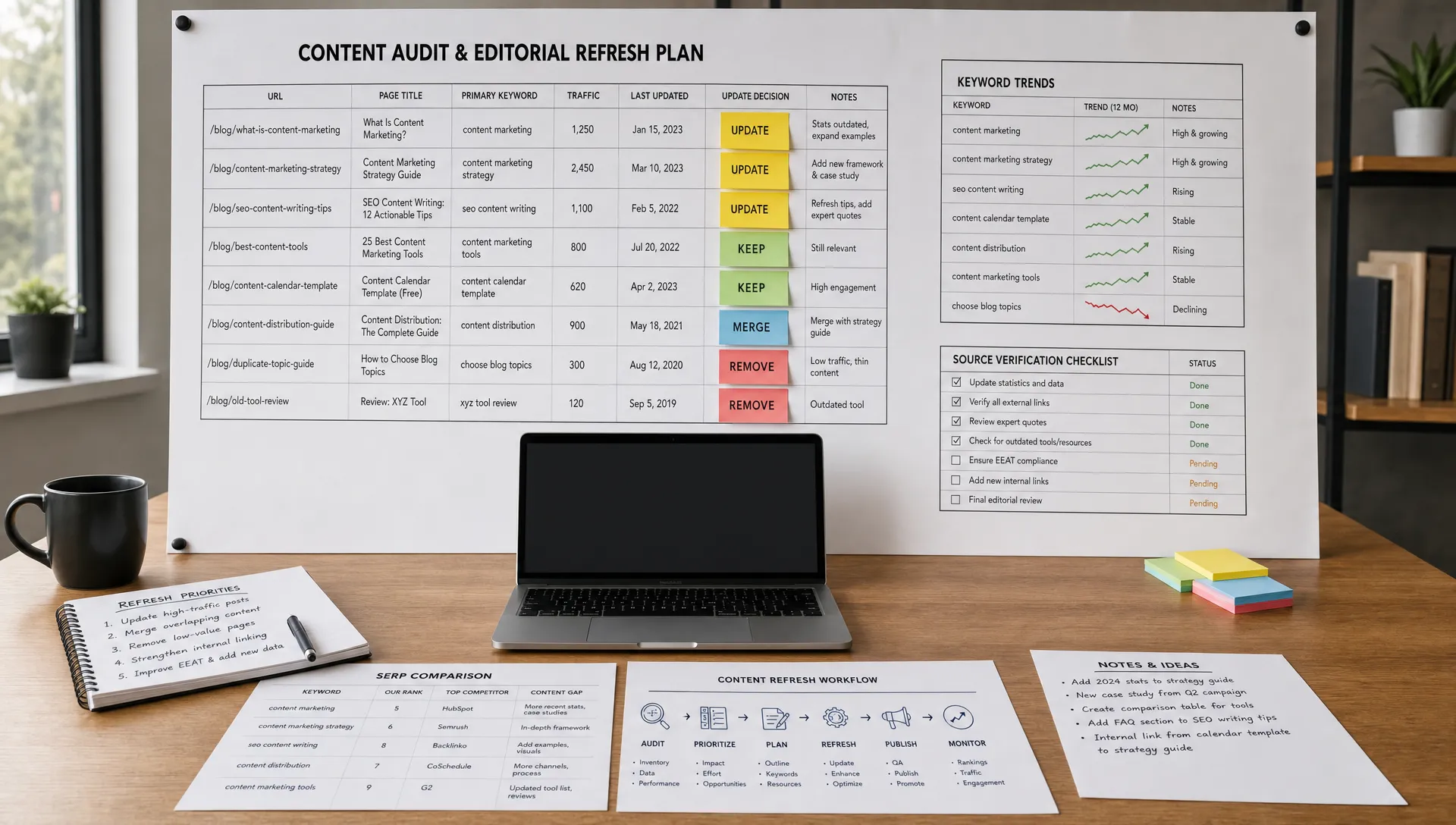
Content libraries decay over time. Statistics become outdated, product references change, search intent shifts, and competitors publish stronger pages. AI can help identify which content may need updating and suggest improvements.
A practical refresh workflow might include reviewing top pages by traffic or conversions, checking whether examples are still current, identifying missing sections, updating internal links, and improving the call to action.
This allows teams to get more value from existing assets instead of constantly starting from zero.
AI is powerful, but it is not a substitute for human judgment. The strongest content teams use AI as a production partner, not as an unchecked publisher.
Humans should remain responsible for strategy, positioning, originality, and final approval. These are the areas where real expertise matters most.
AI can suggest topics, but it does not know your revenue goals, sales priorities, customer relationships, or competitive positioning unless you provide that context. Humans must decide which content is worth creating and why.
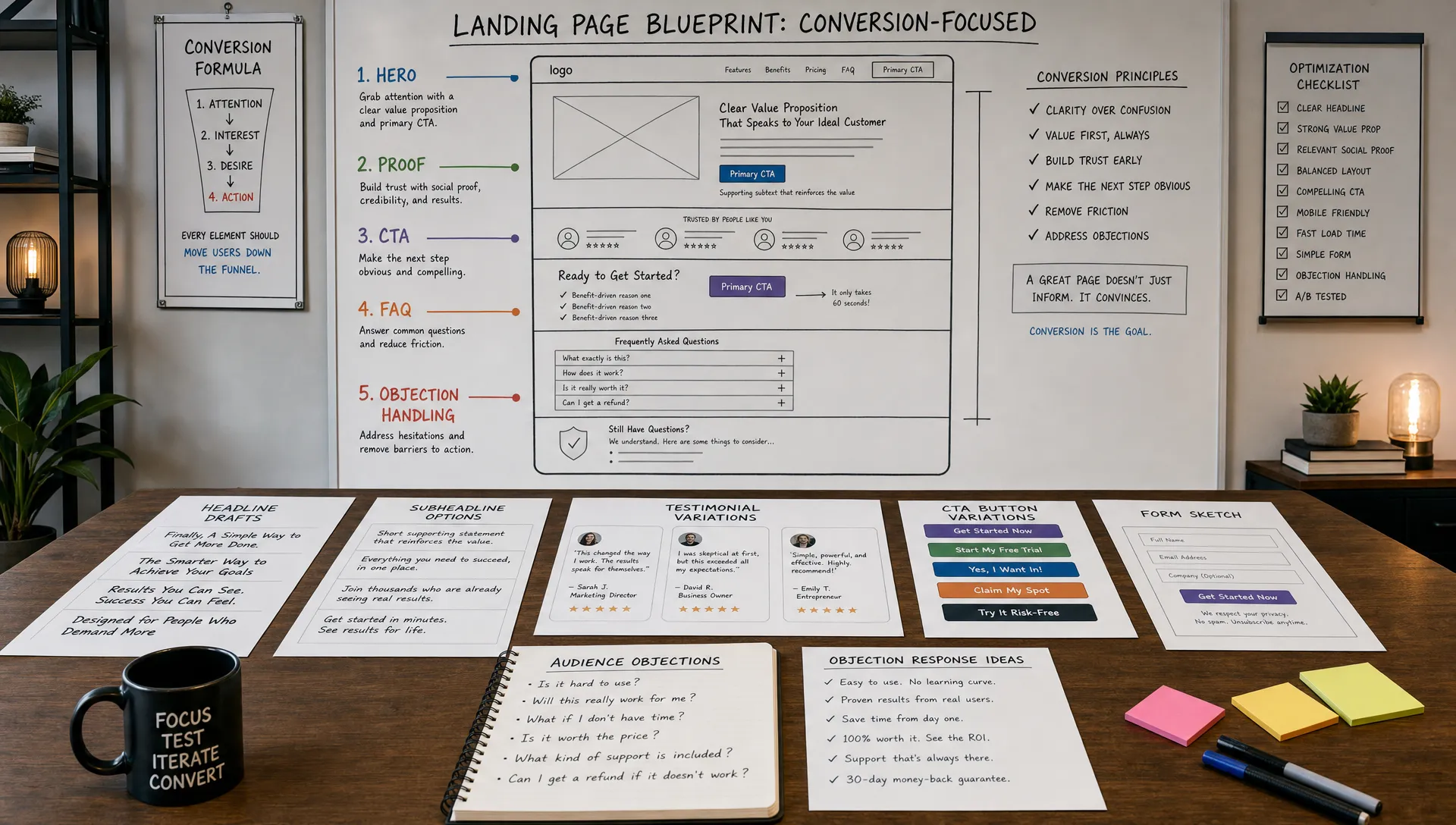
Before using AI, define the purpose of the asset. Is it meant to attract new visitors, educate prospects, support sales conversations, improve conversions, or retain customers? The answer changes the structure, tone, depth, and CTA.
The internet already has enough generic content. Your strongest advantage comes from what your team knows that competitors do not: customer stories, product experience, internal data, expert opinions, and lessons learned from real campaigns.
AI can help frame that knowledge, but it cannot invent authentic experience. Add expert quotes, customer insights, examples, and practical recommendations whenever possible.
AI tools can produce incorrect or outdated information. They can also overstate claims or present assumptions as facts. Every important claim should be reviewed, especially claims involving statistics, legal requirements, financial outcomes, product capabilities, or industry regulations.
If content affects customer decisions, brand reputation, or compliance, fact-checking is not optional.
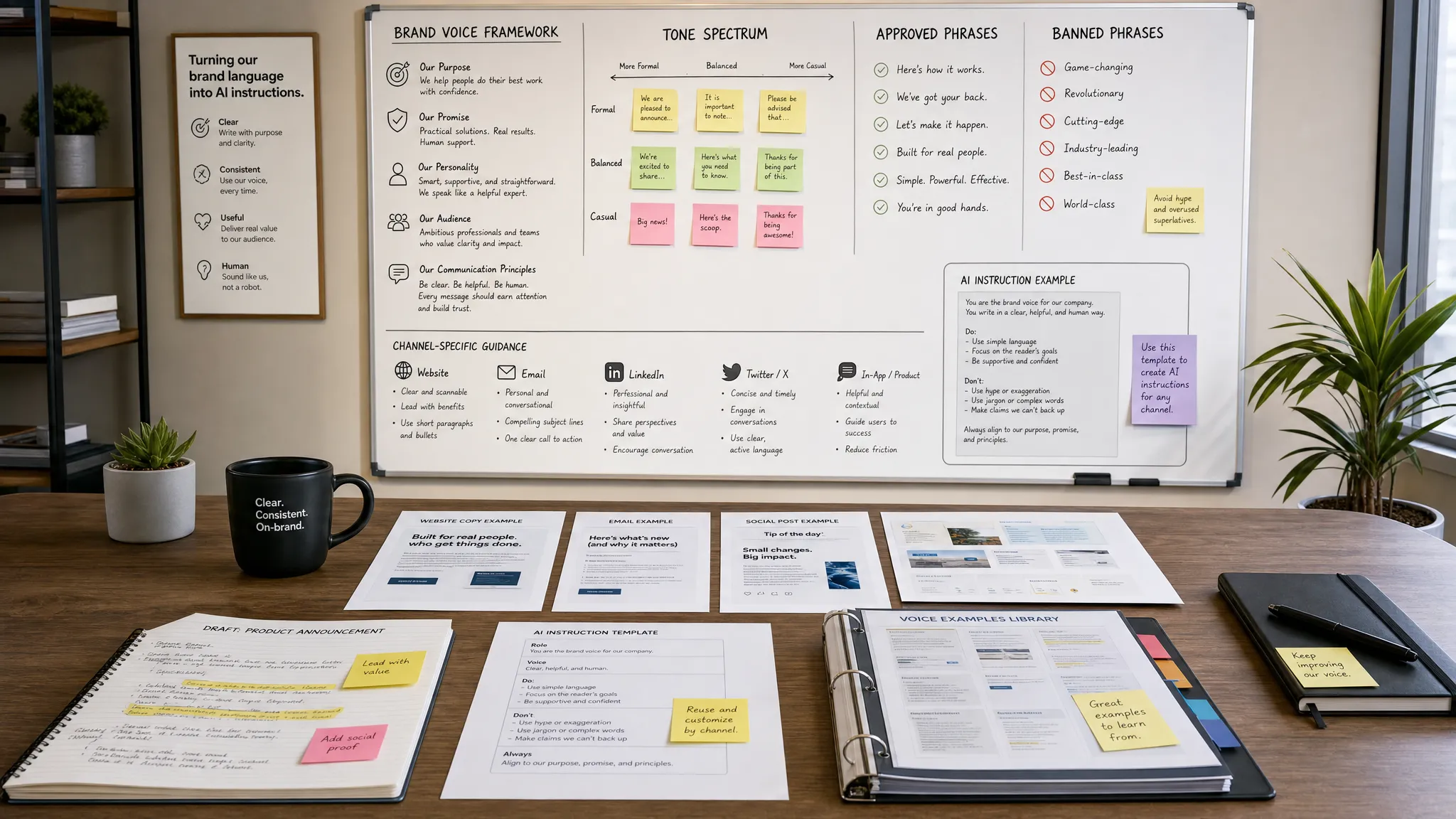
AI can imitate tone, but it may not understand when to be bold, cautious, empathetic, technical, or persuasive. Human editors should shape the final voice so the content feels like your brand, not a generic AI output.
This is especially important for thought leadership, sales pages, founder-led content, and sensitive topics.
If your team is just getting started, avoid trying to automate everything at once. Build a simple workflow first, then improve it over time.
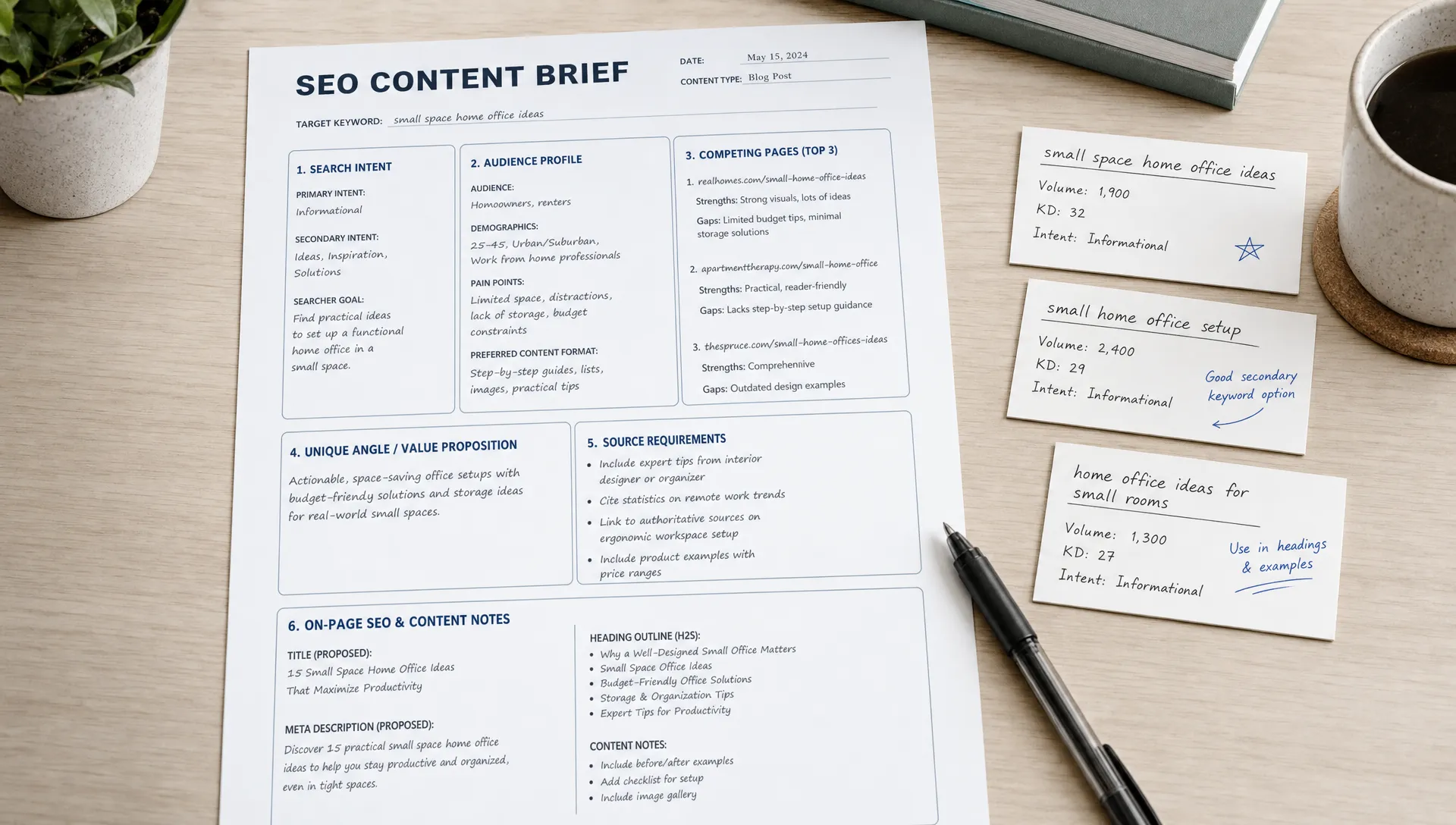
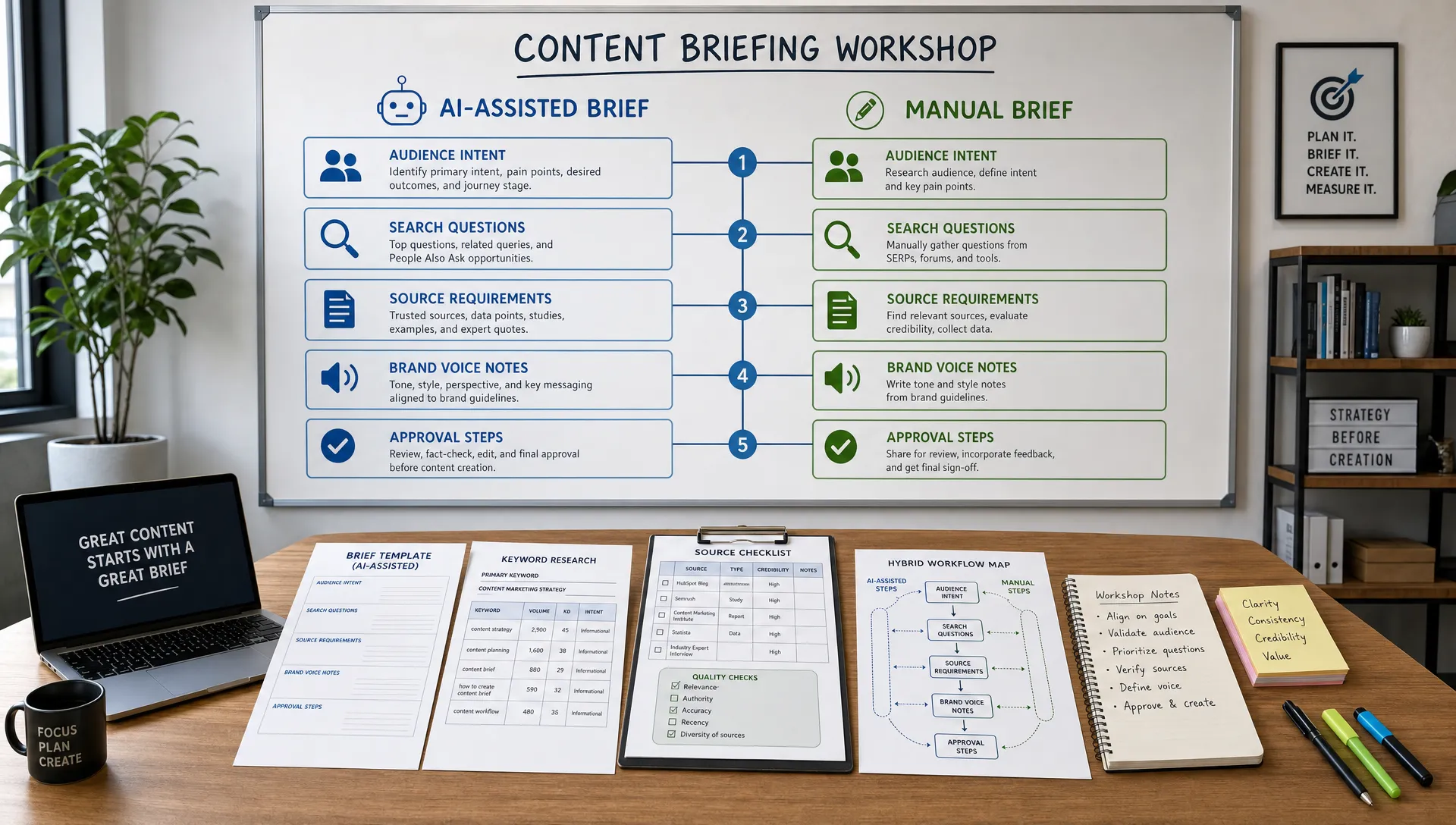
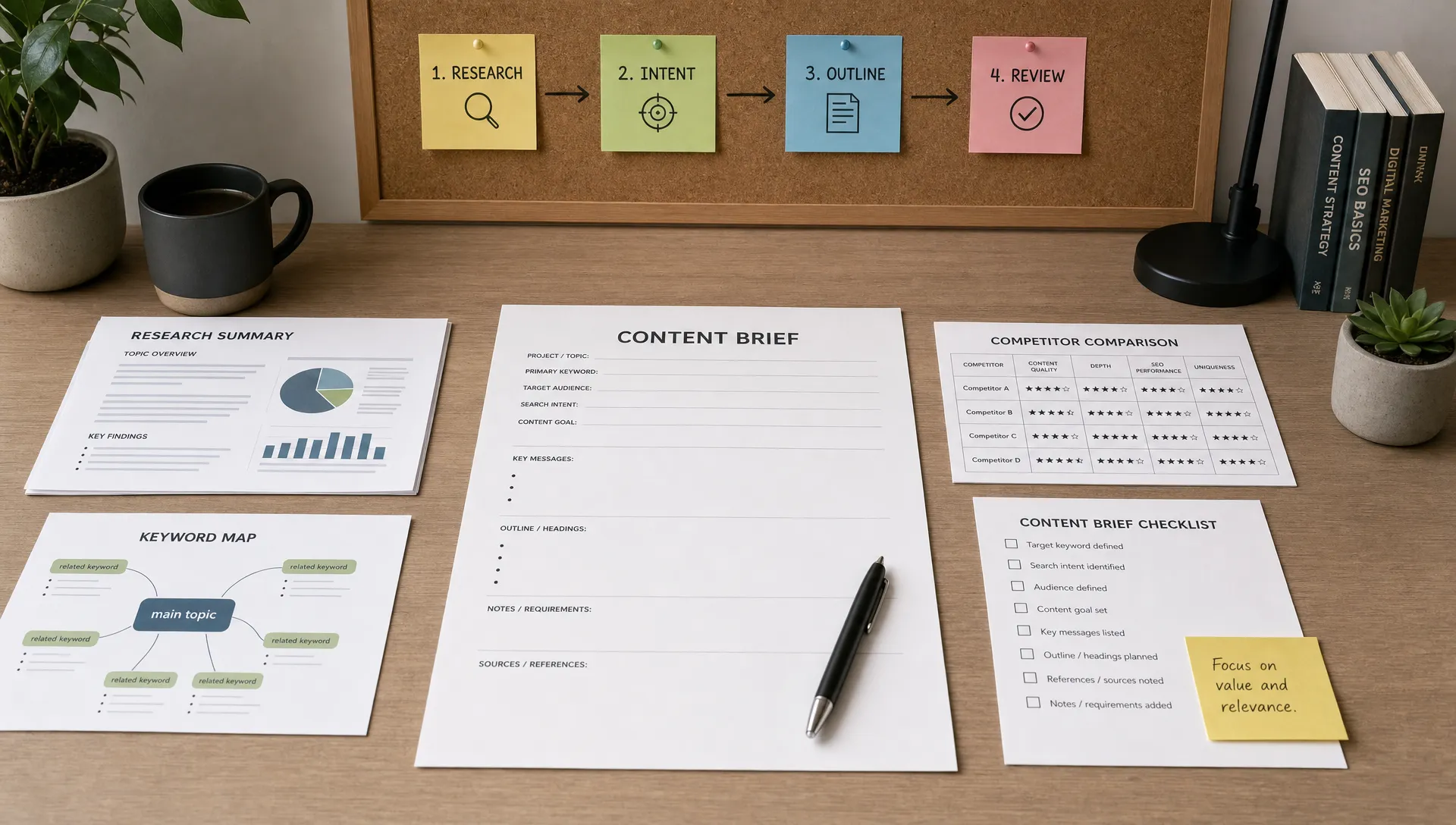
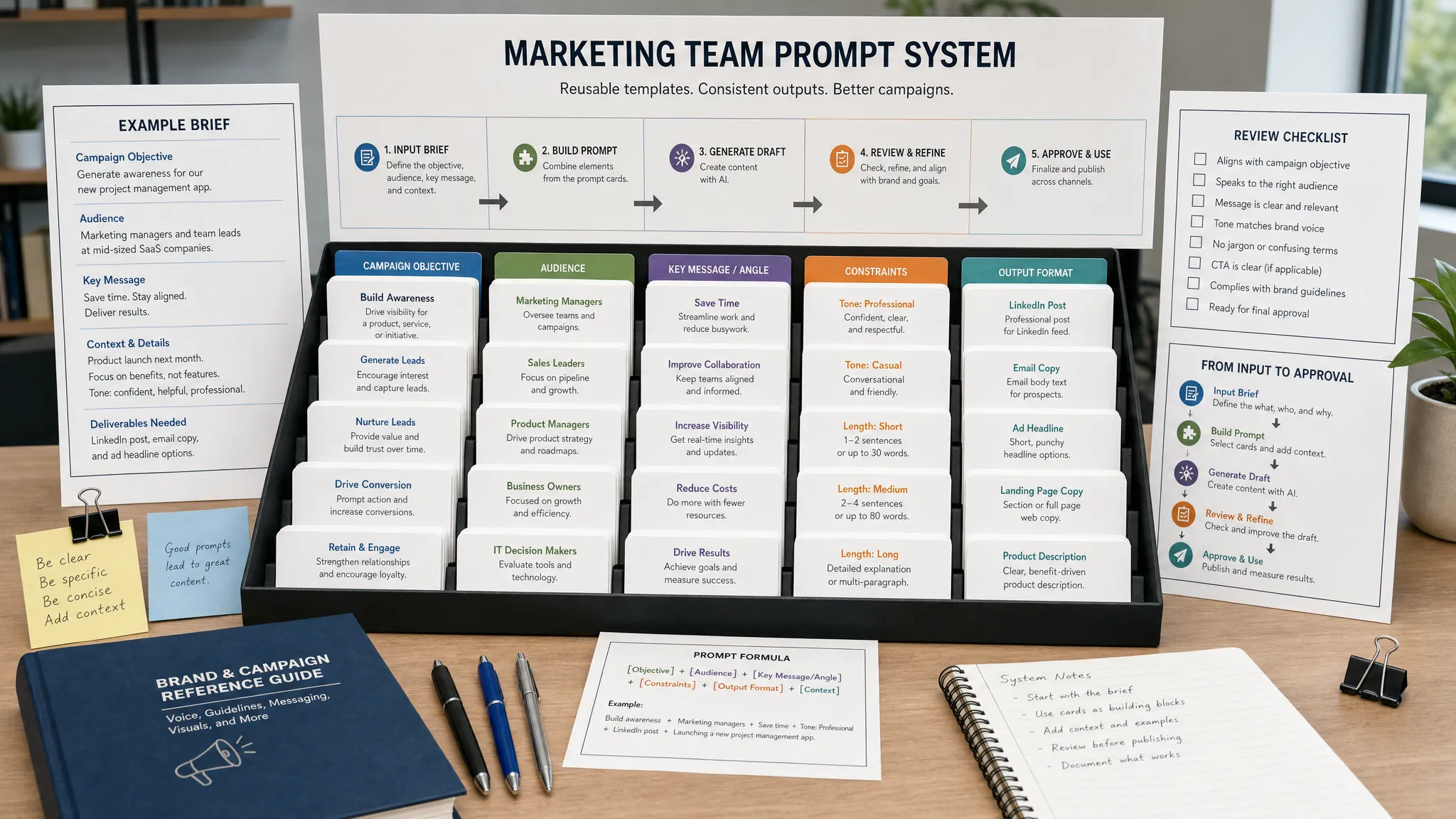
A good brief improves every AI output. Include the target audience, search intent, funnel stage, goal, product context, key points to cover, sources to use, and what to avoid.
For example, a brief for a blog post should explain whether the article is educational, comparison-focused, or conversion-focused. It should also specify the reader's level of knowledge. A beginner guide should not sound like an expert implementation manual, and a bottom-funnel article should not stay at surface-level definitions.
Let AI create the first outline, draft, or set of variations. Then review the output against your standards. Ask what is missing, what feels generic, what needs evidence, and what would make the piece more useful than competing results.
This mindset keeps AI in the right role. It accelerates production without removing editorial responsibility.
Do not wait until the final review to involve subject matter experts. Even a short internal note from a product manager, consultant, founder, or sales leader can dramatically improve the quality of an AI-assisted draft.
Ask experts for examples, common misconceptions, buyer objections, or mistakes they see in the market. Then feed that information into the prompt or editorial process.
Once a workflow works, turn it into a template. This might include prompts for blog briefs, landing page copy, SEO refreshes, email sequences, and social repurposing.
AIMarketer Hub's prompt library and resource library are designed to support marketers who want more repeatable AI workflows. Instead of starting from scratch every time, teams can use structured resources to speed up execution while keeping quality standards in place.
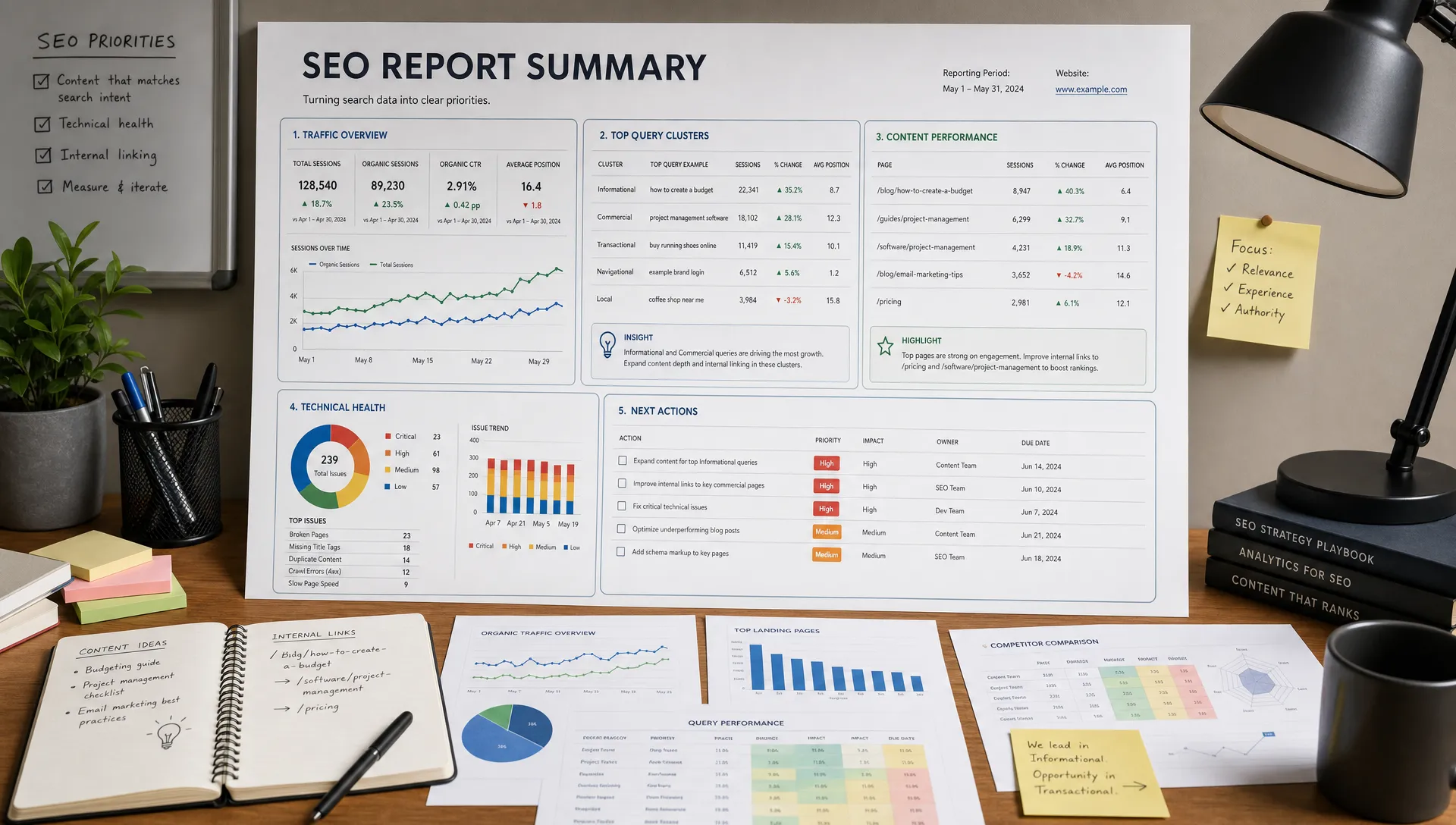
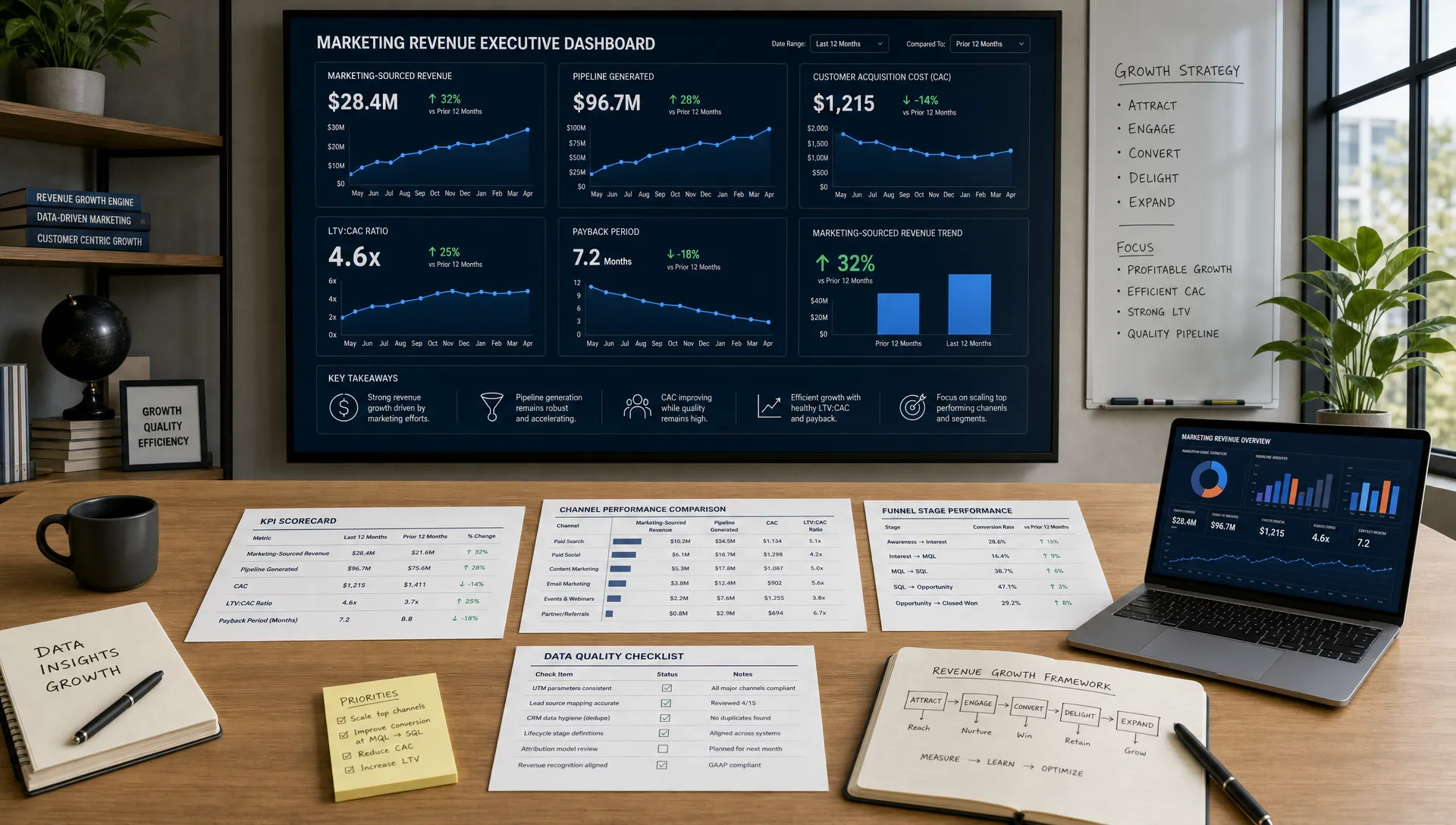
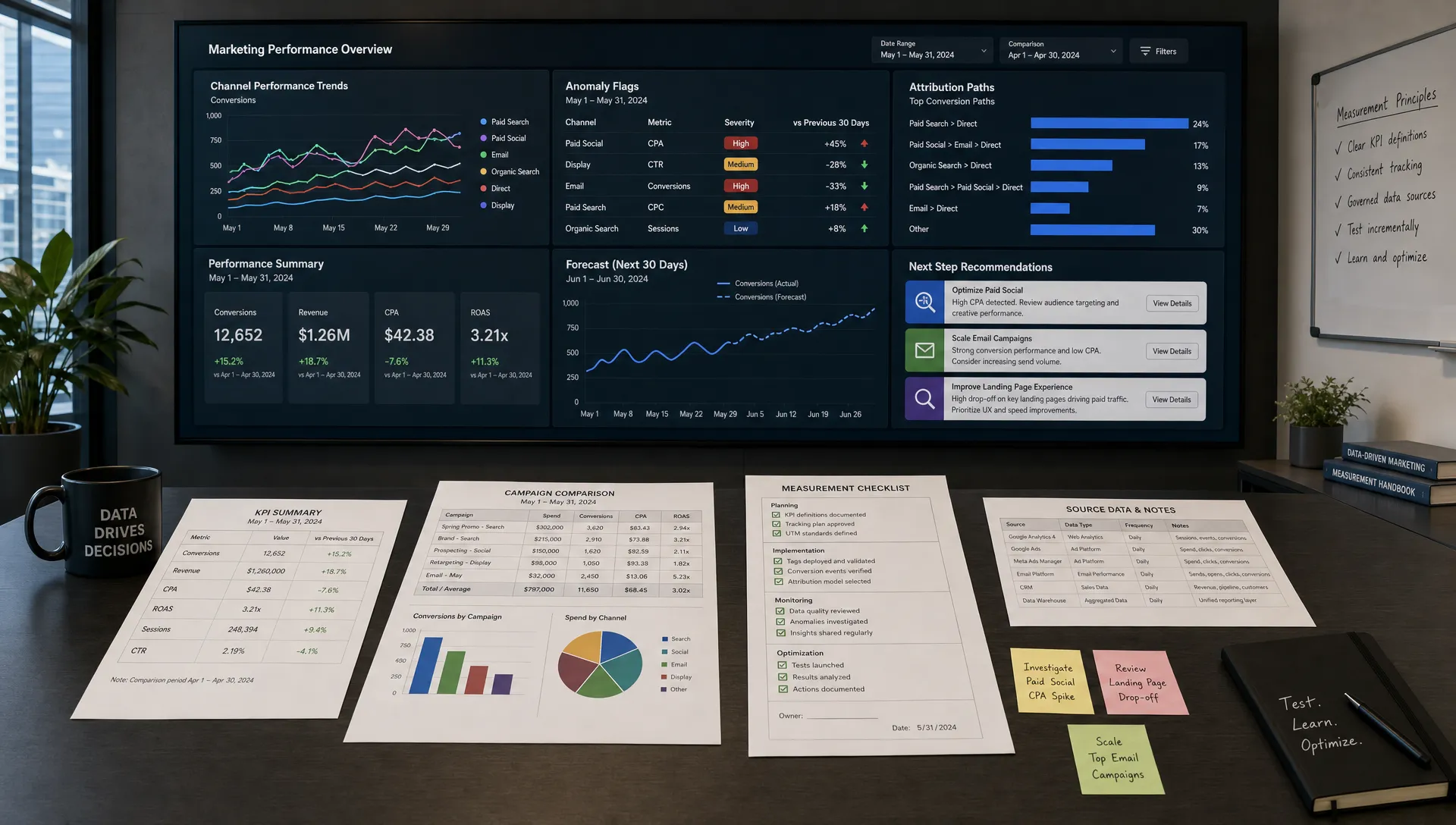
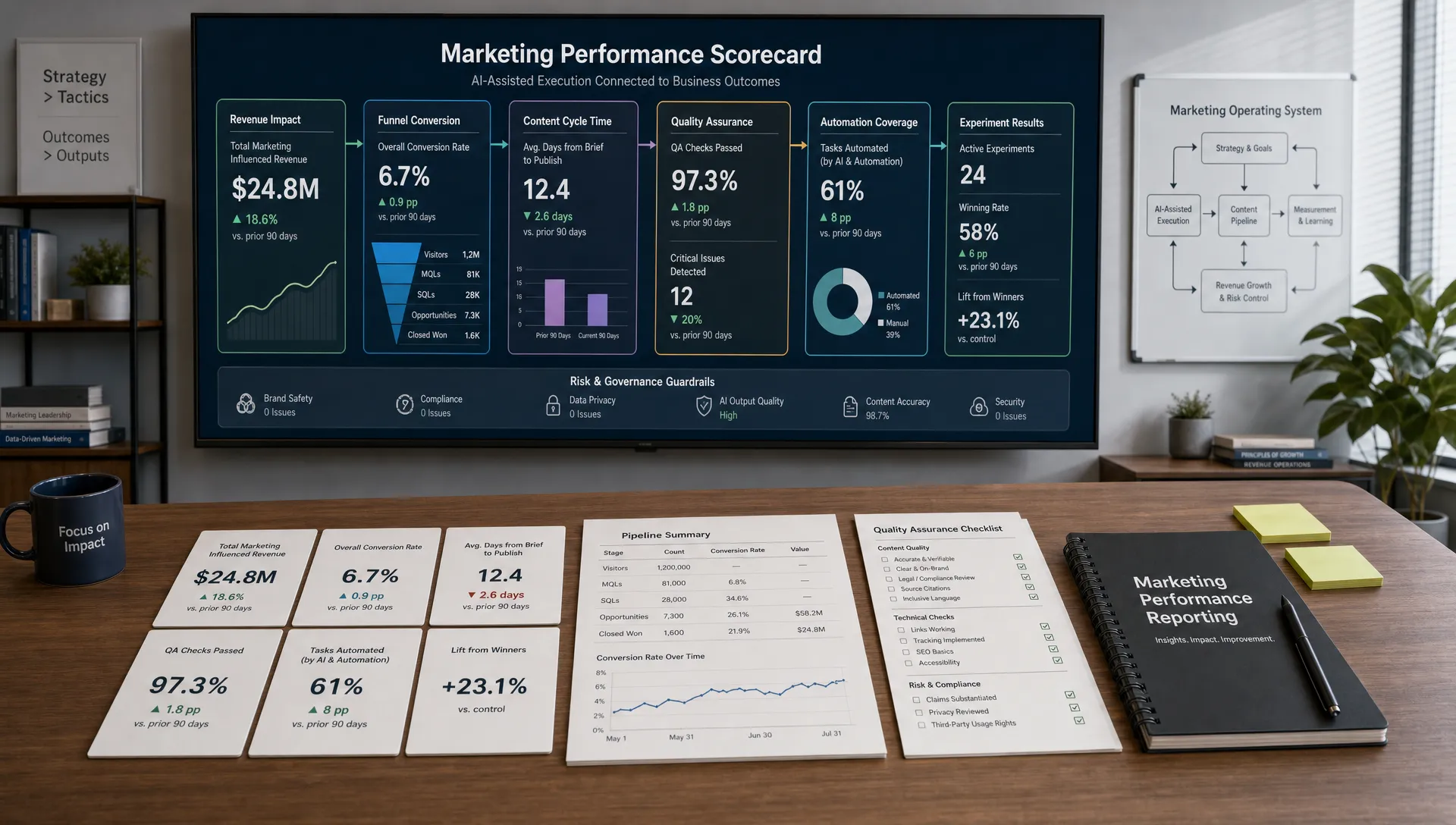
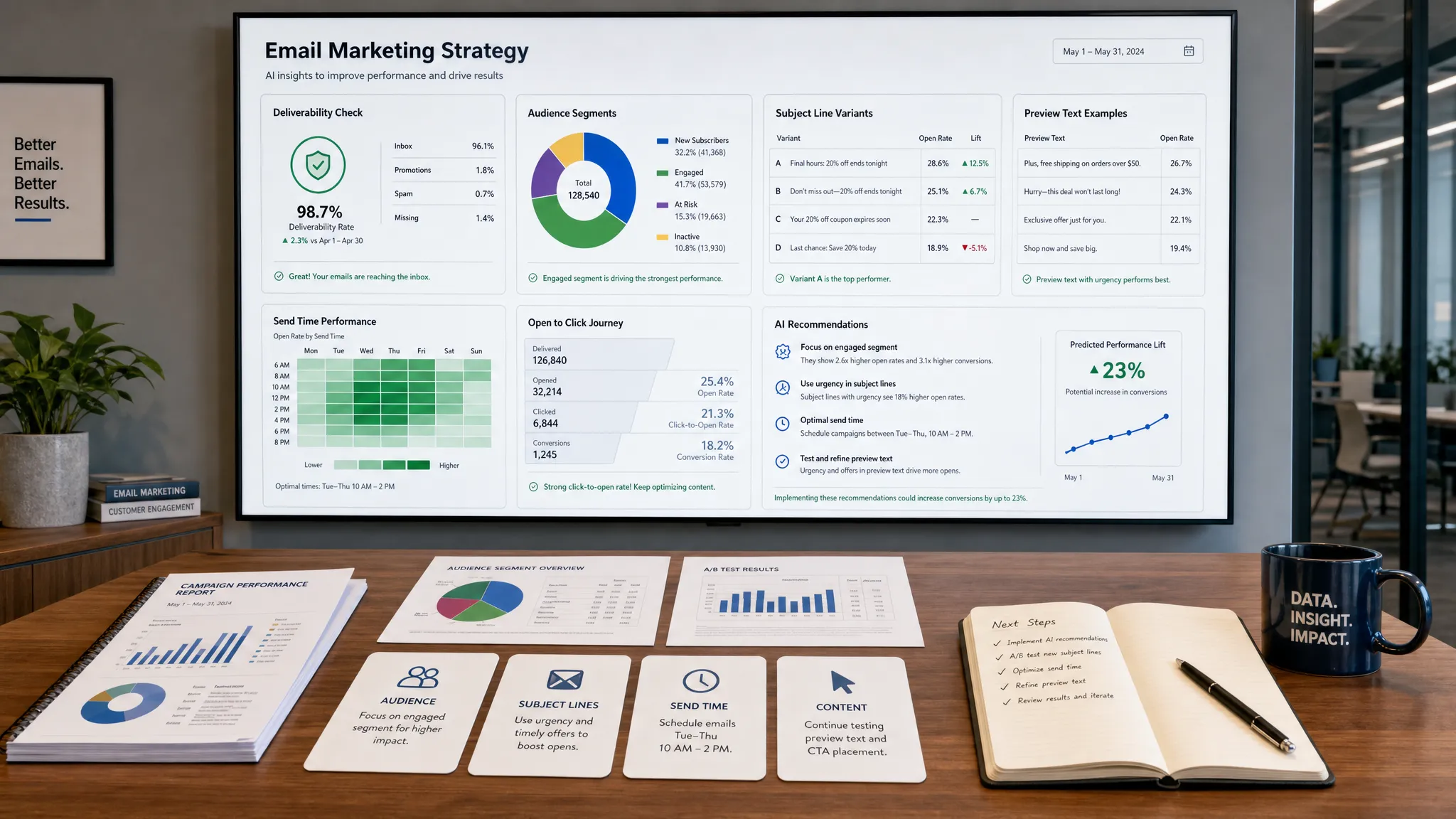
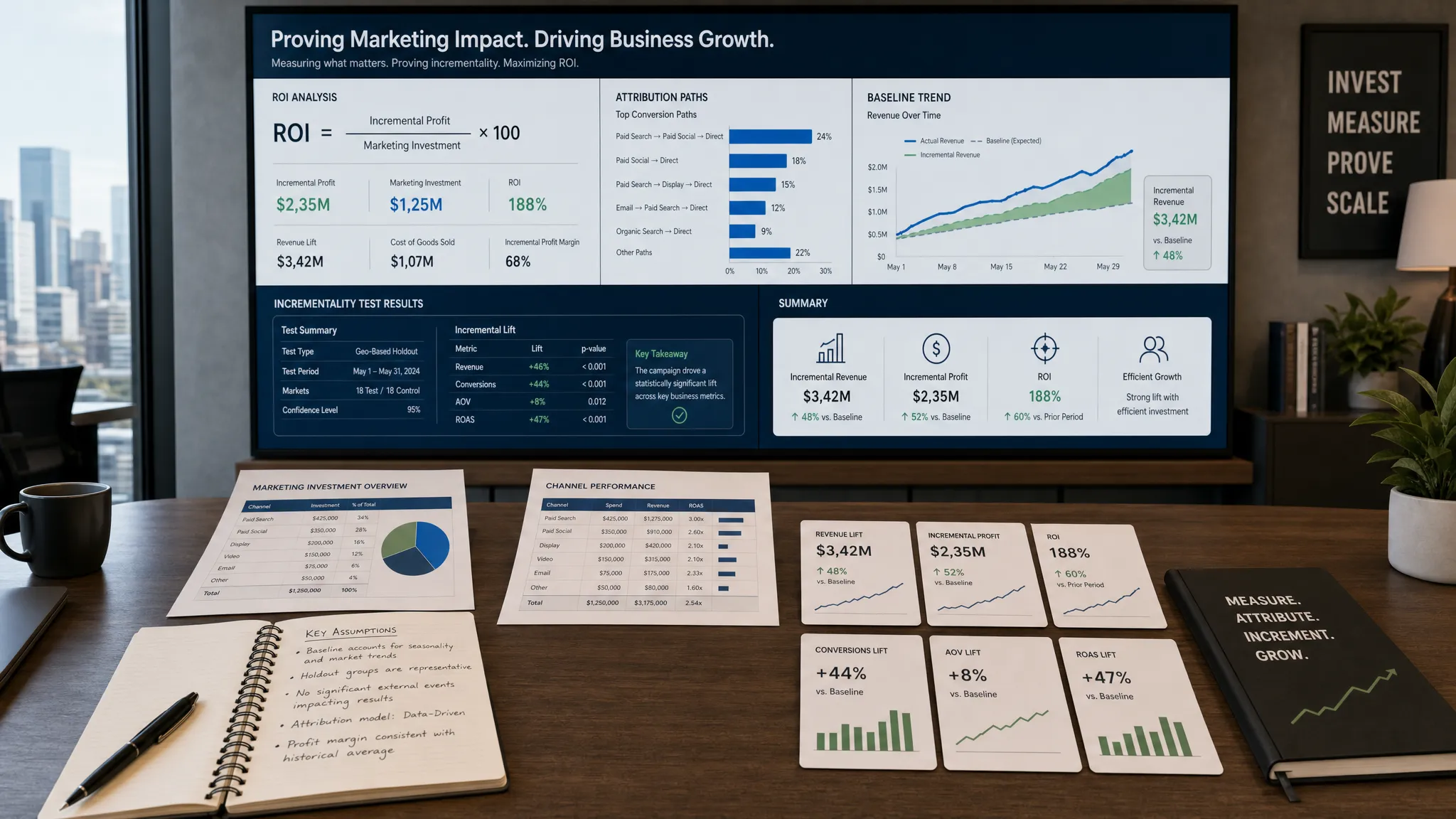
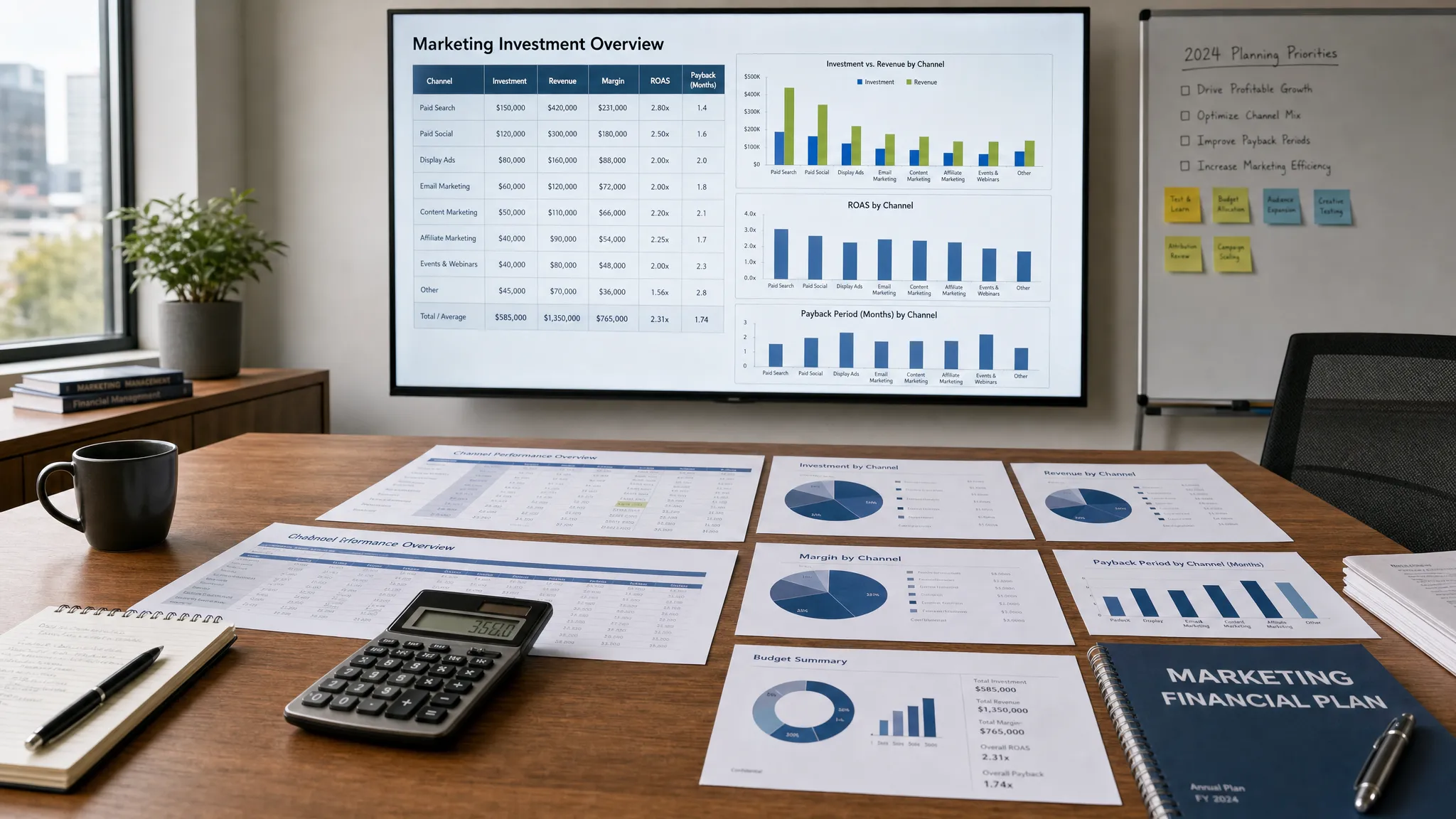
AI-assisted content should still be judged by business outcomes. Track metrics such as organic traffic, rankings, engagement, email clicks, conversions, assisted pipeline, and content production time.
Performance analytics can help you identify which AI-supported workflows are actually saving time and driving results. If output increases but engagement drops, the process needs refinement. If production time falls while leads or conversions improve, AI is creating real leverage.
AI can make content operations more efficient, but it can also amplify bad habits. Watch for these common mistakes.
The fastest way to waste AI is to publish unedited generic drafts. If an article could appear on any competitor's website with only the brand name changed, it is not strong enough.
Add specific examples, differentiated viewpoints, original frameworks, and audience-specific guidance.
AI may produce a polished article that still fails the user's actual intent. For example, someone searching for “AI content creation tools” likely wants options and comparisons, while someone searching for “how AI for content creation saves time” wants process, benefits, and practical use cases.
Match the content format to the intent before drafting.
Industries such as finance, legal, healthcare, and cybersecurity require extra care. AI can help draft and organize content, but expert review is critical. Avoid unsupported advice, exaggerated claims, or language that could be misunderstood.
AIMarketer Hub includes industry-specific guides for sectors such as marketing, finance, legal, and SaaS, which can help teams approach these topics with more structure.
Publishing more content does not automatically mean reaching more people. AI should also support distribution planning. Use it to create email summaries, social posts, ad variations, and sales enablement snippets so each asset has a better chance of being seen and used.
More articles, emails, or social posts are not always better. Measure whether the content contributes to meaningful goals. The best AI content workflows improve both efficiency and effectiveness.
AIMarketer Hub is built for marketers and businesses that want practical AI-driven marketing resources in one place. Its tools and guides can support several parts of the content creation process, from ideation to optimization.
For teams looking to scale content, the platform offers resources such as AI content generation, SEO tools, a marketer-focused prompt library, automated content creation support, performance analytics, and industry-specific guides. These can help marketers move faster while keeping their work tied to strategy and measurable outcomes.
The platform is especially useful if your team wants to standardize AI usage instead of relying on scattered prompts and disconnected tools. A more organized workflow makes it easier to save time, maintain consistency, and improve content performance over time.
How does AI for content creation save time? AI saves time by accelerating research, outlining, drafting, editing, SEO optimization, repurposing, and content refreshes. It reduces repetitive manual work so marketers can focus on strategy, expertise, and performance.
Can AI create high-quality content on its own? AI can create useful first drafts, but high-quality content usually requires human direction, editing, fact-checking, and expert input. The best results come from combining AI efficiency with human judgment.
Is AI-generated content bad for SEO? AI-generated content is not automatically bad for SEO. Search engines focus on whether content is helpful, reliable, and created for people. Low-quality, generic, or unverified AI content can perform poorly, but well-edited AI-assisted content can support SEO goals.
What types of content can AI help create? AI can help create blog posts, email campaigns, social media posts, ad copy, landing page drafts, video scripts, FAQs, product descriptions, and content briefs. It is also useful for repurposing existing content into new formats.
What is the best way to start using AI in a content team? Start with one workflow, such as blog outlining or content repurposing. Create a clear brief, use AI for the first pass, add human review, measure results, and then turn the process into a reusable template.
AI for content creation is most valuable when it becomes part of a clear, repeatable marketing system. It can help your team move faster, publish more consistently, repurpose smarter, and optimize content with less manual effort.
The goal is not to remove humans from the process. The goal is to give marketers more time for the work that matters most: strategy, creativity, customer insight, and growth.
If you want to build a more efficient AI-powered content workflow, explore AIMarketer Hub for tools, expert guides, calculators, prompt resources, SEO support, and practical marketing insights built for modern teams.