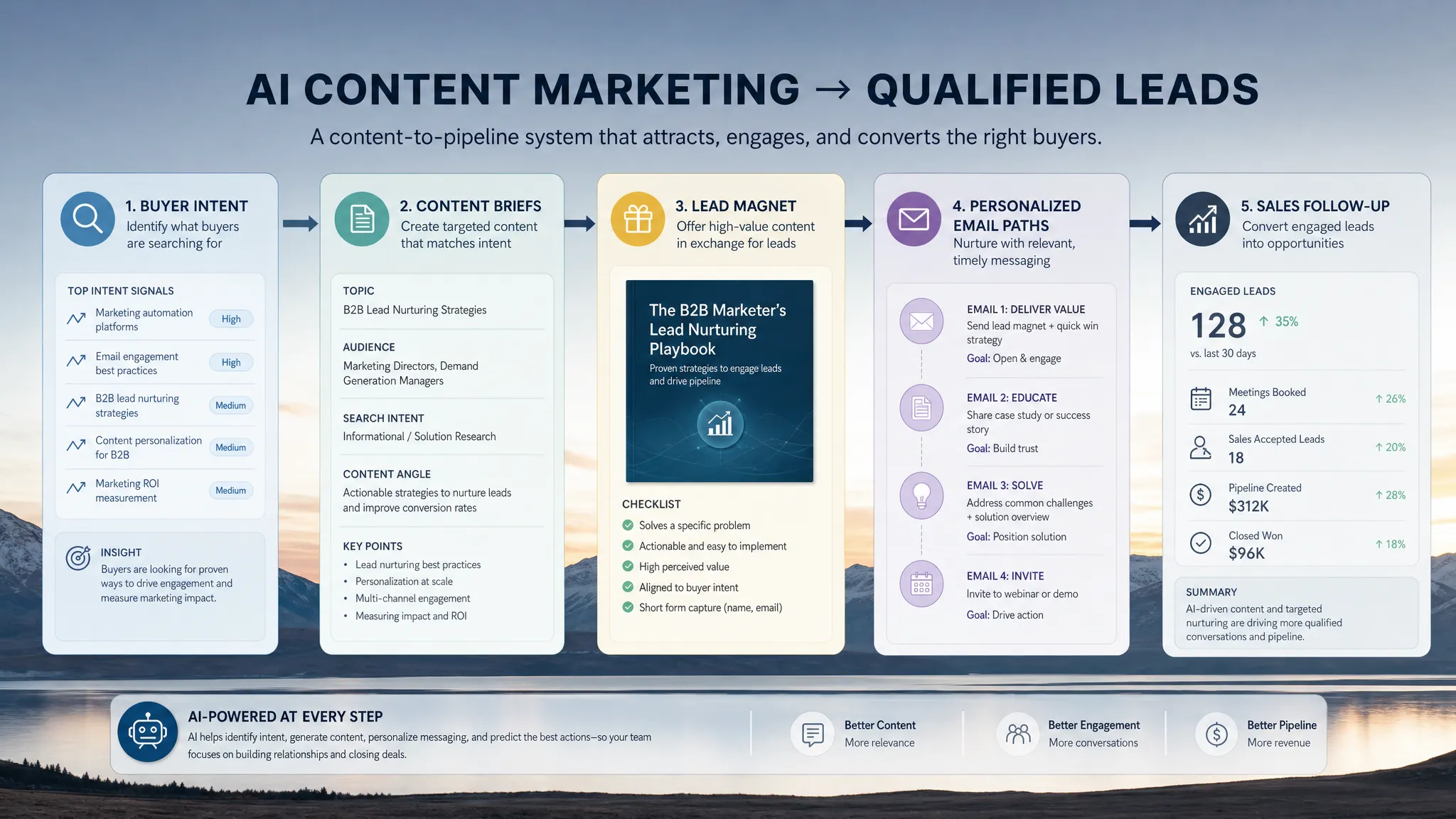
Small teams have a specific SEO problem: there is too much to do and not enough time to do it well. Keyword research, content briefs, technical checks, internal links, refreshes, reporting, and stakeholder updates can easily consume a full week before a single page is improved.
That is exactly where AI SEO tools can help. Not because they magically rank content, but because they reduce manual work, surface patterns faster, and help marketers make better decisions with limited resources.
The catch is that many tools now claim to be AI-powered. Some are genuinely useful. Others create more dashboards, more content to review, and more noise. For small teams, the winning stack is not the biggest stack. It is the one that turns search data into focused action.
AI SEO tools are only valuable when they help your team do one of three things faster: choose the right opportunities, create better content, or understand performance. If a tool adds another workflow without removing work somewhere else, it is probably not helping.
Google has also made the core principle clear. Using automation or AI is not a problem by itself. The issue is whether the content is created primarily to manipulate rankings instead of helping users, as explained in Google Search's guidance about AI-generated content. The same idea appears throughout Google's people-first content guidance: useful, reliable, original content matters more than the production method.
That means small teams should not ask which AI tool can produce the most pages. The better question is: which tool helps us publish fewer, stronger, better targeted pages, then improve them over time?
SEO fundamentals still matter. Pages need to be crawlable, useful, internally linked, technically sound, and aligned with search intent. Google's SEO starter guide is still a better foundation than any AI shortcut. The tools below work because they support those fundamentals, not because they replace them.

The best SEO work starts with real search data. For small teams, Google Search Console is still the first place to look because it shows actual queries, impressions, clicks, pages, and average positions from your own site.
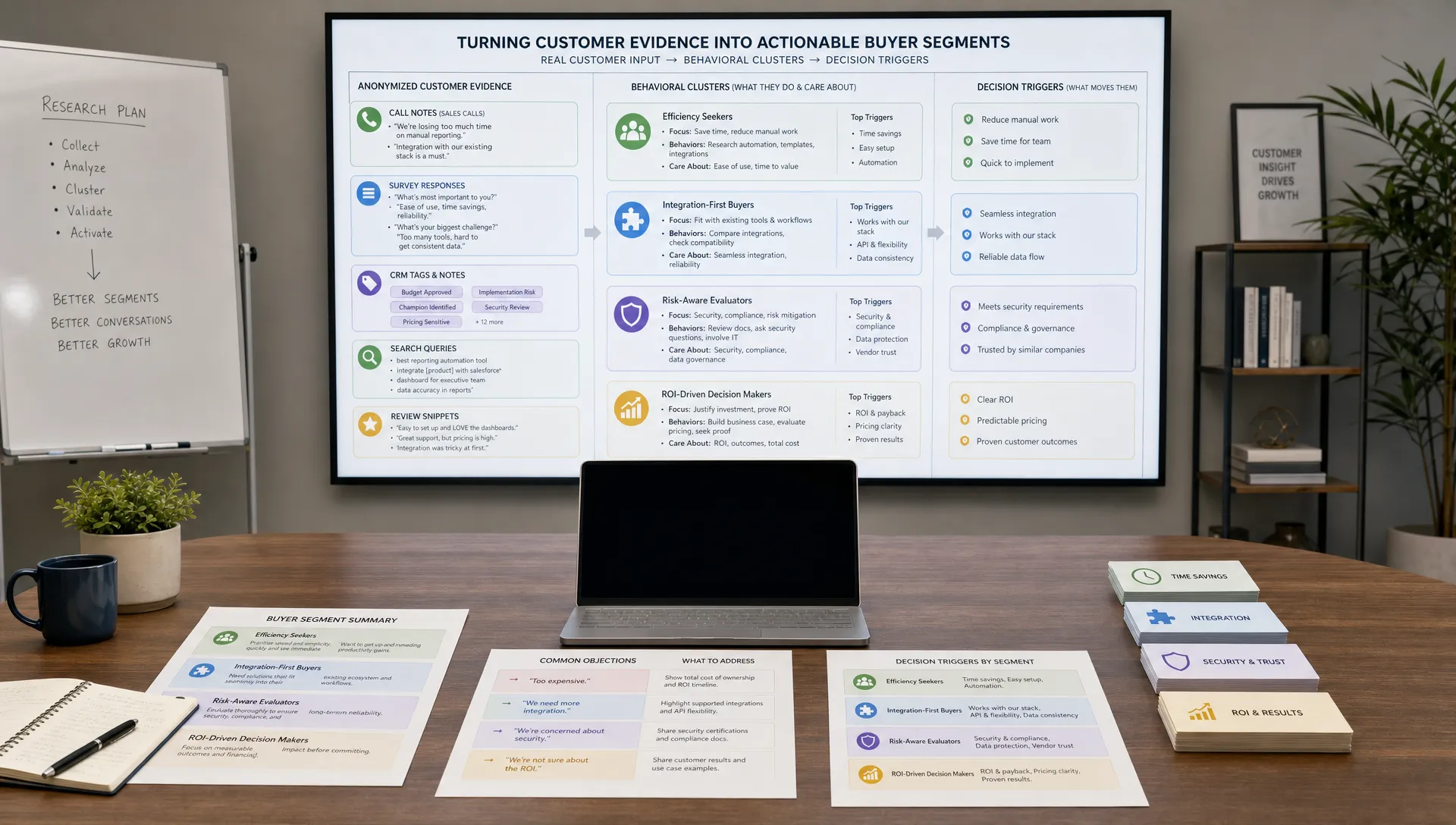
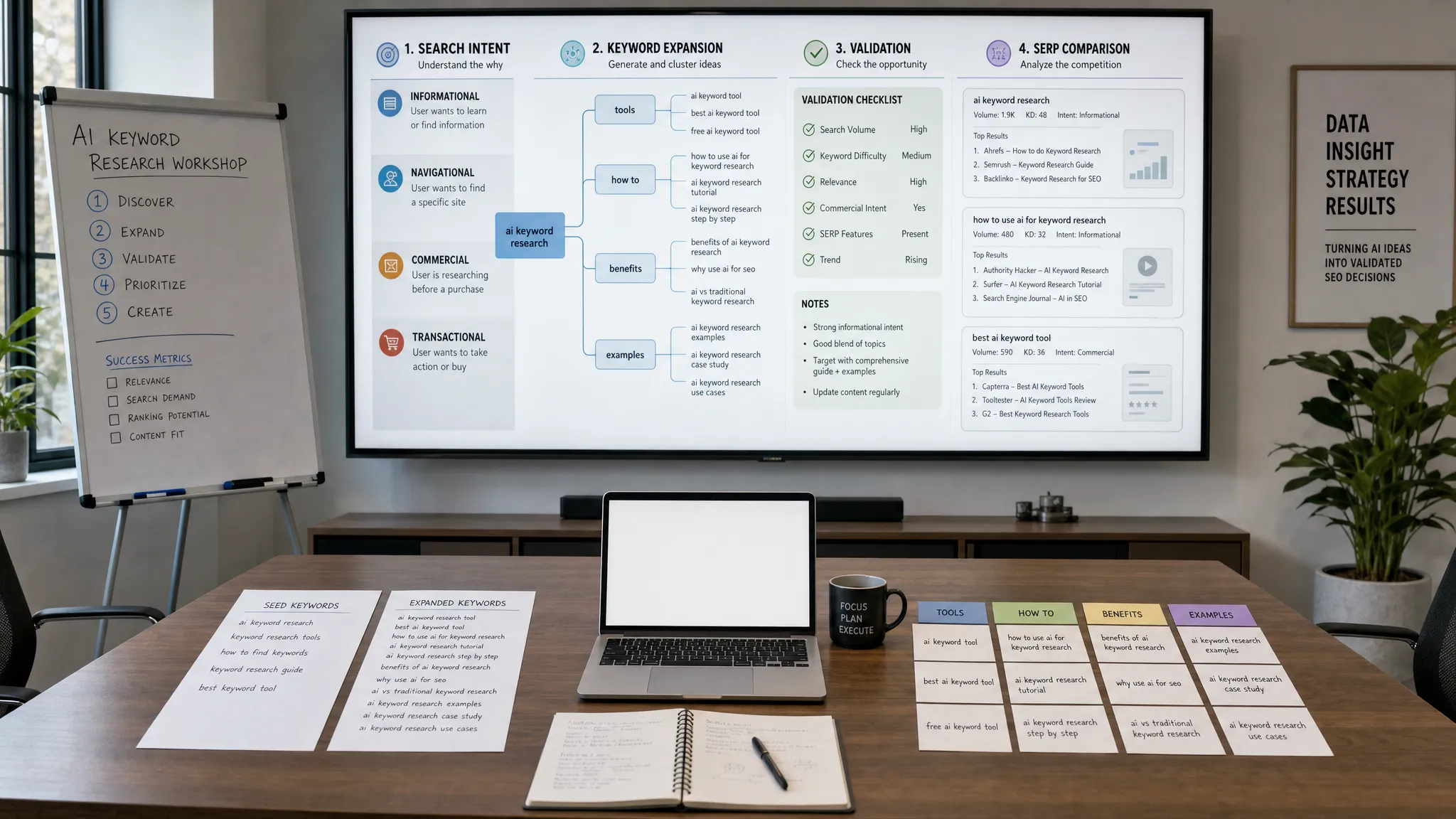
AI becomes useful when it helps organize that data. Instead of manually scanning hundreds of queries, you can use AI to cluster terms by intent, identify pages with high impressions but weak click-through rates, and find keywords where you already rank near the top but need a stronger page.
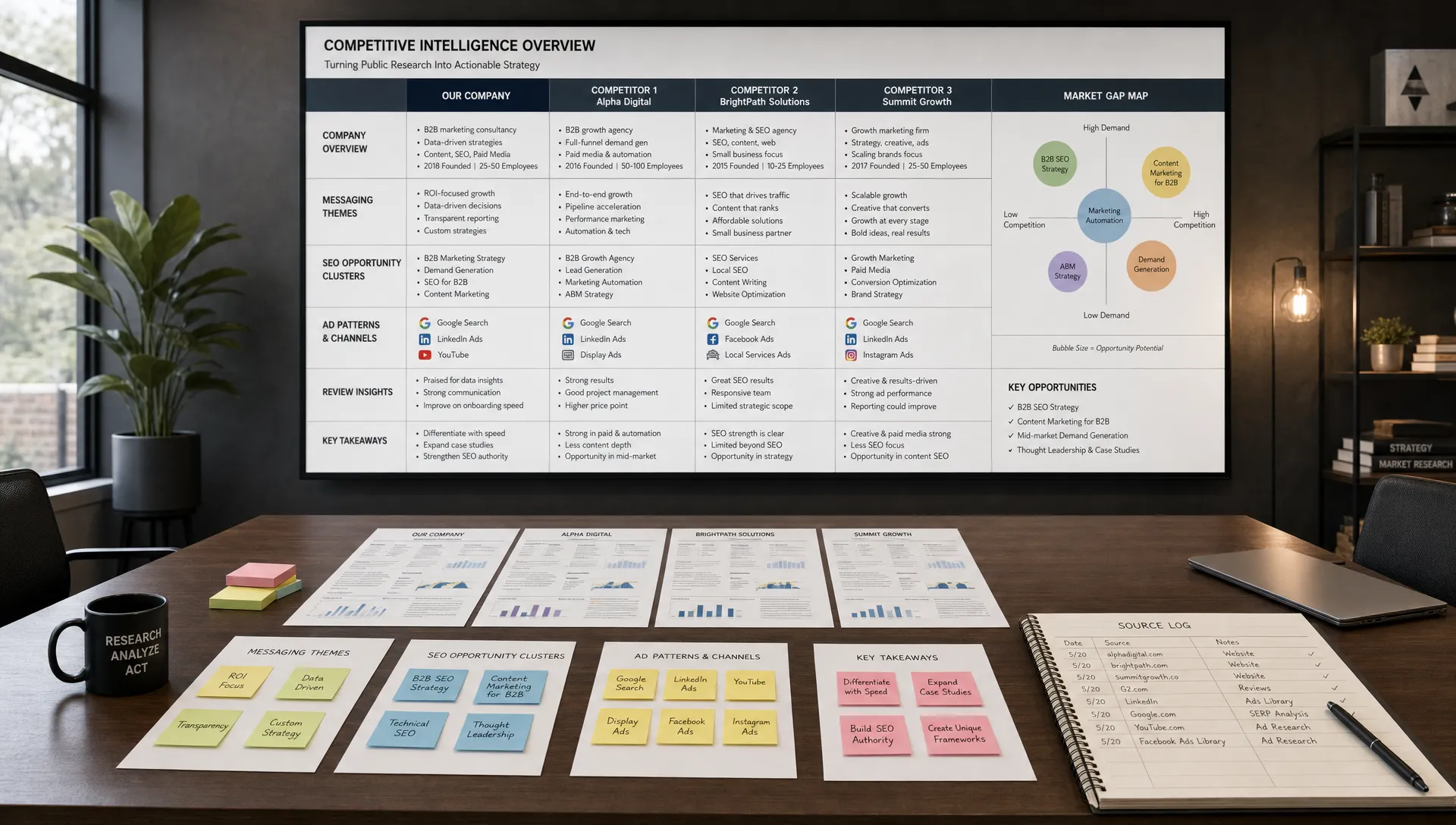
Paid platforms such as Ahrefs and Semrush can add competitive data, backlink insights, keyword difficulty estimates, and content gaps. For a small team, the value is not exporting 10,000 keyword ideas. The value is narrowing the list to the 20 opportunities with the best mix of relevance, ranking potential, and business impact.
What works: using AI to prioritize existing opportunities, cluster related queries, and identify pages worth refreshing.
What does not work: asking a generic chatbot to invent a keyword strategy without search data, audience context, or business goals.
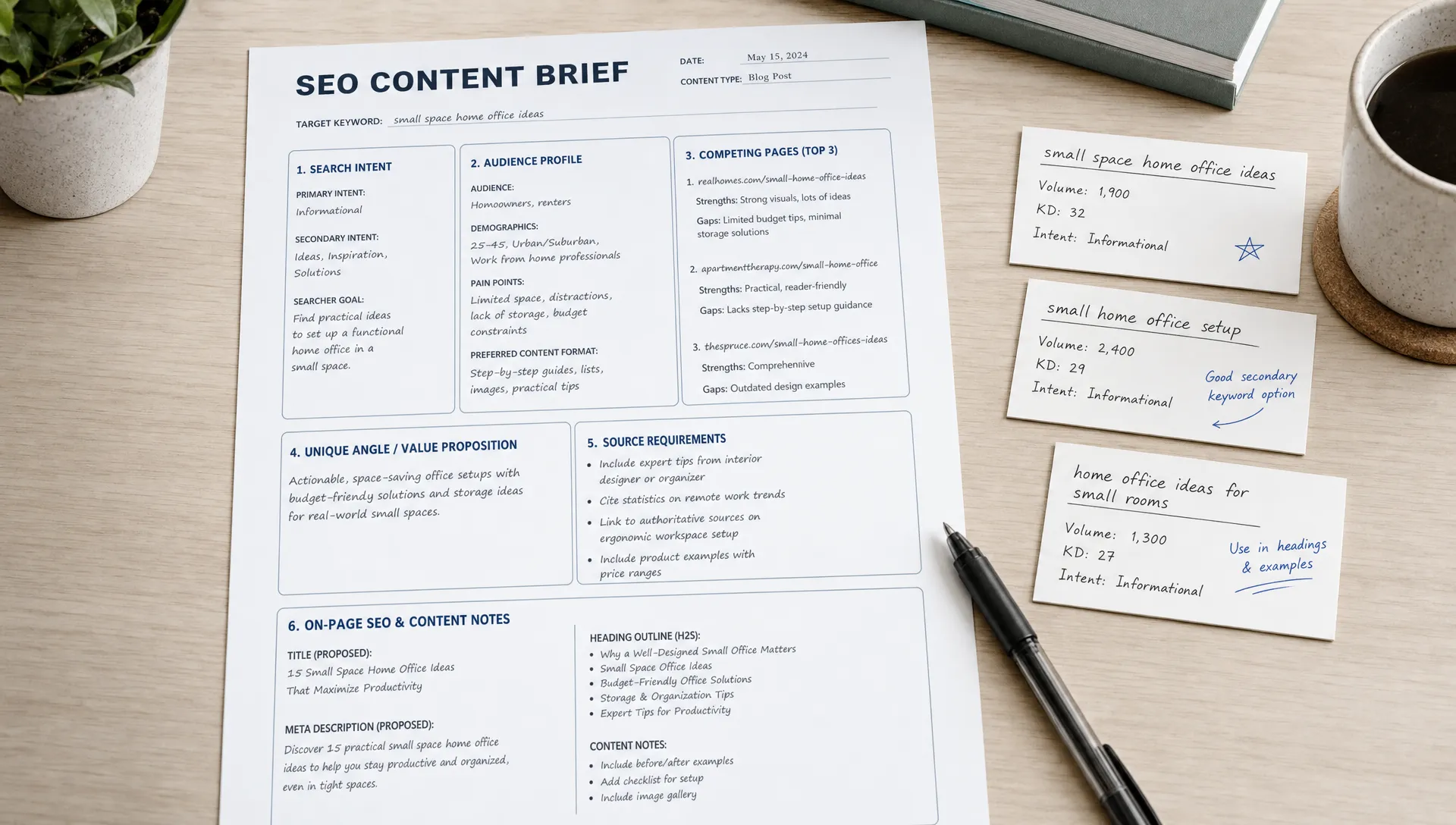
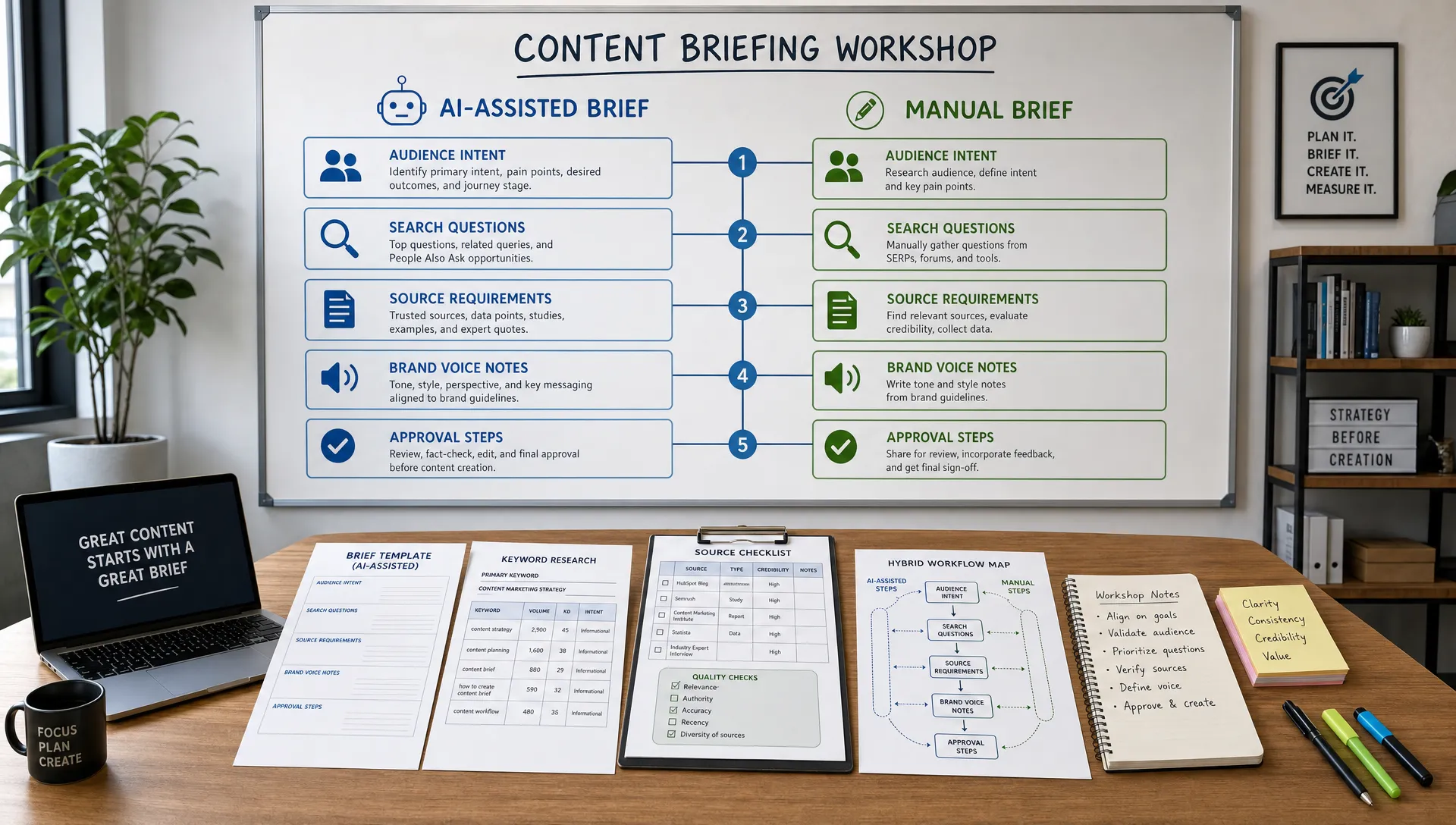
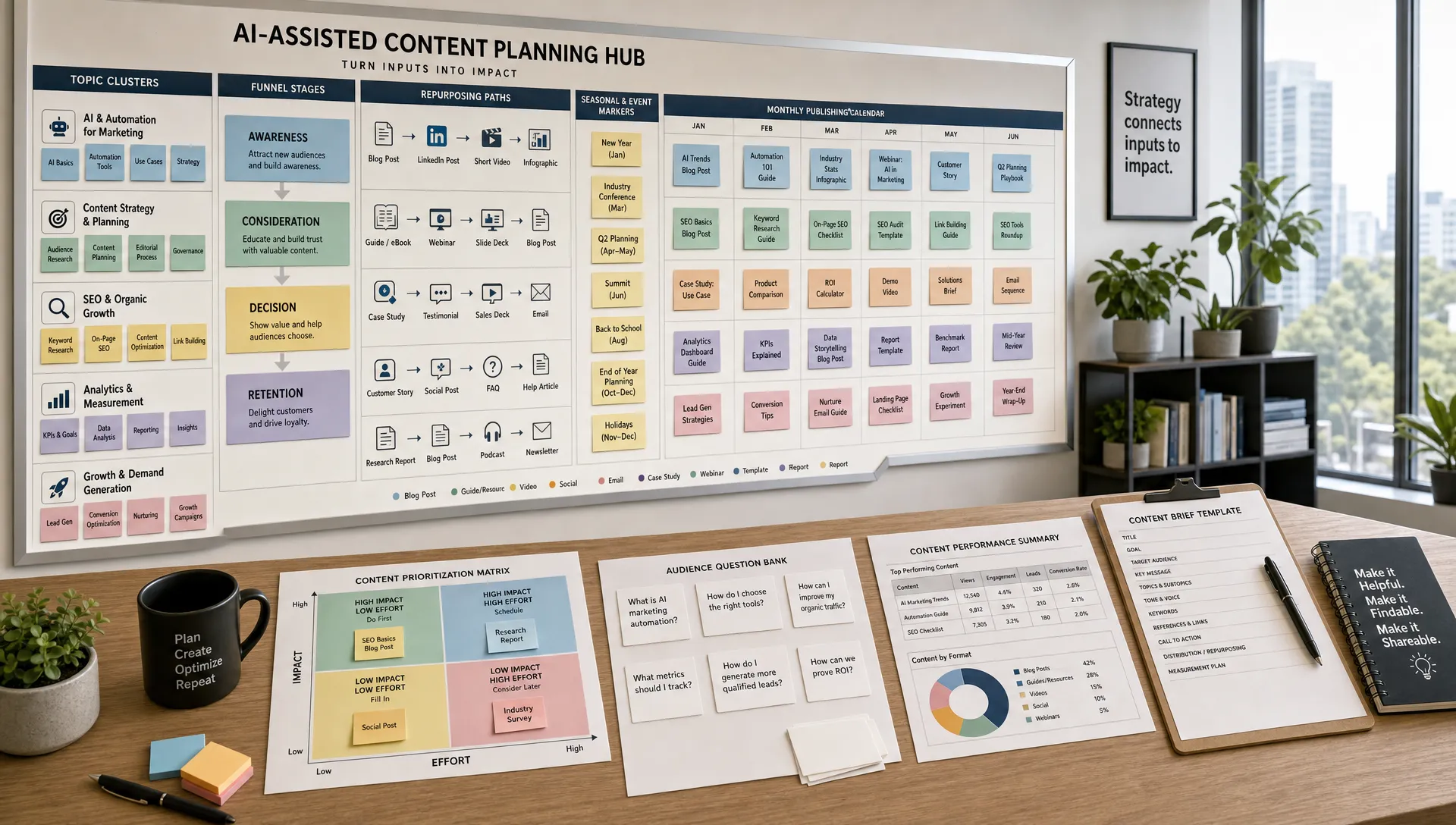
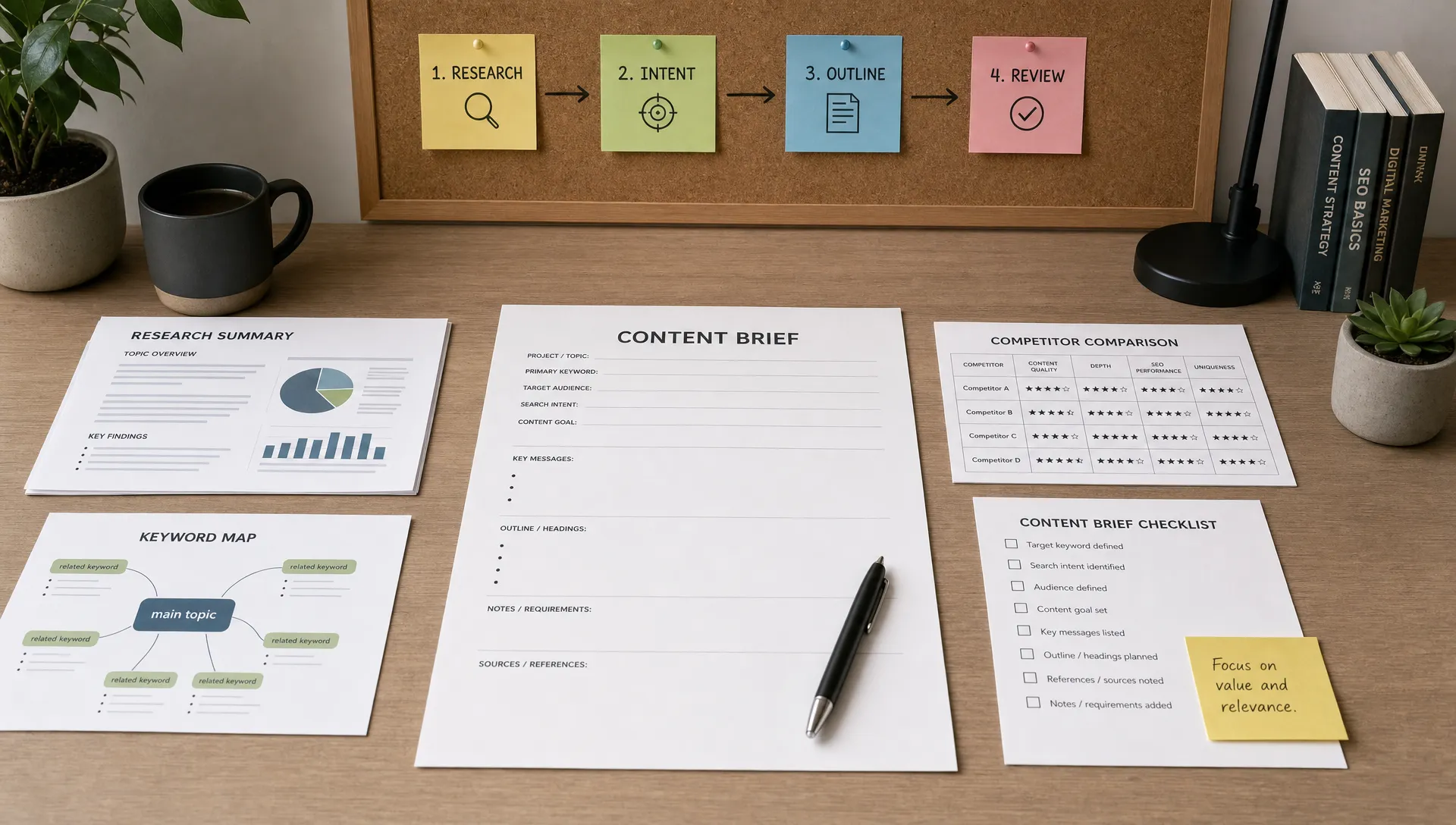
Content brief tools can save hours when they summarize what top-ranking pages cover, what questions appear in the search results, and what subtopics readers expect. Tools such as Surfer, Clearscope, Frase, and MarketMuse are commonly used for this kind of research.
For small teams, these tools work best as briefing assistants. They can help answer questions like: what is the dominant search intent, what angle is missing, what related terms naturally belong in the article, and what questions should the content address?
The mistake is treating a content score as the goal. A high optimization score does not guarantee originality, expertise, or conversion value. If every competitor uses the same recommendations, the content can become repetitive. Use the tool to understand the landscape, then add your own examples, experience, data, product knowledge, and point of view.
A strong AI-assisted brief should clarify the audience, search intent, primary angle, must-answer questions, expert inputs, internal link opportunities, and conversion path. If the brief only says to use more related terms, it is not enough.
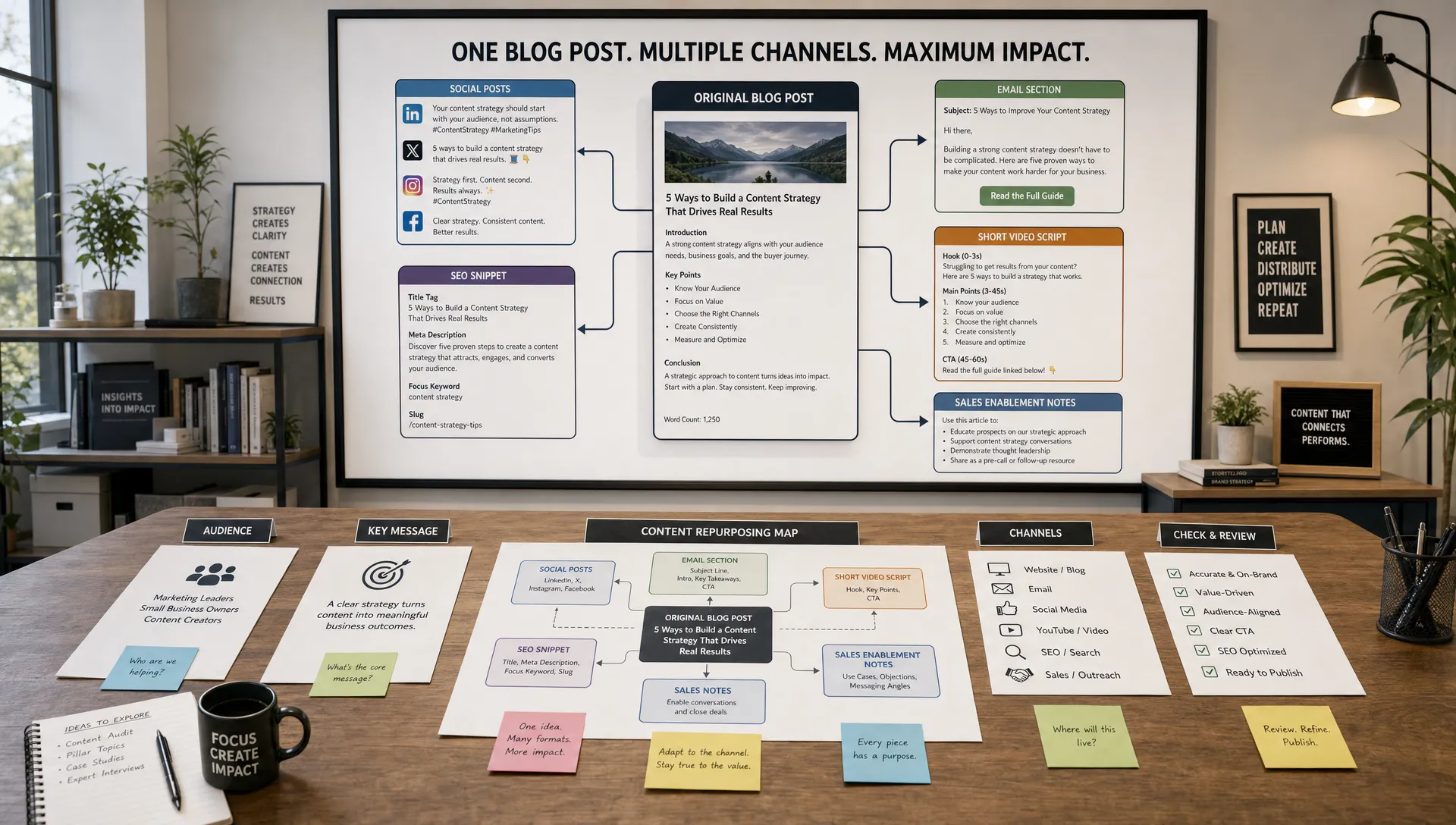
AI writing assistants are useful, but only when the team controls the strategy. General-purpose tools like ChatGPT, Claude, and Gemini can help with outlines, introductions, meta descriptions, FAQ drafts, content repurposing, and plain-language rewrites. Marketing-specific platforms can add templates, brand voice controls, and workflow features.
For small teams, the biggest win is not replacing writers. It is removing blank-page time. A strategist or subject matter expert can provide the angle, audience, sources, examples, and product context. AI can turn that input into a workable draft or a set of options.
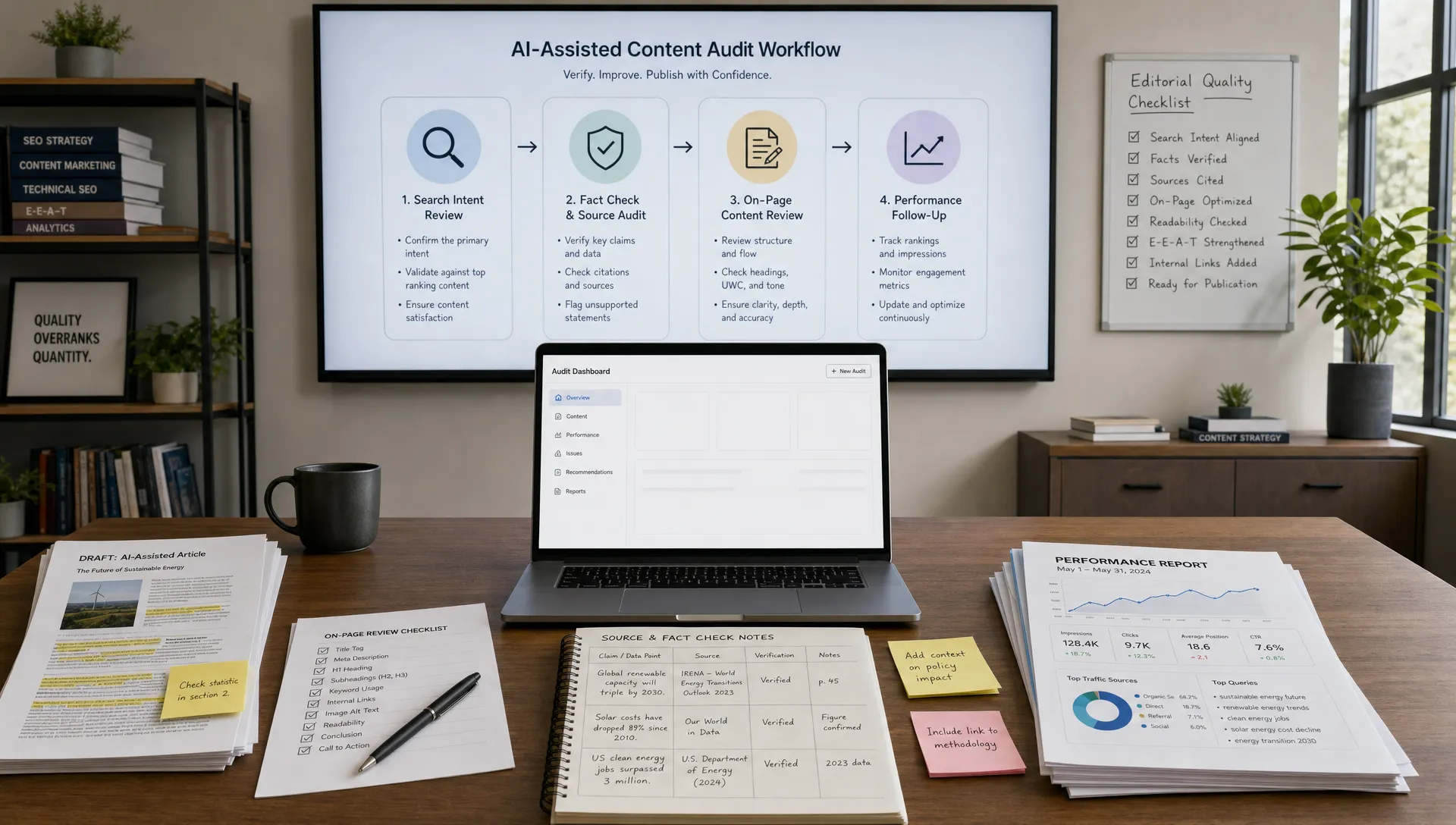
The human review step is non-negotiable. AI can misunderstand search intent, overstate claims, cite weak evidence, or produce generic advice. Before publishing, someone should verify facts, improve examples, remove fluff, check for brand accuracy, and make sure the page solves the reader's problem.
AI writing works when it accelerates expert-led content creation. It fails when it becomes an unsupervised publishing machine.
Technical SEO can overwhelm small teams because crawlers often produce long lists of issues without context. A site may have missing meta descriptions, redirect chains, duplicate titles, broken links, blocked pages, thin templates, slow sections, and indexation problems all at once.
Tools such as Screaming Frog and other site audit platforms are valuable because they collect the technical evidence. AI adds value when it summarizes the impact and helps prioritize fixes.
For example, missing meta descriptions on old low-traffic blog posts may matter less than accidentally noindexed service pages. Duplicate title tags may be minor on archive pages but serious on high-intent landing pages. A good AI-assisted audit helps separate urgent problems from cosmetic warnings.
Small teams should look for tools that explain what the issue means, why it matters, which pages are affected, and what action to take first. A 300-line export is not a strategy. A prioritized fix list is.
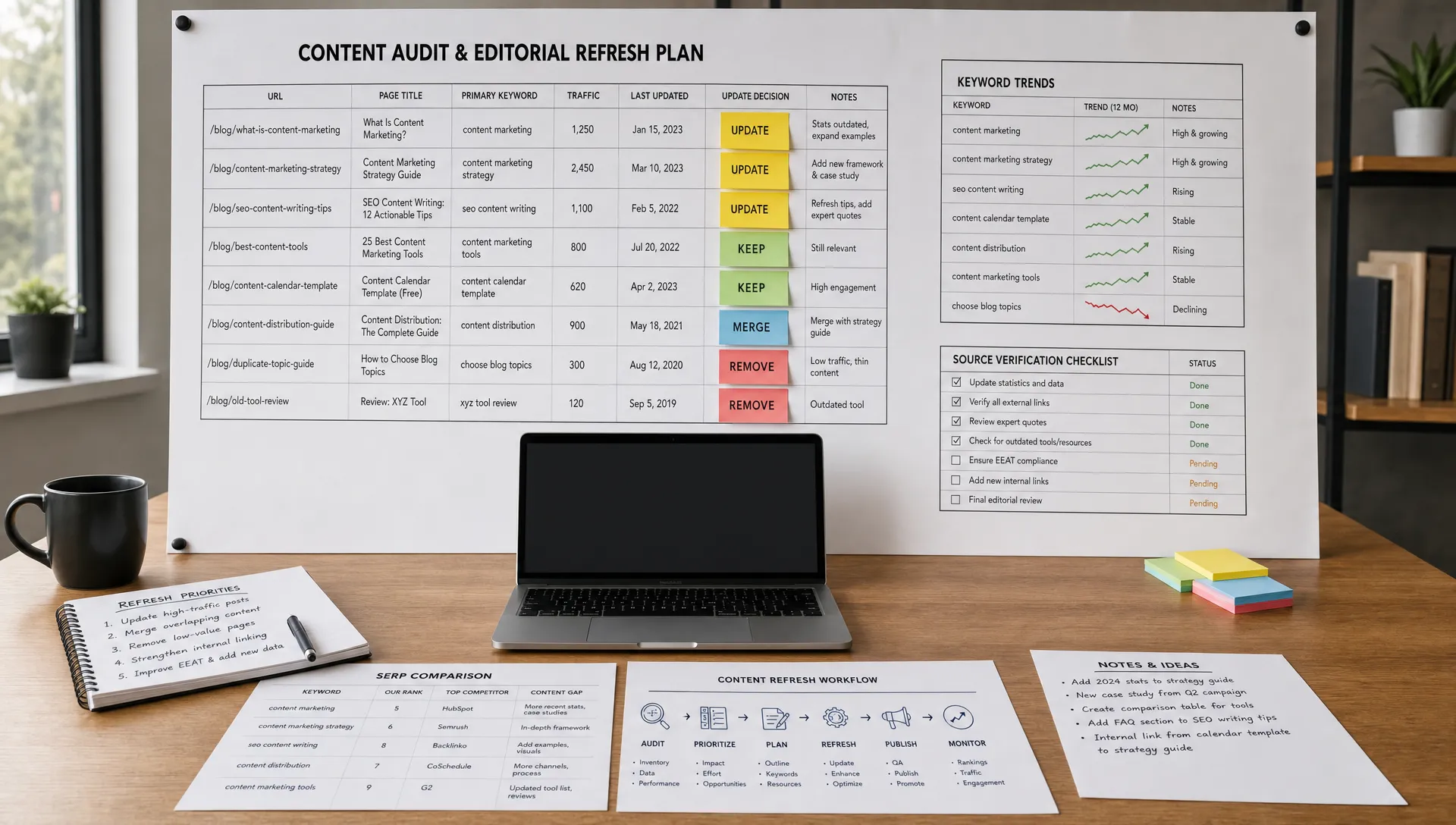
For many small teams, the fastest SEO wins come from improving existing content. You already have URLs indexed. You may already have impressions. The goal is to make those pages more useful, clearer, and better connected.
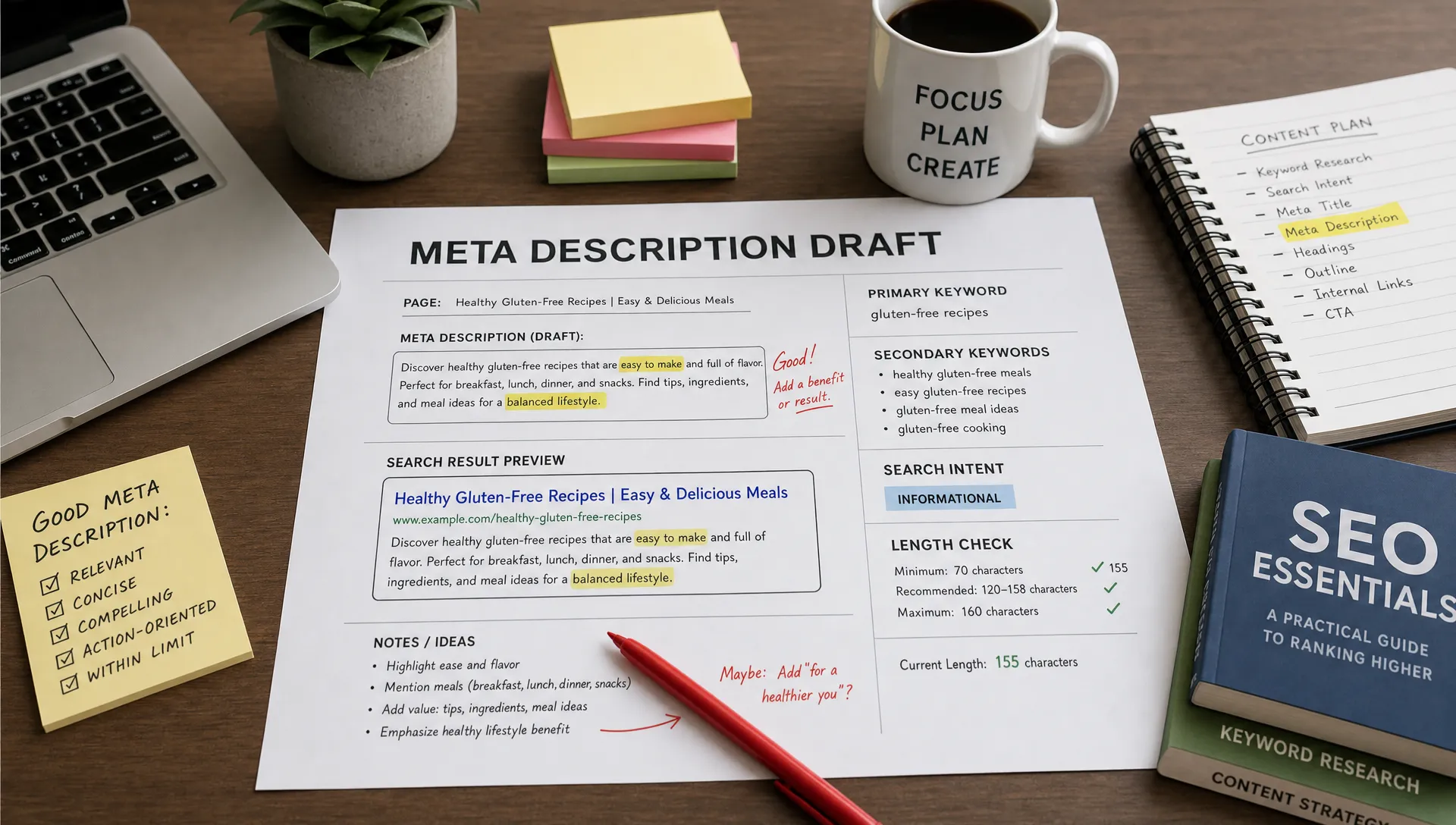
AI can compare an existing page against current search intent and suggest missing sections, clearer headings, better title tags, improved meta descriptions, FAQ additions, and internal link opportunities. This is especially useful for pages ranking in positions 5 to 20, where a targeted refresh can sometimes outperform publishing something new.
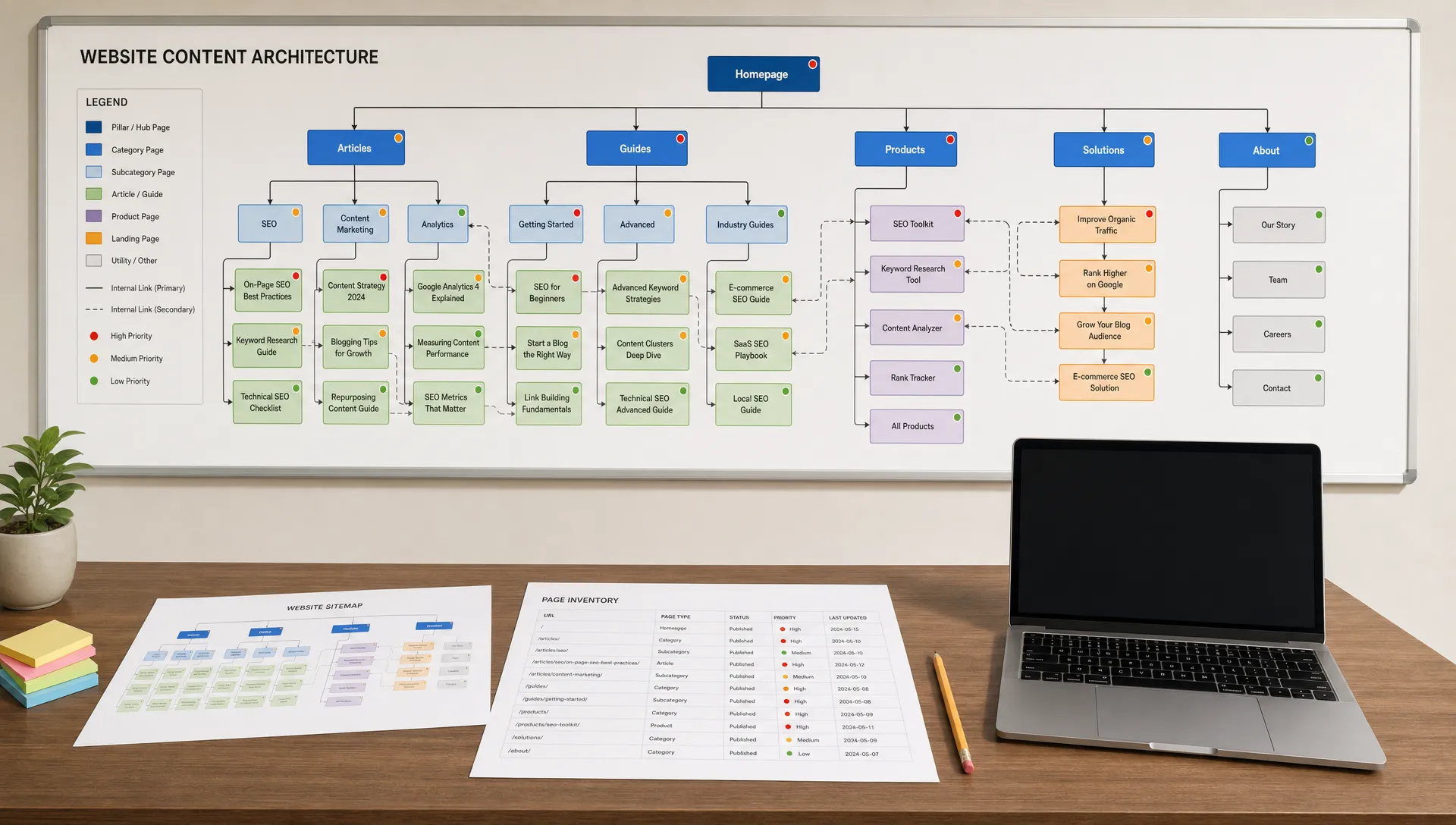
Internal linking is another practical use case. AI can help identify related pages and suggest anchor text, but humans should approve every link. The goal is to help readers and search engines understand topic relationships, not to force awkward keyword anchors into every paragraph.
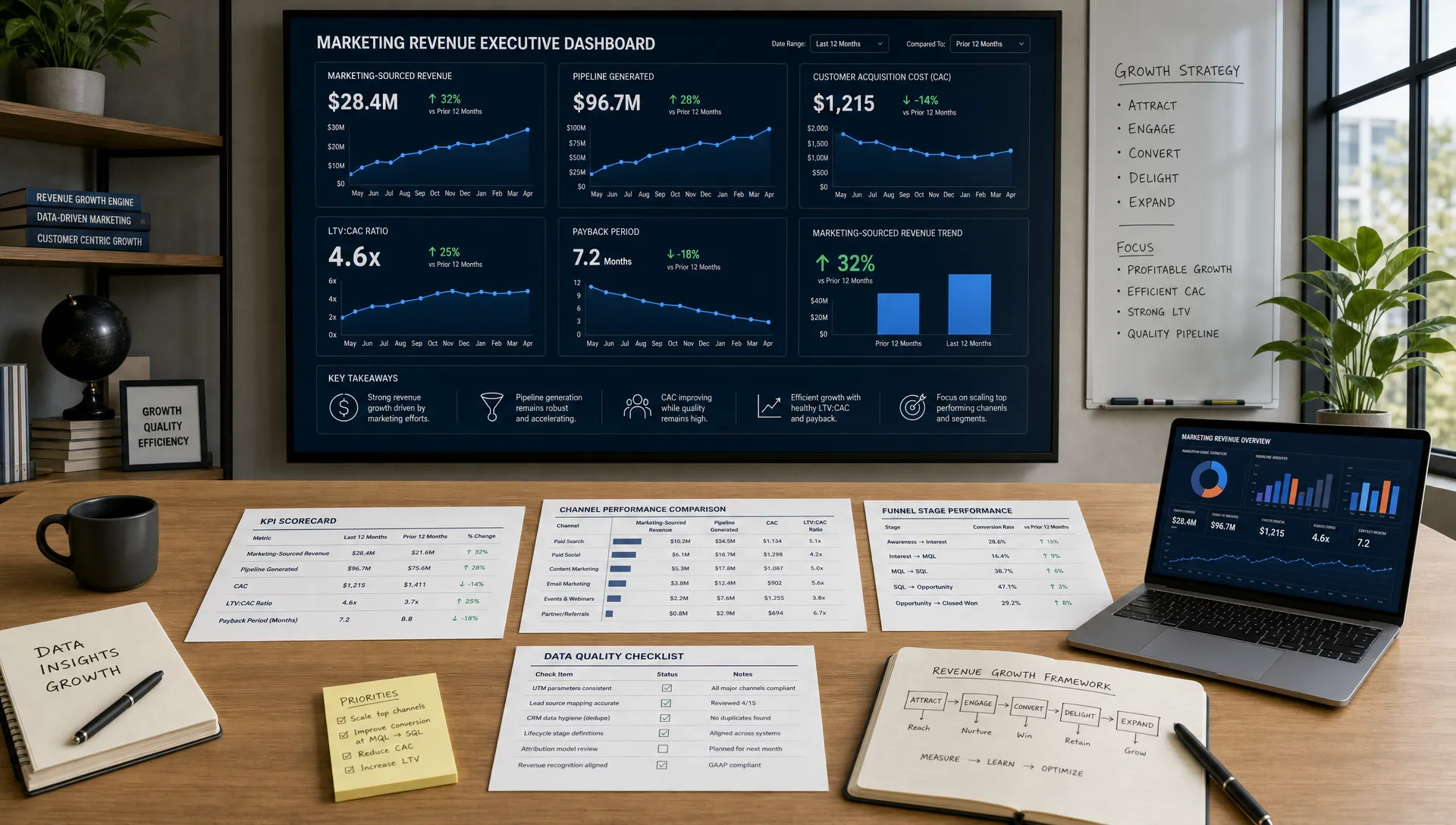
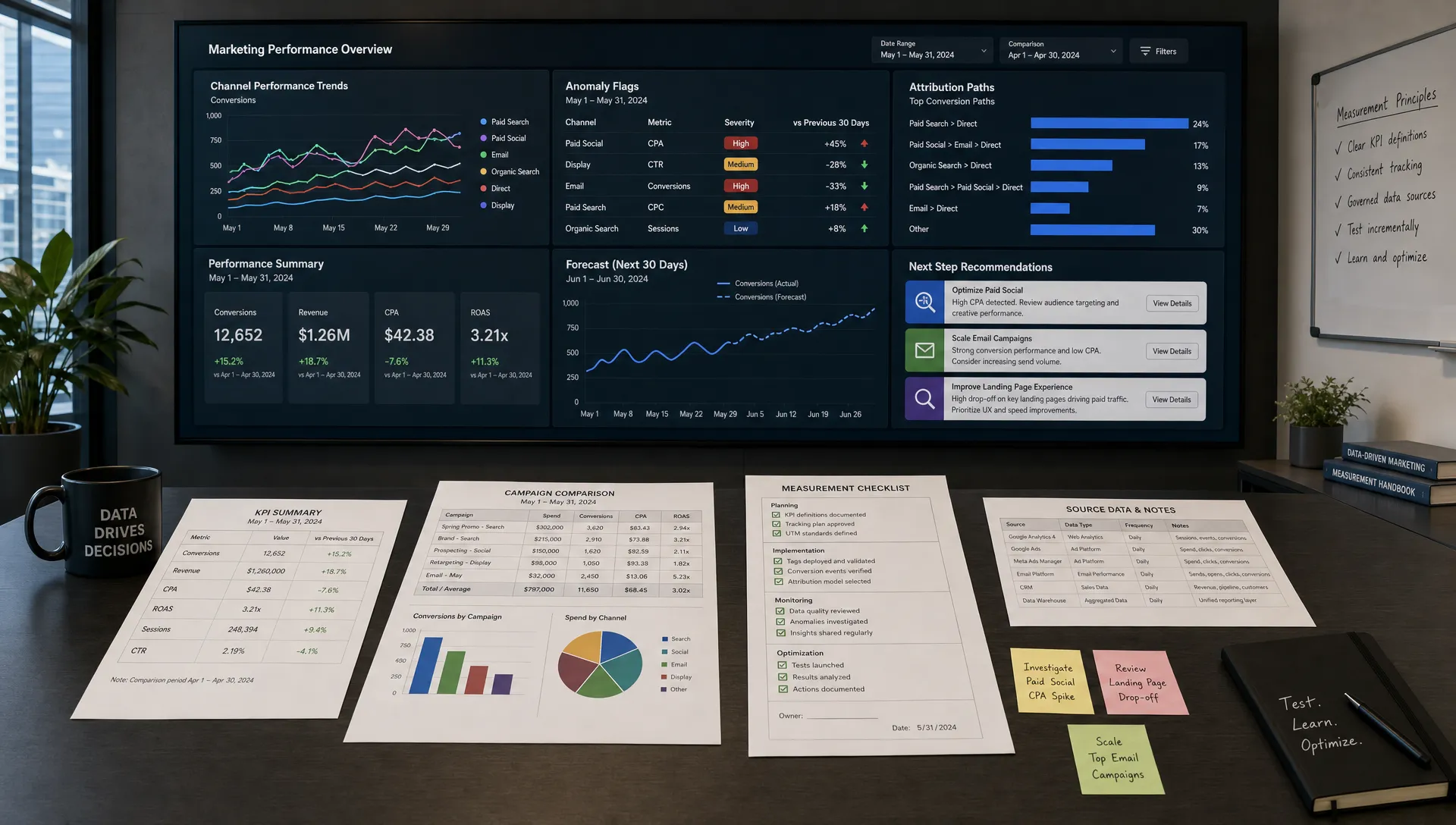
Reporting is where many small teams lose time. Pulling data from Search Console, GA4, rank trackers, spreadsheets, and CRM tools can take longer than interpreting it.
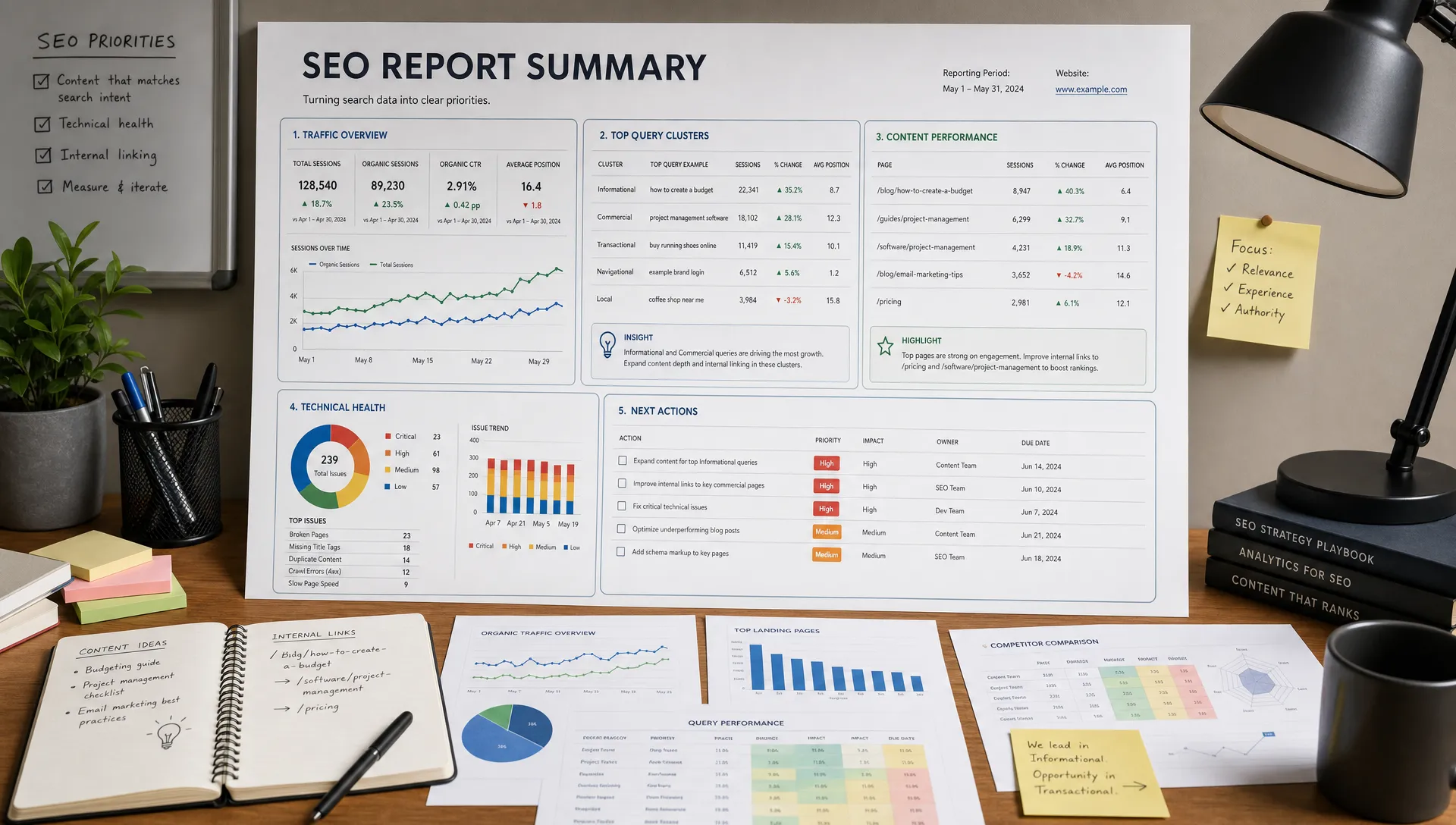
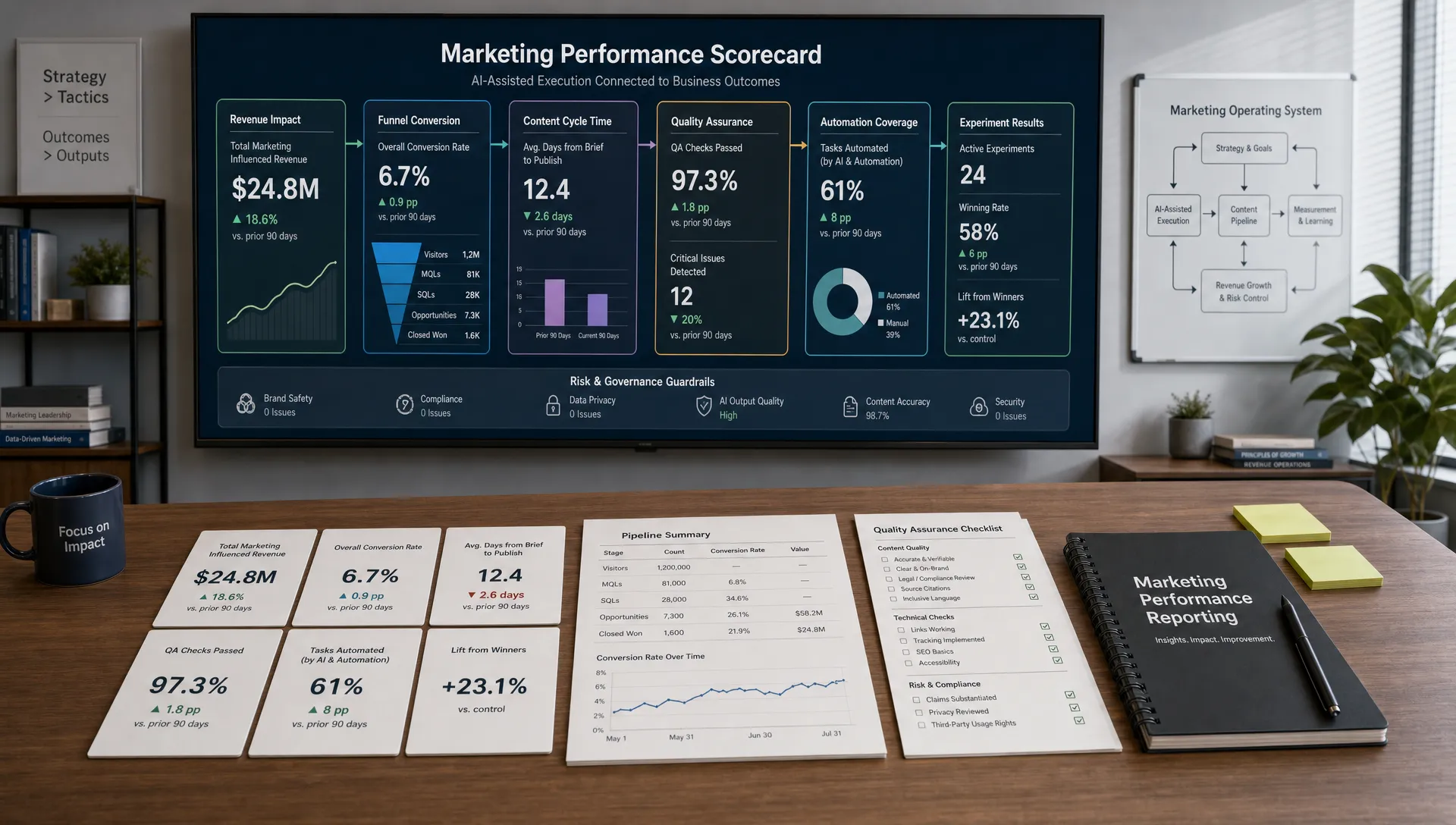
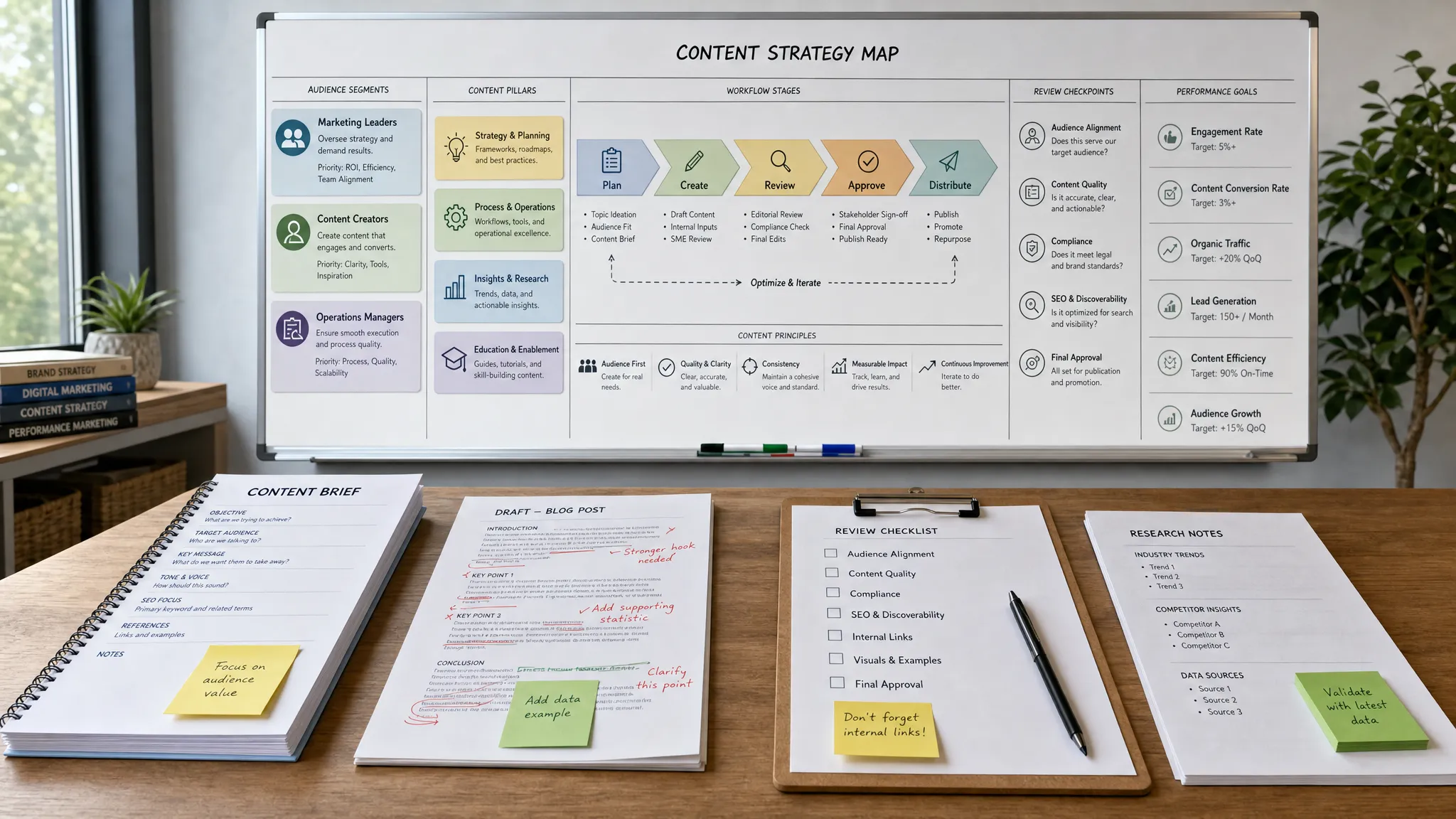
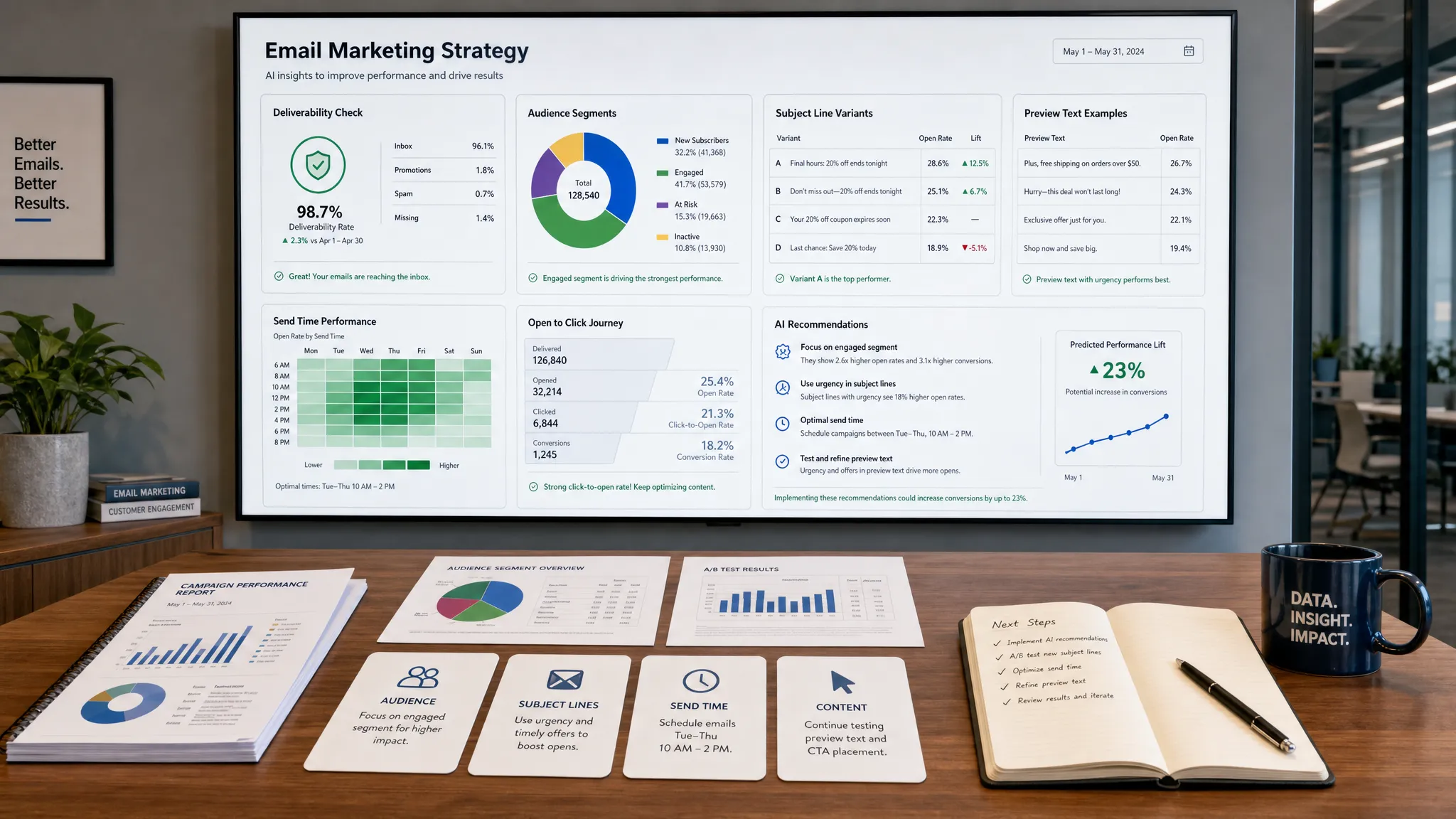
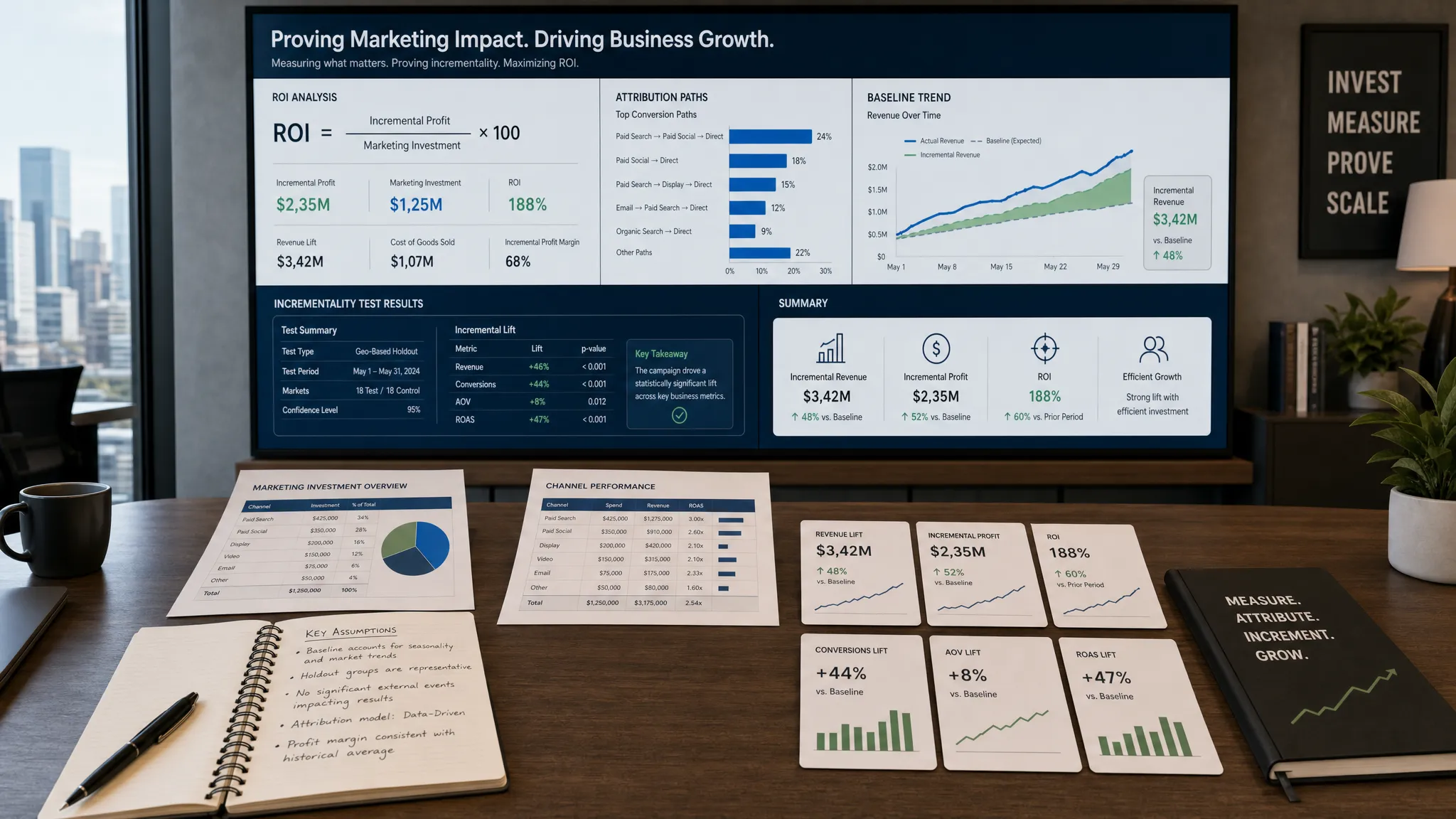
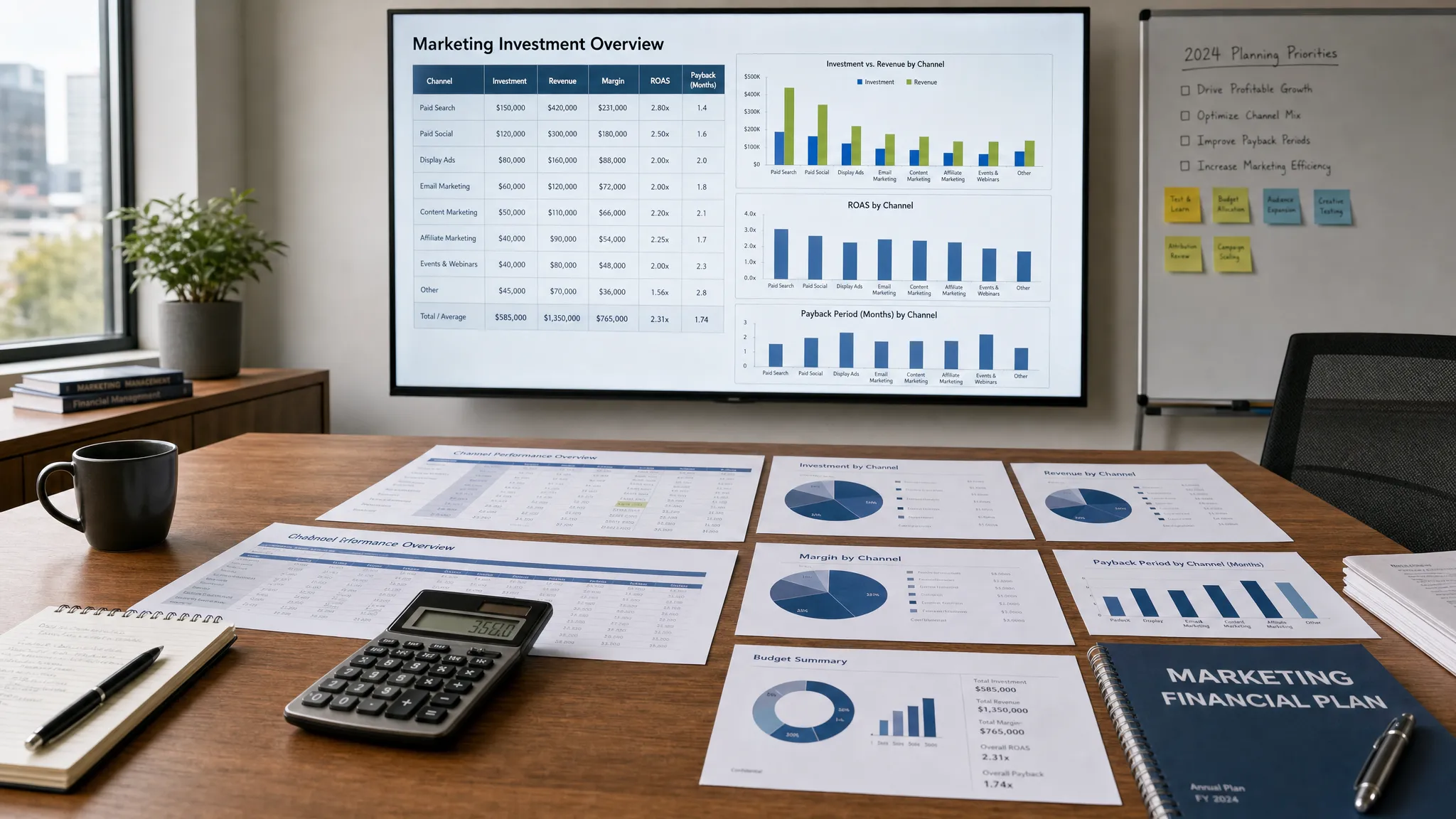
AI-powered analytics can help summarize performance changes, identify pages that gained or lost visibility, explain which topics are moving, and highlight actions for the next sprint. The best reports answer four questions: what changed, why it might have changed, what it means for the business, and what the team should do next.
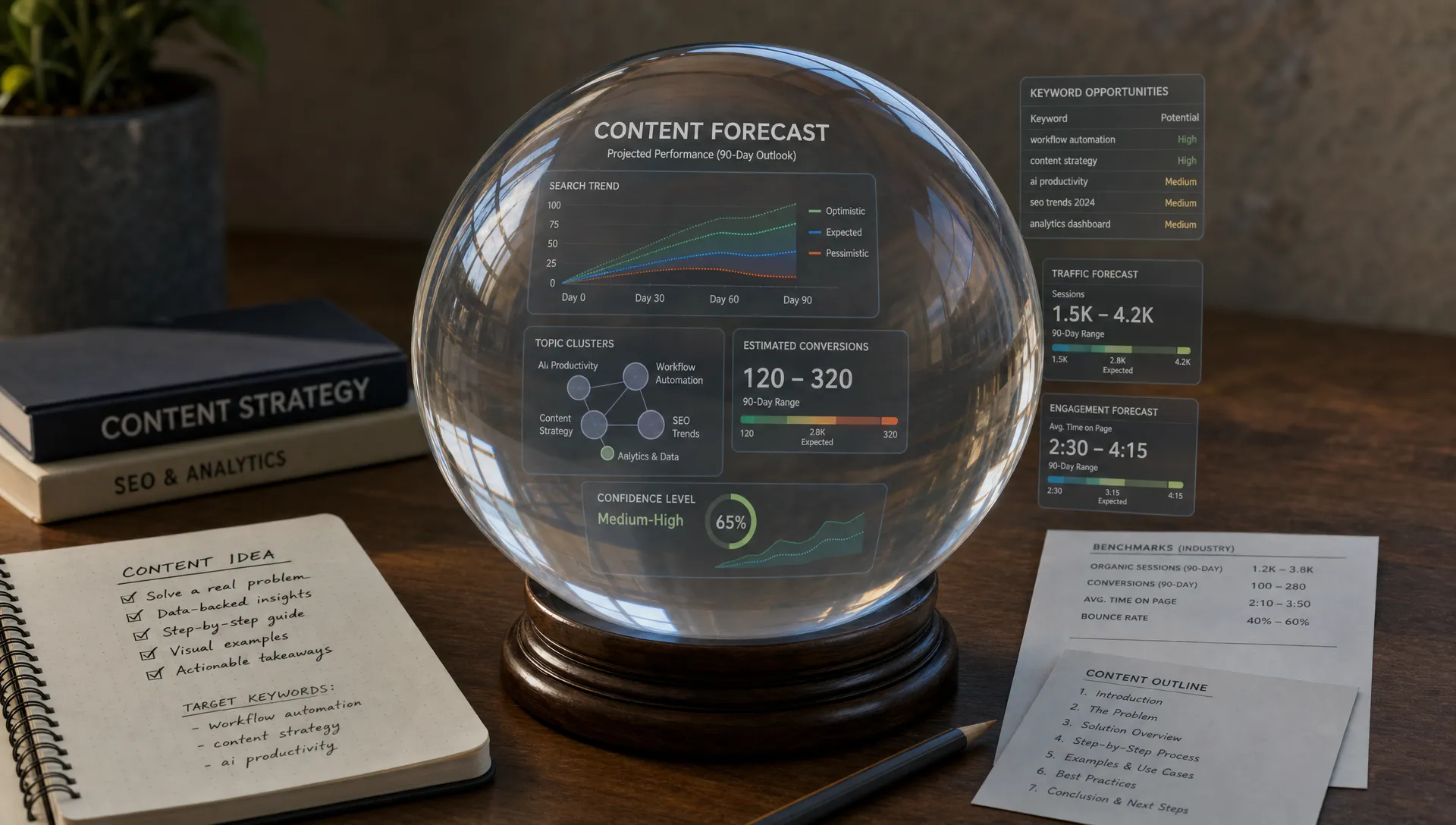
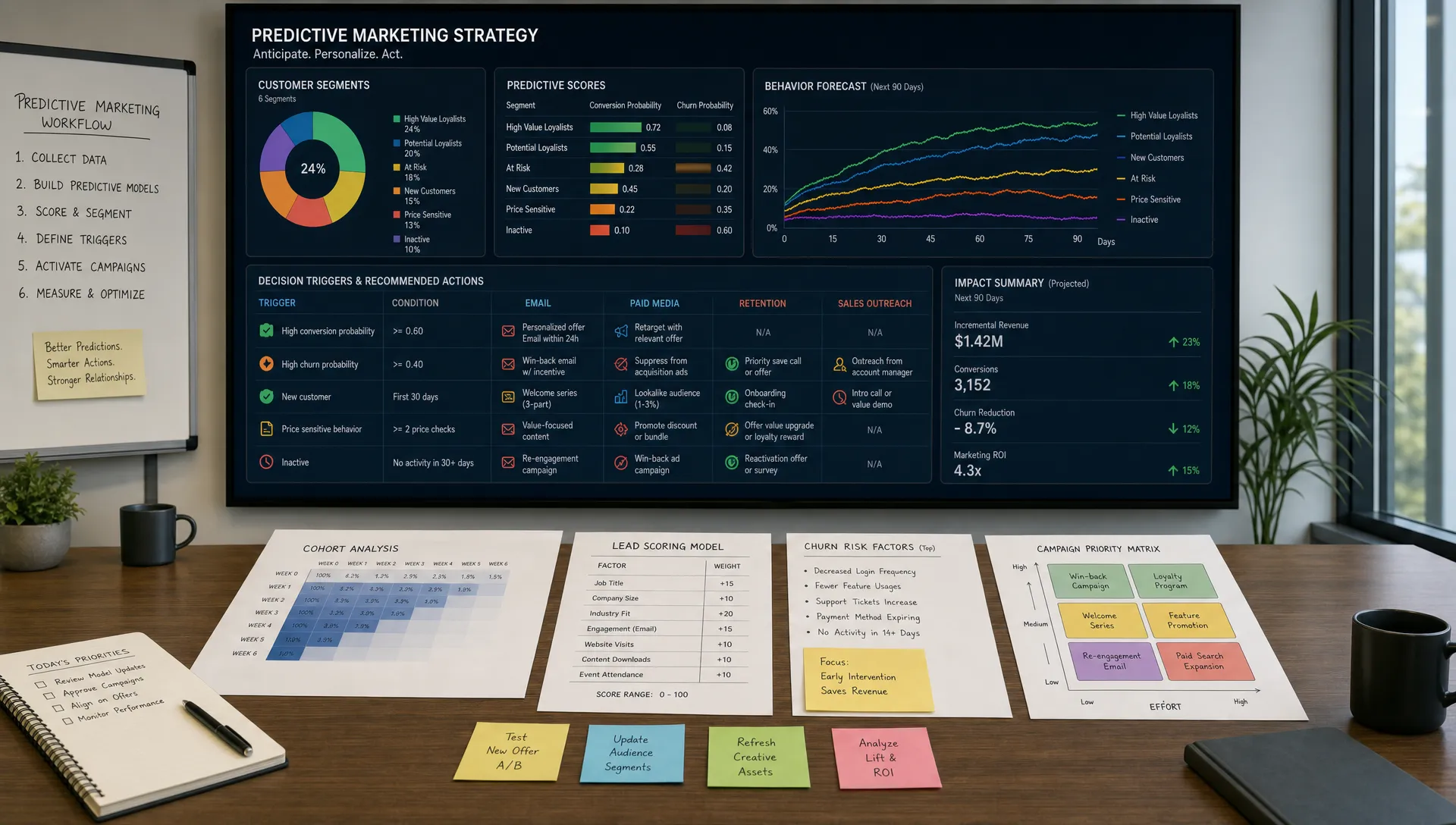
Be cautious with black-box forecasts. AI can find patterns, but SEO is affected by competition, algorithm updates, seasonality, brand demand, site changes, and content quality. Treat forecasts as planning inputs, not guarantees.
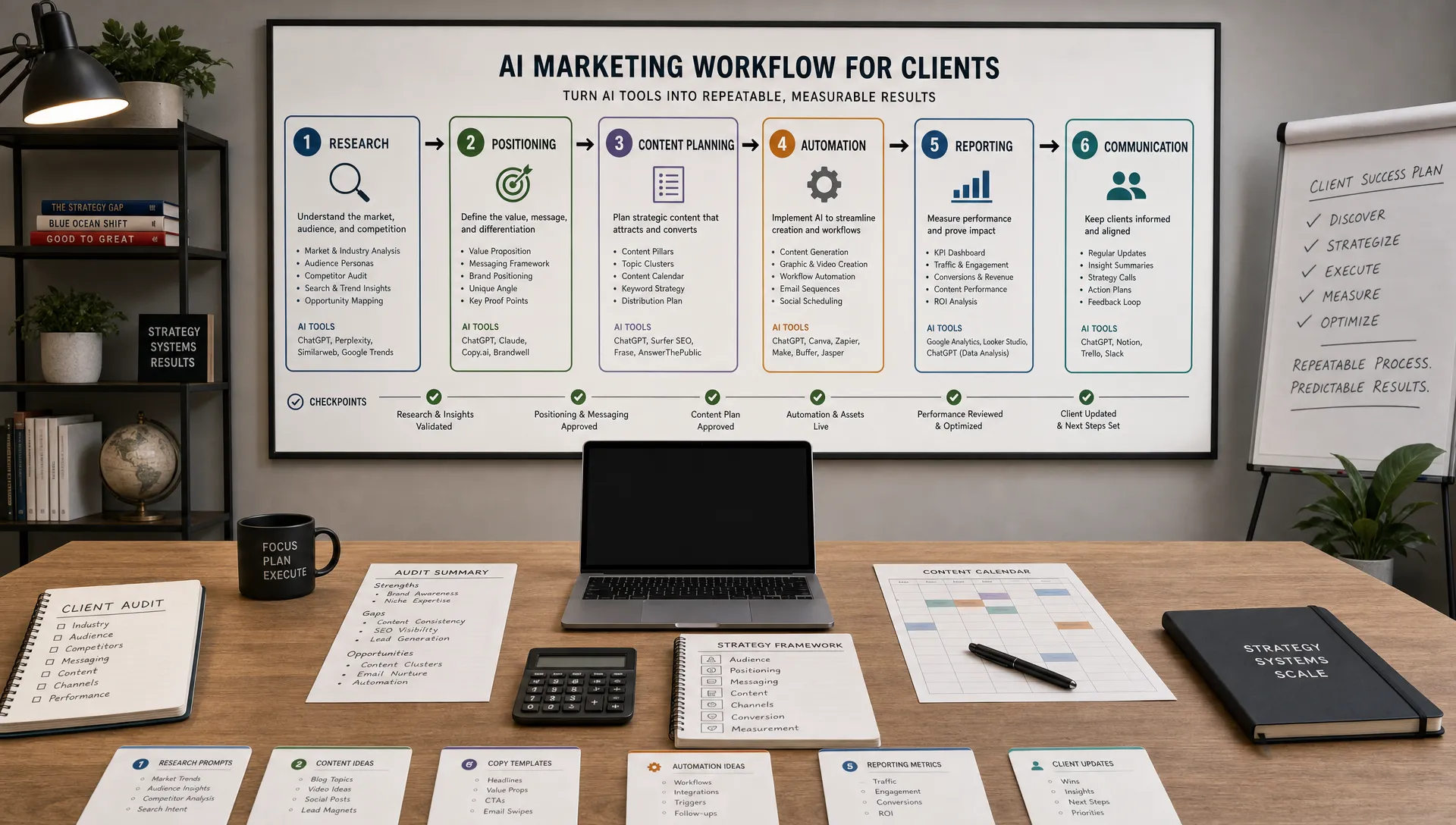
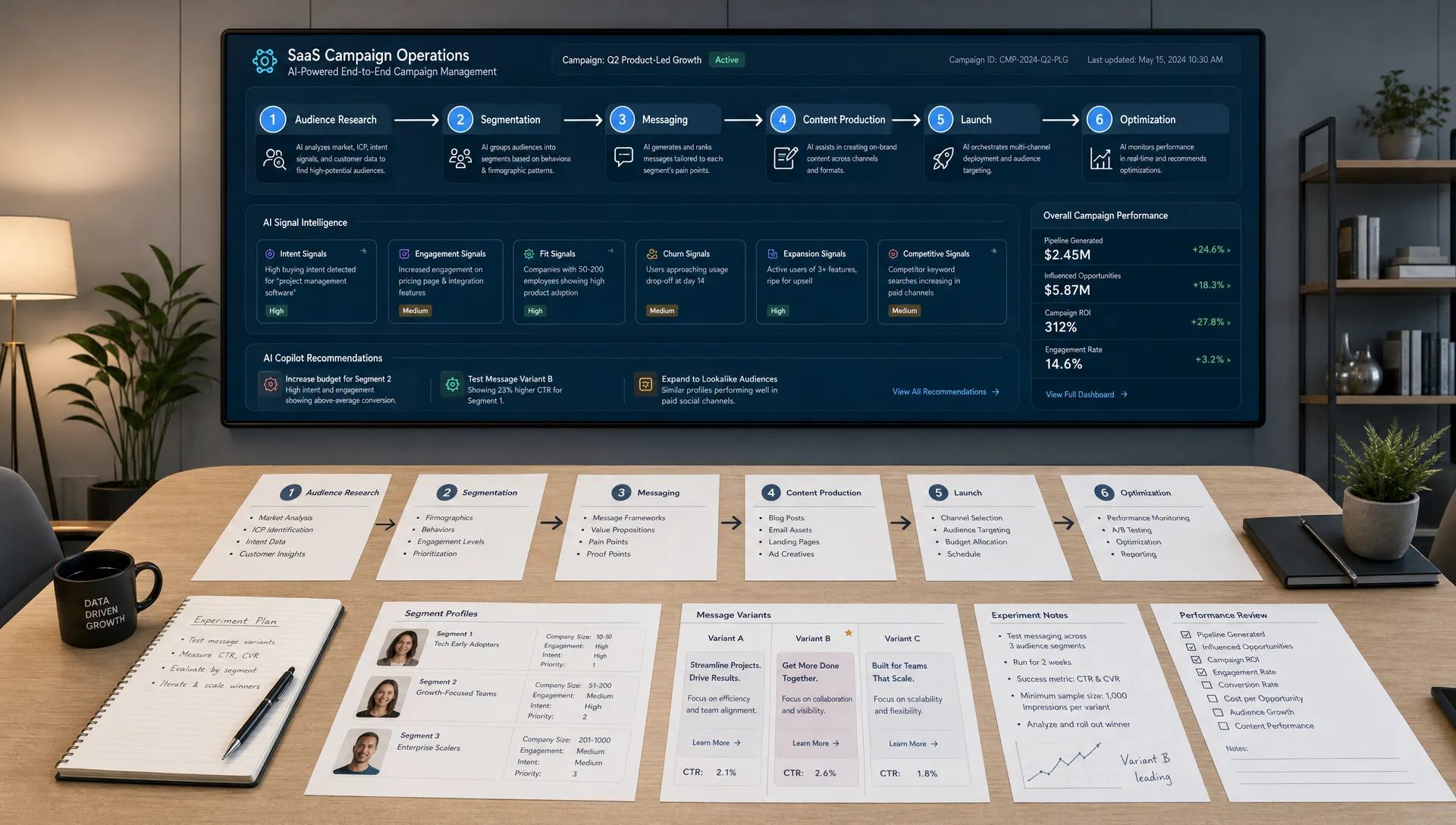
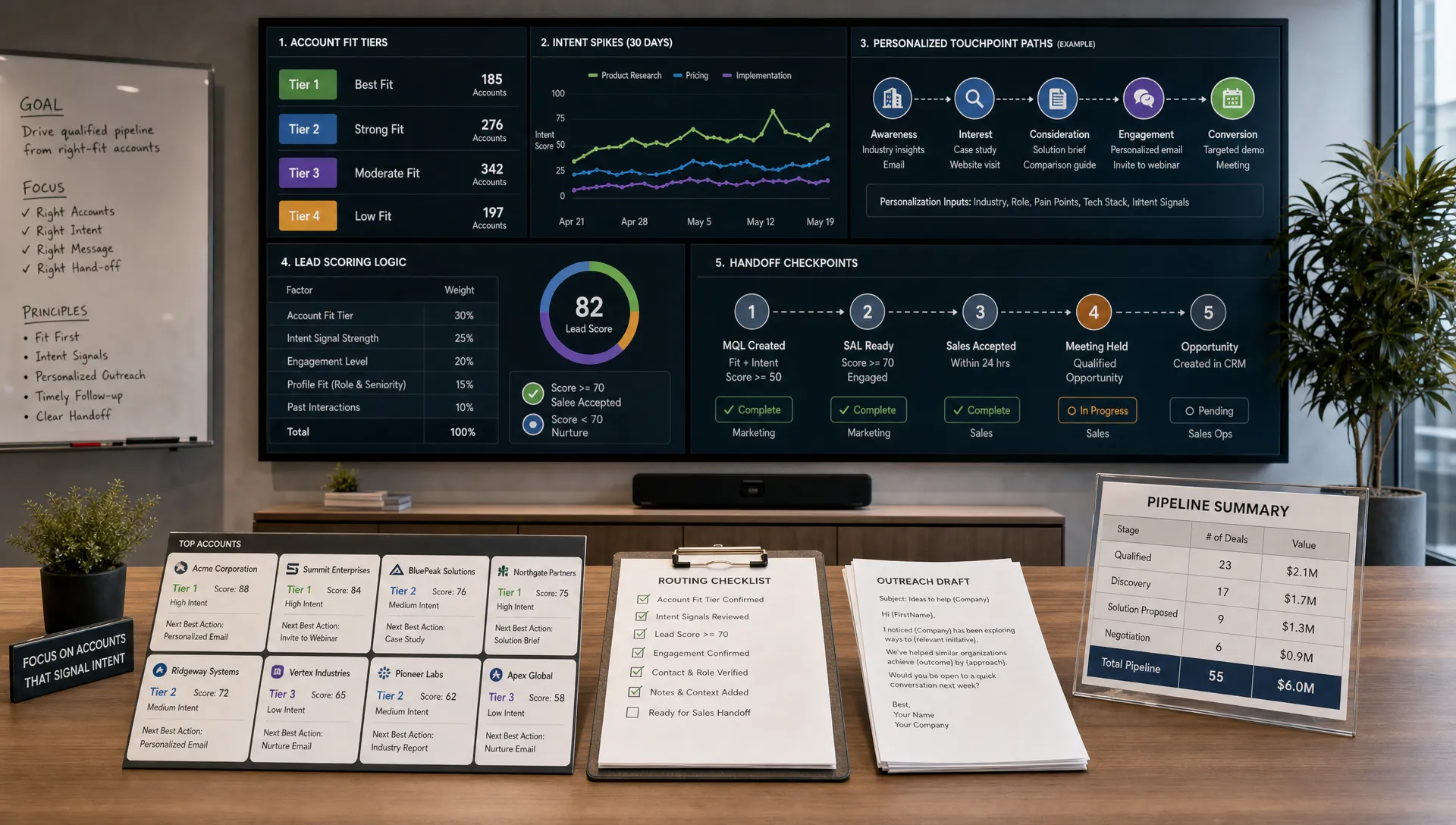
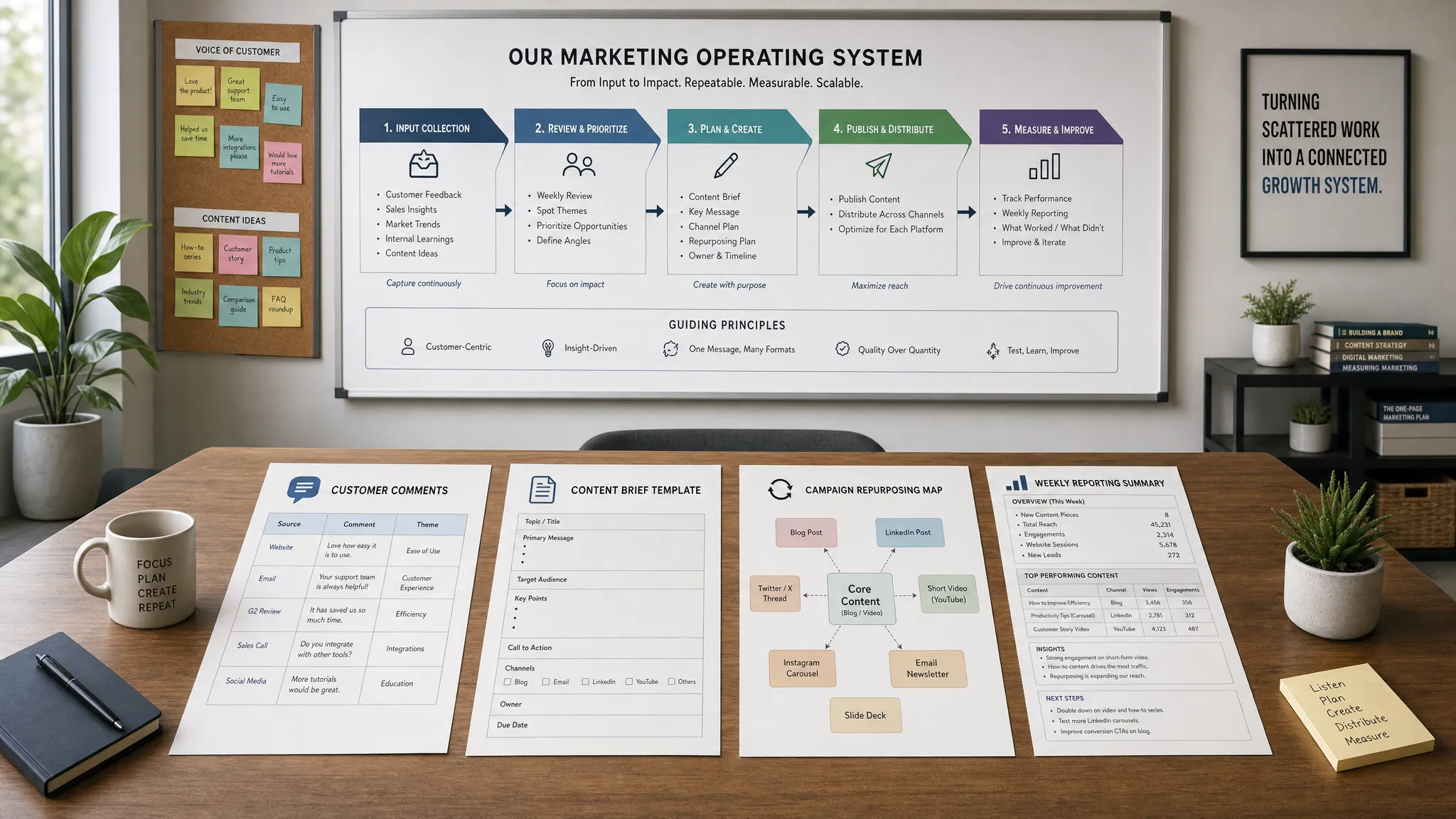
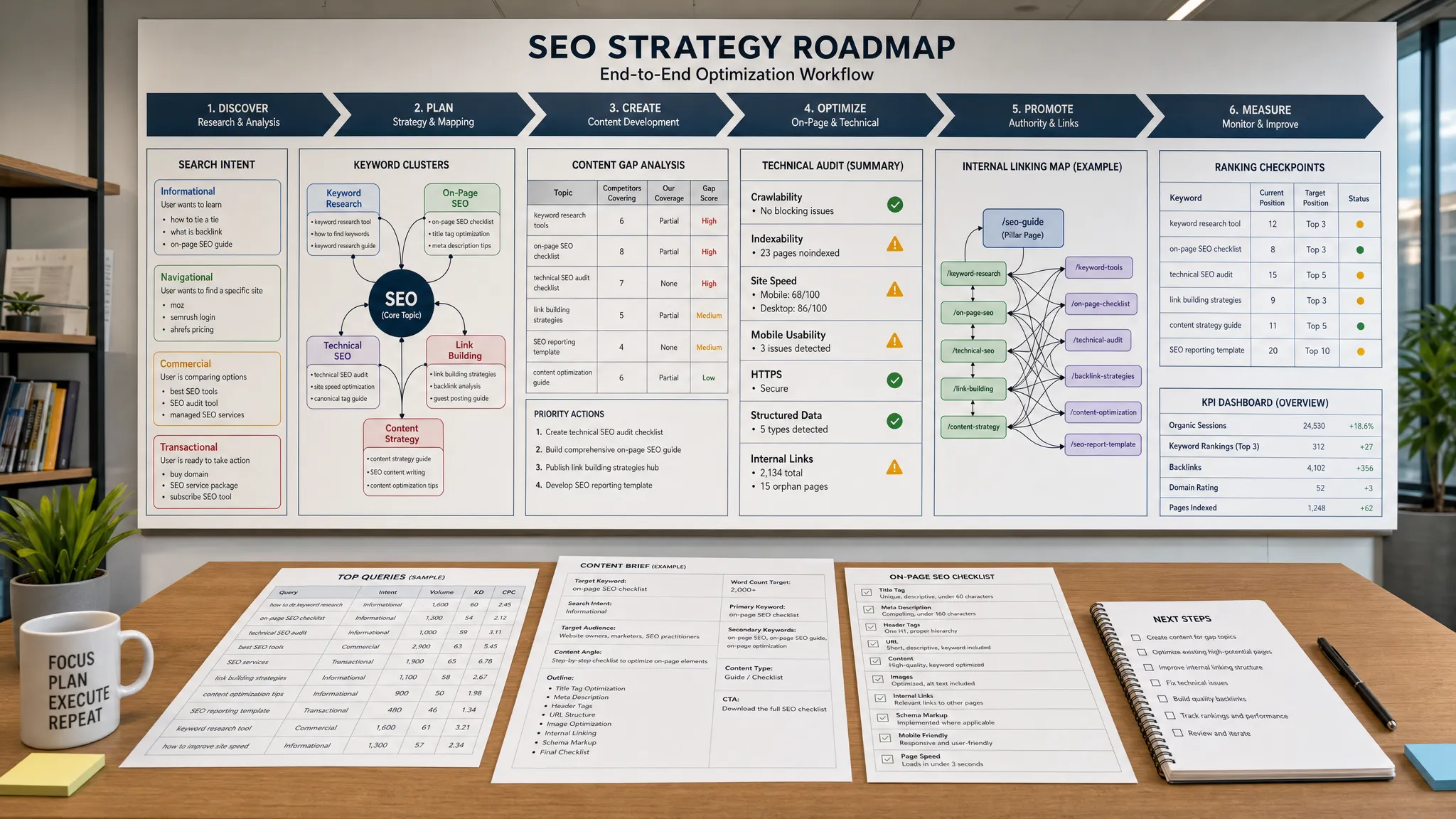
A small team does not need ten overlapping platforms. Most teams need one reliable source of search data, one way to research competitors, one way to create and optimize content, one way to audit the site, and one way to report results.
The right stack should cover the full workflow: research, prioritization, content creation, technical quality assurance, optimization, and reporting. If two tools do the same job, keep the one that your team actually uses.
Before signing up for another subscription, test each tool against a real workflow. Do not evaluate it with a sample keyword or demo website. Use your own pages, your own data, and a task your team performs every month.
A useful test is simple: after one week, did the tool help your team publish, improve, or decide something faster? If the answer is no, the AI features may be impressive but not operationally useful.
Small teams win with cadence. A repeatable process beats occasional big SEO projects because search performance compounds over time.
Each cycle should end with a decision. Publish the page, improve the page, consolidate it, link to it, or move on. AI should help the team make those decisions faster.
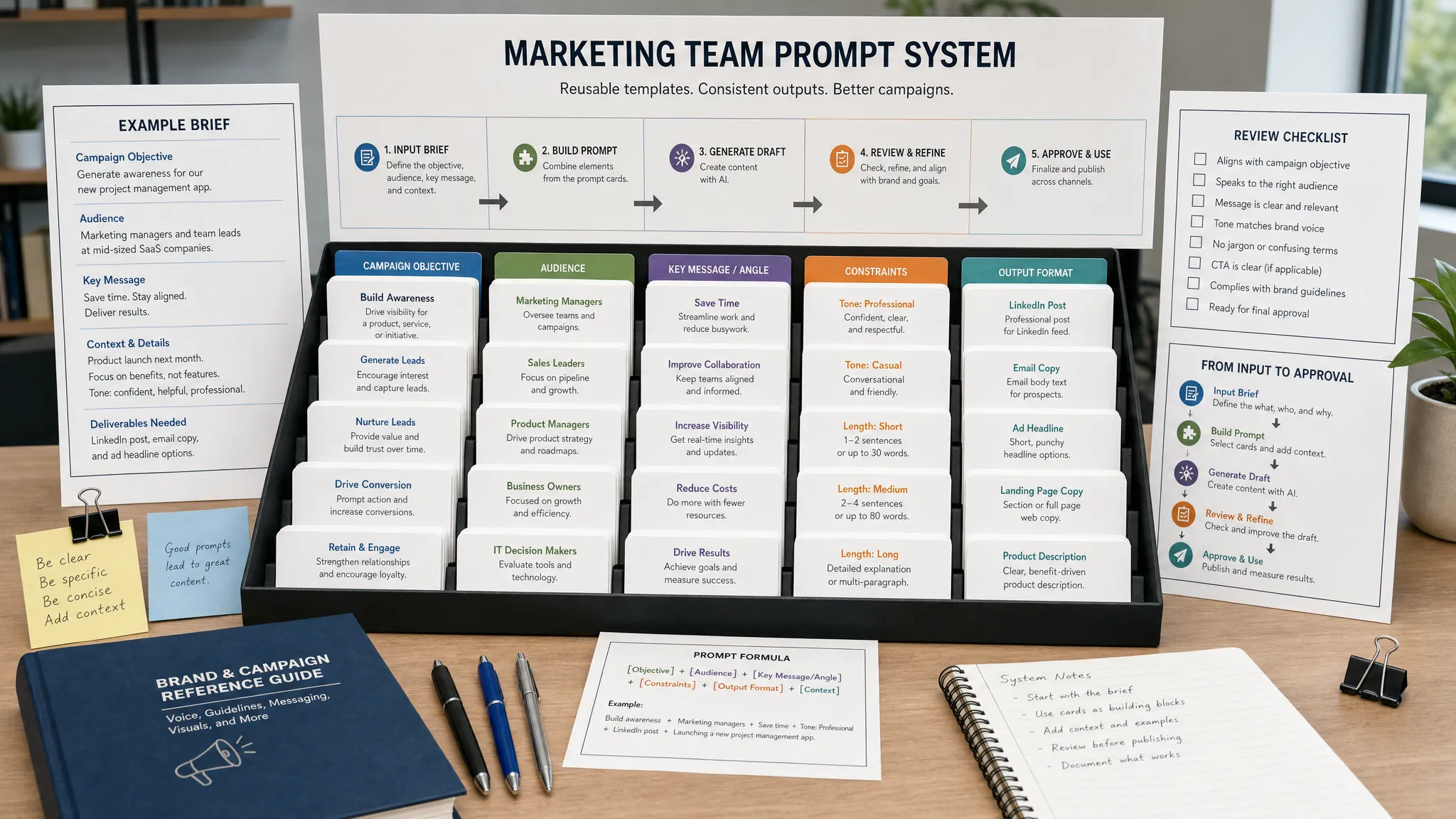
The quality of AI SEO output depends heavily on the input. Vague prompts create generic content. Specific prompts create usable strategy.
Act as an SEO strategist for a small B2B marketing team. Cluster these Search Console queries by search intent, identify which existing page should target each cluster, and flag opportunities where our current page likely needs a refresh.
Review this draft against the search intent for the target keyword. Identify missing questions, unclear sections, unsupported claims, internal link opportunities, and places where expert examples would make the content more useful.
Turn this competitor analysis into a content brief. Focus on what users need to know, what competitors explain poorly, what unique angle we can take, and what evidence or examples should be included.
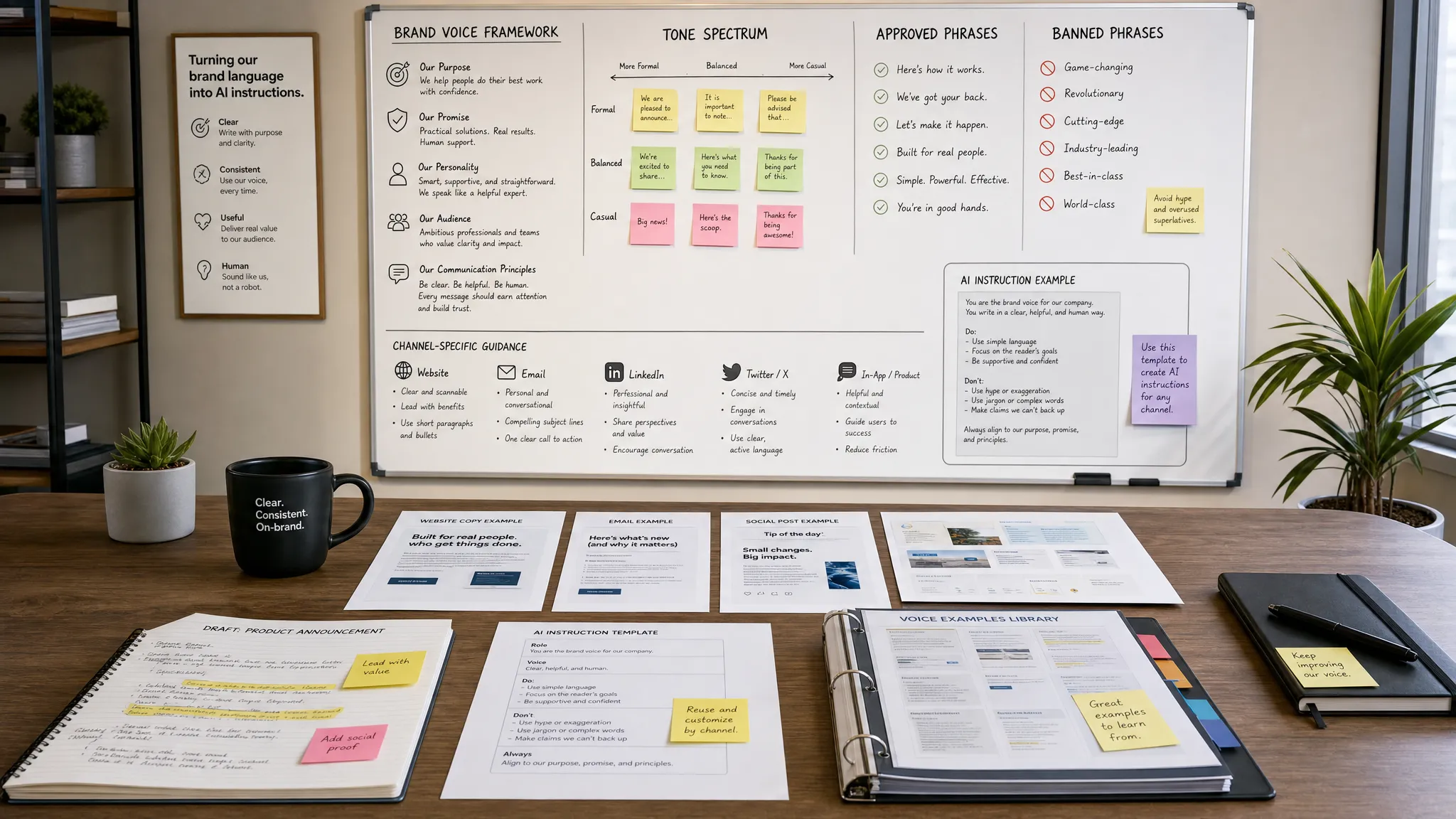
These prompts work because they give AI a role, a task, context, and a decision-oriented output. That is far better than asking it to simply write an SEO article.
Some AI SEO tactics look productive but create long-term problems. Small teams have less room for wasted effort, so avoiding these traps matters.
The goal is not to create more SEO activity. The goal is to create more useful pages that can be found, trusted, and acted on.
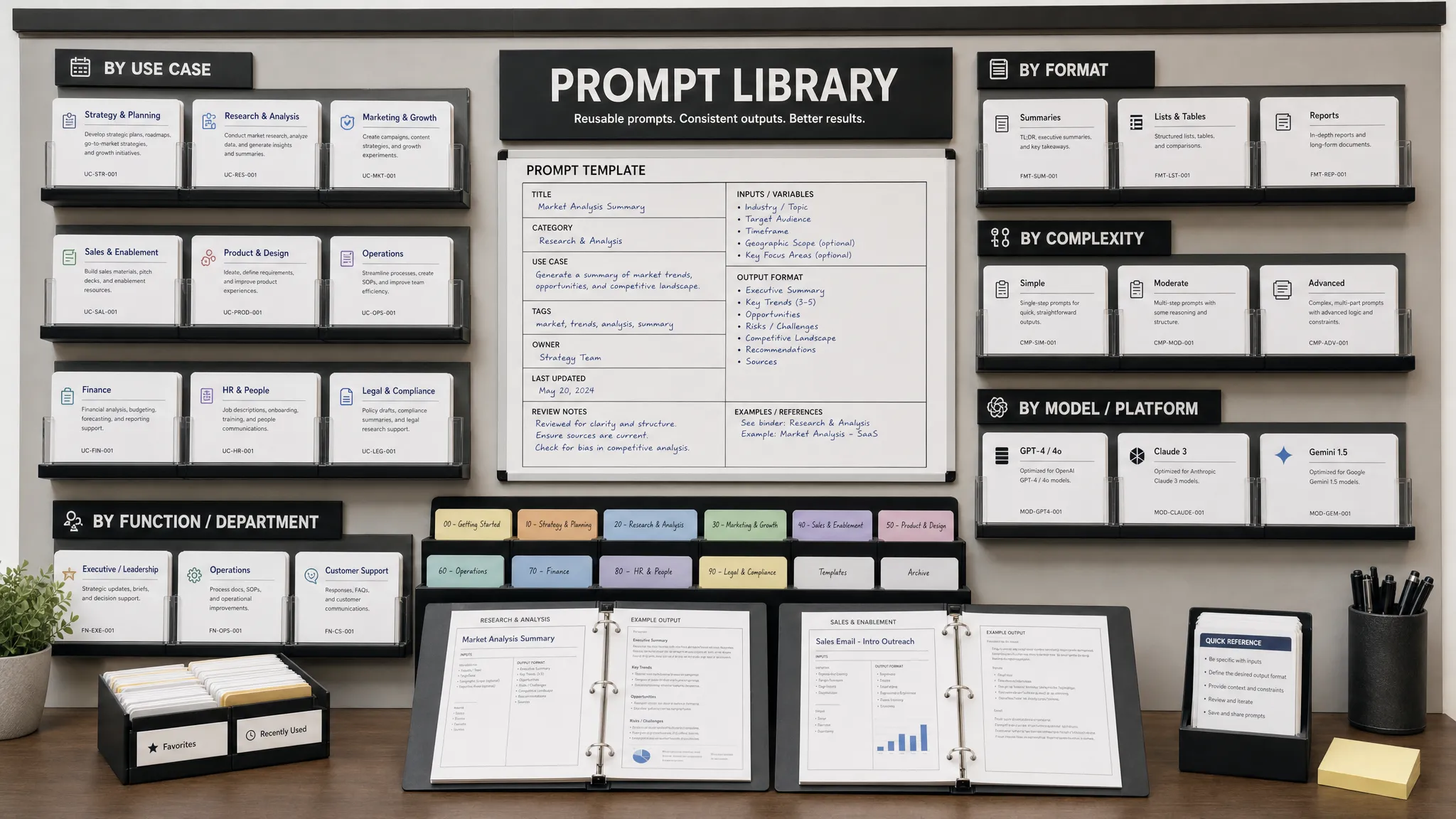
AIMarketer Hub is designed for marketers and businesses that want practical AI marketing support without turning every task into a complex software project. For SEO workflows, the platform can support repeatable work across AI content generation, marketer-focused prompts, SEO tools, performance analytics, industry-specific guides, automated content creation, integrations, and a resource library.
For a small team, that matters because consistency is often the hardest part. You need a place to create content, reuse proven prompts, check performance, and connect SEO work to broader digital marketing strategies. You also need guidance that fits your industry, whether you are working in SaaS, finance, legal, or another specialized market where accuracy and trust matter.
The most effective use of AIMarketer Hub is not to replace your marketing judgment. It is to standardize the repeatable parts of SEO so your team has more time for strategy, subject matter expertise, and creative differentiation.
Are AI SEO tools worth it for small teams? Yes, if they reduce manual work and improve decision-making. The best use cases are keyword clustering, content briefs, refresh recommendations, technical audit prioritization, metadata drafts, and performance summaries.
Can AI-written content rank in Google? AI-assisted content can rank if it is helpful, accurate, original, and created for people rather than search manipulation. Human review, expert input, and clear search intent alignment are essential.
What is the first AI SEO tool a small team should use? Start with your existing data in Google Search Console, then use an AI assistant to cluster queries, identify refresh opportunities, and draft briefs. Add paid tools only when the workflow is proven.
Should small teams choose an all-in-one SEO platform or specialized tools? Choose based on your bottleneck. If research, audits, and reporting are all problems, an all-in-one platform can help. If only content briefs are slow, a specialized tool may be more cost-effective.
How often should SEO content be refreshed with AI? Review important pages at least quarterly, and check high-opportunity pages more often. AI can flag declining clicks, outdated sections, missing questions, and internal link gaps, but a human should approve changes.
AI SEO tools work best when they help small teams focus, execute, and learn faster. Start with real search data, prioritize a manageable backlog, use AI to speed up repetitive tasks, and keep humans responsible for strategy, accuracy, and quality.
If you want a practical place to explore AI-powered marketing tools, prompts, SEO resources, calculators, analytics, and industry-specific guides, visit AIMarketer Hub. Build a workflow that saves time, improves content quality, and helps your team grow with less guesswork.