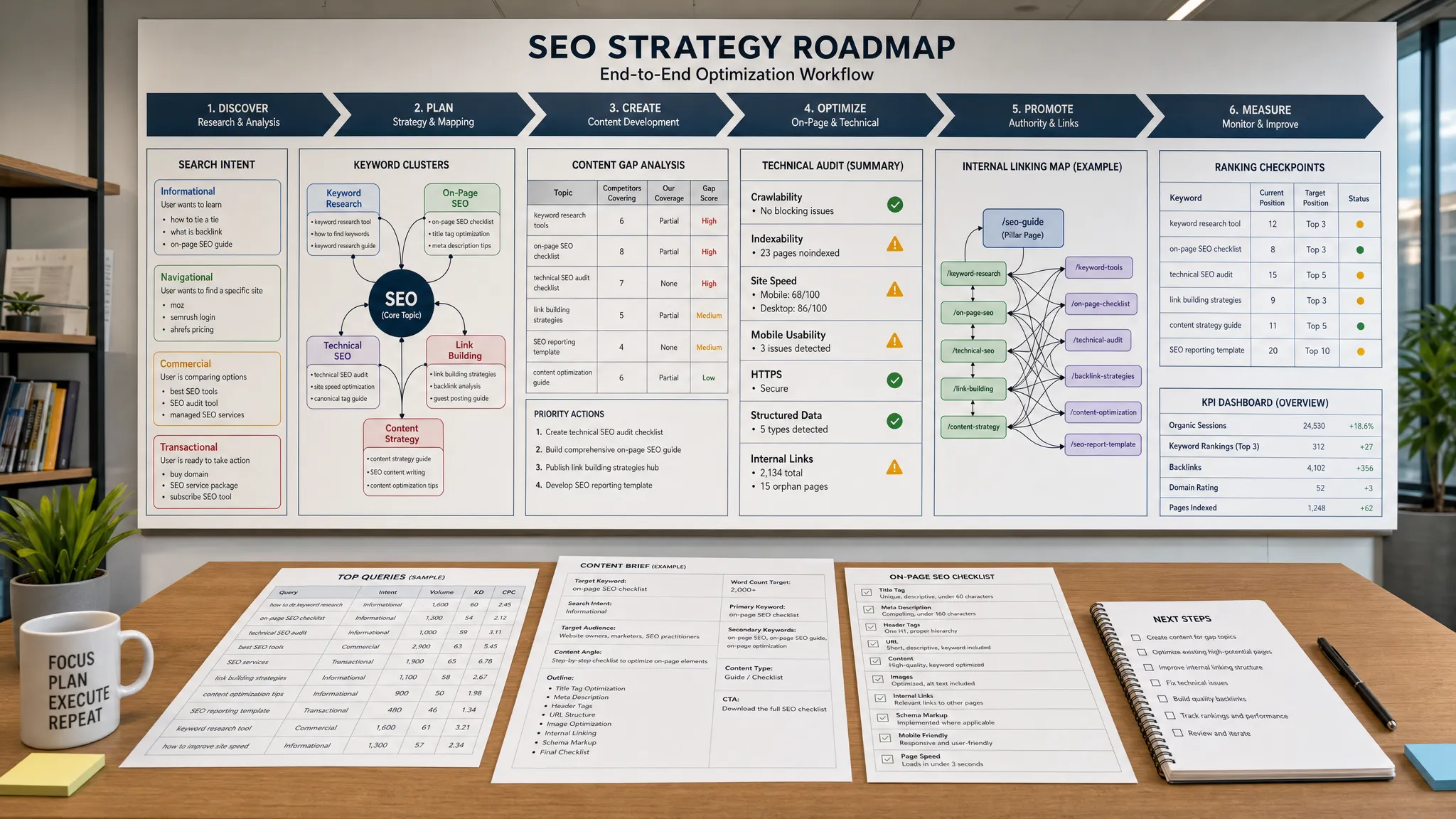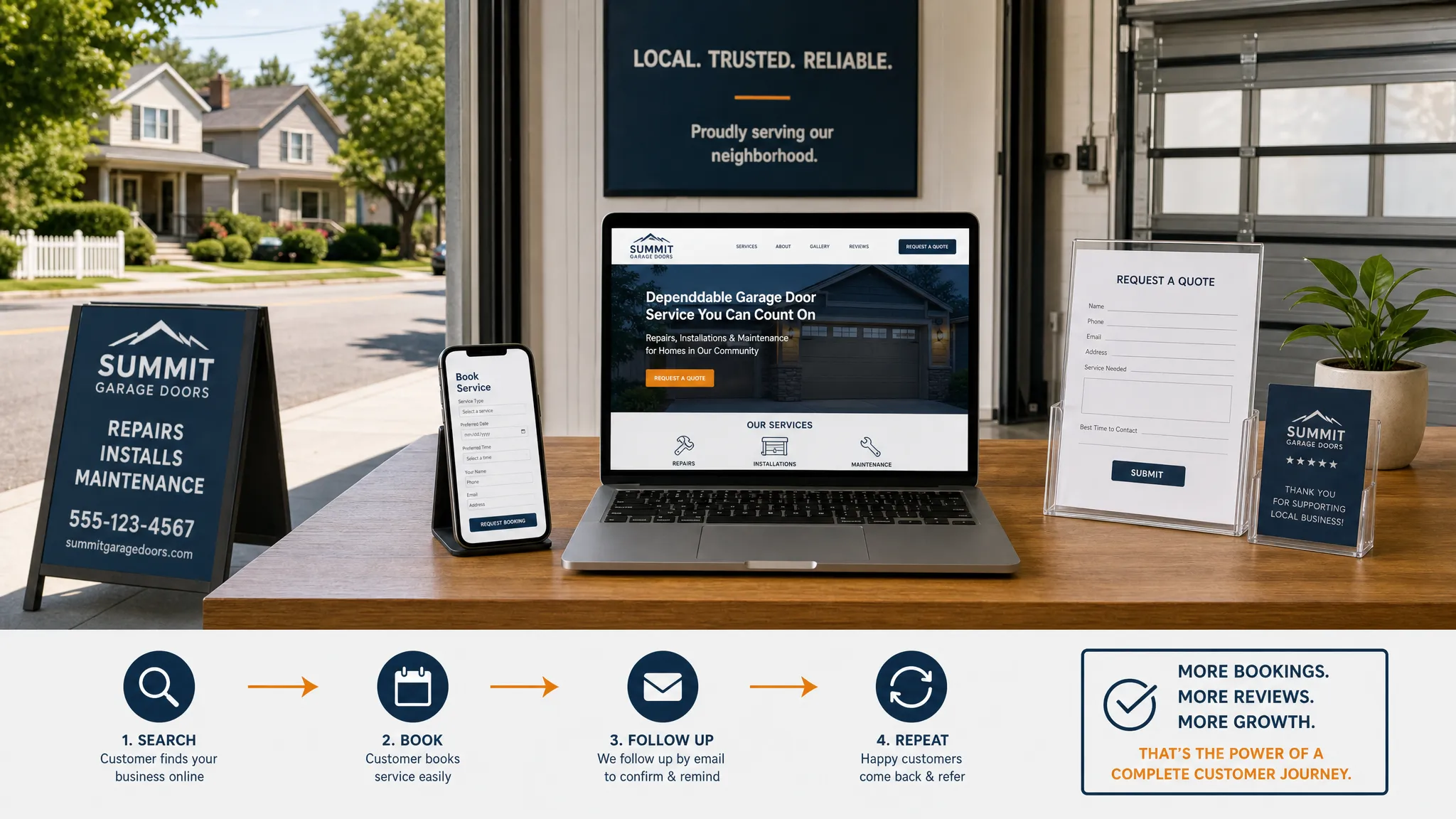
Using AI for marketing is no longer a novelty. It is becoming a normal part of how teams brainstorm, draft, optimize, personalize, and report. The real challenge is not whether AI can produce more content. It is whether it can help you produce better marketing that still sounds unmistakably like your brand.
That distinction matters. Generic AI output can make a fintech startup sound like a lifestyle blog, a law firm sound casual in the wrong places, or a SaaS brand lose the clear point of view that made customers trust it. Brand voice is not decoration. It is a trust signal.
The good news is that AI does not have to flatten your voice. With the right system, it can actually make your brand more consistent across channels, teams, and campaigns. The key is to treat AI as a trained assistant, not an autonomous brand strategist.
Brand voice is the personality, vocabulary, rhythm, and perspective your company uses to communicate. It shows up in your website copy, emails, ads, social posts, sales collateral, onboarding messages, and support content.
A strong voice answers questions such as:
When teams use AI for marketing without defining these details, the tool fills in the blanks with the most statistically likely style. That is why so much AI content sounds polished but forgettable. It is not necessarily wrong, it is just not yours.
Your goal is to give AI enough brand context that it can create useful first drafts while your team keeps control of strategy, nuance, and final judgment.
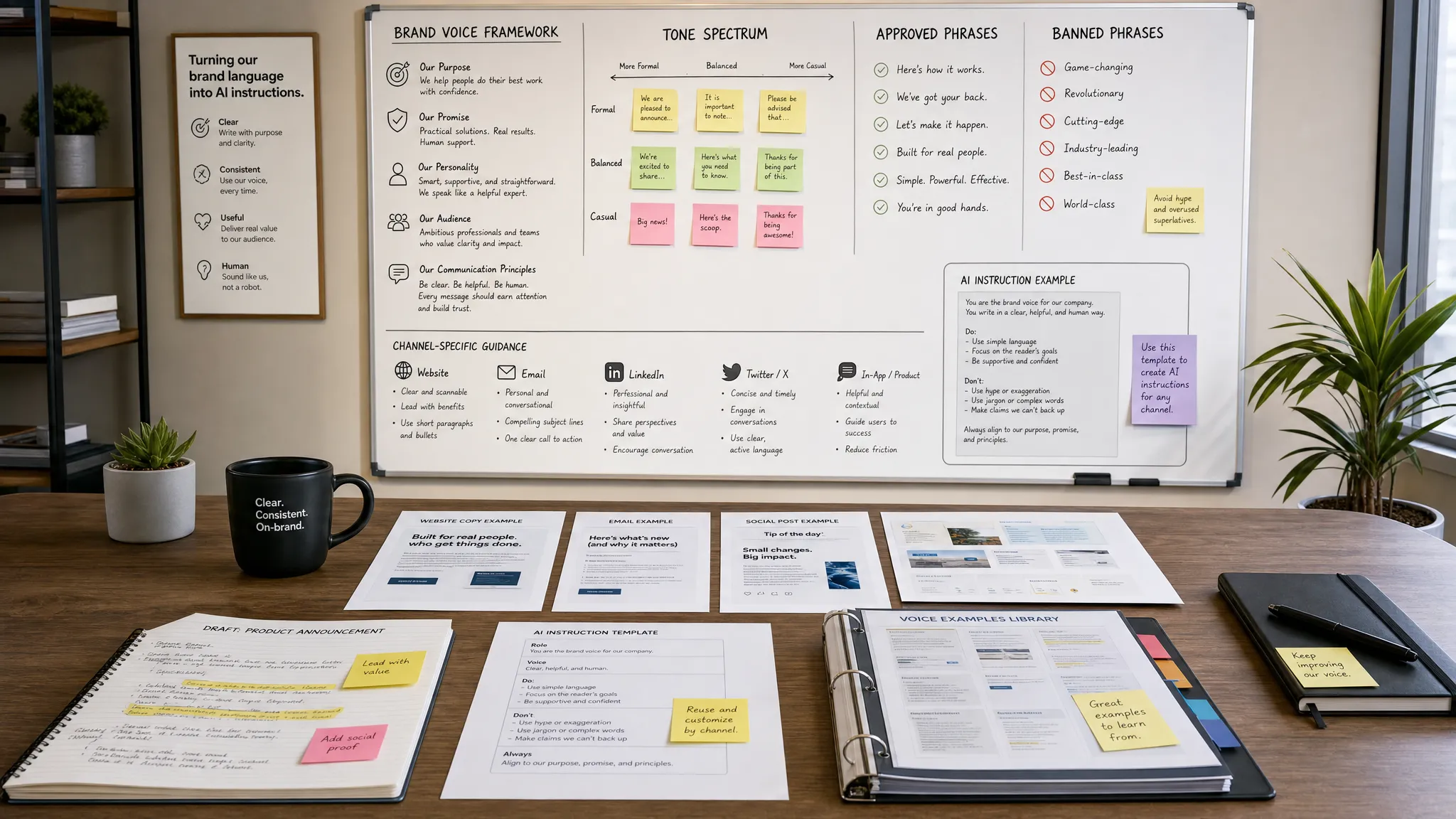
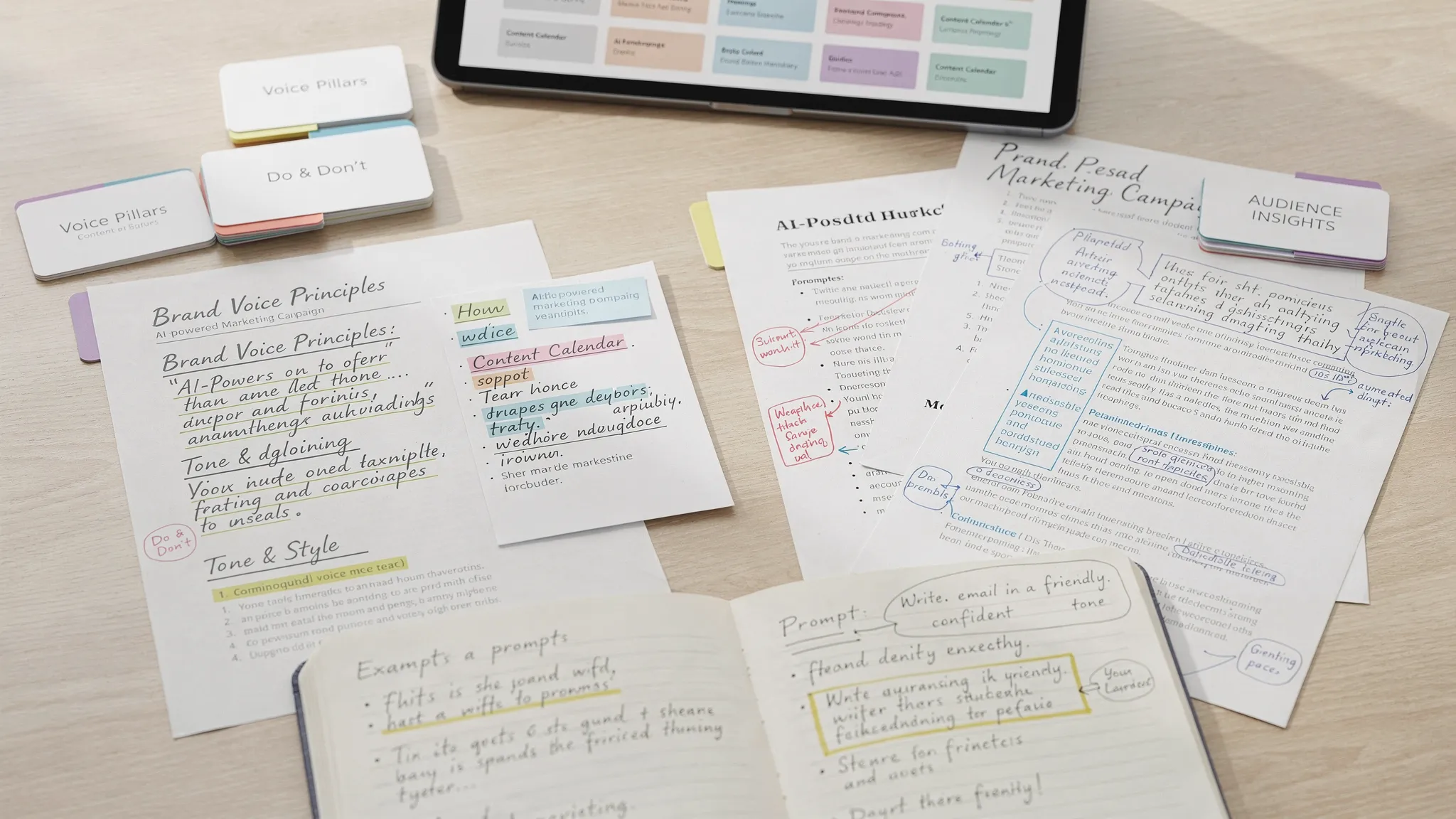
Many companies have brand guidelines, but they are often visual, outdated, or too abstract for day-to-day content creation. AI needs practical instructions. A useful AI-ready voice guide should be short, specific, and full of examples.
Instead of saying your brand is innovative and customer-centric, explain what that means in writing. For example, you might say your brand sounds knowledgeable but never academic, optimistic but never hype-driven, and concise but not cold.
Include a small library of approved examples. Add one homepage section, one email, one social post, one product description, and one sales follow-up that feel on-brand. Then add a few off-brand examples with notes about why they miss the mark.
This gives AI and human reviewers a shared reference point. It also prevents subjective feedback such as make it punchier or sound more premium from slowing down every draft.
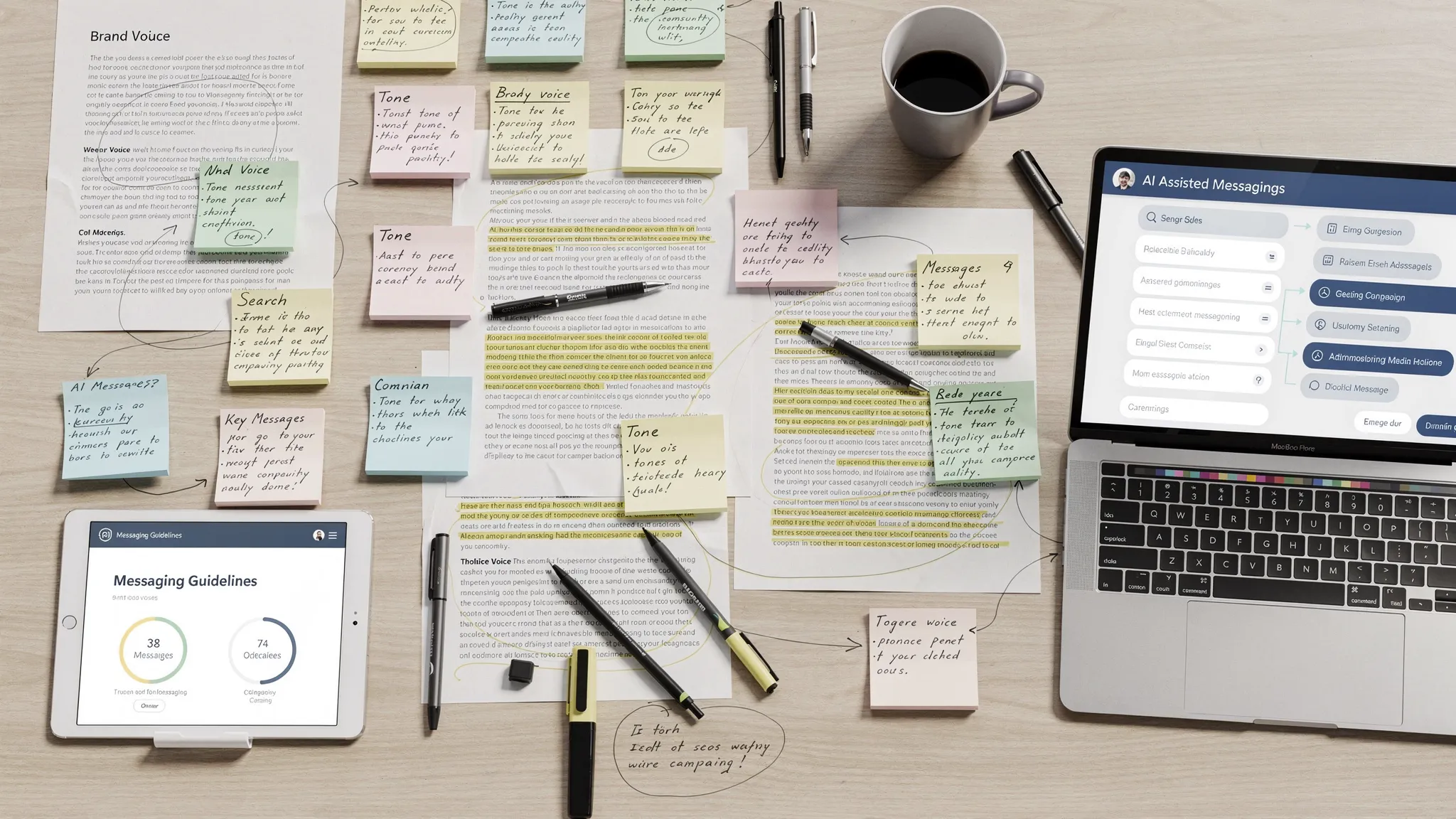
Not every marketing task carries the same brand risk. AI is usually safest when it supports internal thinking, research, structure, and variation. It needs more oversight when it touches claims, positioning, legal language, sensitive topics, or high-visibility brand moments.
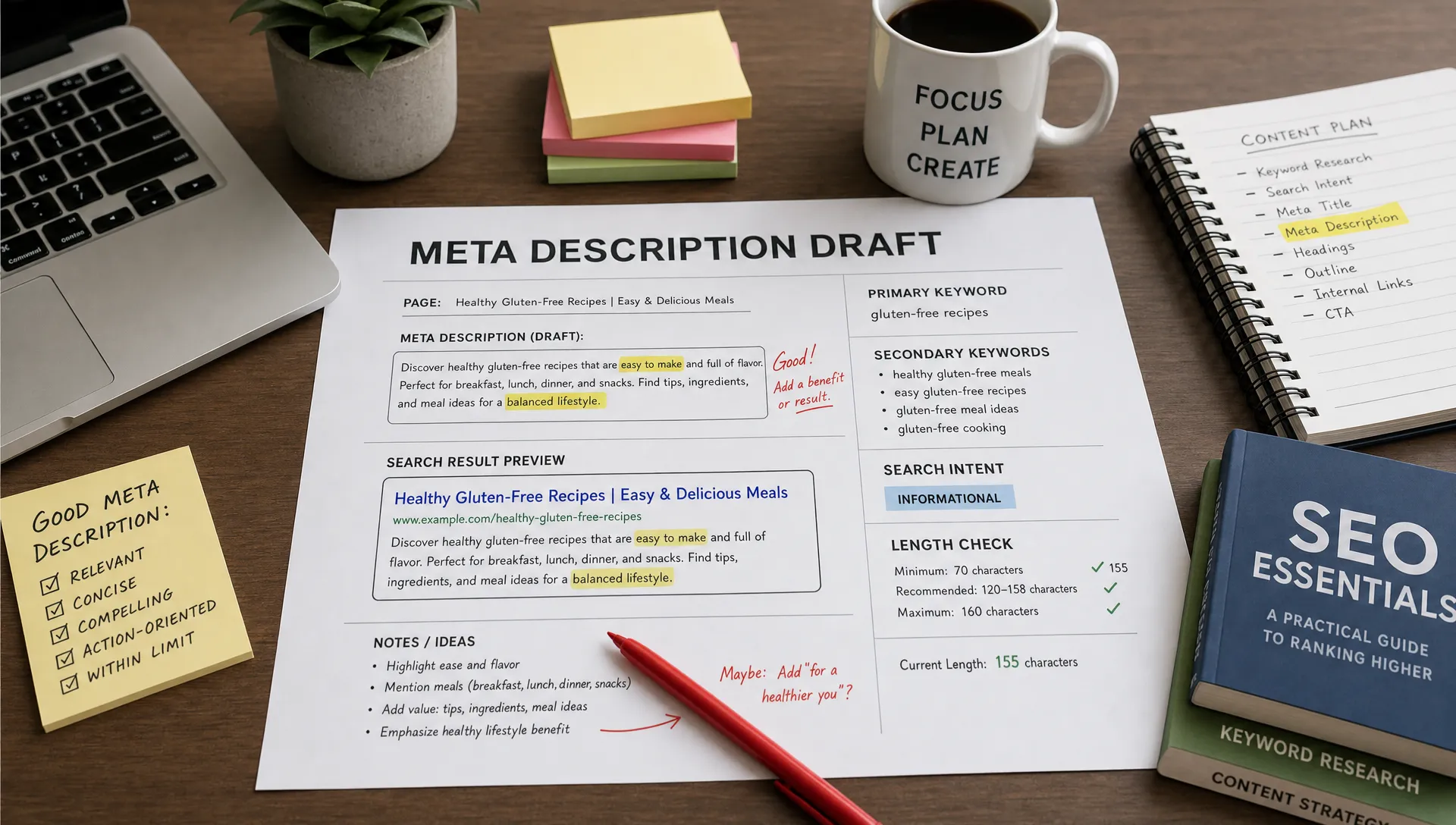
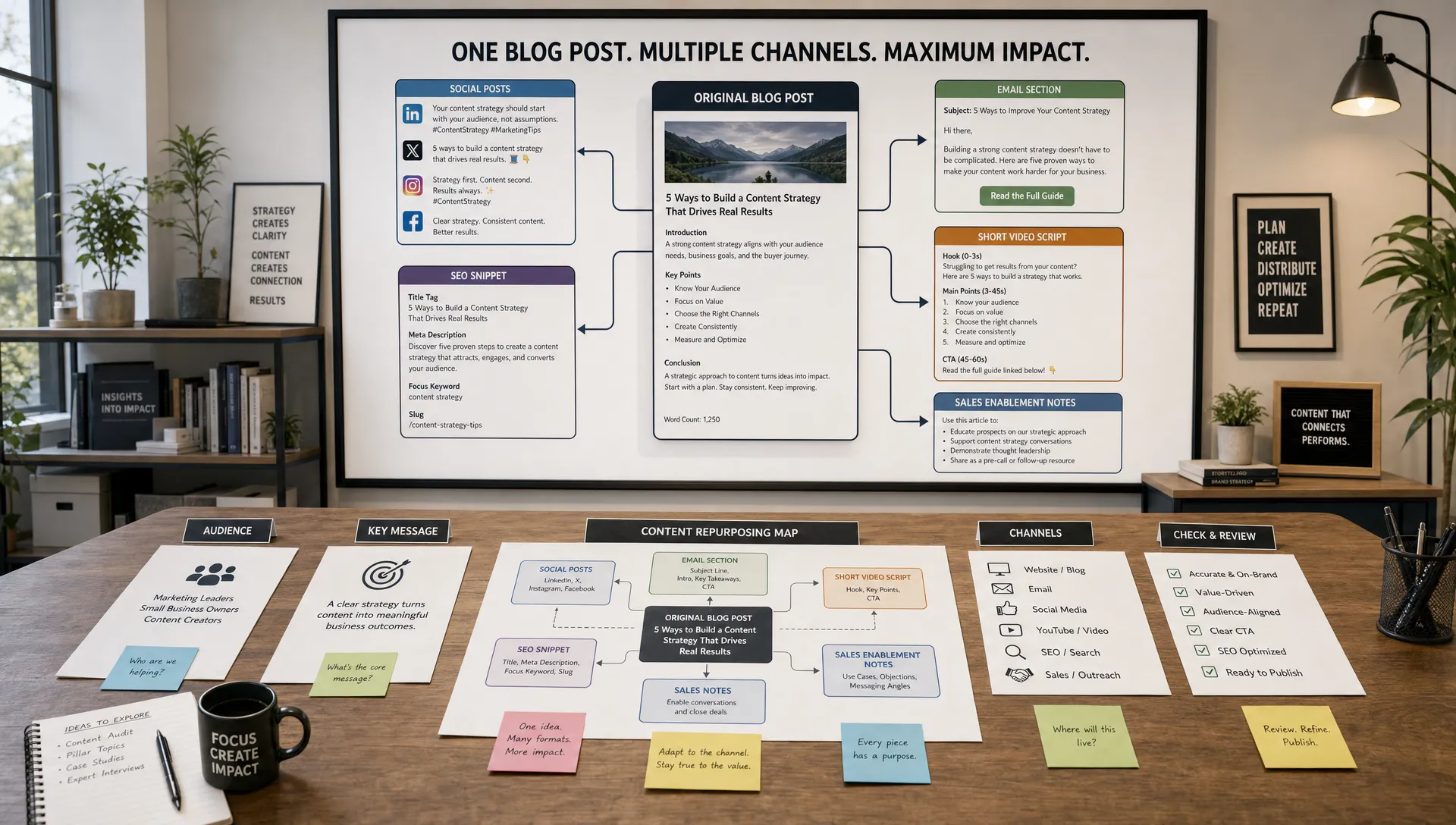
For example, AI can be very useful for turning a webinar transcript into blog ideas, drafting meta descriptions, summarizing customer research, creating campaign variations, or adapting a long article into social snippets. These tasks still need review, but the risk is manageable.
AI should be handled more carefully for founder letters, crisis communication, pricing pages, compliance-heavy service pages, customer apologies, and thought leadership that depends on a distinct point of view. In those cases, AI can help outline or pressure-test ideas, but a human should own the message.
This is especially important in regulated or trust-based industries. A finance, legal, or accounting brand must protect accuracy and tone because credibility is part of the product. For example, an Australian tax and accounting services provider needs content that sounds precise, responsible, and helpful, not vague or overpromotional.
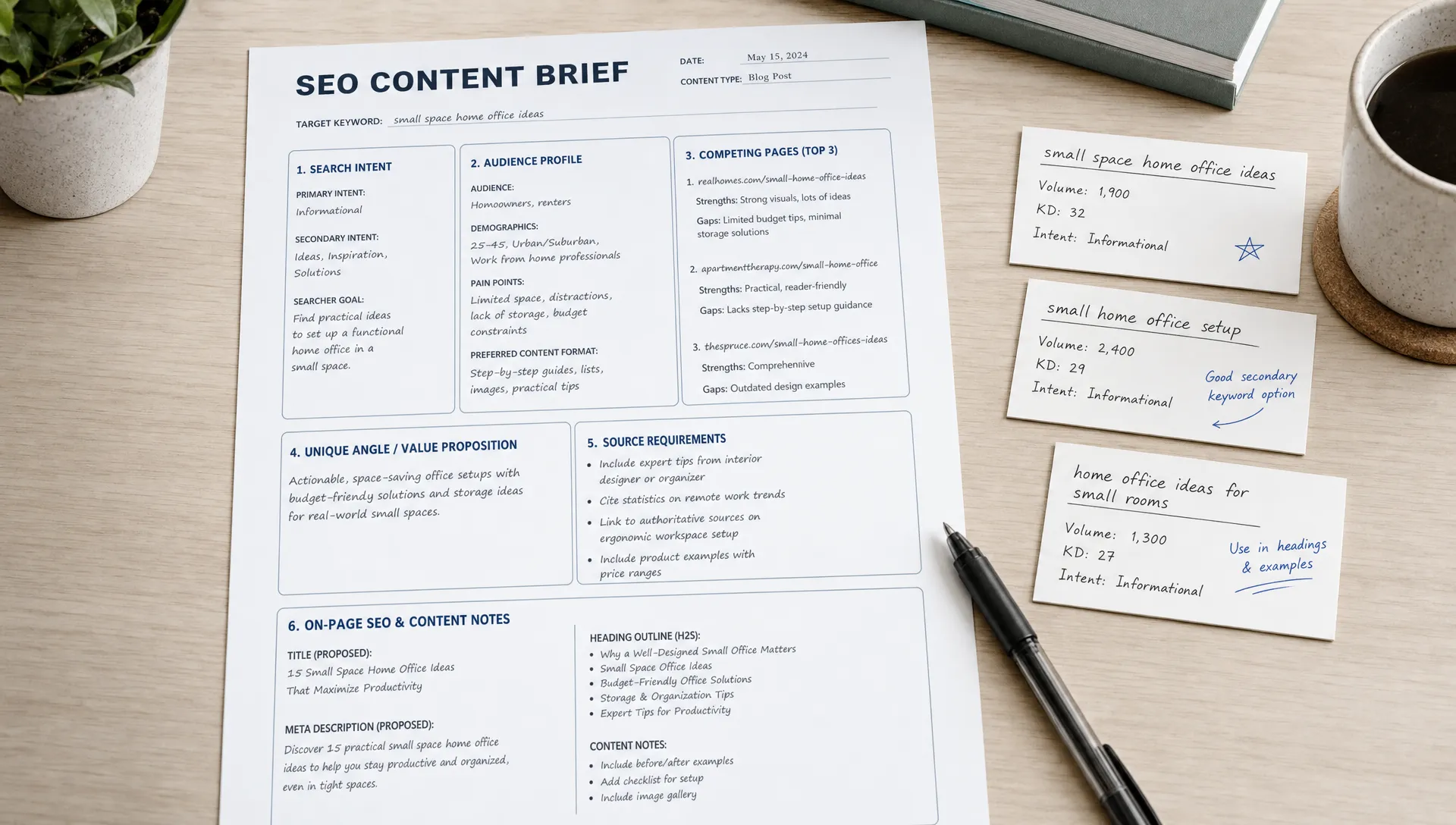
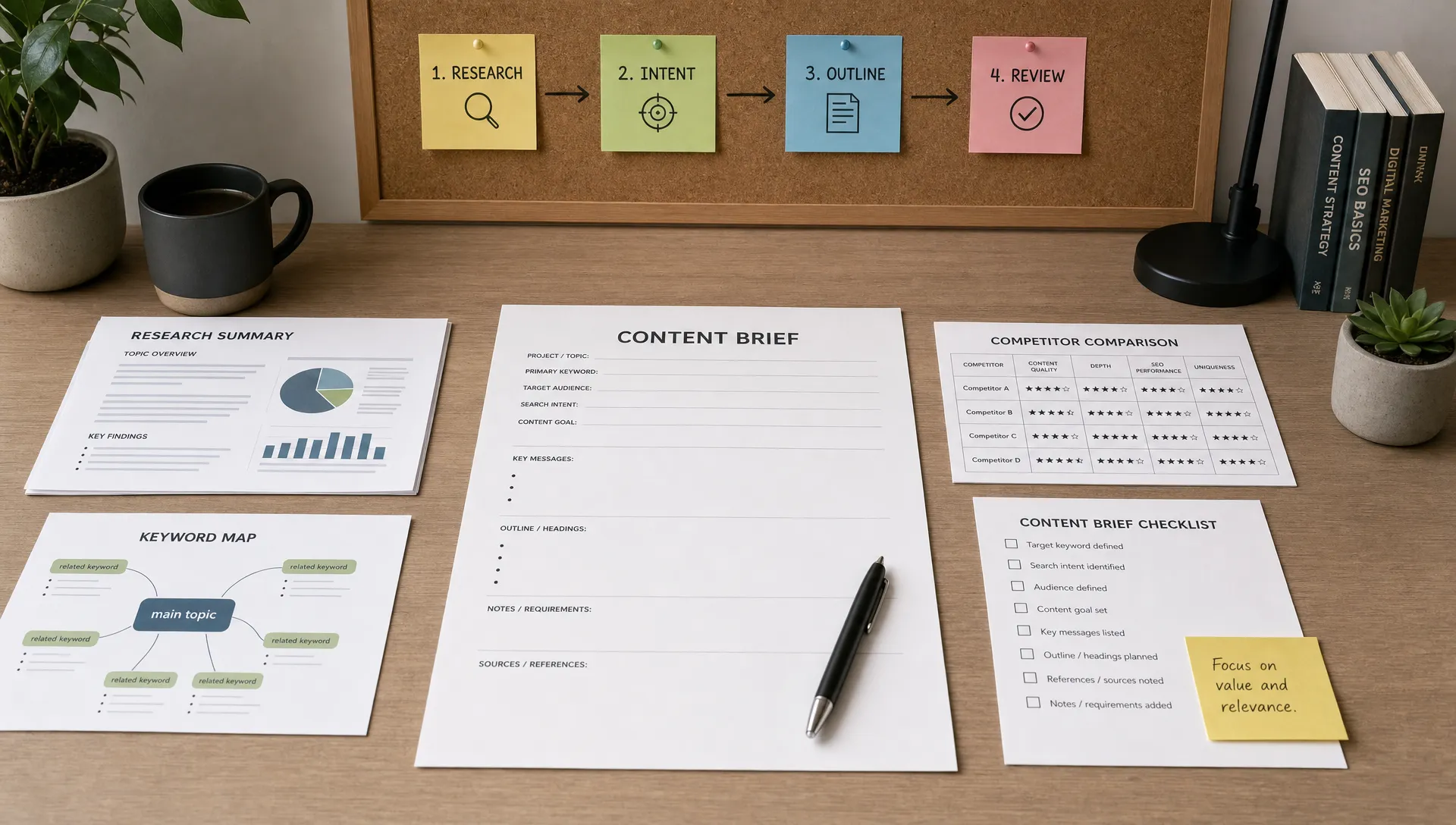
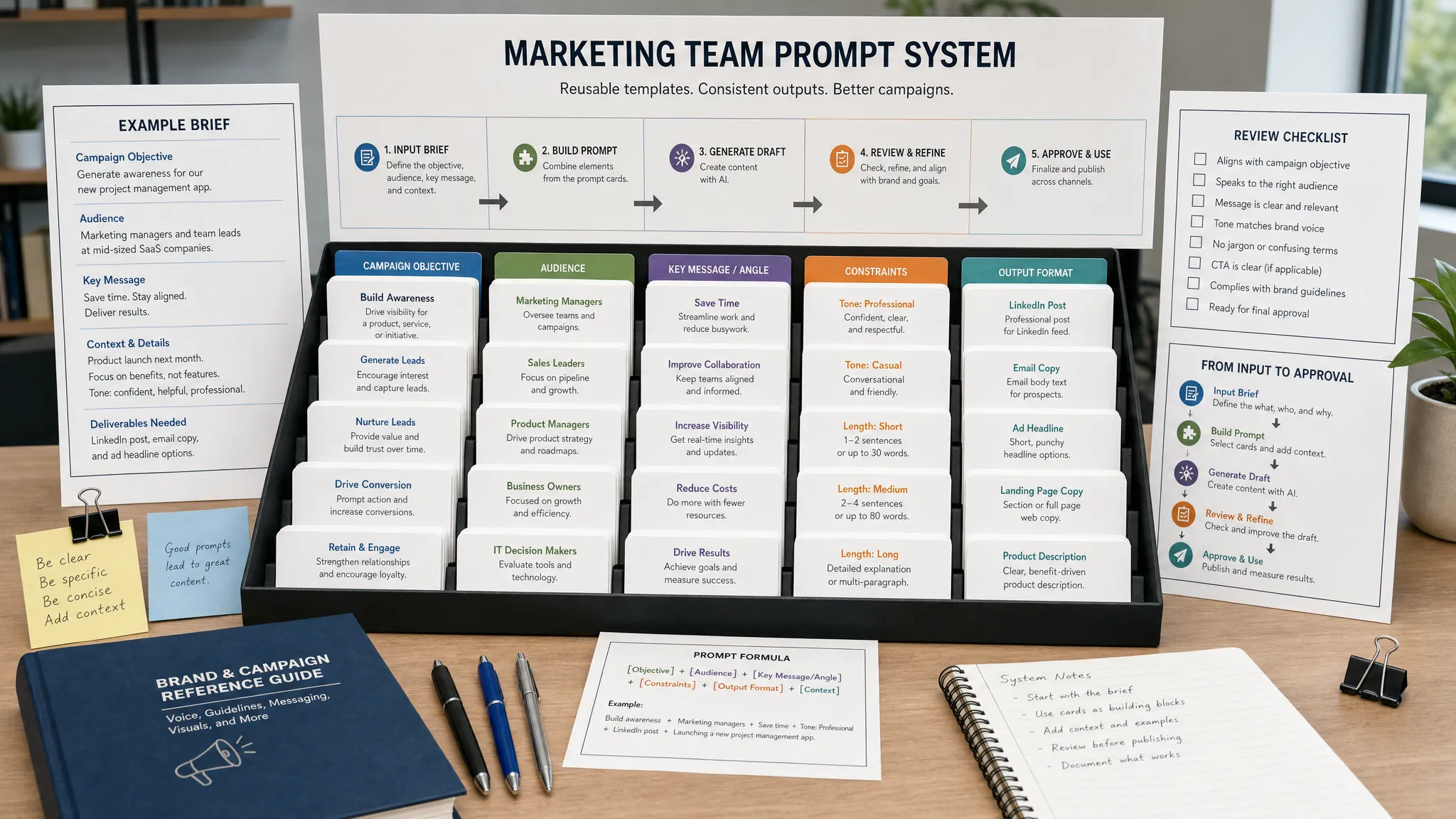
A weak prompt asks AI to write a blog post about email marketing. A stronger prompt gives the model context about the brand, reader, channel, goal, voice, constraints, and desired output.
For brand-safe output, your prompt should include five elements:
Here is a simple reusable prompt structure:
Act as a marketing strategist for our brand. Our audience is [audience]. They care about [goals, fears, objections]. Our voice is [traits]. We avoid [words, claims, tone]. Create [deliverable] for [channel] that helps the reader [desired action]. Keep the writing [style constraints]. Before drafting, identify the likely reader intent and the key message this piece should communicate.
The last sentence is important. Asking AI to identify intent before drafting encourages it to think about purpose rather than simply generating text.
One of the best ways to use AI for marketing without losing your brand voice is to ask for multiple directions instead of one finished asset. This keeps your team in a strategic role.
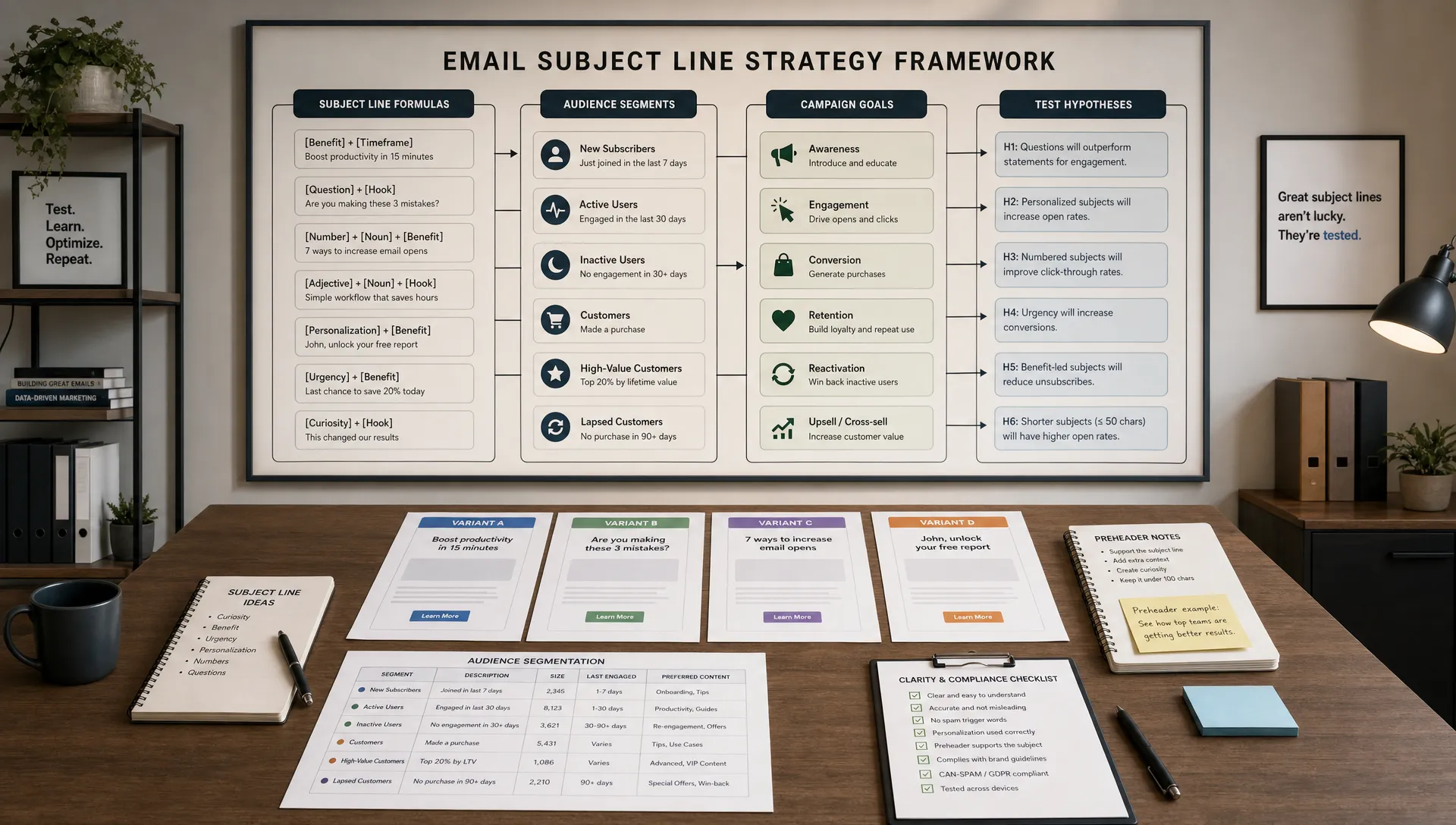
For example, instead of asking AI to write one email subject line, ask for 15 subject lines grouped by angle: urgency, curiosity, benefit, objection, and proof. Then have a marketer select the strongest direction and refine it.
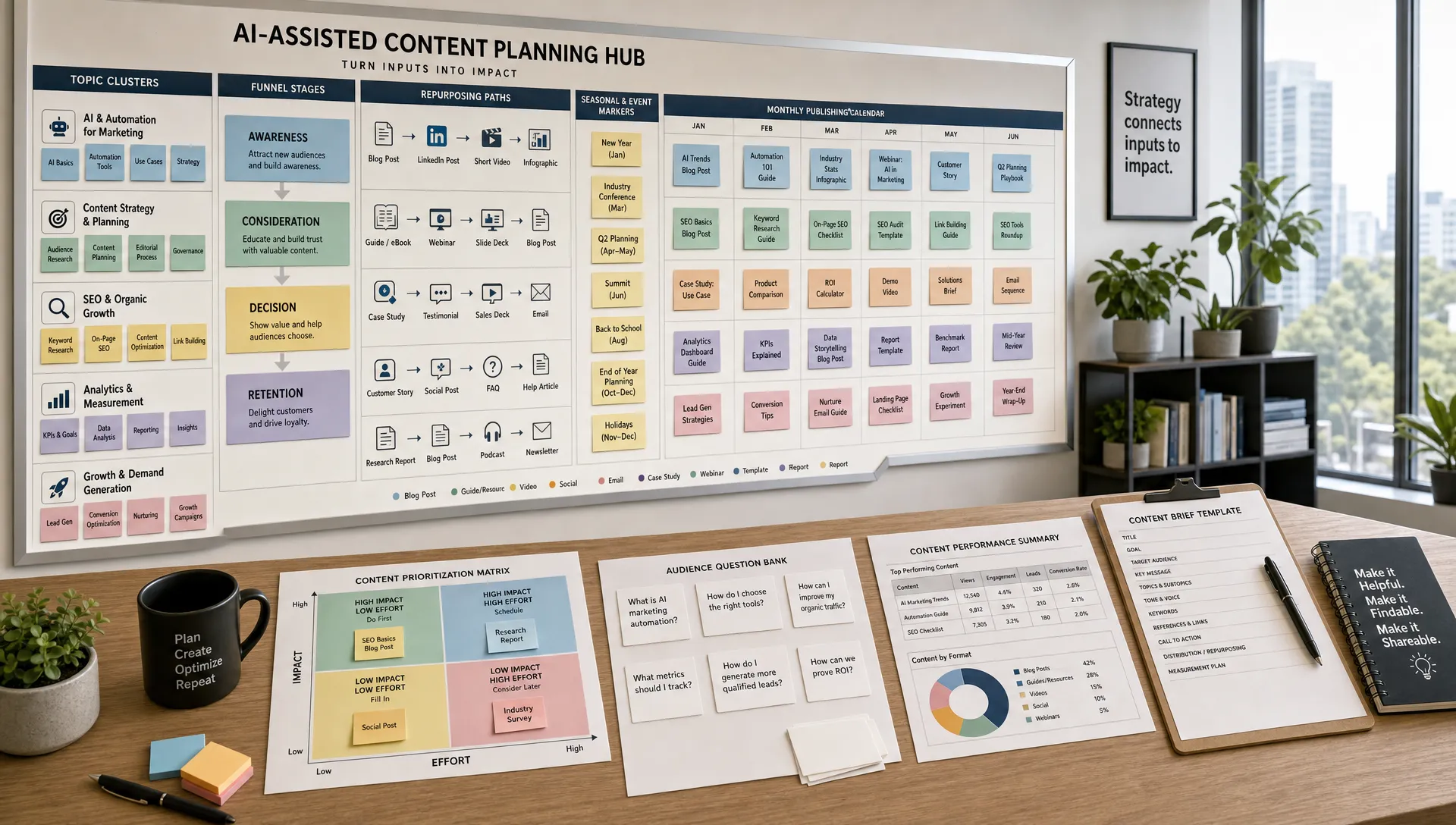
The same works for ads, landing page headlines, content intros, CTA variations, newsletter themes, and social hooks. AI is excellent at generating a broad range of options quickly. Your brand team is responsible for choosing what feels true, differentiated, and useful.
This approach also reduces the temptation to publish AI output too quickly. If the tool is used for exploration, human judgment stays central.
AI will mirror the inputs you give it. If you train it on inconsistent, outdated, or low-performing content, you will get inconsistent, outdated, or low-performing drafts.
Choose your examples carefully. Pull from content that represents your current positioning and has performed well with your audience. That might include high-converting landing pages, top email campaigns, sales decks that help close deals, or blog posts that attract qualified traffic.
Then label why each example works. Do not just paste content into a prompt and hope the model understands it. Add notes such as:
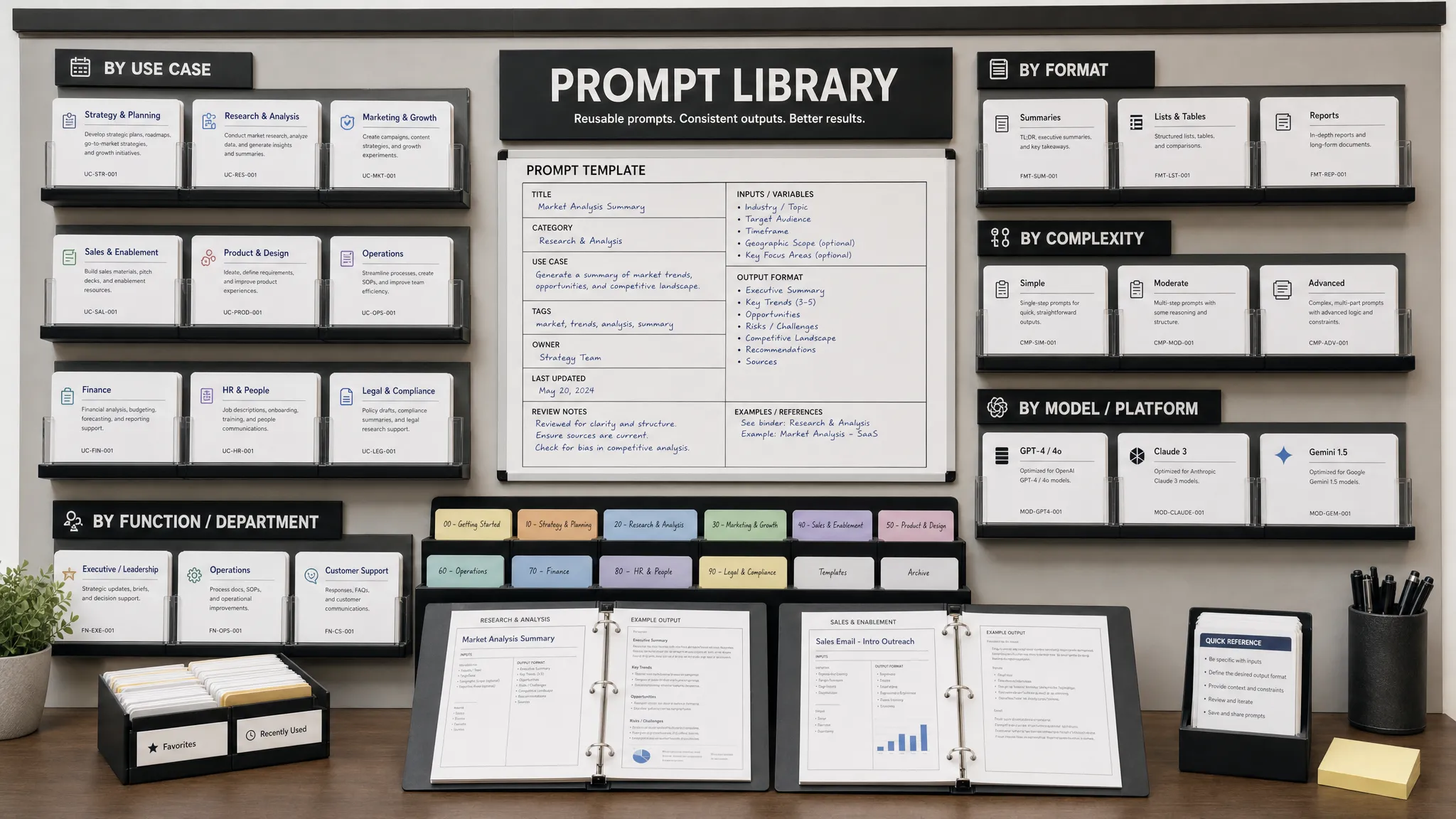
Over time, you can build a compact voice library your team uses across AI tools, content briefs, and review processes. AIMarketer Hub users can support this kind of workflow with resources such as prompt libraries, AI content generation tools, SEO tools, and industry-specific guides, while still applying their own brand rules and editorial judgment.
AI can imitate style, but it does not truly understand your customers, competitors, ethics, or business goals. It can also generate statements that sound plausible but need verification.
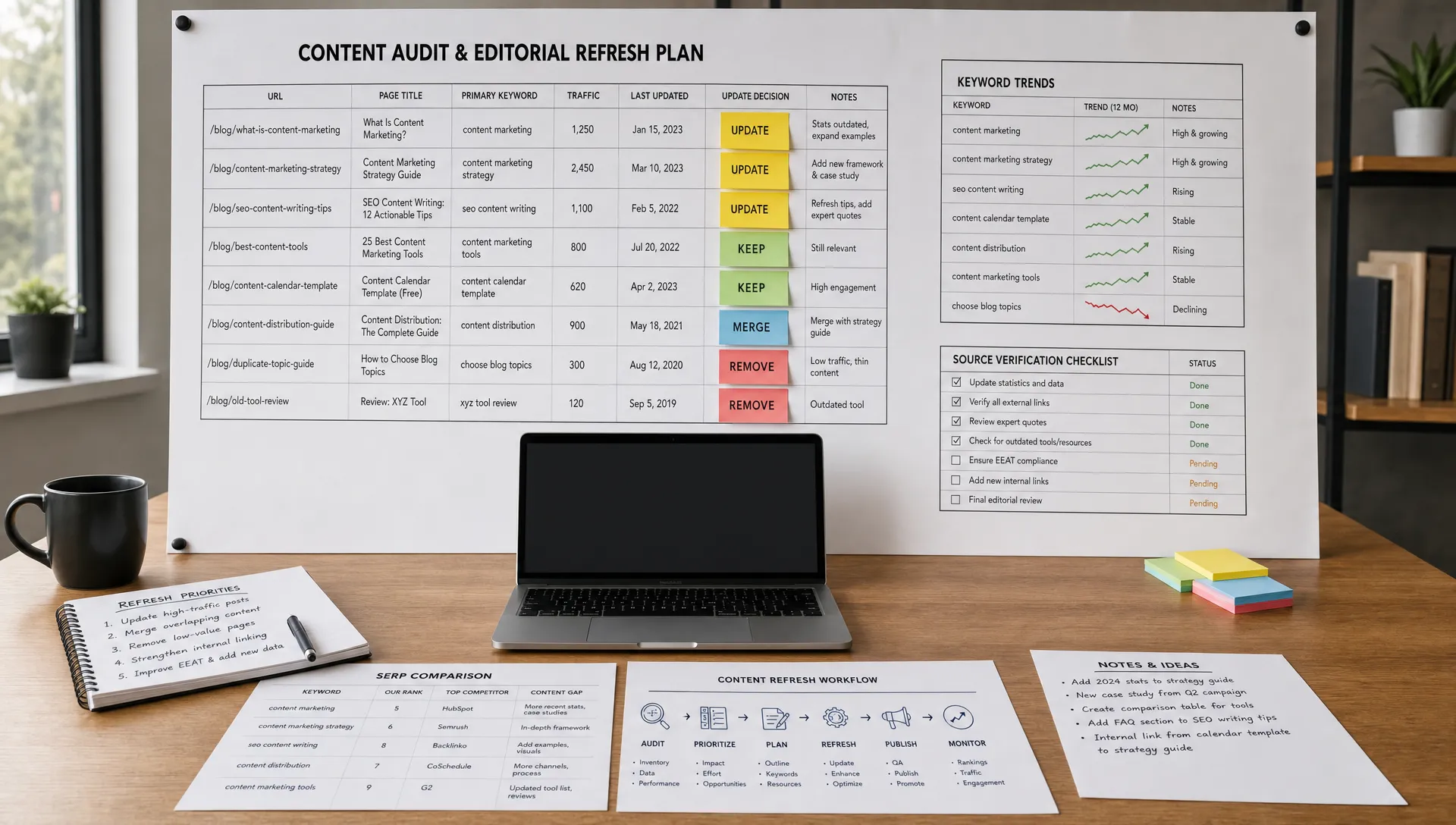
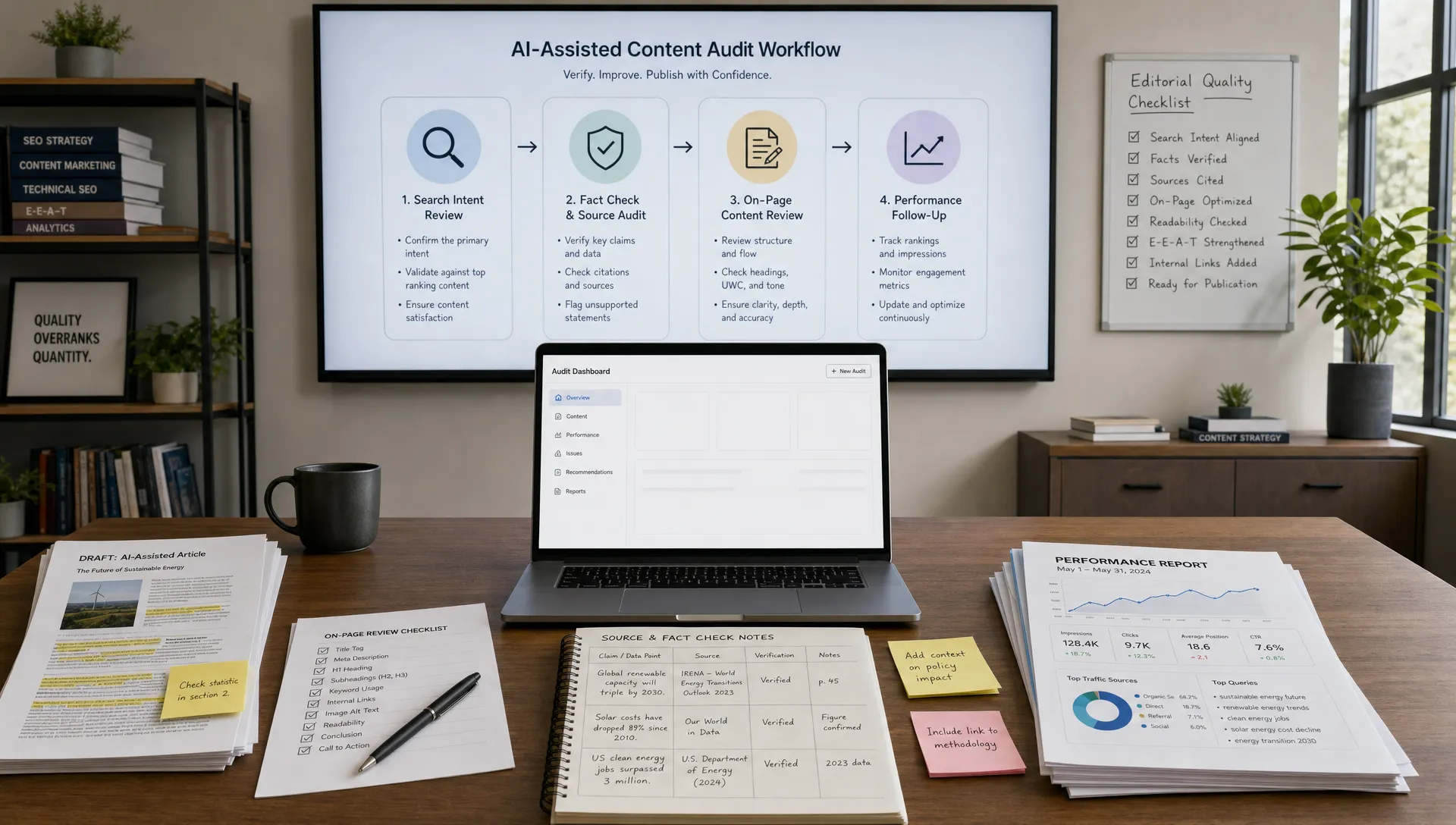
Human review should focus on more than grammar. A strong review asks whether the content is accurate, useful, differentiated, aligned with the brand, and appropriate for the channel.
Before publishing AI-assisted marketing content, review it for:
This matters even more as AI adoption grows. The NIST AI Risk Management Framework highlights the importance of trustworthy, accountable AI systems, and marketing teams should apply the same mindset to content operations.
If you market AI-powered products or use AI in customer-facing campaigns, be careful with your claims. Do not imply that AI can guarantee outcomes, replace professional advice, or make decisions it cannot actually make.
The U.S. Federal Trade Commission has warned businesses to avoid unsupported AI claims in its guidance on how to keep your AI claims in check. That advice is useful even outside the United States because it reinforces a simple principle: clear, truthful marketing builds more trust than hype.
This also protects brand voice. When AI content leans into exaggerated language such as revolutionary, effortless, guaranteed, or game-changing, it often sounds less credible. A confident brand does not need to overstate. It can explain the value clearly and let evidence do the work.
Your brand voice should be consistent, but it should not be identical everywhere. A LinkedIn post, SEO article, product page, email nurture sequence, and paid ad all have different jobs.
For example, your blog voice may be educational and detailed because readers are researching. Your landing page voice may be sharper and more conversion-focused because visitors are comparing options. Your email voice may be warmer and more personal because it is part of an ongoing relationship.
AI performs better when you define these differences. Tell it the channel, the reader stage, and the desired action. A prompt for a top-of-funnel article should not sound like a prompt for a retargeting ad.
A simple channel rule might be: blog content should teach before it sells, paid social should lead with a clear pain point, and product pages should connect features to business outcomes. These rules help AI adapt without drifting away from the core brand.
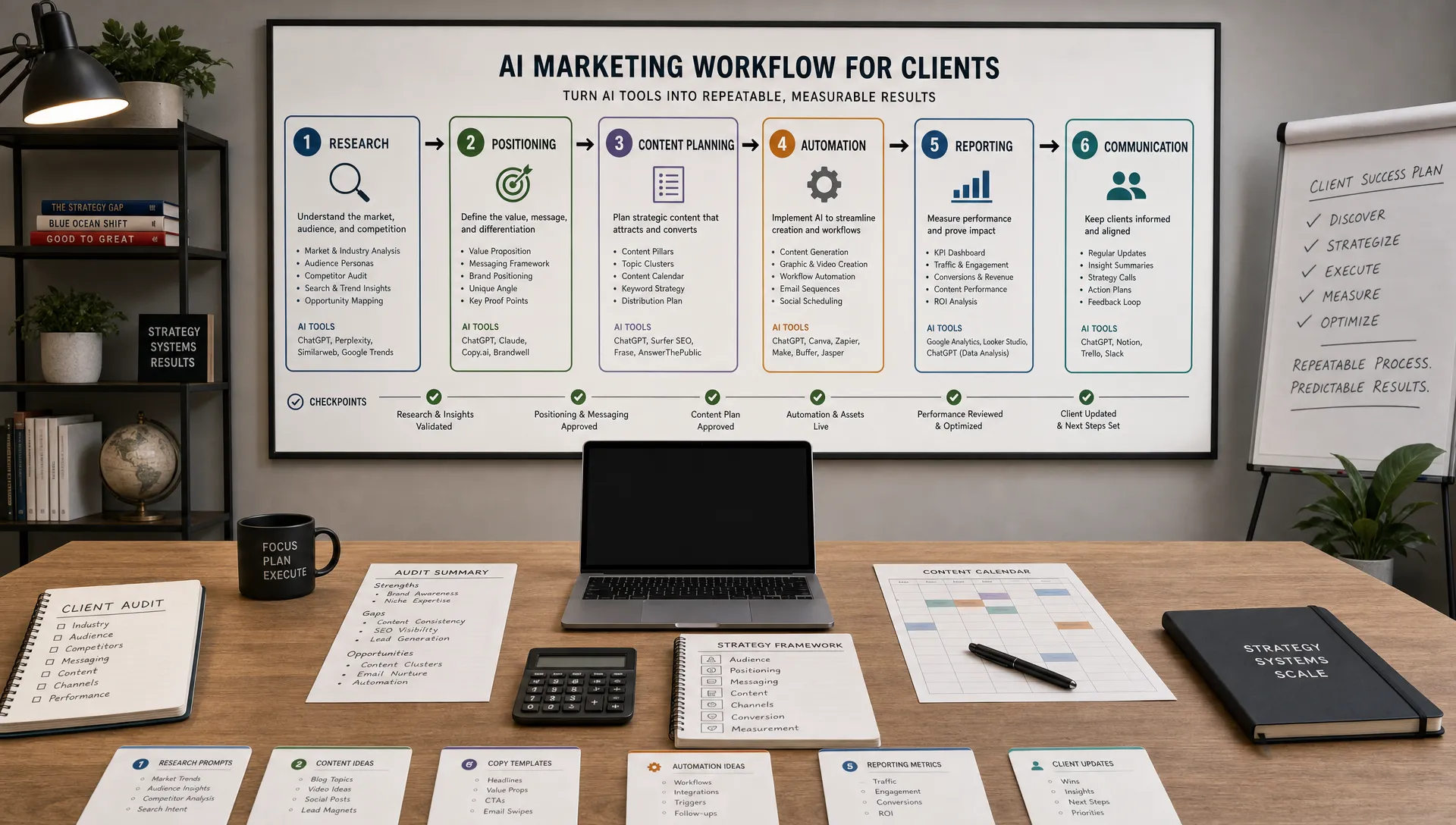
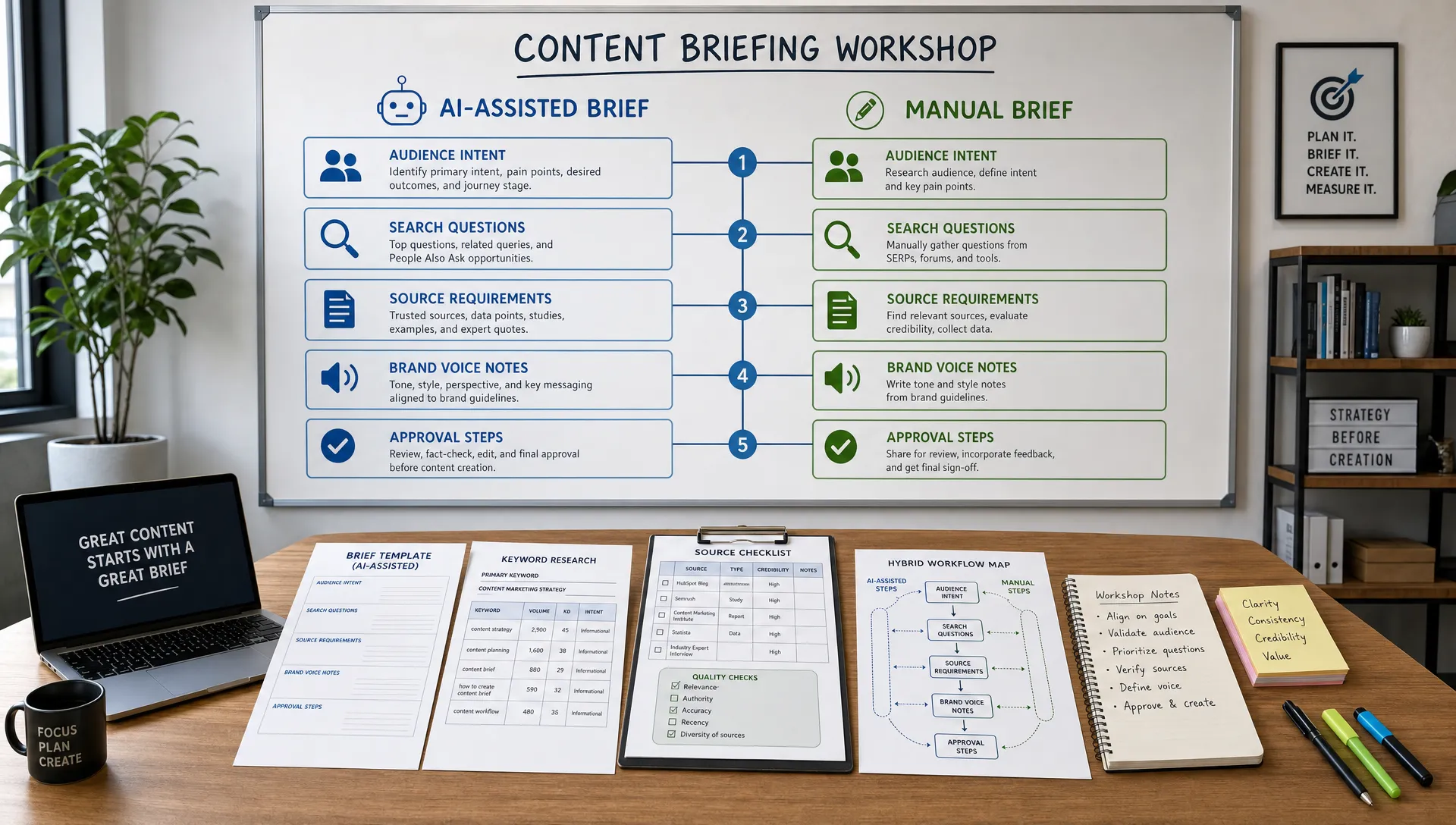
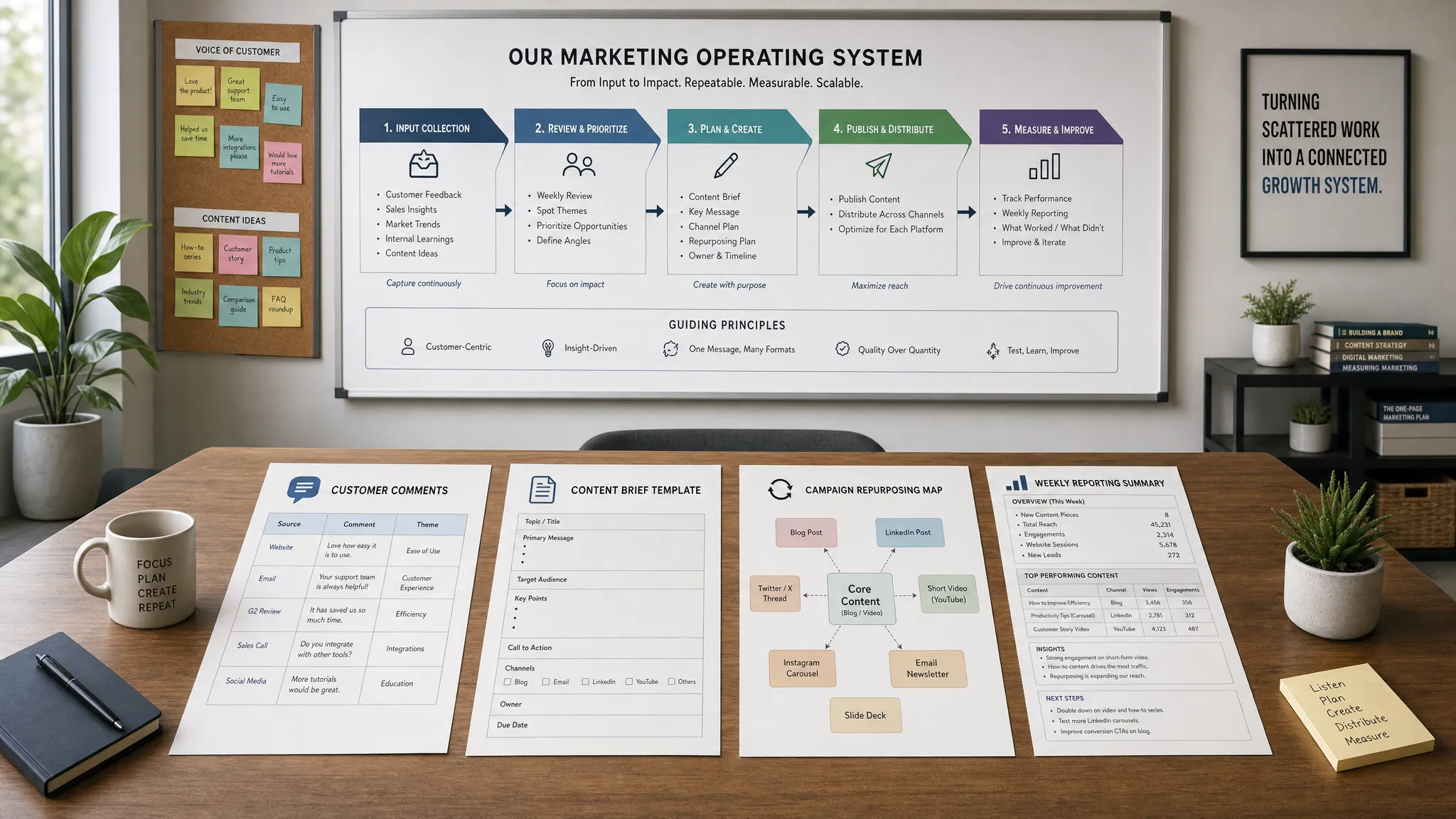
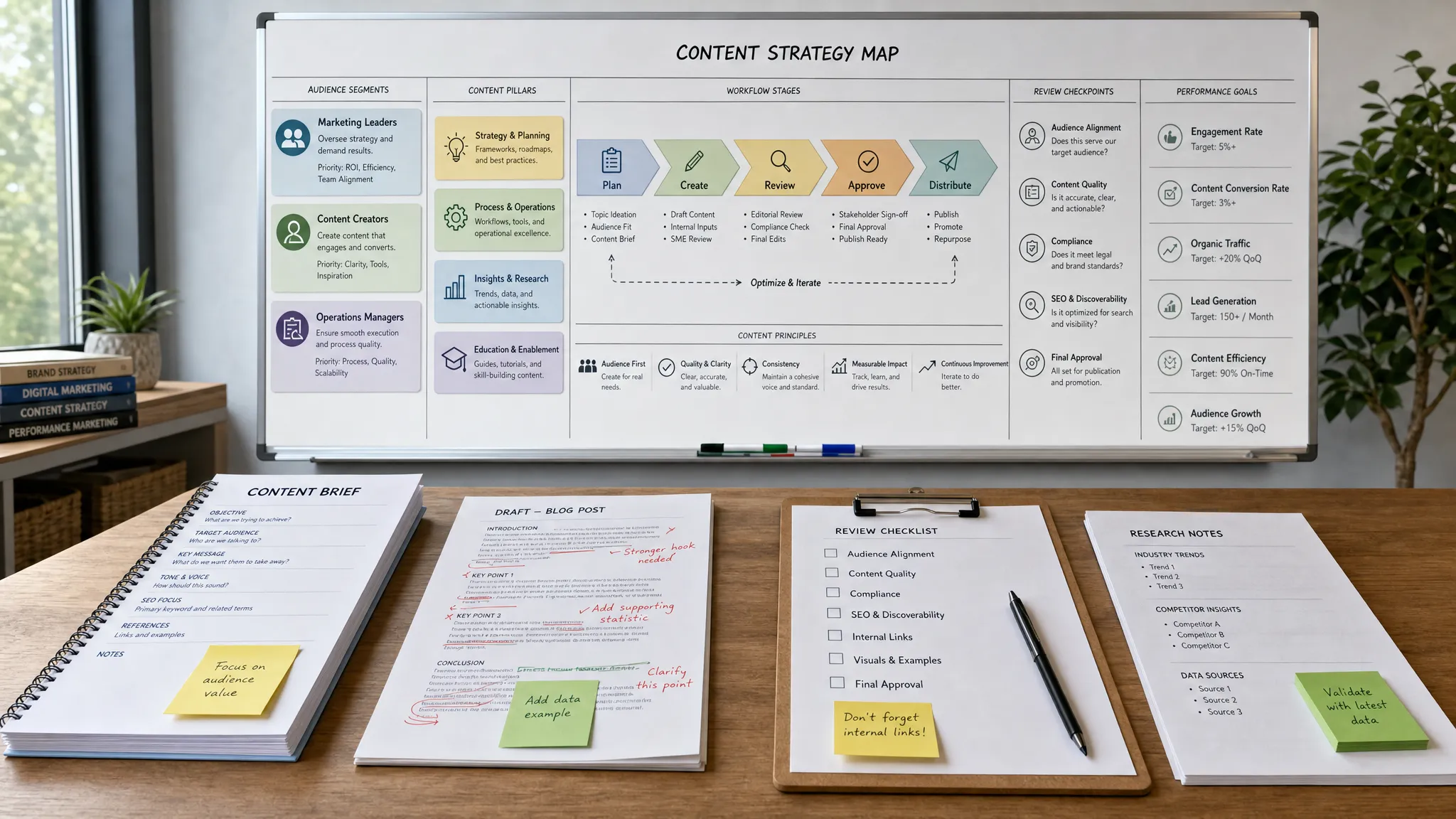
The safest way to scale with AI is to make the workflow predictable. A scattered process leads to scattered output. A clear workflow helps teams move faster while maintaining quality.
A practical workflow looks like this:
This workflow turns AI into part of your content operating system. It also helps managers review the process, not just the final draft.
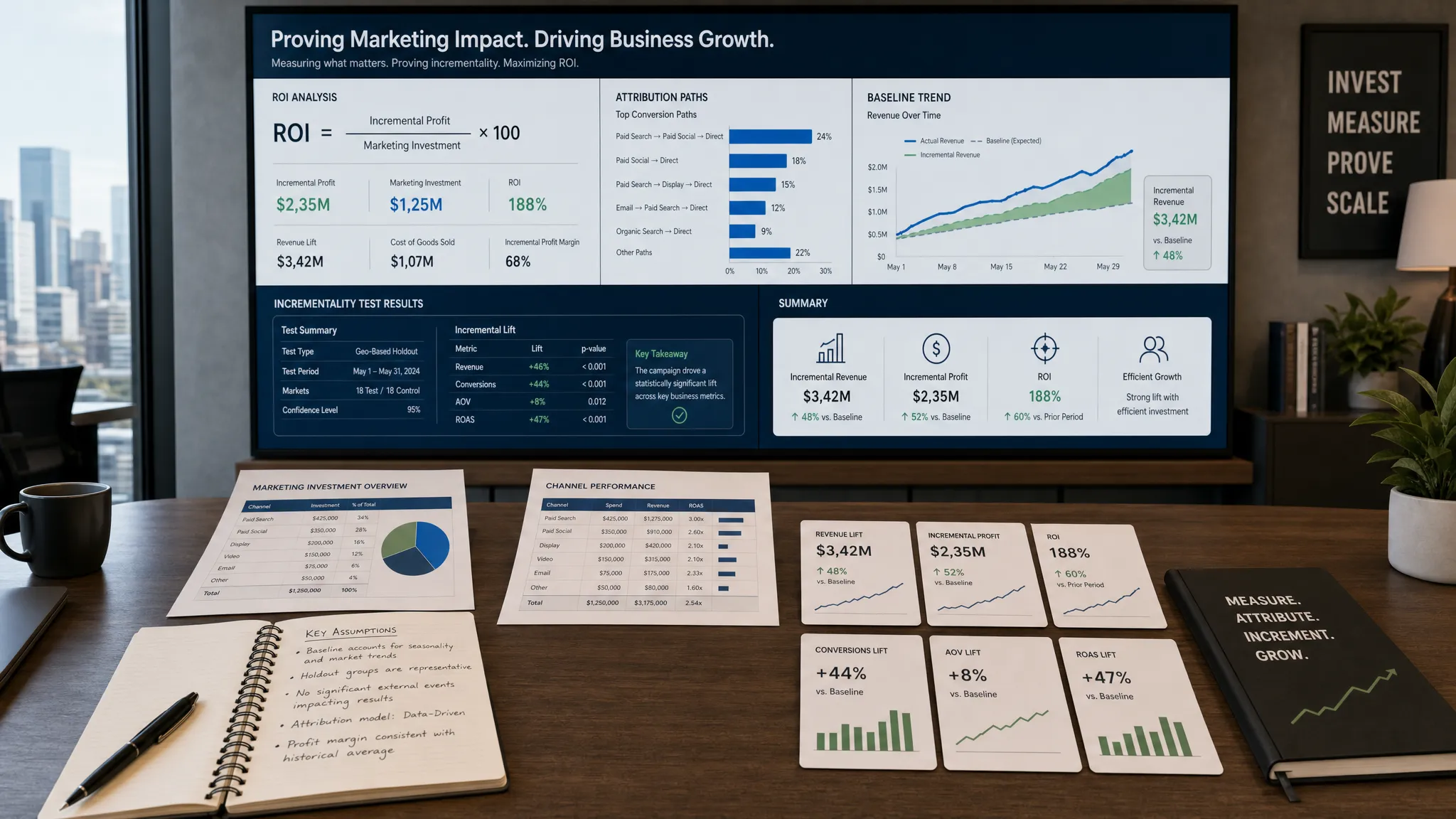
You cannot protect brand voice with instinct alone. You need qualitative and quantitative signals.
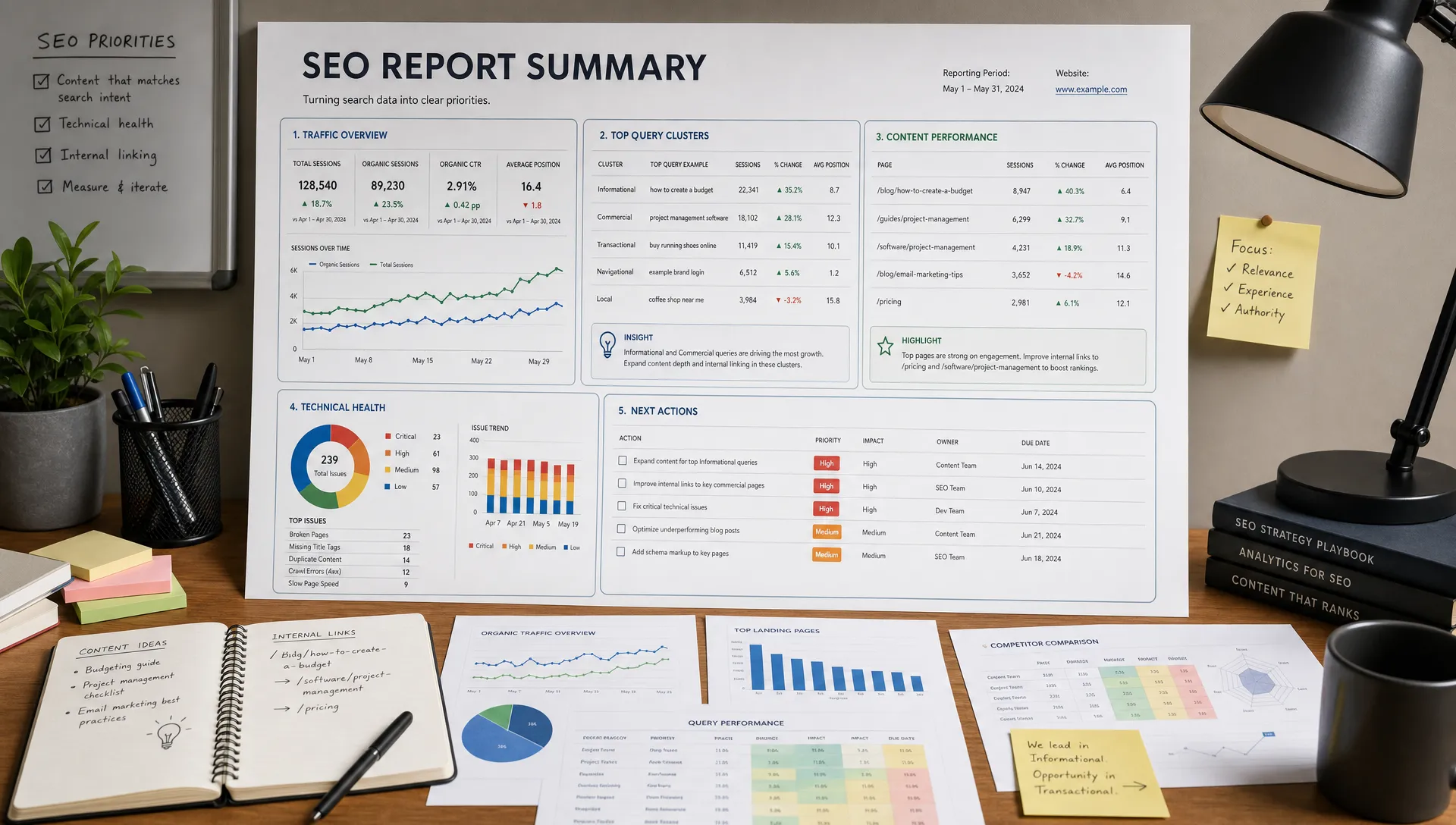
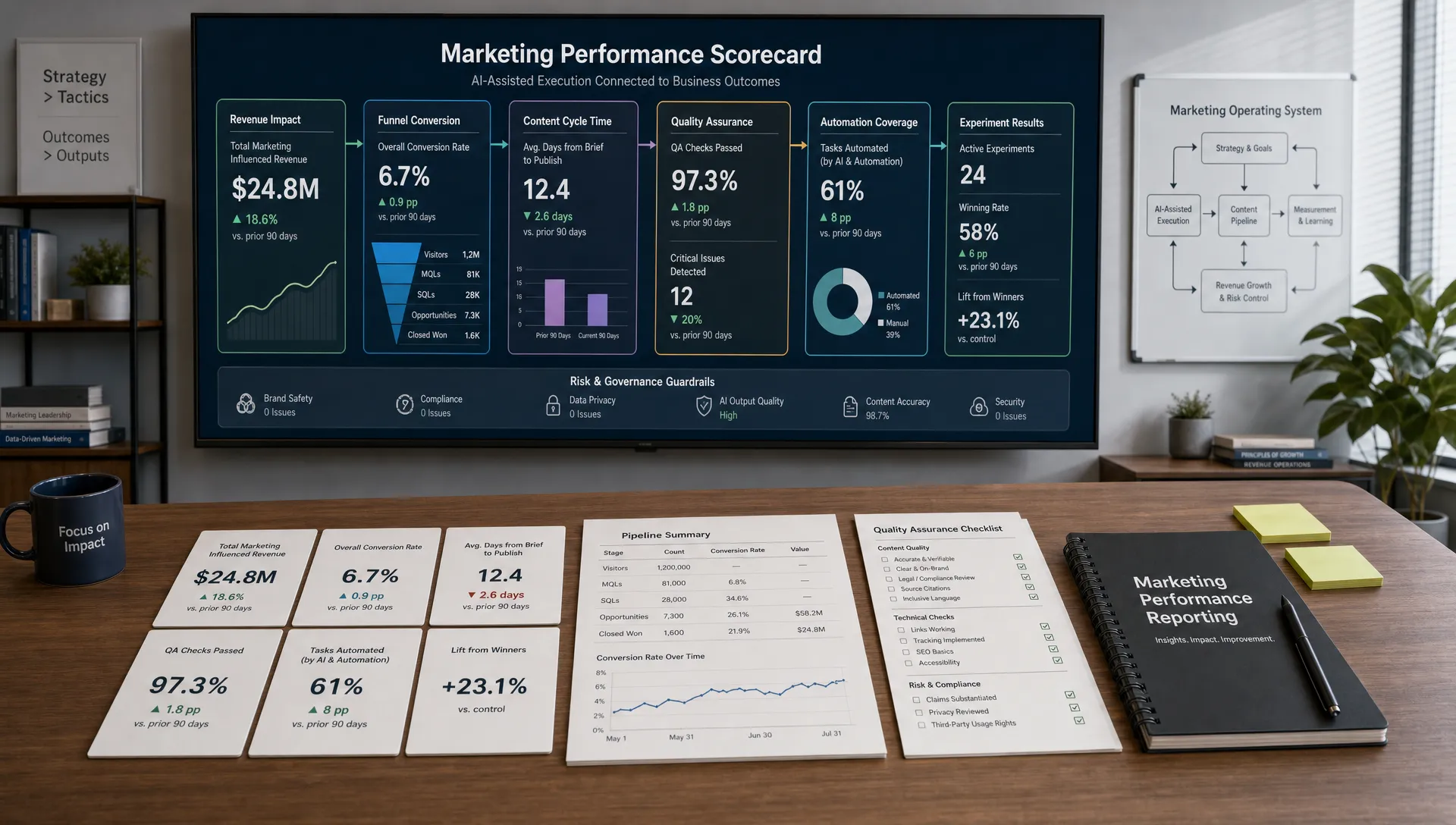
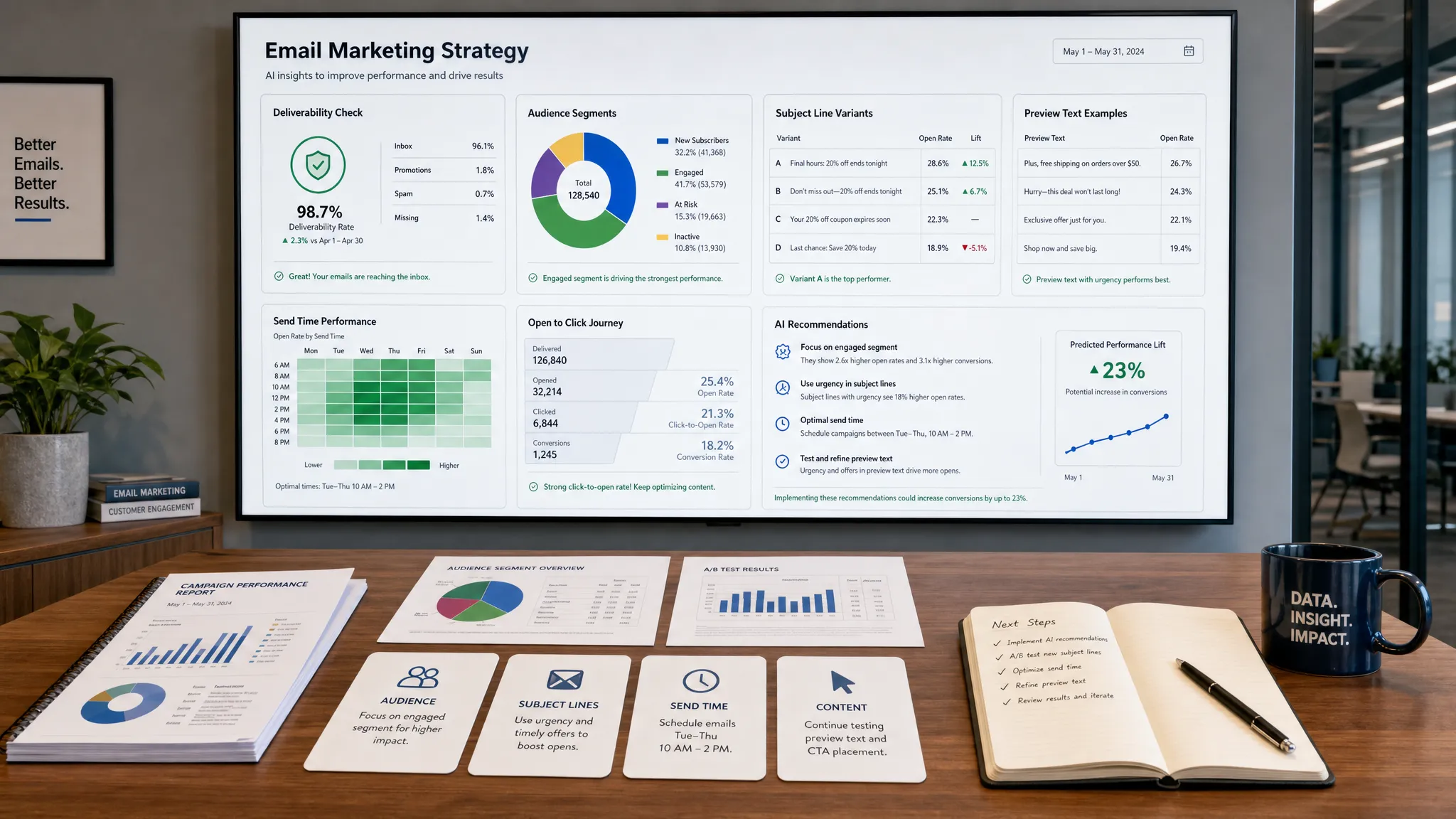
Start by monitoring engagement metrics such as click-through rate, conversion rate, time on page, unsubscribe rate, and social saves or comments. If AI-assisted content increases output but lowers engagement quality, that is a warning sign.
Then add brand-specific review criteria. Score content for clarity, confidence, usefulness, differentiation, and voice consistency. You can use a simple 1 to 5 scale during editorial review.
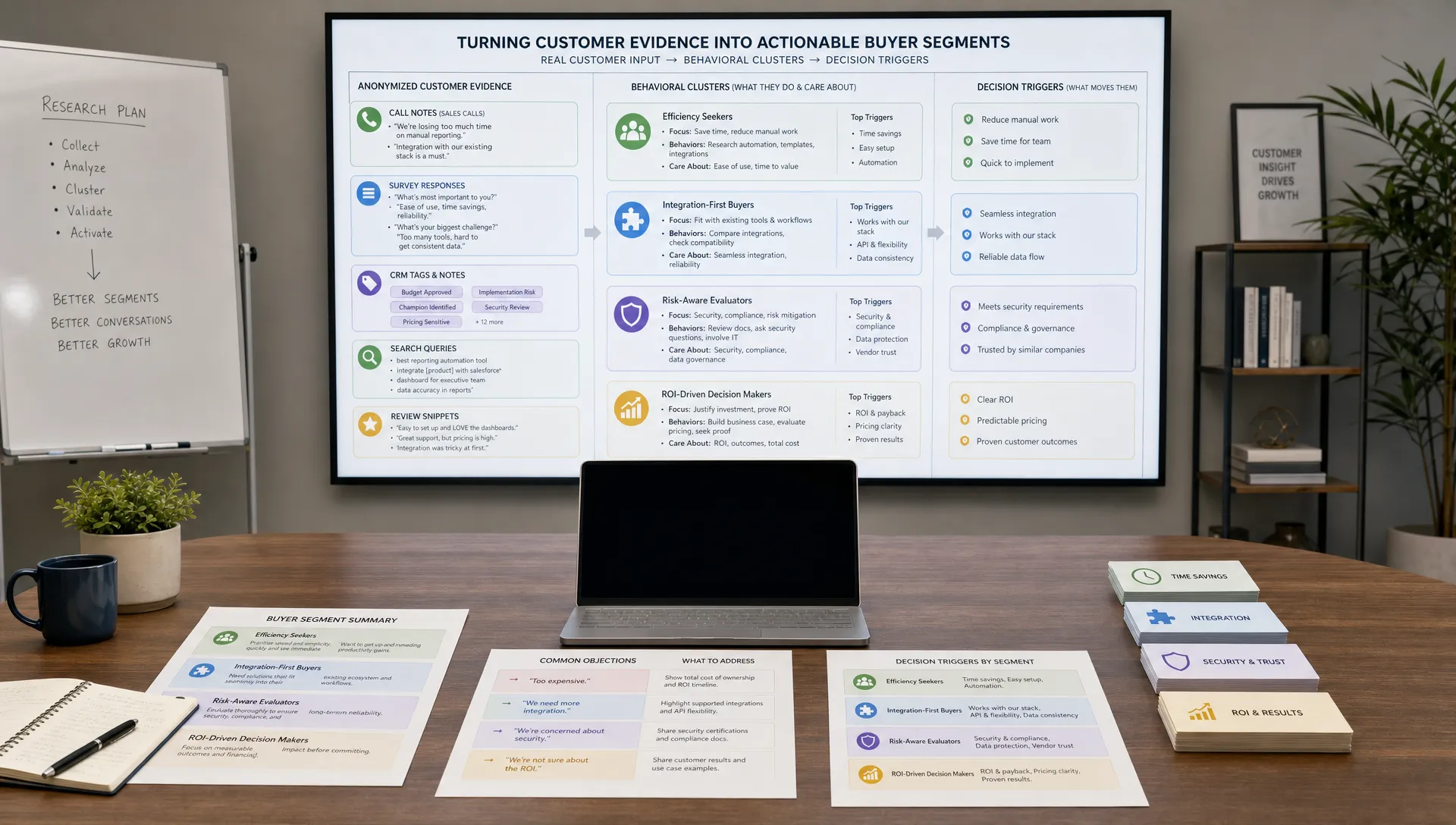
Customer feedback is also valuable. Sales calls, support tickets, reviews, and survey responses can reveal whether your messaging feels clear and trustworthy. If prospects start using the same language as your AI-assisted content, that is a sign the message is landing. If they seem confused or skeptical, revisit the voice guide and prompts.
The biggest mistake is using AI to skip strategy. If the brief is vague, the output will be vague. AI cannot fix unclear positioning, weak offers, or a poor understanding of the customer.
Another mistake is over-editing AI content only at the sentence level. Grammar edits help, but brand voice usually improves when you add sharper examples, stronger opinions, clearer customer insight, and better structure.
Teams also lose consistency when everyone creates their own prompts. A shared prompt library, brand voice guide, and review checklist make AI output more predictable across departments.
Finally, avoid publishing AI content just because it is fast. Speed is valuable only when it supports quality. The best marketing teams use AI to remove repetitive work so humans can spend more time on insight, creativity, and judgment.
Can AI really learn our brand voice? AI can approximate your brand voice when you provide clear guidelines, strong examples, and specific feedback. It will still need human review, especially for strategic, sensitive, or high-impact content.
What is the best way to start using AI for marketing? Start with low-risk tasks such as brainstorming, content repurposing, outline creation, SEO title variations, and email draft options. Once your team has strong prompts and review processes, expand into more complex workflows.
How do we stop AI content from sounding generic? Give AI specific audience context, brand voice rules, examples of approved content, and a clear point of view. Then edit drafts to add original insights, customer examples, and sharper language.
Should every AI-generated draft be reviewed by a human? Yes, if the content will be published or sent to customers. Human review helps confirm accuracy, tone, compliance, and strategic alignment.
How often should we update our AI brand voice guidelines? Review them whenever your positioning changes, your audience shifts, or you notice content becoming inconsistent. For active marketing teams, a quarterly review is a practical rhythm.
AI can help marketers move faster, test more ideas, and scale content across channels. But the brands that benefit most will not be the ones that publish the most AI-generated copy. They will be the ones that combine AI speed with human strategy, customer insight, and a clear editorial standard.
If you want to use AI for marketing more effectively, start with your voice. Define it, document it, prompt with it, review against it, and improve it over time.
AIMarketer Hub brings together AI-powered marketing tools, prompt resources, SEO support, performance analytics, and practical guides to help teams automate smarter without sacrificing quality. Explore AIMarketer Hub to build a more consistent, scalable, and brand-safe AI marketing workflow.