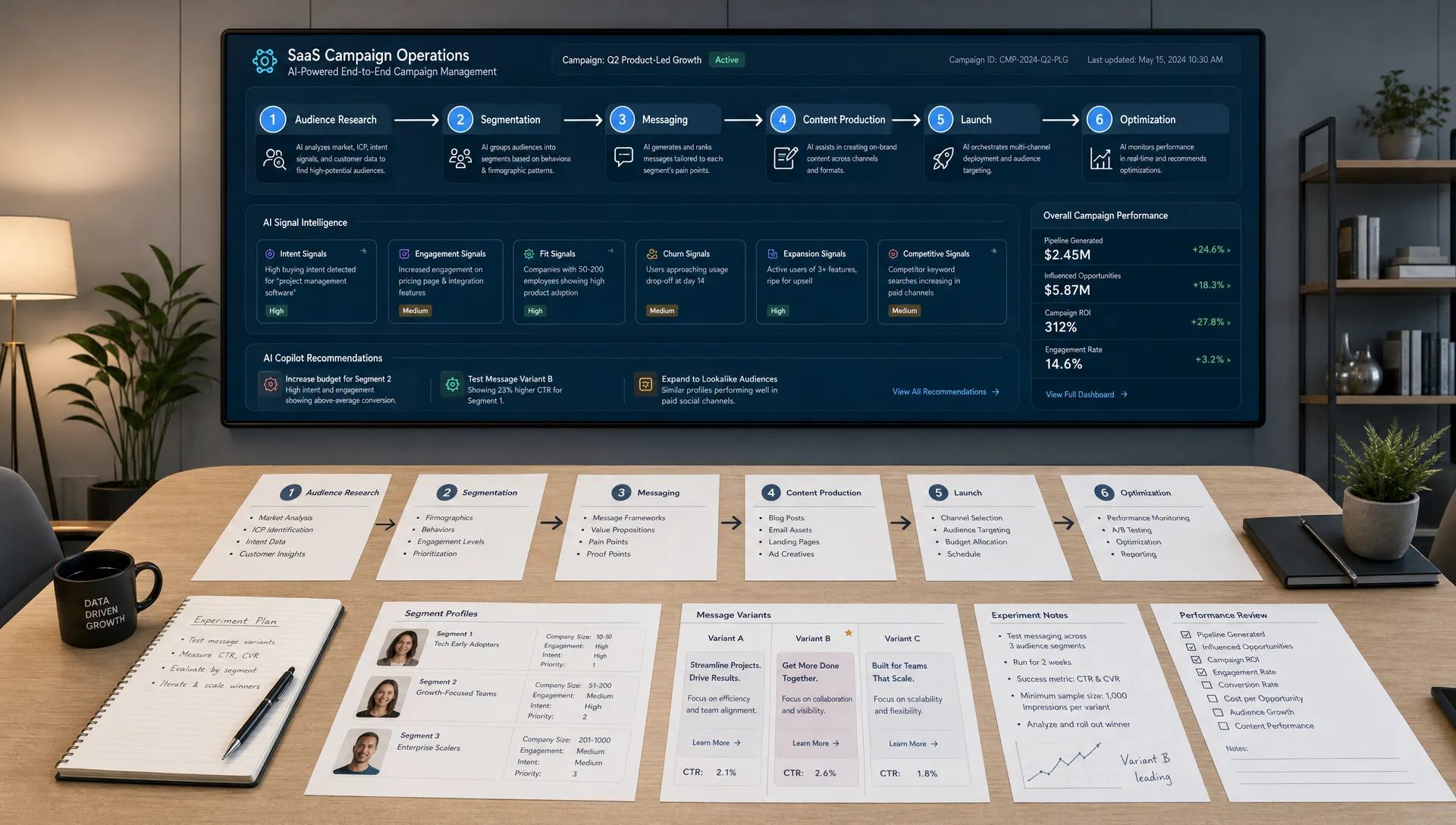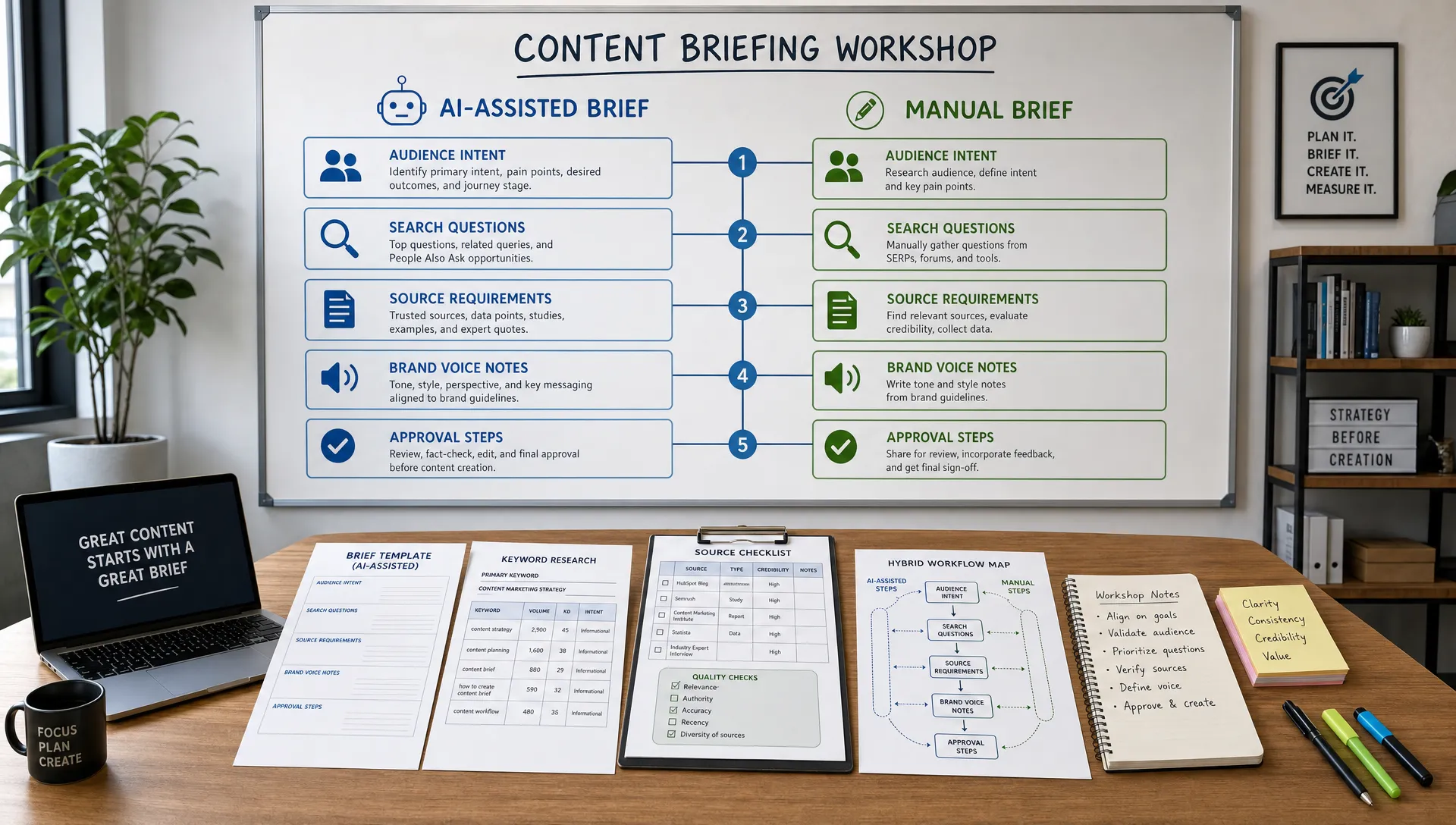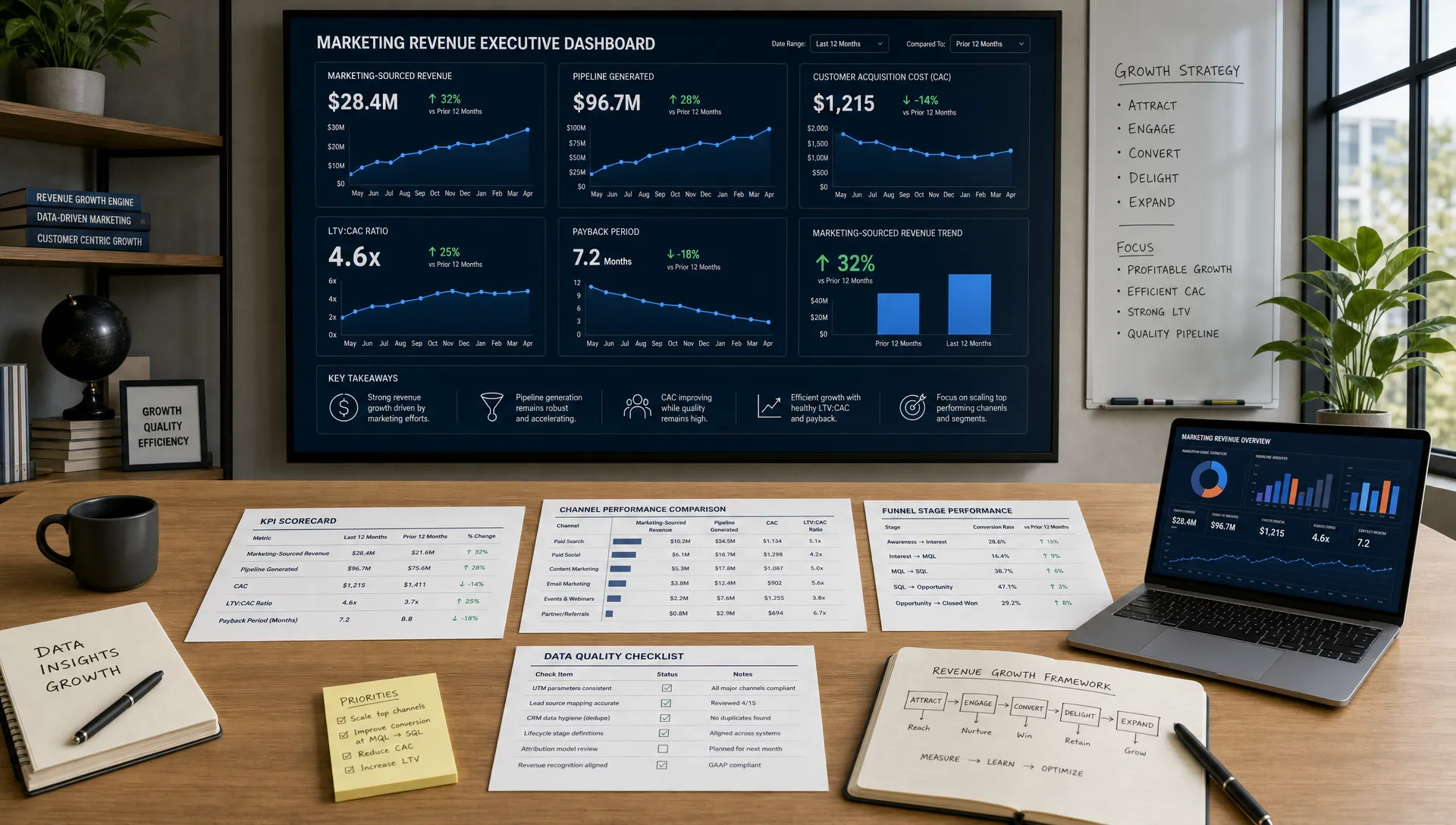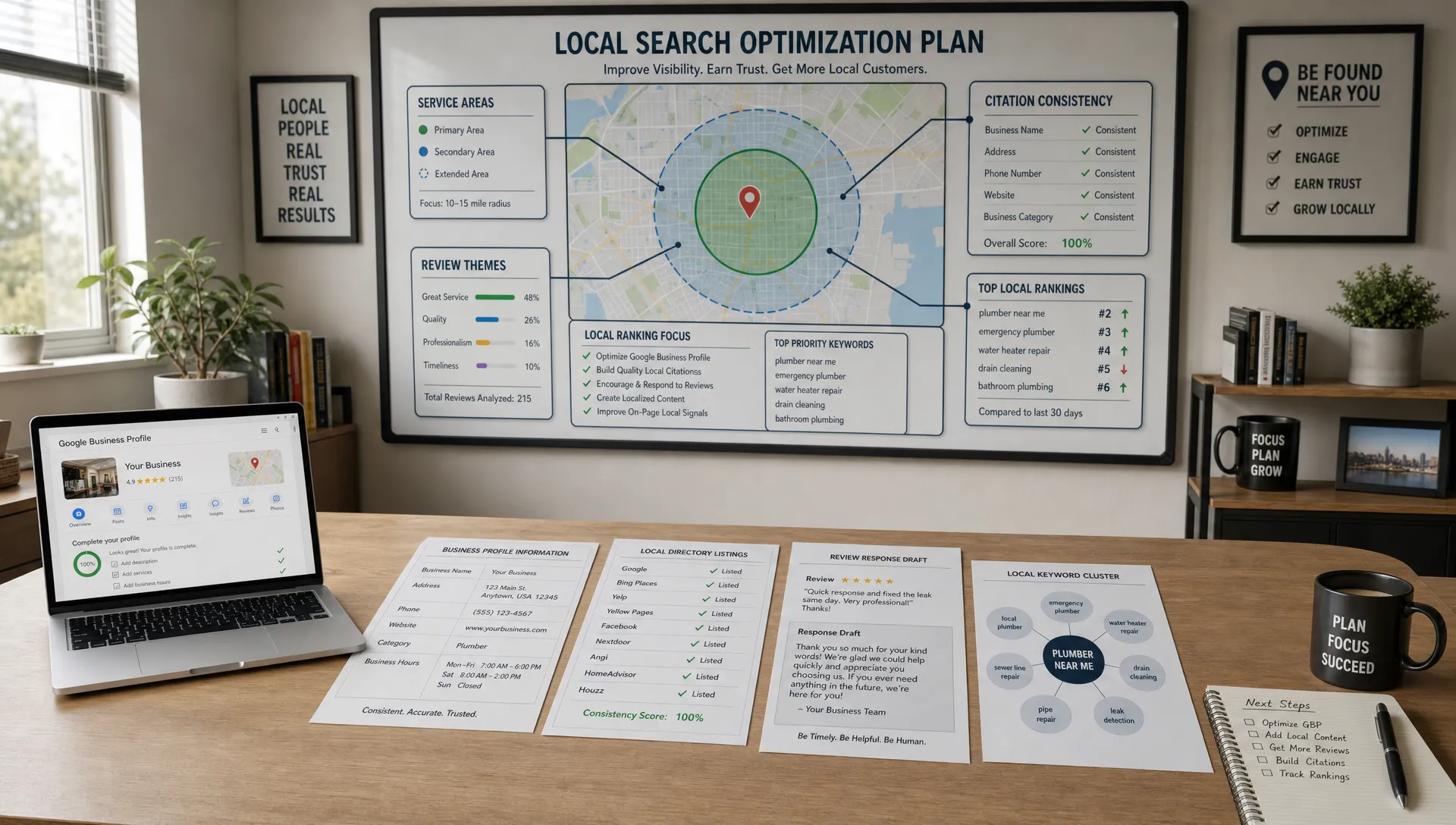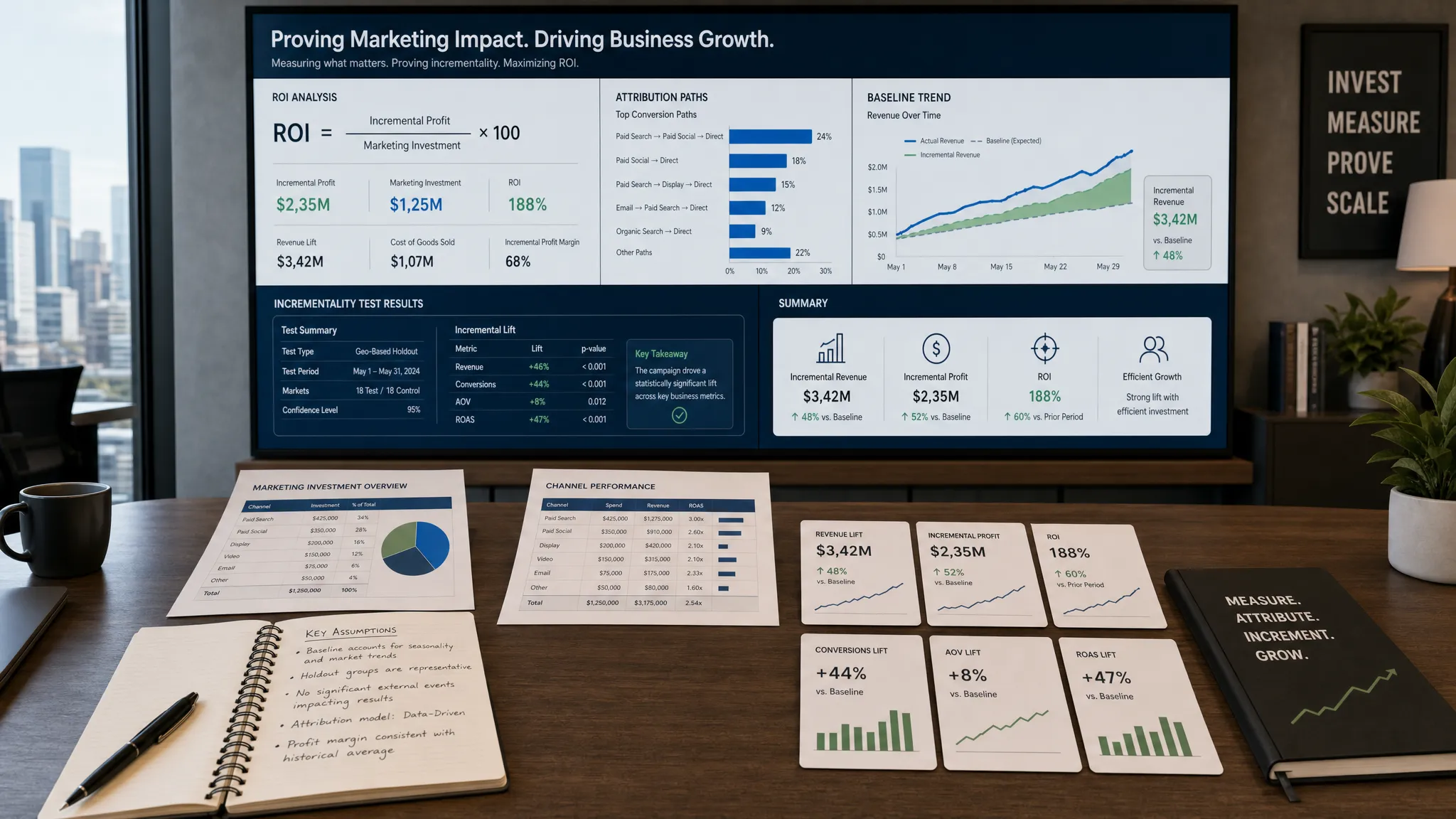
AI marketing is easy to start and surprisingly hard to evaluate. A team can add AI tools for content creation, ad testing, email personalization, lead scoring, or reporting within days. The difficult part is proving whether those tools created more profit than they cost.
That distinction matters. A campaign can look more efficient because it produced more assets, generated more clicks, or reduced manual work, but those gains only become ROI when they improve revenue, margin, cost efficiency, or usable team capacity.
McKinsey has estimated that generative AI could create trillions of dollars in annual economic value across industries, with marketing and sales among the major opportunity areas. But macro-level potential is not the same as your business case. To measure AI marketing ROI, you need a clear baseline, full cost accounting, clean attribution, and a way to separate true lift from activity that would have happened anyway.
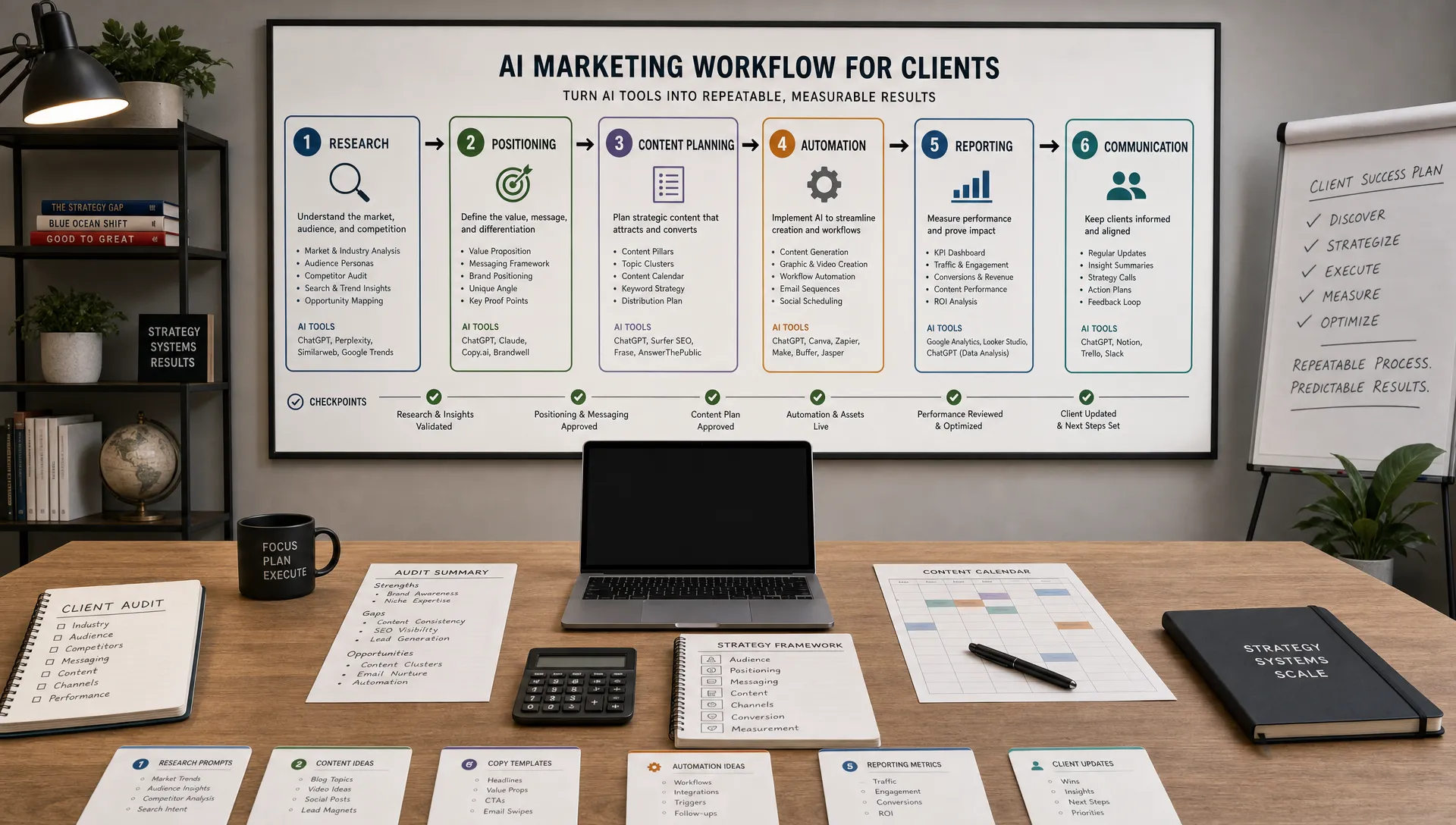
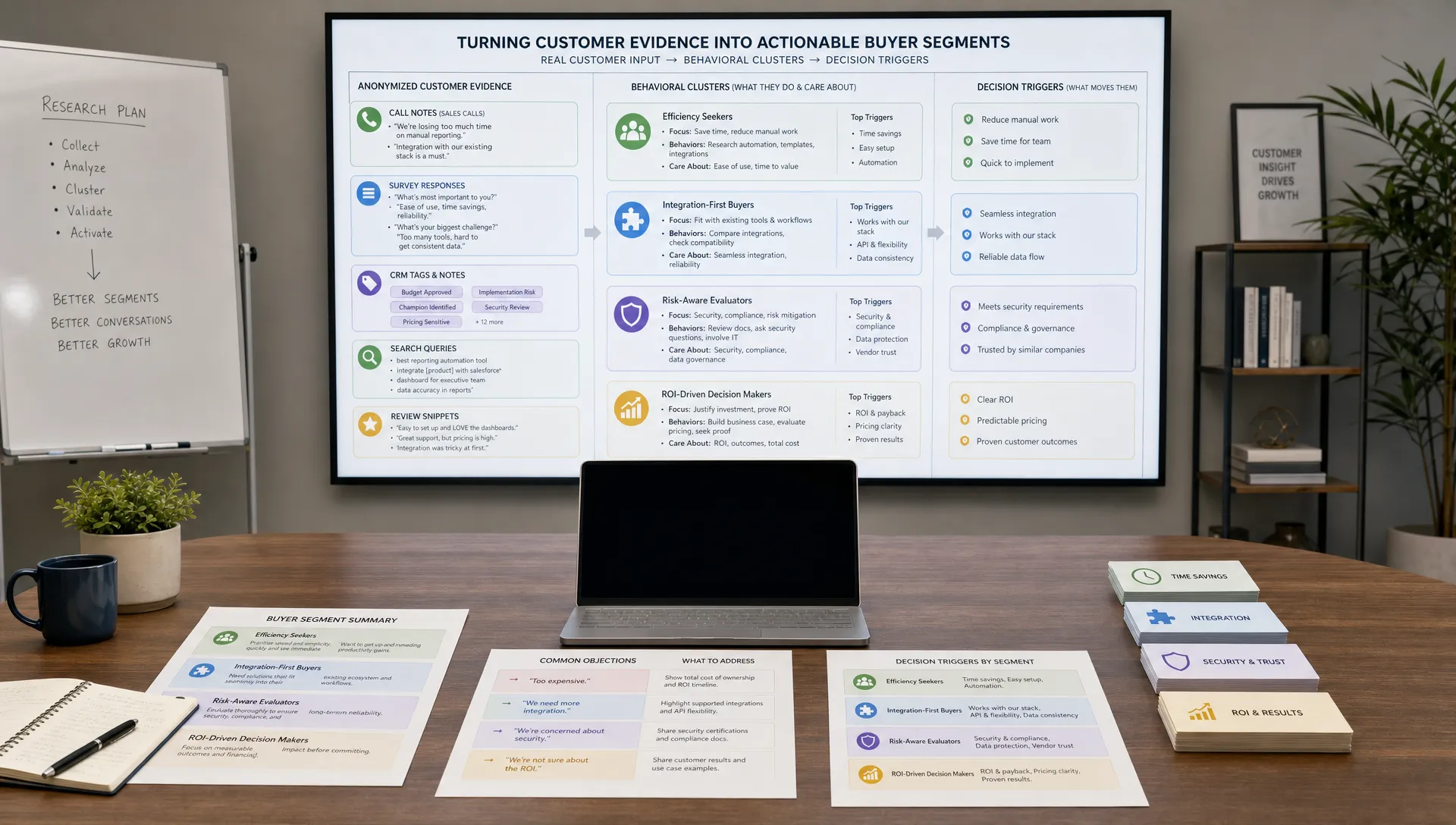
Here is a practical step-by-step framework you can use to measure AI marketing ROI without overcomplicating the process.
The simplest ROI formula is familiar:
AI marketing ROI (%) = [(measured value from AI - total AI investment) / total AI investment] x 100
For marketing, “measured value” usually comes from two places: incremental profit and productivity value.
Incremental profit is the extra gross profit created because AI improved campaign performance, conversion rates, retention, pipeline quality, or speed to market. Productivity value is the financial value of time saved when AI marketing automation reduces manual work without reducing quality.
A more useful version of the formula is:
AI marketing ROI (%) = [(incremental gross profit + productivity value - total AI investment) / total AI investment] x 100
The key word is “incremental.” If a campaign would have generated $50,000 without AI and $55,000 with AI, your AI-driven revenue lift is $5,000, not $55,000.
You cannot measure AI marketing ROI in the abstract. Start by defining the specific use case you are evaluating.
Examples include:
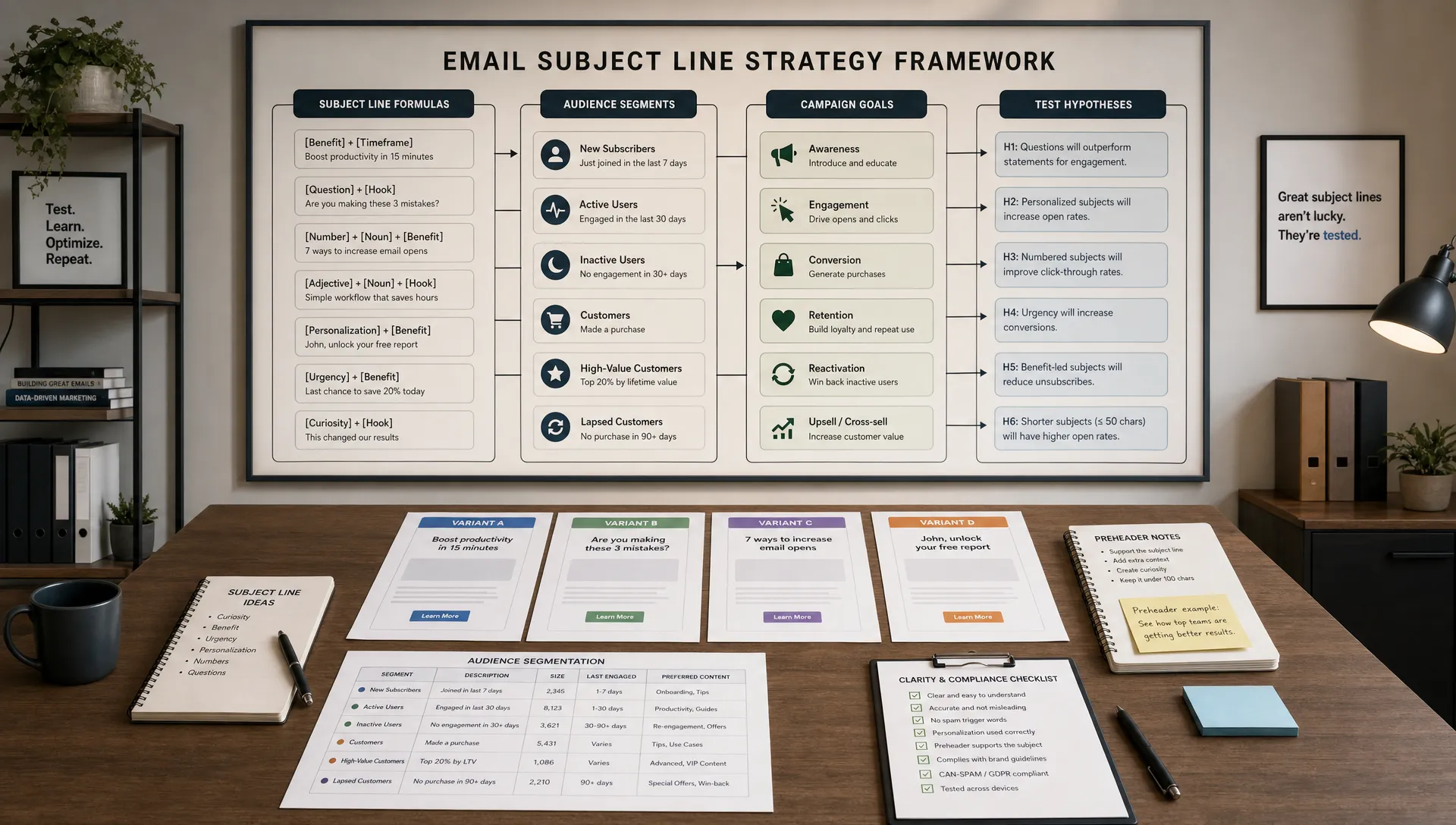
Each use case needs one primary business metric. For AI content generation, that might be qualified organic leads or assisted pipeline, not just articles published. For paid media, it might be cost per acquisition, return on ad spend, or incremental conversions. For email, it might be revenue per recipient, demo requests, or retention.
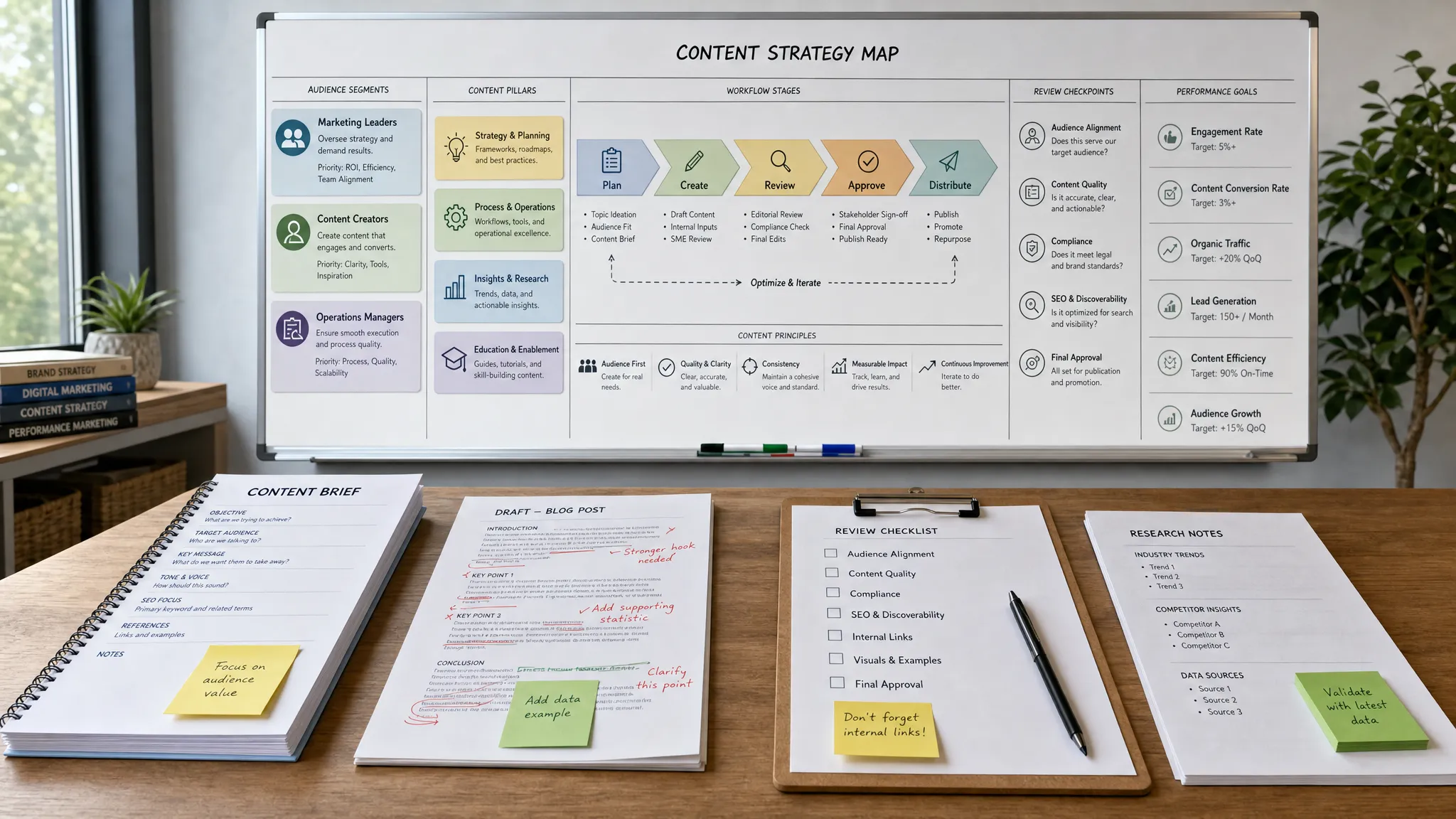
If your team is using AI heavily in the content workflow, it can also help to separate production efficiency from strategic outcomes. For a deeper look at scaling output without losing quality, see this guide on how AI for content creation saves time and scales output.
A baseline tells you what performance looked like before AI changed the workflow. Without it, you are comparing your AI results against a guess.
For most digital marketing strategies, collect at least 30 to 90 days of historical data. For SEO and content programs, use a longer window when possible, since search performance often takes months to mature.
Your baseline should include:
Avoid using a single unusually strong or weak month as your baseline. Seasonality, promotions, product launches, budget changes, and market conditions can distort your comparison.
For example, if you introduce AI advertising tools during the same month you double your media budget, you cannot attribute the entire performance improvement to AI. You need to normalize for spend, audience changes, and conversion volume.
Many teams understate AI costs by only counting software subscriptions. That creates an inflated ROI number.
Your total AI investment should include direct and indirect costs such as:
One-time setup costs should usually be spread across the period they benefit. For example, if your team spends $12,000 integrating an AI reporting workflow that will be used for 12 months, you might allocate $1,000 per month to the ROI model.
Do not ignore human oversight. AI can speed up work, but marketers still need to review strategy, accuracy, brand voice, compliance, and customer relevance. If AI-generated output requires editing, that time belongs in the cost model.
The best ROI measurement starts before launch. If you add tracking after results arrive, you may never know which outcomes were AI-assisted.
At minimum, create a tracking structure that identifies:
Use consistent UTM parameters, campaign names, CRM fields, content tags, and workflow labels. In your CRM or analytics platform, avoid a vague label like “AI campaign.” Instead, use clear distinctions such as “AI-assisted email personalization,” “AI-generated ad variants,” or “AI-supported SEO brief.”
For web analytics, make sure conversion events and attribution settings are configured correctly. Google’s documentation on Analytics attribution is a useful reference if your team relies on GA4. If you use Google Ads, enhanced conversions may also help improve measurement accuracy when implemented properly.
Good tracking does not need to be complex, but it does need to be consistent.
AI marketing ROI often includes both performance improvement and time savings. Measure both, but keep them separate in your reporting.
Revenue gains come from improved business outcomes, such as more qualified leads, higher conversion rates, lower acquisition costs, larger deal sizes, or improved retention.
Productivity gains come from reducing the amount of human time required to produce the same quality output. This matters for AI marketing automation, especially in small teams where one marketer may handle content, SEO, email, and reporting.
A simple productivity calculation looks like this:
Productivity value = hours saved x fully loaded hourly cost
If a marketer previously spent 40 hours per month creating email variations and now spends 18 hours with AI-assisted workflows, the team saves 22 hours. If the fully loaded hourly cost is $70, the productivity value is $1,540 per month.
Be careful not to double count. If saved time is used to produce additional campaigns that generate revenue, either count the productivity value or the incremental profit from the additional campaigns. Counting both may overstate ROI unless the benefits are clearly distinct.
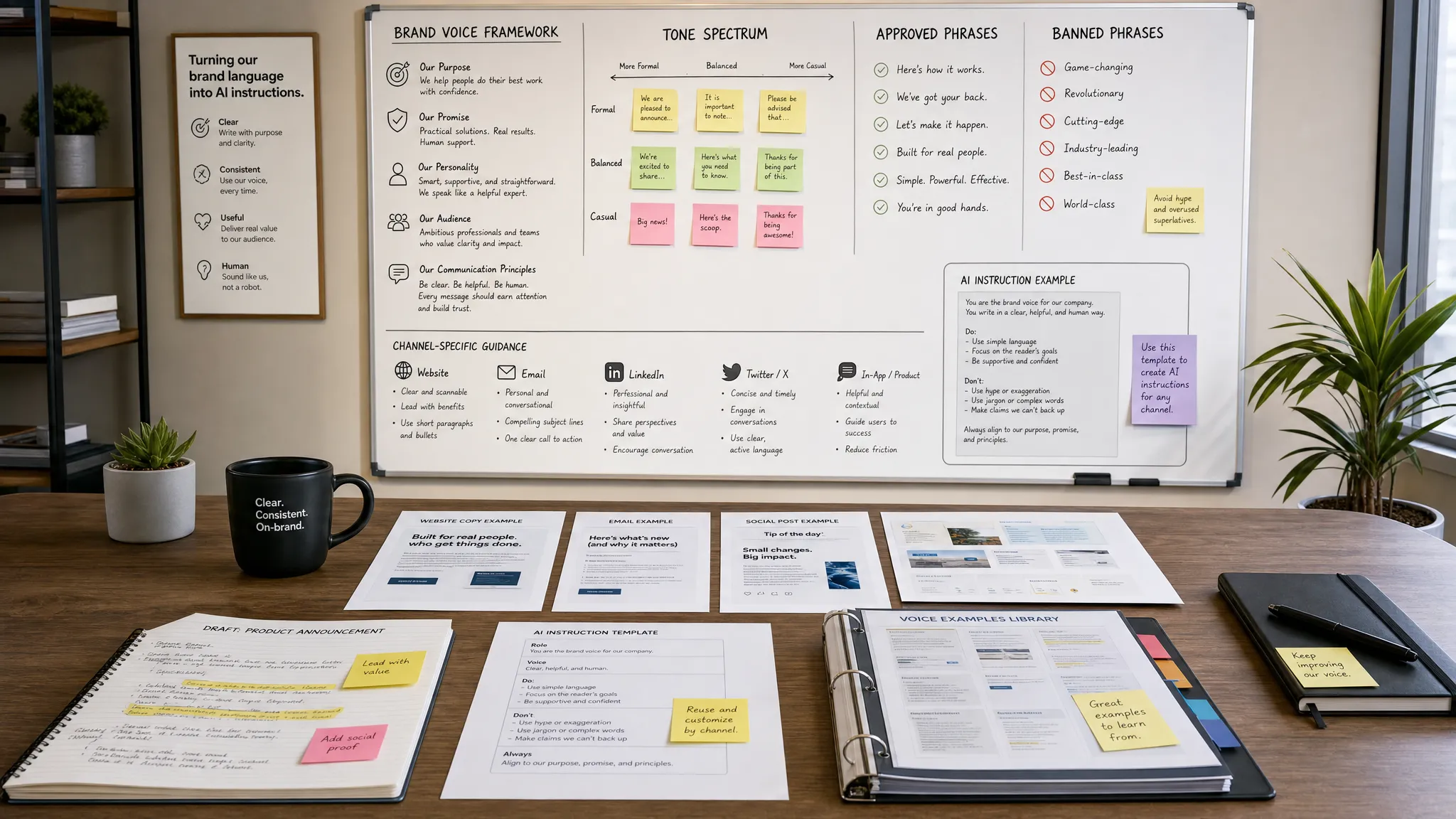
Also, productivity is only valuable if quality is maintained. If AI output saves time but weakens messaging, hurts trust, or creates off-brand content, the short-term efficiency can damage long-term performance. If brand consistency is a concern, review these principles for using AI for marketing without losing your brand voice.
Attribution tells you what happened. Incrementality helps you understand what happened because of AI.
This is where many AI ROI reports fall apart. If every campaign is AI-assisted, there is no control group. If every lead is counted as “AI influenced,” the ROI model becomes a story, not evidence.
Use the strongest test design your team can manage:
For example, a B2B SaaS company might test AI-generated ad variations against human-written variations while keeping budget, landing page, audience, and bid strategy constant. If the AI-assisted group generates a lower cost per qualified demo at the same quality threshold, the difference can be used in the ROI model.

Let’s say a SaaS company uses AI tools for SEO briefs, paid ad variants, and email personalization. The team wants to measure ROI over one month.
The total AI investment is:
The measured value is:
Now apply the formula:
AI marketing ROI = [($15,850 - $4,000) / $4,000] x 100
AI marketing ROI = 296.25 percent
That means the company generated about $2.96 in net value for every $1 invested in AI during the measurement period.
If you are using pipeline instead of closed-won revenue, adjust it before calculating ROI. For example, $100,000 in influenced pipeline is not the same as $100,000 in revenue. Apply expected win rate, sales cycle timing, and margin to estimate realistic value.
A conservative pipeline-based model might look like this:
Expected profit = influenced pipeline x win rate x contribution margin
If AI-assisted campaigns generate $80,000 in qualified pipeline, the average win rate is 25 percent, and contribution margin is 70 percent, expected profit is $14,000.
AI marketing ROI is not measured the same way across every channel. A paid search test may show results in days. SEO may take months. Email personalization may show fast conversion data, but retention impact may take longer.
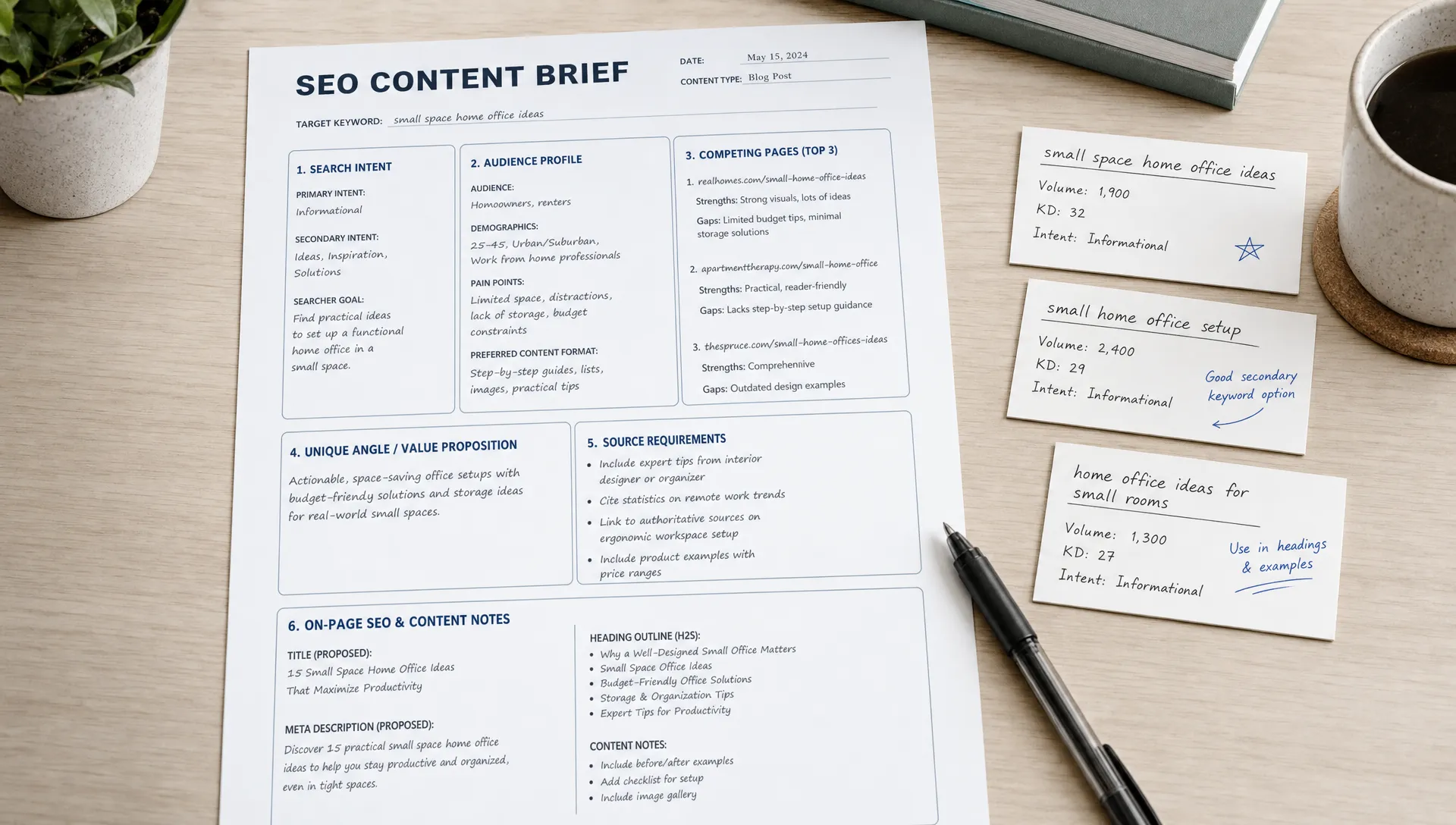
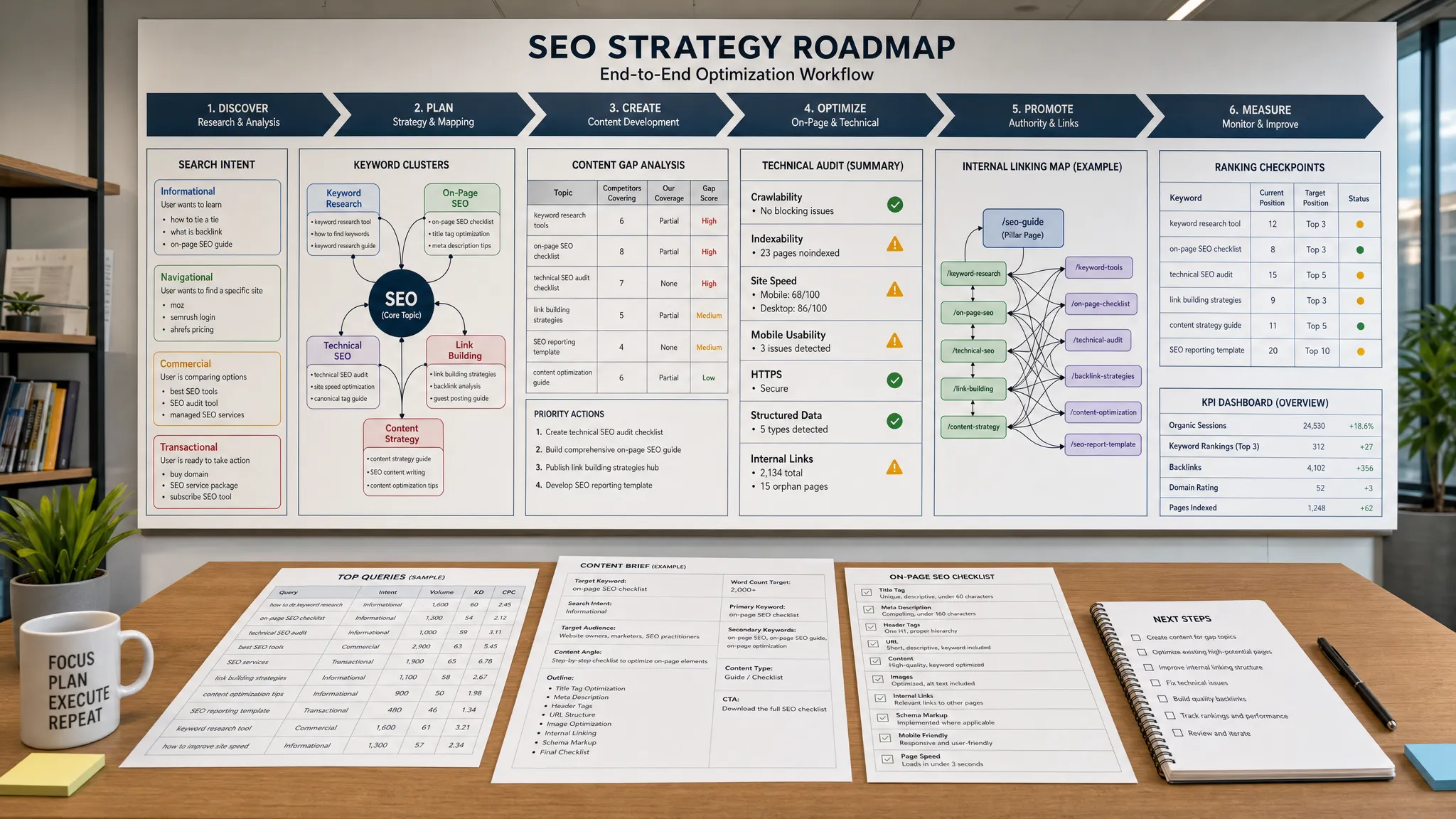
For SEO, measure both leading indicators and lagging outcomes. Leading indicators include content production time, indexation, rankings, impressions, and clicks. Business outcomes include qualified leads, assisted conversions, pipeline, and revenue.
Because SEO compounds over time, do not judge AI SEO tools only on the first month of traffic. Use a 90 to 180 day view when possible, especially for competitive keywords. For smaller teams trying to improve organic performance efficiently, this article on AI SEO tools for small teams can help clarify which workflows are worth testing.
For paid channels, focus on cost per acquisition, return on ad spend, conversion rate, creative testing speed, and wasted spend reduction. AI can improve ROI by creating more variations, identifying patterns faster, or reallocating budget more effectively.
The most important question is not whether AI increased clicks. It is whether it improved profitable conversions at the same or better quality.
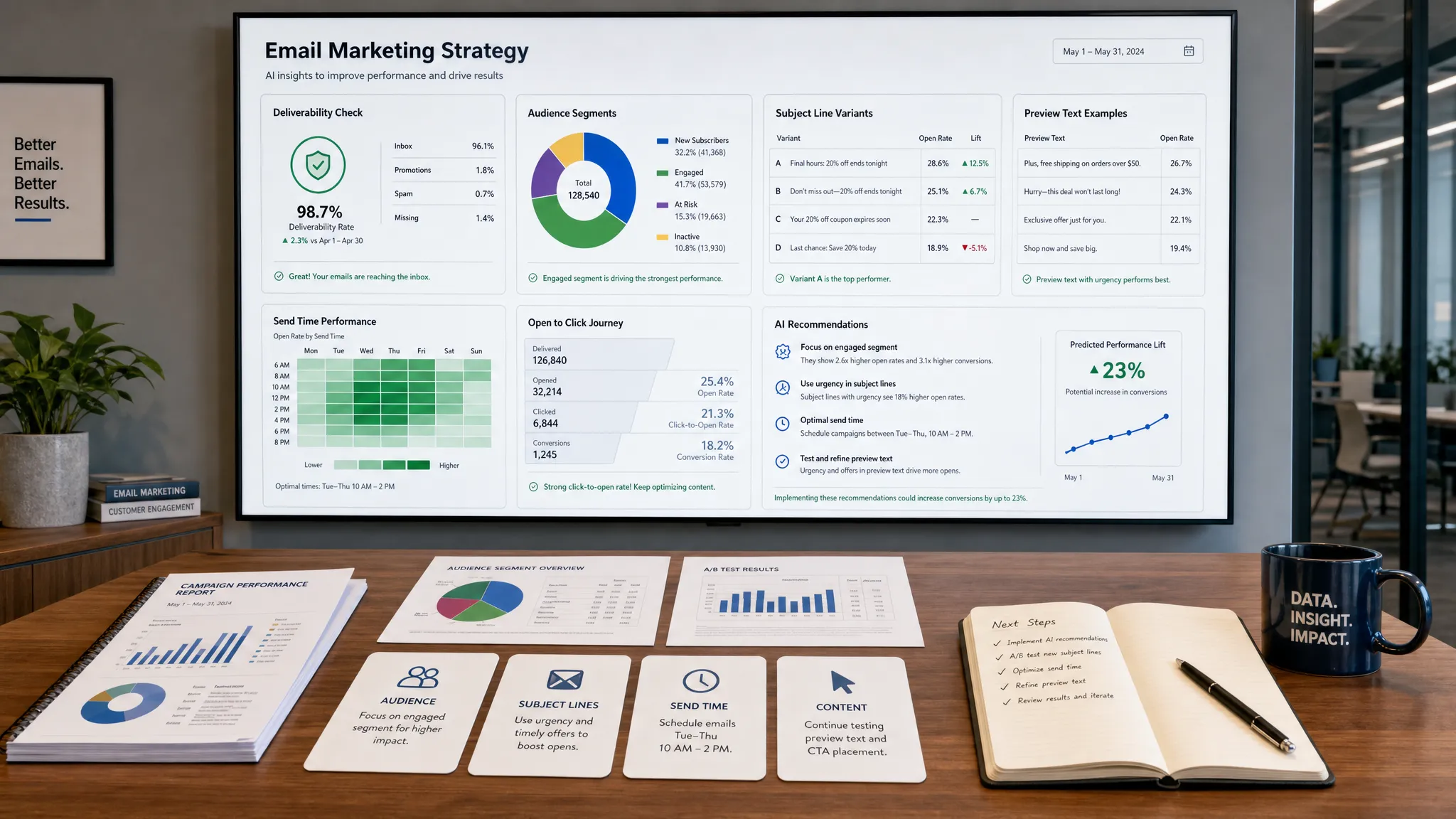
For email, use metrics such as click-to-conversion rate, revenue per recipient, demo requests, repeat purchase rate, churn reduction, and customer expansion. Open rates are less reliable because of privacy changes and inbox behavior.
AI-powered segmentation and personalization should be measured against a control group whenever possible. If personalized sequences improve conversion rate but increase unsubscribes or complaints, include that tradeoff in your evaluation.
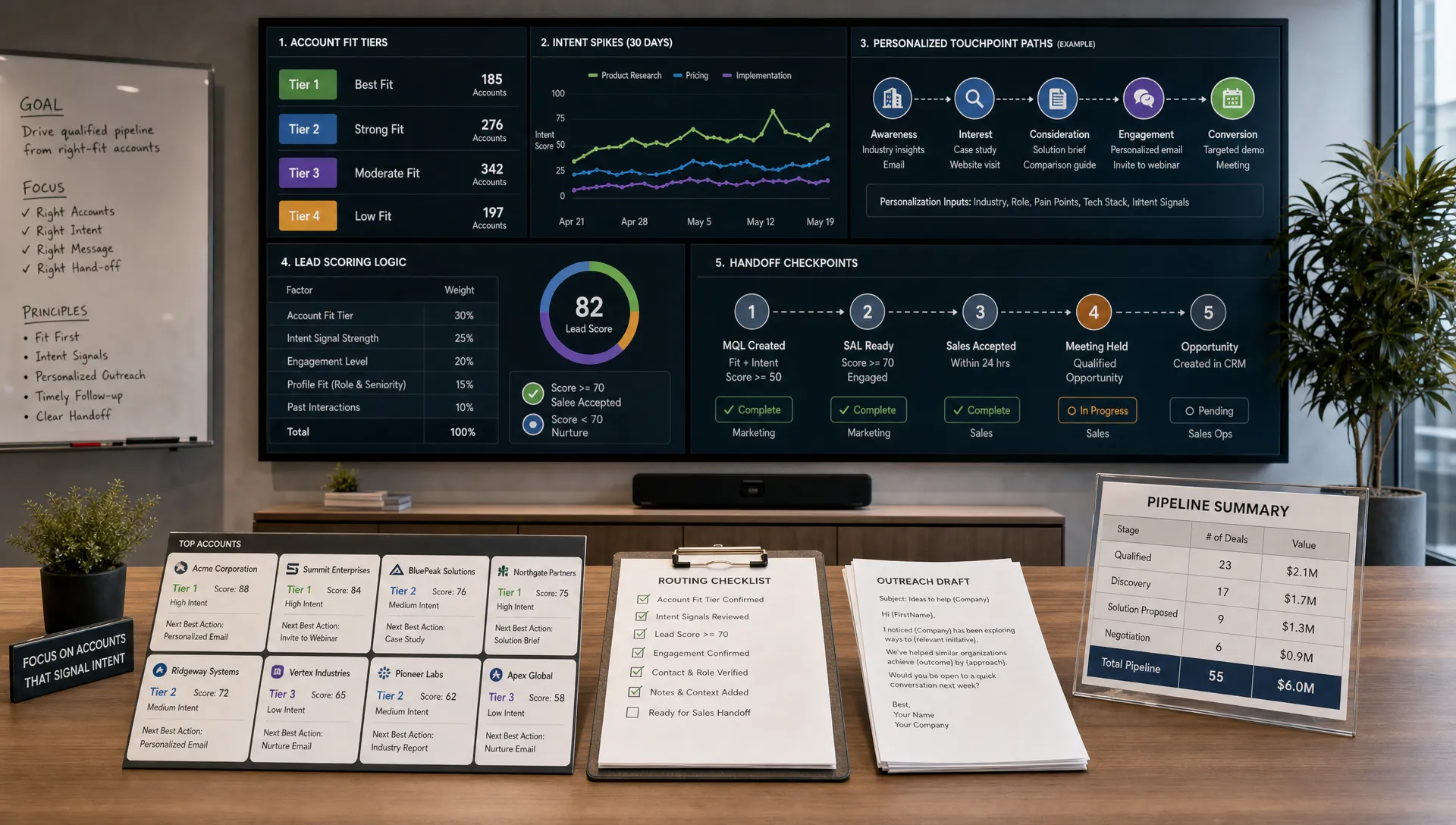
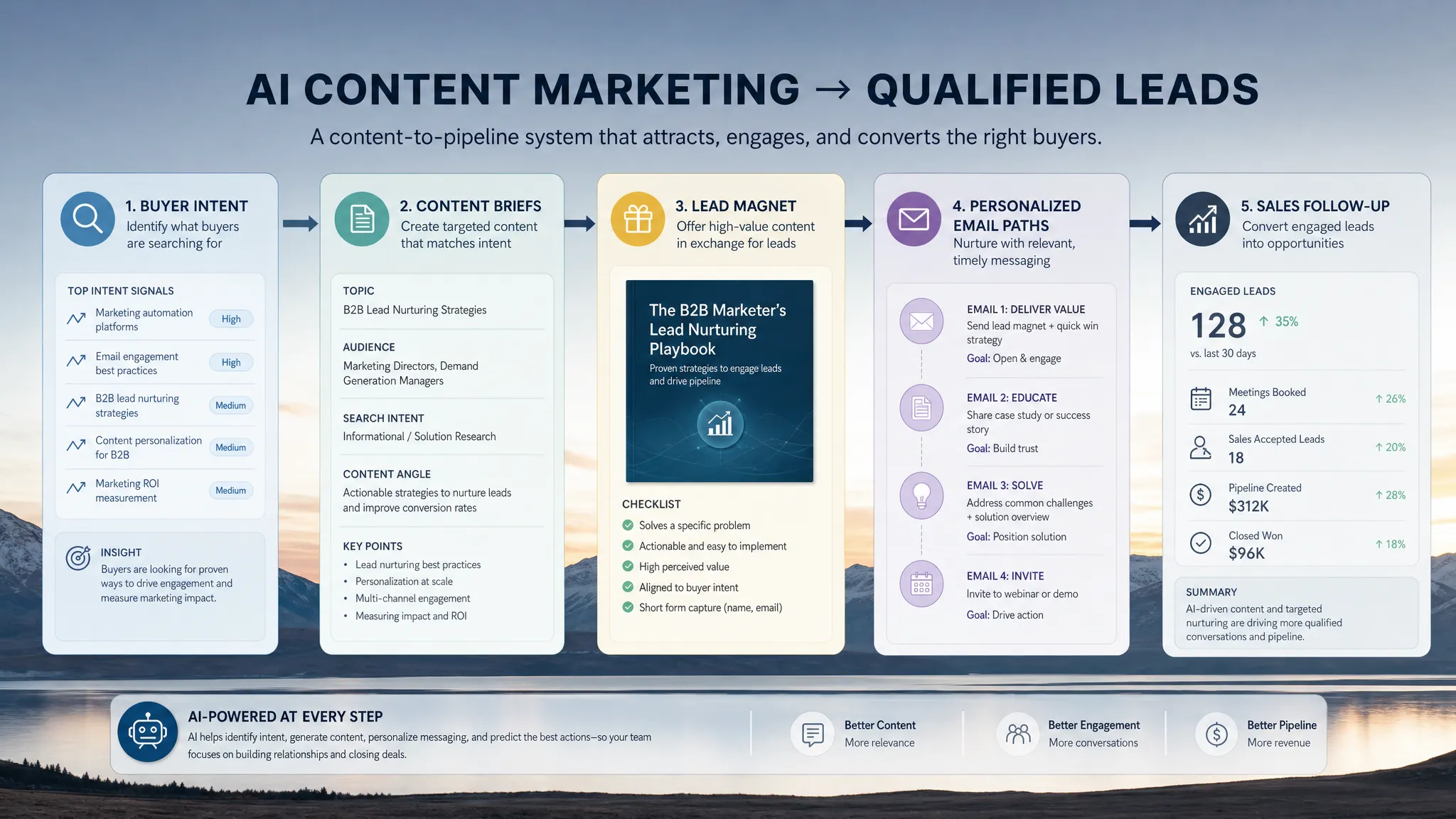
If AI supports lead scoring, chat, or routing, measure sales acceptance rate, meeting show rate, opportunity creation, close rate, and sales cycle length. A higher volume of leads is not automatically valuable if quality drops.
This is where alignment with sales matters. Marketing may see strong lead volume, while sales may see lower intent. Your ROI model should reflect revenue quality, not just activity.
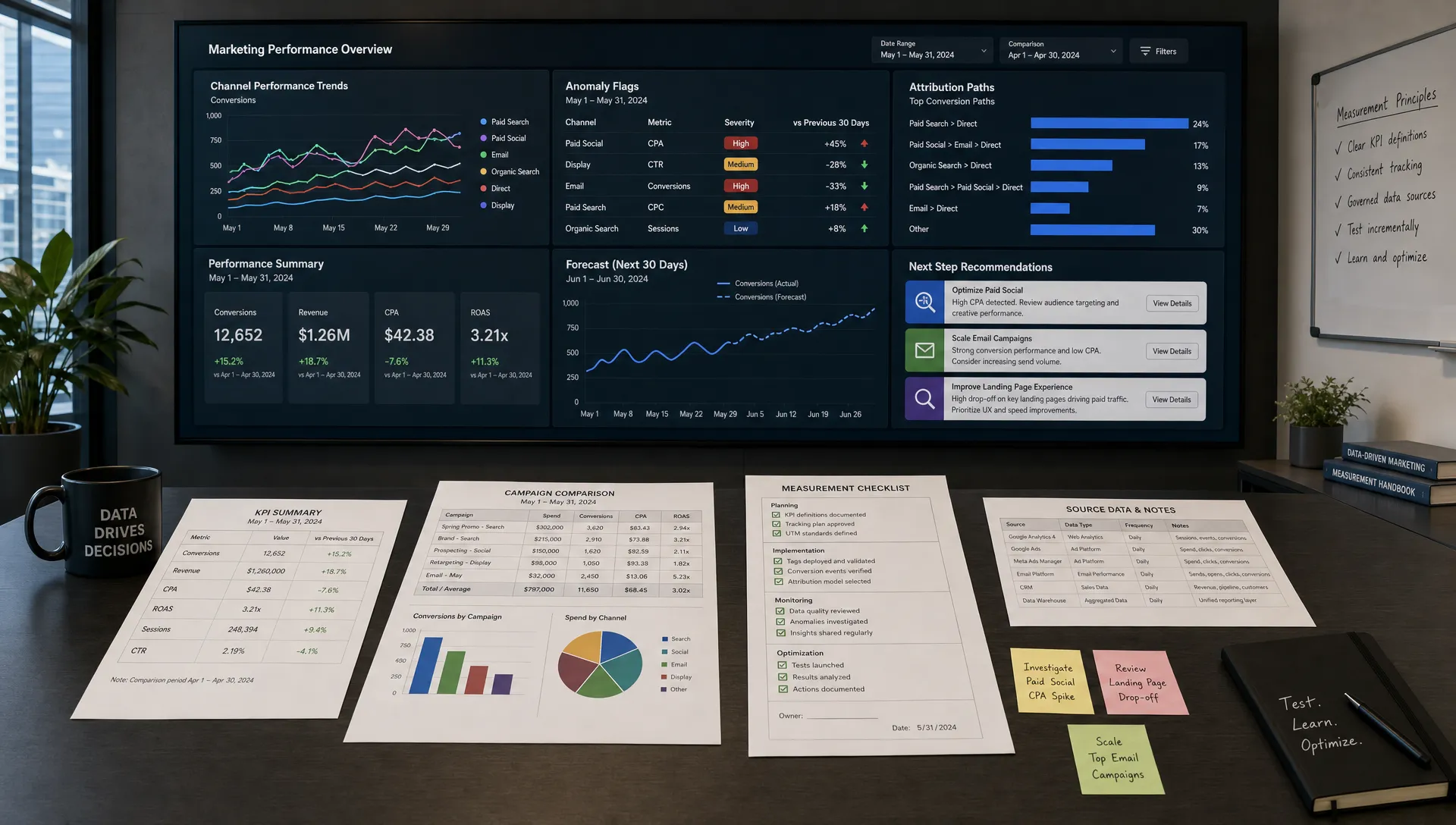
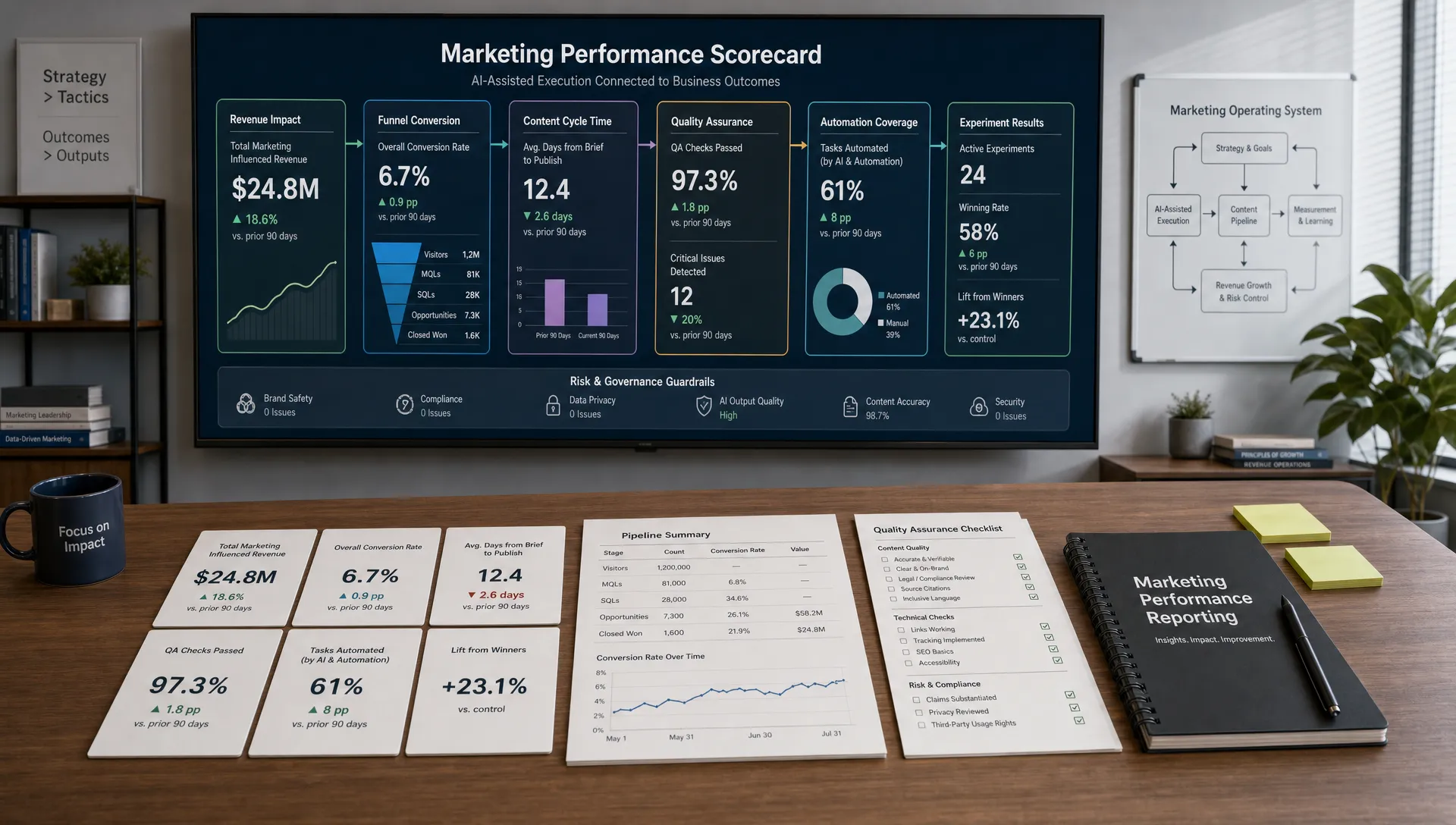
Your AI marketing ROI dashboard should help leaders make decisions, not just admire metrics. Keep it focused on a few categories.
Include investment metrics such as tool costs, setup costs, labor, and QA time. Add performance metrics such as revenue, pipeline, conversions, CAC, ROAS, and conversion rate. Include productivity metrics such as hours saved, output produced, and cycle time reduction.
Then add quality and risk metrics. These might include error rates, revision rates, unsubscribe rates, bounce rates, brand review failures, compliance flags, or customer satisfaction signals.
Finally, show decision metrics. A clear dashboard should answer questions like:
The best dashboards do not make AI look good. They make the truth visible.
Once you calculate AI marketing ROI, use the result to improve strategy.
If ROI is positive and quality is stable, scale gradually. Increase budget, expand to more campaigns, or automate the next manual bottleneck. If ROI is positive but quality issues appear, improve governance before scaling. If ROI is weak, diagnose the reason before canceling the tool.
Low ROI can come from poor prompts, weak data, unclear positioning, bad targeting, insufficient training, or a use case that simply does not matter enough. Sometimes the problem is not the AI tool. It is that the workflow was never connected to a business outcome.
Use ROI reporting as a feedback loop. The goal is not to prove that AI is always valuable. The goal is to learn where AI creates measurable advantage for your specific business.
The most common mistake is counting all AI-touched revenue as AI-generated revenue. If AI helped write one email in a long customer journey, it should not receive full credit for the deal.
Another mistake is measuring activity instead of value. More blog posts, more ad variants, or more reports do not matter unless they improve outcomes or free capacity for higher-value work.
Teams also forget to include the cost of human review. AI output still needs strategic judgment, editing, compliance checks, and performance analysis. Those costs belong in the model.
Finally, many teams judge too early. Paid media tests may produce useful results quickly, but SEO, lifecycle marketing, and brand effects need longer evaluation windows. Match your measurement period to the channel.
How long does it take to measure AI marketing ROI? It depends on the use case. Paid media and email tests can often show directional results within a few weeks. SEO, content marketing, retention, and pipeline impact usually need 90 days or more.
What is a good AI marketing ROI? There is no universal benchmark. A good ROI is one that remains positive after full costs, improves on your previous process, and beats the next best use of budget or team time.
Should AI marketing ROI be based on revenue or profit? Profit is usually better. Revenue can exaggerate ROI because it ignores delivery costs, margins, discounts, and sales expenses. Use contribution margin whenever possible.
How do you measure AI ROI when the main benefit is time savings? Track the hours saved, multiply them by the fully loaded hourly cost, and verify that quality did not decline. If saved time creates extra campaigns, measure the incremental profit from that additional output.
Can small teams measure AI marketing ROI without advanced analytics? Yes. Start with a baseline, track AI-assisted campaigns clearly, use UTMs and CRM fields, run simple A/B tests, and calculate value with a conservative formula.
Measuring AI marketing ROI is not a one-time reporting exercise. It is a discipline that helps you decide which AI tools, workflows, and campaigns deserve more investment.
Start small. Choose one use case, define the baseline, track full costs, run a fair test, and calculate ROI using incremental profit and productivity value. Once the process works, repeat it across your marketing workflow.
If you want practical resources to improve AI marketing automation, content creation, SEO, analytics, and campaign planning, explore the guides and tools available at AIMarketer Hub.