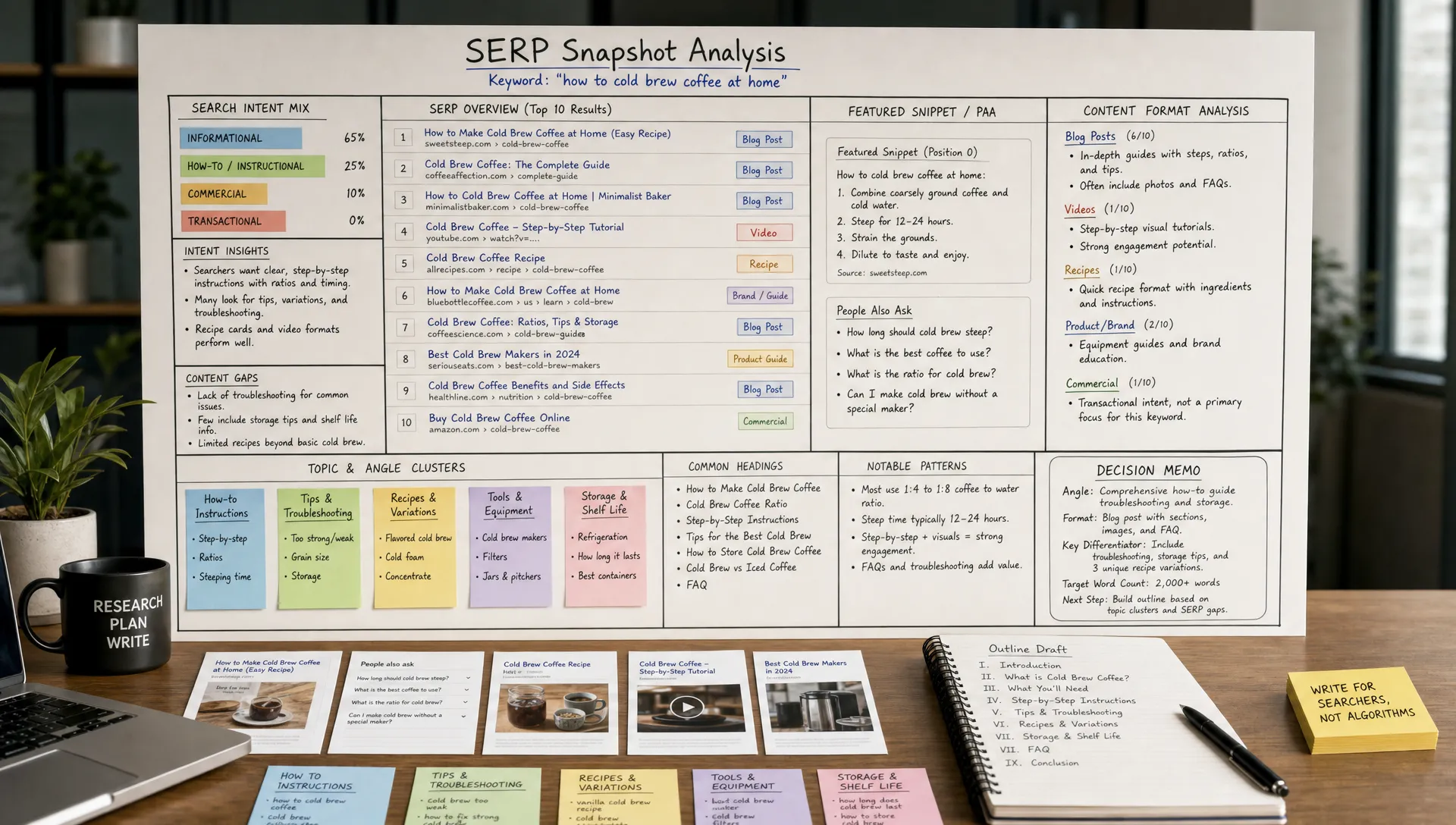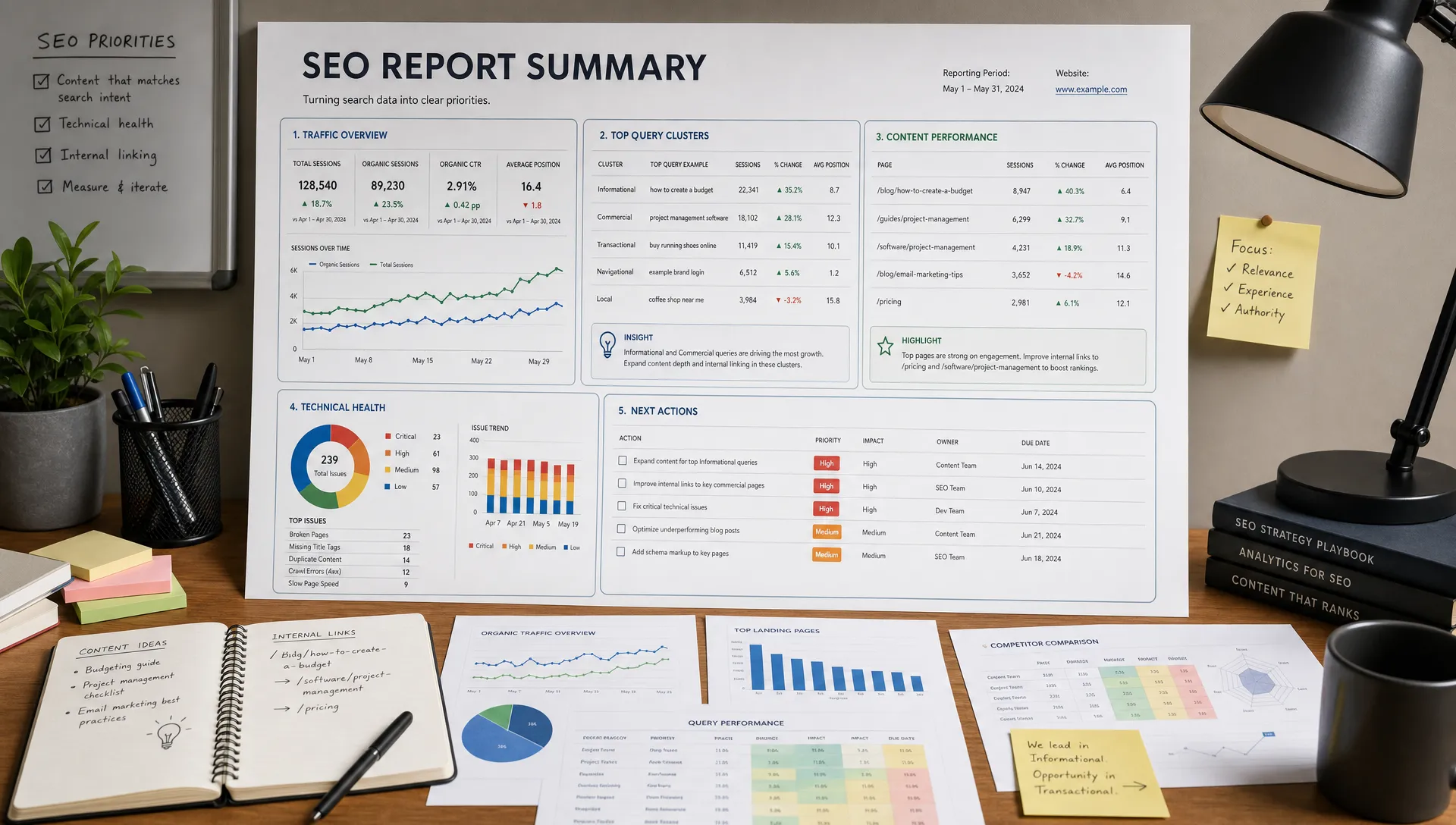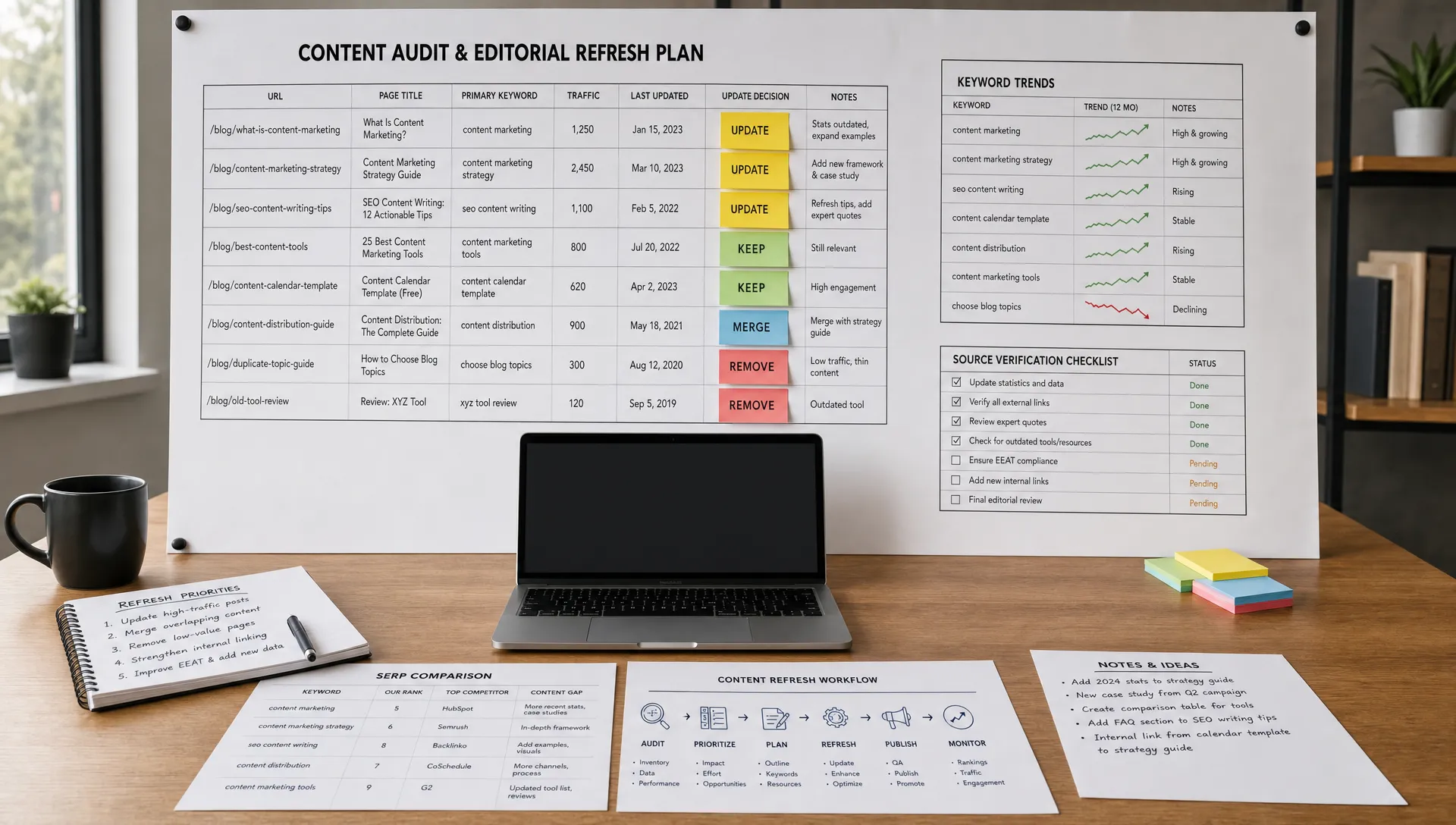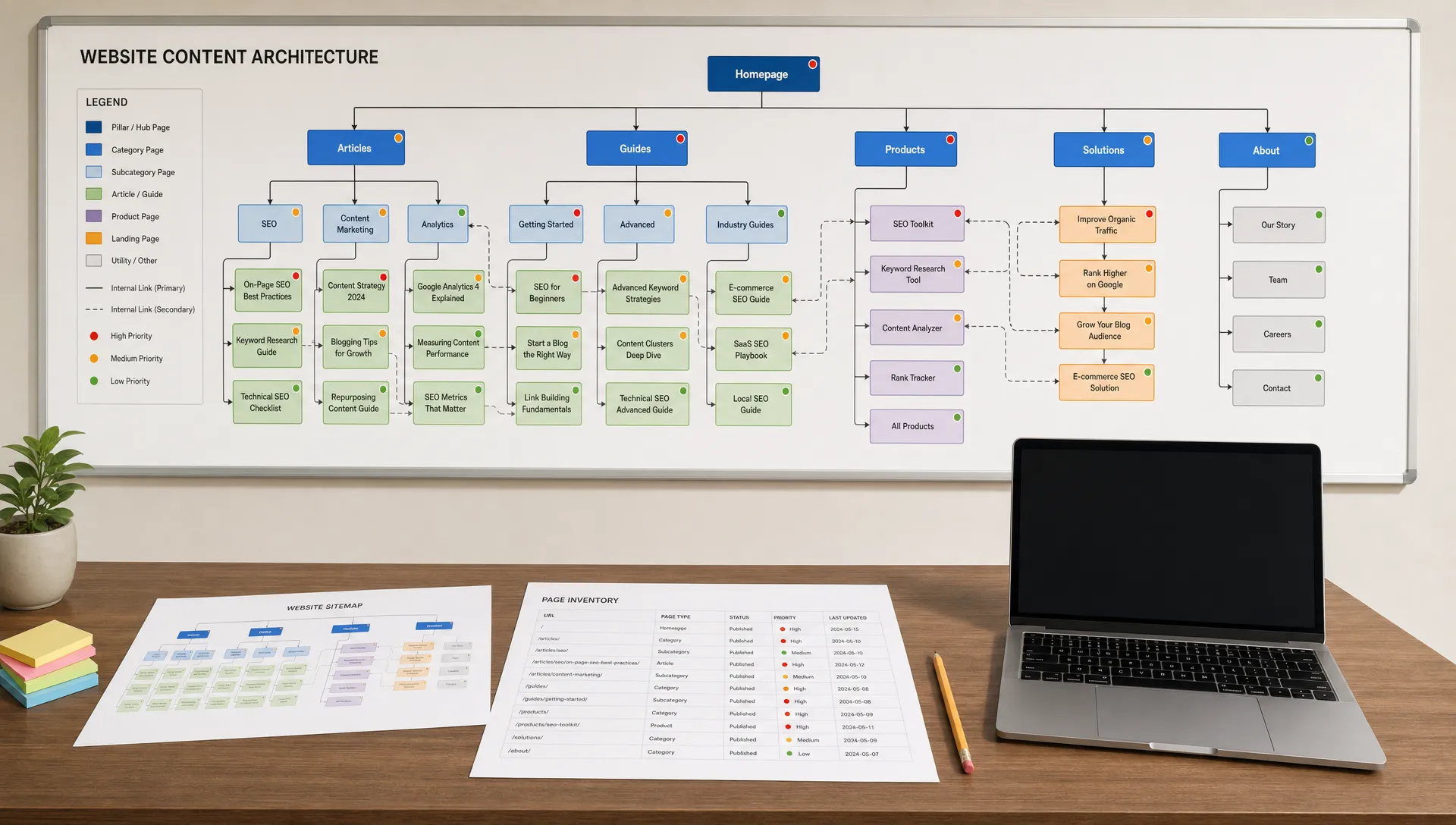
Content automation can make a marketing team faster, more consistent, and more efficient. It can also make weak strategy visible at scale. That is the uncomfortable truth many teams discover after investing in AI tools, templates, and automated publishing workflows.
The biggest content automation mistakes rarely come from the technology alone. They happen when marketers automate unclear positioning, incomplete briefs, unverified claims, or content that was never tied to a real business goal. AI marketing automation is powerful, but it amplifies the system you already have. If that system is messy, automation simply helps you publish messy work faster.
For modern marketers, the objective is not to remove humans from content creation. The objective is to use automation to reduce repetitive work so people can spend more time on strategy, insight, creativity, and judgment. Here are the content automation mistakes to avoid, plus practical ways to build a smarter workflow.
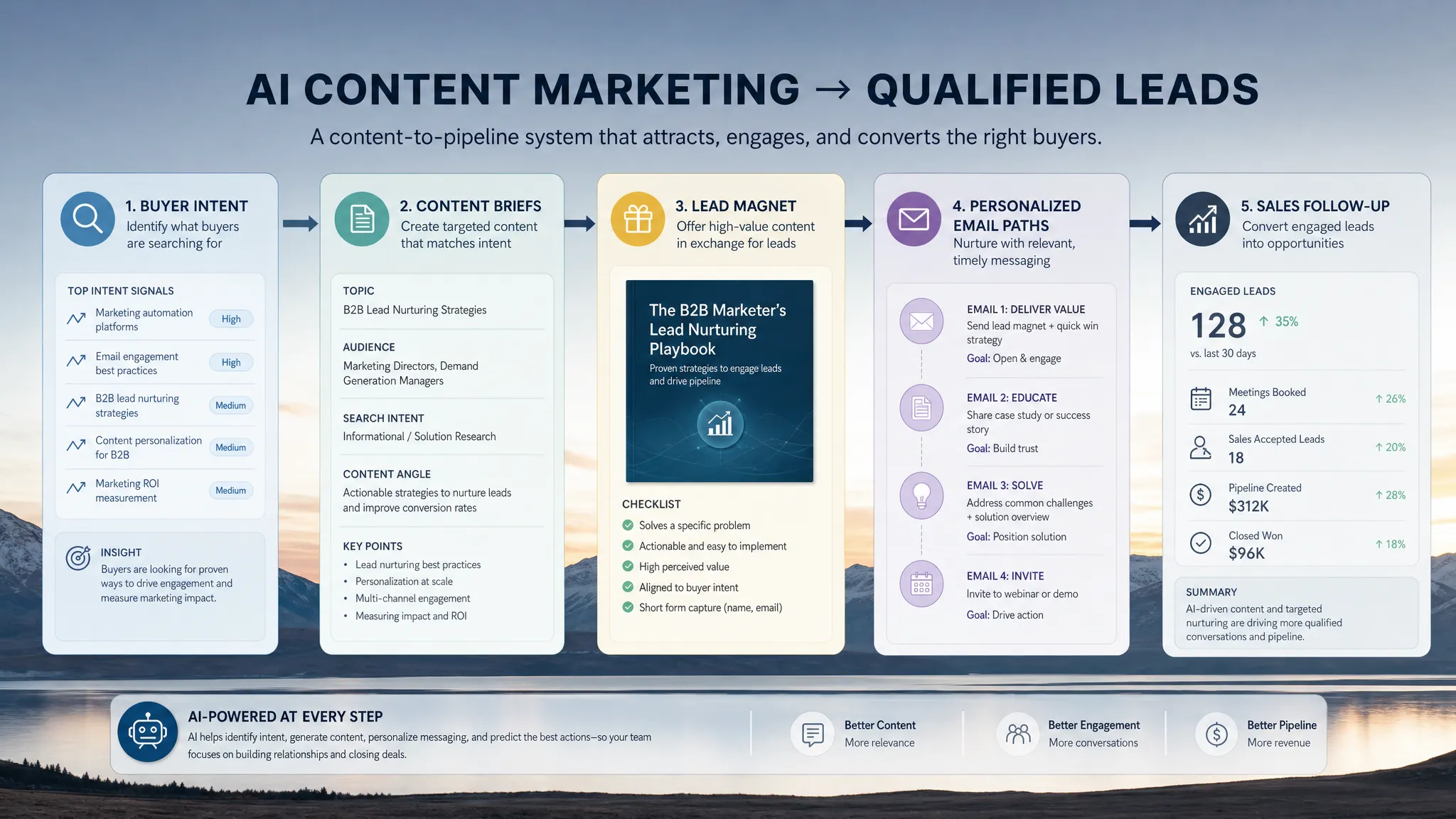
Content automation works best when it supports a clear marketing process. It should help your team turn customer insights into useful assets, repurpose high-performing ideas, maintain consistency, and improve speed without sacrificing trust.
Problems start when automation becomes a shortcut for thinking. A team might ask an AI tool to generate dozens of blog posts without defining audience pain points, search intent, product positioning, or editorial standards. Another team might automate social distribution without adapting the message to each channel. In both cases, the workflow is faster, but the content is not better.
Search engines and audiences have become better at recognizing thin, generic content. Google Search Central emphasizes the importance of helpful, reliable, people-first content, regardless of whether AI is involved. That means the core question is not whether your team used automation. The question is whether the final content helps real people make better decisions.
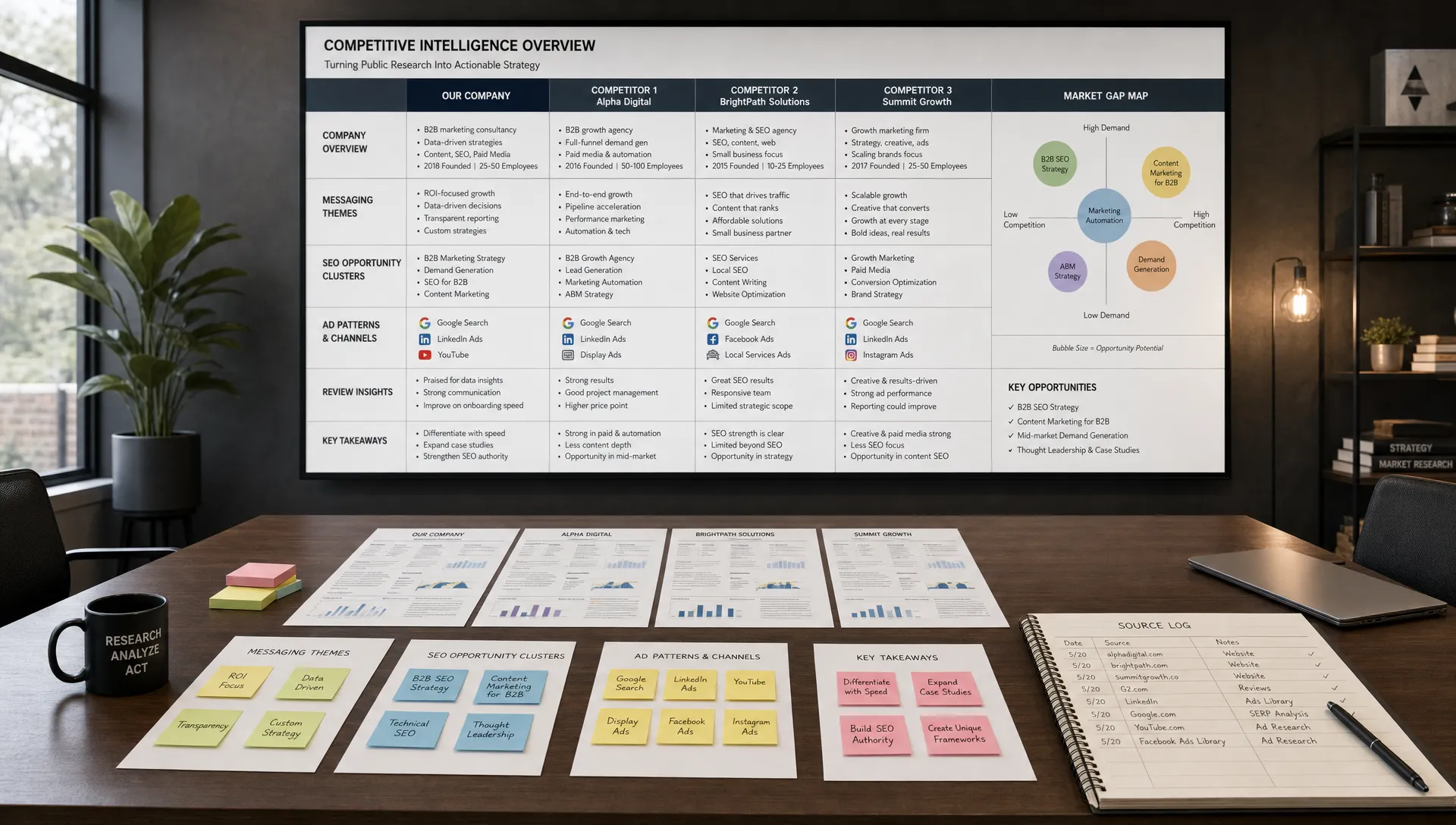
The most common mistake is starting with the tool instead of the strategy. A marketer opens an AI content generator, asks for campaign ideas or blog topics, and gets a long list of plausible suggestions. The list looks productive, but it may have no connection to the buyer journey, competitive positioning, or revenue goals.
Before automating, define what the content system is supposed to achieve. Are you educating a cold audience, capturing search demand, supporting sales enablement, nurturing leads, reducing support questions, or improving retention? Each goal requires different topics, formats, calls to action, and success metrics.
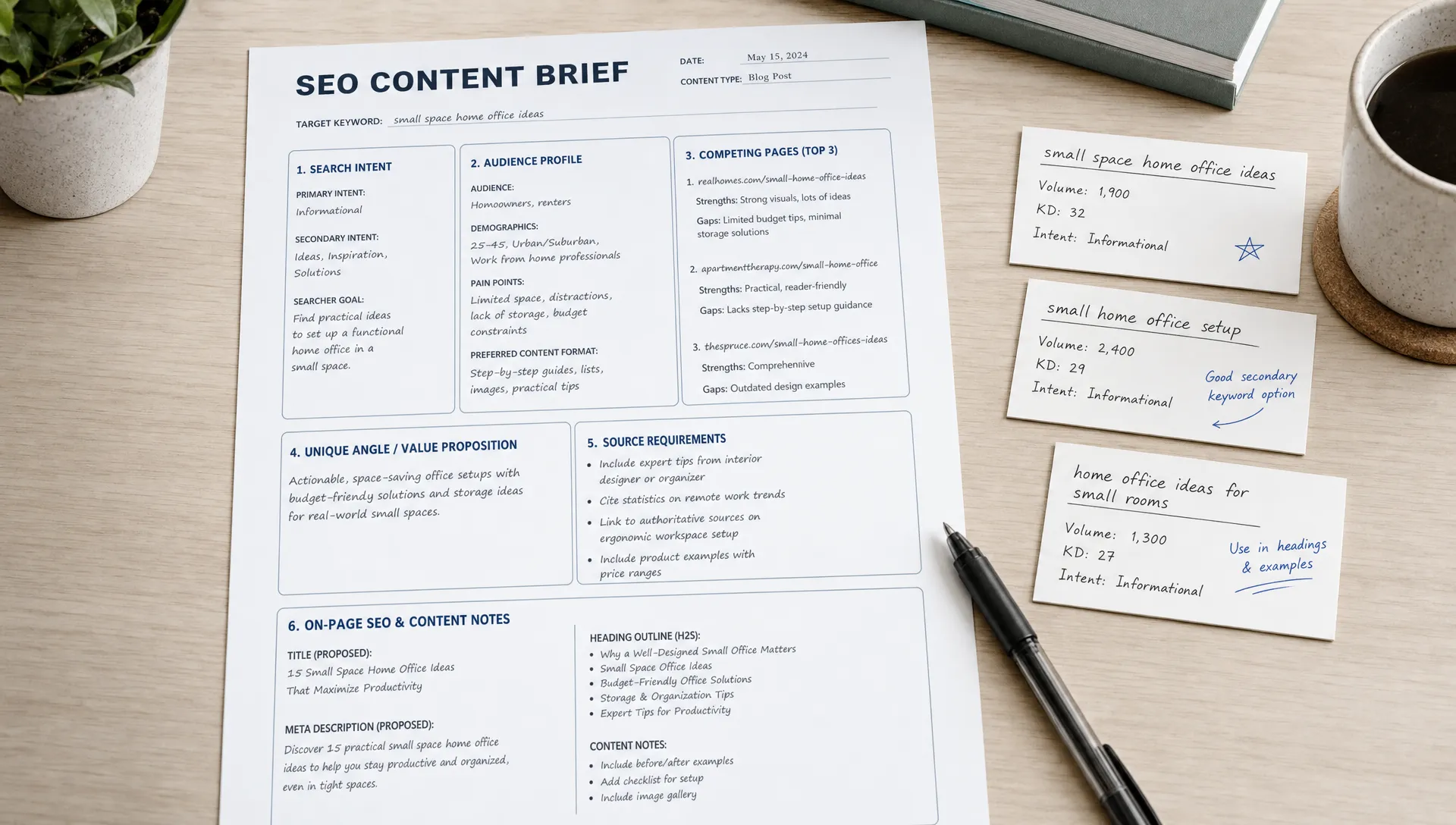
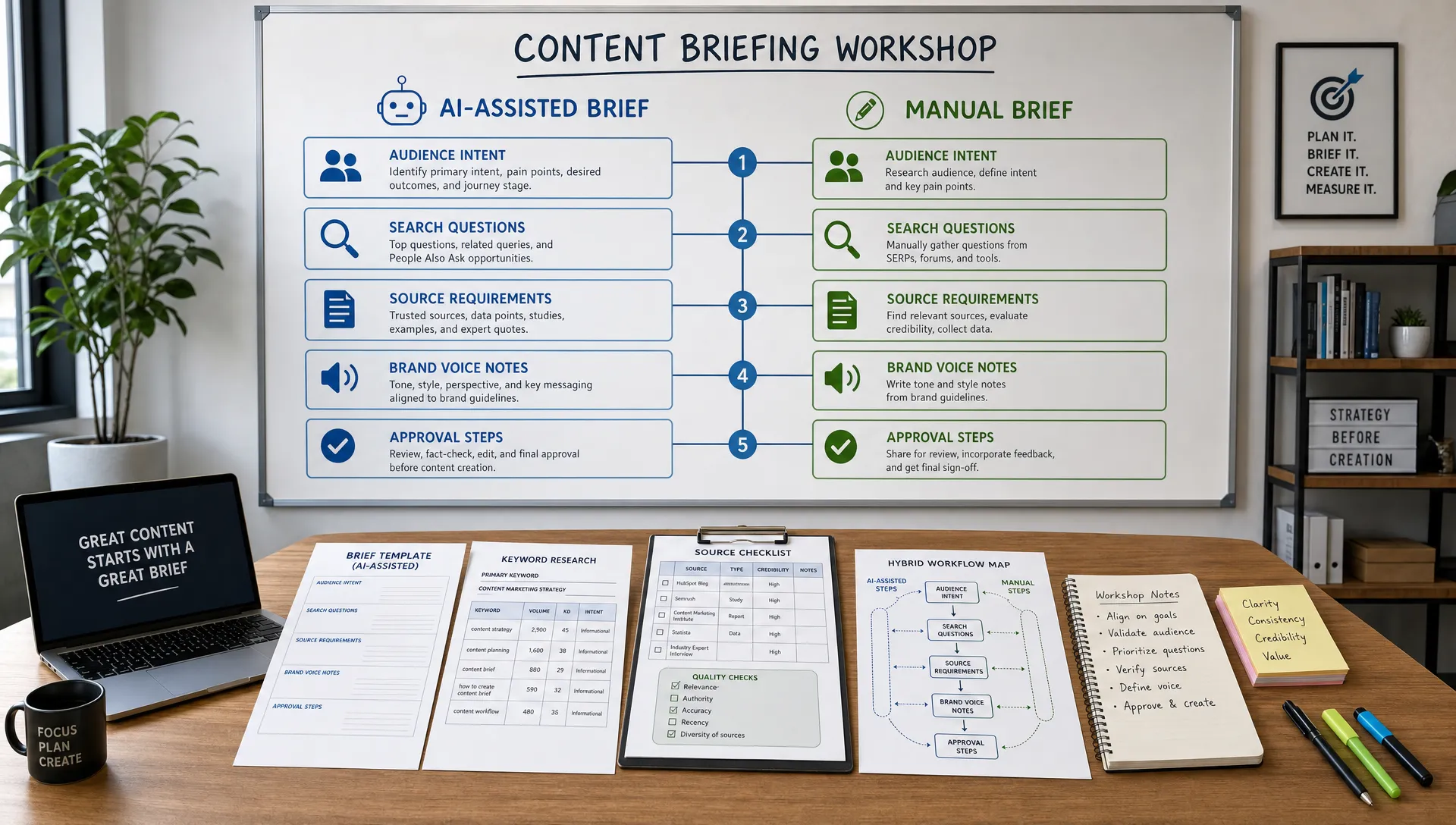
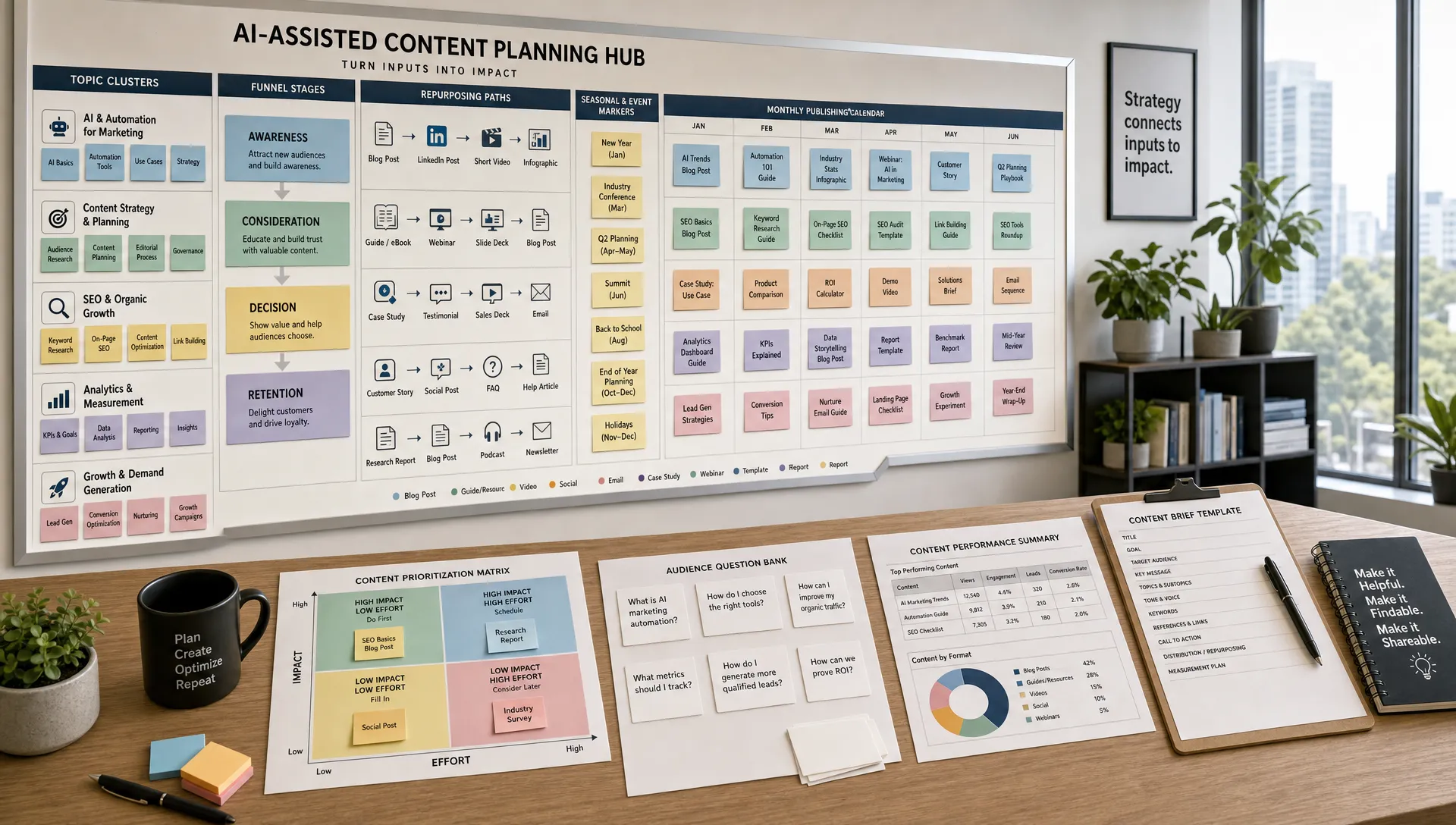
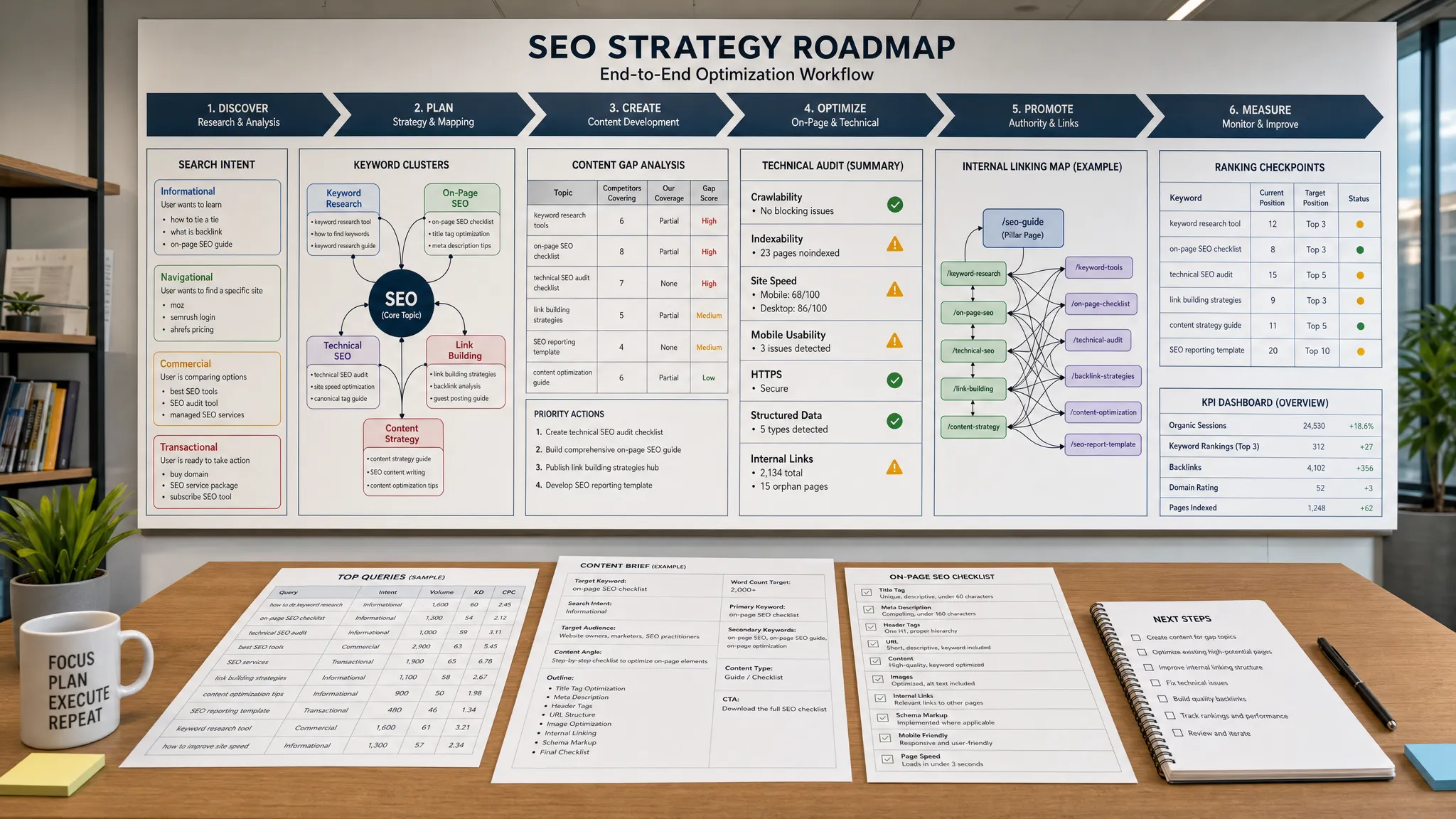
A practical strategy should clarify the target audience, the problem being solved, the stage of awareness, the desired next action, and the unique point of view your brand brings to the topic. Once those inputs are clear, automation can help with research summaries, outlines, repurposing, editing, and distribution. If you are still building that foundation, this guide on how to automate content creation without losing quality is a useful next step.
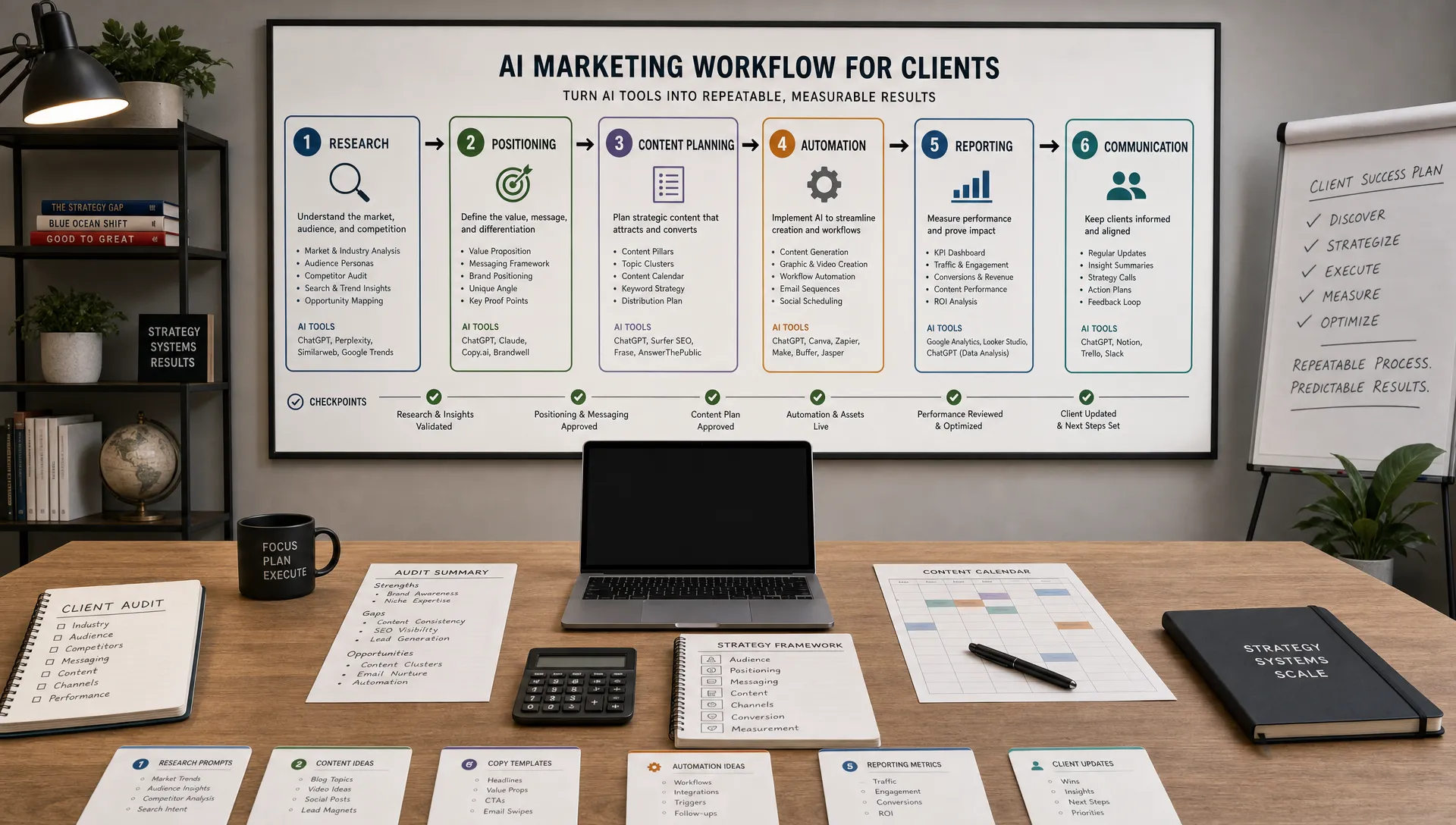
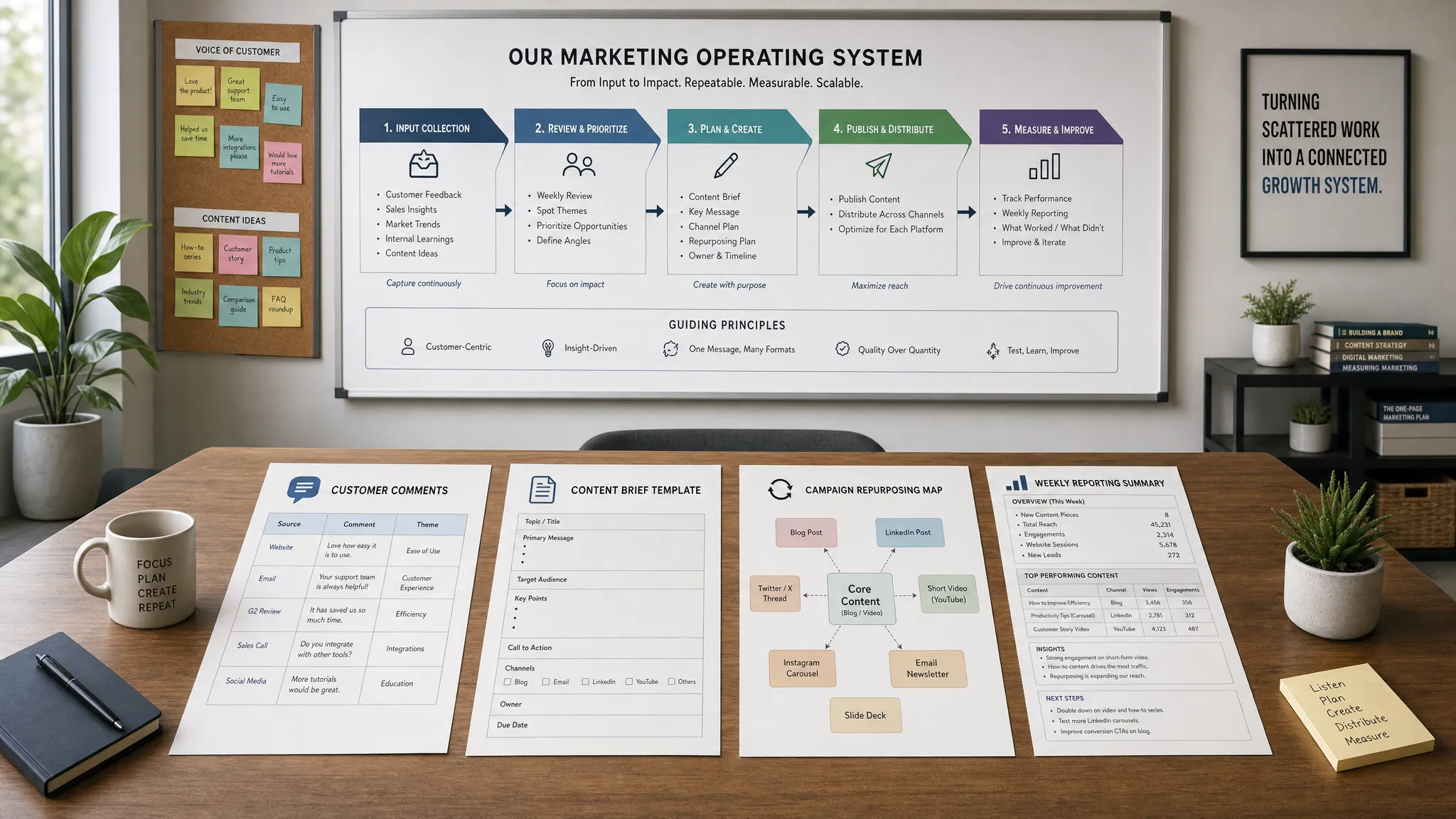
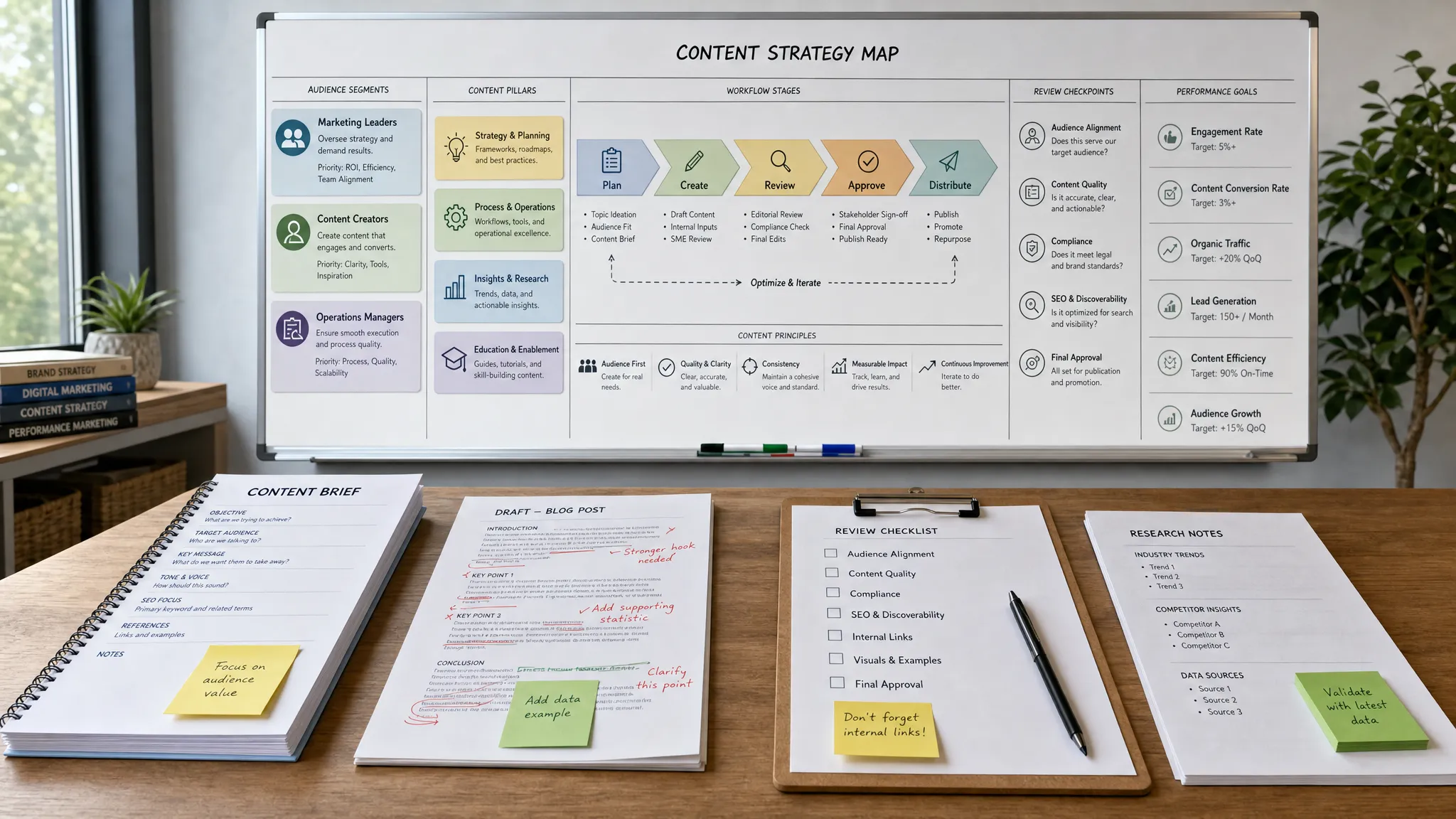
Content automation is not the same as marketing workflow automation. Generating text is only one part of the process. A complete content workflow includes ideation, prioritization, briefing, research, drafting, subject matter review, editing, design, SEO optimization, approval, publishing, distribution, measurement, and updates.
If those steps are unclear, automation creates confusion. Who approves AI-generated claims? Who checks whether a post overlaps with existing content? Who owns the final call on brand tone? Who updates assets when product information changes?
Map the workflow before choosing more tools. Identify where automation saves time and where human review is required. For example, AI can draft a first outline, summarize customer interview notes, or turn a webinar transcript into a blog draft. But a product marketer may still need to refine positioning, and a subject matter expert may still need to verify technical accuracy.
The best automated workflows make ownership more obvious, not less.
Generic prompts produce generic content. If your prompt says only to write a blog post about email marketing or create LinkedIn posts about AI tools, the output will likely sound like every other article on the internet.
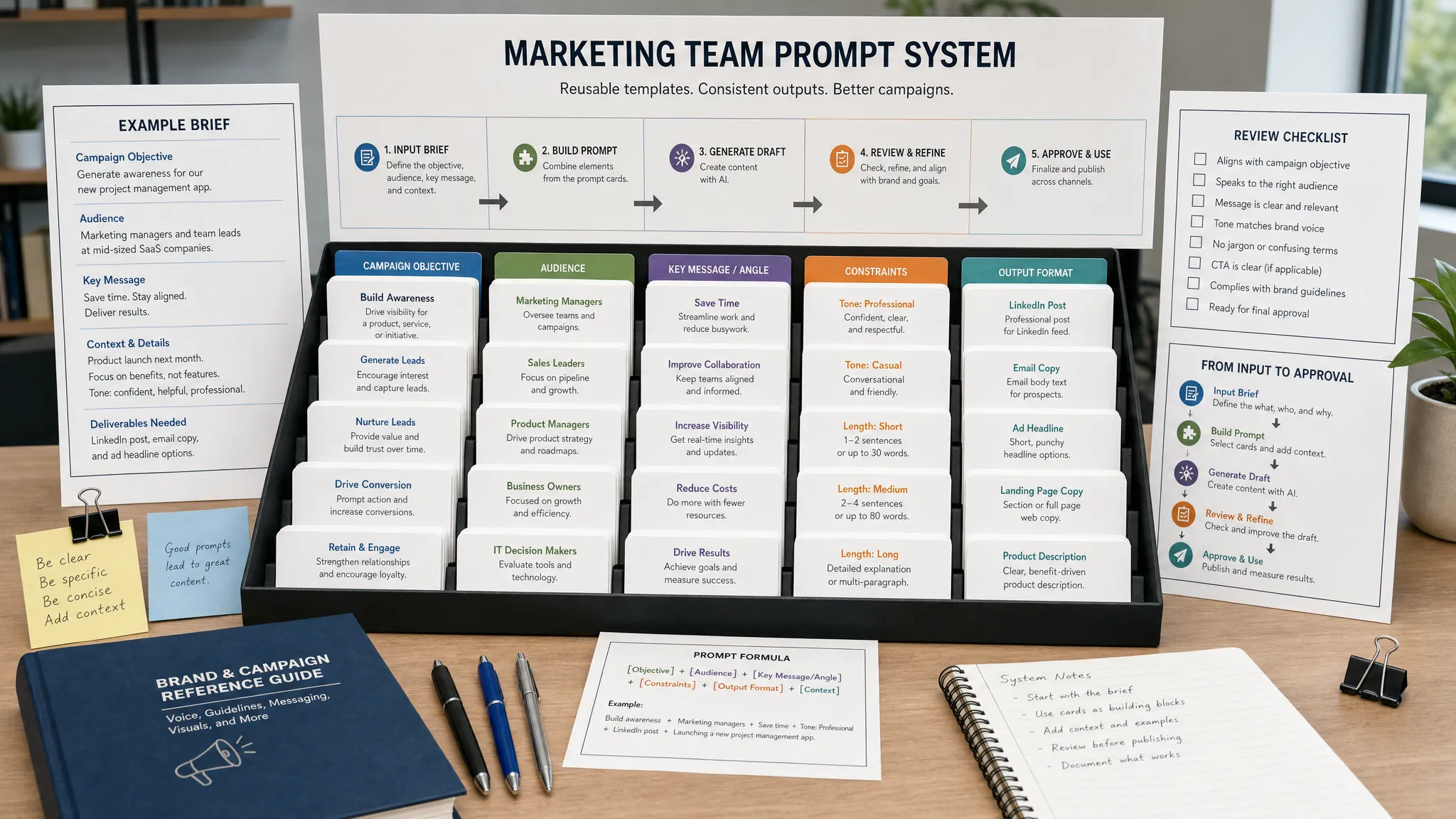
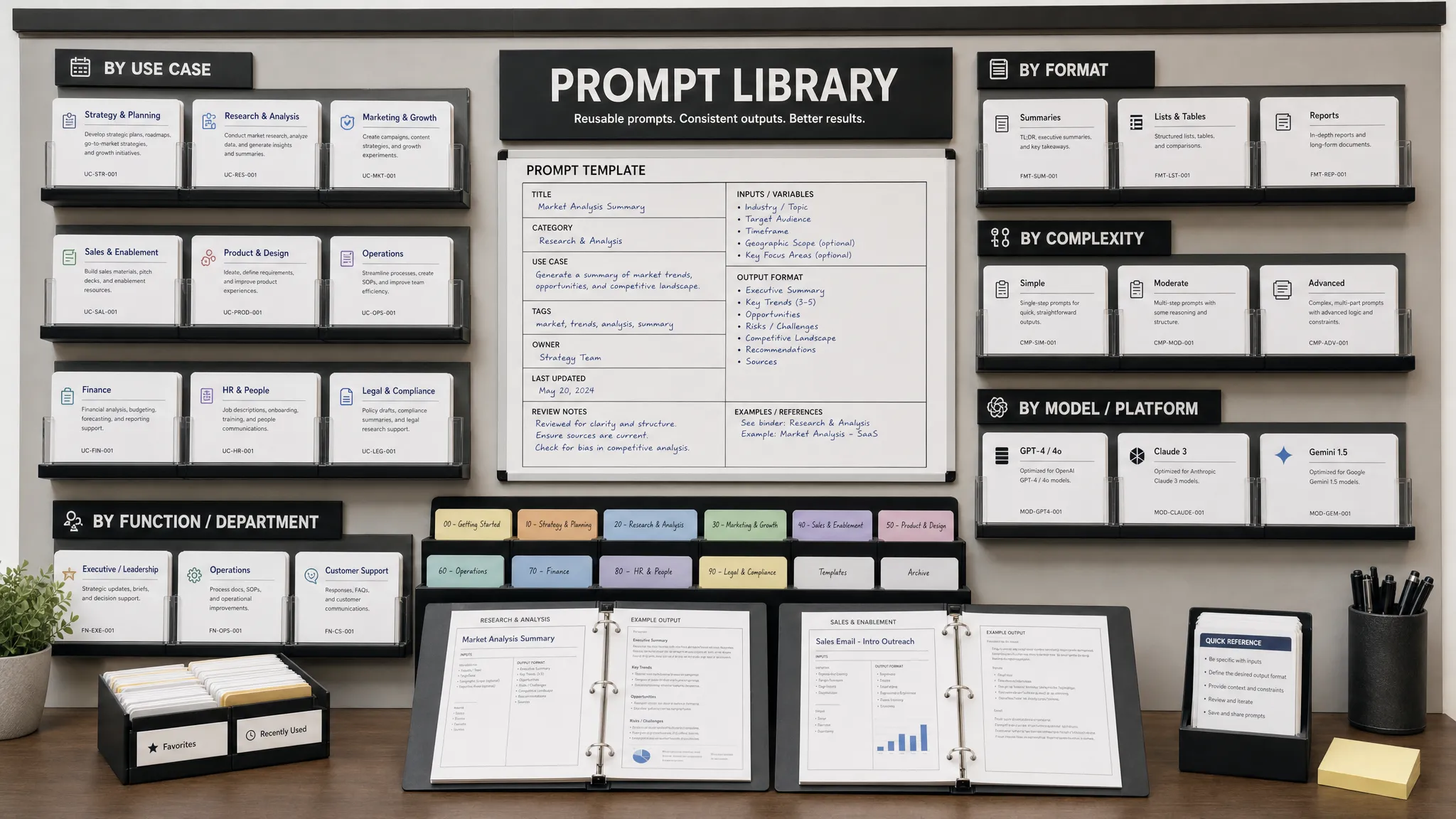
Strong automation starts with strong inputs. Give the AI tool useful context, such as audience details, product messaging, customer objections, competitor gaps, examples of approved content, preferred structure, target reading level, and credible source material. A prompt library can help teams standardize these inputs so every marketer is not starting from scratch.
The same principle applies to data. If an AI tool is asked to create content from outdated, incomplete, or irrelevant material, the result will reflect those weaknesses. Treat source quality as part of content quality. A better prompt does not compensate for poor strategic context.
AI-generated drafts can be useful, but they should not be treated as finished content. A draft may include unsupported claims, vague advice, incorrect examples, outdated references, or confident statements that are not true.
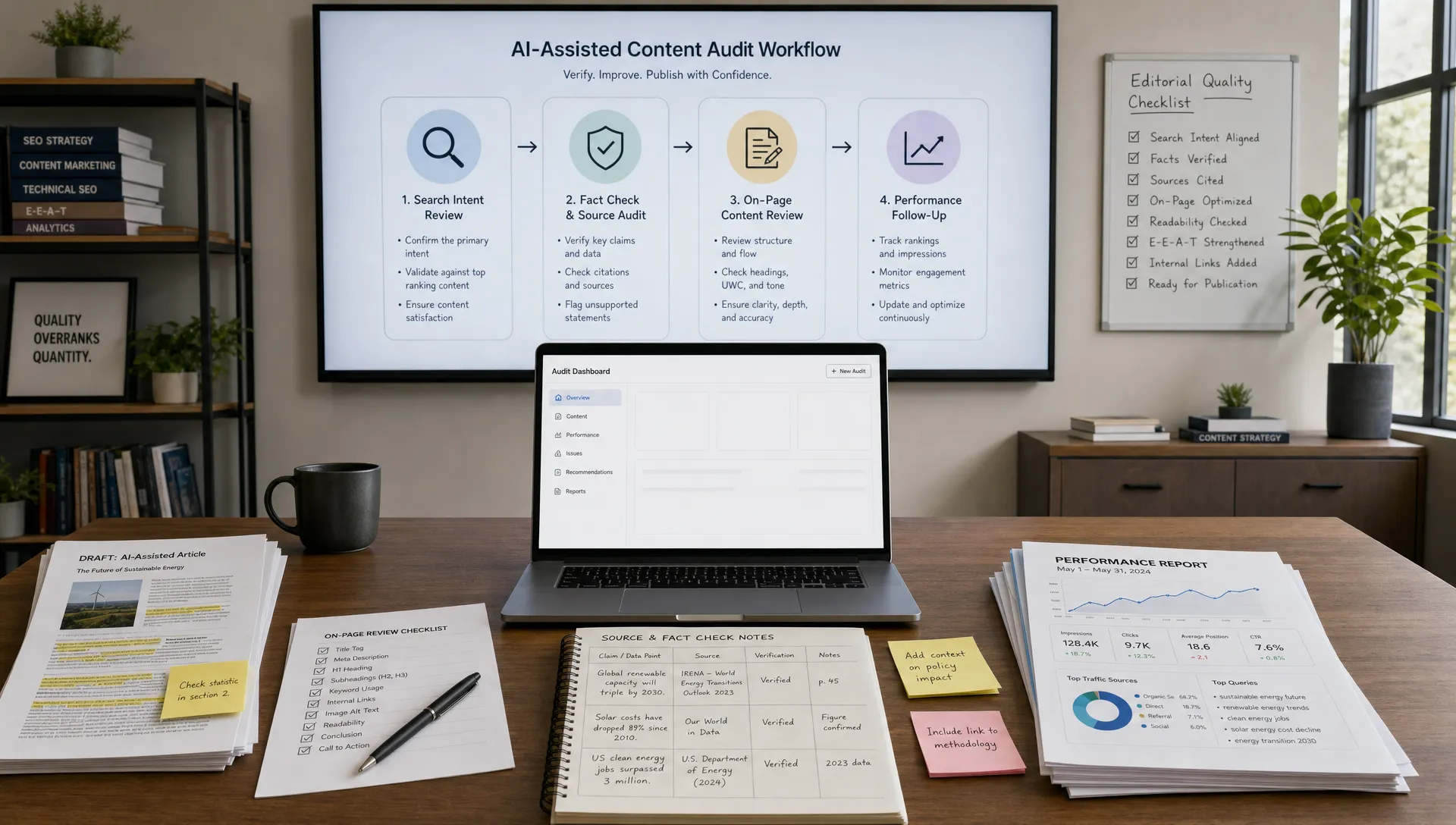
An editorial review should check for accuracy, originality, usefulness, structure, brand fit, and business relevance. For higher-stakes industries such as finance, legal, healthcare, or SaaS security, review standards should be even stricter. Claims may need expert approval, compliance review, or source verification before publication.
A simple rule helps: automate production, not accountability. Your brand is still responsible for what it publishes, even if an AI tool produced the first version.
One subtle risk of content automation is sameness. AI tools are trained to predict common language patterns, so their default output often sounds polished but bland. If every article begins with the same structure and every social post uses the same motivational tone, your brand becomes harder to recognize.
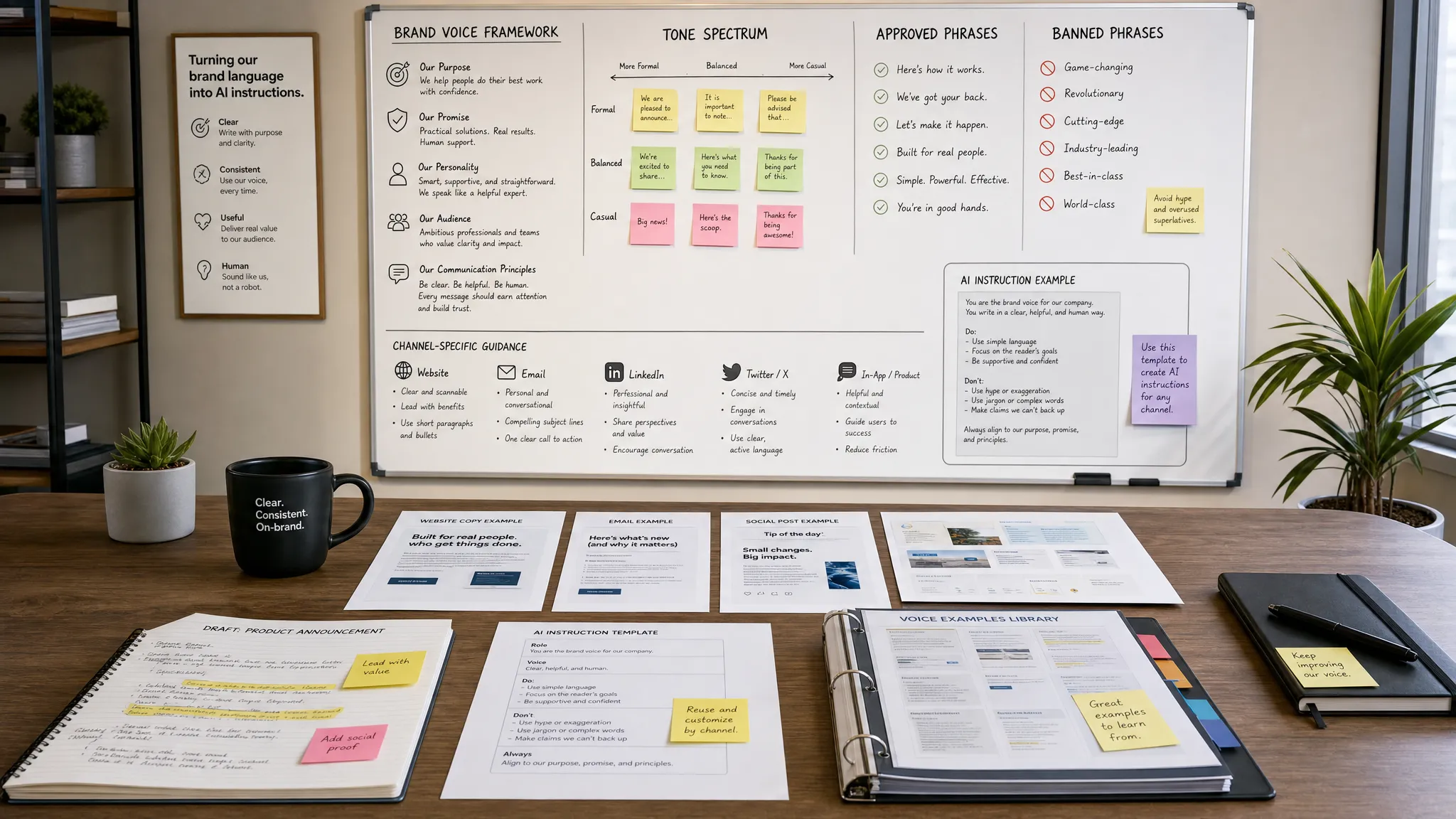
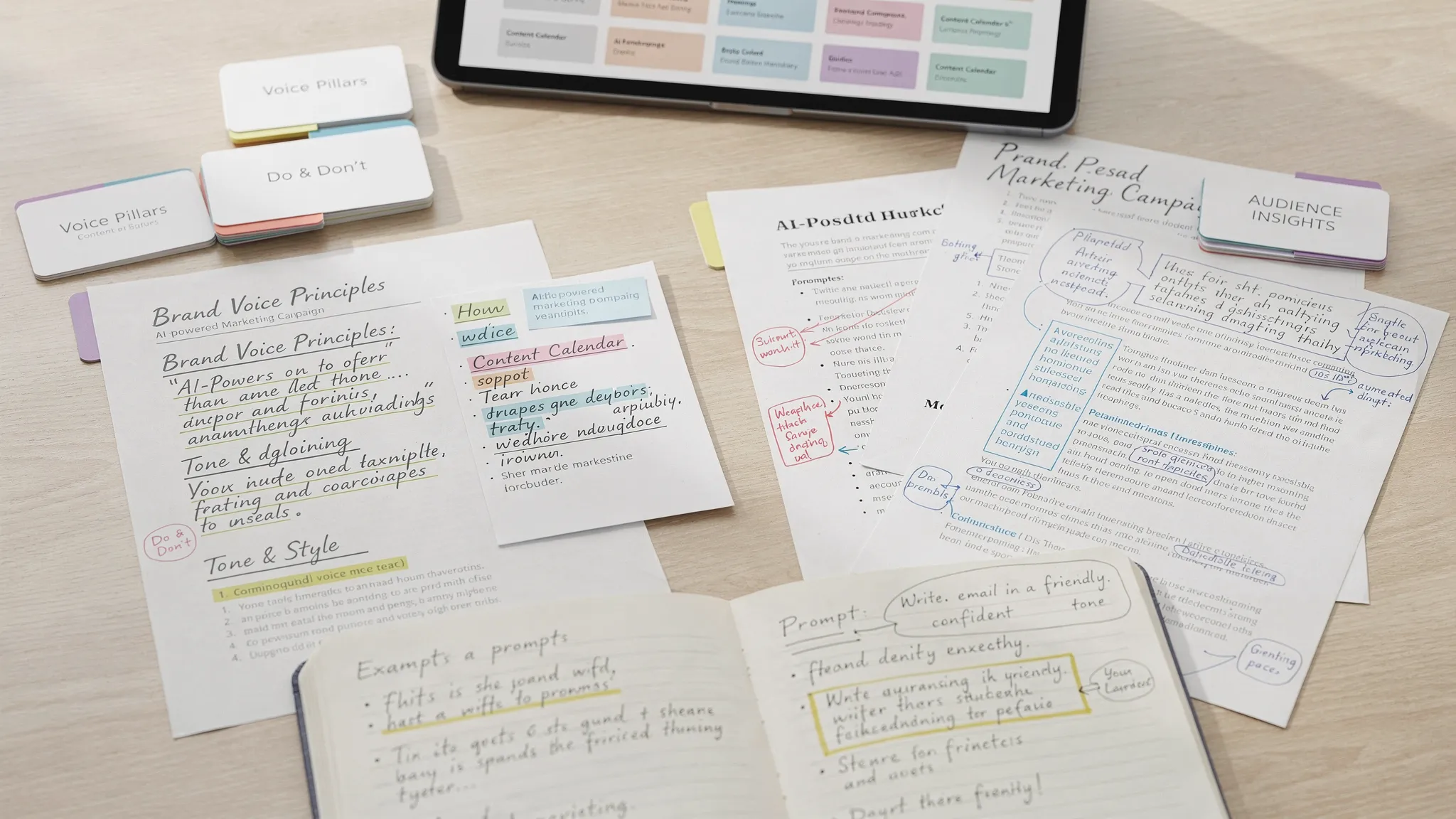
A strong brand voice guide protects against this. Include examples of approved phrasing, banned phrases, tone preferences, product naming rules, and how your company explains common industry problems. It is also helpful to include before-and-after examples that show how a generic AI paragraph should be rewritten in your brand style.
Brand voice is not only about sounding friendly or professional. It reflects your point of view. If your company has a contrarian belief, a specific methodology, or deep industry expertise, build that into the brief. For a deeper look at this issue, explore how to use AI for marketing without losing your brand voice.
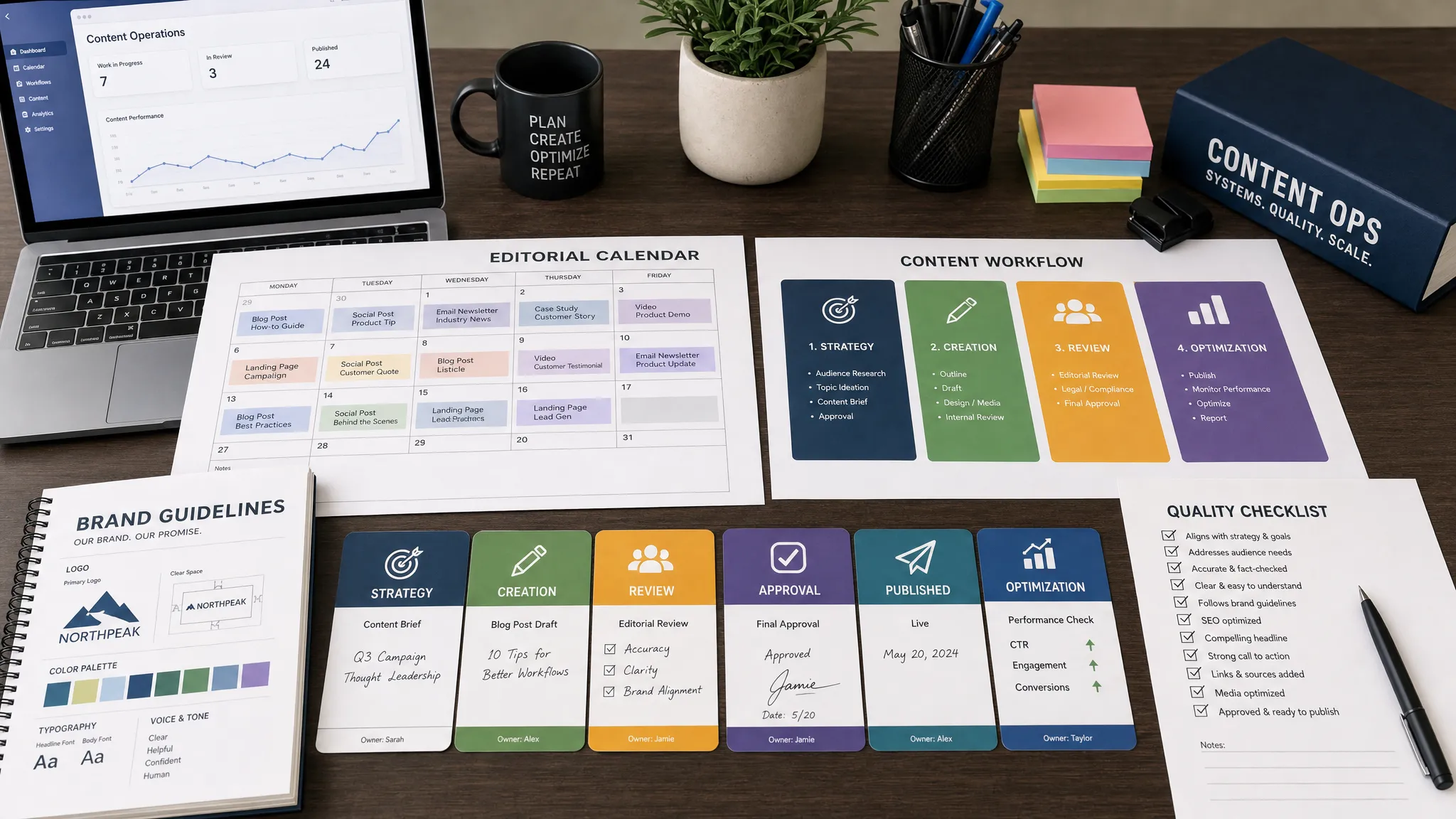
One of the most tempting content automation mistakes is measuring success by the number of assets created. More blog posts, more social captions, more email variations, and more landing page drafts can feel like progress. But volume alone does not create trust, rankings, or pipeline.
High-volume content becomes a liability when it repeats obvious advice, targets irrelevant keywords, or fails to add anything new. This is especially risky for SEO. Publishing many similar pages can dilute focus, create internal competition, and make your site look less authoritative.
A better approach is to automate around content depth and relevance. Instead of asking for 50 quick posts, build clusters around the questions your buyers actually ask. Use automation to expand research, identify gaps, repurpose expert insights, and keep strong content updated. Quality content operations are not slower by default. They are simply more intentional.
Automation should not stop once a piece of content goes live. If your team publishes and moves on, you miss the most valuable part of the system: learning from performance.
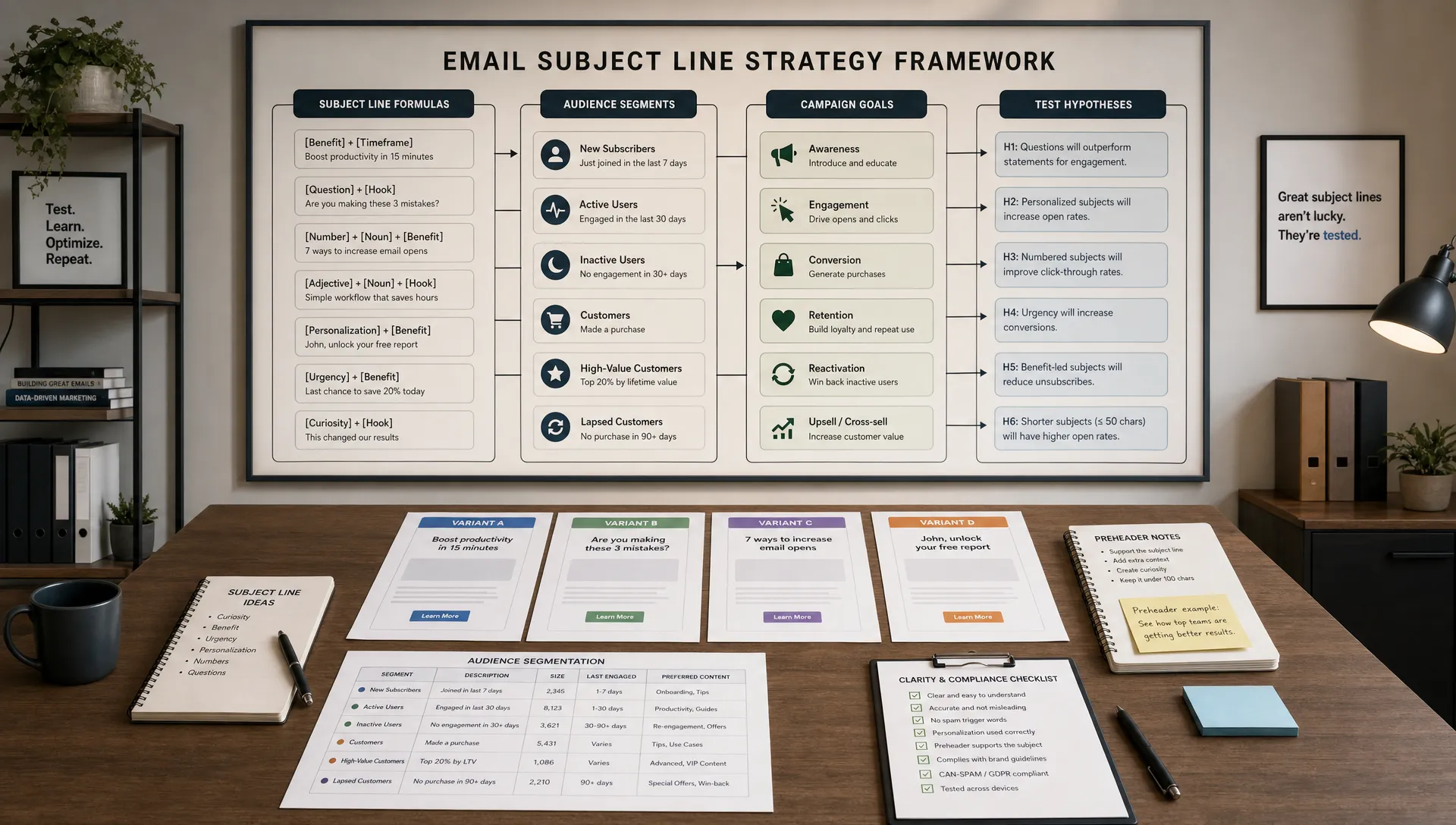
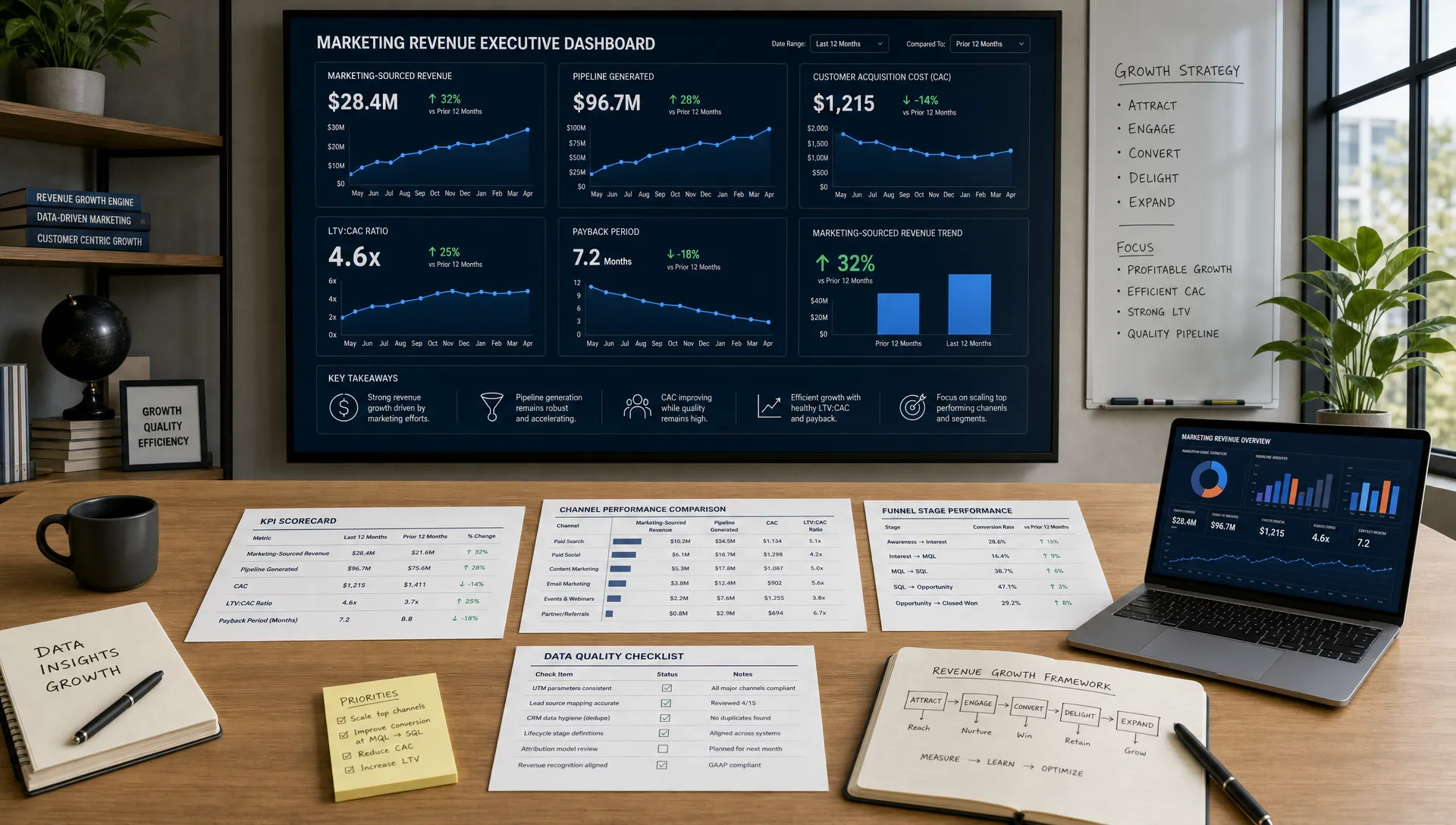
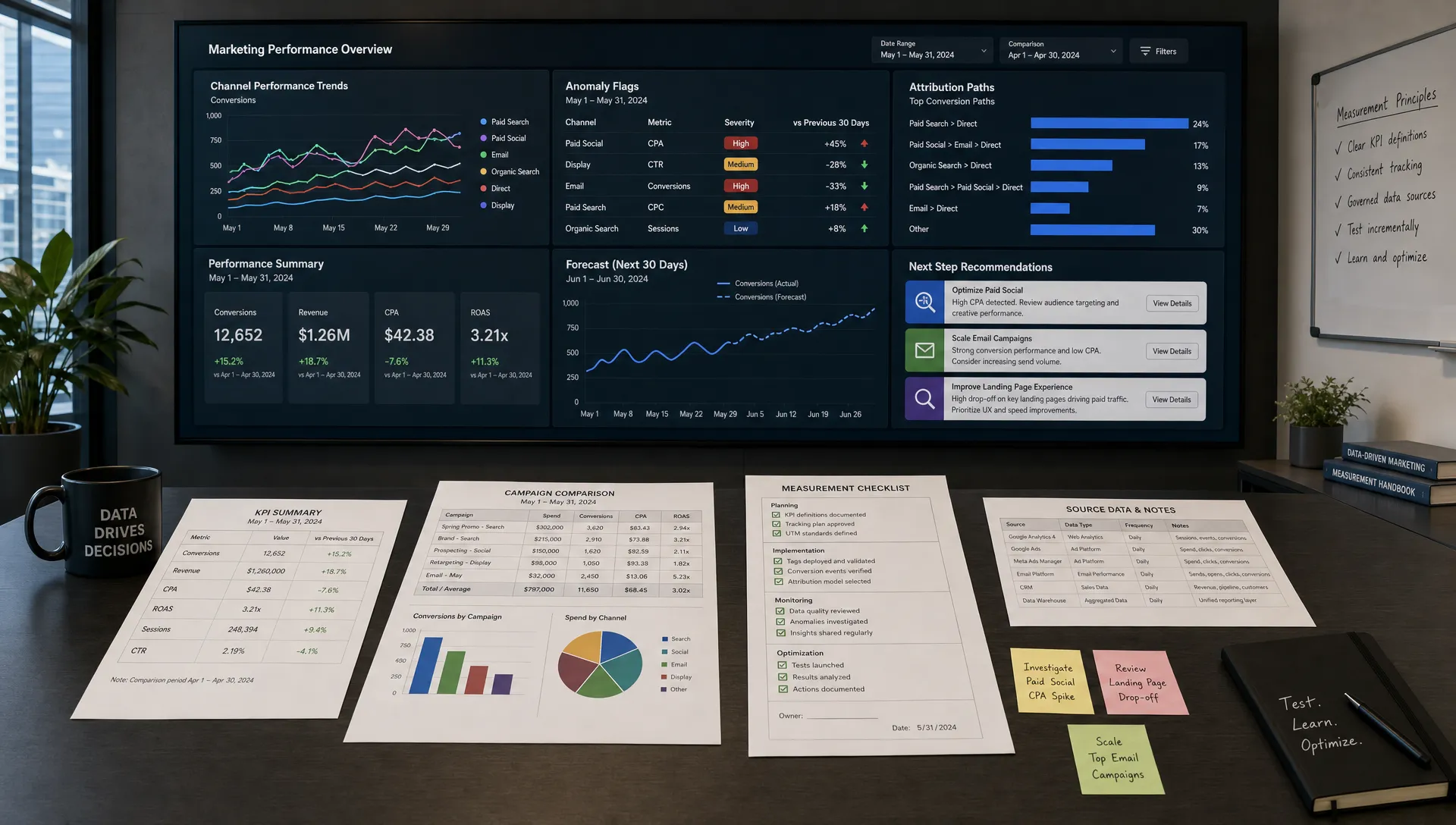
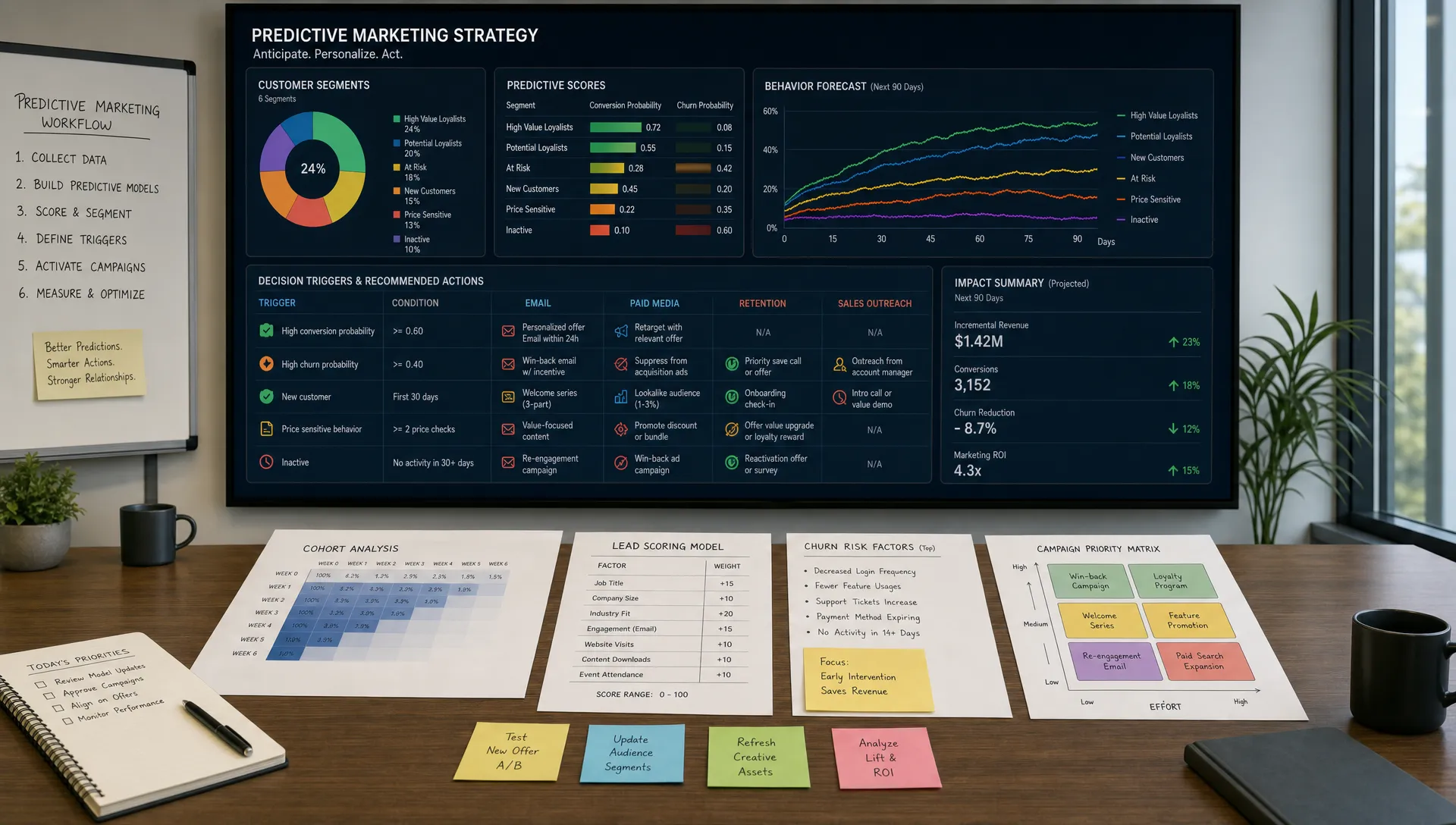
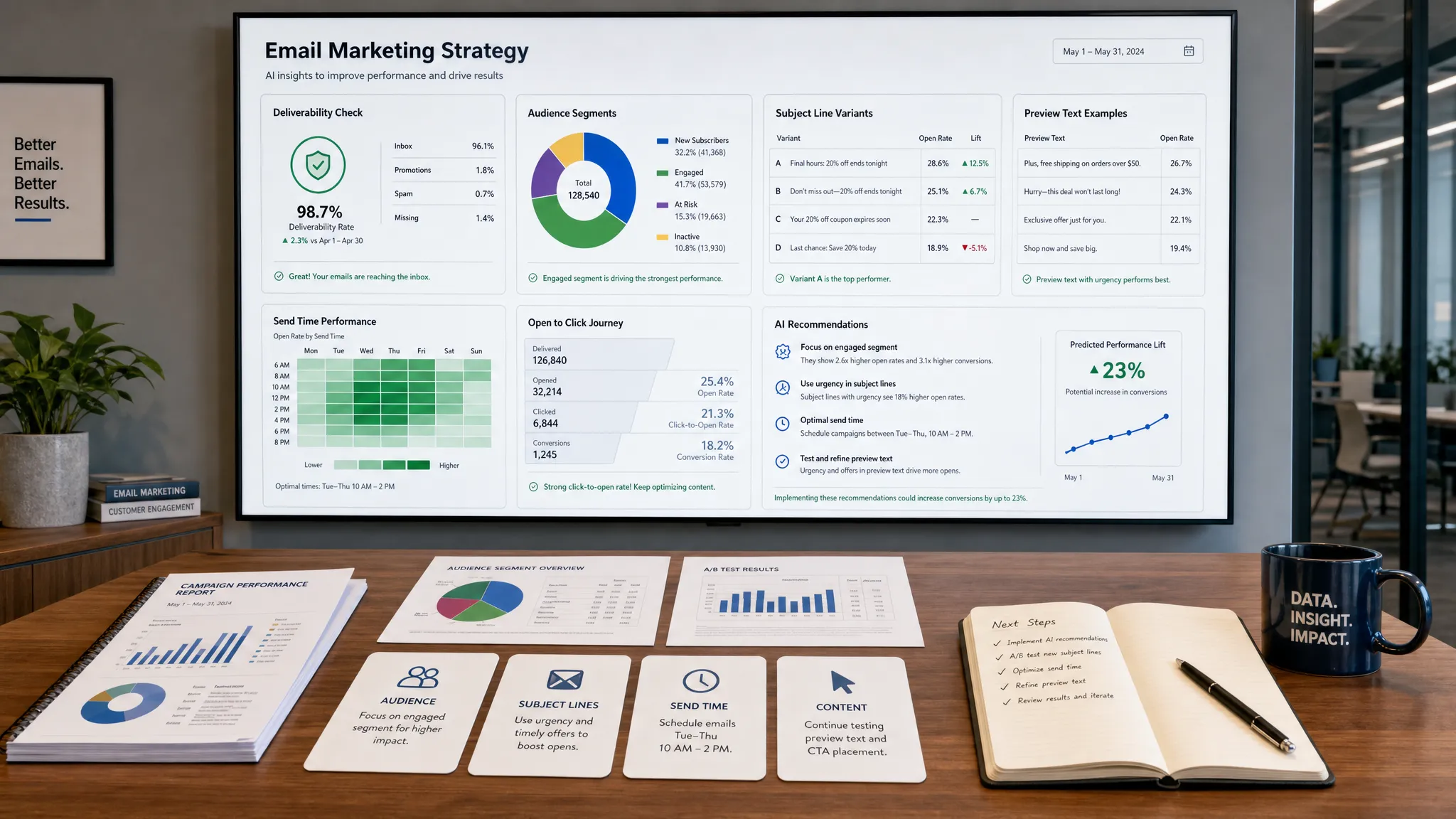
AI-powered analytics can help marketers spot patterns across search traffic, engagement, conversions, assisted pipeline, scroll depth, and content decay. But the data only matters if someone uses it to make decisions. Which topics attract qualified visitors? Which articles generate demos or sign-ups? Which email subject lines perform well with different segments? Which content should be refreshed, consolidated, or retired?
Performance feedback should flow back into briefs, prompts, content calendars, and distribution plans. That is where automation becomes smarter over time. If you are exploring how data connects to optimization, this overview of how AI for digital marketing improves performance adds useful context.
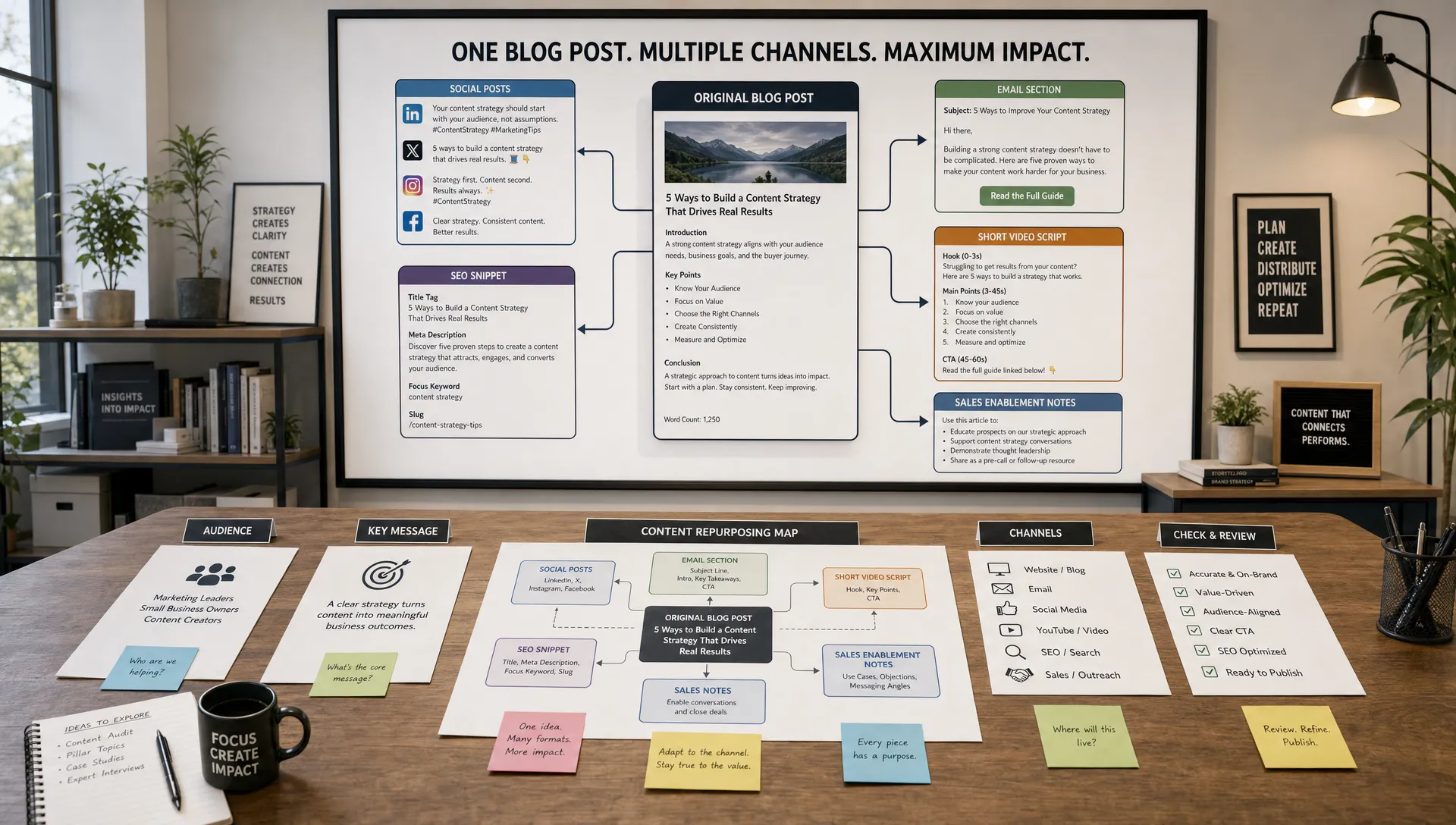
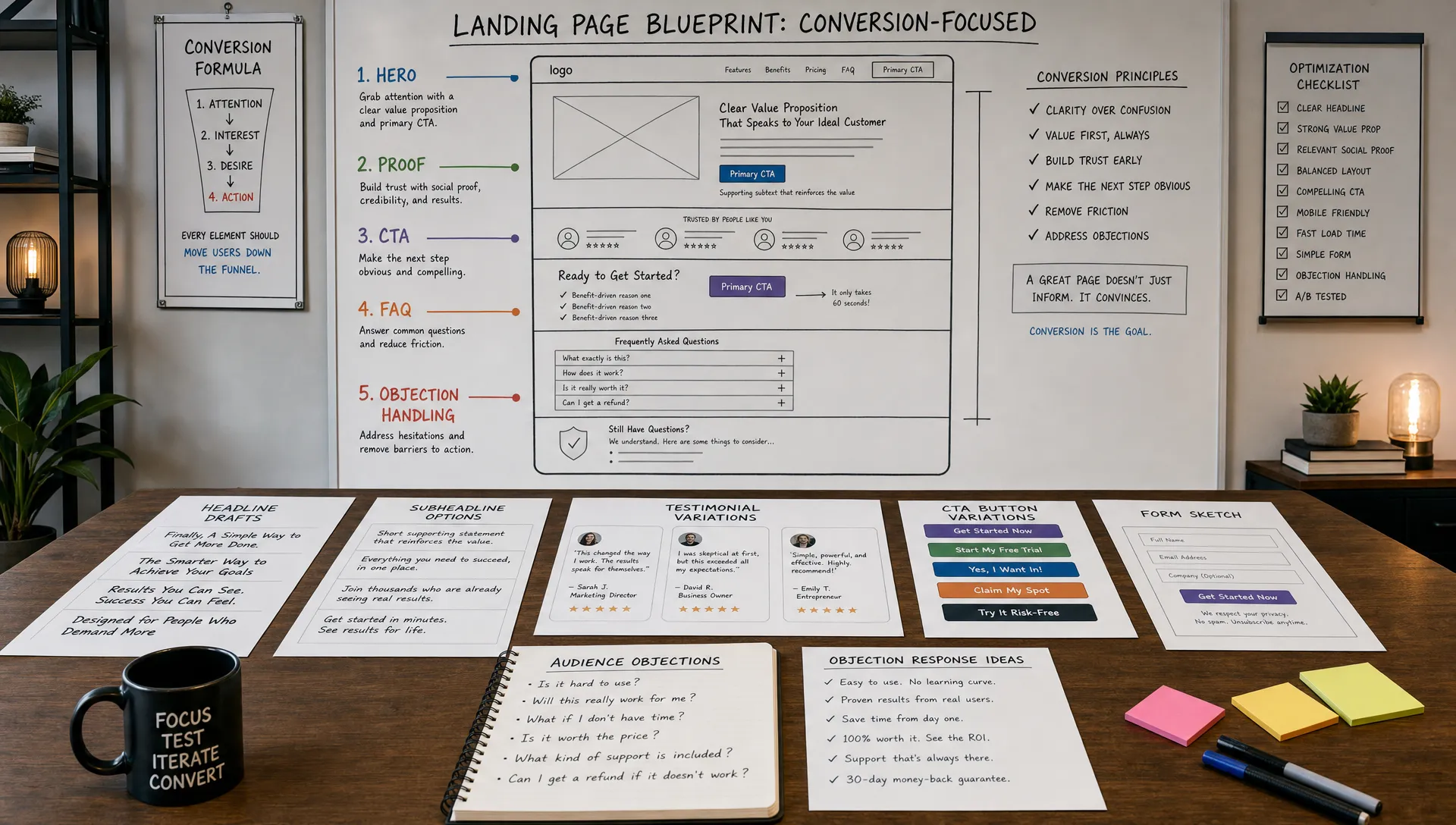
Repurposing is one of the best uses of AI marketing automation, but it is often done poorly. A blog introduction becomes a LinkedIn post. A webinar summary becomes an email. A white paper excerpt becomes an ad. Technically, the content has been repurposed. Strategically, it may not work.
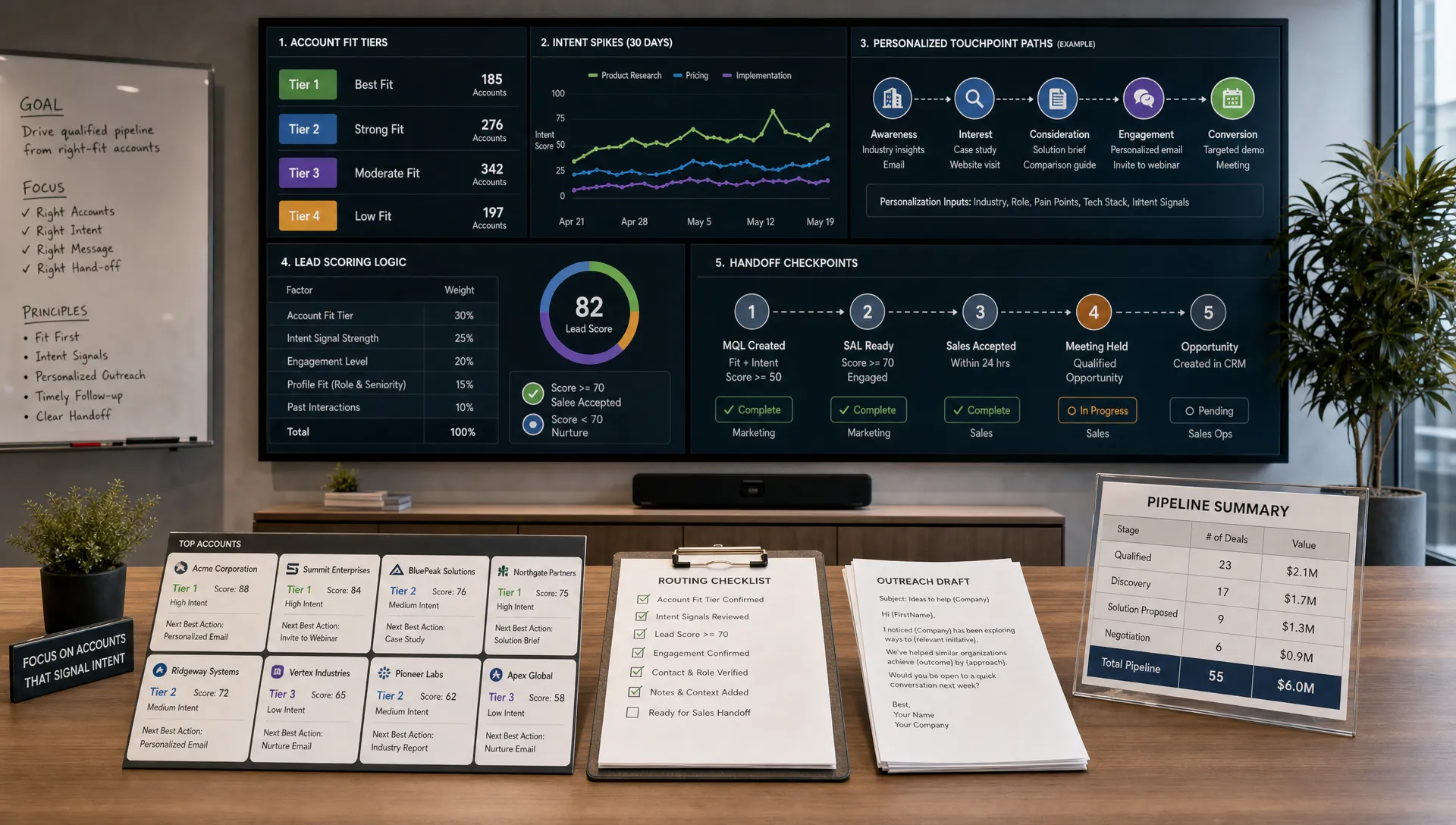
Each channel has its own context. Search content needs depth, structure, and intent alignment. Email needs relevance, timing, and a clear next step. LinkedIn often rewards a strong point of view and concise storytelling. Paid ads need speed, specificity, and message-market fit.
Do not ask automation tools to simply shorten or reformat content. Ask them to adapt the message to the audience mindset, channel norms, and conversion goal. The difference between repackaging and true repurposing is strategic editing.
Marketers should not assume that automated content is automatically safe to publish. AI tools can produce claims that require substantiation, summarize copyrighted material too closely, or generate copy that is inappropriate for regulated industries. They can also introduce privacy risks if teams paste sensitive customer data into tools without proper controls.
Governance does not have to slow everything down. It should define what types of data can be used, which claims require review, how sources are documented, and when disclosure may be appropriate. The NIST AI Risk Management Framework is a helpful reference for organizations thinking about responsible AI use. The FTC has also warned businesses to be careful with exaggerated or unsupported AI-related marketing claims.
For marketing teams in finance, legal, SaaS, and other high-trust sectors, these guardrails are not optional. They protect the audience, the brand, and the business.
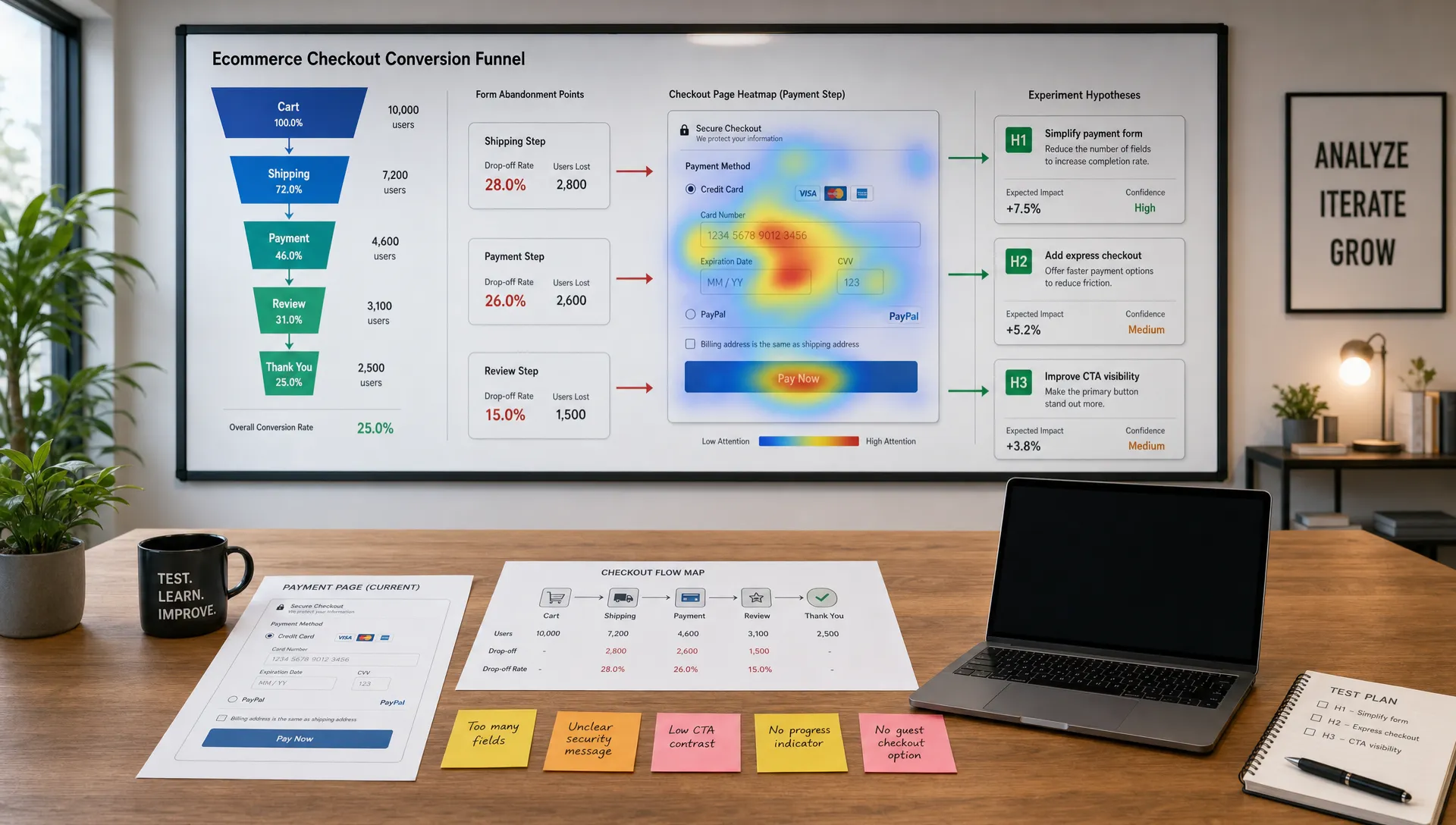
If your dashboard celebrates drafts generated, posts scheduled, or words published, you may be measuring the machine more than the marketing. Activity metrics can show whether the workflow is moving, but they do not prove business impact.
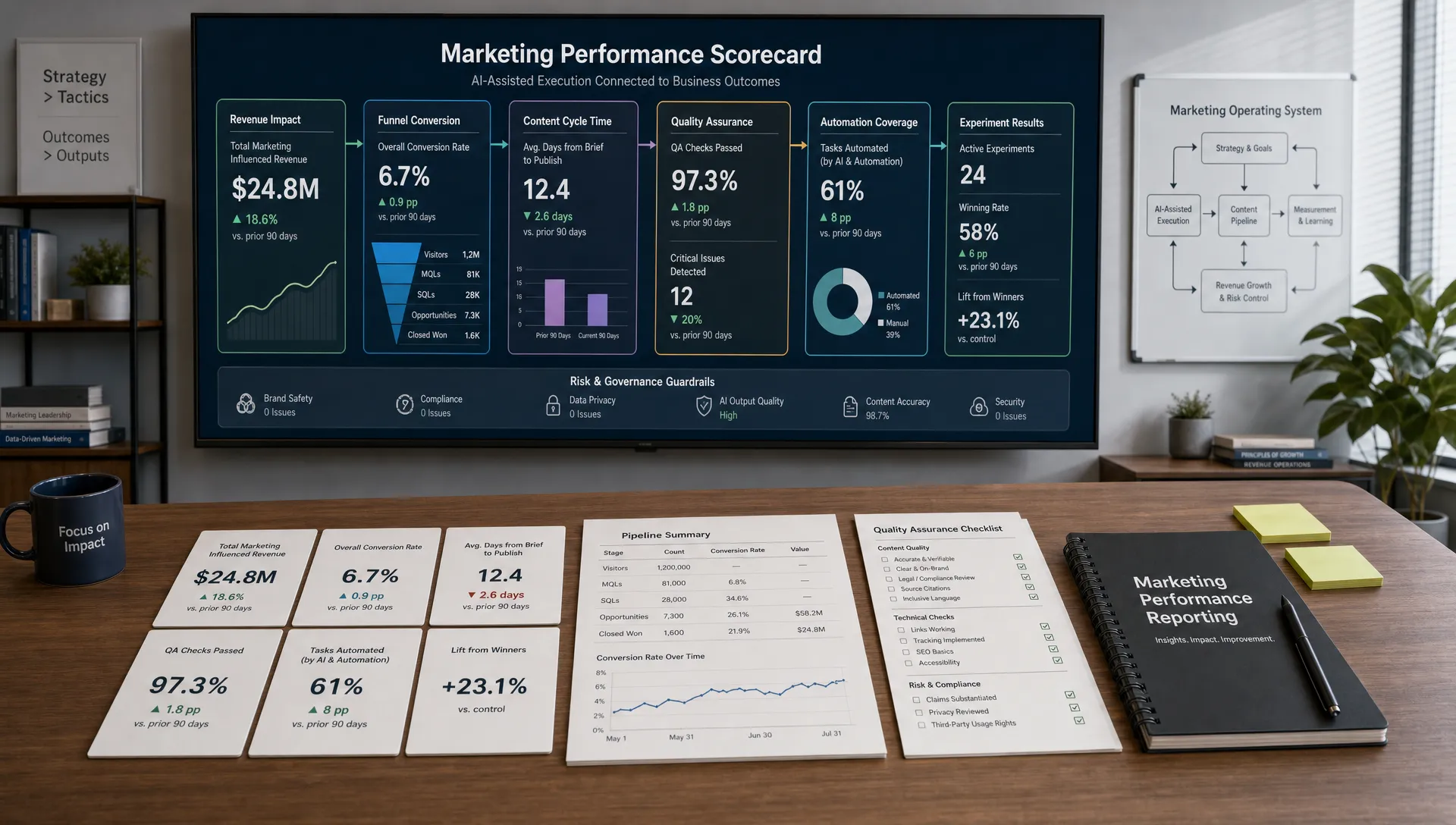
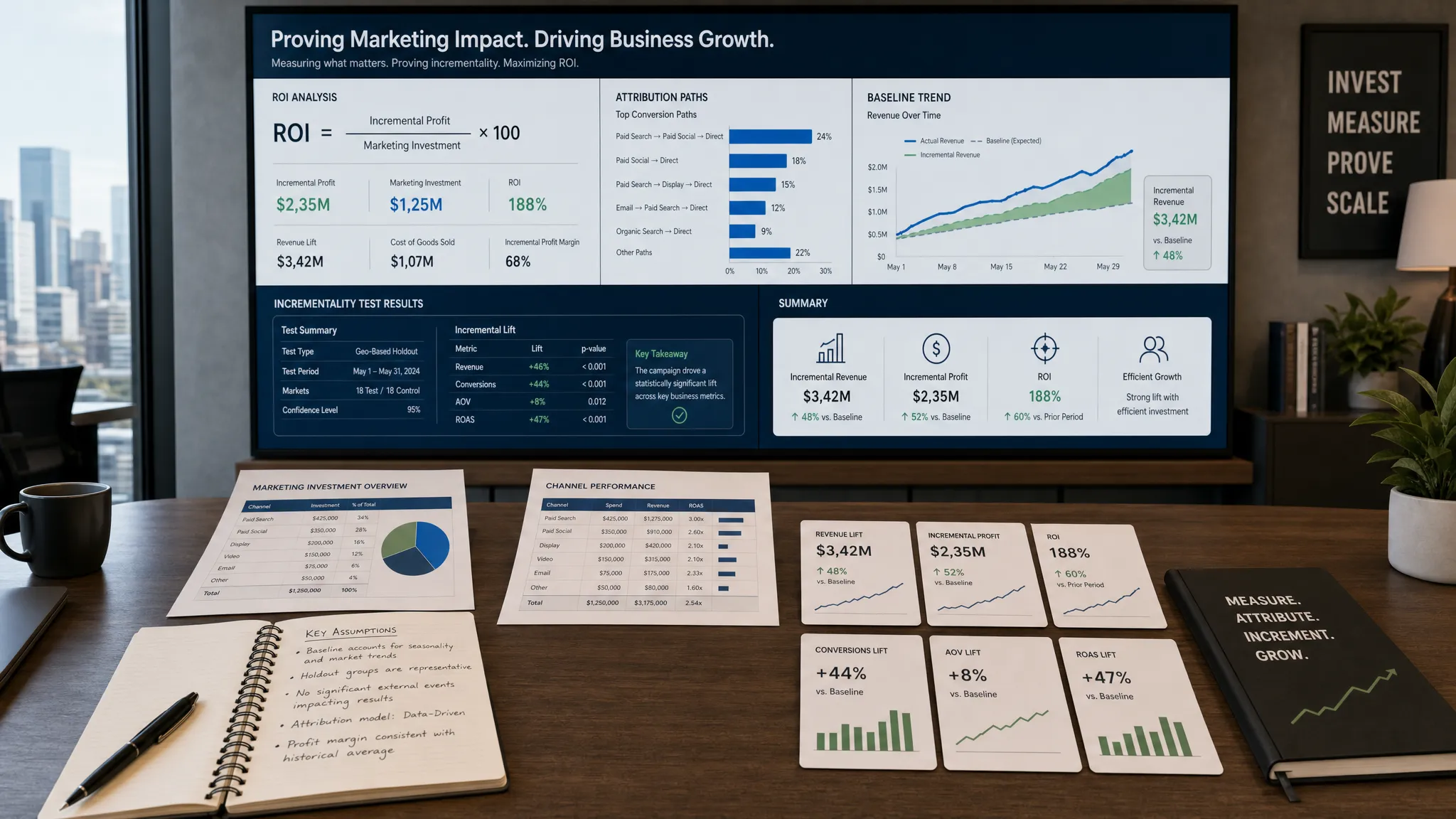
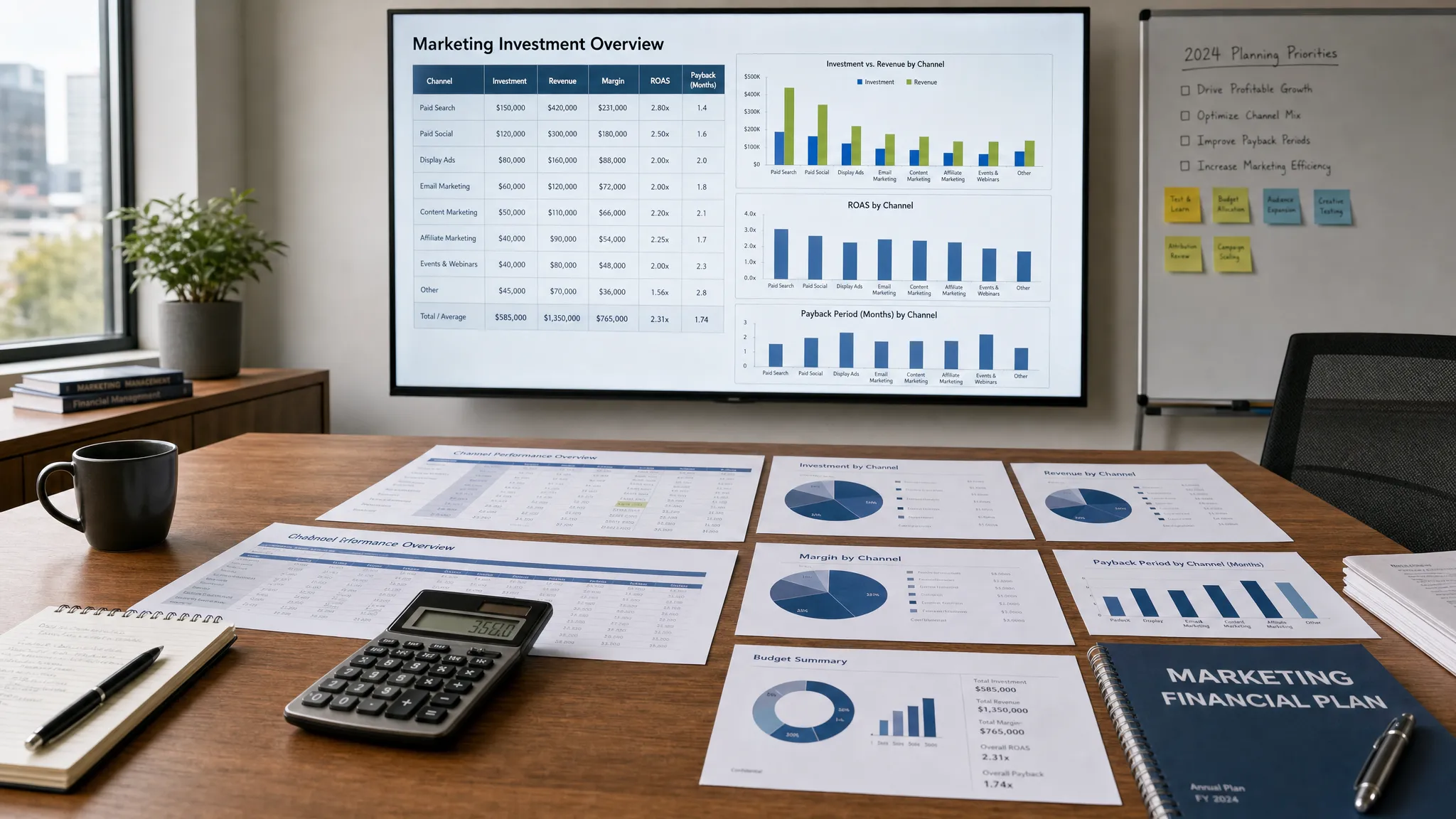
Better metrics connect automation to outcomes. Track qualified organic traffic, conversion rate by content type, lead quality, sales enablement usage, content-assisted revenue, cost per asset, time saved, and refresh performance. For brand and thought leadership content, also review engagement quality, audience growth, and feedback from sales or customer-facing teams.
The right measurement system prevents automation from becoming busywork. It helps you see whether content is helping the buyer move forward.
Before your team increases automated production, pressure-test the system. A few minutes of planning can prevent weeks of low-quality output.
This checklist is simple, but it creates a major shift. Automation becomes a controlled system for improving marketing output, not a random collection of AI-generated assets.
The strongest marketing teams use automation as an operating layer, not a substitute for expertise. They automate repetitive steps, standardize quality controls, and create feedback loops between analytics and production. They also protect the human work that matters most: customer understanding, positioning, judgment, creativity, and trust.
If your team is just starting, begin with one workflow. For example, automate the transformation of a customer interview into a content brief, then have a strategist review it before drafting. Or automate the creation of social variants from an approved article, then have a channel owner adapt each version. Small, controlled workflows are easier to improve than a fully automated content engine with no oversight.
The goal is not to publish like a machine. The goal is to build a marketing system where AI tools help your team create more useful content with less wasted effort.
What is the biggest content automation mistake marketers make? The biggest mistake is automating before defining strategy. Without clear audience, intent, positioning, and success metrics, automation usually produces more content but not better results.
Can AI-generated content hurt SEO? AI-generated content can hurt SEO if it is thin, inaccurate, repetitive, or created only to manipulate rankings. It can support SEO when it is helpful, original, well reviewed, and aligned with search intent.
How much human review does automated content need? The level of review depends on risk. Low-stakes social variations may need light editing, while finance, legal, healthcare, or technical SaaS content should receive expert and compliance review before publishing.
Should marketers automate blog posts, emails, or social content first? Start with the workflow that has the clearest process and lowest risk. Many teams begin with content briefs, repurposing, outlines, or first-draft support before automating customer-facing publication steps.
How do you measure whether content automation is working? Measure outcomes such as qualified traffic, conversions, content-assisted pipeline, engagement quality, time saved, and refresh performance. Do not rely only on output metrics like number of drafts or posts created.
Content automation works when it is guided by strategy, reviewed by humans, and improved through performance data. If your team wants to use AI tools without sacrificing quality, AIMarketer Hub brings together practical resources for AI content generation, prompt workflows, SEO tools, performance analytics, and industry-specific marketing guides.
Explore AIMarketer Hub to build a more reliable, scalable, and quality-first approach to AI marketing automation.