Automating content creation can feel risky. Move too slowly and your competitors publish faster, test more ideas, and win more search visibility. Move too quickly and you get thin posts, generic social captions, off-brand emails, and a content library that looks busy but does not build trust.
The goal is not to replace your content team with AI. The goal is to build a repeatable system where AI handles the slow, repetitive, and data-heavy parts of the process while humans protect strategy, originality, accuracy, and brand judgment.
That distinction matters. Quality content still needs a clear audience, a useful point of view, evidence, structure, editing, and performance measurement. Automation works best when it strengthens those steps instead of skipping them.
Below is a practical workflow for using AI marketing automation to produce more content without lowering your standards.
Before you automate anything, define what “good” means for your brand. If your quality standard is vague, automation will only help you create vague content faster.
For most marketing teams, high-quality content should do four things:
This is especially important in 2026, when many markets are saturated with AI-generated content. Search engines and users are getting better at ignoring content that sounds polished but adds little value. Google’s guidance on creating helpful, reliable, people-first content is still a useful benchmark: content should demonstrate expertise, serve the reader, and avoid being created primarily to manipulate rankings.
Automation should help your team meet that standard more consistently, not create shortcuts around it.
Many teams start with the wrong question: “Which AI tools should we use?” A better question is: “Which parts of our content workflow are repetitive, slow, or inconsistent?”
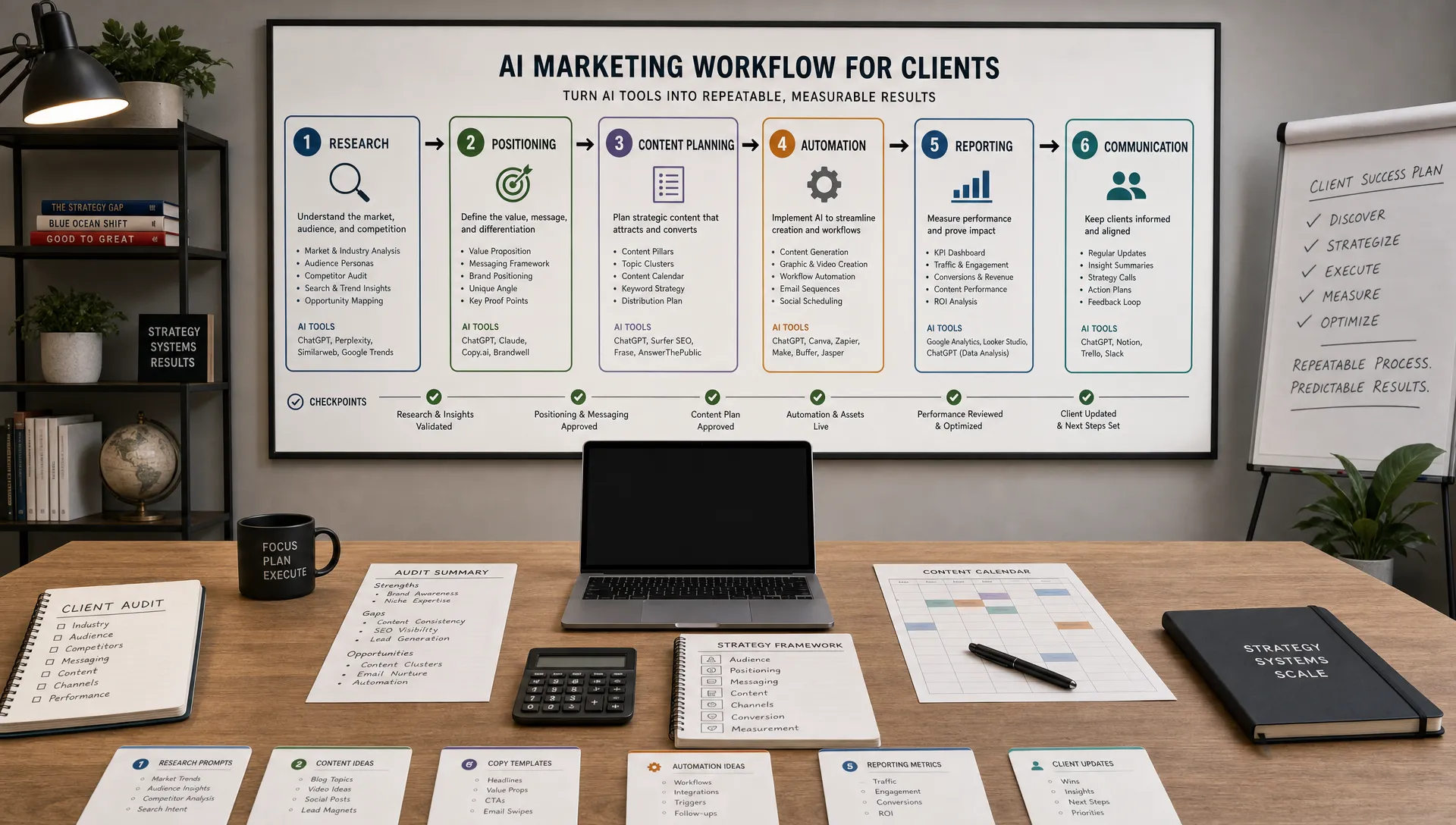
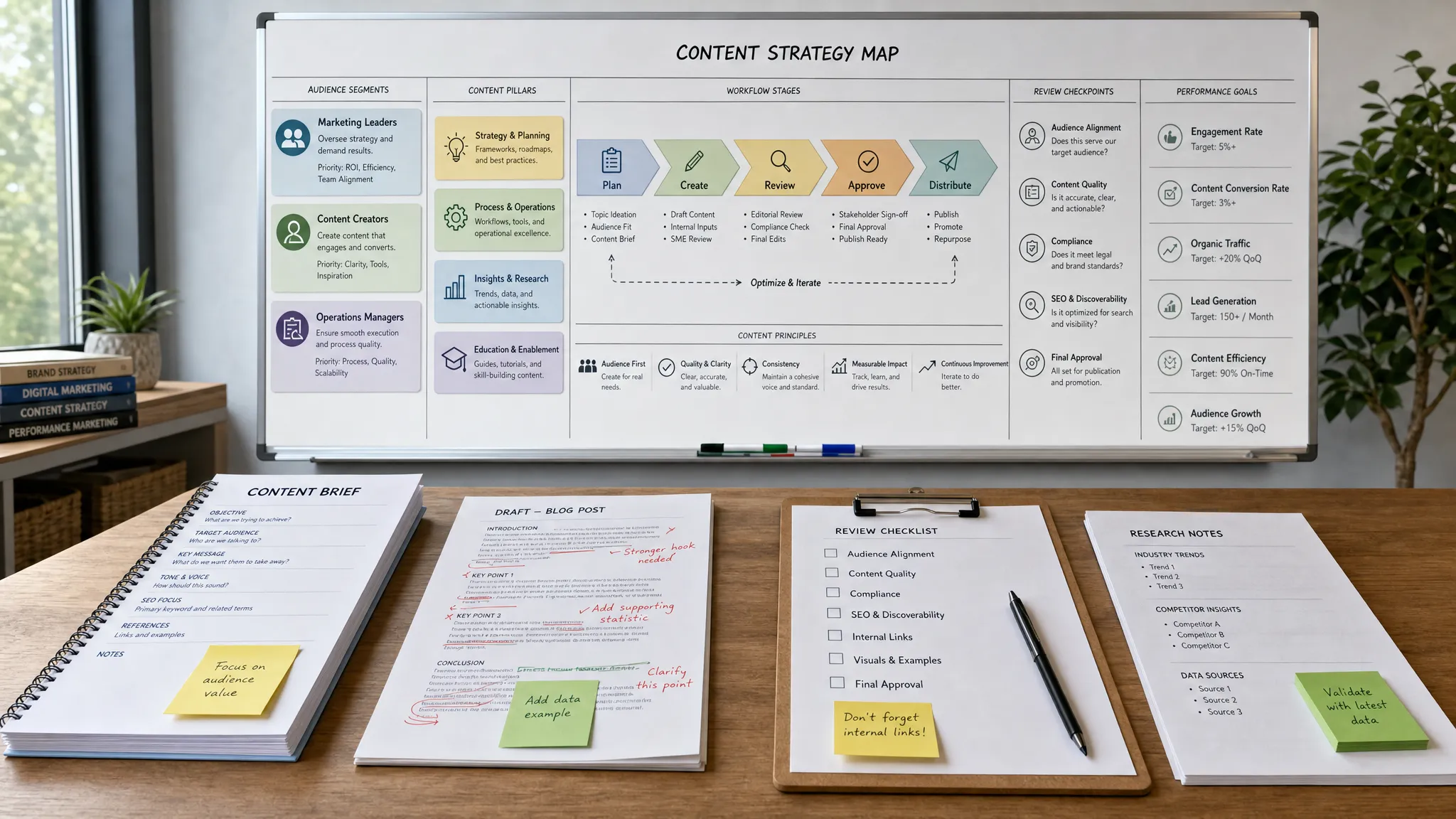
A typical content creation workflow includes planning, research, briefing, drafting, editing, optimization, publishing, distribution, and performance analysis. Each stage has different risks. Some are ideal for automation, while others need strong human oversight.
AI is excellent at accelerating:
Humans should stay deeply involved in:
This division keeps your process efficient without turning content into a one-click publishing machine.
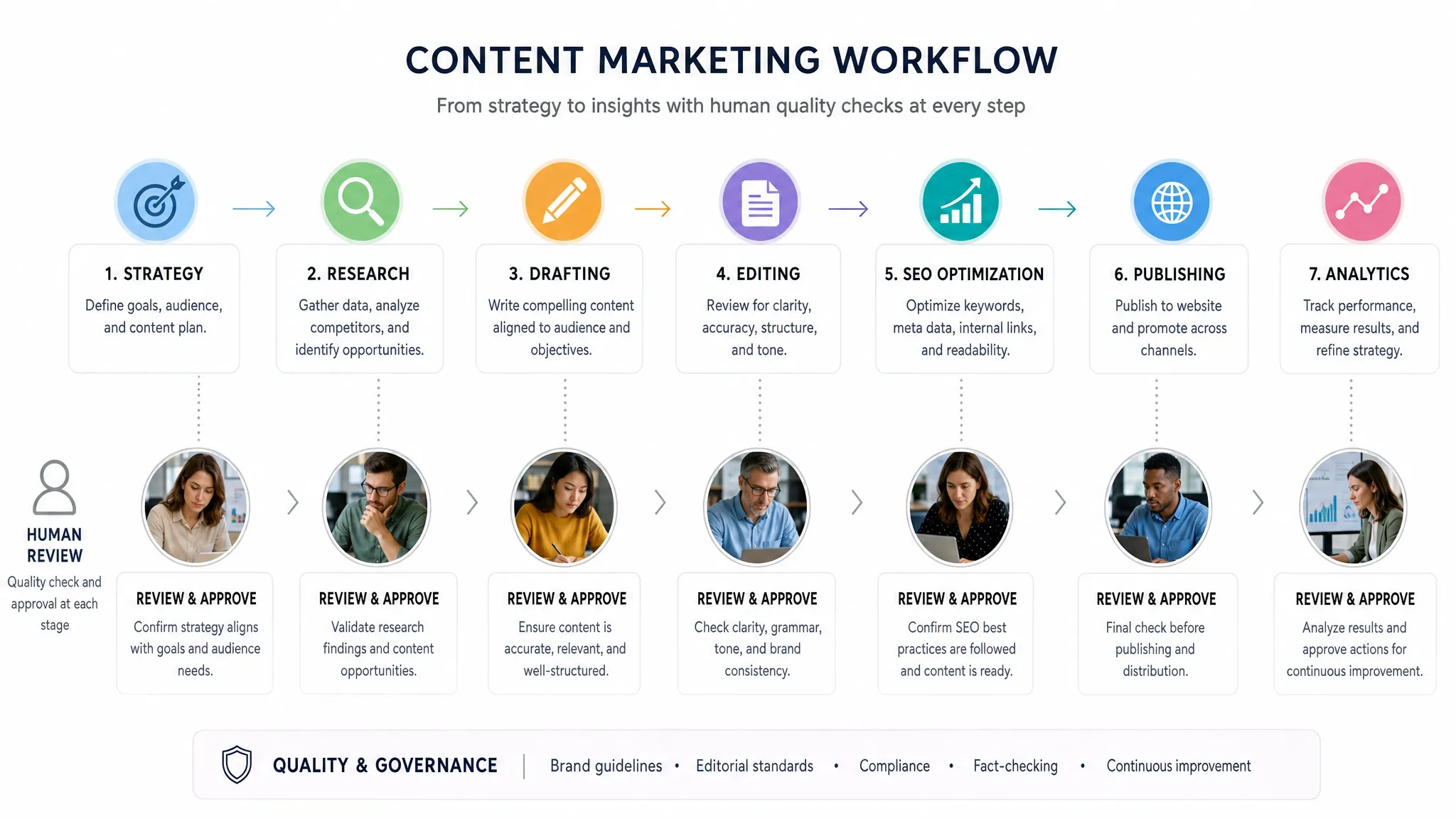
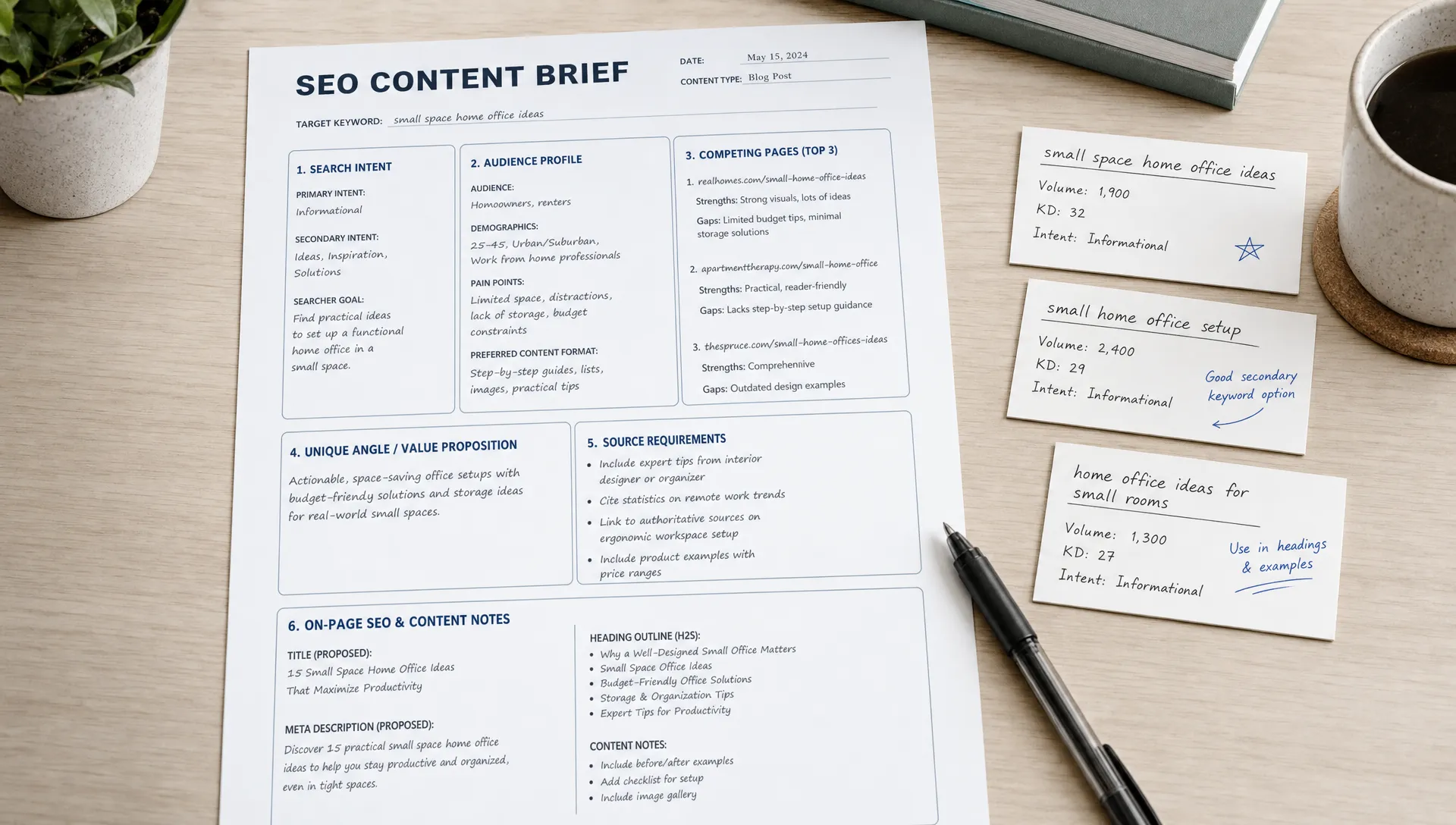
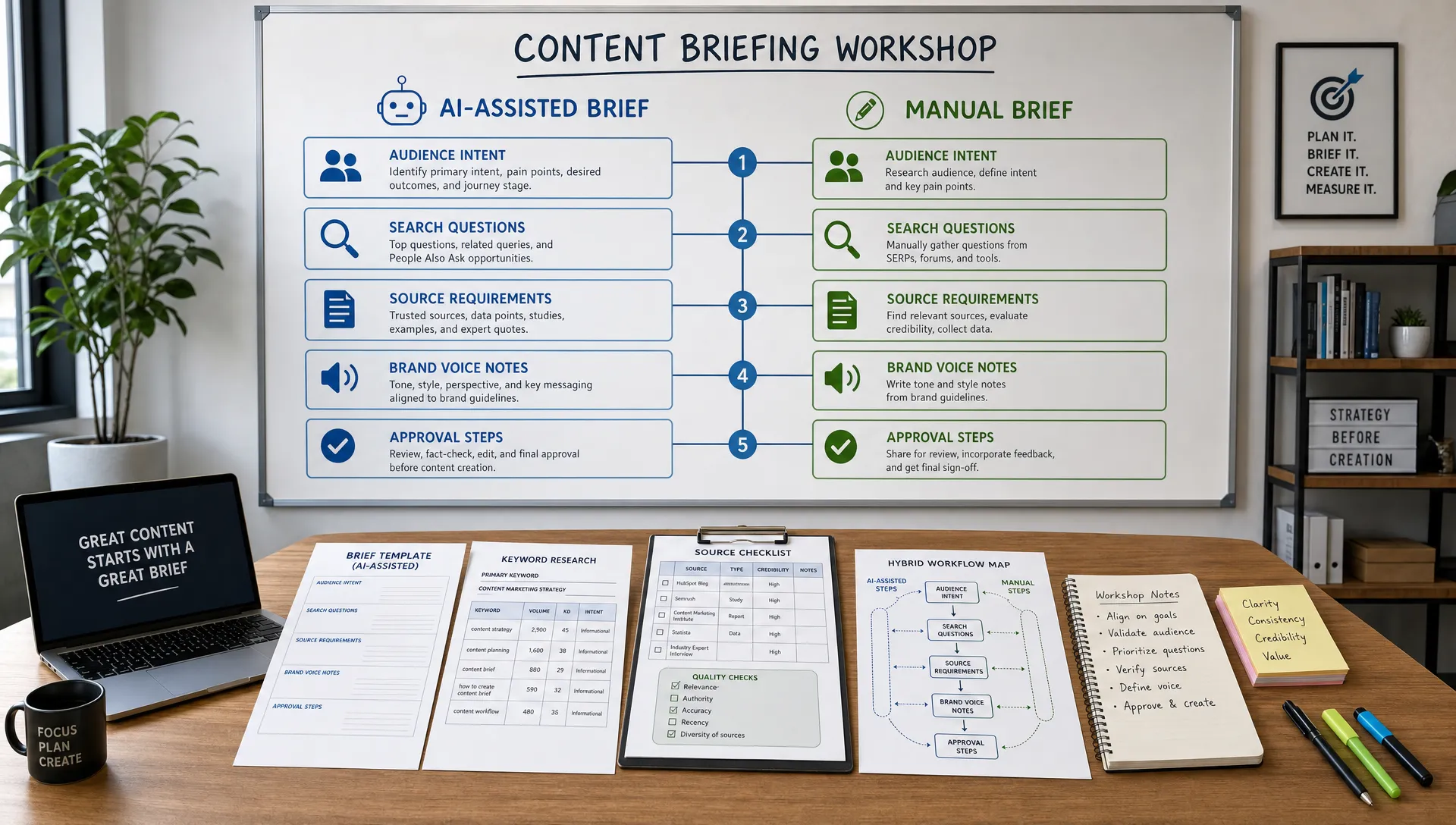
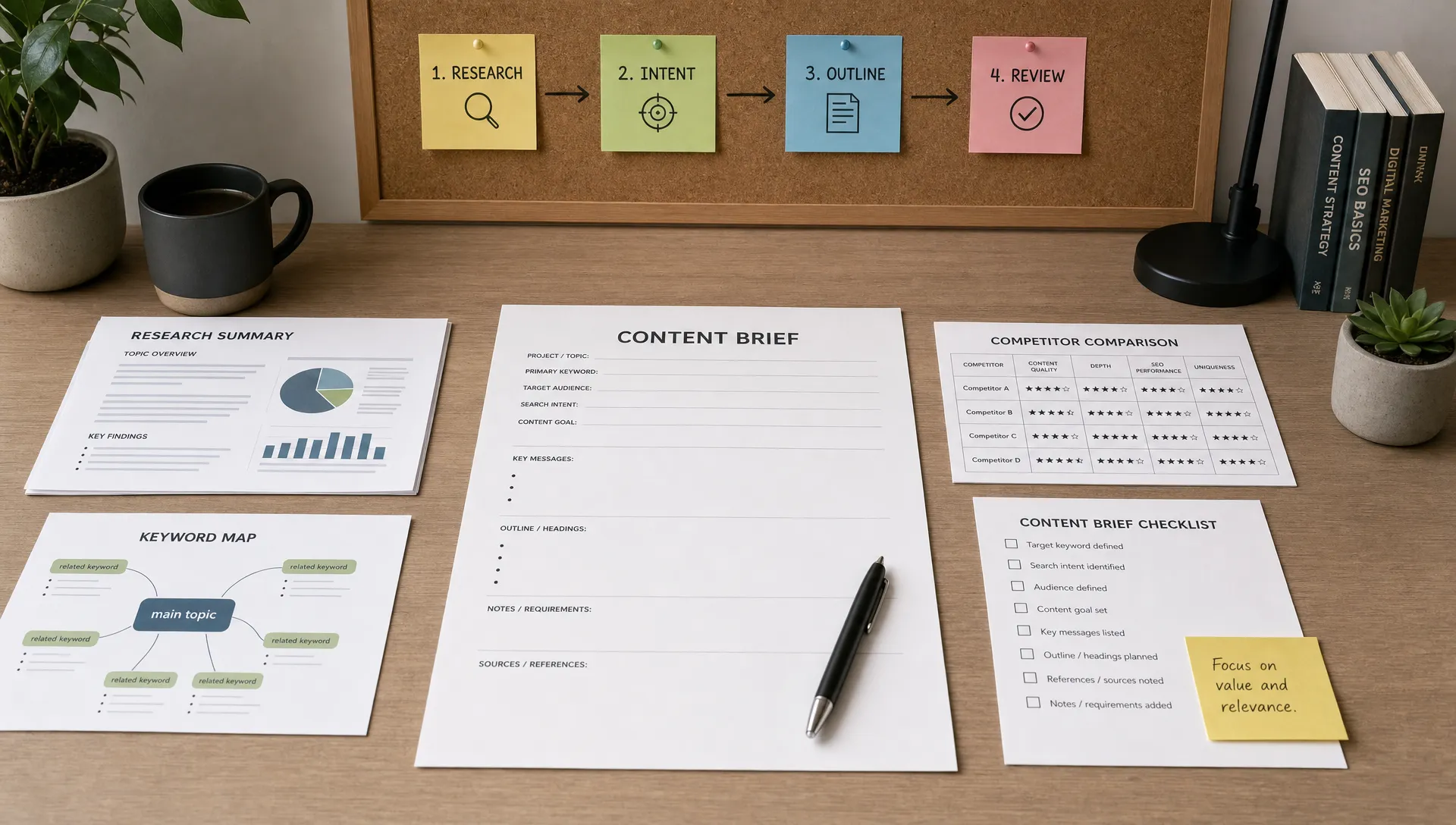
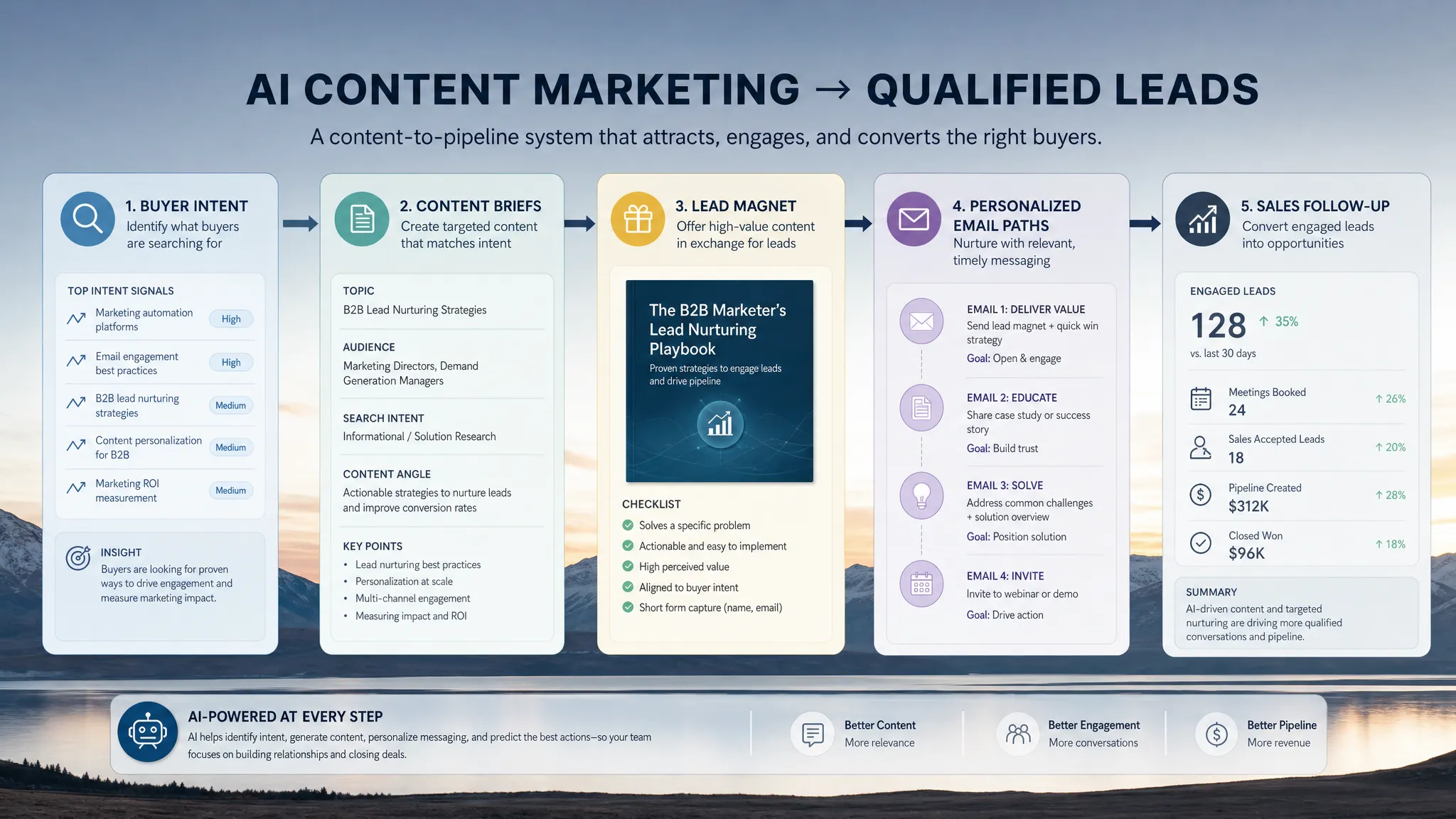
A strong brief is one of the best ways to automate content creation without losing quality. AI outputs are only as useful as the instructions and context you provide.
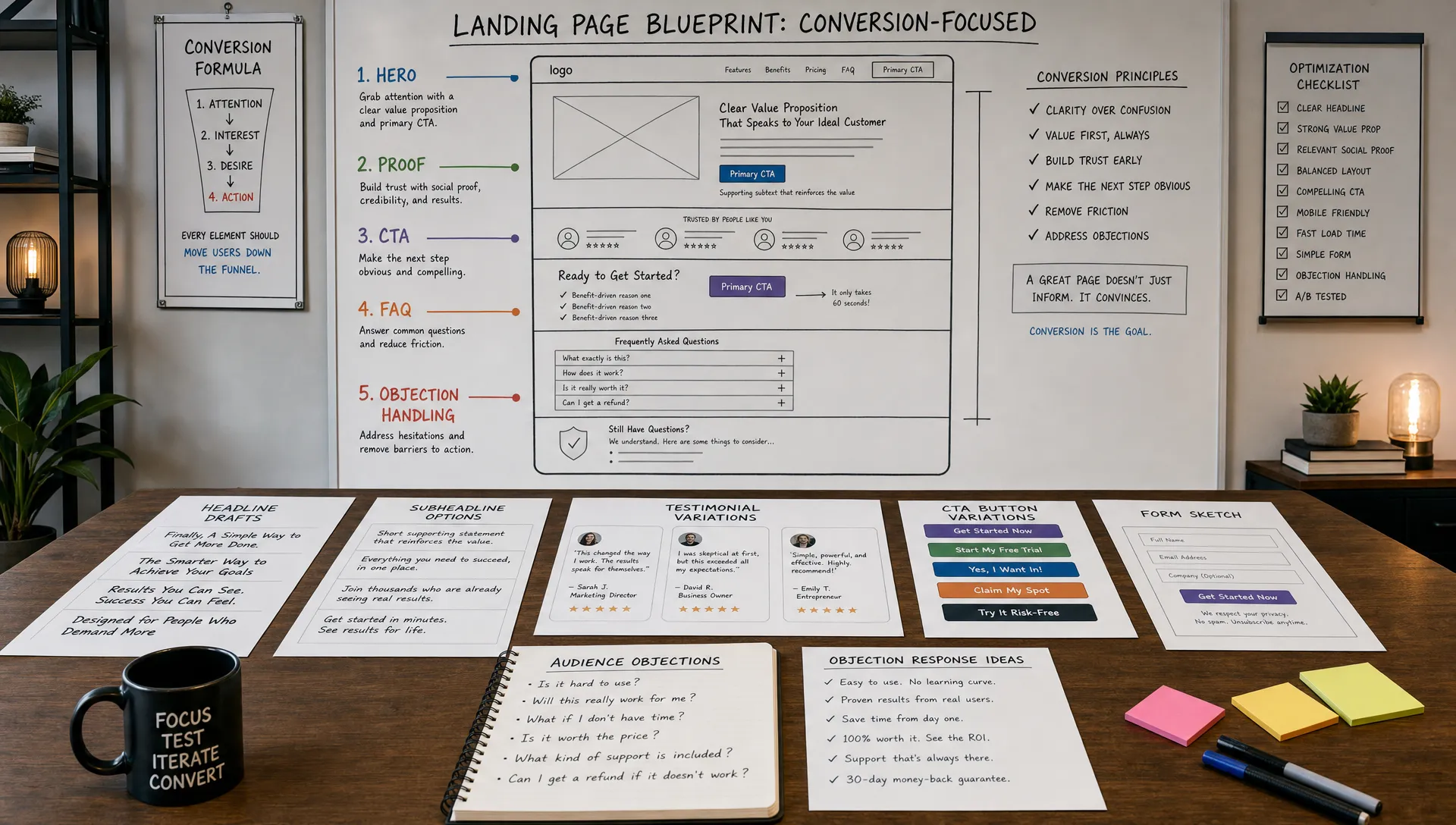
Instead of asking an AI tool to “write a blog post about email marketing,” give it a brief that includes the audience, search intent, angle, structure, sources, internal links, brand tone, and conversion goal.
A useful content brief should answer these questions:
For example, an awareness-stage article can be broader and educational. A decision-stage article should be more specific, practical, and tied to buying criteria. Without this context, AI may produce content that is technically readable but strategically weak.
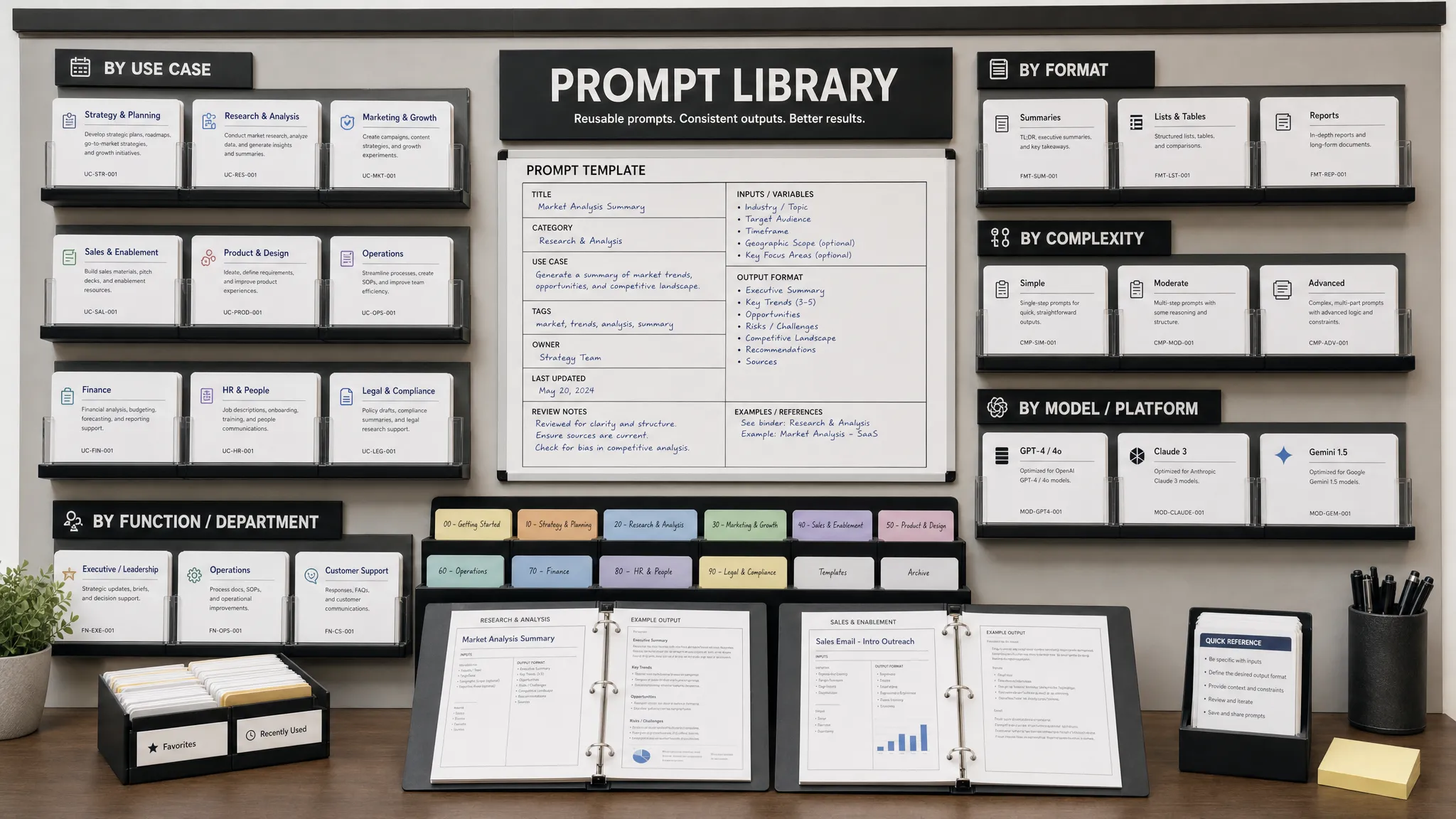
AIMarketer Hub’s prompt library for marketers and AI content generation tools can support this stage by helping teams standardize instructions across blog posts, landing pages, emails, and other assets. The key is to treat prompts as reusable operating procedures, not one-off commands.
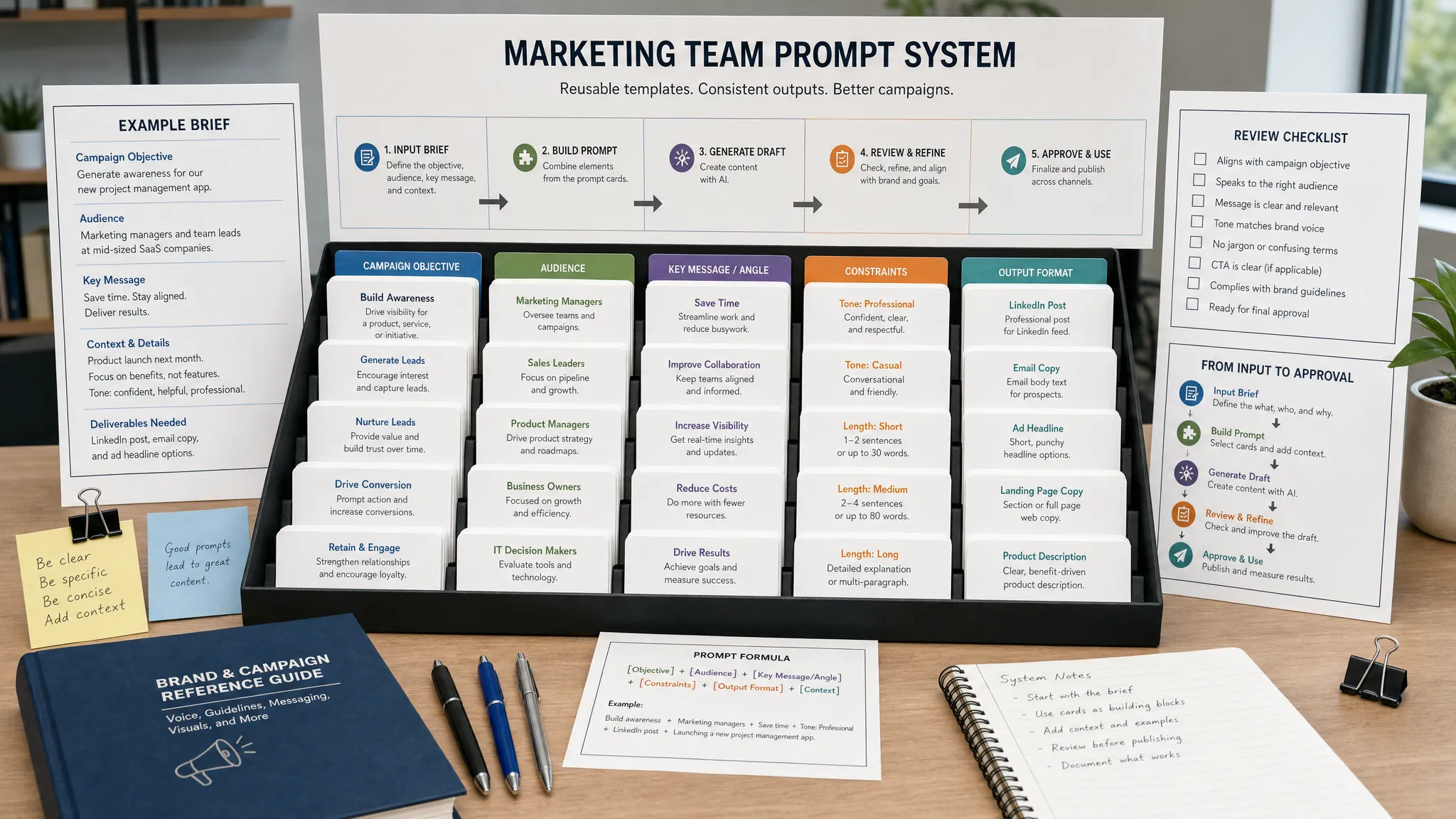
Prompt templates are the foundation of marketing workflow automation. They help teams get consistent outputs, reduce editing time, and avoid starting from scratch every time.
You can create templates for common content tasks such as:
A good prompt template should include the role the AI should play, the task, the audience, the desired format, the tone, the constraints, and the quality criteria.
Here is a simple structure you can adapt:
Act as a senior content strategist for a B2B marketing audience. Create a detailed outline for an article about [topic]. The reader is [audience] and their main goal is [goal]. The content should be practical, specific, and aligned with [brand voice]. Include sections that address [key points]. Avoid unsupported claims, generic advice, and exaggerated language. Suggest where expert quotes, data, or examples would improve credibility.
The point is not to make every output perfect. The point is to make every output easier to review, improve, and publish.
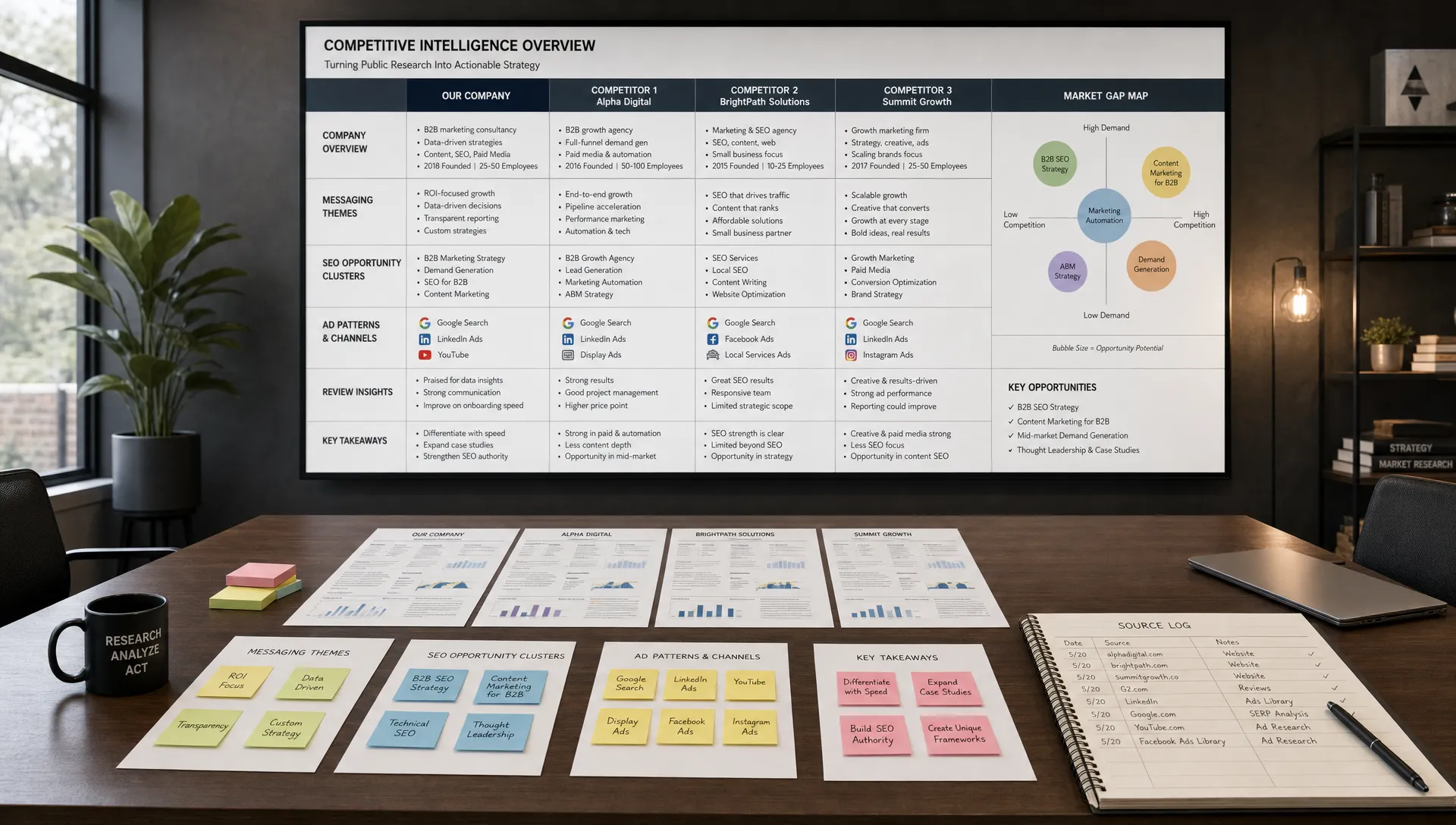
AI can speed up research by summarizing themes, identifying related questions, and organizing source material. But it should not be your only source of truth.
Large language models can make mistakes, misread context, or produce convincing statements that are not accurate. For content that affects purchasing decisions, financial choices, legal considerations, health, or compliance, this risk is even higher.
A safer research process looks like this:
This process still saves time, but it protects your credibility. It also helps your content stand out because the final article includes real insight, not just a rearranged version of what already exists online.
One of the easiest ways to lose quality is to ask AI for a complete article in a single prompt and then publish the result with light edits. Full-draft prompts often create generic introductions, repetitive sections, weak transitions, and shallow conclusions.
A better approach is modular drafting. Use AI to create smaller pieces, then assemble and edit them with intention.
For example, you might generate:
This gives editors more control. It also makes it easier to identify where the content needs more expertise, clearer examples, stronger evidence, or a sharper point of view.
For long-form content, section-by-section drafting is often faster in the end because the editing stage becomes more focused.
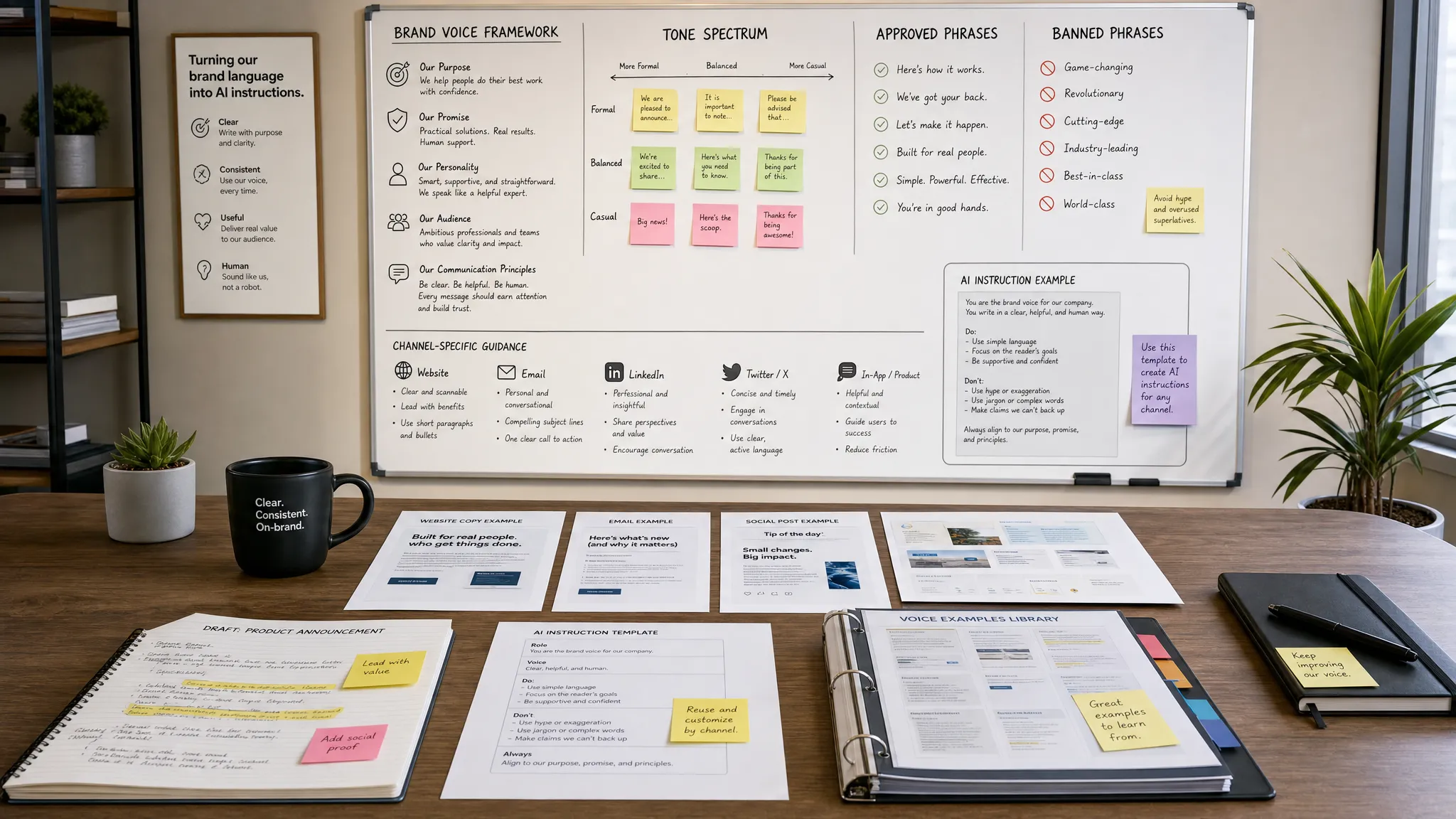
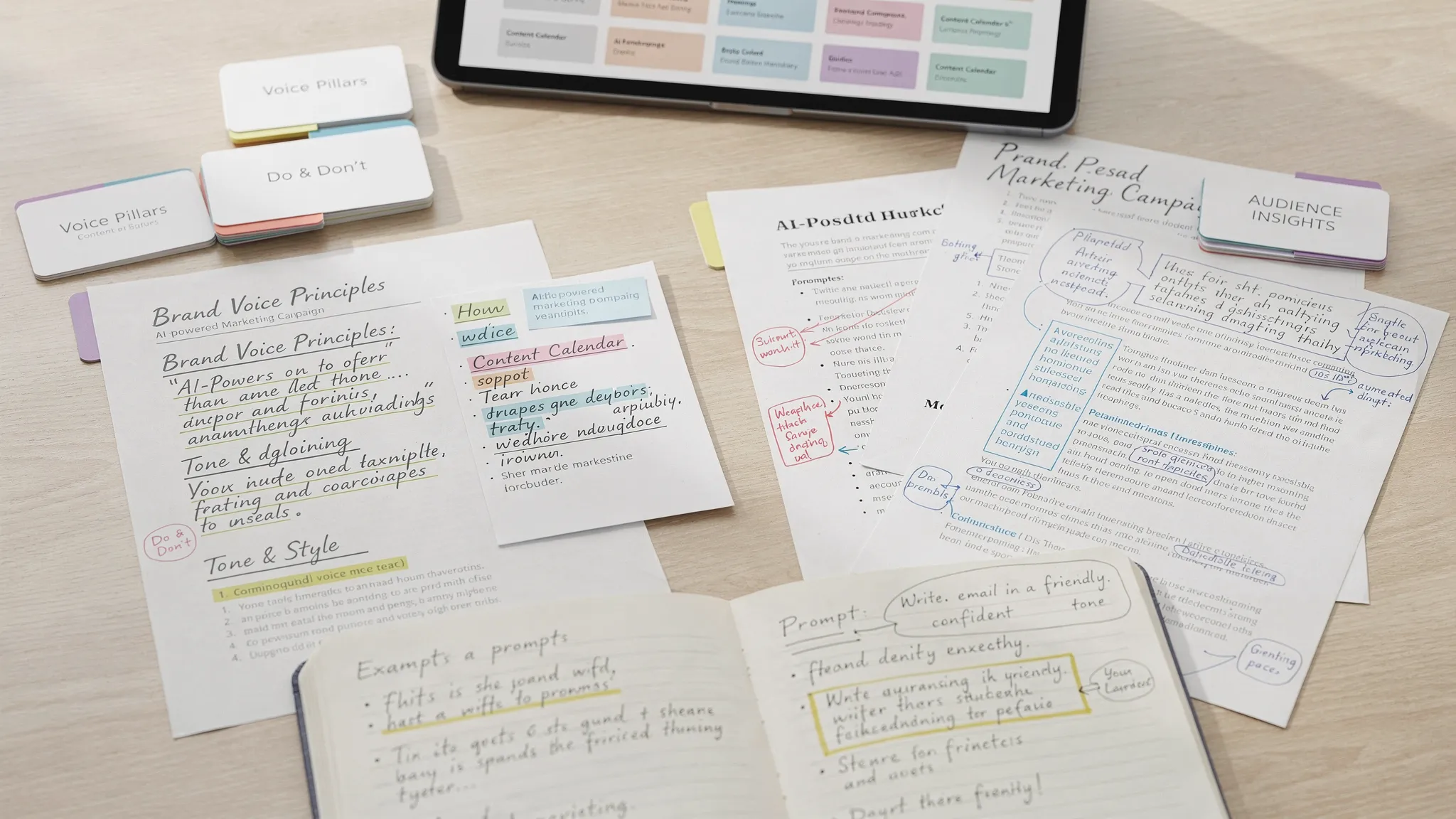
AI tools can imitate tone, but they need clear direction. If your brand voice only lives in your head, automation will produce inconsistent content.
Create a compact brand voice guide that includes:
Then include this guide in your prompts or AI content workflow. You do not need a 30-page document. A practical one-page guide is often enough to improve output quality across teams.
This is especially useful when multiple people create content across channels. Your blog, email campaigns, social posts, and landing pages can be adapted for each format while still sounding like the same brand.
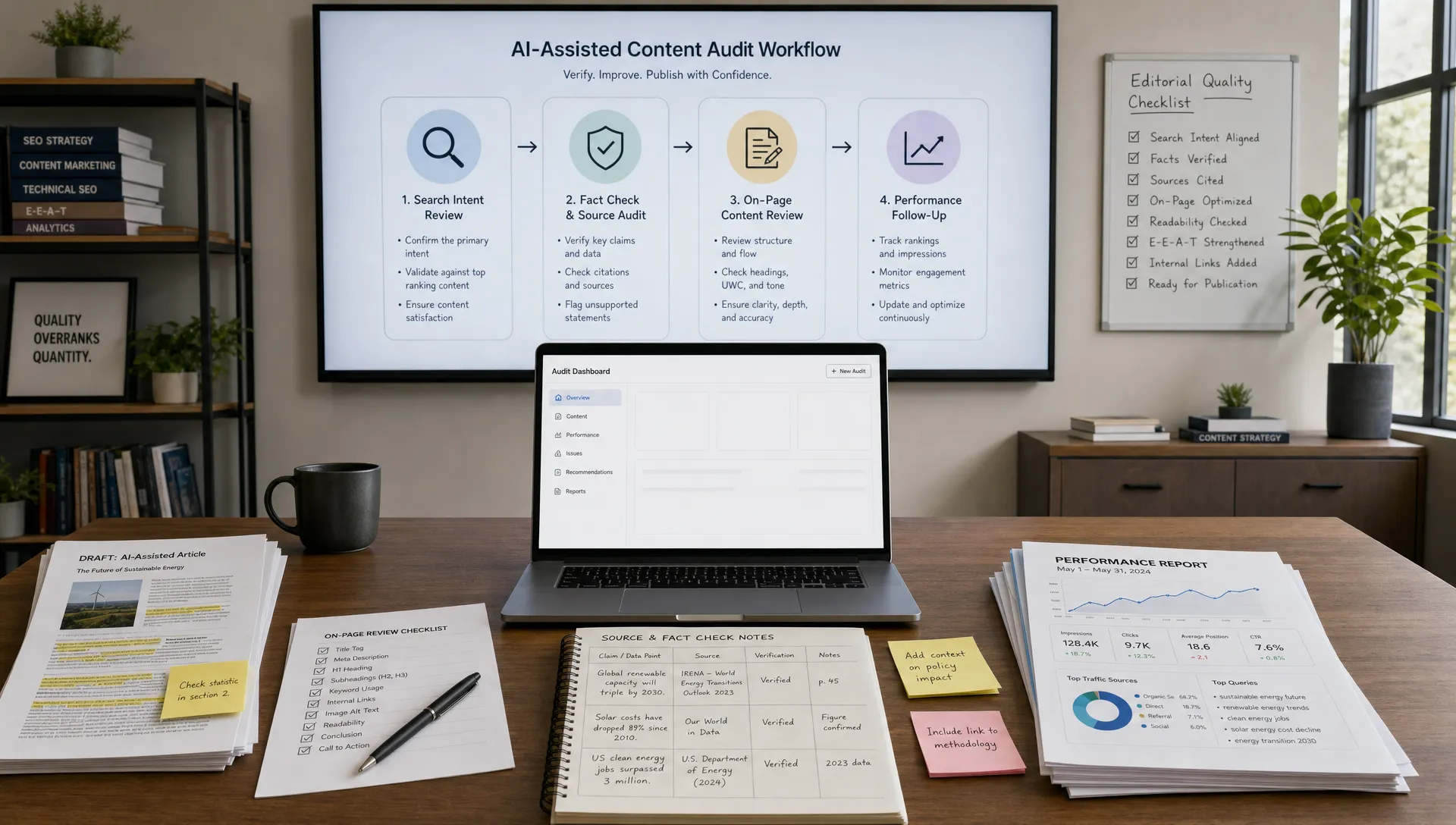
Automation should never remove editorial review. It should make review more efficient.
A strong quality assurance process checks for strategy, clarity, accuracy, SEO, and conversion alignment. This is where many AI-assisted workflows fail. Teams save time on drafting, then skip the review process because the content “looks good.”
Use a simple editorial checklist before anything goes live:
This checklist can be built into your project management process, content calendar, or AI-assisted workflow. The important thing is that quality control is not optional.
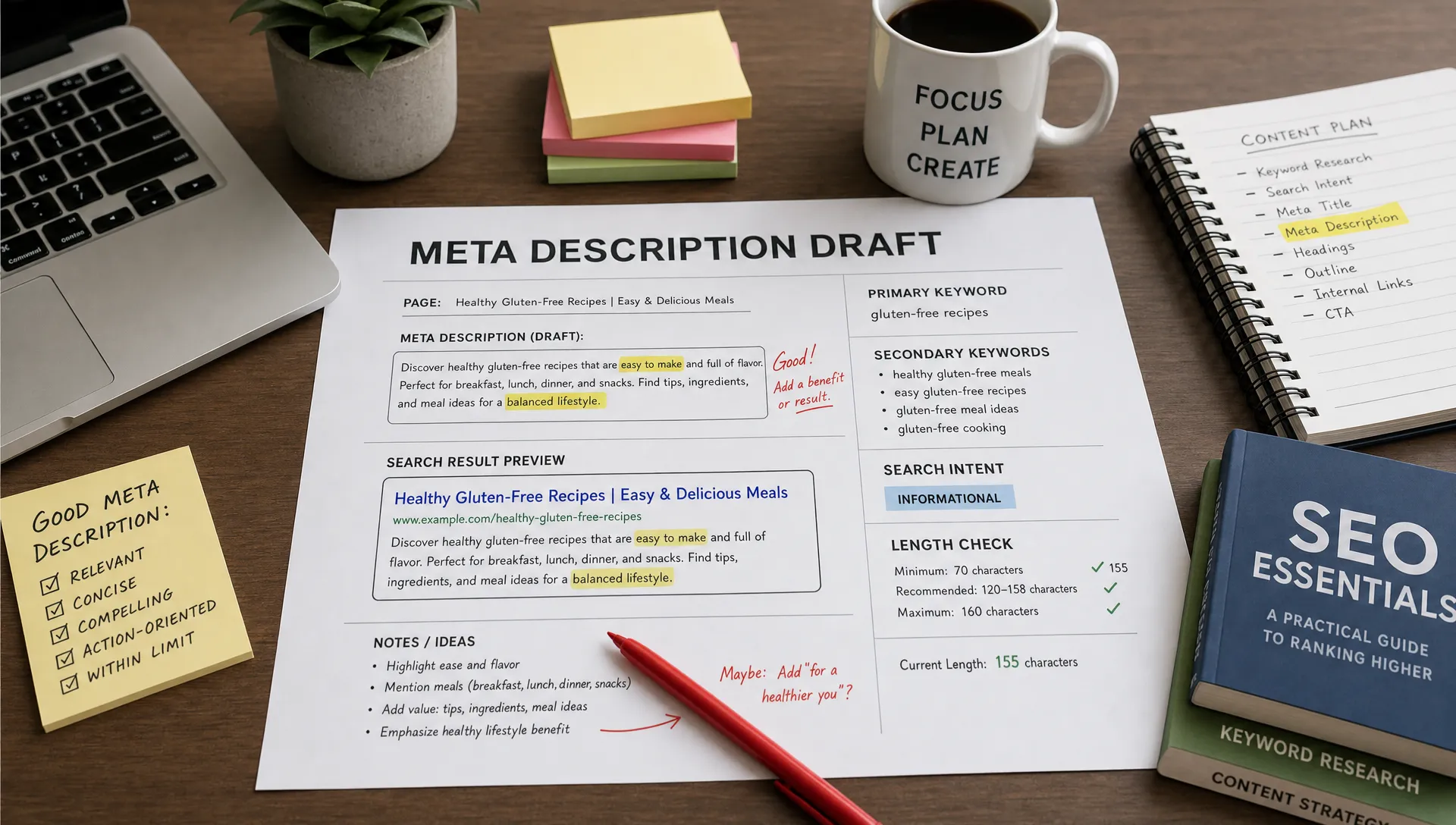
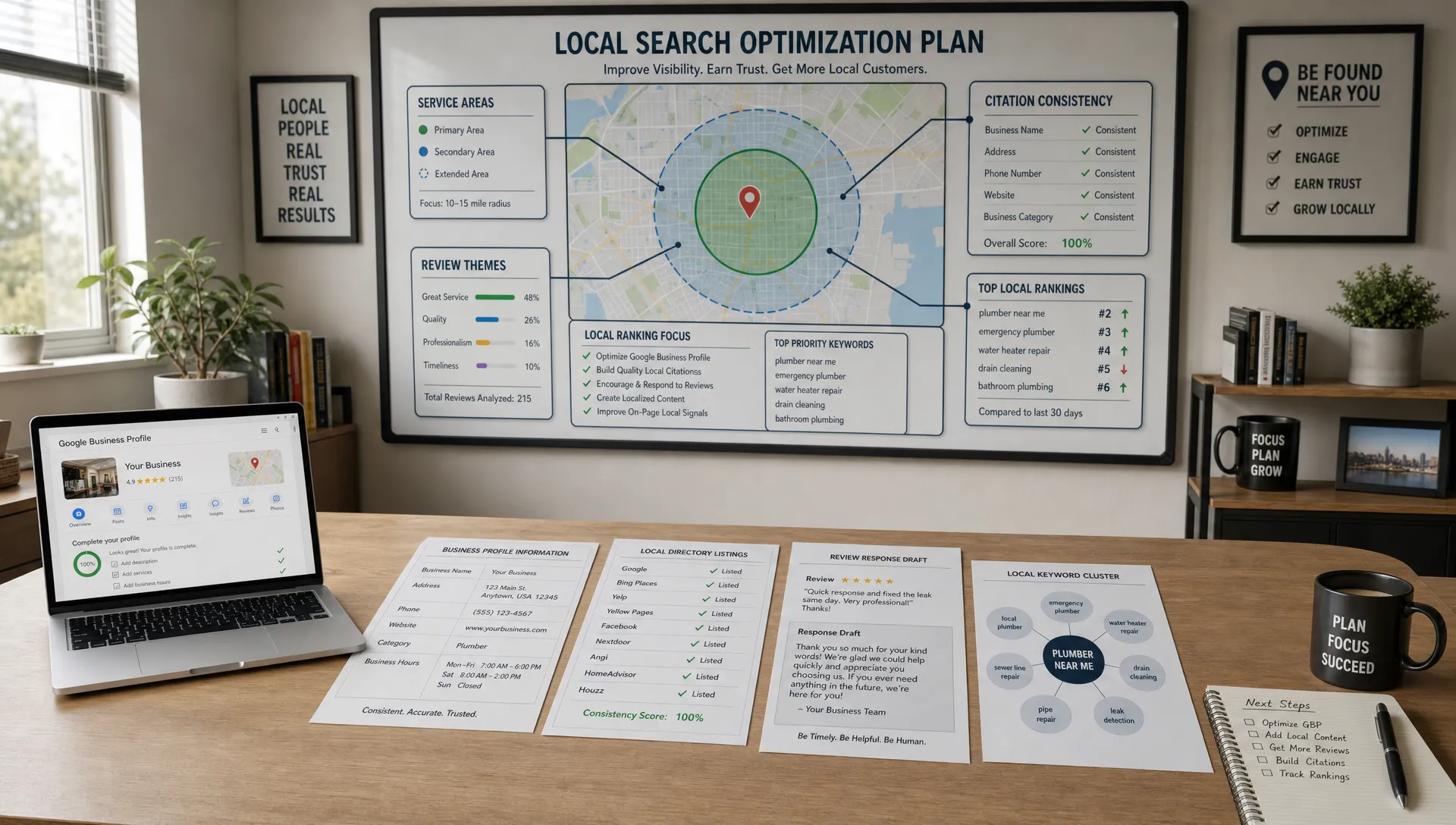
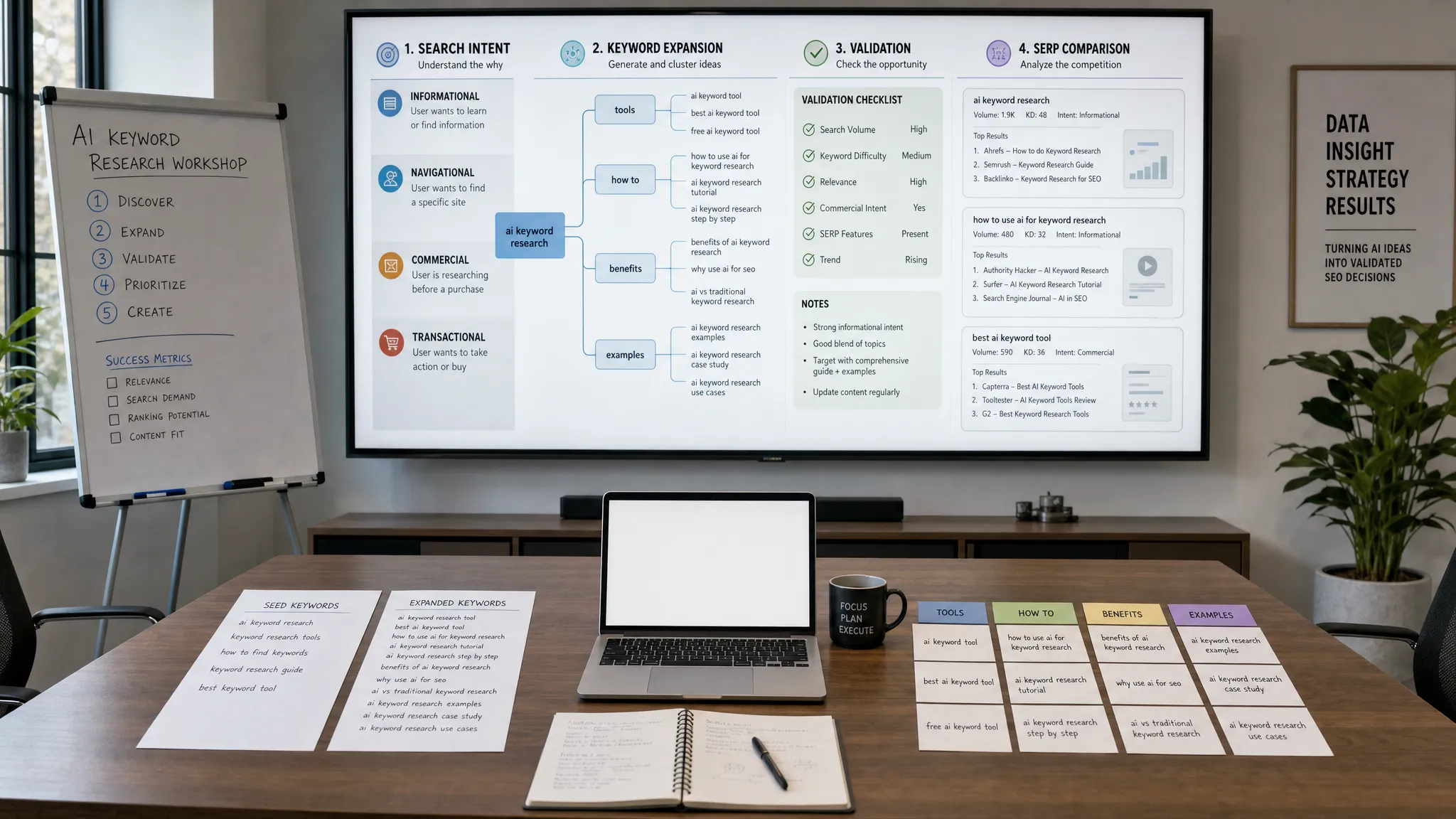
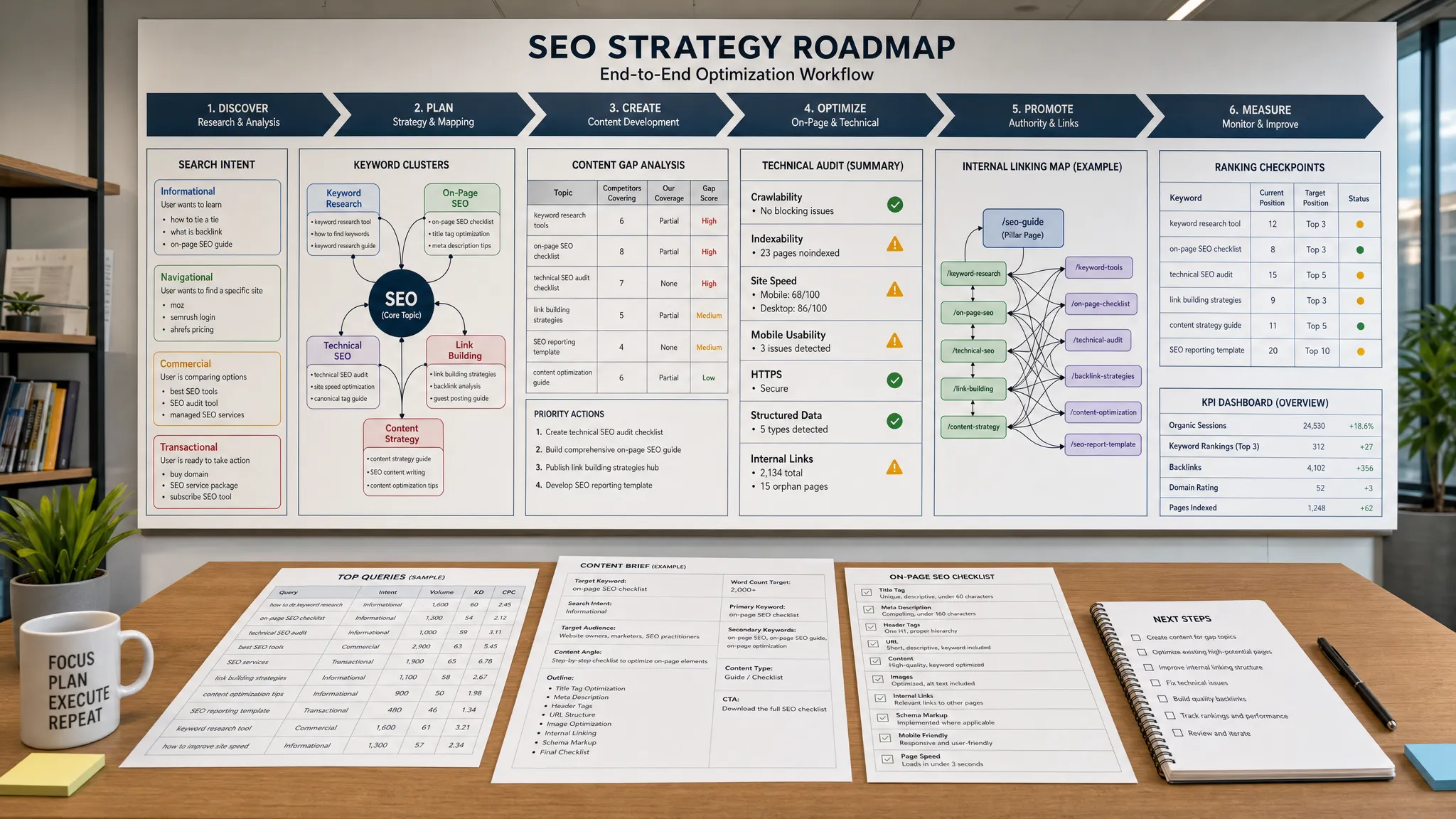
SEO tools can help identify keywords, related questions, internal linking opportunities, and content gaps. But SEO automation should support reader value, not replace it.
Use AI and SEO tools to answer questions like:
Avoid using AI to force keywords into every paragraph. That creates awkward writing and can reduce trust. Modern SEO works best when content is clear, useful, and organized around intent.
AIMarketer Hub includes SEO tools and industry-specific guides that can help marketers connect content creation with search strategy. The strongest results usually come from combining AI-assisted optimization with human editorial judgment.
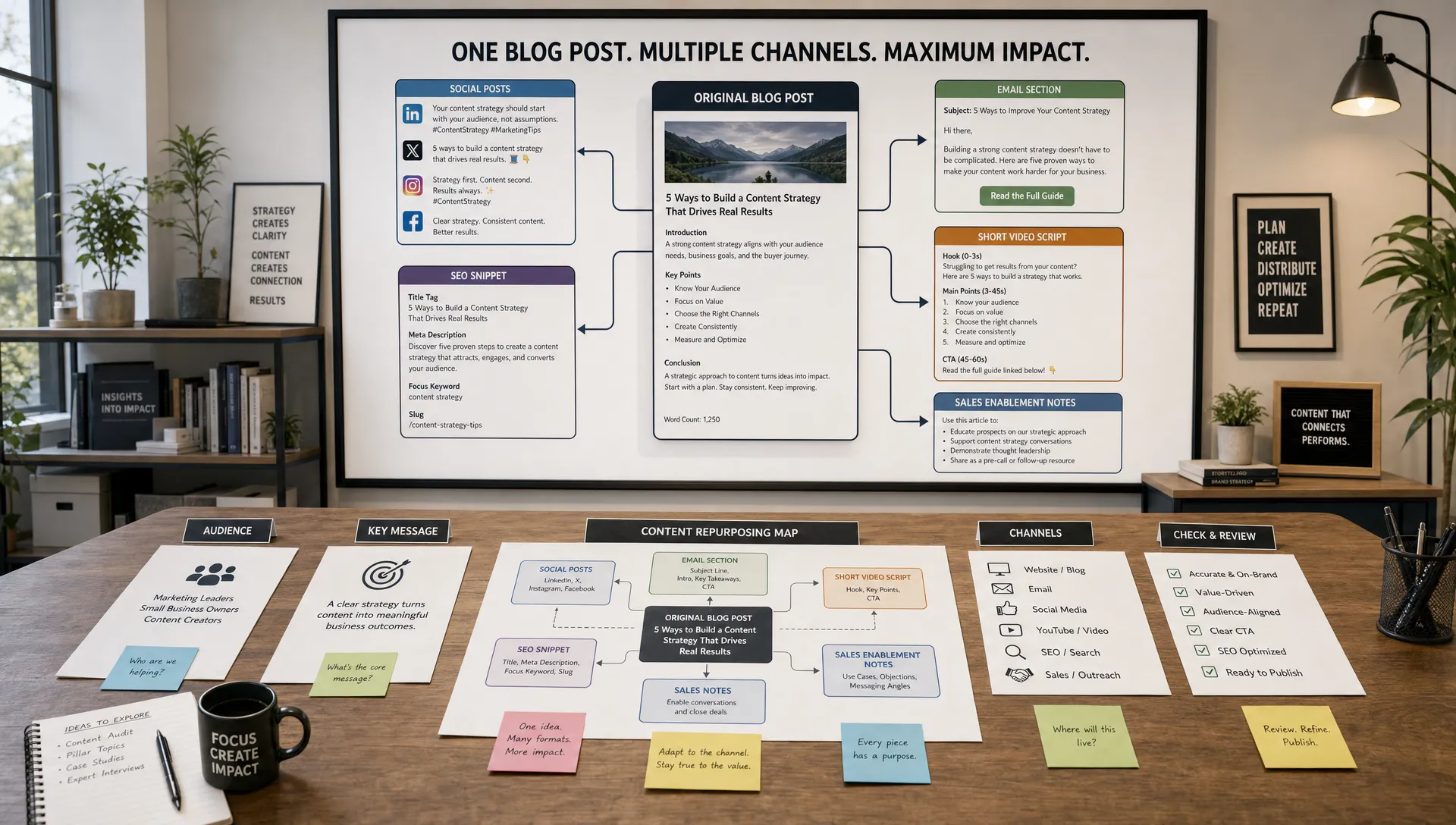
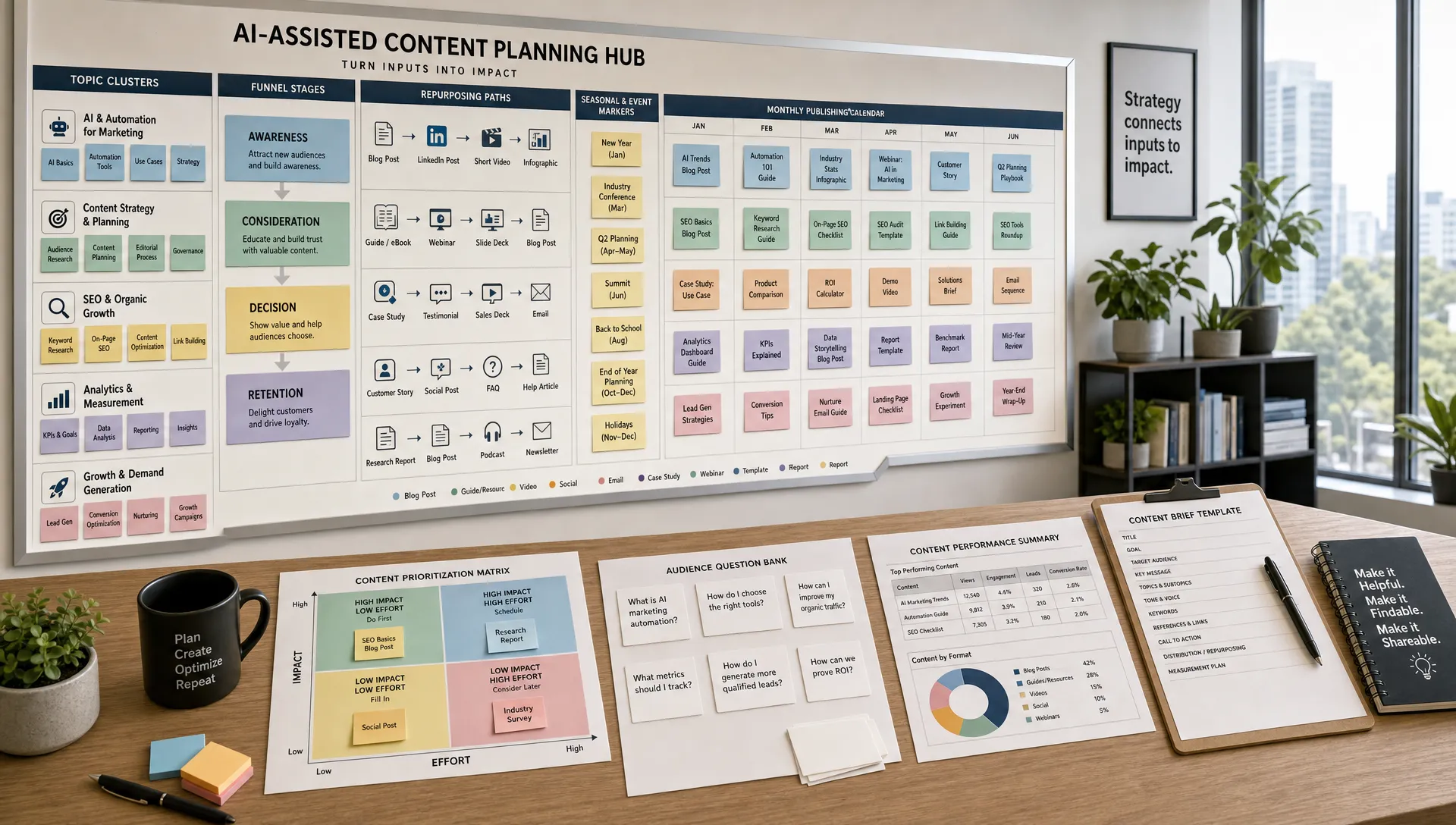
Repurposing is one of the best uses of AI marketing automation. A single approved article can become multiple social posts, email snippets, short video scripts, sales enablement notes, and newsletter sections.
The mistake is repurposing too early. If the original asset has weak positioning or unverified claims, automation spreads those issues across every channel.
A safer process is to approve the core asset first, then use AI to adapt it by format and audience. For example, a blog post can become:
Each version should still be reviewed for channel fit. What works in a blog post may feel too formal on social media or too long for email.
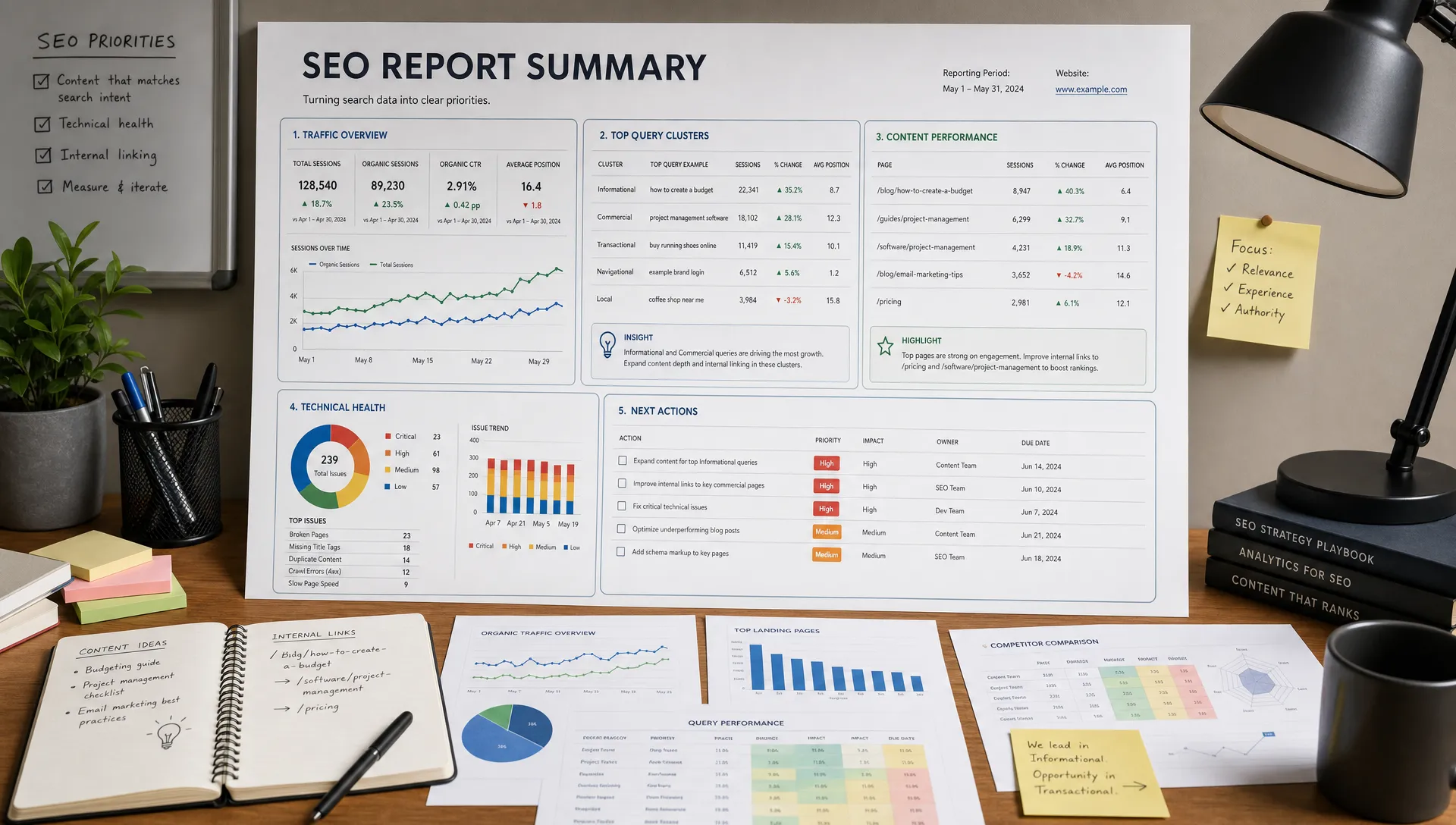
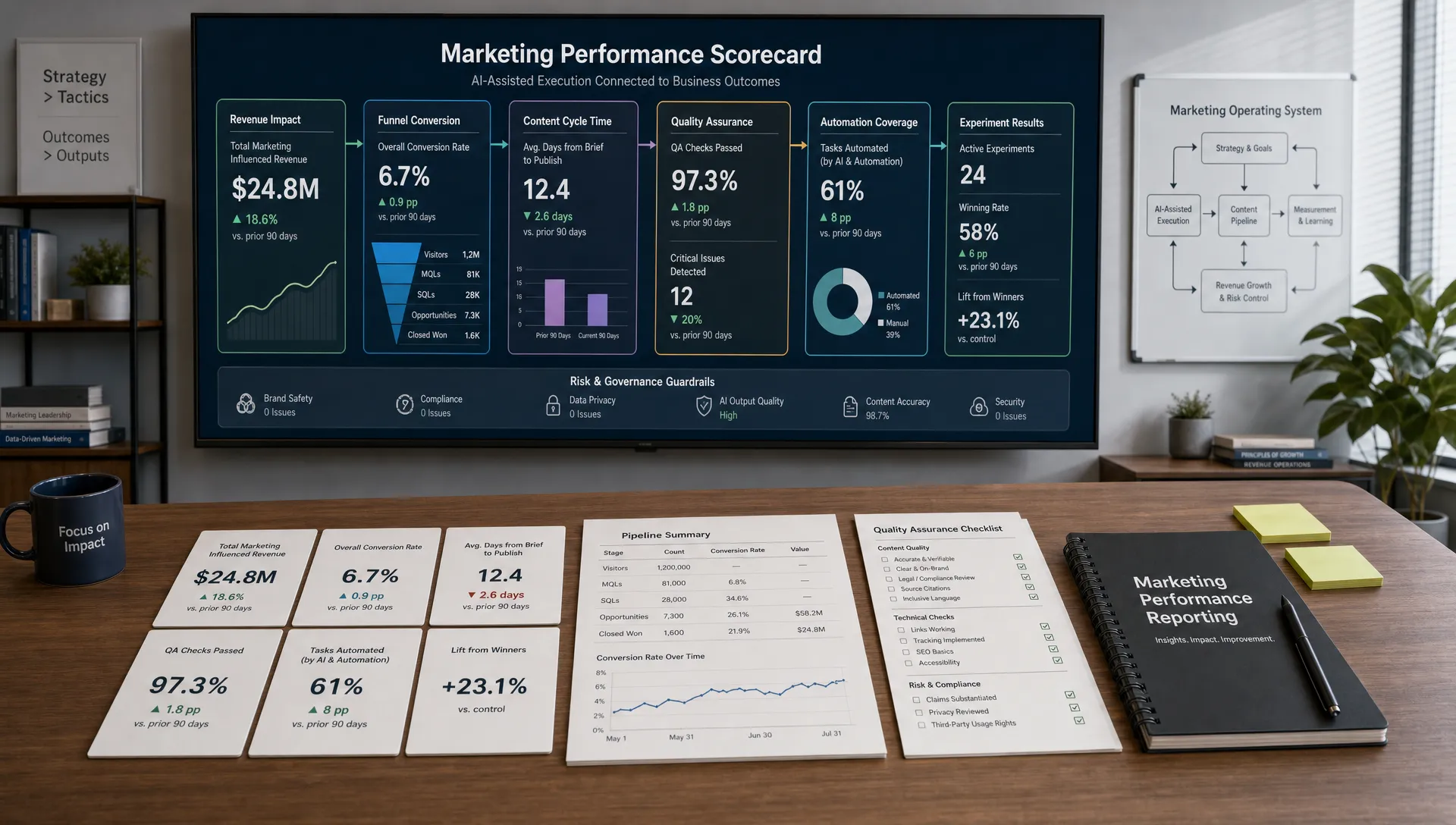
Quality is not only an editorial opinion. It should also be measured after publication.
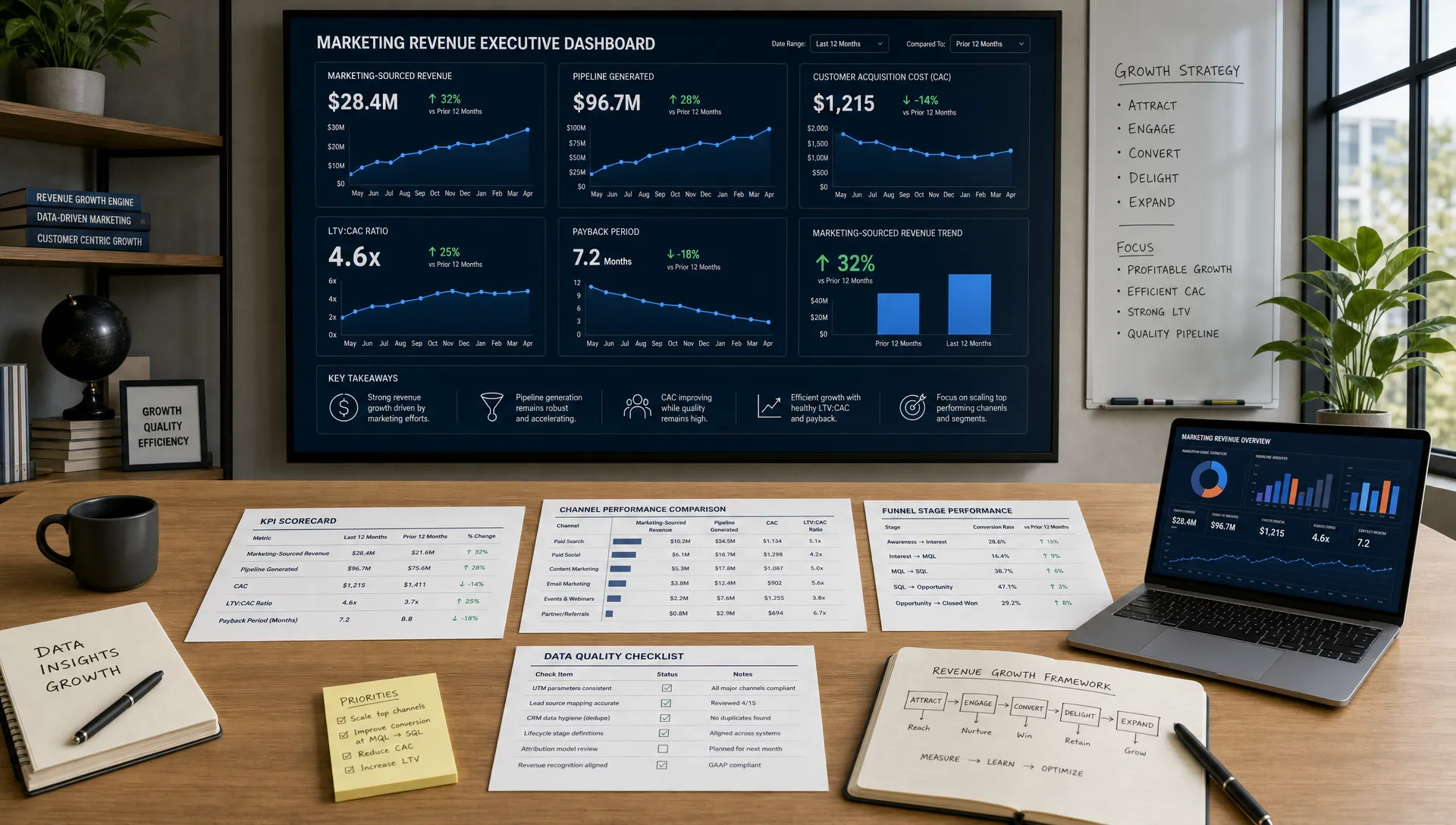
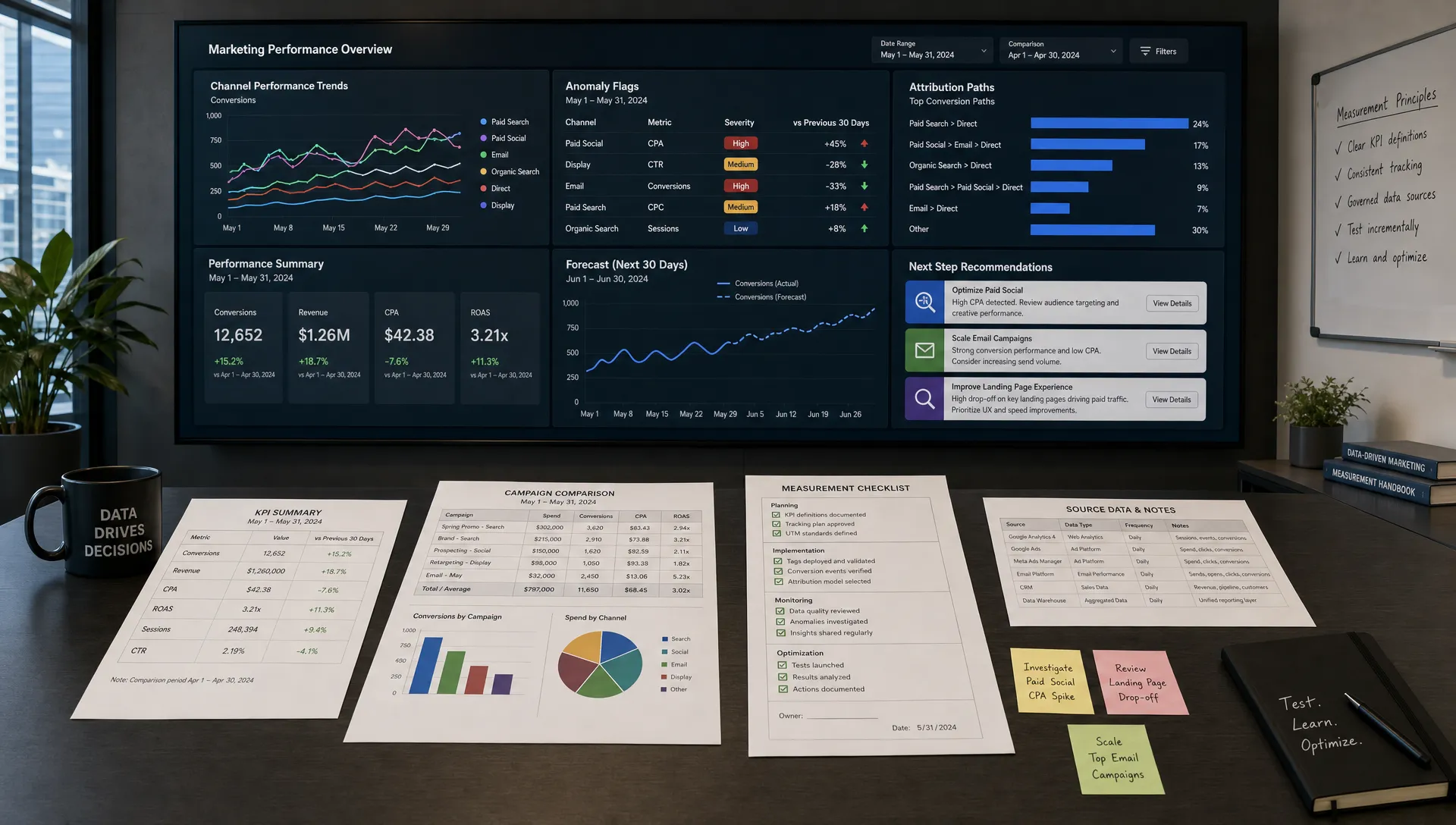
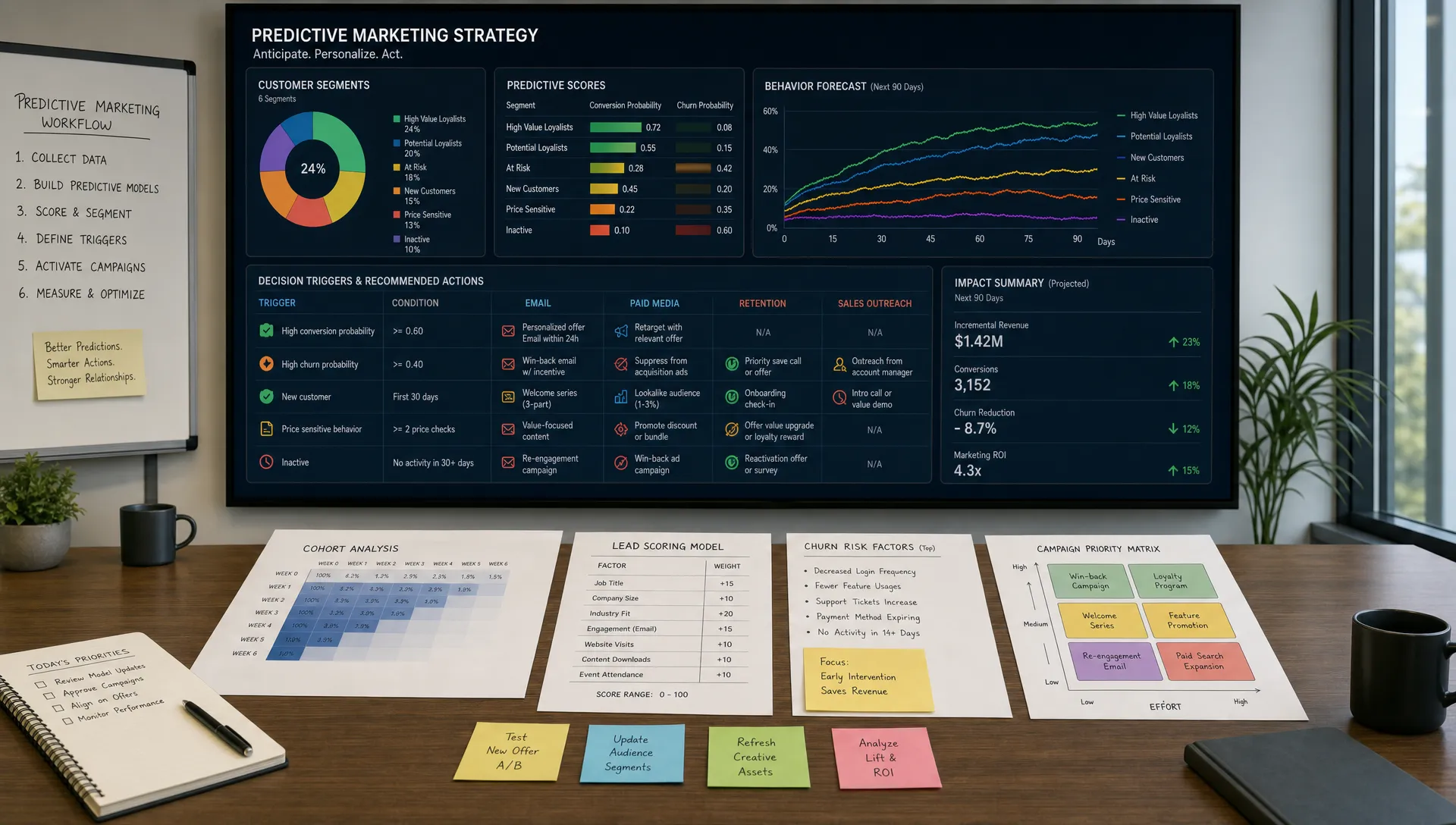
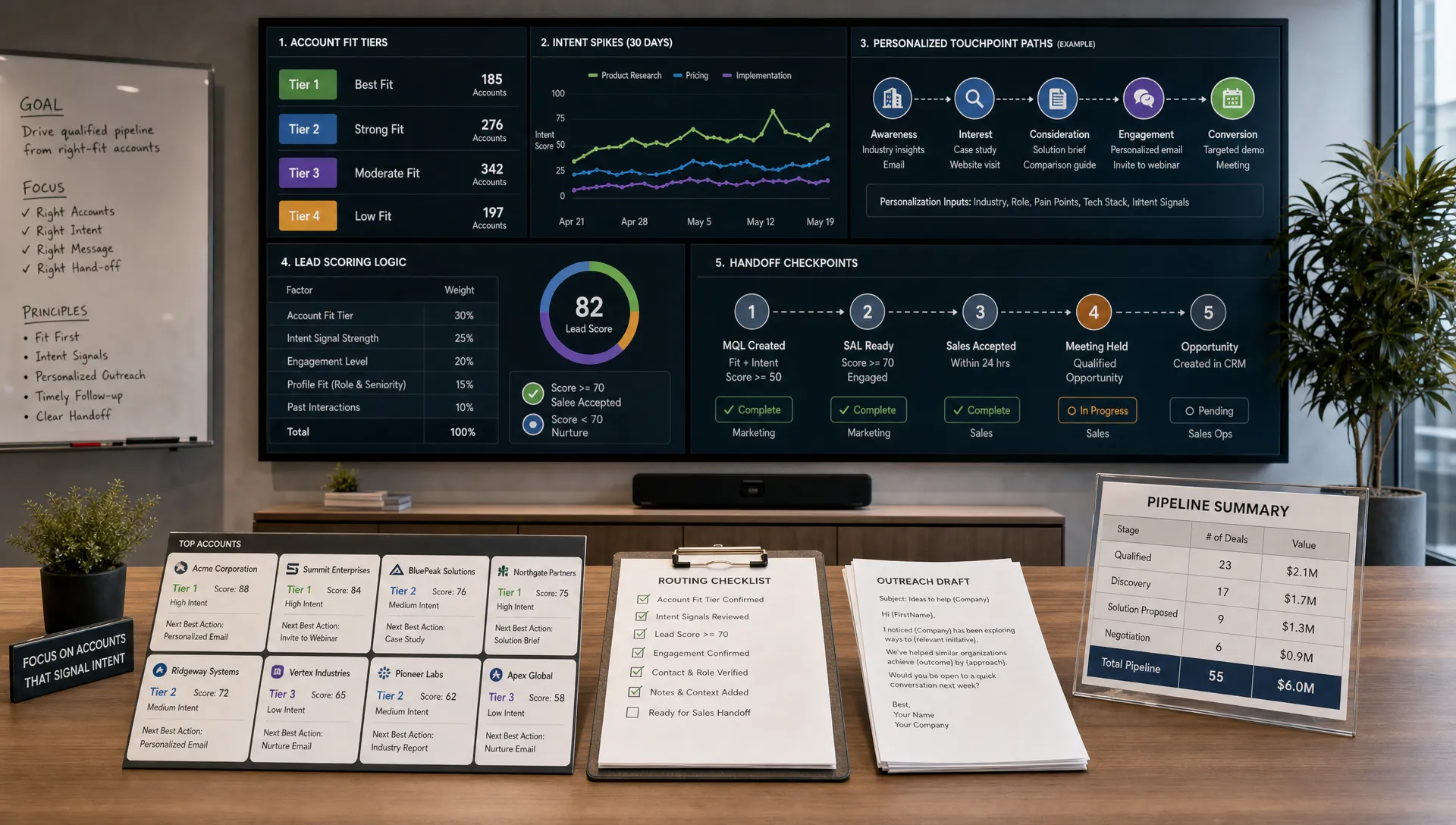
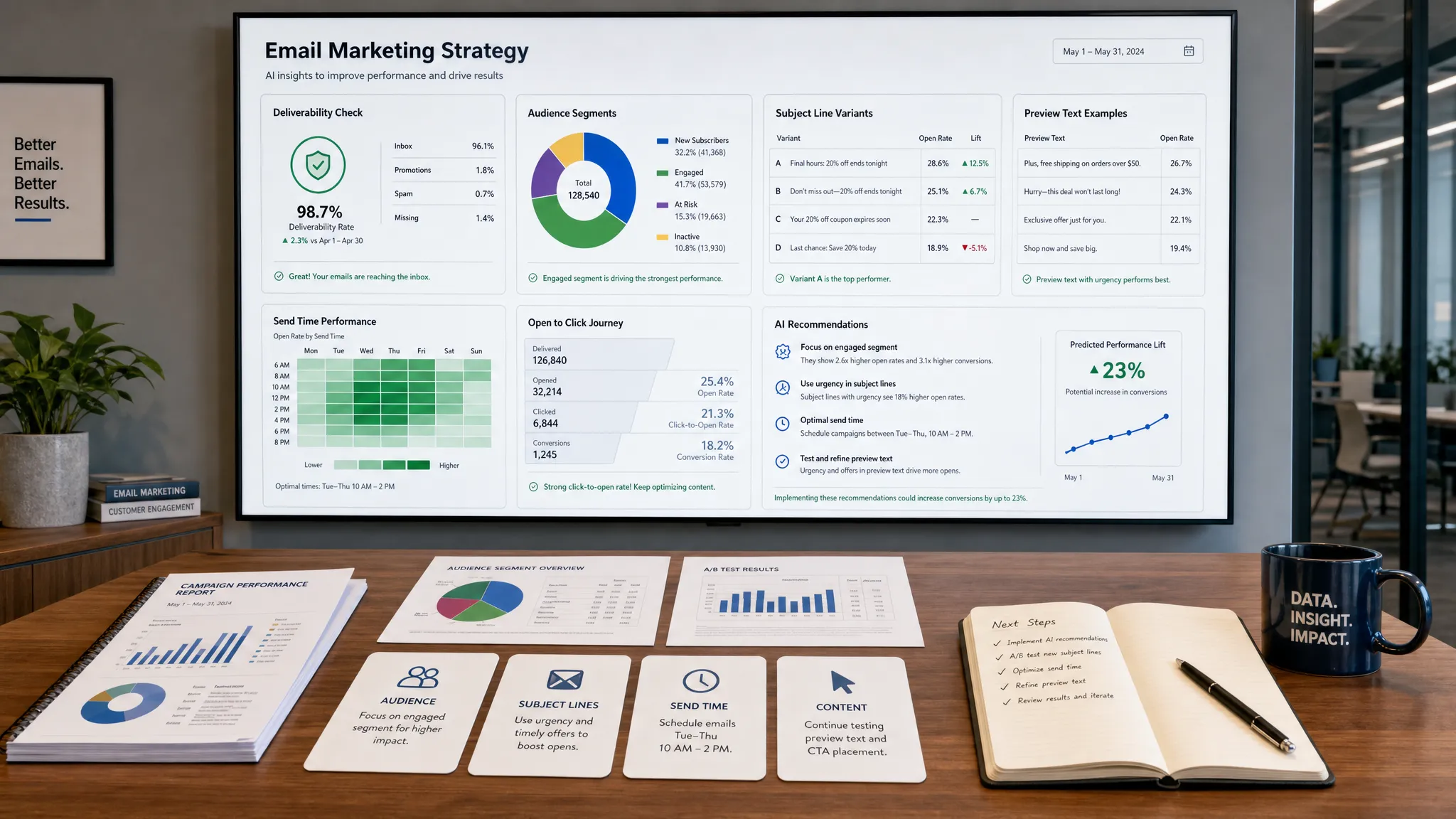
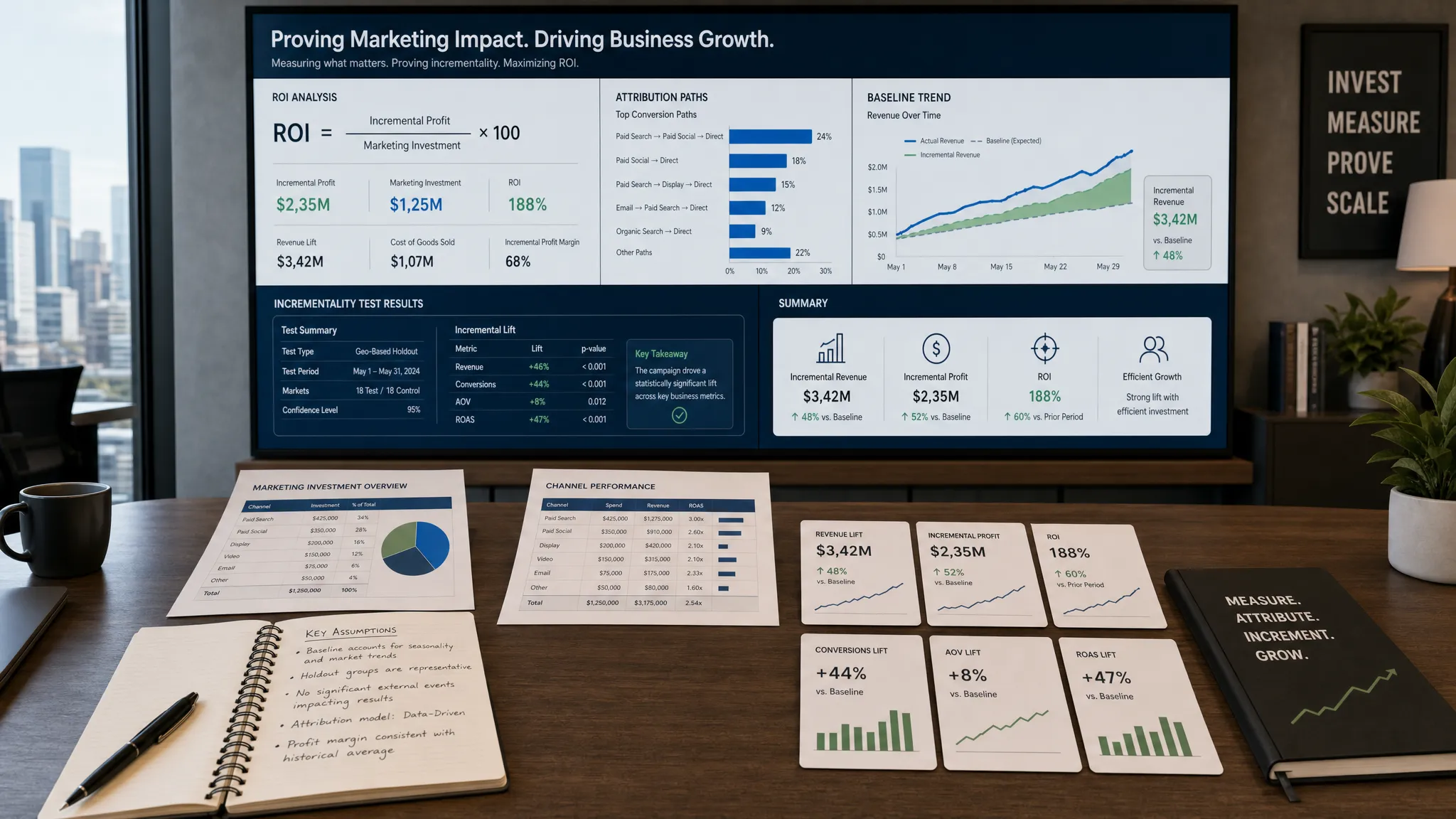
AI-powered analytics can help teams understand which content is earning attention, engagement, and conversions. This makes your automation system smarter over time. Instead of producing more content blindly, you can identify patterns and adjust your briefs, prompts, topics, and CTAs.
Track metrics such as:
Do not look at traffic alone. A post can attract visitors and still fail if it does not answer the right question or move readers toward a meaningful next step. The best content automation systems connect performance data back to planning.
For example, if “how-to” articles drive strong engagement but weak conversions, you may need better internal links or more relevant CTAs. If product comparison pages convert well but rank poorly, you may need stronger SEO briefs and more authoritative supporting content.
Some parts of content creation should remain human-led, especially when trust is at stake.
Do not fully automate customer interviews, expert opinions, legal review, sensitive claims, crisis communications, original thought leadership, or final approval. AI can help prepare questions, summarize transcripts, and organize notes, but it cannot replace lived experience or accountability.
The same applies to brand positioning. AI can suggest angles, but your team needs to decide what the brand actually believes. That point of view is what separates memorable content from average content.
In practice, the best teams automate production support while keeping strategy and judgment human.
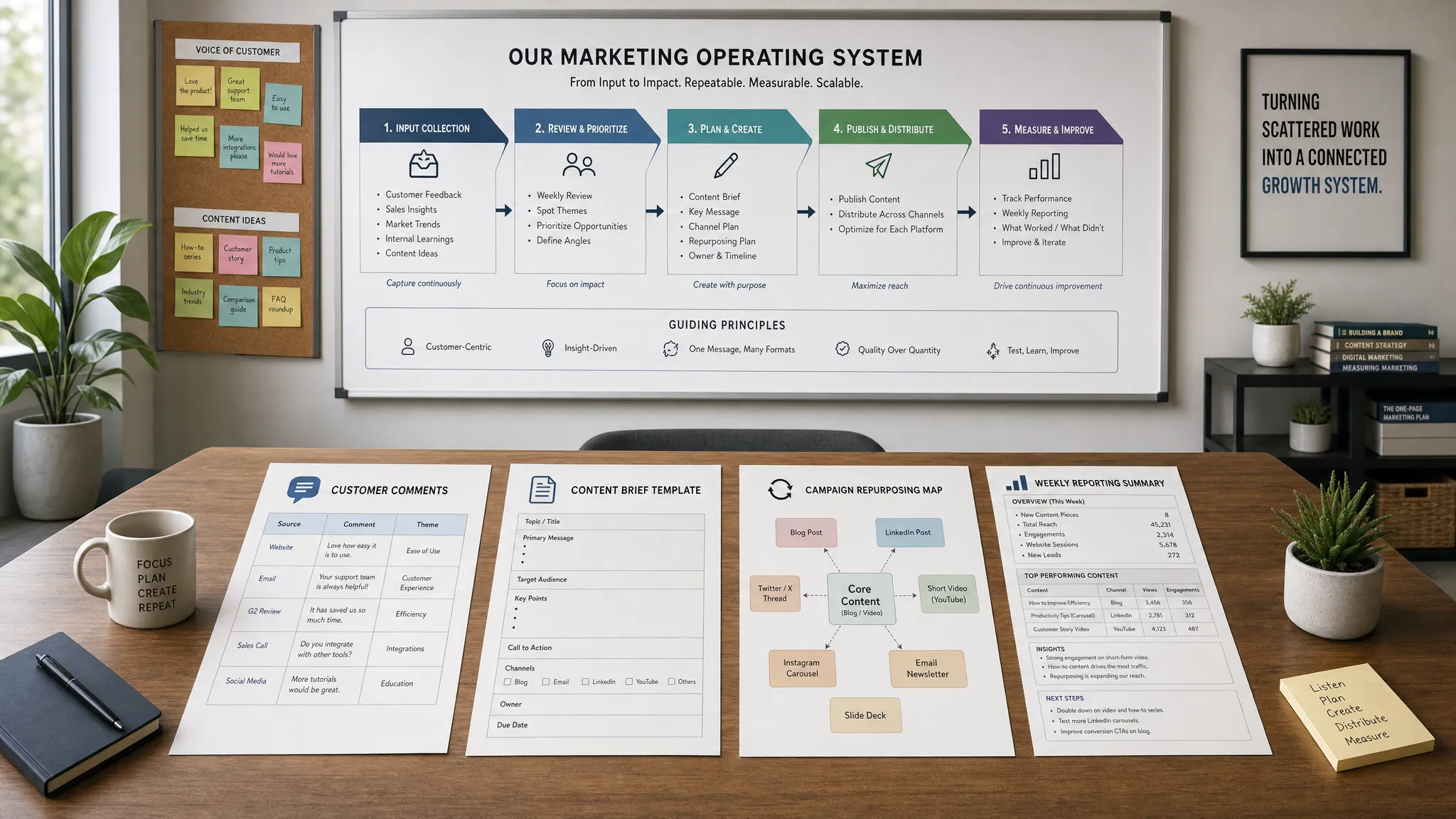
If you are starting from scratch, keep the workflow simple. You can always add more automation later.
Here is a reliable sequence:
This workflow creates a balance between speed and control. It also makes automation easier to scale because each stage has a clear purpose.
Automation problems usually come from process issues, not the AI itself.
One common mistake is publishing AI drafts too quickly. A clean sentence is not the same as a strong idea. If the piece lacks insight, examples, and evidence, readers will notice.
Another mistake is using the same prompt for every format. A blog post, landing page, email, and social post each require different structures and success metrics. Reusing the same generic prompt creates generic content.
Teams also run into trouble when they automate without a content strategy. Producing more articles does not help if the topics are disconnected from business goals or audience demand.
Finally, many brands forget to update their prompts. If your positioning changes, your audience shifts, or your best-performing content reveals a new pattern, your prompt templates should evolve too.
AIMarketer Hub is designed for marketers and businesses that want practical AI marketing resources without losing strategic control. Its AI content generation, prompt library for marketers, SEO tools, performance analytics, automated content creation resources, and industry-specific guides can support the workflow described above.
The advantage is not simply producing more content. It is creating a more organized system for planning, generating, optimizing, and improving marketing assets across channels.
For lean teams, this can reduce repetitive work. For growing teams, it can create more consistency. For specialized sectors such as finance, legal, SaaS, and marketing, it can help teams work from more relevant guidance instead of generic templates.
The best results come when you use these resources as a structured assistant, not a replacement for your team’s expertise.
Can content creation be fully automated? Some parts can be automated, such as outlines, drafts, metadata, repurposing, and performance summaries. Full automation is risky because strategy, accuracy, expert insight, and final approval still need human judgment.
How do I keep AI-generated content from sounding generic? Start with a detailed brief, include a brand voice guide, draft in sections, add original examples, and require human editing. Generic output usually comes from generic instructions and limited context.
Is AI-generated content bad for SEO? AI-generated content is not automatically bad for SEO. The issue is whether the content is helpful, accurate, original, and created for readers. Use AI to support quality, not to mass-produce low-value pages.
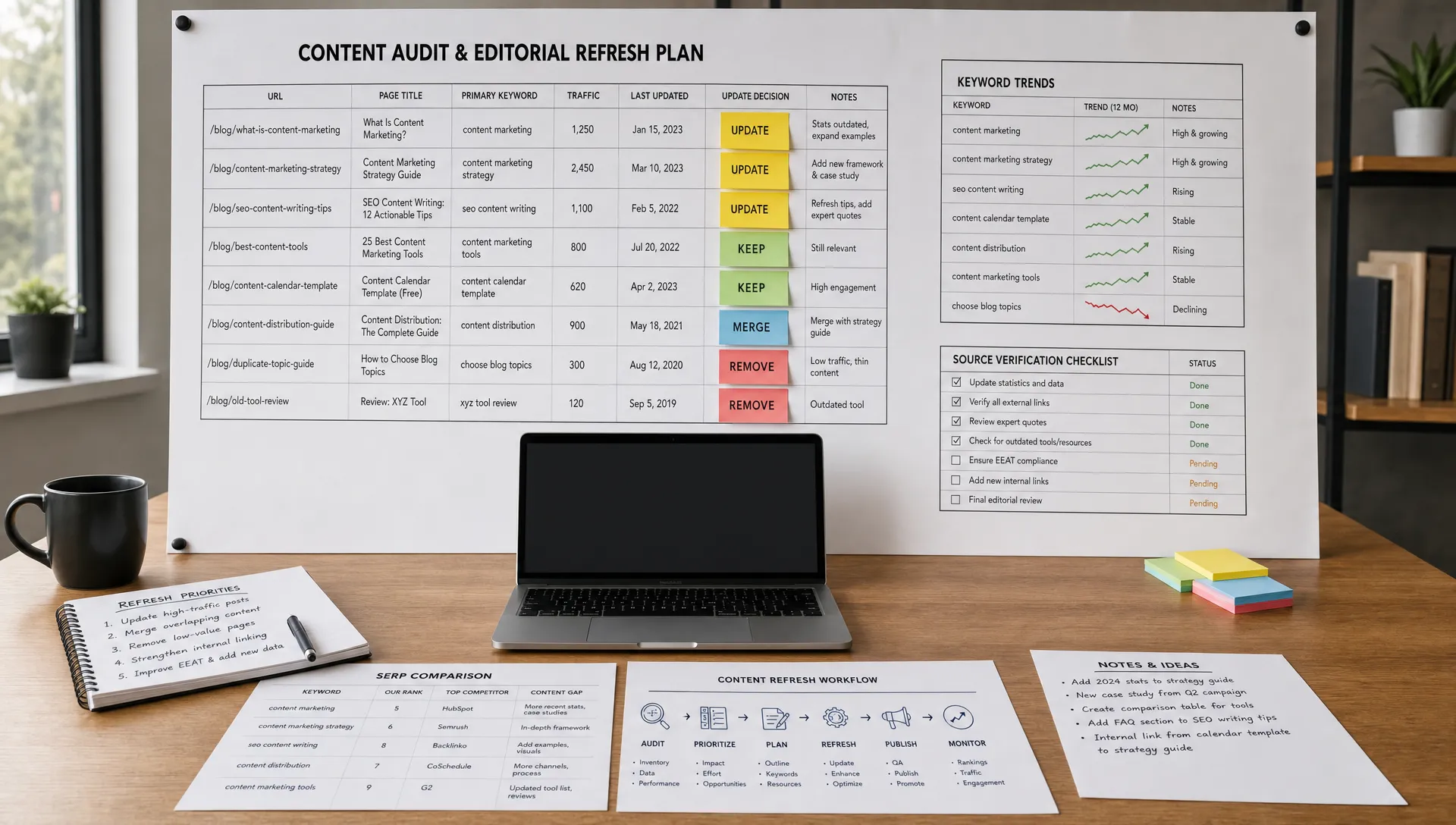
What should marketers automate first? Start with low-risk, high-friction tasks such as topic ideation, content briefs, outline creation, metadata drafts, content refresh suggestions, and repurposing approved assets.
How do you measure whether automated content is working? Track organic visibility, engagement, conversions, assisted pipeline, lead quality, and content refresh performance. Combine analytics with editorial review to understand both performance and quality.
Content automation works best when it is built around a clear strategy, strong prompts, human review, and performance data. AI can help your team move faster, but quality still comes from knowing your audience, making useful decisions, and publishing content people can trust.
If you want to streamline content creation while protecting brand voice, SEO, and editorial quality, explore AIMarketer Hub. Use its AI marketing tools, prompt resources, SEO support, analytics, and practical guides to build a smarter workflow for your team.