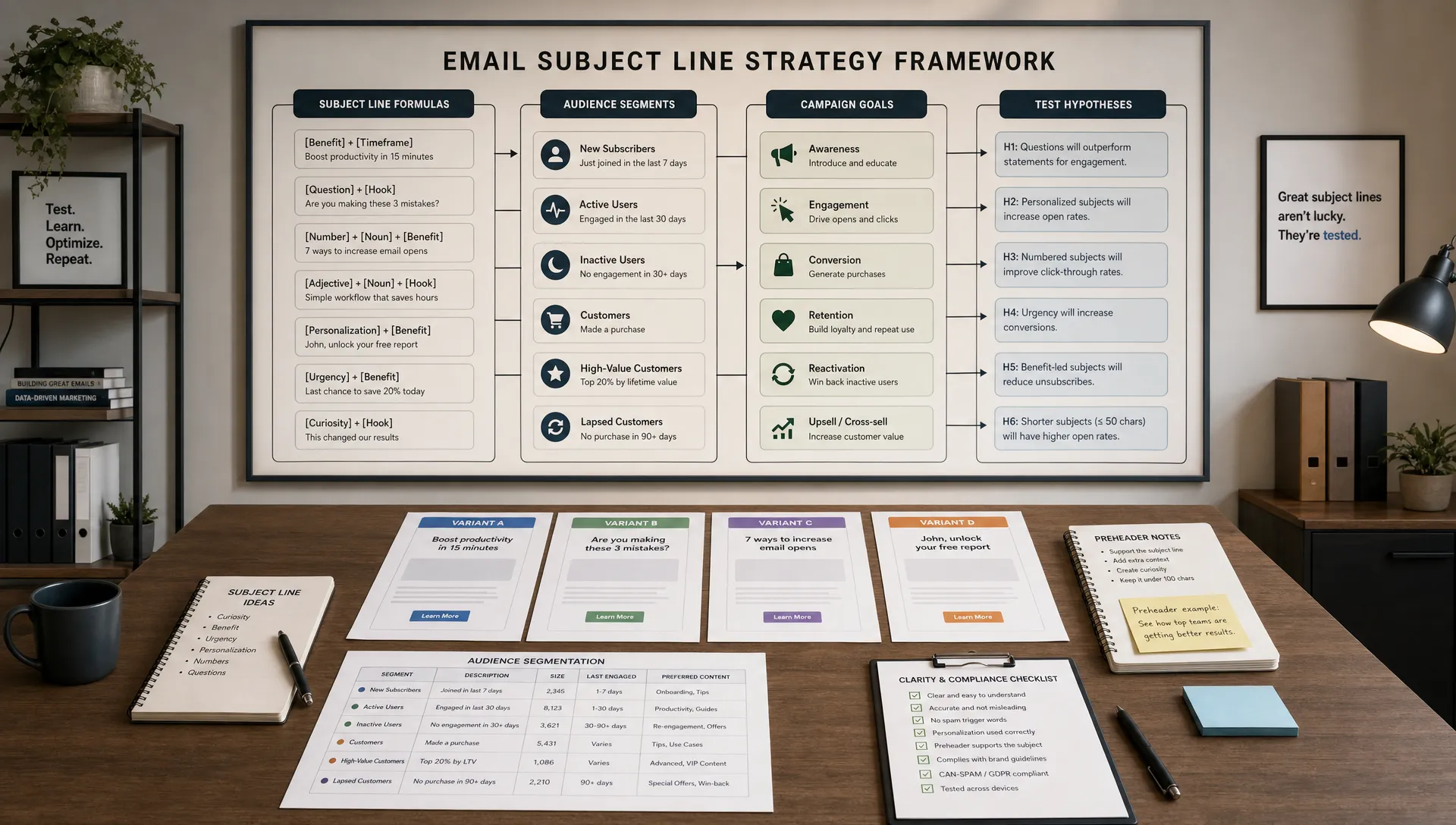
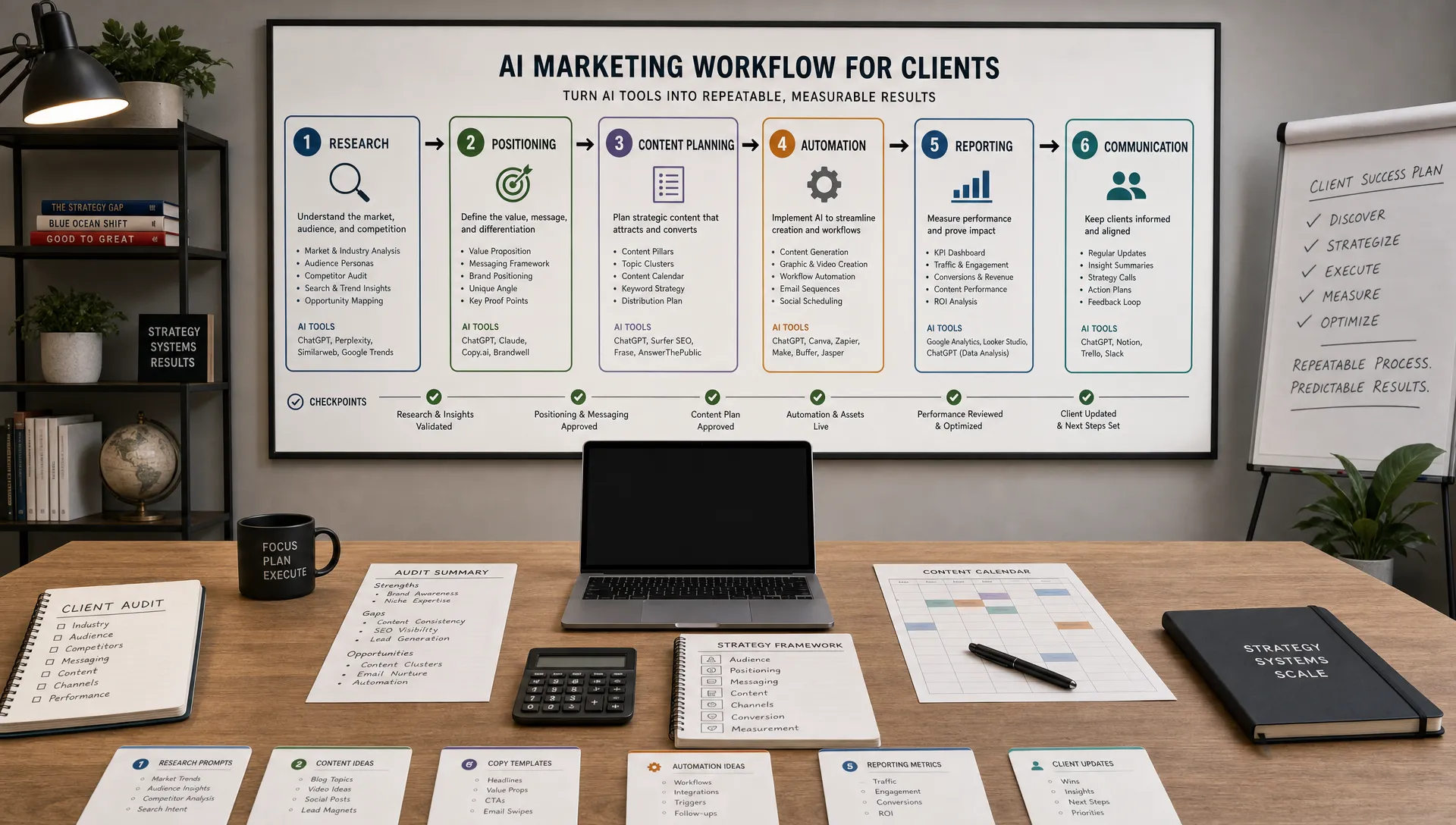
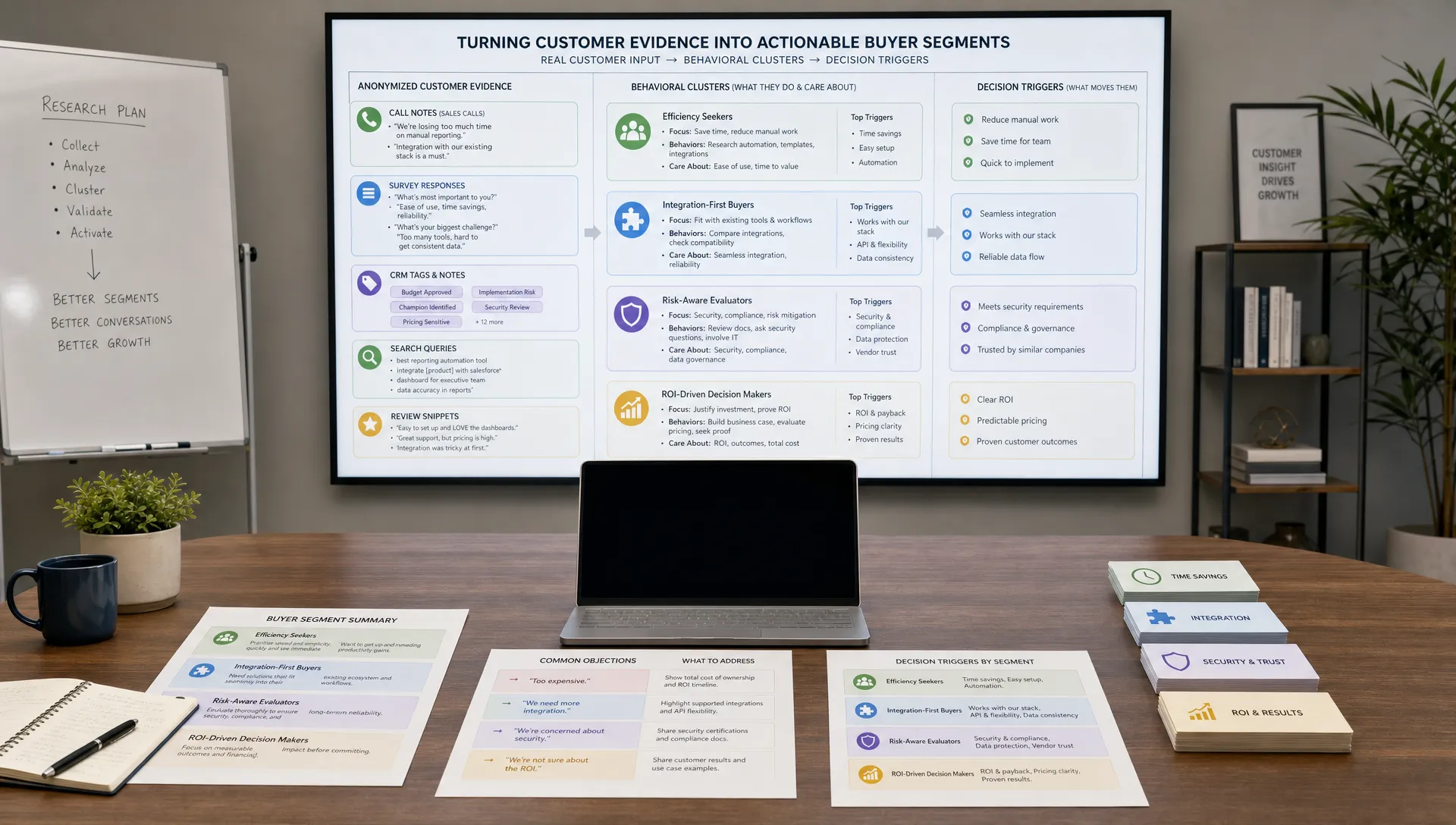
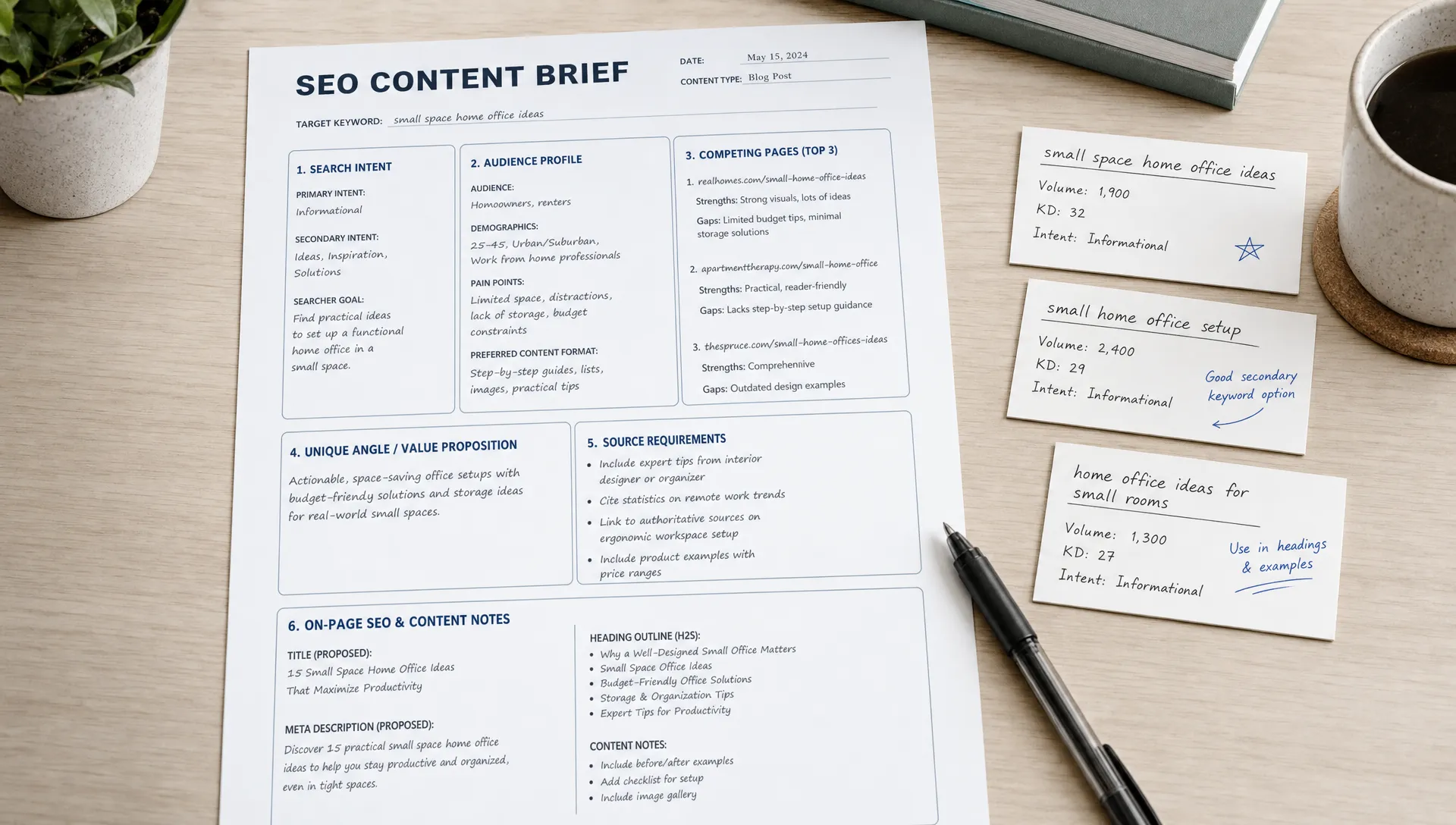
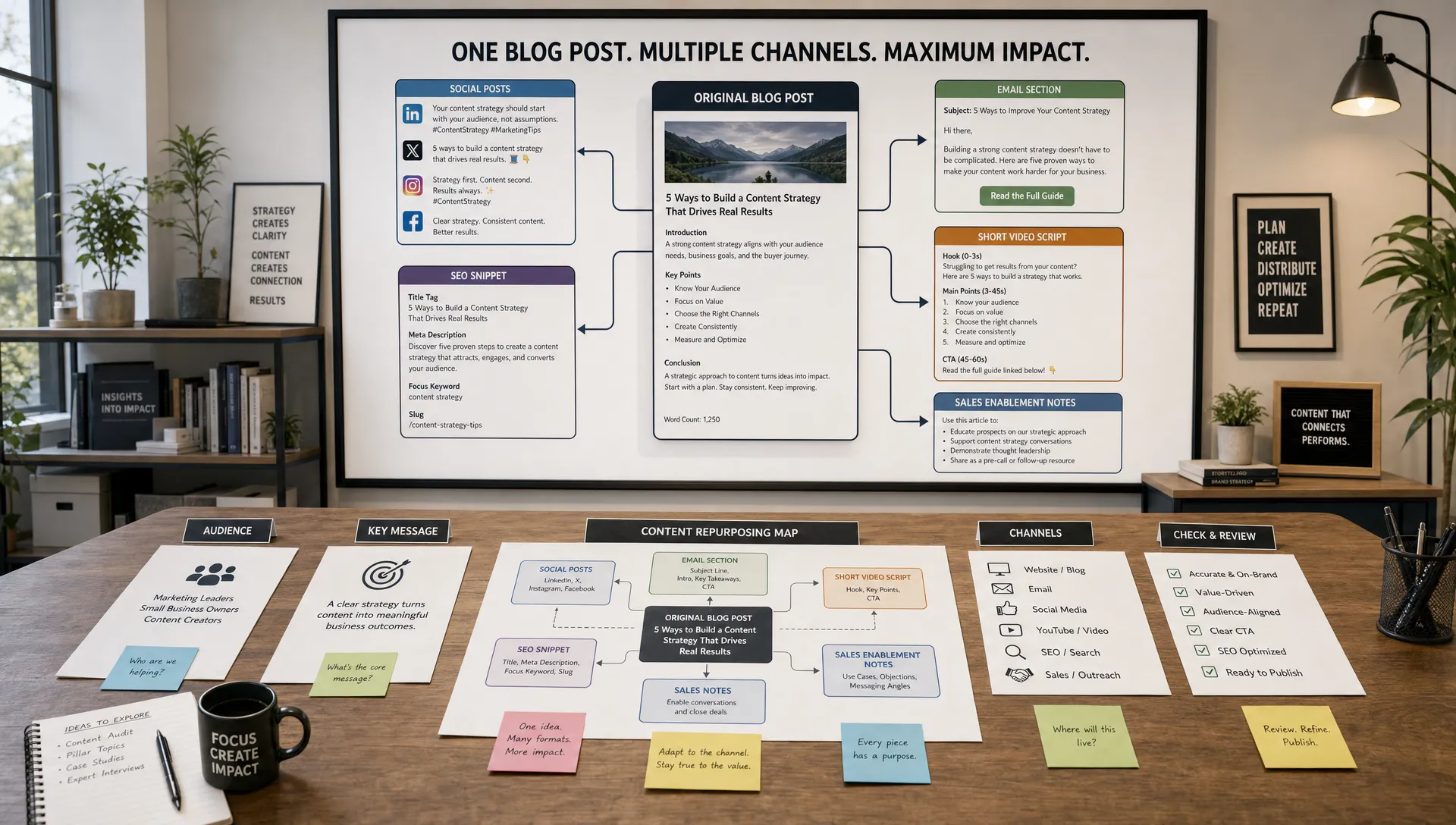
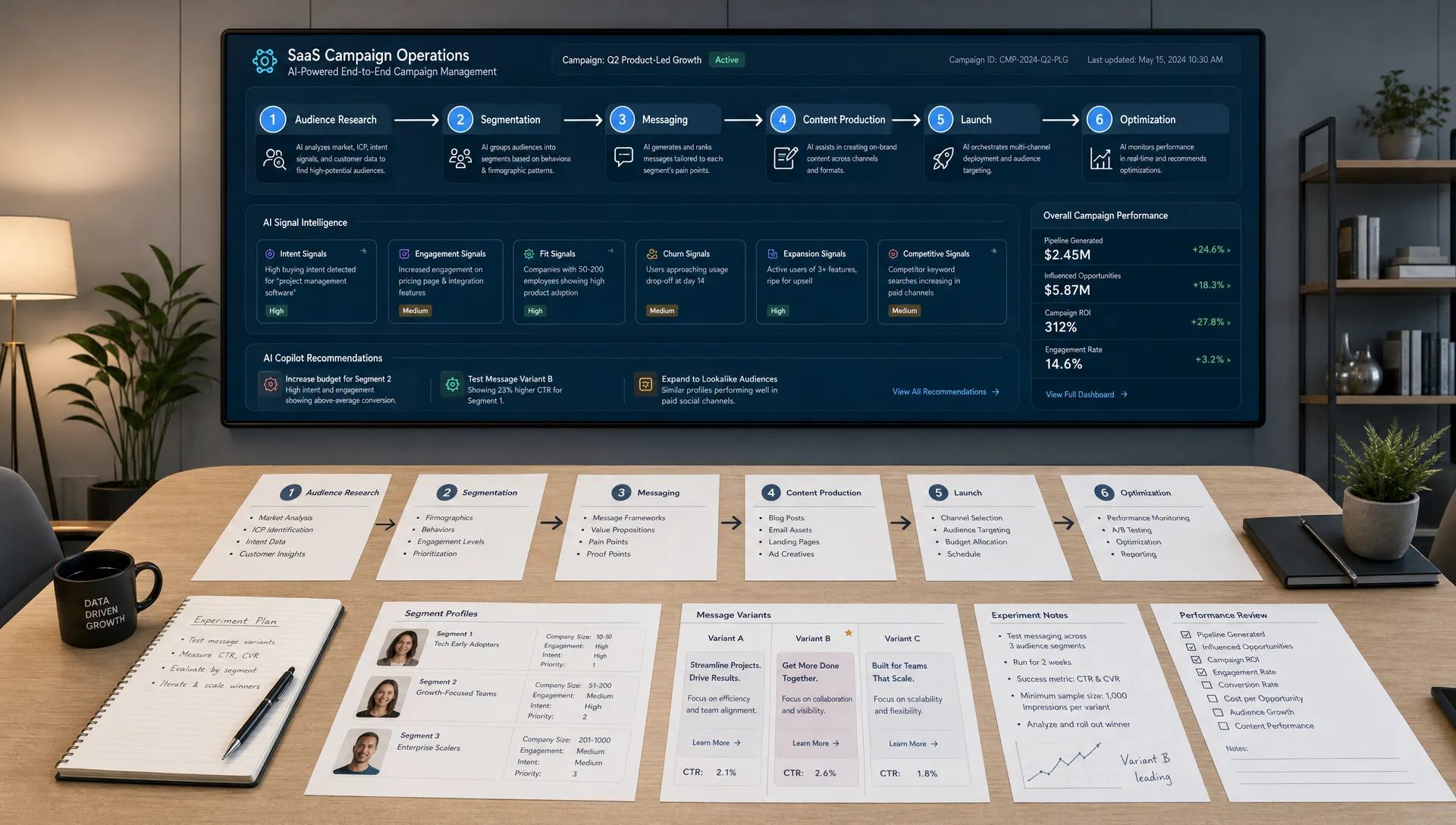
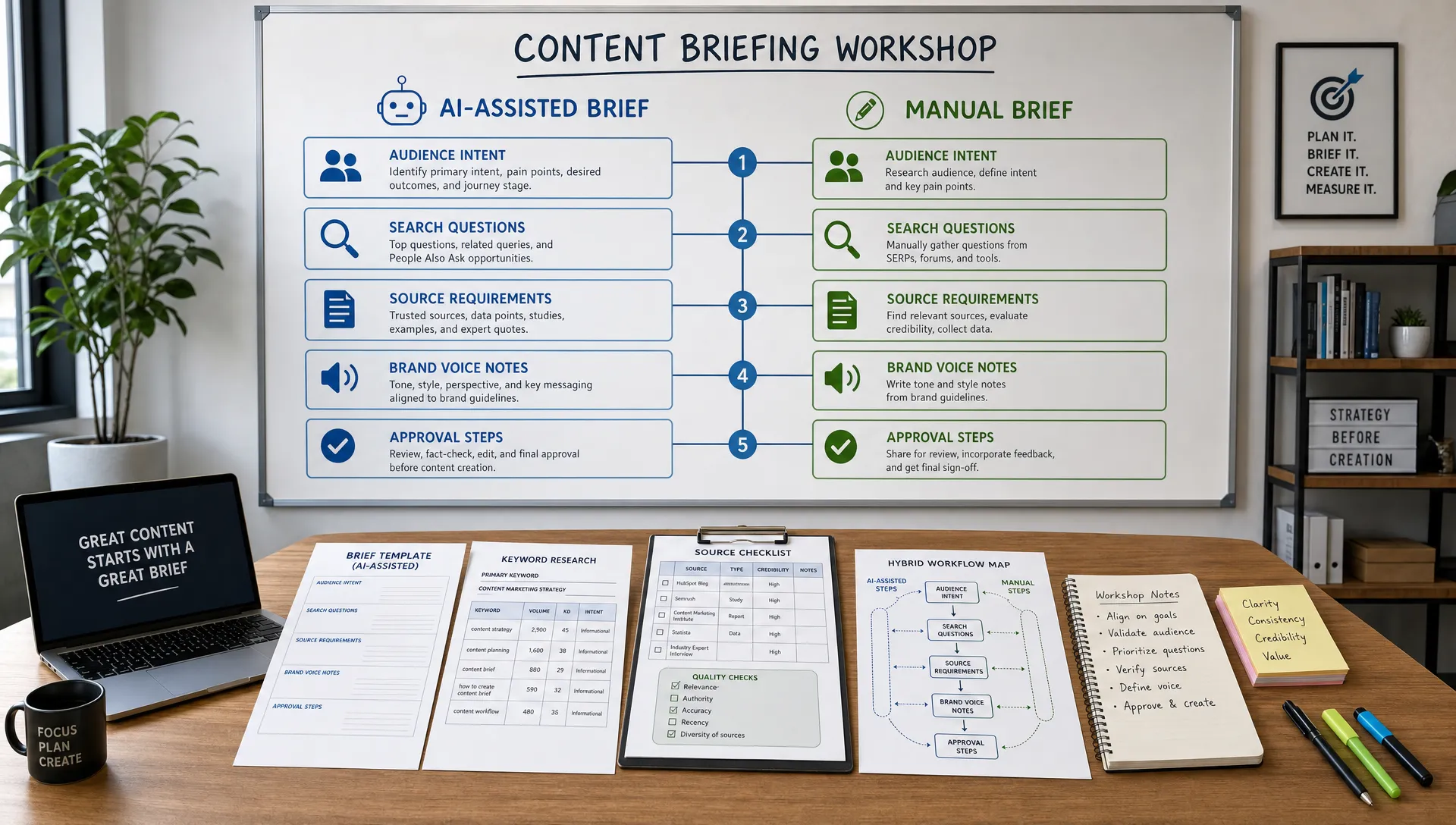
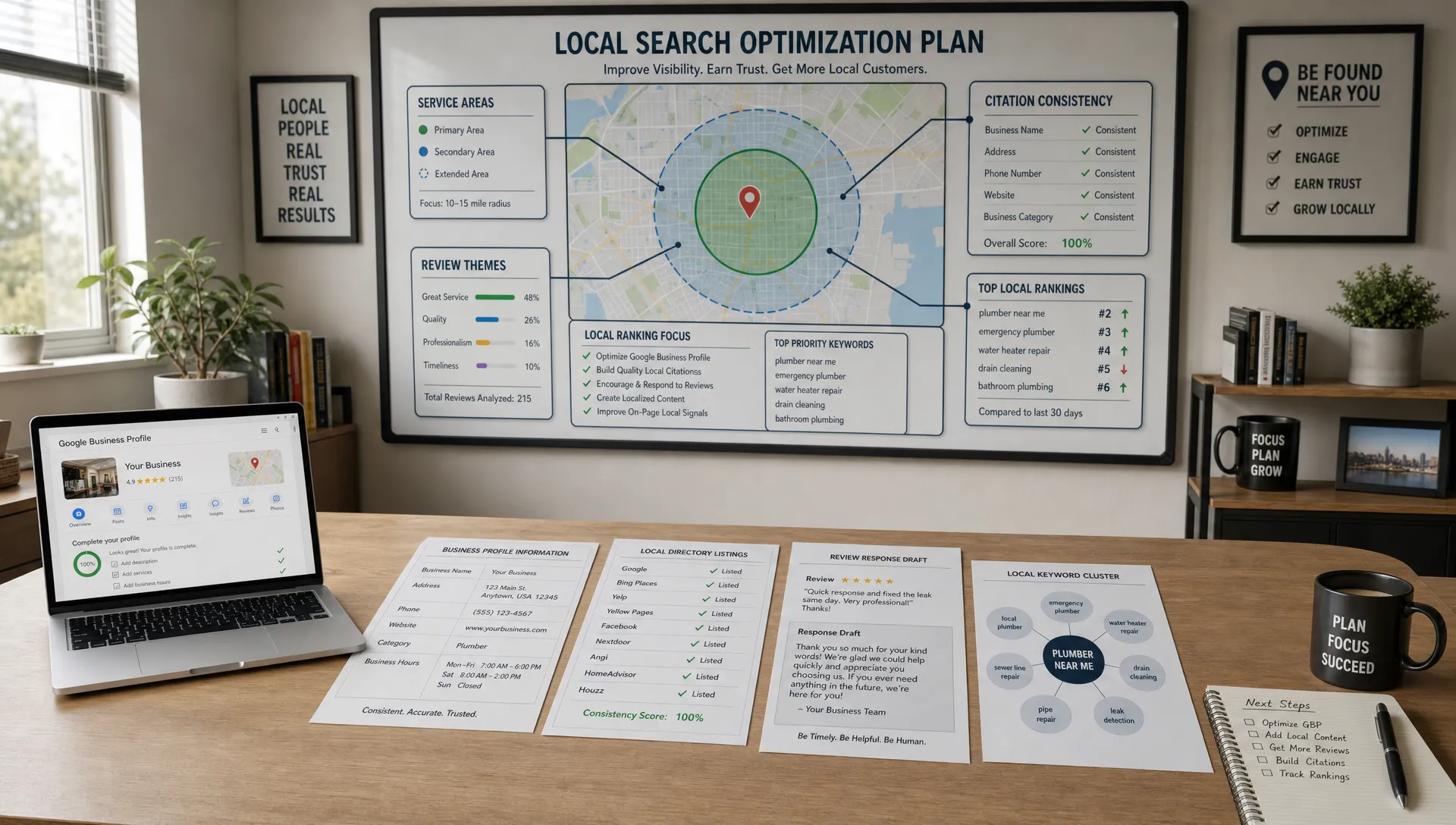
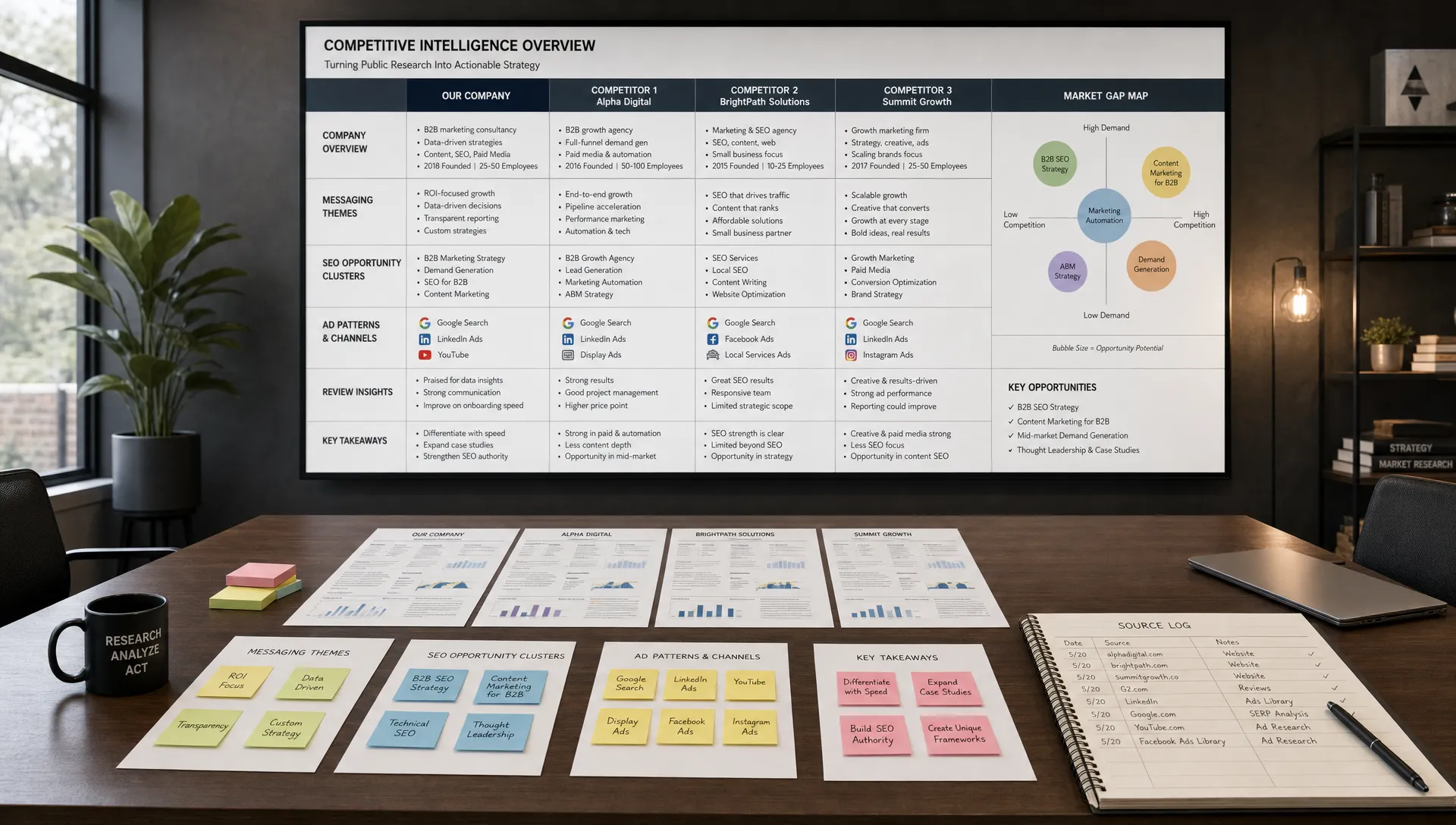
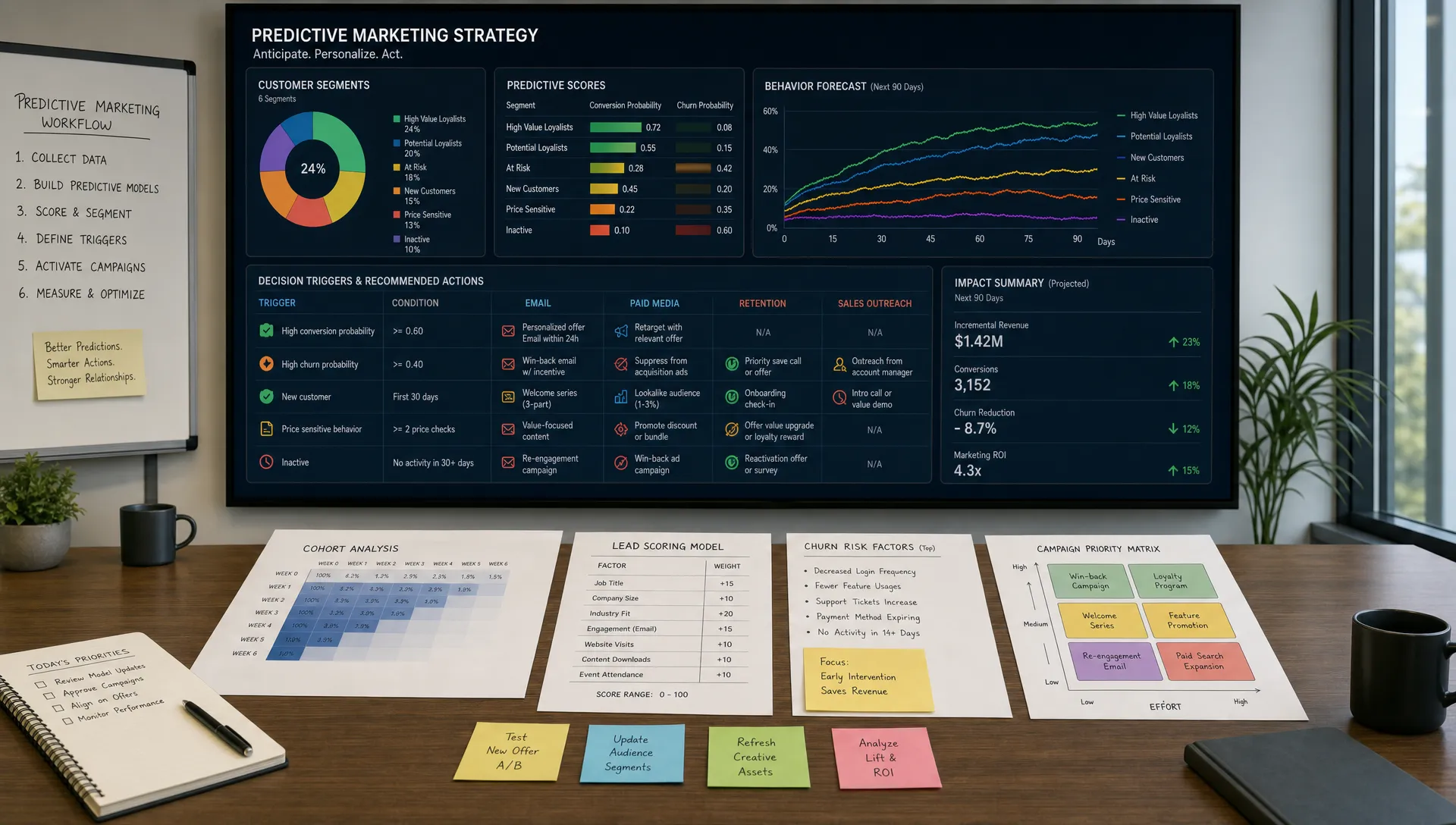
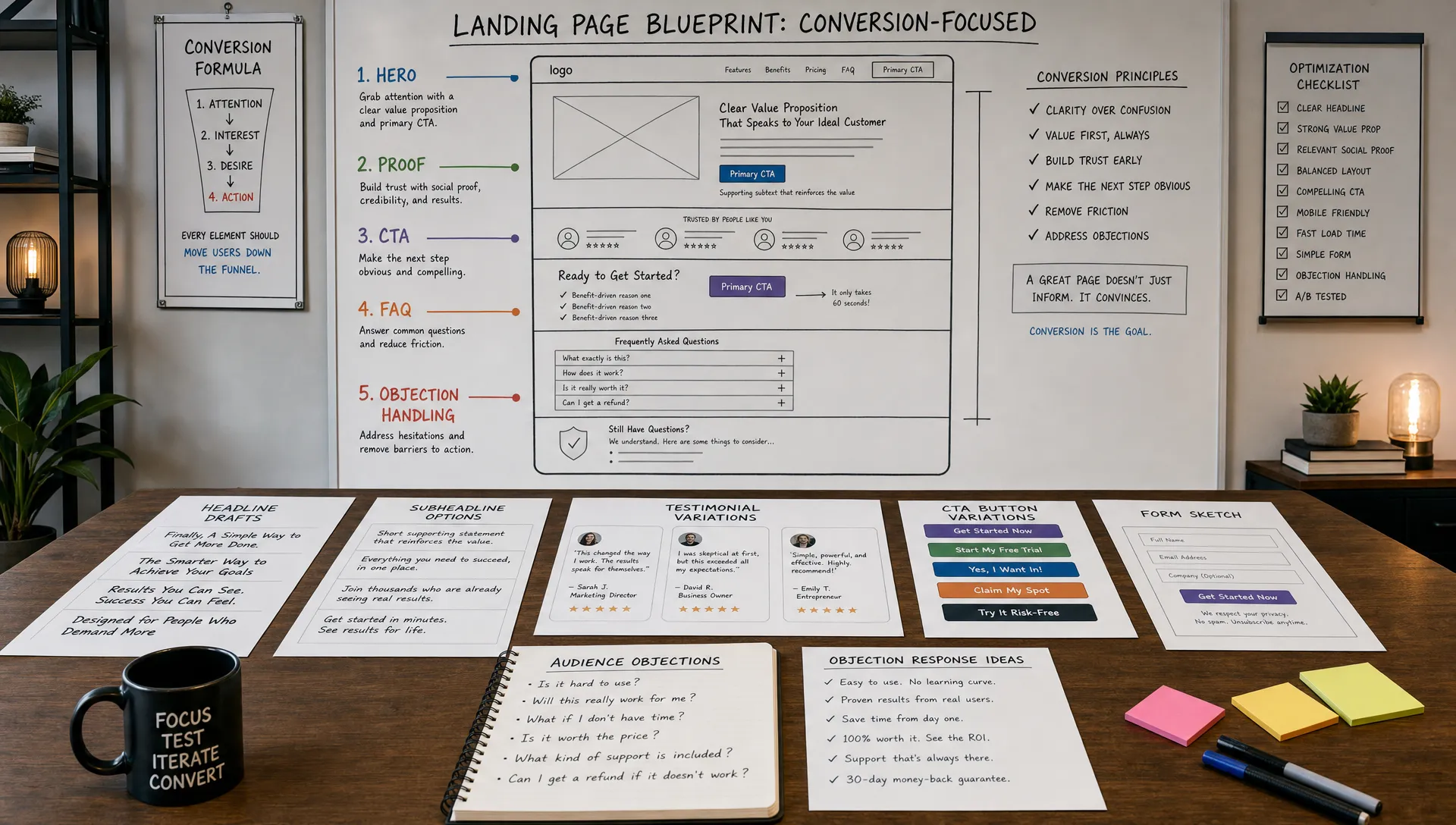
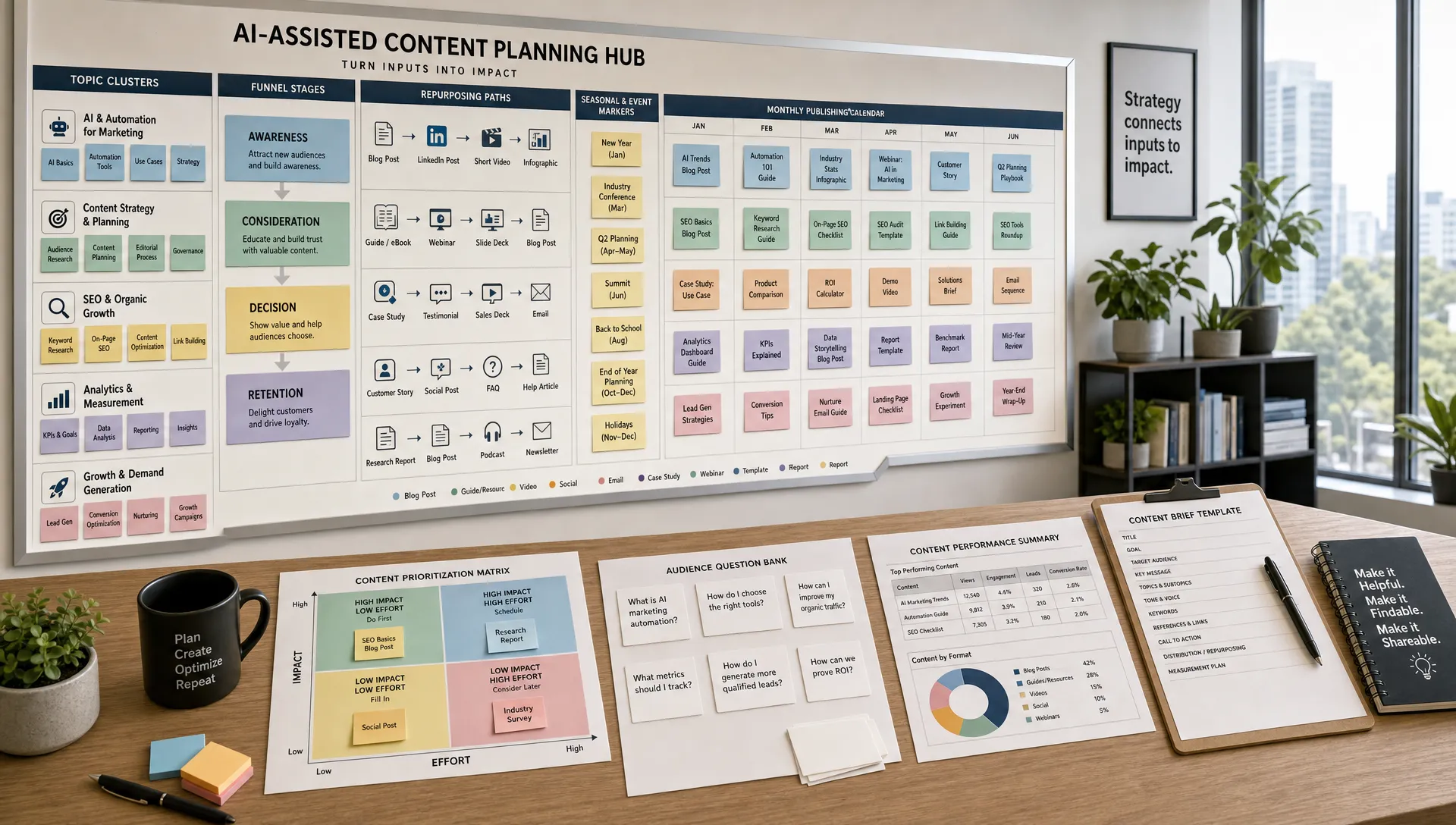
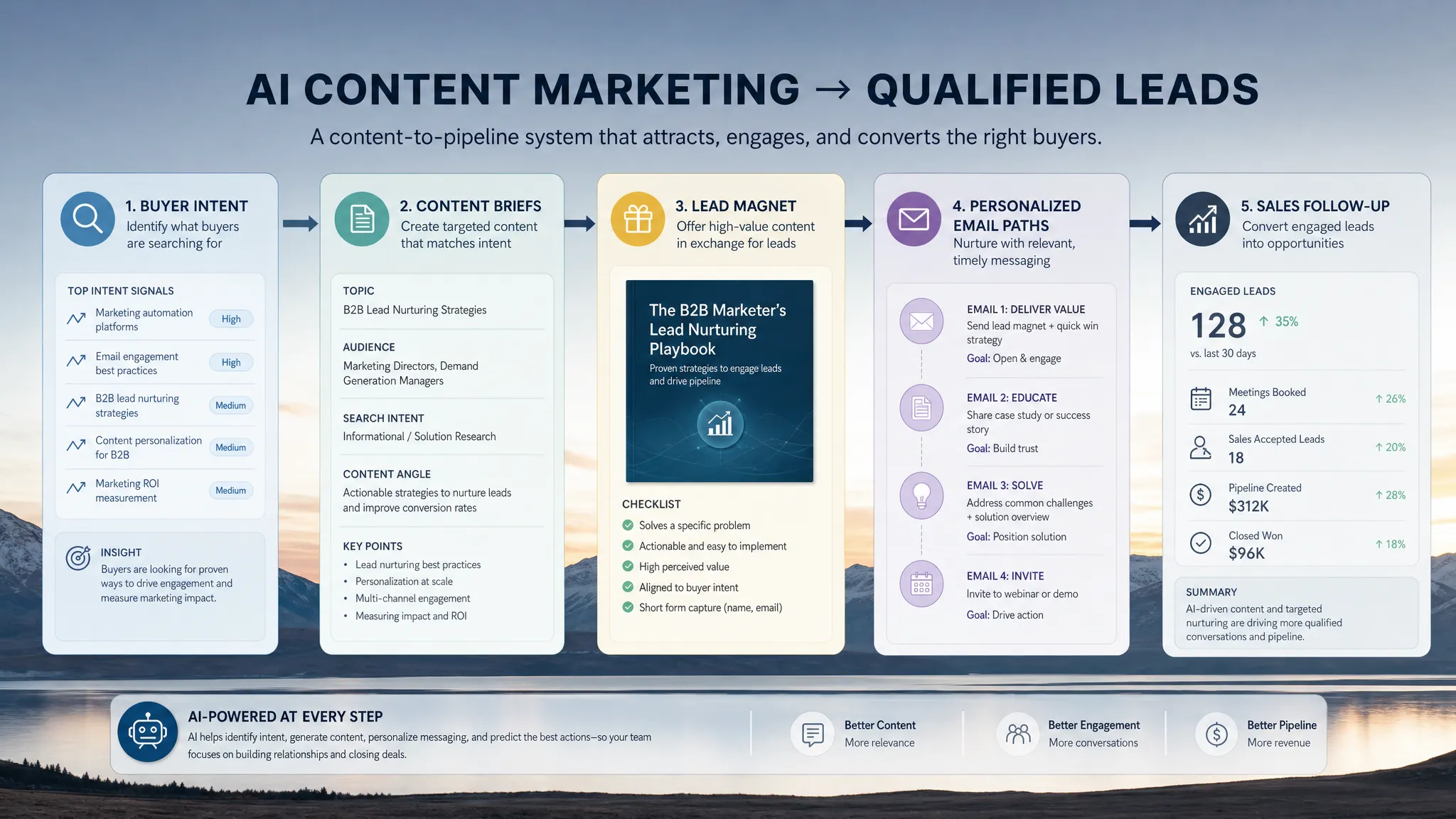
Great blog posts do not come from simply asking AI to “write an article.” They come from clear strategy, sharp positioning, useful source material, and prompts that turn your marketing goals into specific writing instructions.
That is why the best marketing prompts for blog writing work less like magic commands and more like reusable creative briefs. They help you define who the article is for, what the reader needs, how the post should be structured, and where the content must add a point of view.
Below, you will find practical prompts you can copy, customize, and use across your blog workflow, from idea validation to SEO optimization and final editing.
A weak prompt asks for output. A strong prompt gives direction.
For example, “Write a blog post about AI marketing” is too broad. It gives the AI no audience, no objective, no search intent, no brand voice, and no reason for the reader to trust the article. A better prompt explains the target reader, the stage of awareness, the article goal, the desired structure, and any constraints.
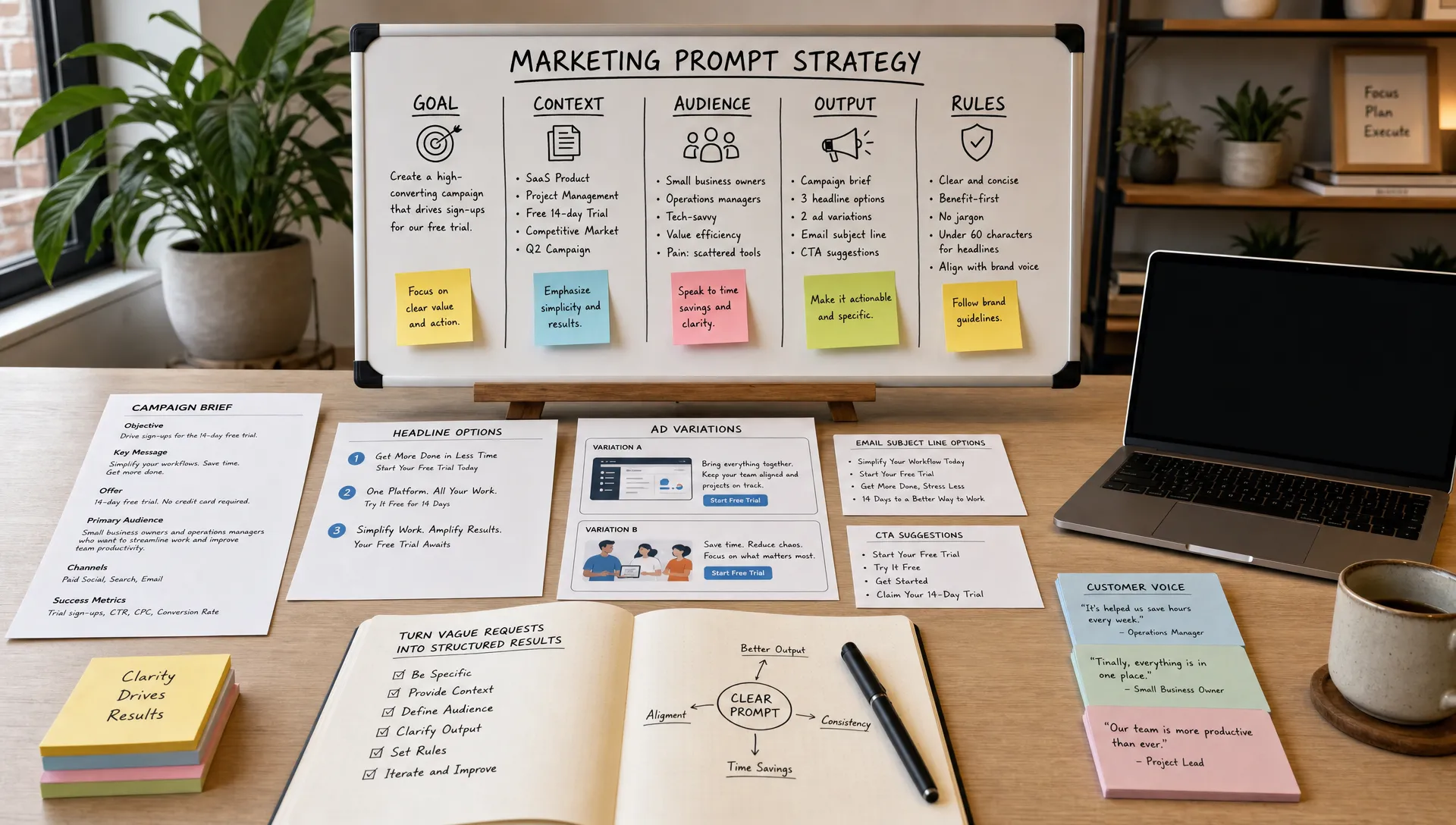
A strong marketing prompt usually includes:
This structure matters because blog content must satisfy both readers and search engines. Google’s guidance on helpful, reliable, people-first content emphasizes usefulness, originality, and trust. AI can support that process, but the prompt has to guide it toward substance, not generic filler.
If you are building a broader AI content workflow, AIMarketer Hub also has a useful guide on how AI for content creation saves time and scales output, which pairs well with the prompt templates below.
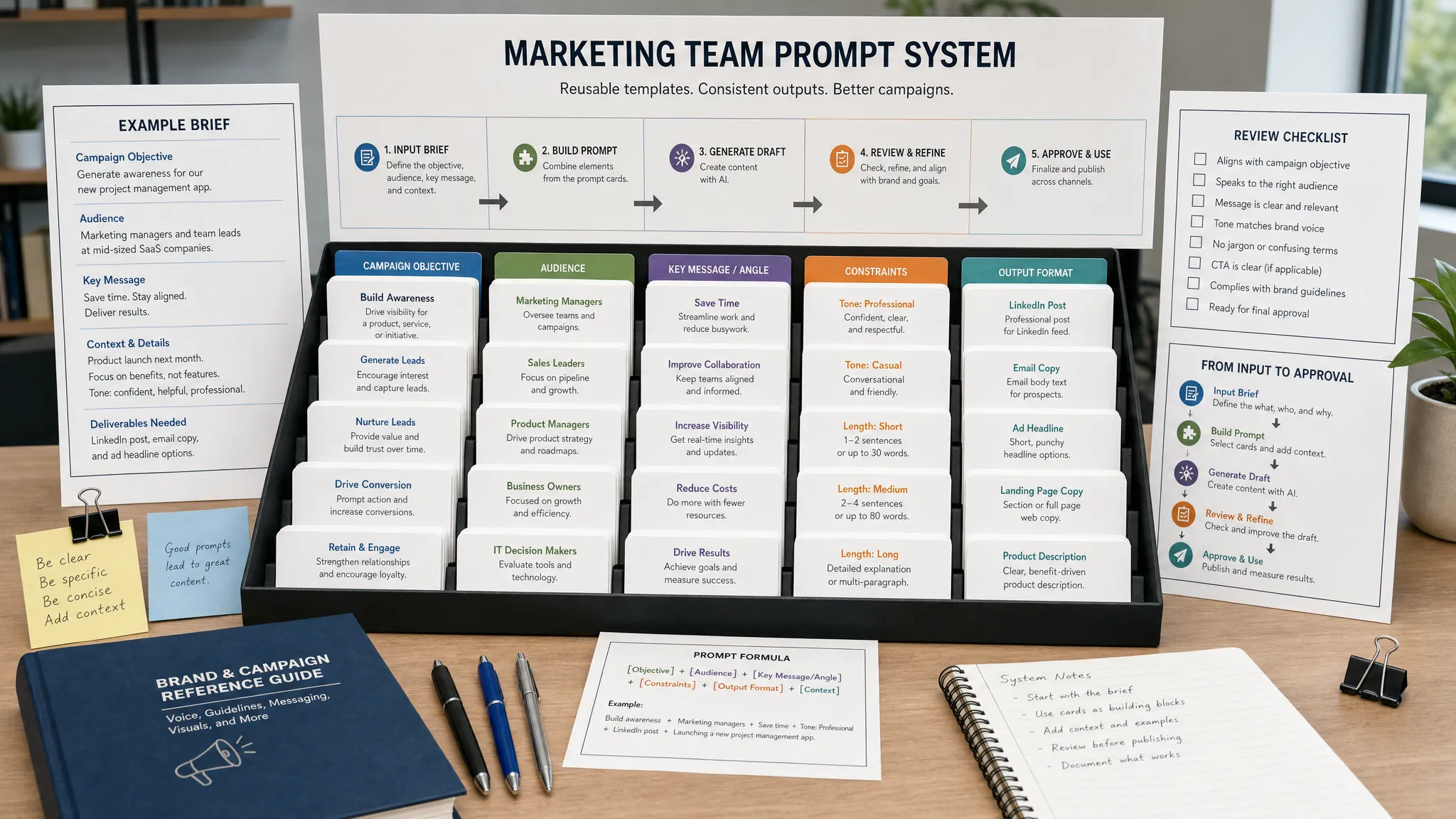
Before jumping into the prompt library, use this simple formula whenever you create your own:
Act as [role]. Create [content type] for [audience] who wants to [goal]. Focus on [angle]. Use [source material]. Follow [format]. Avoid [constraints]. Optimize for [success metric].
Here is what that looks like in practice:
Act as an SEO content strategist. Create a detailed blog outline for B2B marketing managers who want to understand how AI marketing automation can reduce repetitive campaign tasks. Focus on practical use cases, risks, and implementation steps. Use the notes below as source material. Include H2s, H3s, search intent notes, and suggested examples. Avoid hype, unsupported claims, and generic advice. Optimize for clarity, search relevance, and reader trust.
Once you understand this formula, you can adapt prompts for different blog goals: educational articles, comparison posts, thought leadership pieces, product-led content, tutorials, and SEO refreshes.
Use these prompts as starting points. Replace the bracketed text with your own audience, topic, offer, keywords, and source material. The more specific your input, the stronger the output will be.
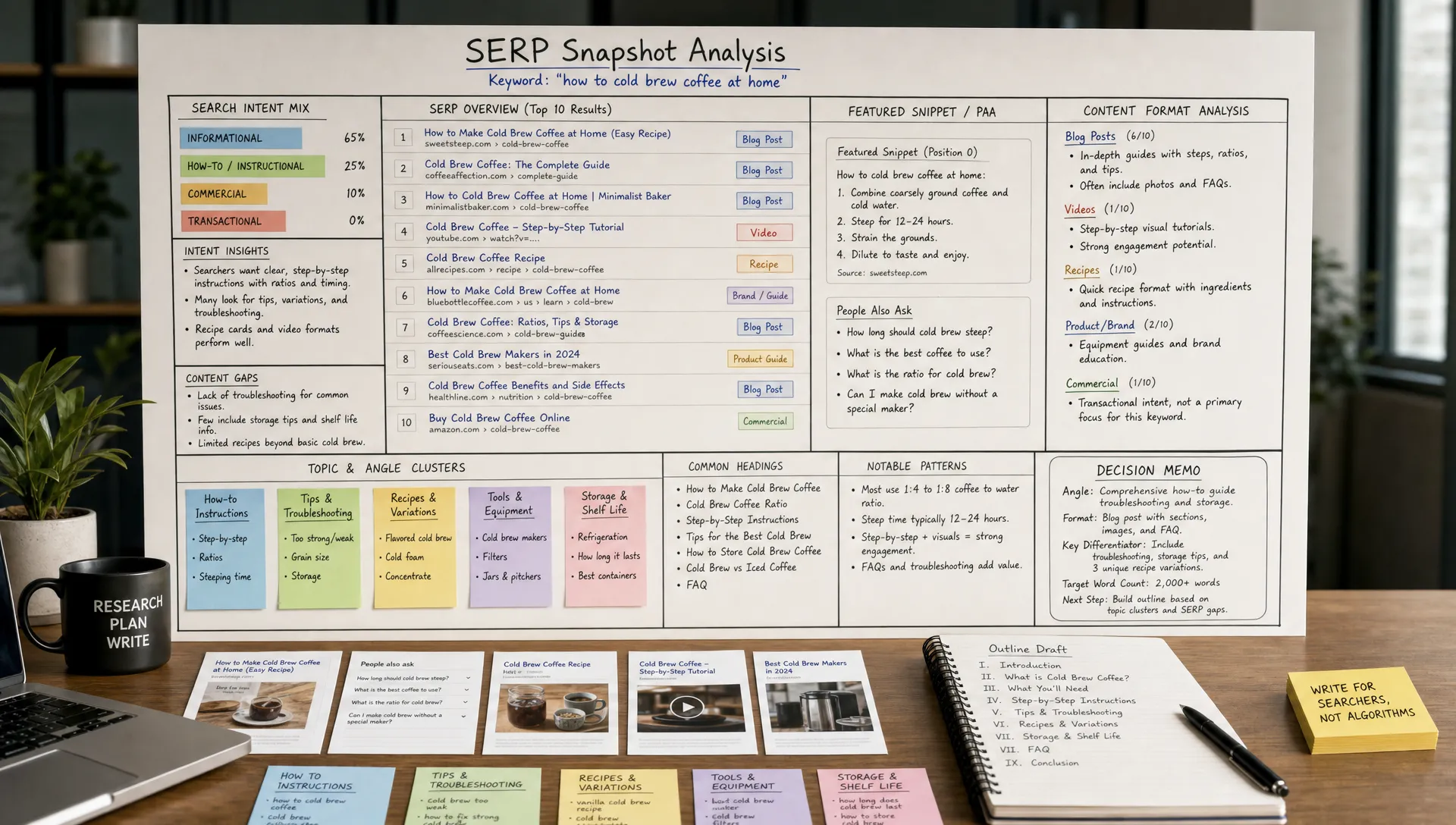
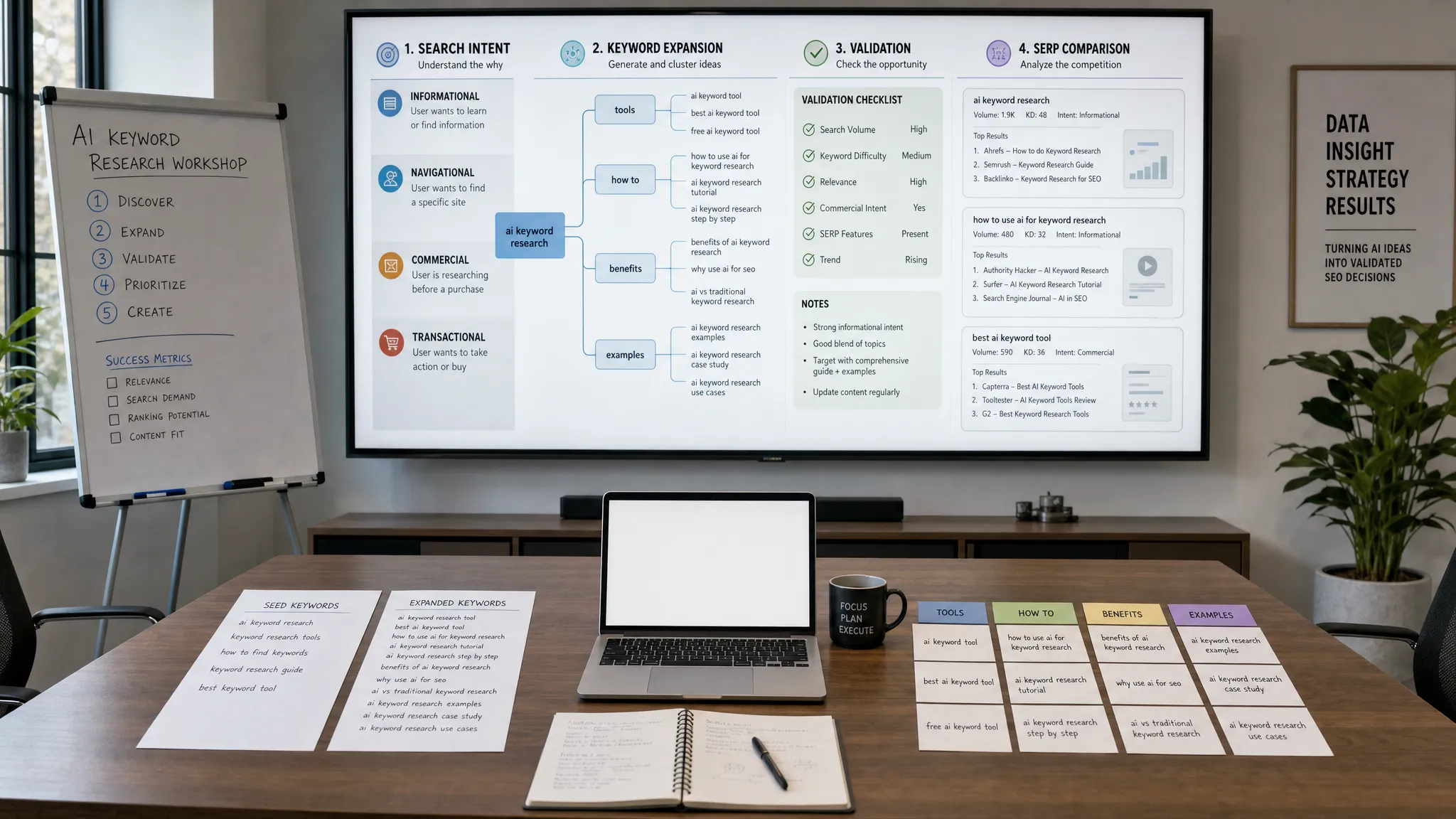
Before writing a blog post, clarify why someone would search for the topic. This prompt helps you avoid writing an article that ranks for the wrong intent or misses the reader’s real question.
Act as an SEO strategist and content marketer. Analyze the search intent behind the topic “[topic or headline].” Identify whether the intent is informational, commercial, transactional, or navigational. Describe what the reader likely knows already, what they are trying to accomplish, what objections or questions they may have, and what a high-quality blog post must include to satisfy the intent. Then suggest the best content angle for a brand that offers [product, service, or resource].
Use this prompt before creating an outline. It can help you decide whether the post should be a beginner’s guide, a checklist, a comparison, a tutorial, or a conversion-focused article.
Good marketing content is built around tension. The reader has a problem, delay, risk, confusion, or missed opportunity. This prompt helps uncover those drivers.
Act as a customer research analyst. For the blog topic “[topic],” identify the main pain points, frustrations, fears, goals, and buying triggers of [target audience]. Group the insights into practical themes. For each theme, explain how a blog article could address it with useful advice, examples, or decision support. Avoid clichés and focus on specific, real-world marketing challenges.
This is especially useful for blog posts aimed at marketers, founders, consultants, and small teams, where the real pain may be lack of time, unclear ROI, limited tools, or pressure to produce more content.
Many AI-assisted blog posts sound similar because they answer the obvious question in the obvious way. This prompt pushes for differentiation.
Act as a senior content strategist. I am writing a blog post titled “[headline].” Generate 10 distinct angles for this article that would make it more useful, specific, or memorable than generic content already ranking for this topic. For each angle, explain the target reader, the core promise, the contrarian or fresh perspective, and what examples or evidence would make it credible.
A strong angle might focus on small marketing teams, SaaS companies, local businesses, legal firms, finance brands, or content operations. The narrower the angle, the easier it is to create useful examples.
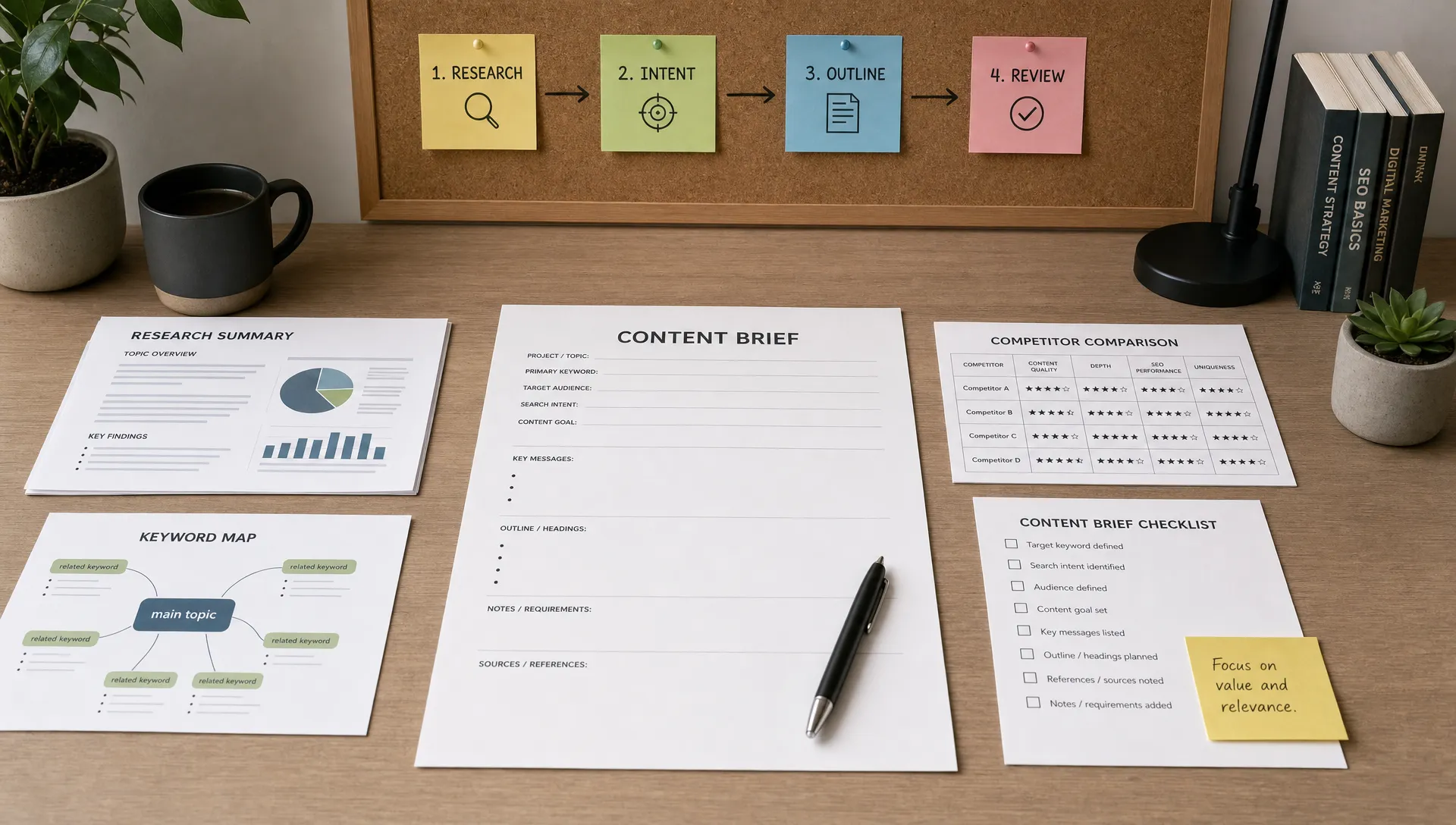
Once you understand intent and angle, turn the idea into a structured outline. This prompt is designed for blog writing that is both reader-friendly and search-aware.
Act as an SEO editor. Create a detailed blog outline for the headline “[headline].” The target audience is [audience]. The primary goal is to help readers [goal]. Include a compelling introduction direction, H2 sections, H3 subsections where helpful, key points to cover, suggested examples, internal linking opportunities, and FAQ questions. Make the structure logical, non-repetitive, and aligned with people-first SEO. Do not keyword stuff.
This is a good place to include your primary keyword, but do not force every related phrase into the outline. Search engines have become better at understanding meaning, so clarity and completeness matter more than repetition.
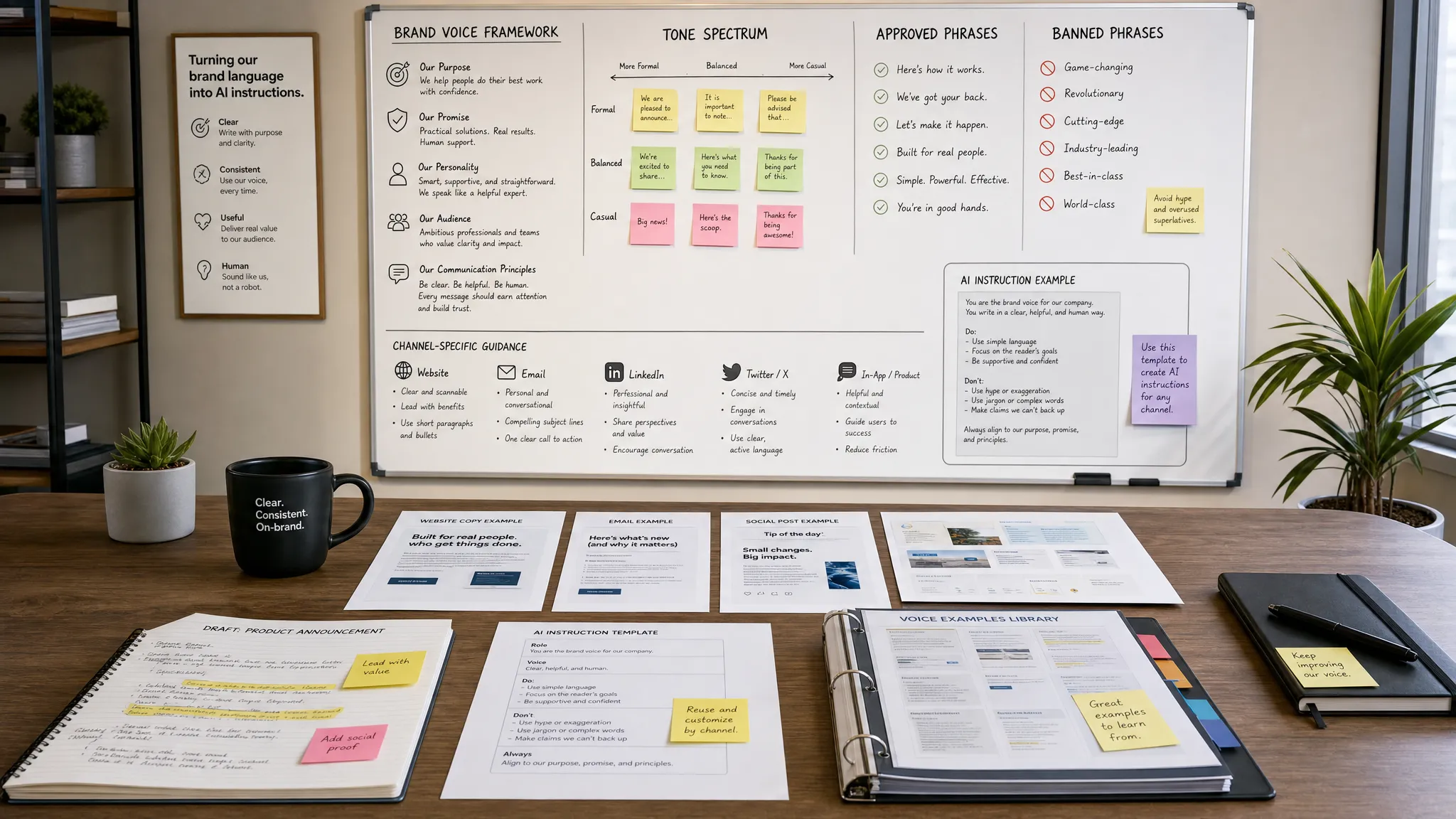
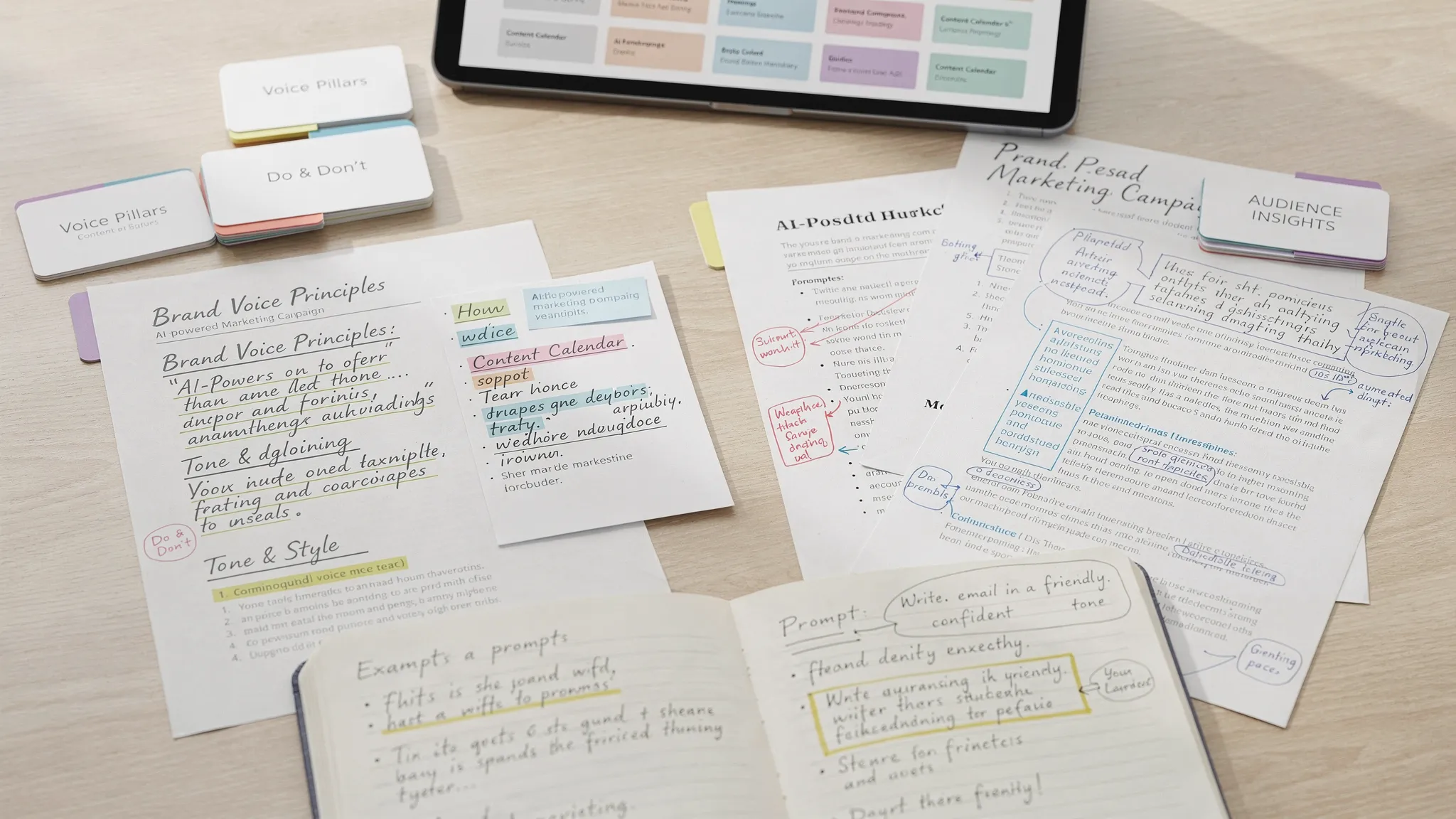
AI can quickly drift into a generic “professional blog” tone. If your brand voice matters, and it should, calibrate it before drafting.
Act as a brand voice editor. Rewrite or guide the blog content for the following brand voice: [describe tone, style, personality, and words to use or avoid]. The audience is [audience]. The article topic is “[topic].” Create a short brand voice checklist for this article, including tone, sentence style, level of detail, examples to use, and phrases to avoid. Then apply that checklist to any draft I provide.
For teams using AI across multiple channels, this prompt can prevent inconsistency between blog articles, landing pages, email campaigns, and social posts. You can also explore AIMarketer Hub’s guide on using AI for marketing without losing your brand voice for a deeper brand governance approach.
The best AI-written content usually starts with human expertise. Use this prompt to turn subject matter expert notes, interviews, customer calls, or internal documents into a useful brief.
Act as a content strategist. Turn the following source material into a blog writing brief for “[headline].” Extract the strongest insights, examples, quotes, data points, claims that need verification, and potential article sections. Identify gaps where more research or expert input is needed. Do not invent facts. Clearly separate confirmed information from assumptions.
This prompt is valuable because it keeps AI grounded in real input. It also helps writers and editors spot unsupported claims before they become part of the draft.

Your introduction has one job: make the reader believe the article is worth their time. This prompt helps generate options without settling for a bland opening.
Act as a blog editor. Write five different introduction options for a blog post titled “[headline].” The audience is [audience]. The article should address [pain point] and promise [outcome]. Make each introduction concise, specific, and relevant. Avoid generic openings like “In today’s digital world.” After the five options, explain which one is strongest and why.
Ask for multiple introductions rather than one. This gives you options based on pain, curiosity, data, story, or direct problem framing.
When you are ready to draft, do not ask AI to write from nothing. Feed it the outline, audience, voice notes, source material, and constraints.
Act as an experienced marketing writer. Write a first draft of a blog article using the outline and source material below. The target audience is [audience]. The article goal is [goal]. Use a clear, practical, and authoritative tone. Include examples where they help the reader understand the point. Do not invent statistics, quotes, product features, or case studies. If information is missing, mark it as [needs source] instead of guessing. Keep the writing natural and avoid keyword stuffing.
This prompt is intentionally strict about not inventing information. That matters for credibility, especially in industries such as finance, legal, healthcare, SaaS, and B2B services.
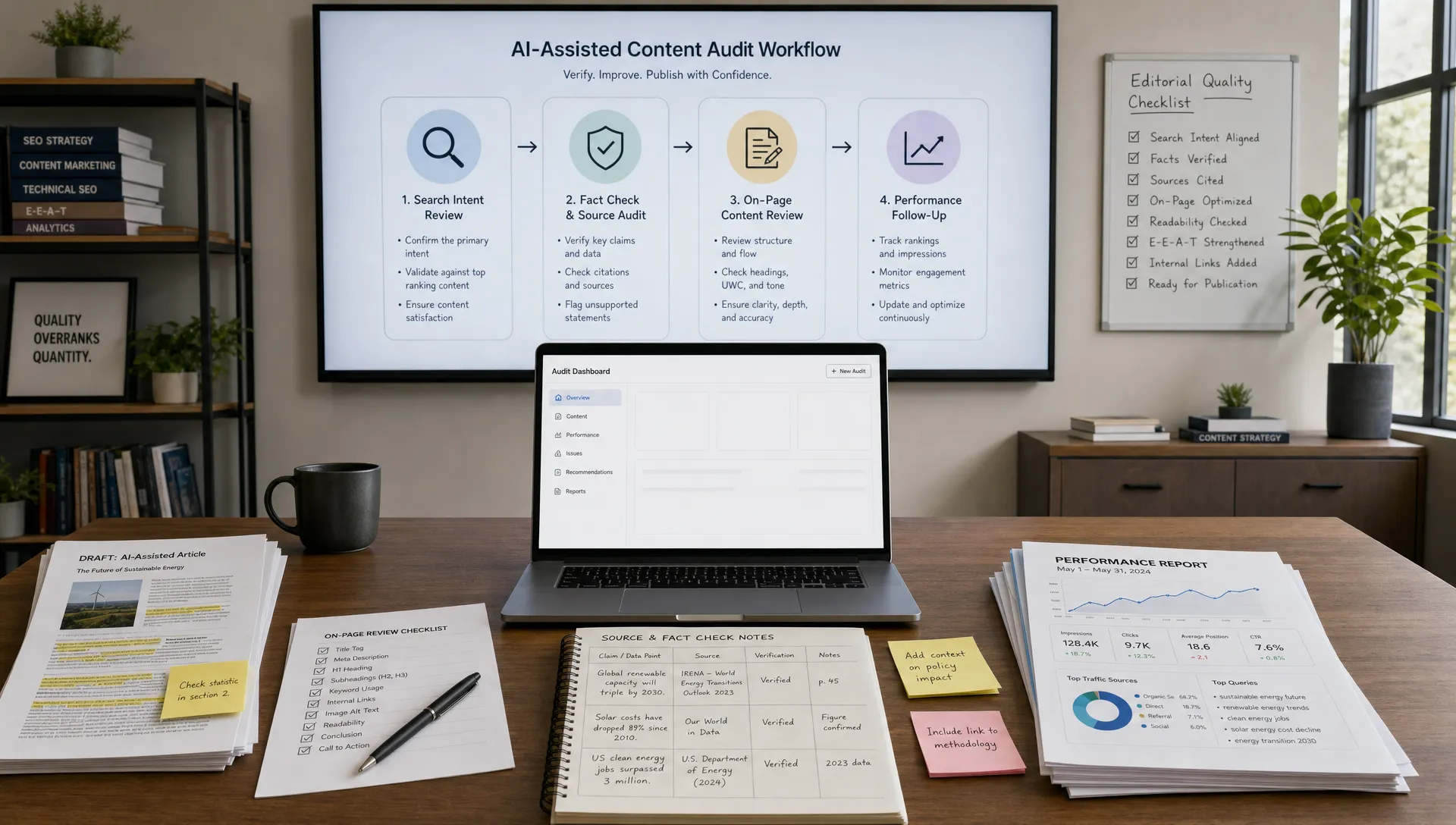
SEO editing should not turn your article into a list of repeated keywords. Use this prompt after the draft exists.
Act as an SEO editor. Review the blog draft below for search relevance, structure, clarity, and completeness. Suggest improvements to headings, internal links, meta description, introduction, FAQ, and topic coverage. Identify sections that feel thin, repetitive, or off intent. Recommend natural places to include related concepts, but do not force keywords. Prioritize reader usefulness and accuracy.
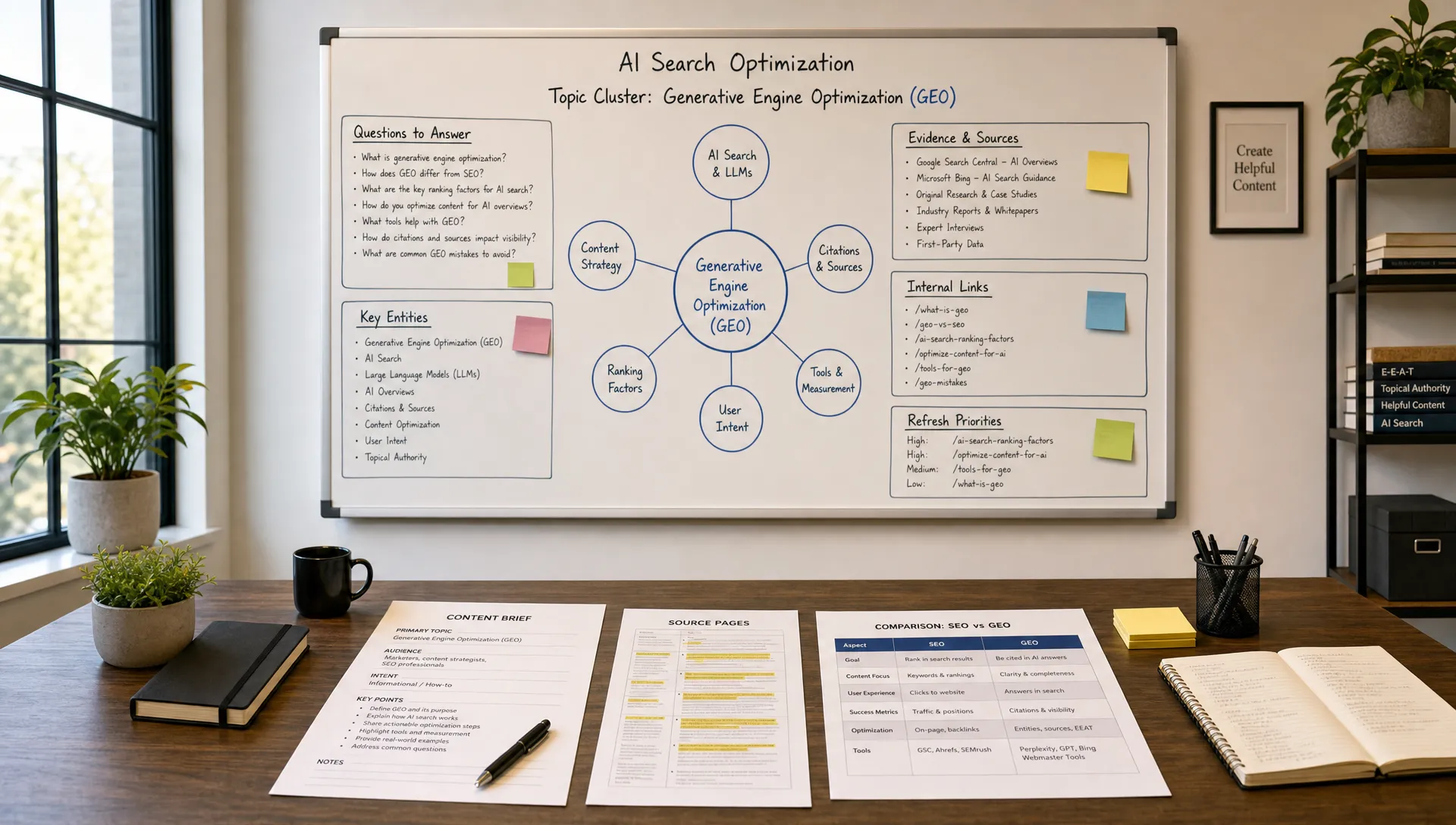
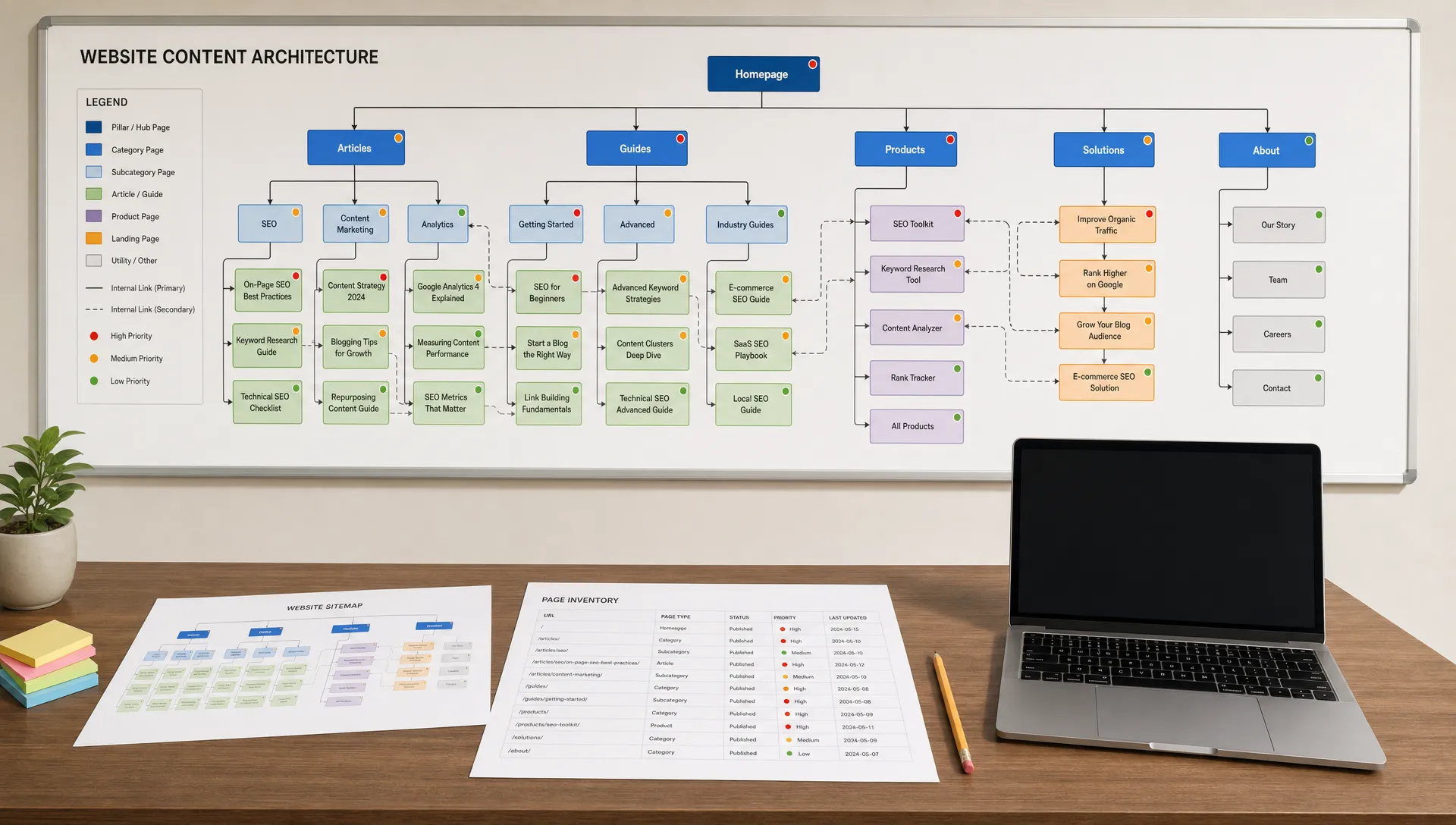
This is also a good stage to review your internal links. For example, if your article mentions AI-powered analytics or search optimization, linking readers to a relevant guide on AI SEO tools for small teams can make the article more helpful and improve site architecture.
A common weakness in AI-assisted writing is surface-level coverage. This prompt asks the AI to challenge the draft and find missing substance.
Act as a skeptical content editor and subject matter expert. Review this blog draft and identify where the content is too generic, obvious, or unsupported. For each weak section, suggest a more specific improvement, such as an example, framework, statistic to verify, expert quote to add, customer scenario, or practical step. Do not rewrite the full article unless asked.
Use this prompt before publishing. It helps you move from “technically complete” to genuinely useful.
Not every blog post should push aggressively for a sale. But most marketing articles should guide the reader toward a logical next step, such as downloading a resource, trying a tool, reading a related guide, or booking a consultation.
Act as a conversion copywriter. Create three call-to-action options for a blog post titled “[headline].” The audience is [audience]. The reader has just learned [main takeaway]. The offer is [offer or next step]. Make the CTA helpful, relevant, and non-pushy. Provide one soft CTA, one educational CTA, and one action-oriented CTA.
The best CTA depends on intent. A top-of-funnel educational post may invite readers to explore a guide. A middle-of-funnel post may offer a checklist or tool. A bottom-of-funnel article may invite a demo, consultation, or product trial.
Use this prompt for polish, not strategy. It helps tighten the article without flattening the voice.
Act as a senior blog editor. Edit the draft below for clarity, flow, grammar, readability, and consistency. Preserve the meaning, brand voice, and important details. Reduce repetition, strengthen transitions, and make the article easier to scan. Do not remove useful examples or make the writing sound generic. After editing, list the most important changes you made.
Even with this prompt, a human editor should do the final review. AI can miss nuance, over-smooth strong opinions, or fail to notice when a claim needs verification.
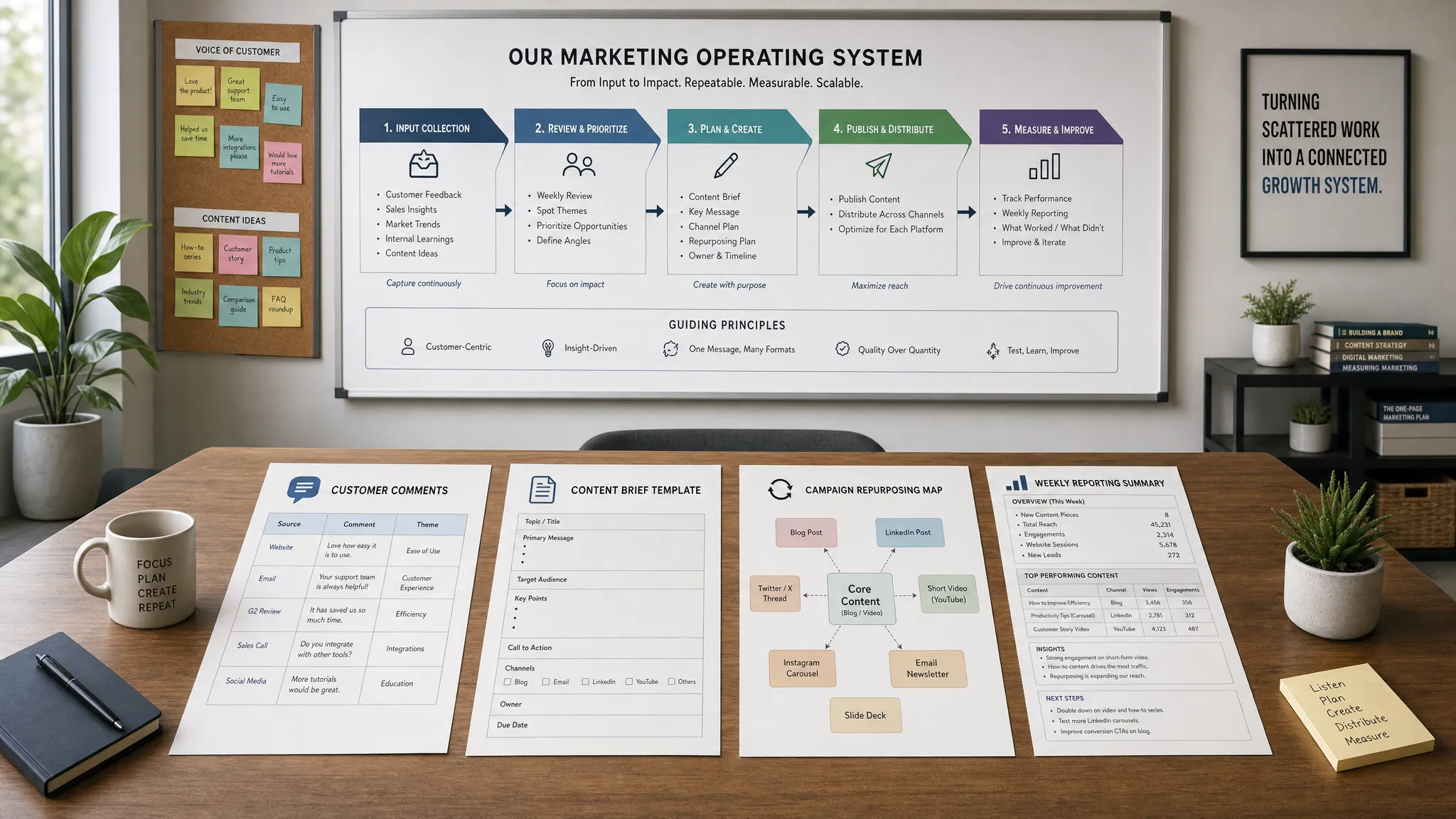
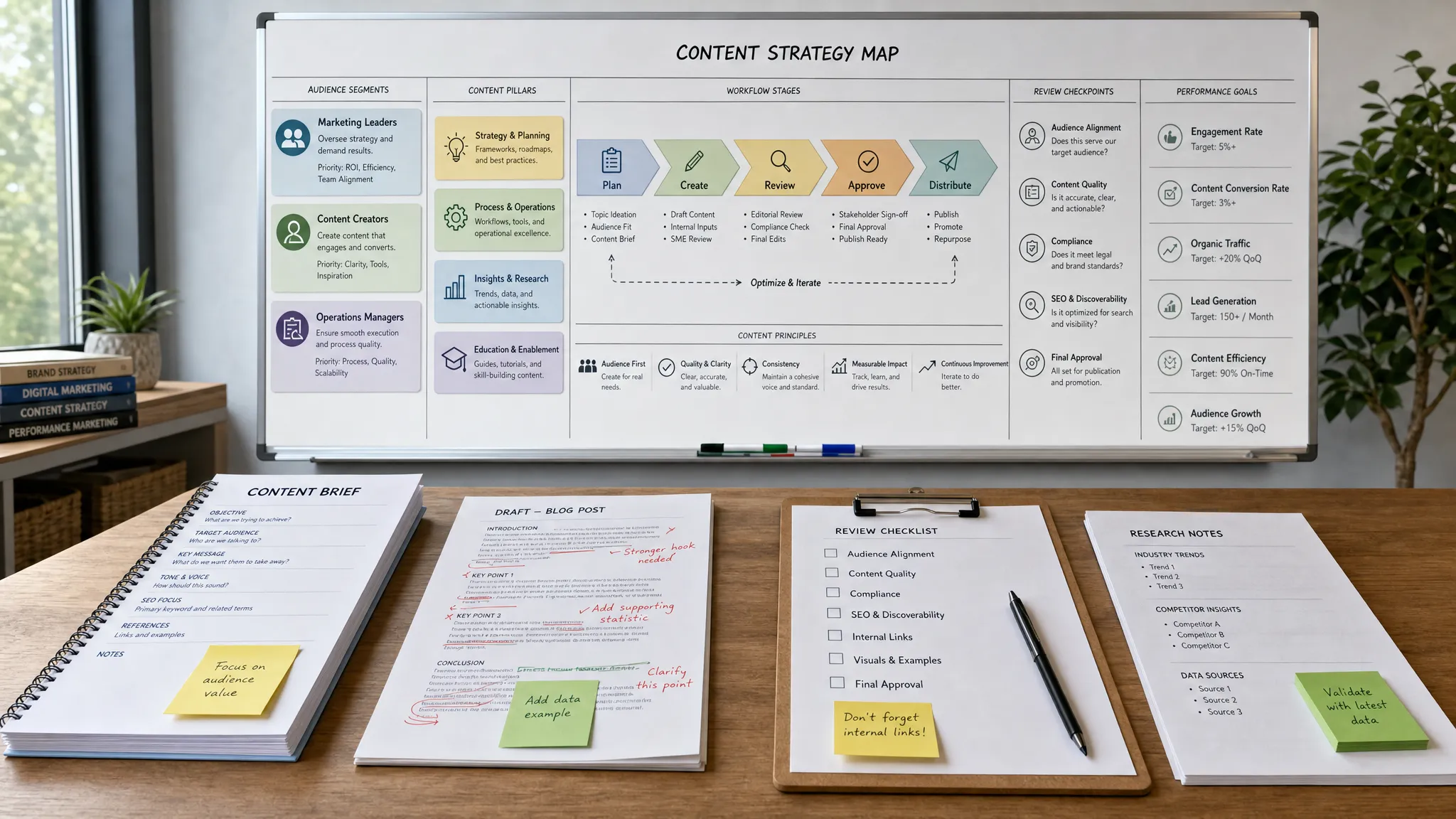
You do not need to use every prompt for every article. For a simple blog post, you might only need search intent, outline, draft, and final edit prompts. For a high-value SEO article or thought leadership piece, you may want a fuller workflow.
A practical blog writing workflow looks like this:
The key is to separate thinking from writing. If you ask AI to strategize, outline, draft, optimize, and edit in one prompt, the result often becomes shallow. Better inputs at each stage produce better outputs.
Different blog goals require different prompt instructions. Here are a few examples you can adapt.
Act as a thought leadership editor. Help me develop a strong point of view for a blog article about “[topic].” The audience is [senior audience]. Identify the common industry belief, what this article should challenge or reframe, and how to support the argument with practical examples. Avoid vague predictions and make the argument useful for decision-makers.
Use this when you want the article to shape perception, not just answer a keyword.
Act as a product-led content strategist. Create a blog outline for “[headline]” that teaches the reader how to solve [problem] while naturally showing where [product category or solution] fits. Keep the article educational first. Include moments where a tool, workflow, or framework would help, but avoid sounding like a sales page.
This works well when your blog supports demand generation and product education.
Act as a neutral comparison writer. Create a fair, useful blog section comparing [option A] and [option B] for [audience]. Compare them based on use case, cost considerations, learning curve, scalability, limitations, and best fit. Avoid making unsupported claims. End with guidance on how readers should choose.
Comparison posts need balance. If they feel biased or thin, readers will not trust them.
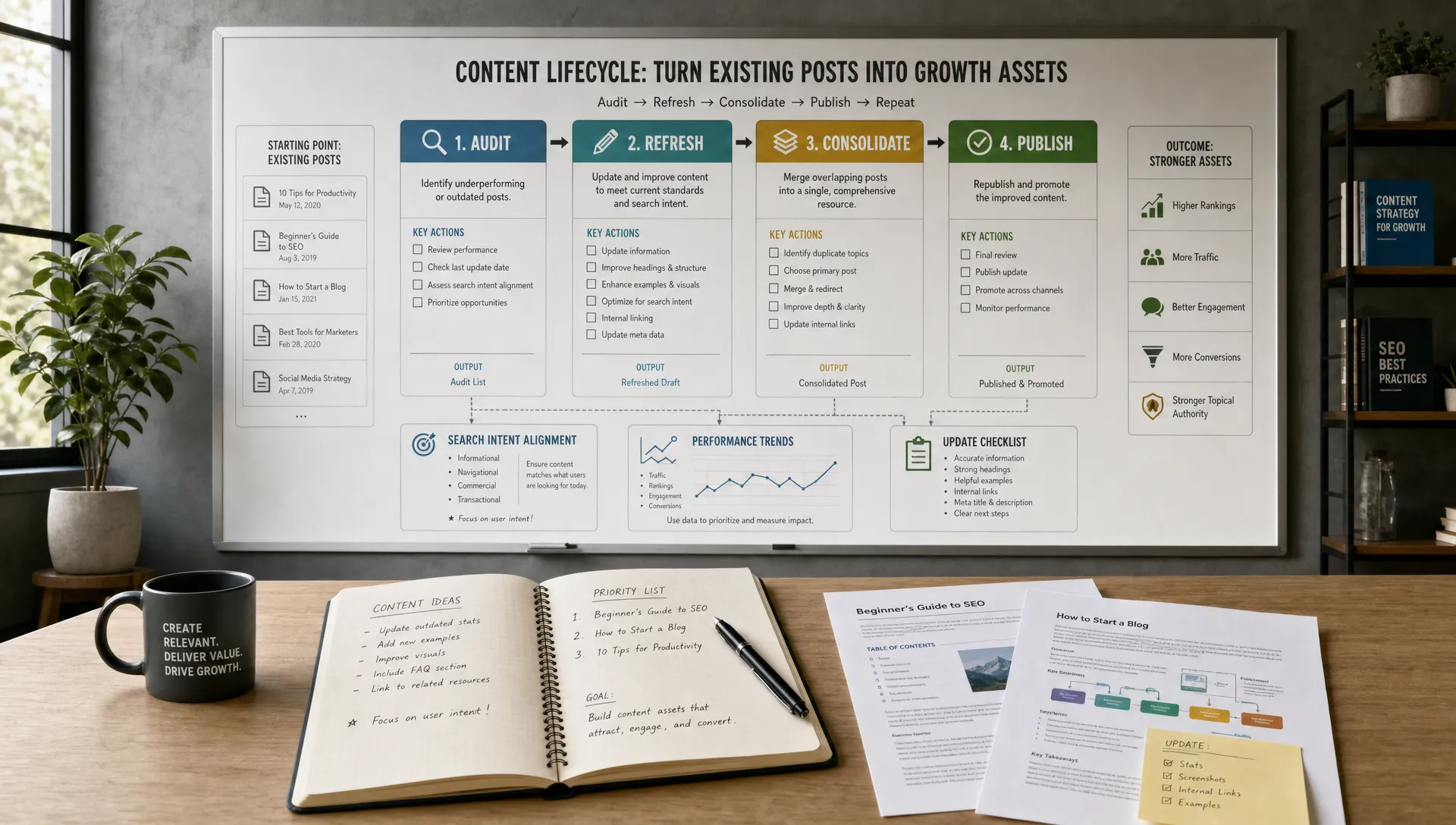
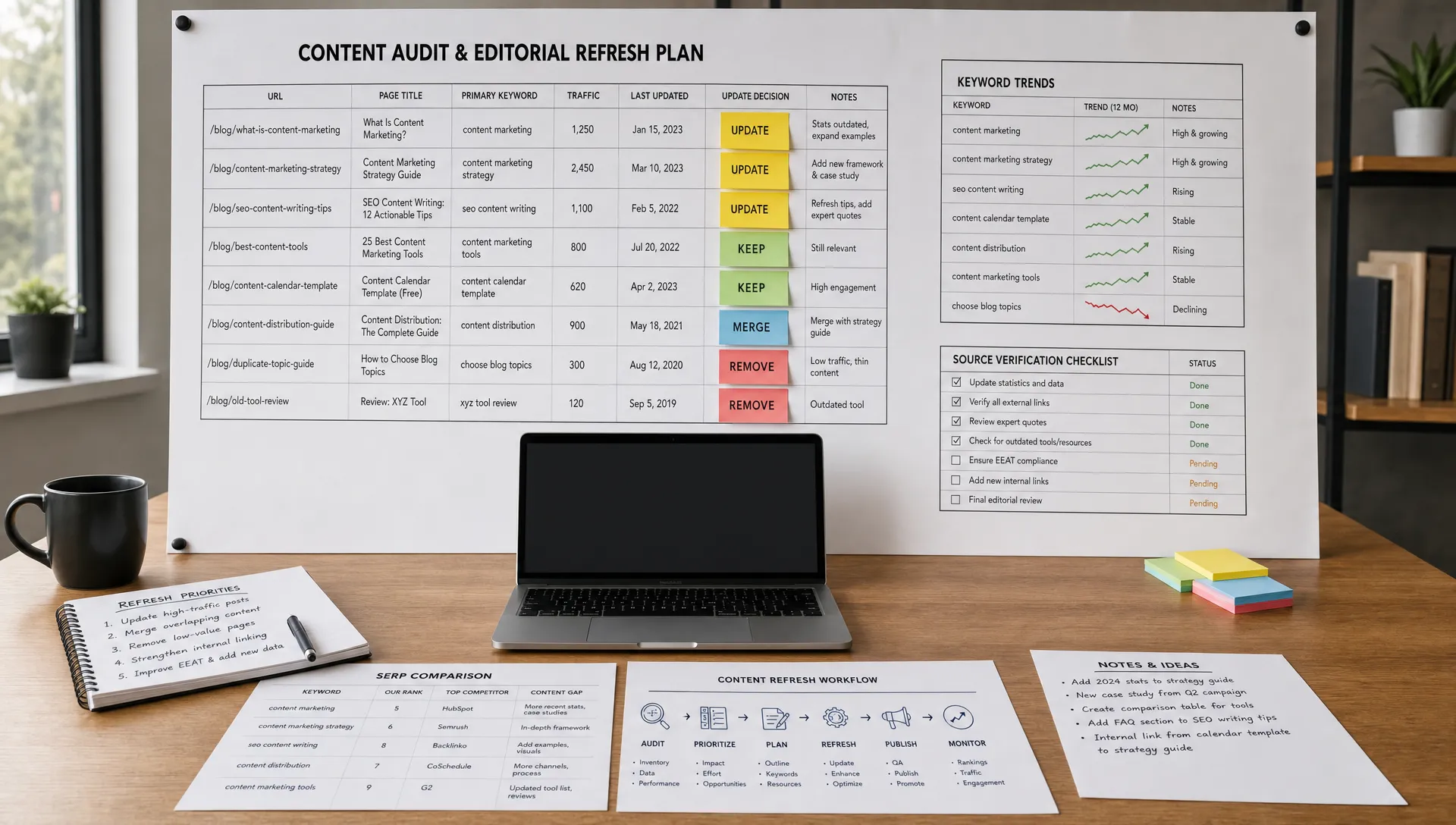
Act as an SEO content refresh specialist. Review this existing blog article and suggest updates for accuracy, freshness, search intent alignment, structure, examples, internal links, and missing FAQs. Identify outdated claims and sections that should be expanded, removed, or rewritten. Keep the strongest existing content where possible.
Refreshing content is often faster than creating new articles from scratch, especially if the original page already has impressions or backlinks.
AI prompts can improve speed and consistency, but they can also create problems if your process is too loose. Watch for these common mistakes.
If you start with “write a 1,500-word article,” you skip the strategic thinking that makes the article useful. Always clarify intent, audience, and angle first.
A keyword is not a strategy. A prompt that says “include AI marketing, AI tools, content creation, and marketing automation” may produce awkward repetition. Instead, explain the topic and let related concepts appear naturally.
Never allow AI to make up statistics, customer examples, expert quotes, tool features, or legal and financial guidance. If a claim matters, verify it with a reliable source or mark it for review.
If every article sounds like generic AI content, your blog becomes forgettable. Keep a brand voice prompt, style guide, or sample article available so AI has a consistent reference point.
AI can accelerate content creation, but it should not replace editorial judgment. A human should check accuracy, originality, positioning, examples, links, formatting, and whether the article actually helps the reader.
If you want one prompt to start with, use this master version. It is best for creating a strong outline or first draft after you have already done basic topic research.
Act as an expert SEO strategist and marketing ghostwriter. I am creating a blog article titled “[headline]” for [brand or website]. The target audience is [audience], and the reader wants to [reader goal]. The article should help them [specific outcome]. Use this angle: [unique angle]. Include practical examples, clear explanations, and trustworthy guidance. Use the following source material: [notes, links, research, customer insights, product details]. Follow this structure: [outline or preferred sections]. Write in this brand voice: [voice description]. Avoid unsupported claims, keyword stuffing, exaggerated hype, and generic advice. If a detail is missing, flag it instead of inventing it. Optimize the article for reader value, search intent, and conversion to [next step].
This master prompt is flexible enough for most blog articles, but it becomes much stronger when paired with the more focused prompts above.
What are marketing prompts for blog writing? Marketing prompts for blog writing are structured instructions that guide AI tools to plan, draft, edit, or optimize blog content for a specific audience, goal, topic, and brand voice.
What should I include in a blog writing prompt? Include the role you want the AI to take, the target audience, article goal, search intent, source material, desired structure, brand voice, constraints, and quality expectations.
Can AI prompts replace a human blog writer? AI prompts can speed up research, outlining, drafting, and editing, but human judgment is still needed for strategy, originality, fact-checking, expertise, and brand alignment.
How do I make AI blog content sound less generic? Give the AI specific audience insights, examples, source notes, brand voice rules, strong opinions, and editing instructions. Ask it to identify generic sections and suggest more specific improvements.
Are prompts useful for SEO blog writing? Yes, prompts can help with search intent analysis, outline structure, internal linking, FAQs, meta descriptions, and content refreshes. They work best when SEO is balanced with helpful, accurate writing.
The best marketing prompts for blog writing are not one-off tricks. They are part of a repeatable content system that helps your team move faster without sacrificing strategy, quality, or trust.
If you want to build stronger AI-assisted marketing workflows, explore AIMarketer Hub for practical guides, AI-powered marketing resources, SEO tools, calculators, and prompt-driven workflows designed for modern marketers.