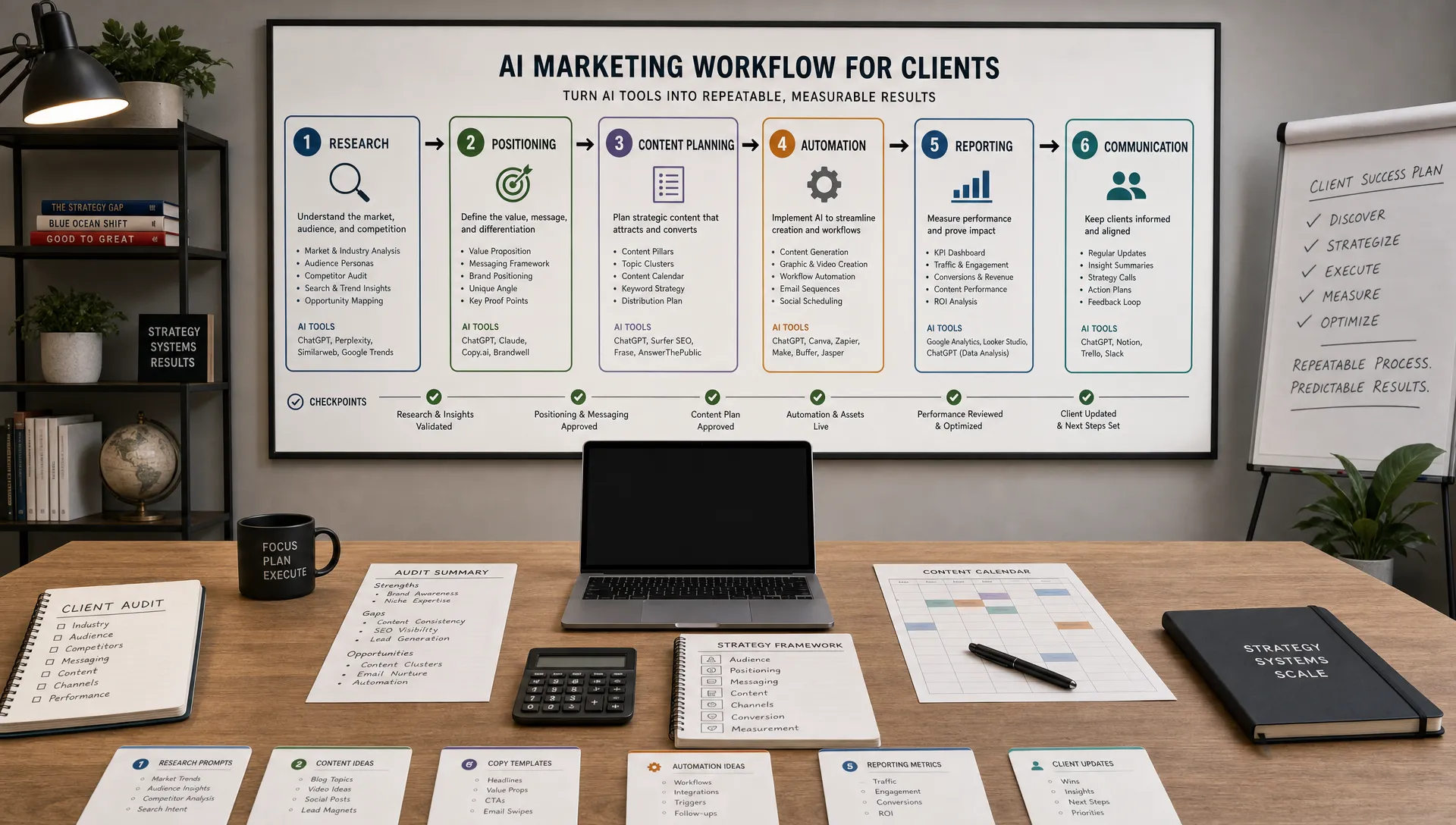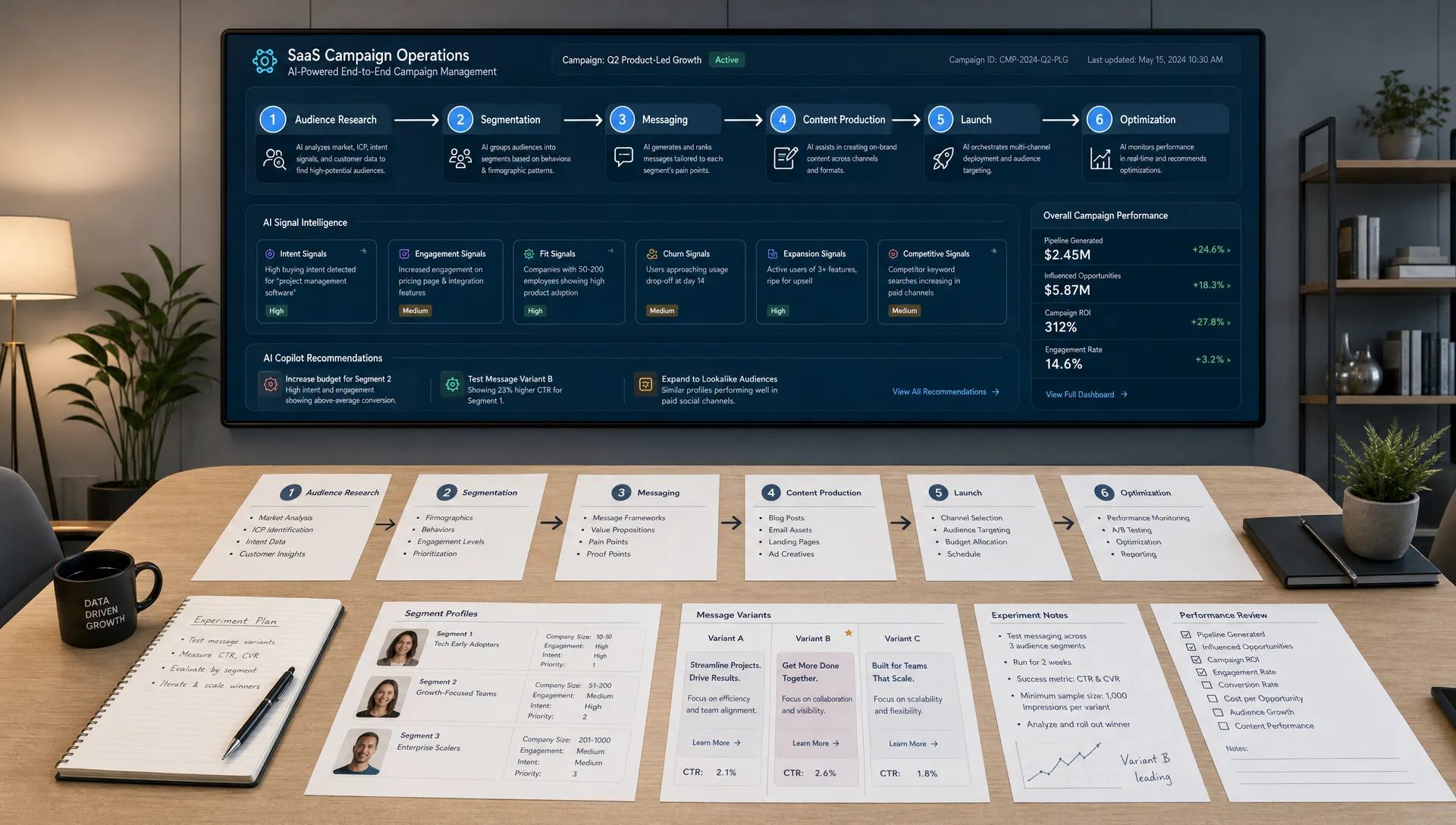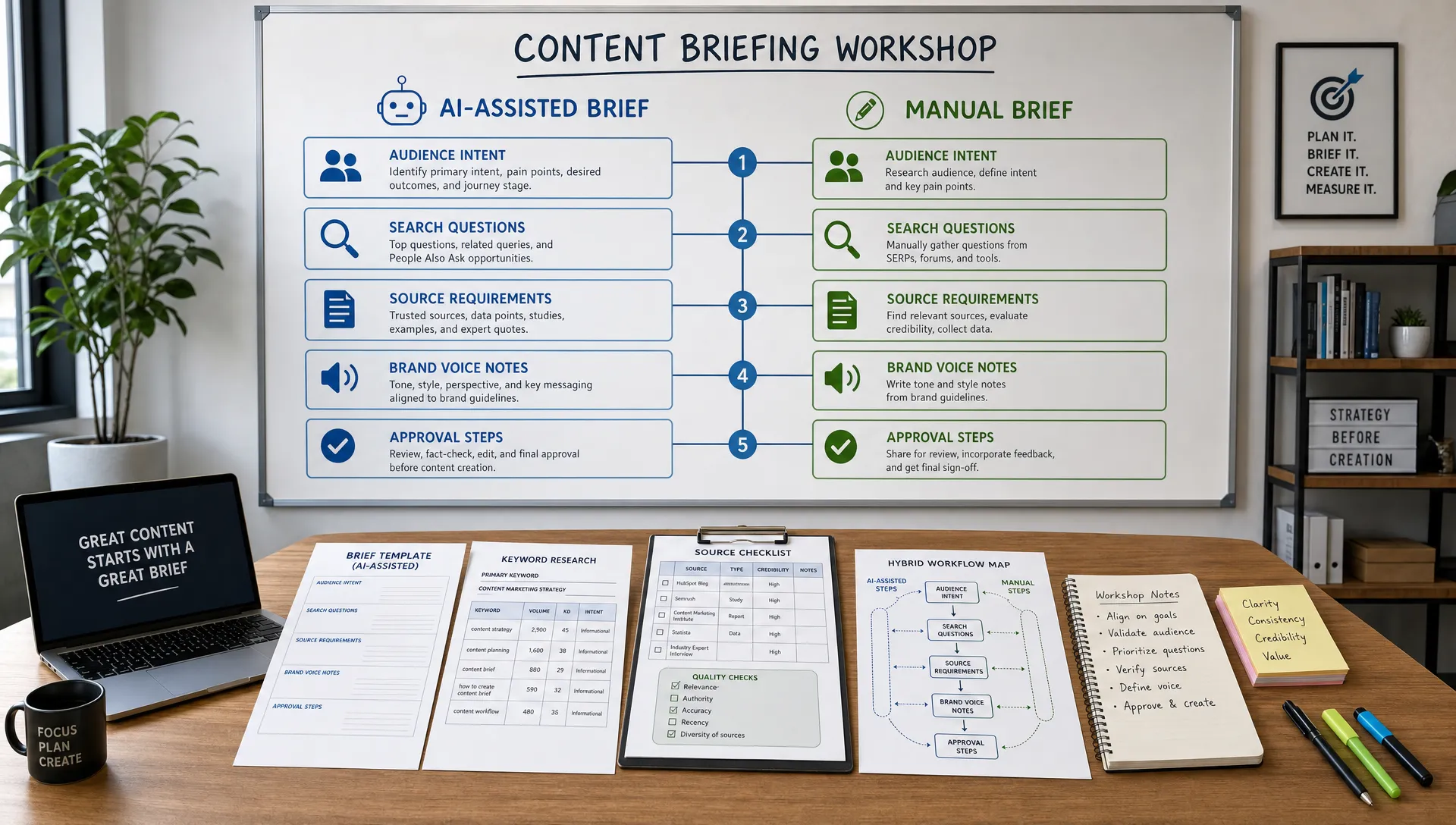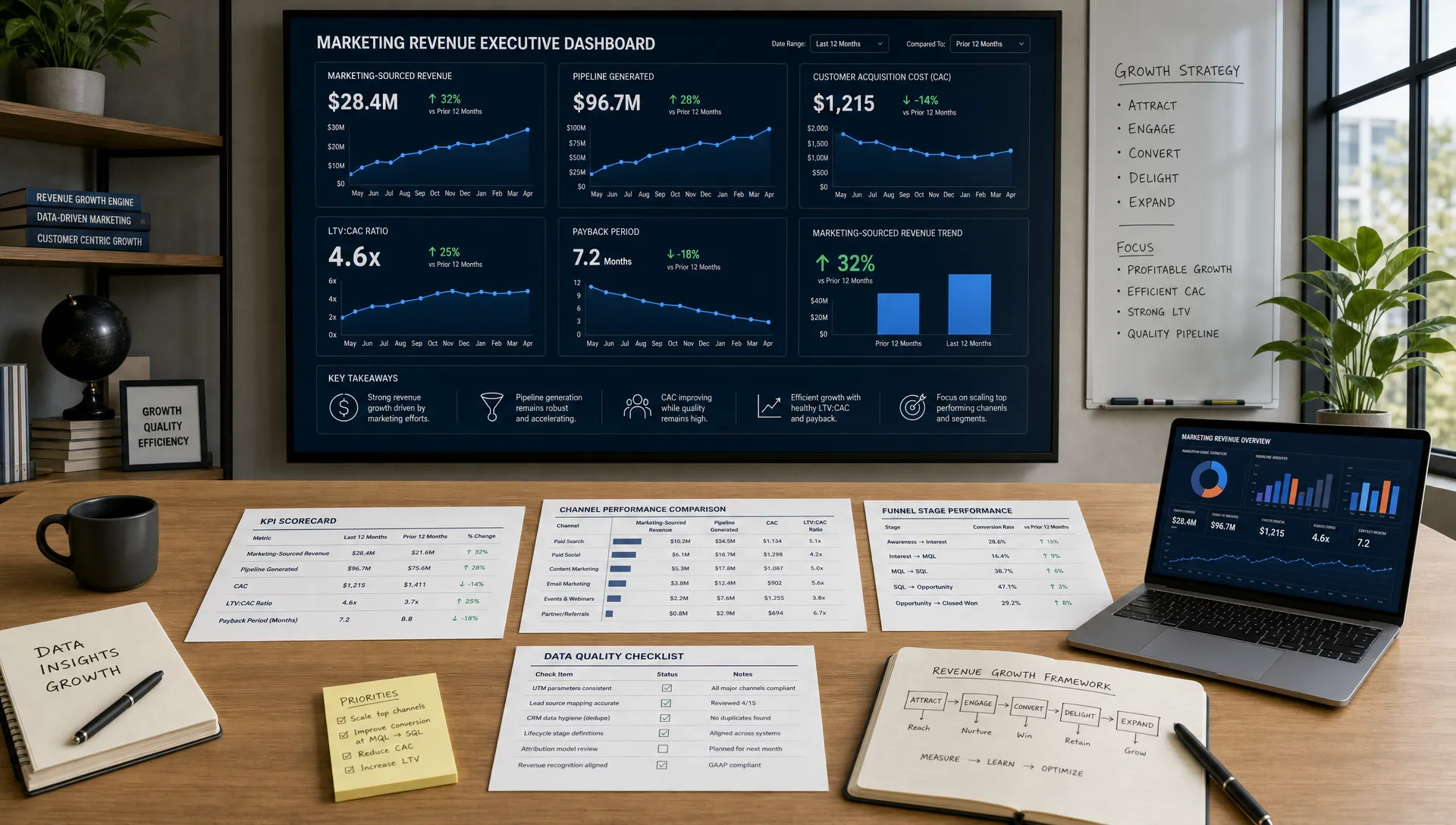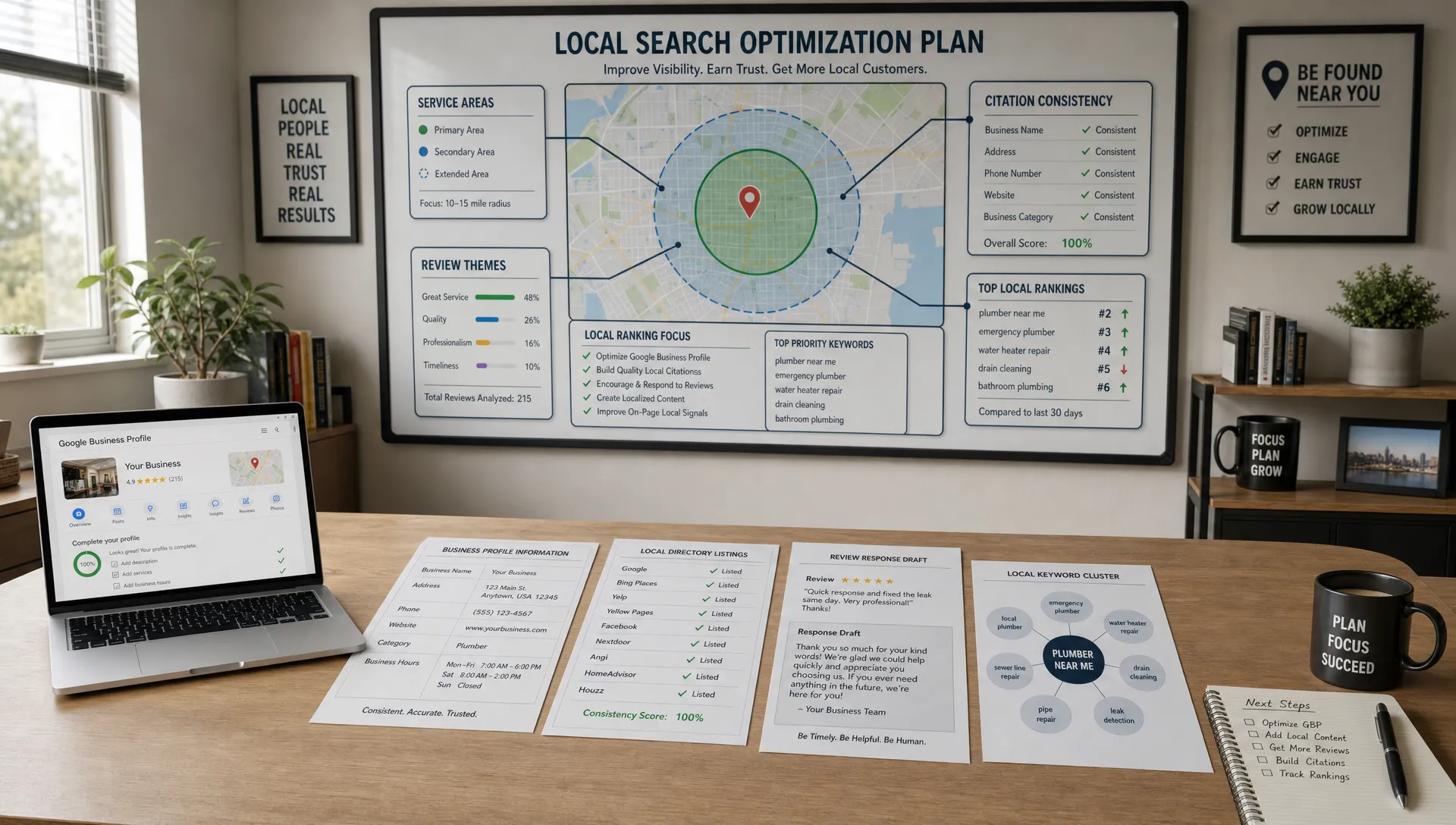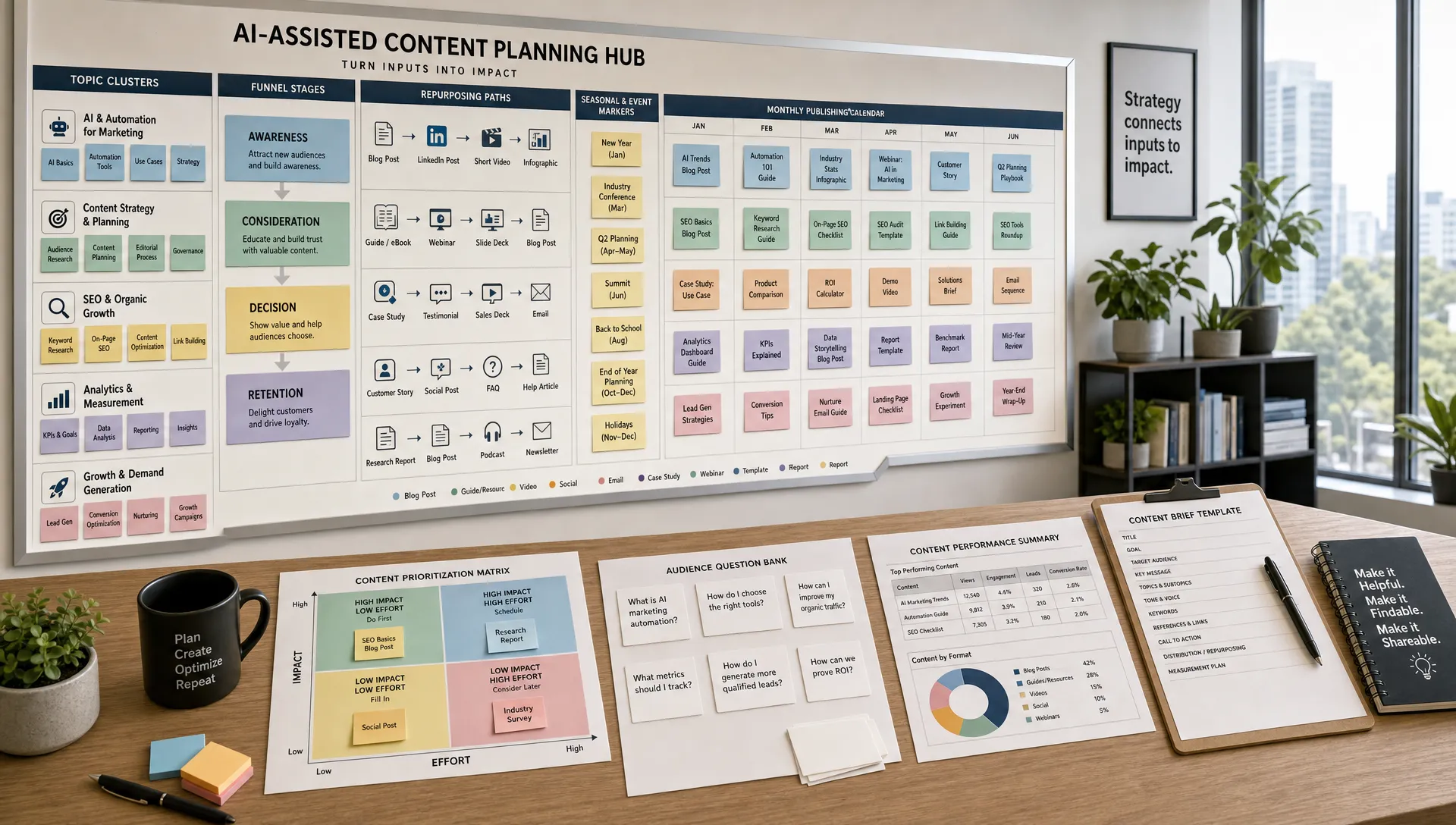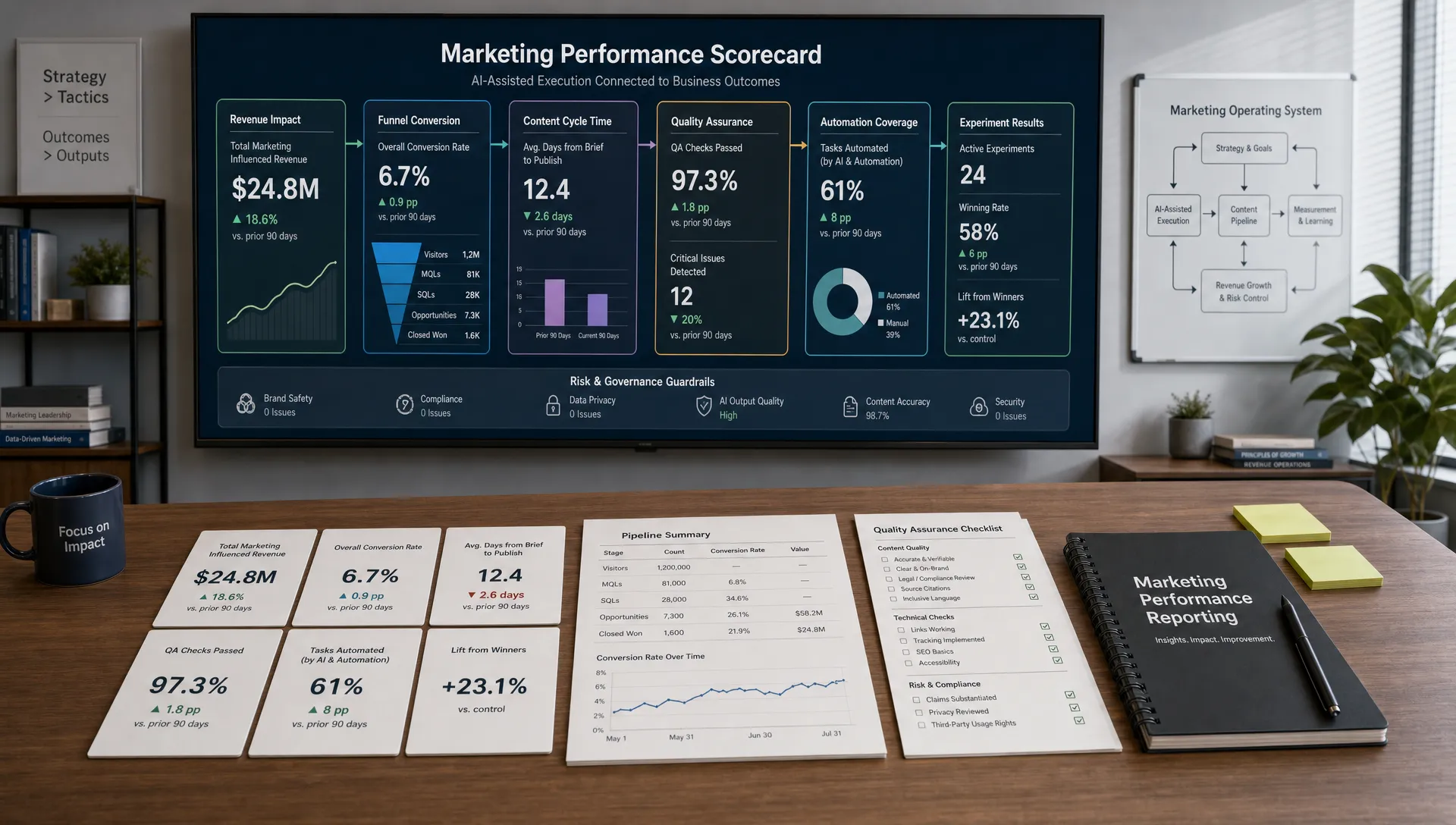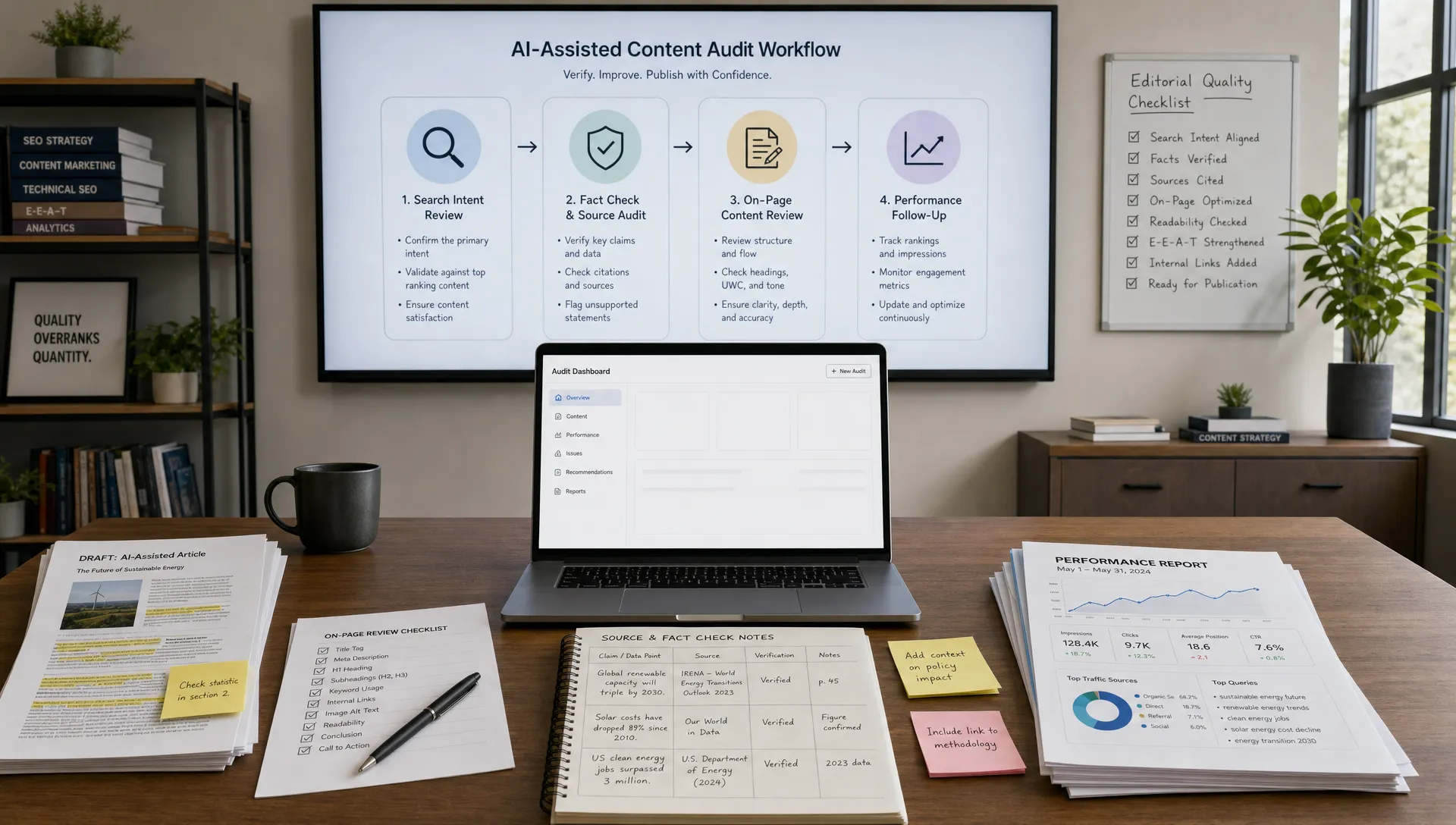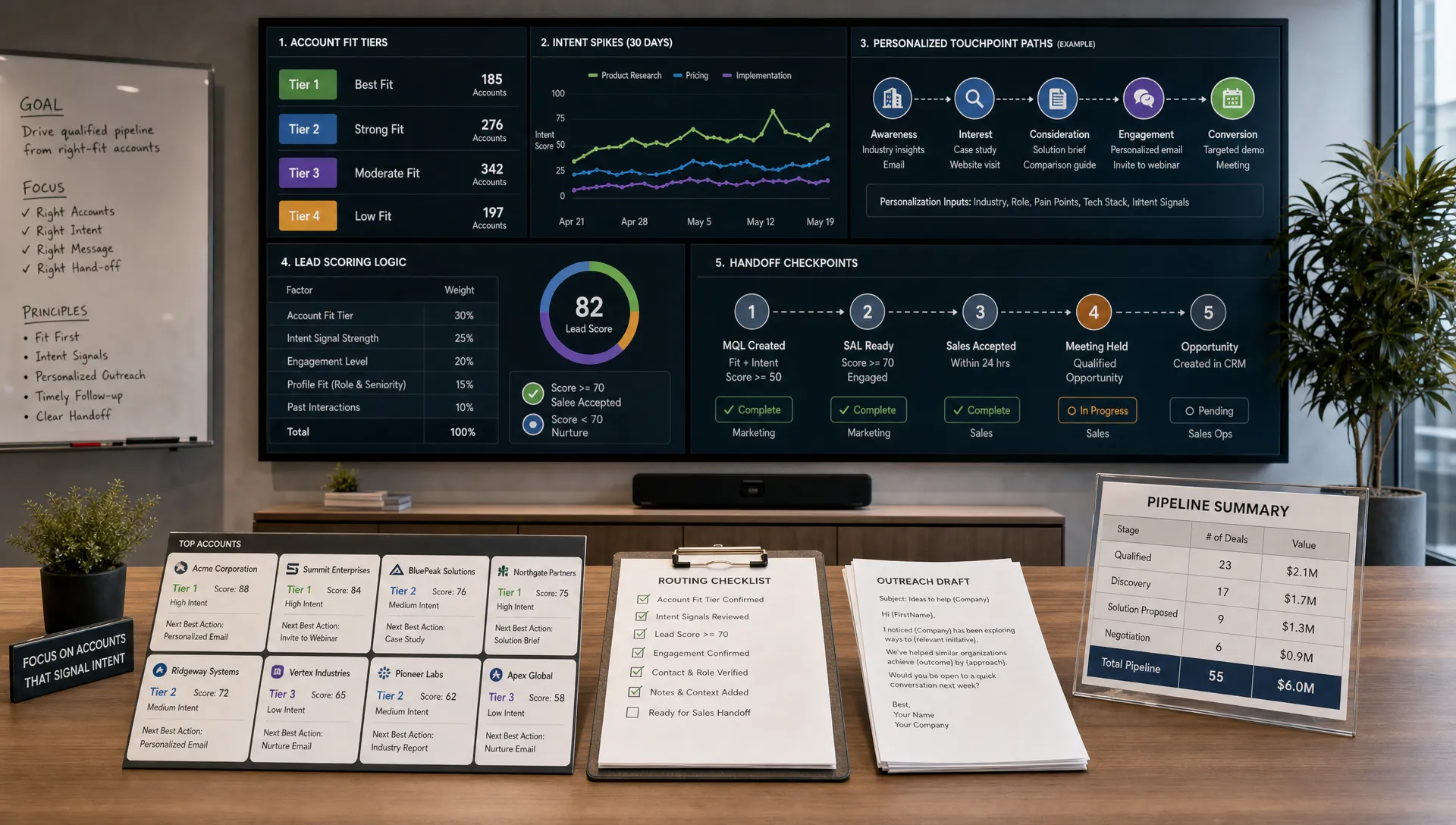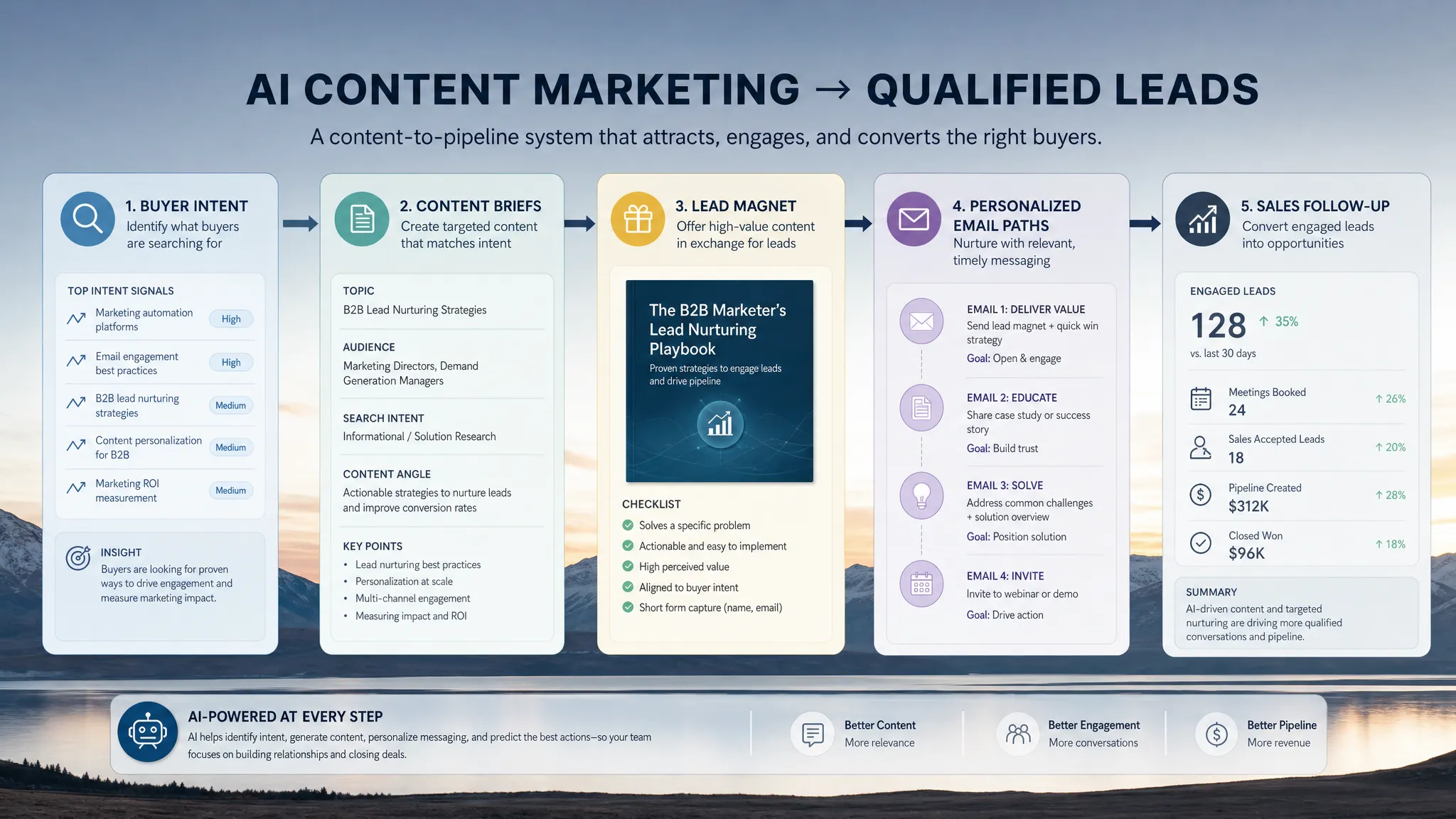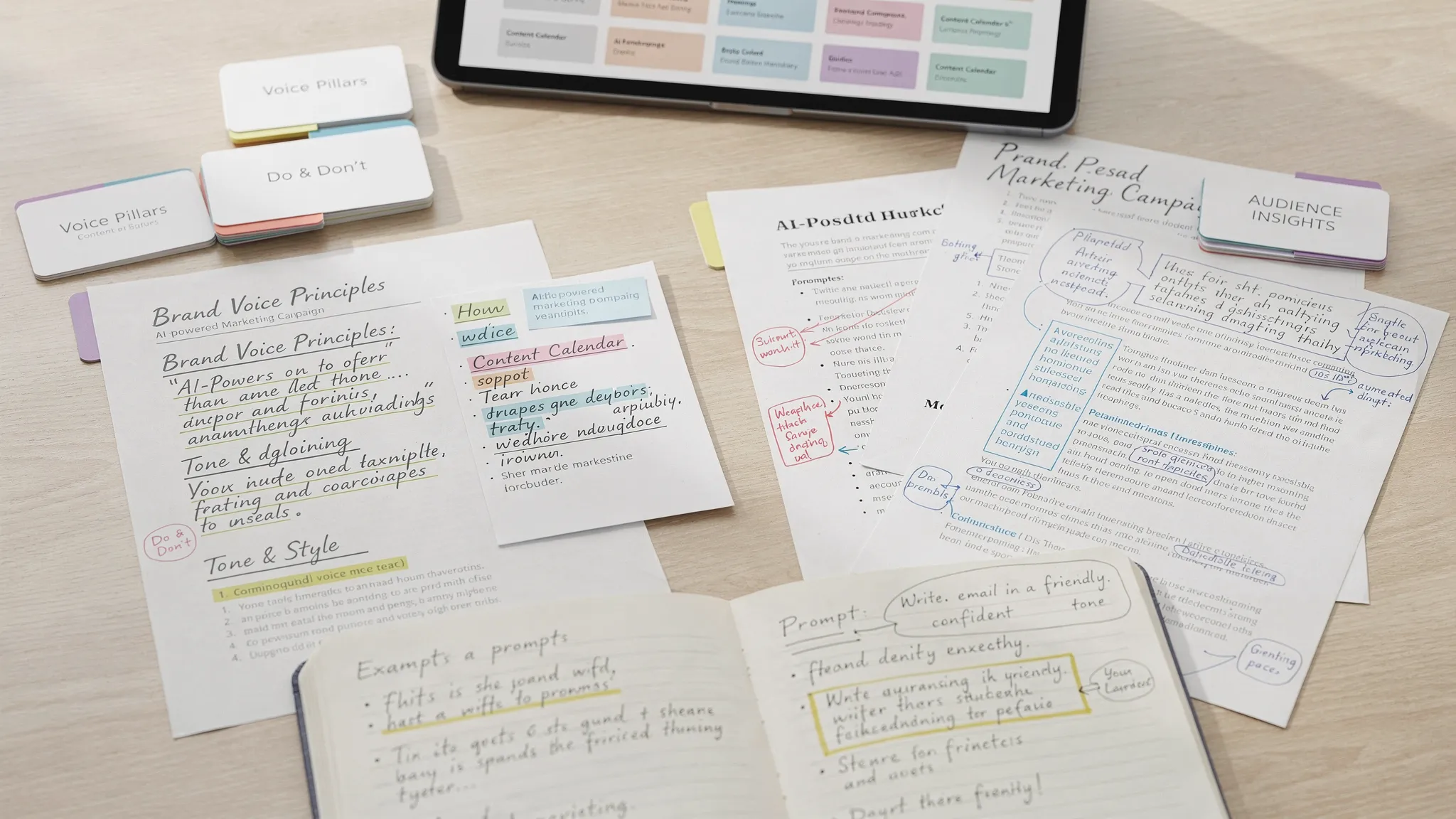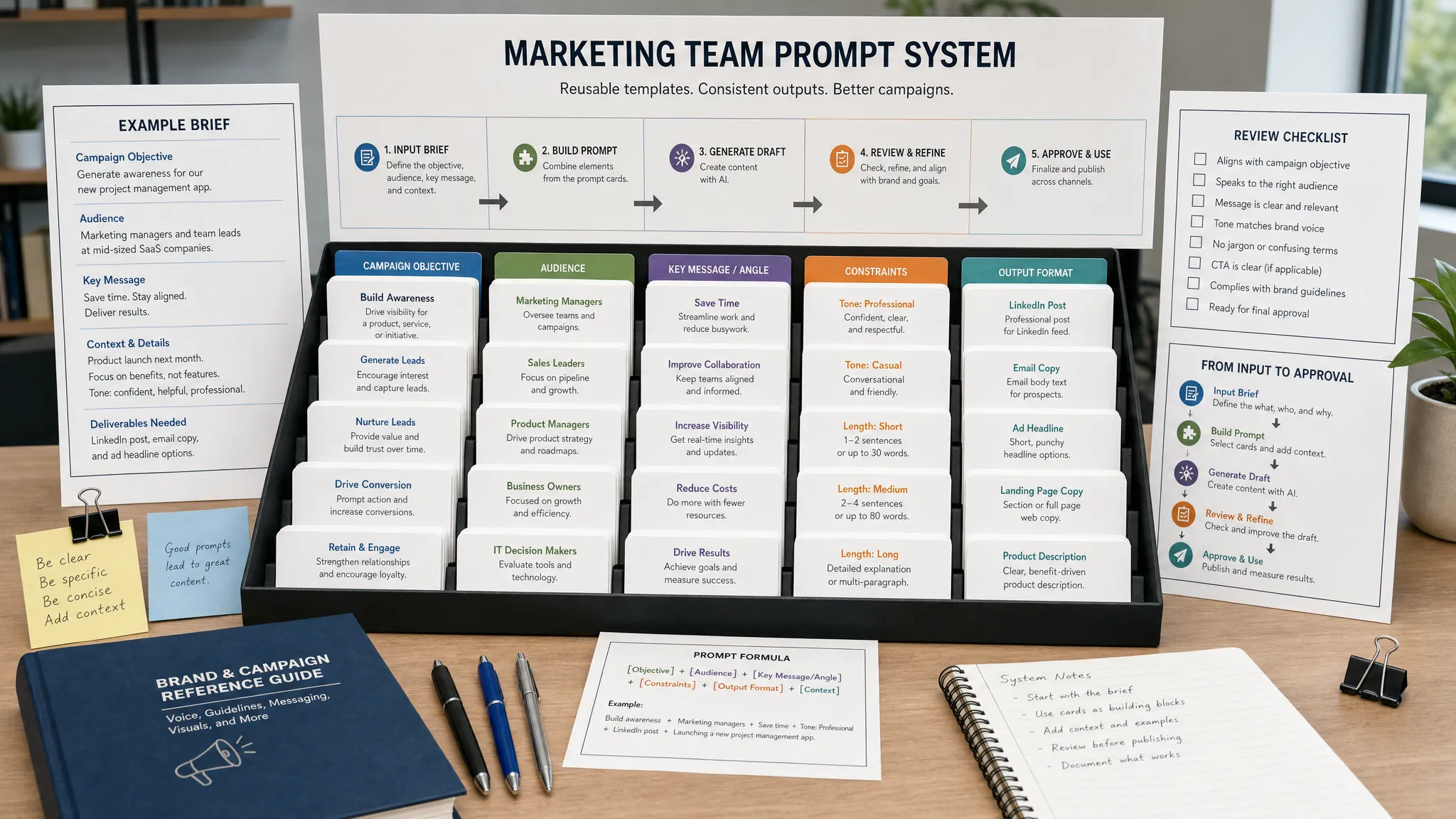
Prompt templates are the difference between using AI as a one-off writing assistant and using it as a repeatable marketing system. For busy teams, the goal is not to automate thinking. It is to standardize the brief, improve first drafts, reduce revision cycles, and keep every campaign aligned with the same strategy.
The best AI prompt templates for marketing teams do three things well: they give the model useful context, set clear constraints, and define what a good output looks like. When those elements are missing, AI tends to produce polished but generic copy. When they are present, it can help with campaign planning, content creation, audience research, SEO, paid media, email, analytics, and brand voice.
Below, you will find practical templates you can copy, adapt, and turn into a prompt library for your team.
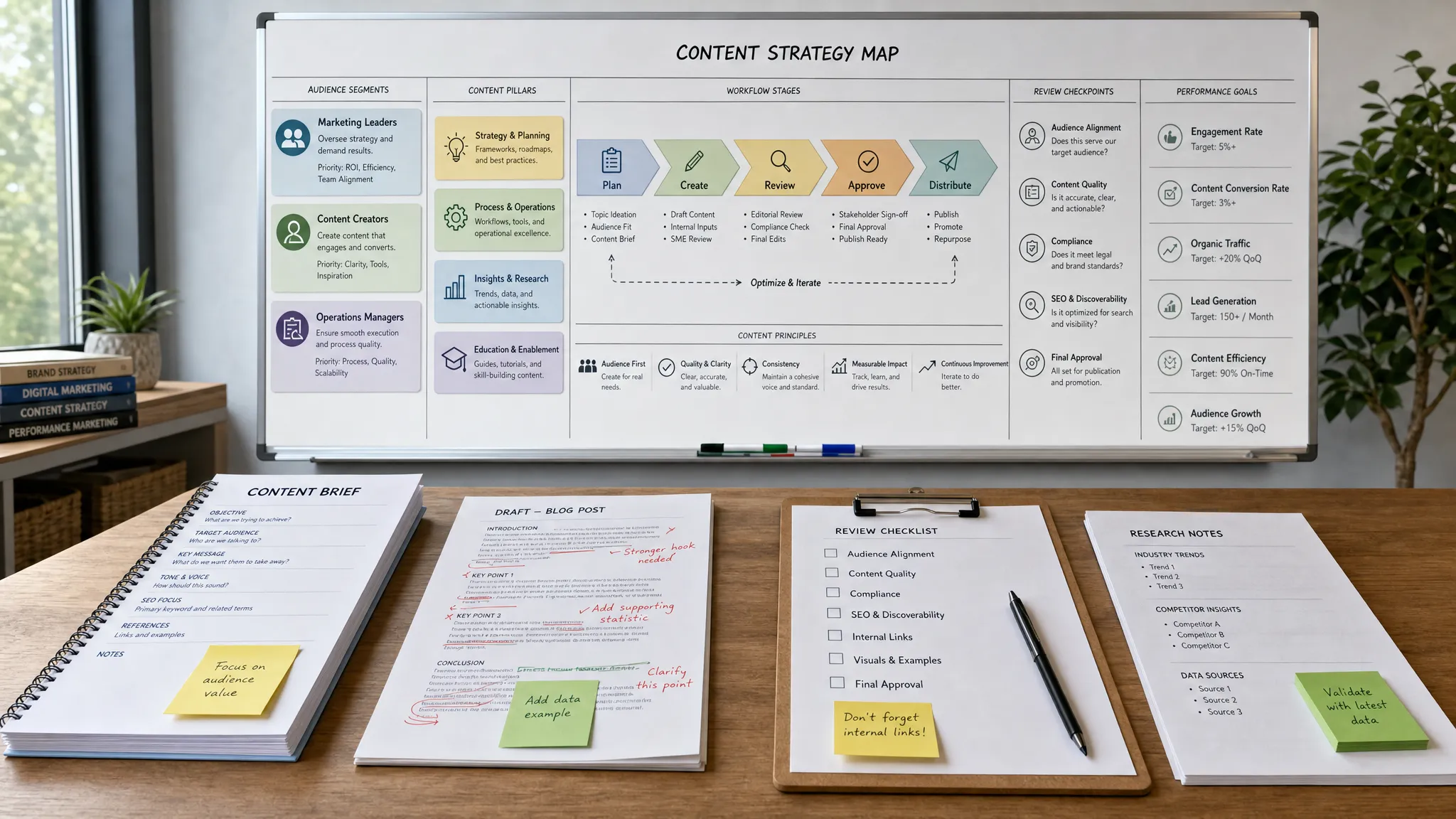
Marketing teams rarely struggle because they lack ideas. They struggle because ideas move through too many disconnected handoffs: strategy, copy, design, SEO, approvals, reporting, and optimization. AI can speed up those steps, but only if the inputs are consistent.
A reusable prompt template works like a creative brief. It captures the audience, objective, offer, channel, tone, source material, and success criteria before the model starts generating. That structure helps different team members get more predictable outputs from the same tool.
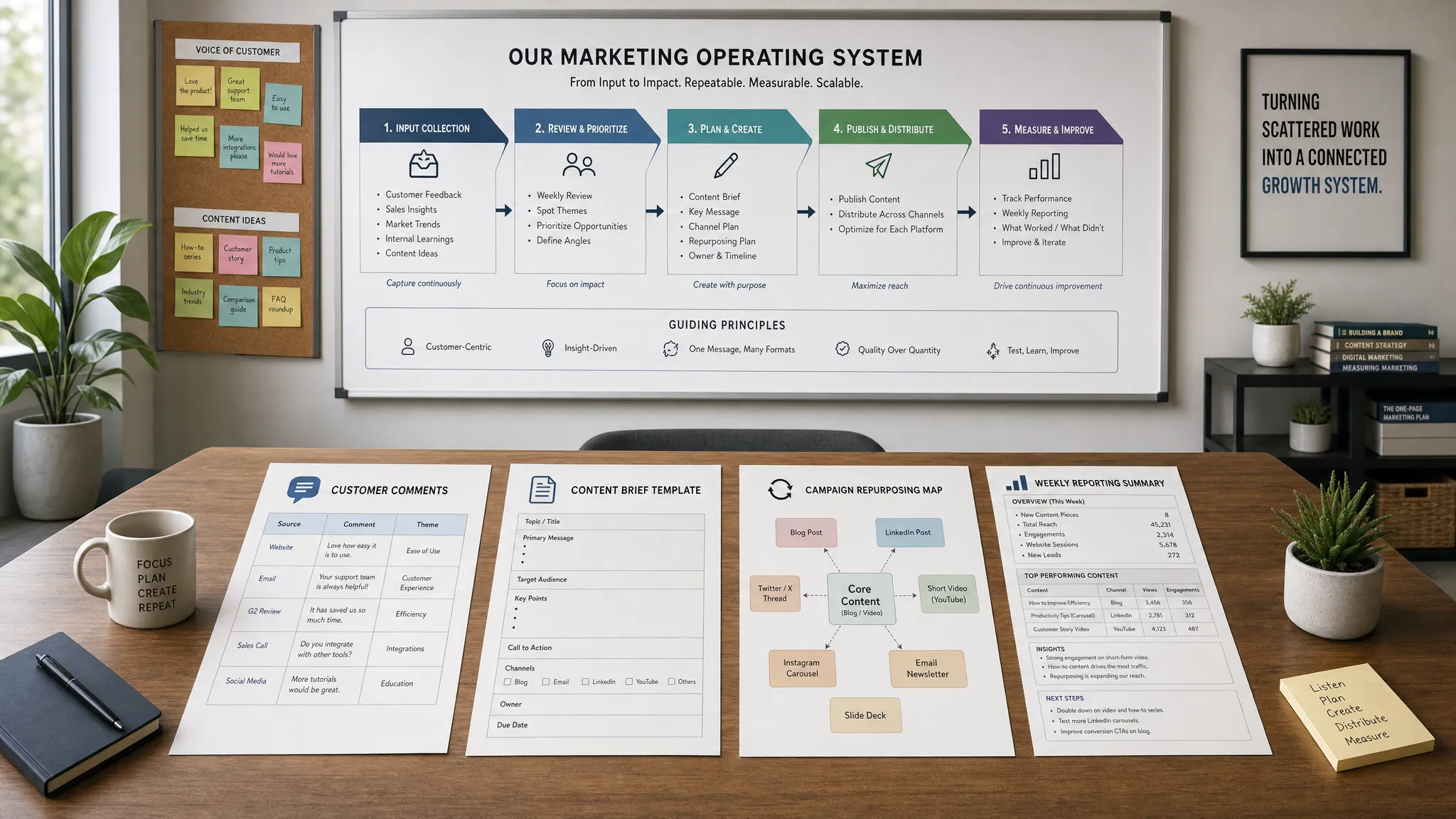
This matters even more as AI marketing automation becomes part of daily work. A social media manager, content strategist, performance marketer, and founder might all ask for campaign ideas, but if each person prompts differently, the outputs will vary wildly. Templates create a shared operating system.
Clear instructions are also a core prompt engineering principle. OpenAI’s prompt engineering guidance emphasizes giving models specific instructions, useful reference text, and clear expectations. For marketers, that translates into prompts that feel less like quick questions and more like well-written briefs.
If your team is already scaling content production, you can also connect these templates with broader workflow advice from AIMarketer Hub’s guide on how AI for content creation saves time and scales output.
A good prompt template should be easy to reuse without becoming vague. The easiest way to do that is to build each template around replaceable fields. Your team can then fill in the campaign, product, channel, audience, or data set without rewriting the whole prompt from scratch.
At minimum, include these elements:
This structure prevents one of the biggest AI marketing risks: confident output based on incomplete context. A strong template should make it normal for the model to ask clarifying questions or identify missing details.
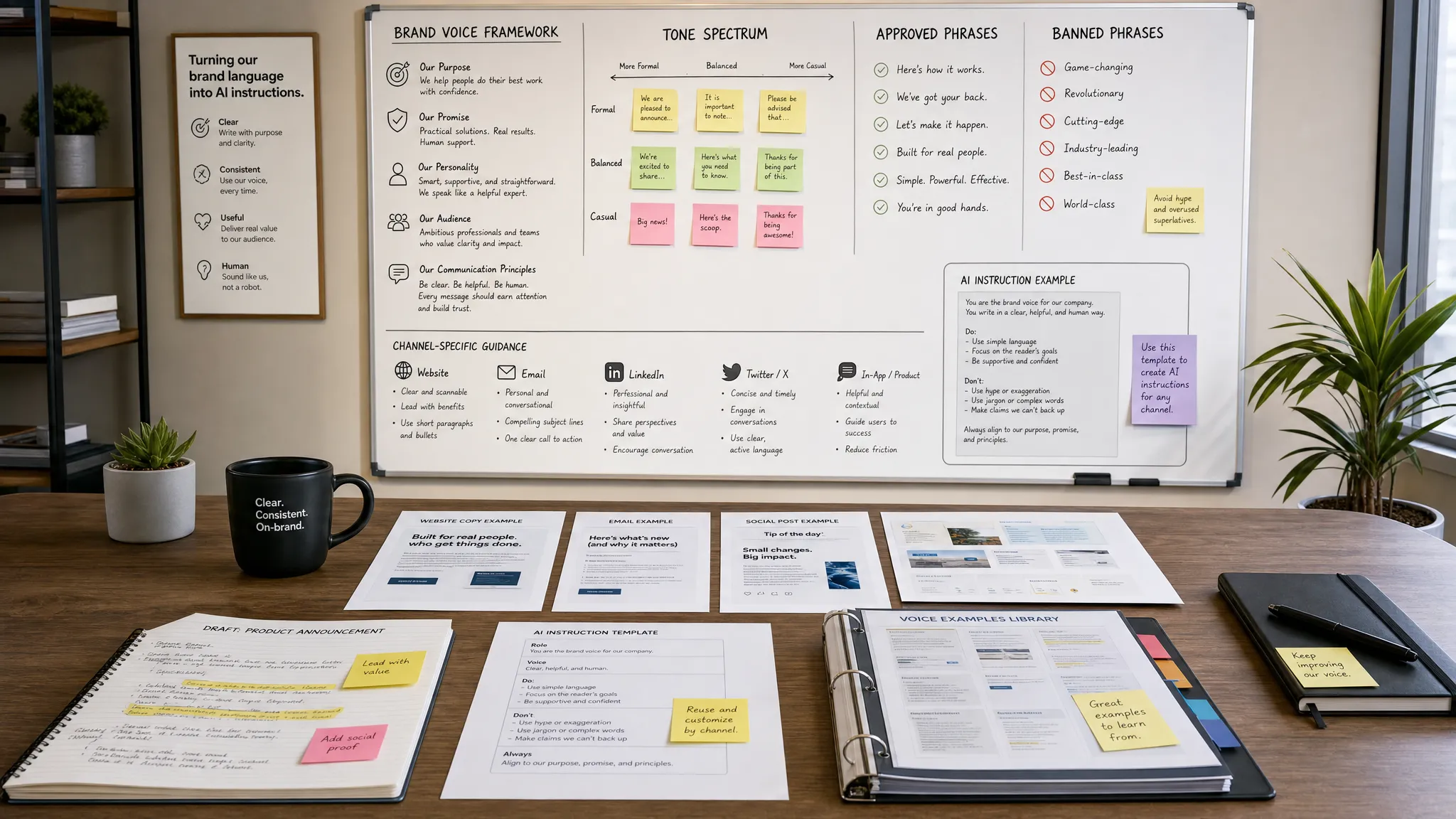
First, define your brand voice. If you do not give the model a tone, it will default to safe, generic marketing language. Add examples of approved copy, banned phrases, preferred vocabulary, and how direct or conversational your brand should sound. For a deeper workflow, AIMarketer Hub’s article on using AI for marketing without losing your brand voice is a useful companion.
Second, provide source material whenever possible. AI is much more useful when it is working from customer interviews, sales call notes, product pages, positioning docs, support tickets, reviews, or performance data. If the prompt says to use only the provided sources, you reduce the risk of invented features or unsupported claims.
Third, keep humans in the approval loop. Prompt templates can accelerate the first 70 percent of the work, but marketing still needs judgment. Someone should review for accuracy, differentiation, compliance, tone, and strategic fit before anything goes live.
Use the templates below as starting points. Replace the bracketed fields with your own context, and add examples wherever possible. The more specific your input, the more useful the output.
Use this when you need to turn a rough campaign idea into a structured plan.
Act as a senior marketing strategist.

Create a campaign strategy brief for [product or service] targeting [audience] in [market or industry].

Campaign goal: [pipeline, leads, trials, sales, retention, awareness]
Core offer: [offer]
Primary customer problem: [problem]
Key differentiator: [differentiator]
Channels available: [channels]
Budget or resource constraints: [constraints]
Timeline: [timeline]

Return a concise campaign brief with these sections: audience insight; campaign angle; core message; channel plan; content assets needed; success metrics; risks; next steps.

If information is missing, list the questions that must be answered before execution.
This template is useful for aligning stakeholders before creative work begins. It forces the AI to connect the campaign idea to an audience, a business goal, and measurable outcomes.
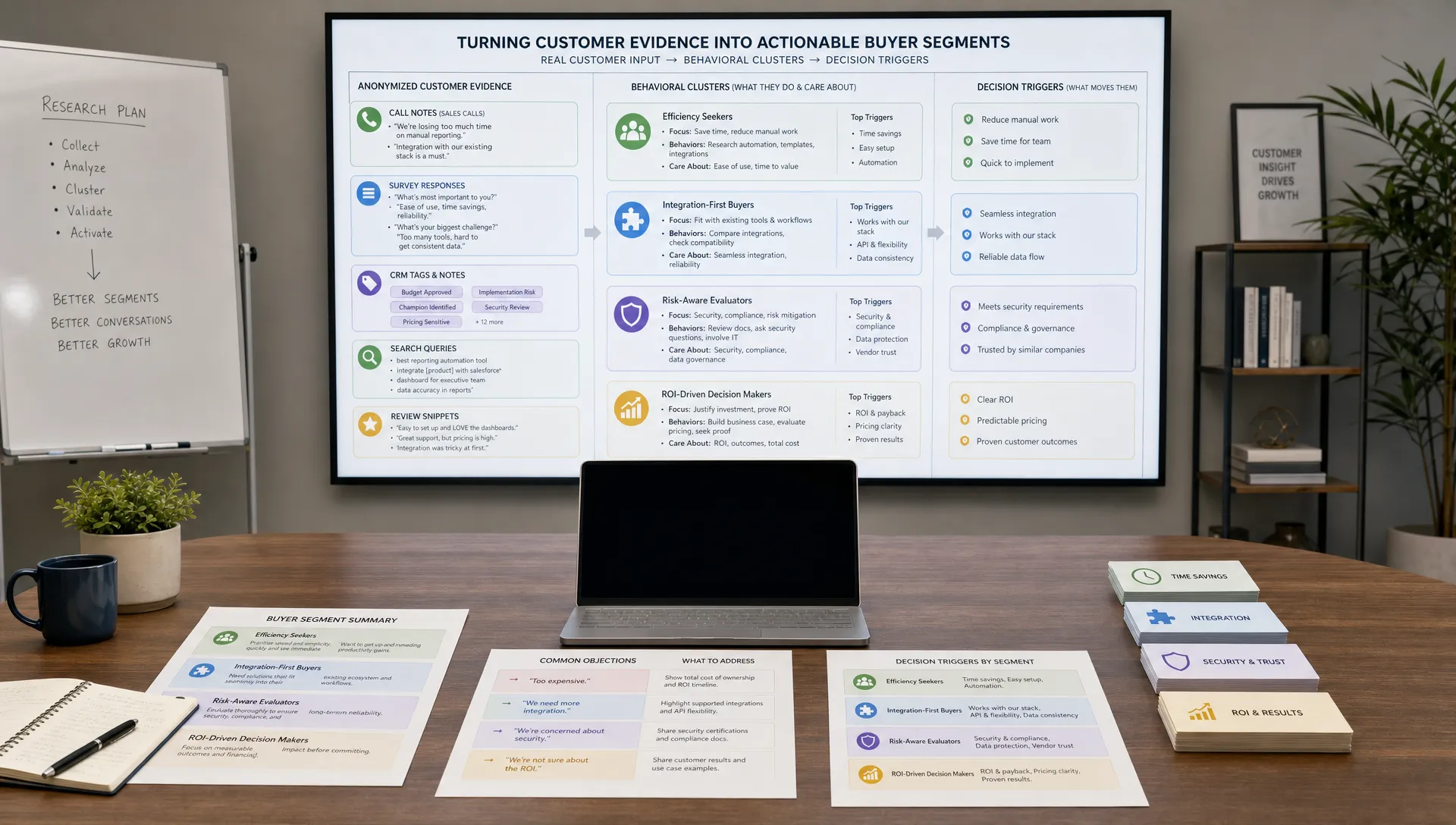
Use this when you have customer research but need to identify patterns.
Act as a customer research analyst for a marketing team.

Analyze the source material below and identify the most important customer insights for [product, offer, or campaign].

Source material: [paste call notes, survey responses, reviews, testimonials, support tickets, or interview excerpts]

Focus on: recurring pain points; desired outcomes; objections; buying triggers; emotional language; decision criteria; words customers use repeatedly.

Do not invent insights that are not supported by the source material.

Return the findings as a clear summary with recommended messaging angles and direct customer-language phrases the team can reuse.
This is one of the highest-value AI prompt templates because it grounds marketing in real customer language. It can help teams avoid bland assumptions and build messaging around actual demand.
Use this when launching a new offer, refreshing a website, or clarifying how to talk about a product.
Act as a positioning strategist.

Build a messaging map for [product or service] aimed at [target audience].

Inputs:
Product description: [description]
Audience problem: [problem]
Top alternatives: [competitors or current workaround]
Main benefits: [benefits]
Proof points: [case studies, data, testimonials, product facts]
Claims to avoid: [claims]
Brand tone: [tone]

Return: one primary positioning statement; three value propositions; five supporting messages; common objections with responses; a short homepage hero message.

Flag any claims that need evidence before publication.
This prompt works well for cross-functional teams because it turns scattered product and sales knowledge into a shared messaging foundation.
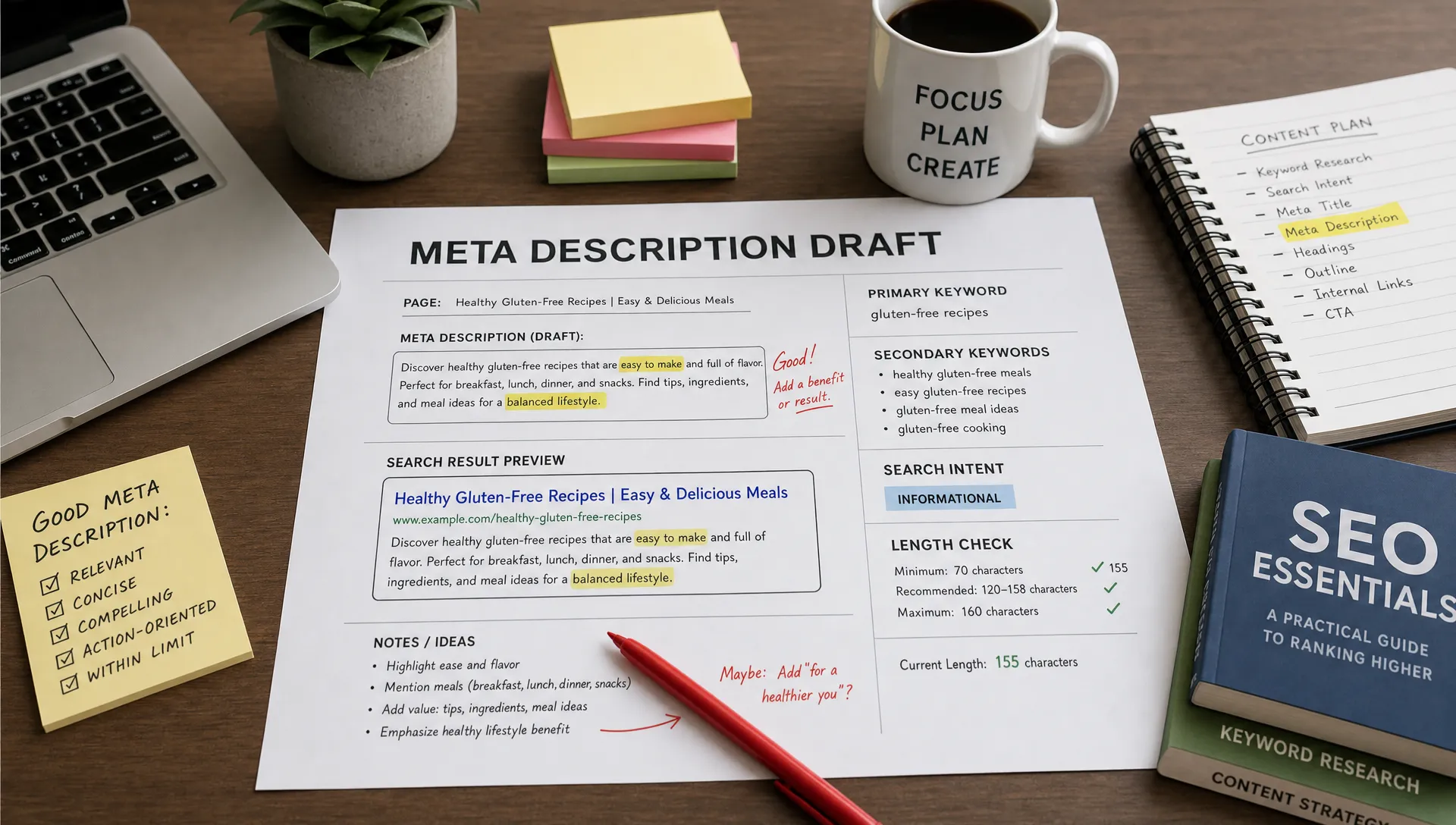
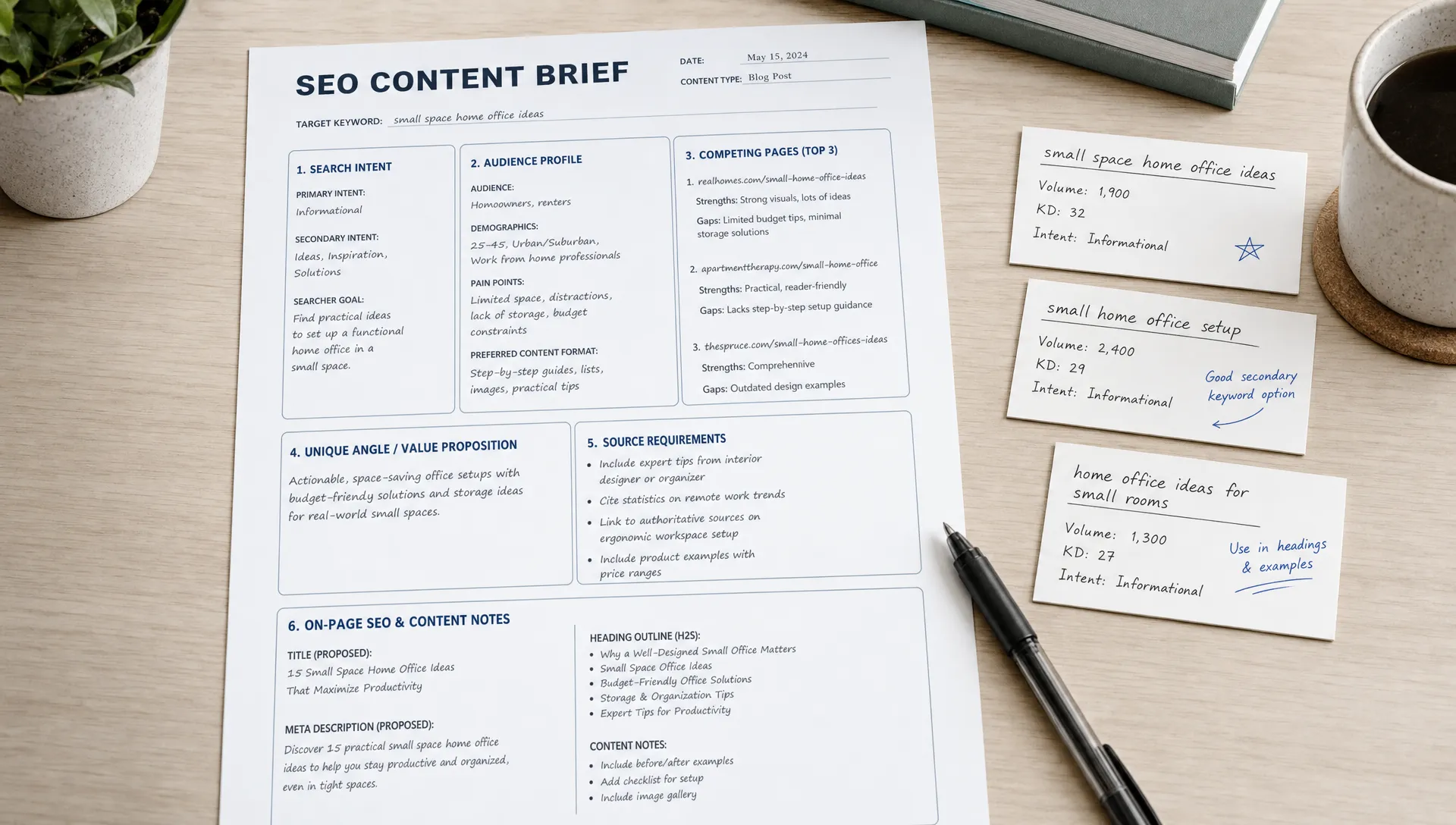
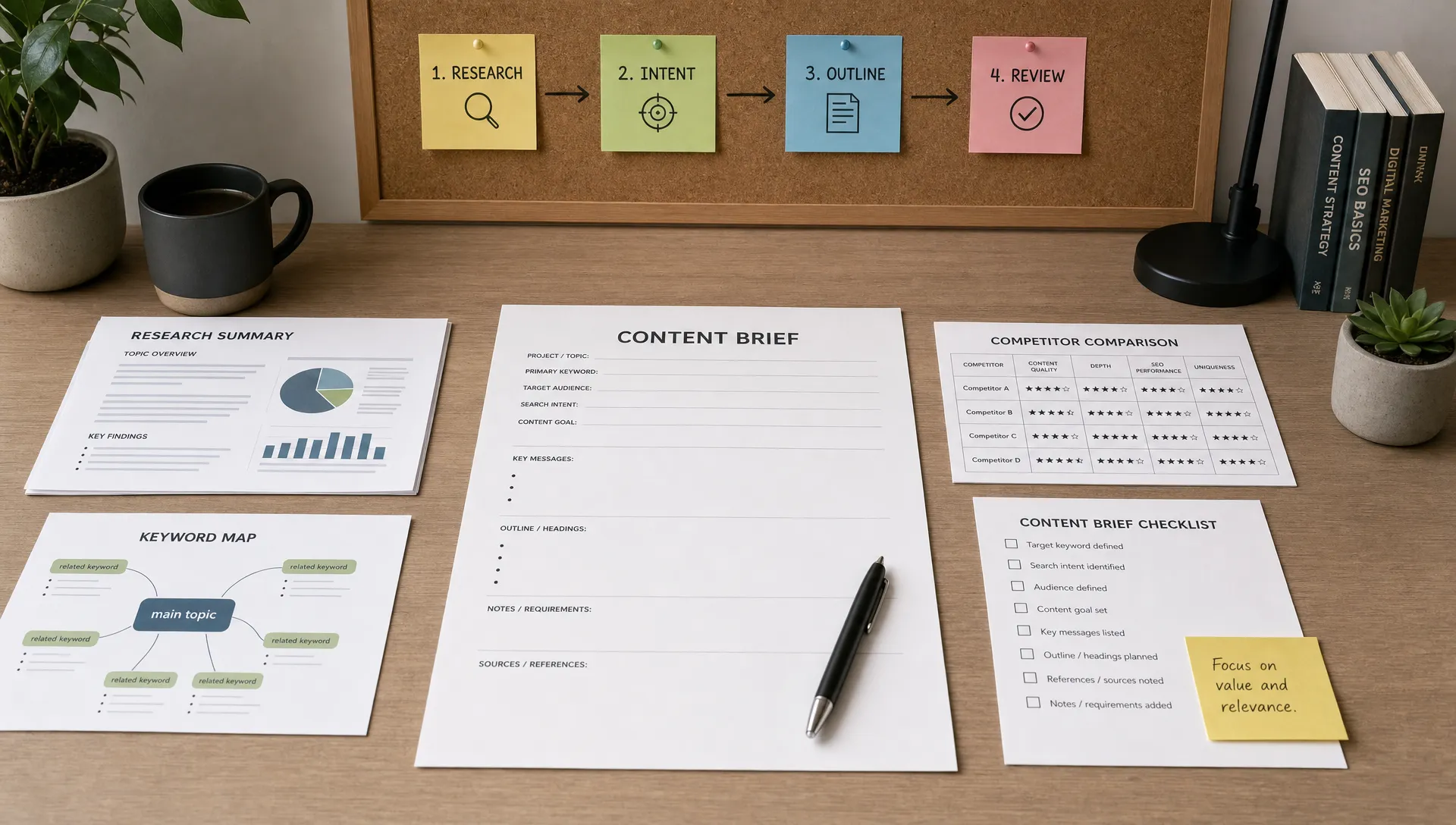
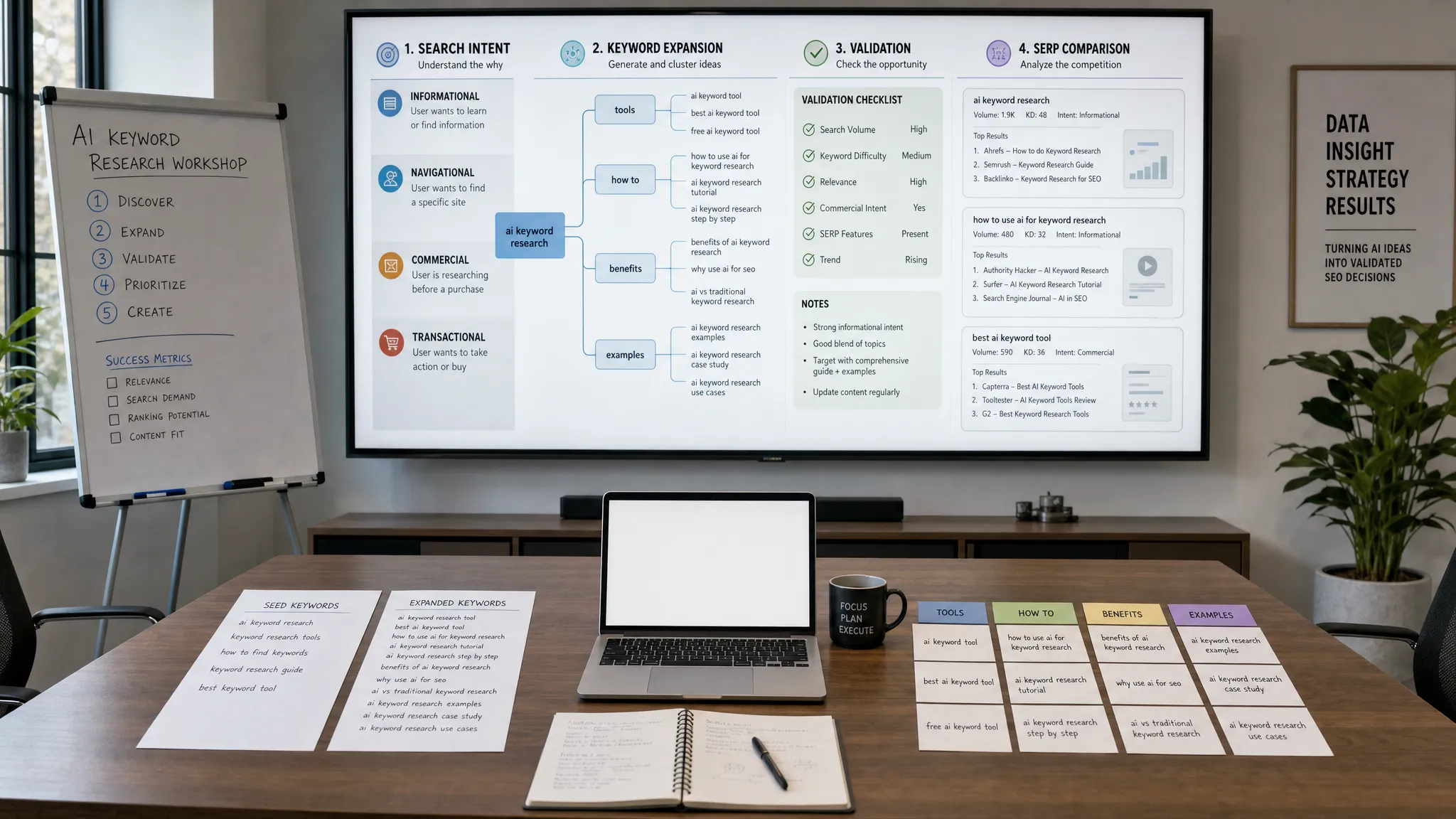
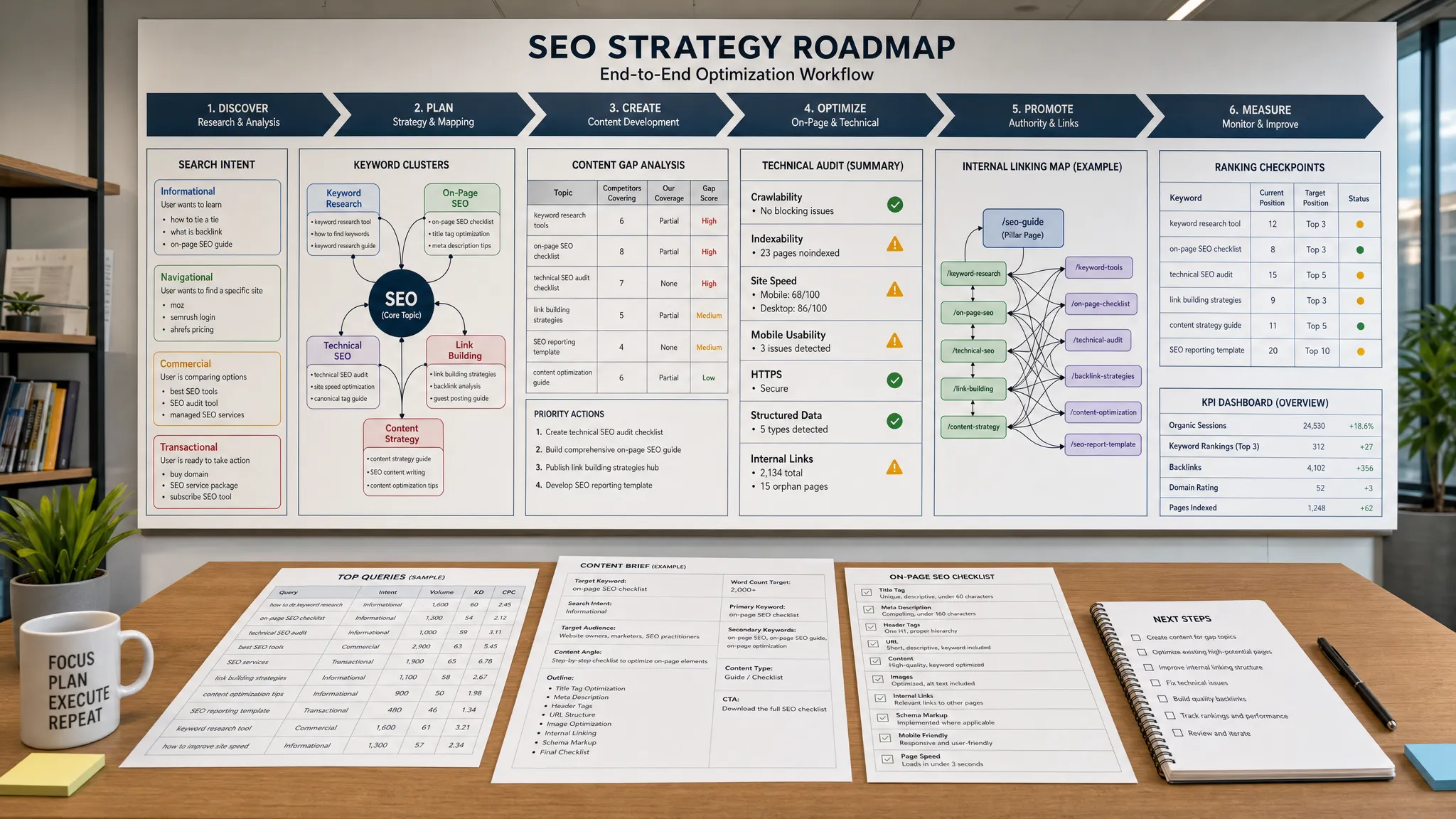
Use this before drafting a blog article, landing page, or comparison page. For search content, the prompt should not chase keywords alone. It should push the model toward usefulness, expertise, and clarity, which aligns with Google Search Central’s guidance on creating helpful content.
Act as an SEO content strategist.

Create a content brief for the topic [topic] targeting [audience] with the search intent [informational, commercial, transactional, navigational].

Primary keyword: [keyword]
Secondary topics to cover naturally: [topics]
Reader awareness level: [beginner, intermediate, advanced]
Business goal: [goal]
Internal pages to consider linking to: [URLs or page names]
Expertise or source material to include: [sources]

Return a brief with: search intent summary; recommended angle; outline with H2 and H3 sections; questions to answer; suggested internal links; credibility notes; sections to avoid because they are off-intent.

Do not stuff keywords. Prioritize helpfulness and reader value.
For small teams, this template can become the bridge between SEO strategy and content creation. It is especially useful when paired with practical workflows like those in AIMarketer Hub’s guide to AI SEO tools for small teams.
Use this after the strategy and outline are already approved.
Act as an expert ghostwriter for [brand or website].

Write a blog article based on the approved brief below.

Brief: [paste brief]
Brand voice: [voice notes]
Audience: [audience]
Goal of the article: [goal]
Required internal links: [links]
Sources or facts to reference: [sources]
Avoid: [banned claims, phrases, topics]

Write in a clear, useful, non-generic style. Use practical examples where helpful. Keep the article aligned with the search intent and do not add unsupported statistics or product claims.

Return the draft in markdown with headings, short paragraphs, and a concise FAQ section if relevant.
This template helps prevent the common mistake of asking AI to write a full article from a keyword alone. The approved brief gives the model boundaries, which usually leads to better structure and fewer irrelevant sections.
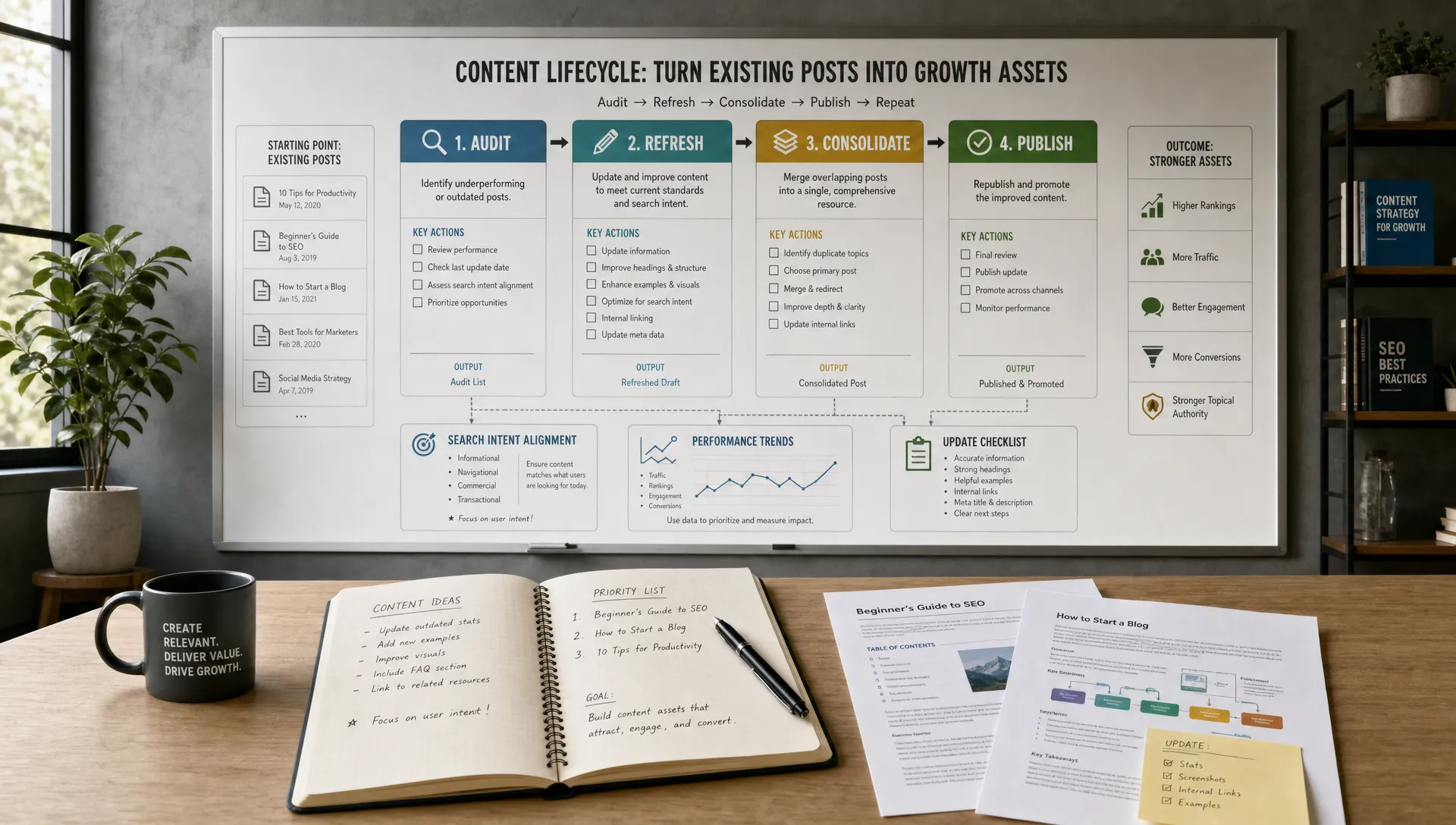
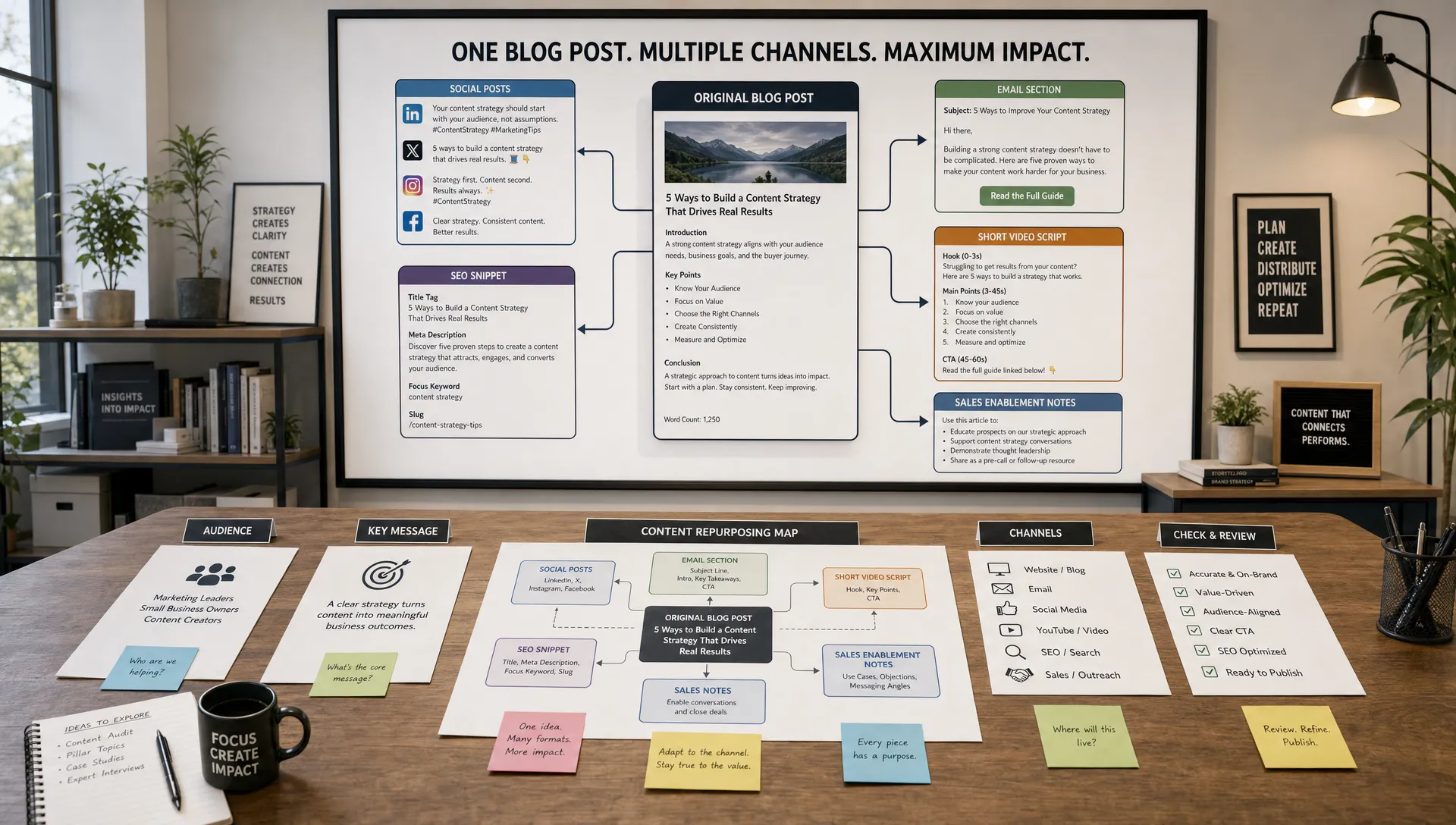
Use this to turn one strong asset into channel-specific content without copying and pasting the same message everywhere.
Act as a content repurposing strategist.

Repurpose the source content below into assets for [channels].

Source content: [paste article, webinar transcript, podcast notes, report, or case study]
Audience: [audience]
Main message: [message]
Brand voice: [voice]
Campaign goal: [goal]

Create: one LinkedIn post; one email newsletter section; five short social post ideas; three hooks for a short video; one sales enablement snippet.

Each asset should be adapted to the channel instead of copied directly. Preserve the original meaning and do not add claims not present in the source.
Repurposing prompts are powerful because they help teams get more value from high-effort assets. The key is to ask for adaptation, not duplication.
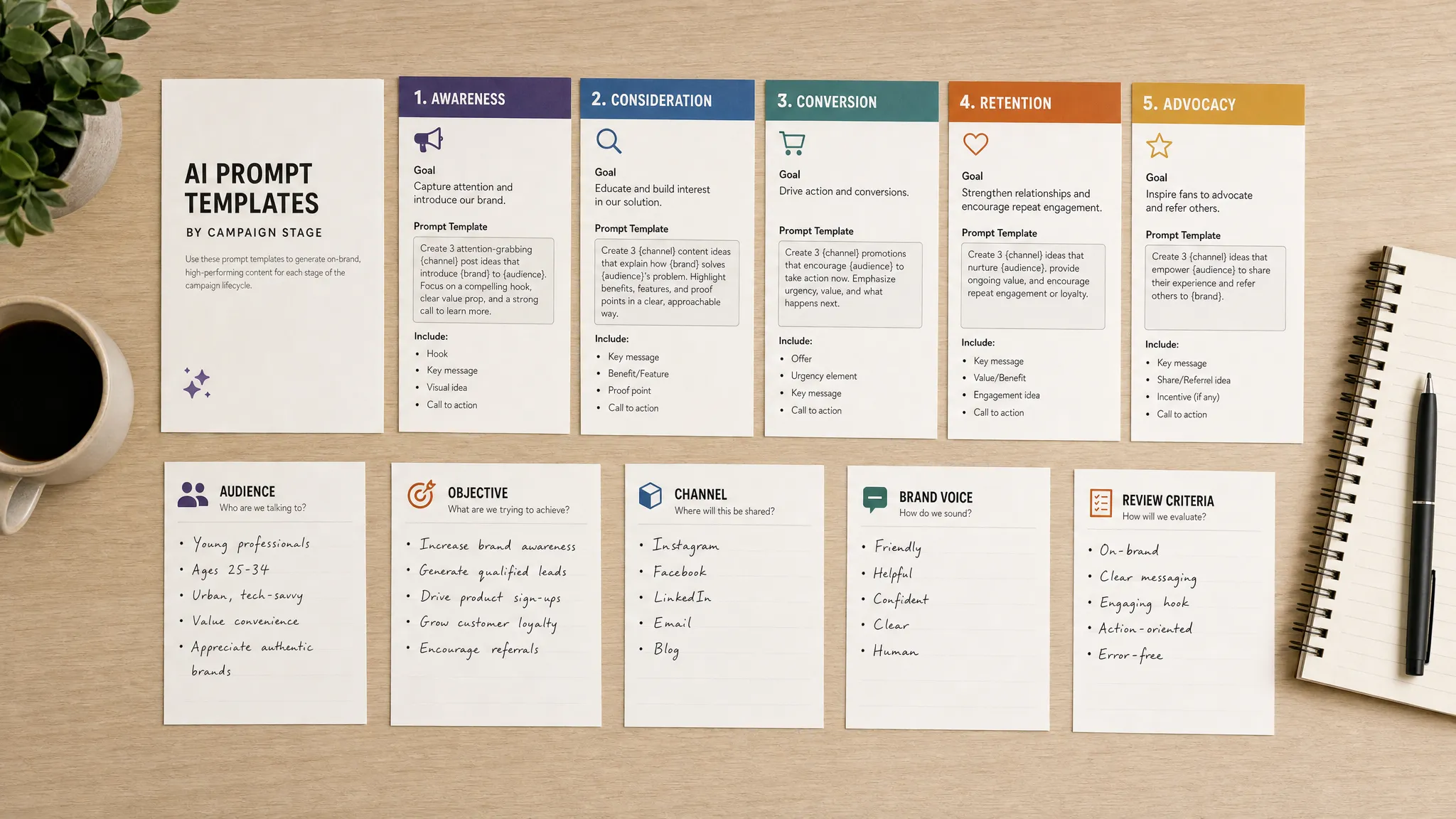
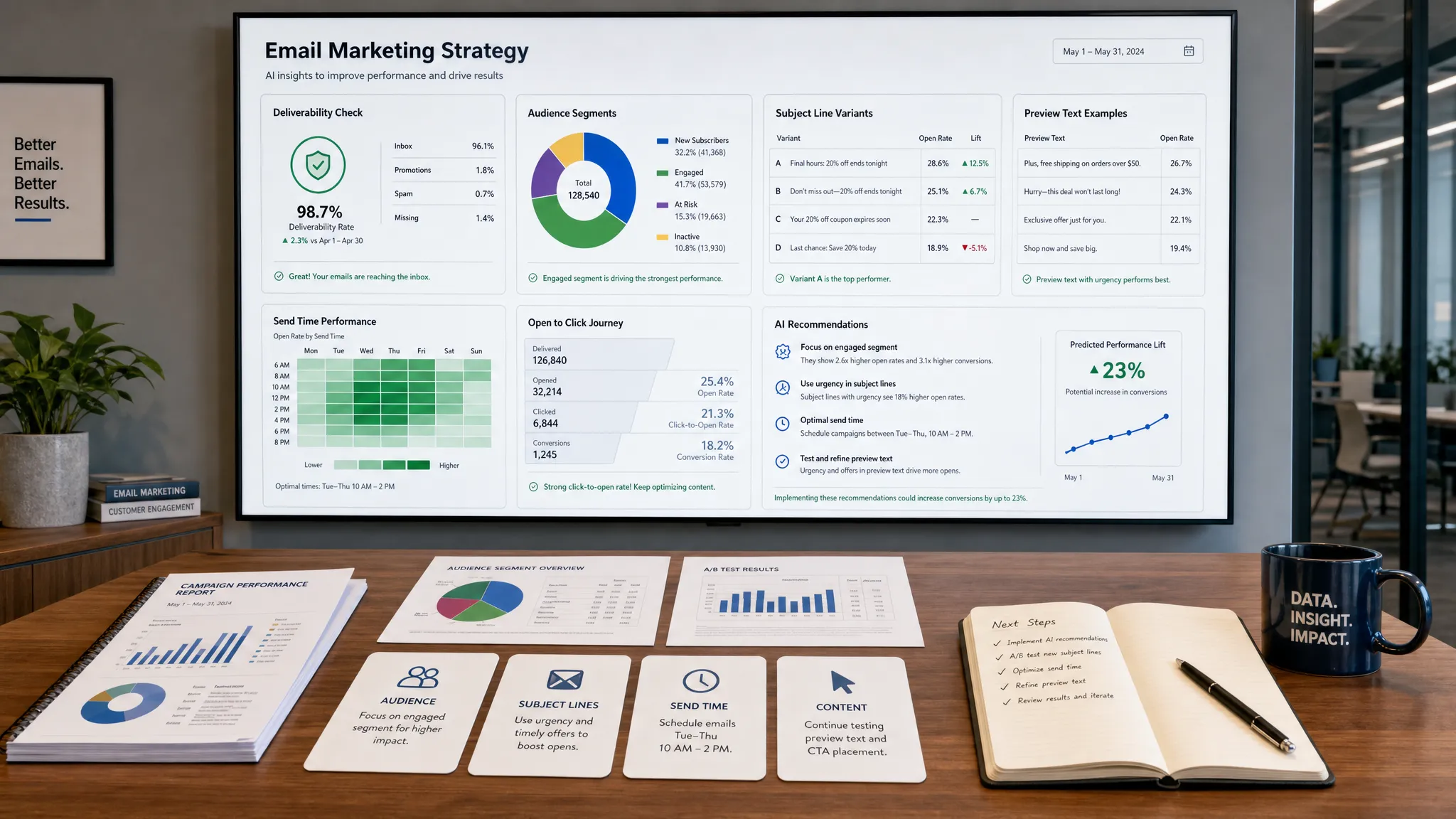
Use this when building a sequence for leads, trials, event follow-up, onboarding, or reactivation.
Act as a lifecycle marketing strategist and email copywriter.

Create an email nurture sequence for [audience] who have [trigger or behavior].

Goal: [book a demo, start a trial, complete onboarding, purchase, renew]
Offer: [offer]
Awareness level: [awareness level]
Common objections: [objections]
Proof points: [proof]
Tone: [tone]
Number of emails: [number]
Timing: [timing]

Return the sequence with subject lines, preview text, email objective, body copy summary, call to action, and personalization ideas.

Make the sequence helpful and progressive. Do not make every email a hard sell.
This prompt helps balance conversion with trust. It is especially useful for B2B teams that need to educate prospects before asking for a meeting or purchase.
Use this for search ads, social ads, display concepts, or creative testing.
Act as a performance marketing copywriter.

Generate paid ad variations for [product or offer] targeting [audience] on [platform].

Campaign objective: [objective]
Audience pain point: [pain point]
Desired outcome: [outcome]
Offer: [offer]
Proof points: [proof]
Brand tone: [tone]
Compliance restrictions: [restrictions]
Landing page summary: [summary]

Return 10 ad concepts grouped by angle: problem-aware, outcome-focused, proof-led, urgency-based, and objection-handling.

For each concept, include primary text, headline, call to action, and the hypothesis being tested.
The most useful part of this prompt is the testing hypothesis. It encourages the team to think beyond copy variations and connect each ad to a learning goal.
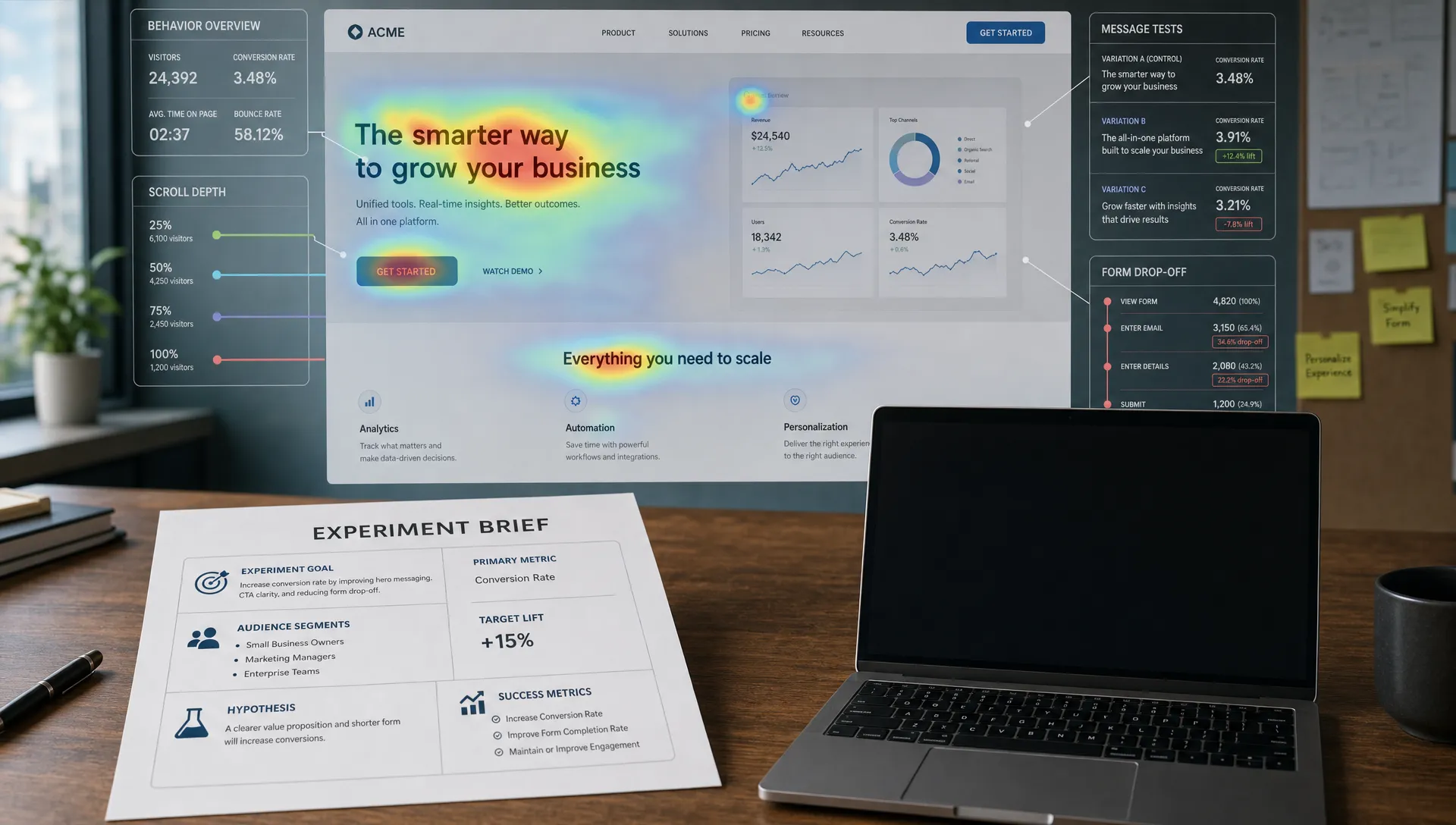
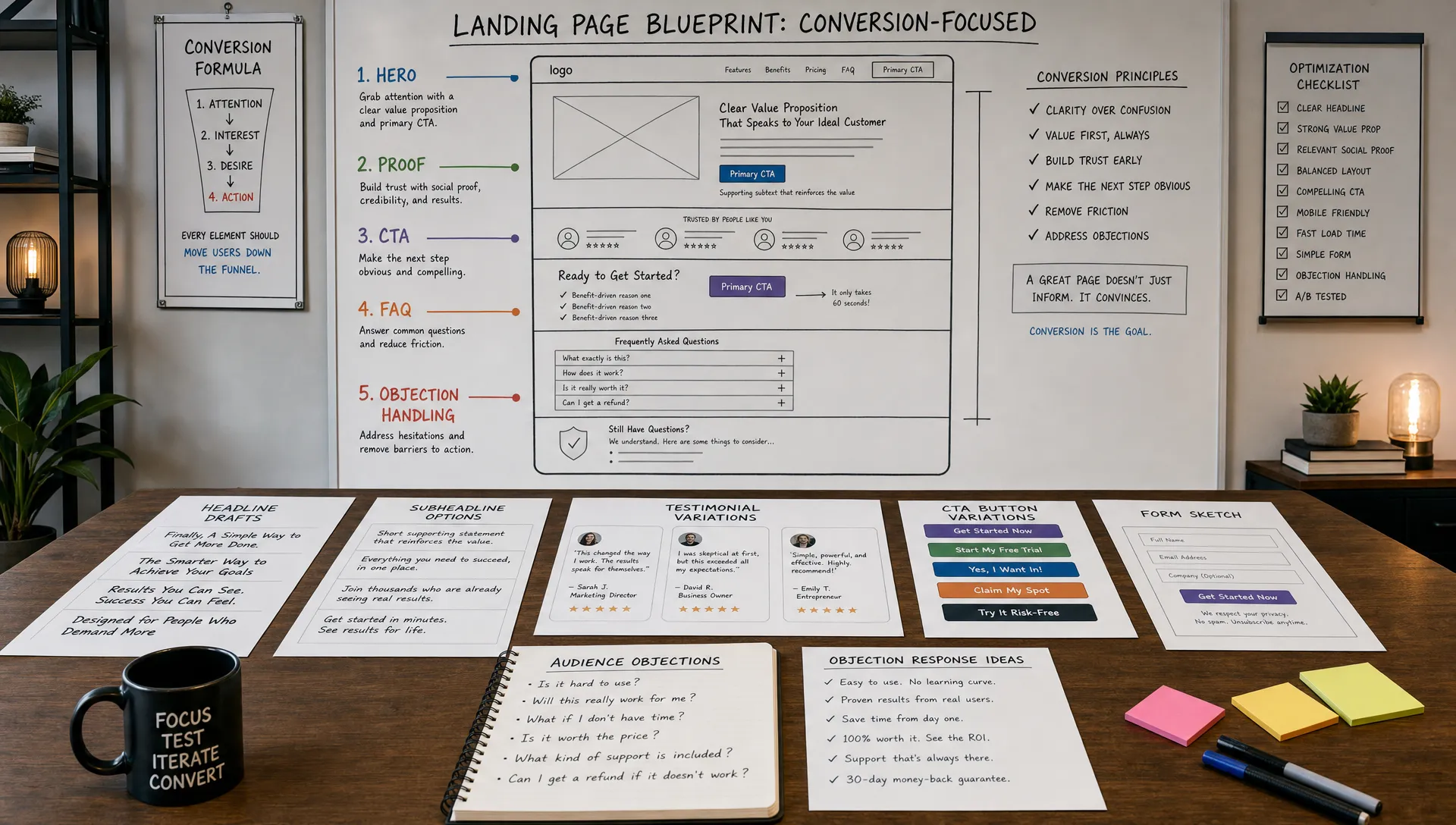
Use this when a page is live but performance is unclear, or before sending traffic to a new page.
Act as a conversion rate optimization specialist.

Audit this landing page copy for [audience] and [campaign goal].

Landing page copy: [paste copy]
Traffic source: [source]
Audience awareness level: [awareness]
Primary conversion action: [action]
Known objections: [objections]
Proof available: [proof]

Evaluate the page for clarity, relevance, message match, trust, offer strength, objection handling, call to action, and friction.

Return: top five issues; recommended copy improvements; missing proof points; revised hero section; three A/B test ideas.

Do not assume product features or results that are not provided.
This is a strong template for marketers who need a second set of eyes before launching paid traffic. It can reveal unclear promises, weak calls to action, or gaps between the ad and the page.
Use this after drafting content, especially if multiple people or AI tools contribute to the same campaign.
Act as a brand voice editor.

Edit the content below so it matches the brand voice guidelines.

Content: [paste content]
Brand voice guidelines: [paste guidelines]
Audience: [audience]
Channel: [channel]
Goal: [goal]
Words or phrases to avoid: [list]
Required terms: [list]

Improve clarity, specificity, rhythm, and consistency. Keep the meaning intact. Do not add new claims.

Return two versions: a lightly edited version and a stronger rewrite. Then explain the most important changes.
This prompt helps marketing teams maintain consistency without rewriting every asset from scratch. It is also useful for editing AI-generated content so it sounds more like your brand and less like a generic template.
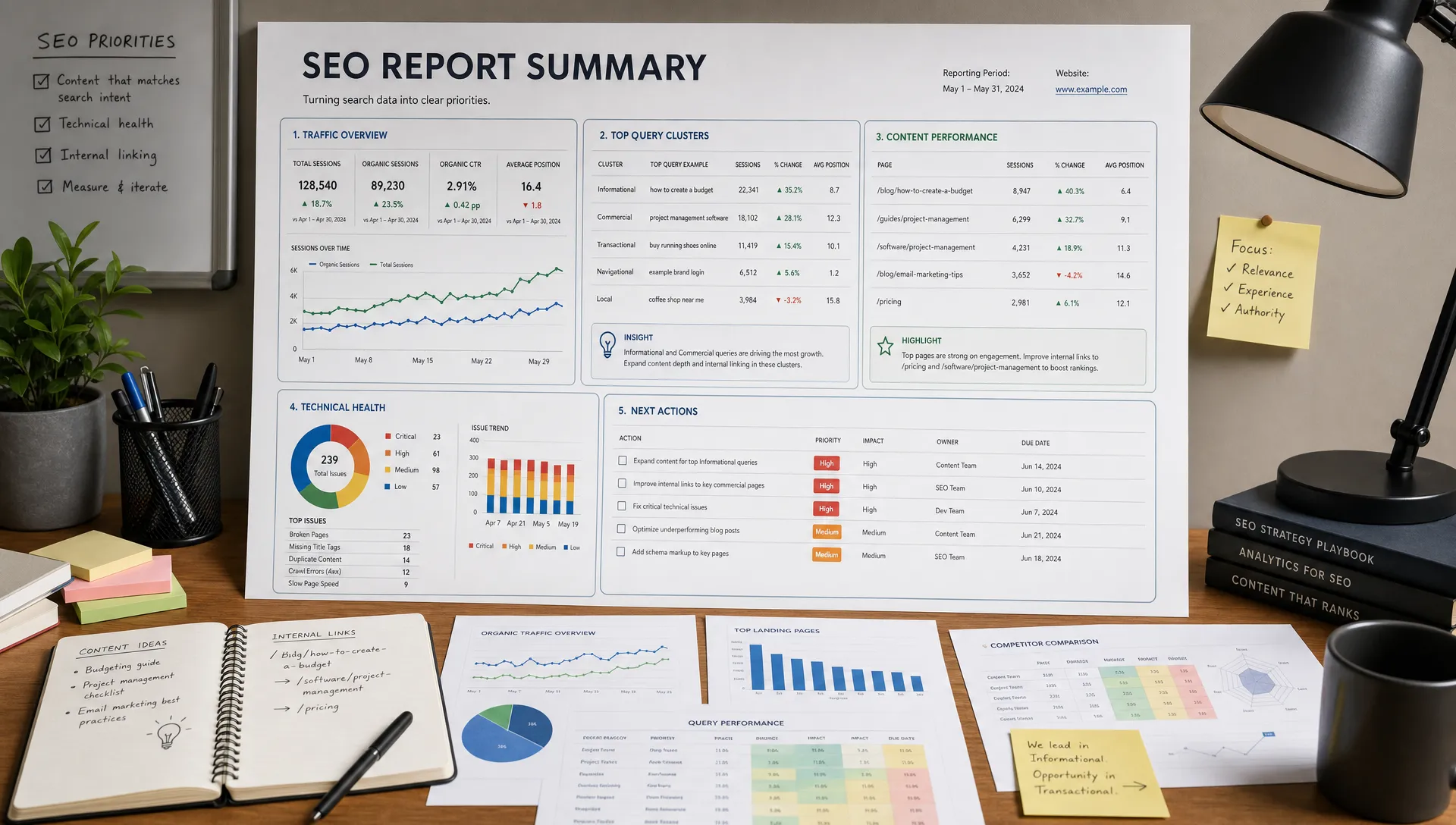
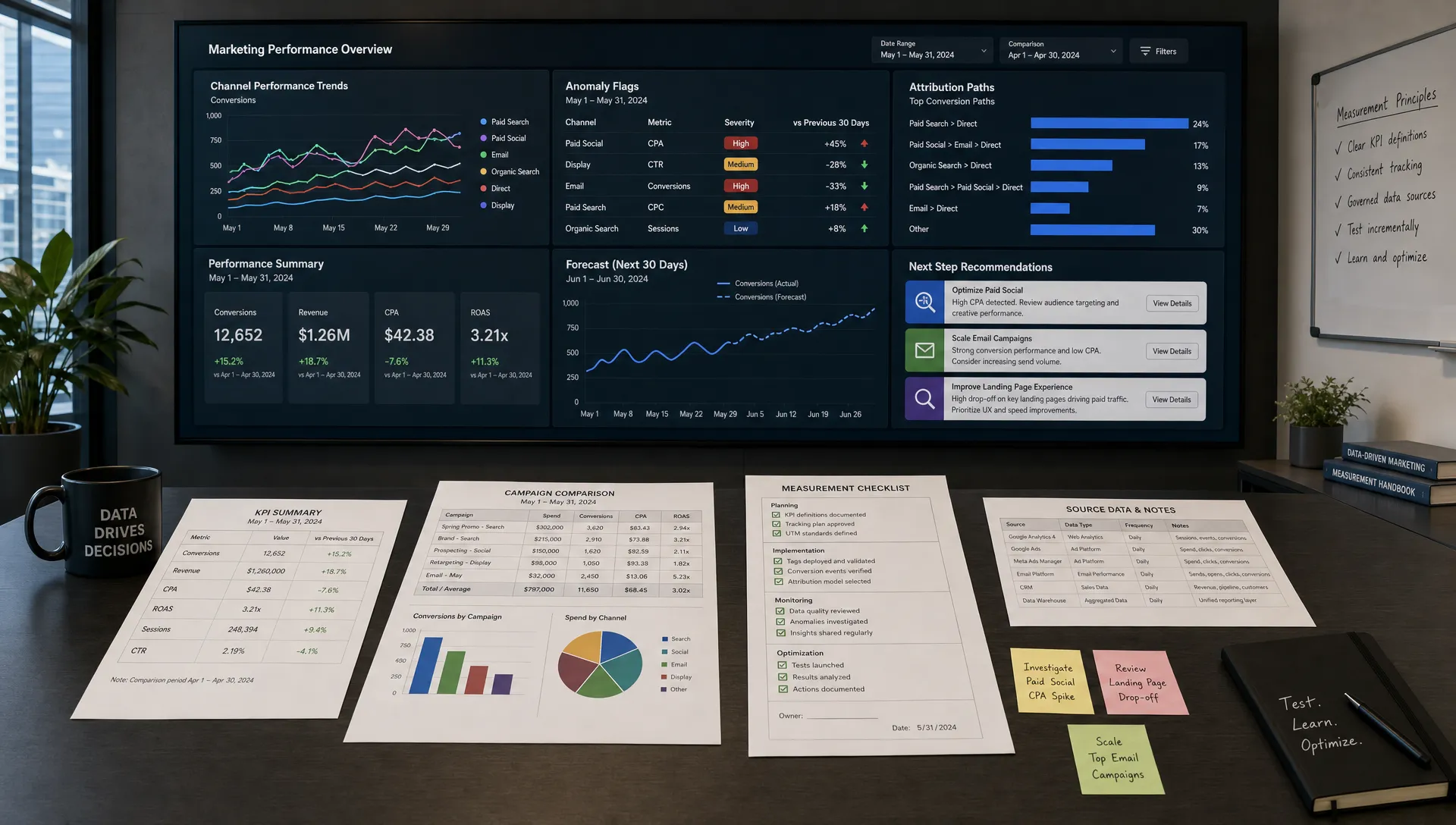
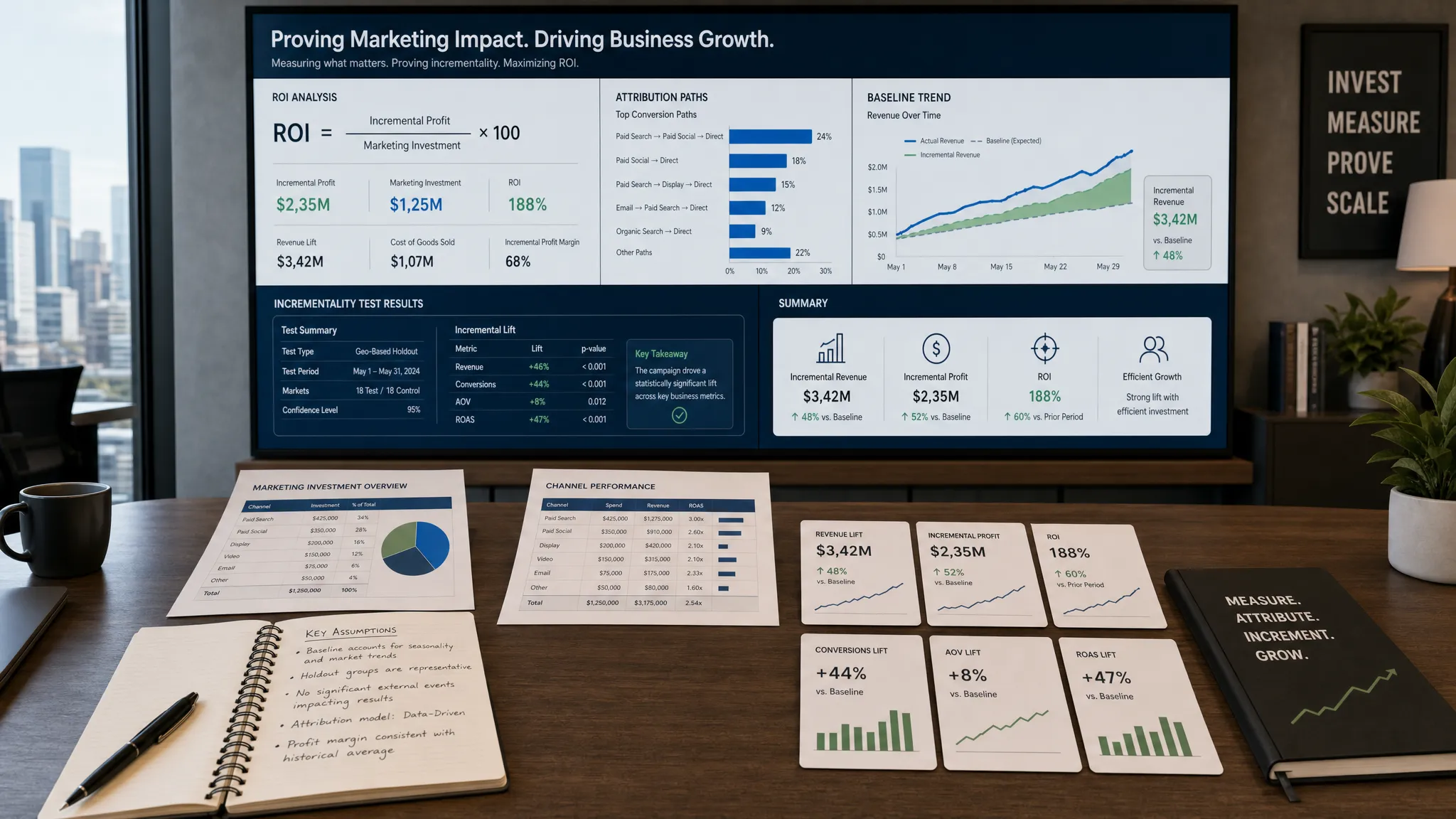
Use this to turn performance data into decisions, not just summaries.
Act as a marketing analytics strategist.

Analyze the campaign performance data below and identify what the team should do next.

Campaign goal: [goal]
Channels: [channels]
Time period: [time period]
Data: [paste metrics]
Benchmarks or targets: [benchmarks]
Important context: [budget changes, seasonality, creative changes, audience changes]

Return: executive summary; key wins; key problems; likely causes; data quality concerns; recommended next actions; tests to run; questions the team should answer before changing strategy.

If the data is insufficient, say what is missing instead of forcing a conclusion.
This template is valuable because it asks for action and uncertainty. Good AI-powered analytics workflows should not just describe what happened. They should help marketers decide what to investigate, keep, stop, or test next.
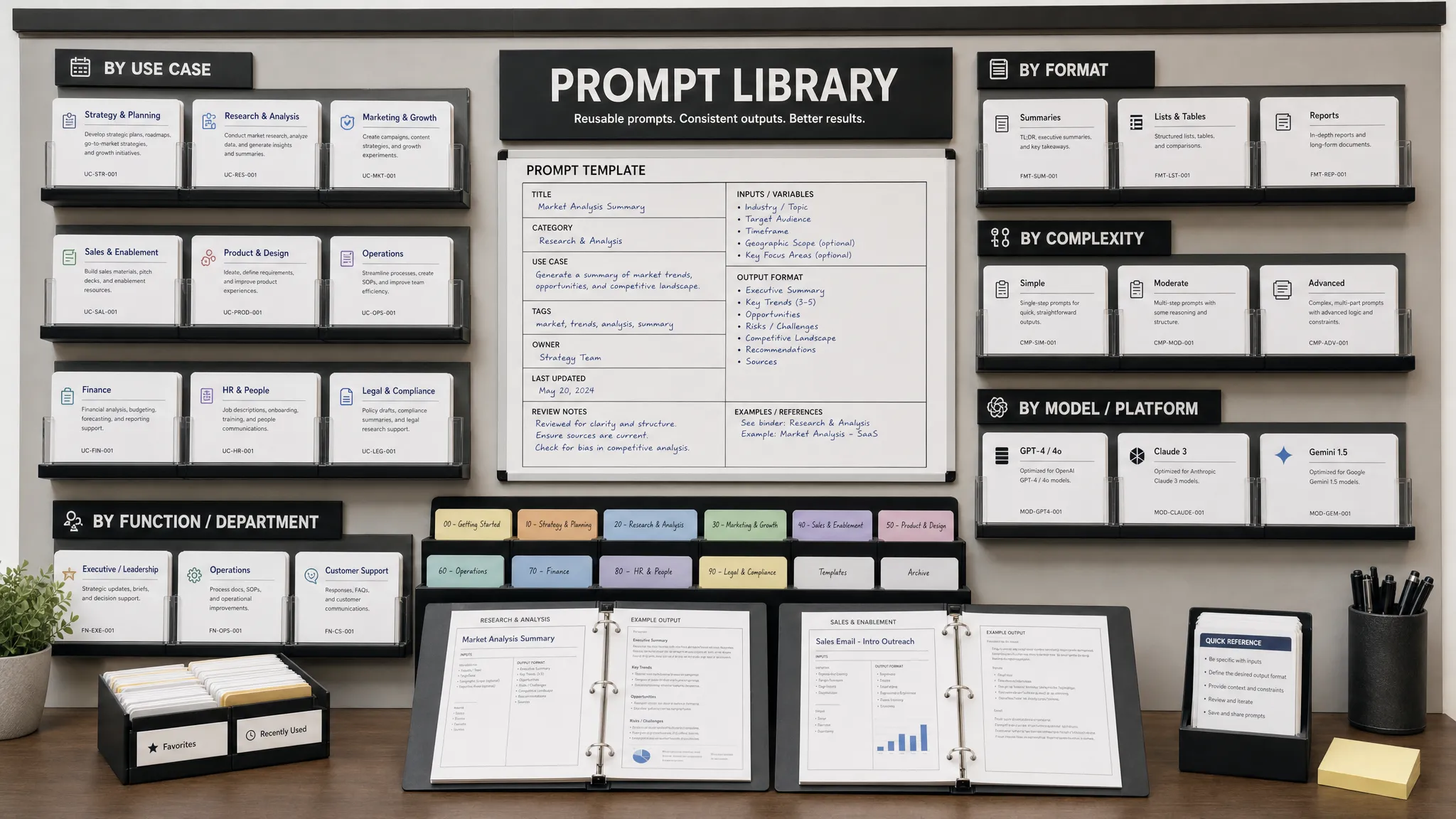
A prompt library is only useful if the team can find, trust, and improve it. Do not hide prompts in random documents or personal chat histories. Store them somewhere central, organize them by use case, and treat them like living assets.
Each prompt should have a clear owner. The owner does not need to be the only person who uses it, but they should be responsible for updating it when positioning changes, channels evolve, or the team learns what produces better outputs.
A practical prompt library should track:
This is where marketing workflow automation becomes much more realistic. Instead of asking every person to become a prompt engineering expert, you give the team approved templates that guide better inputs and outputs.
The first mistake is using prompts that are too broad. A prompt like create a marketing campaign for our product will produce surface-level ideas because it has no audience, offer, channel, or constraint. Specific prompts create specific outputs.
The second mistake is treating AI output as final. Even a strong prompt cannot replace factual review, customer knowledge, compliance checks, or strategic judgment. AI can accelerate production, but humans are still responsible for accuracy and brand trust.
The third mistake is asking for too many deliverables at once. If you need a campaign brief, landing page, email sequence, and paid ads, start with the strategy brief. Then use that approved strategy as the input for the next prompt. Sequential prompting usually produces better results than one giant request.
The fourth mistake is failing to include negative instructions. Tell the model what to avoid: unsupported claims, buzzwords, competitor mentions, discount language, overpromising, legal-sensitive wording, or phrases your audience dislikes.
Finally, avoid letting templates go stale. Your best prompts should evolve as your positioning, product, audience, and channels change.
What are AI prompt templates for marketing teams? AI prompt templates are reusable instructions that help marketers get consistent outputs from AI tools. They usually include the task, audience, context, constraints, source material, and preferred output format.
Which marketing tasks are best suited for prompt templates? Prompt templates work especially well for campaign briefs, SEO content briefs, customer research synthesis, email sequences, ad copy, content repurposing, landing page reviews, brand voice editing, and analytics summaries.
How do you keep AI-generated marketing content from sounding generic? Provide brand voice guidelines, customer language, examples of approved content, specific audience details, and clear instructions about what to avoid. The more distinct your inputs are, the less generic the output will be.
Can AI prompt templates improve SEO content? Yes, if they are used to clarify search intent, audience needs, content structure, internal links, and credibility requirements. They should support helpful content creation rather than keyword stuffing.
How often should a marketing team update its prompt library? Review prompts whenever your positioning, product, audience, channels, or approval standards change. For active teams, a monthly or quarterly review keeps templates useful and aligned.
The best prompt templates do not replace marketing strategy. They make strategy easier to apply across every asset your team creates.
If you want to improve your AI marketing workflow, explore AIMarketer Hub for AI-powered marketing tools, expert guides, prompt resources, calculators, and practical strategies built for modern teams. Start with a few templates, refine them with real campaign feedback, and turn your best prompts into a repeatable growth system.