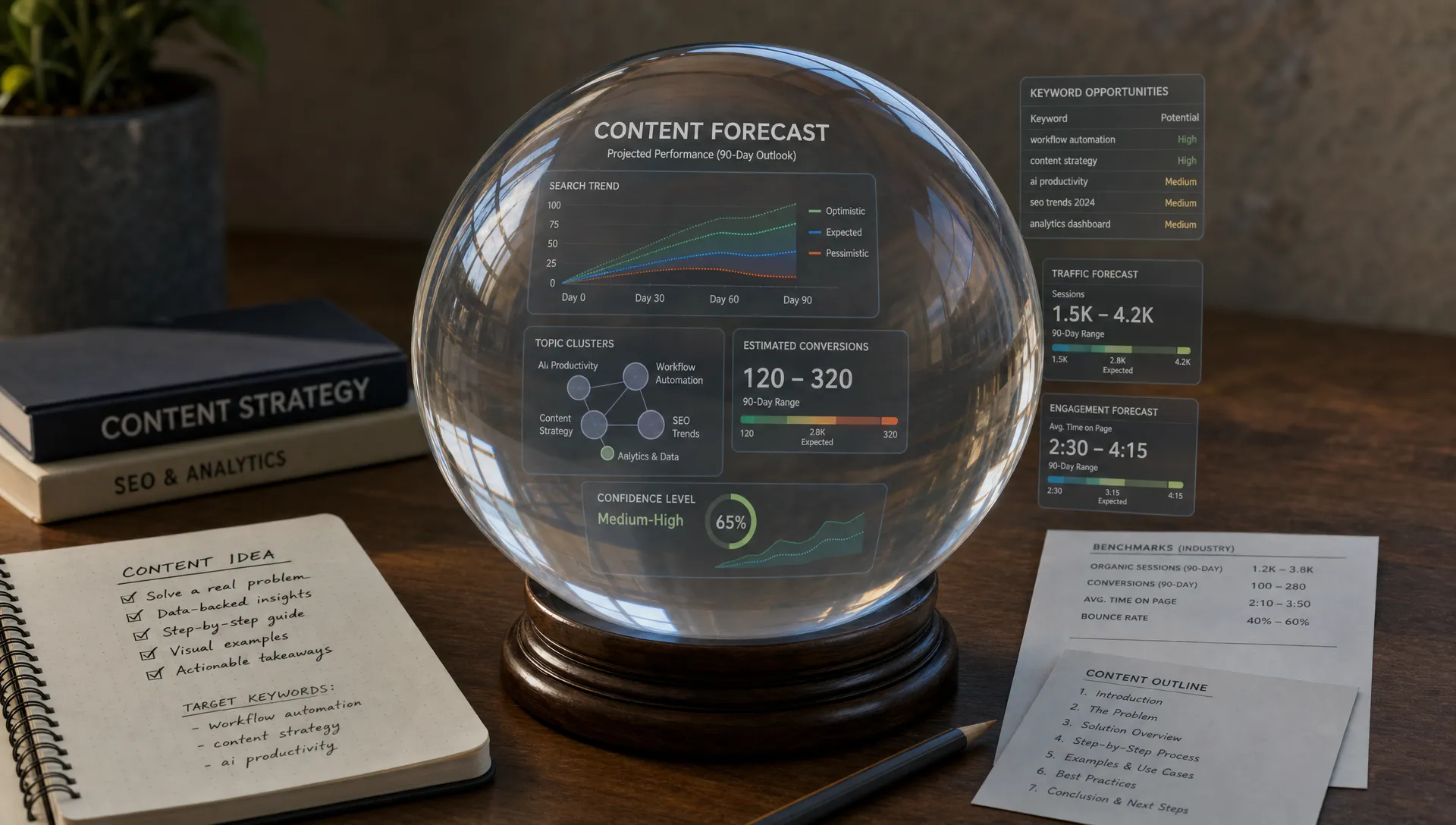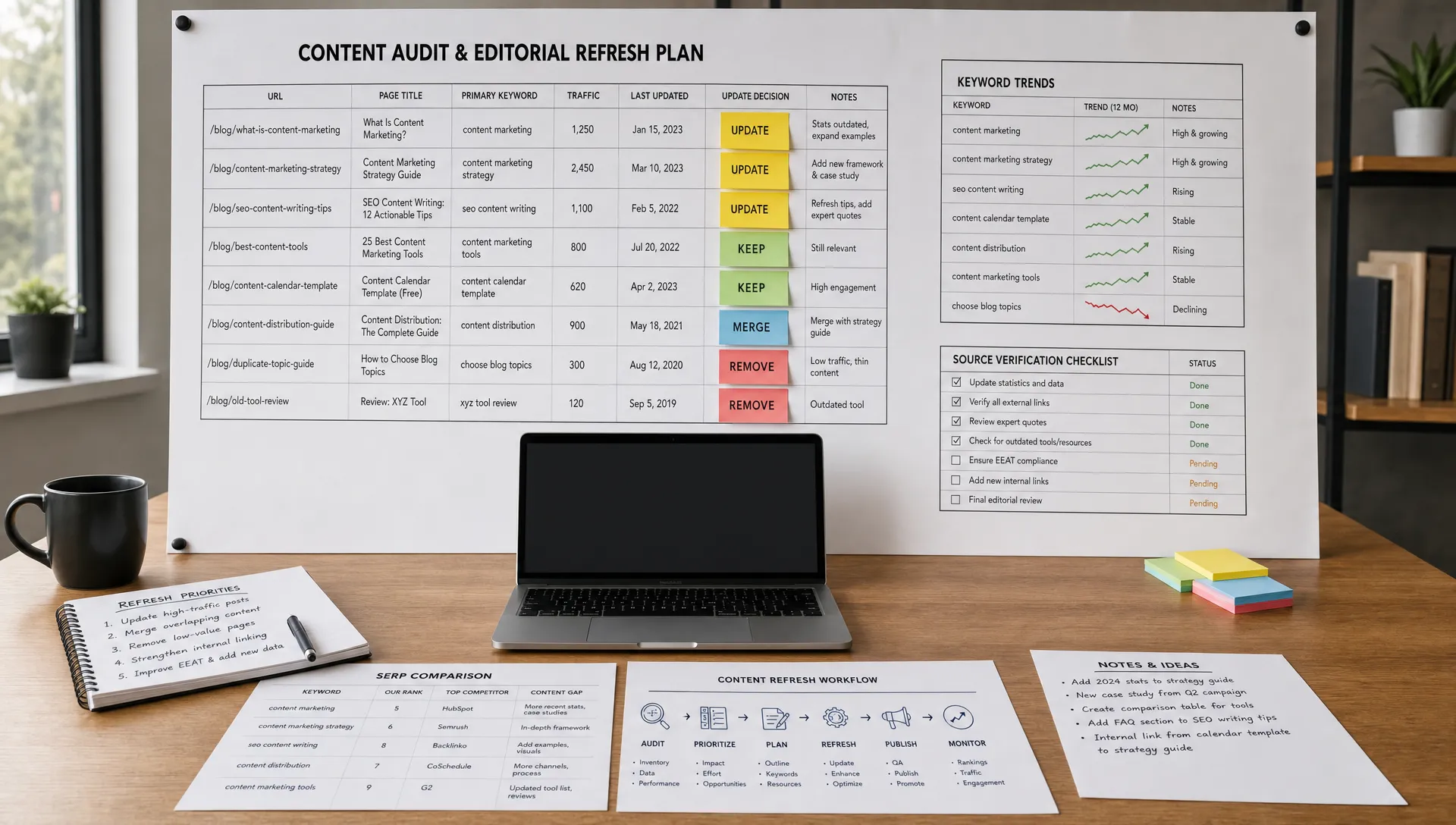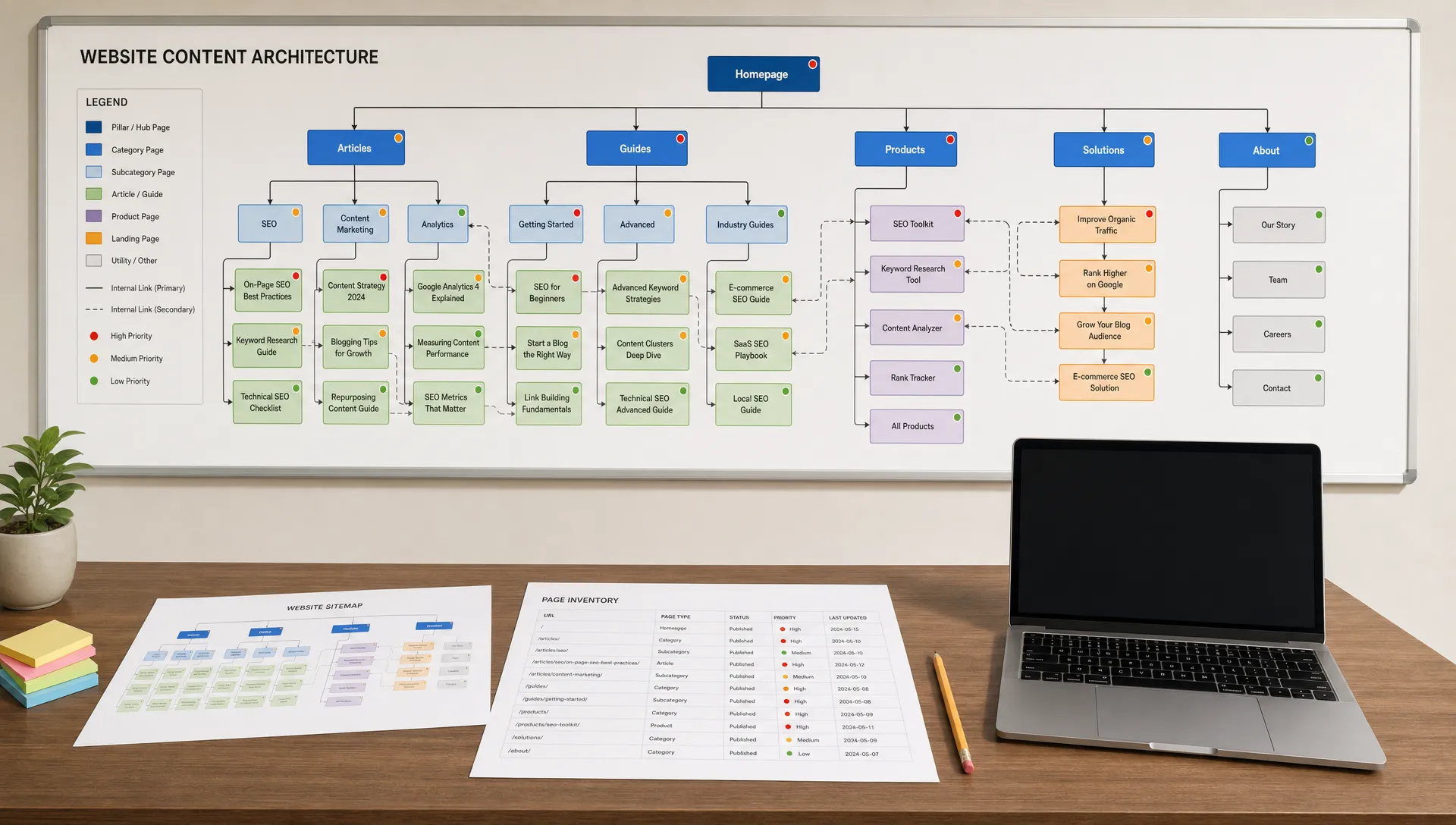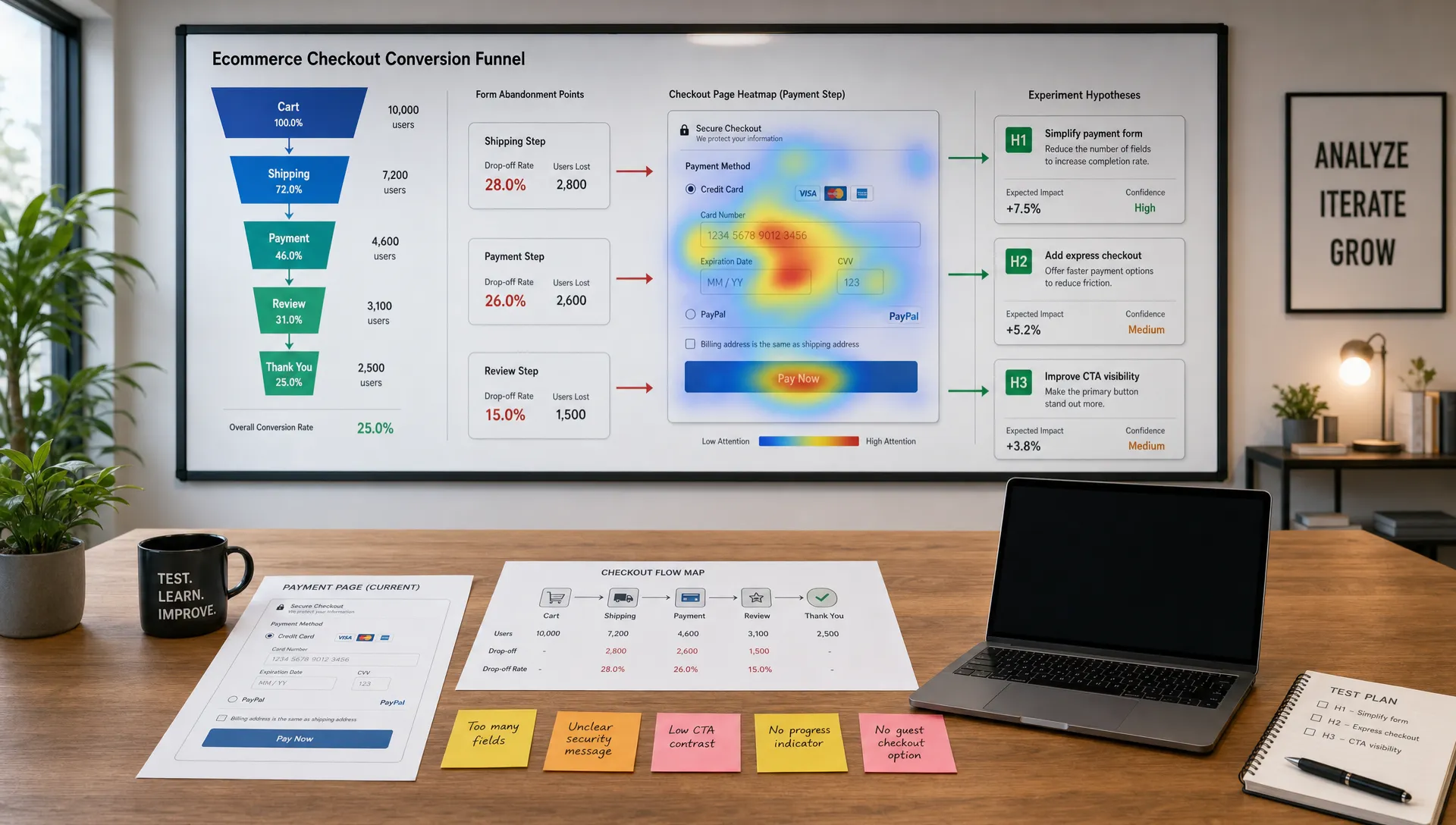
Search is changing fast, but the fundamentals have not disappeared. In 2026, better rankings still come from understanding what people need, creating the most useful answer, making that answer easy for search engines to crawl, and proving that your brand deserves trust.
What has changed is the workflow. AI can now speed up research, reveal patterns in search intent, generate content briefs, analyze competitors, and support ongoing optimization. At the same time, search engines are better at recognizing thin, repetitive, or unverified content. That means the winning approach is not “publish more with AI.” It is “use AI to make better SEO decisions.”
This AI SEO checklist is built for marketers, founders, content teams, and small businesses that want better rankings in 2026 without wasting time on outdated tactics. Use it as a practical framework before you publish, while you optimize, and when you measure results.
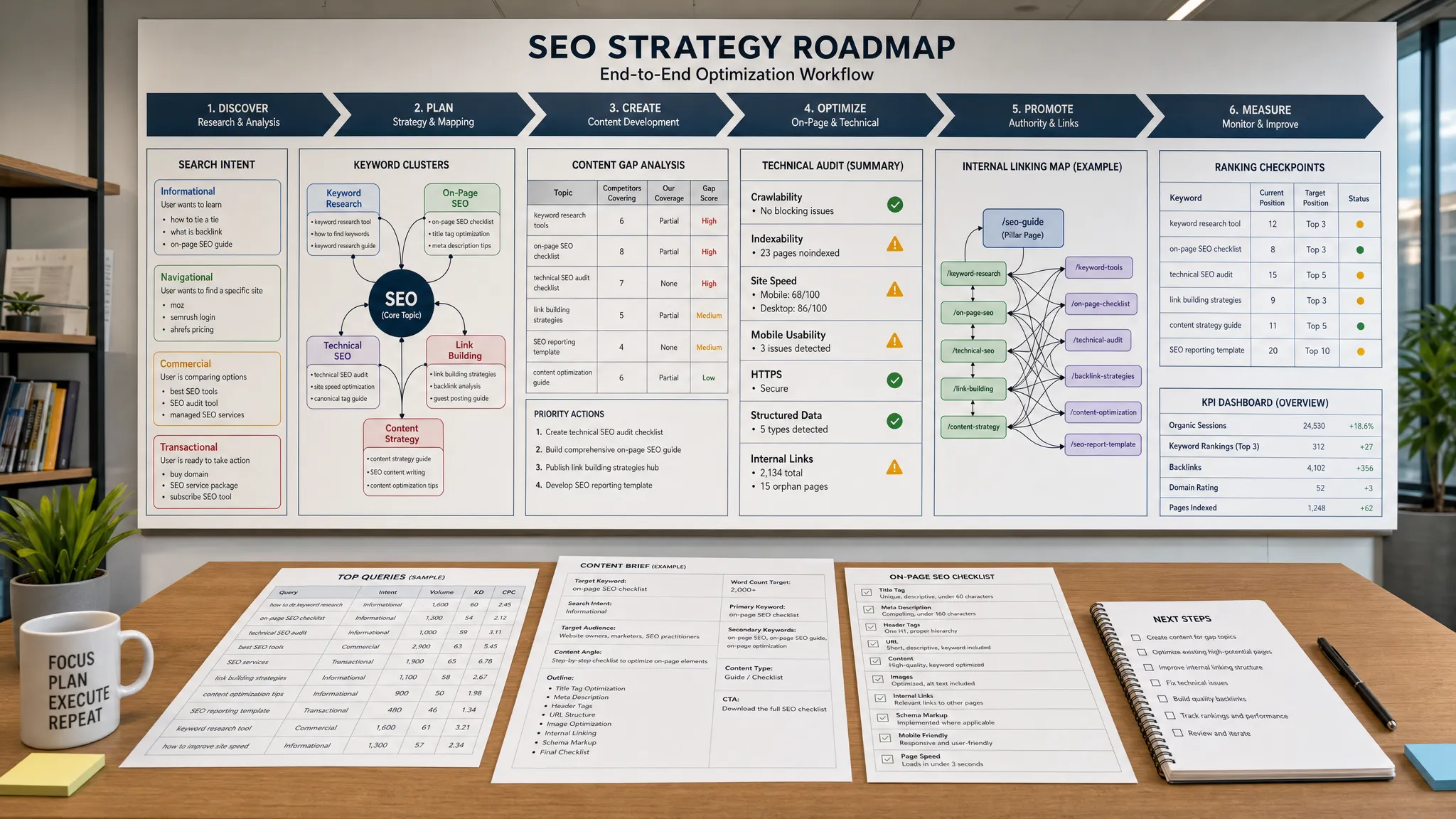
Before diving into the details, here is the high-level version of the checklist:
The rest of this guide breaks each step into an actionable process.
A strong AI SEO strategy begins with a simple question: what is the searcher trying to accomplish?
Keyword volume can still help you prioritize, but it should not dictate your content plan by itself. In 2026, many valuable queries have lower visible volume because users search in longer, more specific phrases, ask conversational questions, and interact with AI-generated summaries before clicking. If you only chase broad terms, you may miss the topics that actually convert.
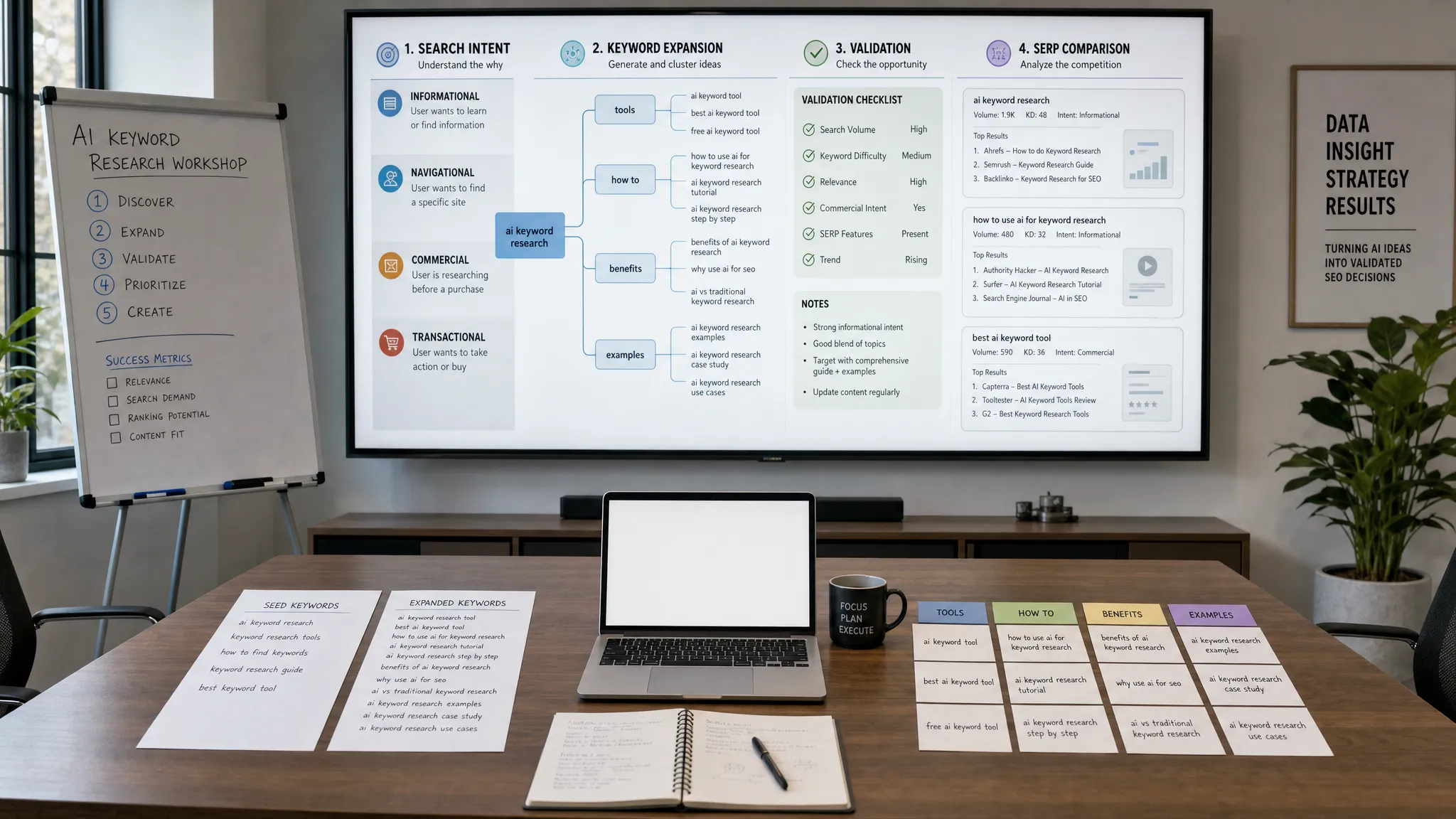
Start by grouping queries by intent:
AI tools can help cluster hundreds of keywords into these categories, but do not rely on automation alone. Open the search results yourself. Look at what ranks: guides, product pages, comparison pages, local results, videos, calculators, forums, or short answers. The SERP tells you what search engines believe the intent is.
For example, a query like “AI marketing automation” could mean several things. A beginner may want a definition. A marketing manager may want a tool comparison. A SaaS founder may want implementation steps. Each intent deserves a different page format, not one generic article trying to satisfy everyone.
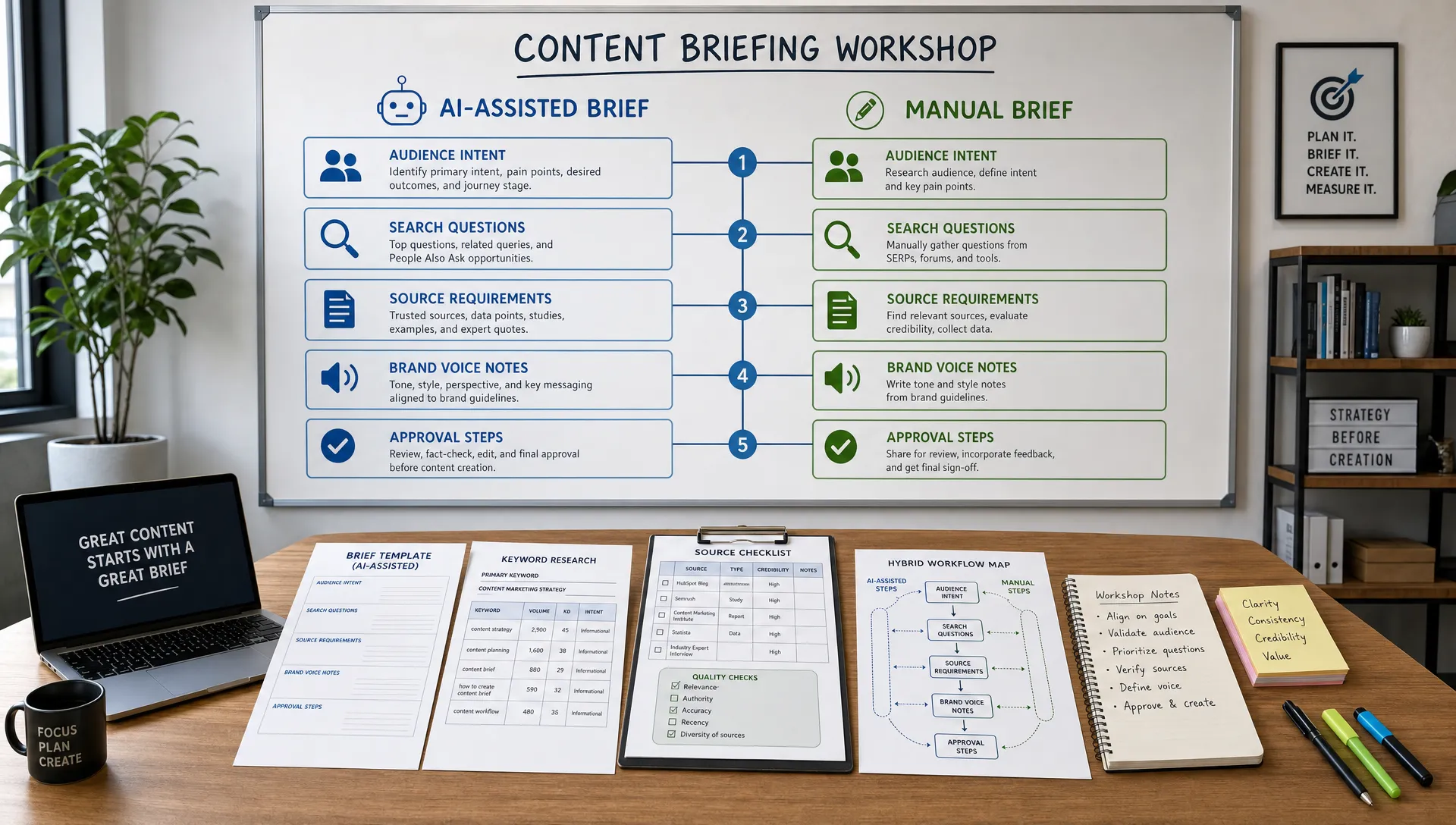
AI is excellent at accelerating SEO research. It can summarize competitor pages, identify recurring subtopics, suggest related questions, and help you create briefs. But AI can also invent facts, misread search intent, and produce confident claims without evidence.
Use AI as a research assistant, not as the final authority.
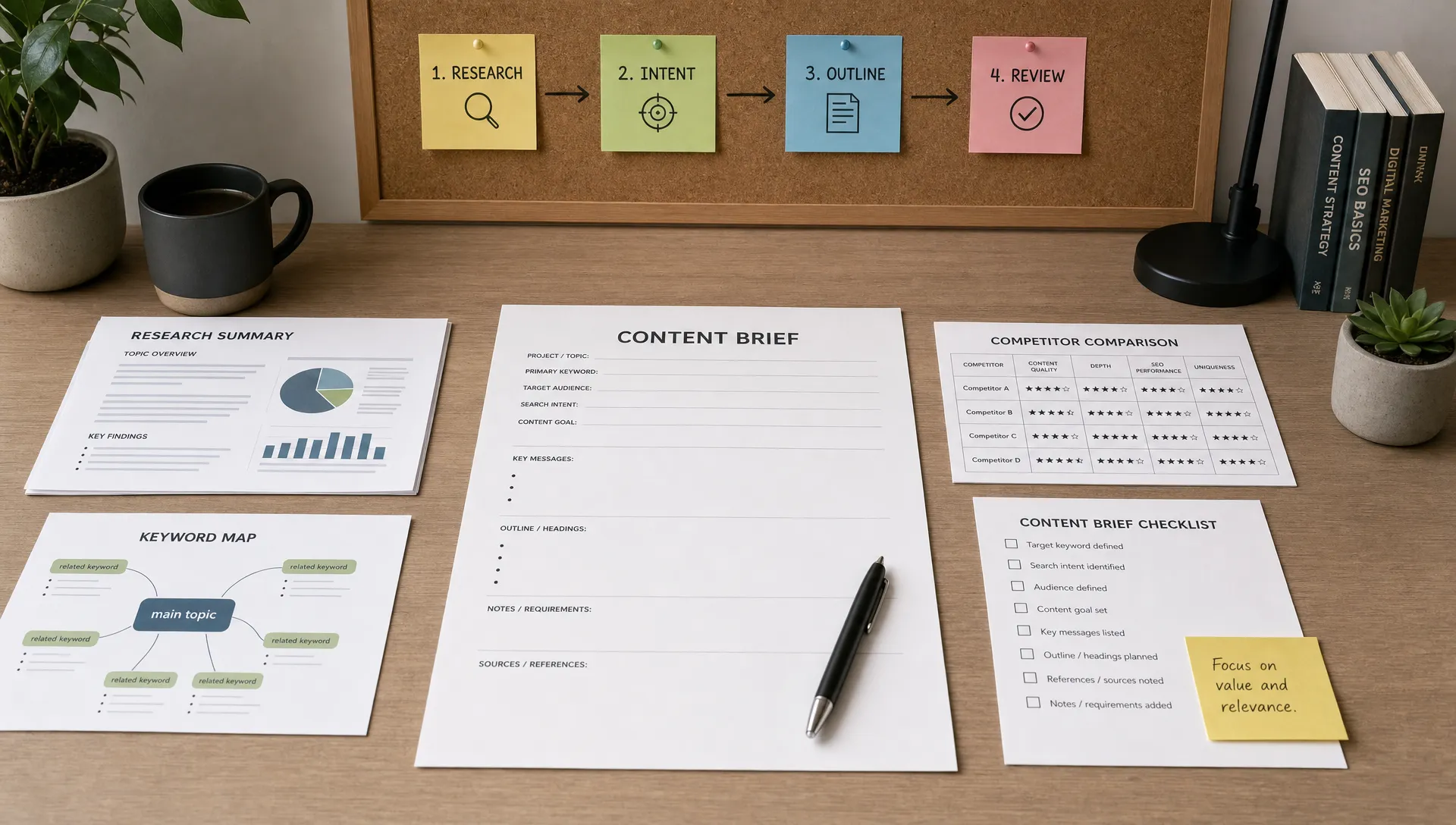
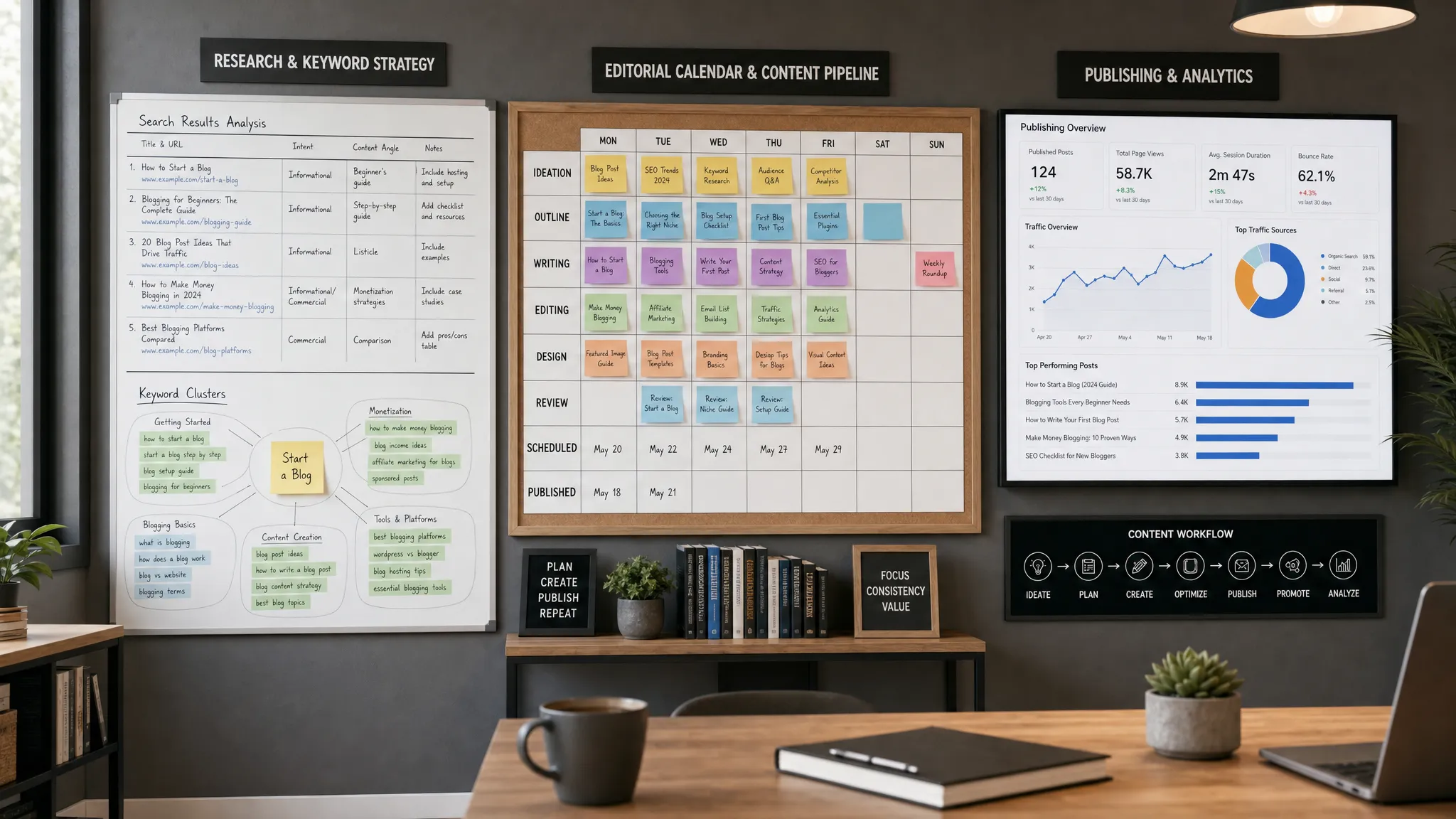
A practical workflow looks like this: collect your target keywords, export SERP data from your SEO platform, review the top-ranking pages, then use AI to identify patterns. Ask it what themes appear repeatedly, what questions remain unanswered, and which content formats dominate the results. Then validate those findings manually.
For small teams, this can save hours. Instead of reading 20 competing pages from scratch, you can use AI to create a first-pass summary, then spend your human time on judgment: what is accurate, what is missing, what is outdated, and where your brand can add something better.
If you are choosing tools for this workflow, AIMarketer Hub’s guide to AI SEO tools for small teams is a helpful next step because it focuses on what is practical rather than what sounds impressive.
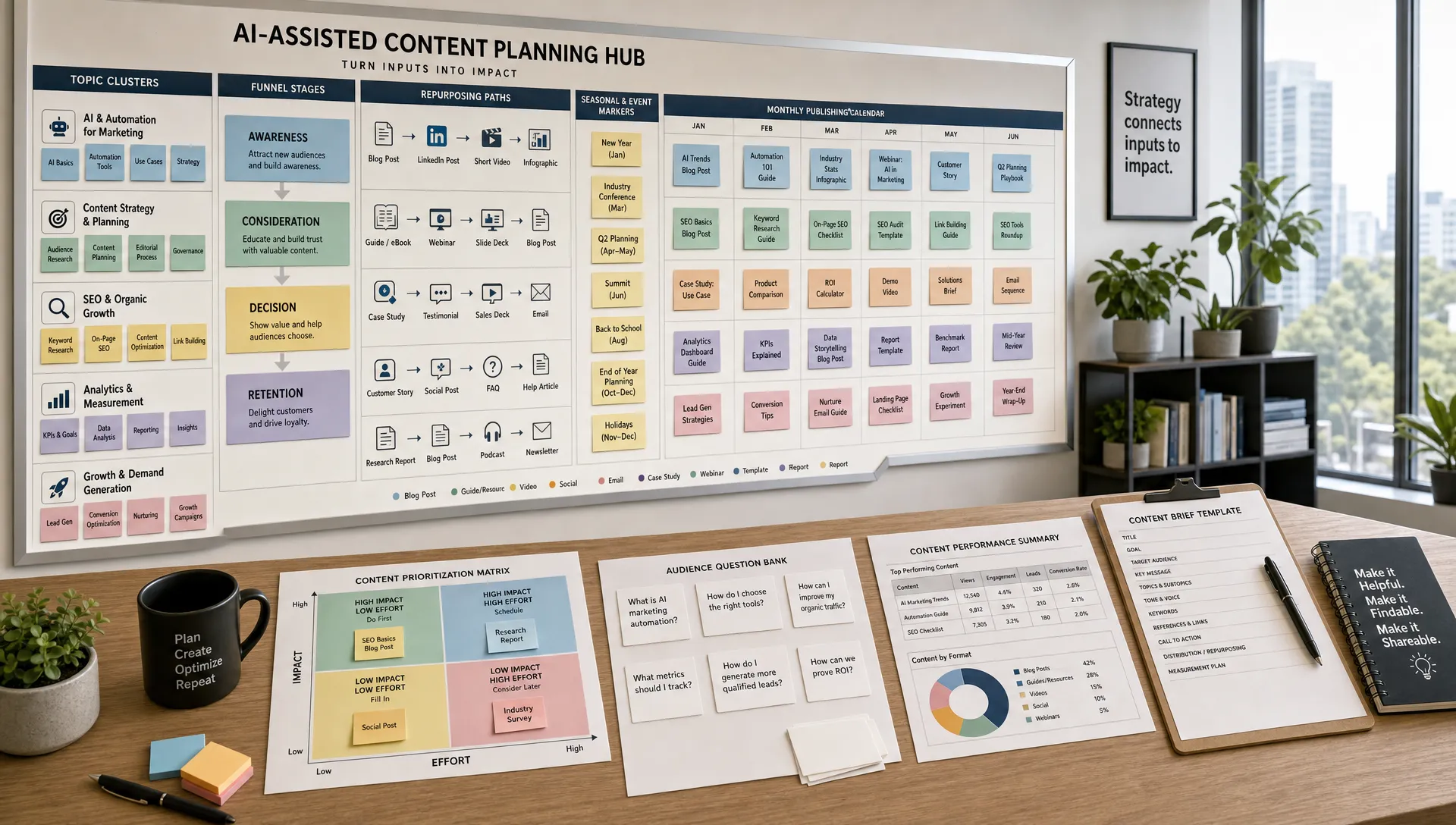
Publishing one article on a topic rarely creates lasting authority. Search engines need to see that your site covers a subject deeply, consistently, and in a way that helps users move from basic understanding to informed action.
That is where topic clusters and content hubs matter.
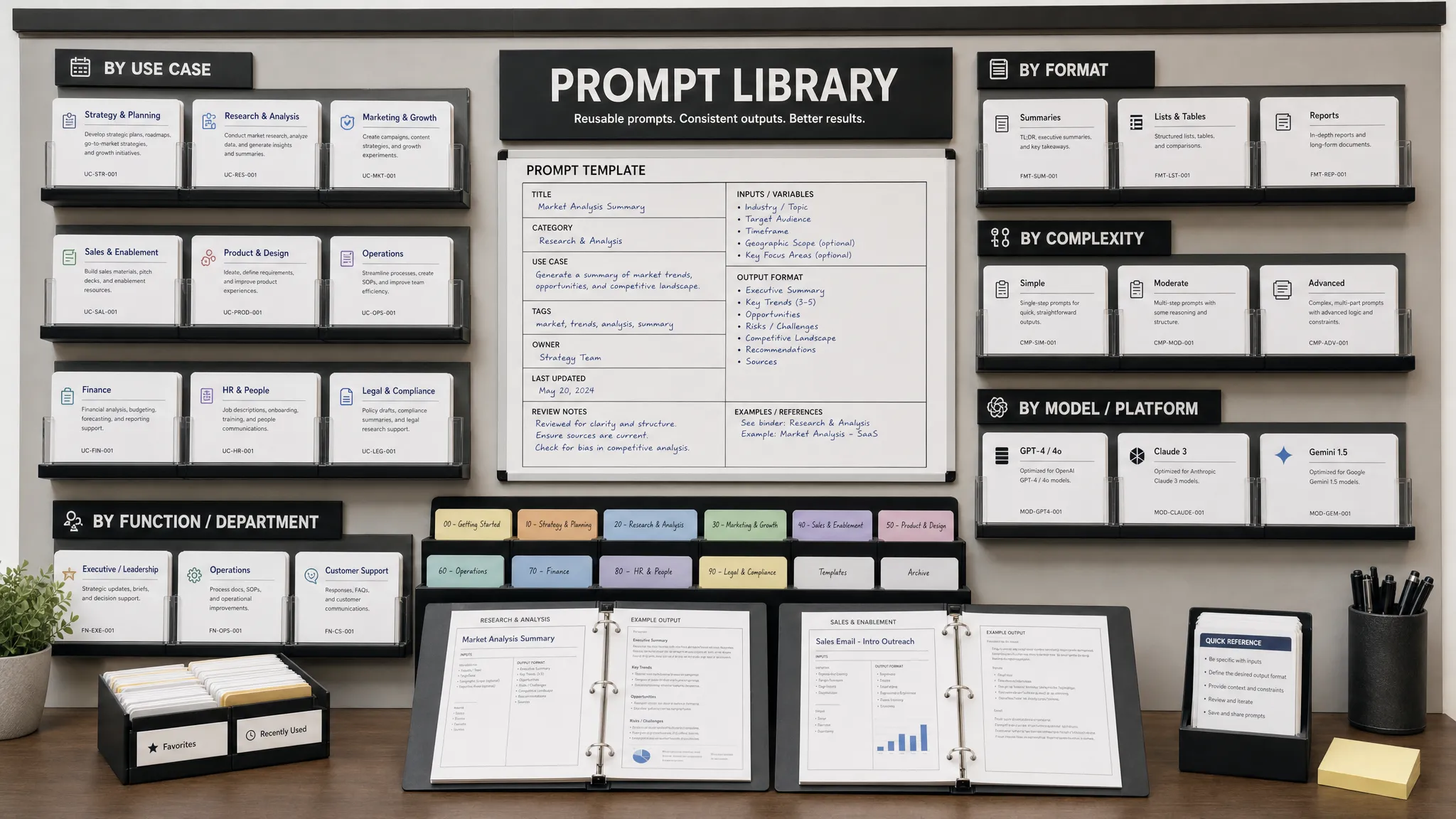
A content hub starts with a core topic, such as AI marketing, AI SEO, content automation, or AI-powered analytics. Around that core topic, you create supporting pages that answer specific questions. Each page should have a unique purpose, then link naturally to related resources.
For an AI marketing website, a strong SEO hub might include pages on:
The goal is not to create endless variations of the same article. The goal is to cover the topic from multiple useful angles. When pages overlap, consolidate them. When a subtopic deserves depth, create a dedicated page.
Internal linking is a major part of this. Links help users discover related information and help search engines understand which pages are most important. Use descriptive anchor text that explains what the linked page is about. Avoid generic anchors like “learn more” when a more specific phrase would help.
AI can produce a clean article quickly. That is no longer a competitive advantage. The advantage comes from the things AI cannot easily fake: experience, real examples, original opinions, expert review, proprietary data, and brand-specific insight.
Google’s guidance on creating helpful, reliable, people-first content remains a useful benchmark. The core question is whether your content is genuinely helpful for a human reader, not just optimized for a crawler.
For every page, ask:
This is especially important in AI-generated content. If your draft sounds like every other article in the results, rankings will be difficult to maintain. Add specificity. Include real workflow steps, decision criteria, lessons learned, industry context, or customer-facing examples where appropriate.
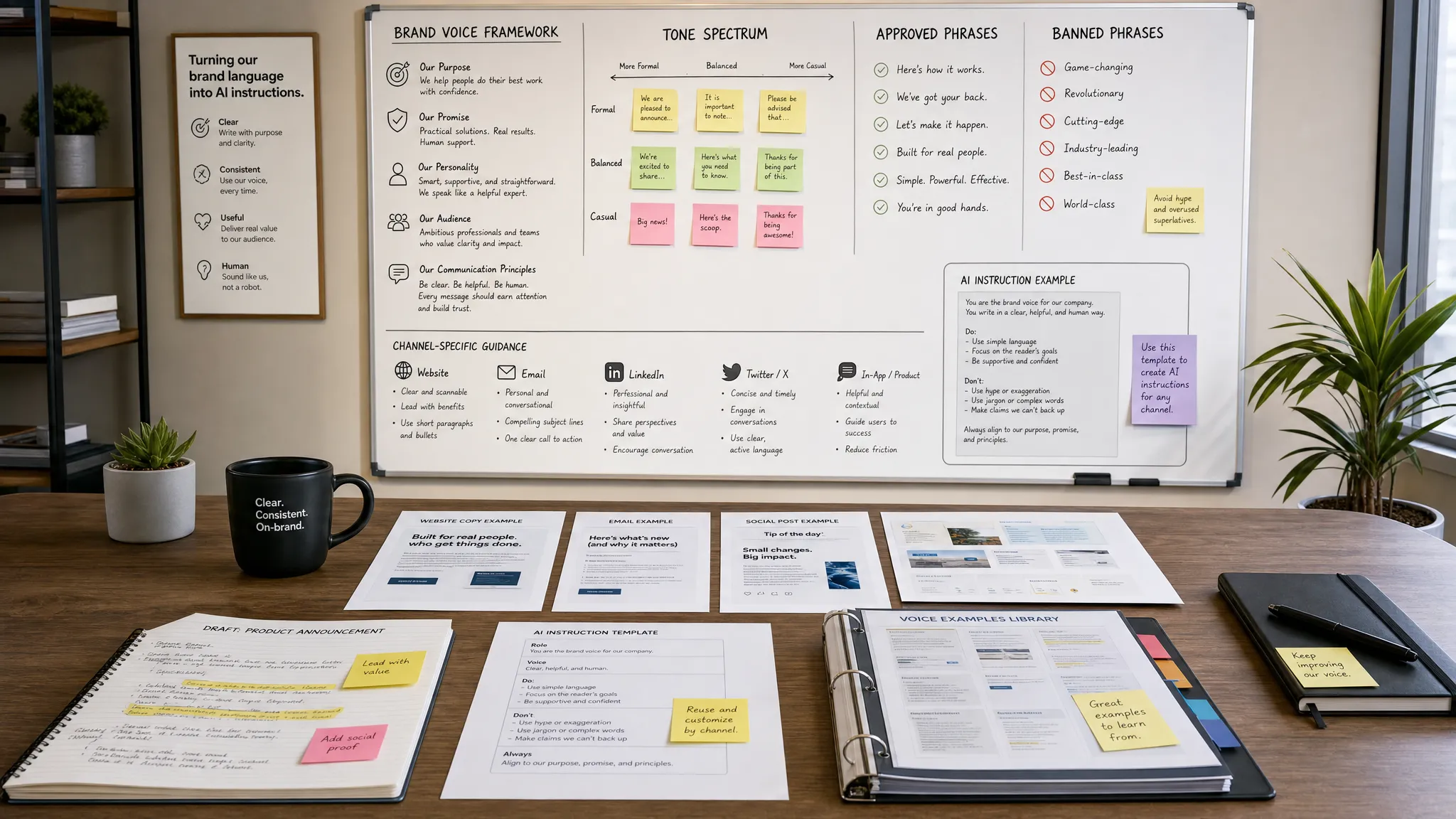
Brand voice also matters. AI content often becomes bland when every sentence is optimized for broad appeal. If your team uses AI for writing, build a voice guide and review process so the final article still sounds like your company. AIMarketer Hub has a related guide on using AI for marketing without losing your brand voice that fits well with this step.
SEO in 2026 is not only about ranking first in the traditional list of blue links. Search results increasingly include featured snippets, knowledge panels, “people also ask” results, product modules, local packs, video results, and AI-generated summaries.
You cannot control whether a search engine uses your content in an AI answer, but you can make your content easier to understand and cite.
Write sections that answer specific questions clearly. Use concise definitions near the top of relevant pages. Include step-by-step explanations where the query implies a process. Add comparison language when users are evaluating options. Use descriptive headings that mirror real search questions, but avoid stuffing keywords into every heading.
Clarity is the priority. A good answer passage often has three qualities: it is direct, it is self-contained, and it is supported by the broader article. If someone asks “What is AI SEO?” the page should include a short, accurate explanation. If someone asks “How do I use AI for SEO?” the page should provide a practical sequence of actions.
Also consider the format of your content. A page that includes definitions, short summaries, examples, FAQs, and structured sections can serve both human readers and machine interpretation. The key is to make the page easier to scan without making it shallow.
AI can help you publish faster, but publishing faster will not help if search engines cannot crawl, render, or understand your pages.
Technical SEO is the foundation. Before scaling an AI-assisted content program, make sure your site is healthy.
Check the basics first:
Google’s Search Essentials are a reliable reference for the minimum requirements your site should meet. You should also review Google’s guidance on structured data if your pages include articles, products, FAQs, reviews, events, recipes, or other content types that qualify for rich results.
Structured data does not guarantee better rankings, but it can help search engines interpret your content. For blog articles, Article schema may be relevant. For FAQs, use FAQ structured data only when the content meets current eligibility guidelines and is visible to users on the page. For product or software pages, use the correct schema type and avoid adding misleading fields.
AI content creation is useful when it supports a thoughtful editorial process. It becomes risky when teams use it to publish large volumes of similar pages with little human review.
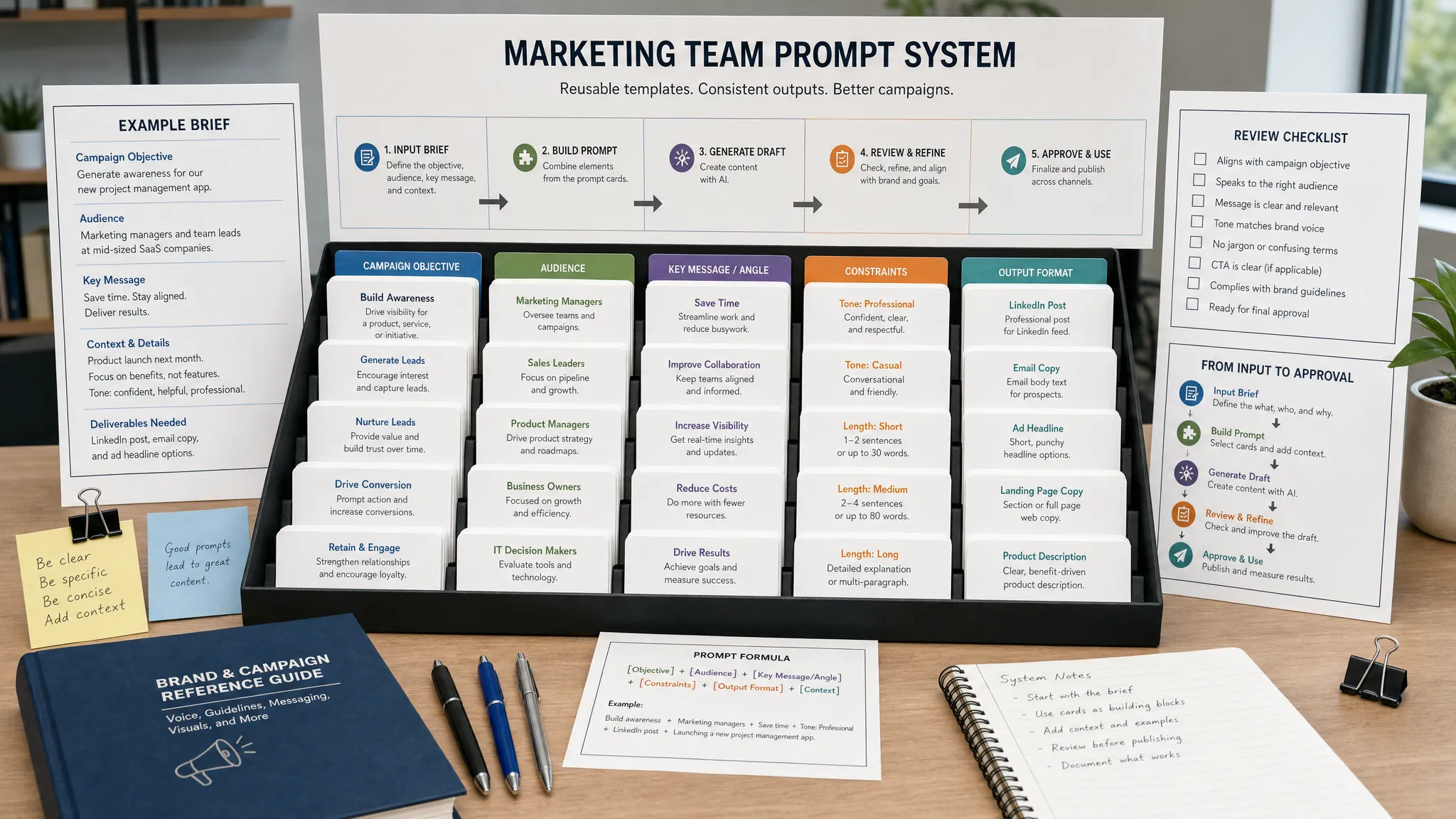
A better approach is to assign AI the tasks where it performs well:
The human team should own the strategy, angle, evidence, examples, final edits, and quality control. This division of work keeps AI from flattening your content into something generic.
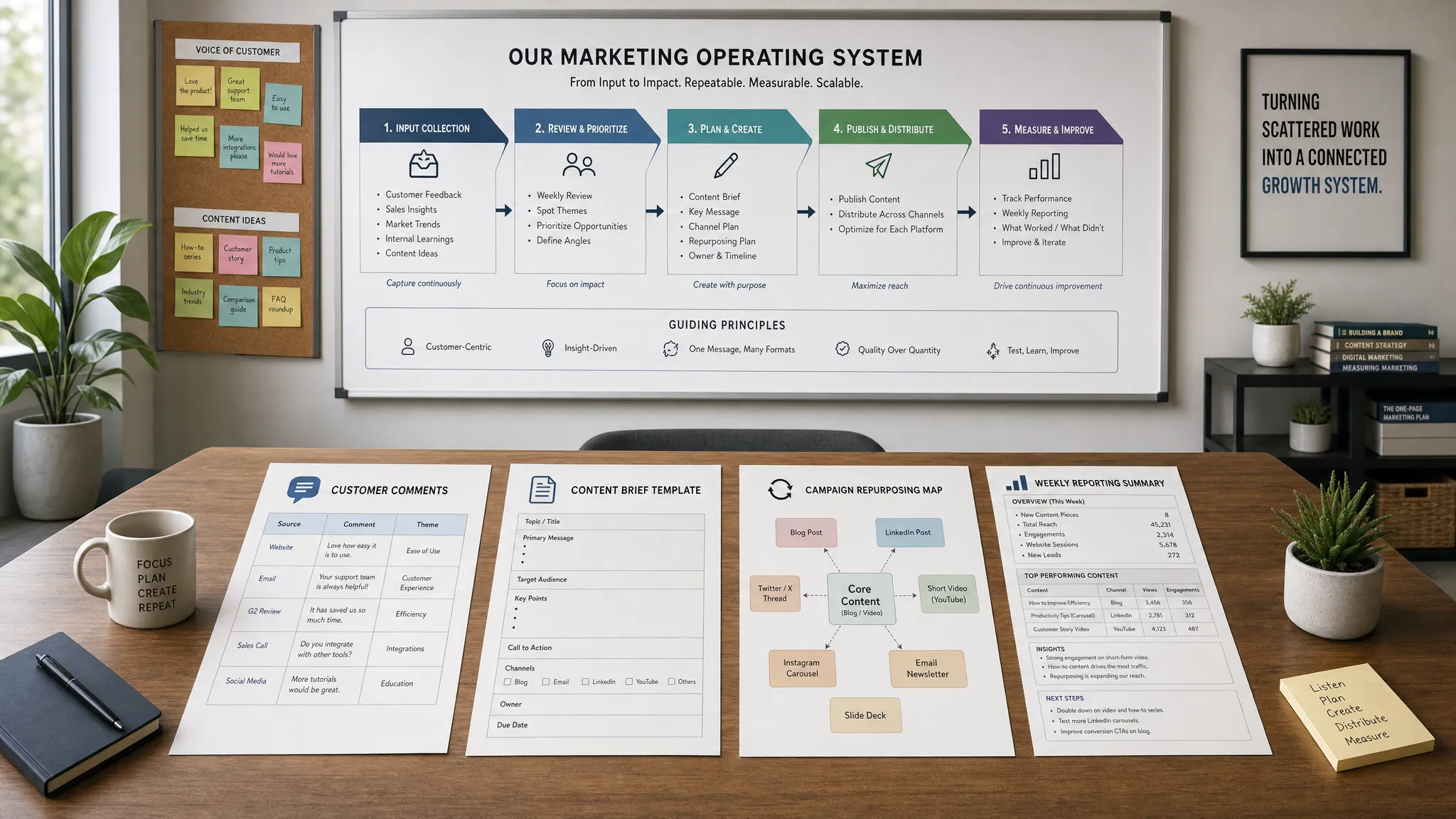
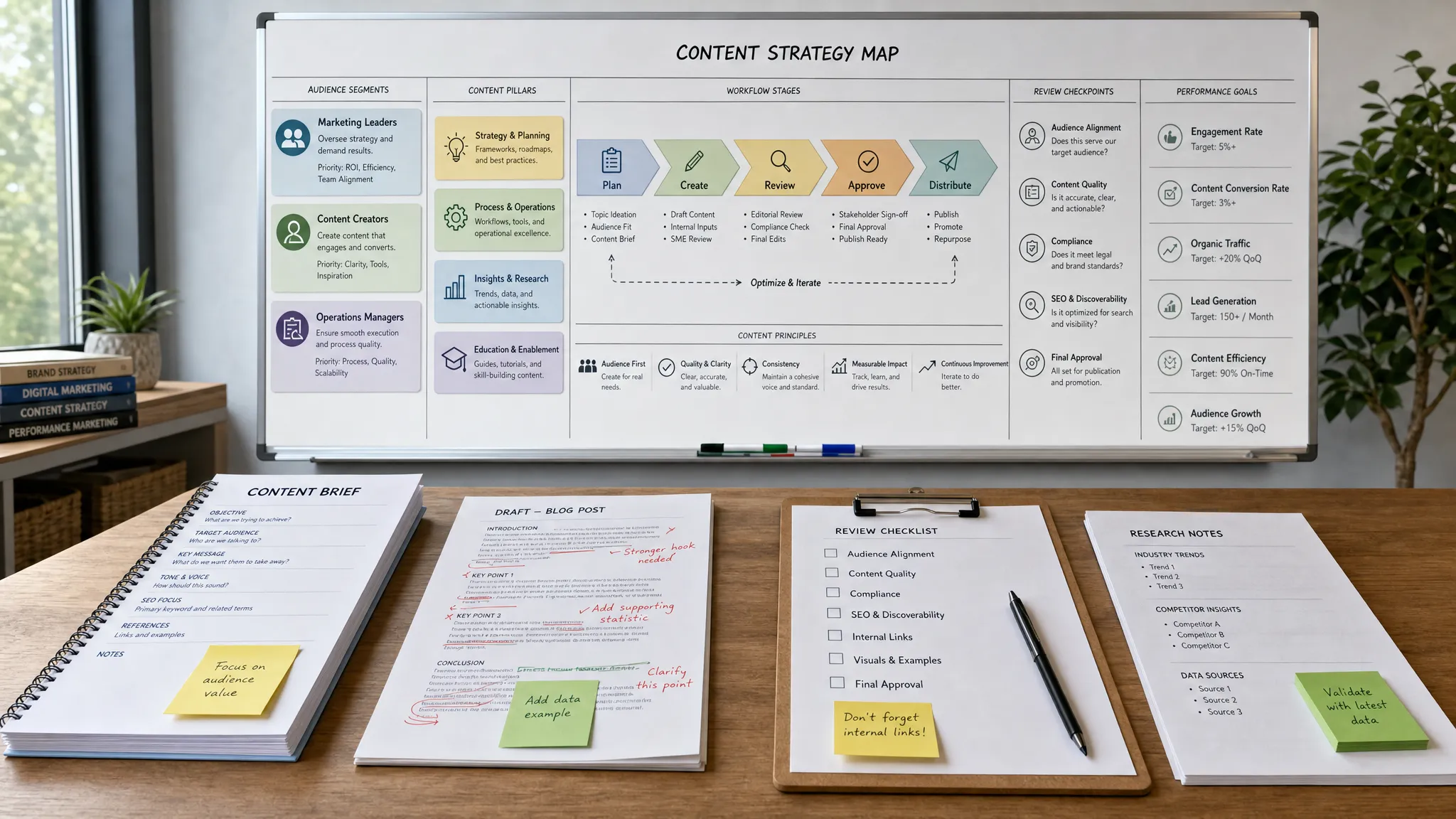
If content velocity is a priority, focus on repeatable workflows instead of raw output. Create templates for briefs, expert review, fact-checking, internal linking, and optimization. That lets your team move faster while still protecting quality.
For a deeper look at practical content workflows, see AIMarketer Hub’s article on how AI for content creation saves time and scales output.
On-page SEO in 2026 is less about placing an exact keyword a certain number of times and more about making the topic unmistakably clear.
Your page should include the primary concept naturally in the title tag, main heading, introduction, and a few relevant sections. But it should also include semantically related terms, entities, examples, and subtopics that show full coverage.
For this article’s topic, related concepts might include AI search, content optimization, technical SEO, structured data, search intent, internal linking, content refreshes, and performance analytics. These terms help search engines understand the broader meaning of the page.
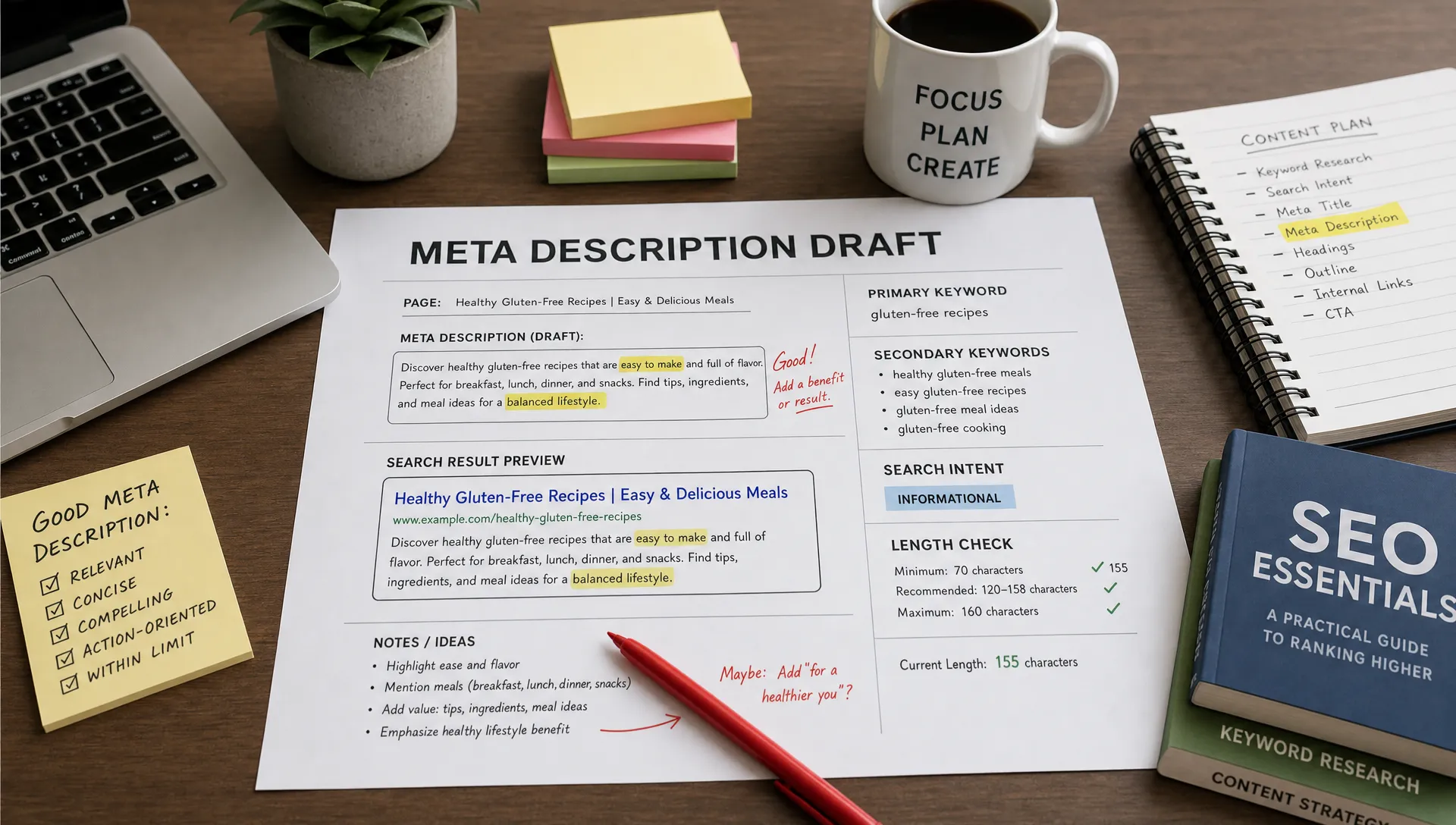
Review these on-page elements before publishing:
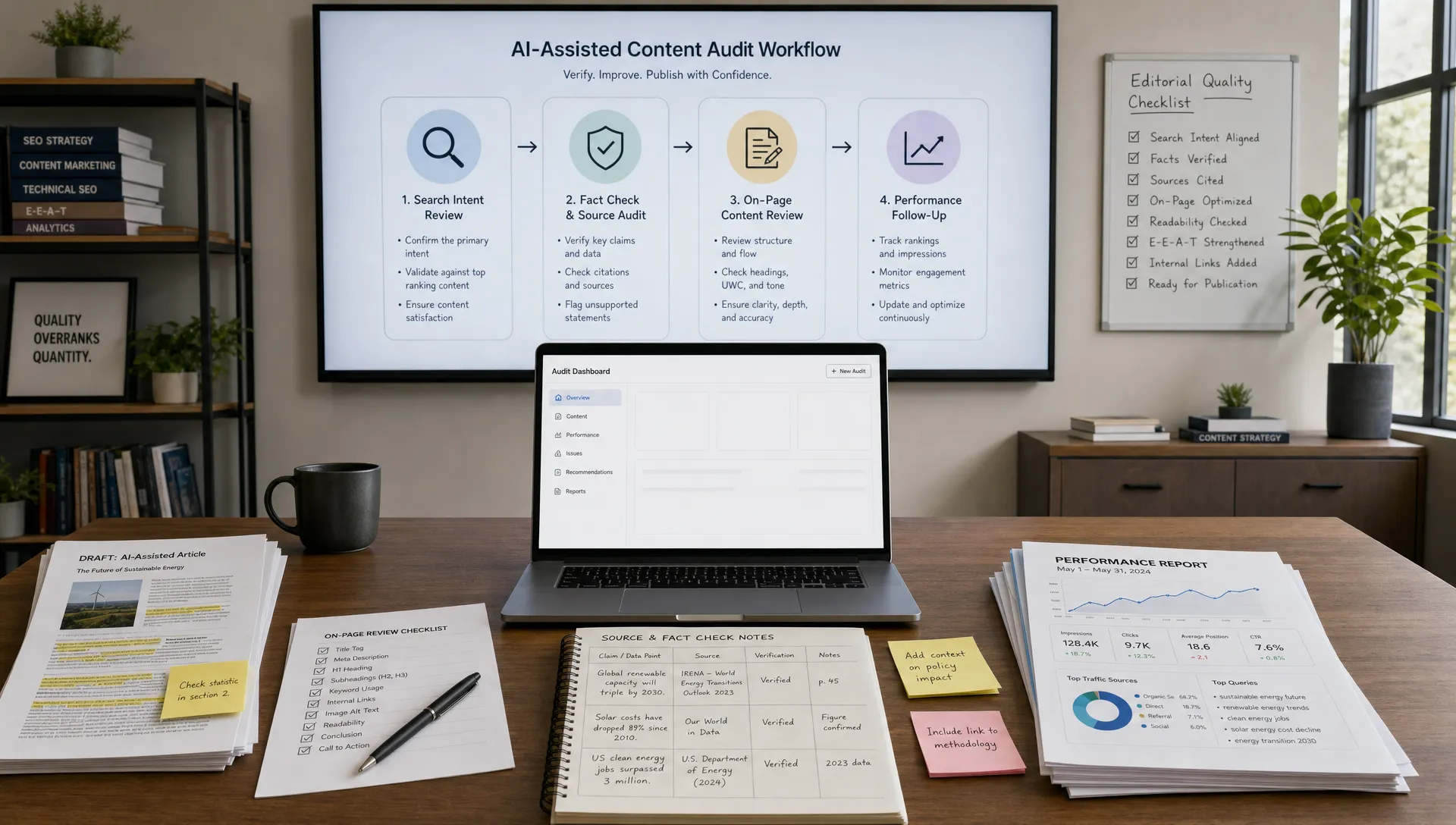
AI can help audit these elements, but you should still review the page manually. A title tag may be technically optimized but boring. A heading may include a keyword but fail to explain the section. SEO quality still depends on editorial judgment.
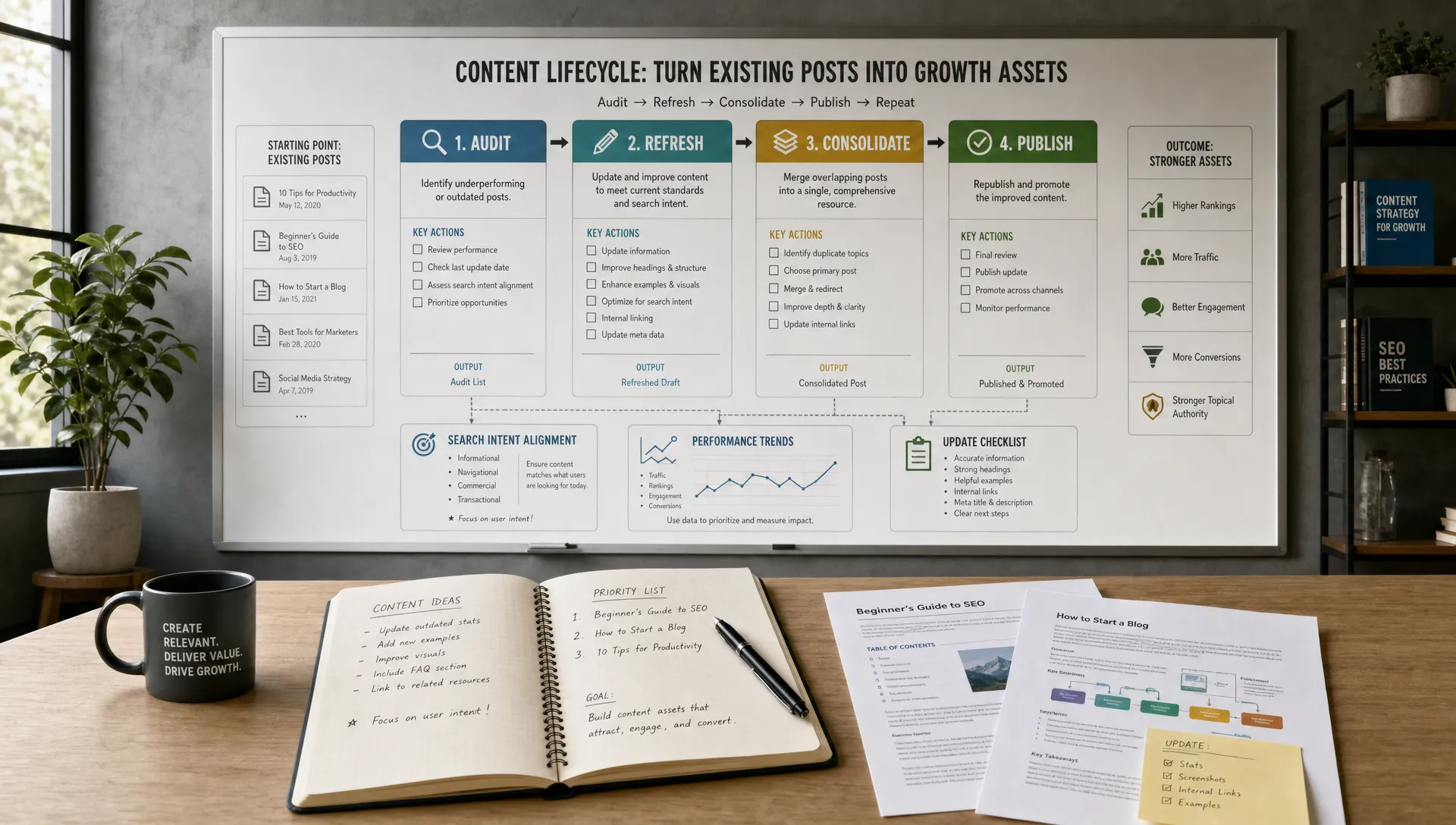
Many sites do not need more content first. They need better content from what already exists.
Before creating a new article, search your site for the topic. If you already have a related page, decide whether to update it, expand it, merge it with another page, or create a new supporting article. This prevents keyword cannibalization, where multiple pages compete for the same intent.
AI can help with content refreshes by comparing your page against current ranking pages and identifying missing sections, outdated claims, weak headings, and thin explanations. It can also summarize performance data so you can prioritize updates.
A good refresh may include:
Refreshing is often faster than starting from zero, and it can protect rankings you have already earned.
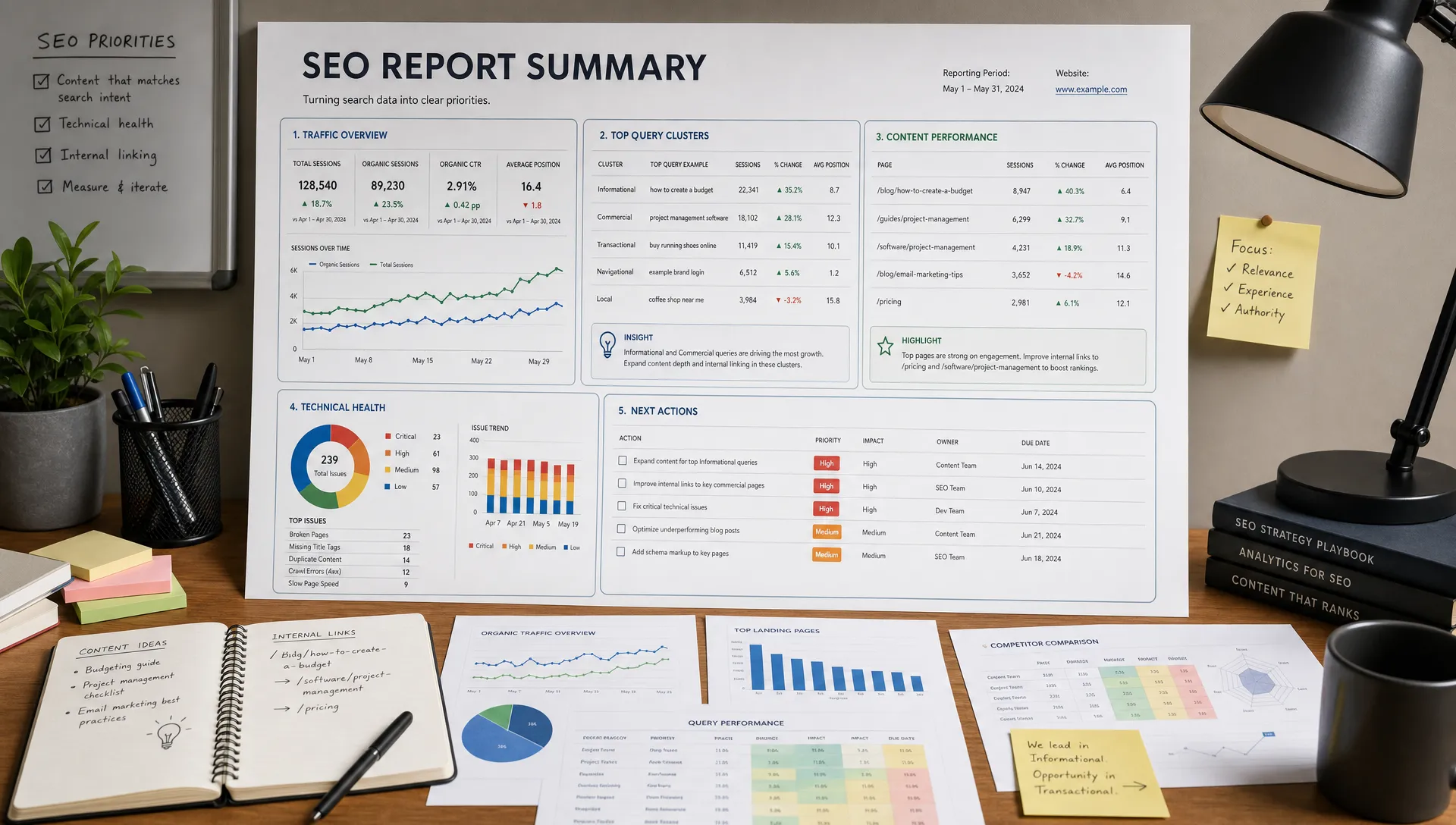
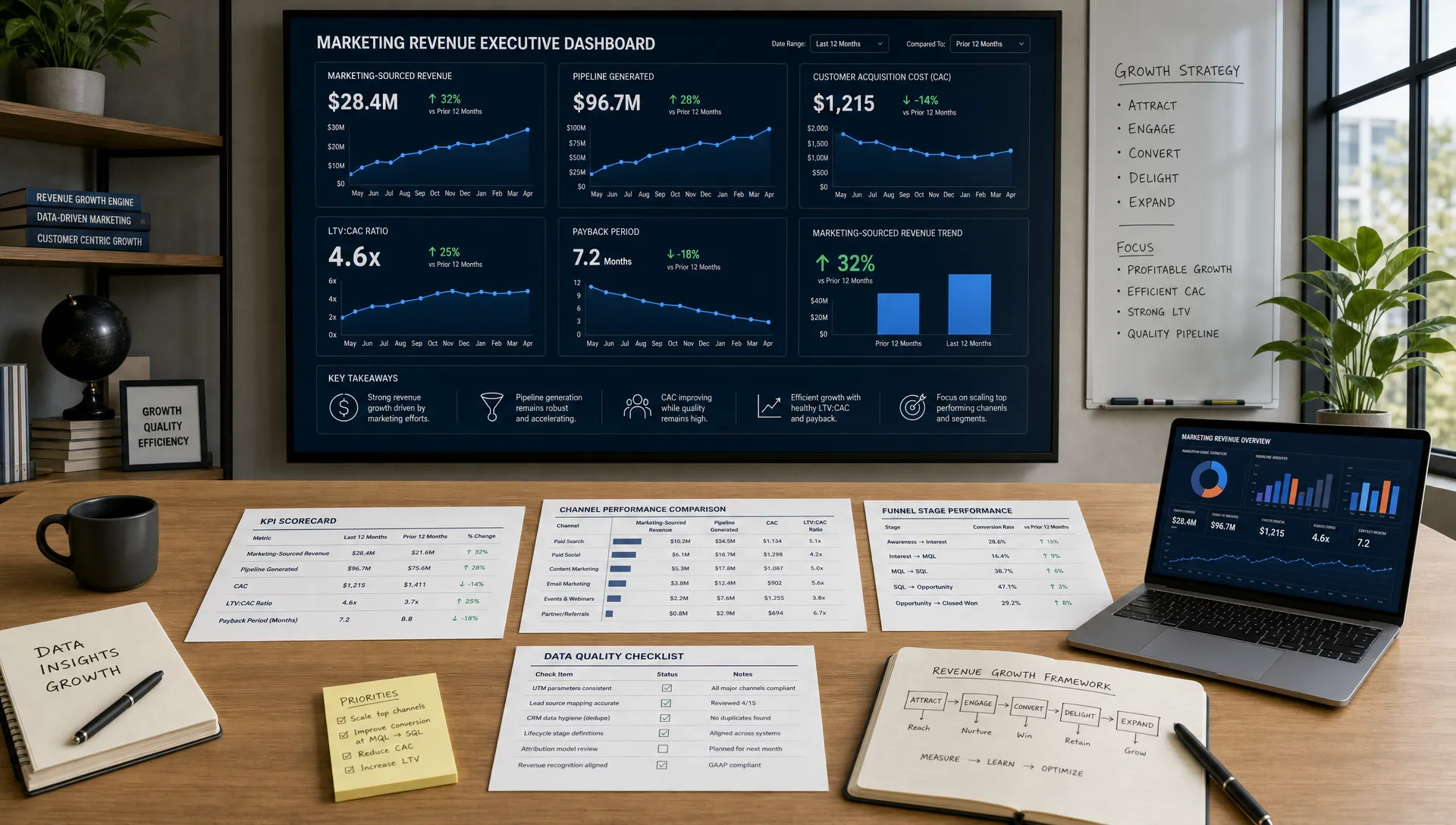
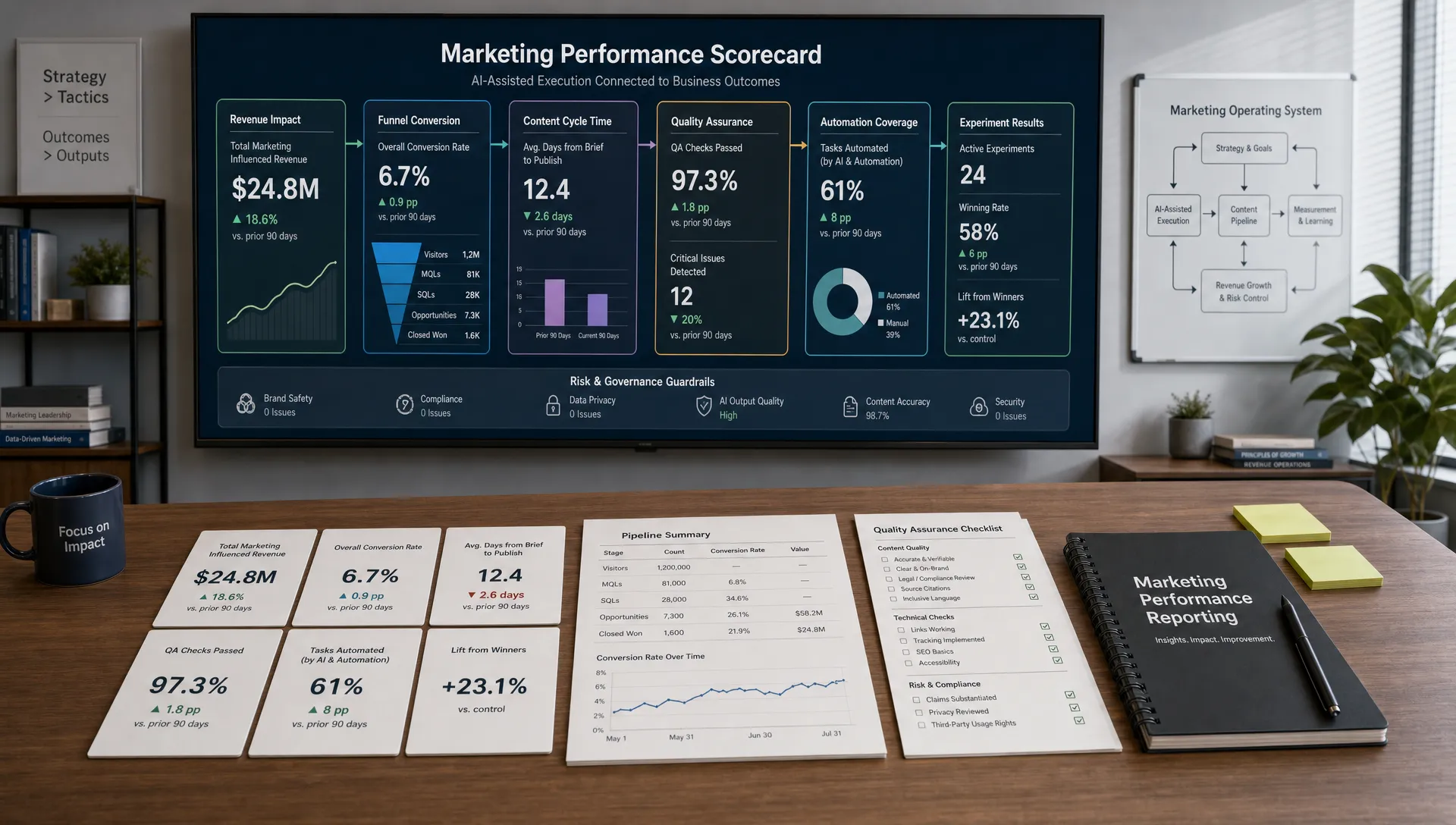
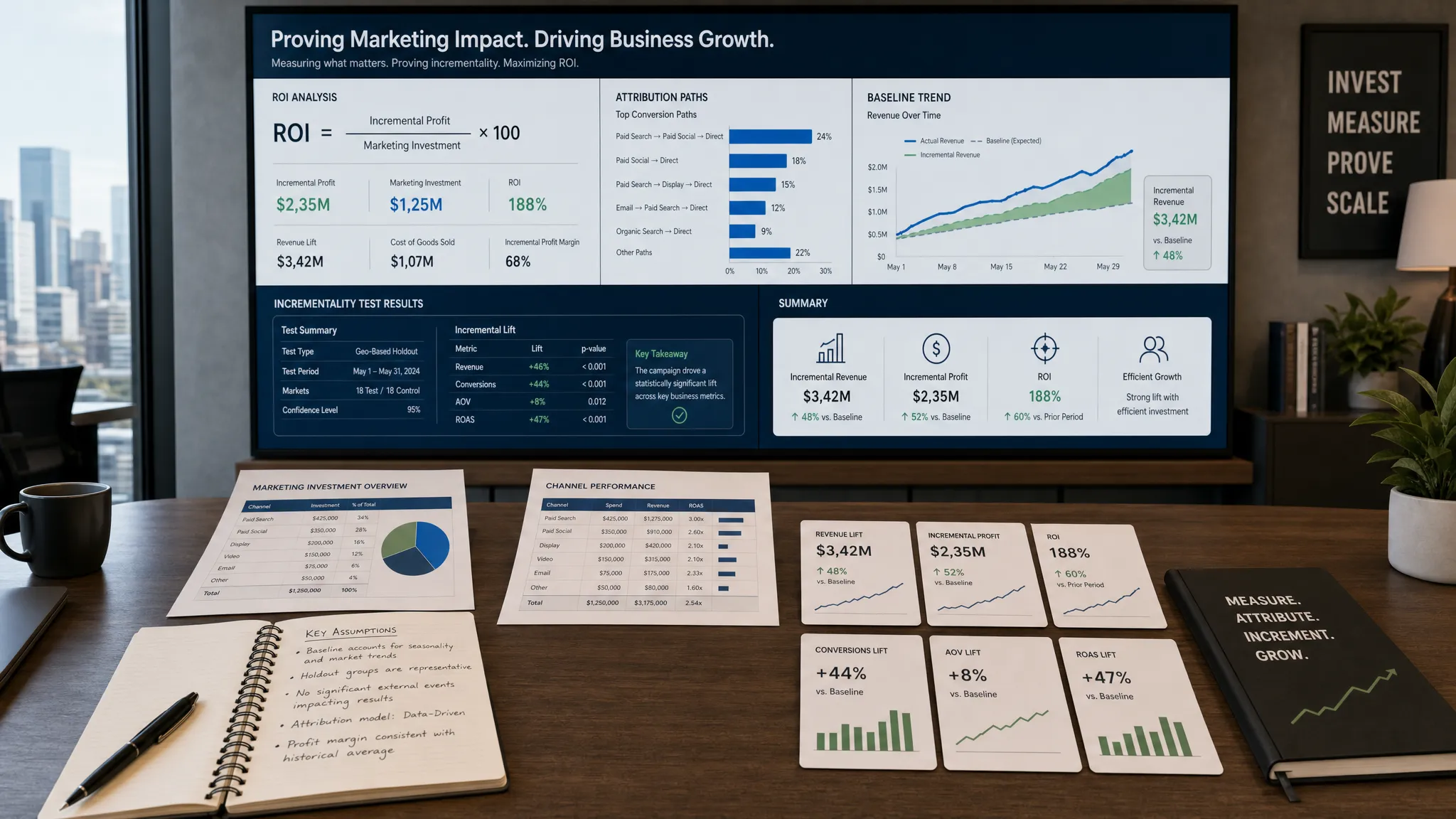
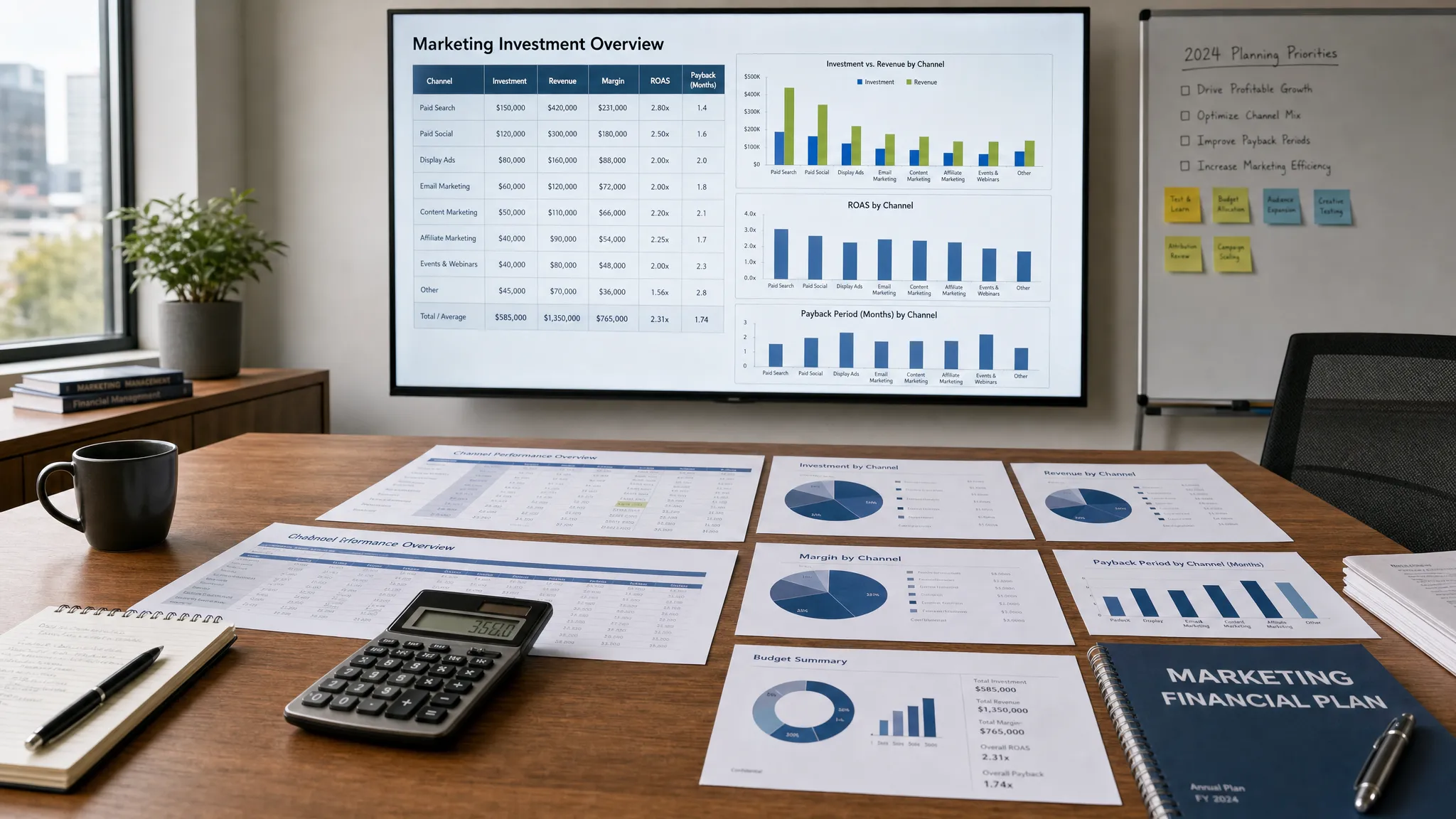
Rankings still matter, but they are only one part of SEO performance. In 2026, users may see your brand in AI answers, snippets, social search, video platforms, or comparison results before they ever click your website. That makes measurement more complex.
Track a mix of SEO and business metrics:
AI-powered analytics can help summarize trends, detect anomalies, and surface pages that need attention. For example, AI can flag a page where impressions are rising but clicks are falling, suggesting the title or meta description may need improvement. It can also identify pages losing rankings after a SERP changes format.
The most important habit is regular review. SEO is not a one-time checklist. It is a continuous improvement loop.
If you want to turn this checklist into a repeatable process, organize your work by cadence.
Weekly, review priority keyword movements, new search queries, technical alerts, and pages with traffic changes. Use AI to summarize patterns, but confirm the cause before making decisions.
Monthly, refresh one to three important pages, add internal links from new content to older pages, review content gaps in your main topic clusters, and test new titles or meta descriptions where click-through rate is weak.
Quarterly, audit your content library. Identify pages to merge, delete, update, or expand. Review your topical authority against competitors. Revisit your SEO goals and compare rankings with actual business outcomes, such as leads, trials, demos, sales, or newsletter signups.
This cadence keeps your SEO program manageable. It also helps prevent the common AI-era mistake of creating too much content and not improving enough of it.
The biggest mistake is assuming AI replaces strategy. It does not. AI can generate options, but it cannot know your customers, positioning, margins, sales cycle, or credibility gaps unless you provide that context.
Another mistake is optimizing only for search engines. If the content does not help a real reader make progress, it will struggle over time. Search engines are increasingly designed to reward usefulness, not just structure.
Avoid these traps:
The best AI SEO teams use automation to remove friction, not responsibility.
What is AI SEO? AI SEO is the use of artificial intelligence to support search engine optimization tasks such as keyword research, content briefs, competitor analysis, on-page optimization, technical audits, and performance reporting. The goal is to improve SEO decisions, not to replace human strategy.
Can AI-written content rank in 2026? AI-assisted content can rank if it is helpful, accurate, original, and reviewed by humans with relevant expertise. Generic AI content that repeats what already exists is unlikely to perform well over time.
How often should I update SEO content? Review important pages at least quarterly, and update them sooner if rankings drop, search intent changes, competitors improve their content, or the information becomes outdated.
Do I need structured data for better rankings? Structured data is not a direct ranking guarantee, but it helps search engines understand eligible content and may support rich results. Use it accurately and only when it reflects visible content on the page.
What is the most important AI SEO checklist item? The most important item is matching content to search intent. If the page does not satisfy what the user wants, technical optimization and AI tools will have limited impact.
The best AI SEO checklist is one your team can actually use. Start with search intent, improve content quality, fix technical barriers, and measure what matters. Then use AI to make each step faster and more consistent.
AIMarketer Hub helps marketers and businesses explore practical AI marketing workflows, tools, guides, calculators, and resources for smarter growth. If you are building an SEO process for 2026, use this checklist as your foundation, then keep refining it as your audience, competitors, and search results evolve.