AI is no longer just a shortcut for writing faster. For marketers, it has become a way to research audiences, test angles, personalize campaigns, summarize messy data, and move from idea to execution with less friction.
But there is a catch: most AI tools are only as useful as the instructions you give them.
That is where AI prompt engineering for marketers comes in. Prompt engineering is the practice of giving AI clear, structured, context-rich instructions so it can produce outputs that are useful, accurate, and aligned with your marketing goals. You do not need to be technical to do it well. You need to think like a strategist, brief like a creative director, and review like an editor.
This guide gives you a simple, practical framework you can use across content creation, email marketing, SEO, paid ads, customer research, lead generation, and marketing workflow automation.
Prompt engineering sounds more complicated than it is. In marketing, it simply means designing better inputs so AI can give you better outputs.
A weak prompt says:
“Write a LinkedIn post about our product.”
A stronger prompt says:
“Act as a B2B SaaS content strategist. Write a LinkedIn post for operations leaders at companies with 50 to 300 employees. The post should explain how workflow automation reduces manual reporting time. Use a practical, non-hype tone. Start with a relatable pain point, include one specific example, and end with a soft question that encourages comments.”
The difference is not magic. The second prompt gives the AI context, audience, goal, tone, format, and constraints. That is the foundation of reliable AI marketing.
Prompt engineering helps marketers:
The goal is not to replace marketing judgment. The goal is to use AI as a better thinking partner.
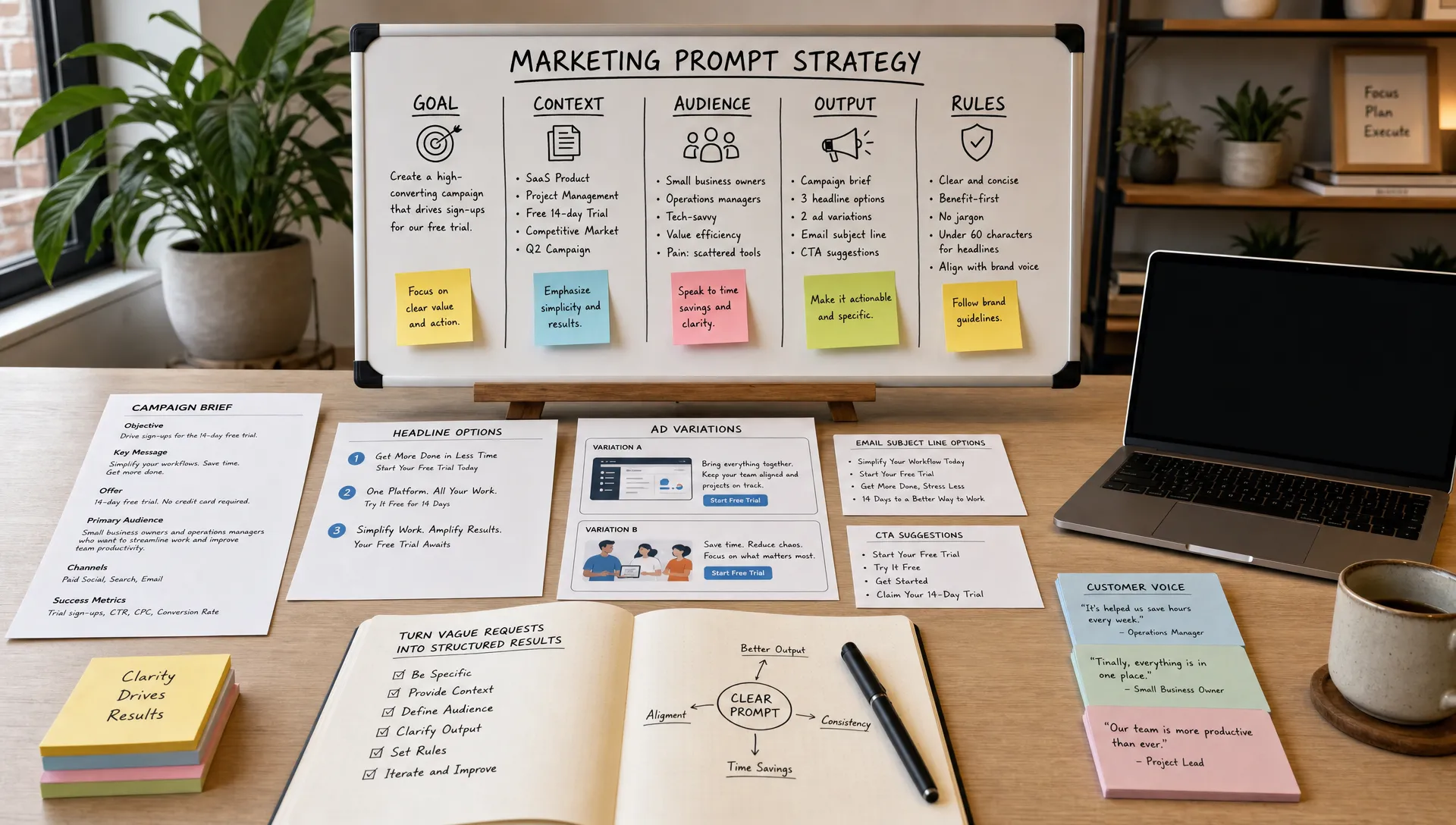
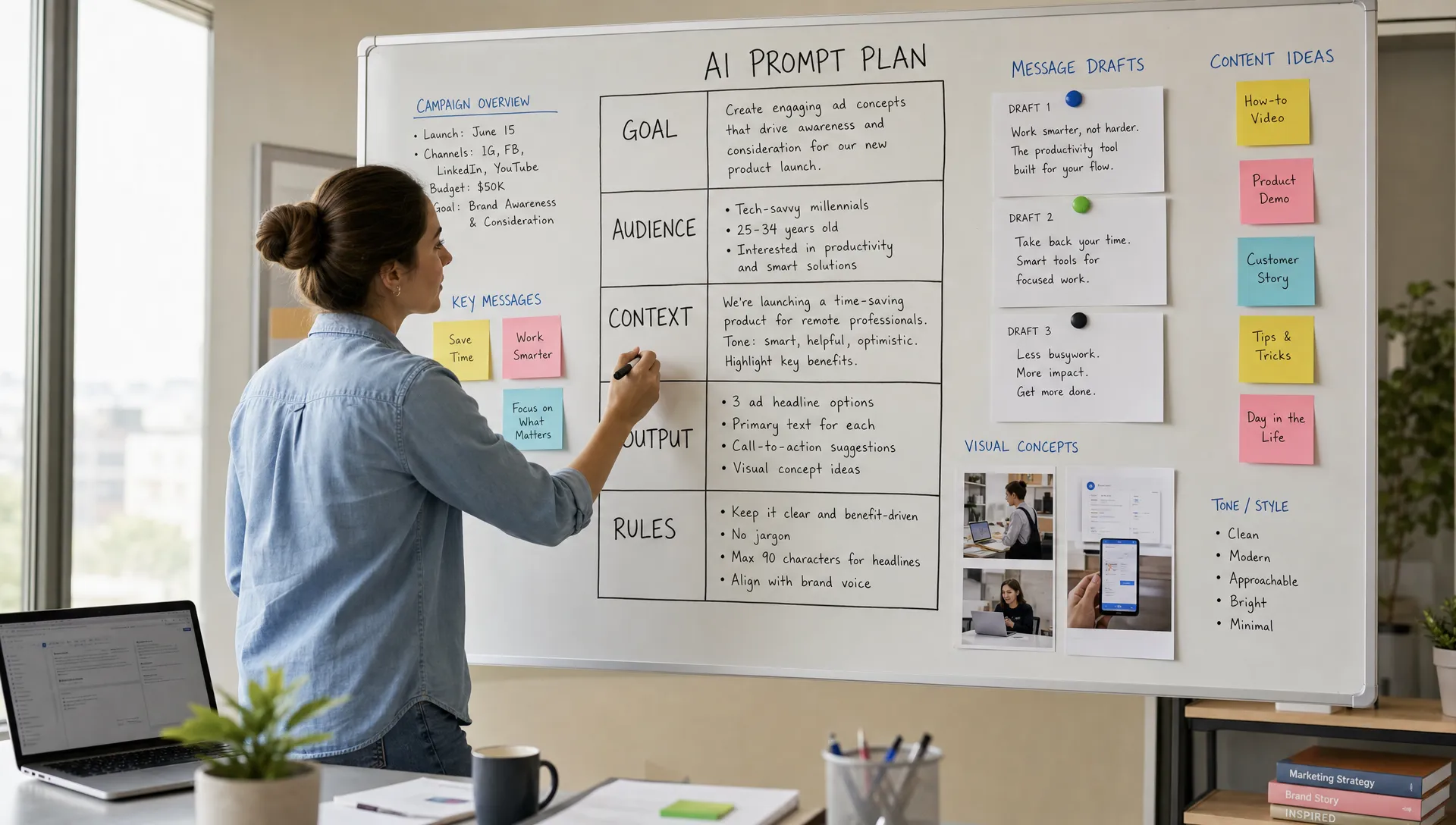
A good marketing prompt does not need to be long. It needs to be complete. One of the easiest ways to structure prompts is the GCAOR framework: Goal, Context, Audience, Output, Rules.
Tell the AI what you are trying to accomplish. This should be tied to a marketing outcome, not just a task.
Instead of “write an email,” say “write an email that reactivates trial users who signed up but have not completed onboarding.”
The clearer the goal, the more strategic the output becomes.
Context includes your product, market, offer, funnel stage, campaign background, customer pain points, and any data the AI needs to know.
For example, if you are creating content for an AI marketing platform, the AI should know whether you are speaking to founders, content marketers, agencies, ecommerce teams, or enterprise demand generation leaders. Each audience cares about different problems.
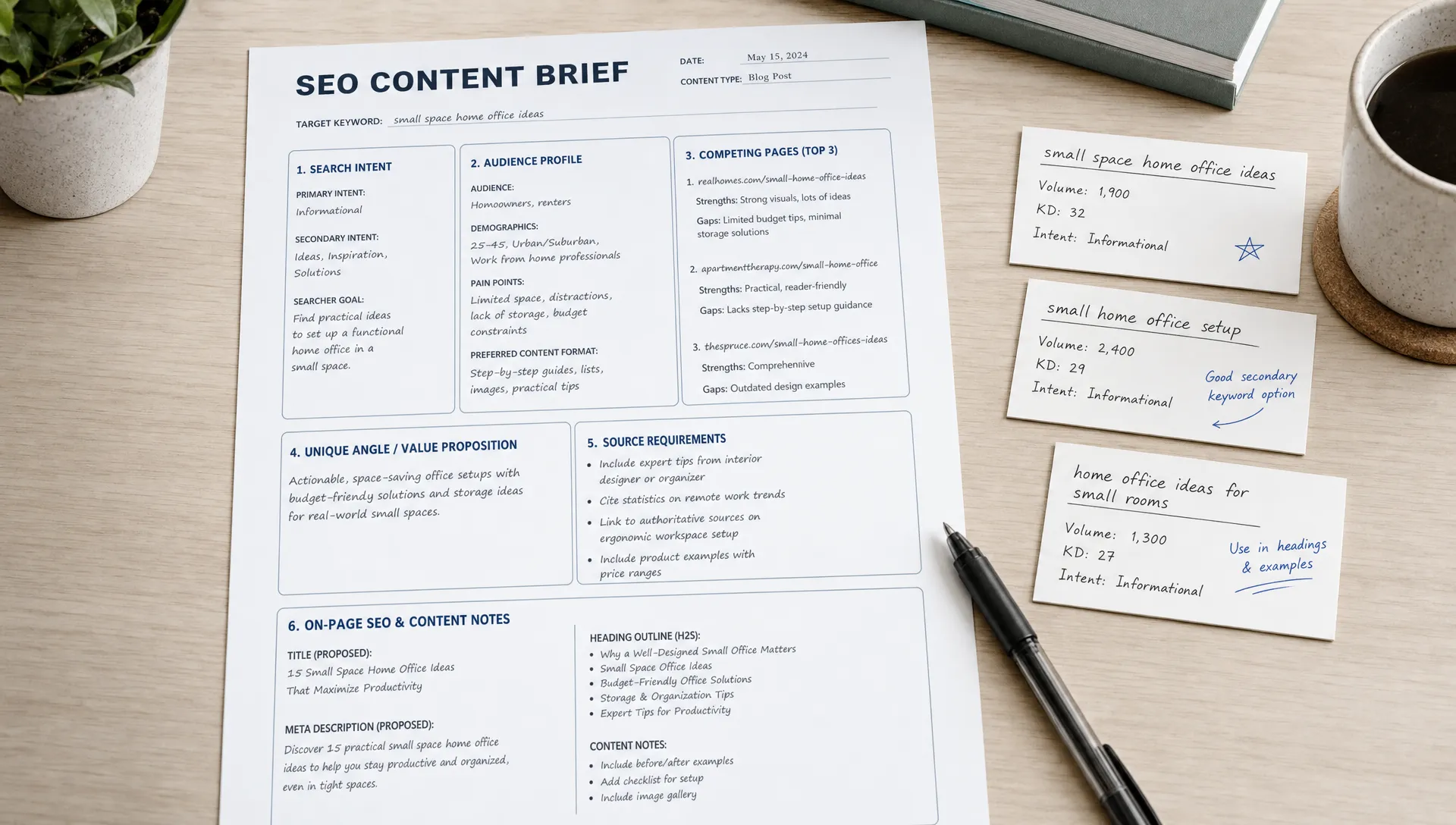
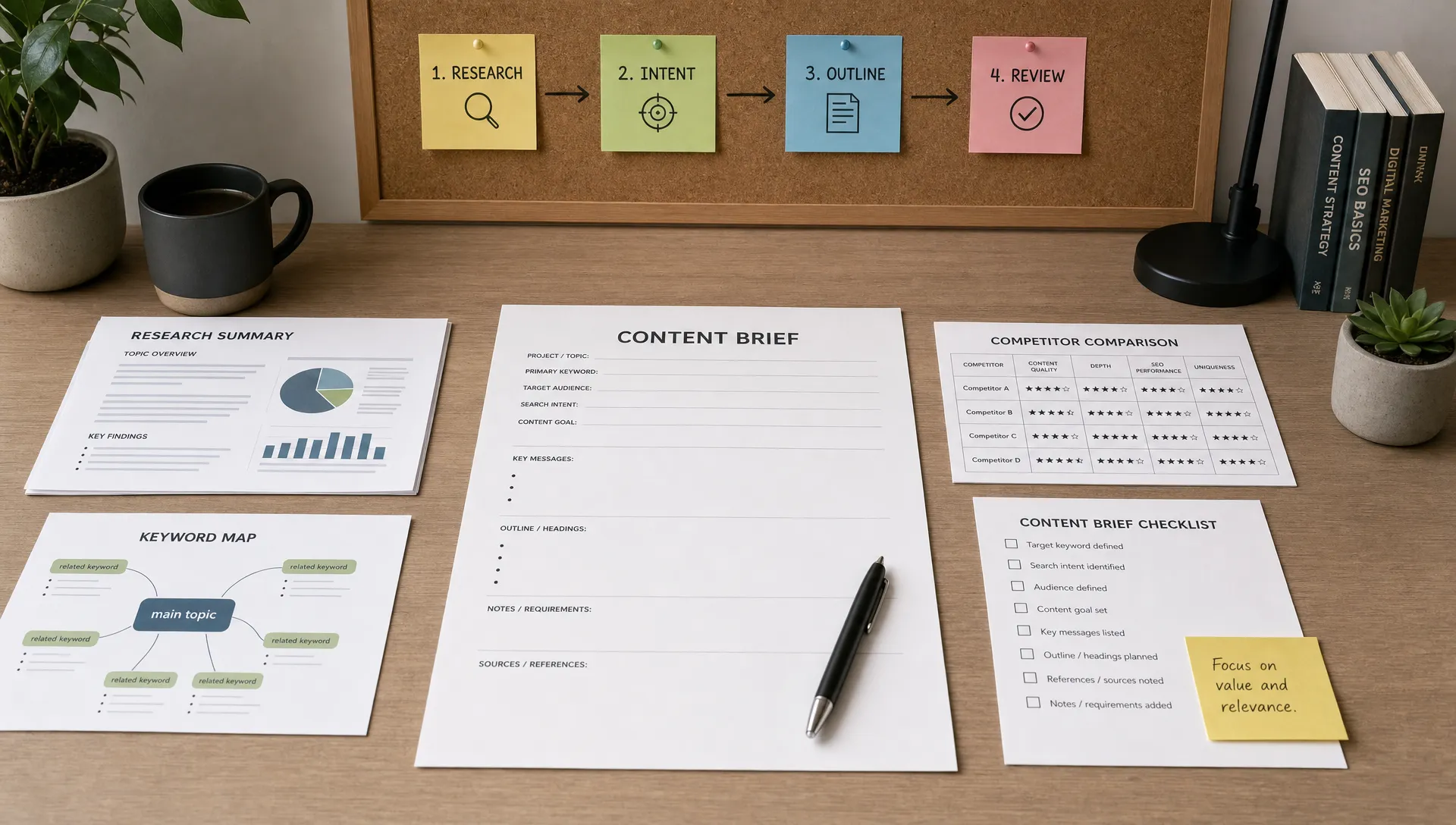
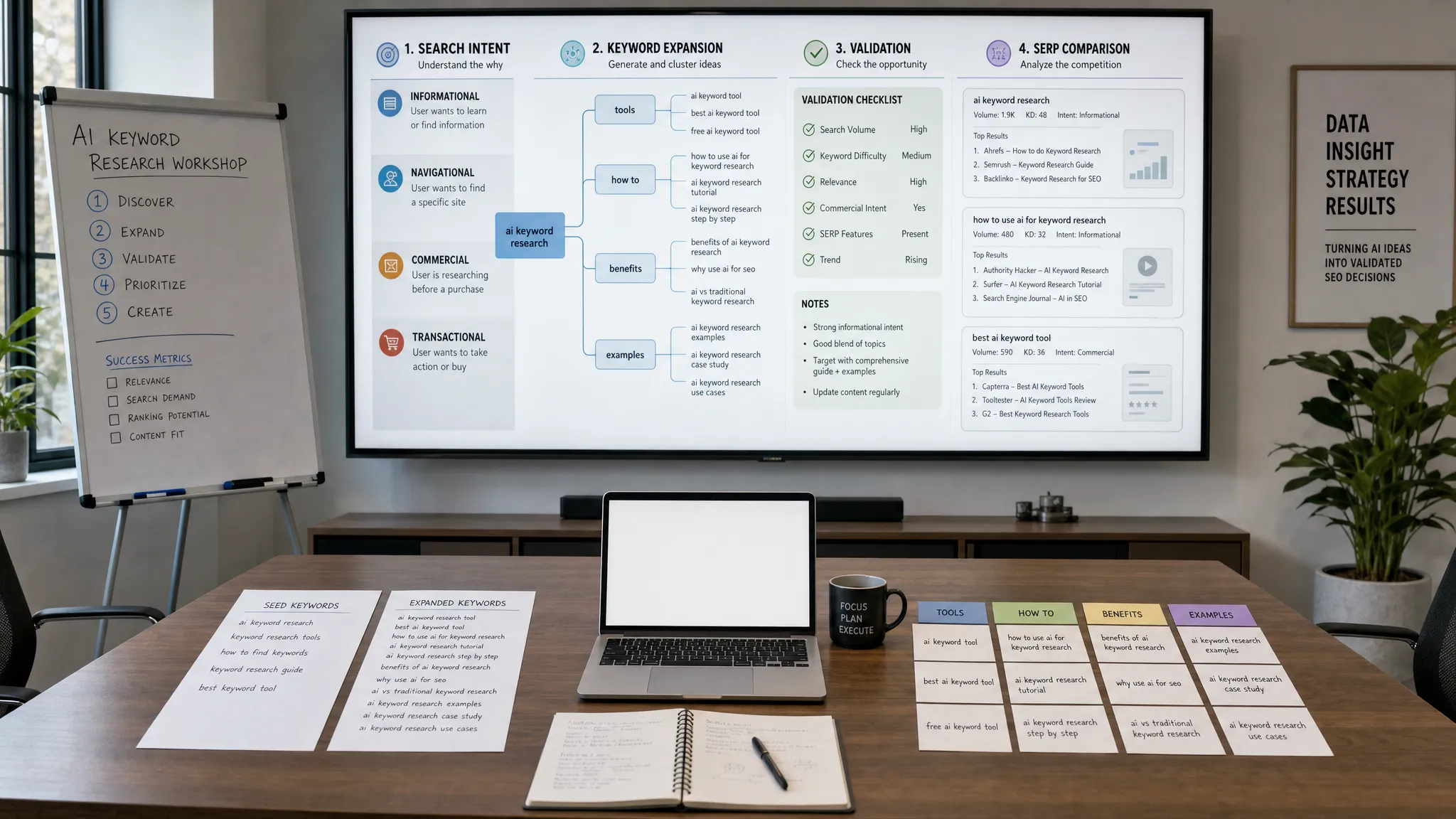
If you are creating an SEO article, context should include search intent, target audience, competing angles, internal expertise, and what not to repeat. For a deeper SEO-specific process, AIMarketer Hub has a practical guide on building an AI SEO content brief that ranks.
Audience direction is often the missing piece in weak prompts. AI can write in a hundred different ways, but it needs to know who the message is for.
Define the audience by role, awareness level, pain point, buying stage, and sophistication.
A prompt for “small business owners new to AI marketing” should sound different from one for “enterprise marketing operations teams evaluating AI-powered analytics.”
Specify the format. Do you want a blog outline, landing page hero section, paid search ad variations, email sequence, customer research summary, campaign brief, or social post?
Also specify length, structure, and whether you want options. If you need five subject lines, ask for five. If you need a concise executive summary, say so.
Rules help you shape the response. They can include tone, words to avoid, claims not to make, compliance considerations, formatting requirements, brand voice notes, and evidence standards.
For example:
“Do not make unsupported performance claims. Avoid hype words like revolutionary, game-changing, and effortless. Keep the tone practical and specific.”
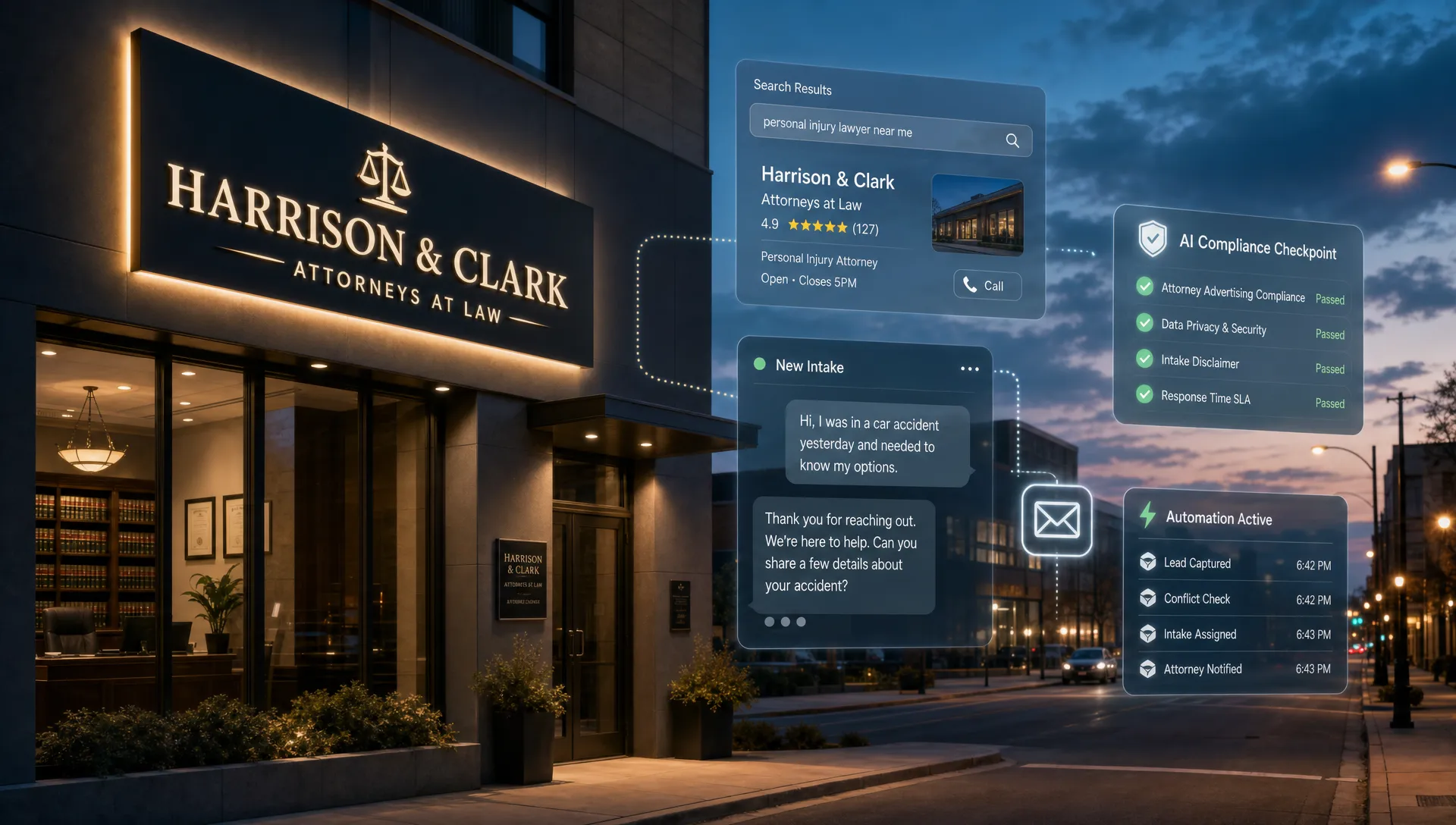
Rules are especially important in regulated or trust-heavy sectors such as finance, healthcare, legal, recruitment, and SaaS.
Here is a simple prompt template you can adapt for most marketing tasks:
Act as a [role or expert type].

Goal: [What marketing outcome are we trying to achieve?]

Context: [Product, offer, campaign, funnel stage, customer insight, market situation, or relevant background.]

Audience: [Who this is for, what they care about, what they already know, and what objections they may have.]

Task: [What you want the AI to create or analyze.]

Output format: [Exact structure, length, number of options, channel, or format.]

Tone and style: [Brand voice, reading level, emotional tone, level of detail.]

Rules: [Claims to avoid, required inclusions, compliance notes, formatting constraints, examples to follow or avoid.]

Before answering, ask up to three clarifying questions if anything important is missing.
That last line is powerful. If the task is important, ask the AI to identify missing information before generating the final answer. This turns AI from a content vending machine into a strategic assistant.
Prompt engineering gets easier when you start from real marketing use cases. Below are practical examples you can adapt.
Use this when you need ideas connected to business goals, not generic topic lists.
Act as a content strategist for a B2B company.

Goal: Create content ideas that attract qualified leads, not just traffic.

Context: We sell [product/service] to [audience]. Our best customers struggle with [pain points]. Our strongest differentiators are [differentiators].

Audience: [Job title or buyer type], currently problem-aware but not fully solution-aware.

Task: Generate 12 content ideas mapped to buyer intent. Include why each topic matters, the likely search or social angle, and the recommended CTA.

Output format: Group ideas by awareness stage: problem-aware, solution-aware, and decision-stage.

Rules: Avoid generic topics. Each idea must connect to a real customer pain point or buying trigger.
This kind of prompt helps teams avoid content calendars filled with low-intent posts that do not support pipeline.
Use this when you need an article structure before drafting.
Act as an SEO content strategist and editor.

Goal: Build a clear article outline that satisfies search intent and supports lead generation.

Context: The article topic is [topic]. The target reader is [audience]. The business offers [product/service]. The article should be helpful first and promotional only where relevant.

Audience: Readers are [awareness level] and want [main problem solved].

Task: Create an H2 and H3 outline with notes for what each section should cover.

Output format: Provide the outline, search intent summary, unique angle, and suggested CTA.

Rules: Do not create a generic beginner guide unless the intent demands it. Include practical examples and decision-making guidance.
If your team already uses AI content generation, the biggest performance gains usually come from better briefs, stronger inputs, and smarter review workflows. AIMarketer Hub covers this in more depth in its guide to AI content generation tips for better ROI.
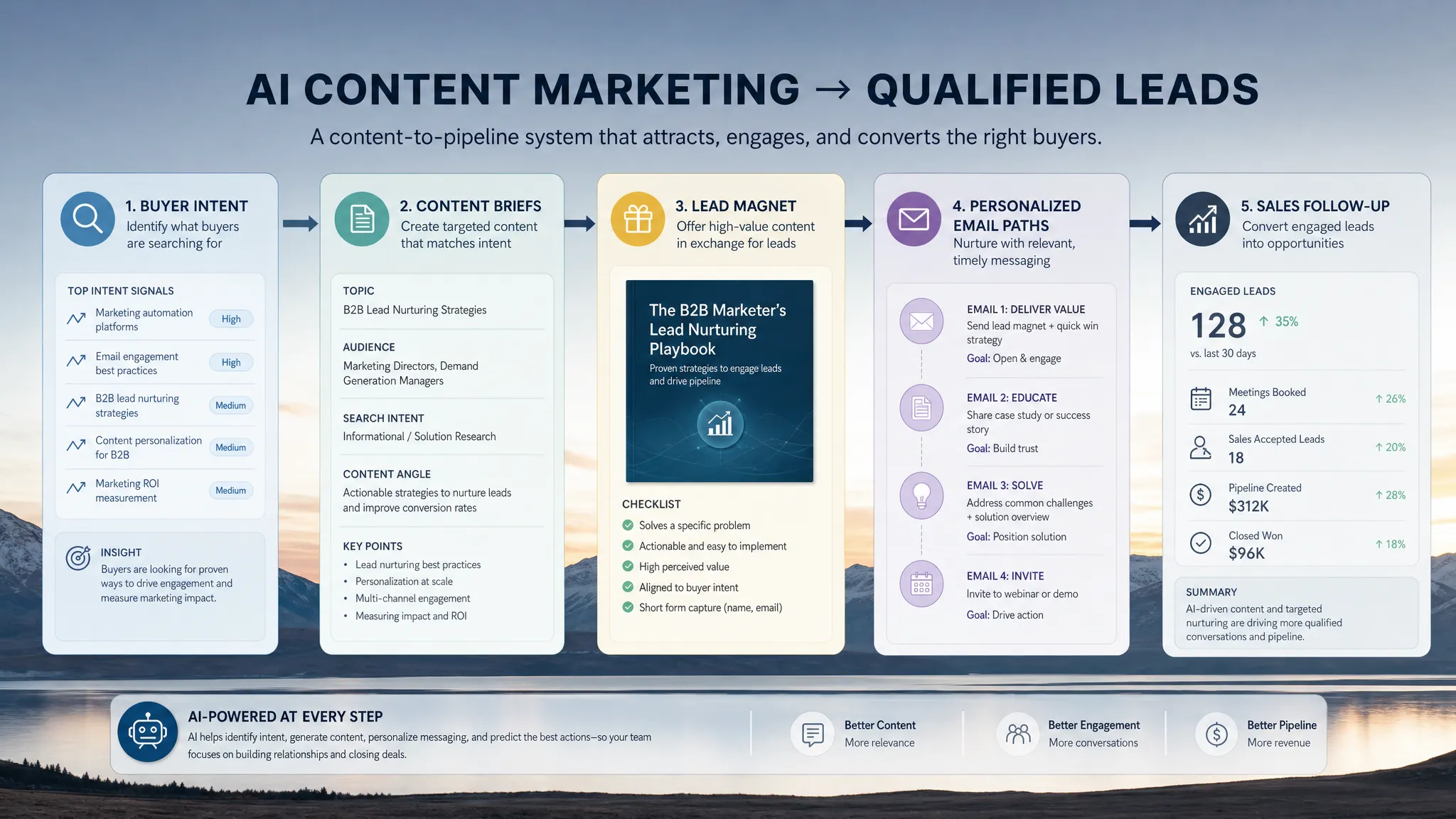
Email is one of the best places to apply prompt engineering because small improvements in relevance, clarity, and timing can have a measurable impact.
Act as an lifecycle email marketer.

Goal: Write a 4-email nurture sequence that moves new leads from interest to demo request.

Context: Leads downloaded [asset]. They are interested in [problem]. Our product helps by [value proposition]. Common objections include [objections].

Audience: [Role], working at [company type], likely busy and skeptical of generic sales emails.

Task: Write four emails. Each email should have one core idea, a subject line, preview text, body copy, and CTA.

Output format: Label each email by purpose: welcome, educate, prove, convert.

Rules: Keep emails concise. Avoid aggressive sales language. Make the CTA feel natural.
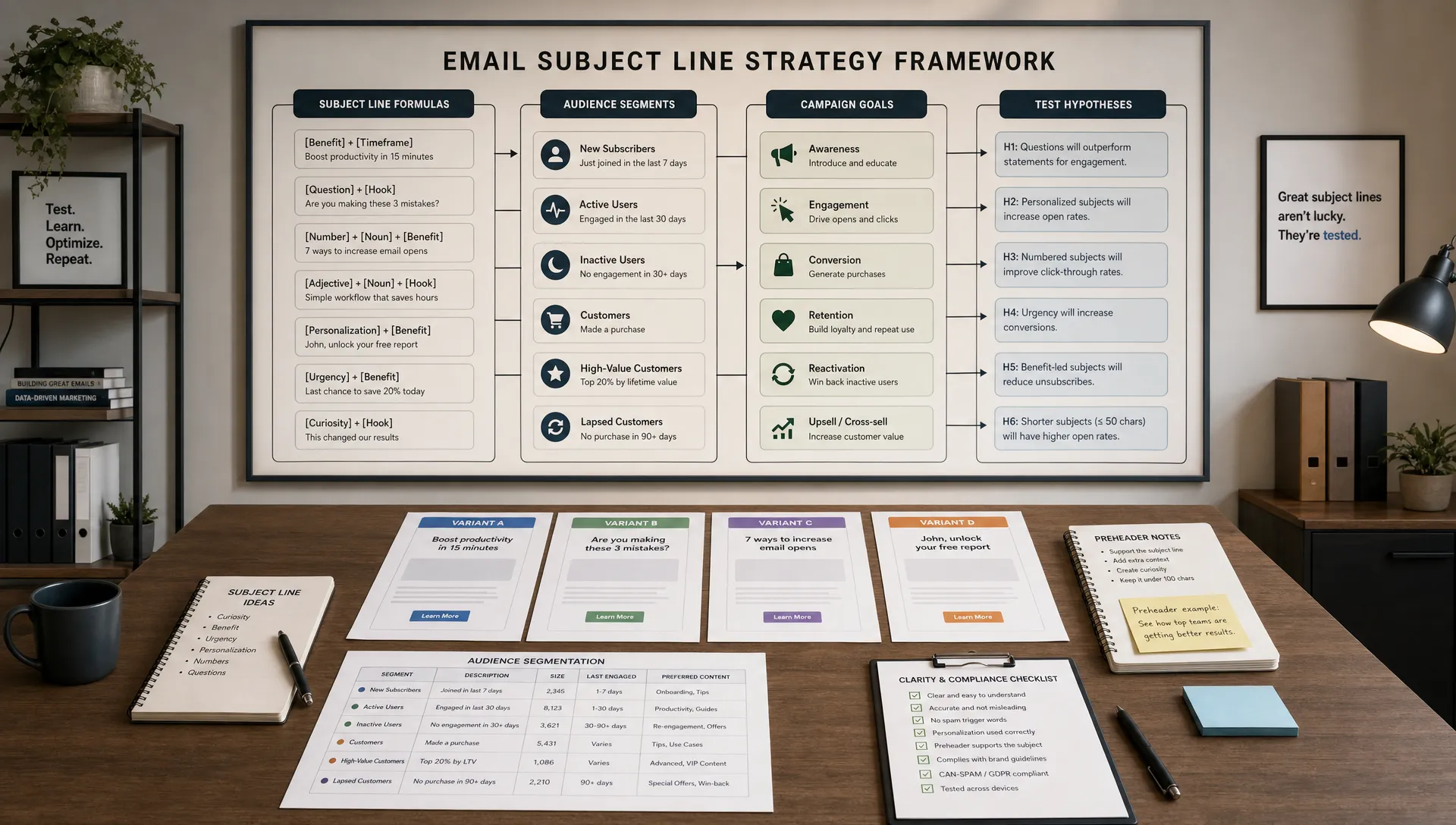
For subject lines specifically, you can improve results by prompting for curiosity, relevance, and specificity rather than asking for “catchy” ideas. For examples, see AIMarketer Hub’s guide to AI prompts for email subject lines that get opens.
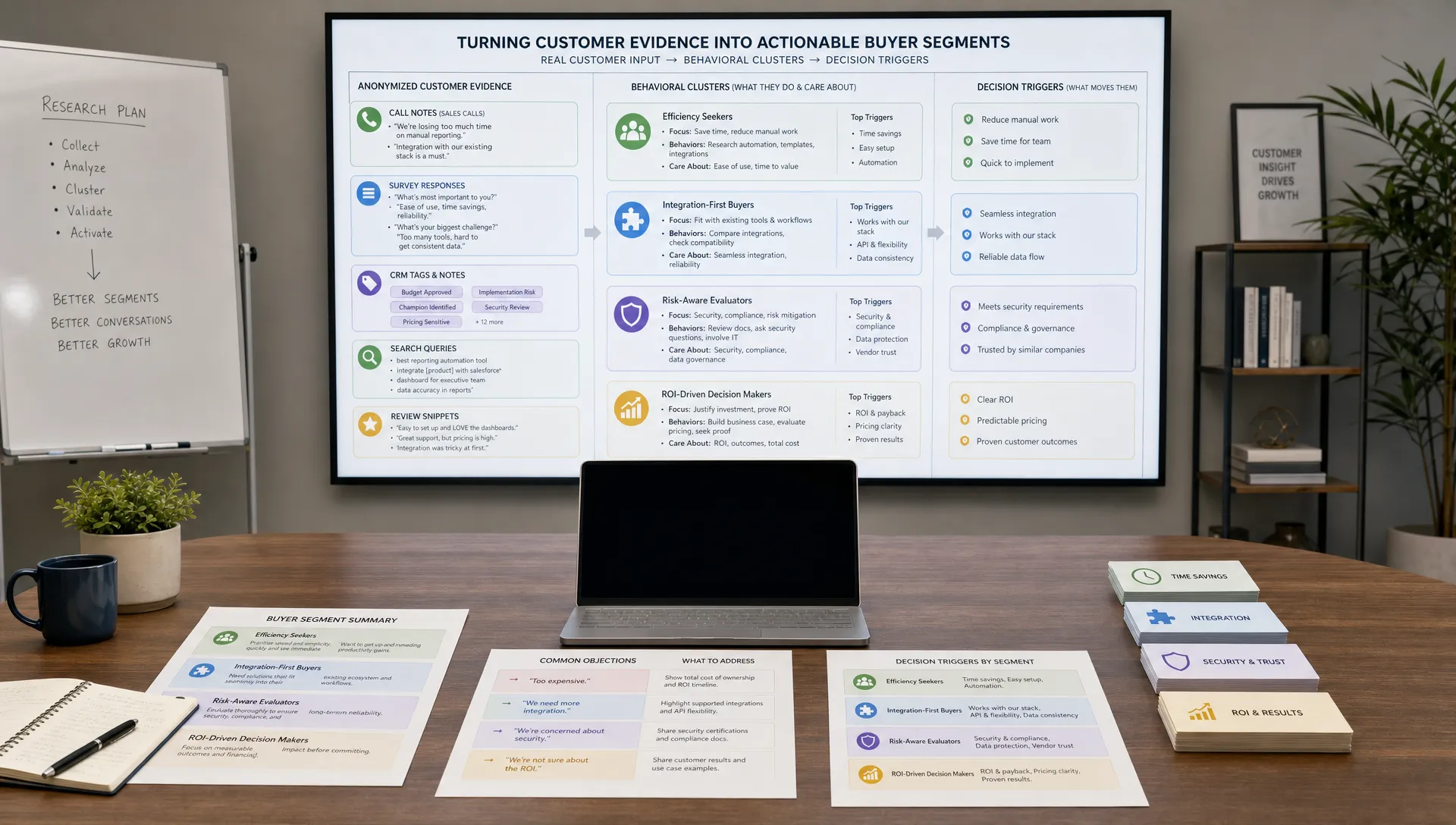
AI is useful for summarizing voice-of-customer data, but the prompt must protect against shallow conclusions.
Act as a customer research analyst.

Goal: Identify messaging insights from customer feedback.

Context: I will paste reviews, survey responses, sales call notes, or support tickets from [customer segment].

Audience: The output will be used by marketing and sales teams to improve website copy, campaigns, and objection handling.

Task: Analyze the feedback and extract recurring pains, desired outcomes, objections, emotional language, decision criteria, and exact customer phrases.

Output format: Organize findings by theme. Include representative quotes under each theme.

Rules: Do not invent insights that are not supported by the input. Clearly separate frequent themes from one-off comments.
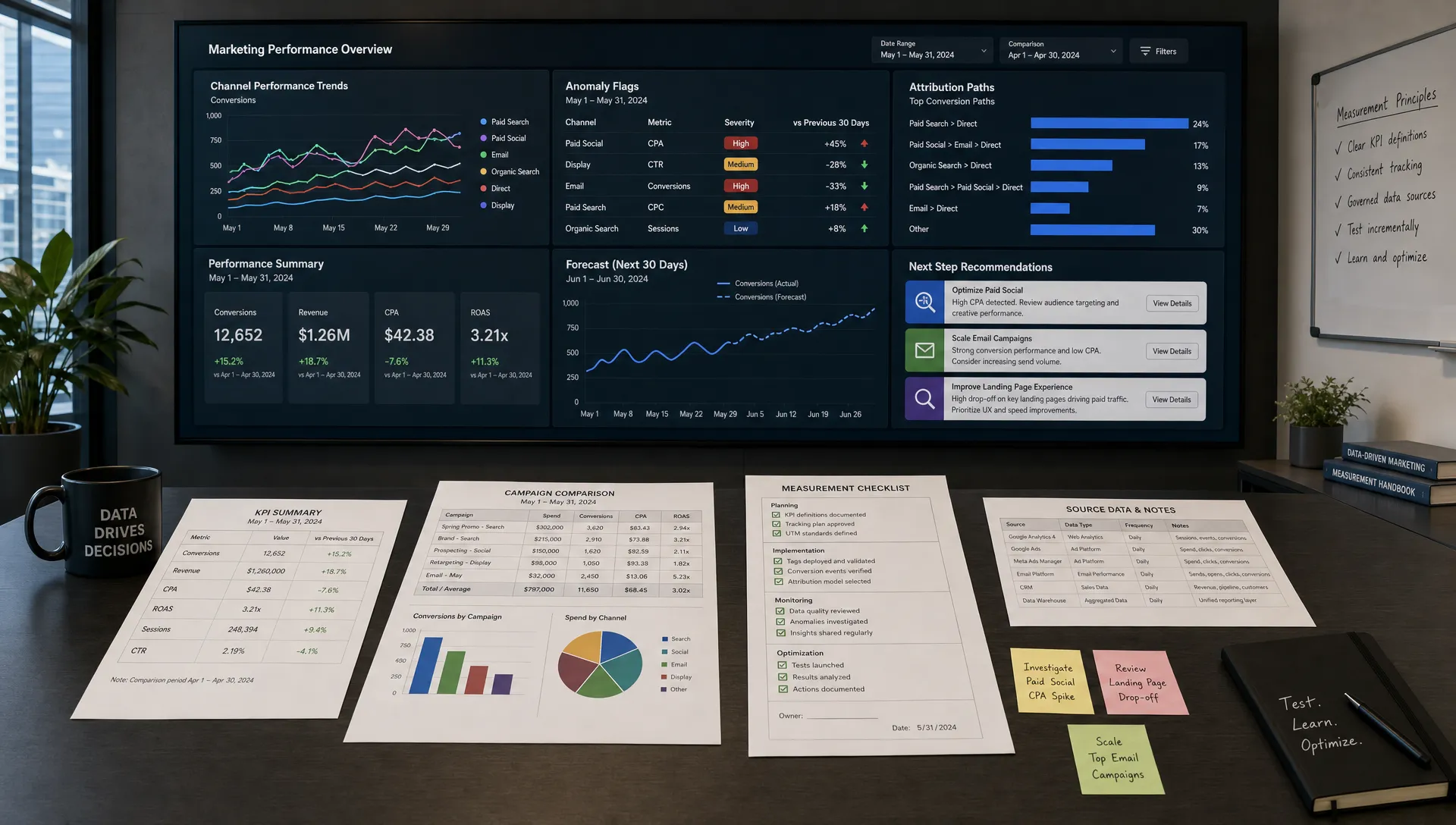
This is where AI-powered analytics becomes more accessible for marketers. You can turn unstructured feedback into messaging intelligence, then use human judgment to decide what deserves testing.
If the AI gives you bland, generic, or inaccurate content, do not immediately blame the tool. In many cases, the prompt is missing direction.
The fastest way to improve output is to treat prompting as a conversation. First, ask for a draft. Then critique it. Then ask for a revision based on specific feedback.
For example:
This draft is too generic. Rewrite it with more specific examples for ecommerce marketers. Add a stronger opening pain point, remove vague claims, and make the CTA less sales-heavy.
Or:
Review your previous answer as a skeptical CMO. Identify the three weakest points, explain why they are weak, and rewrite the answer to be more credible and specific.
You can also ask AI to compare versions:
Compare these three landing page headlines. Score each one for clarity, relevance, differentiation, and conversion potential. Explain which one is strongest and what you would change.
Good prompt engineering is iterative. Marketers rarely get the best output in one prompt. The value comes from refinement.
Many teams adopt AI tools quickly but do not build strong prompting habits. That leads to content that feels fast but forgettable.
Here are the mistakes to avoid:
The best marketers use AI to accelerate thinking, not avoid thinking.
Prompt engineering becomes more valuable when it supports the full customer journey. Instead of using AI only for content drafts, use it across awareness, consideration, conversion, retention, and analysis.
At the awareness stage, AI can help turn market trends, customer pain points, and common questions into educational content. The prompt should focus on clarity, empathy, and problem framing.
At the consideration stage, AI can help create comparison pages, buyer guides, webinars, case study outlines, and objection-handling content. The prompt should focus on decision criteria, alternatives, and trust.
At the conversion stage, AI can support landing pages, product messaging, sales enablement, email sequences, ad variants, and demo follow-up assets. The prompt should focus on specificity, proof, and friction reduction.
At the retention stage, AI can help with onboarding emails, help center content, customer education, renewal messaging, and expansion campaigns. The prompt should focus on adoption, outcomes, and customer success.
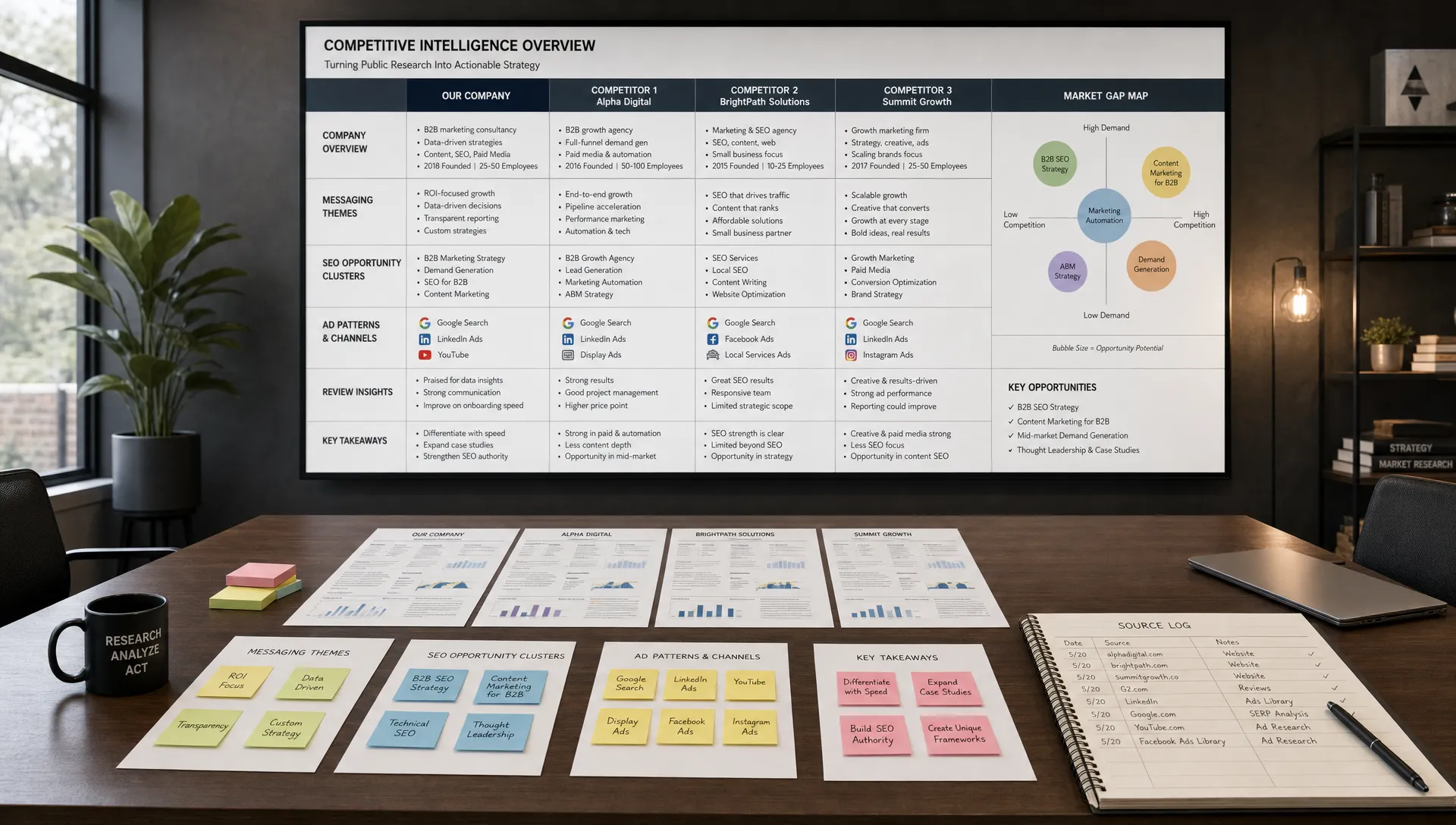
For example, a recruiter marketing an AI-enabled hiring solution would prompt differently depending on whether the audience is learning about recruitment automation or actively comparing platforms. A useful market research prompt might ask AI to analyze positioning patterns across AI-first recruitment tools such as CandiDesk’s recruitment platform, then identify what messages would resonate with agencies versus in-house HR teams.
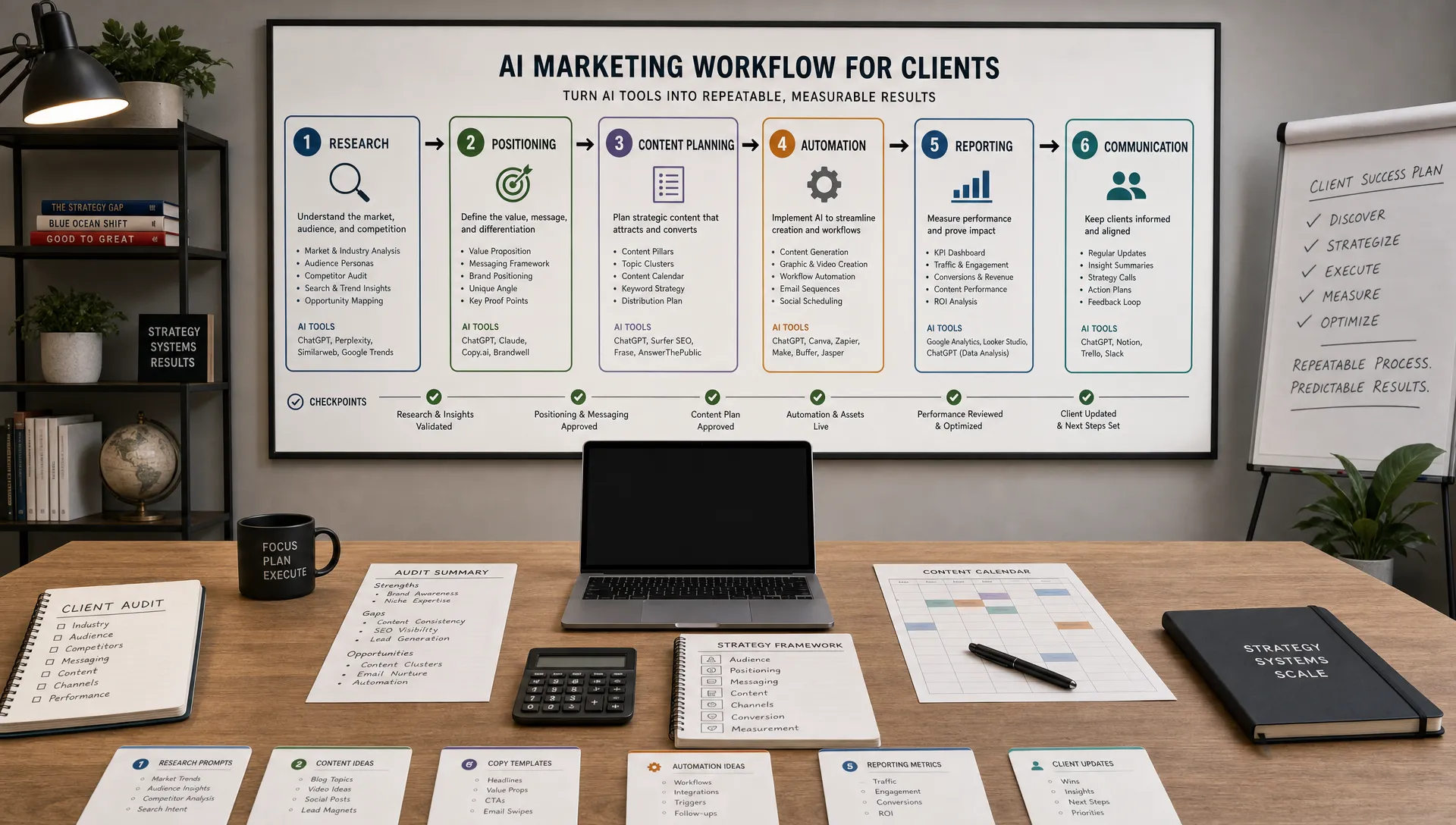
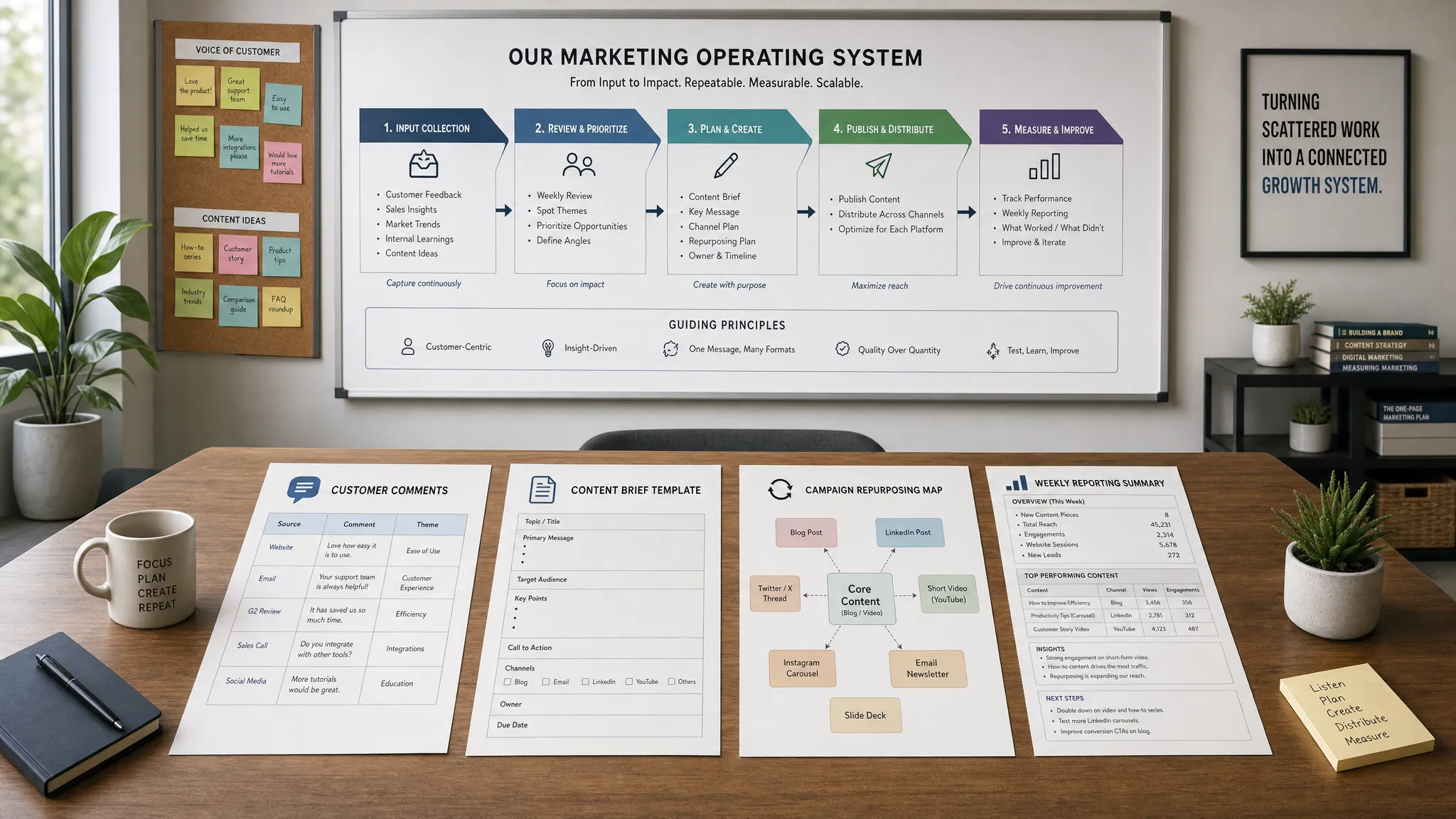
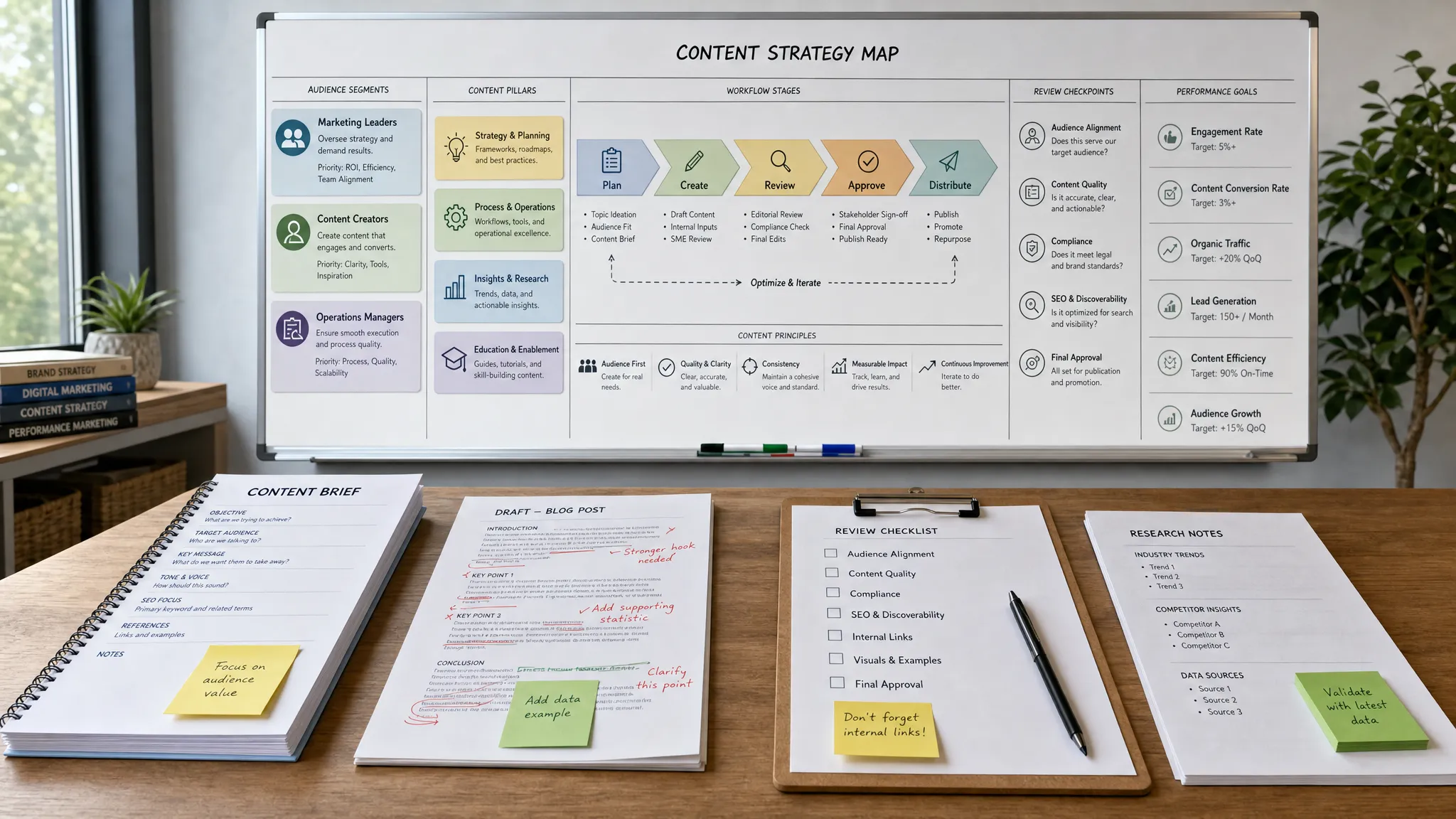
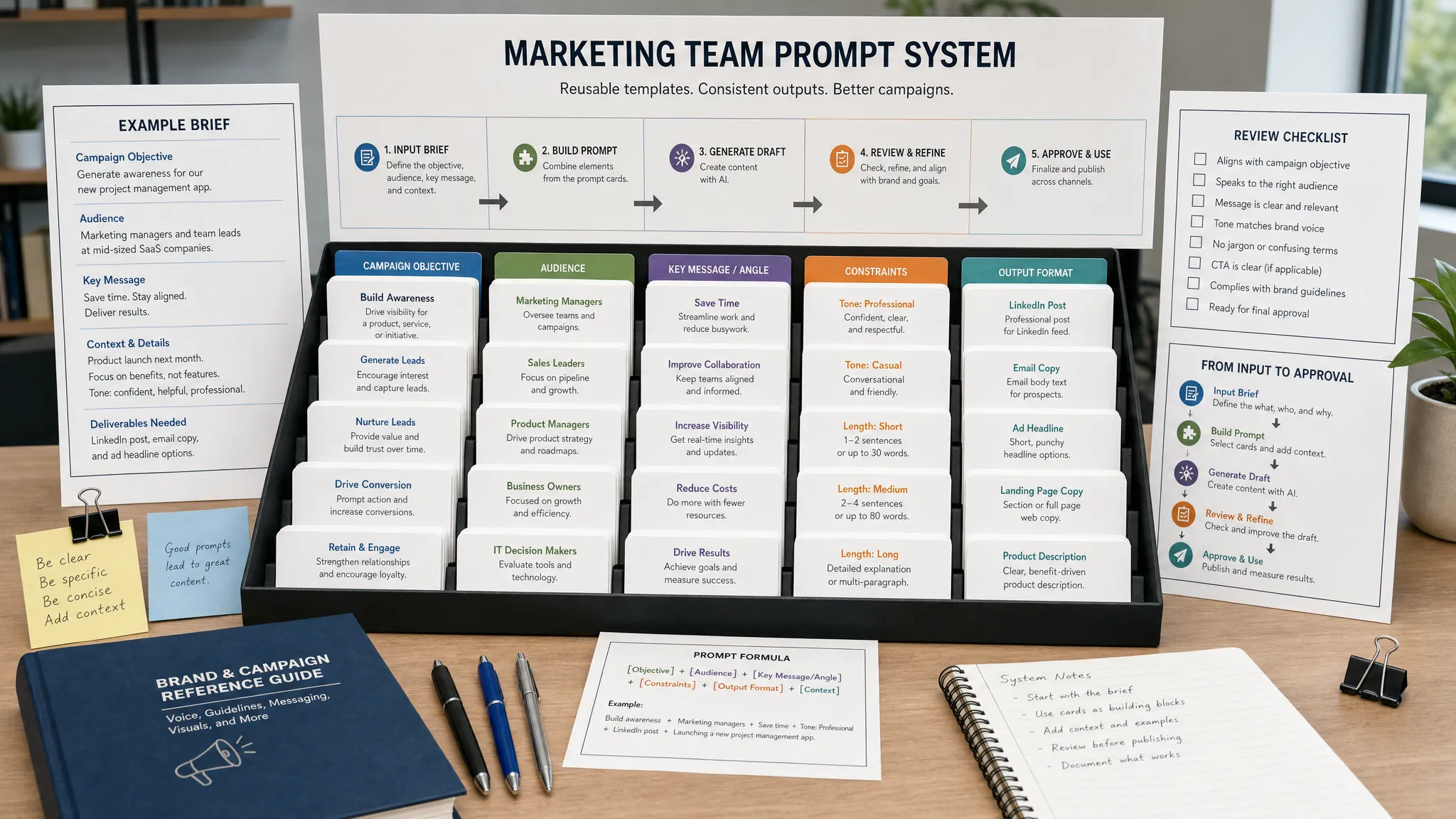
A repeatable workflow matters more than a perfect one-off prompt. If your team wants consistent results, standardize how prompts are created, reviewed, and reused.
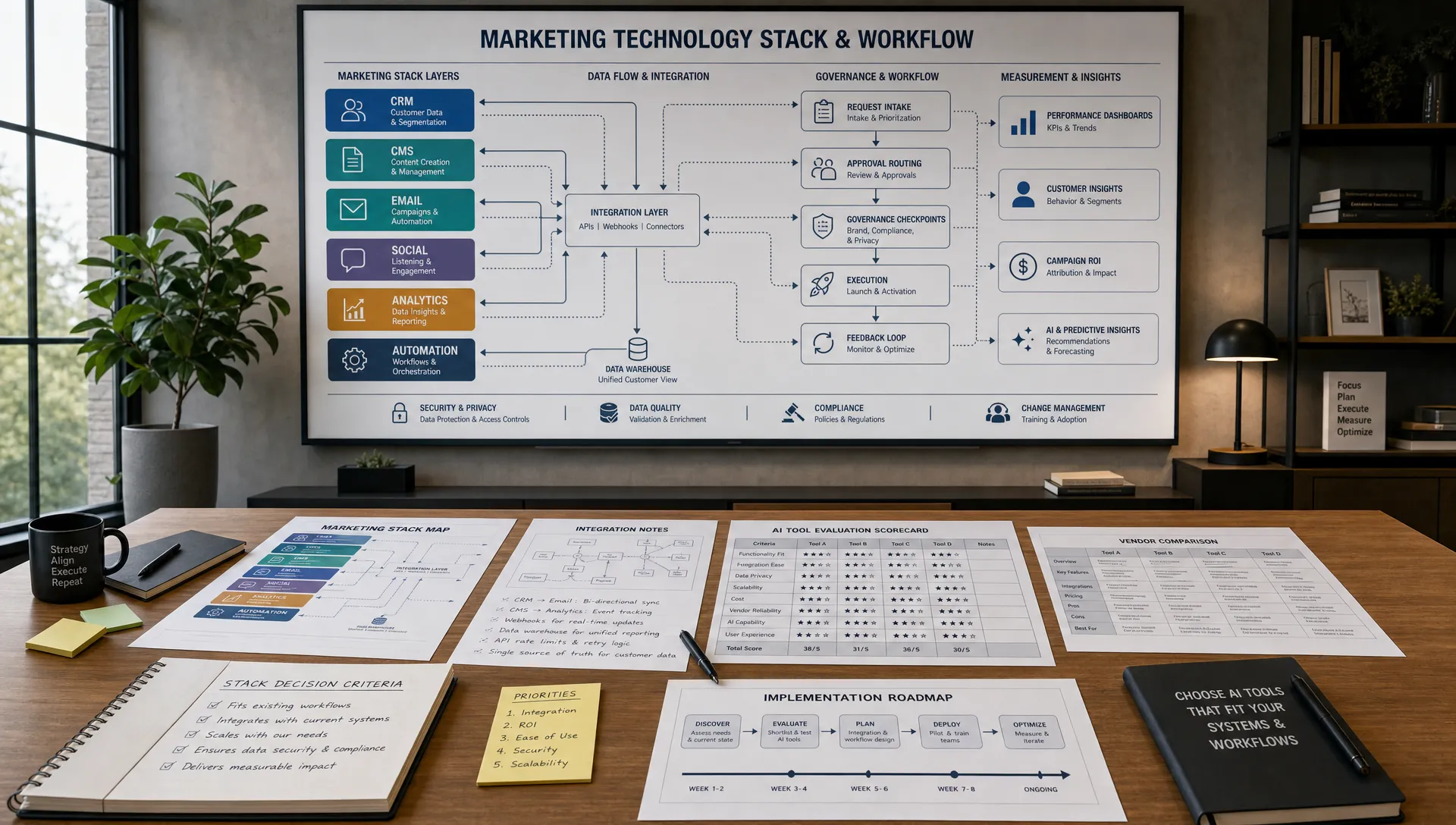
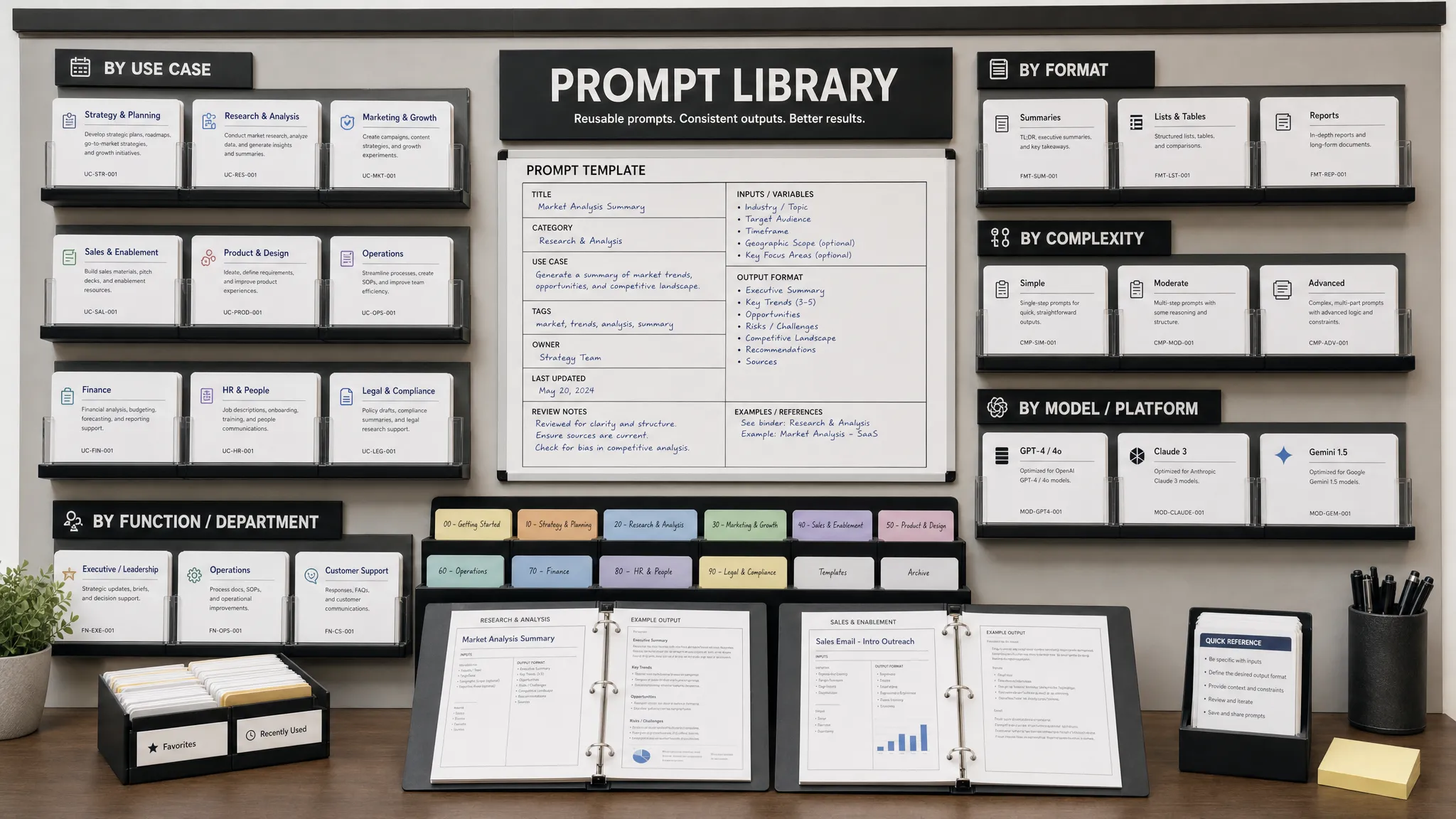
Start with a shared prompt library. Group prompts by use case: blog briefs, ad copy, email sequences, audience research, competitor analysis, landing page copy, SEO refreshes, and campaign reporting. Add notes about when to use each prompt and what inputs are required.
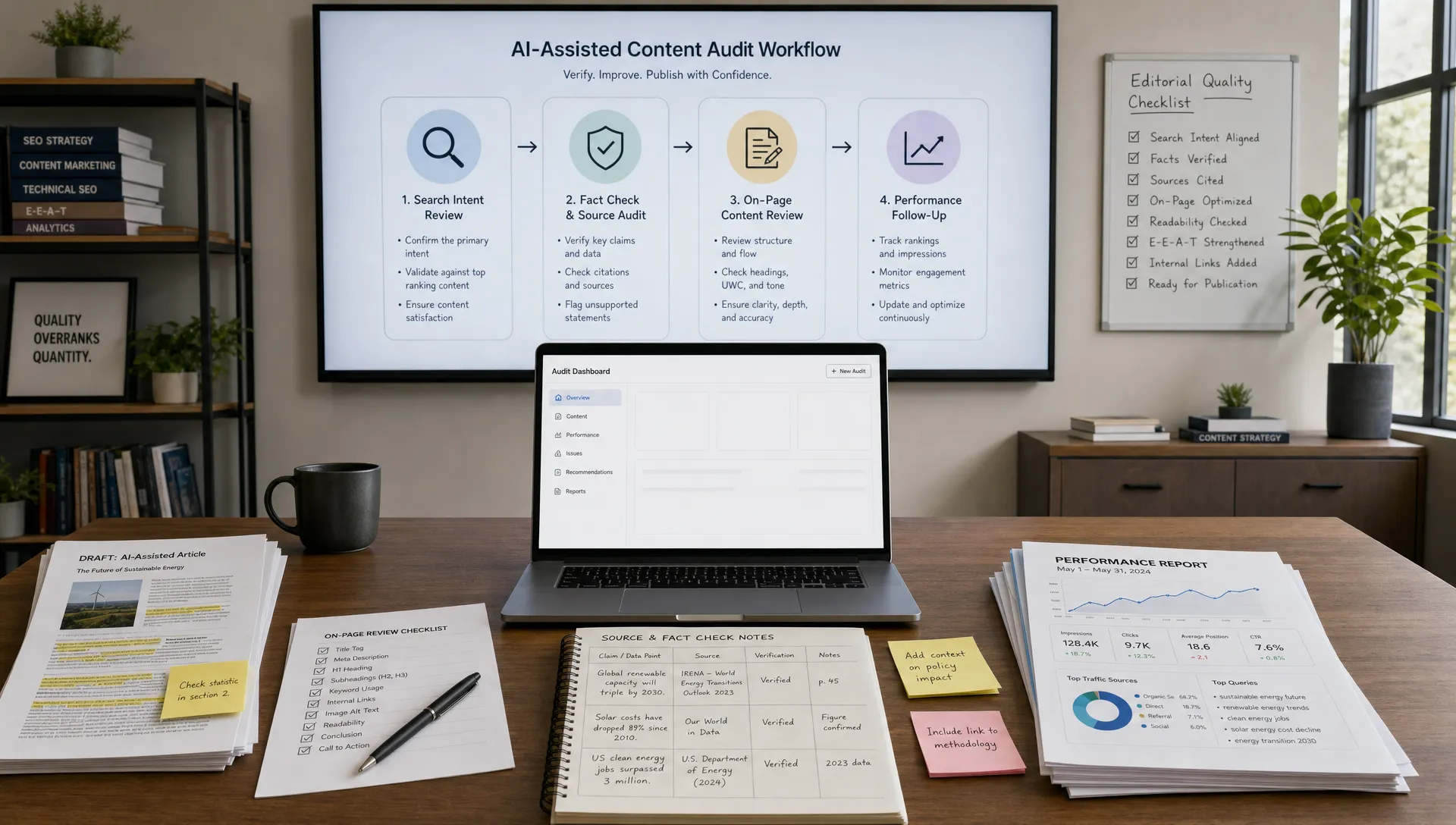
Then create review checkpoints. Before AI-generated work goes live, someone should check accuracy, brand voice, customer relevance, compliance concerns, and conversion logic. This is especially important for industries where trust and precision matter.
Finally, track performance. If an AI-assisted email sequence drives better replies, save the prompt. If a blog prompt leads to weak engagement, revise the prompt and document what changed. Over time, prompt engineering becomes a marketing operations asset.
A lightweight process can look like this:
This is the difference between casual AI use and AI marketing automation that actually compounds.
A good prompt produces output that is not only well-written but useful. That means marketers should evaluate AI responses against the task’s goal.
For content, ask whether the output satisfies intent, includes specific examples, demonstrates expertise, and gives the reader a clear next step. For email, look at relevance, clarity, audience fit, and whether the CTA matches the recipient’s stage. For ads, assess message-market fit, differentiation, and testability. For analytics summaries, check whether insights are supported by the data.
A helpful evaluation prompt is:
Evaluate this marketing asset against the following criteria: audience relevance, clarity, specificity, credibility, differentiation, and conversion potential. Score each from 1 to 5, explain the score, and suggest precise improvements.
You can also ask AI to play different roles. For example, have it review copy as a skeptical buyer, a brand editor, a performance marketer, or a legal reviewer. This does not replace expert review, but it helps surface issues before the final human pass.
One of the biggest concerns marketers have about AI content creation is sameness. AI-generated copy can sound polished but generic if it lacks a strong voice.
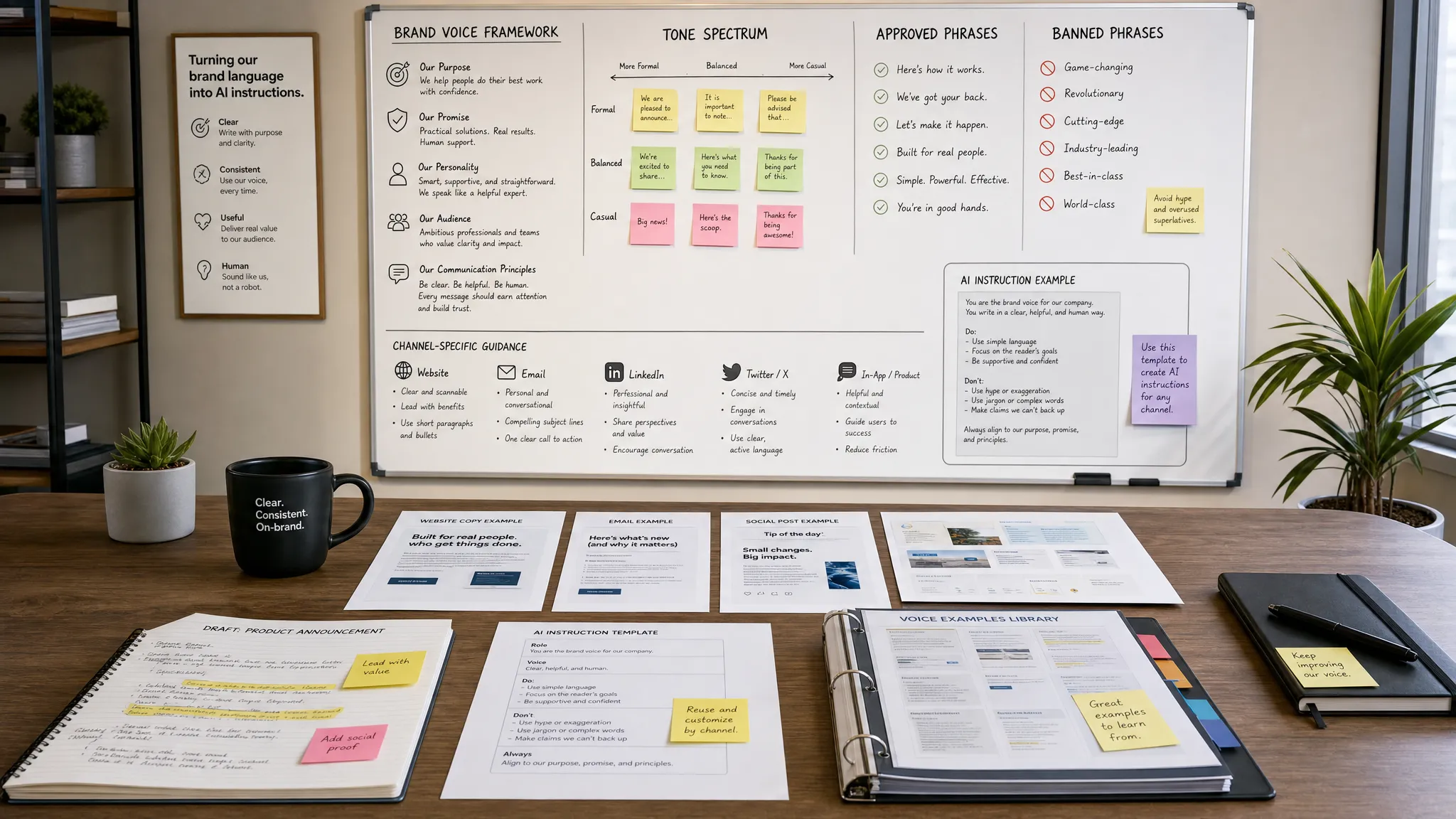
To avoid that, give the AI a brand voice guide. It does not need to be long. Include a few examples of your best content, a list of phrases to avoid, tone attributes, and sample rewrites.
For example:
Brand voice: Clear, practical, confident, and helpful. We sound like an experienced marketing operator, not a hype-driven tech vendor. We use plain English, specific examples, and direct advice. Avoid buzzwords such as unlock, revolutionary, seamless, and game-changing.
Then ask the AI to rewrite content through that lens.
You can also build prompt variations for different channels. Your LinkedIn voice may be more conversational. Your landing page voice may be sharper and more conversion-focused. Your long-form guides may be more educational and detailed.
Prompt engineering helps create consistency without making every asset sound identical.
What is AI prompt engineering for marketers? AI prompt engineering for marketers is the practice of writing clear, structured instructions that help AI tools produce better marketing outputs, such as content briefs, email campaigns, ad copy, customer research summaries, and SEO assets.
Do marketers need technical skills to write good AI prompts? No. Marketers need strategic clarity more than technical knowledge. The most important skills are defining the goal, understanding the audience, adding useful context, setting constraints, and reviewing the output critically.
What should every marketing prompt include? A strong marketing prompt should include the goal, context, audience, task, output format, tone, and rules. For important tasks, it should also ask the AI to request clarification if key information is missing.
Can AI prompts improve content quality? Yes, but only when prompts include strong inputs and the output is reviewed by a human. AI can help structure ideas, generate options, and speed up drafting, while marketers add judgment, accuracy, brand voice, and strategic positioning.
How should a marketing team manage prompts? Teams should save high-performing prompts in a shared library, organize them by use case, document required inputs, and update them based on campaign performance. This turns prompt engineering into a repeatable marketing workflow.
AI prompt engineering is not about memorizing clever commands. It is about giving AI the same quality of direction you would give a strategist, copywriter, analyst, or campaign manager.
When your prompts include clear goals, strong customer context, defined outputs, and smart constraints, AI becomes much more useful. It can help your team move faster, test more ideas, and build marketing workflows that are easier to repeat and improve.
If you want to put these ideas into practice, explore AIMarketer Hub for AI marketing tools, prompt resources, calculators, SEO guidance, and practical guides designed to help businesses automate, optimize, and grow their marketing efforts.