AI content generation can make a marketing team dramatically faster, but speed alone does not guarantee profit. The teams seeing the best returns in 2026 are not simply publishing more. They are using AI to reduce waste, strengthen strategy, improve distribution, and connect every asset to a measurable business outcome.
That distinction matters. A generic AI-written article can add noise to your website. A well-briefed, human-reviewed, conversion-focused asset can support search visibility, sales conversations, email nurture, paid campaigns, and product education at the same time.
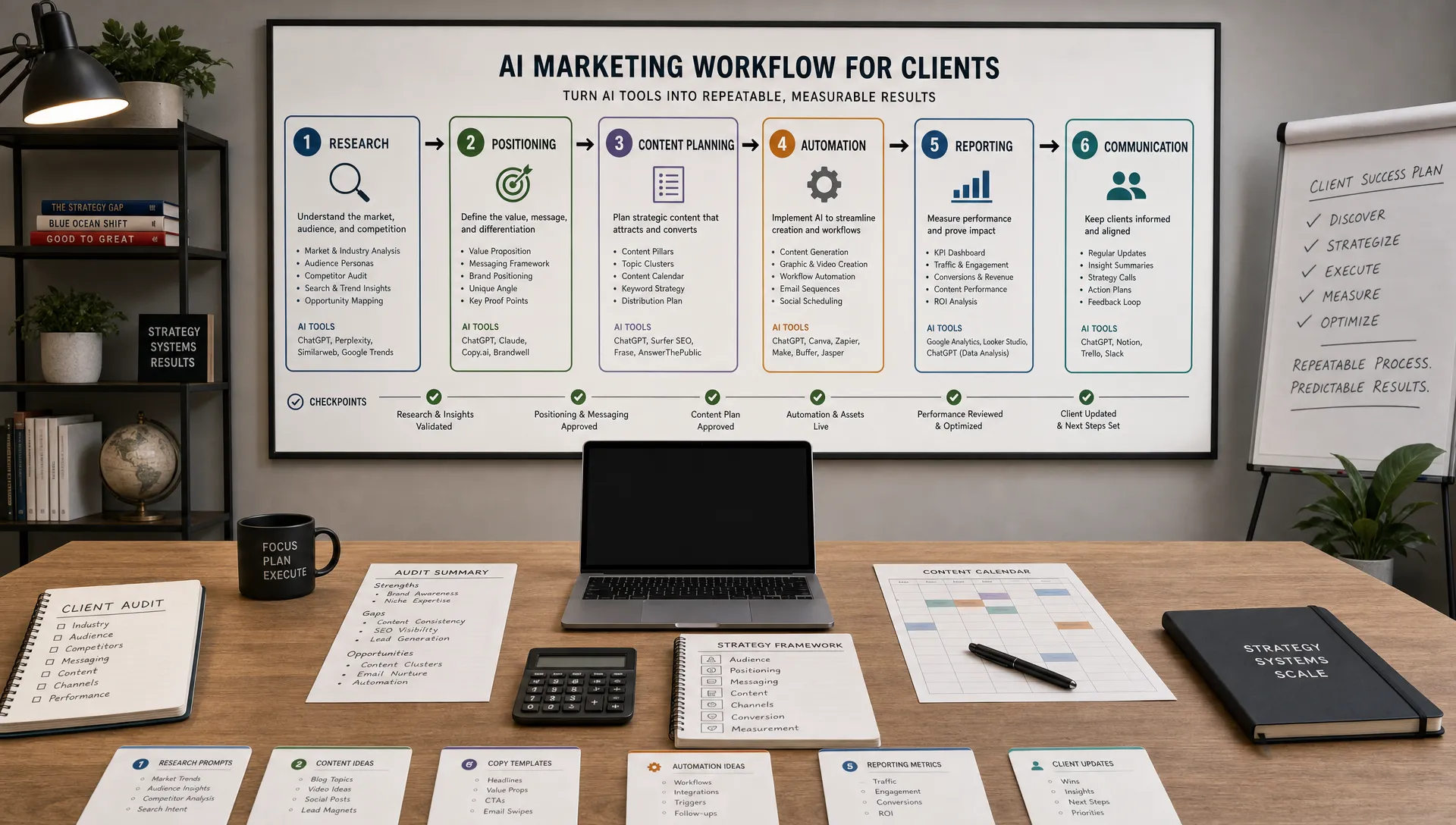
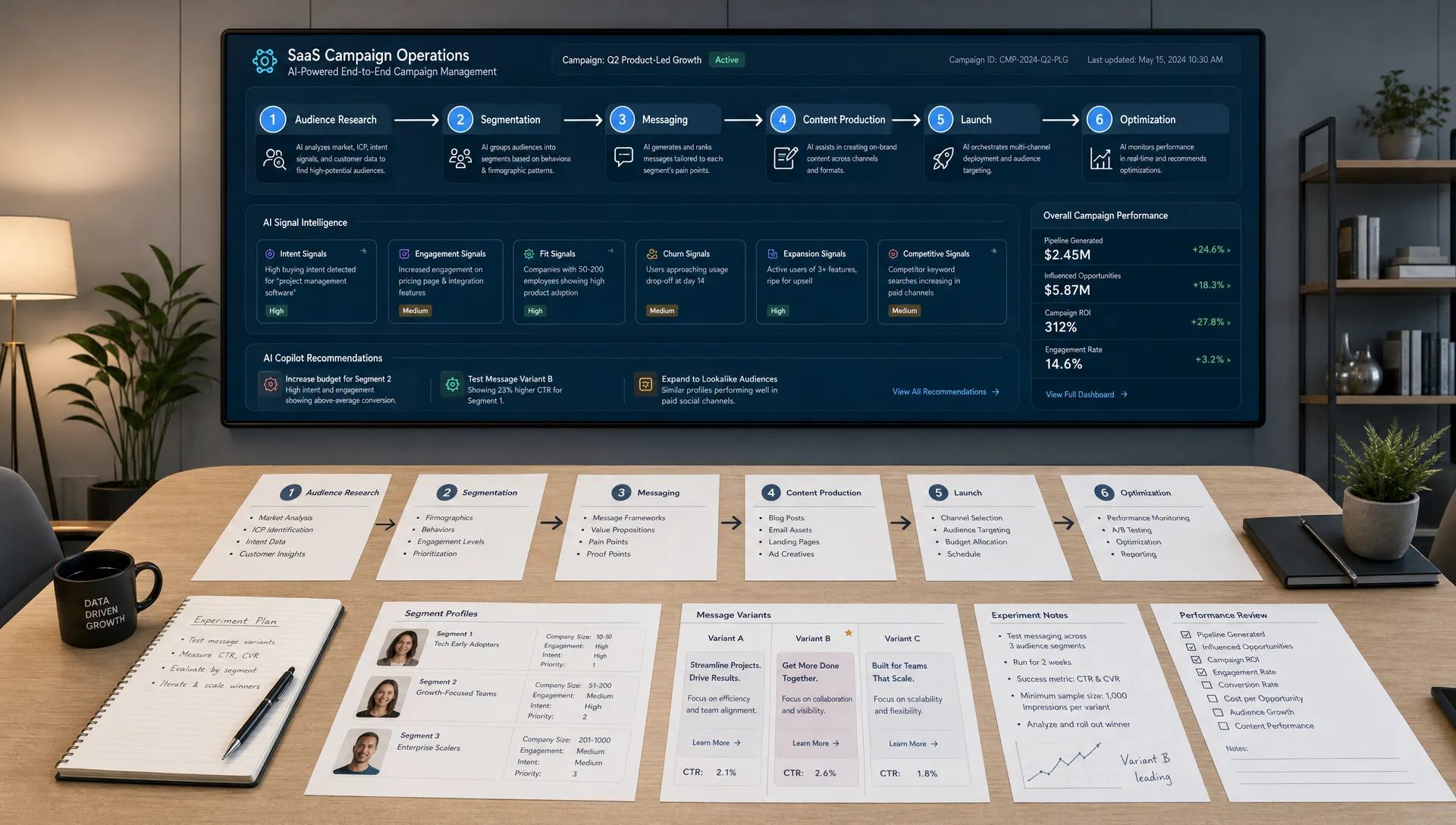
If your goal is better ROI, treat AI content generation as a performance system, not a shortcut. The tips below will help you build that system with stronger briefs, smarter prompts, cleaner workflows, and better measurement.
The easiest mistake in AI content generation is measuring output before outcomes. More words, more drafts, and more posts are only valuable if they help the business acquire, convert, retain, or educate the right audience.
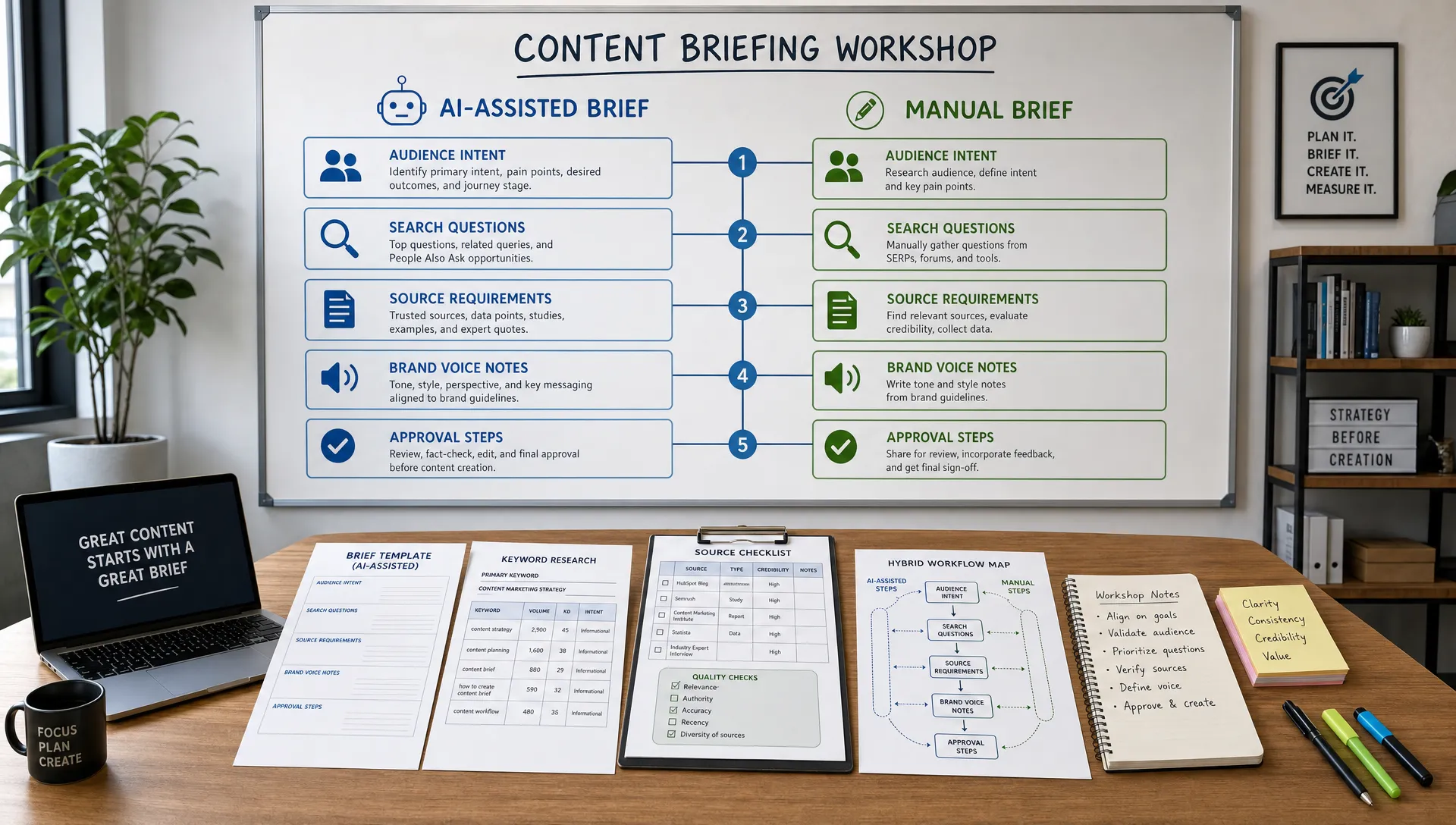
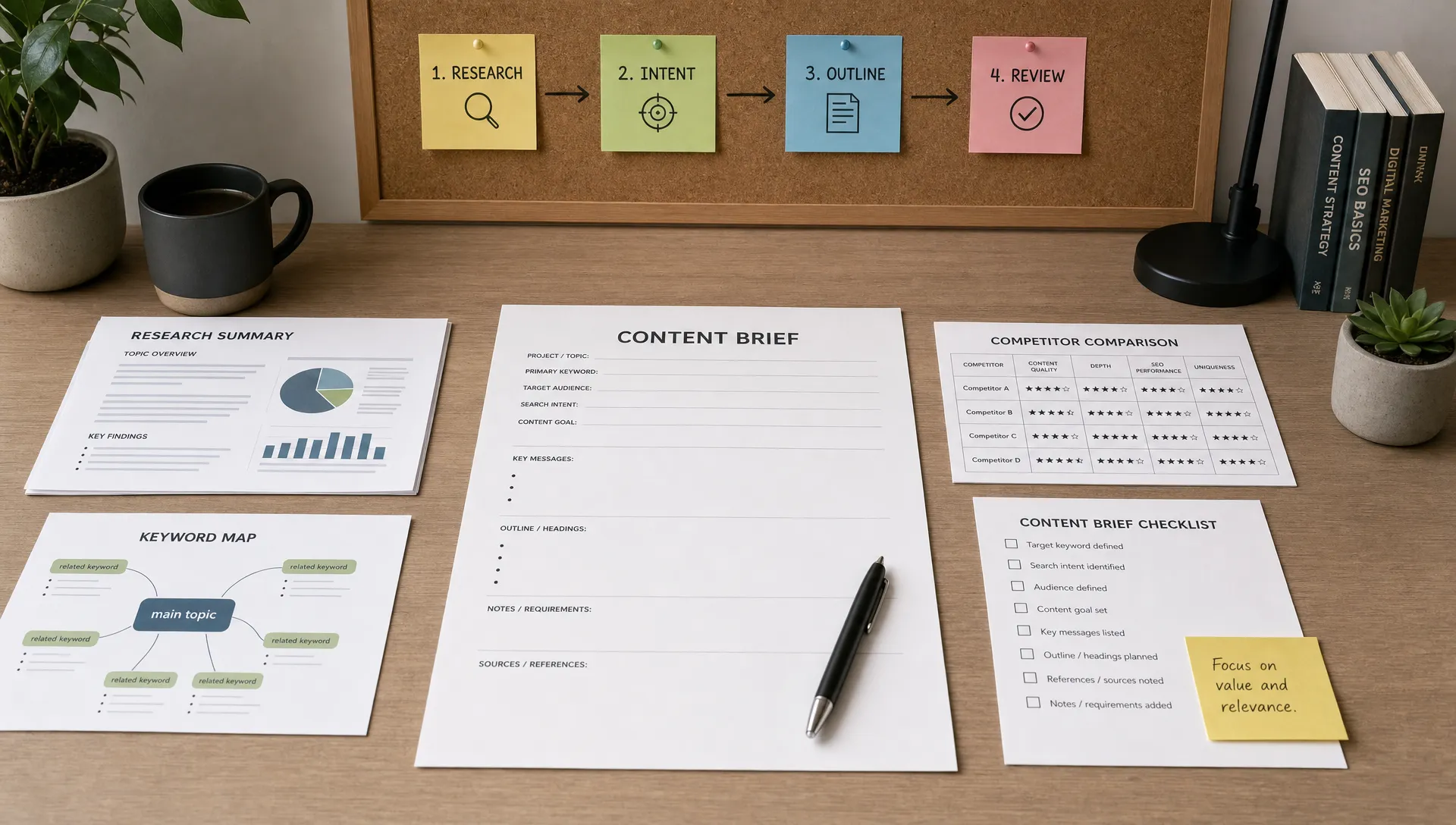
Before you open an AI tool, define what the content is supposed to do. A revenue-backed brief should answer a few practical questions:
This is where ROI begins. If an article is designed to attract early-stage traffic, you might measure qualified organic visits, newsletter signups, or assisted conversions. If a landing page targets high-intent buyers, you might measure demo requests, trials, quote requests, or direct revenue.
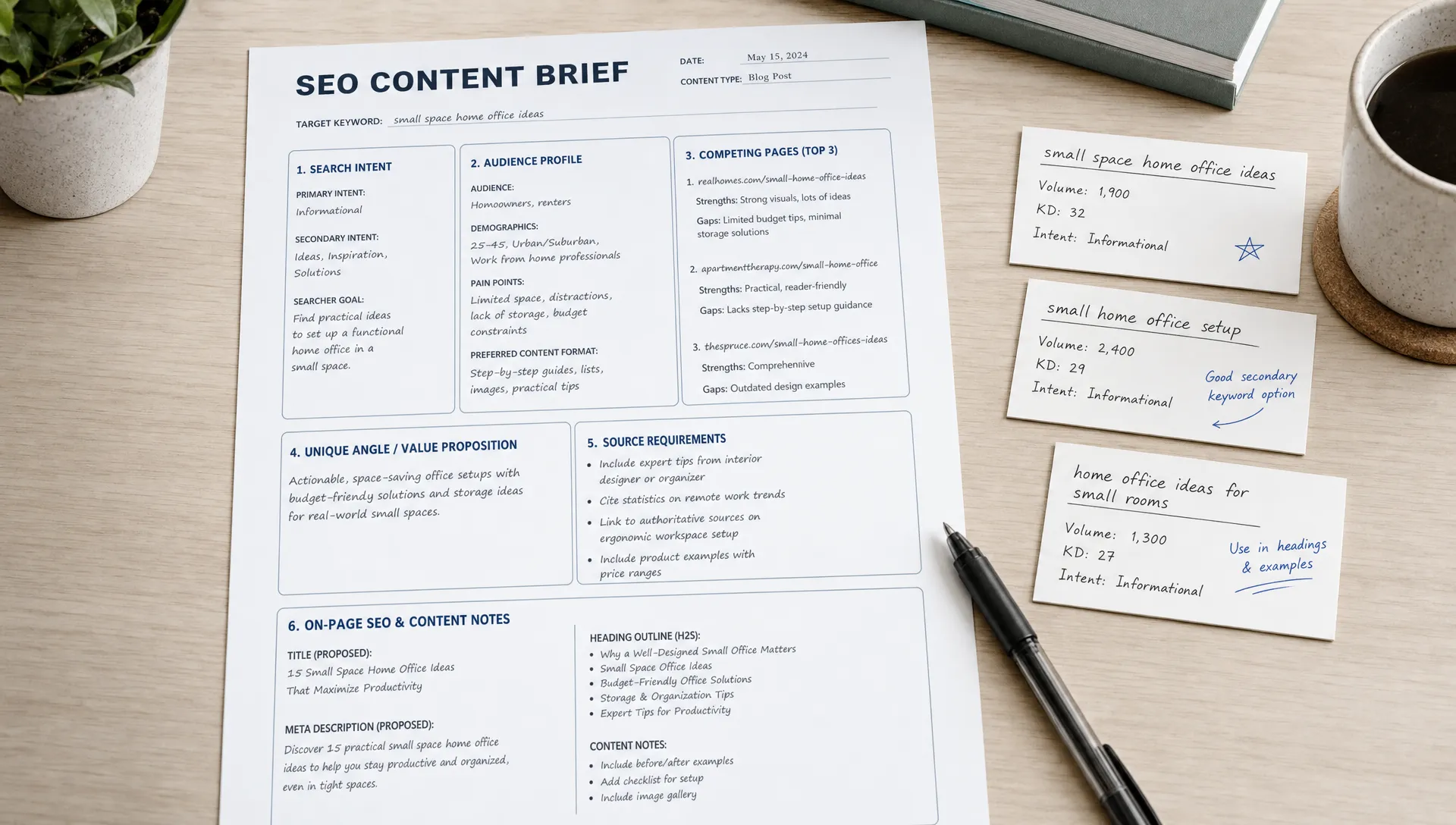
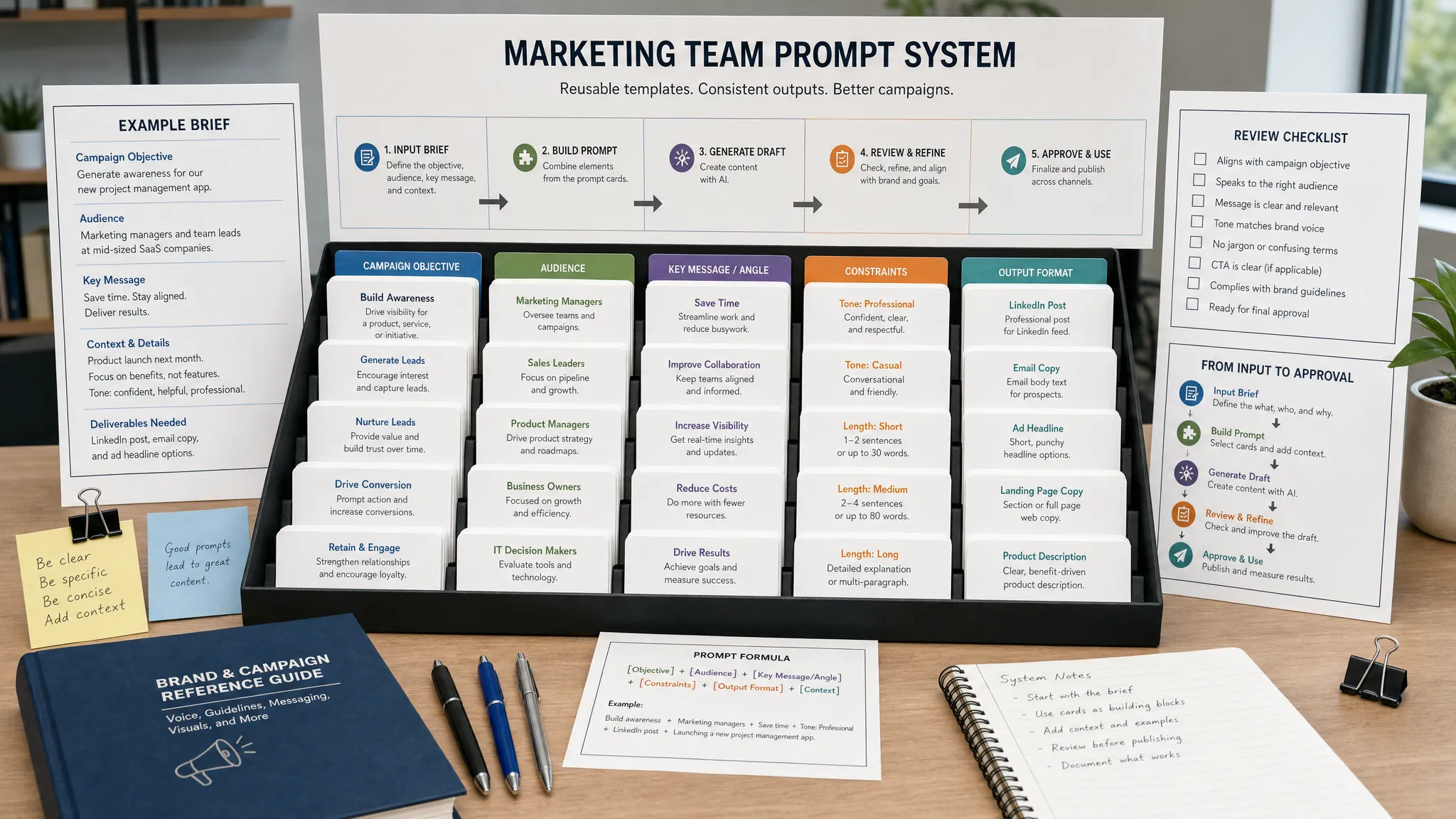
AI can produce a draft quickly, but the brief determines whether that draft has commercial direction. A weak prompt asks for a blog post. A strong brief gives AI the audience, intent, positioning, evidence, structure, and conversion goal.
Not every content asset should be judged by the same ROI metric. A top-of-funnel guide can create strong long-term value even if it does not convert immediately. A bottom-of-funnel comparison page should be held to a higher conversion standard.
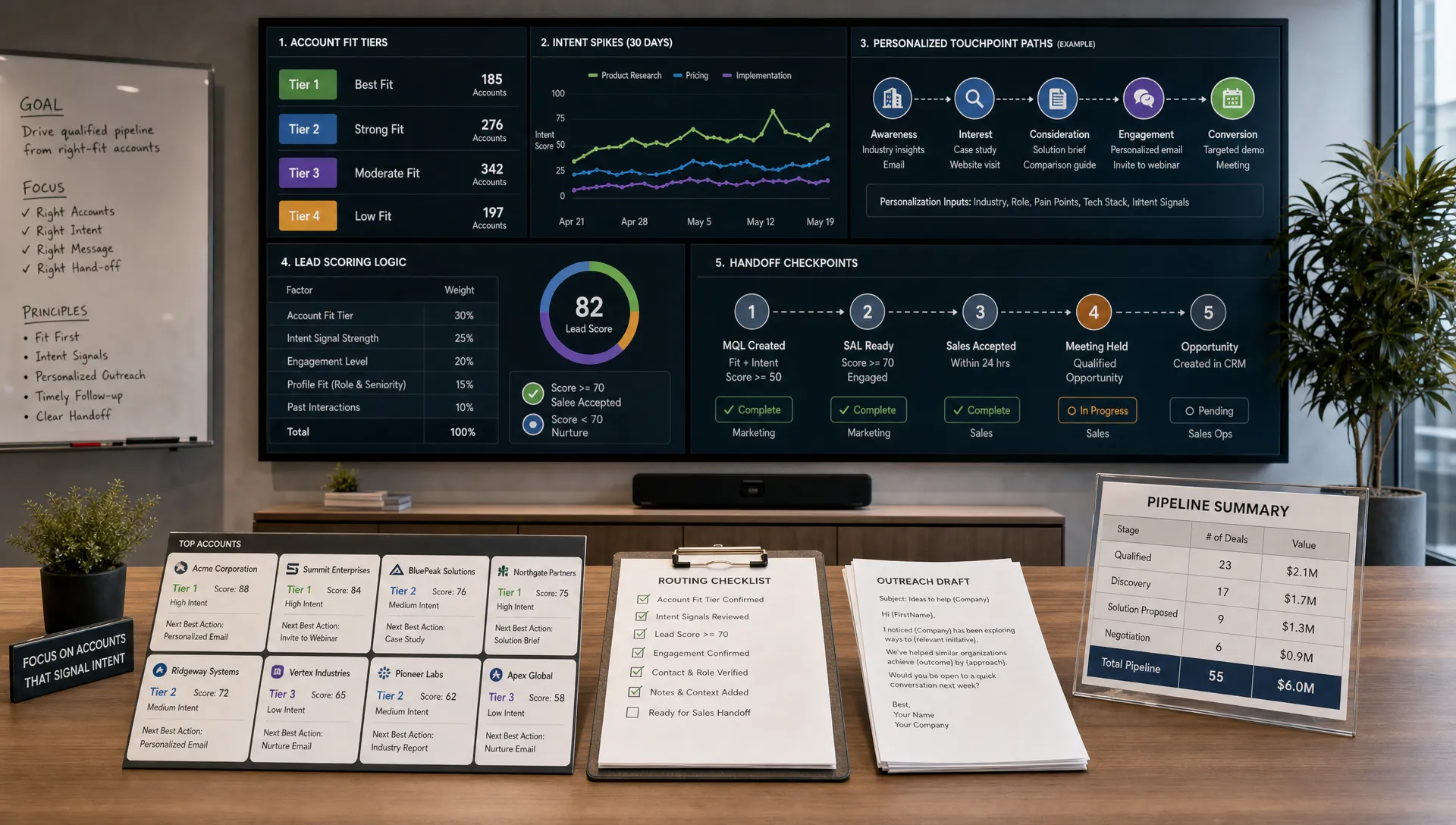
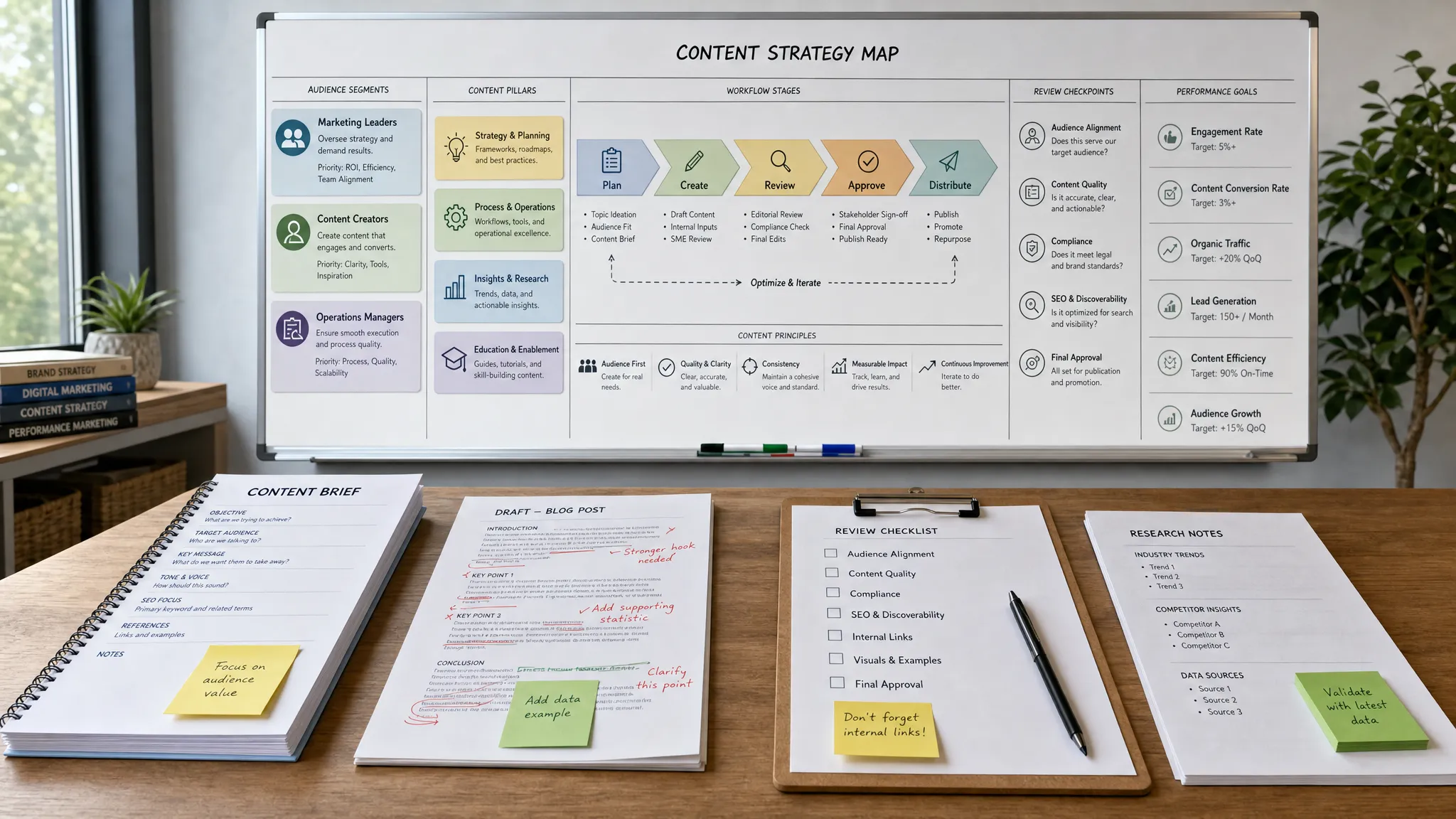
For better ROI, map AI-assisted content to the buyer journey before production:
This prevents two common problems. First, it stops teams from expecting every educational article to produce instant revenue. Second, it keeps high-intent pages from becoming too vague or informational.
For example, an awareness article might explain how AI helps small teams scale content operations. A consideration asset might compare AI content workflows for SEO, email, and social media. A decision-focused page might show how a prompt library, SEO tool, or content generator fits into a specific marketing process.
When the content type matches the journey stage, ROI becomes easier to improve because the asset is judged by the right job.
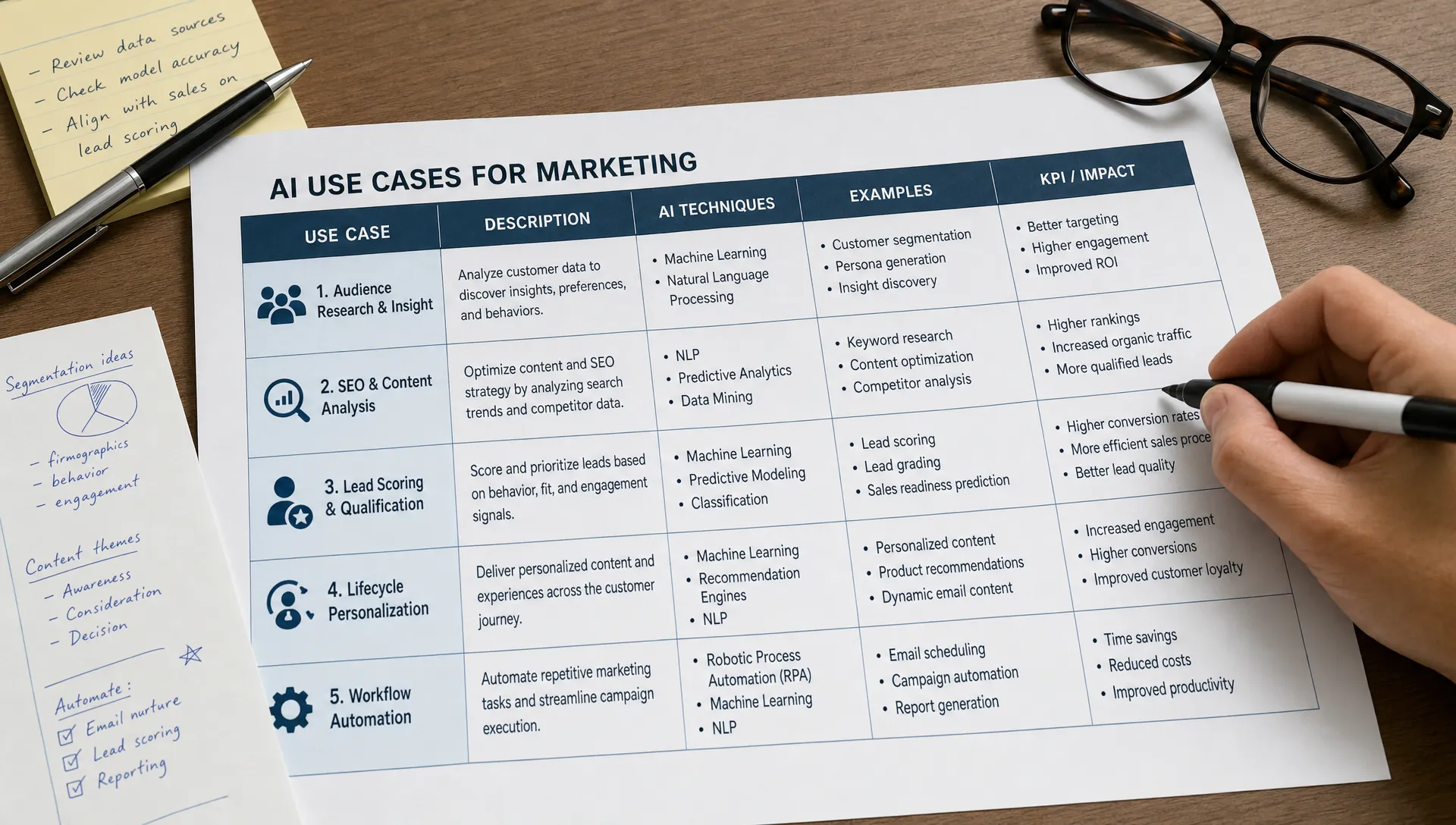
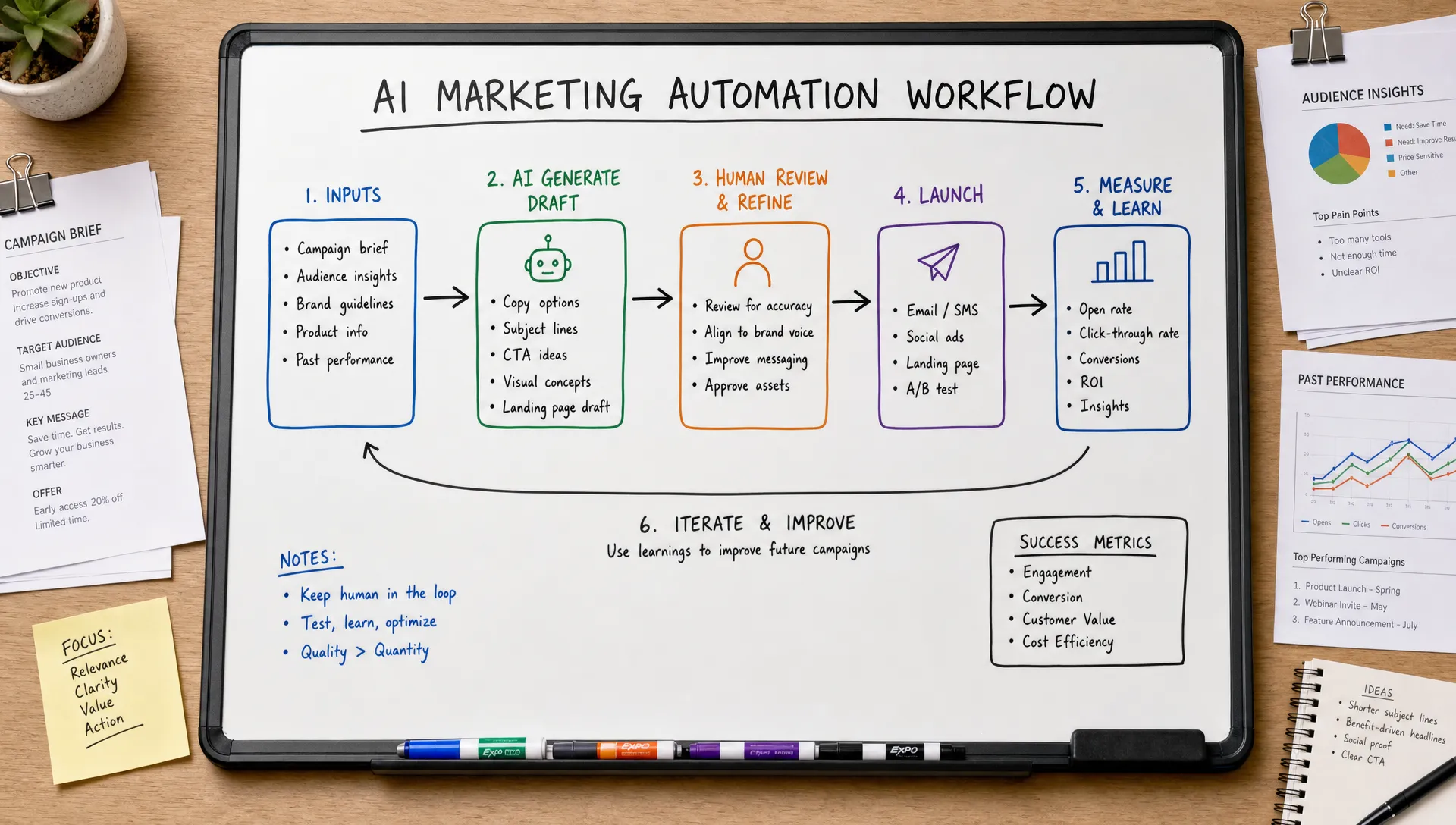
AI is strongest when it accelerates repeatable, structured tasks. It is less reliable when asked to replace strategy, brand judgment, subject-matter expertise, or fact-checking.
That matters because ROI is not just about producing content faster. It is also about reducing rework, protecting trust, and making every published asset more useful. McKinsey has estimated that generative AI could create trillions of dollars in annual economic value across industries, but that value depends on redesigning workflows, not merely adding tools.
Use AI to speed up tasks such as:
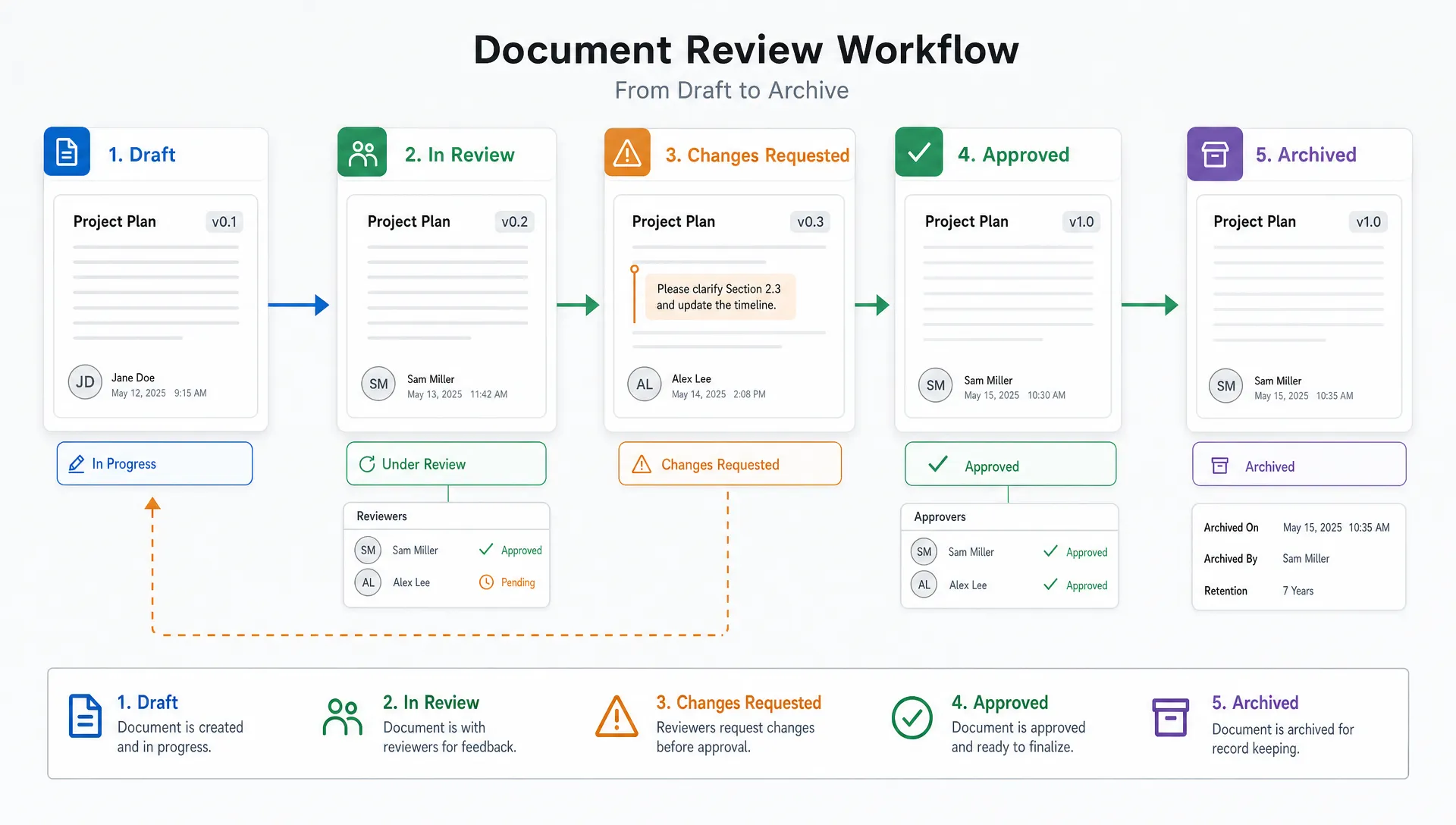
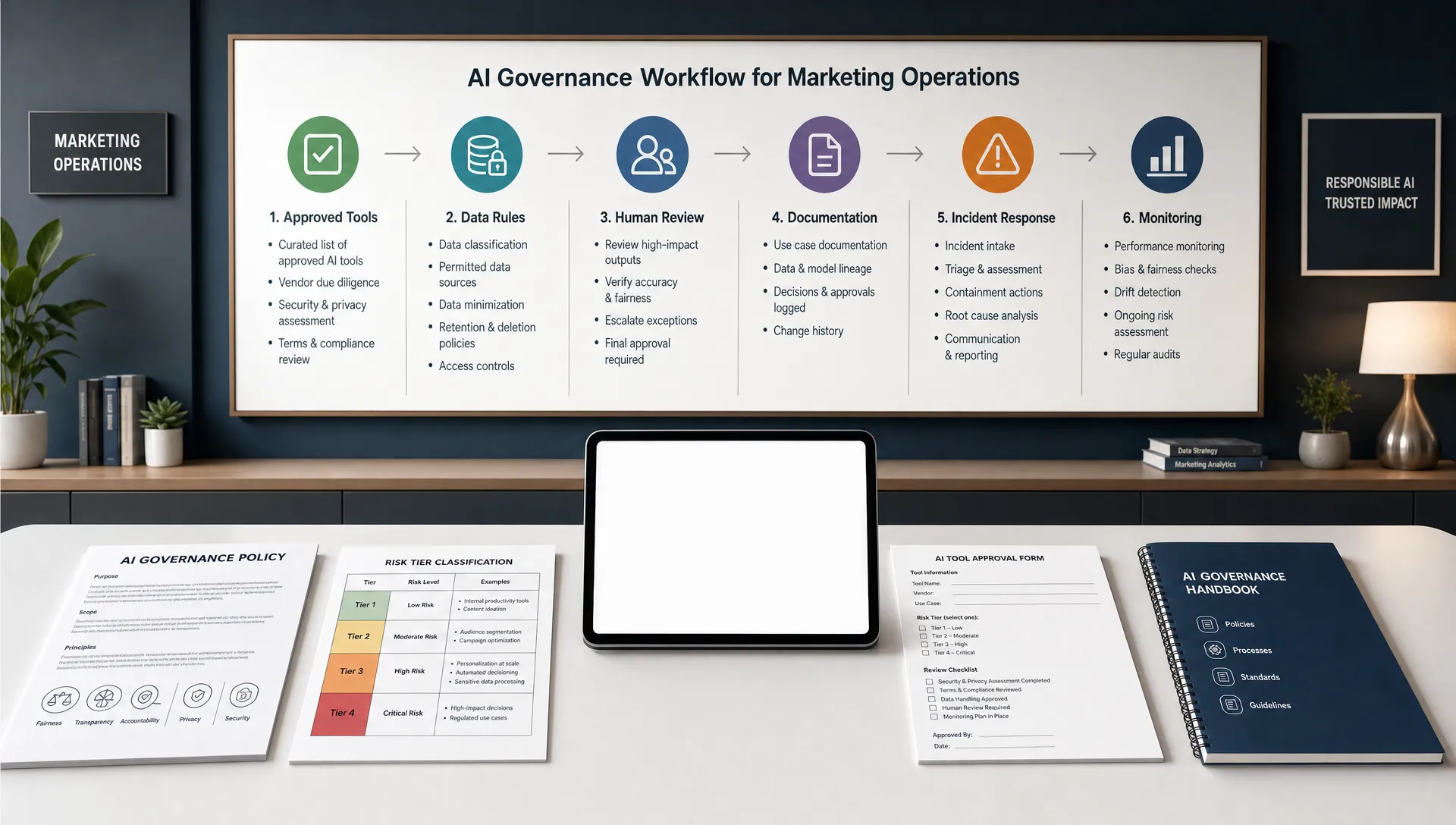
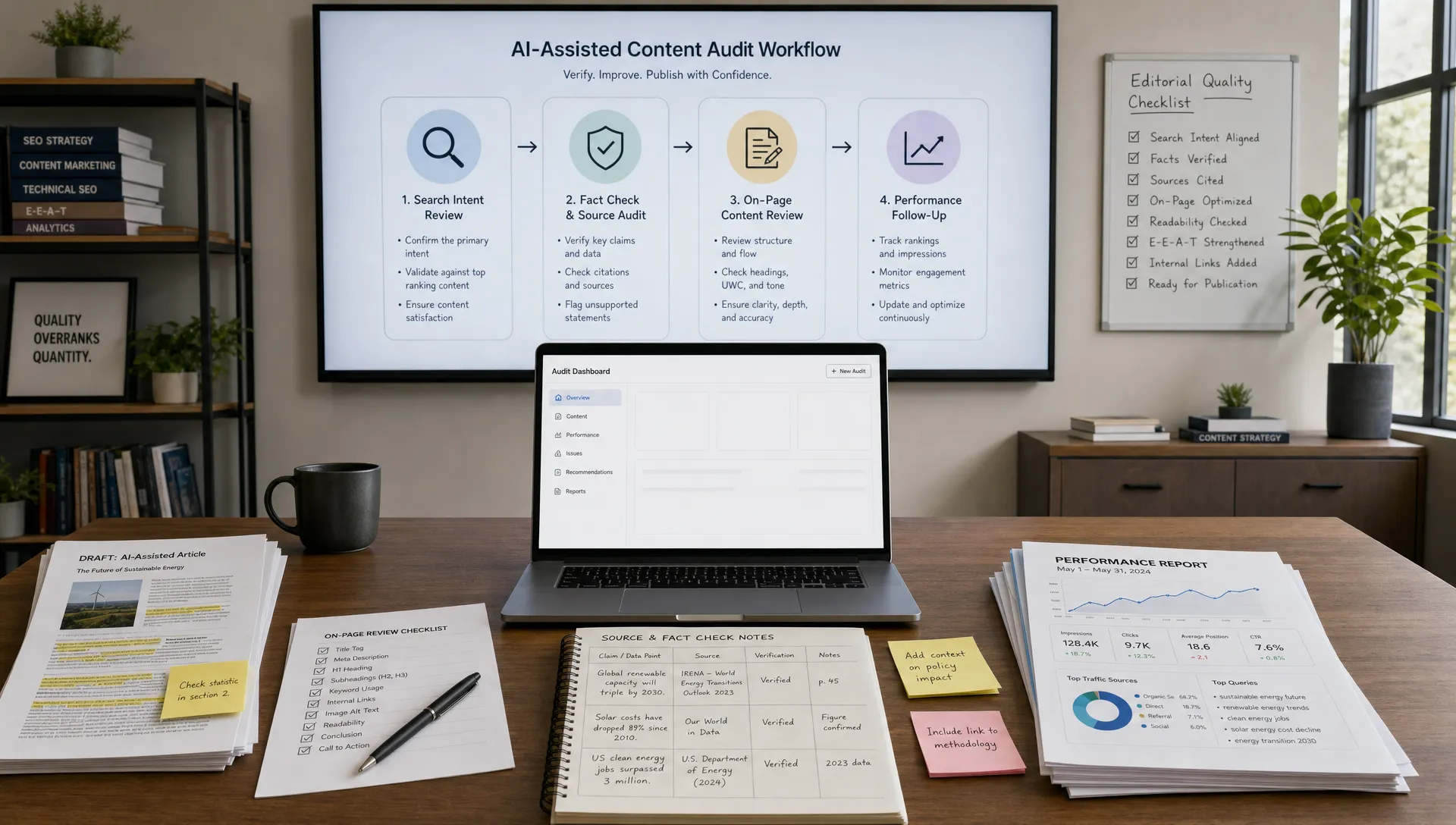
Keep humans responsible for positioning, accuracy, claims, examples, customer insight, and the final edit. The most profitable workflow is usually not AI-only. It is AI-assisted, with human experts guiding the message and validating the output.
This is especially important in regulated or high-trust industries such as finance, legal, healthcare, B2B SaaS, and professional services. A single inaccurate claim can cost more than the time AI saved.
One-off prompts create inconsistent results. Reusable prompts create repeatable quality, which improves ROI over time.
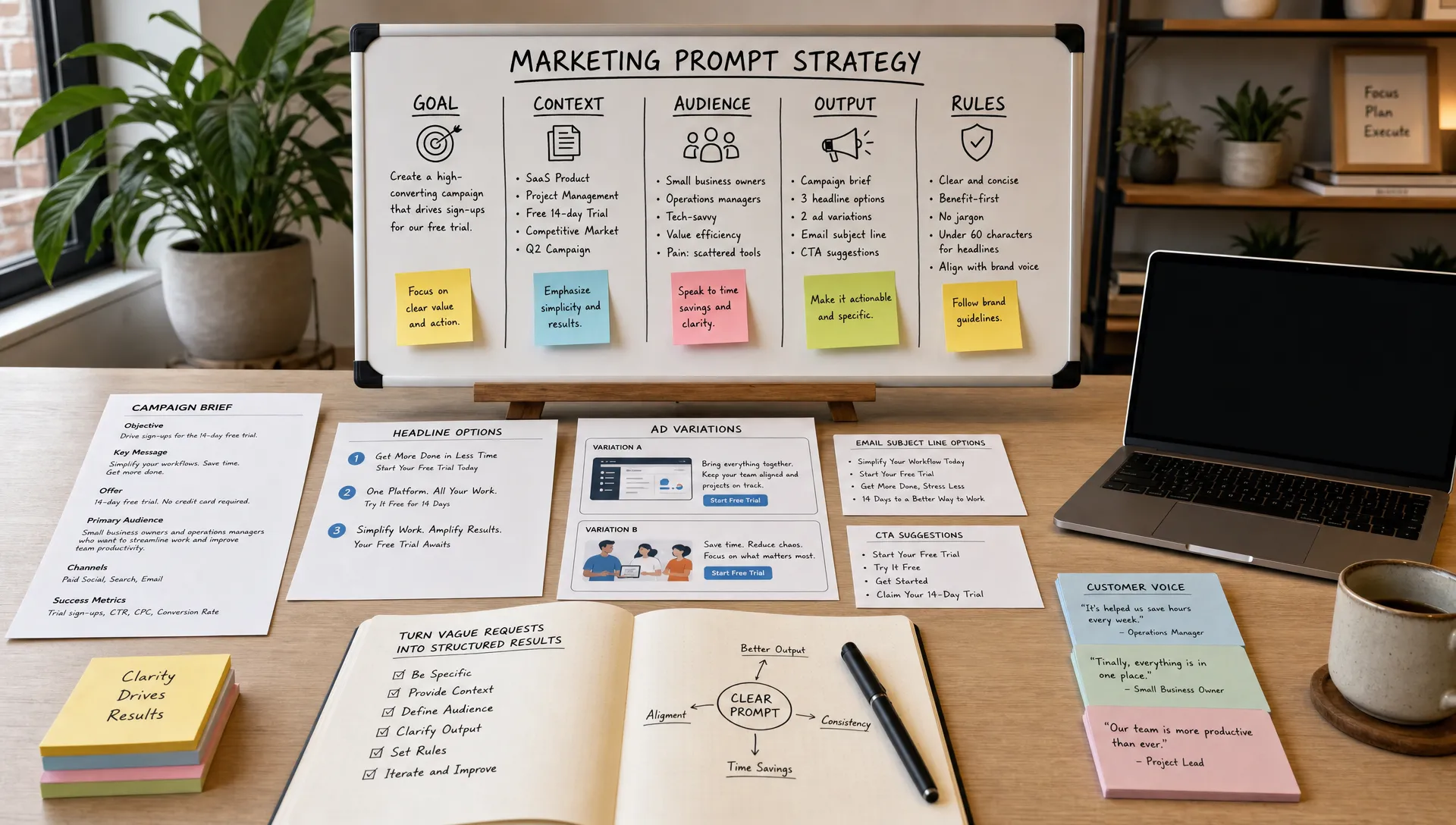
A strong prompt does more than describe the asset. It gives the AI model a role, audience, objective, source material, structure, tone, constraints, and quality standard. It also tells the model what not to do.
A practical prompt framework looks like this:
Act as a senior content strategist for a B2B marketing team. Create an outline for an article targeting marketing managers at small companies. The goal is to help them improve ROI from AI content generation. Use the customer pain points, keyword intent, and product notes below. Prioritize practical steps, avoid unsupported claims, include a conversion-focused CTA, and flag any section that needs expert input or data verification.
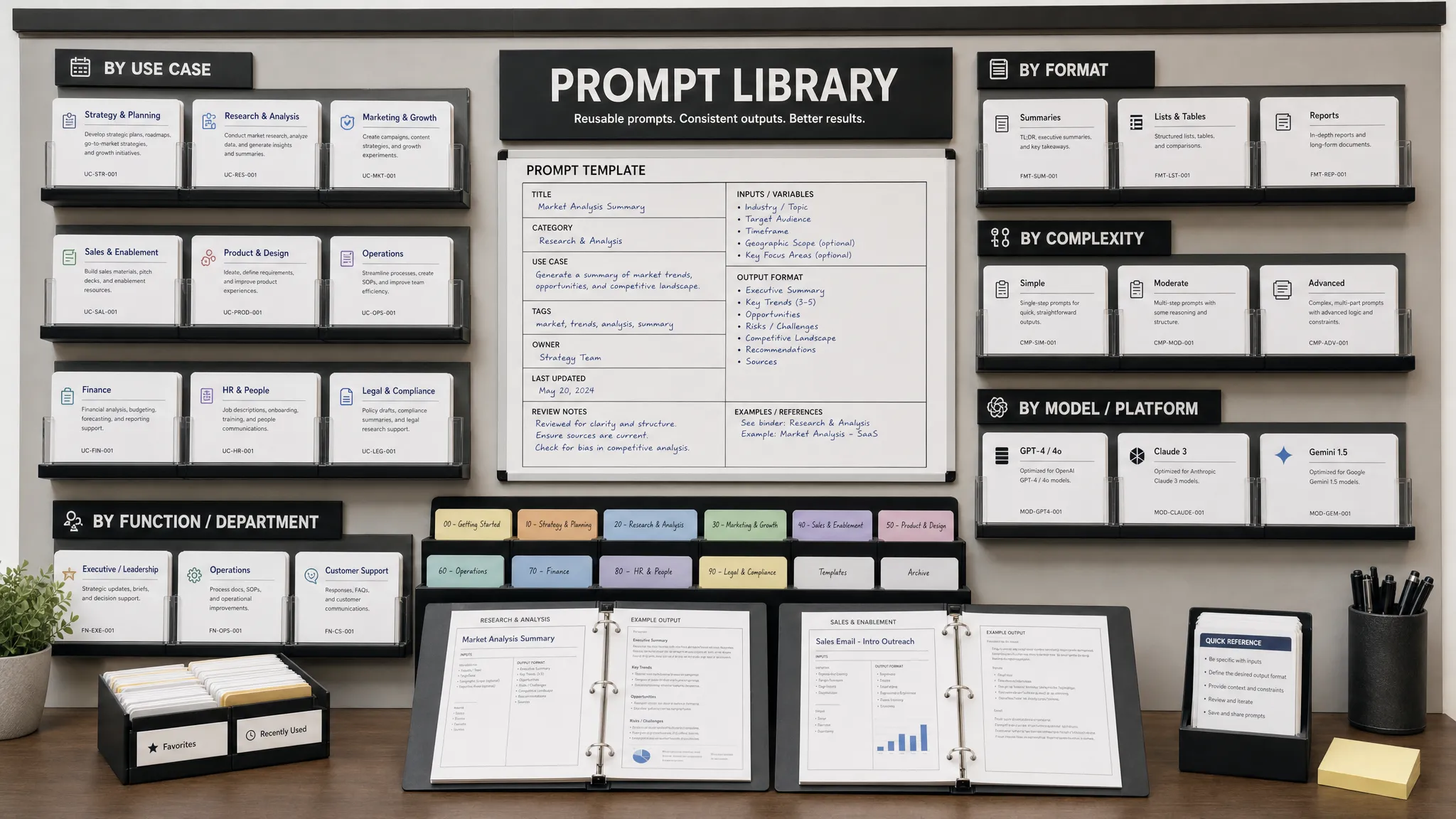
The best teams store proven prompts in a shared library so writers, marketers, and founders can reuse them. This reduces training time, improves consistency, and makes it easier to compare performance across similar assets.
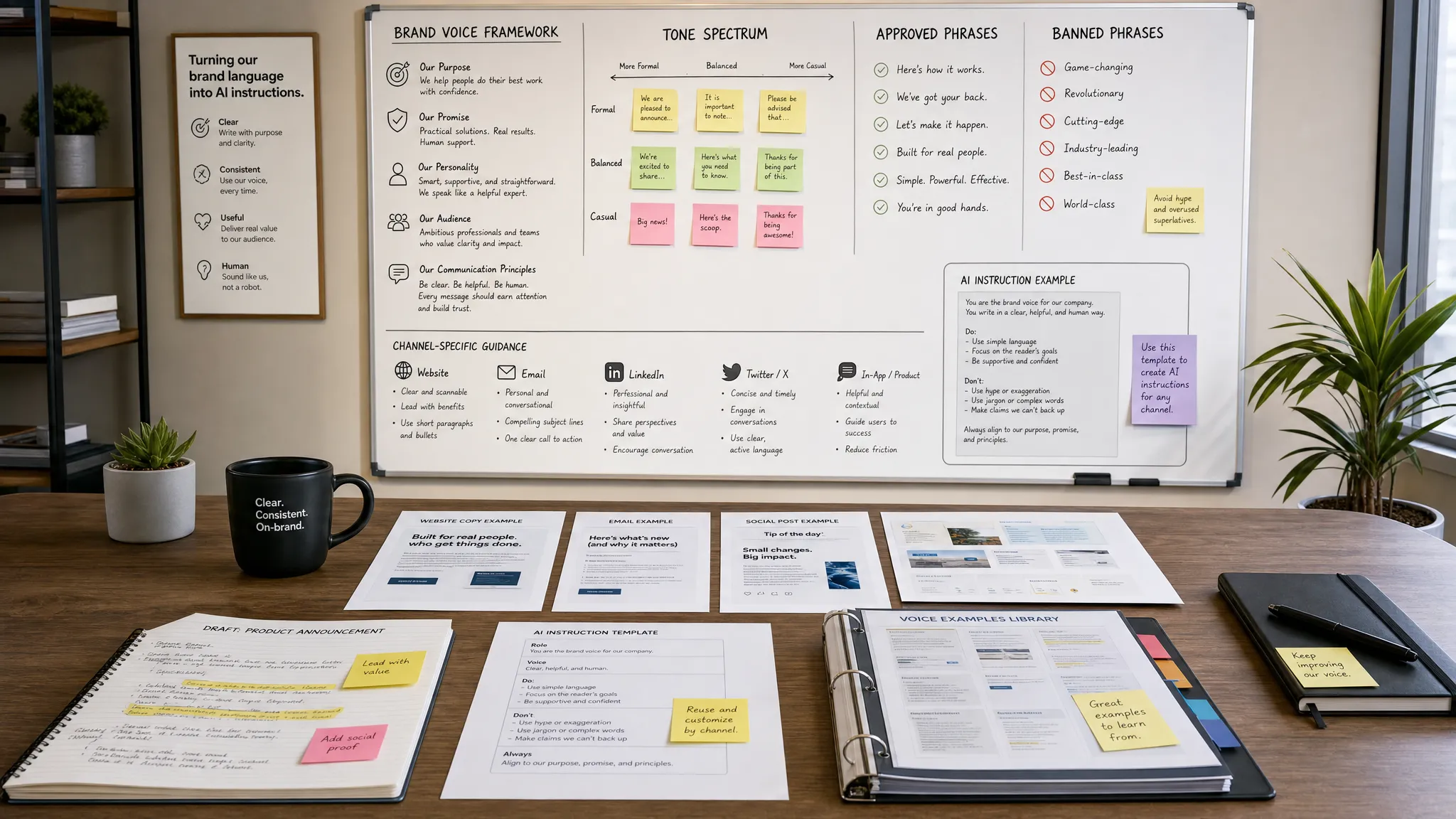
A prompt library also helps protect brand voice. Instead of asking AI to sound professional or engaging, define what that means for your brand. Should the tone be direct, analytical, friendly, technical, concise, or founder-led? Should the writing avoid hype? Should it use customer language from sales calls? These details improve output quality and reduce editing time.
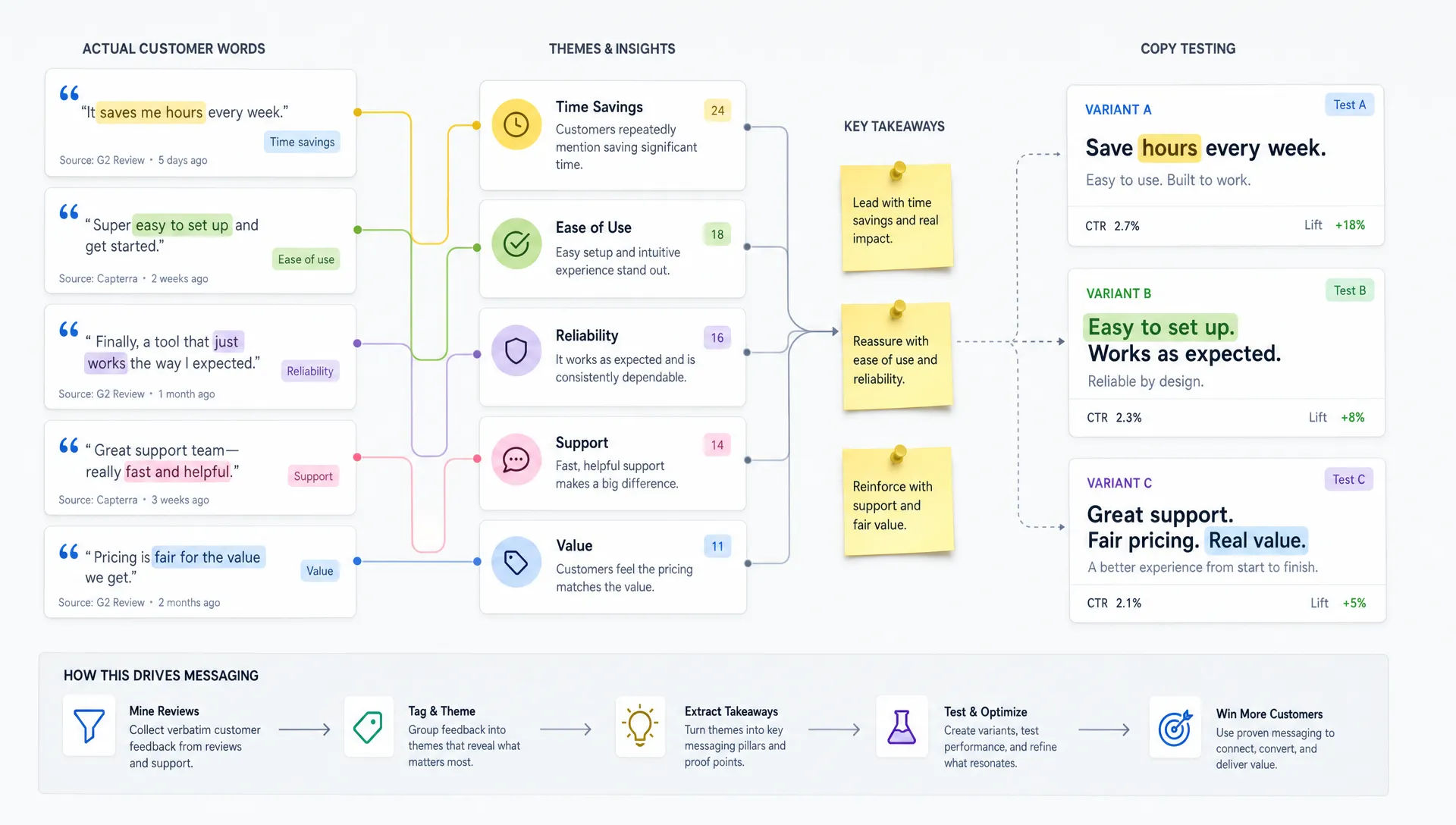
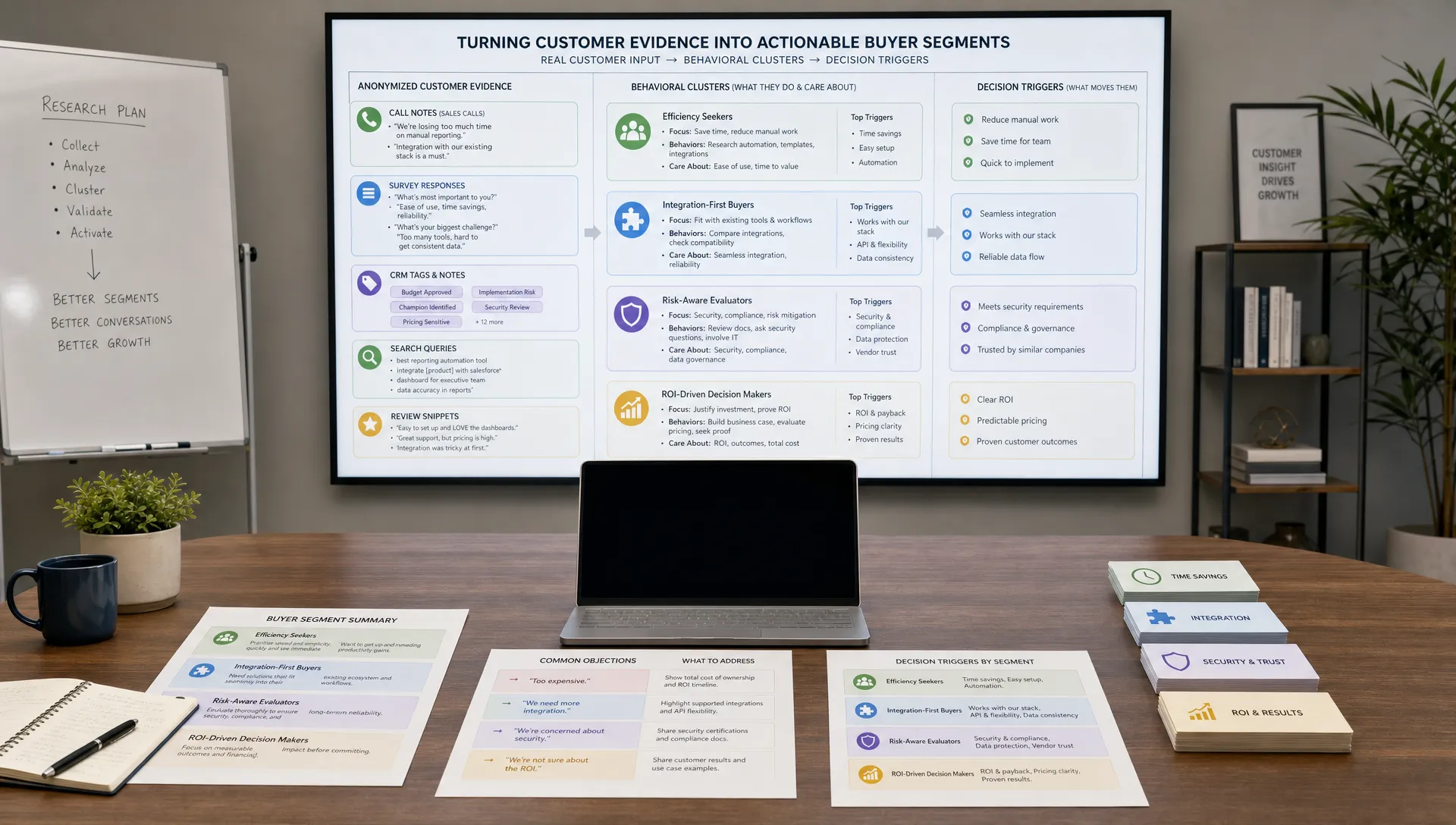
AI content quality depends heavily on input quality. If the model only receives a keyword and a generic topic, it will usually produce generic content. If it receives customer insights, positioning, product context, and examples, the output becomes much more useful.
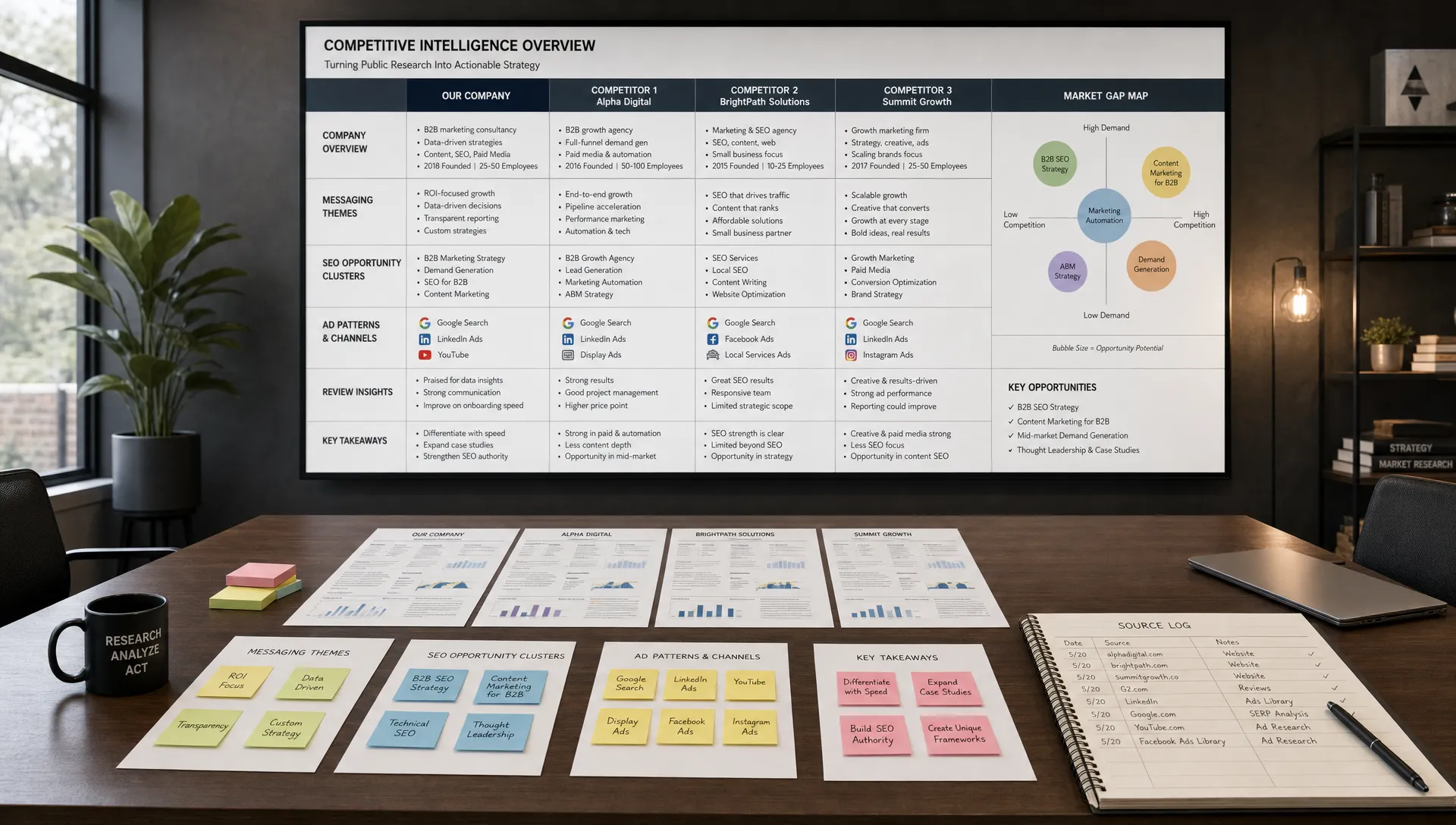
Useful inputs include customer interview notes, anonymized sales call themes, search intent analysis, product documentation, survey findings, support tickets, competitor gaps, and analytics from top-performing pages.
This is where many teams unlock better ROI. Instead of paying people to rewrite generic drafts, they use AI to organize and express real expertise. The human team supplies the insight. AI helps structure, expand, and adapt it.
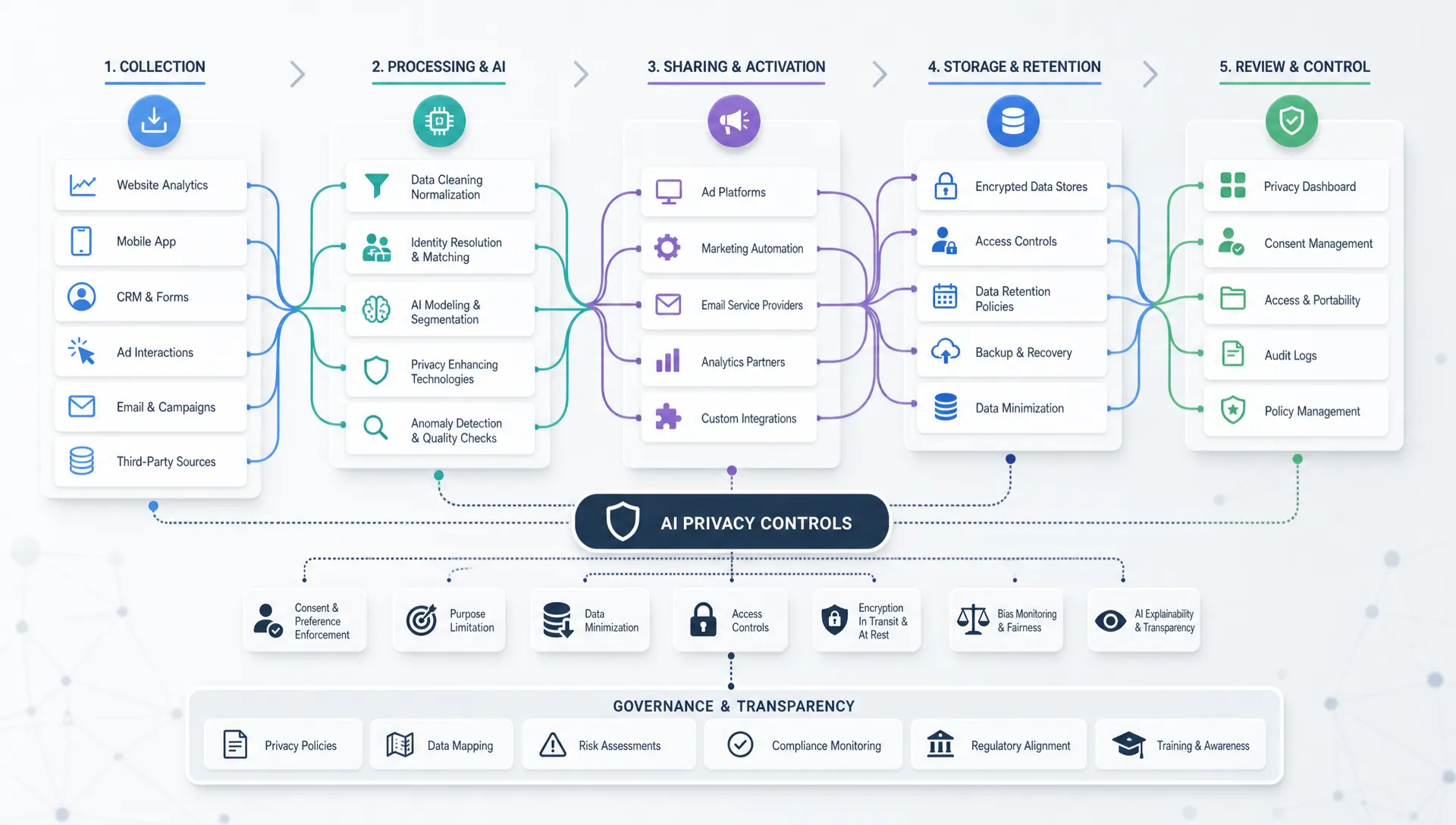
Be careful with sensitive data. Do not paste confidential customer information, private financial details, legal documents, or proprietary strategy into an AI tool unless your organization has approved that workflow and understands the data policy of the platform being used.
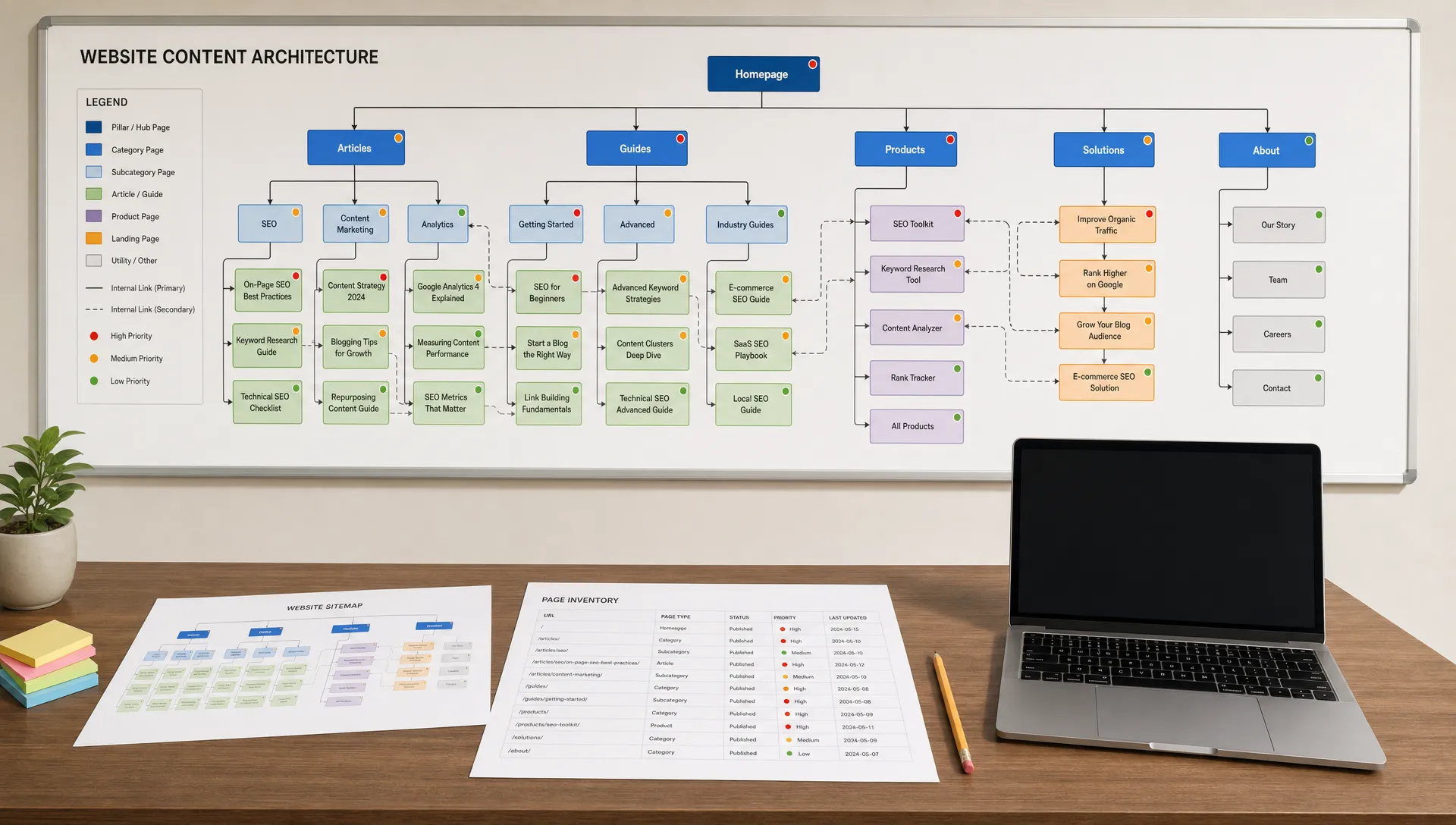
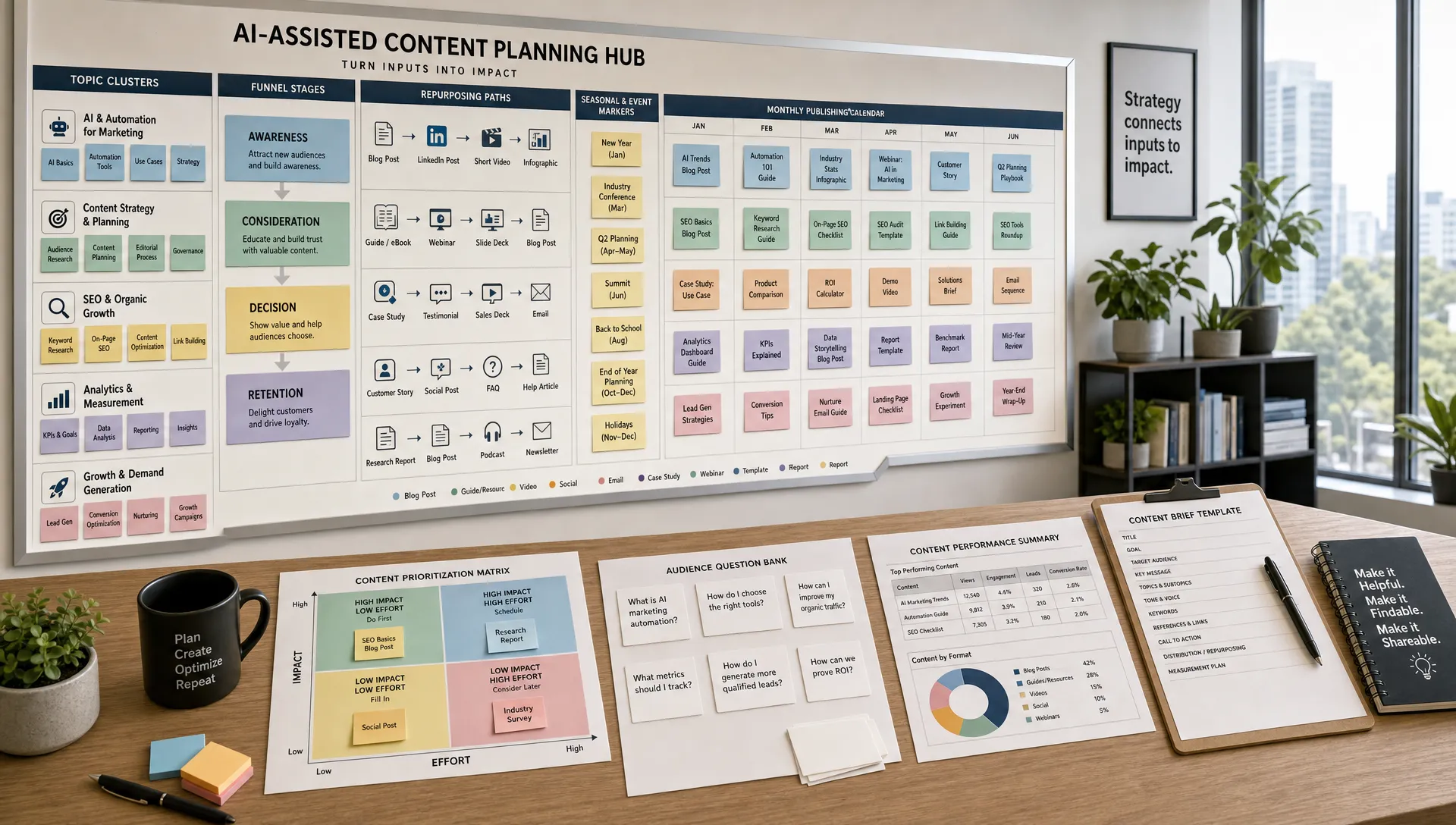
A single AI-generated article can perform, but content clusters usually create stronger ROI. Clusters help search engines and readers understand your expertise across a topic. They also give your team more opportunities to convert different types of intent.
A cluster starts with a core topic and then expands into related questions, use cases, templates, comparisons, and decision-support assets. For AI content generation, a cluster could include articles on prompt writing, content briefs, SEO optimization, repurposing workflows, content quality checks, and ROI measurement.
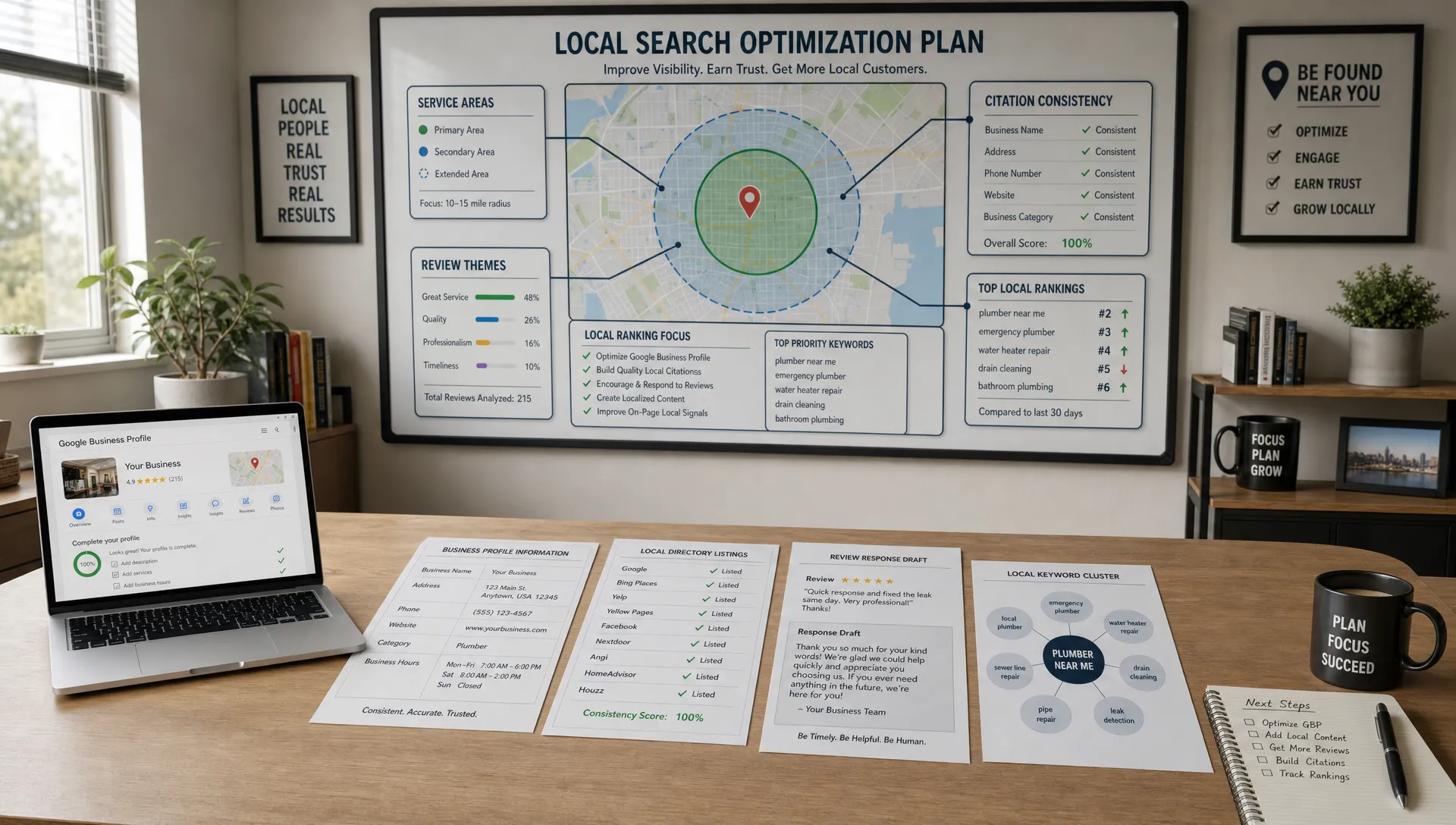
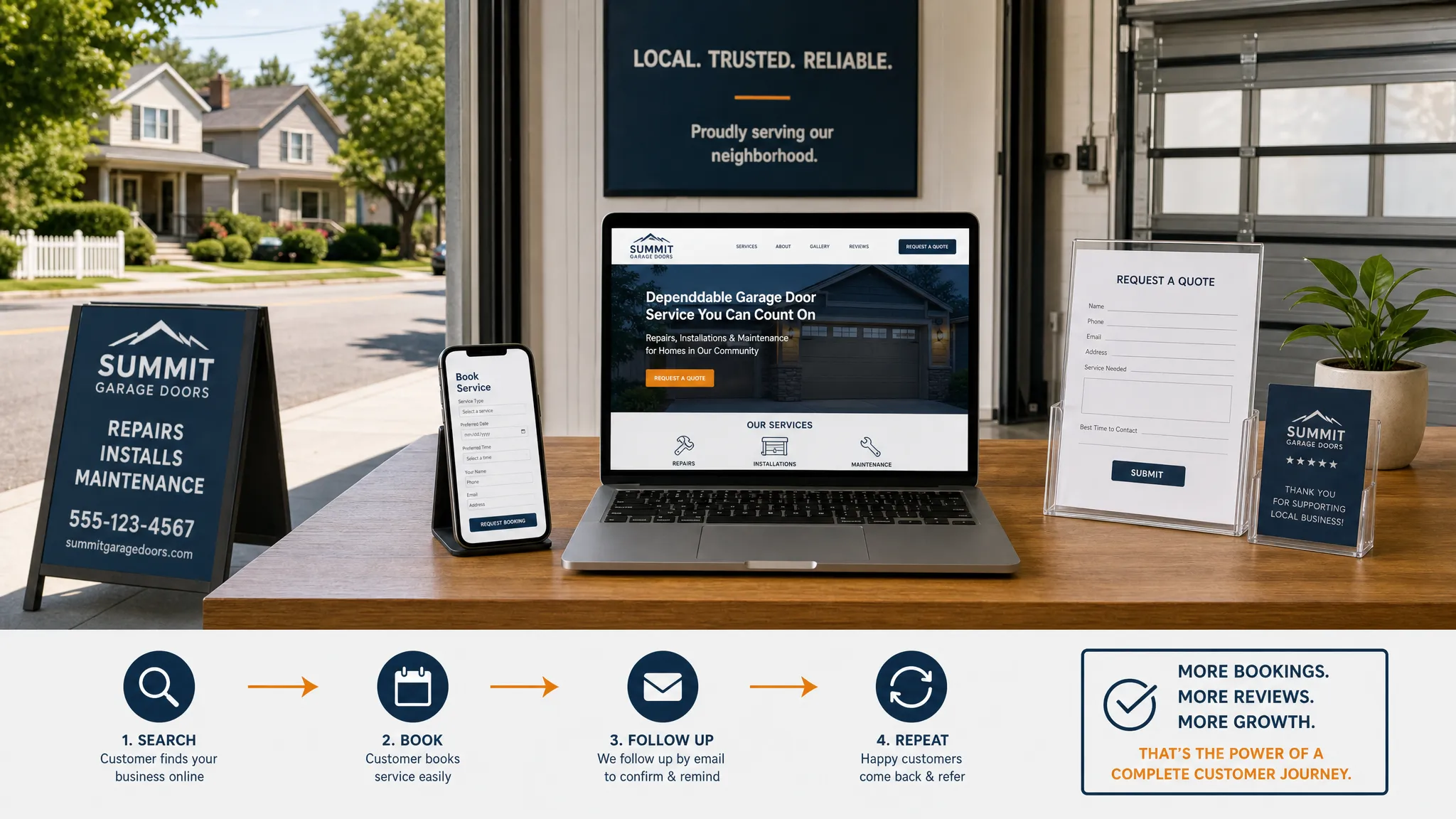
The same principle applies in niche service businesses. A relocation brand, for instance, may get more value from a connected group of guides about suburbs, school planning, rental applications, and arrival logistics than from one broad moving article. A page like this relocation service that helps families move to Australia is a good example of a business where content can support high-intent planning decisions, not just casual browsing.
For your own site, connect cluster pages with internal links and clear next steps. Each article should help the reader go deeper, compare options, or take action. This improves engagement and gives your content more chances to contribute to pipeline.
AI content generation should not be an excuse to publish thin search content. Google has consistently emphasized creating helpful, reliable, people-first content, and its Search Central guidance is a useful benchmark for quality.
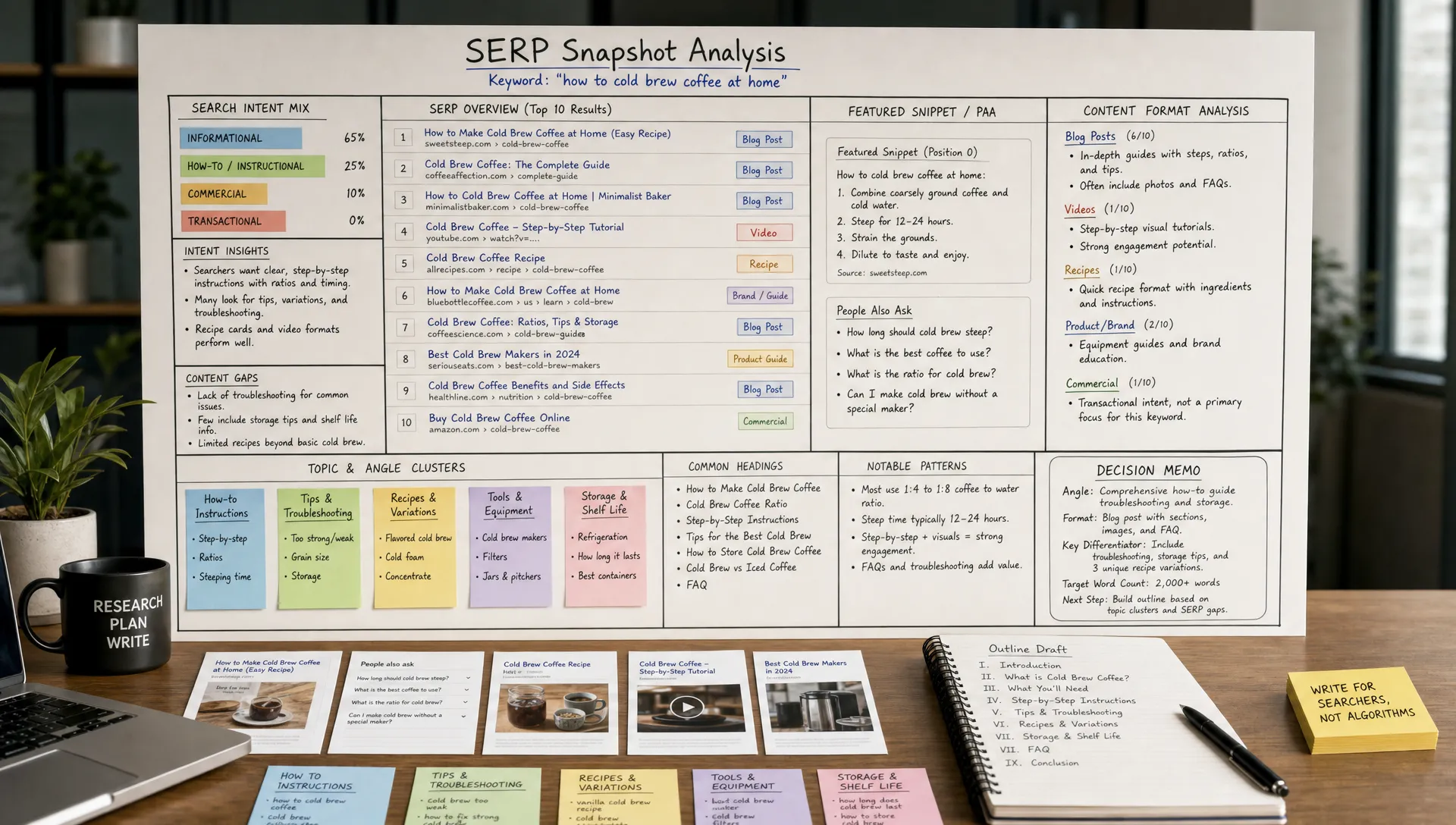
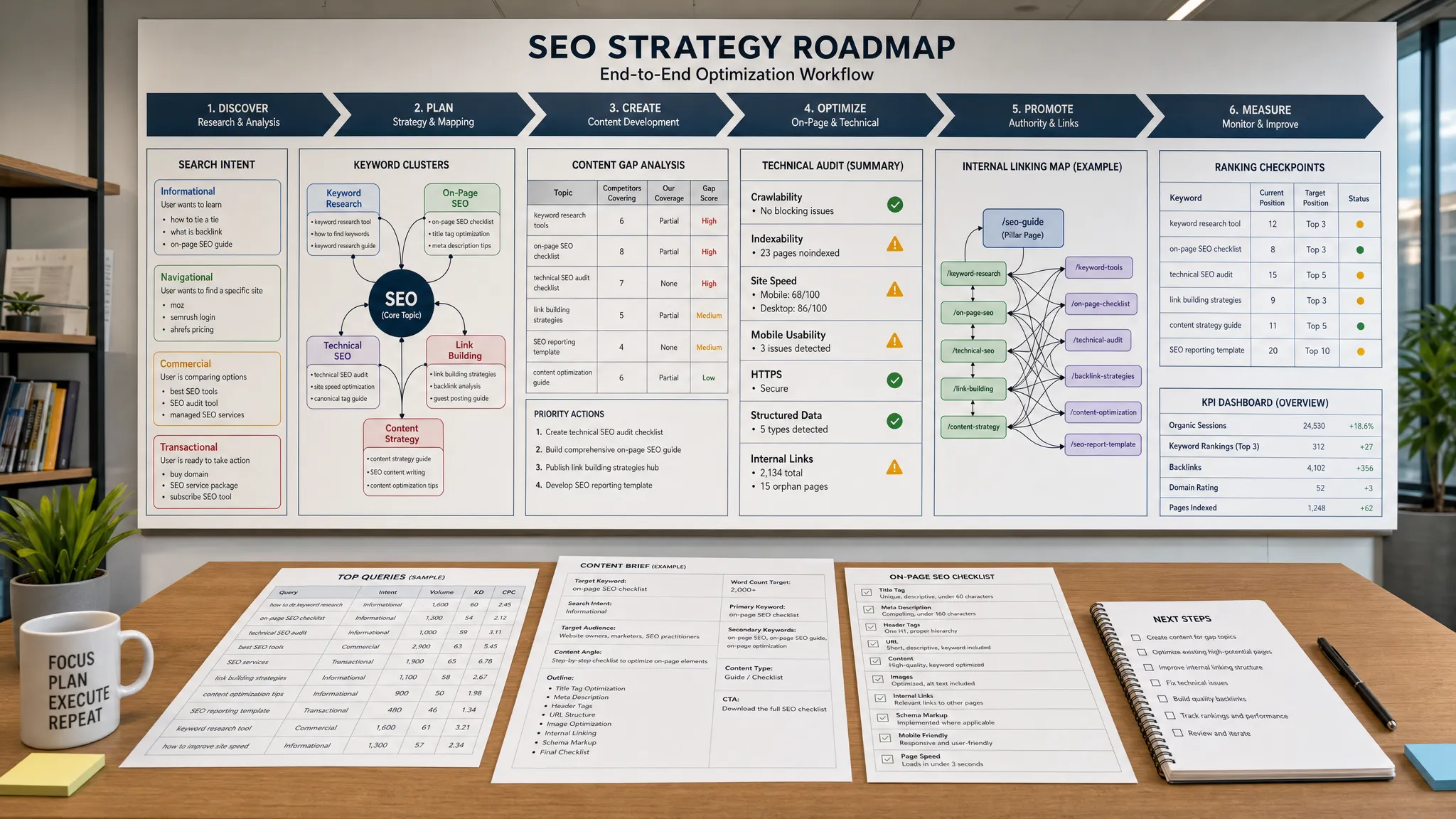
For SEO ROI, start with intent. What is the searcher actually trying to accomplish? Do they want a definition, a step-by-step process, a comparison, a calculator, a template, or a buying recommendation?
Then make sure the content satisfies that intent better than competing results. That usually means adding original perspective, specific examples, clear structure, current information, and practical next steps.
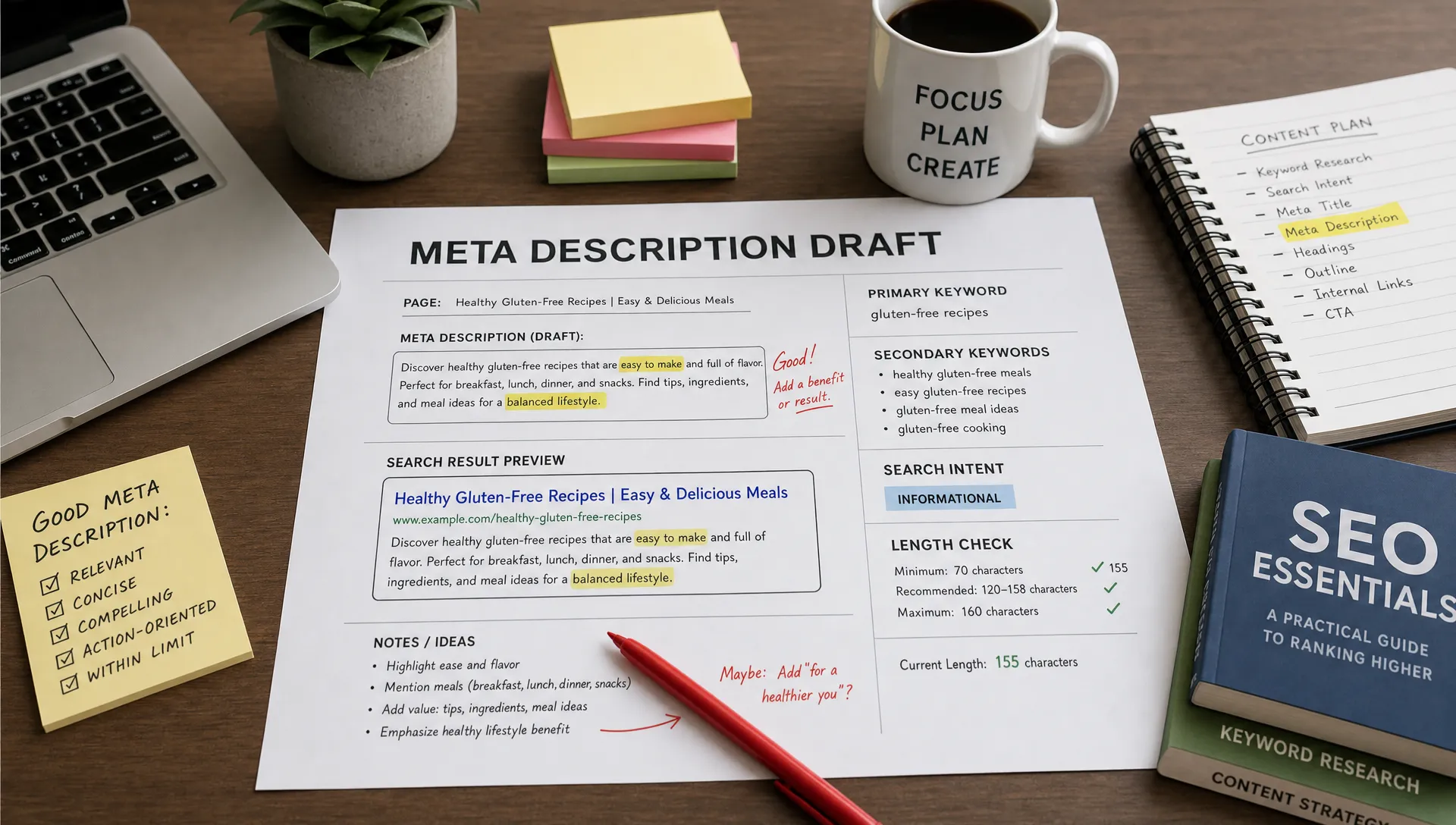
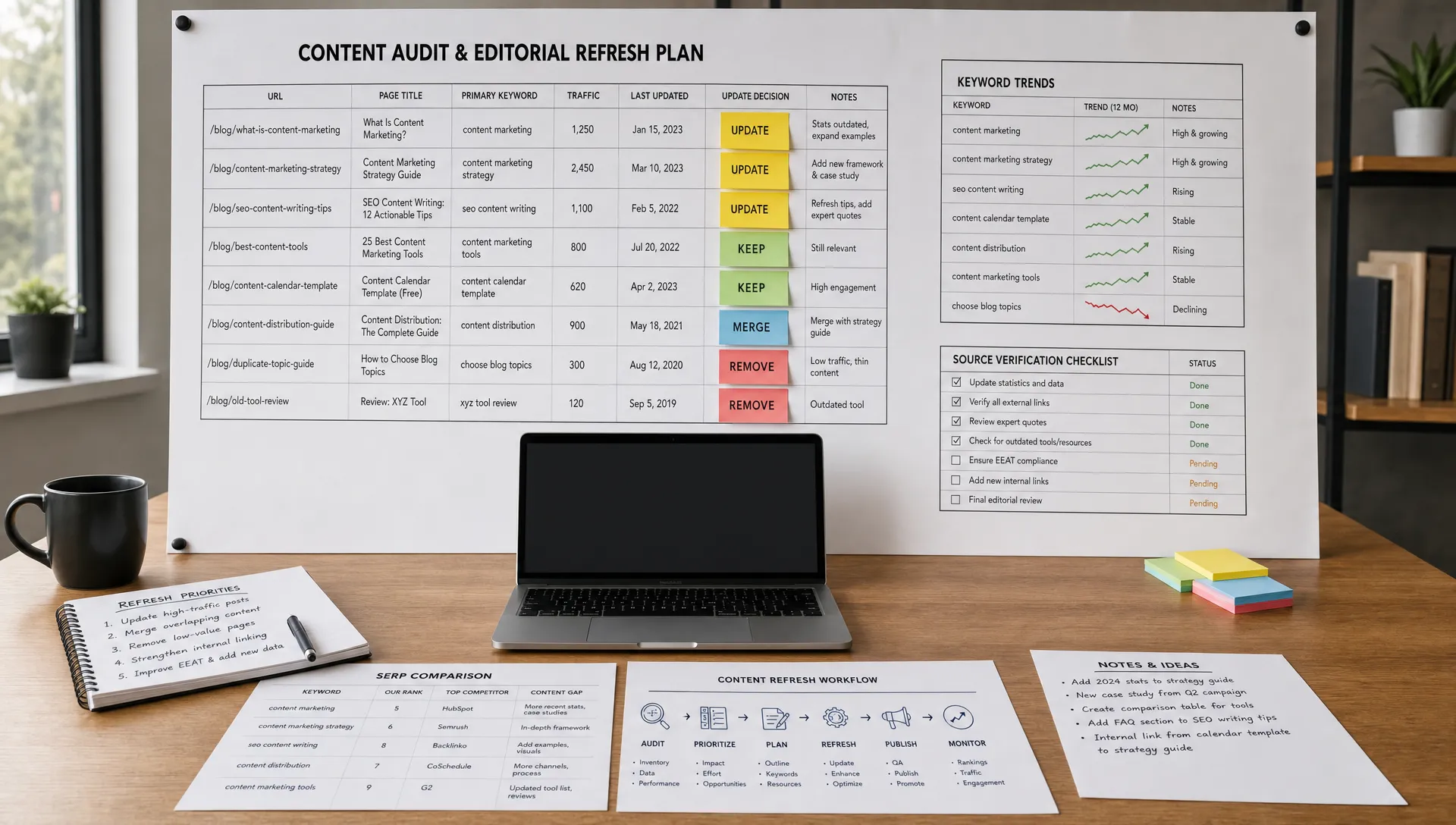
AI can help with keyword research, outline creation, meta descriptions, FAQs, and content refreshes. But the final asset should feel like it was created by someone who understands the reader. Avoid bloated introductions, repetitive explanations, and keyword stuffing. These may increase word count, but they rarely increase ROI.
A simple quality question helps: would a qualified reader bookmark, share, cite, or act on this content? If not, the draft needs more substance.
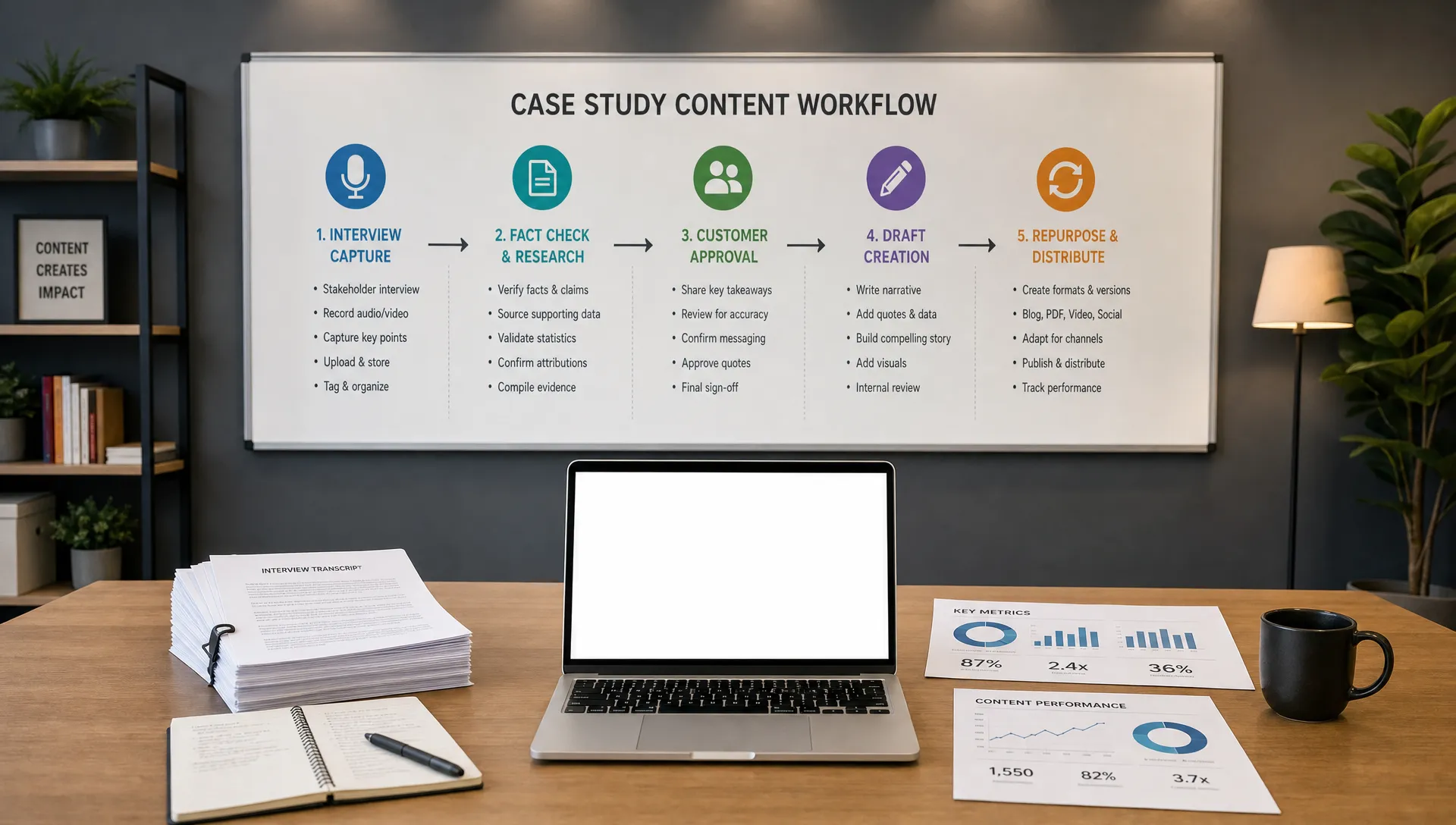
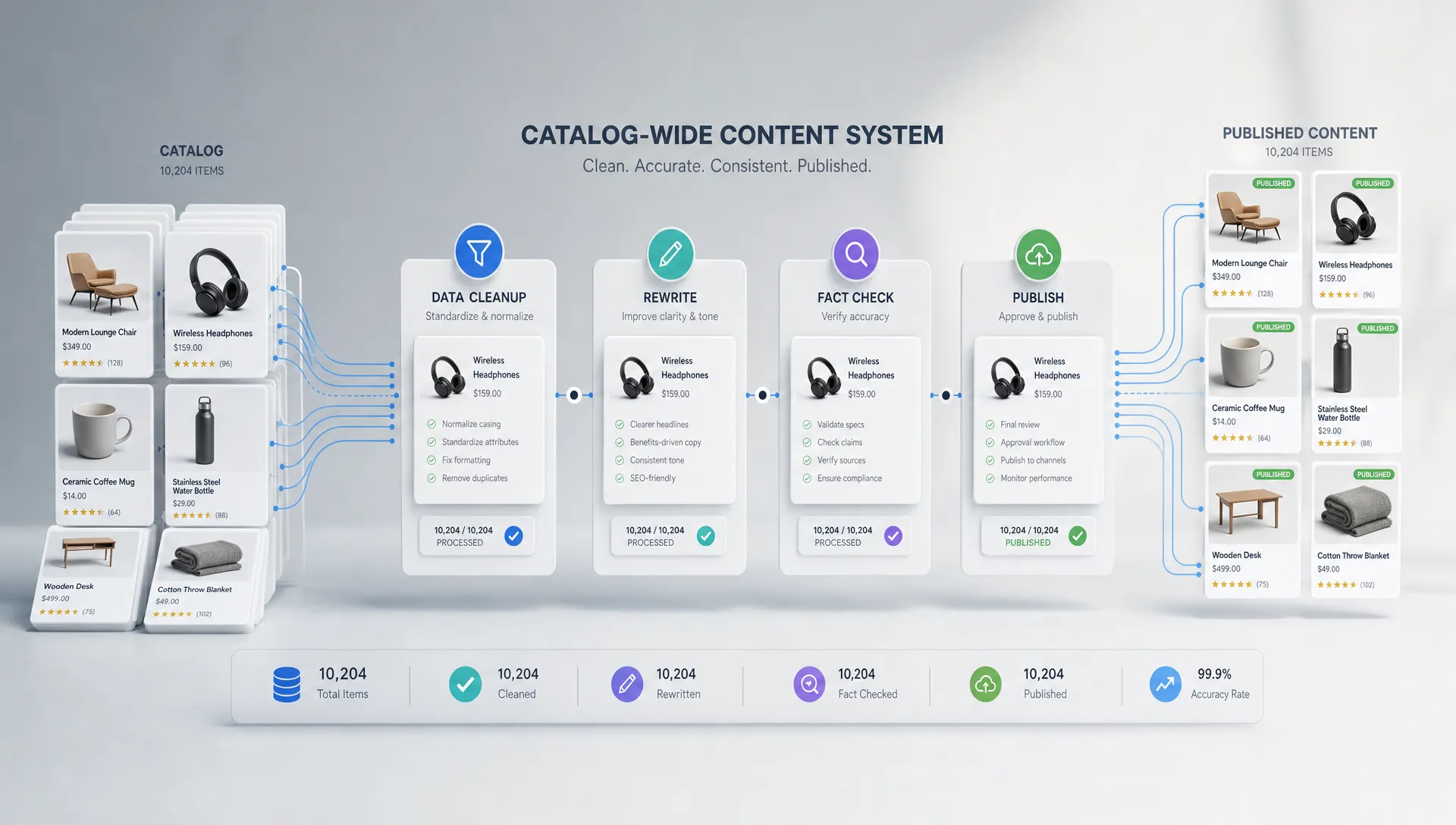
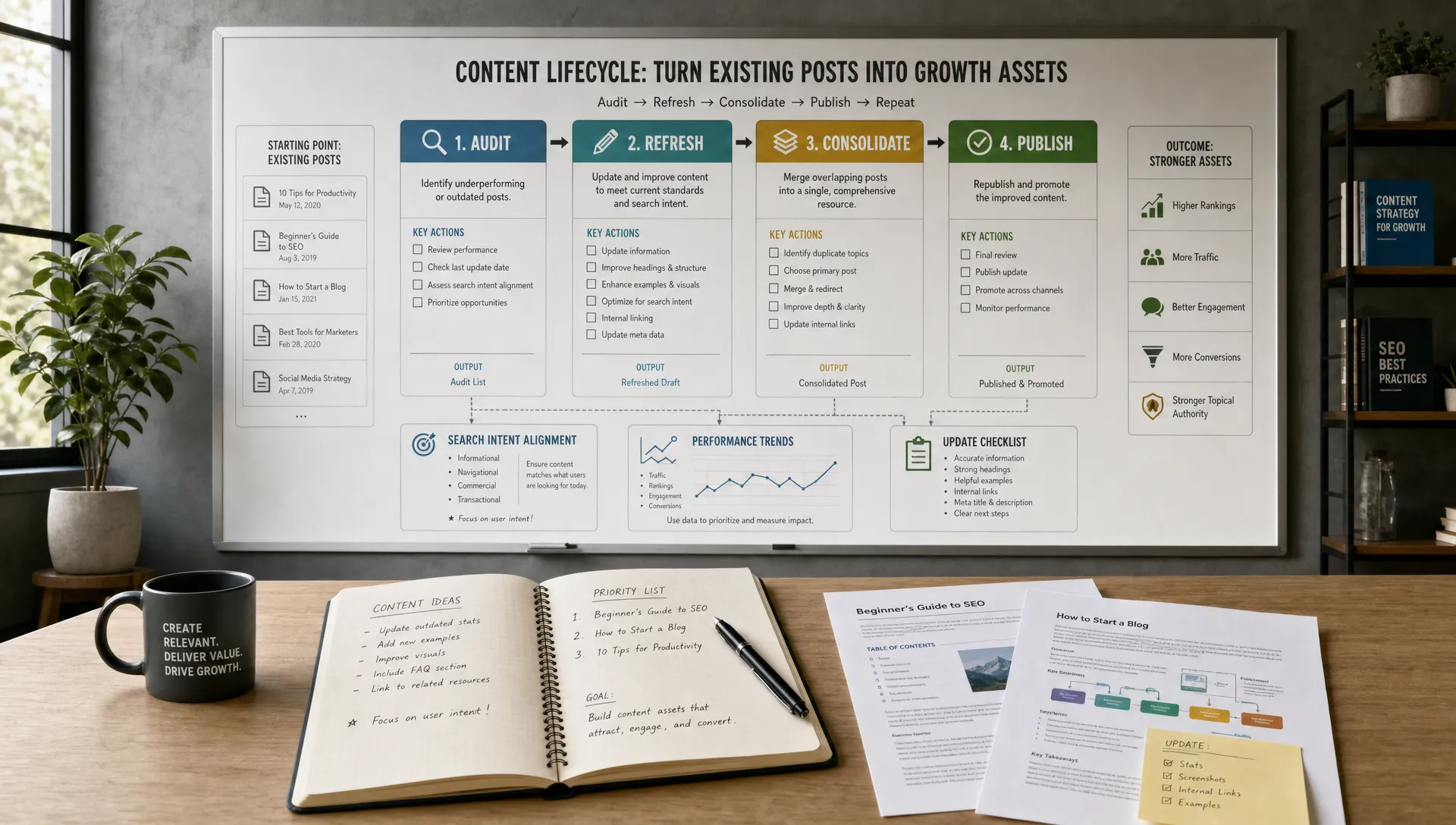
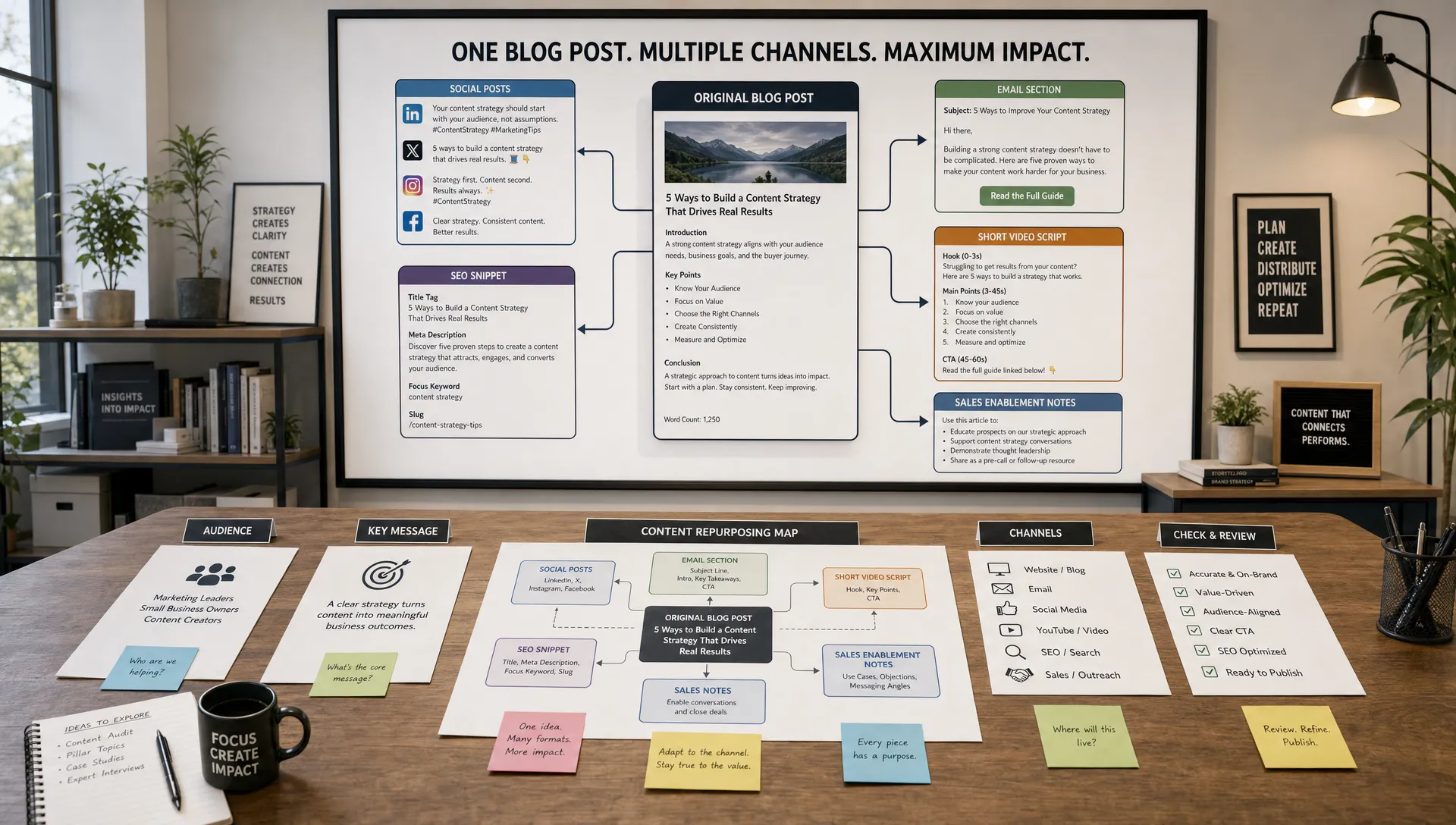
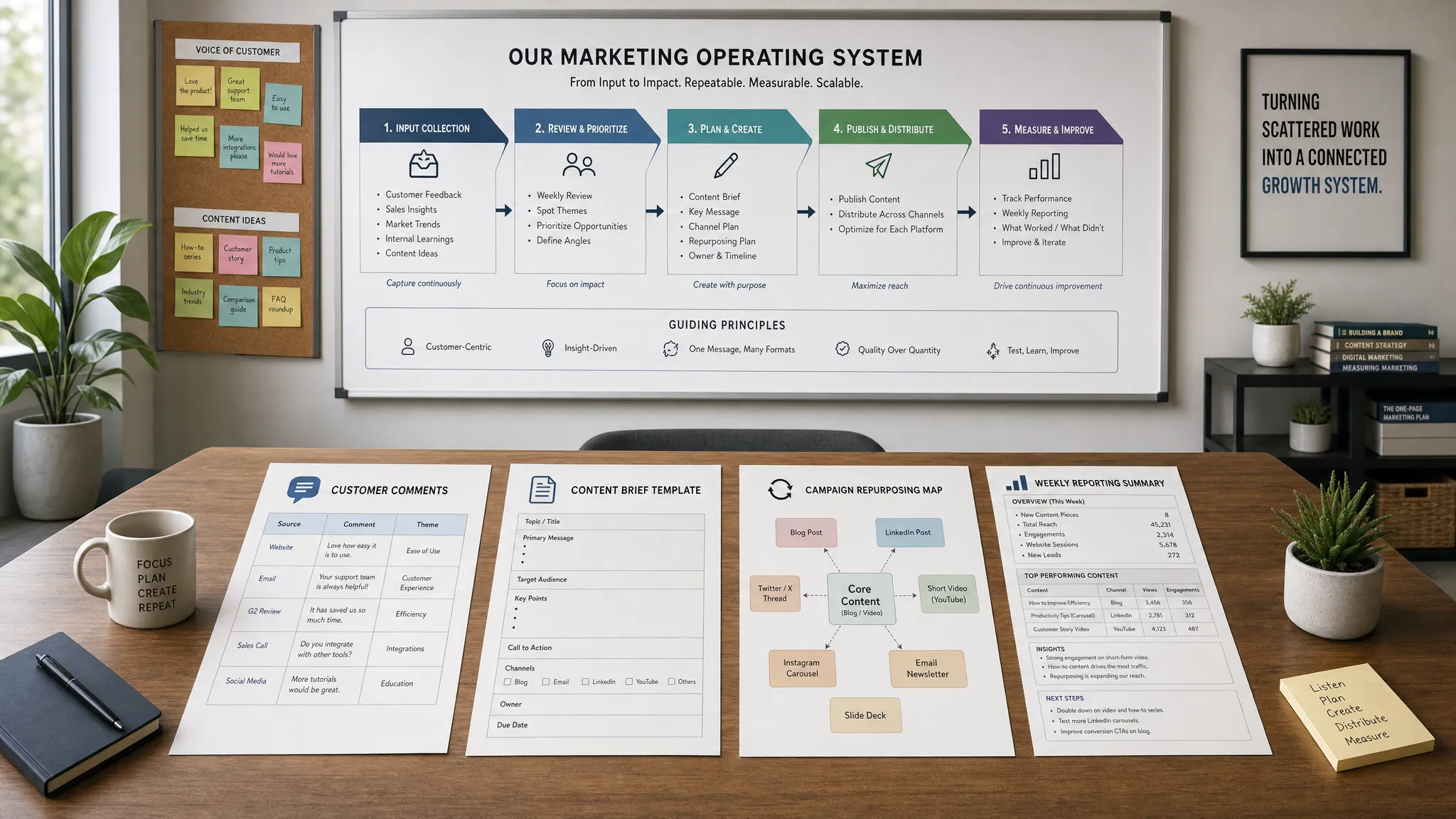
One of the fastest ways to improve AI content ROI is to get more value from each approved idea. Once a high-quality article is published, AI can help adapt it into multiple formats without starting from scratch.
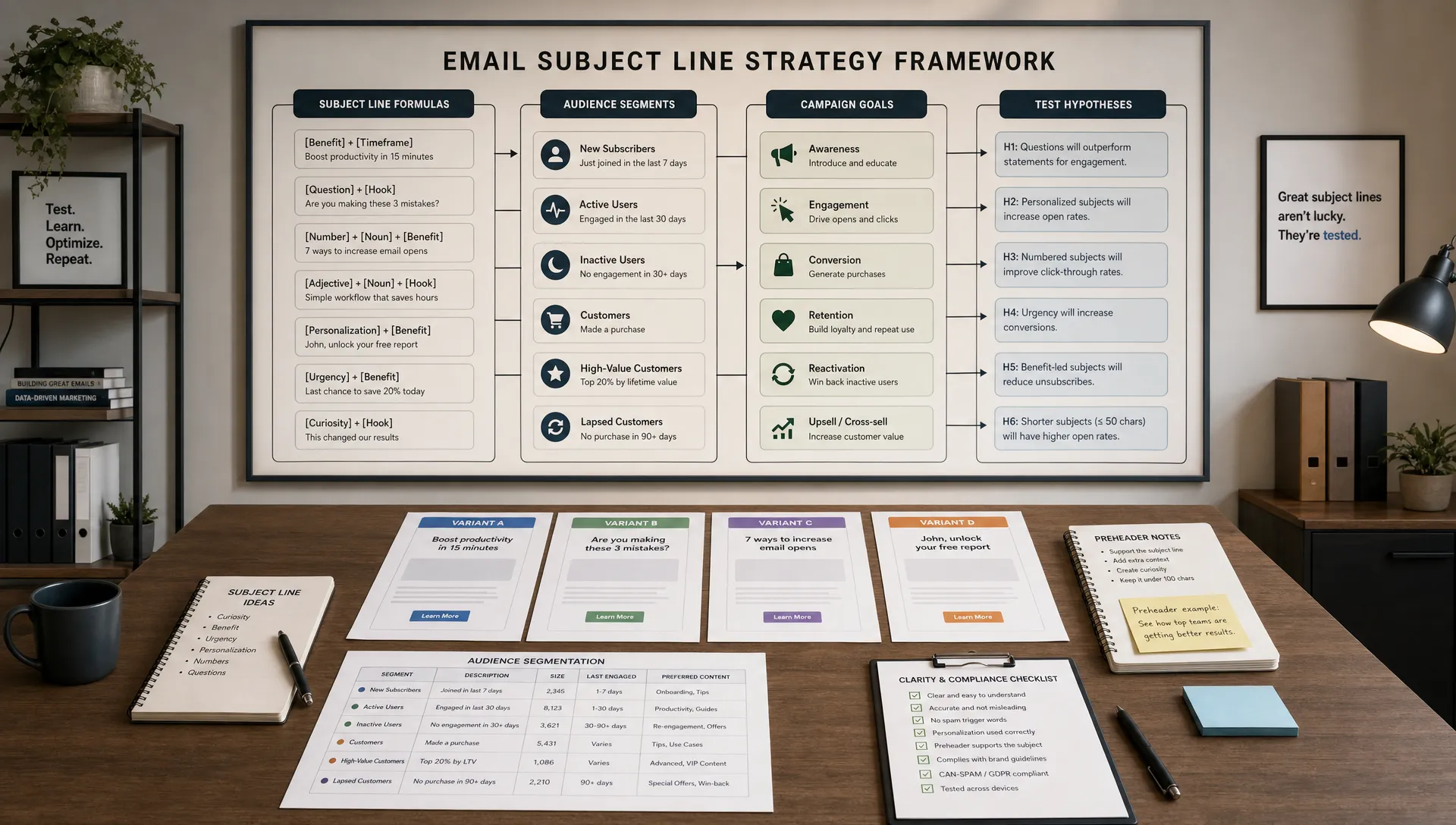
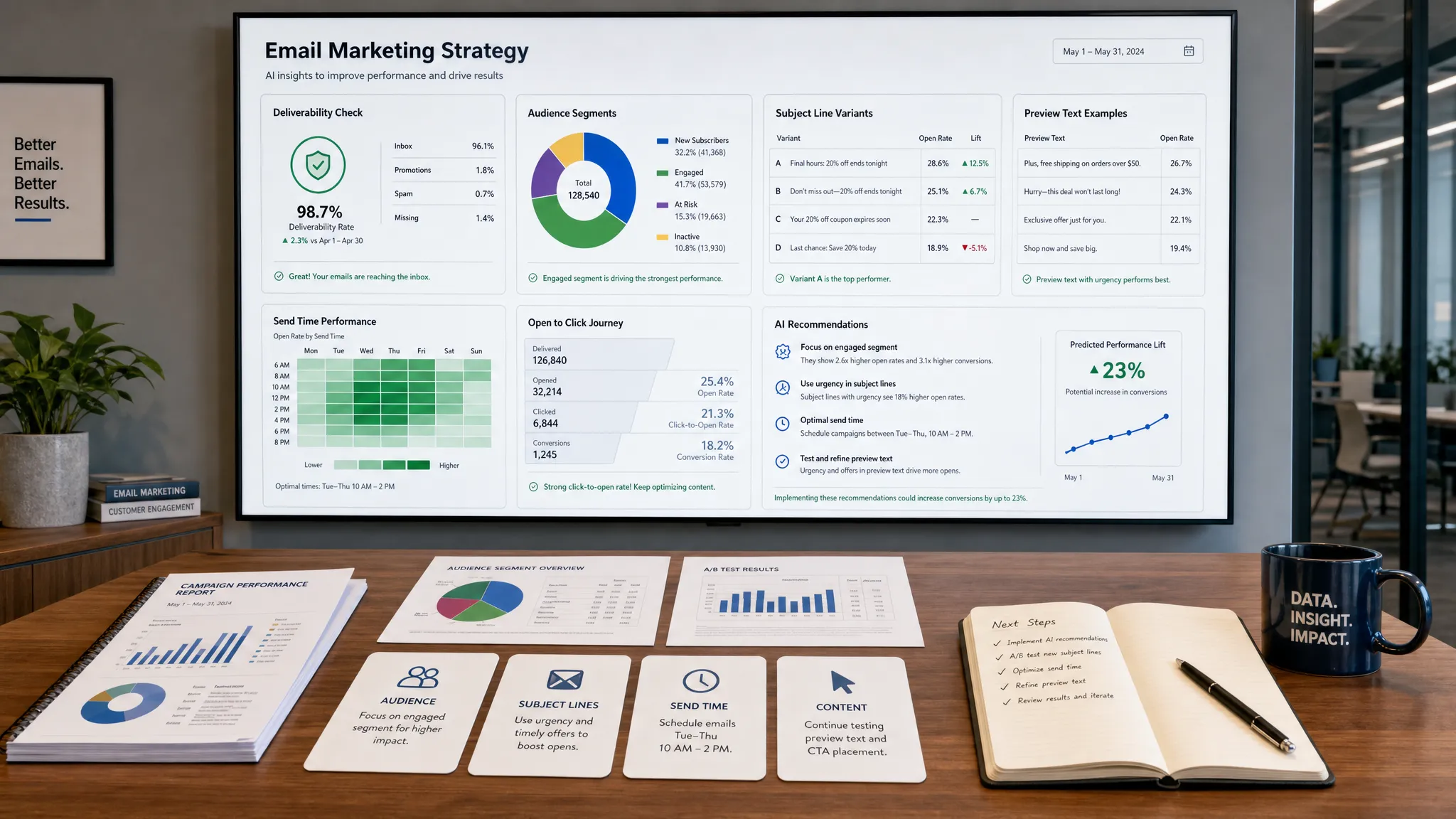
A single article can become an email newsletter, a LinkedIn post, a short video script, a webinar outline, a sales enablement one-pager, a lead magnet section, or a sequence of social posts. The key is adaptation, not duplication. Each channel needs a different hook, format, and call to action.
For example, a detailed article on AI content generation ROI could become:
Repurposing improves ROI because the research, brief, and expert review are already done. AI reduces the marginal cost of adapting the message for different channels.
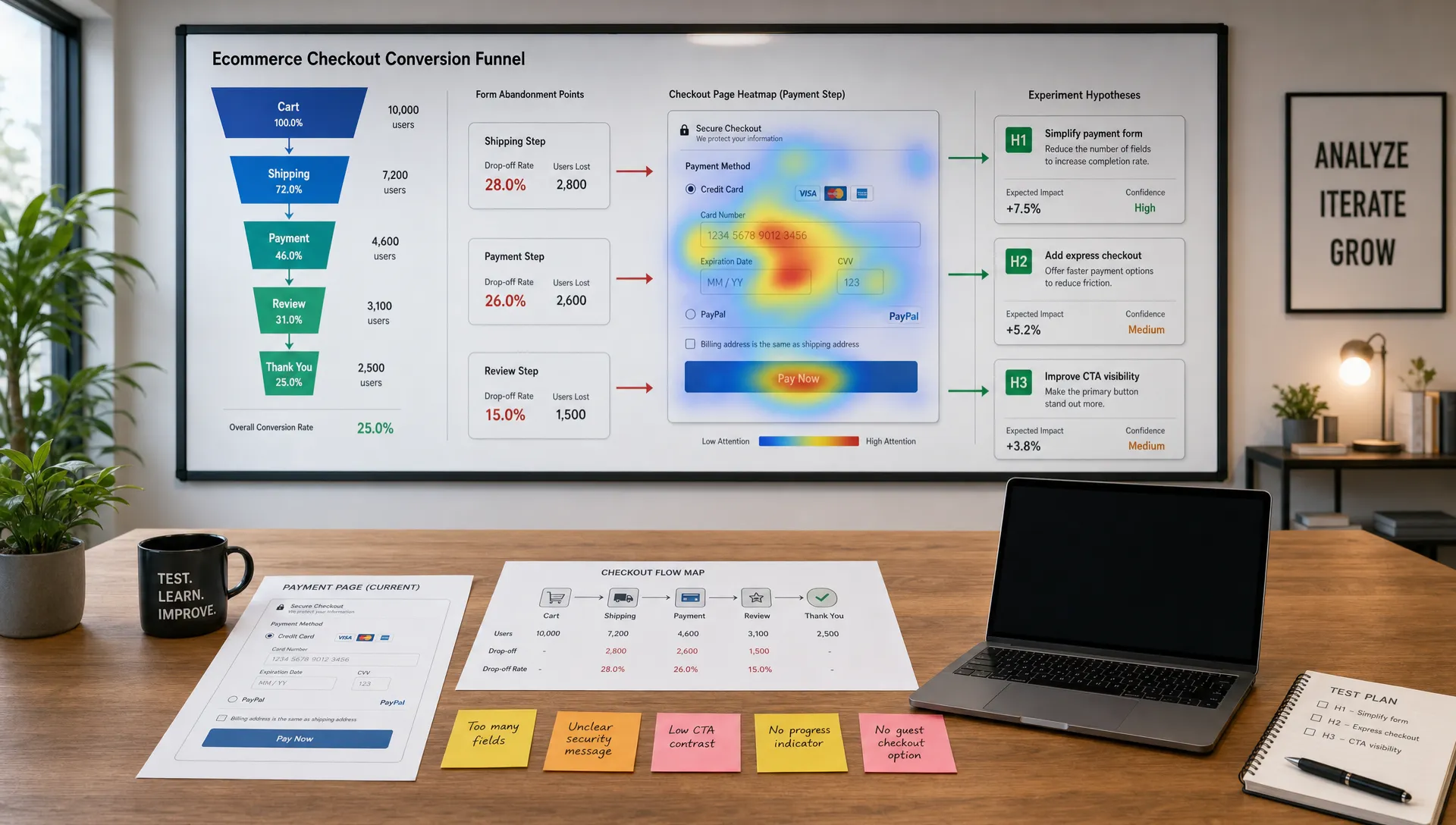
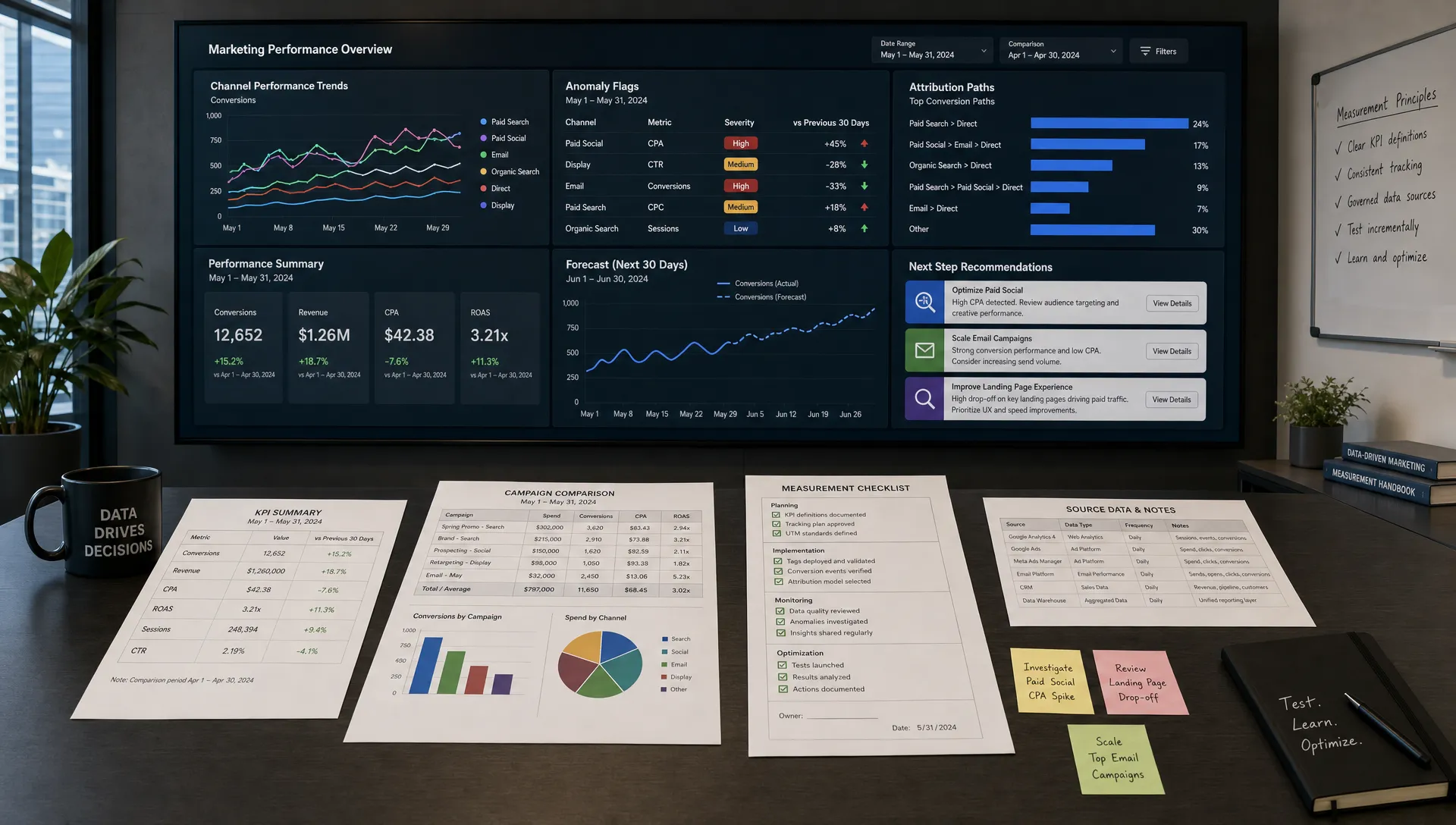
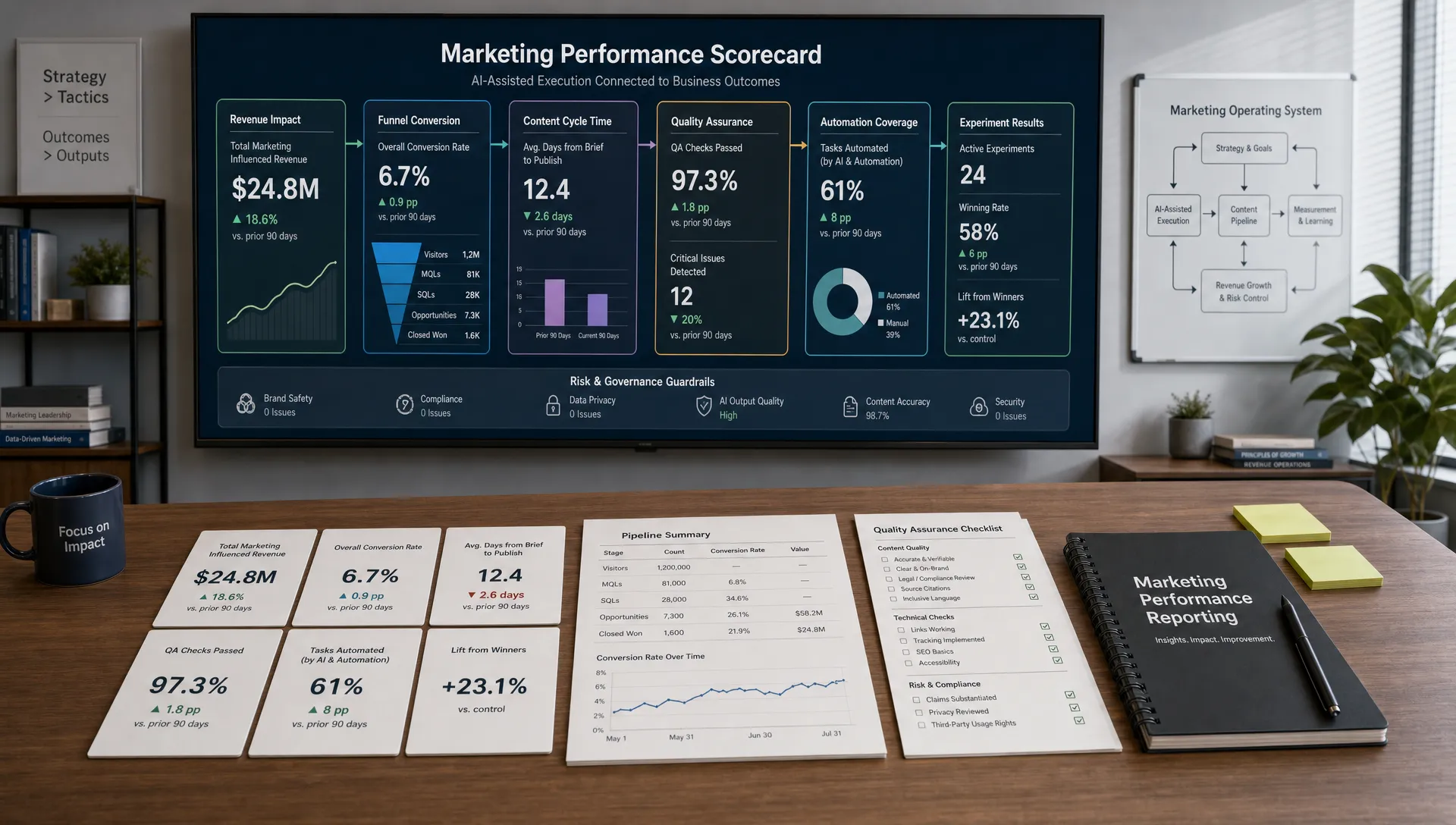
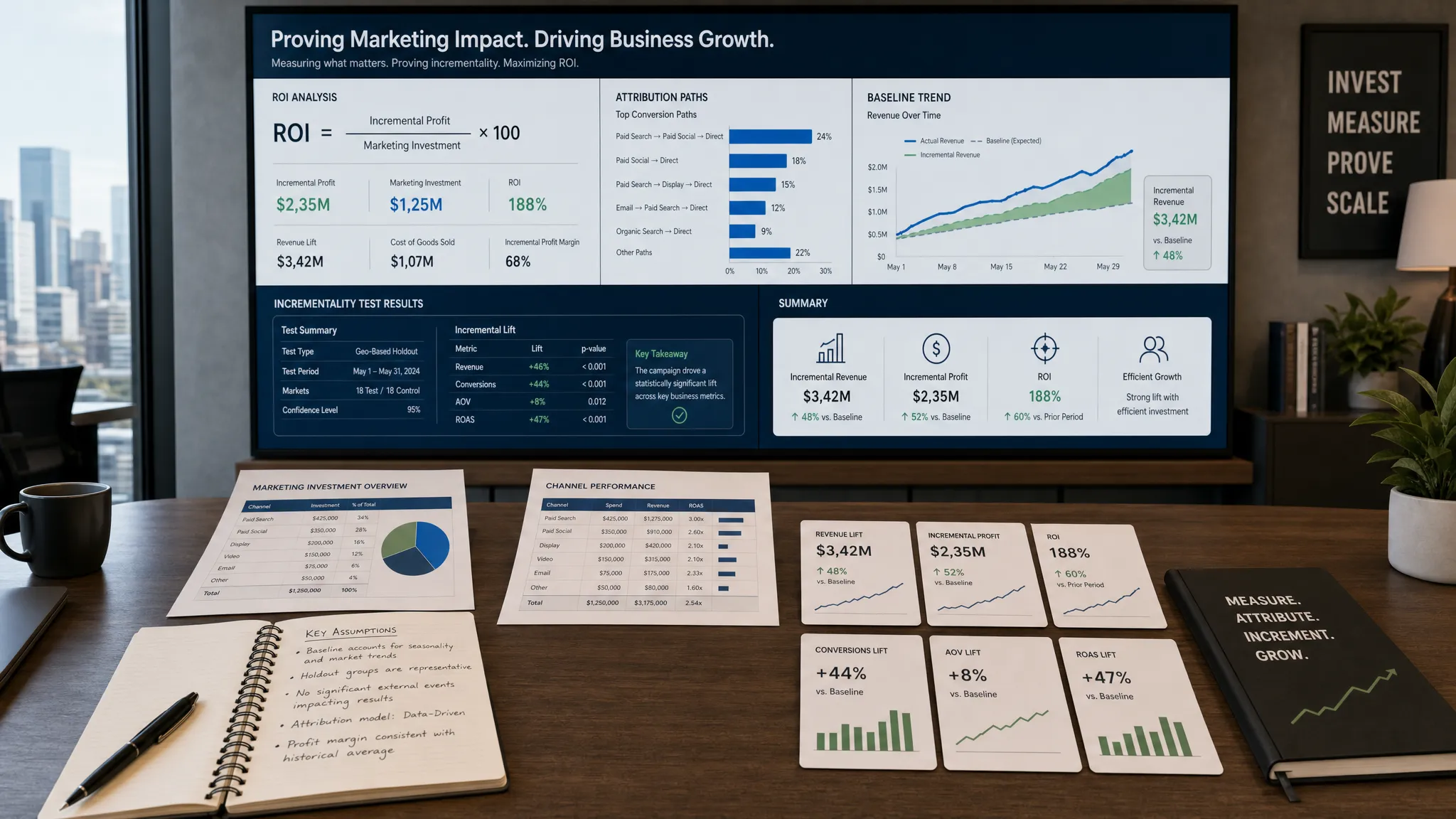
To prove ROI, you need more than traffic. Traffic is a useful signal, but revenue and pipeline are what make the business case.
A simple formula is:
Content ROI = (attributed revenue - total content cost) / total content cost x 100
Total content cost should include AI tools, writing, editing, design, strategy, subject-matter expert review, distribution, and paid promotion if used. Attributed revenue can include direct conversions, assisted conversions, influenced pipeline, or retention impact, depending on your sales cycle.
For shorter sales cycles, direct attribution may be realistic. For longer B2B cycles, assisted pipeline and content-influenced opportunities may be more useful. The important thing is to define the model before judging performance.
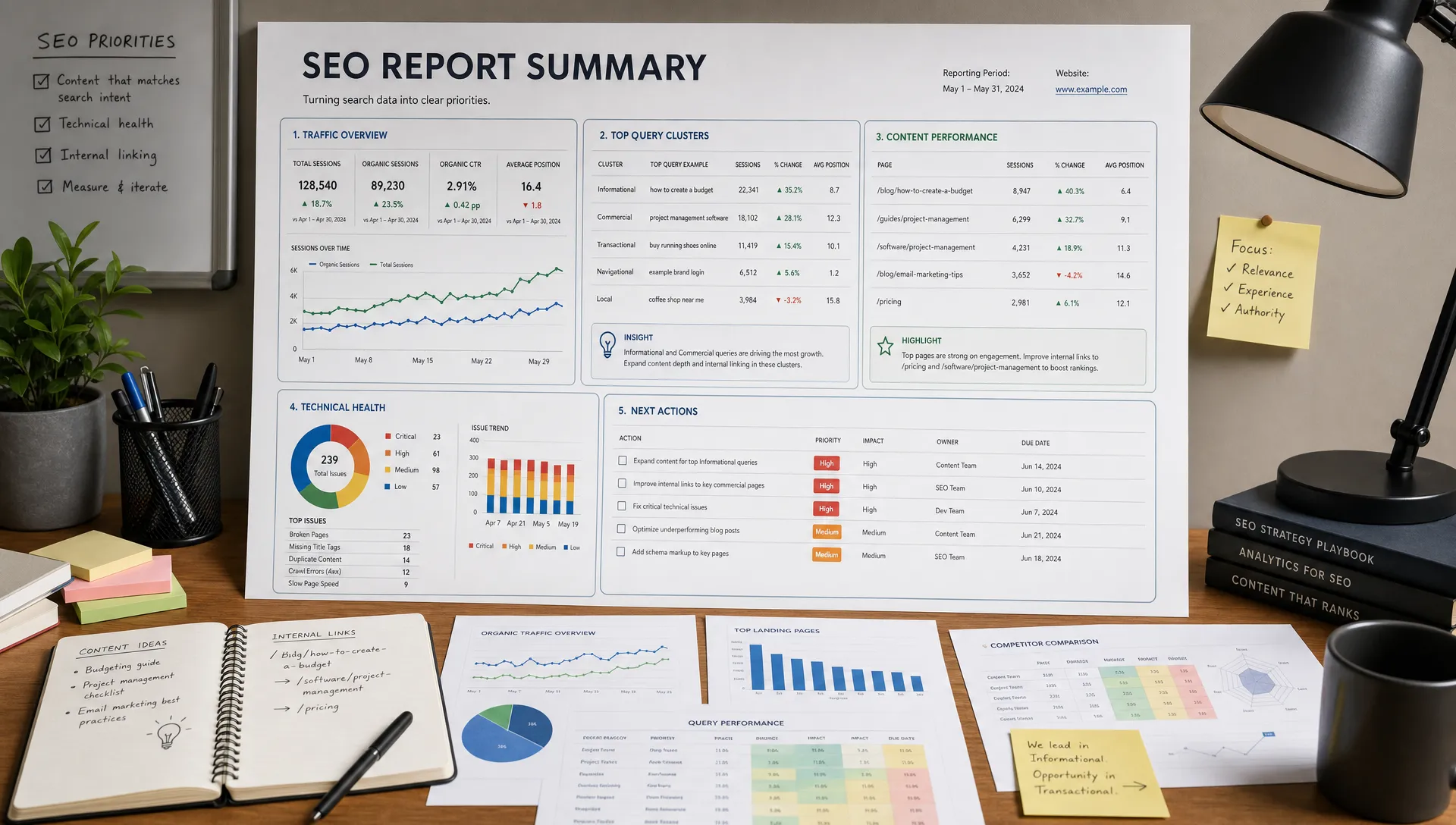
Track leading and lagging indicators together. Leading indicators include time to publish, rankings, impressions, qualified visits, scroll depth, email clicks, and conversion rate. Lagging indicators include pipeline, revenue, customer acquisition cost, retention, and expansion revenue.
A useful benchmark is your own historical performance. Compare AI-assisted content to previous content by production time, cost per asset, organic growth, conversion rate, and revenue contribution. If AI reduces production cost but lowers quality and conversions, ROI may not improve. If it reduces cost while maintaining or improving performance, the business case is much stronger.
AI content failures are usually process failures. The tool is not the strategy. If you want better ROI, watch for these common traps:
The biggest trap is assuming cheaper content automatically creates better economics. Low-cost content that does not rank, convert, or support sales is still waste. High-performing content may require more planning and review, but it usually creates stronger returns over time.
If you want to improve your current process, start with a focused 30-day sprint.
After 30 days, review what changed. Did production time drop? Did quality stay consistent? Did conversion rates improve? Which prompts produced the best outputs? Which topics attracted the right audience? Use those answers to refine the next sprint.
How does AI content generation improve ROI? AI content generation can improve ROI by reducing production time, helping teams repurpose content faster, improving research workflows, and supporting more consistent publishing. The ROI only appears when the content is tied to clear business goals and reviewed for quality.
Can AI-generated content rank in search results? Yes, AI-assisted content can rank if it is helpful, accurate, original, and aligned with search intent. Search engines evaluate content quality and usefulness, not just whether AI was involved. Human review and expert input are essential.
What type of content should I create with AI first? Start with assets that are repeatable and tied to measurable outcomes, such as SEO briefs, blog outlines, email sequences, landing page variations, FAQs, and content refreshes. Avoid starting with high-risk claims or sensitive topics without expert oversight.
How do I measure ROI from AI content generation? Measure total content cost against attributed revenue, pipeline, or conversions. Also track supporting metrics such as production time, rankings, qualified visits, conversion rate, and assisted opportunities.
Should AI replace writers and marketers? AI should support writers and marketers, not replace strategic thinking. The best results usually come from combining AI speed with human judgment, customer insight, brand expertise, and editorial review.
Better ROI from AI content generation comes from a stronger system: better briefs, better prompts, better inputs, better distribution, and better measurement. When each asset has a clear purpose and a clear next step, AI becomes a growth lever instead of a content shortcut.
If you want practical tools to build that system, explore AIMarketer Hub. You will find AI marketing resources, prompt support, SEO tools, calculators, and guides designed to help marketers automate smarter and grow with more confidence.