AI copywriting works best when it helps marketers think faster, test smarter, and stay closer to what customers actually care about. It is not a magic button for persuasive copy. If the input is vague, the output will sound like every other ad, email, or blog post on the internet.
The advantage is speed with structure. AI can generate angles, refine messaging, adapt copy for different channels, and help you avoid staring at a blank page. But the strongest results still come from a human marketer who understands the audience, offer, positioning, and business goal.
Use the tips below to get better AI-assisted copy for ads, emails, and blogs without losing clarity, credibility, or brand voice.
Most weak AI copy starts with a weak request. “Write me a Facebook ad” or “Create a blog intro” gives the tool almost nothing to work with. The result is usually polished but generic, which is dangerous because generic copy often feels acceptable until it fails to convert.
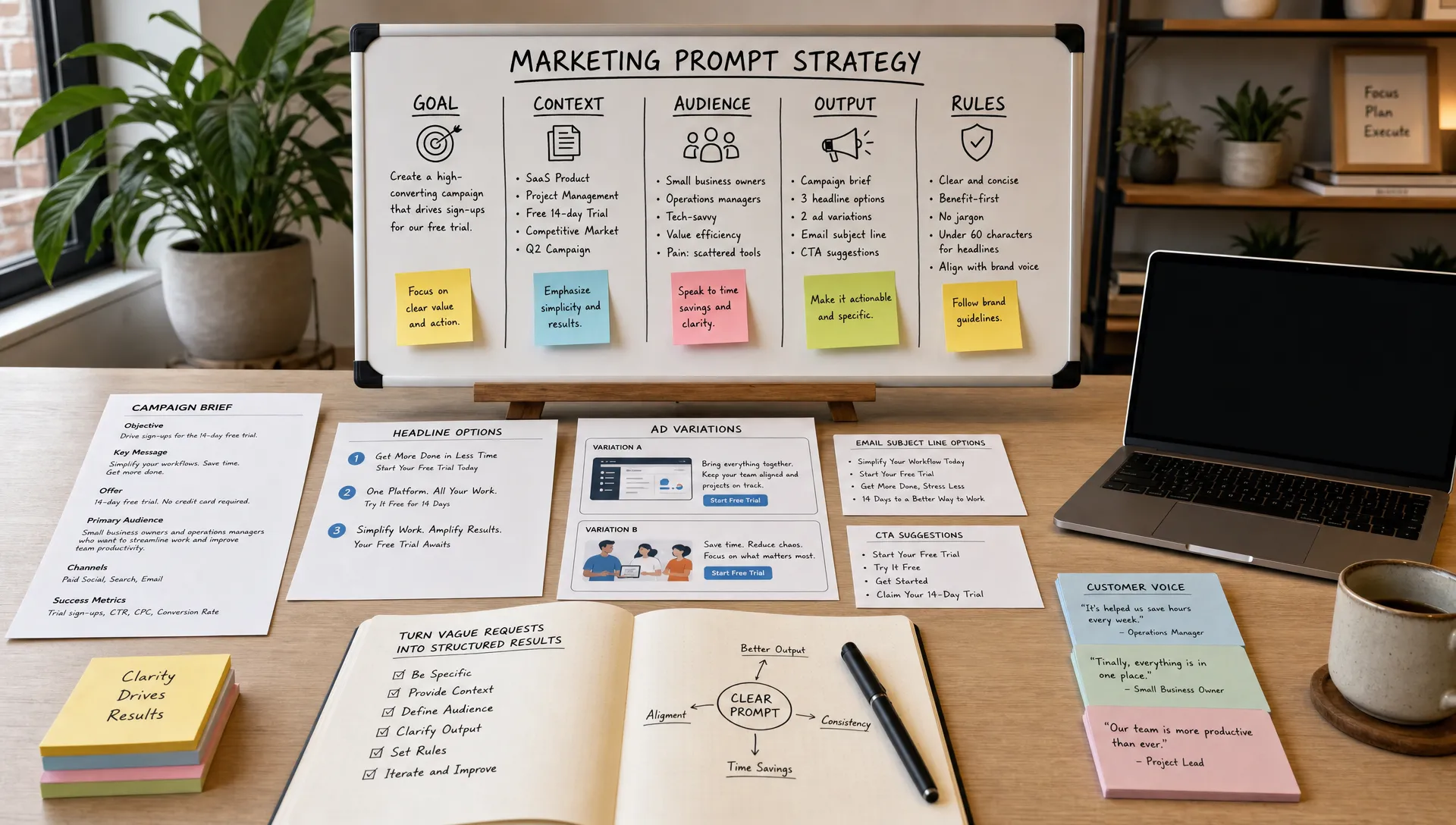
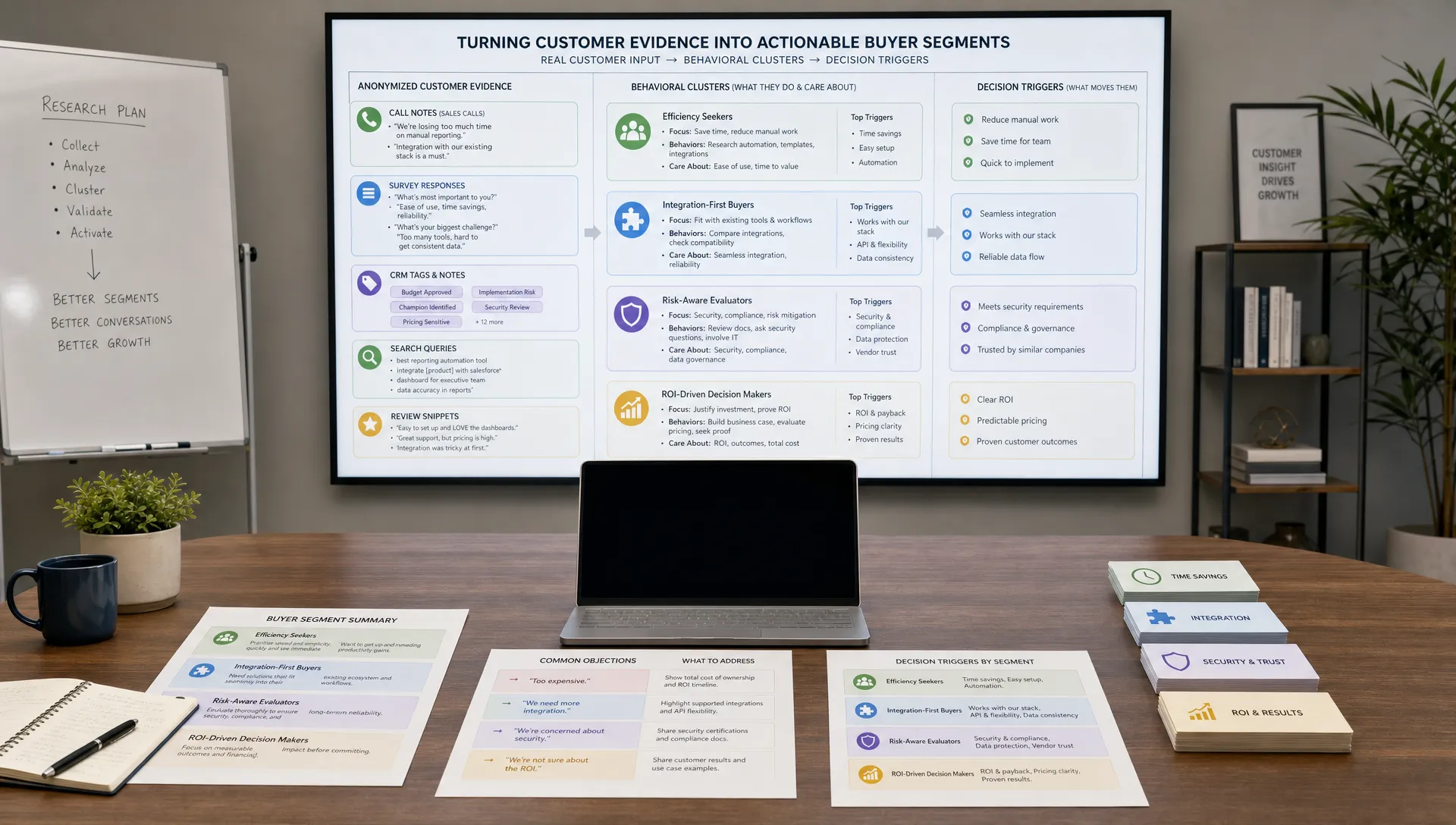
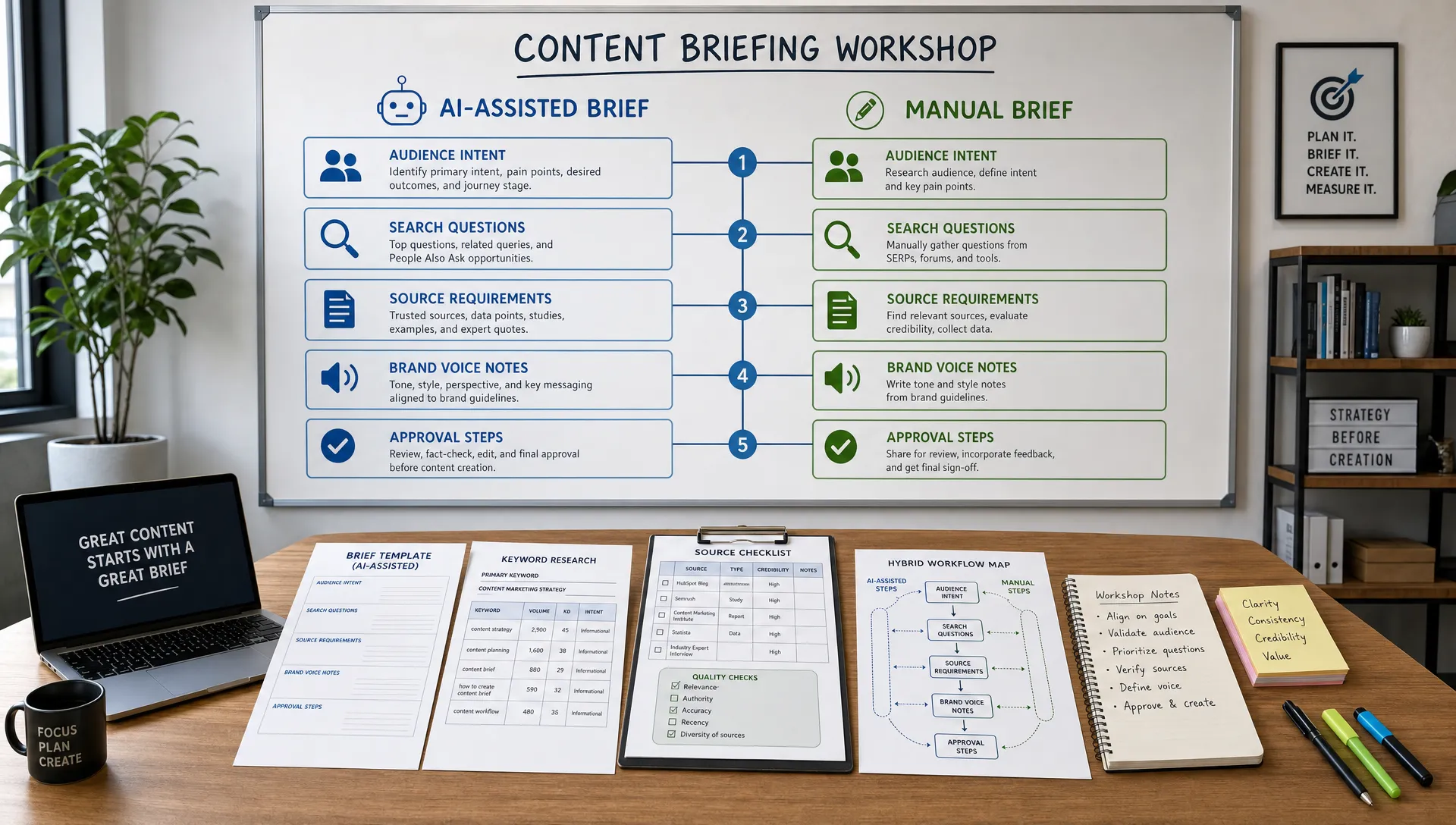
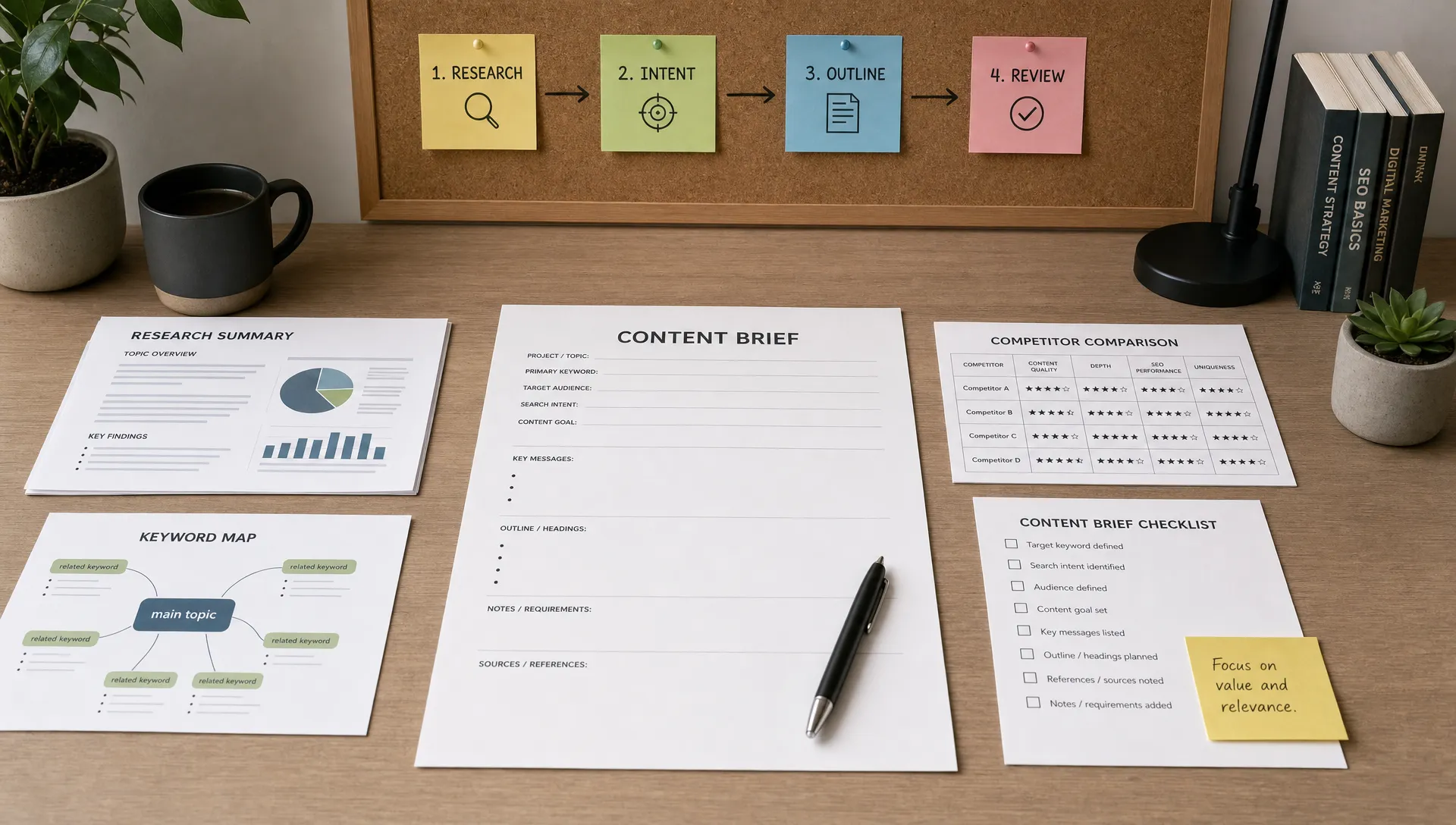
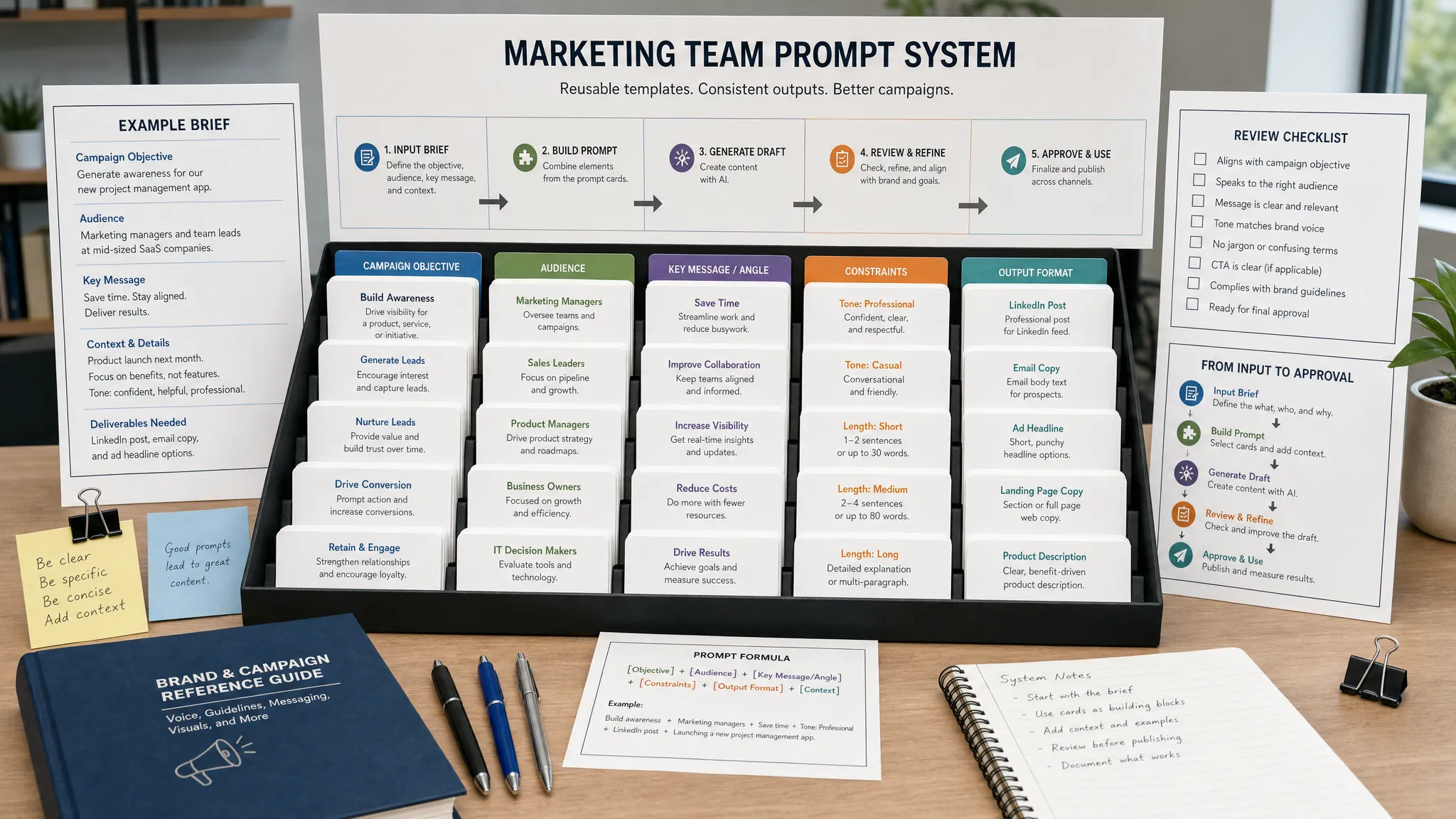
Before prompting an AI tool, write a short copy brief. It does not need to be long, but it should define the strategic inputs a copywriter would ask for before drafting.
A useful AI copywriting brief includes:
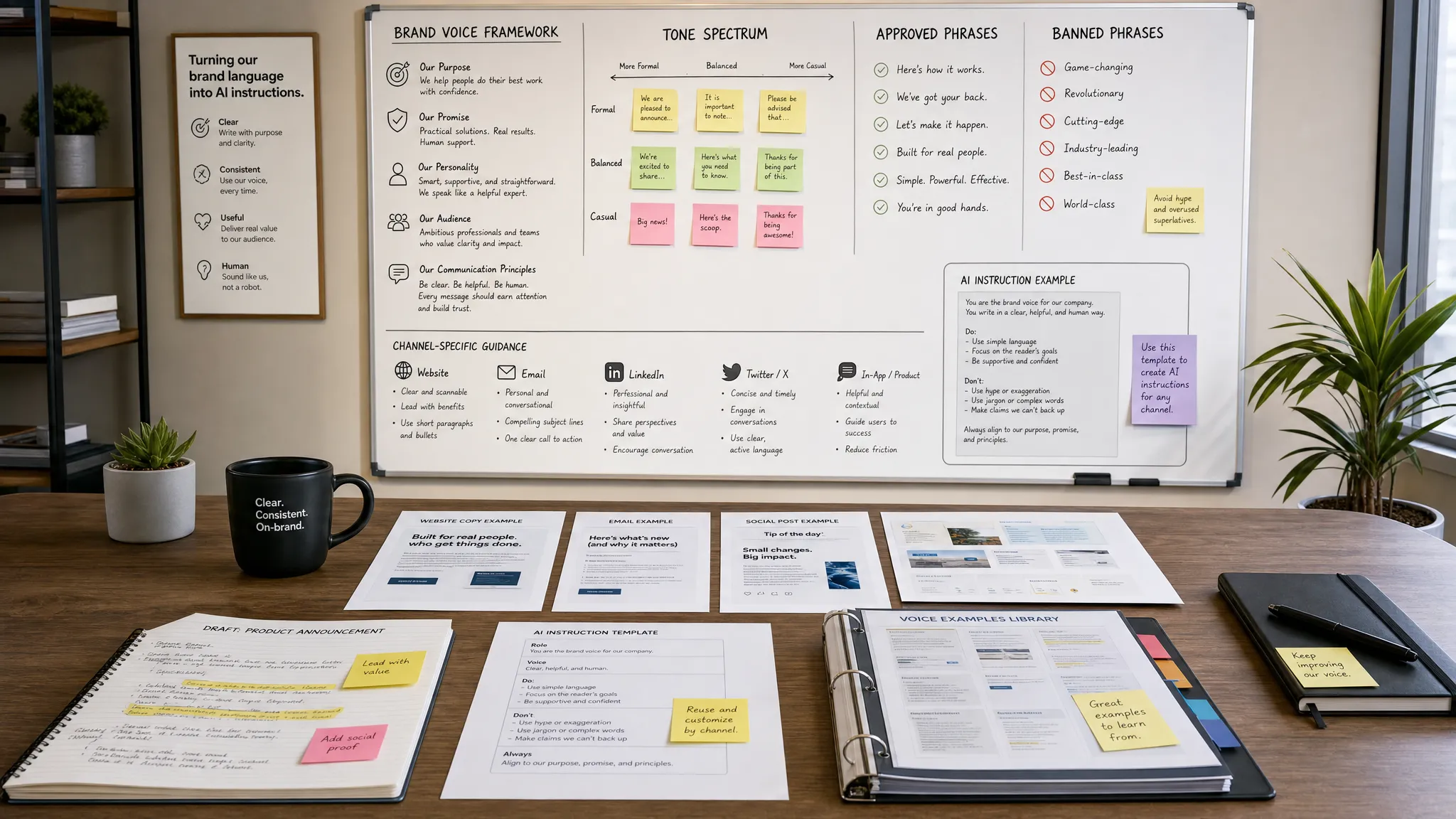
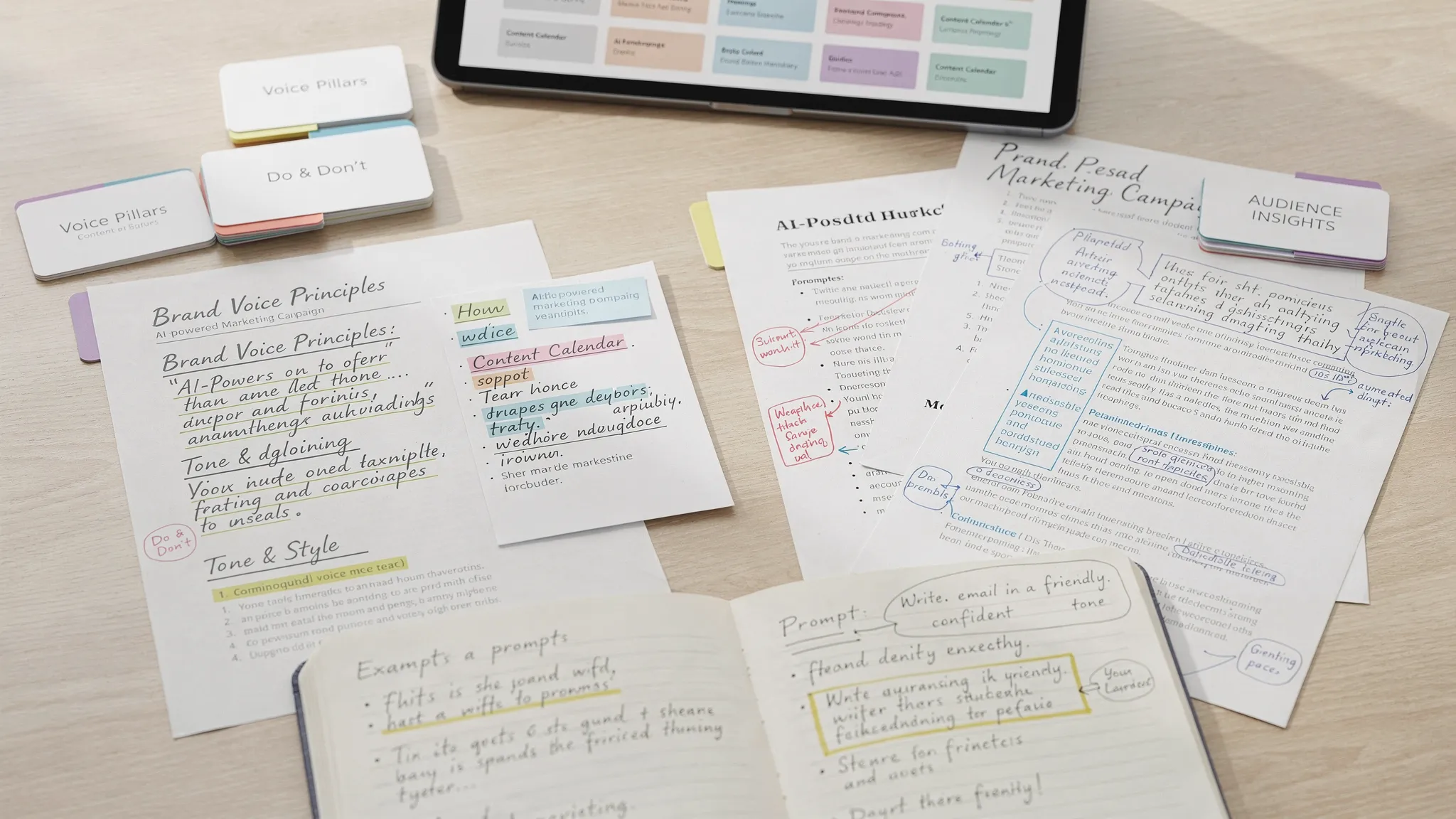
This step matters even more when multiple people use AI across the same marketing team. Without shared voice and messaging rules, AI can make your brand sound inconsistent from one campaign to the next. If that is a challenge for your team, it is worth building a simple voice system before scaling output. AIMarketer Hub has a helpful guide on using AI for marketing without losing your brand voice that pairs well with this workflow.
Good prompting is less about clever wording and more about clear direction. Instead of asking AI to “write copy,” ask it to solve a specific communication problem.
For example, a weak prompt is:
Write five ads for our project management software.
A stronger prompt is:
Act as a direct response copywriter. Create five paid social ad concepts for operations managers at growing SaaS companies who are frustrated by missed deadlines and unclear ownership. The offer is a 14-day free trial of our project management software. Focus on clarity, speed, and team accountability. Avoid hype, exaggerated claims, and generic productivity language. For each concept, include the hook, primary text, CTA, and the messaging hypothesis being tested.
The second prompt gives AI context, audience, emotional tension, offer, constraints, and a testing goal. It also asks for a hypothesis, which helps you avoid random variations.
One practical habit is to ask AI for “options with reasoning” before asking for final copy. When AI explains why an angle might work, you can judge the strategy before polishing the sentence.
Ad copy has one job: earn attention from the right person and move them to the next step. It does not need to explain everything. In fact, trying to fit the entire sales argument into a short ad often weakens the message.
Use AI to generate more angles, not just more versions of the same sentence. Ask it to explore different motivations, objections, awareness levels, and proof points. A first-time audience may need problem recognition. A retargeting audience may need urgency, proof, or a clearer reason to act now.
Try prompting AI for ad angles such as:
The best ad prompts also include placement context. A LinkedIn ad for B2B buyers should not sound like a TikTok hook. A Google Search ad should match the intent behind the query. A Meta ad may need a stronger pattern interrupt and a more visual first line.
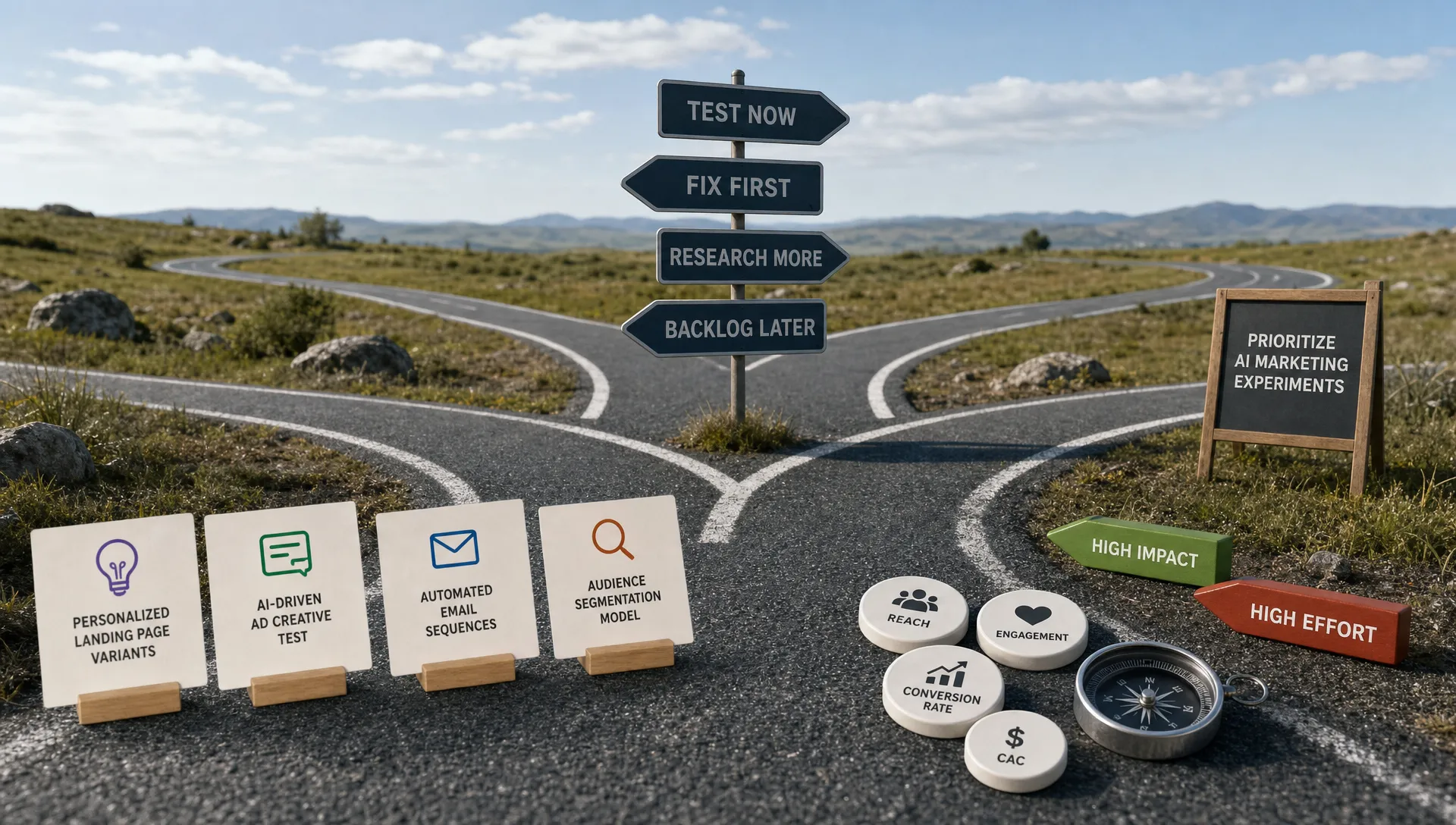
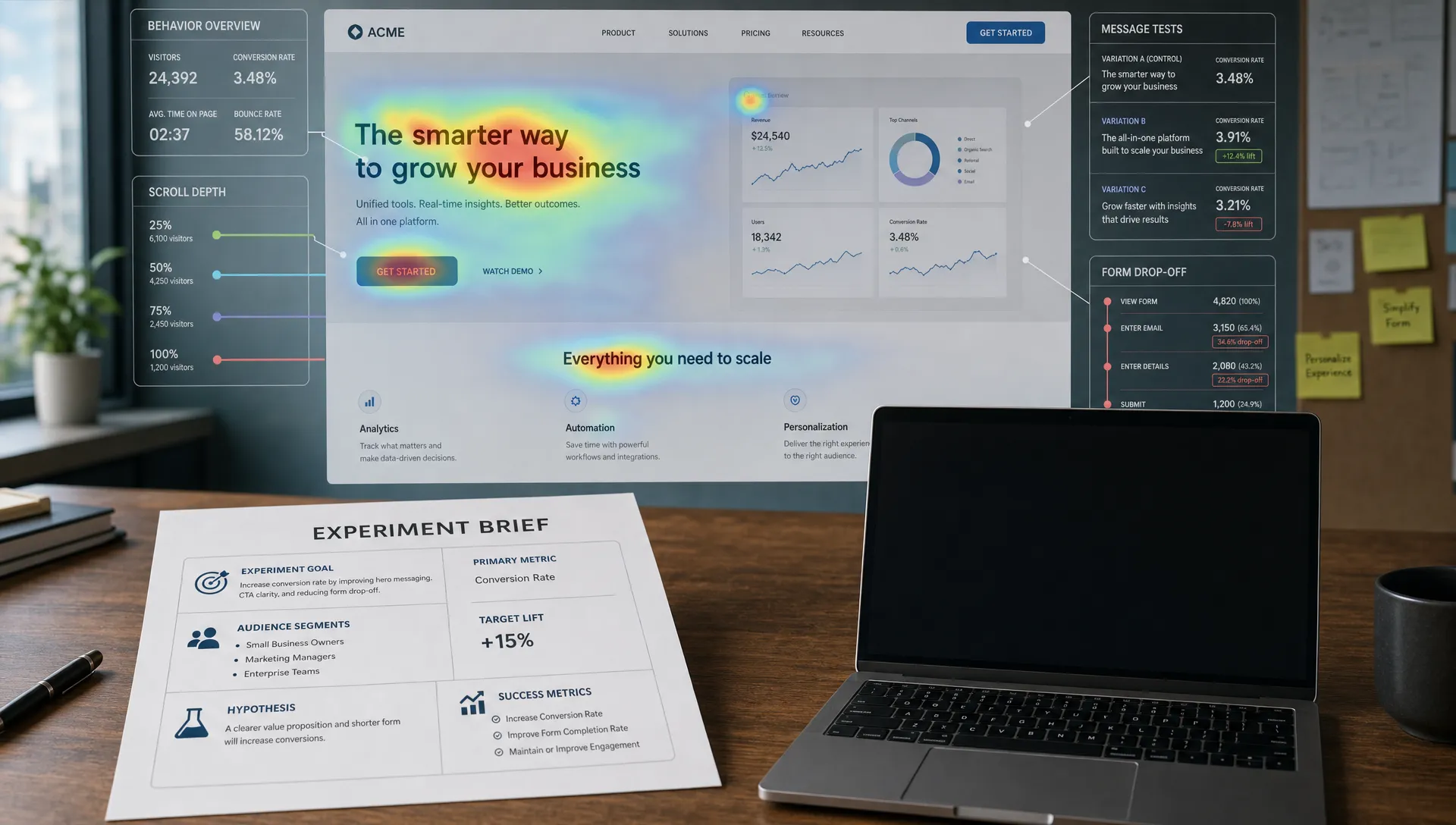
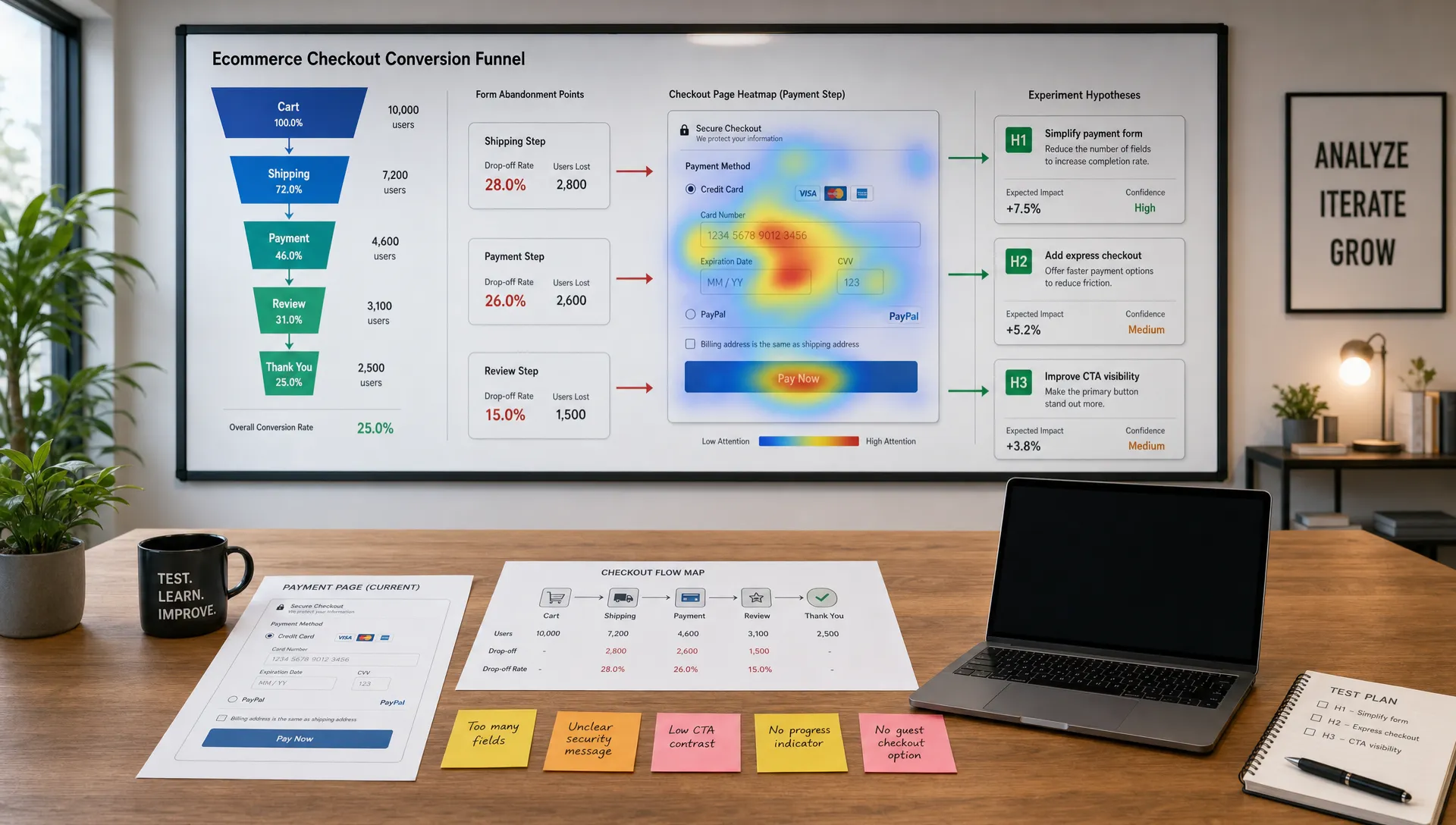
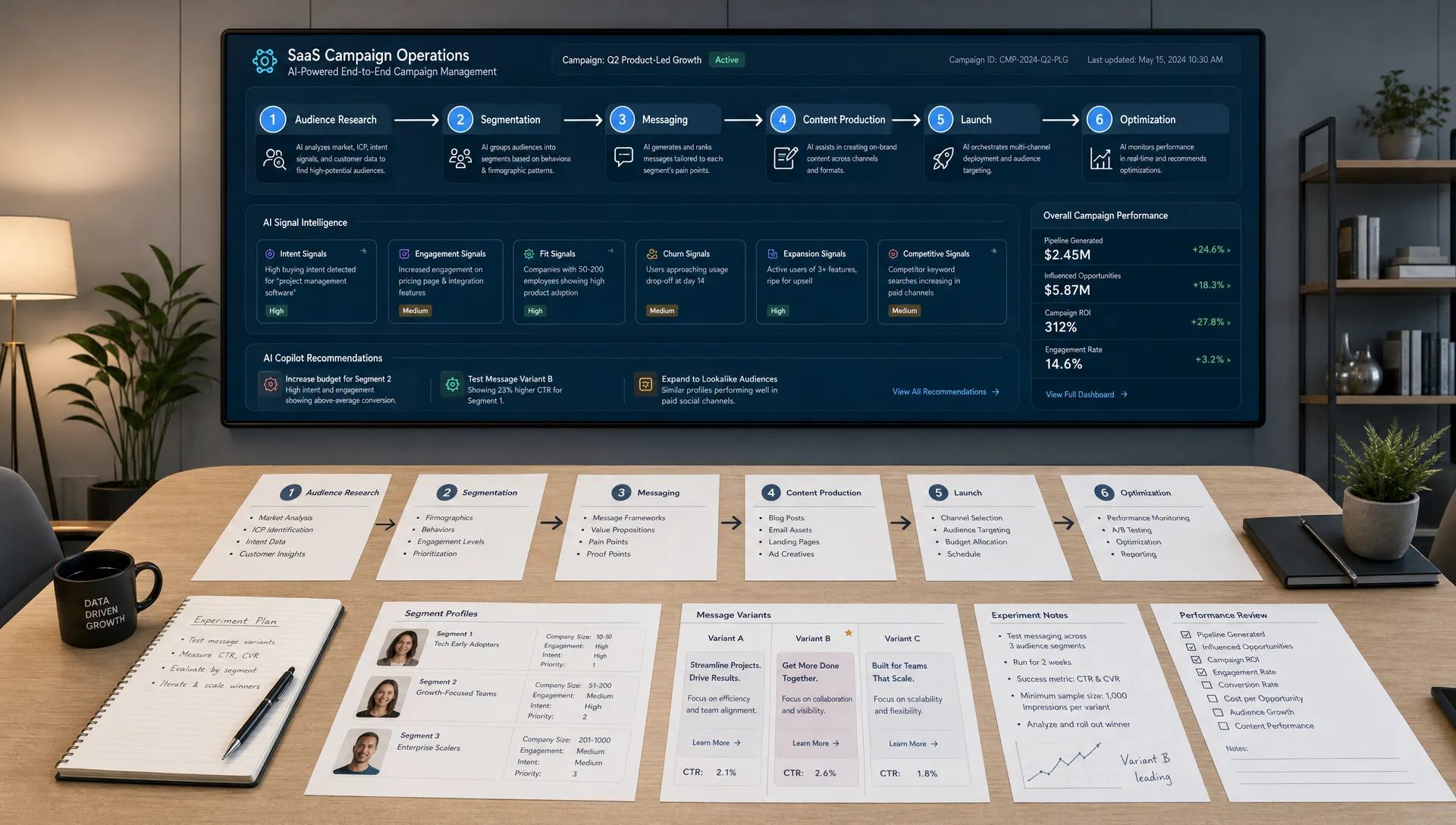
AI is especially useful for creating structured tests. Instead of asking for 20 random headlines, ask for 5 hypotheses and 3 headline variations for each. This gives your paid media team cleaner learning. For example, one hypothesis might be “buyers respond more to time savings than cost savings,” while another might be “buyers need reassurance that setup is simple.”
Keep claims grounded. AI tools can easily create copy that sounds impressive but is unsupported. Never allow AI to invent numbers, guarantees, customer names, awards, or compliance claims. If a statement would require proof on a landing page, make sure that proof exists before the ad goes live.
For a broader view of how automation is reshaping paid campaigns, you can explore AIMarketer Hub’s article on how AI advertising is changing paid media.
Email copy is different from ad copy because it arrives in a more personal space. The reader is not just evaluating your offer. They are also deciding whether your brand deserves continued access to their inbox.
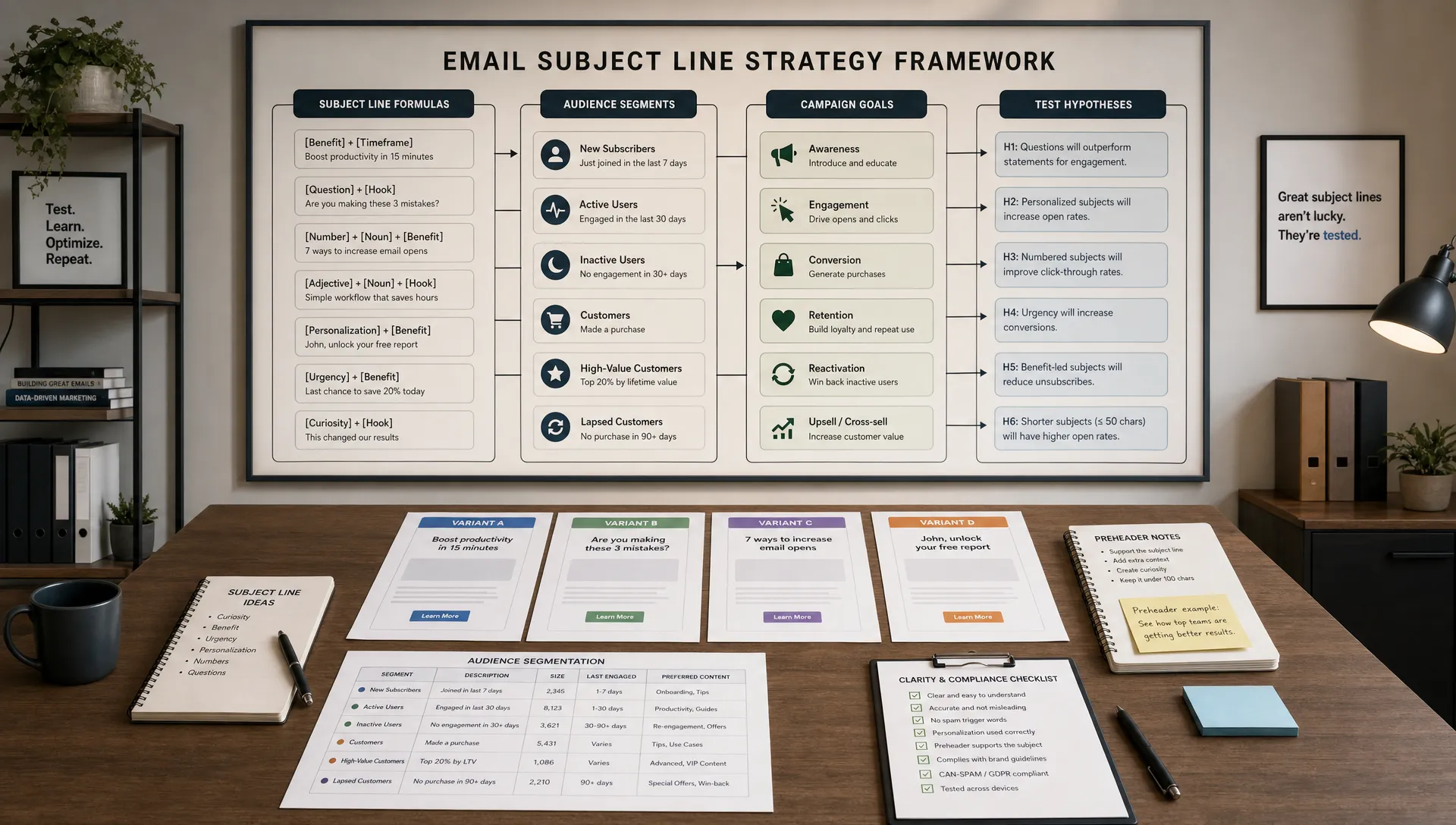
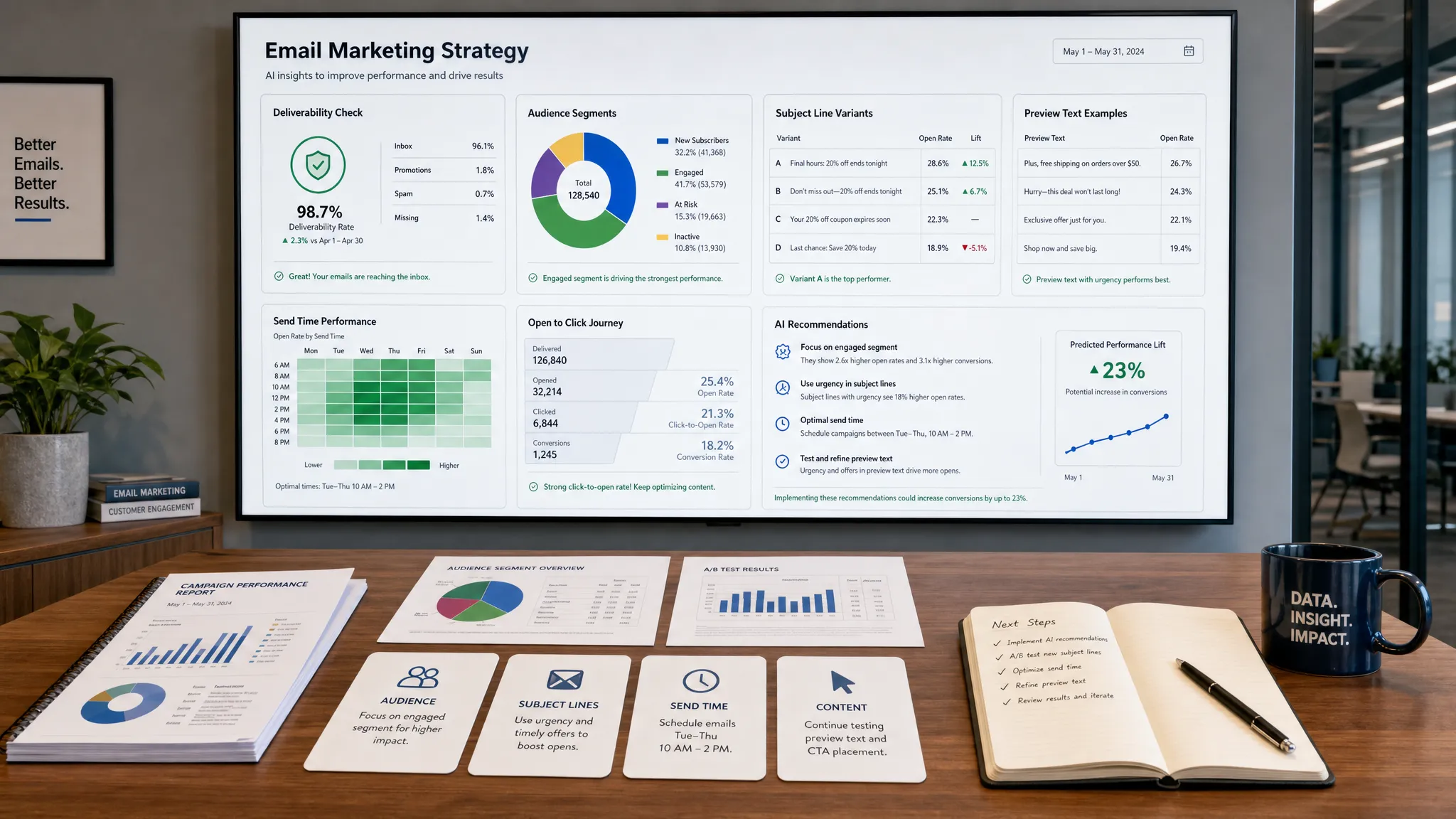
Use AI to improve relevance, not to create clickbait. A subject line that gets opens but disappoints readers can hurt trust, increase unsubscribes, and weaken future performance. The subject line, preview text, opening sentence, body, and CTA should all deliver on the same promise.
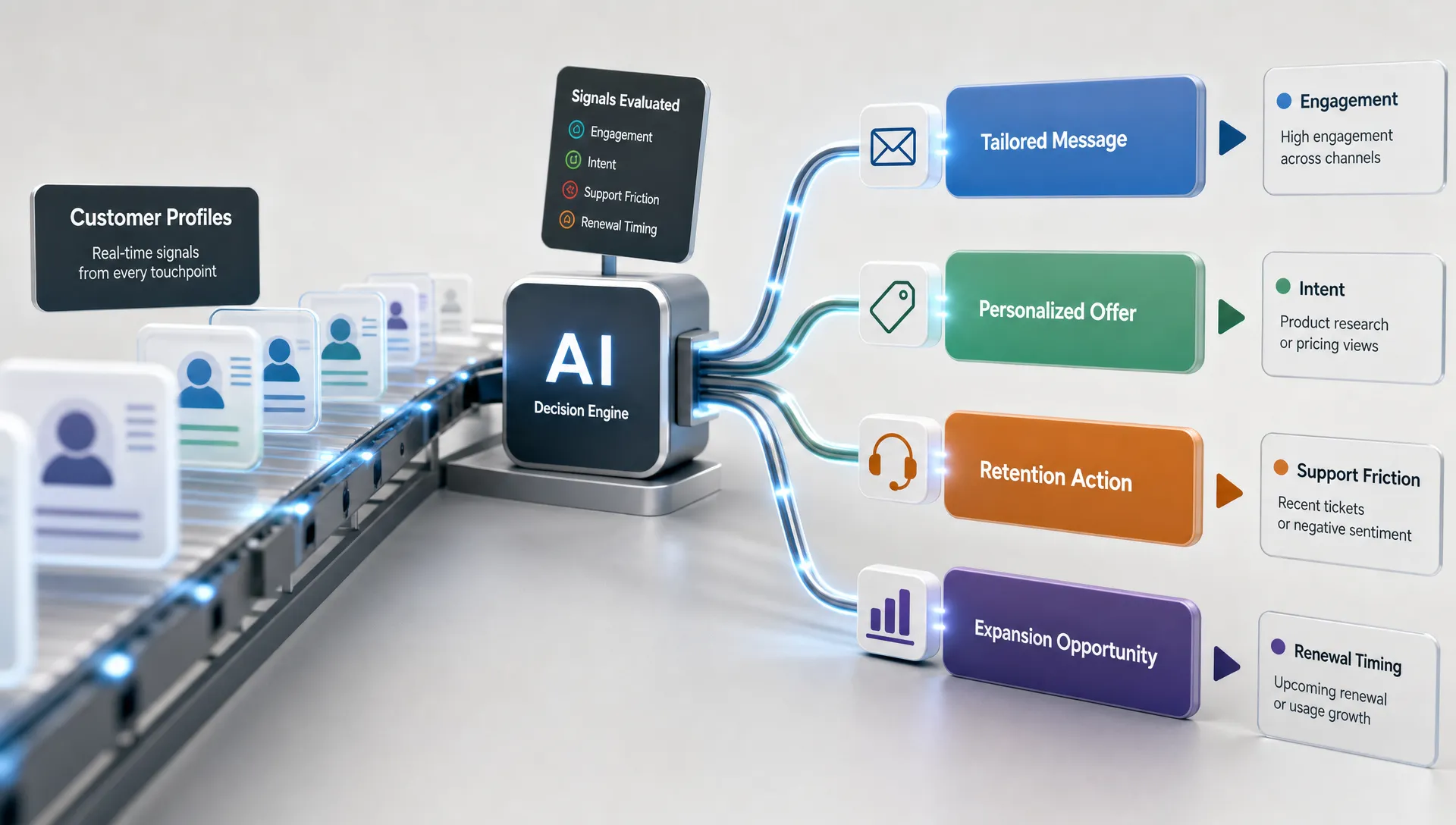
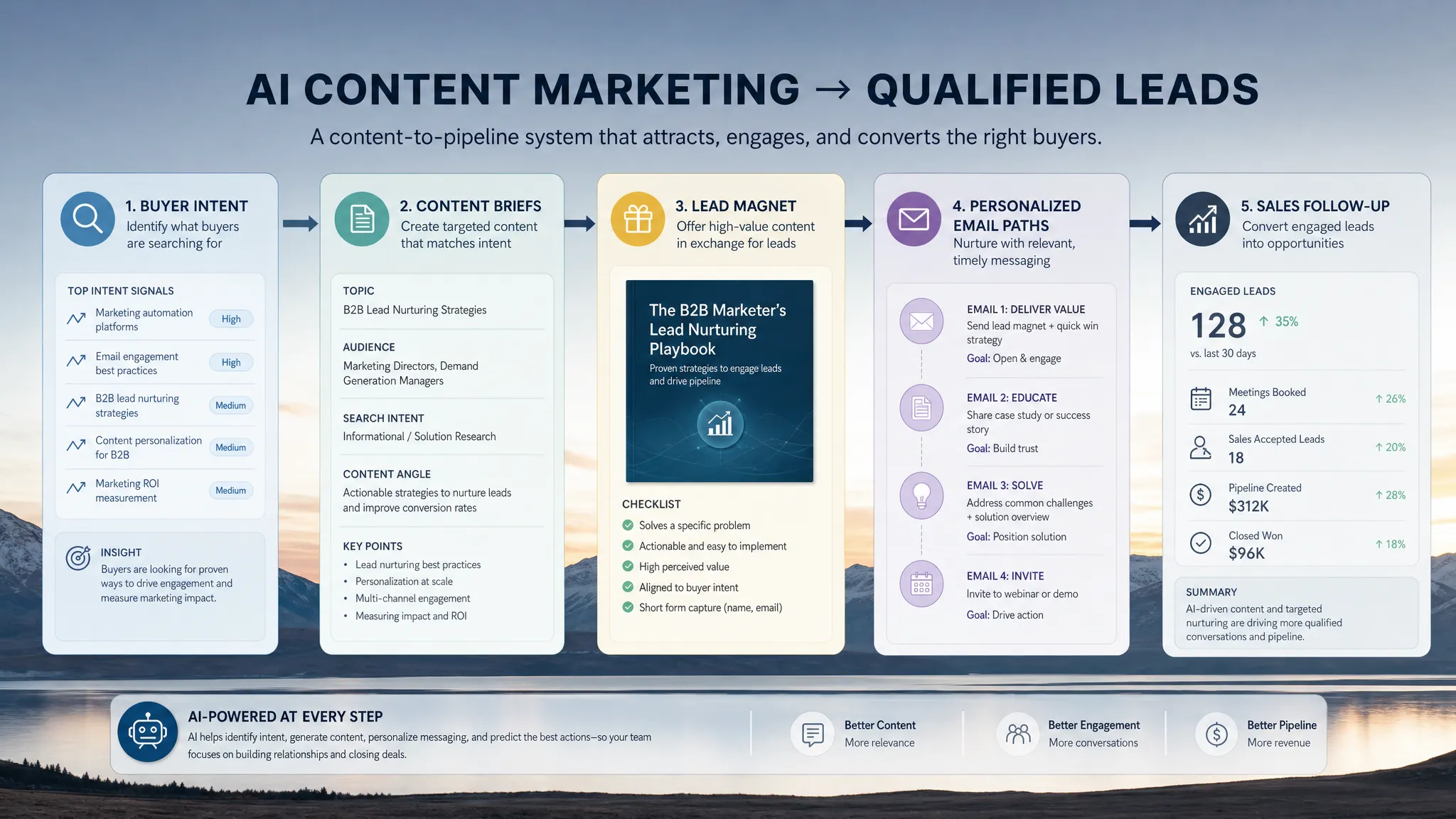
For promotional emails, ask AI to create variations based on customer intent. A new subscriber may need education. A product-aware lead may need proof. A past customer may respond better to a new use case or timely reason to return.
A strong email prompt might look like this:
Write three versions of a promotional email for marketing managers who downloaded our AI marketing checklist but have not booked a demo. The goal is to encourage a demo request. Keep the tone practical, concise, and consultative. Include a subject line, preview text, body copy under 160 words, and one clear CTA. Address the objection that AI tools are difficult to implement.
AI can also help with lifecycle email strategy. Ask it to map objections across a sequence, identify where social proof should appear, or rewrite a dense product email into a more conversational note.
When editing AI email copy, pay close attention to these elements:
Compliance matters too. In the U.S., marketers should understand the FTC’s CAN-SPAM Act guidance for commercial email, including truthful headers, clear identification, and unsubscribe requirements. AI can draft copy, but your team is responsible for what gets sent.
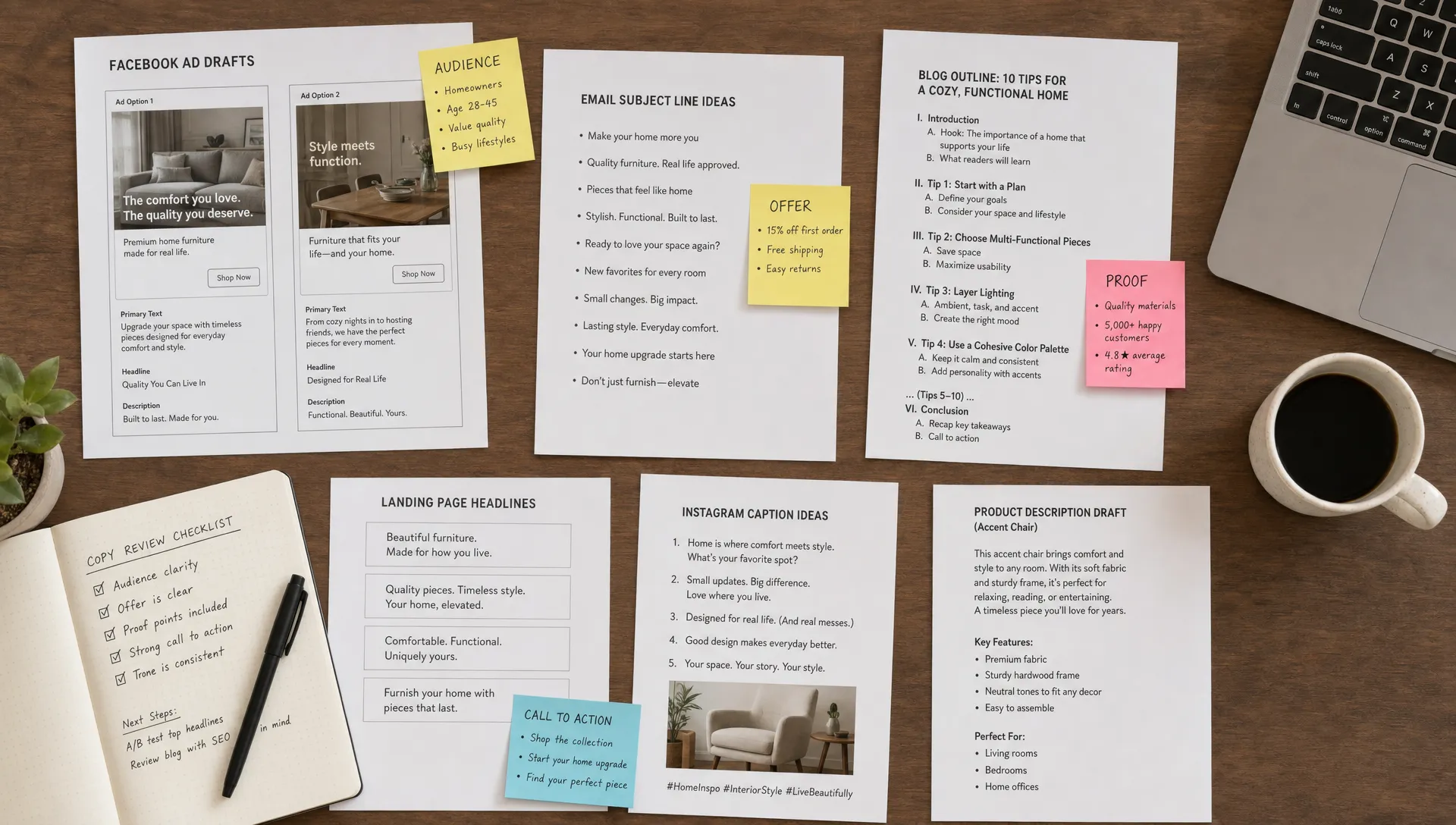
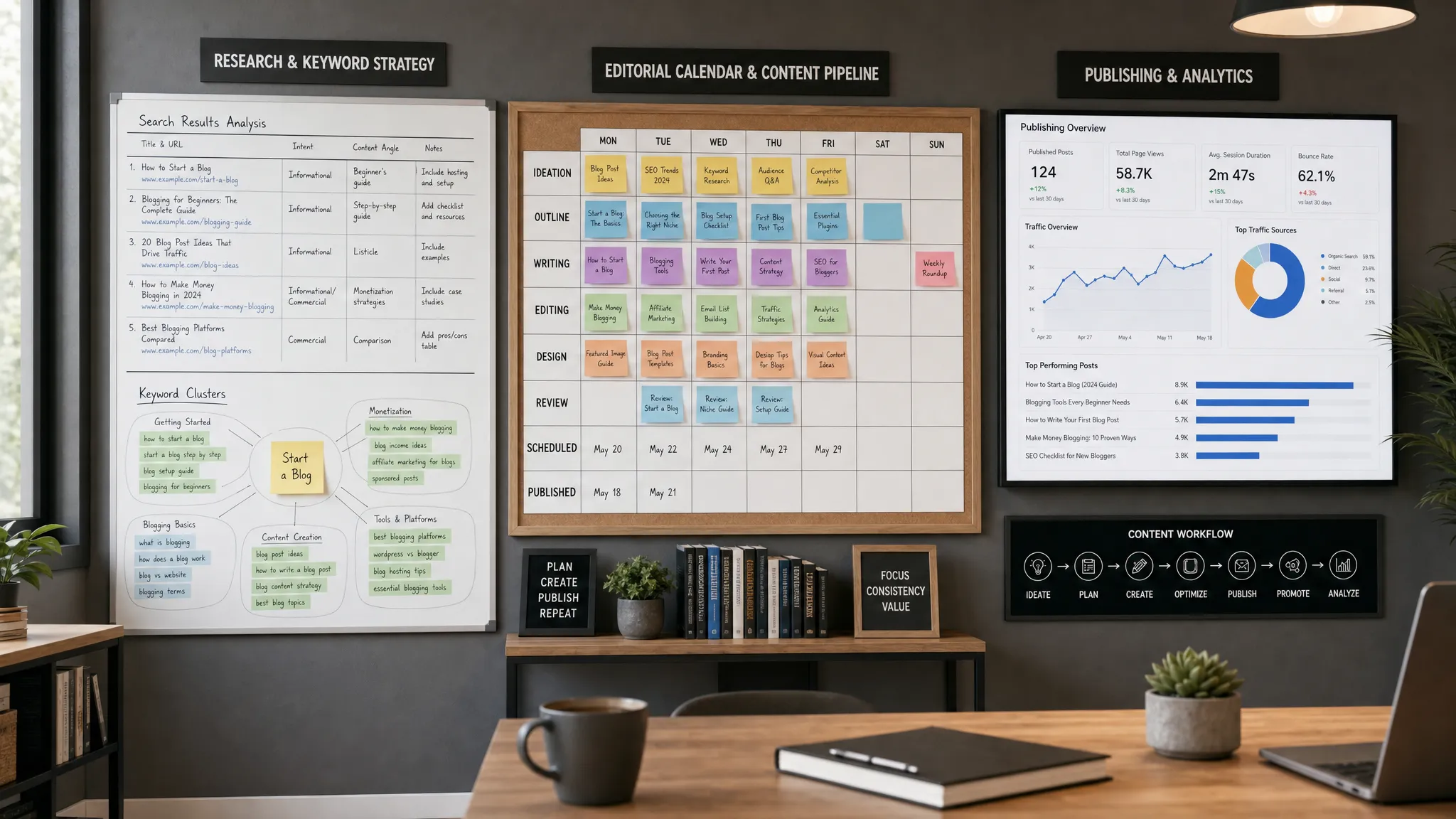
Blog copy has a different purpose from ads and emails. It needs to satisfy search intent, build trust, and guide the reader toward a useful next step. AI can accelerate research, outlining, drafting, and repurposing, but it should not replace expertise.
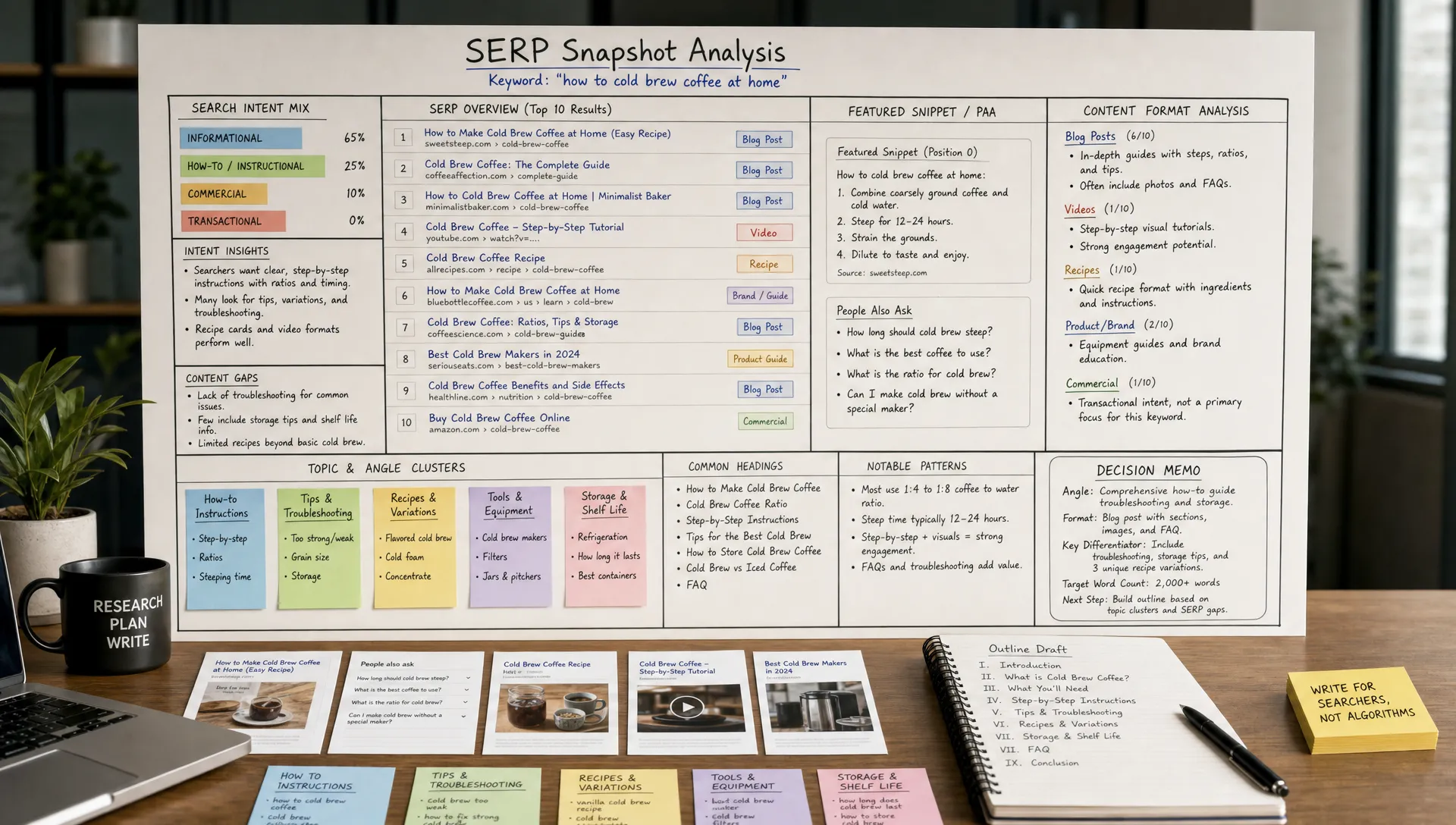
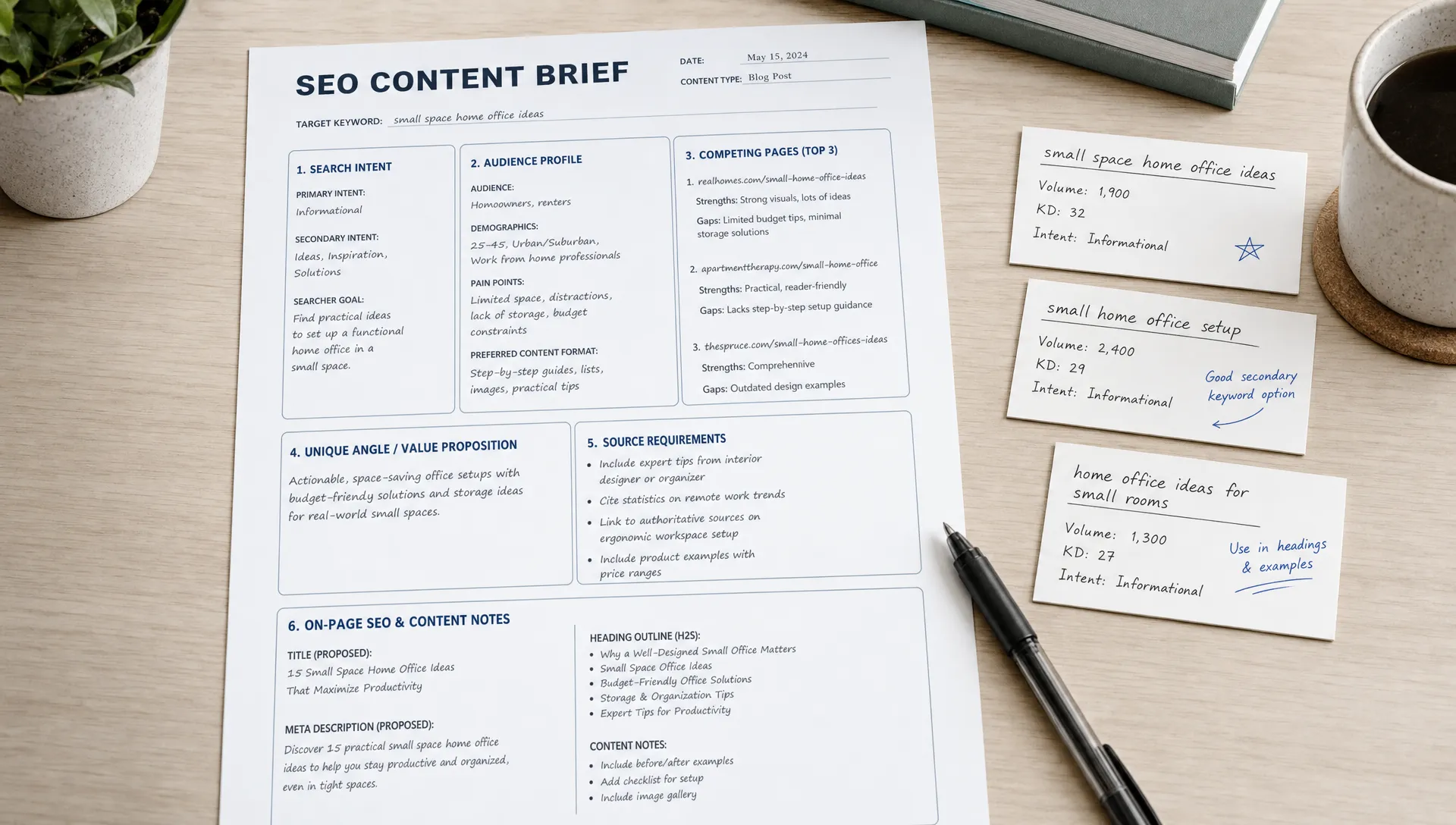
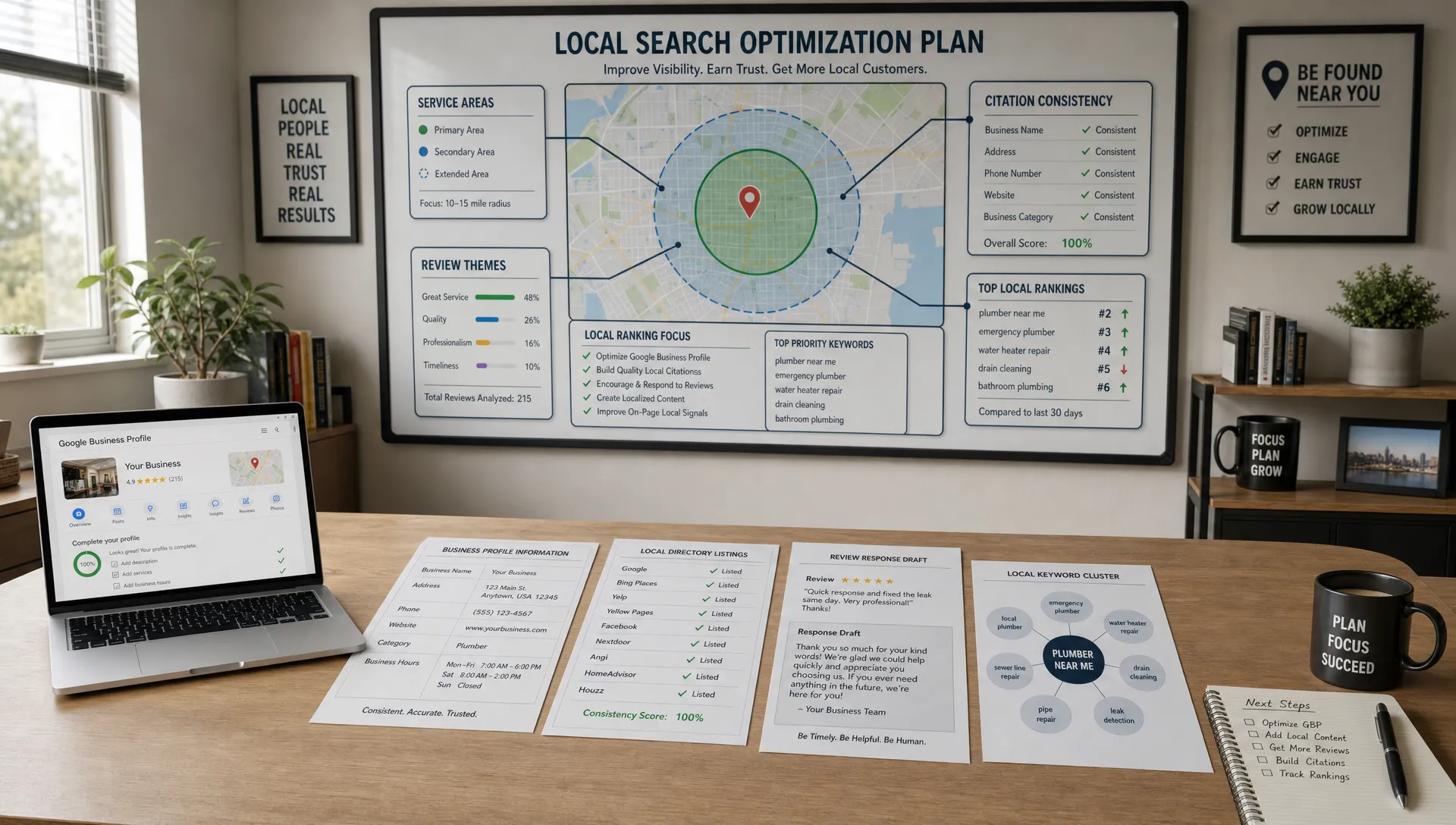
Start by asking what the reader wants when they search the topic. Are they trying to learn, compare, solve a problem, or make a decision? A blog post titled around beginner education should not read like a product pitch. A comparison article should help readers evaluate options clearly. A how-to article should provide steps that can actually be followed.
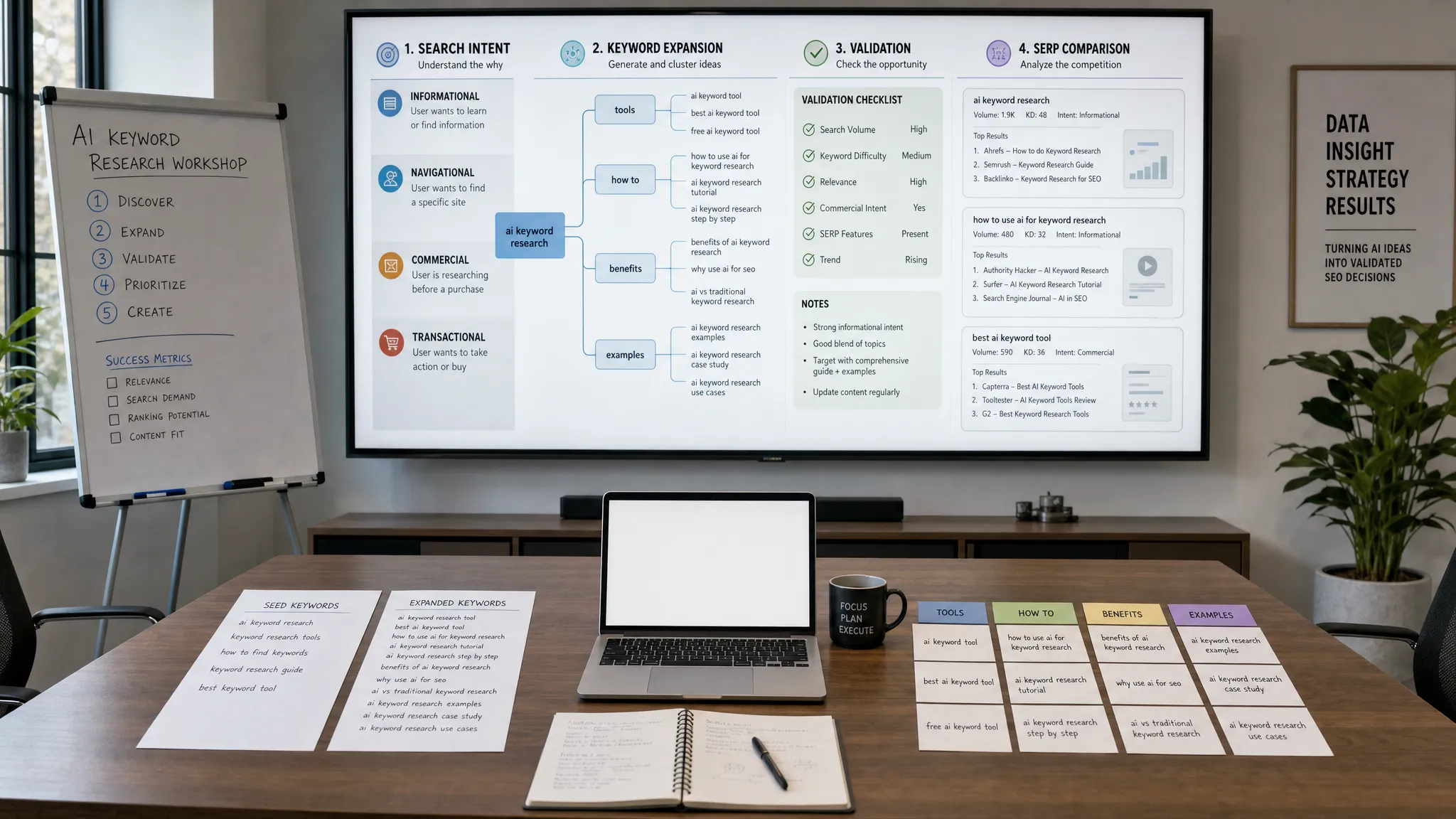
AI can help you classify intent before drafting. For example:
Analyze the search intent for “AI copywriting tips for ads, emails, and blogs.” Identify the likely reader, their current level of knowledge, what they expect to learn, and what would make the article more useful than generic advice. Then create an outline with practical sections and examples.
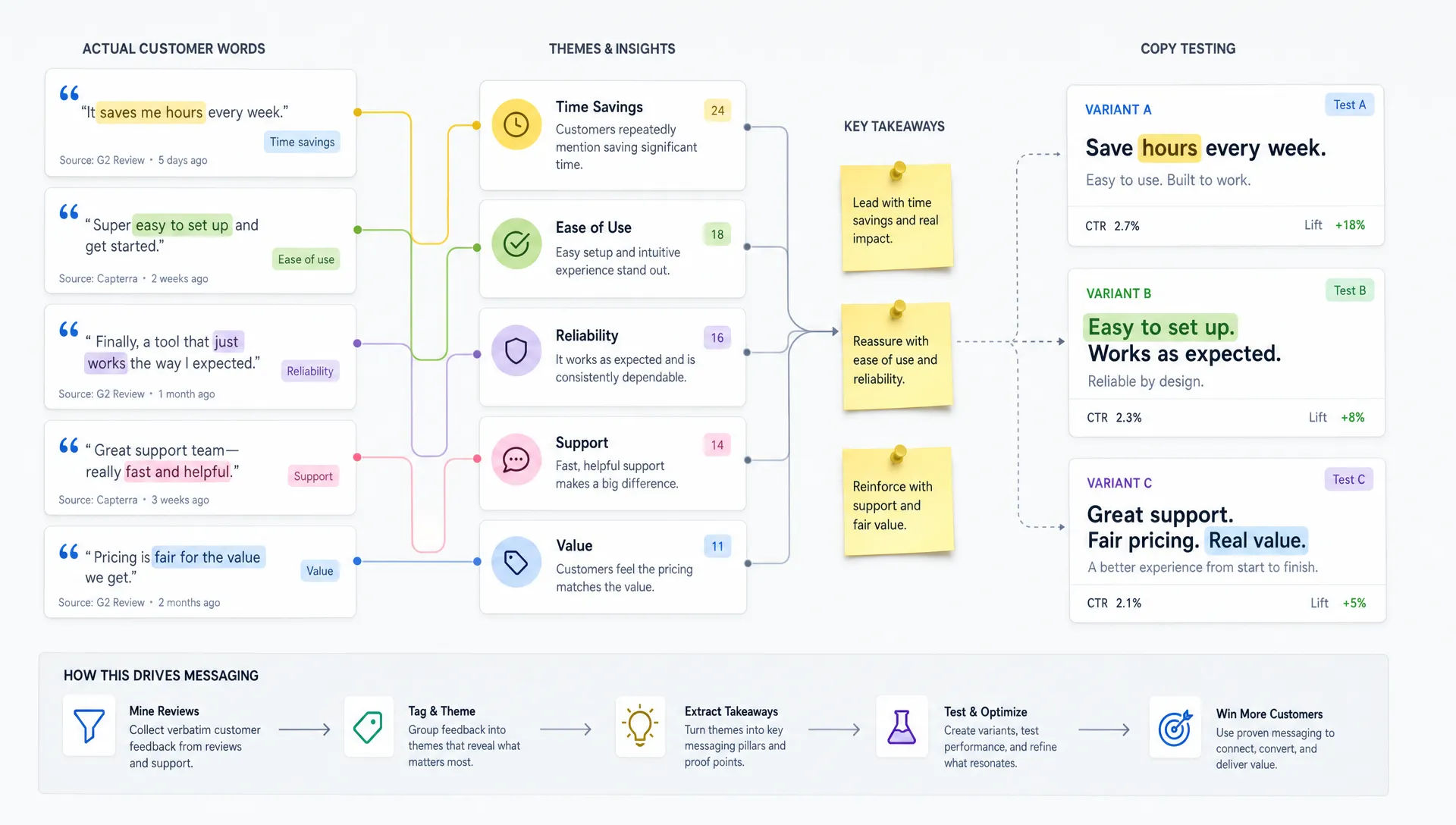
Once you have an outline, improve the article by adding human inputs AI cannot reliably create on its own: real customer language, campaign learnings, internal subject matter expertise, original examples, screenshots where relevant, and specific recommendations based on experience.
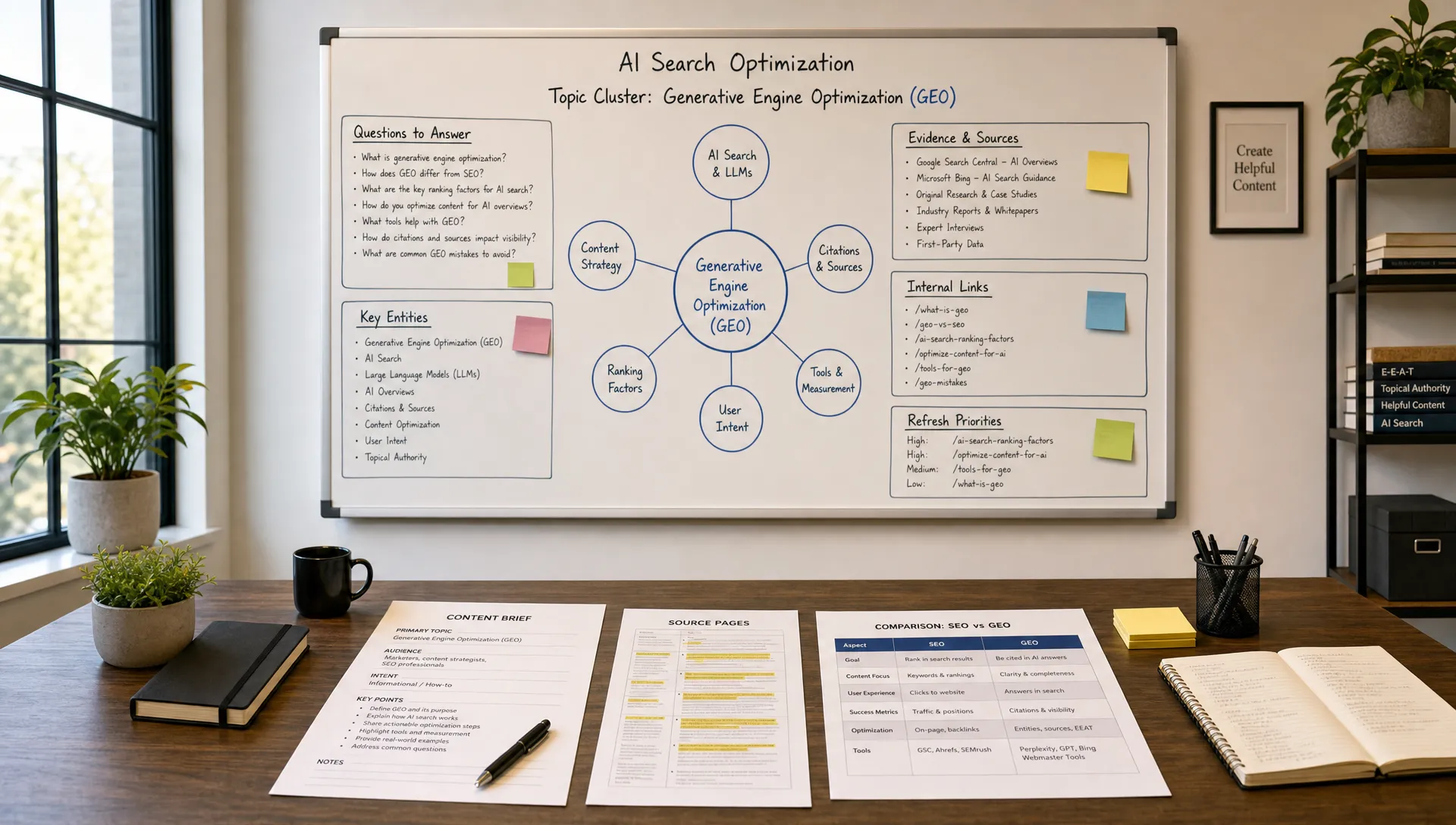
Google has stated in its guidance on AI-generated content and Search that the key issue is not whether content is AI-assisted, but whether it is helpful, reliable, and created for people. That means marketers should use AI to support quality, not to mass-produce thin articles.
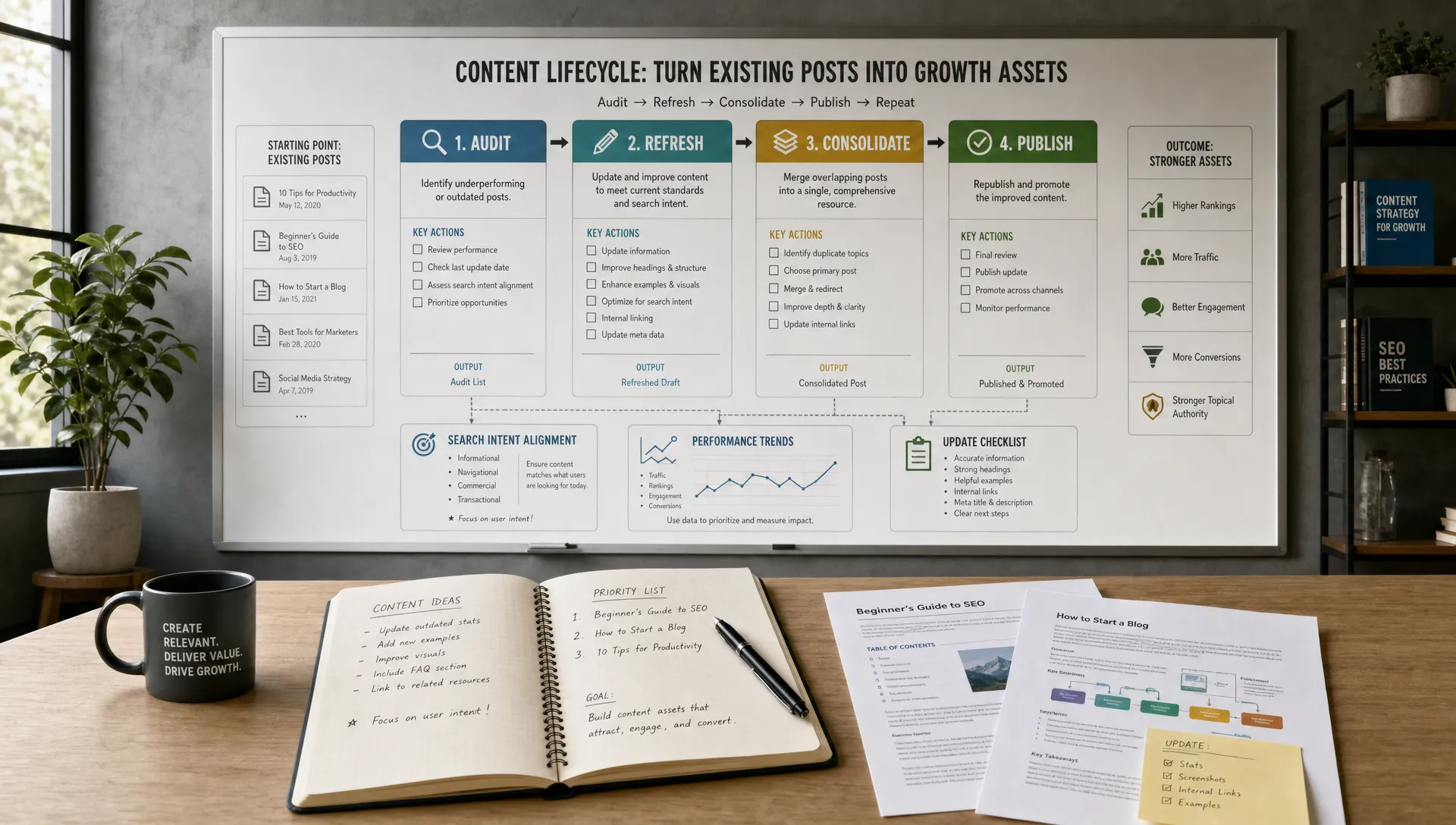
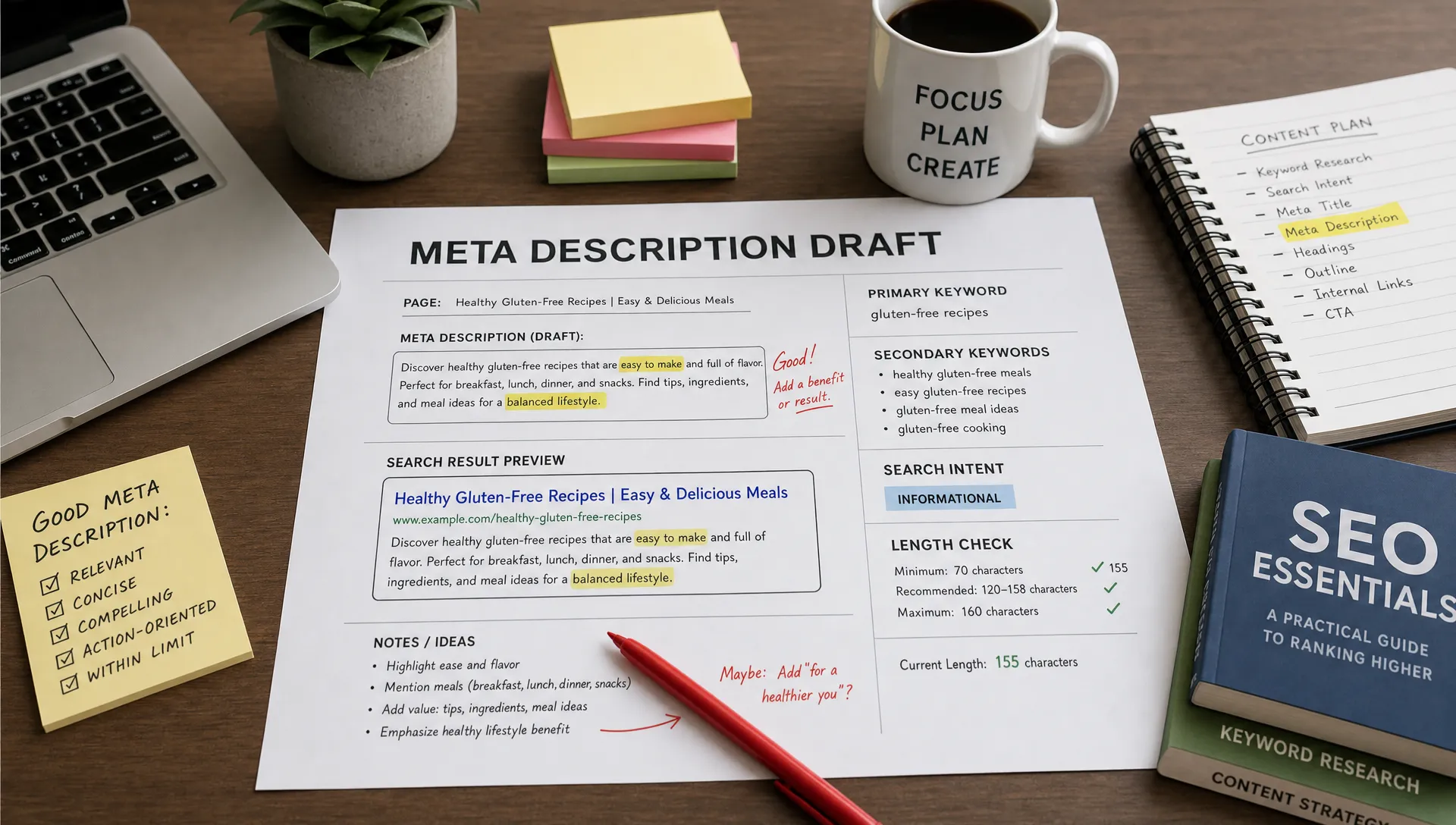
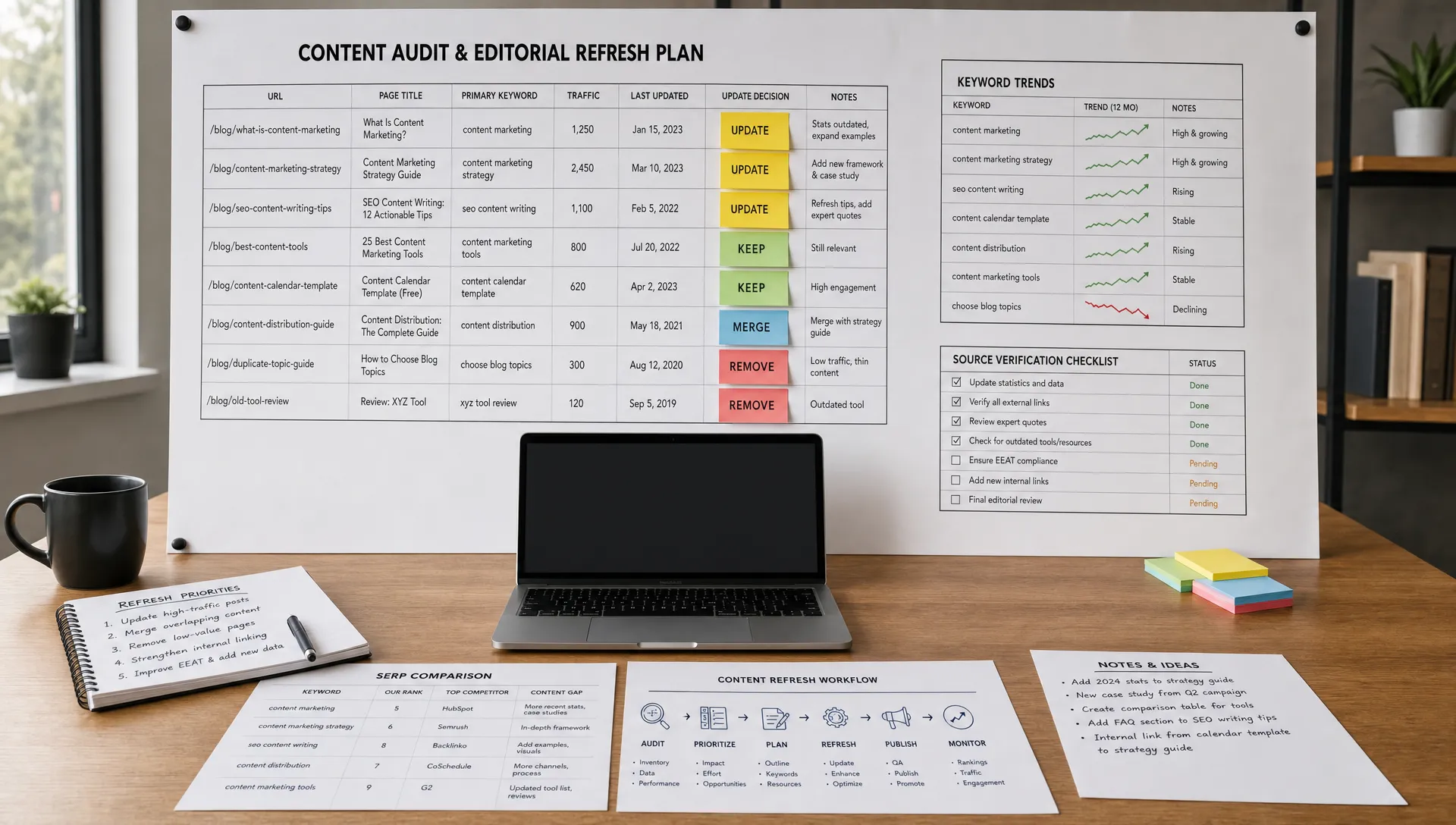
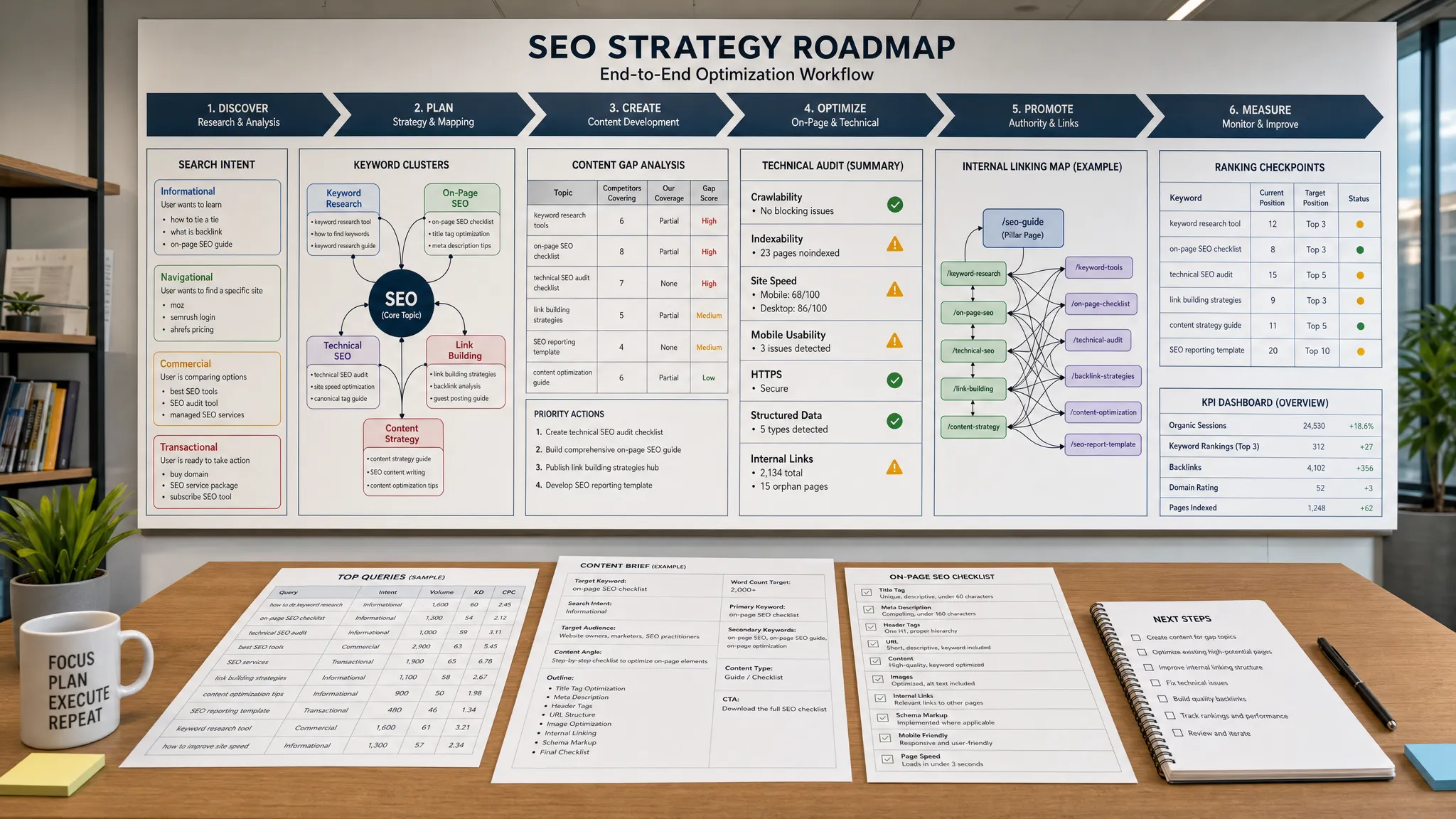
For SEO-focused blog work, use AI to strengthen structure and clarity. Ask it to find missing subtopics, simplify dense sections, generate FAQ questions, or rewrite introductions to match the promise of the headline. If your team is building a lean content stack, AIMarketer Hub’s guide to AI SEO tools for small teams can help you think through what belongs in your workflow.
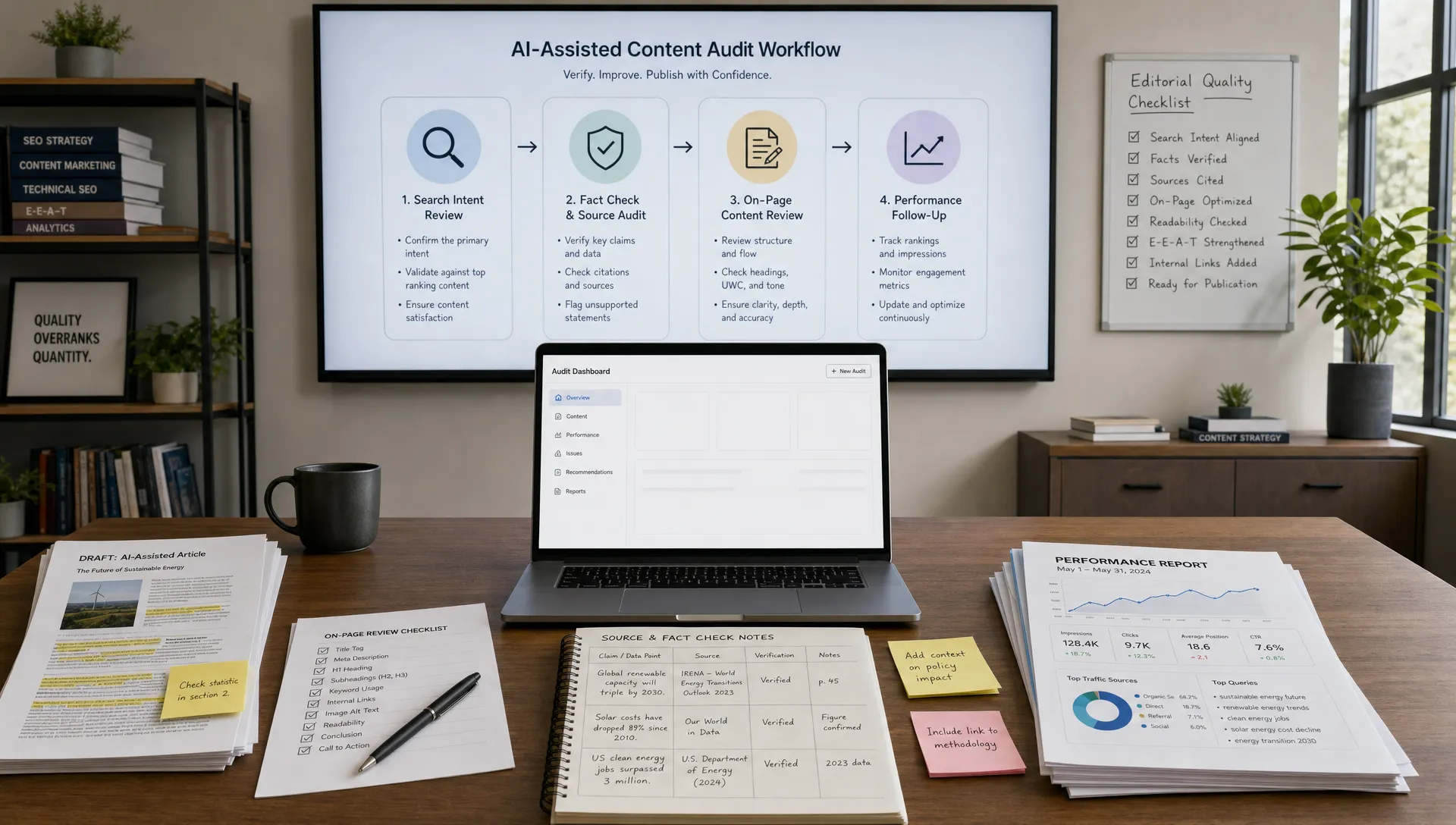
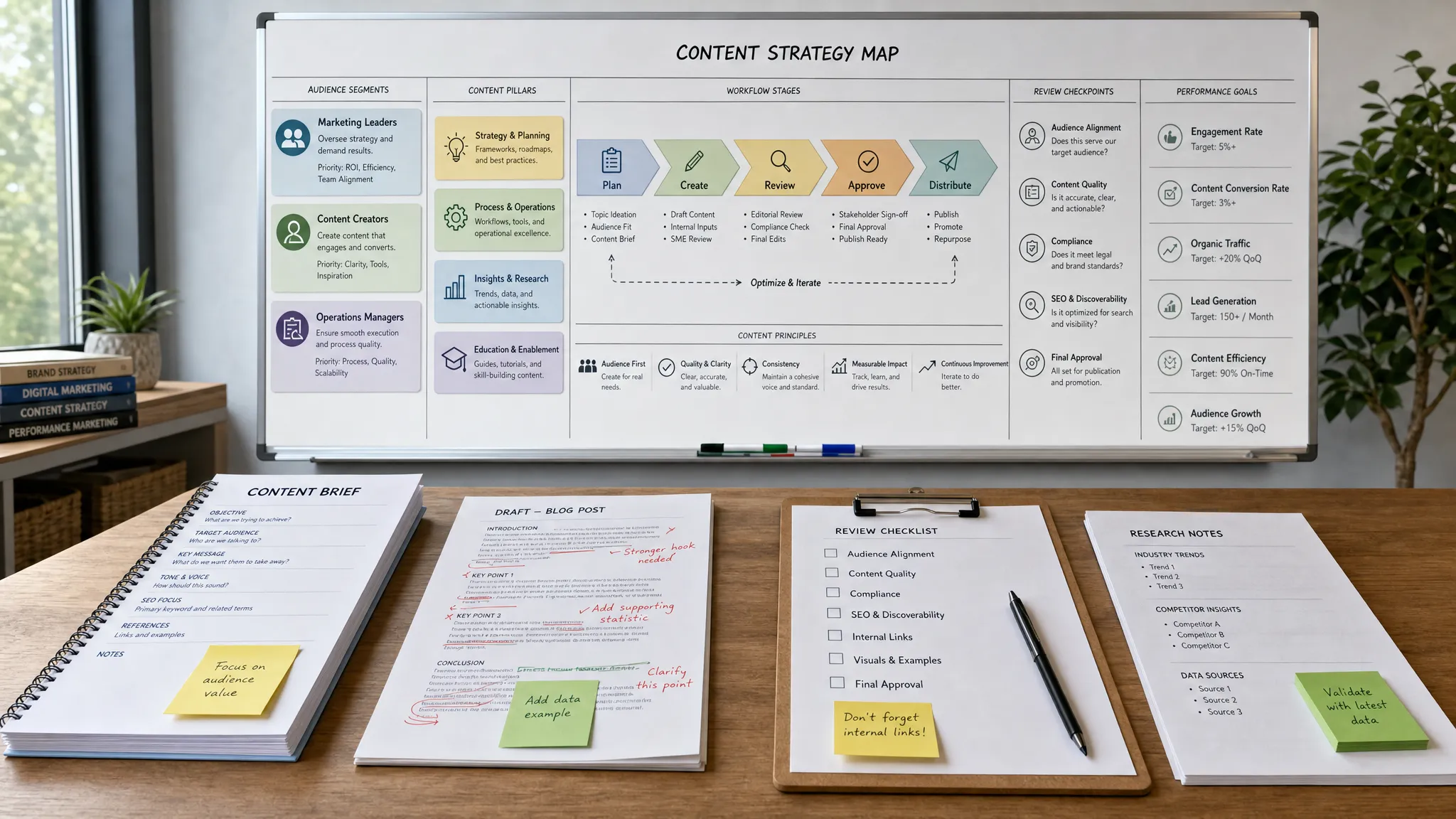
AI drafts often sound confident before they are actually effective. The editing stage is where good marketers create separation. Do not only check grammar. Check persuasion, accuracy, specificity, and fit.
A practical editing checklist includes these questions:
One of the fastest ways to improve AI copy is to remove inflated language. Words like “revolutionary,” “game-changing,” “seamless,” and “ultimate” are often filler unless you can prove them. Replace them with specific outcomes, examples, or plain language.
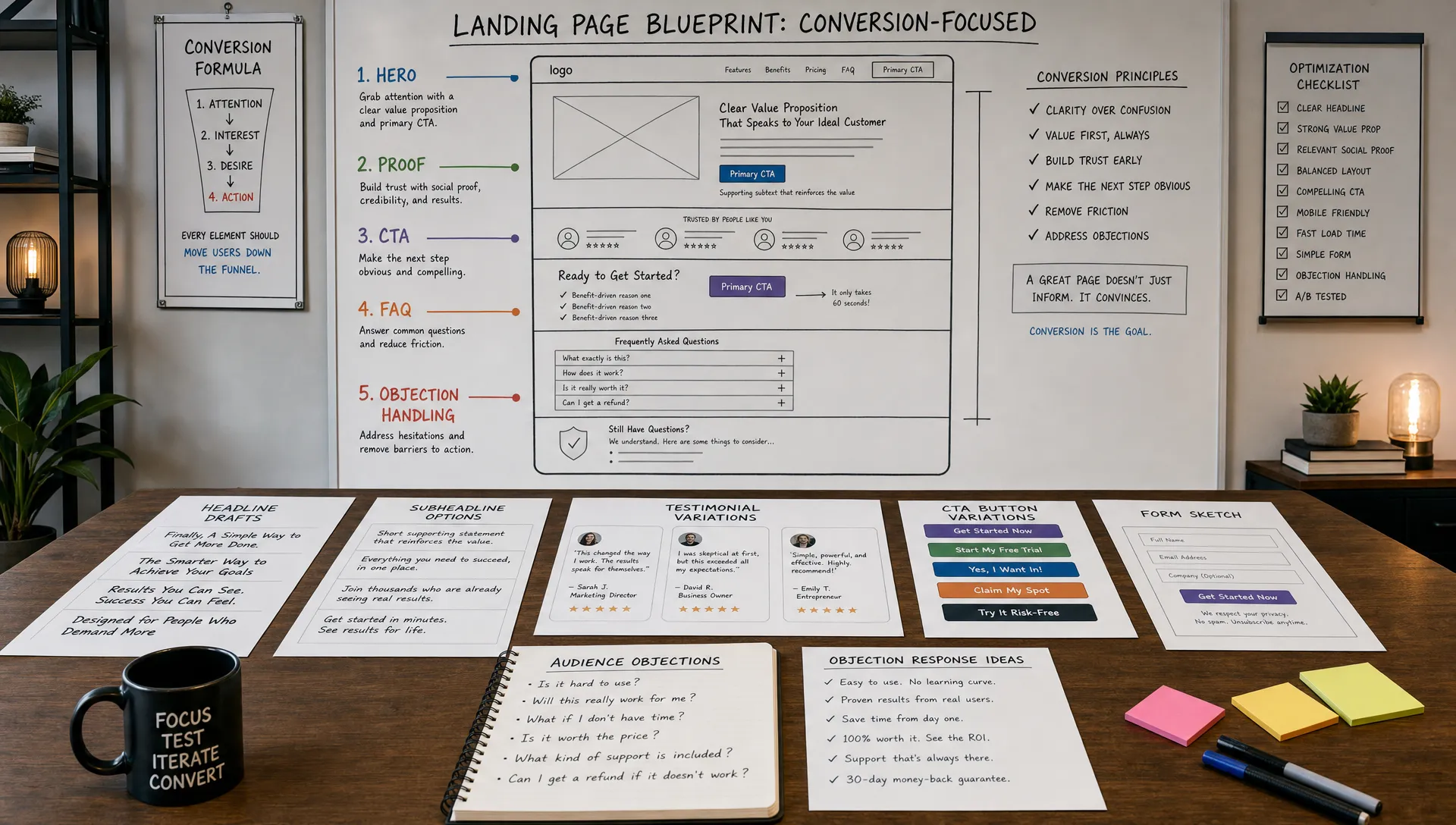
Also check message match. If an ad promises a checklist, the landing page should immediately confirm the checklist. If an email subject line teases a practical framework, the email should deliver that framework. If a blog headline promises tips for ads, emails, and blogs, each section should provide channel-specific advice.
The real value of AI copywriting is not just faster drafting. It is faster learning. AI makes it easier to create controlled variations, document hypotheses, and repurpose insights across channels.
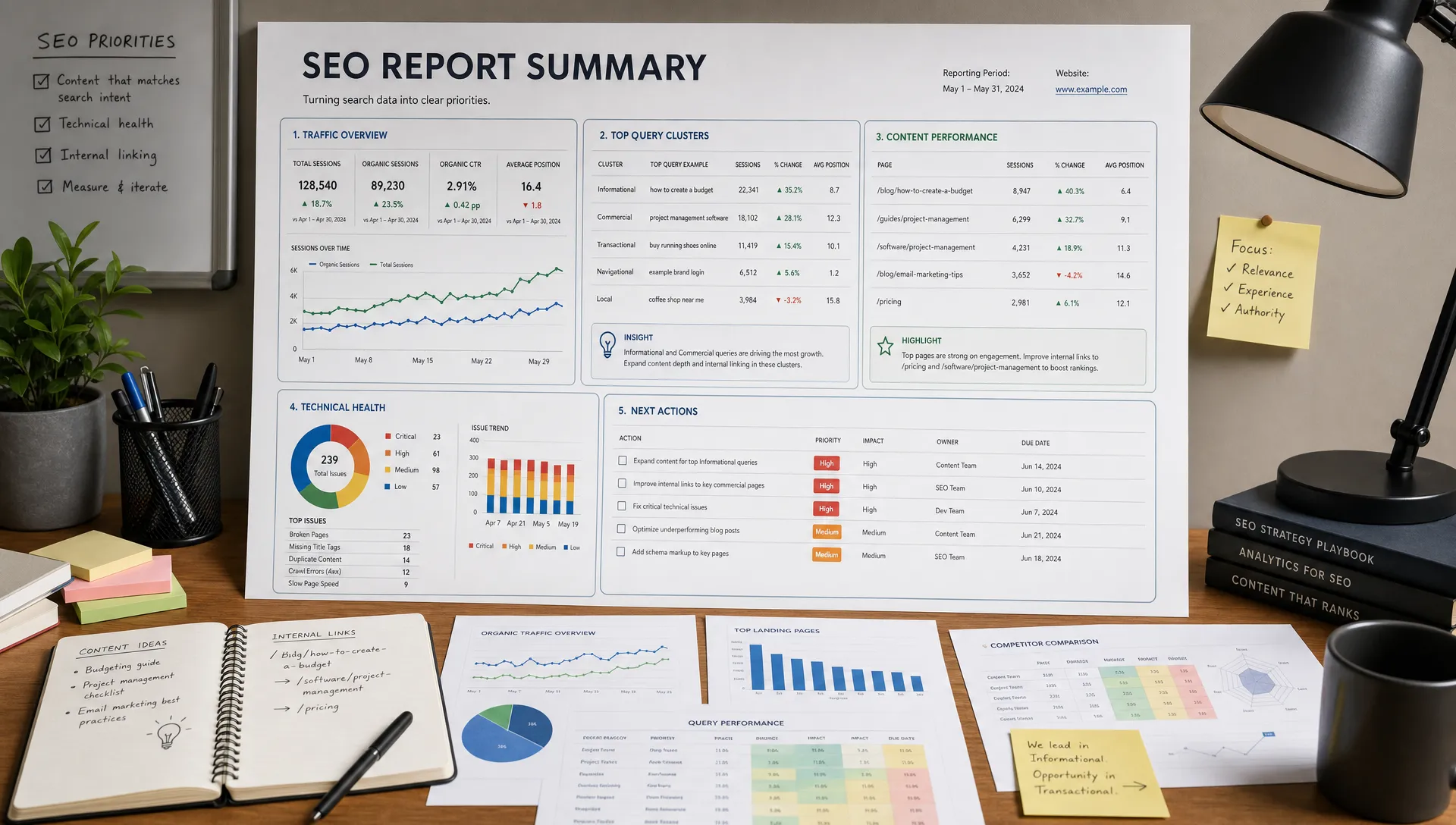
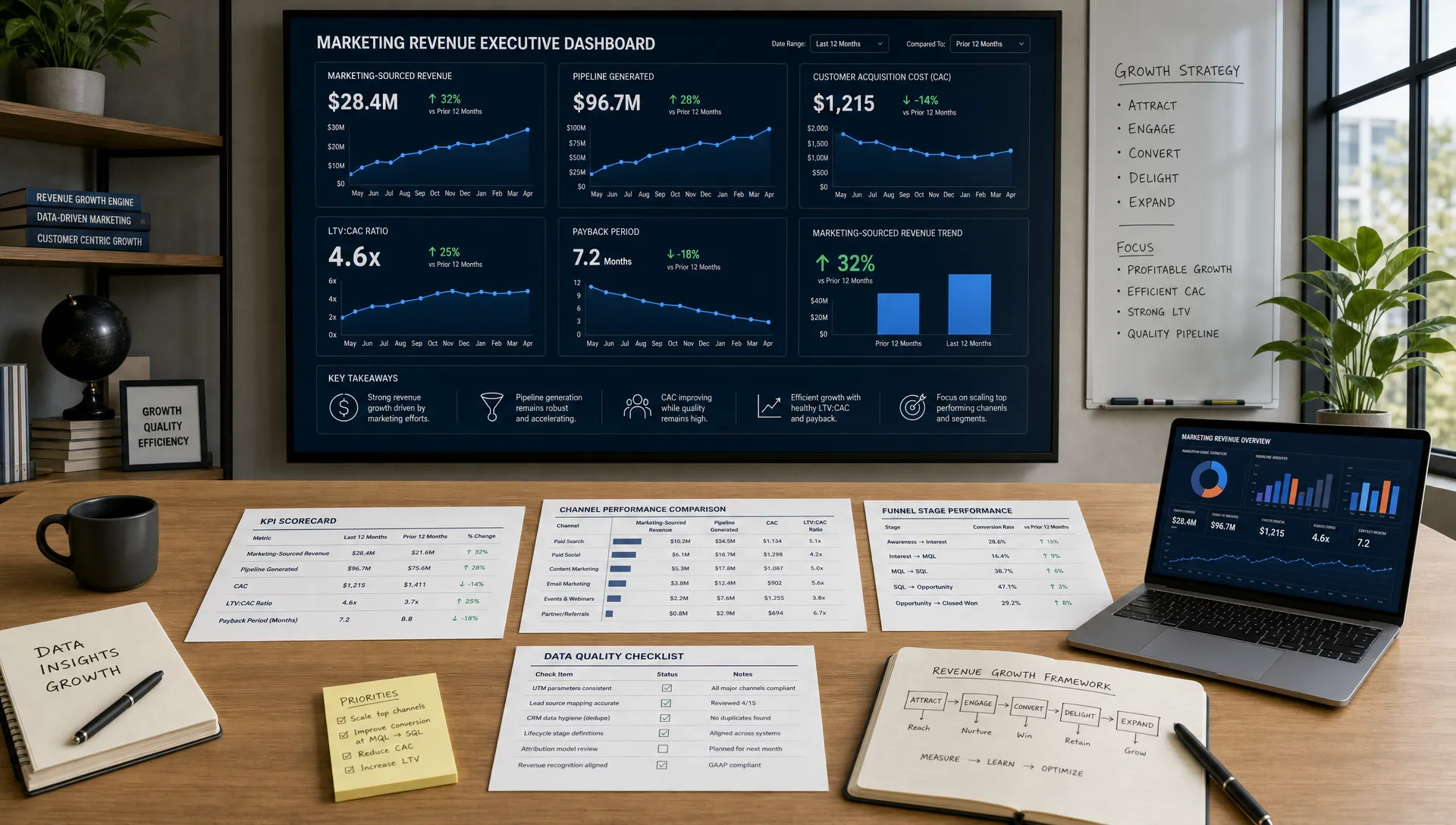
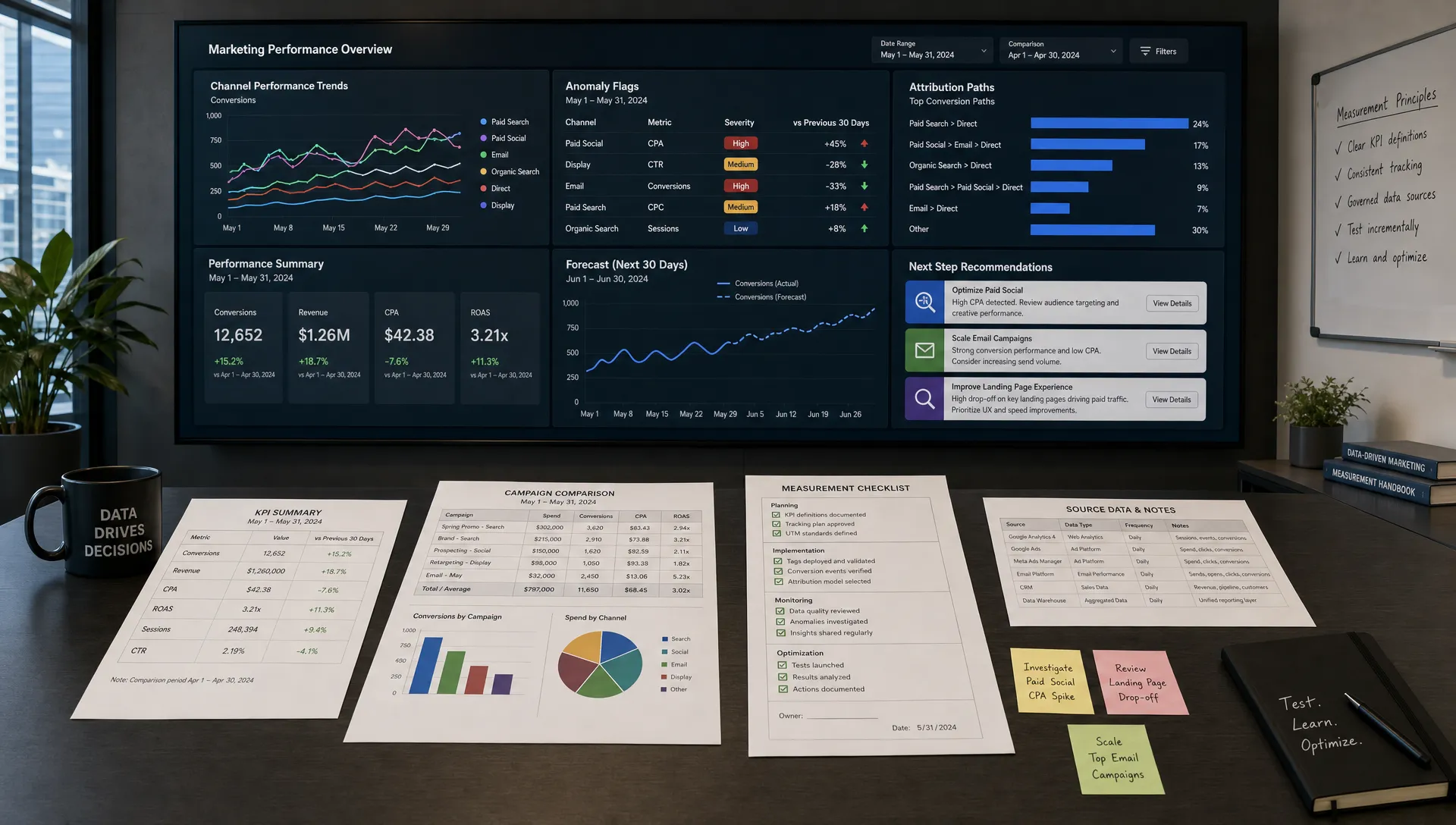
For ads, track which angles drive qualified clicks and conversions, not just high click-through rates. For emails, look beyond opens and measure clicks, replies, conversions, unsubscribe rate, and downstream quality. For blogs, evaluate rankings, engagement, assisted conversions, and whether readers continue to related pages.
After each campaign, feed the results back into your next prompt. You might say:
Here are the three best-performing ad hooks and the three weakest. Identify patterns in the messaging, then create new variations that preserve the winning insight while testing a different proof point.
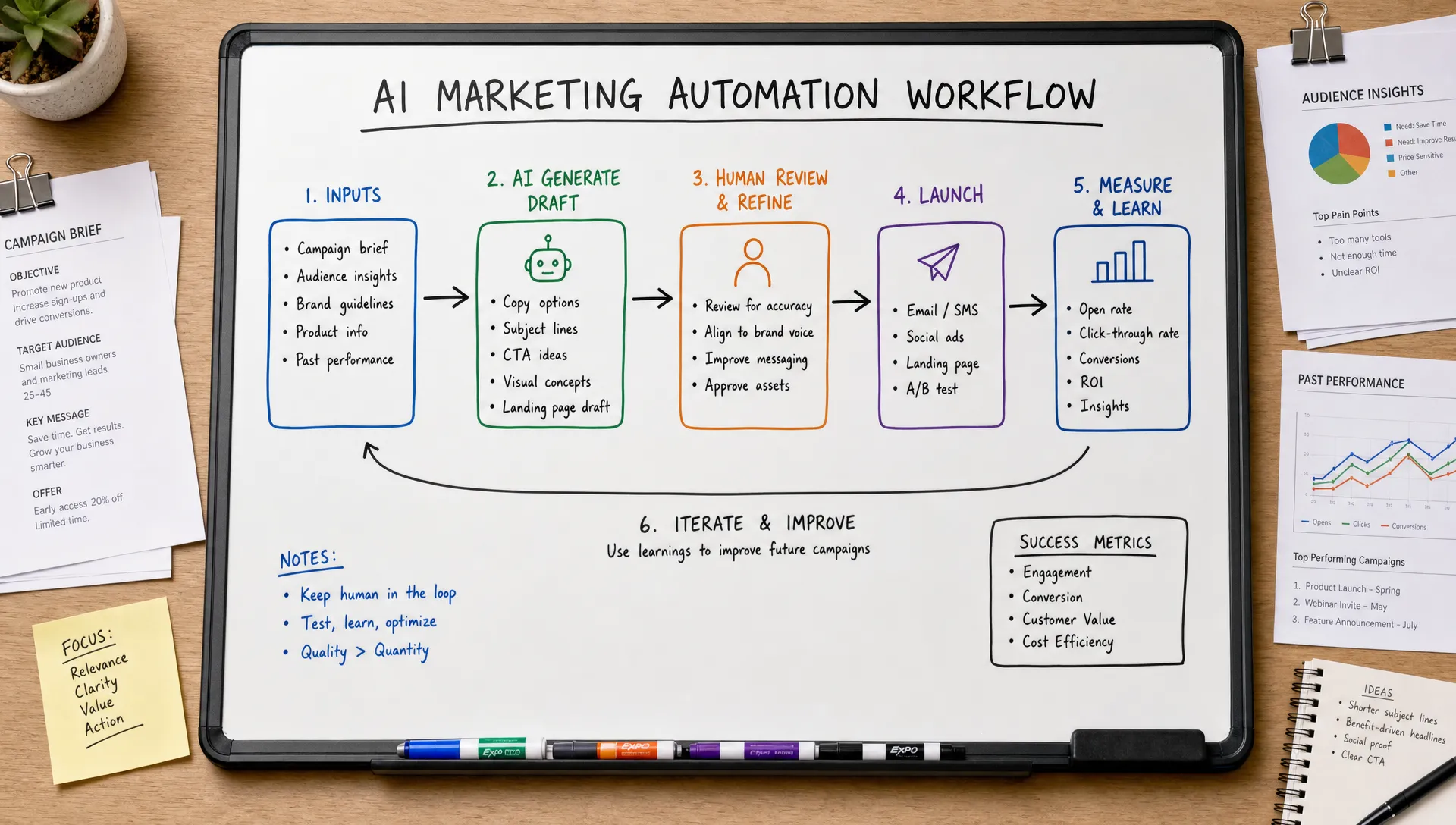
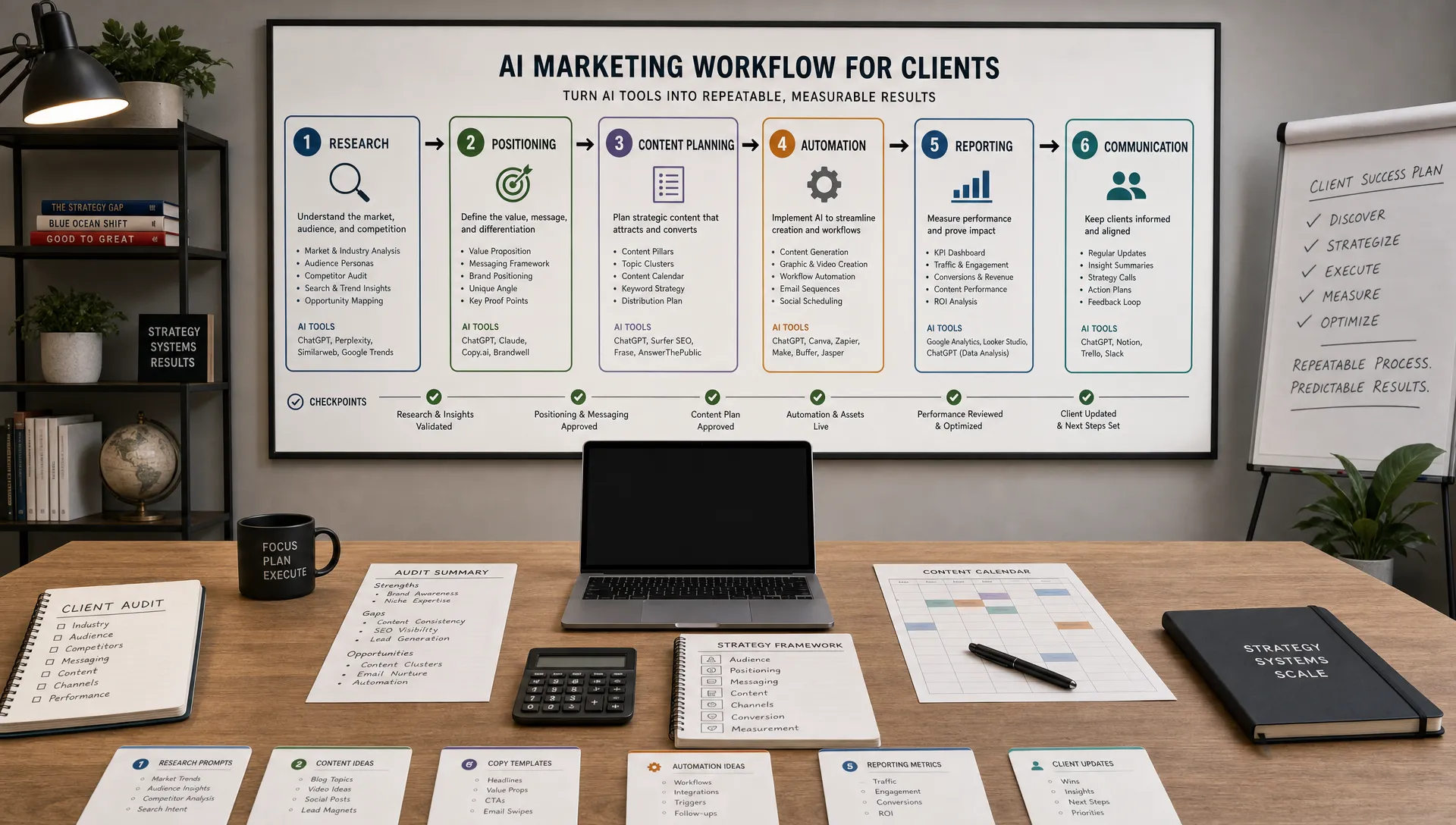
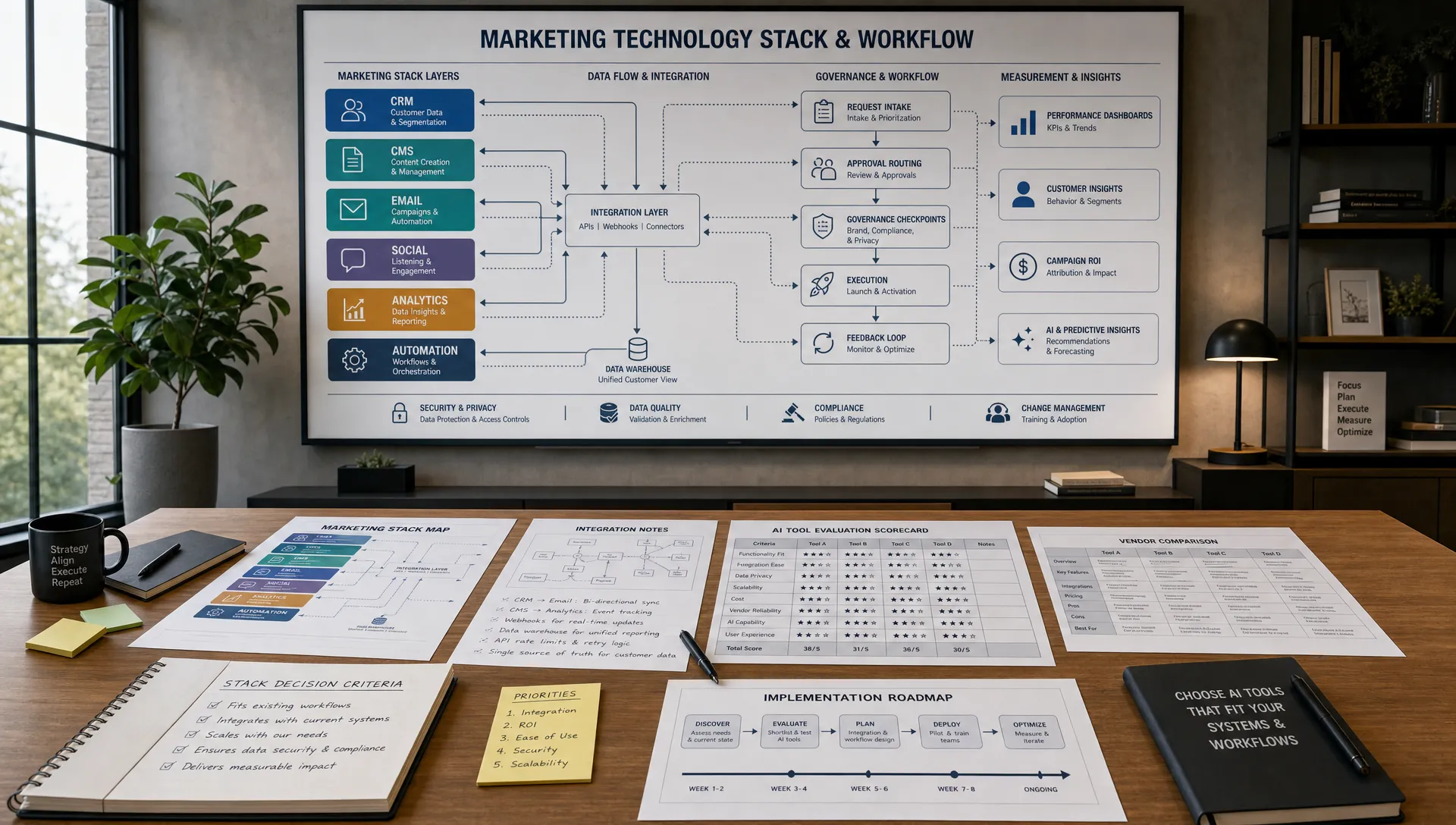
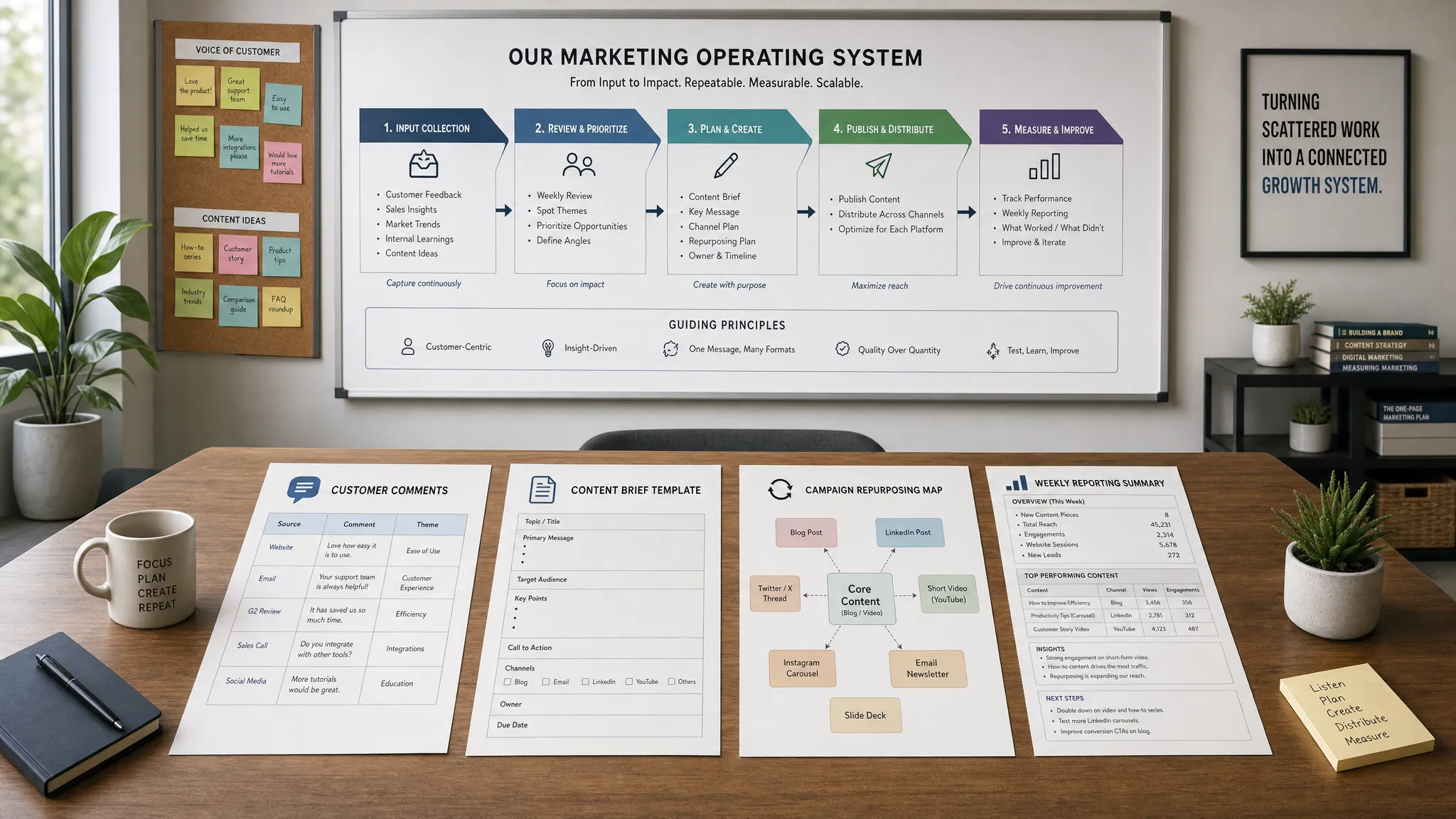
This turns AI into part of your marketing workflow automation, not just a writing assistant. The process becomes research, draft, edit, test, learn, and improve.
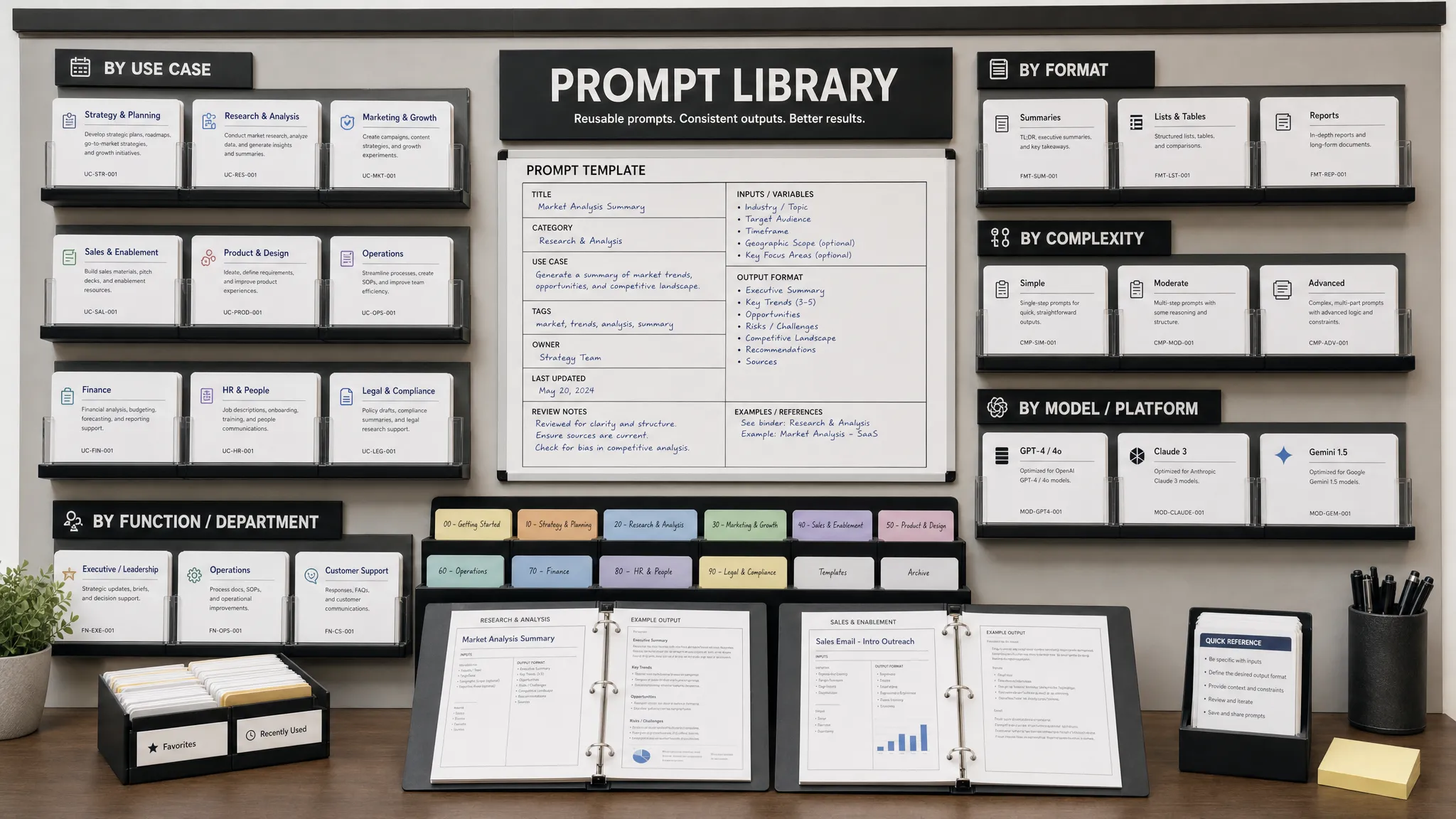
If you are scaling content across multiple campaigns, it also helps to document reusable prompt templates. A shared prompt library can reduce inconsistency and help the team avoid starting from scratch every time.
The biggest mistake is treating AI output as finished copy. Even when the writing is fluent, it may be strategically weak, factually wrong, off-brand, or too similar to what competitors are publishing.
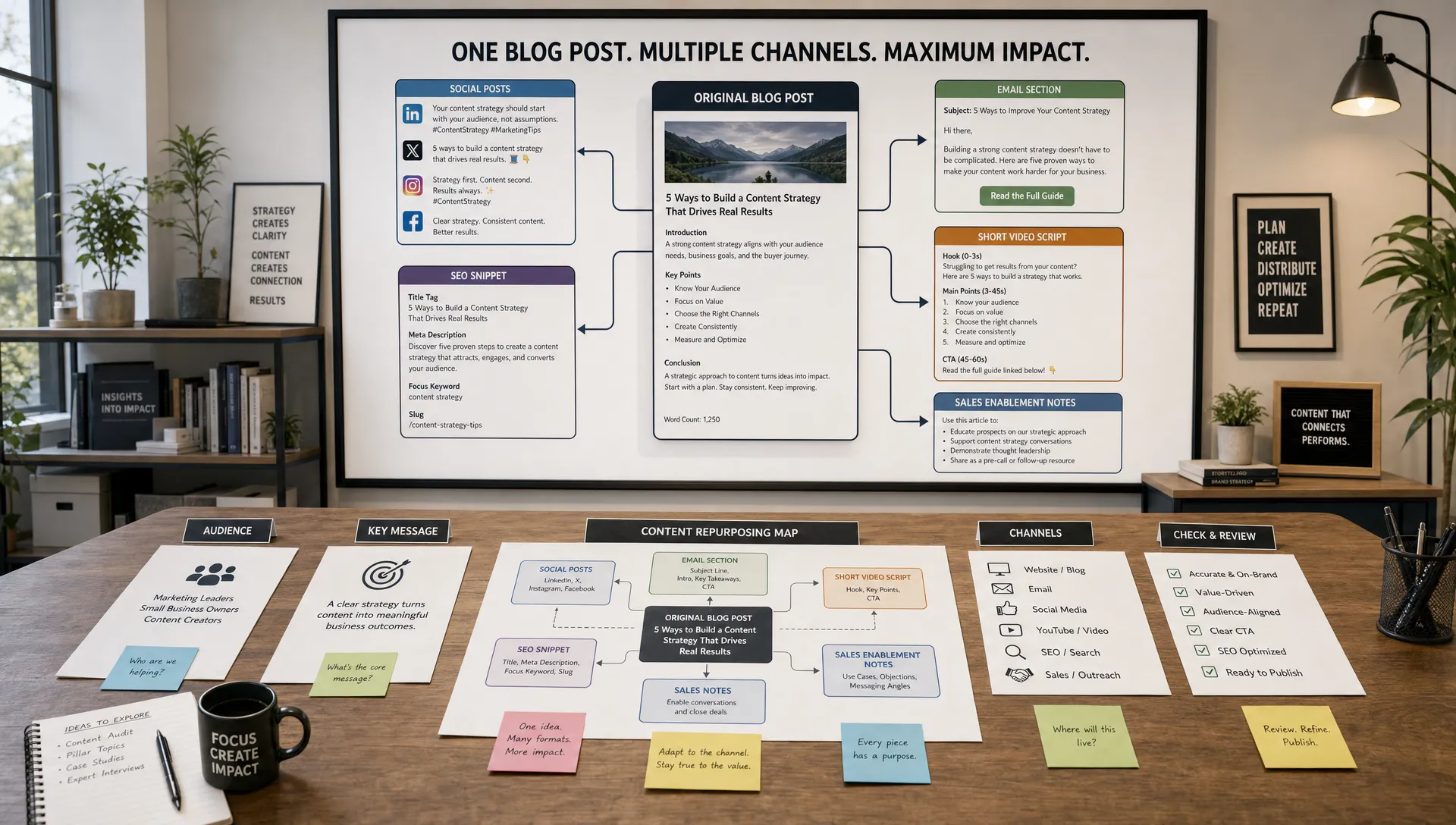
Another mistake is using the same copy across every channel. A blog intro, email opener, and paid ad hook may come from the same campaign idea, but they should not be identical. Each channel has a different level of attention, context, and reader intent.
Marketers should also avoid asking AI to write in exaggerated styles. Prompts like “make it punchy and viral” often create copy that feels loud but empty. Better prompts ask for clarity, tension, specificity, and relevance.
Finally, do not let AI invent the proof. If you need statistics, customer stories, case studies, or product details, provide them yourself or verify them before publishing. Strong copy builds trust. Unsupported claims spend that trust quickly.
Can AI replace a copywriter? AI can speed up drafting, ideation, repurposing, and editing, but it does not replace strategy, customer insight, offer positioning, or final judgment. The best results usually come from a skilled marketer guiding the tool.
What is the best prompt for AI copywriting? The best prompt includes audience, pain point, offer, channel, goal, tone, constraints, proof, and desired output format. It should also ask for the messaging hypothesis behind each variation.
How do I make AI copy sound less generic? Add real customer language, specific proof, brand voice examples, and context about the reader’s situation. Then edit out vague claims, overused adjectives, and any sentence that could fit a competitor.
Is AI-written blog content bad for SEO? Not automatically. Search performance depends on whether the content is helpful, accurate, original, and aligned with search intent. AI-assisted content still needs human expertise, editing, and quality control.
How many AI copy variations should I create? Create enough to test meaningful differences, not endless minor rewrites. For most campaigns, it is better to test a few distinct angles with clear hypotheses than dozens of random variations.
AI copywriting becomes much more powerful when it is connected to strategy, brand voice, SEO, analytics, and repeatable prompts. That is where marketers can move beyond one-off drafts and build a system for consistent improvement.
Explore AIMarketer Hub for AI-powered marketing tools, prompt resources, SEO guidance, calculators, and practical marketing guides designed to help teams automate, optimize, and grow with more confidence.