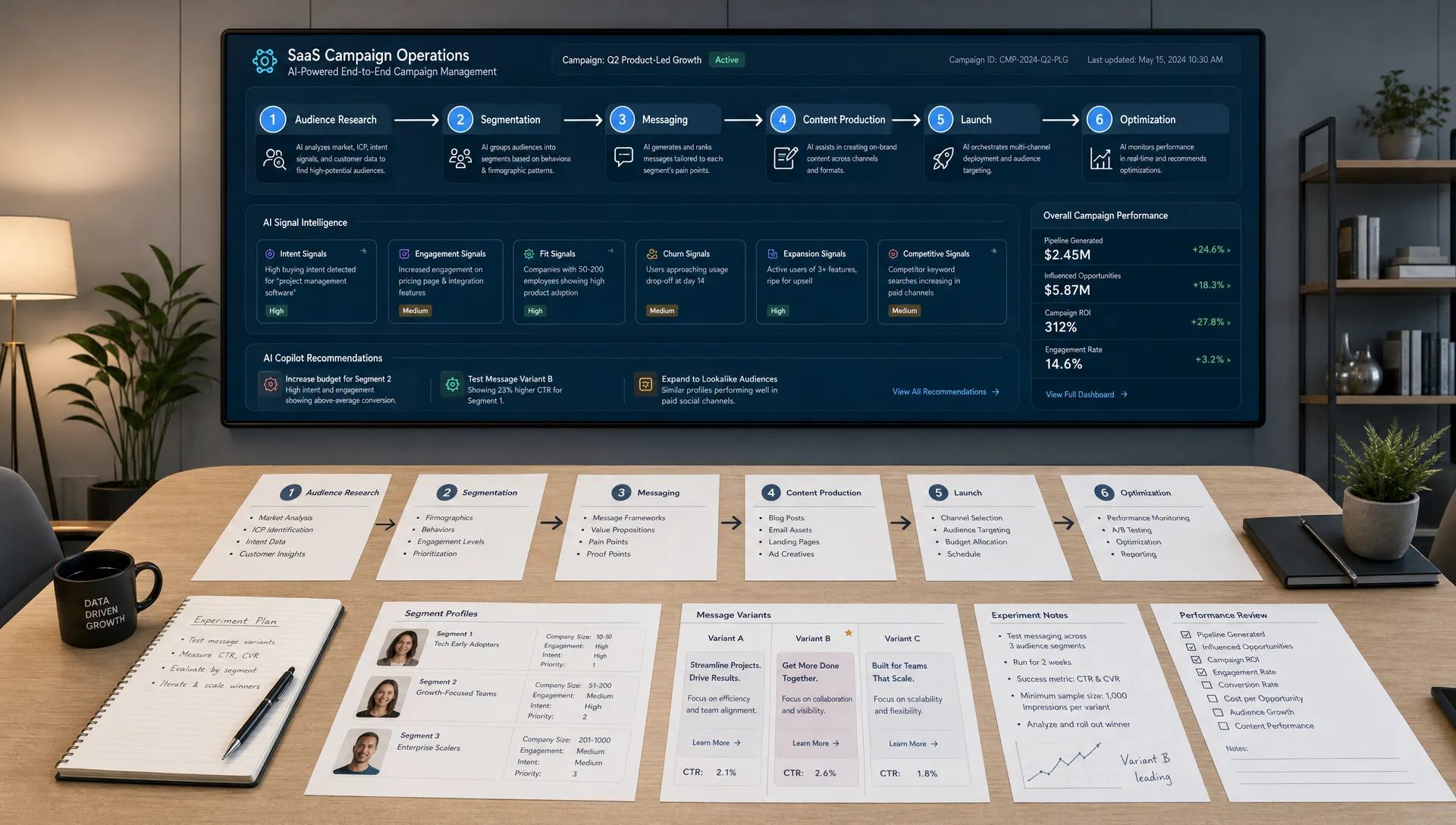
AI advertising is no longer a futuristic add-on to paid media. It is becoming the operating system behind how campaigns are planned, launched, optimized, and measured.
For years, paid media teams managed performance by adjusting keywords, audiences, bids, placements, budgets, and creative variations by hand. That model still exists, but it is giving way to a more automated environment where machine learning systems interpret signals, predict user intent, generate creative options, and redistribute spend faster than a human team could.
The change is not simply that ads are becoming more automated. The bigger shift is that paid media is moving from manual control to strategic supervision. Marketers are being asked to define sharper goals, provide better data, build stronger creative systems, and monitor AI-driven decisions with more discipline.

AI advertising refers to the use of machine learning, predictive analytics, generative AI, and automation to improve how ads are created, targeted, bought, optimized, and evaluated. In paid media, this includes everything from automated bidding in search campaigns to AI-generated product ads, predictive audience modeling, campaign budget allocation, and cross-channel performance forecasting.
The concept is not entirely new. Platforms like Google Ads, Meta, LinkedIn, Amazon, TikTok, and programmatic ad networks have used machine learning for years. What has changed is the depth of AI involvement. Instead of optimizing one isolated variable, modern systems can influence the full paid media workflow.
AI can now help answer questions such as:
This matters because paid media has become more complex. Privacy changes, rising ad costs, fragmented customer journeys, retail media growth, and shorter creative cycles have made old playbooks less reliable. AI advertising helps marketers process that complexity, but it does not remove the need for strategy.
Traditional targeting relied heavily on audience definitions: demographics, interests, remarketing lists, lookalikes, job titles, and third-party data segments. Those inputs still matter, but AI advertising increasingly works from broader signal patterns.
Instead of asking only who matches this audience, platforms ask who is likely to take the desired action based on thousands of real-time signals. These can include device behavior, search intent, engagement history, location context, content consumption, shopping patterns, conversion events, and modeled data.
This shift is especially important as privacy expectations rise. Marketers can no longer assume that every touchpoint will be visible or every user will be trackable. AI systems fill some gaps through modeling, but the quality of the model depends heavily on the quality of the signals marketers provide.
That makes first-party data more valuable. Email subscribers, CRM stages, purchase history, customer lifetime value, lead quality, product usage, and offline conversion data can all improve campaign learning when collected and connected responsibly.
For a long time, paid media optimization focused mainly on targeting and bidding. Creative was important, but it was often updated slowly. AI advertising is changing that by making creative testing faster, more granular, and more continuous.
Generative AI can produce headline variations, ad copy concepts, image prompts, video scripts, product descriptions, and landing page angles. Platform AI can then match those assets to different audiences and placements. This creates a new creative reality: marketers are not launching one campaign message, they are managing a creative portfolio.
The upside is speed. A small team can test more hooks, offers, formats, and value propositions than before. The risk is sameness. If every brand uses similar AI-generated patterns, ads can start to feel generic, over-polished, or detached from the real customer voice.
Winning teams will use AI to scale creative production, but they will not let AI define the brand. The best results come when marketers feed AI systems with strong positioning, real customer insights, product proof, differentiated messaging, and clear creative guardrails.
Manual bid adjustments are becoming less central to day-to-day campaign management. Automated bidding systems can evaluate conversion probability in real time and adjust bids across auctions, placements, audiences, and devices.
This changes the paid media manager’s job. Instead of constantly changing bids, the manager must make sure the system is optimizing toward the right outcome. A campaign that optimizes for cheap leads may generate poor sales quality. A campaign that optimizes for purchases may ignore retention or margin. A campaign that optimizes for revenue may favor existing demand rather than creating new demand.
The goal should not be to automate everything. The goal is to automate the parts where machines are better, while humans define the business logic. That means clarifying conversion values, customer stages, profit margins, exclusions, budgets, and learning periods before judging performance.
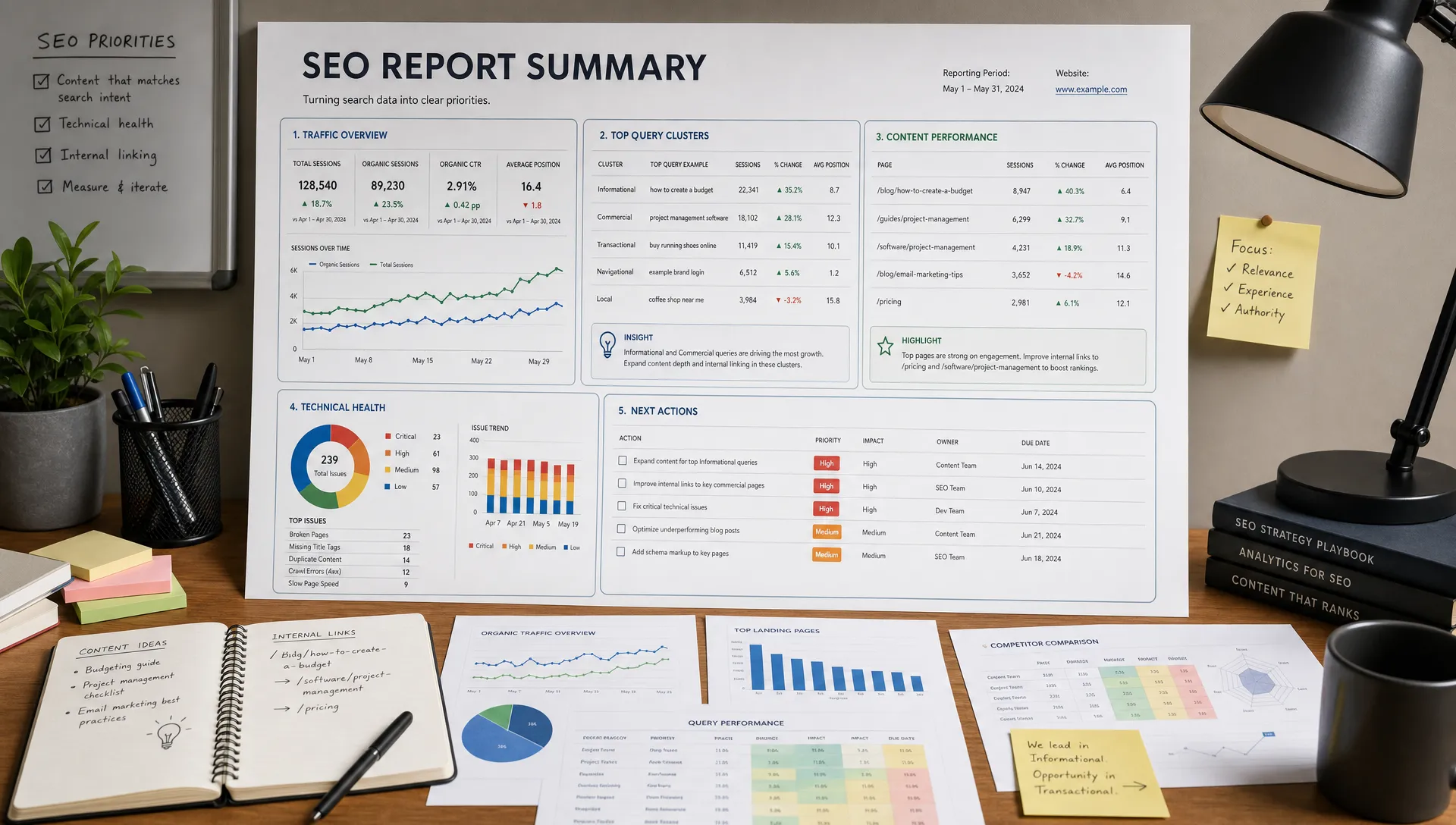
AI advertising is also changing how marketers interpret performance. The old model of looking at last-click conversions and shifting budget to the campaign with the lowest cost per acquisition is no longer enough.
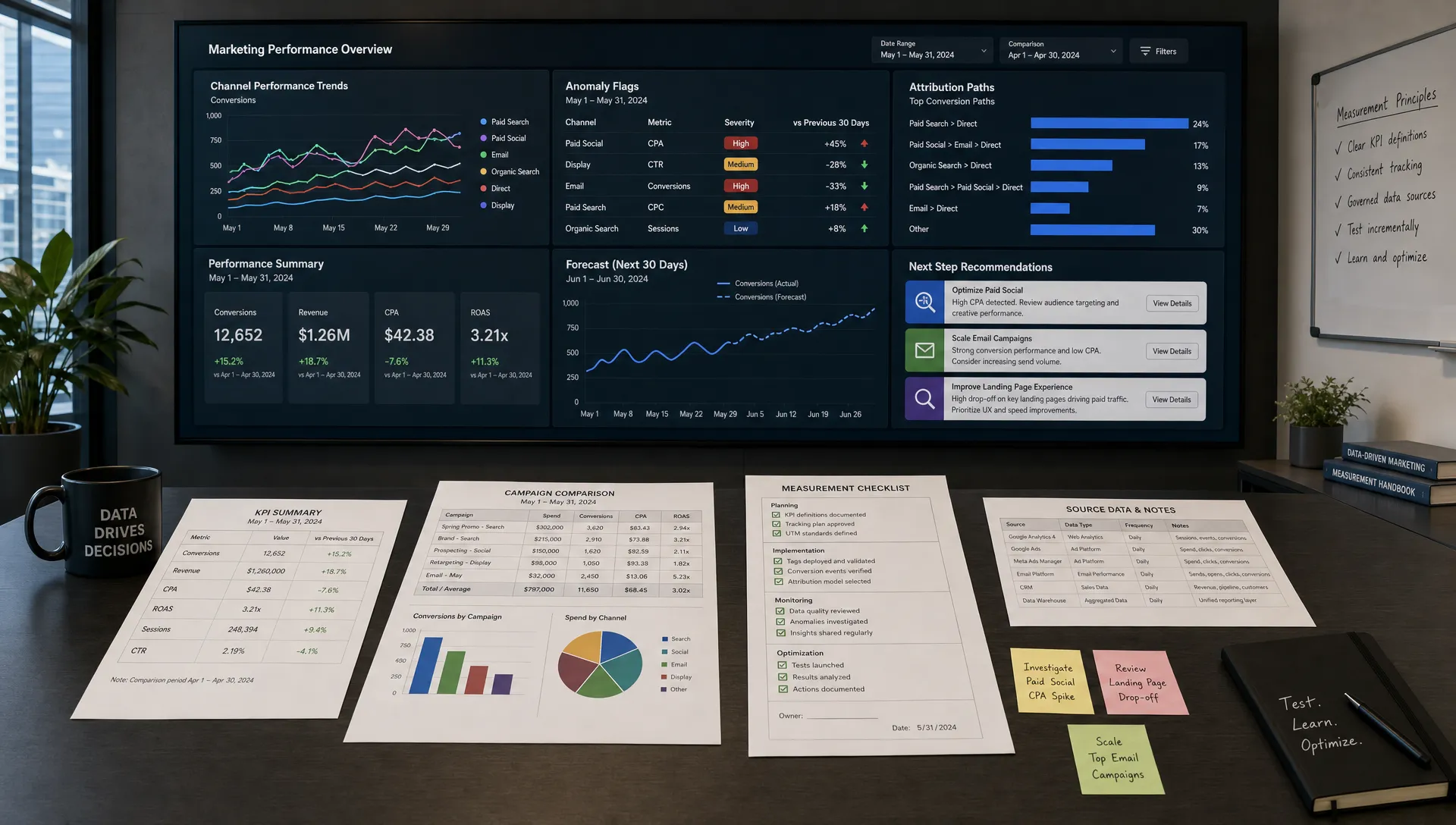
Customer journeys are fragmented across search, social, display, video, email, marketplaces, review sites, influencers, and offline interactions. AI-driven platforms can model missing conversions and predict contribution across channels, but marketers still need a measurement framework that separates platform-reported performance from business impact.
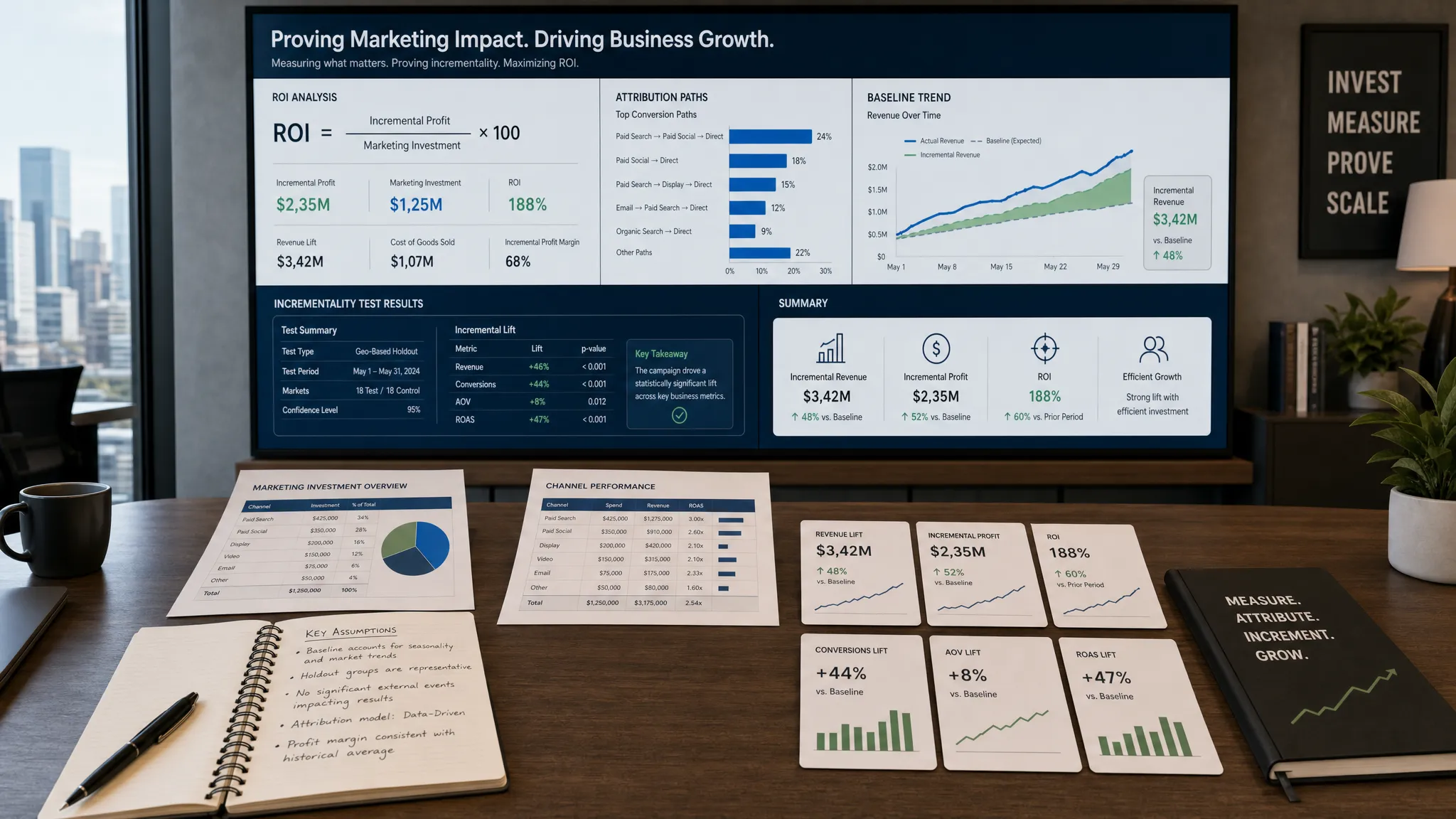
This is why incrementality testing, media mix modeling, conversion lift studies, and blended CAC analysis are becoming more important. AI can help analyze patterns, but it cannot automatically answer the strategic question: did this spend create demand we would not have captured otherwise?
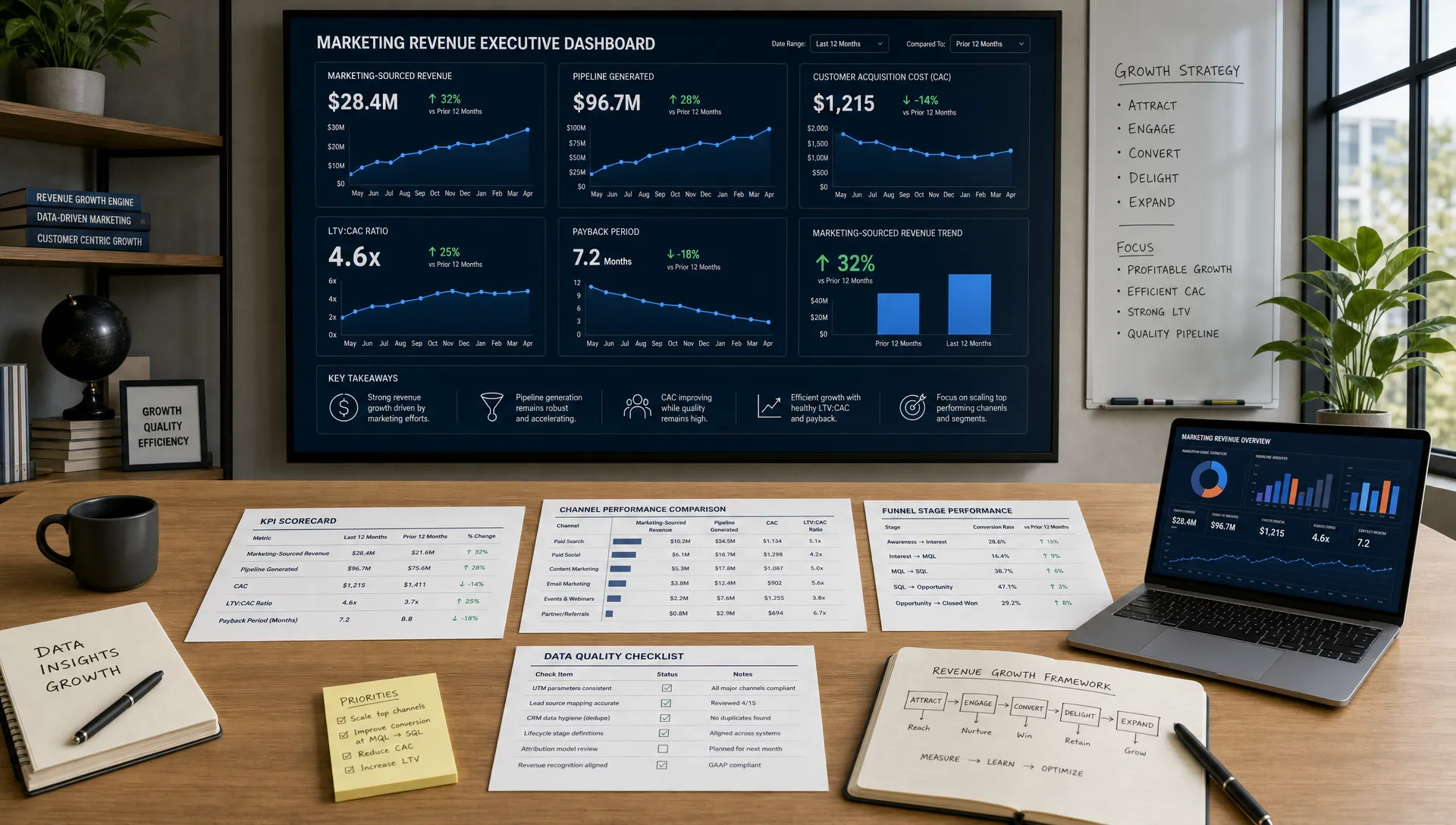
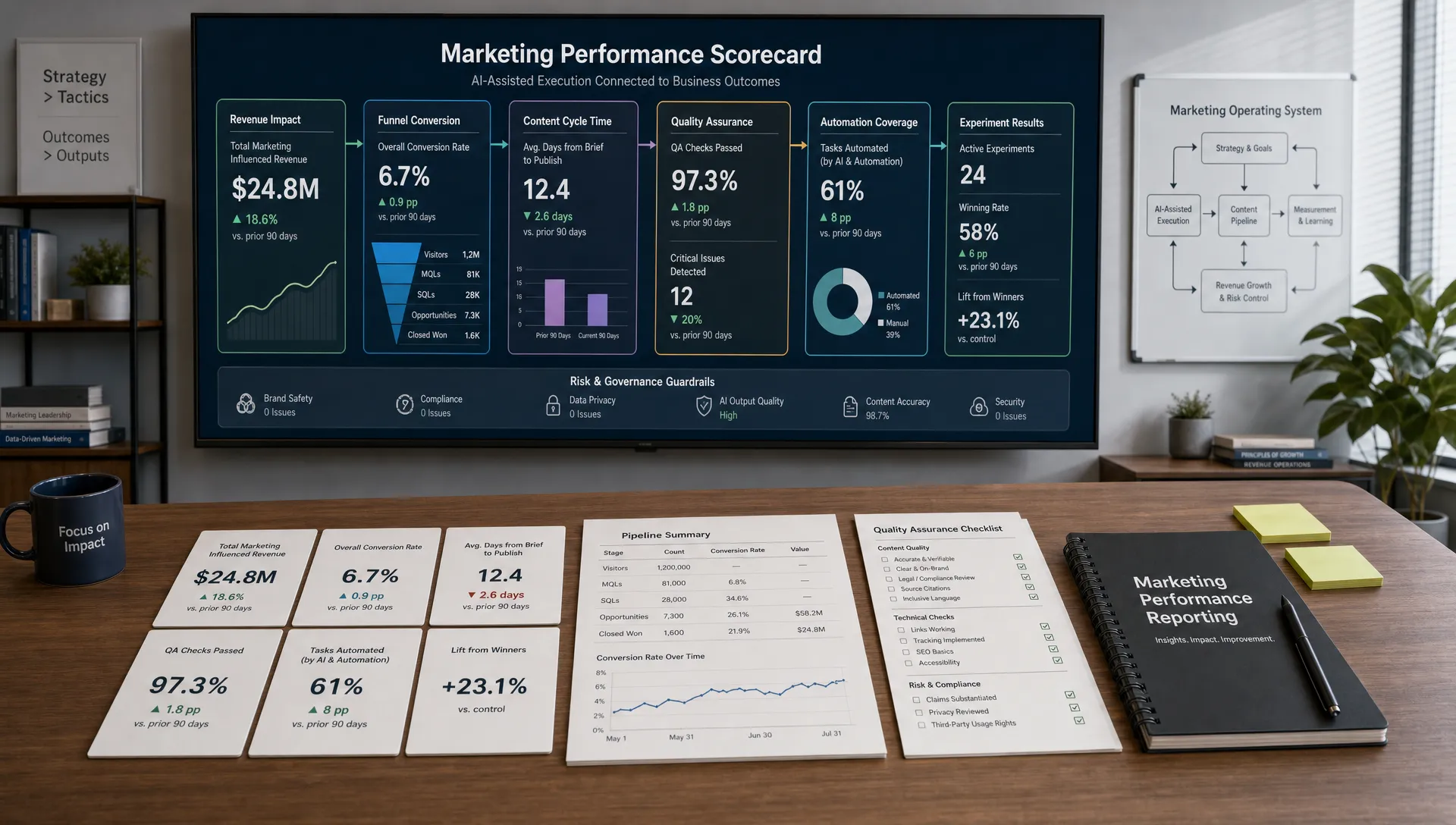
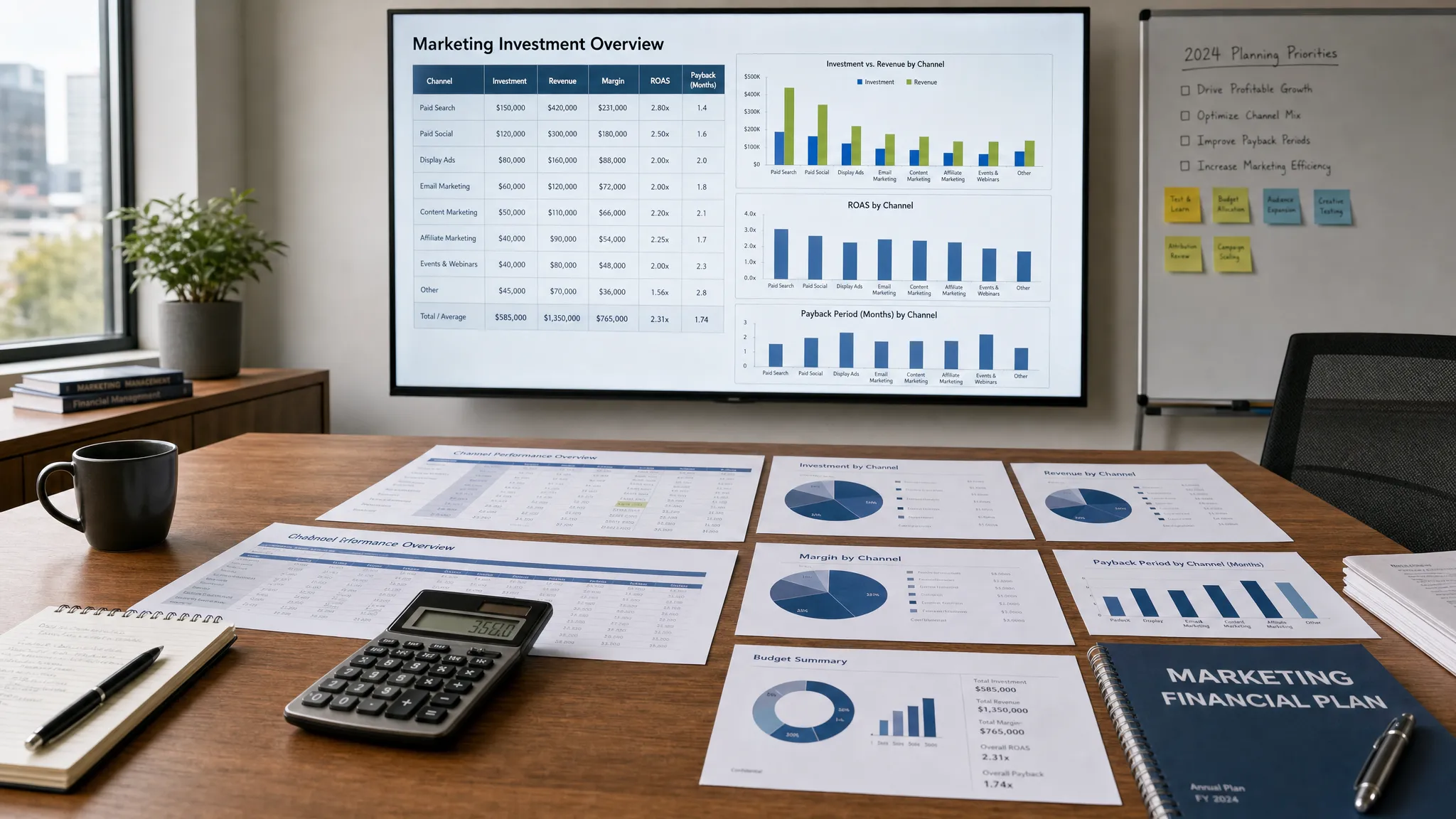
A practical approach is to combine platform data with business data. Look at revenue, margin, sales-qualified leads, pipeline velocity, retention, and customer lifetime value. Then use AI to find patterns, anomalies, and opportunities inside that broader picture.
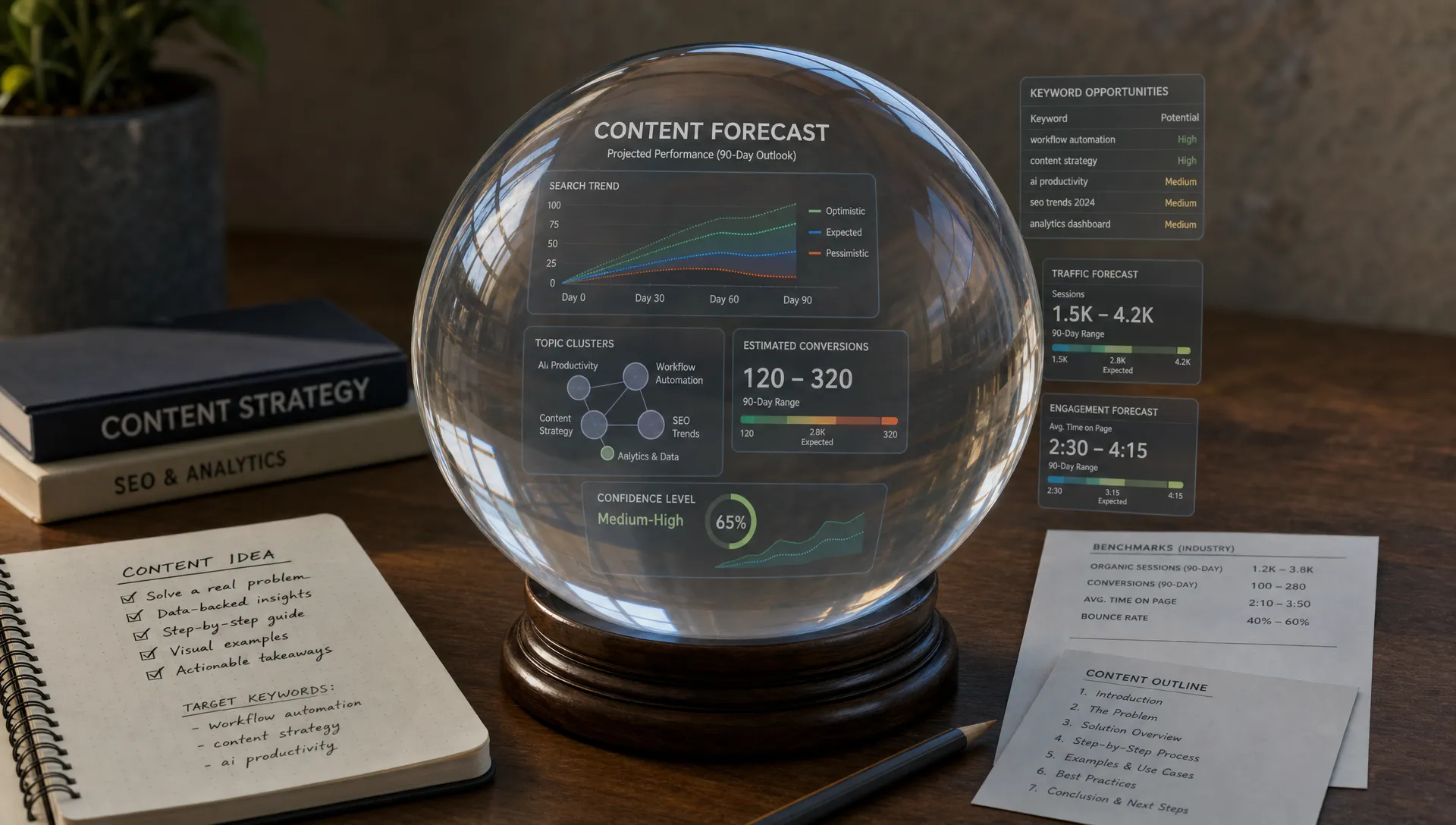
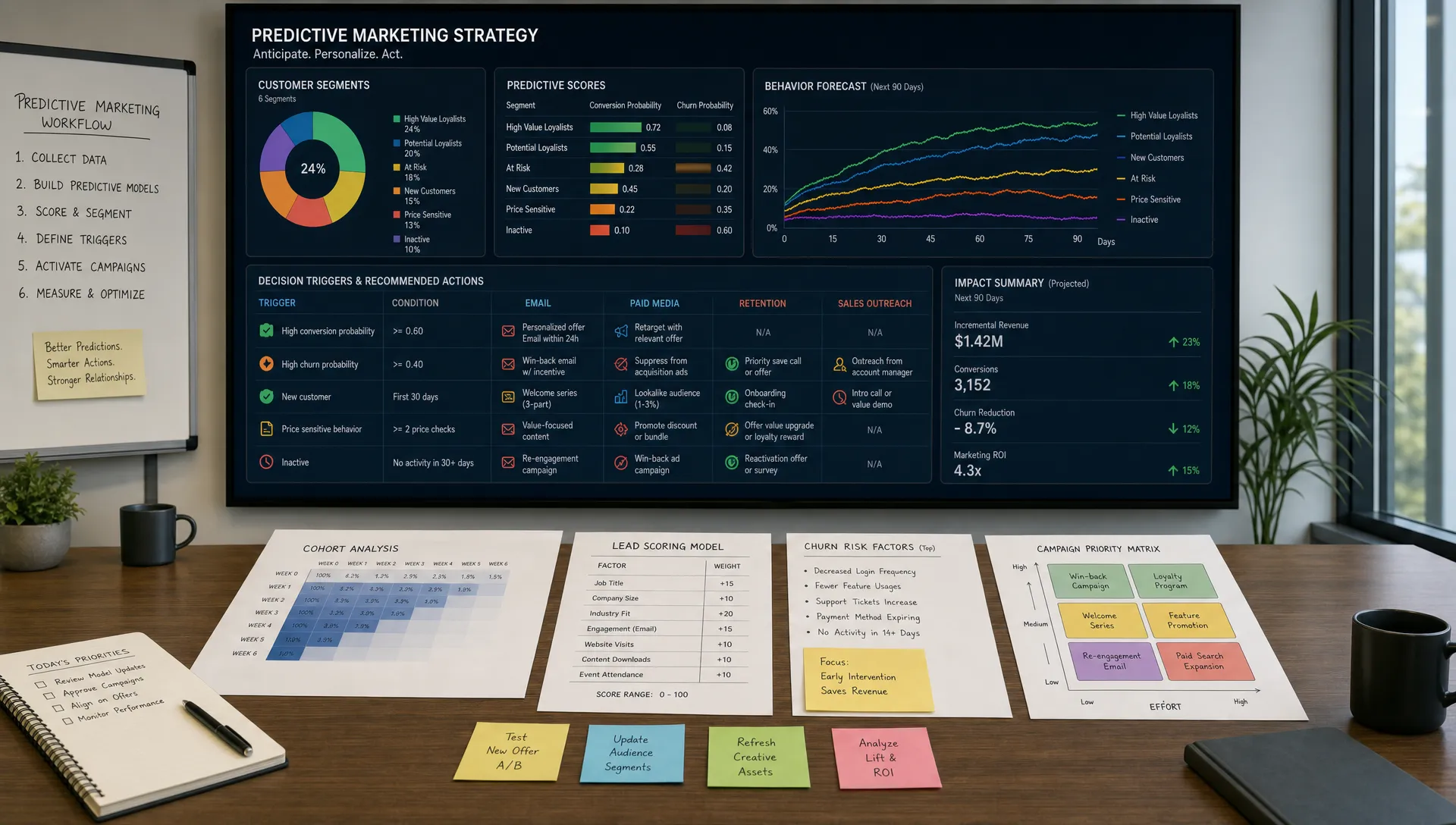
Paid media planning used to depend heavily on historical benchmarks, channel assumptions, and annual budget cycles. AI tools are making planning more dynamic. Marketers can simulate scenarios, forecast budget outcomes, compare channels, and identify early performance signals before a campaign has fully matured.
This does not mean forecasts are always accurate. AI predictions are only as good as the data, assumptions, and market conditions behind them. But predictive planning can help teams make better decisions earlier, especially when budgets are tight.
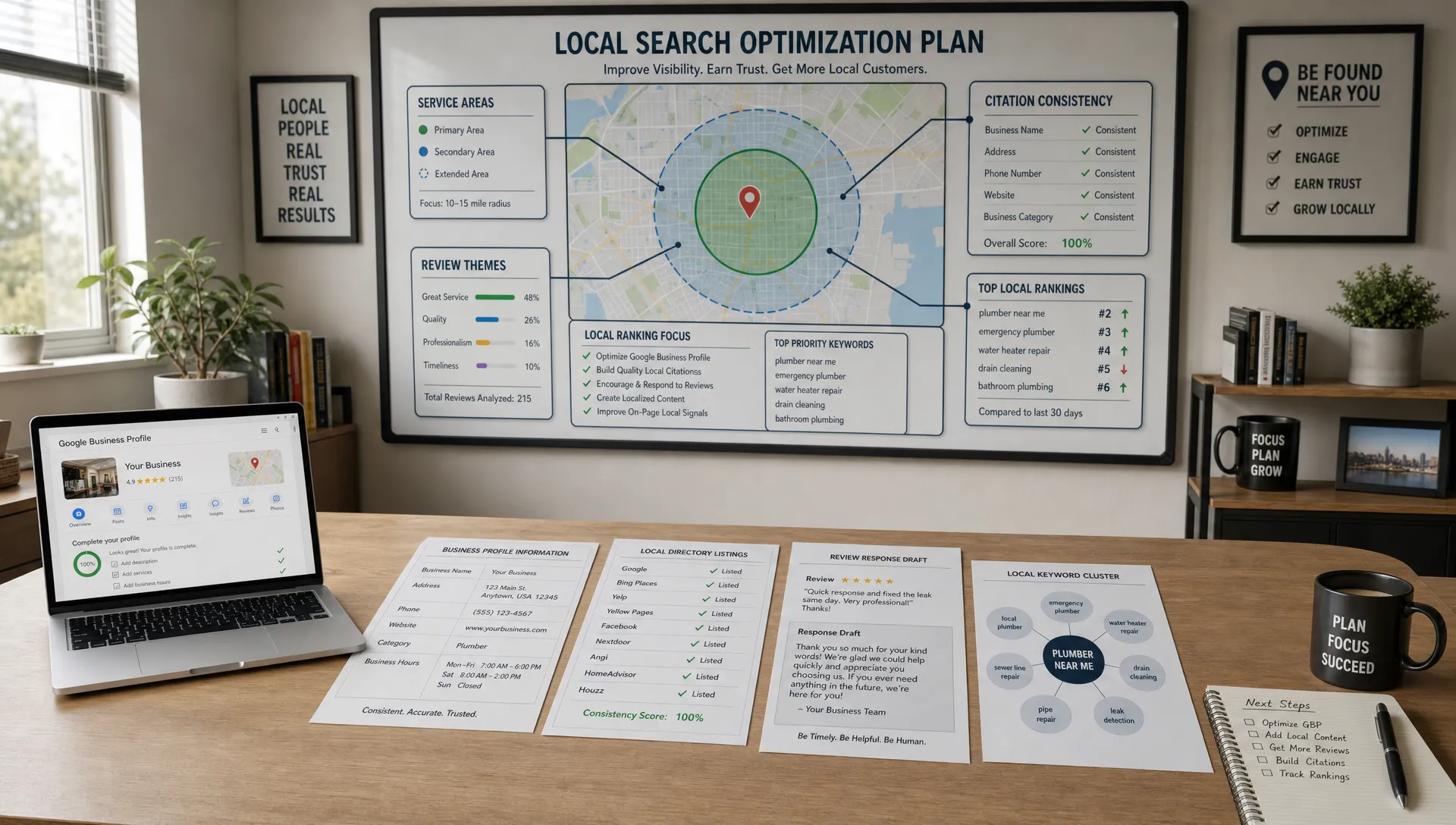
For example, a SaaS company might use AI-assisted analysis to identify which campaign themes correlate with higher trial-to-paid conversion rates. An e-commerce brand might forecast which product categories deserve more spend before peak season. A local service business might use AI to connect search demand, landing page quality, and lead close rates.
AI advertising is not changing every channel in the same way. Each paid media environment has its own data, formats, and optimization logic.
In paid search, AI is reducing the need for exact manual keyword control while increasing the importance of intent mapping, landing page quality, conversion values, and feed accuracy. Search campaigns are becoming more semantic and predictive, which means marketers must think beyond isolated keywords.
In paid social, AI is making creative volume and message-market fit more important. Platforms can find buyers more efficiently when given enough creative diversity, but weak hooks and unclear offers still limit performance.
In programmatic and display, AI is improving bidding, contextual targeting, brand safety monitoring, and dynamic creative assembly. The challenge is transparency. Marketers need to understand where ads run, how audiences are modeled, and whether performance is truly incremental.
In retail media, AI is connecting advertising more closely to commerce data. Sponsored products, marketplace ads, and retailer networks can optimize against purchase behavior, but brands must watch margins, stock levels, and organic ranking effects.
In B2B paid media, AI can help identify account intent, personalize messages, and prioritize high-fit leads. However, B2B cycles are longer, so teams must connect ad engagement to pipeline quality rather than judging campaigns only by form fills.
The strongest case for AI advertising is not that it replaces paid media specialists. It is that it helps them operate at a higher level.
AI can improve paid media performance in several practical ways:
These benefits matter because marketing teams are under pressure to do more with leaner resources. According to McKinsey research on generative AI, marketing and sales are among the business functions with significant potential for productivity gains from generative AI. In paid media, that productivity shows up as faster production cycles, better analysis, and more structured experimentation.
But productivity alone is not the final goal. Better AI advertising should lead to better business outcomes: profitable growth, stronger customer acquisition, better retention, and clearer decision-making.
AI advertising also creates new risks. The most common mistake is treating platform automation as objective truth. AI systems optimize based on the goal, data, and constraints they are given. If those inputs are flawed, the system can scale the wrong behavior quickly.
A campaign may optimize toward low-cost conversions that sales teams cannot close. A generative AI workflow may produce claims that are not legally supportable. A broad targeting system may spend heavily on existing customers when the goal was new customer acquisition. An automated budget system may over-prioritize short-term wins while underfunding brand-building channels.
Marketers should pay particular attention to:
The FTC’s advertising and marketing guidance is a useful reminder that automation does not reduce a brand’s responsibility for truthful, non-misleading claims. If AI helps create an ad, the advertiser is still accountable for what that ad says.
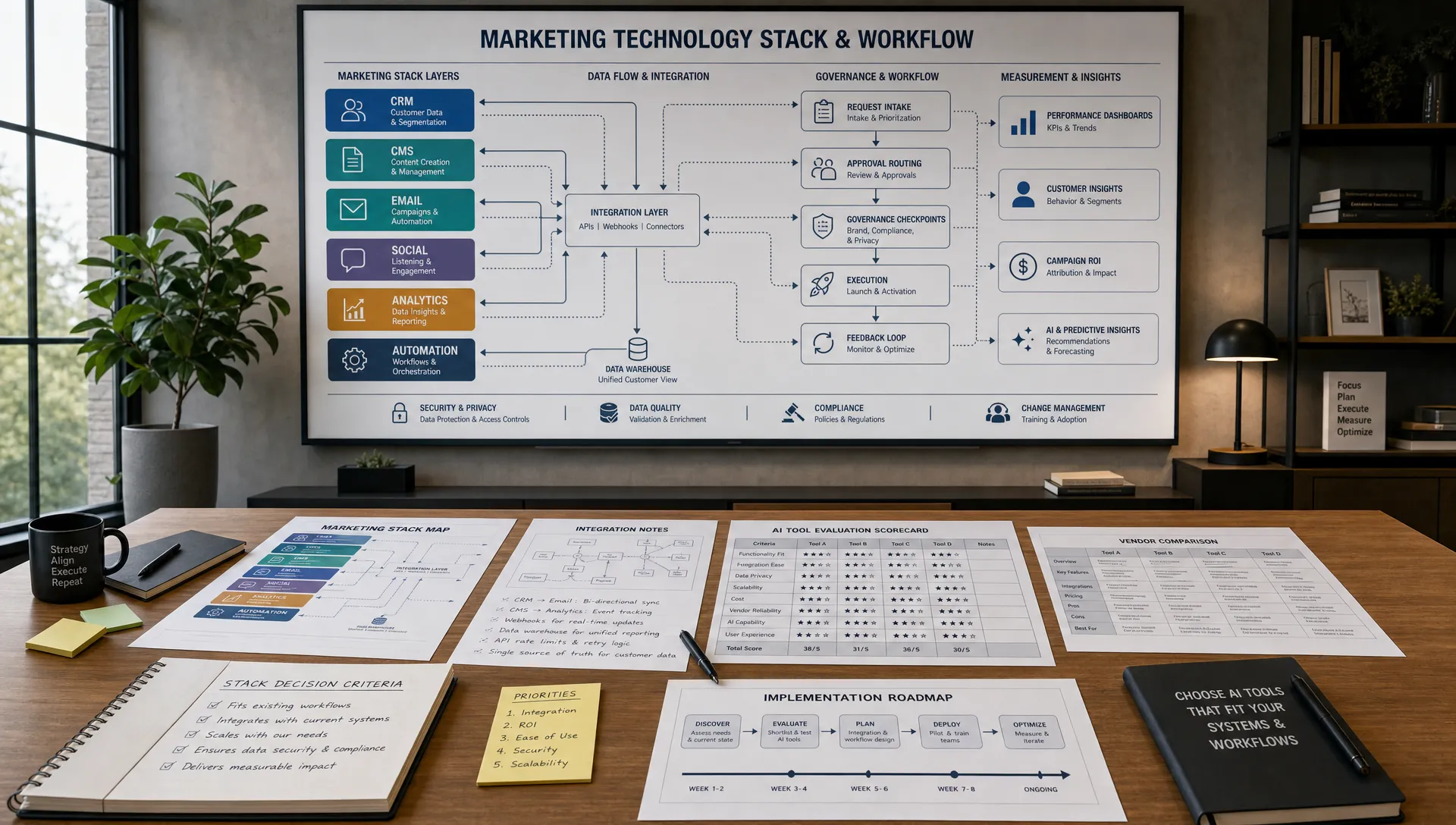
Governance is becoming part of media performance. Teams need approval workflows, prompt standards, creative review processes, and documentation for how AI is used in campaign decisions. The NIST AI Risk Management Framework offers a broader reference point for organizations thinking about responsible AI adoption.
The best response to AI advertising is not panic or blind adoption. It is building a paid media system that AI can improve.
Before adding more automation, clarify what the campaign should truly optimize for. That might be qualified pipeline, profitable first orders, repeat purchases, booked consultations, app activations, or customer lifetime value. A vague goal leads to vague optimization.
If a campaign goal is lead generation, define what a good lead means. If the goal is revenue, define whether all revenue is equally valuable. If the goal is growth, decide how much budget should go toward new demand versus capturing existing demand.
AI advertising depends on signals. That means conversion tracking, CRM integrations, product feeds, offline conversion imports, consent management, and clean analytics setup matter more than ever.
Teams should audit whether platforms are learning from the right events. A thank-you page visit may not be enough. For B2B, sales-qualified leads or opportunity creation may be more useful. For e-commerce, margin or repeat purchase behavior may be more meaningful than transaction count alone.
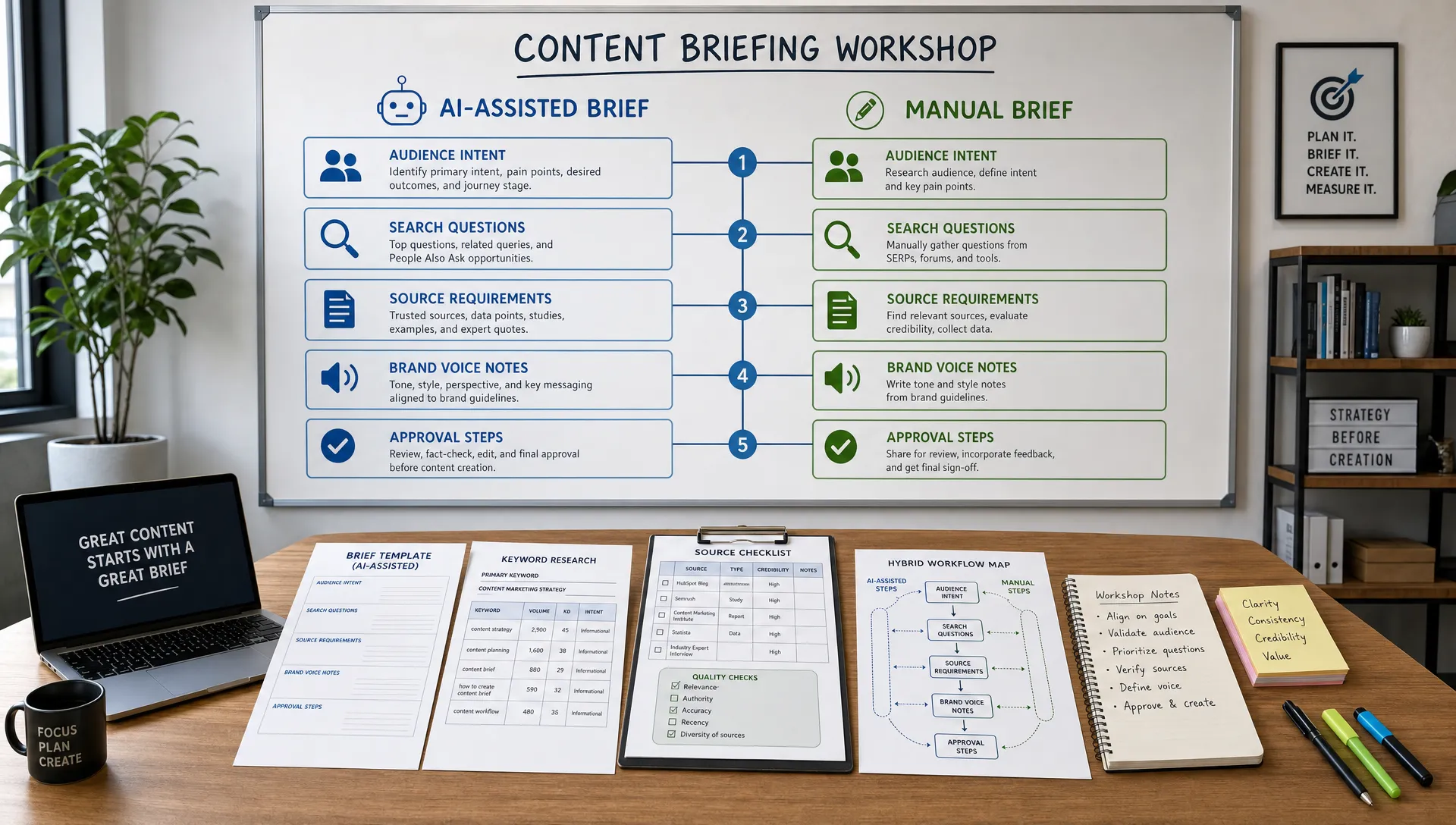
AI can generate variations, but marketers need a system for deciding what to test. Organize creative around customer pain points, objections, proof points, offers, use cases, and stages of awareness.
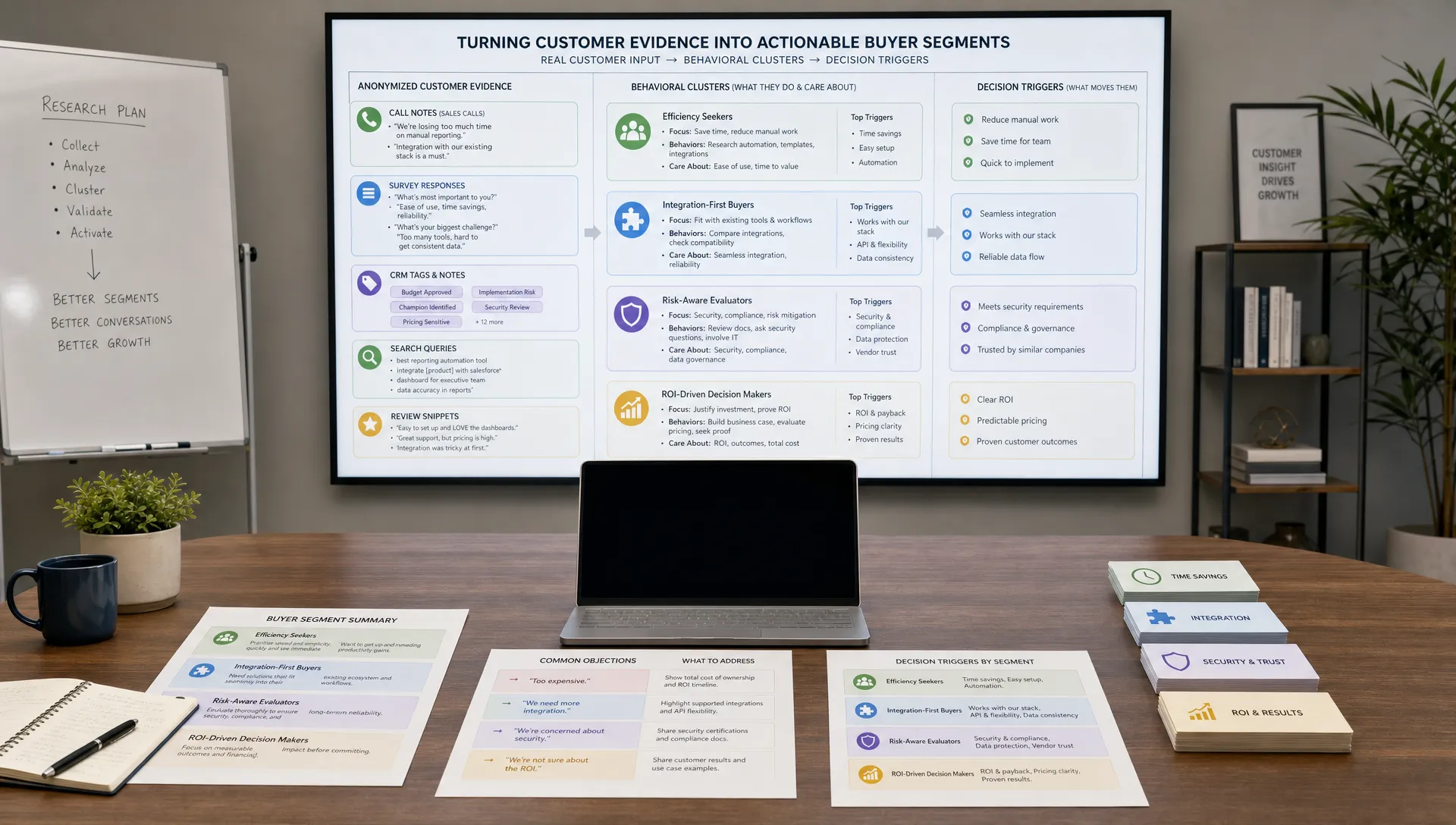
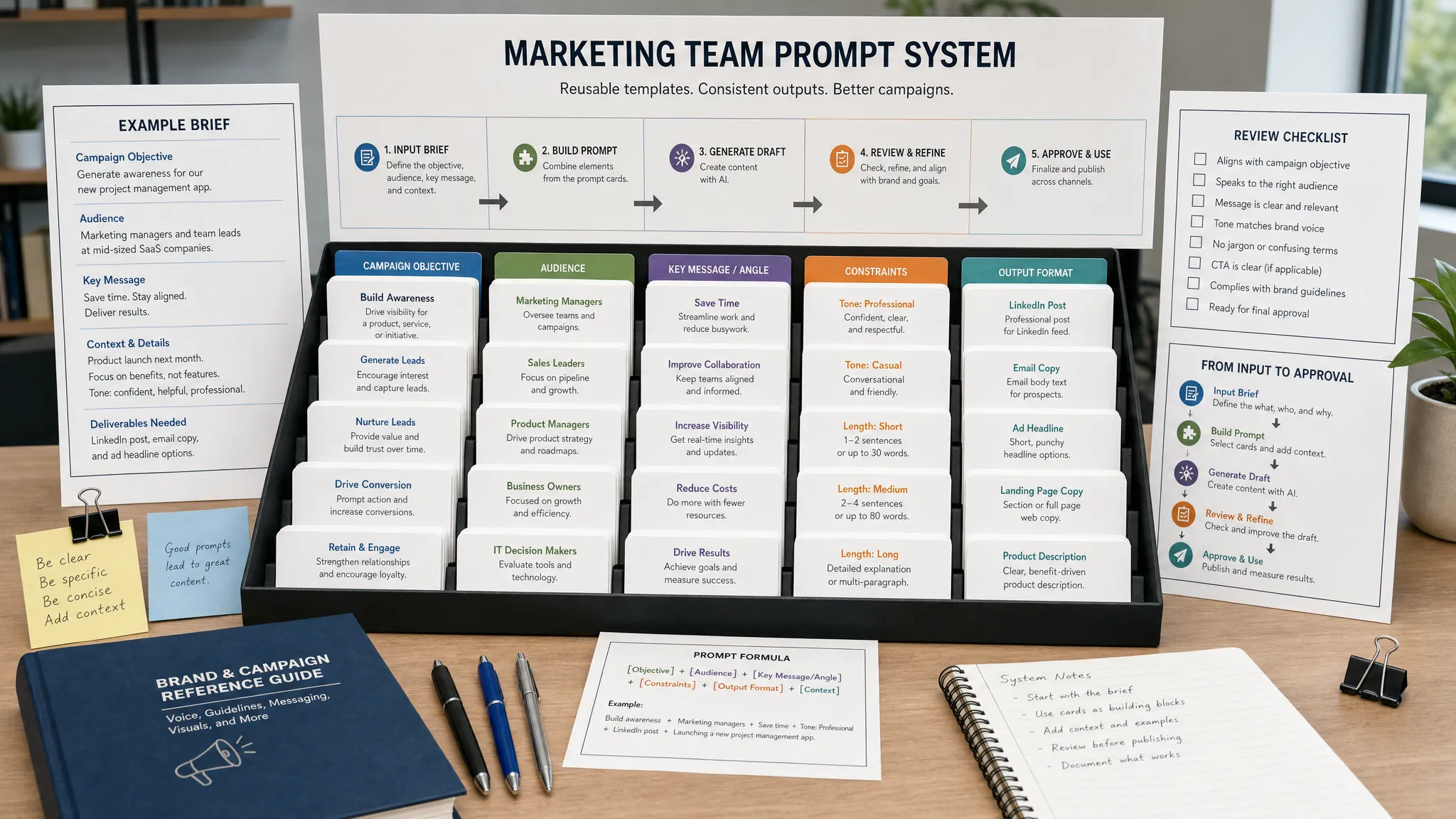
Instead of asking AI for random ad ideas, give it structured inputs: customer research, product differentiators, competitor gaps, brand voice, compliance rules, and performance history. This turns AI from a content shortcut into a creative strategy assistant.
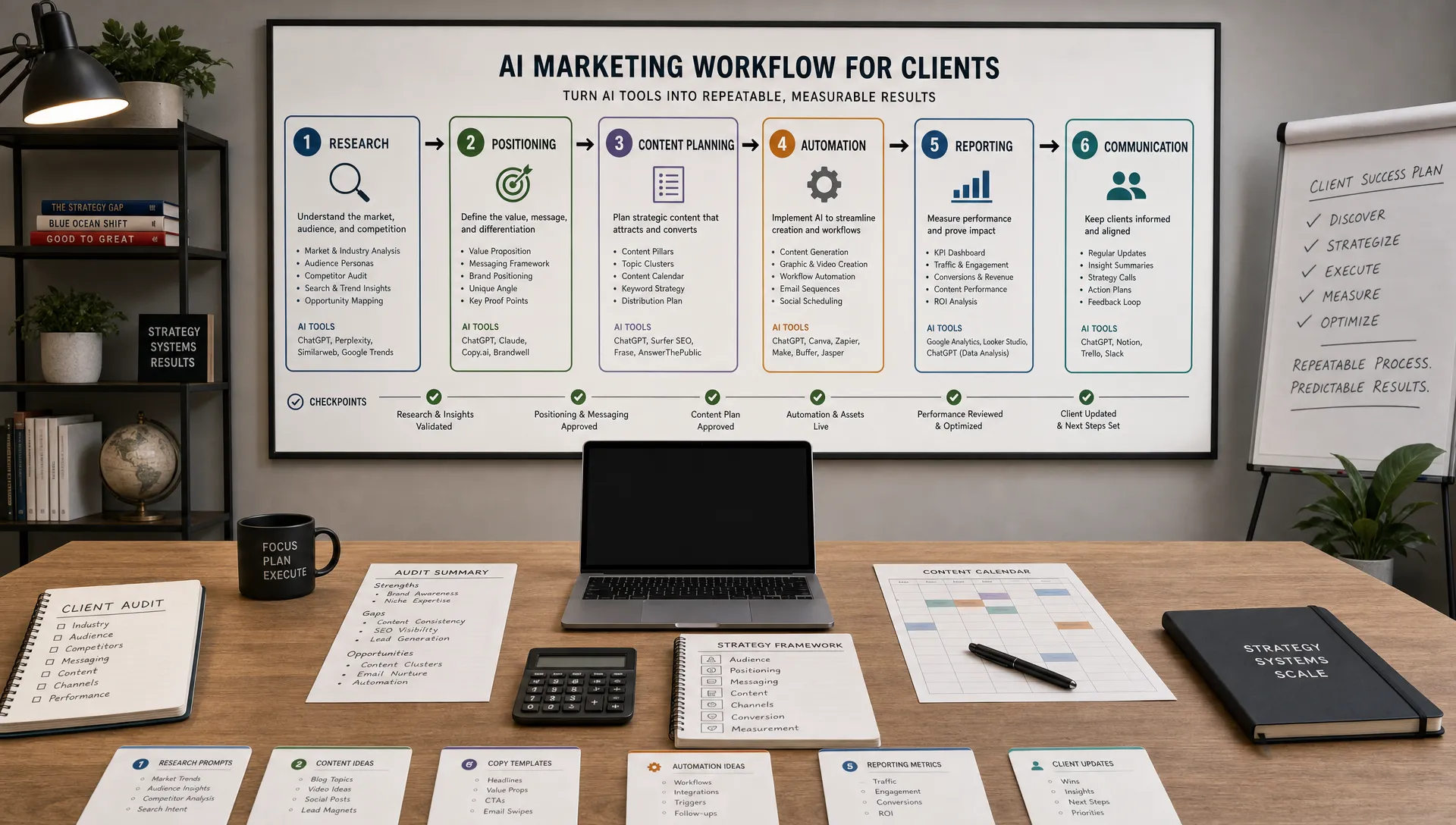
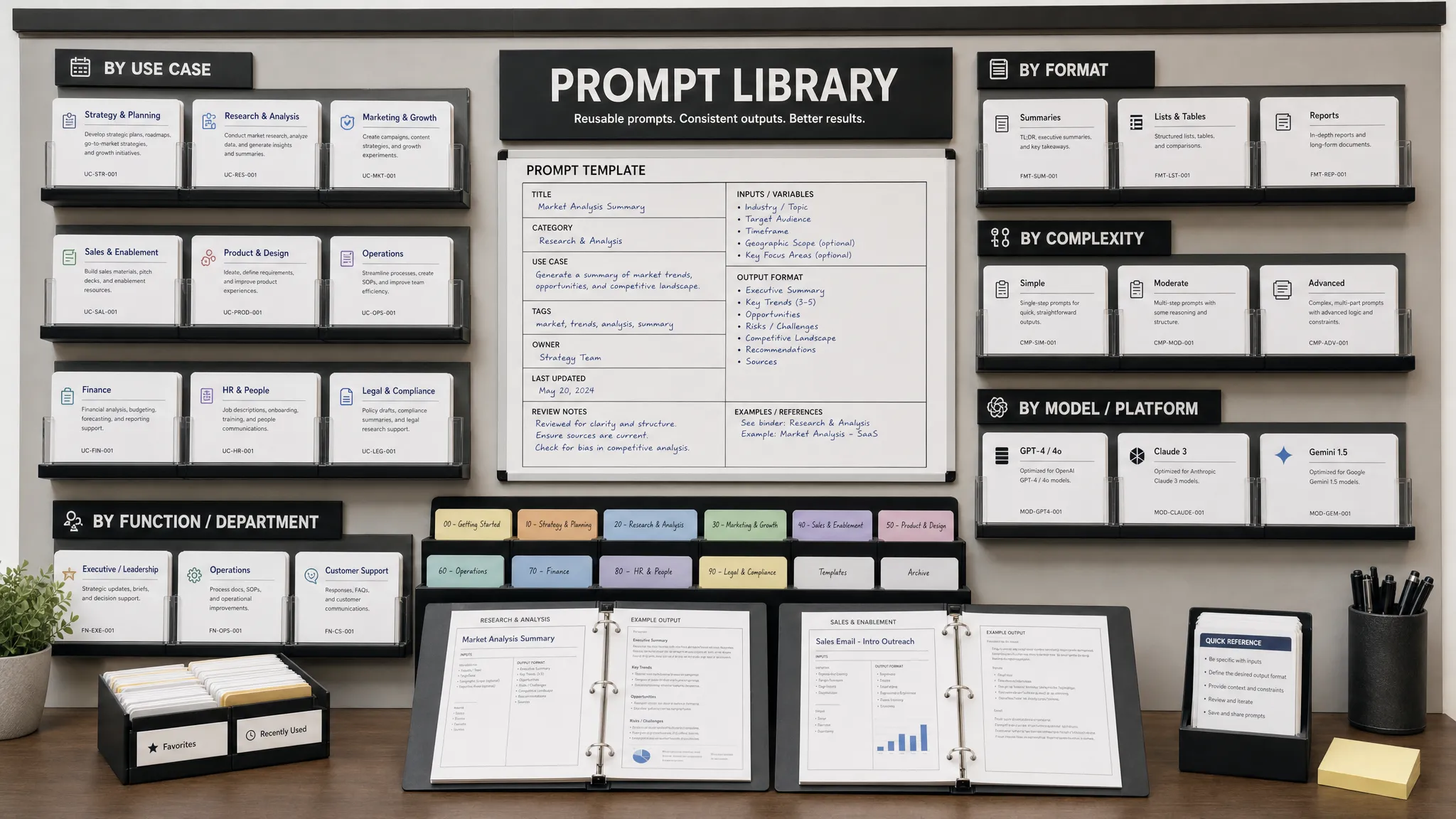
AIMarketer Hub’s AI content generation resources, prompt library, SEO tools, calculators, performance analytics, and industry-specific guides are designed to help marketers build that kind of repeatable workflow without starting from a blank page.
AI can identify patterns, but humans still need to decide what matters. A platform may recommend increasing spend because short-term conversions look strong. A strategist may see that the campaign is cannibalizing organic demand or attracting customers with low retention.
This is where experienced judgment matters. For companies that need hands-on execution, working with specialists in website creation, SEO, paid advertising, and AI-powered digital strategy, such as Digidatale’s digital agency services, can help connect media performance with the broader customer journey.
Efficiency metrics are useful, but they can be misleading. A low cost per acquisition does not always mean a campaign created new growth. It may simply have captured people who were already ready to buy.
Run holdout tests, geo tests, audience exclusions, or channel experiments where possible. Compare platform results with business-level metrics. Ask whether paid media is increasing total demand, not just claiming credit for demand that already existed.
AI advertising is changing the skills that matter in paid media. The best specialists are becoming part strategist, part analyst, part creative director, and part systems manager.
Technical execution still matters, but the differentiator is judgment. Paid media professionals need to understand how algorithms learn, how creative influences performance, how privacy affects measurement, and how to translate business goals into campaign inputs.
They also need to communicate clearly with leadership. AI advertising can make campaign management look deceptively simple from the outside. Someone still has to explain why a campaign needs time to learn, why a cheap lead source is not profitable, why creative fatigue is rising, or why platform attribution differs from revenue reports.
In other words, AI does not eliminate the paid media role. It raises the standard for it.
By 2026, the direction is clear: paid media will become more automated, more creative-intensive, more data-dependent, and more integrated with the full customer journey.
The teams that win will not be the ones that simply turn on every AI feature. They will be the ones that understand how to guide automation with strategy. They will feed platforms better data, create stronger creative systems, test incrementality, and use AI to learn faster than competitors.
AI advertising is changing paid media from a channel management discipline into a growth systems discipline. That is a major opportunity, but only for marketers who remain accountable for the outcomes behind the dashboard.
What is AI advertising? AI advertising is the use of machine learning, generative AI, predictive analytics, and automation to improve ad creation, targeting, bidding, budget allocation, optimization, and measurement.
Will AI replace paid media managers? AI will replace some repetitive campaign tasks, but it will not replace strategic judgment. Paid media managers are still needed to define goals, validate data, guide creative, interpret results, and protect business outcomes.
How does AI advertising improve paid media performance? It can improve performance by processing more signals, optimizing bids faster, testing more creative variations, forecasting outcomes, and identifying wasted spend or growth opportunities earlier.
What is the biggest risk of AI advertising? The biggest risk is giving automation poor goals or poor data. If a platform optimizes toward low-quality conversions, misleading attribution, or weak creative signals, it can scale inefficiency quickly.
How should small teams start using AI in paid media? Start with one workflow: ad copy testing, creative ideation, keyword research, performance analysis, or reporting. Then improve your tracking and data quality before expanding into more automated budget and bidding decisions.
AI advertising is powerful, but it works best when paired with clear strategy, strong data, and repeatable workflows. AIMarketer Hub helps marketers and businesses explore AI-powered marketing tools, prompt resources, SEO support, calculators, analytics, and industry-specific guides built for practical execution.
If you are ready to make paid media smarter, faster, and more accountable, visit AIMarketer Hub and start building a marketing workflow that uses AI with purpose.