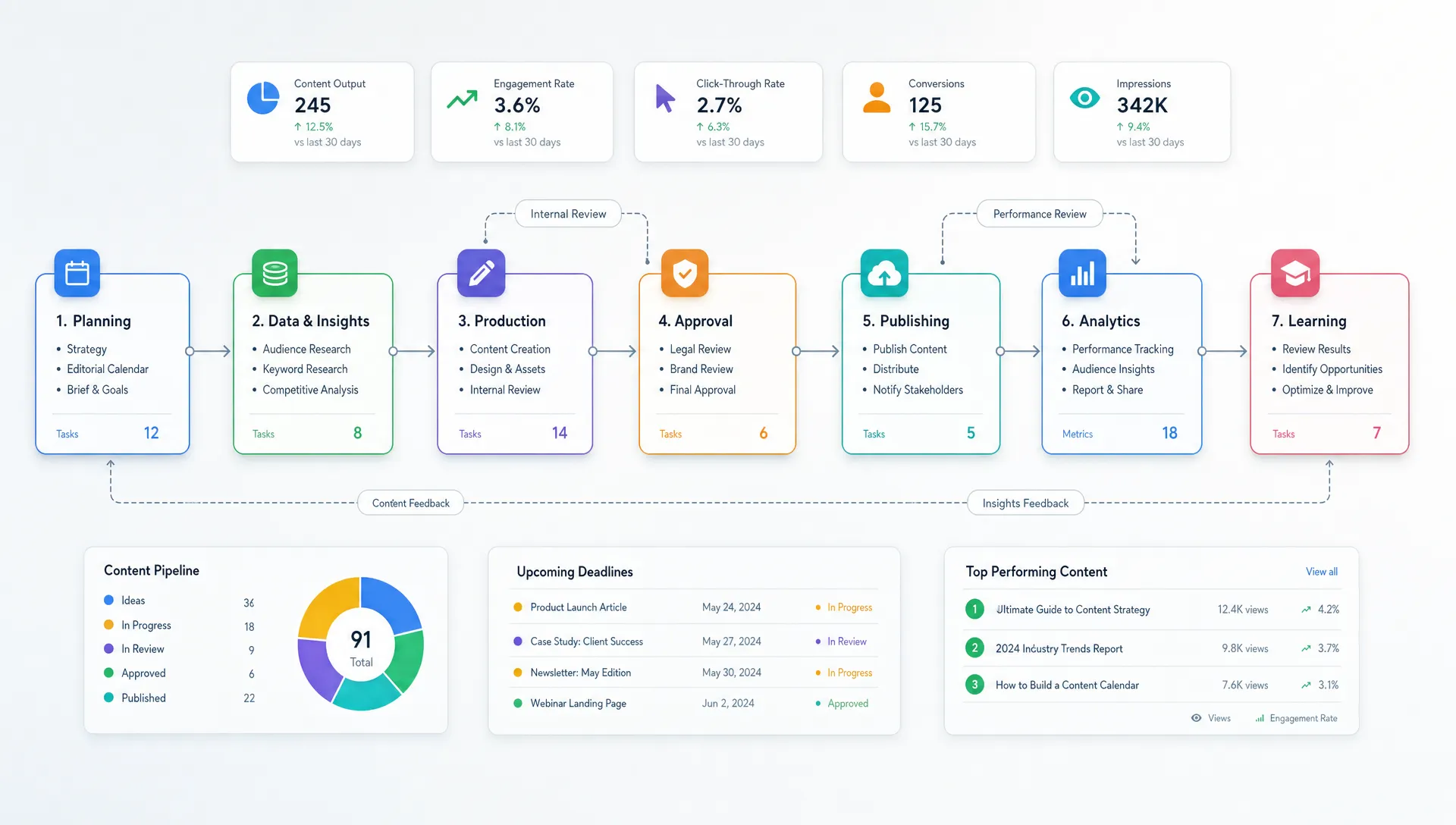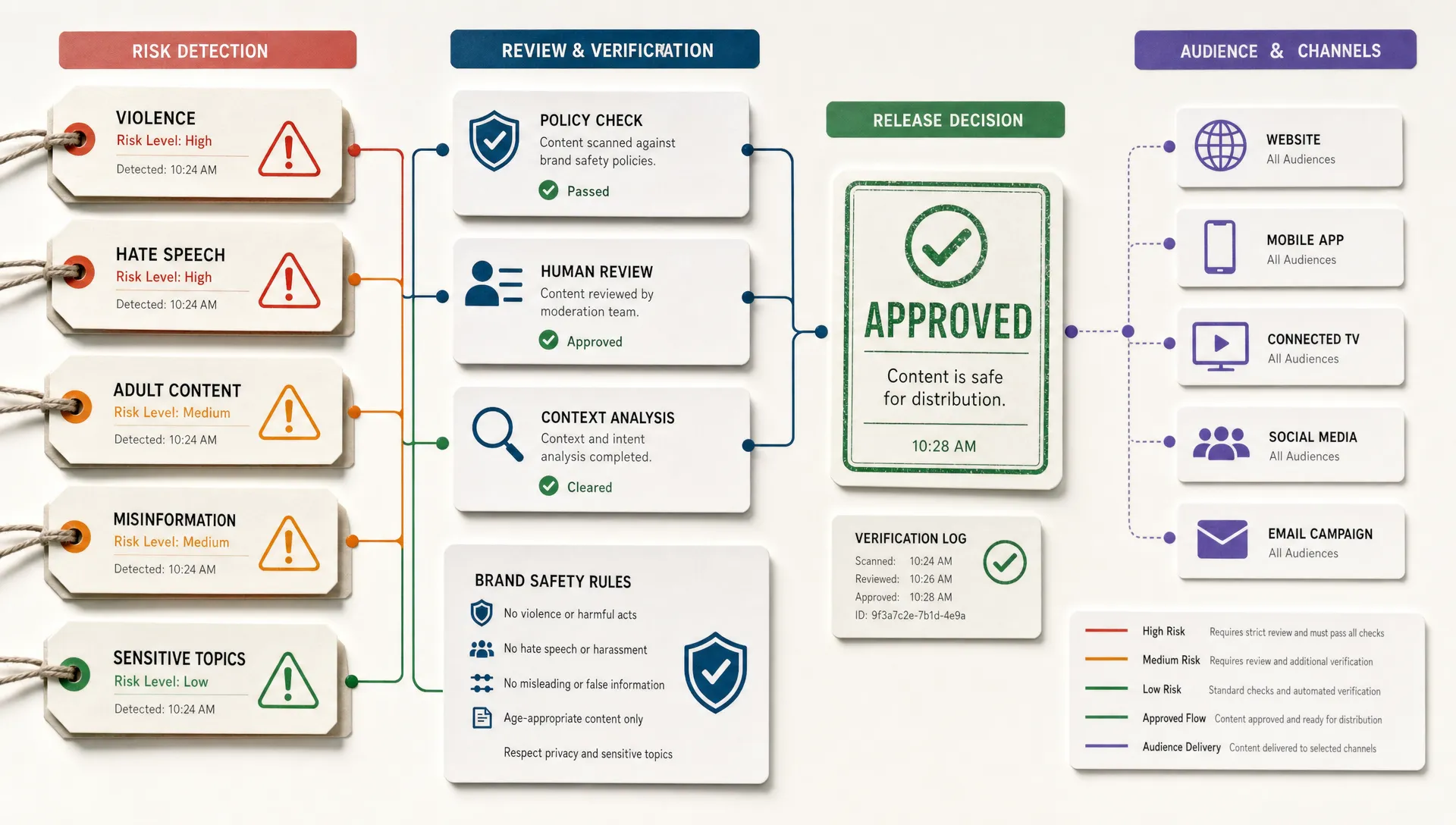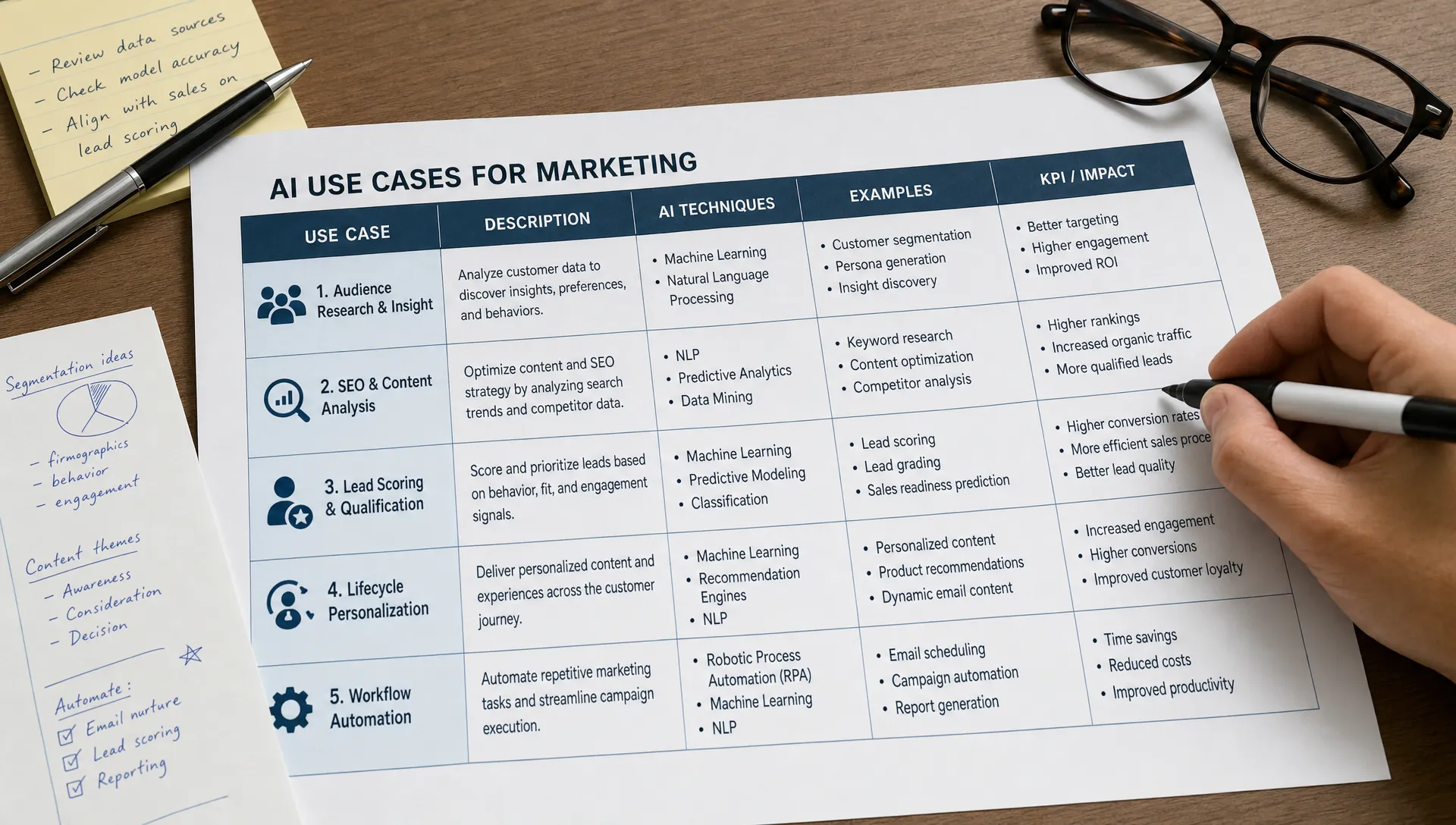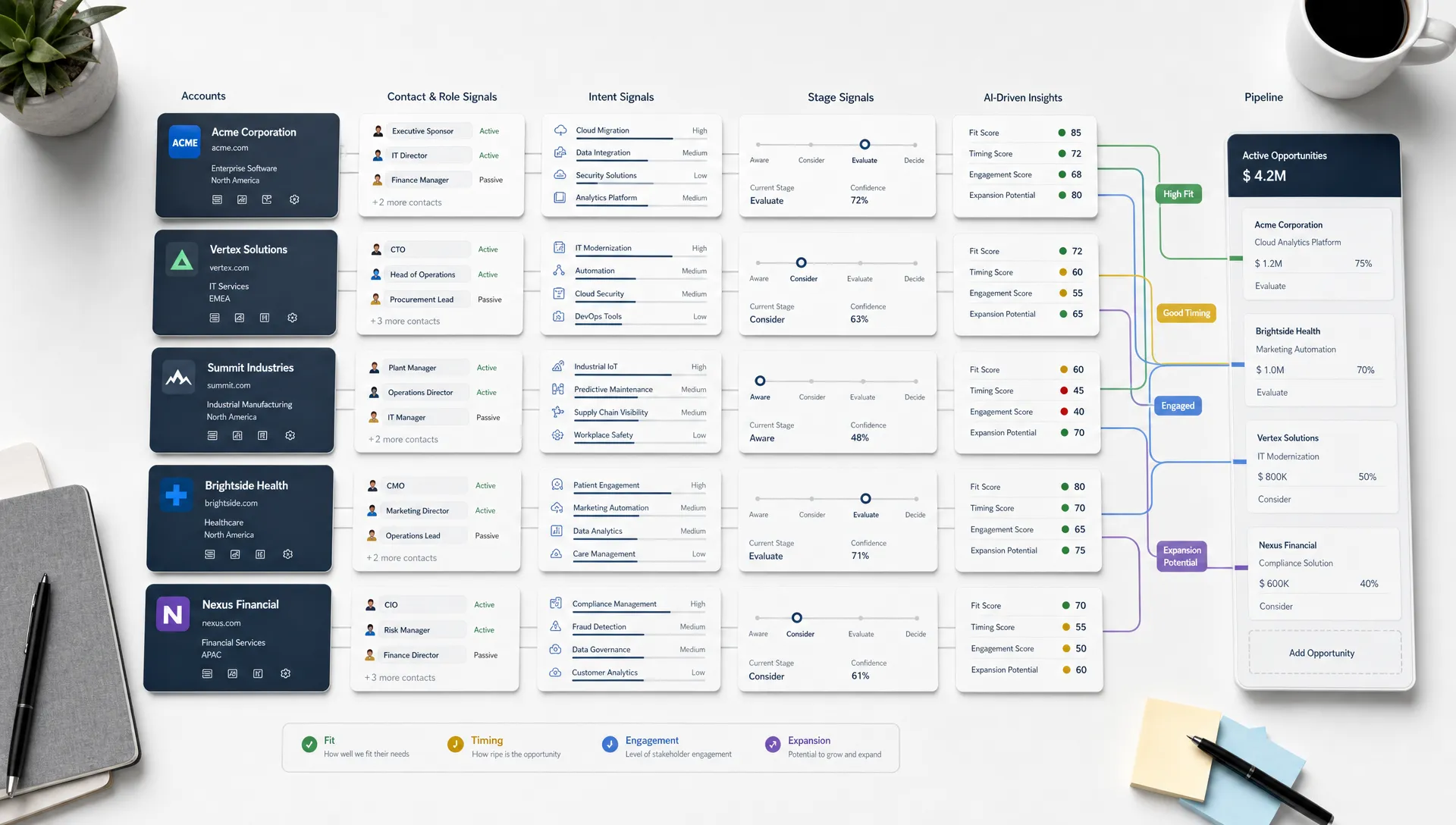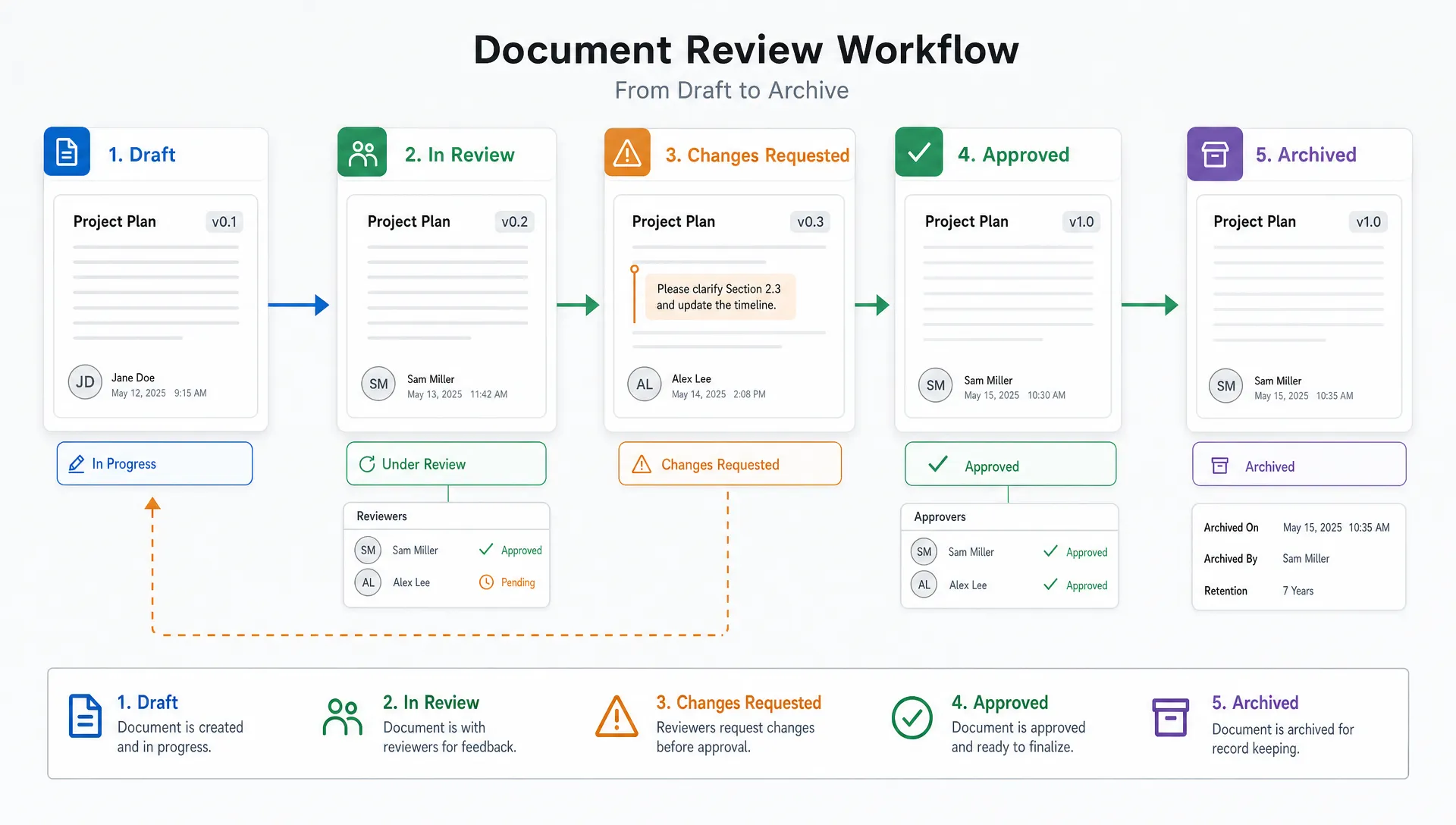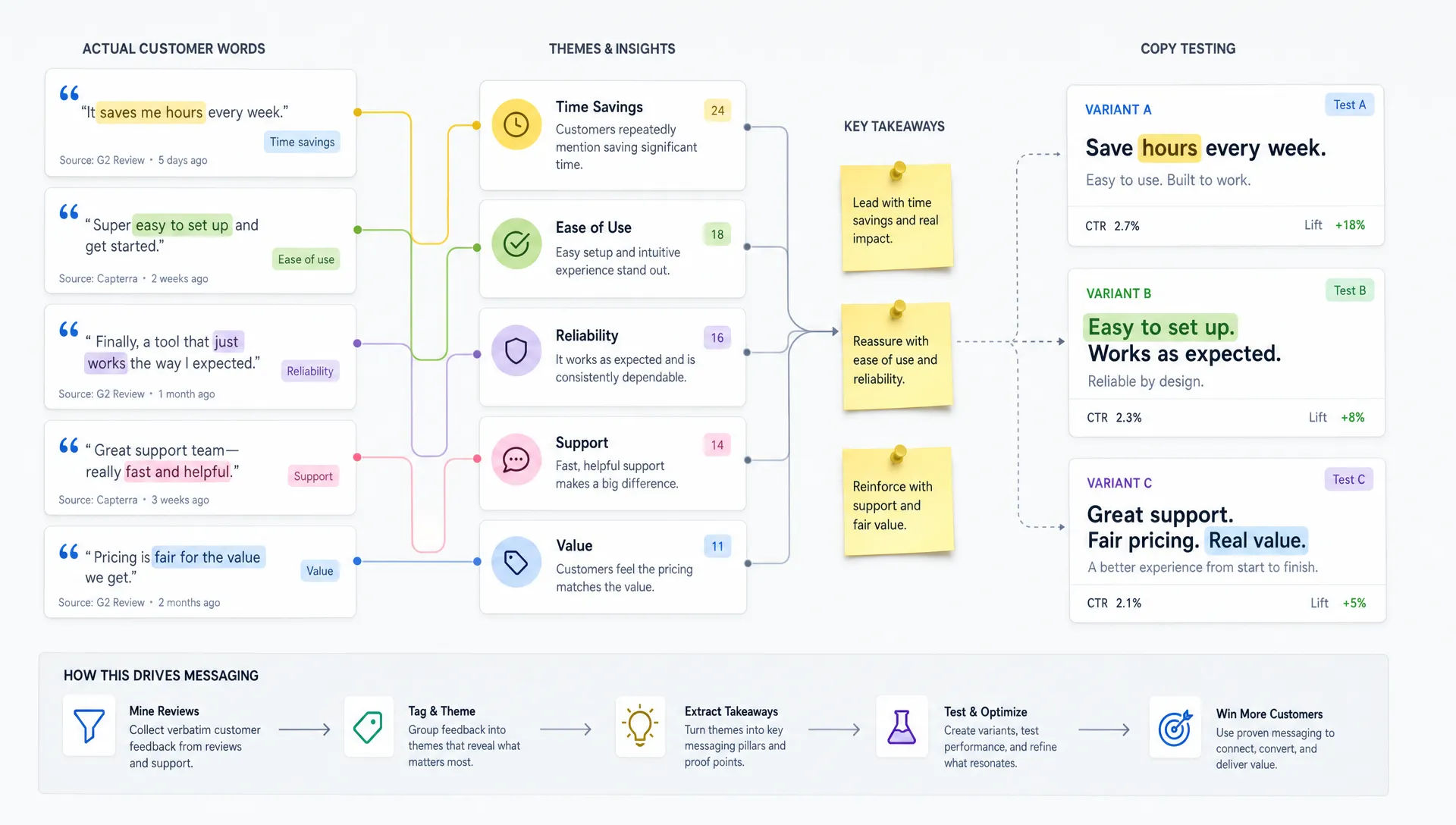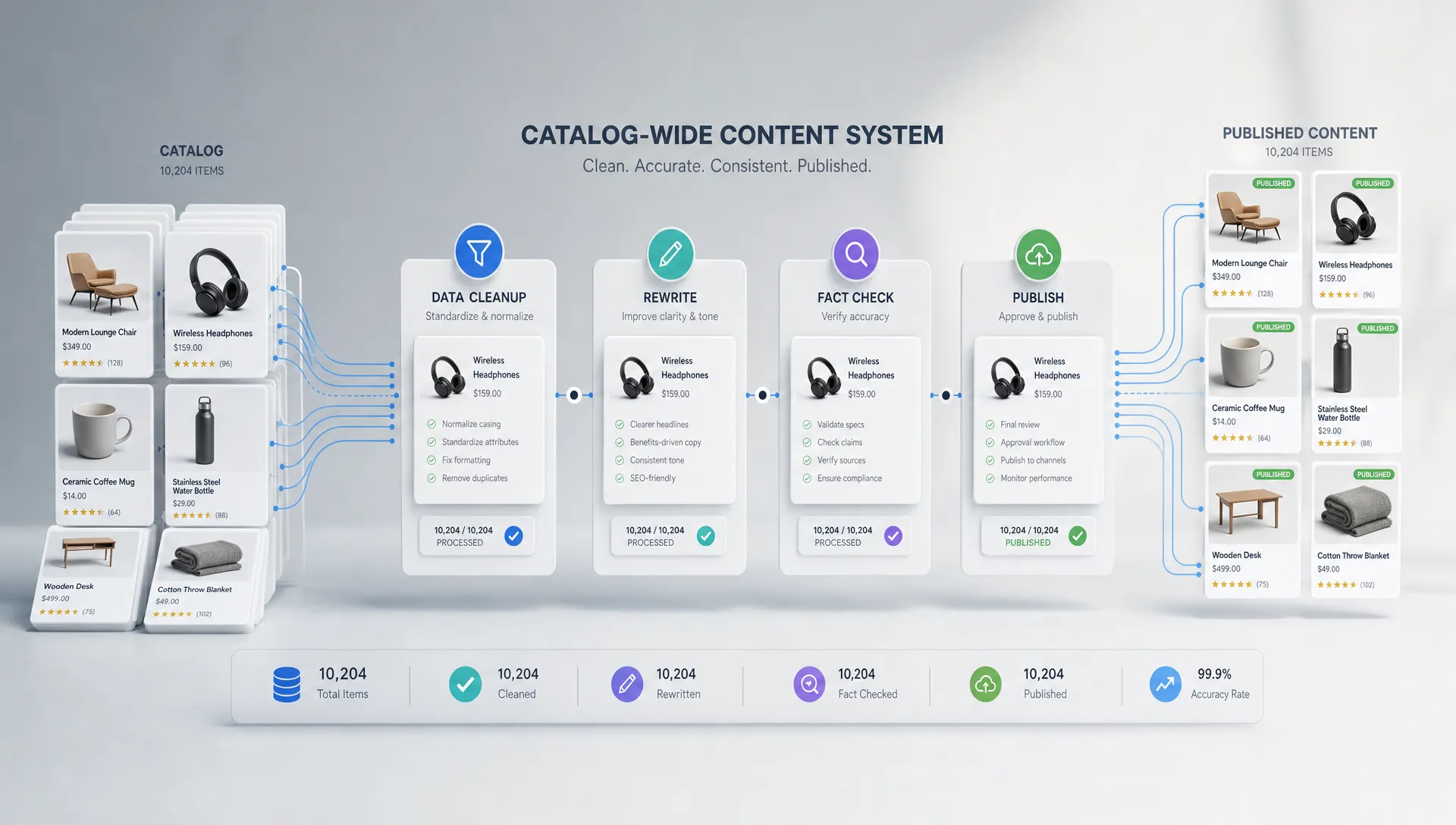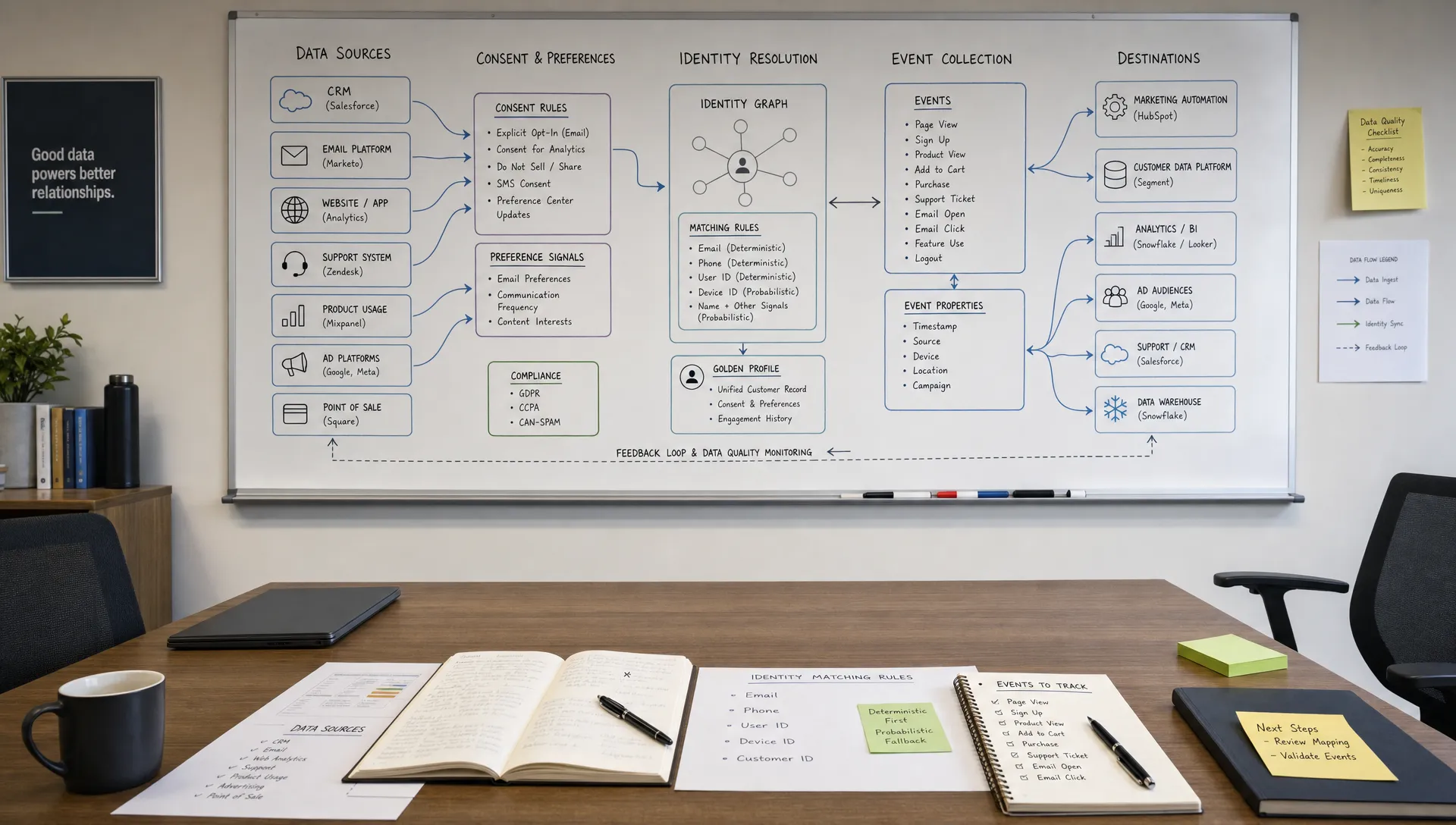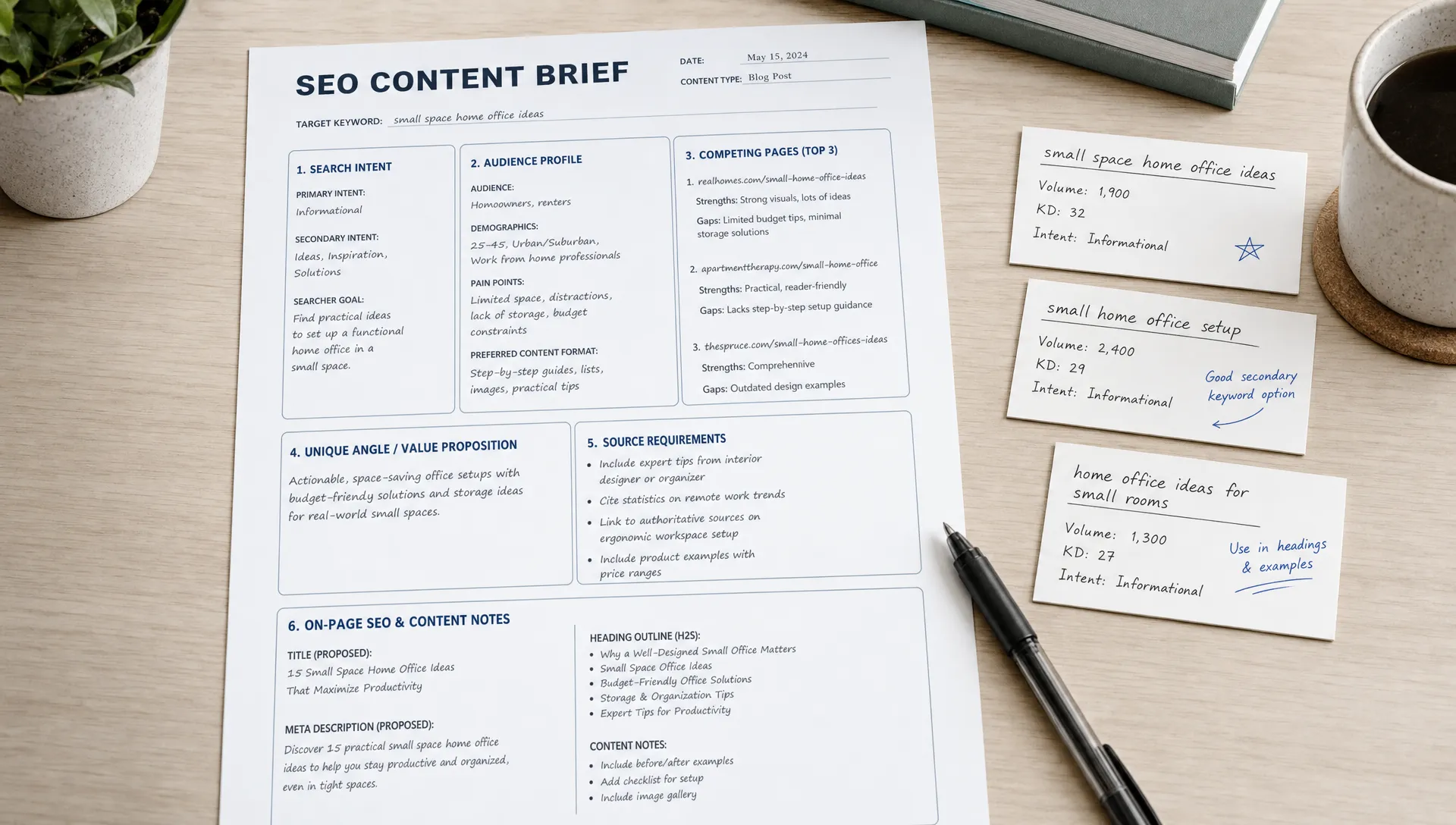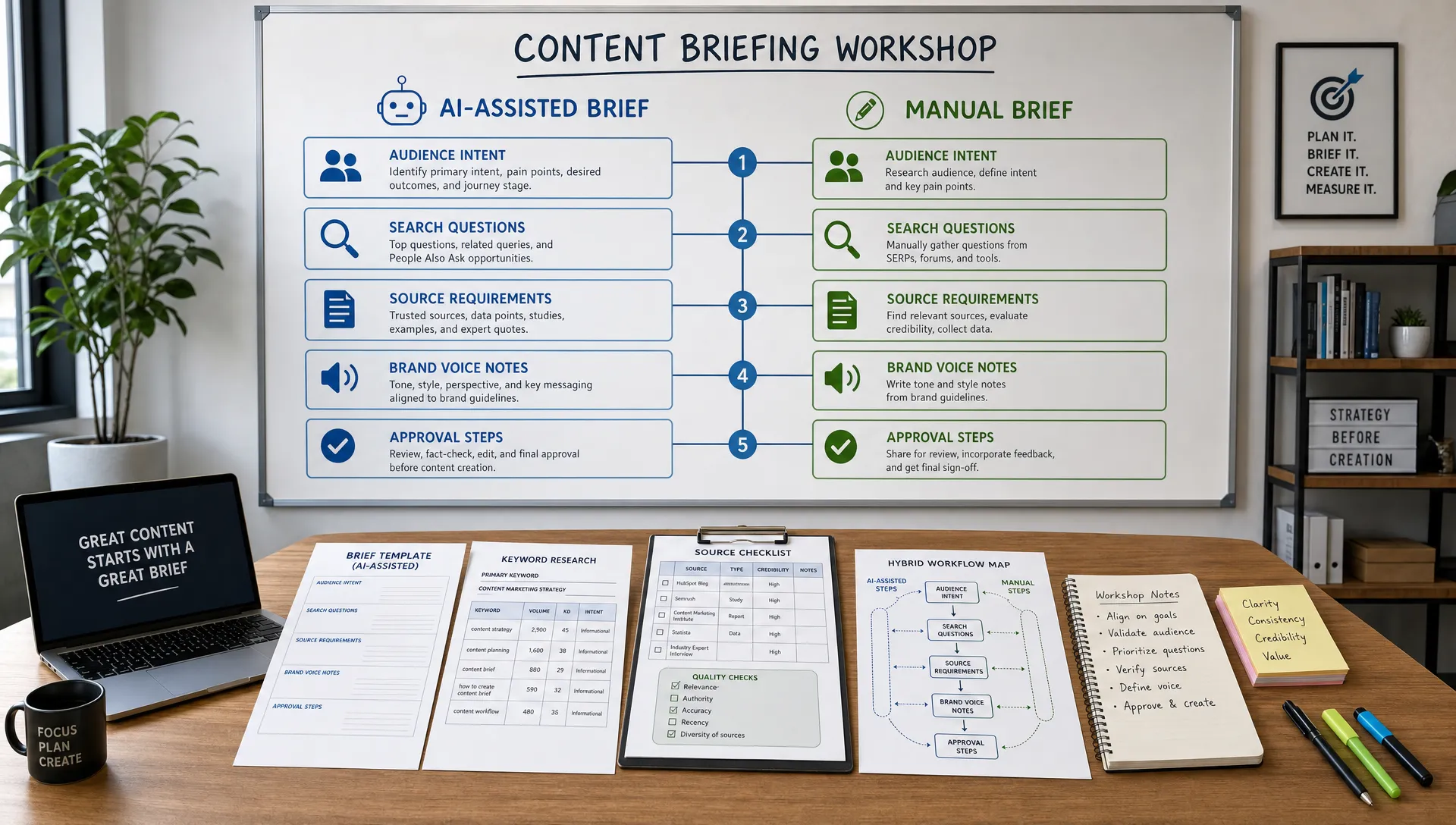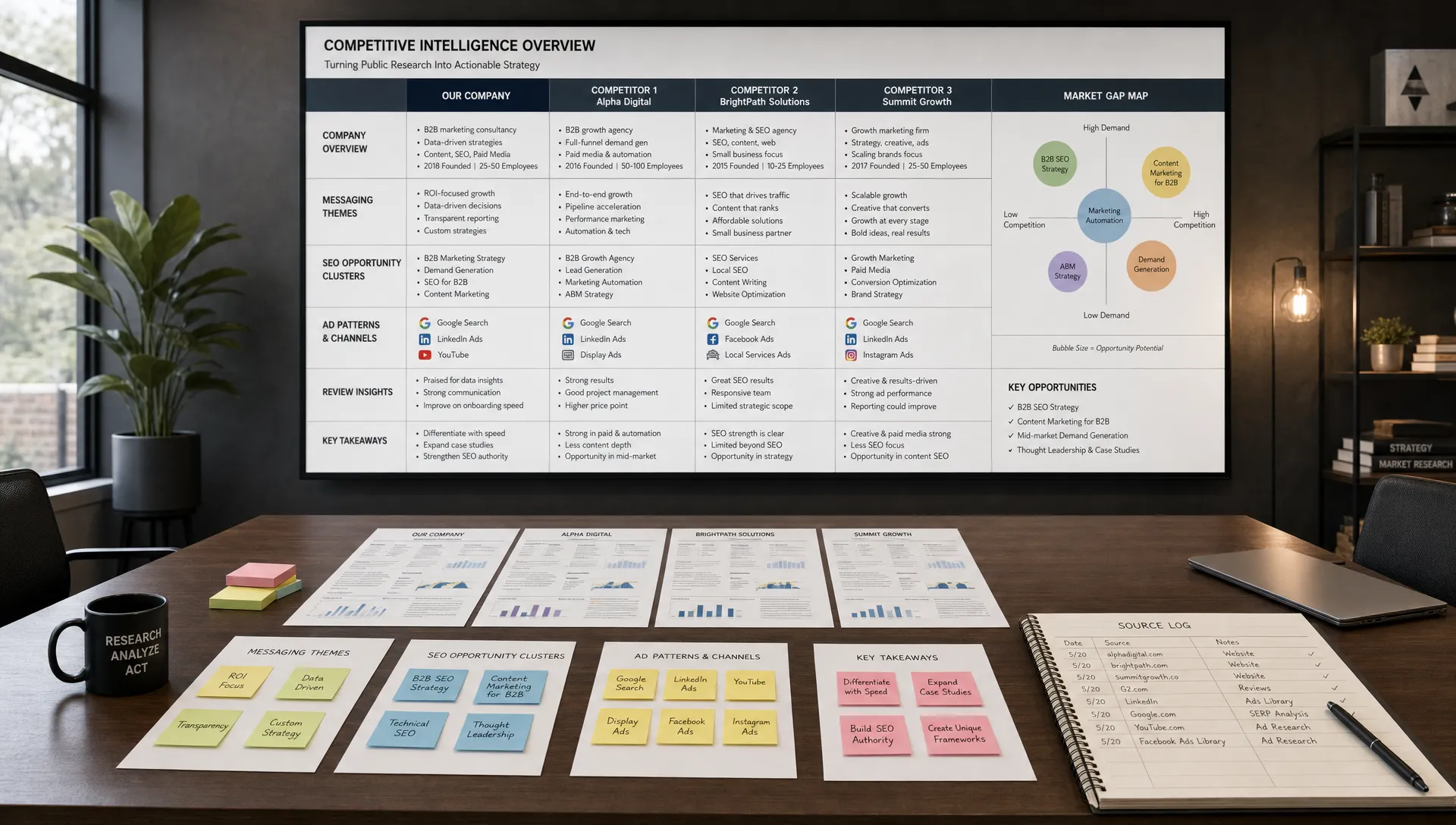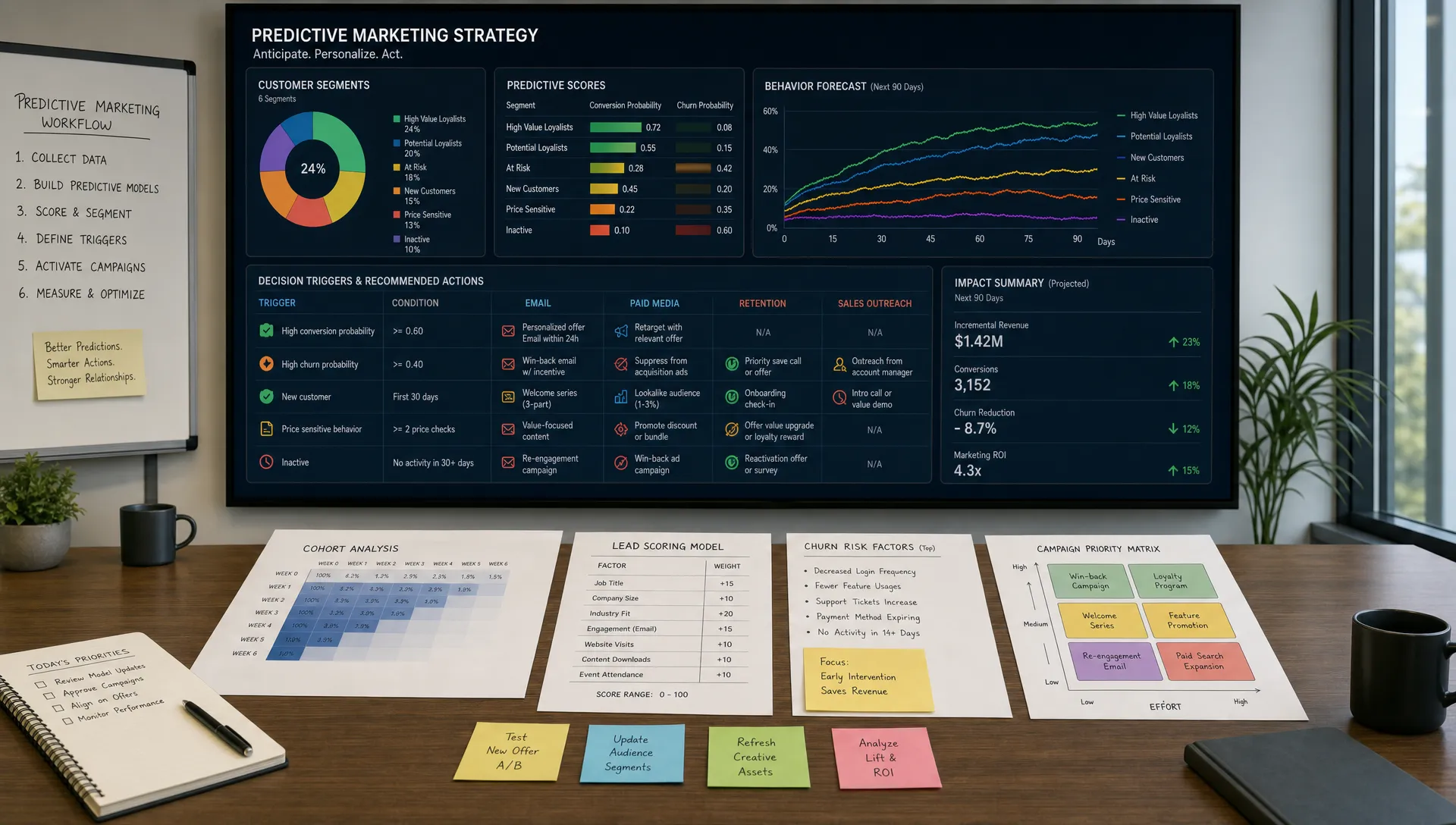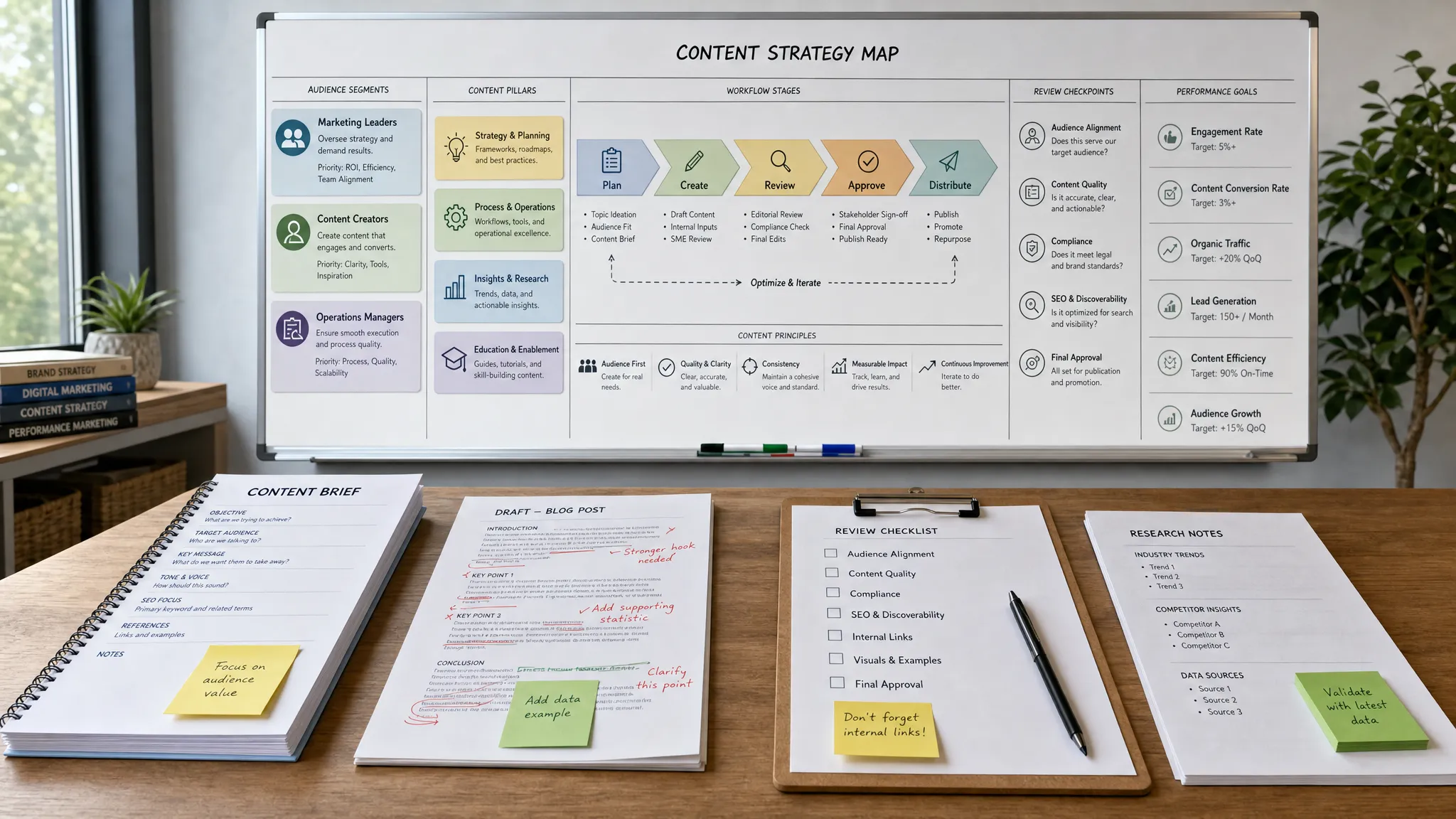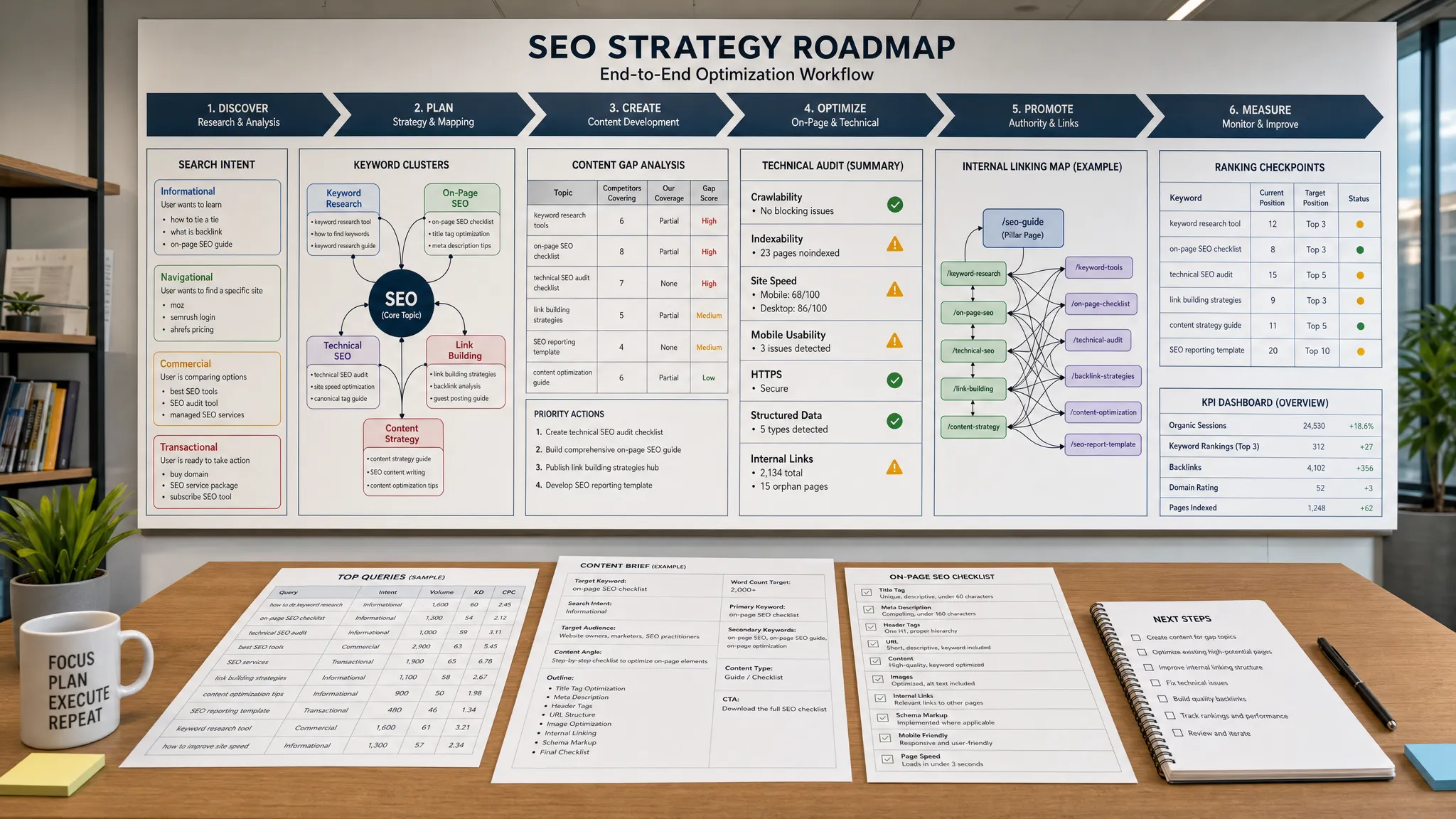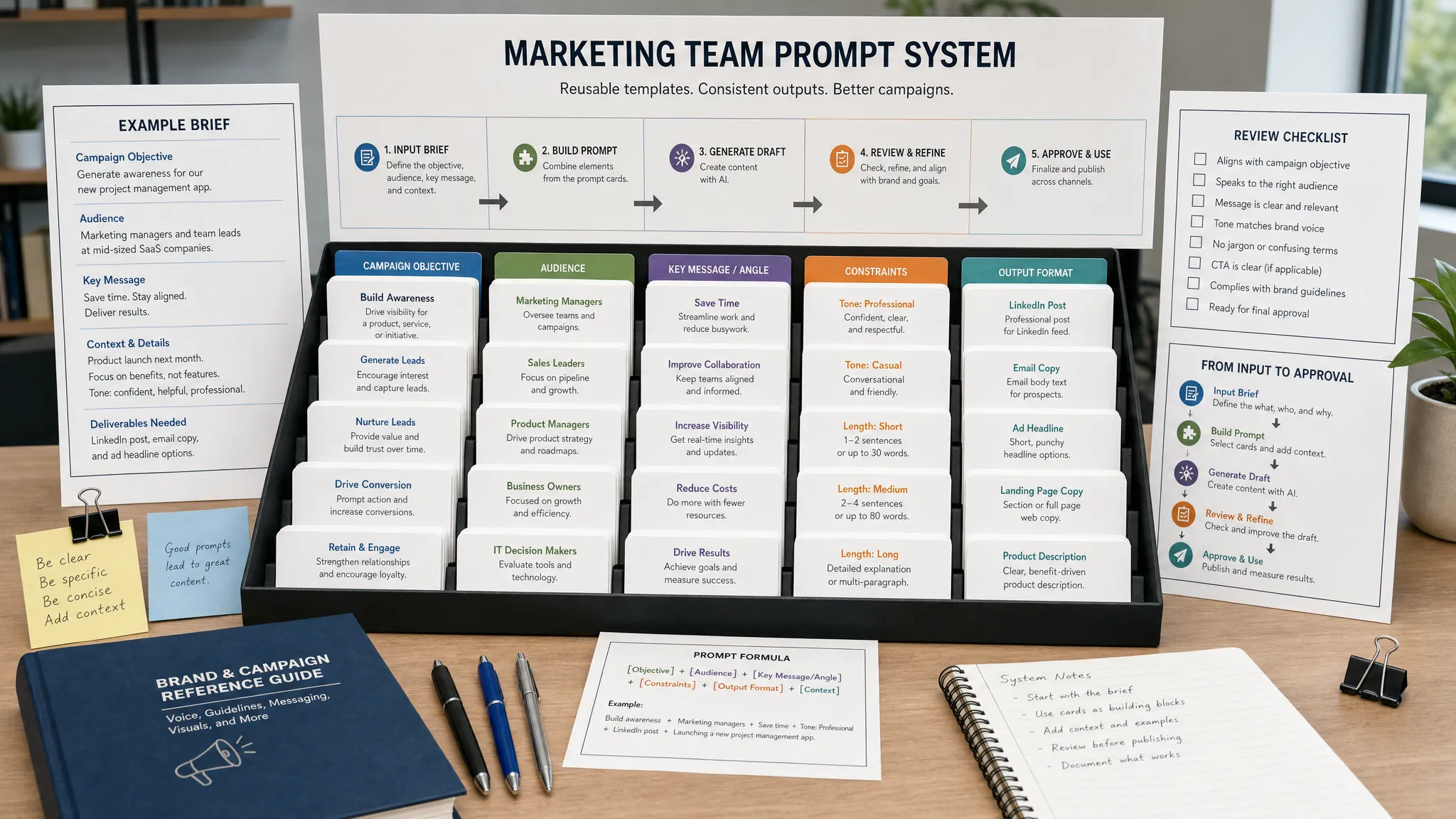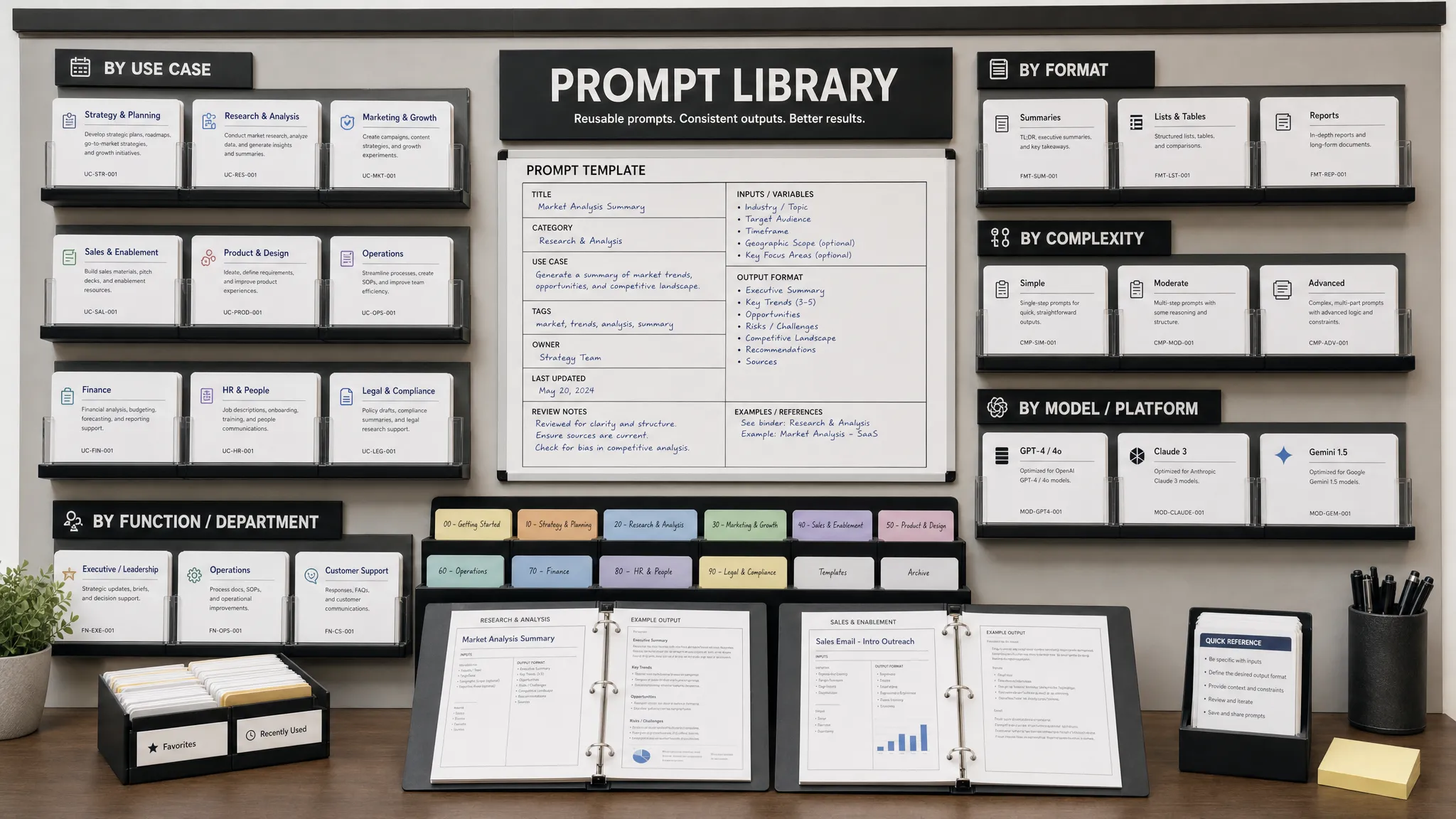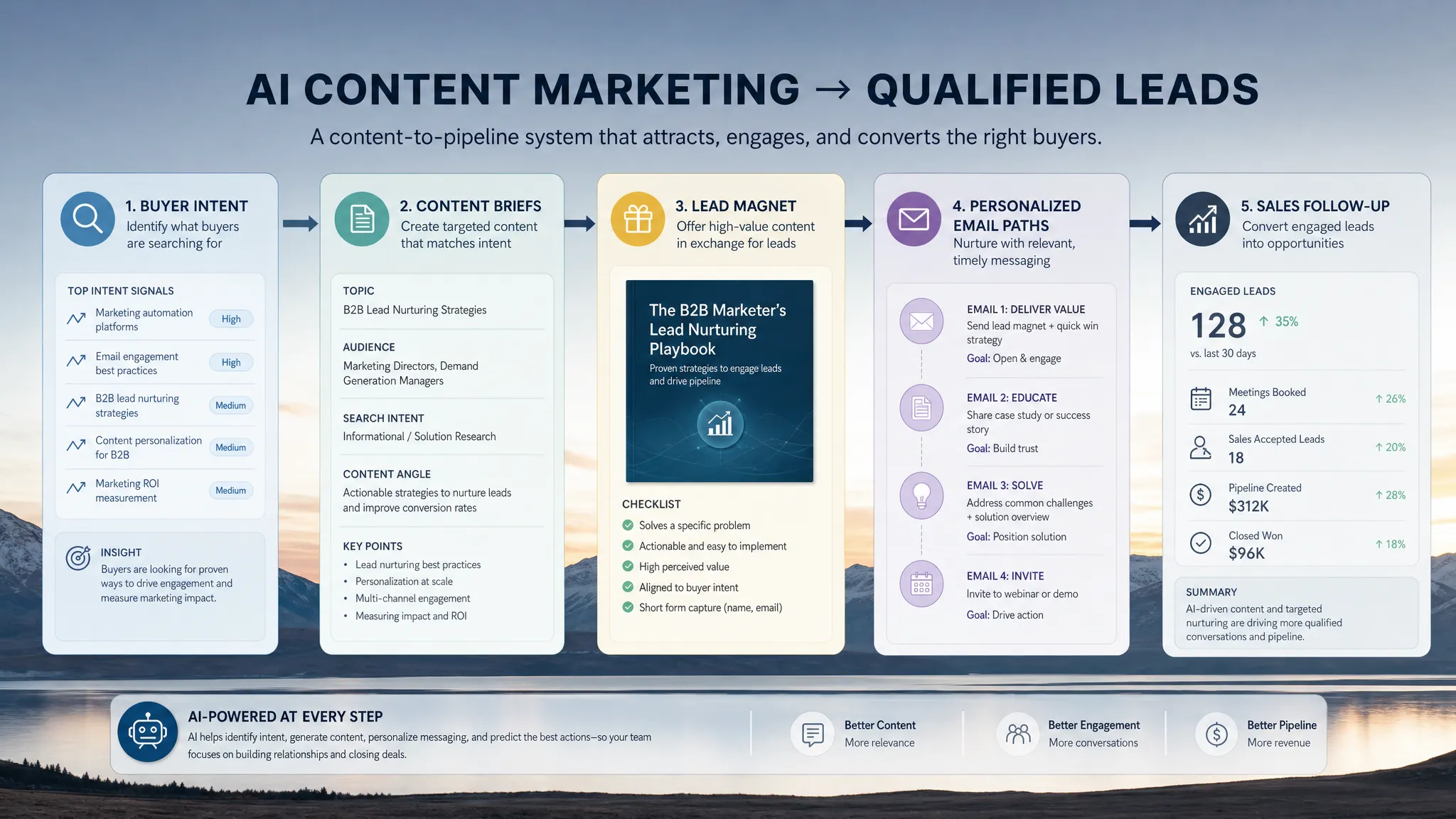
Publishing a strong blog post takes strategy, research, subject-matter expertise, editing, and promotion. If that post only lives as one URL after you hit publish, you are leaving a lot of value on the table.
AI content repurposing helps you turn one high-quality post into a set of channel-ready assets: social posts, emails, short video scripts, sales enablement notes, newsletter sections, SEO snippets, and more. The goal is not to flood every channel with generic copy. The goal is to extract the strongest ideas from one original piece and reshape them for the way people actually consume content in different places.
Done well, one article becomes a campaign engine. Done poorly, it becomes repetitive noise. The difference is process.
AI content repurposing is the use of AI tools to transform an existing piece of content into new formats, angles, and distribution assets while preserving the original insight. It is not the same as copying the introduction into LinkedIn, shortening a paragraph for X, and calling it a strategy.
A blog post usually contains several reusable components: a core argument, supporting statistics, examples, expert opinions, objections, how-to steps, definitions, and FAQs. AI can quickly identify these components and suggest new ways to package them. A marketer still needs to choose the right angle, verify the claims, adapt the tone, and make the final asset worth someone’s attention.
This matters for both audience experience and SEO. Google’s guidance on creating helpful, reliable, people-first content is clear that content should primarily serve users, not exist just to manipulate rankings. Repurposing should extend the usefulness of your ideas, not create thin duplicates.
For teams already exploring AI marketing workflows, repurposing is often one of the fastest wins. It connects directly to the same principles covered in AIMarketer Hub’s guide on how AI for content creation saves time and scales output, but with a specific focus on distribution leverage.
Not every post deserves to become ten more assets. The best candidates are posts that already have strategic value. Before you feed anything into an AI tool, look for content with depth, relevance, and a clear business purpose.
A strong source post often has one or more of these qualities: evergreen demand, original expertise, search traffic, conversion value, a strong point of view, or answers to recurring customer questions. If the original post is vague, outdated, or unsupported, AI will only help you produce more vague, outdated, unsupported content.
Source post signal          | Why it works for repurposing              | Assets it can become
High organic traffic        | The topic already matches audience demand | Newsletter feature, SEO refresh, social series
Strong conversion rate      | The topic influences buying decisions     | Sales talking points, nurture email, landing page section
Original data or examples   | The content has unique authority          | Infographic, webinar slide, PR pitch, LinkedIn post
FAQ-rich structure          | The post answers specific objections      | Short videos, support content, search snippets
Strong opinion or framework | The idea is memorable and differentiated | Founder post, podcast outline, thought leadership thread The biggest mistake teams make is opening an AI tool and asking for social posts immediately. That creates random output. A better approach is to create a repurposing map first.
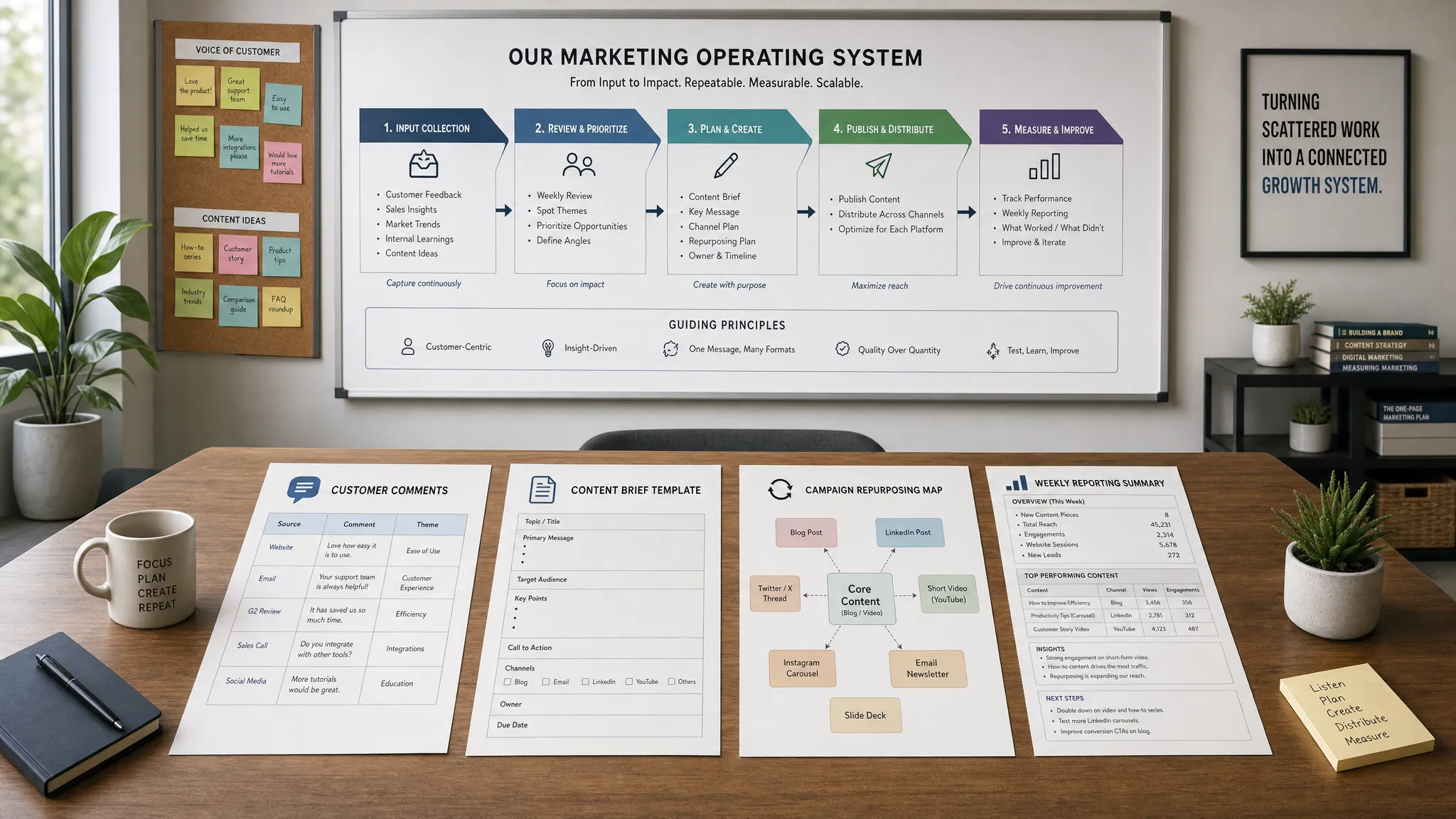
A repurposing map defines which ideas from the source post should become which assets, for which channel, and at which stage of the buyer journey. This keeps your workflow strategic instead of reactive.
Repurposed asset           | Best use case                         | What AI can help with                             | Human quality check
LinkedIn post              | Thought leadership and conversation   | Extract a sharp opinion or lesson                 | Does it sound like a real person with a point of view?
Email newsletter           | Nurturing an owned audience           | Summarize the article into a useful takeaway      | Is the subject line specific and relevant?
Short video script         | Awareness and education               | Turn a section into a 30 to 60 second script      | Is the hook visual, simple, and credible?
Carousel outline           | Explaining a framework                | Break steps into slide-by-slide points            | Does each slide make sense without extra context?
Sales enablement note      | Helping sales teams answer objections | Convert insights into buyer-facing talking points | Is it accurate and aligned with positioning?
SEO FAQ section            | Capturing long-tail search intent     | Generate question variations from the article     | Are answers unique, concise, and useful?
Podcast or webinar outline | Expanding a strong idea | Create discussion prompts and segment flow | Is there enough depth for a longer format? A repeatable workflow helps you scale without losing quality. The process below works for small marketing teams, solo creators, agencies, and B2B companies that need to get more mileage from every content investment.
Start by asking AI to summarize the original post into its core components: main thesis, target audience, key takeaways, proof points, examples, objections, and recommended next action. This source brief becomes the foundation for every downstream asset.
Do not skip fact-checking here. If the AI misunderstands the post, every repurposed asset will inherit that mistake. The source brief should be short enough to scan but detailed enough to preserve the post’s strategic meaning.
A single post may contain ideas for multiple stages of the funnel. Awareness assets should simplify and attract attention. Consideration assets should educate and compare. Conversion assets should reduce risk and help someone take action. Retention assets should help existing customers get more value.
Funnel stage  | Repurposing angle                       | Example asset
Awareness     | Turn the big idea into a memorable hook | Short video script or social post
Consideration | Explain the framework or process        | Carousel, checklist, or email
Conversion    | Address objections and next steps       | Sales note or product page section
Retention     | Help users apply the advice             | Tutorial email or customer education post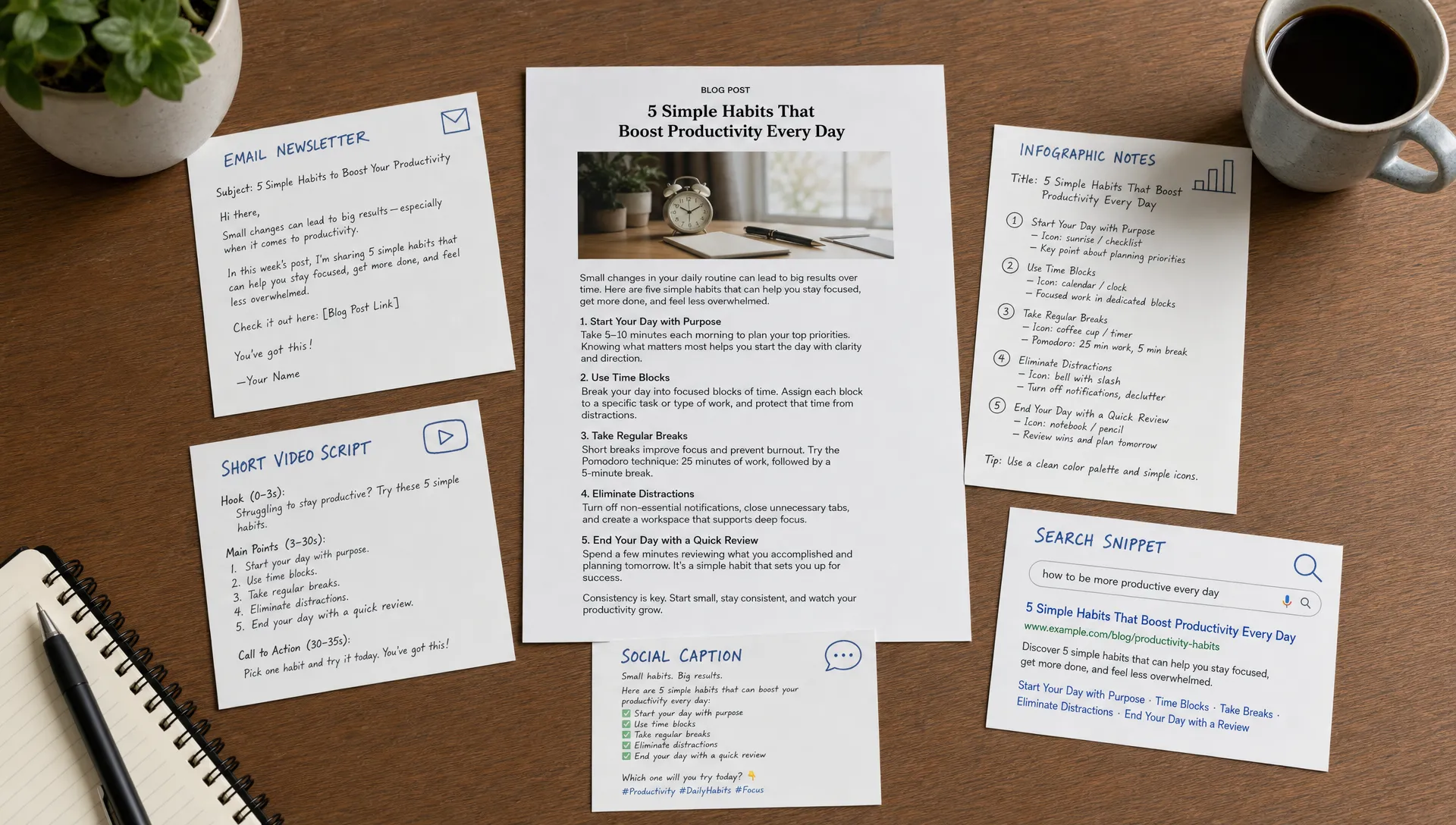
A good prompt should specify the audience, channel, purpose, tone, length, and source material. Instead of asking AI to repurpose this blog post for social media, ask it to turn the strongest contrarian point in the post into a LinkedIn update for B2B marketing managers who are struggling to scale content without hiring more writers.
That level of context changes the output. AI performs better when it knows the constraints of the format and the reader’s situation.
AI can imitate a structure, but it often defaults to safe language. Your job is to add specificity: a real example, a customer scenario, a sharper opinion, a clearer metric, or a phrase your audience actually uses.
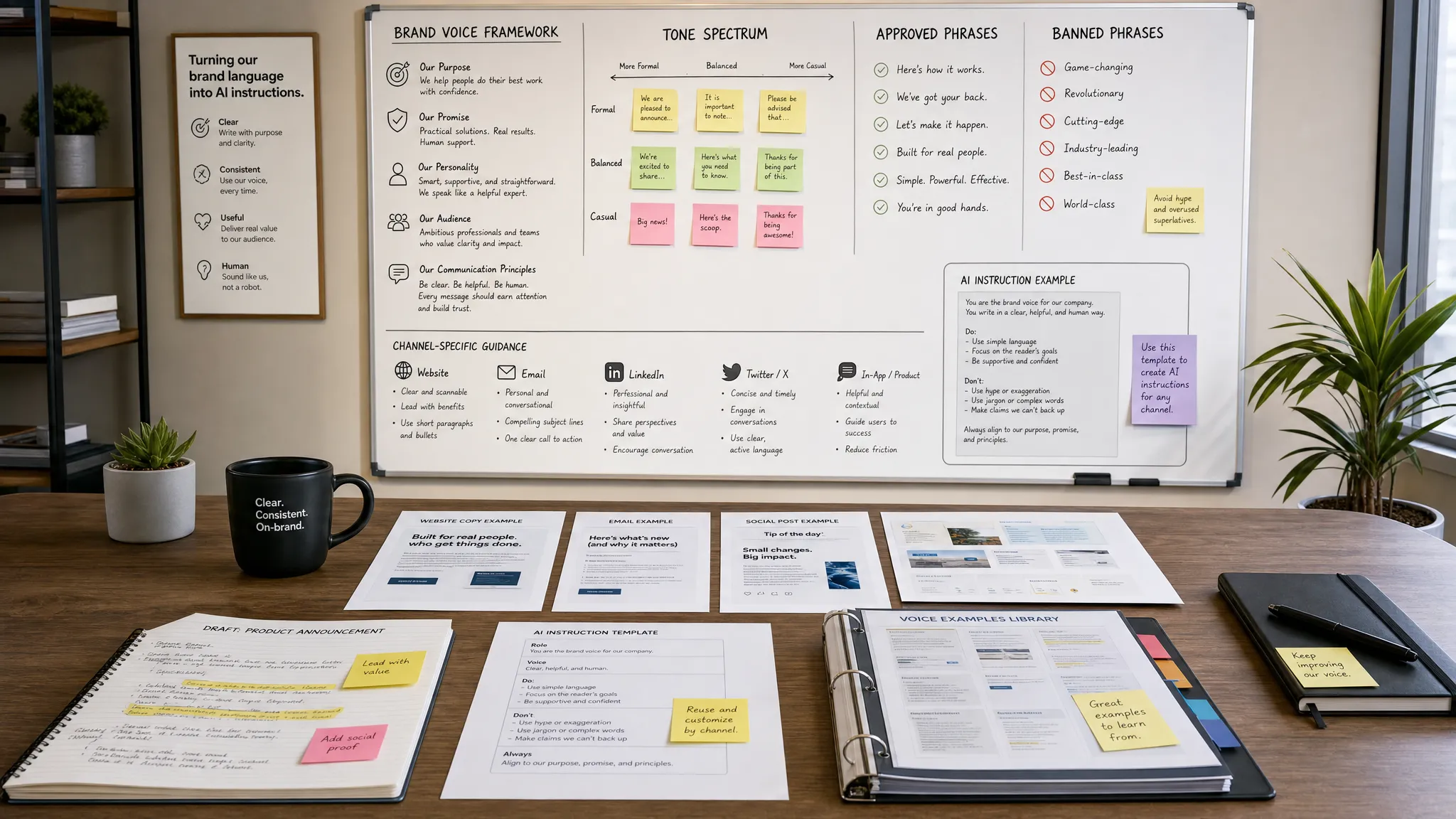
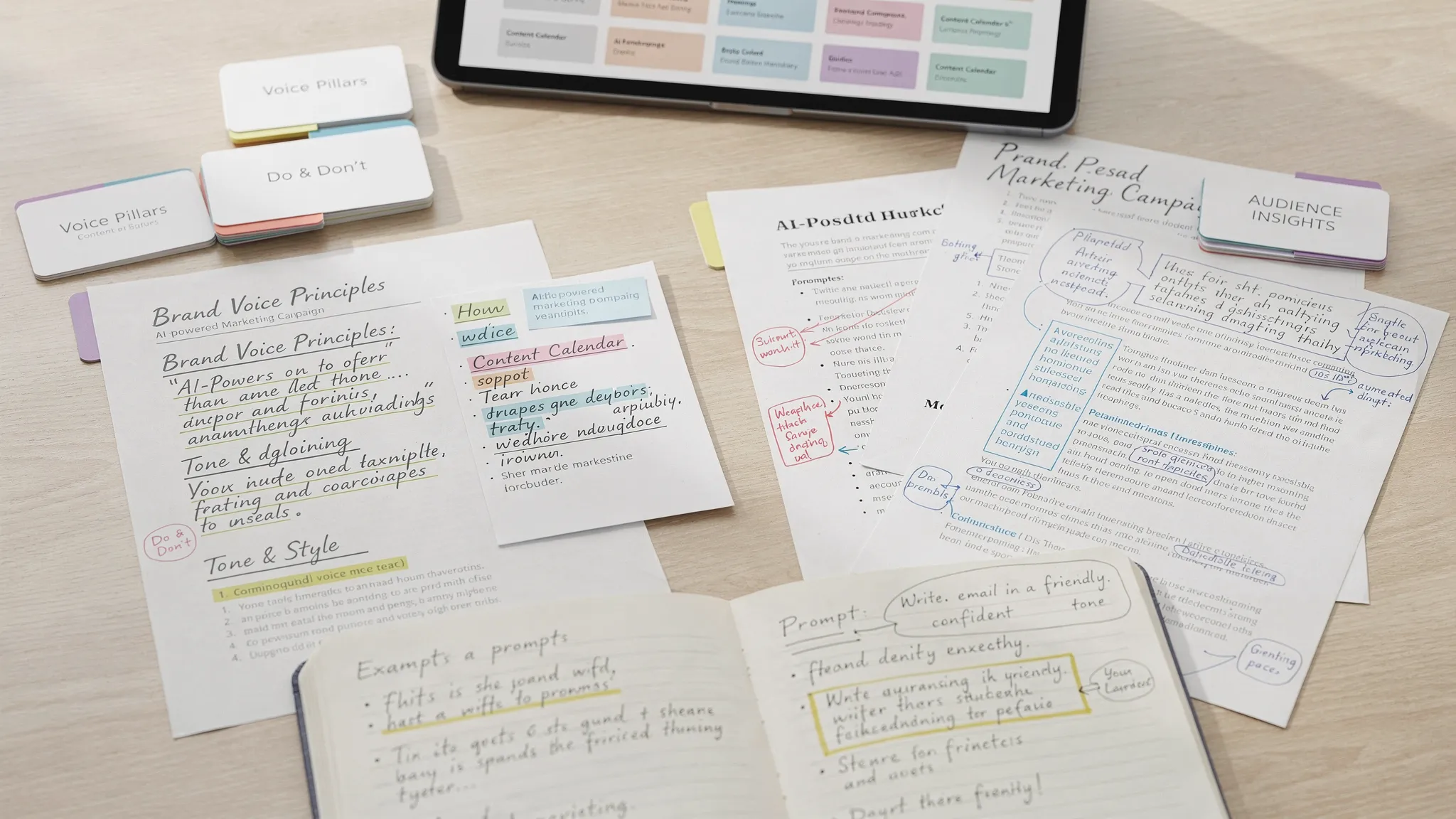
This is where brand consistency matters. If your AI-generated assets all sound like generic marketing advice, they will be easy to ignore. If you need a deeper process for tone, prompts, and editorial guardrails, use a framework for using AI for marketing without losing your brand voice.
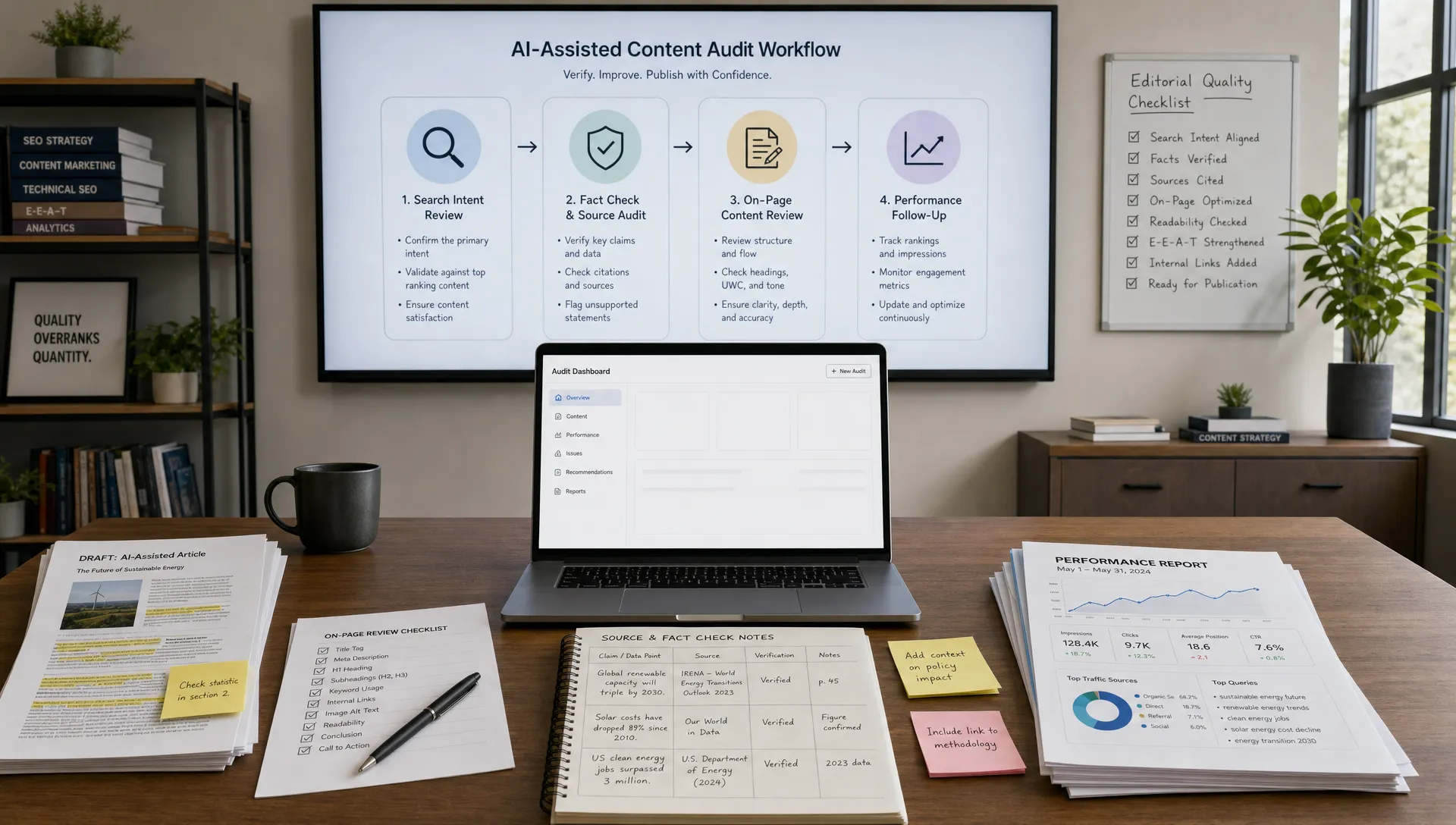
Repurposed content still needs editorial review. Check that stats are cited correctly, examples are not exaggerated, and claims match what your company can actually deliver. Remove duplicated phrasing if several assets will be published close together.
Nielsen Norman Group has long reported that users tend to scan web pages rather than read every word. That means clarity, headings, formatting, and front-loaded value matter. Repurposed assets should be easy to understand quickly, especially on fast-moving channels.
If you publish every repurposed asset in the same week with the same hook, your audience will feel the repetition. Spread the assets across the buyer journey and vary the angle.
For example, a post about AI marketing automation might become a Monday LinkedIn opinion, a Wednesday newsletter tip, a Friday short video, a sales enablement note for the team, and an SEO FAQ update the following week. The original idea stays consistent, but each asset earns its place.
Use prompts as starting points, not final answers. The best results usually come from one prompt to extract insight, one prompt to draft, and one prompt to refine.
The last prompt is especially useful when content repurposing overlaps with SEO. If you are building a lean search workflow, AIMarketer Hub’s guide to AI SEO tools for small teams can help you think beyond drafting and into optimization.
AI speeds up repurposing, but speed can create new risks. A simple review checklist protects your brand and helps each asset perform better.
Risk                 | What it looks like                                     | How to prevent it
Generic output       | Posts sound like they could come from any brand        | Add audience context, examples, and a stronger point of view
Factual drift        | AI adds unsupported claims or changes the meaning      | Verify every statistic, quote, and product statement
Channel mismatch     | A blog summary is pasted into a social format          | Rewrite for the platform’s native behavior and length
SEO duplication      | Multiple pages target the same query with similar copy | Use repurposed content to support the original, not compete with it
Brand voice dilution | Every asset sounds polished but impersonal             | Use voice guidelines, approved phrases, and human editing
Compliance issues | Regulated claims are simplified too aggressively | Add legal or subject-matter review where needed Repurposing is not just a productivity tactic. It should improve distribution, engagement, and learning. Track both output and outcomes.
Content velocity tells you whether AI is helping your team create more usable assets from the same source material. Engagement metrics show whether the assets are resonating. Conversion metrics show whether repurposed content is supporting business goals.
Useful metrics include social saves and comments, email click-through rate, organic impressions, assisted conversions, demo page visits, sales team usage, and time saved per campaign. Over time, you should also track which source posts produce the most valuable repurposed assets. That insight can guide your editorial calendar.
A practical pattern is to review performance after two to four weeks. Keep the assets that performed well, revise the ones with weak hooks, and feed the results back into future prompts. AI content repurposing gets better when your workflow includes performance feedback, not just generation.
What is AI content repurposing? AI content repurposing is the process of using AI to transform one existing piece of content into multiple new assets, such as emails, social posts, video scripts, FAQs, and sales materials. The best workflows combine AI speed with human strategy and editing.
How many assets can one blog post become? A strong blog post can often become five to fifteen assets, depending on its depth. A short opinion post may only support a few social posts and an email, while a detailed guide can support videos, carousels, FAQs, sales notes, and newsletter content.
Will repurposed content hurt SEO? Repurposed content does not hurt SEO when it is useful, distinct, and channel-appropriate. Problems happen when teams publish near-duplicate pages targeting the same search intent. Use repurposing to support your original content, not to create thin copies.
How do I stop AI-generated content from sounding generic? Give the AI specific audience context, source material, tone guidance, and examples of your brand voice. Then edit for sharper opinions, real examples, precise language, and claims your team can stand behind.
Can small teams use AI content repurposing effectively? Yes. In fact, small teams often benefit the most because they can turn one well-researched post into a multi-channel campaign without starting from scratch every time. The key is to use templates, prompts, and a consistent review process.
AI content repurposing is one of the most practical ways to get more value from the content you already create. Start with one high-quality post, extract the strongest ideas, map them to the right channels, and use AI to accelerate drafting without handing over your judgment.
If you want tools, guides, prompts, SEO resources, and practical workflows for AI marketing automation, explore AIMarketer Hub. The right system can help you create smarter, distribute faster, and keep every asset aligned with your marketing goals.