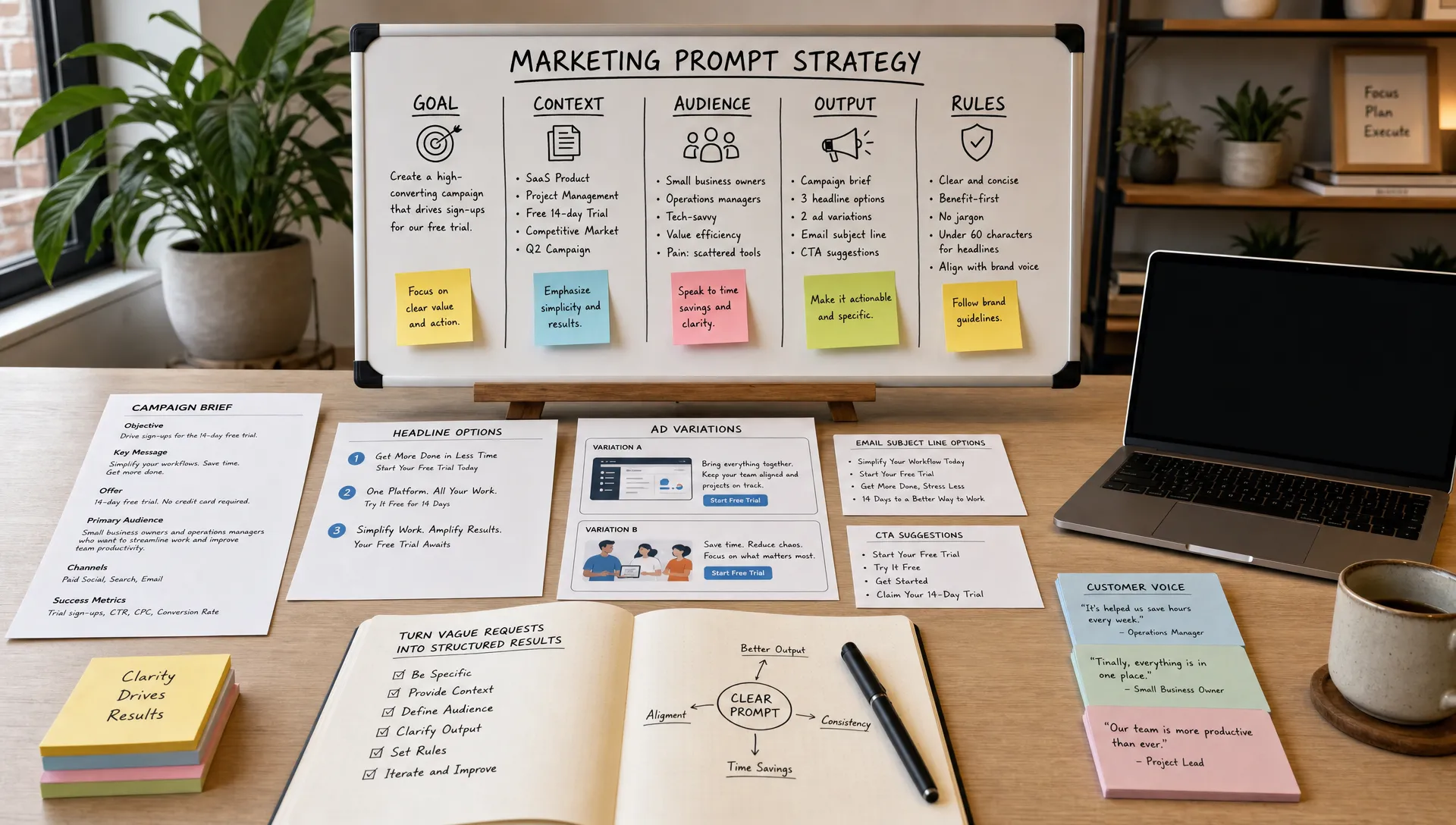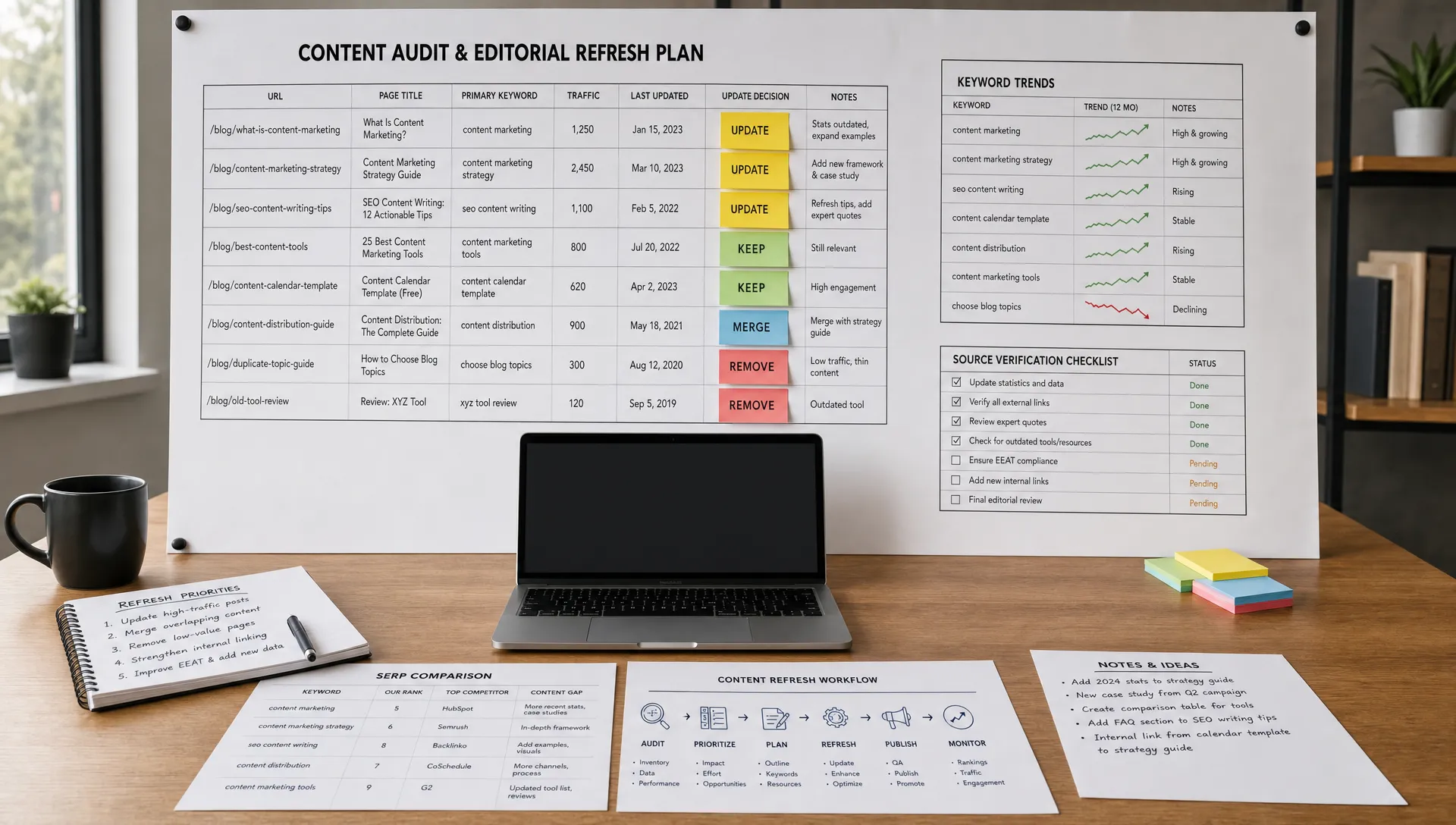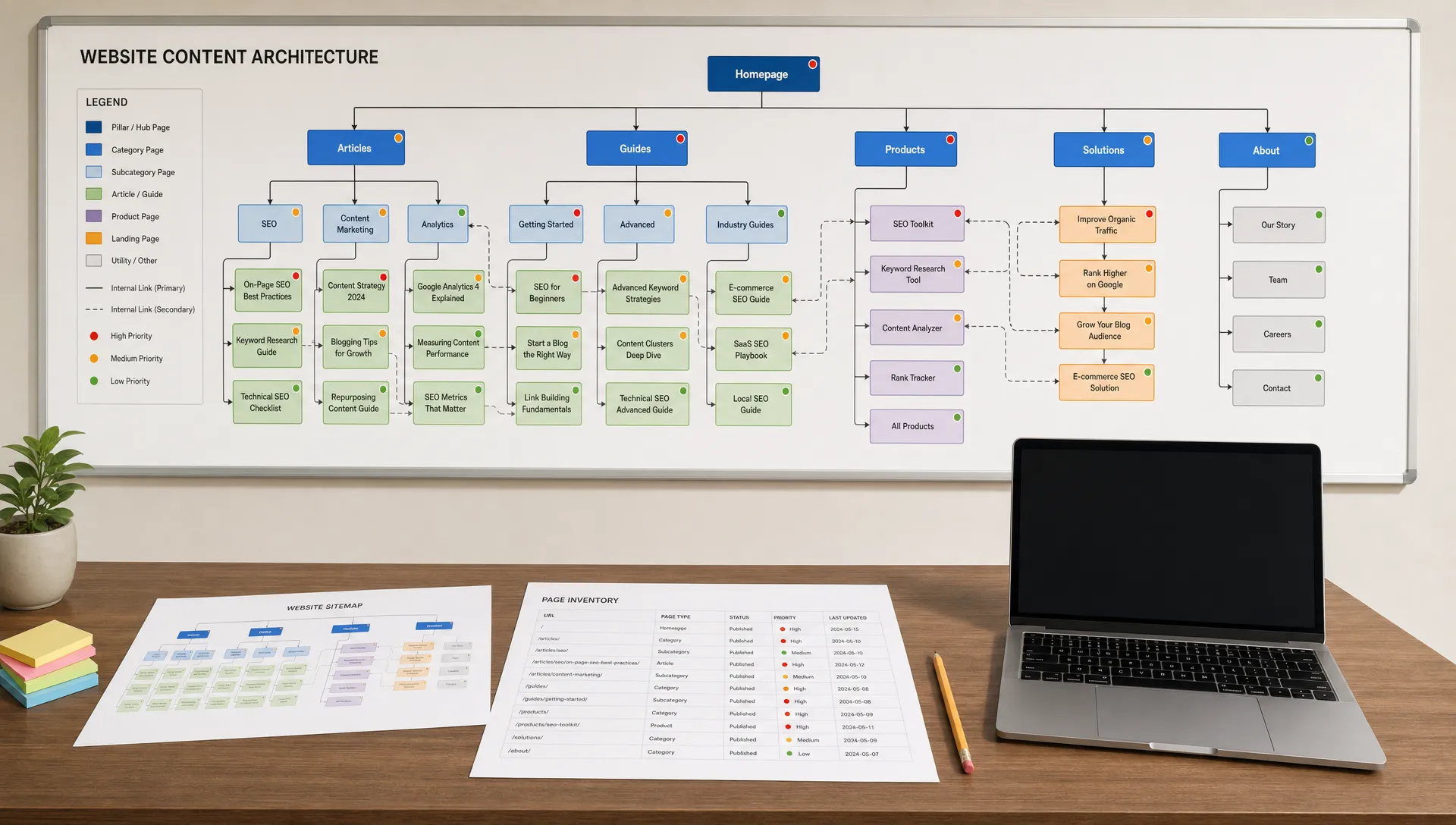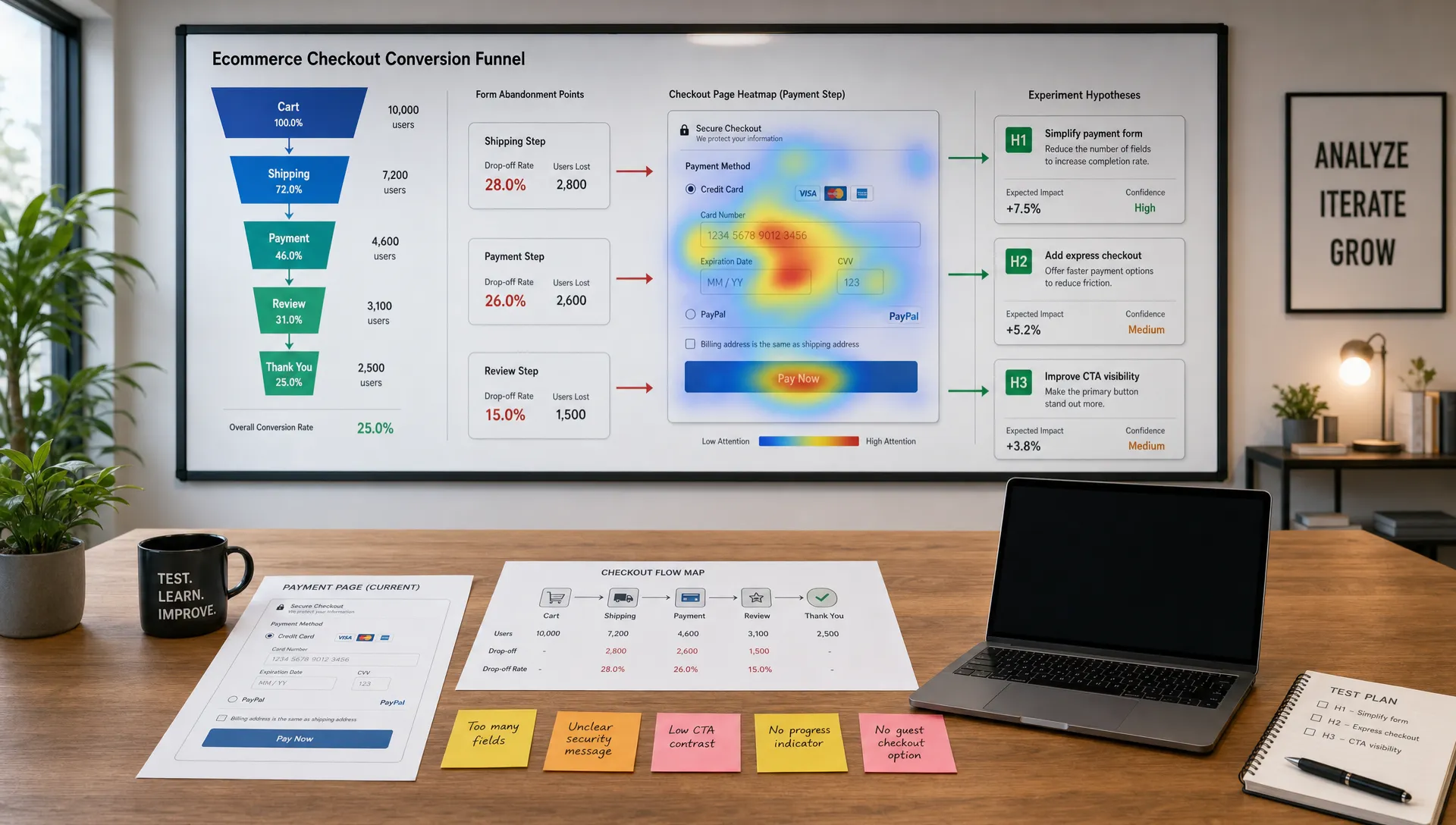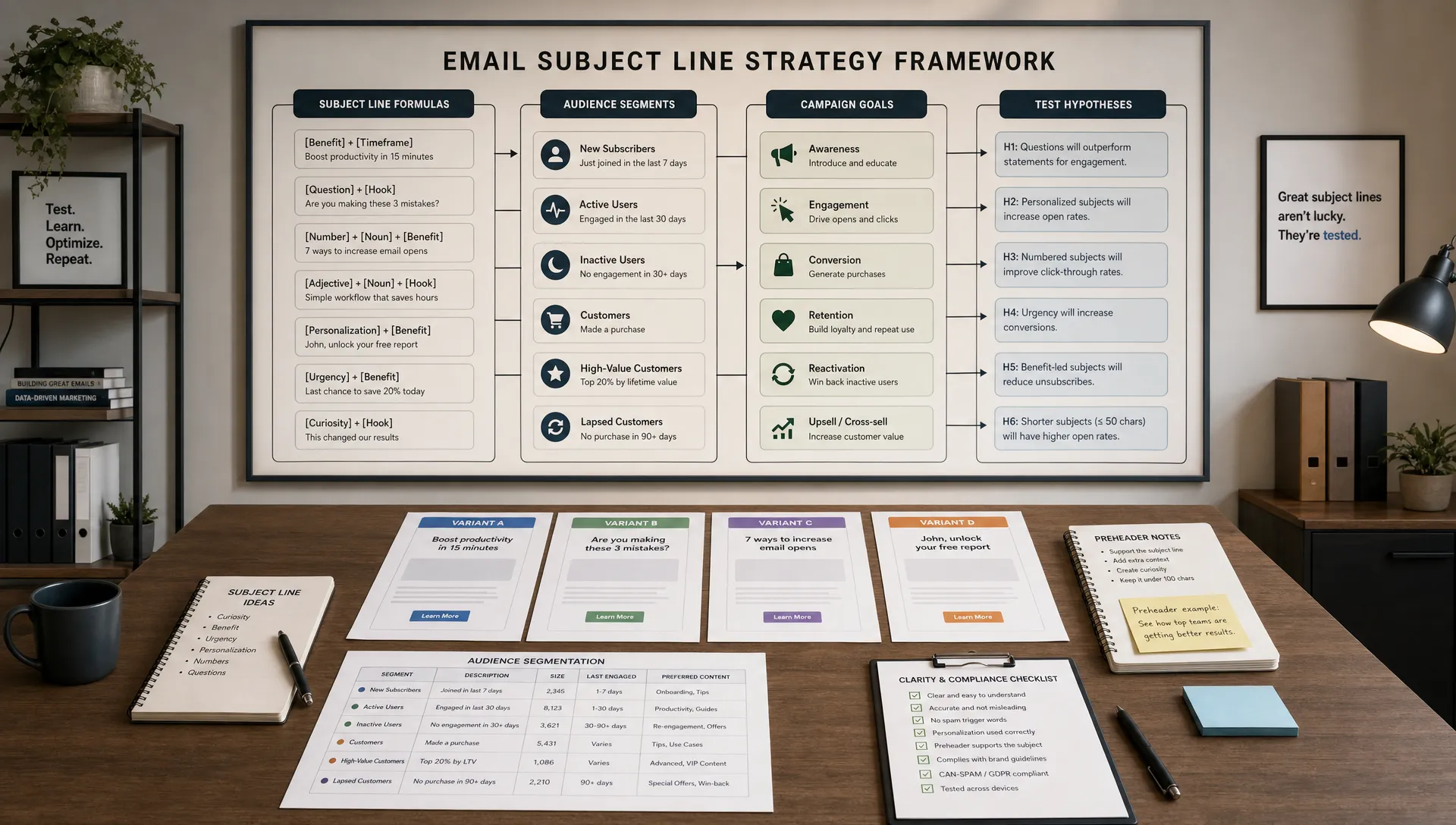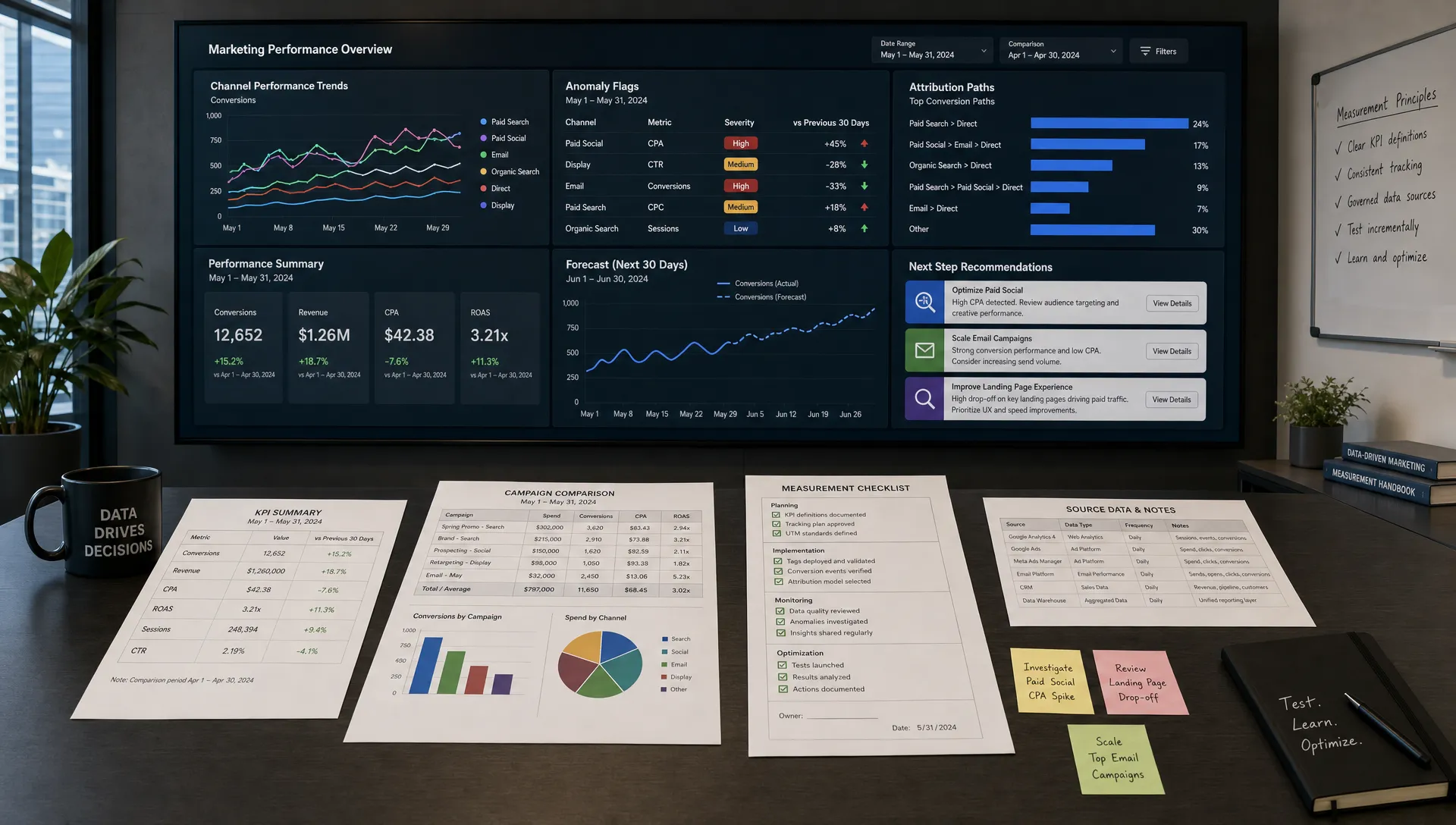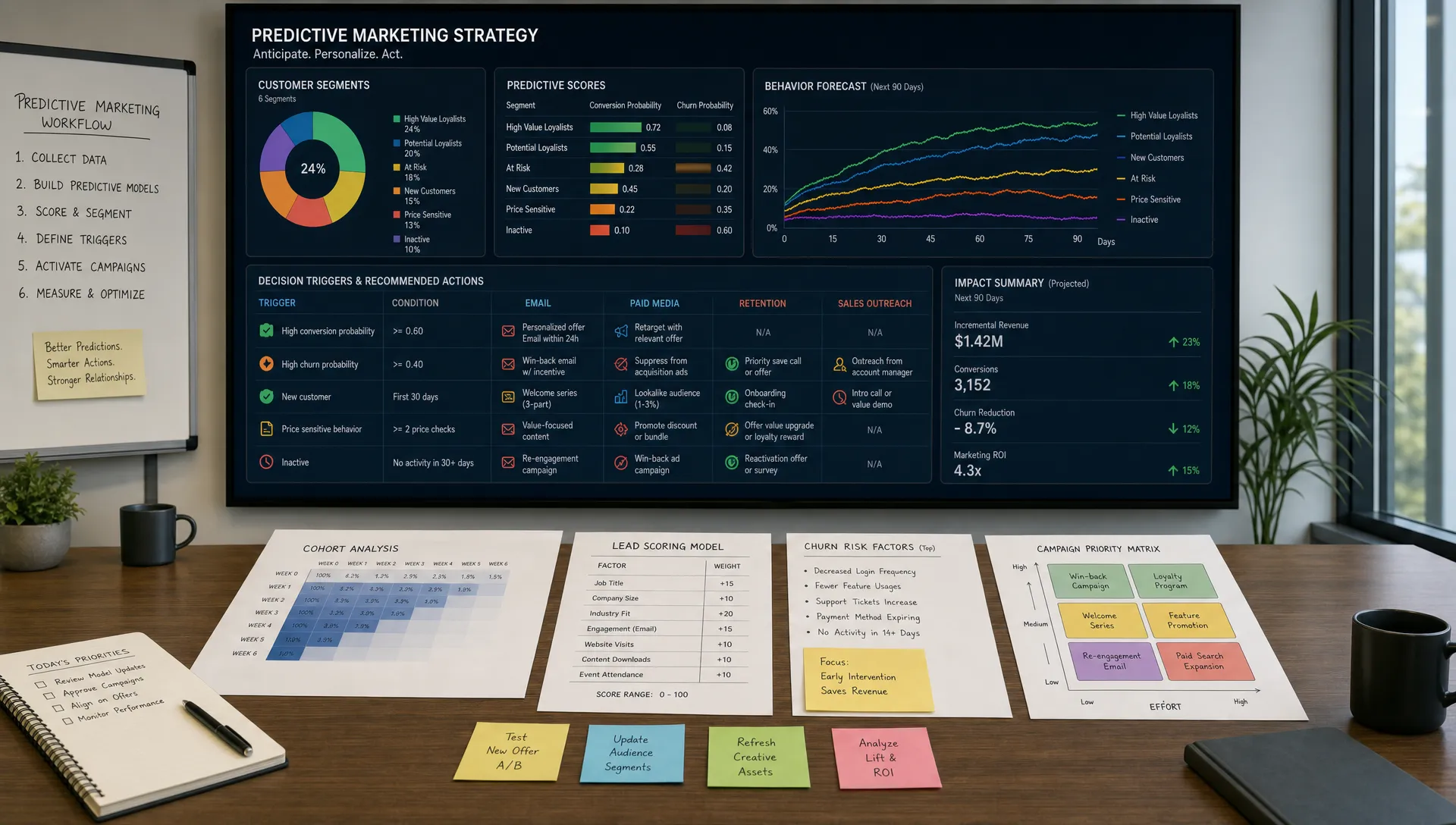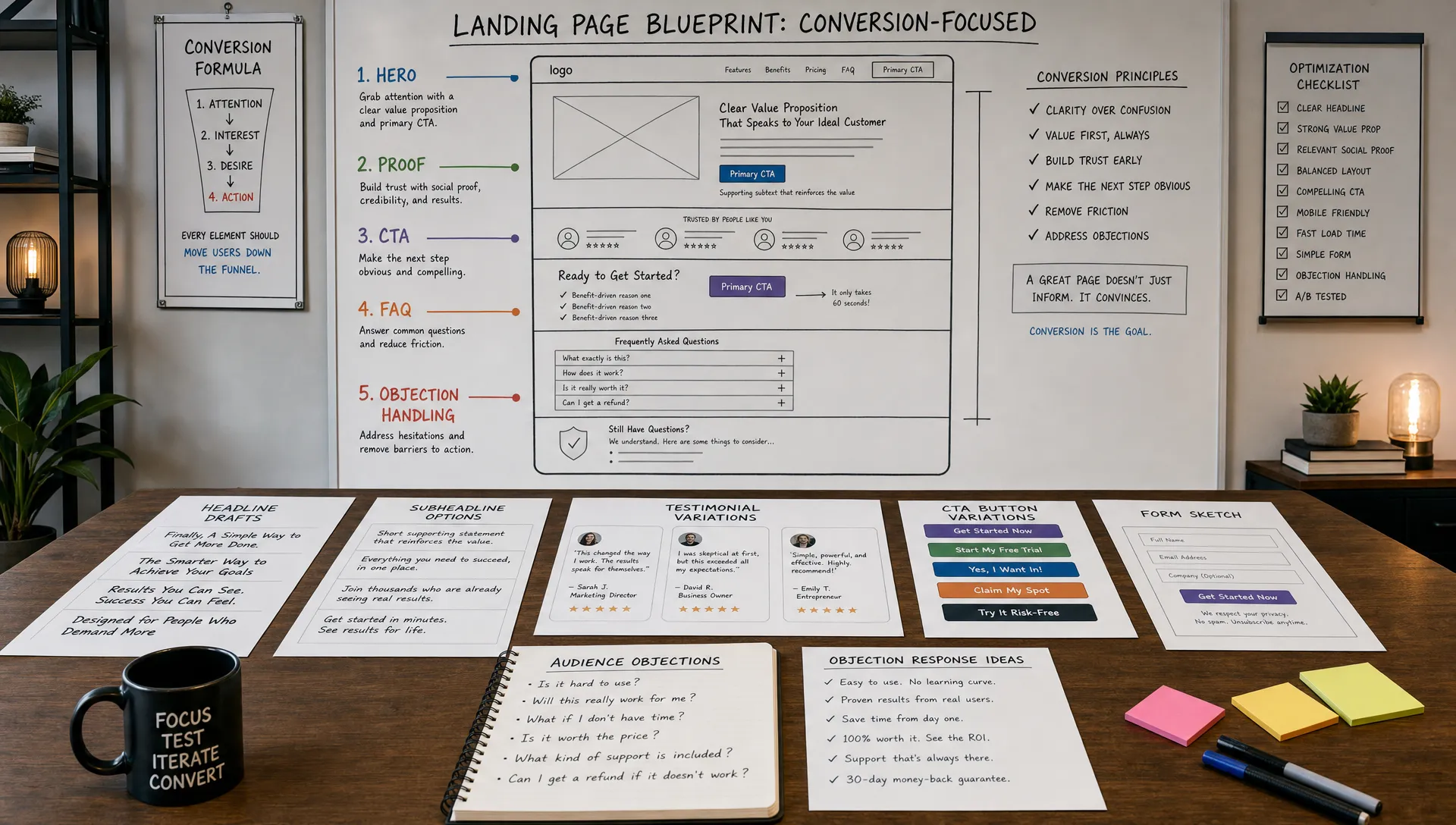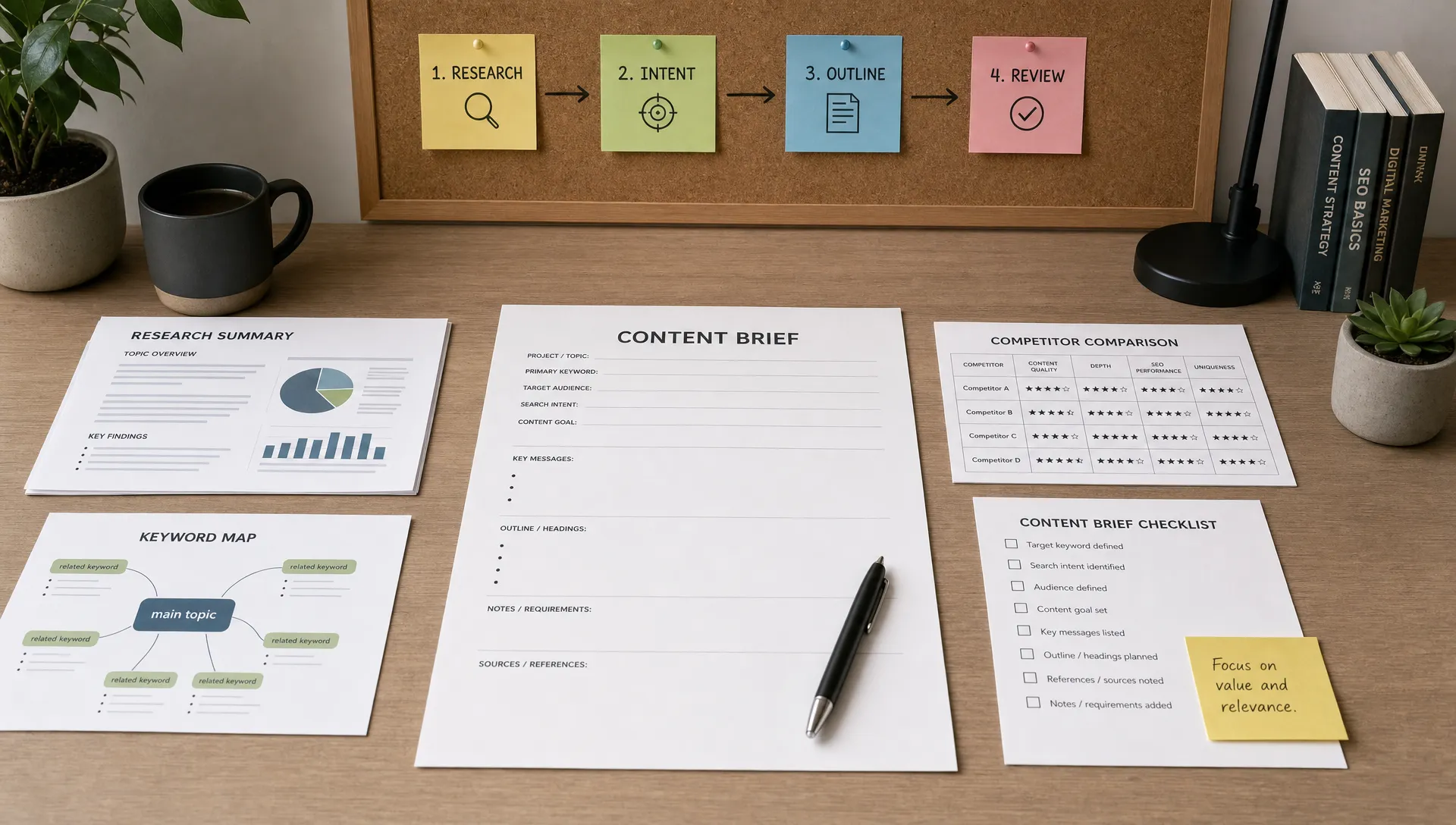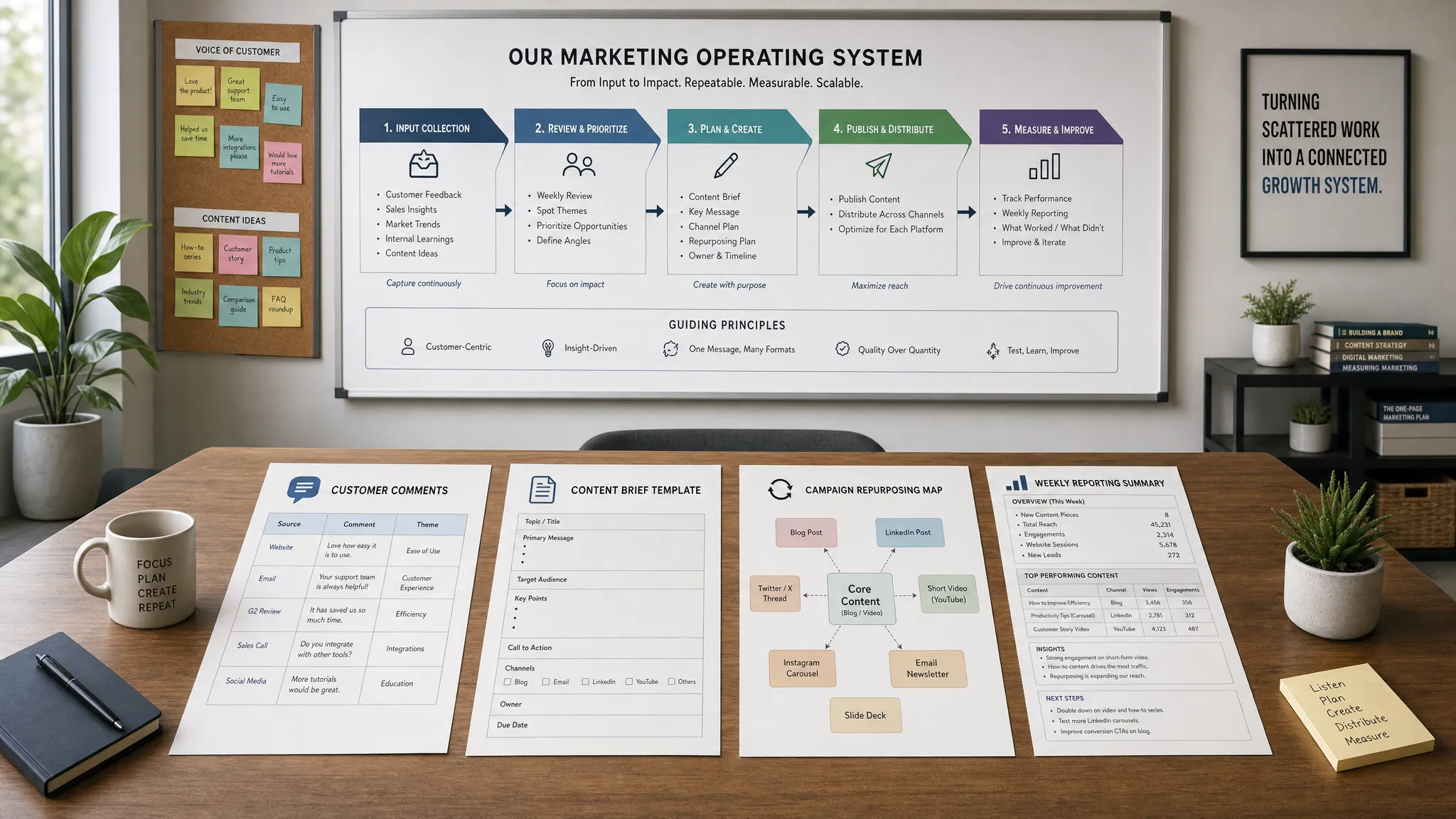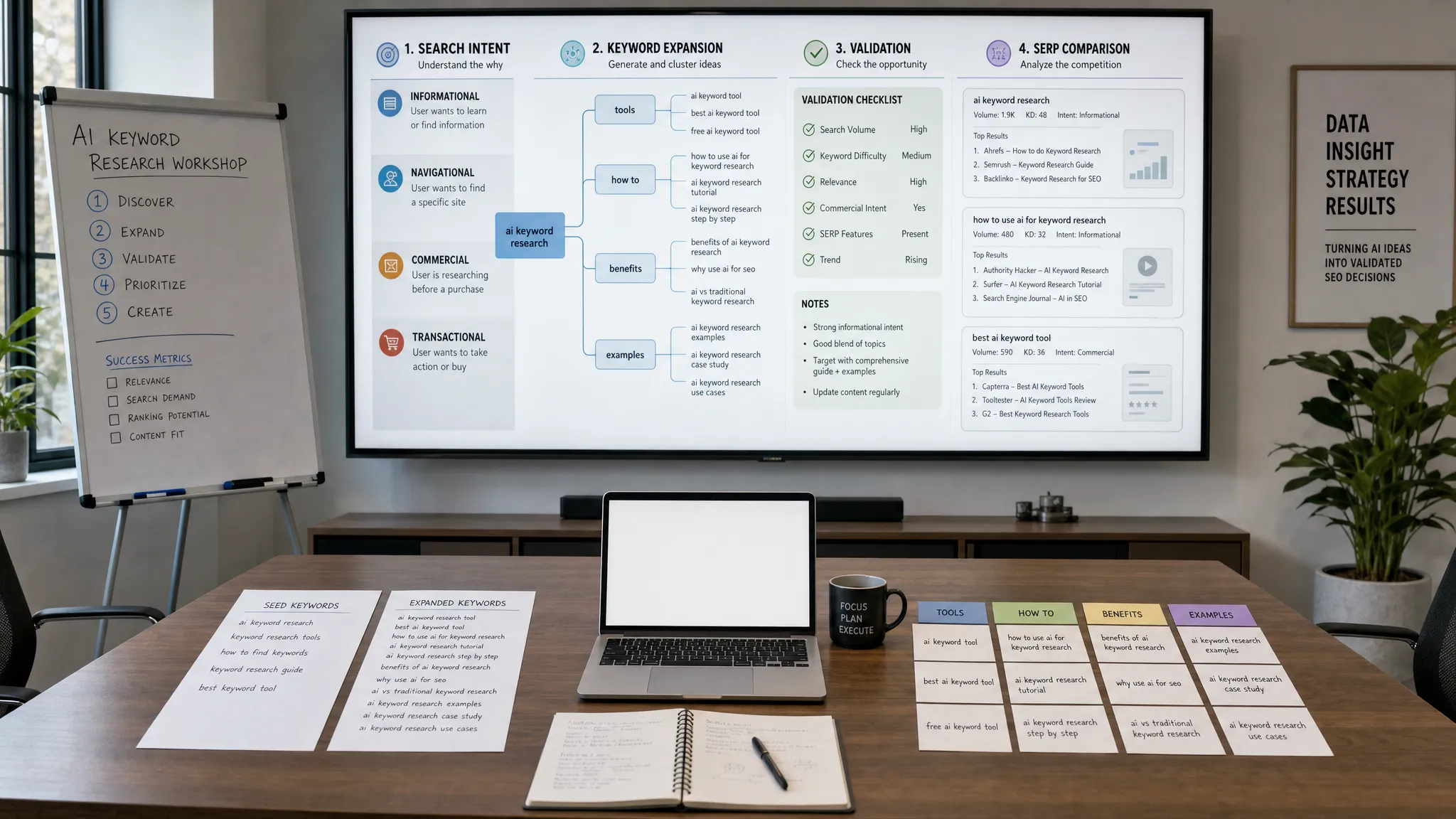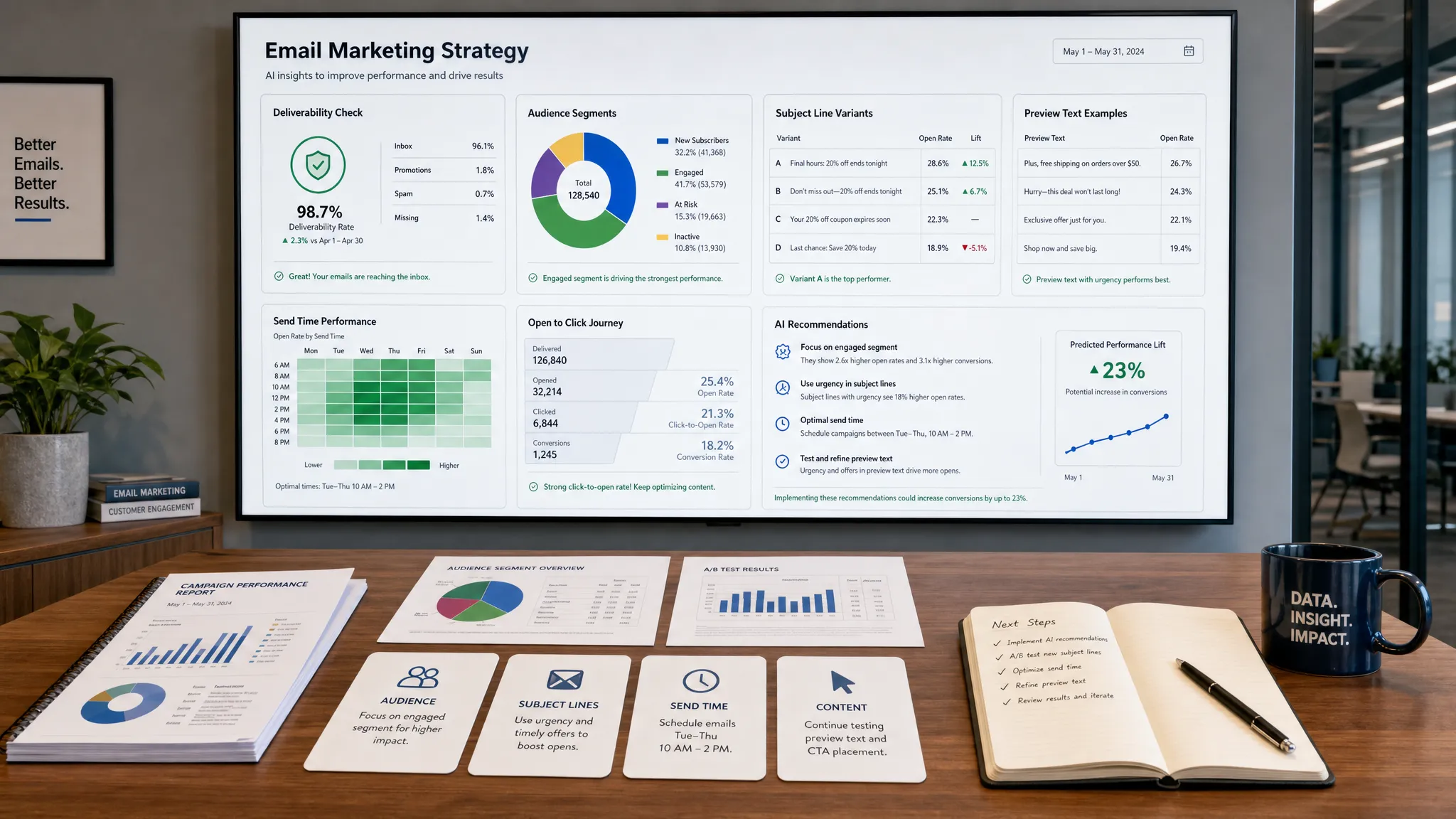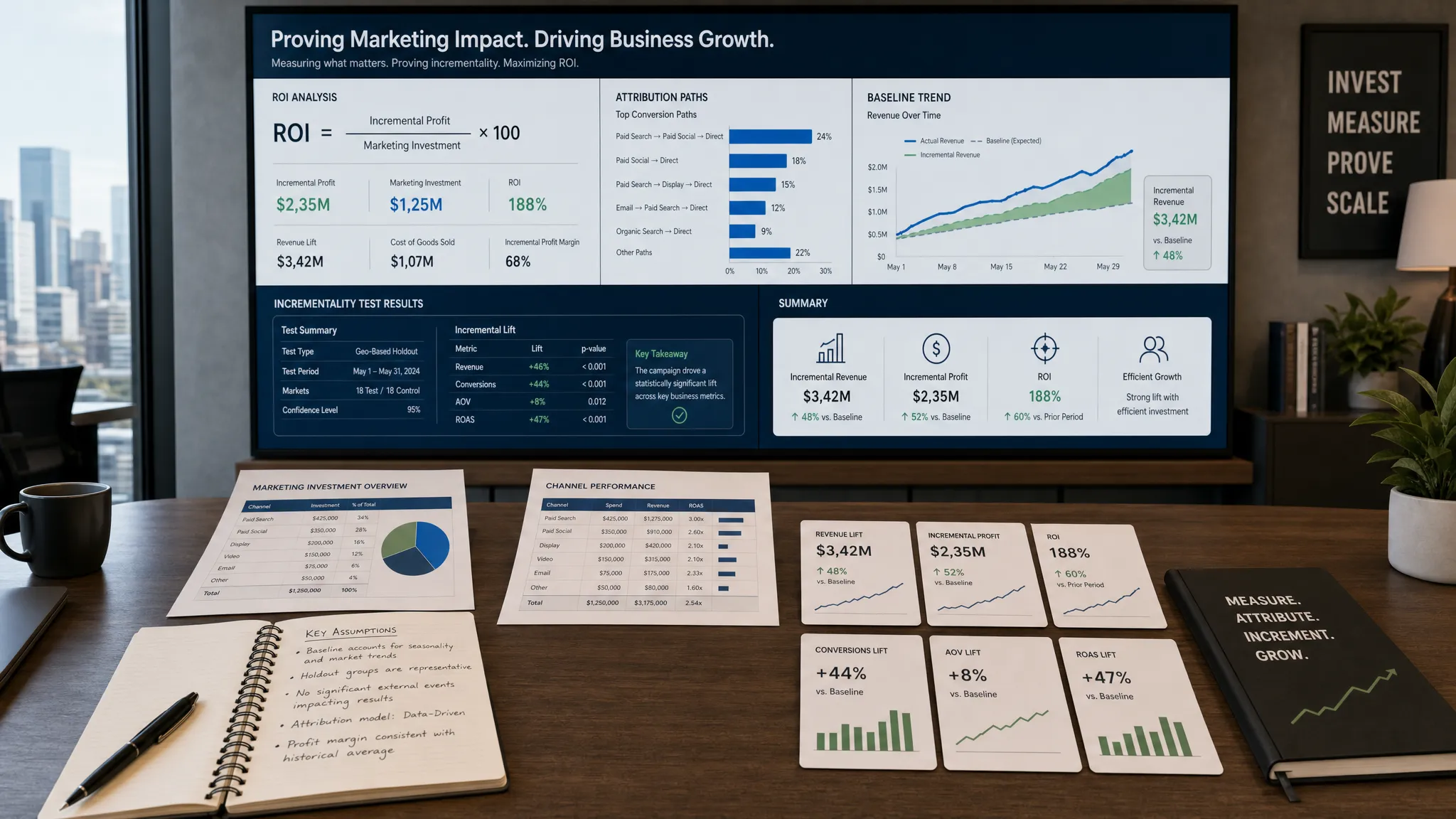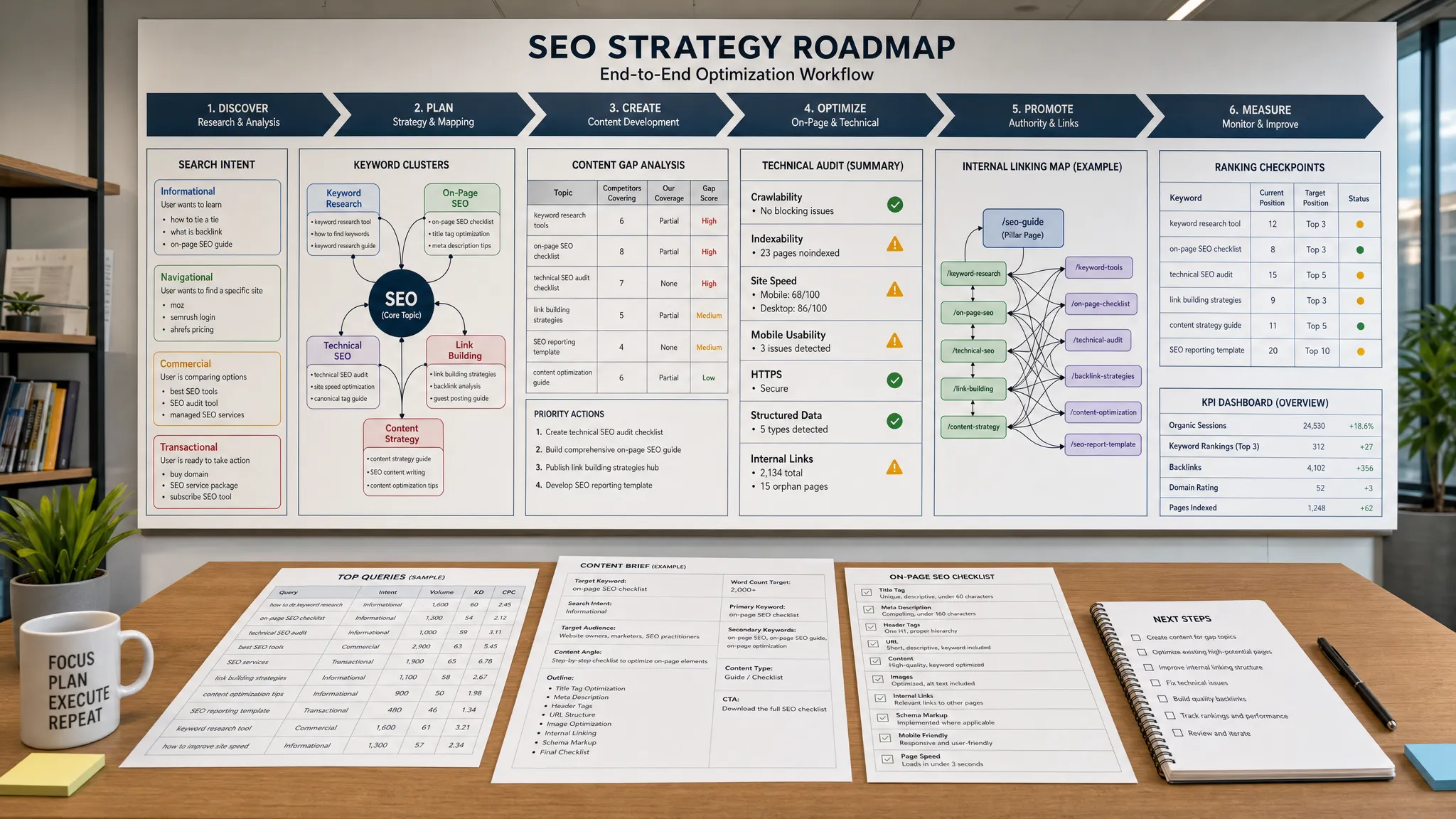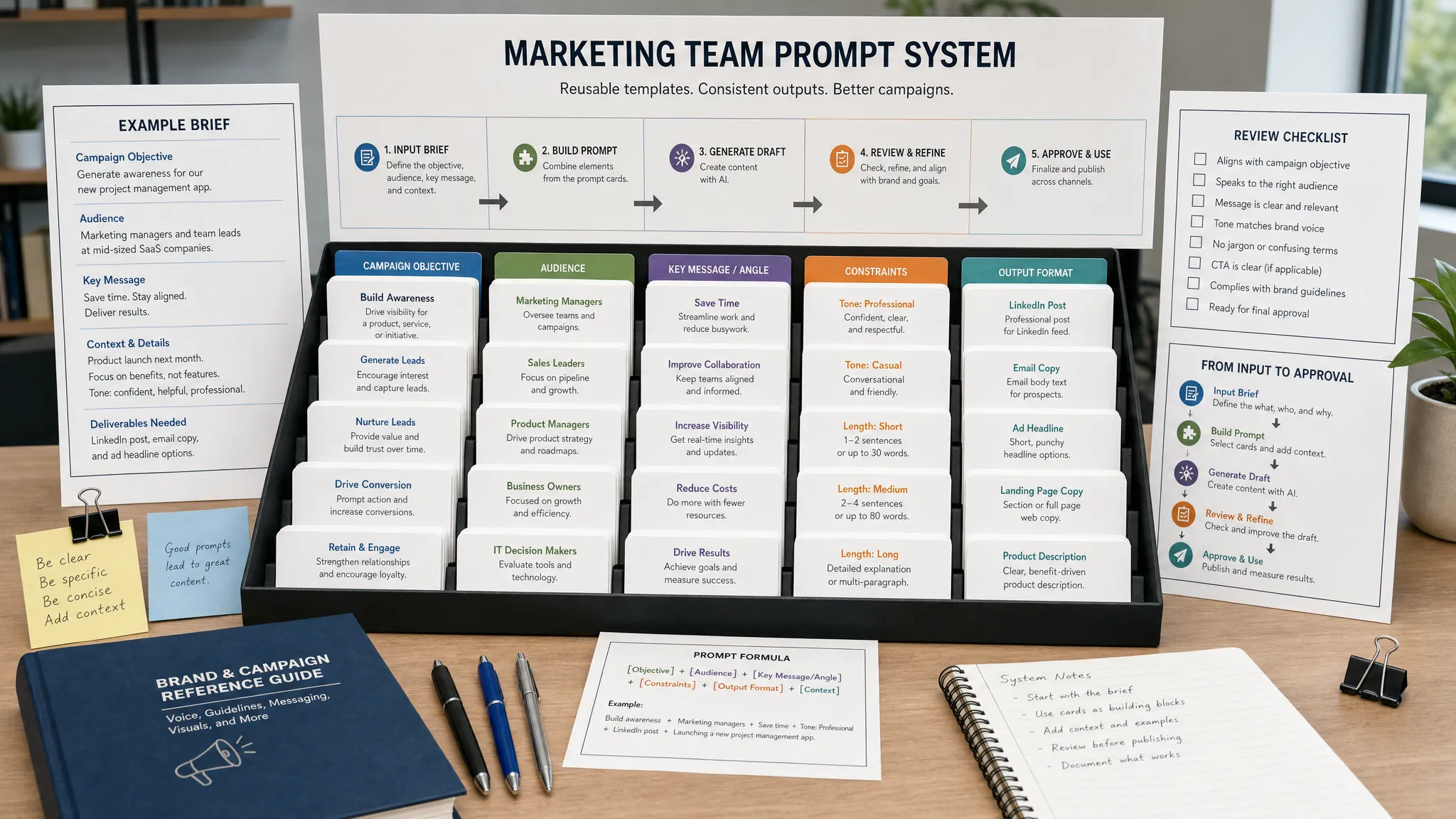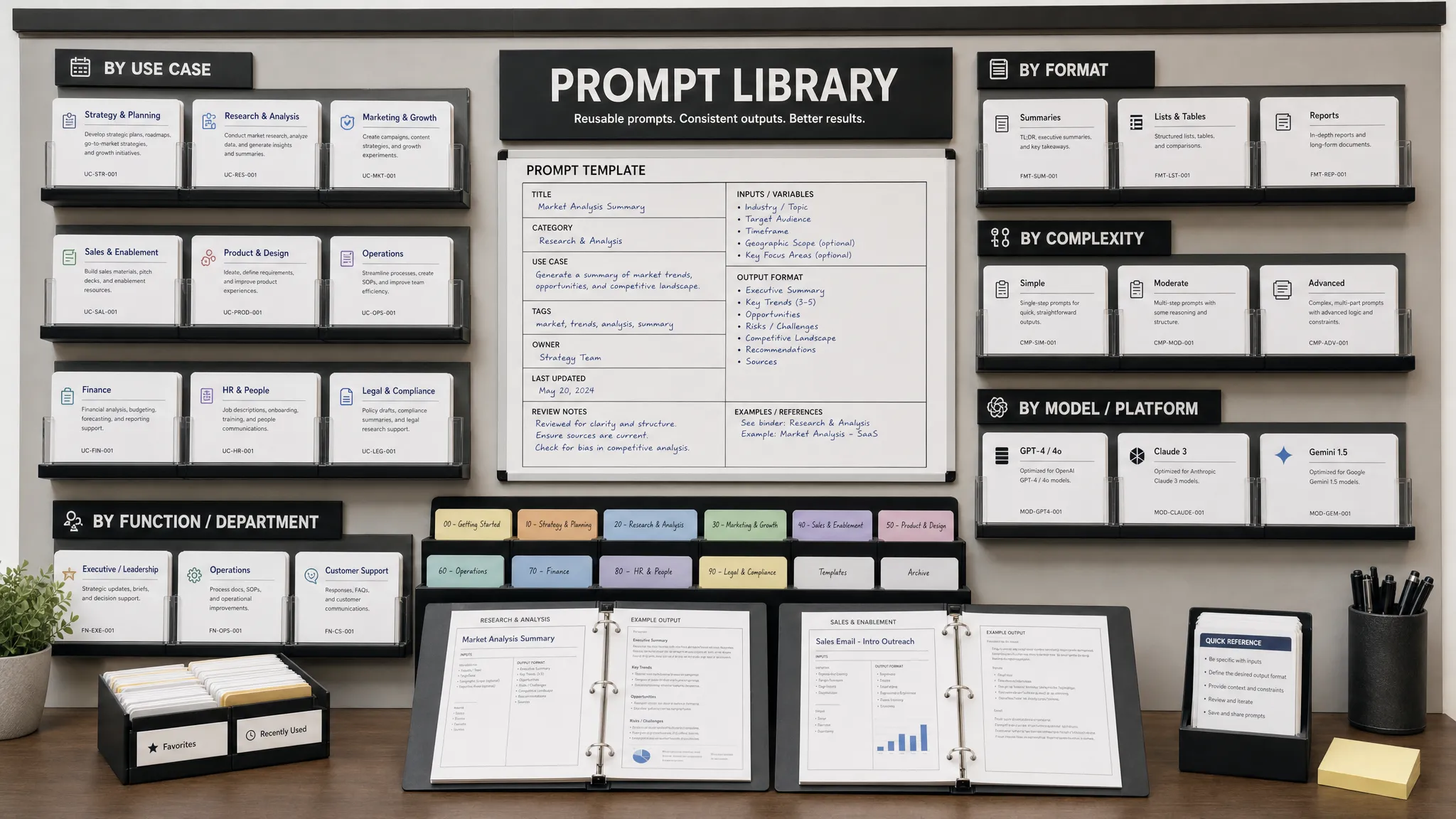
A strong content brief is the difference between a draft that needs light editing and a draft that misses the target entirely. It tells a writer, editor, or AI content system what the page should accomplish, who it is for, what angle to take, what sources to use, and how success will be measured.
The big question for modern marketing teams is no longer whether briefs matter. It is whether an AI content brief can replace a manual content brief, or whether the best results come from combining both.
The short answer: AI briefs are faster, more scalable, and better at collecting search data quickly. Manual briefs are stronger for strategy, judgment, brand nuance, and original insight. The best content operations in 2026 usually use AI to accelerate the research and structure, then rely on human marketers to sharpen the angle, validate facts, and align the brief with business goals.
Let’s break down the key differences so you can decide which approach fits your workflow.
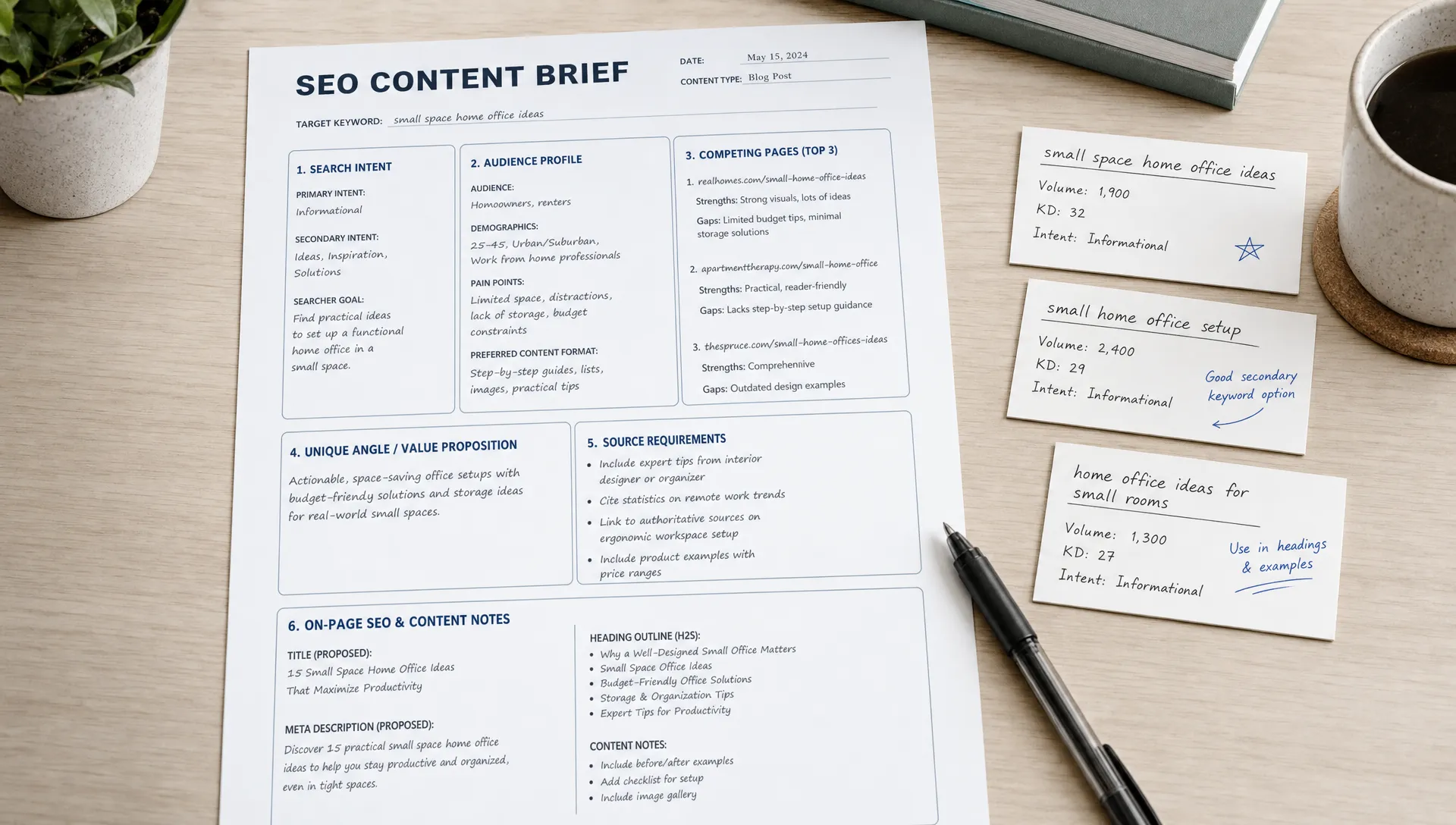
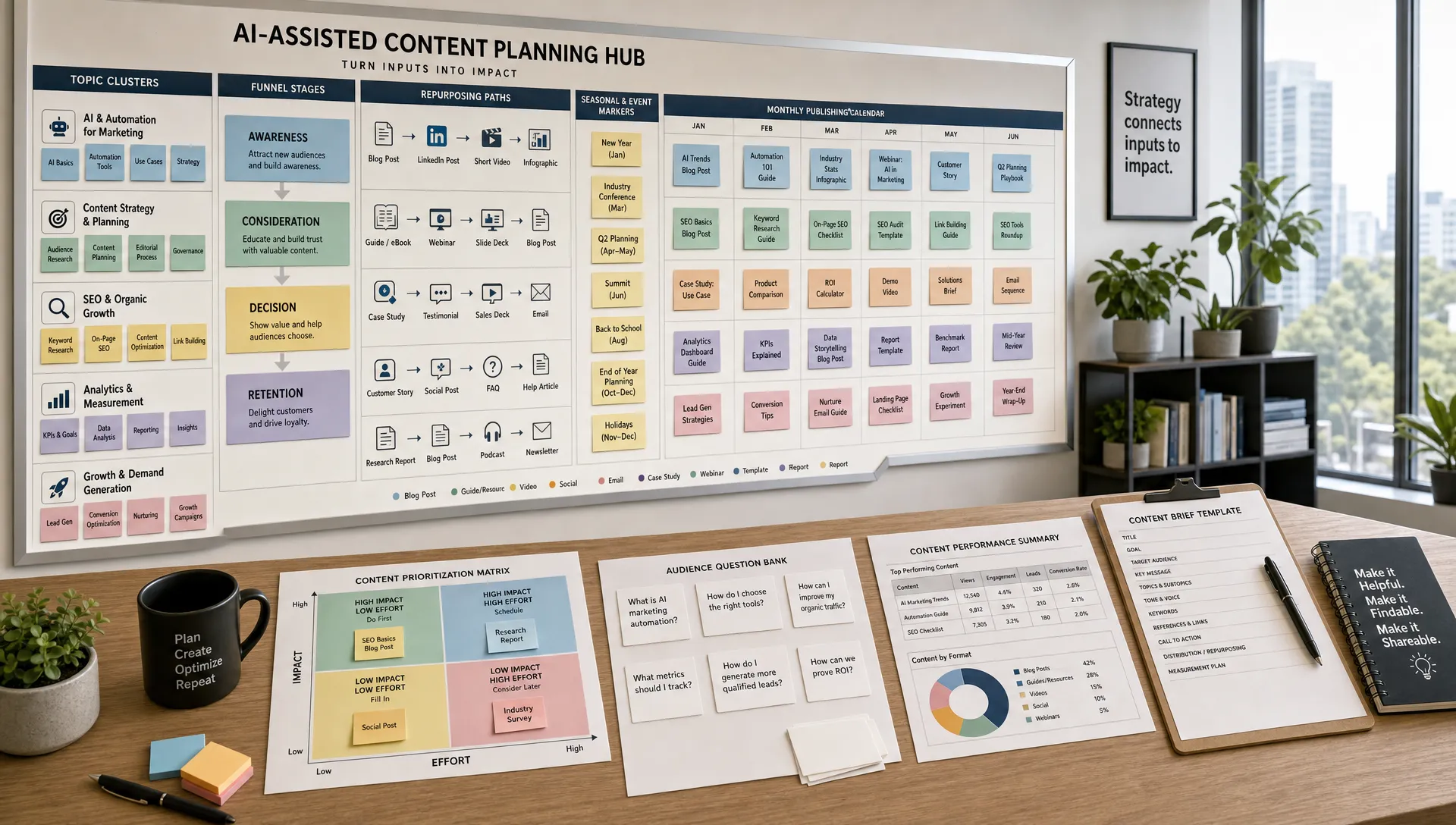
A content brief is a strategic document that guides the creation of a piece of content. It can be used for blog posts, landing pages, comparison pages, thought leadership articles, email sequences, product pages, and more.
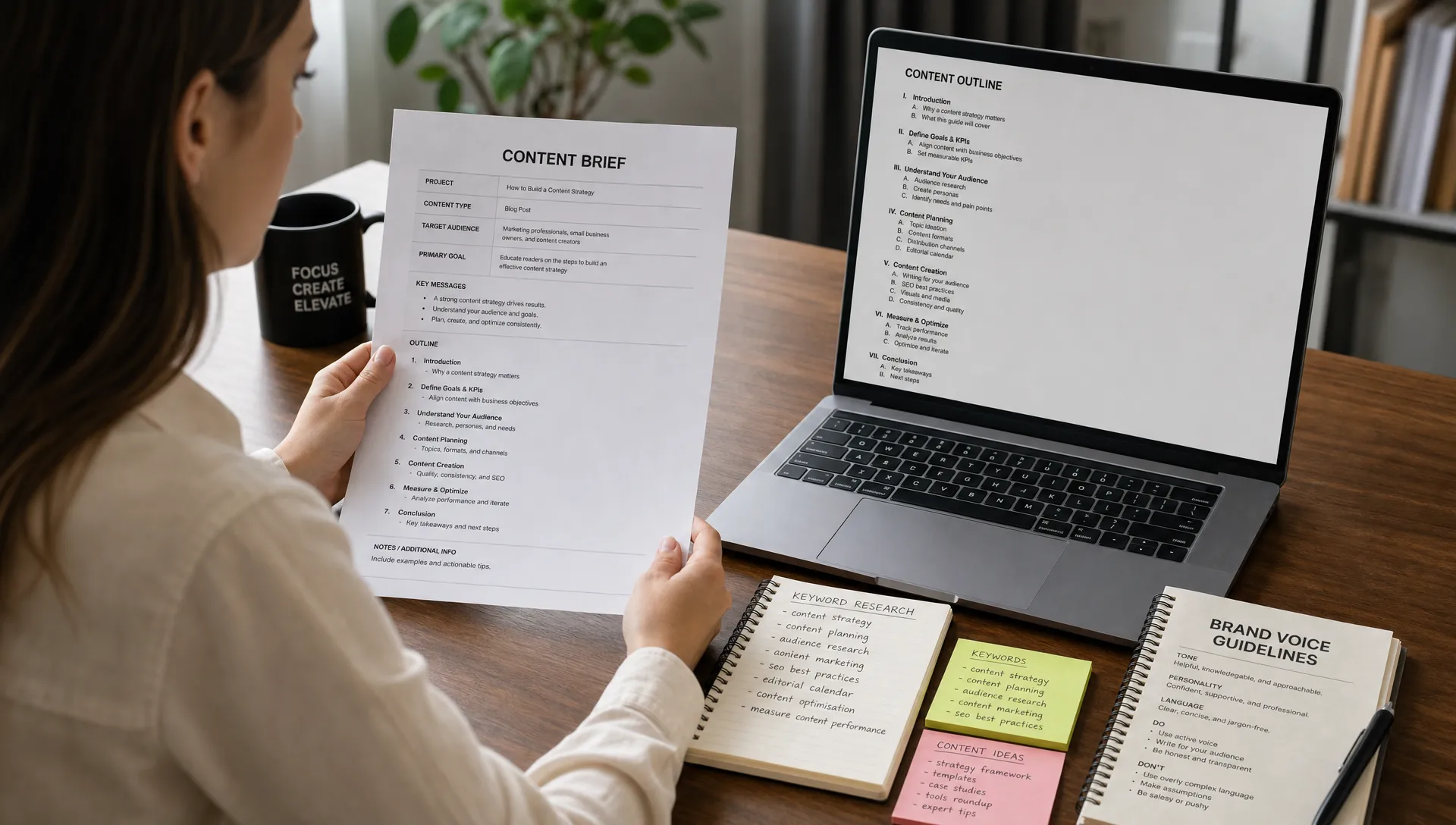
A useful brief typically explains:
A poor brief gives a writer a keyword and a word count. A strong brief gives them the context to create something useful, differentiated, and aligned with business outcomes.
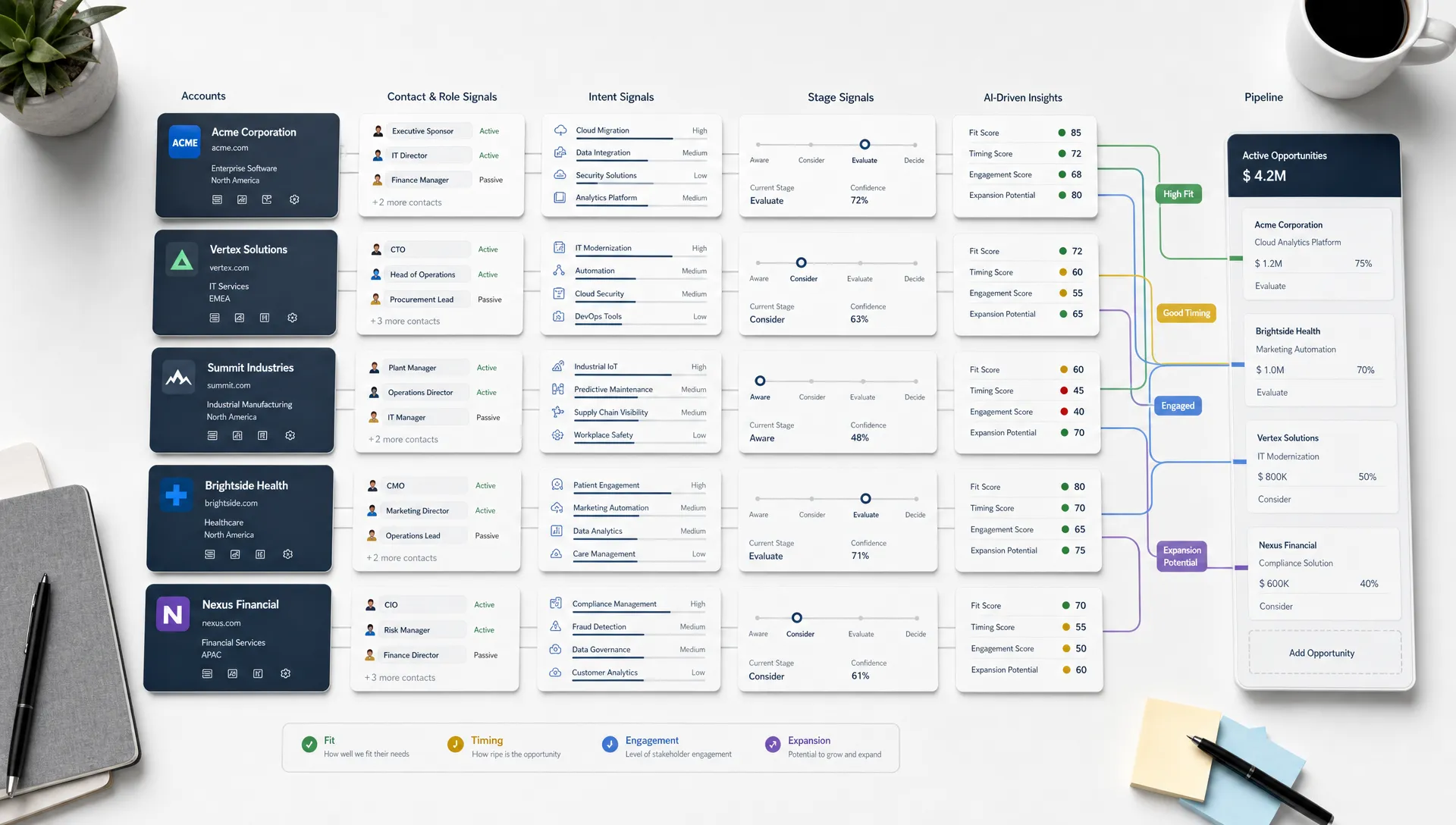
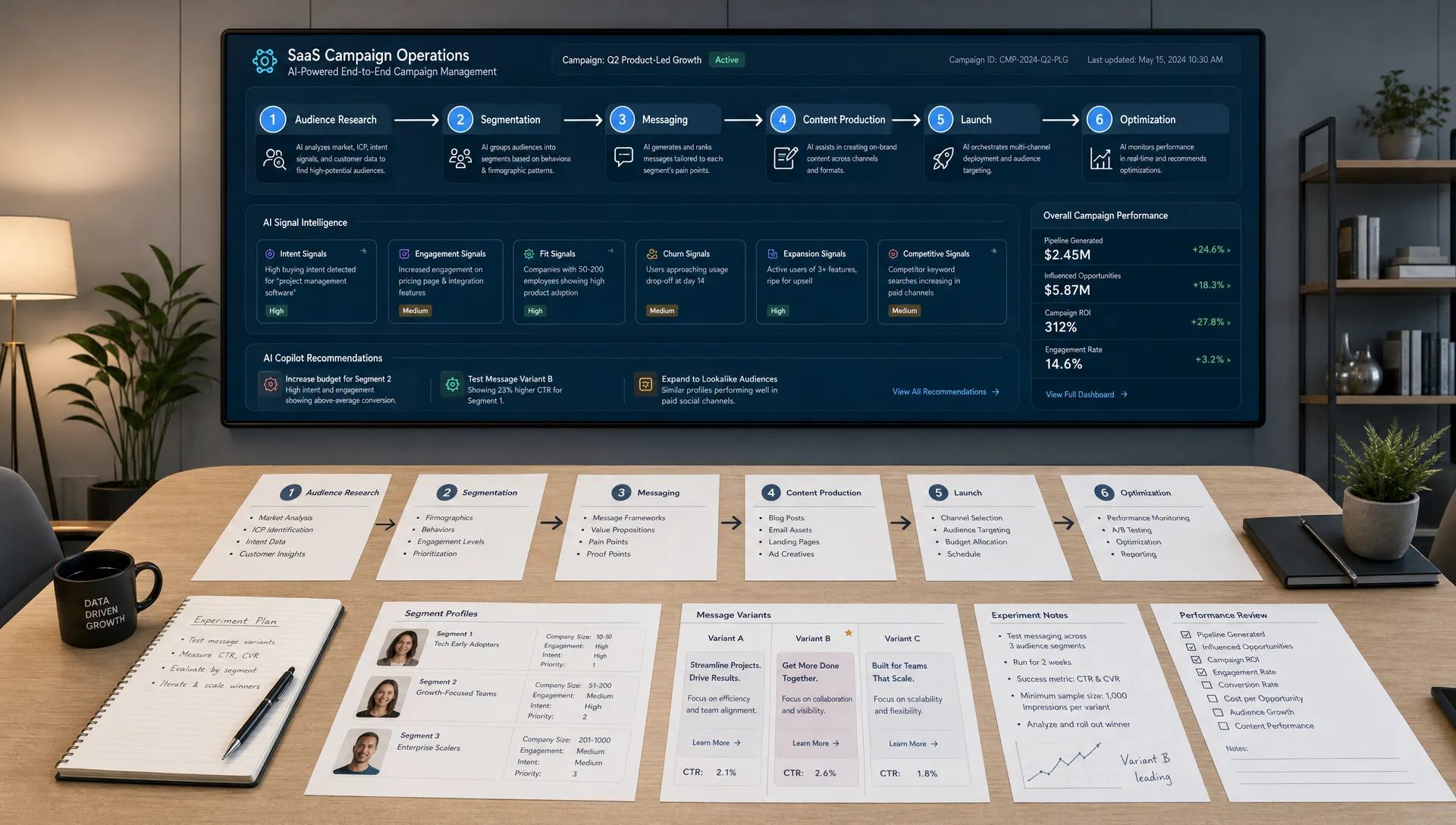
An AI content brief is generated or assisted by artificial intelligence. The AI may analyze search results, competitor pages, keyword data, SERP patterns, audience questions, and existing content to create a recommended structure for a new asset.
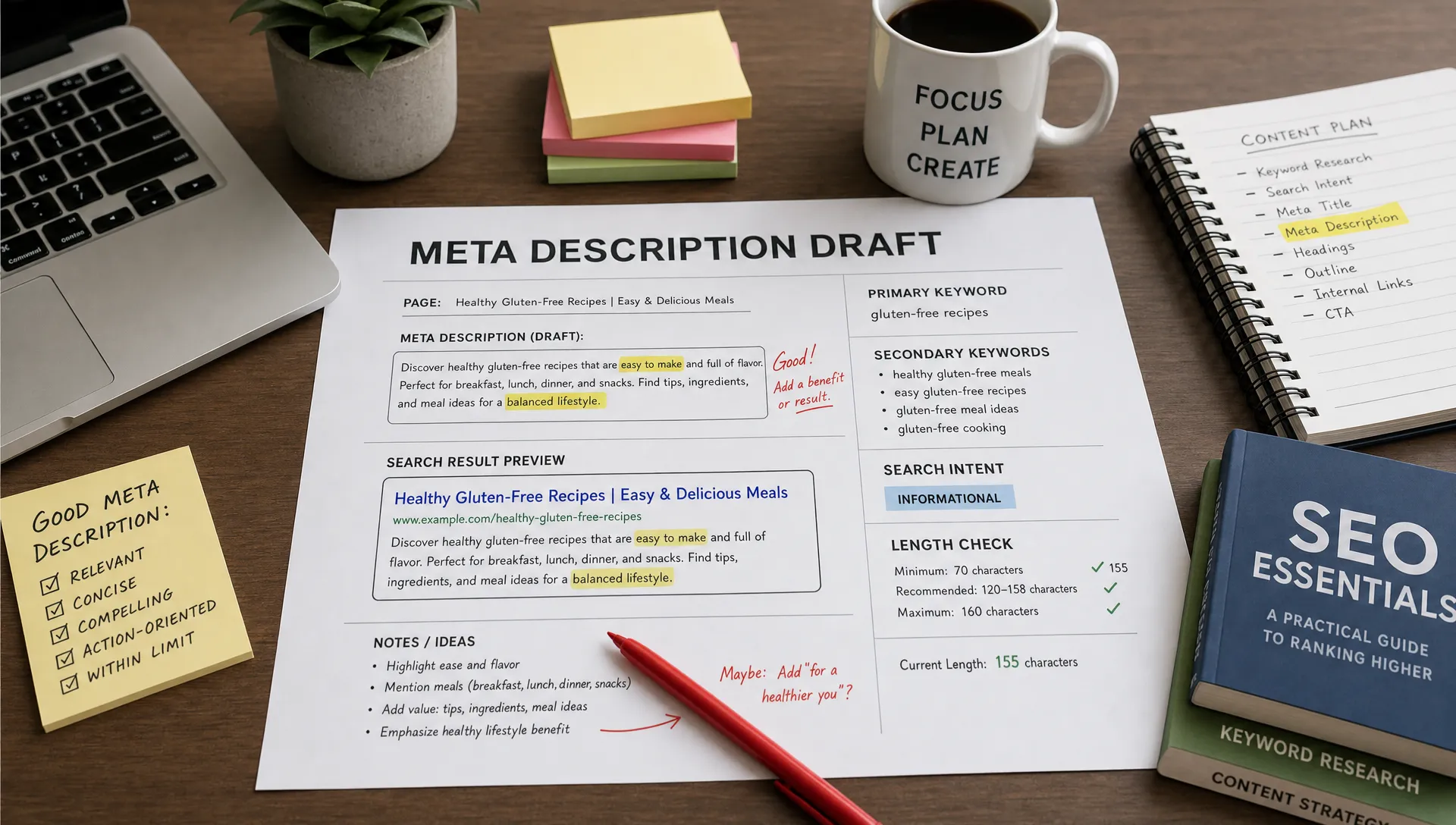
Depending on the tool and workflow, an AI brief may include title ideas, heading suggestions, semantic keywords, questions to answer, suggested word count, competitor summaries, meta description drafts, and content gaps.
AI briefs are especially useful when teams need to move quickly. They can turn a vague topic into a workable outline in minutes, giving marketers a first draft of the strategy instead of starting from a blank page.
However, AI brief quality depends heavily on the inputs, data access, prompts, and review process. If the AI is working from generic assumptions, the brief may look polished while still being strategically weak.
A manual content brief is created by a human strategist, editor, SEO specialist, content marketer, product marketer, or subject matter expert. The brief may still use keyword tools, analytics platforms, and competitor research, but the final decisions are made manually.
Manual briefs are often stronger when the topic requires industry knowledge, original positioning, expert interviews, proprietary data, or careful messaging. A human strategist can decide what not to include, which is often just as important as deciding what to include.
For example, a manual brief for a SaaS comparison article might explain why the brand should avoid a feature-by-feature race and instead focus on implementation speed, customer support, or total cost of ownership. AI can suggest those angles, but it may not know which one actually reflects the company’s positioning unless that information is provided.
The most obvious difference is speed.
An AI content brief can usually be produced in minutes. A manual brief may take anywhere from 30 minutes to several hours, depending on the topic, complexity, and research required.
This makes AI especially valuable for teams producing content at scale. If your marketing team needs to plan dozens of articles, refresh old blog posts, or build topical clusters quickly, AI can reduce the time spent on initial research and formatting.
Manual briefs are slower because they require deliberate thinking. A strategist needs to review the SERP, understand the business objective, assess competitors, identify content gaps, and translate all of that into usable guidance.
Speed is not always the same as quality, though. AI can help you create more briefs, but human judgment helps ensure those briefs are worth executing.
A practical rule: use AI to accelerate repeatable research tasks, then use humans to make strategic decisions.
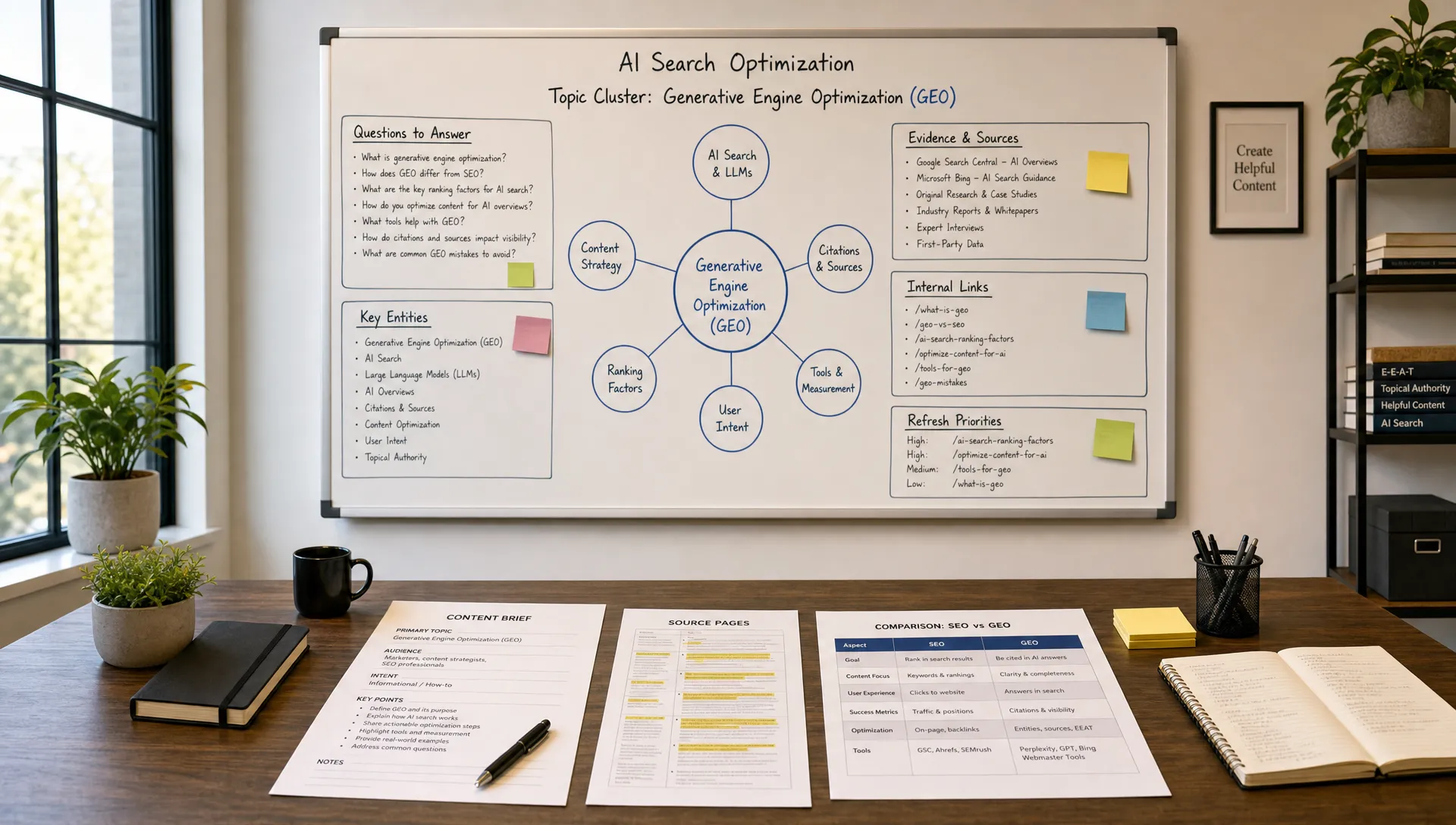
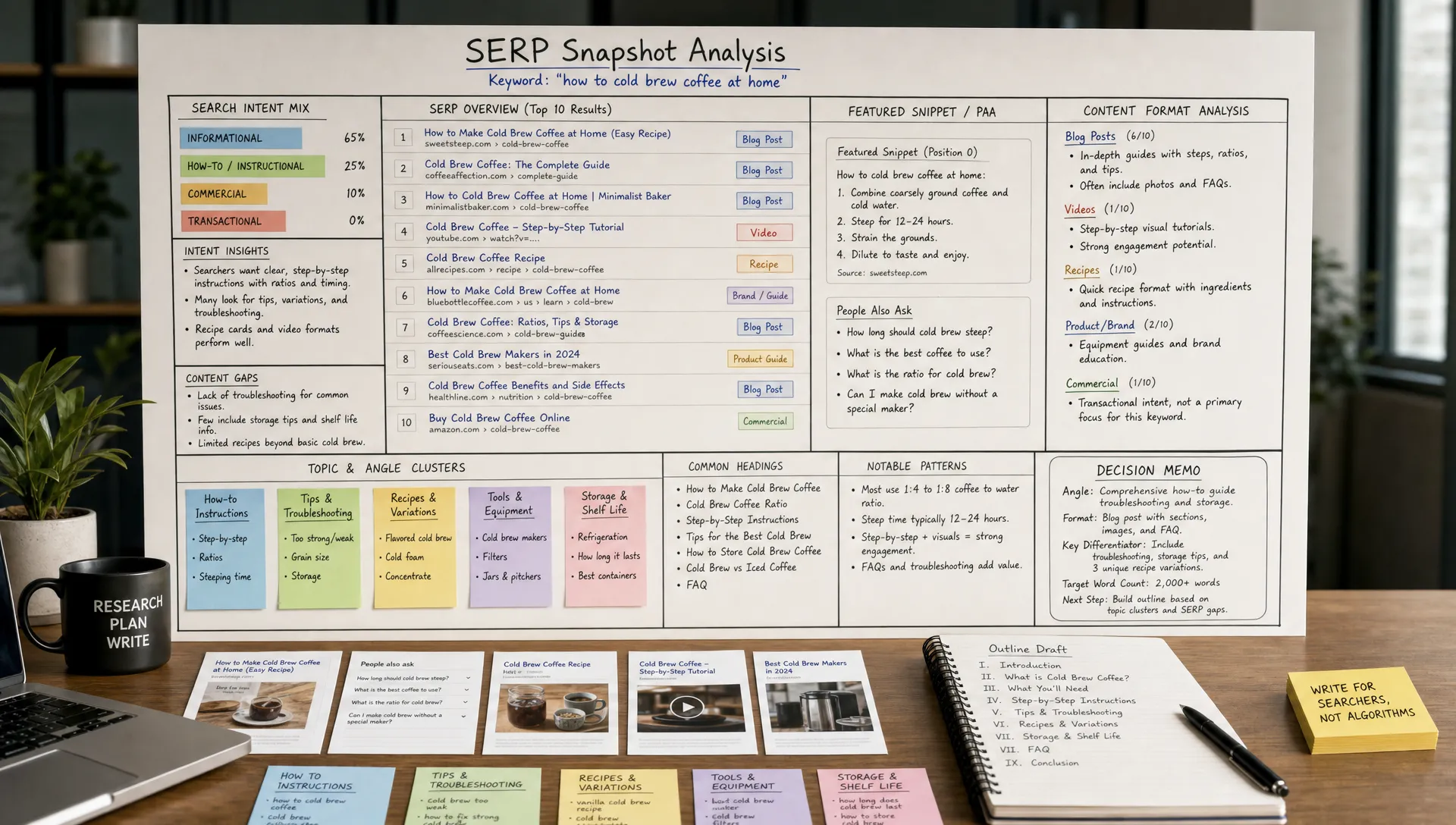
AI tools are often strong at identifying visible patterns in search results. They can scan ranking pages, summarize common headings, surface frequently asked questions, and suggest related subtopics.
That is useful, but search intent is not just a list of what competitors mention. It is the underlying reason someone is searching.
For example, someone searching “AI content briefs vs manual briefs” is likely evaluating process, quality, and workflow tradeoffs. They may be a content manager, SEO lead, founder, or agency strategist trying to decide whether AI can improve content operations without reducing quality.
AI can infer that intent, but a human marketer can connect it to the buyer journey. This article is not purely top-of-funnel education. It is closer to middle-of-funnel evaluation because the reader is comparing two approaches and may be considering AI tools for their workflow.
That distinction matters. A brief that treats this topic as a generic definition article will underperform. A better brief should focus on differences, use cases, risks, and a hybrid process.
If your team is building SEO workflows with limited resources, it is worth exploring how AI SEO tools for small teams can support research without replacing strategic review.
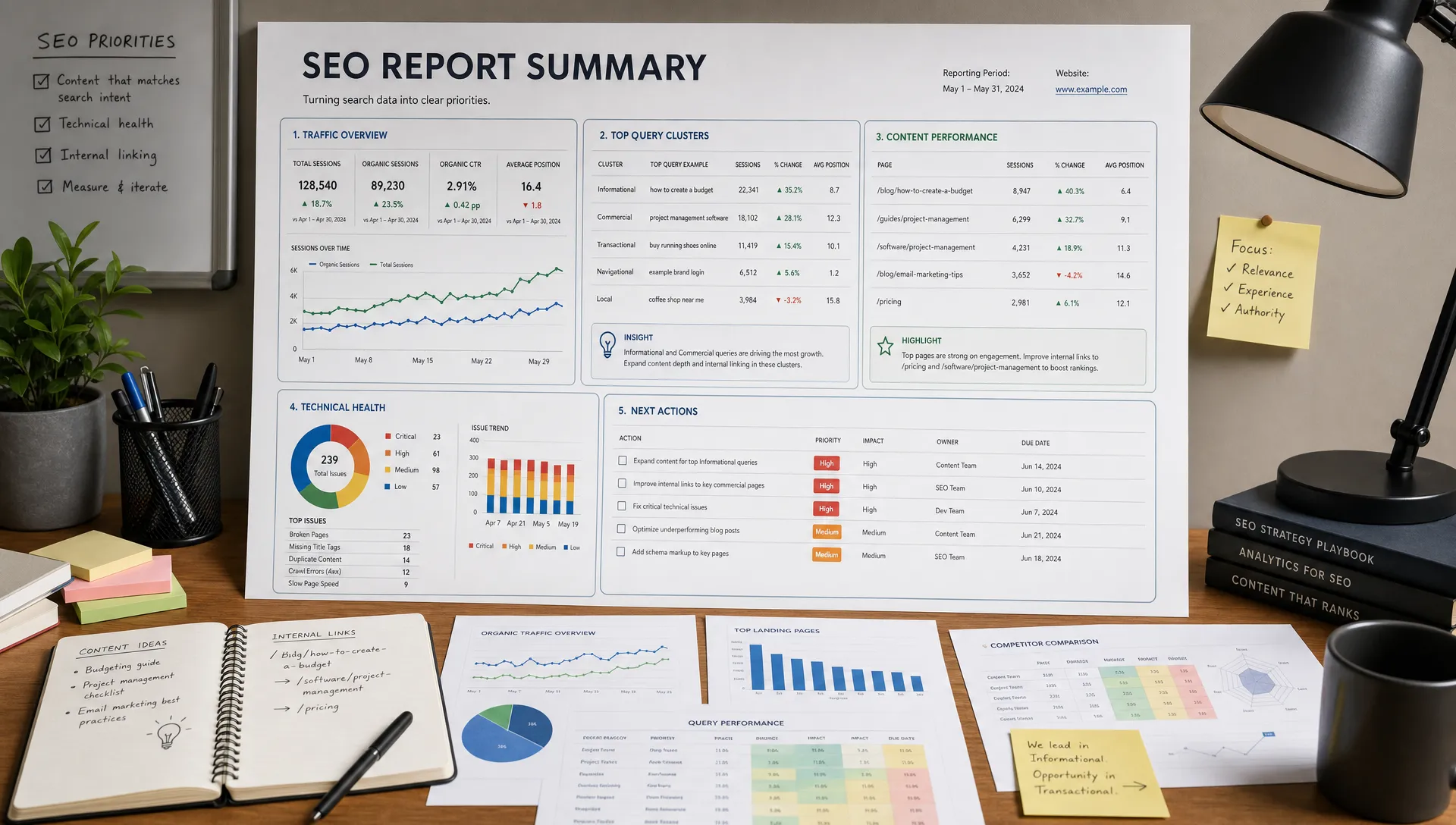
AI is excellent at gathering and organizing data. It can quickly identify:
But data collection is not the same as interpretation.
A manual brief can ask better strategic questions. Is the SERP missing a strong point of view? Are competitors repeating the same generic advice? Does the brand have a unique case study, internal process, or customer insight that can make the content more valuable?
This is where manual briefs often win. Human strategists can identify opportunities that are not obvious in scraped patterns. They can also reject misleading recommendations. For instance, if every competitor article includes a broad section on “what is AI,” a strategist may decide to skip or shorten it because the target reader is already sophisticated.
AI can show what exists. Humans decide what deserves to exist.
One of the biggest risks with AI-generated briefs is sameness. If several teams use similar tools to analyze the same search results, they may all end up with similar outlines.
That can lead to content that checks SEO boxes but does not say anything new.
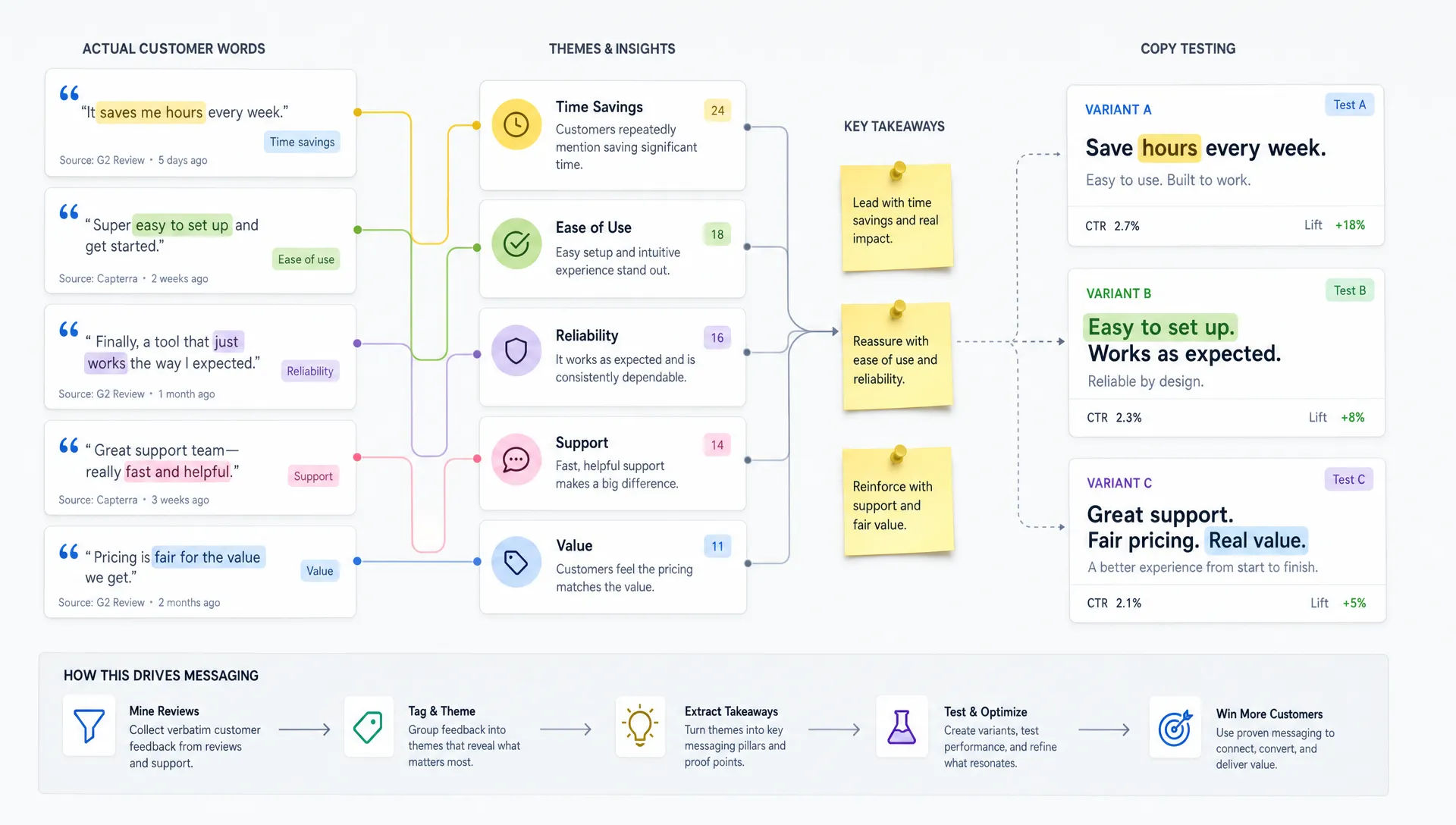
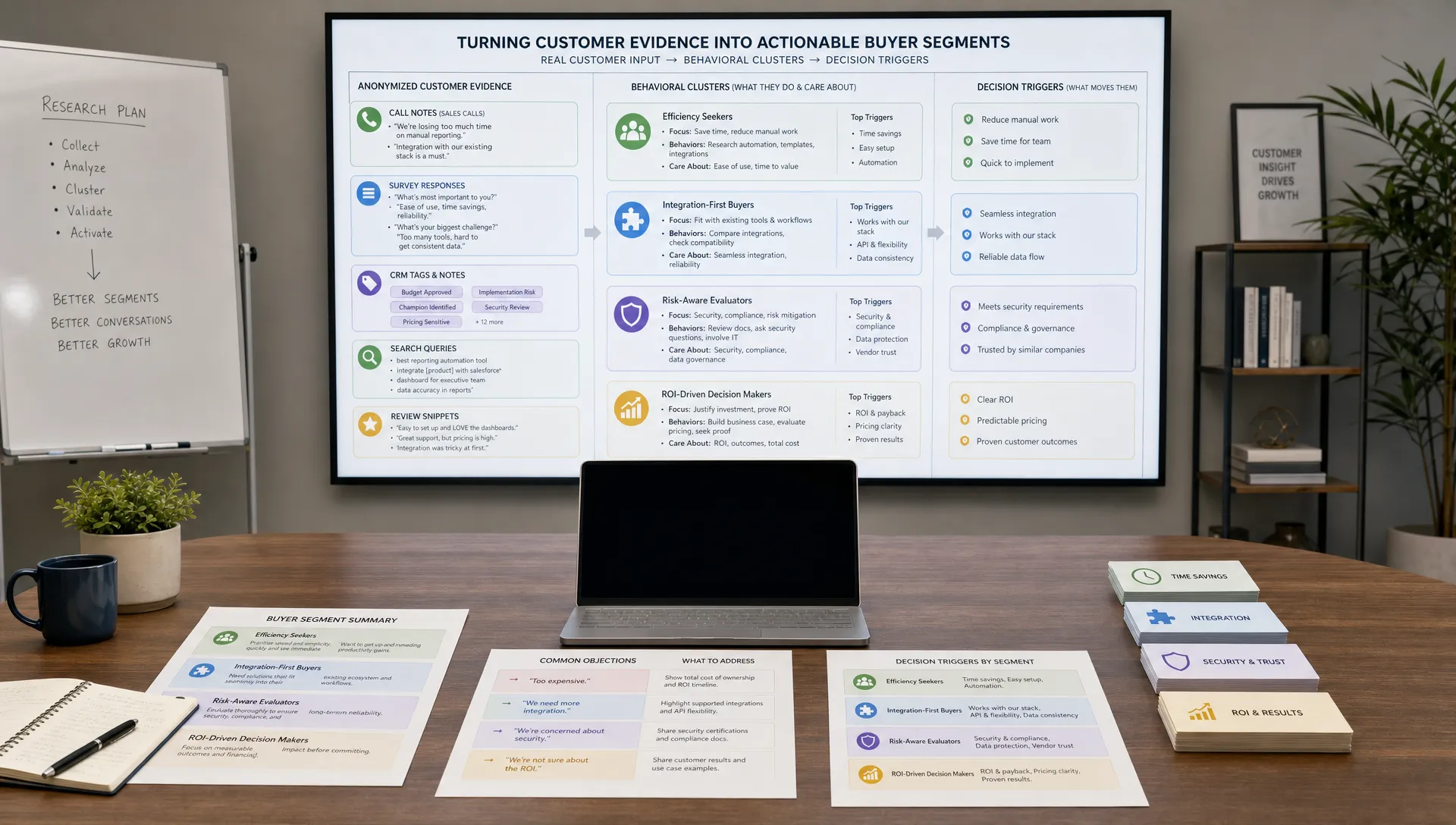
Manual briefs are better positioned to create differentiation because they can include original inputs such as customer interviews, sales call insights, product data, expert commentary, or first-hand experience. These inputs are essential for creating content that feels credible and specific.
Google’s guidance on creating helpful, reliable, people-first content emphasizes value, expertise, and usefulness over content made primarily to attract search traffic. You can review this principle directly in Google Search Central’s helpful content guidance.
AI briefs can support originality if you feed them original material. For example, you can provide customer objections, brand positioning, audience research, or interview notes and ask the AI to incorporate those into a content structure. Without those inputs, the brief may simply mirror what is already ranking.
Manual briefs usually provide stronger brand direction. A human can explain tone, vocabulary, claims to avoid, product positioning, competitor sensitivities, and audience expectations.
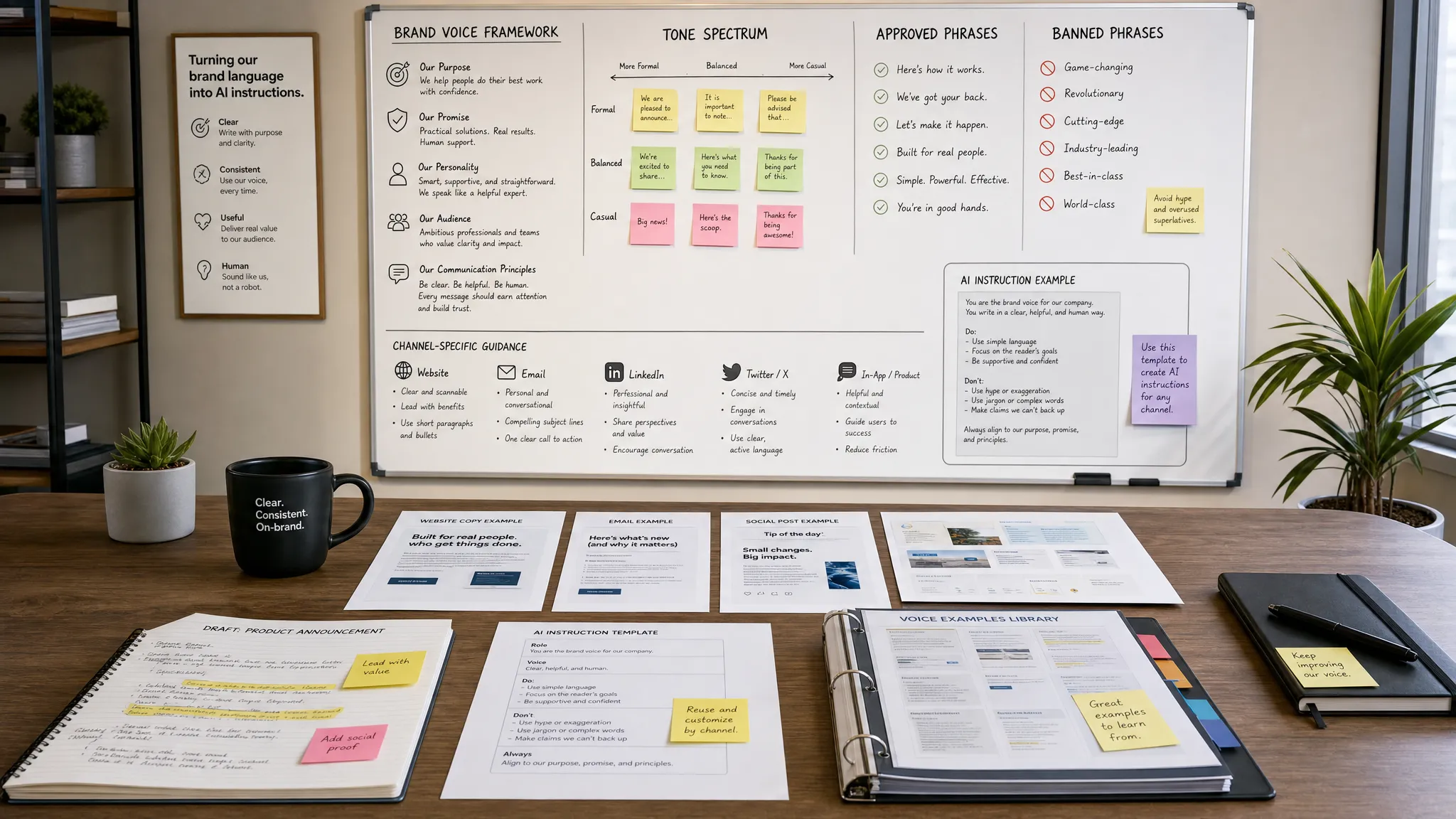
AI can help document brand voice, but it needs clear guidance. If the prompt only says “write in a professional tone,” the result will likely sound generic. If the brief includes examples of approved messaging, banned phrases, audience sophistication, and preferred framing, AI can be much more useful.
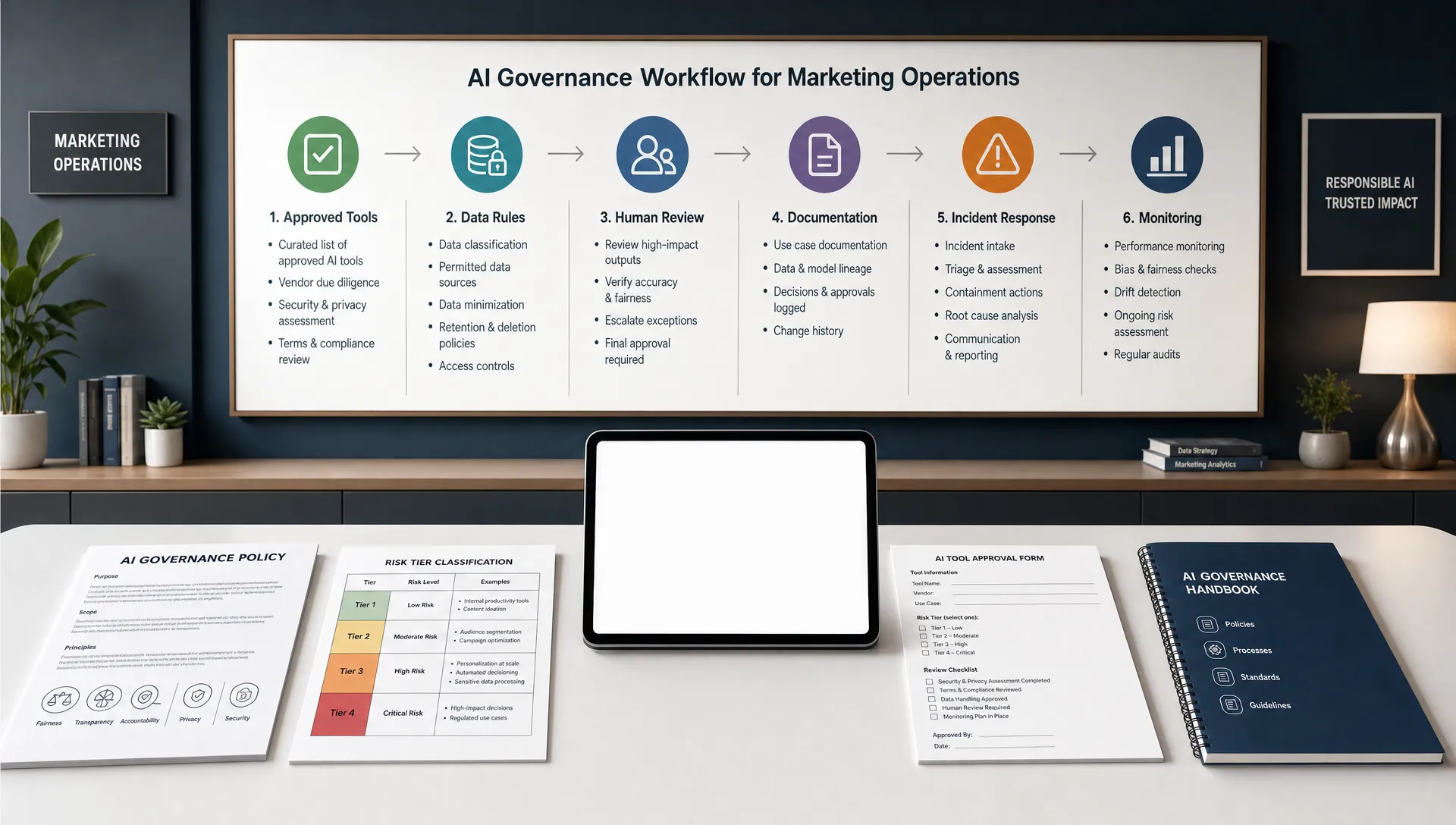
This is especially important for brands in regulated or trust-sensitive spaces such as finance, legal, healthcare, cybersecurity, and B2B SaaS. A vague AI-generated brief may accidentally encourage claims that are too broad, too promotional, or not compliant.
For teams that rely on AI-assisted production, maintaining a clear voice system is essential. A related guide on using AI for marketing without losing your brand voice can help you think through that balance.
AI briefs can include outdated, incomplete, or inaccurate information if the tool does not have access to reliable current data or if it summarizes weak sources. Even when the brief looks confident, it still needs review.
Manual briefs are not automatically accurate either. Human researchers can miss details, rely on outdated assumptions, or misunderstand technical topics. The difference is that manual brief creation usually involves more deliberate source evaluation.
For high-quality content, every brief should clarify which claims need evidence. It should also specify which sources are acceptable. A strong brief might require primary sources, government data, industry reports, product documentation, or expert quotes.
Quality control is especially important when creating content about AI marketing, finance, legal topics, or software comparisons. In these areas, vague claims can reduce trust quickly.
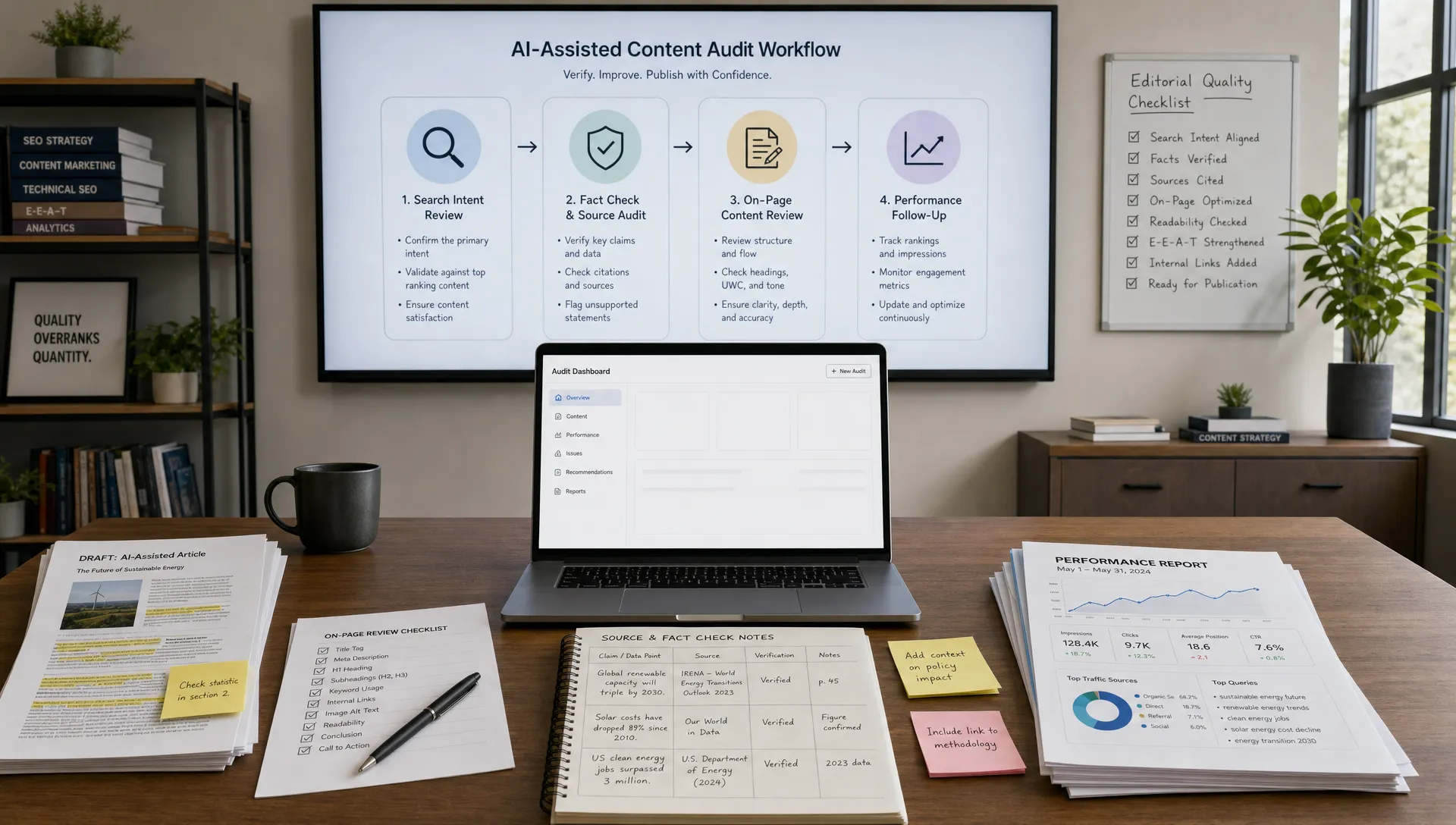
A good review process should check:
The most effective teams treat AI as an assistant, not an authority.
AI briefs can reduce production costs by saving research and planning time. This is especially helpful for startups, agencies, and lean marketing teams that need to create consistent content without hiring a large editorial staff.
Manual briefs cost more because they require experienced strategic labor. But they may also prevent expensive mistakes, such as producing content that ranks poorly, attracts the wrong audience, or fails to convert.
The right choice depends on the value of the content asset.
For a low-risk informational article, an AI-assisted brief may be enough with light human review. For a high-value landing page, product comparison, thought leadership piece, or sales enablement asset, a manual or heavily human-edited brief is usually worth the extra time.
Think of brief quality as an investment decision. The more revenue impact, risk, or brand sensitivity a piece of content has, the more human strategy it deserves.
Manual briefs often work better for collaboration because they can include context that is hard for AI to infer. For example, a content lead might explain that the writer should interview a product manager, reference a recent customer story, or avoid a topic because it conflicts with an upcoming launch.
AI briefs can still support collaboration, especially when they are used as a starting point. They create a structured draft that editors and experts can react to. This can be easier than asking stakeholders to build a brief from scratch.
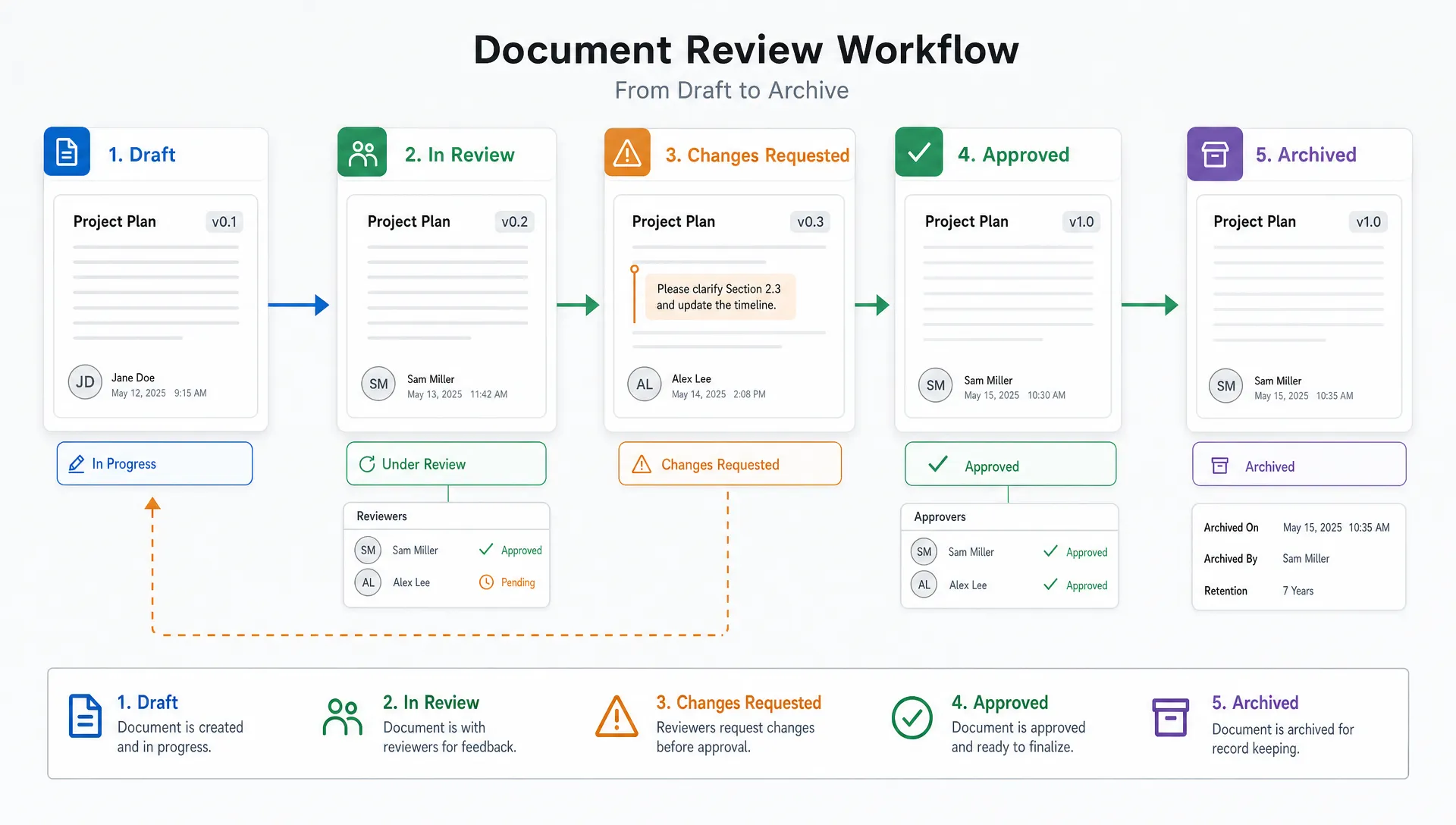
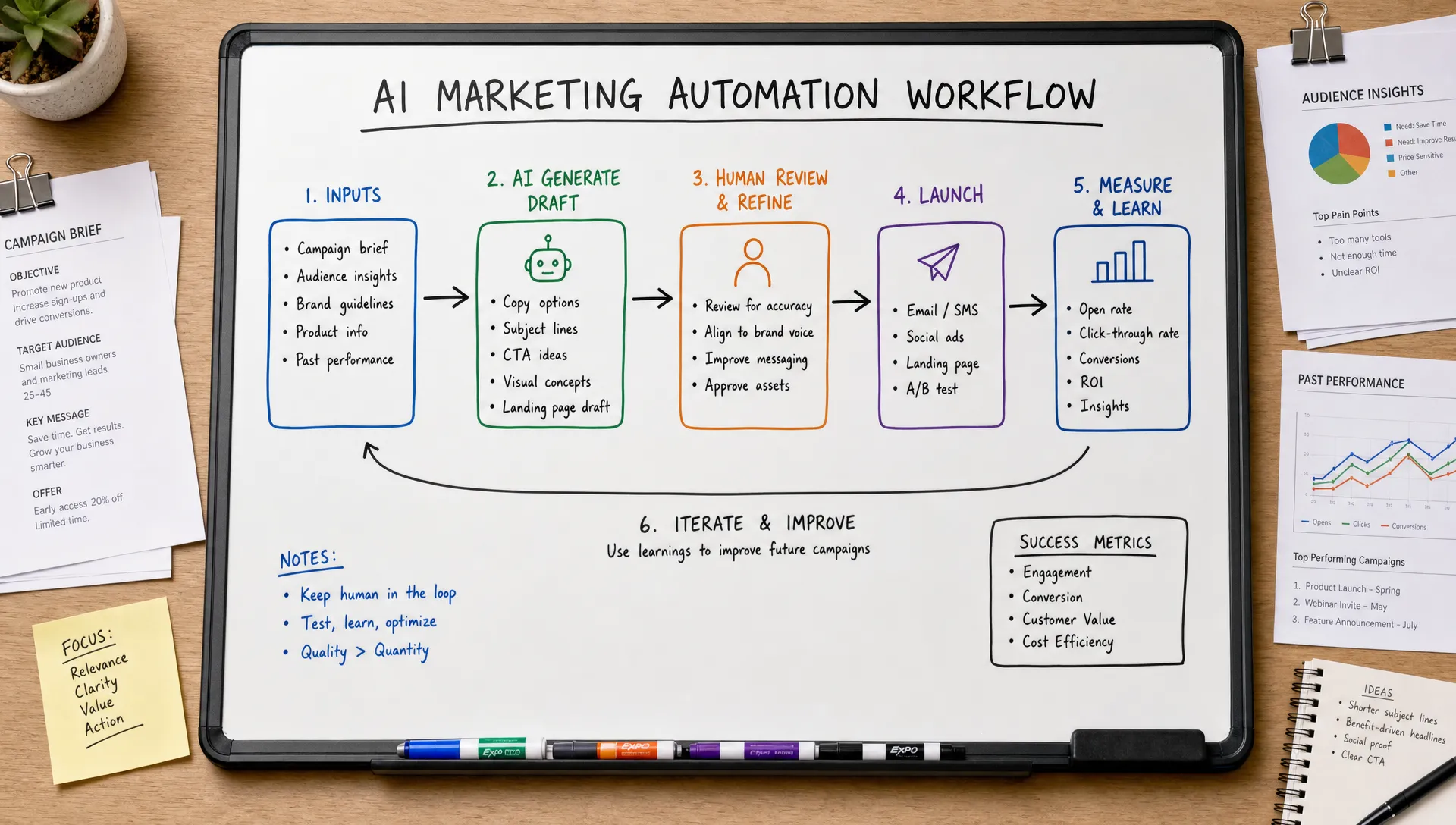
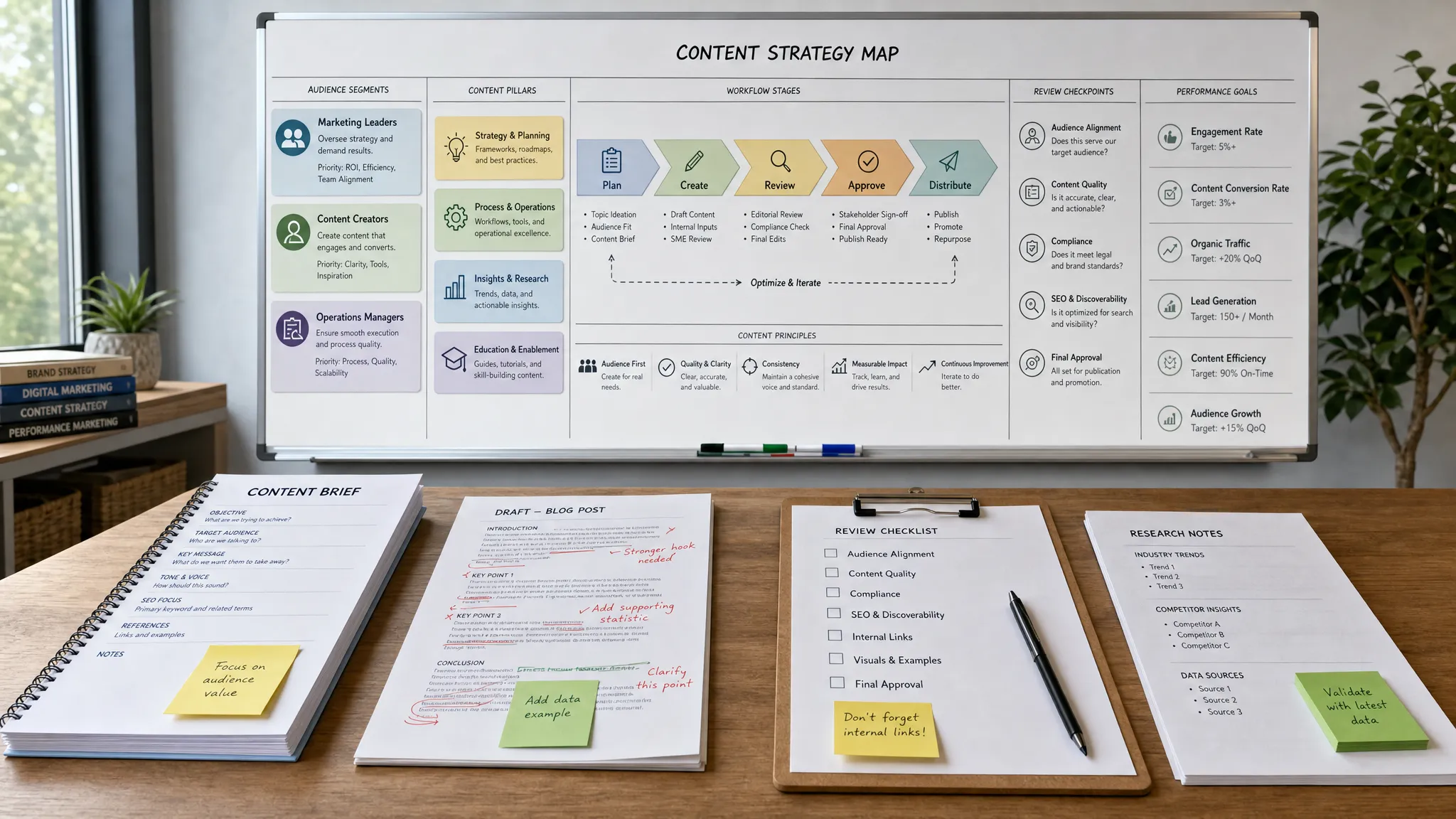
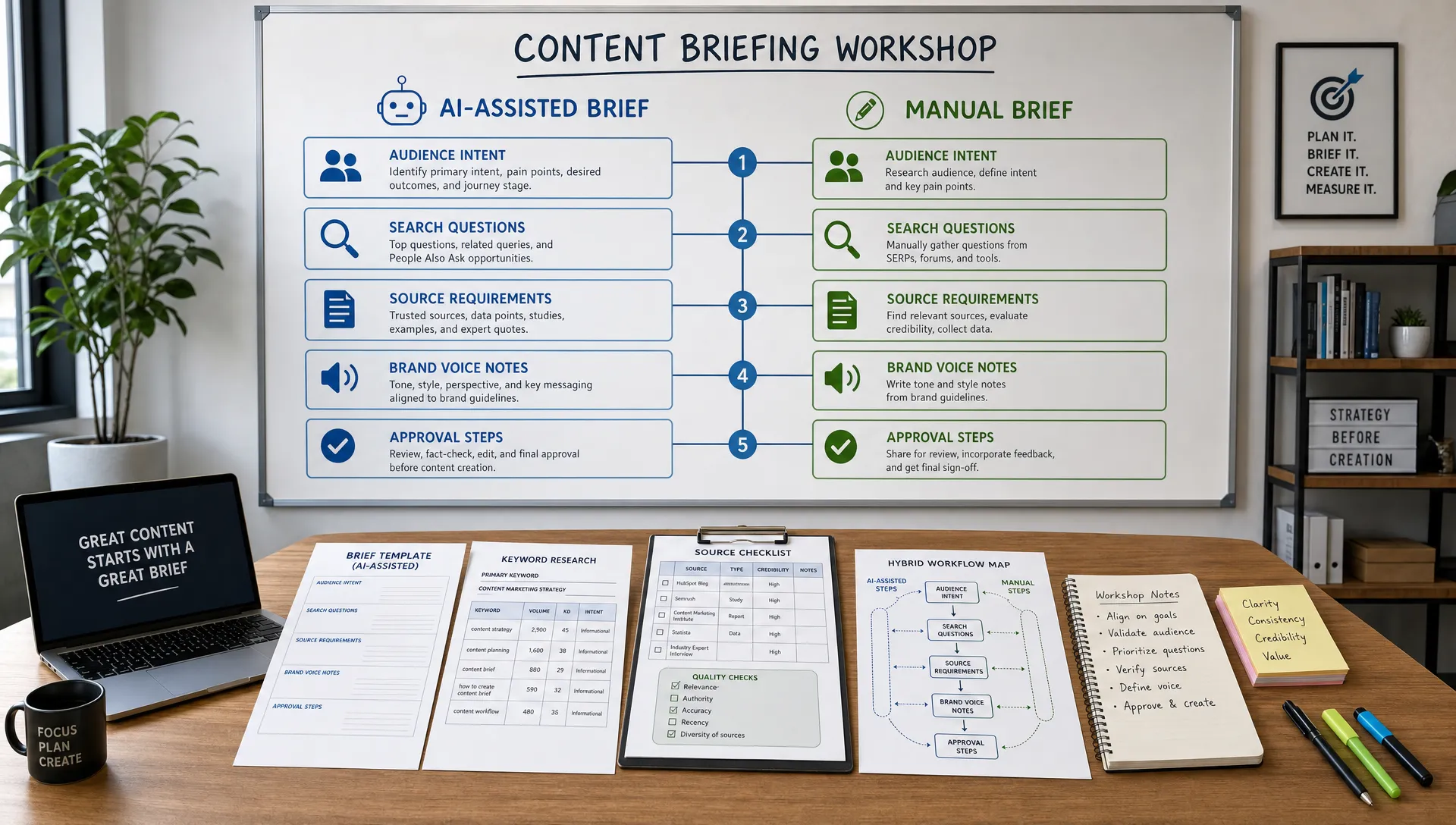
A strong hybrid process might look like this:
This workflow keeps the efficiency of AI while preserving the judgment and originality that strong content requires.
AI content briefs are most useful when the topic is familiar, the content type is repeatable, and the risk of factual or strategic error is relatively low.
They work well for:
AI briefs are also helpful when your team is stuck. A quick AI-generated outline can reveal potential angles, missing questions, and structural options. Even if you do not use the brief exactly as generated, it can speed up thinking.
AI becomes less reliable when the brief needs confidential company knowledge, expert nuance, strong opinion, or original positioning.
Manual briefs are better when content has high strategic importance. If the asset affects revenue, trust, or brand positioning, do not rely on AI alone.
Manual briefs are ideal for:
Manual work is also critical when a topic requires judgment about what the audience already knows. Experienced content strategists can avoid overexplaining basics and focus on what helps the reader make a decision.
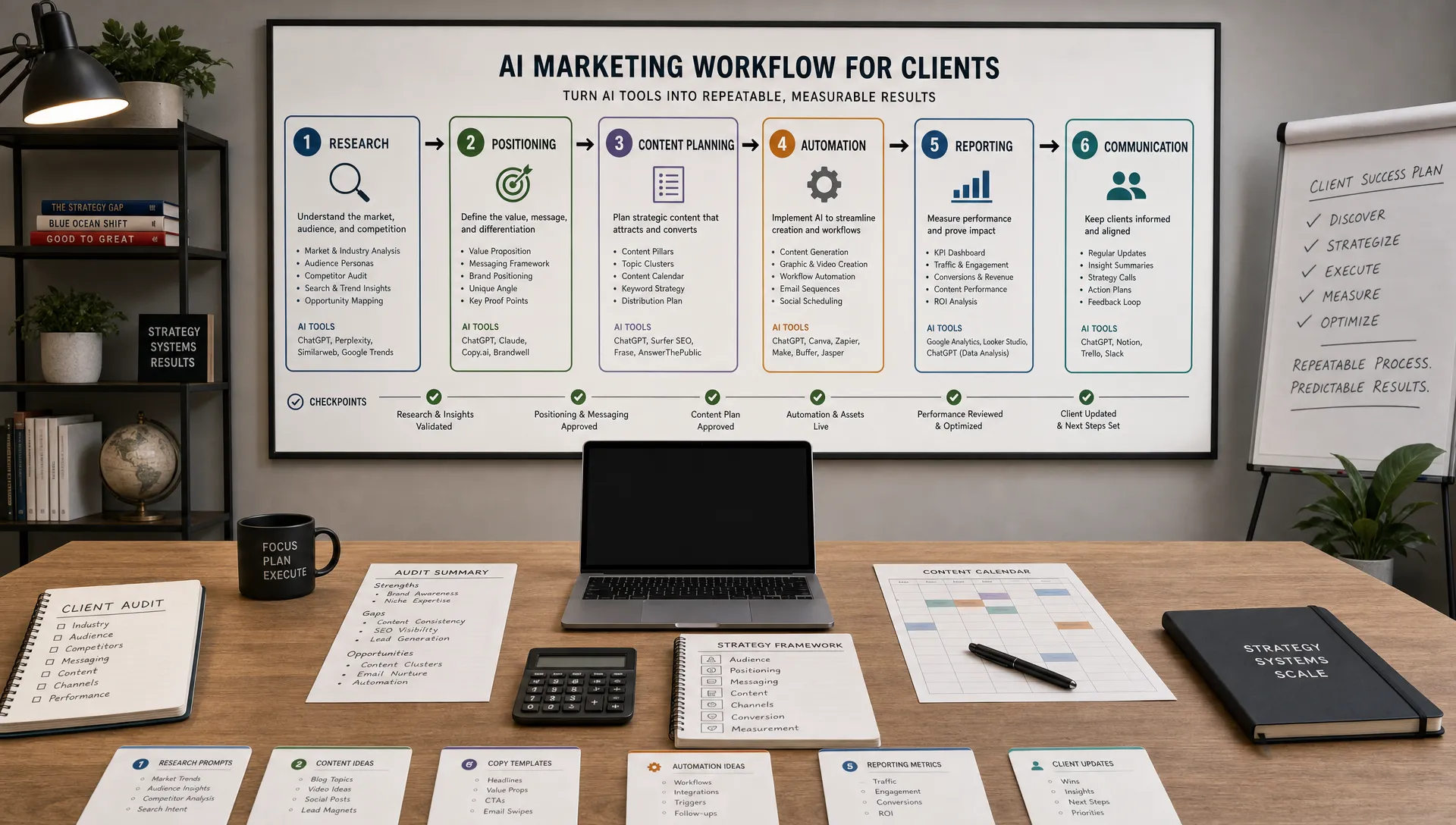
The strongest content brief process is not AI versus manual. It is AI-assisted and human-led.
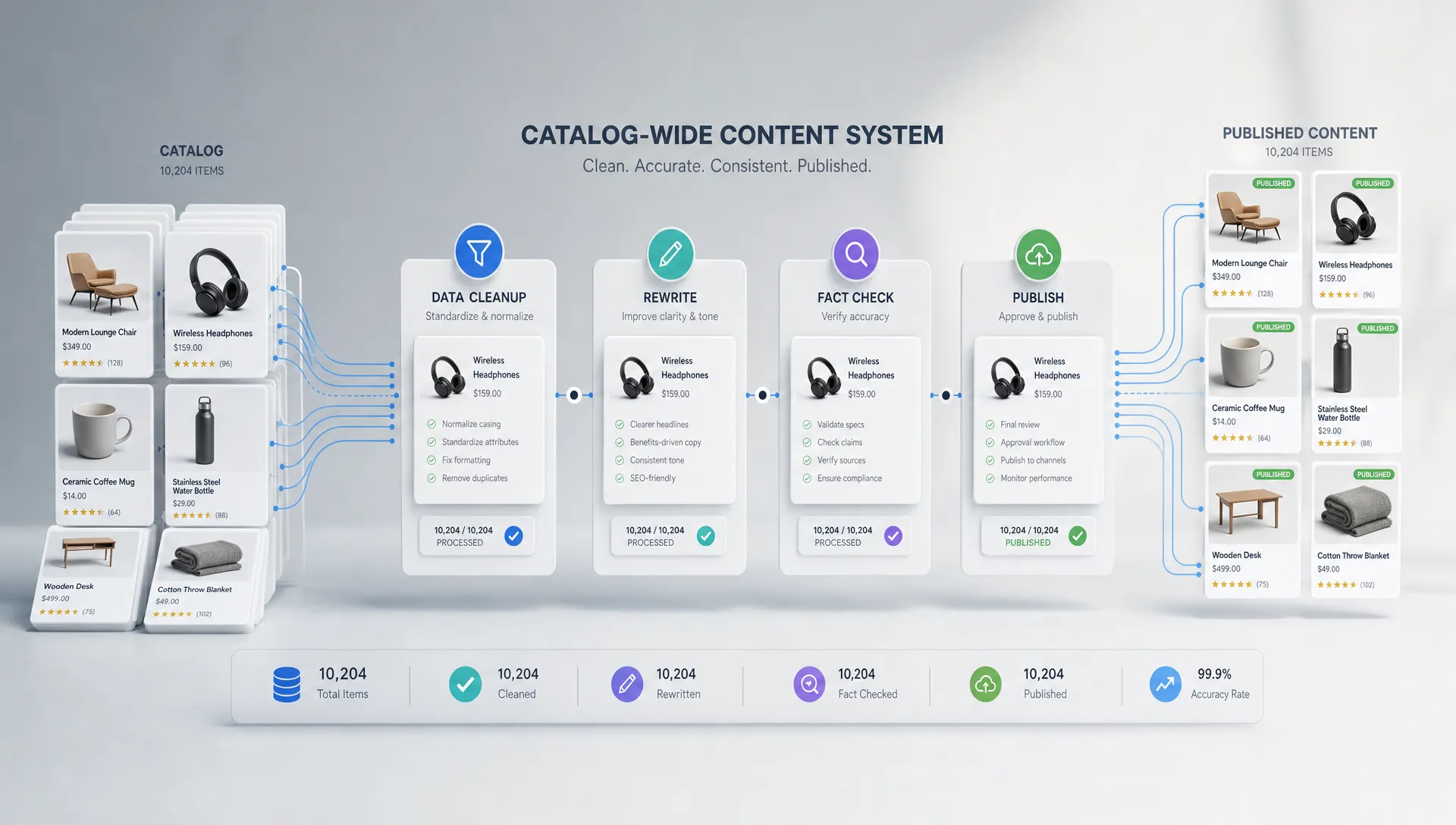
In this model, AI handles the repetitive research and formatting tasks. Humans own strategy, quality, originality, and final approval.
A good AI-assisted brief should include:
This approach prevents two common problems. It avoids the inefficiency of building every brief from scratch, and it avoids the risk of publishing generic AI-shaped content.
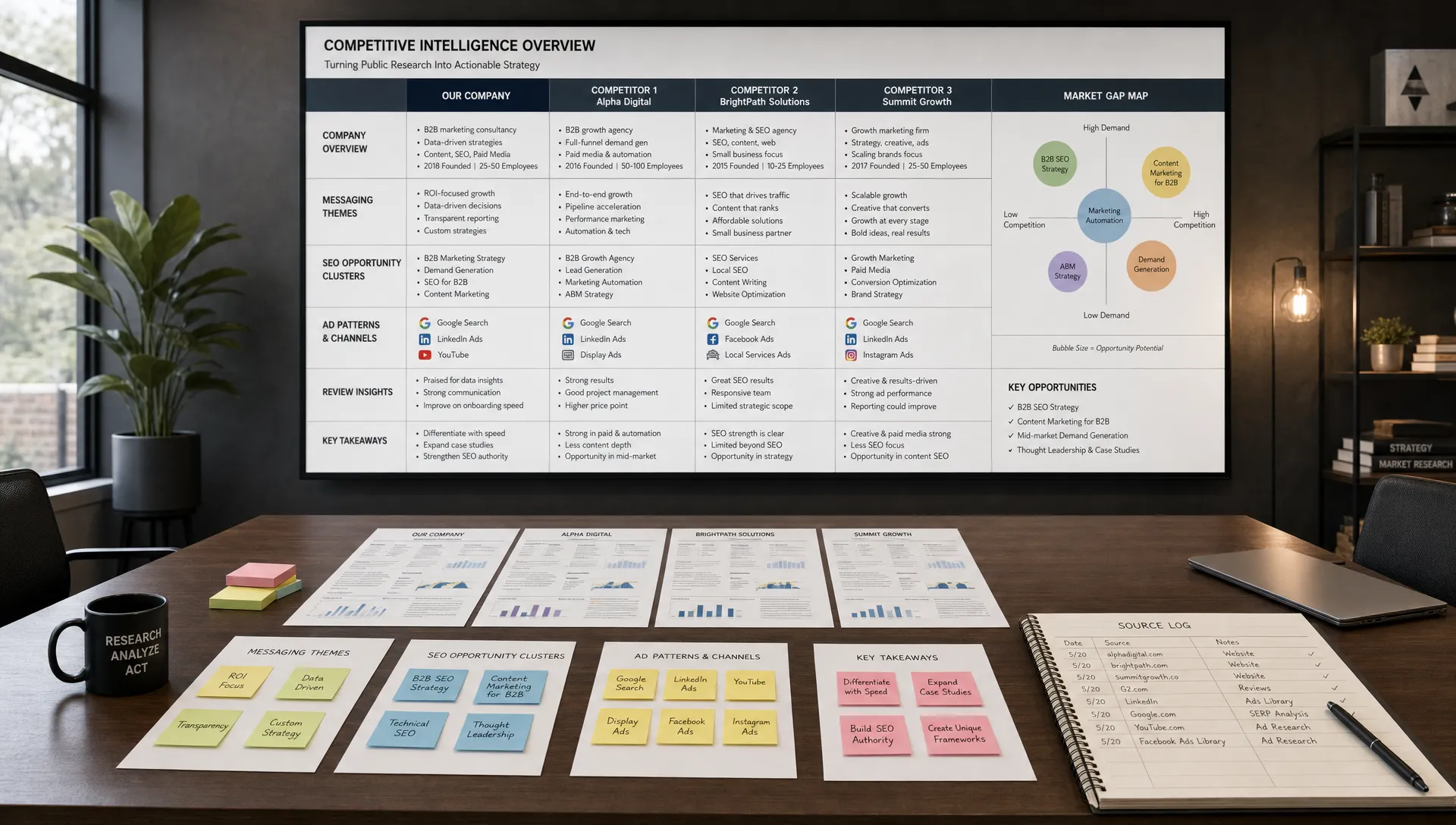
If competitor research is part of your briefing process, you can also strengthen your workflow with AI-supported methods for using AI for competitor analysis, especially when mapping content gaps across a crowded market.
Whether a brief is AI-generated, manual, or hybrid, the same quality standards apply. A brief should make the writer’s job clearer, not harder.
Before approving a brief, ask these questions:
The last point matters. A brief should guide the writer, not trap them. Overly rigid briefs can create stiff, formulaic content. The best briefs provide direction while still allowing room for expertise and creativity.
AI and manual briefs can both fail when the process is rushed or unclear.
One common mistake is treating keyword data as strategy. Keywords help reveal demand, but they do not automatically define the best angle. A page can target the right keyword and still fail if it does not satisfy the reader’s real intent.
Another mistake is copying the structure of top-ranking competitors too closely. Competitor research should help you understand the landscape, not blend into it.
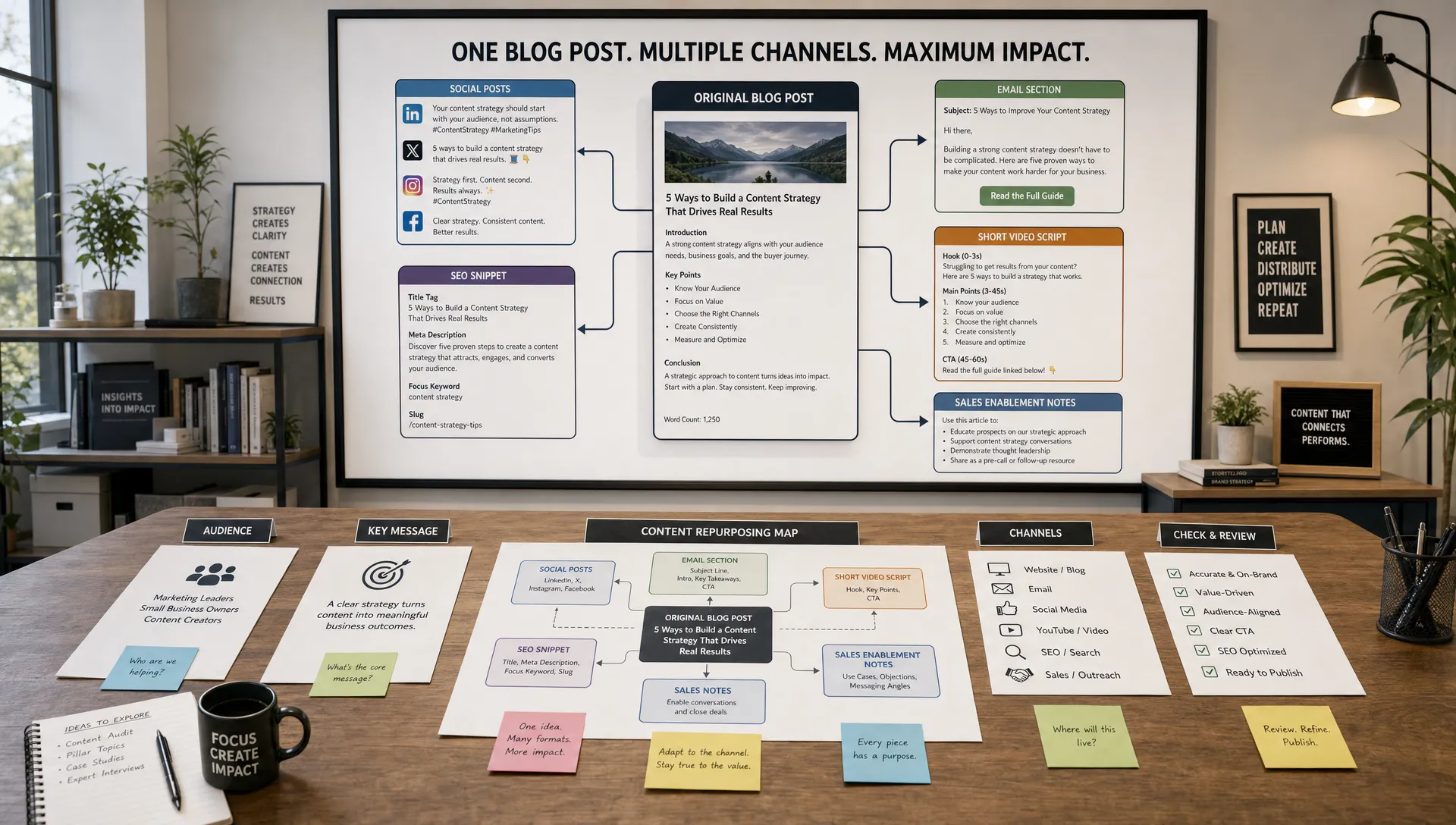
A third mistake is leaving out the conversion path. Every content brief should explain what the reader should do next. That action might be reading another guide, downloading a resource, comparing tools, requesting a demo, or simply understanding a concept better.
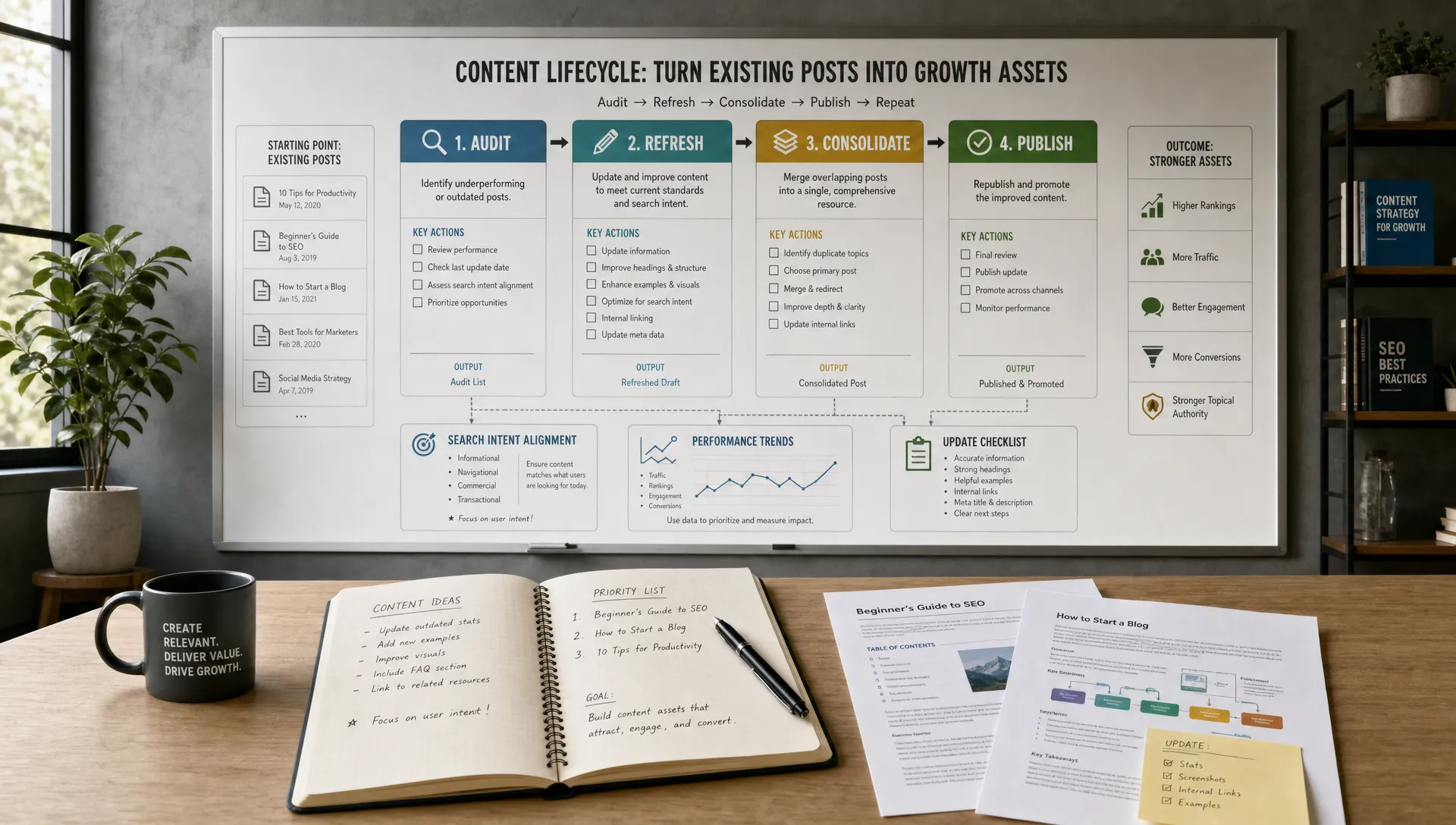
Finally, many teams forget to update briefs after performance data comes in. If an article underperforms, the brief can reveal whether the problem started with the strategy, the outline, the writing, or the promotion plan.
Choose AI content briefs when you need speed, scale, and research support. Choose manual briefs when you need strategic nuance, originality, and brand-specific judgment.
For most marketing teams, the best choice is a hybrid process.
Use AI to collect inputs, summarize SERPs, suggest structures, and identify related questions. Then use human expertise to refine the angle, add original insight, validate claims, and align the content with your business goals.
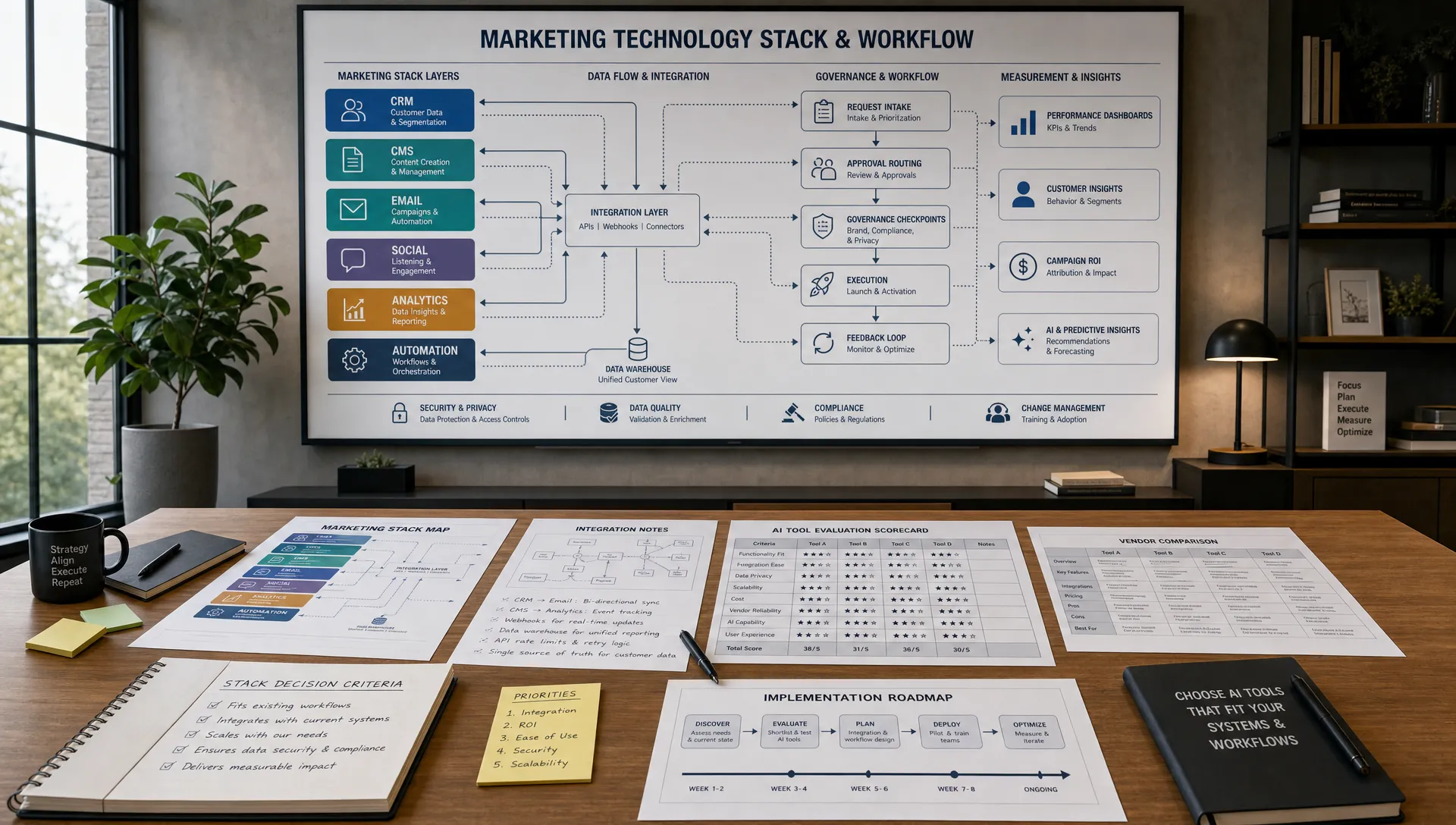
This balance is especially important as AI marketing automation becomes more common. Teams that only optimize for speed may publish more content but create less value. Teams that combine automation with editorial judgment are more likely to produce content that ranks, earns trust, and supports growth.
Are AI content briefs better than manual briefs? AI content briefs are better for speed and scale, while manual briefs are better for strategy, originality, and brand nuance. The best option is usually a hybrid workflow where AI creates a first draft and humans refine it.
Can AI content briefs improve SEO? Yes, AI content briefs can improve SEO by quickly organizing keyword research, search intent signals, competitor patterns, and related questions. However, they still need human review to avoid generic outlines and inaccurate recommendations.
Do manual content briefs take too long? Manual briefs take longer than AI briefs, but the extra time can be worthwhile for high-value content. Product pages, comparison articles, thought leadership, and regulated topics usually benefit from deeper human strategy.
What should an AI-generated content brief include? An AI-generated brief should include audience context, search intent, suggested structure, related topics, competitor observations, internal link ideas, source requirements, brand voice notes, and a clear conversion goal.
Should writers follow AI briefs exactly? No. Writers should treat AI briefs as guidance, not final authority. A skilled writer or editor should adjust the structure, add expertise, verify facts, and improve the angle when needed.
AI content briefs and manual briefs each have strengths. AI helps marketers move faster, organize research, and scale content planning. Manual strategy keeps the work accurate, original, and aligned with the brand.
For modern teams, the winning workflow is not choosing one side. It is building a process where automation supports better human decisions.
AIMarketer Hub helps marketers explore practical AI marketing tools, guides, resources, and workflows designed to make content creation more efficient without losing strategic control. If you want to sharpen your AI-powered marketing process, start with the latest resources on the AIMarketer Hub blog.