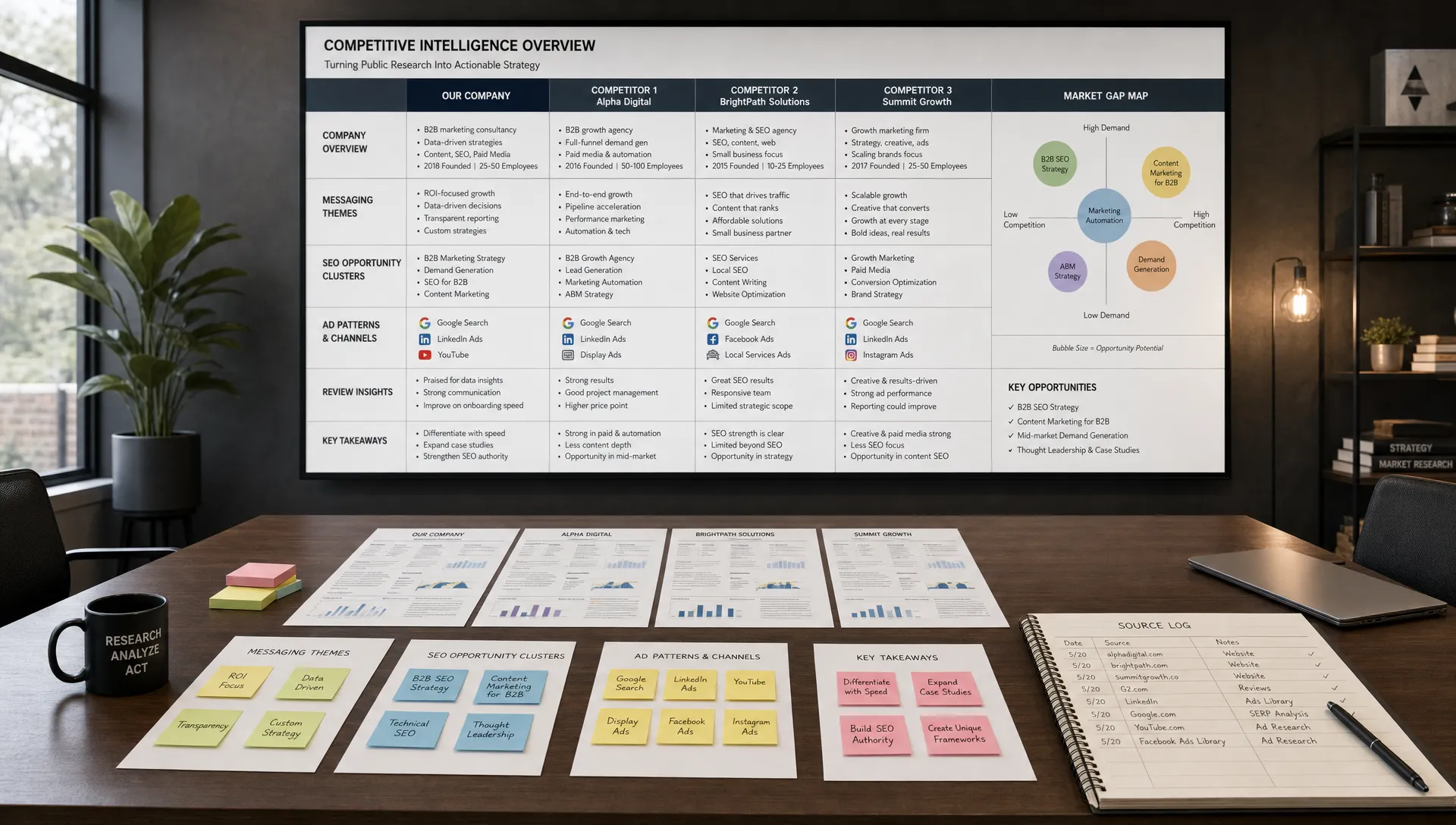
AI can make competitor analysis faster, broader, and more actionable, but only if you use it with a clear research process. The goal is not to copy competitors or chase every tactic they try. The goal is to understand the market, spot gaps, and make smarter decisions about positioning, content, SEO, pricing, paid media, and customer experience.
For marketers, this is especially useful because competitor research often gets stuck in spreadsheets, bookmarked landing pages, and vague observations. AI tools can turn that scattered information into patterns: recurring claims, keyword opportunities, audience pain points, review themes, creative angles, and strategic risks.
Used well, AI competitor analysis helps you answer questions like:
The key is to pair AI speed with human judgment. AI can summarize, classify, compare, and brainstorm, but your team still needs to verify sources, interpret context, and choose what fits your brand strategy.
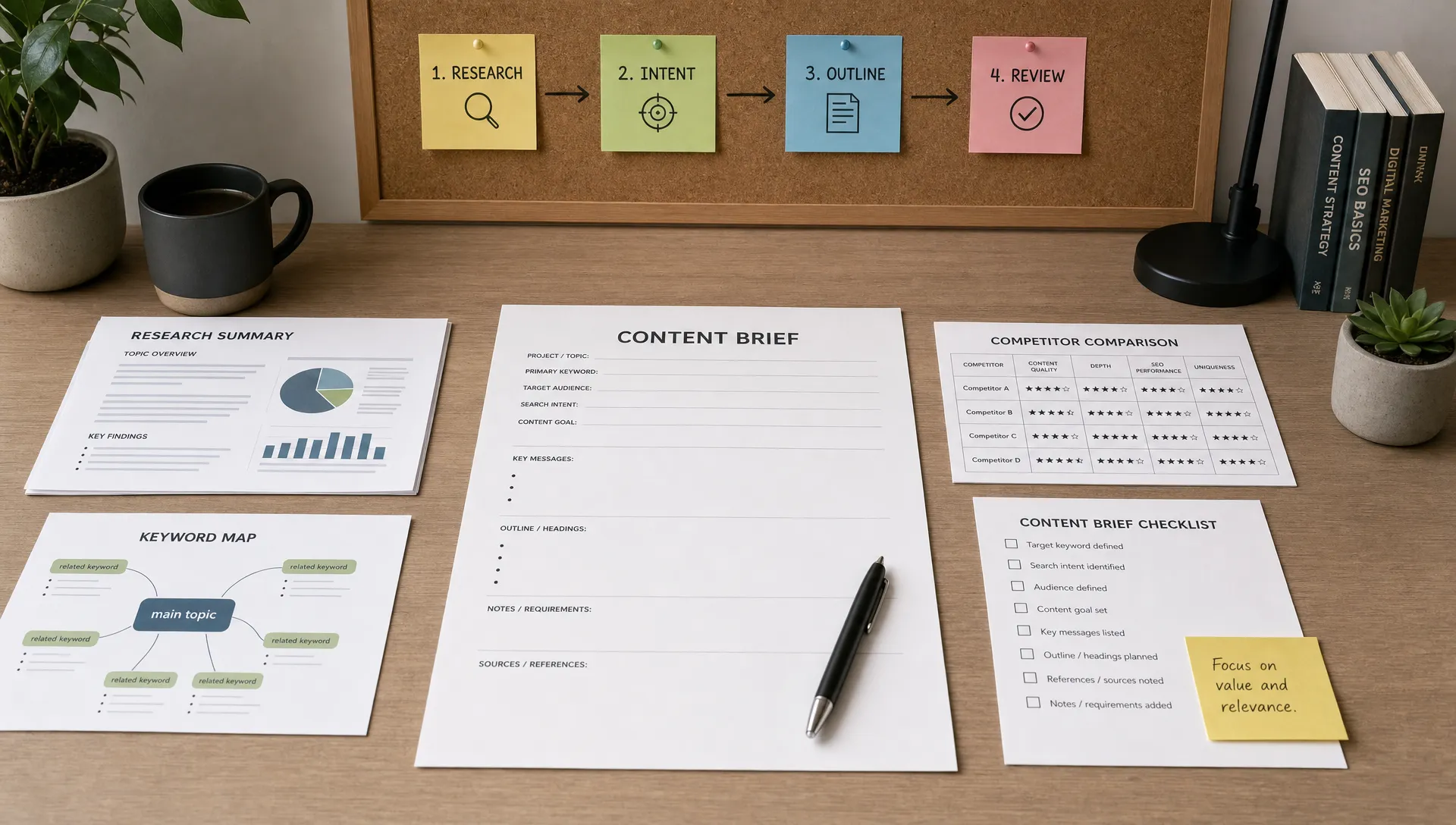
Before you open an AI tool, define what decision the analysis should support. A competitor report that tries to cover everything usually becomes too broad to act on. A focused question produces better prompts, cleaner data, and clearer recommendations.
For example, a SaaS marketing team might ask: Why are competitors outranking us for high-intent keywords? An ecommerce brand might ask: Which product claims are competitors using to justify premium pricing? A B2B services firm might ask: How are competitors positioning AI expertise without sounding generic?
This first step matters because different questions require different data. SEO research needs search results, page titles, content structure, backlinks, and keyword clusters. Messaging research needs homepage copy, landing pages, sales pages, ads, and customer language. Product research needs feature pages, pricing pages, reviews, documentation, and comparison pages.
A simple planning table can keep your analysis focused.
Research goal                   | Best data to collect                                           | Useful AI output
Improve positioning             | Homepages, landing pages, taglines, sales pages                | Messaging themes, differentiation gaps, claim comparison
Find SEO opportunities          | Search results, competitor blogs, title tags, content outlines | Topic clusters, content gaps, intent analysis
Improve paid campaigns          | Public ad libraries, landing pages, offer pages                | Creative patterns, offer angles, call-to-action comparison
Understand customer pain points | Reviews, testimonials, forums, social comments                 | Complaint themes, buying triggers, objection patterns
Benchmark pricing and packaging | Pricing pages, plan pages, feature comparison pages | Offer structure, perceived value drivers, friction points Do not limit your research to companies that look exactly like you. AI competitor analysis works best when you include several types of competitors, because buyers compare options in more ways than marketers often expect.
Direct competitors sell a similar product to a similar audience. Indirect competitors solve the same problem in a different way. Search competitors rank for the keywords you want, even if their business model is different. Attention competitors publish content, ads, or social posts that influence your audience before they ever compare vendors.
For most projects, three to seven competitors is enough. More than that can create noise unless you are doing market mapping. If you have limited time, select competitors based on relevance, visibility, and buyer overlap rather than brand size alone.
A practical competitor set might include:
Once you have the set, create a competitor profile for each brand. Include the website, target audience, primary offer, estimated market category, main channels, pricing model if public, and the reason you included them. This gives the AI tool context and reduces vague outputs.
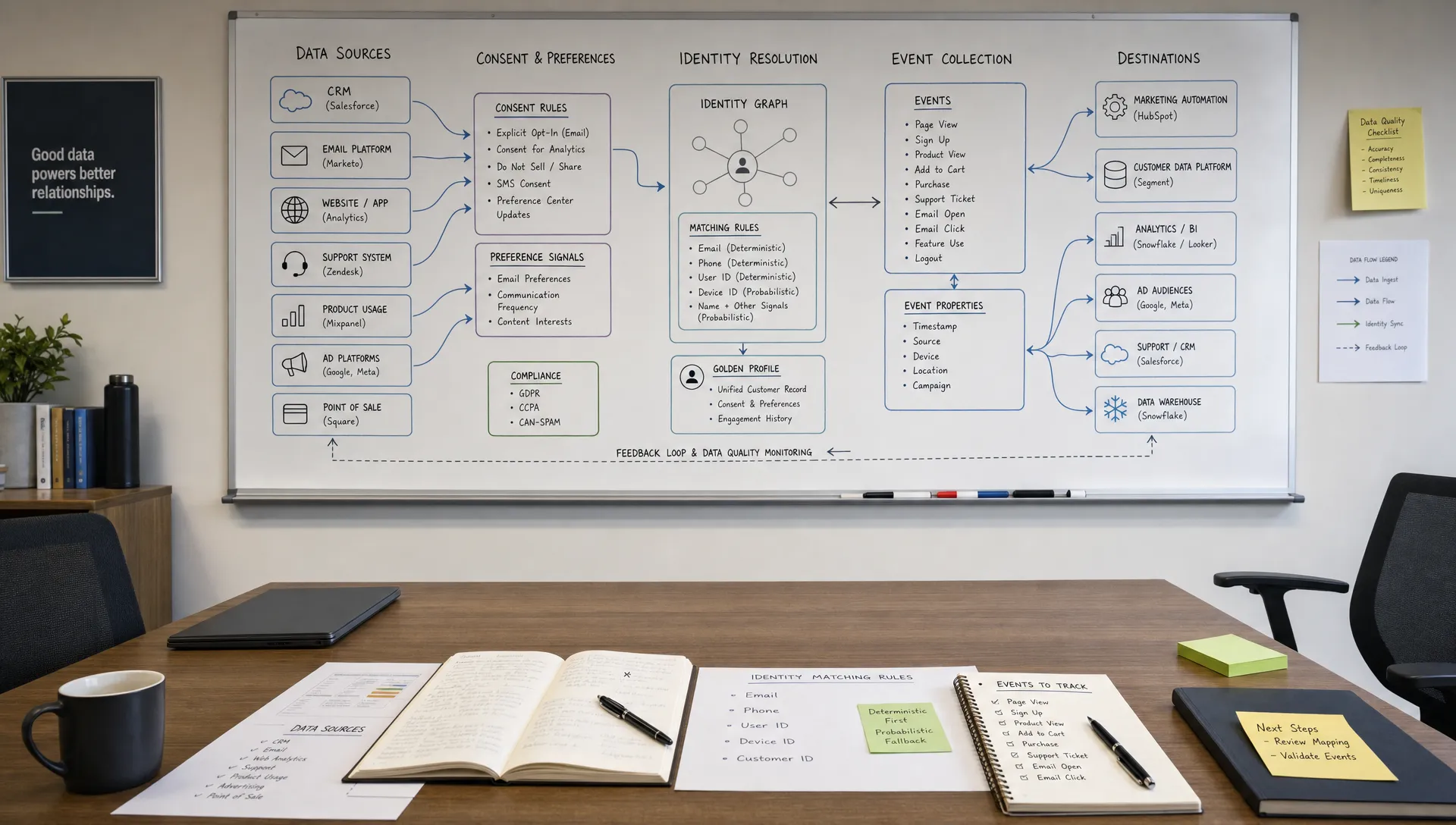
AI is only as useful as the inputs you provide. Avoid relying on memory or a few pasted snippets. Build a small research dataset from public, relevant, and verifiable sources.
Good sources include competitor websites, public ads, search results, blog posts, social media profiles, review platforms, public documentation, webinars, newsletters, and analyst or industry reports where available. For advertising research, tools like the Meta Ad Library and Google Ads Transparency Center can help you review public ad activity. For SEO fundamentals, Google’s Search Central SEO Starter Guide is a reliable reference point when interpreting on-page visibility factors.
Keep your process ethical. Do not misrepresent yourself to access private information, do not use confidential customer or employee data, and do not ask AI to help bypass paywalls or terms of service. If you are analyzing reviews or testimonials, remember that the FTC’s guidance on reviews and endorsements emphasizes transparency and prohibits deceptive practices.
Once collected, organize the data by competitor and category. A simple spreadsheet or workspace with columns for source URL, channel, date accessed, page type, excerpt, and notes is enough for many teams. This structure also makes it easier to verify AI outputs later.
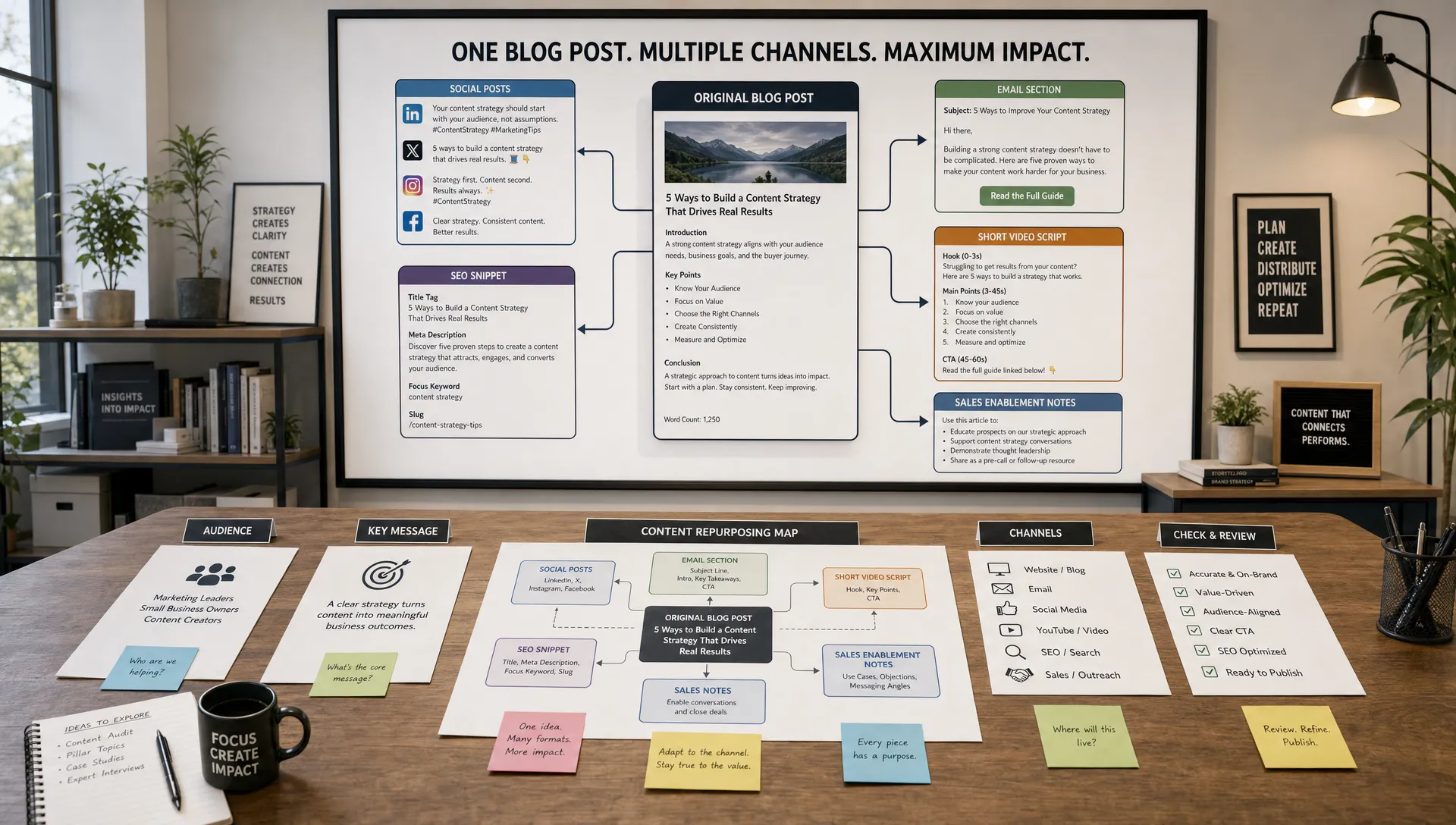
One of the strongest uses of AI for competitor analysis is messaging comparison. Competitor websites often repeat the same claims across hero sections, product pages, case studies, and ads. AI can quickly identify those patterns and show where brands sound similar.
Start by pasting a competitor’s homepage copy, key landing page copy, and product descriptions into your AI tool. Ask it to extract the core positioning, target audience, value proposition, proof points, tone, and repeated claims. Then repeat the process for each competitor.
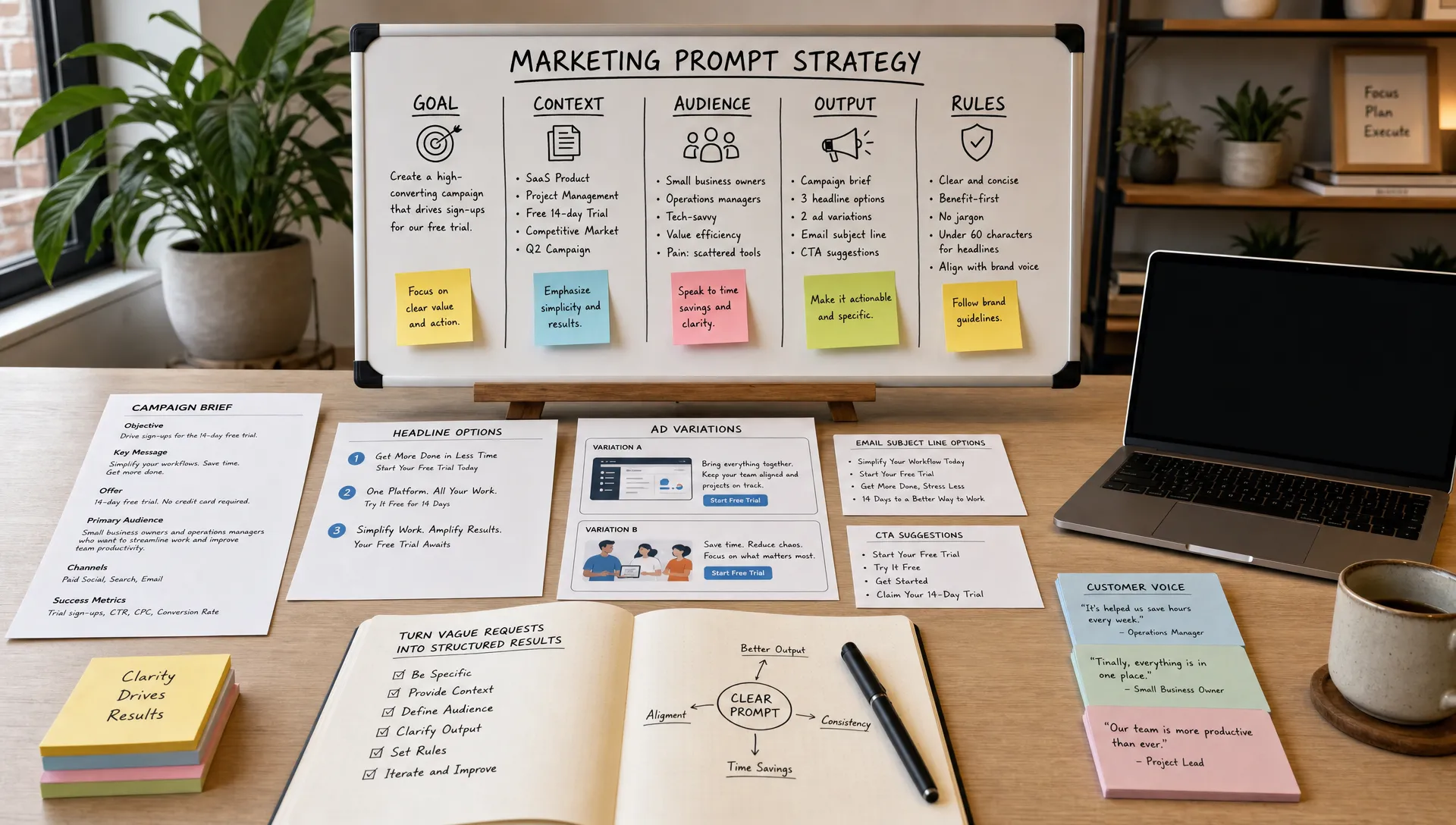
A useful prompt looks like this:
Analyze the following competitor website copy. Identify the target audience, main value proposition, repeated claims, proof points, emotional appeals, and tone of voice. Separate direct observations from interpretation. Return the output in a concise table.
After you analyze each competitor individually, ask AI to compare them as a group.
Compare these competitor messaging summaries. Identify common claims, overused phrases, underrepresented customer pains, proof gaps, and positioning whitespace. Highlight opportunities a differentiated brand could credibly own.
This is where human judgment matters. AI may identify whitespace that is not strategically viable for your business. For example, if competitors avoid enterprise security claims, that may be an opportunity only if your product truly has enterprise-grade security. If competitors all emphasize speed, you might differentiate through accuracy, reliability, service, specialization, or measurable outcomes.
Also watch for generic AI language in competitor copy. In many markets, phrases like unlock growth, streamline workflows, and supercharge productivity have become less distinctive. Your analysis should identify not only what competitors say, but which claims are specific, provable, and memorable.
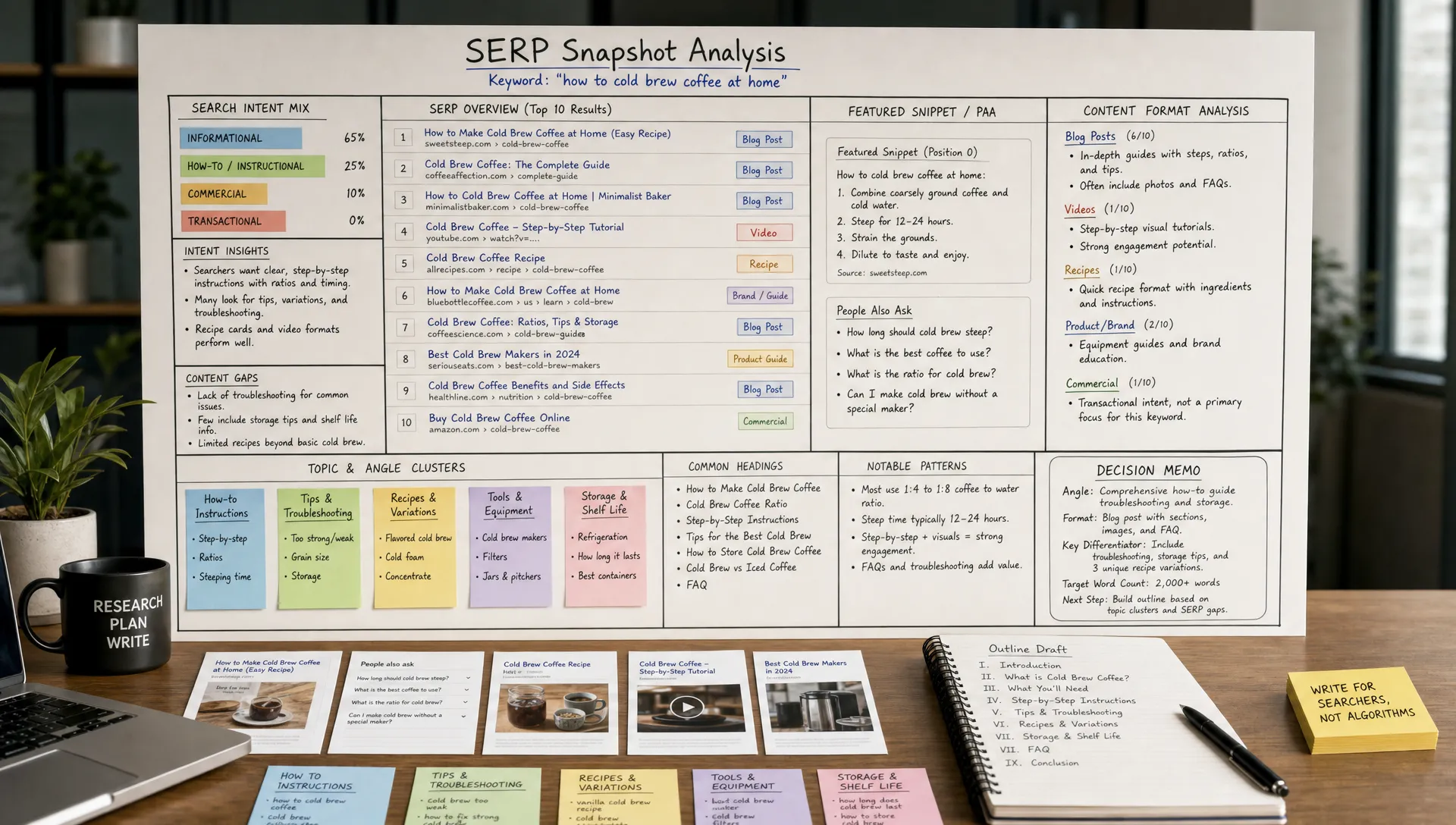
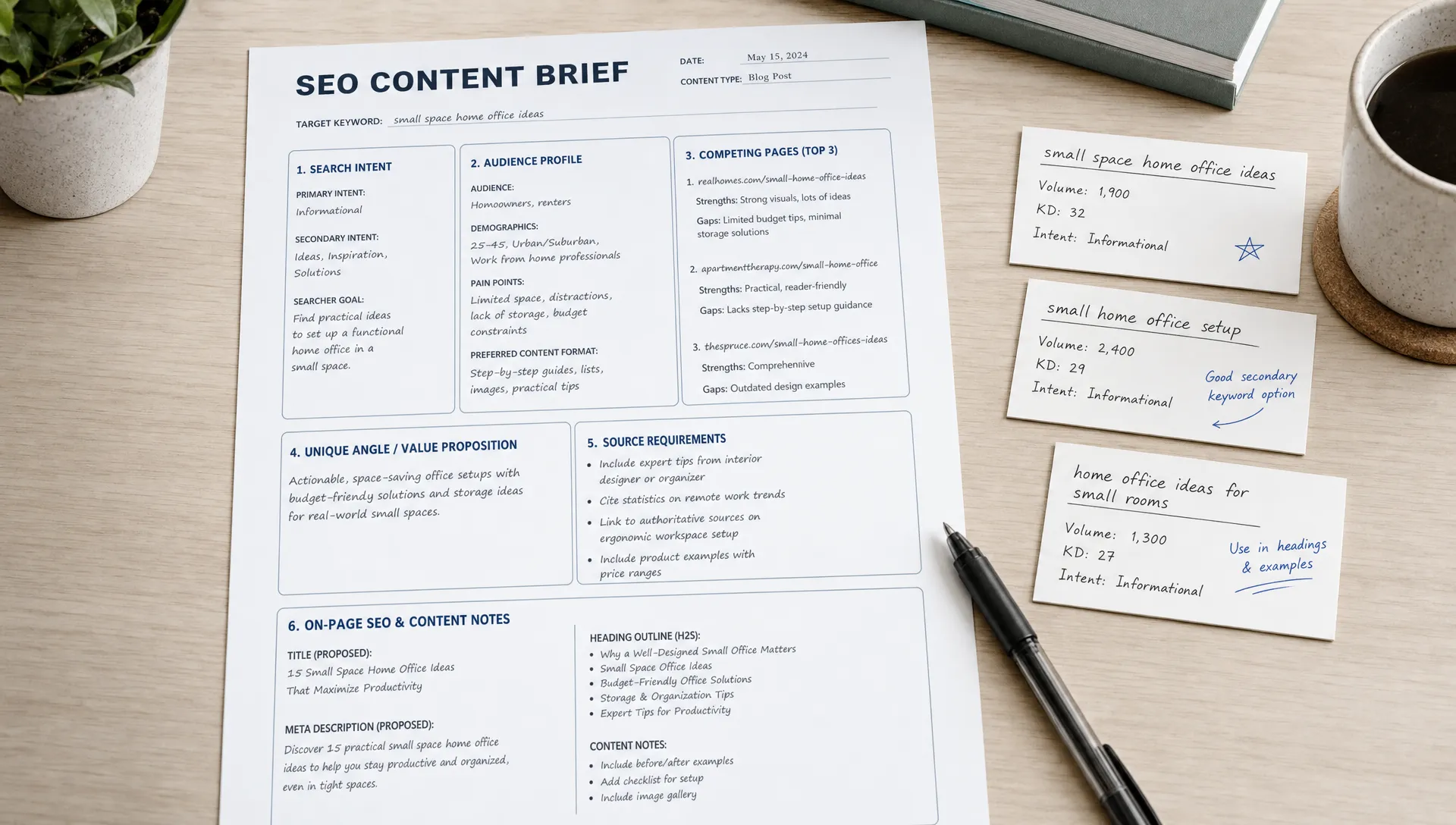
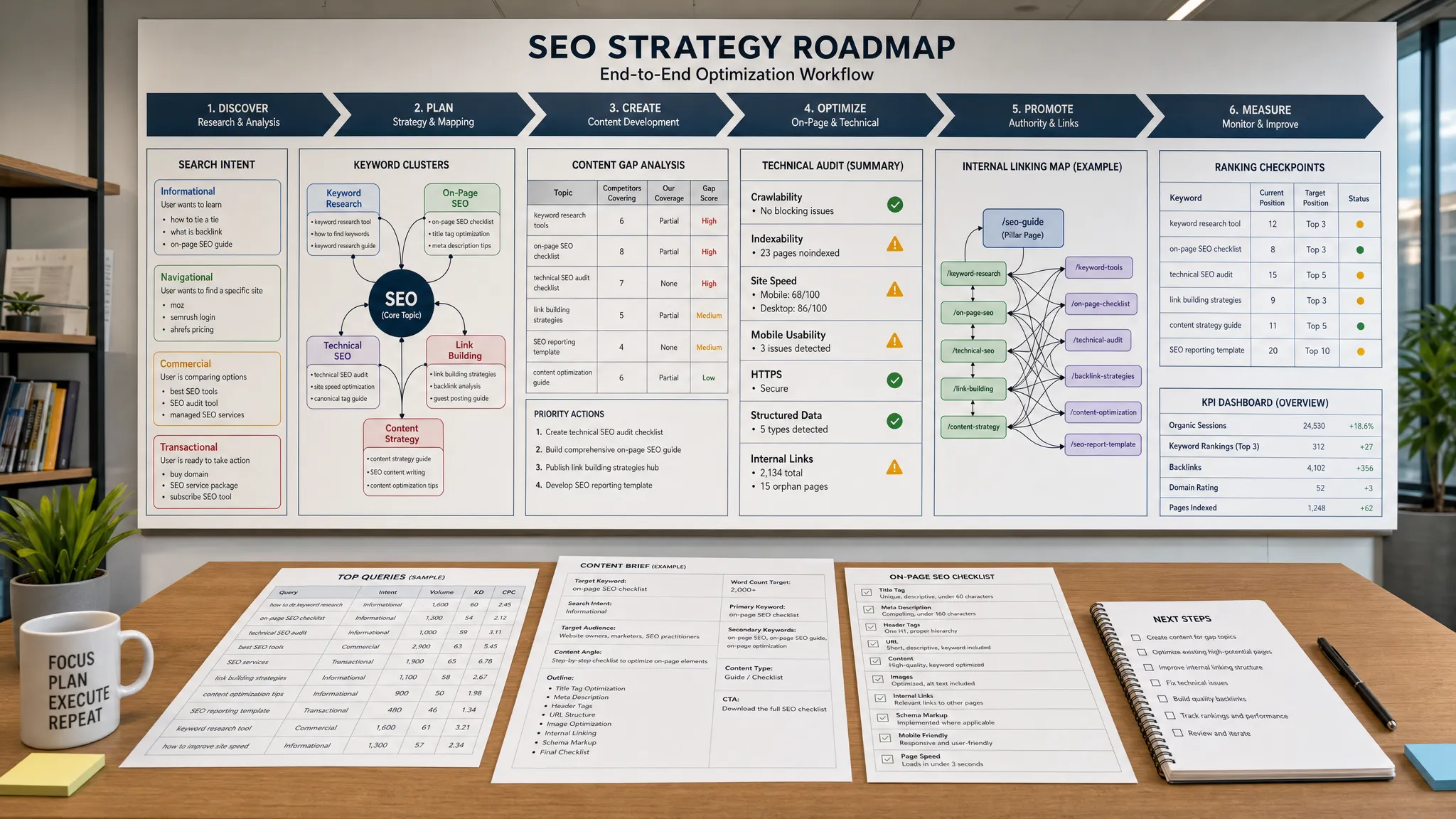
AI is particularly helpful for turning competitor content into an SEO opportunity map. The goal is not to copy their blog calendar. It is to understand which audience questions they answer, which search intents they cover, and where your brand can provide better, more useful content.
Start by collecting competitor page titles, headings, meta descriptions, content formats, and target keywords where available. SEO platforms can help with keyword and ranking data, while AI can help cluster and interpret the information.
Ask AI to group competitor content into search intent categories, such as educational, comparison, problem-solving, product-led, implementation, and decision-stage content. Then ask it to identify gaps between what competitors cover and what your audience needs to know before buying.
For example, a competitor may publish many top-of-funnel guides but few practical implementation articles. Another may rank for comparison terms but offer thin content that does not help readers evaluate tradeoffs. These are openings for higher-quality content.
A strong prompt for content analysis is:
Review this list of competitor article titles, headings, and summaries. Cluster them by topic and search intent. Identify content gaps, outdated angles, thin coverage, and opportunities to create more practical or more expert content for a marketing audience.
When you turn those findings into your own content, keep your brand voice consistent rather than imitating the market. AIMarketer Hub’s guide on using AI for marketing without losing your brand voice is a helpful companion when competitor insights start becoming briefs, outlines, and drafts.
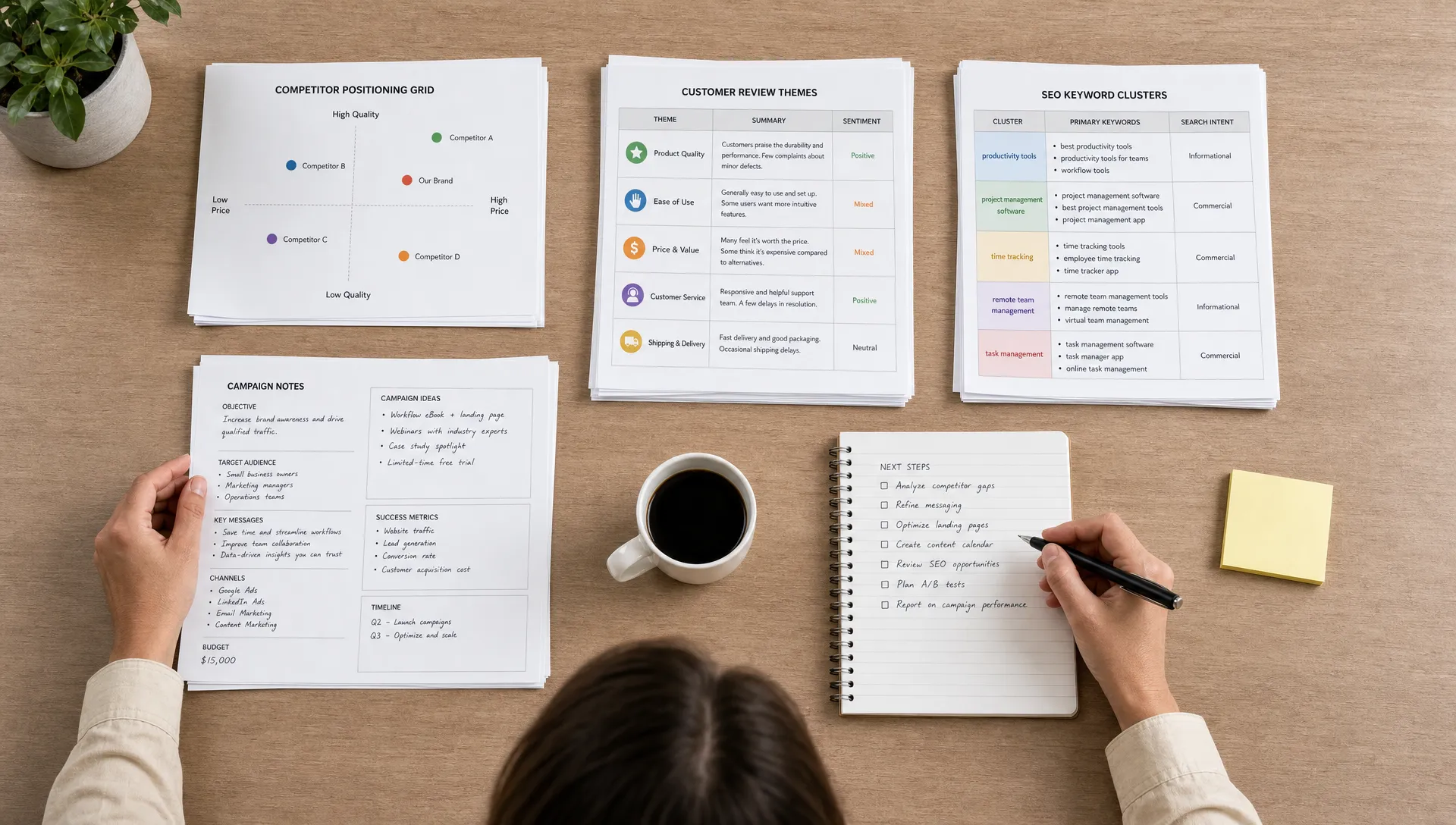
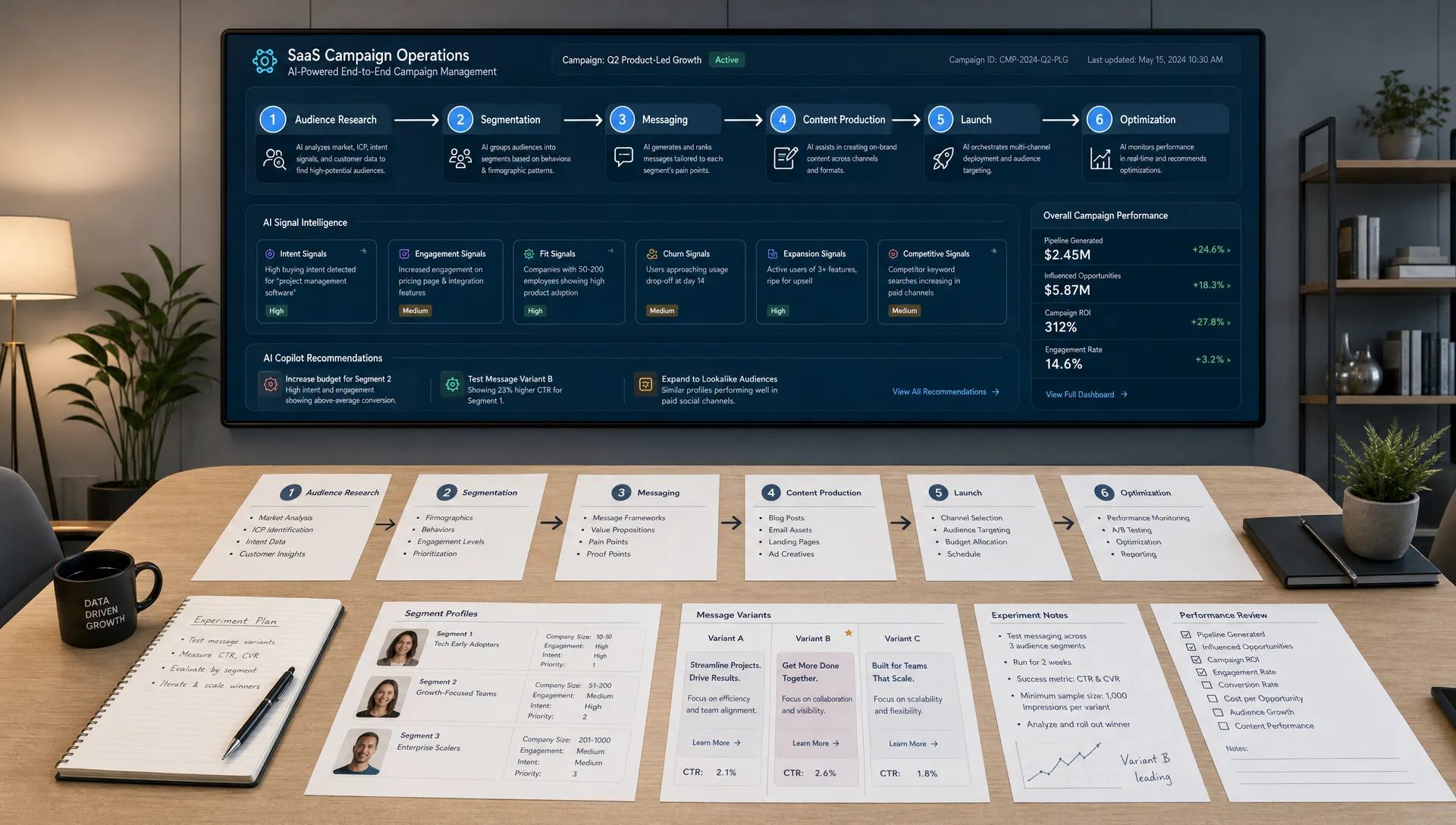
Competitor ads and social posts can reveal how brands test offers, urgency, audiences, and creative hooks. AI can help classify those patterns at scale, especially when you capture ad copy, headlines, calls to action, landing page angles, and visible creative themes.
Look for patterns across several dimensions: the problem they lead with, the promise they make, the proof they use, the audience they address, and the action they request. A competitor that runs many ads around free trials may be optimizing for product adoption. A competitor that emphasizes ROI calculators may be trying to justify premium pricing. A competitor that repeats industry-specific language may be segmenting aggressively.
AI can summarize these signals, but it cannot reliably tell you performance from public ad visibility alone. Seeing an ad does not mean it is profitable. A campaign may be new, experimental, poorly targeted, or part of a brand awareness push. Treat public advertising data as directional, not conclusive.
A good paid media analysis prompt is:
Analyze these public competitor ad examples. Categorize each ad by audience, pain point, offer, call to action, emotional angle, proof element, and likely funnel stage. Then summarize recurring patterns and potential gaps in the market.
For social content, AI can categorize posts by format and purpose: thought leadership, education, customer proof, product announcement, founder narrative, trend commentary, community engagement, or promotional content. Over time, this helps you see whether competitors are building trust, chasing trends, or mostly broadcasting product updates.
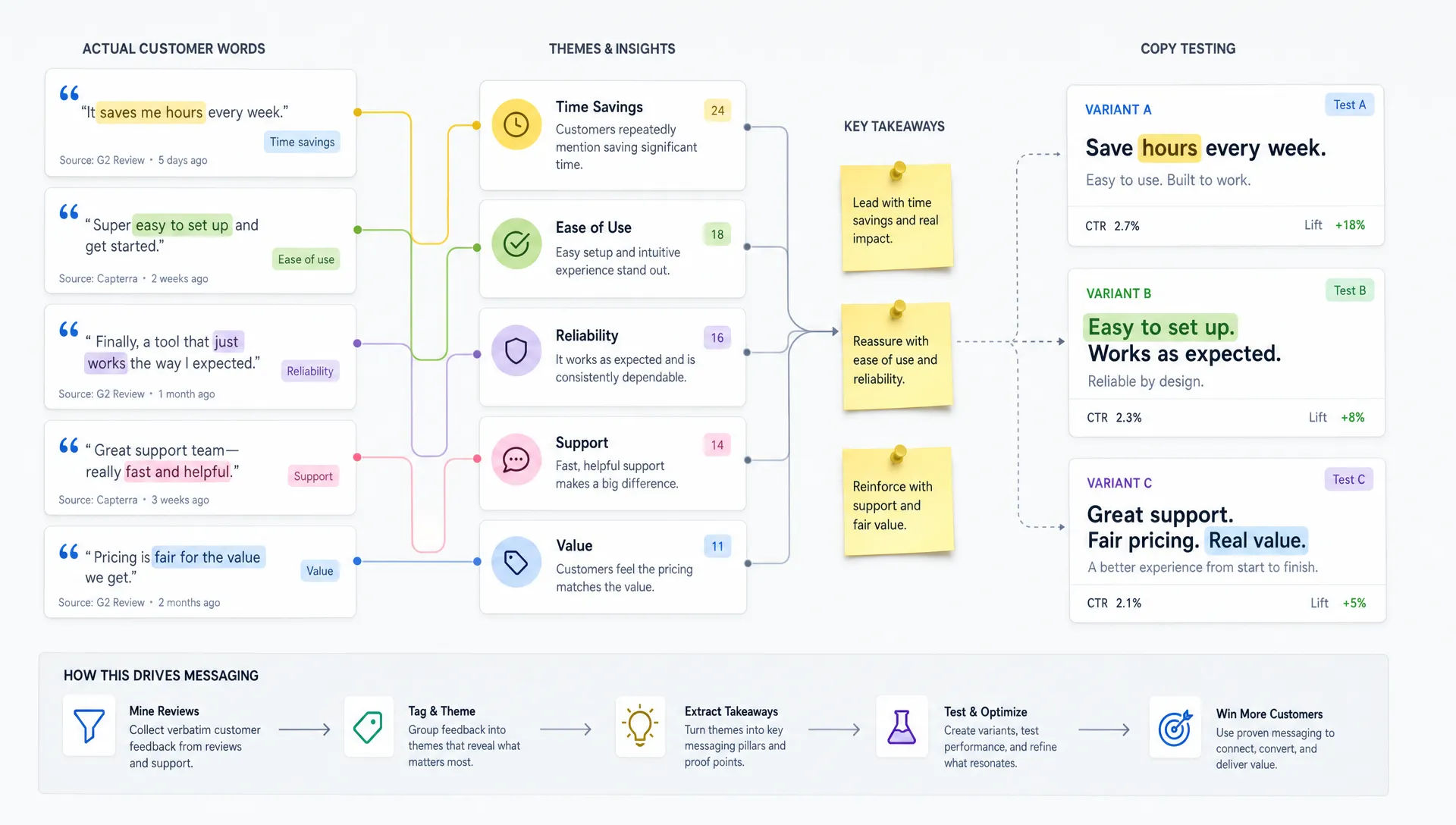
Reviews are one of the richest sources for competitor analysis because they reveal what customers actually value. Marketing pages show what competitors want to say. Reviews show what buyers remember, praise, tolerate, or regret.
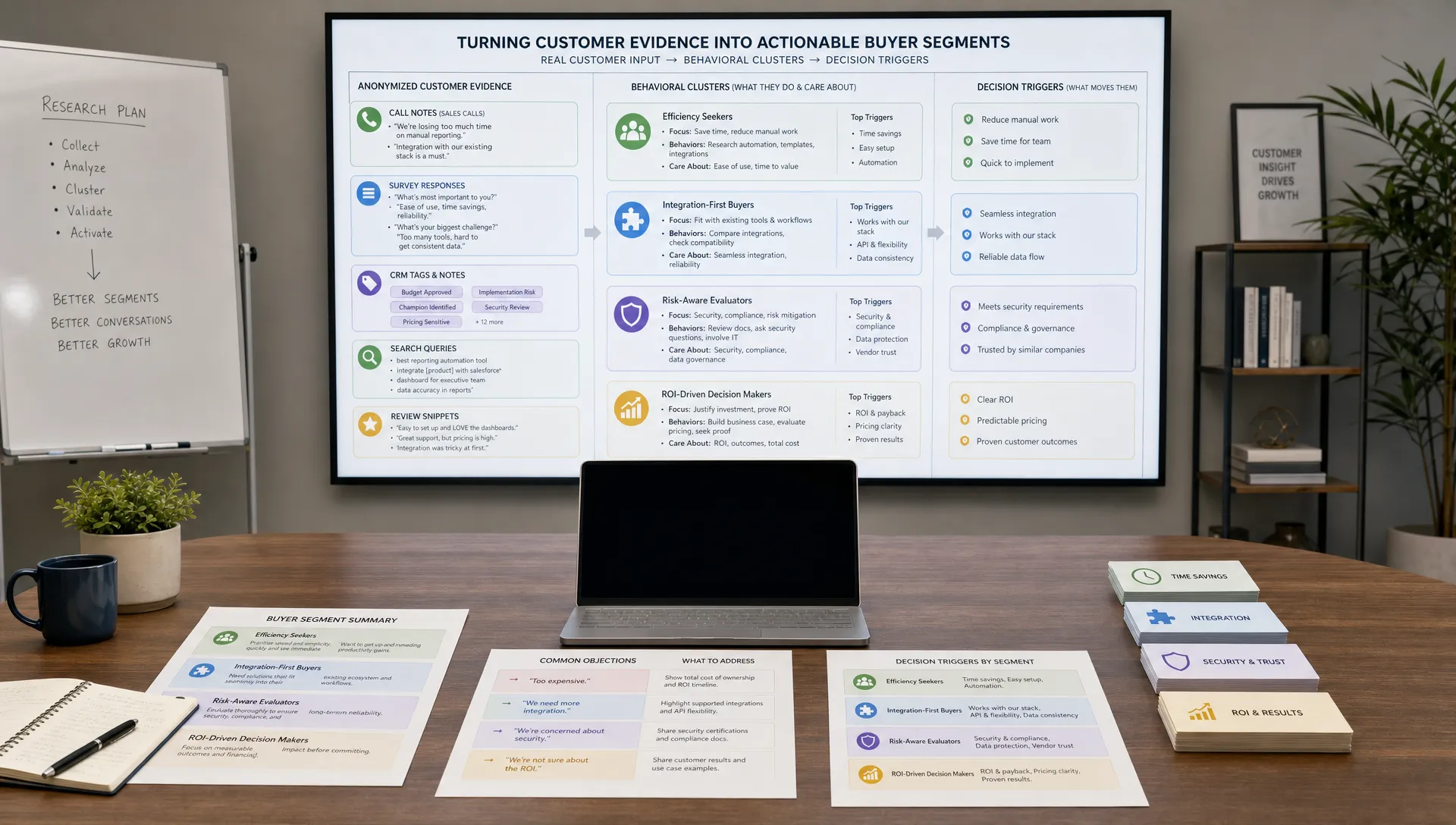
Use AI to analyze public reviews in batches. Ask it to extract themes, not just sentiment. You want to understand the jobs customers are trying to accomplish, the expectations they had before buying, the moments of delight, and the reasons for dissatisfaction.
A review analysis prompt might be:
Analyze these public customer reviews for a competitor. Identify recurring positive themes, recurring complaints, buying triggers, switching reasons, feature requests, support issues, and exact phrases customers use to describe value. Do not overgeneralize from one-off comments.
This type of analysis can improve your messaging, sales enablement, product marketing, and content strategy. If customers consistently praise a competitor for ease of use but complain about limited customization, that may shape your comparison content. If buyers repeatedly mention onboarding confusion across several competitors, your brand can create educational content that addresses the concern before sales conversations.
Be careful not to weaponize individual reviews or cherry-pick complaints. The best use of review intelligence is to understand market needs and improve your own customer experience.
The biggest mistake teams make is stopping at the summary. A polished competitor analysis deck does not create value unless it changes decisions. After AI helps you identify patterns, translate them into specific actions.
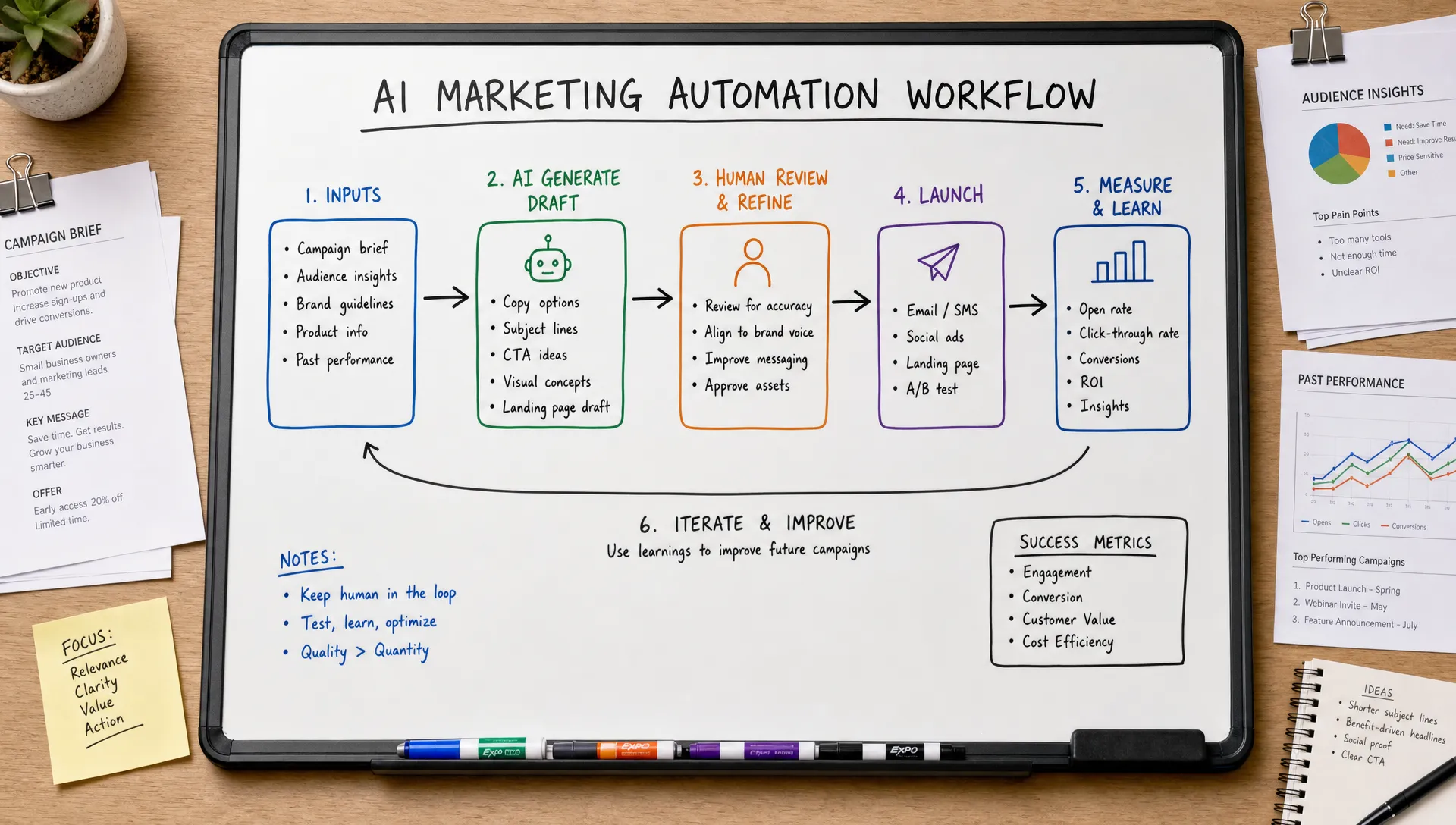
Your final output should connect each insight to a recommendation, owner, timeline, and success metric. This makes competitor analysis part of your marketing workflow automation rather than a one-time research exercise.
AI-generated insight                                                       | Strategic interpretation                           | Possible action                                               | Success metric
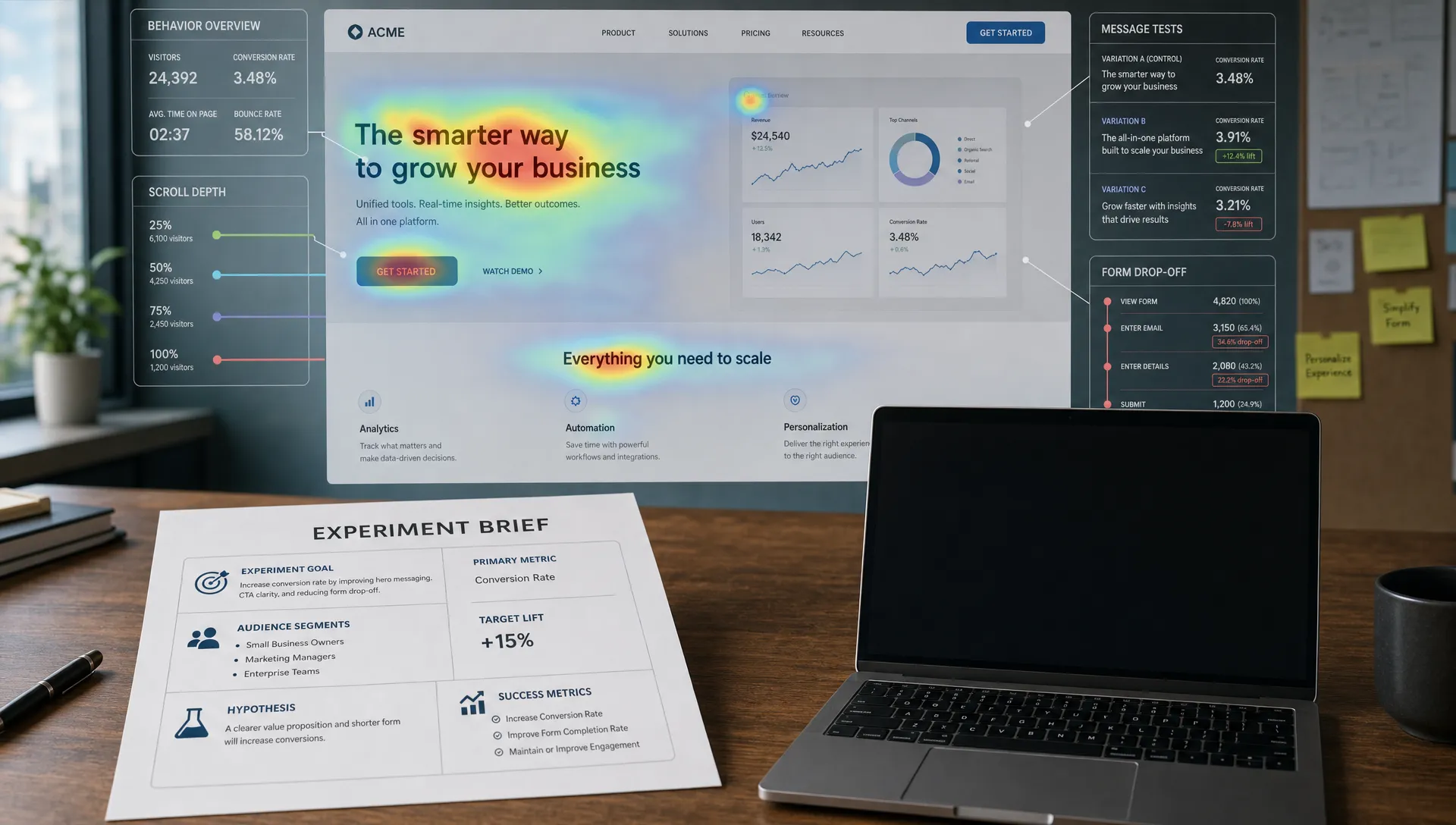
Competitors use similar generic AI messaging                               | The category lacks distinctive positioning         | Rewrite homepage messaging around a specific customer outcome | Conversion rate, demo requests, scroll depth
Competitors rank for broad educational terms but lack implementation depth | Buyers may need practical guidance                 | Publish how-to guides, templates, and workflows               | Organic clicks, assisted conversions, rankings
Reviews mention slow onboarding across the category                        | Buyers may fear setup complexity                   | Create onboarding-focused sales content and FAQs              | Sales cycle length, objection frequency
Ads emphasize discounts and trials                                         | Competitors may be competing on low-friction entry | Test value-led offers with stronger proof                     | Cost per qualified lead, trial-to-paid rate
Competitors ignore a specific industry segment | There may be a niche positioning opportunity | Build industry-specific landing pages and case content | Segment conversion rate, pipeline by industry Competitor analysis is most valuable when it is repeated on a schedule. Markets change, messaging shifts, rankings move, and new offers appear. Instead of waiting for an annual strategy meeting, build a lightweight workflow your team can run monthly or quarterly.
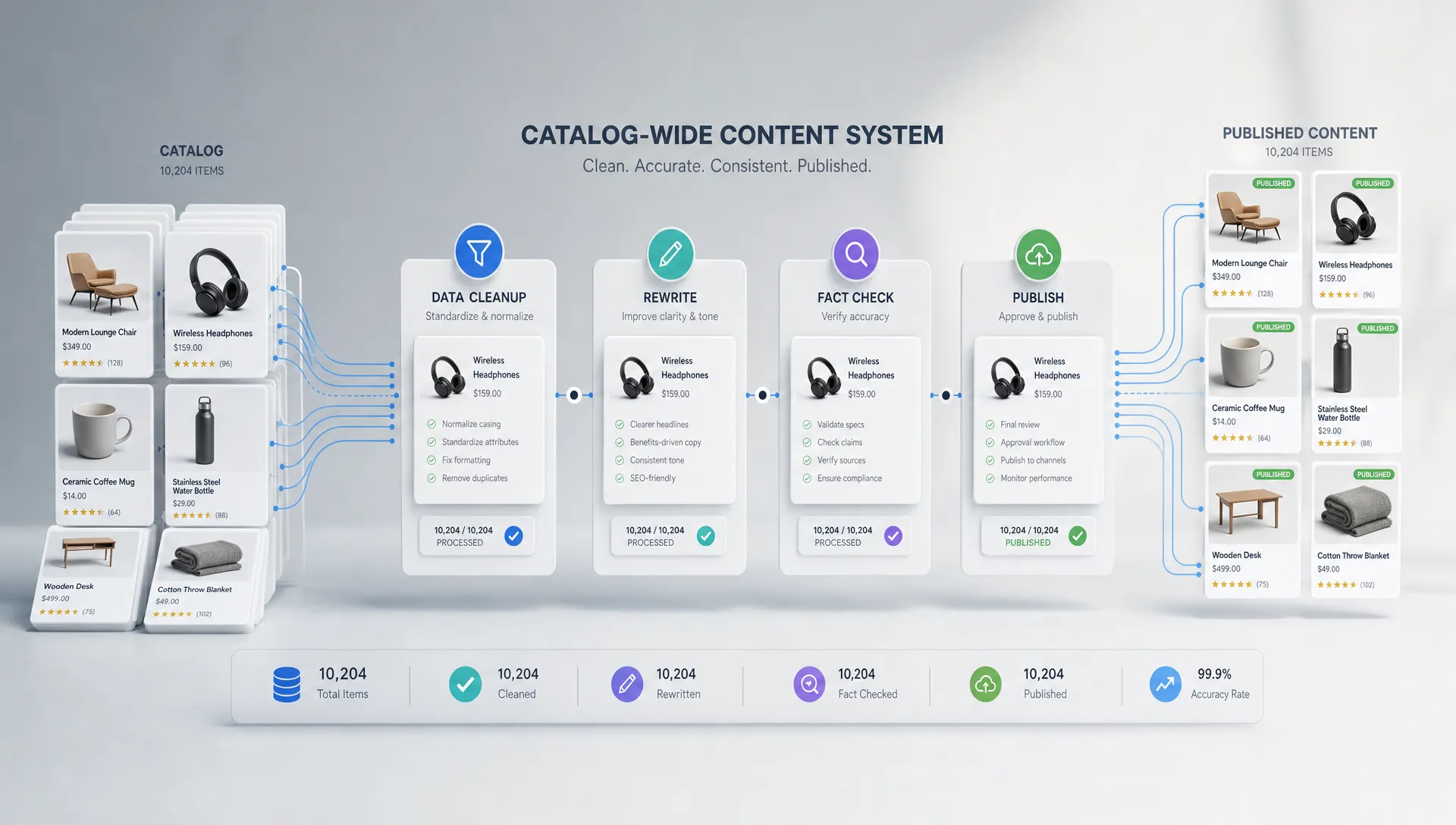
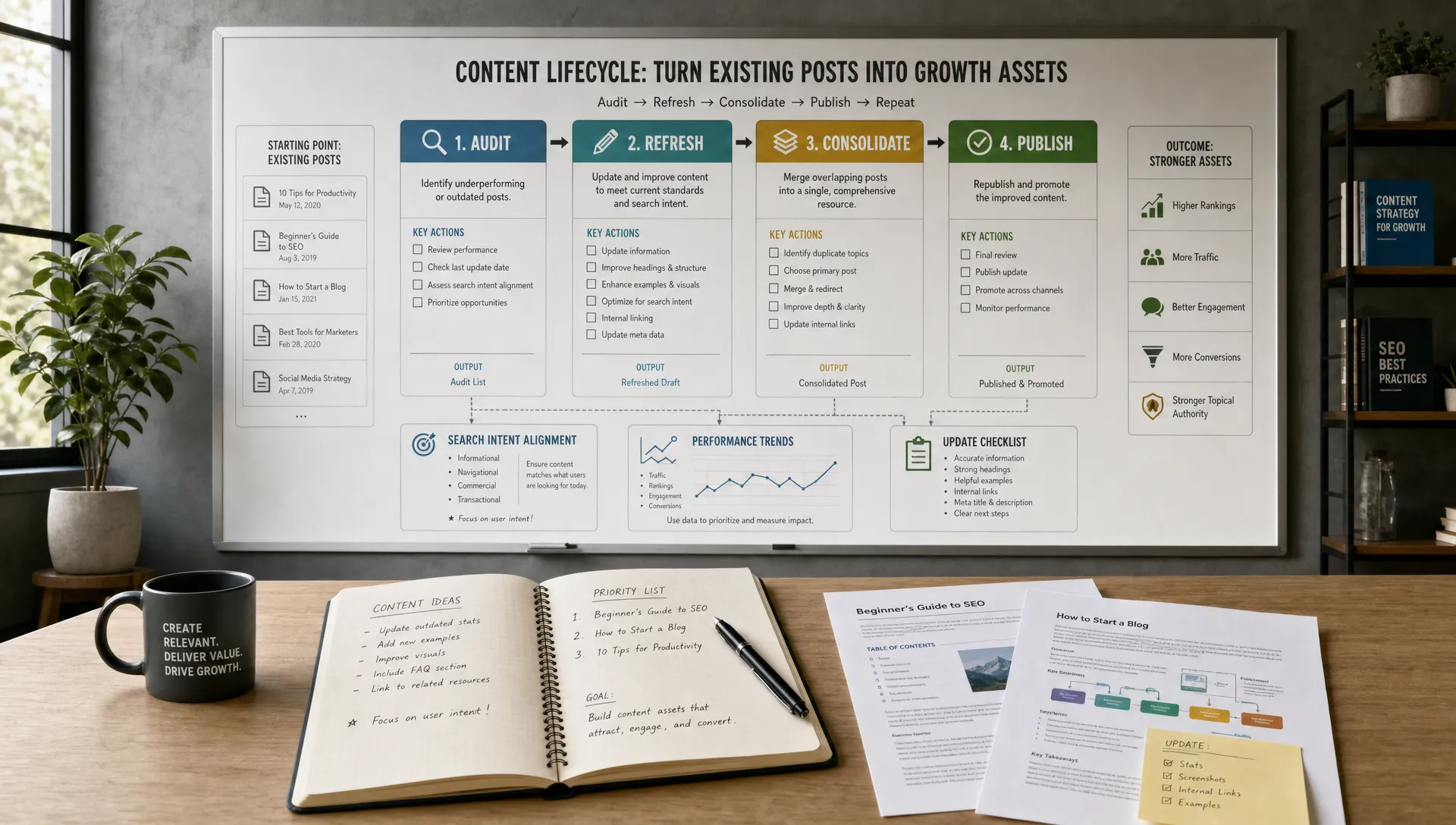
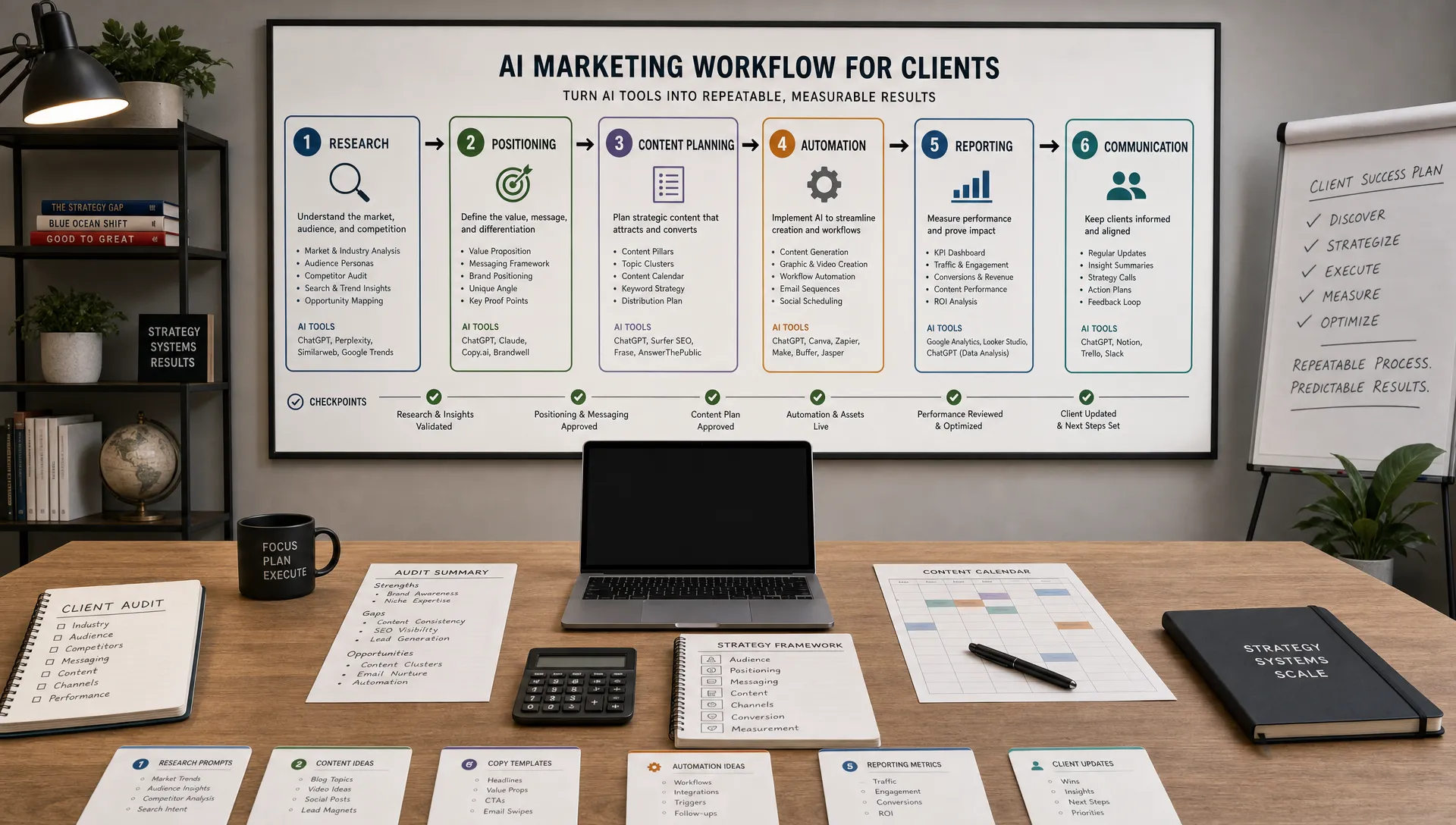
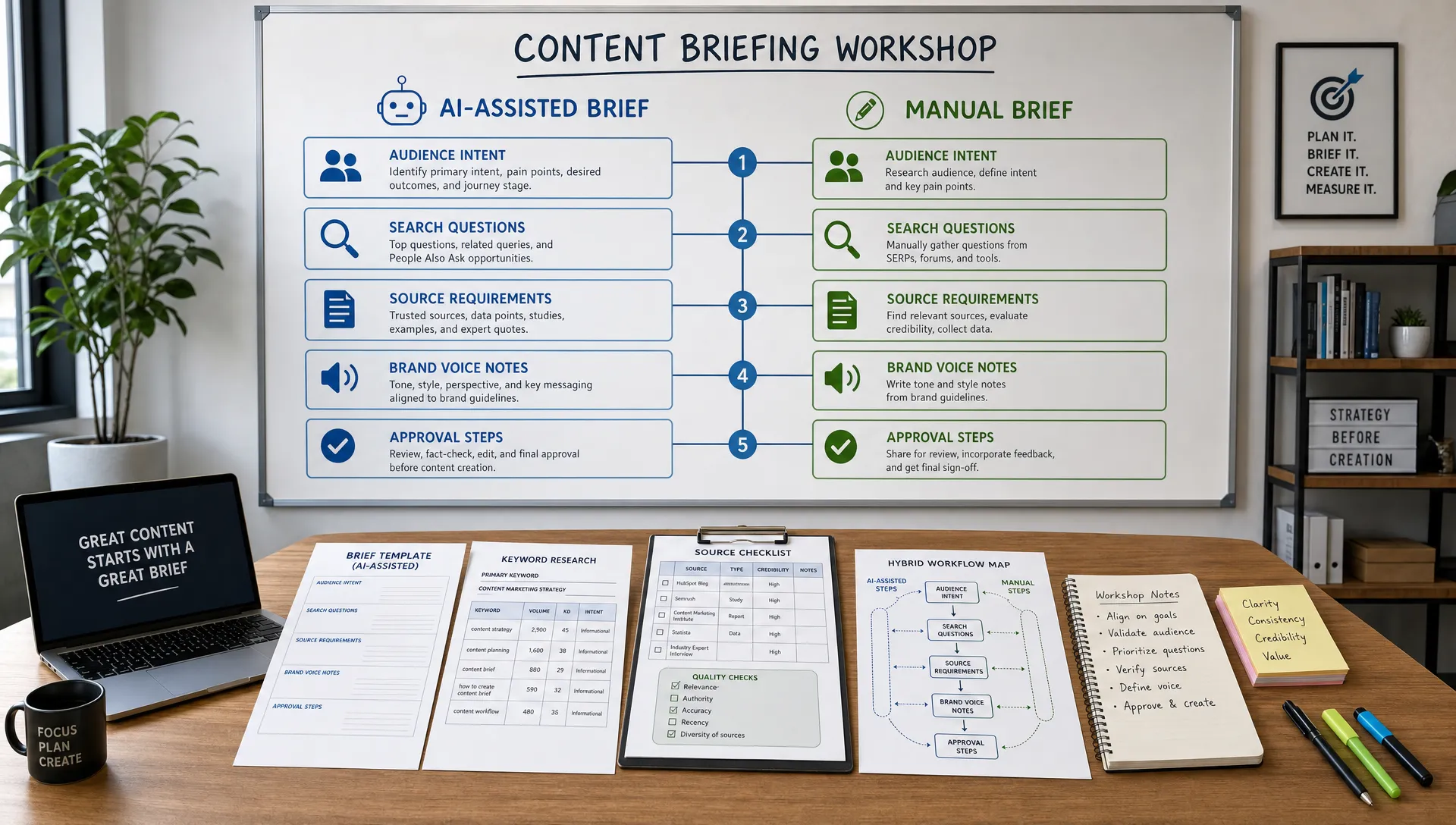
A practical workflow has five stages: collect, clean, analyze, verify, and act. Collection gathers public data. Cleaning removes duplicates and labels sources. Analysis uses AI to summarize and compare. Verification checks claims against original sources. Action turns findings into experiments or strategic updates.
Here is a simple cadence for marketing teams.
Frequency | What to review                                       | Why it matters
Weekly    | New ads, major announcements, social campaign shifts | Captures fast-moving campaign signals
Monthly   | SEO rankings, new content, landing page changes      | Tracks channel and messaging movement
Quarterly | Positioning, pricing, reviews, category trends       | Supports roadmap, planning, and budget decisions
Annually | Full market map and strategic differentiation | Informs long-term positioning and growth strategyA verification prompt can help:
Review the competitor analysis below. Identify claims that need source verification, conclusions based on limited evidence, and recommendations that may require additional data before action.
This creates a healthier process. AI accelerates the work, while your team protects accuracy and strategic discipline.
AI competitor analysis can go wrong when teams treat AI output as fact instead of analysis. AI may summarize outdated information, miss context, blend competitors together, or infer performance without evidence. Always go back to the source before making major decisions.
Another mistake is copying competitor tactics. If every competitor publishes the same listicle, runs the same ad angle, or uses the same AI-generated phrasing, imitation will make your brand less distinct. Your goal is to understand the competitive landscape so you can make sharper choices, not become a slightly different version of everyone else.
Teams also over-focus on visible marketing and under-focus on customer experience. A competitor may have average website copy but exceptional onboarding, strong customer support, a trusted community, or a sales process that converts well. Public data has limits, so combine AI research with sales call insights, customer interviews, win-loss analysis, and performance analytics whenever possible.
Finally, avoid feeding sensitive data into AI tools without proper governance. Review your company’s policies, use approved tools, and anonymize customer or internal data when needed. Competitive intelligence should strengthen your marketing decisions without creating legal, privacy, or trust risks.
Can AI do competitor analysis on its own? AI can accelerate competitor analysis, but it should not run the process without human review. It can summarize public data, identify patterns, and generate recommendations, but marketers still need to verify sources, interpret context, and decide what is strategically relevant.
What data should I give AI for competitor analysis? Useful inputs include competitor website copy, landing pages, blog titles, search results, public ads, social posts, pricing pages, reviews, testimonials, and product documentation. The best outputs come from organized, source-linked data rather than random snippets.
How often should marketers run AI competitor analysis? For active markets, review fast-moving channels like ads and social weekly or monthly, then perform a deeper analysis of positioning, SEO, pricing, and reviews quarterly. Annual reviews are useful for larger strategy and category positioning decisions.
Is it ethical to use AI for competitor research? Yes, if you use public information, respect terms of service, protect private data, and avoid deception. AI should help you analyze legitimate market signals, not access confidential information or misrepresent your identity.
Which AI tools are best for competitor analysis? The best setup often combines general AI assistants for summarization, SEO tools for rankings and keyword data, ad libraries for campaign research, social listening tools for audience signals, and analytics platforms for your own performance context. Choose tools based on the decision you need to make.
AI competitor analysis is not about reacting to every move in the market. It is about building a clearer view of your category, your audience, and your best opportunities to stand out.
With the right workflow, AI can help you move from scattered observations to structured insights, then from insights to action. Use it to compare messaging, uncover SEO gaps, classify ads, summarize reviews, and prioritize marketing experiments. Then apply human strategy to decide what your brand should ignore, improve, or own.
AIMarketer Hub brings together AI-powered marketing tools, expert guides, SEO resources, calculators, and practical workflows for teams that want to automate and optimize smarter. Explore AIMarketer Hub to keep improving your AI marketing strategy with resources built for real business decisions.