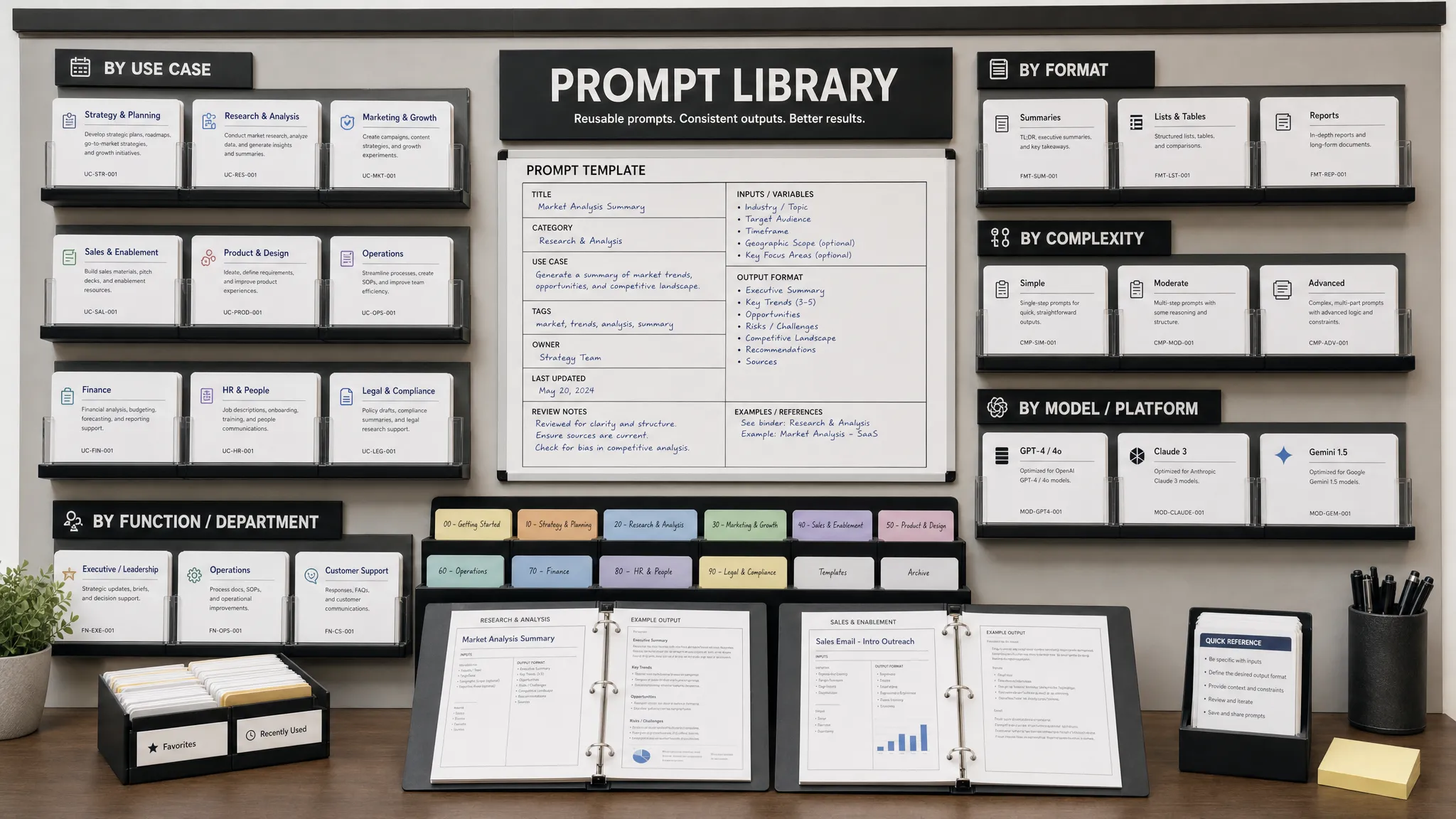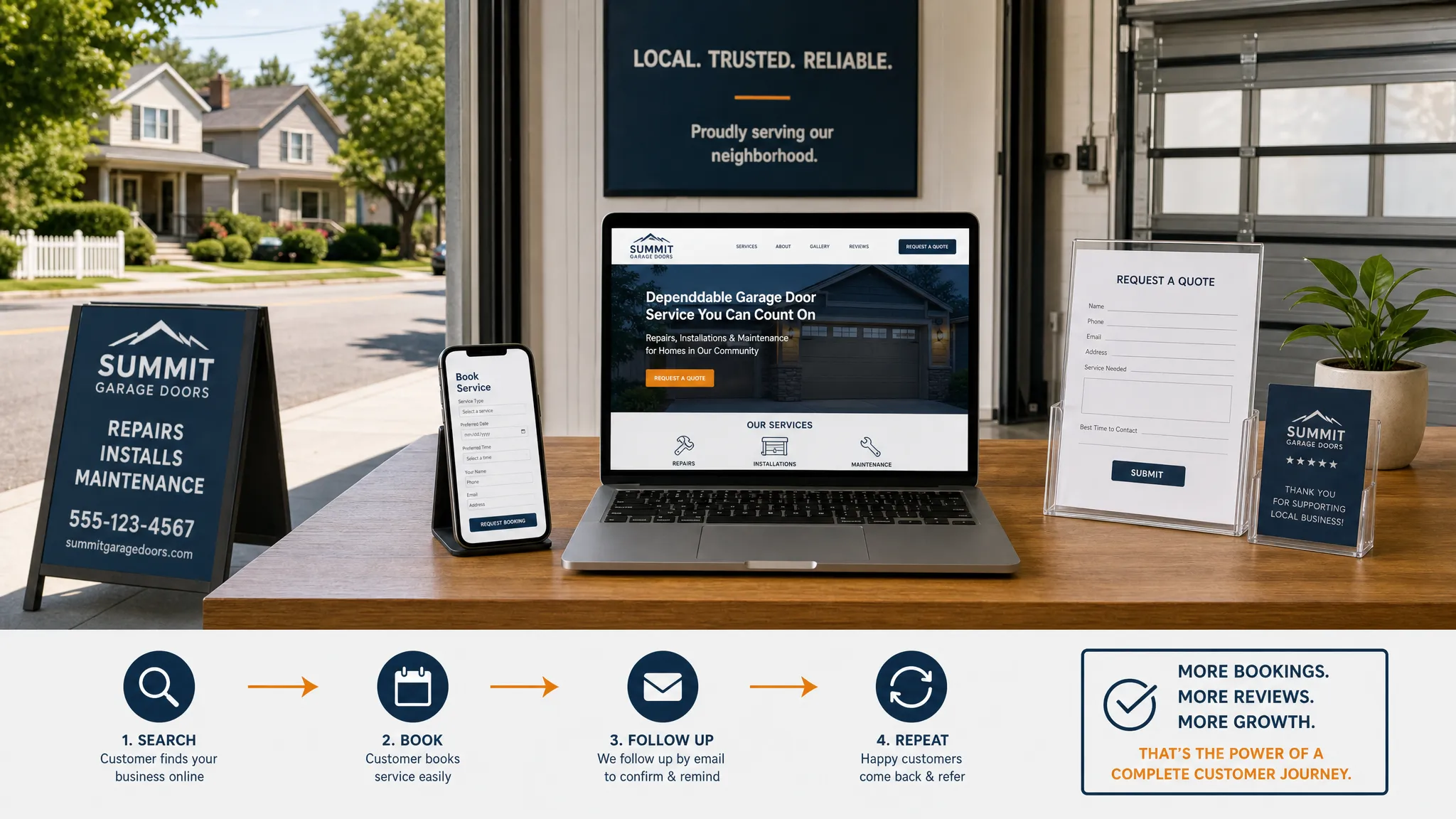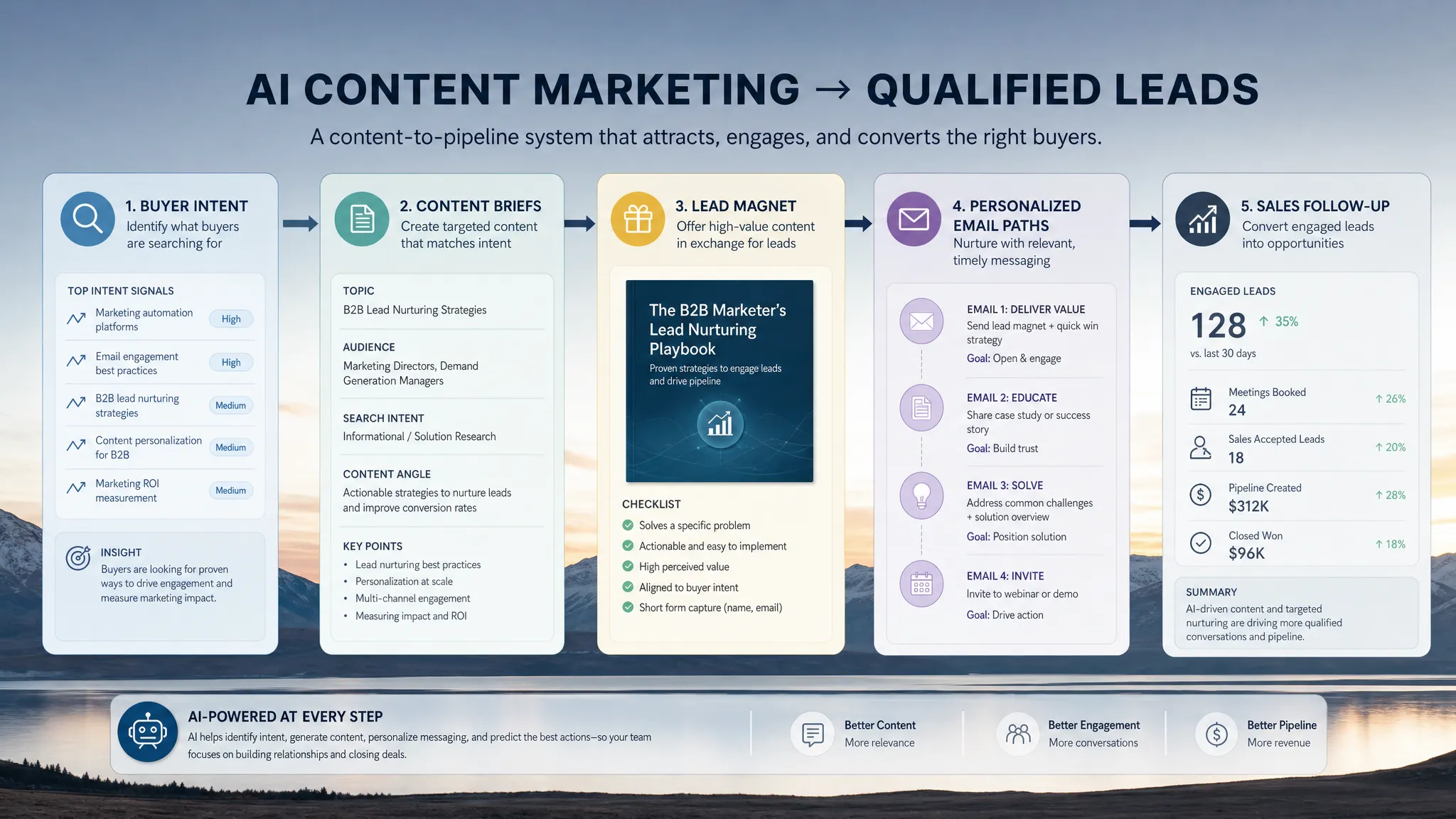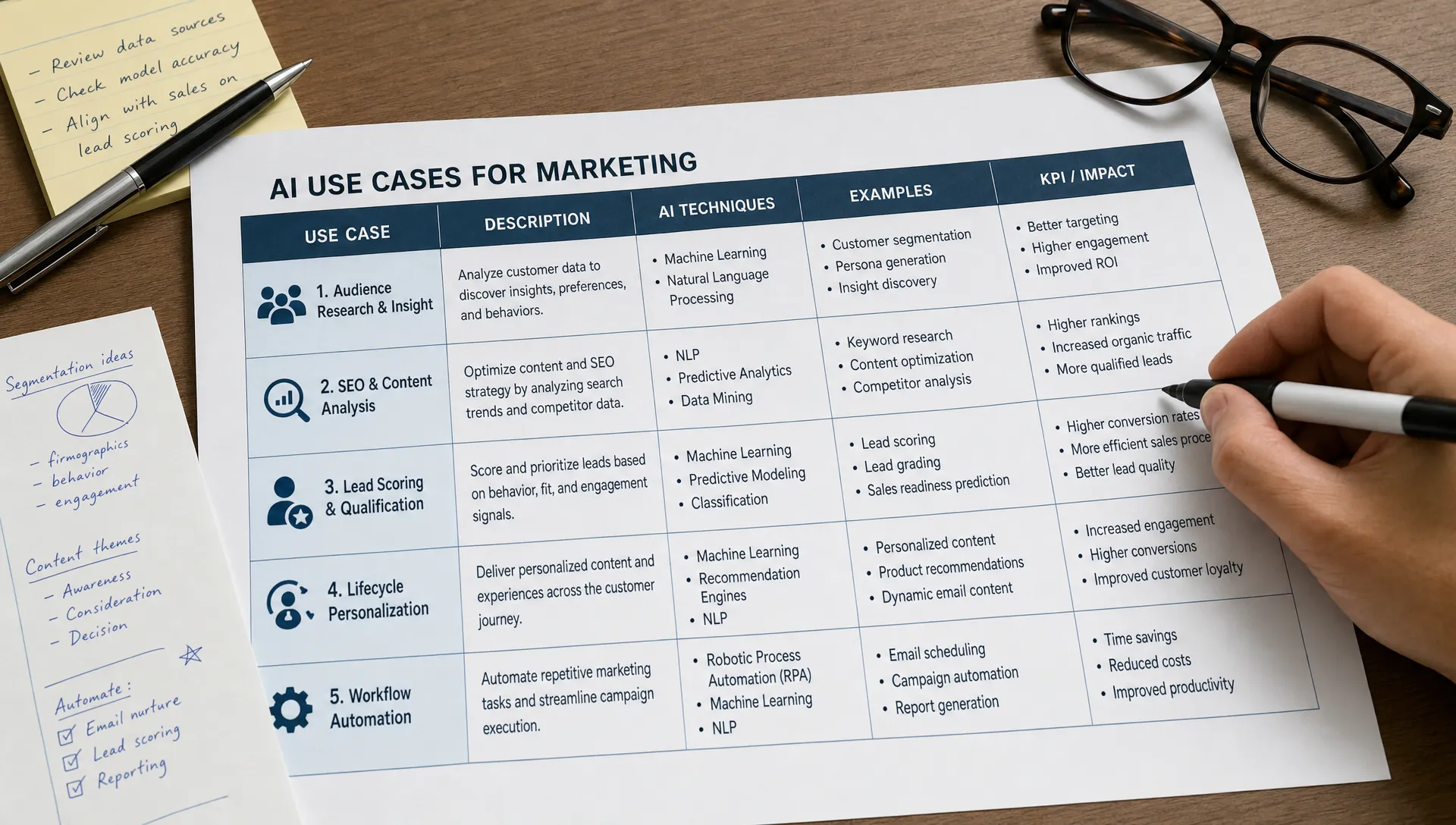
AI marketing is no longer a side experiment for teams with extra budget. Used well, it improves speed, relevance, decision quality and revenue efficiency. Used poorly, it becomes a faster way to publish generic content or create dashboards nobody trusts.
The difference is choosing use cases with clear business value. A practical AI marketing program should connect every workflow to a measurable outcome, such as lower cost per lead, shorter campaign cycles, higher conversion rates or better retention. McKinsey’s research on generative AI estimated that the technology could add trillions in annual economic value across business functions, with marketing and sales among the biggest opportunity areas. The opportunity is real, but the return depends on where you apply it.
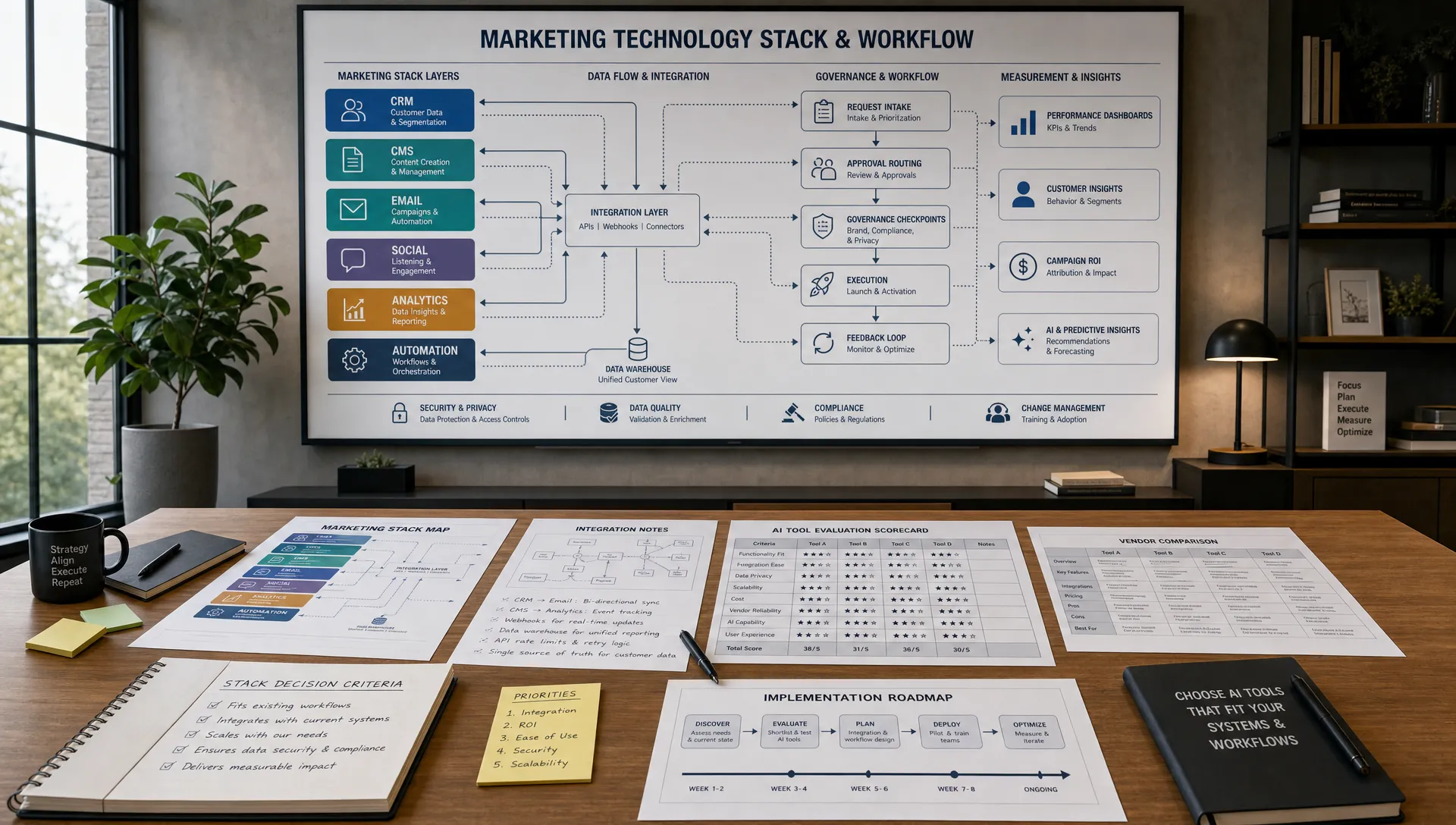
If your team is still deciding where AI belongs in the marketing stack, start with use cases that remove bottlenecks, improve personalization or expose insights humans would otherwise miss. For a broader view of tool categories, AIMarketer Hub’s guide to AI marketing tools worth using in 2026 can help you map tools to workflows before you buy.
A use case has business value when it changes a metric the company already cares about. “Create more content” is not enough. “Reduce the time needed to produce compliant product pages by 40 percent” is a business case. So is “identify high-intent accounts faster so sales can follow up within one business day.”
Strong AI marketing use cases usually share four traits:
The table below gives a quick view of the 10 use cases covered in this article.
| AI marketing use case | Primary business value | Best fit | KPI to watch |
|---|---|---|---|
| Audience and market research | Faster customer insight | B2B, SaaS, ecommerce, agencies | Research cycle time, message-market fit signals |
| SEO and content gap analysis | More qualified organic traffic | Content-led teams | Rankings, non-branded traffic, assisted conversions |
| Content briefing and drafting | Higher content output with quality control | Lean marketing teams | Production time, content quality score, conversion rate |
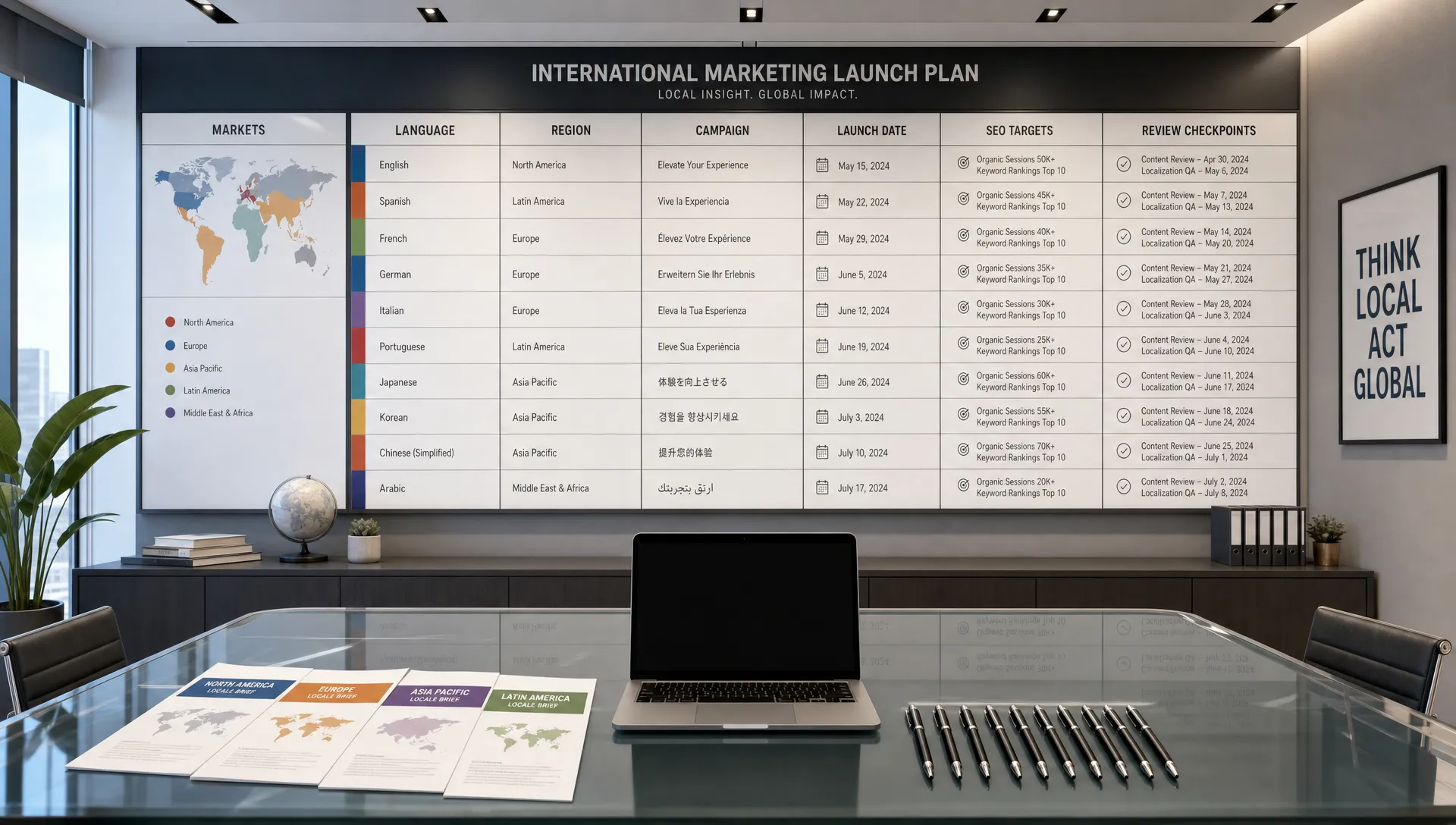
| Localization and market-specific messaging | Better relevance in different regions | Global or niche-market brands | Engagement by region, conversion by market |
| Paid media creative testing | Better return on ad spend | Performance teams | CTR, CPA, ROAS, creative fatigue rate |
| Lead scoring and routing | Better sales efficiency | B2B and high-ticket offers | MQL to SQL rate, response time, pipeline value |
| Lifecycle email personalization | Higher retention and repeat purchases | SaaS, ecommerce, memberships | Open rate, click rate, retention, LTV |
| Social listening and reputation workflows | Faster response to market signals | Consumer brands, B2B brands | Sentiment, response time, share of voice |
| AI-powered analytics | Faster decisions from complex data | Teams with multiple channels | Time to insight, forecast accuracy, budget efficiency |
| Workflow automation and QA | Lower operational drag | Any marketing team | Hours saved, error rate, campaign launch time |
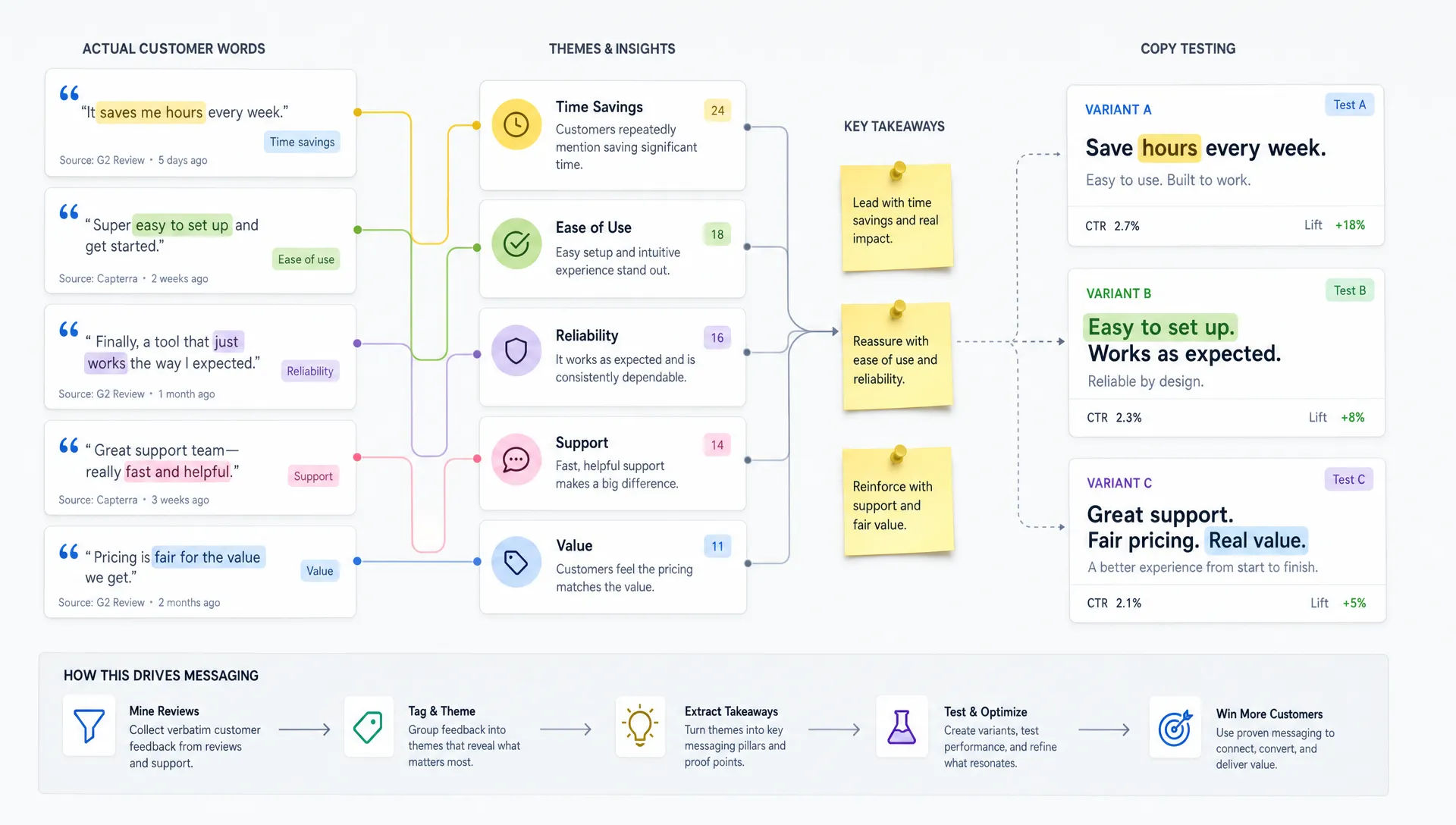
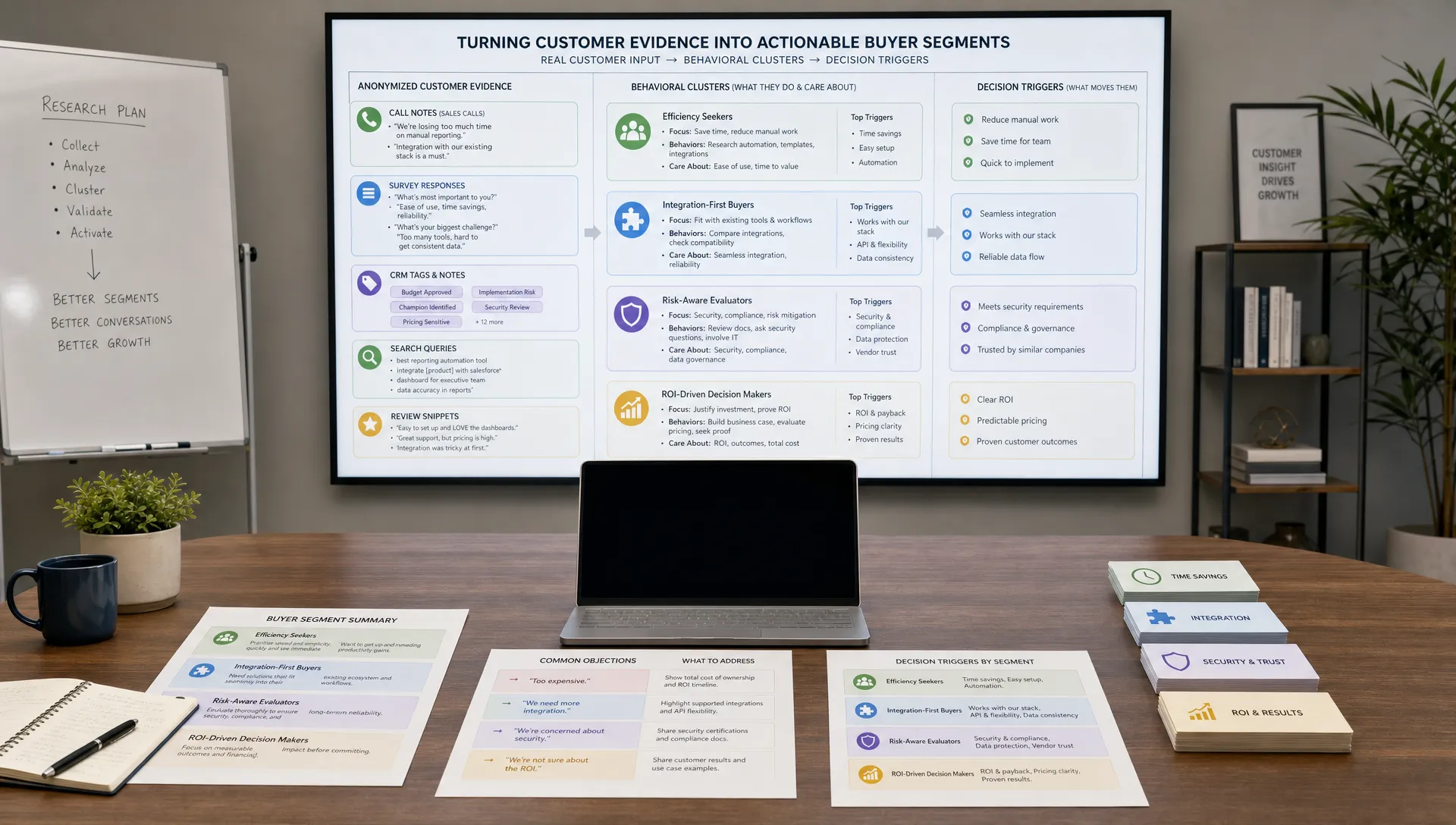
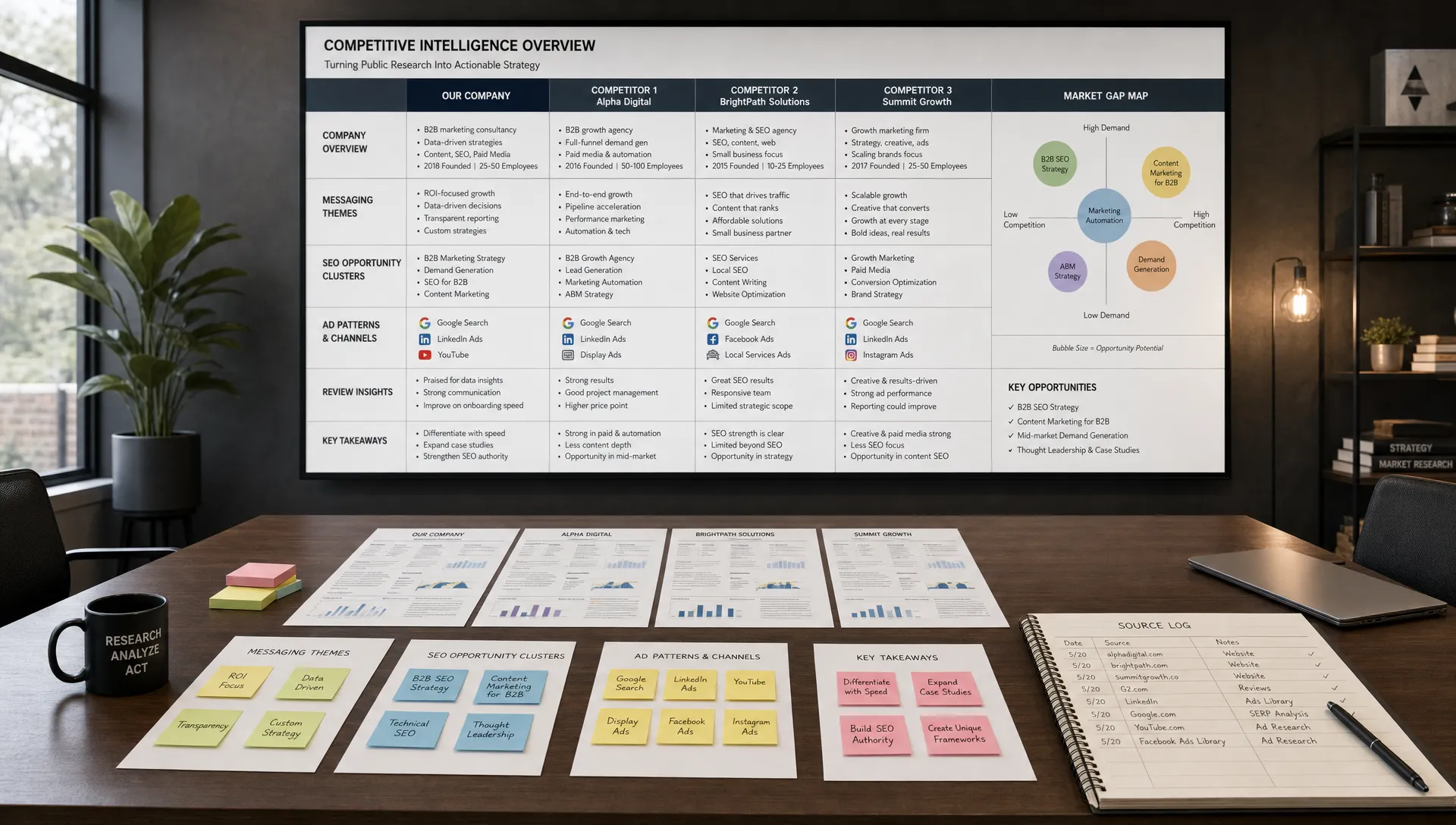
AI is especially useful when marketers need to turn large amounts of unstructured customer feedback into useful insight. Surveys, sales call notes, reviews, support tickets, chat transcripts and community discussions often contain the language customers use before they buy. The problem is that most teams do not have time to analyze these sources manually every week.
AI can cluster recurring pain points, summarize objections, detect emerging themes and compare customer language across segments. This gives marketers a better starting point for positioning, landing pages, sales enablement and content planning.
The business value is speed and accuracy of customer understanding. Instead of waiting for a quarterly research project, a team can run a weekly voice-of-customer review and identify patterns early. That matters when buyer priorities change quickly or competitors shift their messaging.
Use this for:
The human role is to validate the pattern. AI can surface themes, but it cannot know whether a complaint comes from your ideal customer, a poor-fit user or a small but loud segment. Treat AI research as a faster synthesis layer, not a replacement for customer conversations.
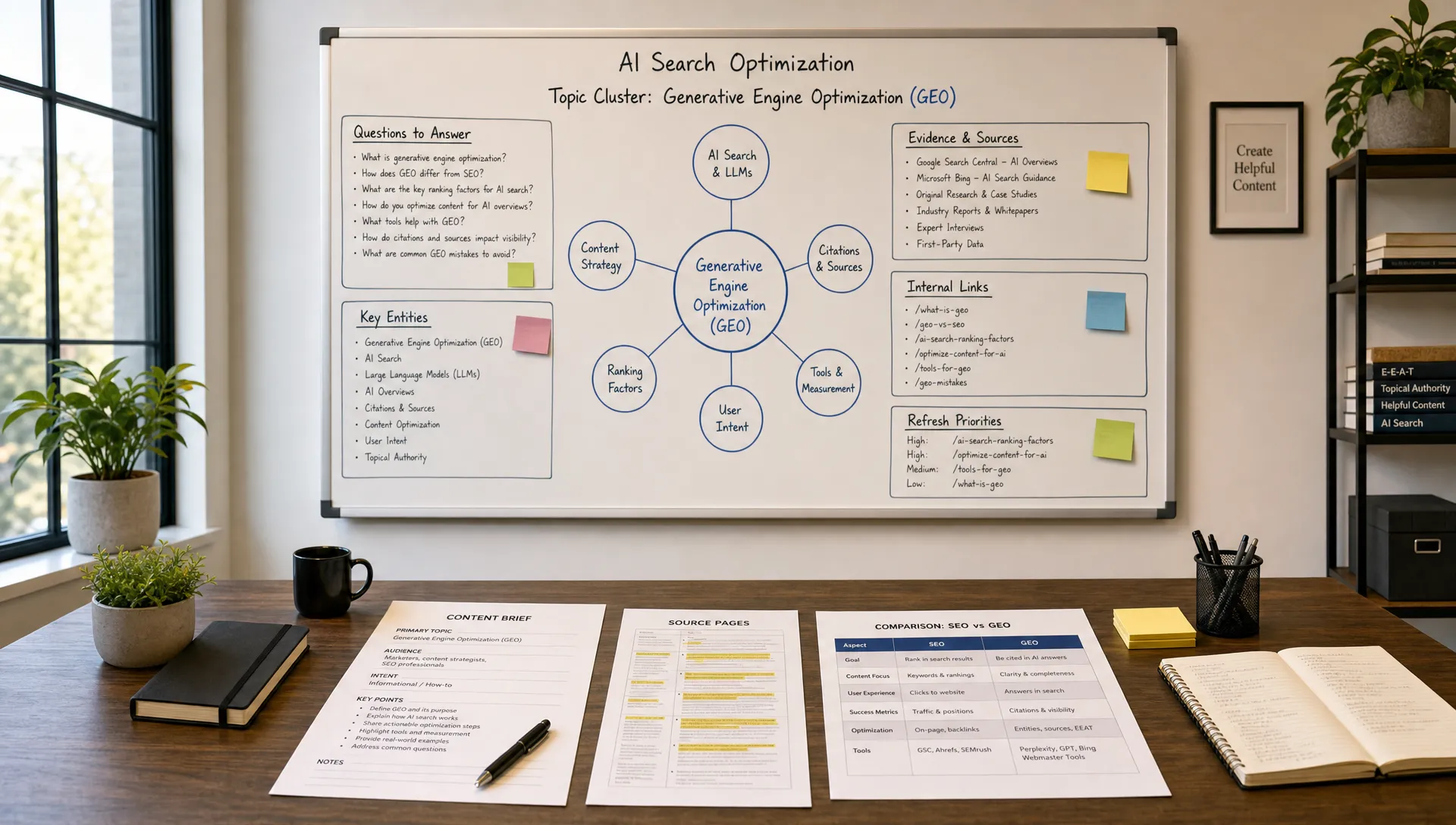
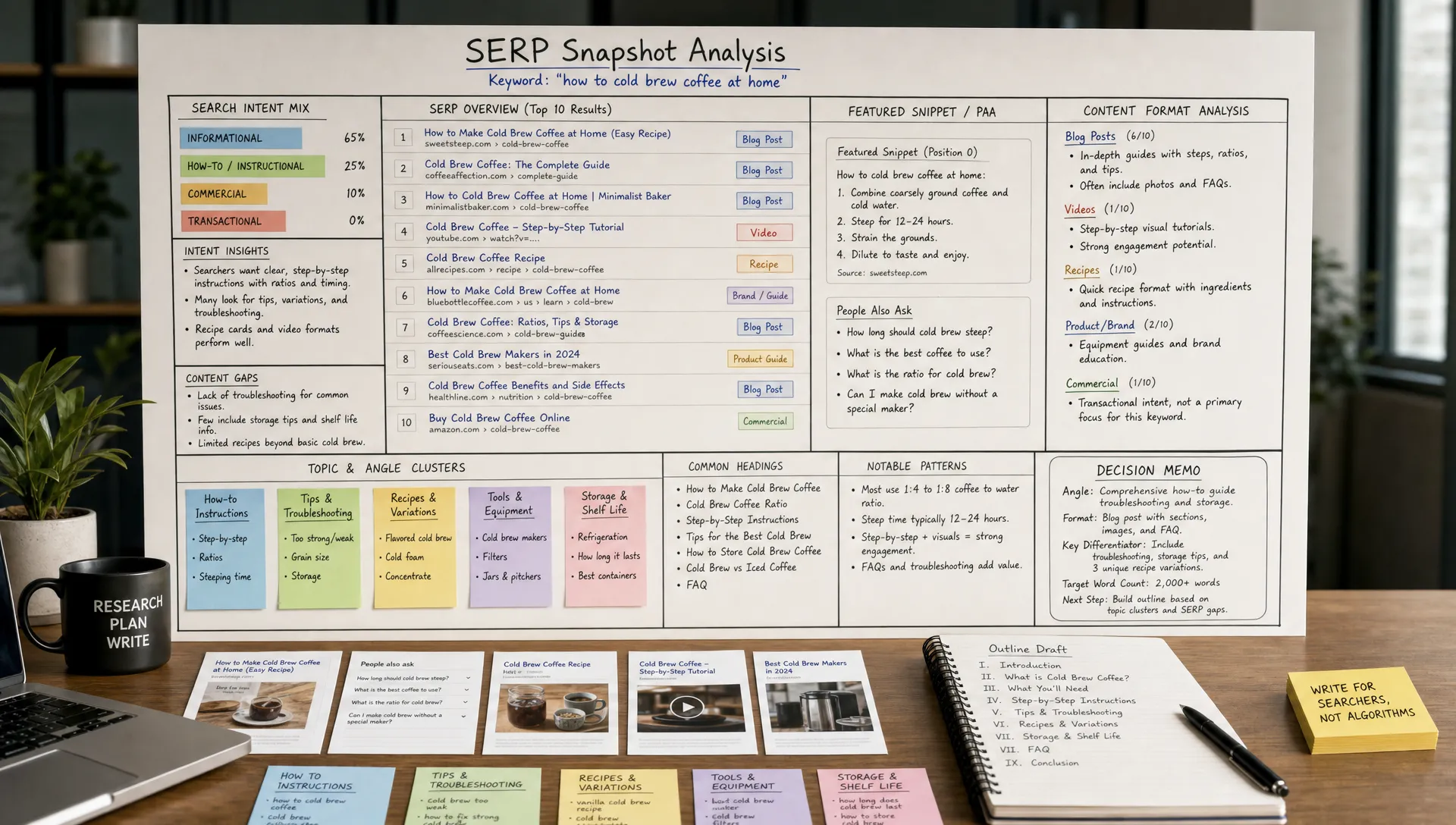
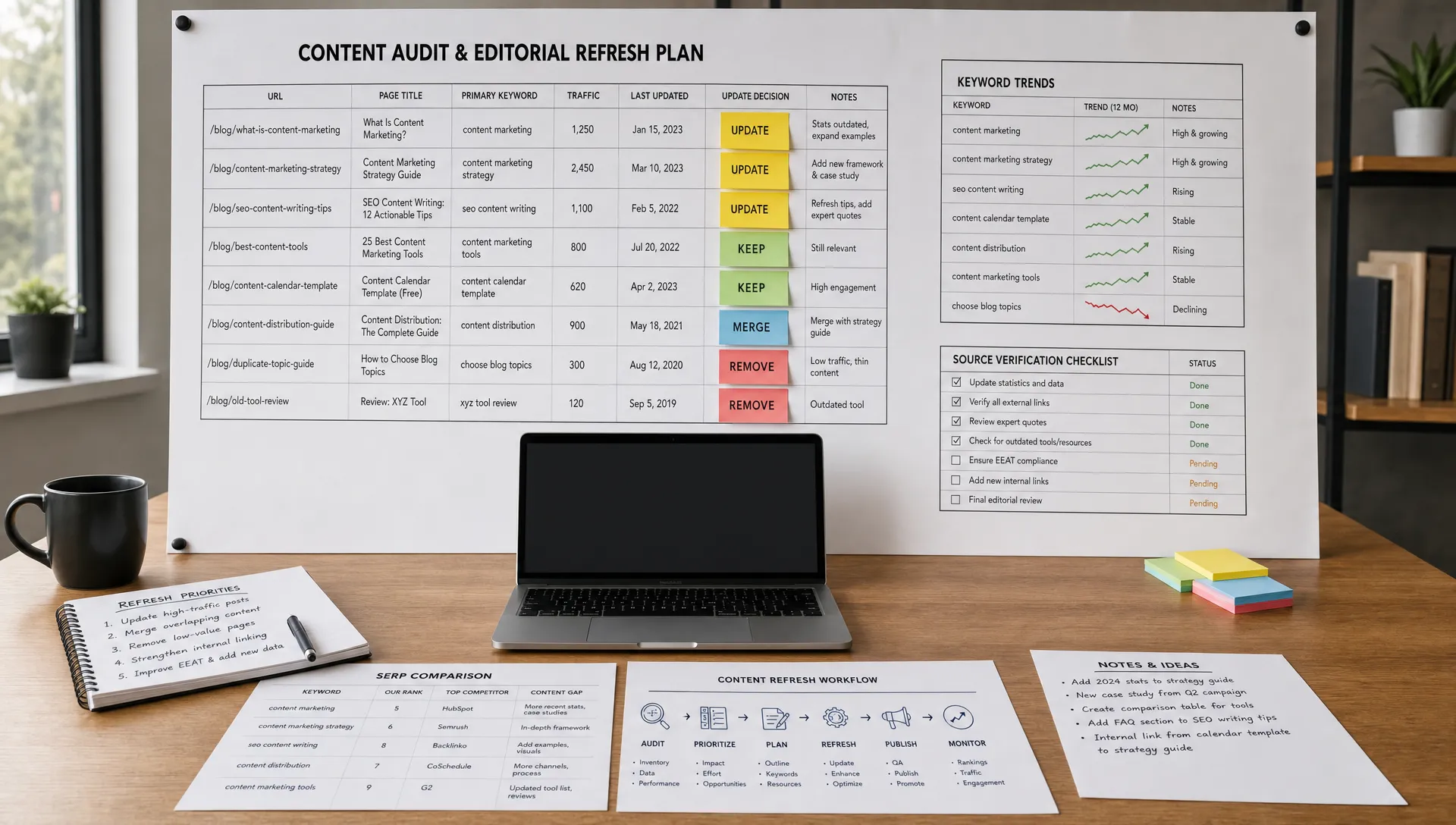
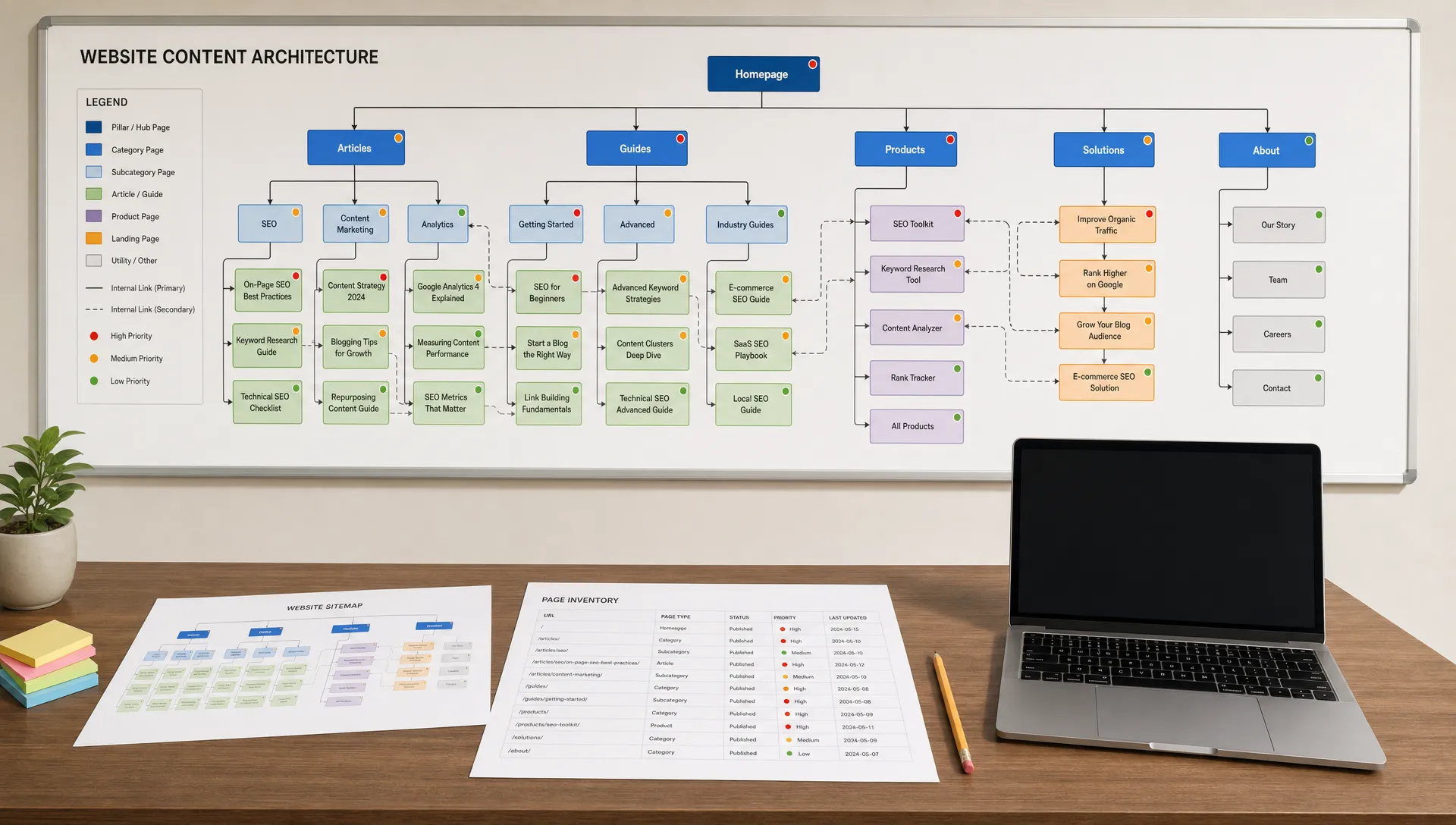
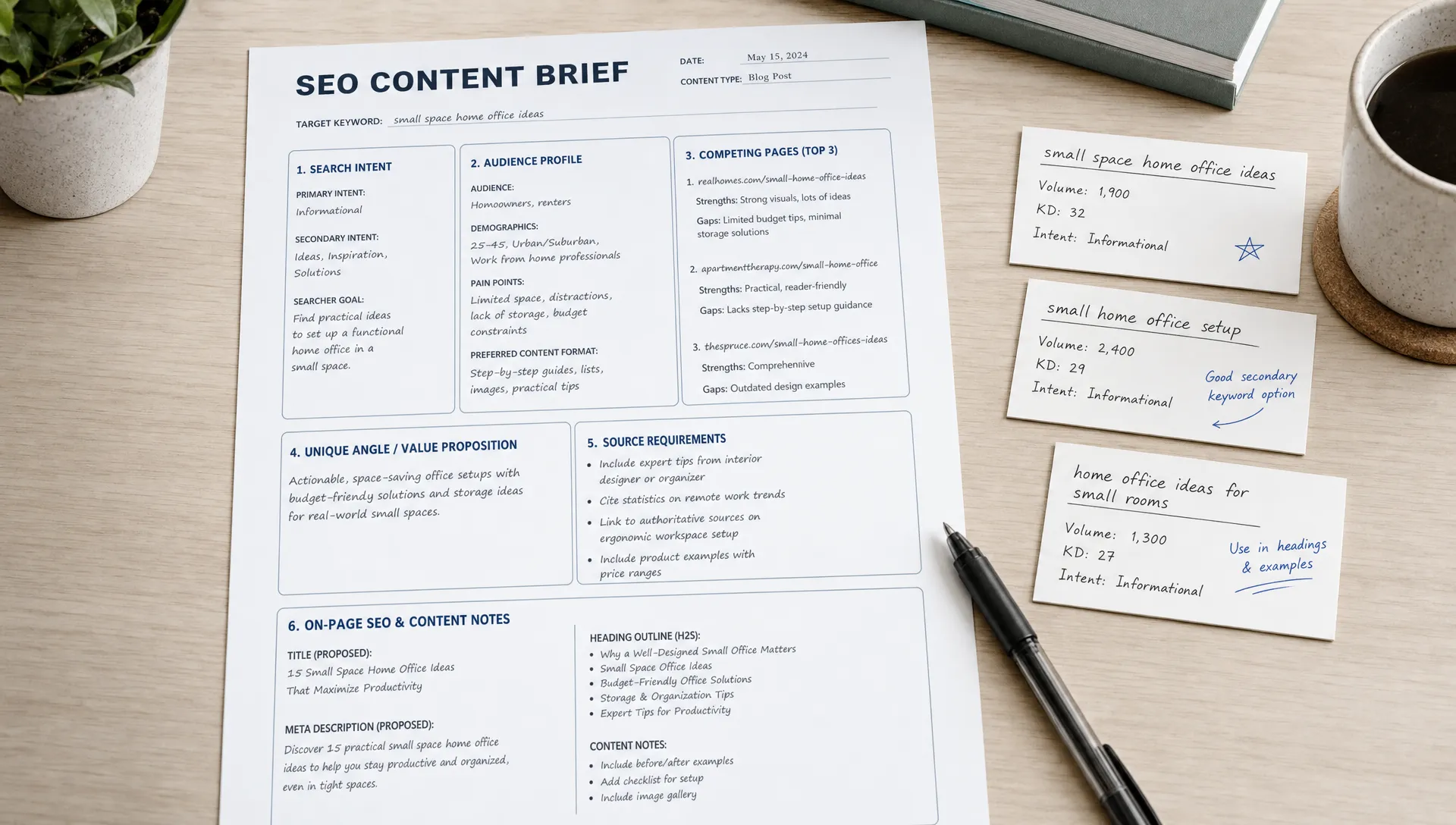
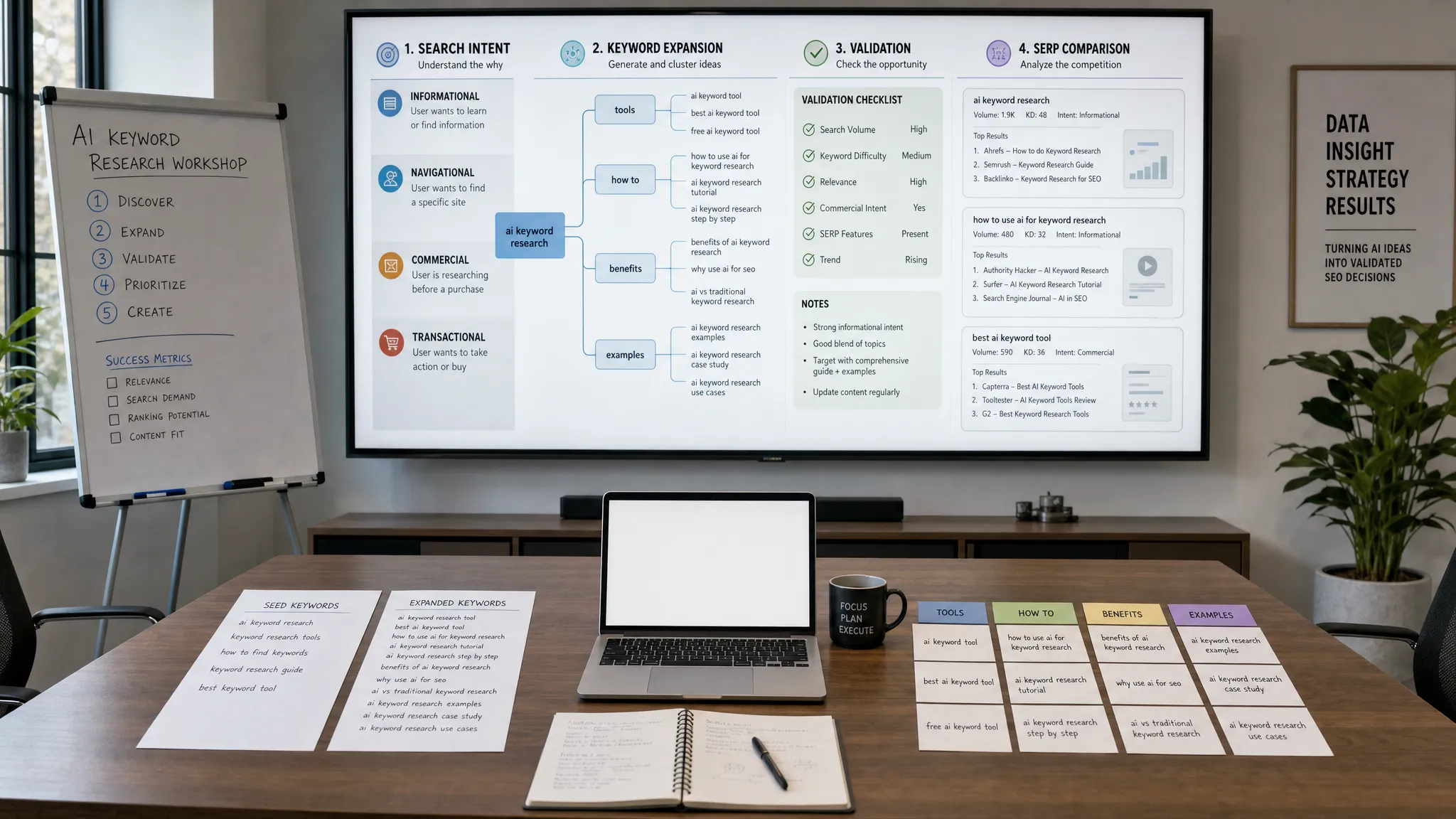
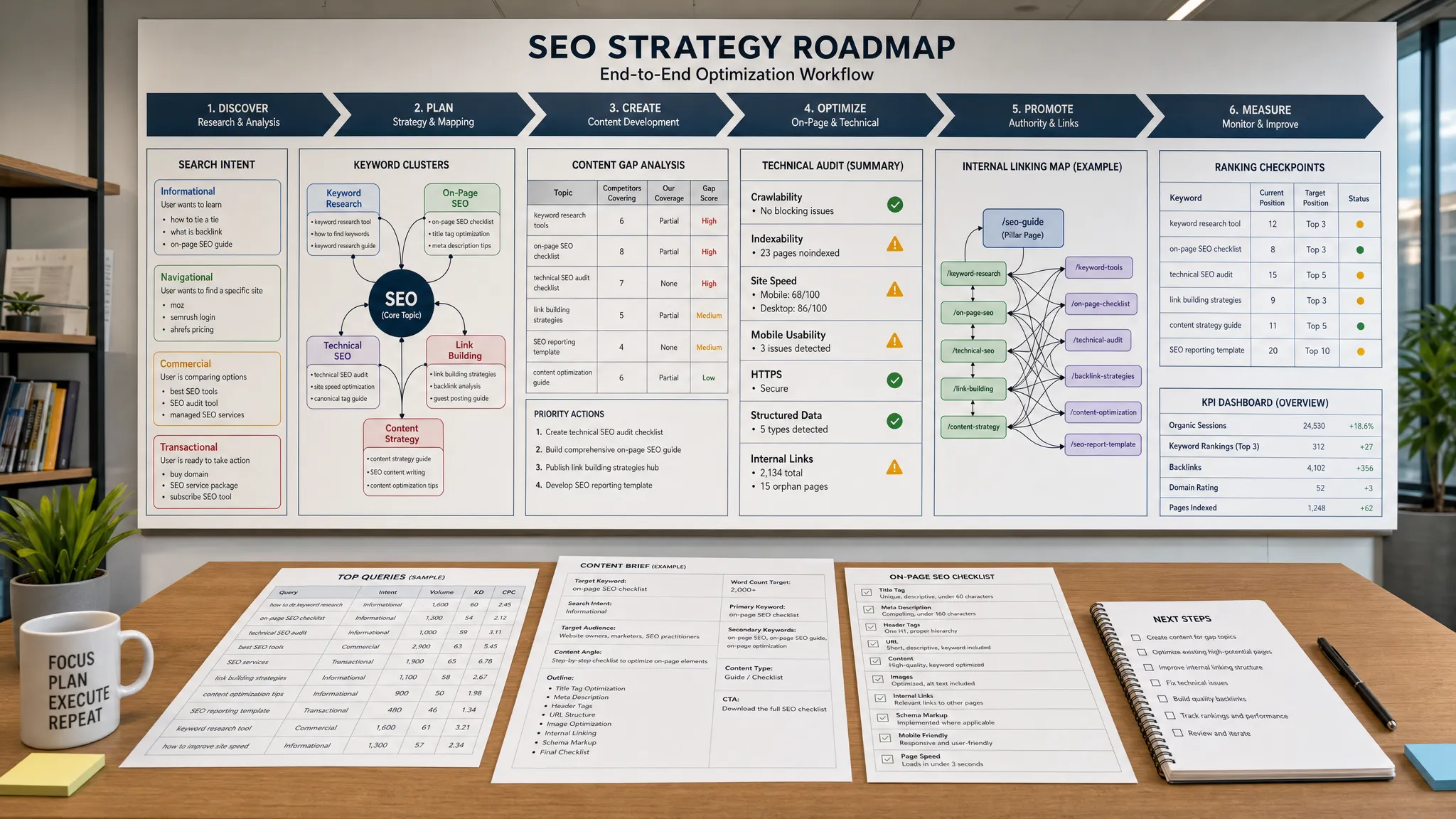
SEO work often starts with a messy question: what should we create next? AI tools can help marketers analyze keyword groups, search intent, competitor pages and internal content libraries much faster than manual spreadsheet work.
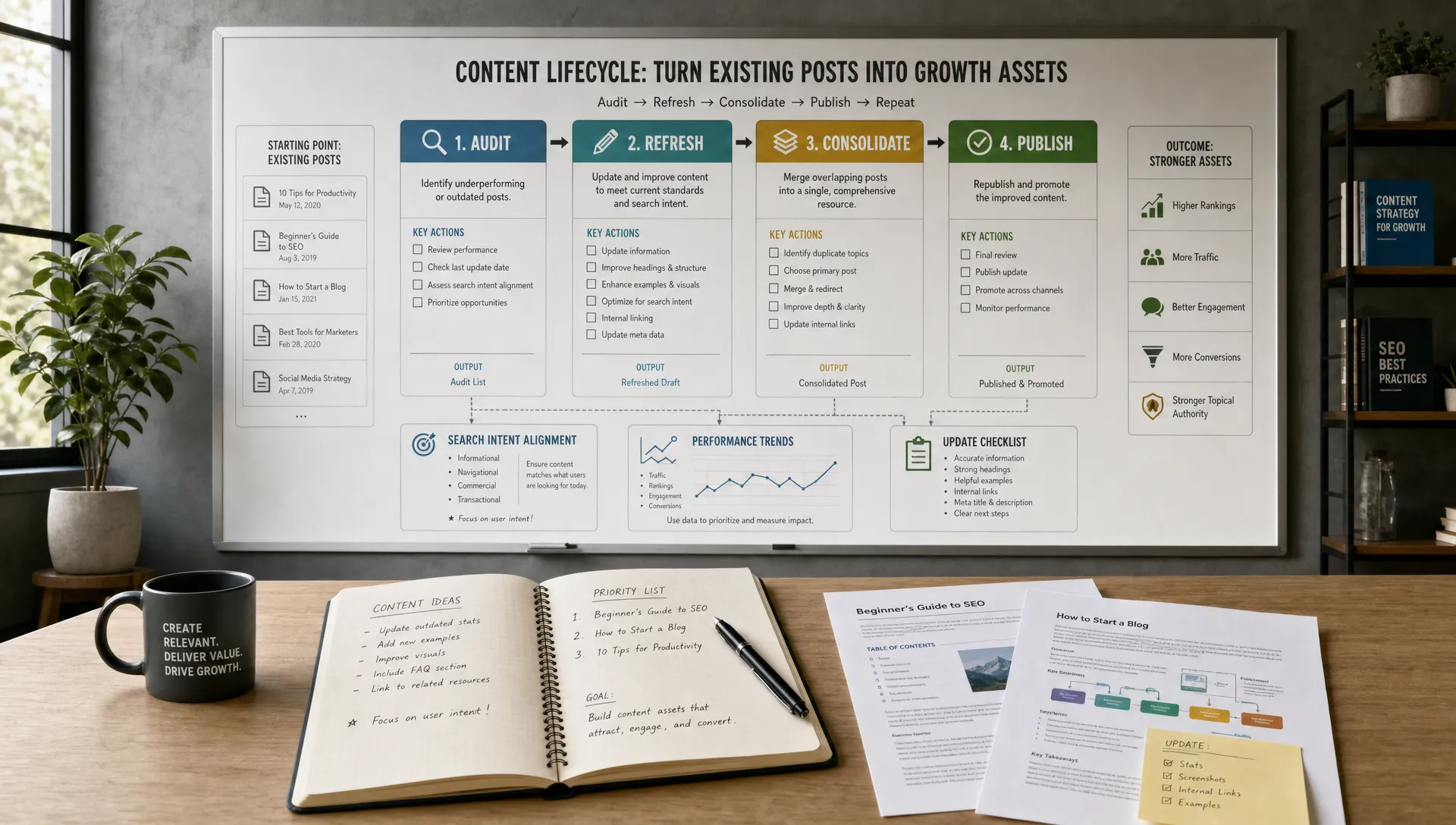
The value is not just finding more keywords. The better use case is identifying gaps between what your audience is trying to solve and what your site currently explains. AI can classify search queries by funnel stage, suggest content clusters, summarize competitor coverage and flag pages that need updating.
For example, a SaaS company might use AI to compare its blog archive against high-intent queries from sales conversations. A finance brand might use it to map calculator pages, educational guides and comparison content into a cleaner journey. An agency might use it to identify where clients have too many awareness posts but not enough bottom-of-funnel pages.
The best KPIs depend on the content type. For awareness content, track qualified organic traffic and assisted conversions. For commercial pages, watch demo requests, sign-ups, booked calls or revenue influenced by organic search.
AI can speed up analysis, but strategy still matters. Search intent, product fit and editorial quality decide whether traffic is valuable. If you need a more performance-focused perspective, this guide on how AI for digital marketing improves performance explains how AI supports targeting, content and campaign optimization together.
AI content creation has clear business value when it removes blank-page friction and turns proven ideas into multiple useful formats. It has weak value when teams use it to publish large volumes of undifferentiated articles.
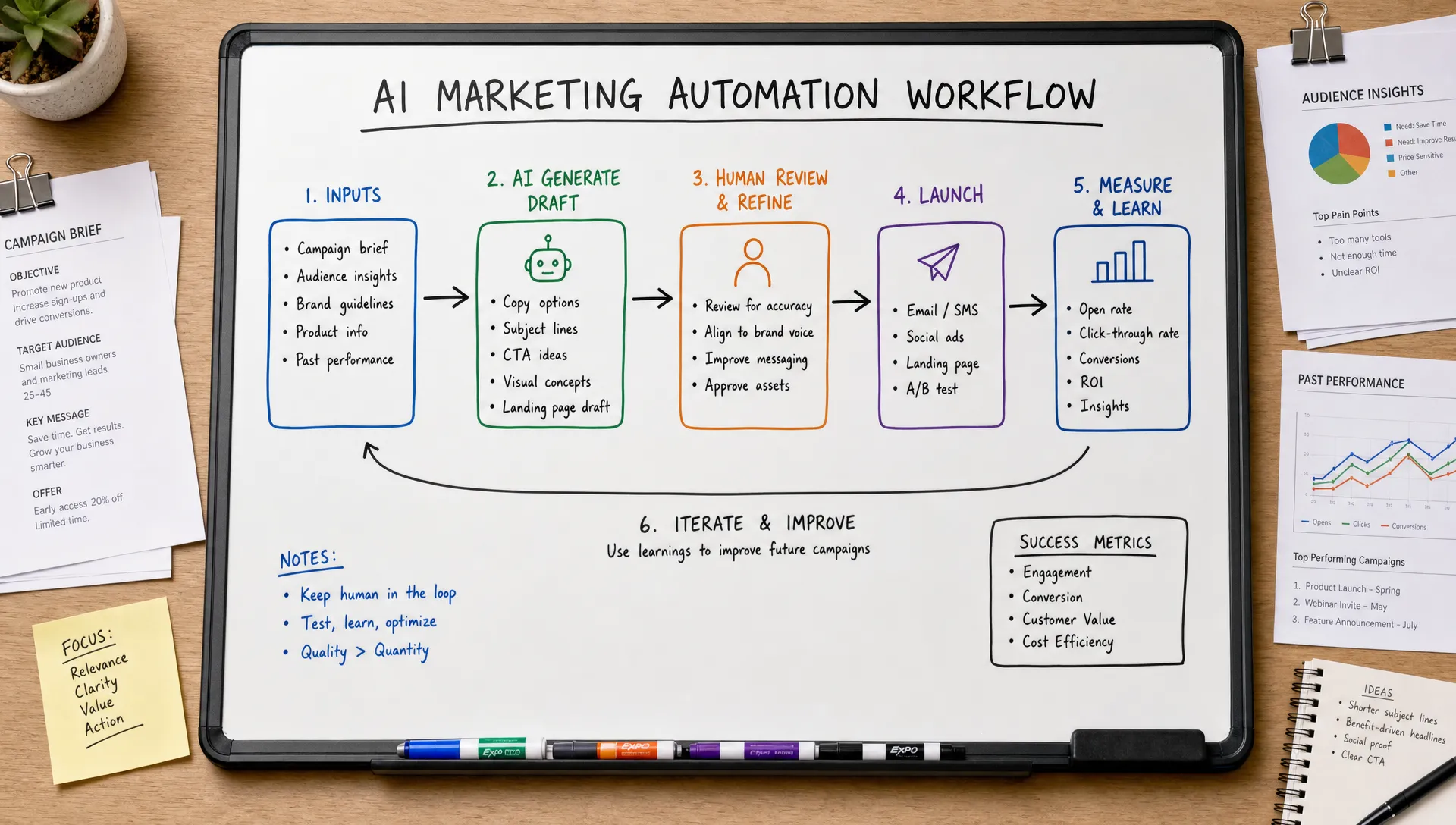
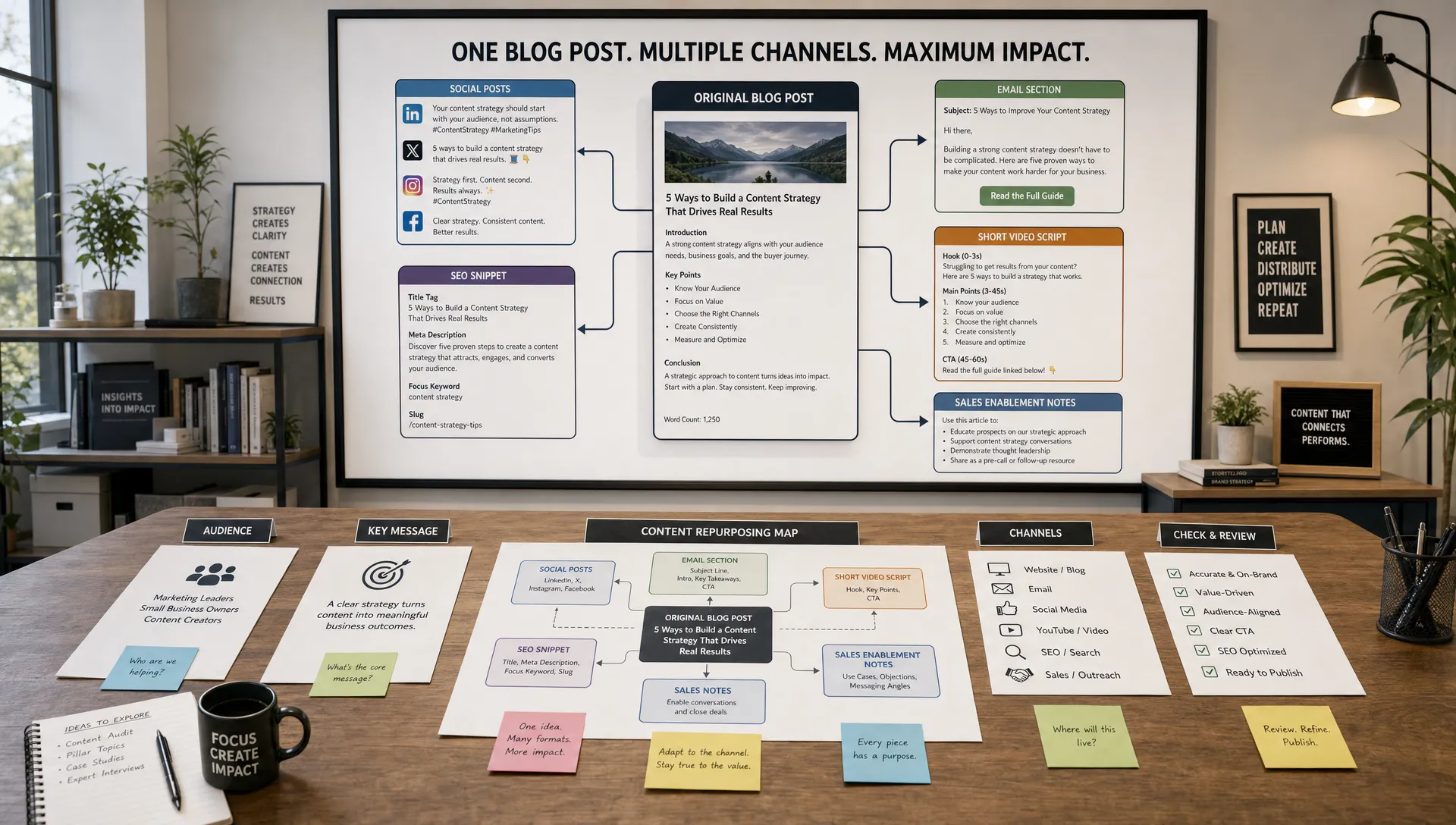
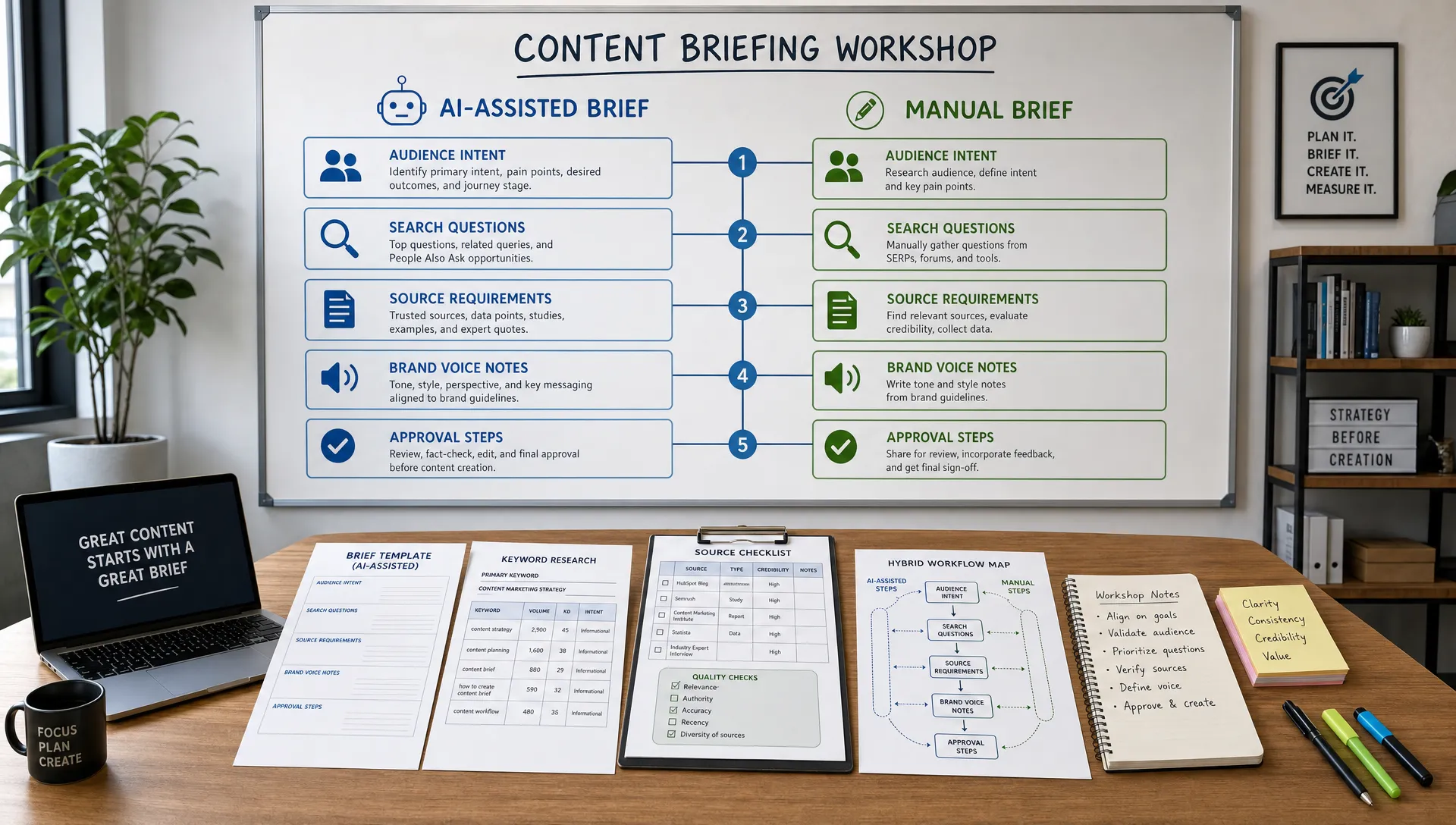
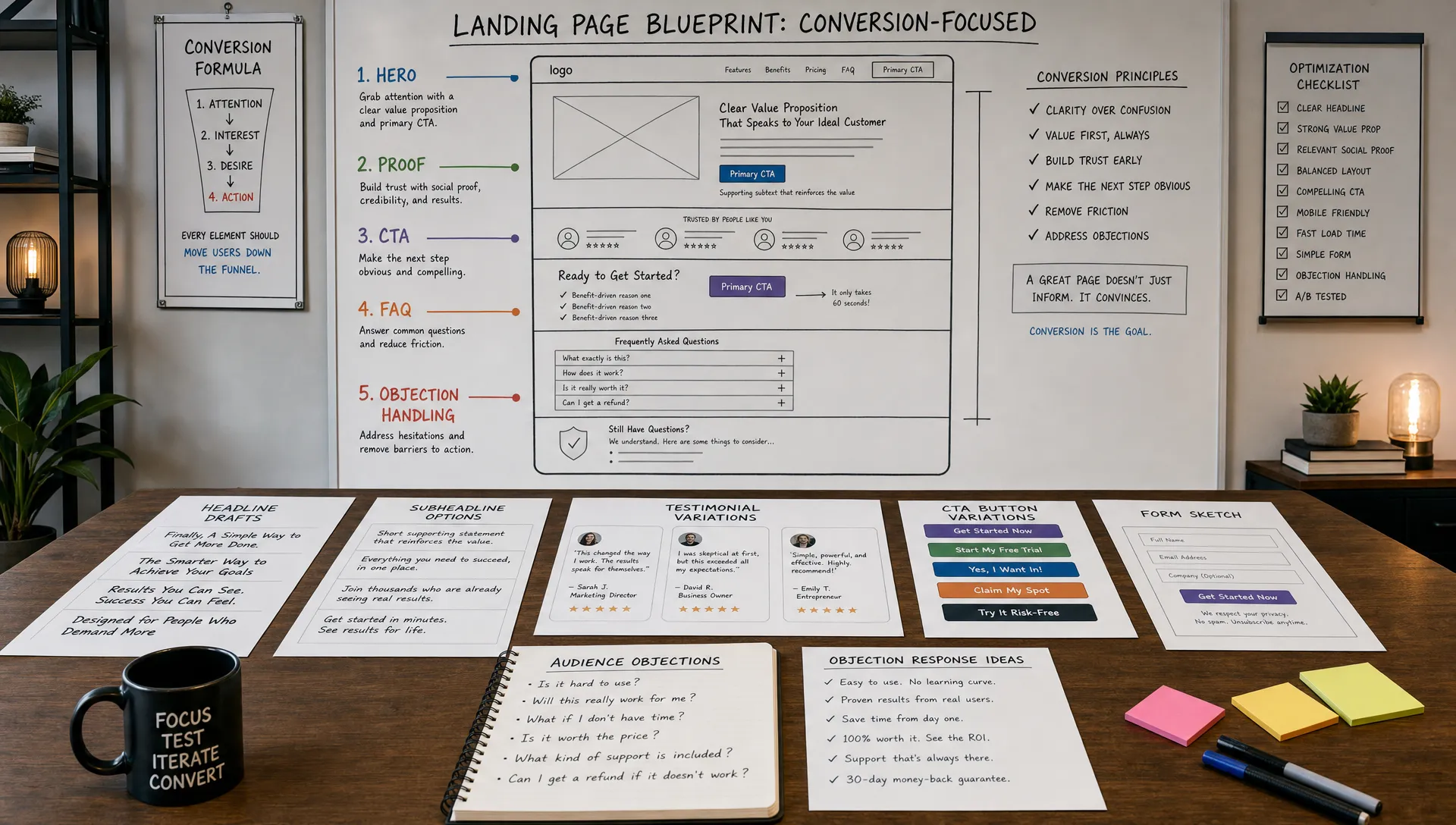
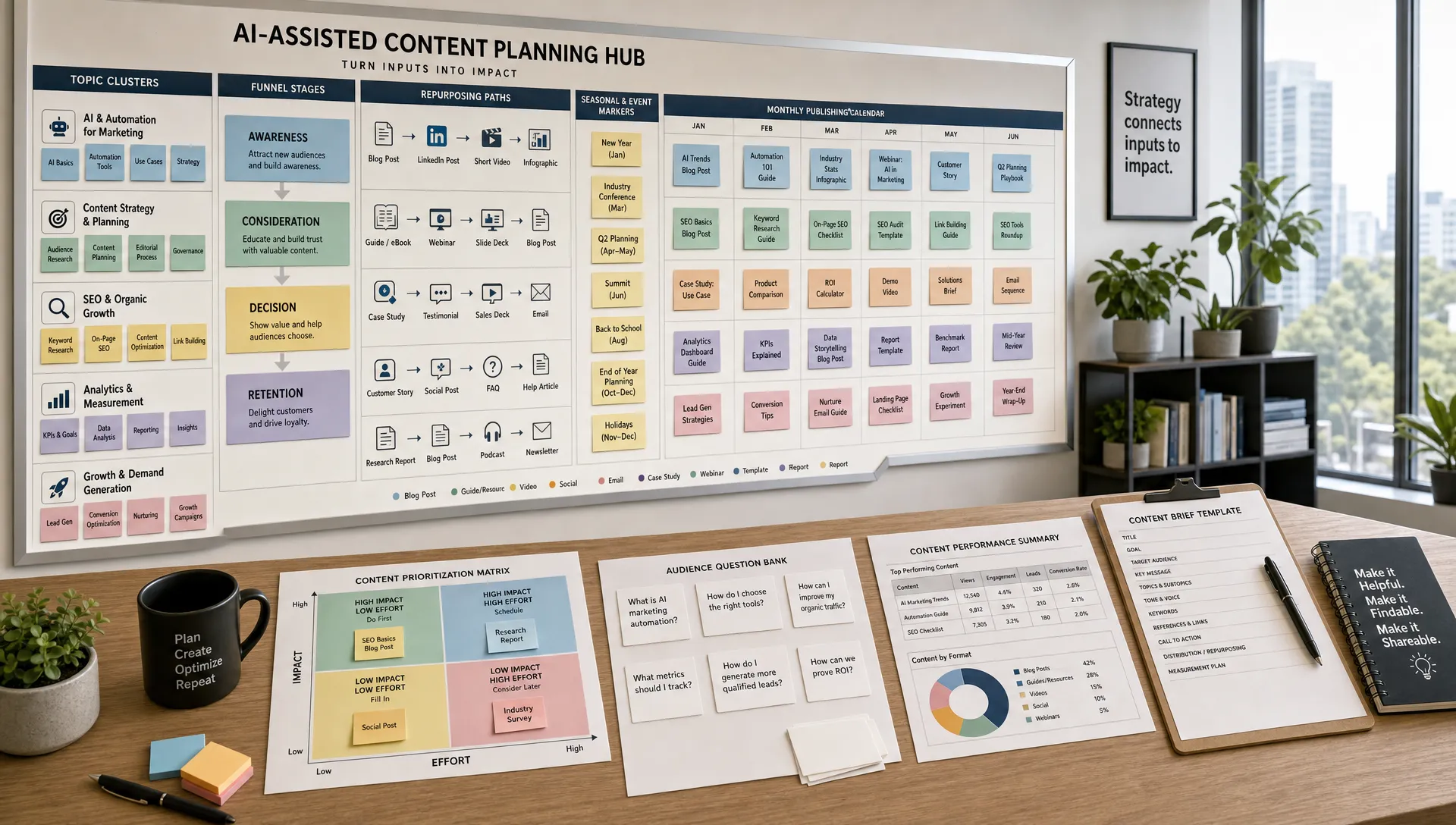
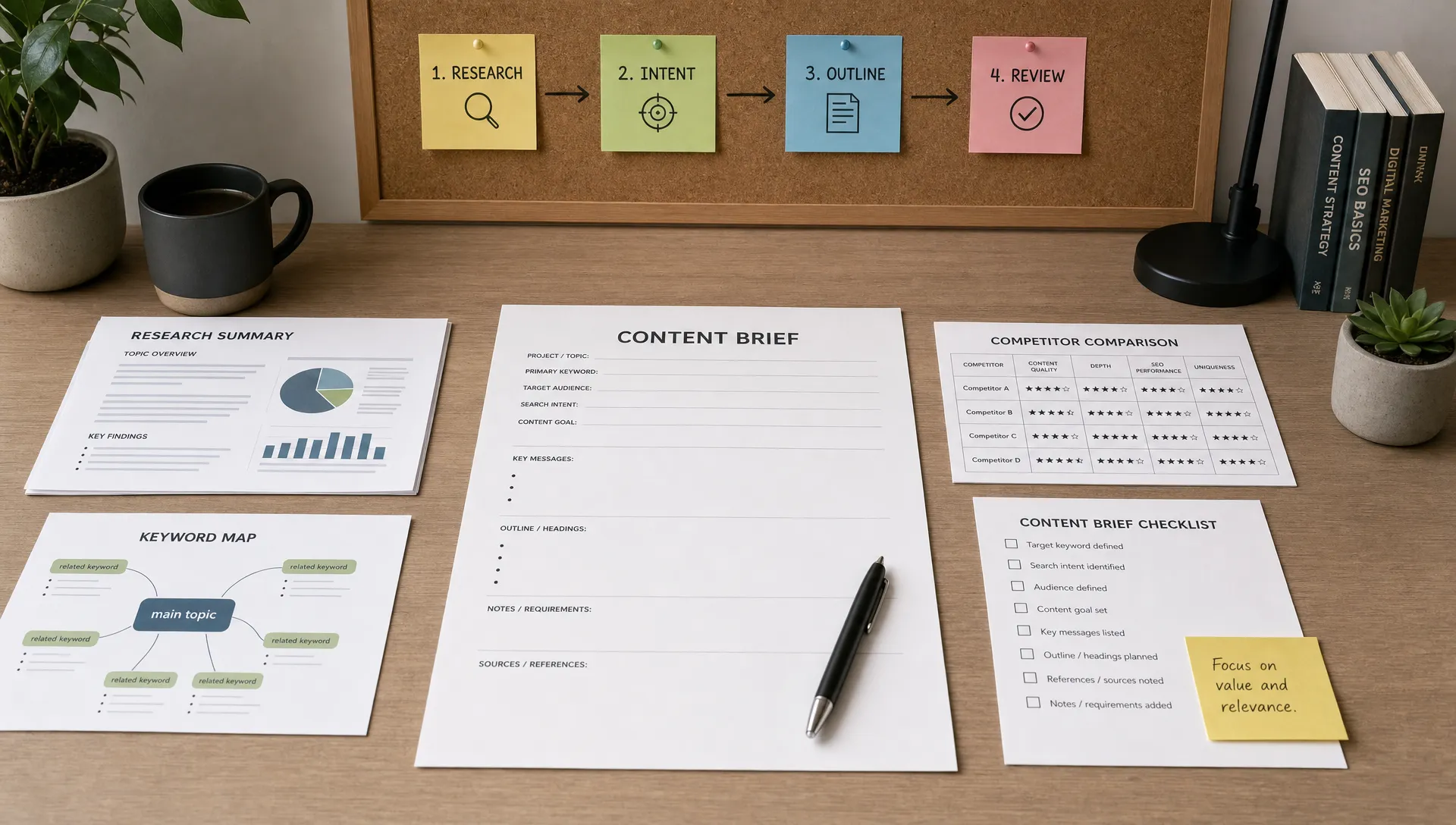
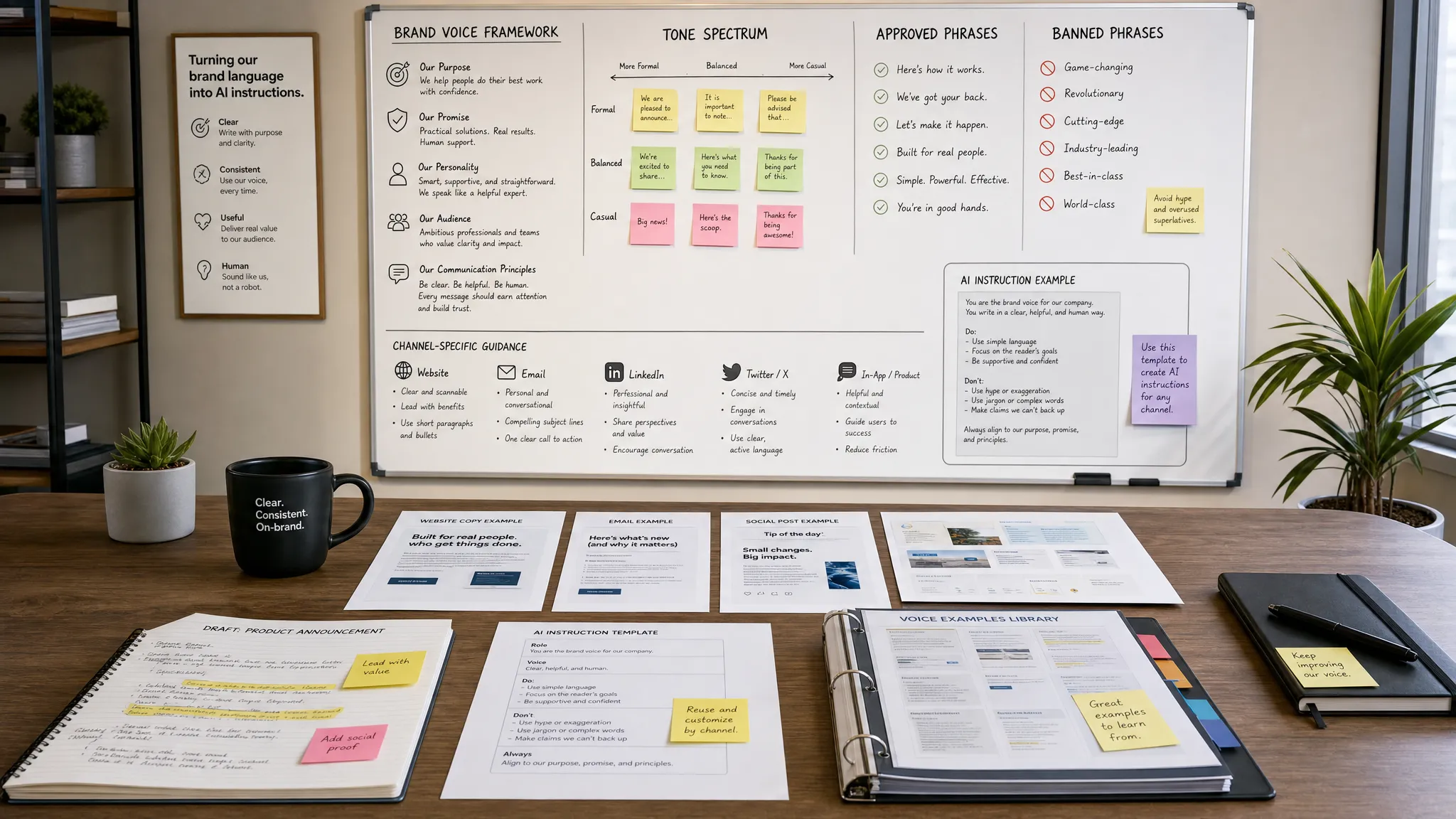
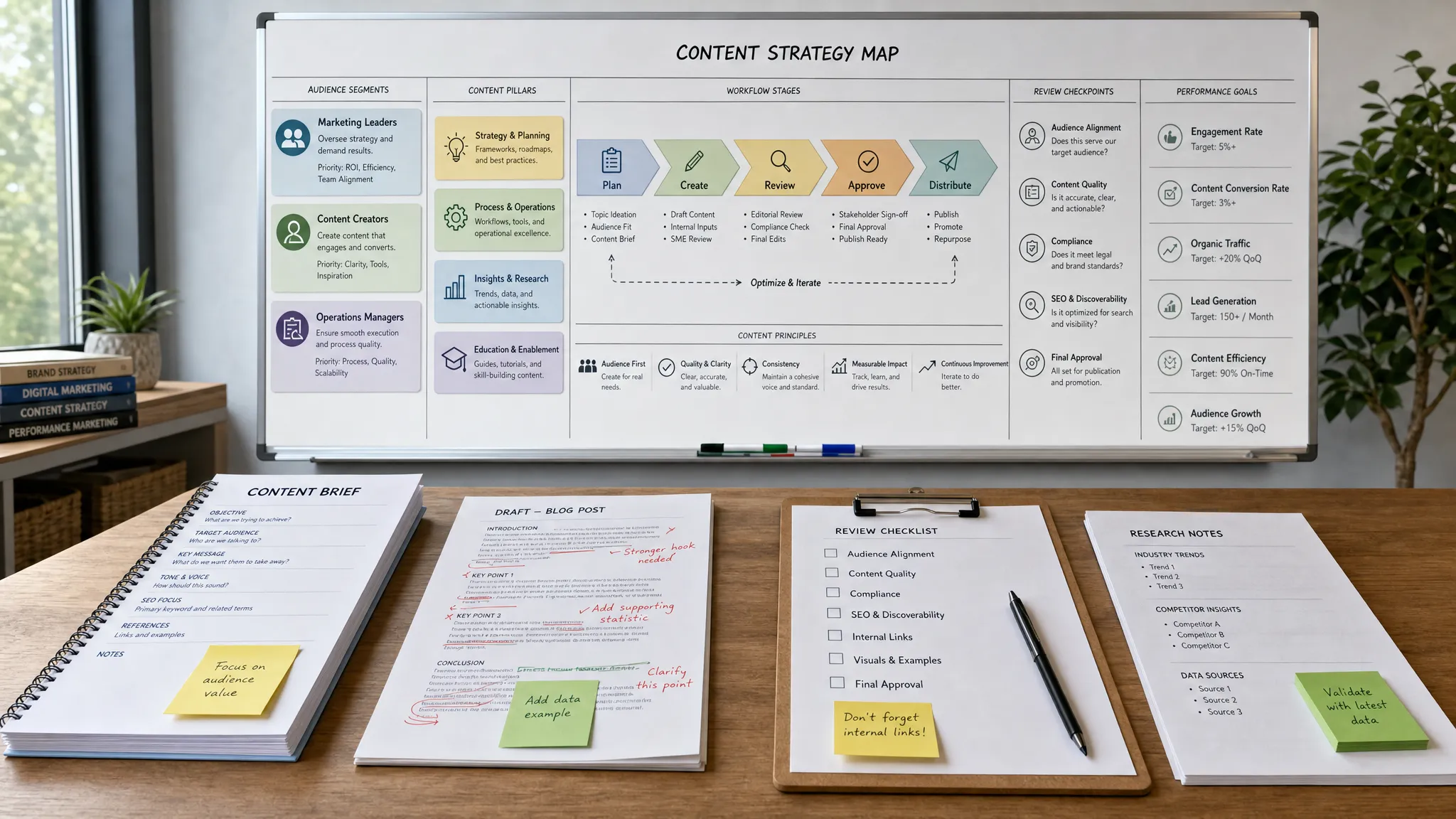
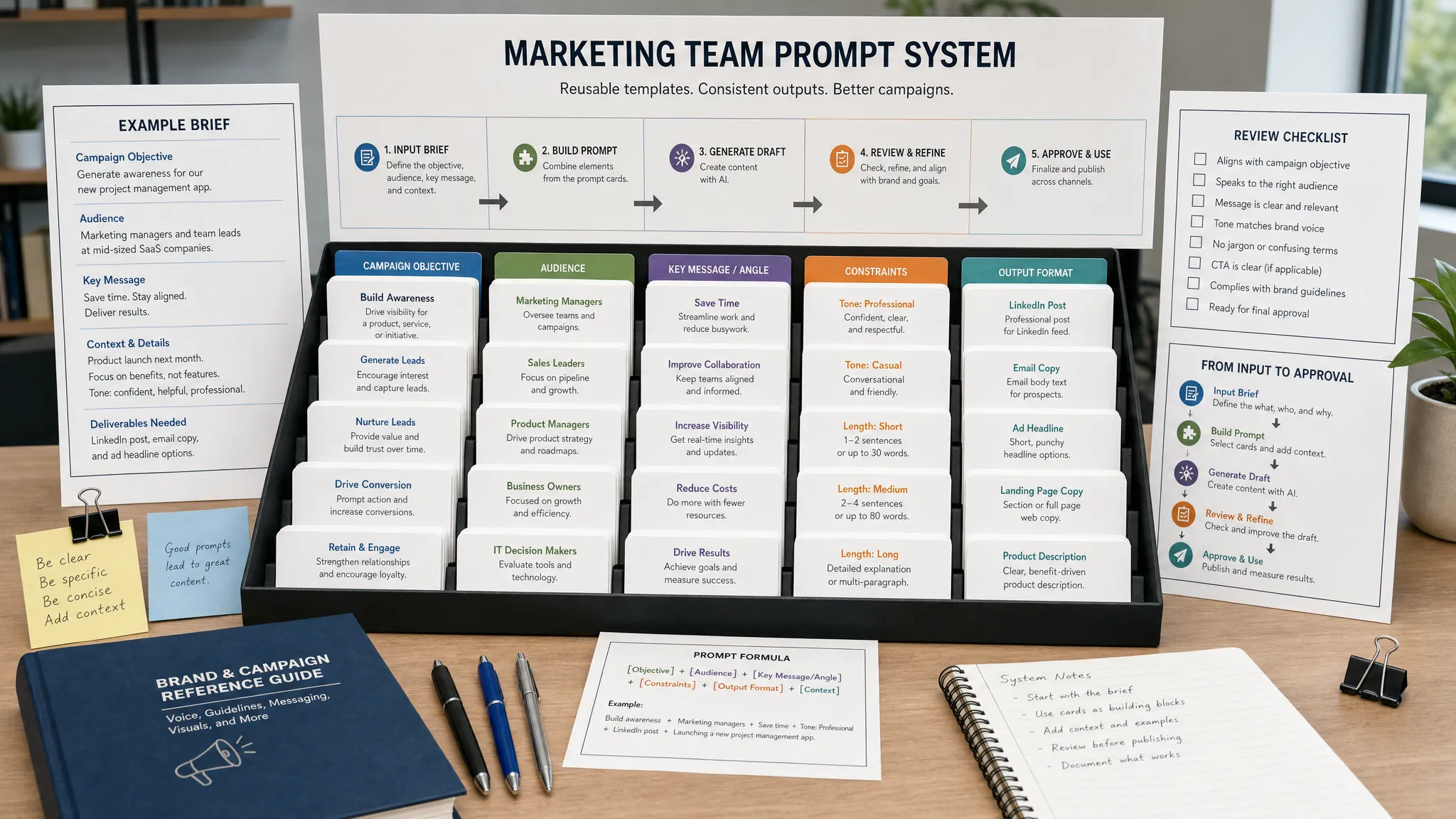
A practical workflow starts with a human-approved brief. The brief should include the audience, search intent, positioning, sources, product angle, internal links and conversion goal. AI can then produce a first draft, outline, social snippets, email variations or sales enablement copy. Editors refine the result with customer insight, examples and brand judgment.
This use case is valuable for lean teams because it shortens production time without removing quality gates. A founder-led company can turn one expert interview into a blog article, LinkedIn post, newsletter and sales follow-up sequence. A larger team can use AI to standardize briefs so writers get clearer direction.
Measure the value with production cycle time, editorial revision time, organic performance, lead quality and conversion rate. If AI increases output but lowers trust, the business value disappears.
A strong rule is to use AI for structure, synthesis and variations, then use human expertise for accuracy, originality and final judgment. For lead generation specifically, AIMarketer Hub’s article on AI content marketing tactics that drive more leads goes deeper into turning content into pipeline rather than traffic alone.
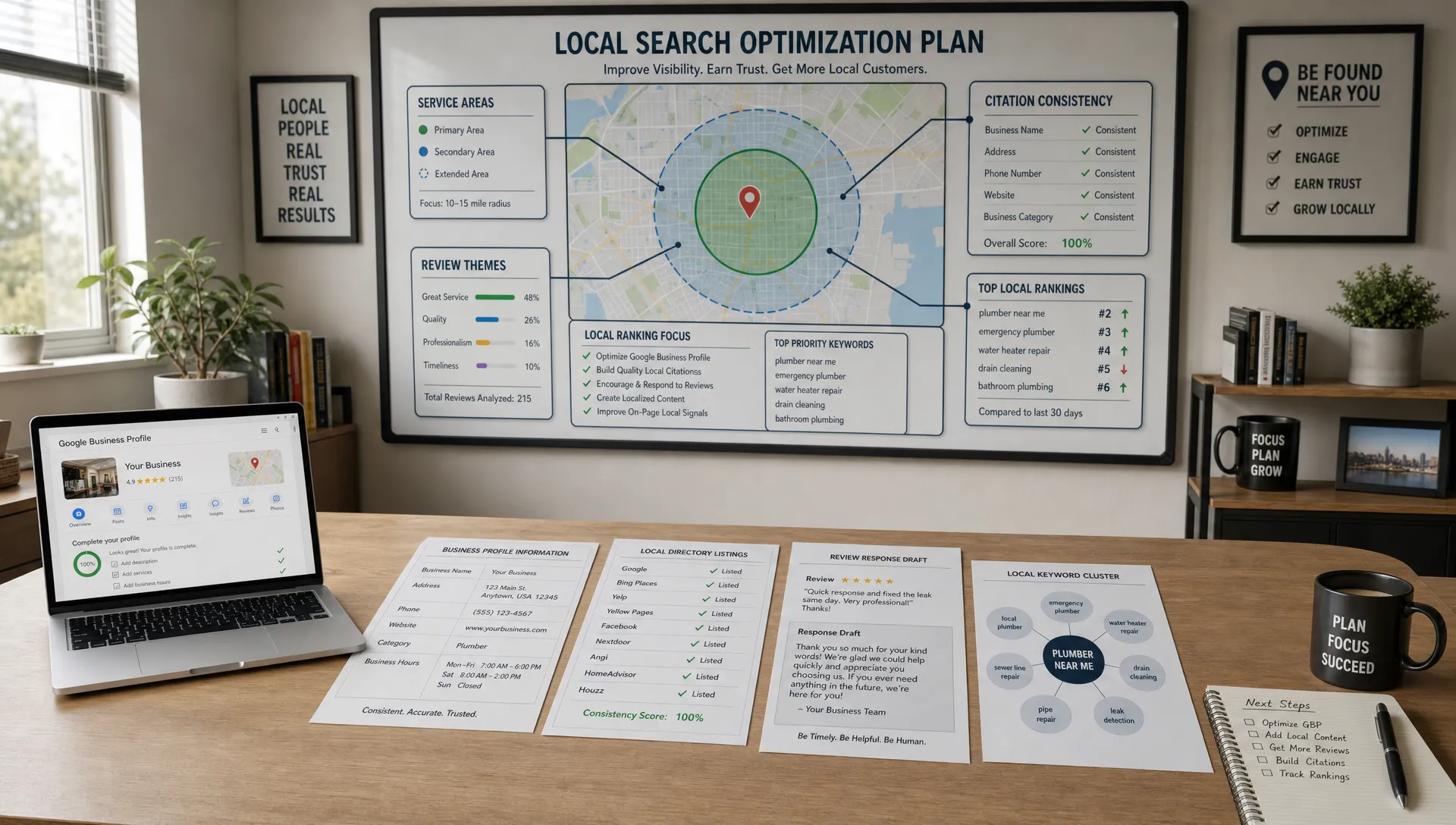
Localization is more than translation. Buyers in different markets often have different objections, examples, legal concerns, cultural references and urgency triggers. AI can help marketers adapt messaging across regions faster, especially when teams combine it with local review.
This use case is valuable for brands selling into multiple countries, niche service providers and companies targeting expatriates, remote workers or international buyers. AI can compare landing page variants, rewrite examples for local relevance, generate region-specific FAQs and create first drafts for market-specific guides.
For instance, a business serving people who are evaluating an international move may need to address practical concerns such as banking, housing, schooling and local decision criteria. A resource like this UK to Poland relocation guide shows how useful market-specific guidance can be when the decision is complex and personal. AI can help scale the research and content adaptation process, but local expertise should verify the advice before publication.
The business value shows up in engagement and conversion by market. If localized pages reduce bounce rates, increase qualified inquiries or improve sales conversations, the use case is working.
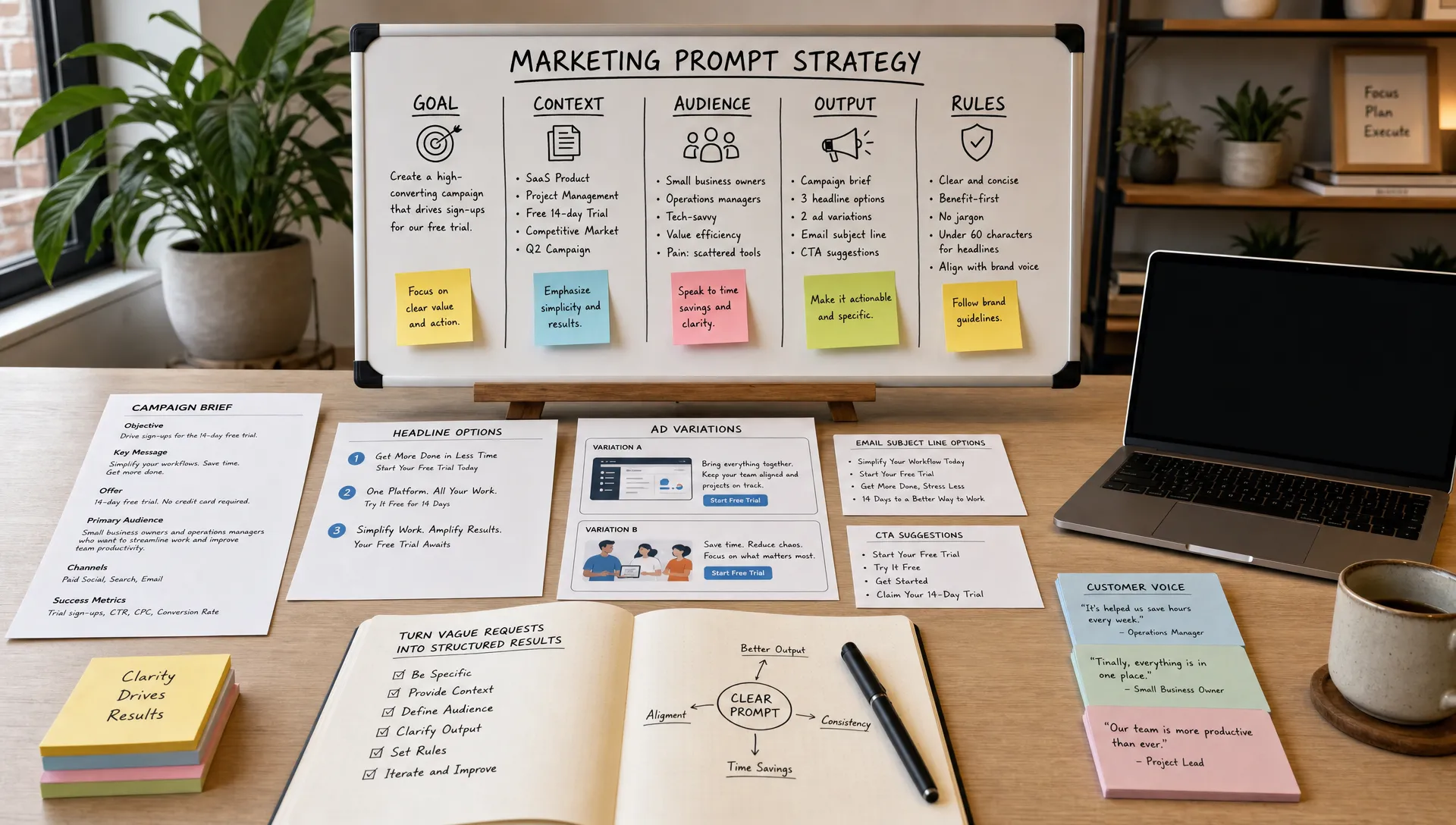
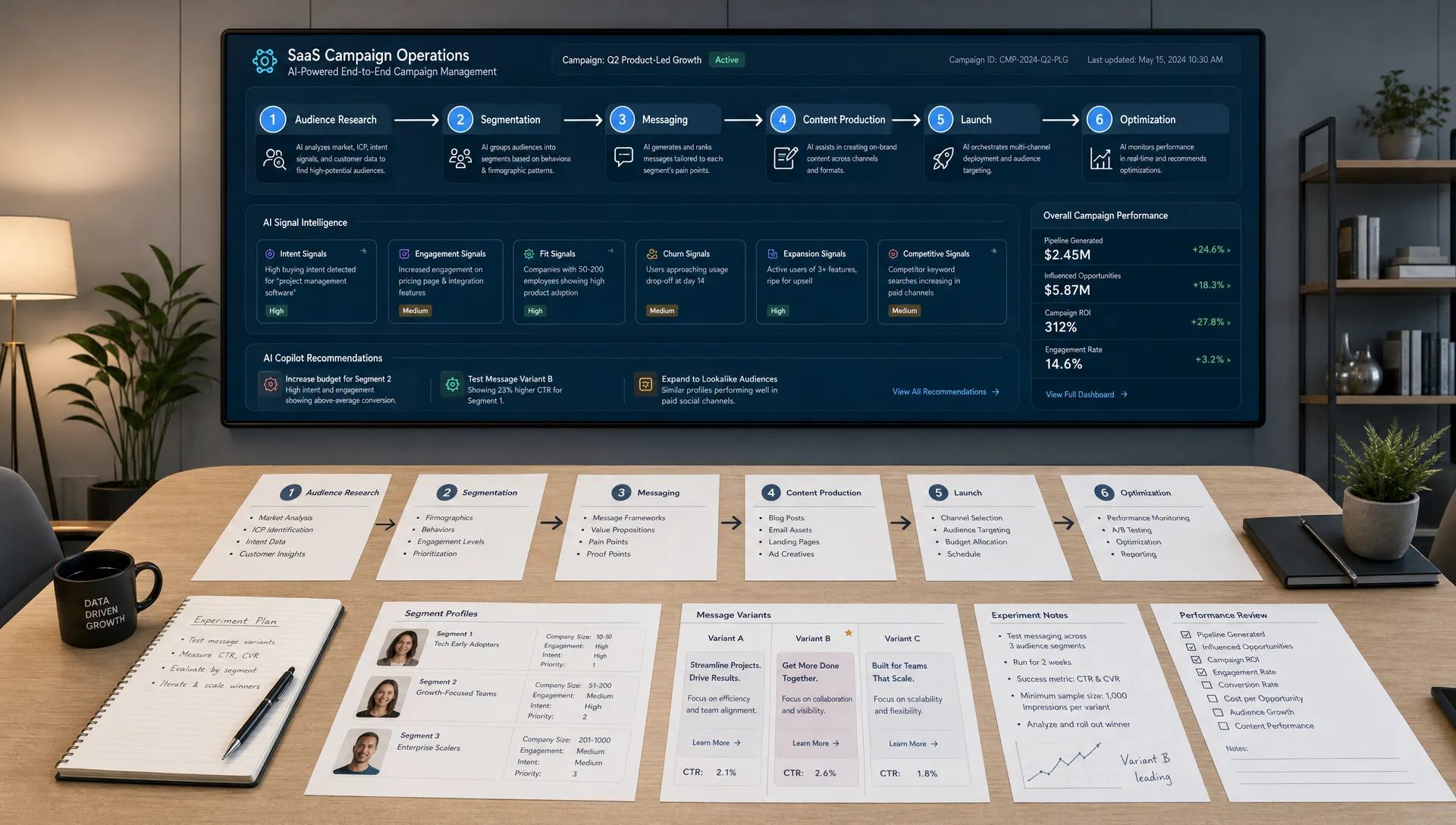
Paid media teams constantly need new creative angles. Audiences get tired of seeing the same ad, platforms reward fresh testing and acquisition costs can rise when creative output slows down. AI helps by generating more testable concepts from existing customer insights.
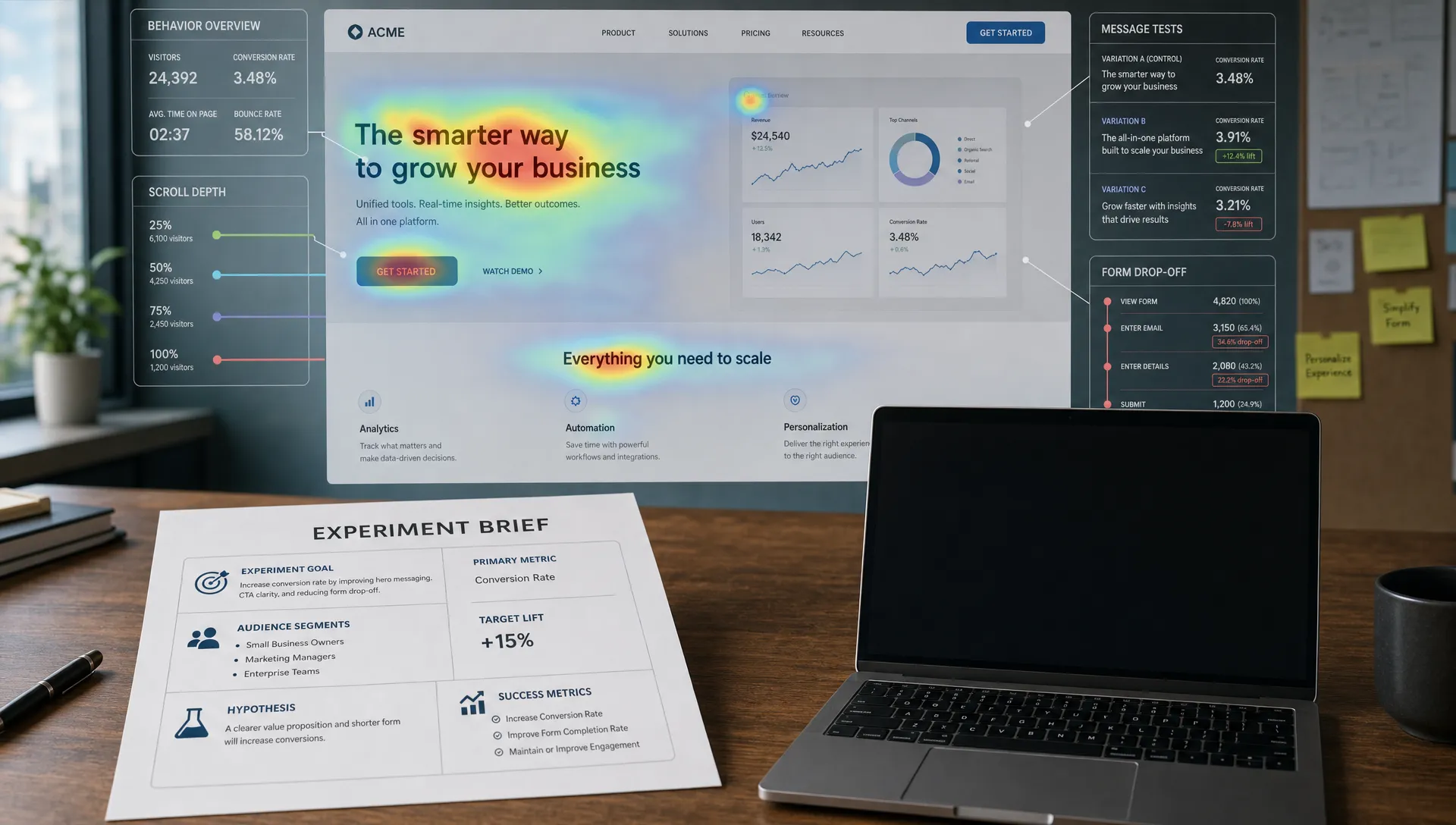
A strong paid media use case is not “make 100 ads.” It is “turn the top five customer objections into structured ad tests with different hooks, offers and proof points.” AI can help write headline variations, generate video scripts, create image prompts, summarize winning patterns and organize creative testing plans.
The business value is faster learning. If your team can test more relevant angles in the same budget window, you can identify winning messages earlier and pause weak variations faster. Performance marketers should track click-through rate, cost per acquisition, return on ad spend, conversion quality and creative fatigue.
AI also helps with post-test analysis. Instead of only asking which ad won, a model can summarize why a message may have performed better, based on hook, audience segment, objection addressed or offer structure. Humans still need to confirm the insight before scaling spend.

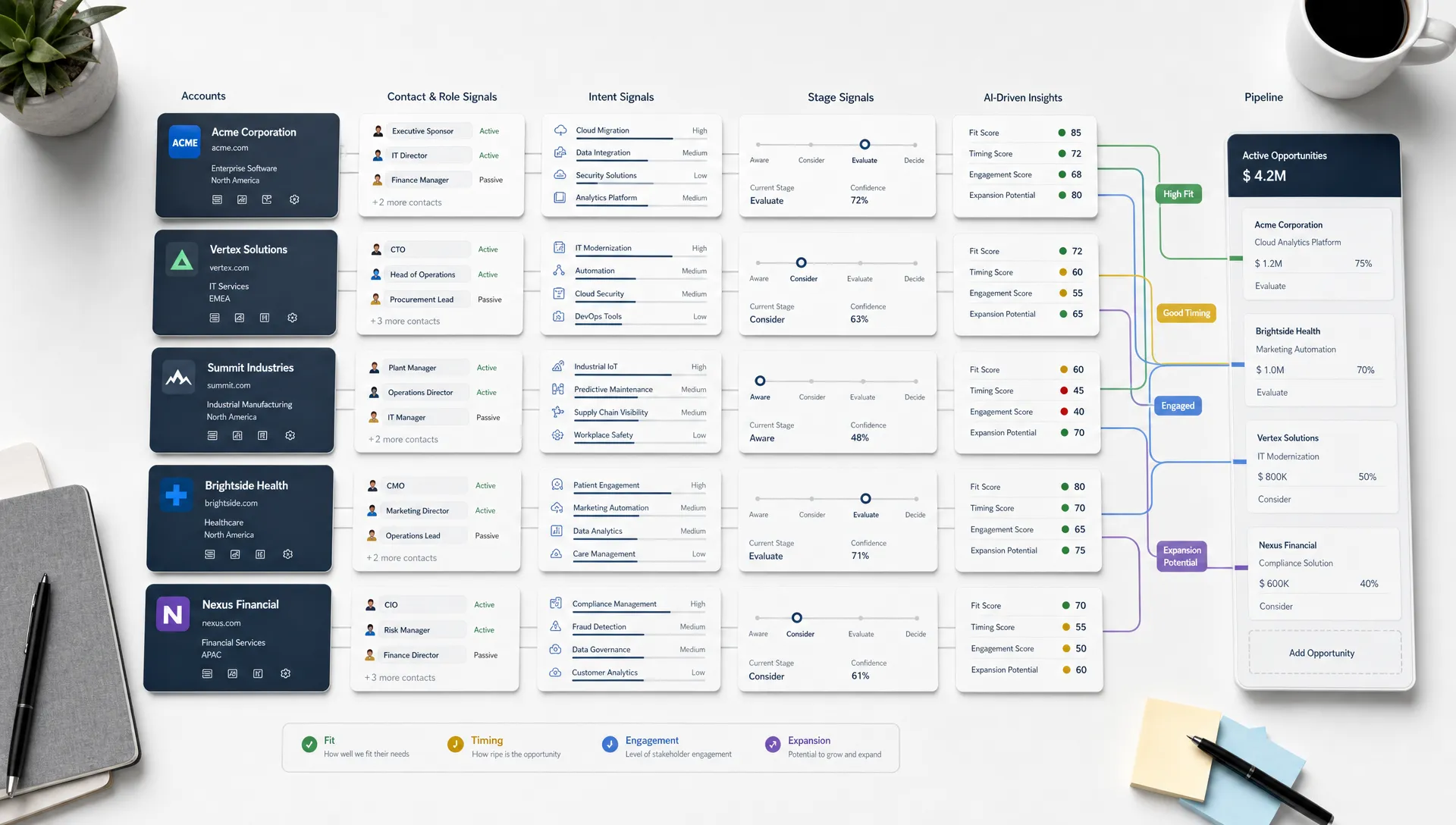
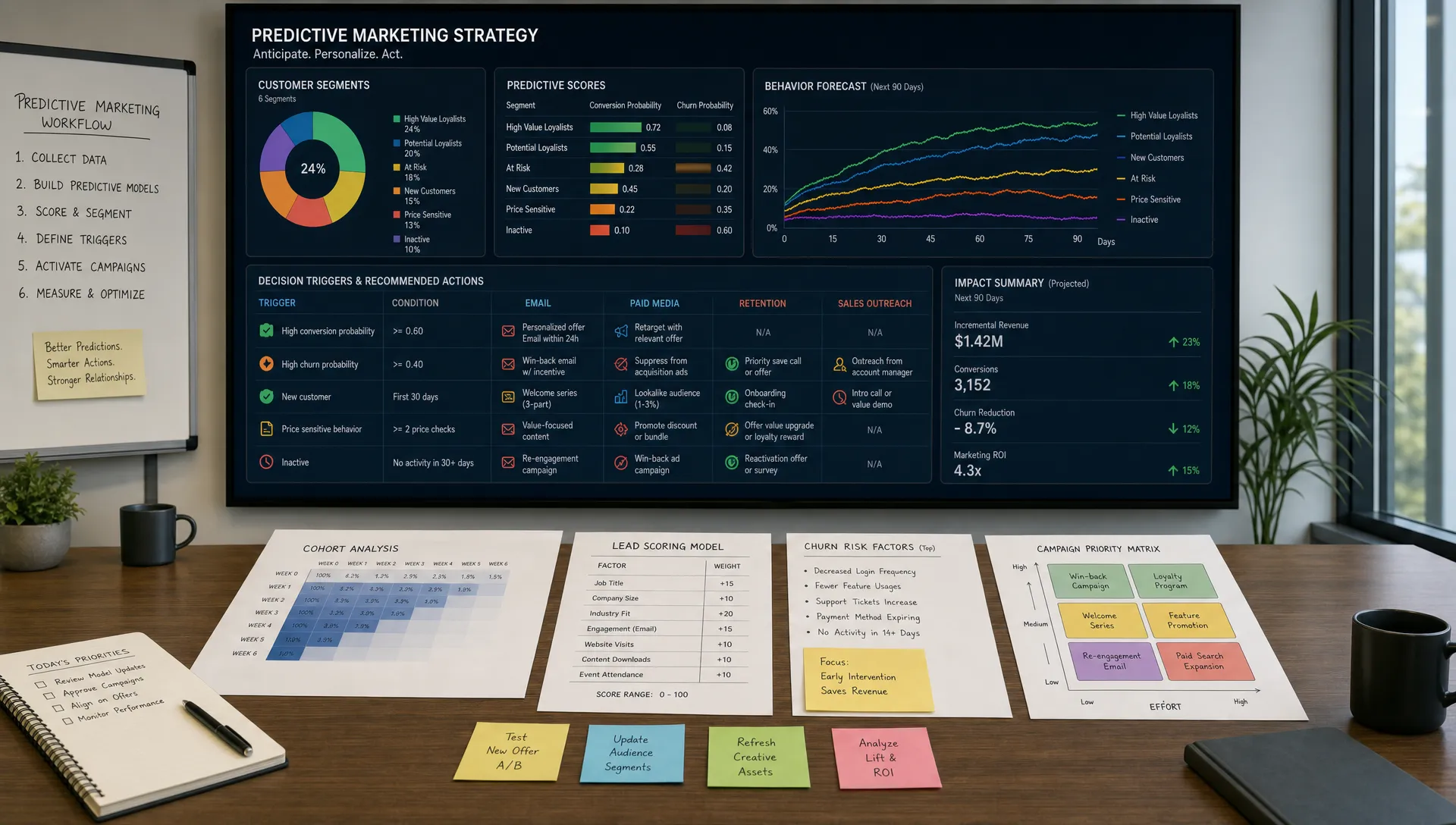
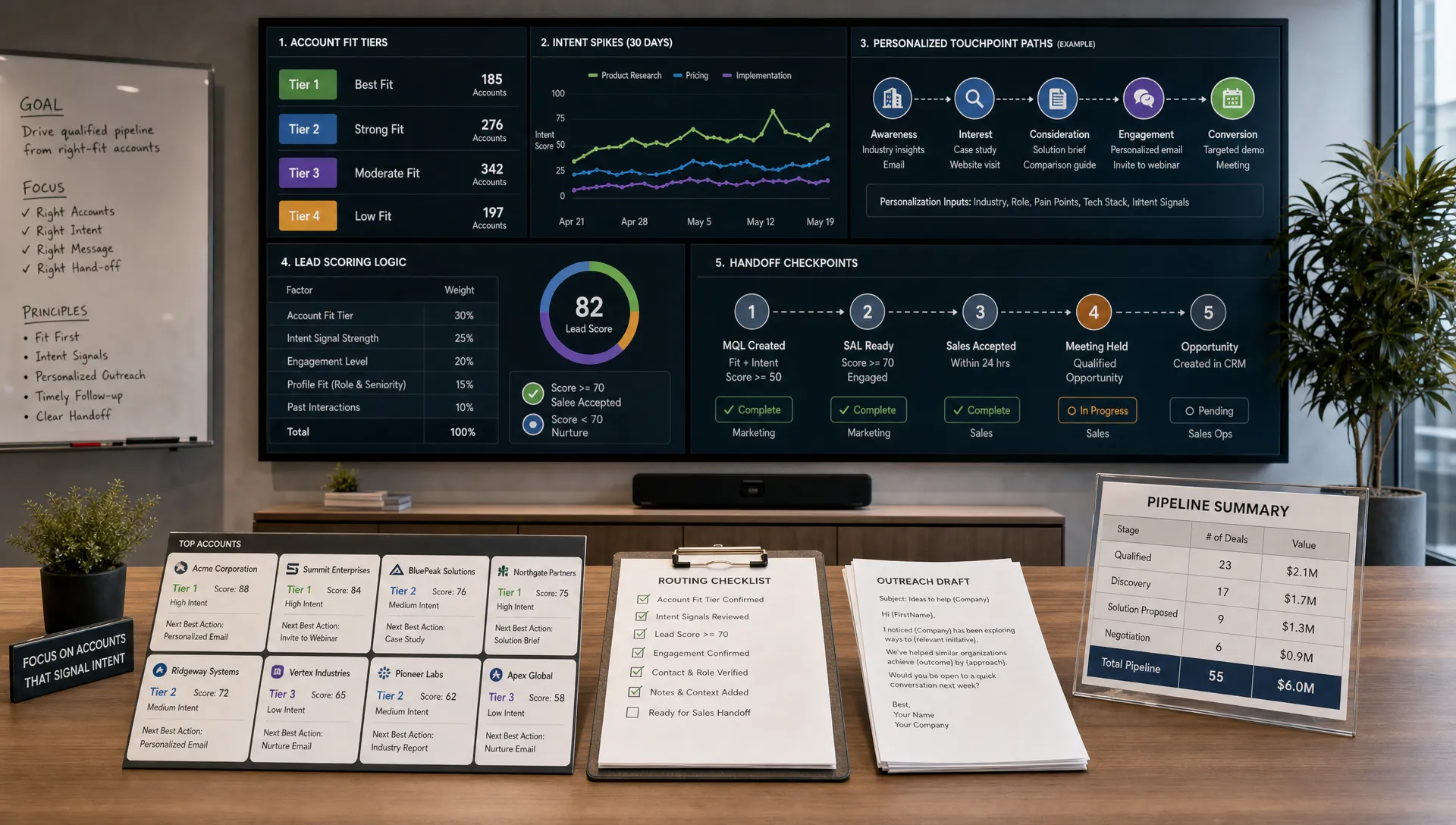
Lead scoring is one of the most direct AI marketing use cases for revenue teams. Many companies generate leads through content, paid search, webinars, calculators, demos and events, but not every lead deserves the same sales attention. AI can help prioritize based on behavior, firmographic data, engagement history and similarity to past high-value customers.
The business value is sales efficiency. A good lead scoring workflow helps sales teams respond faster to high-intent prospects and avoid spending too much time on low-fit leads. For B2B companies, this can improve MQL to SQL conversion, shorten response times and increase pipeline quality.
Common inputs include page visits, content downloads, company size, industry, email engagement, product usage signals and CRM history. The model can assign a score, recommend a next step or route a lead to the right sales rep. In account-based marketing, AI can also flag buying committee activity across multiple contacts from the same company.
The most important guardrail is transparency. Sales teams need to understand why a lead is prioritized. If the score feels like a black box, reps may ignore it. Start with a simple scoring model, compare it with actual sales outcomes and improve it over time.
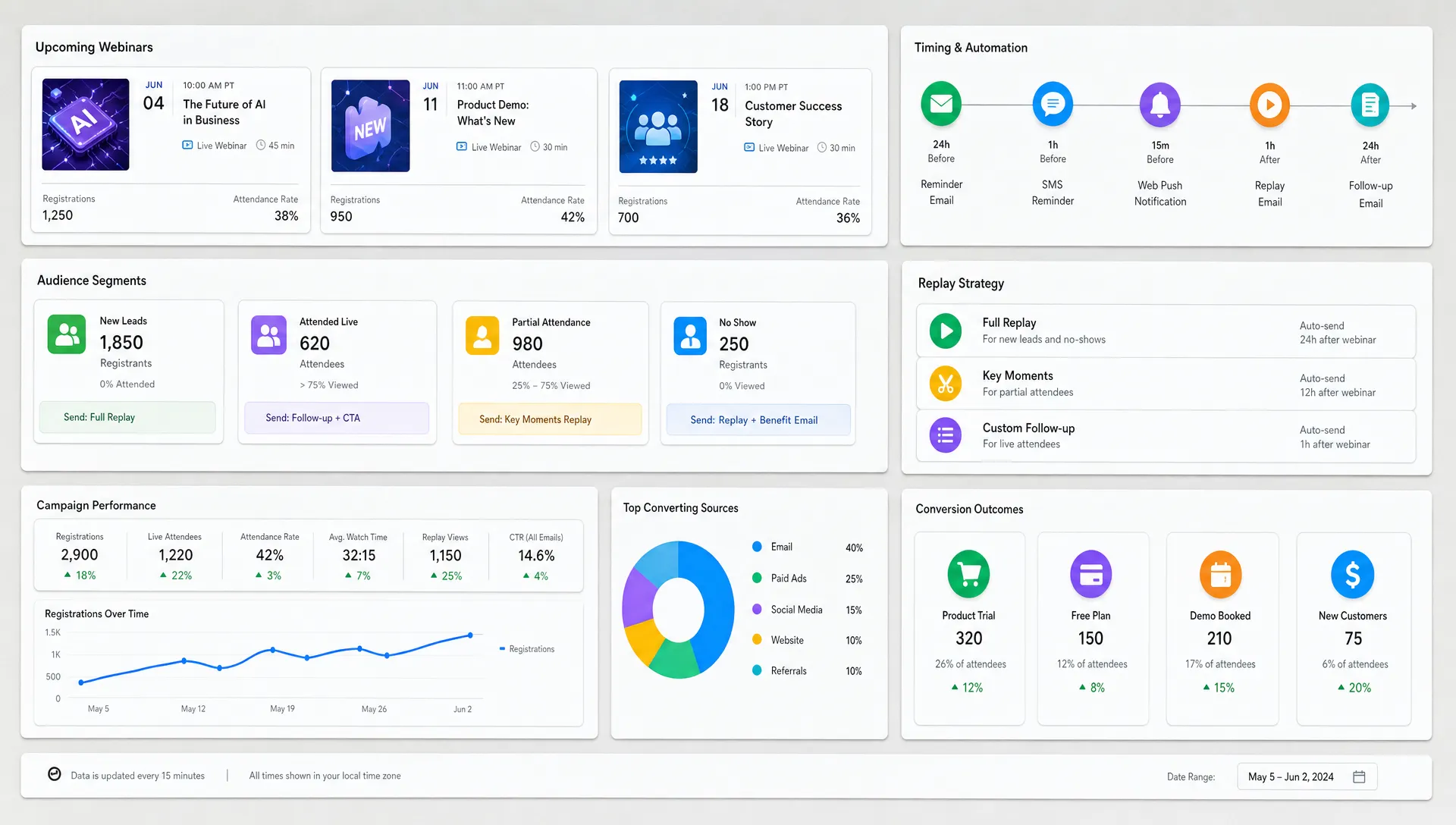
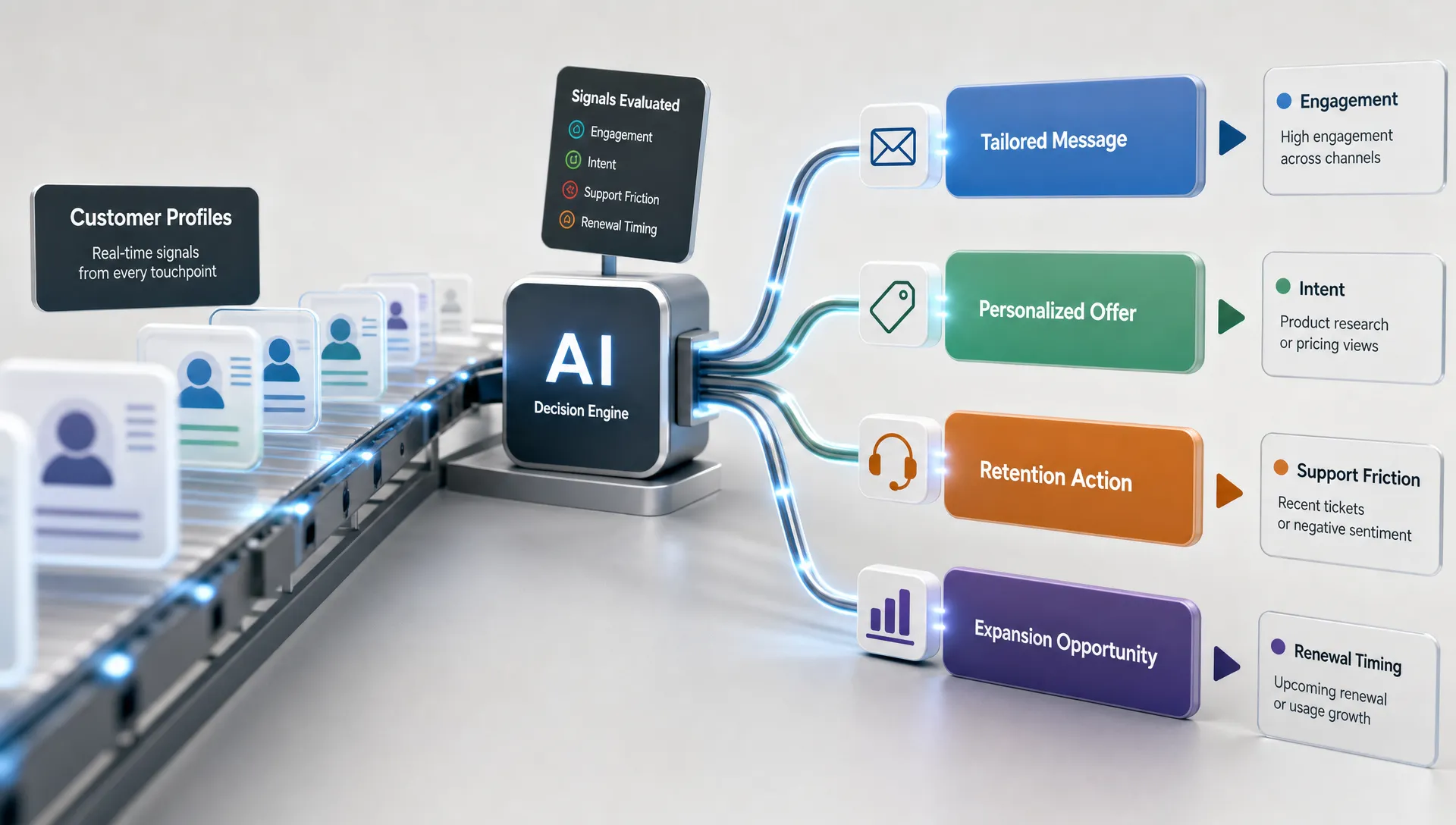
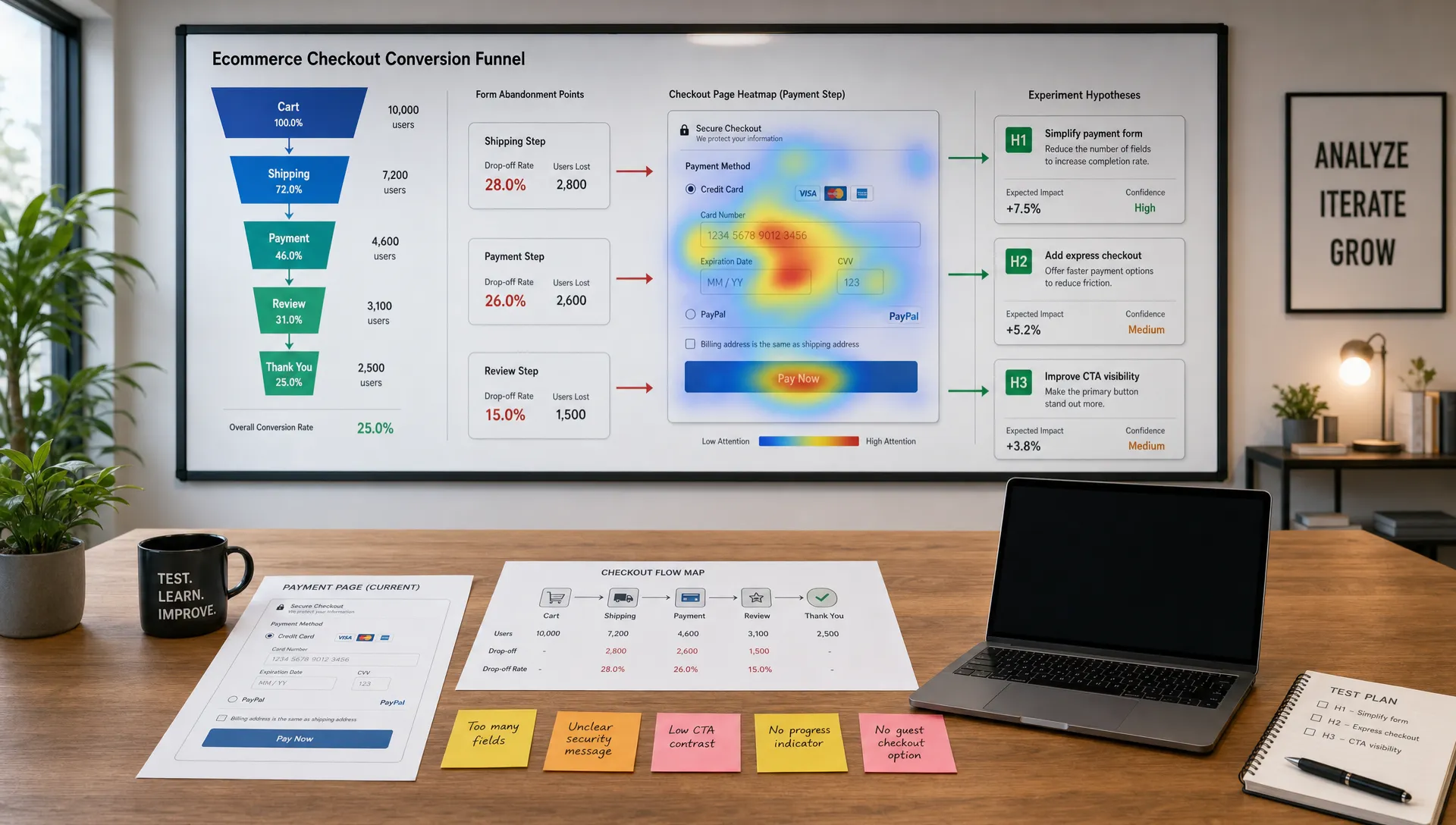
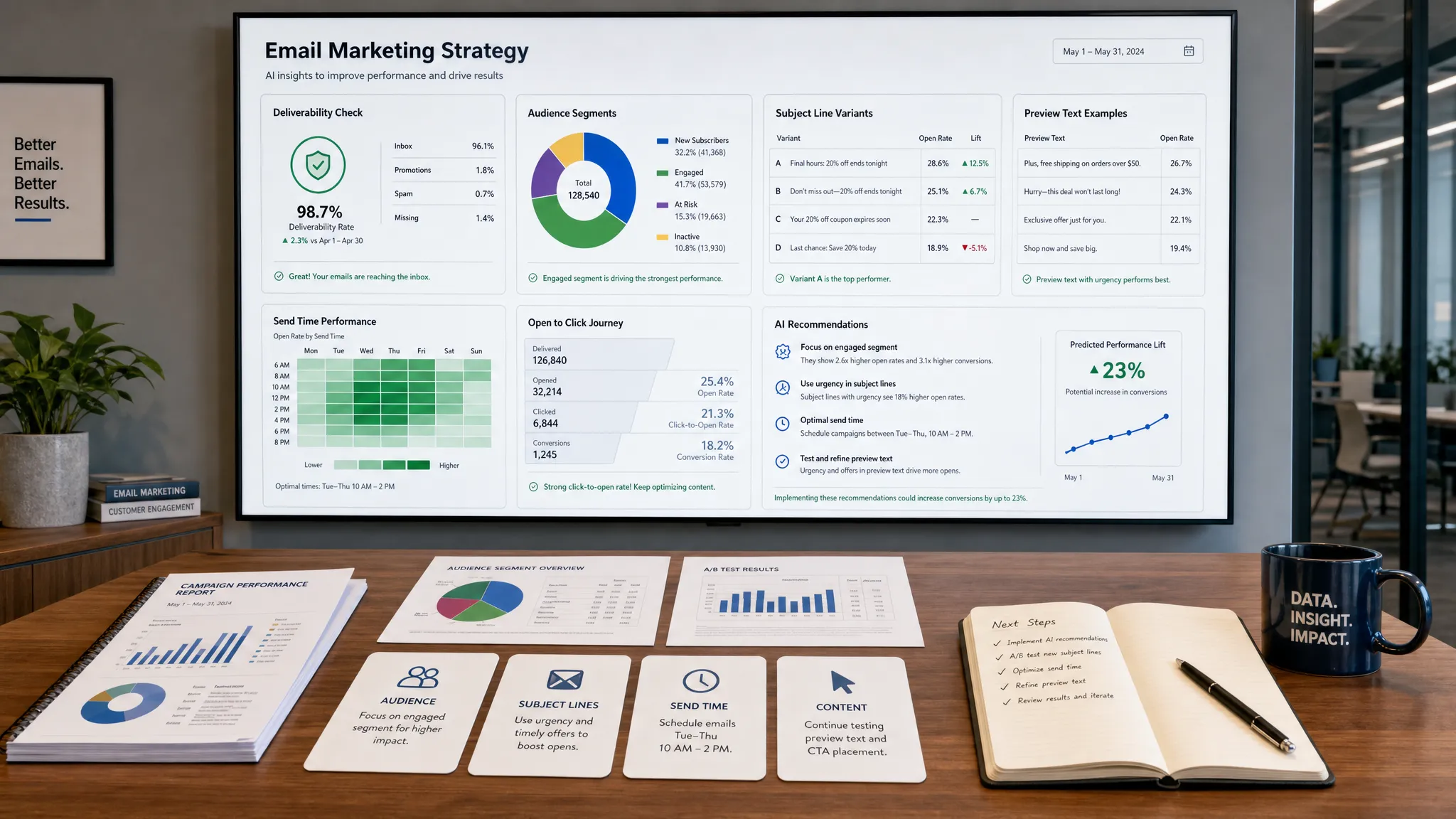
Email remains one of the strongest channels for retention, upsell and reactivation, but generic email programs often underperform because they treat every contact the same. AI can help personalize lifecycle communication based on behavior, stage, product interest and predicted next action.
For ecommerce, AI can support product recommendations, replenishment reminders, cart recovery and win-back campaigns. For SaaS, it can help with onboarding nudges, feature education, usage-based triggers and expansion signals. For service businesses, it can segment subscribers by interest and send more relevant educational content.
The business value comes from better timing and relevance. Instead of sending one newsletter to everyone, teams can send messages that match customer behavior. KPIs include click rate, conversion rate, churn, repeat purchase rate, average order value and lifetime value.
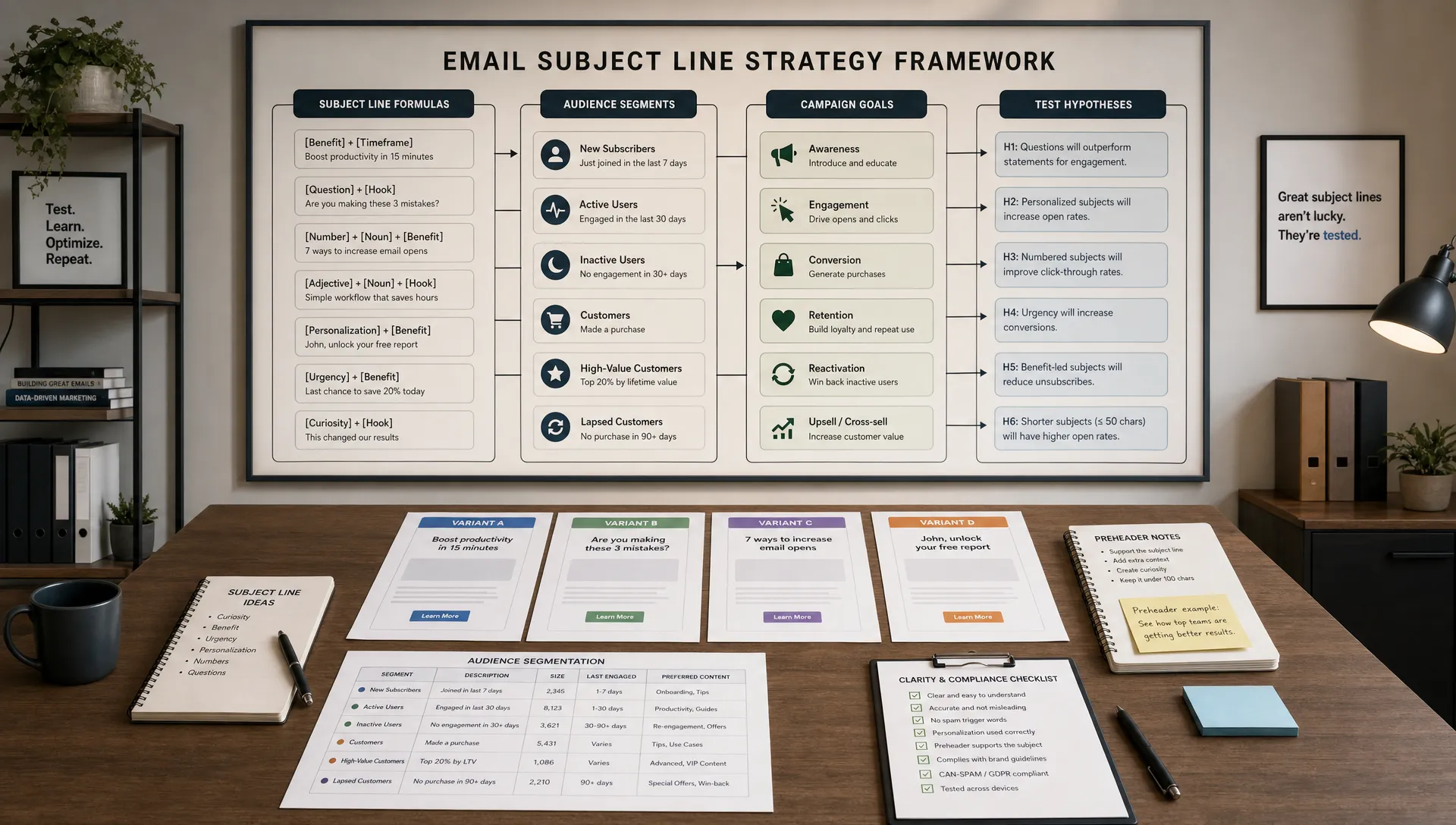
AI is also useful for testing subject lines, preview text and email body variations. However, personalization should not feel invasive. Use customer data responsibly, avoid sensitive assumptions and make sure unsubscribe preferences are easy to manage.
AI can help brands monitor what people are saying across reviews, social platforms, forums, news sites and community spaces. The goal is not to automate every response. The goal is to detect signals early and help the team decide where to act.
This use case creates value in three ways. First, it helps identify customer complaints before they become larger reputation issues. Second, it surfaces product feedback that can inform messaging or roadmap discussions. Third, it reveals competitor comparisons and category trends that may shape positioning.
A practical workflow might classify mentions by sentiment, urgency, topic and potential business impact. A complaint about a billing issue might go to support, a recurring product request might go to product marketing and a positive customer story might become a case study lead.
Track response time, sentiment trends, review ratings, share of voice and issue resolution time. For B2B companies, also track whether social listening uncovers sales opportunities, partnership ideas or competitor displacement signals.
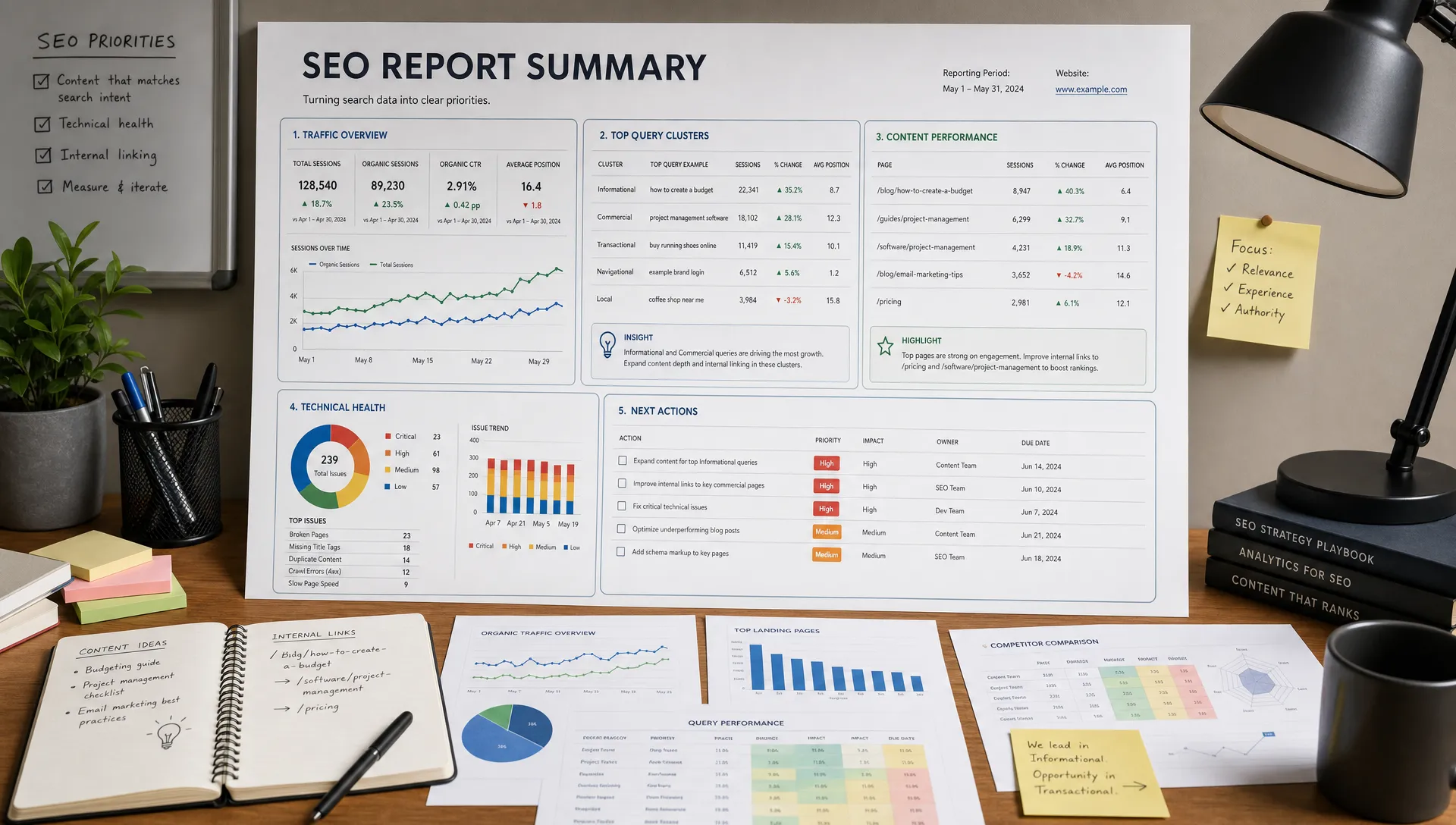
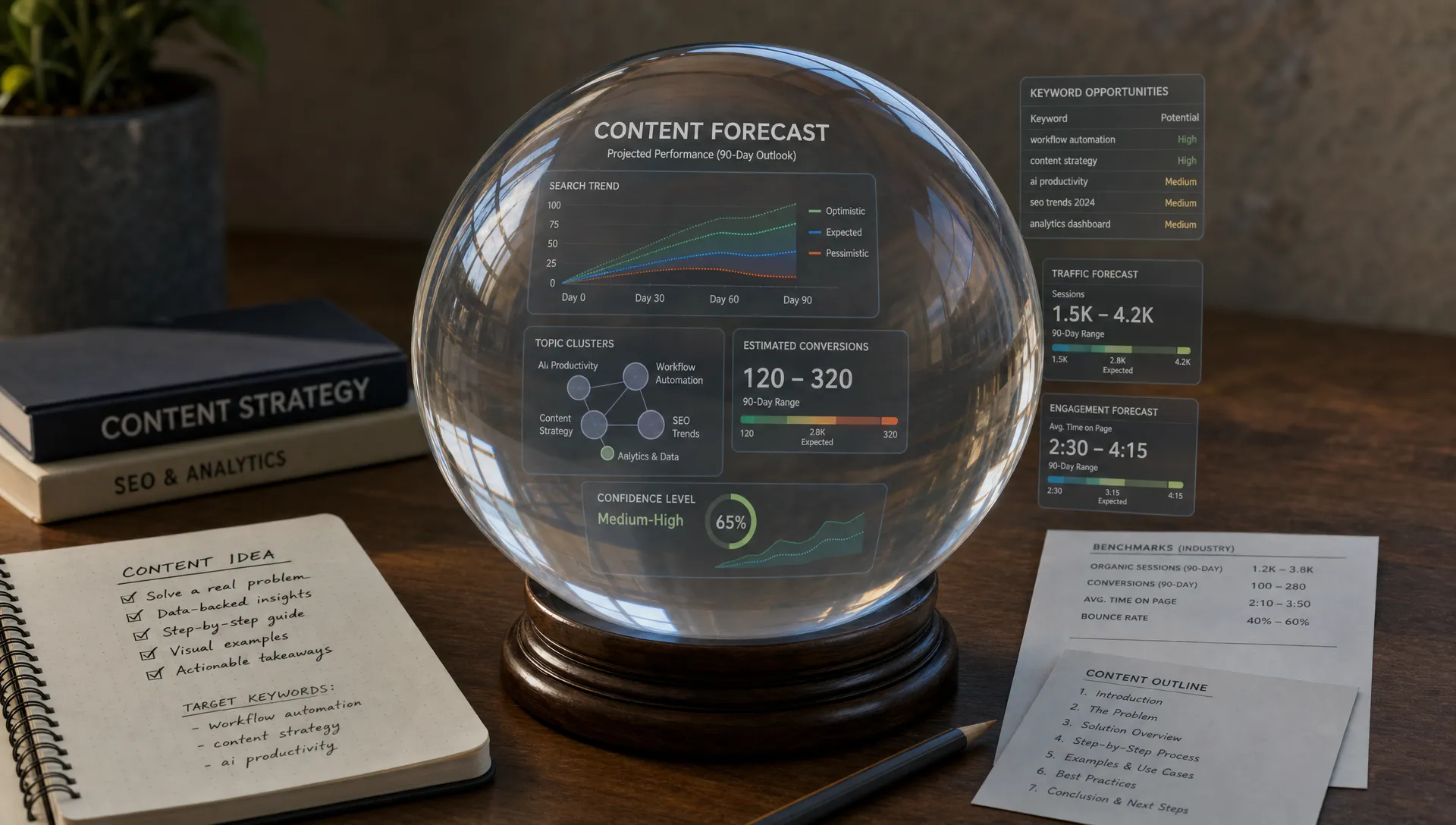
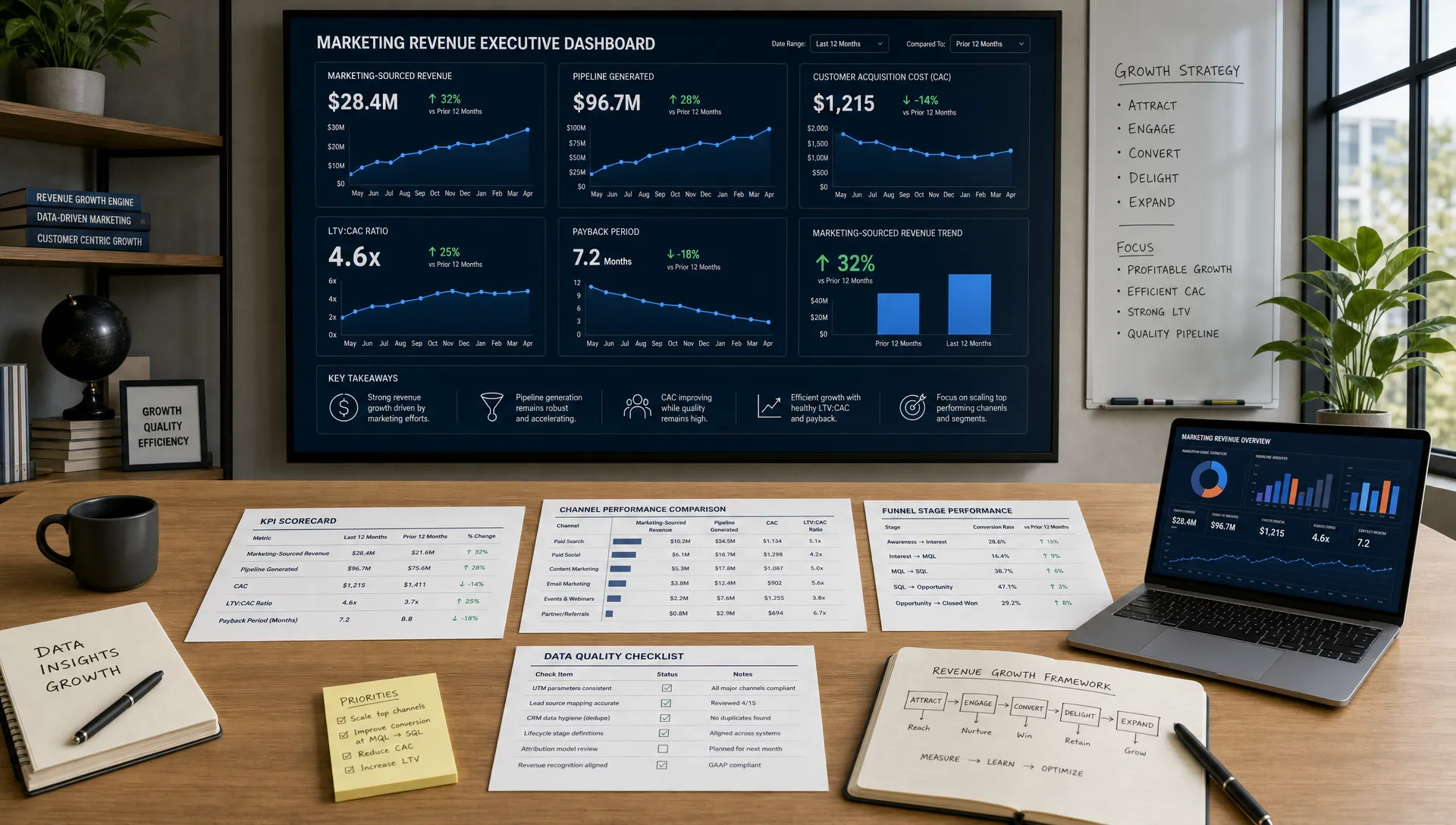
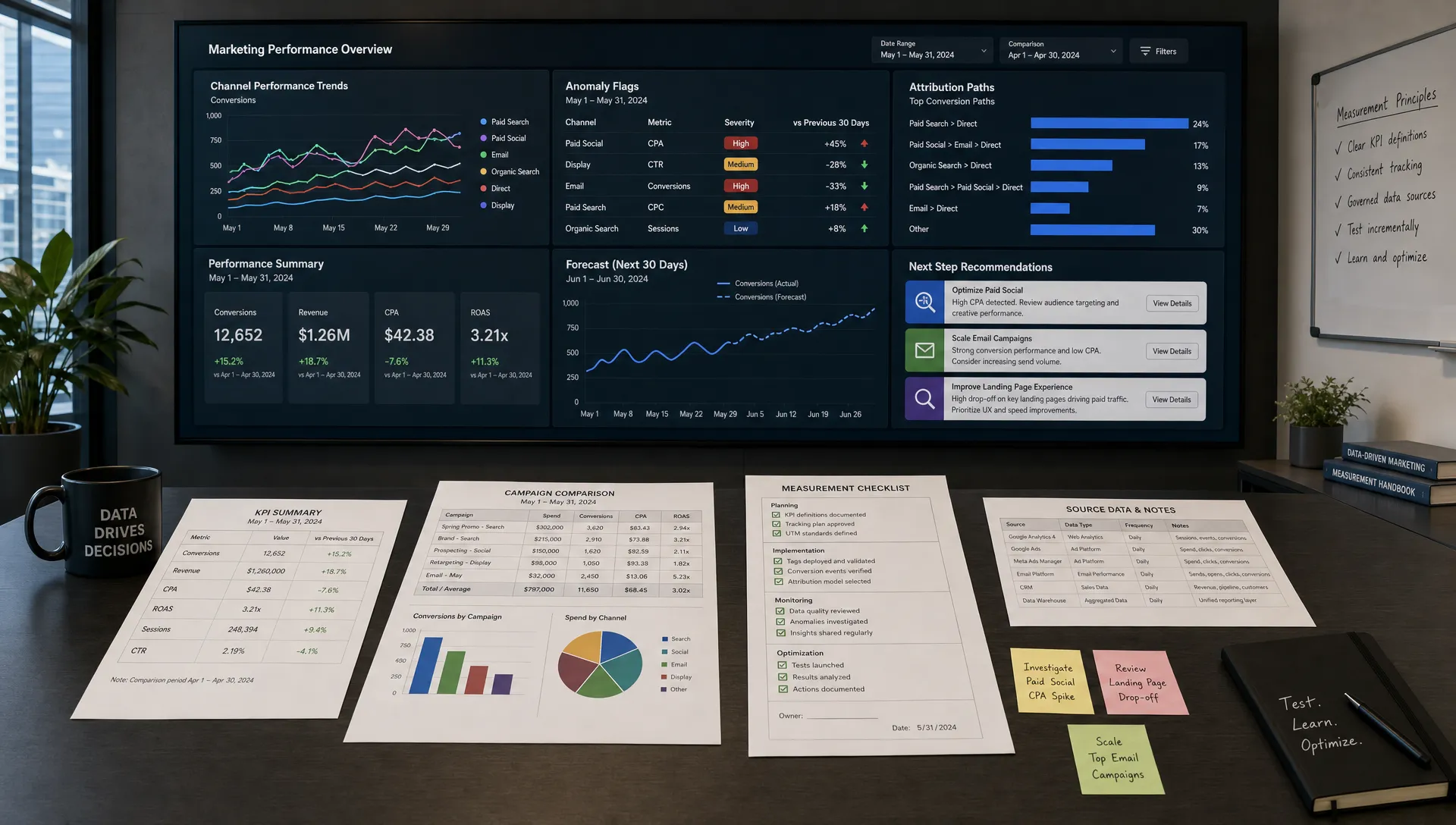
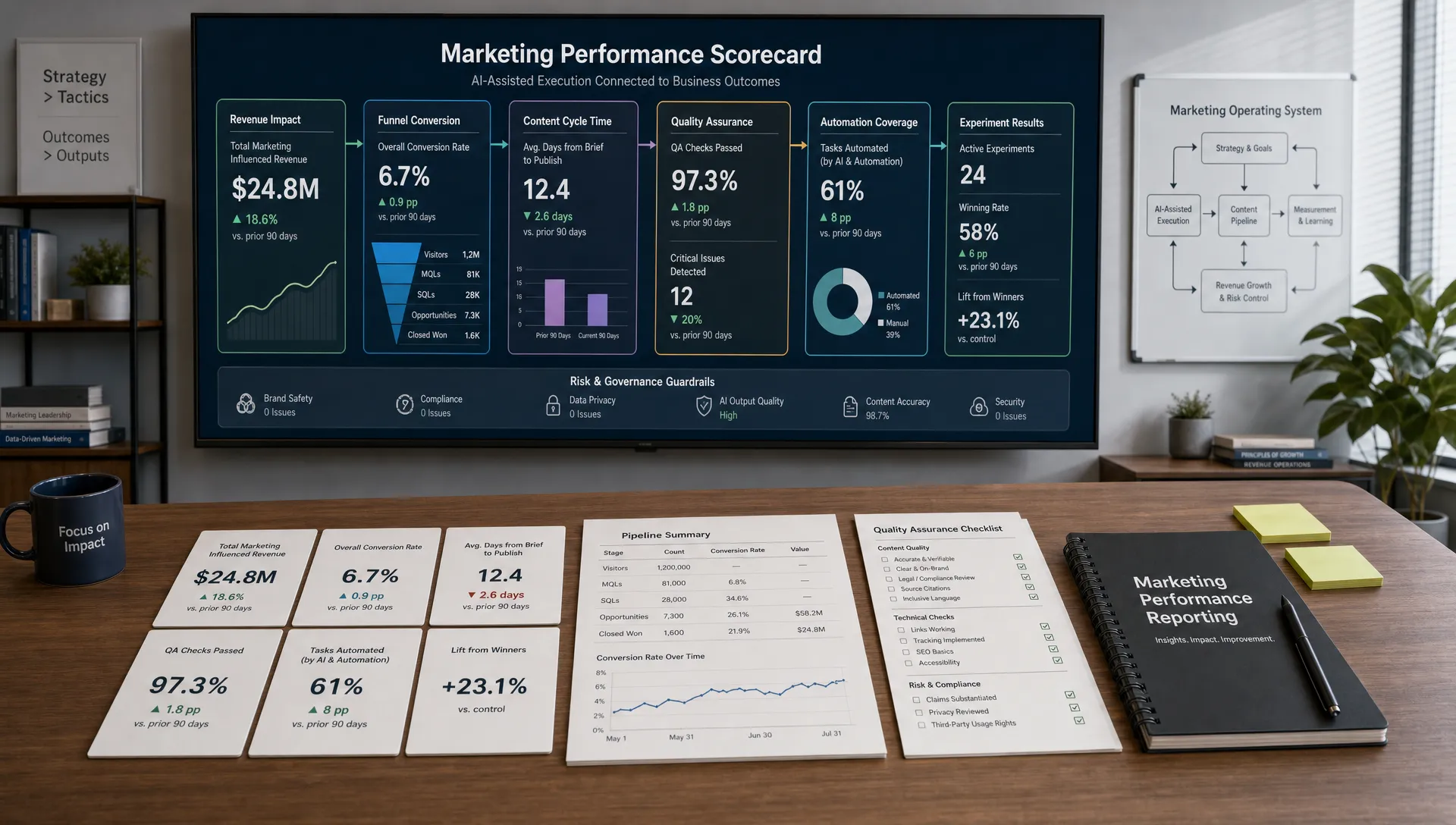
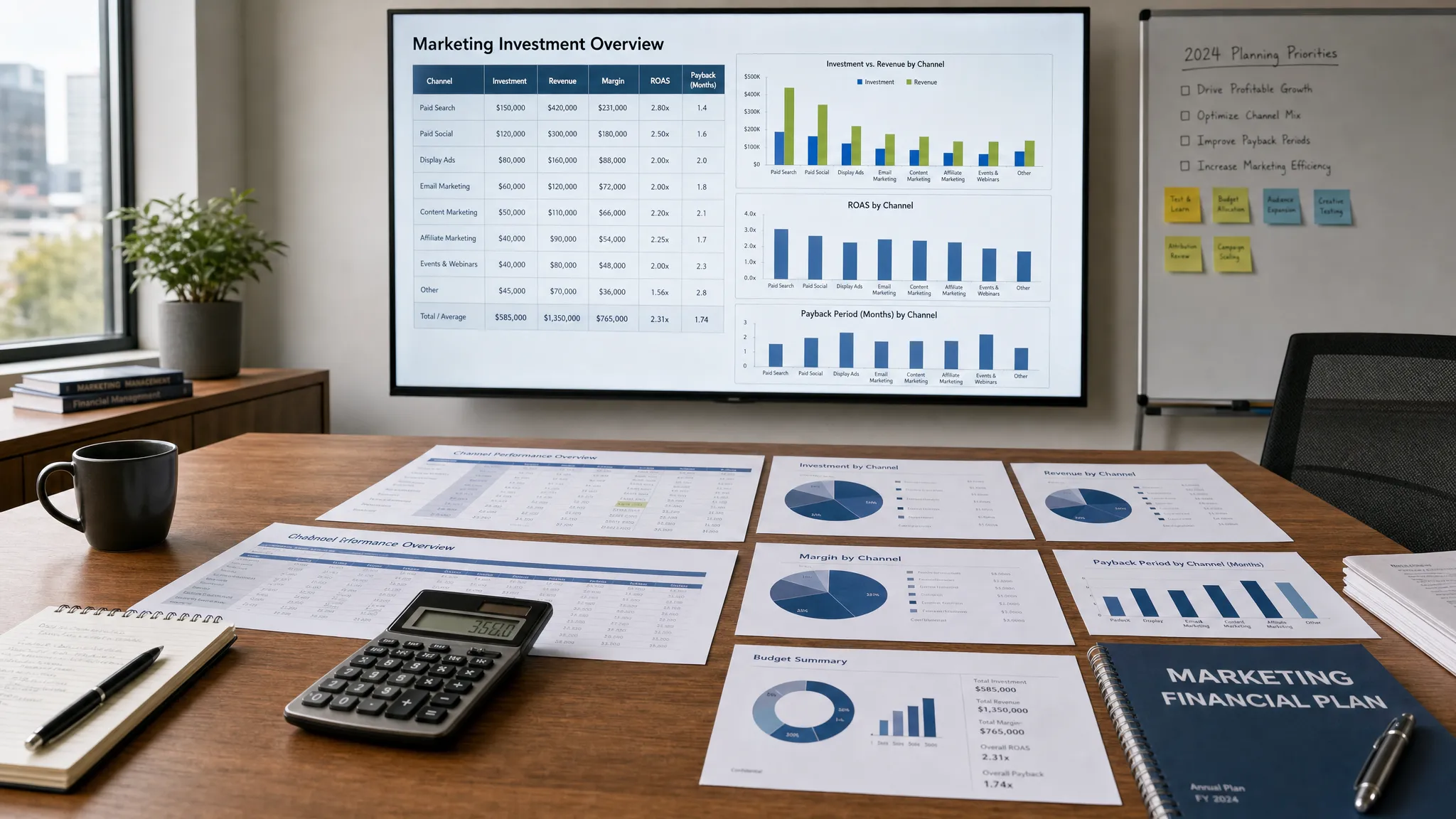
Marketing teams often have plenty of data but limited time to interpret it. Website analytics, CRM data, ad platforms, email reports and sales dashboards can tell different stories. AI-powered analytics helps teams ask better questions of that data and find patterns faster.
The business value is decision speed. Instead of waiting for a manual report, marketers can query campaign data, identify underperforming segments, spot attribution patterns or forecast budget scenarios. AI can also summarize weekly performance changes in plain language for stakeholders.
Useful applications include:
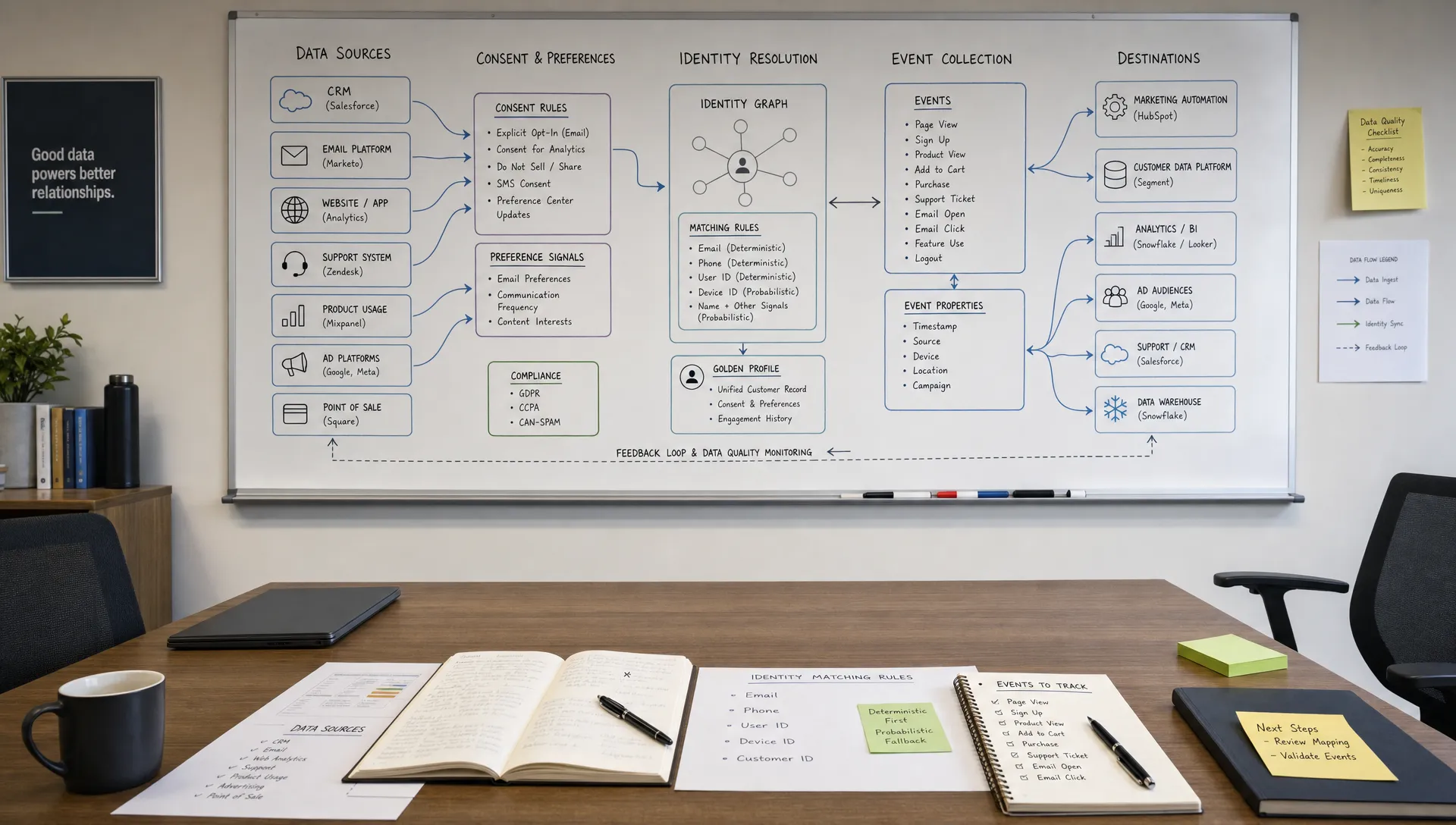
The biggest risk is trusting bad data faster. AI analytics depends on clean tracking, consistent naming conventions and reliable source data. If UTMs are inconsistent or CRM fields are incomplete, the model may produce confident but misleading summaries. Before scaling this use case, audit your data hygiene.
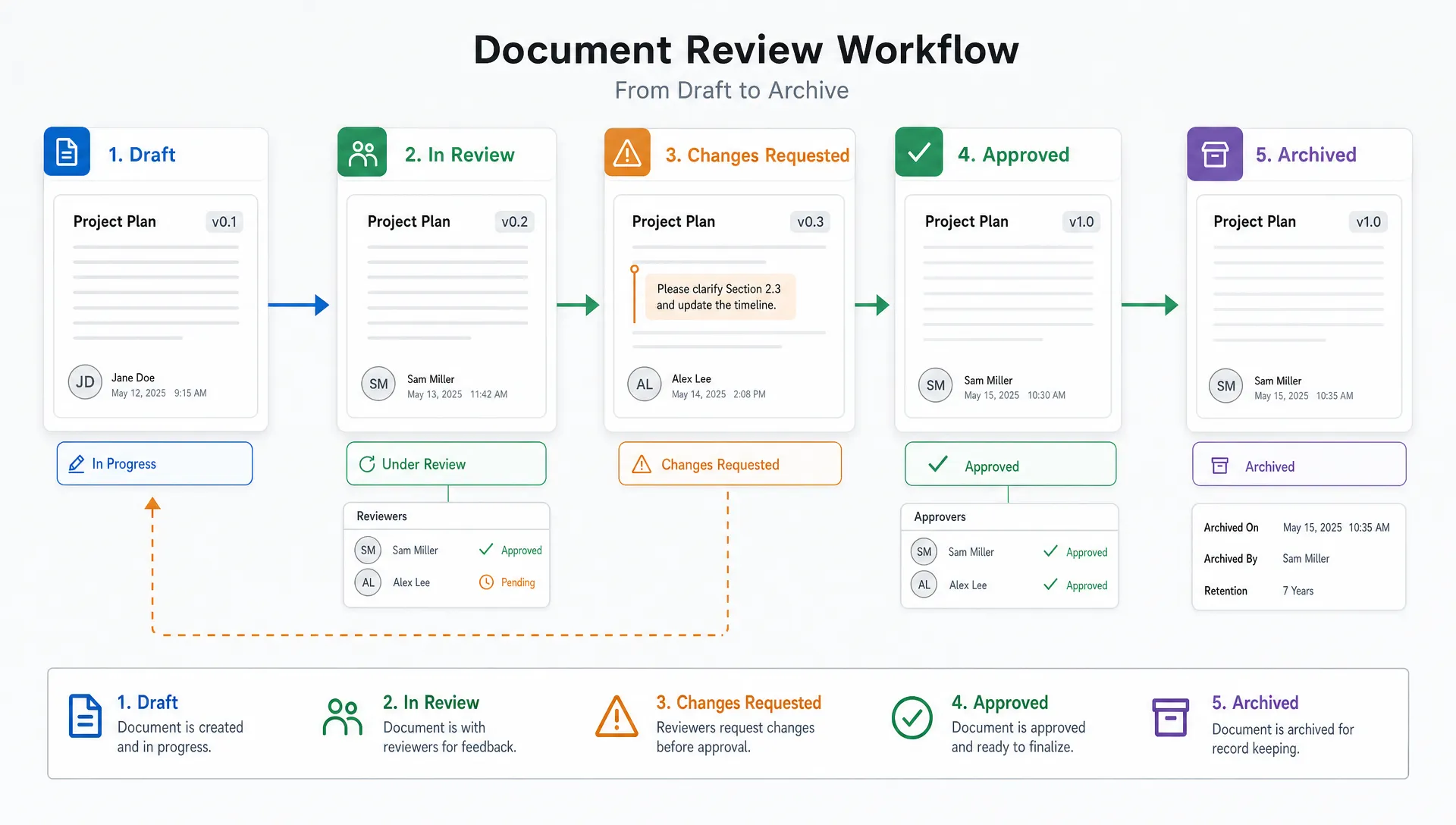
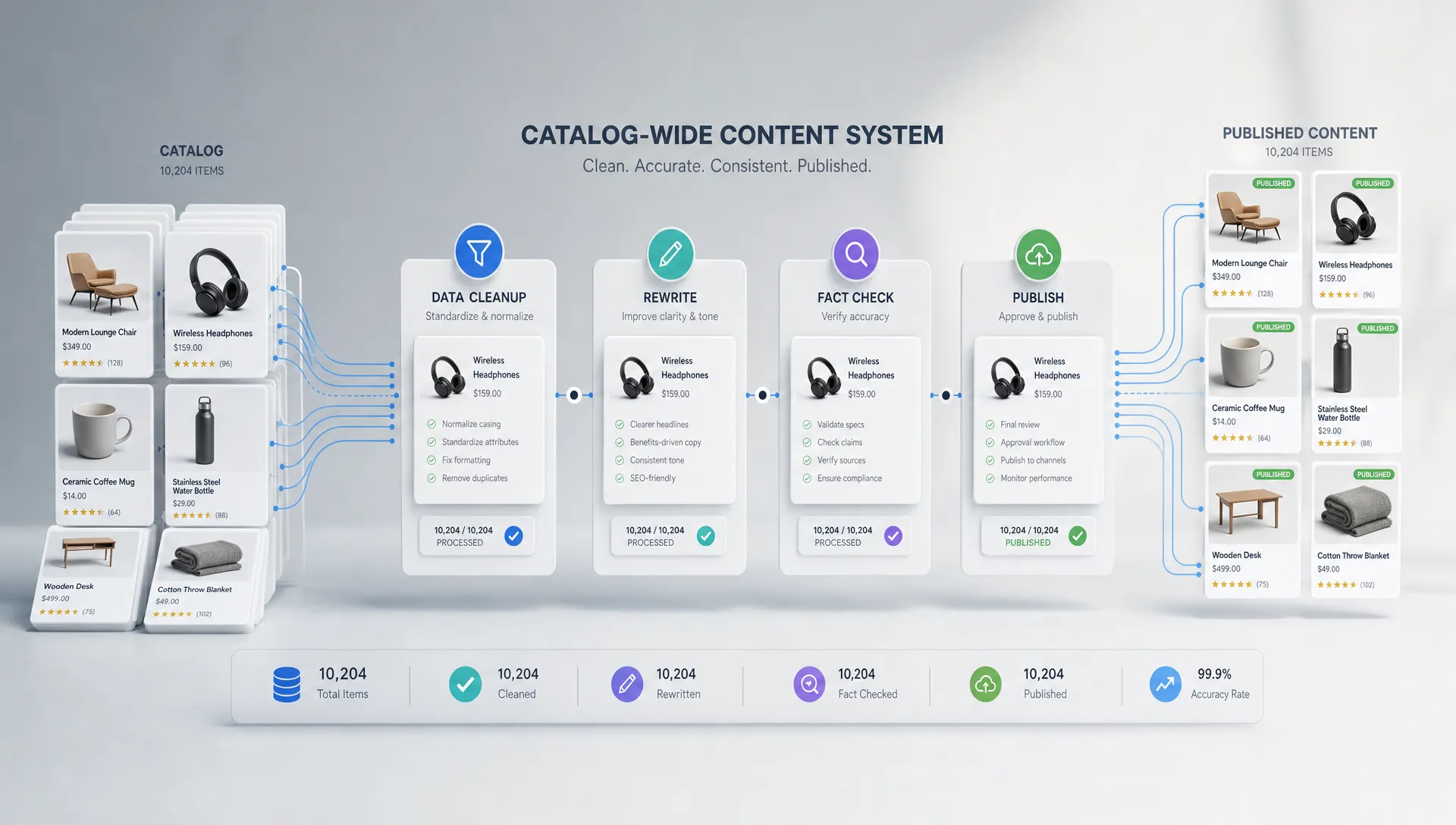
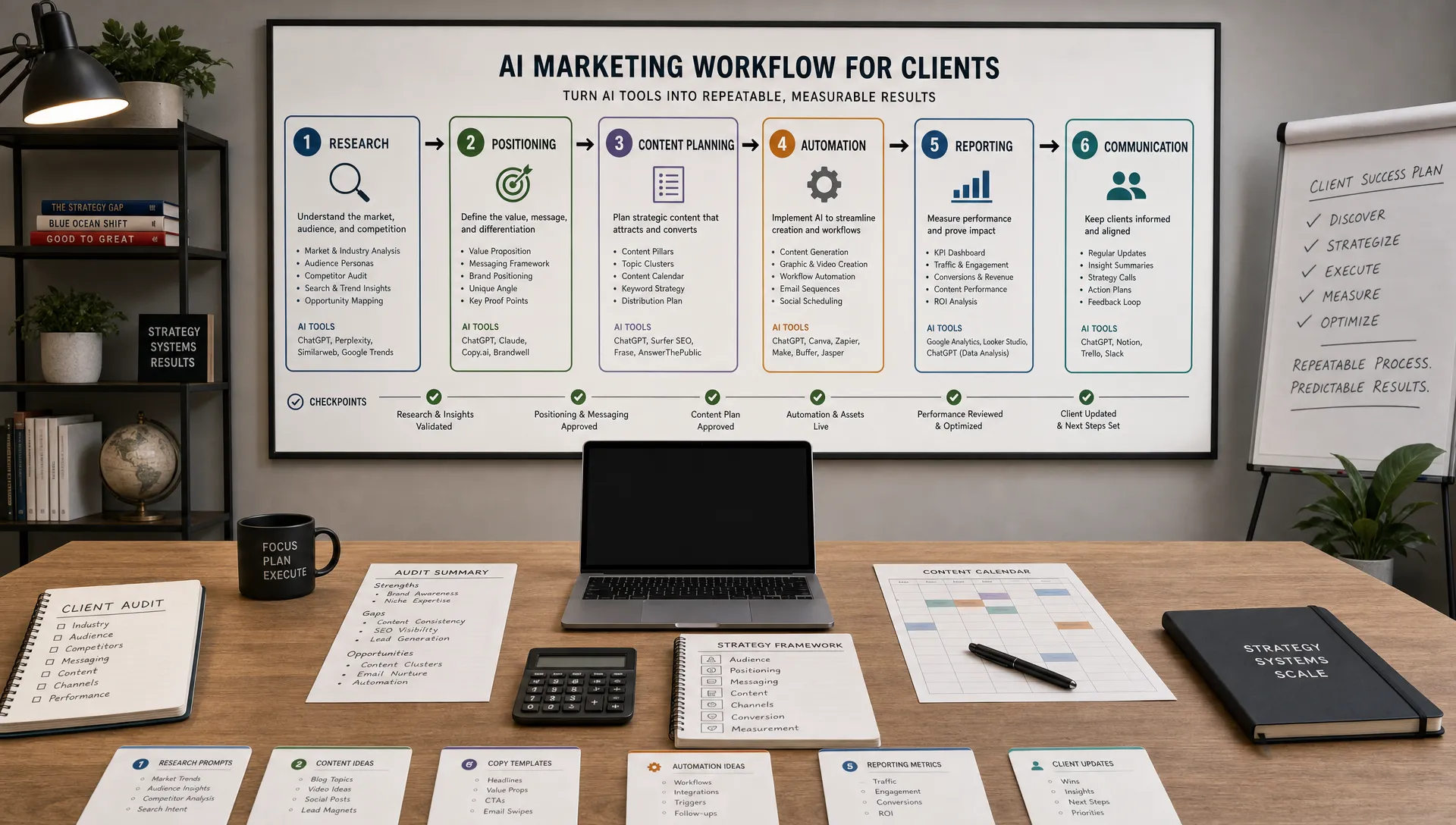
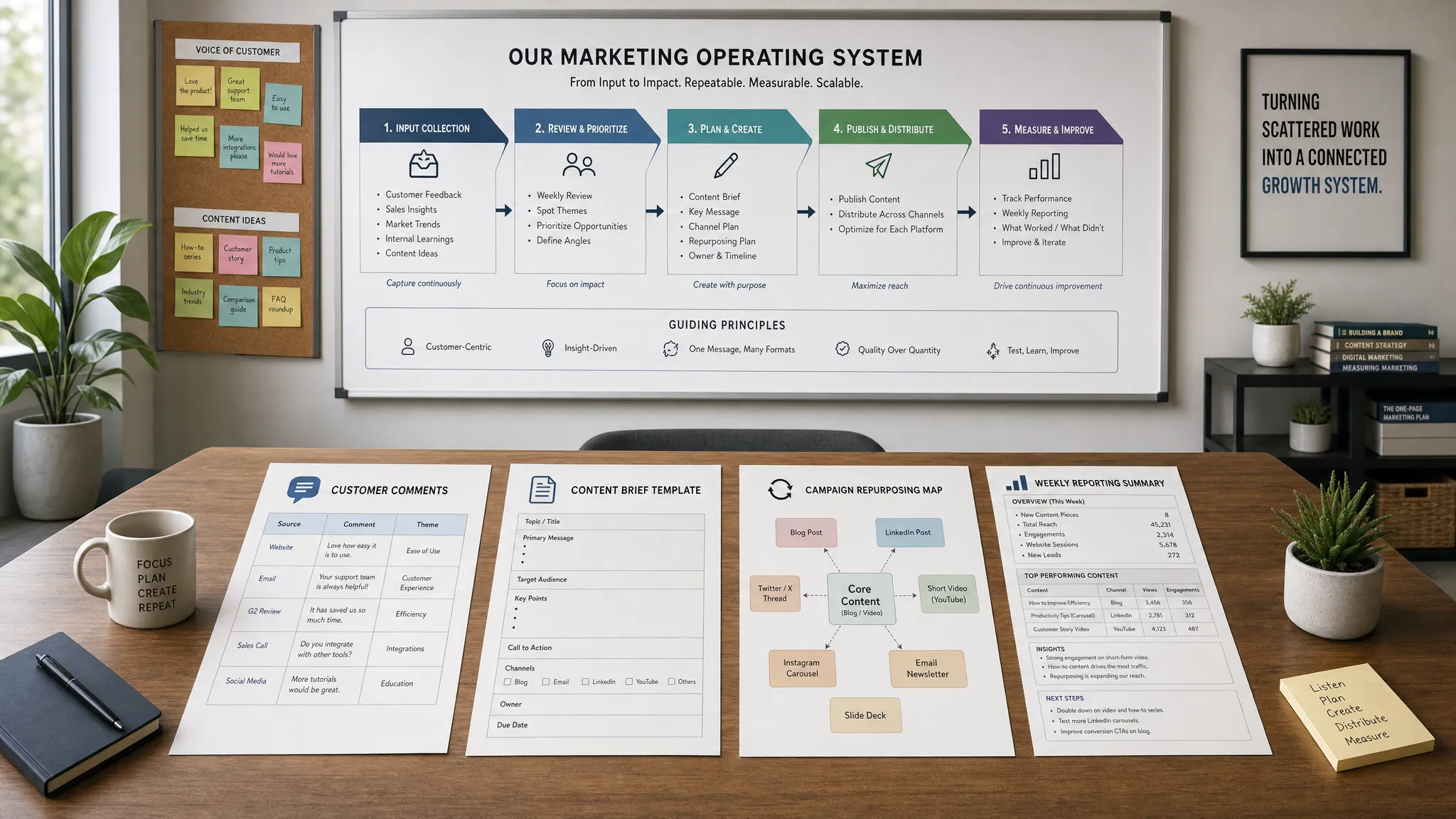
Some of the highest-value AI marketing automation happens behind the scenes. Campaign launches involve repetitive tasks: brief creation, asset checks, UTM generation, compliance review, metadata optimization, handoffs and reporting. AI can reduce manual effort and catch errors before campaigns go live.
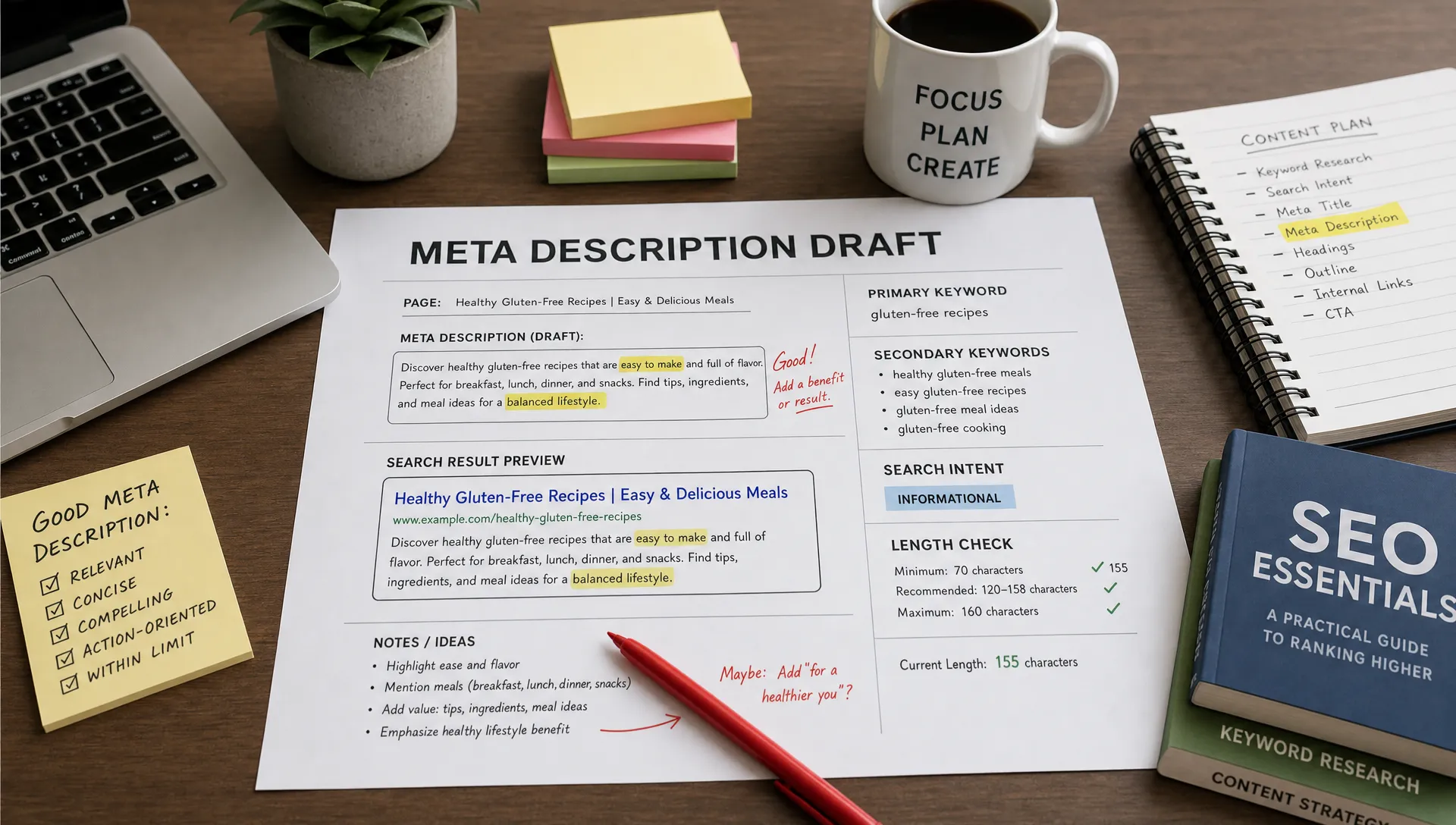
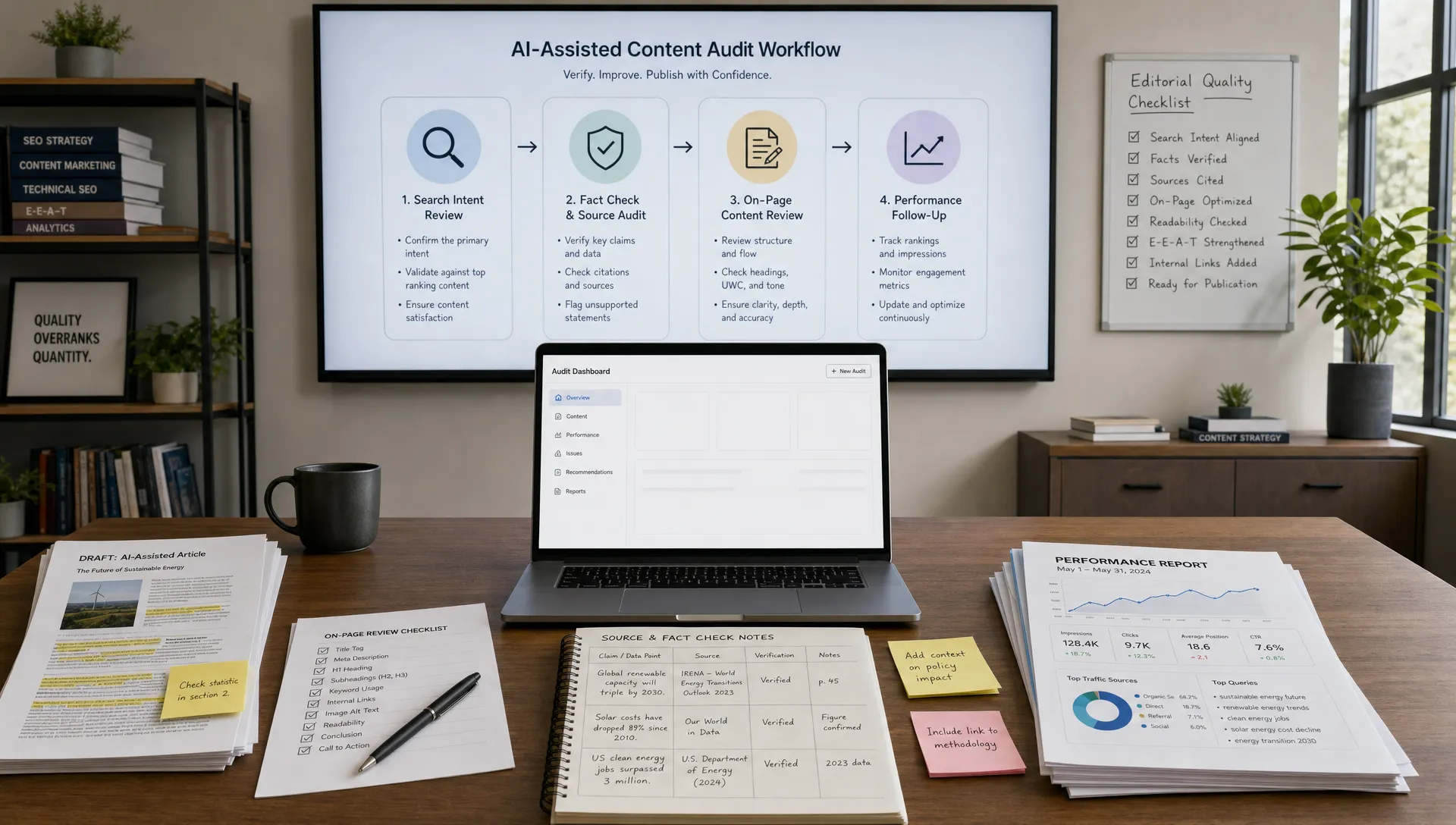
This use case is especially useful for teams managing multiple campaigns, regions or channels. AI can review landing page copy against brand guidelines, suggest meta descriptions, flag missing calls to action, check whether ads match landing page claims or summarize campaign assets for approval.
The business value is operational efficiency and risk reduction. Fewer manual steps can shorten launch timelines, reduce rework and help teams maintain quality as output grows. This matters for regulated industries, franchise brands, agencies and companies with many stakeholders.
Start with one workflow that is both repetitive and error-prone. For example, build an AI-assisted pre-launch checklist for paid campaigns. If it saves hours and prevents avoidable mistakes, expand into content QA, email QA or reporting automation.
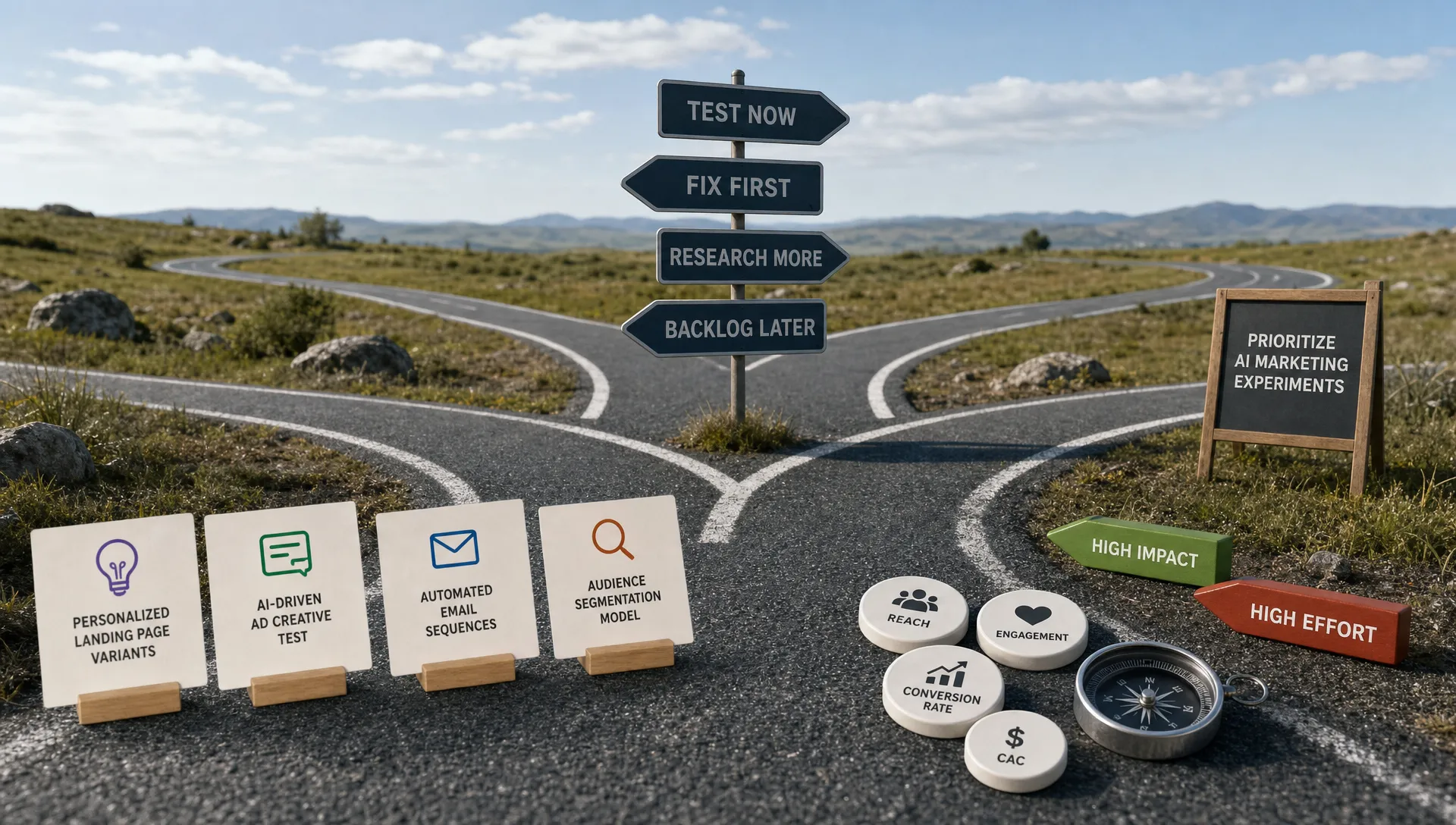
You do not need to implement all 10 use cases at once. In fact, trying to automate too much too quickly is one of the easiest ways to lose trust internally. Start with the use case that has the clearest link to a current business problem.
A simple scoring model can help.
| Prioritization factor | What to ask | Why it matters |
|---|---|---|
| Business impact | Will this affect revenue, cost, retention or speed? | Keeps AI tied to outcomes |
| Data readiness | Do we have reliable data and permissions? | Reduces inaccurate outputs |
| Workflow fit | Can this plug into how the team already works? | Improves adoption |
| Risk level | Could errors create legal, brand or customer harm? | Defines review needs |
| Time to test | Can we run a useful pilot in 30 to 60 days? | Builds momentum |
For example, a team struggling with slow content production might pilot AI briefs and repurposing first. A sales-led B2B company with too many unqualified leads might start with lead scoring. An ecommerce brand with rising ad costs might prioritize creative testing and lifecycle personalization.
If you want a more structured testing framework, use this guide on how to prioritize AI marketing experiments to score ideas before allocating time or budget.
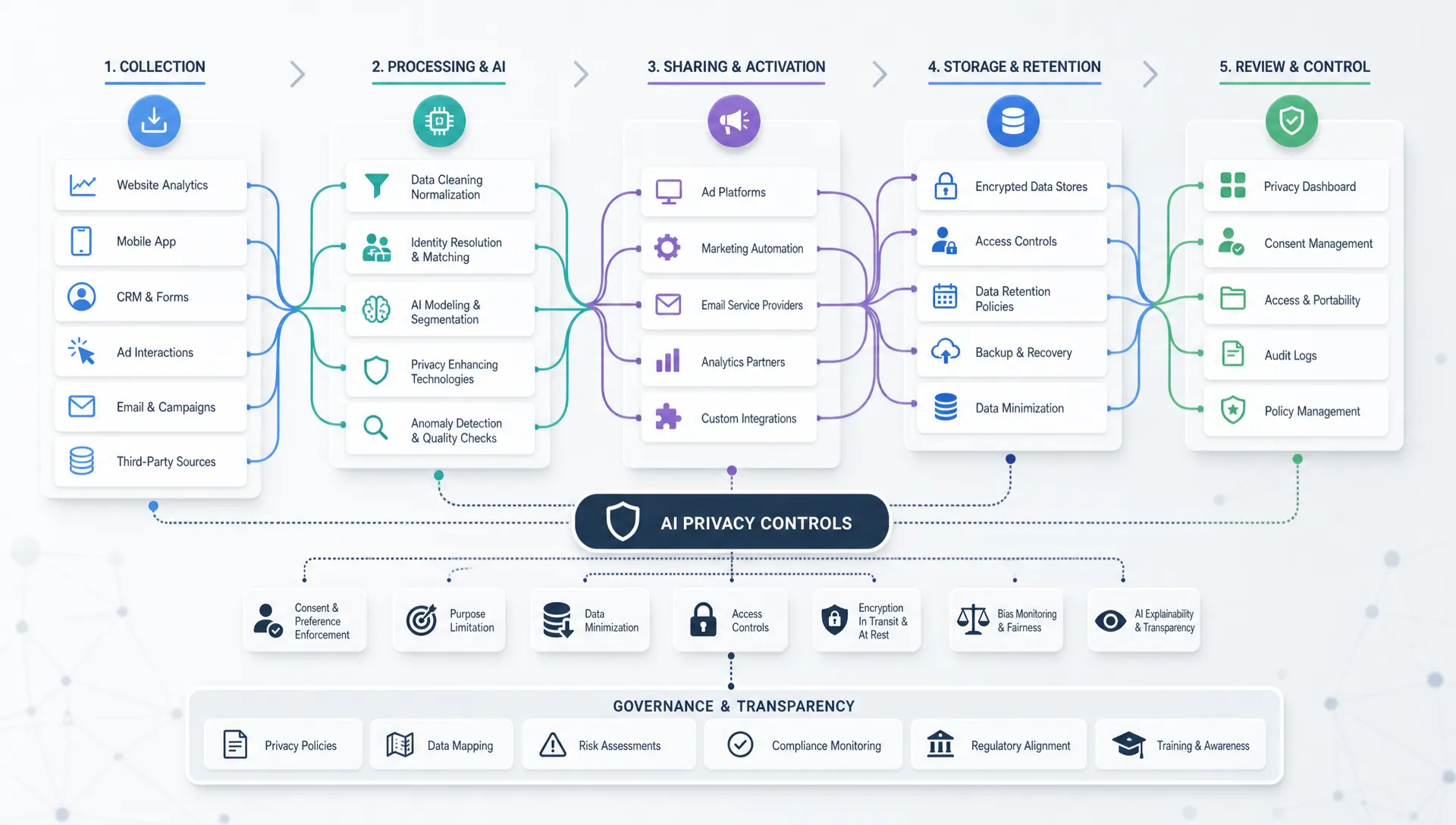
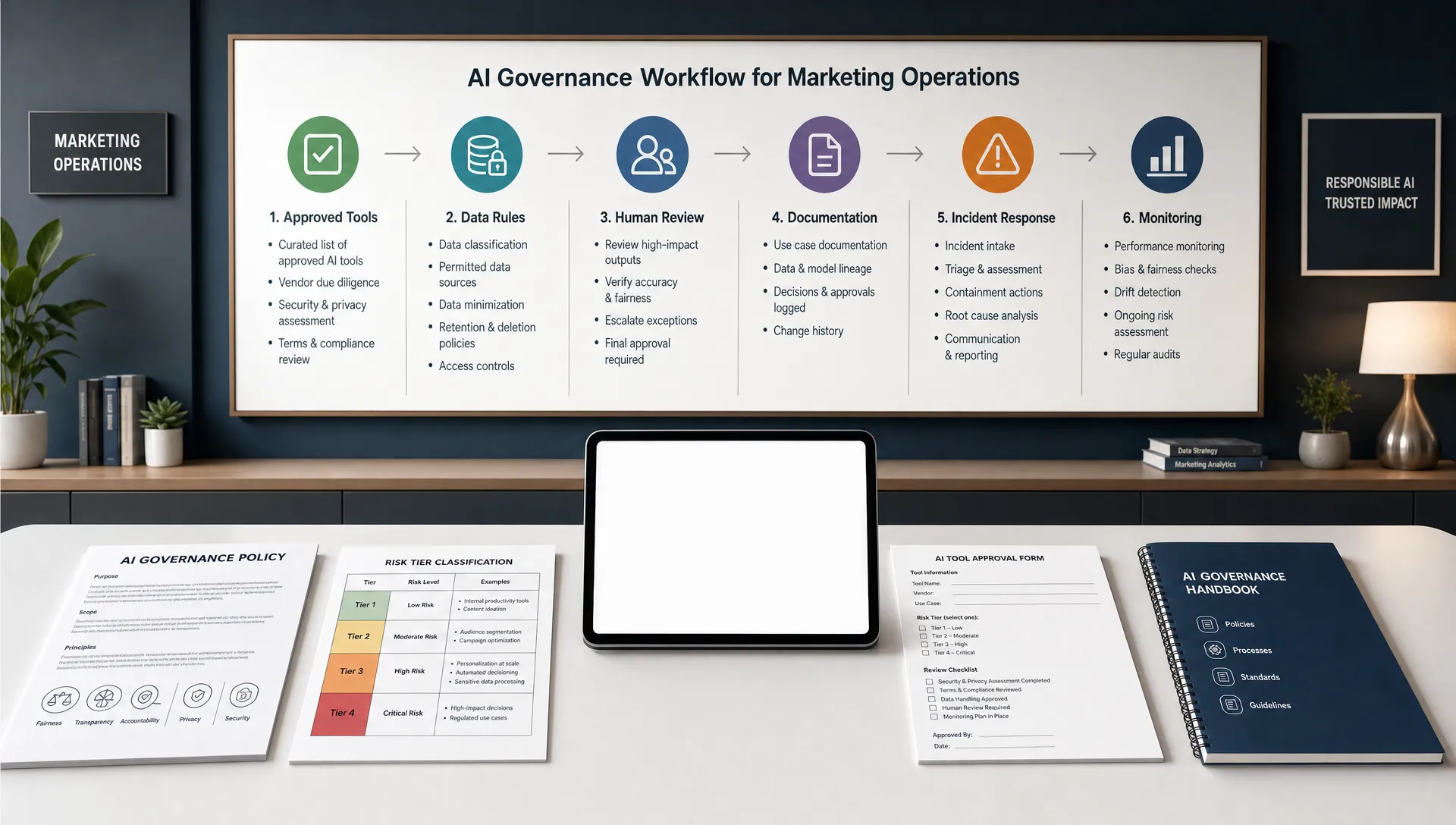
AI marketing needs governance, not bureaucracy. The goal is to let teams move faster without publishing inaccurate claims, mishandling customer data or weakening brand trust.
The National Institute of Standards and Technology’s AI Risk Management Framework is a useful reference for thinking about risk, reliability and governance. Marketing teams can translate those principles into practical rules.
At minimum, define who reviews AI-generated content, what data can be used in prompts, which claims require source verification and when legal or compliance teams need to approve assets. For analytics use cases, document data sources and make sure humans can inspect the reasoning behind recommendations.
A good operating principle is simple: automate the repetitive parts, assist the analytical parts and keep humans accountable for judgment.
What is the most valuable AI marketing use case? The most valuable use case depends on your business model. For B2B teams, lead scoring, content operations and AI-powered analytics often create fast value. For ecommerce, personalization, paid creative testing and lifecycle automation are usually strong starting points.
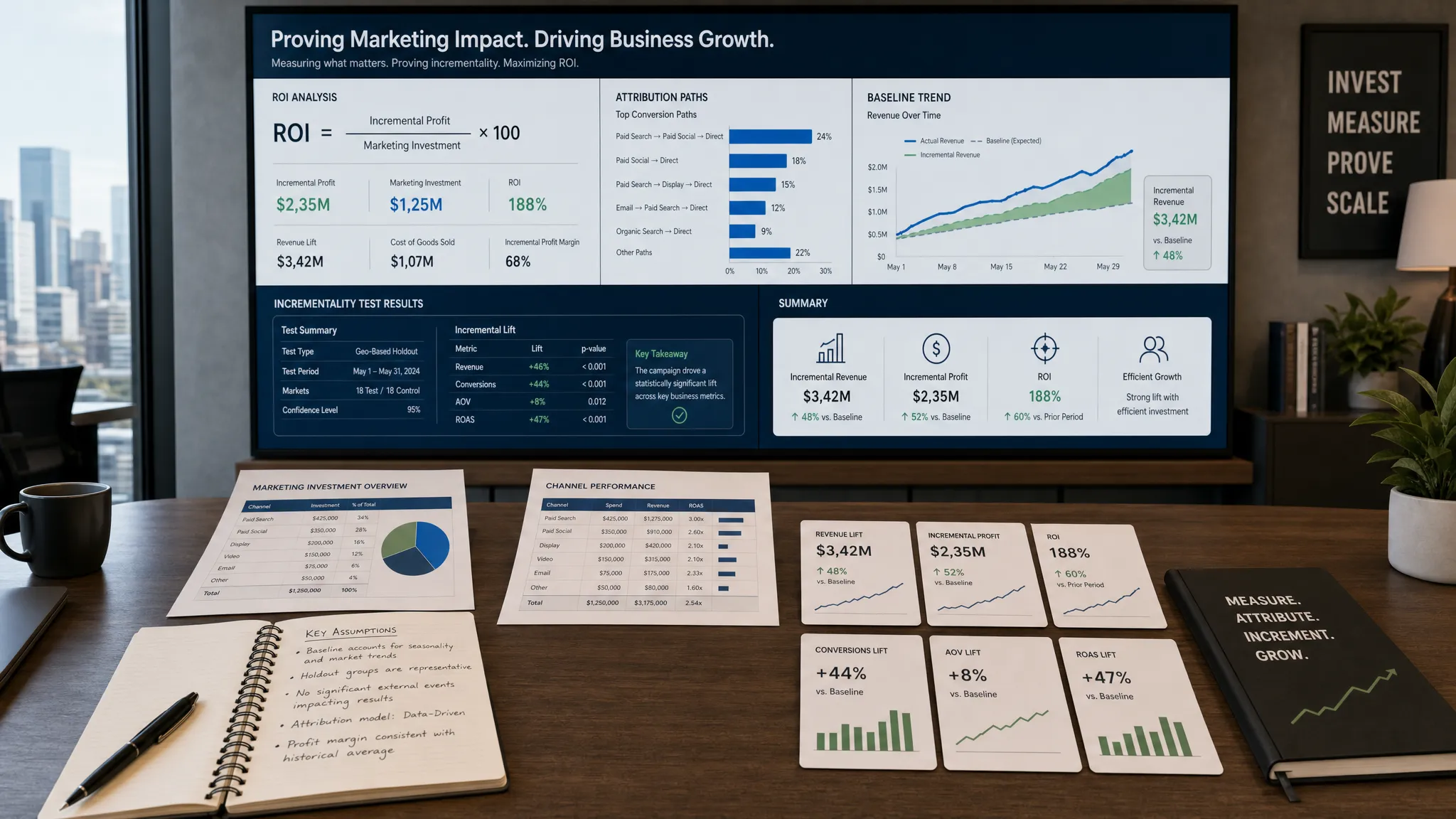
How do you measure ROI from AI marketing? Measure ROI by comparing the workflow before and after AI adoption. Track time saved, cost reduction, conversion lift, revenue influenced, retention improvement or campaign efficiency. Avoid measuring success only by output volume.
Can small businesses benefit from AI marketing automation? Yes. Small teams often benefit because AI reduces manual workload in research, content creation, email marketing, SEO and reporting. The key is to start with one workflow that already takes too much time or limits growth.
What should marketers avoid when using AI tools? Avoid publishing unverified claims, uploading sensitive customer data into tools without approval, automating brand responses without oversight and replacing strategy with generic AI output. AI should support marketing judgment, not bypass it.
Do AI marketing tools replace marketers? AI tools replace some repetitive tasks, but they do not replace customer understanding, positioning, creative judgment or accountability. The strongest teams use AI to move faster while keeping strategic decisions in human hands.
The best AI marketing use case is not the flashiest one. It is the one that improves a business metric your team already owns.
If you are building a more practical AI marketing system, AIMarketer Hub offers AI-powered marketing tools, prompt resources, SEO support, calculators, expert guides and industry-specific resources to help marketers automate and optimize their work. Start with one high-value workflow, measure the result and expand only when the business case is clear.