AI marketing has moved from novelty to operating layer. In 2026, the question is no longer whether AI can write an ad, summarize a report, or generate campaign ideas. The better question is which tools actually improve marketing performance without creating more editing, compliance, or reporting work downstream.
That distinction matters. McKinsey’s 2024 State of AI research found that generative AI adoption had already accelerated sharply across business functions. Since then, marketing teams have moved beyond experimentation and started asking harder questions about workflow fit, data quality, brand safety, and ROI.
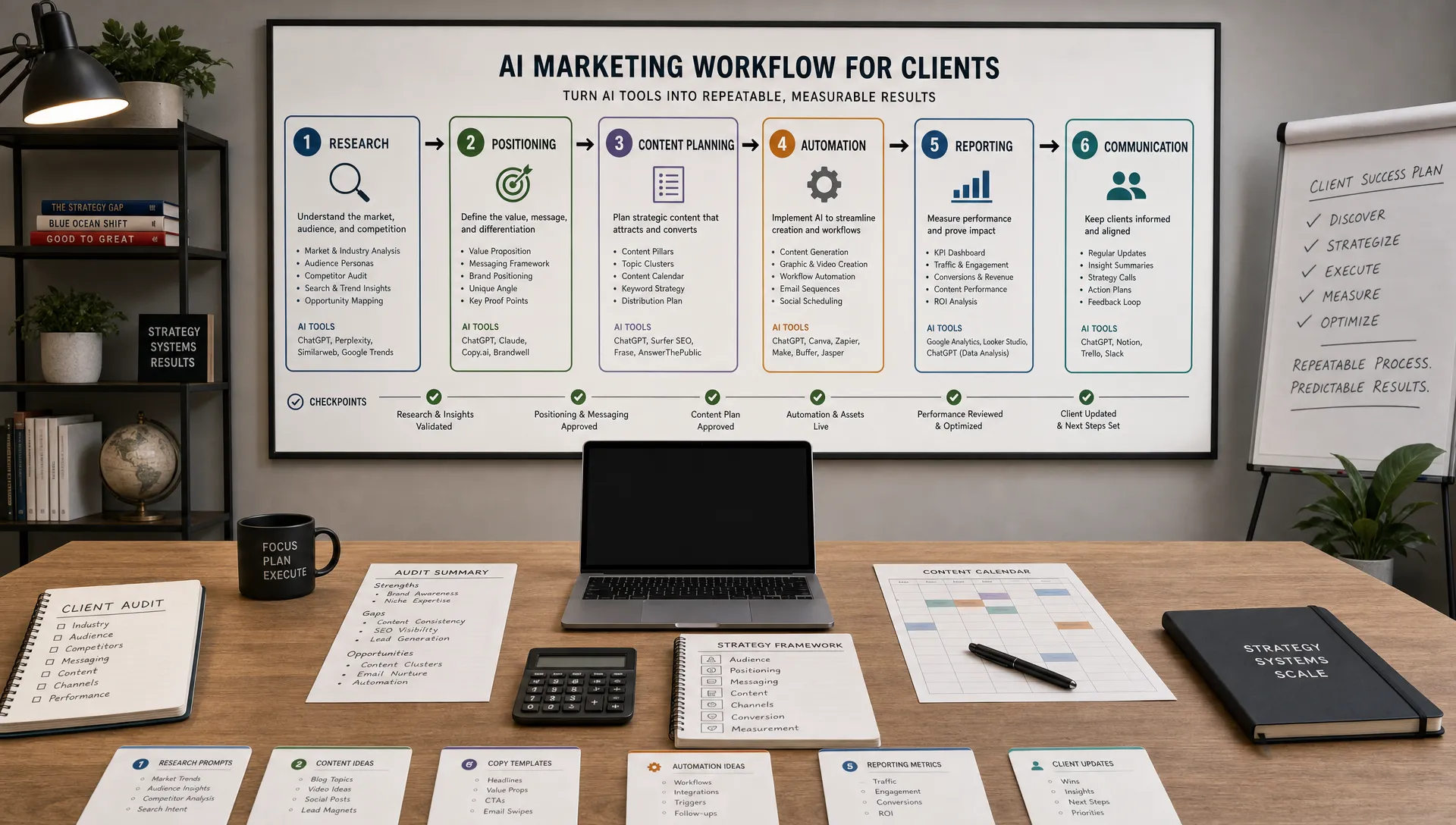
The AI marketing tools worth using in 2026 are not just the flashiest apps. They are the tools that help marketers research faster, create better assets, personalize at scale, automate repetitive work, and prove what is working.
A good AI tool should either make your team faster, make your decisions better, or make your campaigns more profitable. If it only produces more output without improving quality or conversion, it is probably adding noise.
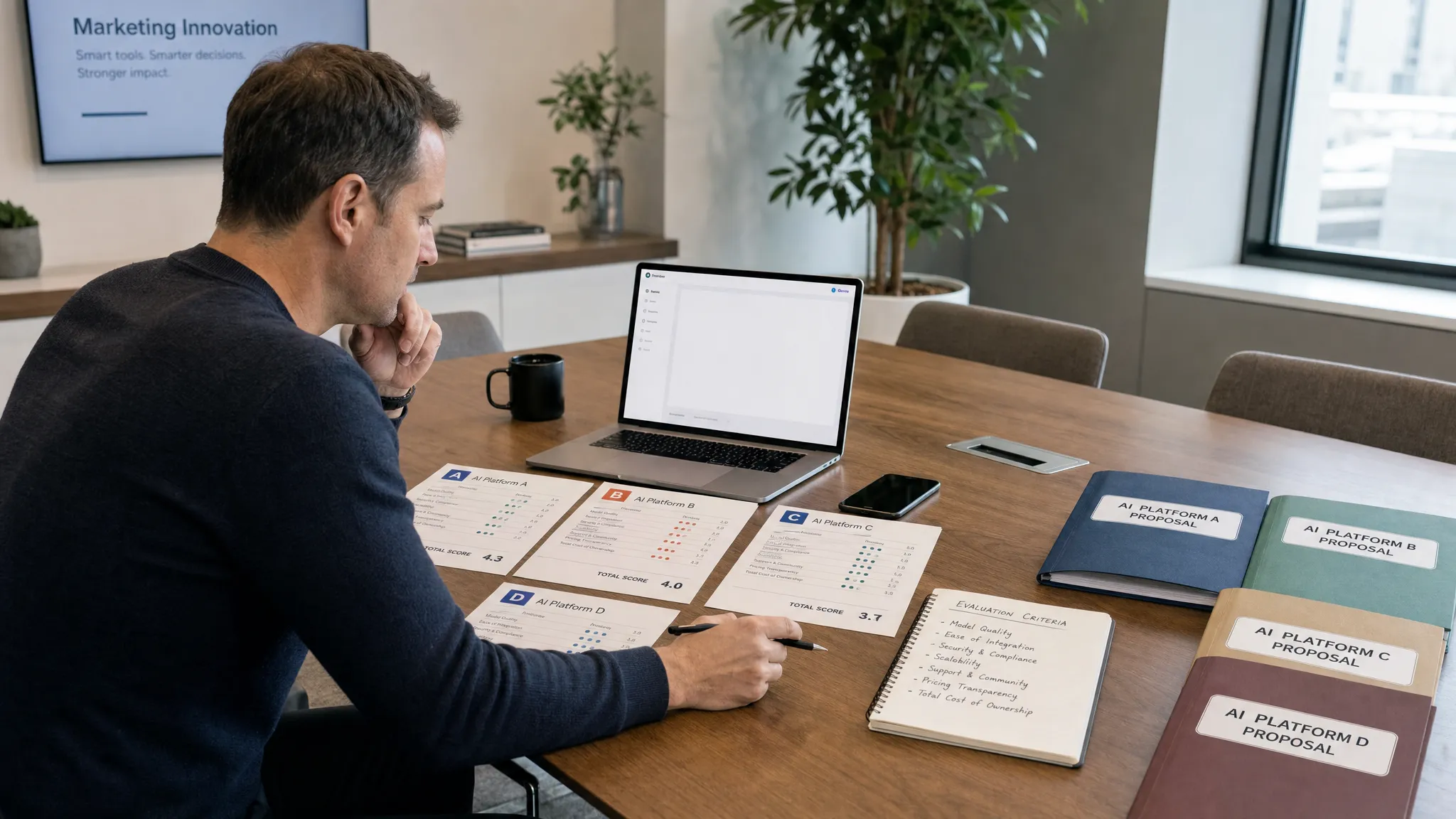
Before adding another platform to your stack, evaluate it against a few practical criteria:
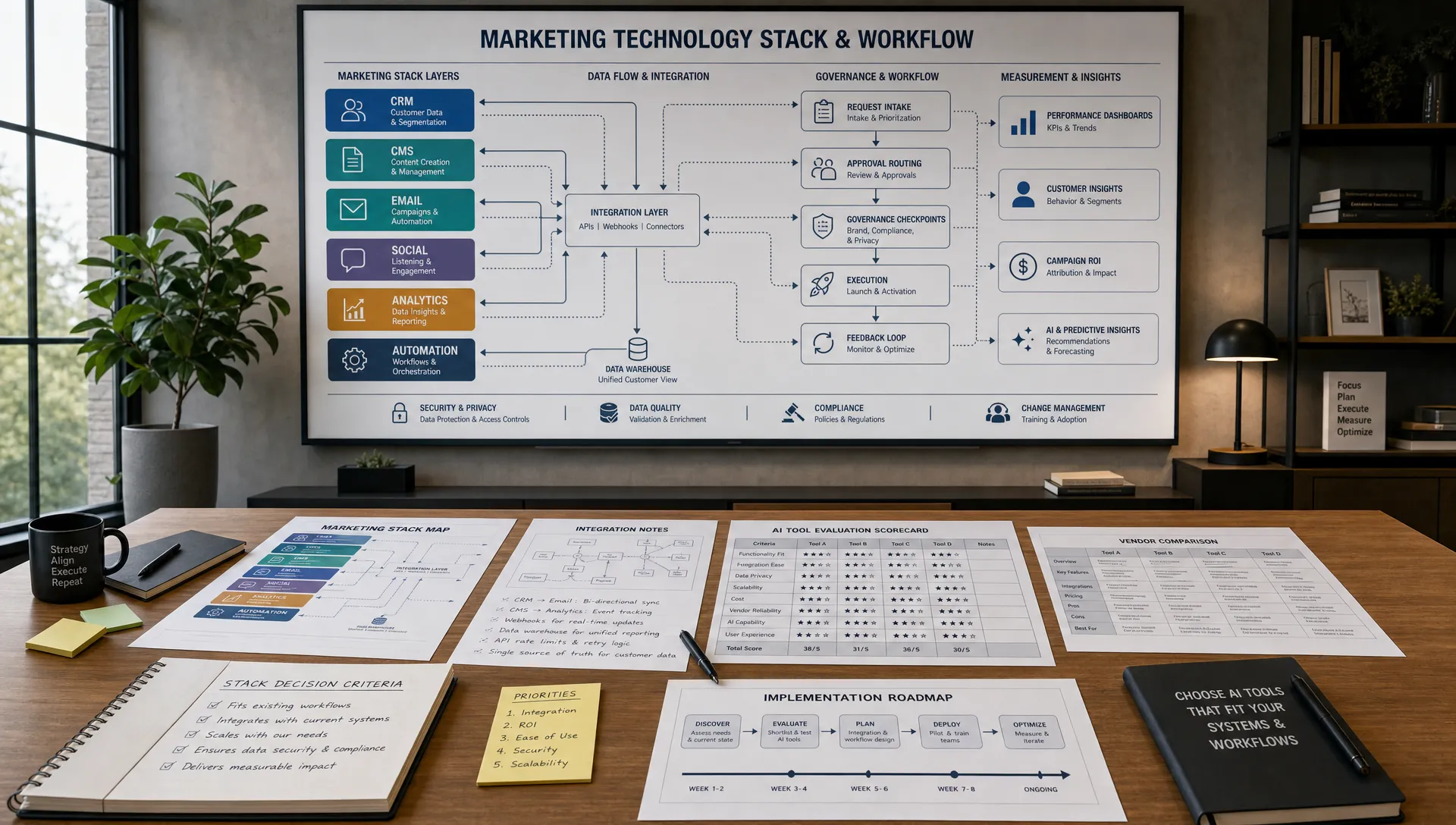
The best AI marketing stack is usually not one giant platform. It is a focused set of tools mapped to the work your team does most often.
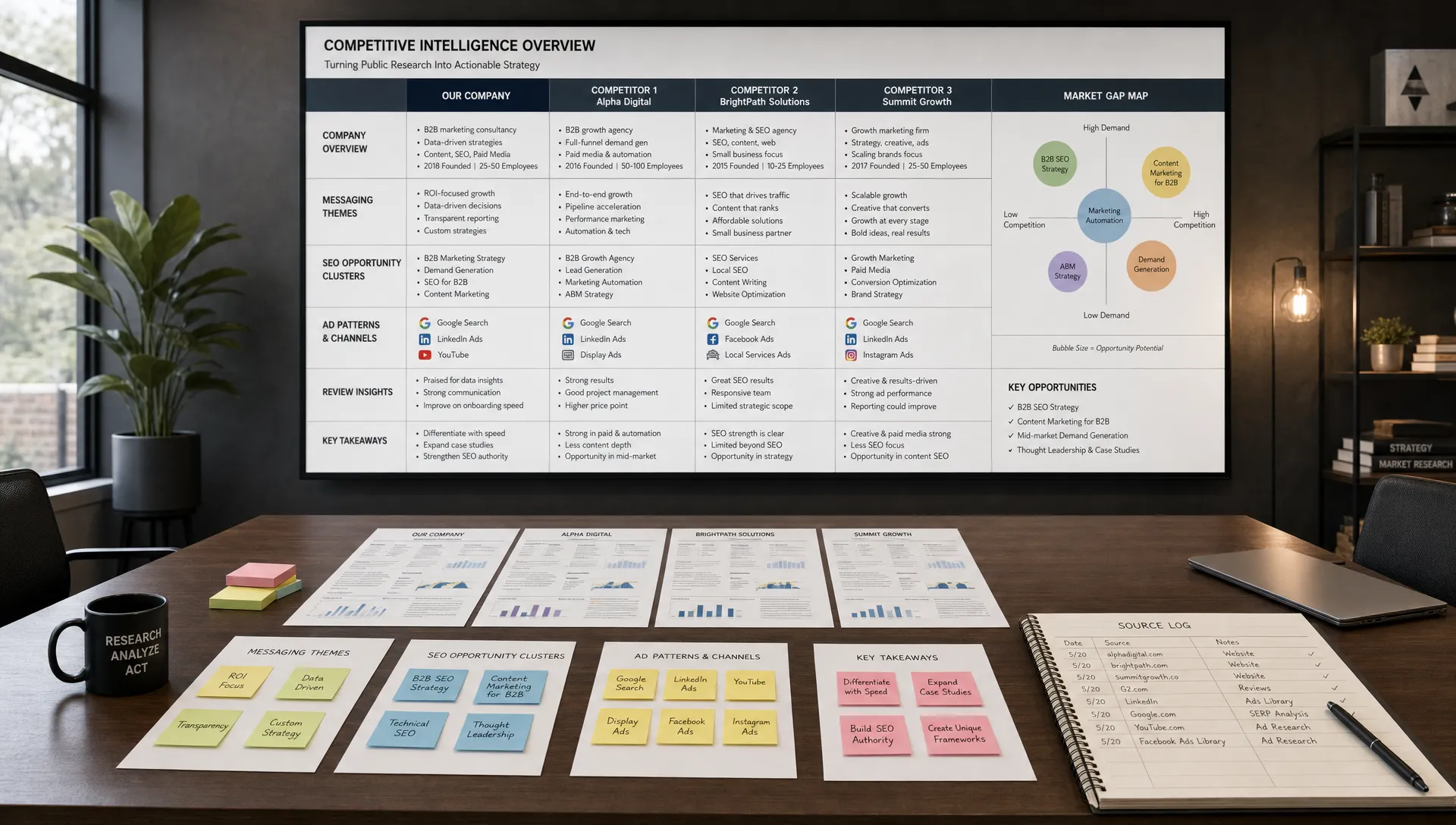
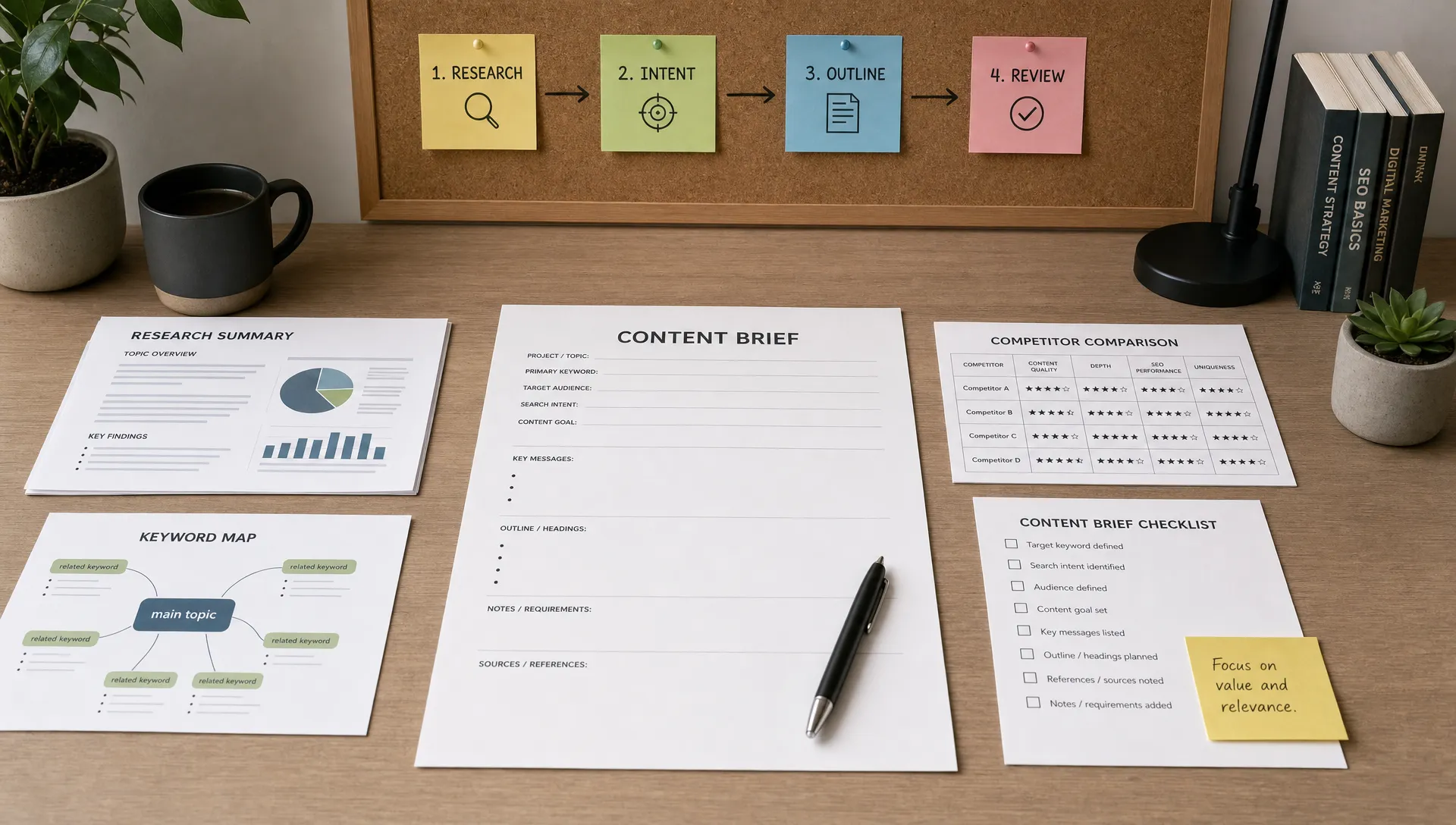
Research is one of the strongest use cases for AI because it compresses the time between a question and a usable starting point. Tools like ChatGPT, Claude, Gemini, and Perplexity can help marketers explore customer pain points, summarize long documents, compare positioning angles, and turn messy inputs into structured campaign plans.
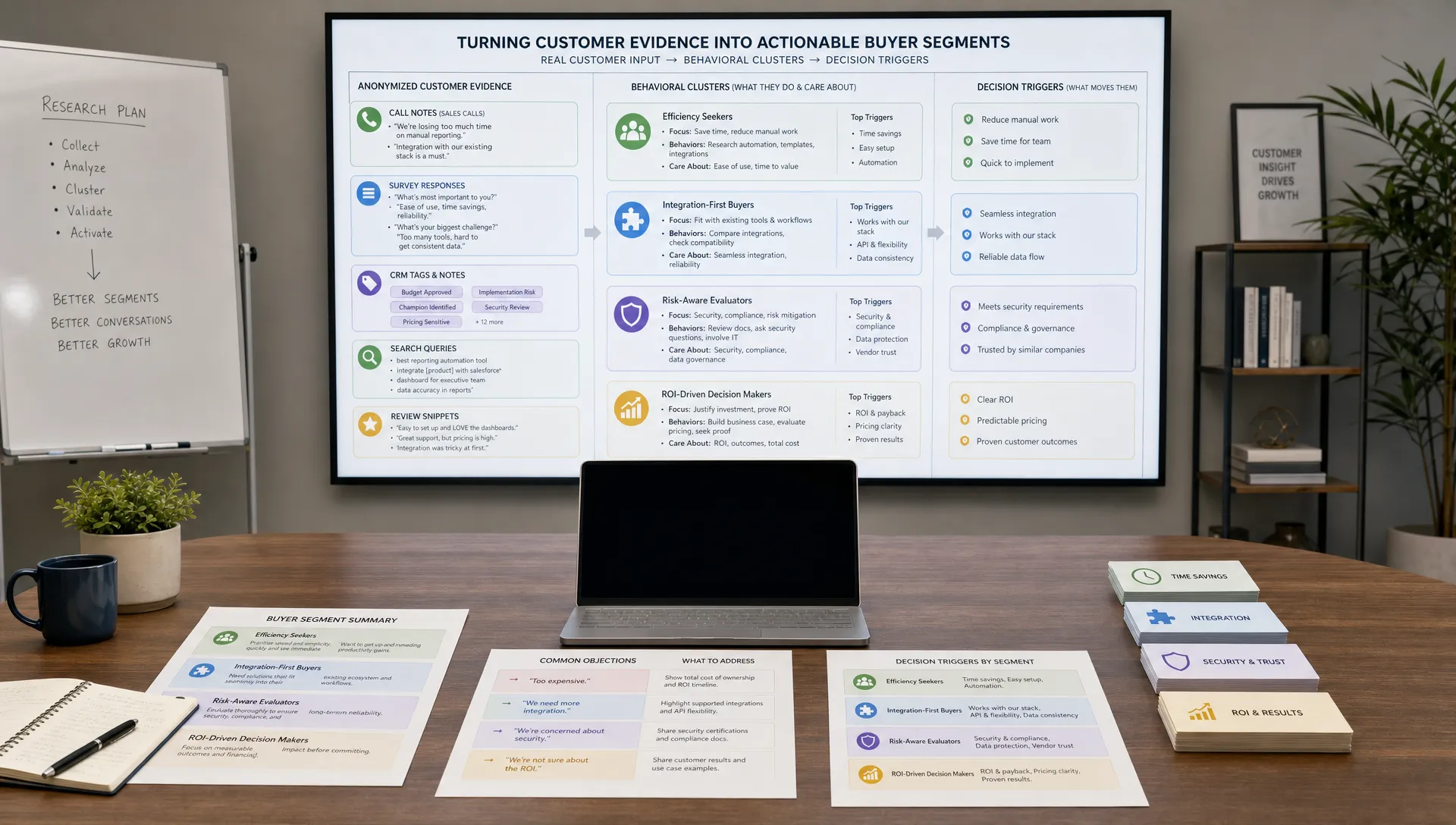
These tools are especially useful for early-stage thinking. For example, a marketer can paste anonymized sales call notes and ask for recurring objections, audience segments, and message themes. A product marketer can ask for a first-pass competitive comparison. A content strategist can use AI to turn a vague topic into a search intent map.
The key is to treat AI research as a draft layer, not a source of truth. AI can miss context, overgeneralize, or produce confident but inaccurate claims. Strong marketers still verify facts, check sources, and apply customer knowledge.
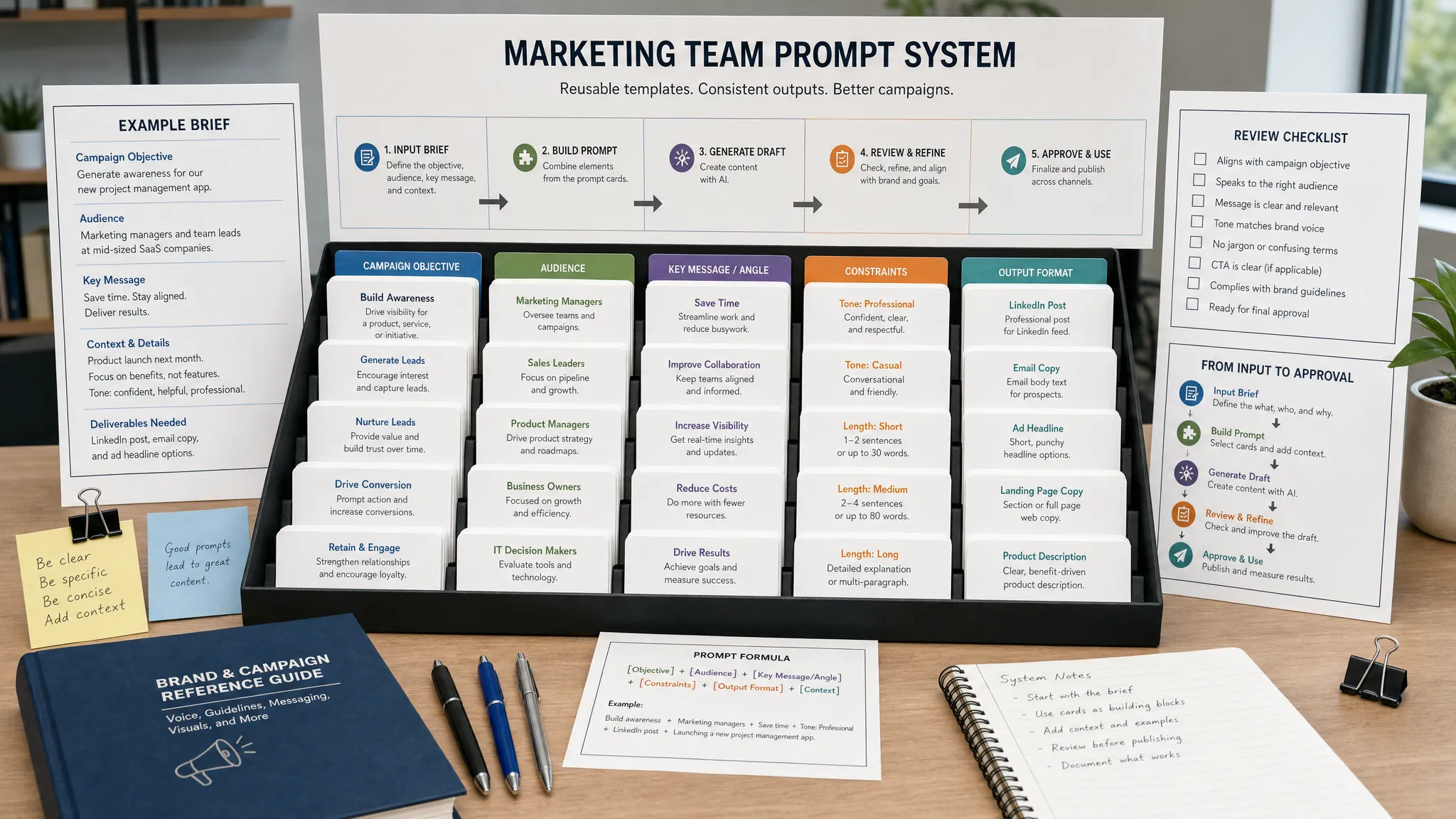
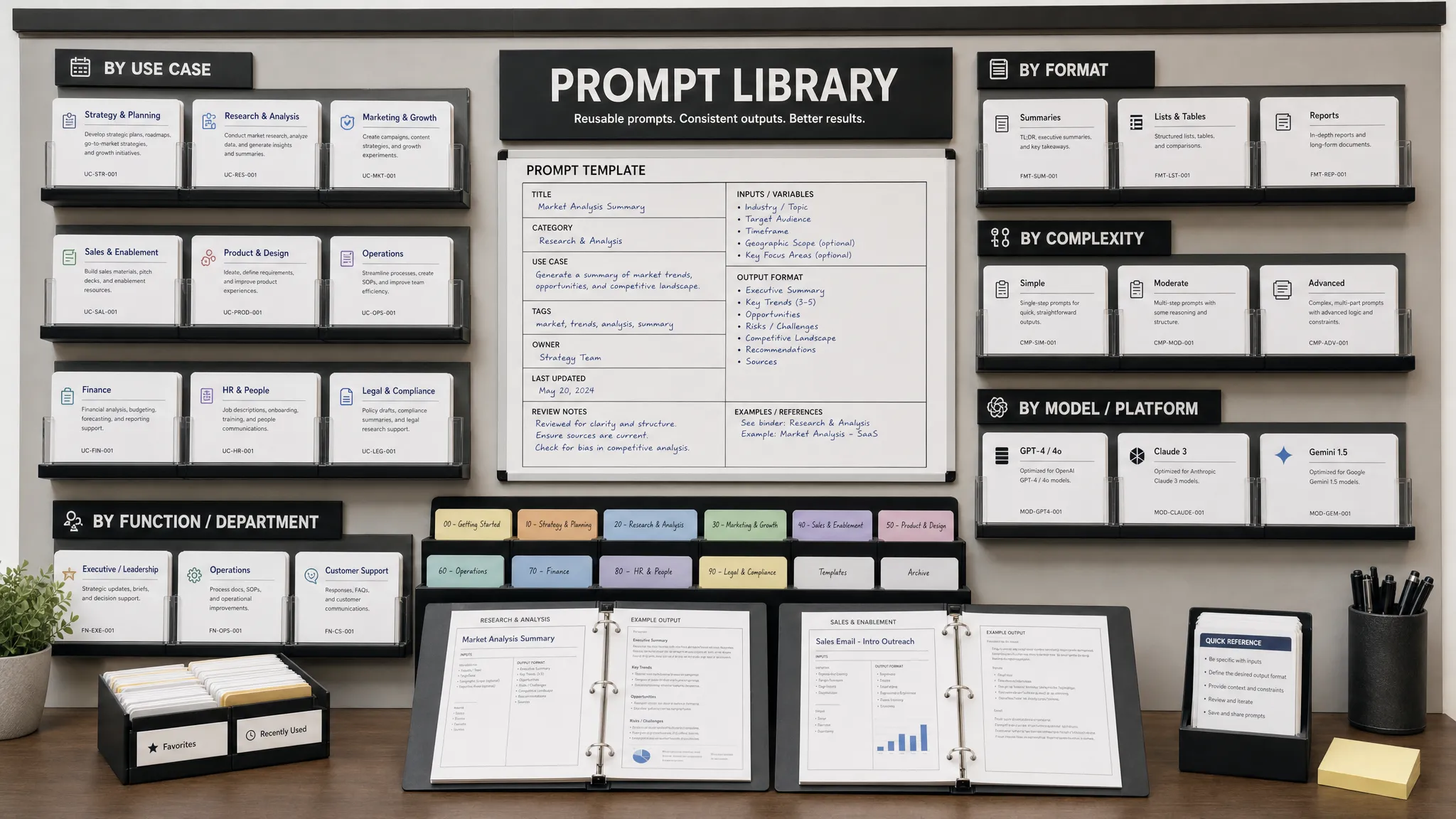
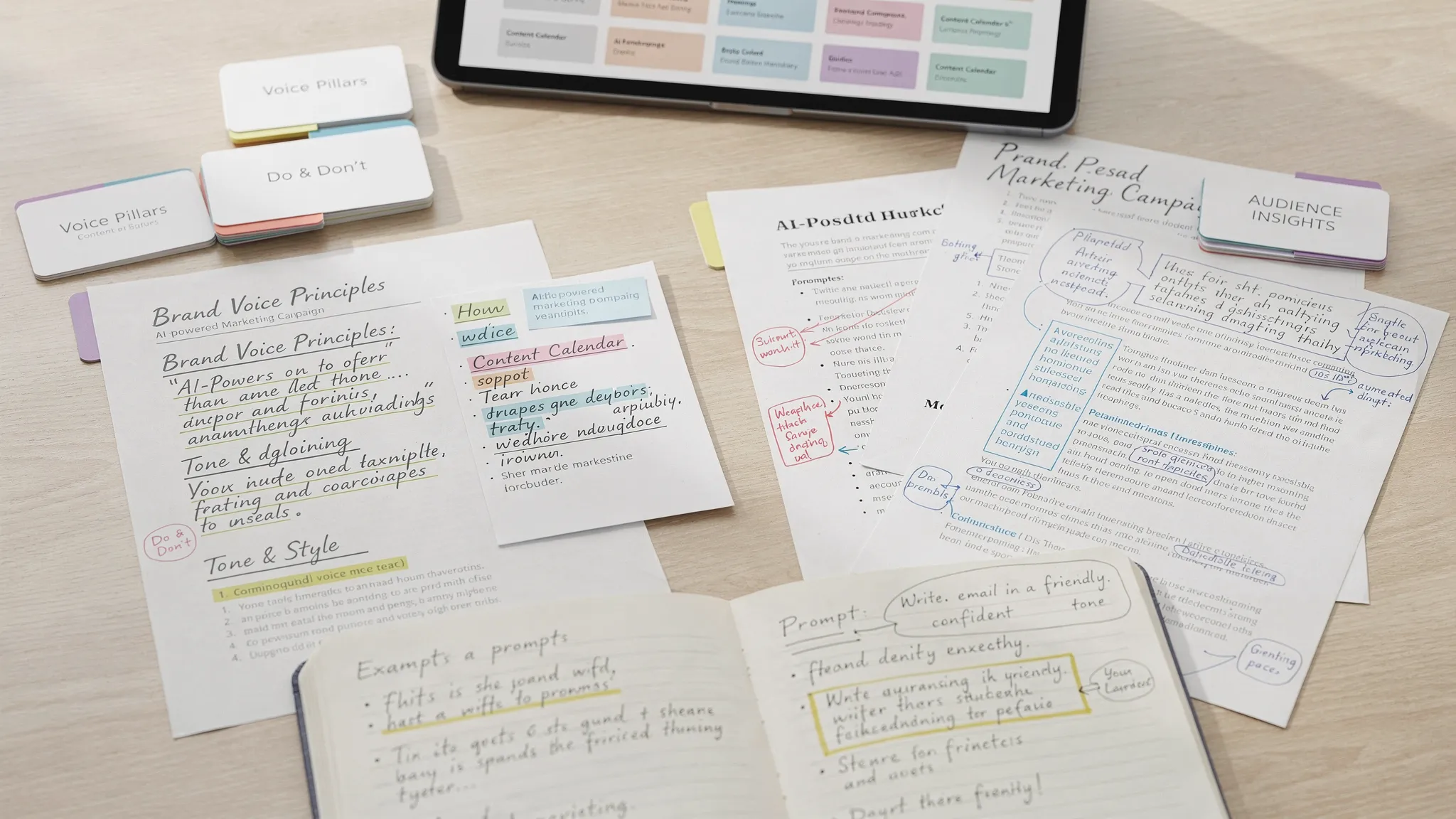
For teams that need reusable workflows, a prompt library can make research more consistent. AIMarketer Hub’s marketer-focused prompt library is useful here because it helps teams avoid starting from a blank page every time they need a brief, campaign angle, or content idea.
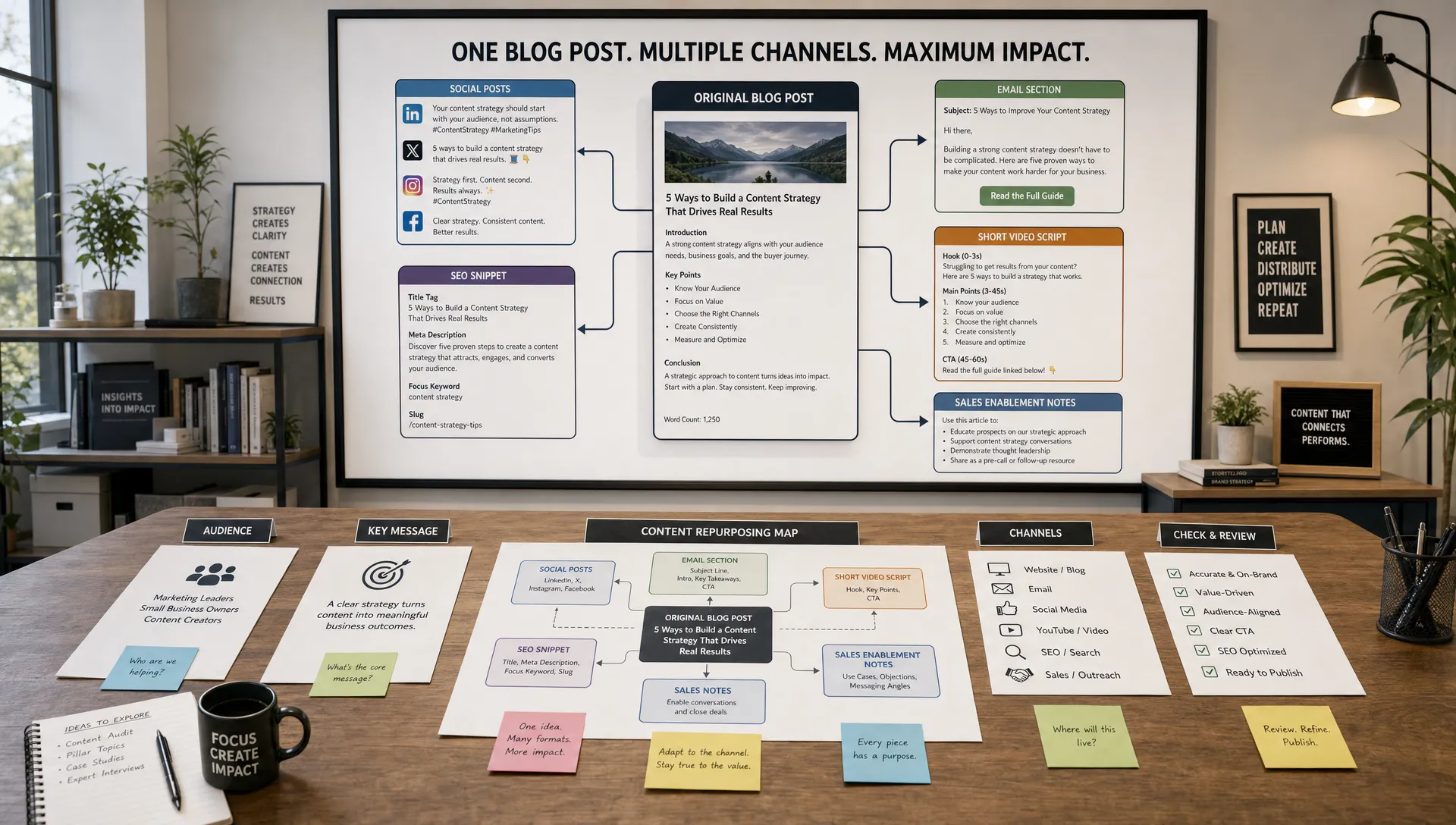
AI content tools are worth using when they help you produce better first drafts, repurpose proven ideas, and speed up repetitive writing. They are less useful when teams expect them to replace strategy, subject matter expertise, or editorial judgment.
In 2026, content generation works best for:
Tools like Jasper, Copy.ai, Writer, ChatGPT, and Claude can all support content production, depending on your budget and governance needs. For marketers who want a broader resource hub rather than a standalone writing app, AIMarketer Hub includes AI content generation along with SEO tools, guides, calculators, and curated marketing resources.
The main mistake is publishing AI-generated copy without a human layer. AI can make content faster, but humans still need to sharpen positioning, add original insights, verify claims, and make the piece useful enough to compete.
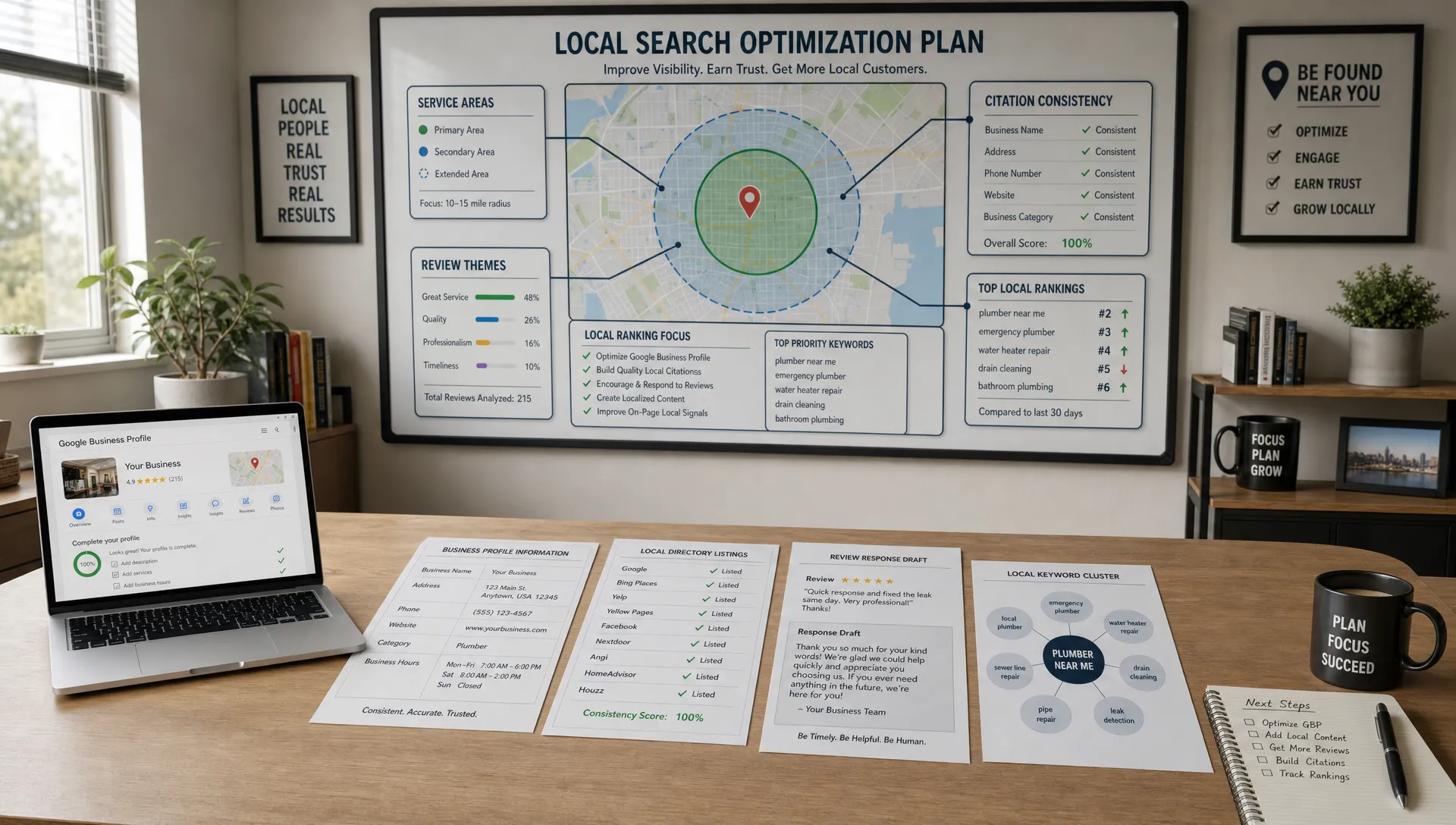
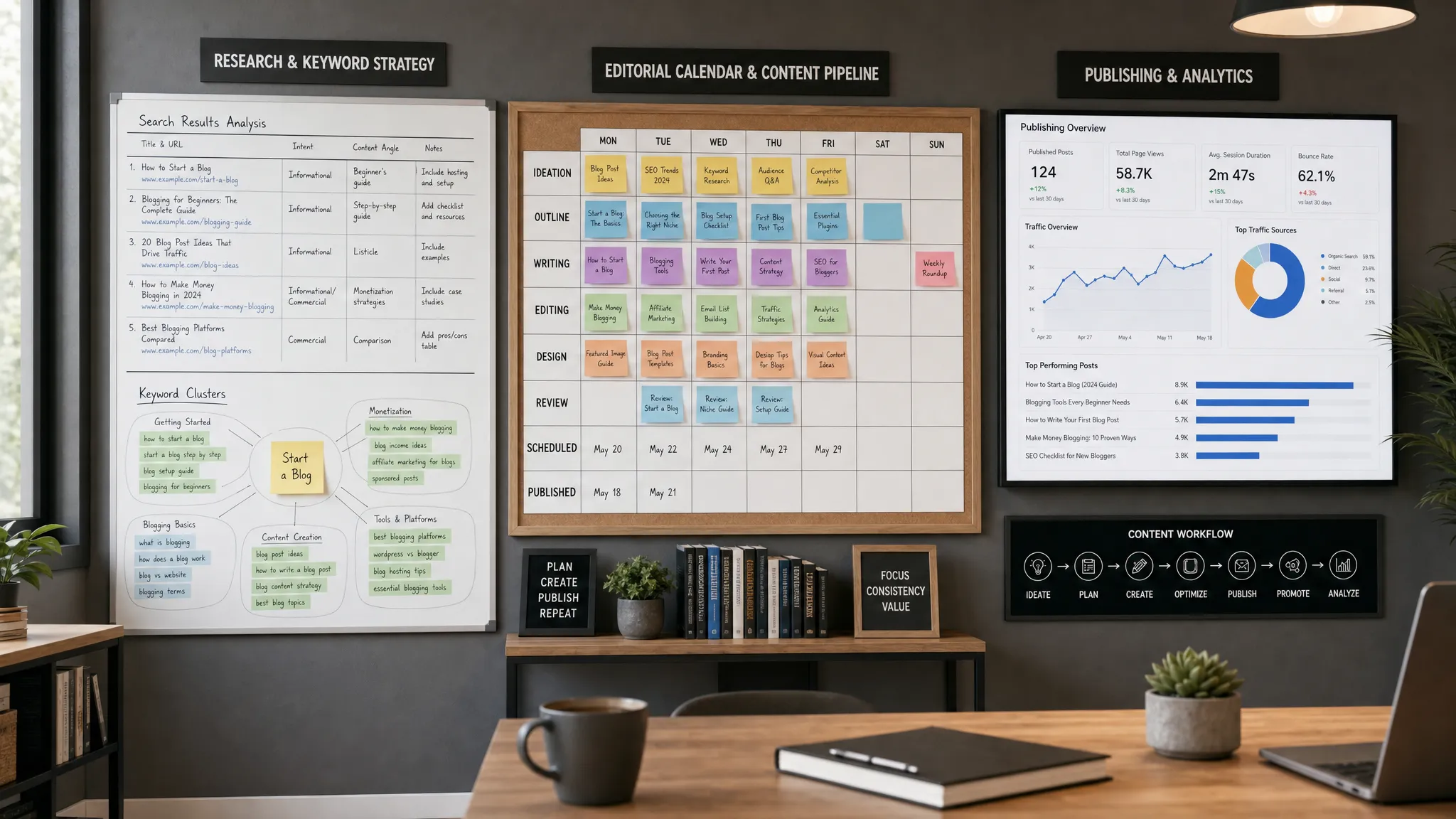
SEO has changed, but it has not disappeared. Search engines, AI answer engines, and social search all reward content that is useful, clear, credible, and aligned with user intent.
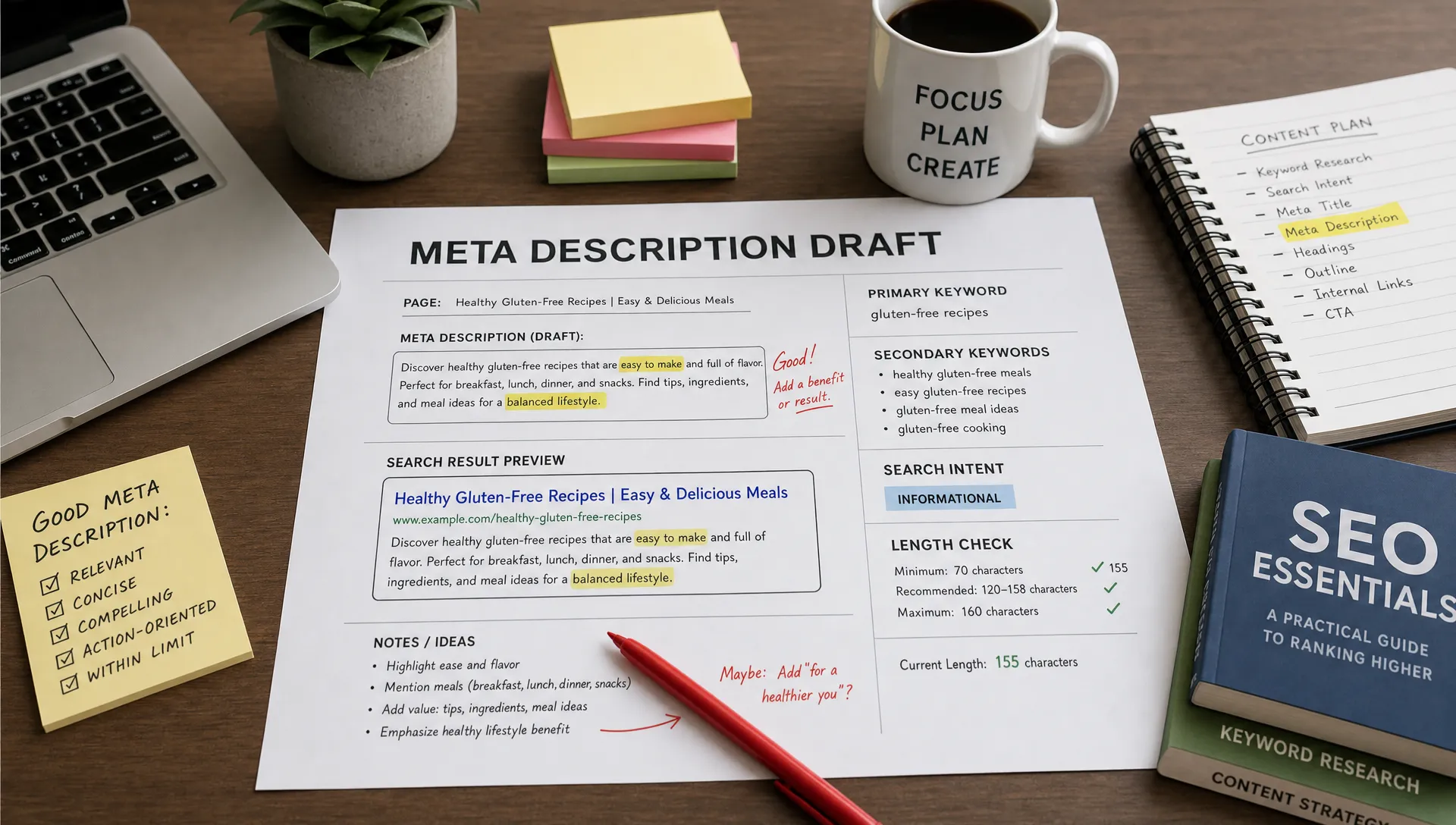
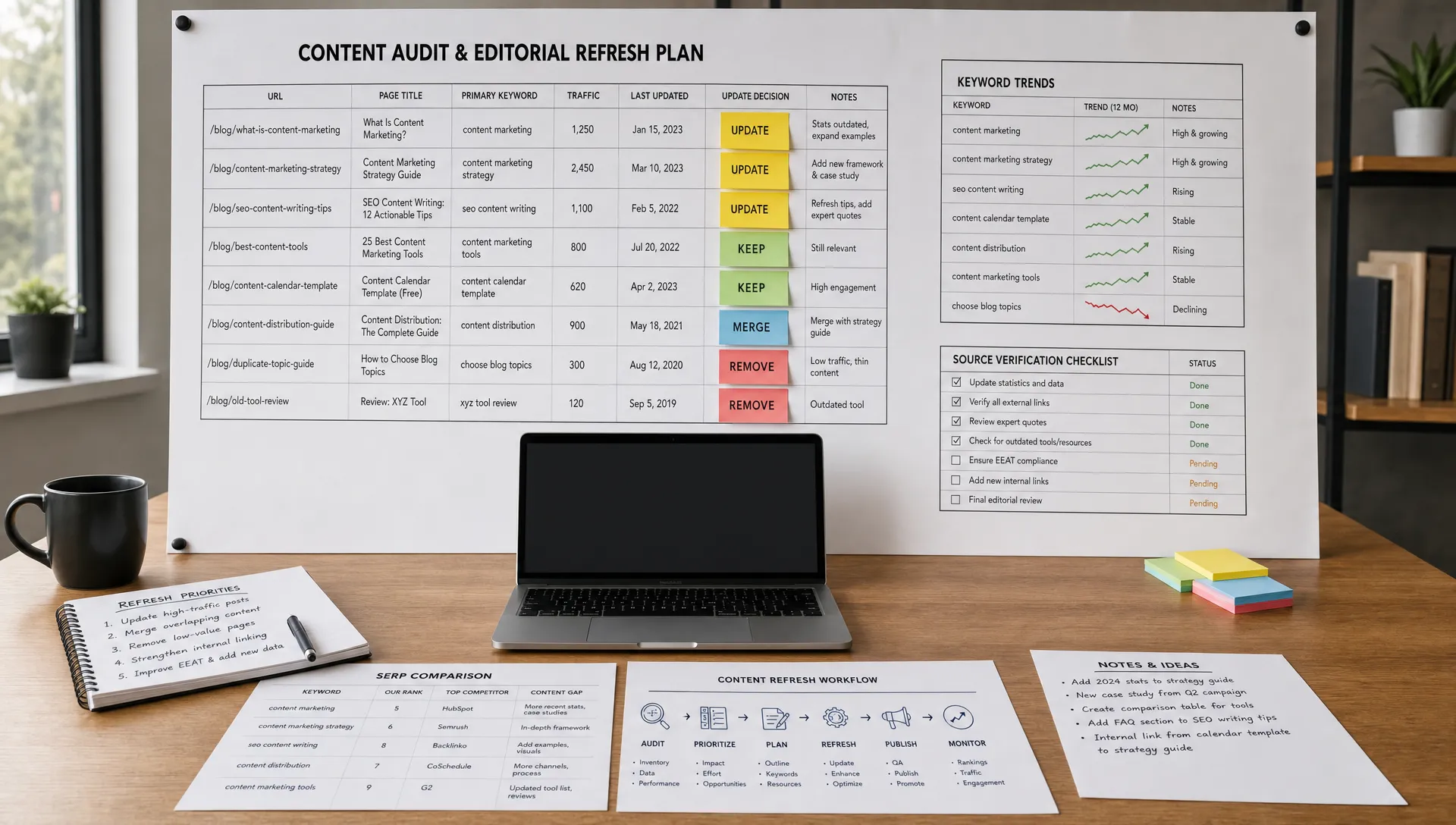
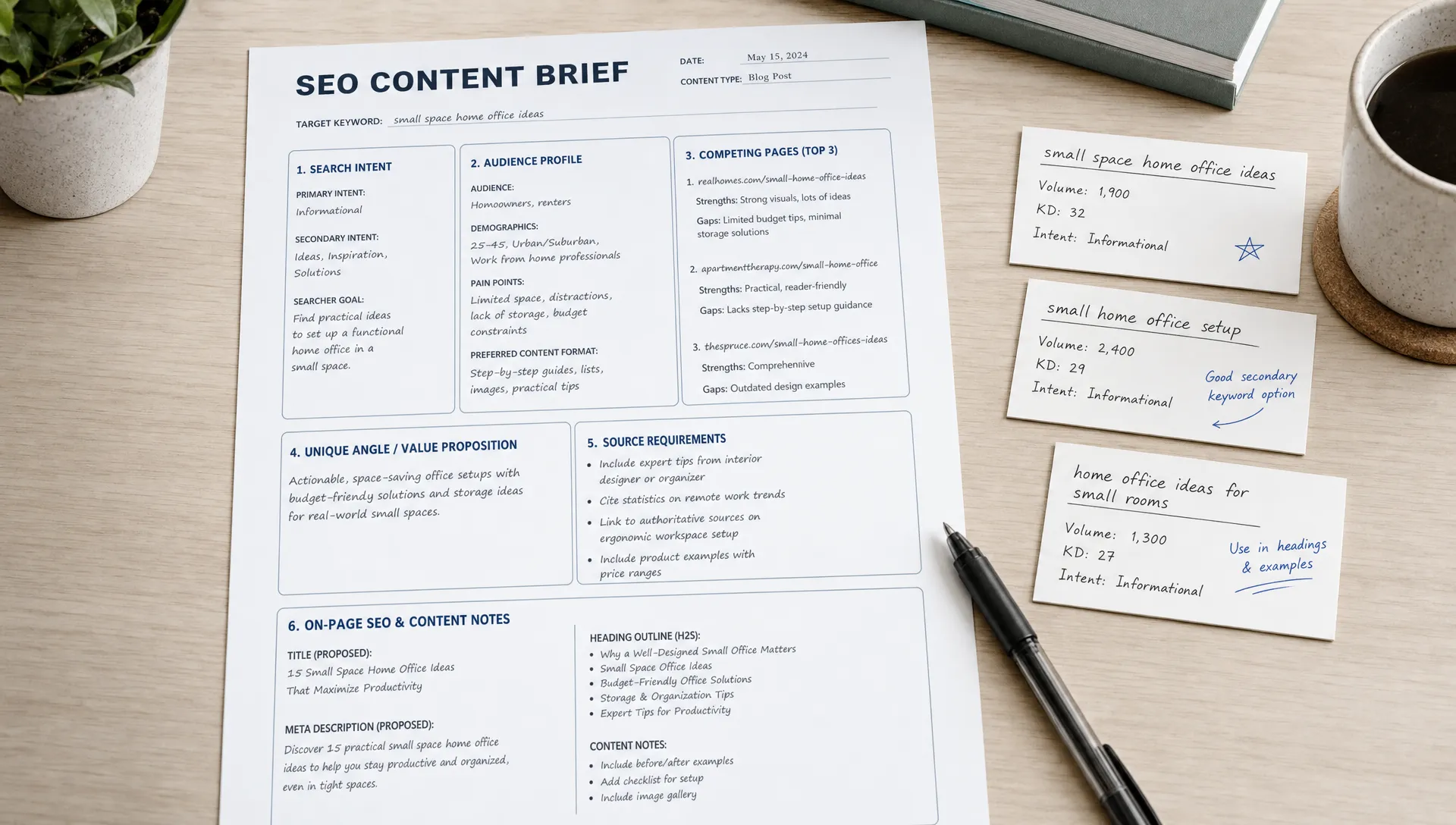
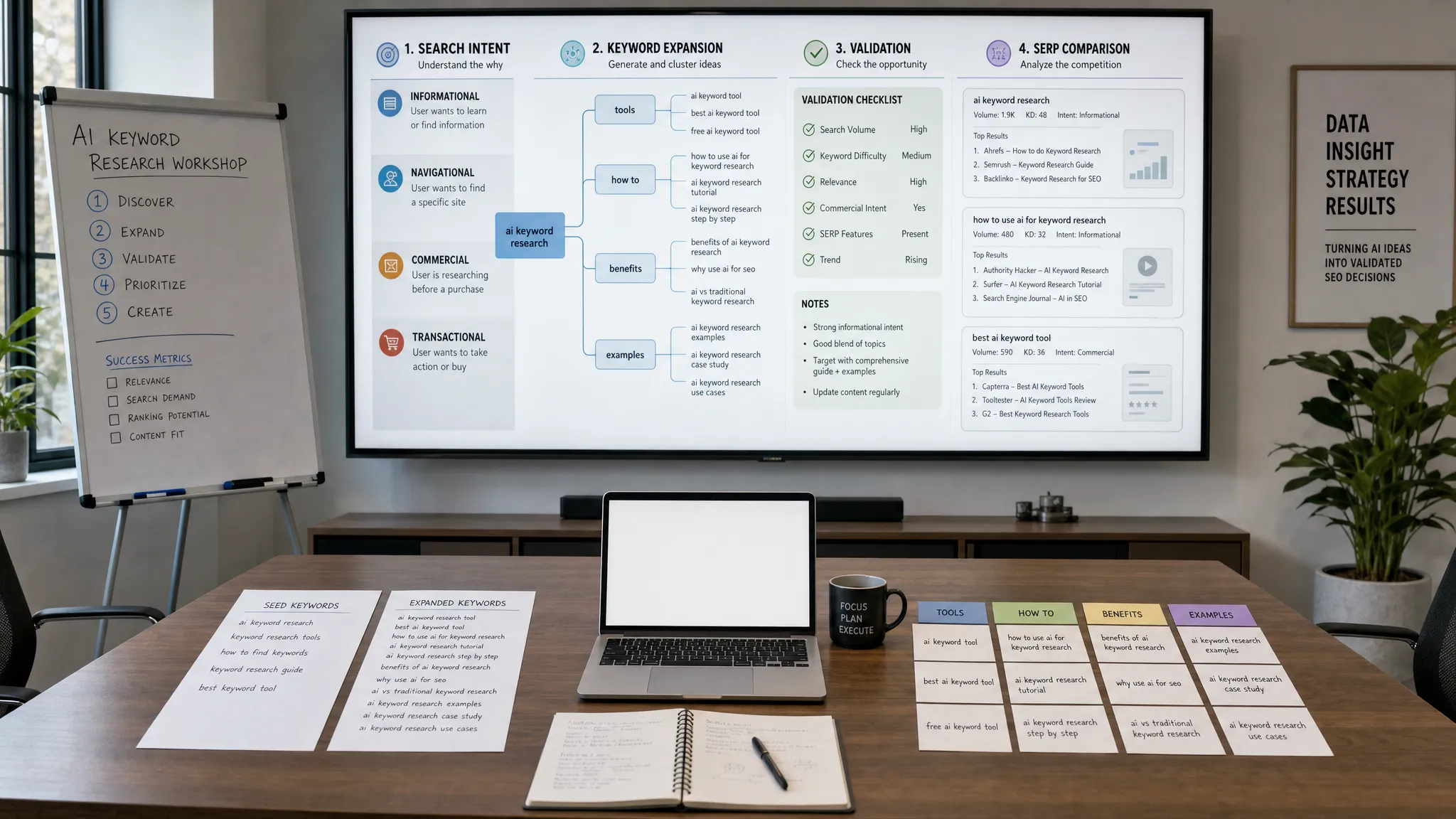
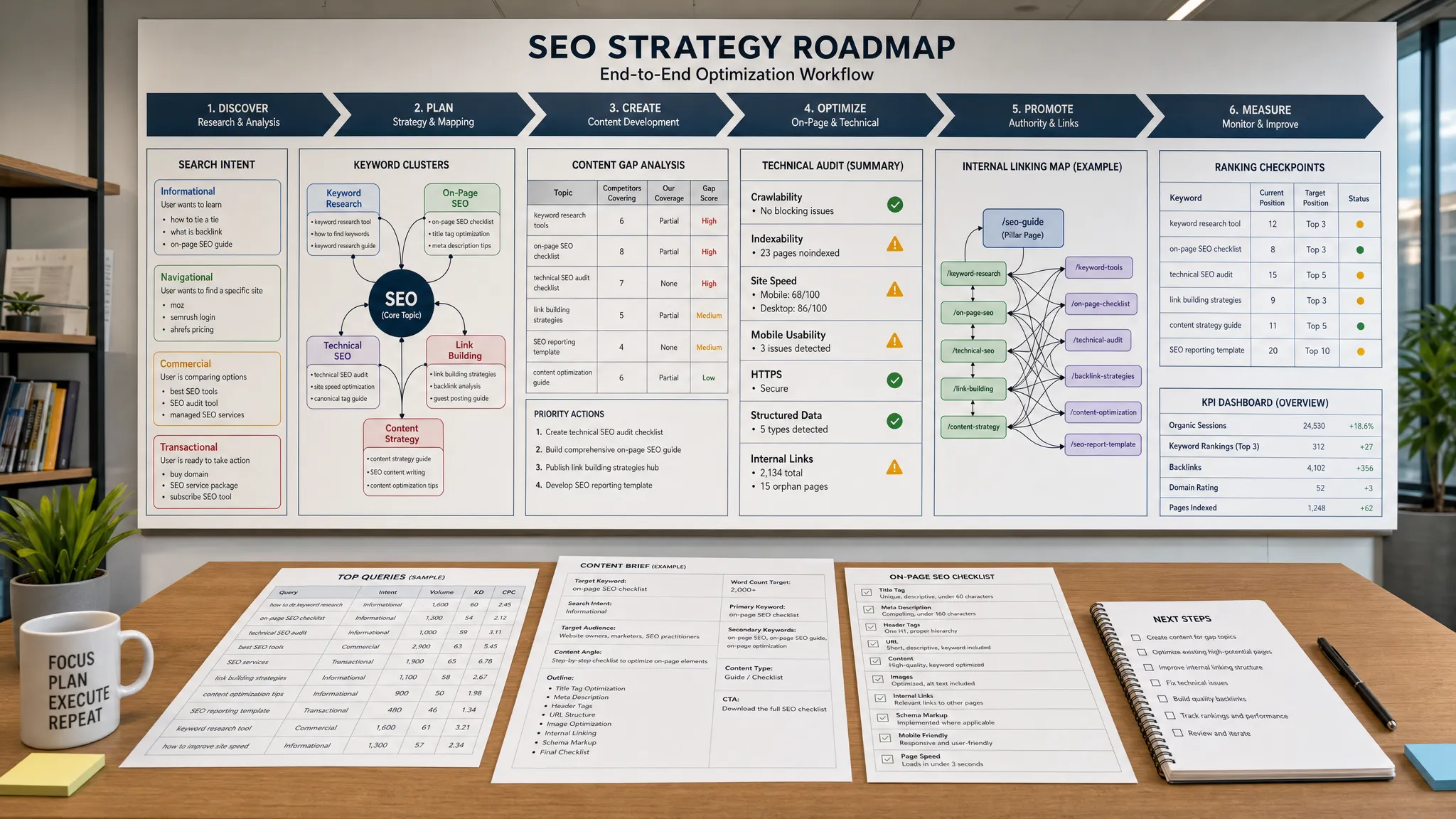
AI-powered SEO tools can help marketers move faster through keyword clustering, SERP analysis, outline generation, content gap discovery, and internal linking suggestions. Tools such as Semrush, Ahrefs, Surfer, Clearscope, MarketMuse, and Frase are commonly used for these jobs. AIMarketer Hub also includes SEO tools for marketers who want practical support inside a broader marketing resource platform.
Google has stated that its focus is on helpful, high-quality content regardless of how it is produced. That means AI can be part of the workflow, but it does not remove the need for expertise, originality, and editorial review.
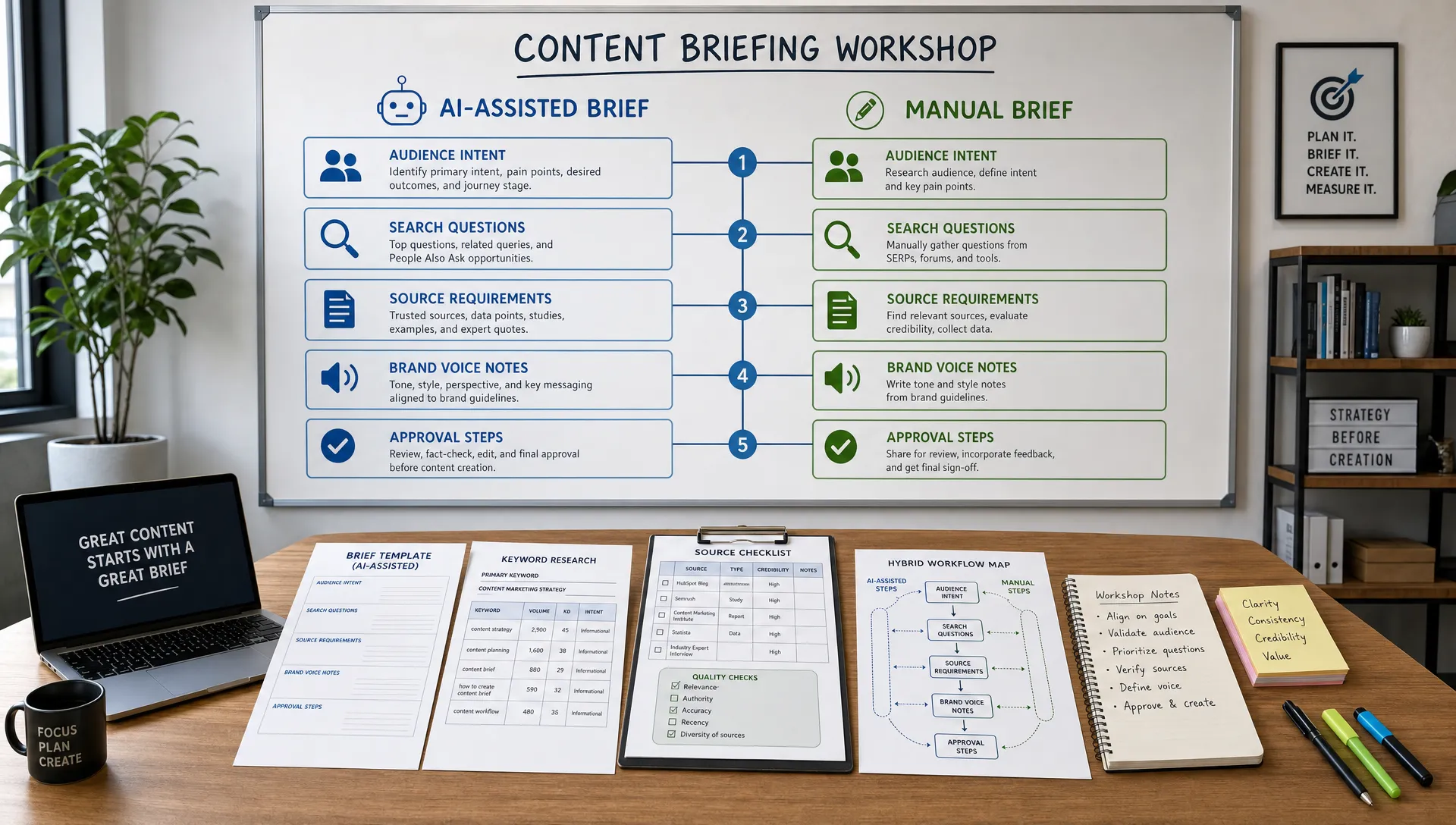
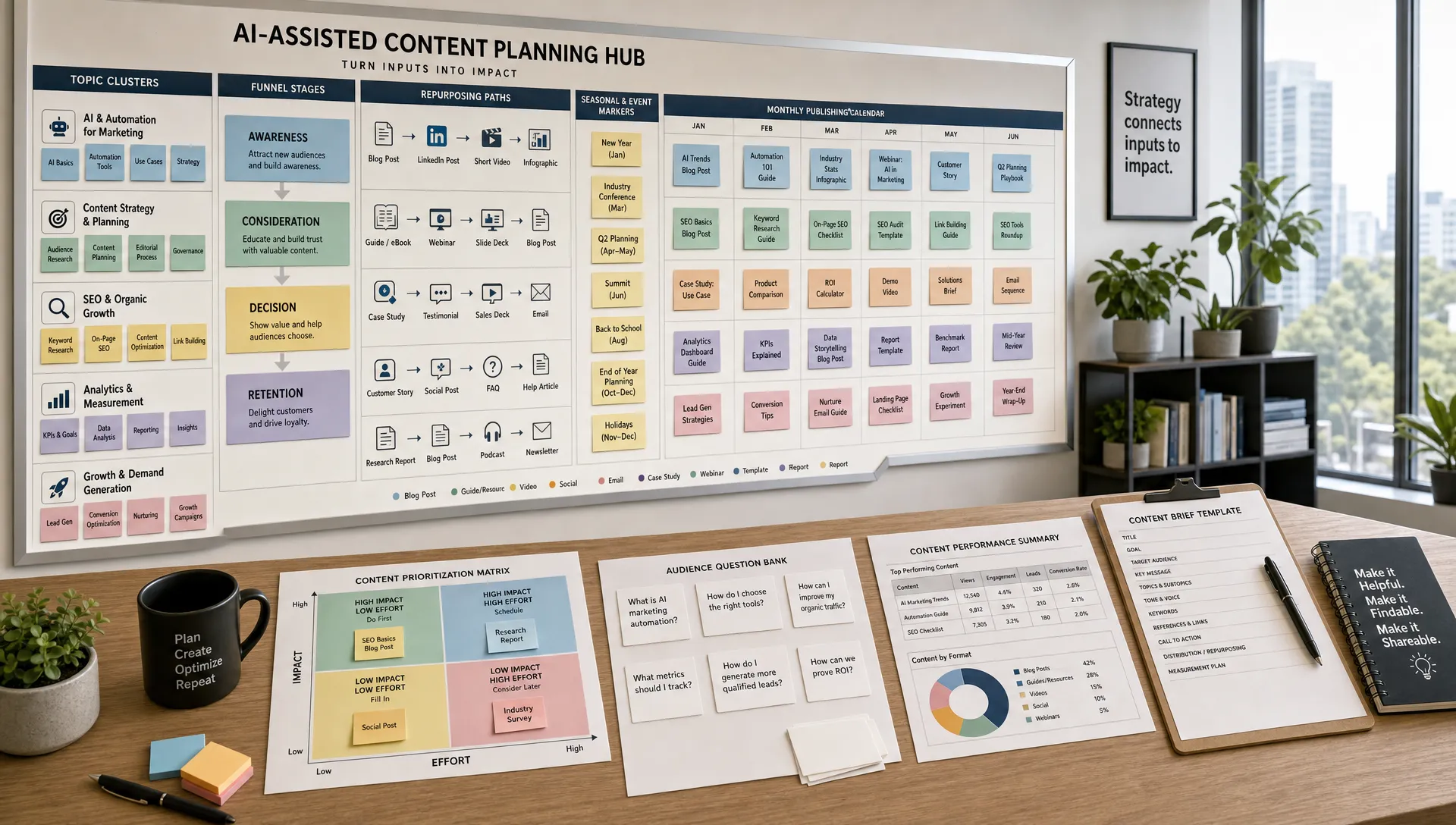
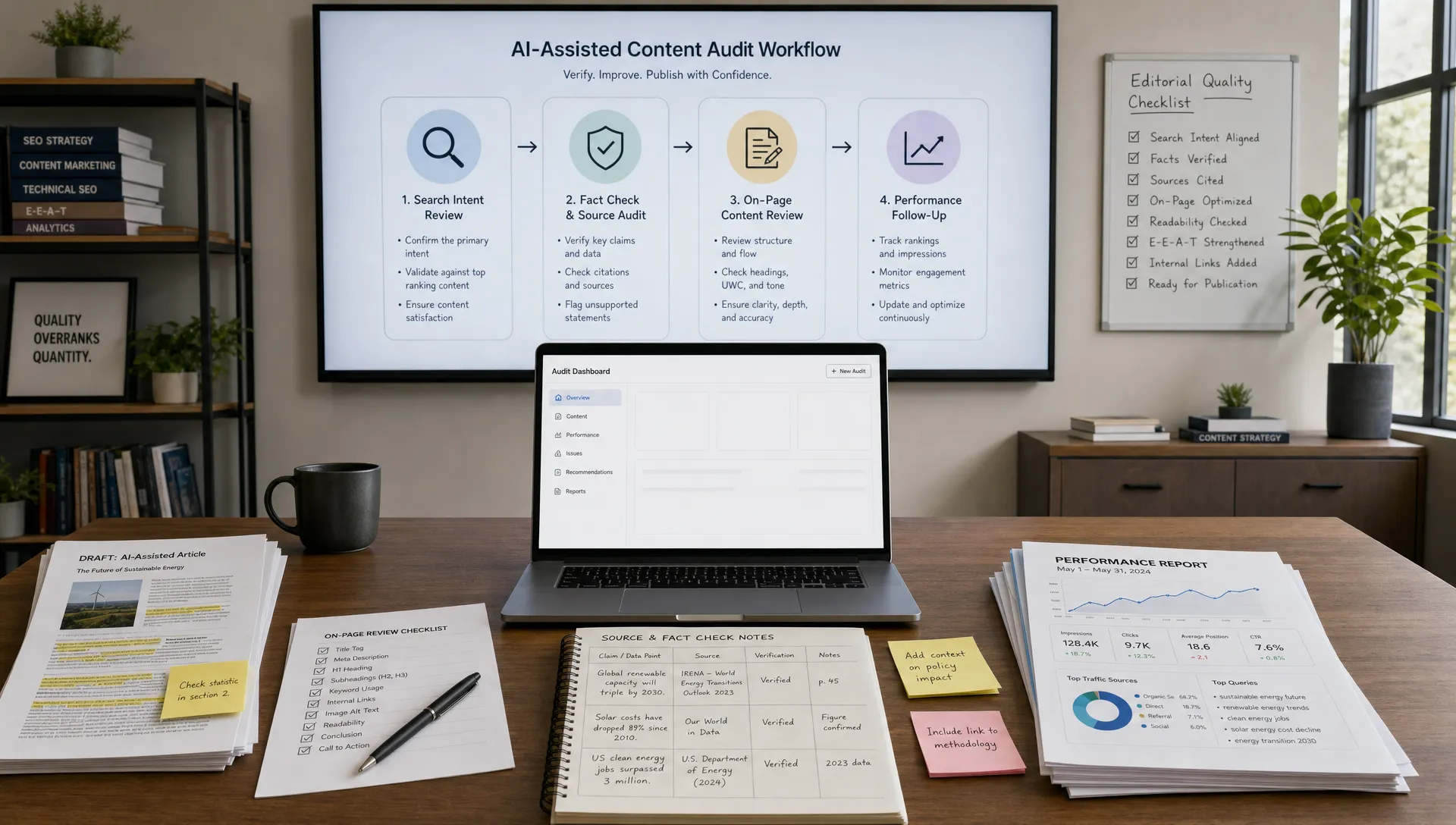
A strong SEO workflow in 2026 looks something like this: use AI to cluster topics, analyze intent, draft an outline, and identify missing questions. Then use human expertise to add examples, opinions, data, product context, and a sharper point of view. AI handles the blank-page problem. Your team handles differentiation.
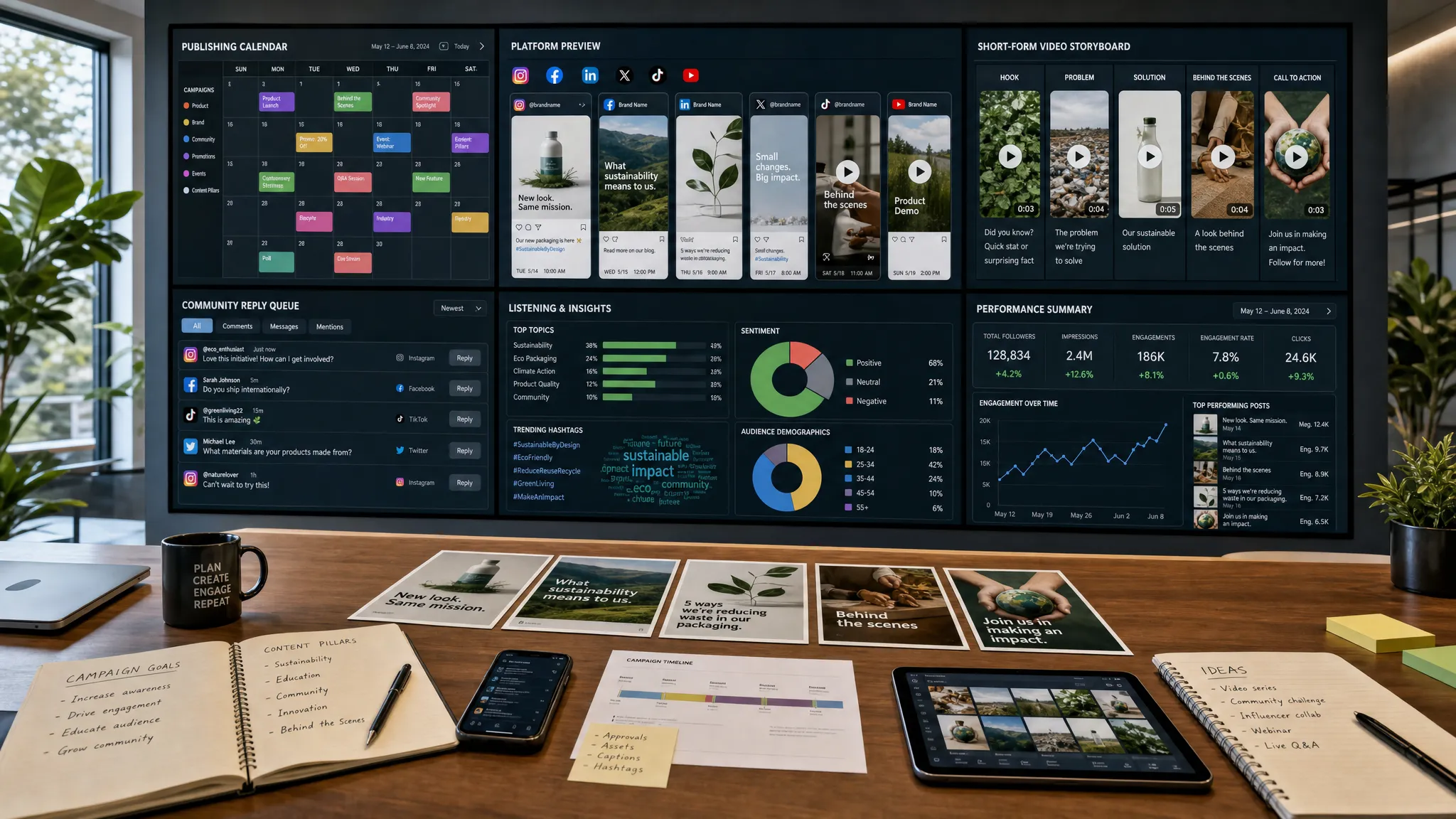
Creative production is one of the fastest-growing areas for AI marketing tools. Platforms like Canva, Adobe Firefly, Midjourney, Runway, Descript, and CapCut can help teams create campaign visuals, edit videos, remove backgrounds, generate variations, and turn raw recordings into polished assets.
These tools are especially valuable for lean teams that need more creative output than they can realistically produce manually. A demand generation team can test multiple ad concepts before investing in final design. A content team can transform one interview into short clips, social visuals, and newsletter graphics. A founder-led company can maintain a more consistent content cadence without hiring a full creative department.
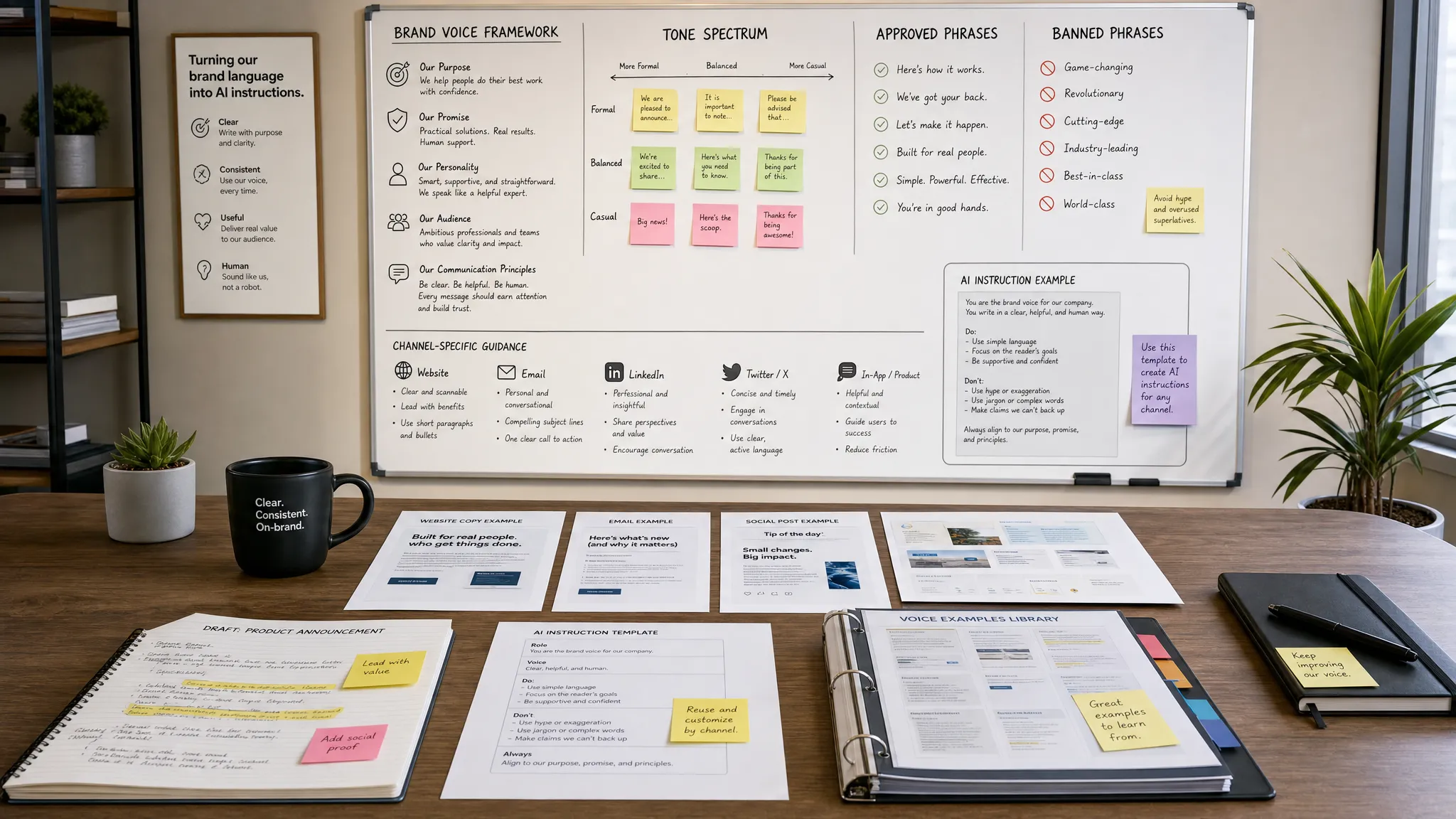
However, creative AI needs guardrails. Teams should clarify which tools are approved, what types of assets can be generated, how brand guidelines apply, and whether generated visuals are safe for commercial use. If you work in a regulated industry or handle client brands, review licensing and approval requirements before making AI visuals part of your standard process.
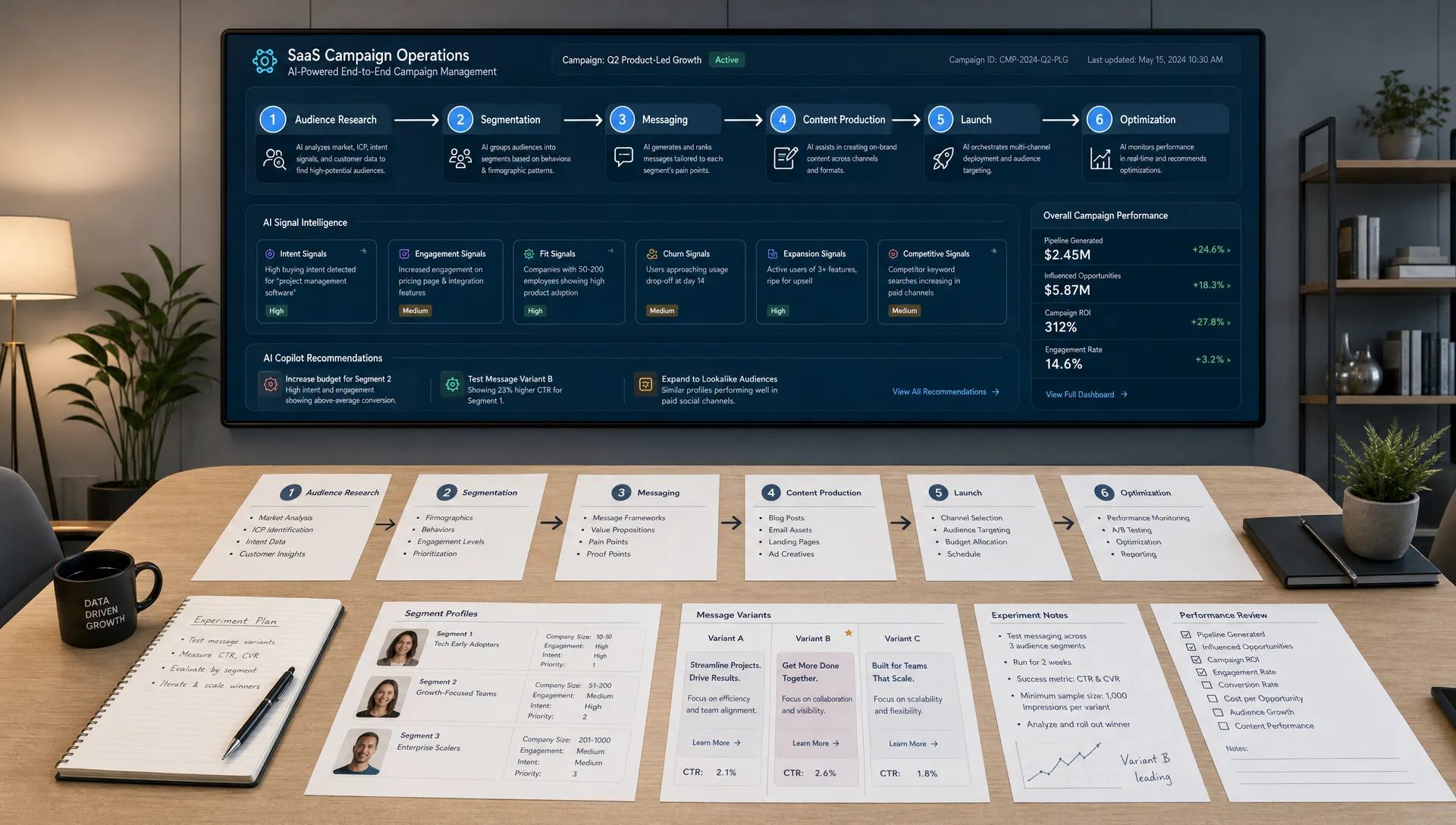
AI becomes much more powerful when it connects to customer data. That is why CRM and lifecycle marketing platforms are increasingly important in 2026.
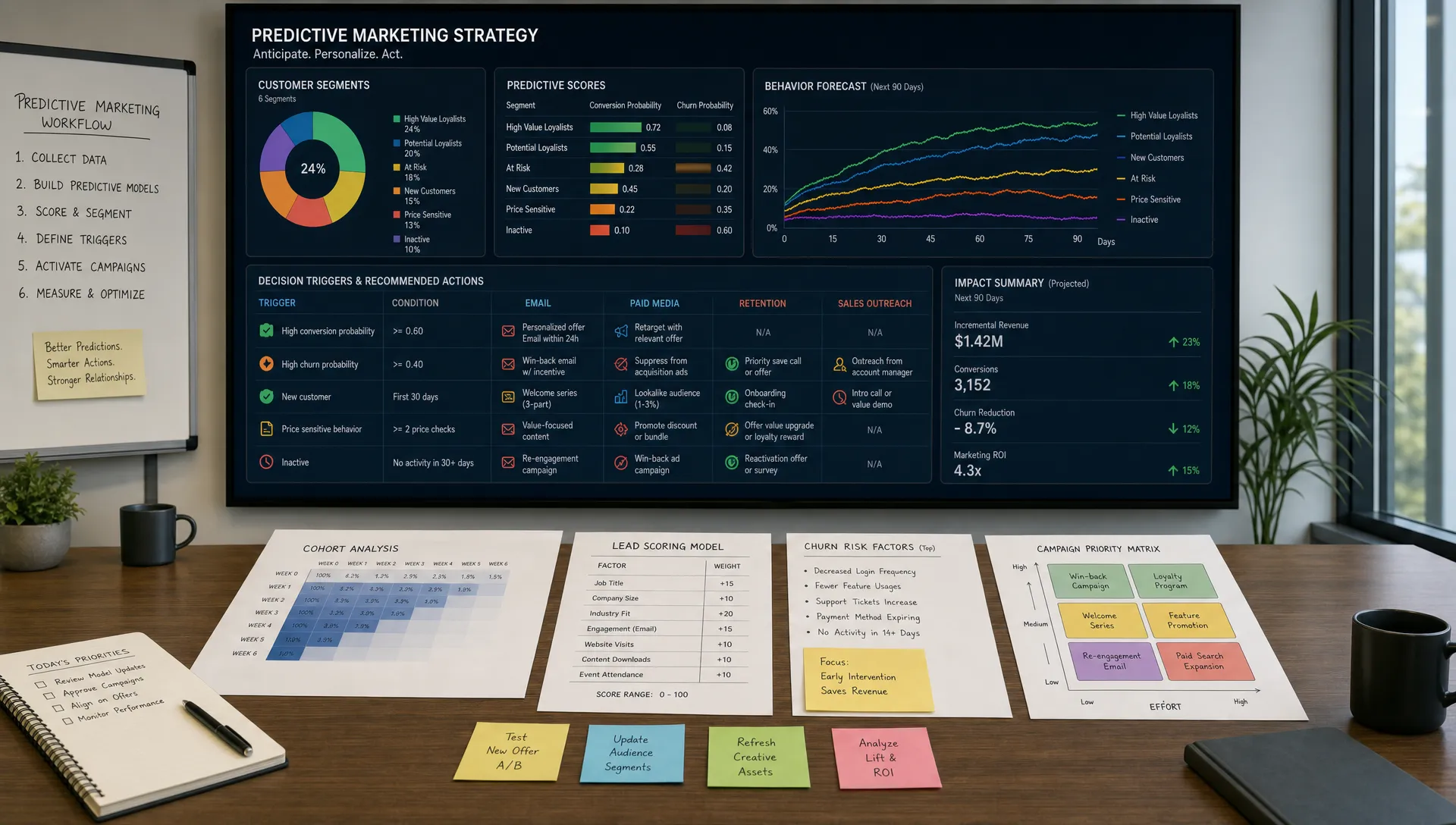
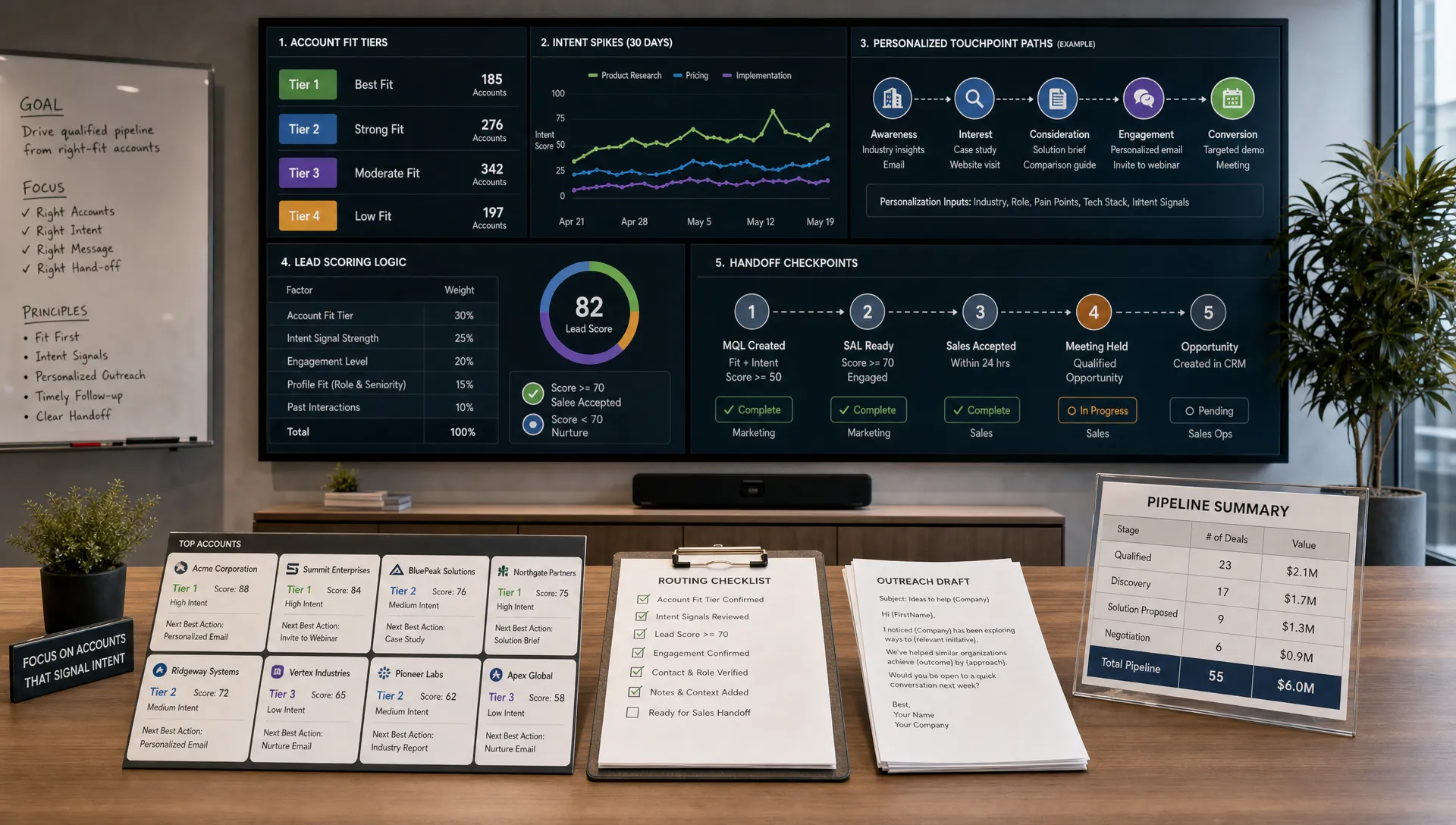
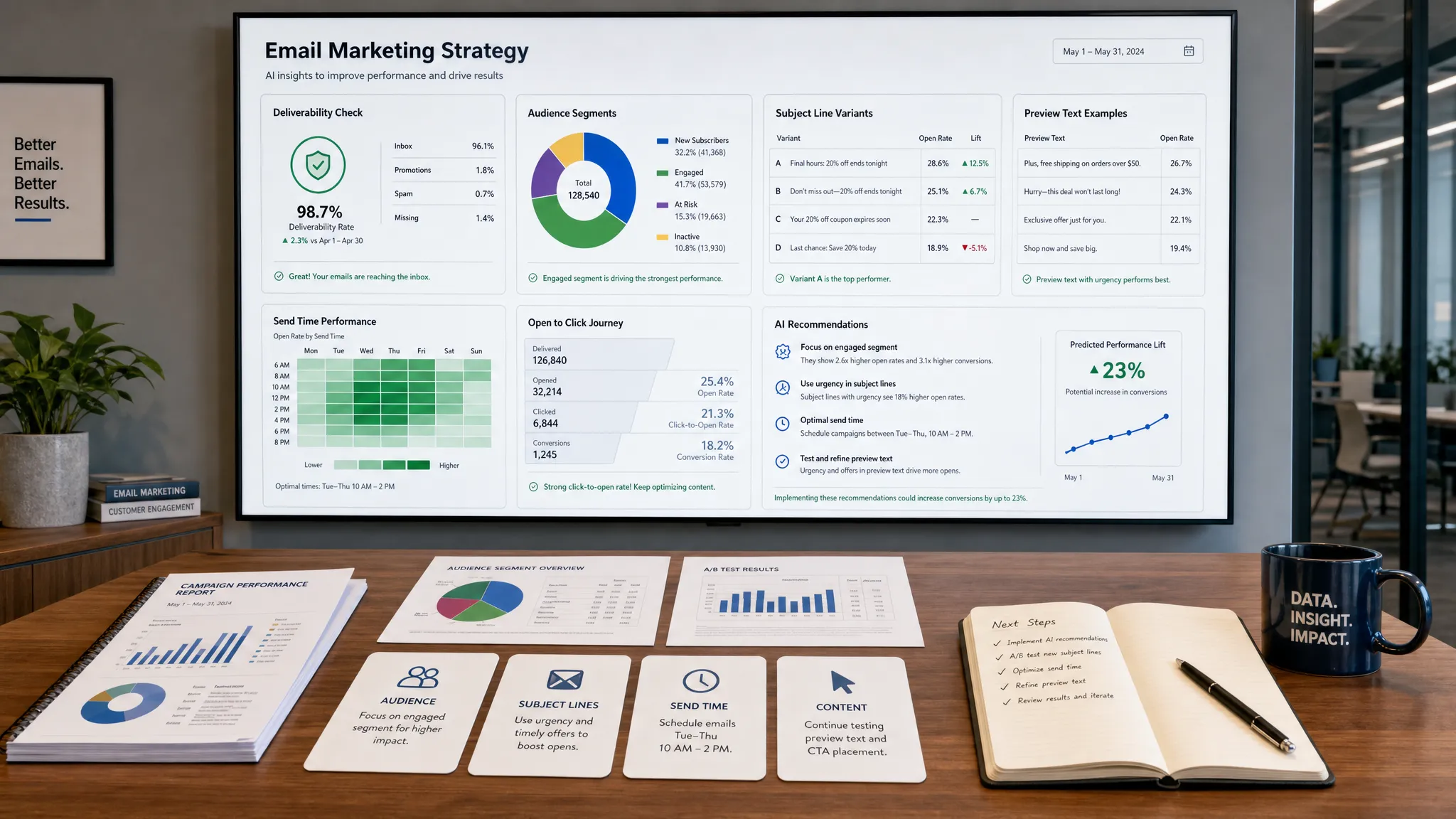
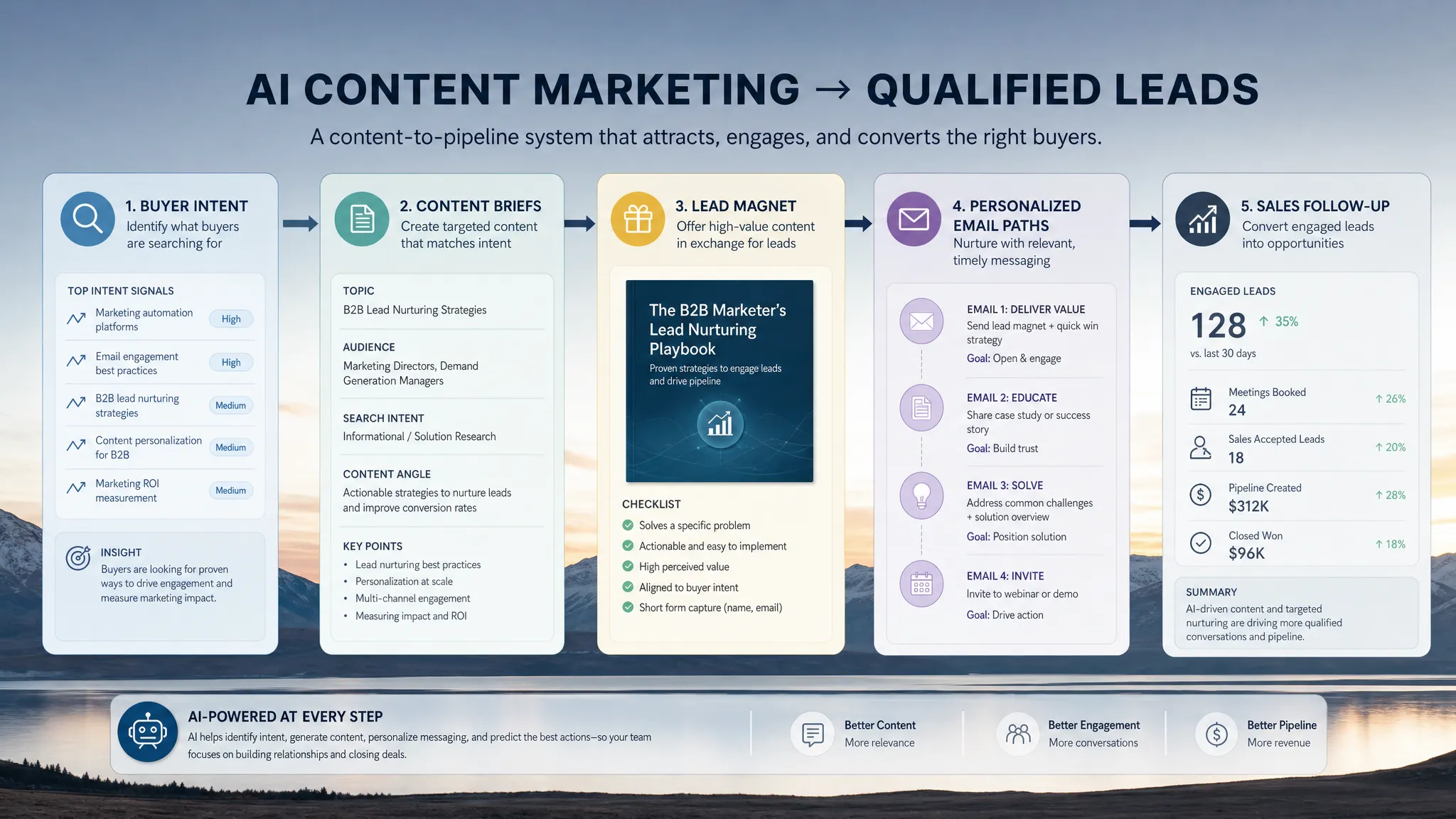
Tools like HubSpot, Salesforce Einstein, Klaviyo, Customer.io, Braze, and ActiveCampaign use AI to support segmentation, lead scoring, send-time optimization, product recommendations, email drafting, and customer journey analysis. These features can help teams move from broad campaigns to more relevant customer experiences.
The value depends heavily on data quality. If your CRM is full of duplicates, incomplete fields, outdated lifecycle stages, and inconsistent attribution, AI will simply make flawed decisions faster. Before expecting AI to personalize campaigns, clean your data model and define your segments clearly.
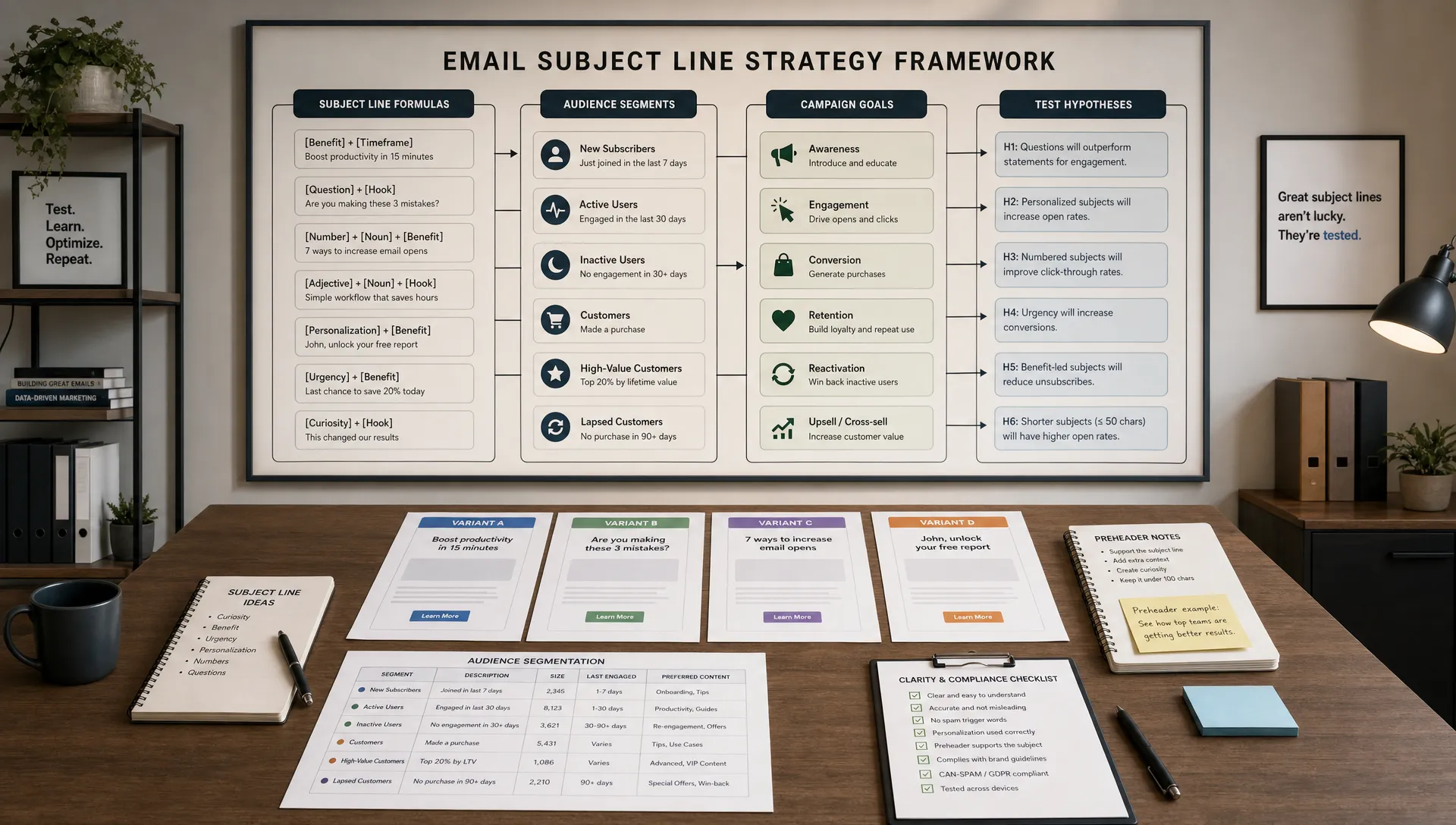
A practical starting point is to use AI for decision support rather than full automation. Let it recommend segments, subject lines, or next-best actions, then have a marketer approve and refine the campaign. As confidence grows, you can automate more of the workflow.
Automation tools are the connective tissue of a modern AI marketing stack. Platforms like Zapier, Make, n8n, Airtable, and HubSpot workflows can move data between systems, trigger follow-ups, create tasks, and reduce manual handoffs.
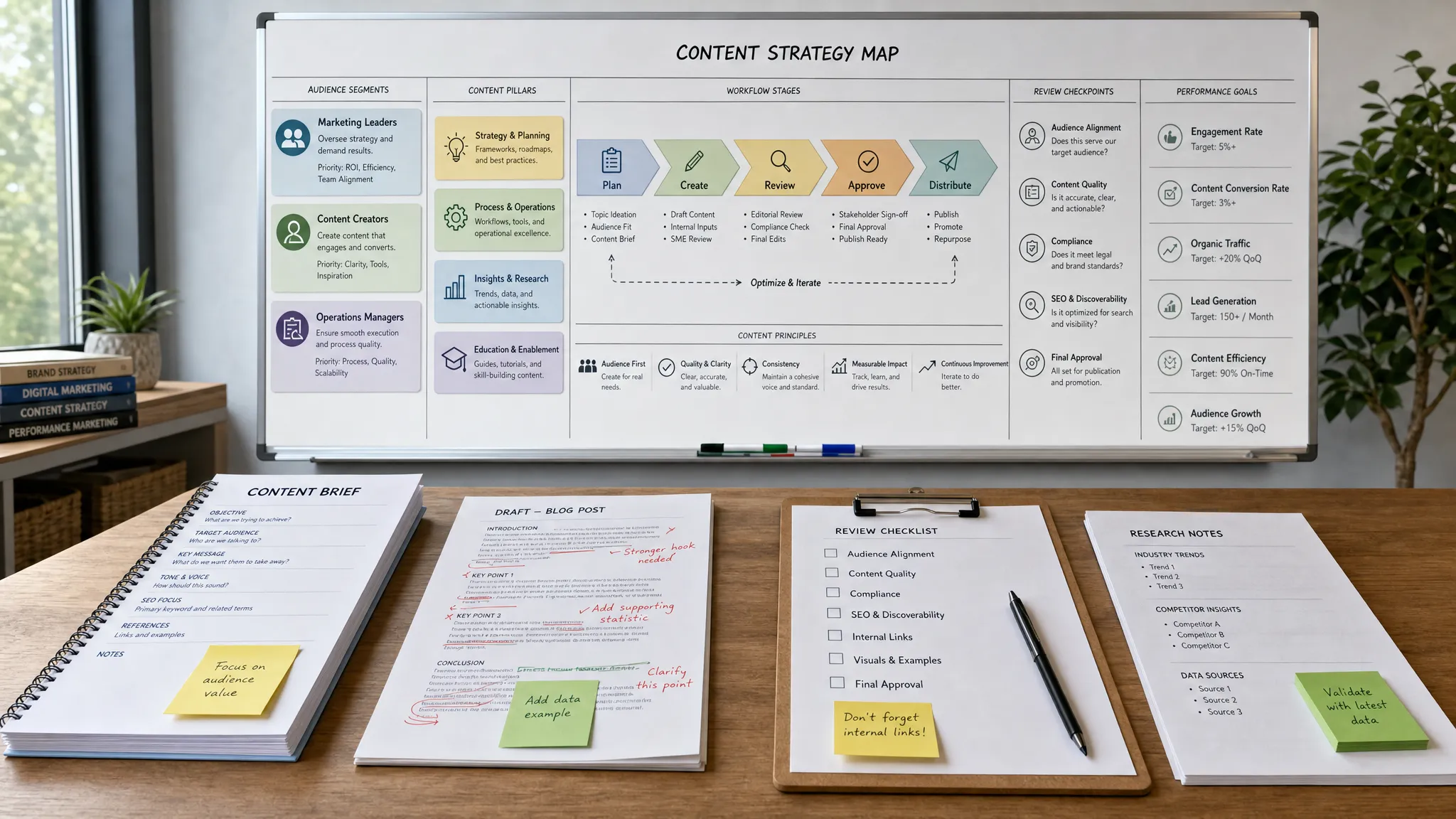
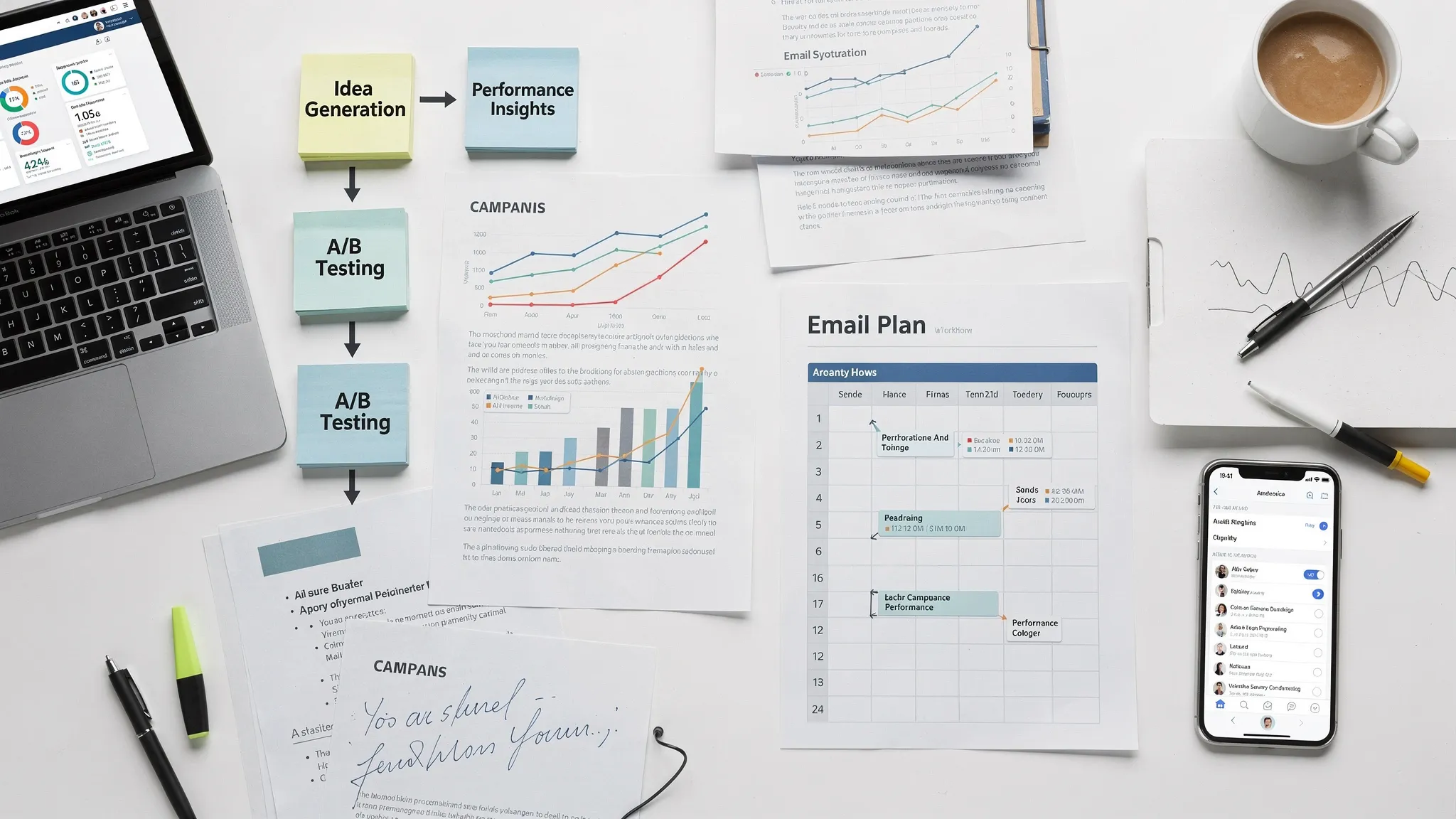
For example, a simple AI-assisted workflow might look like this:
That kind of workflow does not need to be complex to be valuable. The goal is not to automate every marketing task. The goal is to remove repetitive steps that slow your team down and create inconsistent follow-through.
For agencies, SaaS companies, and service businesses, automation is often where AI starts producing visible ROI. If a tool saves five to ten hours per week across content, reporting, lead routing, or client communication, it can pay for itself quickly.
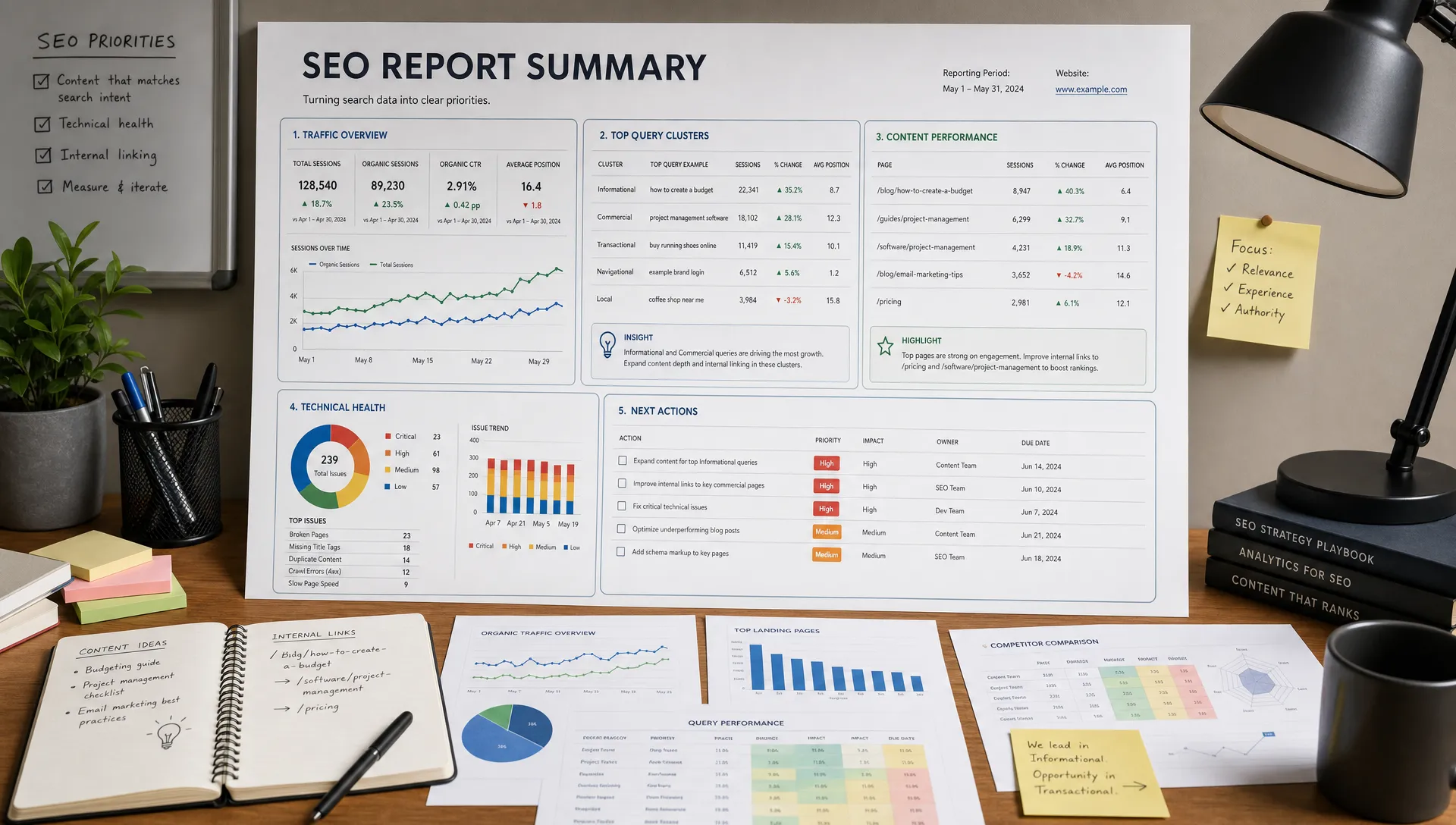
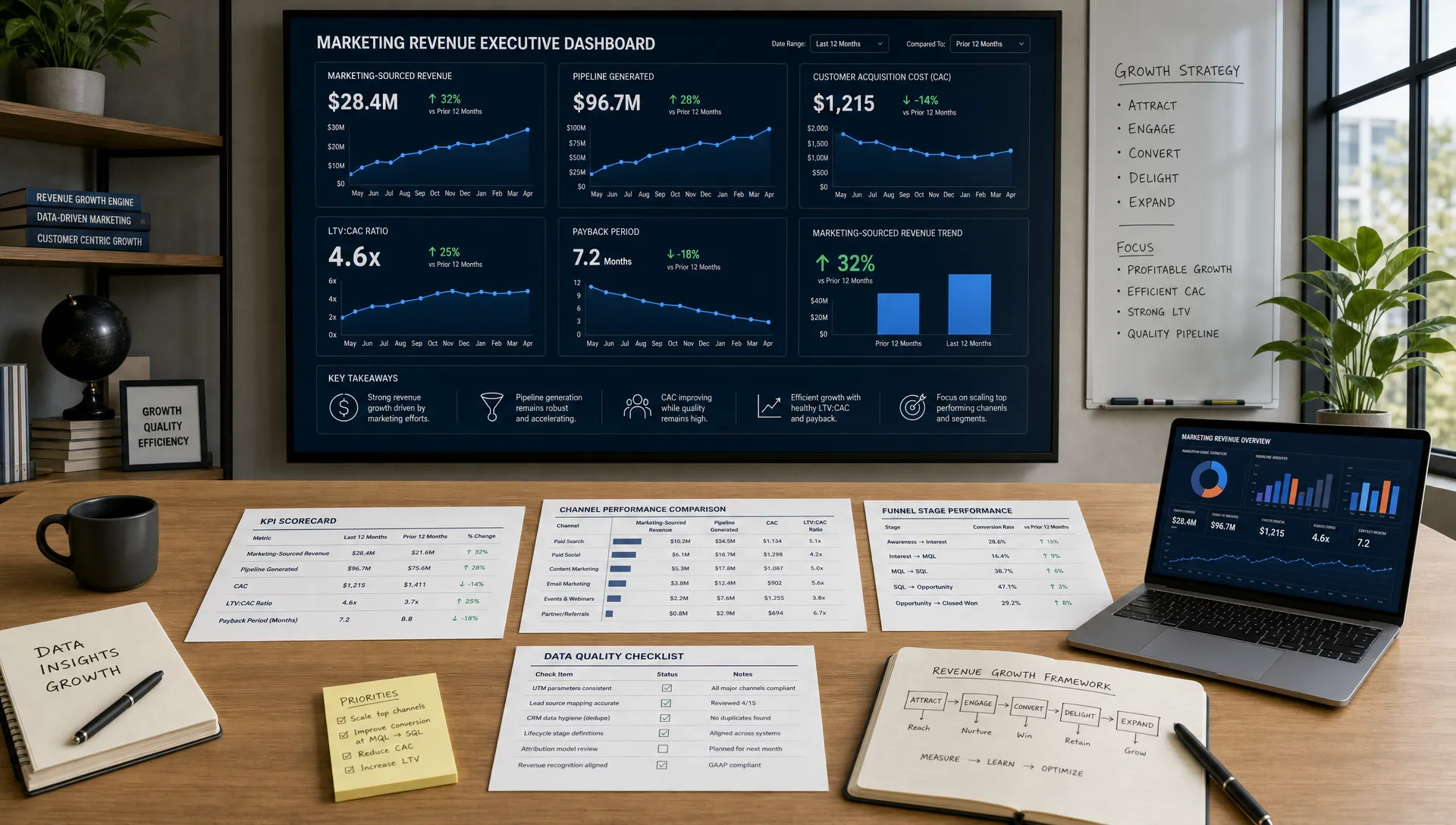
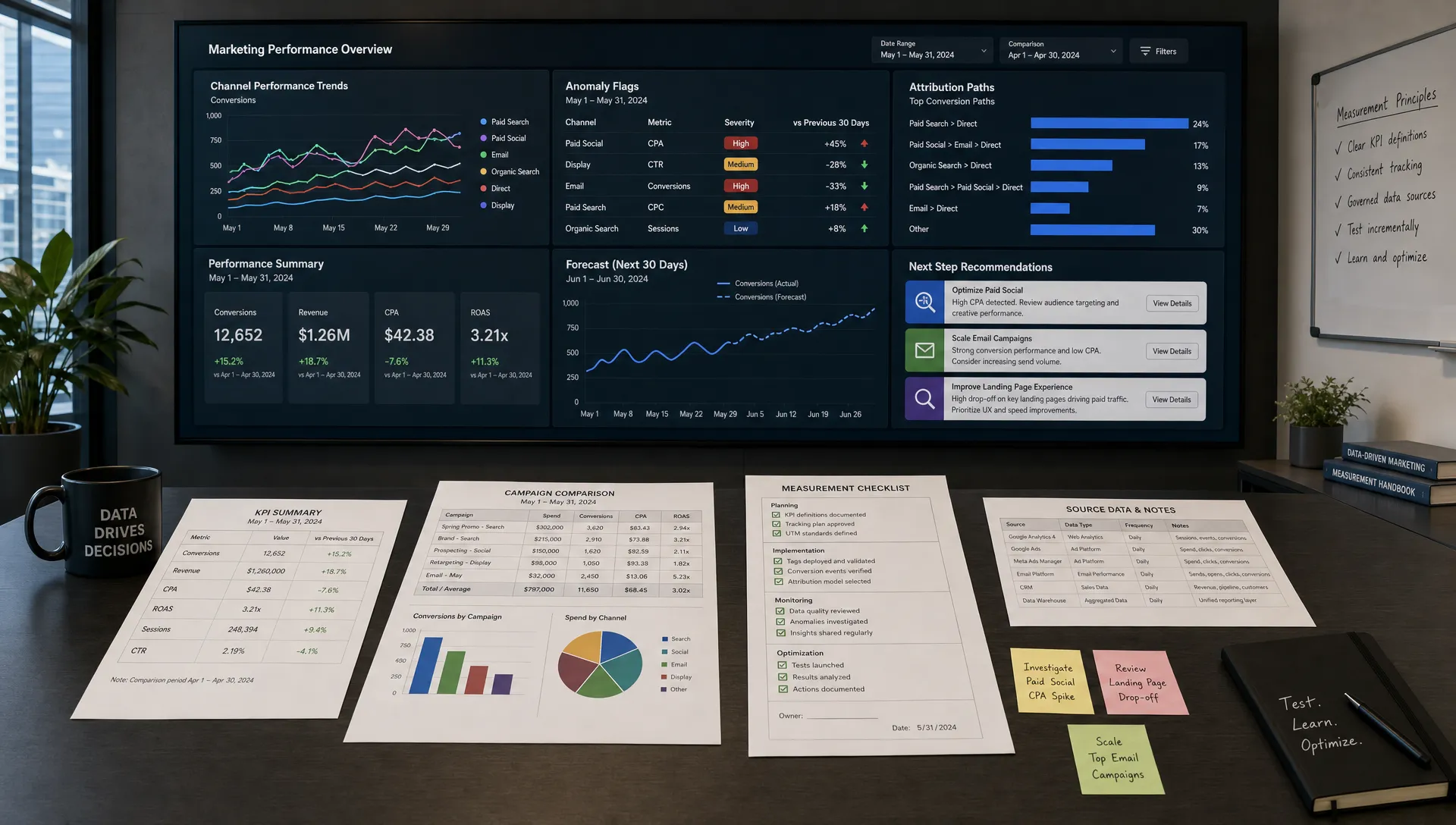
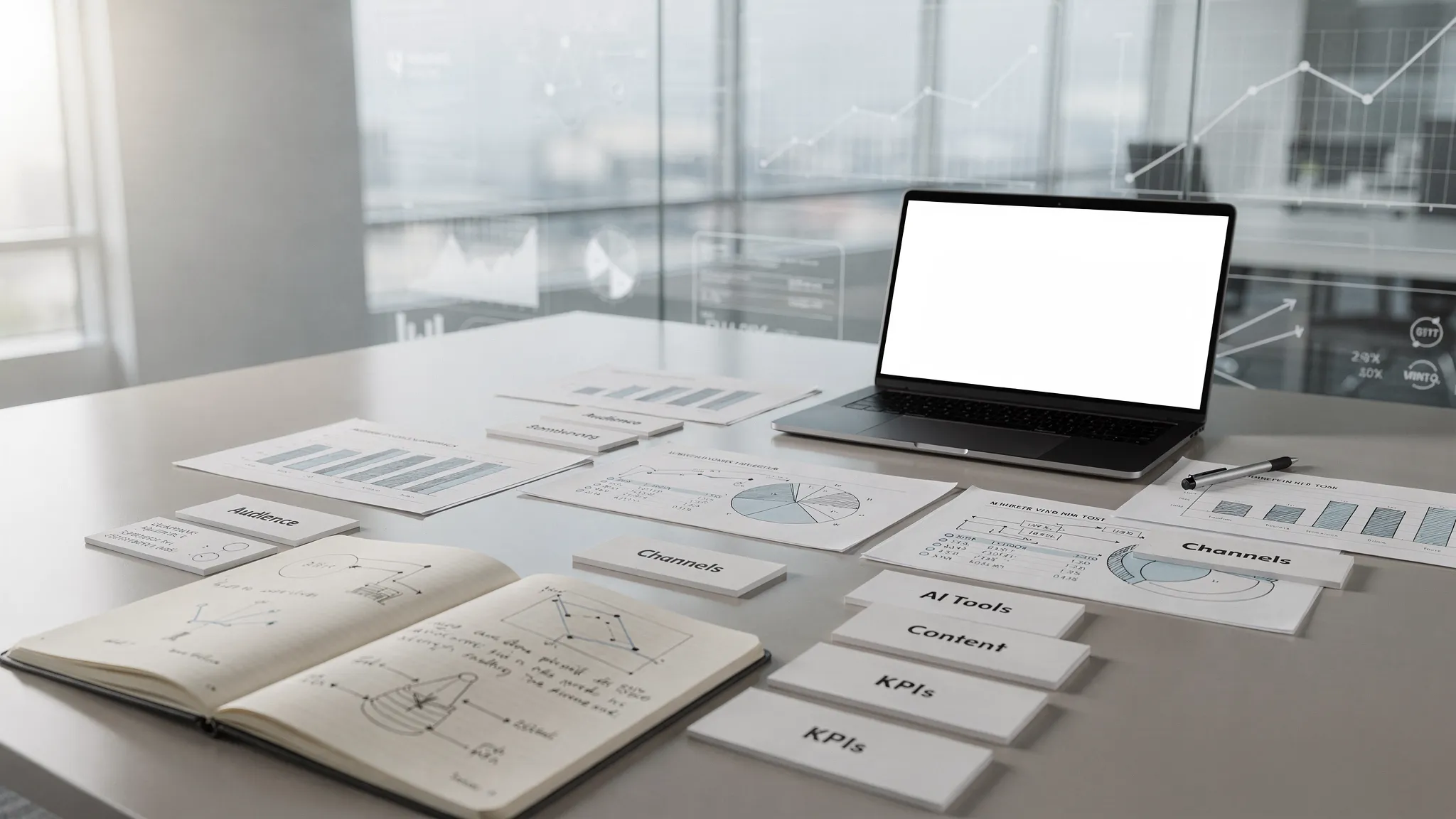
AI-generated output is easy to produce. Performance insight is harder. That is why analytics tools remain essential.
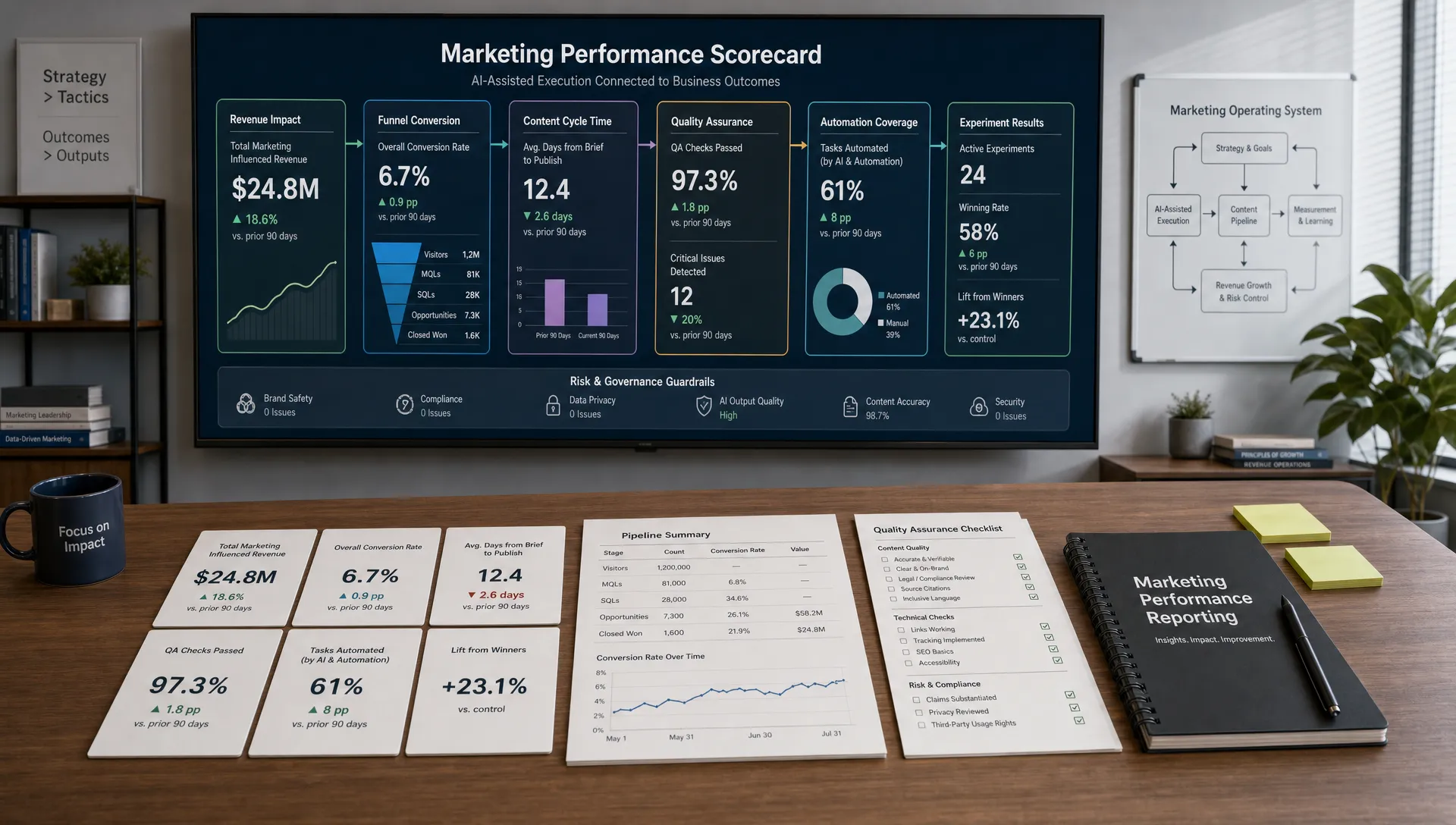
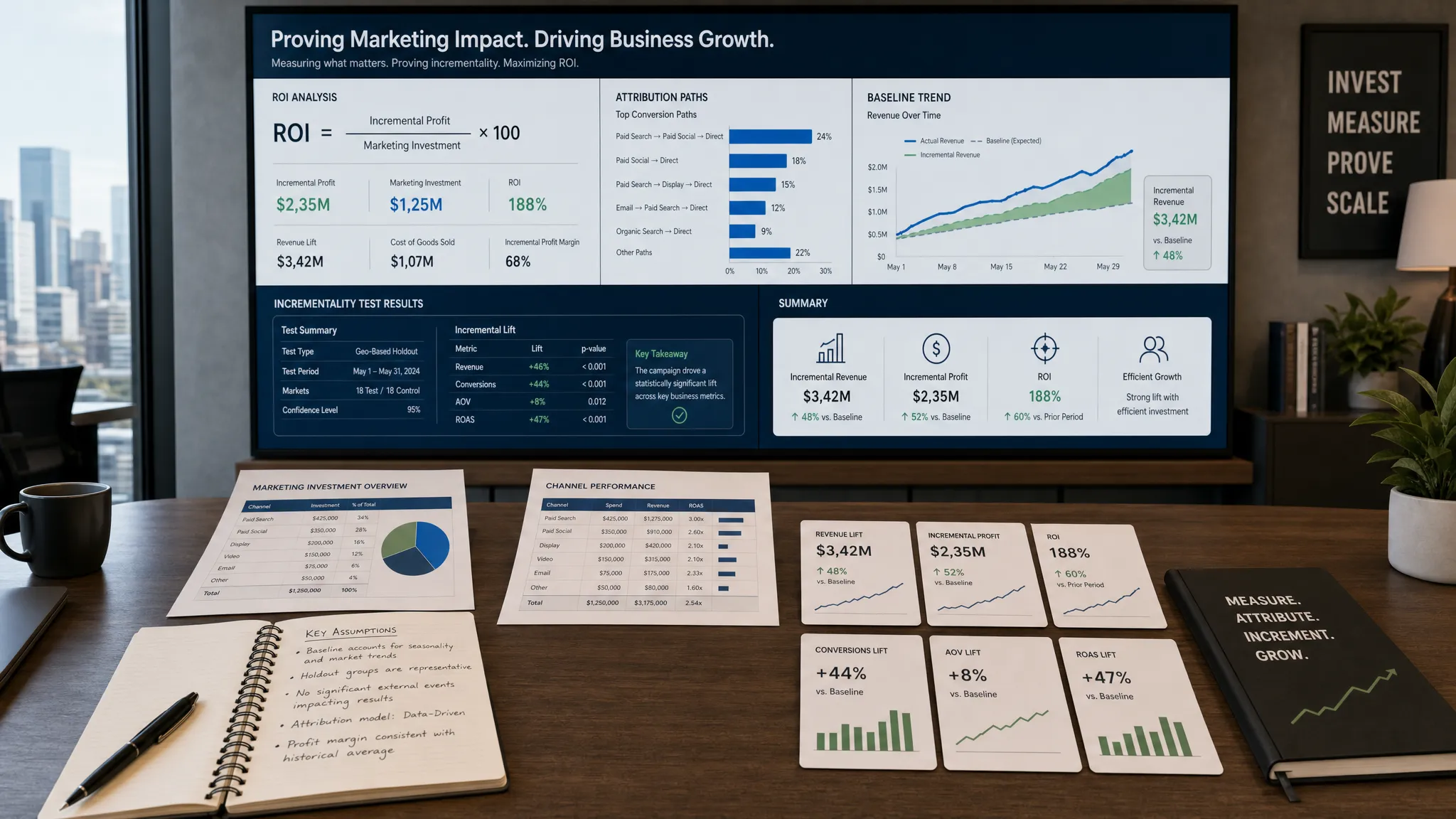
In 2026, marketers should look for tools that help them answer better questions, not just generate prettier dashboards. Google Analytics 4, Looker Studio, Mixpanel, Amplitude, Triple Whale, HockeyStack, and CRM-native analytics platforms can all play a role depending on your business model.
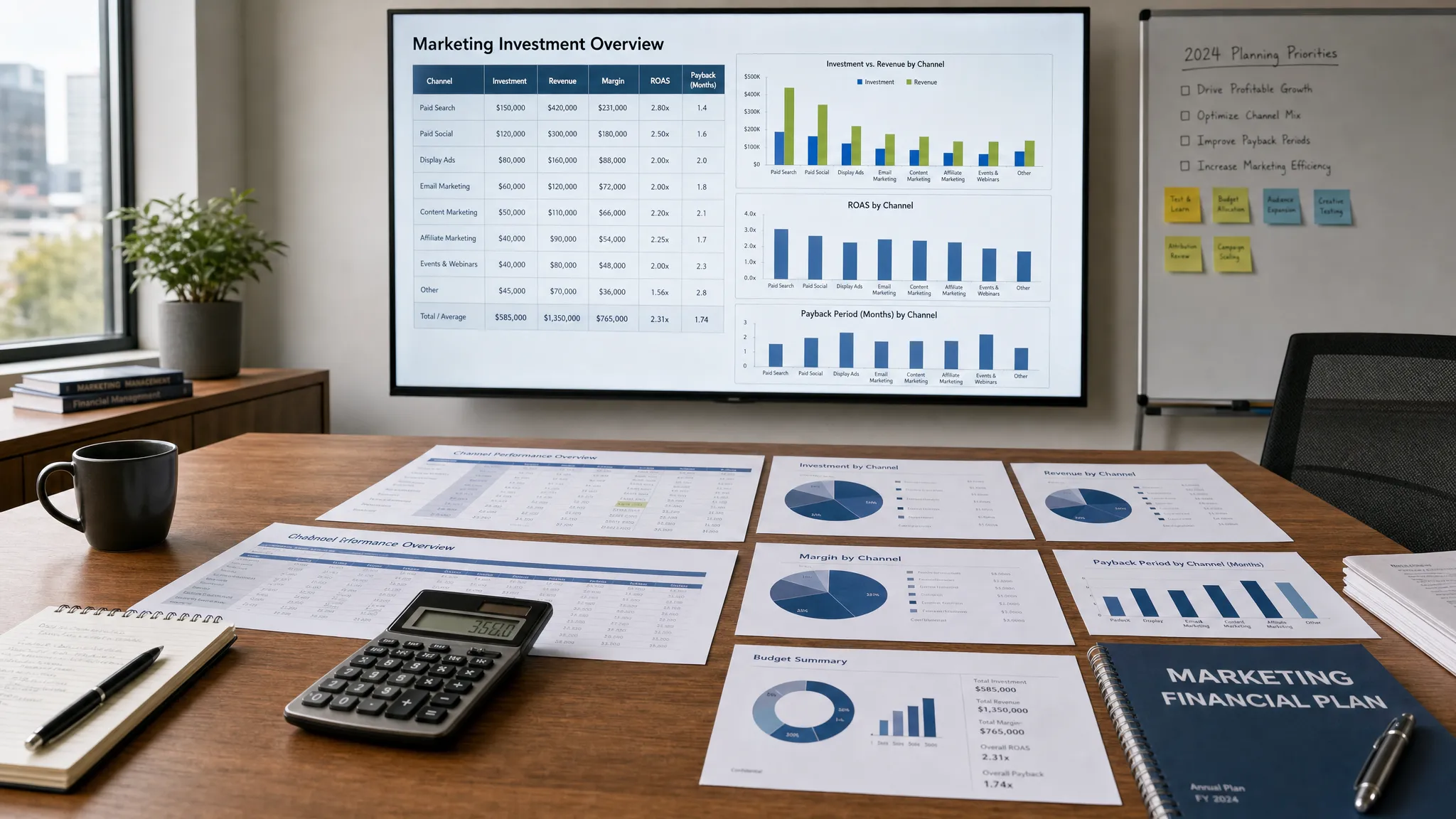
AI can help summarize performance, spot anomalies, identify underperforming segments, and suggest next actions. For example, instead of manually reviewing every channel report, a marketer can ask an analytics assistant to explain why paid search conversion rate dropped, which landing pages changed, and which campaigns deserve budget reallocation.
The important thing is to keep humans in charge of interpretation. AI may find correlations, but marketers need to understand seasonality, campaign changes, sales feedback, offer strength, and customer behavior before making decisions.
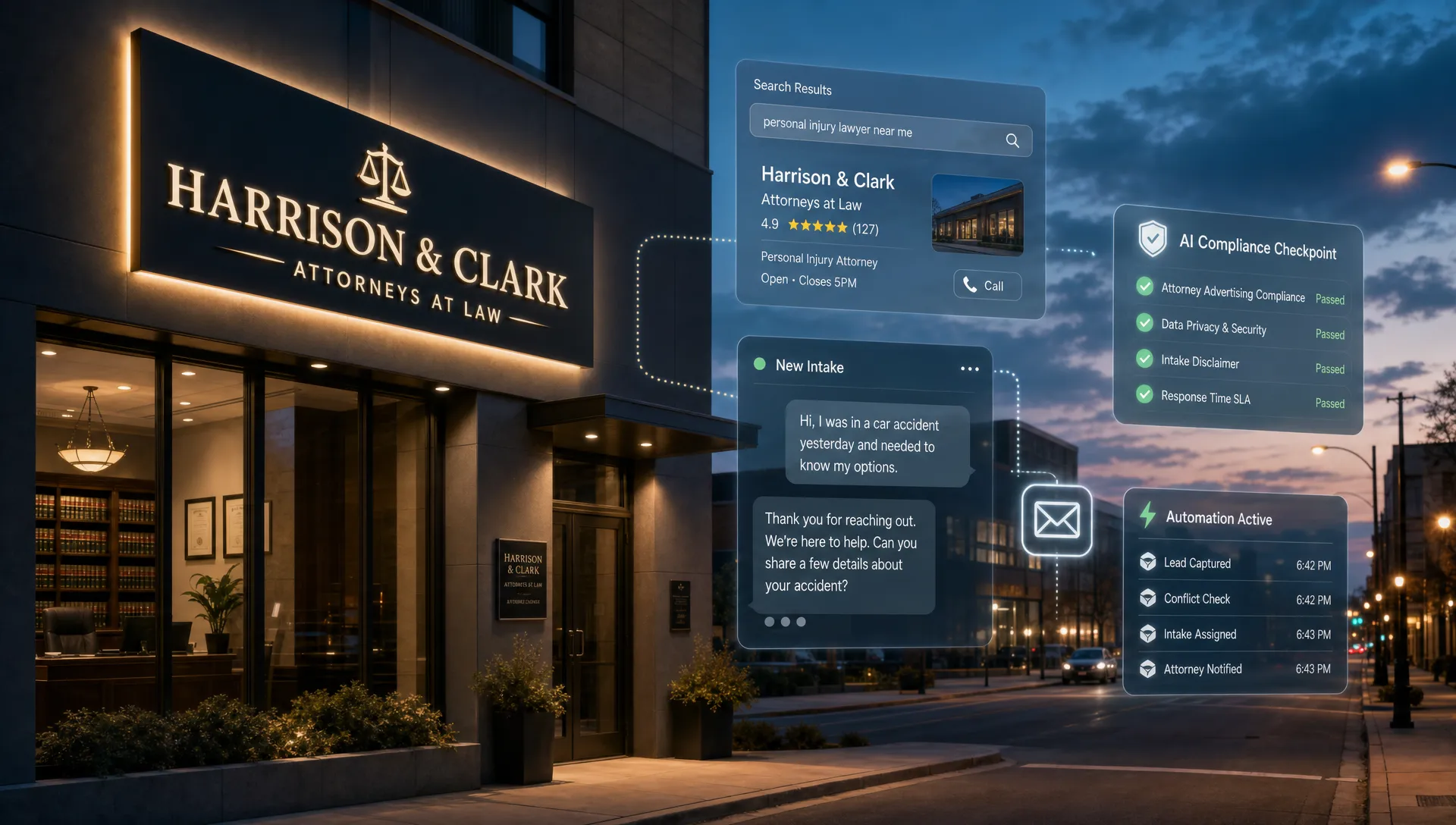
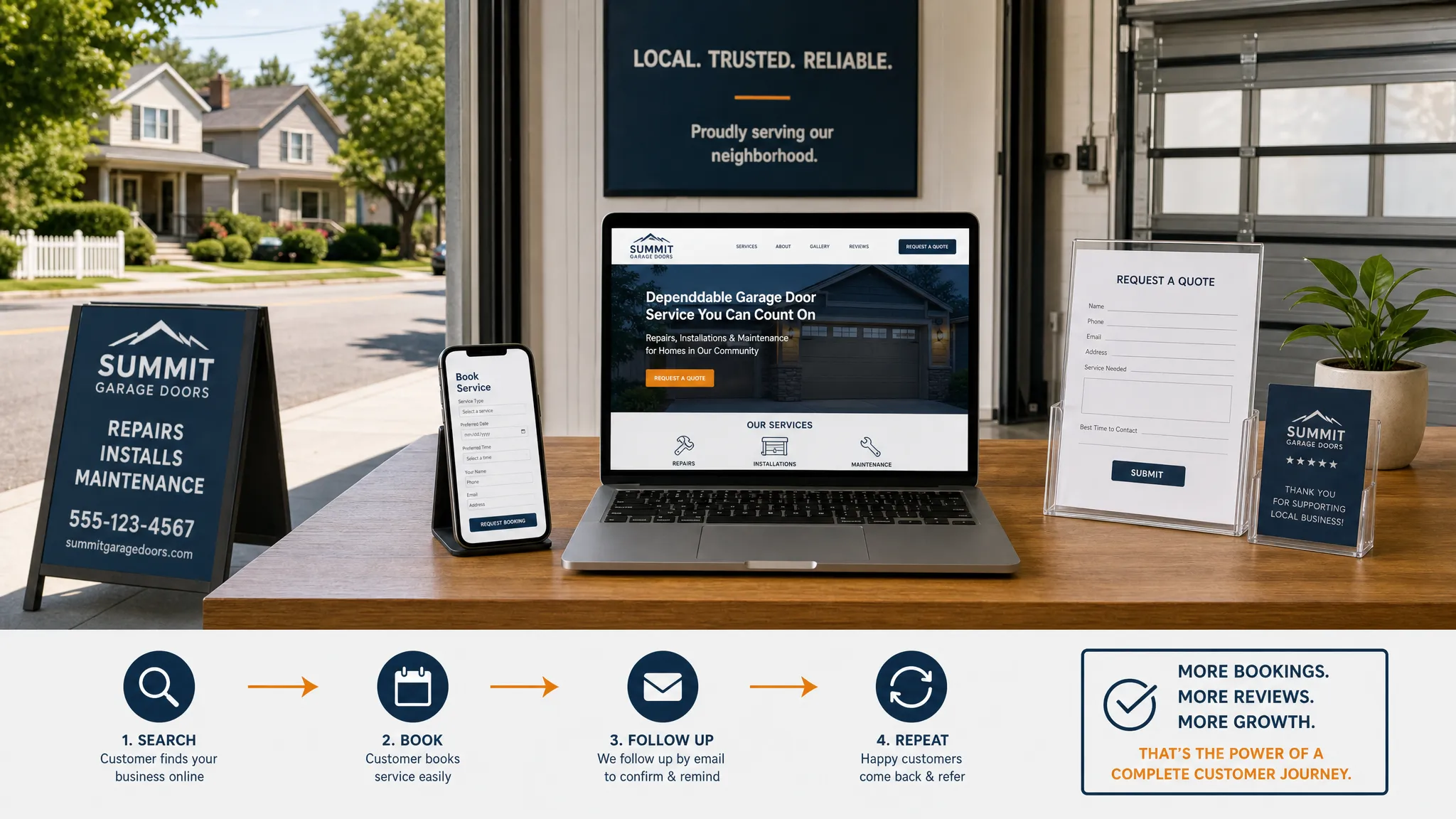
One of the biggest shifts in 2026 is the move from generic AI tools to industry-specific workflows. A SaaS marketer, a law firm marketer, a finance team, and a field services company do not need exactly the same stack.
Industry-specific tools matter because they reflect real operational constraints. A legal marketer may need approval workflows and compliance checks. A finance marketer may need stricter claim review. A SaaS marketer may need product usage data tied to lifecycle messaging. A drone services company may need marketing assets connected to real-world project planning and client delivery.
For example, if your marketing depends on aerial photo or video projects, pairing your creative workflow with a specialized platform for drone operations management and flight planning can help keep the production side organized before those assets are repurposed into ads, case studies, and sales collateral.
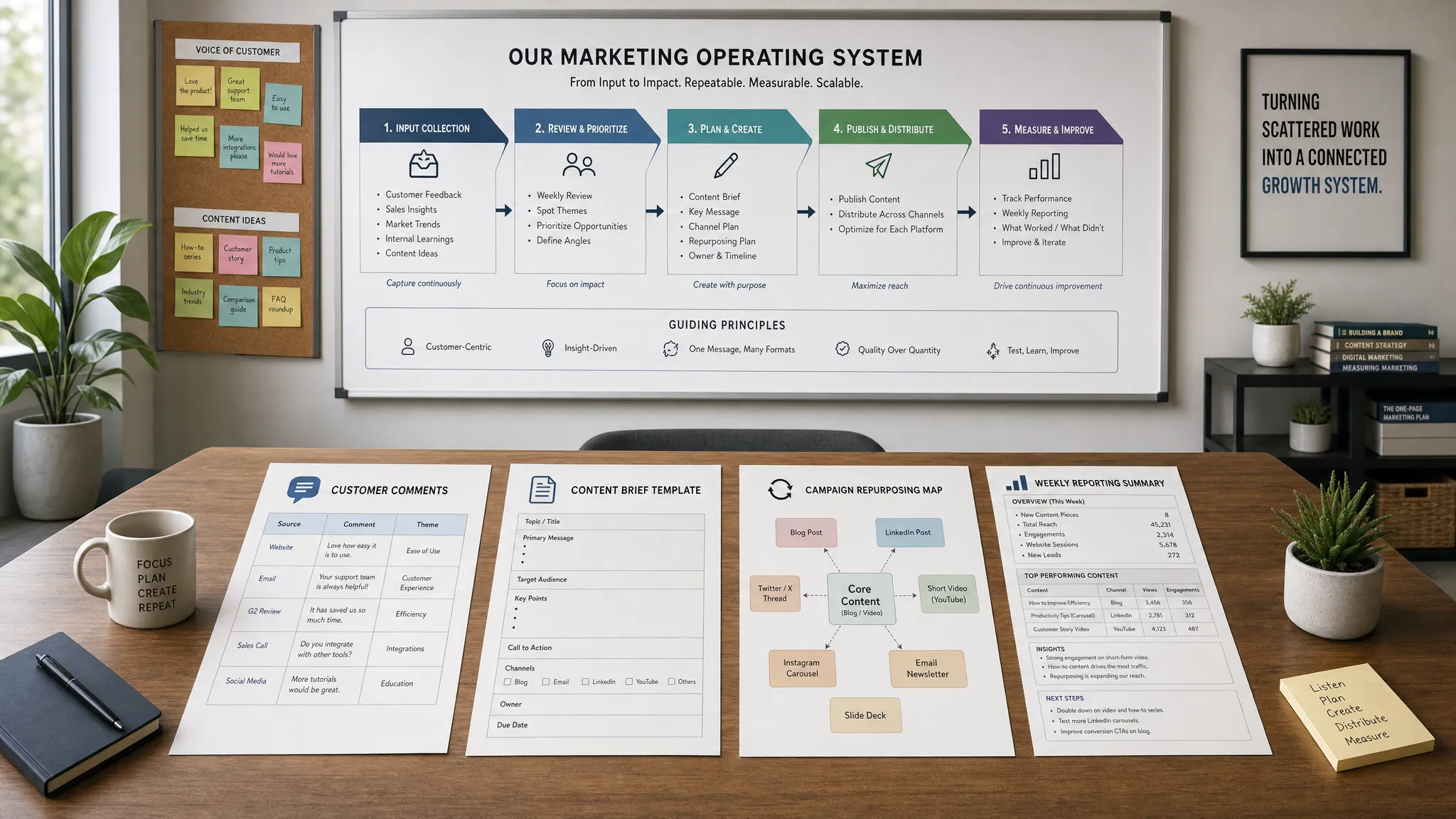
This is where AI marketing becomes more practical. The best stack is not just a set of content tools. It supports the full path from planning to production to promotion to measurement.
AI governance is no longer optional. As teams use AI for customer data, content, personalization, and analytics, they need rules for what is allowed, what requires review, and what should never be entered into a model.
The NIST AI Risk Management Framework is a helpful reference for organizations thinking about AI risk, trust, and governance. Marketing teams do not need to become policy experts, but they do need clear operating standards.
At minimum, define rules for:
Governance may sound like a blocker, but it usually speeds teams up. When marketers know which tools are approved and what the review process looks like, they can use AI with more confidence.
The best way to choose AI marketing tools is to start with your bottlenecks, not with the software category. A tool that is perfect for a 20-person content team may be unnecessary for a founder, and a powerful CRM AI feature may be useless if your data is not ready.
Use this simple selection process:
This process prevents tool fatigue. It also helps teams prove ROI before expanding AI usage.
A solo marketer or founder should keep the stack simple. A strong writing assistant, a design tool like Canva, basic analytics, an email platform, and a resource hub such as AIMarketer Hub can cover a lot of ground without creating operational complexity.
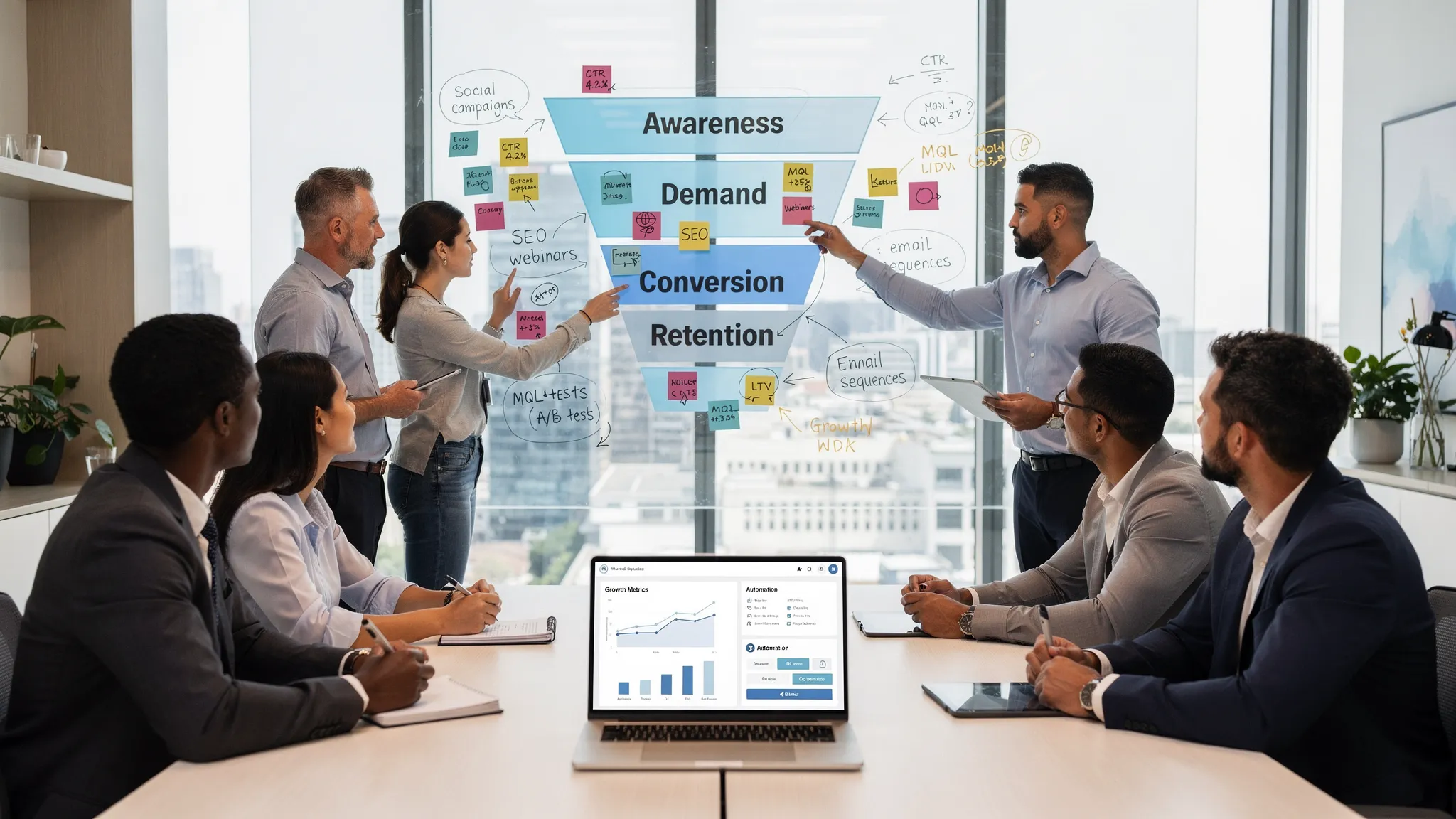
A lean B2B SaaS team should prioritize SEO research, content workflows, CRM automation, lifecycle email, and product analytics. The goal is to connect content and campaigns to pipeline, activation, and retention.
An agency should focus on repeatable systems. Prompt libraries, client-specific brand profiles, reporting automation, approval workflows, and creative production tools can help maintain quality across multiple accounts.
A regulated or high-trust business should move more carefully. AI can still help with research, drafting, summarization, and internal workflows, but human approval and compliance review should remain central.
In 2026, the winning marketing teams will not be the ones with the longest tool list. They will be the ones with the clearest workflows.
AI marketing tools are worth using when they make your team more strategic, not just more productive. They should help you understand customers faster, create more relevant campaigns, improve testing velocity, and make better decisions with the data you already have.
If a tool helps your team do that, it belongs in your stack. If it only creates more drafts, dashboards, or decisions to review, it may be time to simplify.
What are the best AI marketing tools in 2026? The best AI marketing tools depend on your workflow, but the most useful categories include AI research assistants, content generation tools, SEO platforms, creative production tools, CRM AI, automation platforms, and analytics tools.
Are AI marketing tools worth it for small businesses? Yes, if they solve a specific bottleneck. Small businesses often benefit most from AI tools for content drafting, social media repurposing, email marketing, SEO planning, and basic automation.
Can AI replace a marketing team? No. AI can speed up research, drafting, analysis, and repetitive tasks, but it still needs human strategy, customer understanding, editorial judgment, and brand oversight.
How should marketers measure AI tool ROI? Track time saved, campaign output, conversion rate changes, content performance, lead quality, cost reduction, and team adoption. The best metric depends on the workflow being improved.
Is AI-generated content bad for SEO? Not automatically. Search engines evaluate content quality, usefulness, and trustworthiness. AI-assisted content can perform well when it includes original insight, accurate information, clear structure, and human editing.
If you want a practical place to start, AIMarketer Hub brings together AI-powered marketing tools, prompt resources, SEO support, calculators, expert guides, and industry-specific resources to help marketers automate, optimize, and grow with more confidence.
Use AI where it creates leverage. Keep humans where judgment matters. That balance is what separates a useful AI marketing stack from a noisy one.