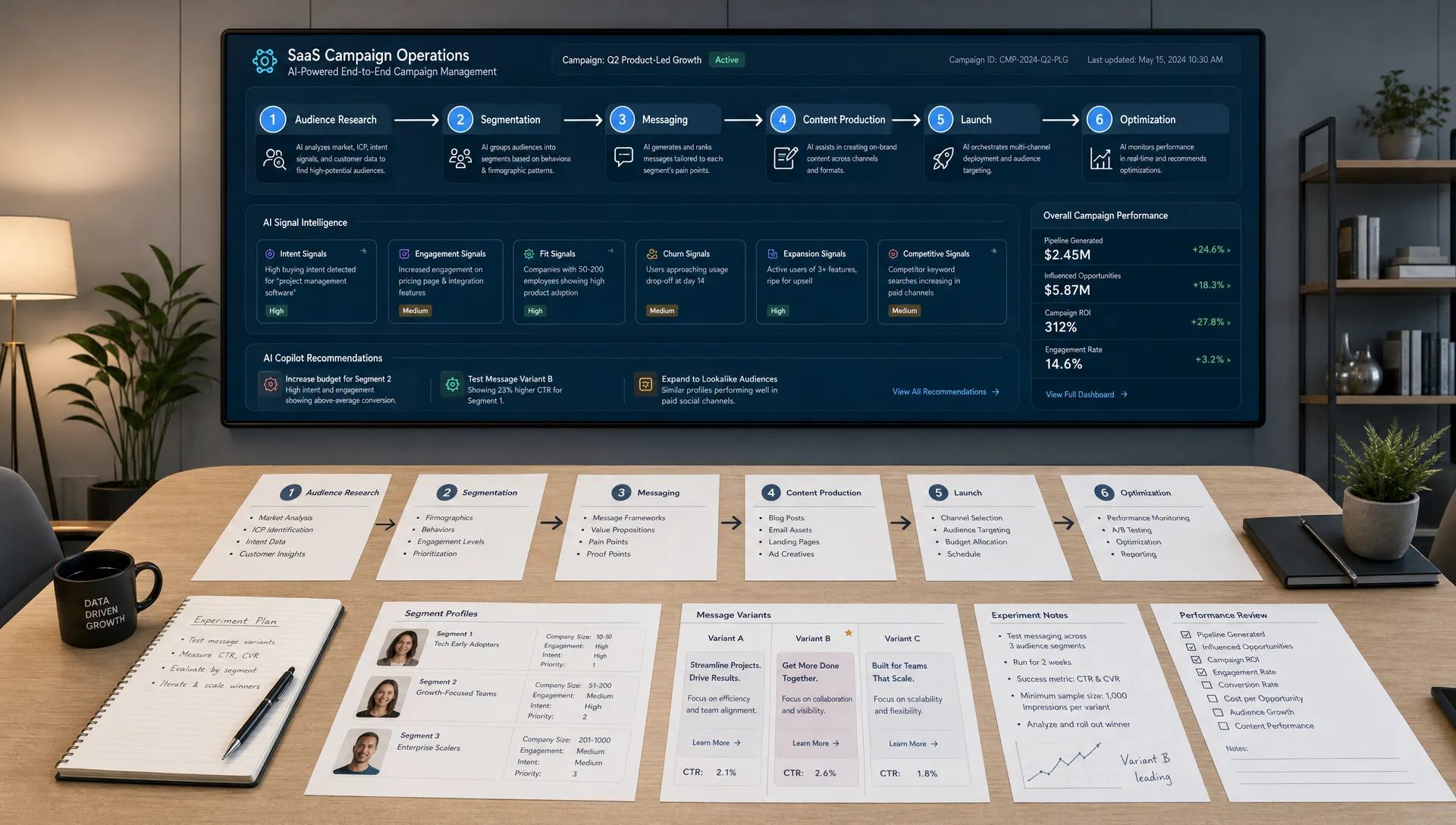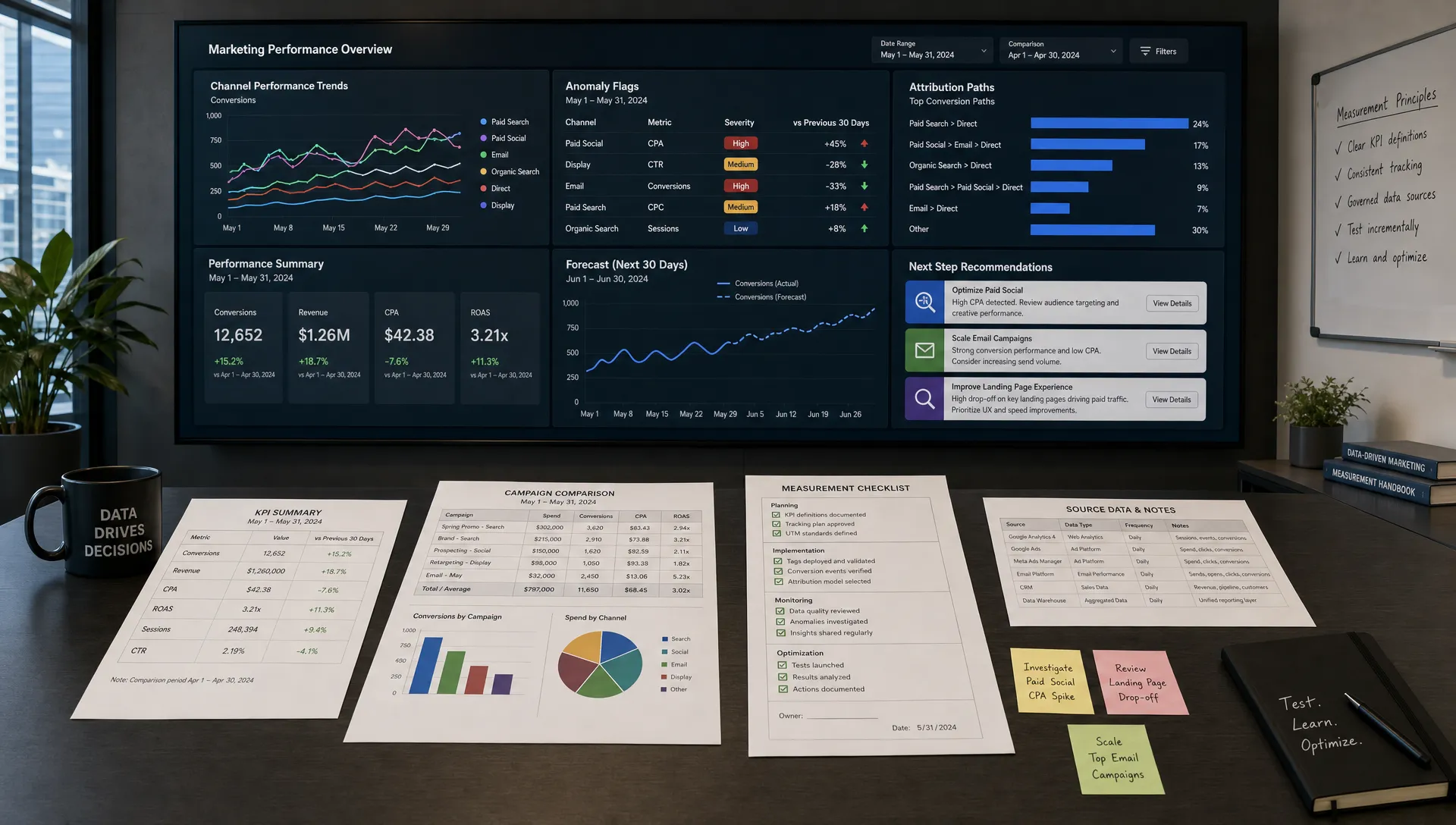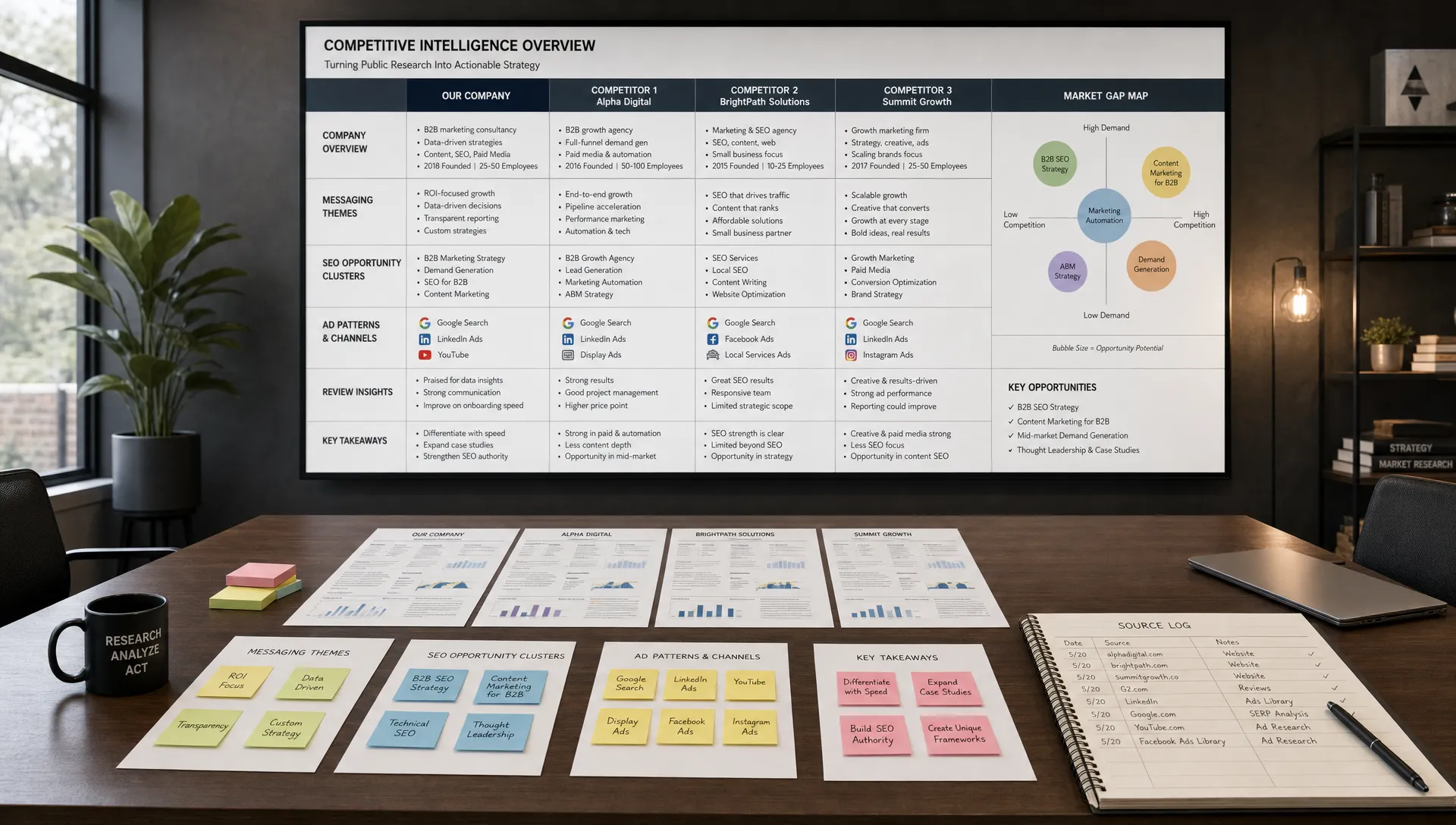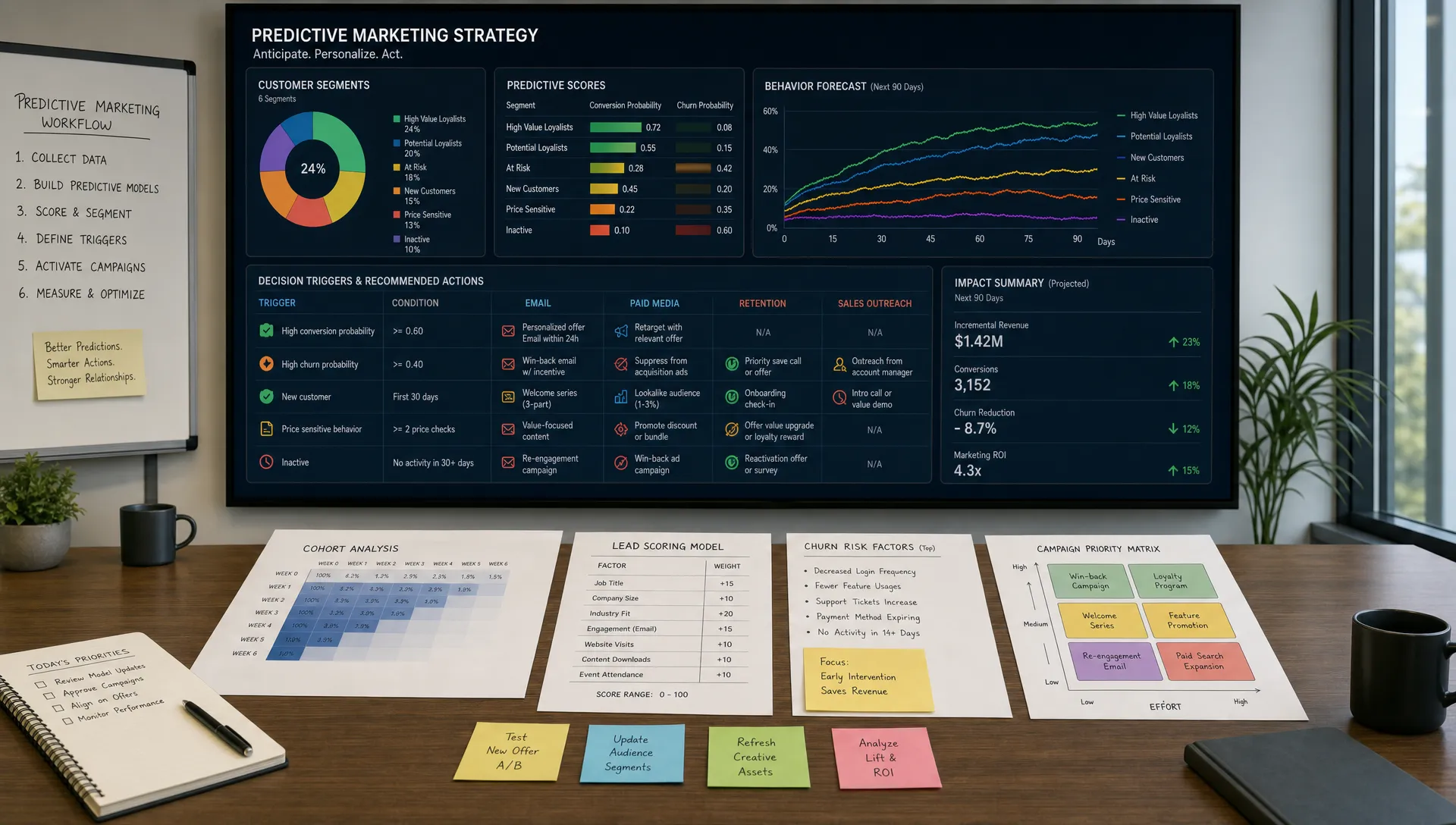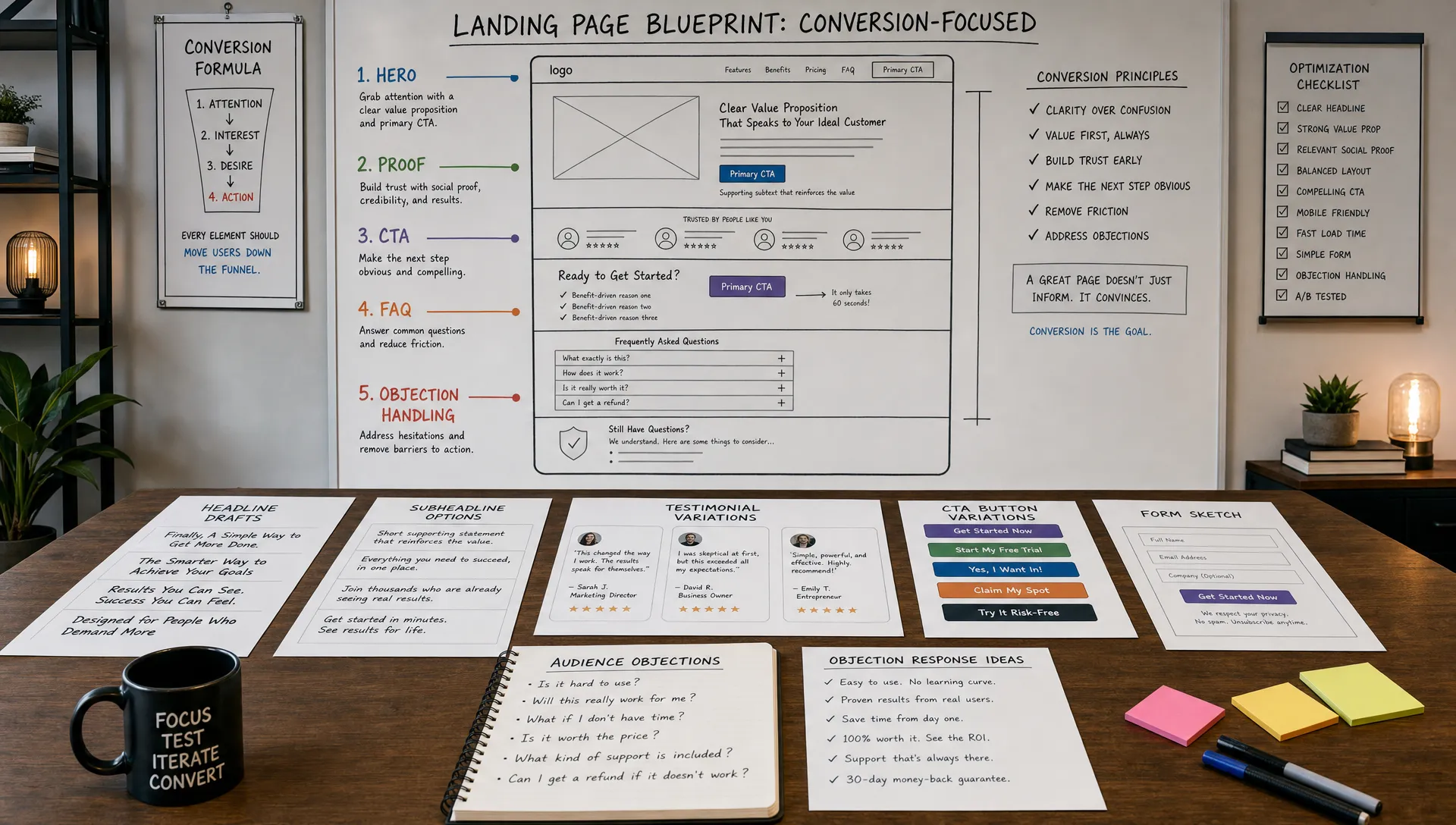
SEO reporting has a reputation problem. For many marketing teams, it means exporting spreadsheets, copying screenshots into slide decks, explaining the same traffic changes every month, and still leaving the meeting without a clear next step.
AI changes that. Not because it magically replaces SEO judgment, but because it can handle the repetitive parts of reporting, surface patterns faster, and help marketers turn raw data into decisions.
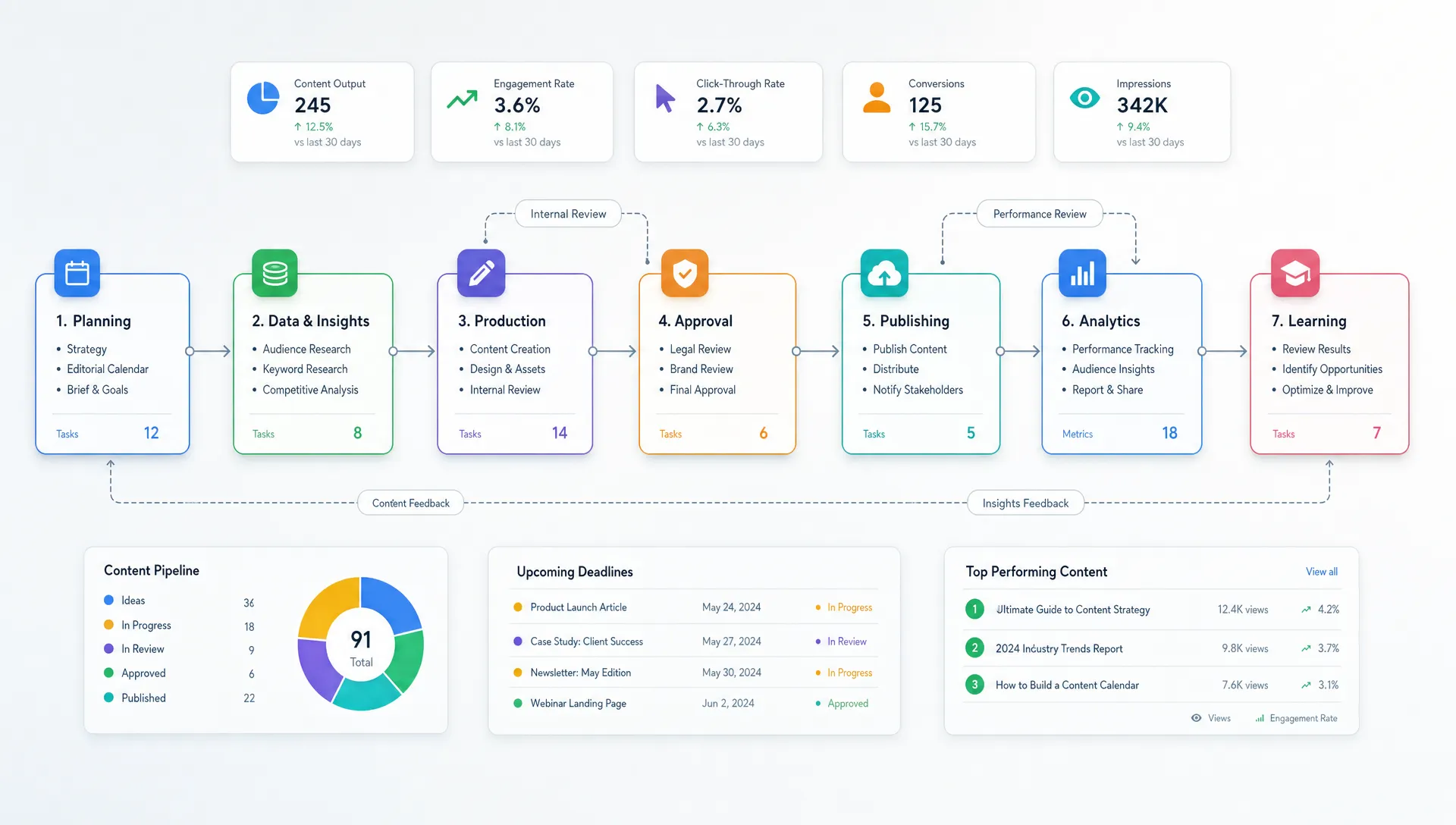
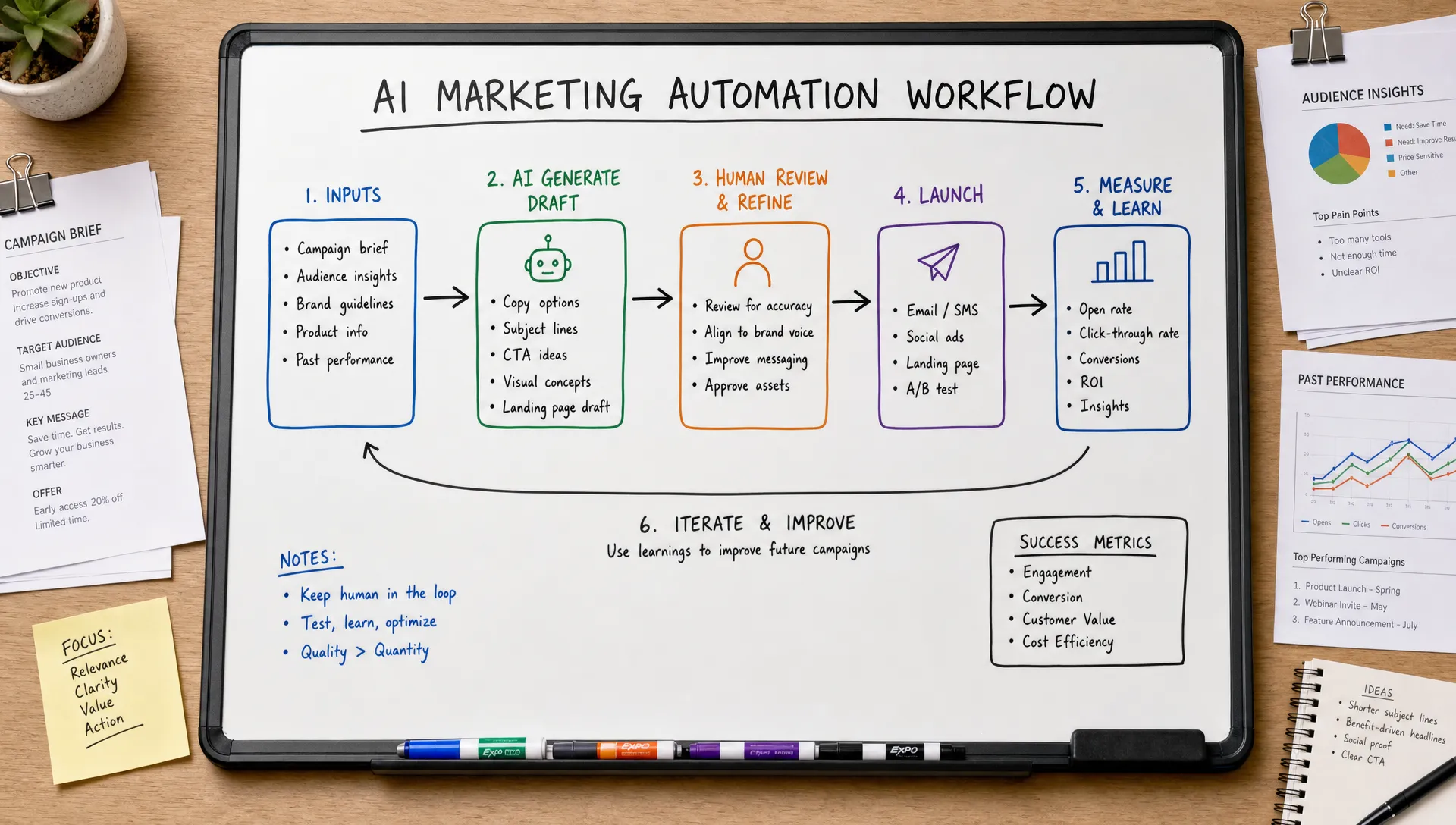
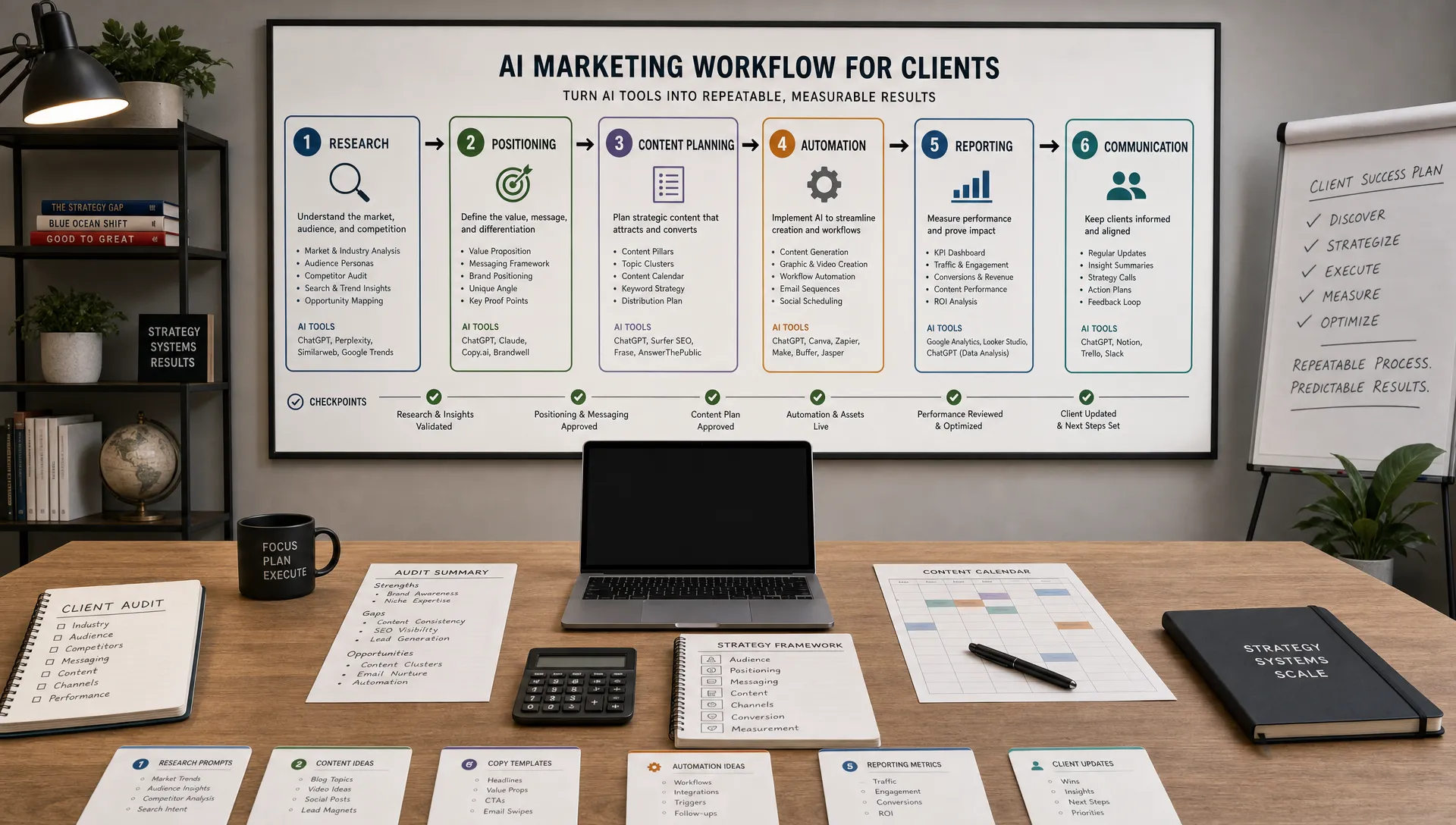
The best use of AI in SEO reporting is not “write me a report.” It is a workflow: collect the right data, clean it, summarize what changed, diagnose why it changed, and recommend what to do next. Done well, AI reporting saves hours every month and makes SEO more useful to executives, content teams, sales leaders, and clients.
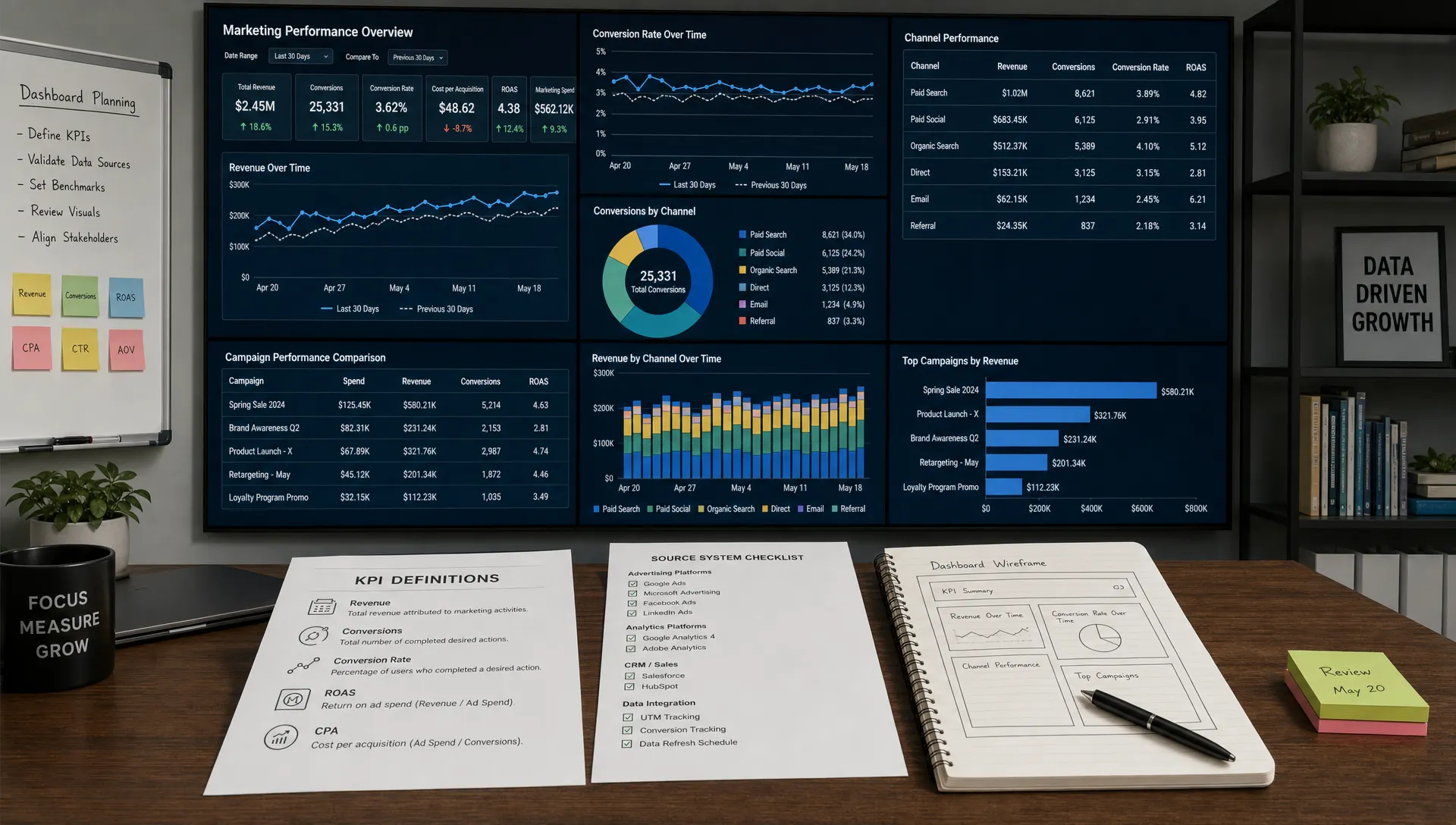
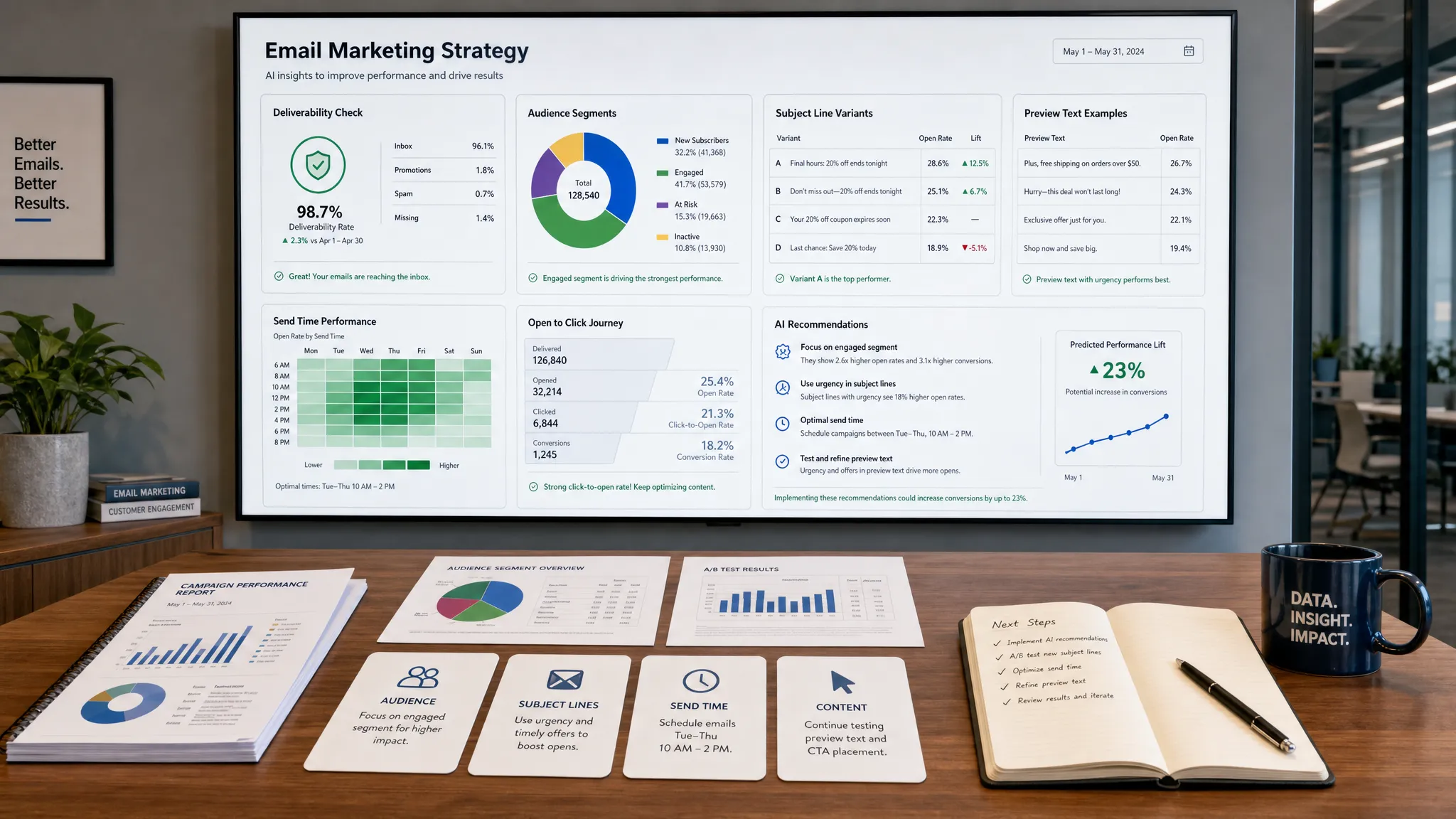
AI SEO reporting is the use of artificial intelligence to collect, organize, analyze, and explain search performance data. It can support dashboards, monthly reports, content audits, keyword tracking, technical SEO reviews, and executive summaries.
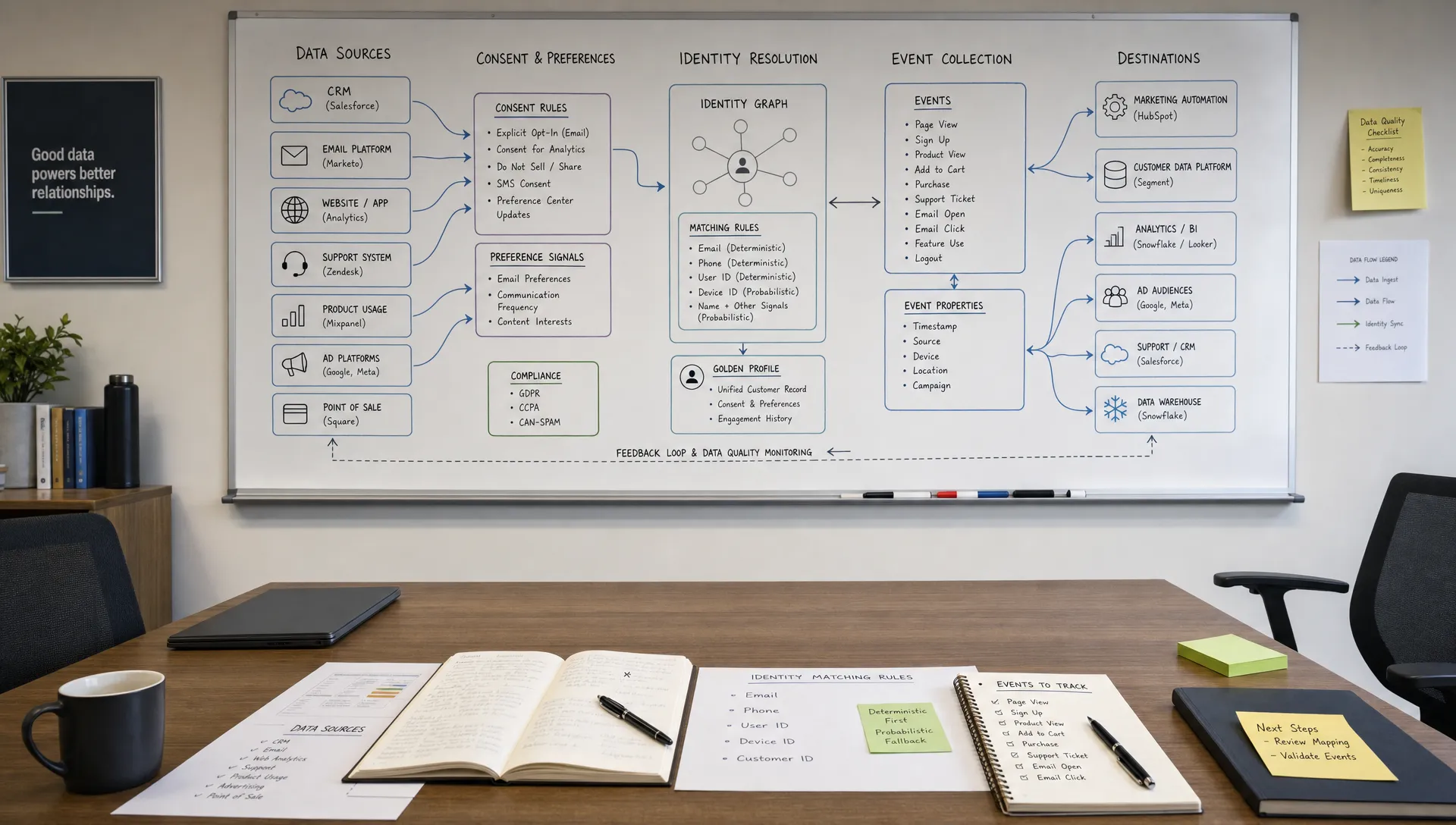
A practical AI reporting workflow might combine data from Google Search Console, GA4, rank tracking tools, crawling software, CRM data, and content inventories. AI then helps interpret the data by identifying anomalies, clustering patterns, writing plain-English summaries, and suggesting next actions.
That distinction matters. A dashboard tells you that organic clicks dropped 18 percent. AI-assisted reporting helps you investigate whether the decline came from branded search, a lost featured snippet, content decay, indexing issues, seasonality, or a shift in search intent.
In other words, AI should not just make SEO reports prettier. It should make them more actionable.
Most SEO teams do not struggle because they lack data. They struggle because they have too much data spread across too many tools.
A content lead wants to know which pages need updates. A CEO wants to know whether organic search is influencing pipeline. A local business owner wants to know if Google visibility is turning into calls. An agency client wants proof that last month’s technical fixes moved the needle.
Trying to serve all of those audiences with one generic report creates busywork. Marketers end up reporting on metrics that are easy to export, not metrics that answer the stakeholder’s actual question.
Common time drains include:
AI is useful because it can compress these steps. It can summarize large datasets, flag unusual changes, and draft stakeholder-specific narratives. The human SEO still validates the findings, adds business context, and decides the strategy.
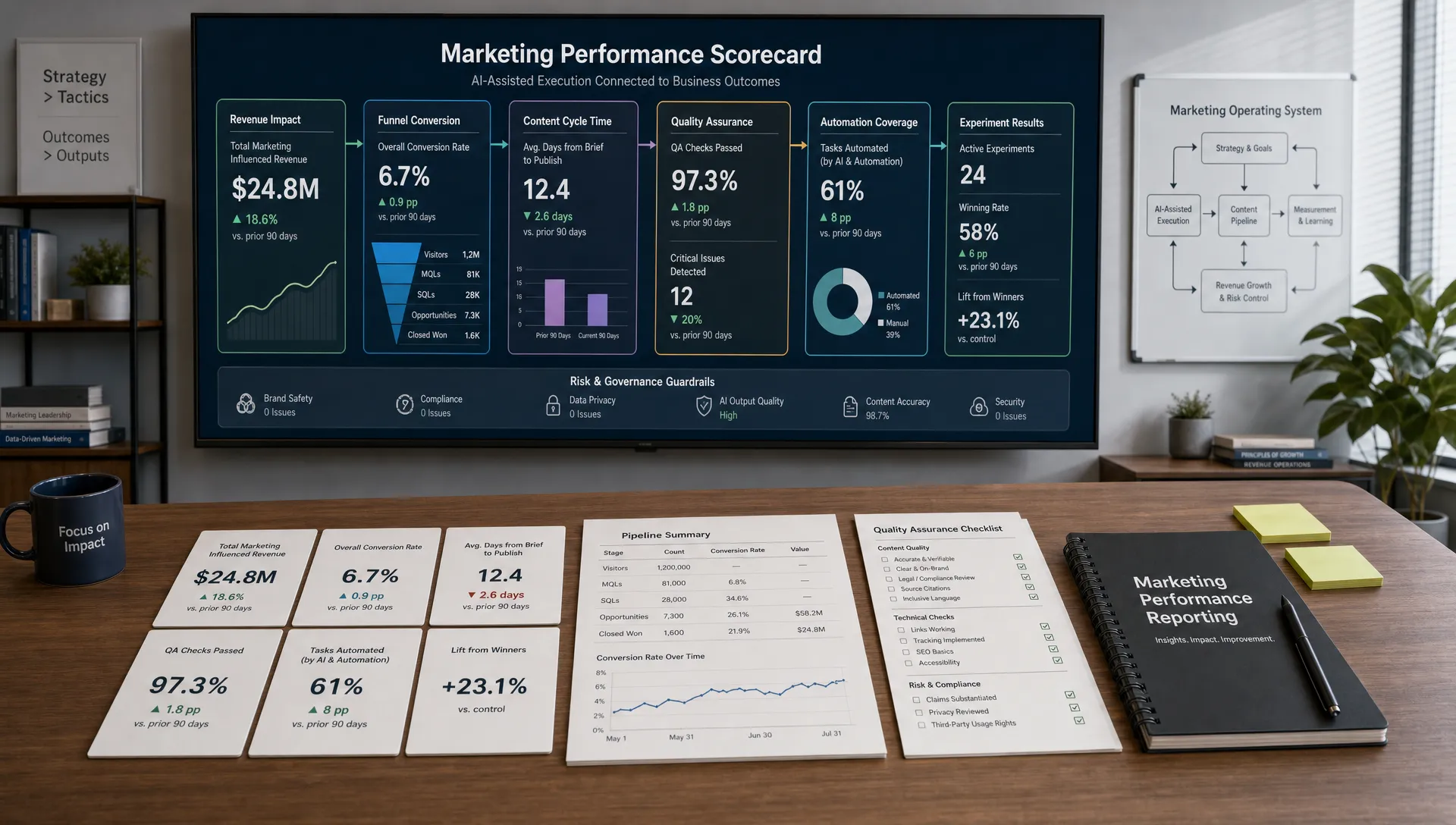
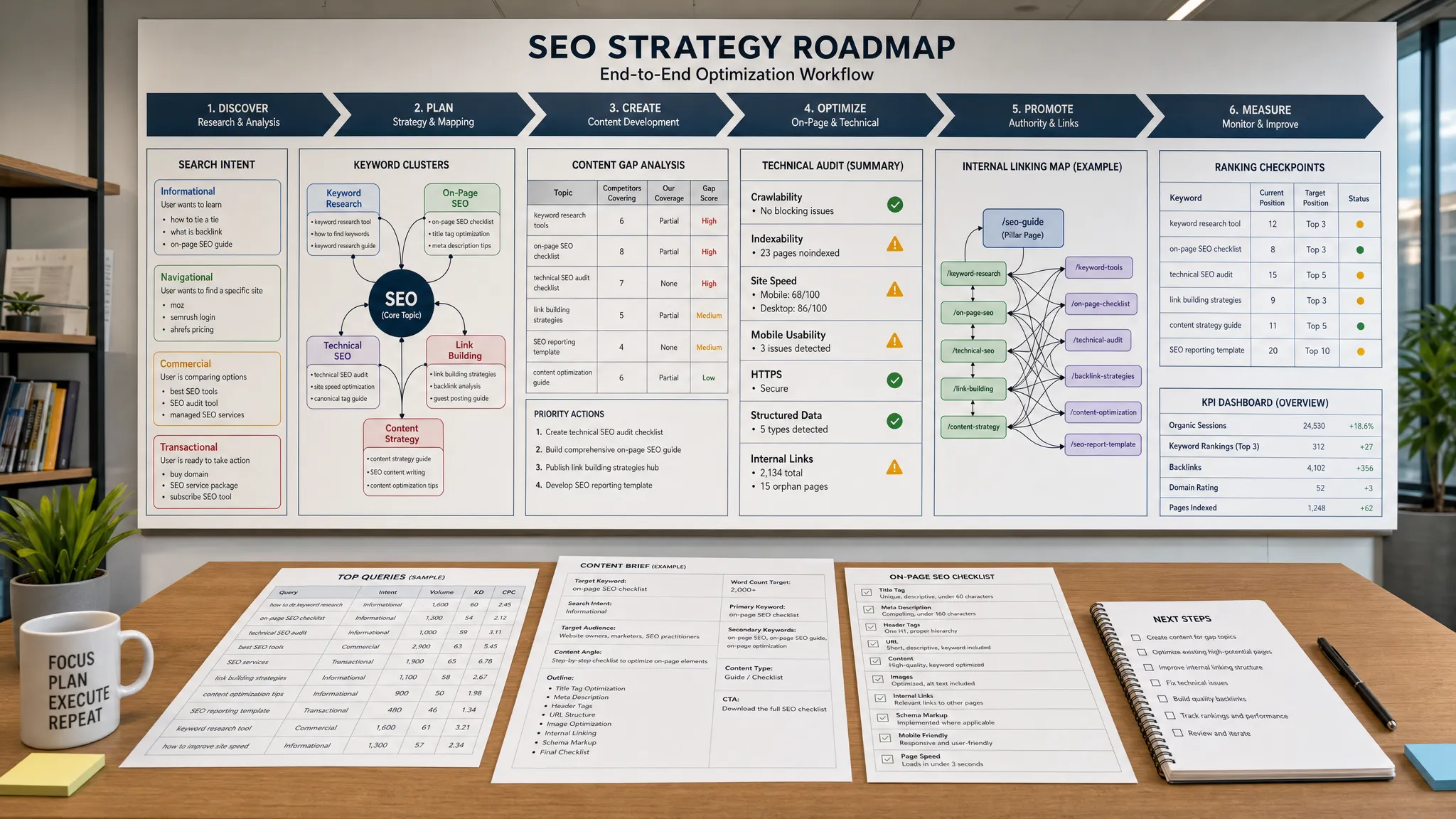
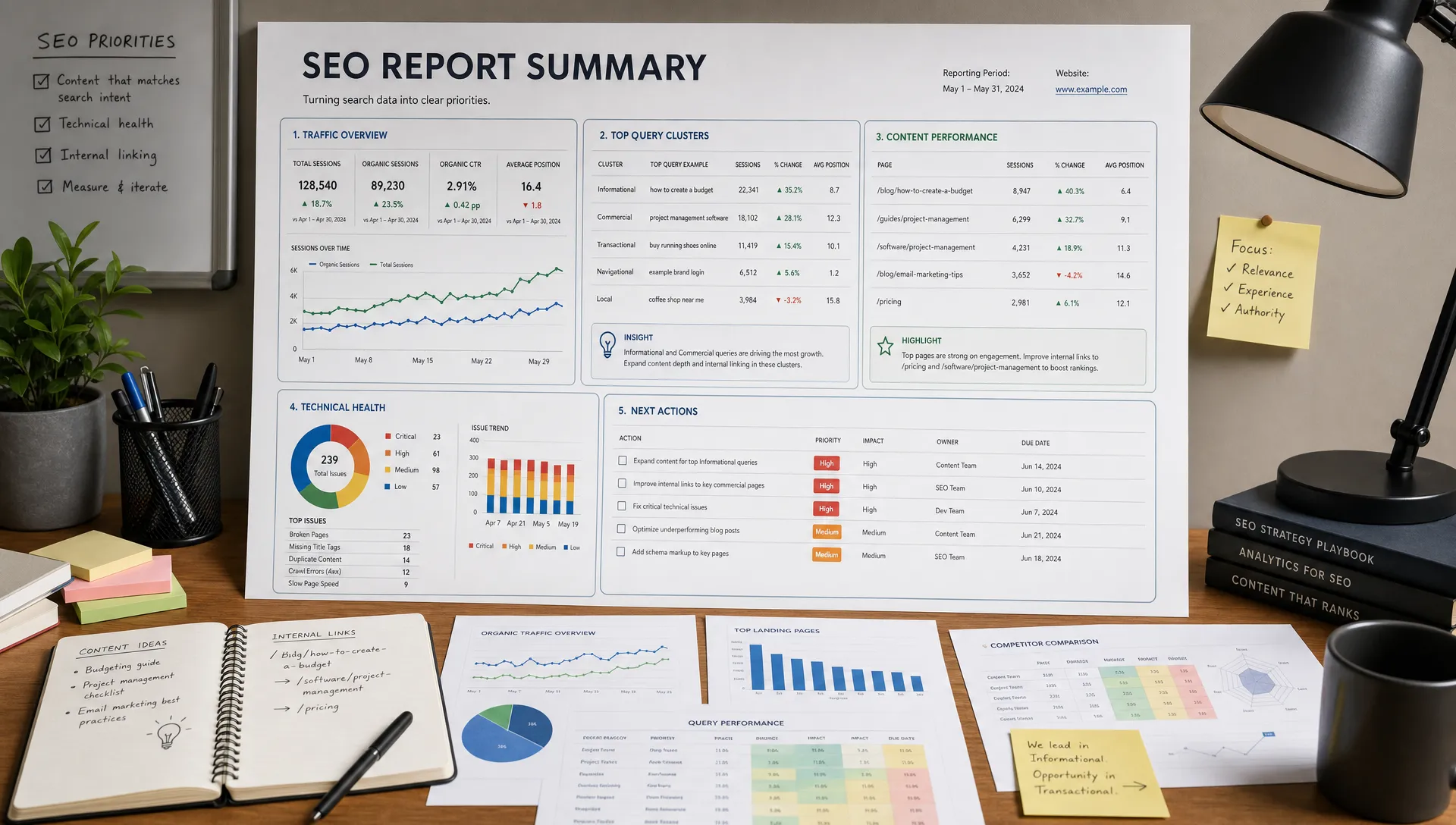
A good SEO report is not a data dump. It should answer three questions: what changed, why it matters, and what we should do next.
AI can help structure reports around the sections that actually support decisions.
Start with a short summary written for non-SEO stakeholders. This should cover organic performance, major wins, major risks, and priority actions.
AI can draft this summary from your data, but it needs guardrails. Instead of asking for a vague “SEO summary,” give it the audience, timeframe, business model, and definitions of success.
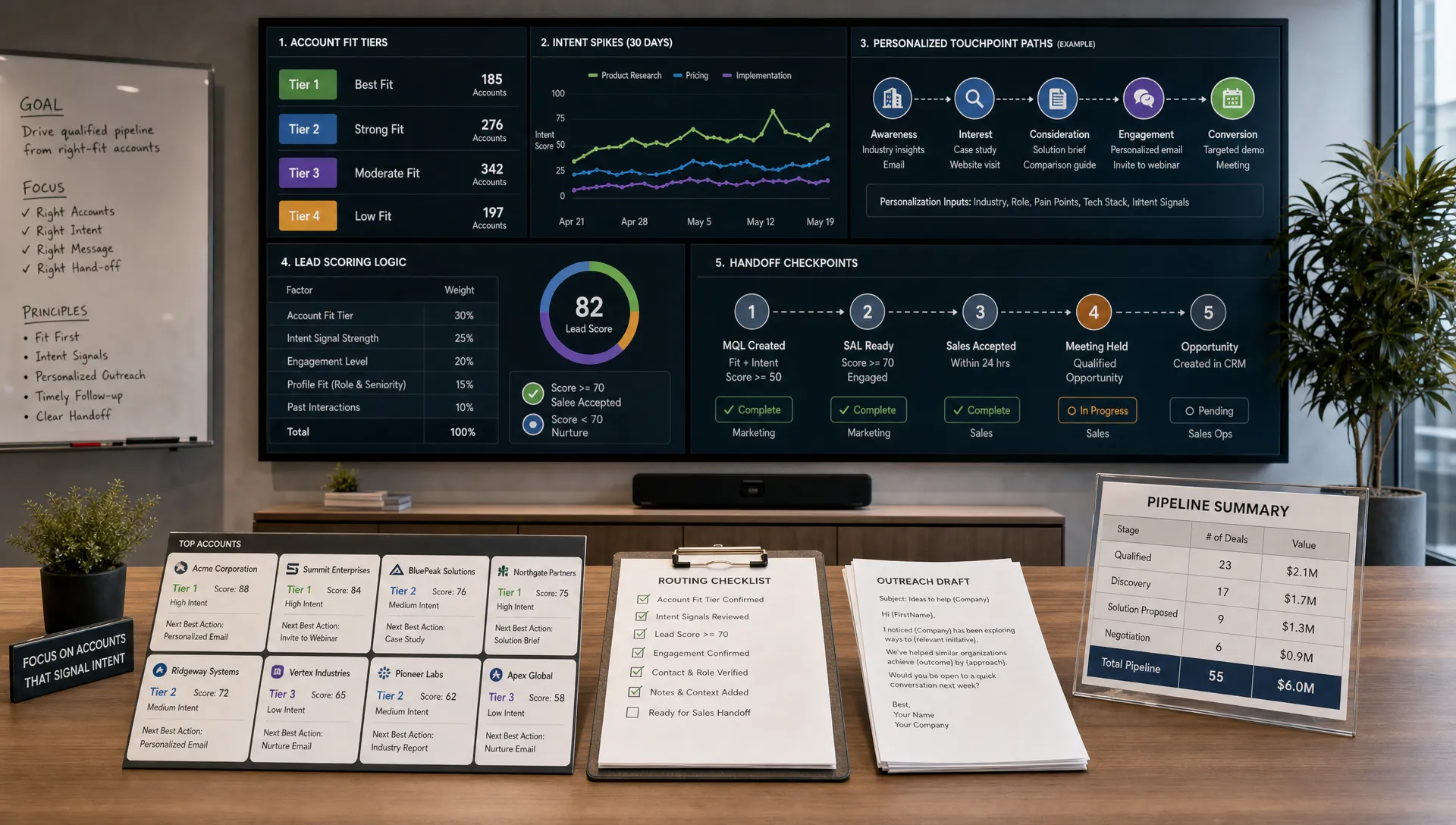
For example, an ecommerce executive summary should emphasize revenue, product page visibility, category performance, and conversion trends. A B2B SaaS summary should highlight qualified traffic, demo-intent keywords, content-assisted pipeline, and page-level engagement.
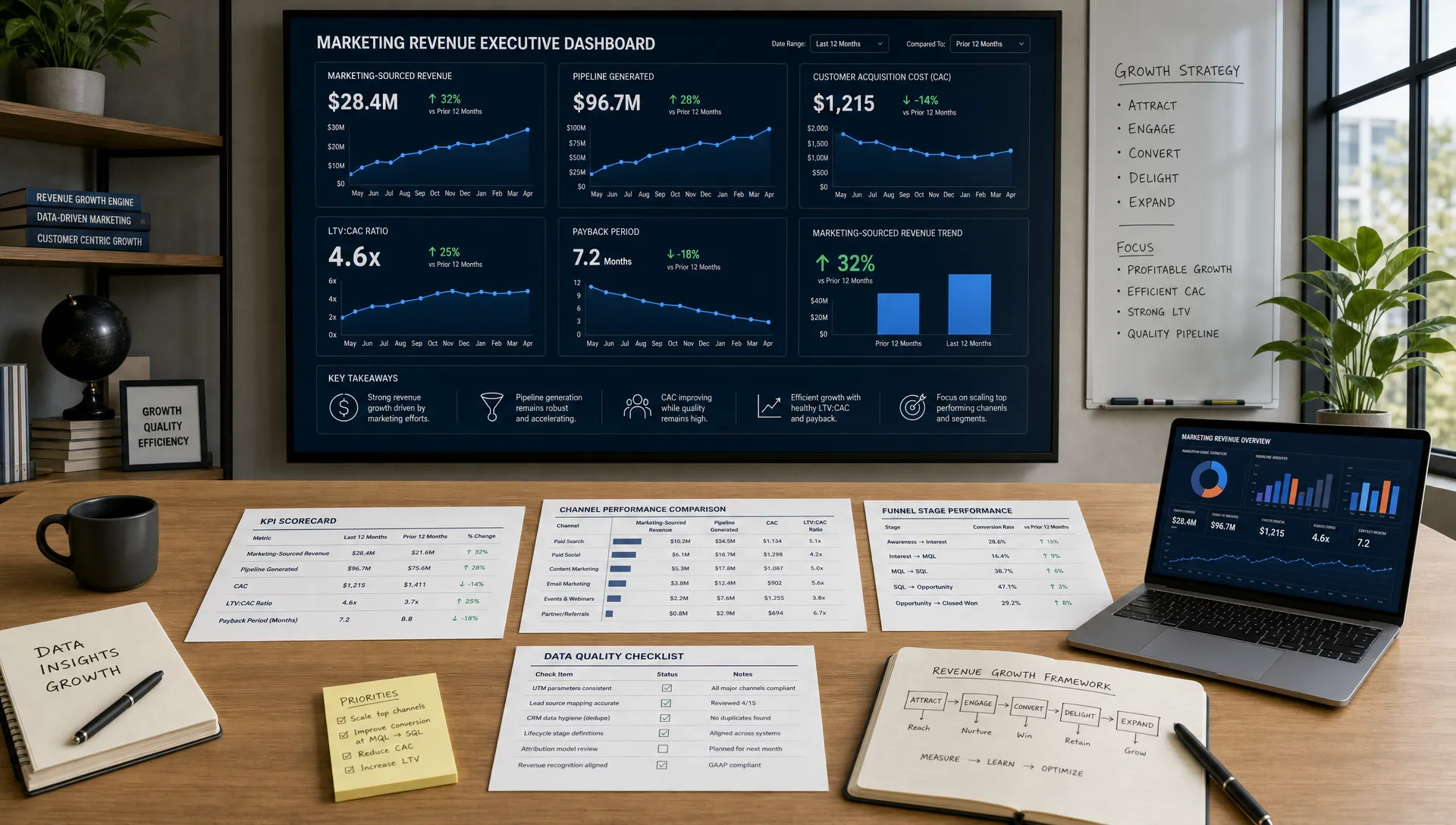
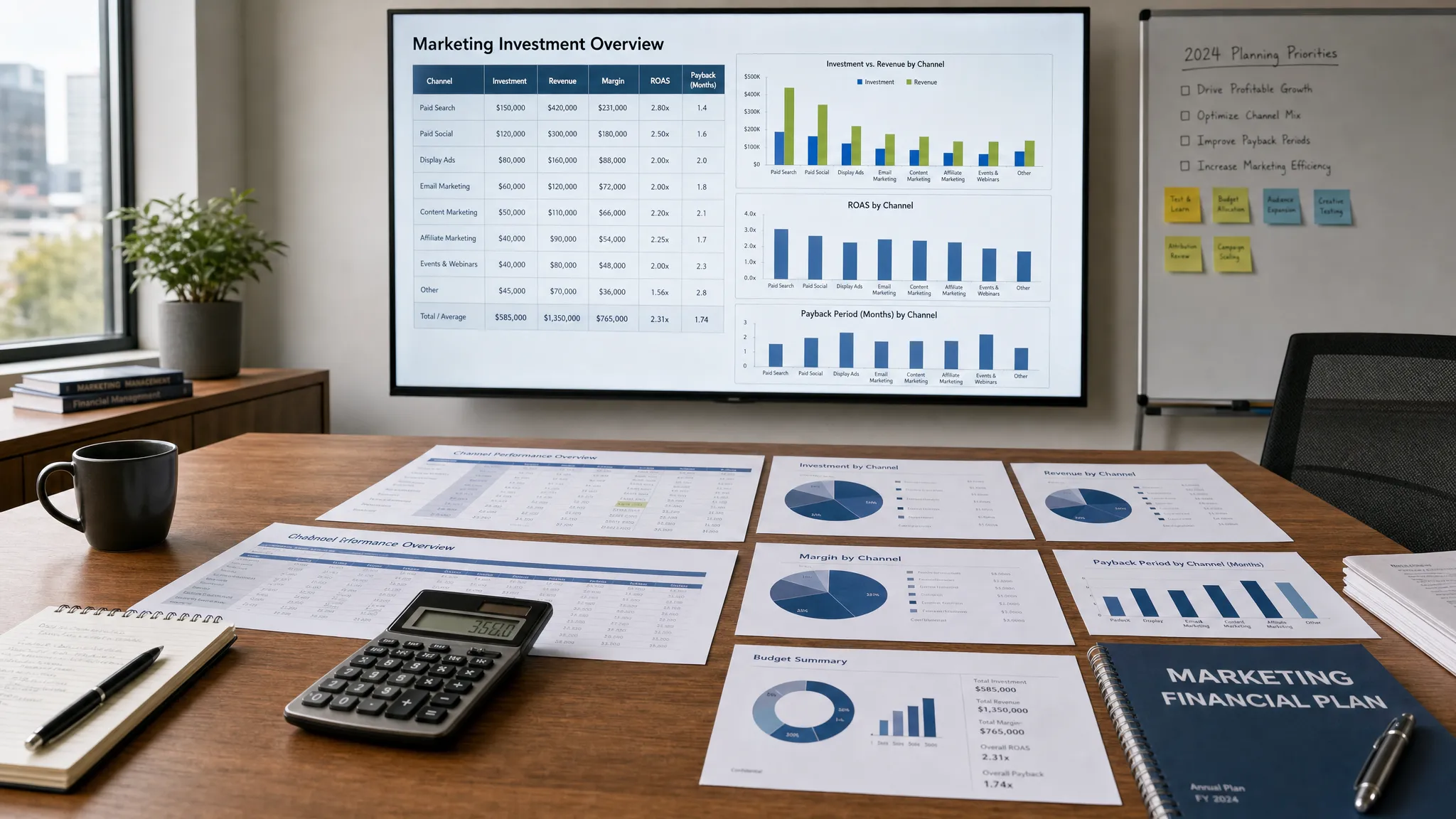
Your KPI section should be consistent month to month. AI can help interpret movement, but the metrics themselves should be selected based on business goals.
Useful SEO reporting KPIs often include:
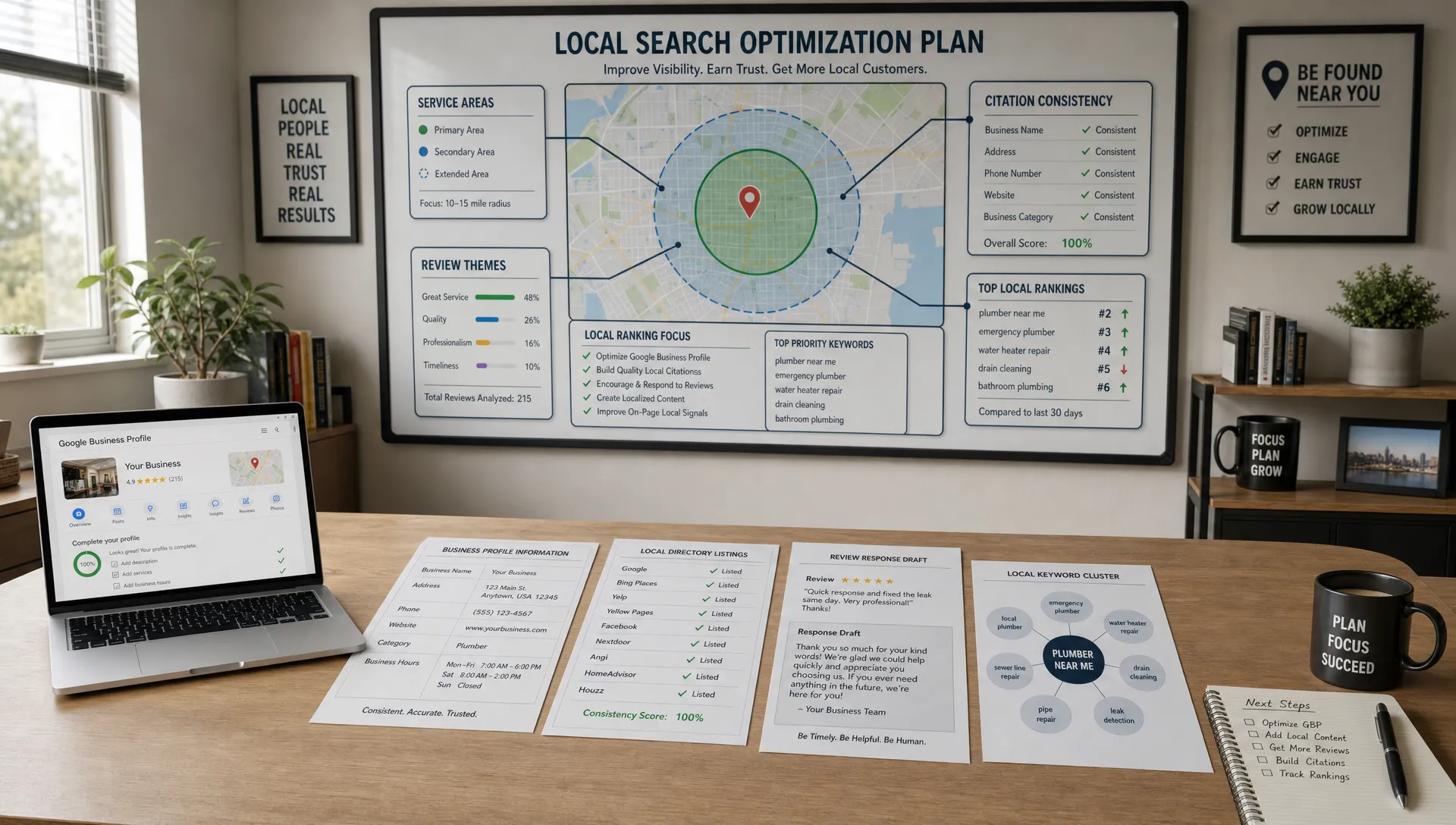
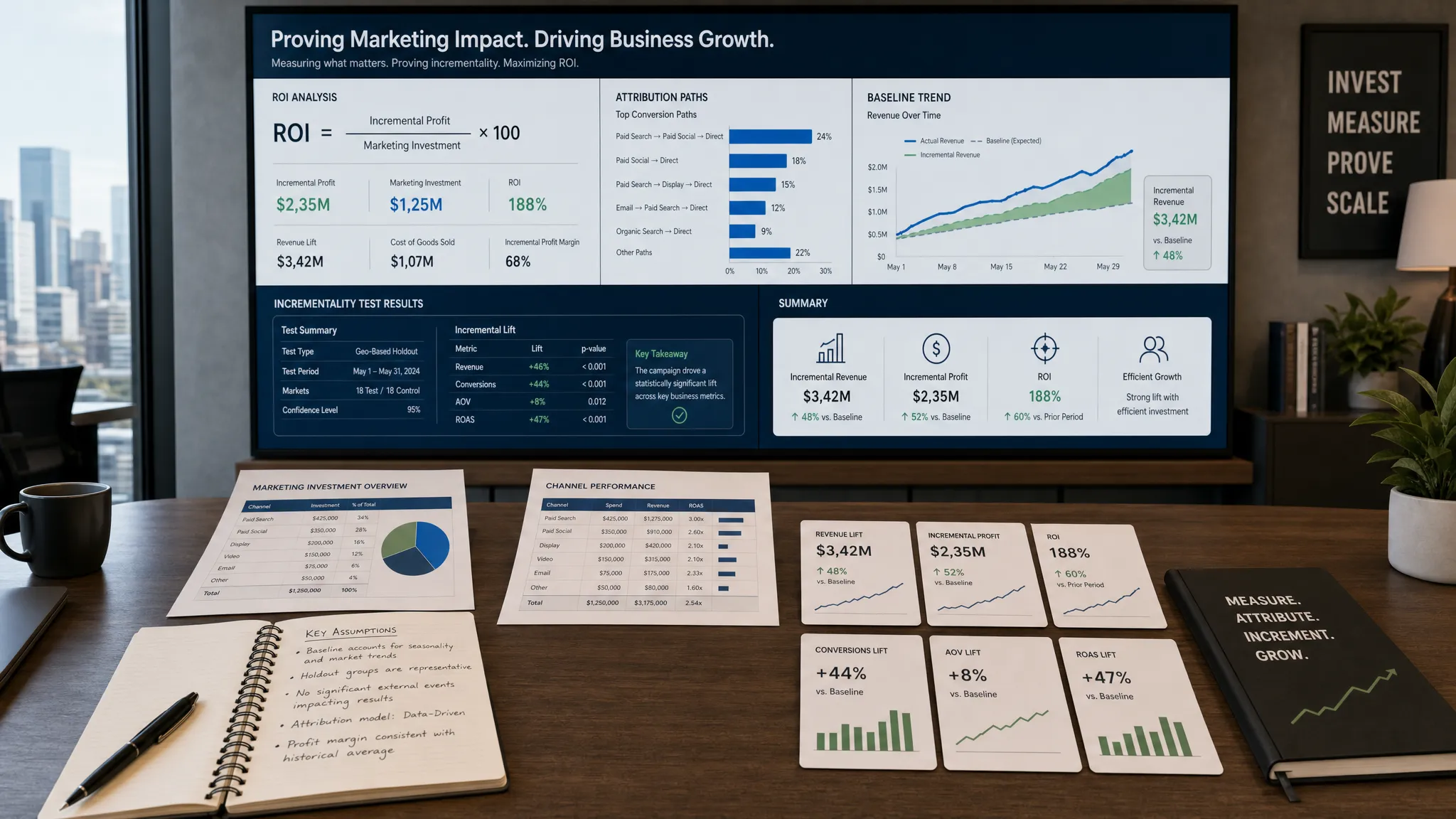
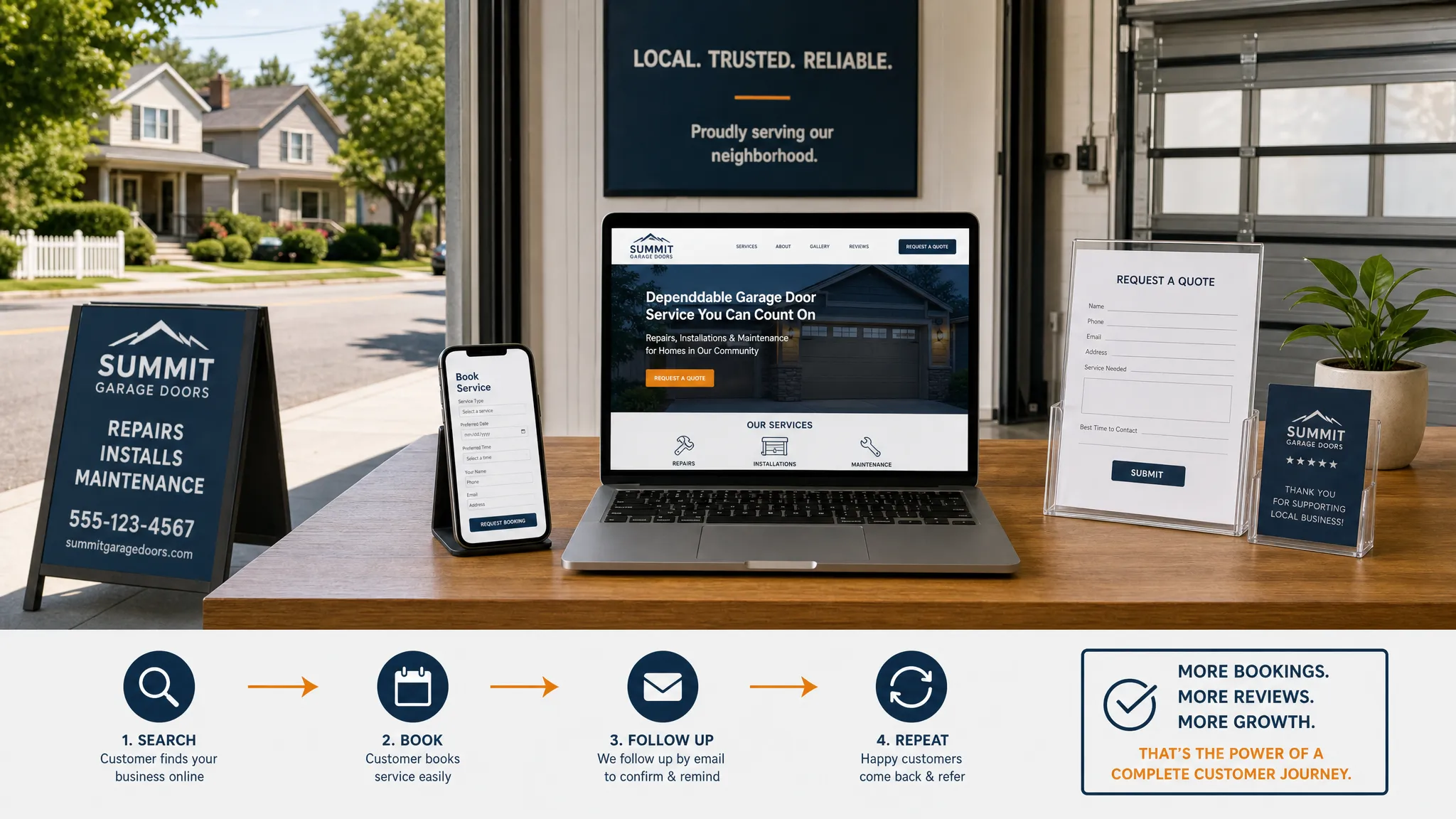
The exact metrics depend on the business. A local services company may care most about calls, forms, map visibility, and service-area pages. For example, a pool service company using software that runs pool service operations might connect organic search performance to booked jobs, customer communication, route efficiency, and invoices rather than only reporting rankings.
This is where AI becomes especially helpful. Instead of manually scanning hundreds of URLs, use AI to group changes by page type, topic, intent, or funnel stage.
A strong report does not simply say, “Organic traffic declined.” It says something like, “Organic traffic declined mainly across three older comparison pages. Search Console shows impressions remained stable, but click-through rate dropped after two competitors updated titles and gained rich results.”
That kind of insight is more useful because it points to an action.
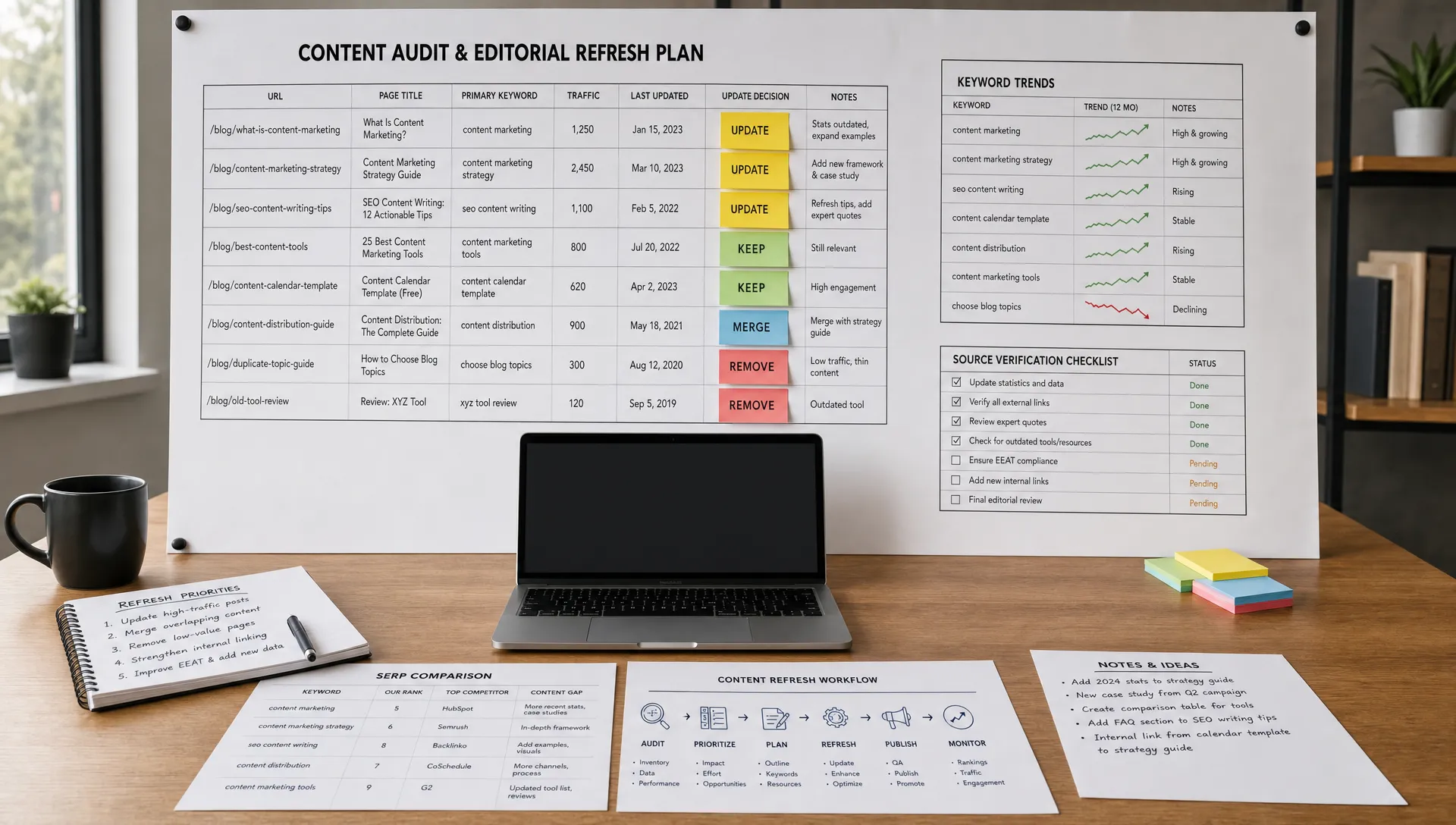
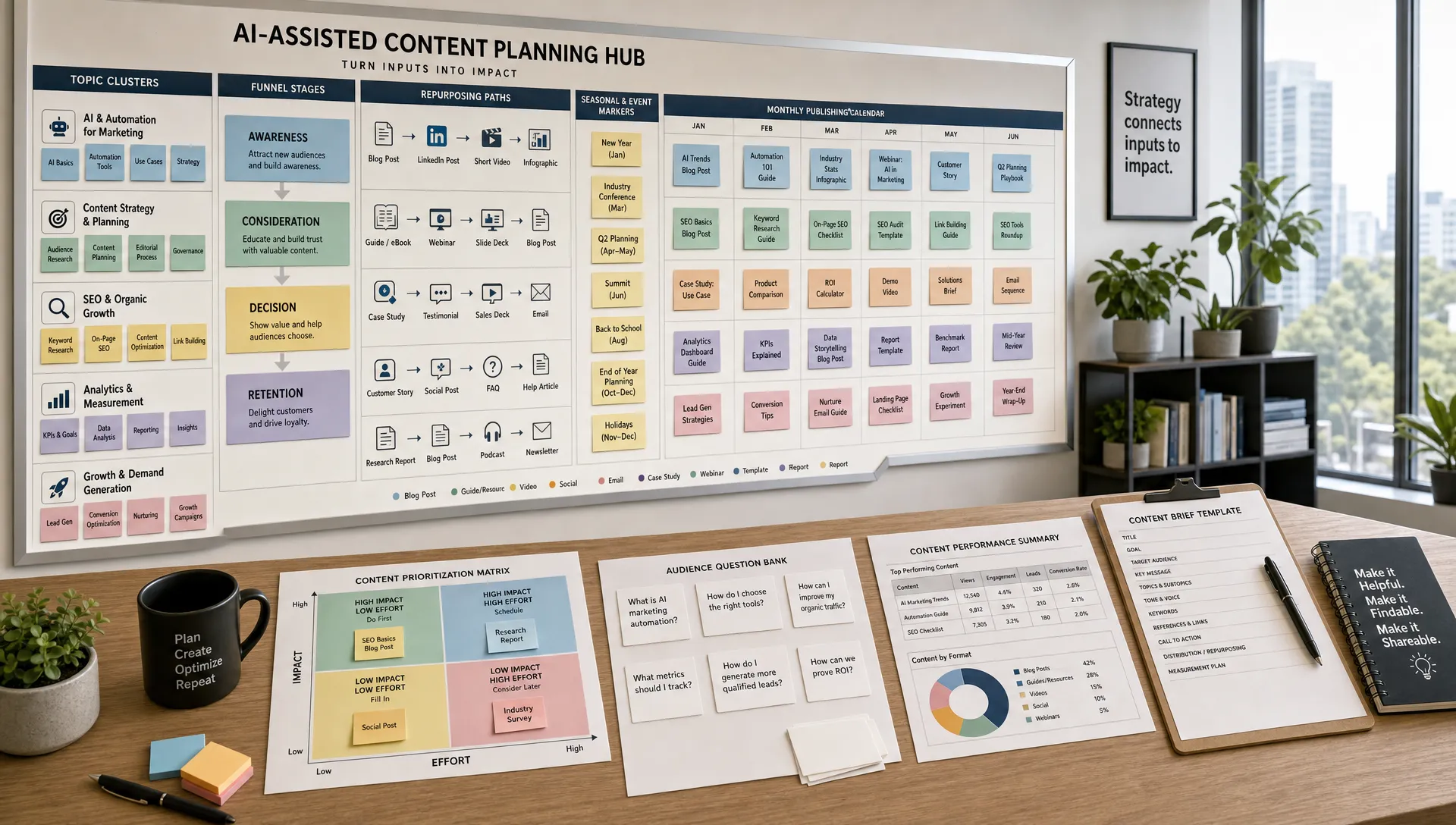
Content reporting should separate new content, refreshed content, and existing evergreen content. Otherwise, it becomes hard to know whether your strategy is working.
AI can classify pages by topic, funnel stage, and intent. It can also help identify pages that are losing clicks despite strong impressions, pages ranking on page two, and articles where search intent may have shifted.
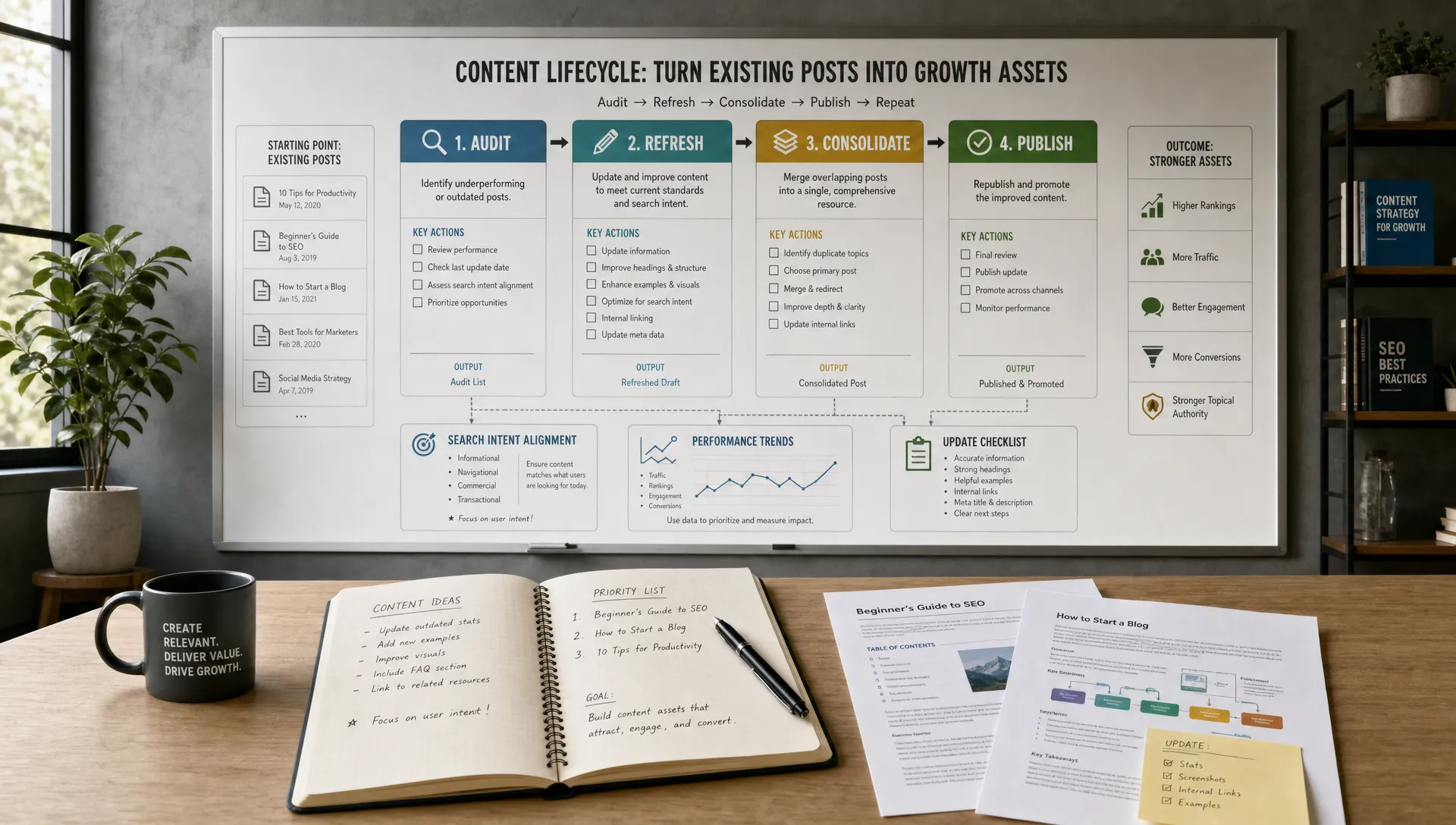
If your reporting reveals stale or declining pages, connect it to a repeatable refresh process. AIMarketer Hub has a helpful guide on using AI tools for content refresh and update work, which pairs naturally with SEO reporting because reports should trigger content action, not just documentation.
Technical SEO reports often overwhelm stakeholders with crawl data. AI can help translate issues into plain language and prioritize them by impact.
For example, instead of listing every 404, duplicate title, redirect chain, and missing canonical, the report can group issues by severity:
The key is to avoid letting AI exaggerate. A missing meta description on a low-value archive page should not be presented as a business-critical problem.
SEO experts are good at pattern recognition, but they are still limited by time. AI can scan more rows, compare more segments, and test more hypotheses than a human can manually review in a reasonable reporting window.
The most valuable AI-generated insights usually fall into a few categories.
AI can identify sudden spikes or drops in clicks, impressions, rankings, conversions, crawl errors, or engagement metrics. More importantly, it can compare those changes across segments.
A traffic drop may look alarming at the site level, but AI might reveal that the decline came almost entirely from one outdated blog cluster while product-led pages improved. That changes the conversation from “SEO is down” to “we need to refresh a specific content cluster.”
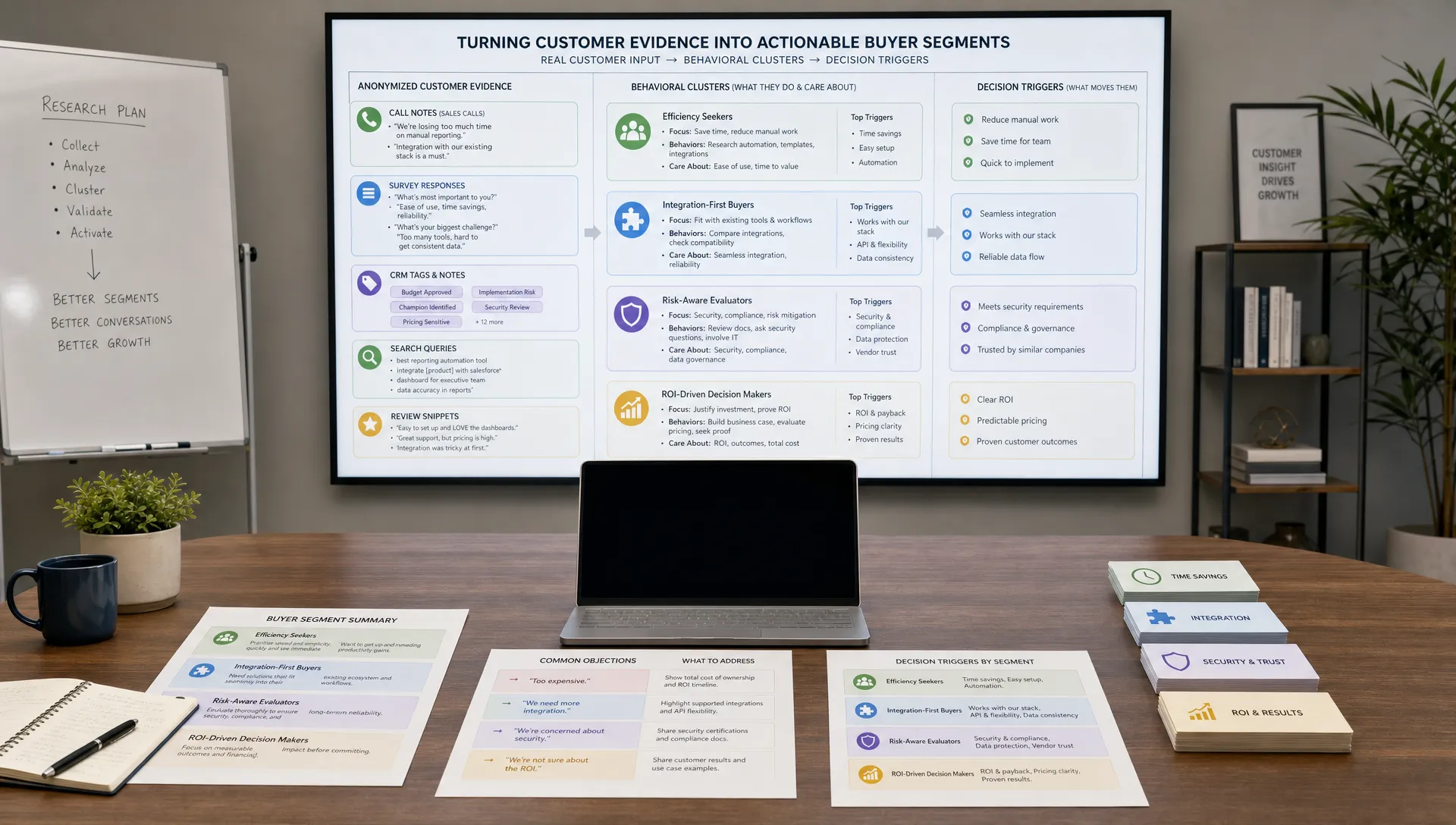
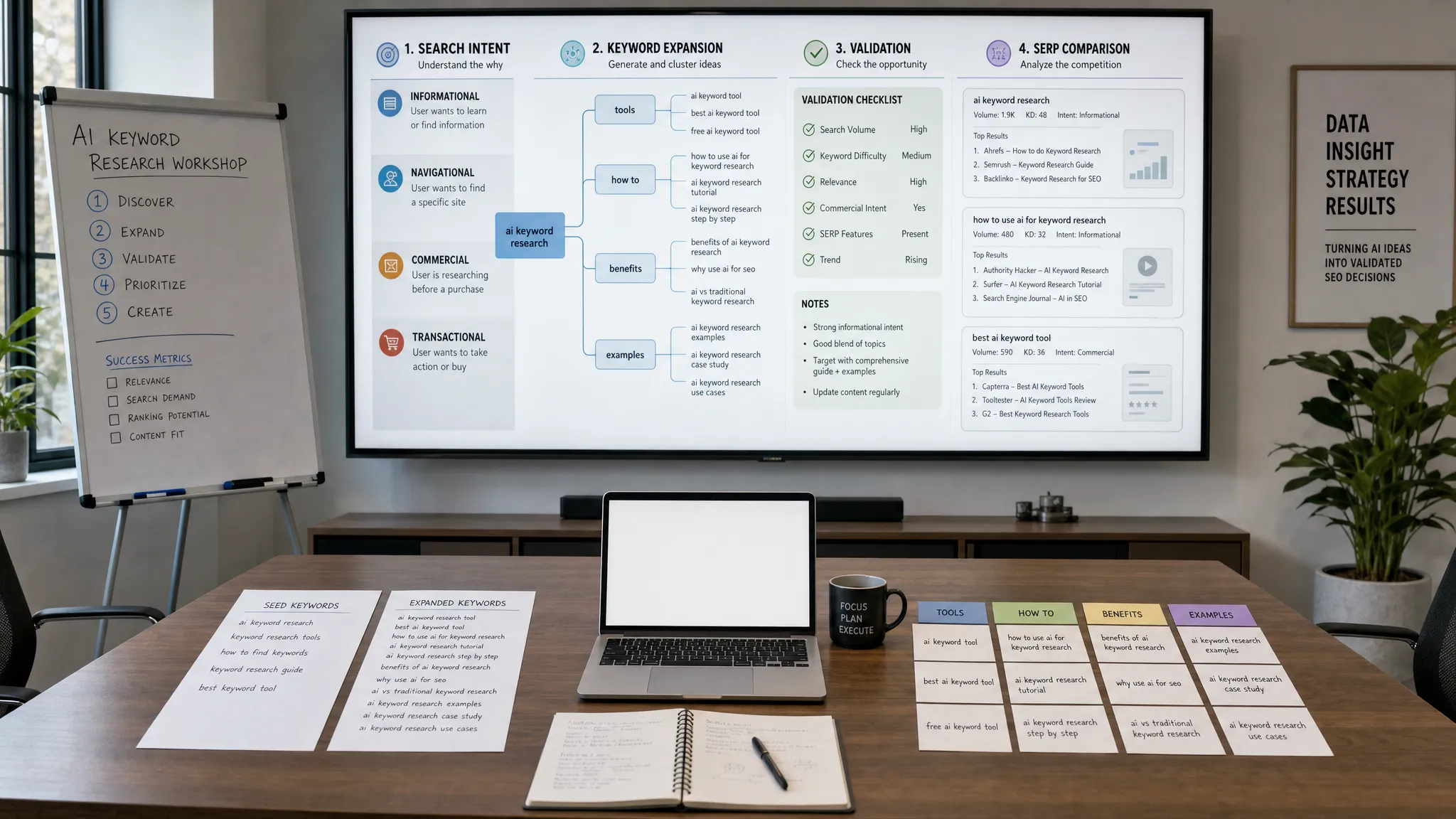
Search Console data is powerful but messy. AI can group queries by intent, modifier, audience, problem, location, or funnel stage.
This helps marketers answer questions like:
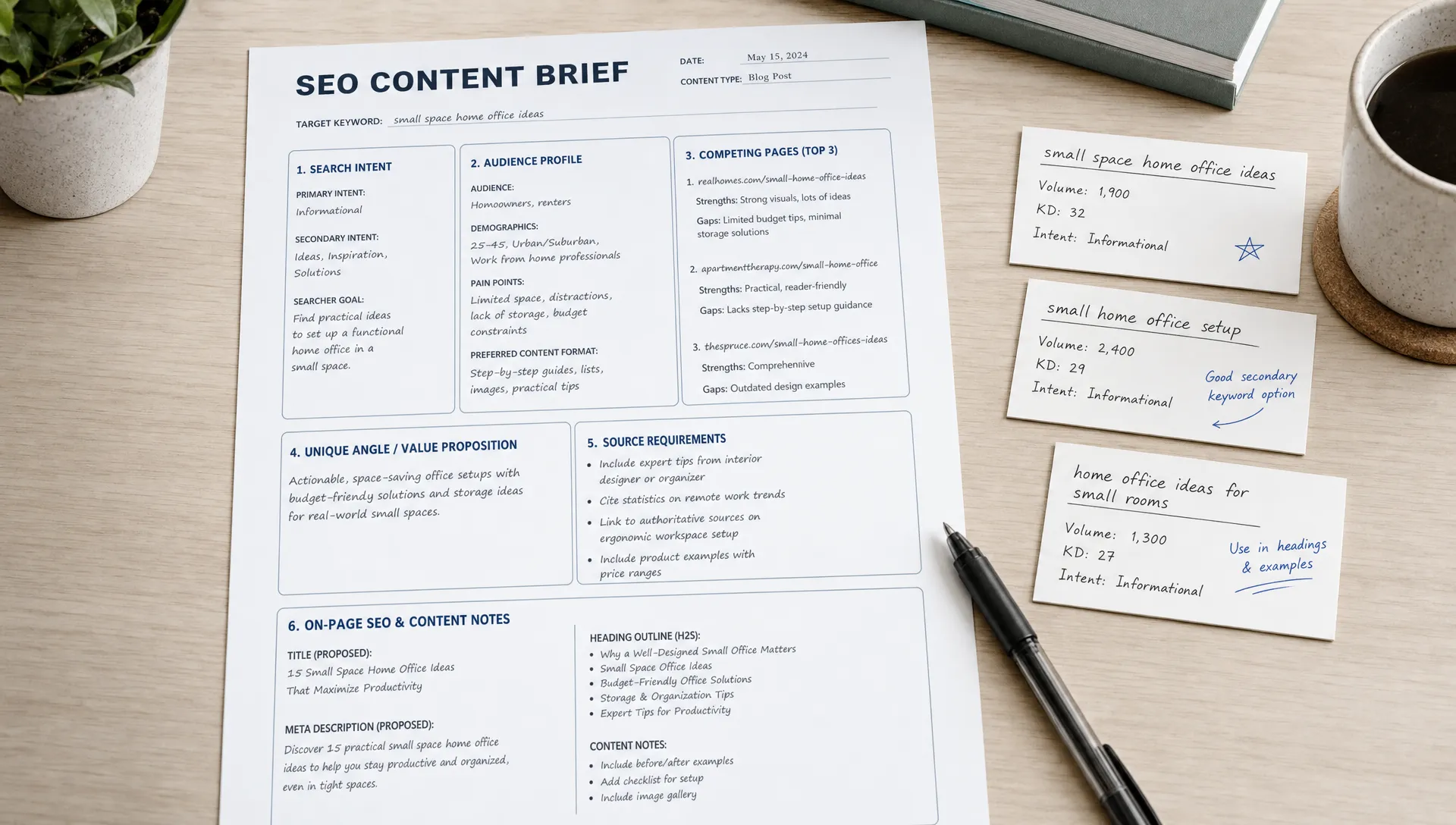
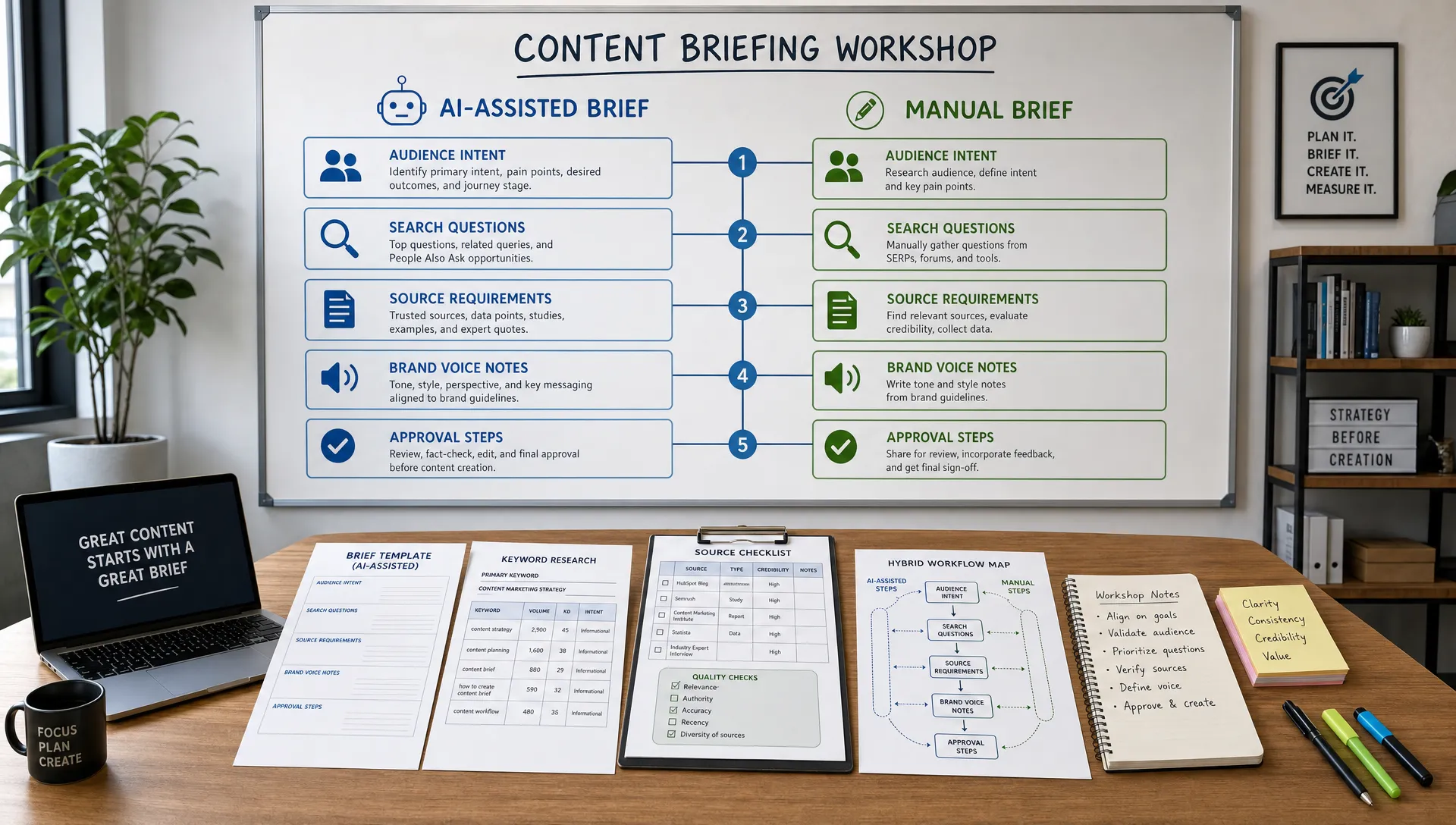
Query clustering is especially useful for planning briefs. If your report reveals a new opportunity, the next step is often building a stronger content outline. For that, see this guide on how to build an AI SEO content brief that ranks.
Content decay is one of the easiest SEO problems to miss because it happens gradually. A page might lose 5 percent of clicks one month, 7 percent the next, and 10 percent after that. By the time the decline becomes obvious, competitors may have already taken the lead.
AI can flag pages with sustained downward trends and compare them against impressions, rankings, click-through rate, and content age. This helps you separate true decay from normal seasonality.
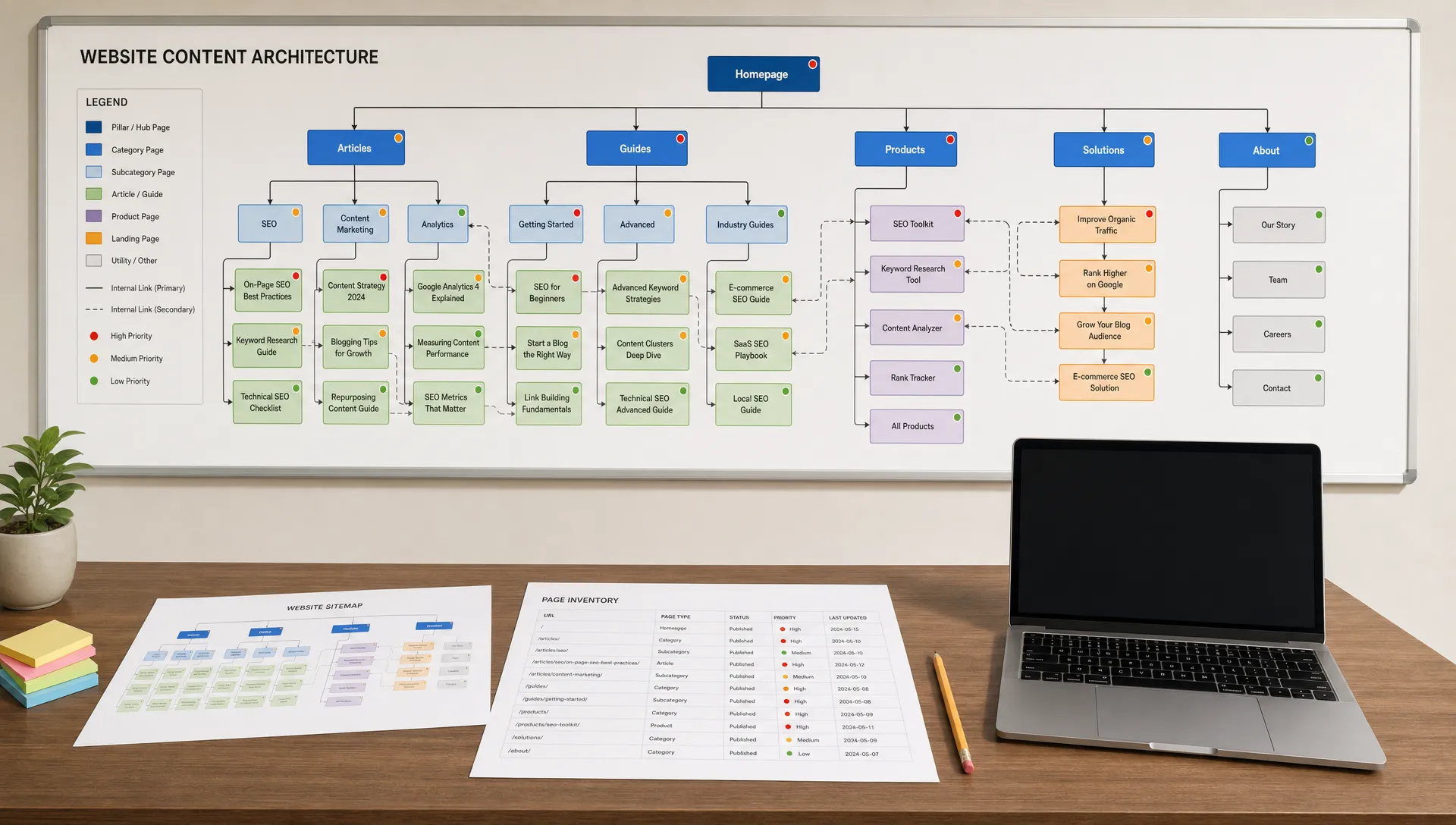
SEO reports often focus on rankings and traffic, but internal linking can be a high-leverage fix. AI can analyze which pages have authority, which pages need support, and where relevant contextual links could help users and search engines.
If your report repeatedly shows strong content stuck on page two, internal links may be part of the solution. AIMarketer Hub’s guide to using AI to improve internal linking explains how to turn content inventories into practical linking opportunities.

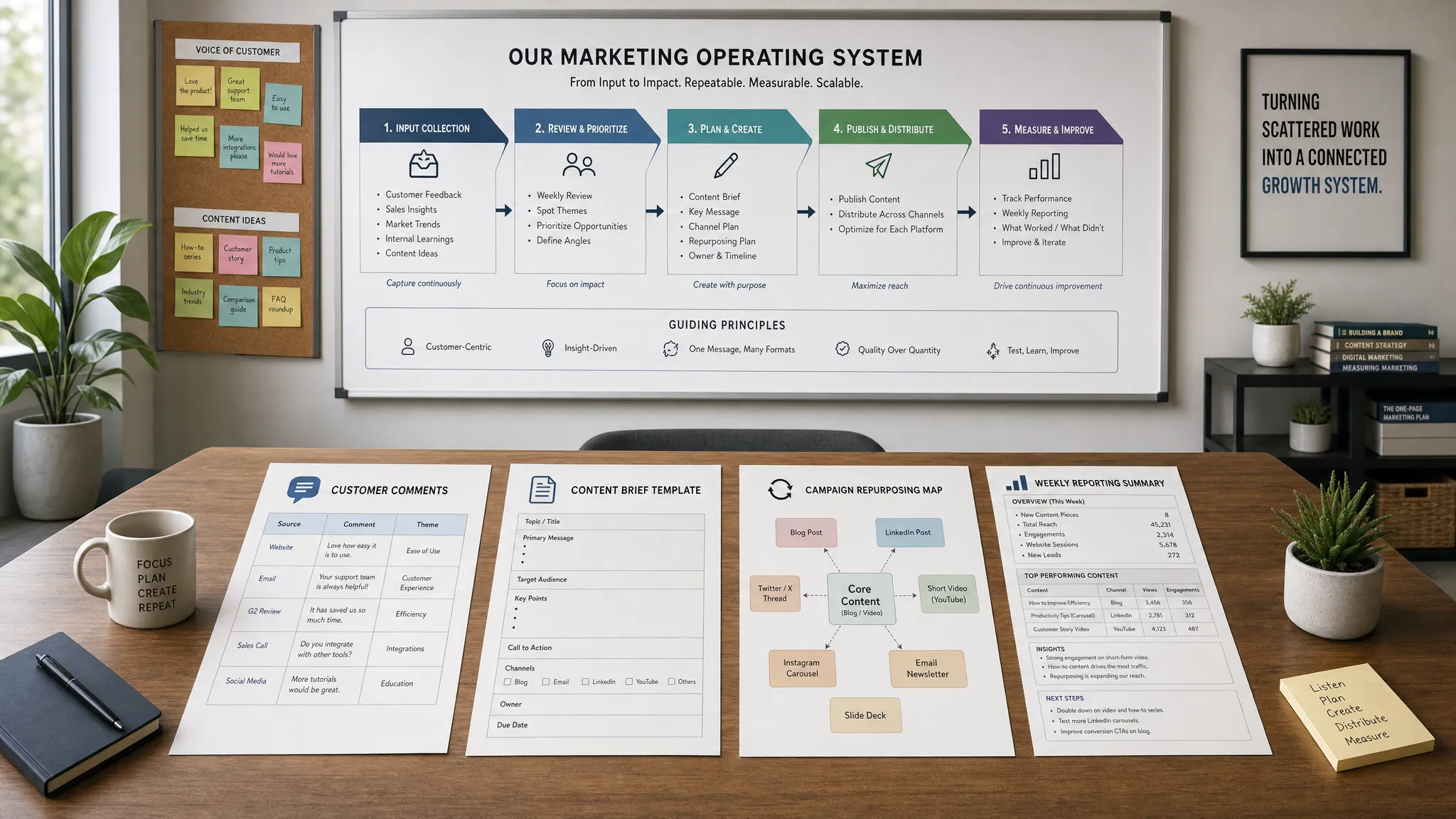
The strongest AI reporting systems are built step by step. You do not need a perfect data warehouse to start. You need a repeatable process that improves over time.
Before you connect tools or write prompts, decide who the report is for.
Executives need business impact, risks, and priorities. Content teams need page-level recommendations. Technical teams need clear issue lists with severity. Clients need progress, context, and next steps.
One of the biggest mistakes in SEO reporting is giving every audience the same report. AI makes it easier to generate different summaries from the same underlying data, but the purpose must be defined first.
AI is only as useful as the data it receives. At minimum, define your trusted sources for rankings, traffic, conversions, crawling, and content inventory.
Common sources include:
You do not need to include everything in every report. The goal is to create a consistent reporting layer so AI can compare performance over time without mixing definitions.
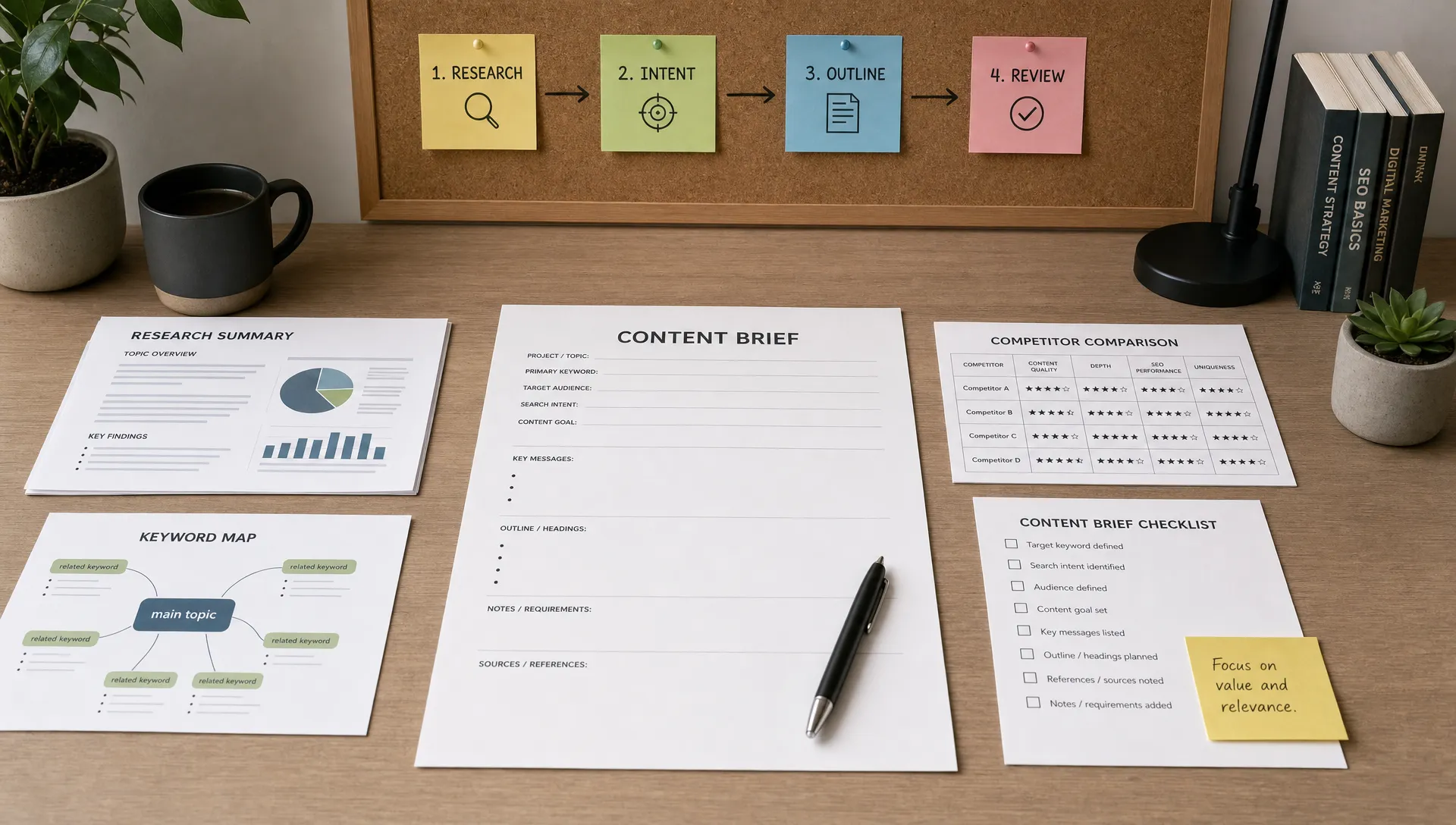
Your SEO report should follow the same structure each cycle. This makes trends easier to understand and prevents the report from becoming a random collection of charts.
A simple monthly structure can include:
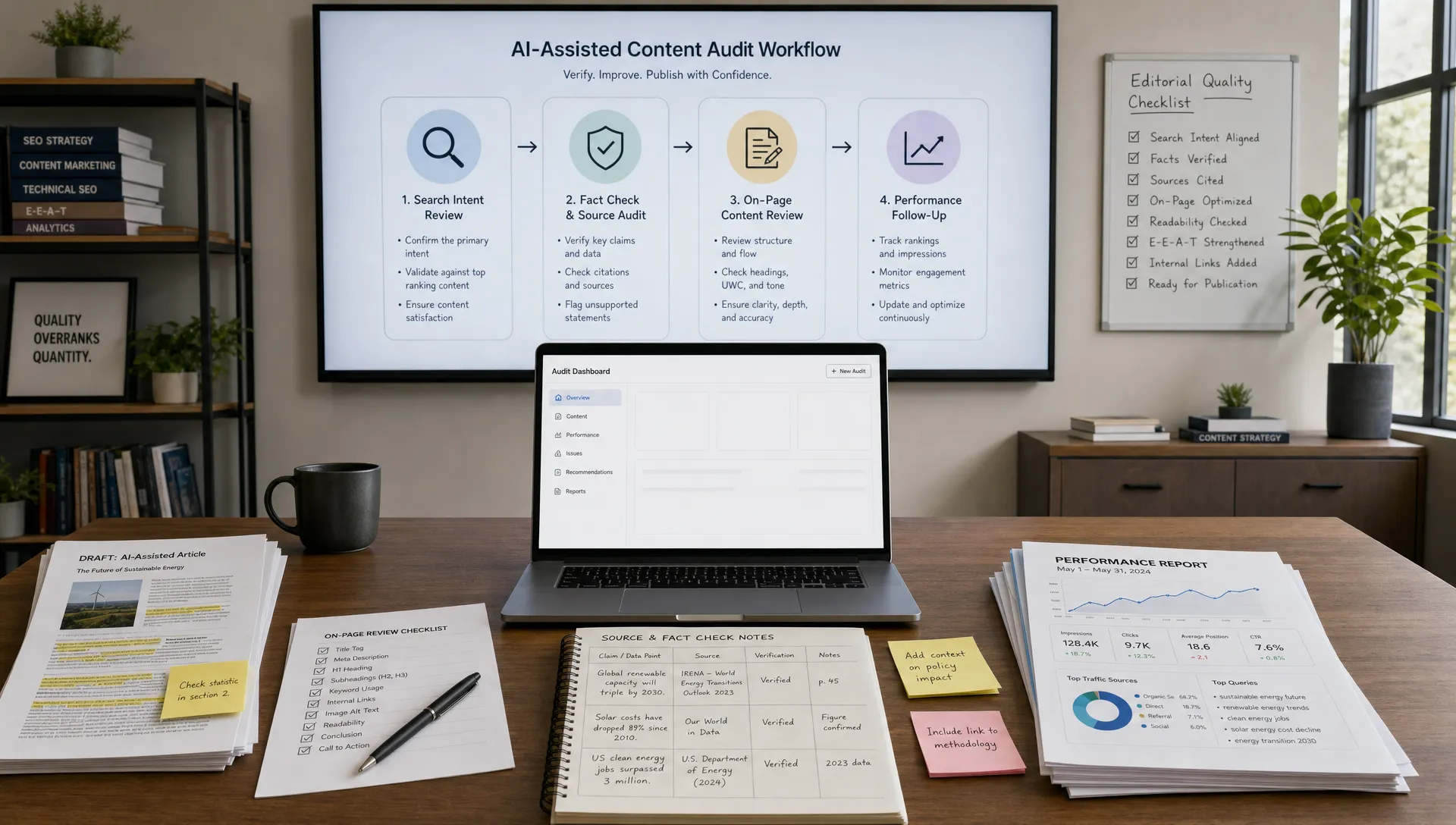
AI can then draft summaries for each section, but you should review every claim before publishing. If the report says a content update caused a ranking gain, confirm the timeline and check for other possible explanations.
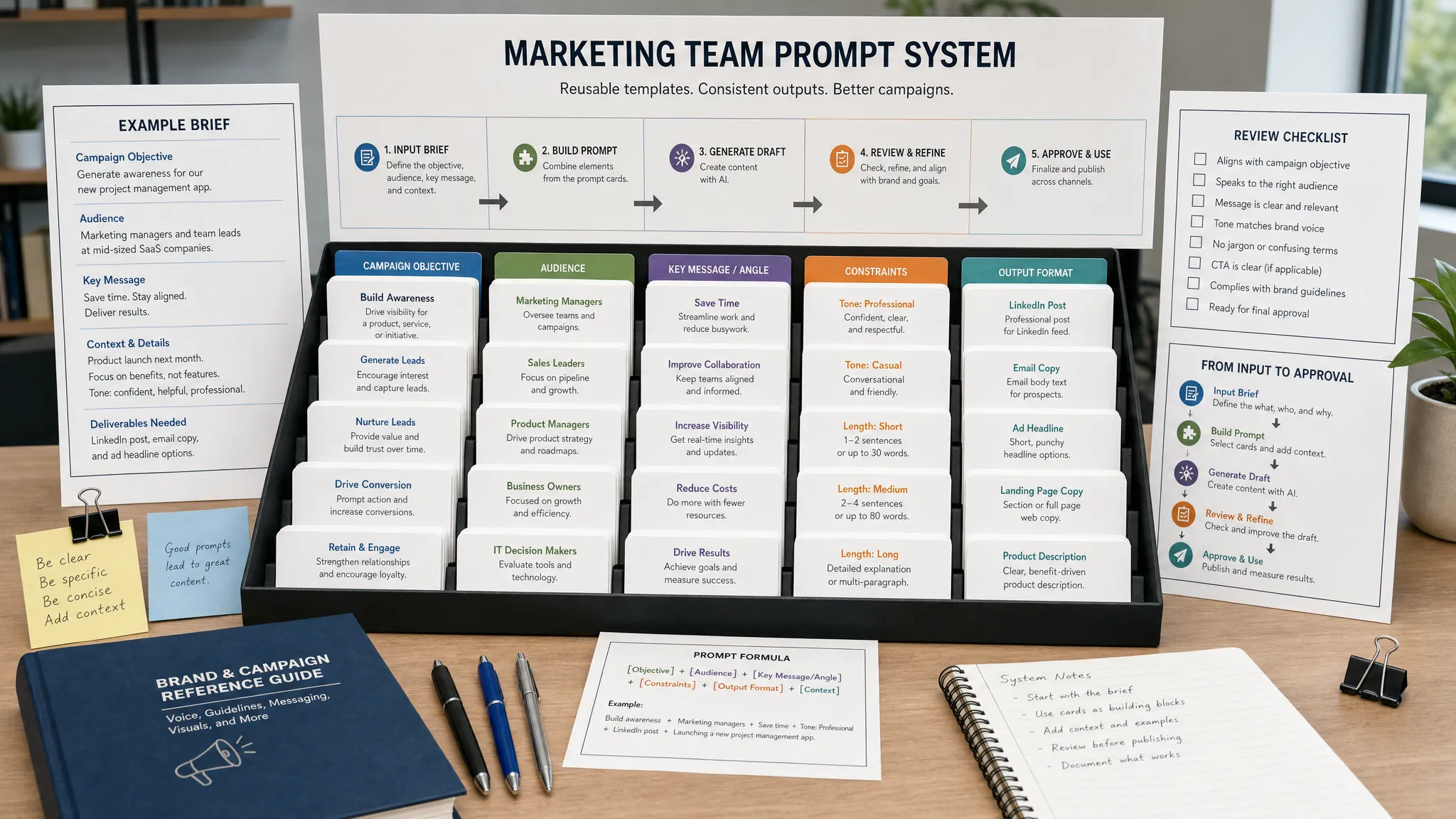
The quality of AI reporting depends heavily on the prompt. Vague prompts create vague reports. Evidence-based prompts create useful analysis.
A weak prompt is: “Analyze this SEO data and write a report.”
A better prompt is: “Review this Search Console export for the last 28 days compared with the previous 28 days. Identify the five pages with the largest non-branded click gains and losses. For each, explain whether the change appears related to impressions, CTR, or average position. Do not make recommendations unless the data supports them.”
That final sentence matters. AI models can be overly eager to recommend fixes. Your prompts should require evidence, confidence levels, and clear separation between facts and hypotheses.
The report is not finished until it produces decisions. Every recommendation should become a task, experiment, or monitoring item.
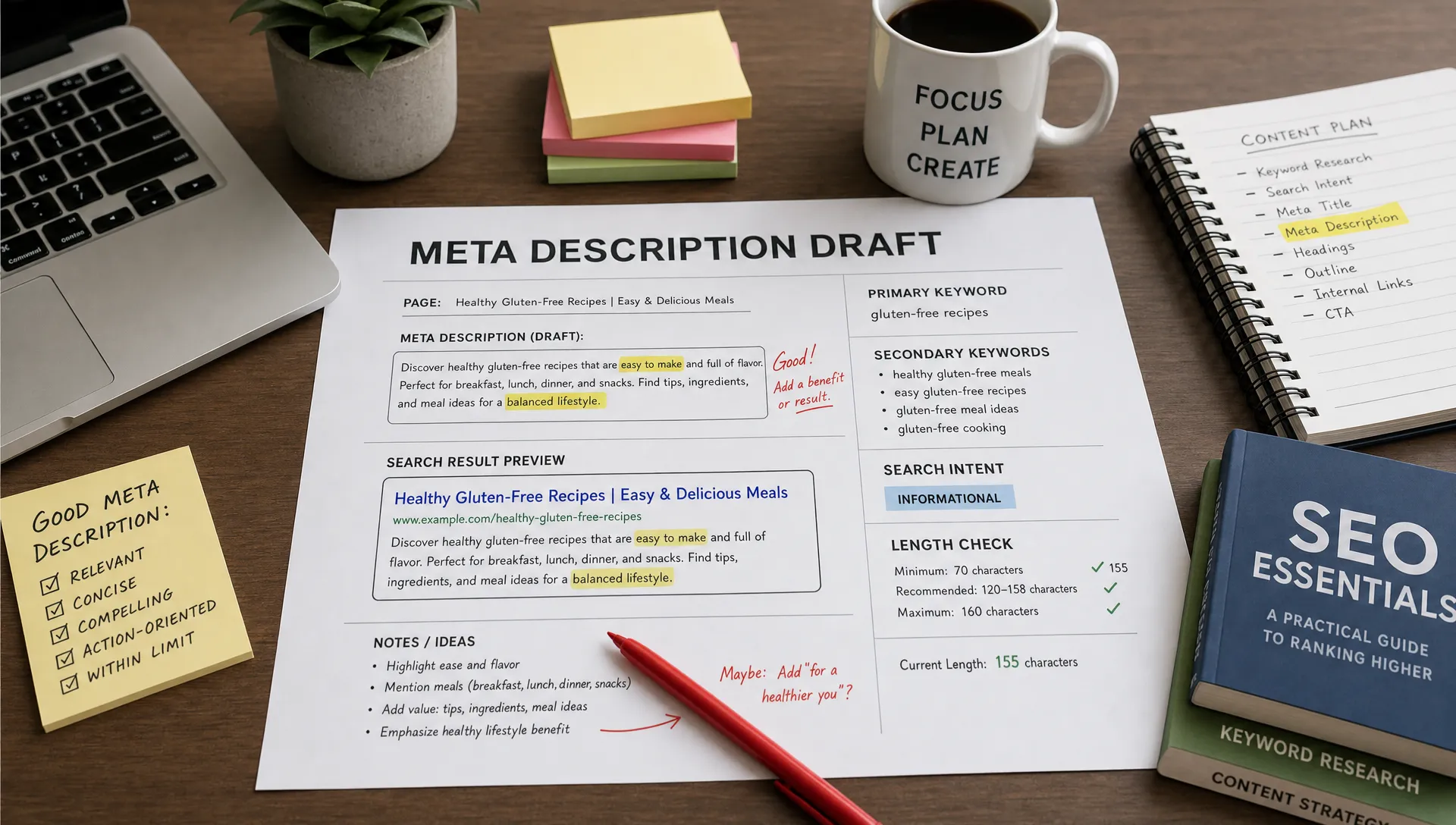
For example, an AI-assisted report might identify that a high-impression page has low CTR. The action could be rewriting the title and meta description. If a cluster of posts is losing rankings, the action might be updating content, improving internal links, or building a new hub page.
Keep the action list short. A report with 30 recommendations usually creates confusion. A report with five prioritized actions is more likely to drive results.
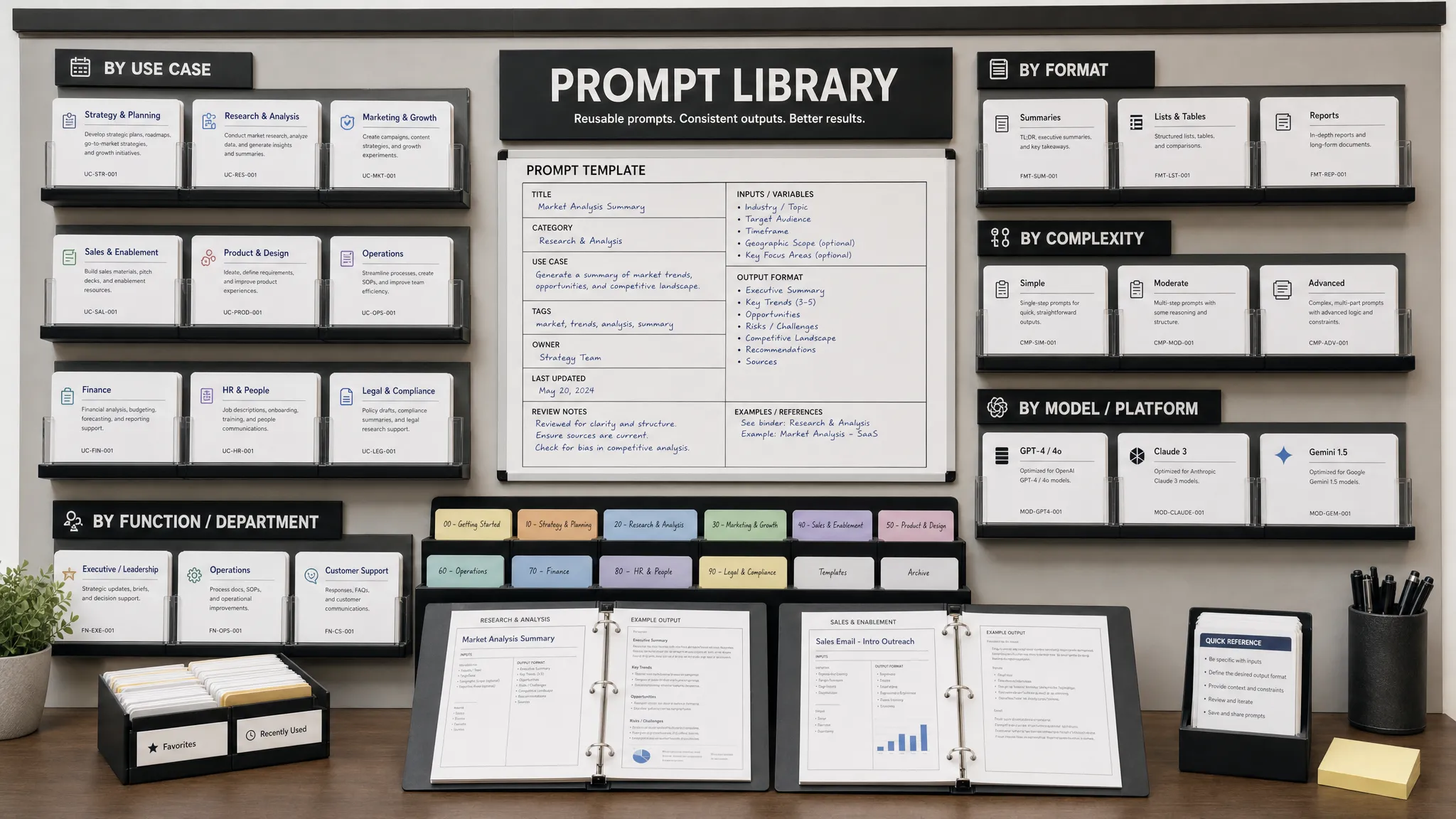
AI prompts work best when they are specific. You can adapt these for your own reporting workflow.
For executive summaries: “Using the data below, write a concise SEO performance summary for a CEO. Focus on business impact, major changes, risks, and the top three priorities for next month. Avoid technical jargon unless necessary.”
For content decay: “Analyze this page-level organic traffic data over the last six months. Identify pages with consistent decline, separate likely seasonality from potential content decay, and suggest what evidence should be reviewed before deciding to update each page.”
For Search Console analysis: “Cluster these search queries by intent. Label each cluster as informational, commercial, navigational, local, or transactional. Identify clusters with rising impressions and low CTR.”
For technical SEO: “Summarize these crawl issues for a non-technical marketing manager. Group them by severity and explain the likely SEO impact of each group. Do not overstate minor issues.”
For next actions: “Based on the findings below, recommend five prioritized SEO actions. For each action, include the expected impact, effort level, supporting evidence, and the metric we should monitor.”
These prompts save time because they reduce blank-page work. They also make reporting more consistent, especially across agencies or multi-site marketing teams.
AI can speed up analysis, but it should not replace accountability. SEO reports influence budgets, priorities, and stakeholder trust. That means accuracy matters.
Avoid using AI to:
The right standard is not “Can AI write this?” The right standard is “Can AI help us understand this faster without lowering accuracy?”
A good report should be transparent when something is unknown. For example, “Rankings declined after the site migration” is a data point. “The migration caused the decline” requires deeper evidence, such as crawl errors, indexing changes, redirect problems, or lost internal links.
AI SEO reporting should improve both efficiency and decision quality. If it only produces longer reports faster, it is not solving the real problem.
Track whether your AI reporting workflow reduces manual work, improves stakeholder understanding, and leads to more completed SEO actions.
Useful success measures include:
The most important metric may be action rate. If people read the report but nothing changes, the report is too passive. AI should help you move from reporting to prioritization.
Trust comes from process. Stakeholders do not need to know every prompt you used, but they do need confidence that the report is accurate and grounded in real data.
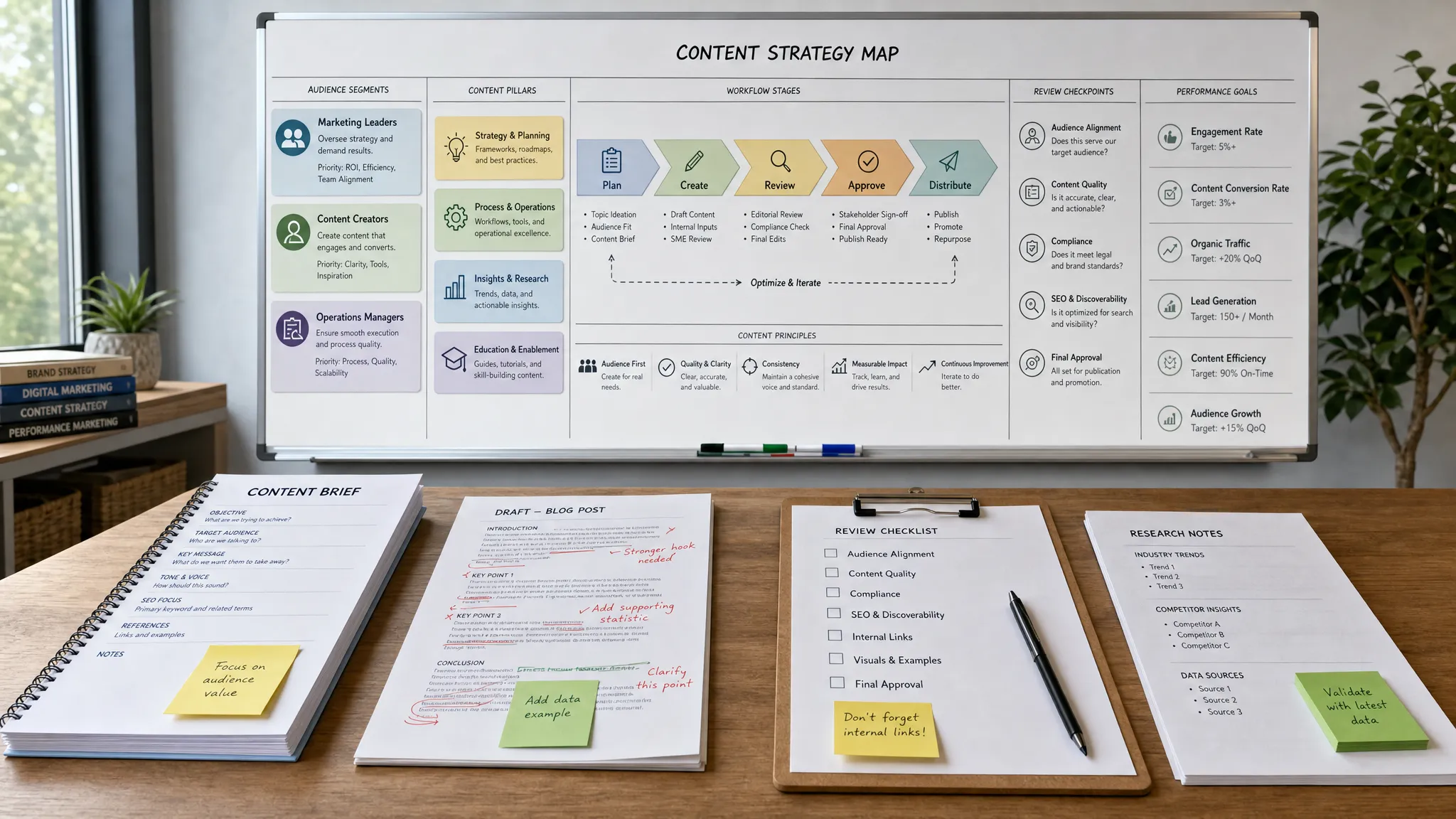
Use a simple review checklist before sending any AI-assisted SEO report:
This is especially important when reporting to clients or executives. A confident but wrong AI summary can damage trust quickly. A balanced report that says “here is what we know, here is what we suspect, and here is how we will validate it” is much more credible.
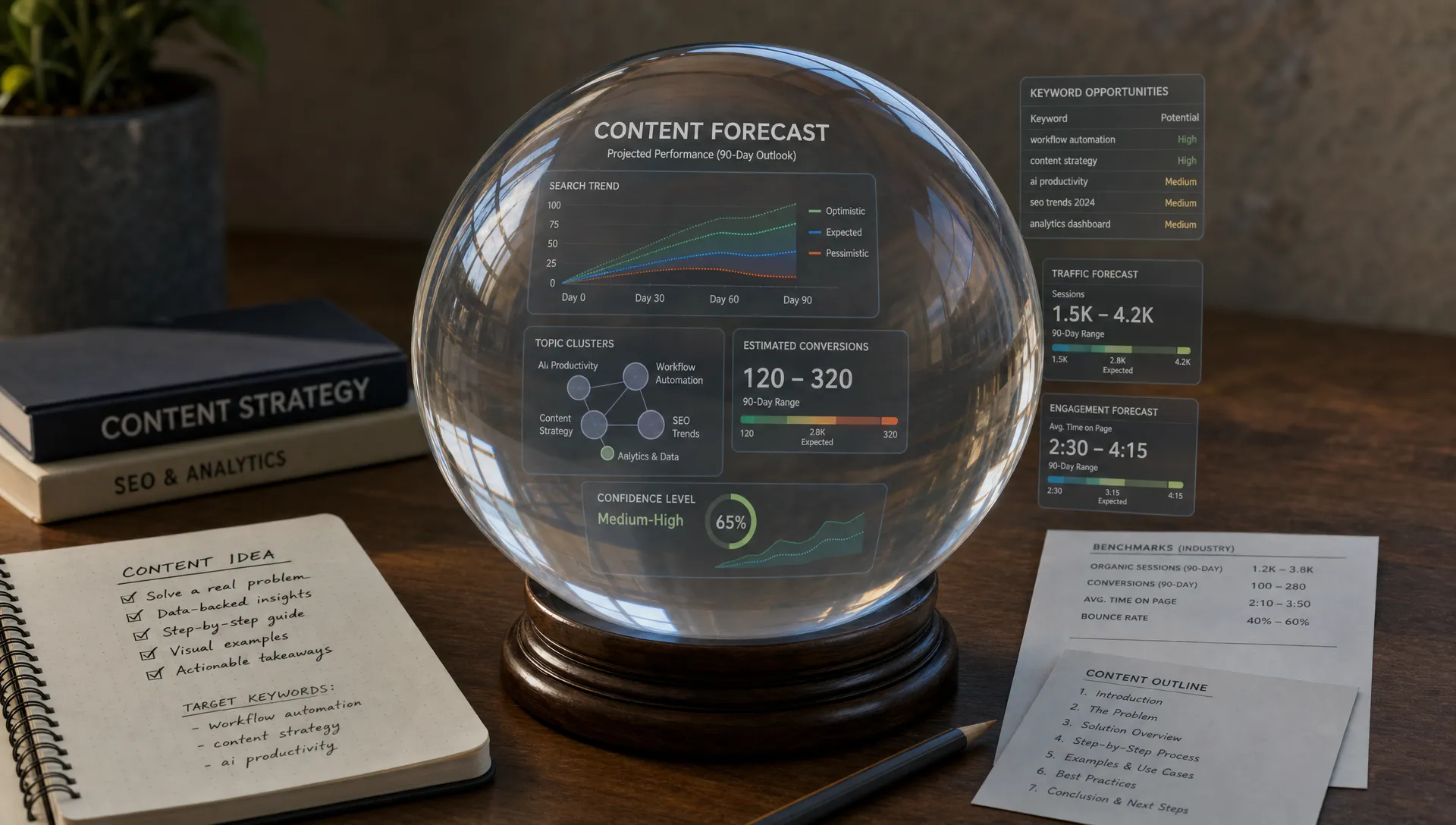
SEO reporting is moving beyond static dashboards. As AI tools improve, the real value will be in decision intelligence: connecting search visibility, content quality, technical health, customer behavior, and revenue signals into a single workflow.
That does not mean every marketer needs a complex enterprise setup. Even a simple AI-assisted reporting process can save time and improve insight quality if it is built around clear questions.
The future SEO report will not just say, “Traffic went up.” It will say, “This topic cluster gained qualified visibility, these pages contributed to conversions, these three actions likely drove the change, and these two opportunities should be prioritized next.”
That is the shift AI makes possible. Reporting becomes less about proving work happened and more about deciding what work should happen next.
What is AI SEO reporting? AI SEO reporting uses artificial intelligence to collect, summarize, analyze, and explain SEO performance data. It helps marketers identify patterns, anomalies, content opportunities, and recommended actions faster than manual reporting alone.
Can AI replace an SEO analyst? No. AI can automate repetitive reporting tasks and surface insights, but a human SEO analyst should validate the findings, add context, prioritize actions, and communicate strategy to stakeholders.
Which SEO metrics should I report with AI? The best metrics depend on your business goals, but common ones include organic traffic, non-branded clicks, impressions, keyword movement, conversions, revenue or leads, content performance, technical issues, and internal linking opportunities.
How often should AI SEO reports be created? Most teams benefit from monthly strategic reports and weekly monitoring for anomalies. Fast-moving sites, ecommerce brands, and agencies may also use automated daily alerts for major ranking, traffic, or indexing changes.
How do I prevent AI from making inaccurate SEO recommendations? Use clean data, specific prompts, evidence requirements, and human review. Ask AI to separate facts from hypotheses, include confidence levels, and avoid recommendations that are not supported by the data.
AI can make SEO reporting faster, but the real win is clarity. When reports connect performance data to prioritized action, teams stop debating spreadsheets and start improving content, rankings, conversions, and revenue.
AIMarketer Hub helps marketers put AI to work across content creation, SEO tools, prompt workflows, analytics, and practical marketing guides. Explore AIMarketer Hub to find resources that help you automate smarter, report faster, and make better marketing decisions.