Meta descriptions are short, but they do a big job. In a few words, they tell searchers why your page is worth their click, clarify the page’s value, and set expectations before someone lands on your site.
AI can make that process faster, especially when you are optimizing dozens or hundreds of pages. But there is a catch: generic prompts produce generic snippets. If you ask an AI tool to simply write a meta description, you will often get something vague, overstuffed, or disconnected from the actual search intent.
The better approach is to use AI as an SEO writing assistant, not a replacement for strategy. Below is a practical workflow you can use to write better meta descriptions with AI, including prompt templates, quality checks, examples, and performance tips.
A meta description is the HTML summary that search engines may use as the snippet under your title tag in search results. Search engines do not always display the exact description you provide, but a clear, relevant meta description still matters because it helps define the page’s promise.
In practice, meta descriptions support three important goals:
That last point is especially important when using AI marketing tools. AI is excellent at generating variations, condensing ideas, and adapting tone. It is less reliable when the page strategy is unclear. If your content lacks a distinct angle, the AI will usually fall back on bland language such as ‘discover tips’ or ‘learn more today.’
A strong AI-assisted process starts before the prompt. It starts with understanding the searcher.
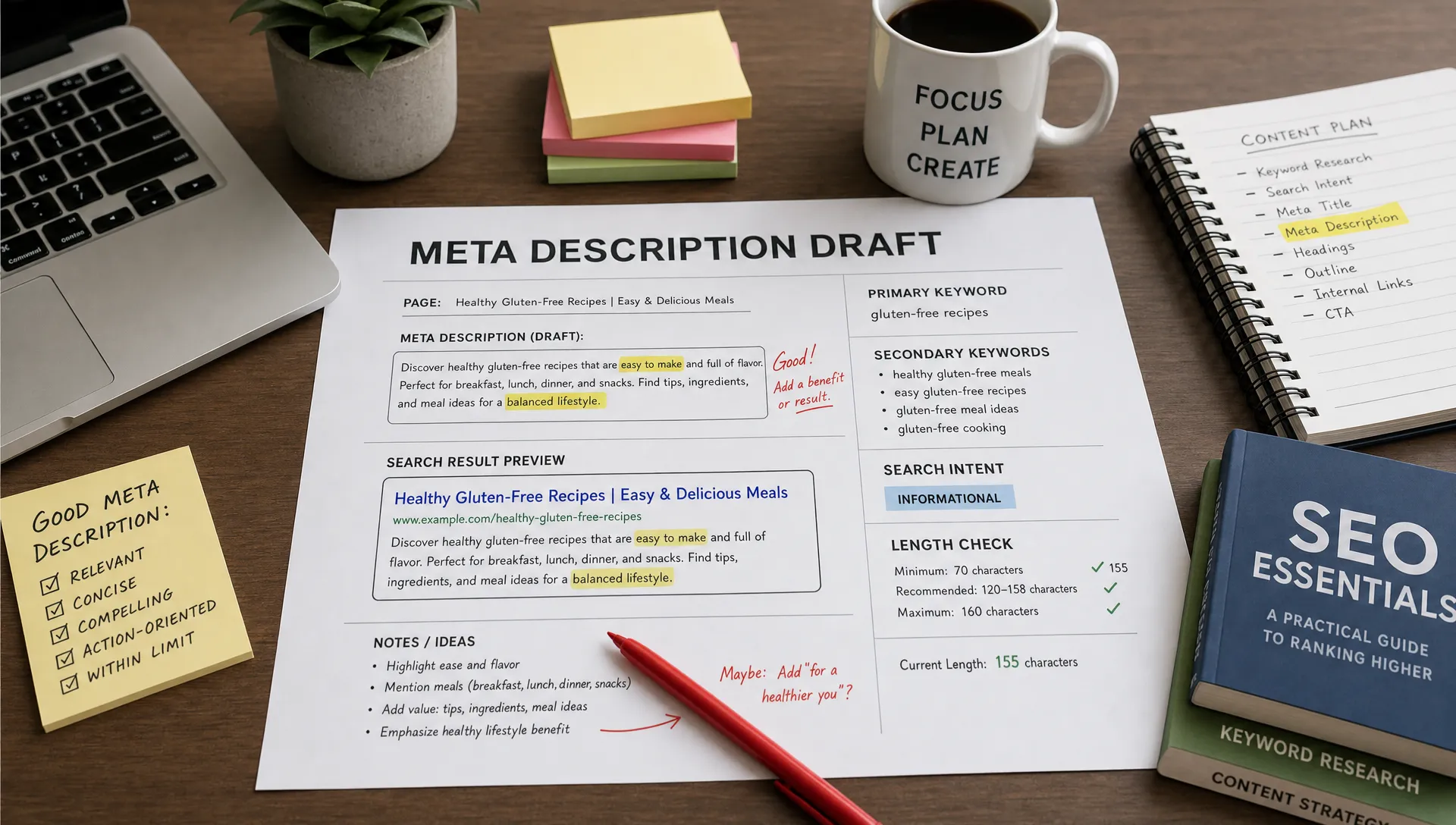
A good meta description is not just a shorter version of your introduction. It is a focused search result pitch. It should summarize what the user will get, align with the keyword’s intent, and give the reader a reason to choose your result over similar pages.
For most pages, aim for a description that is:
Here is a weak example:
Weak: Learn about AI marketing and how it can help your business grow online with useful tips and strategies.
That description is not terrible, but it is generic. It could apply to hundreds of articles.
Here is a stronger version:
Better: Use AI marketing workflows to speed up content creation, improve targeting, and turn campaign data into smarter decisions.
The better version is more specific. It tells the reader what kind of value to expect and uses natural language instead of stuffing repeated keywords.
AI output quality depends heavily on input quality. Before asking for meta descriptions, collect the strategic details the model needs to make good decisions.
At minimum, provide:
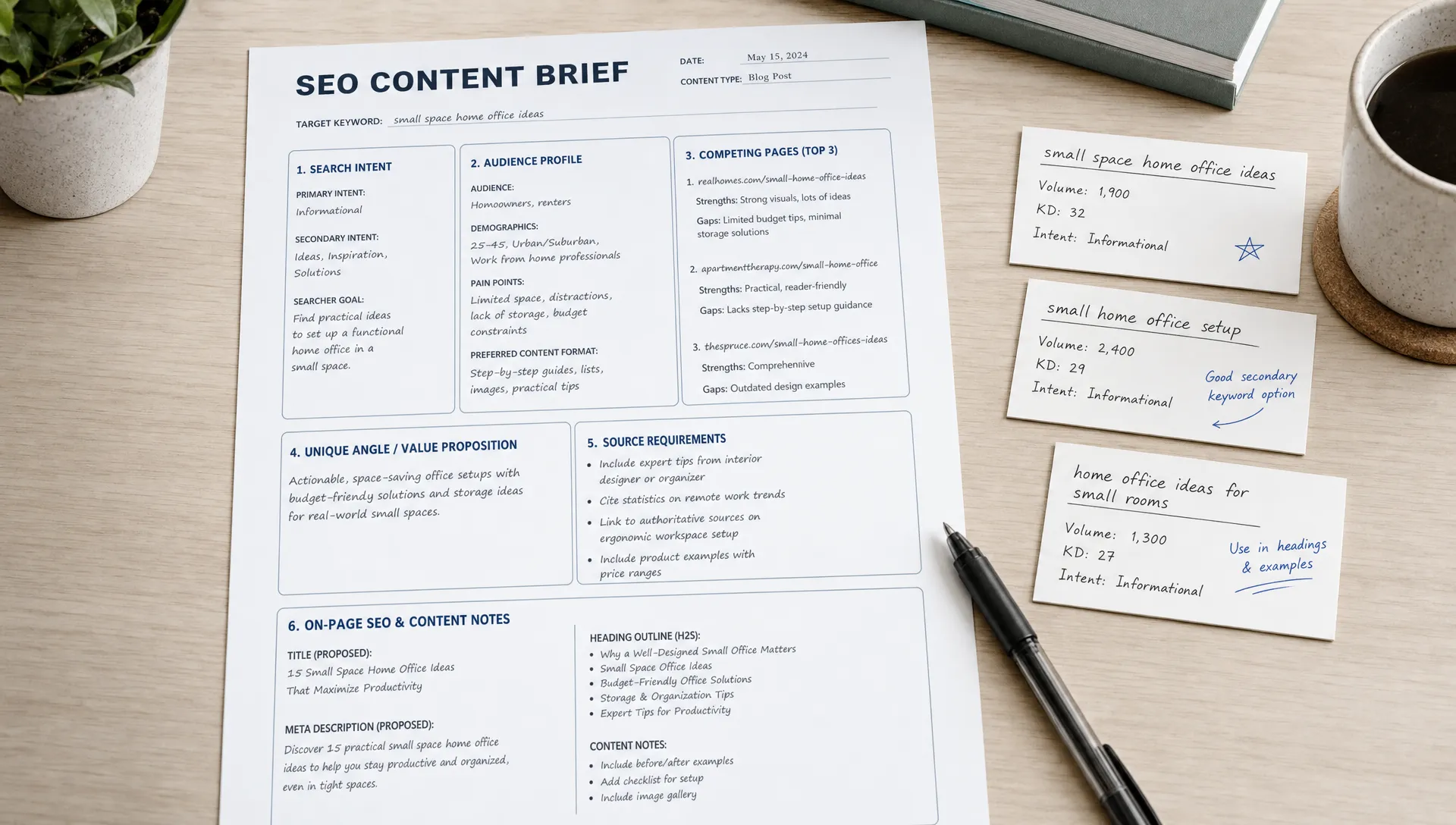
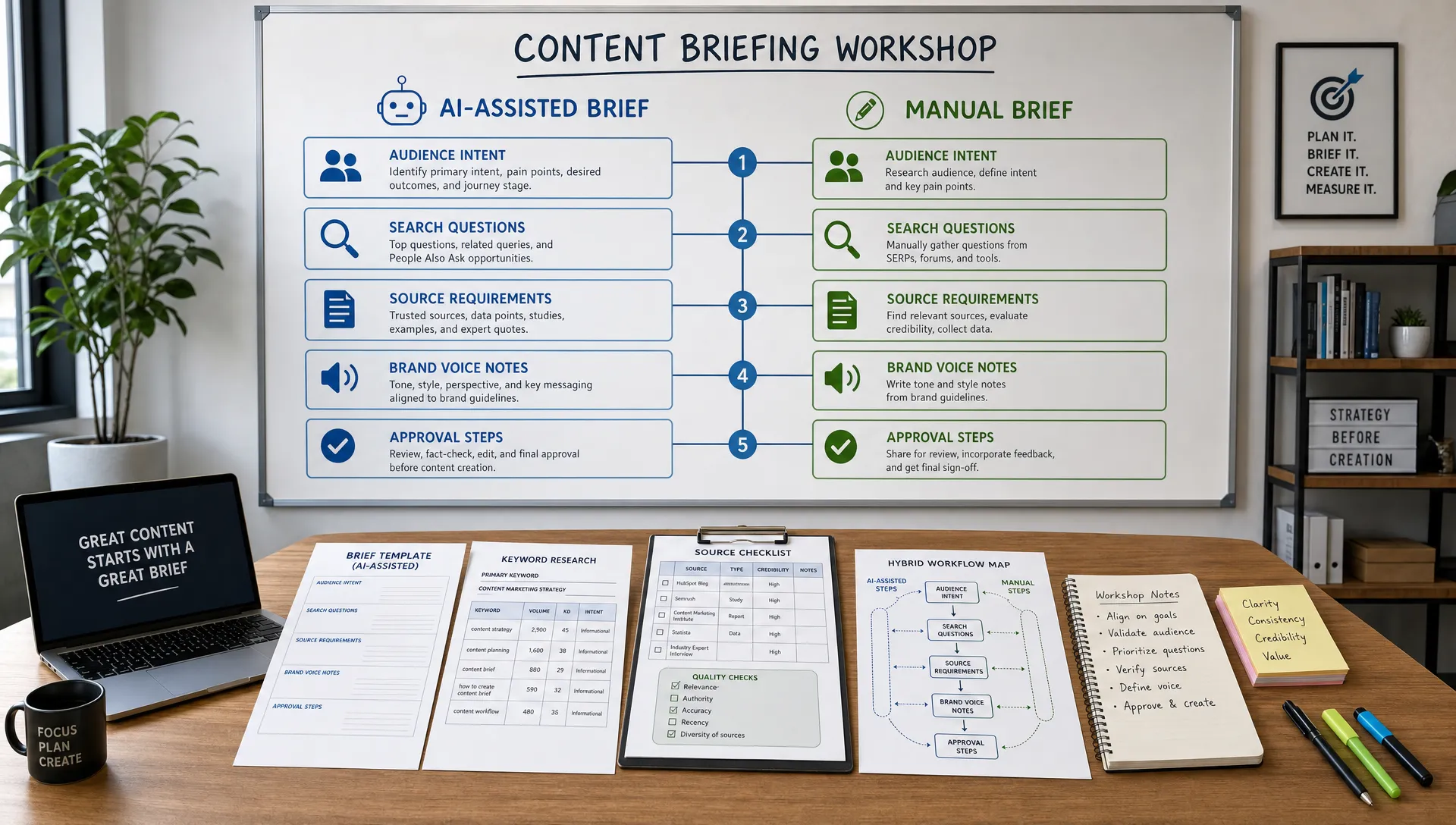
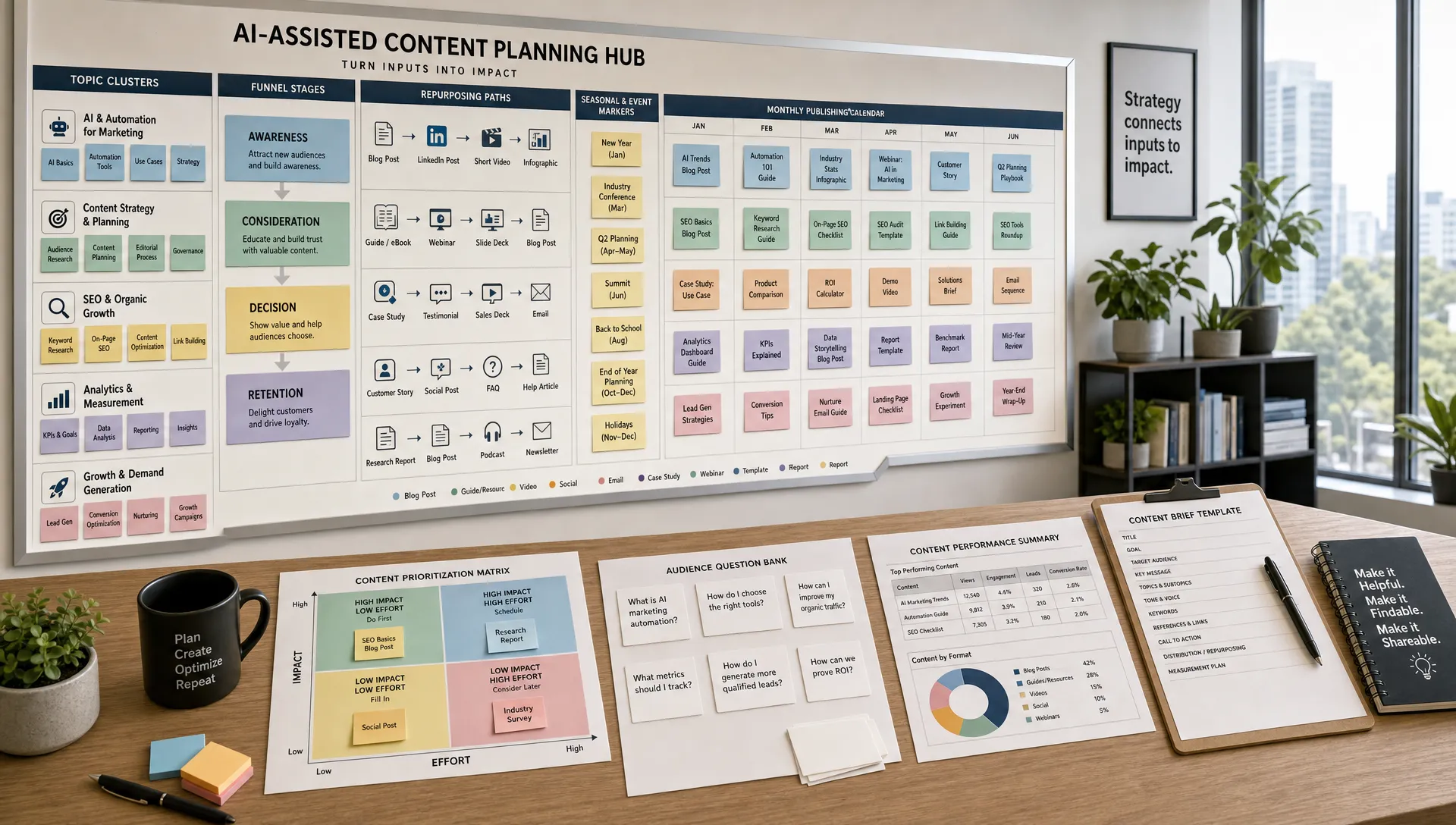
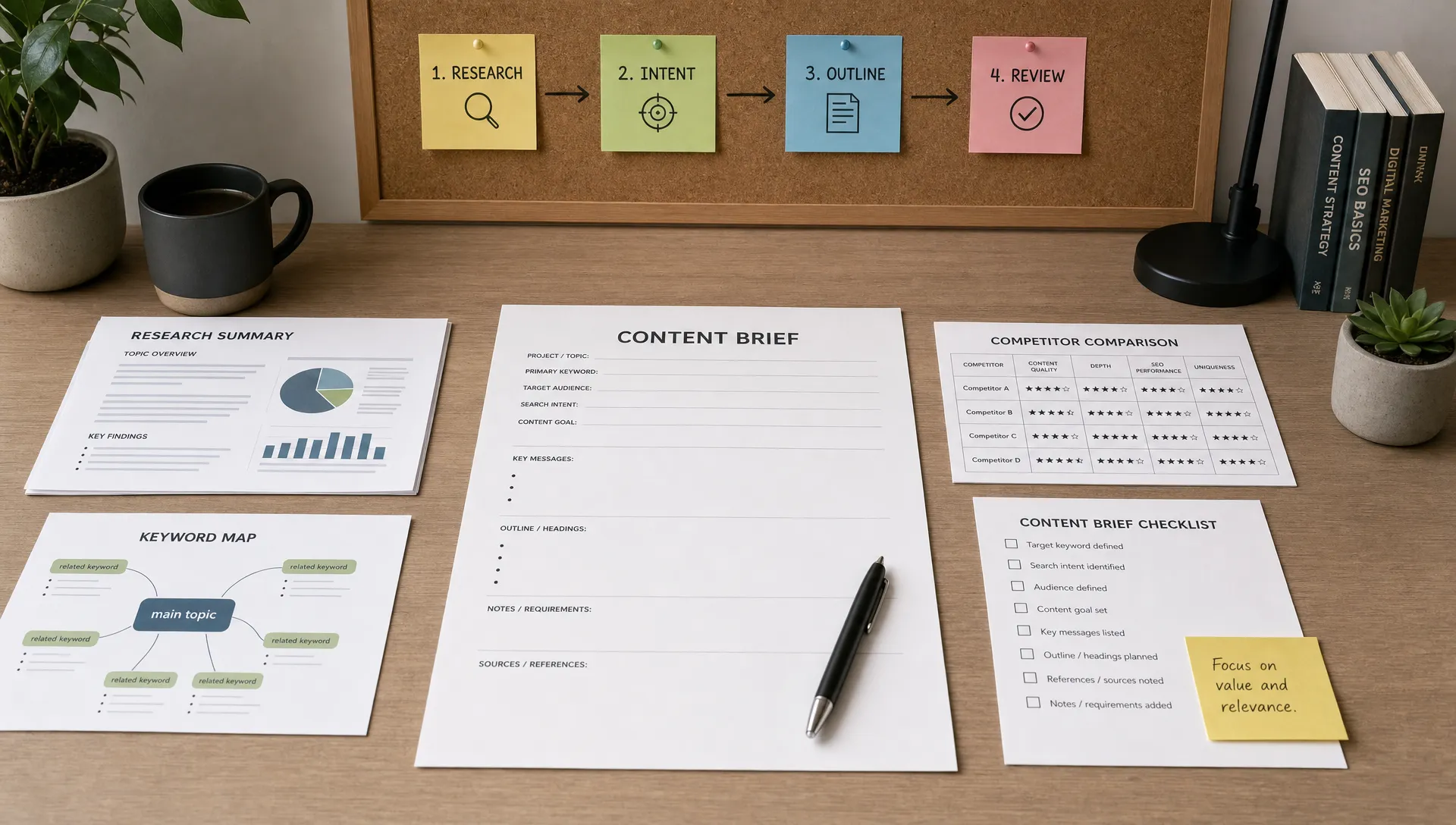
If you are creating new content, it helps to define these inputs during the briefing stage. For a more complete process, you can use an AI-assisted SEO content brief to clarify intent, audience, entities, and differentiation before you start writing snippets.
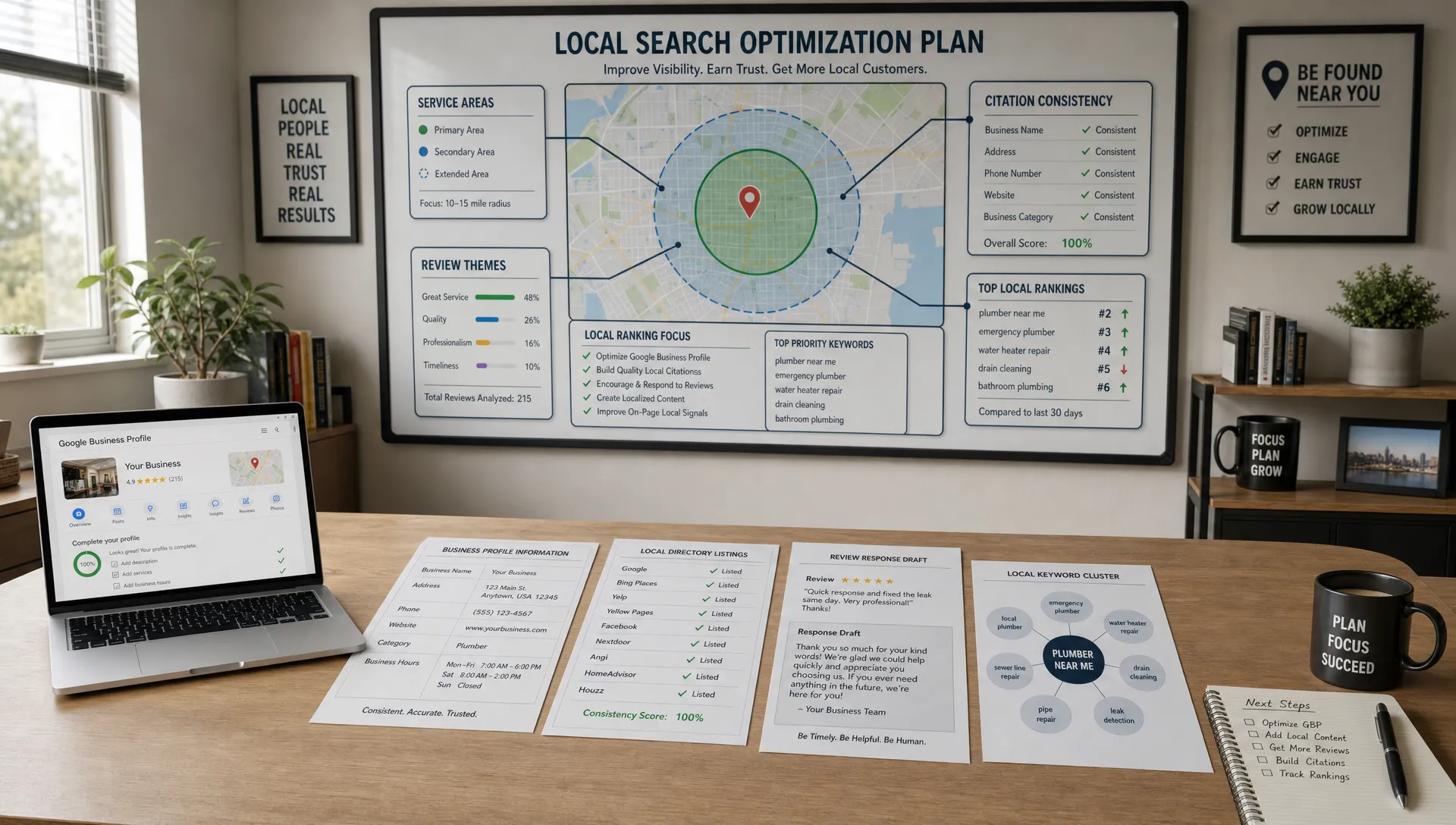
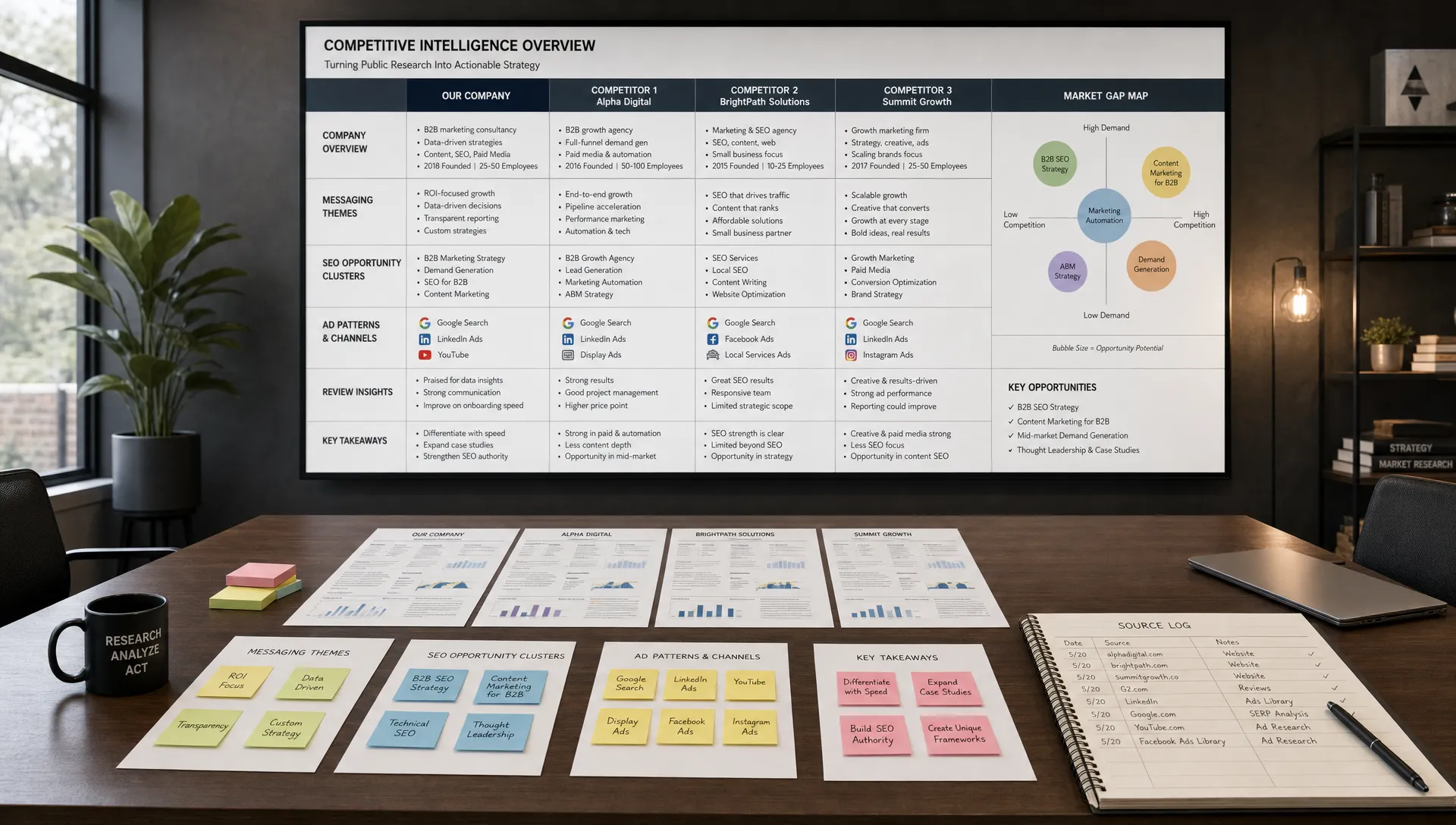
For niche industries, also study how specialized competitors position their services in search. For example, a company targeting manufacturing or technical buyers might review messaging from B2B industrial inbound marketing providers to understand how sector-specific benefits, services, and search language are framed.
The goal is not to copy competitors. The goal is to teach the AI what matters in your market so it can generate descriptions that sound informed rather than generic.
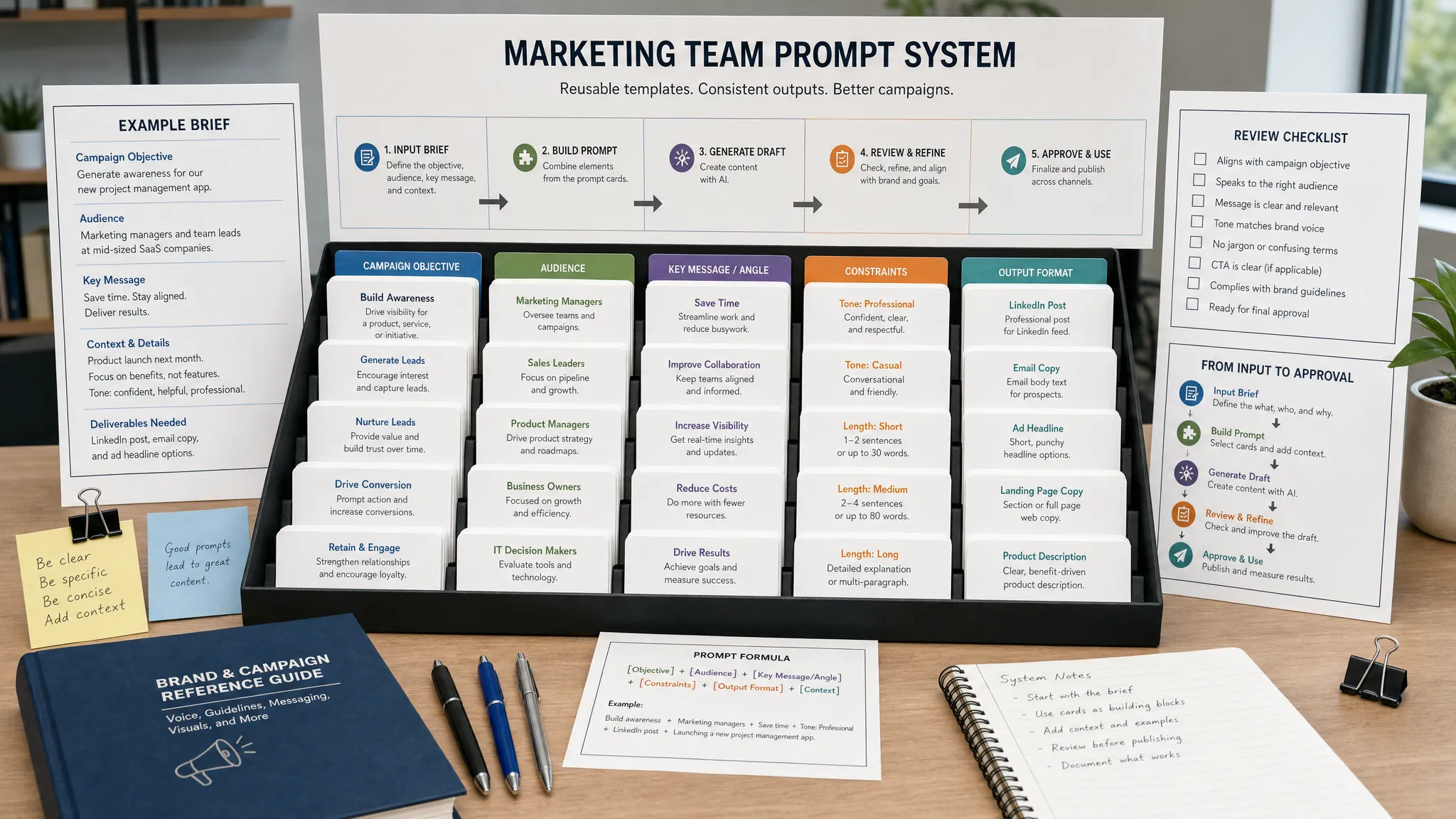
Use this prompt as a starting point. You can adapt it for ChatGPT, Claude, Gemini, or any AI content generation tool your team uses.
Act as an SEO editor. Write 8 meta description options for the page below.

Page title: [insert title]
Page type: [blog post, service page, product page, landing page]
Primary keyword: [insert keyword]
Audience: [insert audience]
Search intent: [insert intent]
Main promise of the page: [insert benefit]
Brand tone: [clear, practical, expert, friendly]
Must include: [optional phrase]
Must avoid: [claims, jargon, unsupported promises]

Requirements:
Each option should be 145 to 160 characters when possible.
Use the primary keyword naturally, not repeatedly.
Make each version distinct.
Do not use clickbait.
Do not promise anything the page does not deliver.
After the 8 options, choose the best 3 and briefly explain why.
This prompt works because it gives the AI constraints and editorial judgment. Instead of producing one random answer, it creates options, compares them, and explains the reasoning. That makes it easier for a human editor to choose or refine the best version.
AI can draft quickly, but you should still edit. The best meta descriptions often come from combining AI-generated options with human judgment.
Use this simple review process:
For example, suppose the page title is ‘How to Use AI to Write Better Meta Descriptions.’
AI first draft: Discover how AI can help you write meta descriptions that improve SEO and drive more traffic to your website.
This is acceptable, but it is broad. It does not explain what the reader will actually learn.
Edited version: Use AI to write clearer meta descriptions with better prompts, examples, review steps, and CTR-focused SEO workflows.
The edited version is stronger because it names the method and the value. It also signals that the article is practical, not just theoretical.
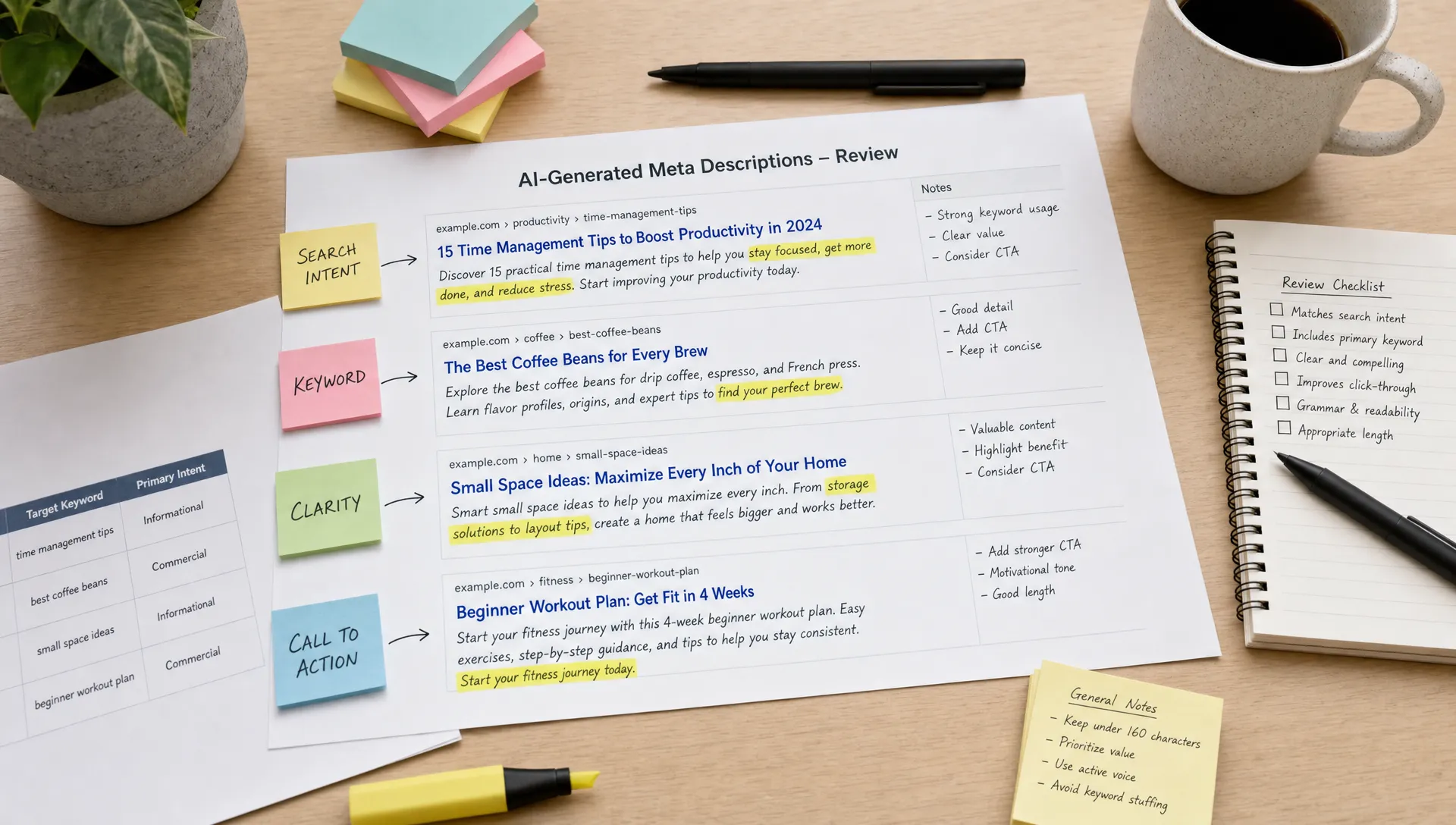
Not every meta description should follow the same formula. A blog post, product page, and service page all have different jobs. AI can help you adapt the message, but only if you tell it what kind of page it is writing for.
For blog posts, the meta description should highlight the question answered, the outcome, or the framework the reader will get.
A strong blog meta description often includes:
Example:
Page topic: AI content generation tips for marketing ROI
Meta description: Improve AI content ROI with smarter prompts, stronger briefs, better review workflows, and a strategy tied to business outcomes.
This works because it connects the topic to measurable marketing value, not just faster writing.
For service pages, the description should speak to buyer intent. The searcher may be comparing providers, evaluating expertise, or looking for a solution to a business problem.
Example:
Page topic: AI marketing automation services
Meta description: Streamline campaigns with AI marketing automation strategies built to improve content workflows, reporting, and lead generation.
The language is direct, outcome-oriented, and suitable for a commercial page.
For product pages, emphasize the product category, key benefit, audience, and any verified differentiator. Avoid unsupported claims like ‘best’ unless the page proves it.
Example:
Page topic: AI-powered analytics dashboard
Meta description: Track campaign performance with AI-powered analytics that help marketers spot trends, measure results, and optimize faster.
This description tells the searcher what the product helps them do without making exaggerated promises.
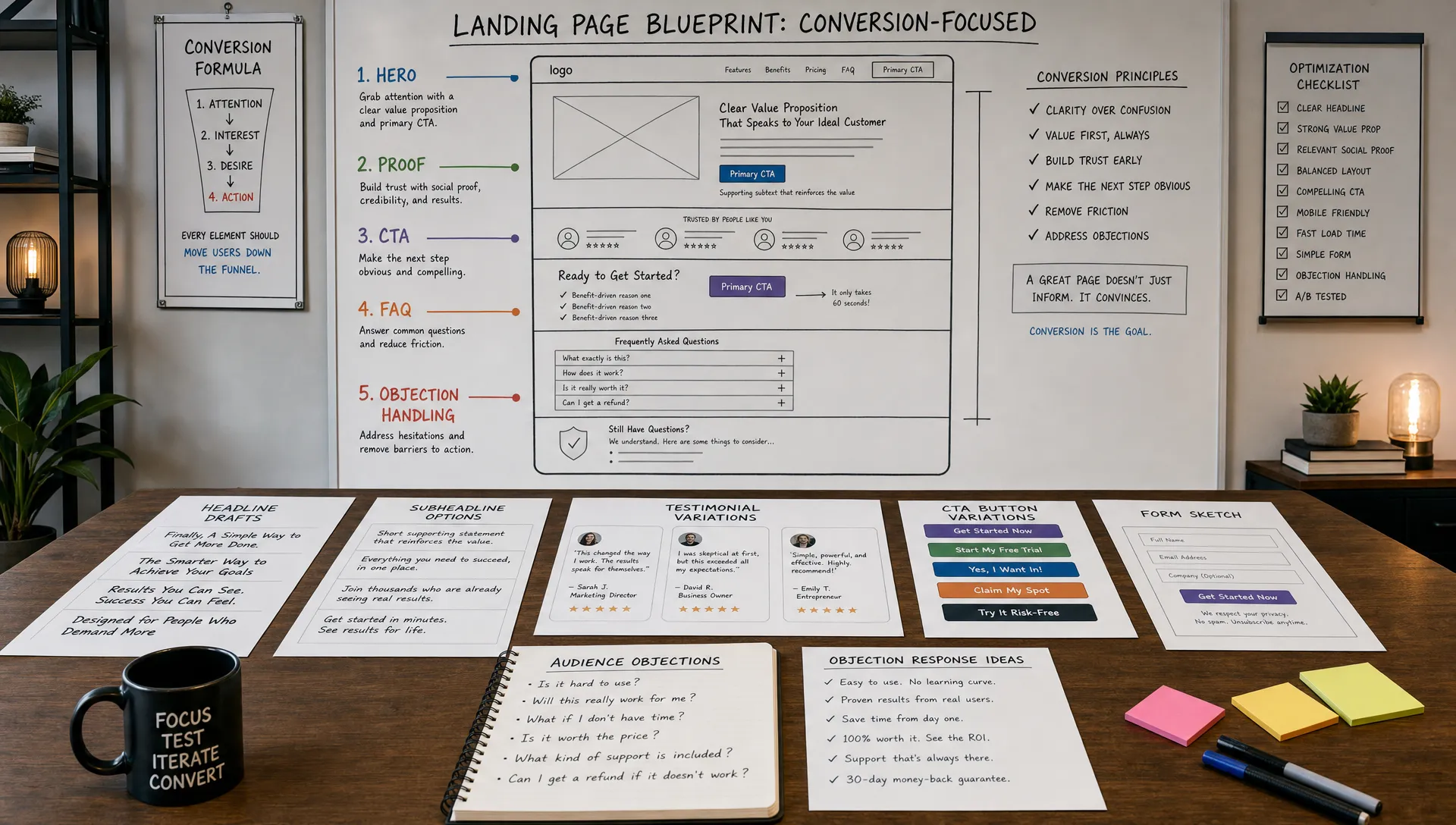
Landing pages usually need tighter alignment with the offer. The meta description should reinforce the page’s conversion goal while still sounding natural in search results.
Example:
Page topic: Free AI marketing prompt library
Meta description: Explore practical AI marketing prompts for content creation, SEO, email, ads, and campaign planning in one organized resource.
This makes the value of the offer clear before the click.
If you manage a growing content library, writing meta descriptions one by one can become inefficient. AI can help you scale, but you need a workflow that protects quality.
A practical process looks like this:
This approach is especially useful when refreshing existing content. Instead of rewriting every snippet blindly, prioritize pages with impressions but weak CTR, pages ranking on page one, and pages with outdated positioning.
If your broader goal is to connect AI writing to measurable business results, the same principle applies across your content operation. Strong inputs, defined outcomes, and review checkpoints are central to AI content generation that improves ROI, not just meta descriptions.
Generic output is the most common problem marketers face when using AI for metadata. Fortunately, it is usually easy to fix.
Instead of asking:
Write a meta description for this article.
Ask:
Write 8 meta descriptions for a practical SEO guide aimed at marketing managers who want to use AI to write better meta descriptions. Emphasize better prompts, search intent, editing, and CTR improvement. Avoid generic phrases such as learn more, boost your SEO, or comprehensive guide.
The second prompt gives the AI a role, audience, differentiators, and banned phrases. That dramatically improves the usefulness of the output.
You can also ask the AI to critique itself:
Review these meta descriptions. Flag any that sound generic, overpromising, duplicated, too long, or misaligned with search intent. Then rewrite the top 3.
This self-review step is not perfect, but it catches many obvious issues. It also helps junior marketers understand why one snippet is stronger than another.
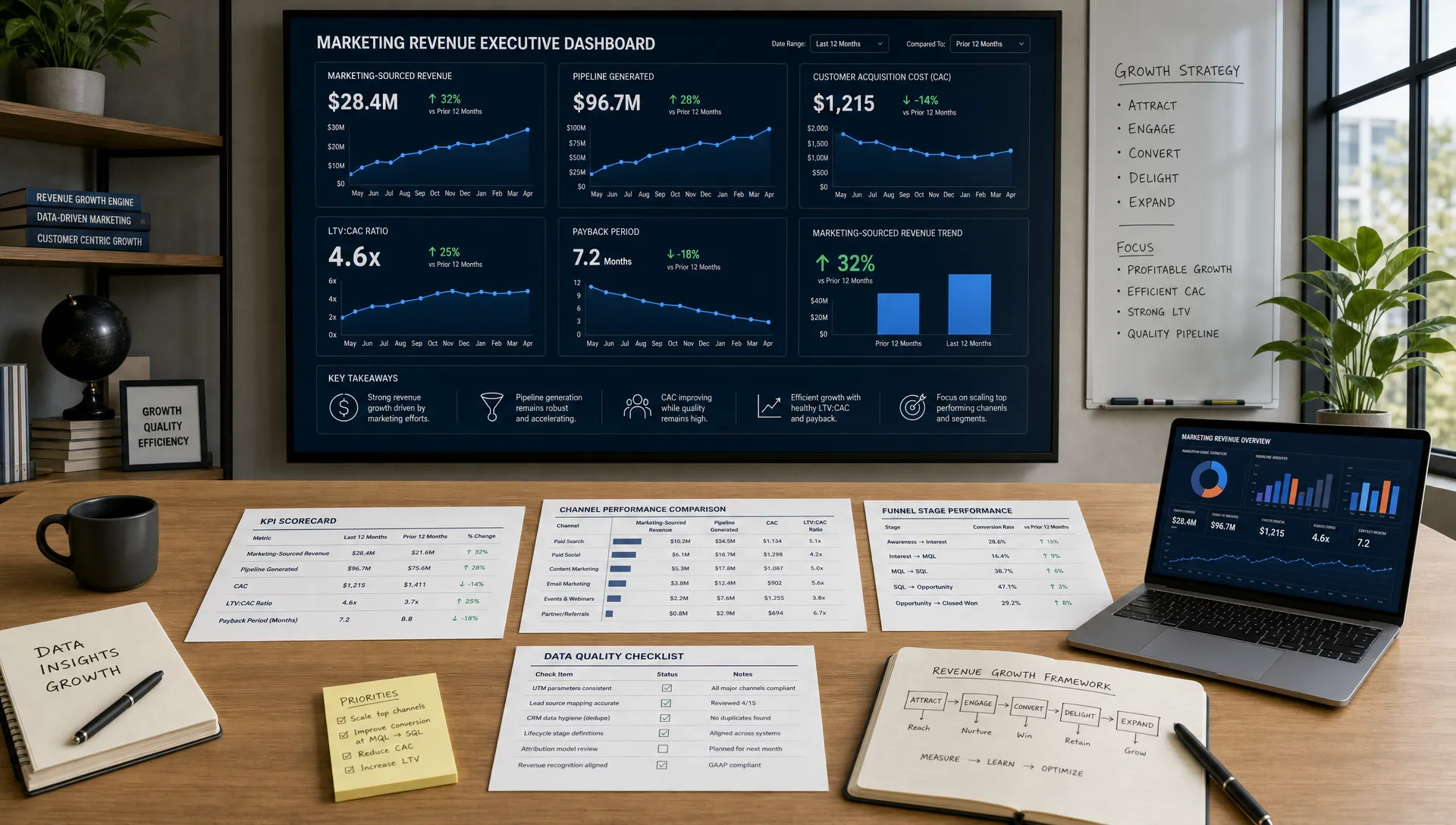
A better meta description should help the right people click, but you need data to validate the impact. Use Google Search Console or your SEO reporting platform to monitor changes after updating descriptions.
Focus on:
Do not judge performance too quickly. Give search engines time to recrawl the page and gather enough impressions to compare results. Also remember that CTR changes can be influenced by rankings, SERP features, seasonality, brand awareness, title tags, and competitor snippets.
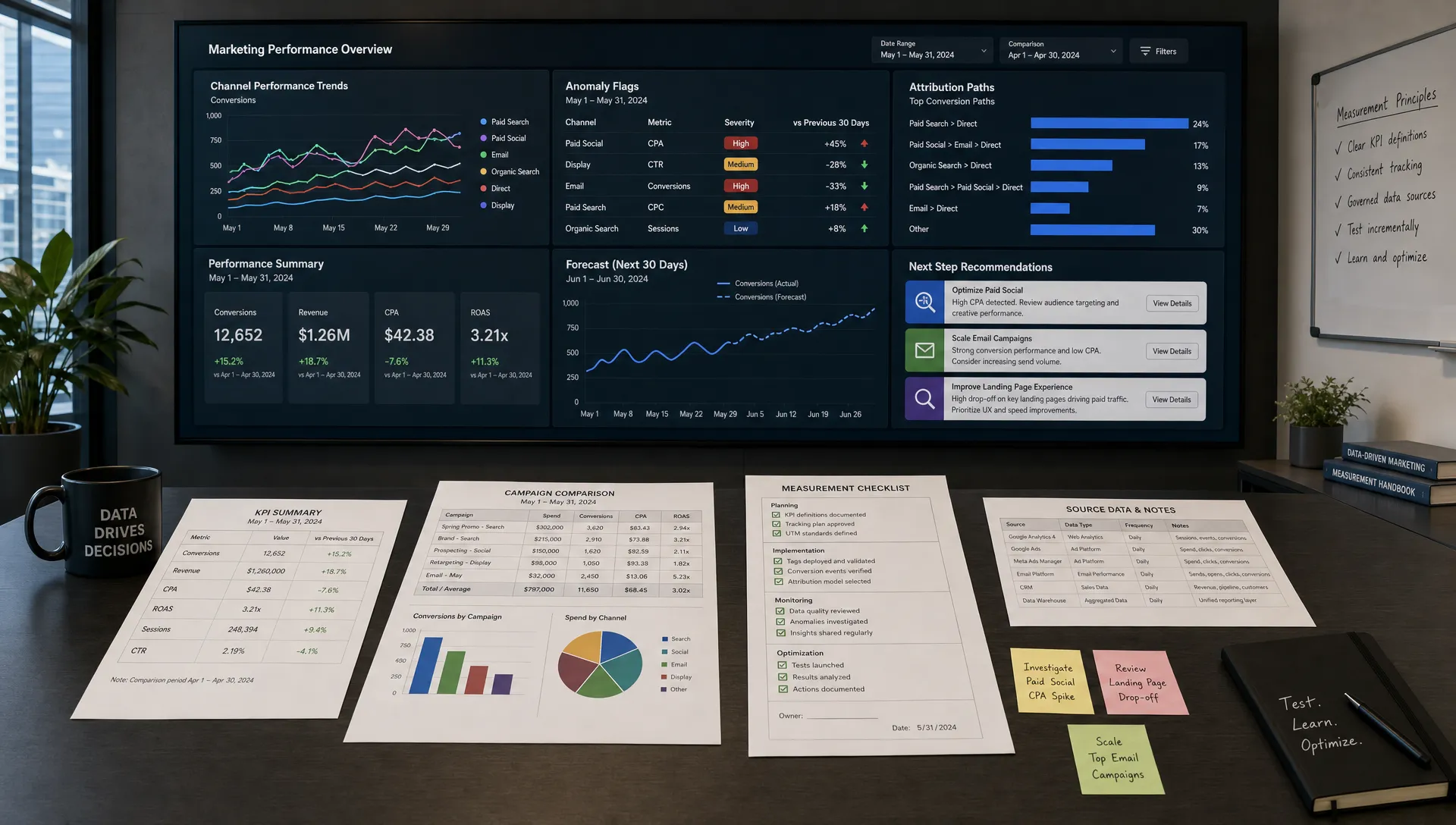
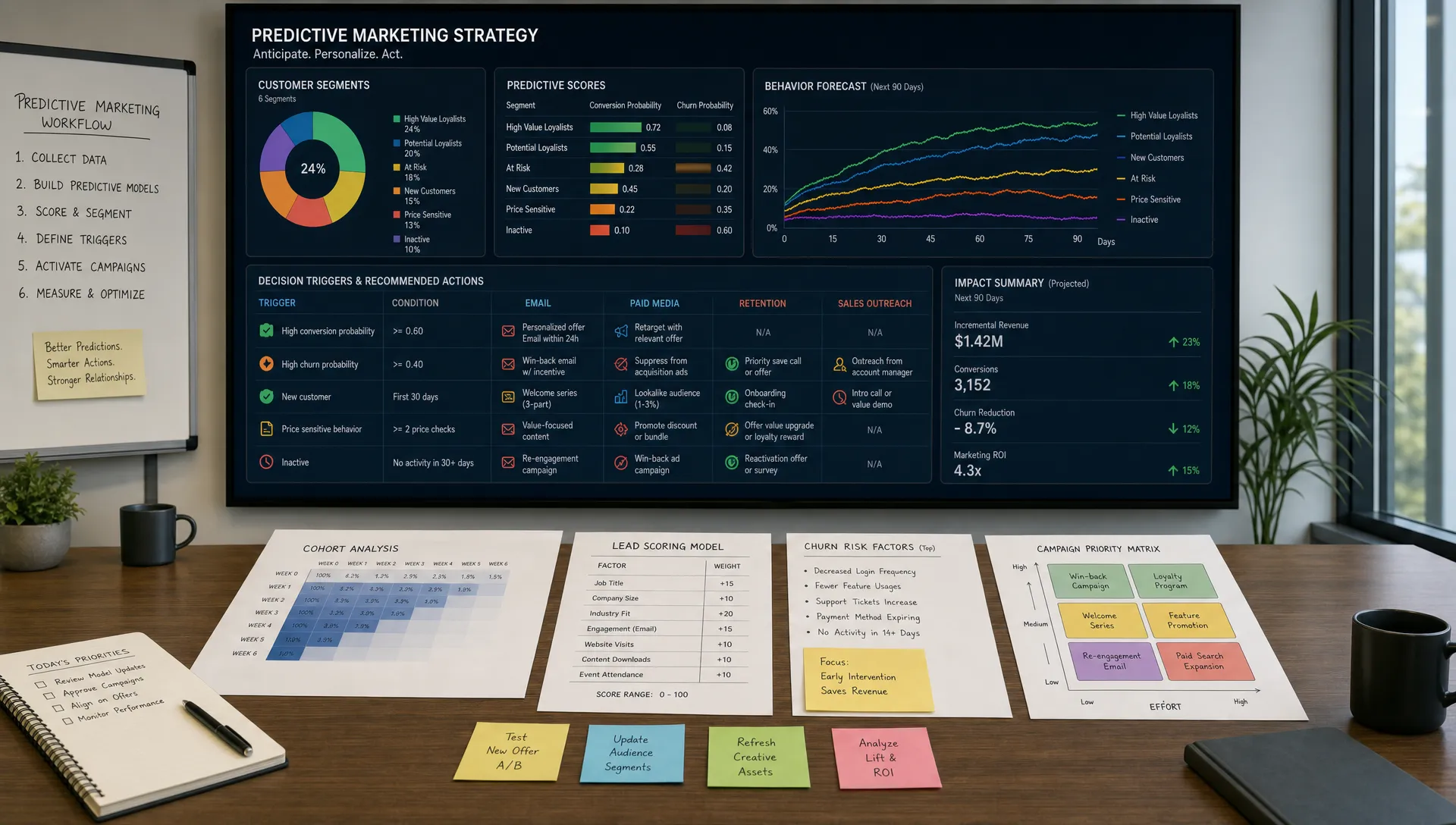
AI can help with the reporting side too. For example, you can use it to summarize CTR changes, cluster queries by intent, and flag pages where impressions are strong but clicks are underperforming. If that is part of your workflow, this guide to SEO reporting with AI is a useful next step.
AI makes meta description writing easier, but it can also amplify bad habits if your process is too loose.
Avoid these mistakes:
The best AI-assisted SEO workflows combine automation with editorial control. Let AI generate options and speed up repetitive work, but keep strategy, accuracy, and final approval in human hands.
Can AI write meta descriptions automatically? Yes, AI can generate meta descriptions at scale, but the best results come from providing page context, search intent, audience details, and clear constraints. Human review is still important for accuracy and differentiation.
How long should a meta description be? A common target is around 150 to 160 characters, but search result display lengths can vary. Focus on writing a concise, useful summary rather than forcing every description to hit an exact number.
Do meta descriptions directly improve rankings? Meta descriptions are not usually treated as a direct ranking lever in the same way as content relevance or links. Their main SEO value is improving how your result appears to searchers, which can influence click-through behavior.
Why does Google rewrite meta descriptions? Google may rewrite snippets when it believes page content better matches a specific query. A clear, accurate, query-relevant meta description increases the chance that your preferred summary is useful, but it does not guarantee it will always display.
How many AI-generated options should I create? For important pages, generate at least 5 to 10 options. This gives you enough variety to compare angles, remove generic versions, and combine the best parts into a stronger final description.
Using AI to write better meta descriptions is not about replacing SEO judgment. It is about making the writing process faster, more consistent, and more strategic.
Start with the search intent. Give the AI clear inputs. Generate multiple options. Edit for specificity and accuracy. Then measure whether your updated snippets attract more qualified clicks.
That simple workflow turns meta descriptions from a last-minute CMS field into a small but meaningful part of your AI marketing strategy.