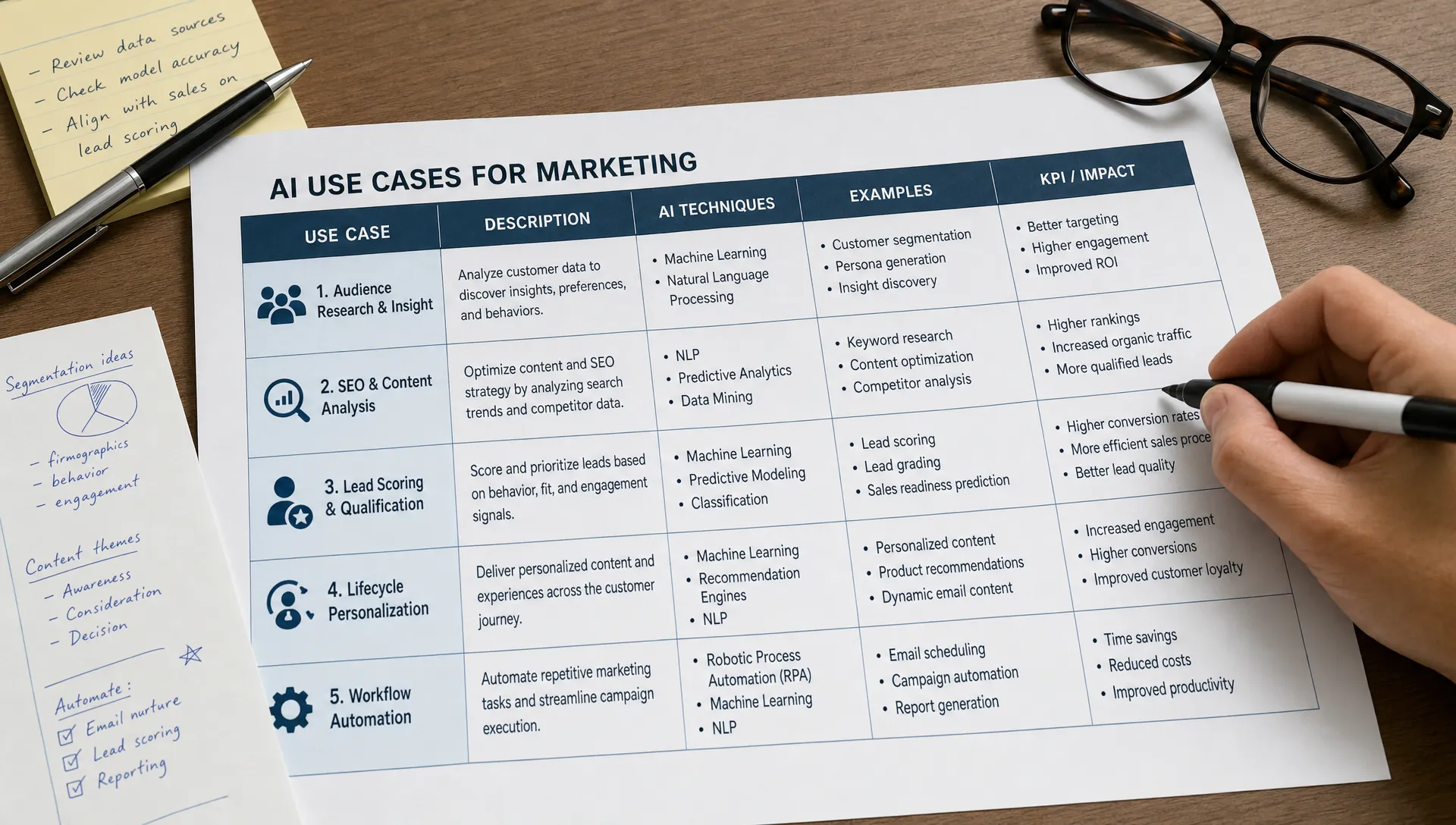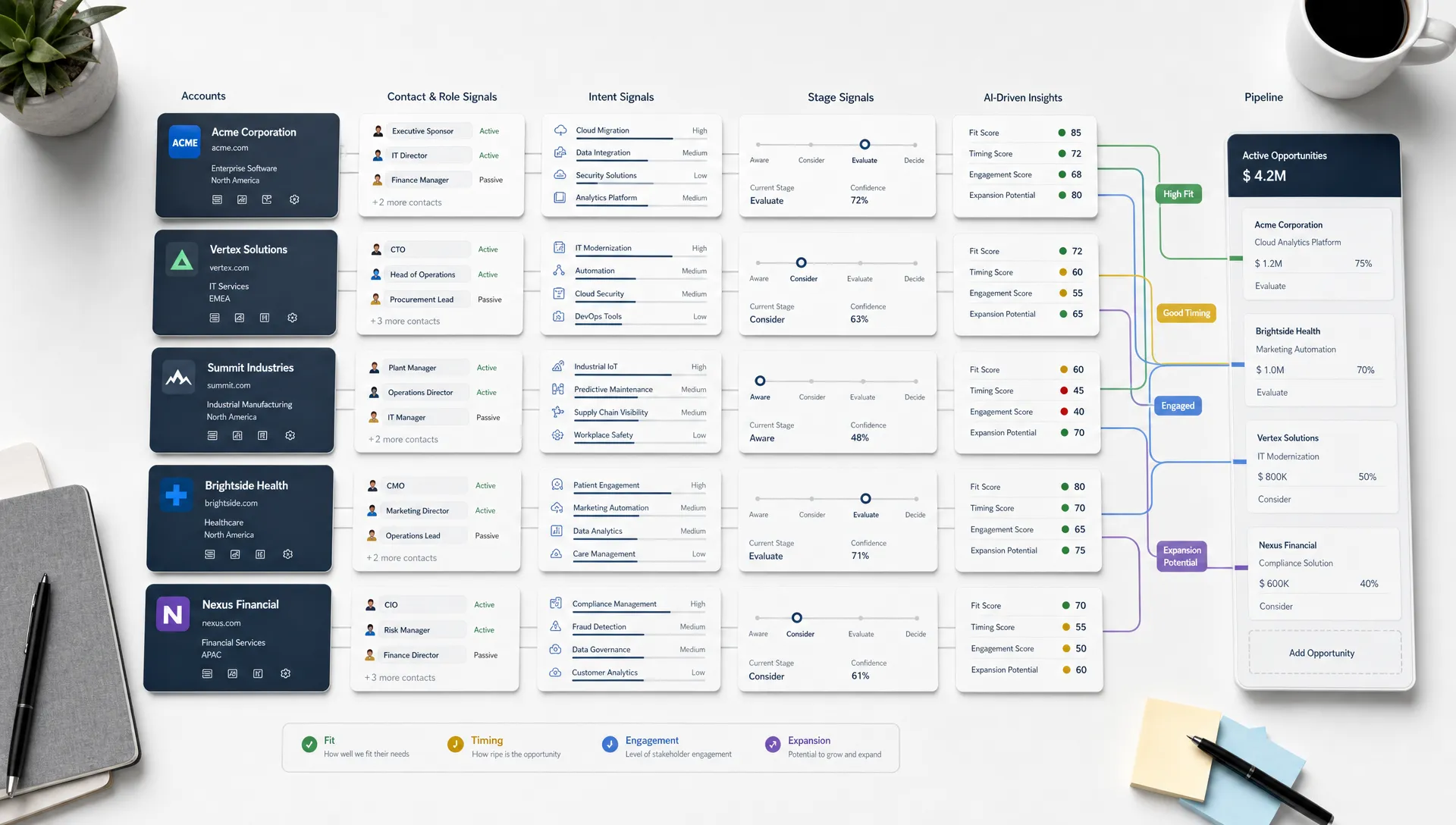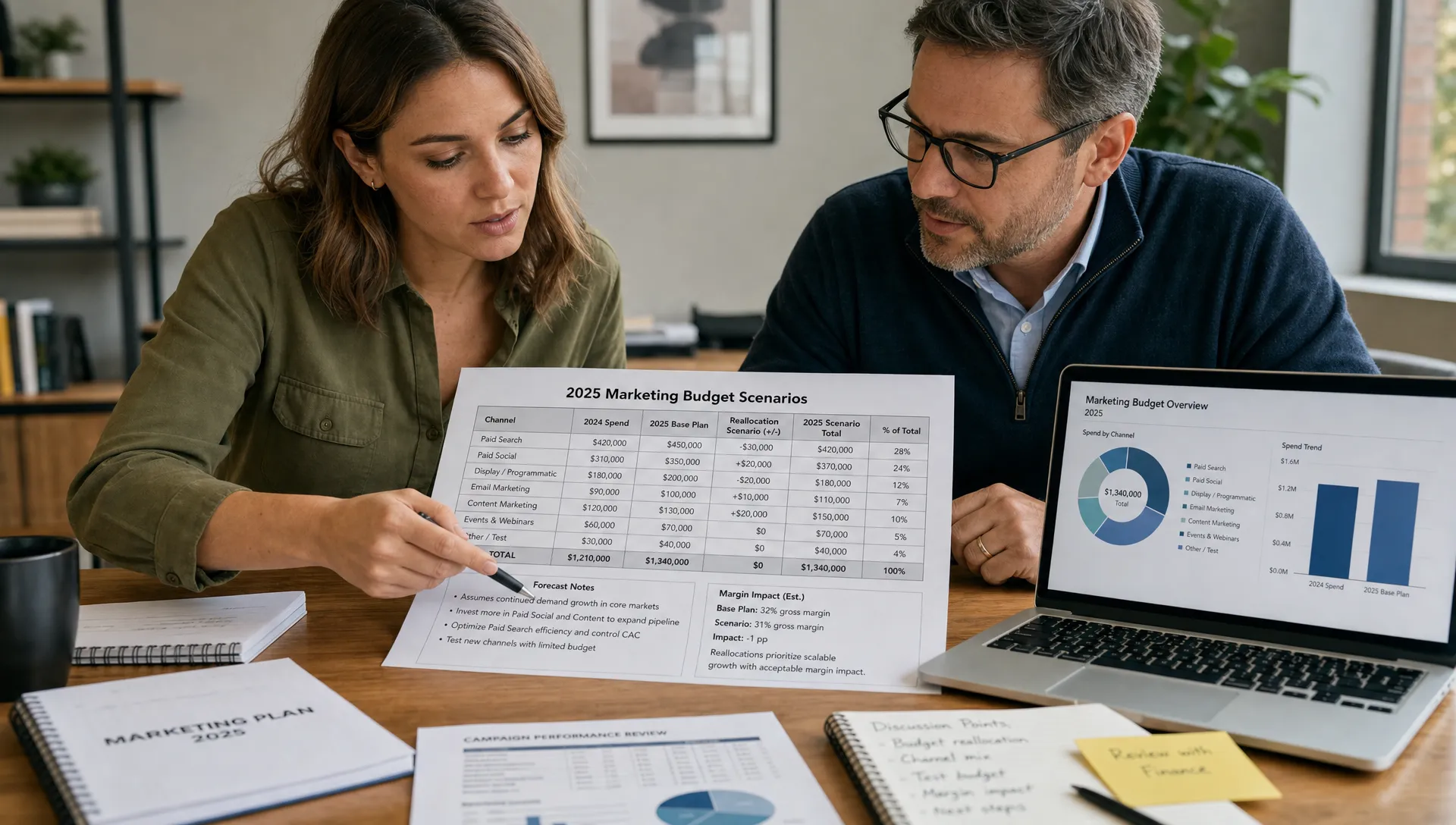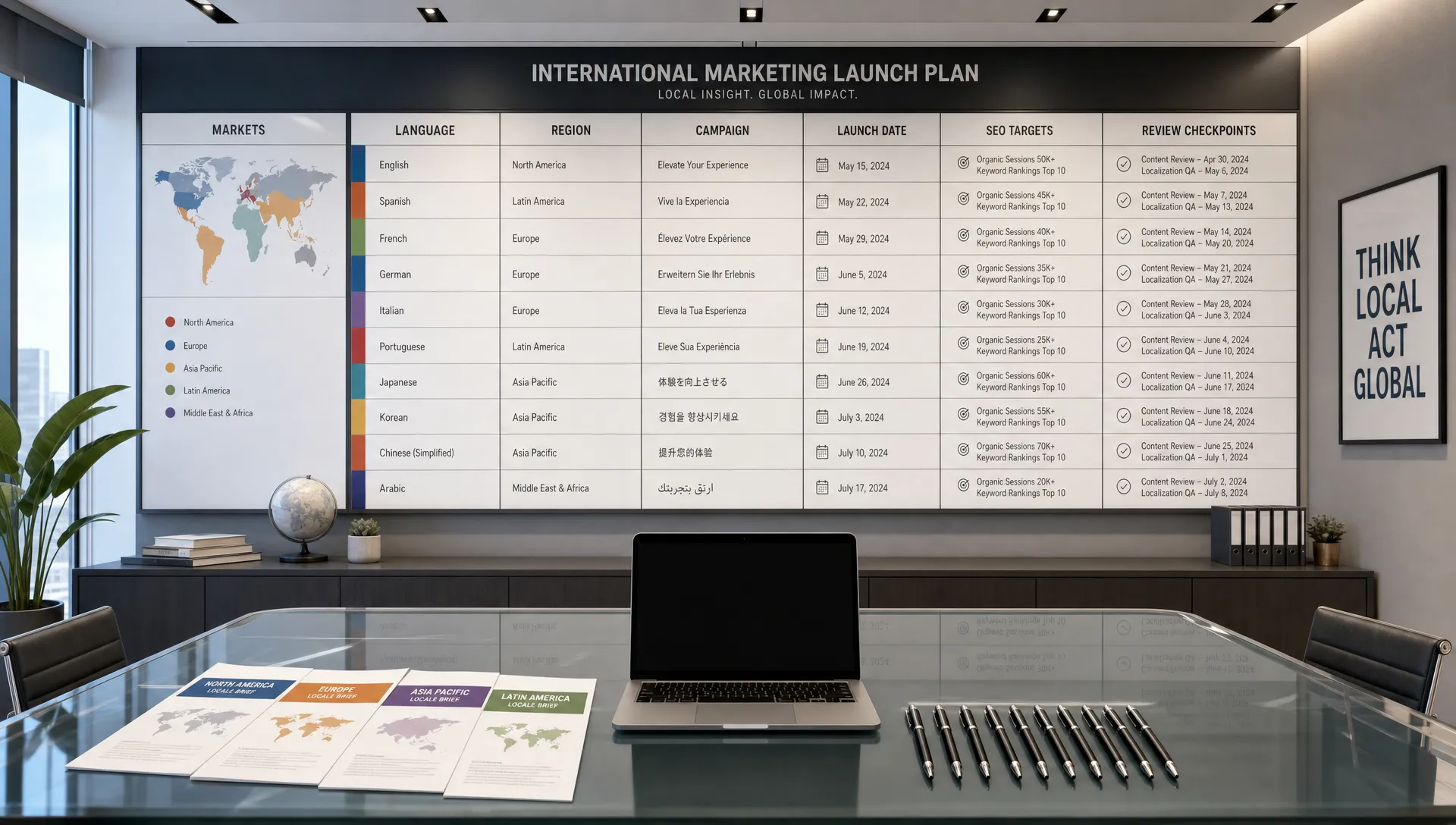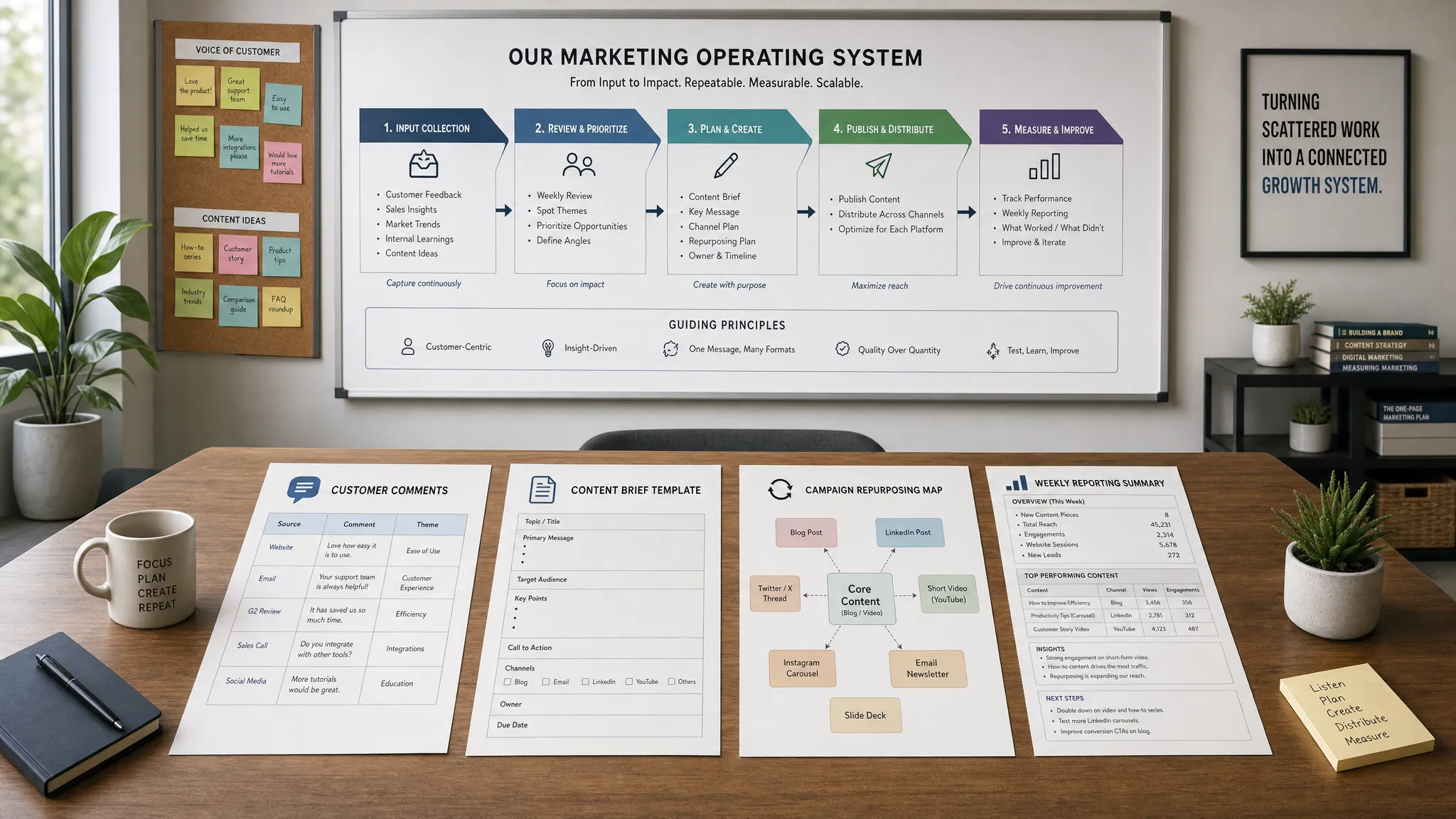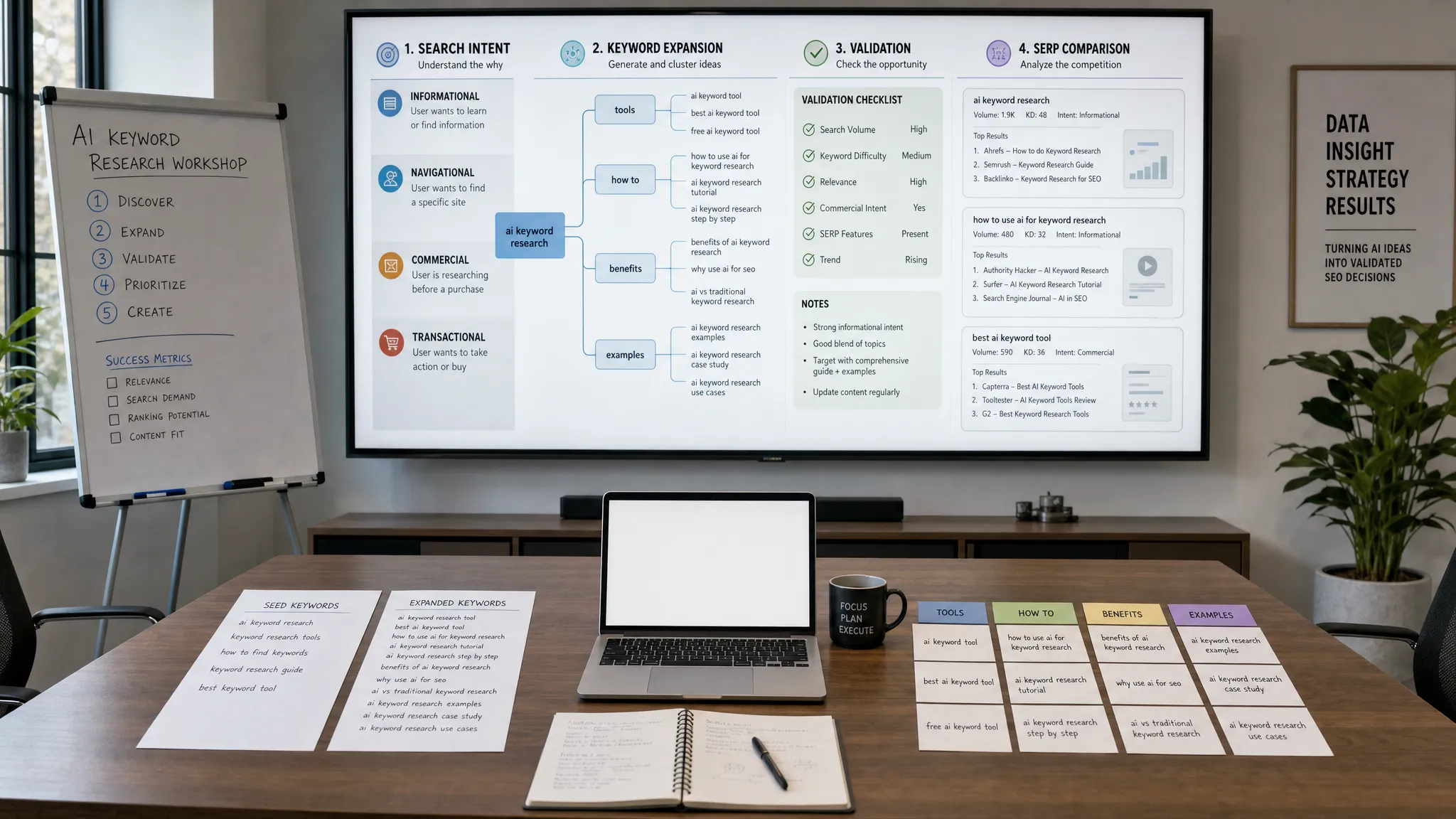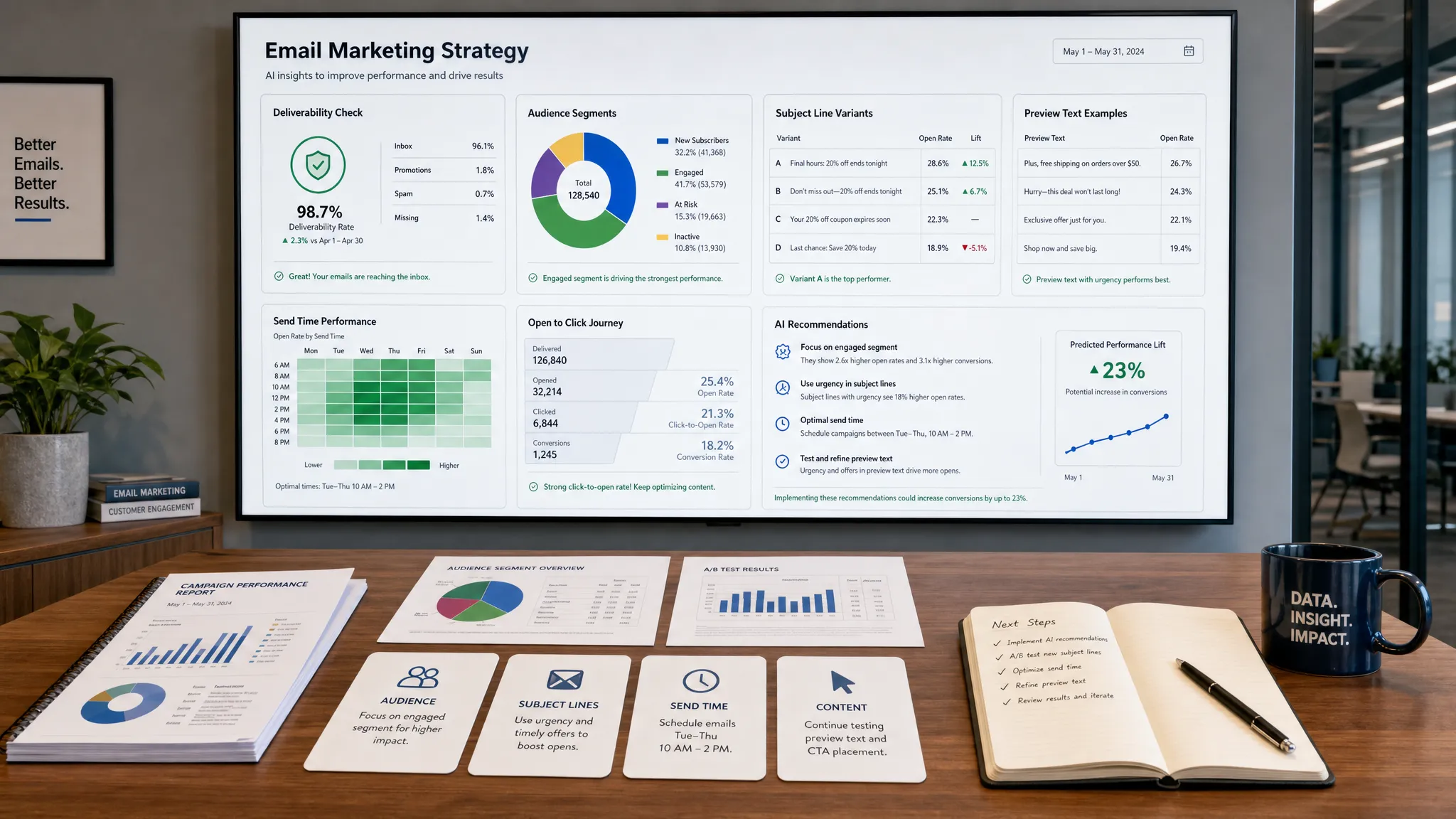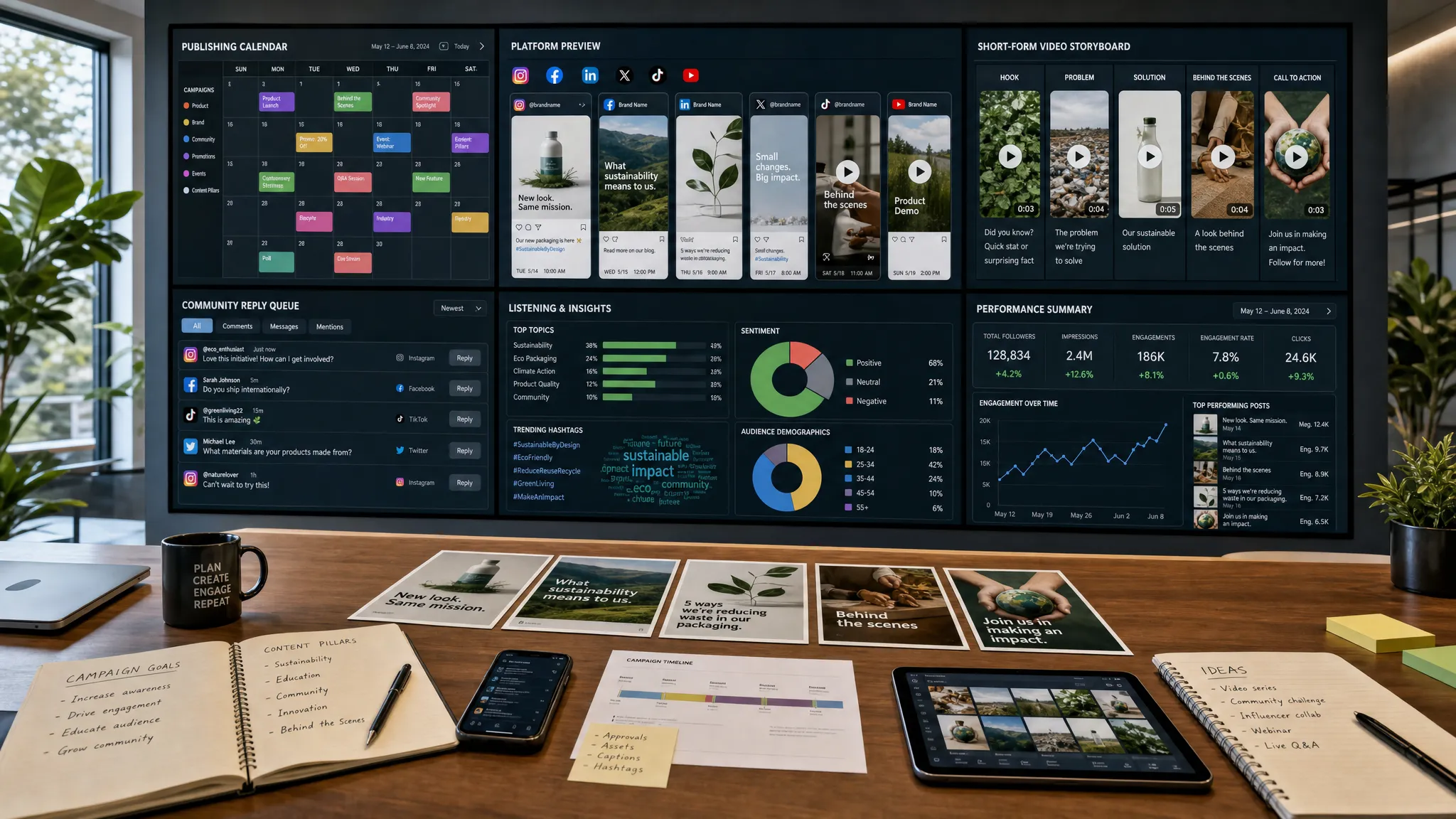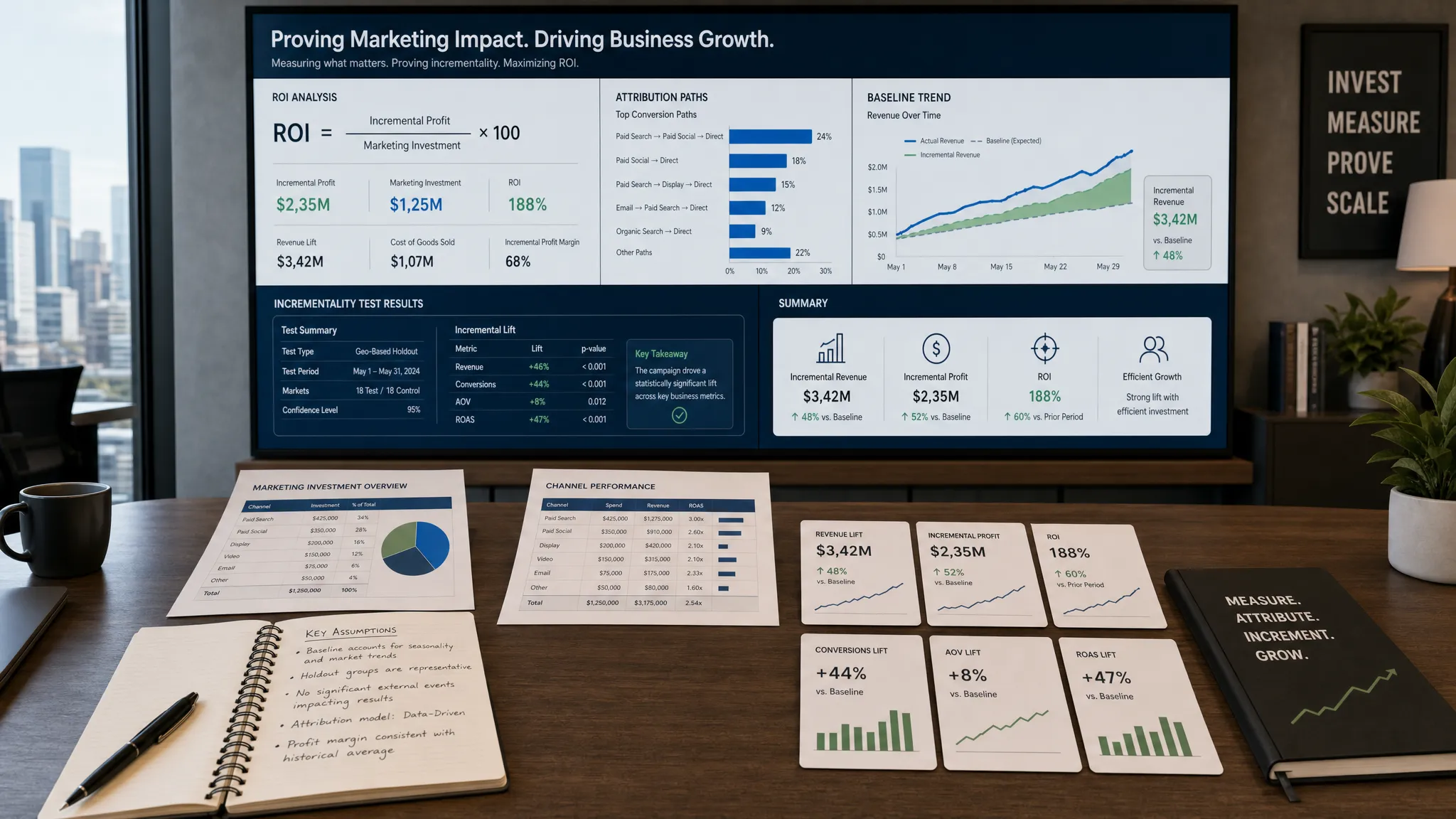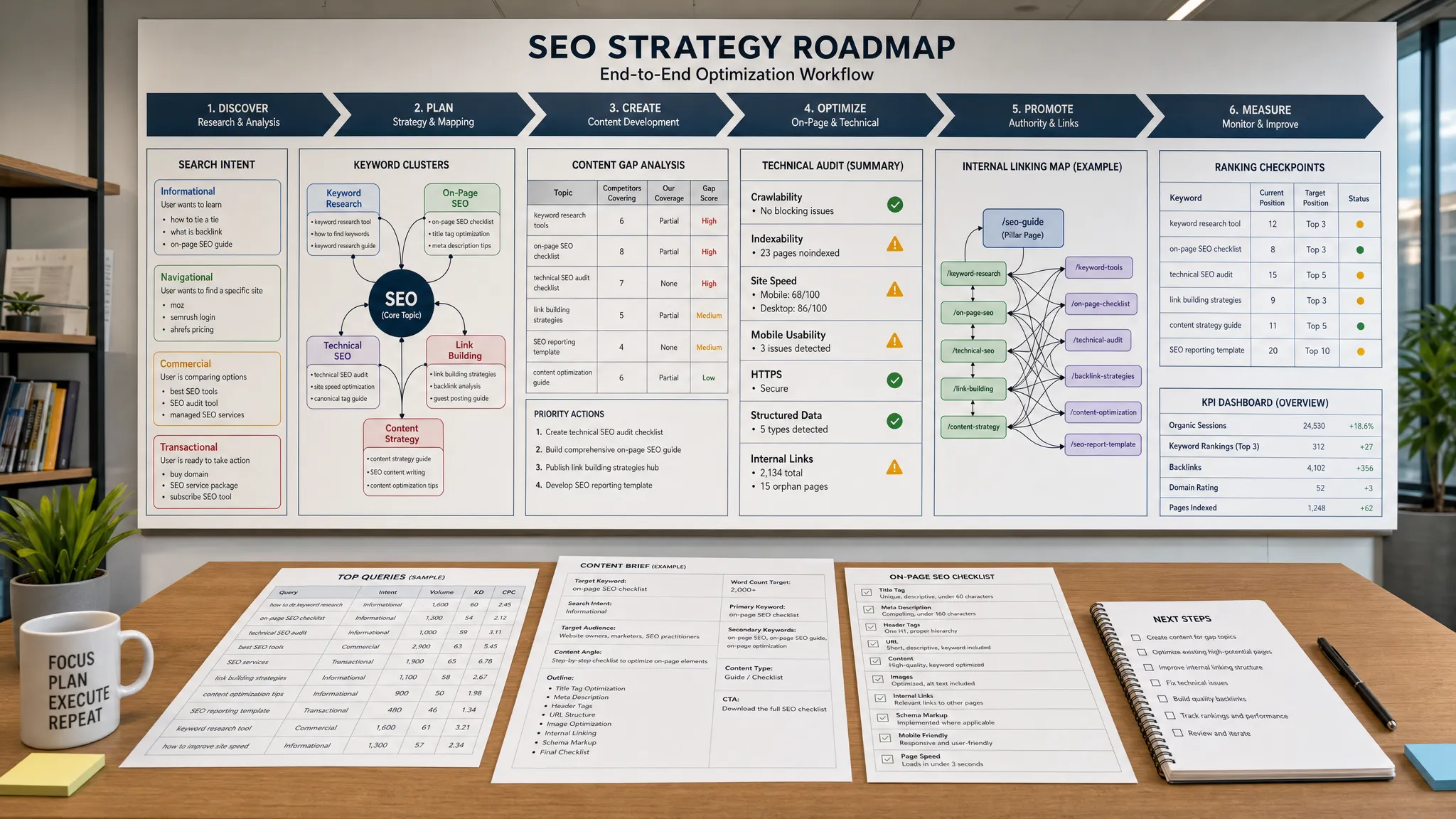
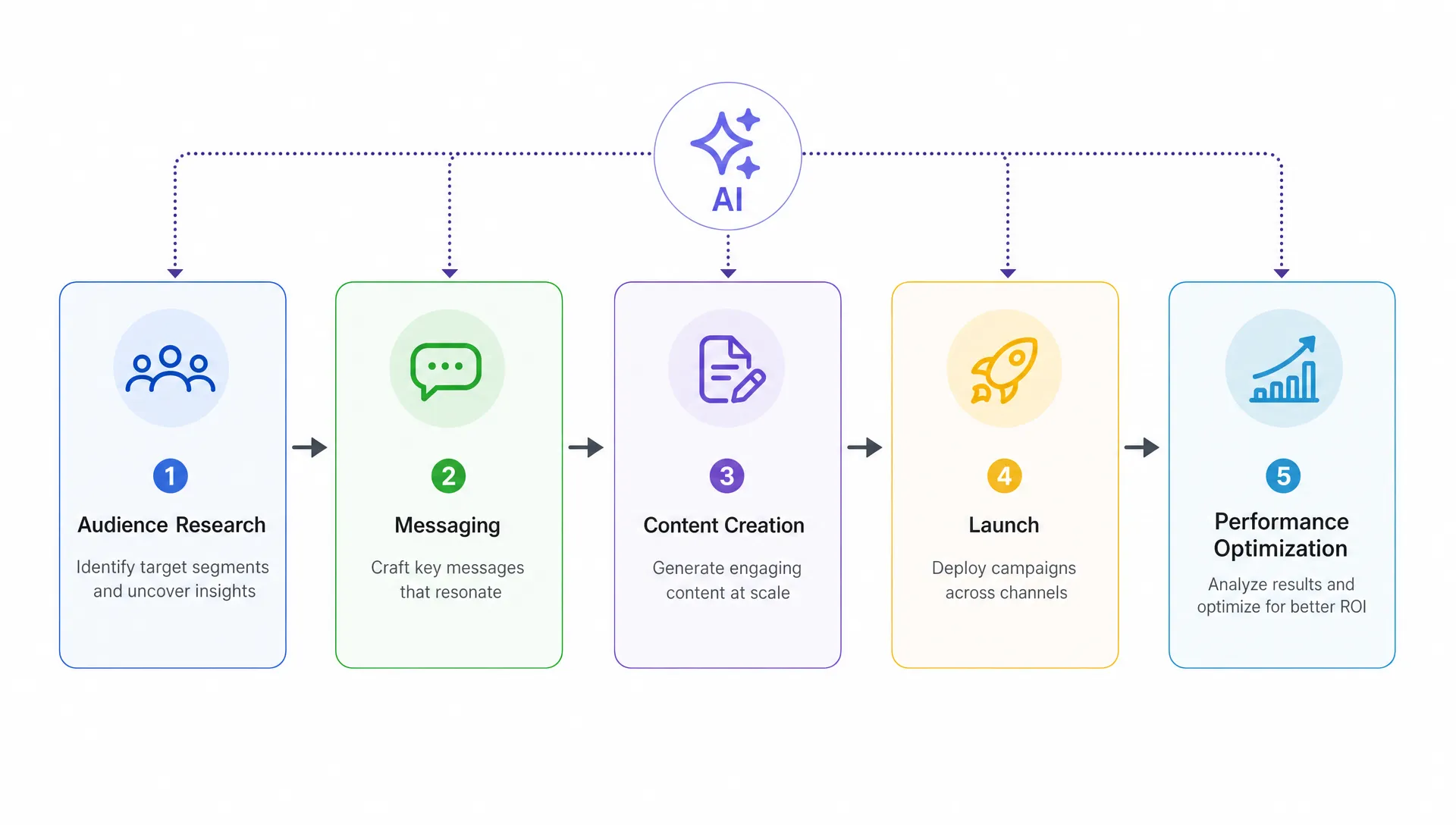
AI is no longer just a faster way to write ad copy. For SaaS teams, it can improve how campaigns are researched, segmented, personalized, launched, measured, and refined across the full customer journey. The real advantage comes when AI is connected to clear business goals, clean customer data, and a campaign workflow your team can actually repeat.
If you are planning to use AI in SaaS marketing campaigns, start with one principle: AI should make your strategy sharper, not replace it. Your positioning, customer insight, product knowledge, and judgment still matter. AI helps you turn those inputs into faster experiments, better targeting, and more relevant messaging.
SaaS marketing is uniquely suited for AI because most teams already operate with measurable funnels, recurring revenue models, digital touchpoints, and large amounts of behavioral data. Website visits, trial signups, feature usage, email engagement, demo requests, churn signals, and expansion opportunities can all become inputs for smarter campaigns.
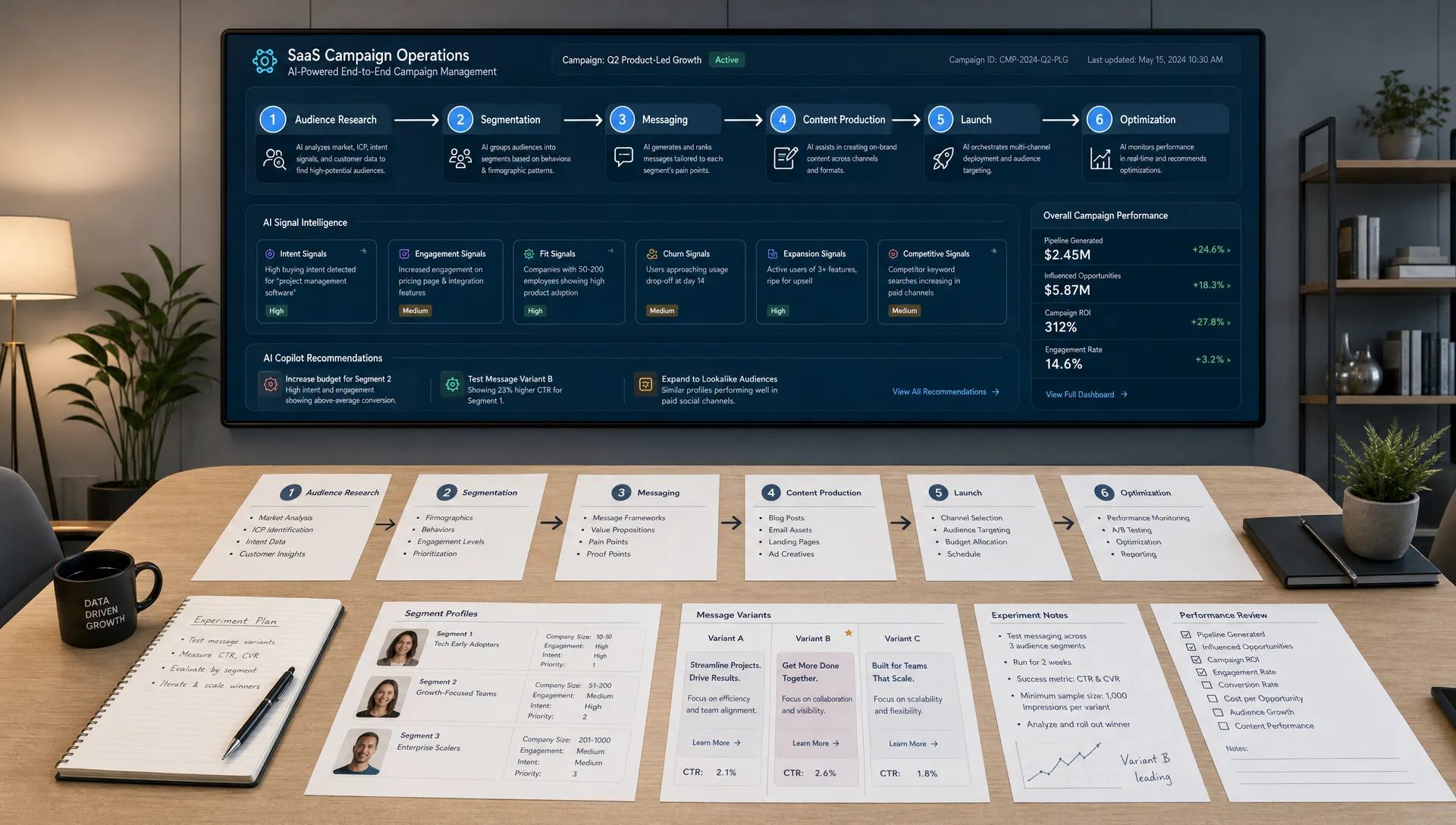
That matters because SaaS growth is rarely driven by a single campaign. It usually depends on several connected motions: attracting the right audience, converting demand into trials or demos, activating users, improving retention, and expanding accounts over time. AI can support each of those stages.
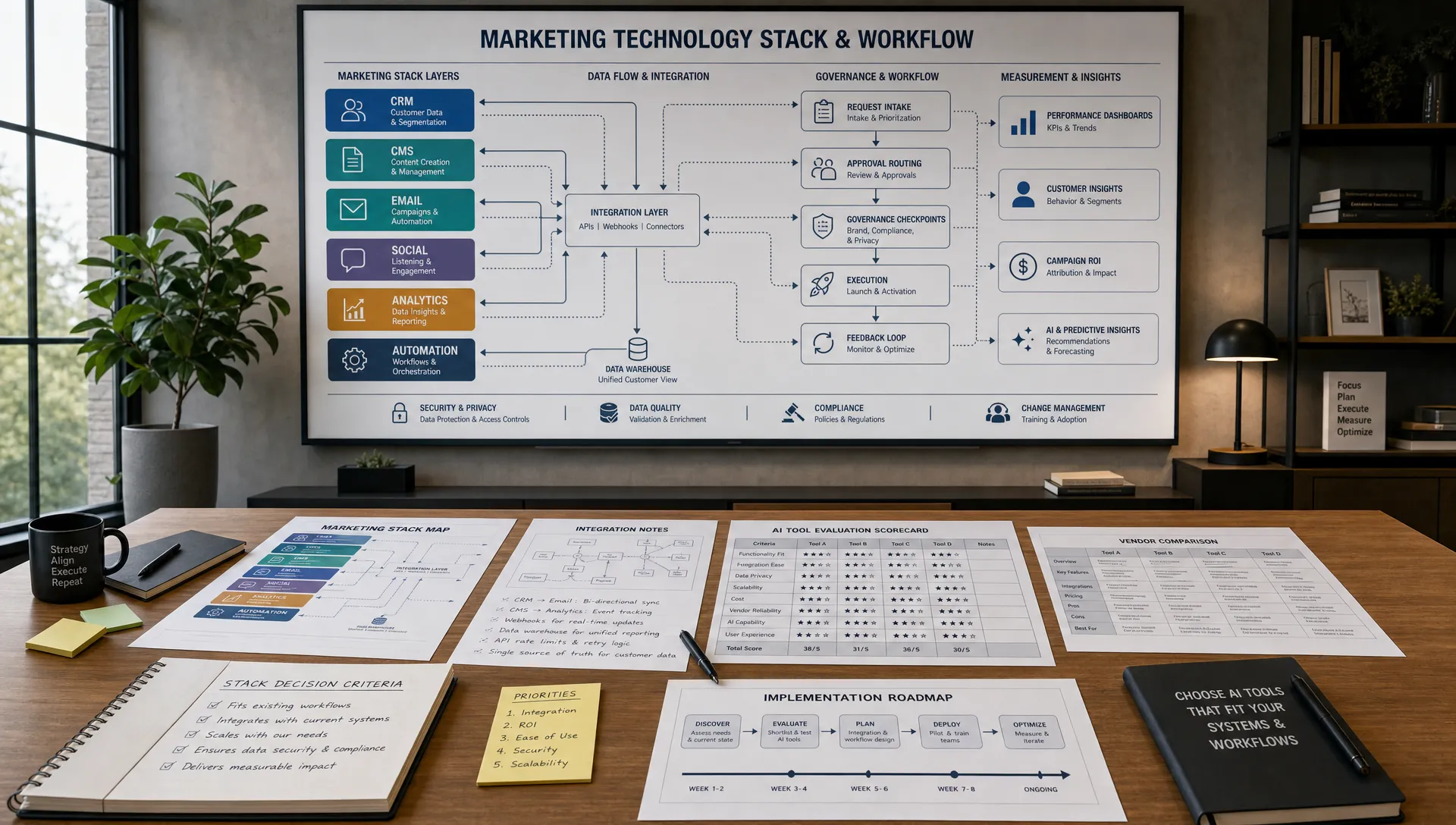
A useful way to think about AI in SaaS marketing is through three layers:
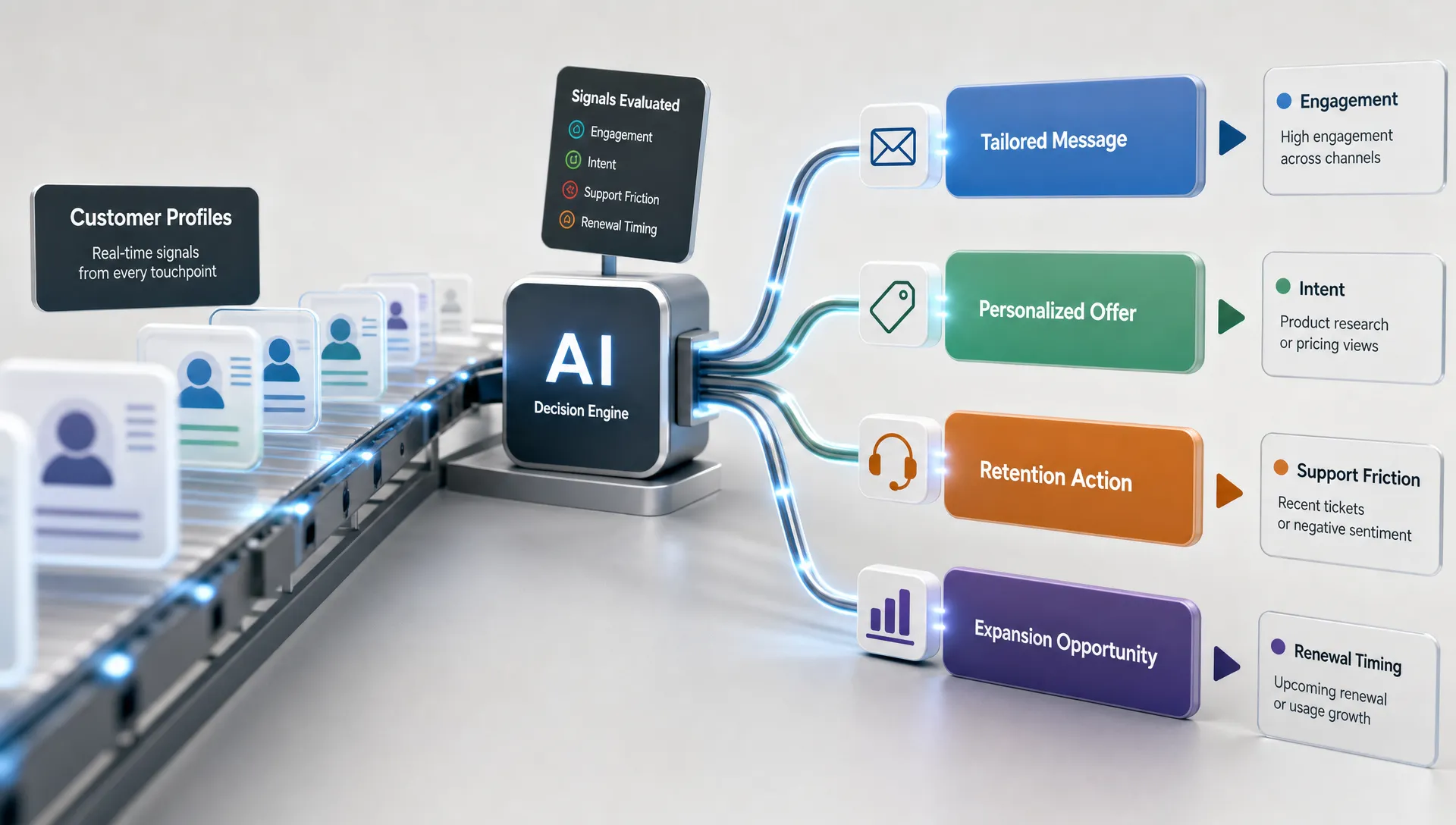
This is where SaaS marketers can move beyond generic automation. Instead of sending the same nurture sequence to every lead, you can tailor messages based on industry, intent, product usage, lifecycle stage, and account fit.
The most common mistake is choosing an AI tool before defining the campaign outcome. A better approach is to begin with the business problem and then decide where AI can remove friction or improve performance.
For example, your goal might be to:
Each goal requires different data, messaging, channels, and success metrics. AI can help in all of them, but it should not be applied the same way.
If your challenge is top-of-funnel awareness, AI may help with topic research, search content, paid creative variants, and audience analysis. If your challenge is activation, AI may be more useful for behavioral segmentation, in-app messaging, email personalization, and onboarding content. If your challenge is expansion, AI can help identify account signals and generate sales enablement materials.
Before building the campaign, write a one-sentence objective such as: “Increase product-qualified demo requests from Series B SaaS finance teams by 20% this quarter.” That level of clarity makes AI prompts, asset creation, and performance analysis much more effective.
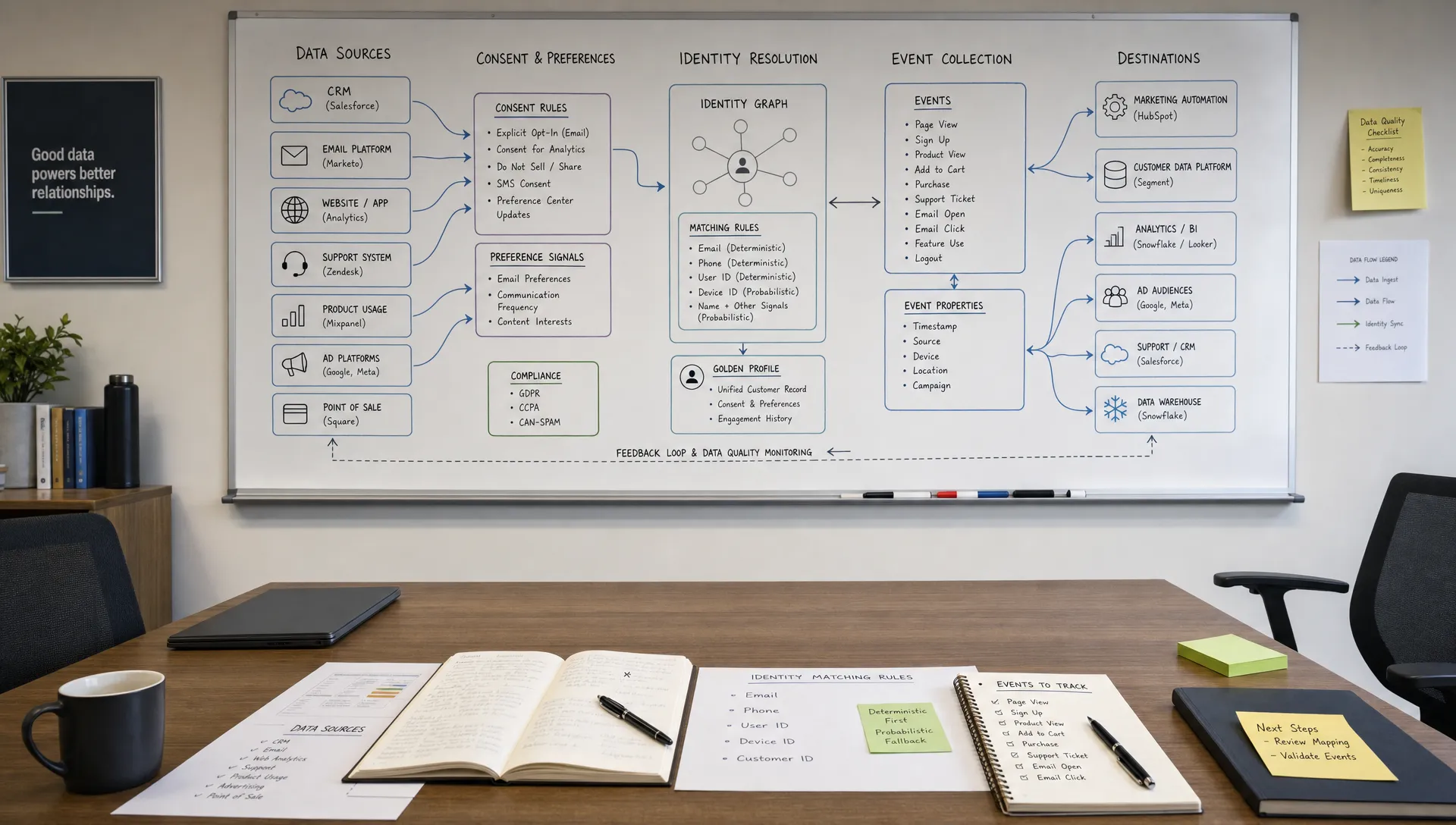
AI performs best when it has strong inputs. In SaaS marketing, those inputs usually come from your CRM, product analytics platform, website analytics, customer interviews, sales calls, support tickets, and past campaign data.
You do not need a perfect data warehouse to get started. But you do need to know what information is reliable, what is missing, and what should not be used.
Useful campaign inputs include:
This foundation is especially important when using AI for personalization. If your data is inaccurate, AI can scale the wrong message to the wrong audience. If your data is too shallow, AI will default to generic SaaS language that sounds polished but fails to convert.
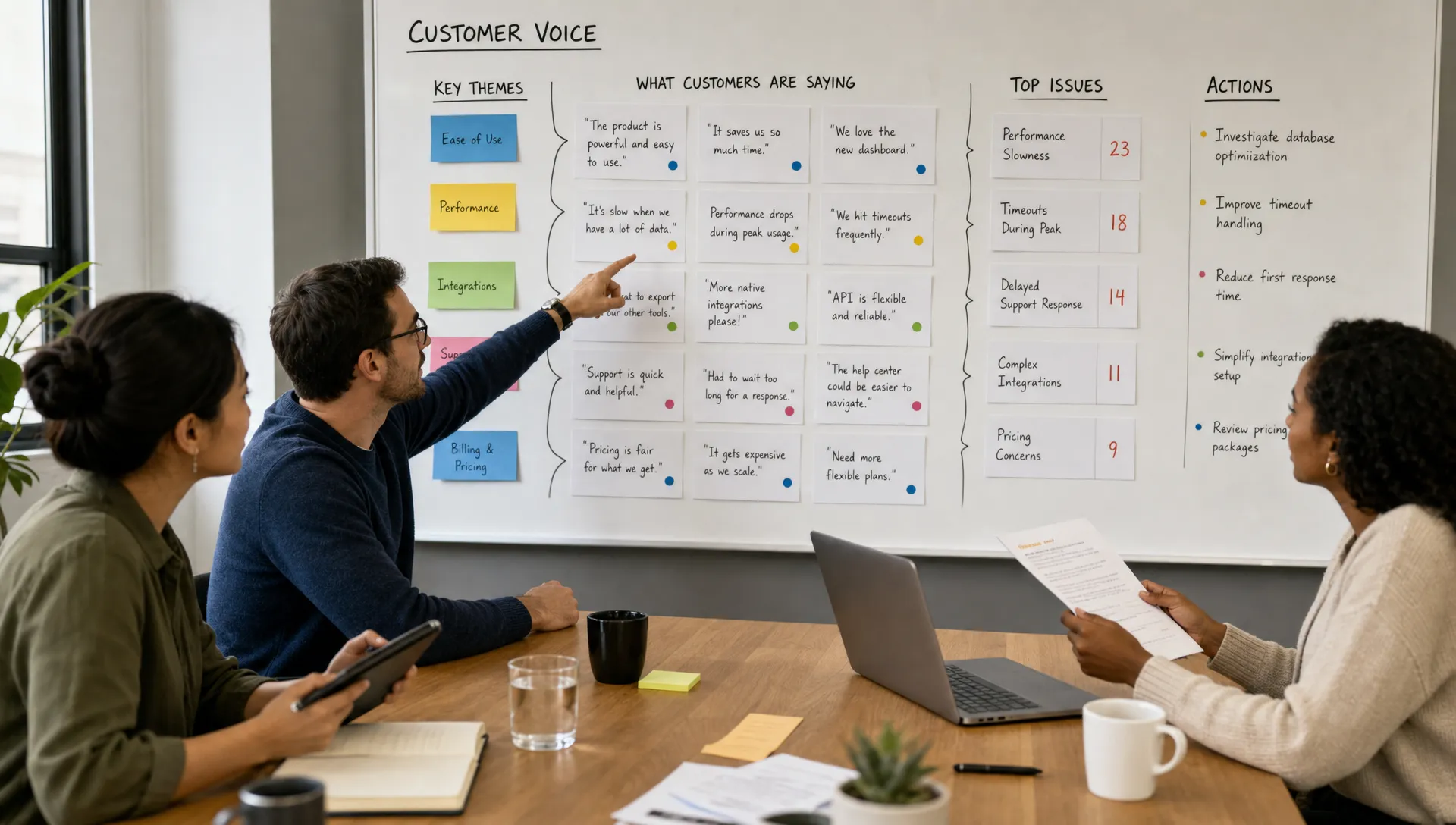
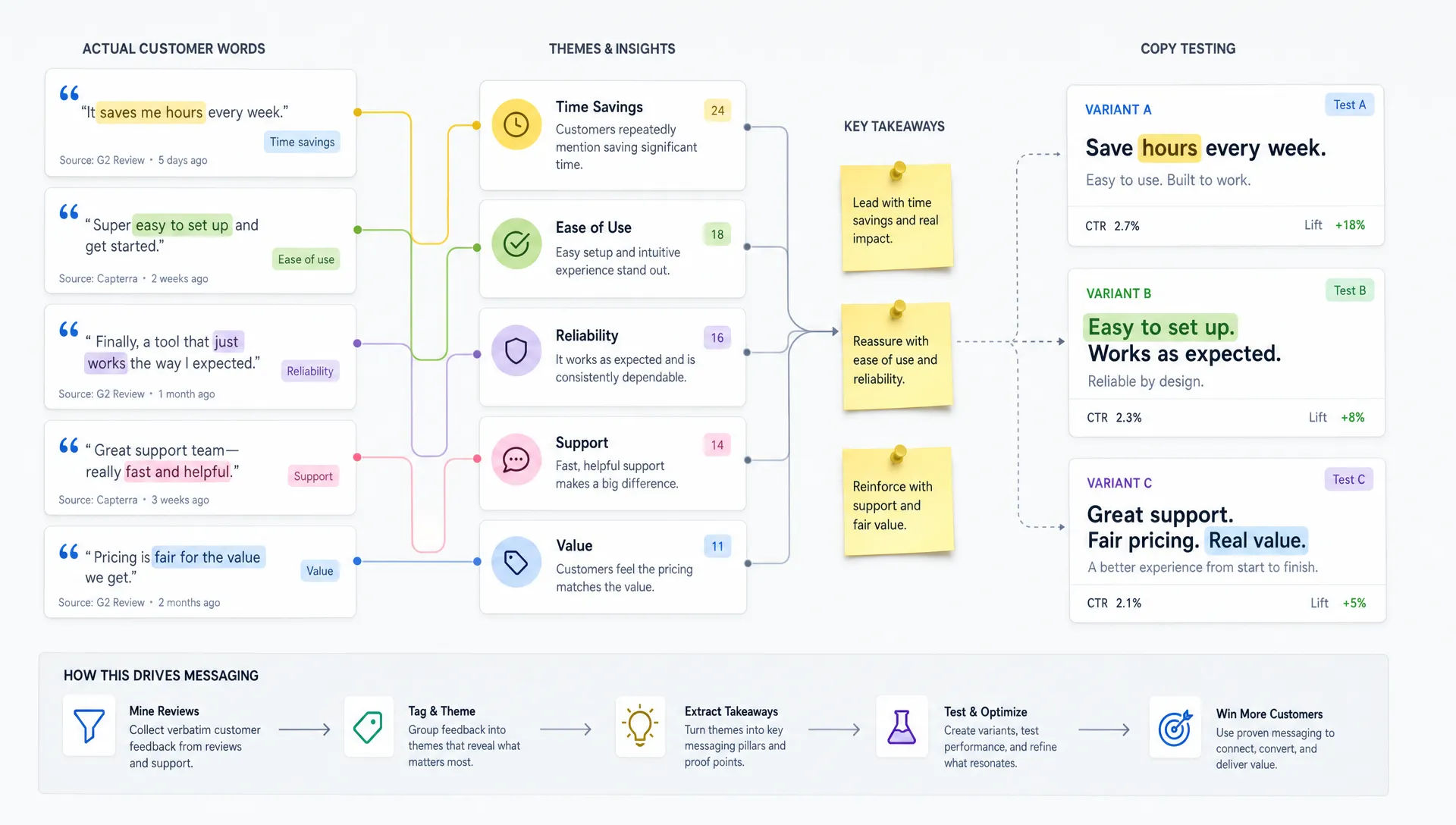
For campaign planning, combine quantitative data with qualitative insight. Analytics can tell you where leads drop off, but customer conversations often explain why. AI is helpful for summarizing interview transcripts, grouping objections, and identifying recurring phrases that can strengthen landing pages, email campaigns, and ads.
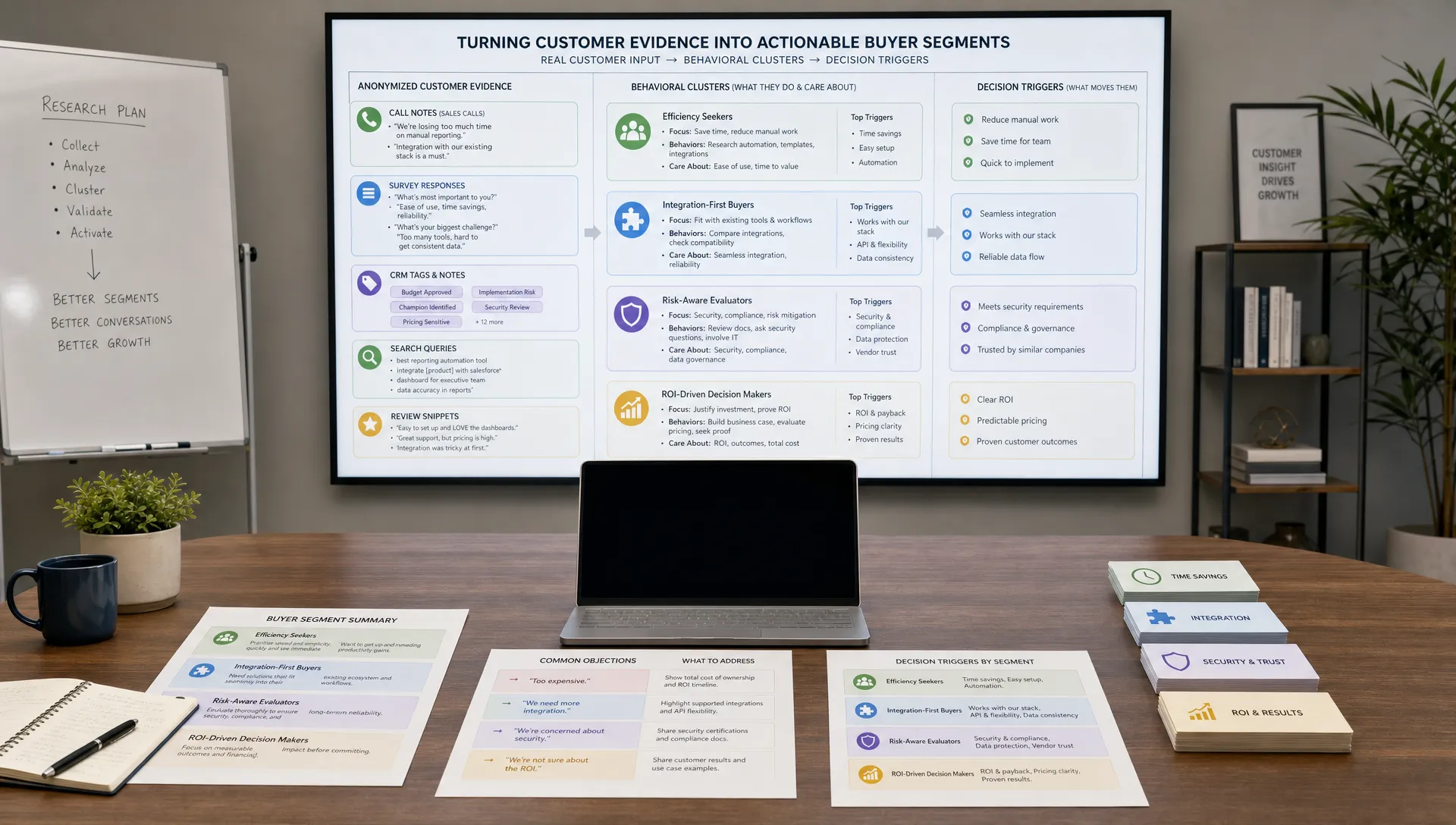
Segmentation is one of the highest-impact uses of AI in SaaS marketing campaigns. Instead of relying only on broad categories like “SMB” or “enterprise,” AI can help cluster accounts and users based on behavior, intent, and fit.
For example, a project management SaaS company might discover that “small agencies” is too broad. AI-assisted analysis may reveal more useful segments, such as agencies struggling with client approvals, agencies scaling from 10 to 30 employees, or agencies replacing spreadsheets after missed deadlines.
AI can help you analyze:
This is not just a data science exercise. Better segmentation improves campaign messaging. A CFO evaluating a SaaS platform cares about risk, ROI, and efficiency. A product manager may care about adoption, workflow fit, and user experience. A technical buyer may care about integrations, security, and implementation effort.
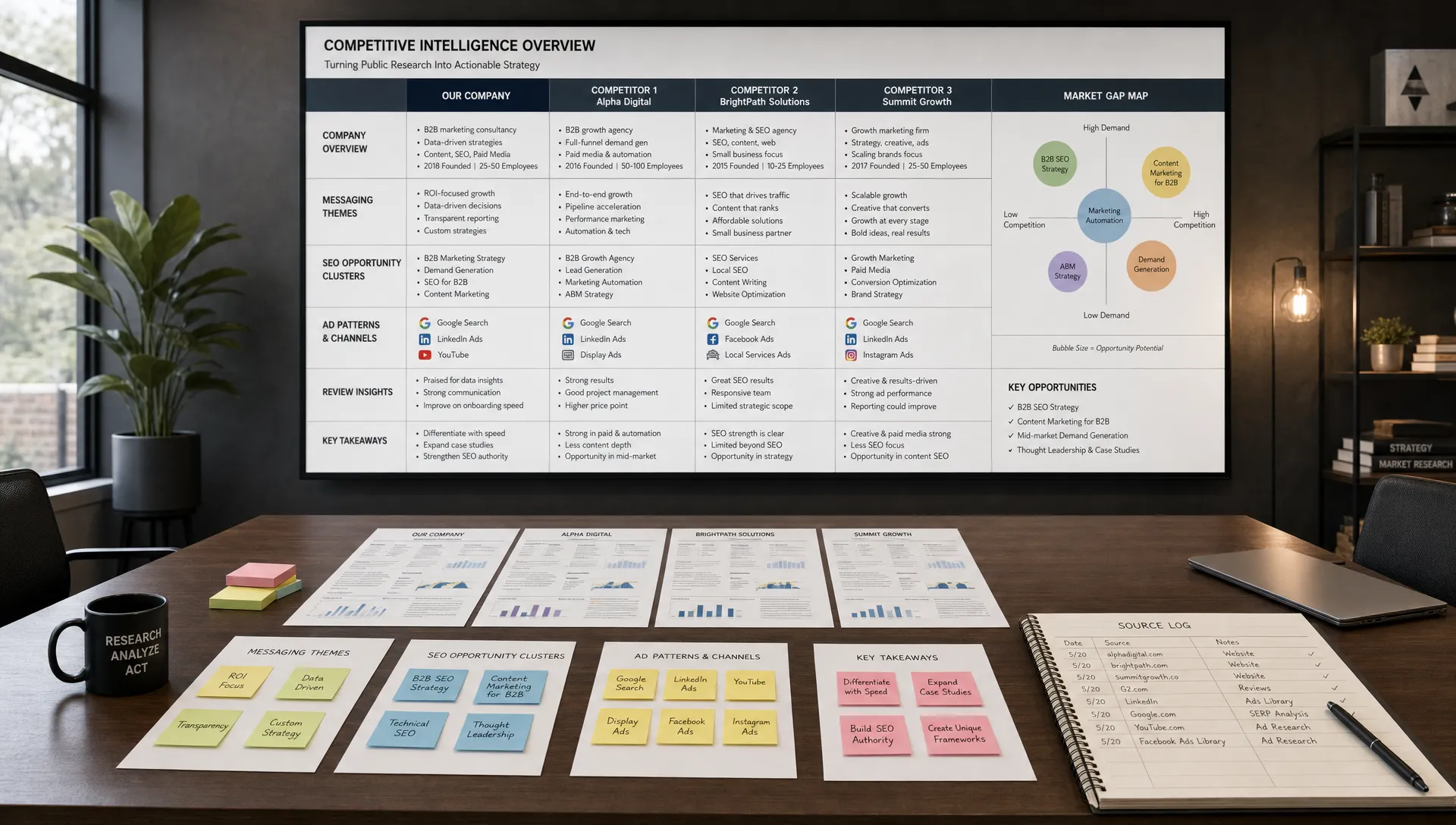
AI can help generate segment-specific messaging, but your team should validate it against real customer language. If you want a deeper approach to market research, competitor positioning, and category signals, AIMarketer Hub’s guide on using AI for competitor analysis is a useful companion to this campaign process.
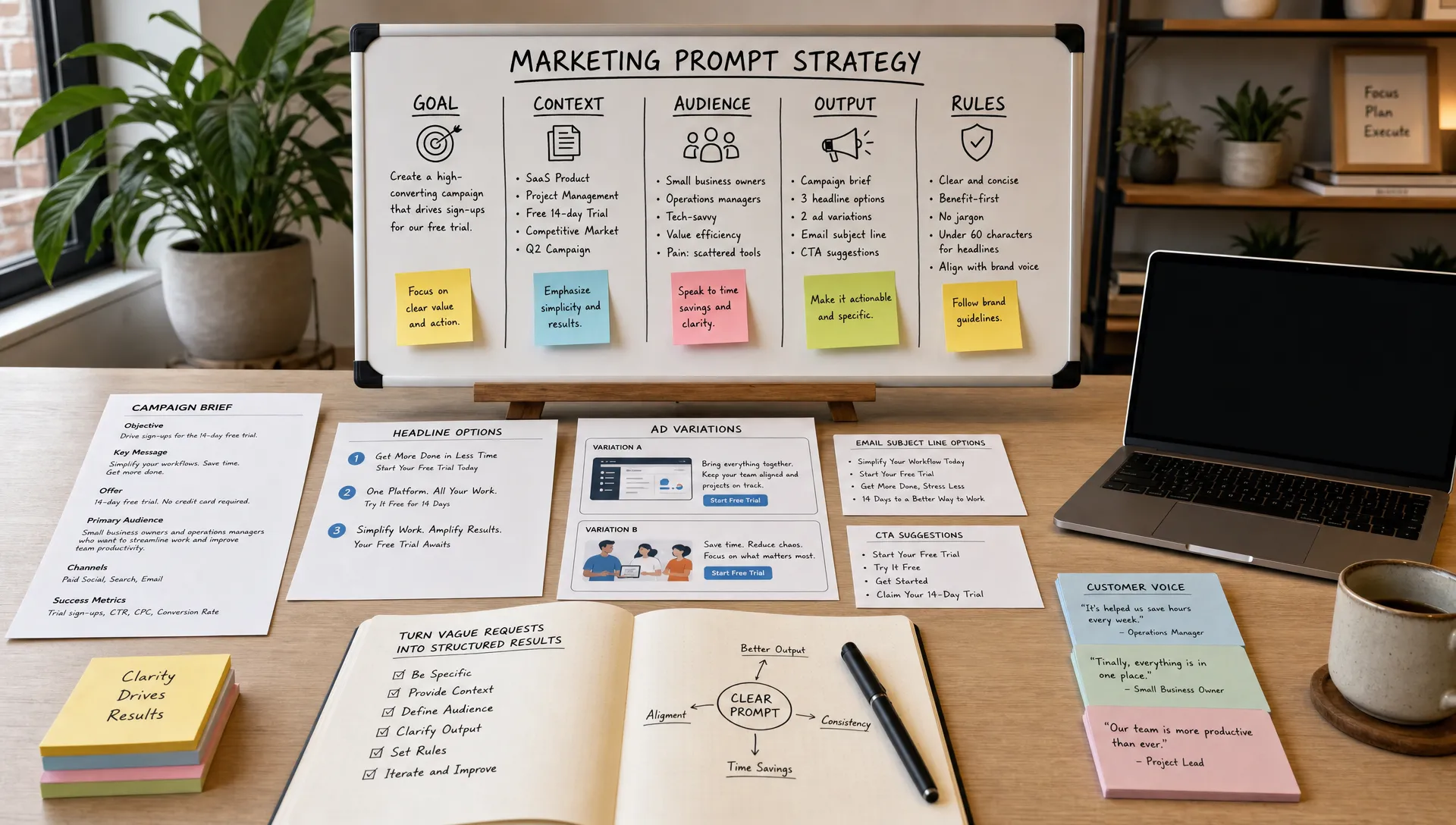
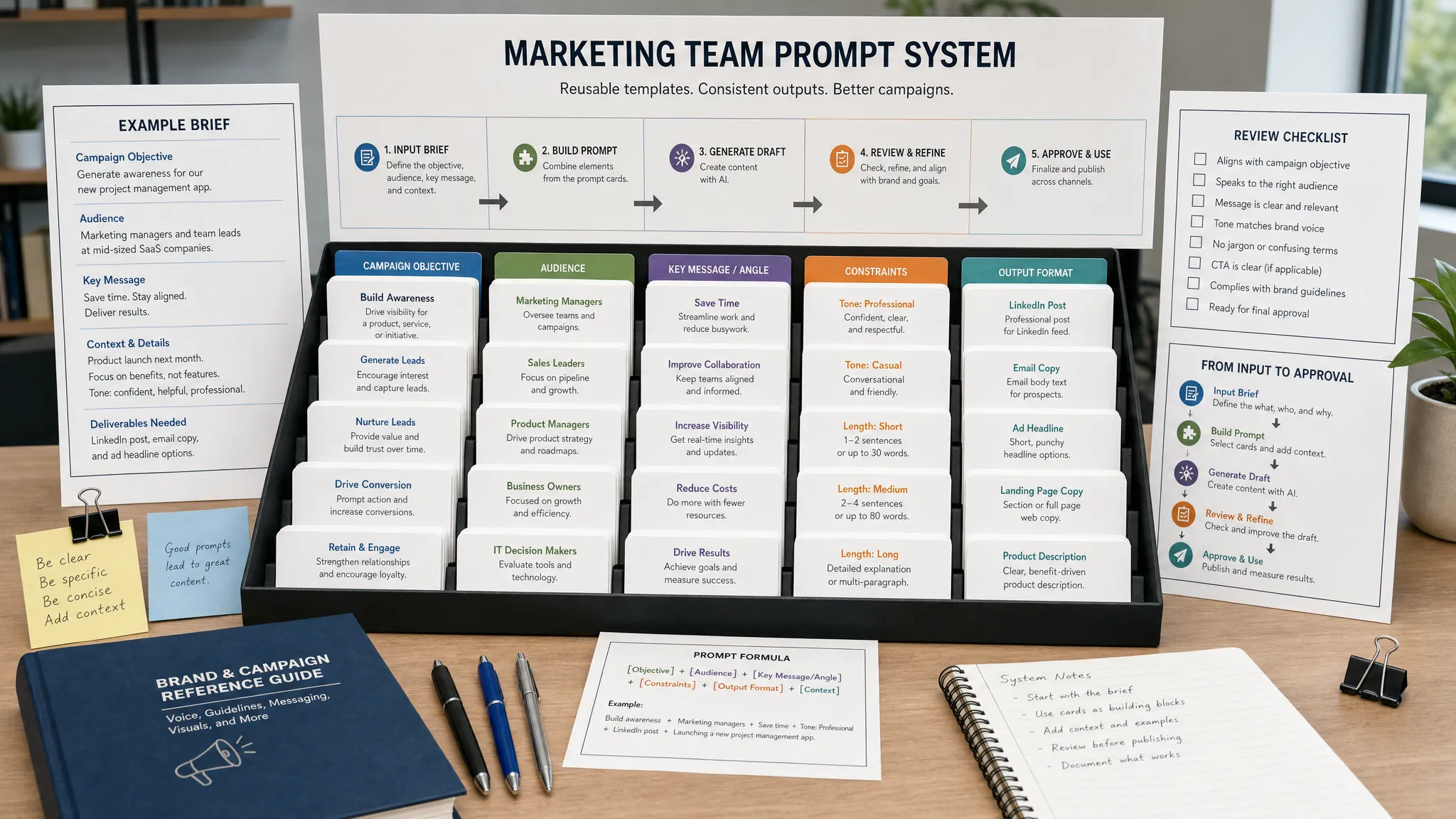
Once your audience is clear, AI can help turn strategy into campaign messaging. This is where many teams use AI too narrowly, asking for “10 LinkedIn ads” or “a landing page headline.” You will get better results by giving AI a structured brief.
A strong SaaS campaign prompt should include:
For example, instead of asking, “Write an email for our SaaS trial users,” you might ask: “Write a three-email activation sequence for operations managers at 100 to 500 employee logistics companies who started a free trial but have not invited teammates. The goal is to drive team setup. Use a helpful, direct tone and focus on reducing manual coordination.”
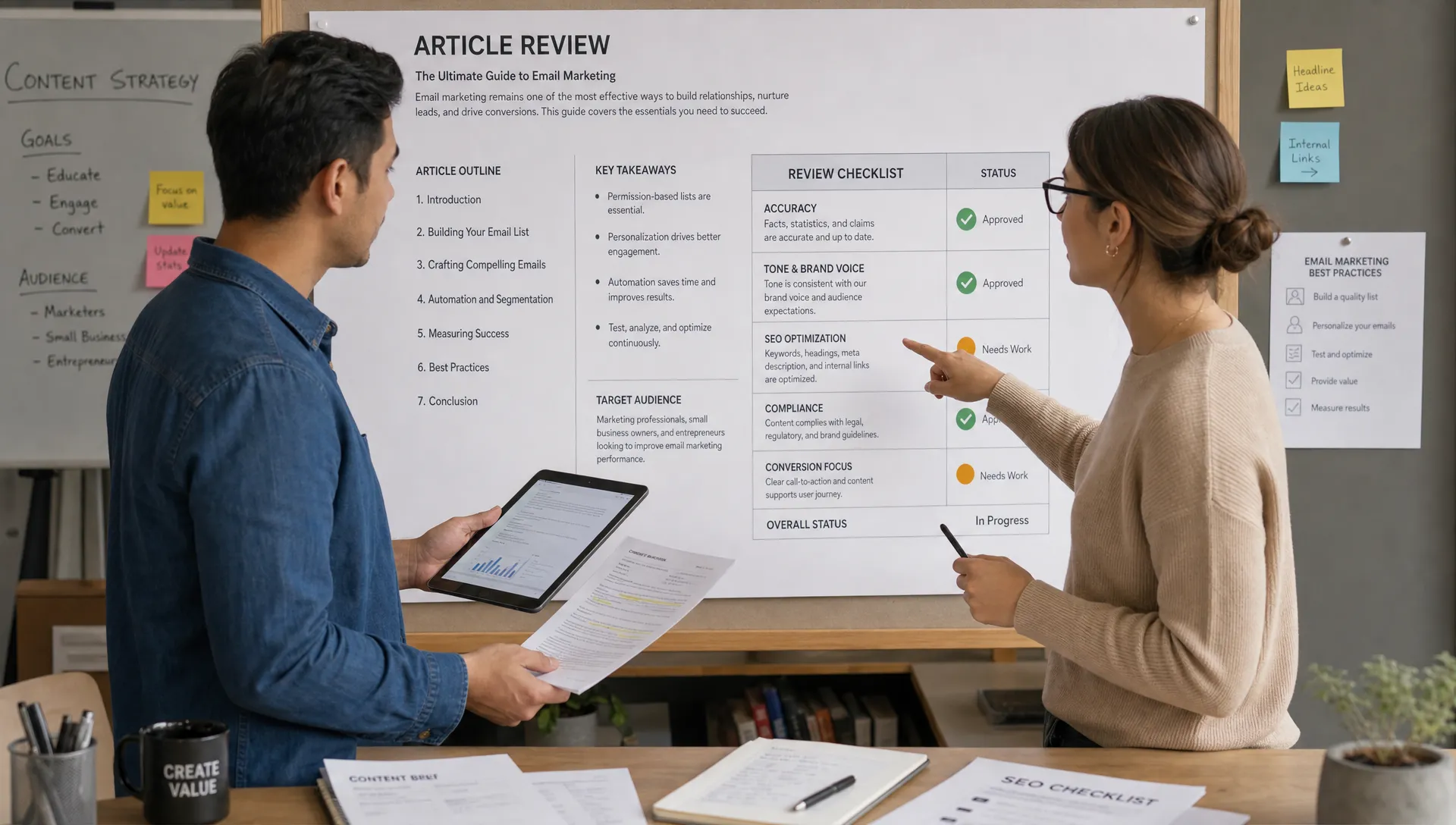
That level of specificity produces assets that are closer to campaign-ready. Still, every AI-generated message should be reviewed by someone who understands the product, customer, and brand. SaaS buyers are quick to recognize vague claims like “streamline workflows” or “unlock productivity.” Strong messaging names the exact problem, the specific outcome, and the reason to believe.
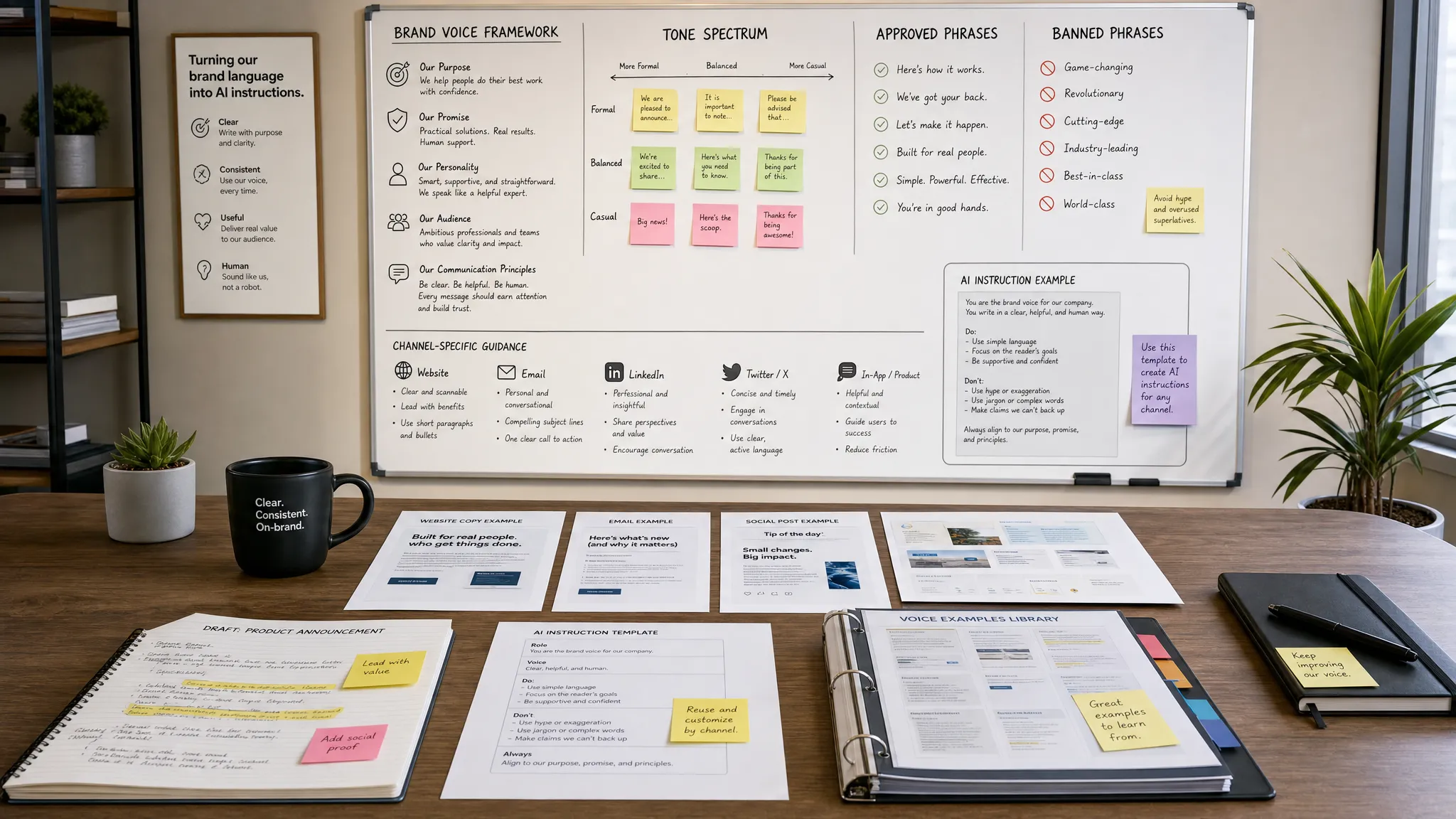
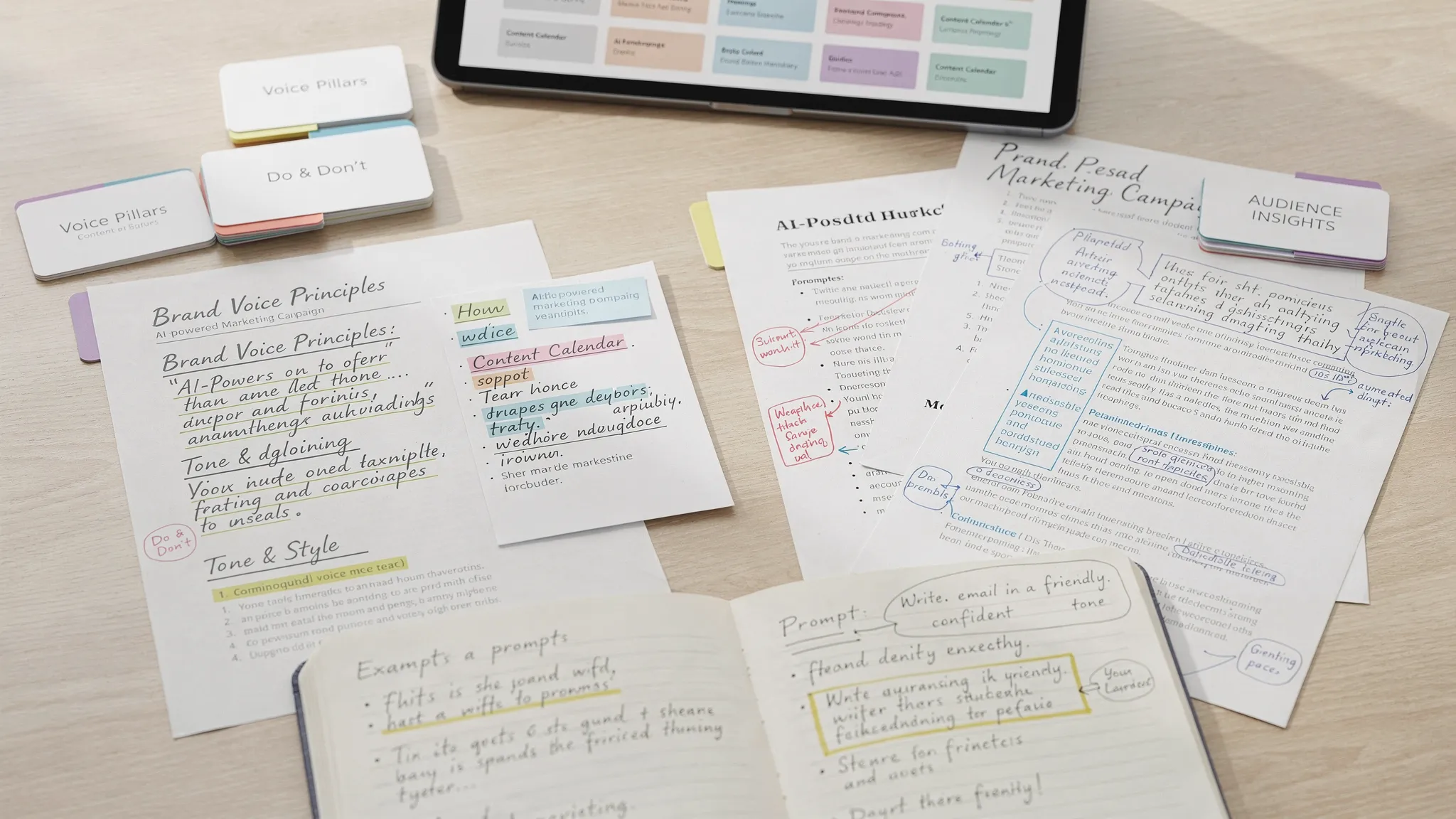
Brand consistency also matters when AI is used by multiple marketers. To avoid sounding generic, document approved phrases, positioning pillars, tone rules, and examples of what your brand would never say. If this is a current challenge for your team, this guide to using AI without losing your brand voice can help you build the right guardrails.
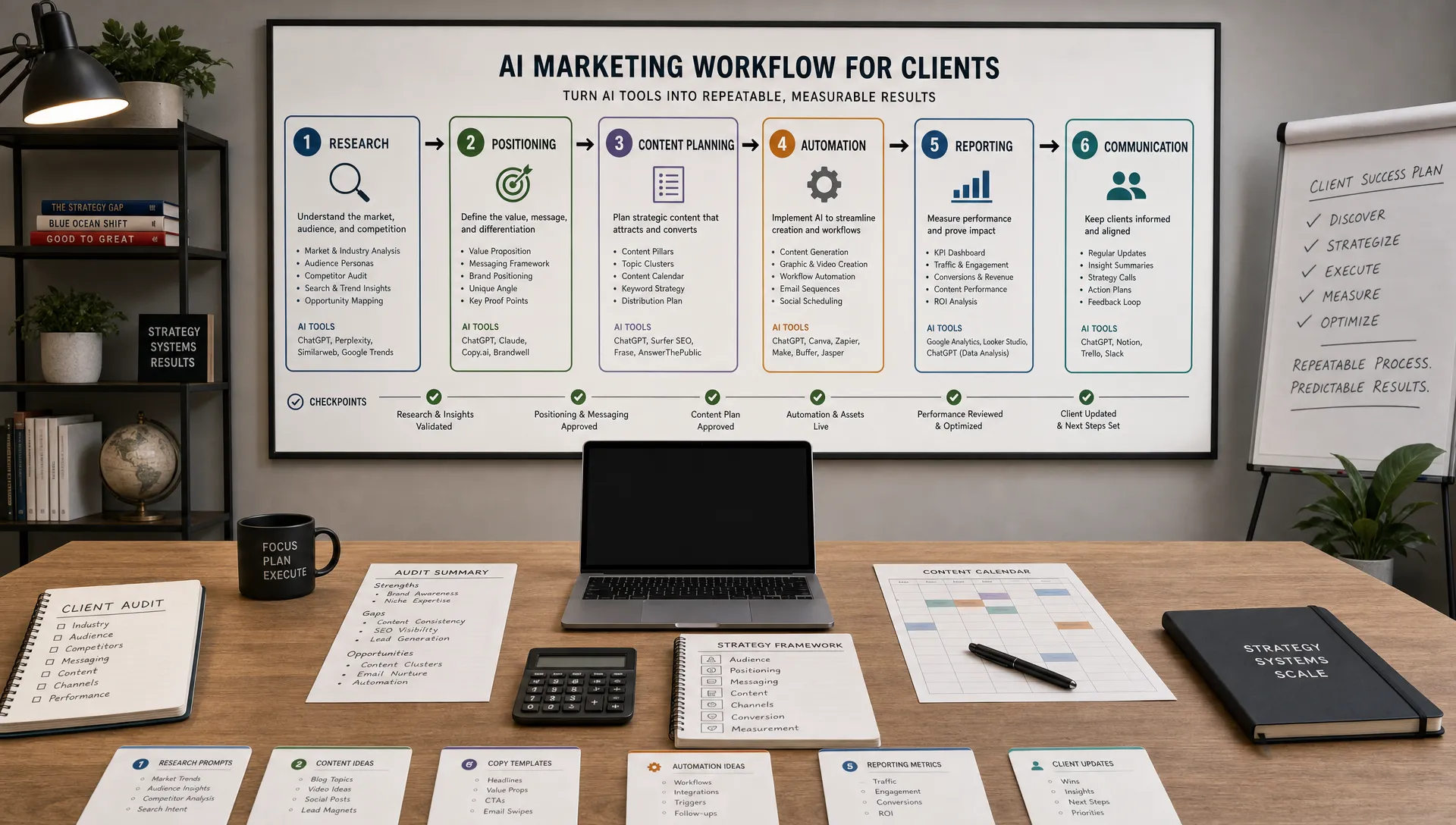
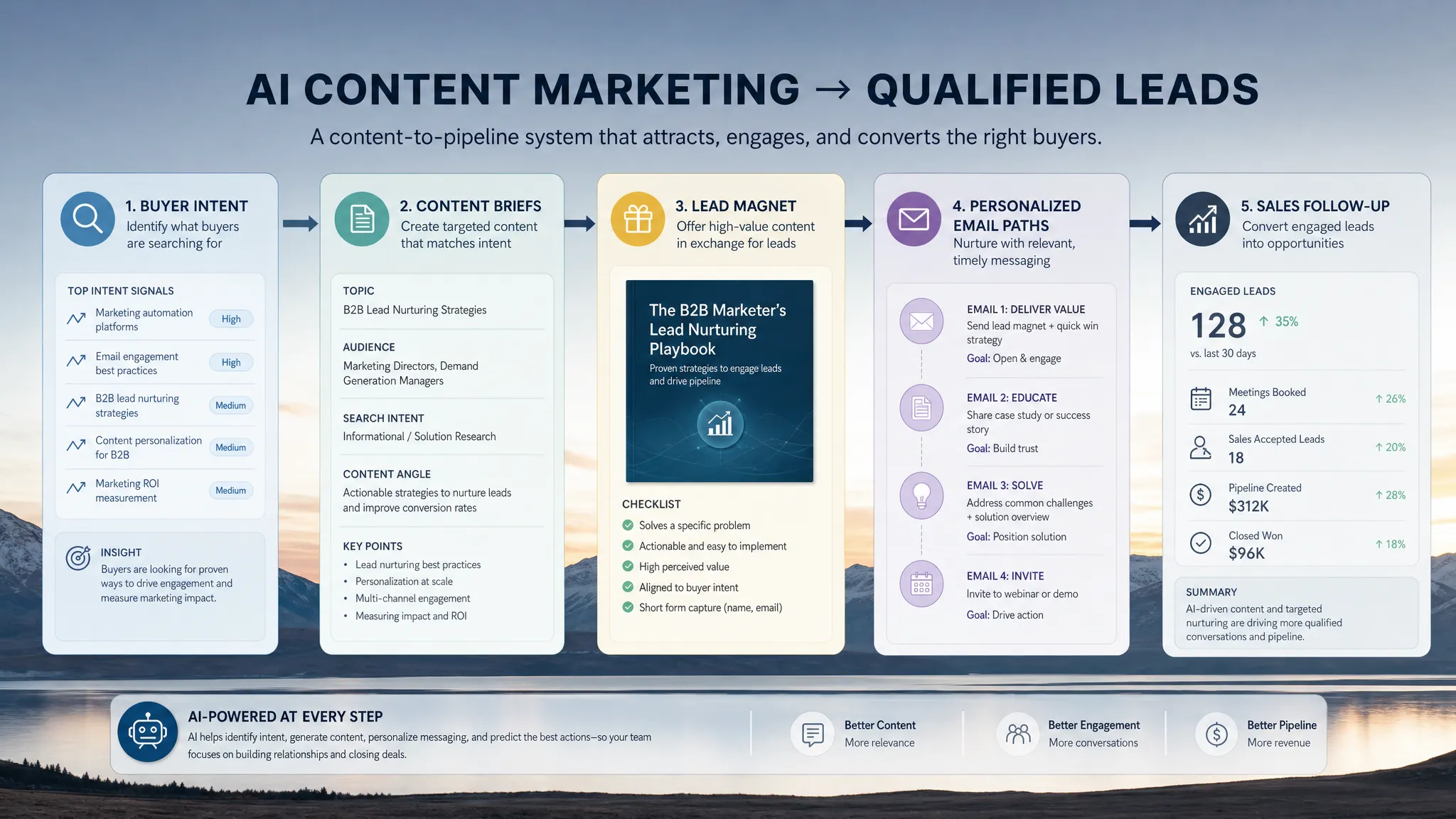
AI becomes more valuable when it is used across the entire funnel instead of isolated tasks. Here is how to apply it at each stage.
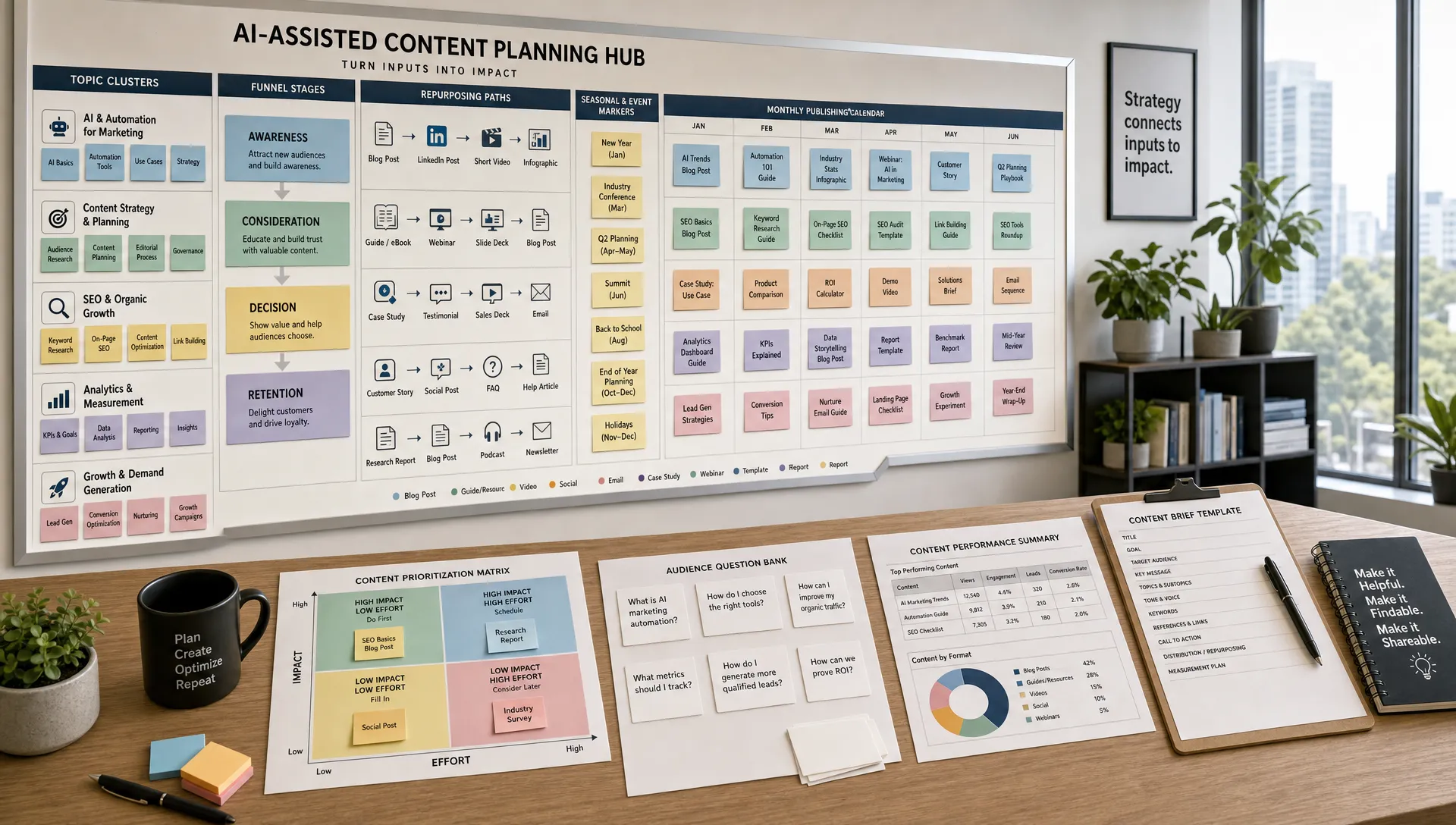
At the awareness stage, AI can support content research, search intent analysis, social post ideation, video script outlines, newsletter themes, and paid media concepts. For SaaS companies, awareness content should not only explain a problem. It should connect that problem to a business outcome.
For example, instead of creating a generic article on “team productivity,” a SaaS company might use AI to identify specific search angles like “how to reduce approval delays in remote creative teams” or “best ways to track client feedback without spreadsheets.” These topics are closer to real pain and more likely to attract qualified visitors.
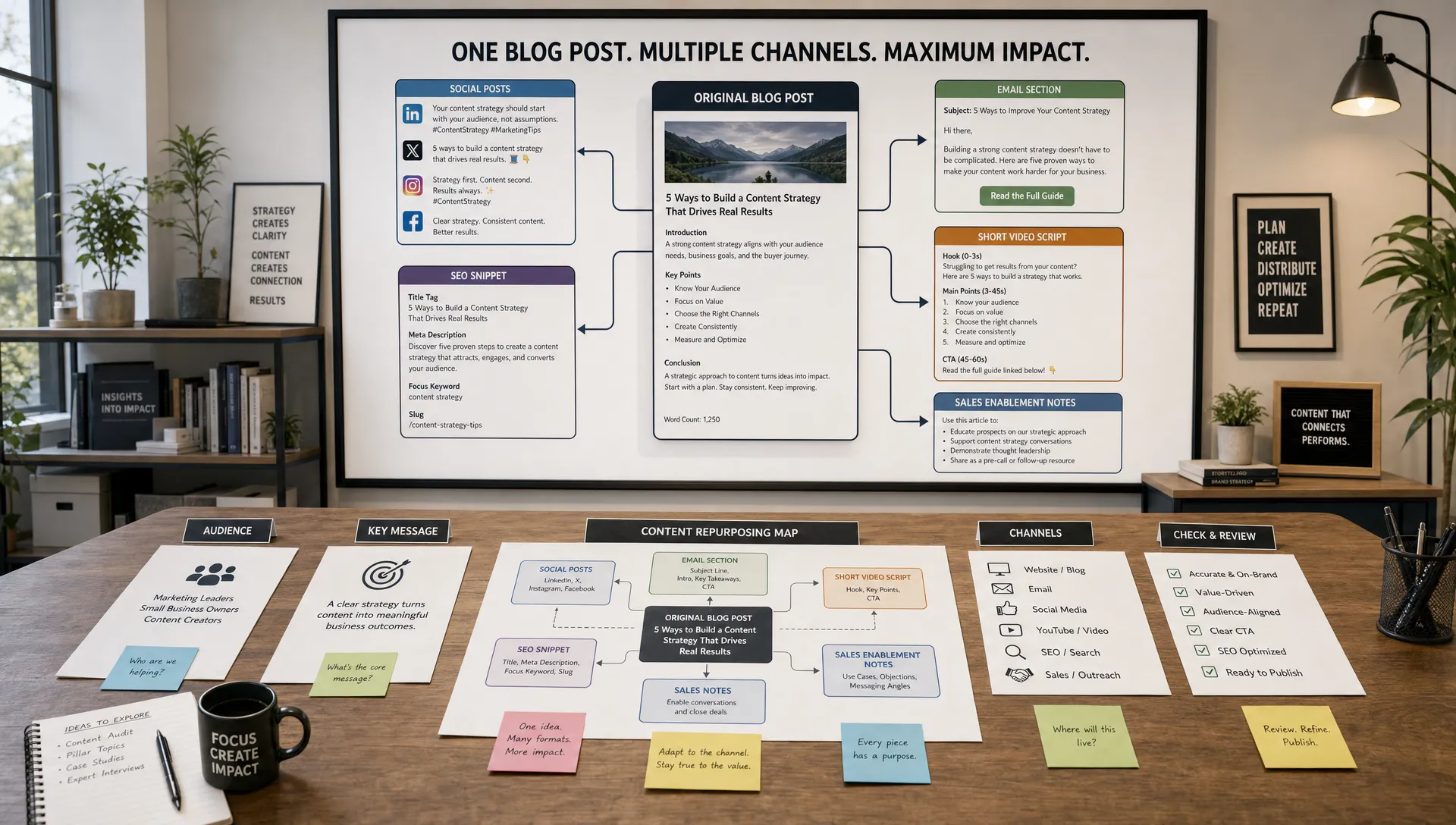
AI can also help repurpose long-form content into channel-specific assets. A webinar can become a blog outline, LinkedIn posts, email snippets, sales follow-up copy, and short paid ad concepts. The key is to adapt the message for each channel rather than copying the same wording everywhere.
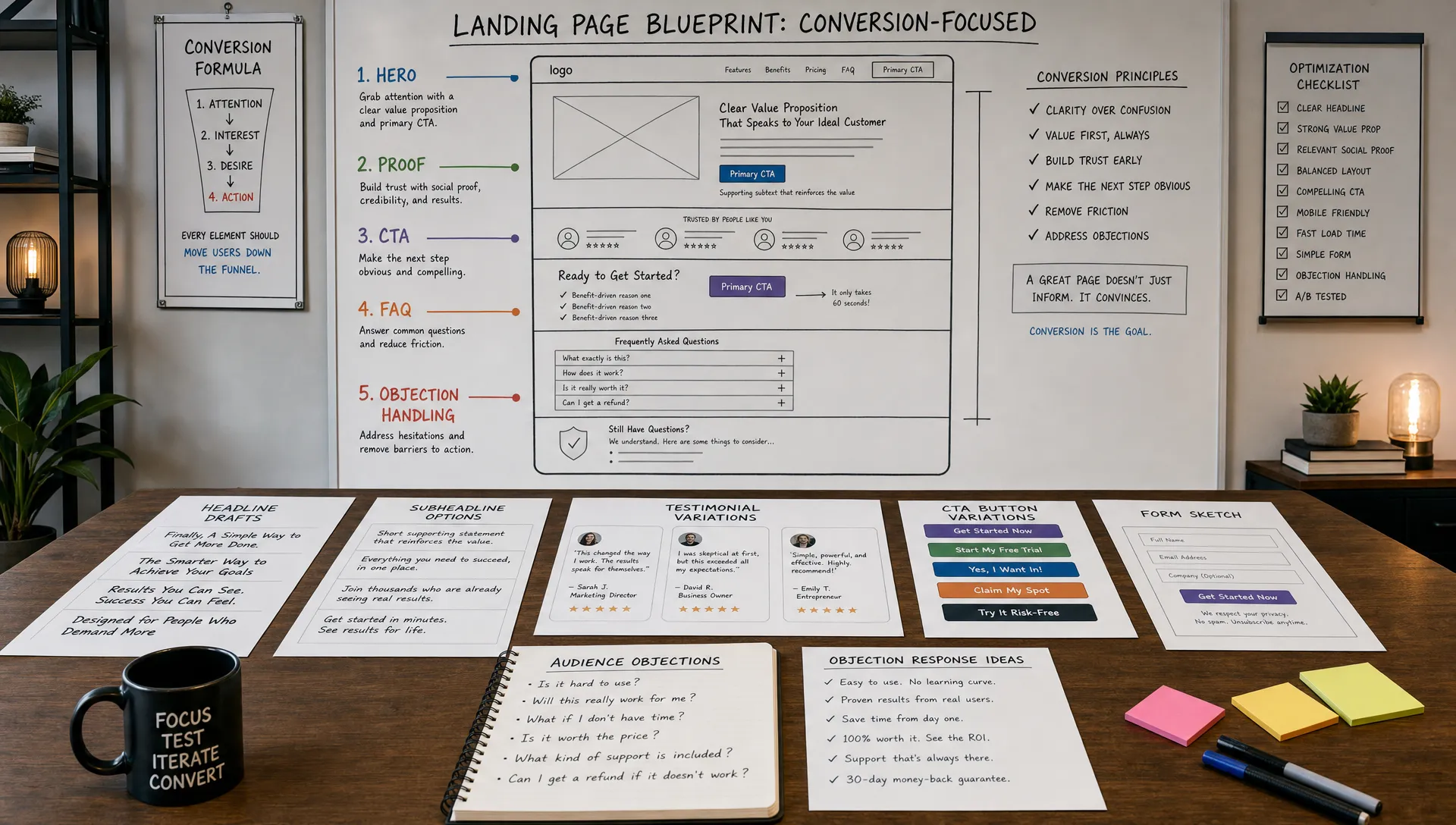
In the consideration stage, buyers compare options, build internal consensus, and evaluate risk. AI can help create comparison pages, objection-handling content, ROI narratives, use-case landing pages, and personalized nurture emails.
This is also where AI can analyze sales call notes and CRM data to identify common objections. If prospects often ask about implementation time, integrations, security, or switching costs, those topics should appear in campaign assets before the sales call.
SaaS consideration content works best when it is specific. Replace broad claims with proof, examples, and practical explanations. AI can help draft the first version, but your team should enrich it with real product screenshots, customer stories, technical details, and approved claims.
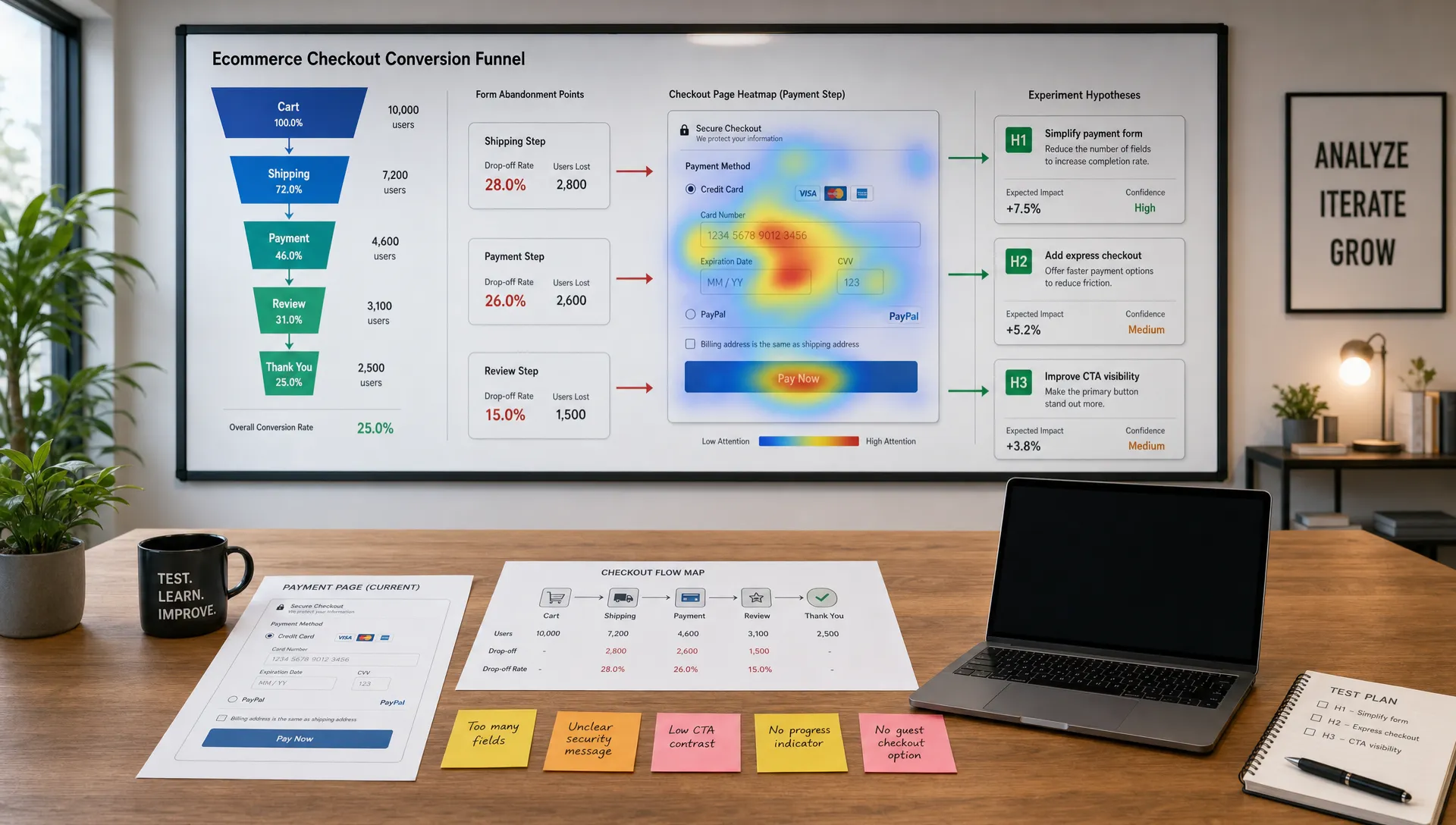
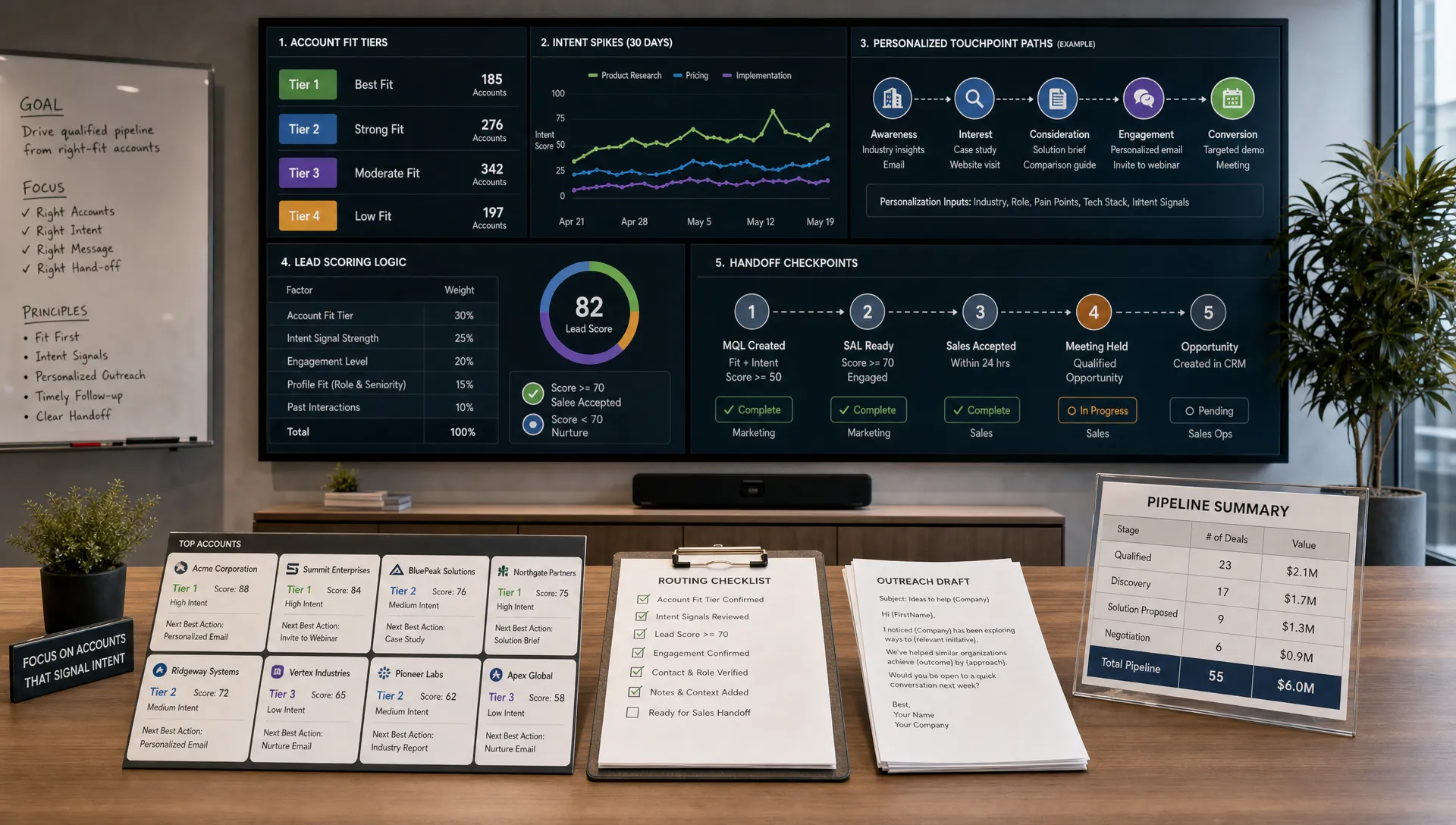
At the conversion stage, AI can help personalize demo follow-ups, trial reminders, pricing page experiments, chatbot flows, and retargeting messages. It can also help identify which leads deserve sales attention based on fit and behavior.
For product-led SaaS, AI can segment users by activation progress. A user who created a project but never invited a teammate may need a collaboration-focused message. A user who explored integrations may need technical setup guidance. A user who hit a usage limit may need a plan comparison or sales conversation.
For sales-led SaaS, AI can support account-based marketing by summarizing account research, generating persona-specific outreach, and suggesting relevant proof points. The best campaigns combine automation with human review, especially for high-value accounts.
Retention campaigns are often underdeveloped in SaaS marketing, but they are a strong fit for AI. Customer data can reveal which accounts are not adopting key features, which users may need education, and which teams are ready for expansion.
AI can help create lifecycle campaigns such as:
The important distinction is that retention messaging should feel helpful, not intrusive. If a customer is underusing a feature, the campaign should teach them how to get value, not pressure them to upgrade. AI can help identify the moment, but the message should still be customer-centered.
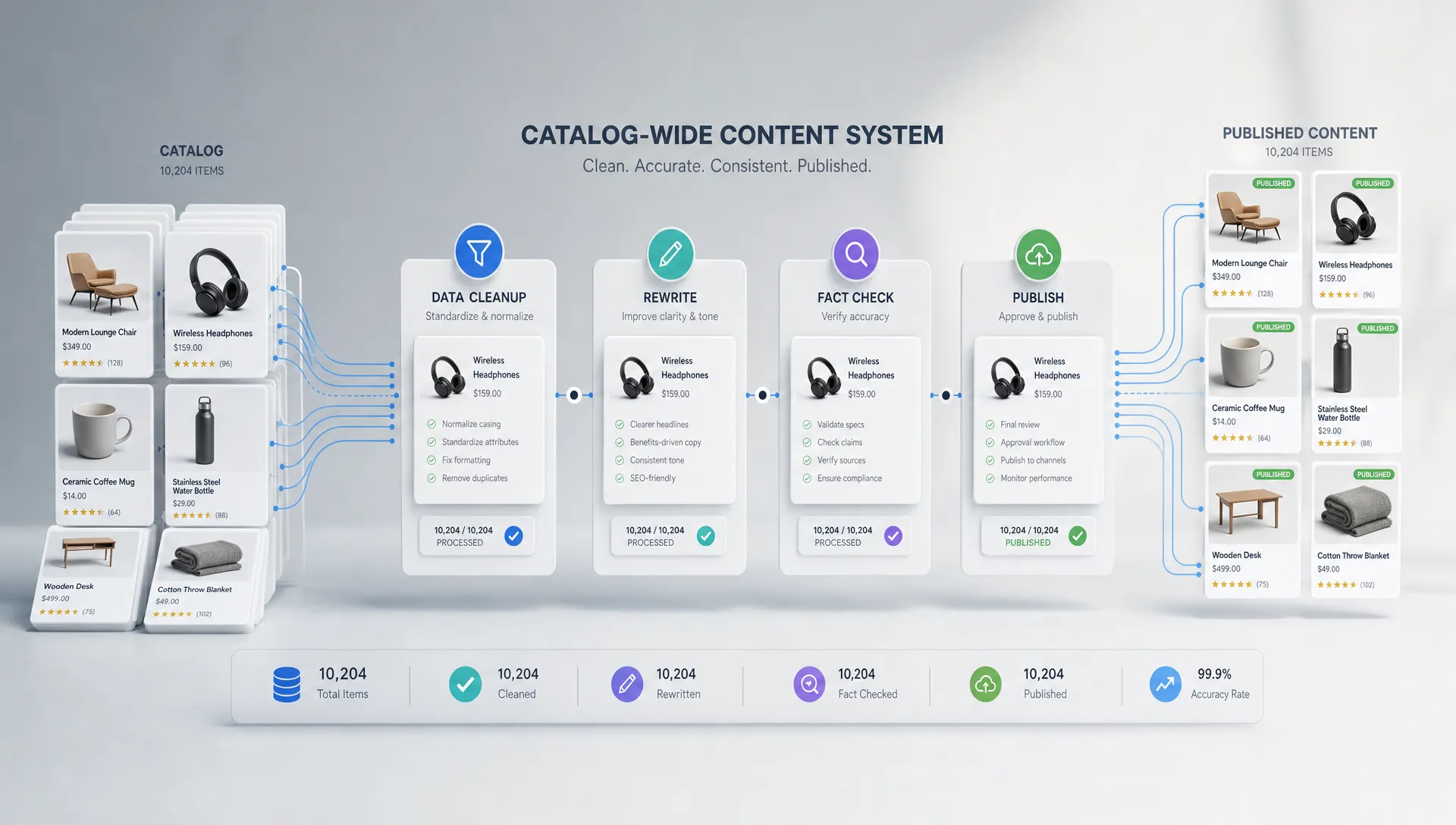
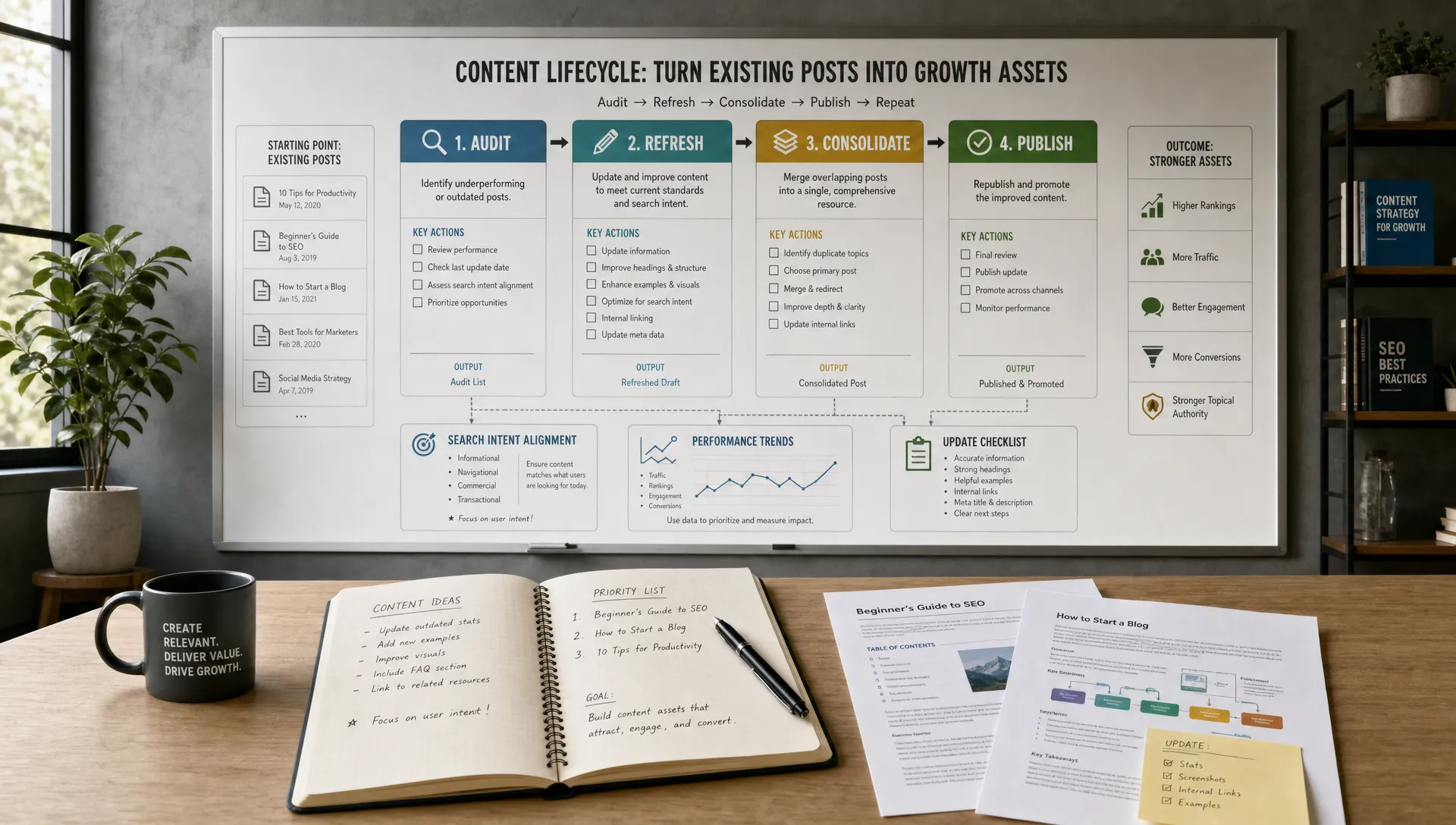
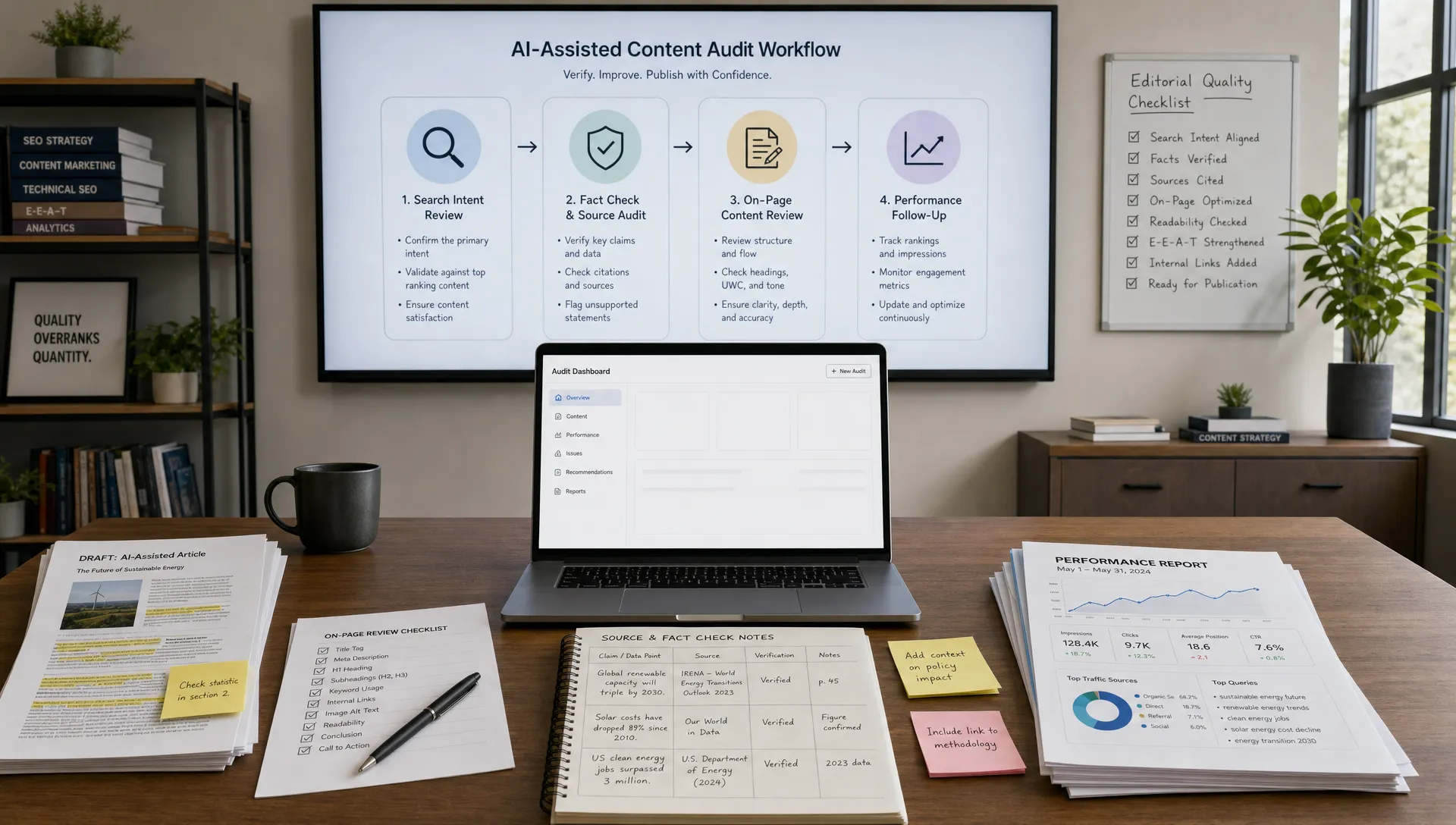
AI content generation is useful in SaaS marketing, but only when it is part of a quality-controlled workflow. Publishing generic AI content at scale can weaken your brand, especially in competitive SaaS categories where buyers need trust and clarity.
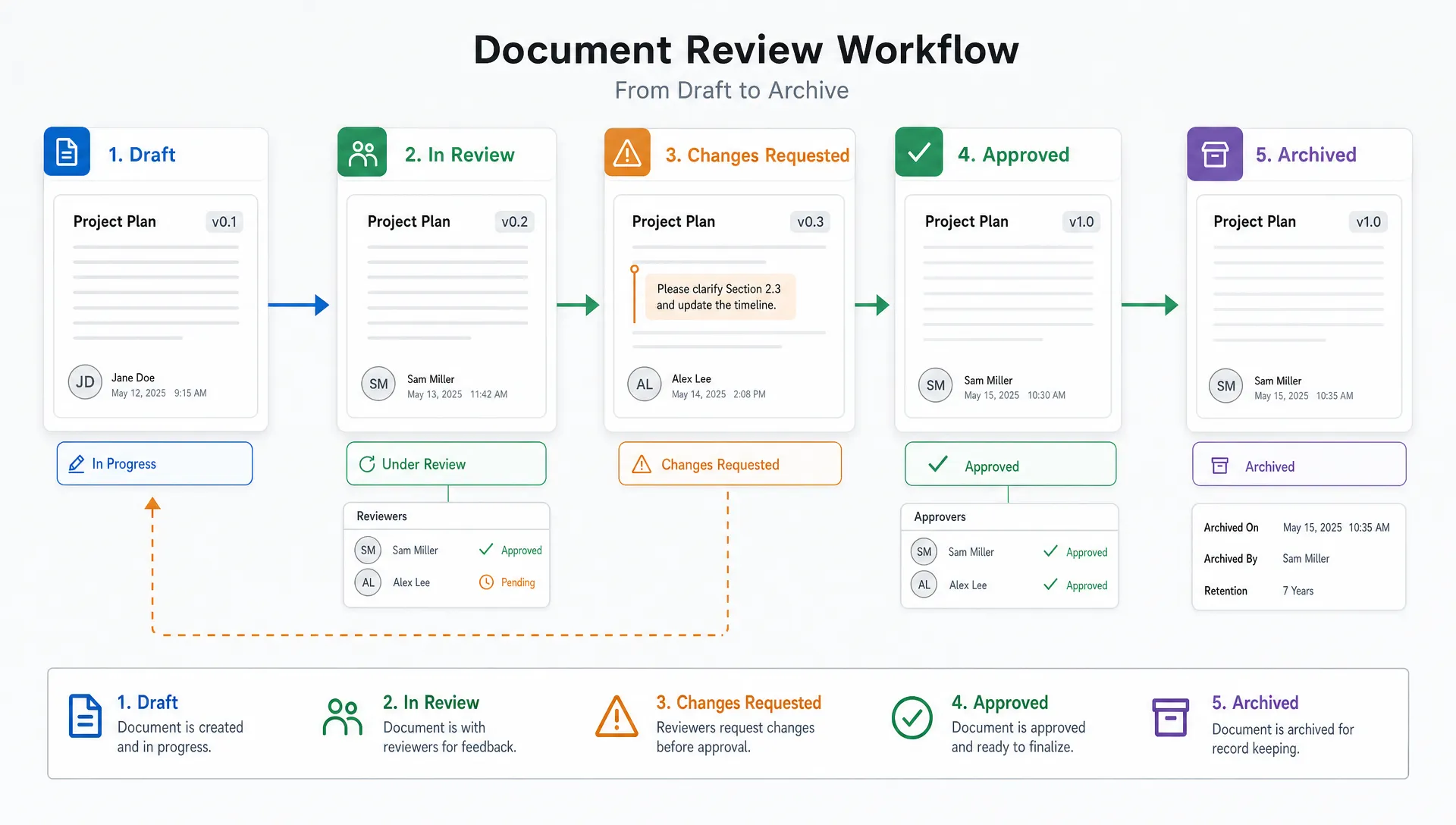
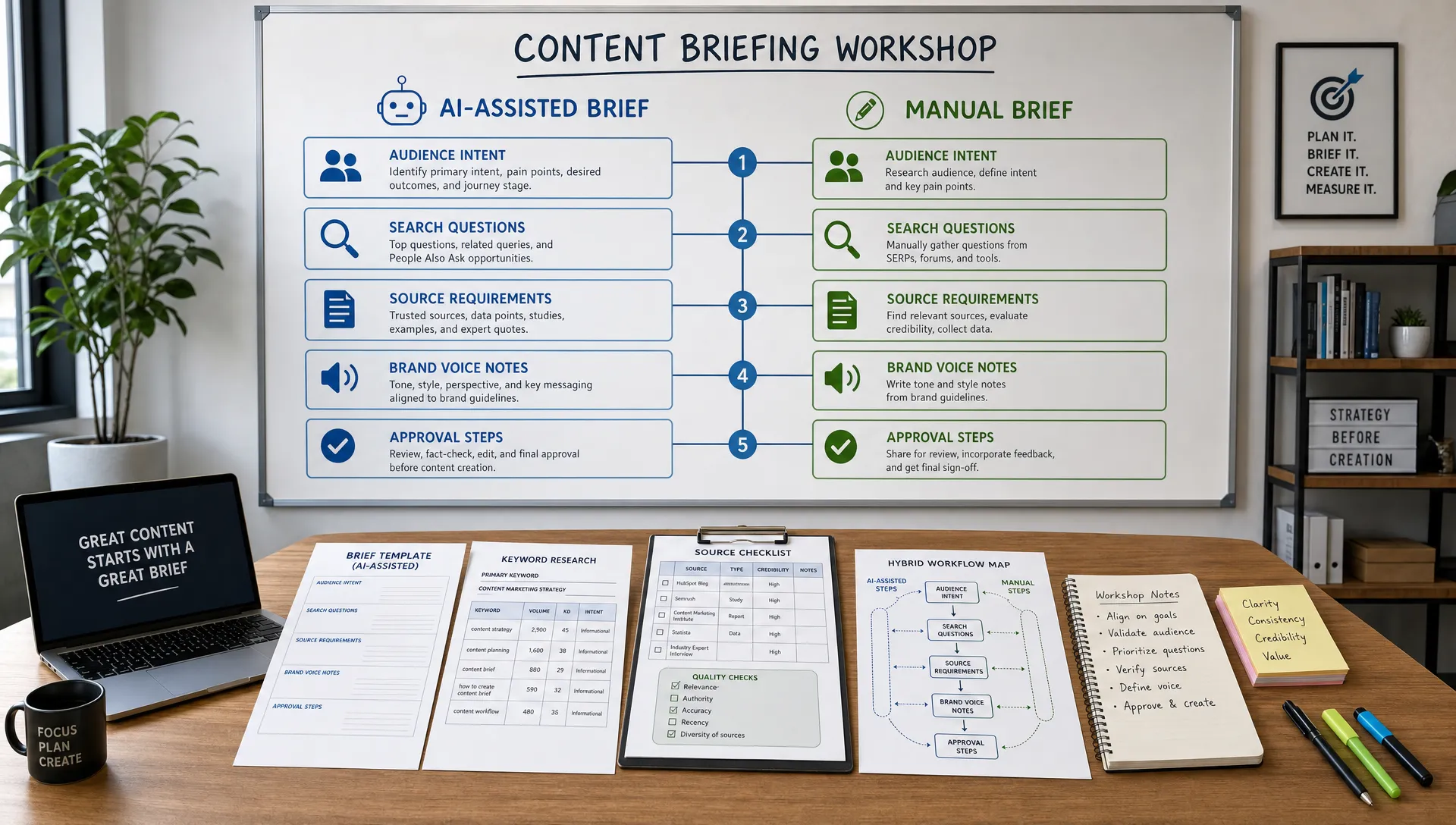
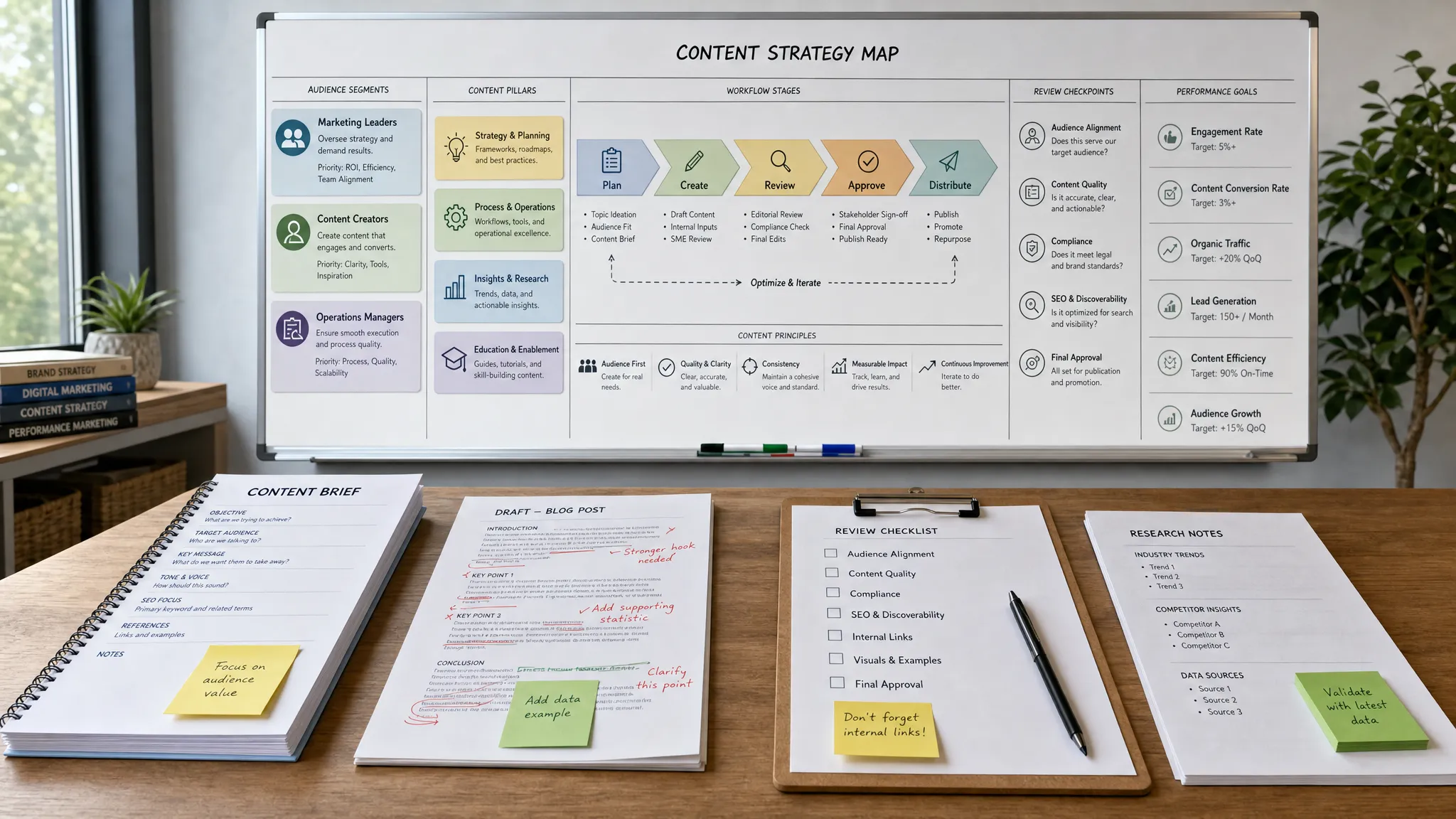
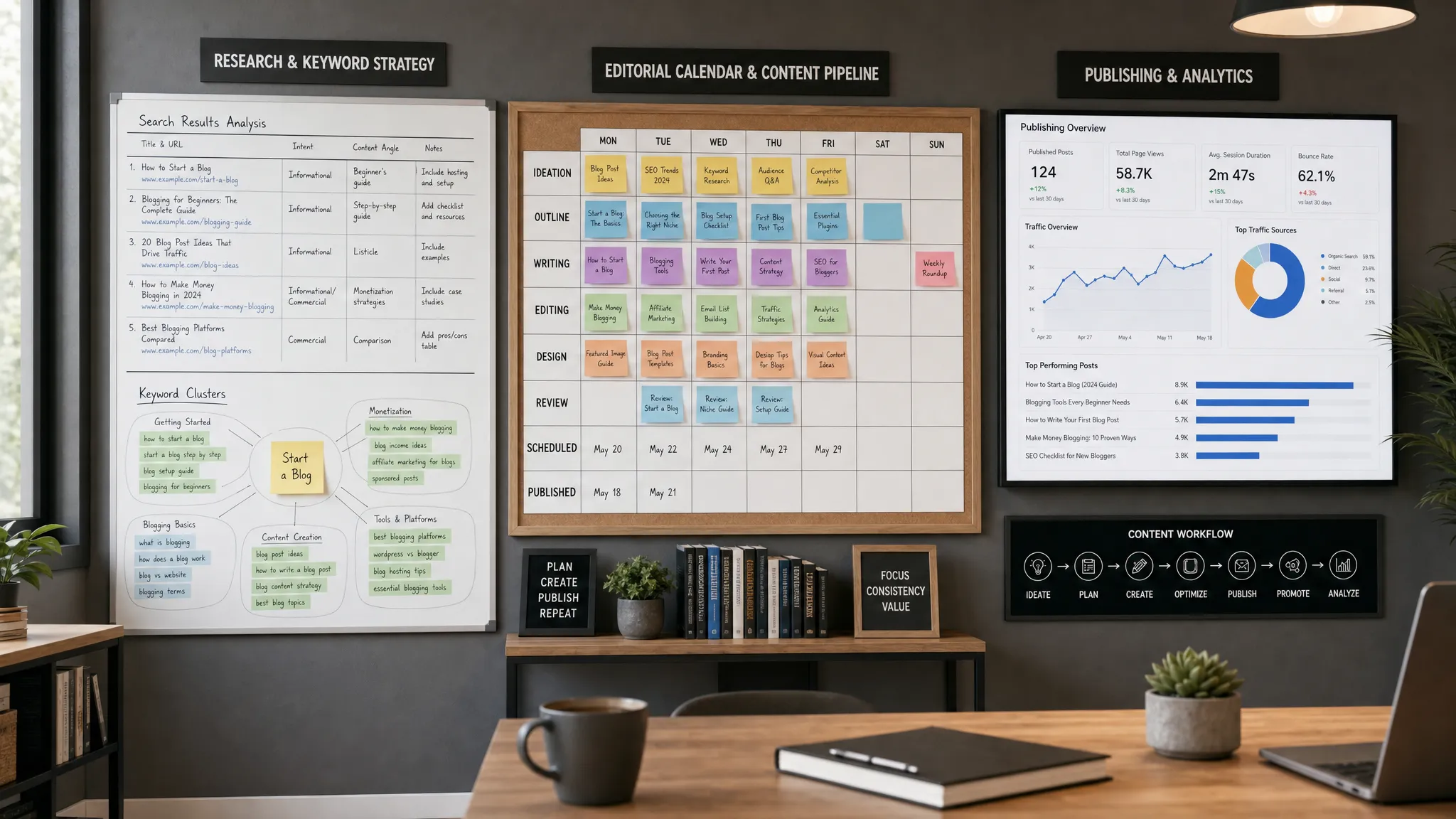
A practical AI-assisted content workflow looks like this:
This approach allows teams to move faster without turning their website into a library of lookalike content. The strongest SaaS content usually includes first-party expertise: customer stories, product insights, original frameworks, benchmarks, or lessons from implementation.
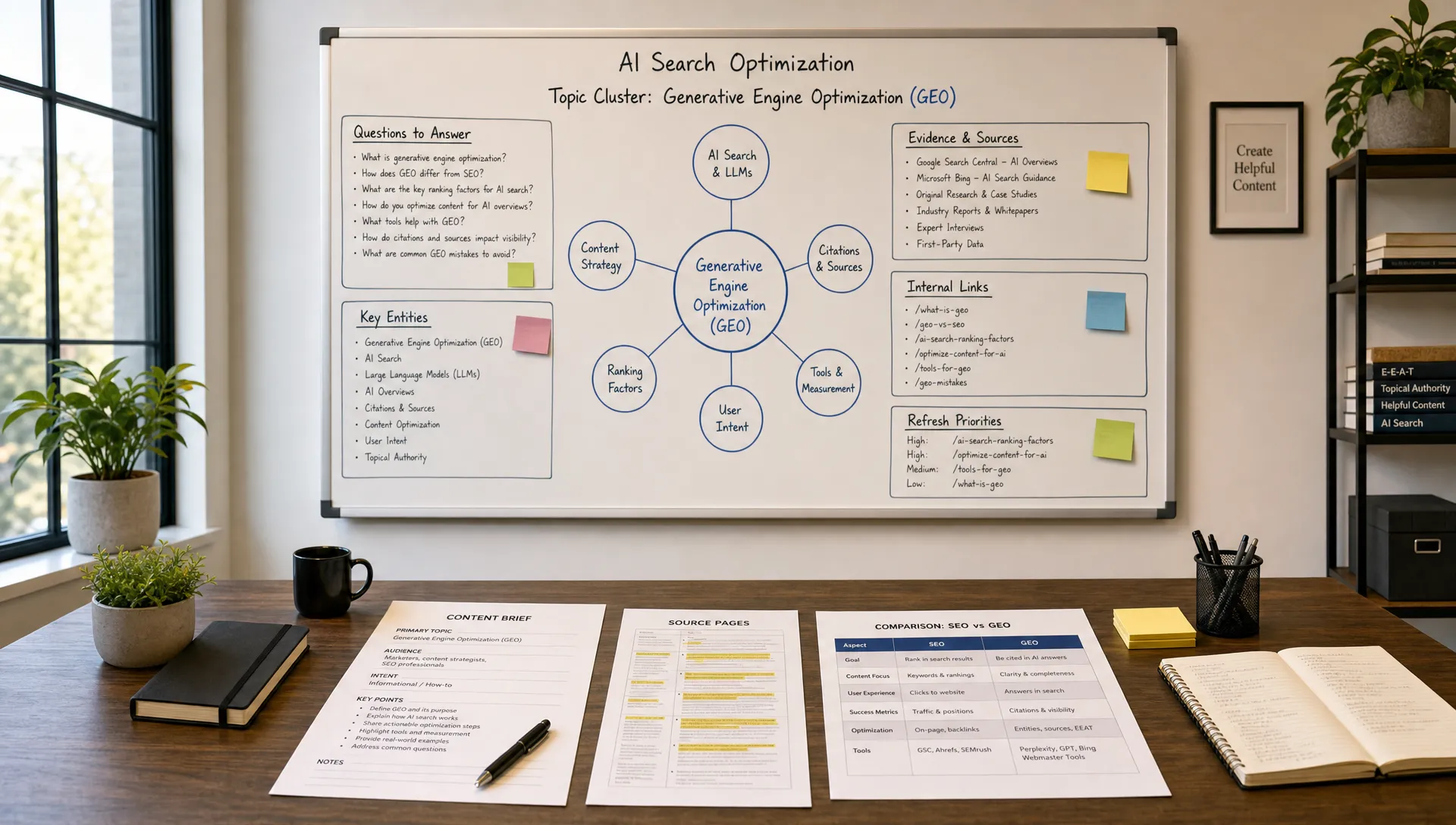
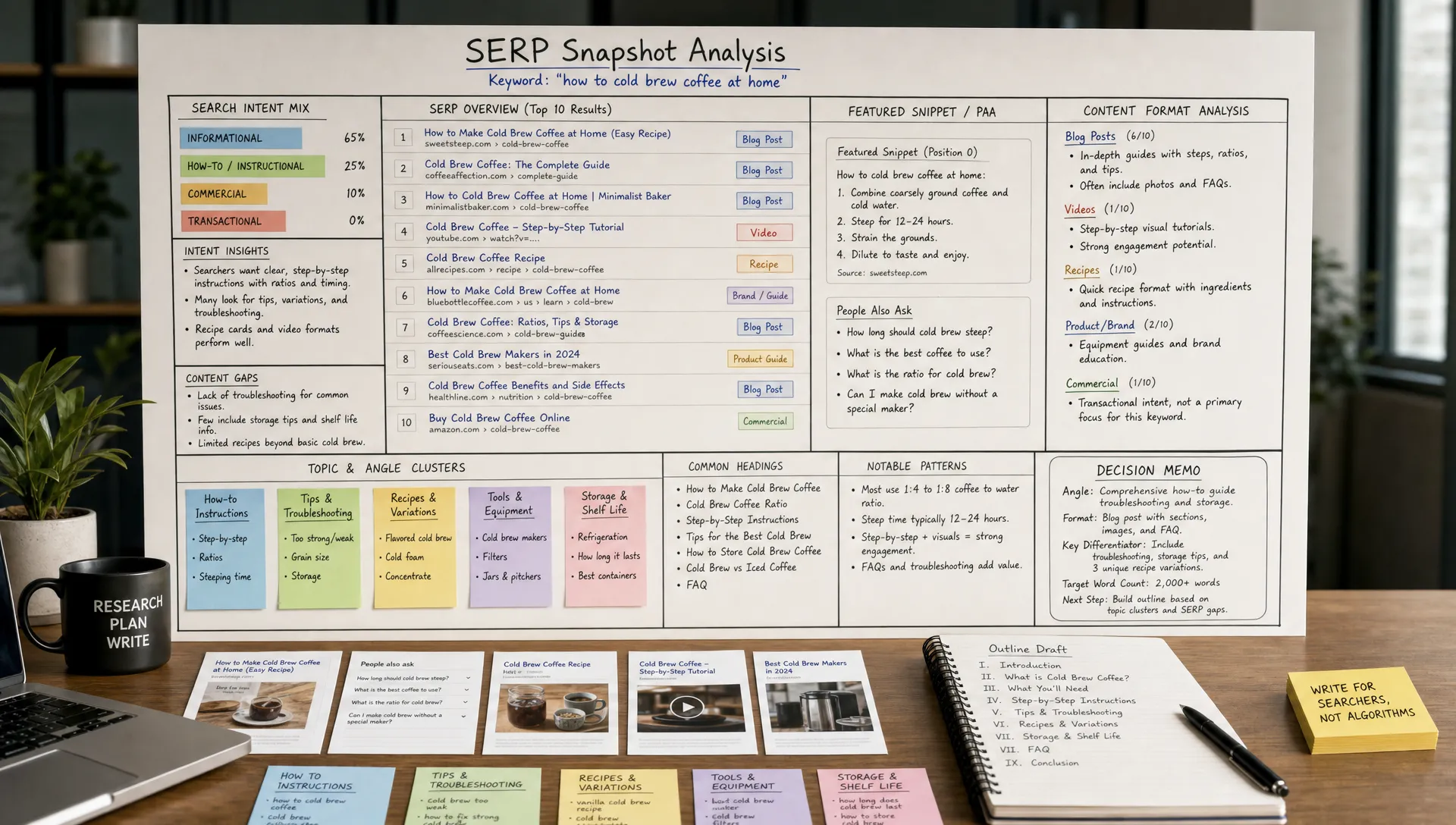
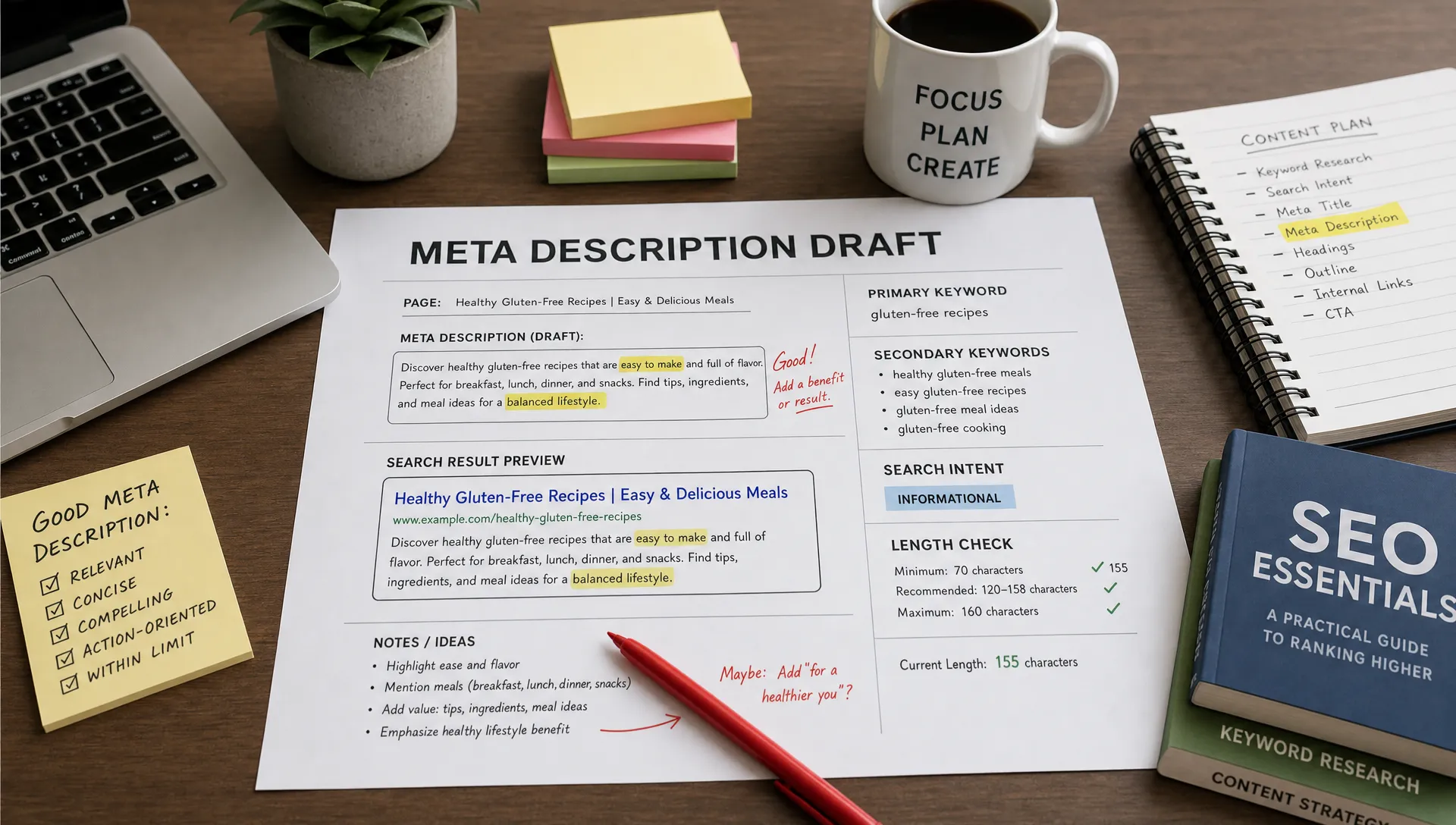
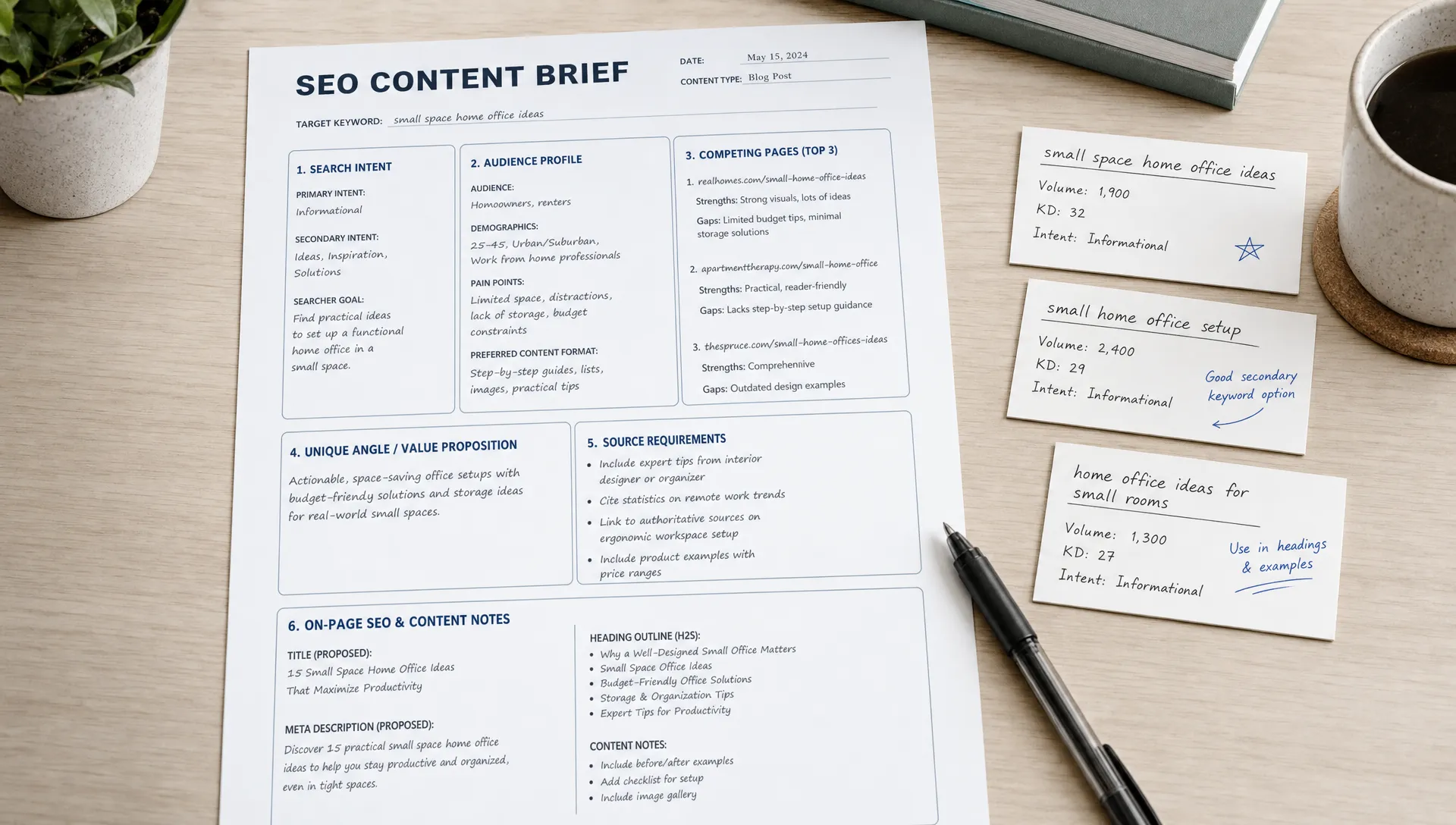
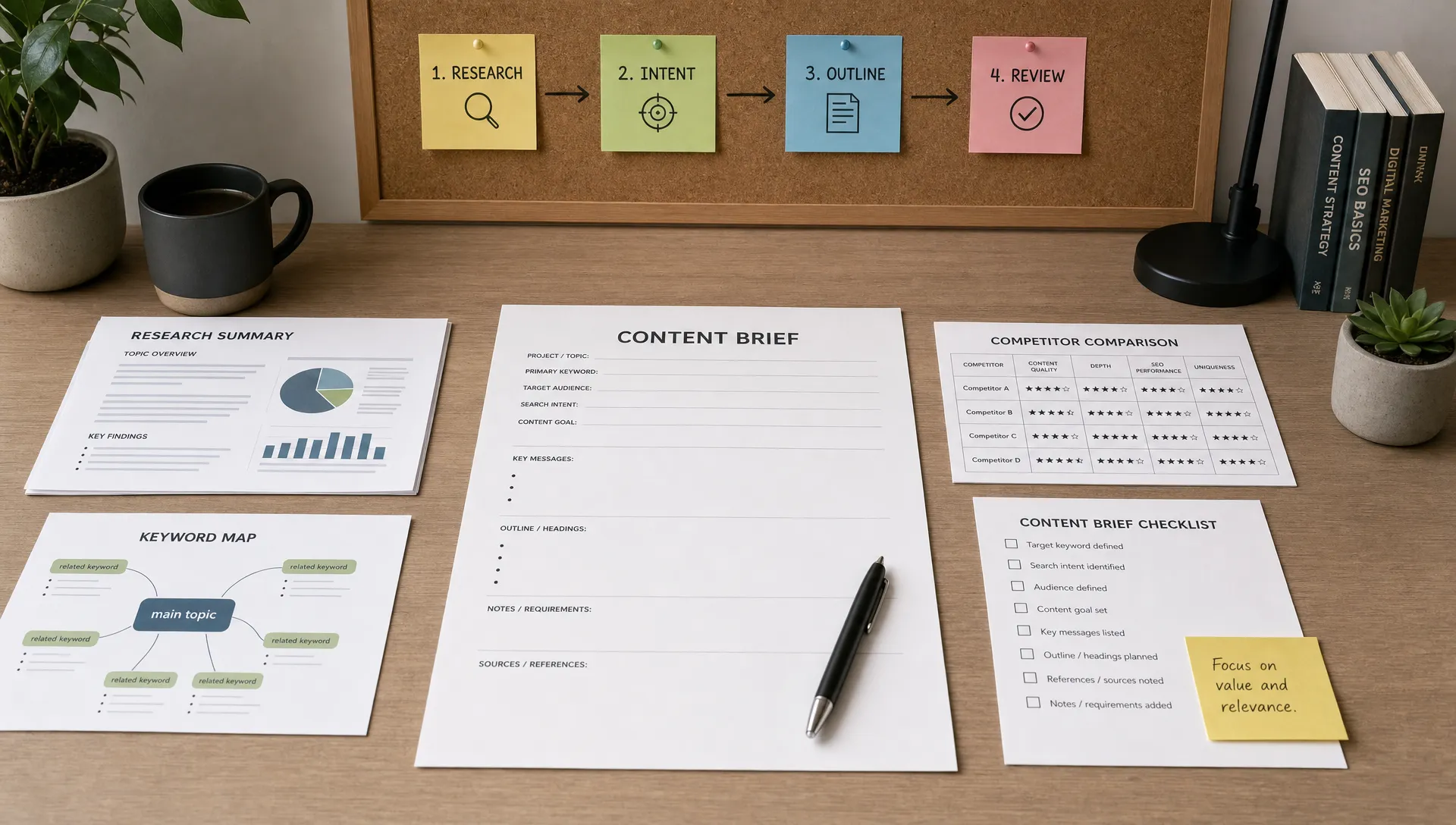
For SEO-driven SaaS campaigns, AI can help map topics to funnel stages, identify related questions, and create briefs. But the final article still needs a clear point of view. Search engines and users increasingly reward content that is genuinely useful, not simply well-formatted.
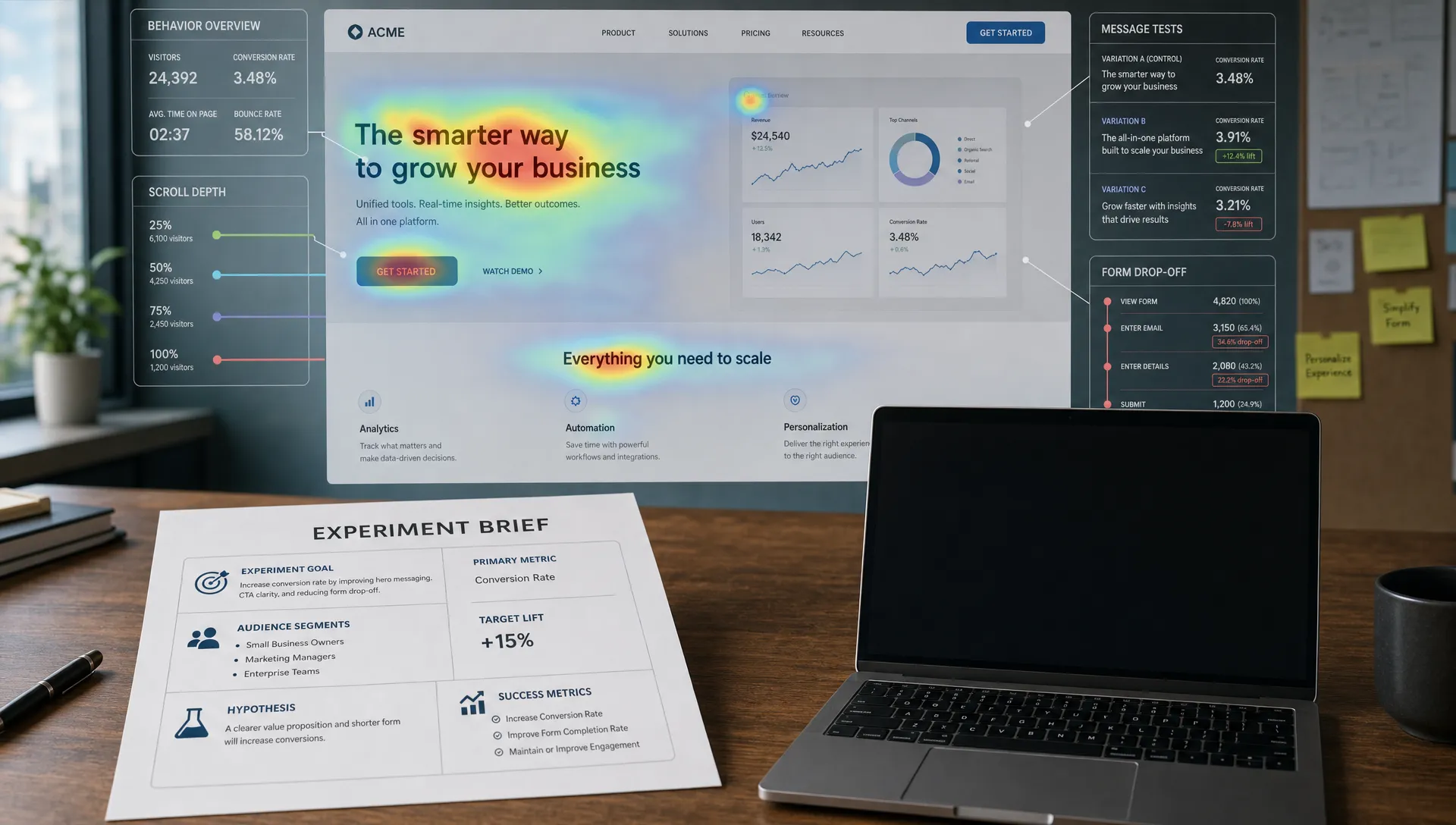
Paid media is one of the most measurable places to use AI in SaaS campaigns. Most ad platforms already use machine learning for bidding, targeting, and placement optimization. SaaS marketers can add another layer by using AI to improve creative testing and audience insight.
AI can help generate variations of:
However, more variants do not automatically mean better performance. The goal is not to test 100 random headlines. The goal is to test meaningful hypotheses.
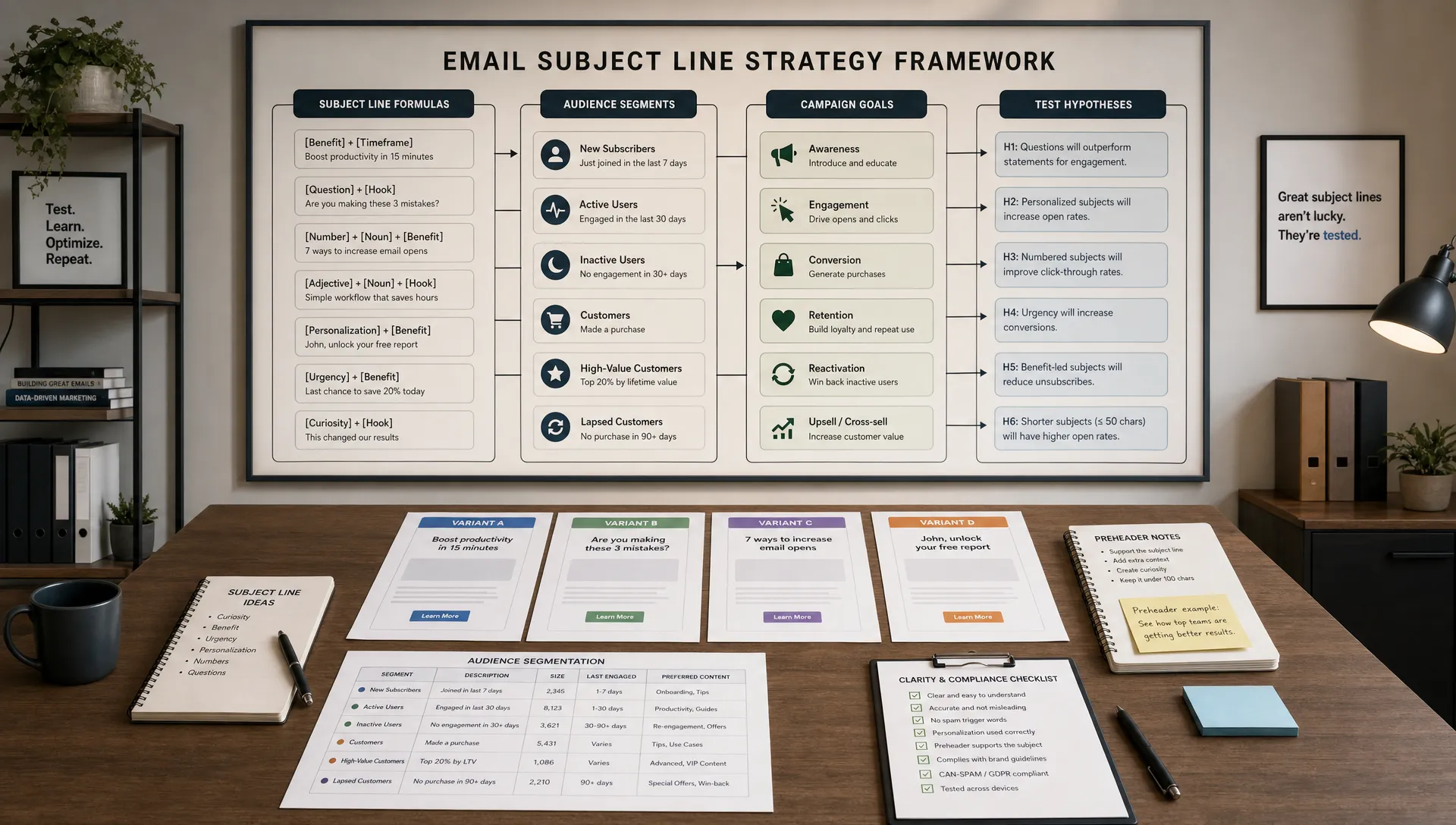
For example, you might test whether your audience responds better to a pain-led message (“Stop losing revenue to manual billing errors”) or an outcome-led message (“Close the books 40% faster with automated billing workflows”). AI can generate the variants, but your team should define the hypothesis.
SaaS paid campaigns should also connect ad messaging to landing page messaging. If the ad promises an integration-focused use case, the landing page should not send visitors to a generic product overview. AI can help audit message match across ads, pages, and follow-up emails.
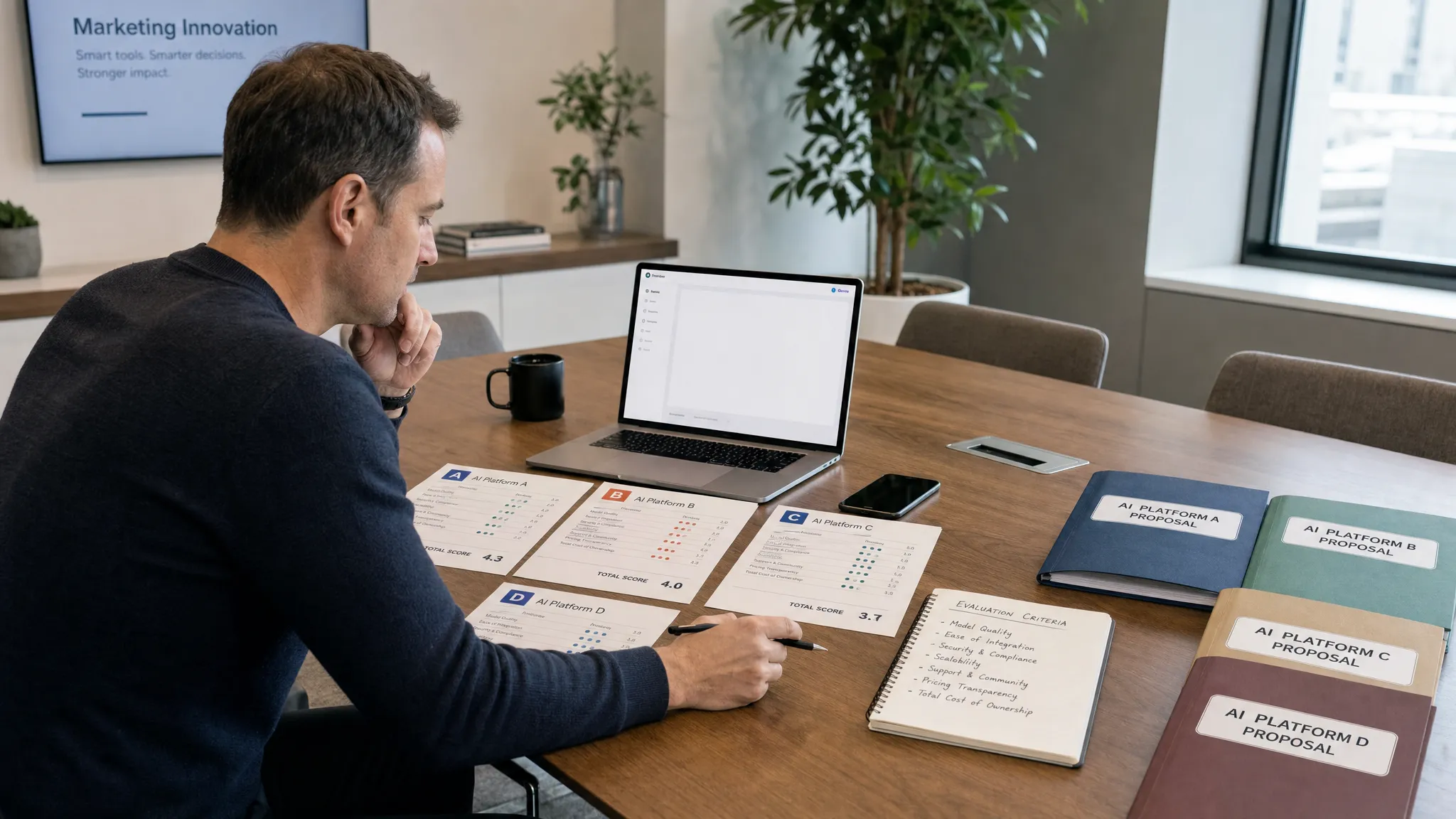
If your team is comparing platforms for AI-assisted execution, automation, and analytics, AIMarketer Hub’s guide on how to pick the right AI marketing platform can help frame the evaluation.
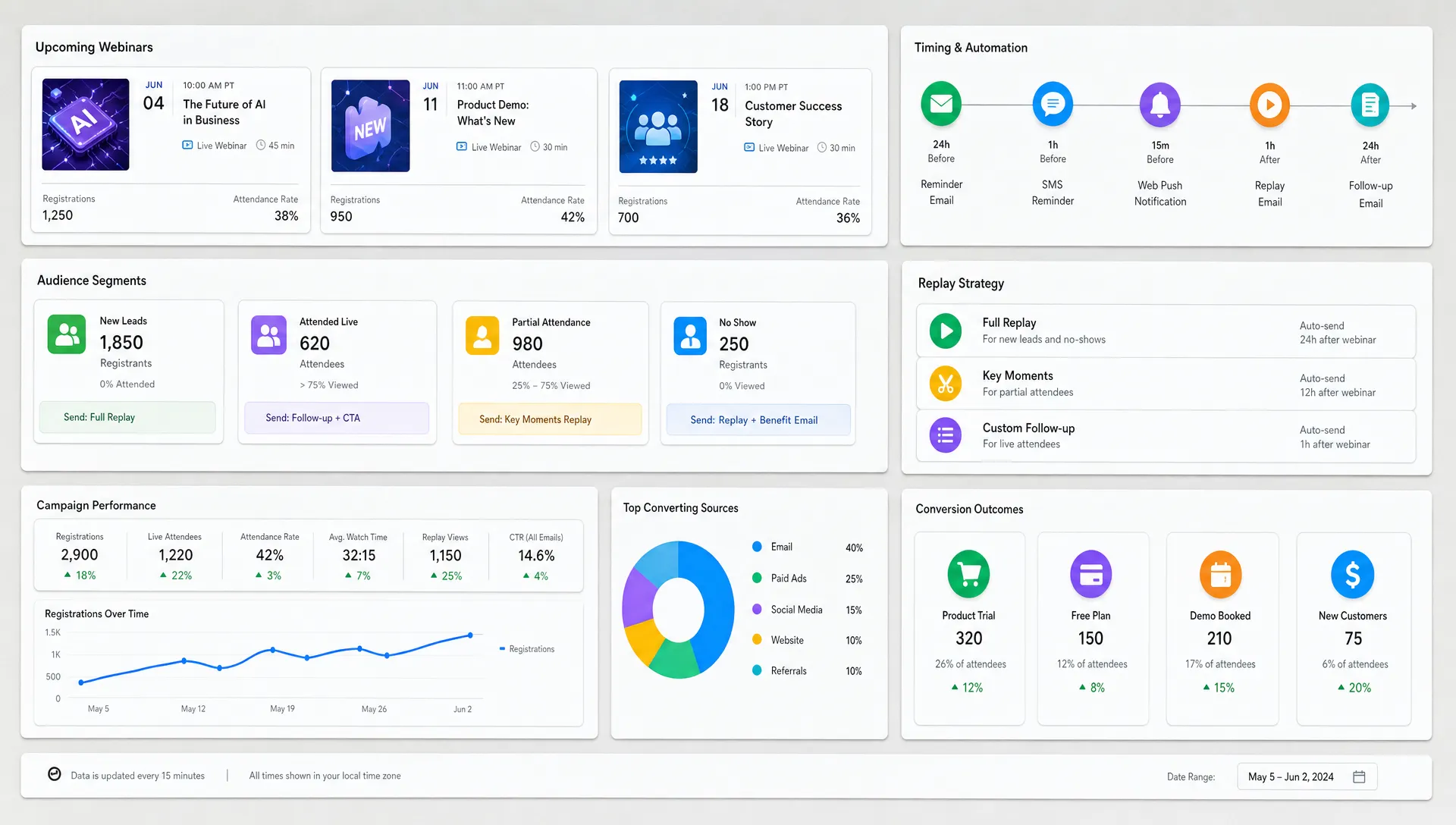
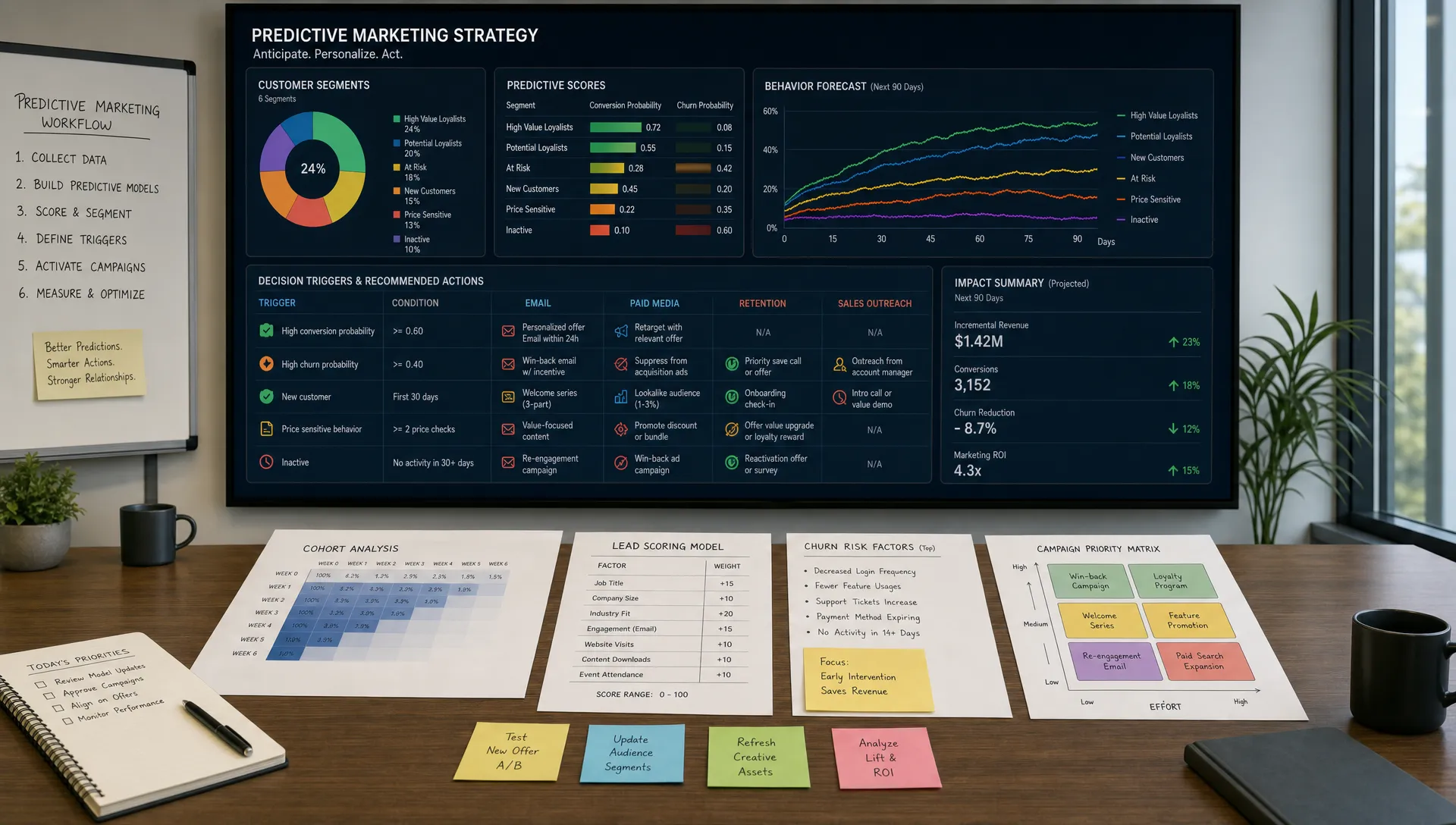
Lifecycle marketing is where AI can make SaaS campaigns feel more timely and relevant. Instead of building one email sequence for everyone, use behavioral signals to trigger different paths.
Examples of useful lifecycle signals include:
AI can help decide which message should come next based on these patterns. It can also generate role-specific or industry-specific versions of the same campaign.
For instance, if two users abandon setup, they may need different messages. A technical admin might need integration documentation. A team lead might need a quick-start workflow. An executive sponsor might need a business case. AI helps scale that relevance.
Be careful with personalization that feels too specific or invasive. Just because you can reference every action a user took does not mean you should. A helpful message might say, “Here is a quick guide to setting up your first team workflow.” A creepy message might say, “We noticed you clicked this button three times but did not finish.” Use behavioral data to improve usefulness, not to show off surveillance.
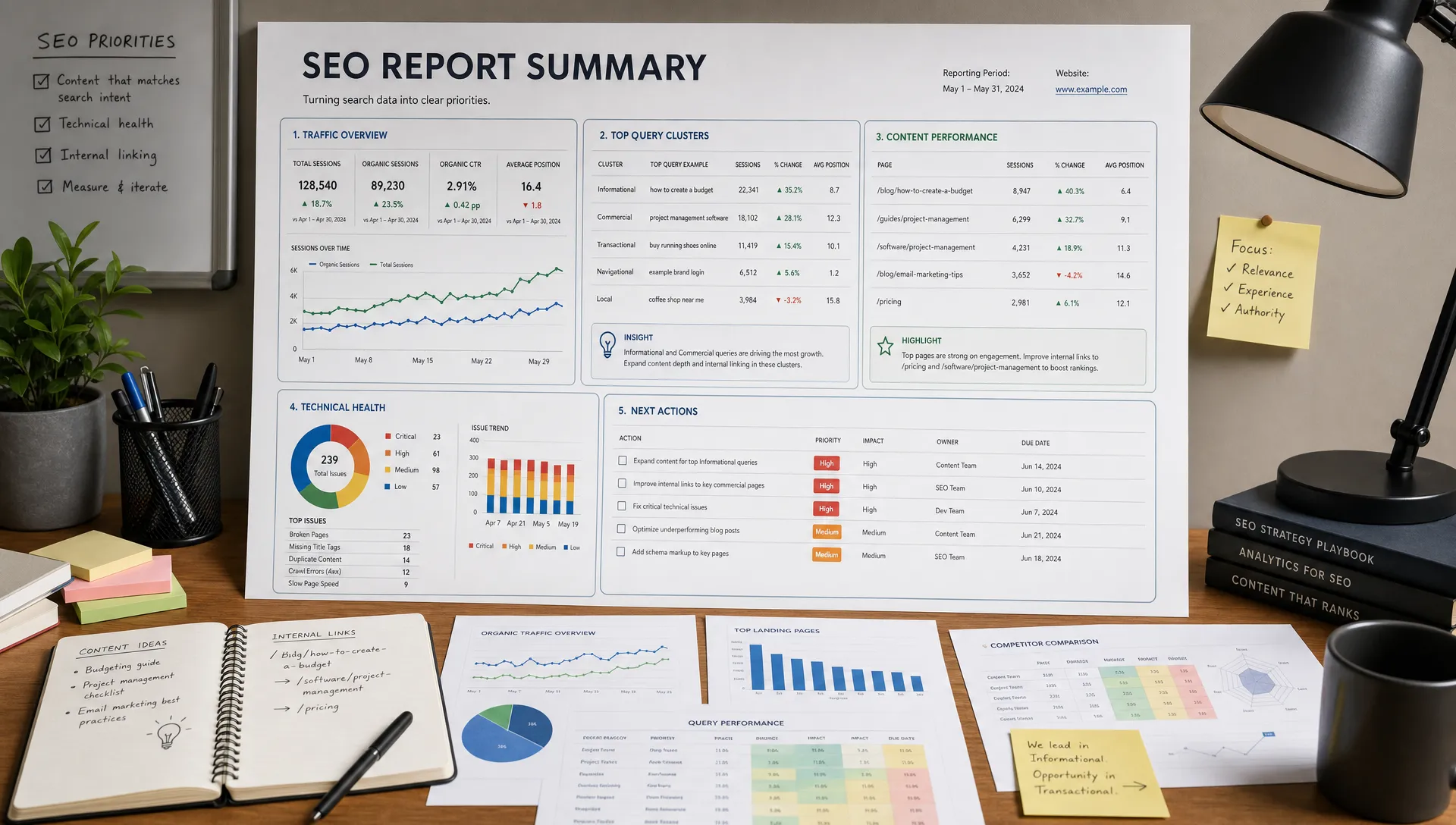
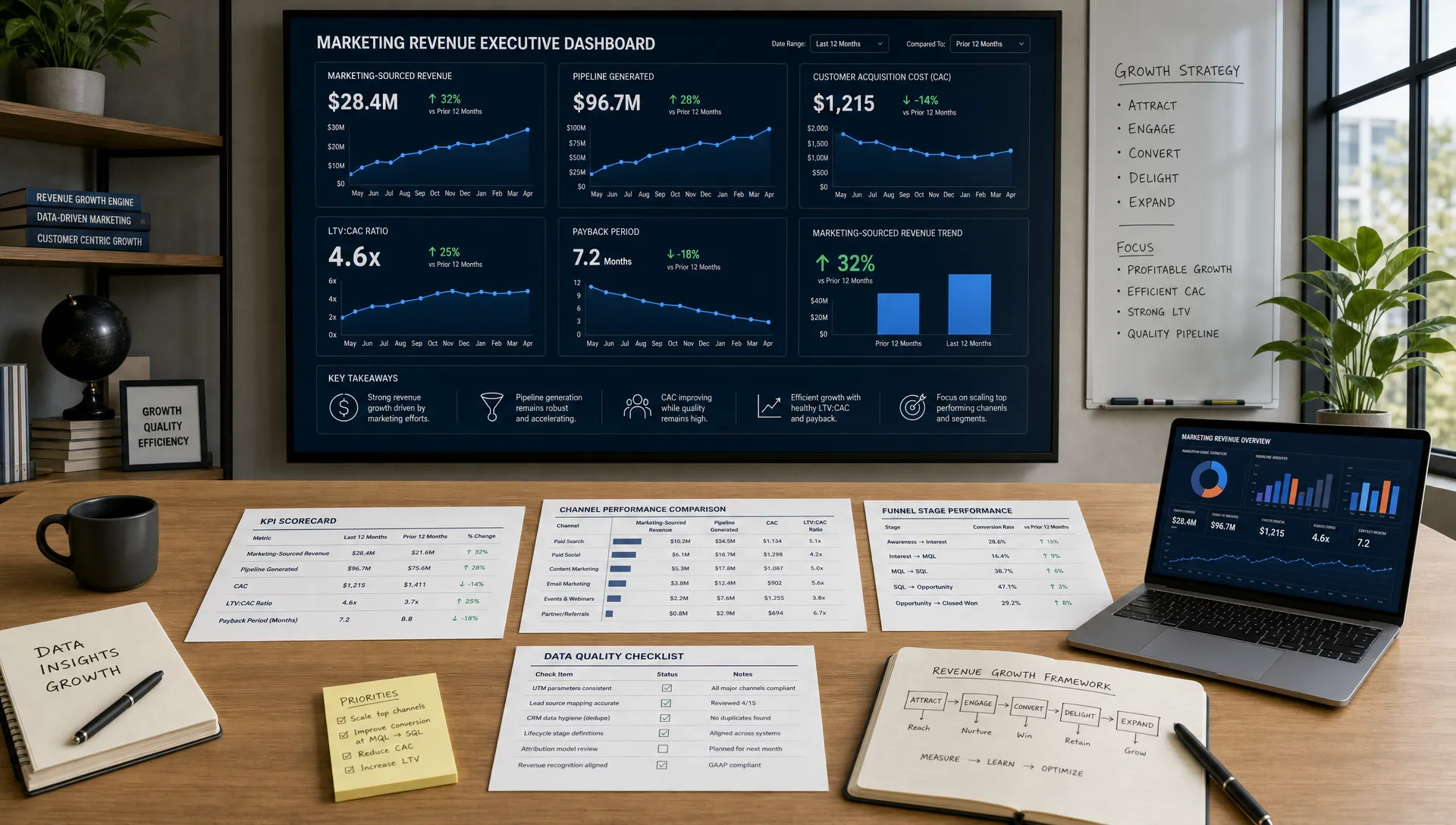
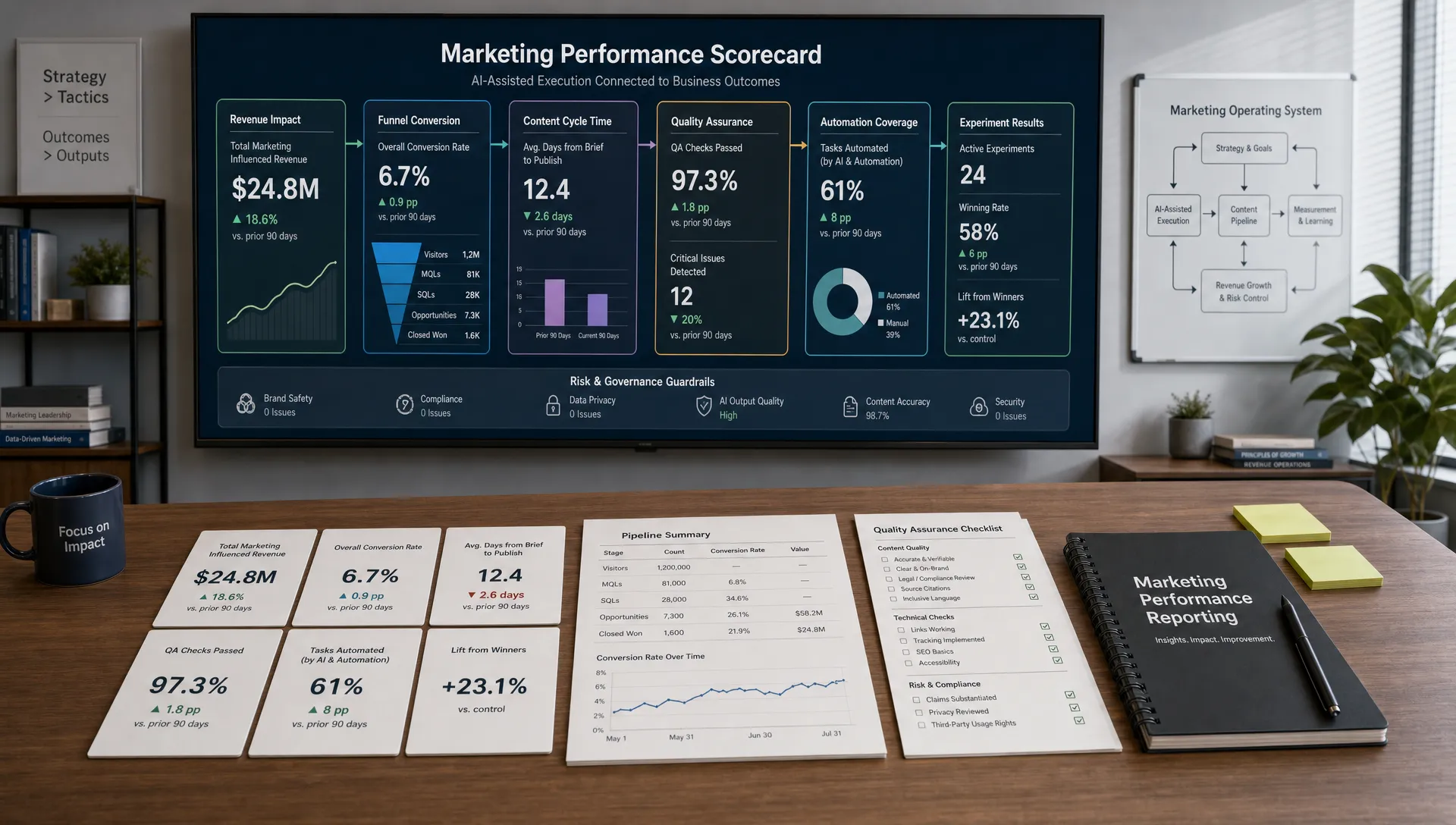
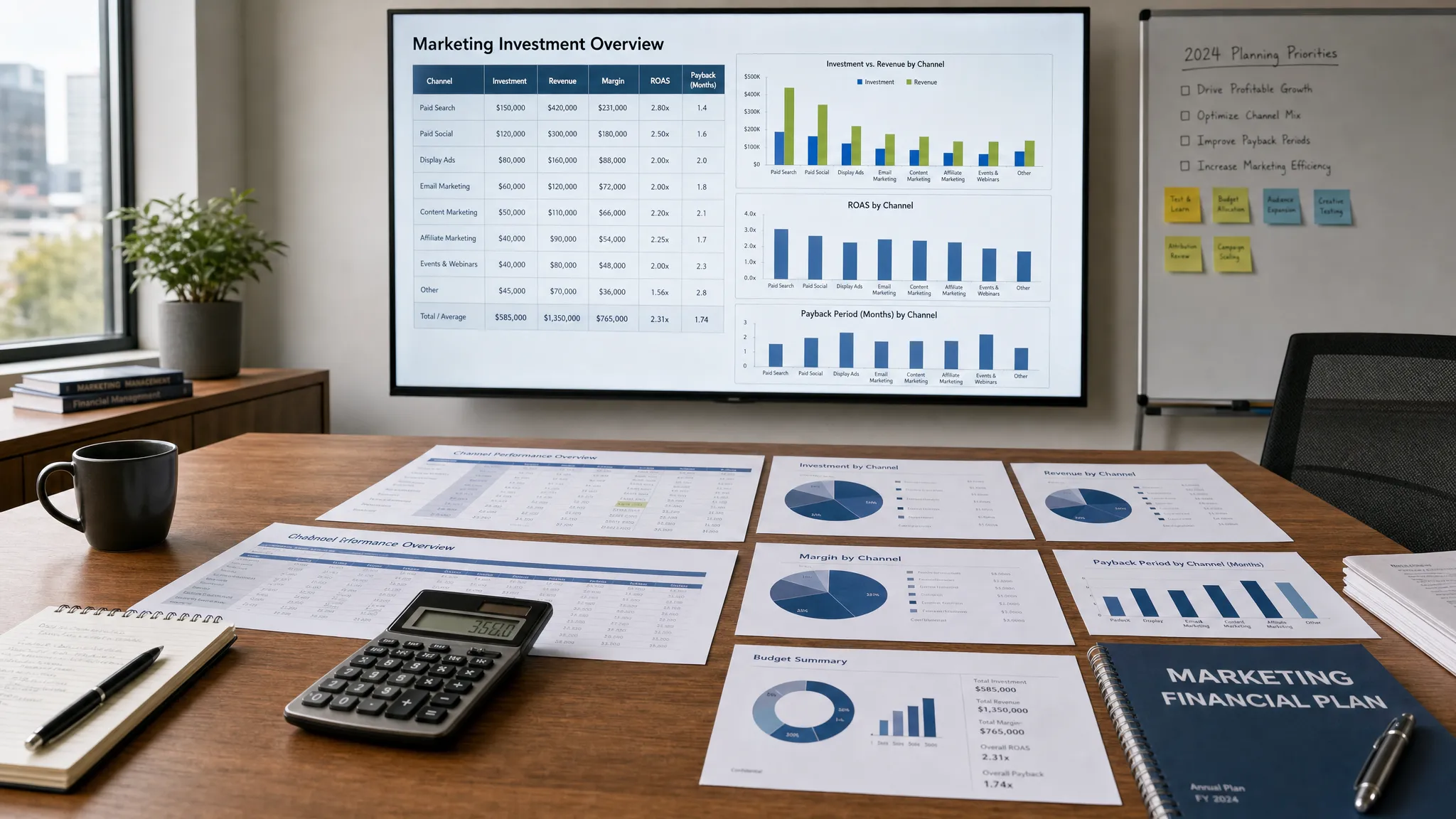
AI should be judged by business impact, not by how much content it produces. The right metrics depend on the campaign goal, but SaaS teams should connect AI activity to funnel and revenue outcomes.
Common metrics include:
It is also worth measuring production efficiency, but do not stop there. If AI helps your team create five times more assets but conversion rates decline, that is not a win. Quality, relevance, and revenue impact matter more than volume.
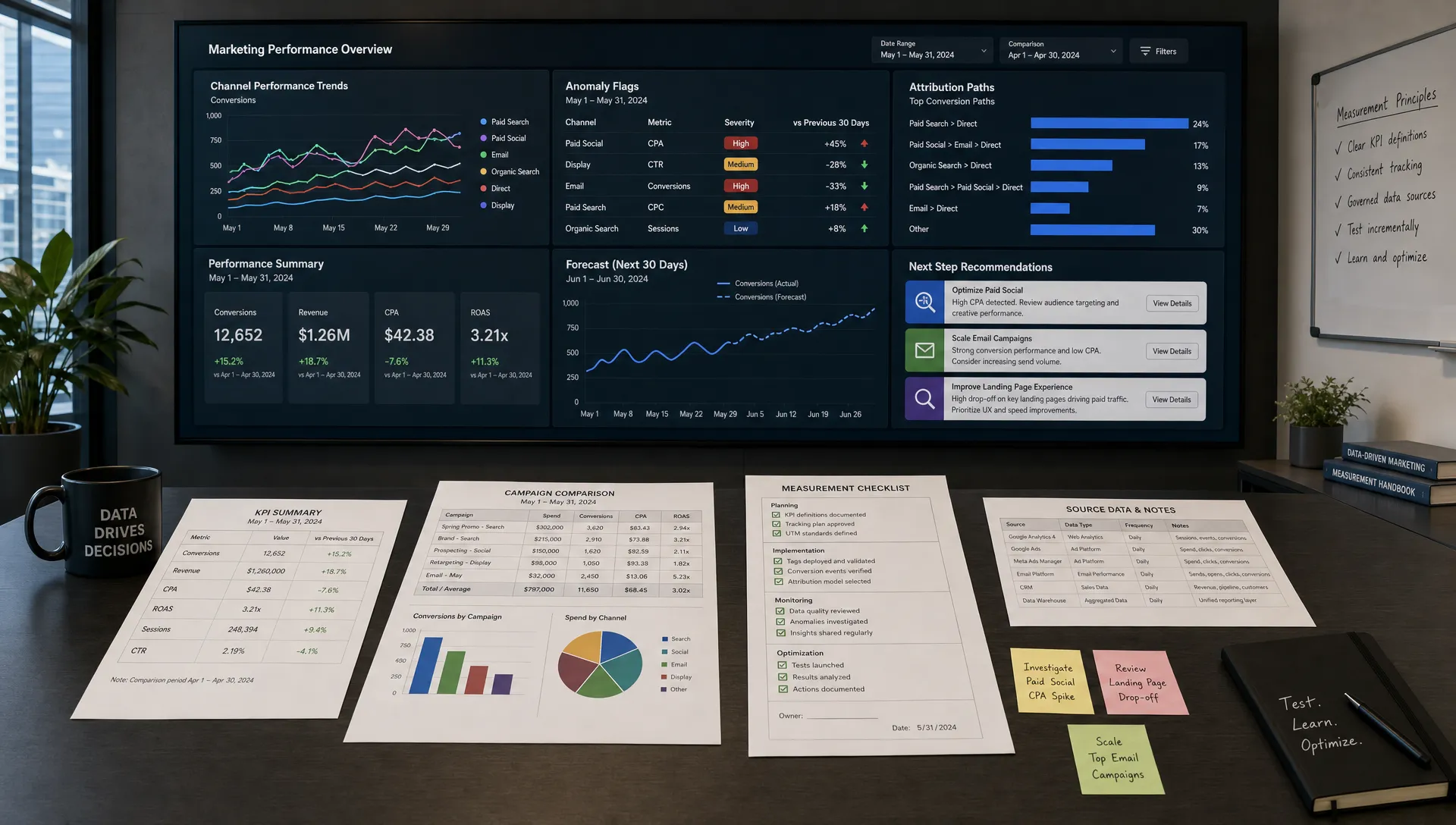
Use AI to analyze campaign results after launch. Ask it to identify patterns by segment, channel, asset, audience, and lifecycle stage. Then turn those findings into the next test. For example, if enterprise prospects engage with security content before booking demos, you might create a security-focused nurture track or landing page.
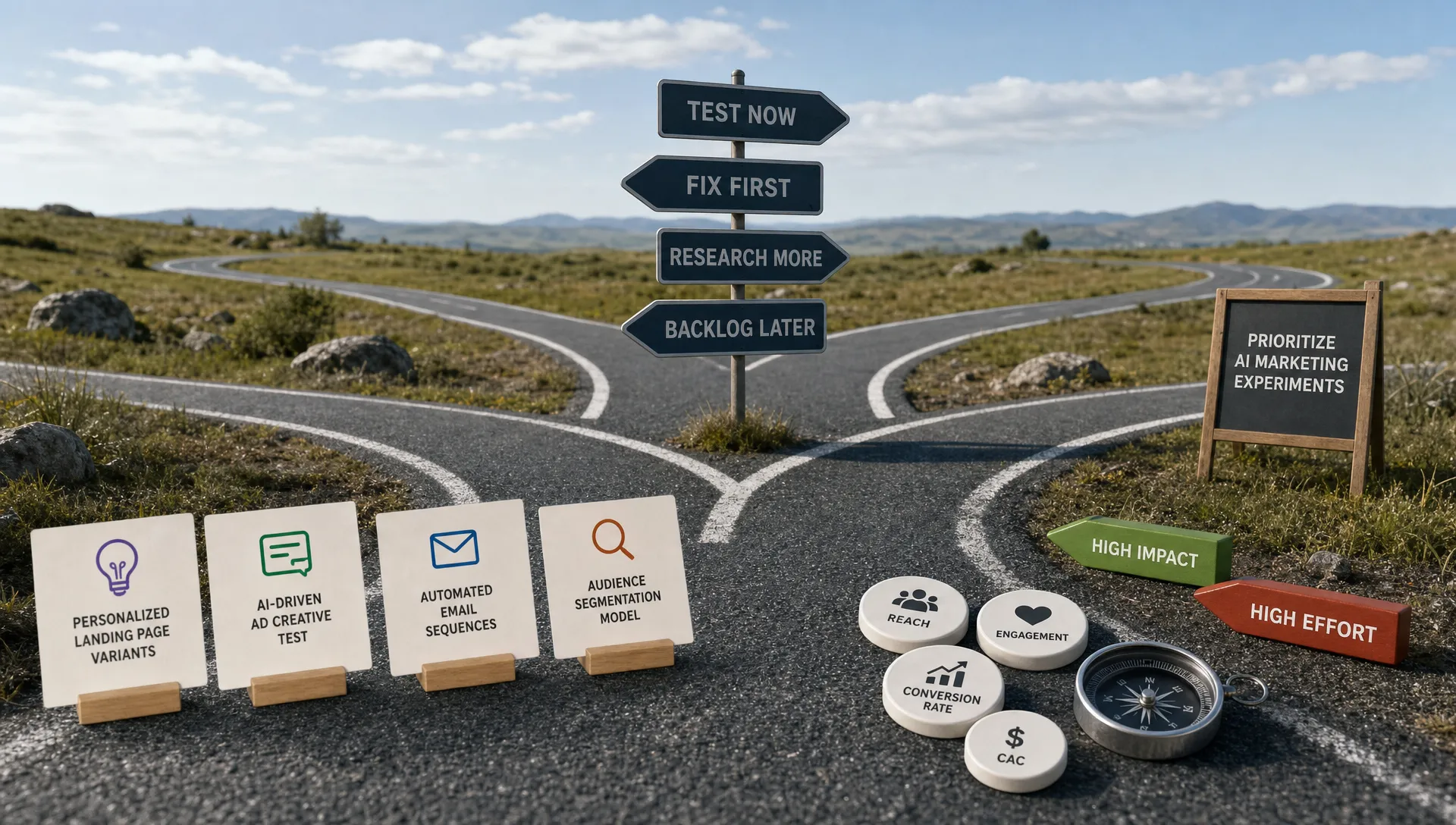
A strong optimization prompt might be: “Analyze these campaign results by segment and funnel stage. Identify three likely reasons conversion dropped after the landing page visit, suggest five testable improvements, and prioritize them by expected impact and implementation effort.”
The output will not be perfect, but it can speed up analysis and help your team avoid staring at dashboards without clear next steps.
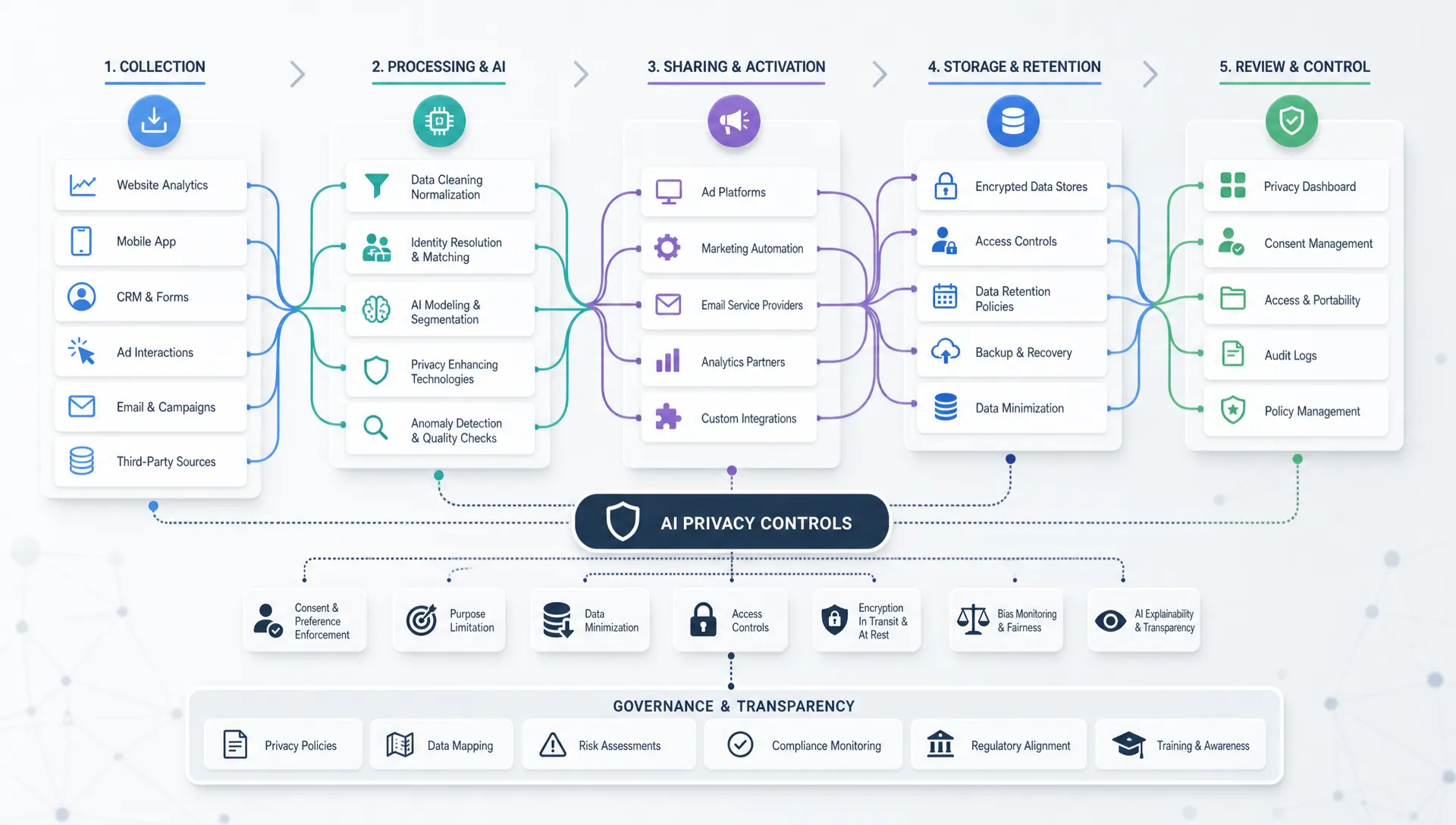
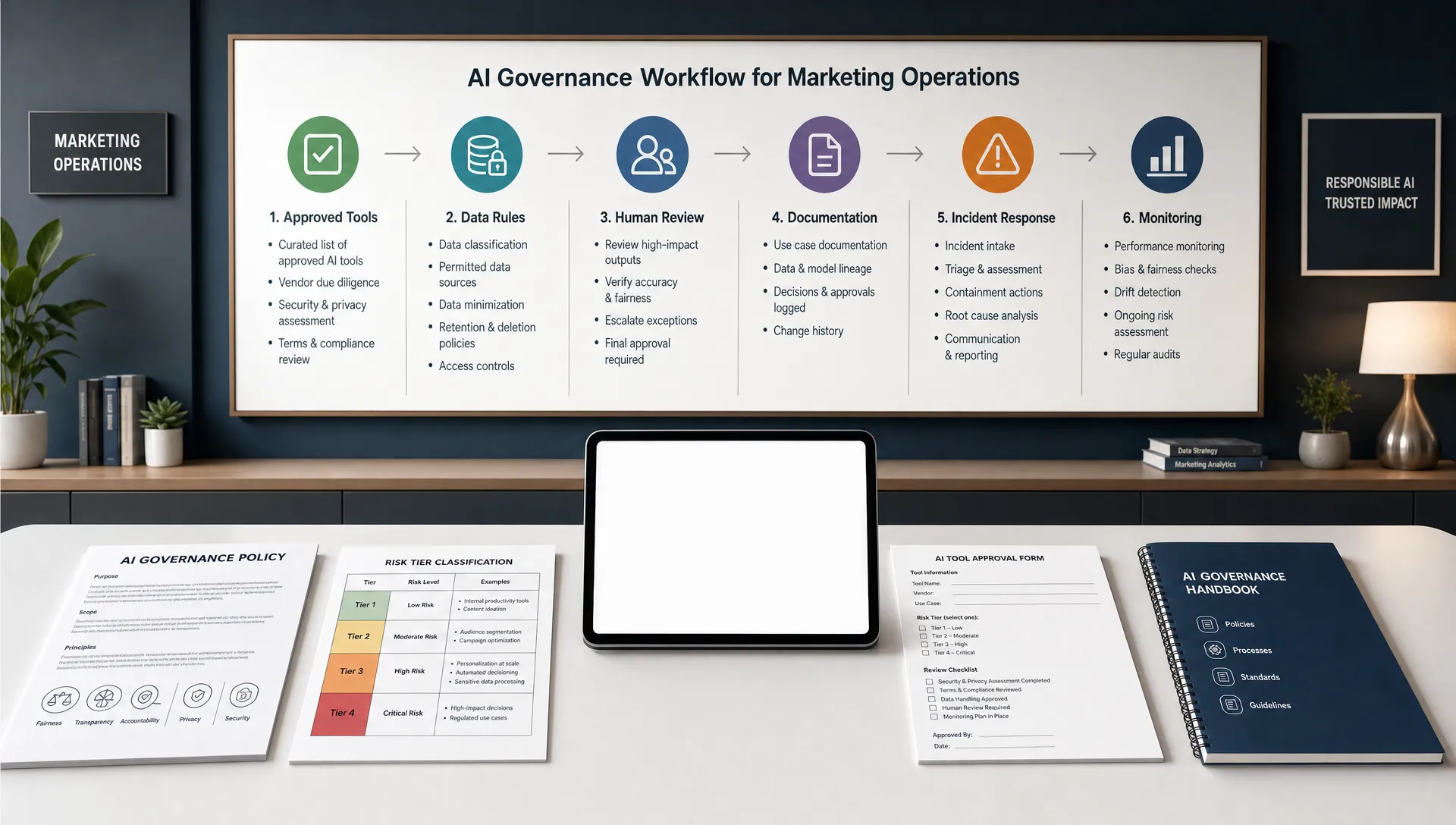
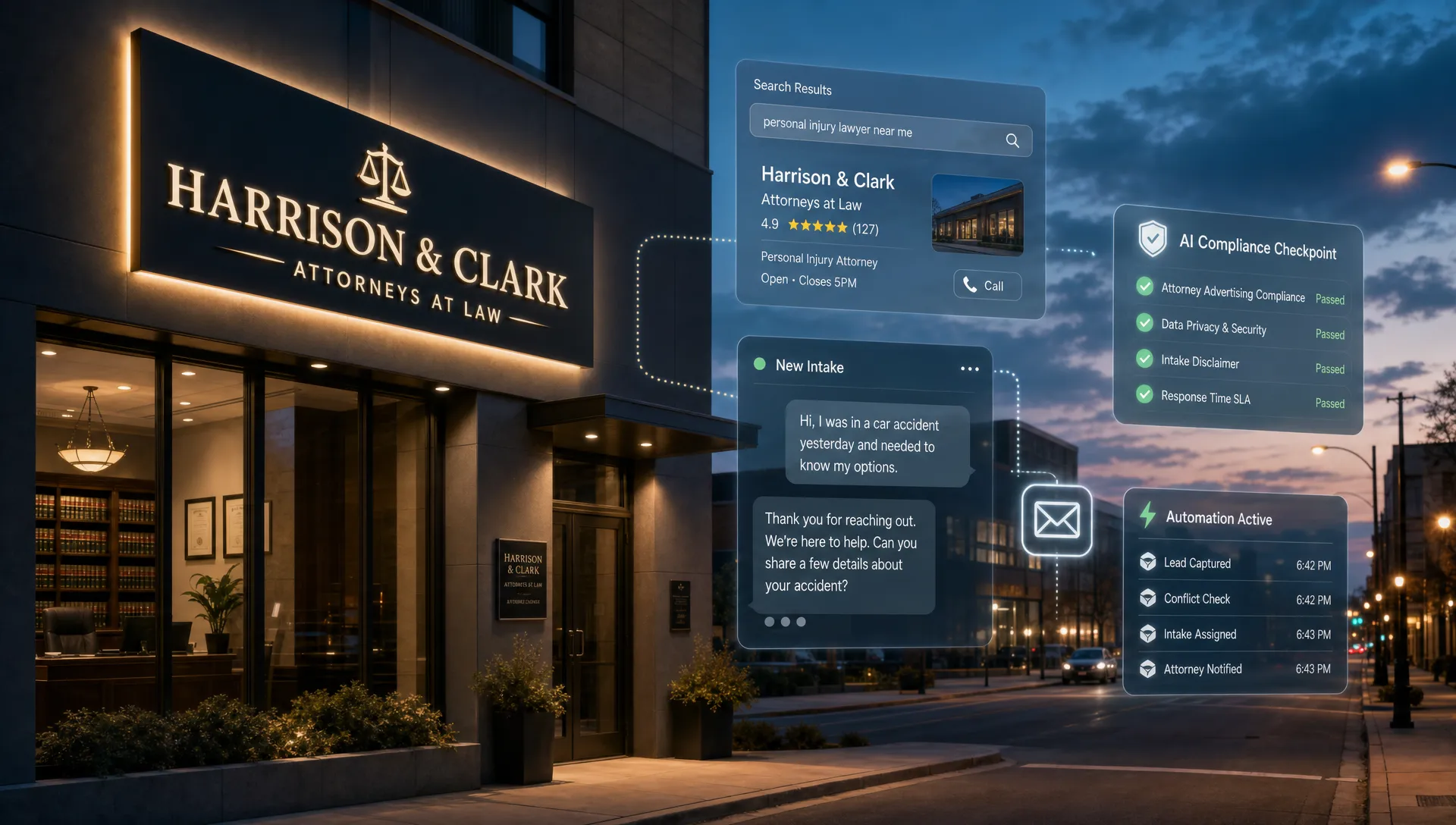
As AI becomes more embedded in SaaS marketing, governance becomes essential. This is especially true for companies selling to regulated industries, enterprise buyers, or technical audiences.
Your AI campaign guidelines should cover:
The NIST AI Risk Management Framework is a helpful reference for thinking about trustworthy AI practices, including governance, measurement, and risk management. SaaS marketers do not need to become AI compliance experts, but they do need clear standards for responsible use.
Accuracy is a major issue. AI may invent product capabilities, customer results, integrations, or statistics if prompts are vague. Never publish AI-generated claims without verification. This is especially important for SaaS landing pages, comparison pages, sales enablement, and paid ads.
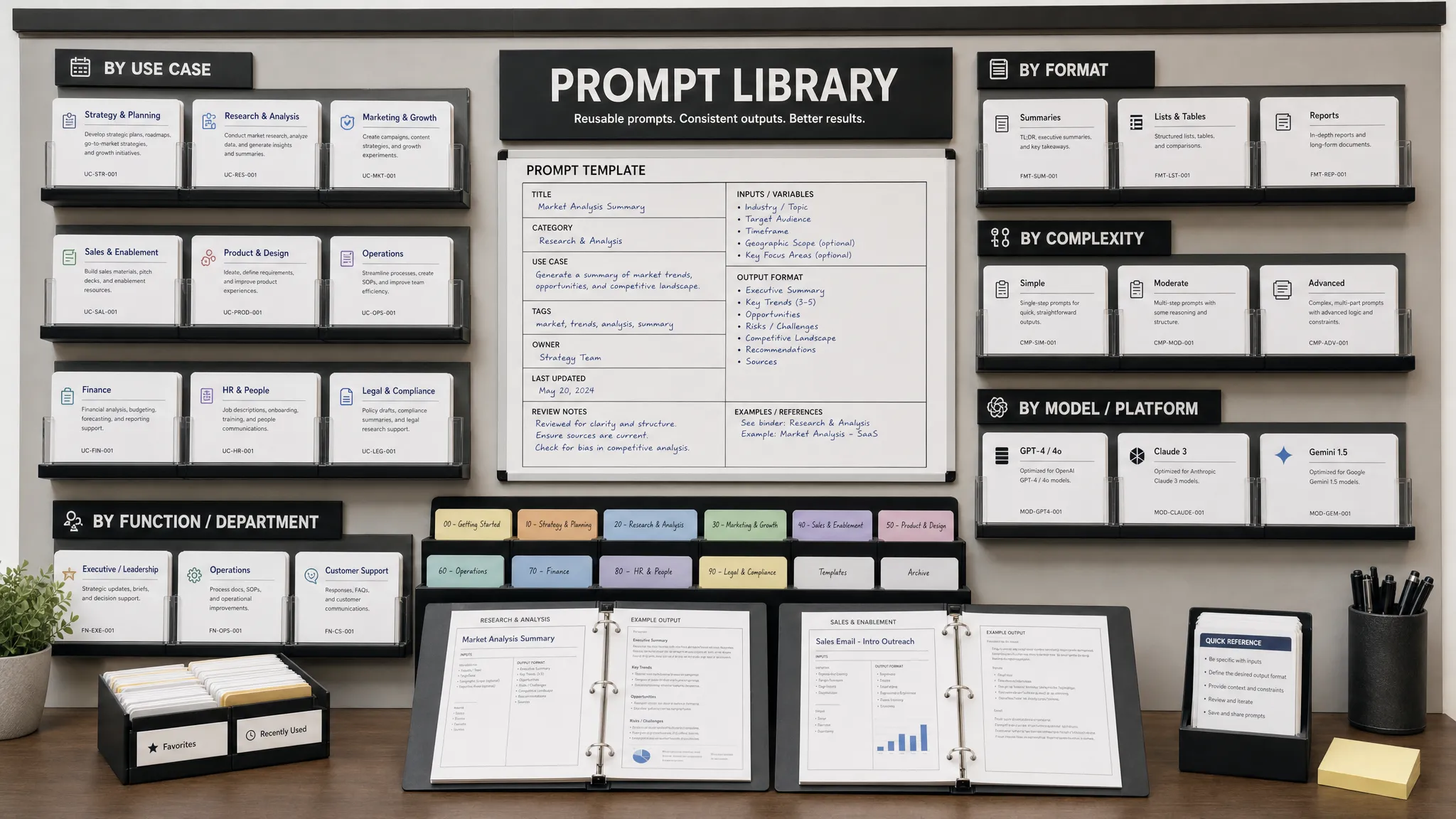
Governance also protects your brand. If every team member uses AI differently, your campaigns can quickly become inconsistent. Shared prompts, approved messaging libraries, and review workflows help keep quality high.
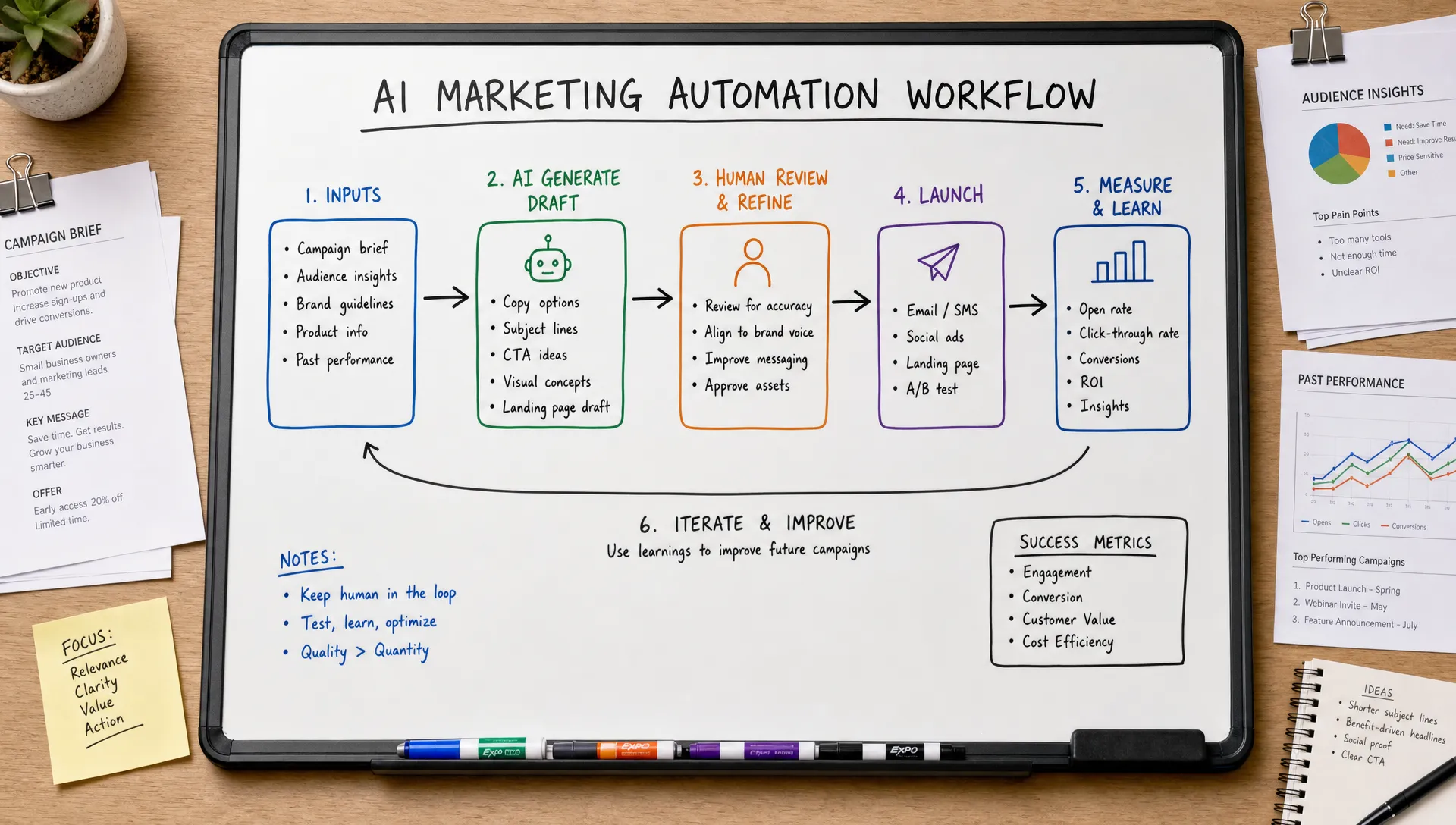
If you are starting from scratch, do not try to transform every marketing motion at once. Launch one focused campaign and build from there.
During the first week, define the campaign goal, target segment, funnel stage, and success metrics. Gather existing customer research, CRM data, product usage signals, and past campaign performance. Use AI to summarize patterns, but have your team validate the insights.
During the second week, create the messaging brief. Define the pain points, positioning, proof points, objections, offer, and call to action. Use AI to generate variations for landing pages, emails, ads, and social posts. Review everything for accuracy and brand fit.
During the third week, build the campaign assets and automation. Set up audience segments, tracking, UTM conventions, CRM fields, and lifecycle triggers. Create a small number of meaningful creative variants tied to clear hypotheses.
During the fourth week, launch, monitor, and optimize. Review early performance by audience and channel. Use AI to identify patterns, but make decisions based on statistically useful signals and business context. Document what worked, what failed, and what to test next.
This 30-day cycle gives your team a repeatable model. Over time, your prompts, briefs, and performance learnings become a campaign intelligence system that compounds.
AI can improve SaaS marketing campaigns, but it can also amplify weak strategy. Watch for these common mistakes.
First, avoid using AI to create content before you understand the customer. Generic inputs create generic outputs. Real customer language, sales insights, and product usage data make AI far more useful.
Second, do not over-personalize without a clear value exchange. Personalization should help users take the next step, not make them feel monitored.
Third, avoid measuring AI success by speed alone. Faster production is helpful, but better conversion, retention, and revenue impact are the real goals.
Fourth, do not let AI make unsupported claims. SaaS buyers care about credibility. If a claim cannot be verified, remove it or rewrite it.
Finally, do not ignore team adoption. AI workflows only work if marketers, sales teams, product teams, and customer success teams understand how to use them. Shared playbooks and approved prompts make adoption easier.
How can SaaS companies use AI in marketing campaigns? SaaS companies can use AI for audience segmentation, campaign research, content creation, email personalization, paid ad testing, lifecycle automation, lead scoring, churn risk detection, and performance analysis. The best use cases connect AI to a specific funnel goal.
What is the best AI use case for SaaS marketing teams to start with? A strong starting point is AI-assisted campaign research and messaging. Use AI to summarize customer pain points, sales objections, competitor positioning, and content opportunities, then turn those insights into a focused campaign brief.
Can AI replace SaaS marketers? AI can automate repetitive tasks and speed up analysis, but it cannot replace strategic judgment, customer empathy, product understanding, or brand leadership. SaaS marketers still need to guide positioning, validate outputs, and make decisions.
How do you measure AI marketing automation in SaaS? Measure AI marketing automation by business outcomes such as trial activation, demo conversion, qualified pipeline, acquisition cost, expansion revenue, retention, and campaign ROI. Also track efficiency, but do not treat content volume as the main success metric.
What data do you need for AI-powered SaaS campaigns? Useful data includes CRM records, product usage behavior, website analytics, customer interviews, sales call insights, support tickets, campaign performance, and firmographic information. The data should be accurate, permissioned, and relevant to the campaign goal.
Using AI in SaaS marketing campaigns is not about chasing every new tool. It is about building a smarter operating system for growth: clearer audience insight, faster campaign execution, more relevant personalization, and better optimization after launch.
Start with one campaign, one segment, and one measurable goal. Give AI strong inputs, keep humans in the review loop, and use performance data to improve each cycle. That is how SaaS teams turn AI from a productivity shortcut into a durable marketing advantage.
For more practical AI marketing guides, tools, and resources, explore AIMarketer Hub and build a workflow that helps your team automate, optimize, and grow with confidence.