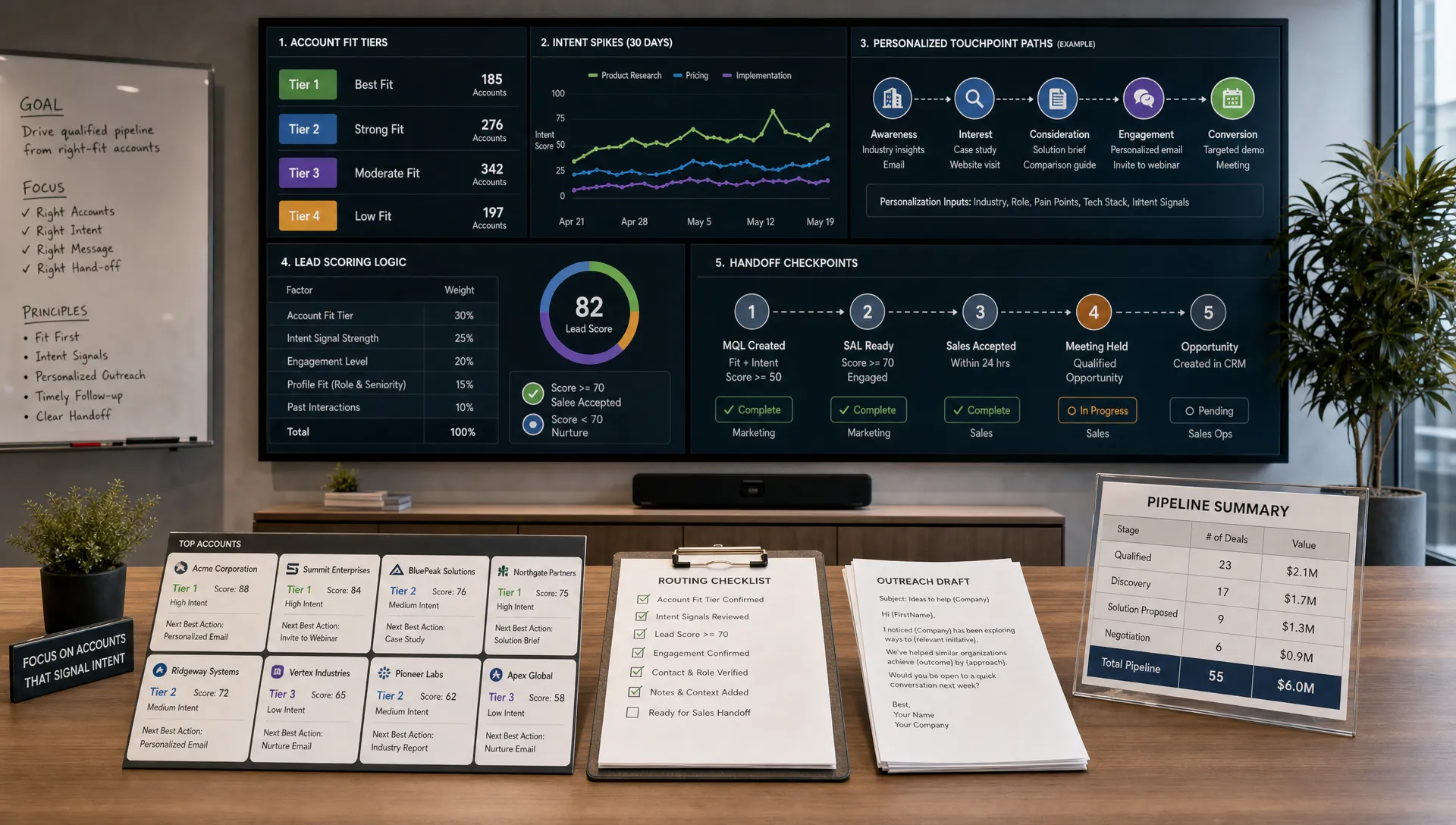
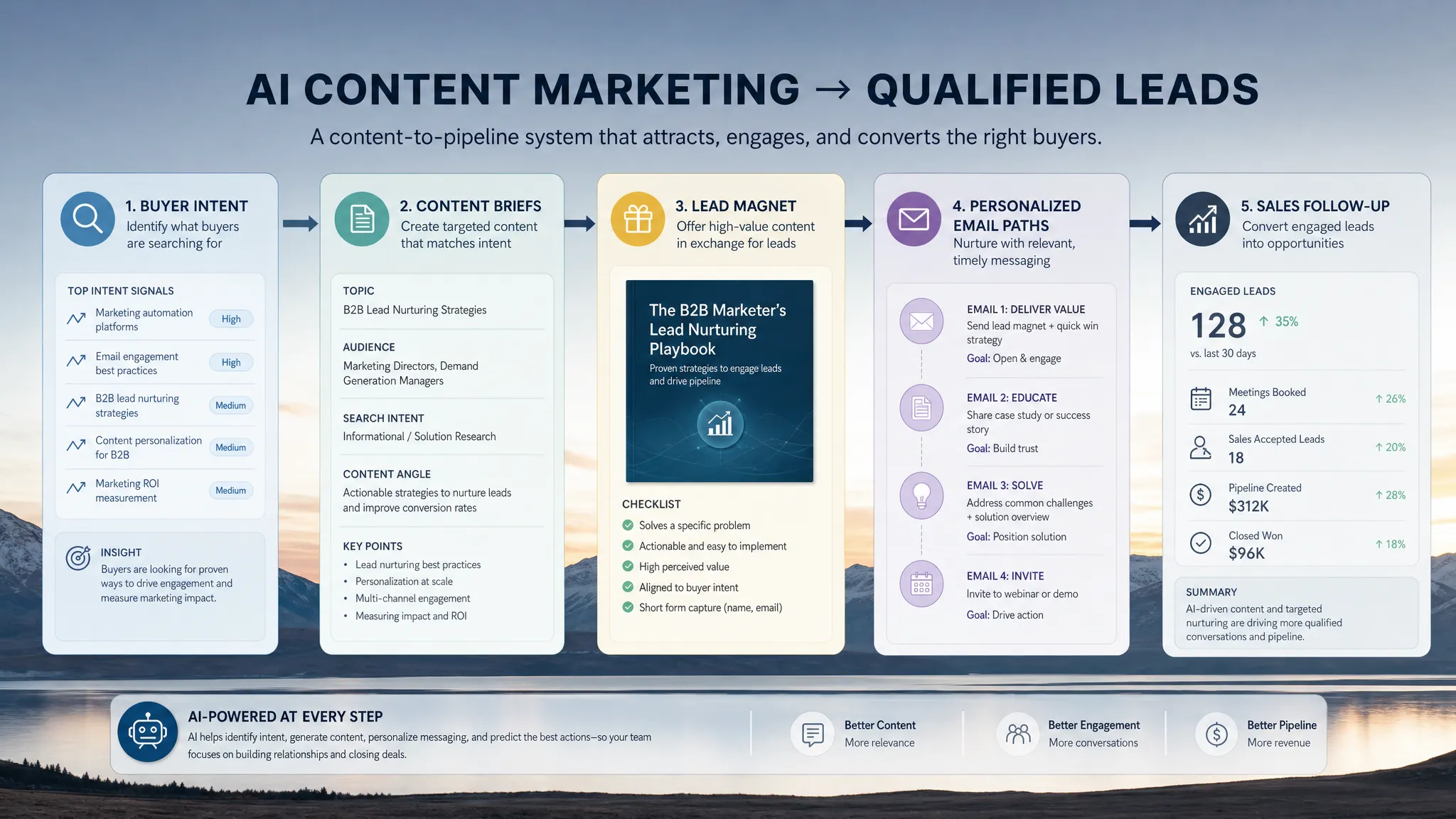
Personalization used to mean adding a first name to an email subject line or showing different ads to broad audience segments. Today, AI makes it possible to tailor content by intent, lifecycle stage, industry, behavior, and channel without asking your team to manually create hundreds of variations.
But effective AI personalization is not about generating more content for the sake of it. It is about using better signals to deliver more relevant messages, faster, while keeping your brand voice, privacy standards, and customer trust intact.
Done well, AI-powered personalization can improve engagement across email, landing pages, ads, product education, sales enablement, and customer retention campaigns. Done poorly, it can feel invasive, generic, or inconsistent. This guide walks through how to personalize marketing content with AI in a practical, responsible way.
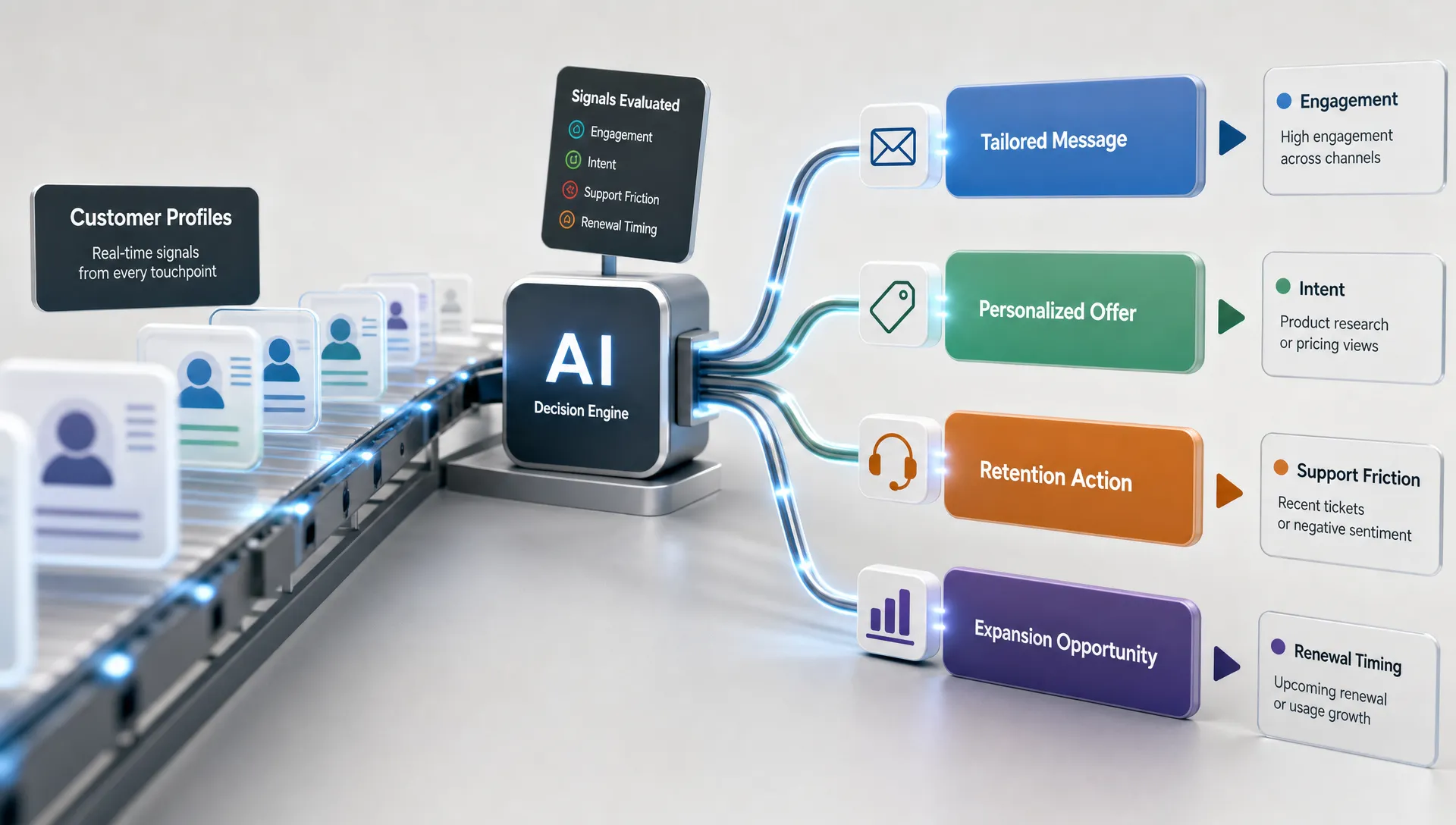
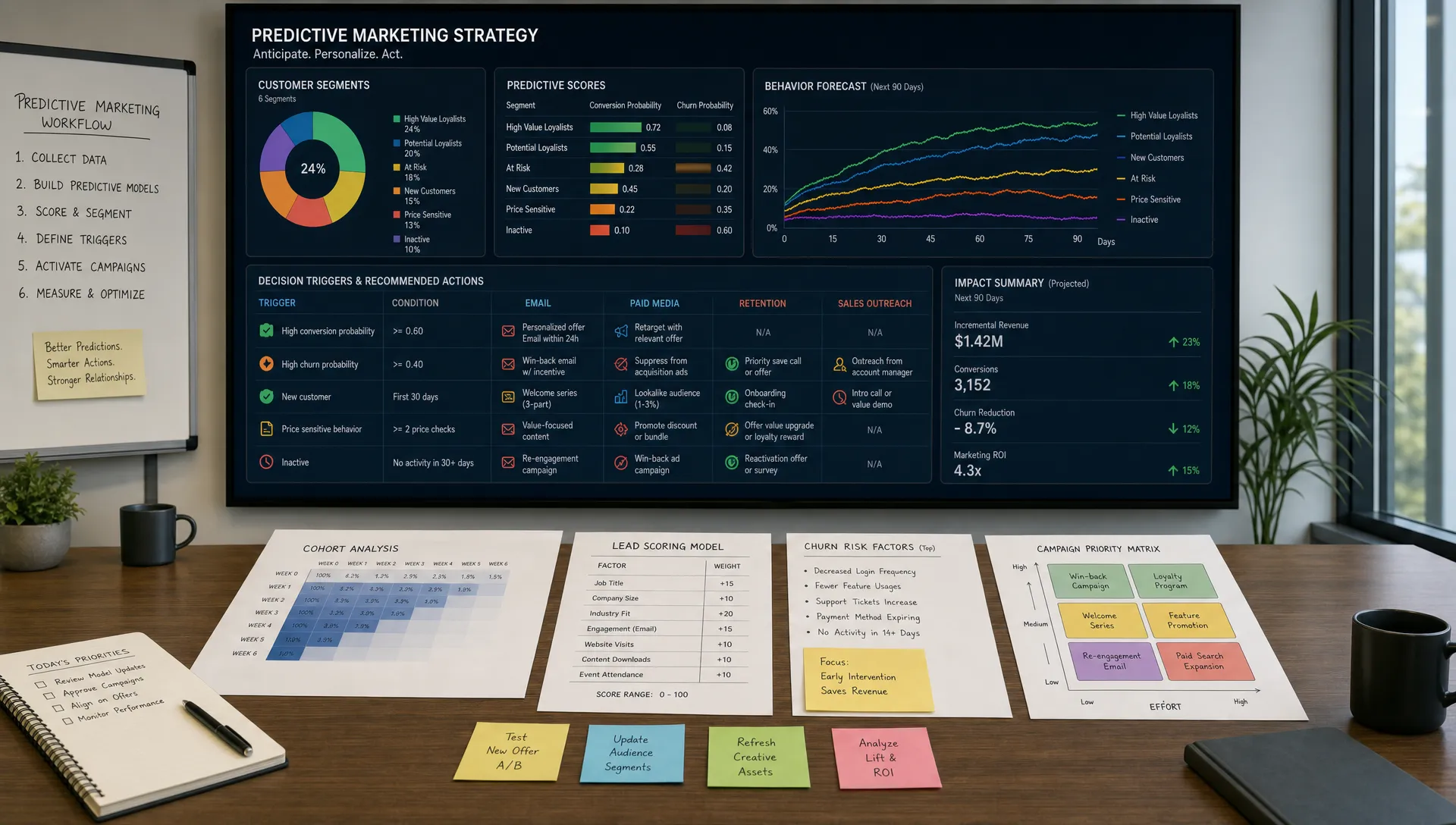
AI content personalization is the process of using customer data, predictive models, and generative AI to adapt marketing messages to specific audiences or individuals. Instead of creating one campaign for everyone, marketers can create modular content that changes based on context.
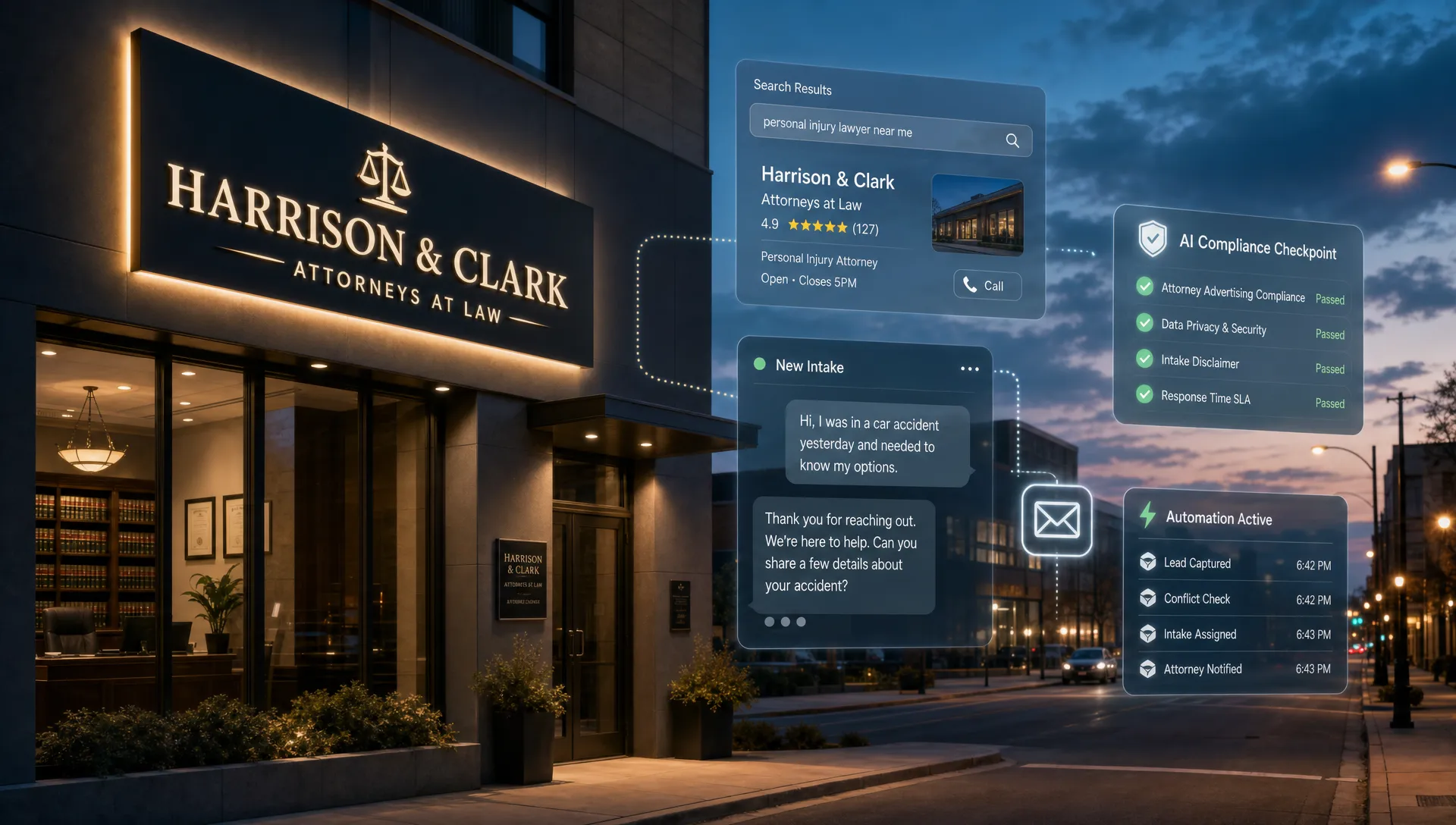
For example, a SaaS company might show different homepage copy to a startup founder than it shows to an enterprise operations leader. A finance brand might send educational content based on whether a visitor is researching loans, savings products, or business funding. A legal technology company might tailor follow-up emails based on practice area, firm size, and buyer readiness.
AI can help with several layers of personalization:
The goal is not to make every message feel artificially unique. The goal is to make every interaction feel useful, timely, and aligned with what the customer actually needs.
Buyers are exposed to more AI-generated content than ever. That makes relevance a competitive advantage. Generic content is easier to produce now, which means it is also easier for audiences to ignore.
Research from McKinsey found that companies that excel at personalization generate 40% more revenue from those activities than average players. The same research also notes that consumers increasingly expect personalized interactions and can become frustrated when brands fail to deliver them.
For marketers, this creates a clear shift. AI marketing is no longer just about faster content creation. It is about improving the match between message, moment, and customer.
That matters across the full funnel:
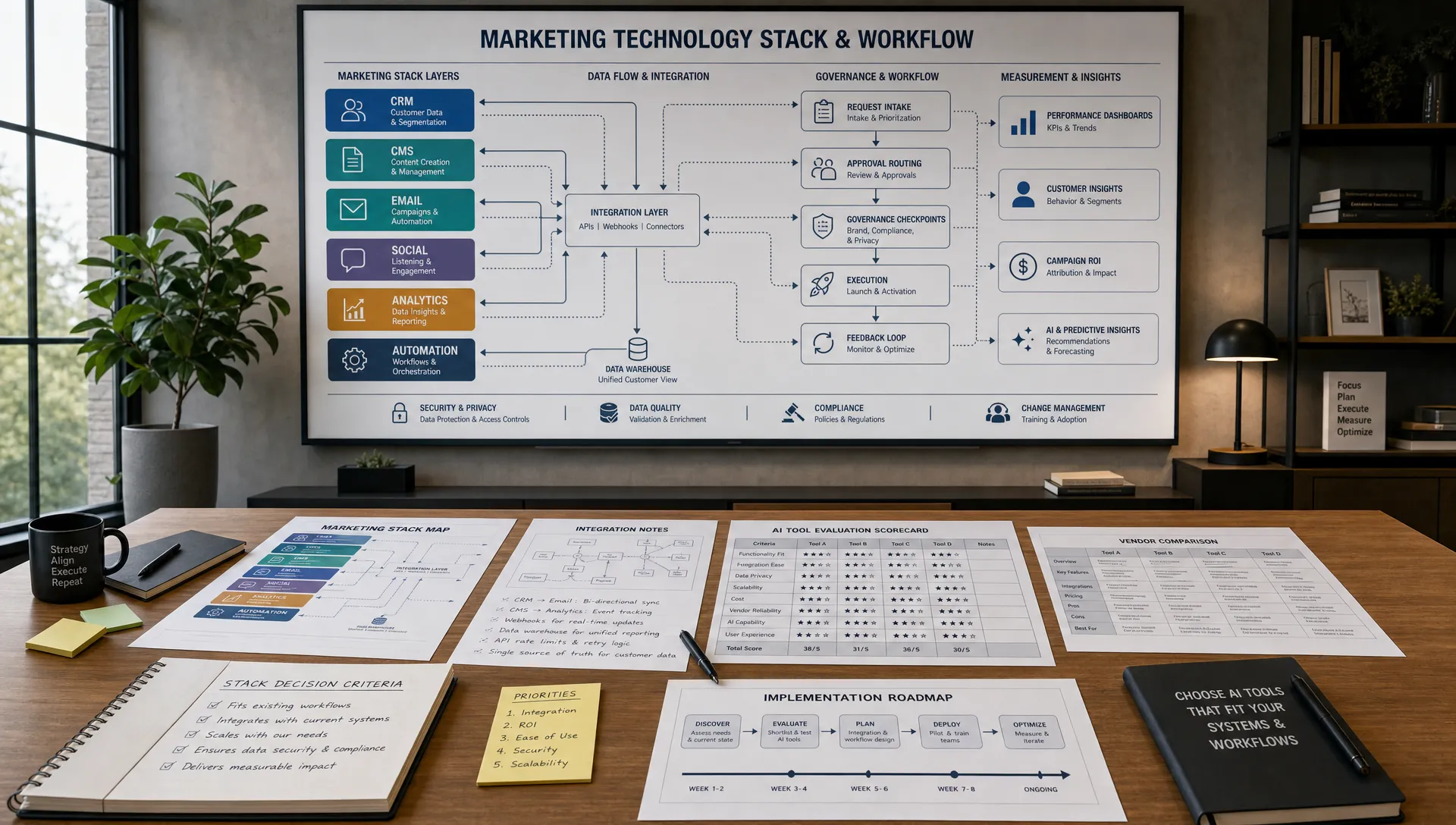
If you are building a broader AI marketing system, personalization should connect with your overall performance strategy. For a deeper look at that broader foundation, AIMarketer Hub’s guide on how AI for digital marketing improves performance is a useful next read.
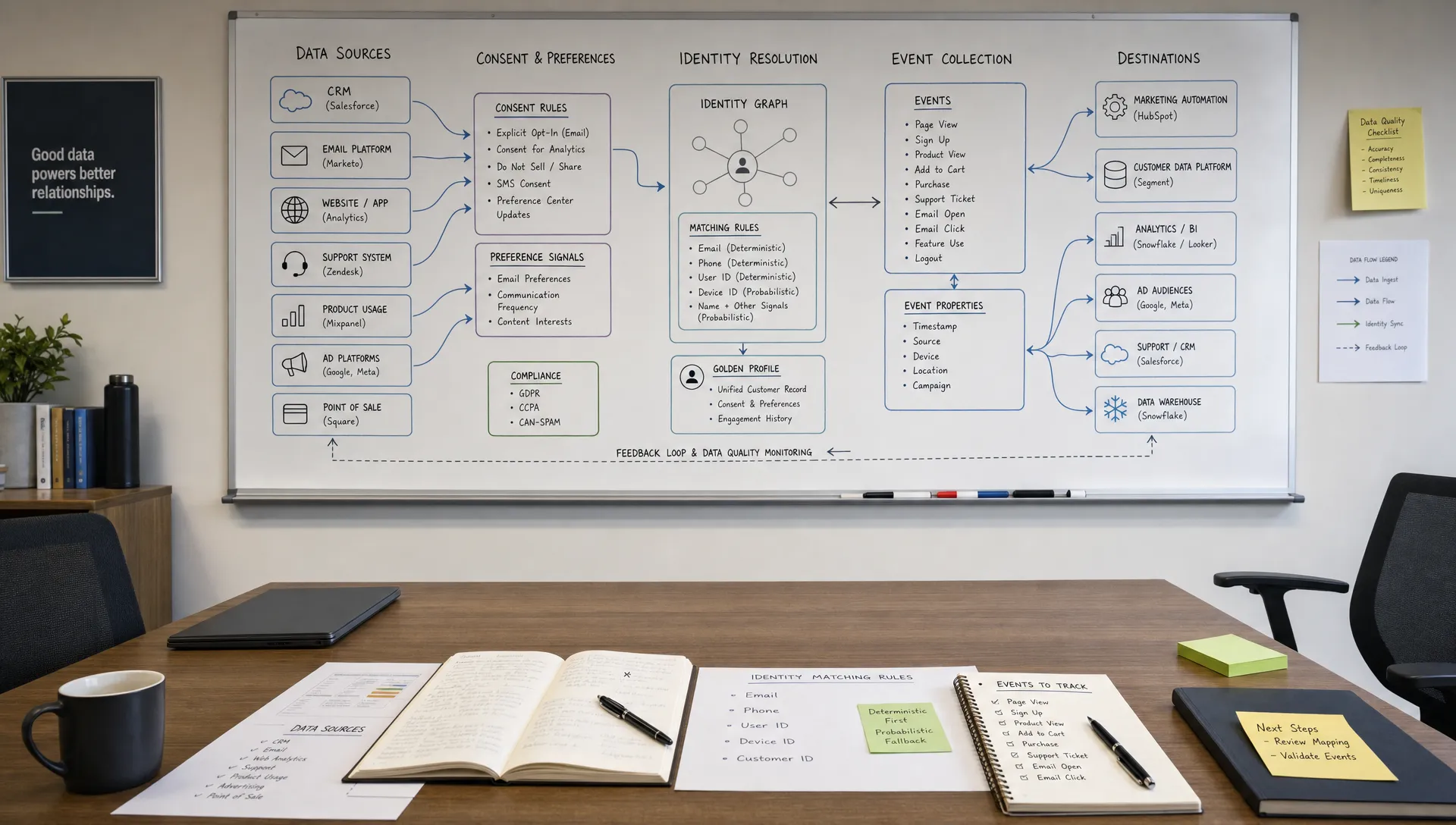
AI personalization is only as strong as the data behind it. Before creating dynamic content, define which signals are reliable, ethical, and useful.
First-party data should be your priority. This includes data customers share directly with you or generate through interactions with your owned channels. Examples include email engagement, website behavior, form responses, purchase history, product usage, webinar attendance, and support conversations.
Zero-party data is also valuable. This is information customers intentionally provide, such as preferences, goals, budgets, or content interests. A short onboarding survey, preference center, quiz, or lead form can produce cleaner personalization signals than inferred behavior alone.
Avoid relying too heavily on assumptions. Just because someone visited a pricing page does not mean they are ready to buy. Just because a prospect works in healthcare does not mean they care about the same proof points as every other healthcare buyer. AI can detect patterns, but marketers still need to interpret those patterns with context.
A simple data audit should answer these questions:
This step prevents a common mistake: using AI to personalize content at scale before you know what should be personalized.
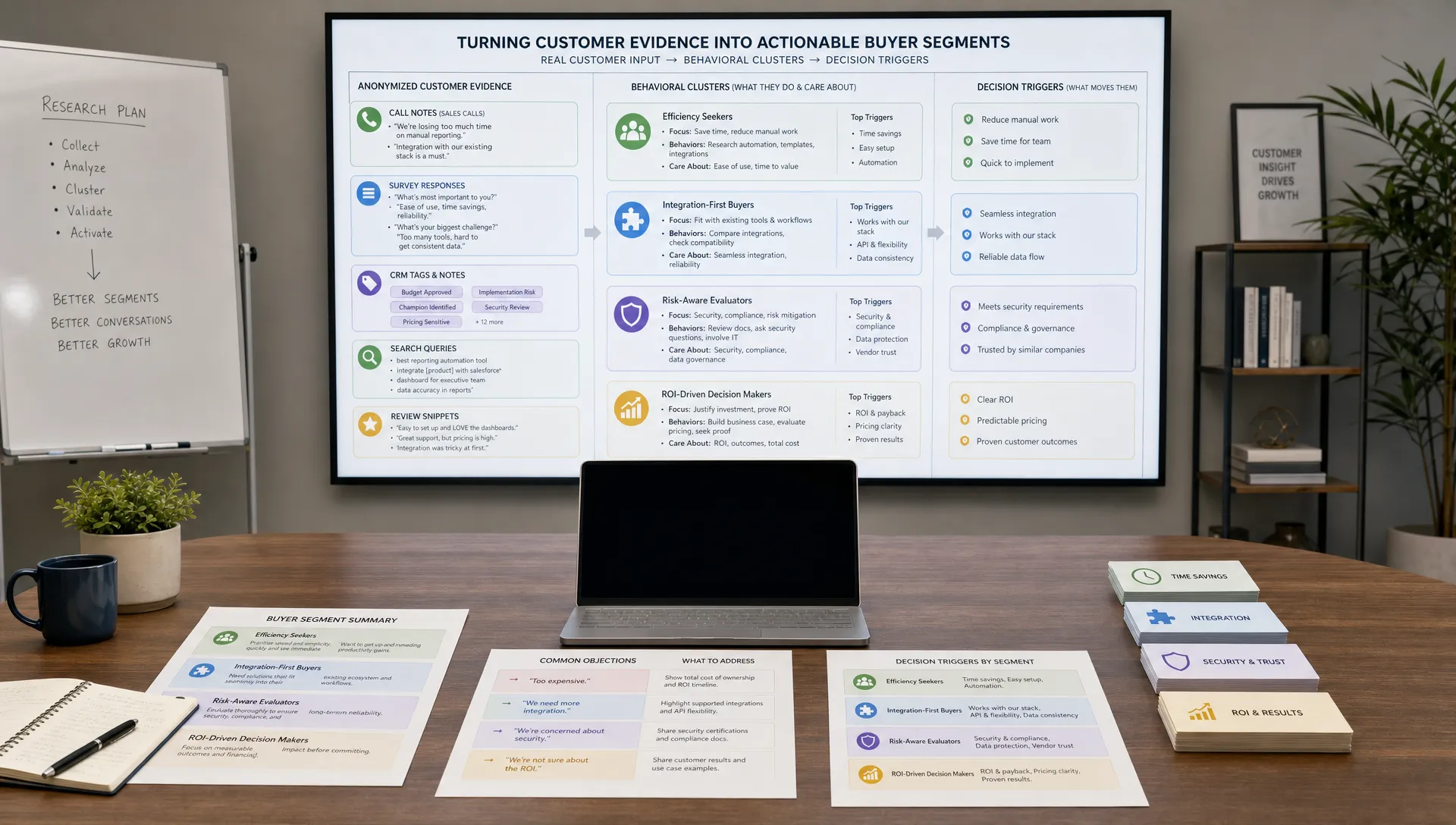
Many teams begin with demographic segments, such as age, location, company size, or job title. These can be helpful, but intent-based segments usually perform better because they reflect what someone is trying to accomplish.
For content personalization, consider segmenting by:
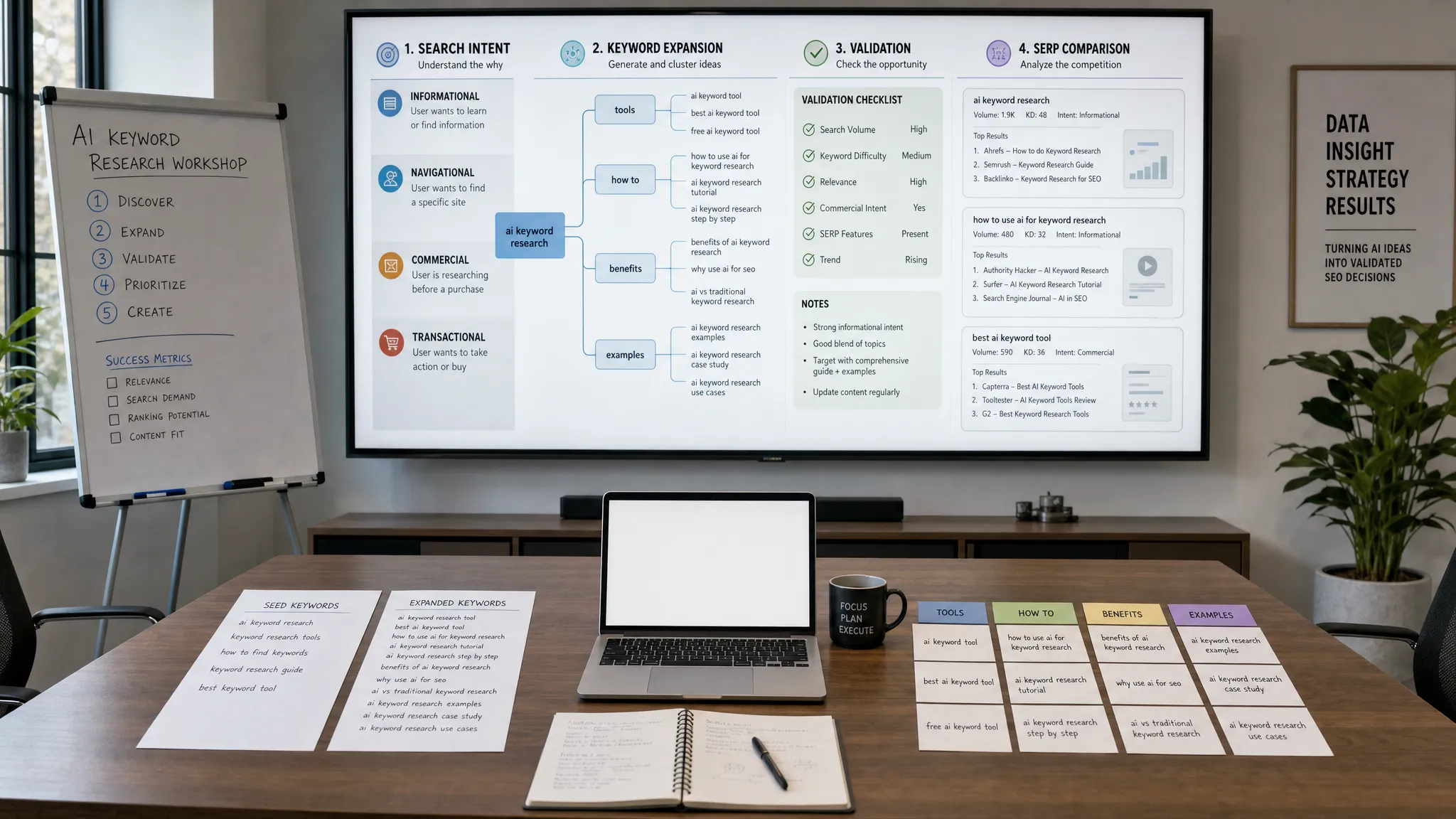
AI tools can help cluster users based on behavioral patterns, but your marketing team should name and validate the segments. A model might discover that certain visitors consume content about SEO tools, analytics, and automation within the same session. Your team can translate that into a segment such as “performance-focused growth marketers.”
Strong segments should be specific enough to change the message. If the segment does not affect headline, offer, proof point, CTA, or content format, it may not be useful for personalization.
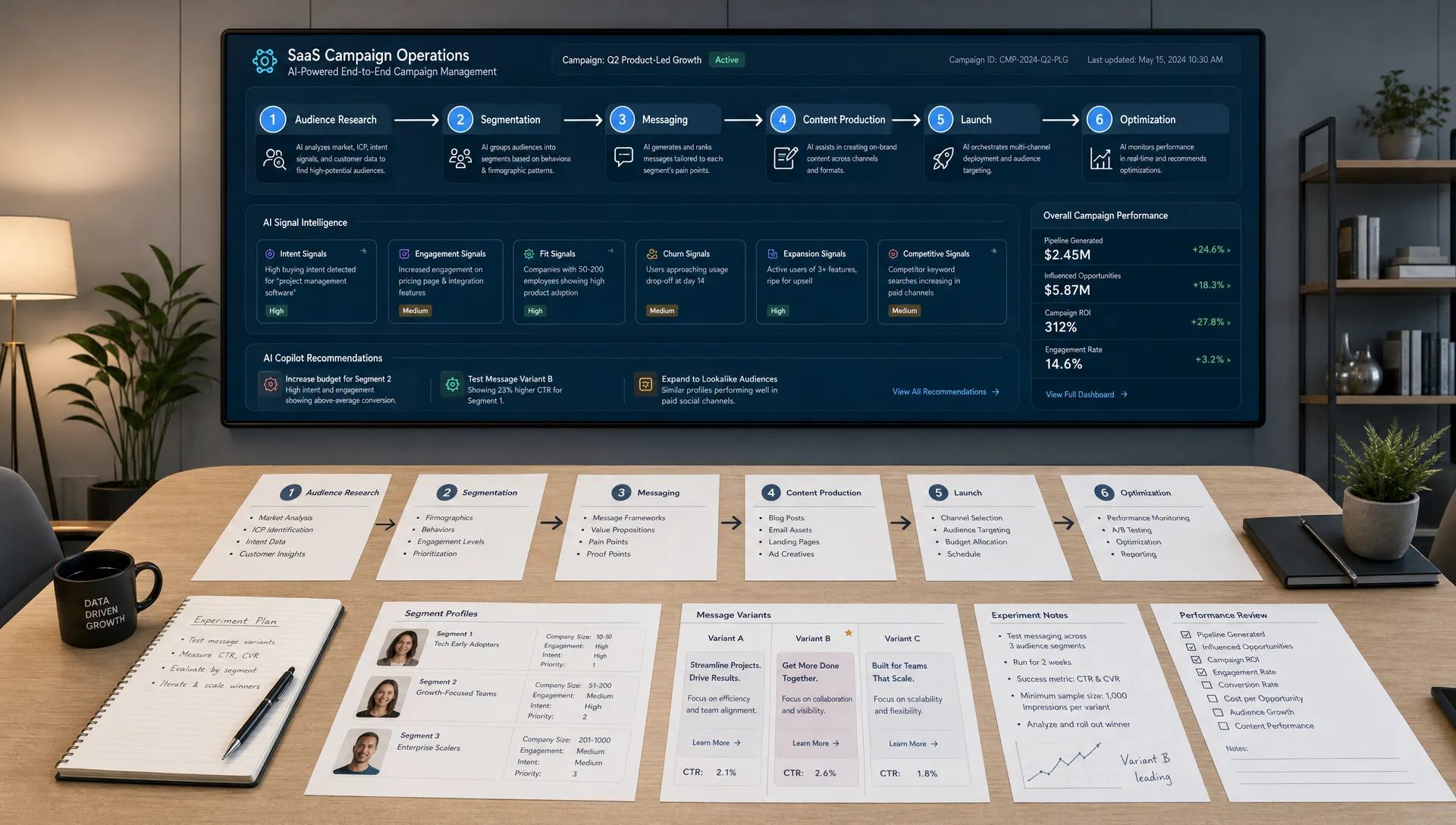
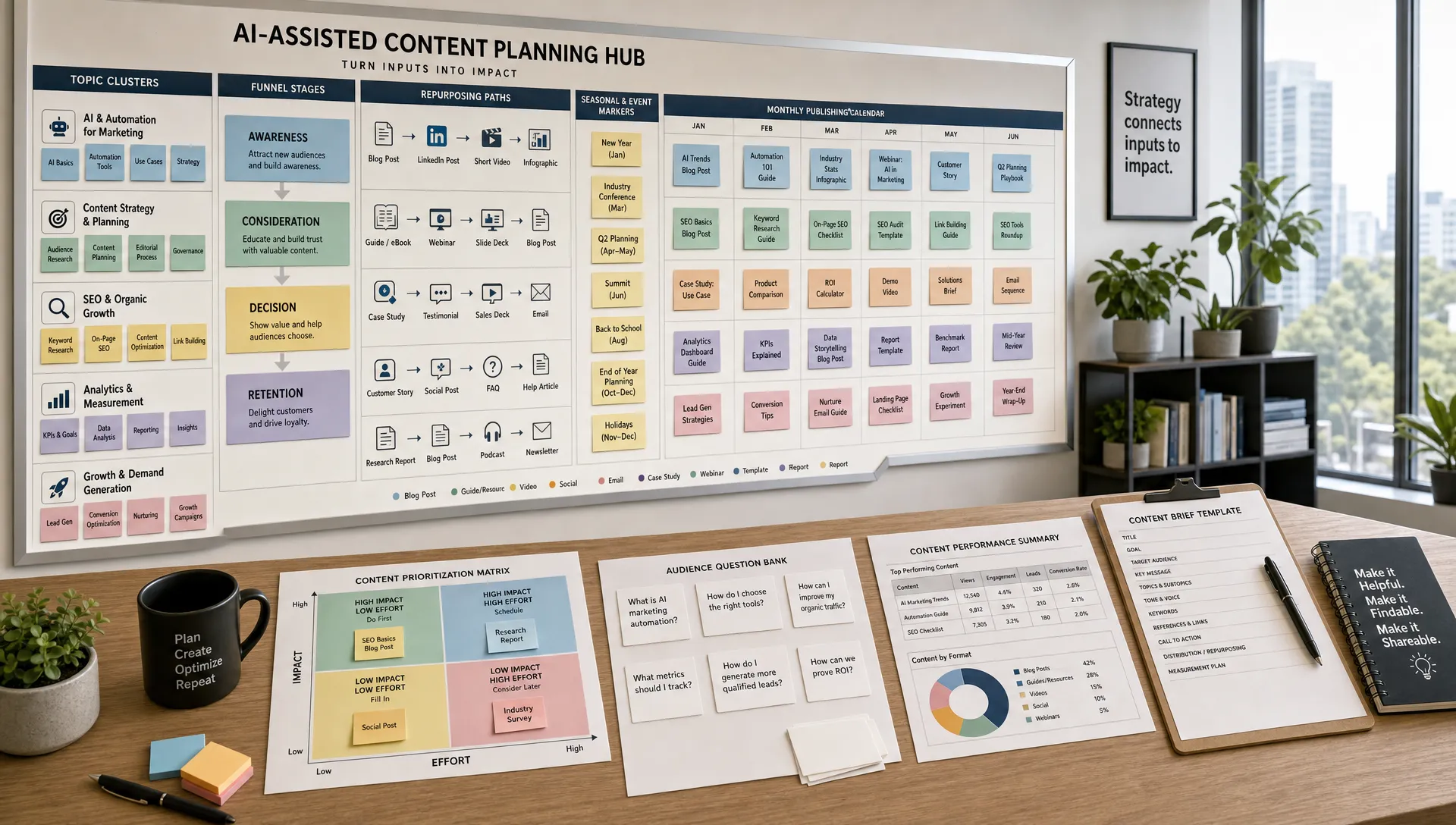
Once your segments are clear, map the content each group needs at each stage of the journey. This is where AI can save significant time.
A buyer who is just discovering AI marketing may need educational content, definitions, and examples. A buyer comparing tools may need feature comparisons, workflows, ROI calculators, and implementation guidance. A customer who already uses AI content generation may need prompts, templates, and optimization advice.
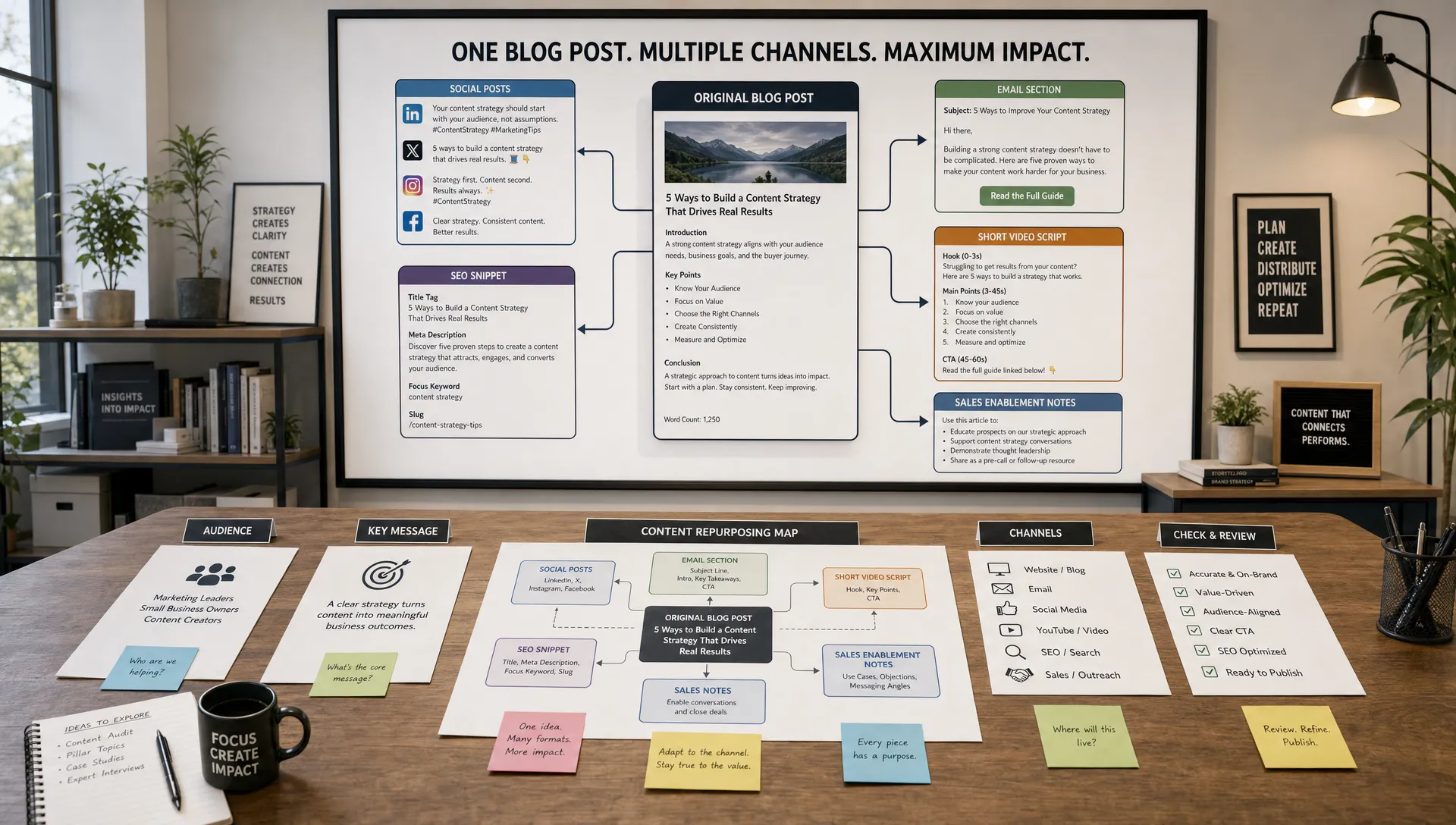
The best personalization systems use content modules rather than fully separate campaigns for every segment. A module might be a headline, intro paragraph, case example, CTA, product benefit, testimonial, objection-handling section, or email block.
For example, one landing page can contain modular sections that vary by segment:
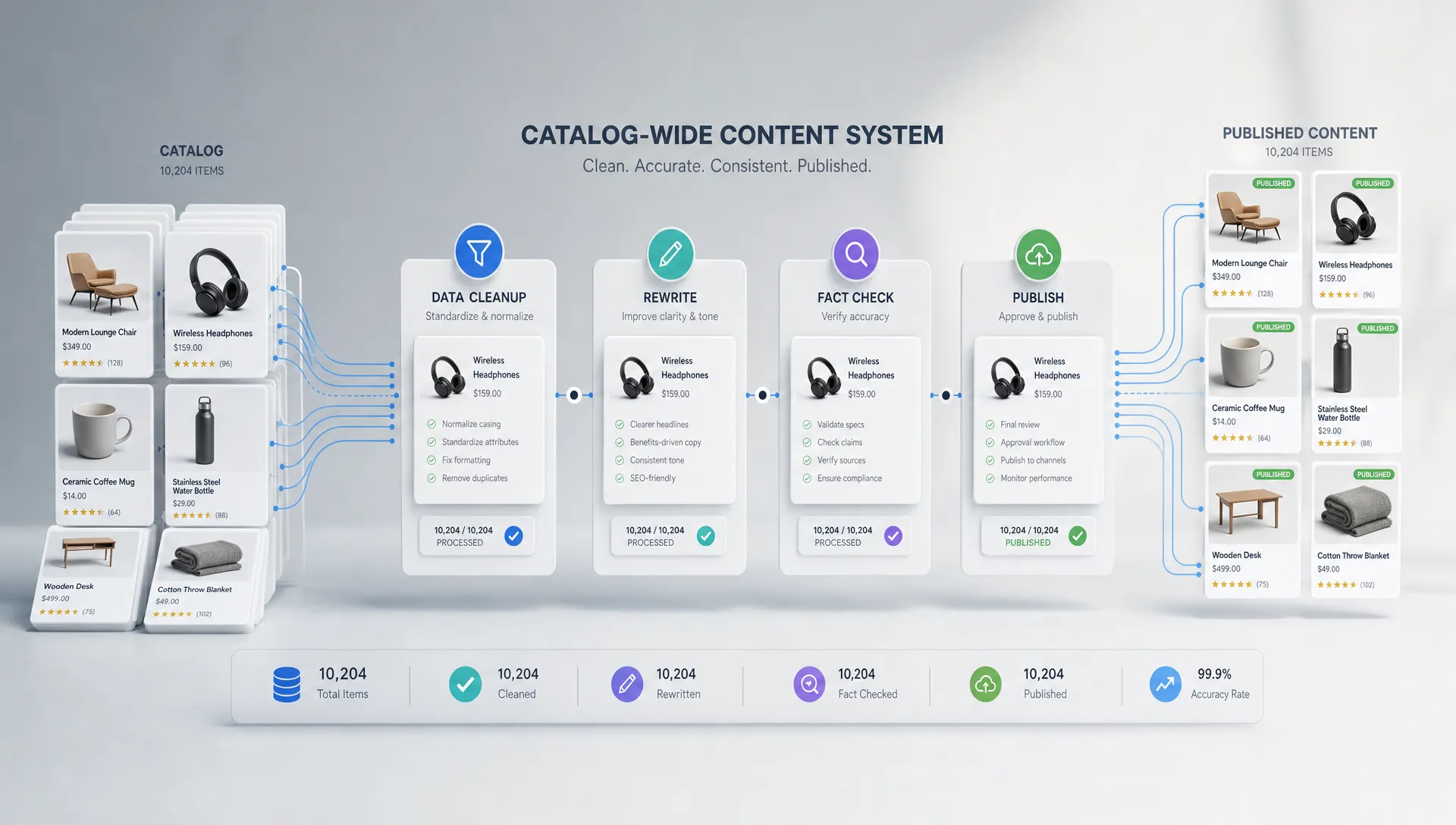
This modular approach keeps personalization manageable. Instead of asking AI to generate endless full-page variations, you ask it to adapt the most important parts of the experience.
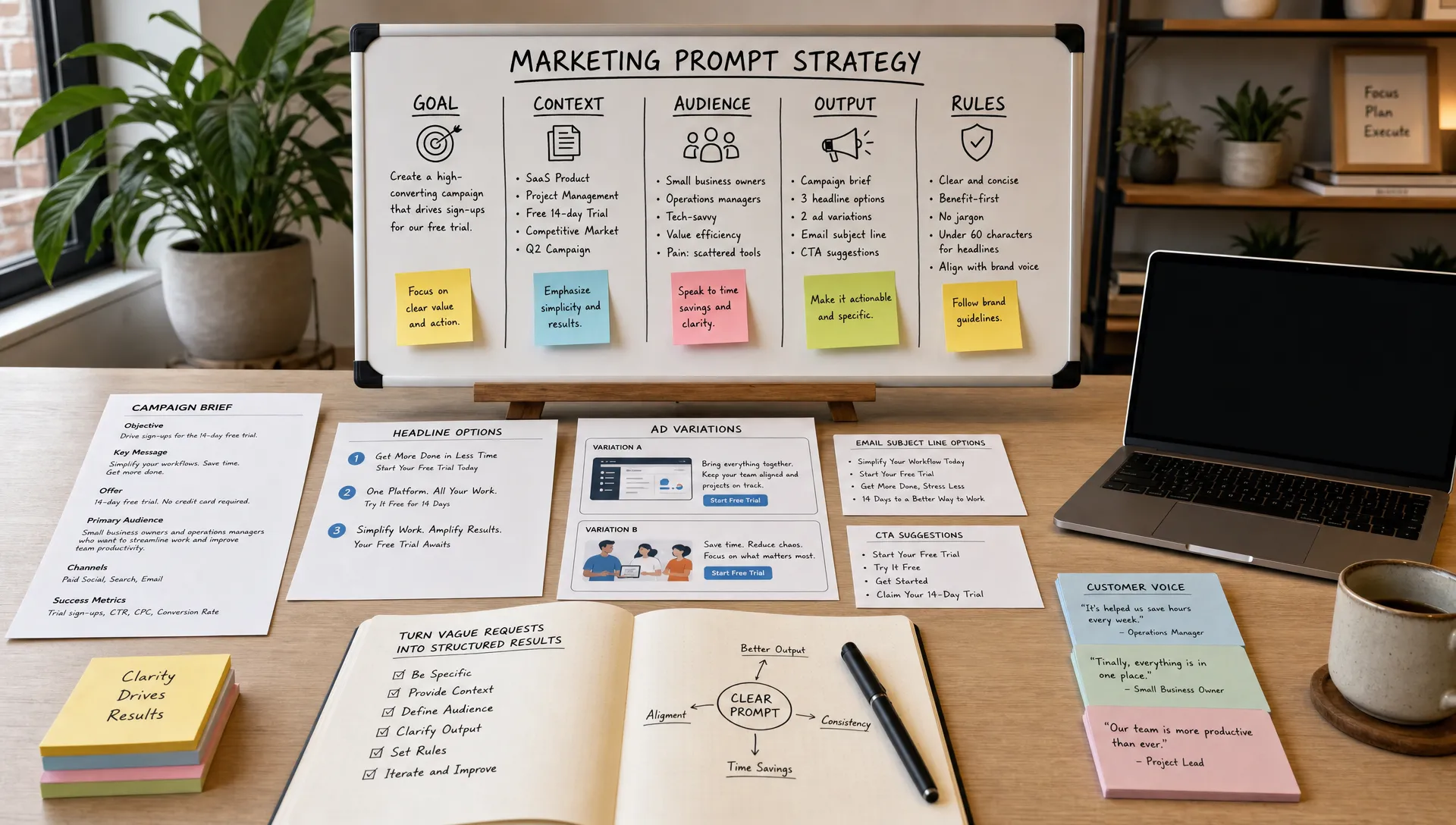
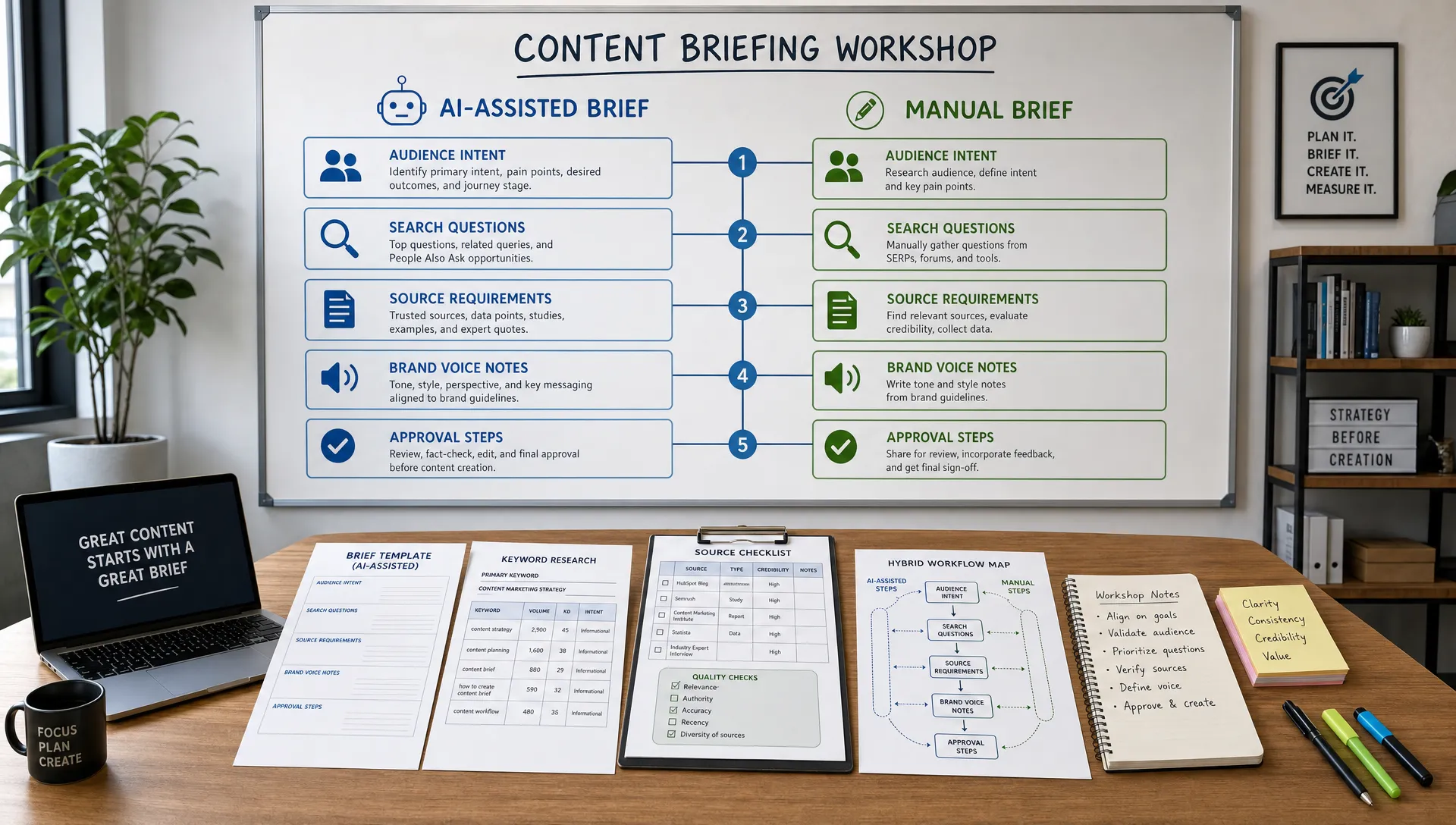
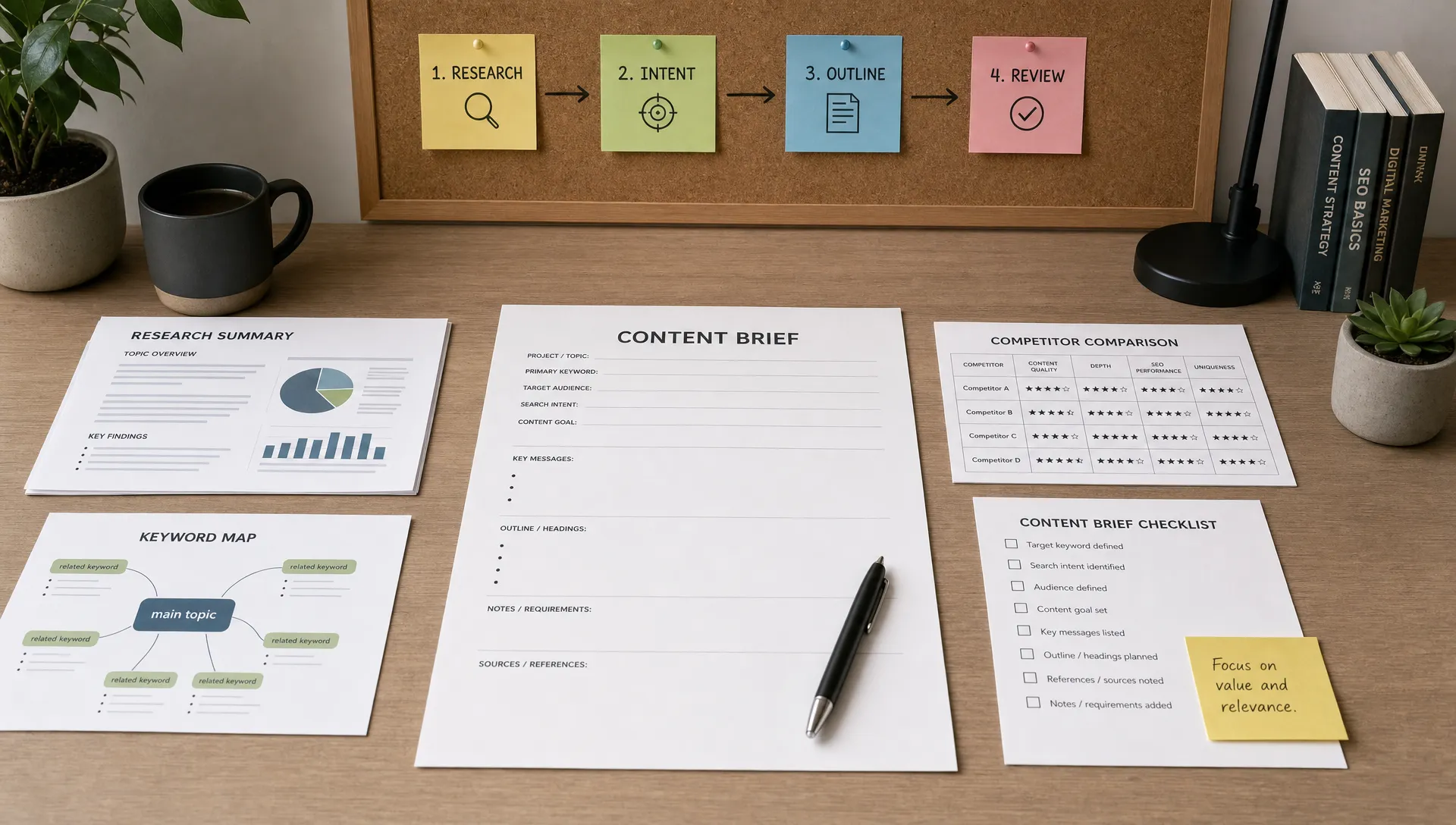
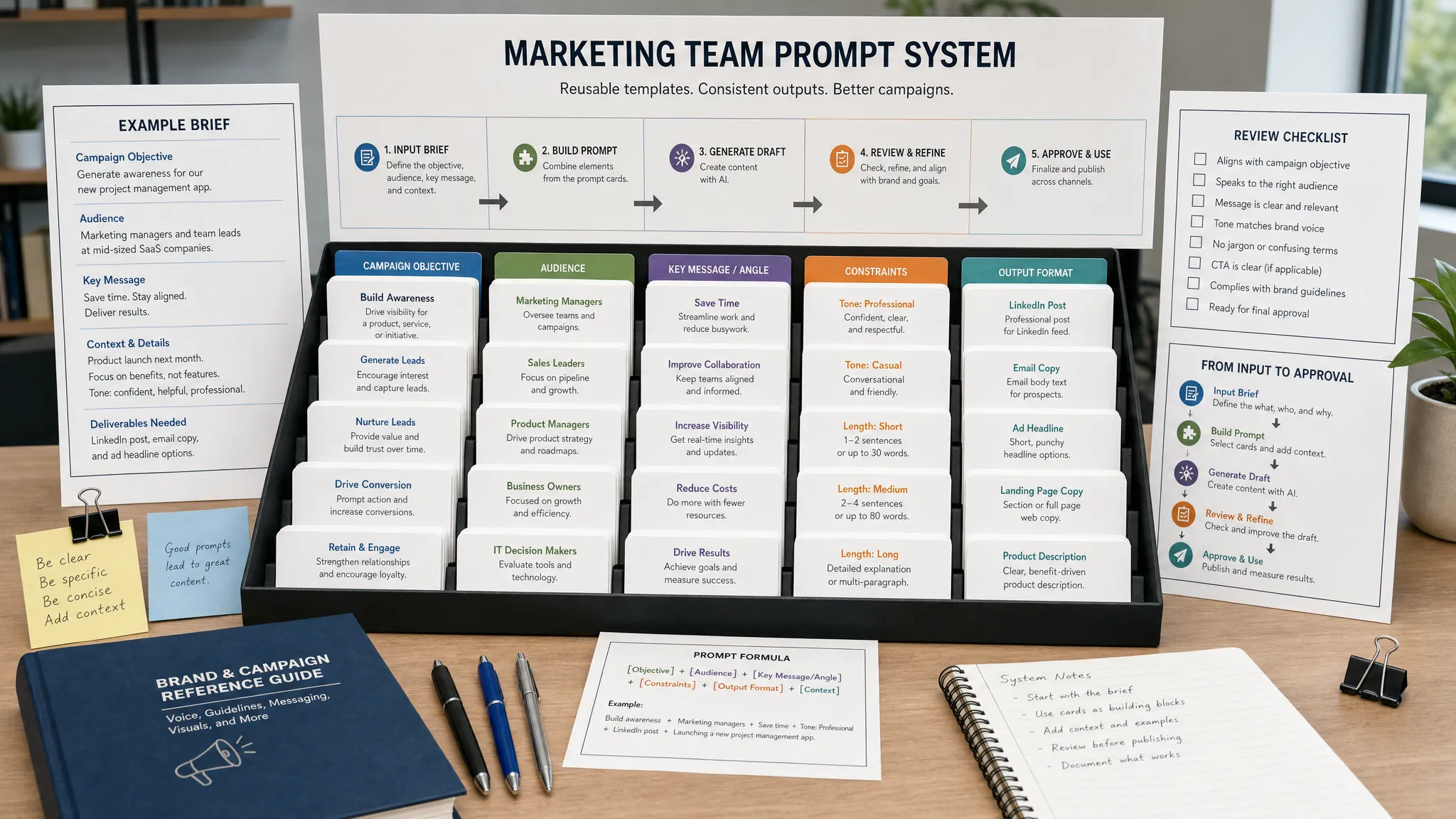
Prompt quality directly affects personalization quality. A vague prompt such as “write a personalized email” will usually produce generic output. A stronger prompt gives the AI enough context to make specific, useful decisions.
Include these elements in your prompts:
Here is a practical prompt framework:
Create three email opening variations for [audience segment] who [recent behavior or trigger]. They are currently in the [journey stage] stage and care most about [primary pain point]. Use a [tone] tone, avoid [restricted claims or phrases], and guide them toward [CTA]. Keep each version under [length].
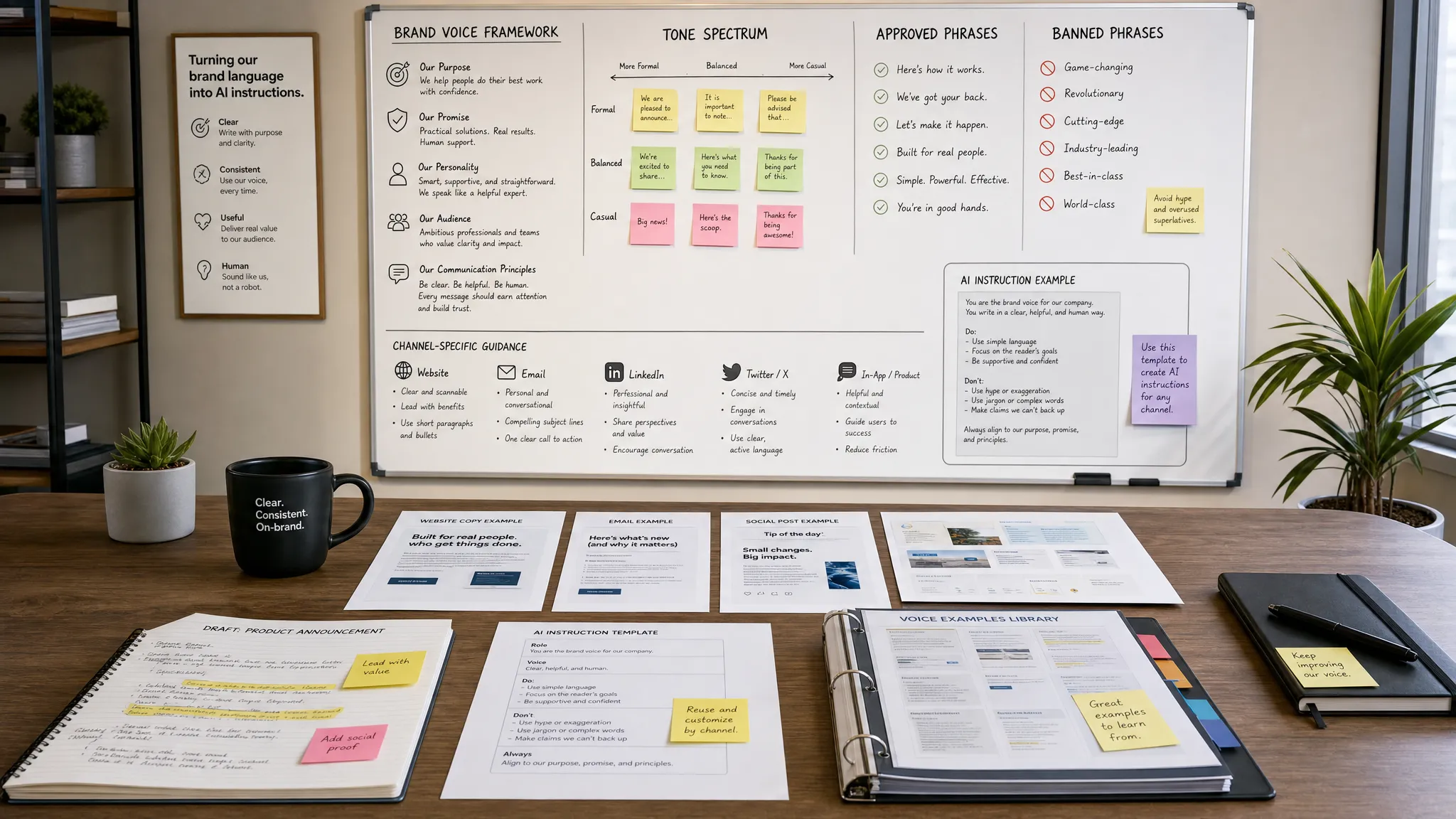
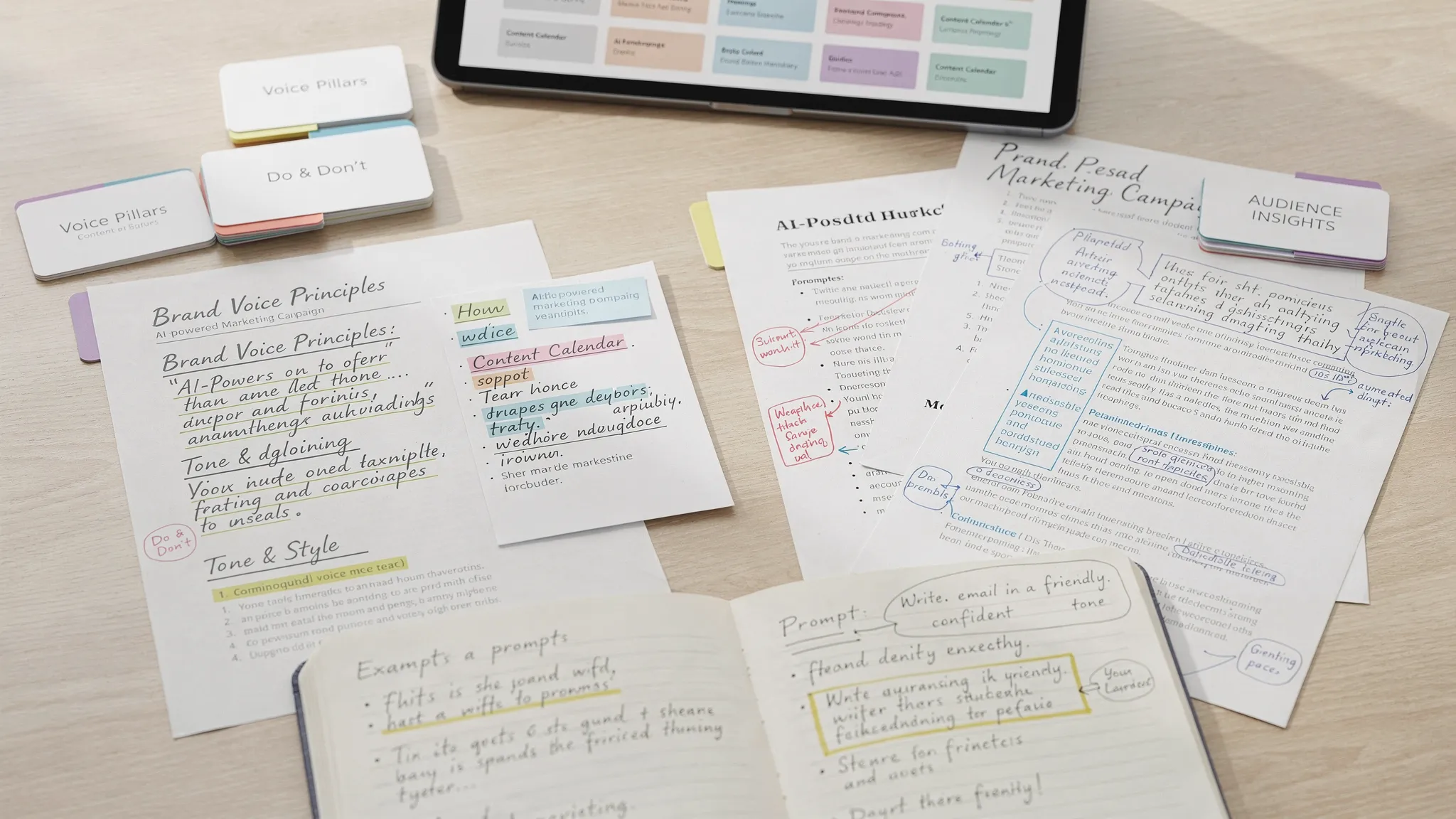
If maintaining consistency is a concern, create a brand voice guide before scaling AI-generated variations. You can also review AIMarketer Hub’s article on using AI for marketing without losing your brand voice to strengthen your guardrails.

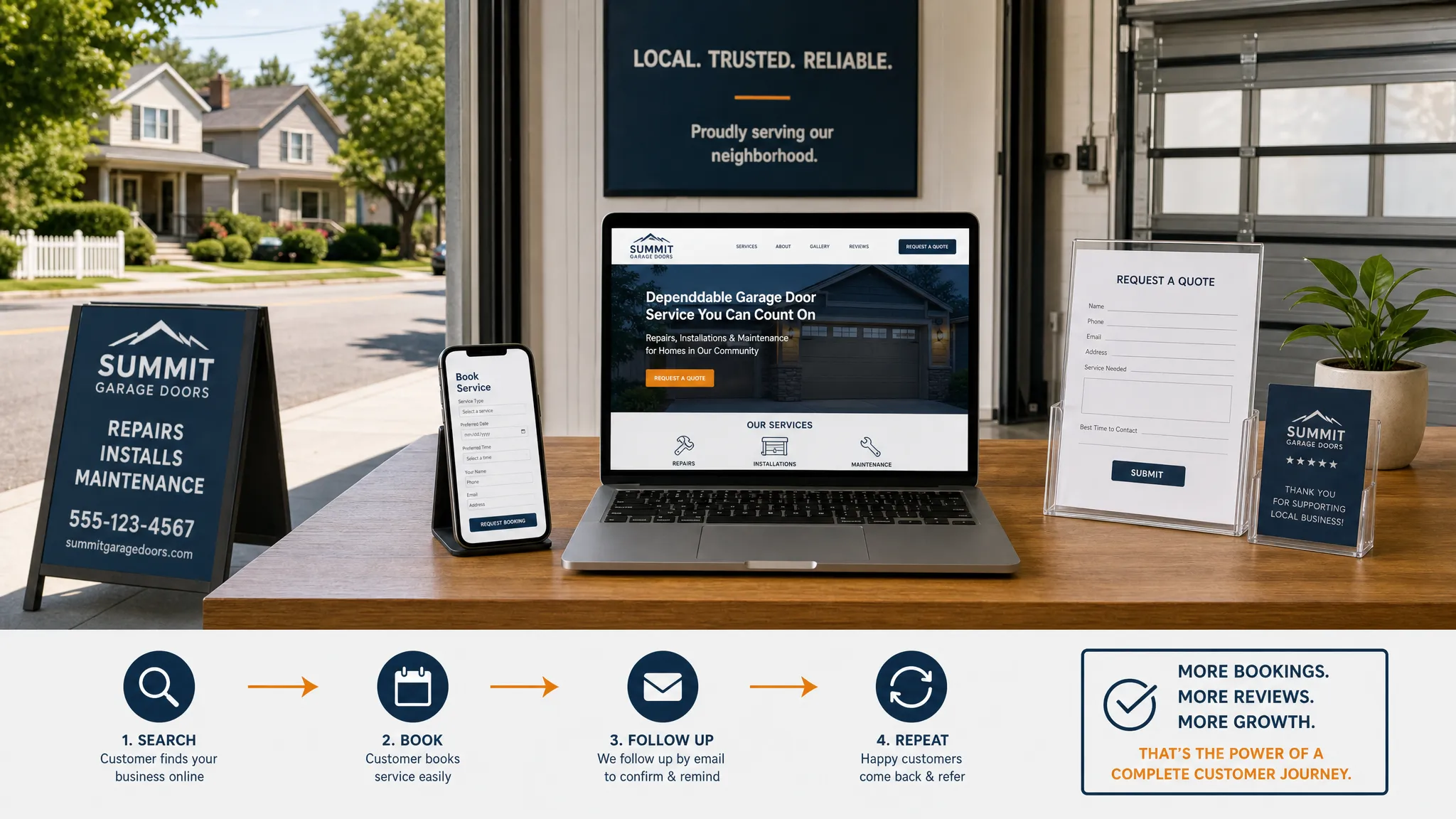
Customers do not experience your marketing in isolated channels. They may discover a blog post from search, click a retargeting ad, download a guide, receive an email, and then visit a pricing page. AI personalization should make that journey feel connected, not fragmented.
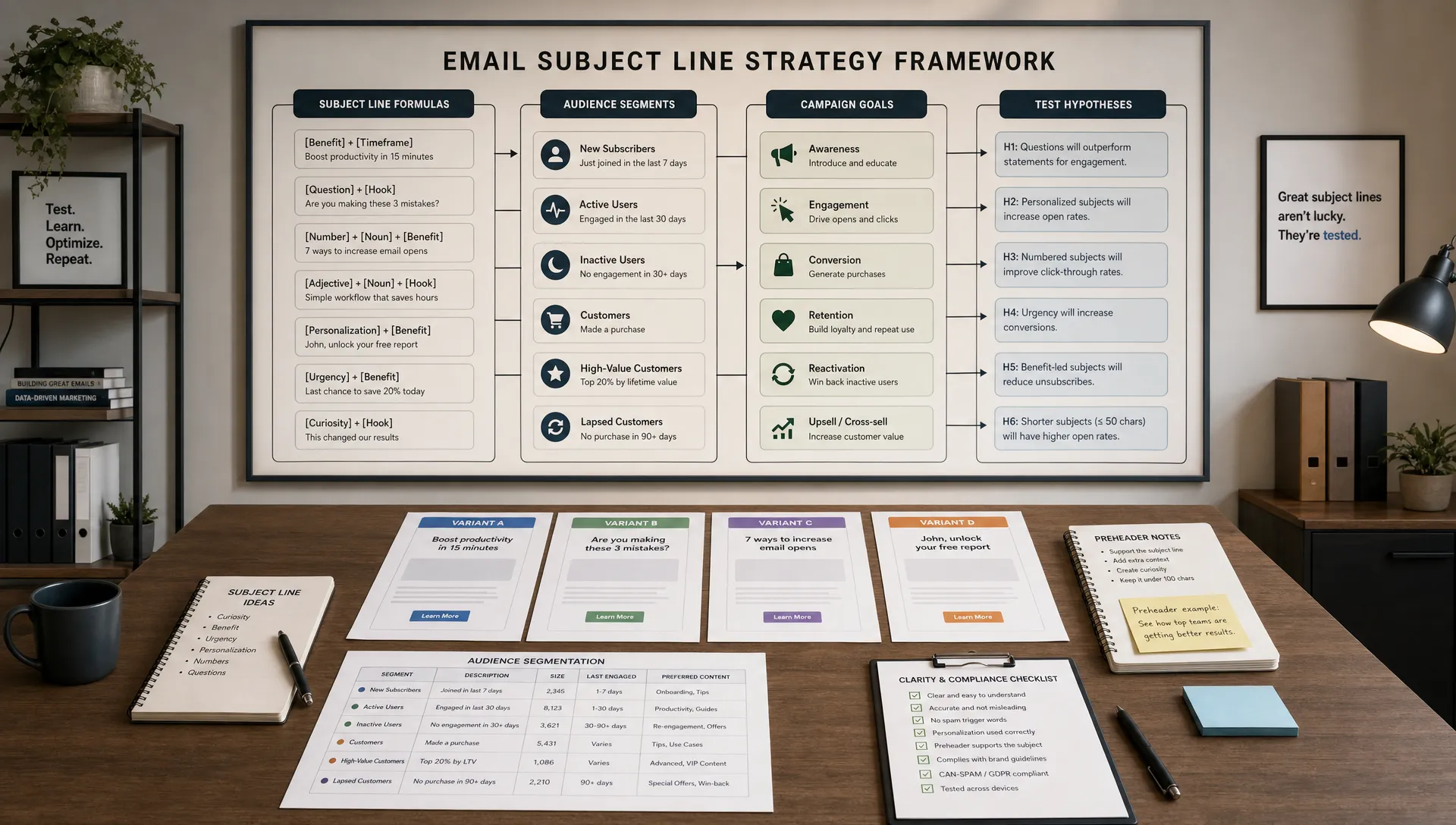
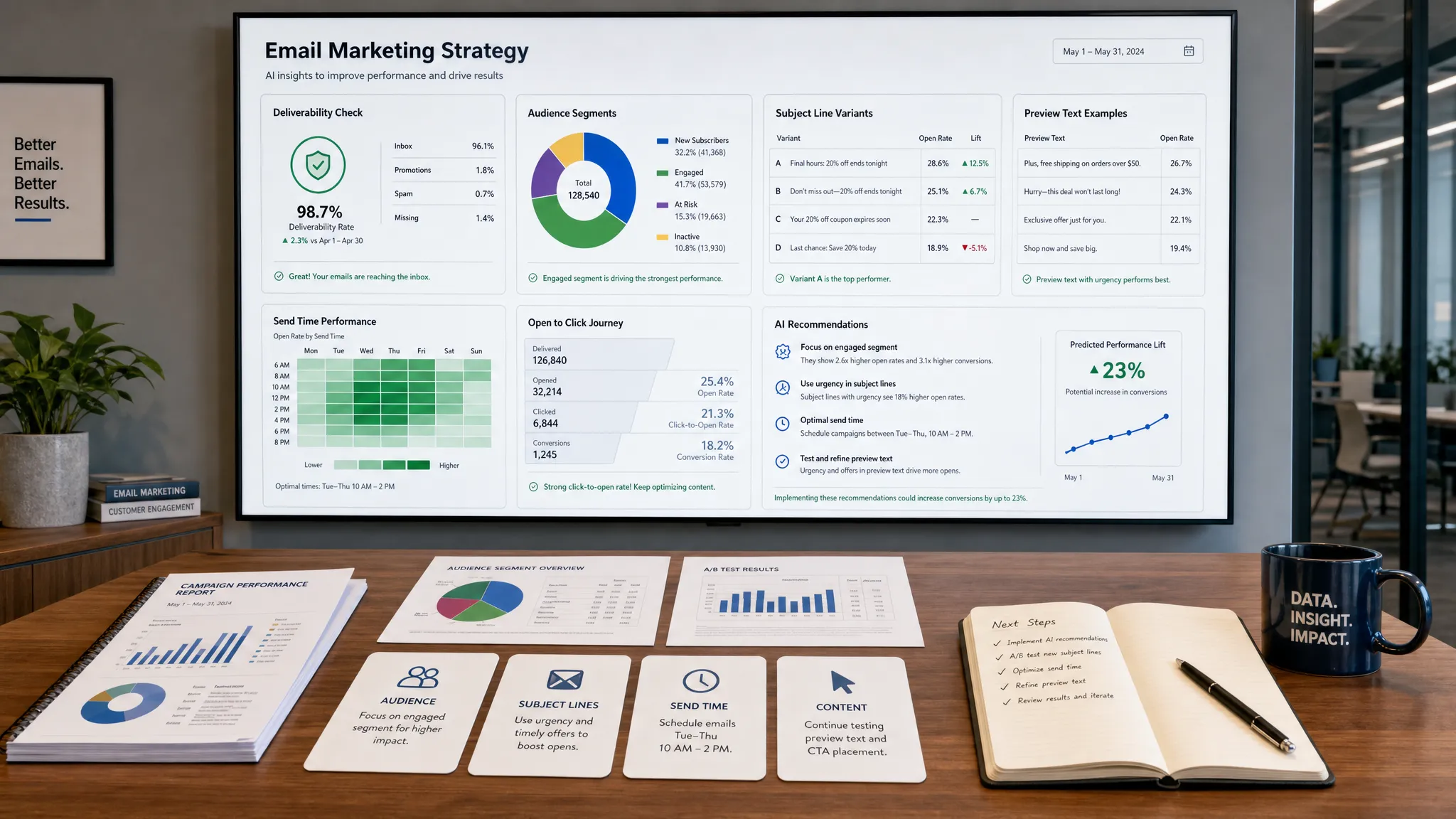
Email is one of the easiest places to begin. Use AI to personalize subject lines, preview text, opening lines, product recommendations, educational sequences, and reactivation campaigns.
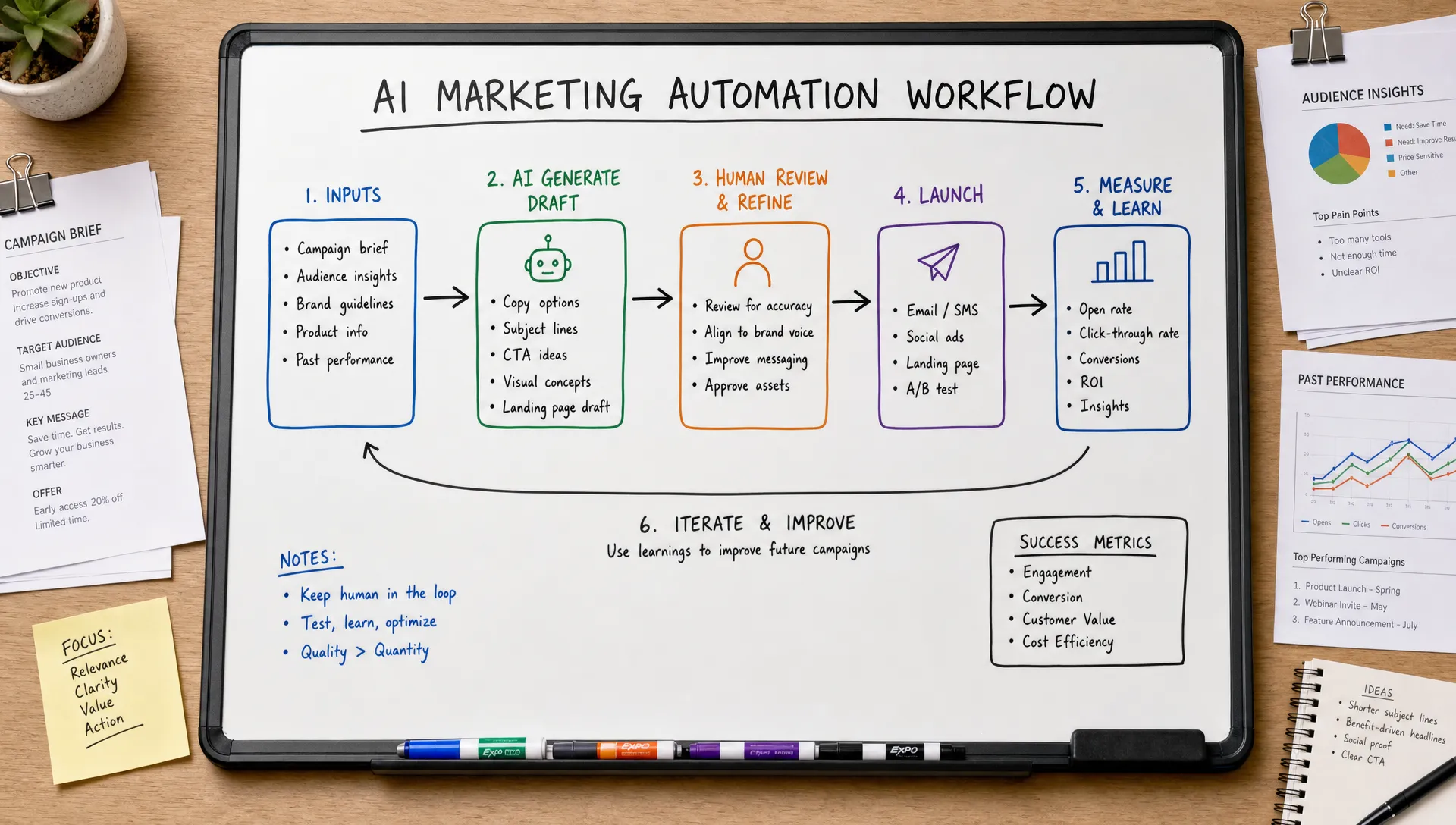
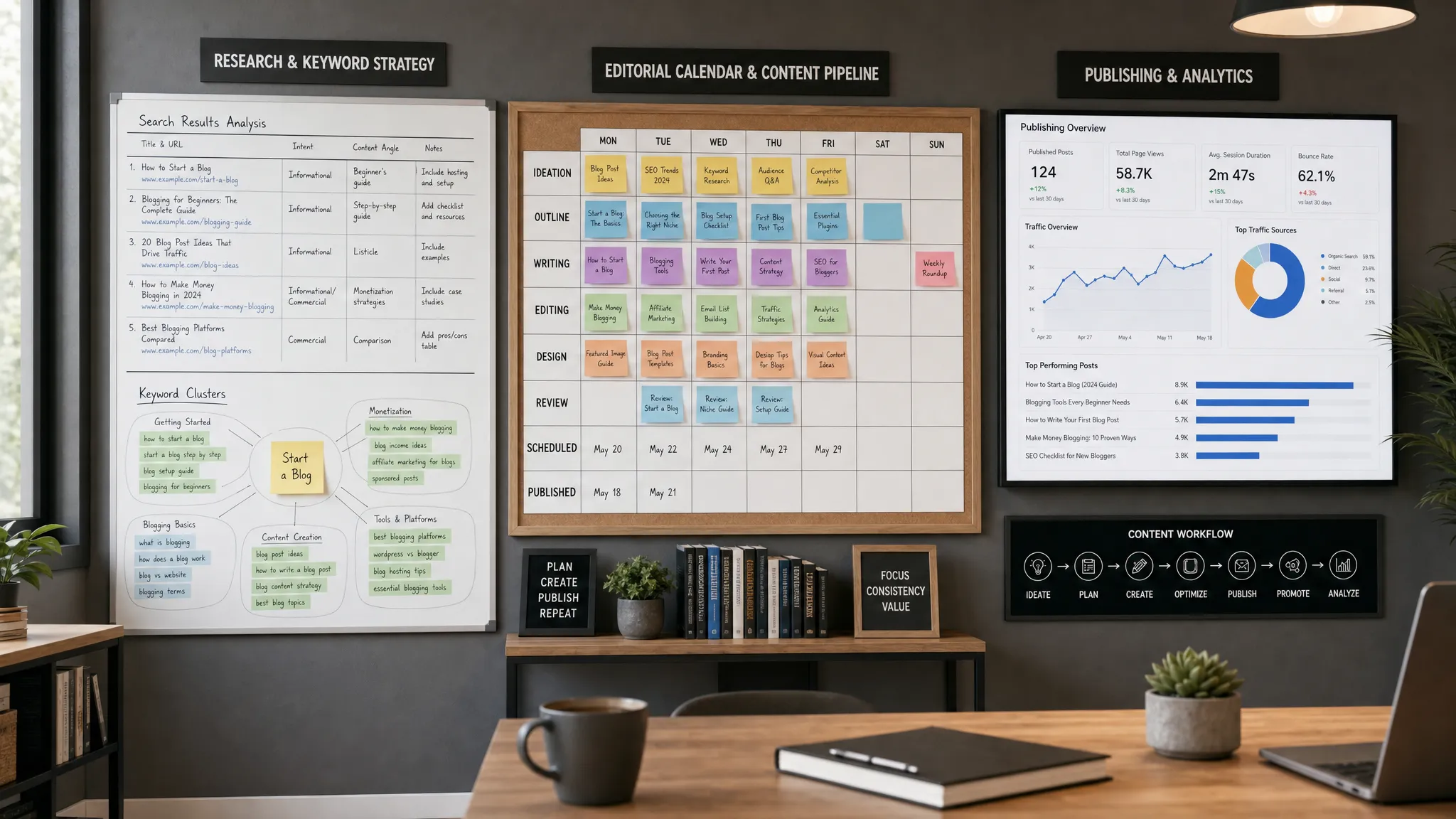
A simple workflow might look like this: segment contacts by recent topic engagement, generate three email angles per segment, review the output for accuracy and brand fit, test subject lines, then feed performance data back into your next campaign.
Avoid over-personalizing in ways that feel creepy. “We noticed you visited our pricing page three times yesterday” may be accurate, but it may not feel helpful. A better version would be, “Still comparing options? Here is a practical guide to choosing the right plan for your team.”
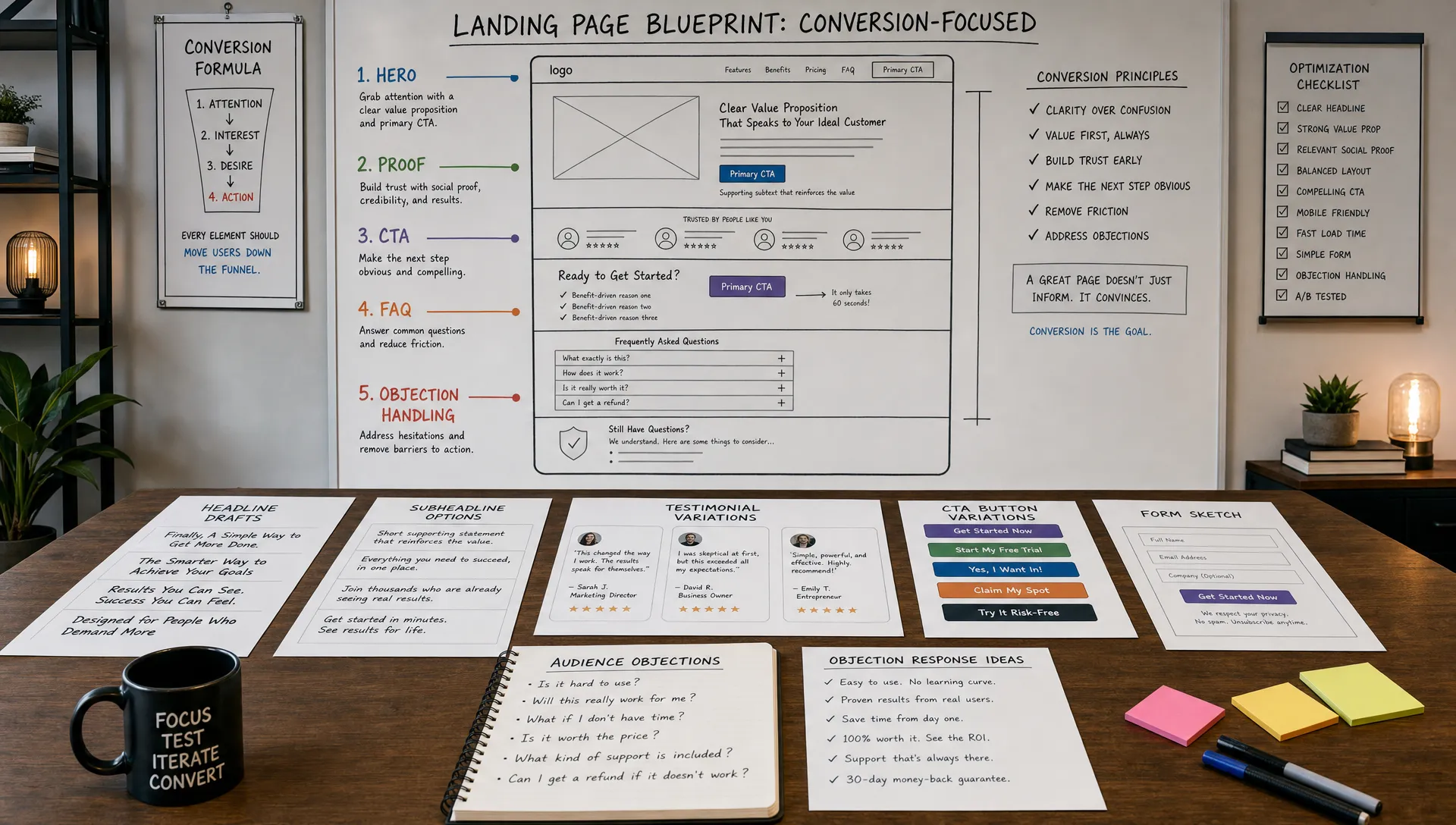
AI can help adapt hero copy, recommended resources, CTA language, proof points, and FAQs based on referral source, industry, behavior, or campaign intent.
For example, visitors from a search query about AI content creation may need education and examples. Visitors from a branded comparison ad may need credibility, differentiation, and a clear conversion path. Returning visitors may need a shorter path to tools, demos, or resources.
The most important rule is continuity. If an ad promises a guide for SaaS marketers, the landing page should not switch to generic AI marketing language. Personalization should reinforce the promise that brought the visitor there.
AI can generate and test creative variations for different audience segments. This is useful for headlines, descriptions, hooks, visual concepts, and landing page alignment.
However, paid media teams should be careful with targeting sensitivity. Avoid personal attributes that could create discomfort or violate platform policies. Focus on contextual relevance, business problems, and user intent rather than overly personal characteristics.
If paid media is a major channel for your team, connect your personalization work to the changes happening in AI advertising and automated campaign optimization.
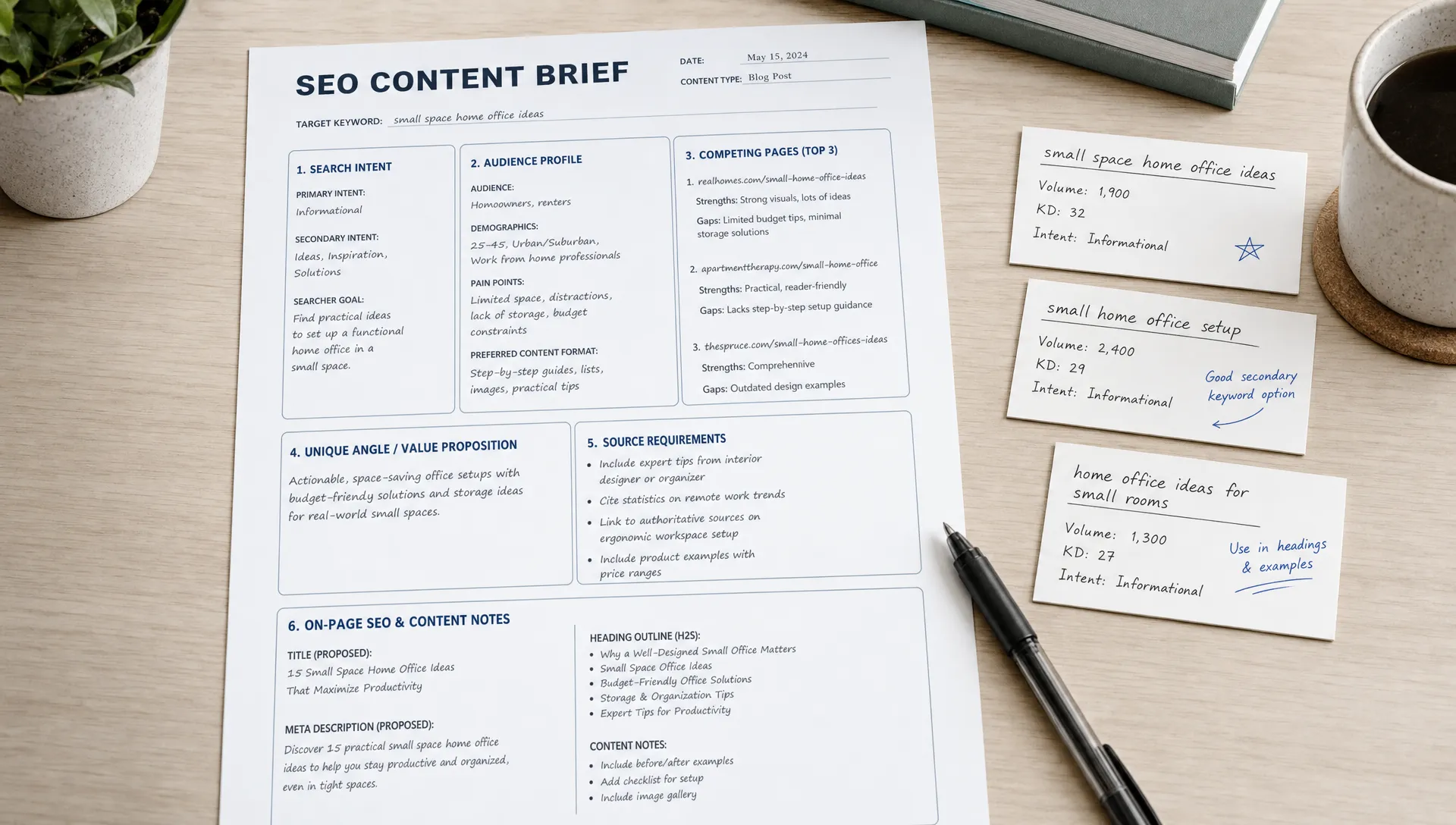
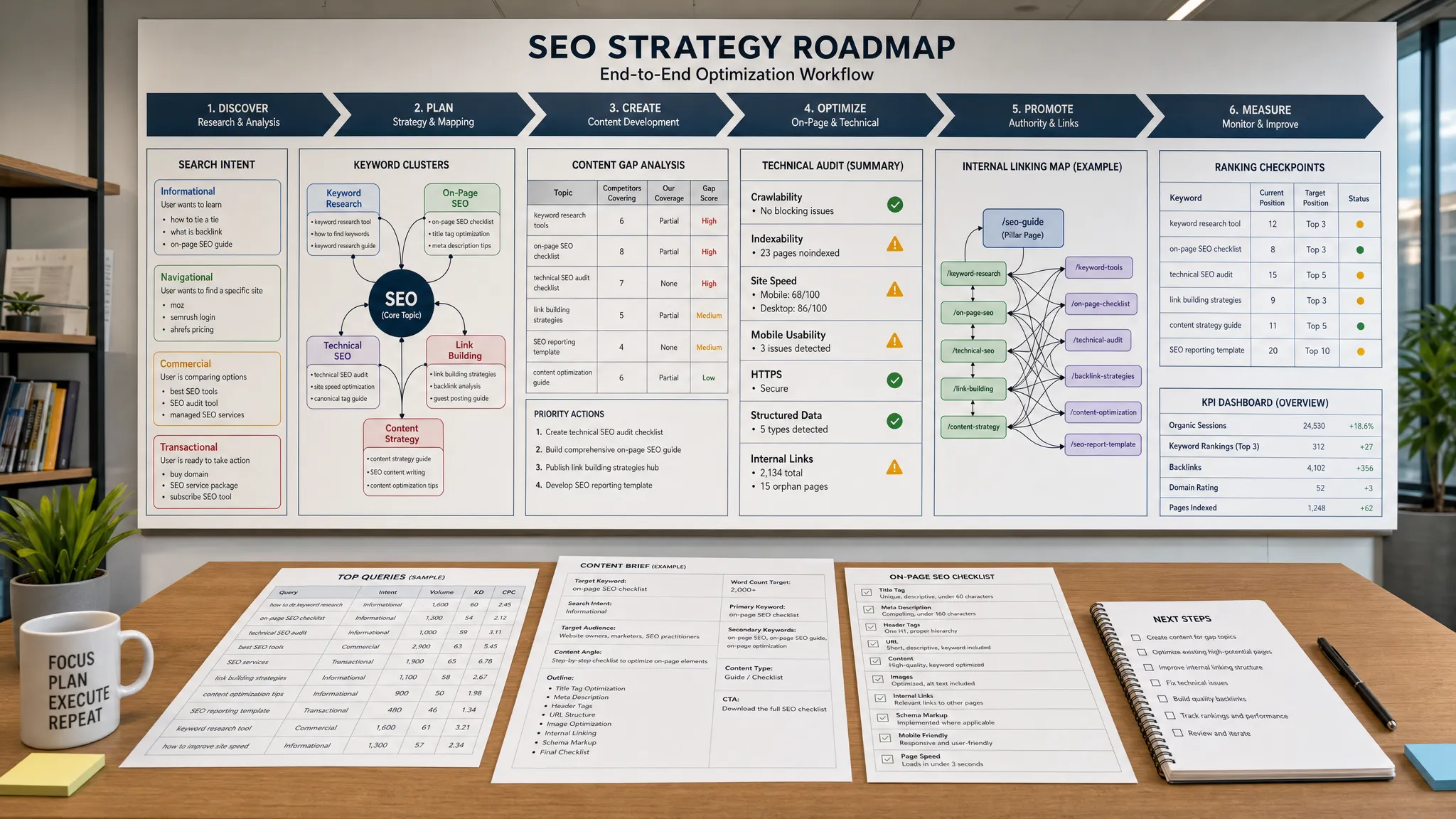
SEO content usually targets intent clusters rather than individuals. Still, AI can help personalize content experiences by recommending related articles, adapting CTAs, and creating industry-specific examples within a post.
For instance, a general article about marketing workflow automation can include separate examples for SaaS, legal, finance, and ecommerce readers. That improves usefulness without creating thin duplicate pages for every segment.
For lead generation campaigns, you can combine educational content with personalized follow-up. If someone reads multiple articles about AI-powered analytics, your nurture sequence can focus on measurement, dashboards, and optimization rather than introductory AI definitions.
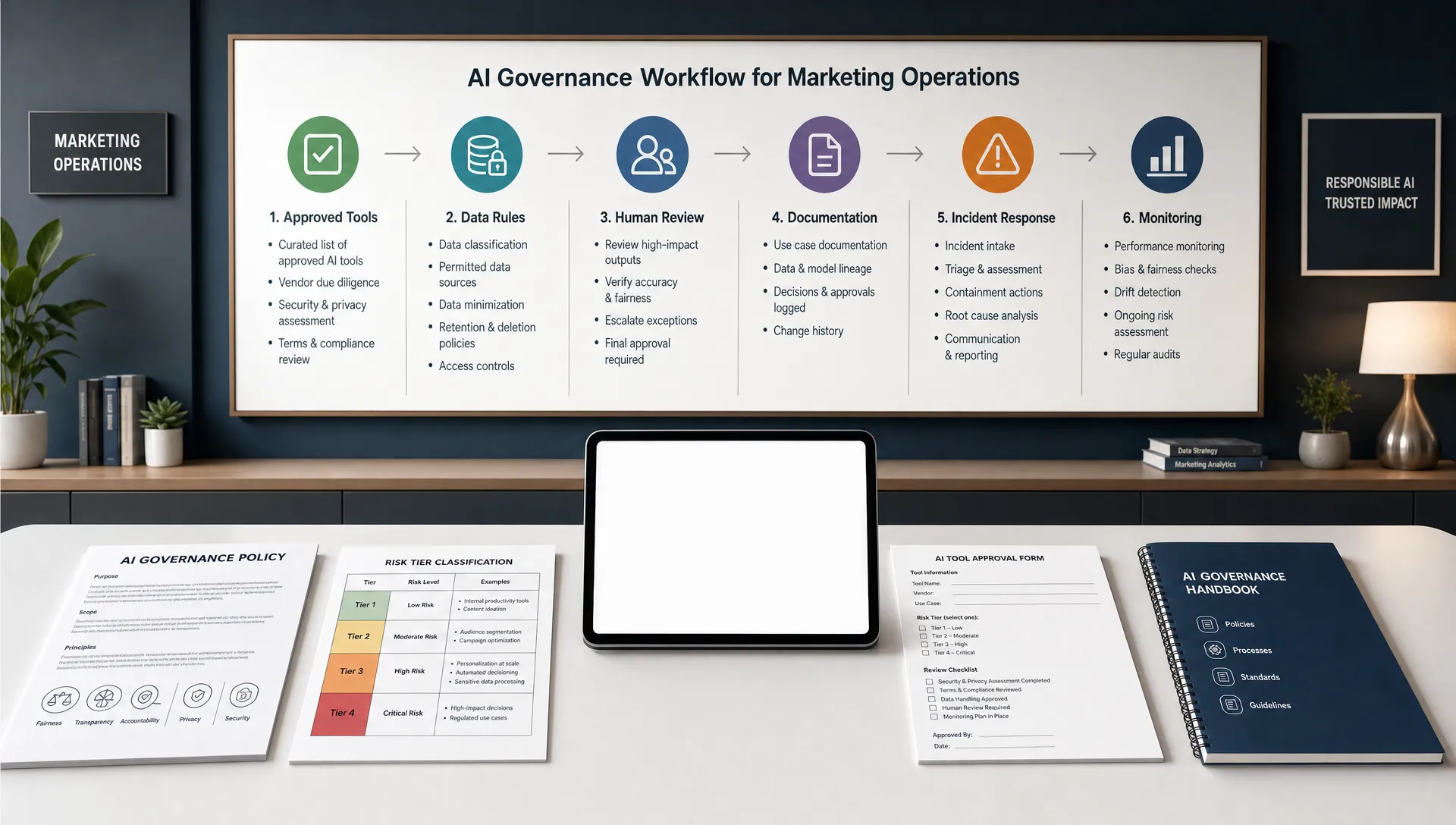
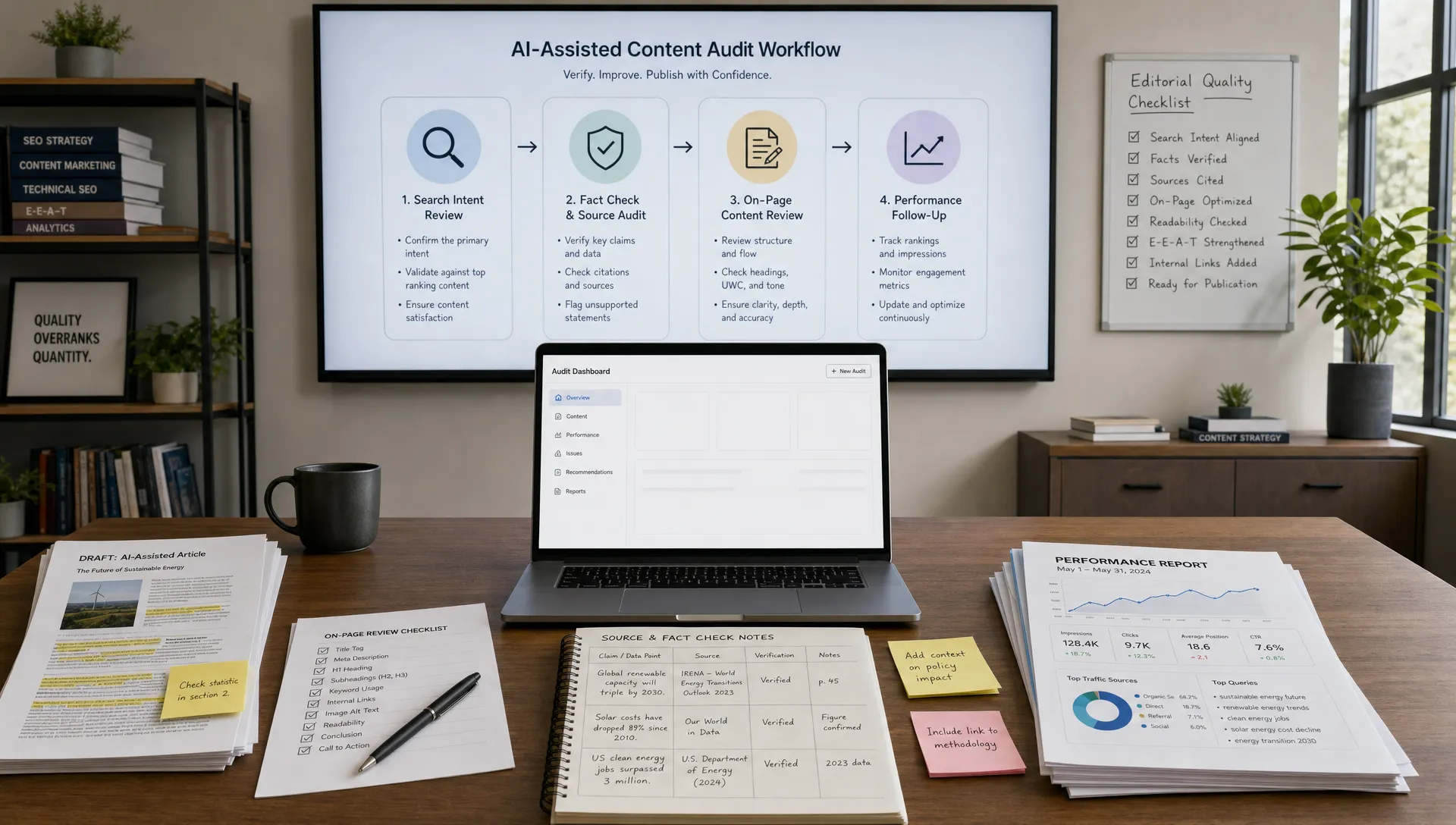
AI can produce content variations quickly, but speed does not remove the need for editorial judgment. Human review is especially important when personalization touches pricing, legal claims, financial guidance, health-related claims, regulated industries, or customer data.
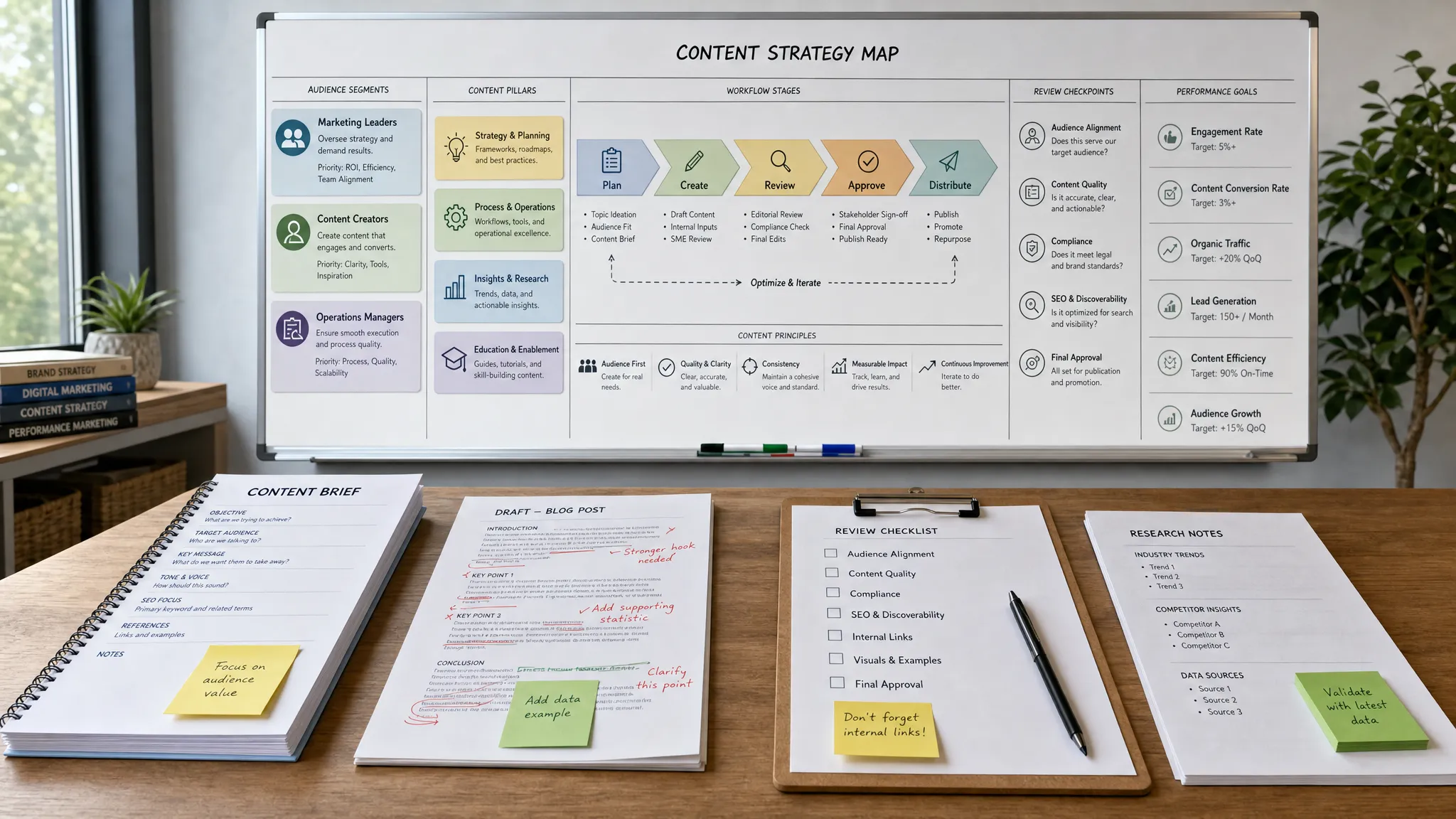
Your approval workflow should check for:
This does not mean every tiny variation needs a slow manual review. Instead, create approved templates, prompt libraries, messaging rules, and claim libraries. Then review samples and high-impact assets before launch.
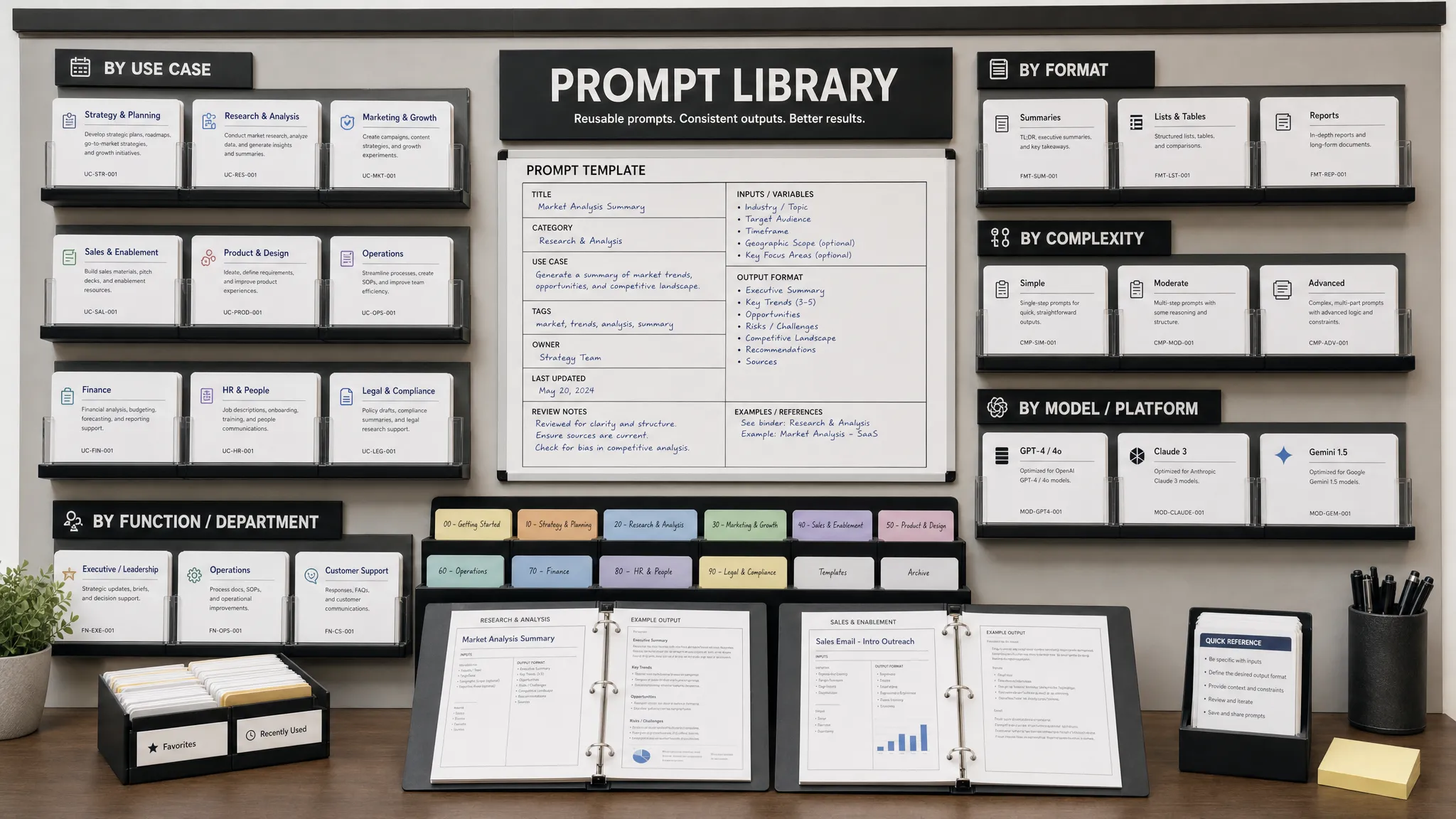
AIMarketer Hub’s prompt library and AI content generation resources can support this kind of repeatable workflow, especially when teams need to create content faster without losing control of quality.
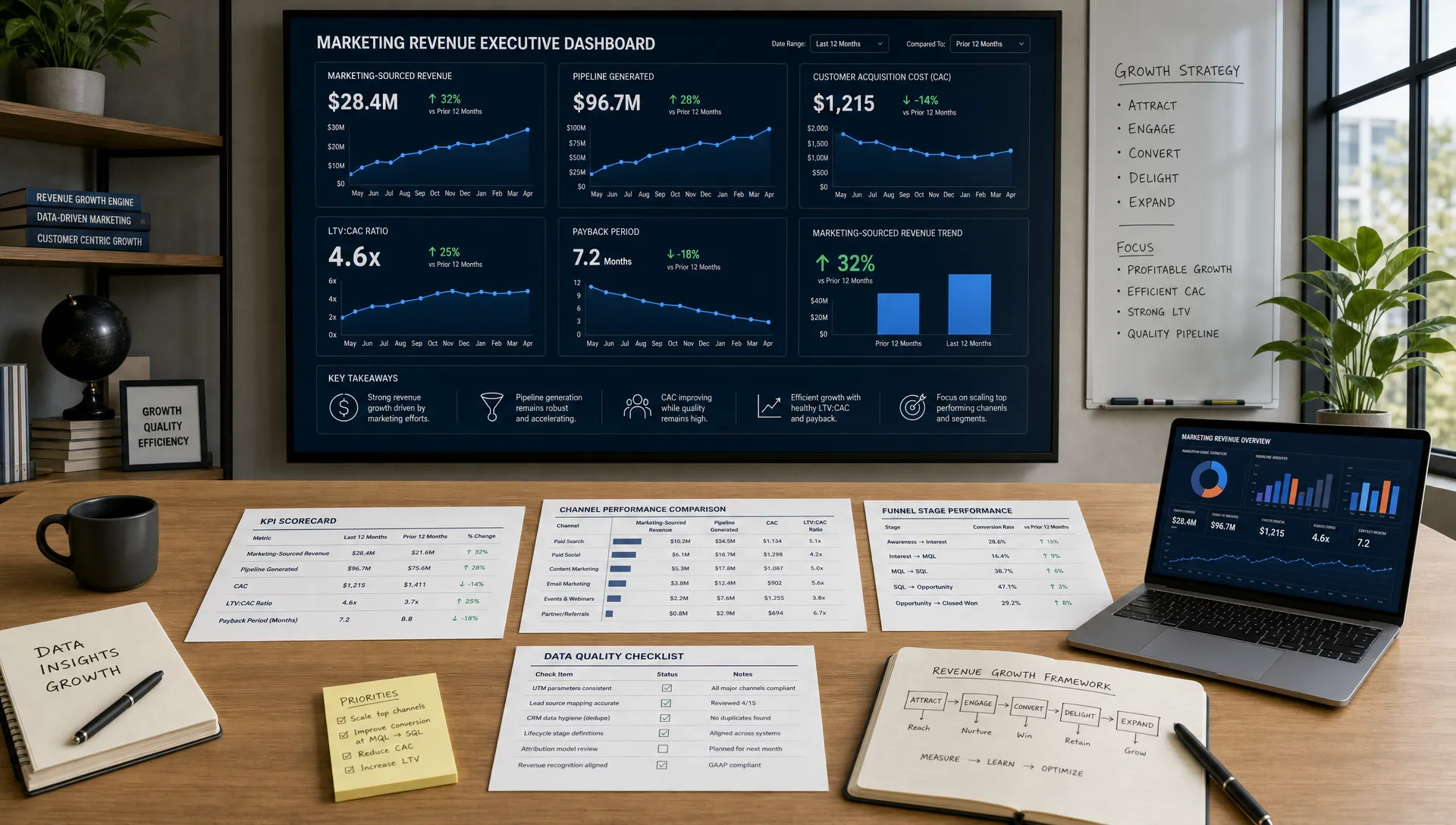
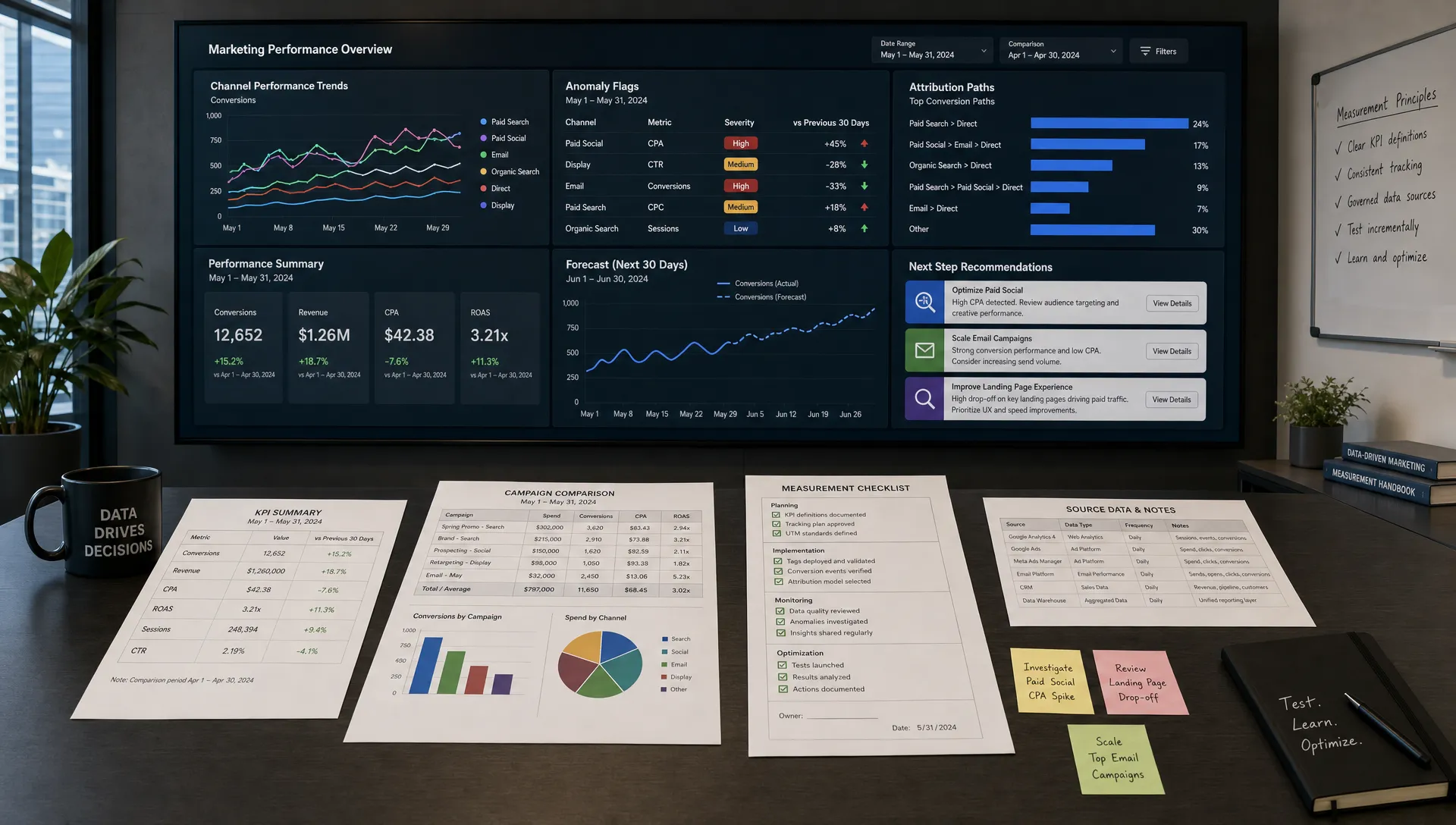
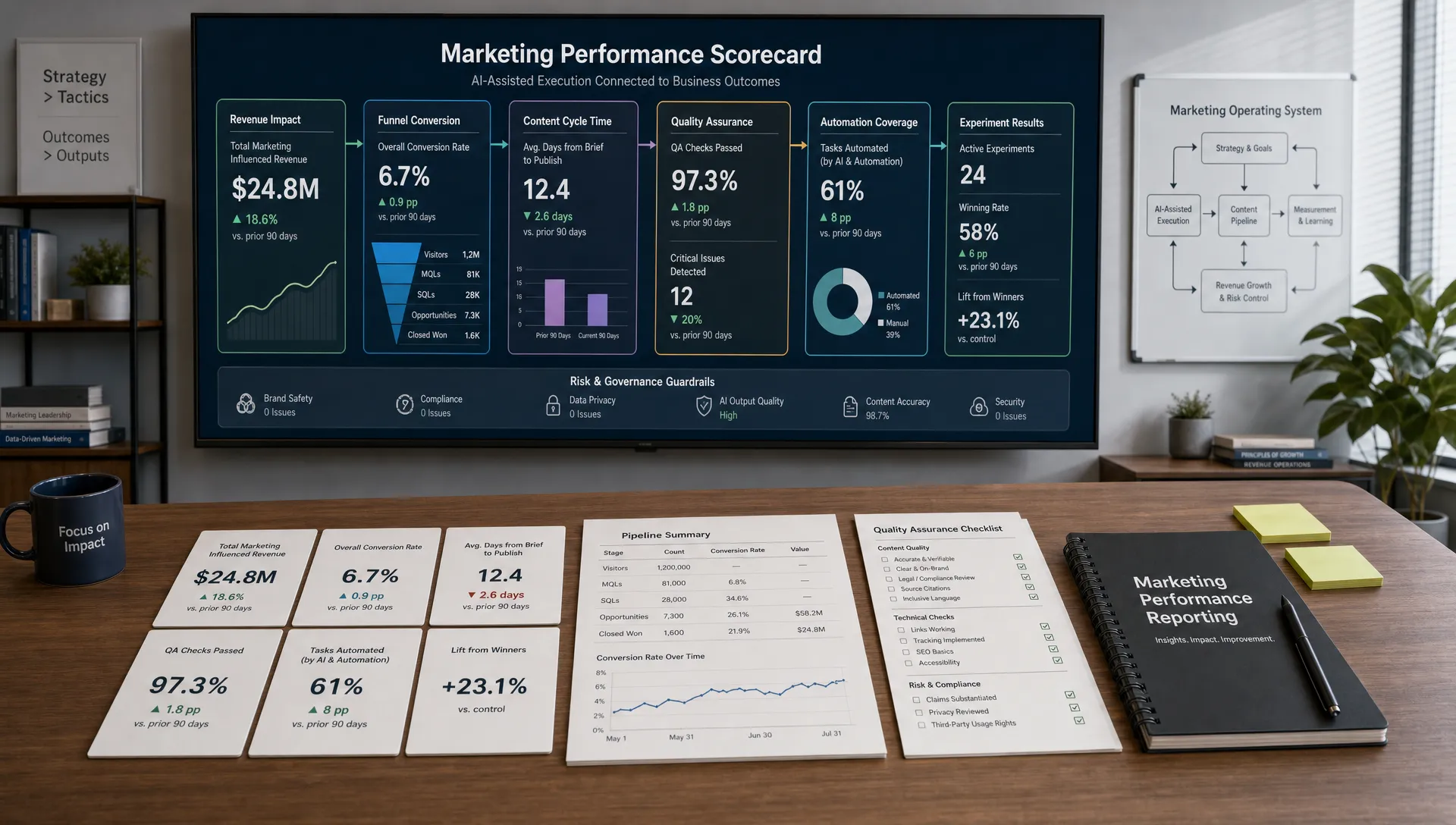
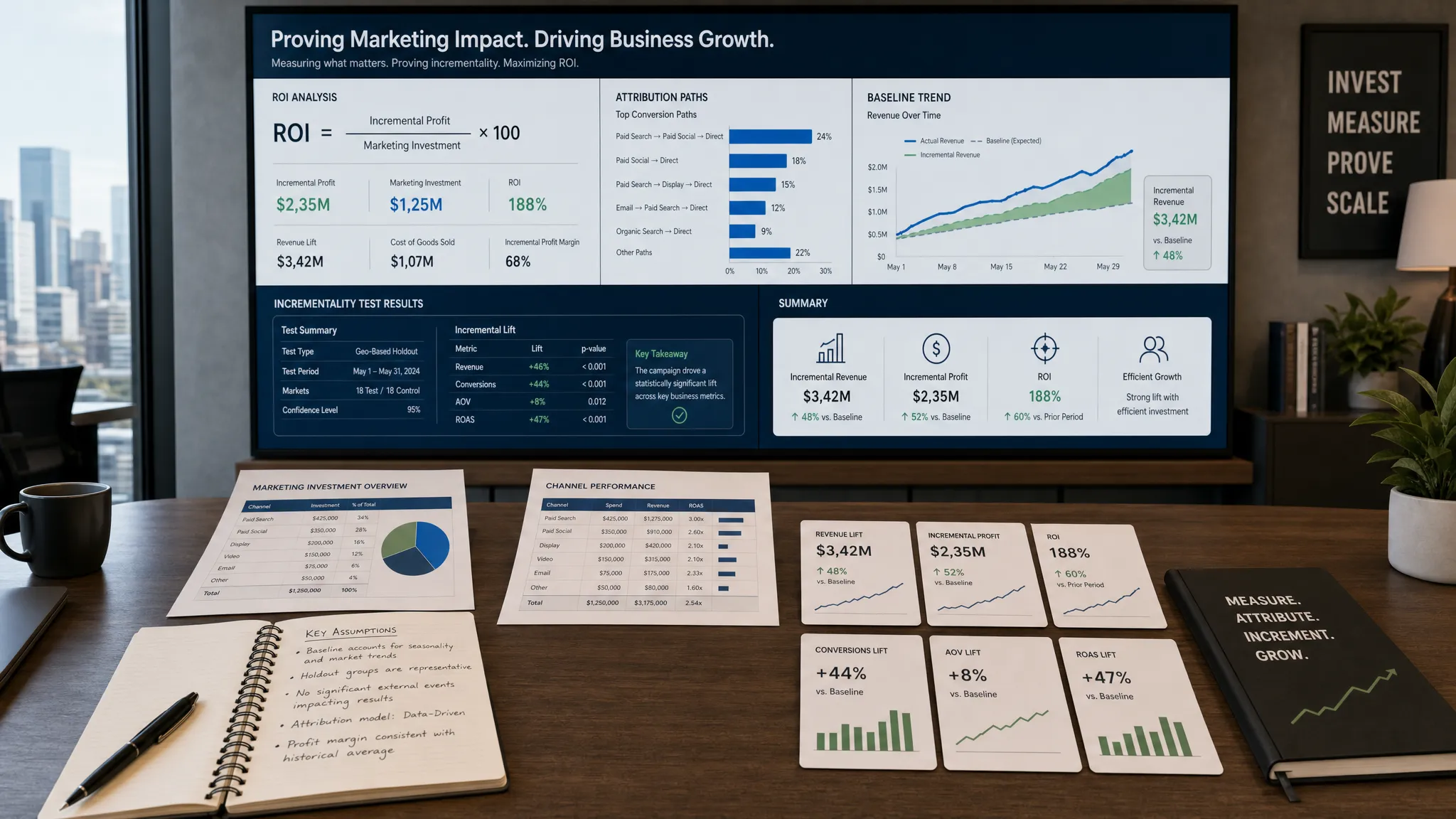
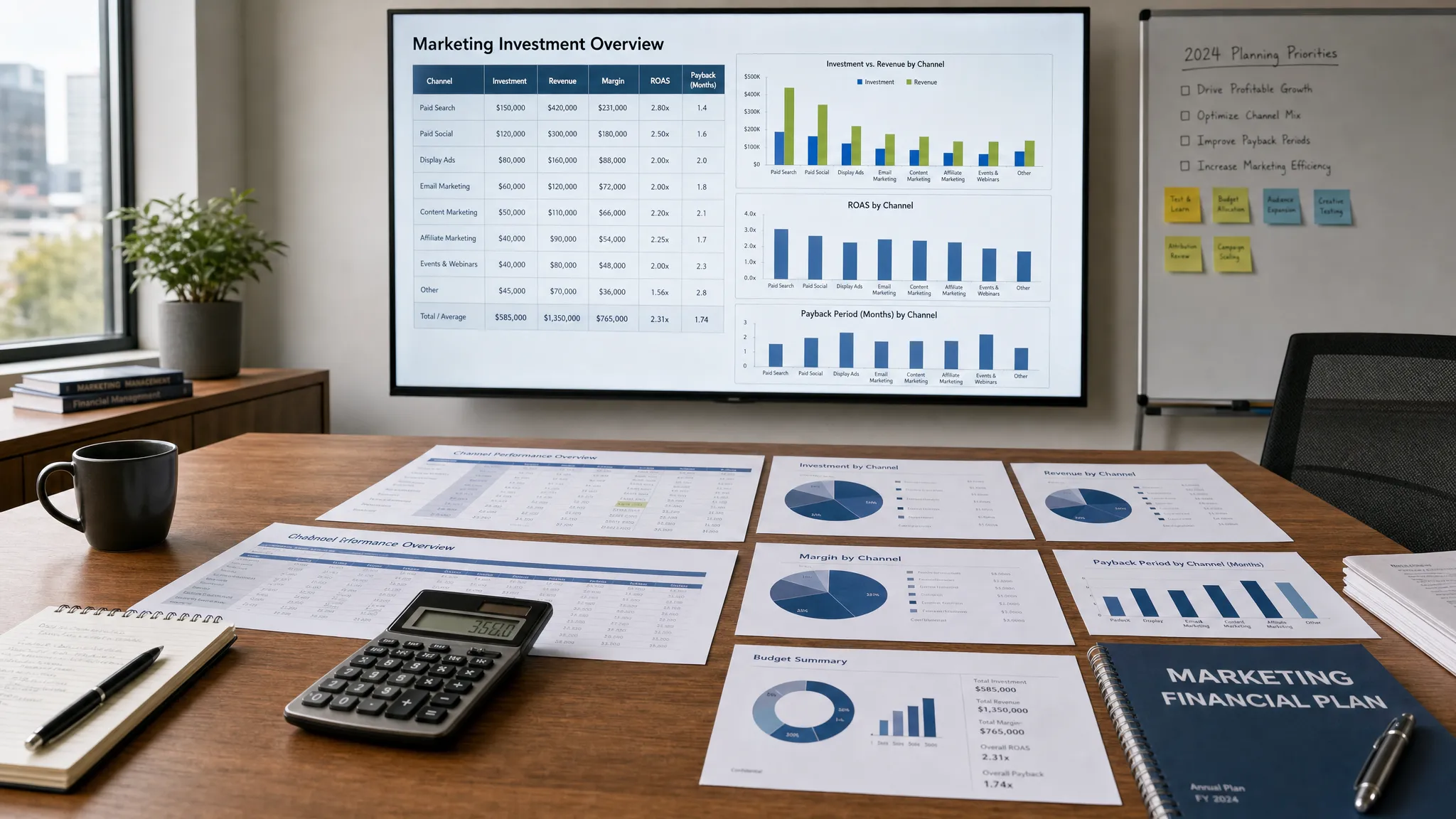
Personalization should be measured by more than open rates or clicks. Those metrics are useful, but they do not always show whether the content improved the customer journey.
Track metrics based on the channel and goal:
Also compare personalized experiences against a control group. Without a baseline, it is hard to know whether AI personalization actually improved performance.
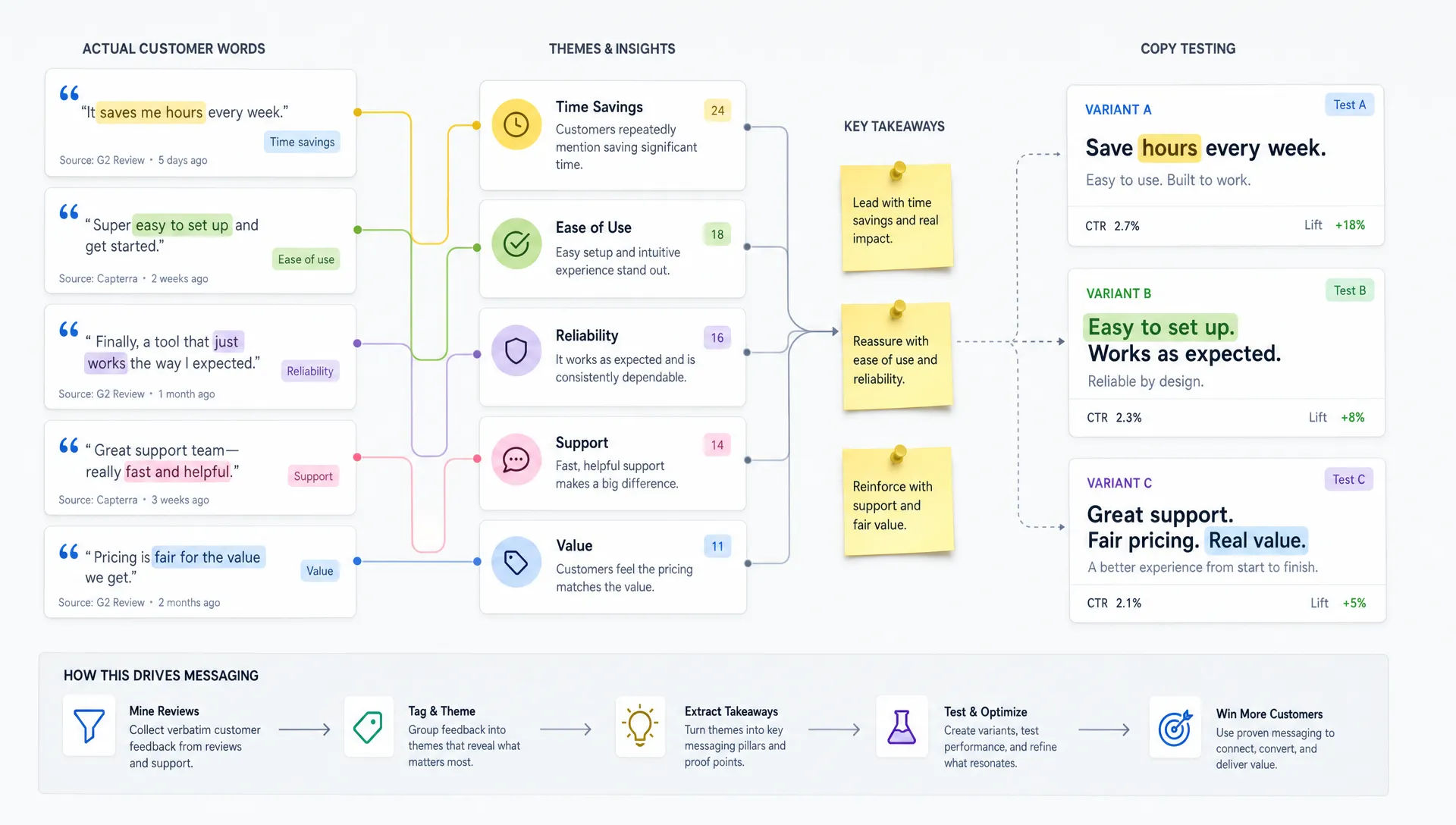
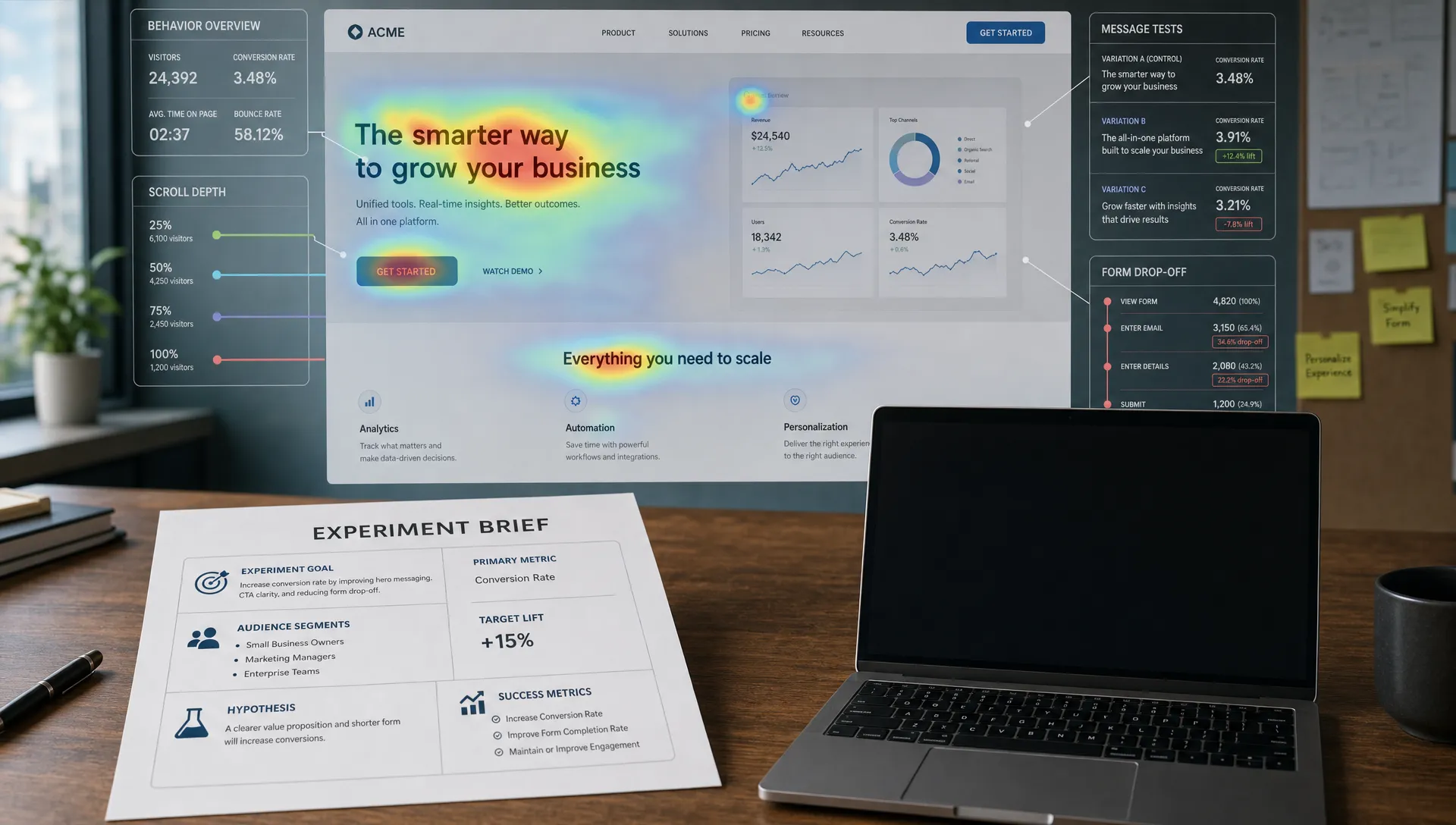
A good testing plan might compare a generic nurture sequence with a segment-specific sequence. Or it might compare one landing page CTA for all visitors against CTAs tailored by funnel stage. Keep tests focused. If you change the headline, CTA, proof points, and offer all at once, you will not know which element caused the lift.
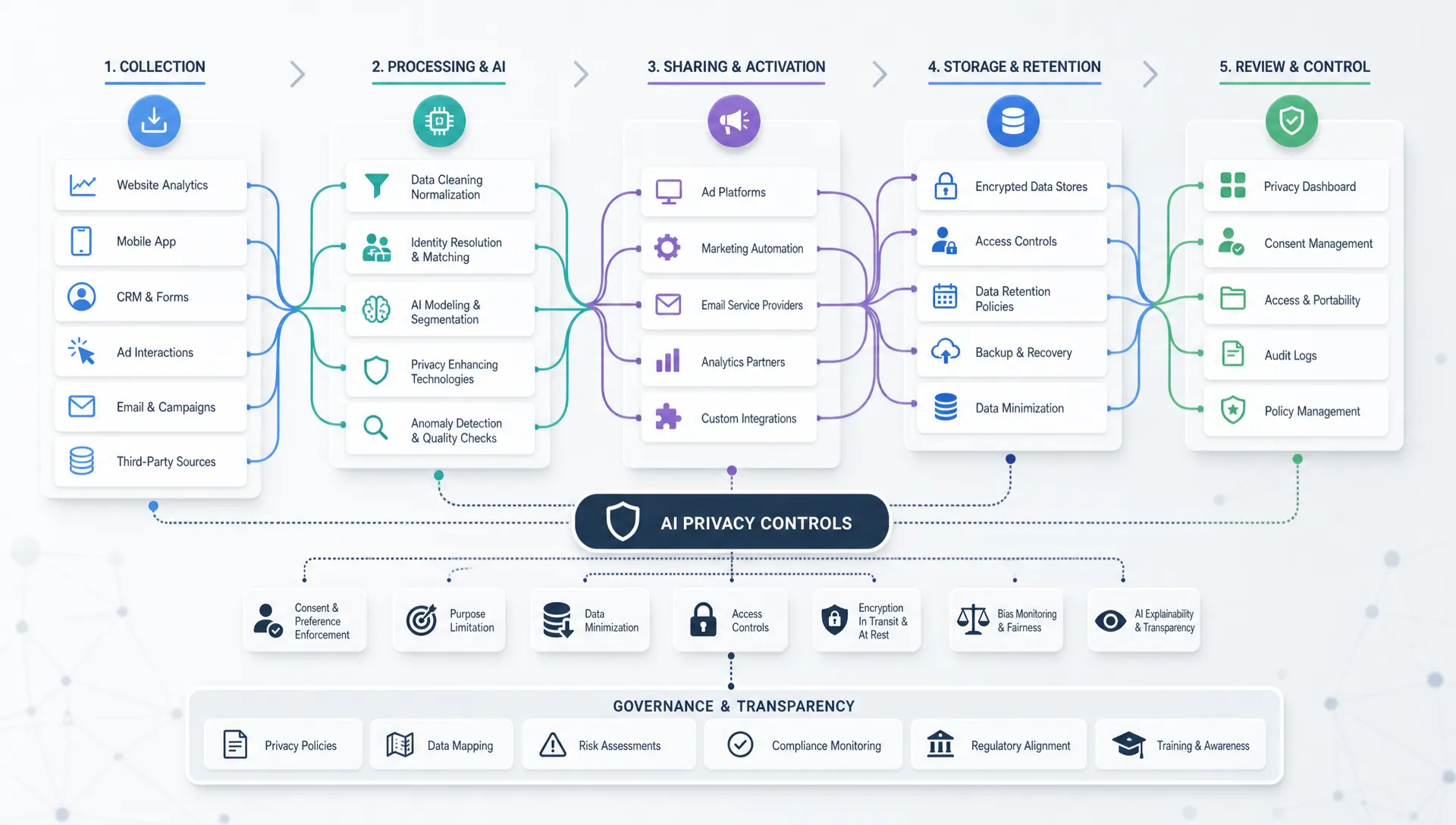
Personalization depends on data, so trust must be part of the strategy from the beginning. Customers are more likely to accept personalization when it is transparent, useful, and easy to control.
The FTC provides business guidance on privacy and data security, and marketers should also follow applicable privacy laws such as GDPR, CCPA, and industry-specific regulations where relevant.
Practical privacy principles include:
Trust is not just a legal issue. It is a performance issue. If personalization feels manipulative, customers disengage. If it feels genuinely helpful, it strengthens the relationship.
Even experienced marketing teams can misuse AI personalization. The most common problems are usually strategic, not technical.
One mistake is personalizing too early. If your core message is unclear, AI will only create more variations of a weak idea. Start with positioning, audience research, and a strong offer.
Another mistake is creating too many segments. A team may identify 25 audience groups, then struggle to maintain content for all of them. Begin with three to five high-impact segments and expand only when performance data supports it.
Marketers also risk confusing personalization with novelty. A clever AI-generated message is not automatically useful. The content should answer a real question, reduce friction, or help the customer make a better decision.
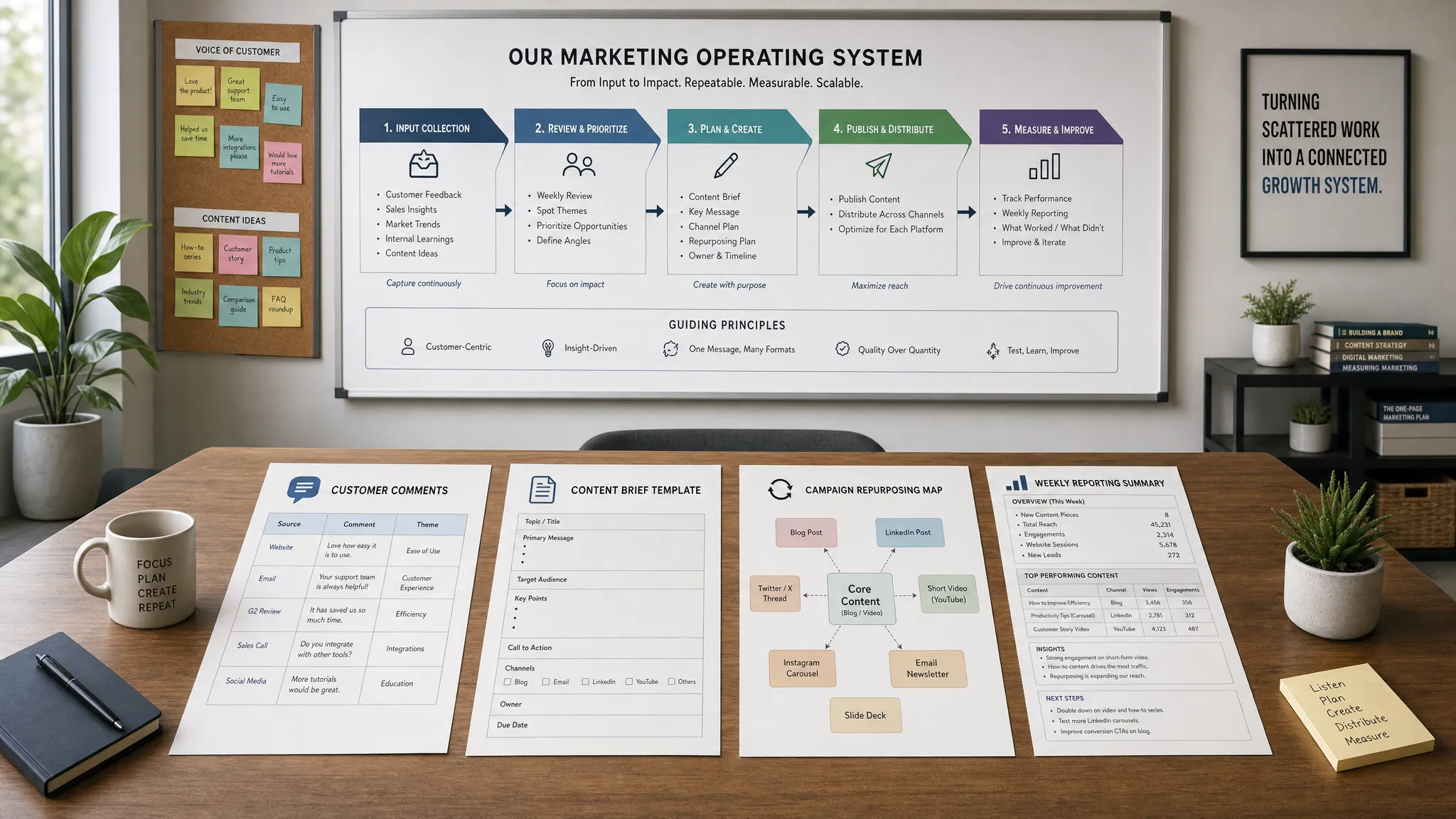
Finally, many teams fail to connect personalization with analytics. If your AI tools, CRM, email platform, and website analytics do not share enough data, you will have trouble learning what works. Marketing workflow automation should make the loop tighter: collect signals, personalize content, measure results, and improve the next interaction.
If you are new to AI-powered personalization, start small. Choose one journey, one segment, and one measurable goal.
For example, you might personalize a three-email nurture sequence for leads who downloaded an AI content creation guide. Or you might create two landing page variants for different industries. Or you might test personalized CTAs on your highest-traffic blog posts.
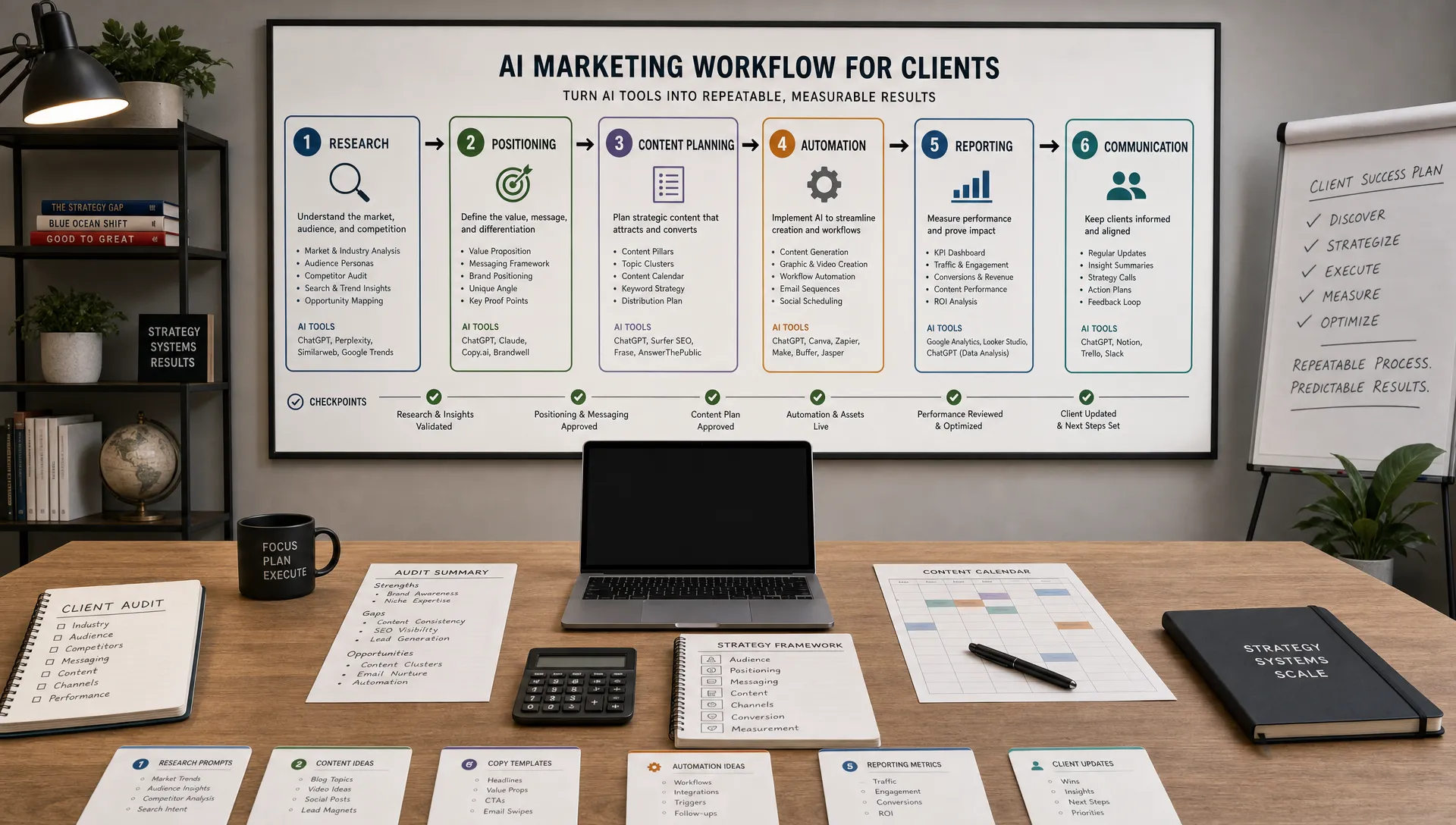
A simple first workflow looks like this:
This approach keeps the project manageable and gives your team evidence before expanding personalization across more channels.
What is the easiest way to personalize marketing content with AI? Start with email or landing page copy. Use existing first-party data, such as content downloads or page visits, to create segment-specific subject lines, introductions, CTAs, and resource recommendations.
Do I need a large customer database to use AI personalization? No. You can begin with simple segments based on source, industry, funnel stage, or content interest. More data can improve personalization, but small teams can still create useful variations with clear audience insights.
Can AI personalize content without sounding robotic? Yes, but only if you provide strong brand voice guidelines, examples of approved messaging, and human review. AI should support your strategy, not replace your editorial judgment.
What data should marketers avoid using for personalization? Avoid sensitive personal data unless you have a clear legal basis, user consent, and a legitimate customer benefit. Also avoid making assumptions about health, finances, identity, or personal circumstances based only on behavior.
How do you measure whether AI personalization is working? Compare personalized content against a control group and track metrics tied to the goal, such as conversion rate, qualified leads, revenue contribution, retention, or product adoption. Engagement metrics are helpful, but business outcomes matter most.
The future of AI marketing belongs to teams that combine automation with judgment. AI can help you analyze behavior, create content variations, adapt messages, and optimize campaigns faster. But the real advantage comes from knowing what your audience needs and using AI to deliver it with clarity.
Start with trustworthy data. Build segments around intent. Create modular content. Use detailed prompts. Review outputs carefully. Measure what matters. Above all, treat personalization as a way to be more helpful, not simply more targeted.
If you want practical tools and guides for AI content generation, SEO, analytics, and marketing workflow automation, explore the resources available at AIMarketer Hub and build a personalization system your audience will actually appreciate.