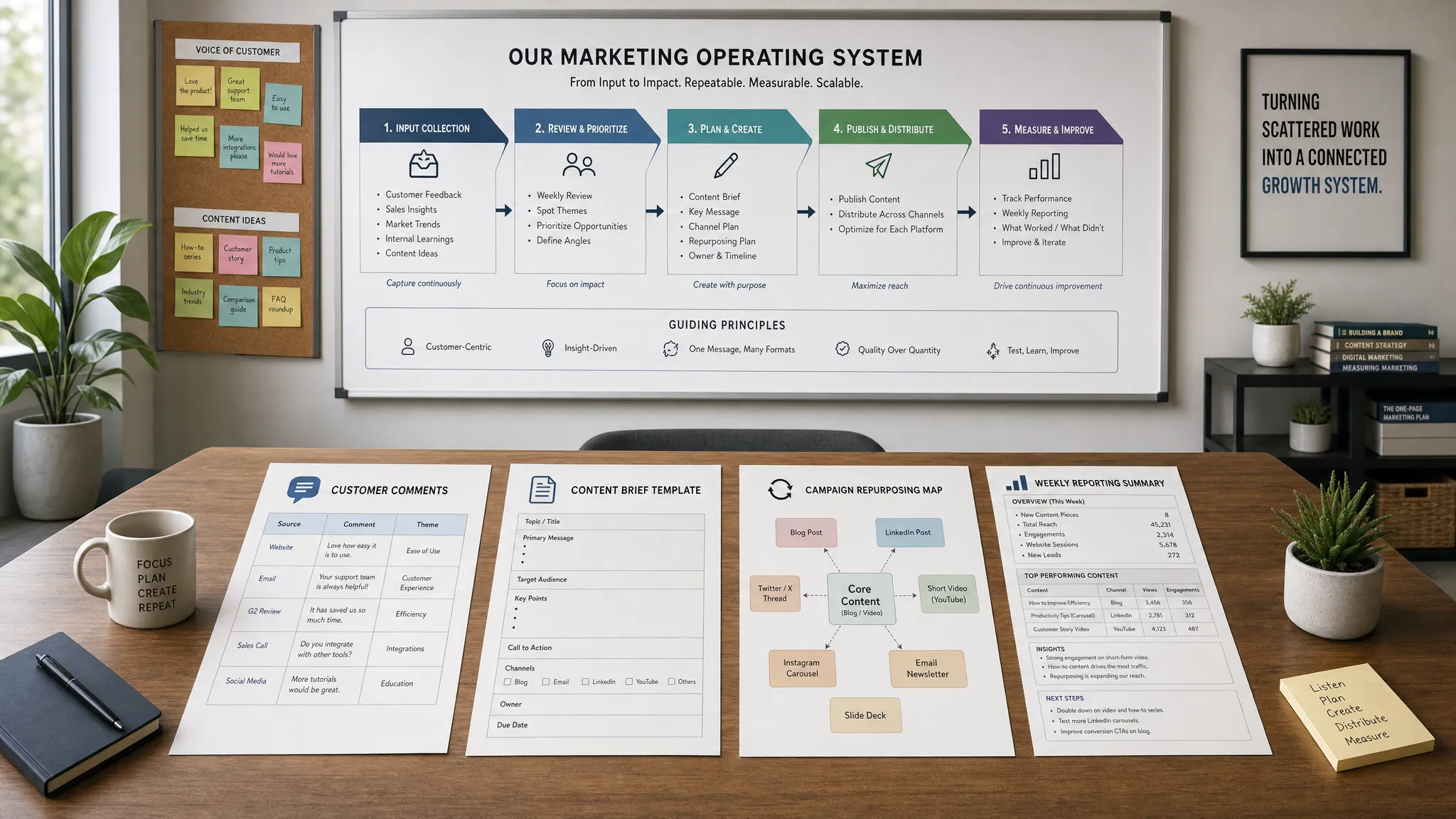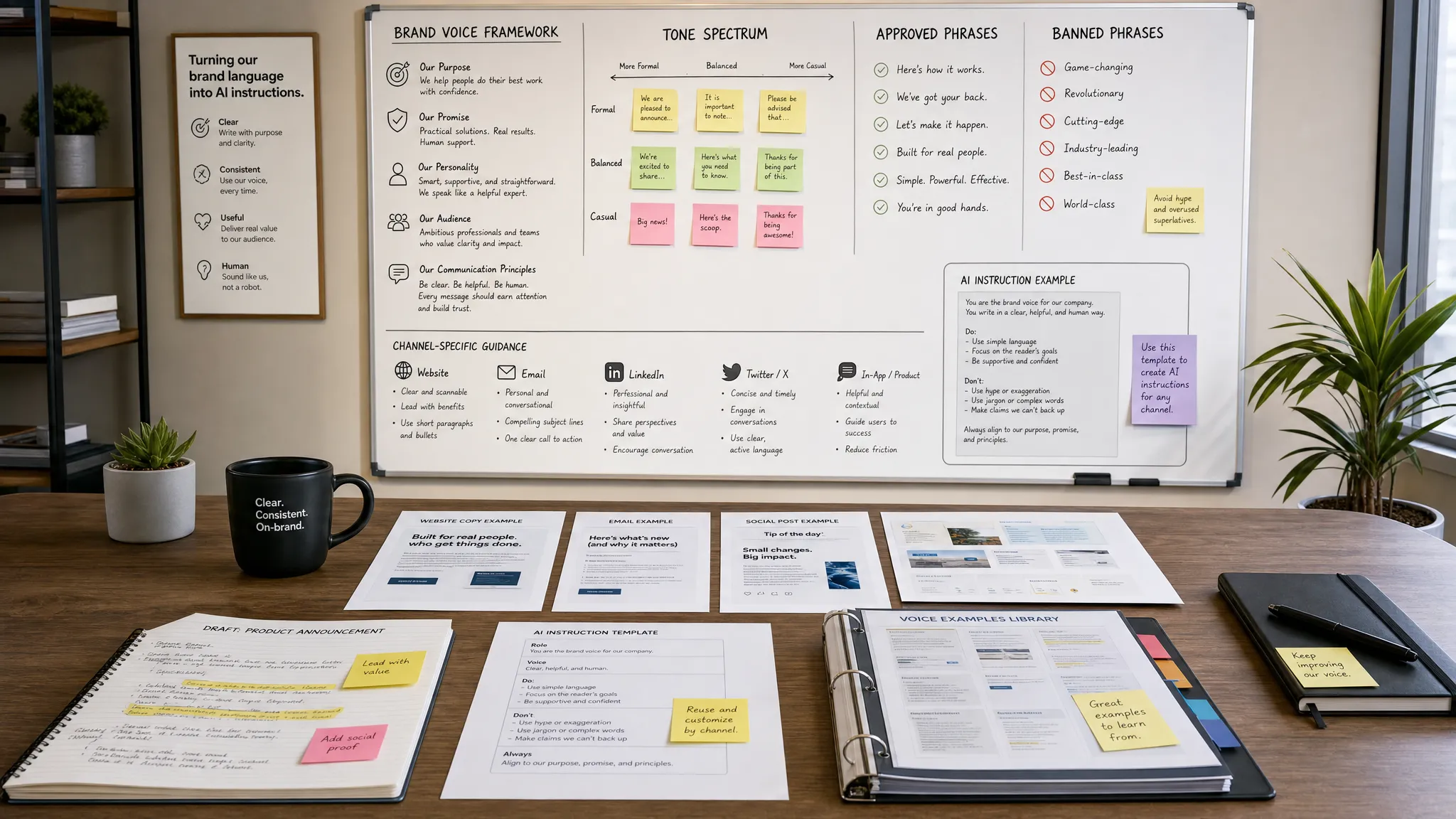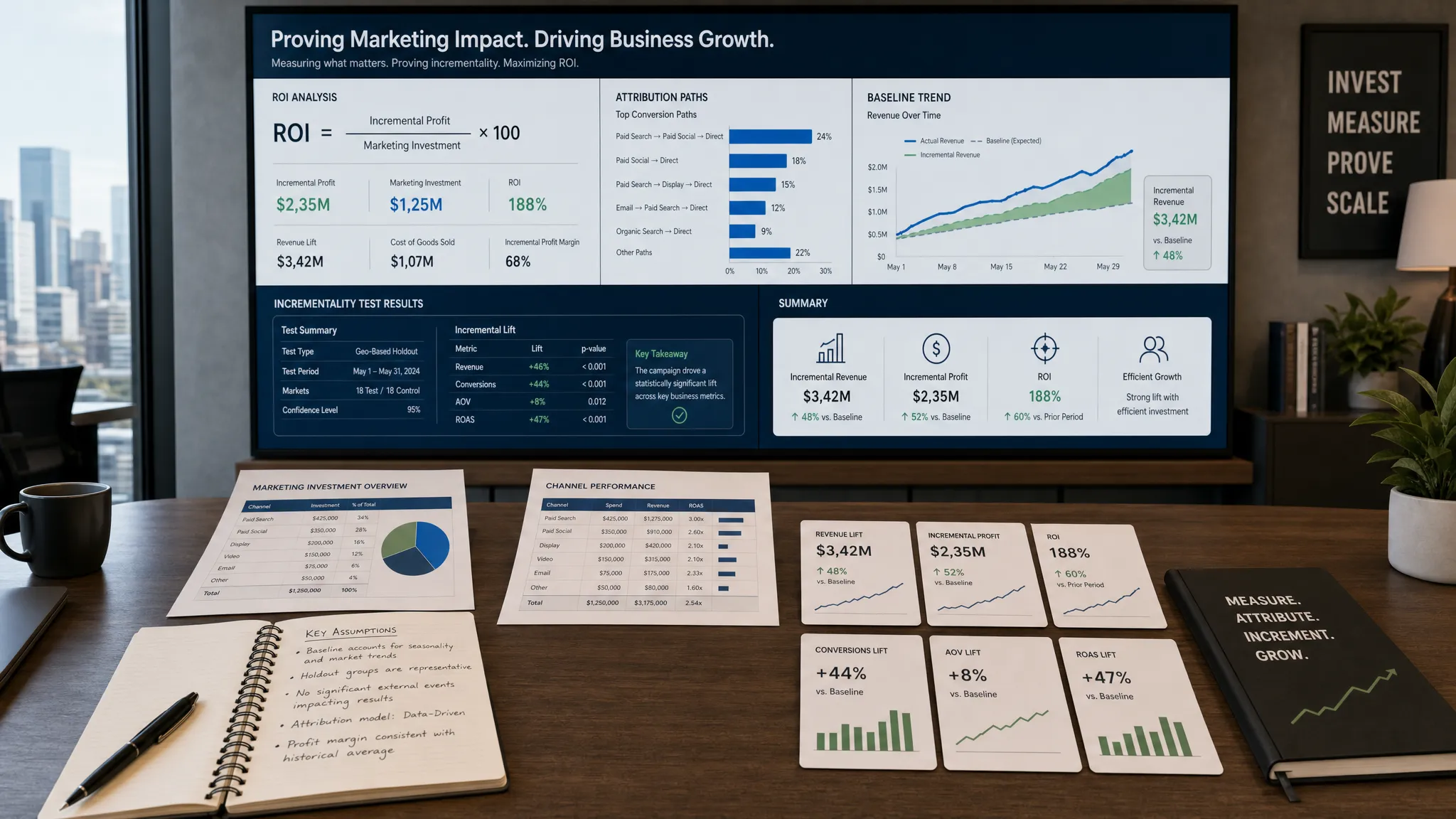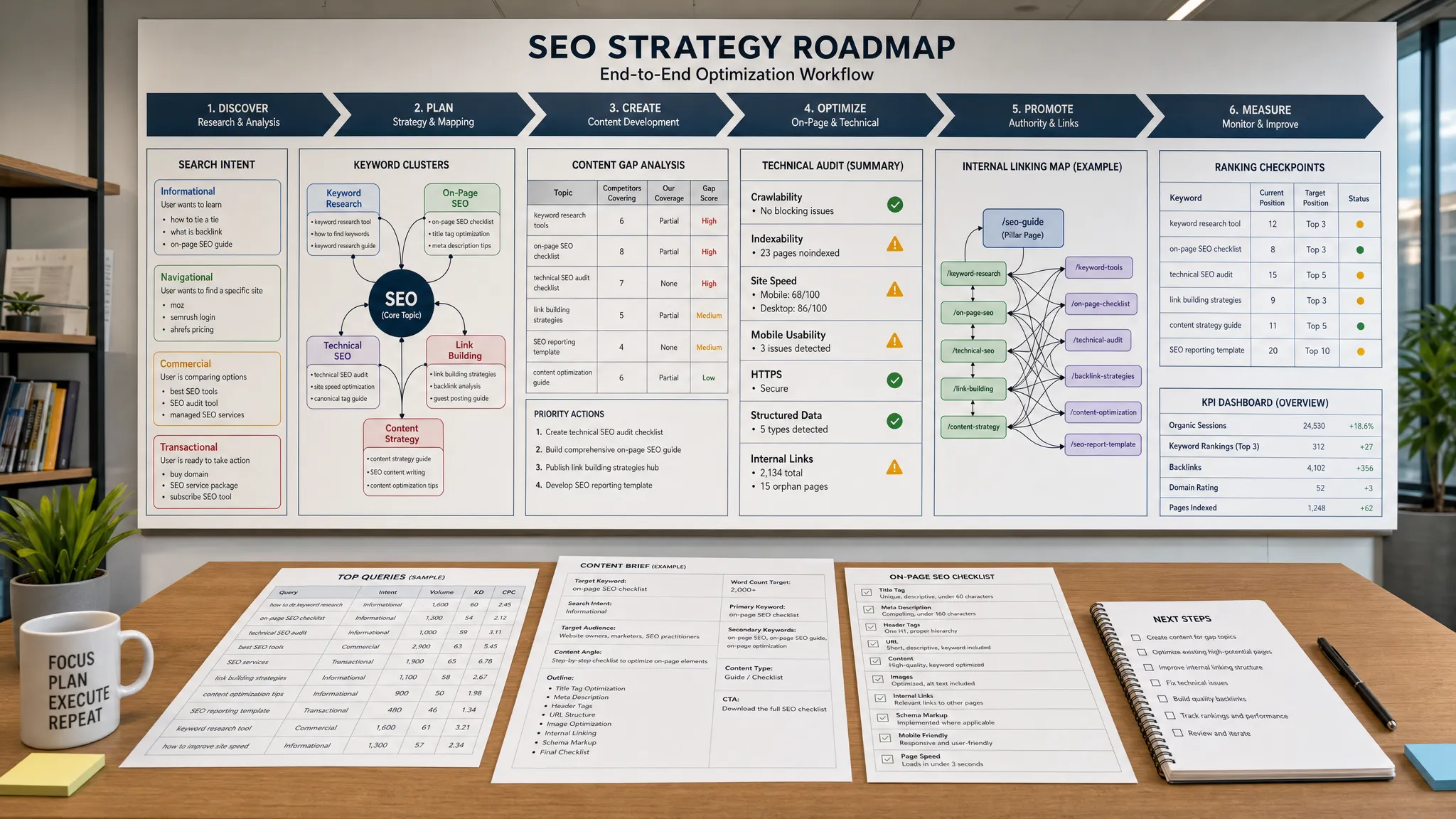
AI can draft ad copy, emails, landing pages, social posts and sales enablement assets faster than most teams can review them. That speed is useful, but it also creates a brand safety problem: one weak claim, off-brand joke, unapproved comparison or mishandled customer data can move from prompt to public channel in minutes.
An AI approval workflow solves that by turning review from an informal last-minute check into a repeatable system. It defines who approves what, which risks require escalation, what AI is allowed to do and what evidence must be saved before anything goes live.
This guide walks through how to create an AI approval workflow for brand safety that is practical enough for busy marketing teams and structured enough for regulated, high-visibility or multi-market campaigns.
An AI approval workflow is the process your team uses to review, correct, approve and archive AI-assisted marketing work before publication. It can apply to any asset touched by AI, including blog posts, product pages, paid ads, lifecycle emails, sales scripts, chatbots, campaign concepts, creative briefs and audience segments.
The goal is not to slow your team down. The goal is to separate low-risk work that can move quickly from high-risk work that needs human judgment.
Without a workflow, AI brand safety risks usually appear in familiar ways:
A good workflow catches these issues early, creates accountability and gives marketers a clear path from AI draft to approved asset.
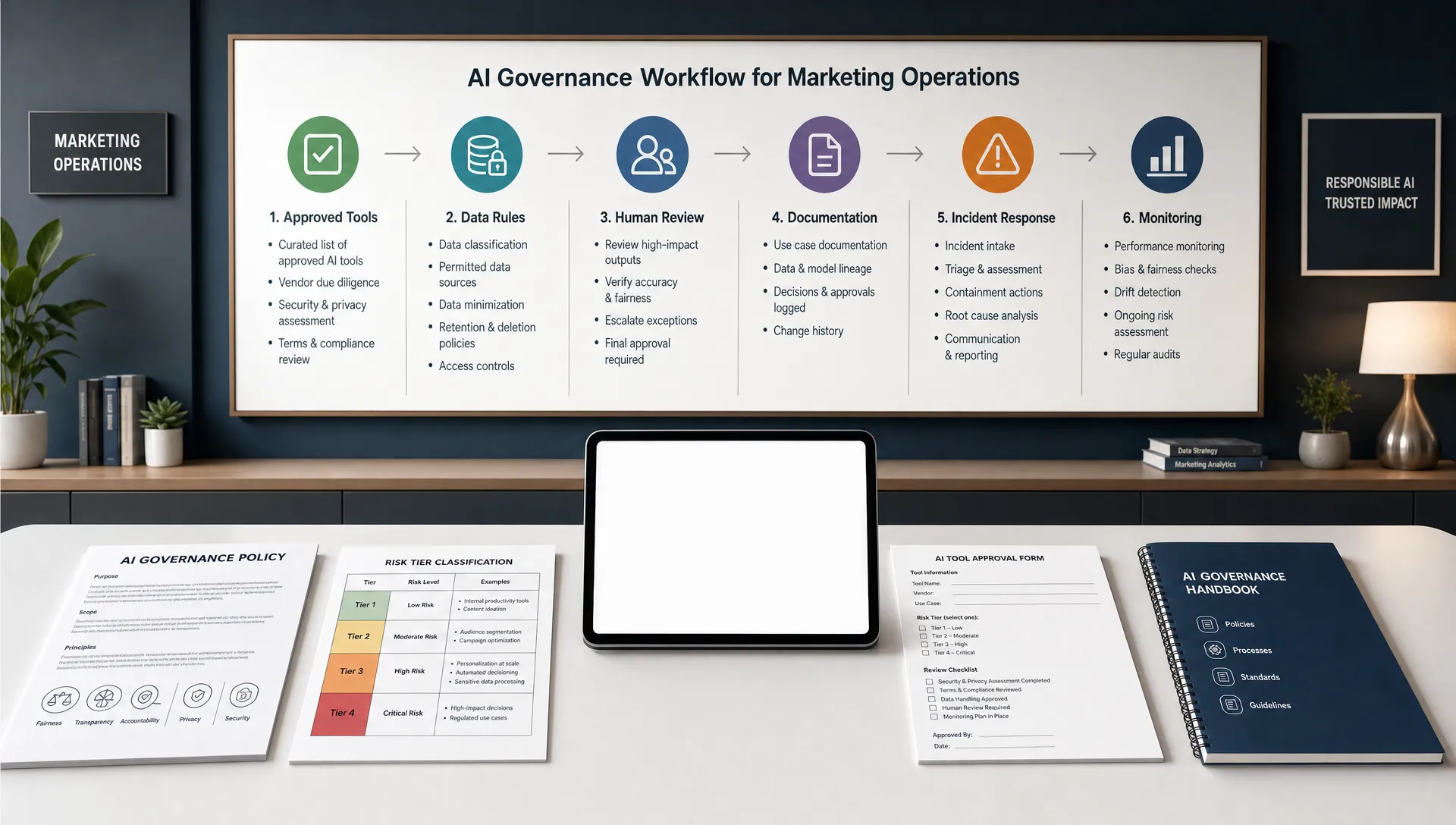
Before you design approval steps, align the workflow with your broader rules for AI use. If your team has not yet documented those rules, start with an AI marketing governance policy that defines acceptable use, prohibited inputs, review responsibilities and escalation paths.
Think of the policy as the standard and the workflow as the operating system. The policy says what must be true. The workflow says how people prove it is true before content is published.
At minimum, your policy should answer four questions:
Once those answers are clear, the approval workflow becomes much easier to design because it is built around known risks rather than individual preferences.
Many approval systems fail because they only cover obvious AI outputs, such as a full blog post generated by a content tool. In reality, brand risk can enter much earlier. AI might be used to summarize customer interviews, cluster audience segments, brainstorm campaign themes, rewrite ad copy or generate email subject lines.
Your workflow should define AI-assisted work broadly enough to include any marketing material where AI shaped the message, claim, audience decision or customer experience.
A useful scope statement might read like this:
Any externally facing marketing asset or customer interaction that uses AI for research, drafting, editing, personalization, targeting, translation or decision support must follow the appropriate review path based on its risk level.
That wording prevents teams from bypassing review by saying AI only helped with the first draft. If AI influenced the output, the approval process should account for it.
Brand safety is not limited to social media tone. It includes accuracy, compliance, trust, inclusivity, user privacy and how your company appears next to partners, publishers and platforms.
Start by mapping the AI-enabled marketing surfaces your team uses most often. For each one, identify the likely risk and the person best equipped to review it.
| Marketing surface | Common AI use | Brand safety risk | Likely reviewer |
|---|---|---|---|
| Blog posts and guides | Drafting, outlining, SEO optimization | Inaccurate claims, weak sourcing, off-brand advice | Content lead or subject matter expert |
| Paid ads | Variant generation, headline testing | Overpromising, missing disclosures, policy violations | Performance marketing lead and legal if needed |
| Email campaigns | Personalization, subject lines, lifecycle copy | Sensitive targeting, misleading urgency, privacy concerns | Lifecycle lead and compliance reviewer |
| Product pages | Description expansion, feature rewriting | Incorrect product details, unsupported claims | Product marketer or product owner |
| Social media | Captions, replies, campaign hooks | Tone issues, cultural sensitivity, reputational risk | Social lead or brand reviewer |
| Chatbots and agents | Customer response generation | Unauthorized advice, hallucinated support answers | Support, legal or operations owner |
This mapping step is also where you should account for fast-moving campaign channels. For example, if your team promotes live events and needs to update checkout copy, ticket tiers, promo codes or event page details quickly, tools such as TixFlow's event ticketing platform can make those changes operationally easy, so your approval workflow should clearly define who signs off on pricing language, urgency claims and attendee-facing messages before launch.
Not every AI-assisted asset needs the same level of approval. A LinkedIn post announcing a new blog article should not require the same process as an AI-personalized email campaign in a regulated industry.
Use risk tiers to keep the workflow efficient. The simpler the classification, the more likely people are to use it.
| Risk tier | Examples | Required review | Typical approval speed |
|---|---|---|---|
| Low | Internal brainstorms, draft outlines, non-sensitive social captions | Self-check by creator or peer review | Same day |
| Medium | Blog articles, nurture emails, product copy, standard ad variants | Marketing owner and brand or content reviewer | 1 to 3 business days |
| High | Regulated claims, pricing promotions, customer data use, chatbot responses, executive communications | Marketing owner, subject matter expert, legal or compliance | Scheduled review cycle |
| Critical | Crisis communications, legal commitments, financial or health claims, major public announcements | Senior leadership, legal, compliance and communications lead | Custom approval path |
The point is not to label everything high risk. If every asset requires legal review, people will avoid the process or create side channels. A tiered model protects the brand and keeps routine work moving.
Brand safety breaks down when everyone thinks someone else checked the work. Your workflow needs named roles, not vague group responsibility.
A simple model uses four roles:
In small teams, one person may hold more than one role, but the responsibilities should still be documented. A founder might be both owner and approver. A senior content marketer might be both creator and reviewer for low-risk work. The key is that high-risk work should not rely on the same person to create, review and approve the final output.

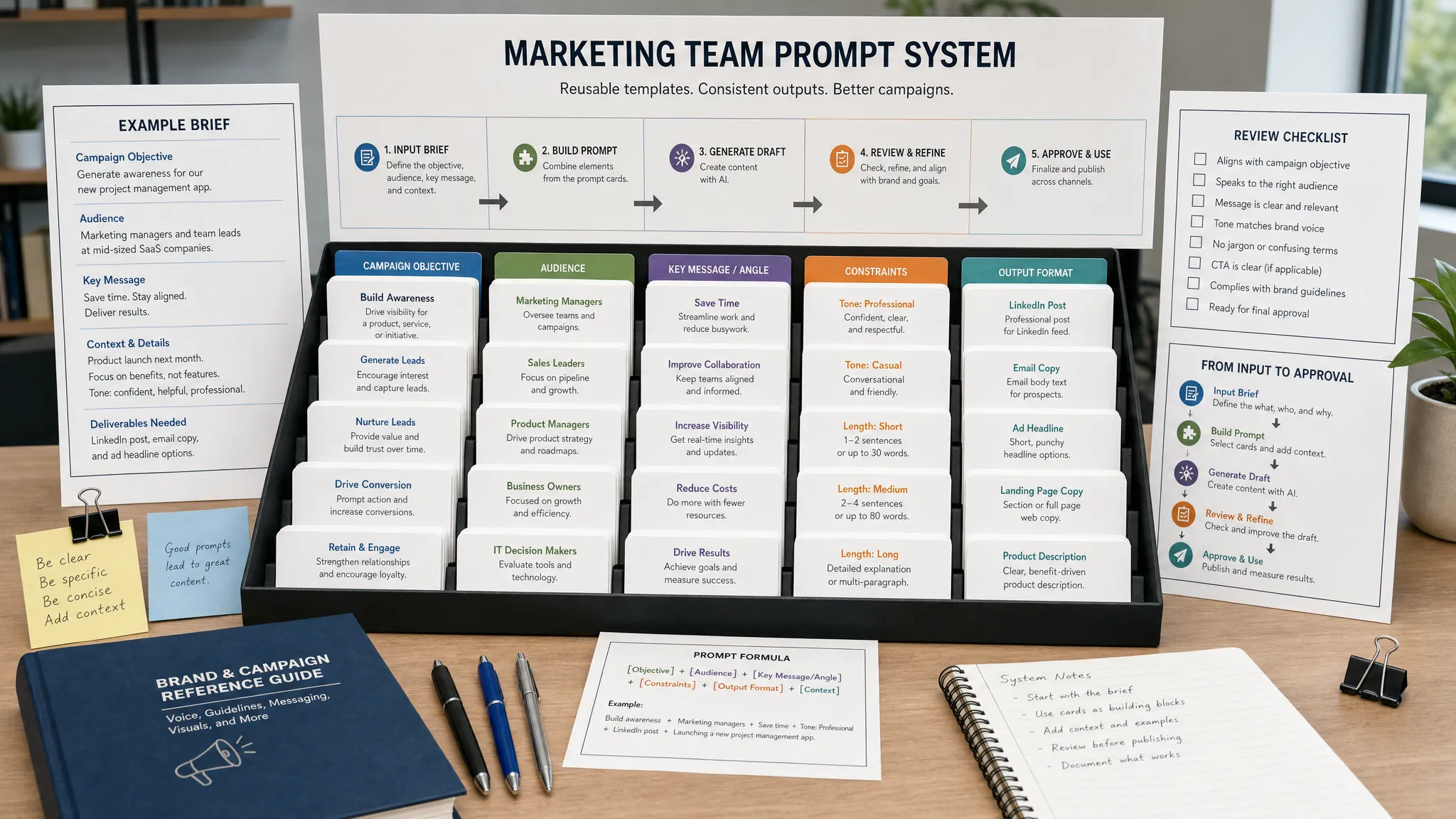
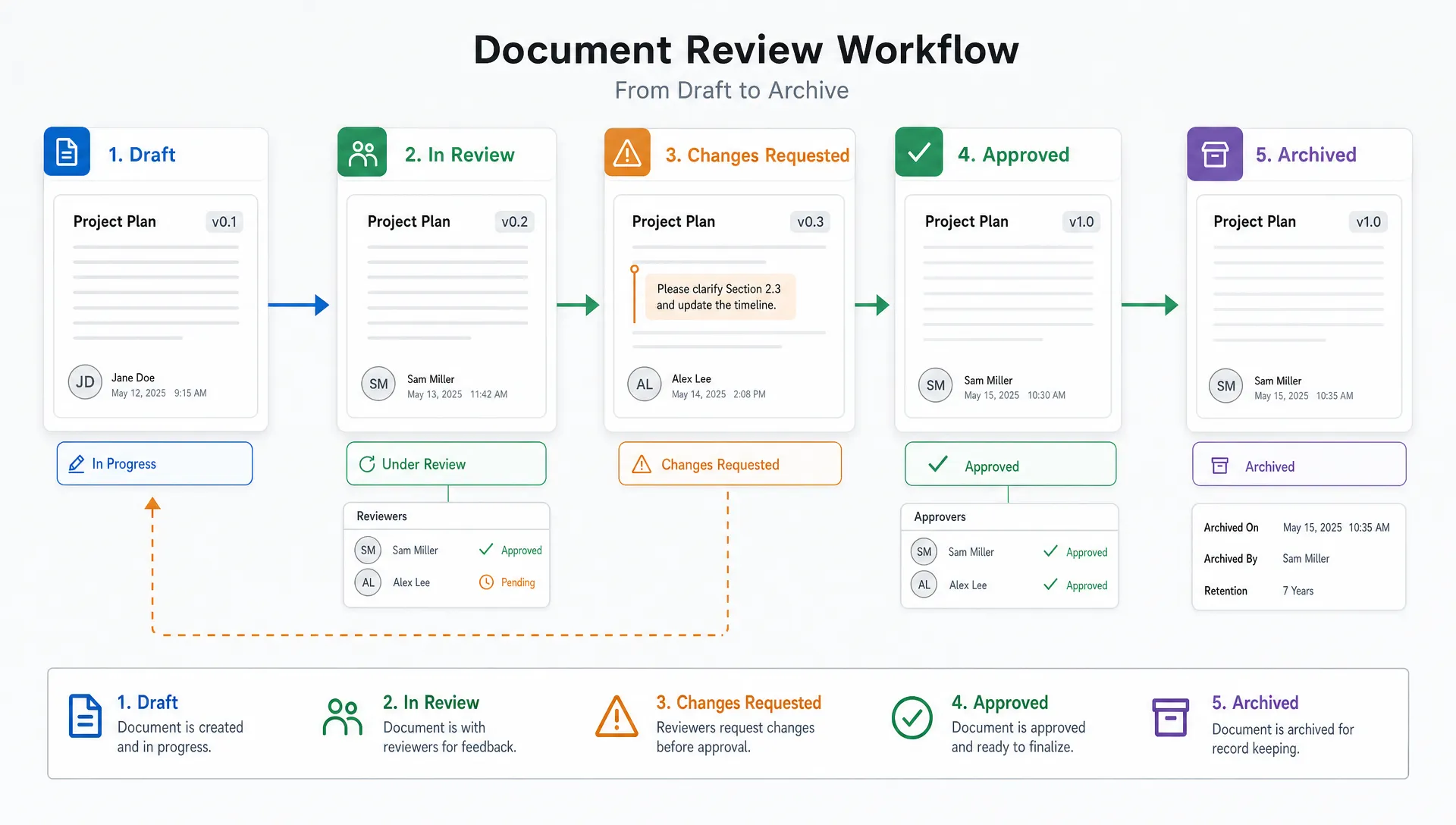
Once scope, risk tiers and roles are clear, you can turn them into a usable process. The workflow does not need to be complicated, but it should be consistent.
The workflow should begin before the first prompt. A clear brief gives reviewers context and reduces the risk of AI filling gaps with assumptions.
The intake form should capture the campaign goal, audience, channel, offer, source materials, required claims, prohibited claims, compliance concerns and deadline. If the asset involves customer data, the creator should state what data is being used and whether it is approved for that purpose.
This is also where teams should attach approved messaging documents, product information, legal disclaimers and brand voice guidance. AI tools perform better when they are guided by reliable source material, and reviewers work faster when they know what the draft was supposed to achieve.
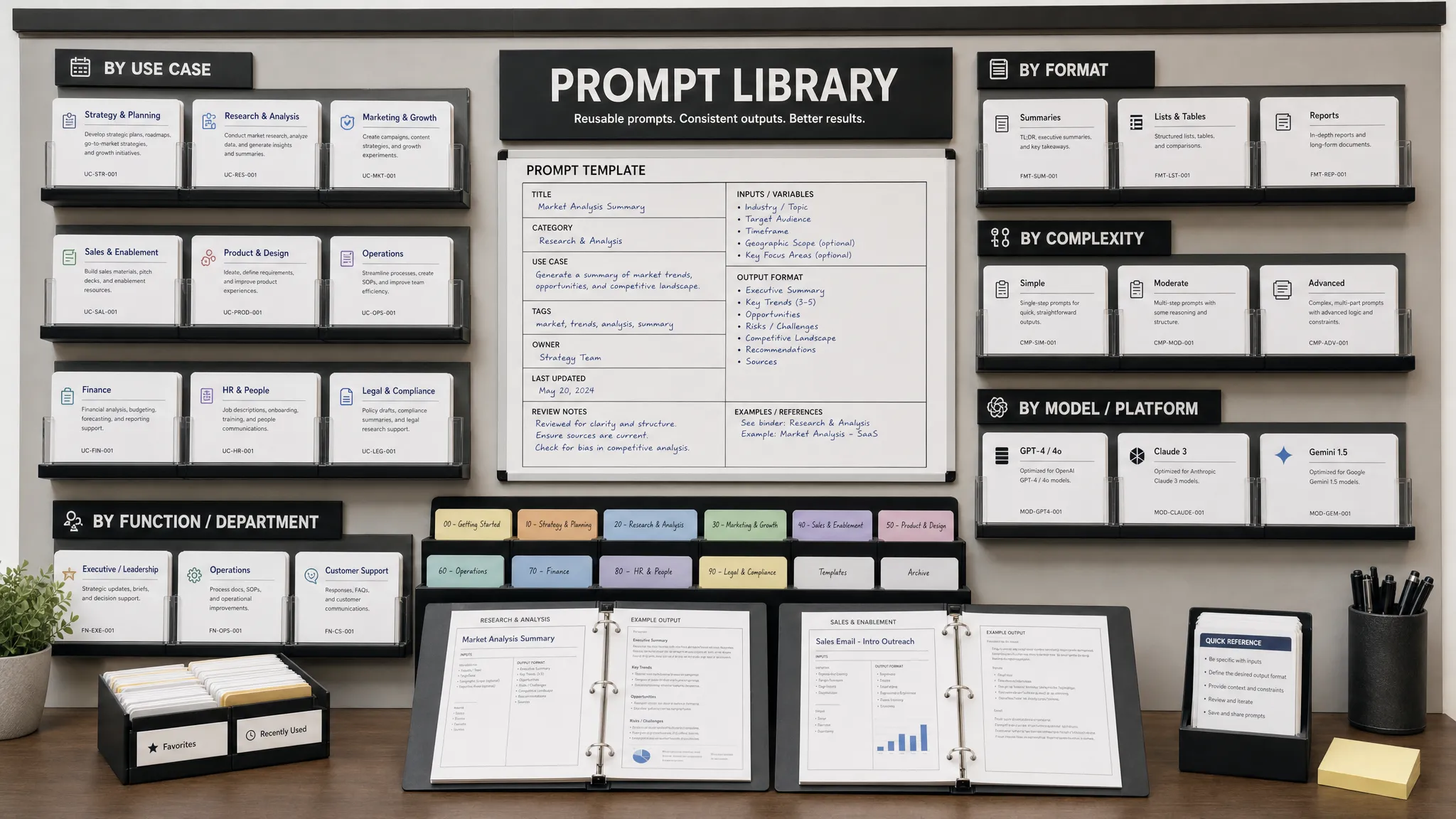
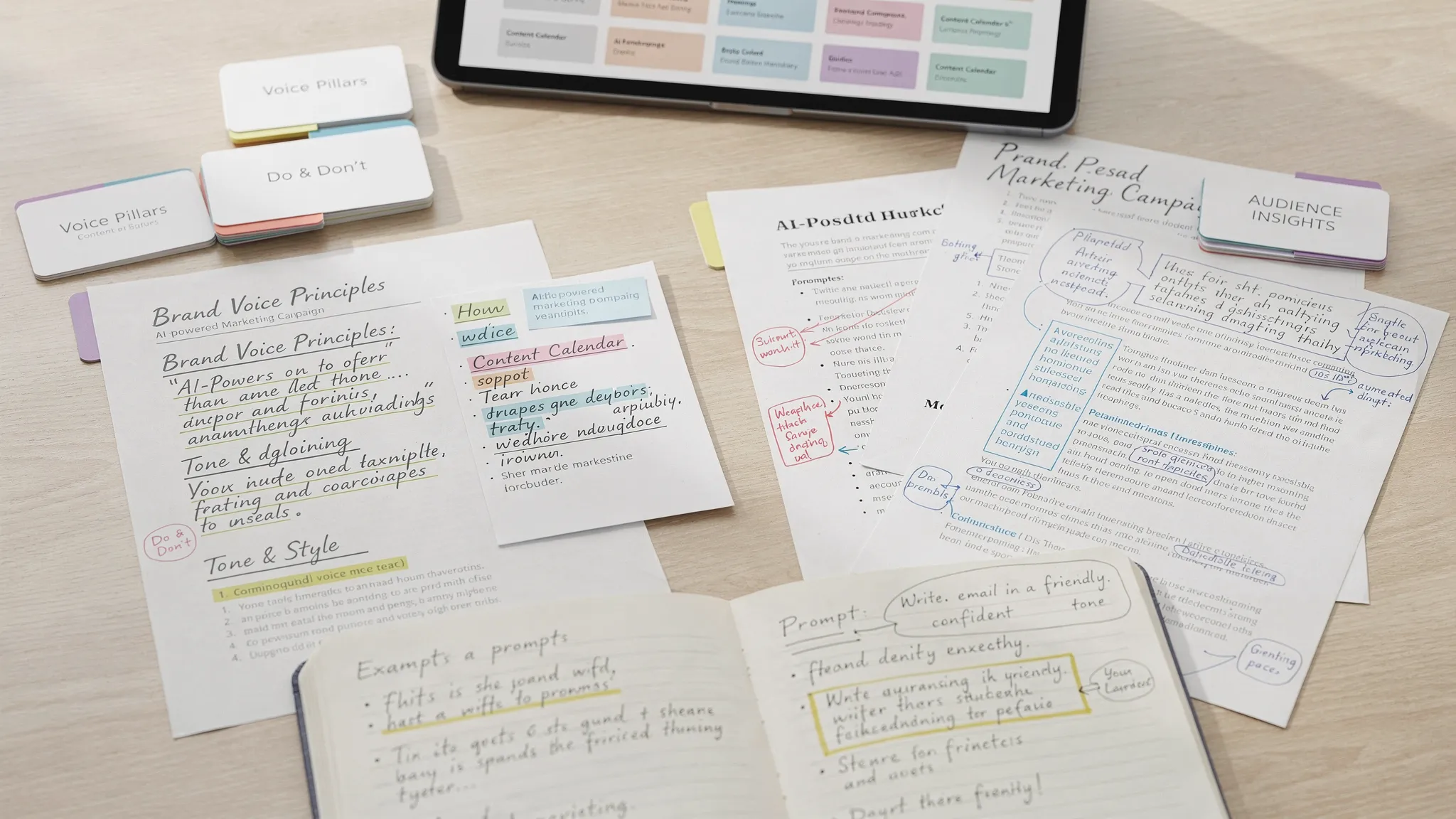
Many brand safety problems begin with a vague prompt. The workflow should require creators to use approved prompt patterns for common tasks such as blog drafting, ad variants, email rewrites and product description updates.
A strong marketing prompt should include audience context, brand voice, source material, claims boundaries, channel constraints, output format and instructions to flag uncertainty instead of inventing details.
For example, the prompt should not ask AI to make the copy sound more impressive if that could encourage exaggeration. A safer instruction is to improve clarity and persuasion without adding claims that are not supported by the provided source material.
The creator should complete a self-check before sending work to anyone else. This prevents reviewers from becoming cleanup crews for obvious mistakes.
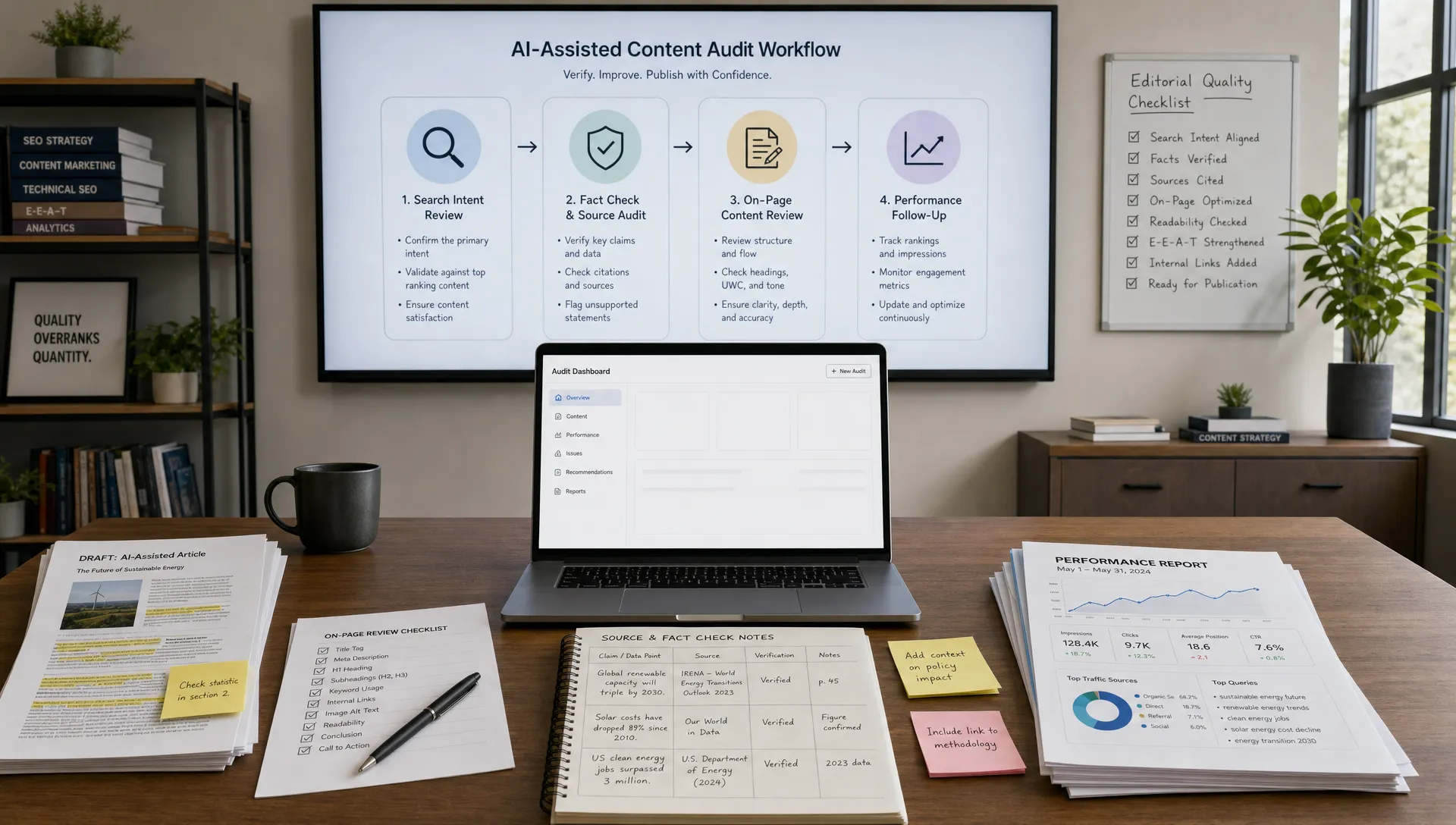
A creator self-check should confirm that the draft follows the brief, uses approved sources, avoids unsupported claims, respects brand voice, includes required disclosures and does not contain private or restricted data.
For a more detailed review process, AIMarketer Hub's AI content quality control checklist can help teams standardize what they check before publication.
The next step depends on the risk tier. A medium-risk blog post might go to a content lead and subject matter expert. A paid ad making a performance claim might go to legal. A personalized email campaign using customer behavior data might need lifecycle, privacy and compliance review.
Routing should be based on the type of risk, not the seniority of the stakeholder. Senior leaders can approve direction, but they may not be the right people to verify product accuracy, ad platform policy, claim substantiation or data use.
The approval step should create a clear record of who approved the asset, when they approved it, what version they approved and what conditions were attached.
This does not require heavy bureaucracy. A project management tool, content operations platform or shared approval tracker can work if it captures the essentials. What matters is that the final live version matches the approved version. If changes happen after approval, the workflow should specify whether those changes trigger another review.
Brand safety does not end at publication. AI-assisted campaigns should be monitored for performance, audience response, complaints, platform flags, support tickets and unexpected interpretations.
For high-risk assets, assign someone to monitor the first 24 to 72 hours after launch. If an issue appears, the team should know who can pause the campaign, edit the asset or escalate the situation.
AI can help detect issues, but it should not be the final authority on sensitive brand safety decisions. Some checks require human judgment, organizational context and accountability.
Your workflow should require human approval for areas such as legal claims, regulated industry content, competitor comparisons, customer data use, cultural sensitivity, financial or health-related advice, crisis communications and major brand positioning changes.
This is especially important because AI tools can sound confident when they are wrong. A polished sentence can hide a weak source, an invented feature or a claim your business cannot support.
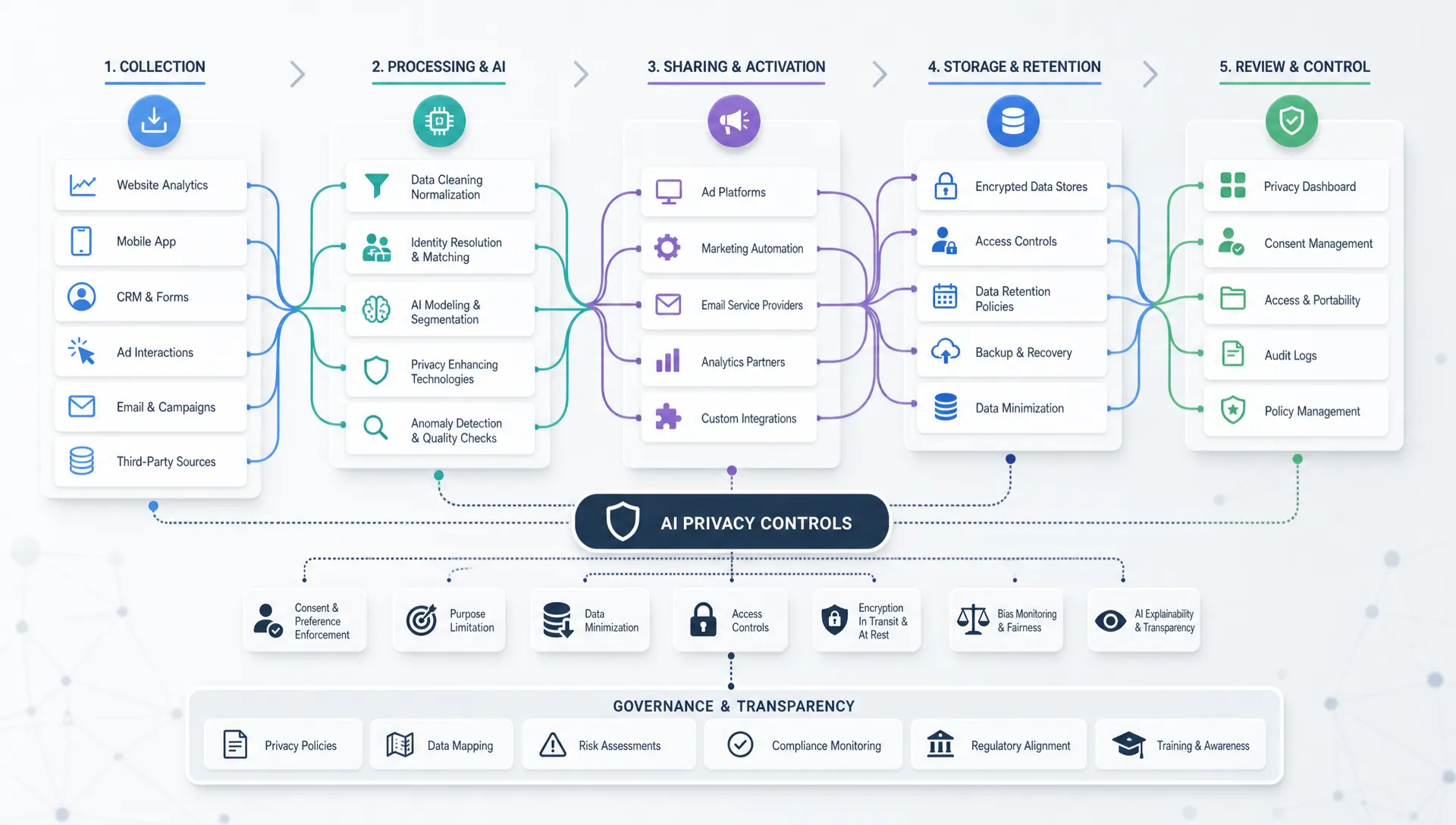
Brand safety and data privacy are now closely connected. A marketing campaign can be accurate and on-brand but still unsafe if it uses customer data in a way that people did not expect or that your company cannot justify.
Your workflow should include privacy checks any time AI is used for personalization, segmentation, lead scoring, audience modeling, chatbot responses or customer insight analysis. Reviewers should ask whether the data is necessary, whether it is permitted for the campaign purpose and whether sensitive information has been removed or minimized.
If your team is still defining these rules, use a practical AI marketing data privacy guide to map data flows and reduce avoidable compliance risk.
A scorecard helps reviewers make consistent decisions instead of relying on personal taste. It also gives creators clearer feedback.
Use a simple pass, revise or escalate model across core categories:
| Review category | Pass means | Escalate when |
|---|---|---|
| Accuracy | Claims match approved sources and product facts | A claim cannot be verified or appears exaggerated |
| Brand voice | Copy reflects approved tone and positioning | The content feels misleading, insensitive or off-brand |
| Compliance | Required disclosures and channel rules are met | Legal, financial, health or regulated claims appear |
| Privacy | No restricted data is exposed or misused | Personal, sensitive or confidential data is involved |
| Inclusivity | Language is respectful and audience appropriate | Copy may exclude, stereotype or offend a group |
| Platform fit | Content meets ad, email, social or marketplace rules | The asset may violate channel policies |
The scorecard should be short enough to use in real work. If it takes longer to complete the scorecard than to review the asset, the process will not last.
AI marketing automation can support approval workflows, but automation should assist reviewers rather than replace them. Good candidates for automation include intake forms, required field checks, routing by risk tier, reminder notifications, version tracking and first-pass scans for banned phrases or missing disclosures.
Be careful with automatic approvals. They can work for tightly constrained, low-risk outputs, such as internal summaries or pre-approved ad variants within strict templates. They are risky for anything involving new claims, new audiences, sensitive data or legal obligations.
A practical rule is simple: automate movement through the workflow, not accountability for the final judgment.
If you only measure approval speed, people will optimize for speed at the expense of safety. Track a balanced set of metrics that reflect both efficiency and quality.
Useful workflow metrics include average review time by risk tier, number of revision cycles, common reasons for rejection, percentage of assets escalated, post-publication corrections, customer complaints and policy exceptions.
These metrics help you improve the system. If many assets are rejected for unsupported claims, your brief template or prompt library may need better claim guidance. If legal review is overloaded, your risk tiers may be too broad or your creators may need clearer examples of what requires escalation.
The most common mistake is creating an approval workflow that is too vague. If people do not know when review is required, they will rely on personal judgment, which creates inconsistency.
Another mistake is routing everything to legal. Legal review is essential for certain assets, but brand safety also depends on content quality, product accuracy, audience empathy, privacy and platform knowledge. The right reviewer depends on the risk.
Teams also run into trouble when they approve drafts but fail to control final versions. If a marketer changes copy after approval, imports it into another tool or lets an AI system rewrite it again, the approved record may no longer match what customers see.
Finally, do not treat AI detection as a brand safety strategy. Whether text sounds AI-generated is less important than whether it is accurate, lawful, ethical, useful and aligned with your brand.
Use this structure as a starting point and adapt it to your team size, industry and risk tolerance.
| Step | Required action | Owner |
|---|---|---|
| Brief | Define goal, audience, channel, sources, claims and risk tier | Creator |
| AI use | Generate or edit using approved prompts and source material | Creator |
| Self-check | Verify accuracy, privacy, brand voice and required disclosures | Creator |
| Review | Check based on risk type, such as brand, legal, product or compliance | Reviewer |
| Approval | Confirm final version, conditions and publishing readiness | Approver |
| Archive | Save prompt, sources, reviewed version, approval record and launch link | Owner |
| Monitor | Track response, corrections, complaints and performance signals | Channel owner |
This template works best when paired with examples. Create sample workflows for a blog post, paid ad, promotional email and high-risk campaign. People follow processes faster when they can see how the rules apply to their actual work.
What is an AI approval workflow for brand safety? An AI approval workflow is a structured process for reviewing AI-assisted marketing work before it goes live. It defines risk levels, reviewers, approval steps and records so teams can publish faster without losing control of brand safety.
Who should approve AI-generated marketing content? Approval should depend on the risk. Low-risk content may need only a creator self-check or peer review. High-risk content may require a channel owner, subject matter expert, legal reviewer, privacy reviewer or senior approver.
Does every AI-generated asset need legal review? No. Legal review should be reserved for assets with legal, regulatory, contractual or reputational risk. A tiered workflow helps teams avoid unnecessary bottlenecks while still escalating sensitive content.
What should be saved after approval? Save the brief, source materials, prompt or prompt template, reviewed draft, final approved version, reviewer comments, approval timestamp and live asset link. This record helps with audits, corrections and future workflow improvements.
Can AI review its own output for brand safety? AI can assist with first-pass checks, such as identifying missing disclosures or flagging unsupported claims, but it should not be the final approver for sensitive marketing work. Human accountability is still required.
An AI approval workflow gives marketers the structure to use AI confidently without exposing the brand to avoidable risk. Start with clear policy, classify work by risk, assign accountable reviewers and keep a record of what was approved.
If your team is building repeatable AI marketing systems, AIMarketer Hub offers practical guides, prompt resources, SEO tools and AI-powered marketing resources to help you automate content creation and workflow decisions with stronger oversight.