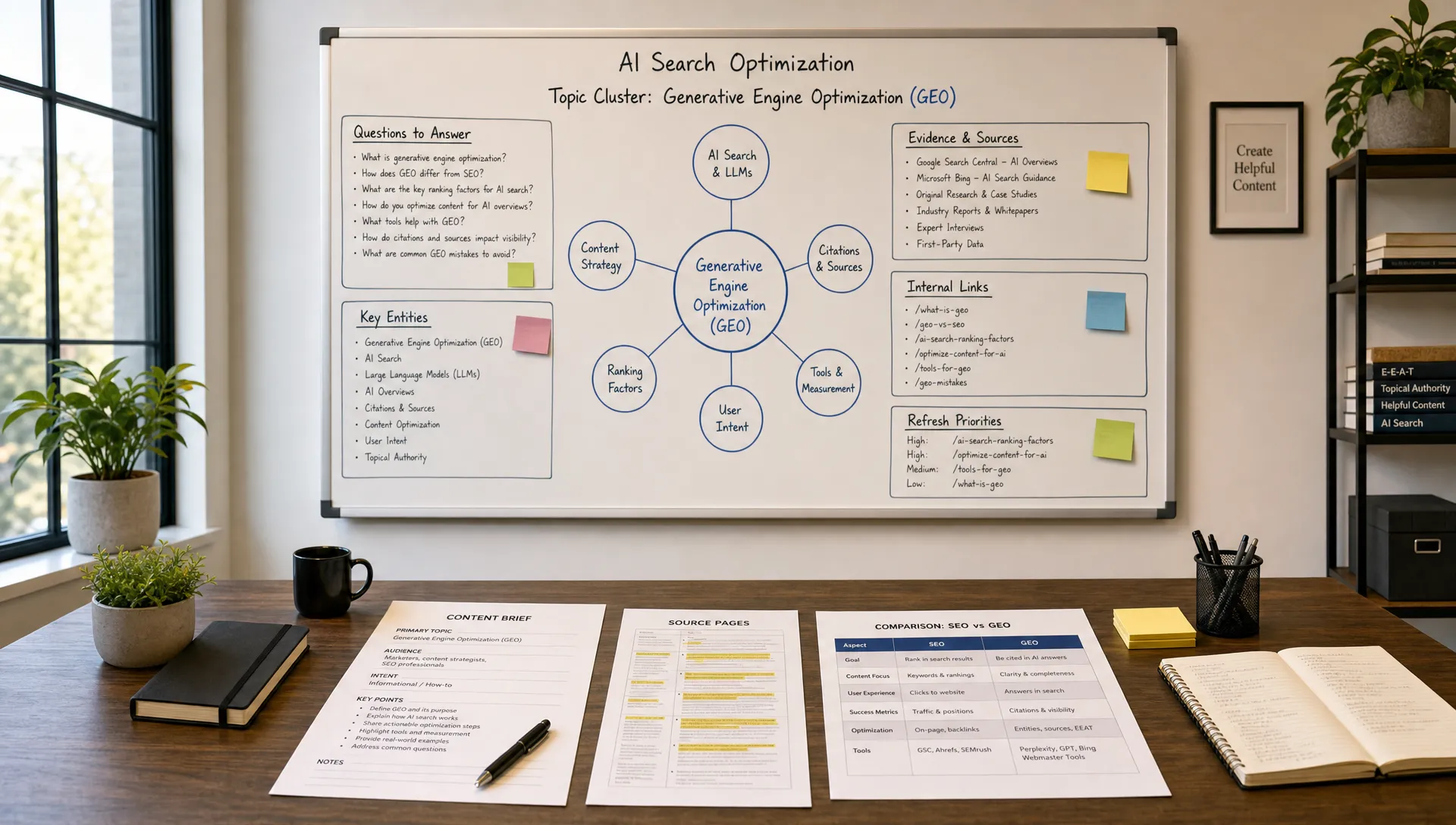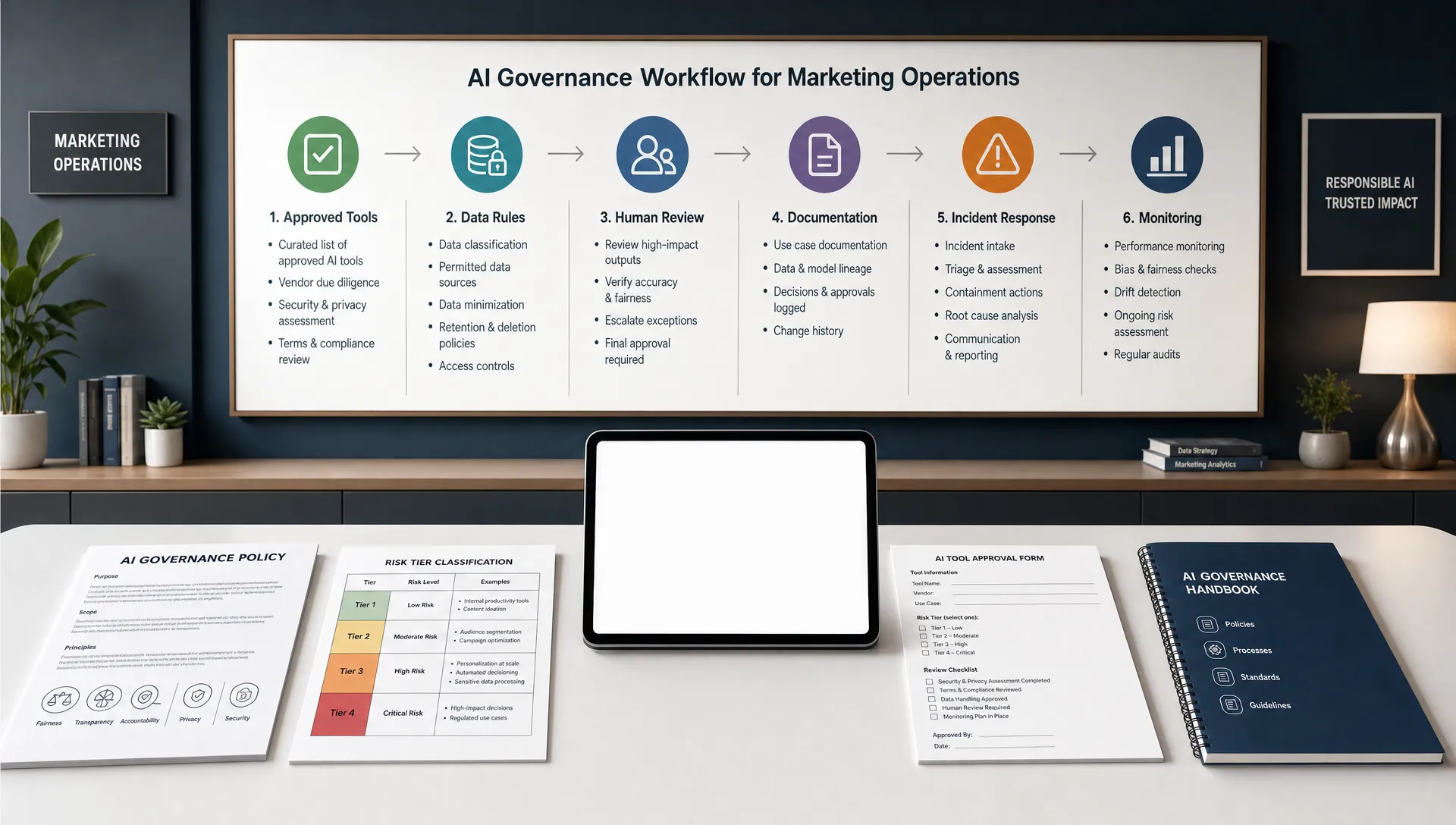
AI content can help a marketing team move faster, but speed is only useful when the finished page deserves to rank. Search engines do not reward content because it was produced manually or with AI. They reward pages that satisfy intent, demonstrate trust, and give searchers a better answer than competing results.
That means every AI-assisted draft needs an audit before it goes live, and every important page needs a performance review after publication. The goal is not to make AI content look human. The goal is to make it genuinely useful, accurate, differentiated, and aligned with SEO best practices.
Below is a practical audit workflow you can use for blog posts, landing pages, guides, and resource pages created with AI tools.
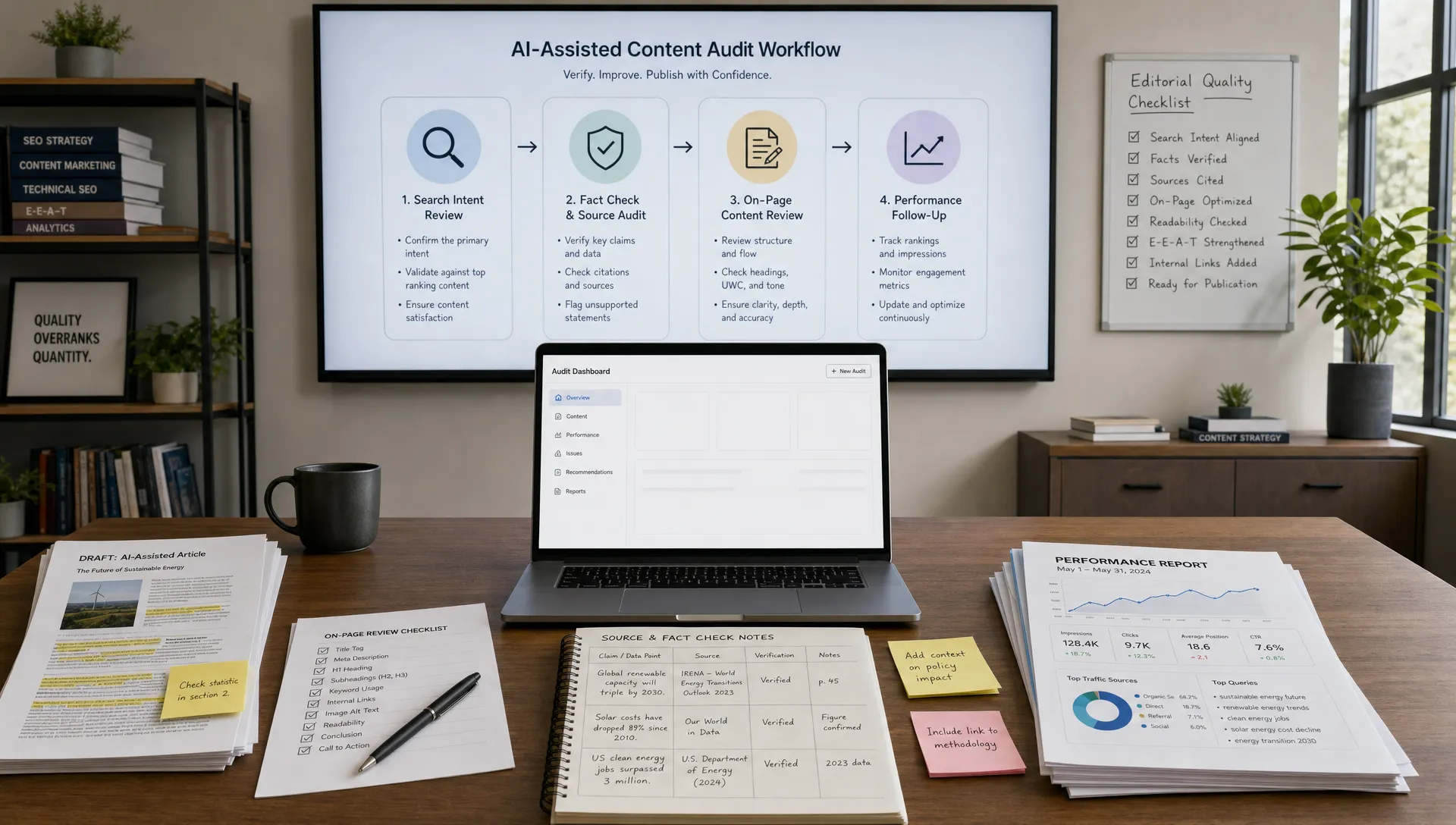
An AI content audit is a quality control process. It helps you answer four questions before publishing or updating a page:
Google has stated that its systems focus on the quality of content rather than how it is produced, and its guidance on helpful, reliable, people-first content is a strong baseline for any audit. AI is not the problem by itself. Low-value, unverified, mass-produced content is the problem.
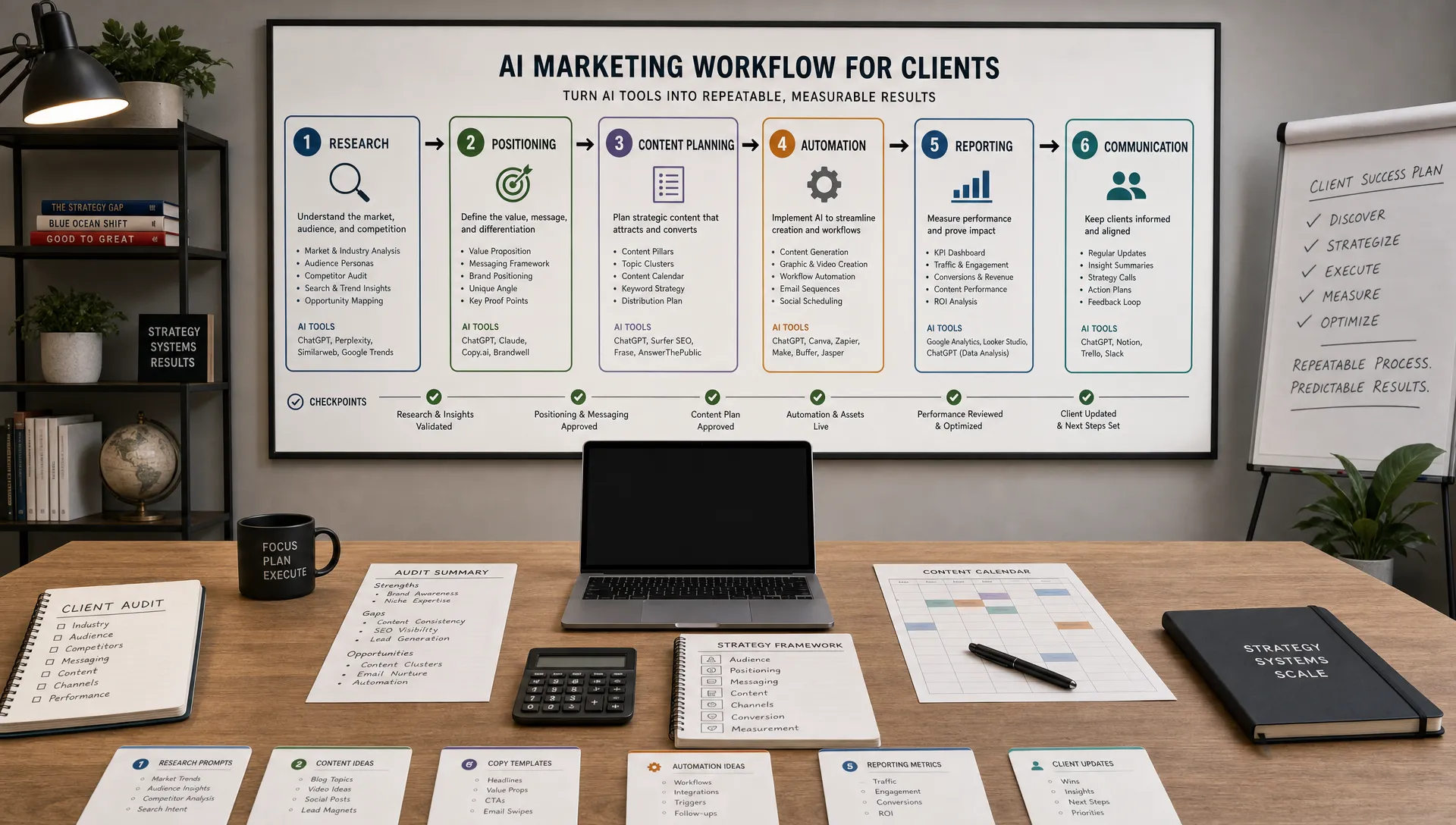
For marketers, this shifts the role of AI from final author to production assistant. AI can draft, summarize, outline, and generate variations. Humans still need to validate strategy, add expertise, check facts, improve positioning, and decide whether a page is worth publishing.
Many AI content reviews begin with copyediting. That is too late in the process. A polished article can still fail if it targets the wrong intent.
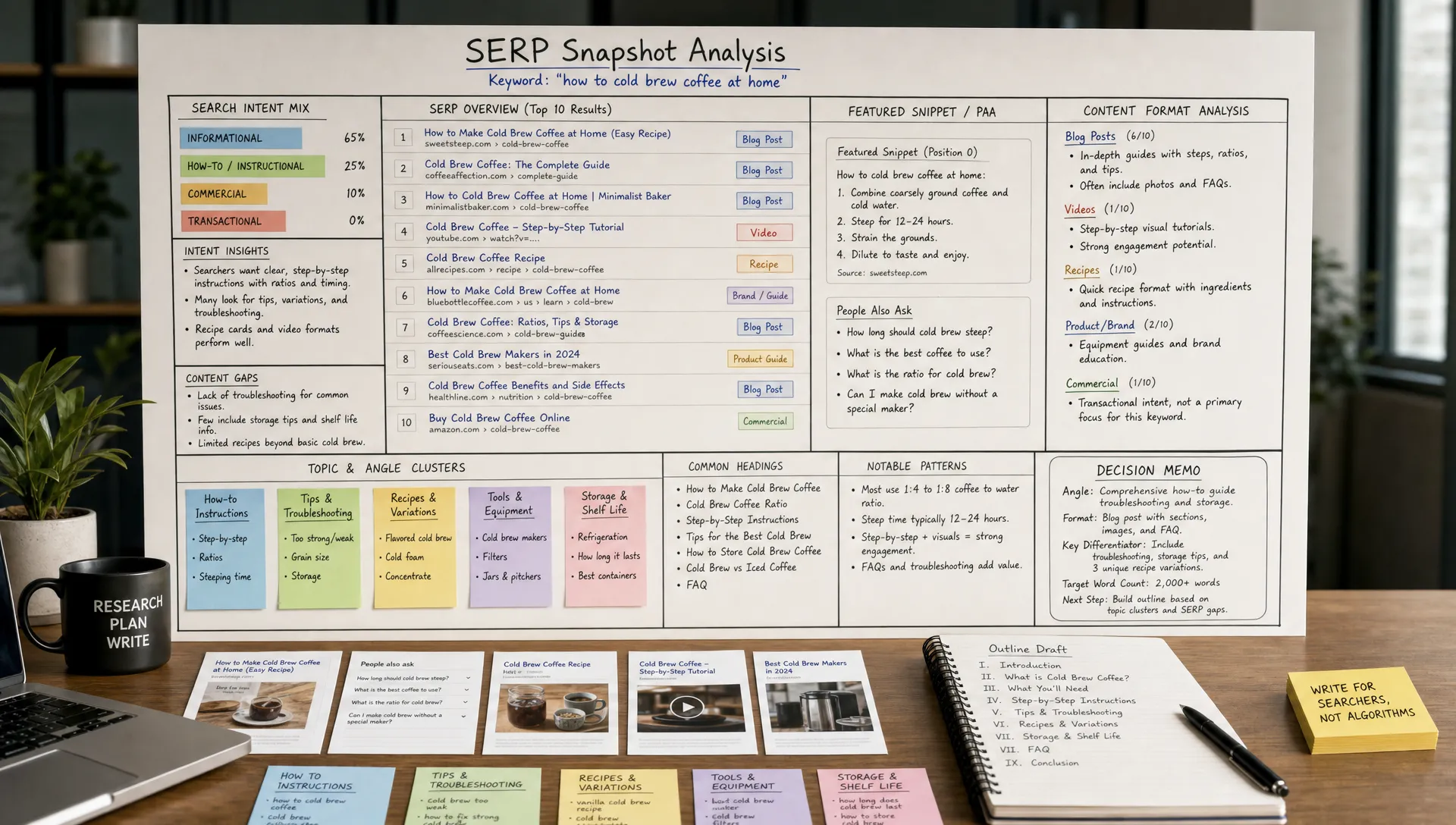
Before revising the draft, open the current search results for the primary keyword. Look at the pages already ranking and identify the dominant intent. Are searchers looking for a checklist, a definition, a comparison, a template, a product recommendation, or a step-by-step process? For the keyword behind this article, readers want a practical audit workflow, not a generic explanation of AI marketing.
Pay attention to patterns in the search results. If most top-ranking pages include checklists, examples, FAQs, and quality criteria, your article should cover those expectations. If the SERP is filled with beginner guides, an advanced technical article may miss the audience. If the ranking pages are tool comparisons, a purely educational post may struggle.
A strong AI content audit starts by asking whether the page answers the real question behind the query. If it does not, rewrite the outline before editing sentences.
AI-generated drafts often sound complete because they are fluent. Fluency is not the same as usefulness. A page can be well-written and still be too broad, too obvious, or too similar to everything else online.
Look for sections that give the reader an action they can take. A useful article explains what to do, when to do it, why it matters, and how to avoid common mistakes. It also prioritizes the reader's context. A startup marketer auditing 200 AI-assisted blog posts needs a different level of detail than a solo creator checking one article.
During this stage, mark any paragraph that could appear on almost any marketing site. Generic AI content often includes statements like content quality matters, know your audience, or optimize for search engines without explaining how. These lines are not always wrong, but they rarely create value.
Useful content usually includes one or more of the following:
If a section does not help the reader make a better decision or complete a task, cut it or replace it with something more specific.
Fact-checking is one of the most important parts of auditing AI content for SEO quality. AI tools can produce confident statements that are outdated, exaggerated, or unsupported. This is especially risky in finance, legal, SaaS, healthcare, and any other industry where details change quickly or accuracy affects business decisions.
Review every factual claim. This includes statistics, product comparisons, legal references, pricing information, feature claims, dates, and quotes. If the content mentions a study or benchmark, trace it back to the original source when possible. If the claim cannot be verified, remove it or rewrite it more cautiously.
Dates deserve special attention. A sentence that was accurate two years ago may be misleading today. For example, articles about AI search, paid media automation, or content detection tools can become stale quickly. If your content includes time-sensitive recommendations, note when they should be reviewed again.
Also check whether the draft invents details about your product or competitors. AI may add features, integrations, or benefits that sound plausible but are not true. This can damage trust with readers and create legal or brand risk. Keep product claims grounded in information your company has confirmed.
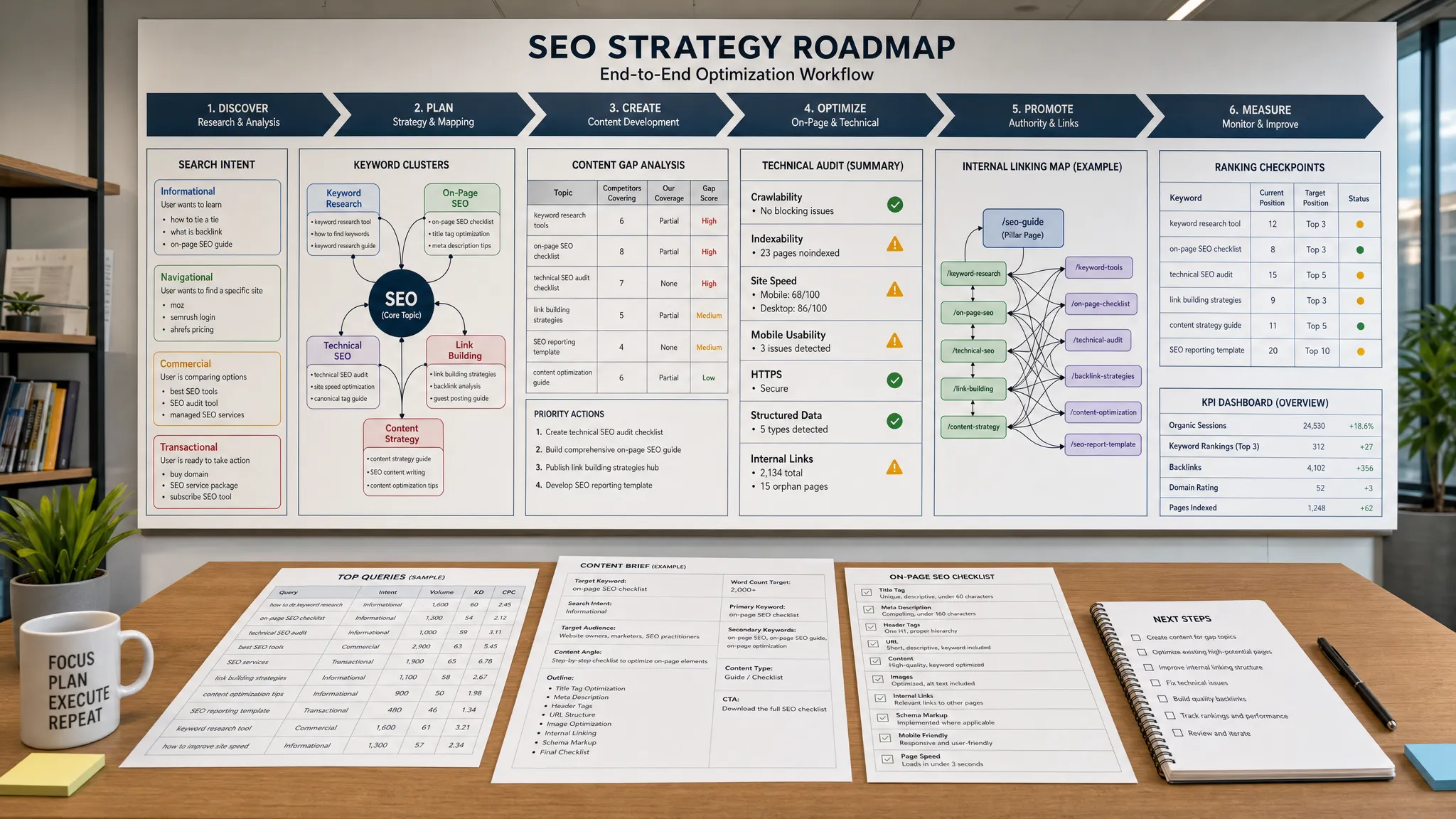
Once the topic and facts are sound, review the page structure. On-page SEO is not about forcing the keyword into every paragraph. It is about making the content easy for search engines and readers to understand.
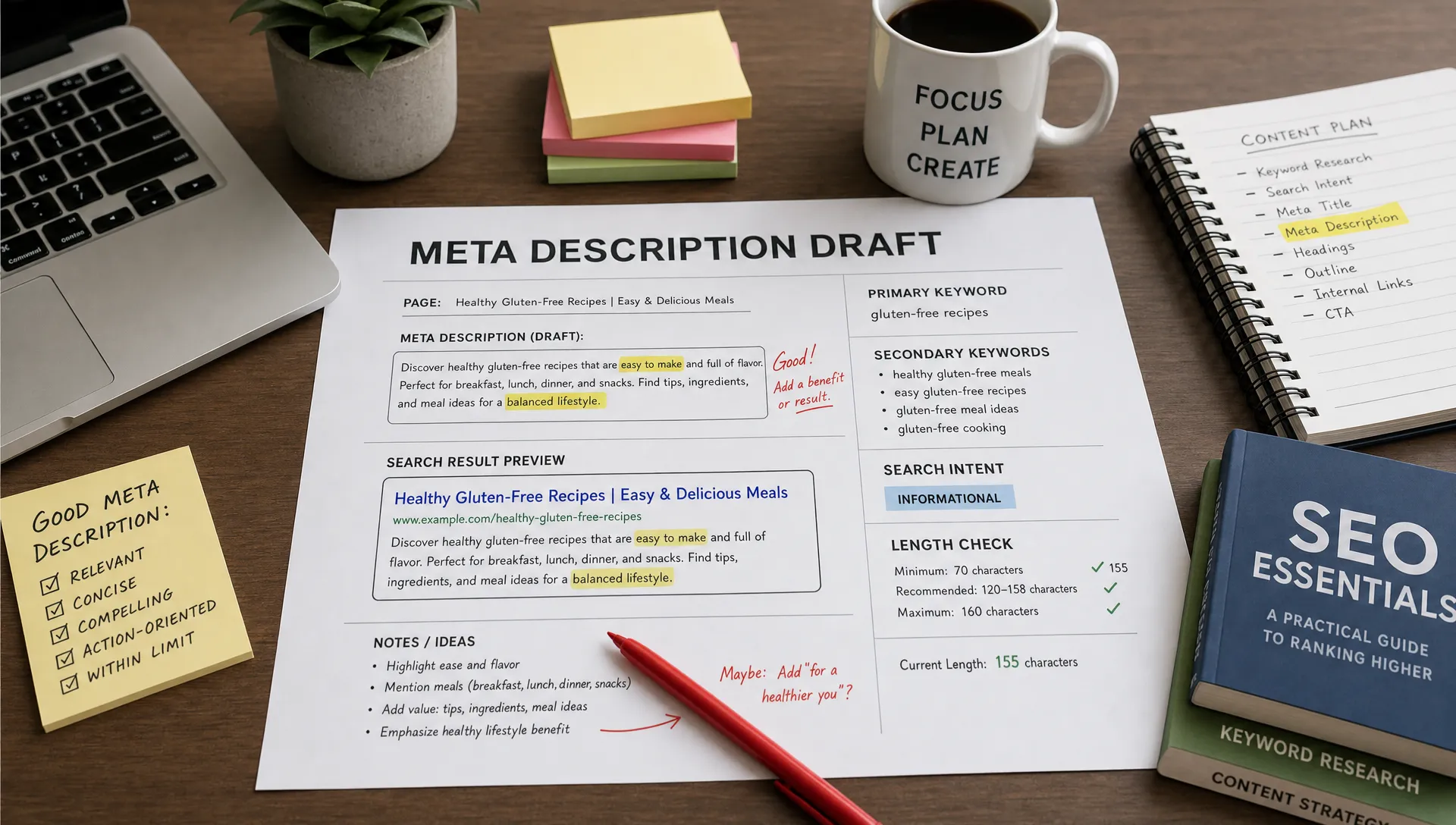
Start with the title tag, H1, meta description, URL slug, and opening paragraph. The primary topic should be clear immediately. The introduction should confirm the reader is in the right place and set expectations for what the article will help them do.
Next, scan the headings. Good headings create a logical path through the topic. They should answer natural sub-questions, not simply repeat variations of the same keyword. For an audit article, headings should move from intent to usefulness, accuracy, on-page optimization, trust, links, and performance.
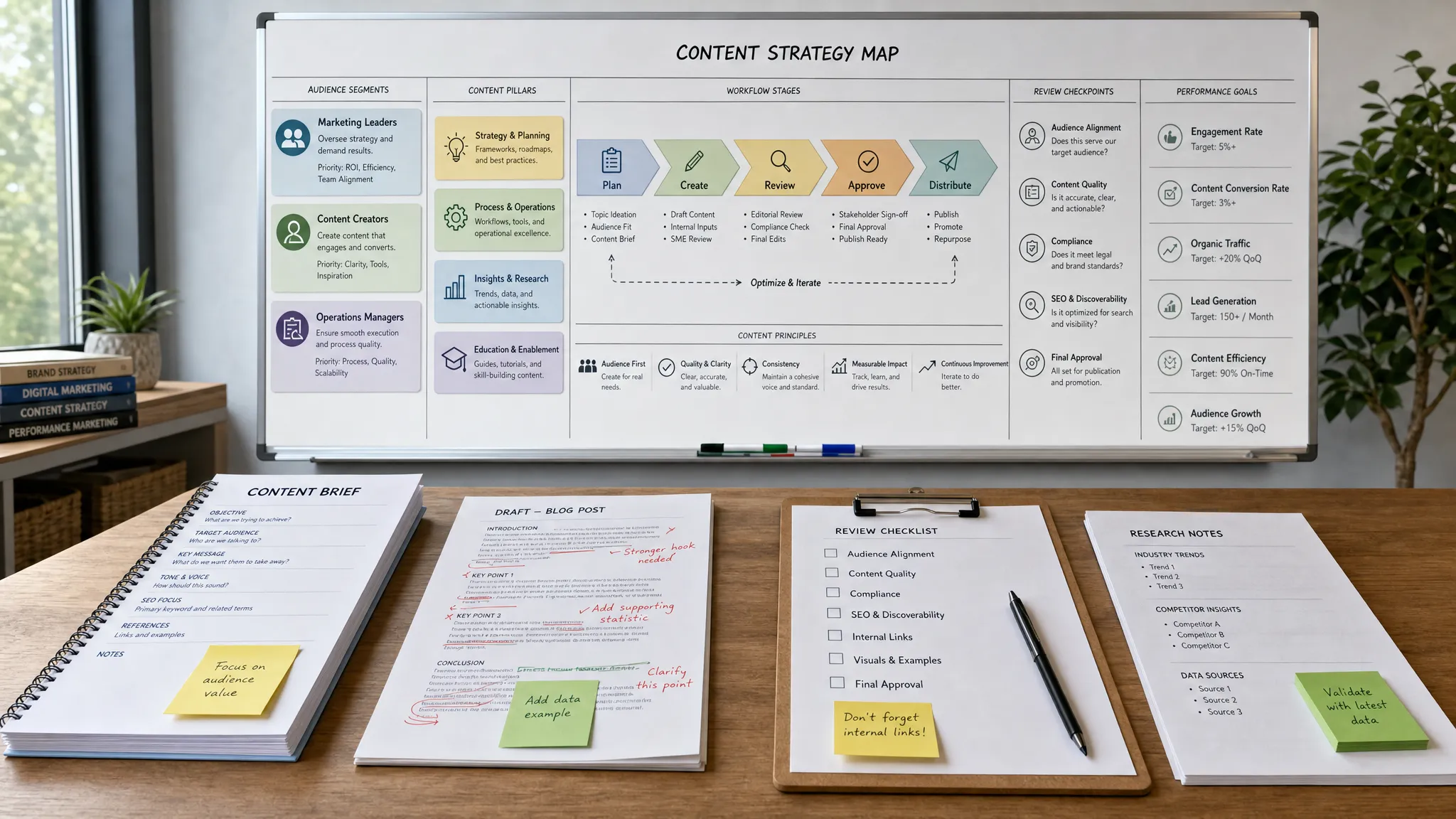
Review these on-page elements before publication:
If your team is still building its SEO workflow, AIMarketer Hub's guide to AI SEO tools for small teams can help you think through which tasks are worth automating and which still need human review.
E-E-A-T stands for experience, expertise, authoritativeness, and trustworthiness. It is not a single ranking factor you can switch on, but it is a useful framework for evaluating whether a page feels credible.
AI drafts often lack experience because they summarize common knowledge. To improve them, add proof that the advice comes from real understanding. This could include lessons from campaigns, examples from customer conversations, screenshots from internal workflows, original survey findings, expert commentary, or clearly reasoned recommendations.
Trust also comes from transparency. If a claim is based on opinion, make that clear. If a recommendation depends on the size of the team, the maturity of the site, or the risk level of the industry, explain the conditions. Strong SEO content does not pretend every answer is universal.
For AI-assisted content, your review should ask a simple question: what does this page include that a generic model would not know unless a knowledgeable marketer improved it? If the answer is nothing, the page needs more human input.
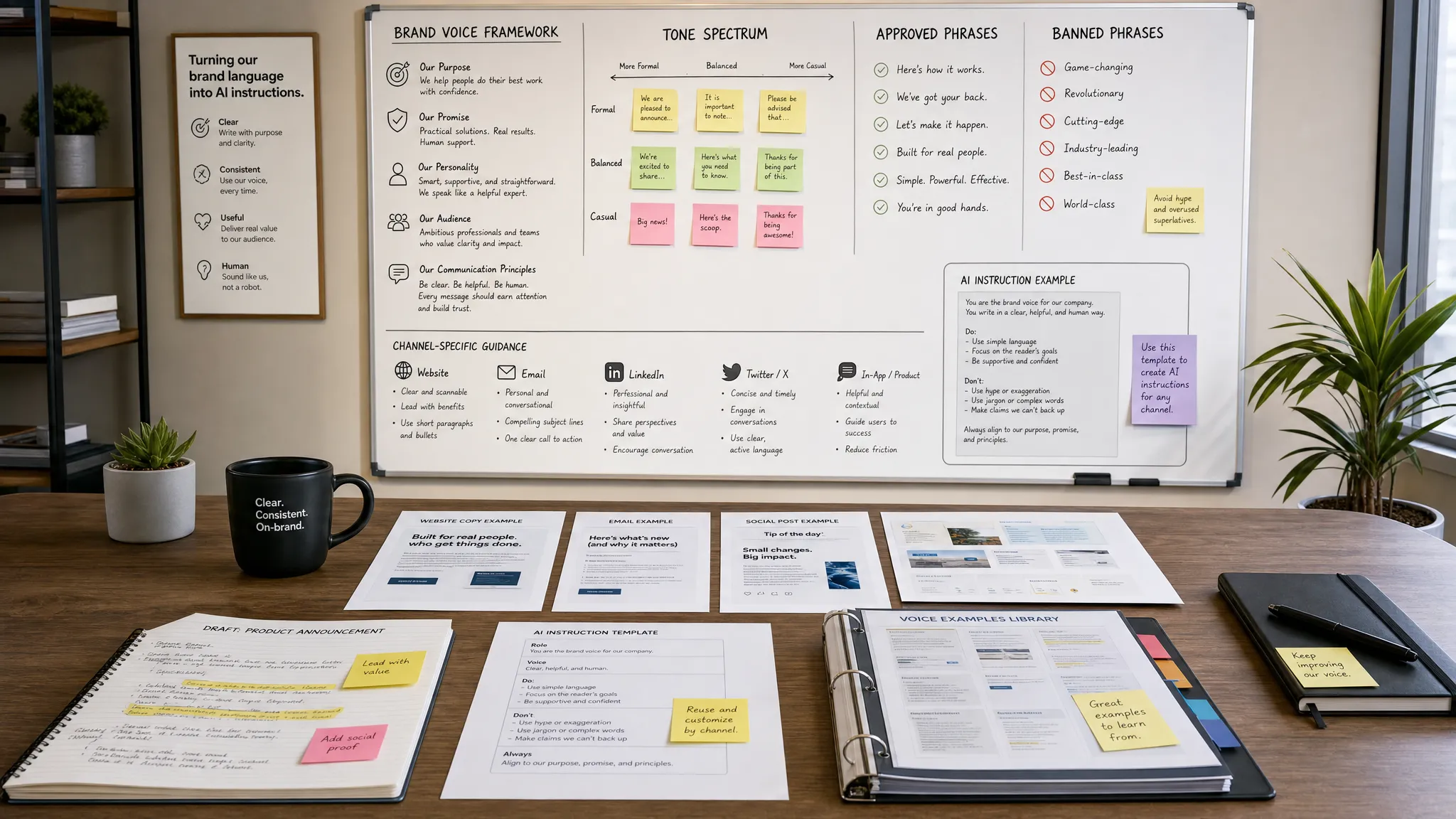
SEO quality is not only about rankings. It is also about whether the right reader trusts you after landing on the page. AI content can drift into a neutral, generic tone that does not sound like your brand.
Read the draft out loud or use a text-to-speech tool. Listen for repetition, vague transitions, inflated claims, and sentences that sound polished but empty. Then compare the page against your brand voice guidelines. Is the tone practical, expert, friendly, bold, cautious, or analytical? Does it match how your team normally communicates?
A useful edit is to replace abstract advice with concrete wording. Instead of saying marketers should leverage AI to enhance content workflows, say AI can draft an outline, but an editor should still verify intent, examples, and claims before publishing. The second version is clearer and more trustworthy.
If maintaining consistency is a recurring challenge, this related guide on using AI for marketing without losing your brand voice is a helpful next step.
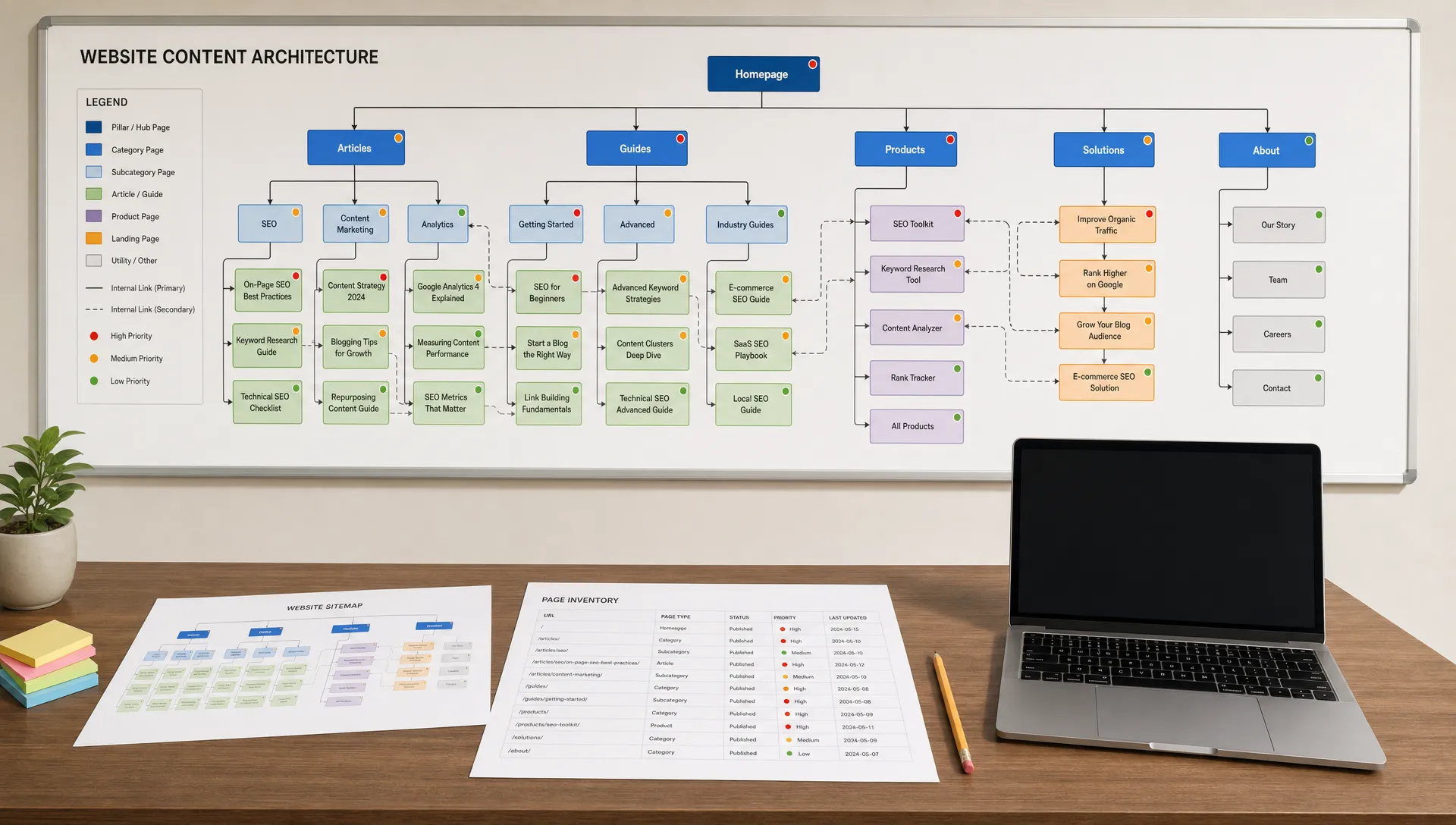
Internal links help search engines understand how your content fits within your site. They also help readers continue their journey. In an AI content audit, check both the quantity and the relevance of internal links.
A common mistake is adding links after the article is finished, almost like decoration. Better internal links are planned around user intent. If a reader is learning how to audit AI content, they may also want AI content creation workflows, SEO tools, analytics, or brand voice guidance. Those links should appear naturally where the topic arises.
Do not link every related phrase. A few highly relevant links are more useful than a page packed with distractions. Also check that older content links back to your new page when appropriate. If your site has a cluster of articles about AI marketing automation or content creation, the audit page should not sit alone.
Not every SEO page should sell aggressively. A beginner guide, a comparison article, and a product landing page each need a different CTA. Auditing AI content means checking whether the next step matches the reader's readiness.
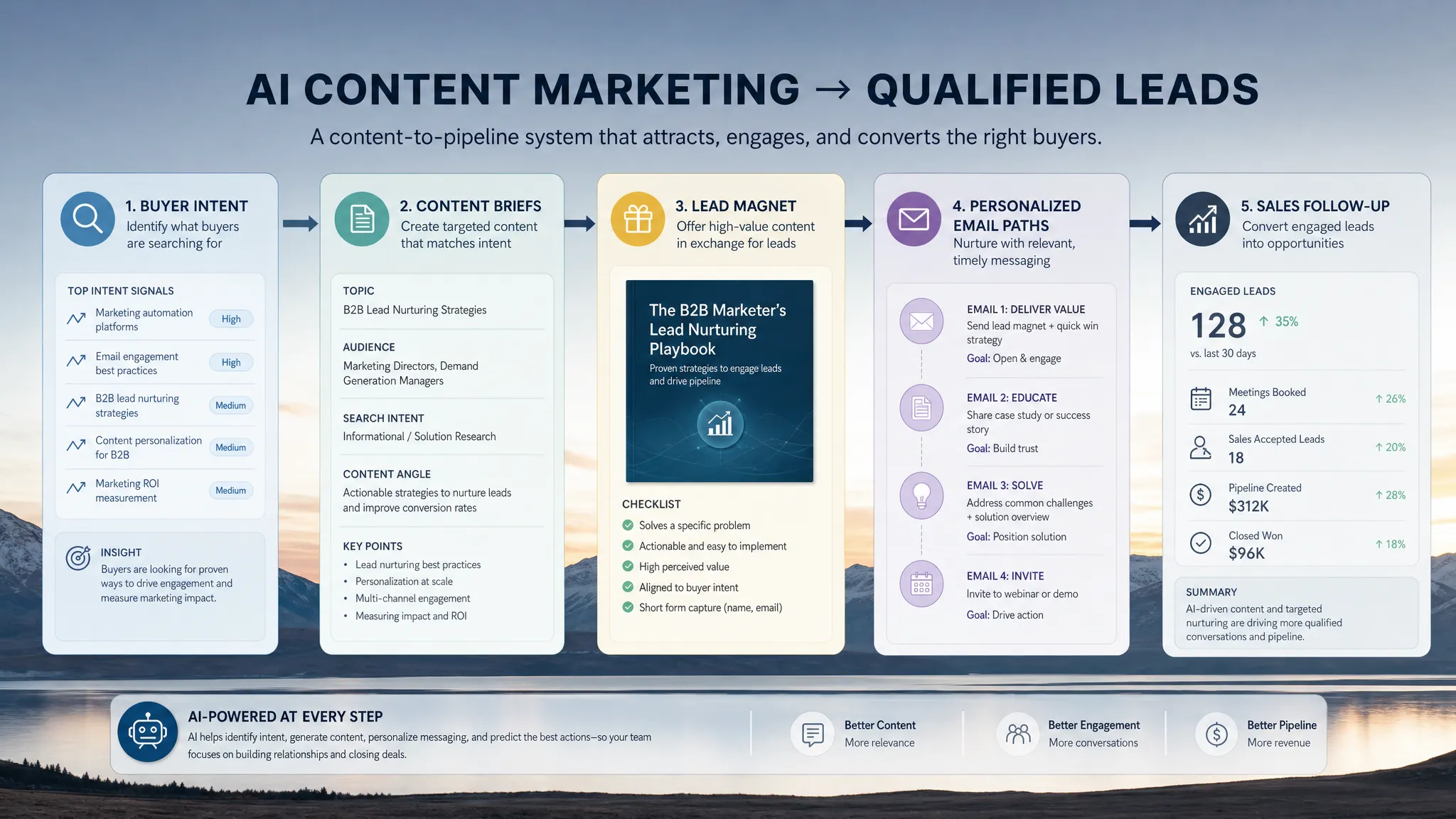
For top-of-funnel articles, the CTA may invite readers to explore related guides, download a checklist, try a simple tool, or subscribe for more resources. For middle-of-funnel content, it may point toward a template, calculator, product category page, or workflow guide. For bottom-of-funnel content, it can be appropriate to guide readers toward a demo, trial, or direct product comparison.
Look for CTAs that feel disconnected from the article. If the page teaches how to audit content quality, a hard sales pitch in the first few paragraphs may feel premature. A more natural CTA appears after the article has delivered value and gives the reader a practical next step.
An AI content audit is not finished when the article goes live. SEO quality becomes clearer once the page has had time to be crawled, indexed, and tested by users.
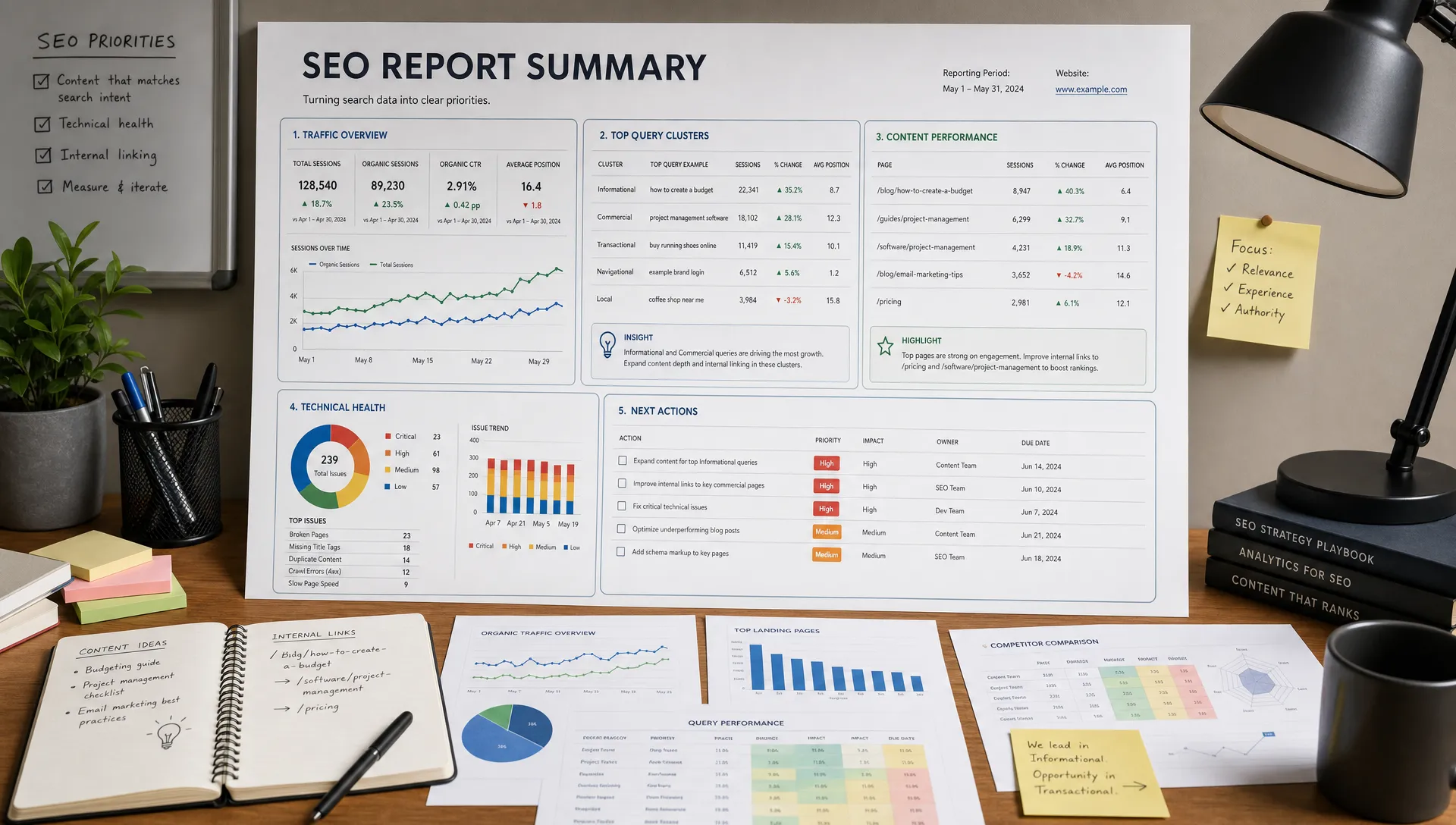
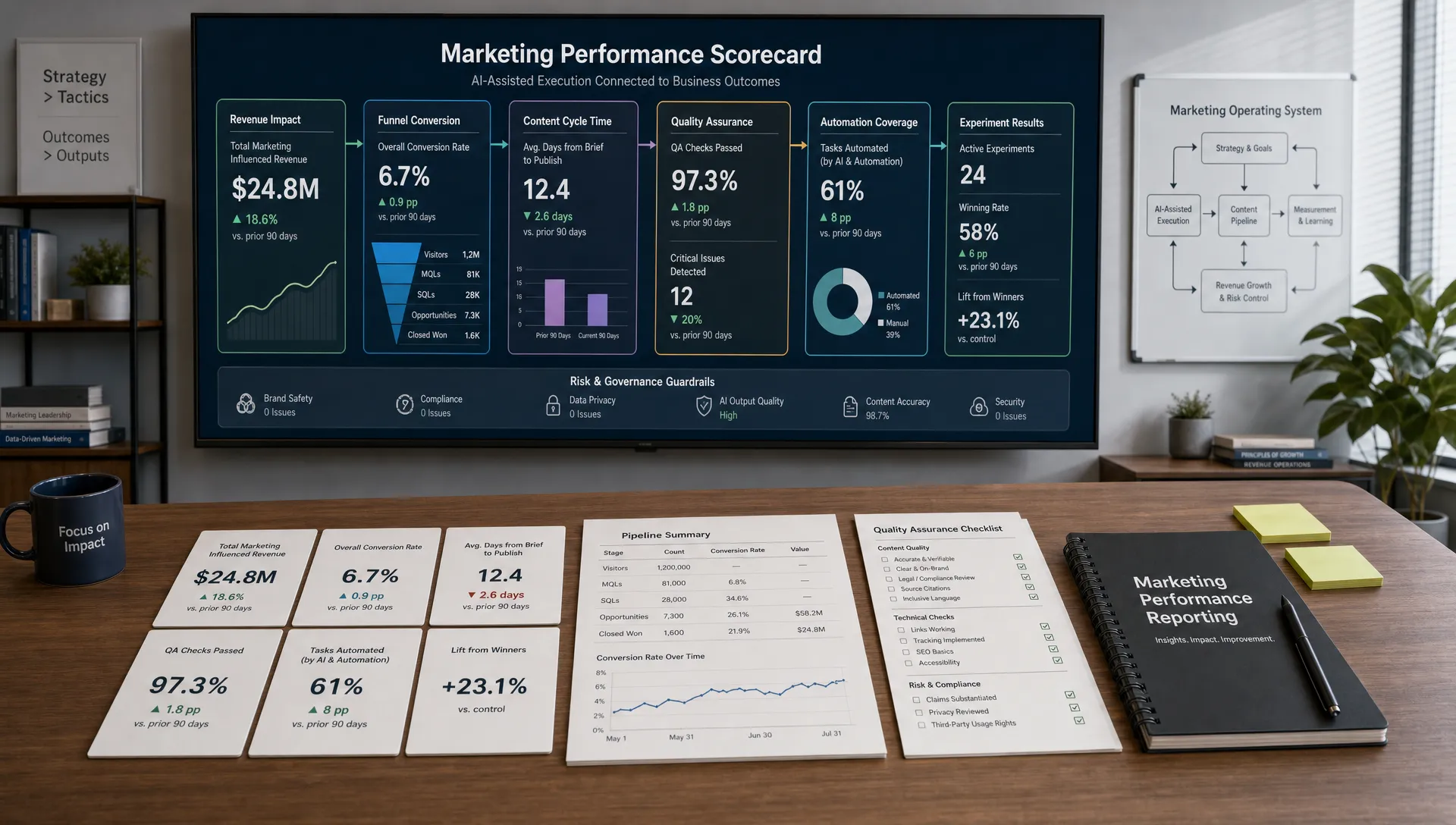
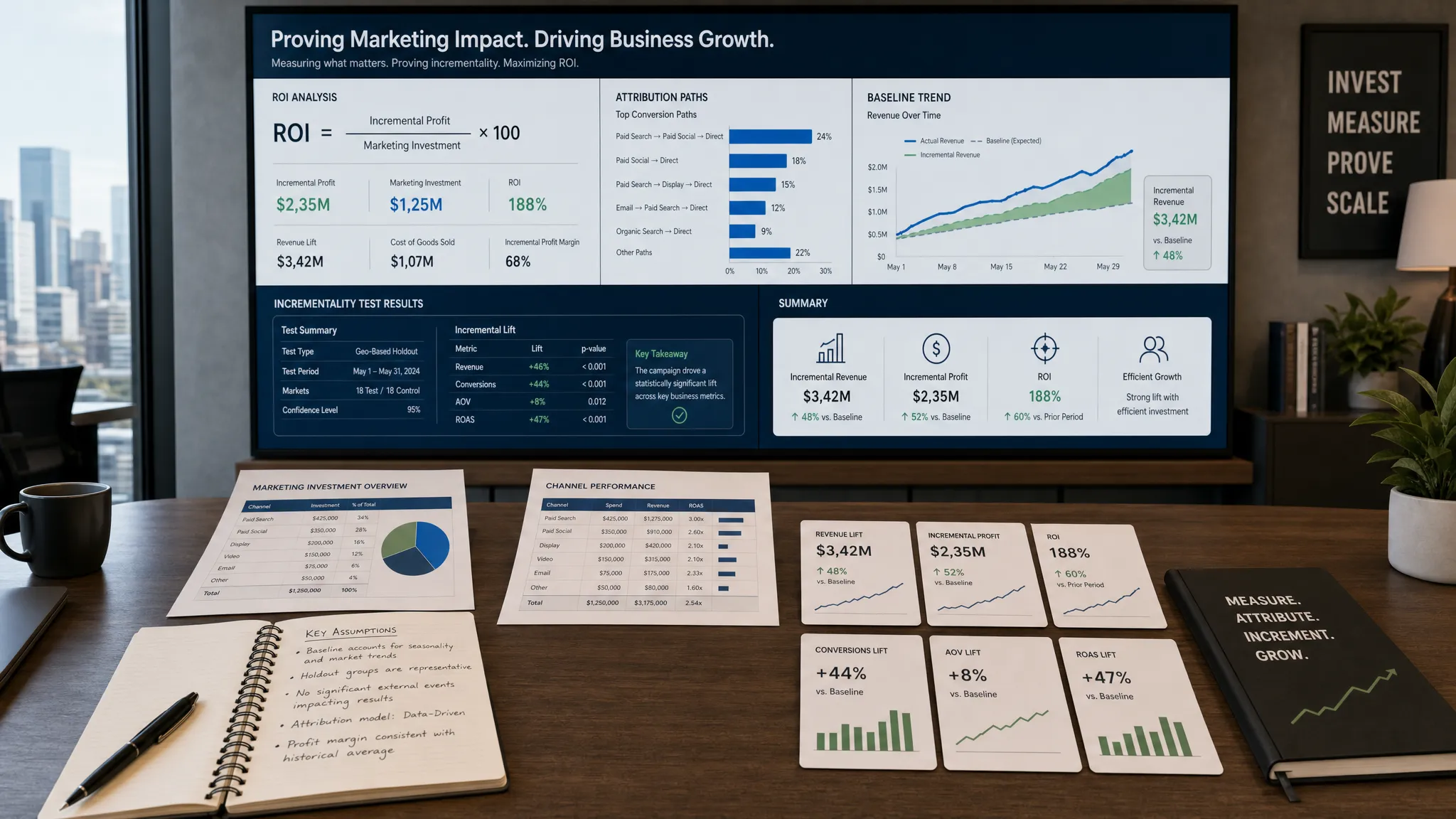
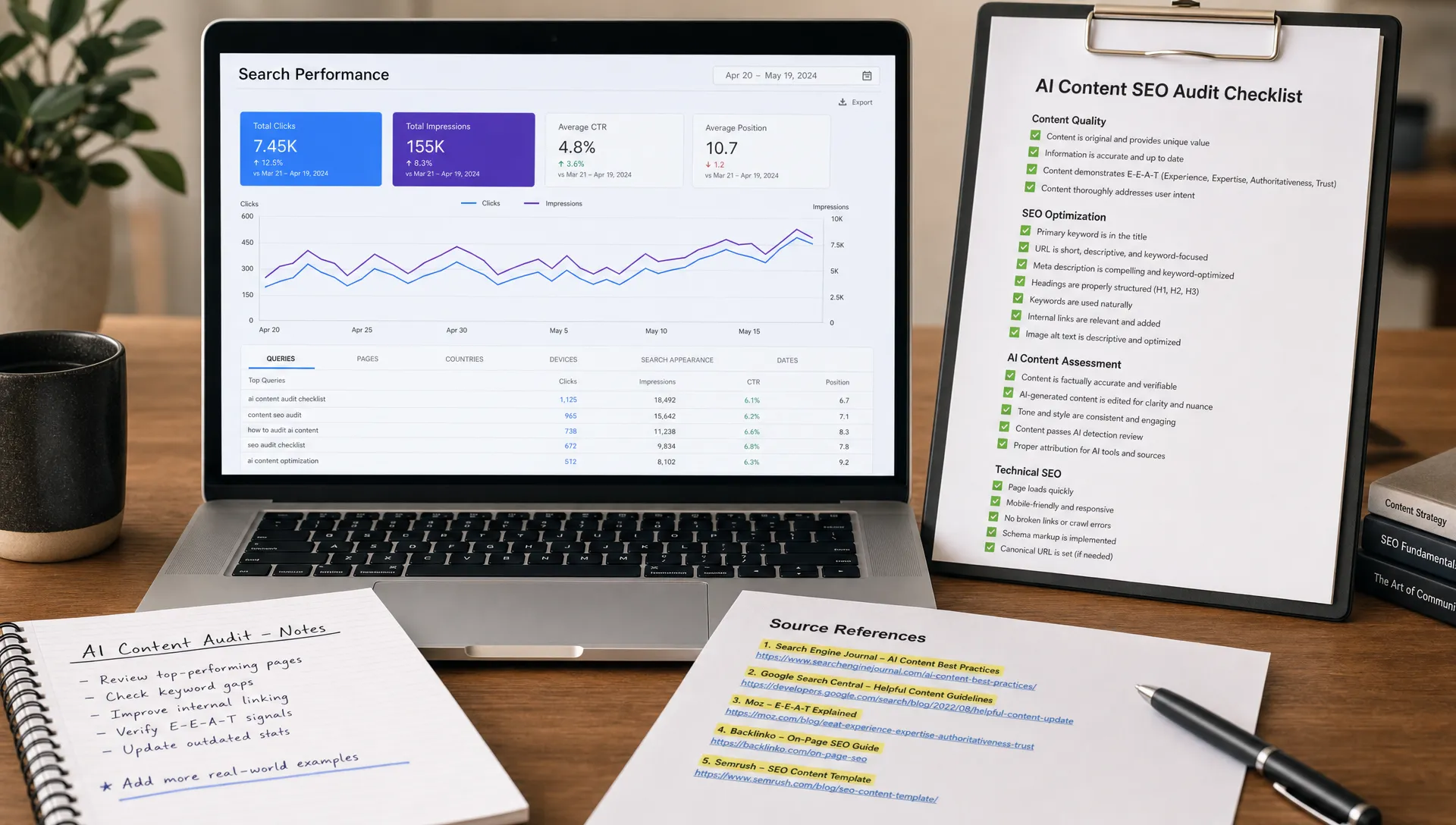
Use Google Search Console, analytics platforms, and your own performance dashboards to monitor impressions, clicks, click-through rate, average position, engagement, conversions, and assisted conversions. Do not panic over early fluctuations. Instead, look for patterns after enough data has accumulated.
If the page earns impressions but few clicks, the title and meta description may need work. If it gets clicks but poor engagement, the introduction may not match the search intent. If it ranks for irrelevant queries, the content may be too broad or semantically unclear. If it performs well but does not convert, the CTA or internal linking path may need improvement.
For important pages, schedule a review after 30 to 60 days, then revisit quarterly or when the SERP changes. AI-assisted content can scale quickly, so a repeatable review rhythm is essential.
Use this checklist before publishing any important AI-assisted page:
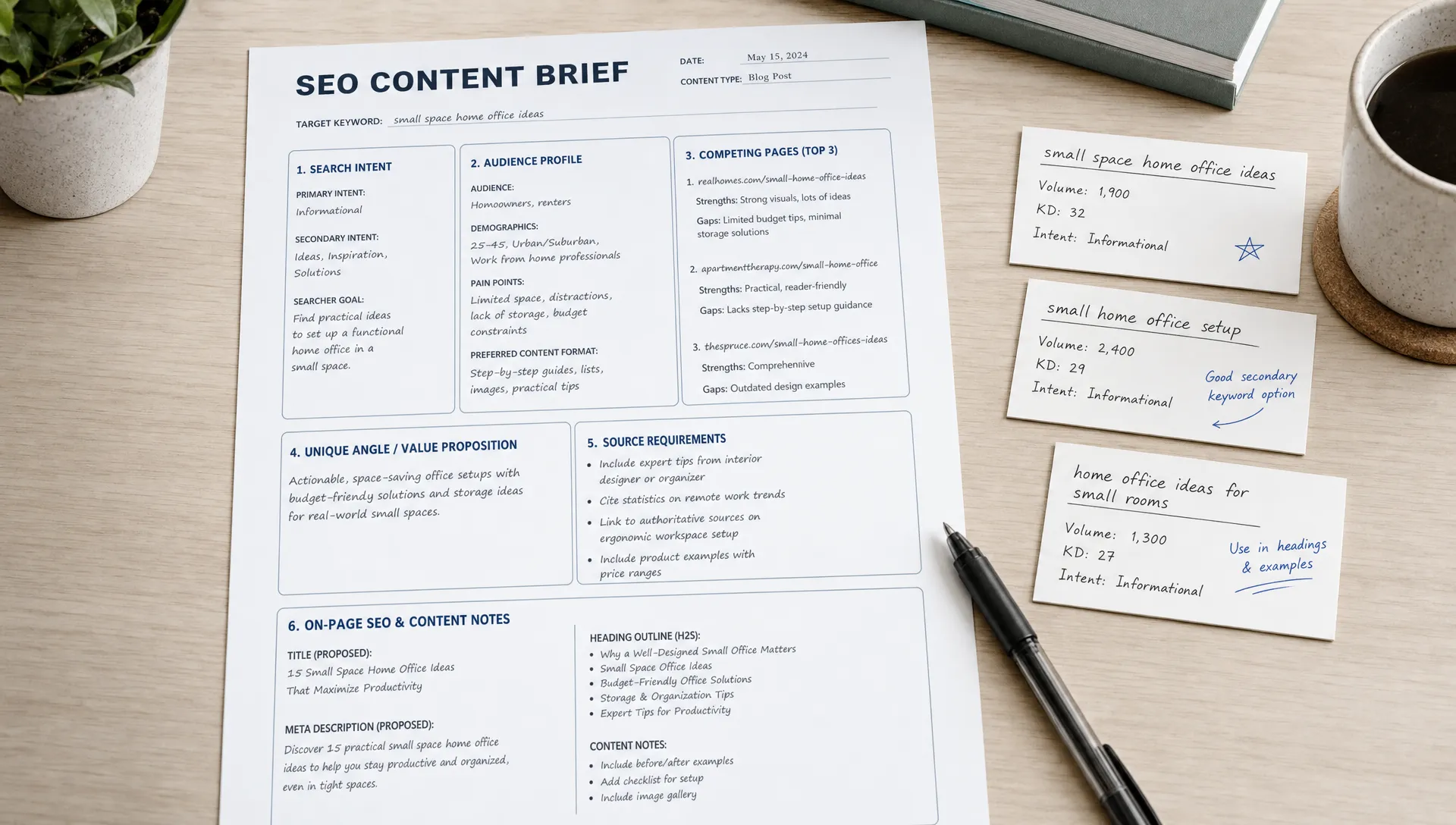
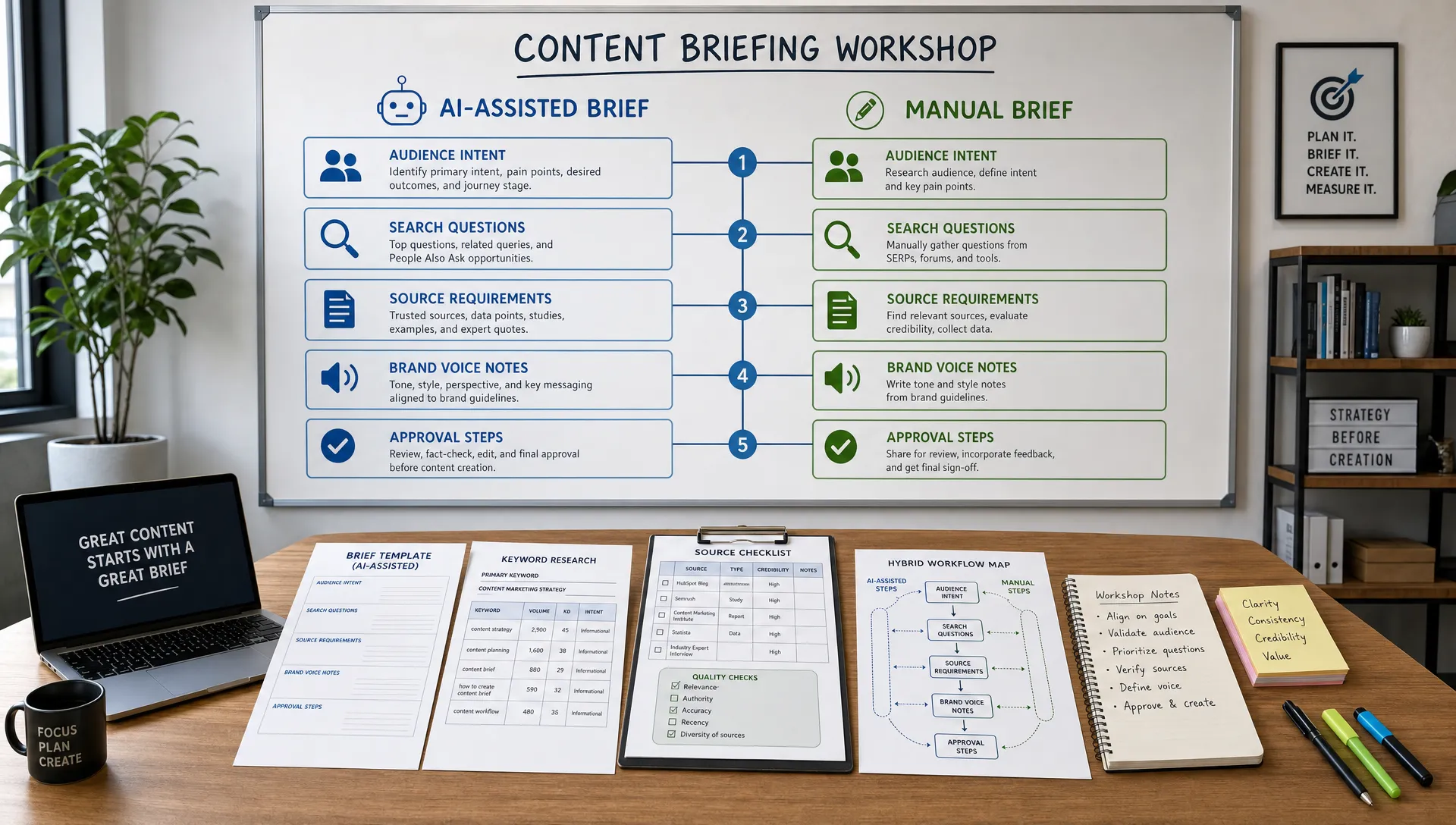
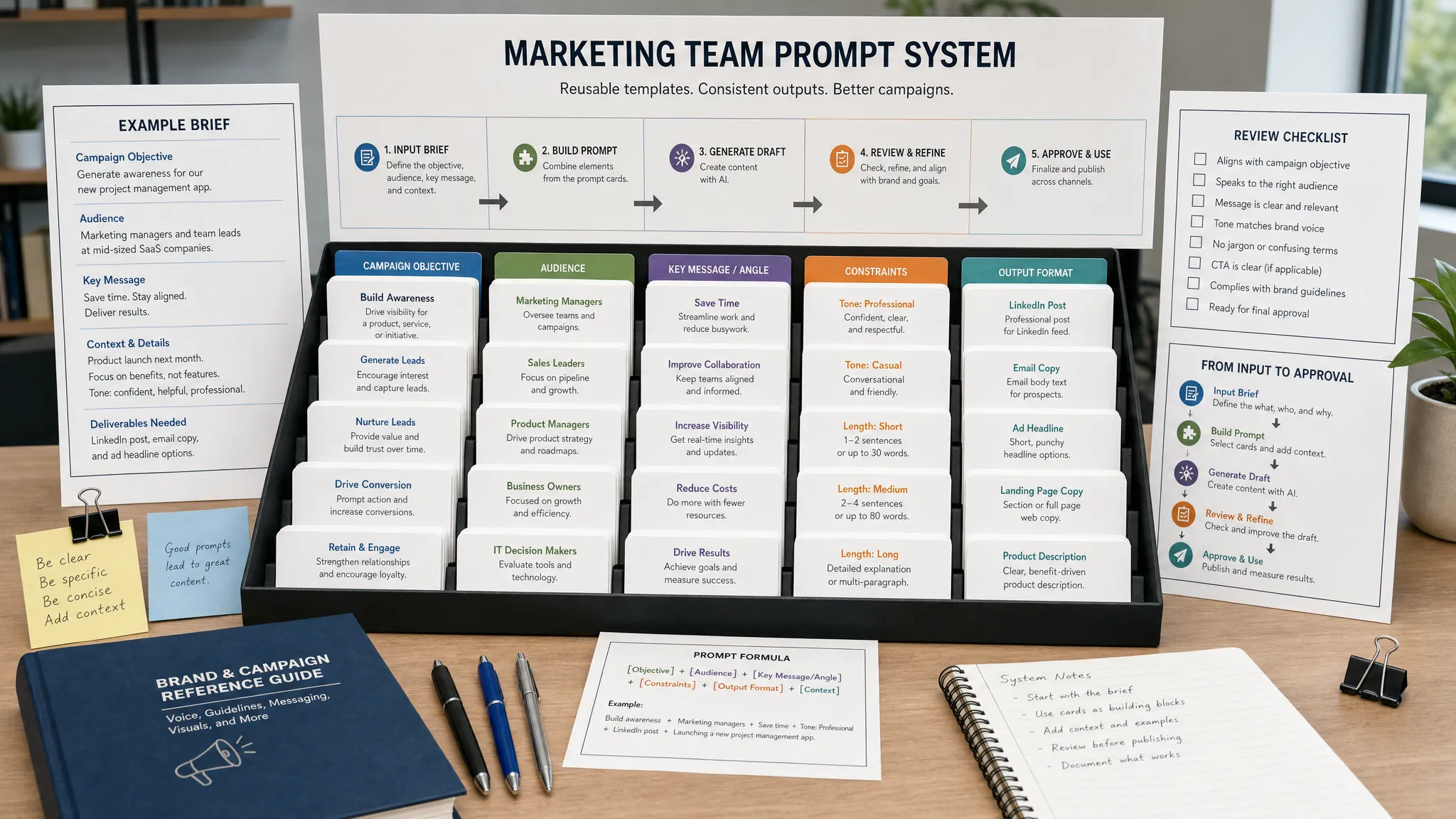
This checklist works best when it is part of your workflow, not a last-minute task. If your team uses AI content generation, prompt libraries, or SEO tools, build audit requirements into the brief before the draft is created. A better prompt can reduce editing time, but it cannot replace final judgment.
This is the most common issue with AI-generated content. The fix is to add human context. Include examples from your audience, campaign lessons, tool workflows, industry constraints, or decision criteria. If you cannot add anything original, reconsider whether the page should exist.
A keyword is only a clue. The real target is the searcher's task. If the content does not help readers solve that task, rewrite the structure around the job they came to complete.
AI tools often repeat the same terms in slightly different ways. Cut duplicate explanations, vary sentence structure, and use related concepts naturally. Keyword stuffing can make the page harder to read and less trustworthy.
If a claim matters, support it. Link to credible primary sources where possible. Avoid citing outdated roundups, unattributed statistics, or sources that do not actually confirm the statement.
Strong SEO content takes a position. It tells the reader what matters most, what to ignore, and how to make tradeoffs. If your AI draft treats every option as equally valid, add editorial judgment.
Audit high-impact AI-assisted content before publication, then again after performance data is available. For evergreen blog posts, a quarterly or twice-yearly review is often enough. For fast-moving topics such as AI marketing automation, search changes, platform updates, or paid media tools, review more frequently.
You should also audit content when rankings drop, impressions rise without clicks, conversion rates decline, or your product positioning changes. Older AI-assisted content can become a liability if it contains outdated recommendations or no longer reflects your brand.
For large content libraries, prioritize pages by business value. Start with pages that drive traffic, influence conversions, target competitive keywords, or represent your expertise in important topic clusters.
Is AI-generated content bad for SEO? No. AI-generated content is not automatically bad for SEO. The risk comes from publishing content that is inaccurate, generic, unhelpful, or created only to manipulate rankings. Human review is essential.
What is the most important part of an AI content audit? Search intent is the best starting point. If the page does not match what searchers want, grammar fixes and keyword tweaks will not solve the core problem.
How do I know if AI content is too generic? Look for paragraphs that could apply to any company, audience, or industry. If the article lacks examples, tradeoffs, expert insight, or specific next steps, it probably needs more original value.
Should I use AI tools to audit AI content? Yes, but with limits. AI tools can help identify repetition, missing subtopics, readability issues, and optimization opportunities. A human editor should still verify facts, judge strategy, and approve brand fit.
How long should I wait before measuring SEO performance? Give new content enough time to be crawled and tested. Many teams review early signals after 30 to 60 days, then make deeper updates once impressions, clicks, and engagement patterns are clear.
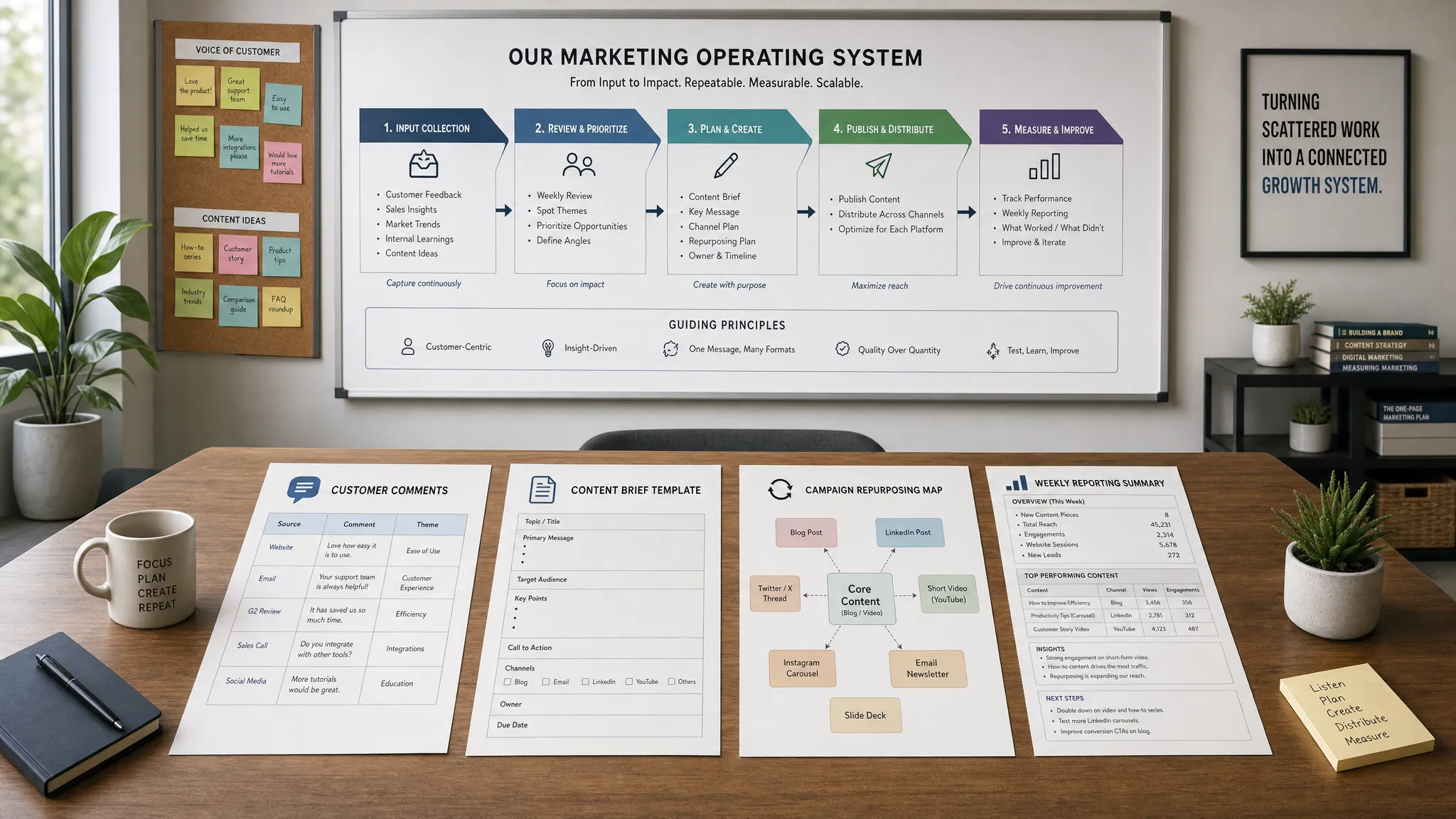
The best SEO teams do not treat AI content audits as a one-off cleanup task. They turn them into a repeatable system with clear briefs, quality criteria, review steps, and performance feedback.
If you want to build stronger AI-assisted marketing workflows, explore the tools, guides, calculators, and resources available at AIMarketer Hub. Use AI to move faster, but use a disciplined audit process to make sure every page earns attention, trust, and results.