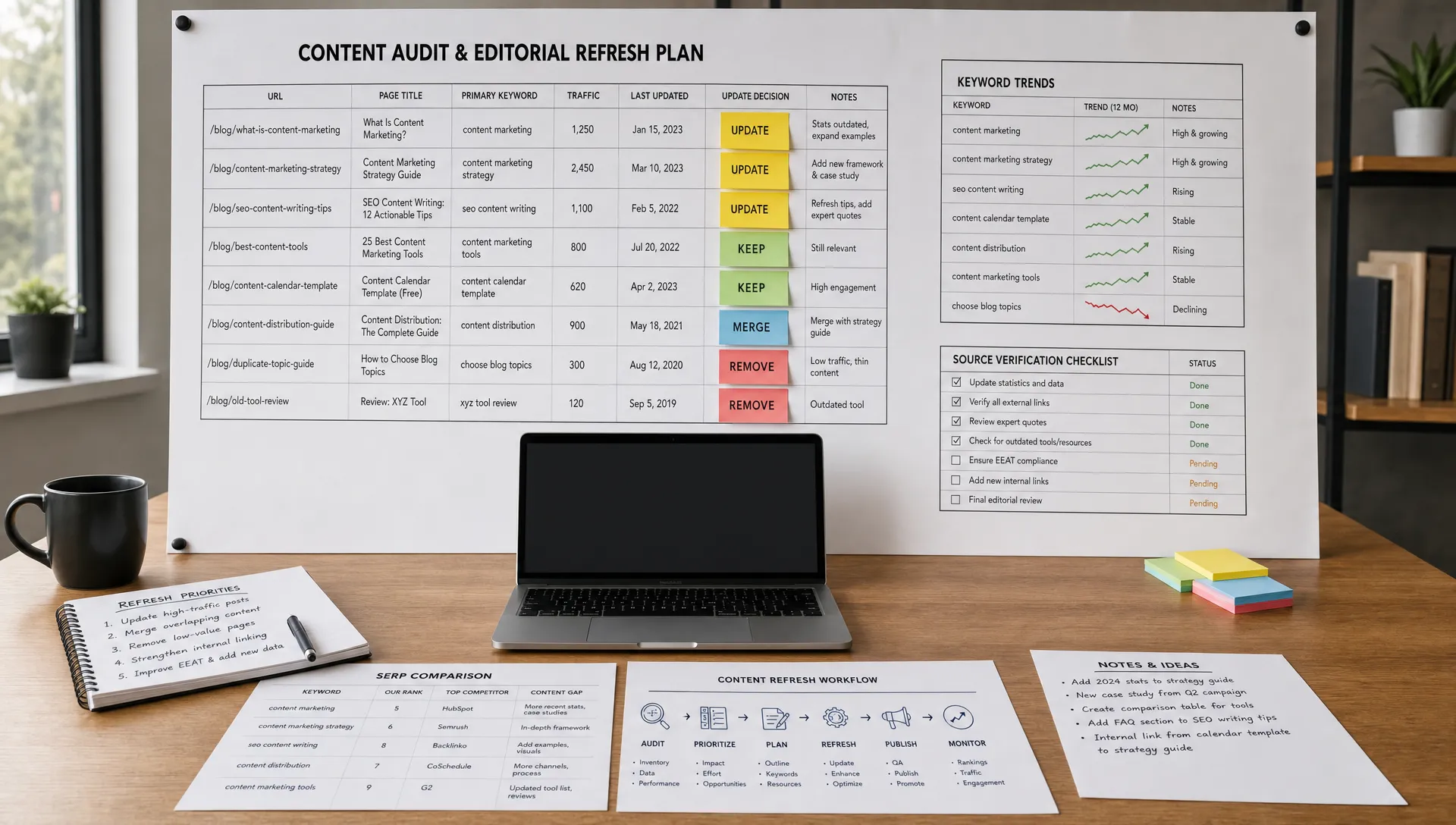
Refreshing existing content is one of the highest-leverage jobs in AI marketing. A page that already has backlinks, impressions, keyword history, and a place in your internal link graph can often improve faster than a brand-new article. The hard part is knowing what to update, what to leave alone, and which AI tools can speed up the process without turning useful content into generic filler.
The best AI tools for content refresh and update work are not just AI writers. A strong refresh stack helps you diagnose content decay, compare search intent, find missing subtopics, update facts, improve readability, strengthen internal links, and measure the impact after republishing.
This guide breaks down the tools that are most useful for that work, how to choose between them, and how to build a lean workflow that improves rankings, conversions, and editorial quality.
Content refresh is not the same as changing the publish date or adding a few keywords. A meaningful update improves the page for the reader and the business. That usually means revisiting the search intent, verifying claims, improving structure, removing outdated sections, and aligning the page with current buyer questions.
Common refresh triggers include declining organic traffic, rankings slipping from page one to page two, outdated statistics, old product screenshots, weak conversion paths, competitor pages covering newer subtopics, or pages that get impressions but poor click-through rates.
AI is especially useful because refresh work is repetitive and research-heavy. It can scan long articles, summarize gaps, compare outlines, rewrite stale sections, and generate update briefs. But AI should not be treated as the final authority. Google’s guidance on helpful, reliable, people-first content is still the right standard: use AI to improve usefulness, not to mass-produce shallow updates.
Before choosing tools, define the workflow you want to improve. Otherwise, your team may buy several platforms that all promise optimization but solve the same part of the process.
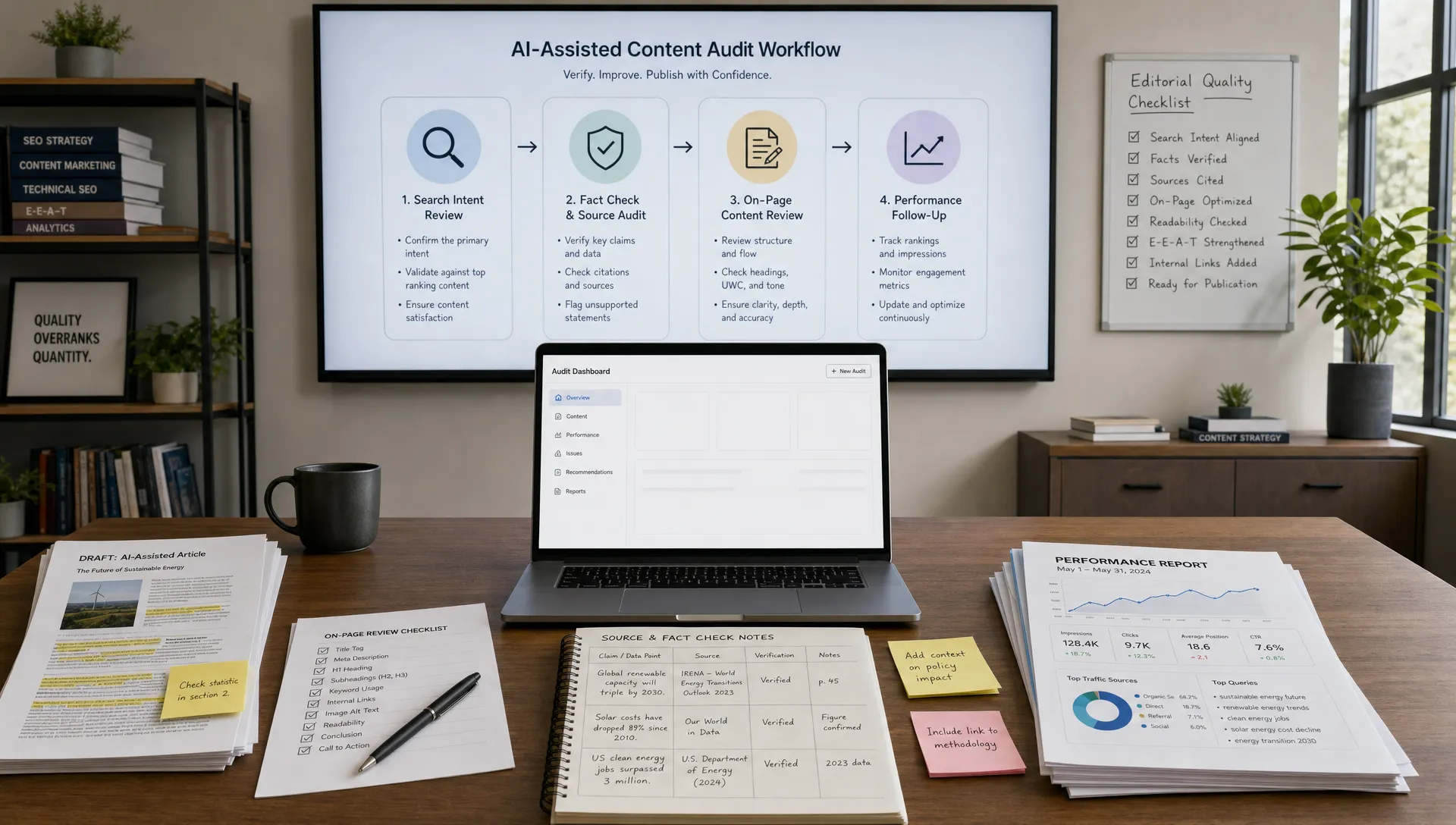
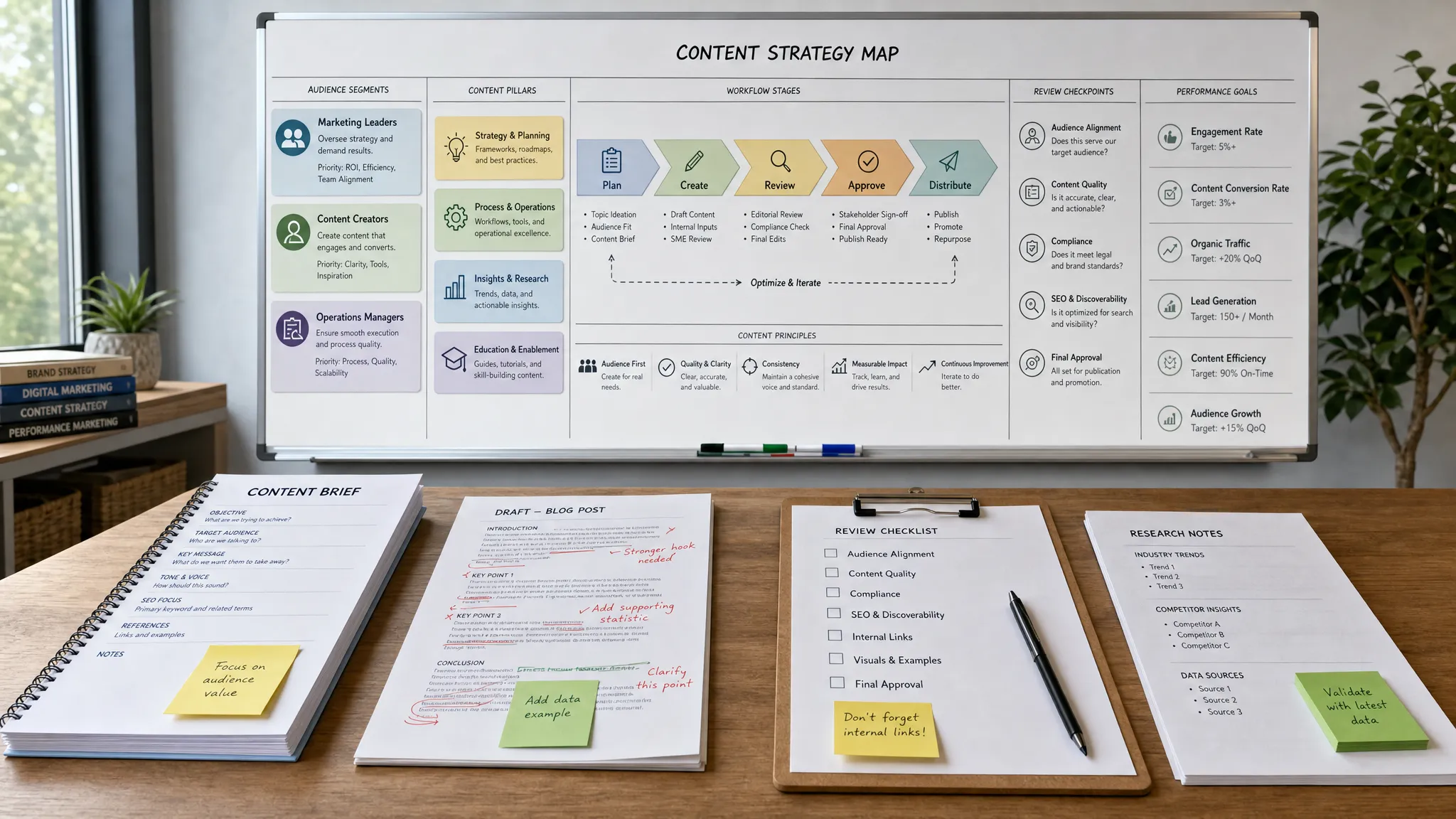
A practical refresh workflow usually looks like this:
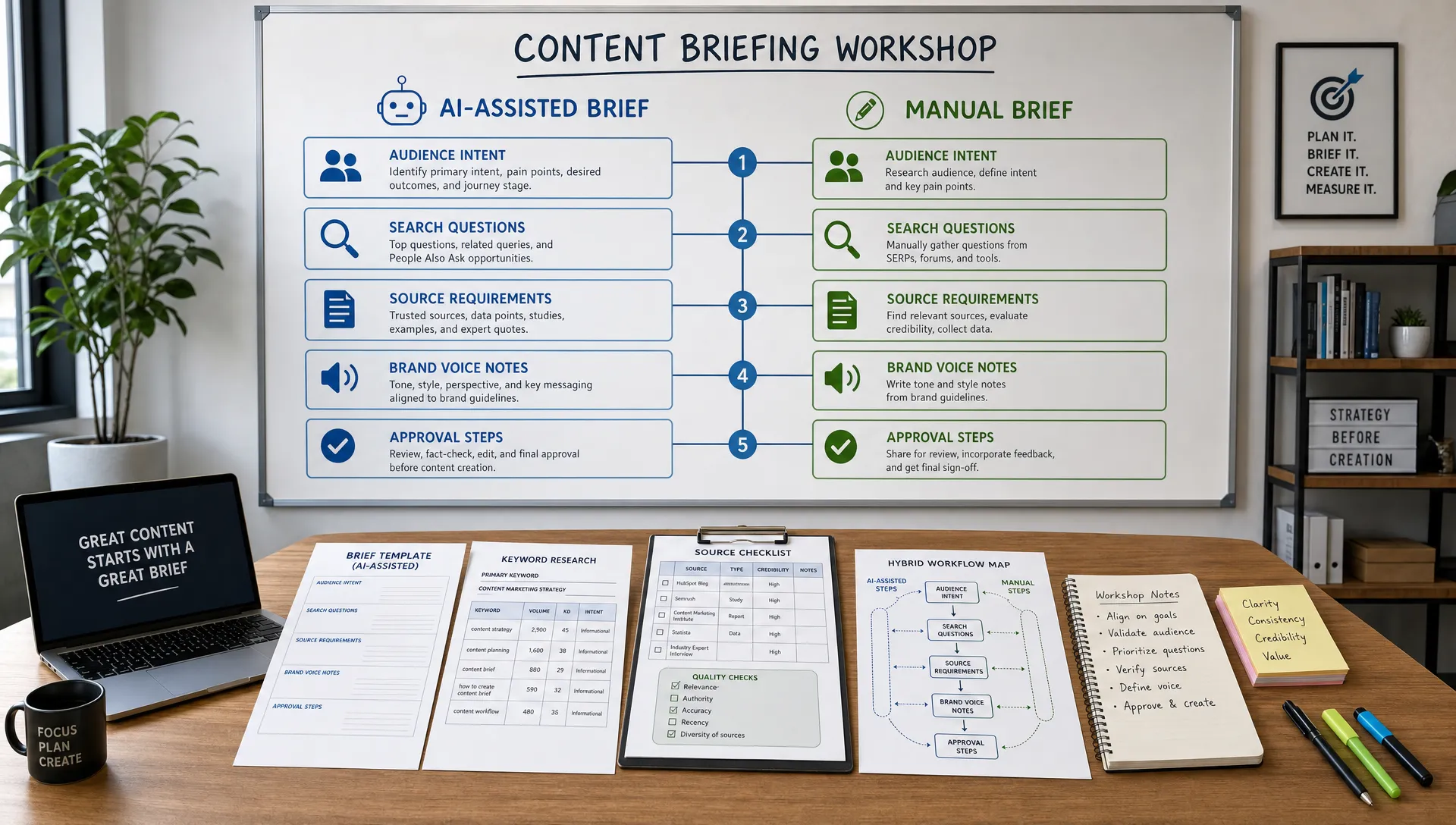
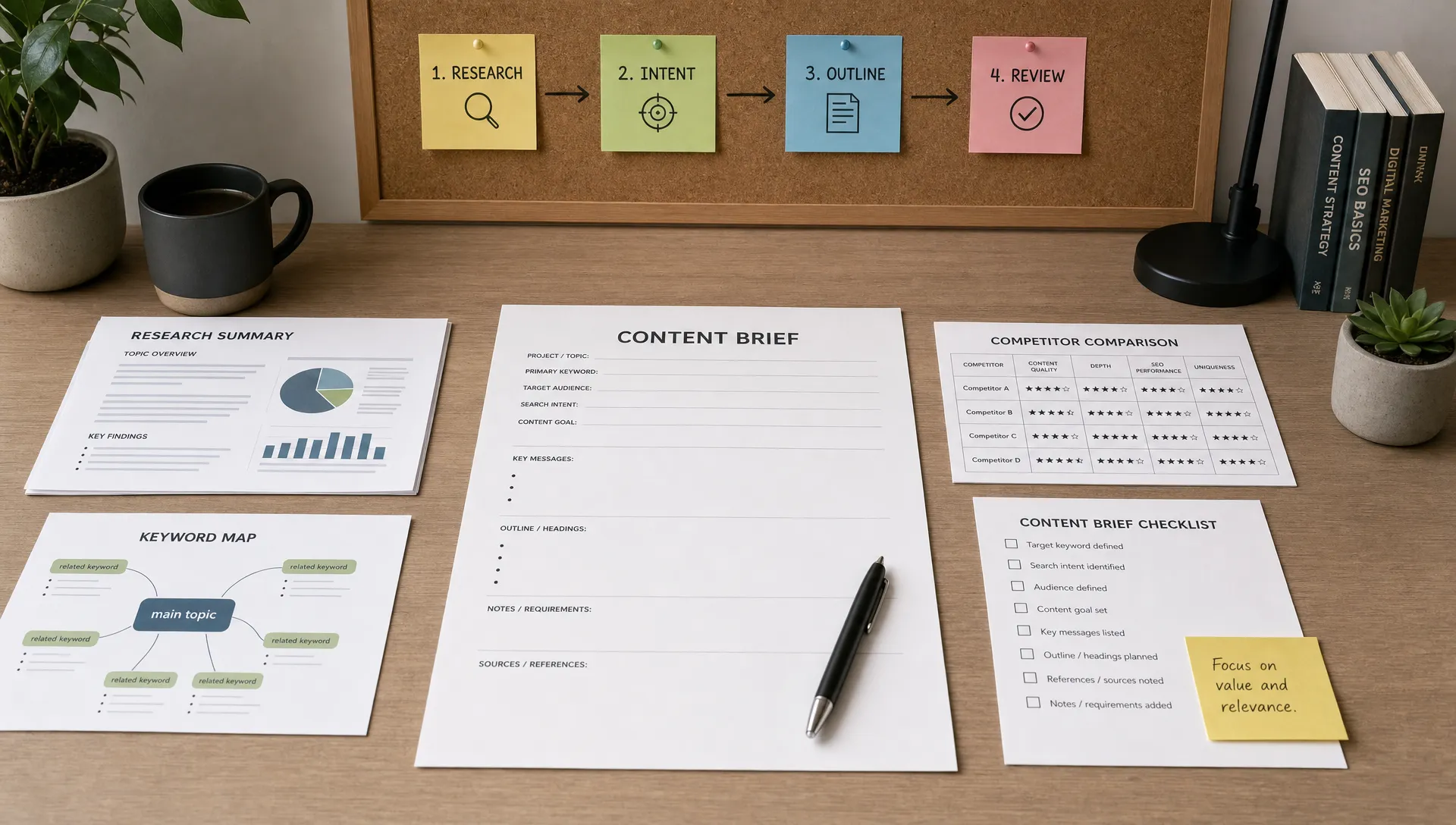
For step three, a refresh brief matters more than a quick prompt. If your team needs a repeatable structure, AIMarketer Hub’s guide on how to build an AI SEO content brief that ranks is a useful companion process.
The right tool depends on your content volume, SEO maturity, approval requirements, and existing software stack. A solo marketer updating ten posts per month has different needs than an enterprise team refreshing hundreds of regulated pages.
Look for tools that help with at least one of these jobs:
That last point matters. Many marketing teams already have overlapping features across SEO platforms, AI writing tools, content management systems, and analytics suites. Before adding another subscription, it can be worth using a platform to audit your martech stack for capability overlap, especially if content refresh work involves multiple SEO, content, and workflow tools.
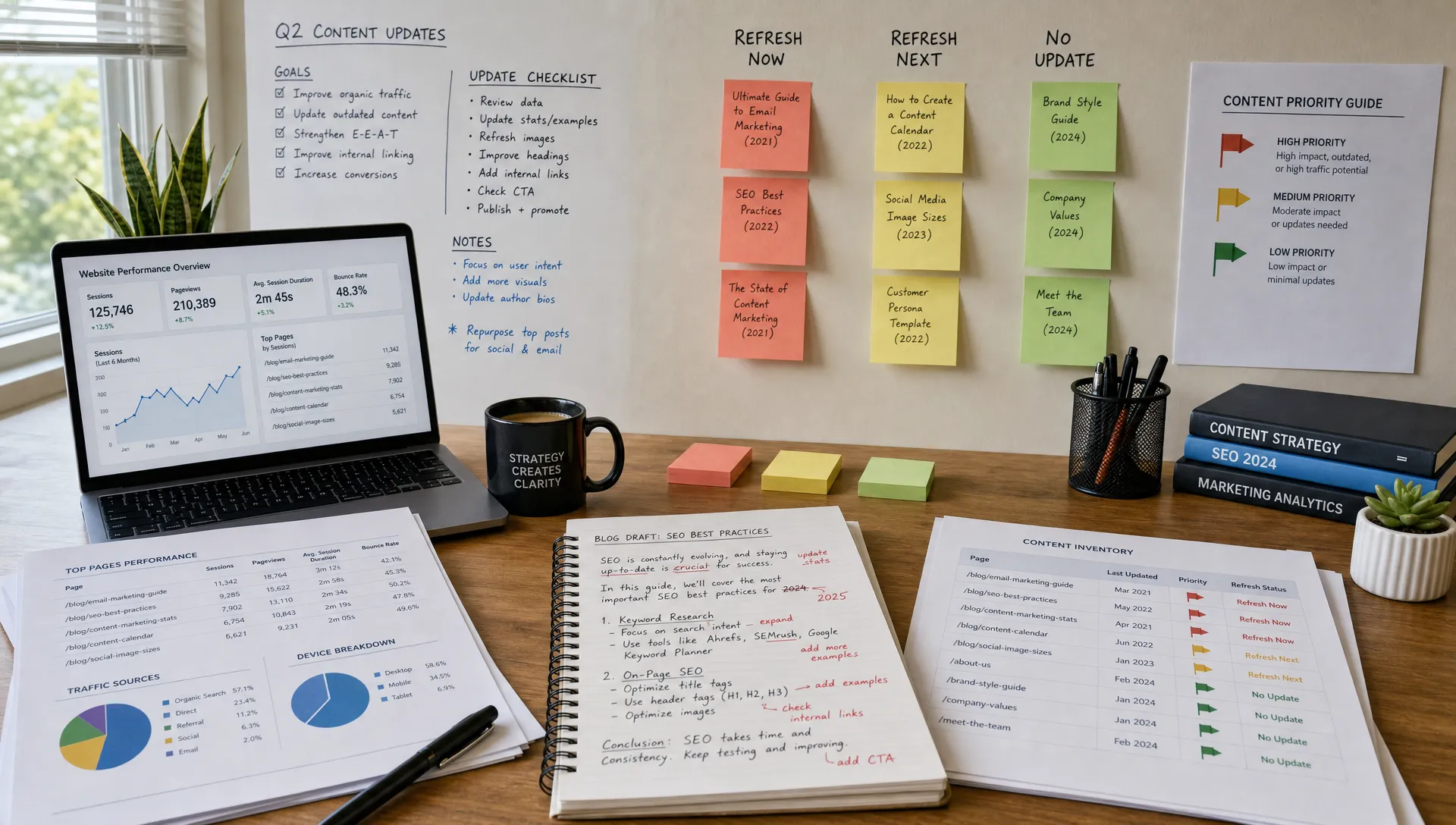
There is no single best tool for every team. The strongest setup is usually a combination of an SEO data platform, an AI-assisted optimization tool, a writing assistant, and a workflow system. Here are the most useful options by refresh job.
Semrush is a strong choice for teams that want one platform for keyword tracking, site audits, competitor research, on-page recommendations, and content optimization. For content refresh work, it is especially helpful when you need to identify pages with technical issues, compare keyword visibility, and uncover related terms or competing URLs.
Its value is not only in AI writing assistance. The bigger advantage is connecting refresh decisions to SEO data. You can use it to find pages that lost rankings, locate cannibalization risks, inspect competitor pages, and feed those insights into an update brief.
Semrush works well for marketing teams that want a broad SEO command center. The tradeoff is that broad platforms can generate many recommendations, so your team still needs to prioritize updates by business value, not just by checklist completion.
Ahrefs is one of the most useful tools for deciding what to refresh first. Its strength is SEO research: backlink analysis, keyword movement, competing pages, organic traffic estimates, and content gap discovery.
For refresh work, Ahrefs can help answer practical questions. Which pages used to perform better? Which competitors now outrank us? Which keywords are close to page-one visibility? Which pages have links and authority but outdated content? Those answers are often more valuable than a generic AI rewrite.
Ahrefs is best used at the audit and prioritization stage. Pair it with a writing or optimization assistant when you move into drafting. That keeps your refresh workflow grounded in performance data instead of relying only on AI-generated suggestions.
Surfer SEO is useful when you need to refresh a specific article against current search results. It analyzes competing pages and provides guidance around content structure, terms, headings, and topical coverage.
For content updates, Surfer is most helpful after you have already decided that a page is worth refreshing. You can place the article into an editor, compare it with current competitors, and identify sections that may need expansion or simplification.
The important thing is to avoid treating optimization scores as the goal. A higher score does not automatically mean a better article. Use Surfer to spot gaps, then apply editorial judgment to decide which recommendations actually improve the reader experience.
Clearscope is popular with editorial teams because it makes SEO optimization easier to translate into writing decisions. It analyzes the search landscape and suggests relevant terms and topics, but its workflow tends to fit writers and editors who care about readability and quality.
For refresh work, Clearscope is especially useful when you already have a strong article and want to make it more complete. It can help identify missing related concepts, improve topical depth, and give editors a clear benchmark for coverage.
Clearscope is a good fit for B2B, SaaS, finance, legal, and other fields where thin AI content can damage trust. It is less about producing quick drafts and more about helping expert content align with search expectations.
MarketMuse is built for teams that need to manage content quality at the portfolio level. It can help analyze content inventory, identify topic gaps, and support planning around topical authority.
For refresh work, MarketMuse is valuable when the question is bigger than one page. Should you update this post, merge it with another, create a new supporting article, or build a cluster? That strategic layer is important for sites with large libraries, overlapping content, or complex buyer journeys.
MarketMuse tends to be a better fit for mature content operations than for teams that only need occasional rewrites. If your main challenge is prioritizing hundreds or thousands of pages, it can bring useful structure to the refresh roadmap.
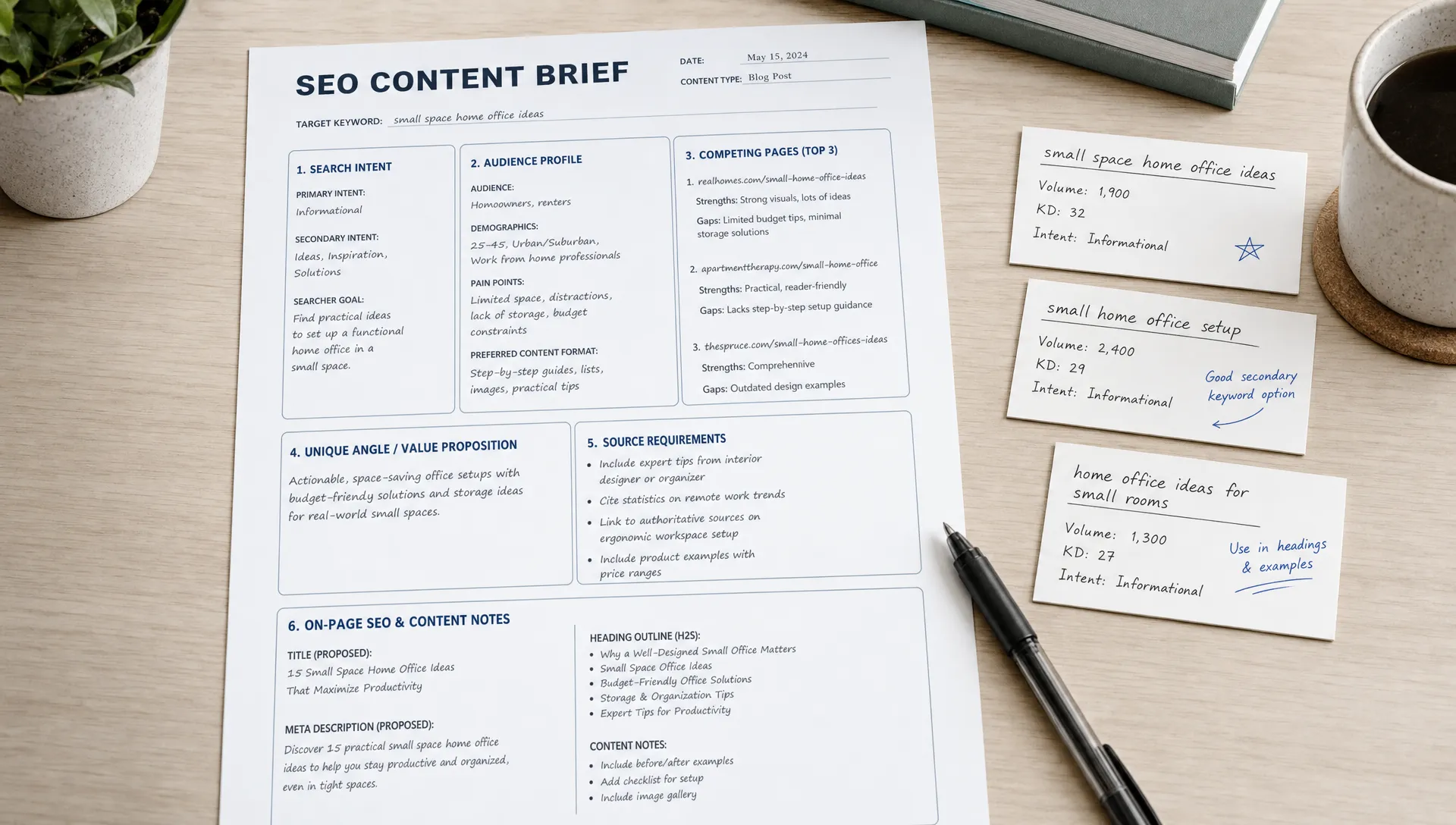
Frase helps with content briefs, SERP comparisons, and identifying questions users are asking around a topic. That makes it a practical option for updating articles that feel incomplete, outdated, or poorly aligned with search intent.
A good use case is refreshing an article that ranks but does not satisfy the full query. Frase can help compare headings, extract common questions, and reveal subtopics covered by current top-ranking pages. Writers can then update the article with more direct answers and better structure.
Frase is also useful for FAQ development, but the same quality rule applies: only add questions that genuinely help the reader. Do not add an FAQ section simply because competitors have one.
Jasper is useful for teams that need to refresh marketing content across multiple formats, not only blog articles. It can help rewrite intros, improve product positioning, adapt tone, and create related copy for email, ads, landing pages, or social promotion.
For content refresh work, Jasper is strongest after the research and strategy decisions have been made. Feed it a specific brief, brand voice guidance, and verified source material. Then use it to accelerate drafts, not to decide what is true or strategically important.
This makes Jasper a good option for marketing teams that maintain campaign pages, evergreen blog posts, and conversion-focused assets. It is less ideal if your primary need is SEO diagnostics.
Writer is designed for organizations that need AI assistance while maintaining brand consistency, terminology, and editorial standards. That makes it relevant for enterprise refresh workflows, especially in industries where compliance, legal review, or product accuracy matter.
In content update work, Writer can help teams standardize language, apply style guidance, and keep rewritten sections aligned with approved messaging. This is useful when many people are updating content and the risk is inconsistency rather than lack of ideas.
For smaller teams, Writer may be more platform than necessary. For larger organizations with multiple contributors and approval paths, governance features can be a major advantage.
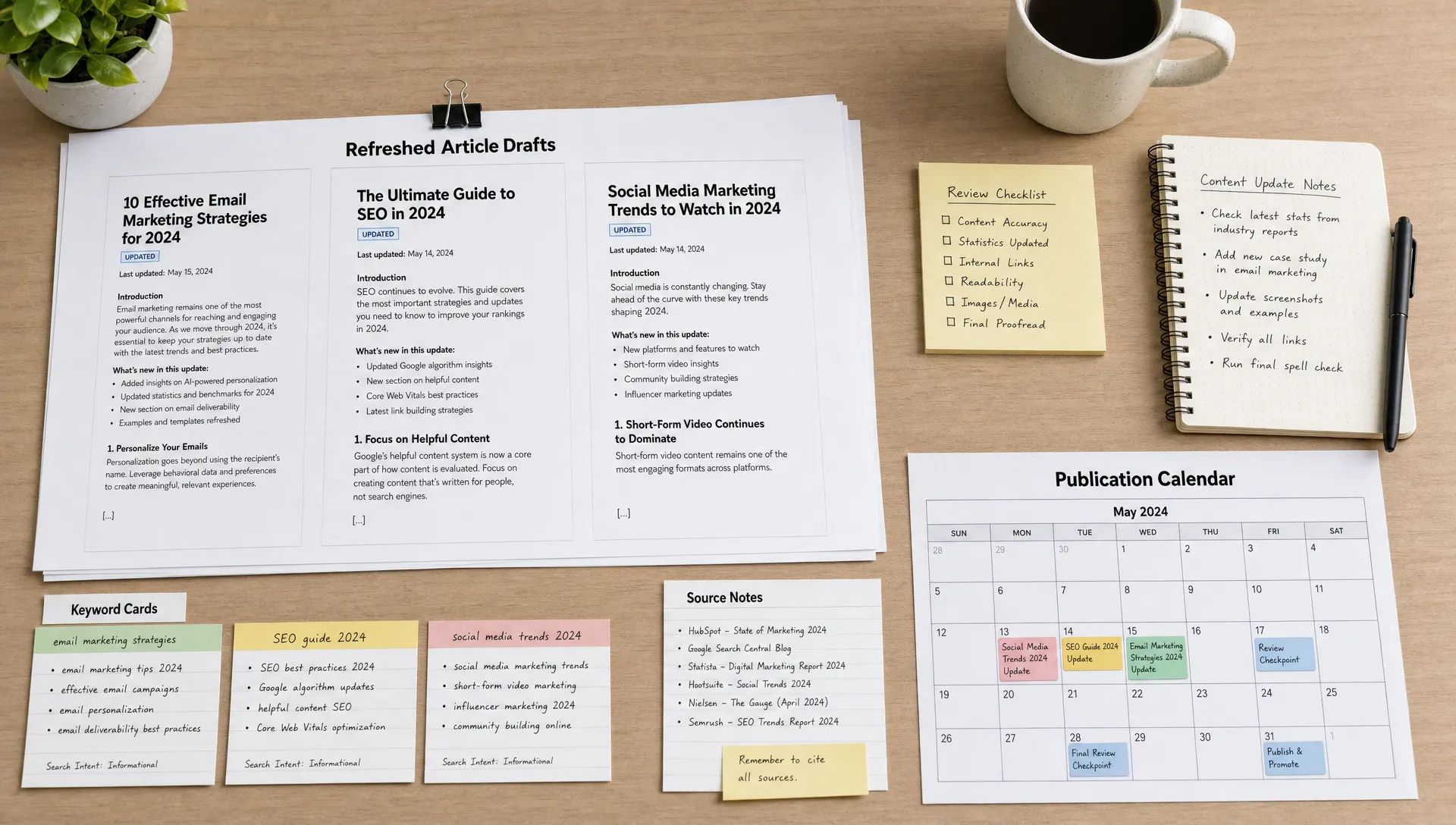
General-purpose AI assistants are often the most flexible tools in a refresh workflow. They can summarize an old article, compare two outlines, rewrite outdated paragraphs, generate title tag options, convert expert notes into polished copy, or create a prioritized update plan.
They work best when you provide context. Paste the article, the target audience, current ranking queries, competitor observations, brand voice notes, and any verified sources. Ask for structured recommendations rather than a full rewrite on the first pass.
A useful prompt is:
Act as a senior SEO editor. Review the pasted article against current search intent, product accuracy, expertise, internal links, and conversion clarity. Return a prioritized refresh plan with sections to keep, update, merge, remove, and verify.
The key limitation is accuracy. These tools can sound confident even when they are wrong. Use them for analysis, drafting, and structure, but verify facts, statistics, product details, legal claims, and anything that affects trust.
Content refresh work often fails because teams do not have a clear system for ownership and follow-up. Notion AI and Airtable AI can help organize refresh tasks, summarize notes, categorize pages, and keep update pipelines visible.
For example, you can maintain a content inventory with fields for URL, target keyword, business priority, traffic trend, last updated date, assigned editor, status, and next review date. AI can help summarize notes, group pages by theme, or draft task descriptions.
These tools are not SEO platforms, but they are valuable for operational discipline. If your refresh program includes many stakeholders, a structured workflow system may produce more impact than adding another writing assistant.
Grammarly is not a full content refresh platform, but it is useful at the end of the workflow. Once the strategy, rewriting, and SEO updates are complete, Grammarly can help catch grammar issues, awkward phrasing, tone mismatches, and clarity problems.
This matters because many AI-assisted refreshes become wordy. A final editing pass helps remove redundancy and improve readability. For high-value pages, a clean final draft can improve user engagement and make the content feel more trustworthy.
A smart stack is usually better than a large stack. The goal is to cover the workflow without buying five tools that all do content scoring.
For a solo marketer or consultant, a lean setup could include Google Search Console, an SEO platform such as Ahrefs or Semrush, a general-purpose AI assistant, and Grammarly. That gives you data, drafting help, and editing support without excessive complexity.
For a growing content team, combine an SEO research tool with Surfer, Clearscope, or Frase for page-level optimization. Add a project management tool so every refresh has an owner, due date, QA step, and measurement plan.
For enterprise teams, prioritize governance and portfolio planning. MarketMuse, Clearscope, Writer, and structured workflow tools can help maintain consistency across many pages, teams, and approval requirements.
For agencies, build repeatable templates. Use AI to standardize audits, briefs, update recommendations, and performance reports. The more consistent the workflow, the easier it is to scale refresh work across clients without sacrificing quality.
The final review is where many refresh projects win or lose. Before you republish, make sure the update is substantial enough to deserve attention from readers and search engines.
Use this checklist:
Internal links are especially easy to overlook during updates. AI can help find relevant pages, but editors should approve anchors and context. If this is a recurring issue, use AIMarketer Hub’s guide on how to use AI to improve internal linking as a process reference.
The first mistake is refreshing pages only because they are old. Age alone is not the problem. Some evergreen pages remain accurate for years, while newer pages can become outdated quickly if the market changes. Prioritize based on traffic, rankings, conversions, strategic importance, and accuracy risk.
The second mistake is letting AI overwrite expertise. If a subject matter expert originally made the article valuable, preserve that perspective. AI can clarify and structure the content, but it should not remove the real-world nuance that makes the page credible.
The third mistake is optimizing for terms instead of usefulness. Content tools often suggest related phrases, but adding every suggestion can make the article unnatural. Use recommendations as clues, not commands.
The fourth mistake is ignoring conversion. A refreshed page should not only rank better. It should also guide readers to a logical next step, whether that is downloading a resource, comparing tools, reading a related guide, or contacting sales.
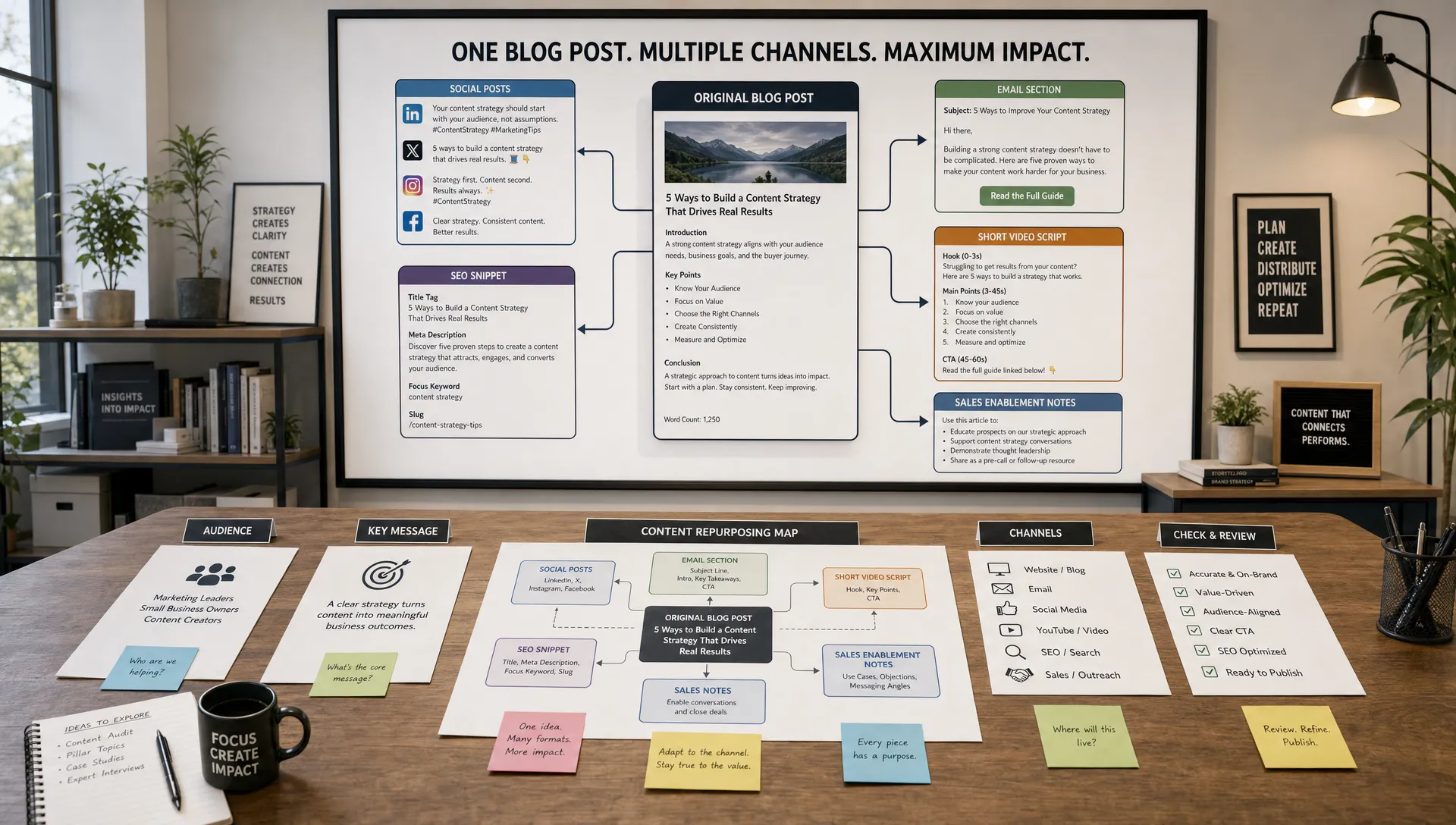
Finally, do not stop at republishing. Monitor the page for at least a few weeks, and often longer for competitive terms. Look at impressions, average position, clicks, engagement, assisted conversions, and whether the update created new internal linking or repurposing opportunities. If a refreshed article becomes a stronger asset, you can extend its value with an AI content repurposing workflow.
What is the best AI tool for content refresh work? The best tool depends on the job. Ahrefs and Semrush are strong for finding pages to update, Surfer SEO and Clearscope help with page-level optimization, Frase is useful for briefs and question research, and ChatGPT, Claude, or Gemini are flexible for analysis and rewriting.
Can AI update blog posts automatically? AI can automate parts of the process, such as summarizing gaps, drafting revised sections, and suggesting internal links. Human review is still essential for accuracy, expertise, brand voice, and strategic decisions.
How often should content be refreshed? High-value SEO and conversion pages should be reviewed at least quarterly or twice per year. Evergreen informational content may only need an annual review, while fast-changing topics such as AI tools, legal updates, software comparisons, and market data may need more frequent checks.
Should I change the publish date after a refresh? Only update the date when the content has been meaningfully improved. Changing dates without substantial updates can reduce trust because readers may notice outdated examples, links, or claims inside the article.
Is content refresh better than creating new content? It can be, especially when a page already has authority, backlinks, impressions, or rankings. New content is still needed for uncovered topics, new product angles, and emerging search demand. The best strategy usually combines both.
The best AI tools for content refresh and update work help you make better decisions faster. They identify what is slipping, show what readers now expect, speed up rewriting, and keep your team focused on quality.
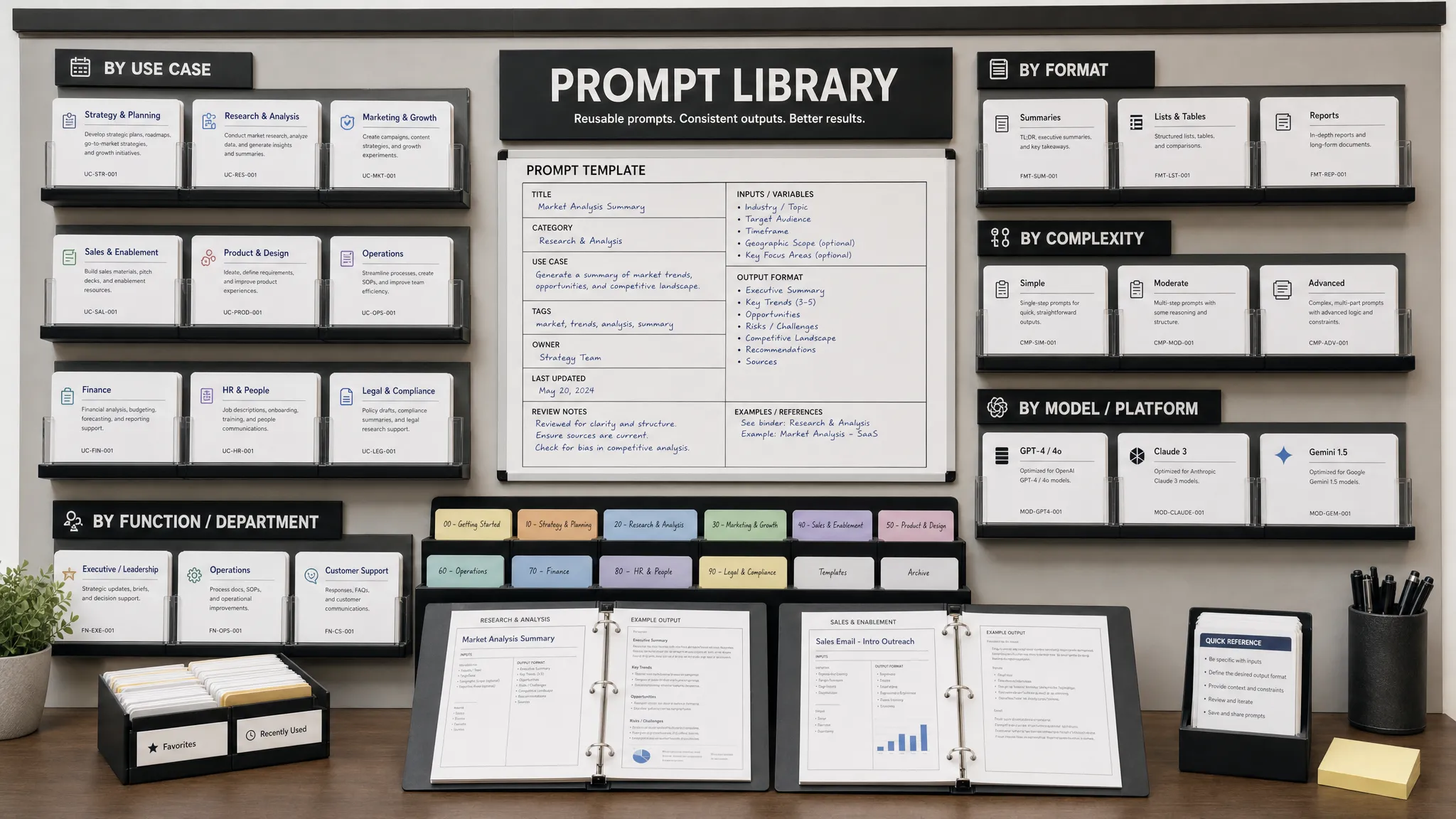
Start with a small refresh batch of high-value pages, document your process, measure the results, and then scale. AIMarketer Hub’s AI marketing resources, prompt library, SEO tools, and practical guides can help you turn one-off updates into a repeatable workflow that improves content performance over time.