The debate around AI vs traditional marketing often gets framed as a winner-takes-all fight. In practice, the best-performing teams rarely choose only one. They use AI to improve speed, targeting, analysis, and content production, while still relying on traditional marketing to build trust, emotional connection, and market presence.
So what works best? AI marketing works best when you need measurable, scalable, data-driven execution. Traditional marketing works best when you need broad awareness, credibility, local presence, or high-trust relationship building. The strongest strategy is usually a hybrid model that lets each approach do what it does best.
For business owners, founders, and marketers, the real question is not whether AI will replace traditional marketing. It is how to combine both without wasting budget, weakening your brand, or chasing tools that do not support your goals.
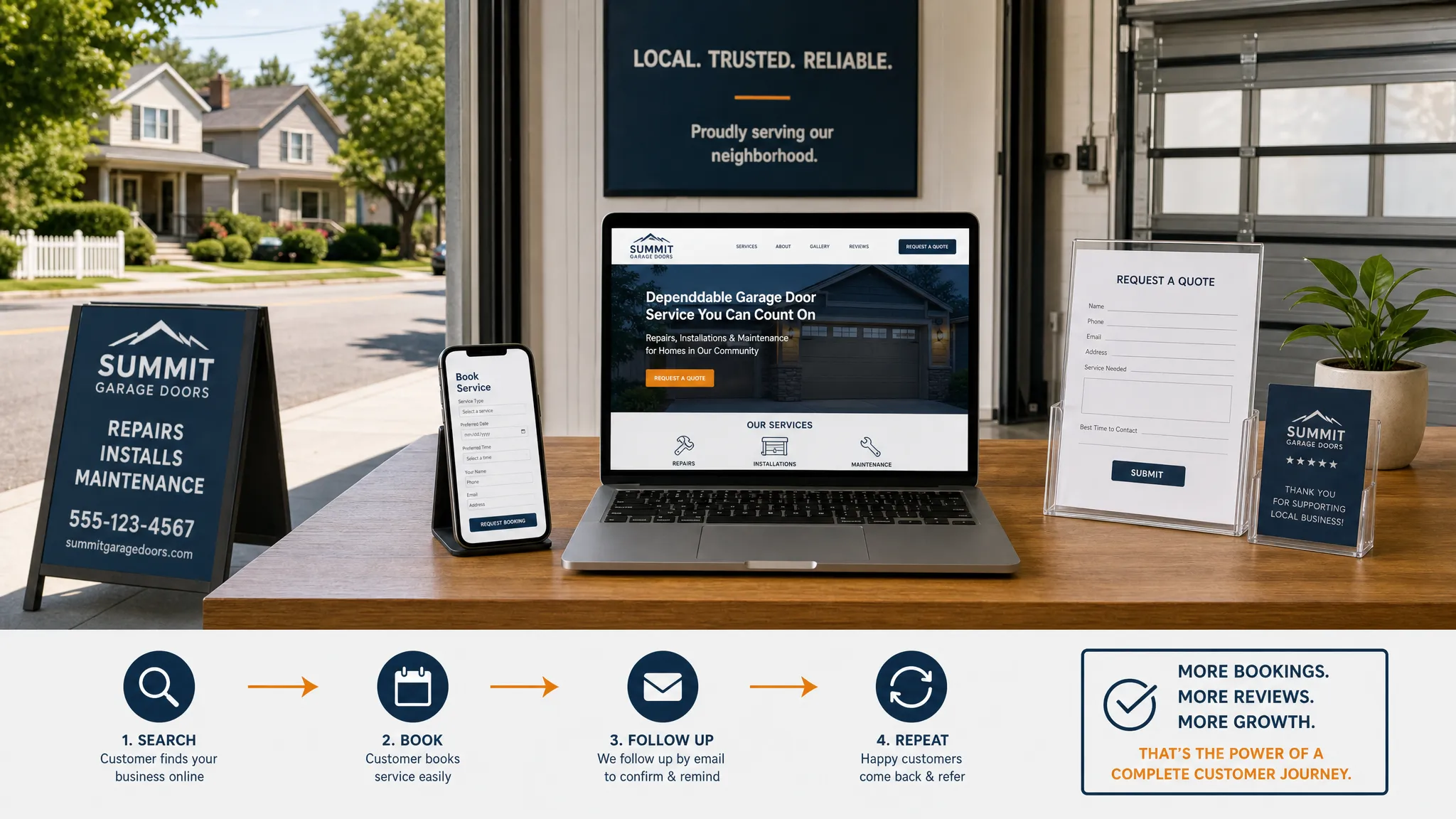
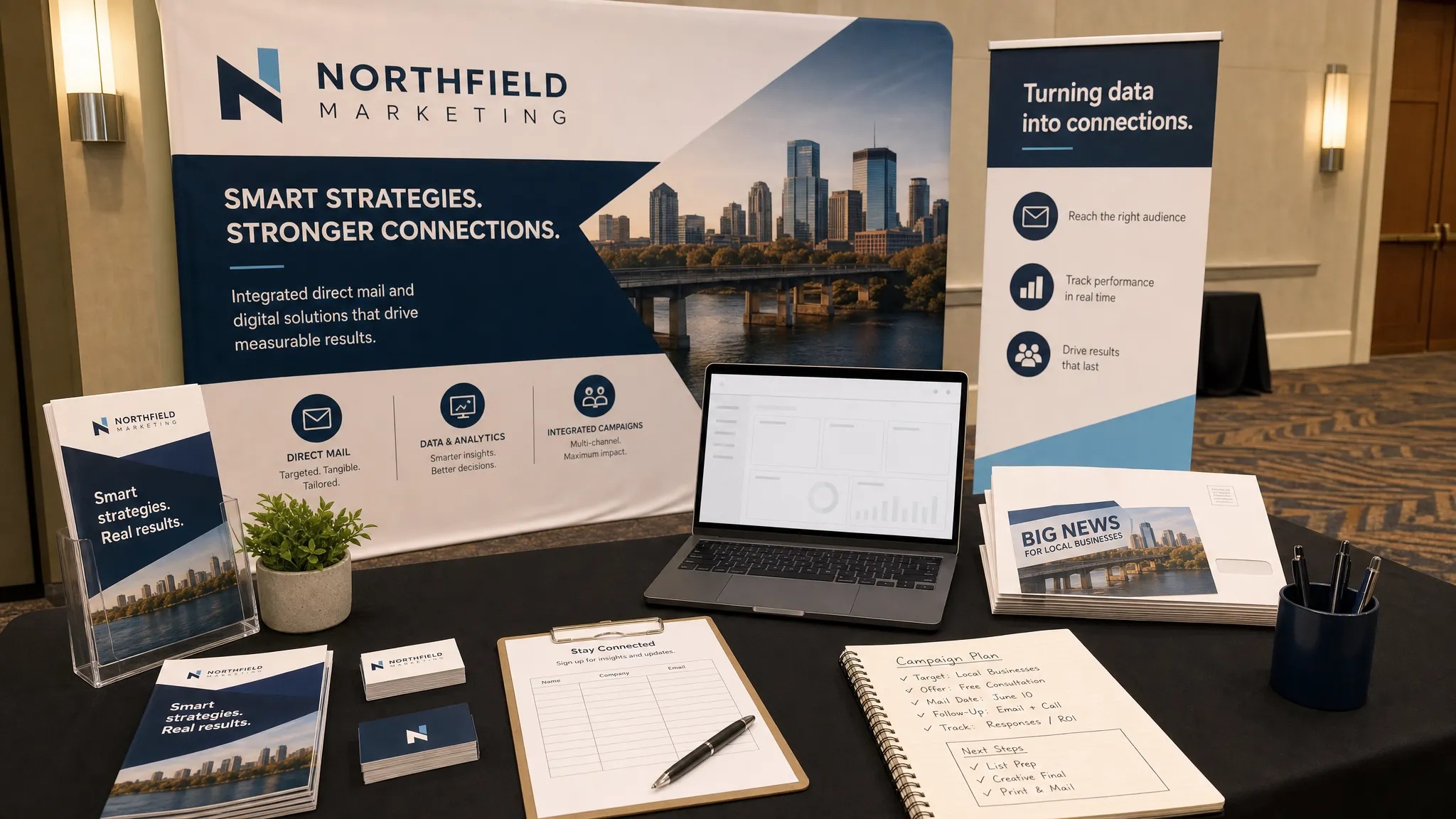
Traditional marketing refers to the established channels and tactics brands used long before AI tools became mainstream. That includes print ads, direct mail, radio, television, billboards, trade shows, sponsorships, networking events, brochures, and in-person sales materials.
It can also include classic strategic work, such as brand positioning, market research interviews, customer personas, public relations, and creative campaigns developed primarily by human teams. Traditional does not mean outdated. Many of these methods still influence buying decisions, especially when customers need repeated exposure or social proof before trusting a company.
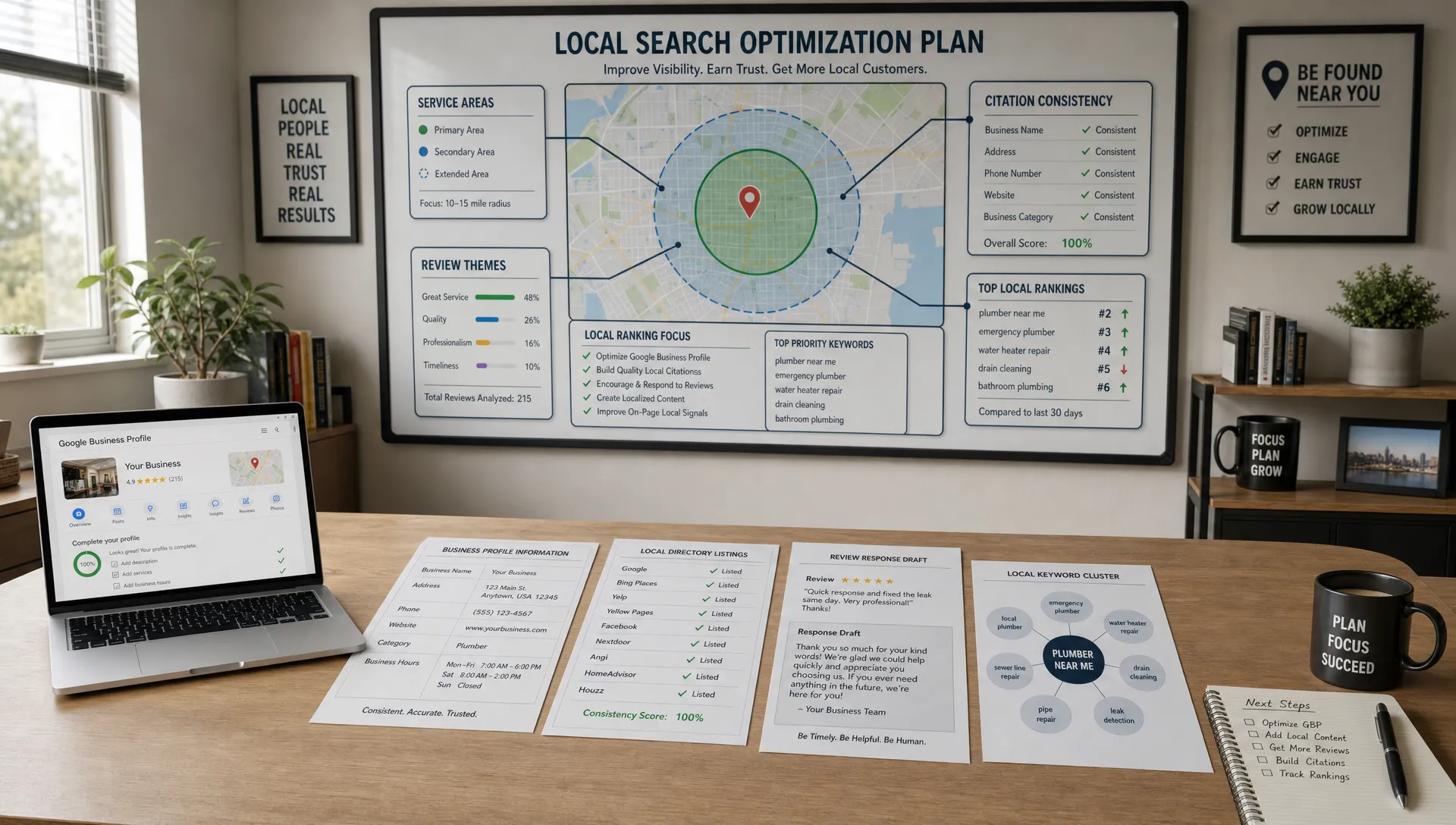
The main strength of traditional marketing is presence. A billboard in a busy area, a booth at an industry event, or a direct mail offer in a local neighborhood can feel tangible in a way that digital ads often do not. For many audiences, especially in local services, healthcare, finance, legal, real estate, and B2B sectors, offline credibility still matters.
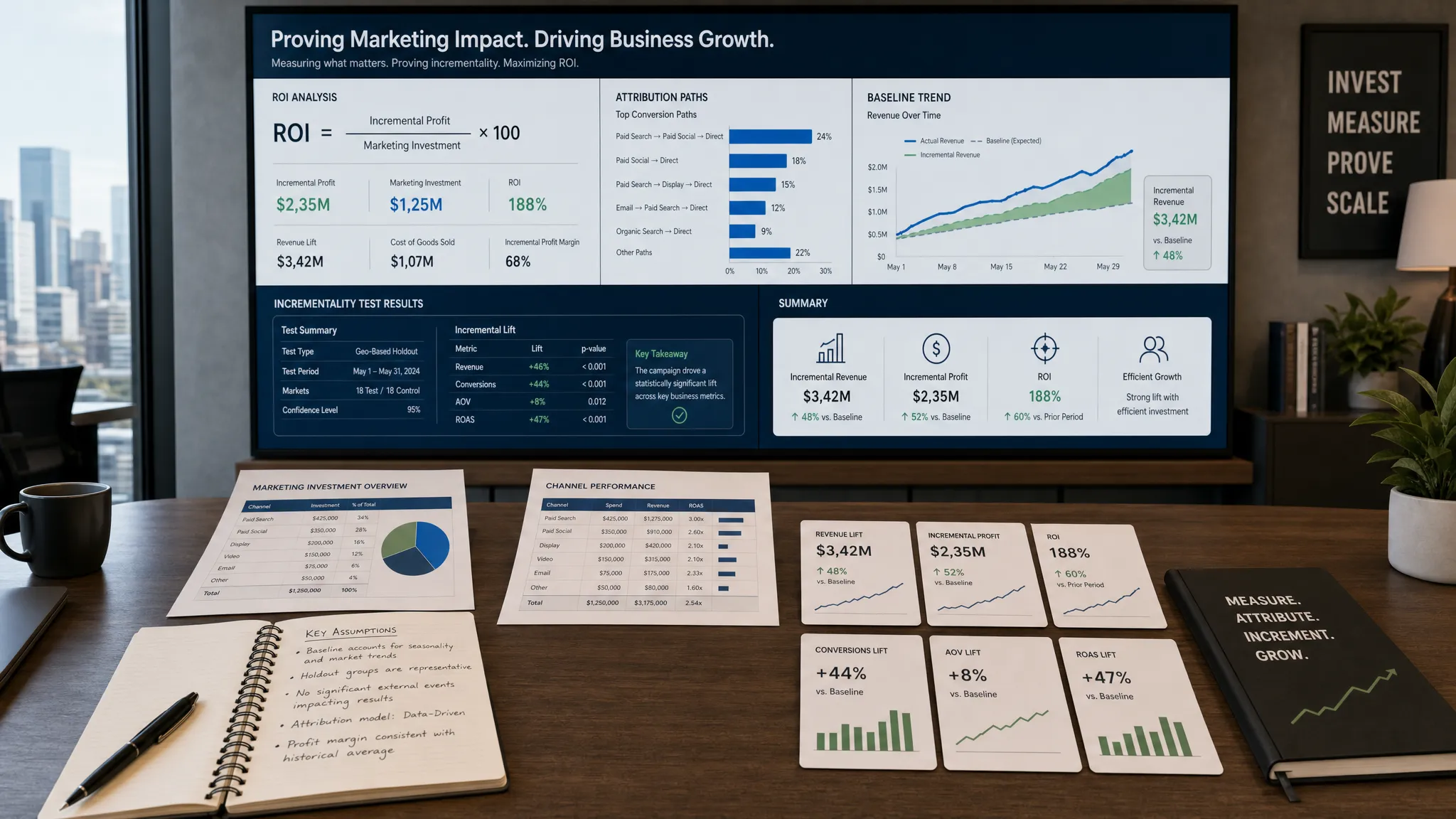
The weakness is measurement. Traditional campaigns can be harder to attribute directly to revenue. You can use promo codes, call tracking, surveys, landing pages, and QR codes, but it is still more difficult to measure every impression, click, and conversion compared with digital channels.
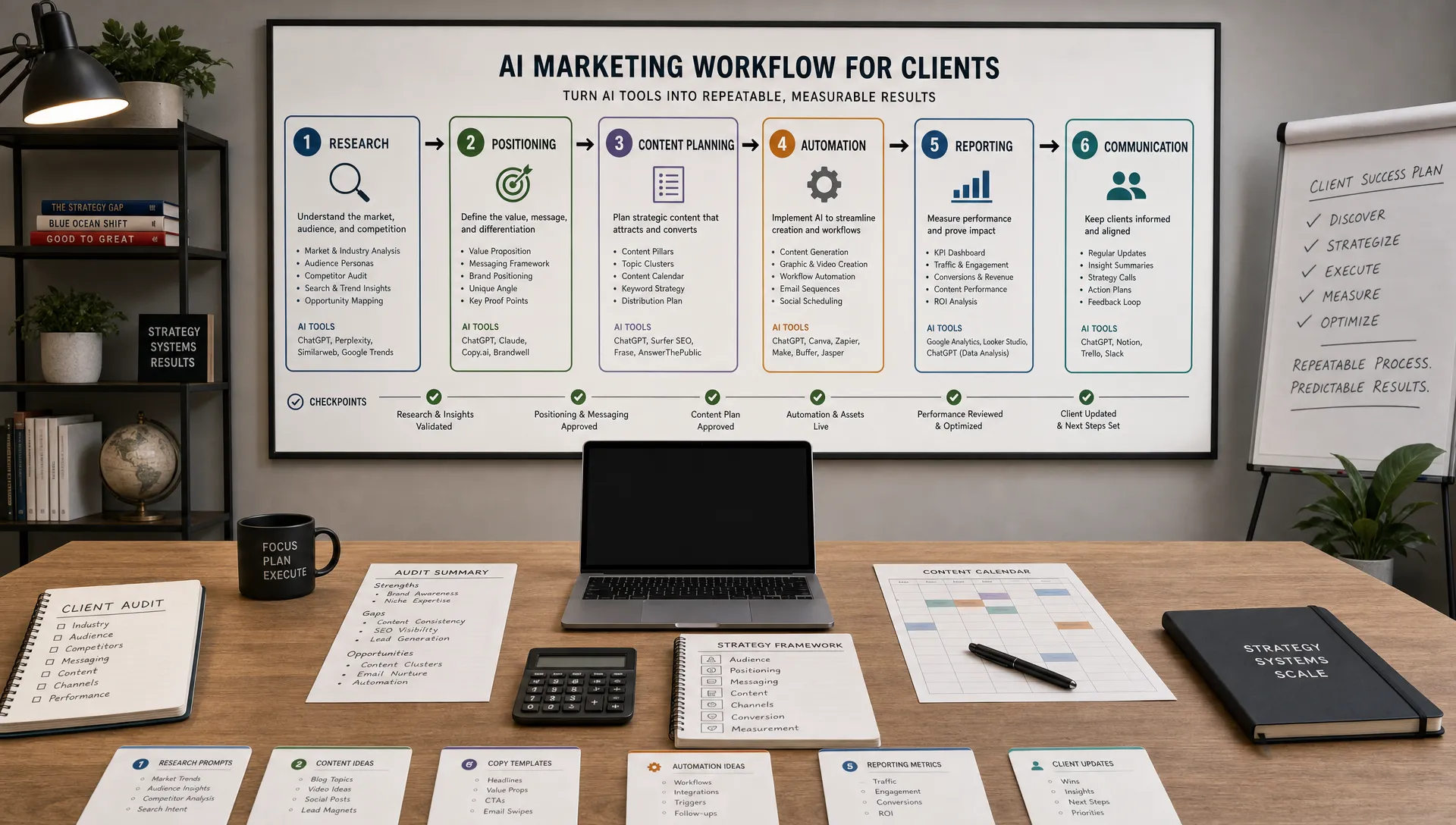
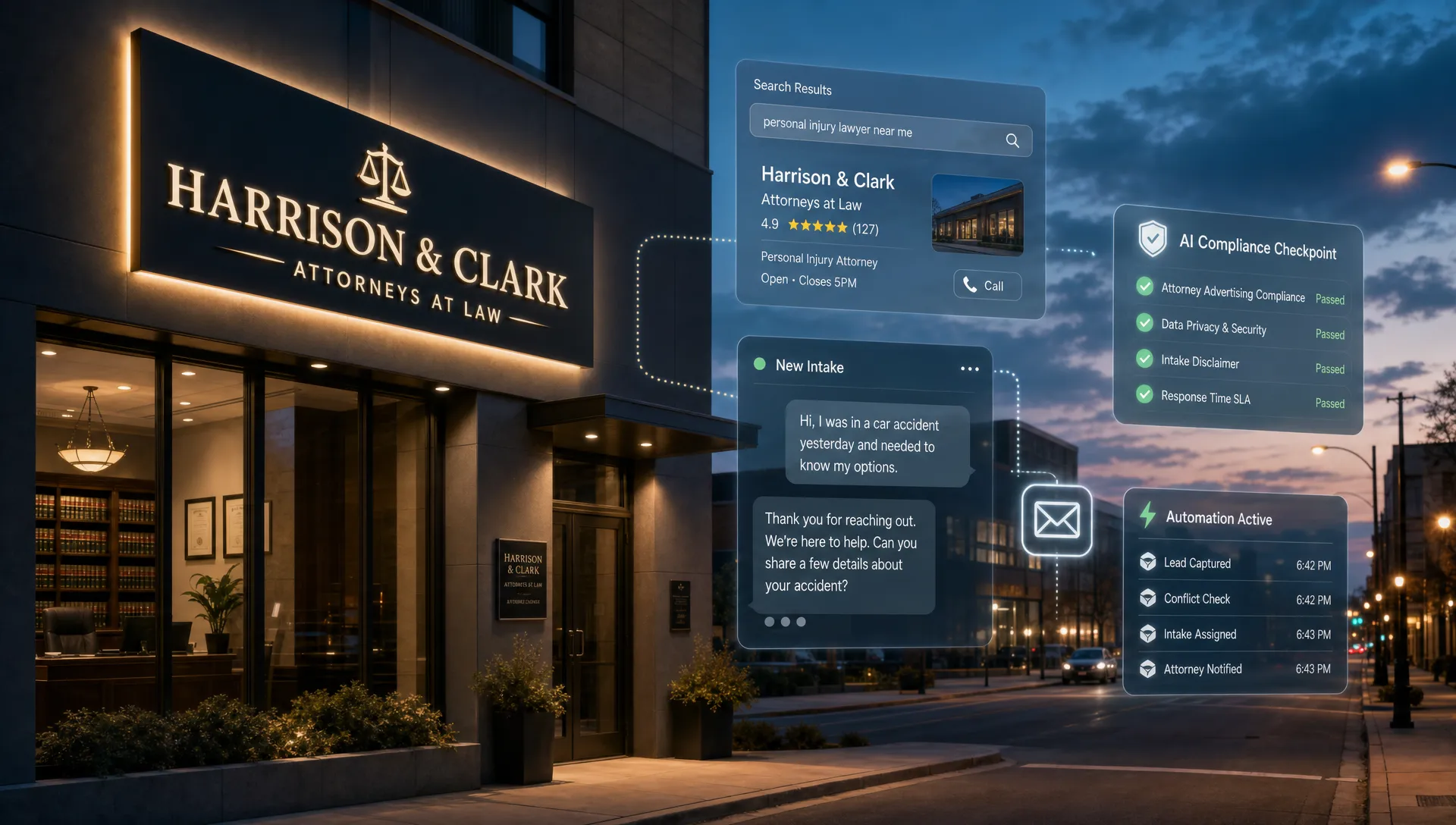
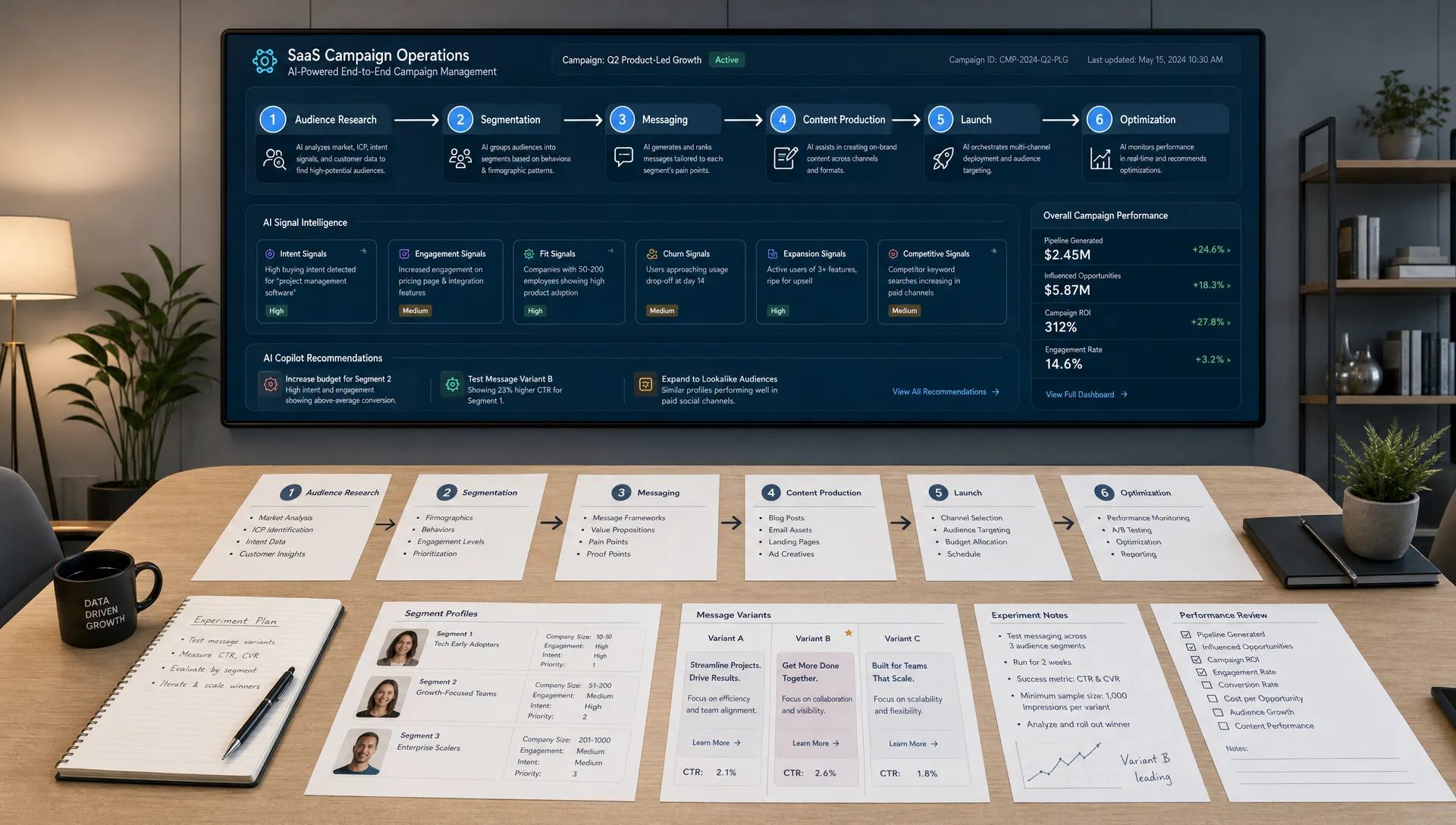
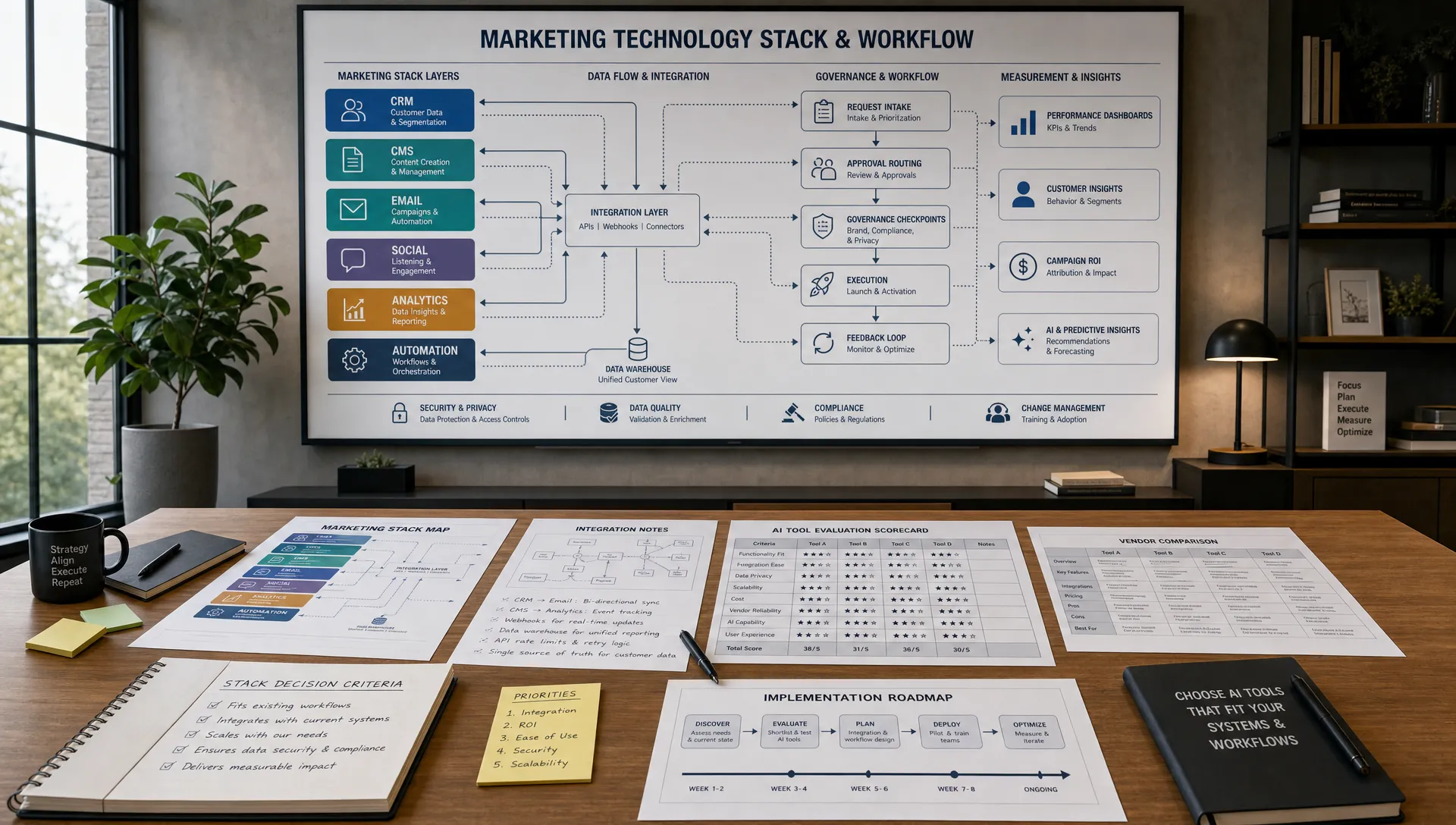
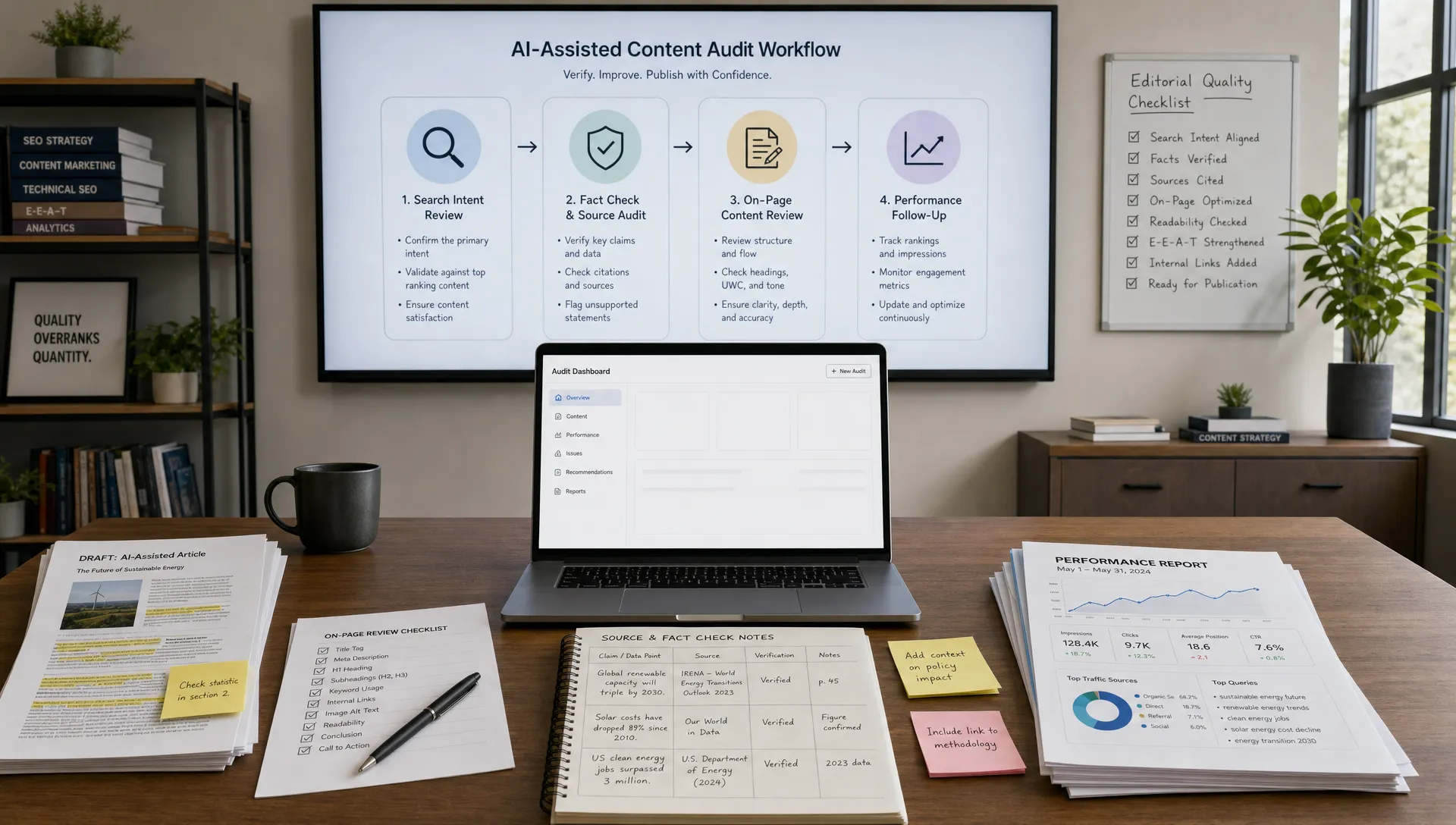
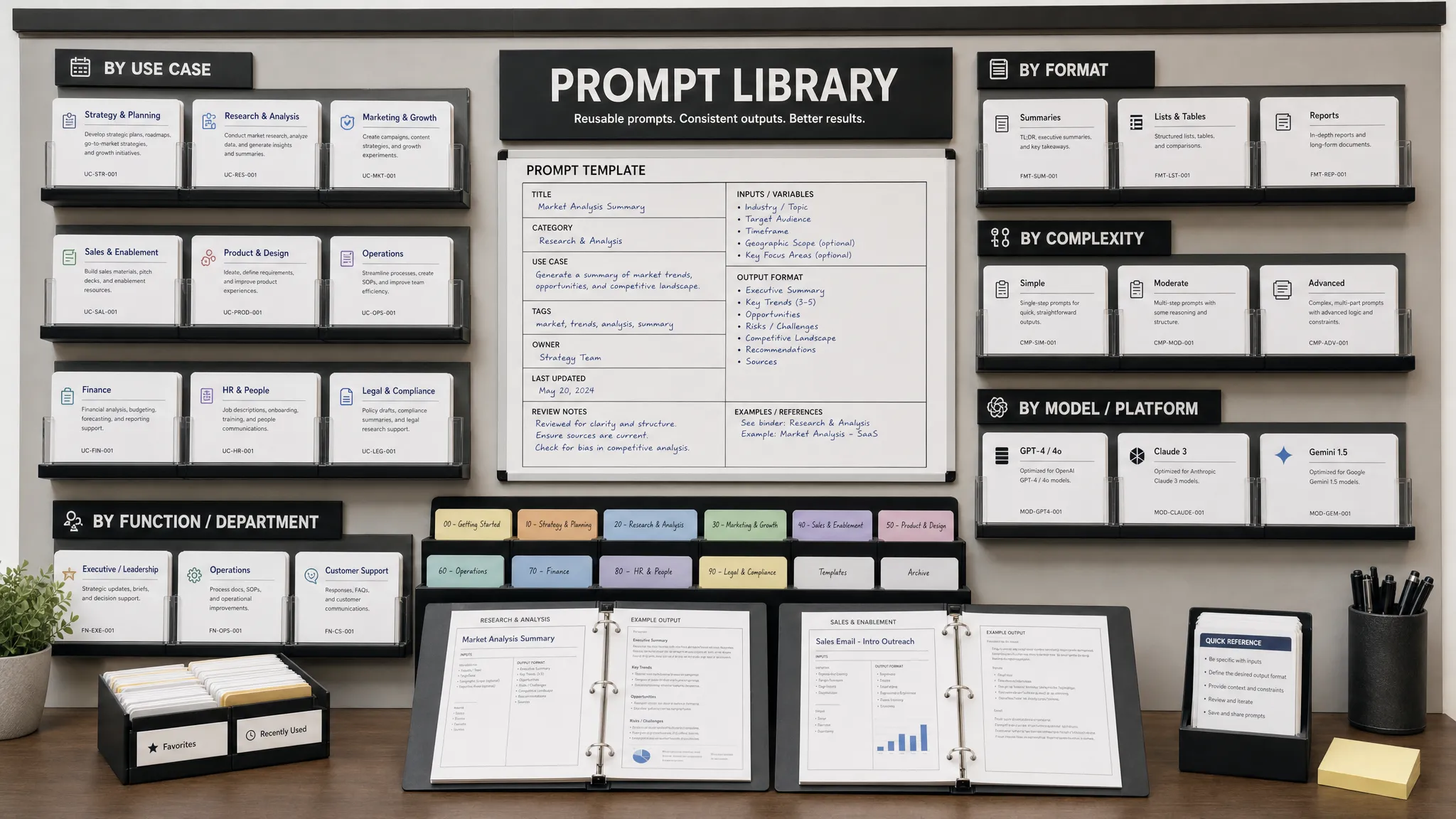
AI marketing uses artificial intelligence to improve or automate marketing tasks. This can include AI content generation, audience segmentation, campaign optimization, predictive analytics, automated email flows, chatbots, SEO assistance, social media scheduling, ad creative testing, and marketing workflow automation.
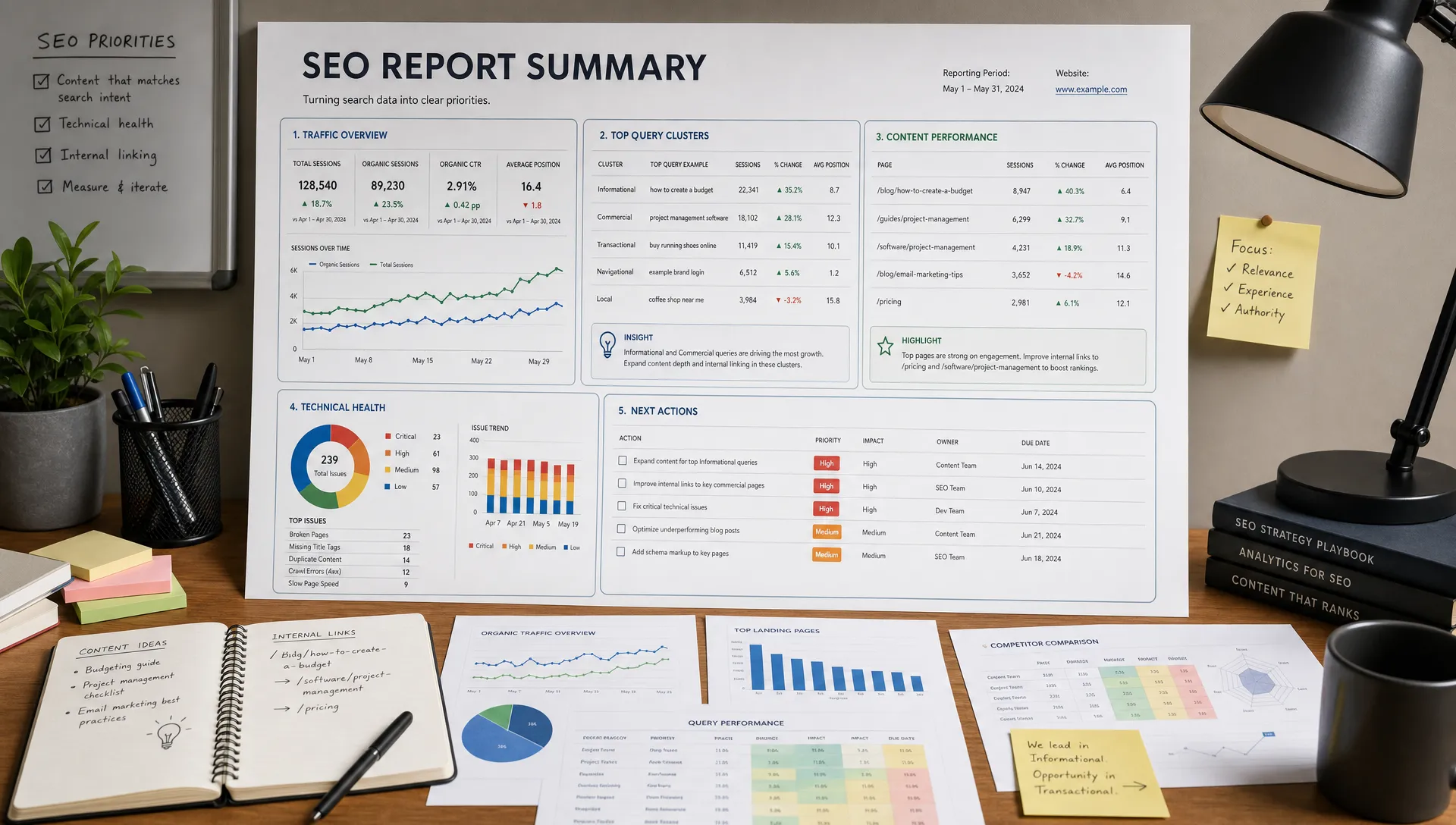
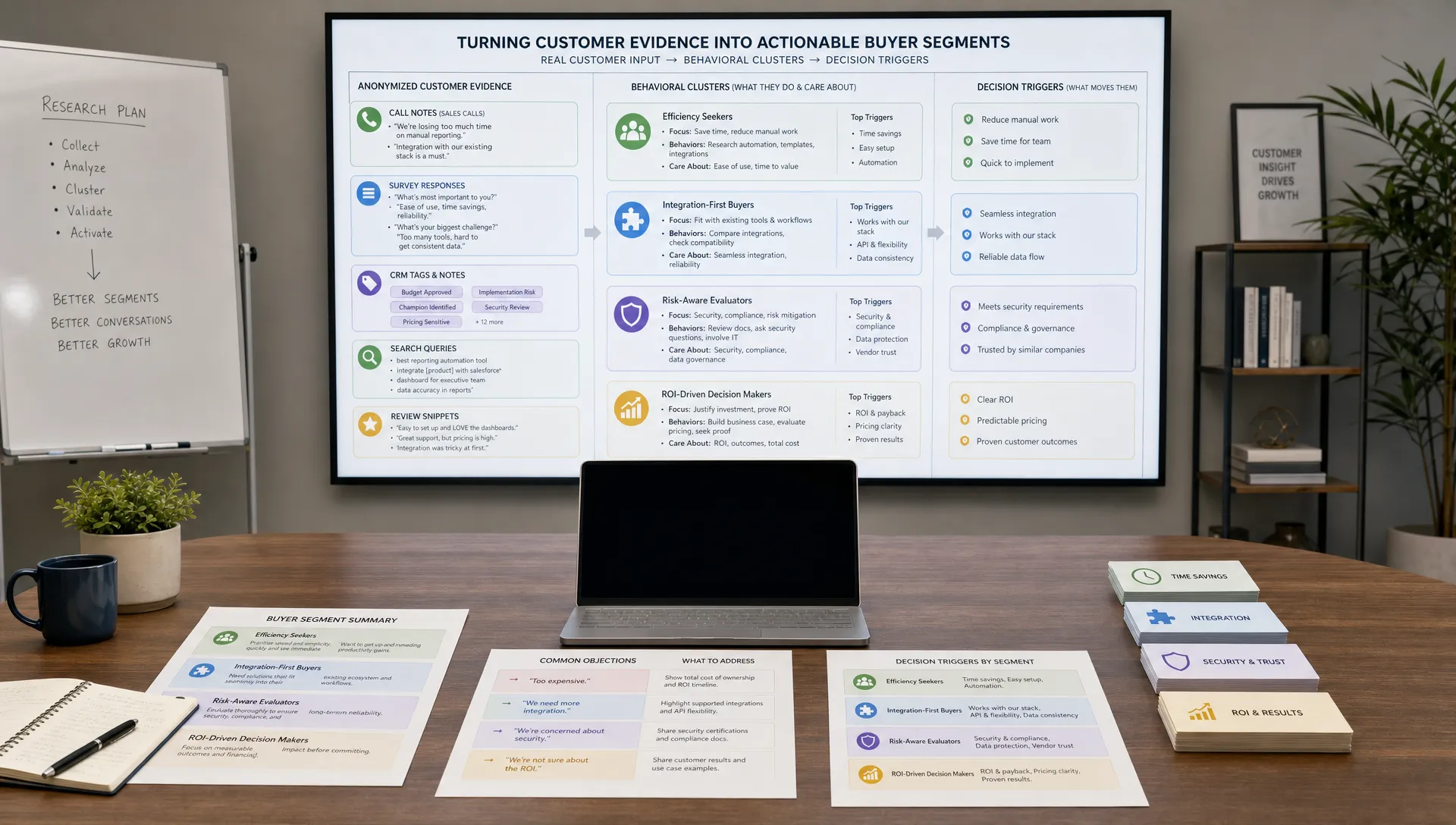
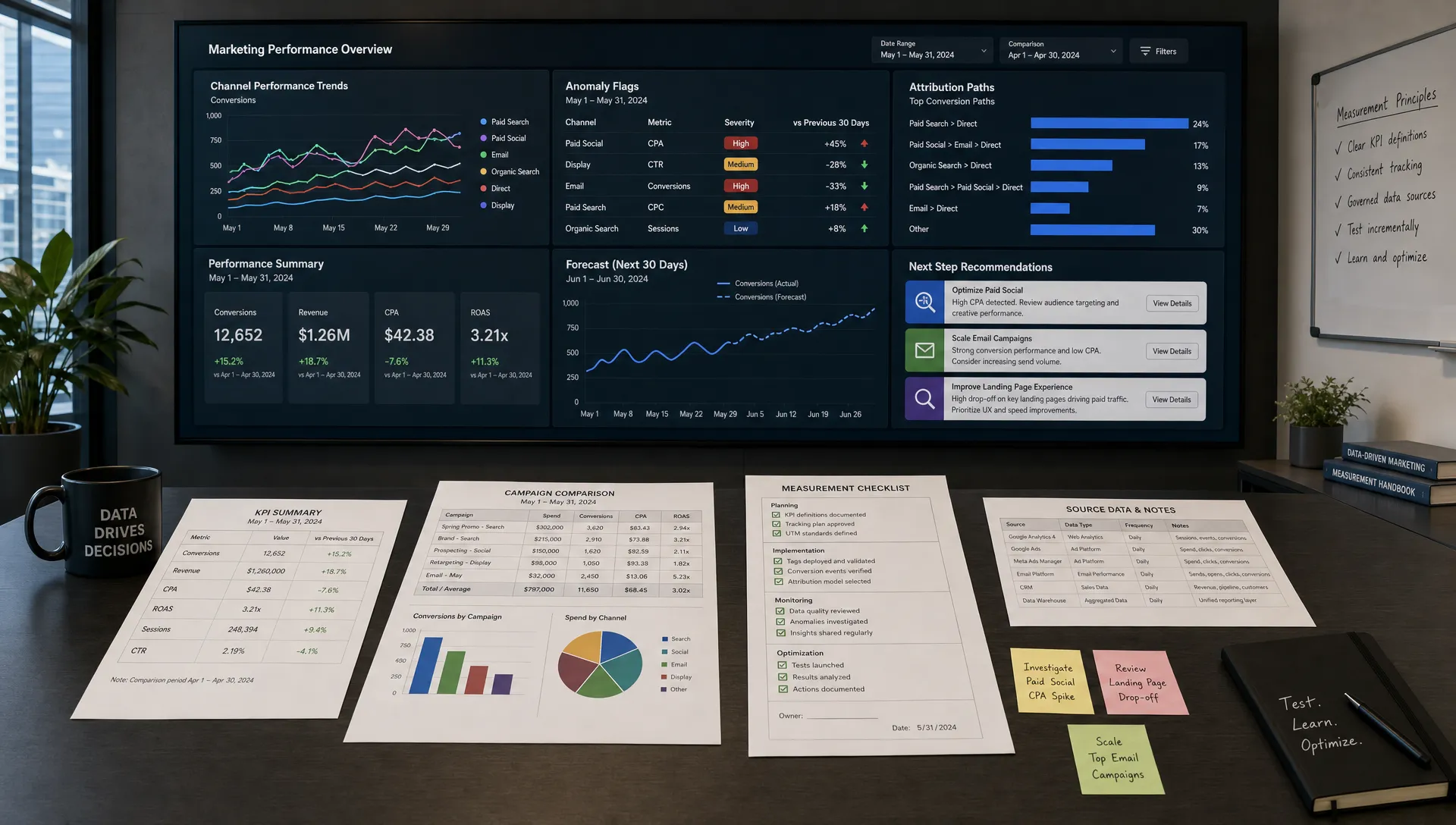
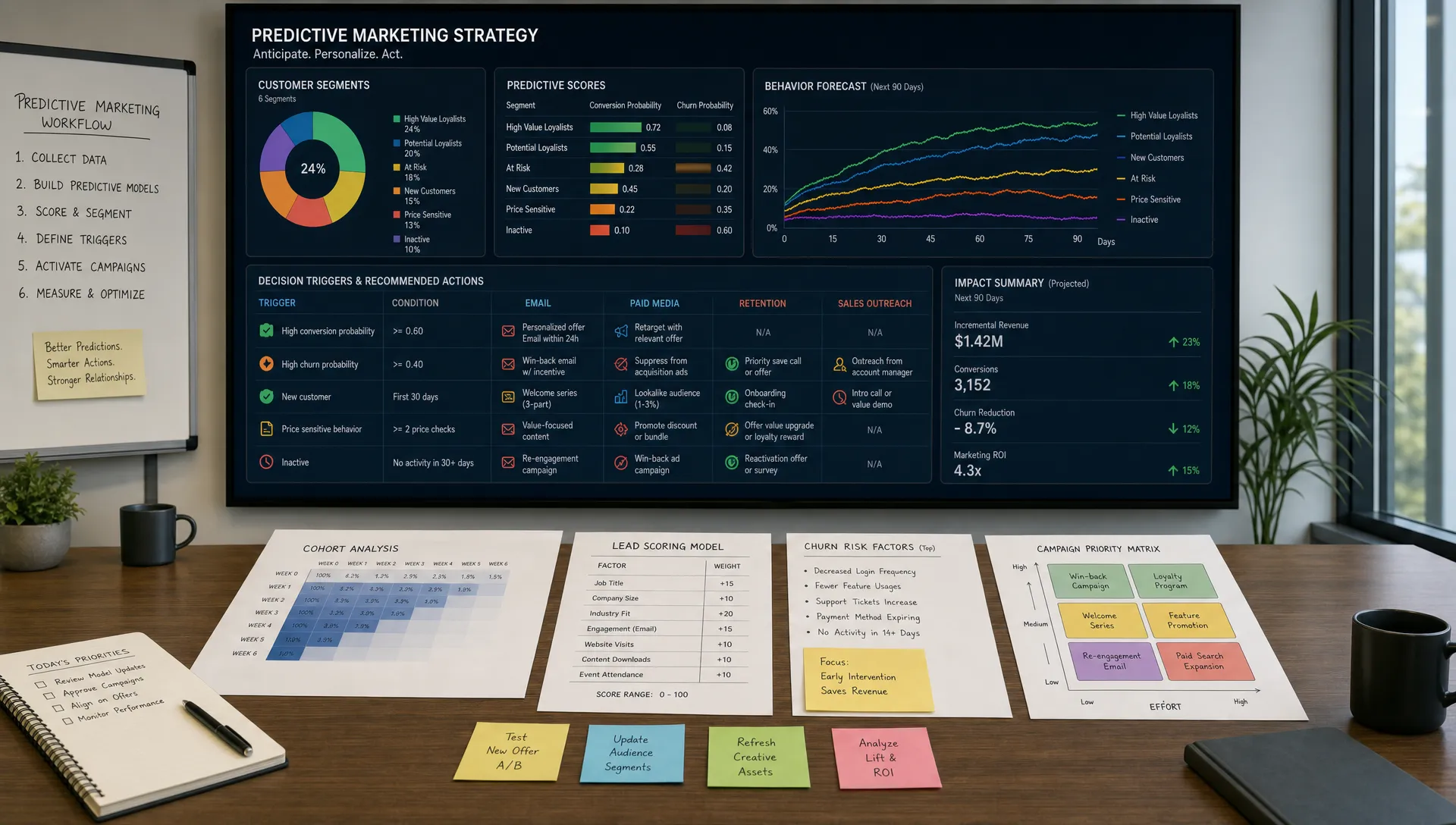
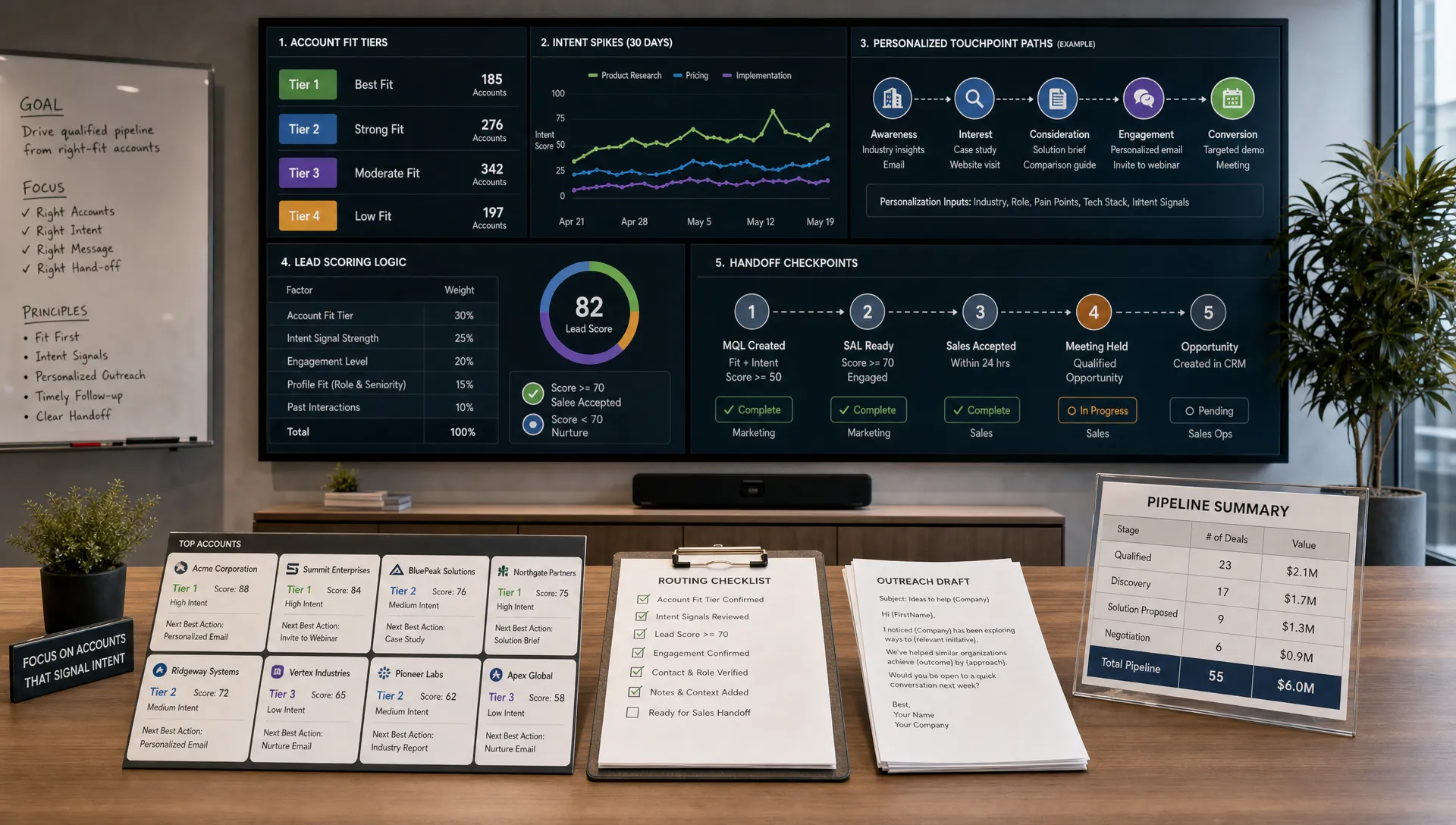
The shift is not just about faster content creation. AI tools can analyze large datasets, identify patterns, personalize messages, and recommend actions faster than manual teams can. For example, an AI-powered analytics system might detect that a specific customer segment converts better after seeing a comparison guide, while another segment responds better to a short product demo.
According to McKinsey's 2024 State of AI research, 65% of surveyed organizations said they were regularly using generative AI, a sharp increase from the previous year. That does not mean every company is using AI well, but it does show how quickly AI has become part of modern business operations.
The advantage of AI marketing is leverage. A small team can create more campaign variations, analyze more customer behavior, and test more ideas than would have been practical a few years ago. The risk is that speed can create sameness. If every brand uses similar prompts, templates, and automation, the market gets flooded with generic content that looks efficient but fails to build trust.
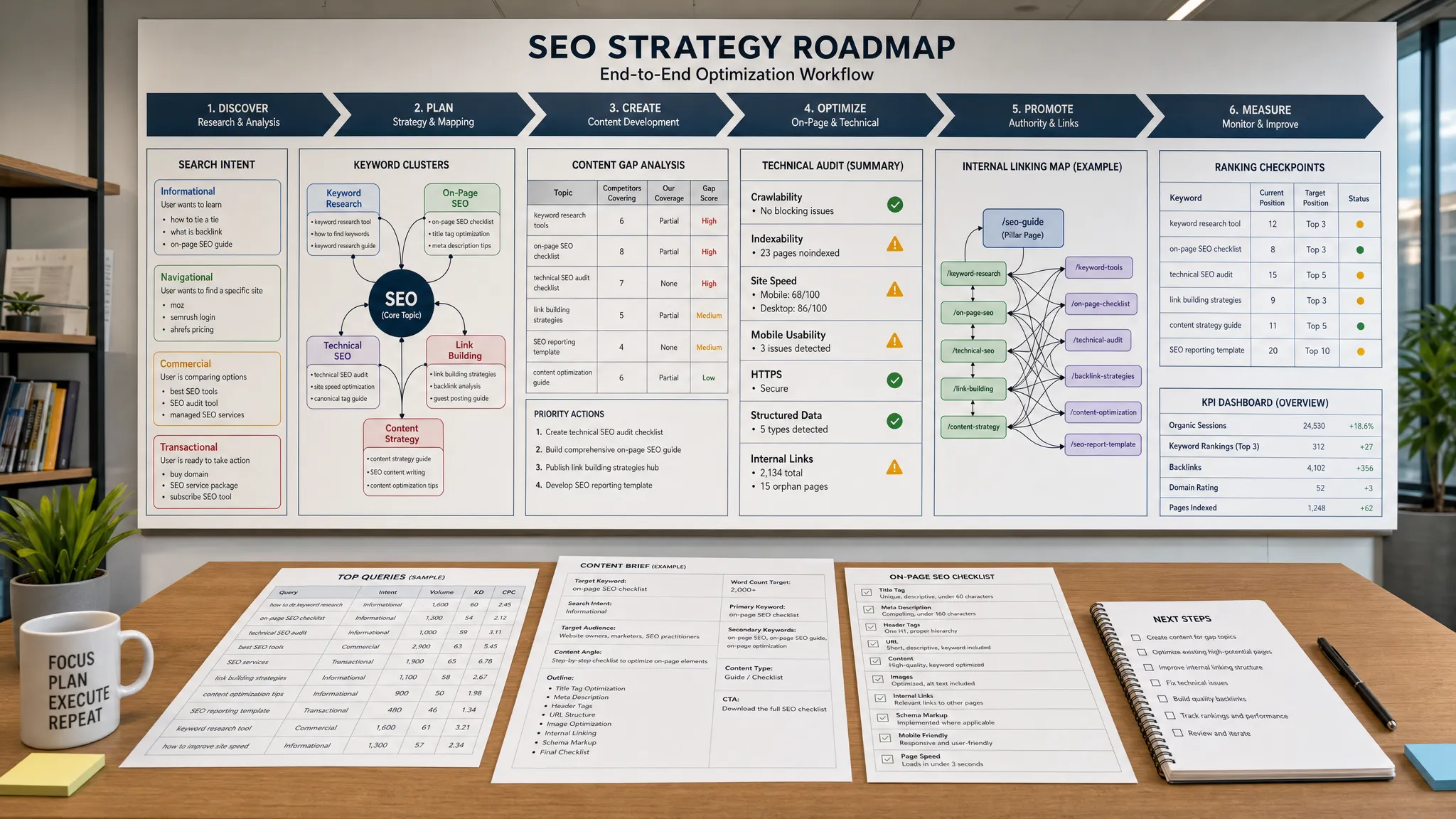
AI marketing is strongest when the job depends on data, repetition, personalization, or rapid testing. It is especially effective in digital marketing strategies where performance can be tracked and optimized in near real time.
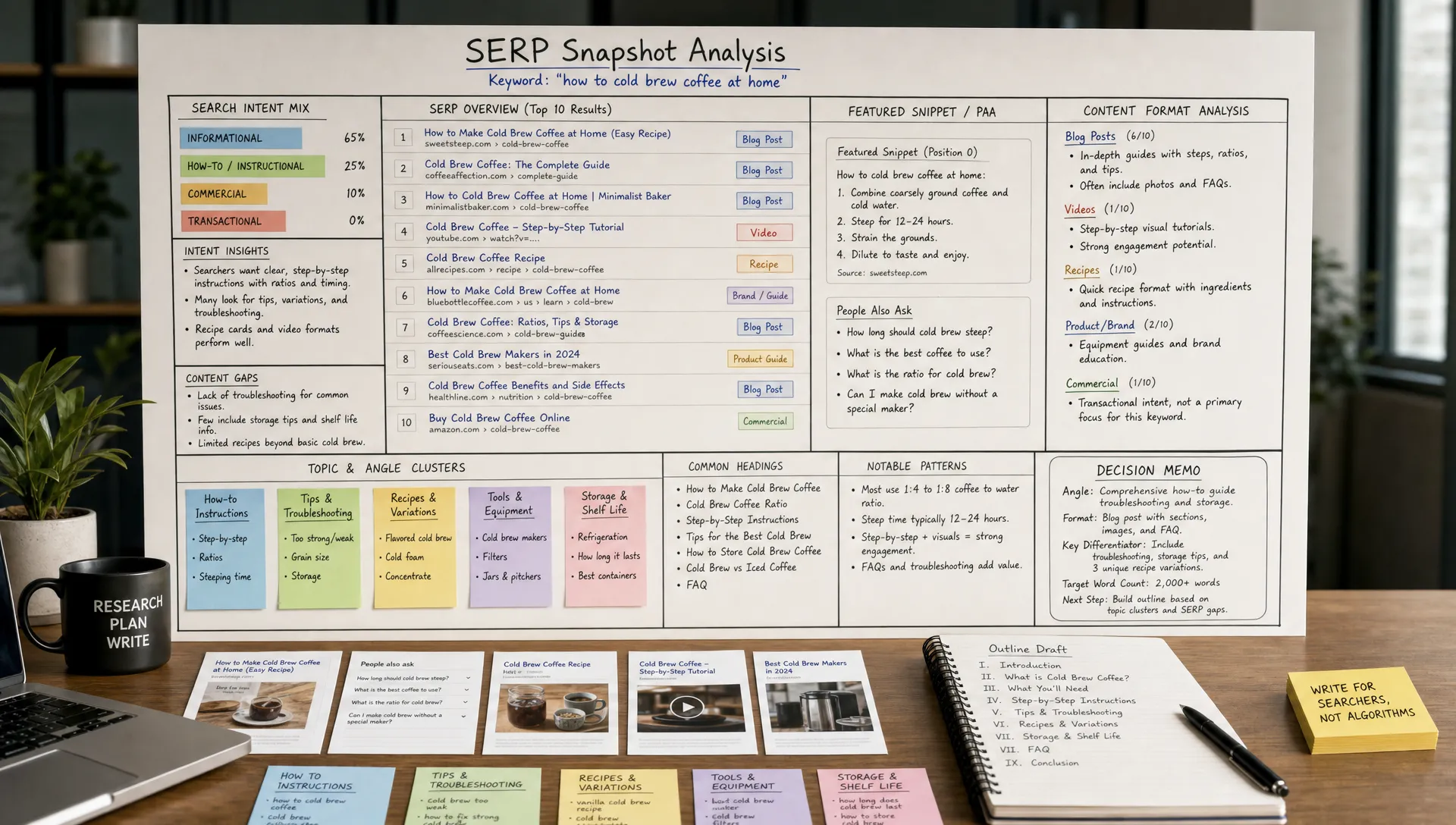
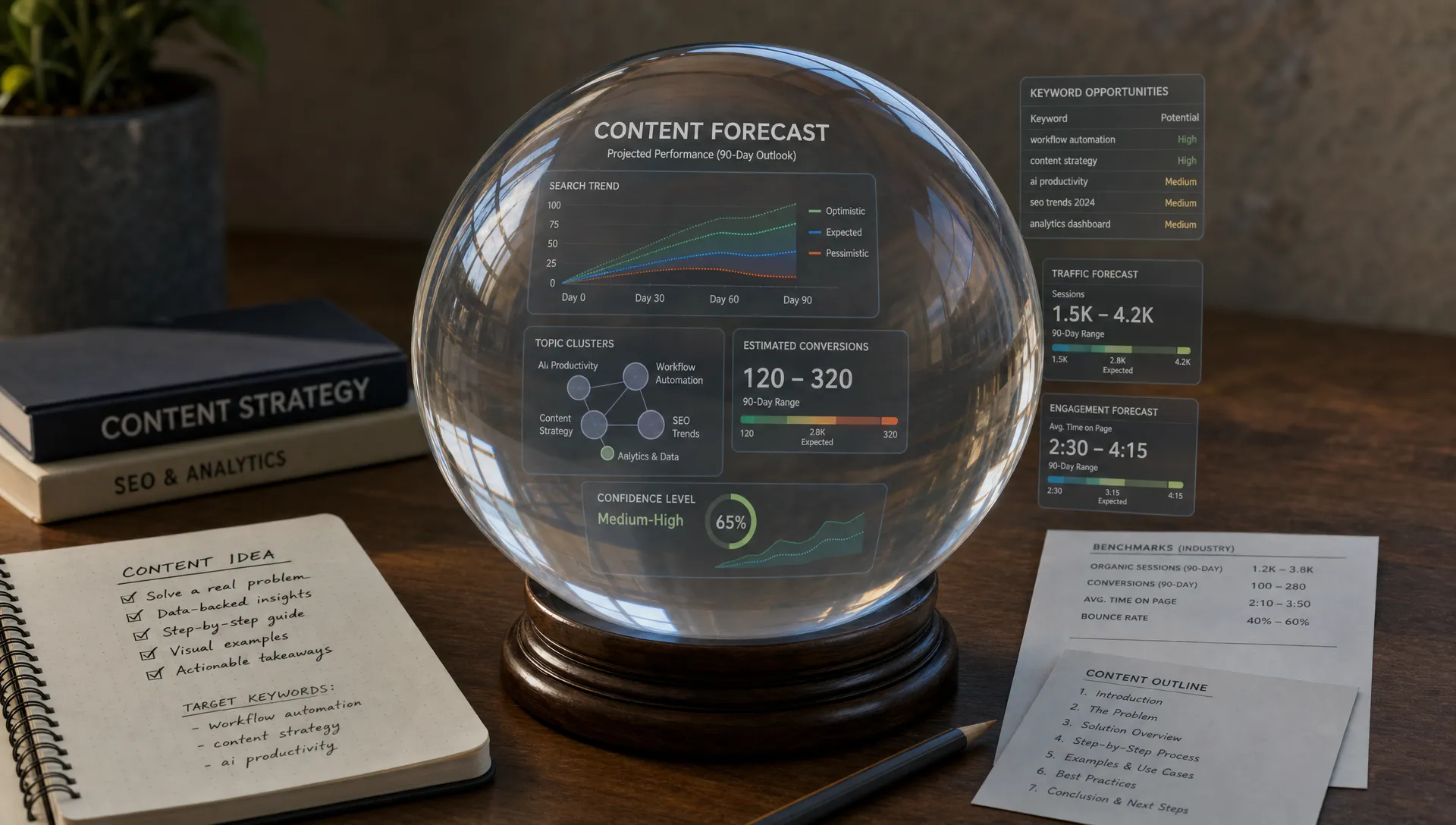
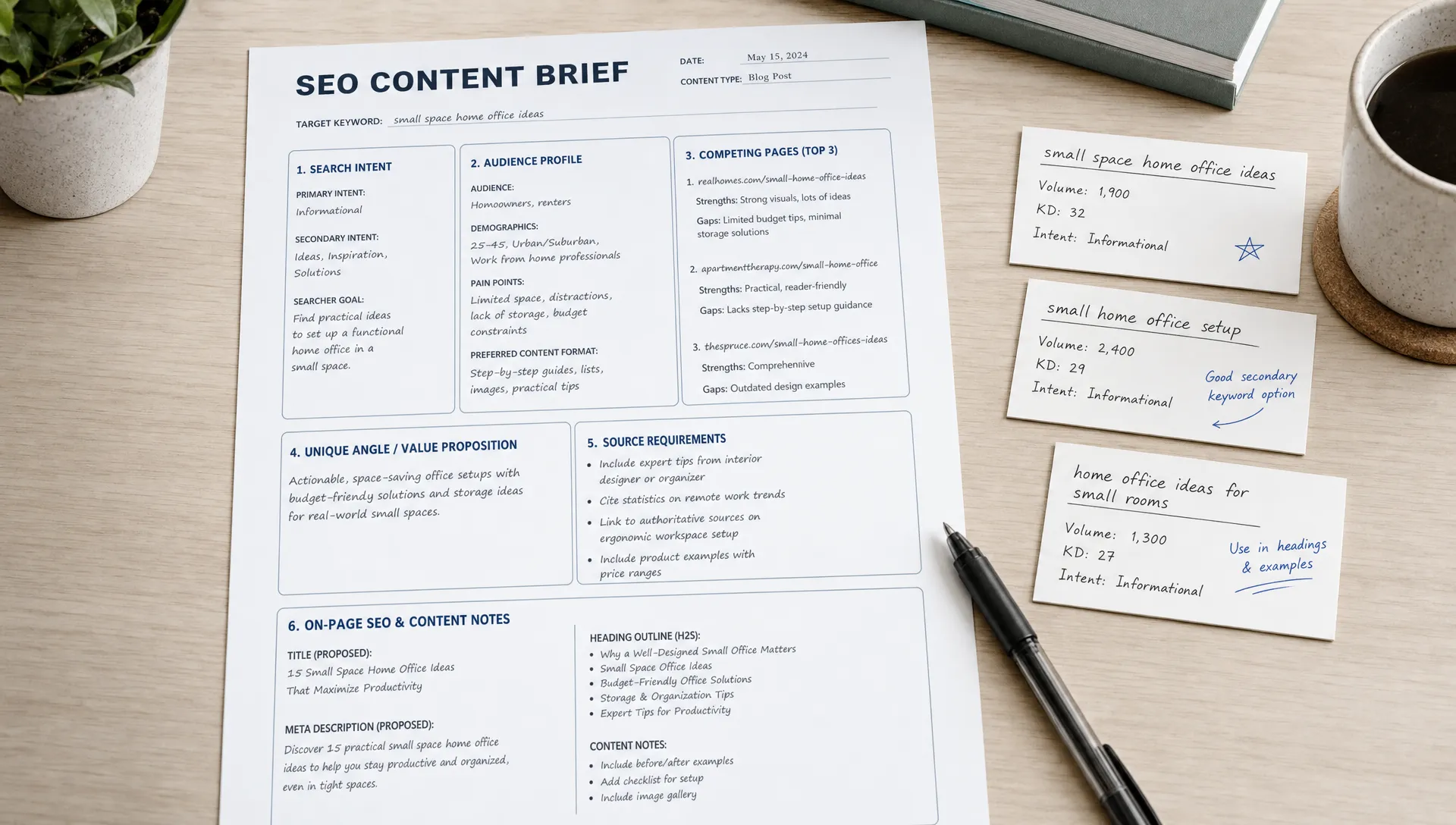
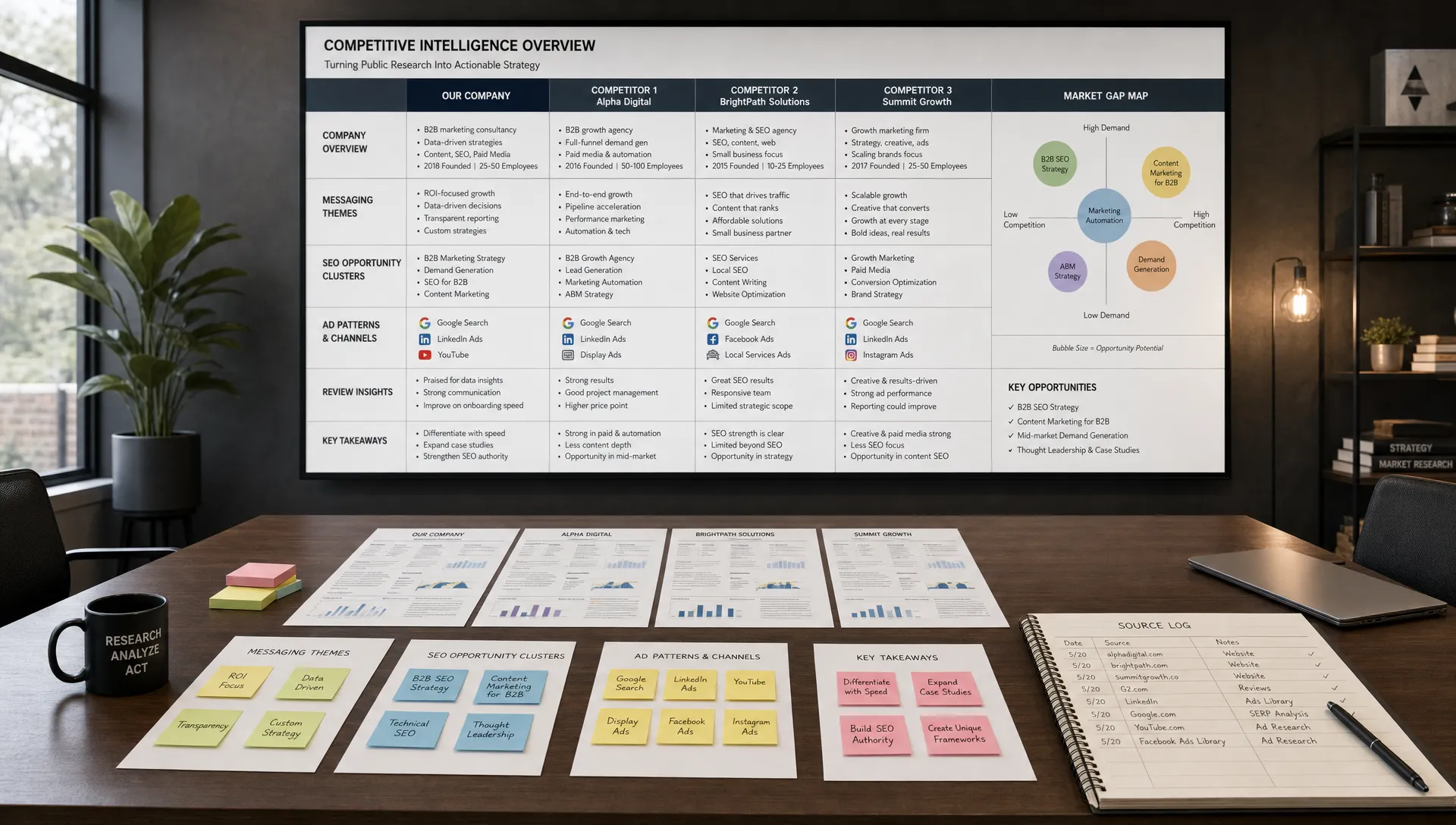
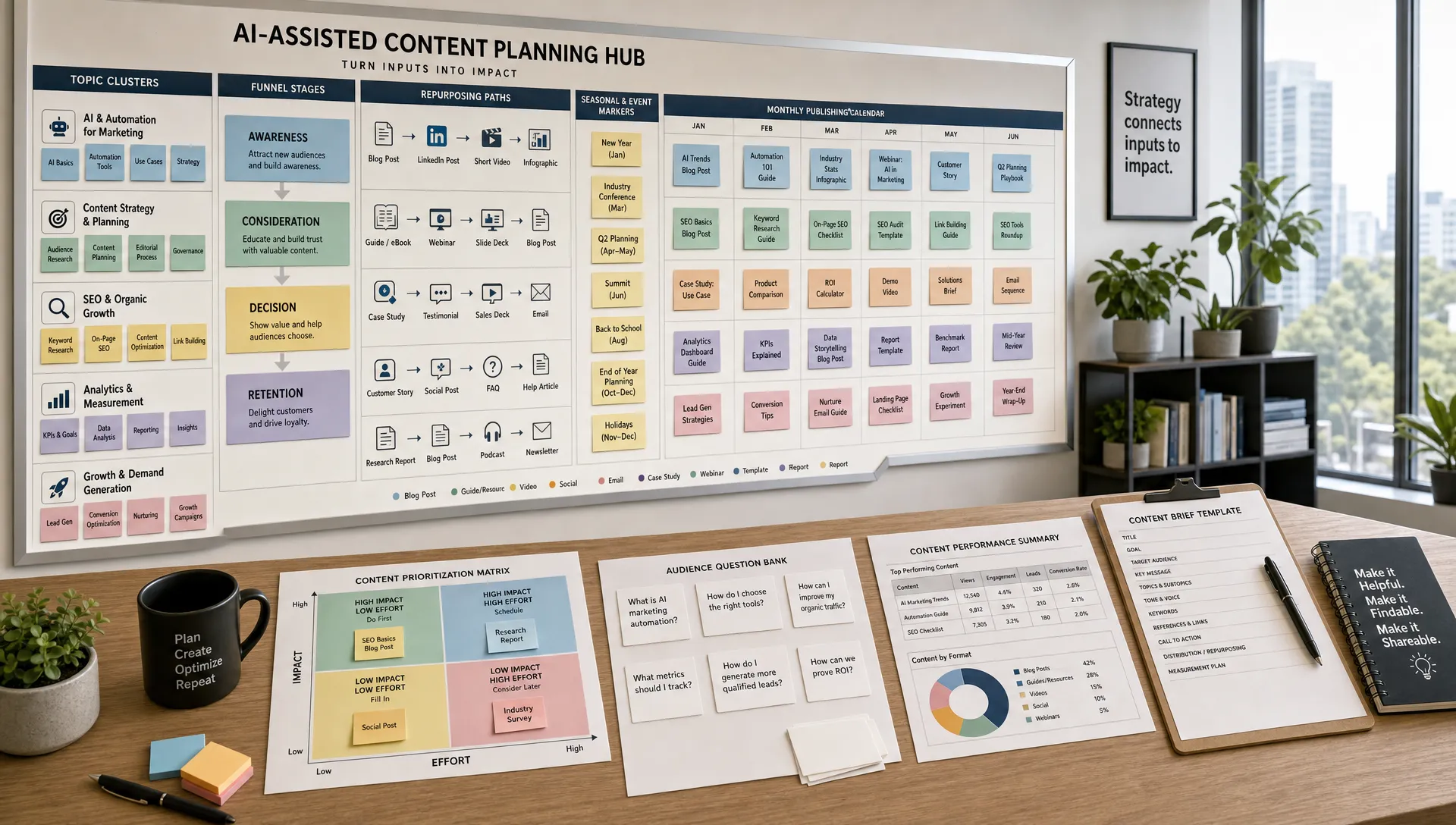
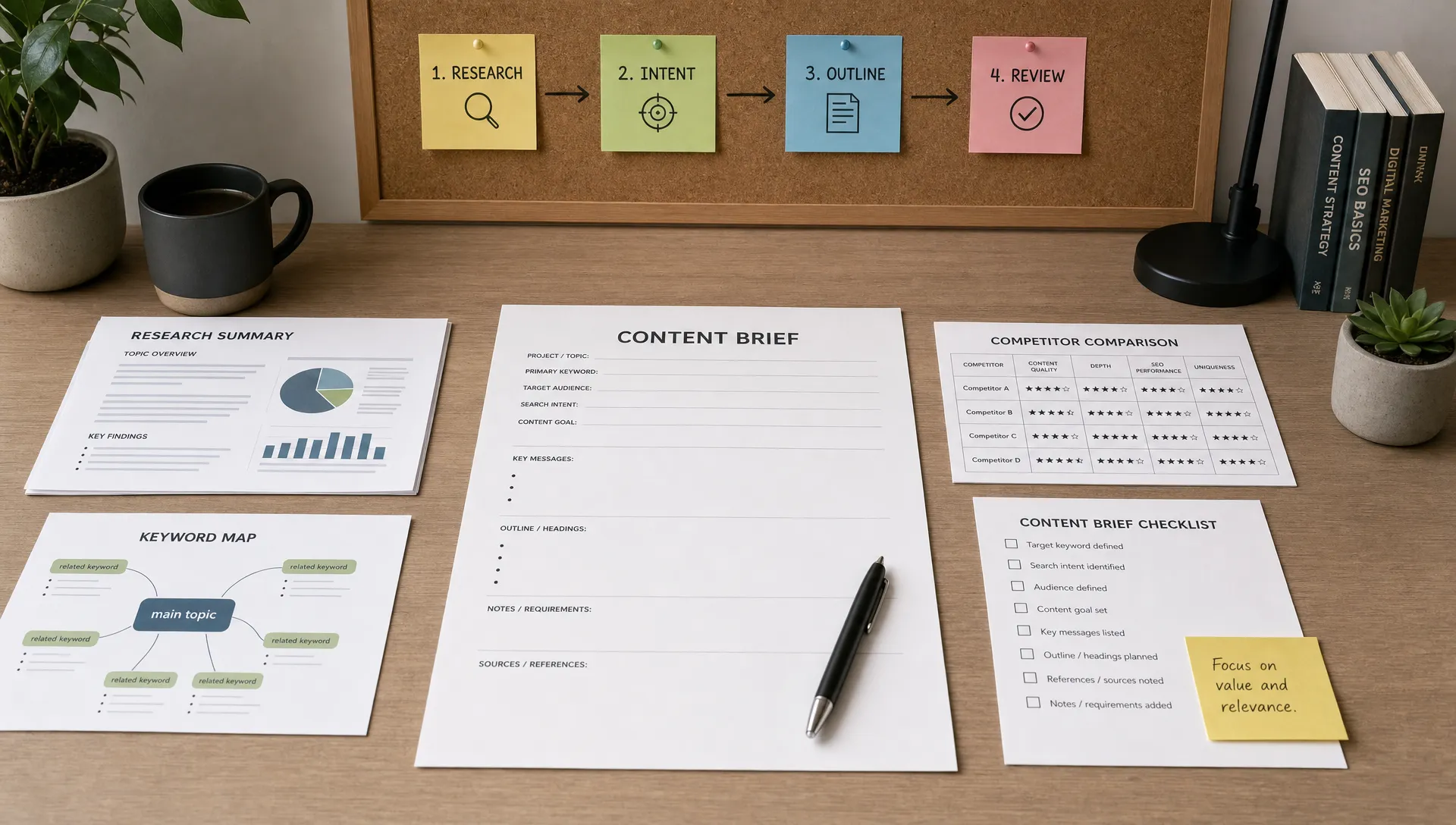
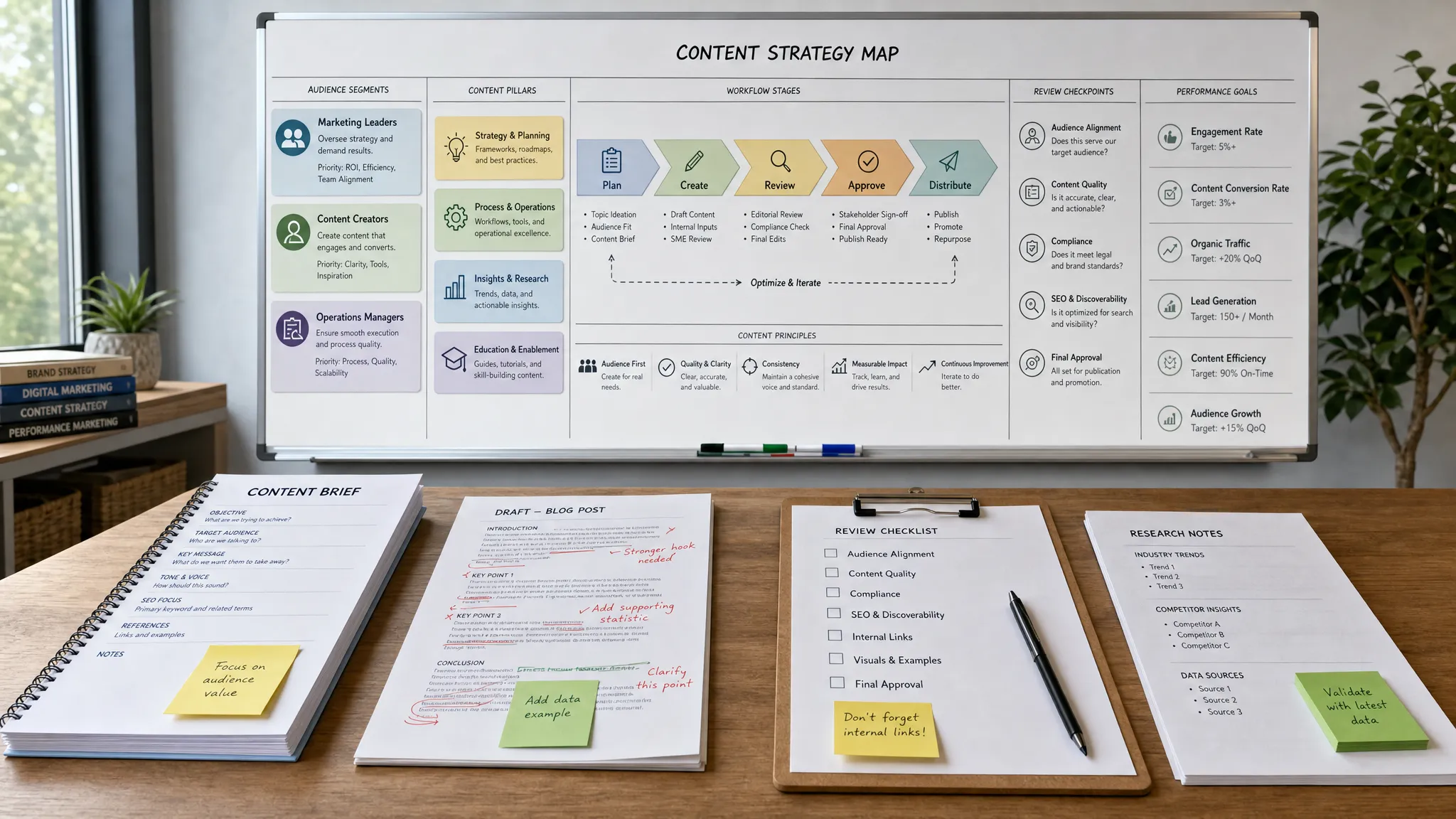
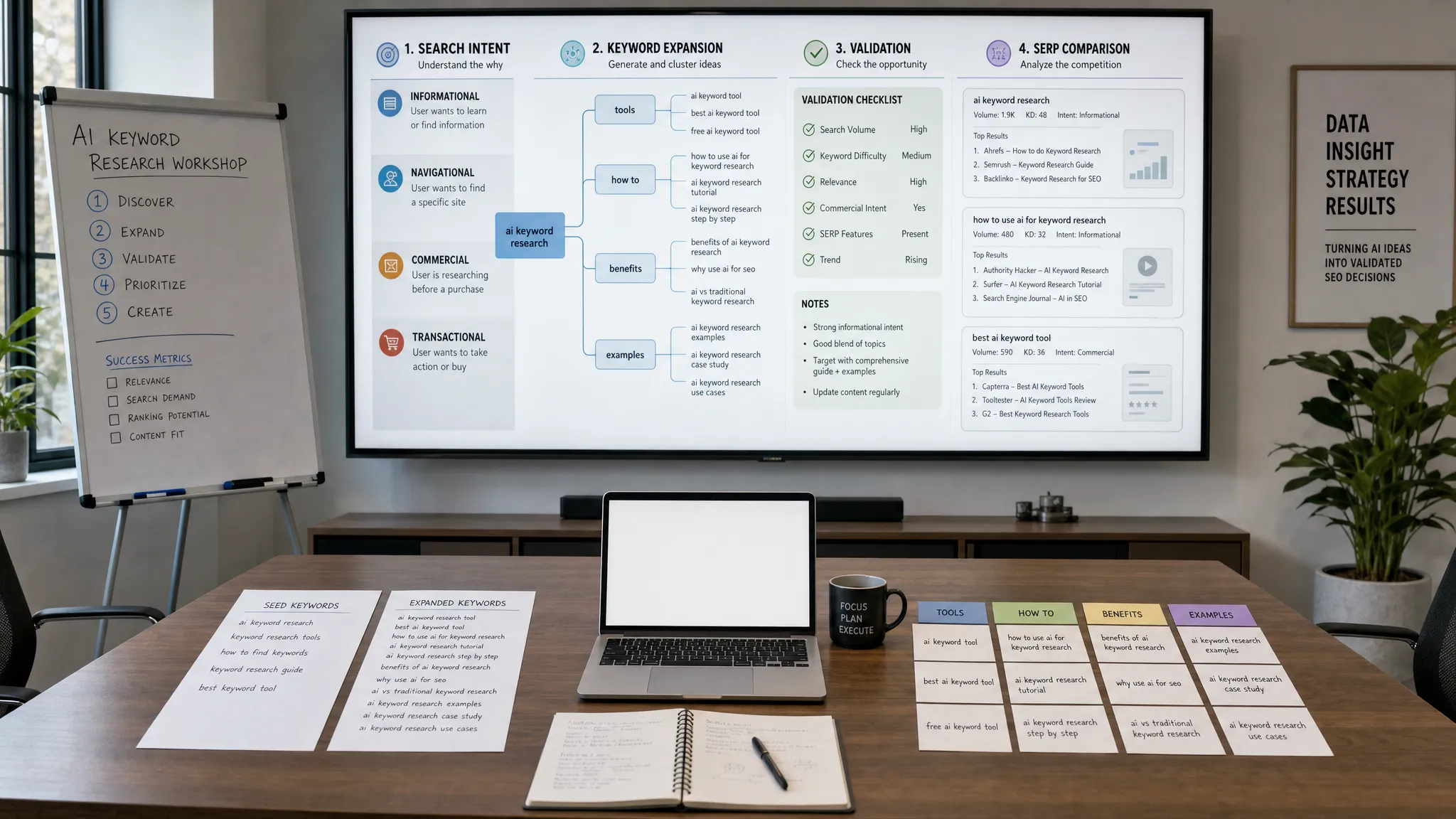
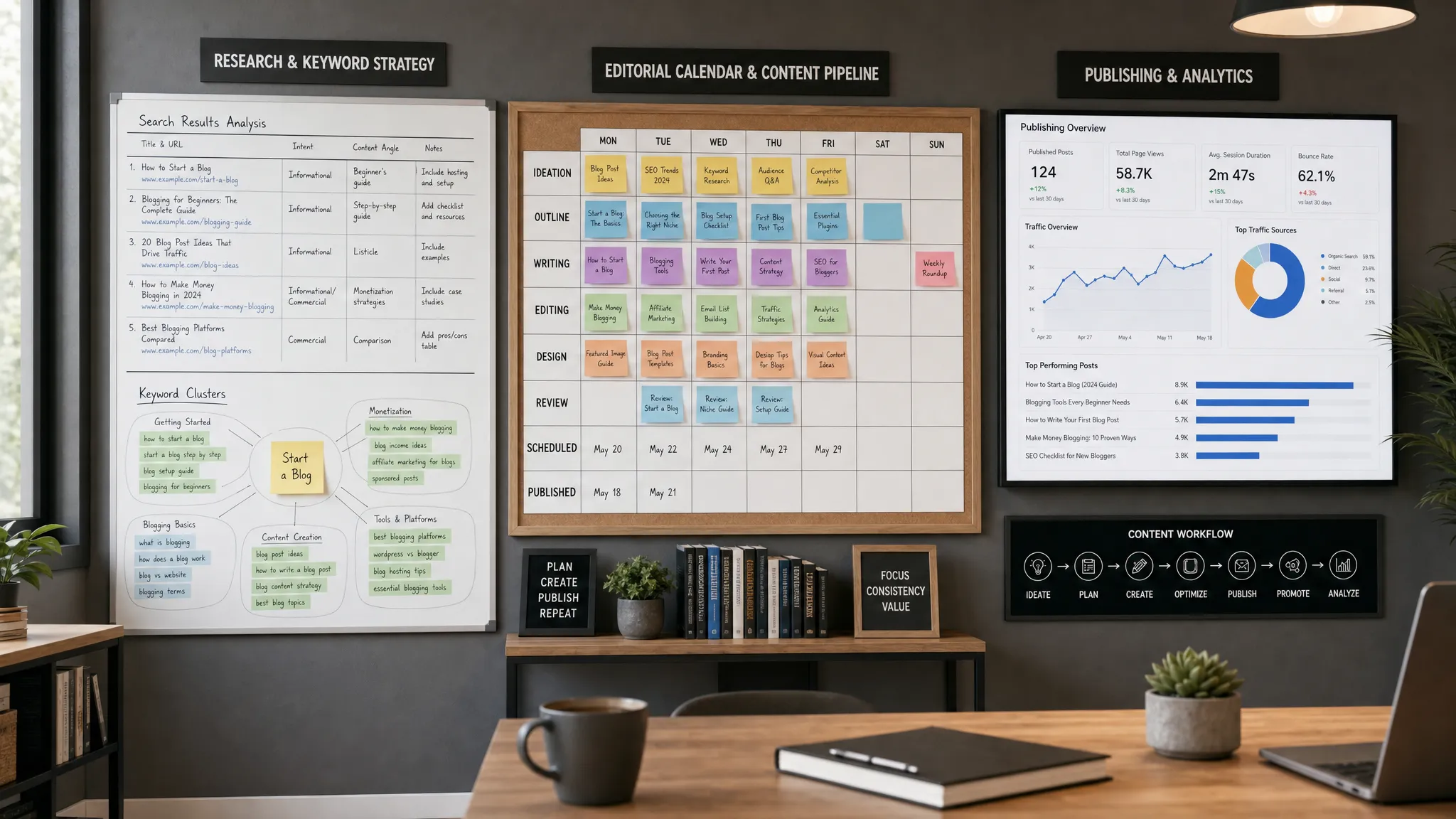
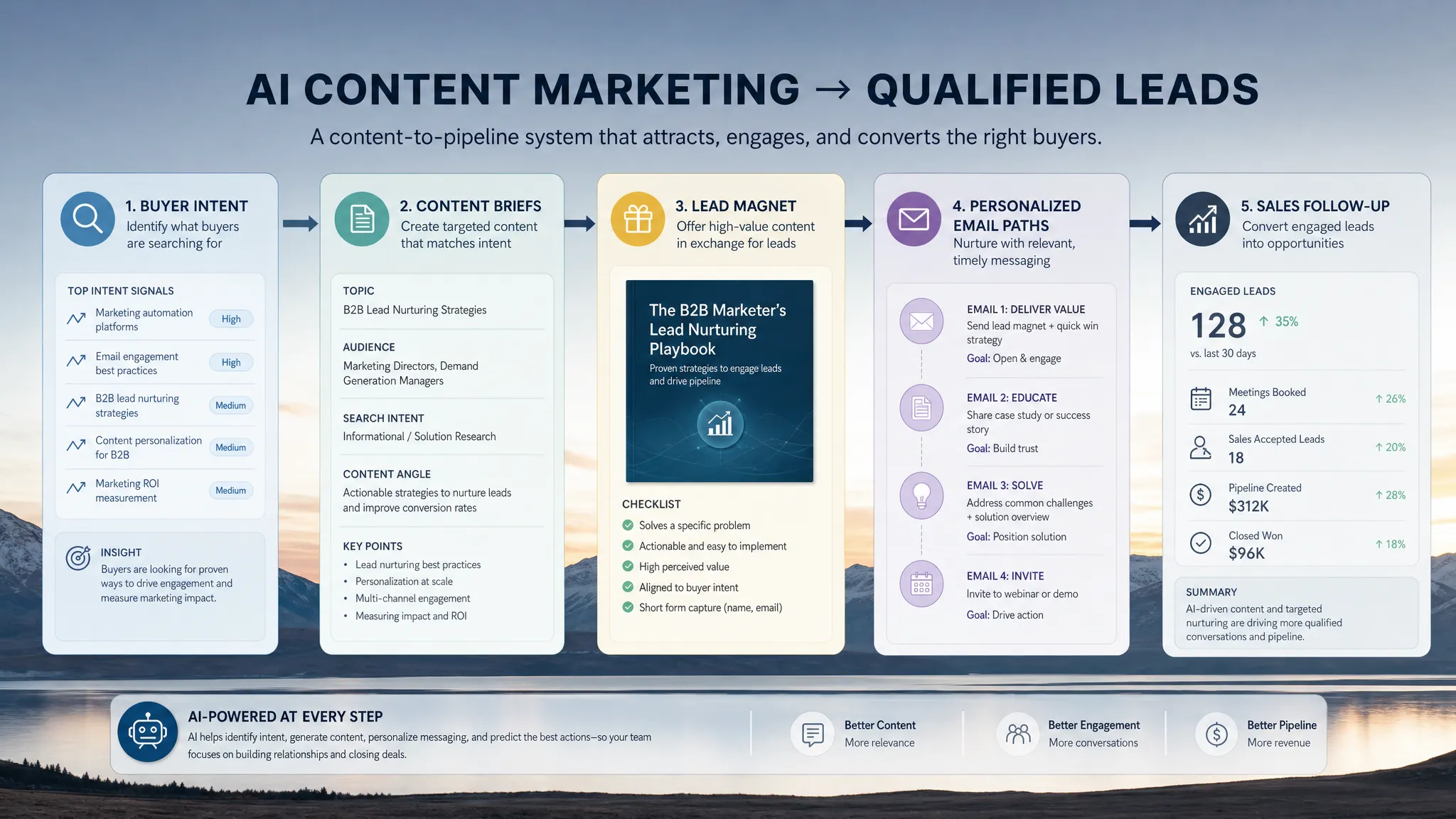
A good example is content planning. Instead of guessing which topics matter, marketers can use AI tools to cluster search intent, analyze competitor content, and generate outlines based on audience questions. The final strategy still needs human judgment, but AI can reduce the research burden dramatically. If your team is focused on lead generation, it is worth exploring practical AI content marketing tactics that drive more leads rather than using AI only to produce generic blog posts.
AI also works well in paid media. Platforms already use machine learning to optimize bids, placements, and creative delivery. Marketers can feed these systems better inputs, including sharper audience signals, stronger conversion data, and multiple creative angles.
AI is particularly useful for:
The best use cases are not fully hands-off. AI can draft, sort, summarize, and recommend, but marketers still need to decide what is true, what is persuasive, and what fits the brand.
Traditional marketing still wins when attention, trust, and human connection matter more than automation. This is why conferences, referral programs, community events, print materials, and brand partnerships remain valuable in many industries.
Consider a high-value B2B software purchase. A buyer may discover a company through search or LinkedIn, but the decision often depends on sales conversations, peer recommendations, case studies, webinars, analyst mentions, or in-person events. AI can support the journey, but trust is often earned through human proof.
Traditional marketing can also be more memorable. A well-produced event experience, physical product sample, or premium print piece can stand out precisely because so much marketing has moved online. In a crowded digital feed, offline touchpoints can feel intentional.
Another advantage is audience reach. Some demographics, local markets, and professional communities are still easier to reach through radio, local sponsorships, trade publications, direct mail, or industry events. If your ideal customer does not spend much time engaging with digital ads, a purely AI-driven digital campaign may miss the mark.
Traditional marketing works especially well for:
The downside is cost and speed. Traditional campaigns often take longer to plan and can be more expensive to produce, distribute, and adjust. Once a billboard, printed brochure, or event sponsorship is live, changing the message is not as easy as editing a landing page.
The best choice depends on the outcome you need. A startup trying to validate demand has different needs than a regional law firm, an enterprise SaaS company, or a consumer brand expanding into retail.
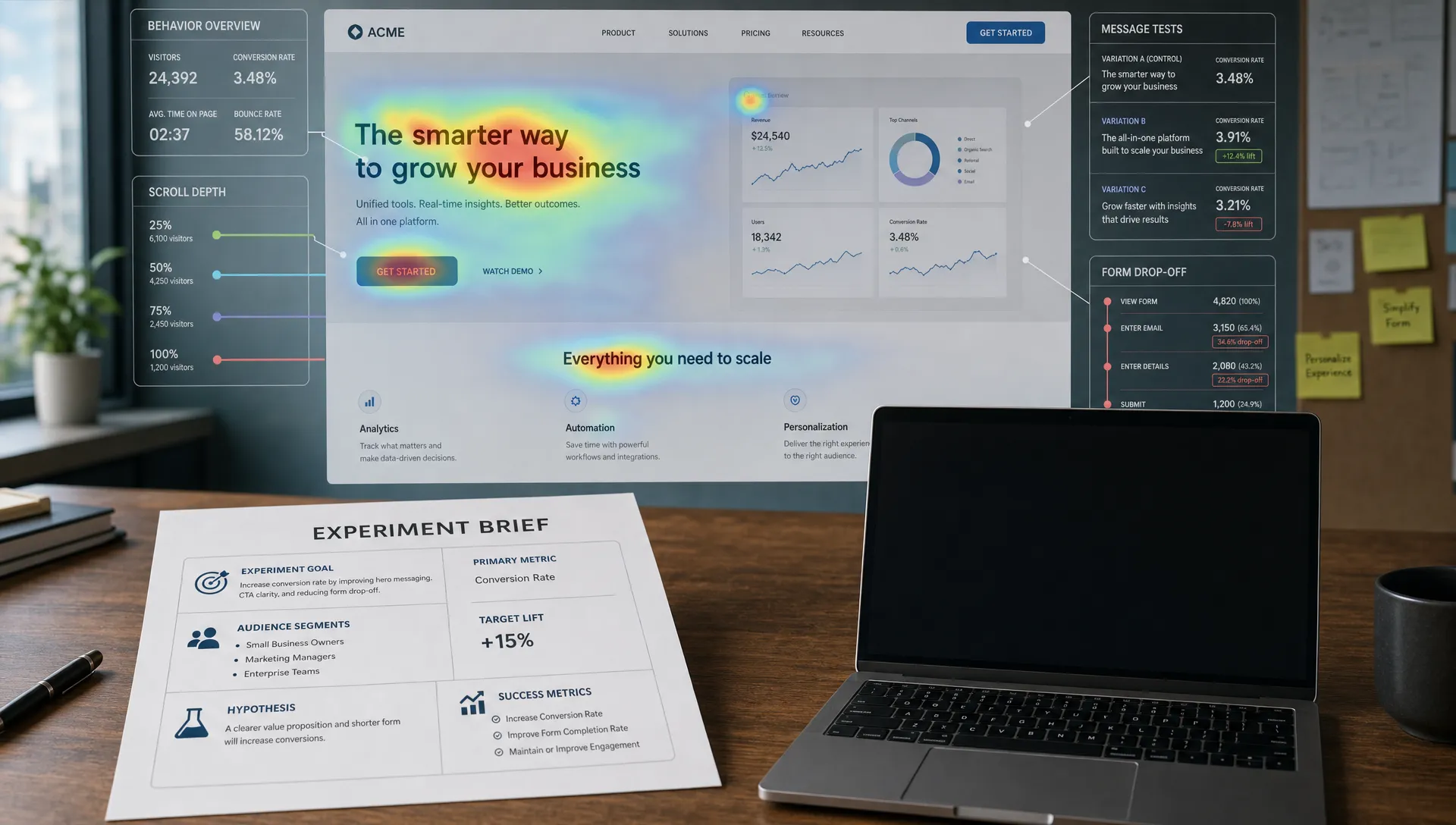
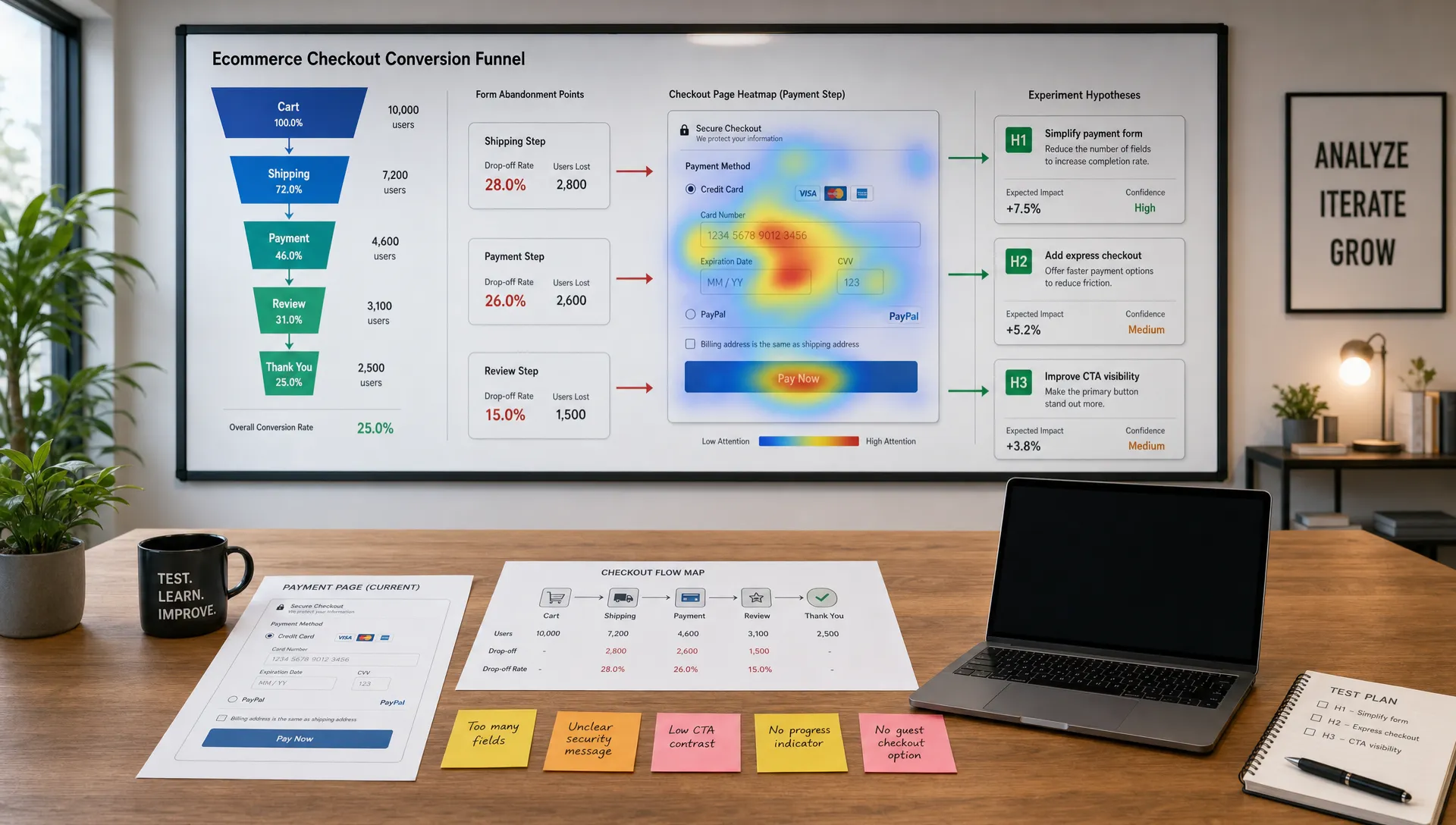
If your goal is fast learning, AI marketing usually has the edge. You can test landing pages, ad copy, email sequences, and audience segments quickly. The feedback loop is shorter, which helps teams avoid spending months on assumptions.
If your goal is broad credibility, traditional marketing may be more effective. Sponsoring a respected industry event, appearing in a trade publication, or maintaining a strong local presence can send signals that are difficult to replicate with digital ads alone.
If your goal is scalable lead generation, AI-supported digital marketing usually performs better. You can use SEO tools, automated nurturing, AI-powered analytics, and retargeting to move prospects through the funnel. But content still needs strategic direction. Publishing more does not automatically mean converting more.
If your goal is customer retention, AI can be extremely useful. It can identify behavior patterns, trigger helpful follow-ups, recommend next-best actions, and personalize education. Traditional tactics, such as customer events, handwritten notes, or premium onboarding materials, can add emotional value.
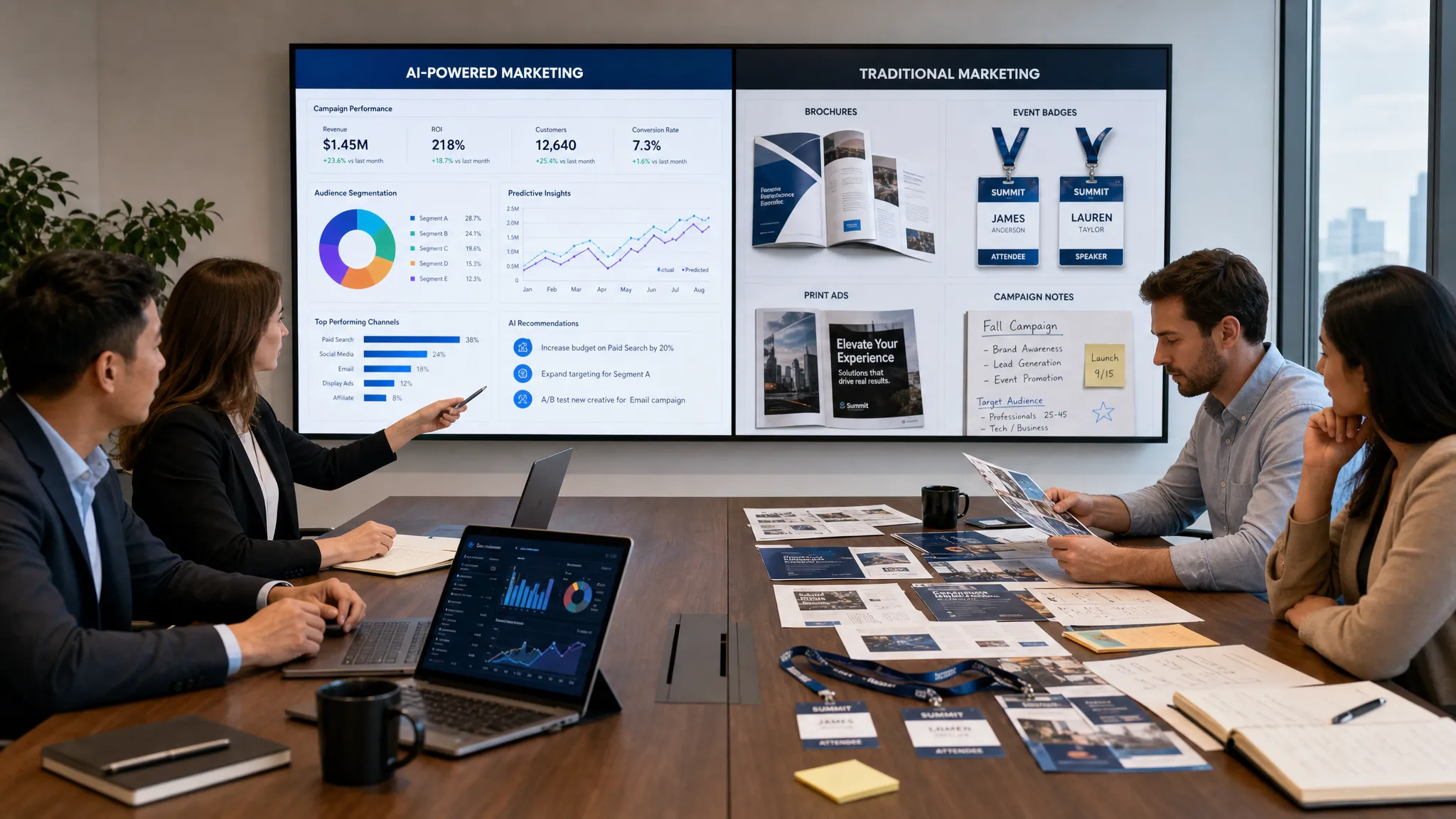
For most businesses, the answer is not AI or traditional marketing. It is a coordinated system where AI improves efficiency and traditional marketing strengthens trust.
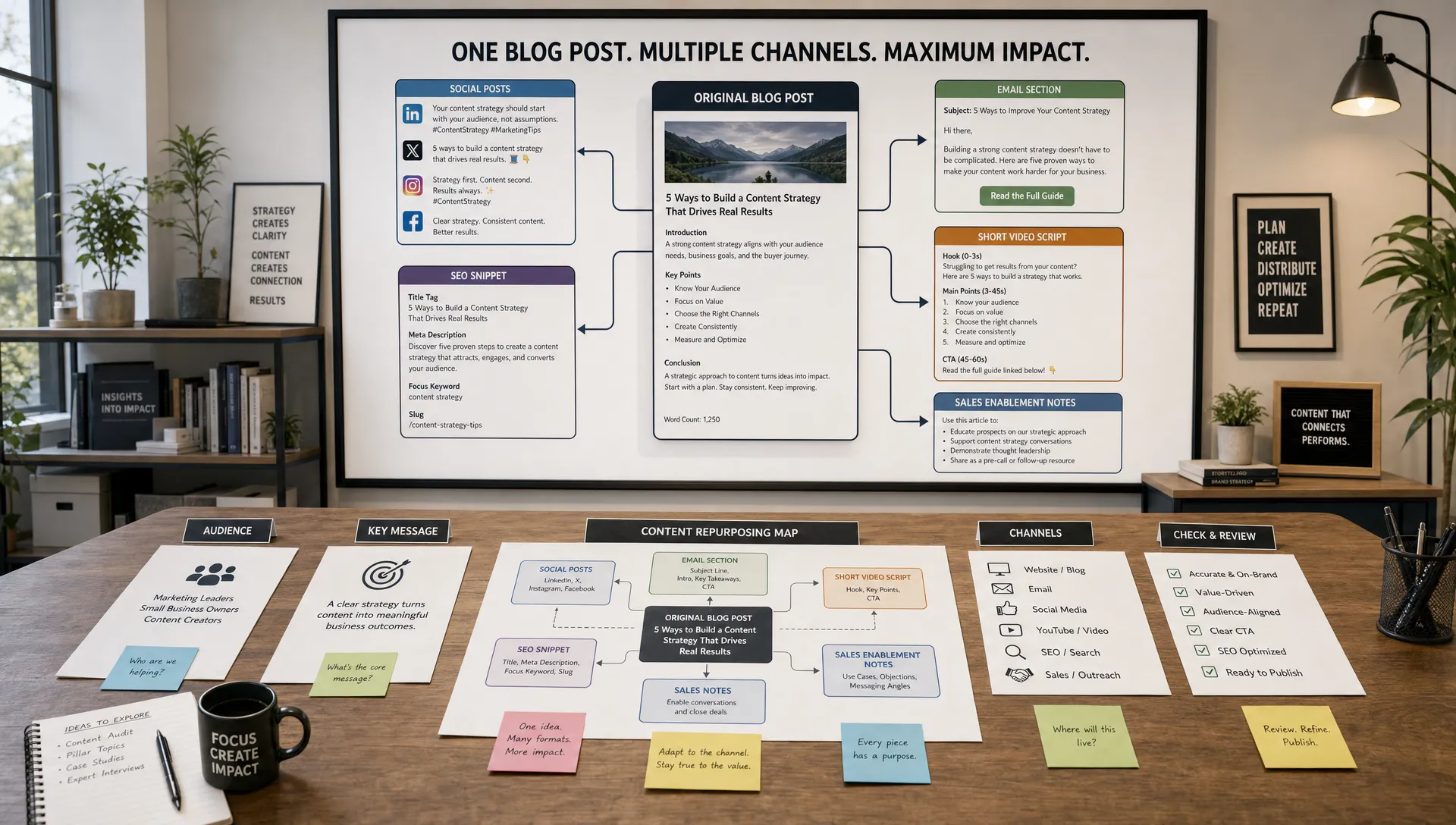
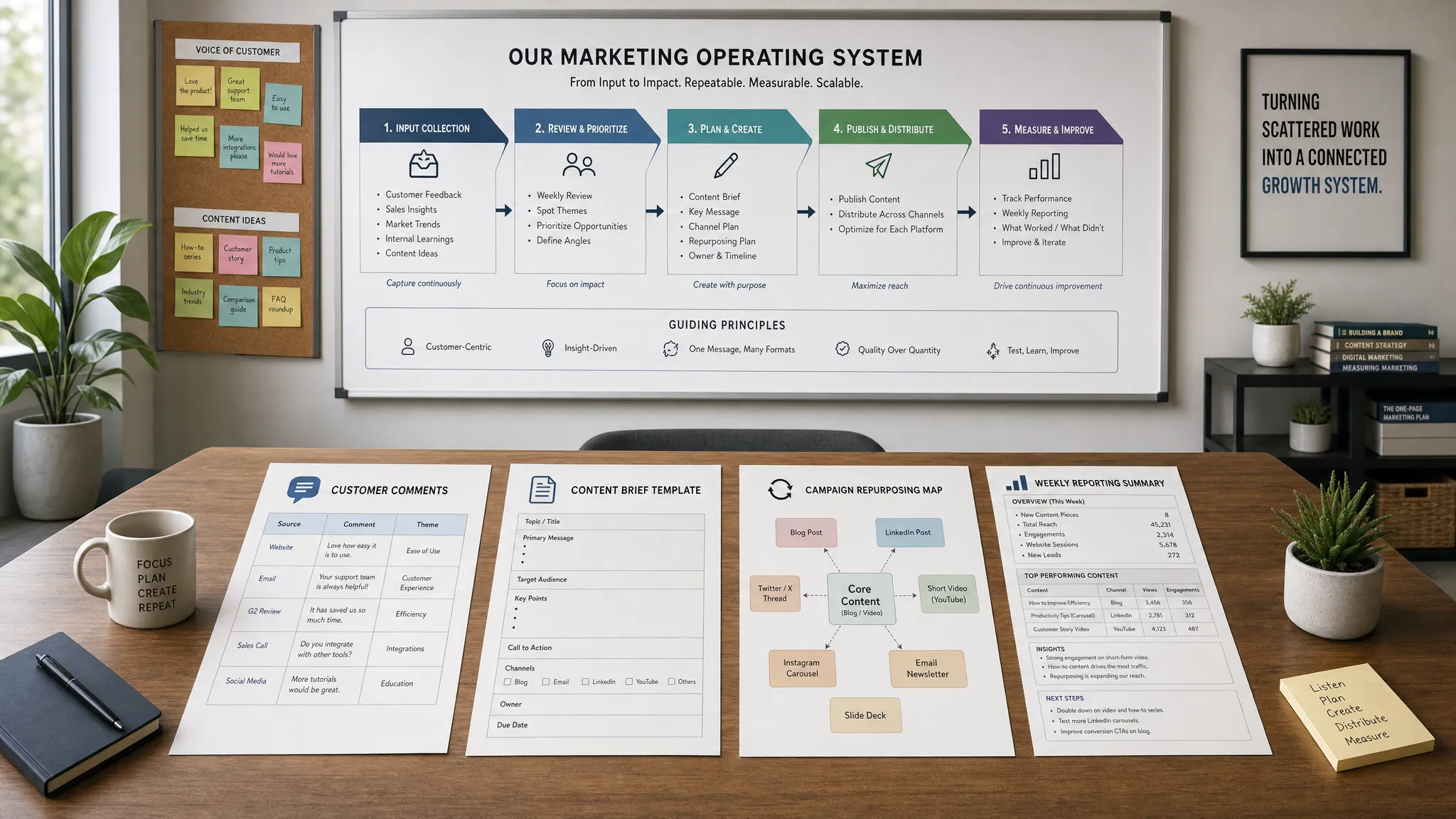
A hybrid strategy might look like this: AI helps analyze customer data, generate campaign ideas, draft content, and automate follow-ups. Traditional marketing adds brand story, expert judgment, events, community partnerships, sales conversations, and physical proof points. Together, they create a marketing engine that is both scalable and credible.
The key is assigning the right role to each approach. AI should not define your brand values. It should not invent claims, replace customer conversations, or publish unreviewed content. Traditional marketing should not operate in a measurement vacuum. It should connect to trackable landing pages, CRM data, and clear campaign goals.
A smart hybrid system follows four principles.
First, strategy stays human-led. AI can provide research and recommendations, but positioning, priorities, and ethics require human decision-making.
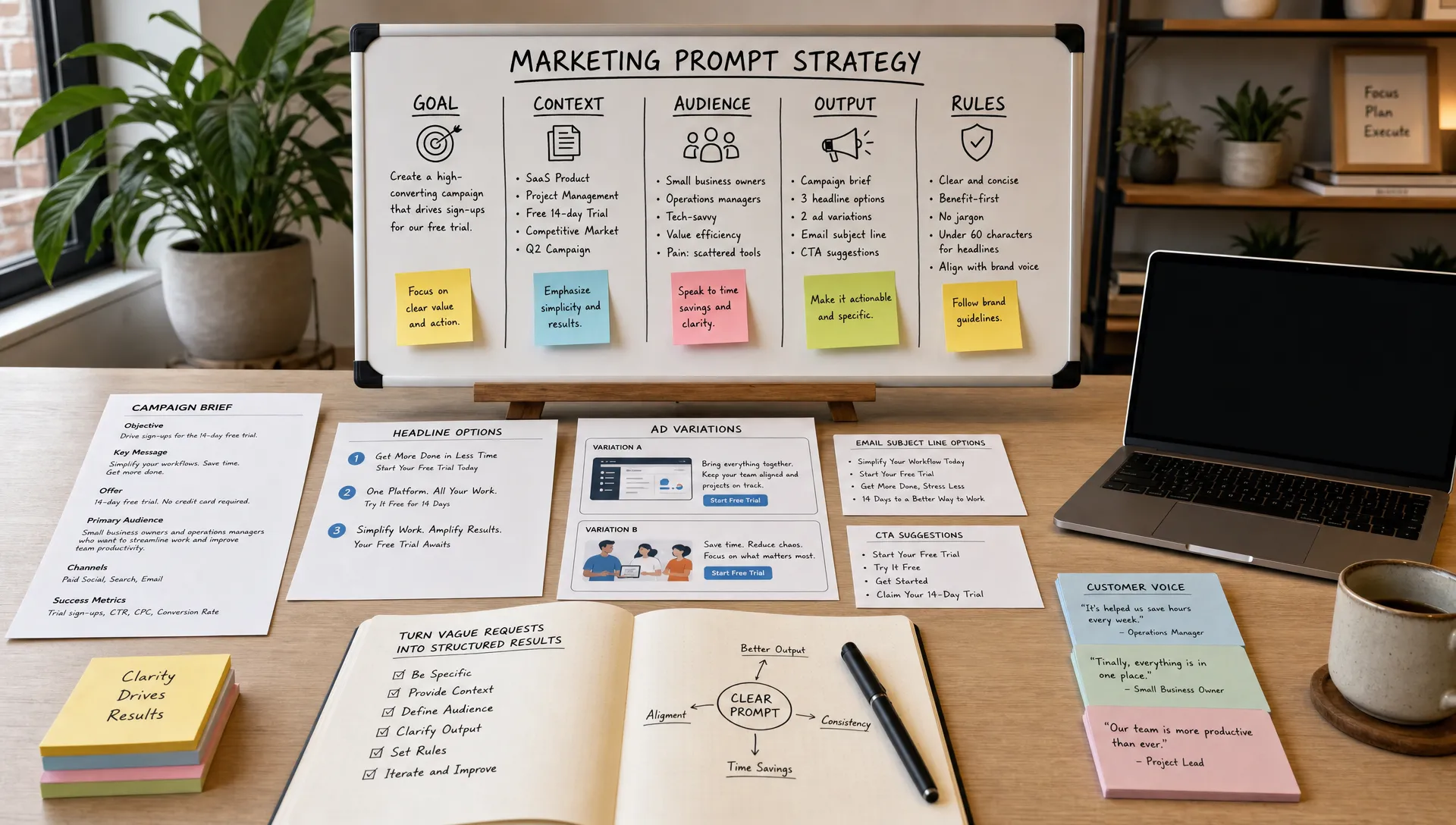
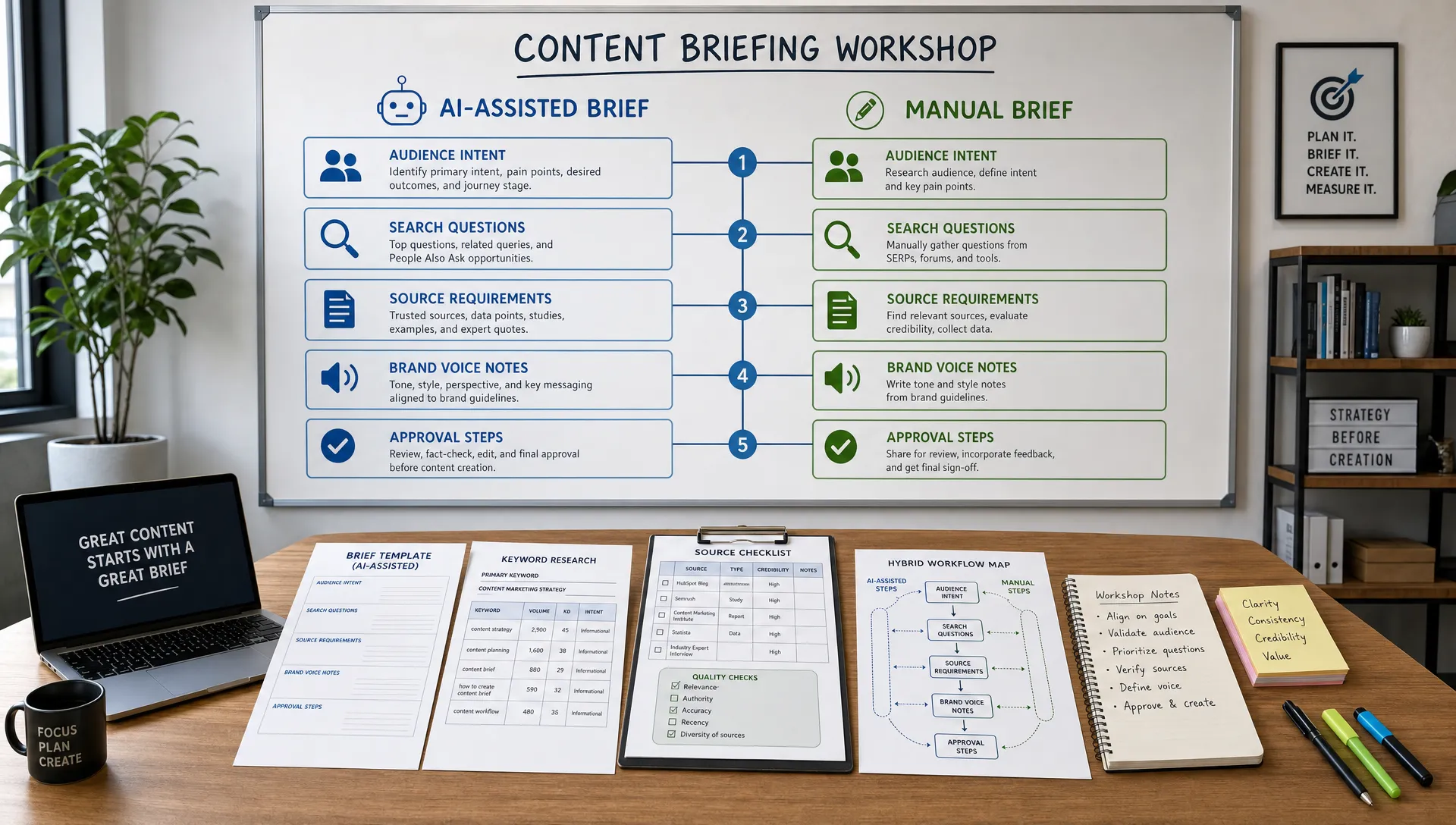
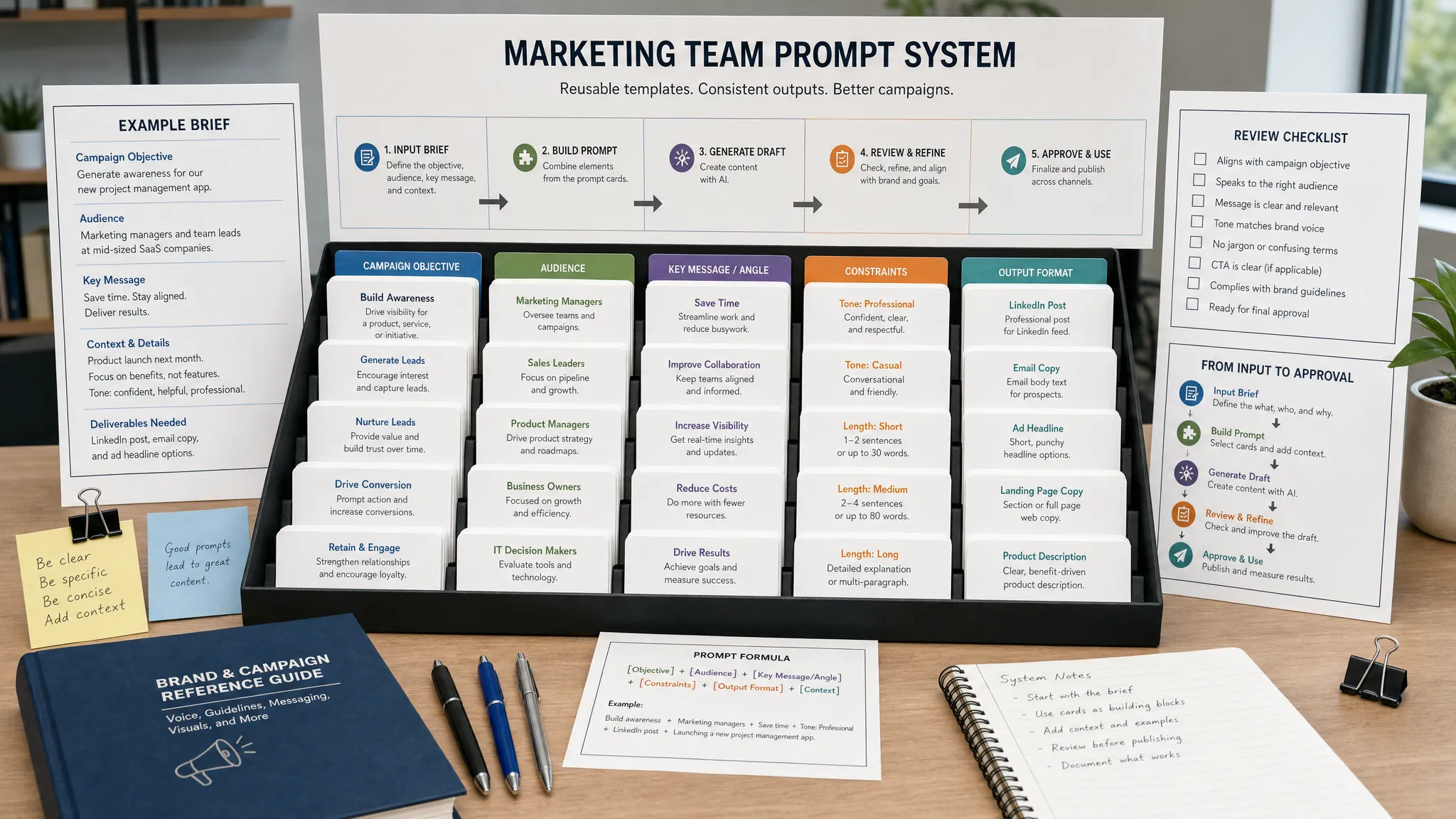
Second, execution becomes AI-assisted. Marketers can use AI tools to speed up drafts, variations, summaries, campaign briefs, keyword research, and reporting.
Third, trust signals stay authentic. Customer stories, founder perspectives, expert insights, partnerships, and events should come from real experience.
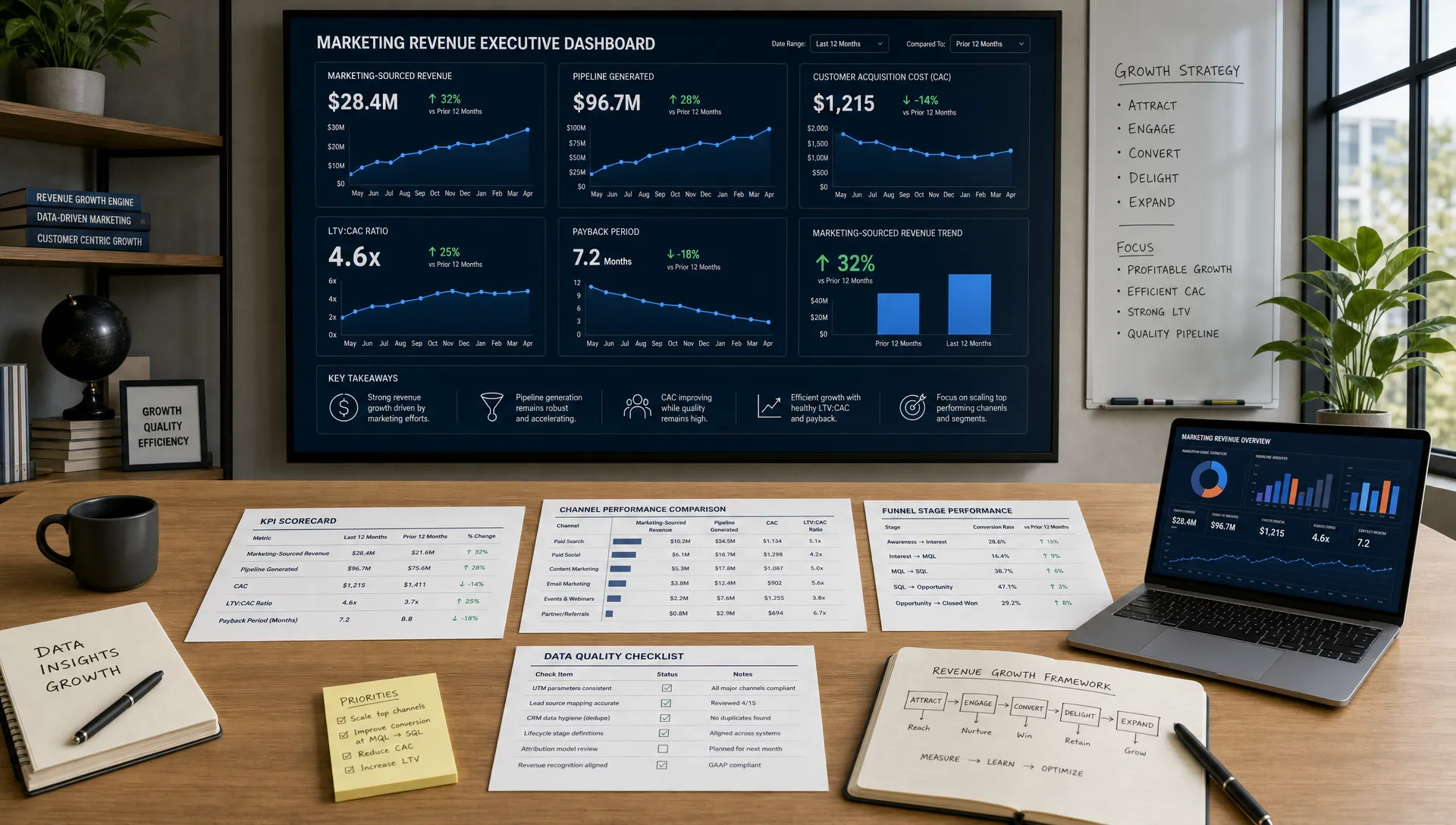
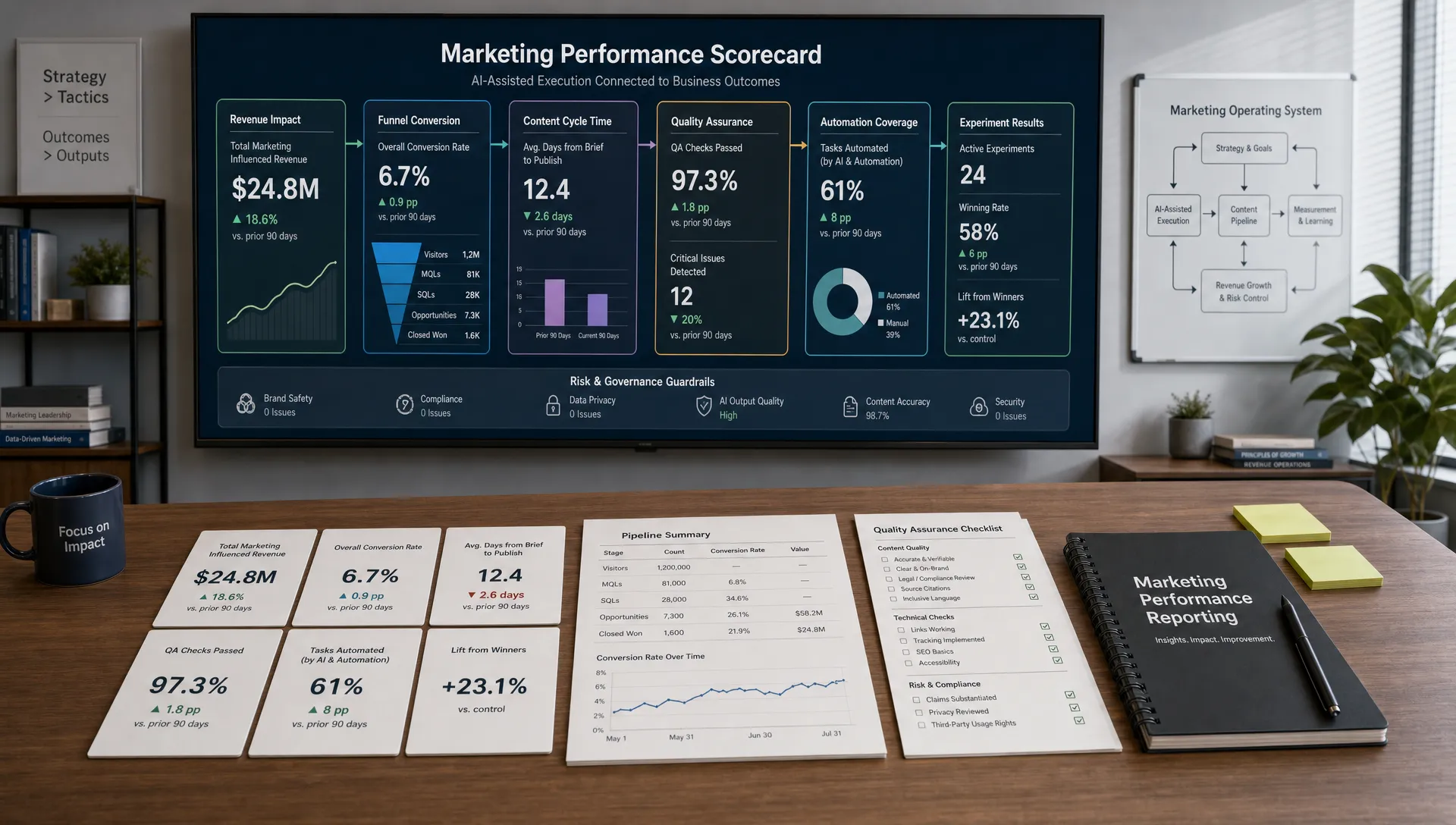
Fourth, measurement becomes unified. Traditional and digital campaigns should both connect to shared goals, such as qualified leads, pipeline, bookings, retention, or revenue.
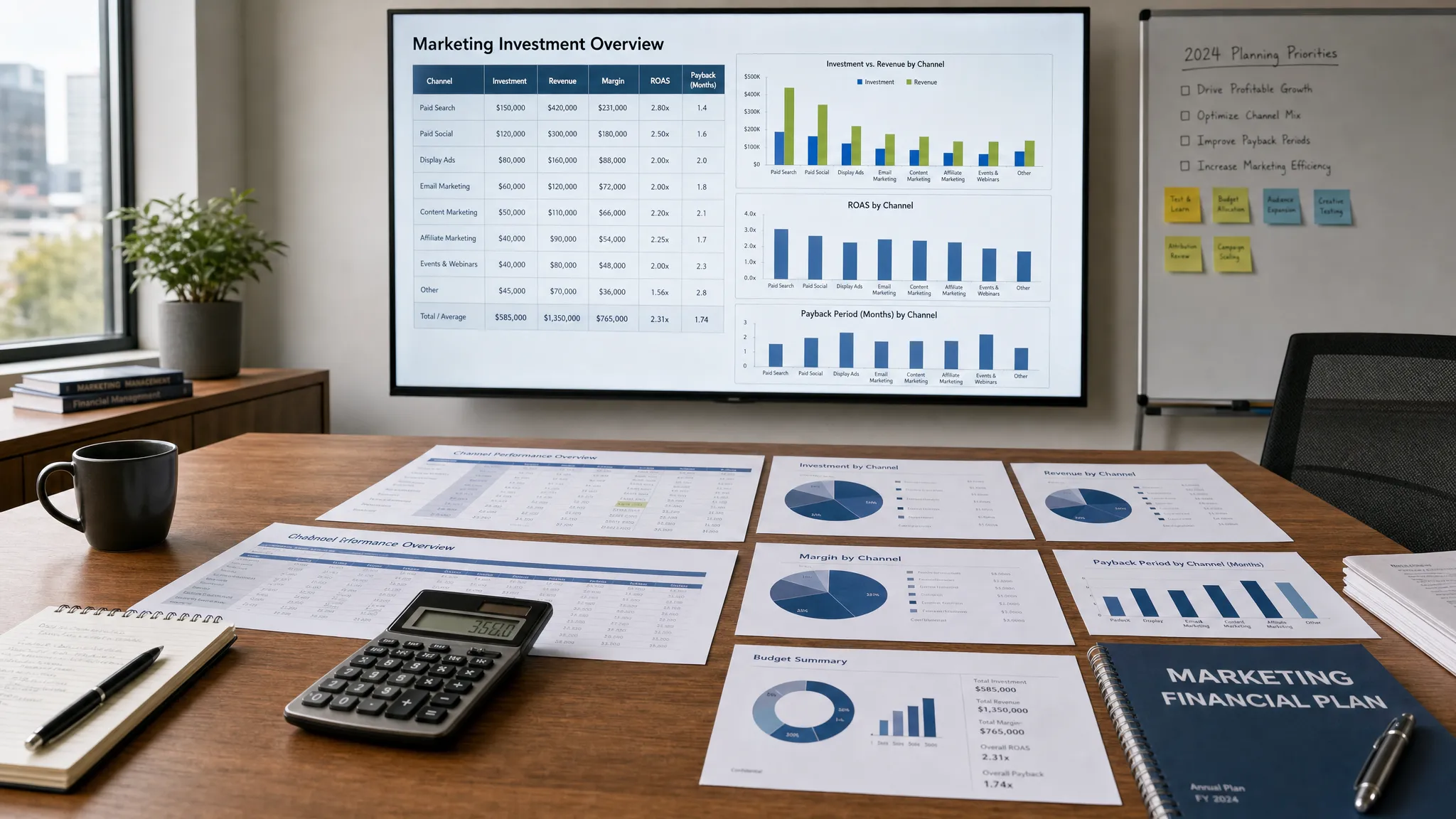
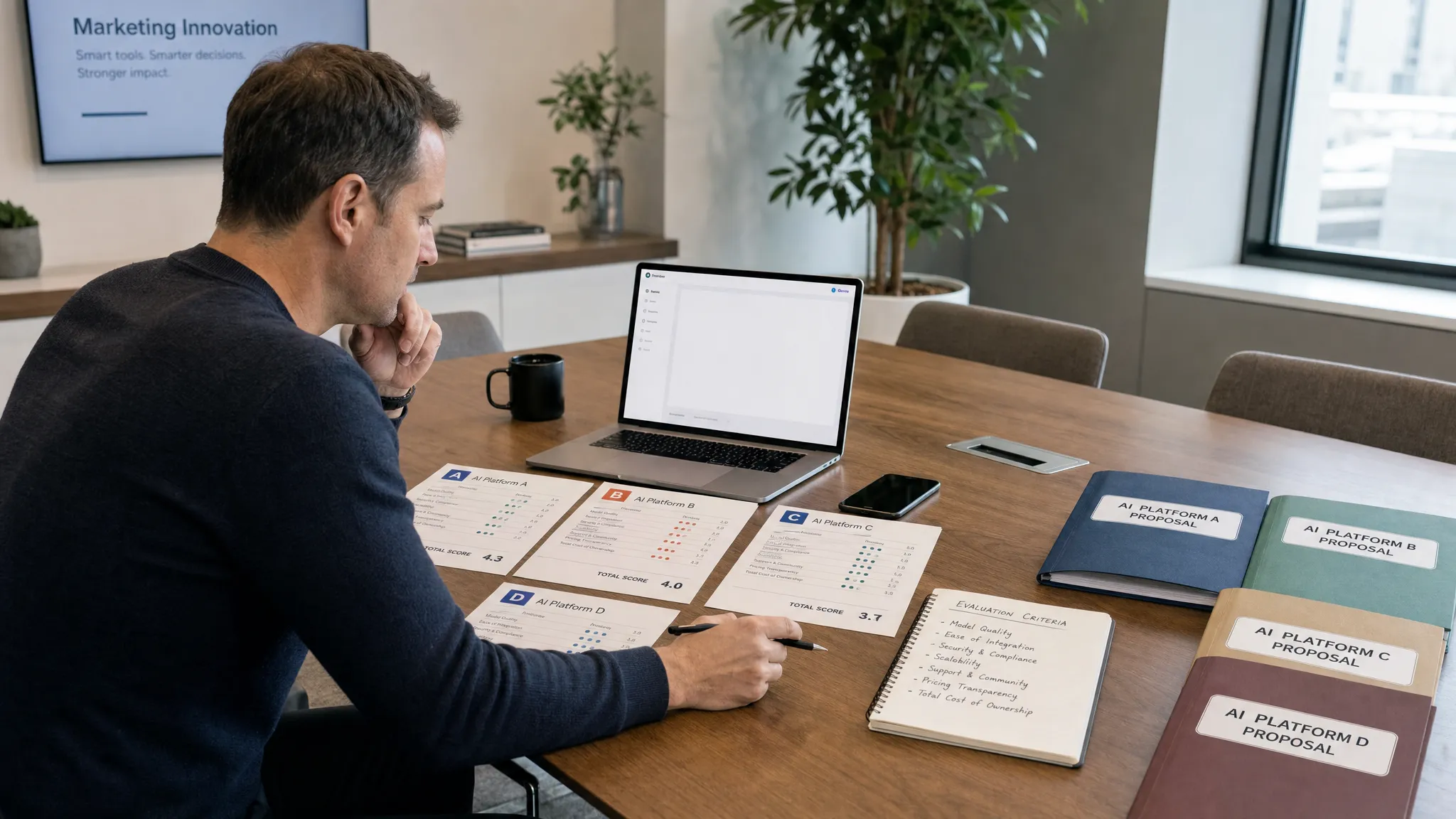
There is no universal budget formula for AI vs traditional marketing. The right split depends on your audience, sales cycle, category maturity, and internal capabilities. Still, you can make a smarter decision by asking practical questions before assigning spend.
Start with your buyer behavior. Do customers search online before buying, ask peers for referrals, attend industry events, respond to local advertising, or rely on a sales consultation? Your channel mix should match how people actually make decisions.
Next, consider your sales cycle. Short-cycle ecommerce offers can benefit heavily from AI-powered targeting, creative testing, and automation. Longer B2B or professional services sales cycles often need a blend of educational content, sales enablement, thought leadership, and relationship-building tactics.
Then look at your measurement maturity. If you have clean analytics, CRM tracking, and conversion data, AI marketing can become much more powerful. If your data is scattered, start by improving tracking before expecting AI to optimize everything.
A simple starting point is to divide your efforts into three categories:
This prevents two common mistakes: replacing everything with AI too quickly or holding onto traditional campaigns simply because they are familiar.
The first mistake is treating AI as a shortcut for strategy. AI can generate more ideas than most teams can use, but it cannot know your market context unless you provide strong inputs. Weak positioning plus fast execution only creates more weak marketing.
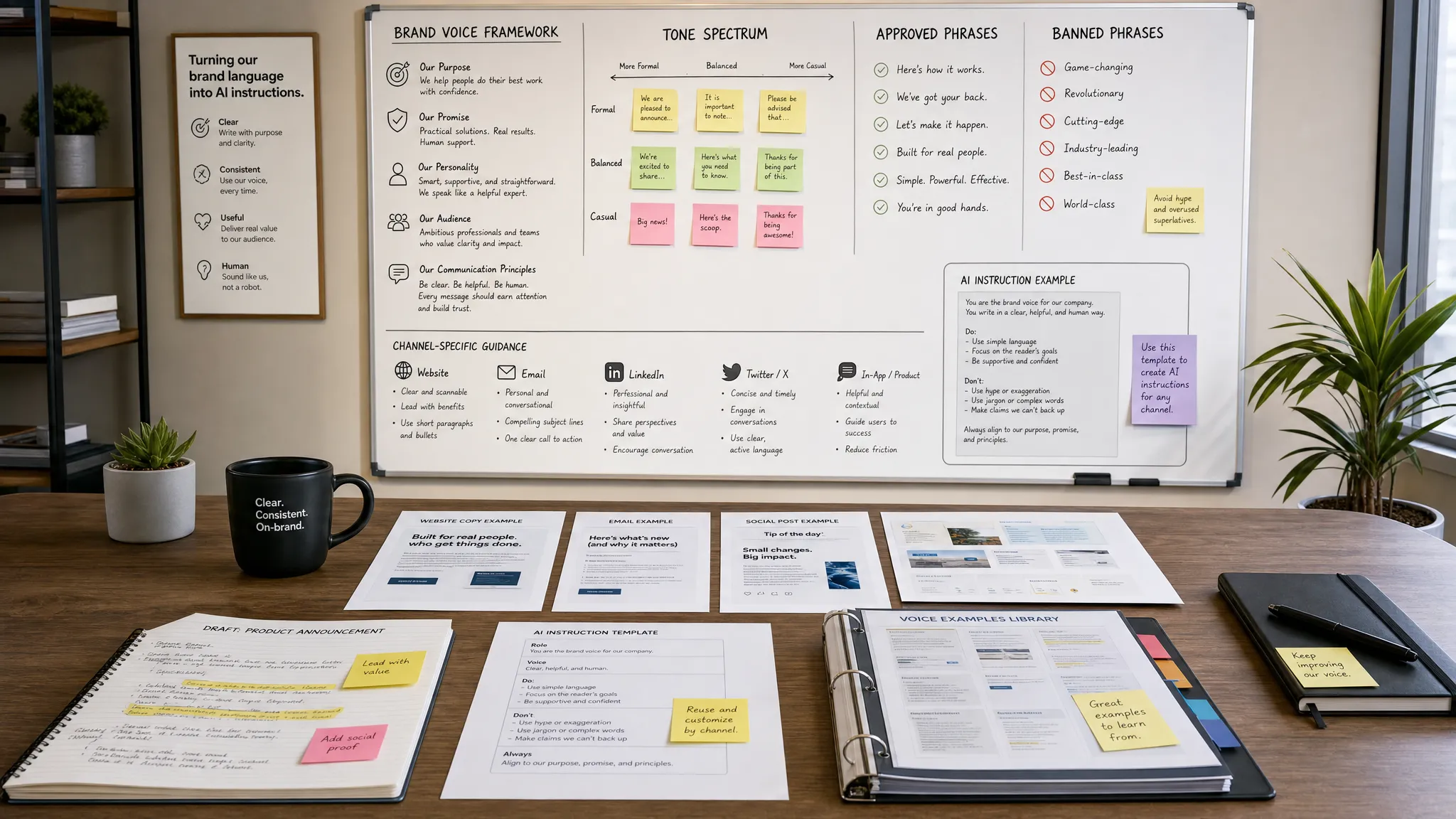
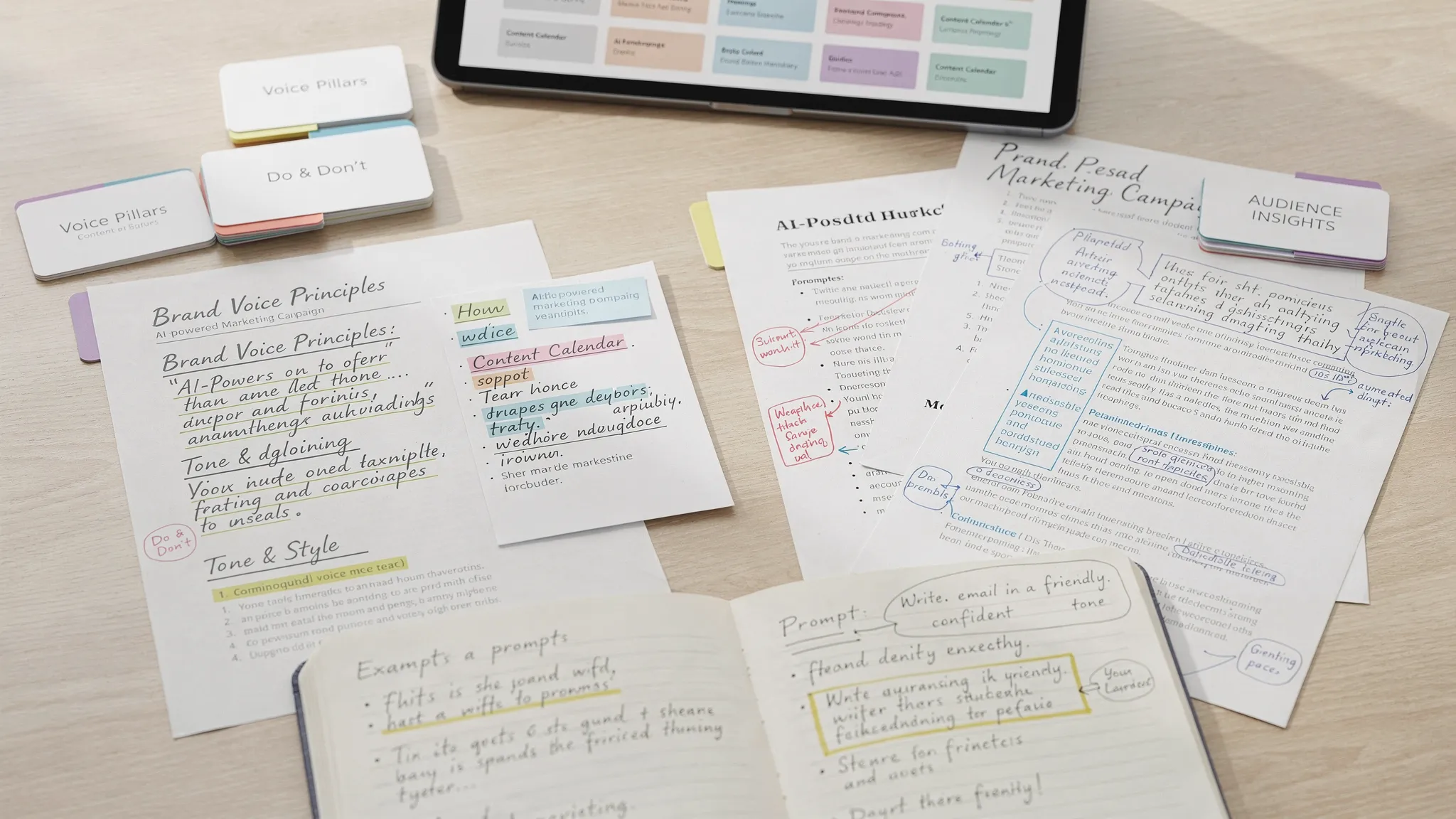
The second mistake is letting AI flatten your brand voice. If every email, ad, and article sounds like a polished template, audiences will tune out. Build brand guidelines, use customer language, review outputs carefully, and keep a human editorial layer. For a deeper look at this issue, read AIMarketer Hub's guide on how to use AI for marketing without losing your brand voice.
The third mistake is dismissing traditional marketing because it is harder to measure. Harder does not mean ineffective. A conference sponsorship may not convert instantly, but it can influence pipeline, referrals, and brand familiarity over time.
The fourth mistake is comparing channels without considering intent. A search ad and a billboard do not do the same job. A blog post and a trade show booth do not influence the same stage of the buyer journey. Judge each tactic by the role it is supposed to play.
The fifth mistake is over-automating customer interactions. Automation is useful, but buyers still want relevance and respect. If AI creates irrelevant messages at scale, it can damage trust faster than a slower manual process.
If you are unsure where to start, run a focused 30-day comparison instead of debating in theory. Choose one clear business goal, such as more demo requests, more qualified calls, more local inquiries, or higher email engagement.
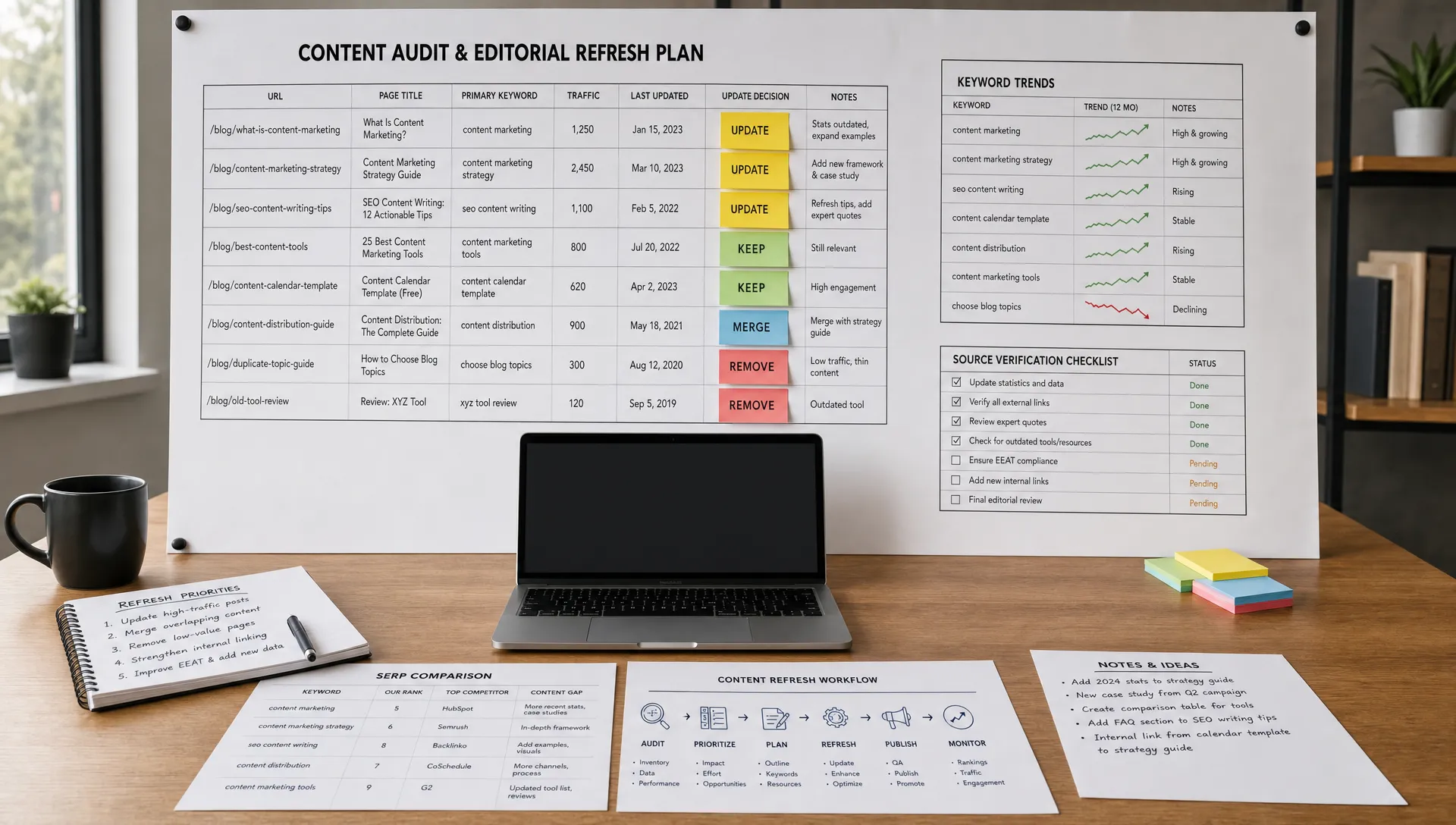
During the first week, audit your current marketing assets. Identify what is already working, what is underperforming, and where your team spends too much manual time. Look for bottlenecks in content creation, reporting, lead follow-up, and campaign analysis.
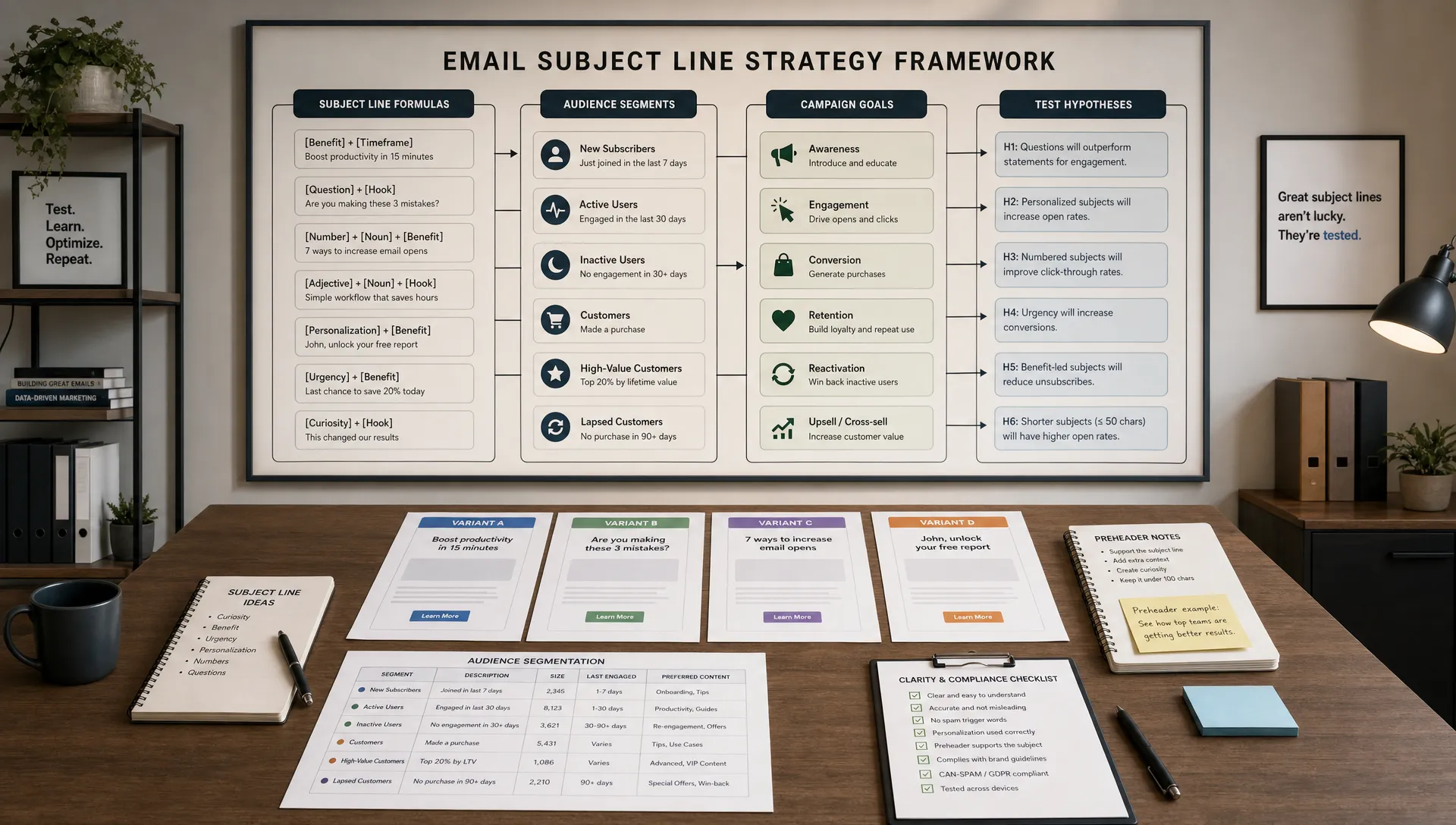
During the second week, add AI to one workflow. For example, use AI to create campaign variations, summarize customer research, draft email sequences, or analyze landing page performance. Keep a human review process in place.
During the third week, pair the AI-supported campaign with a trust-building element. This might be a webinar, sales one-pager, customer story, local partnership, event follow-up, direct mail piece, or founder-led LinkedIn post.
During the fourth week, measure both performance and quality. Look at conversion rate, lead quality, sales feedback, engagement, cost per result, and customer responses. Do not only measure volume. AI might produce more leads, but traditional touchpoints may influence better conversations.
After 30 days, decide what to scale, what to refine, and what to stop. This test gives you real evidence instead of relying on assumptions.
AI marketing works best for speed, scale, personalization, testing, and analytics. Traditional marketing works best for trust, memorability, relationship building, and offline reach.
But the strongest answer is hybrid. Use AI to make your marketing engine smarter and faster. Use traditional marketing to make your brand more credible, human, and memorable. When both sides are connected to a clear strategy, the result is better than either approach alone.
For teams building modern marketing systems, the competitive advantage is not simply adopting AI tools. It is knowing where AI should accelerate the work, where humans should lead, and where traditional channels still create value that algorithms cannot replace.
Is AI marketing better than traditional marketing? AI marketing is better for fast testing, automation, personalization, and measurable digital campaigns. Traditional marketing is better for trust, local presence, events, and relationship-driven buying decisions. Most businesses get better results by combining both.
Is AI marketing cheaper than traditional marketing? AI can reduce production time and manual work, which may lower costs in areas like content creation, reporting, and campaign testing. However, effective AI marketing still requires strategy, tools, data quality, and human review. Cheap AI output is not the same as effective marketing.
Will AI replace traditional marketing? AI will replace some repetitive marketing tasks, but it is unlikely to replace the need for brand strategy, customer relationships, events, partnerships, and human creativity. Traditional marketing will evolve rather than disappear.
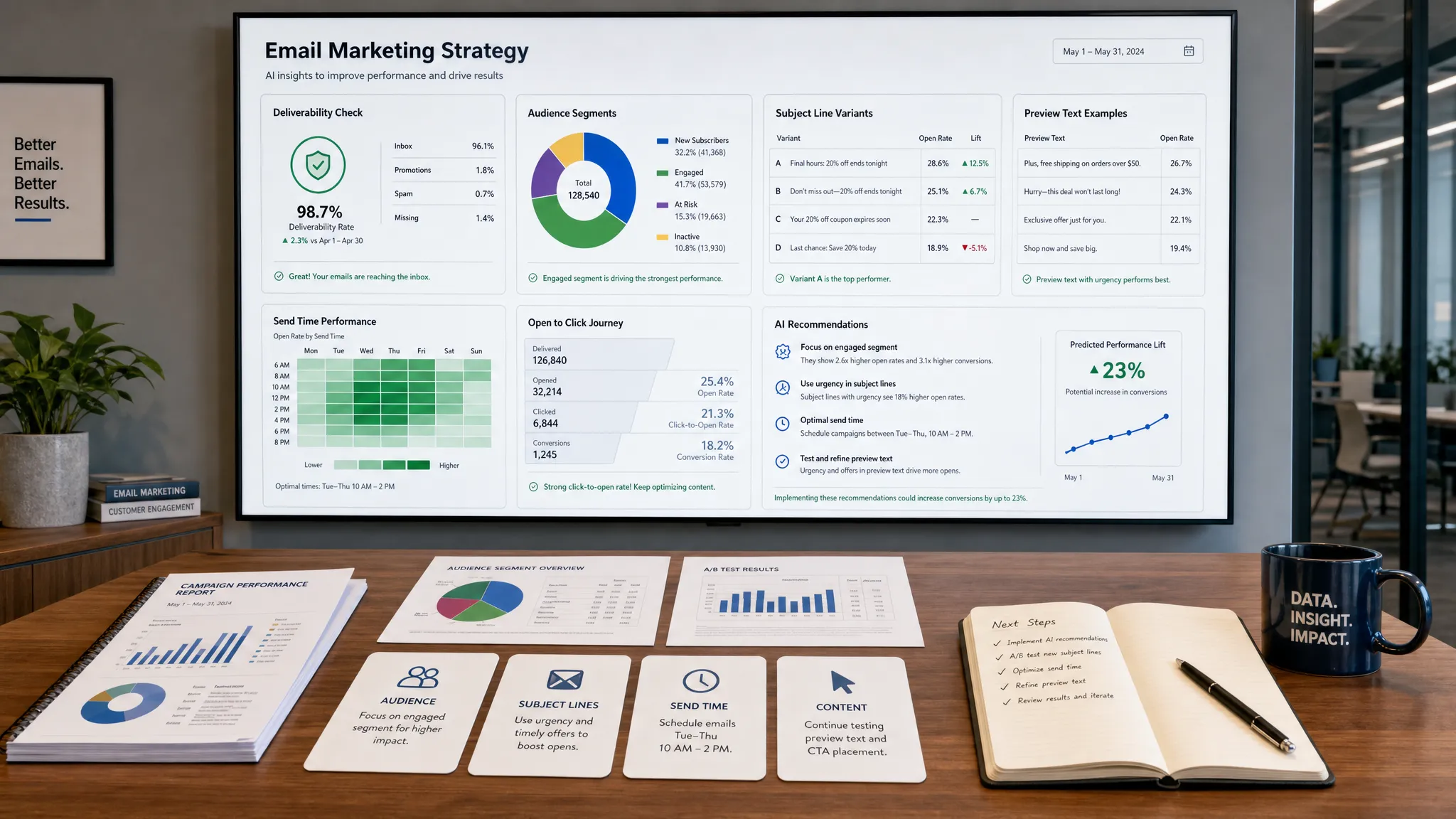
What is the best first AI marketing use case? A strong first use case is improving an existing workflow, such as email optimization, content repurposing, keyword research, campaign reporting, or ad creative testing. Start where you already have data and a clear goal.
How do you measure AI vs traditional marketing performance? Measure each channel based on its role. For AI-driven digital campaigns, track conversions, qualified leads, cost per result, and engagement. For traditional marketing, use call tracking, dedicated landing pages, QR codes, customer surveys, CRM notes, and pipeline influence.
If you want to apply AI without losing the fundamentals that make marketing work, AIMarketer Hub can help you explore practical tools, prompts, calculators, and resources for modern teams. Start with the latest AI marketing insights and guides, or visit AIMarketer Hub to find resources that help you automate, optimize, and grow with more confidence.