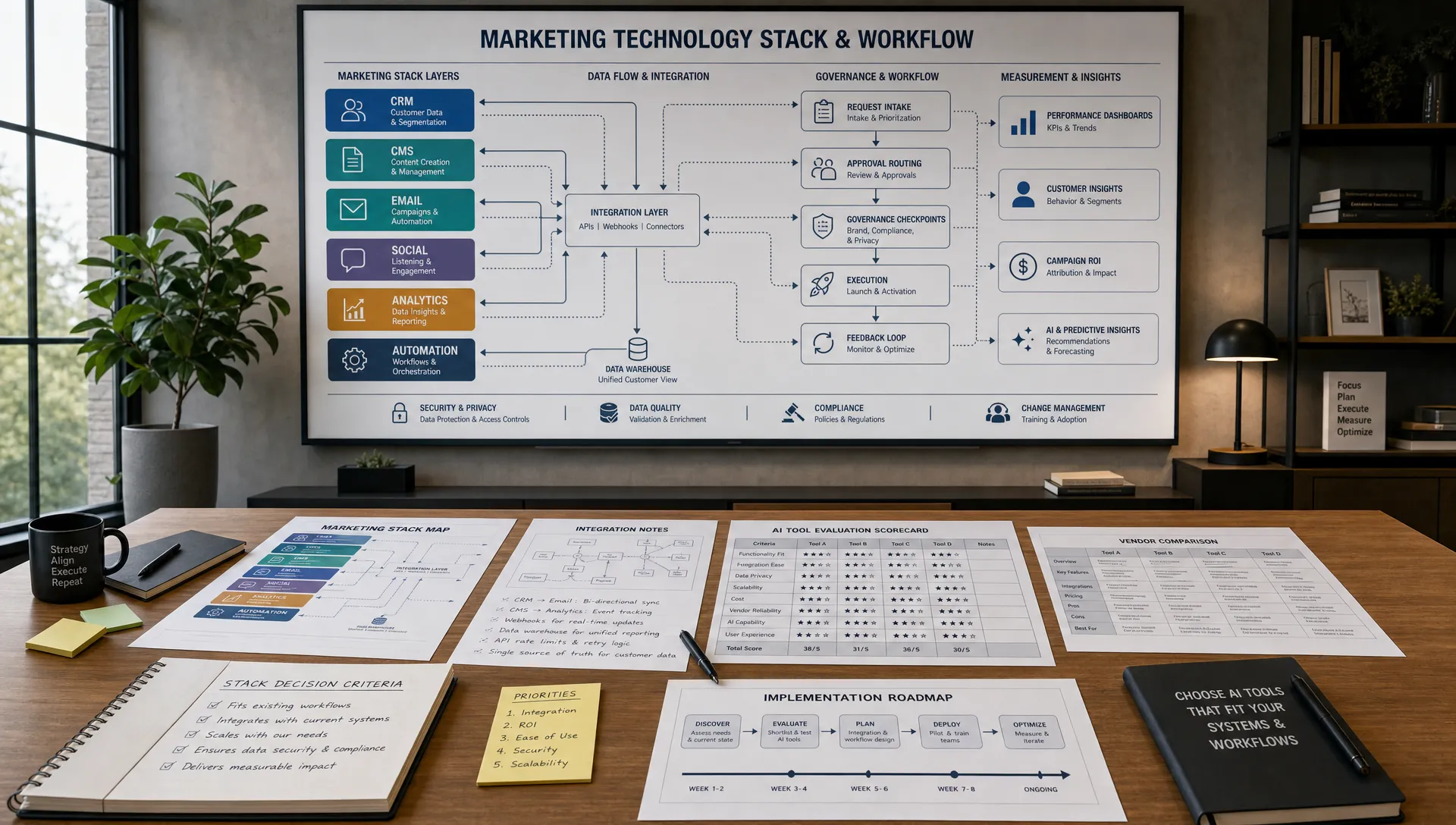
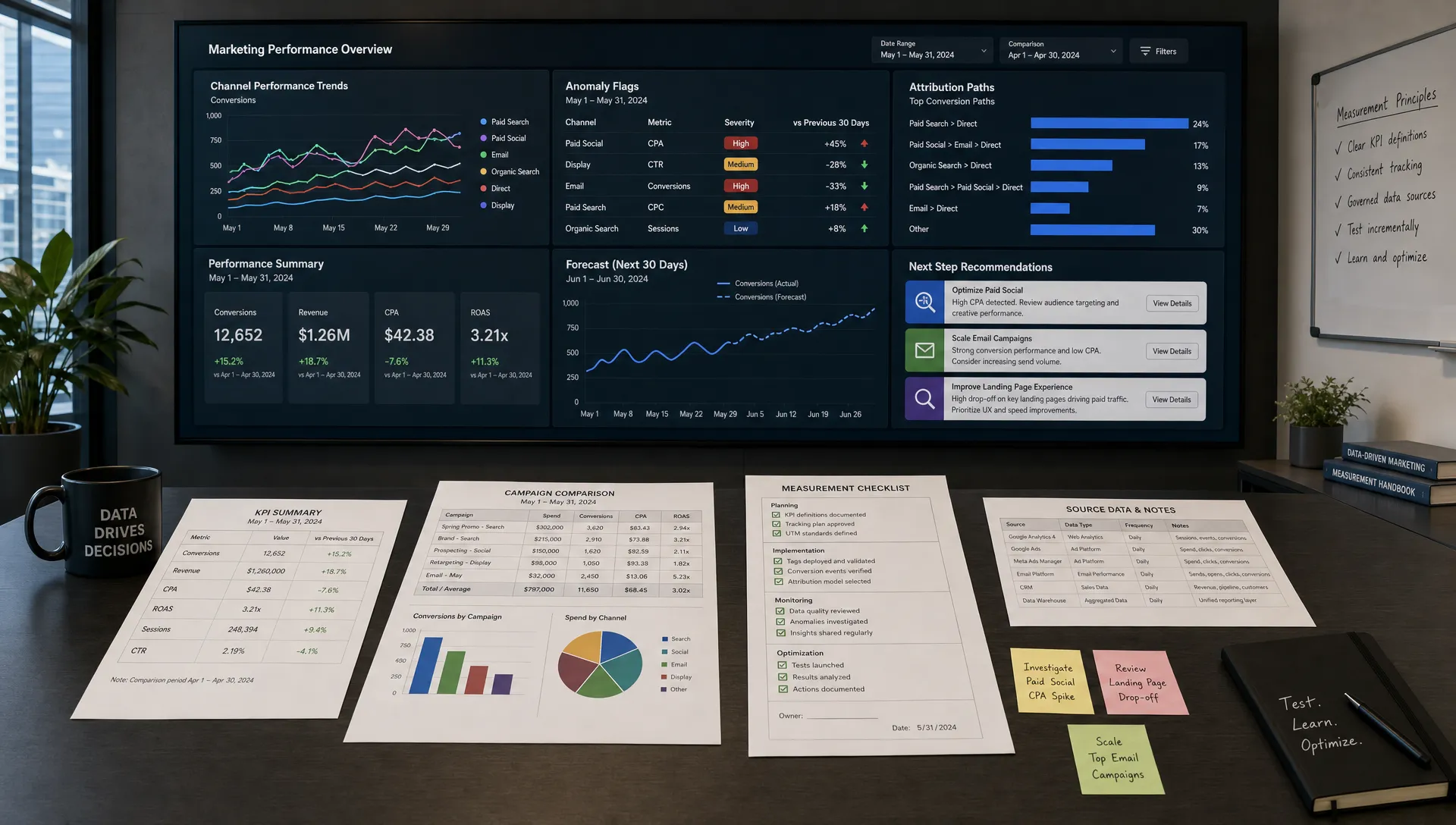
A/B testing has always promised a simple idea: show two versions of something, measure what happens, and keep the winner. In practice, it is rarely that simple. Marketers must decide what to test, write variations, allocate traffic, wait for enough data, interpret results, and avoid false conclusions.
AI changes that workflow. It can generate test ideas, create variant copy, identify audience patterns, predict likely winners, and help teams analyze results faster. But faster does not always mean better. The real question is not whether AI or manual A/B testing is more modern. The real question is which approach helps your team reach reliable, profitable decisions with the least wasted time, budget, and traffic.
For most marketing teams, the answer is not “AI replaces manual testing.” The answer is that AI is more efficient for scale, speed, and pattern recognition, while manual testing is still essential for strategy, brand judgment, and high-stakes decisions.
Manual A/B testing is the traditional approach where marketers, analysts, designers, or CRO specialists handle most of the process themselves. They define the hypothesis, create the variation, configure the test, monitor results, and decide whether the outcome is meaningful.
A manual workflow usually looks like this: a team notices a conversion issue, discusses possible causes, creates one or more alternatives, launches a test in an experimentation platform, waits for enough data, then reviews performance against a primary metric.
Manual testing can be highly effective when the team has strong customer insight and disciplined statistical practices. It also gives marketers more control over context. Humans can ask questions AI may miss, such as whether a winning message fits long-term brand positioning, whether a short-term lift could hurt lead quality, or whether a test result reflects a seasonal anomaly.
The downside is speed. Manual A/B testing often becomes slow when teams have limited creative resources, fragmented data, or too many ideas waiting in the backlog.
AI A/B testing uses artificial intelligence to accelerate or improve parts of the experimentation process. This can include AI-generated copy variations, automated audience segmentation, predictive test prioritization, machine learning-based traffic allocation, and AI-assisted result analysis.
Some AI testing systems are relatively simple, helping marketers draft headlines or summarize results. Others are more advanced, using algorithms to shift traffic toward better-performing variations or personalize experiences for different segments.
It is useful to separate three levels of AI involvement:
The more AI controls the process, the more important governance becomes. Efficiency gains are only valuable if the system optimizes for the right outcome.
Many teams define efficiency too narrowly. They ask, “Which method gets results faster?” Speed matters, but it is only one part of the equation.
A more useful definition of testing efficiency includes five factors:
By this definition, AI is often more efficient in execution, while manual testing is often more efficient in judgment. The strongest programs combine both.
AI is strongest when the bottleneck is volume. If your team has more test ideas than time, more segments than analysts, or more content needs than writers, AI can dramatically improve throughput.
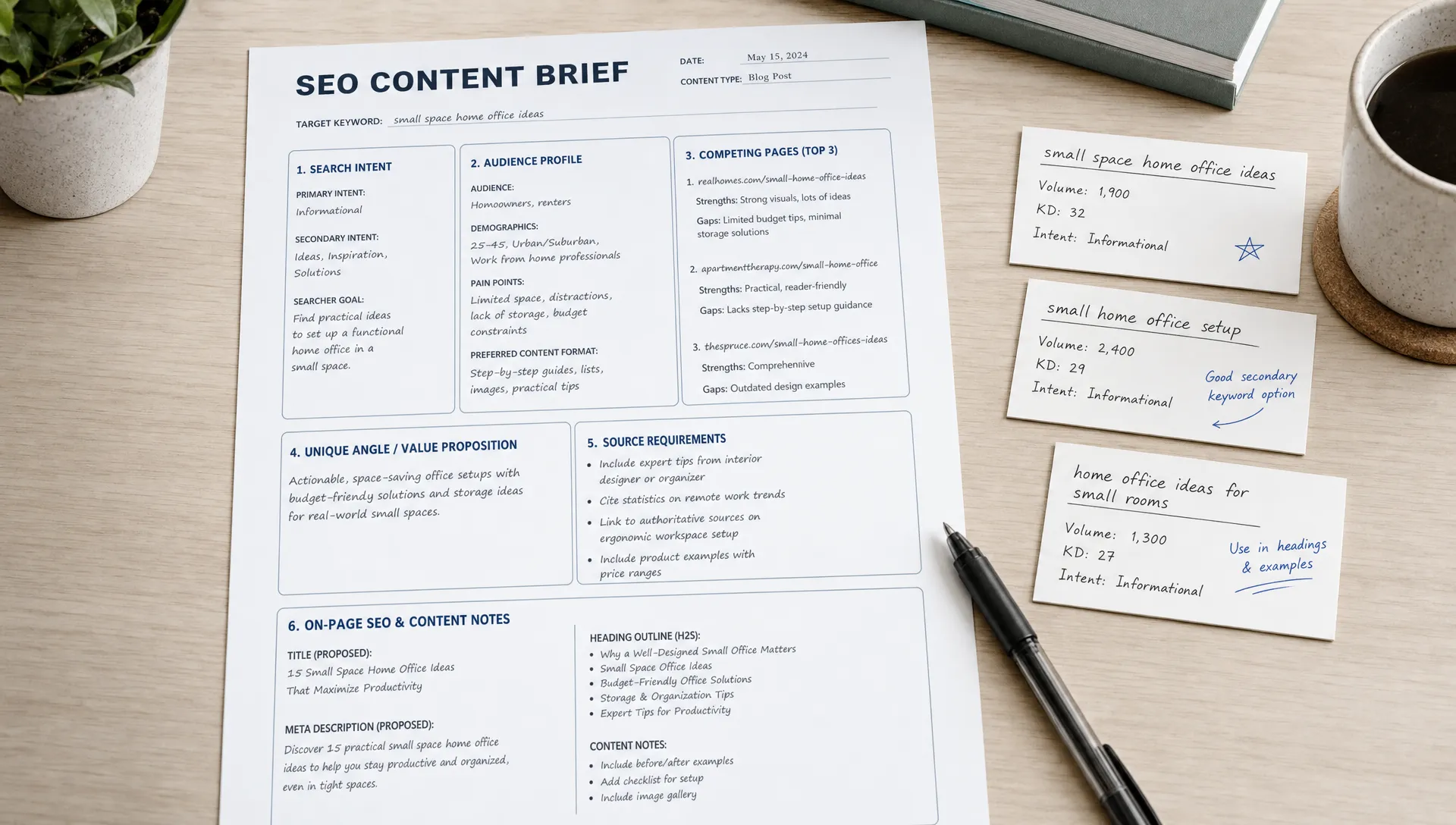
A manual testing backlog can quickly become a graveyard of good ideas. AI can analyze past campaign data, heatmap notes, CRM patterns, paid search terms, survey responses, and customer reviews to suggest potential test hypotheses.
This does not mean every AI suggestion is worth testing. It means marketers can start with a larger pool of informed ideas, then apply human judgment to prioritize the ones most likely to matter.
For example, instead of simply testing “blue button vs green button,” an AI-assisted workflow might surface a more strategic insight: visitors from paid search convert better when pricing reassurance appears above the form, while returning visitors respond more to proof points.
That kind of pattern recognition is one reason AI is increasingly valuable in digital marketing performance workflows. If you want a broader view of how AI improves analysis, personalization, and targeting, AIMarketer Hub’s guide on how AI for digital marketing improves performance is a useful companion read.
Creative production is one of the biggest constraints in A/B testing. A landing page test might require new headlines, subheads, calls to action, email copy, ad variants, and mobile-specific adjustments.
AI content generation can reduce the time needed to create first drafts. It can quickly produce multiple message angles, such as value-focused, urgency-focused, objection-handling, social proof-driven, or segment-specific copy.
The key is not to publish AI output blindly. The efficient workflow is to use AI for draft generation, then use human editors for accuracy, differentiation, tone, and compliance.
Manual A/B tests often treat all visitors as one audience. That makes analysis simpler, but it can hide meaningful differences.
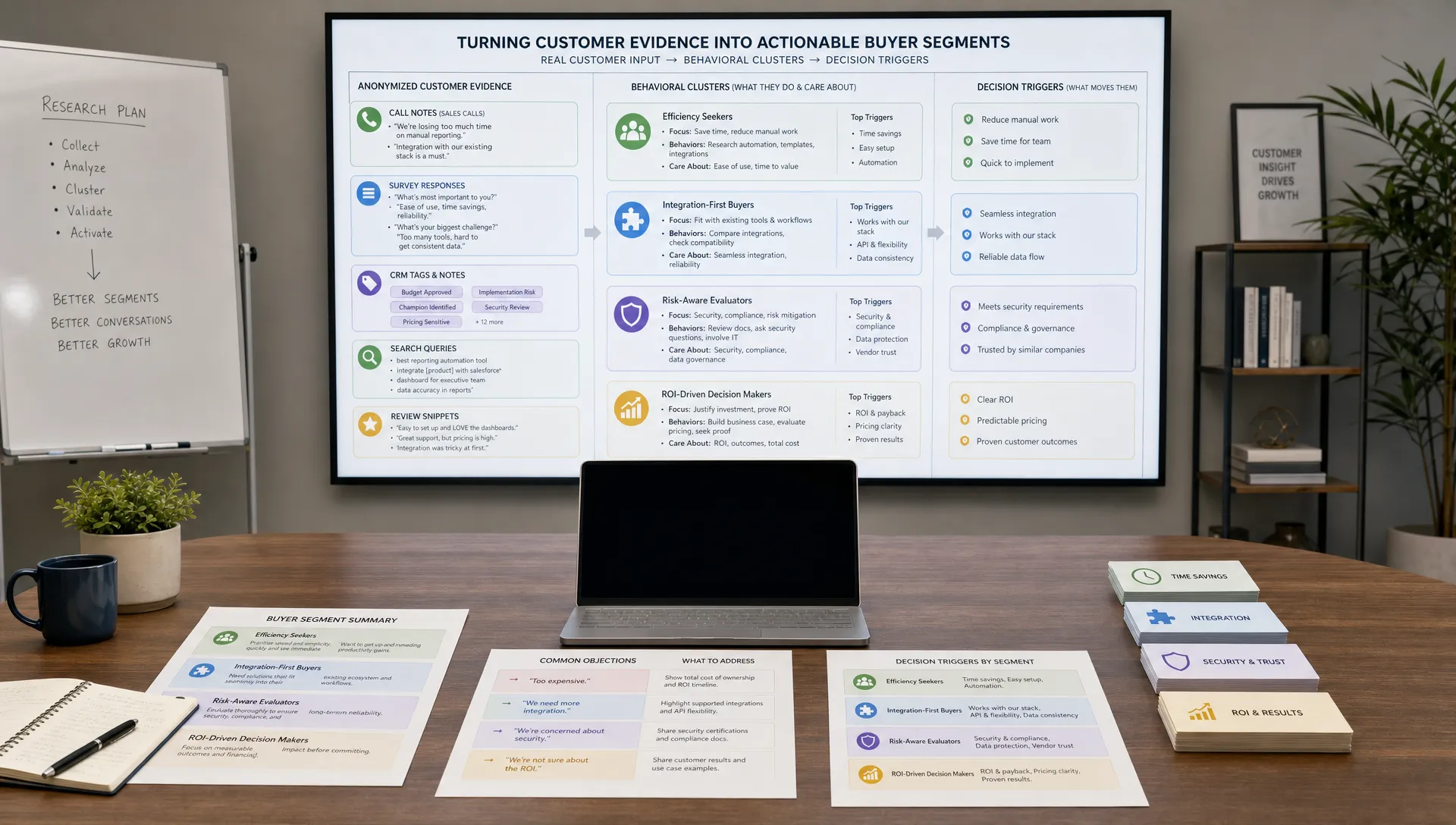
AI tools can identify patterns across customer segments that would be difficult to detect manually. One version may work best for first-time visitors, while another performs better for existing subscribers. A shorter page may convert mobile traffic, while a more detailed version may work better for enterprise buyers.
This is where AI can shift testing from “Which version wins overall?” to “Which version works best for which audience?” That is often a more profitable question.
Traditional A/B testing typically splits traffic evenly until the test ends. If one version is clearly underperforming, that can waste conversions while the team waits for a statistically valid result.
Some AI-powered systems use adaptive allocation, sometimes called multi-armed bandit testing, to send more traffic to better-performing variants while still learning. This can be useful for high-traffic campaigns, ecommerce promotions, and short-lived offers where waiting weeks for a fixed-split test is impractical.
However, adaptive methods are not always the right choice. They are efficient for optimization, but less ideal when you need a clean, controlled experiment to understand causality.

Manual testing is more efficient when the main risk is not slow execution, but poor interpretation. If the cost of a wrong decision is high, human judgment becomes essential.
AI can tell you that a headline generated more clicks. It cannot always tell you whether those clicks came from the right customers, whether the message weakens premium positioning, or whether the test aligns with the company’s long-term strategy.
This matters especially in B2B, professional services, healthcare, finance, legal, and technical markets. For example, a company positioning itself as a trusted engineering partner, such as power electronics and embedded system specialists, would not want to optimize only for click-through rate if the winning message oversimplifies complex expertise or attracts poor-fit inquiries.
Manual review helps protect the business from optimizing the wrong thing.
AI testing is often most impressive when there is enough data. If a website has limited traffic or few conversions per month, an AI tool may not have enough signal to make reliable recommendations.
In low-volume environments, manual research can be more efficient. Customer interviews, sales call analysis, user testing, session recordings, and qualitative surveys may reveal more than a statistically weak A/B test.
That does not mean low-traffic teams should avoid AI entirely. They can still use AI to summarize qualitative feedback, draft variations, and organize hypotheses. But the final testing strategy should reflect the limits of the data.
AI may generate persuasive claims, but persuasive does not always mean accurate or compliant. In regulated industries, even a small wording change can create risk.
Manual oversight is critical when testing:
In these cases, the efficient path is not the fastest path. It is the path that avoids rework, reputational damage, and compliance problems.
Rather than declaring one method the universal winner, it is more useful to compare them by situation.
AI is usually more efficient for generating headline options quickly. It can create variations around pain points, benefits, urgency, proof, or objections.
Manual input is still needed to choose which angles are strategically relevant. A headline that increases form submissions but lowers lead quality may not be a true winner.
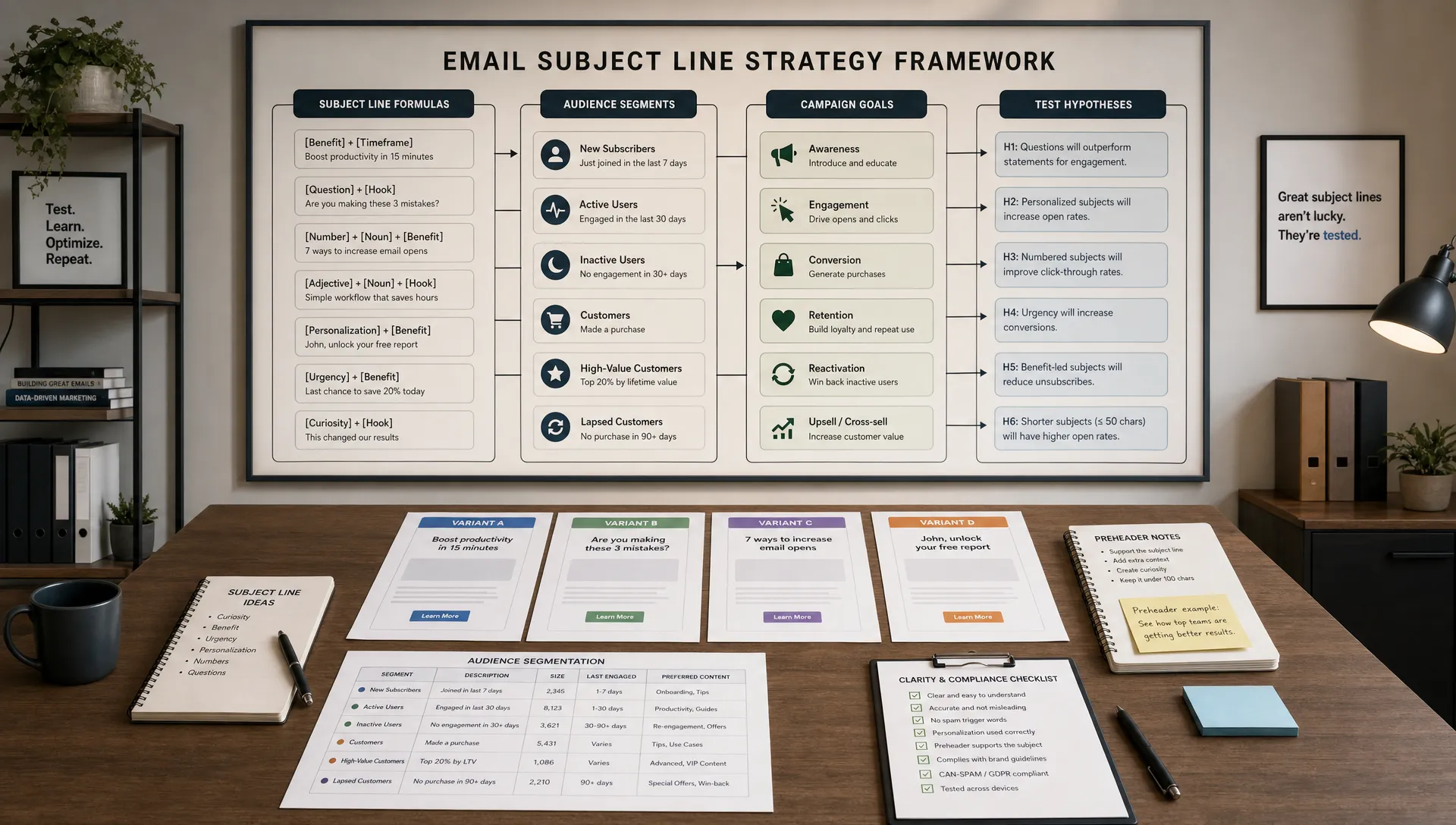
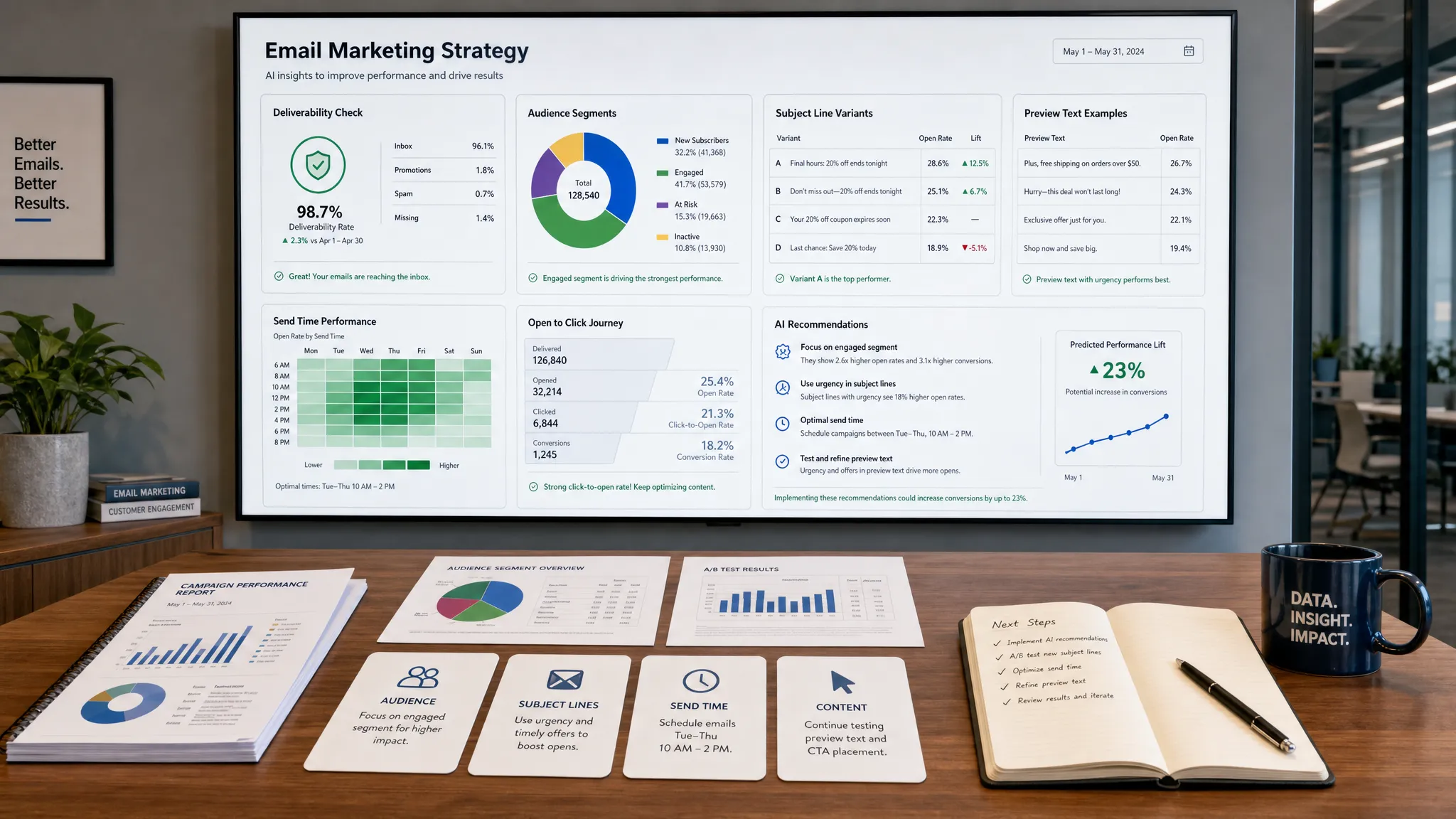
AI is highly efficient here because subject lines are short, easy to vary, and fast to measure. AI can generate multiple options tailored to tone, segment, or campaign goal.
Manual review is important for avoiding spammy language, misleading urgency, or off-brand phrasing.
Manual testing usually deserves a larger role. Pricing pages influence revenue quality, sales expectations, and customer trust. AI can help analyze behavior or suggest layout improvements, but humans should define the hypothesis and evaluate the business impact.
AI can be very efficient for product pages because ecommerce sites often have enough traffic and repetitive structures. AI can help test product descriptions, recommendation blocks, reviews, image order, and promotional messaging.
For teams evaluating this area specifically, a curated list of AI tools for conversion rate optimization can help identify platforms designed for testing, personalization, and behavioral analysis.
A hybrid approach is usually best. AI can speed up copy, segmentation, and reporting, but manual judgment is needed to evaluate lead quality, sales cycle impact, and account fit.
A B2B test that increases demo requests from poor-fit companies may look successful in the dashboard but fail in the pipeline.
The best-performing teams rarely frame this as AI versus humans. They build a workflow where each does what it does best.
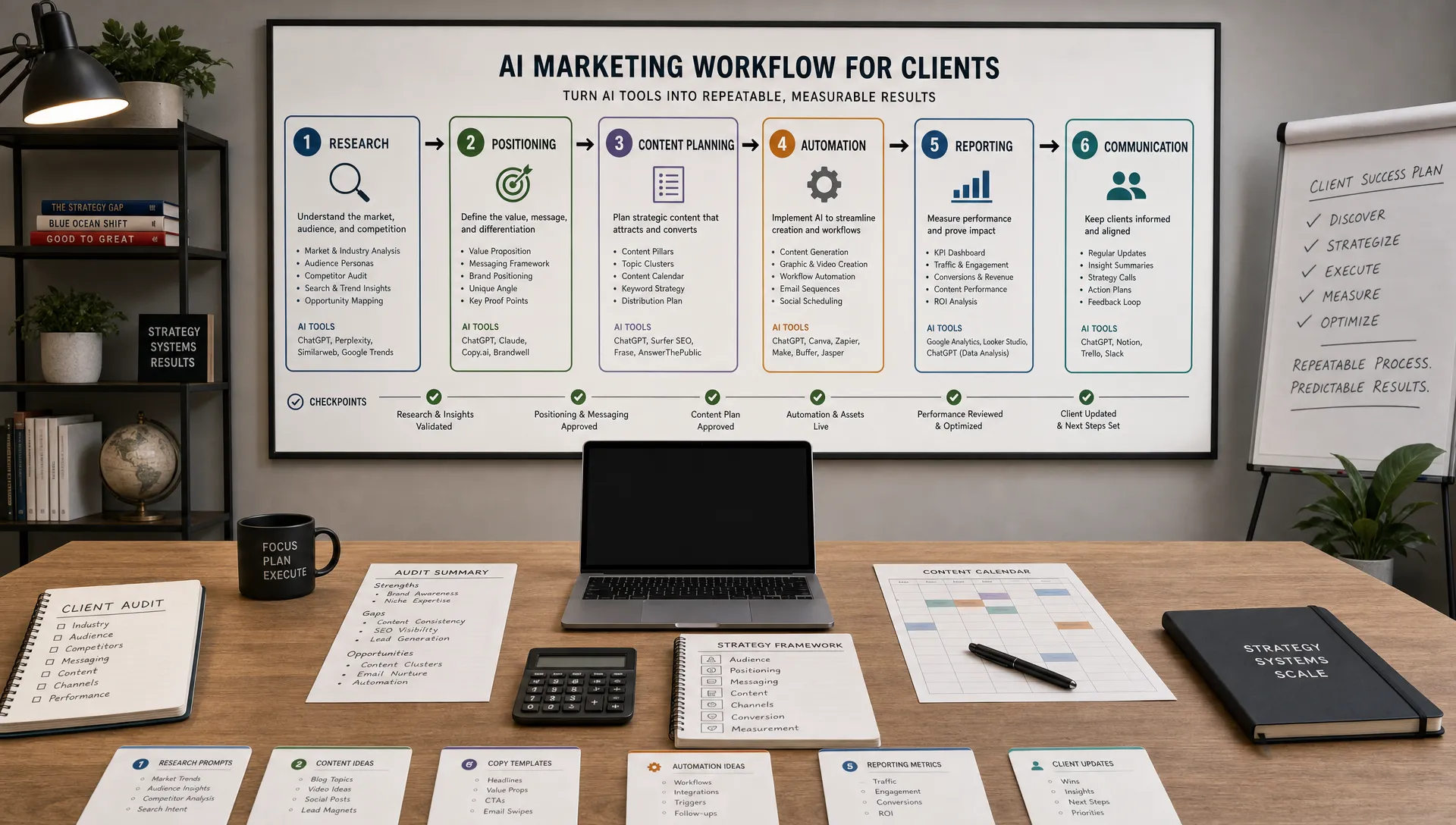
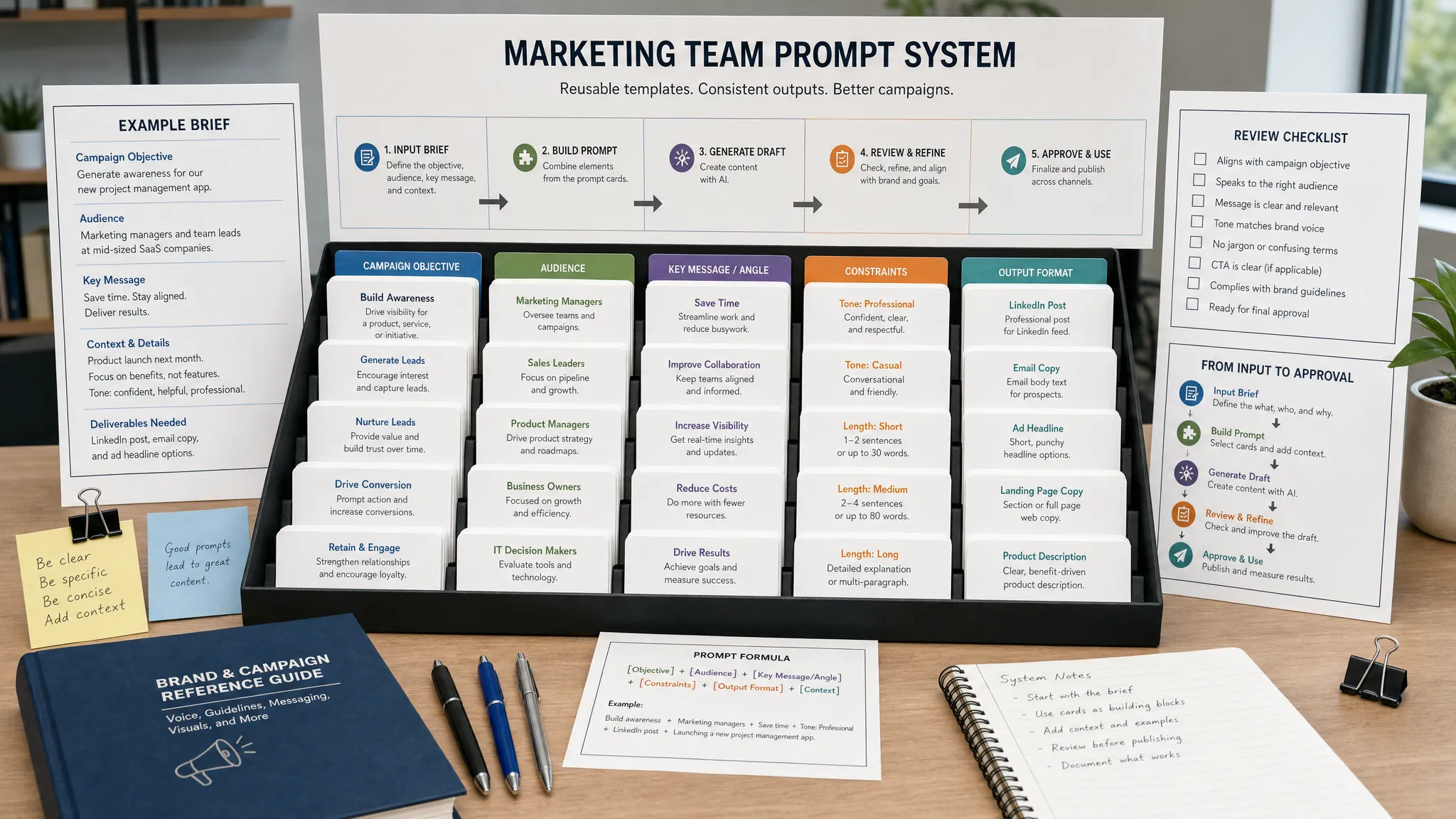
A practical hybrid A/B testing workflow looks like this:
This approach avoids two common extremes: slow manual testing that never scales, and over-automated testing that optimizes surface-level metrics without strategy.
Before investing in AI testing software, be clear about the problem you are solving. Are you trying to launch more tests? Improve personalization? Reduce reporting time? Generate more creative variants? Prioritize a messy backlog?
The right tool depends on your workflow, data quality, team size, traffic volume, and privacy requirements. A company running high-volume ecommerce tests needs different capabilities than a niche B2B SaaS company testing demo page messaging.
Key questions to ask include:
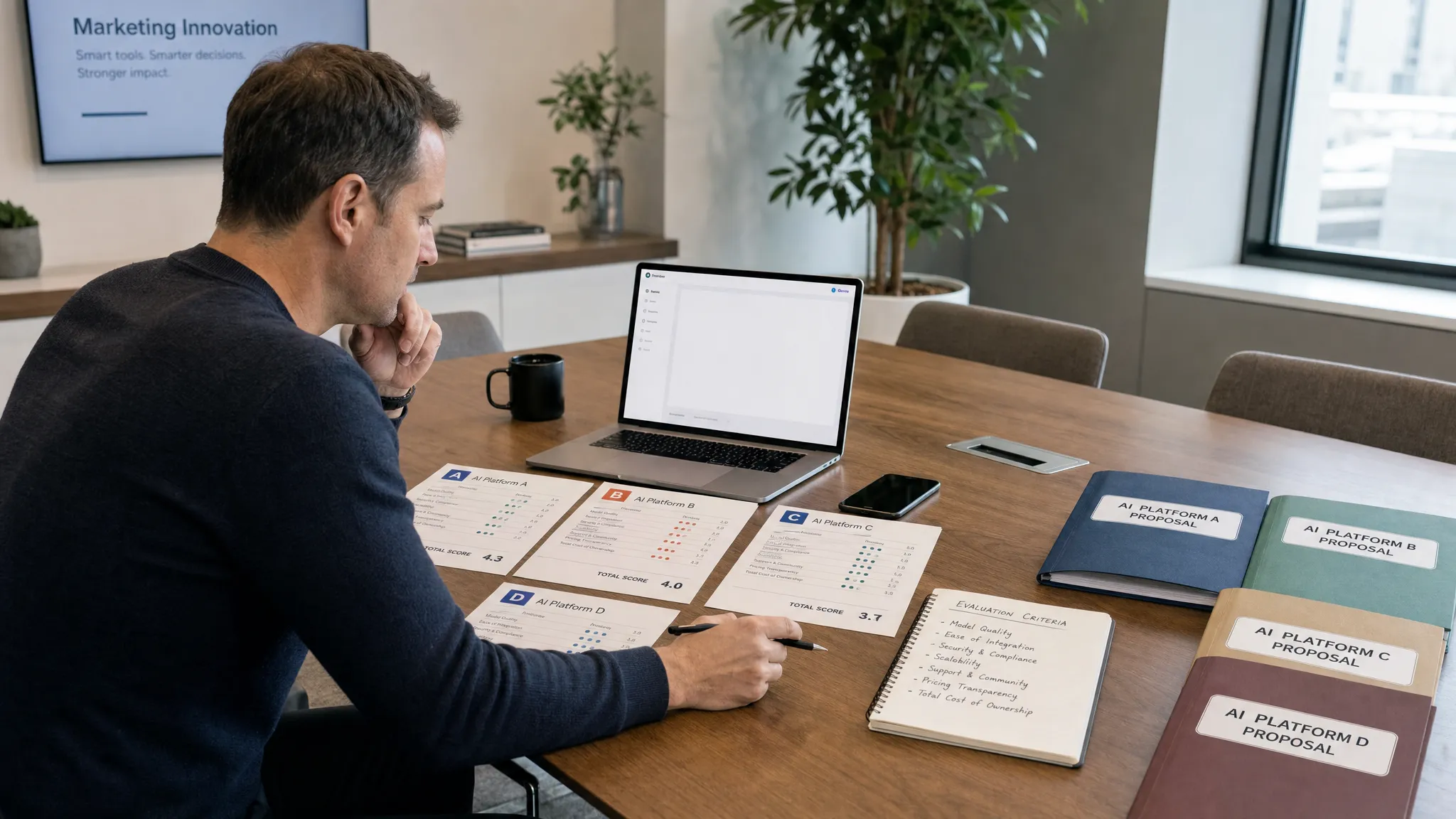
If you are comparing platforms, this guide on how to pick the right AI marketing platform can help you evaluate tools based on outcomes, integrations, quality, and governance rather than hype.
AI can make a good testing program faster, but it can also make a weak testing program fail faster. Watch for these mistakes.
A test should not be “let’s see what happens.” It should connect a customer insight to an expected behavior change. For example, “Adding delivery reassurance near the checkout button will reduce hesitation and increase completed purchases.”
AI can suggest ideas, but humans should still turn those ideas into clear hypotheses.
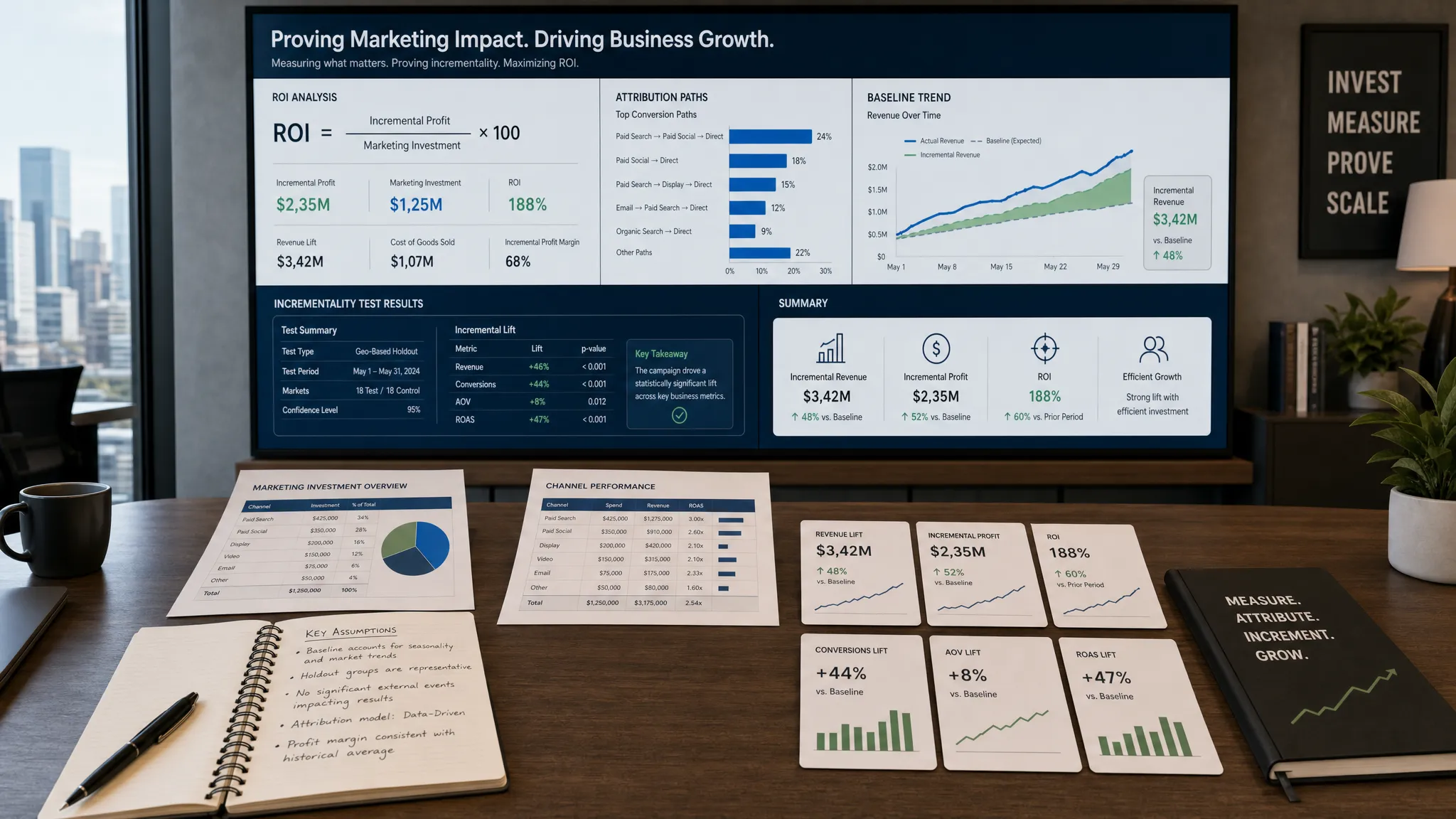
Click-through rate, open rate, and form submissions are useful, but they are not always the final goal. A test can increase clicks while reducing revenue, lead quality, or retention.
Always define a primary metric and at least one guardrail metric. For example, a SaaS company might optimize trial signups while monitoring activation rate and sales-qualified lead quality.
AI summaries can make results feel decisive before they are statistically reliable. Early winners often fade as more data arrives.
Your team should agree on minimum sample sizes, test duration, and decision rules before launch. AI can assist, but it should not replace experimental discipline.
AI can produce many variants quickly, but not all of them will sound like your brand. If every test chases short-term persuasion, your site can become inconsistent, generic, or overly aggressive.
Keep brand guidelines, approved claims, and audience positioning in the workflow.
AI A/B testing is more efficient when you need speed, scale, segmentation, creative variation, and faster analysis. It is especially useful for high-traffic websites, ecommerce campaigns, email testing, paid media landing pages, and personalization programs.
Manual A/B testing is more efficient when you need deep strategic judgment, careful brand control, compliance review, or qualitative understanding. It is also better when traffic is too low for reliable automation.
For most teams, the most efficient answer is a hybrid model: let AI accelerate the repeatable work, and let humans own the strategy, interpretation, and final decisions.
That combination gives you the best of both worlds: more tests, faster learning, and fewer bad calls.
Is AI A/B testing always better than manual A/B testing? No. AI is usually better for speed, scale, and pattern recognition, but manual testing is better for strategy, brand judgment, compliance, and interpreting business impact.
Can AI run A/B tests with low traffic? AI can help with ideation, copywriting, and analysis, but low-traffic websites may not have enough data for reliable automated optimization. Qualitative research may be more useful before formal testing.
What metrics should I use for A/B testing? Choose one primary metric tied to the business goal, such as purchases, qualified leads, trial activations, or checkout completion. Add guardrail metrics like refund rate, lead quality, unsubscribe rate, or retention.
Does AI replace CRO specialists or marketers? Not effectively. AI can reduce repetitive work and surface patterns, but marketers and CRO specialists are still needed to define hypotheses, protect brand quality, and make final decisions.
What is the best way to start with AI A/B testing? Start with one workflow bottleneck, such as generating variants, prioritizing tests, or summarizing results. Prove value there before expanding into automated traffic allocation or personalization.
A/B testing should not be a guessing game, and it should not be slowed down by manual work that AI can handle. The most efficient teams use AI marketing automation to move faster while keeping humans responsible for strategy and quality.
Explore AIMarketer Hub’s practical guides, AI marketing tools, calculators, and resources to improve your testing process, content creation, analytics, and marketing workflow automation. Use AI where it creates leverage, keep human judgment where it matters, and build a testing program that learns faster without losing control.