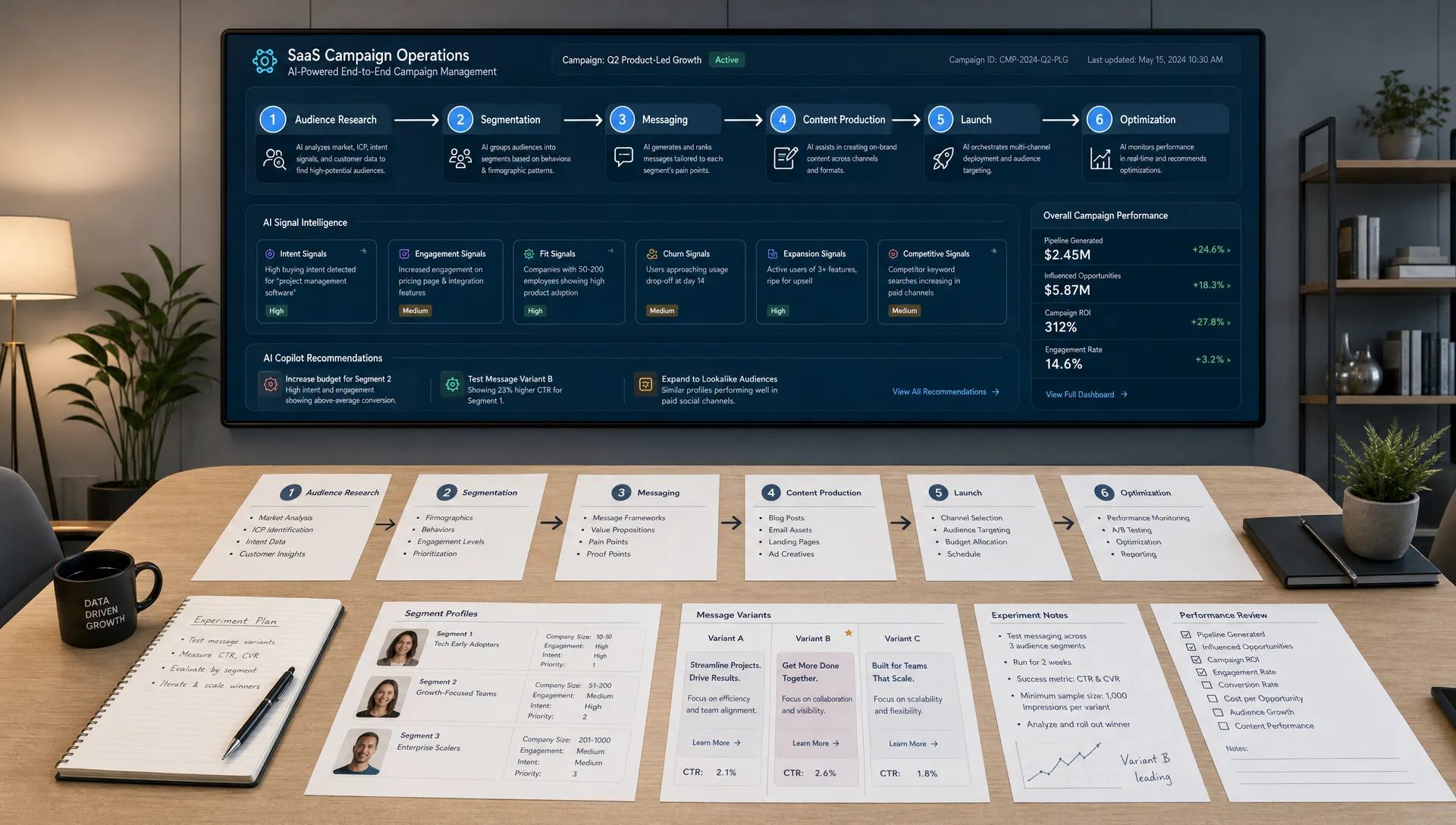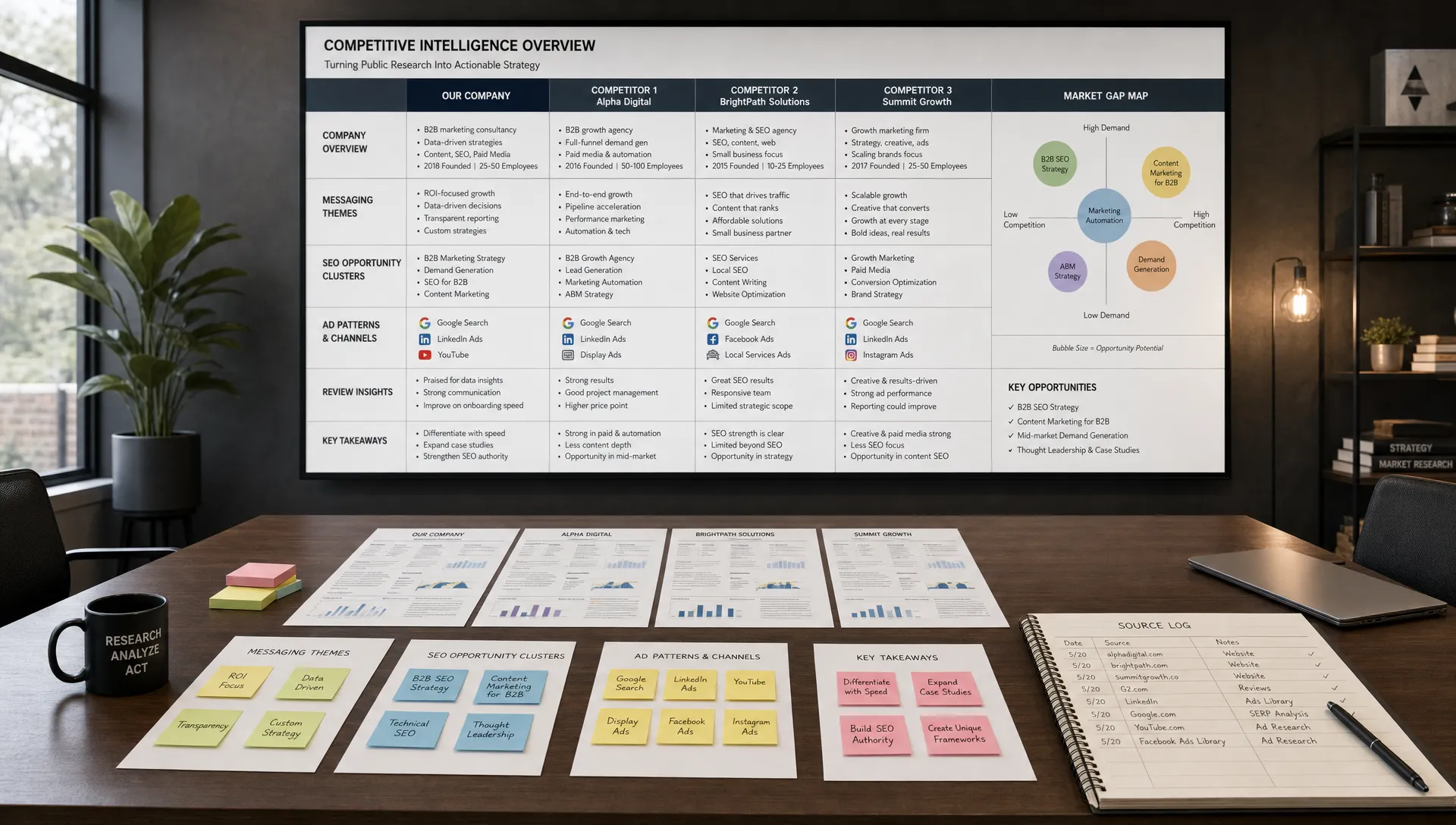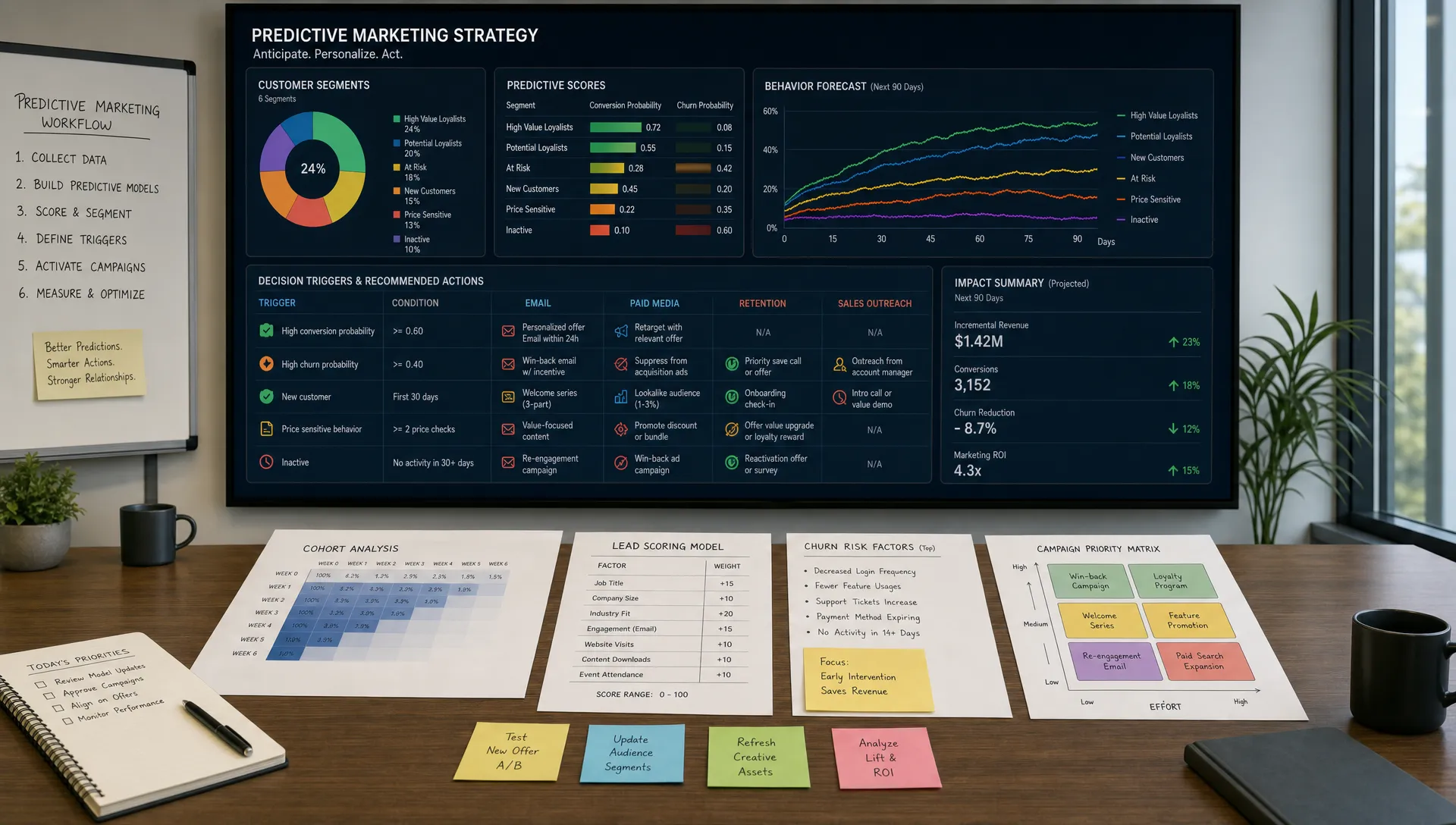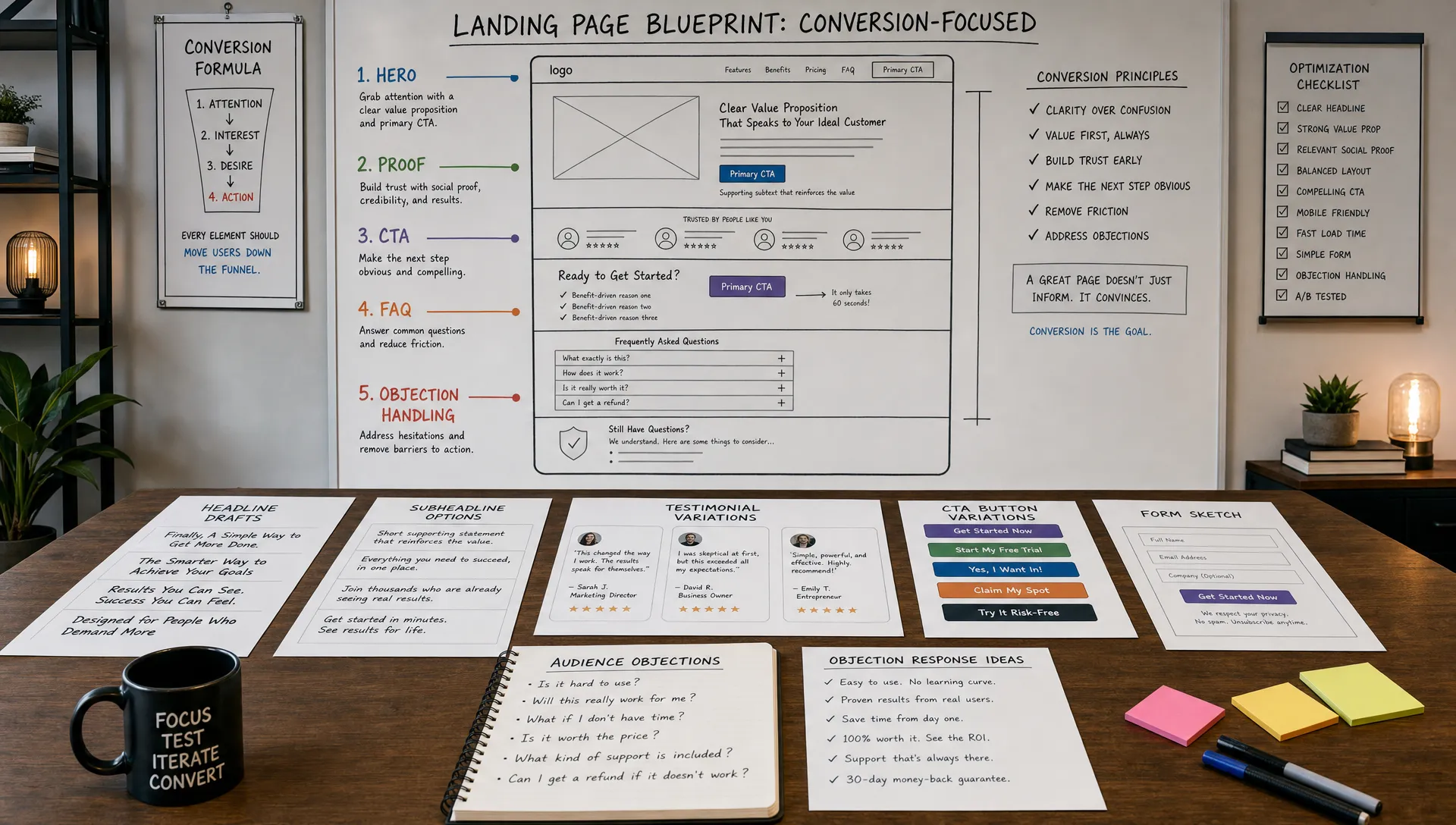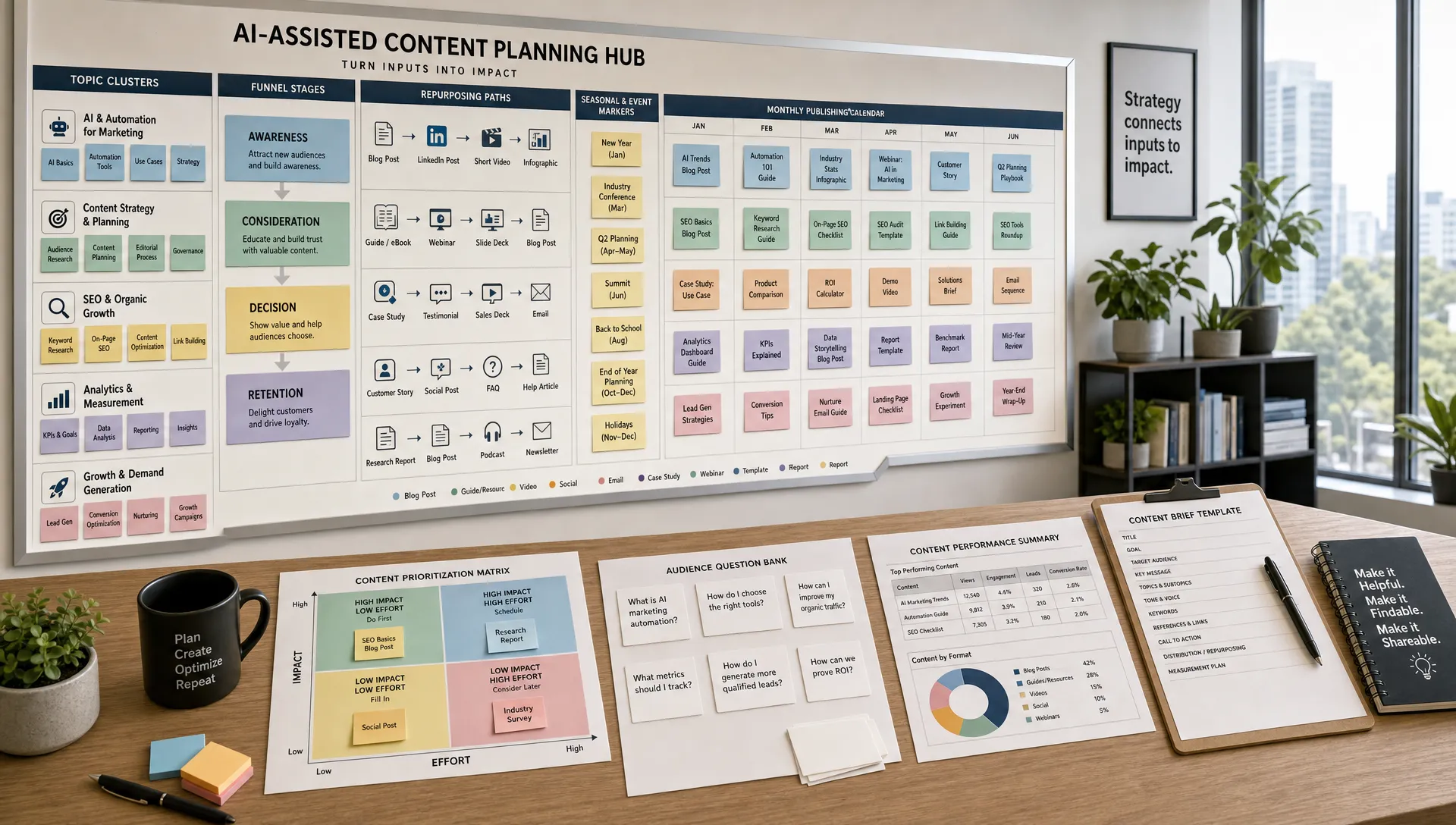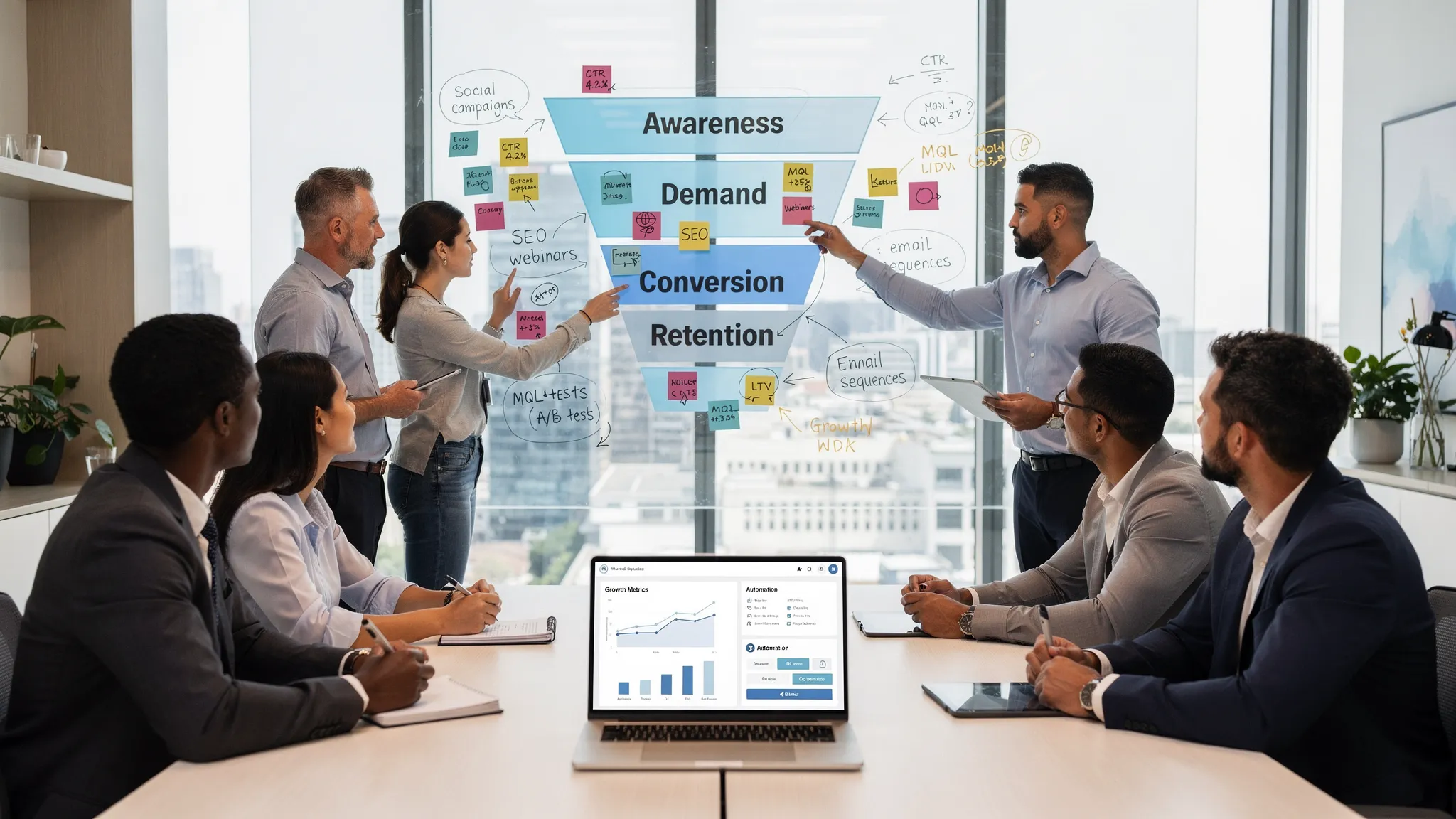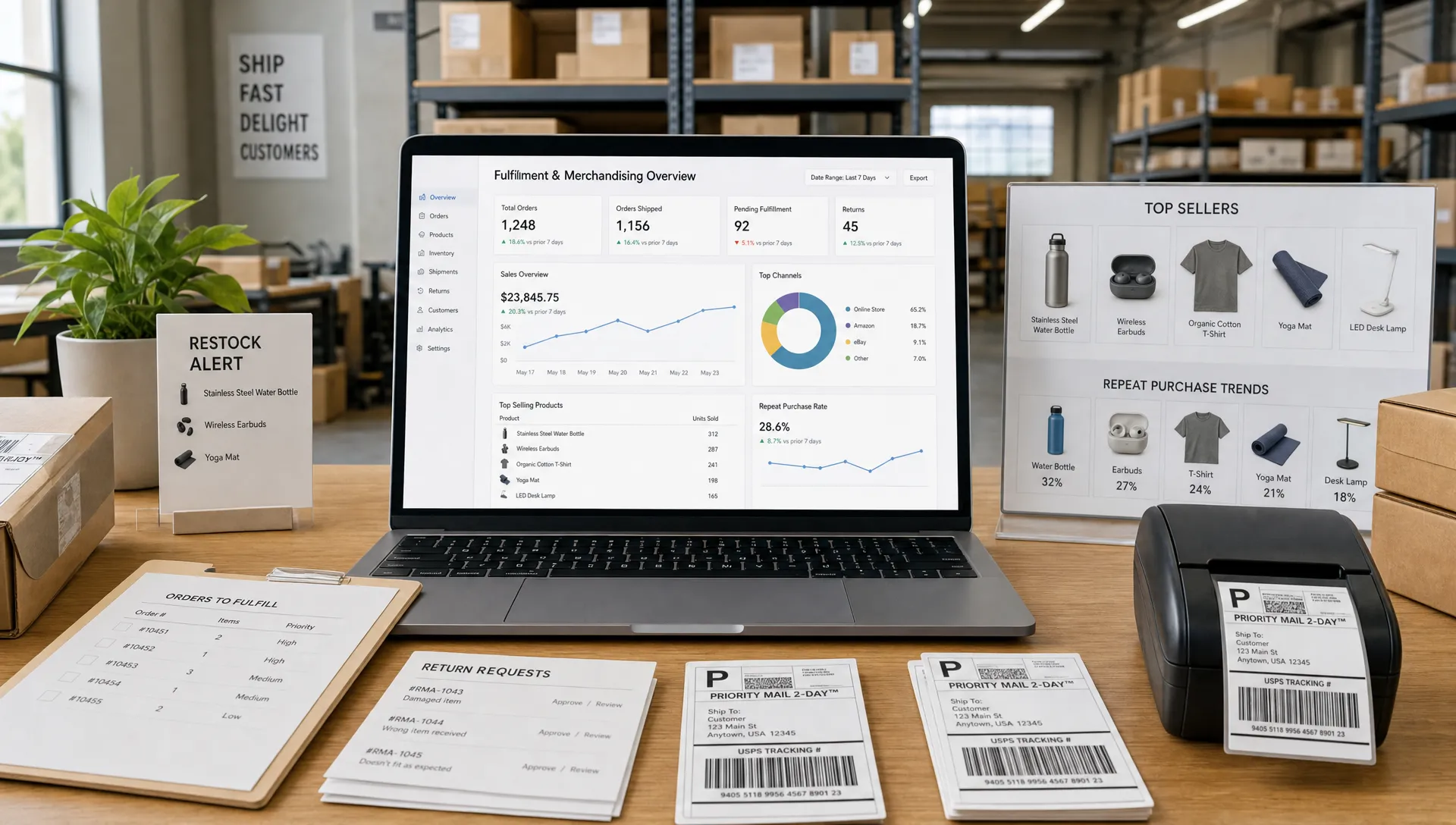
In 2026, most ecommerce teams do not need more content, more campaigns, or more dashboards. They need better timing, sharper relevance, and clearer proof that marketing activity is turning into profitable orders. That is where AI marketing for ecommerce becomes powerful.
The opportunity is not simply using AI to write product descriptions faster. The real advantage is using AI to understand customer intent, personalize the shopping journey, improve product discovery, predict churn, and test conversion ideas at a speed a lean team could never manage manually.
But there is a catch. AI will not fix a weak offer, messy product data, unclear positioning, or a checkout experience that creates doubt. The ecommerce brands that convert with AI treat it as a decision system, not a shortcut. They connect AI to specific buying moments, then measure whether those moments produce revenue, margin, and repeat purchases.
Ecommerce is unusually well suited to AI because every interaction leaves a signal. A shopper views a product, searches for a phrase, compares variants, reads reviews, adds an item to cart, abandons checkout, opens an email, uses a discount code, or returns to buy again.
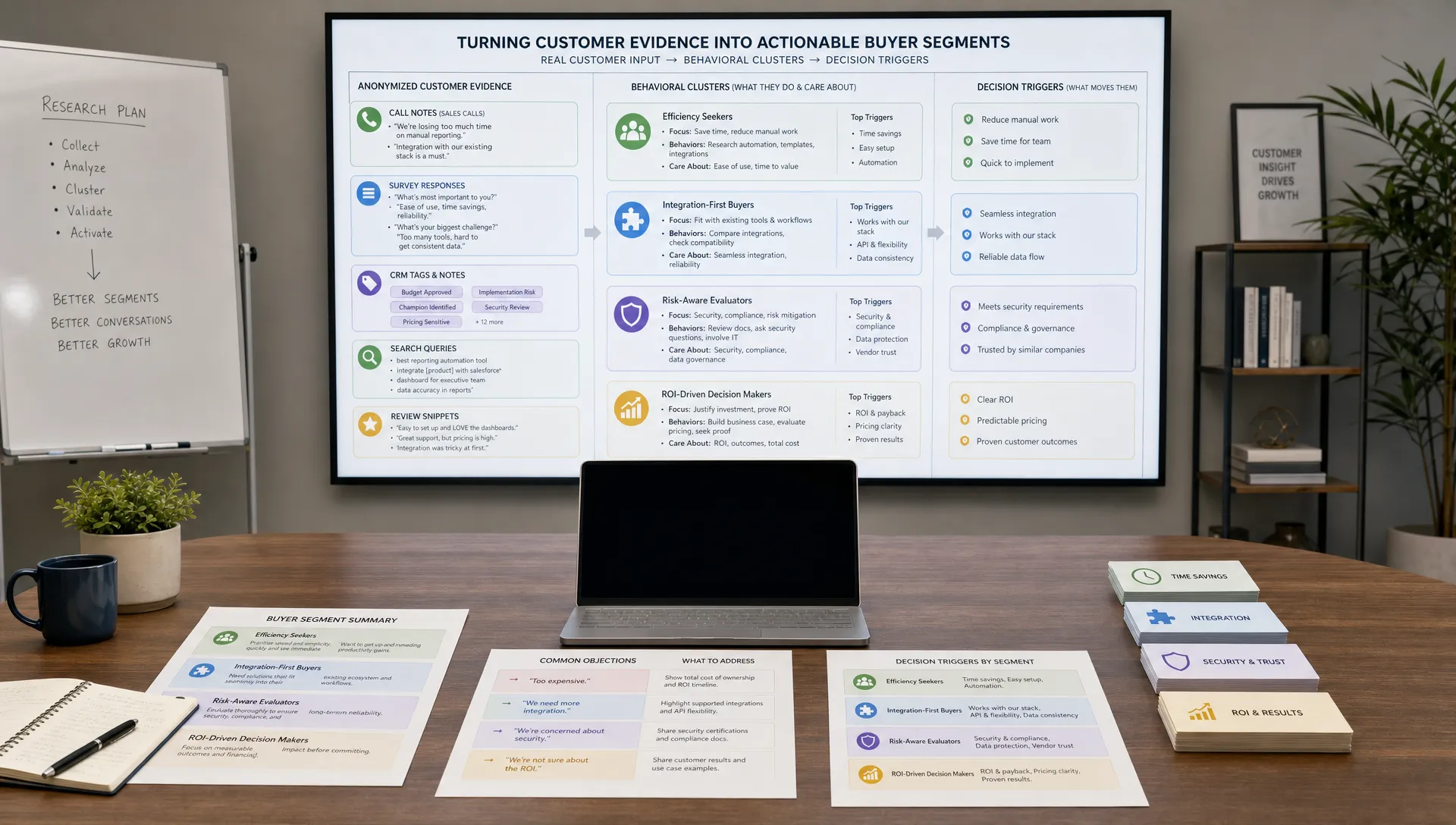
Individually, those signals can look small. Combined, they reveal patterns that are hard for humans to spot at scale. AI can help identify which customers are likely to buy, which products should be recommended together, which landing page messages create hesitation, and which segments deserve a different offer.
The best AI marketing systems answer three practical questions:
That focus keeps ecommerce AI grounded in conversion instead of experimentation for its own sake.
Before you ask AI to optimize campaigns, make sure it has the right inputs. Poor product feeds, inconsistent naming, missing margins, unclear attribution, and disconnected customer data will lead to weak recommendations and misleading conclusions.
At minimum, an ecommerce brand should understand which events matter across the funnel: product views, collection views, onsite searches, add-to-cart events, checkout starts, completed purchases, refunds, repeat purchases, and subscription or replenishment behavior if relevant. These events should be tied to product data, customer segments, channel performance, and gross margin wherever possible.
This is also where marketing and operations need to align. AI may recommend a bundle, a shipping threshold, or a country-specific campaign, but those ideas only convert profitably if fulfillment, payment methods, tax handling, inventory, and customer support can support them. For ecommerce brands expanding internationally, operational structure matters as much as campaign structure. If the UAE is part of your growth plan, expert UAE company setup and compliance support can help create a clearer foundation before marketing teams scale region-specific acquisition and retention efforts.
A good data foundation does not need to be perfect on day one. It does need to be consistent enough that your team trusts the trends AI highlights.
Product pages are one of the highest-leverage places to apply AI marketing because they sit close to the sale. A small improvement in clarity, proof, or objection handling can affect revenue across every channel that sends traffic to that product.
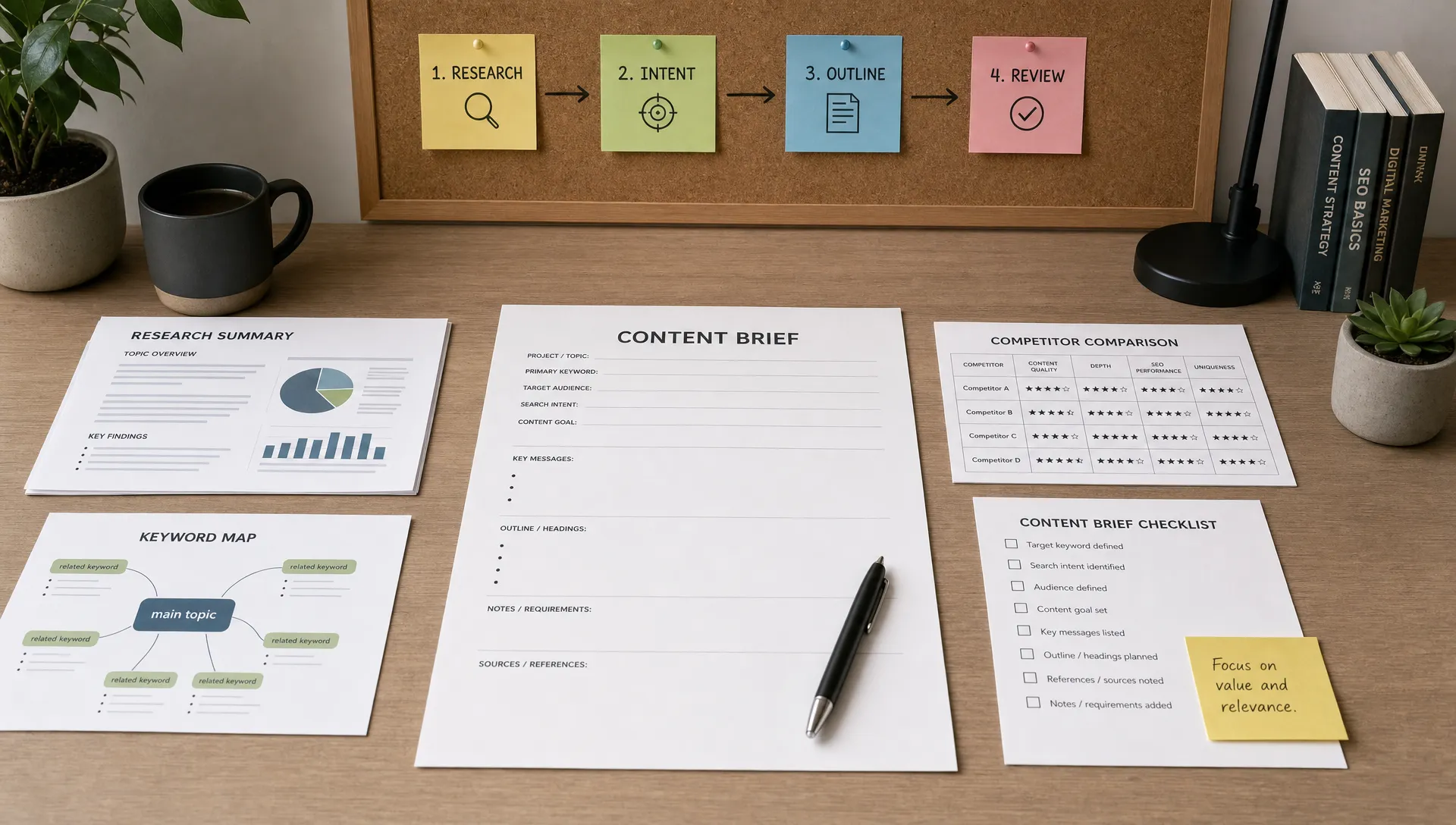
AI can help ecommerce teams turn raw product attributes, customer reviews, support tickets, and competitor research into stronger page content. The key is not producing longer copy. It is making the page answer the questions shoppers already have.
Useful AI-assisted product page improvements include:
For example, a skincare brand might discover that shoppers are not asking whether a moisturizer is premium. They are asking whether it works under makeup, whether it is suitable for sensitive skin, and how long one jar lasts. AI can surface those questions from reviews and support logs, then help create product page sections that reduce hesitation.
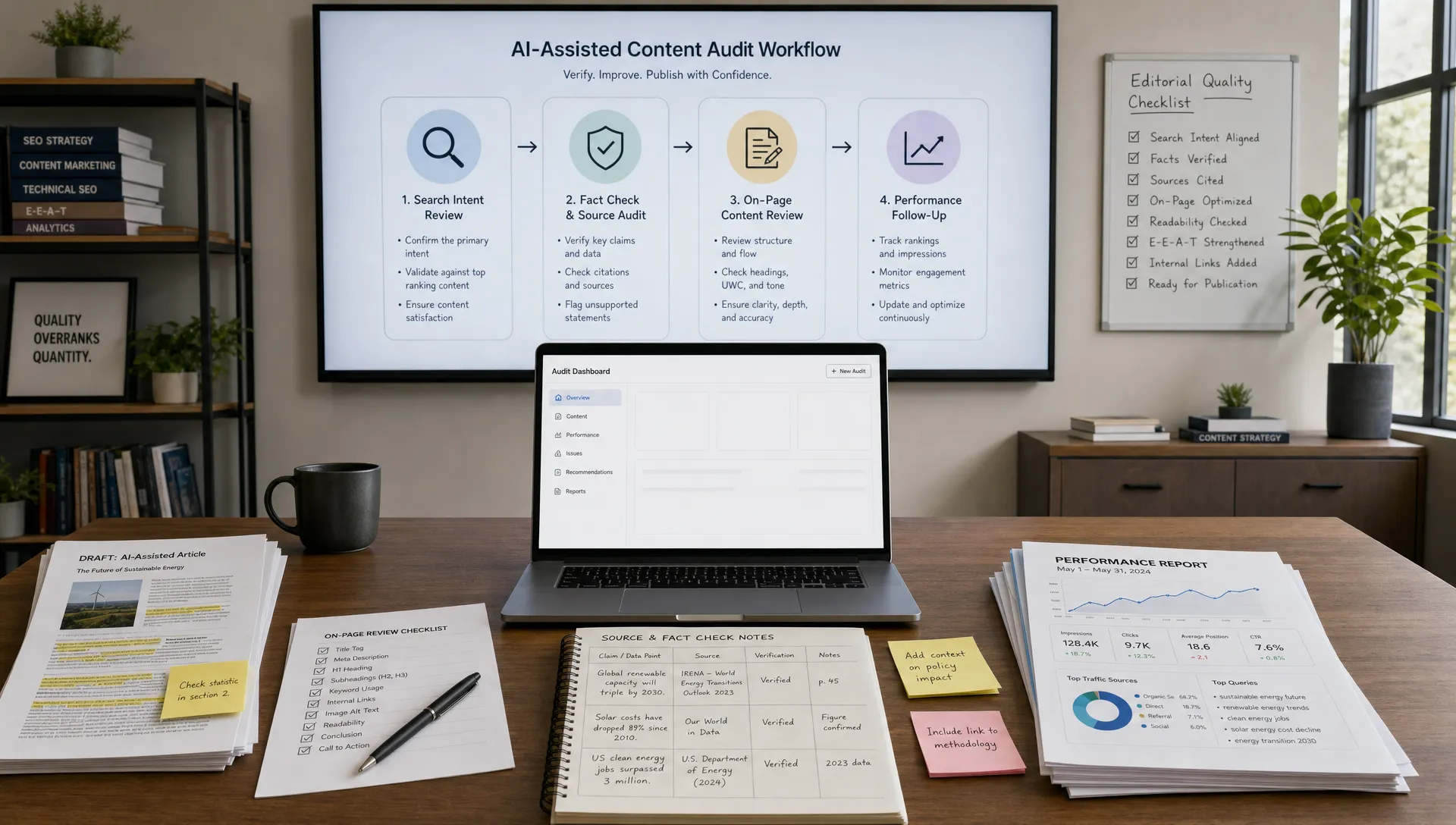
Human review still matters. Do not let AI invent product claims, medical benefits, shipping promises, sustainability statements, or compatibility details. The best workflow is AI-assisted, expert-approved. If content ROI is a priority, AIMarketer Hub has a practical guide on AI content generation tips for better ROI that applies well to ecommerce product and category content.
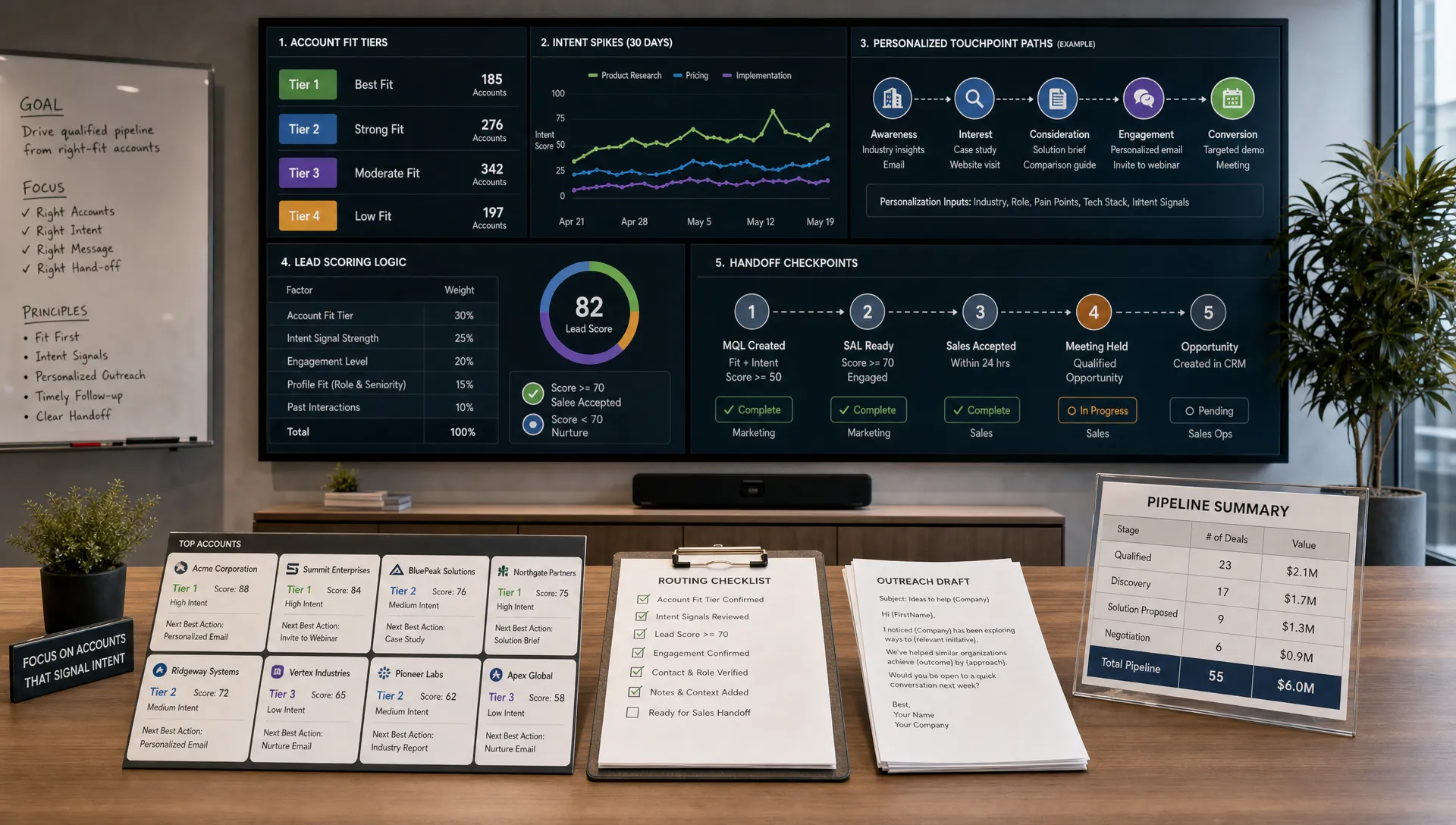
Personalization can increase conversions, but only when it feels helpful. Bad personalization simply repeats the last product someone viewed. Good personalization understands the shopper's goal.
An ecommerce store can use AI to improve recommendations in several ways. It can suggest complementary products in the cart, reorder collection pages based on likely buying intent, promote replenishment reminders when a product is likely to run out, or recommend upgrades when a shopper repeatedly compares premium options.
The most effective recommendation logic is often based on context:
A new visitor needs orientation. Show bestsellers, quiz-based guidance, social proof, and clear category pathways.
A returning browser needs relevance. Show recently viewed products, similar items, and content that addresses the objections they have signaled.
A cart abandoner needs reassurance. Show delivery details, return policies, review highlights, and availability reminders before reaching for a discount.
A repeat customer needs continuity. Show refills, compatible products, exclusive launches, or bundles based on purchase history.
This is where AI-powered analytics can help teams move beyond broad segments like new visitors and returning customers. The goal is to predict the next useful action, not to make every shopper feel watched.
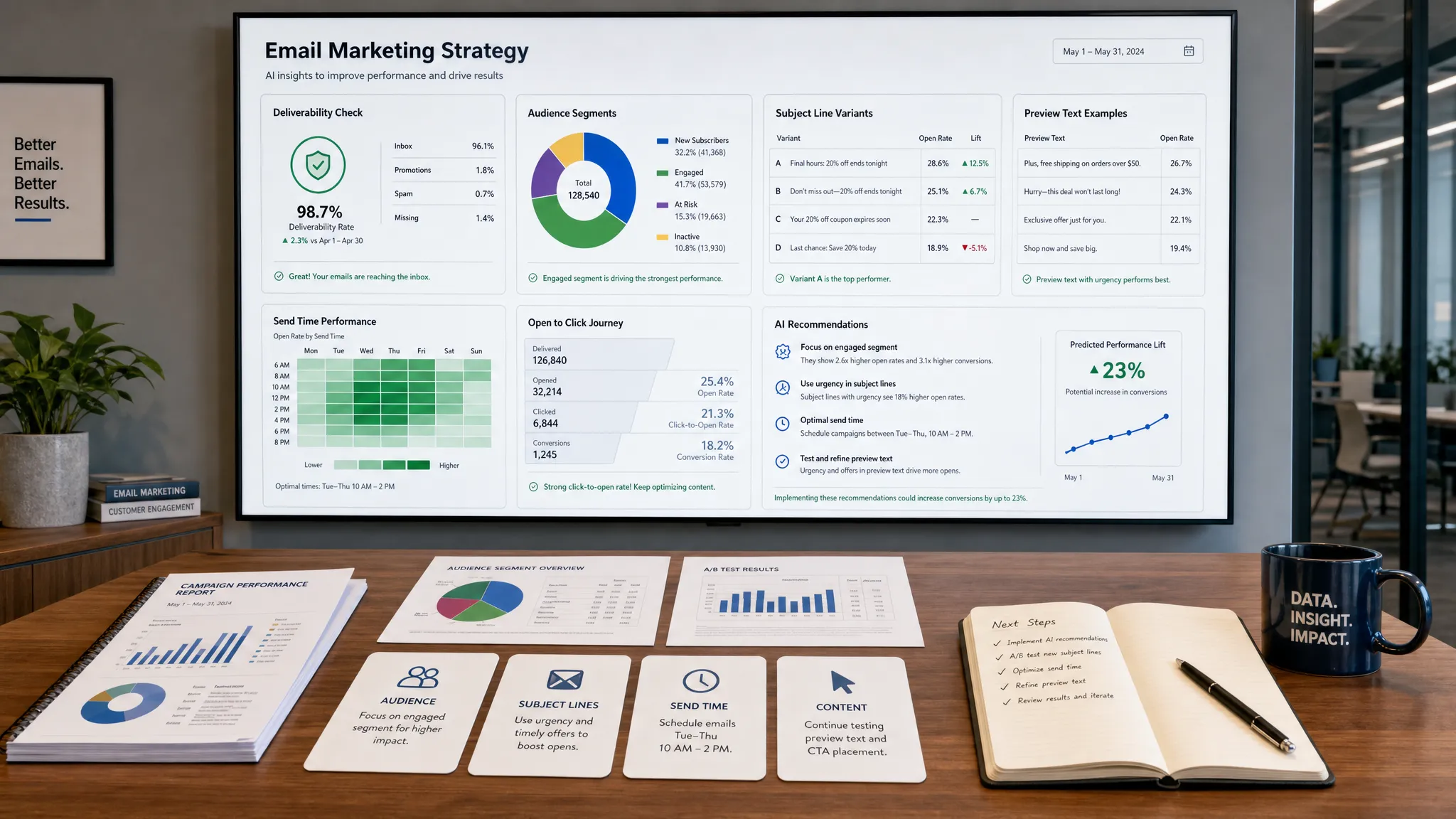
Email and SMS remain two of the most important ecommerce conversion channels because they let you act on owned customer relationships. AI makes these channels stronger by improving segmentation, send timing, subject lines, product recommendations, and offer selection.
A strong lifecycle system should include core flows such as welcome, browse abandonment, cart abandonment, checkout abandonment, post-purchase education, cross-sell, replenishment, win-back, and VIP recognition.
The mistake many brands make is treating every flow as a discount delivery system. That trains customers to wait. AI can help identify which shoppers need an incentive and which shoppers simply need better proof, clearer shipping information, or a reminder at the right time.
A conversion-focused lifecycle message has four parts. It starts with a trigger, such as viewing a product twice or abandoning checkout. It uses a prediction, such as likelihood to buy without a discount. It delivers a message, such as a review-led reminder or a limited-time bundle. It includes a stop condition, so customers are not over-messaged after they purchase or disengage.
The result is a smarter workflow: fewer irrelevant messages, more timely nudges, and better revenue per recipient.
Most ad platforms already use machine learning to optimize delivery, but they still need strong creative inputs. If every ad says the same thing in a slightly different format, AI has little meaningful variation to test.
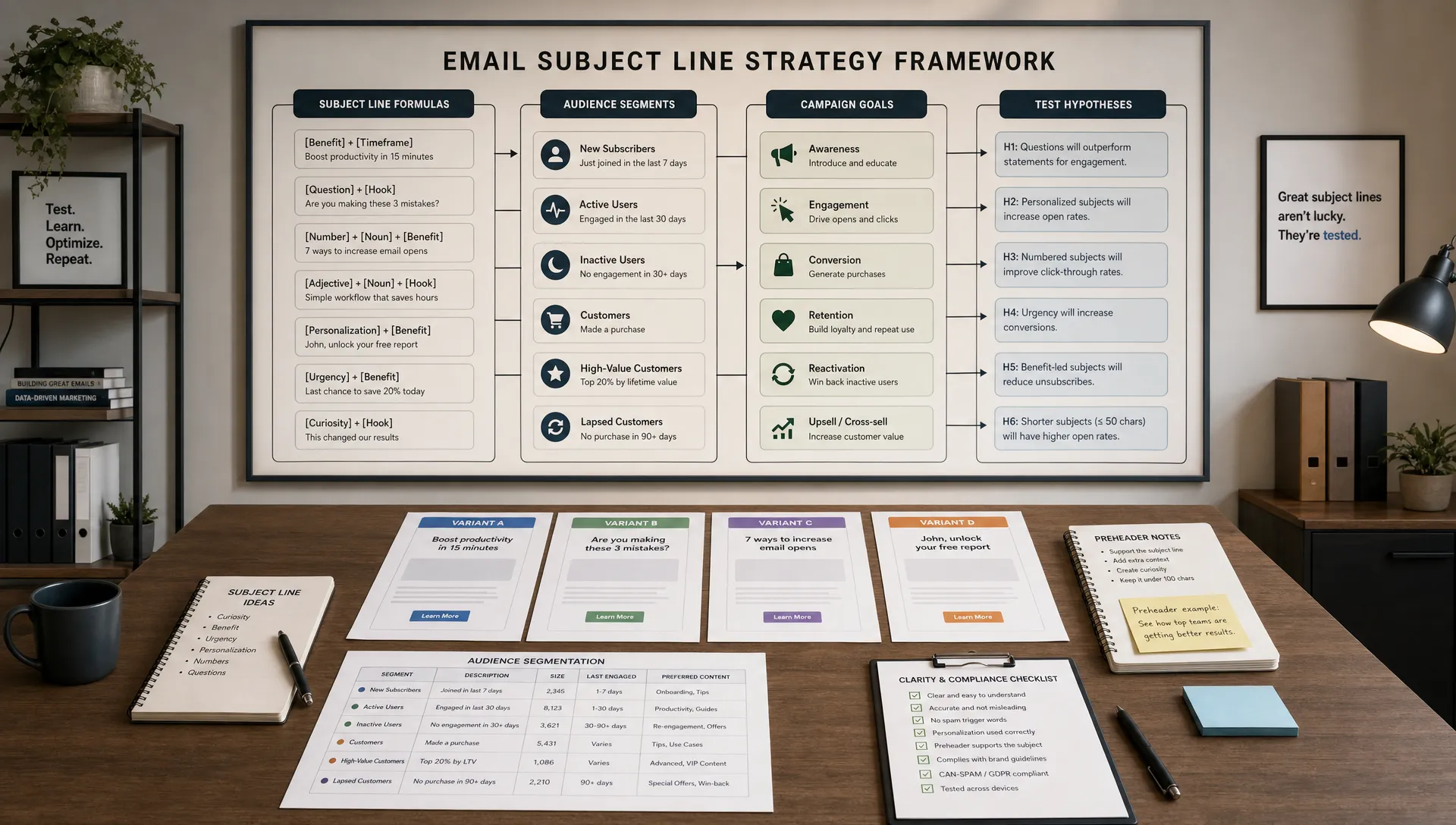
Ecommerce teams can use AI to create a structured creative matrix. Instead of asking for random ad copy, define the variables that matter: audience pain point, product benefit, proof type, offer, format, and funnel stage. Then generate controlled variations around those variables.
For example, a home fitness brand might test one creative angle around saving time, another around small-space convenience, another around beginner confidence, and another around long-term durability. AI can help draft hooks, captions, landing page variants, and product benefit statements for each angle. Performance data then shows which buying motivations actually convert.
The best teams close the loop. They feed winning ad angles into landing pages, email flows, product FAQs, and SEO content. They also feed customer objections from reviews and support into new creative tests. This turns AI marketing automation into a learning system instead of a content machine.
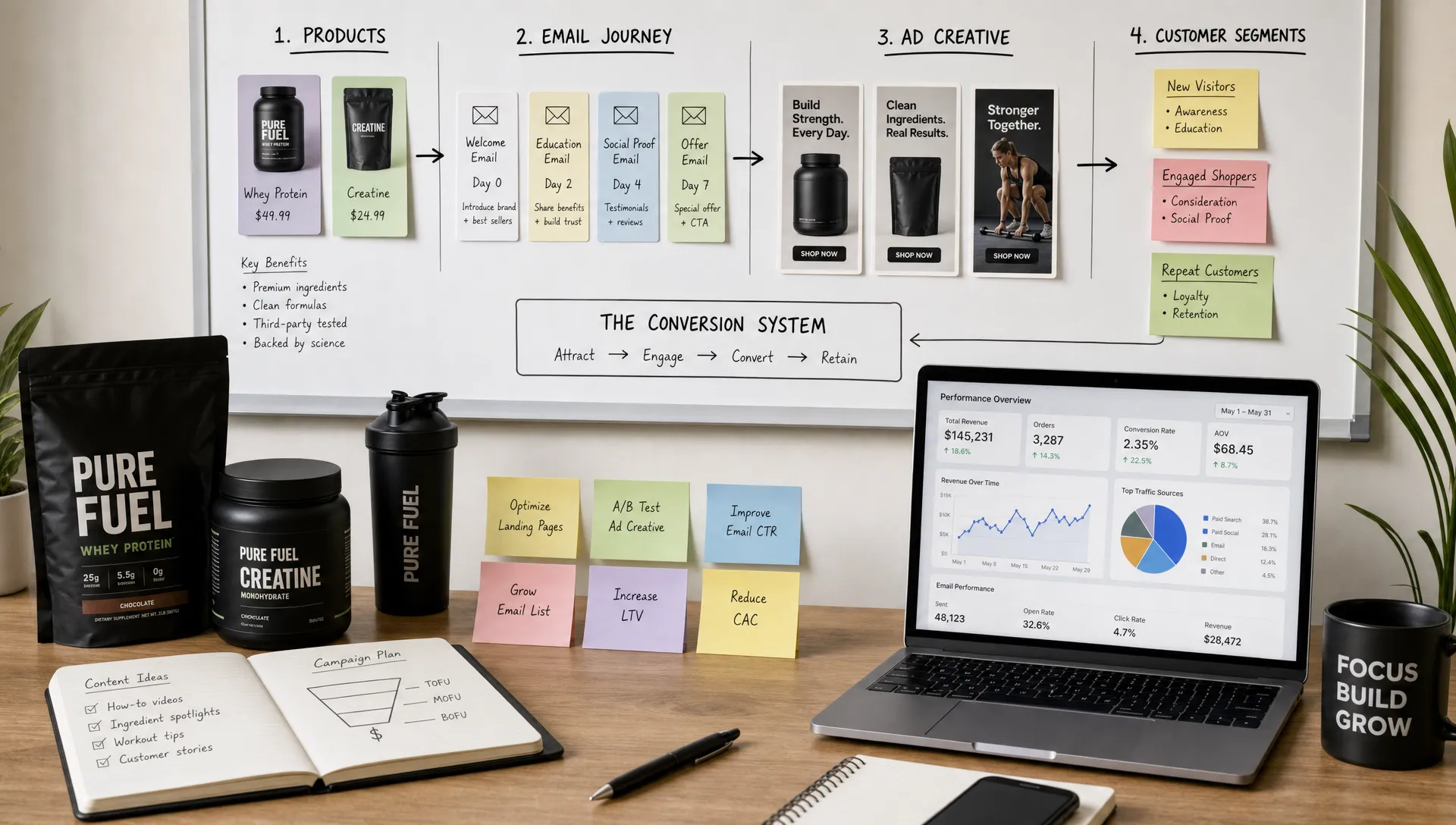
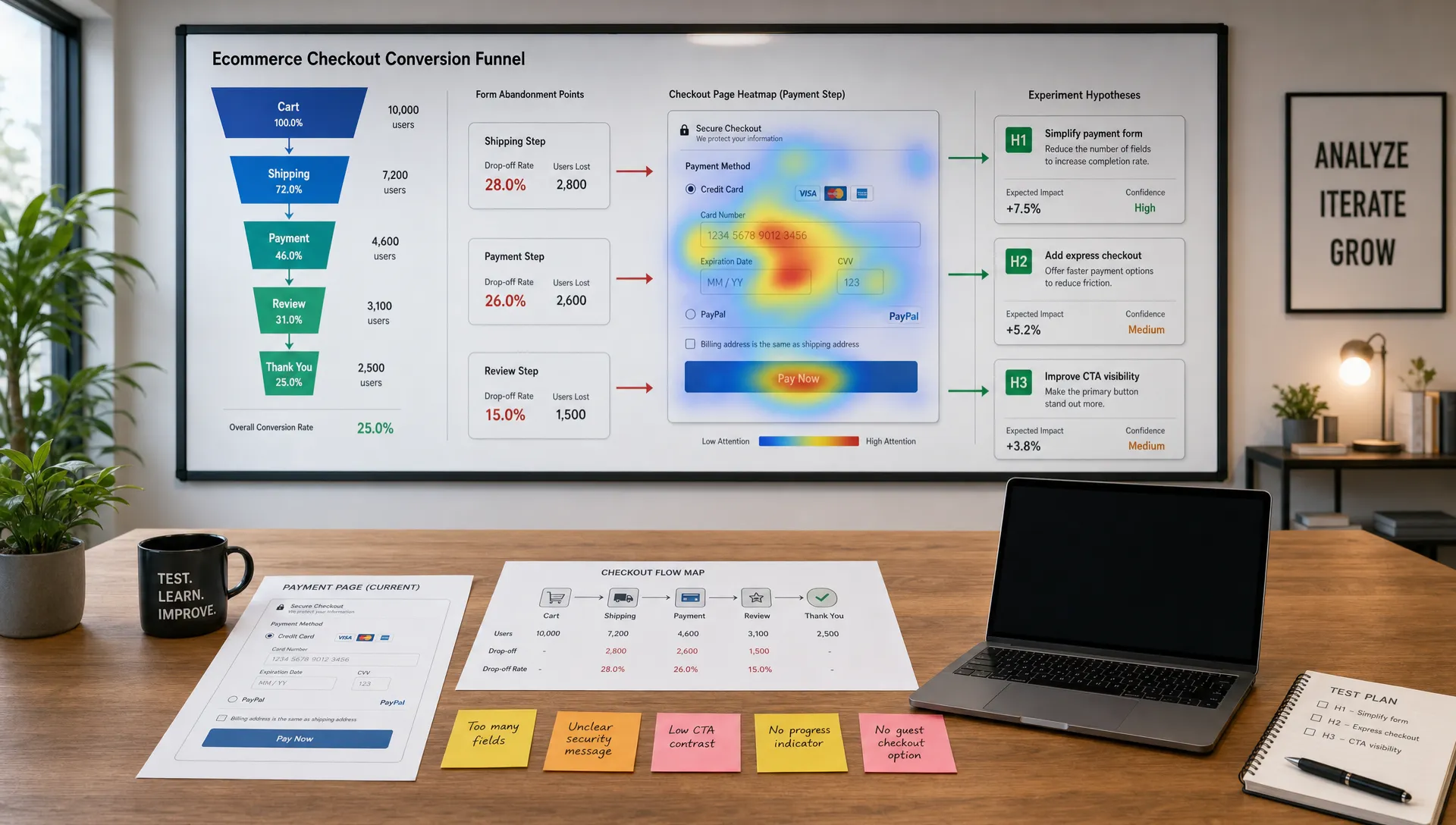
Conversion rate optimization is often slowed down by opinion. Someone thinks the button should be brighter. Someone else wants a shorter page. Another person wants to add a pop-up. AI can make CRO more disciplined by identifying patterns, prioritizing hypotheses, and speeding up test creation.
AI tools can analyze heatmaps, session recordings, form drop-offs, product page engagement, search behavior, and review language to find where shoppers lose confidence. From there, your team can create stronger hypotheses.
Instead of testing a random headline, you might test whether mentioning free returns above the add-to-cart button improves conversions for first-time visitors. Instead of redesigning a whole page, you might test whether review snippets near product variants reduce decision friction. Instead of discounting cart abandoners, you might test whether payment options and delivery estimates increase checkout completion.
The important part is discipline. AI can help generate test ideas, but your team still needs sufficient traffic, clean tracking, and a clear success metric. Do not declare a winner from three purchases. Do not celebrate a conversion rate lift if average order value or gross margin falls sharply.
If you are building a CRO stack, this guide to the top AI tools for conversion rate optimization can help you compare options for testing, personalization, landing page optimization, and behavioral analysis.
Onsite search is one of the clearest intent signals in ecommerce. A shopper who searches is not passively browsing. They are telling you what they want, often in their own language.
AI can improve onsite search by understanding synonyms, misspellings, natural-language queries, product attributes, and customer intent. If a shopper searches for work bag for laptop, the store should not only match products with those exact words. It should understand related attributes such as laptop sleeve, commuter, waterproof, leather tote, backpack, and carry-on friendly.
Search data can also guide merchandising and content. Repeated zero-result searches reveal missing products, poor tagging, or language gaps. High-volume search terms can inspire category pages, buying guides, product bundles, and email campaigns.
For ecommerce stores with large catalogs, AI-assisted product tagging is especially valuable. Better tags improve search, filters, recommendations, SEO, and feed quality for paid channels. That creates a compounding effect across the whole marketing workflow.
Acquisition costs have made retention more important than ever. AI marketing for ecommerce should not end at the first purchase. In many categories, the first order is only the start of profitability.
AI can help predict which customers are likely to buy again, which products lead to higher lifetime value, which customers are at risk of churning, and which segments respond to content versus discounts.
Retention strategies should match customer stage. First-time buyers need reassurance that they made the right choice. Send usage tips, setup guidance, delivery updates, and support resources. Second-purchase candidates need relevance. Recommend products that complement their first order. VIP customers need recognition. Offer early access, loyalty perks, or personalized bundles. Dormant customers need a reason to return that feels timely and credible.
This is also where support and marketing overlap. If AI analysis shows that customers who contact support about sizing are less likely to buy again, the marketing fix might be better size guidance, clearer returns messaging, or post-purchase education. Retention is not just a campaign problem. It is a customer experience problem.
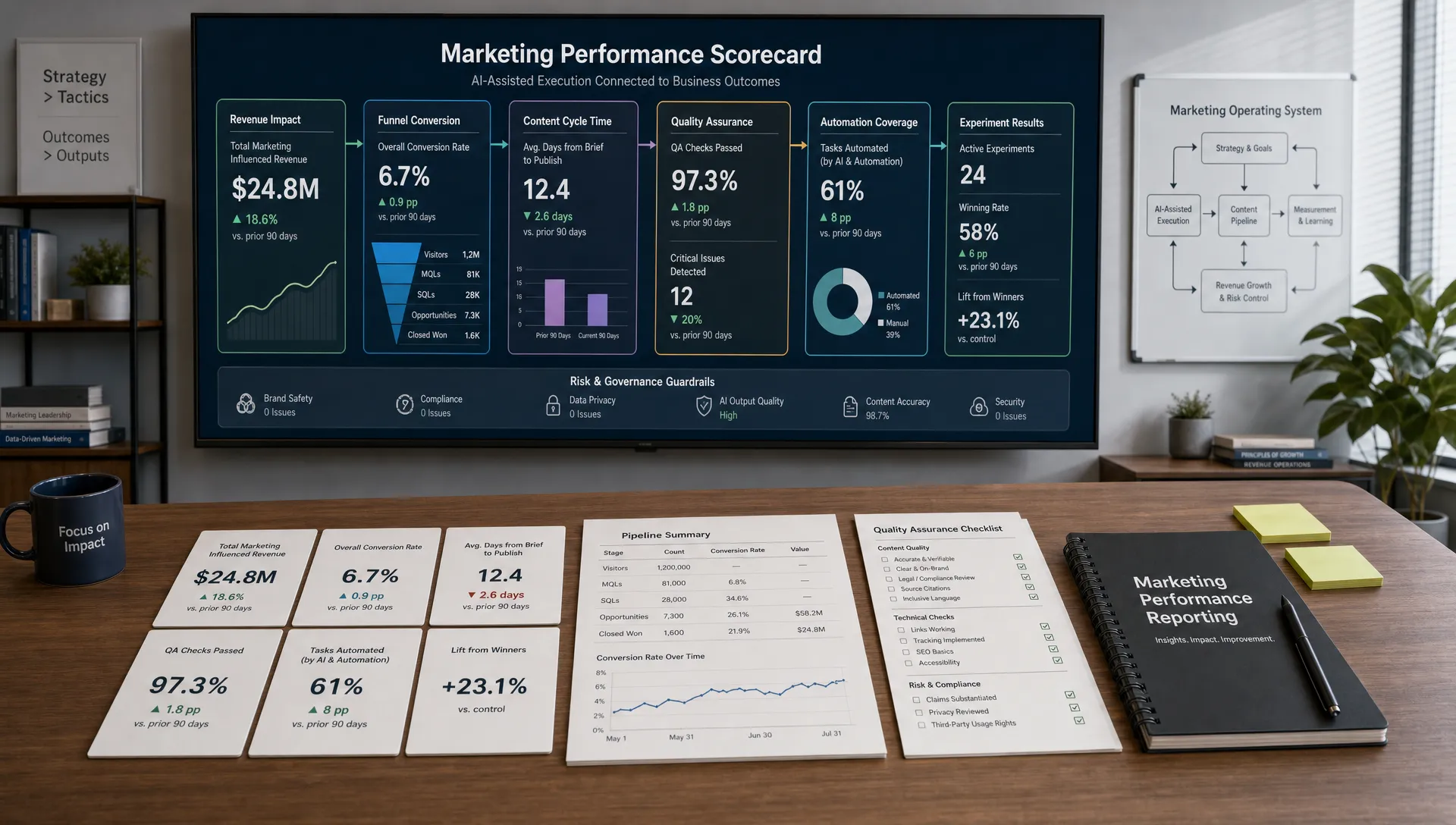
The easiest AI metrics are often the least useful. Number of product descriptions generated, emails drafted, ads created, or tests launched may show activity, but they do not prove growth.
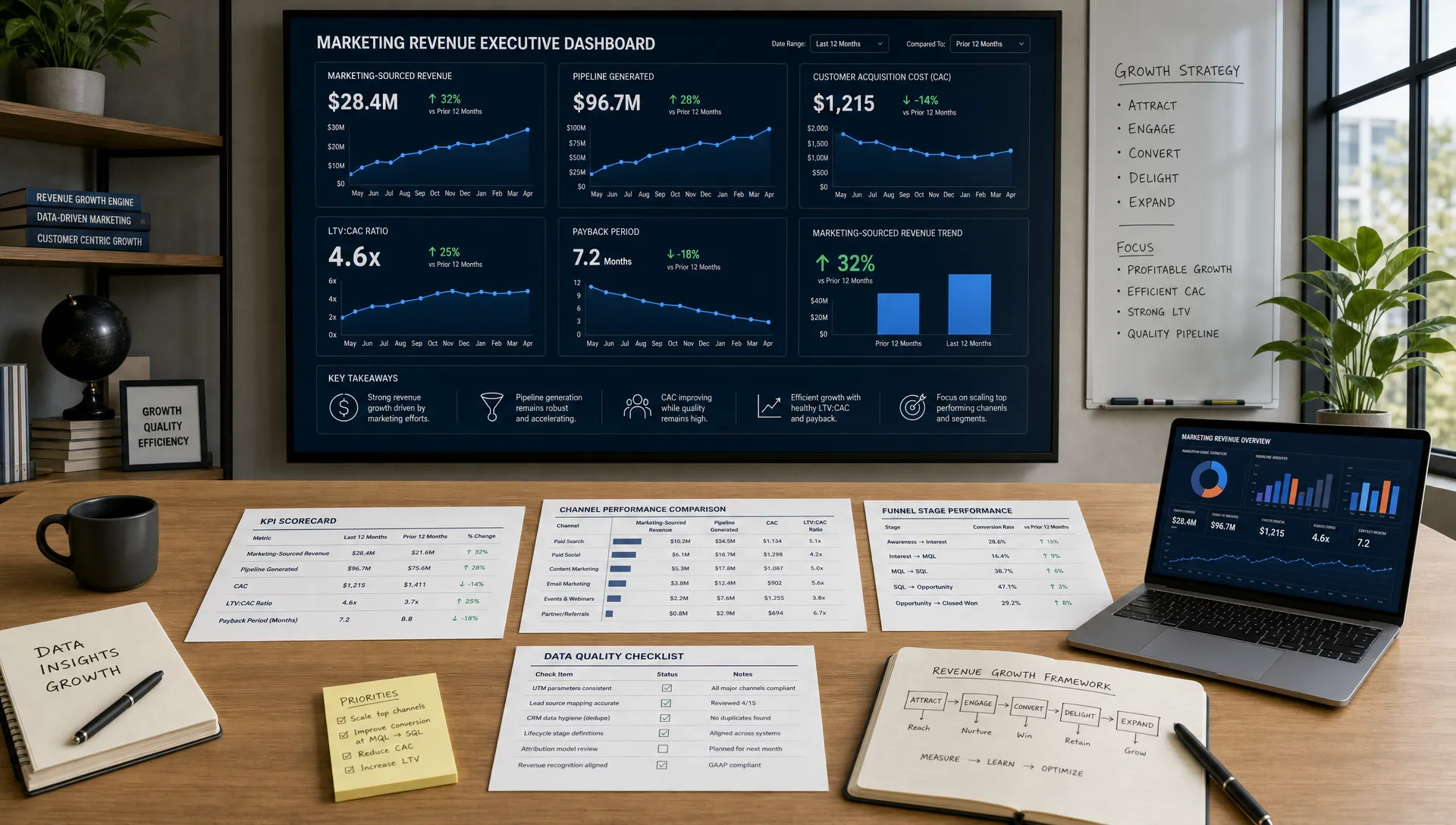
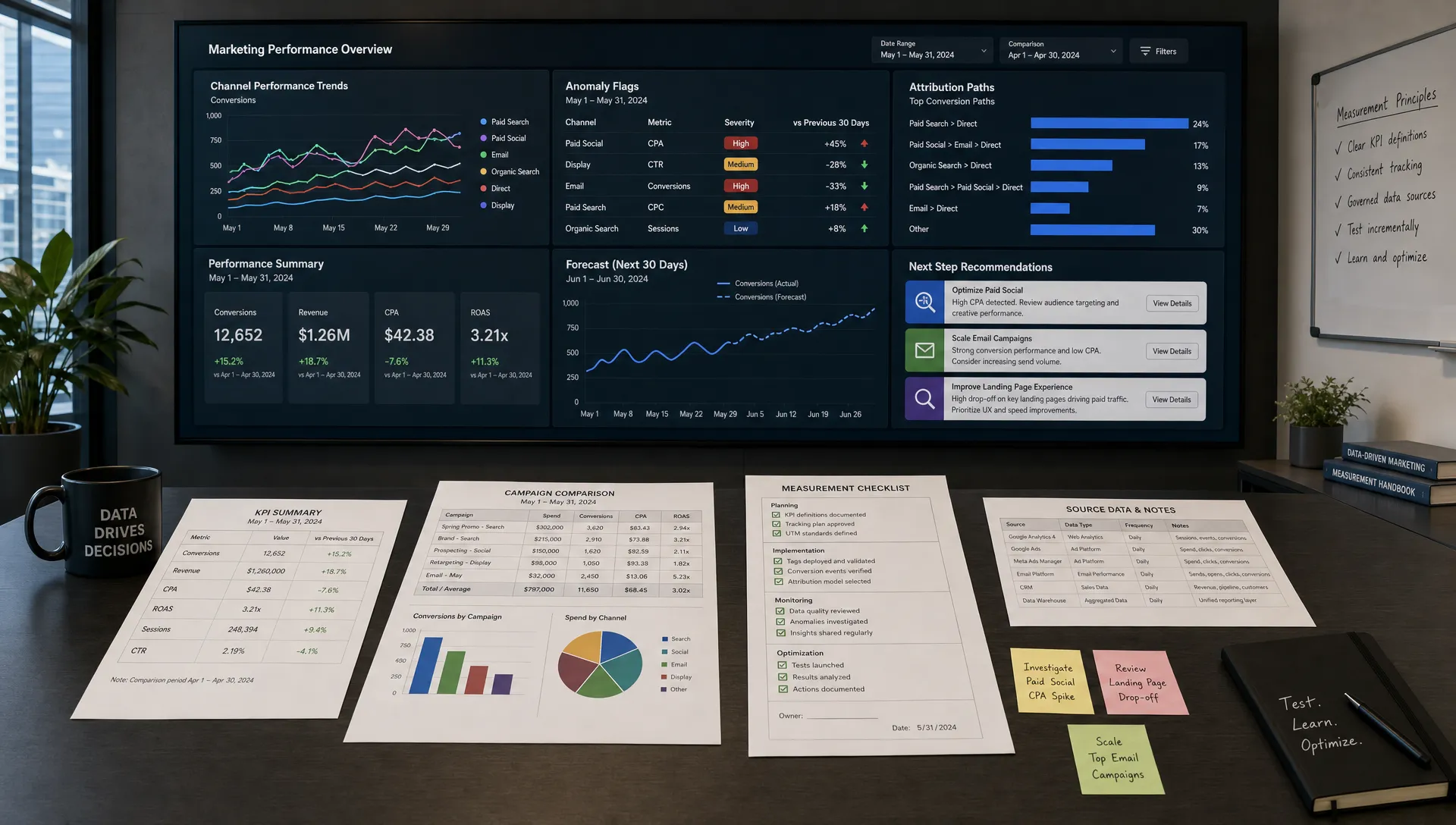
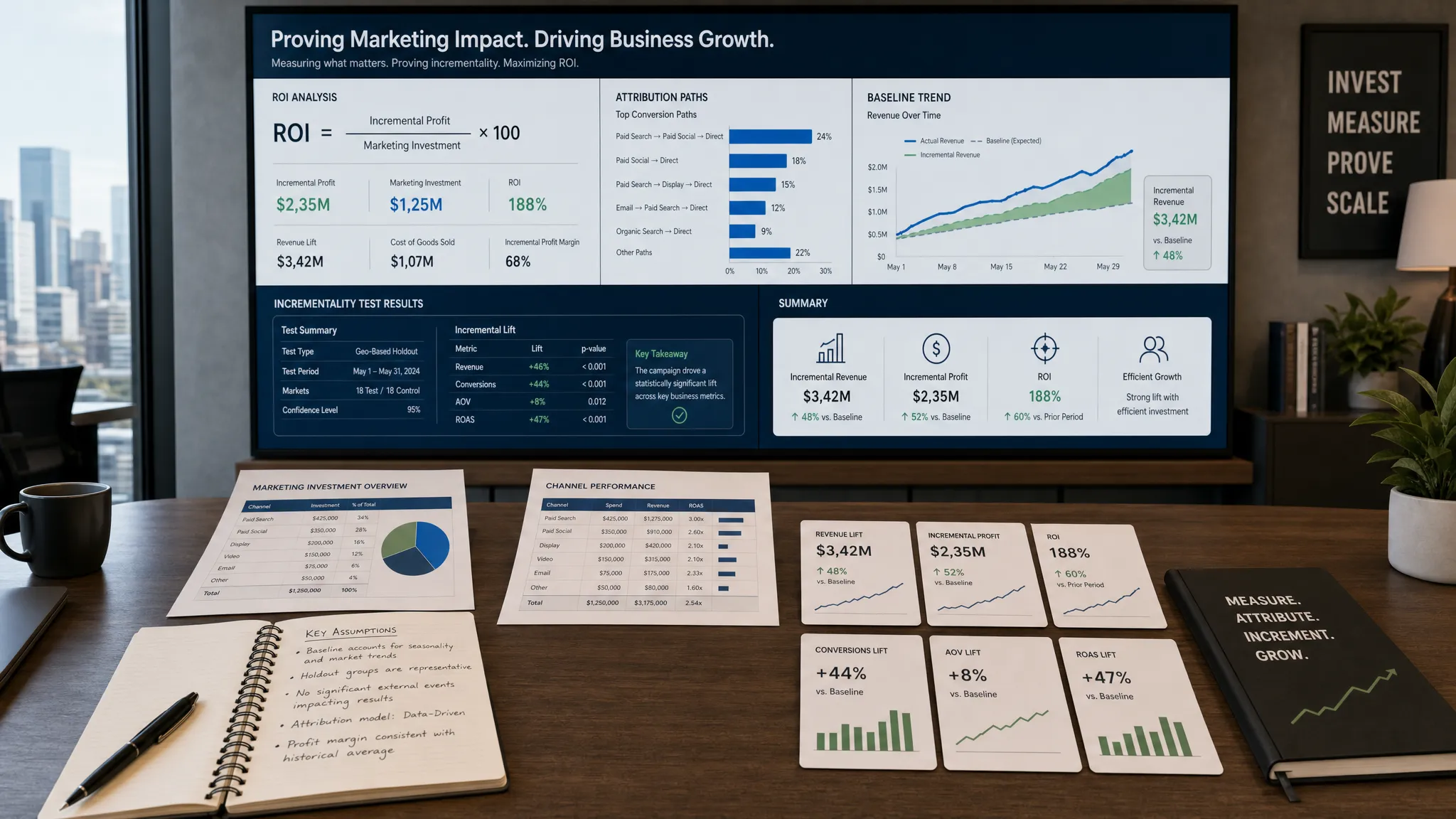
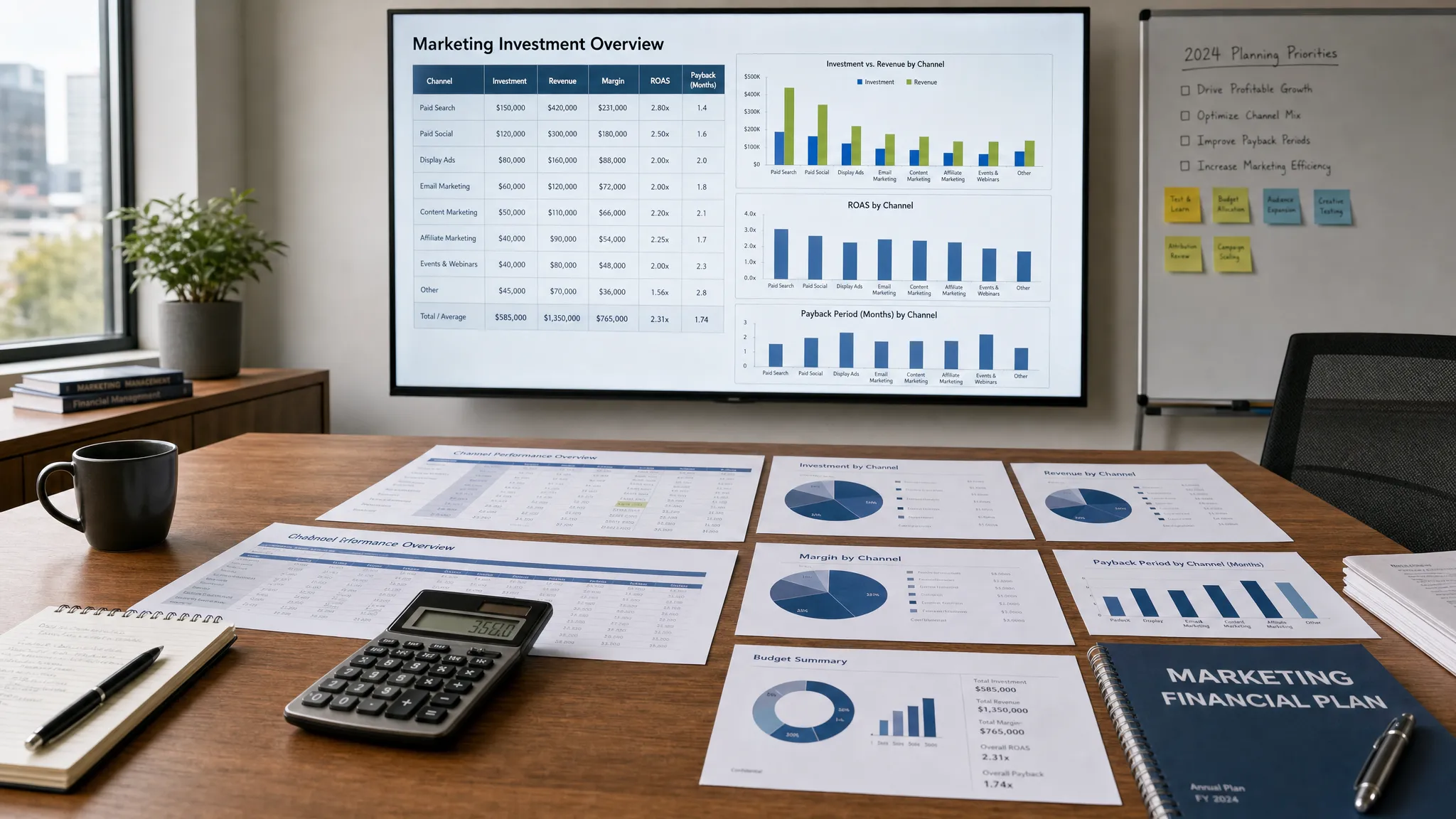
Better ecommerce AI metrics include conversion rate, average order value, gross margin, revenue per visitor, repeat purchase rate, customer acquisition cost, payback period, email revenue per recipient, refund rate, and contribution profit.
ROAS can still be useful, but it is incomplete. A campaign with high ROAS can still be unprofitable if margins are thin, discounts are heavy, or returns are high. A campaign with modest ROAS may be valuable if it attracts customers with strong repeat purchase behavior.
Use AI to make reporting faster, but keep your definitions human and financial. What counts as a new customer? How are returns handled? Are discounts subtracted? Are shipping costs included? Which channel gets credit when several touchpoints influenced the order?
For stores using Shopify, AIMarketer Hub's guide on how to calculate marketing ROI for a Shopify store is a useful companion because it separates surface-level ad metrics from profit-based decision making.
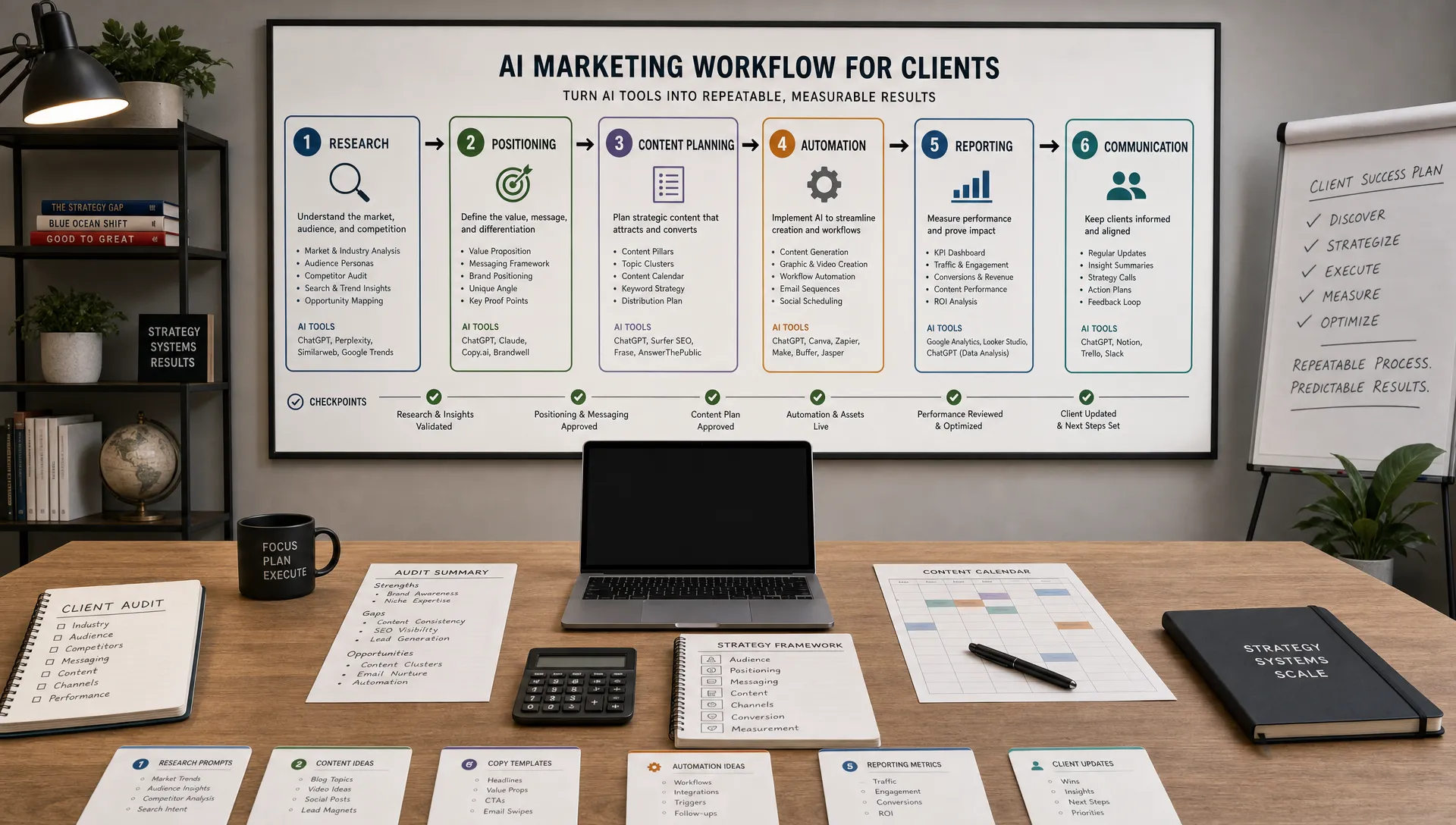
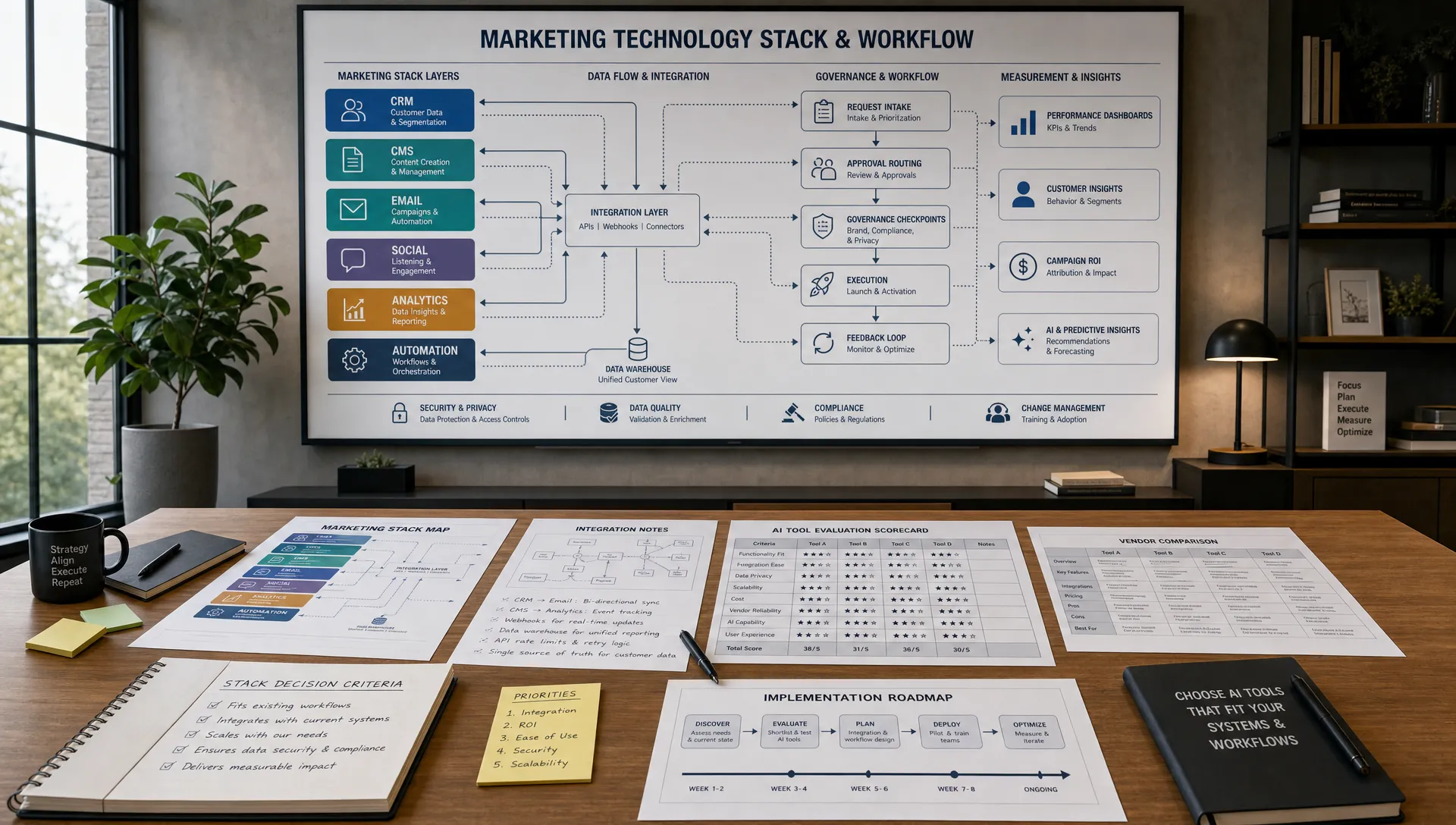
You do not need to transform every channel at once. A staged approach usually works better because it lets your team build trust in the data, prove value, and avoid overwhelming operations.
Start with your highest-traffic product pages, top landing pages, core email flows, and checkout path. Use AI to summarize reviews, identify recurring objections, analyze search terms, and compare page messaging against customer questions.
Look for quick wins: unclear product benefits, missing FAQs, weak shipping information, poor variant guidance, inconsistent product tags, zero-result searches, and abandoned cart messages that rely too heavily on discounts.
Once the biggest friction points are visible, improve your email and SMS flows. Add better segmentation, product recommendations, post-purchase education, replenishment logic, and win-back timing.
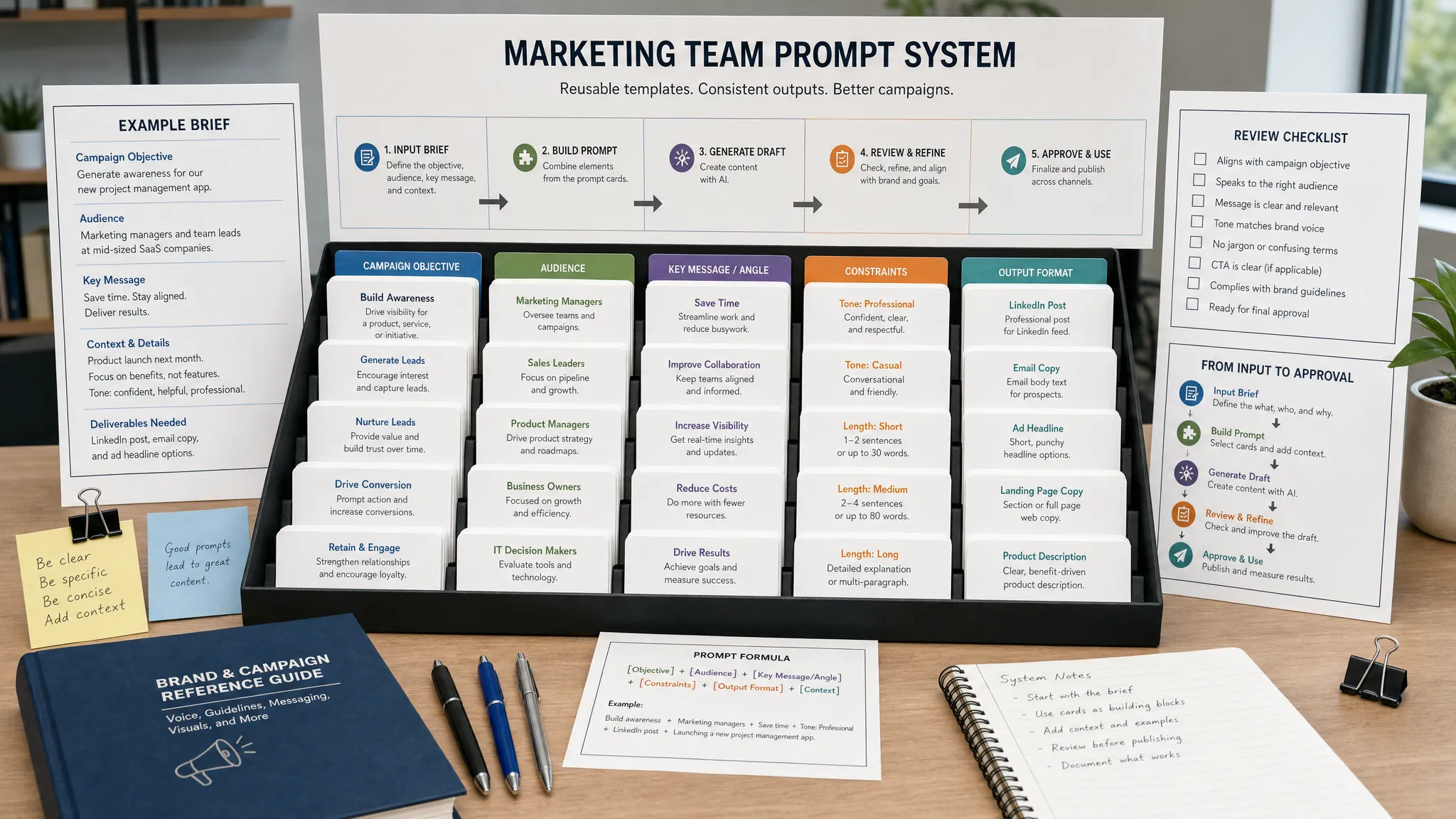
This is also a good time to improve creative testing. Build a clear set of ad angles and landing page messages, then use AI to generate controlled variations. Connect performance data back into future creative decisions.
After the foundation is stable, expand into product recommendations, onsite search optimization, dynamic merchandising, and retention prediction. At this stage, prioritize measurement quality. Add holdout groups where possible, compare customer cohorts, and review profit metrics rather than only revenue.
By the end of 90 days, your AI marketing system should not just produce more campaigns. It should help your team make better decisions faster.
AI can accelerate strong ecommerce strategy, but it can also accelerate confusion. Watch for these common problems:
The pattern is simple. AI works best when the strategy is specific, the data is trustworthy, and the success metric is tied to profitable customer behavior.
What is AI marketing for ecommerce? AI marketing for ecommerce is the use of artificial intelligence to improve customer targeting, product recommendations, content creation, email flows, paid ads, conversion testing, analytics, and retention strategies for online stores.
How can AI increase ecommerce conversions? AI can increase conversions by personalizing product discovery, improving product page messaging, predicting shopper intent, optimizing lifecycle emails, identifying checkout friction, and helping teams test stronger offers and landing page variations.
Do small ecommerce stores need advanced AI tools? Not always. Small stores can start with practical AI use cases such as review analysis, product description improvements, email segmentation, ad creative testing, and SEO content planning before investing in advanced personalization or predictive analytics.
Which AI ecommerce strategy should I start with? Start close to revenue. Product pages, cart abandonment flows, checkout friction, and high-spend ad campaigns usually offer faster learning than broad brand awareness experiments.
Is AI-generated ecommerce content safe to publish? It can be, but it needs human review. AI should not invent product features, health claims, delivery promises, warranty terms, or compliance statements. Use AI for drafting and analysis, then have qualified team members verify accuracy.
How do I know if AI marketing is working? Track profit-focused metrics such as conversion rate, average order value, repeat purchase rate, gross margin, customer acquisition cost, payback period, and contribution profit. Output metrics like number of AI-generated campaigns are not enough.
AI marketing for ecommerce converts when it is connected to real shopper intent, reliable data, and profit-based measurement. The brands that win are not the ones producing the most AI content. They are the ones using AI to remove friction, improve relevance, and learn faster from every customer interaction.
AIMarketer Hub helps marketers and businesses put that approach into practice with AI-powered marketing tools, prompt resources, calculators, SEO tools, performance analytics, and industry-specific guides. Use those resources to build a smarter ecommerce workflow, from content creation to conversion optimization and retention.