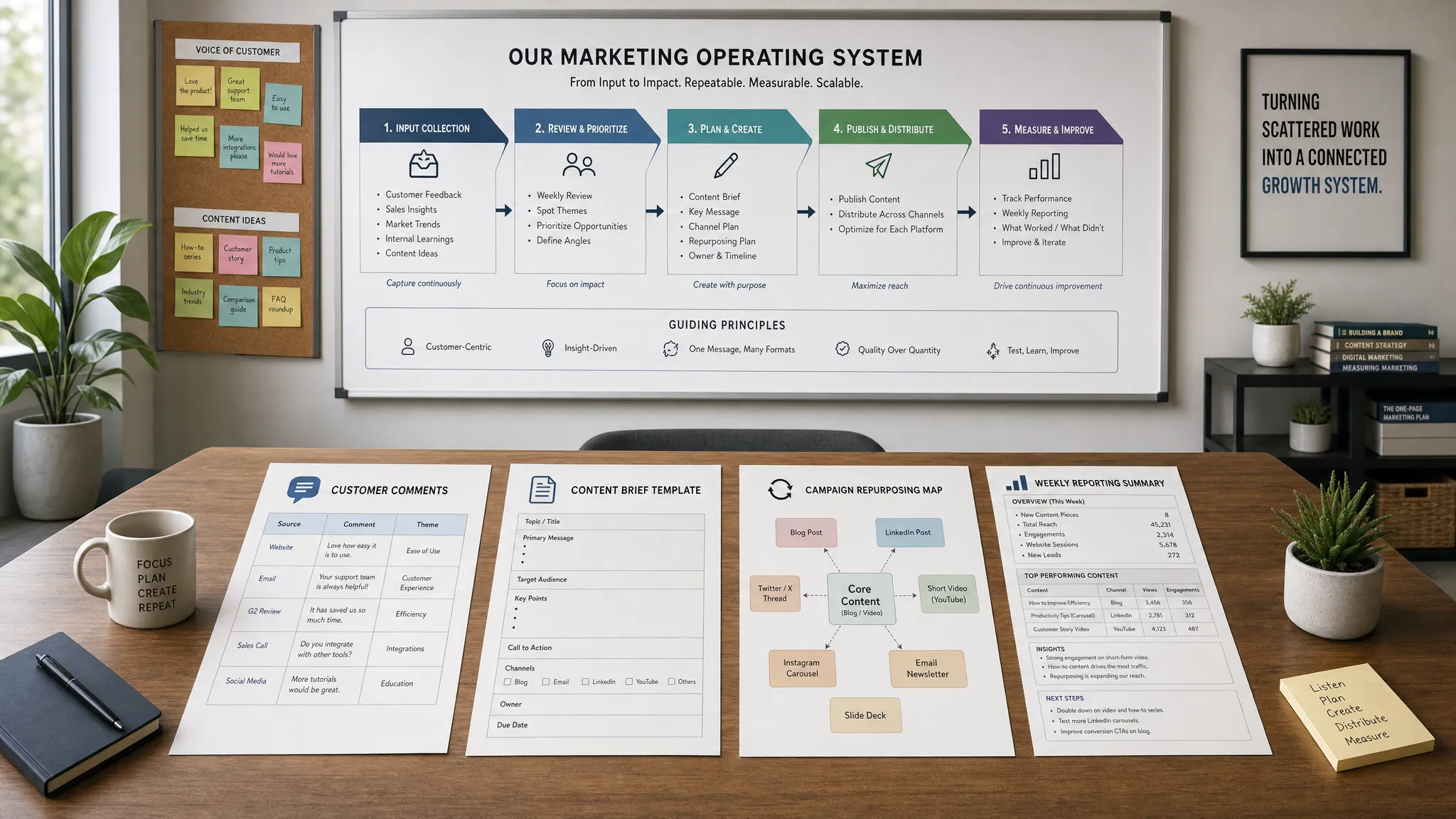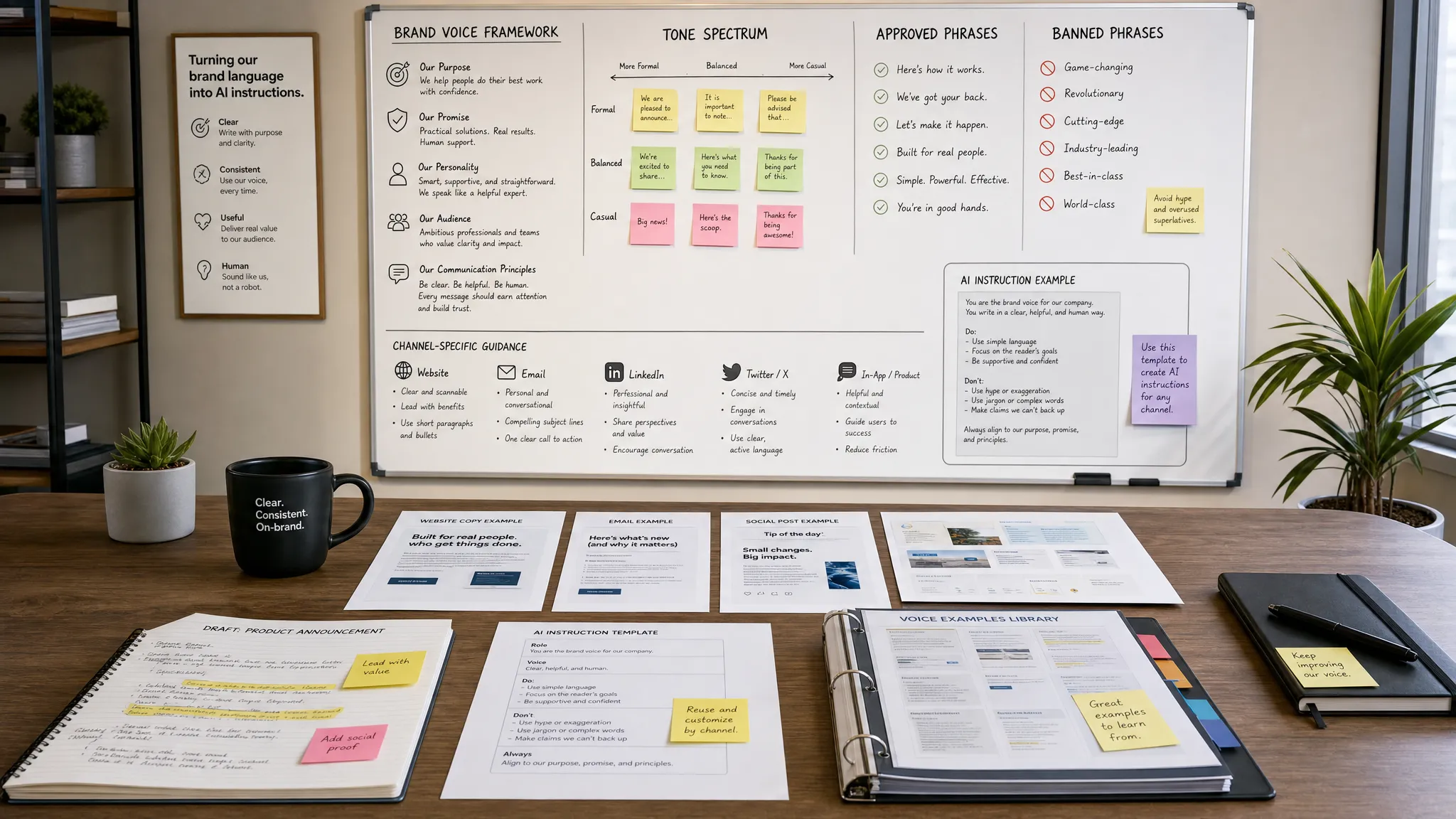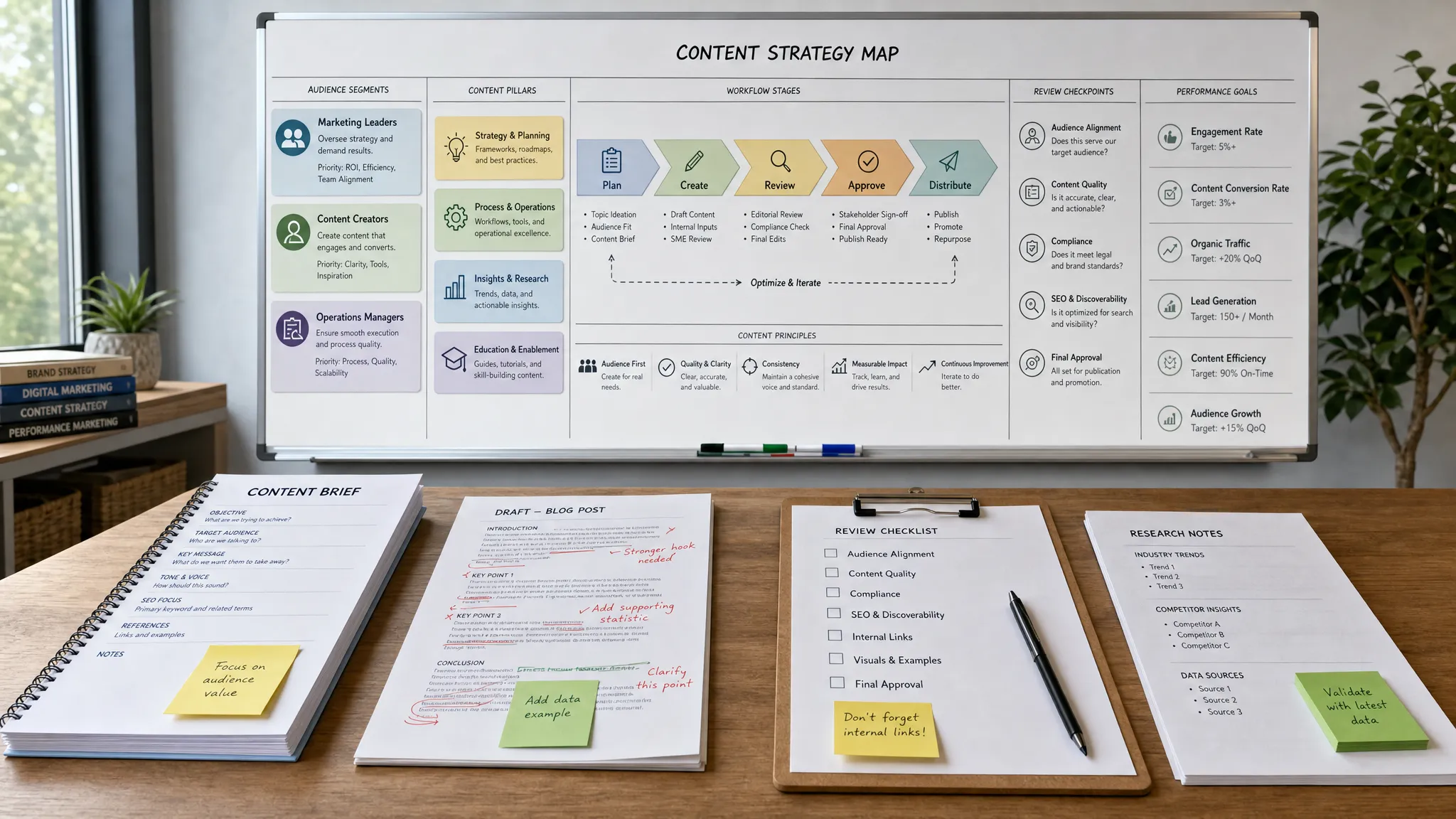
AI lead generation for B2B brands has moved far beyond writing cold emails faster. In 2026, the best teams use AI to identify higher-fit accounts, understand buying signals, personalize touchpoints, and route qualified leads before competitors even know a deal is forming.
That shift matters because B2B buying is more complex than ever. Buying committees are larger, research happens across multiple channels, and many prospects prefer to self-educate before they speak with sales. McKinsey’s B2B Pulse research has consistently shown that B2B buyers use a mix of digital, remote, and in-person channels throughout the journey, which means lead generation can no longer rely on one form, one campaign, or one sales sequence.
The goal is not to automate every interaction. The goal is to use AI to focus human effort where it has the highest impact.
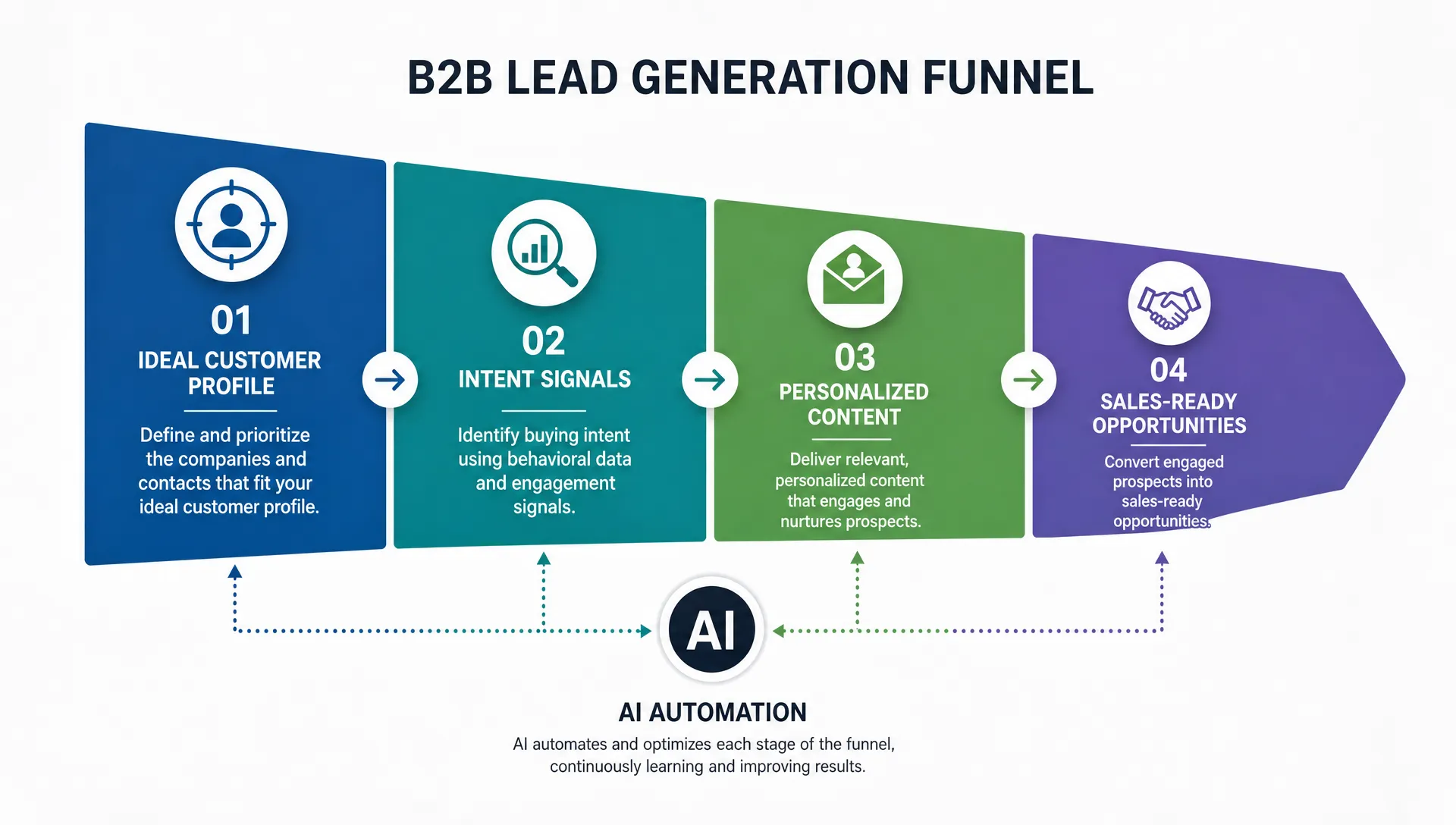
Most B2B lead generation problems begin with weak targeting. If your ideal customer profile is too broad, AI will simply help you scale poor-fit outreach faster.
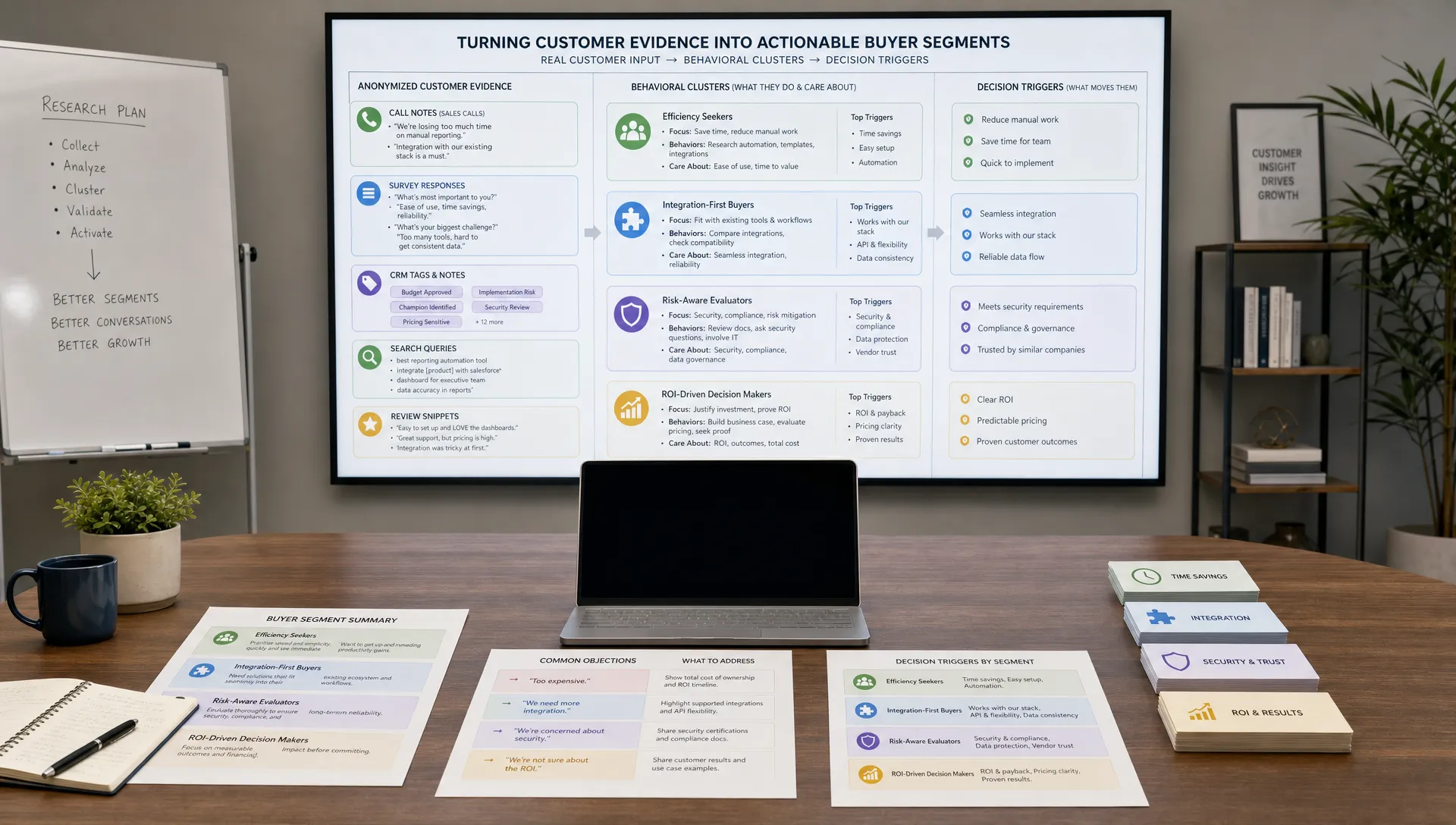
Before adding automation, define what a sales-ready account actually looks like. Your ICP should include firmographic, technographic, behavioral, and situational criteria. For example, a B2B SaaS company might target mid-market operations teams using a specific CRM, hiring for revenue operations roles, and visiting comparison pages in the last 30 days.
AI can help enrich and refine that profile by analyzing patterns in your best customers. Instead of relying only on assumptions, you can look for common traits among accounts with high retention, fast sales cycles, strong expansion potential, and healthy margins.
Useful ICP inputs include:
This is where AI lead generation becomes more strategic. You are not asking, “Who can we email?” You are asking, “Which accounts are most likely to have a real business problem we can solve right now?”
Good targeting tells you who to reach. Intent signals help you understand when to reach them.
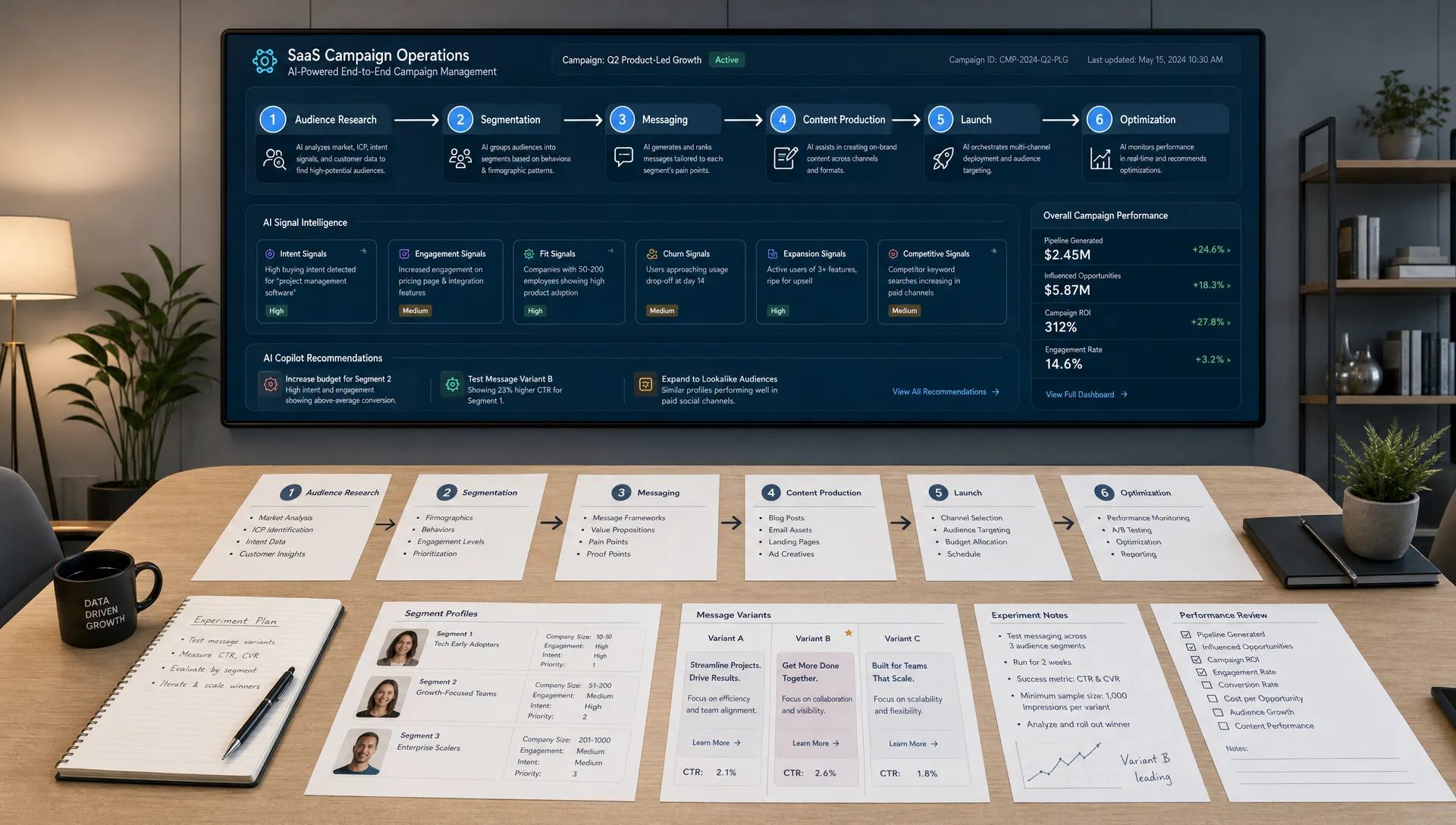
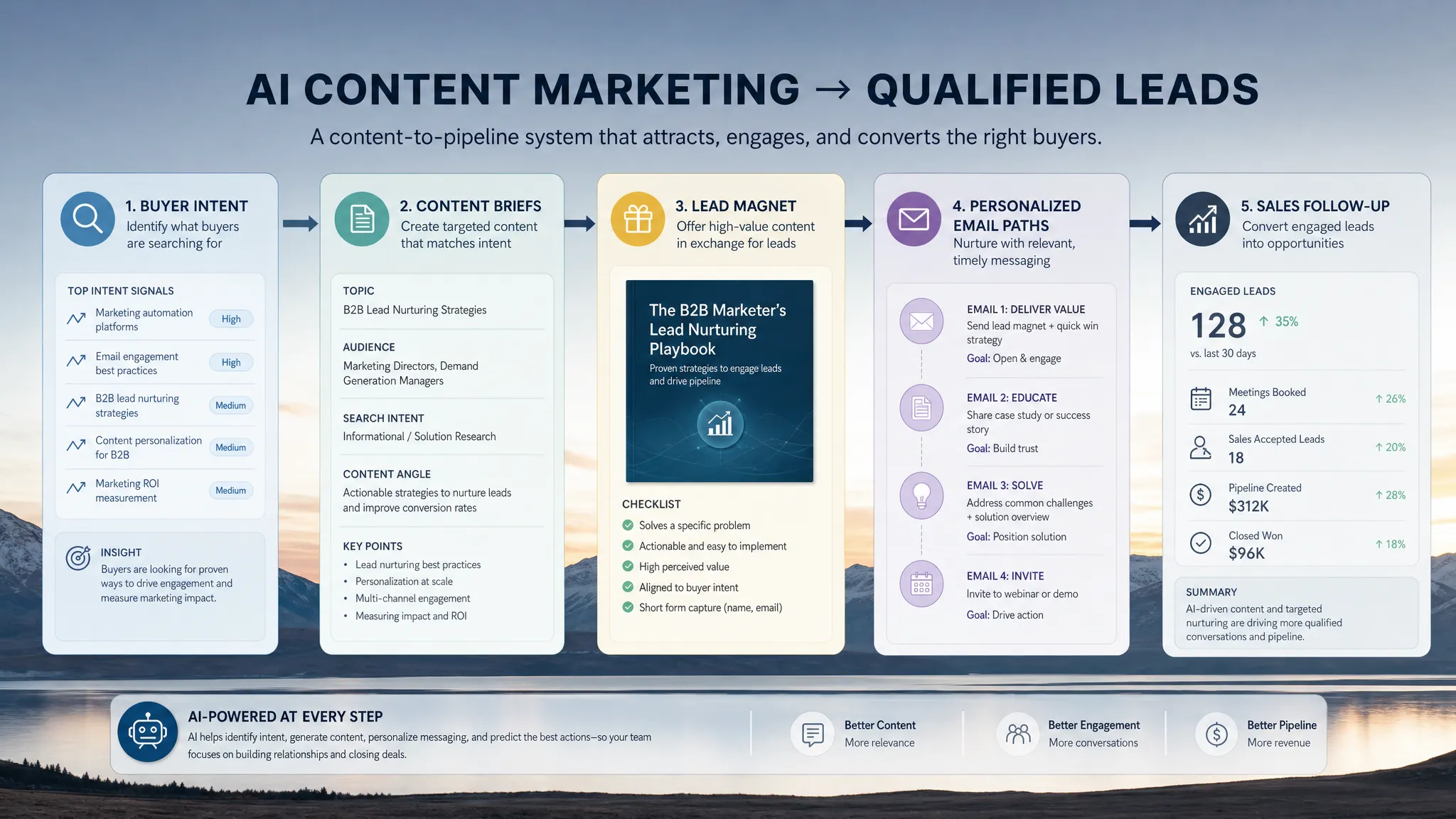
Intent data can come from first-party sources, such as your website, email engagement, CRM activity, demo requests, and content downloads. It can also come from third-party platforms that track research behavior across industry sites. The most reliable strategy is usually to combine both, then weight first-party signals more heavily because they reflect direct engagement with your brand.
AI tools can cluster these signals and identify patterns that humans might miss. For example, one website visit to a blog post may not mean much. But if the same company has multiple visitors reading pricing, integration, and competitor comparison pages within a week, that account may deserve immediate sales attention.
The key is to separate casual interest from buying behavior. A prospect downloading a broad guide may still be early in the journey. A prospect returning to a product page, viewing implementation content, and checking customer proof is probably much closer to a conversation.
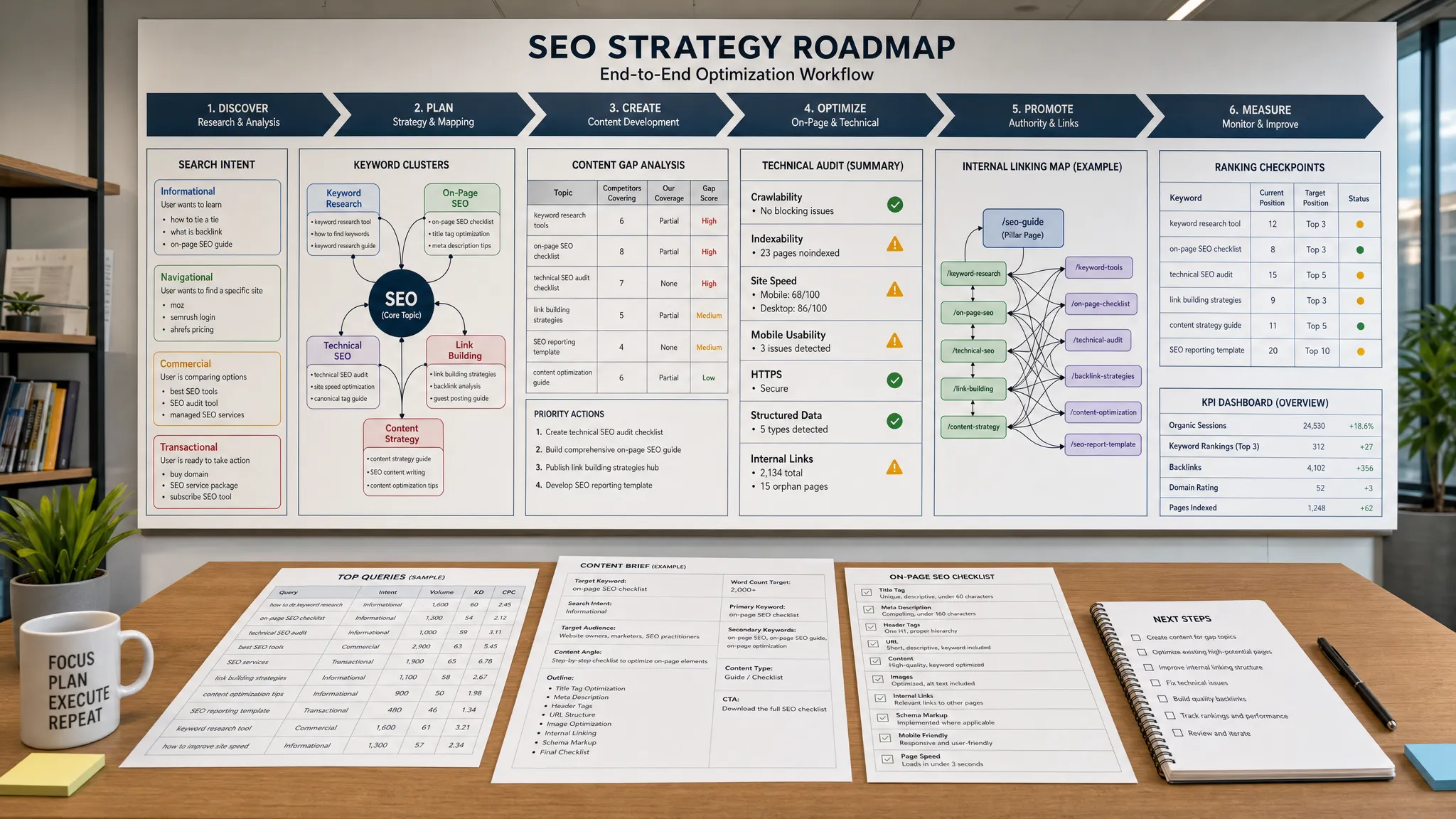
For deeper context on how AI supports performance across channels, AIMarketer Hub’s guide on improving digital marketing performance with AI is a useful companion to this lead generation approach.
B2B leads rarely convert because one person liked one piece of content. Most purchases involve multiple stakeholders with different priorities. A CFO may care about ROI and risk. A technical buyer may care about integrations and security. A department leader may care about speed, usability, and team adoption.
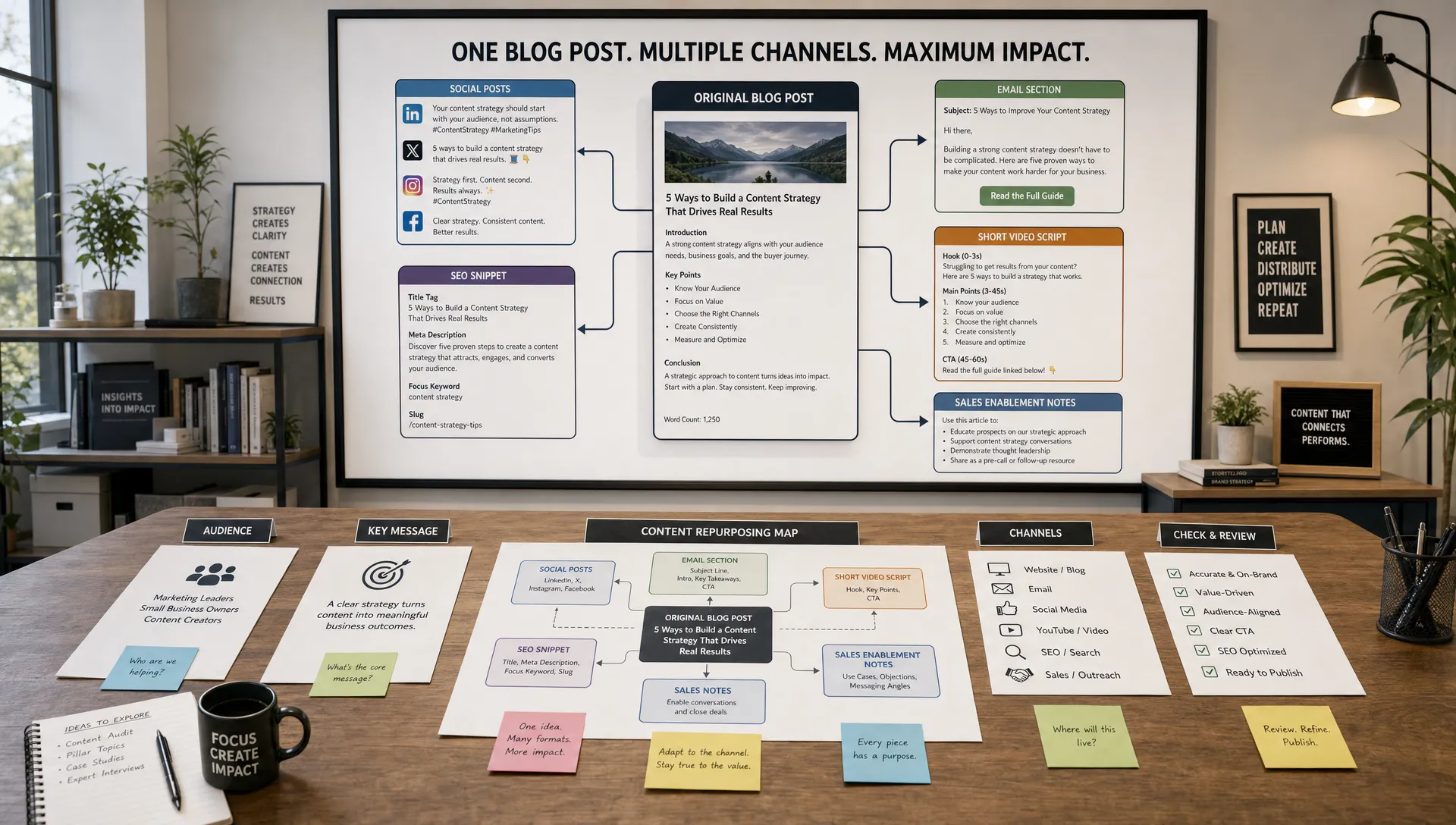
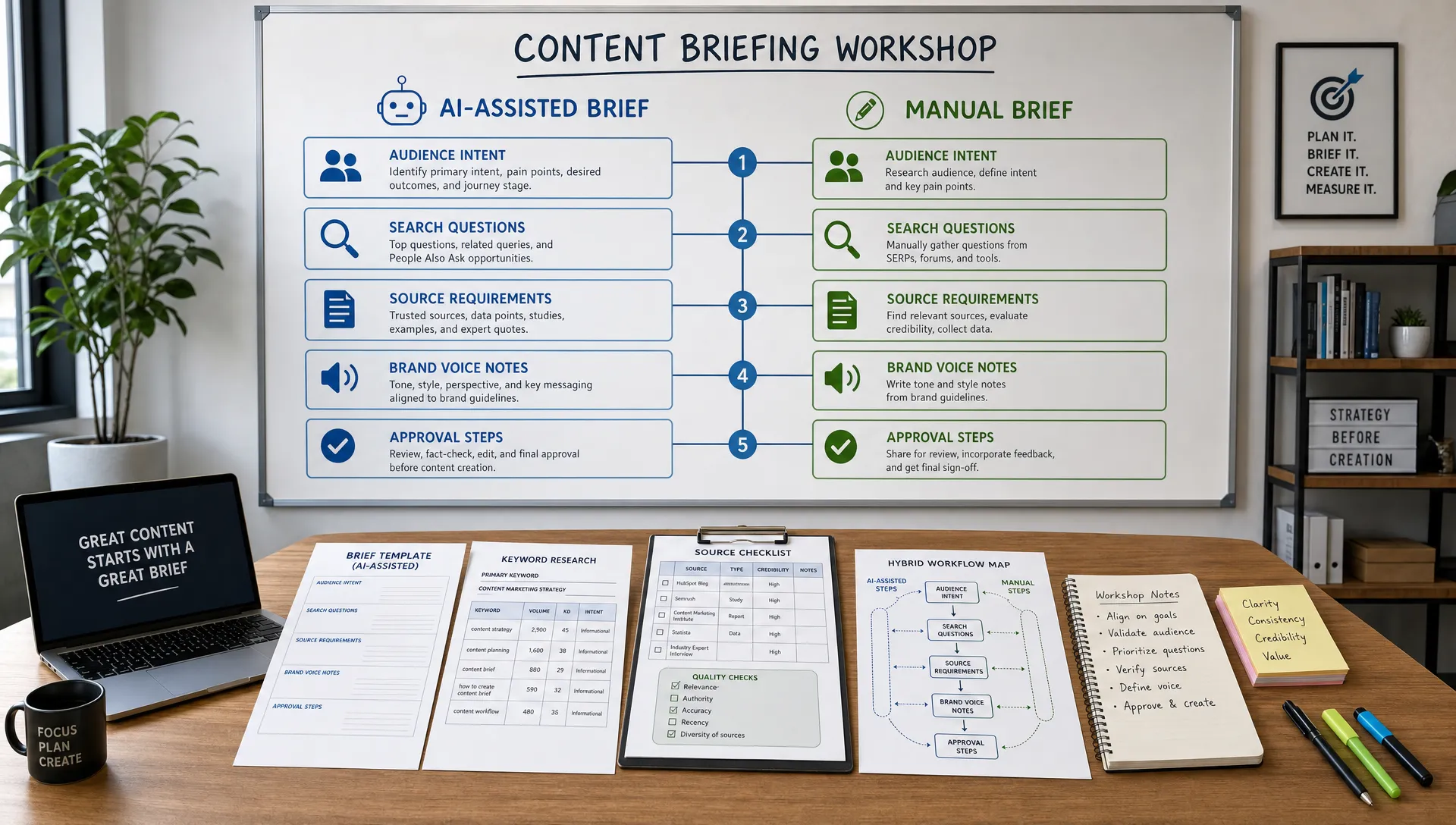
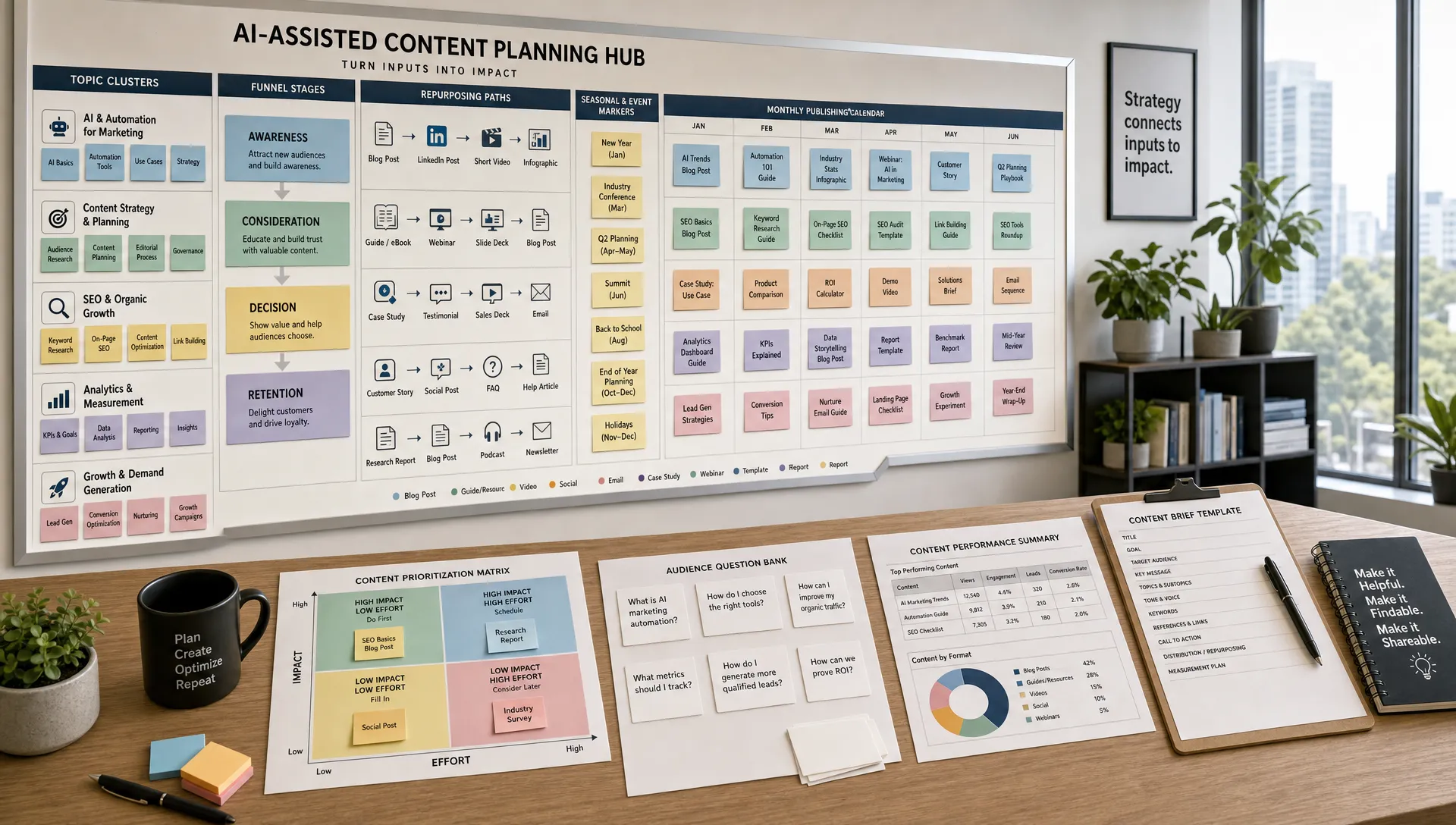
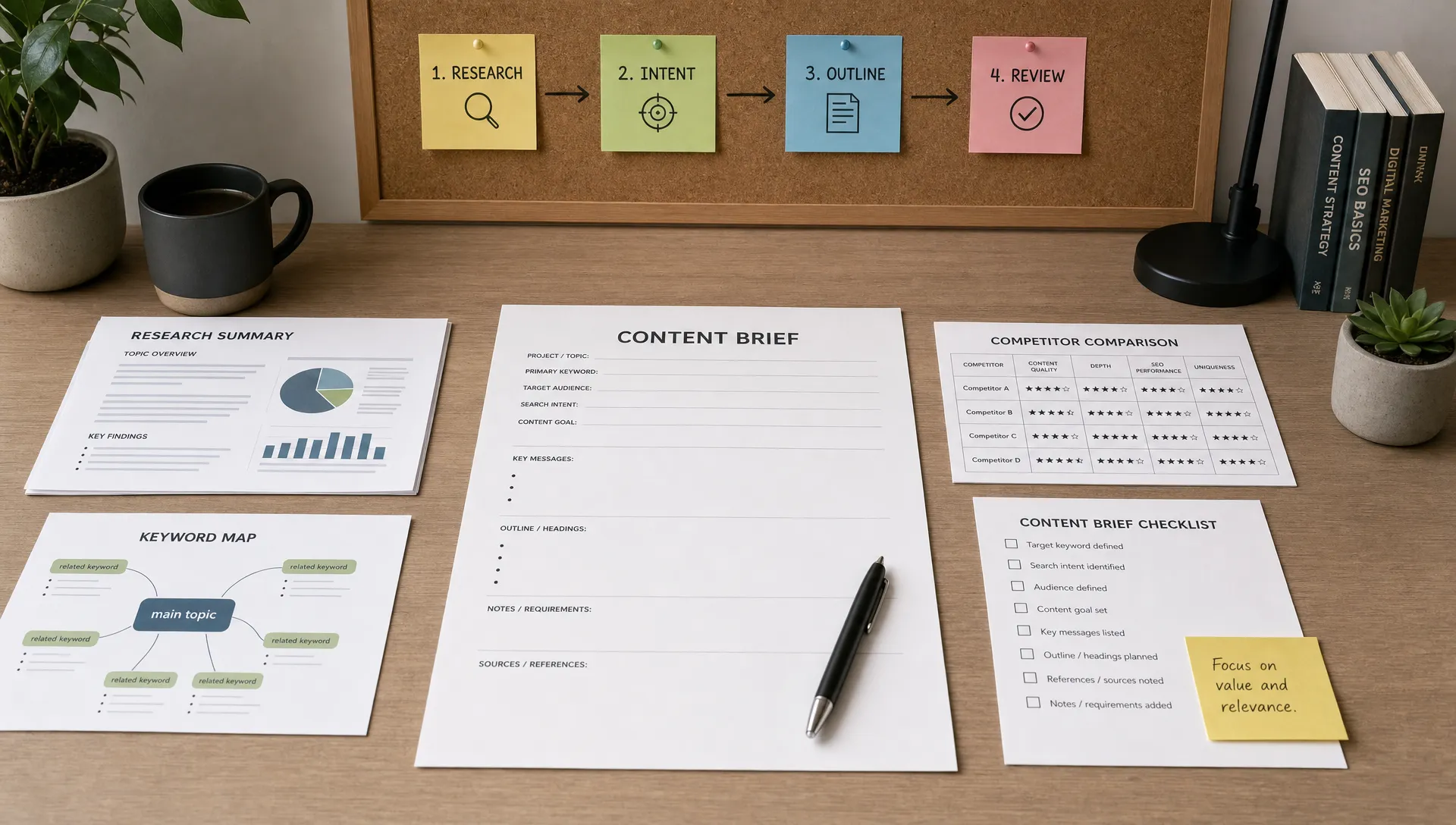
AI can help you build content paths for each role without creating generic, repetitive assets. Start by identifying the most common questions each stakeholder asks during the sales process. Then use AI content generation to turn those questions into targeted resources, such as comparison pages, calculators, executive briefs, implementation checklists, and industry-specific landing pages.
The most effective content for AI lead generation usually falls into three categories:
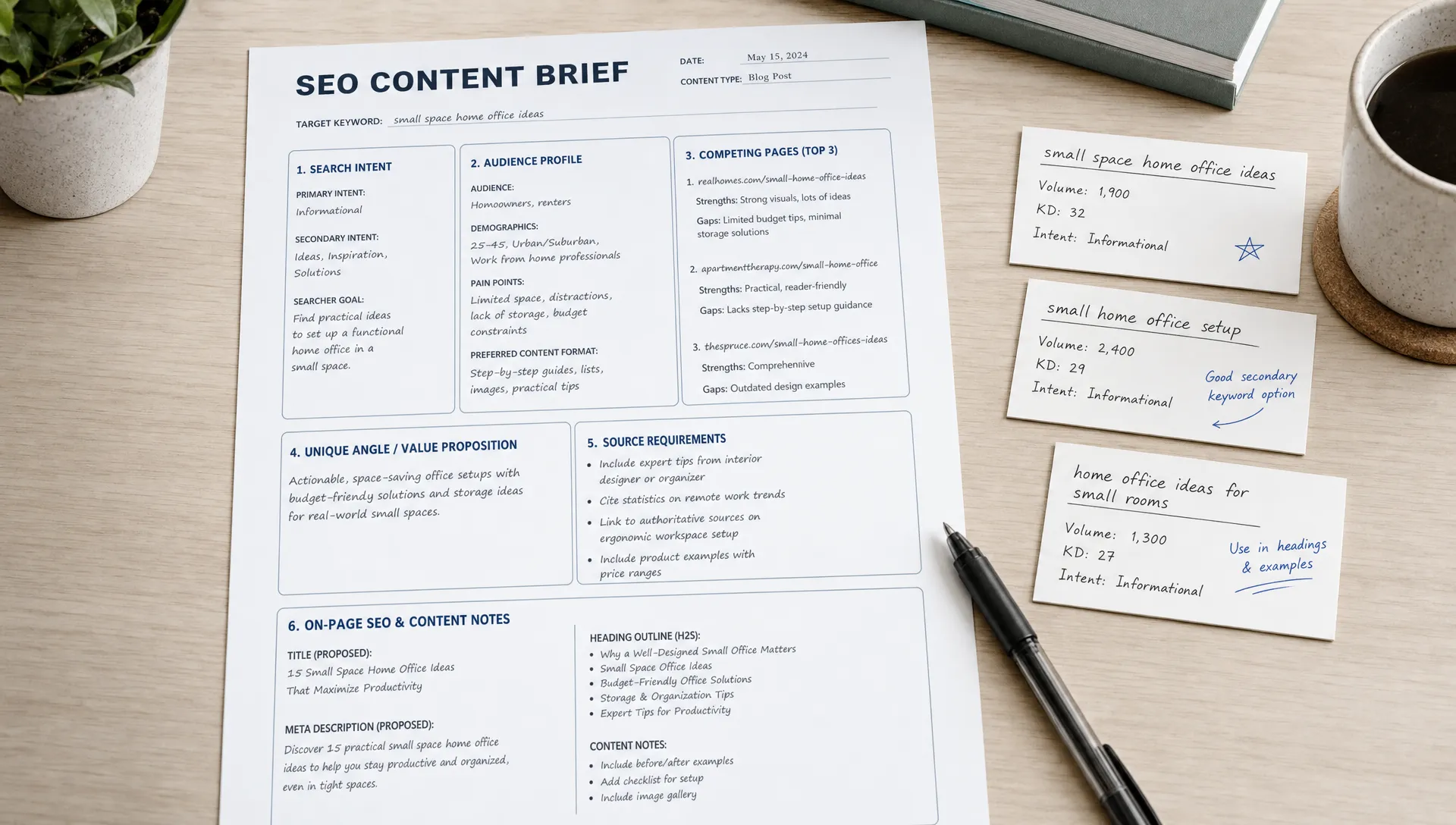
This is especially important for SEO. Search-led B2B demand is often fragmented across long-tail queries. AI can help identify content gaps, organize topics into clusters, and repurpose subject matter expertise into multiple formats. However, human review is essential. In complex industries, inaccurate or overhyped AI content can damage trust quickly.
A strong rule: use AI to accelerate drafts, outlines, briefs, and repurposing, but keep expert input in the final layer.
AI has made personalization easier, but it has also made bad personalization more obvious. Prospects can tell when a message is just a template with their company name and a scraped fact inserted into the first line.
Better B2B outreach uses AI to connect a relevant trigger to a credible point of view. For example, if a target account recently expanded into a new market, your message should explain why that change may create a specific operational, compliance, or revenue challenge. If the account is hiring for a role connected to your solution, your message should acknowledge the business priority behind that hiring trend.
A practical AI-assisted outreach workflow looks like this:
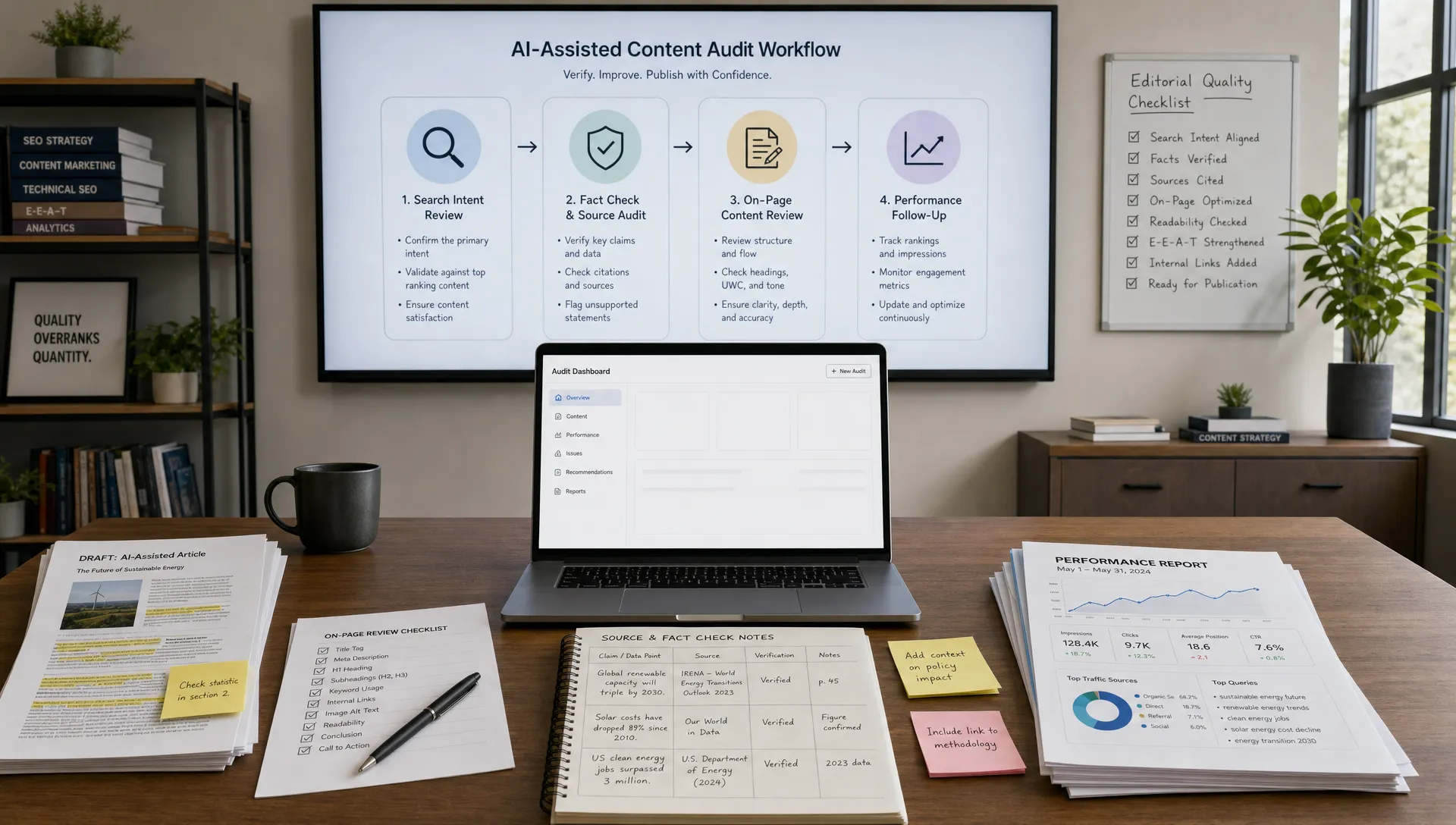
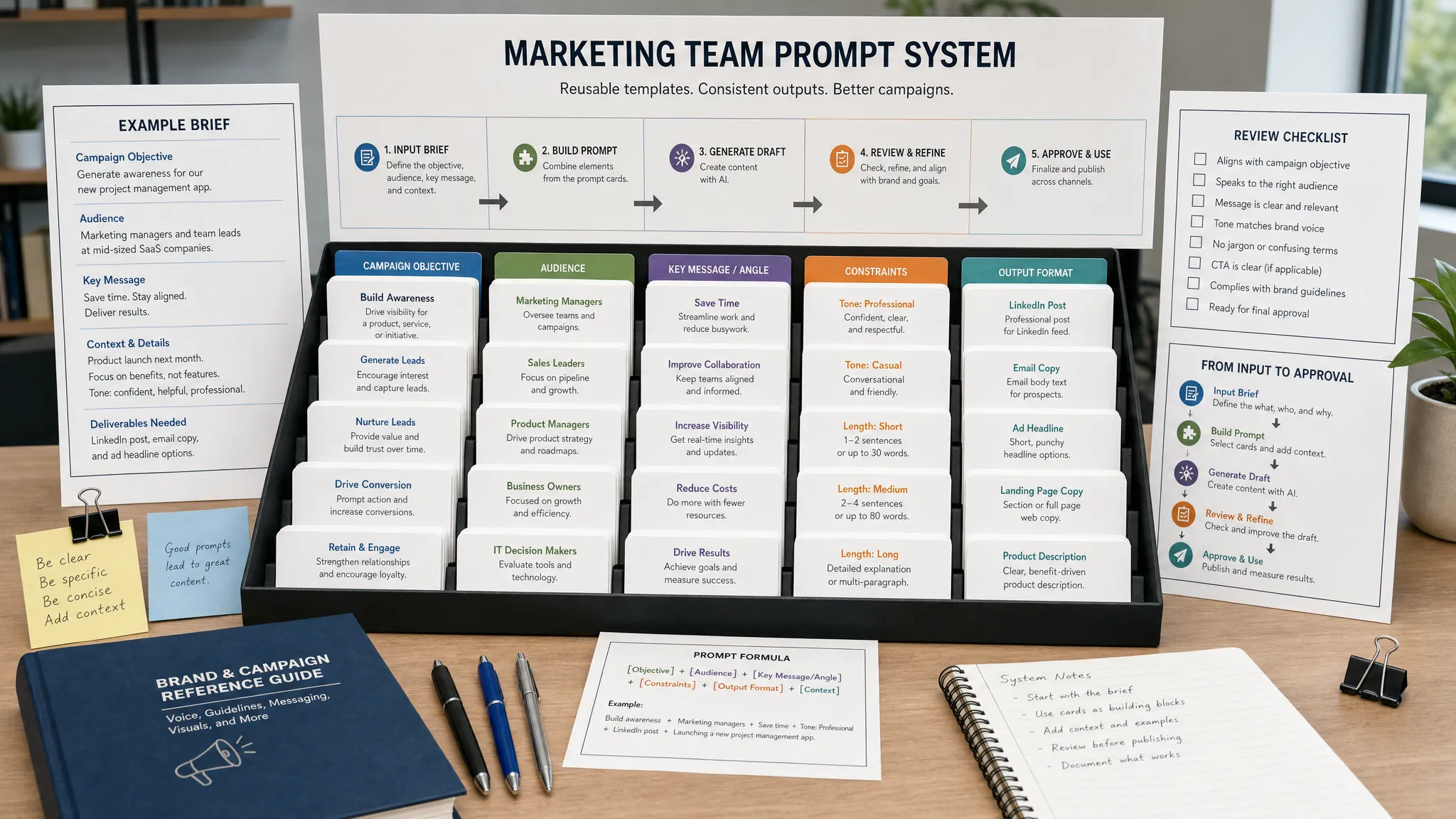
That last step is not optional. AI can produce persuasive language, but it can also exaggerate, misread context, or sound unlike your brand. If your team is scaling outbound, create approved prompt templates, messaging guidelines, and examples of what “good” sounds like. For a related framework, see this guide on personalizing outreach without losing your brand voice.
Lead scoring often fails because marketing scores activity while sales cares about opportunity quality. A prospect opening five emails might get a high score, even if they are a poor fit. Meanwhile, a high-value account with fewer but stronger intent signals may be missed.
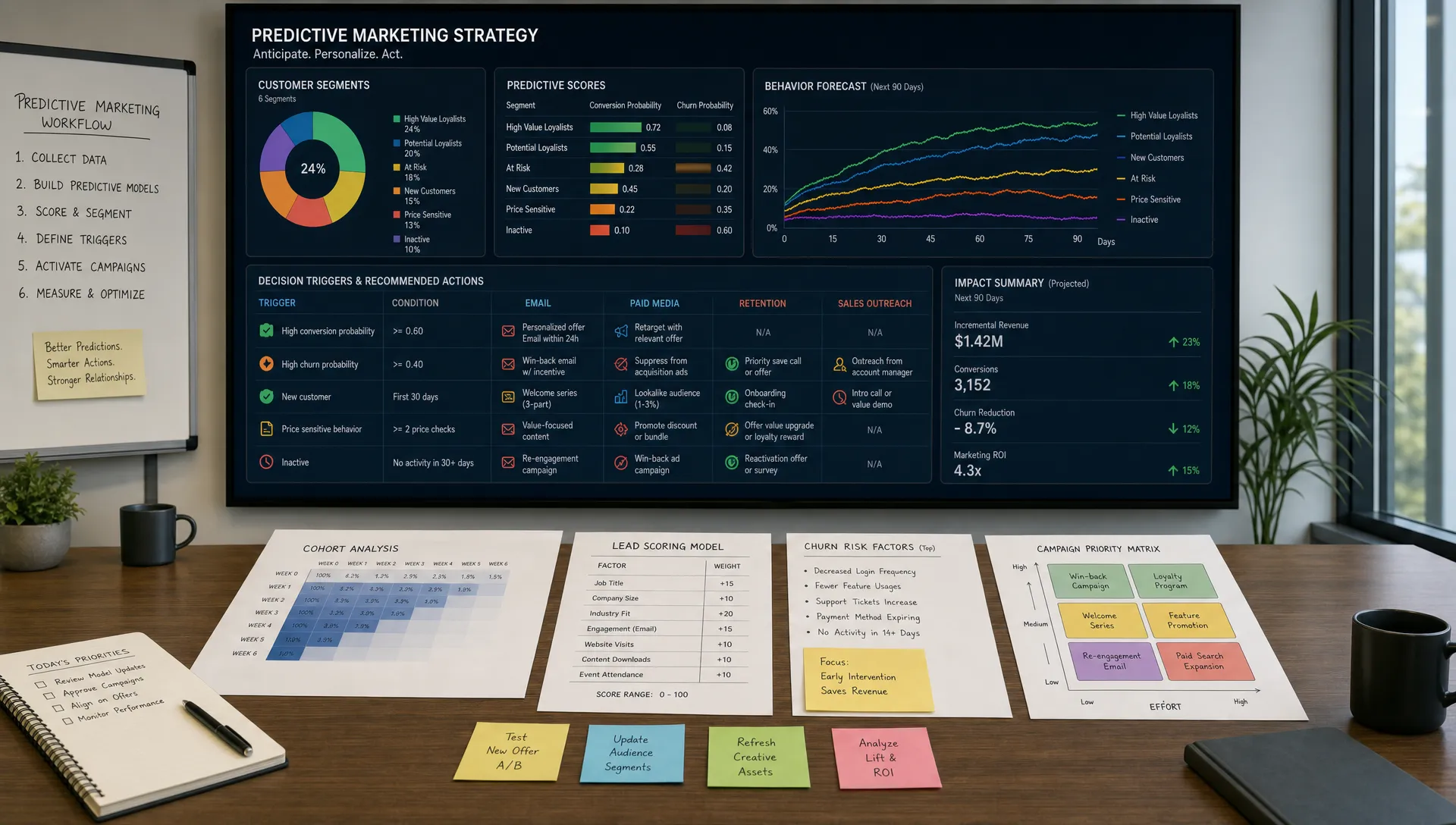
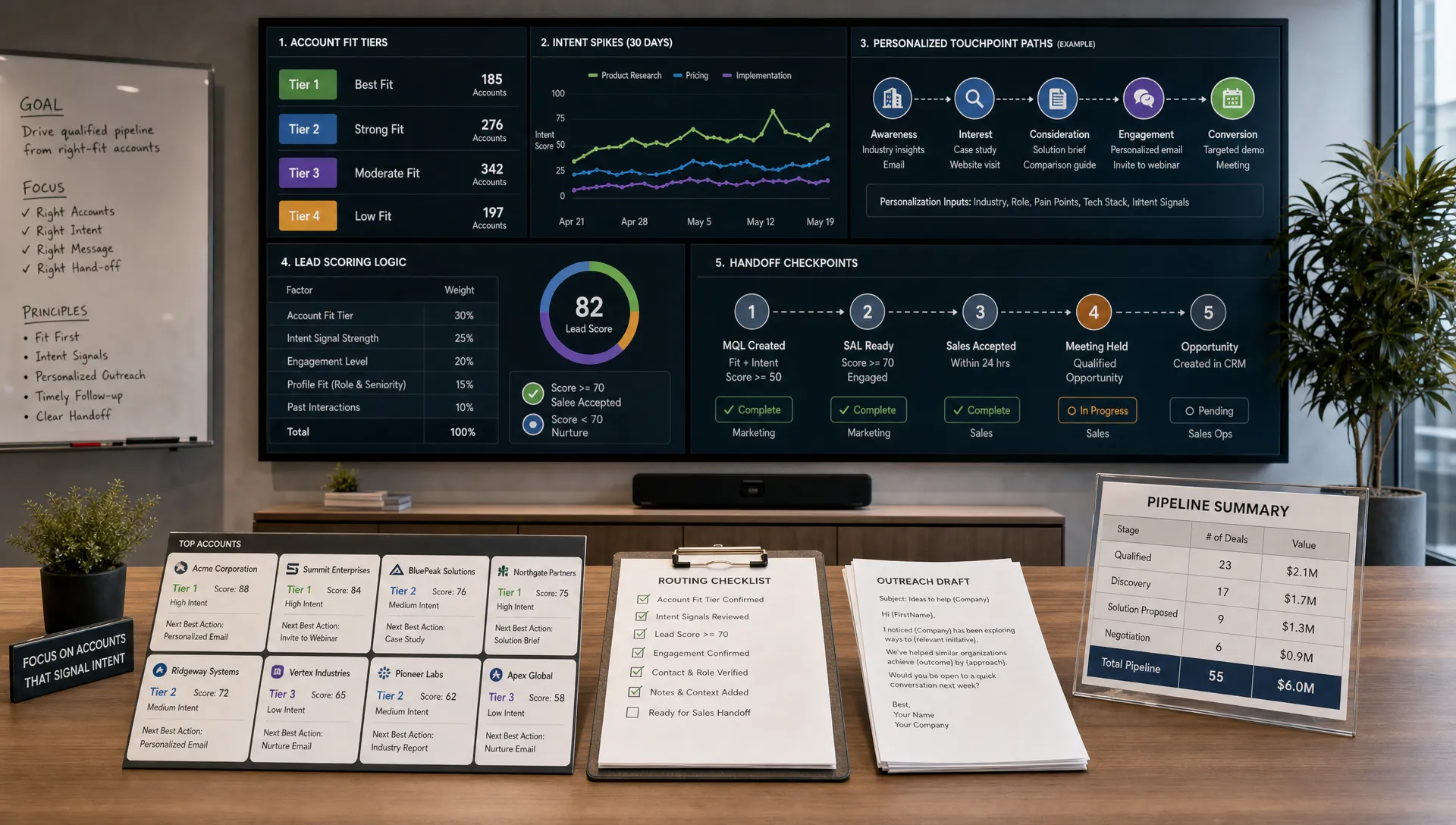
AI lead scoring works best when it blends fit, intent, engagement, and sales feedback. Instead of treating every action equally, the model should distinguish between low-intent and high-intent behaviors. A visit to a careers page does not mean the same thing as a visit to pricing. A student downloading a guide does not mean the same thing as a director comparing vendors.
Good scoring inputs include account fit, contact seniority, role relevance, buying-stage behavior, recency of engagement, and historical conversion patterns. Sales feedback should also be part of the loop. If reps consistently reject certain lead types, the model needs to learn from that.
Do not hide scoring logic inside a black box. Sales teams need to understand why a lead is prioritized. Even a simple explanation, such as “high-fit manufacturing account, viewed integration page twice, attended ROI webinar, and matched closed-won pattern,” builds confidence and improves follow-up quality.
Many B2B websites attract valuable visitors who never fill out a form. AI-powered analytics and visitor identification tools can help connect anonymous traffic to company-level signals, especially when combined with CRM and marketing automation data.
This does not mean you should chase every company that lands on your homepage. Instead, look for patterns that indicate active evaluation. For example, repeated visits from the same account, traffic to high-intent pages, engagement from multiple locations, or movement from educational content to product content can all suggest buying activity.
Once an account shows meaningful engagement, your next step should depend on its stage. Early-stage accounts may need retargeting, educational content, or newsletter nurturing. Later-stage accounts may deserve a sales touch, a tailored landing page, or an invitation to a relevant event.
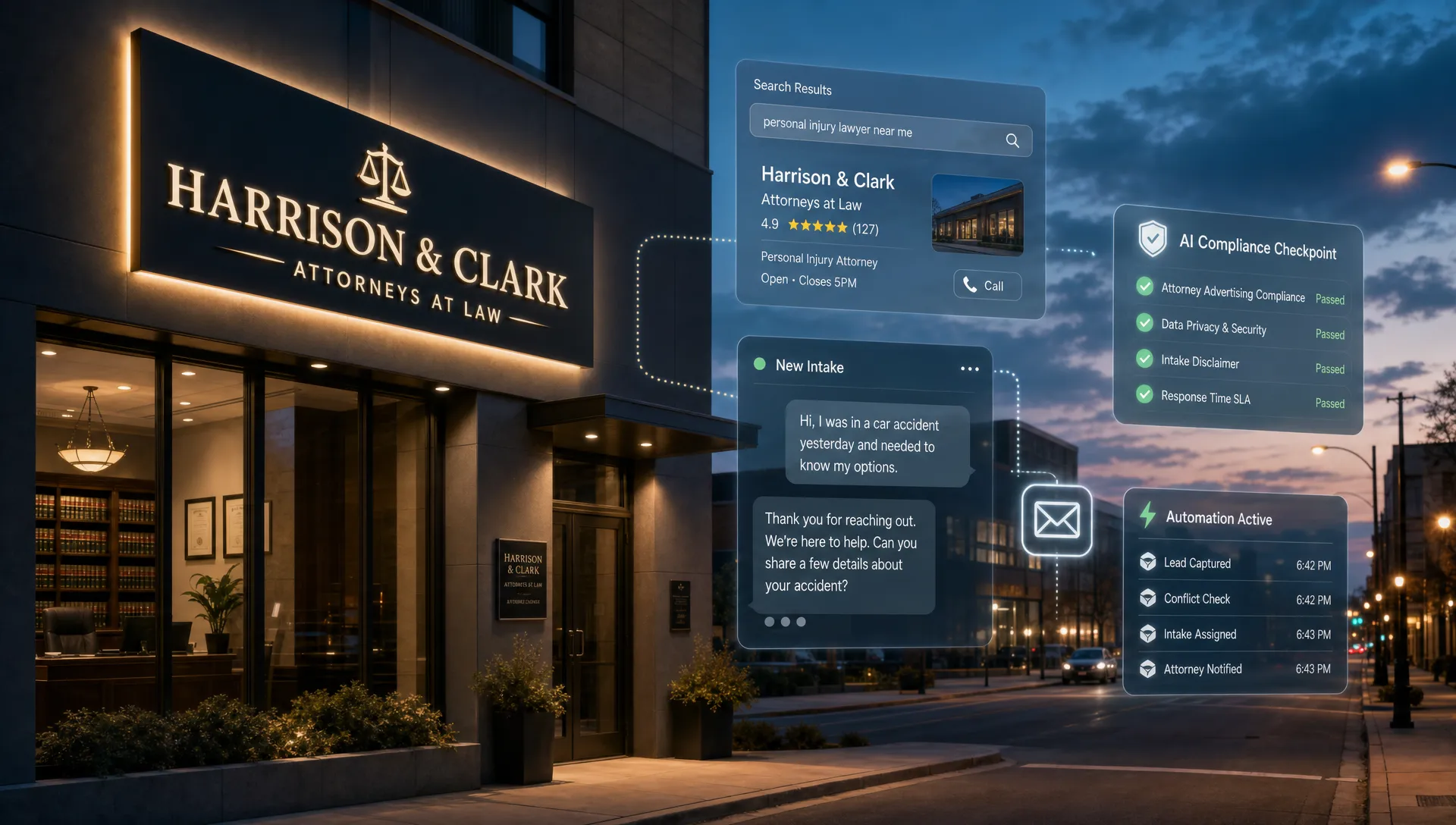
Privacy and compliance matter here. Be transparent about data collection, honor consent requirements, and follow regulations such as GDPR, CCPA, CAN-SPAM, and other applicable rules. AI lead generation should make your marketing more relevant, not more invasive.
B2B deals often take weeks or months, and most leads are not ready to buy after one interaction. This is where marketing workflow automation becomes valuable.
AI can segment leads by behavior, industry, role, and buying stage, then trigger the next best action. A prospect who downloads a beginner guide should not receive the same follow-up as someone who visits a pricing page after attending a product webinar.
Effective nurture sequences feel like a helpful progression. They answer the next question the buyer is likely to have. Early in the journey, that might mean educational content. Mid-funnel, it might mean comparison frameworks or implementation advice. Near the decision stage, it might mean ROI calculators, customer proof, procurement resources, or a sales consultation.
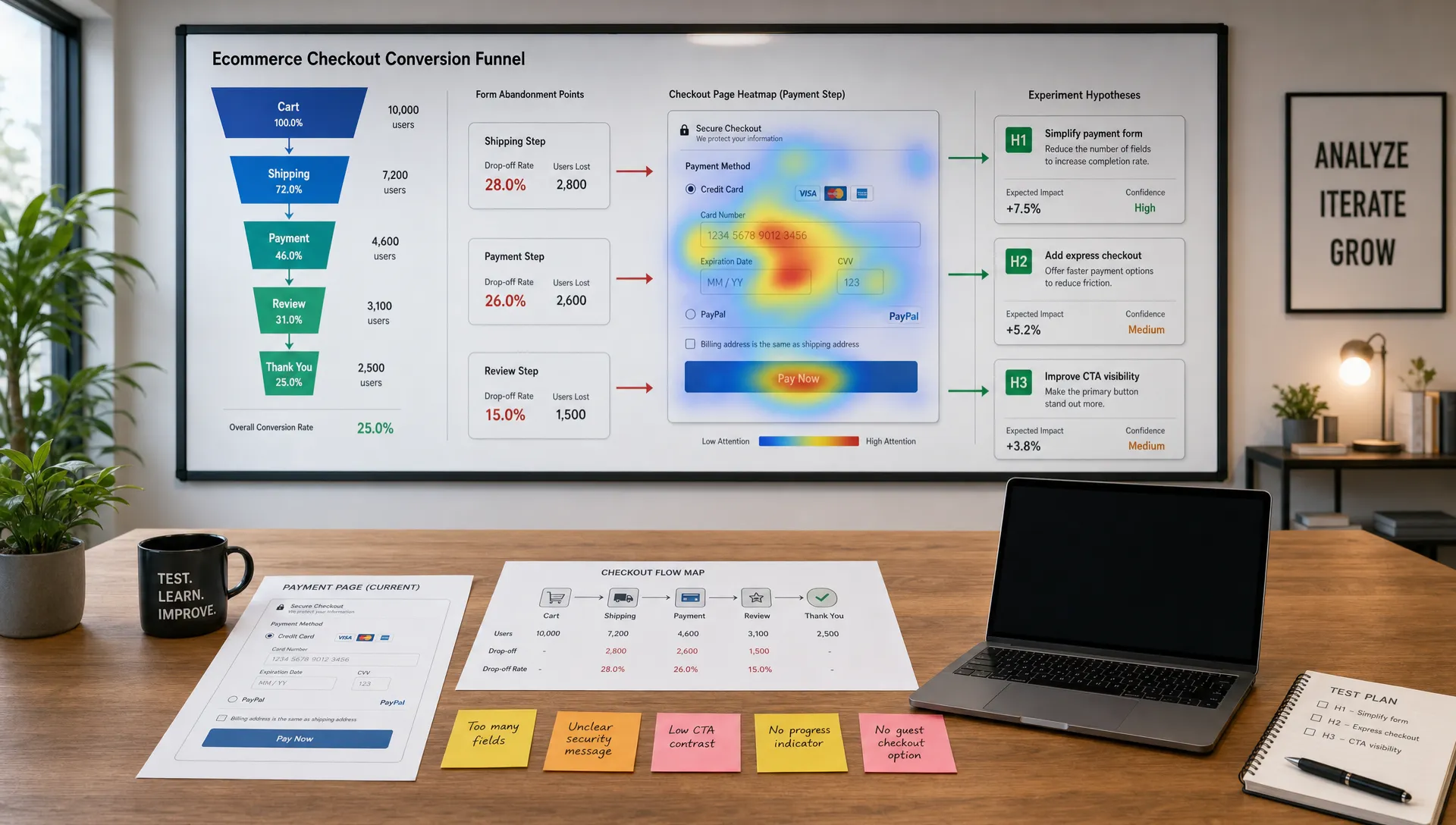
The best teams also use AI to monitor drop-off points. If a sequence has high open rates but low conversion, the offer may be weak. If leads engage with content but do not book meetings, the handoff to sales may be unclear. If sales accepts leads but pipeline does not progress, the scoring model may be prioritizing interest over true fit.
Chatbots and AI assistants can improve lead capture when they help visitors take the next step quickly. They can answer common questions, recommend resources, qualify basic needs, and route prospects to the right team.
But conversational AI can also frustrate buyers if it blocks access to information or pretends to be more capable than it is. For B2B brands, the safest approach is to use chat at clear conversion points: pricing pages, demo pages, product pages, integration pages, and support-heavy content.
Keep the experience simple. Ask only what you need to route the visitor properly. If the lead is high-fit and high-intent, make it easy to book time with a human. If the visitor is early-stage, offer a helpful resource instead of pushing a demo too soon.
Conversational AI should reduce friction, not create a new gate between the buyer and the information they came to find.
AI can generate more leads, but revenue depends on what happens after the handoff. If marketing and sales do not agree on definitions, response times, and ownership, even a strong lead generation engine will leak opportunities.
Define the difference between a marketing-qualified lead, a sales-qualified lead, and a sales-accepted opportunity. Then document what happens when each threshold is met. For example, a high-fit account showing multiple decision-stage behaviors might trigger an immediate SDR task, while a lower-intent lead enters a nurture workflow.
Speed matters. According to long-standing lead response research from Harvard Business Review, companies that respond quickly to inbound leads are more likely to qualify them than companies that wait. The exact timing expectations vary by category, but the principle remains: when a prospect raises their hand, delays reduce momentum.
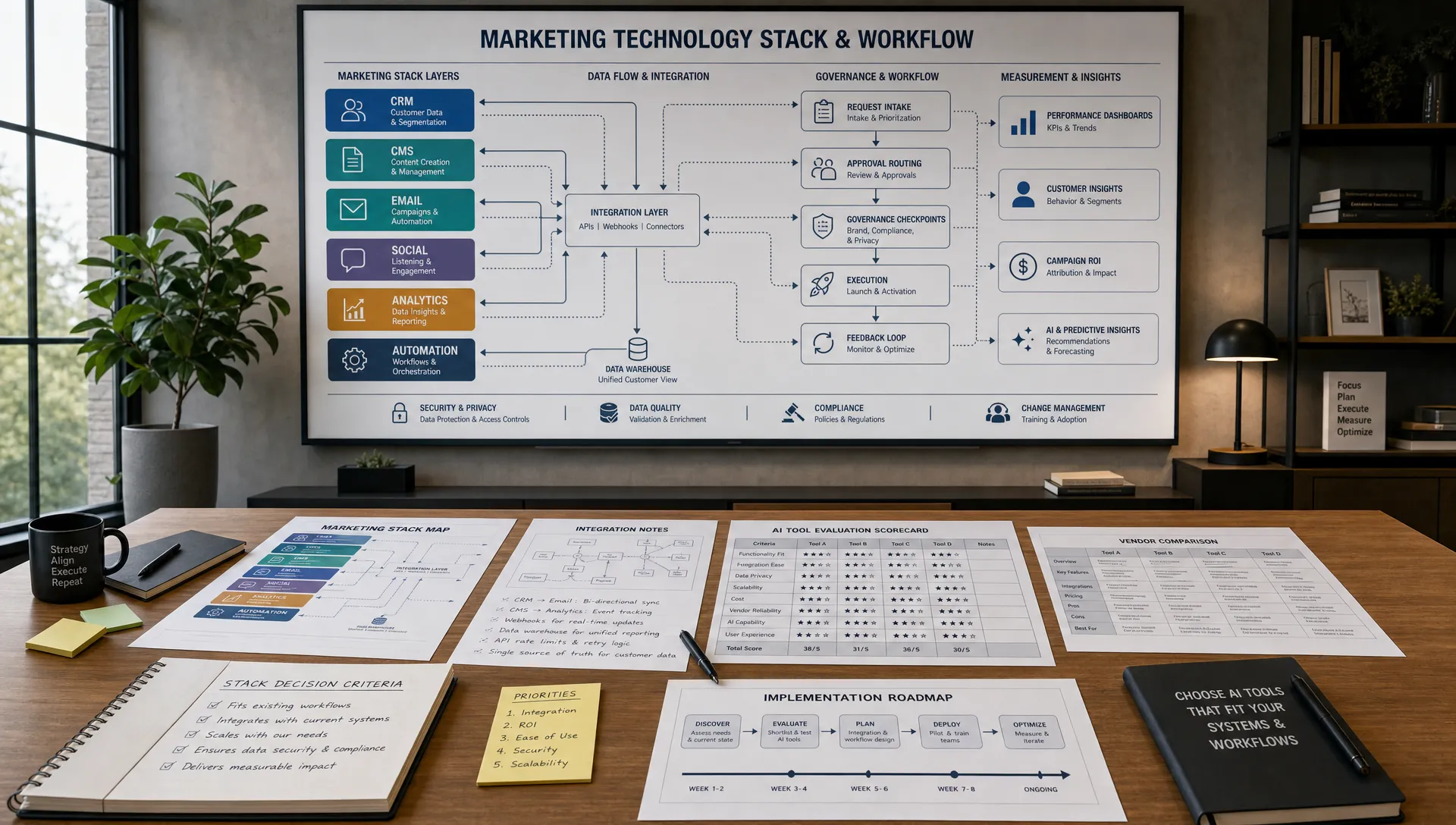
AI can support faster handoffs by creating lead summaries, surfacing recent engagement history, suggesting talking points, and alerting reps when target accounts show buying behavior. Just make sure the CRM remains clean. Automation that creates duplicate records, unclear tasks, or noisy alerts will quickly lose sales trust.
If your main AI lead generation metric is lead volume, your team may optimize for the wrong outcome. B2B brands need to measure quality, conversion, and revenue impact.
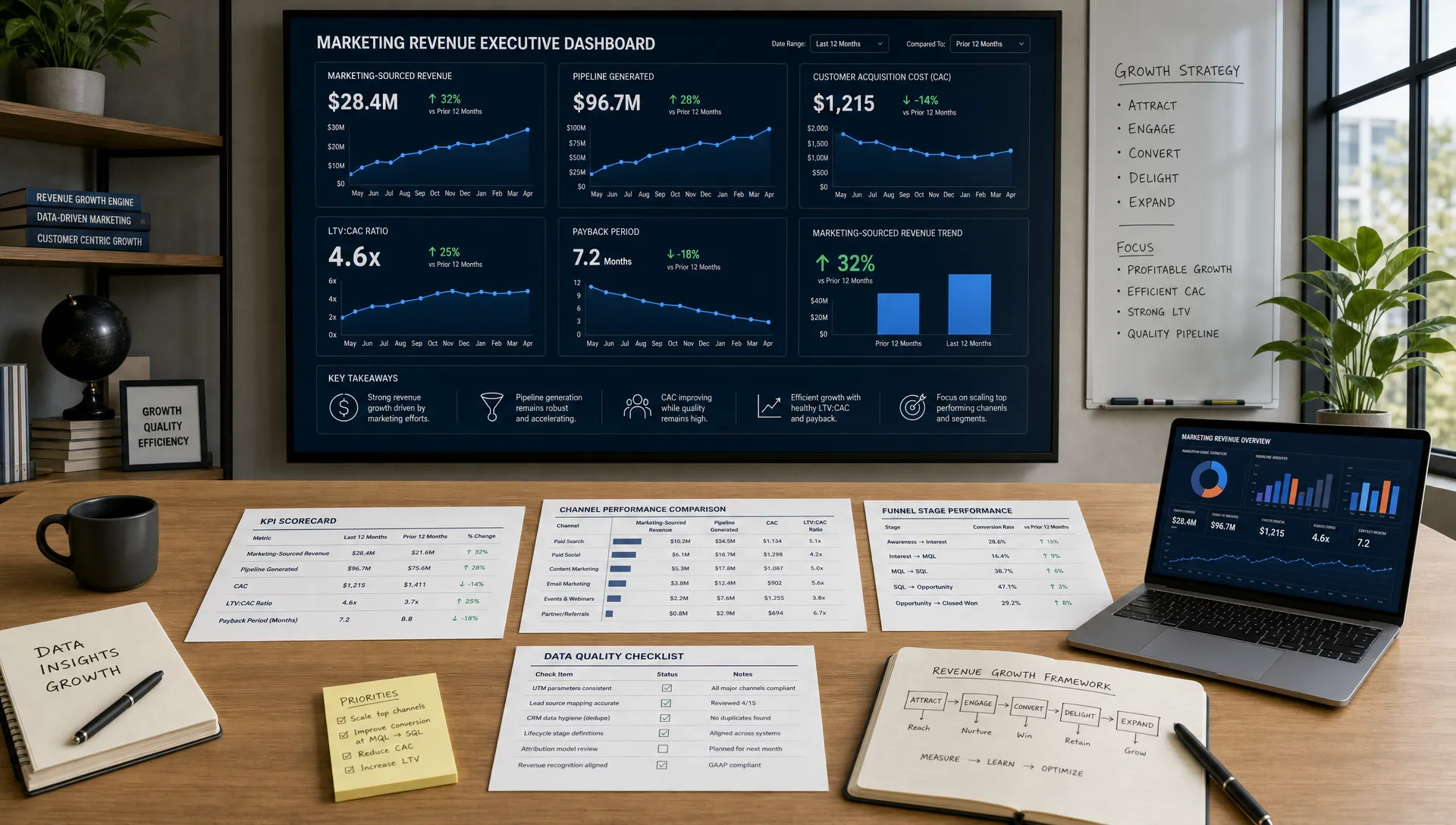
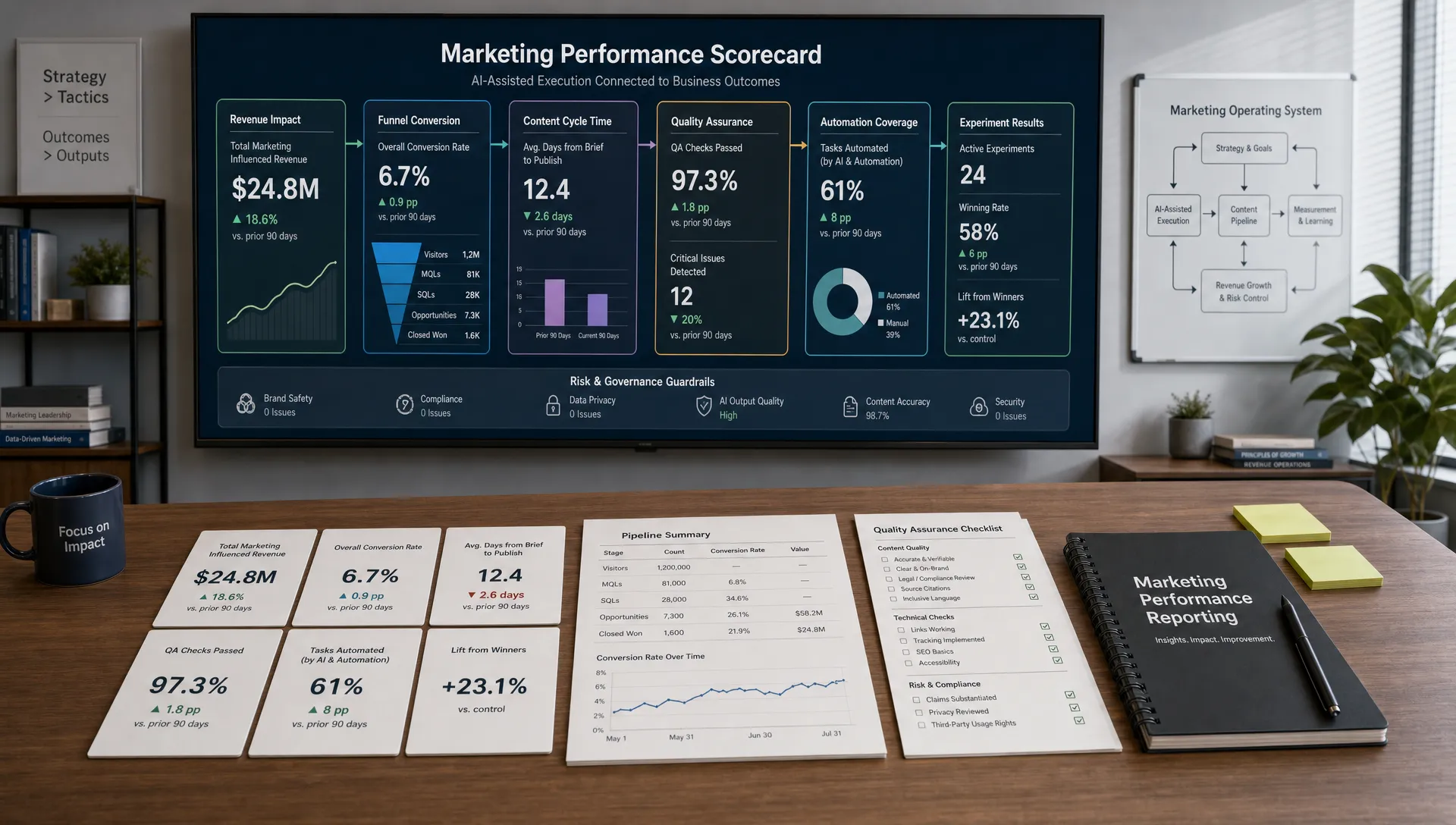
Track metrics that connect marketing activity to pipeline performance, including:
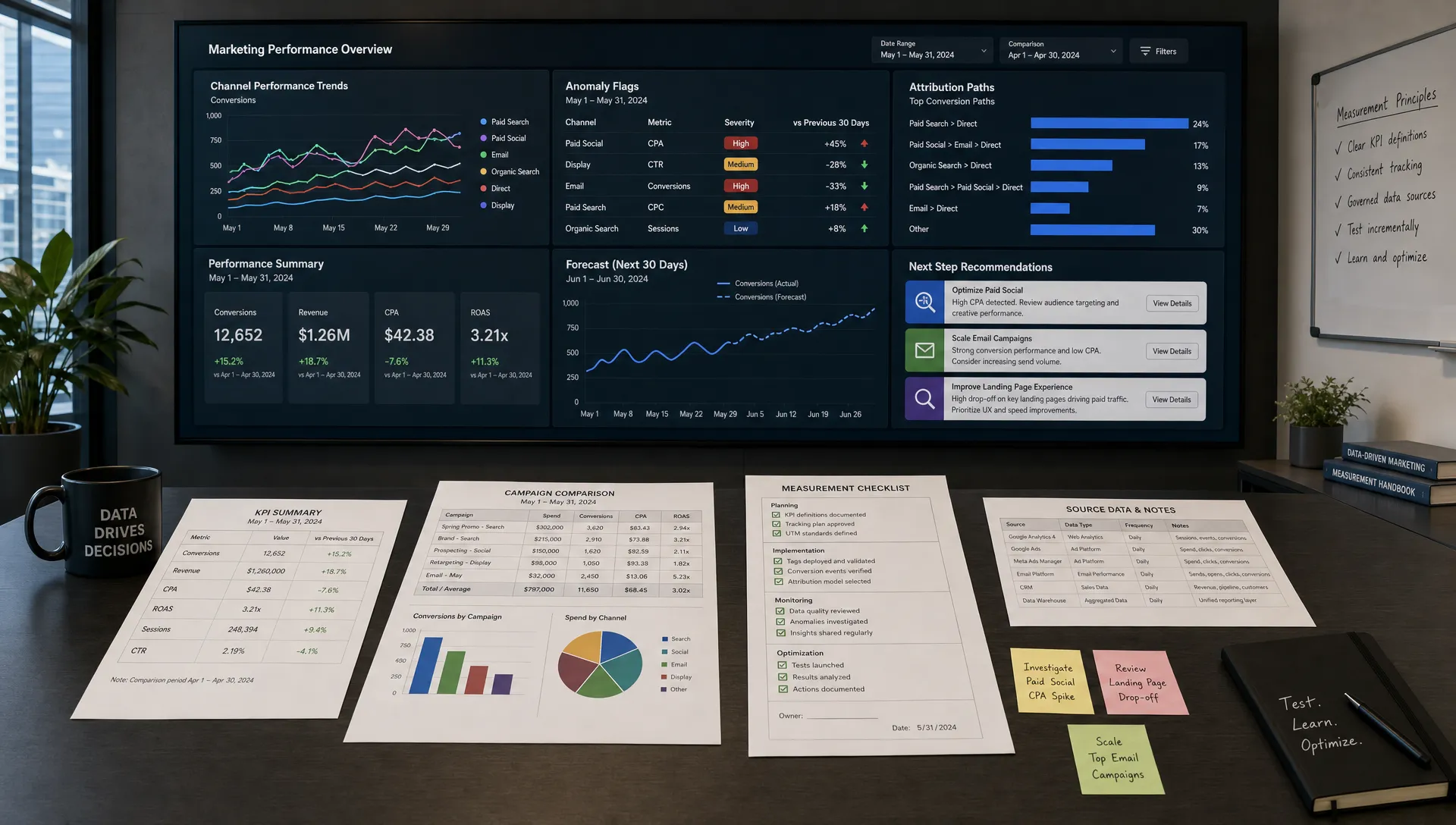
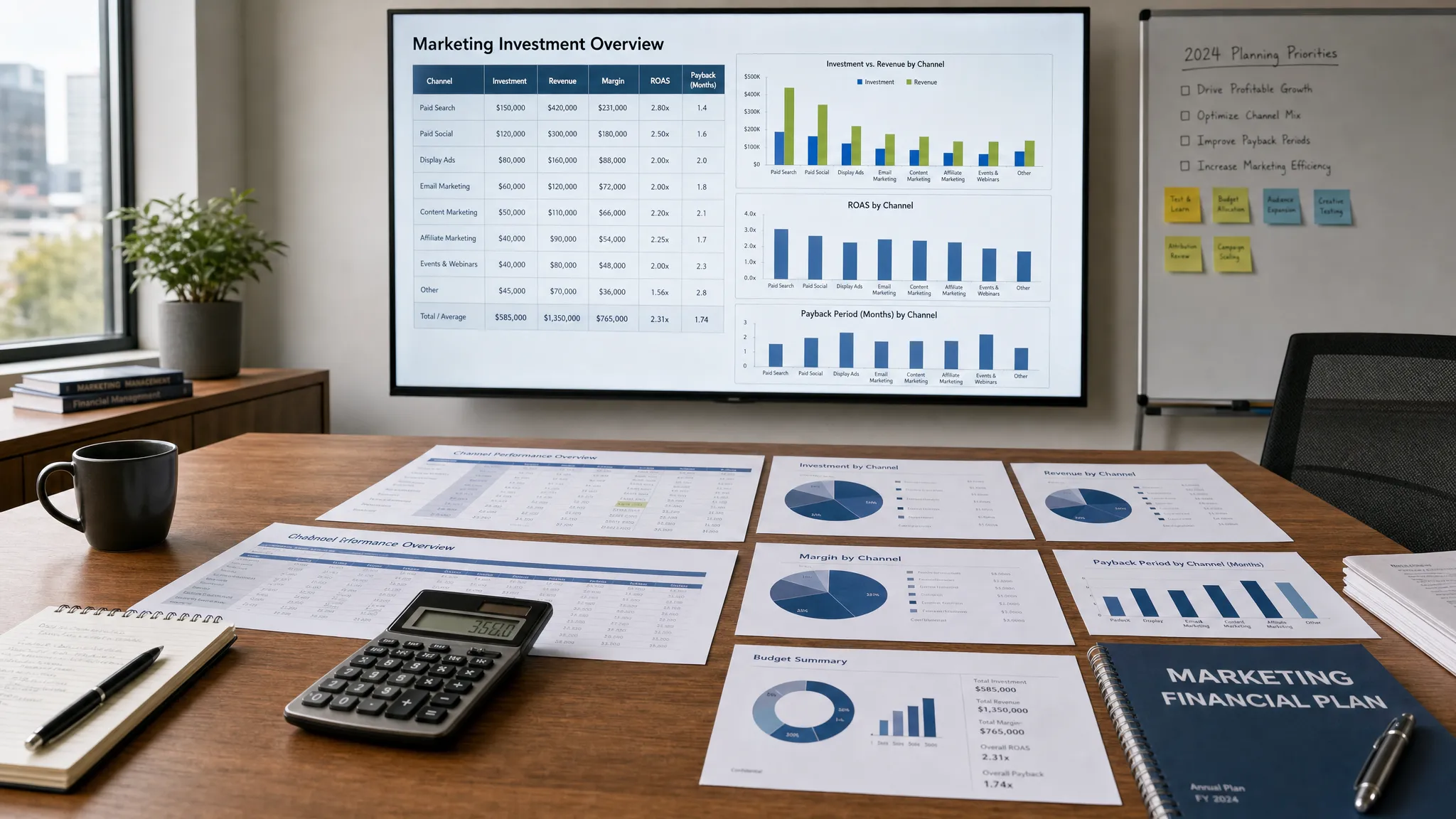
AI-powered analytics can help identify which campaigns produce real opportunities and which only create surface-level engagement. This is especially useful when comparing channels. Paid campaigns may drive fast tests, SEO may compound over time, and outbound may perform best when triggered by intent signals rather than generic lists.
Your goal is not to prove that AI created more activity. Your goal is to prove that AI helped your team create better pipeline more efficiently.
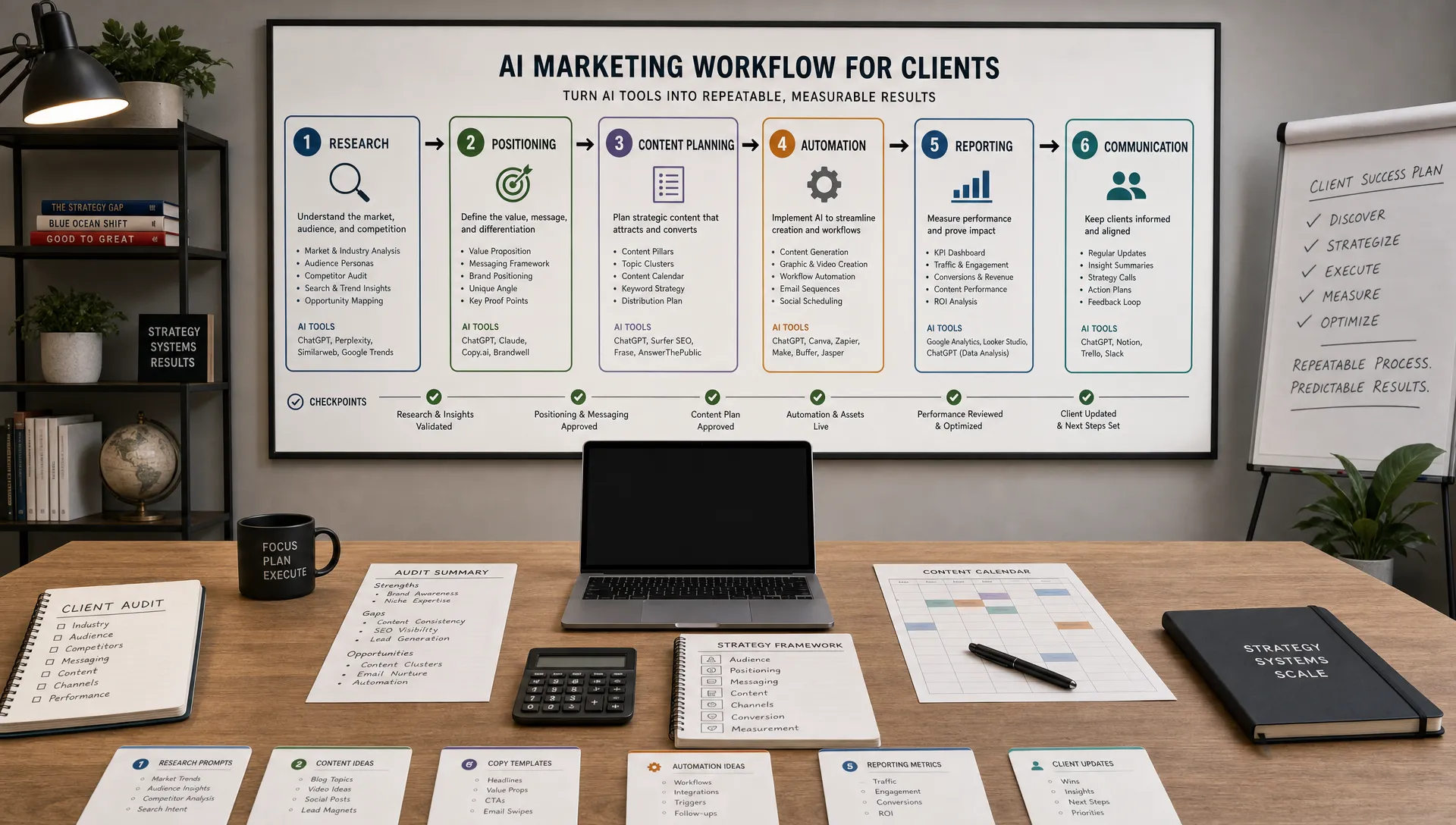
You do not need to rebuild your entire revenue engine to start using AI for lead generation. Begin with one focused use case, measure the impact, then expand.
A simple 30-day rollout could look like this:
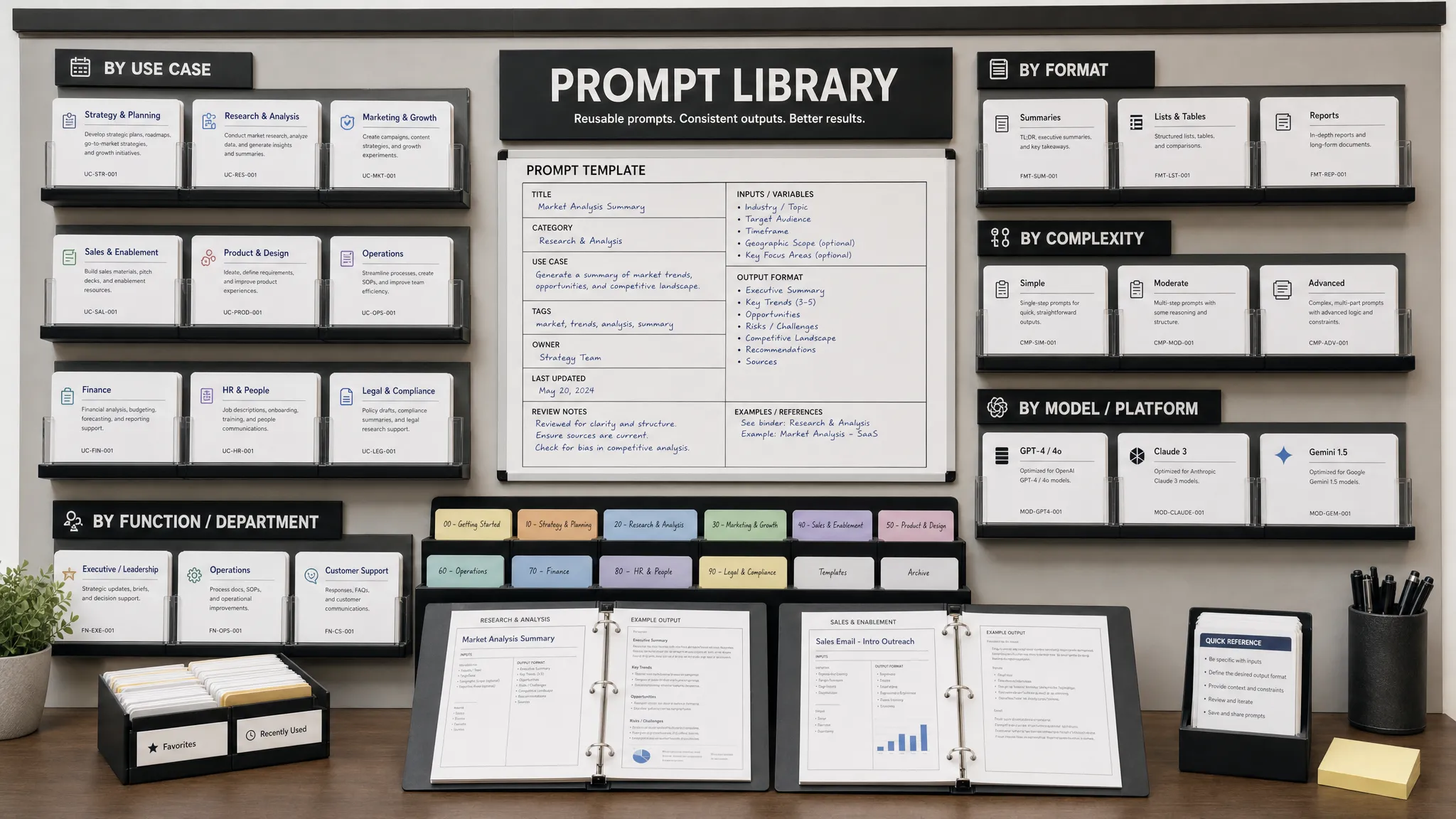
Once the first use case works, expand into additional segments, content paths, and workflow automations. AIMarketer Hub’s AI marketing tools and resources can help teams explore content generation, prompt libraries, SEO tools, calculators, and marketing guides that support this kind of structured experimentation.
AI lead generation works best when it is treated as a revenue system, not a shortcut. The biggest mistakes usually come from scaling before the strategy is ready.
Avoid these pitfalls:
The strongest B2B brands use AI to make their marketing more useful, timely, and precise. They do not use it to add noise to already crowded inboxes.
What is AI lead generation for B2B brands? AI lead generation uses artificial intelligence to identify target accounts, analyze buying signals, personalize outreach, automate nurturing, score leads, and improve sales handoffs. For B2B brands, the focus is usually on finding high-fit accounts and moving them through a longer buying journey.
Can AI replace SDRs or demand generation teams? Not fully. AI can automate research, scoring, drafting, routing, and analysis, but human judgment is still needed for strategy, relationship building, complex discovery, negotiation, and quality control. The best results usually come from AI-assisted teams, not fully automated selling.
Which AI lead generation strategy should a B2B brand start with? Start with ICP refinement and intent-based prioritization. If you do not know which accounts are worth pursuing and which signals indicate real interest, personalization and automation will be less effective.
How do you measure AI lead generation success? Measure qualified pipeline, sales acceptance rate, conversion to opportunity, cost per qualified opportunity, win rate, sales cycle length, and revenue by source. Lead volume alone can be misleading because it does not show whether the leads are likely to become customers.
Is AI lead generation compliant with privacy laws? It can be, but compliance depends on your data sources, consent practices, storage policies, outreach methods, and regional regulations. B2B brands should work with legal and compliance teams to ensure AI workflows follow applicable privacy, email, and data protection rules.
AI lead generation is most powerful when it connects strategy, data, content, automation, and sales execution. Start with your best-fit accounts, watch for meaningful intent, personalize around real business context, and measure success by qualified pipeline rather than activity.
If your team wants practical tools, prompts, guides, and resources to build smarter AI marketing workflows, explore AIMarketer Hub and start turning AI experiments into repeatable B2B growth systems.