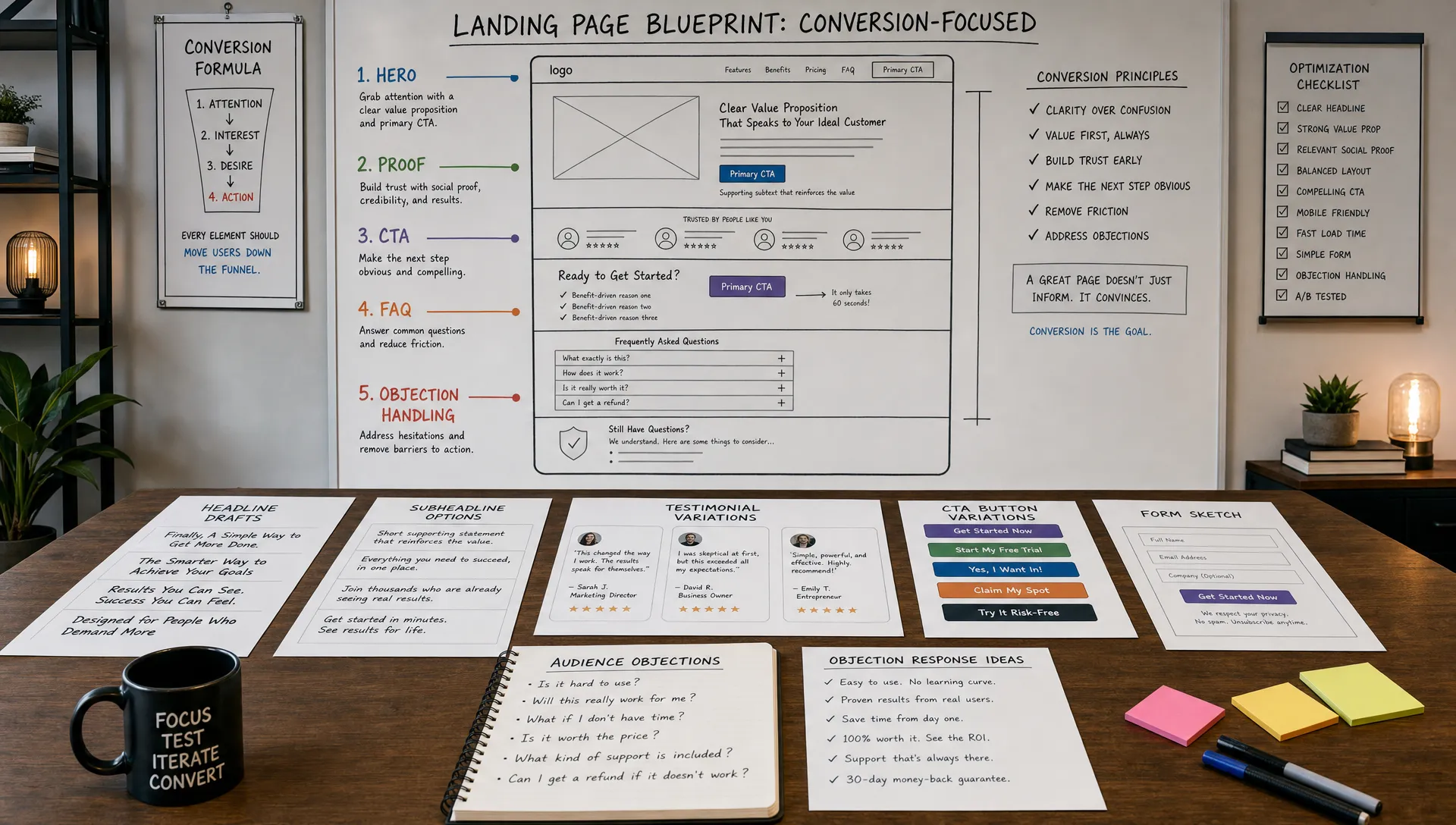
AI can draft a landing page in seconds. That speed is useful, but it also creates a new problem: if every marketer asks for the same kind of copy, every page starts sounding the same. The pages that convert are not the ones with the most AI-generated words. They are the ones with the clearest promise, strongest proof, lowest friction, and best match between visitor intent and offer.
These AI landing page copy tips are designed for marketers, founders, and growth teams that want more than a faster first draft. Use AI as a conversion thinking partner, not as an autopilot. The goal is to generate sharper angles, test stronger messages, and make every section of the page help the visitor take the next step.
A landing page should have one main job. Before prompting any AI tool, define the action you want the visitor to take and the reason that action matters to them. This sounds basic, but many low-converting pages fail because they ask AI to write copy before clarifying the page strategy.
Your conversion goal might be to book a demo, download a guide, request a quote, start a trial, join a waitlist, or buy a product. Each goal requires a different level of persuasion. A free checklist needs less copy than an enterprise software demo. A high-trust financial or legal offer needs more proof, reassurance, and clarity than a low-risk newsletter signup.
A useful pre-prompt looks like this:
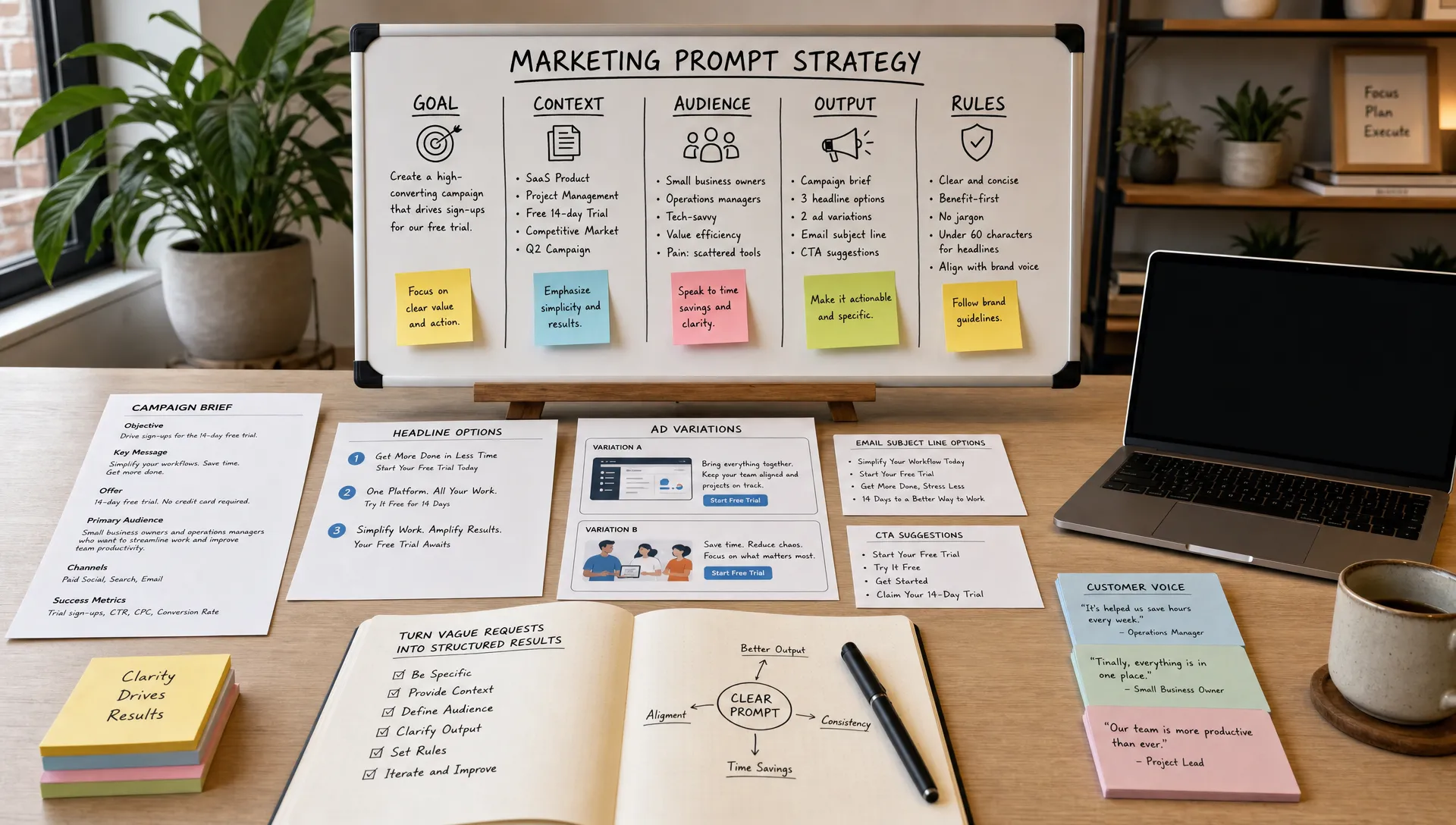
Act as a conversion copywriter for a landing page targeting [specific audience]. The primary conversion goal is [action]. The visitor is currently struggling with [pain point], wants [desired outcome], and may hesitate because [objection]. Create copy that is clear, specific, and credible.
This gives the AI a job beyond filling space. It tells the tool what the page needs to achieve and what psychological barriers the copy must address.
AI copy is only as good as the context behind it. If you give a generic prompt, you get generic copy. If you give the model real customer language, offer details, proof points, and objections, you get much stronger output.
Before asking for landing page copy, gather a simple conversion brief. Include:
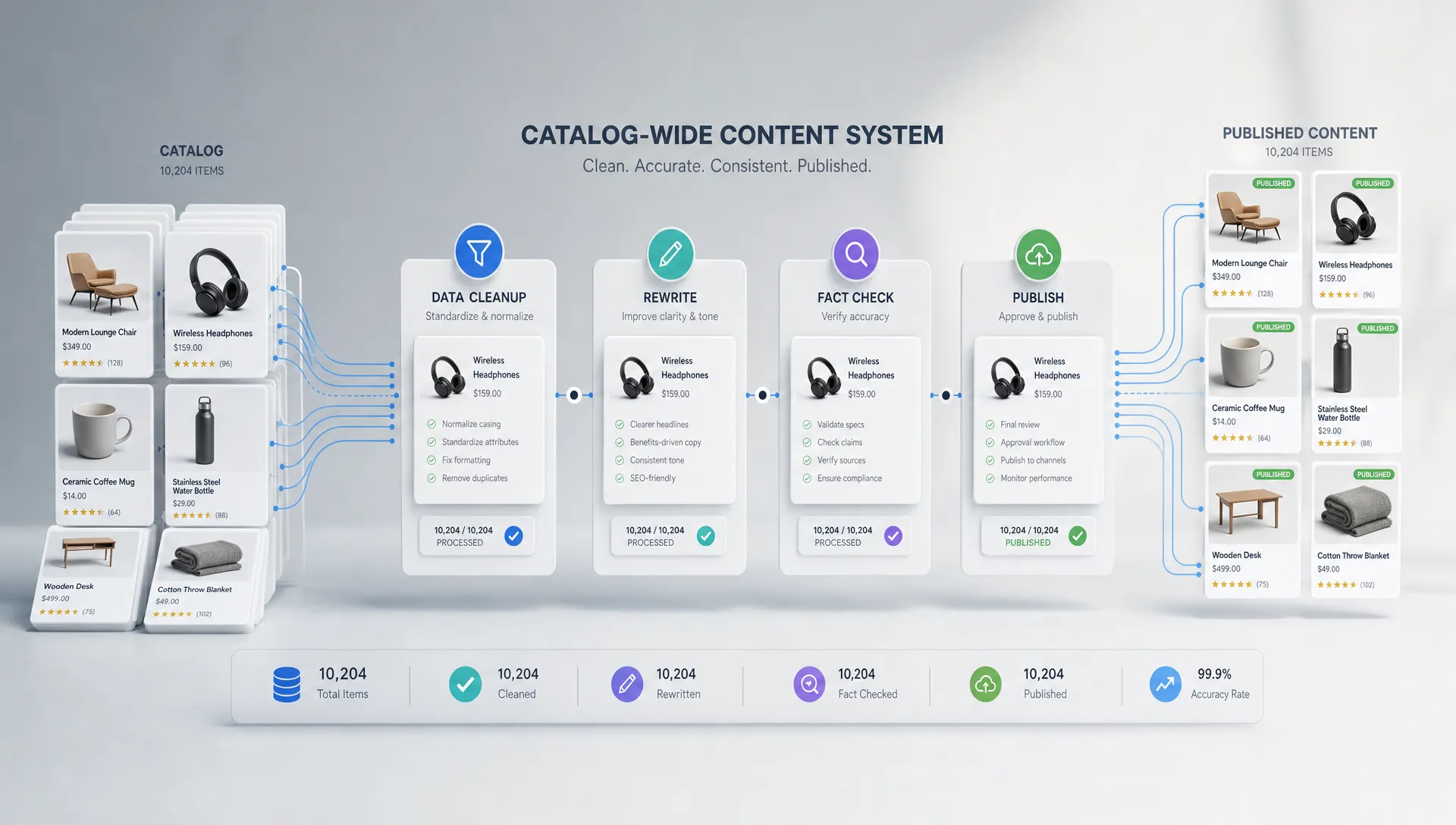
This is where many teams can improve the ROI of AI content creation. Instead of asking AI to invent persuasion, use it to organize and sharpen real market knowledge. If your team is building repeatable workflows, AIMarketer Hub has additional guidance on improving ROI from AI content generation that pairs well with this approach.
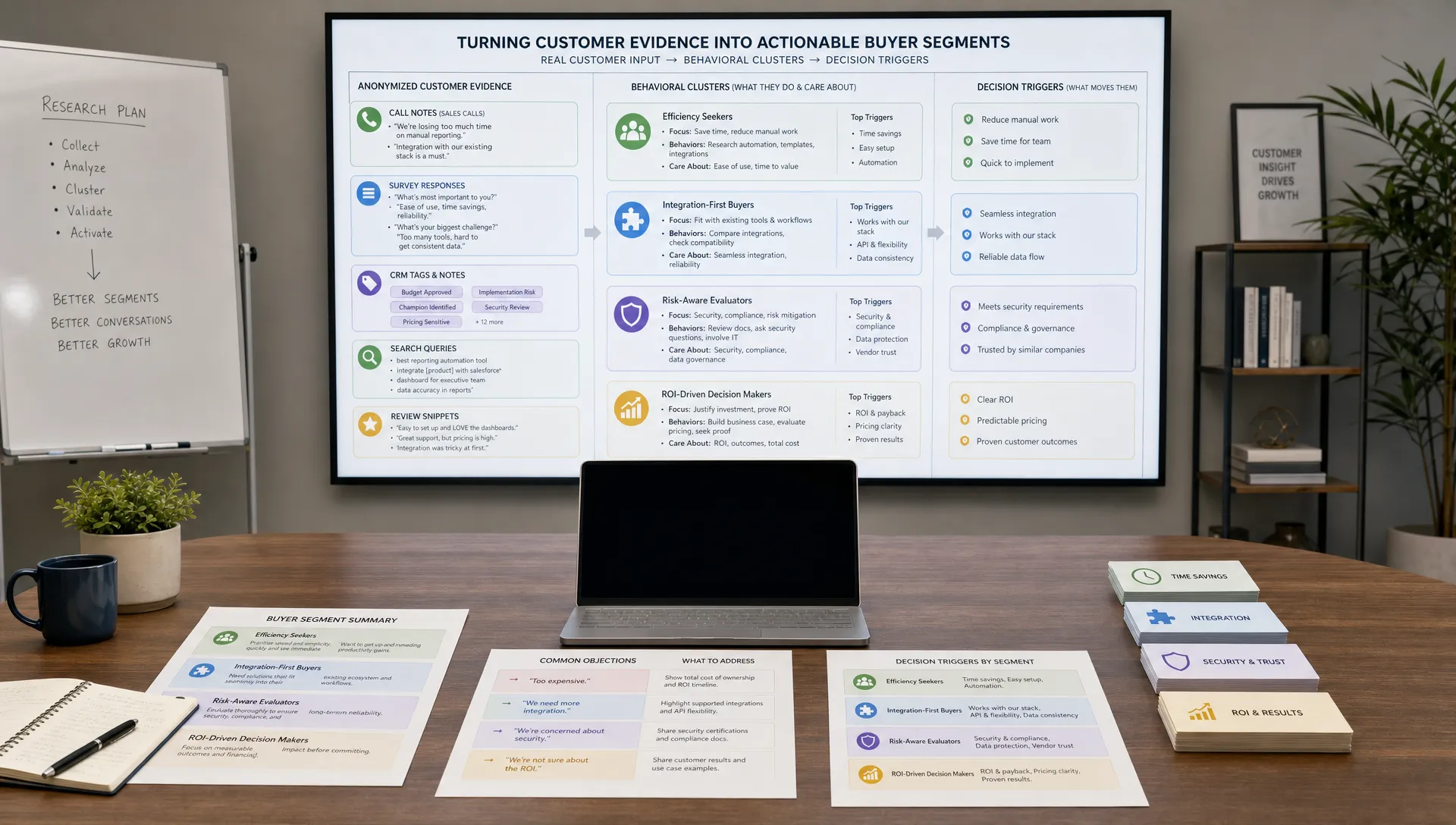
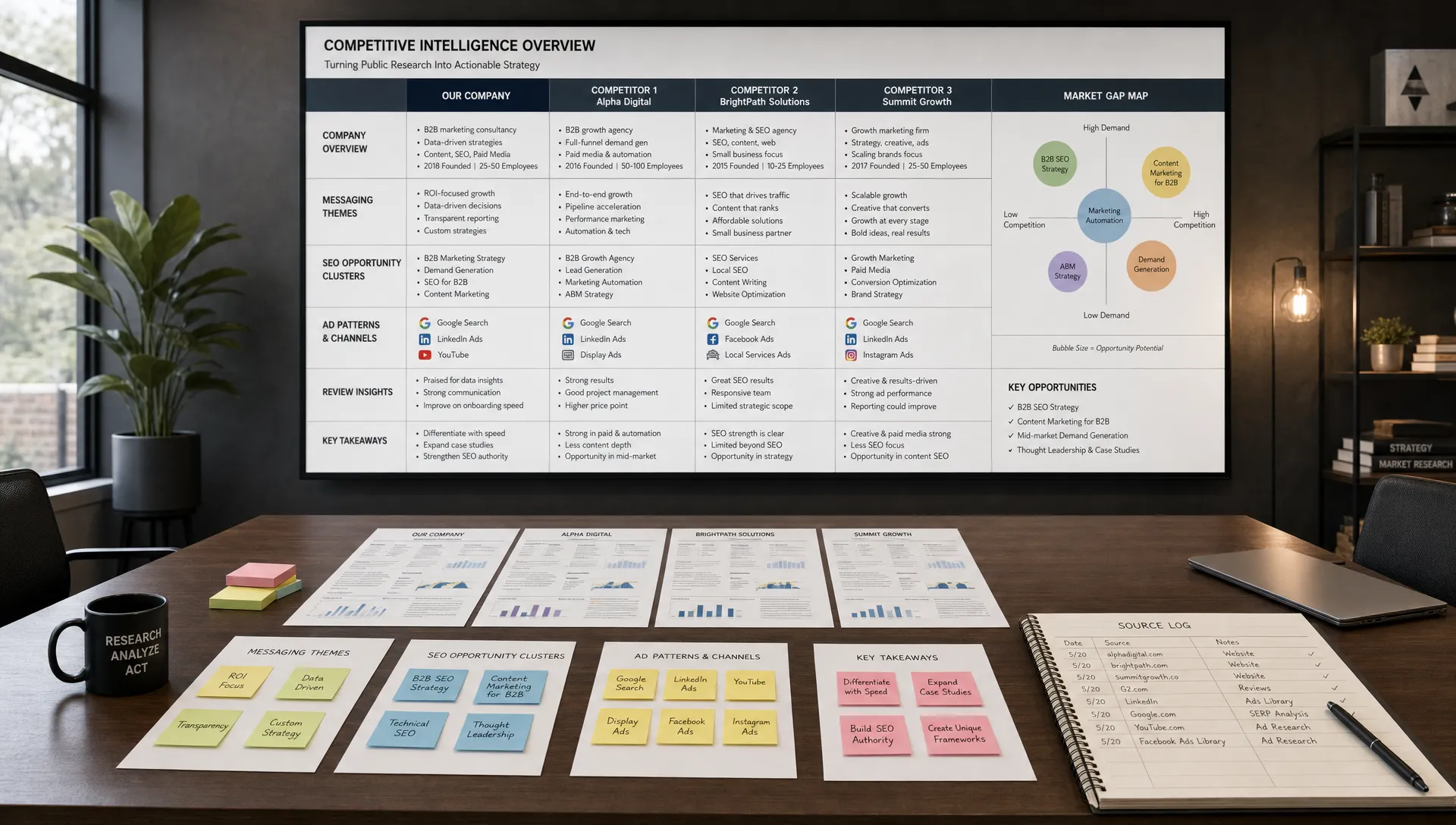
The strongest landing page copy often comes from combining AI with voice-of-customer research. Paste in anonymized review snippets, survey responses, or sales objections, then ask the AI to identify recurring phrases and emotional triggers. Those phrases can become headline angles, subheadings, FAQ questions, and CTA supporting copy.
The hero section has to answer three questions quickly: what is this, who is it for, and why should I care now? Visitors scan pages, especially on mobile. Nielsen Norman Group has long documented that users often scan web pages rather than read every word, which means your first screen has to communicate value fast.
AI often defaults to broad claims like transform your business, boost productivity, or unlock growth. Those phrases sound positive, but they are too vague to convert. A better hero headline gives the visitor a concrete reason to continue.
A practical formula is:
Specific outcome + specific audience + meaningful differentiator
For example, a weak AI-generated headline might be: Supercharge your marketing with AI.
A stronger version would be: Launch campaign-ready landing page drafts in less time, without losing your brand voice.
The second version is more useful because it names the task, the outcome, and the concern. It gives the visitor a reason to believe the page was made for their situation.
When using AI, ask for multiple hero options by angle, not just multiple rewritten headlines. Try prompts that request a pain-led version, outcome-led version, speed-led version, proof-led version, and risk-reversal version. This helps you compare strategic directions instead of simply choosing the sentence that sounds best.
AI is good at turning feature lists into benefits, but it can also exaggerate if you do not keep it grounded. The best landing page copy connects each feature to a practical outcome, then supports it with evidence.
Instead of saying an offer includes AI-powered analytics, explain what that helps the user do. A benefit-driven version might say that marketers can spot which channels, campaigns, or content assets need attention faster. If you have real data, testimonials, or screenshots to support the claim, include them. If you do not, keep the copy clear but avoid unsupported promises.
A useful prompt is:
Convert these product features into landing page benefits. For each benefit, explain the customer problem it solves, the outcome it supports, and the type of proof that would make it more believable. Do not invent statistics, customer names, or guarantees.
That last sentence matters. AI tools can be persuasive, but conversion copy has to stay credible. False specificity can damage trust quickly, especially in regulated or high-consideration industries.
A landing page is not only a pitch. It is also a guided response to the visitor's doubts. Strong copy anticipates hesitation before it becomes a reason to leave.
Common objections include cost, time to implement, complexity, credibility, privacy, compatibility, and whether the offer is right for their specific use case. AI can help you map these objections to the right sections of the page.
A simple flow works well for many pages:
This structure is not rigid, but it keeps the page from becoming a random collection of persuasive phrases. Ask AI to review your draft and identify unanswered objections. Then add copy only where it reduces friction.
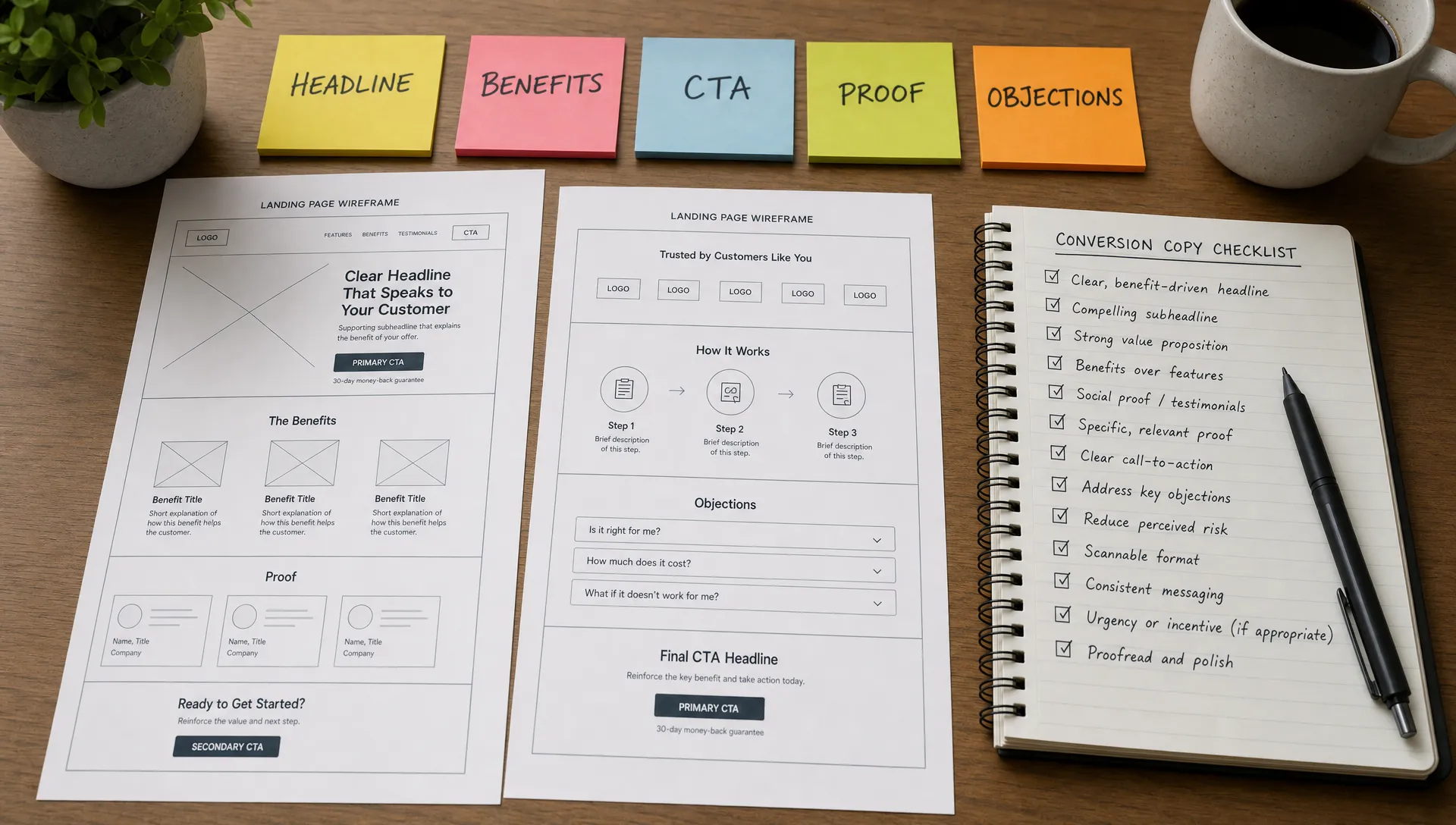
Your call to action should feel like the natural next step, not a command pasted onto a button. Generic CTA copy such as submit or learn more may work in some contexts, but high-intent pages often benefit from more specific action language.
A simple CTA test is to finish this sentence: I want to...
Good CTA options often complete that thought clearly:
AI can generate CTA variations based on motivation, friction level, and funnel stage. For a top-of-funnel lead magnet, the CTA can emphasize access and immediacy. For a bottom-of-funnel demo page, it should emphasize clarity, fit, or the next step.
Do not ignore the copy around the CTA. Microcopy under a button can reduce hesitation by answering small questions like what happens next, whether a credit card is required, how long the form takes, or whether the visitor can cancel. Only include these details if they are true for the offer.
One of the biggest risks with AI landing page copy is polished sameness. The copy may be grammatically correct, but it lacks personality, rhythm, and point of view. That can make the page feel interchangeable with every competitor.
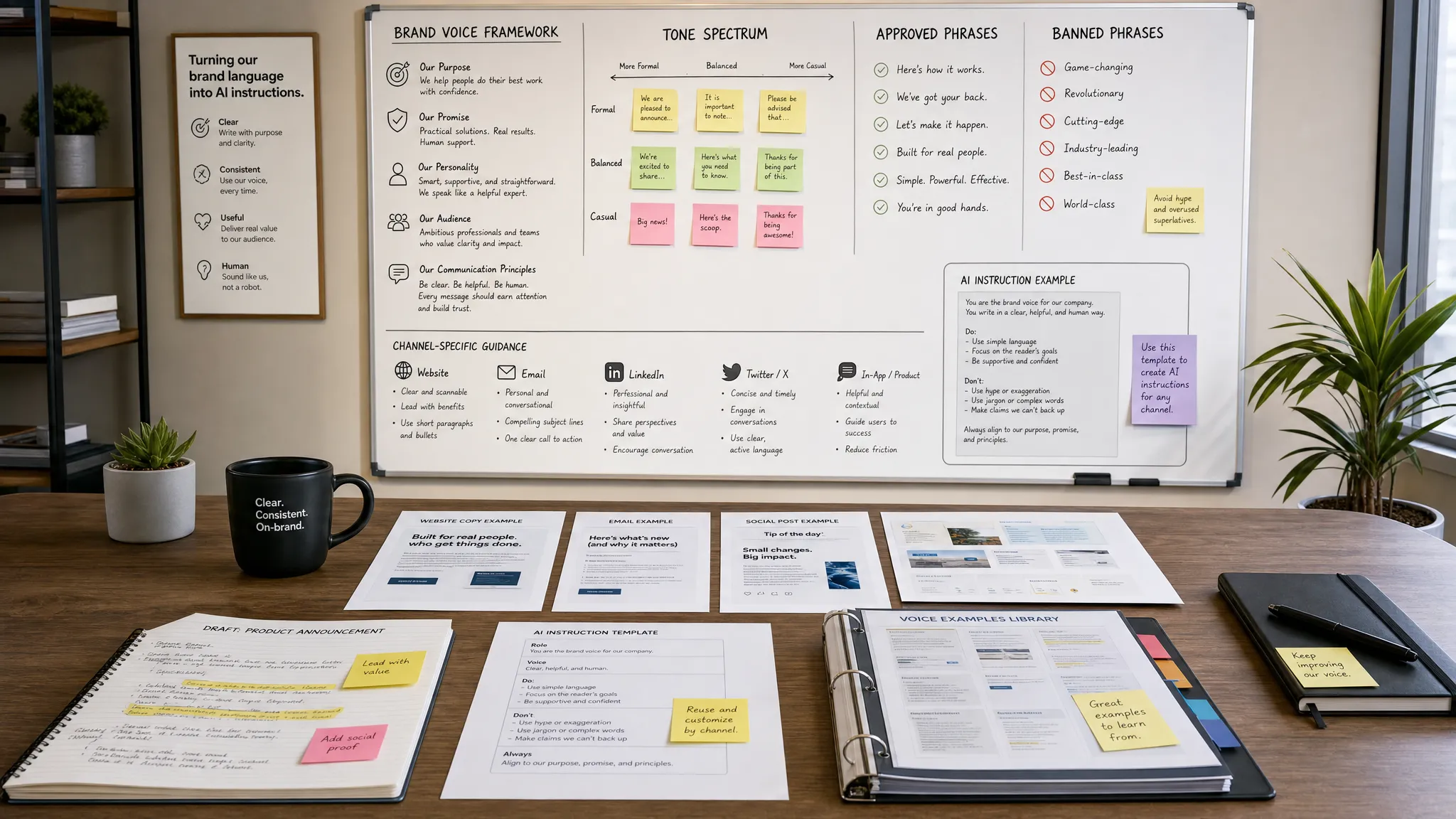
To avoid this, give AI a brand voice guide before asking for final copy. Include words your brand uses, words it avoids, sentence length preferences, examples of strong existing copy, and the emotional tone you want. If the brand is practical and direct, say so. If it is expert but approachable, define what that means in actual language.
A strong workflow is to let AI generate rough variants, then use a second prompt to edit for voice. For example, ask the tool to make the copy more concise, more concrete, less hype-driven, and closer to your existing tone. For a deeper look at this balance, read AIMarketer Hub's guide on using AI for marketing without losing your brand voice.
Human editing is still essential. Remove filler phrases, check every claim, tighten long sentences, and make sure the page sounds like something your company would actually say.
AI makes it easier to create landing page variants for different audiences, industries, and traffic sources. That does not mean you need a completely different page for every segment. The core promise should stay consistent, while the examples, pain points, proof, and CTA framing can adapt.
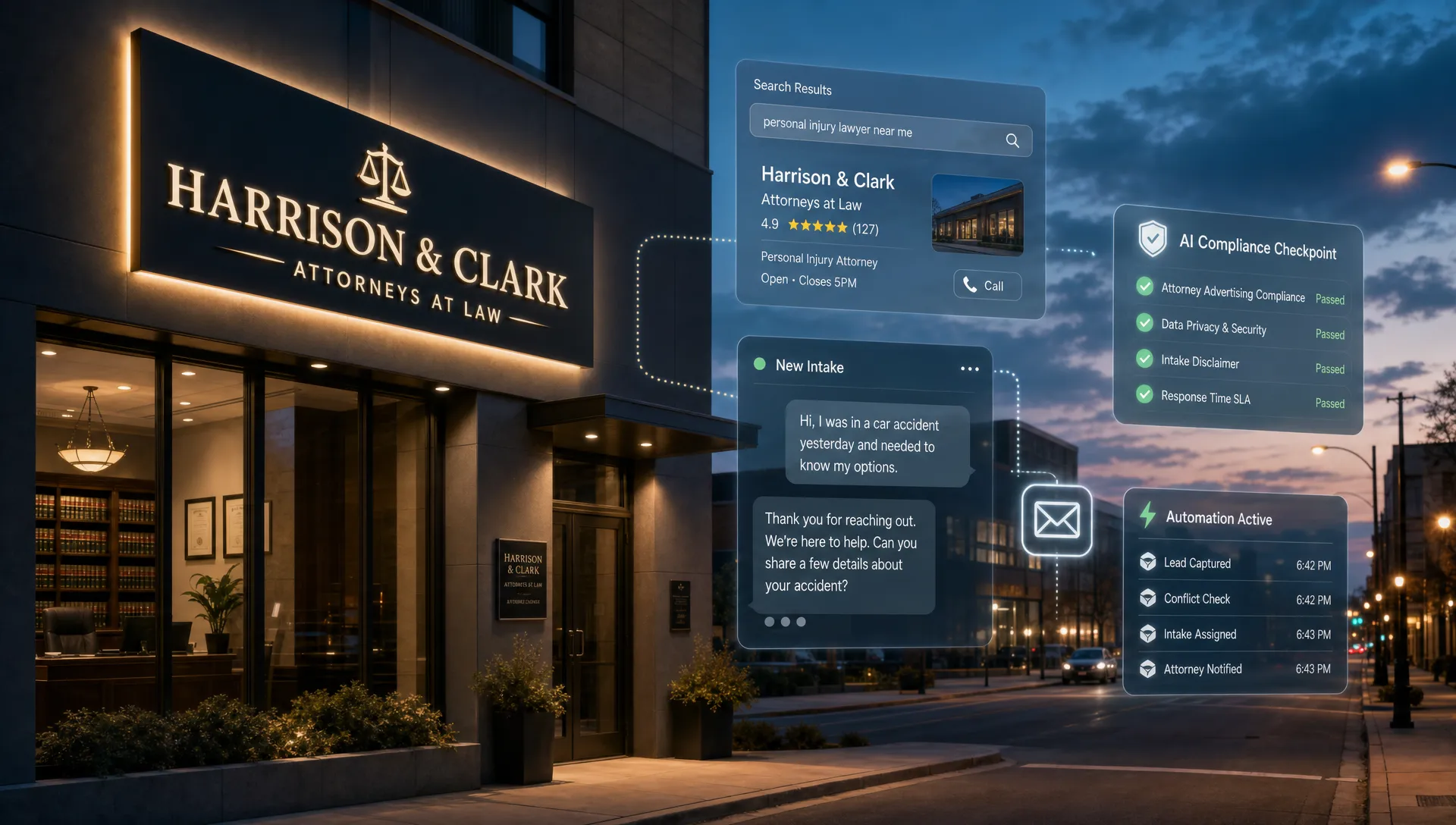
For example, a SaaS audience may care most about speed, integrations, and team workflow. A finance audience may care more about accuracy, compliance, and trust. A legal audience may need copy that emphasizes confidentiality, clarity, and risk reduction. The same offer can be positioned differently without changing what it actually does.
Use AI to create message variants for each segment, then compare them against your source material. Ask whether each version is more relevant or merely more decorative. Personalization should make the visitor feel understood, not make the page feel artificially customized.
This is especially useful when running paid campaigns. If an ad promises a specific outcome, the landing page headline and opening copy should match that promise. Message match reduces confusion and helps visitors feel they arrived in the right place.
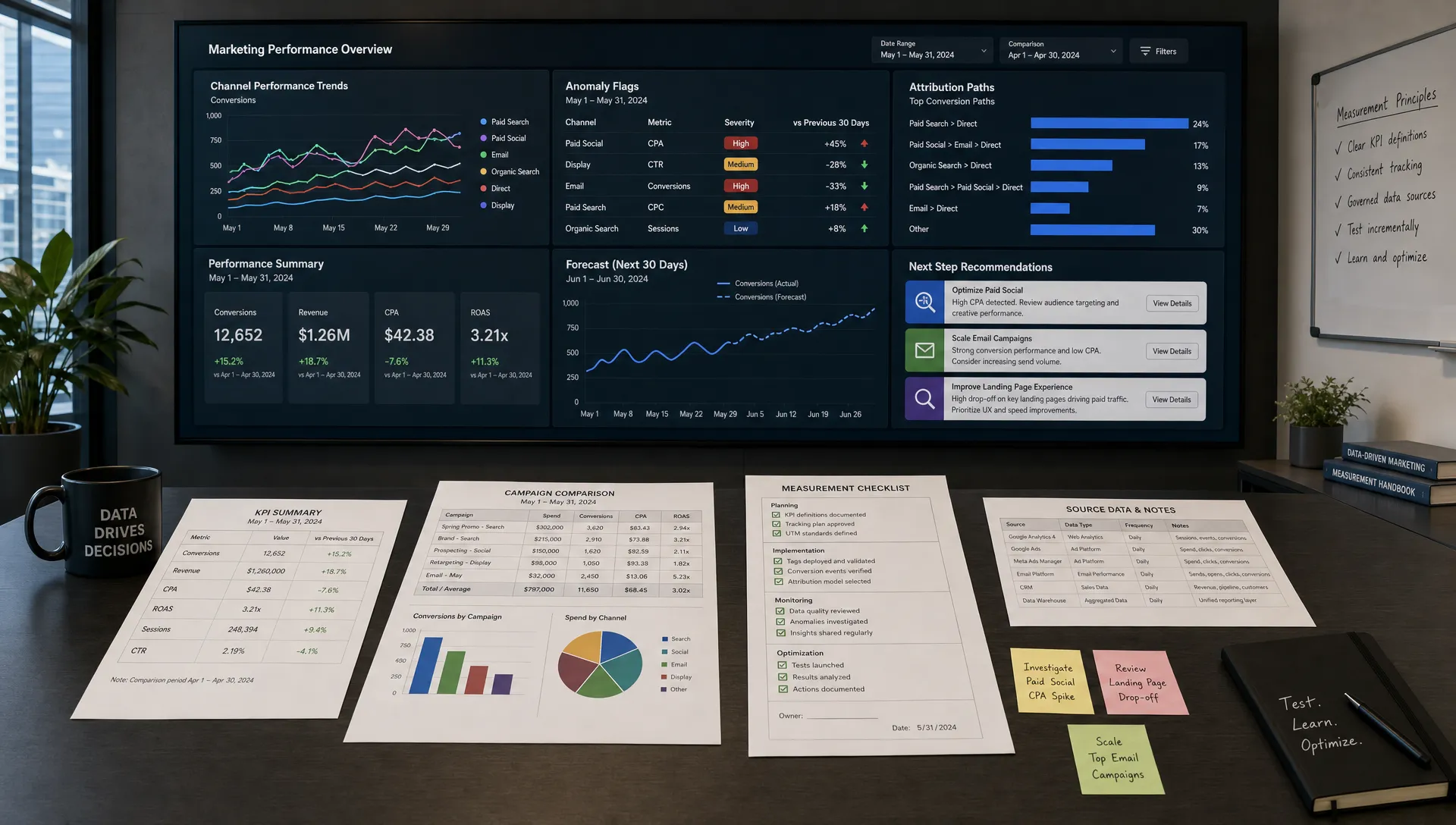
AI can help you brainstorm, but performance analytics should decide what stays. Conversion copy is not finished when it sounds good. It is finished when it helps the right visitors take action.
Start by testing meaningful differences, not tiny word changes. A headline focused on saving time versus a headline focused on reducing risk is a meaningful test. A blue button versus a slightly different blue button is usually less useful unless your traffic volume is very high.
Useful copy elements to test include:
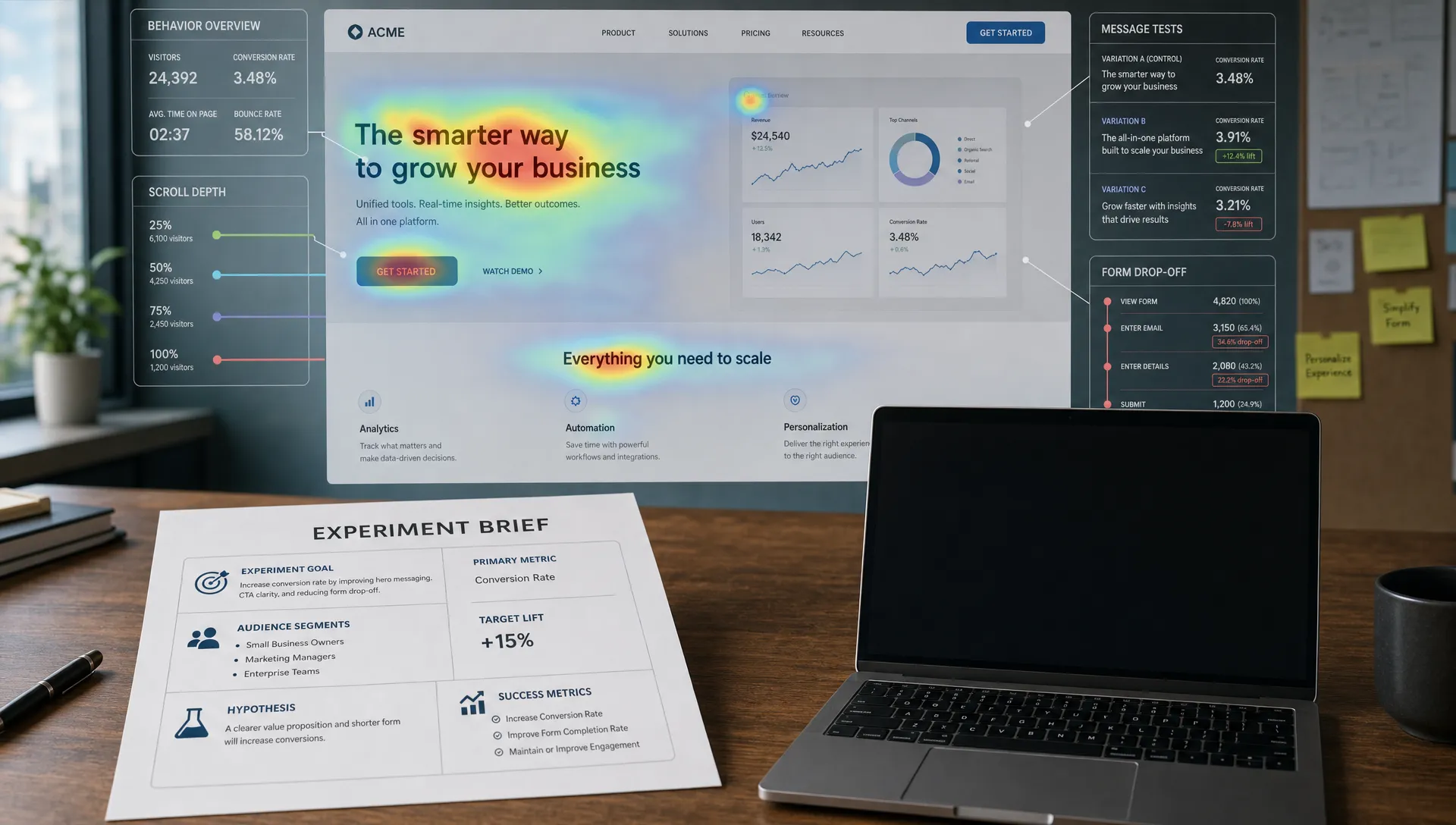
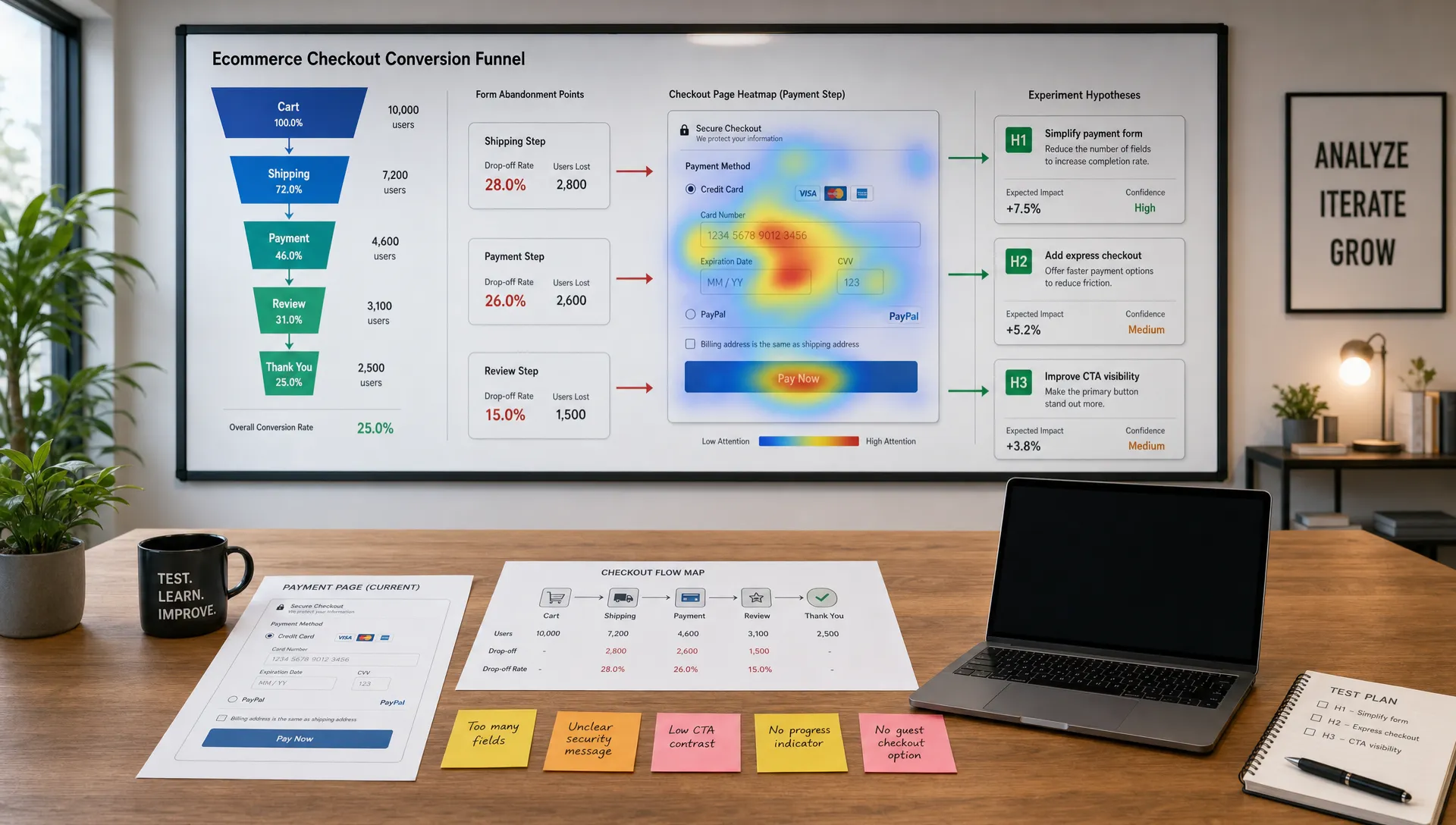
AI can speed up the testing cycle by generating hypotheses. For example, ask it to review a page and suggest which objections may be causing drop-off. Then compare those suggestions with analytics, heatmaps, sales feedback, and conversion rates. This is where AI marketing automation becomes most valuable: not replacing strategy, but helping teams move from insight to experiment faster.
Mistake 1: Asking for copy before defining the audience. A landing page for startup founders should not sound like a landing page for enterprise procurement teams. Audience clarity comes before copywriting.
Mistake 2: Letting AI invent proof. Never publish fake metrics, fake testimonials, or unsupported guarantees. If proof is missing, write copy that is honest and add a plan to collect better proof over time.
Mistake 3: Optimizing for cleverness instead of clarity. A clever headline that requires interpretation can hurt conversions. Landing page visitors should understand the offer quickly.
Mistake 4: Writing too much too early. AI tends to produce full sections even when a short, sharp paragraph would work better. Use AI to draft, then cut aggressively.
Mistake 5: Treating the first draft as final. The best AI-assisted copy usually comes from iteration. Ask for alternative angles, objection-focused rewrites, shorter versions, and stronger proof integration.
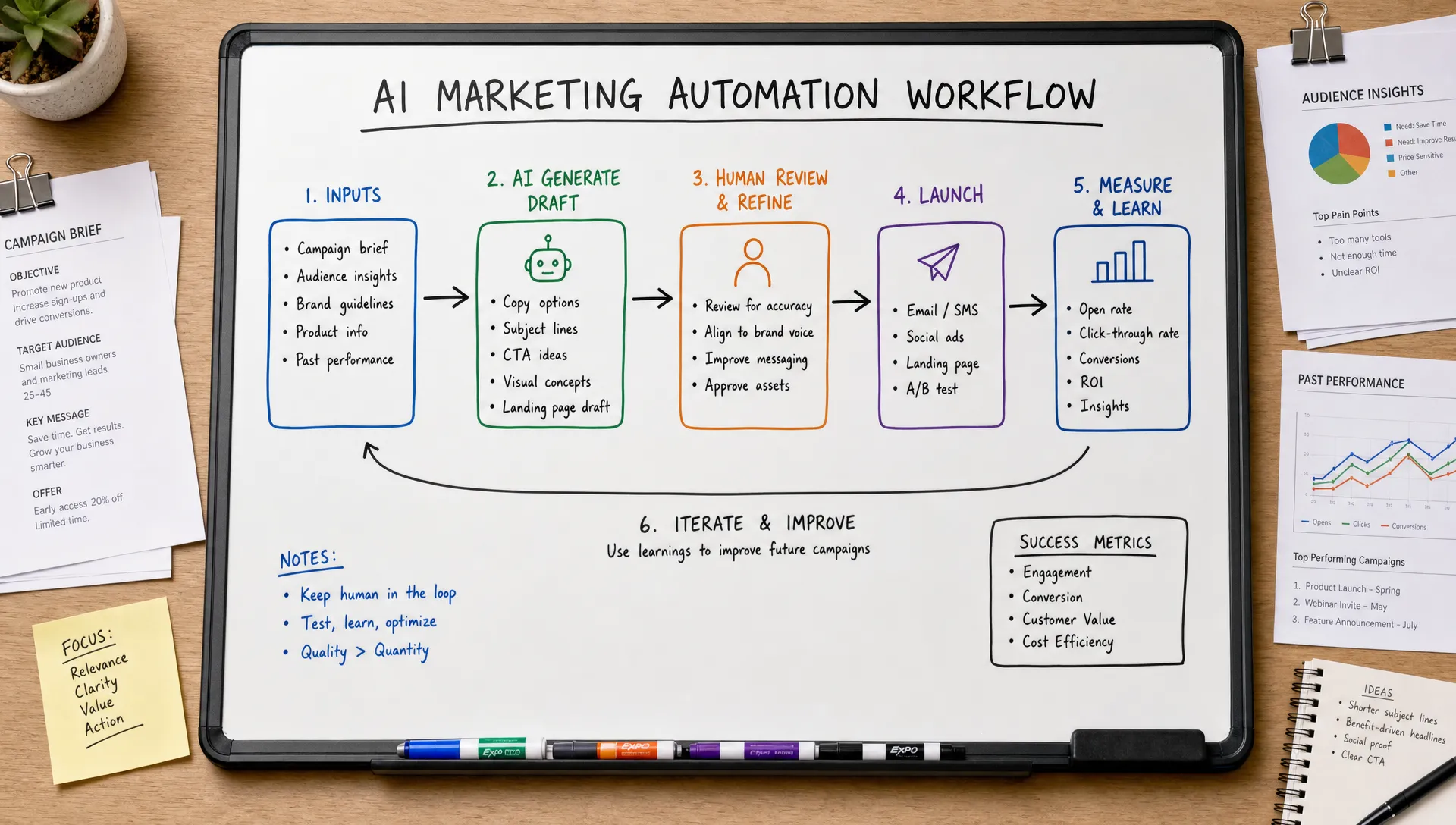
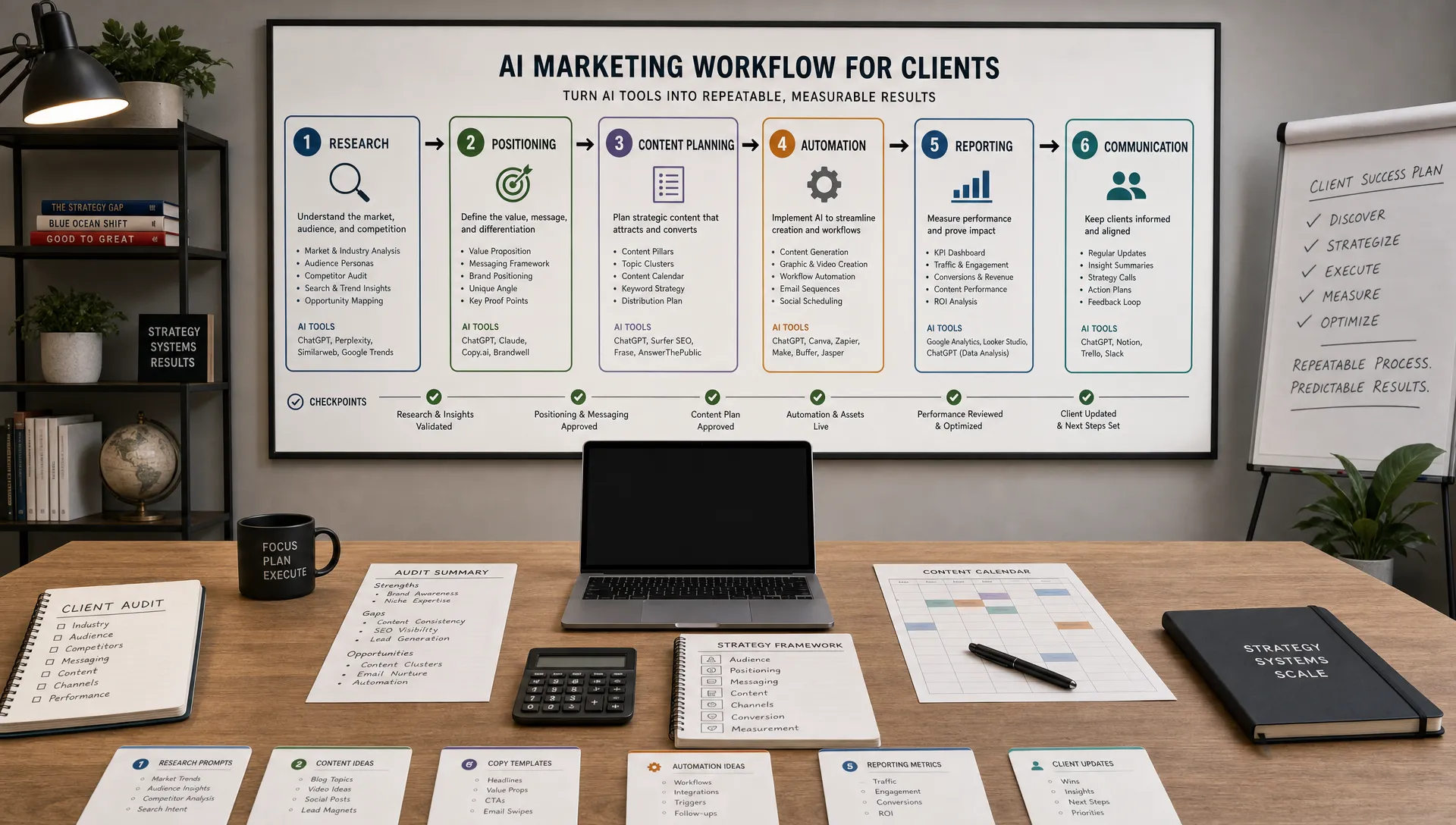
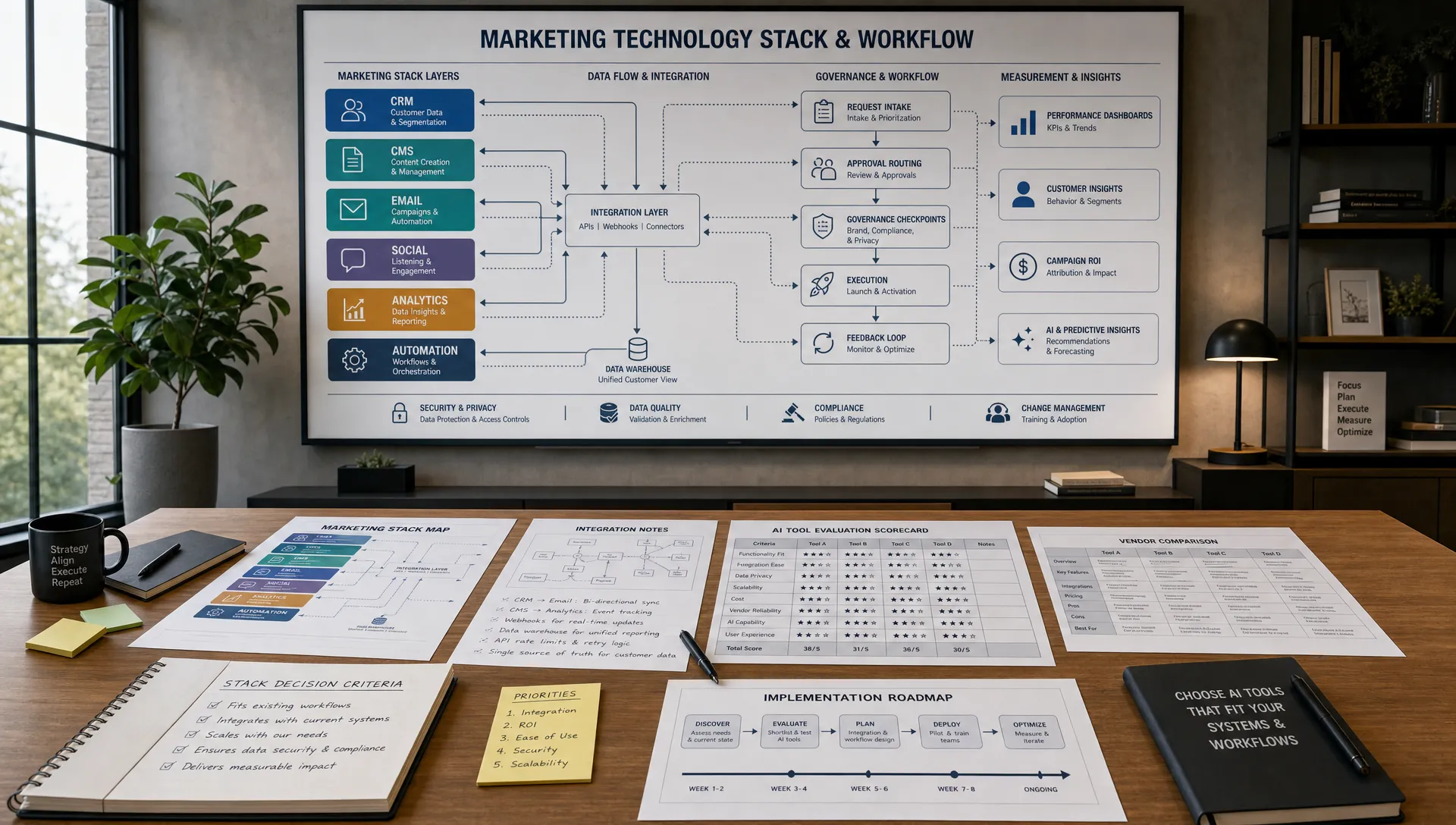
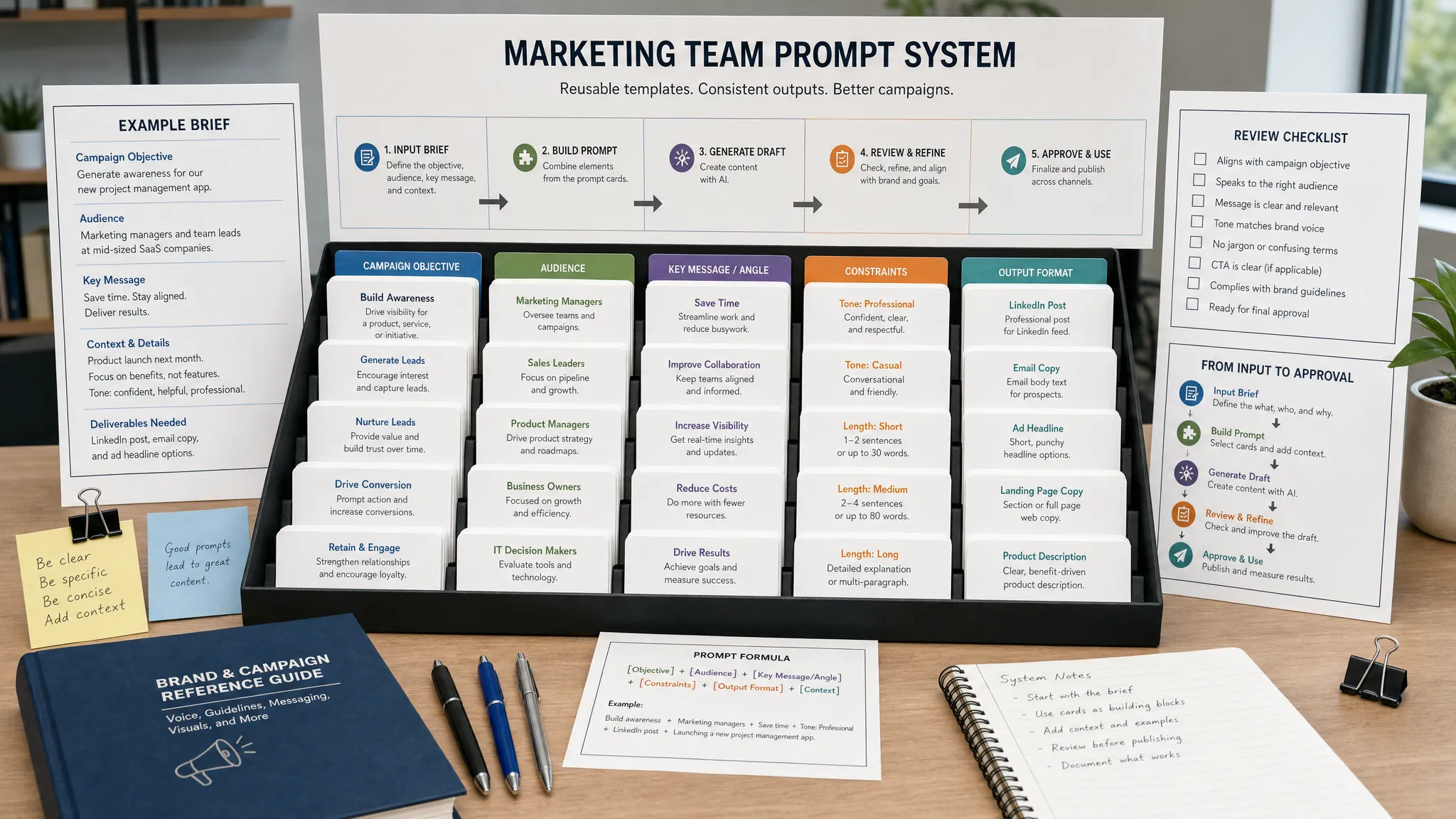
If you want a repeatable process, keep it simple. Start with audience research, create a conversion brief, generate page angles, draft sections, edit for voice, verify claims, and test. That sequence prevents the most common AI copy problems.
Here is a compact workflow you can adapt:
This keeps AI focused where it is strongest: speed, variation, synthesis, and structure. Your team still owns positioning, claims, proof, and final judgment.
Can AI really improve landing page conversions? AI can improve conversions when it helps you create clearer messaging, stronger variants, better objection handling, and faster testing. It does not guarantee higher conversion rates on its own. The quality of your inputs, offer, audience fit, and analytics process still matter.
What is the best prompt for AI landing page copy? The best prompt includes the audience, conversion goal, offer details, pain points, desired outcome, objections, proof points, and brand voice. Ask the AI to avoid inventing claims and to create multiple strategic angles, not just one polished draft.
Should AI write the full landing page or only sections? It is usually better to generate sections separately. Start with the hero, then benefits, proof, CTA, FAQ, and microcopy. This gives you more control and makes editing easier.
How many landing page variants should I test? Test a small number of meaningful variants based on clear hypotheses. For most teams, testing two distinct headline or positioning angles is more useful than testing many minor wording changes at once.
How do I stop AI copy from sounding generic? Feed the AI real customer language, specific proof, brand voice examples, and clear constraints. Then edit for specificity. Replace vague claims with concrete outcomes, remove hype, and make sure the copy reflects your actual offer.
AI can help you write faster, but the real advantage comes from building a smarter copy workflow. When you combine strong prompts, real customer insight, clear positioning, and performance analytics, landing pages become easier to improve over time.
If you want practical resources for AI marketing, content creation, SEO, and workflow automation, explore AIMarketer Hub. Use the tools, guides, and resources to turn AI-assisted copy from a one-off draft into a repeatable growth process.