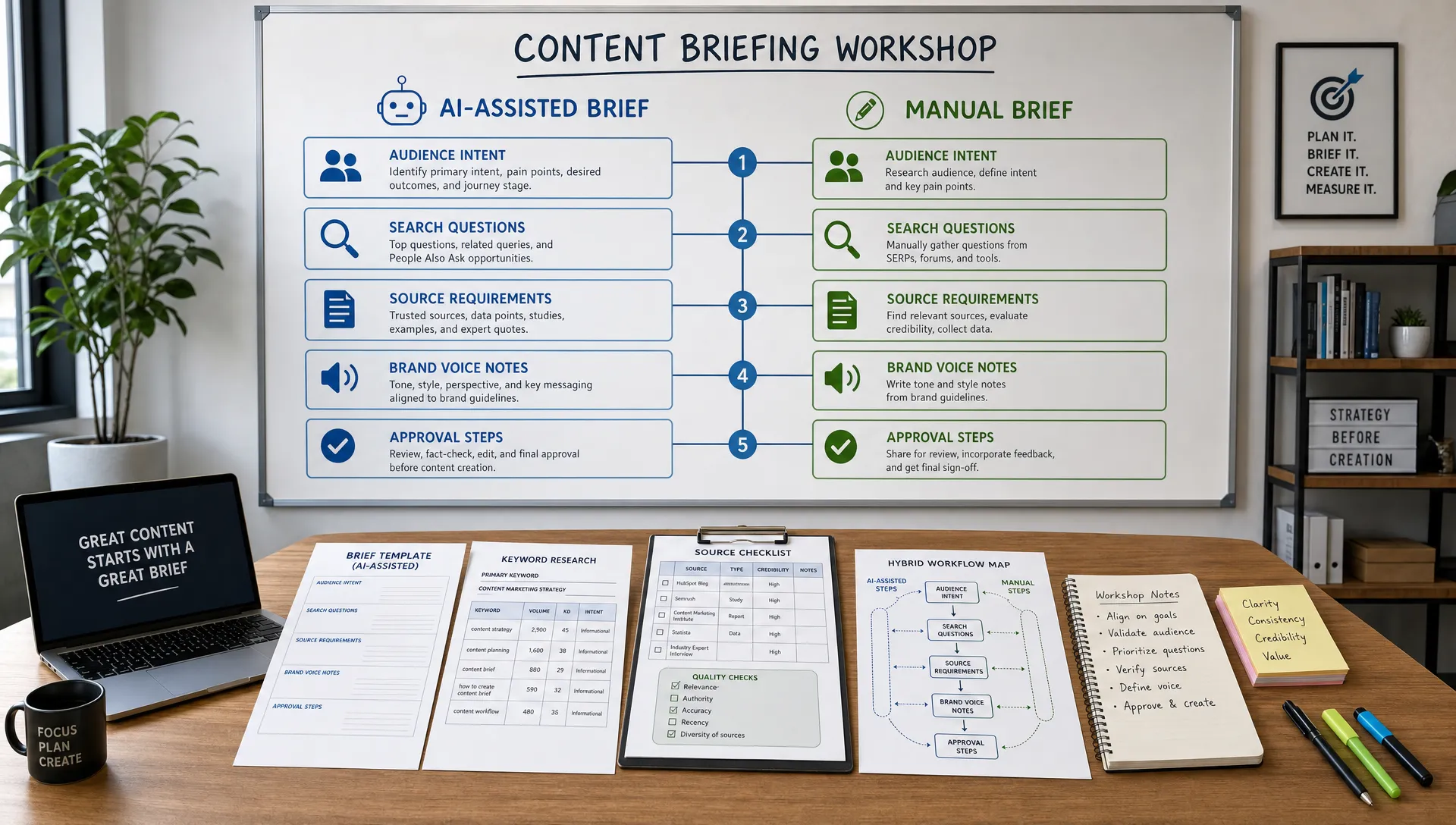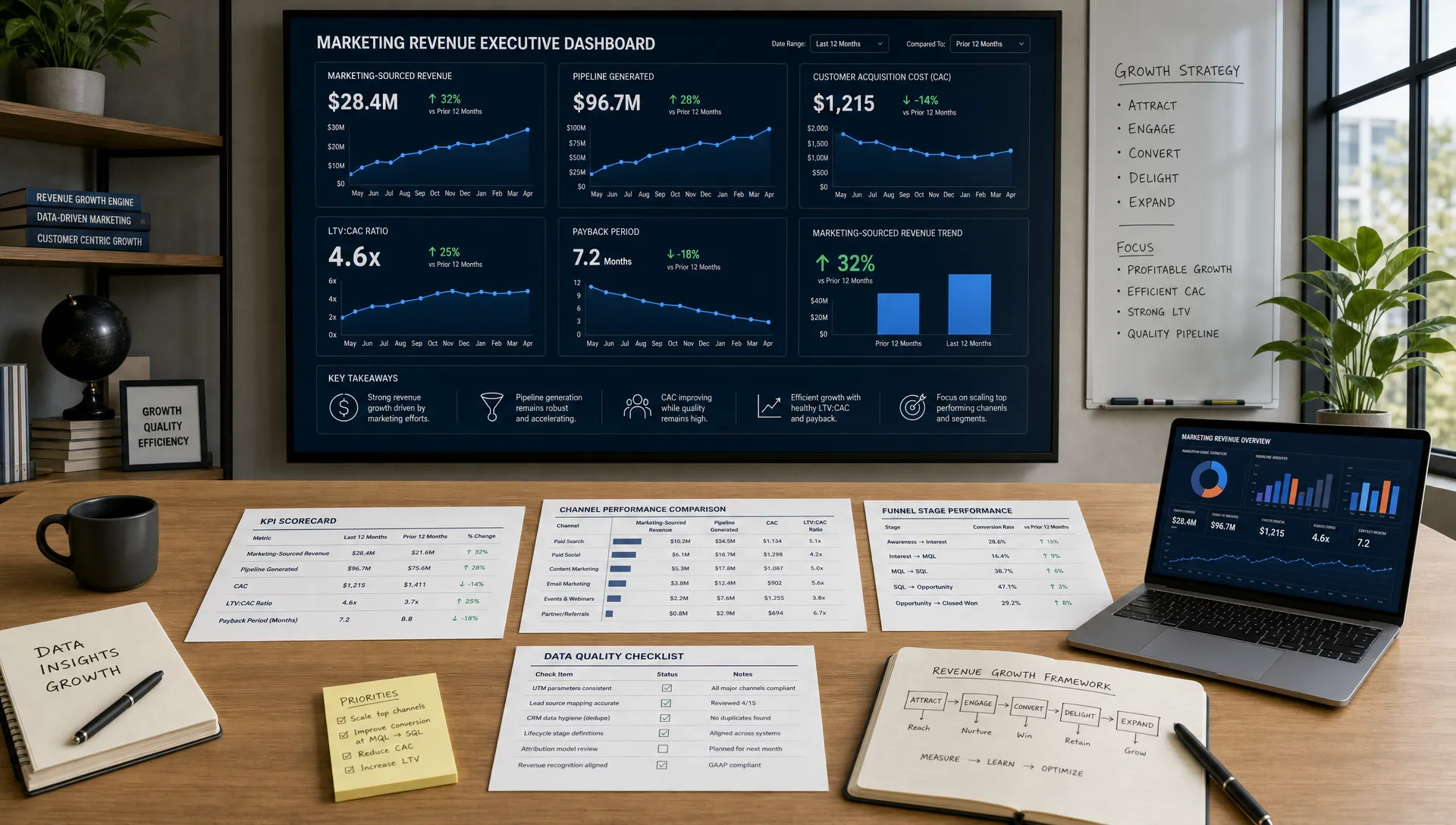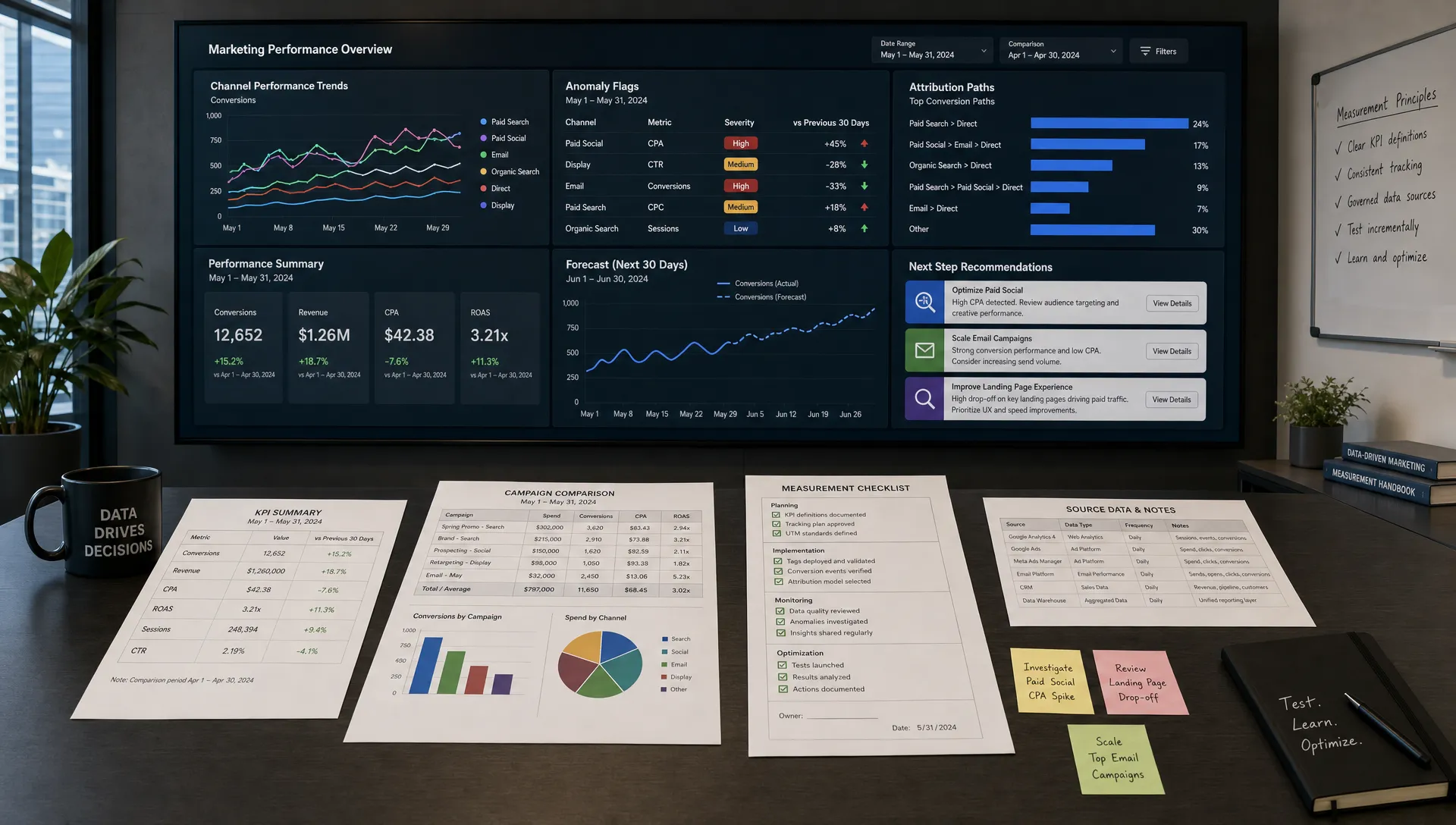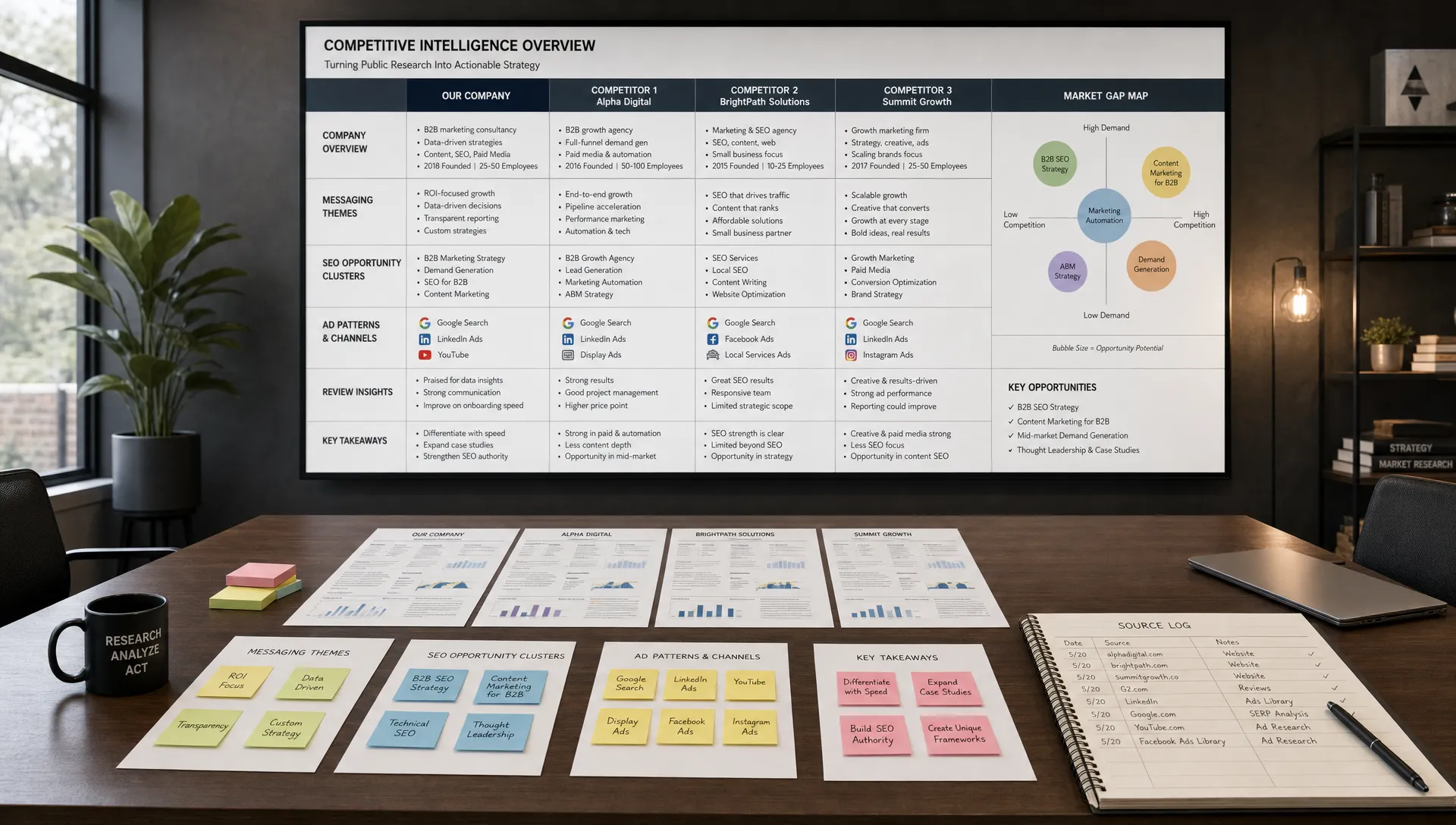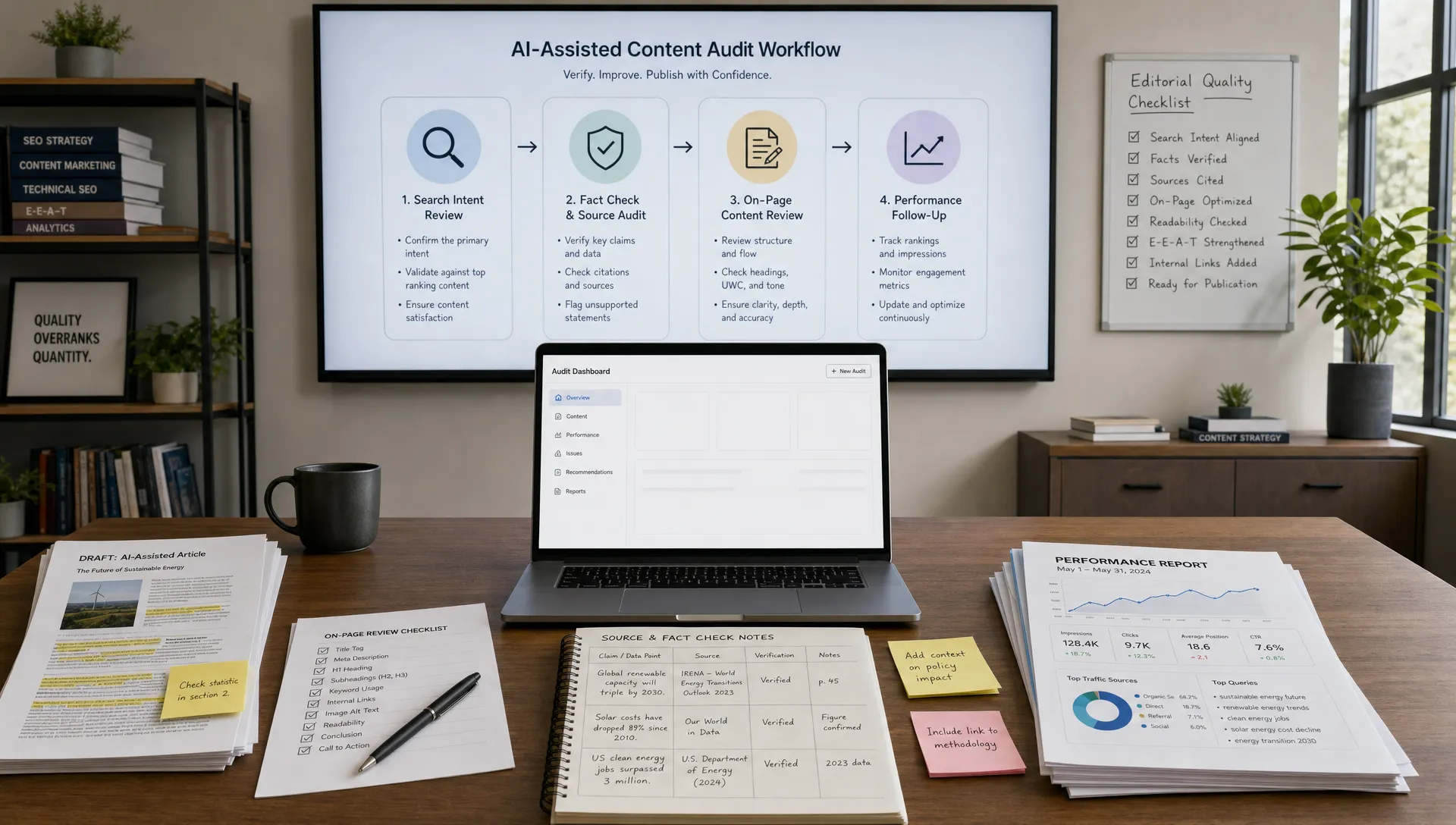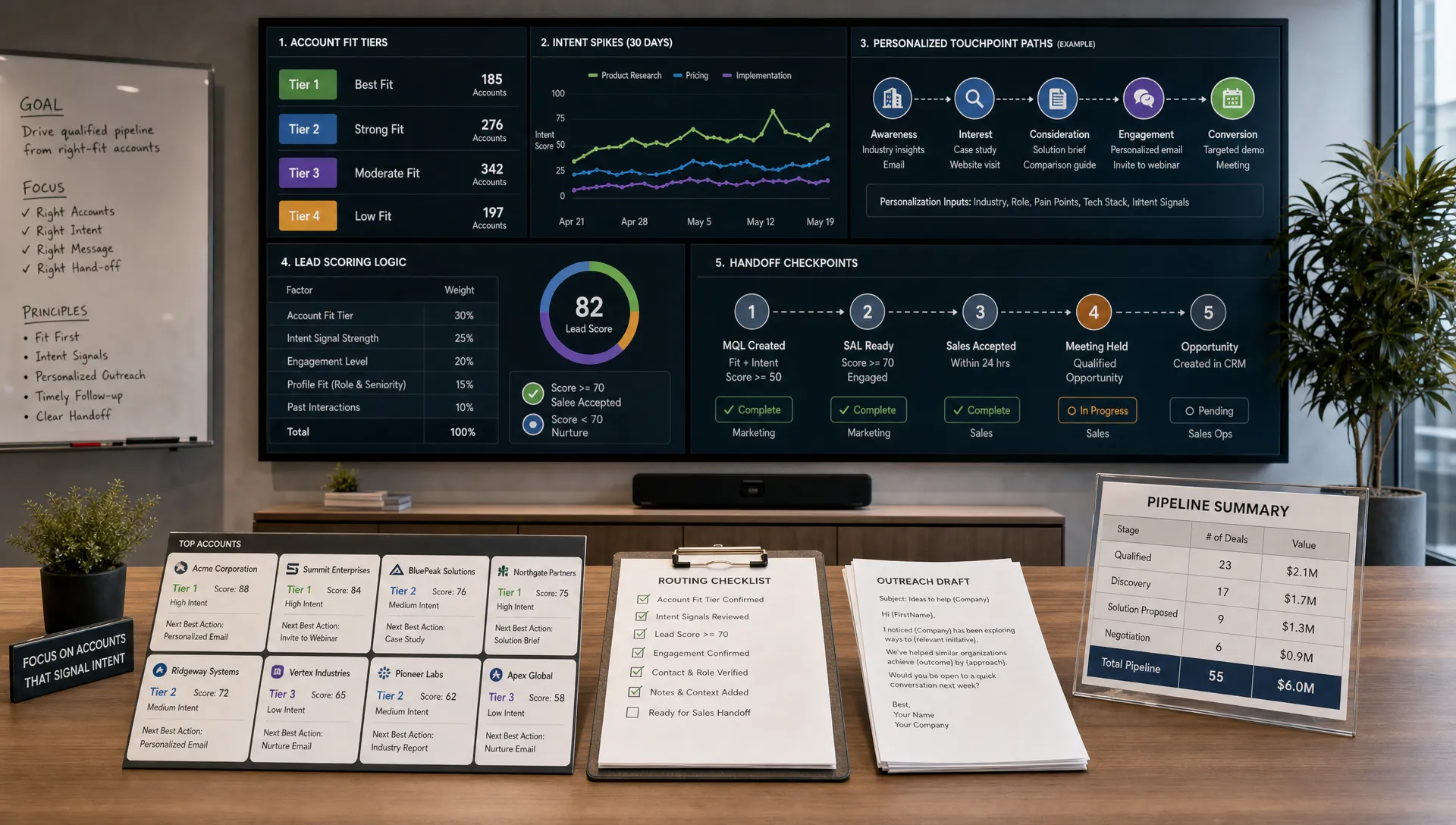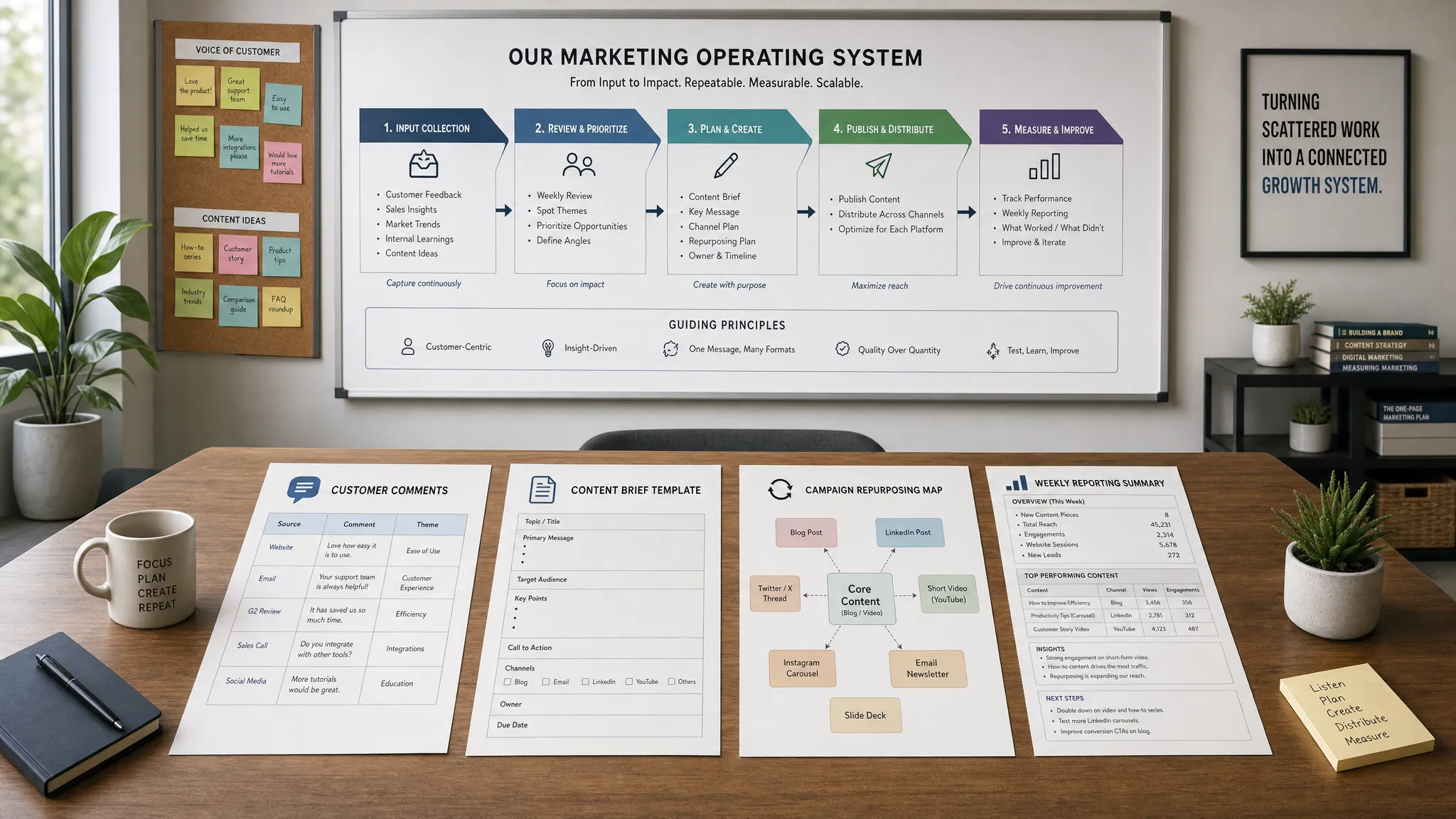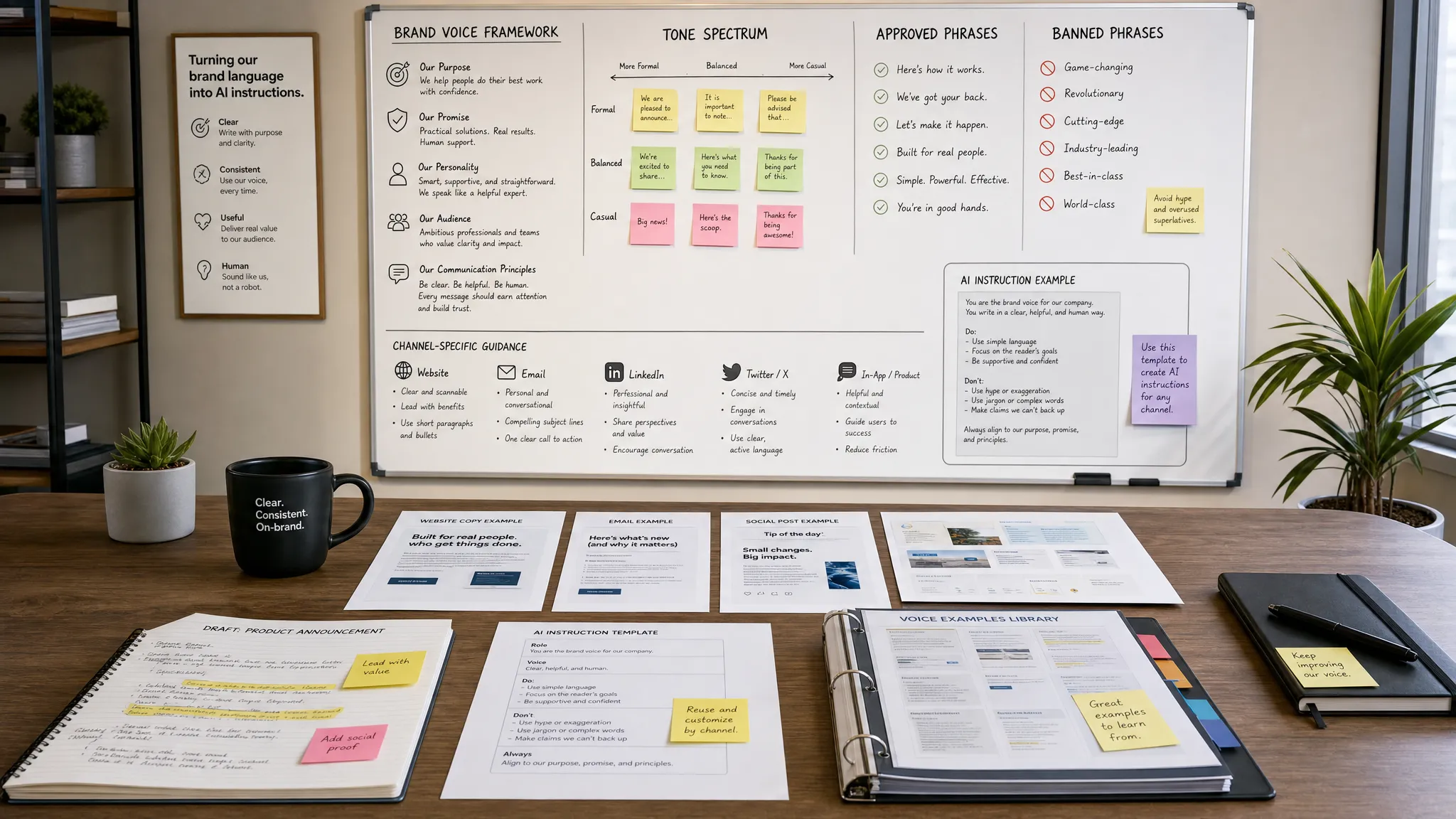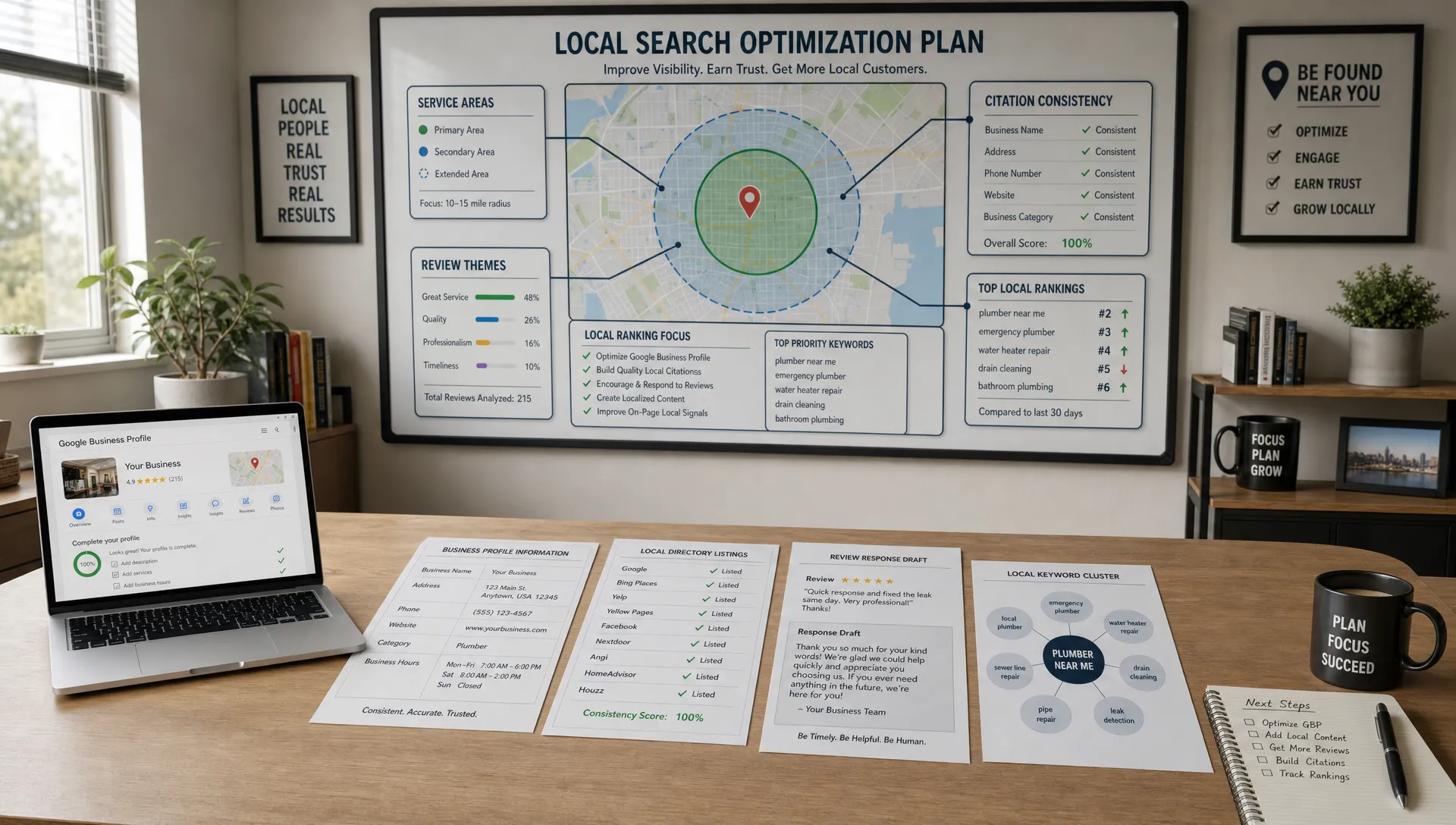
Local search is where purchase intent meets proximity. Someone searches for a plumber nearby, a pediatric dentist with weekend hours, or the best lunch spot within walking distance, and they expect a useful answer immediately. AI for Local SEO helps businesses compete in those moments by making research, listing optimization, review management, content planning, and reporting faster and more consistent.
The key is using AI as an assistant, not a shortcut. AI can organize messy data, identify patterns, draft first versions, and surface opportunities. It cannot create real-world trust, verify every local fact, earn genuine reviews, or replace the judgment of a marketer who understands the business and community.
This guide walks through a practical workflow local businesses, agencies, and in-house marketers can use to apply AI without compromising accuracy, brand reputation, or search quality.
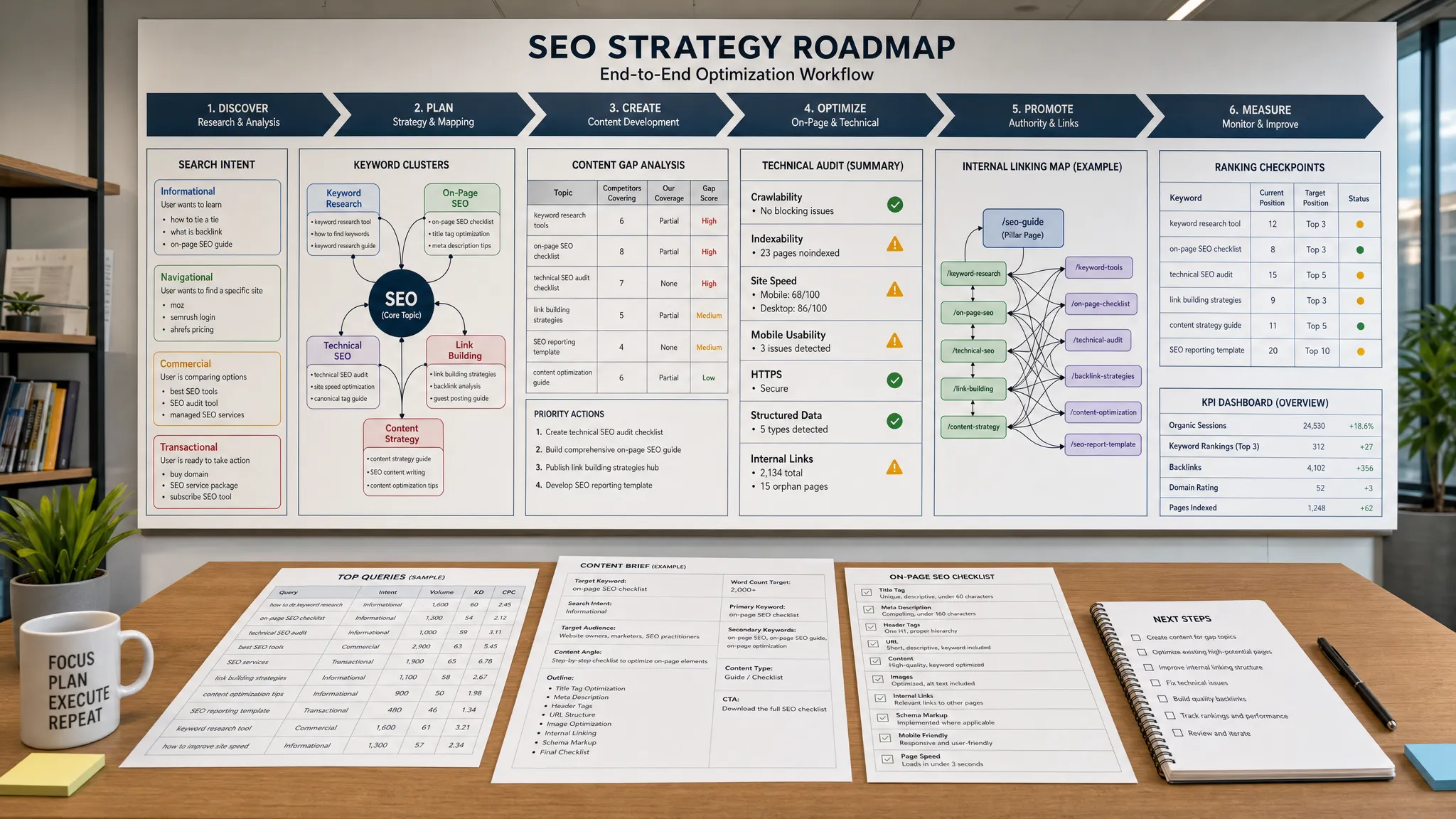
Traditional SEO often focuses on broad informational intent, authority building, and content depth. Local SEO has an extra layer: the search engine must decide which nearby business is relevant, close enough, and trusted enough to show.
Google explains that local results are primarily influenced by relevance, distance, and prominence. That means your AI workflow should support those three signals rather than simply producing more pages.
For a local business, the most valuable AI use cases usually involve:
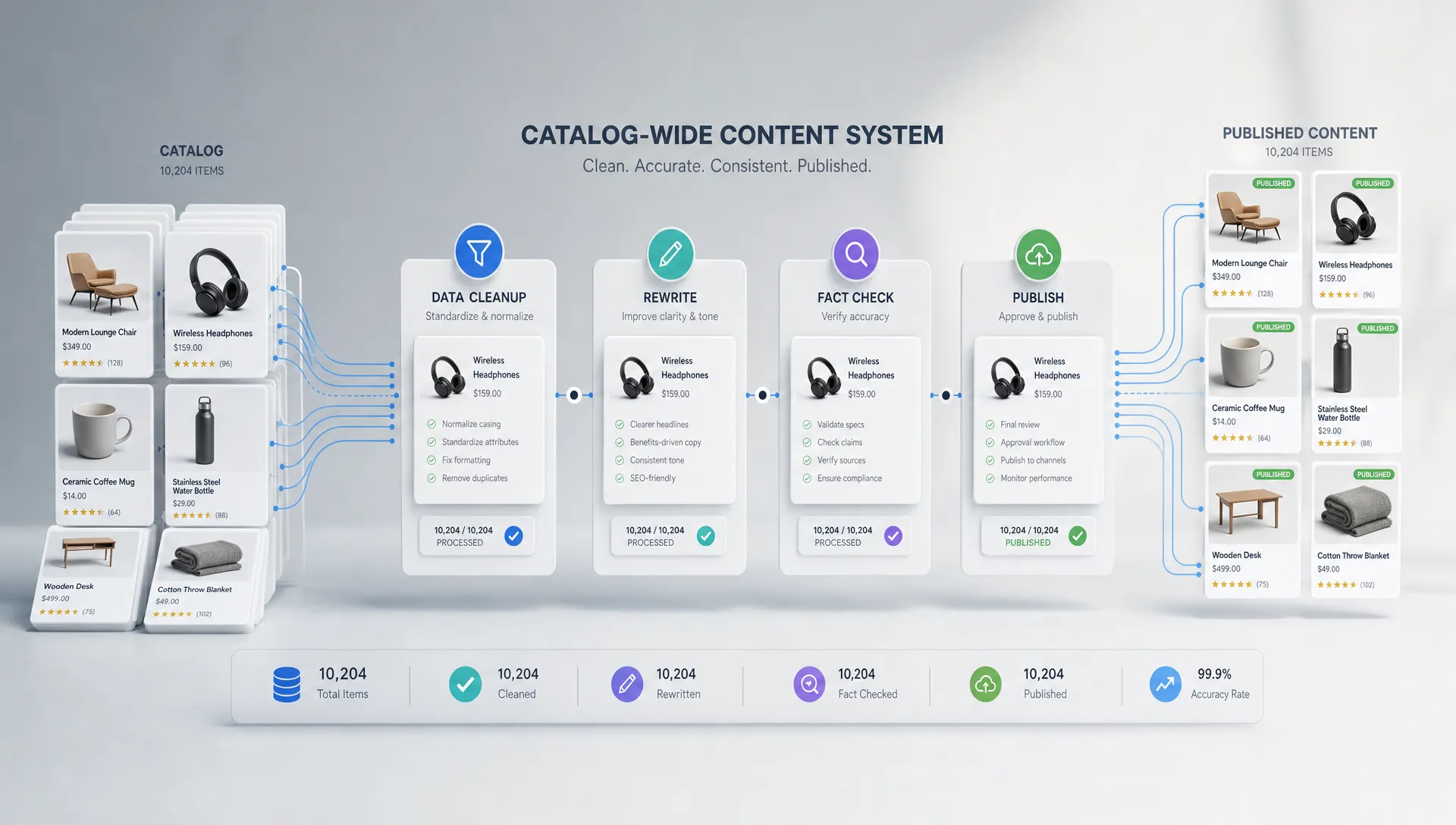
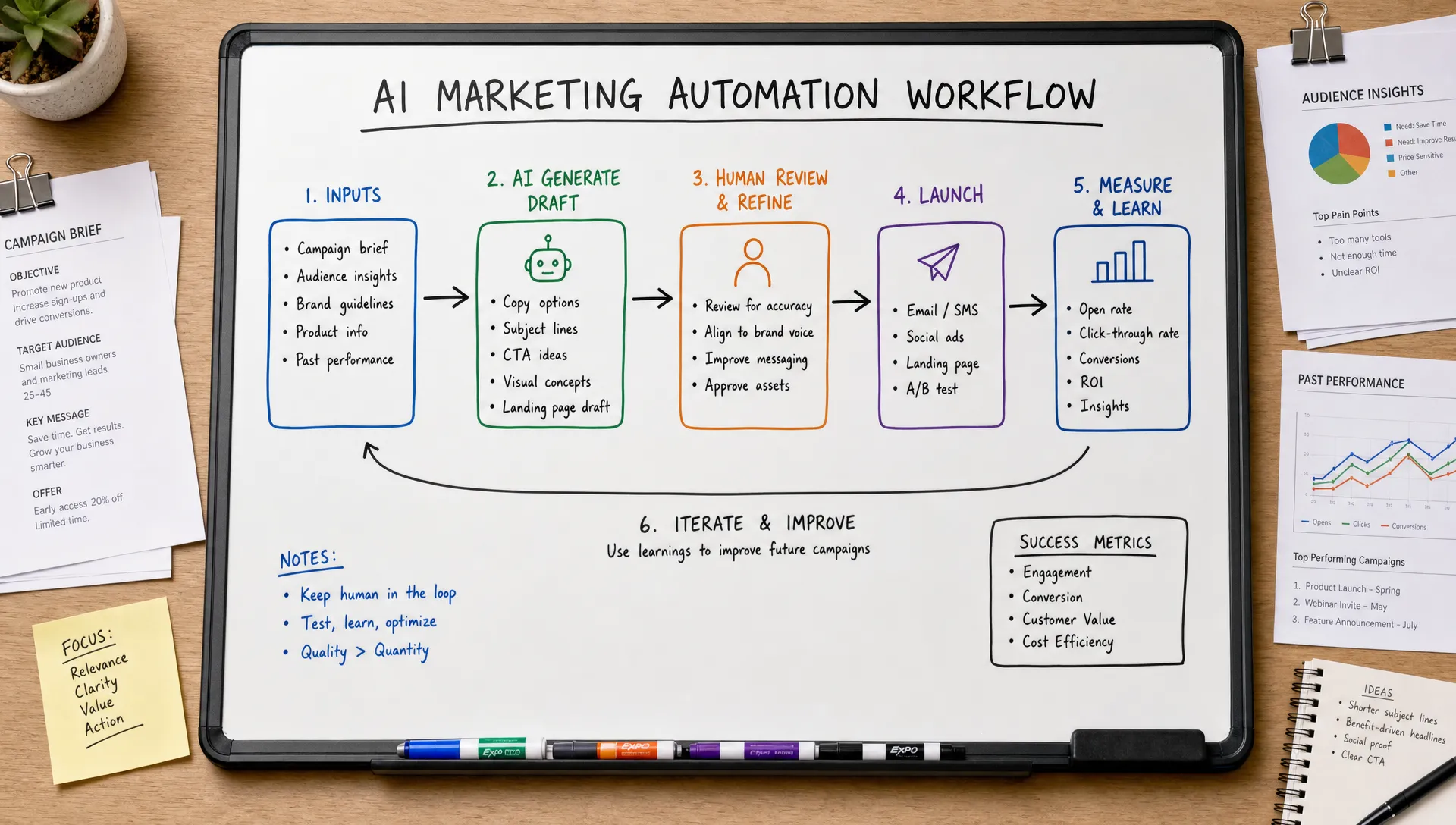
The goal is not to automate local SEO from end to end. The goal is to create a repeatable system where AI handles the repetitive analysis and drafting, while humans verify facts, approve content, and make strategic decisions.
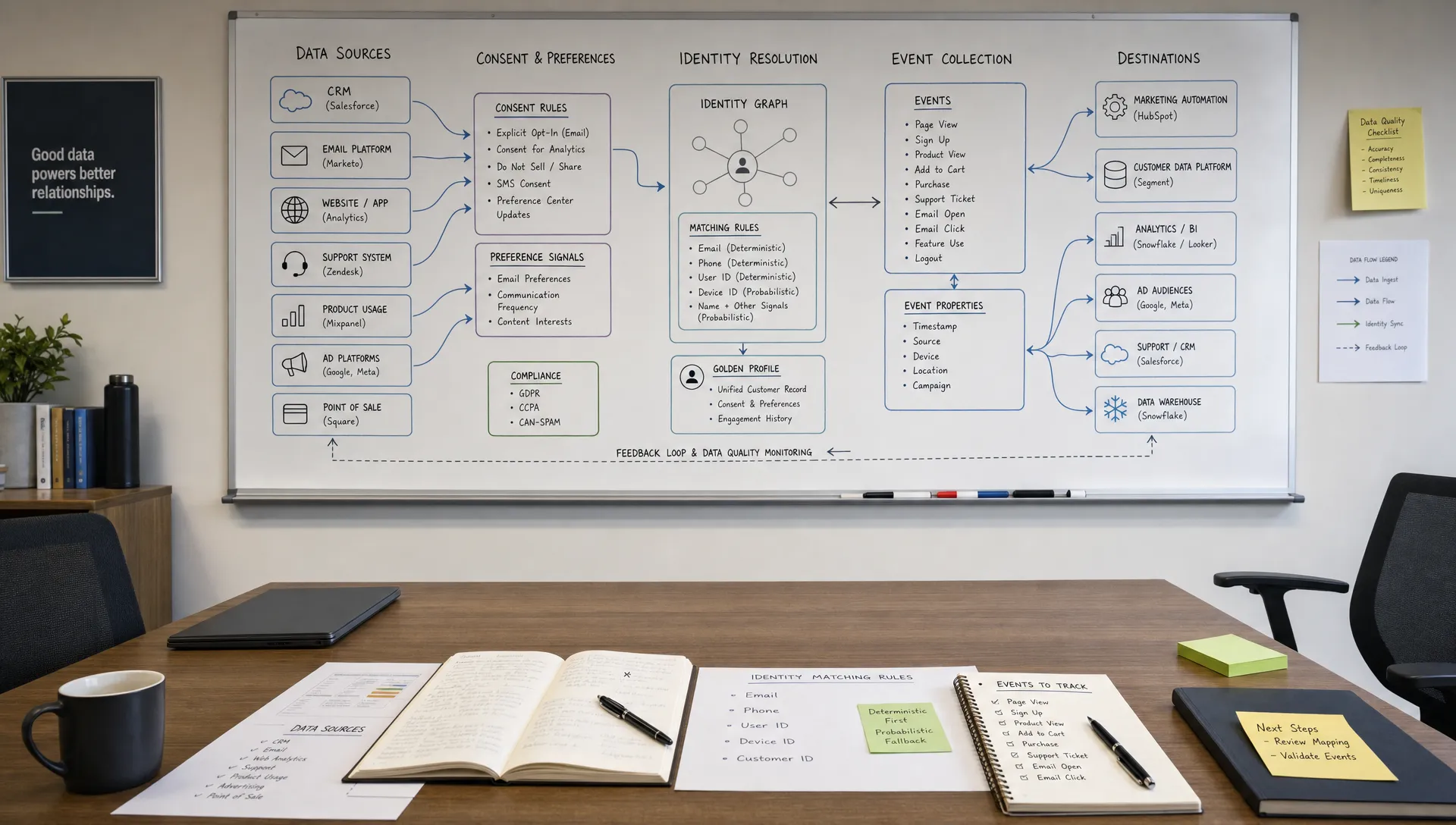
AI performs best when it has accurate inputs. Before asking an AI tool to optimize your local SEO, collect the core business information it needs to understand your local footprint.
Create a single source of truth that includes your business name, address, phone number, website, service areas, opening hours, primary category, secondary categories, services, products, appointment links, location page URLs, Google Business Profile links, and major directory listings.
If you manage multiple locations, separate the data by location. Do not let AI merge details from different branches unless you want incorrect hours, duplicate descriptions, or mismatched service areas to creep into your listings.
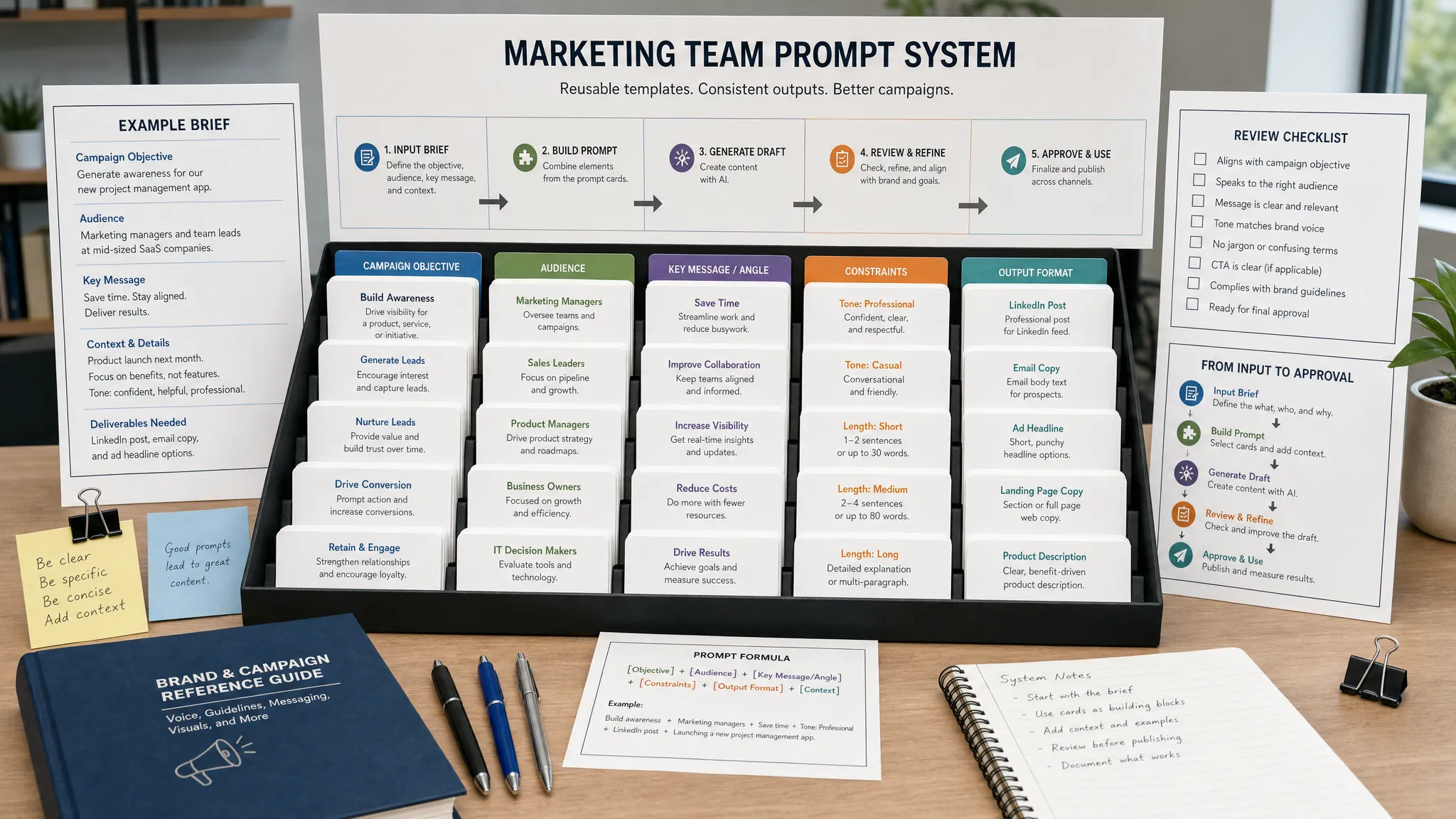
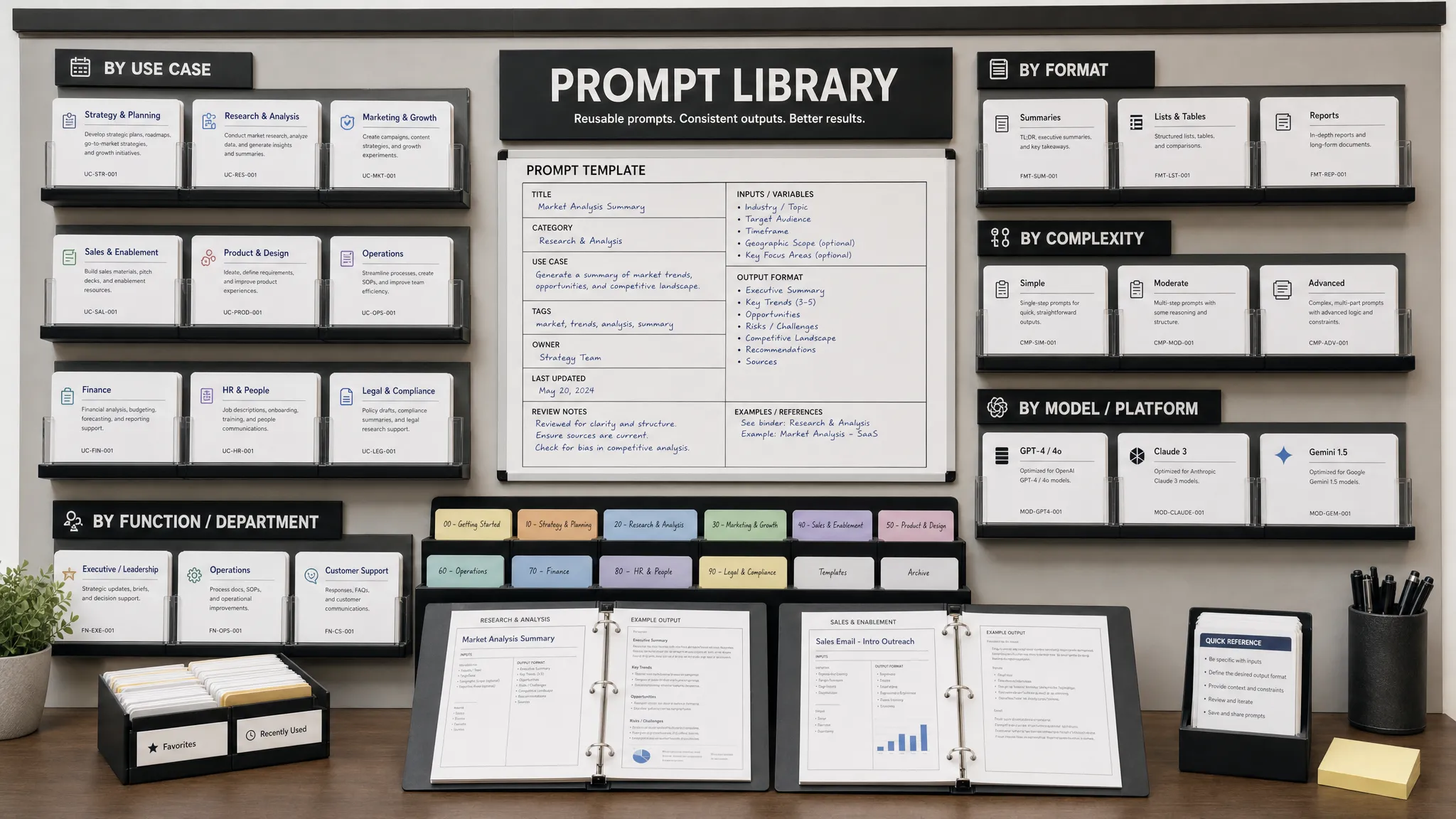
A simple audit prompt can help you spot issues quickly:
Act as a local SEO auditor. Review the business information below for inconsistencies, missing fields, duplicate location risks, category issues, and opportunities to improve local search visibility. Do not invent facts. If information is missing, ask a follow-up question instead of guessing.
This type of prompt is useful because it forces AI to work from your verified data. You can also paste exported citation data, review snippets, or location page copy and ask the AI to flag inconsistencies.
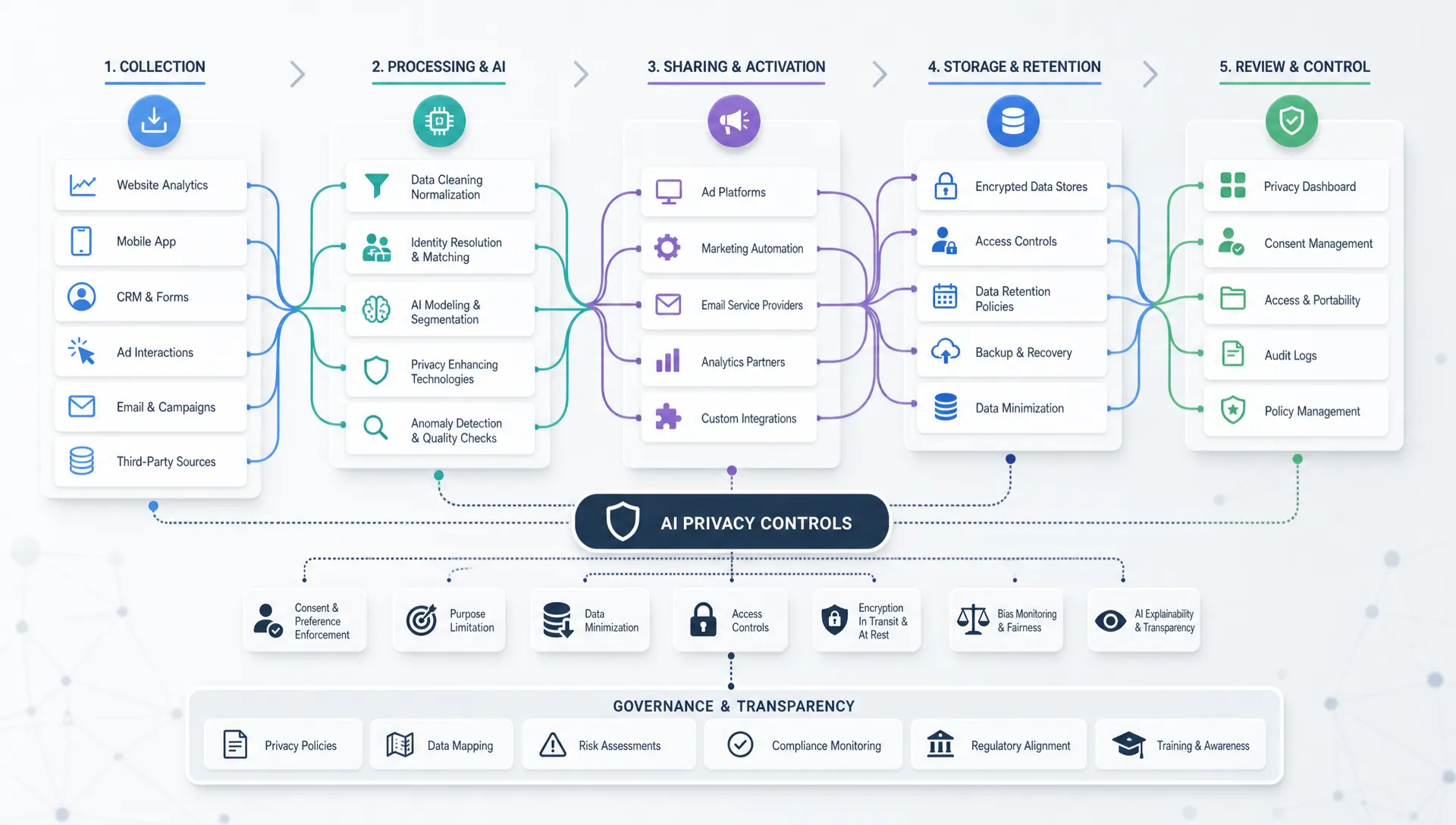
Be careful with sensitive data. Do not upload private customer information, medical details, legal case details, payment information, or anything your business is not allowed to process in a third-party AI system.
Local keyword research is not just about finding high-volume phrases. Many valuable local searches have modest volume but strong buying intent. A search like emergency AC repair in Phoenix may be more commercially valuable than a broader informational query with far more searches.
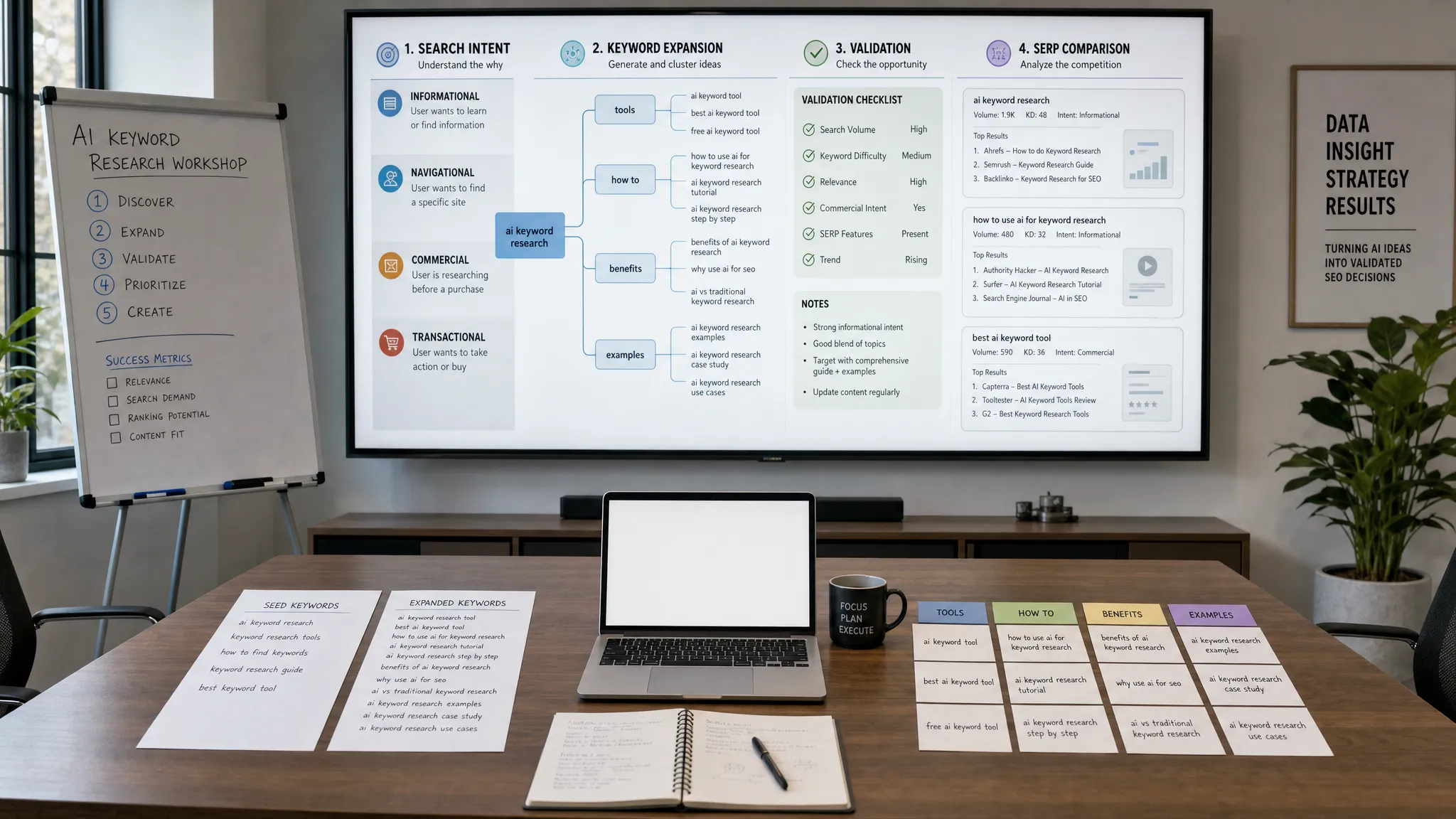
Start with seed terms based on your actual services, locations, neighborhoods, customer questions, and seasonal demand. Then use AI to expand and organize those ideas into intent groups.
A useful local keyword workflow looks like this:
After AI generates ideas, validate them. Check your own Google Search Console data, Google Business Profile performance data, keyword tools, and the actual search results. AI can suggest phrases that sound plausible but do not always reflect real search behavior.
Ask AI to cluster keywords by page type rather than producing one long spreadsheet. For example, your core service terms may belong on service pages, question-based terms may fit FAQs, and seasonal terms may become blog posts or Google Business Profile updates.
Act as a local SEO strategist for a [business type] in [city]. Group these keywords into page types: homepage, service pages, location pages, FAQ sections, blog posts, and Google Business Profile posts. Explain the search intent behind each group and identify any duplicate or overlapping topics.
This gives you a practical content map instead of a keyword dump.
Your Google Business Profile is one of the most important local search assets you control. AI can help improve it, but every recommendation should be checked against Google’s Business Profile guidelines.
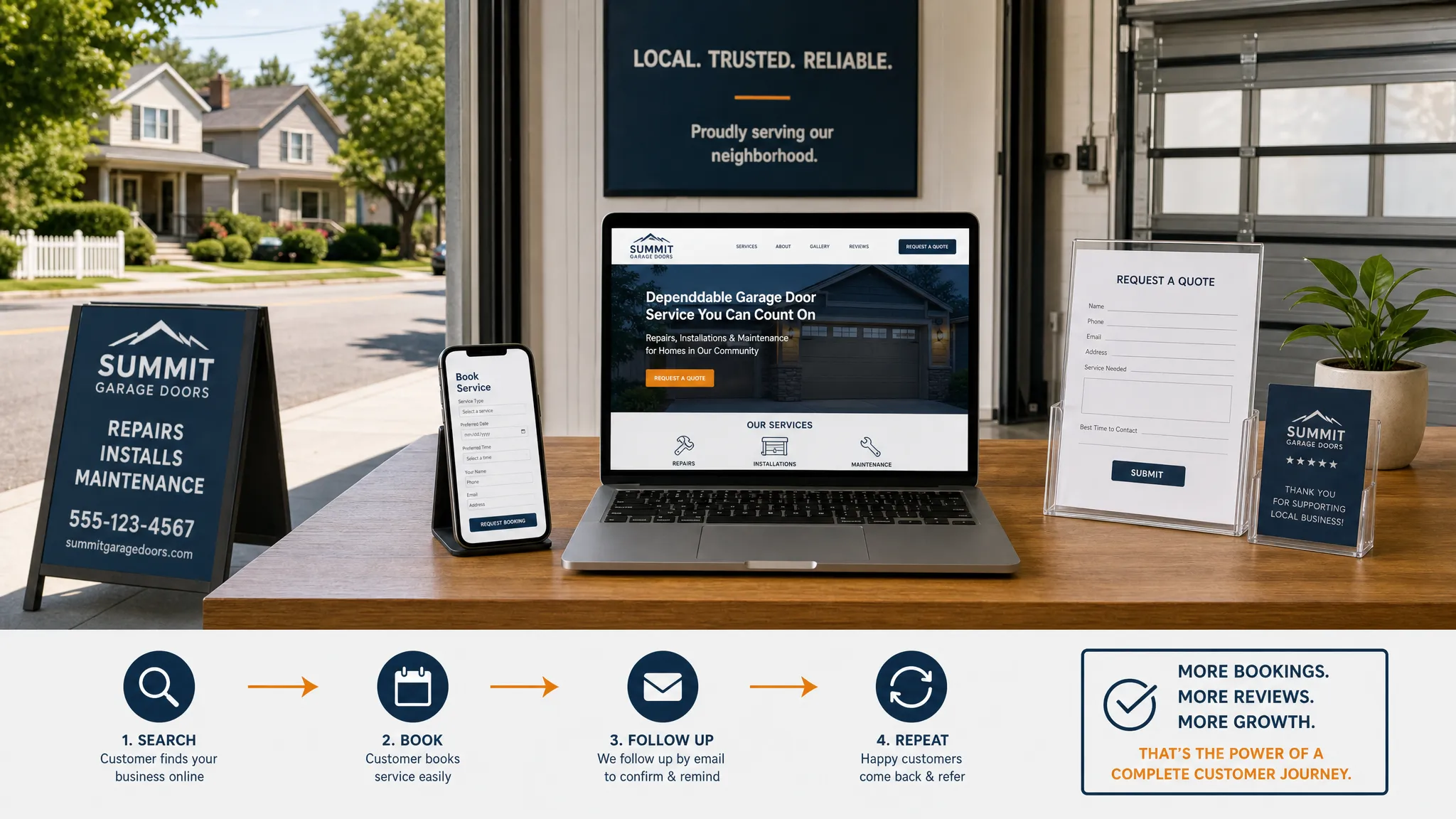
Use AI to review your profile for completeness. It can compare your category, services, business description, products, photos, posts, Q&A, and attributes against the information you provide. It can also help rewrite descriptions so they are clearer, more specific, and less generic.
For example, a weak business description might say the company offers quality service at affordable prices. That does not tell Google or customers much. A stronger description includes the business type, service area, primary services, years of experience if verified, and differentiators that are actually true.
AI can also help draft Google Business Profile posts for seasonal promotions, new services, local events, or educational updates. Keep them concise, useful, and aligned with what customers need to know. Avoid exaggerated claims, fake urgency, or keyword stuffing.
For multi-location businesses, create a profile optimization checklist that AI can apply location by location. The final review should still be done by someone who knows each branch, because local details like parking, accessibility, hours, and service availability often vary.
AI content generation can be helpful for local SEO, but thin city pages are still thin city pages. Publishing dozens of near-identical pages with only the city name changed is unlikely to build trust with customers or search engines.
Better local content starts with real local relevance. Ask what a customer in that area actually needs to know before calling, booking, or visiting. A strong service area page might include local regulations, neighborhood-specific service considerations, pricing factors, response times, parking details, delivery limits, or examples of local projects.
AI can help turn these facts into a clear page outline. It can also transform customer questions into FAQ sections, summarize review themes into proof points, and draft first versions of service pages. The human editor should add the details AI cannot know: team experience, real examples, local photos, policies, and unique customer concerns.
If you are using AI to produce local landing pages, keep your brand voice consistent. AIMarketer Hub has a useful guide on using AI for marketing without losing your brand voice, which applies especially well to local businesses where trust and familiarity matter.
You can also use structured data to help search engines understand your local business details. Google provides documentation for LocalBusiness structured data, but implementation should be accurate and technically reviewed before publishing.
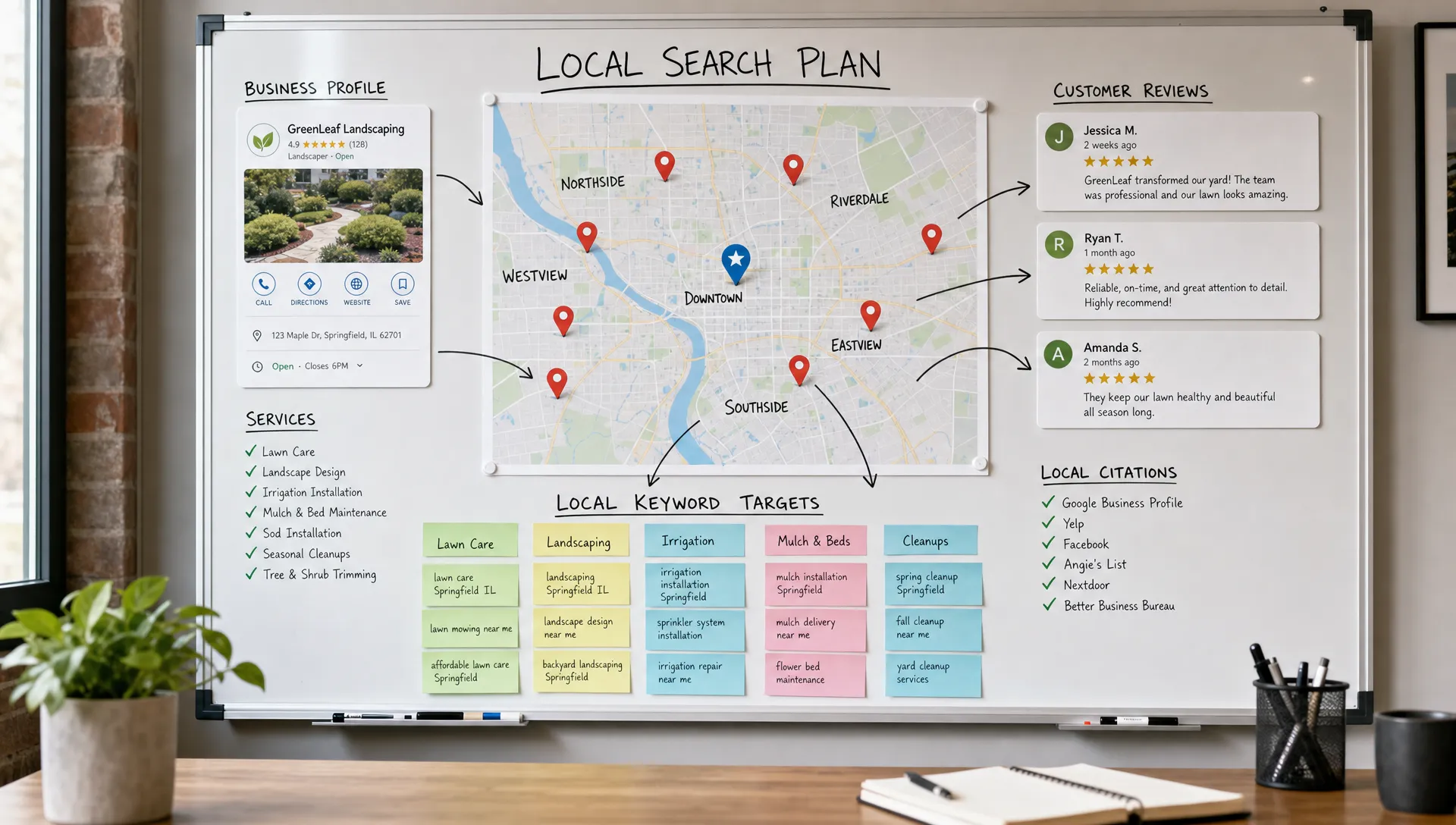
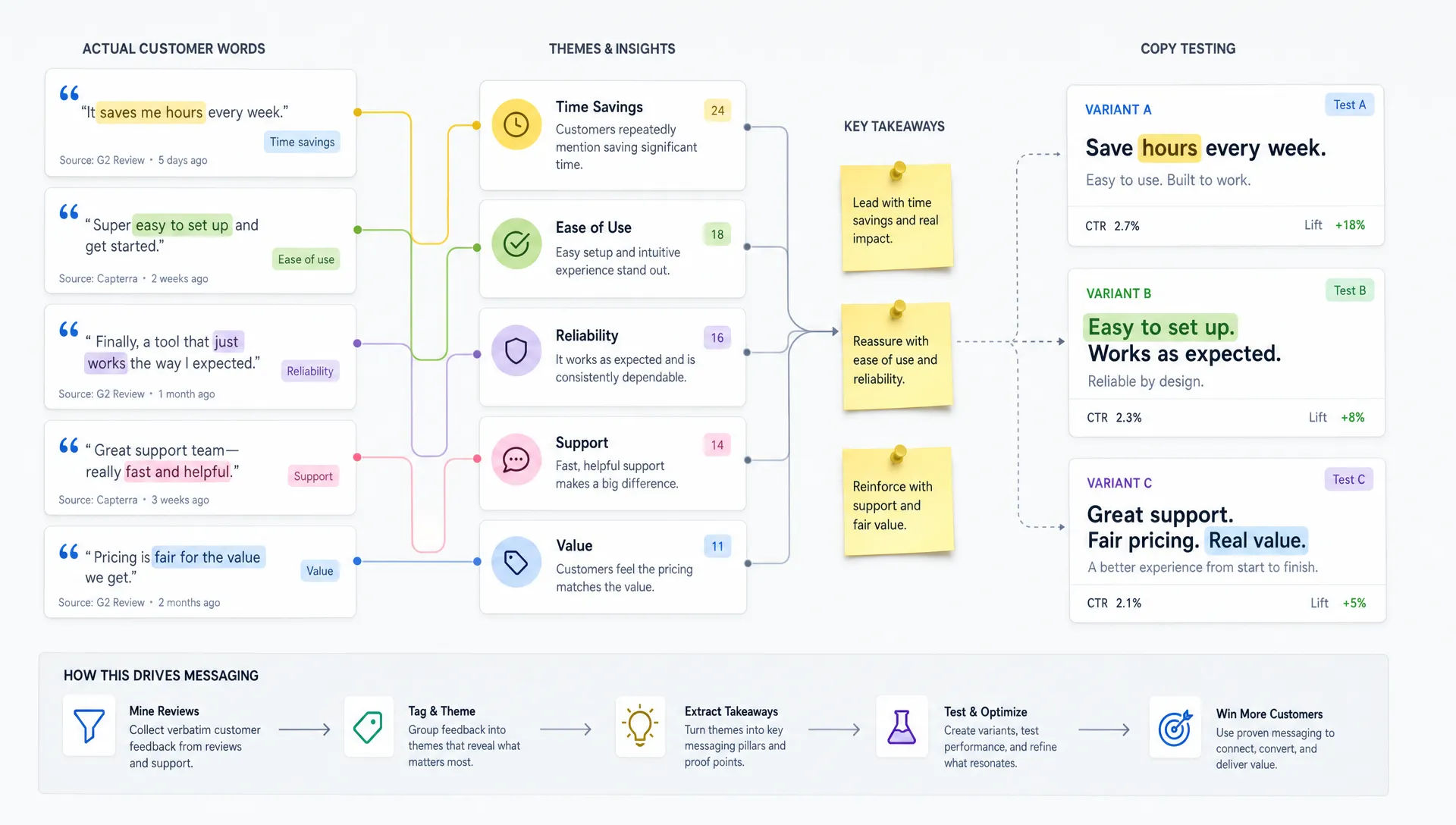
Reviews influence customer decisions and provide a rich source of language for local SEO. AI can analyze review text at scale and identify themes that would be hard to spot manually.
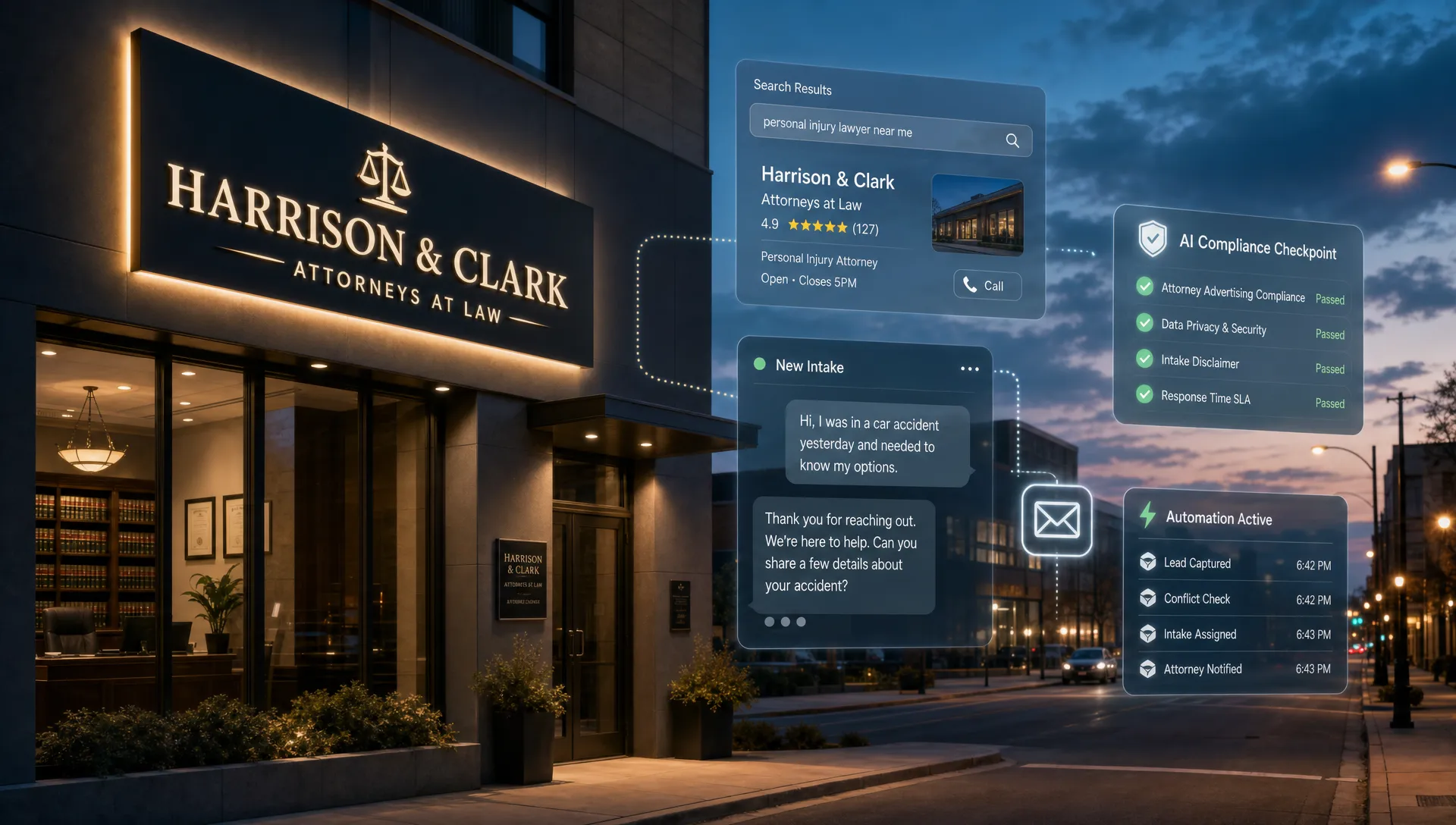
For example, a restaurant may discover customers repeatedly mention fast lunch service, gluten-free options, and friendly staff. A law firm may notice reviews emphasize clear communication, responsiveness, and guidance through stressful situations. These themes can inform website copy, FAQs, service descriptions, and Google Business Profile updates.
AI can also help draft review responses. The best responses are specific, polite, and brief. They should not sound like a template pasted under every review.
A practical review response prompt is:
Draft a professional response to this customer review. Keep the tone warm and concise. Mention one specific detail from the review if appropriate. Do not include private information, incentives, or claims we cannot verify.
For negative reviews, AI can help you stay calm and professional. Ask it to draft a response that acknowledges the concern, avoids blame, and invites the reviewer to continue the conversation through an appropriate support channel.
Never use AI to create fake reviews. Do not offer incentives in ways that violate platform policies. Do not reveal private customer details in responses. Reputation management works only when it is grounded in real customer experience.
Citations are mentions of your business information across directories, maps, apps, social platforms, chamber pages, industry directories, and local websites. Inconsistent citations can confuse customers and weaken trust.
AI can speed up citation cleanup by comparing lists of business names, addresses, phone numbers, and URLs. It can flag possible duplicates, outdated addresses, inconsistent suite numbers, wrong phone numbers, and old tracking URLs.
The process is straightforward. Export or collect your listings, paste them into your AI workspace, and ask for a discrepancy report. Then prioritize the platforms that matter most for your industry and location.
AI can also draft outreach emails for directory corrections. Keep them short and factual. Include the correct business information, proof if required, and a clear request.
For agencies, citation analysis is a strong place to standardize your workflow. You can create one prompt template for single-location clients and another for multi-location brands. The output should always be reviewed before any edits are submitted.
Local links are not just an SEO tactic. They often reflect real community relationships. AI can help brainstorm opportunities, but the best links usually come from legitimate partnerships, sponsorships, events, memberships, and local expertise.
Ask AI to identify relevant local organizations based on your business type and service area. These might include chambers of commerce, neighborhood associations, local charities, schools, industry groups, event pages, local media, podcasts, business associations, and community resource pages.
Then use AI to draft personalized outreach. The outreach should explain why the partnership is relevant, what value you can provide, and why the audience would care. Avoid mass-produced link requests that exist only for SEO.
For example, an accounting firm could offer a local tax season checklist for small businesses. A landscaping company could contribute a guide to drought-friendly yard care. A fitness studio could partner with a local wellness event. AI can help package the idea, but the relationship must be real.
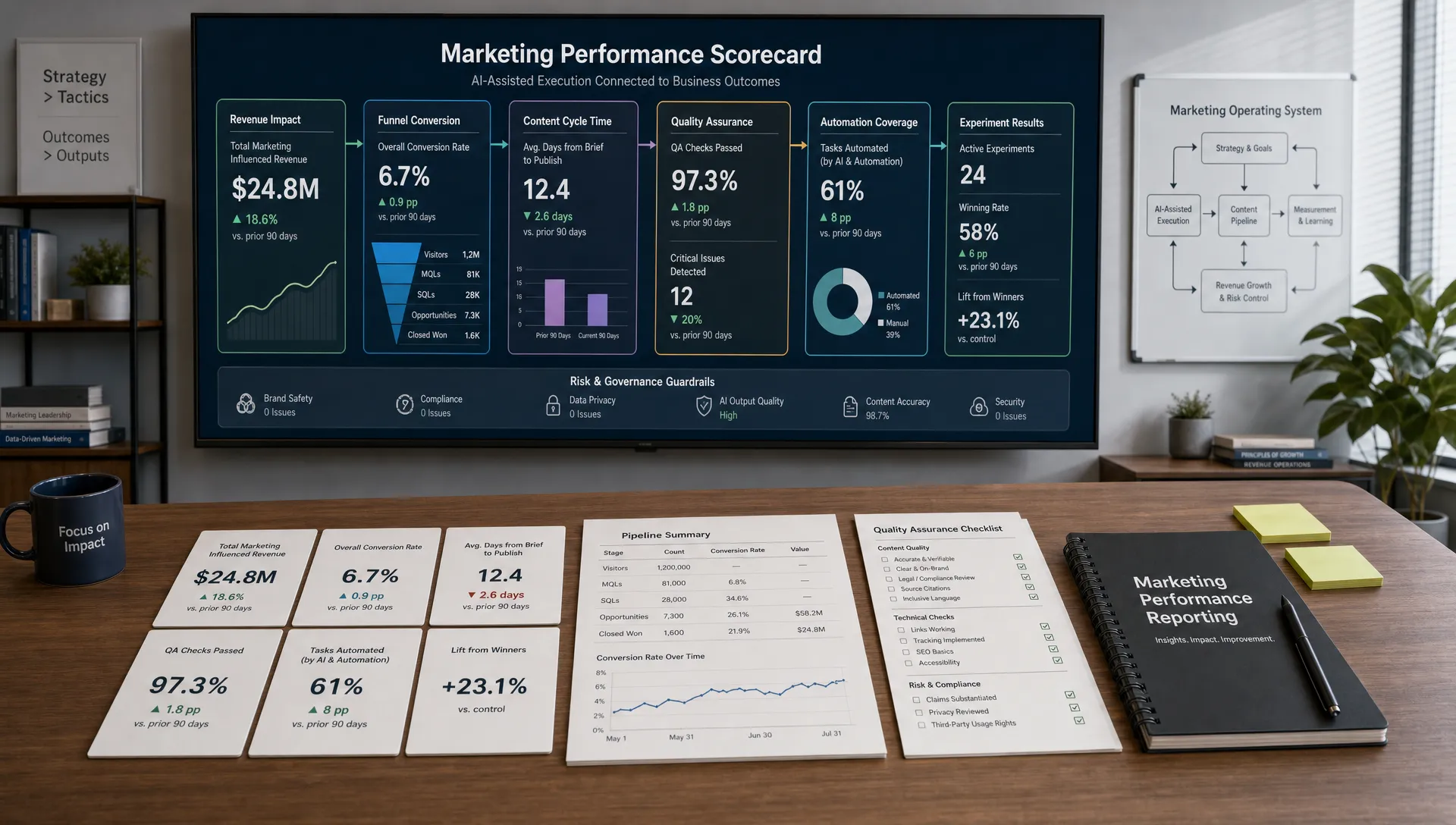
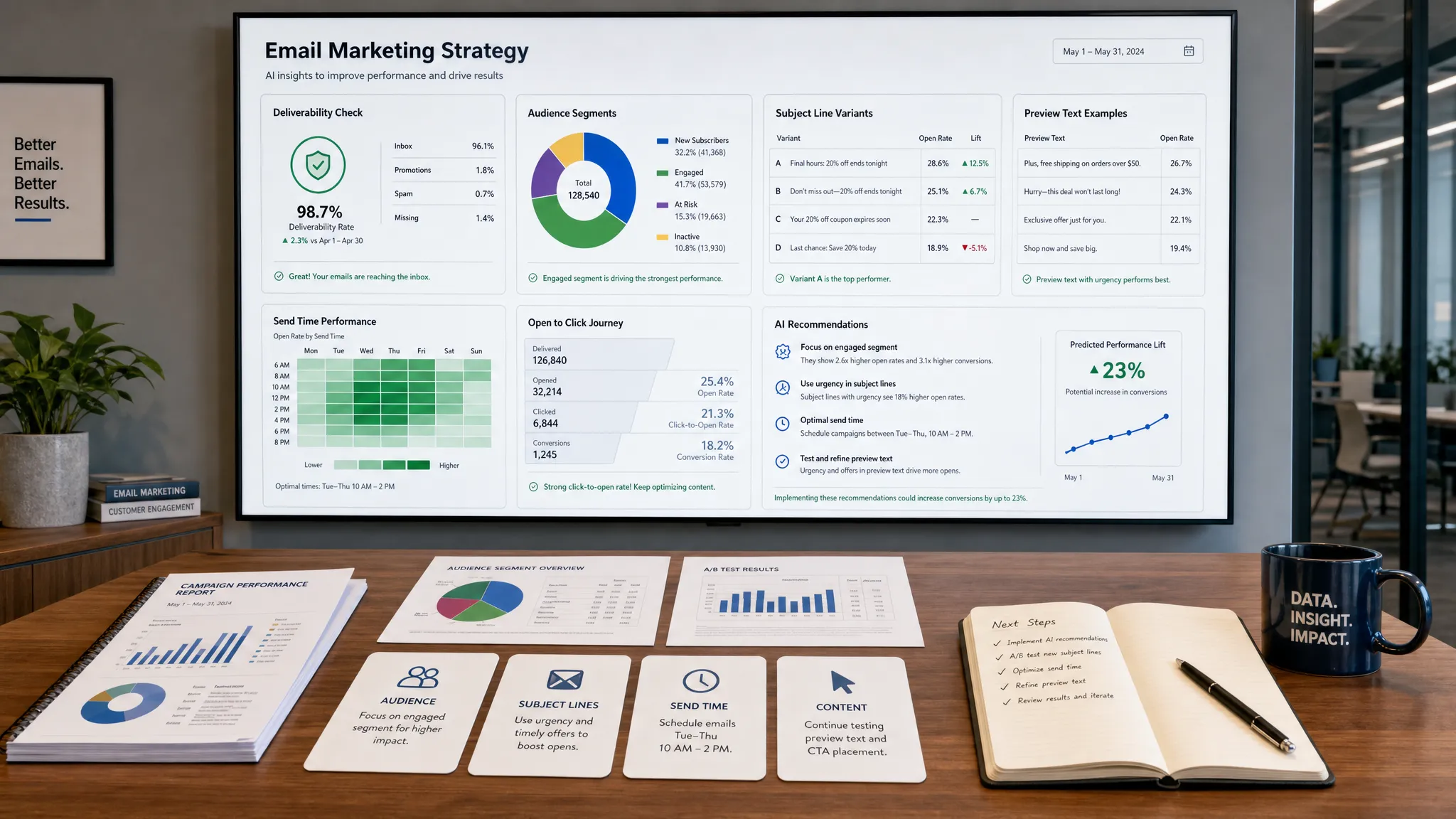
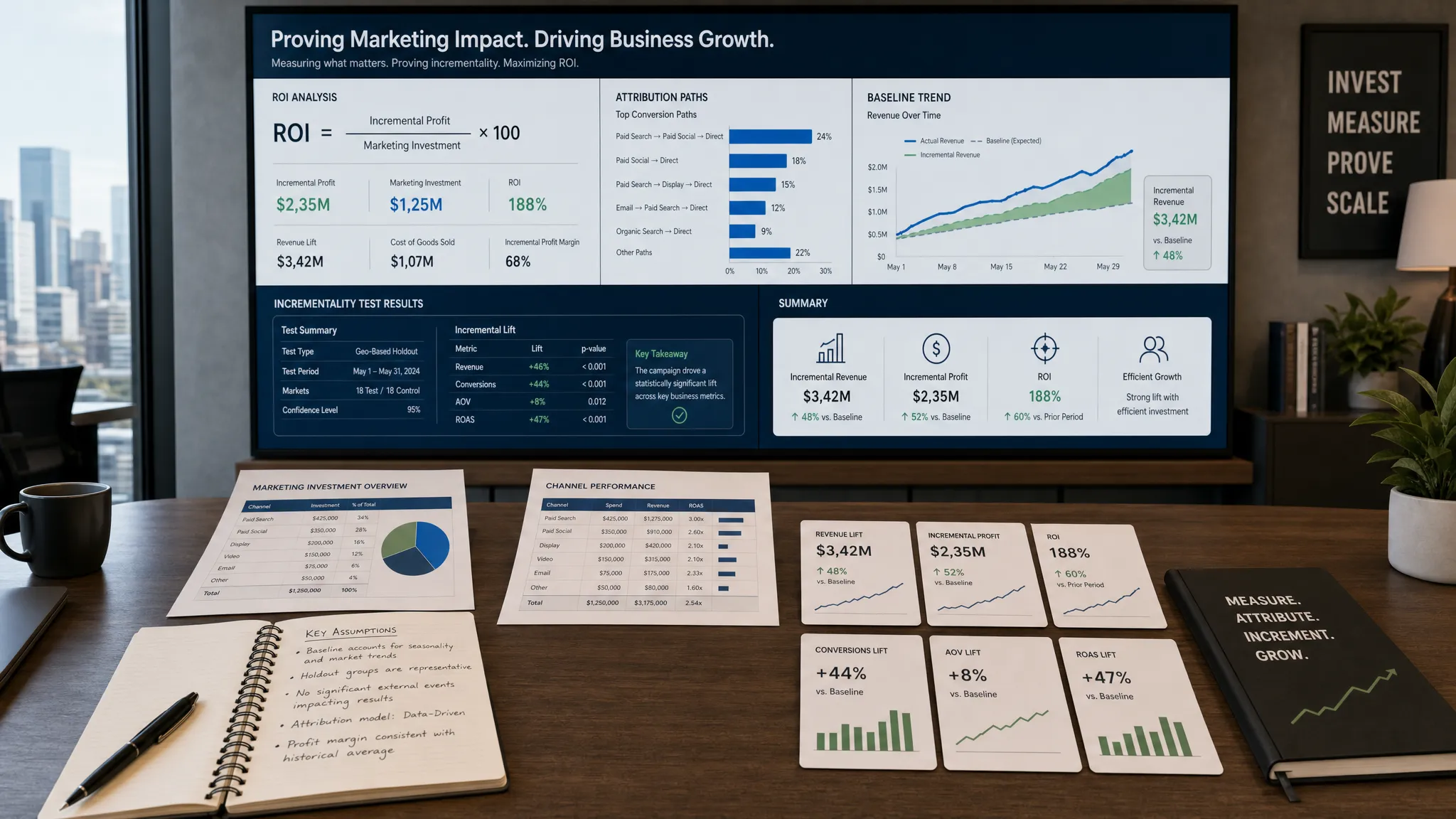
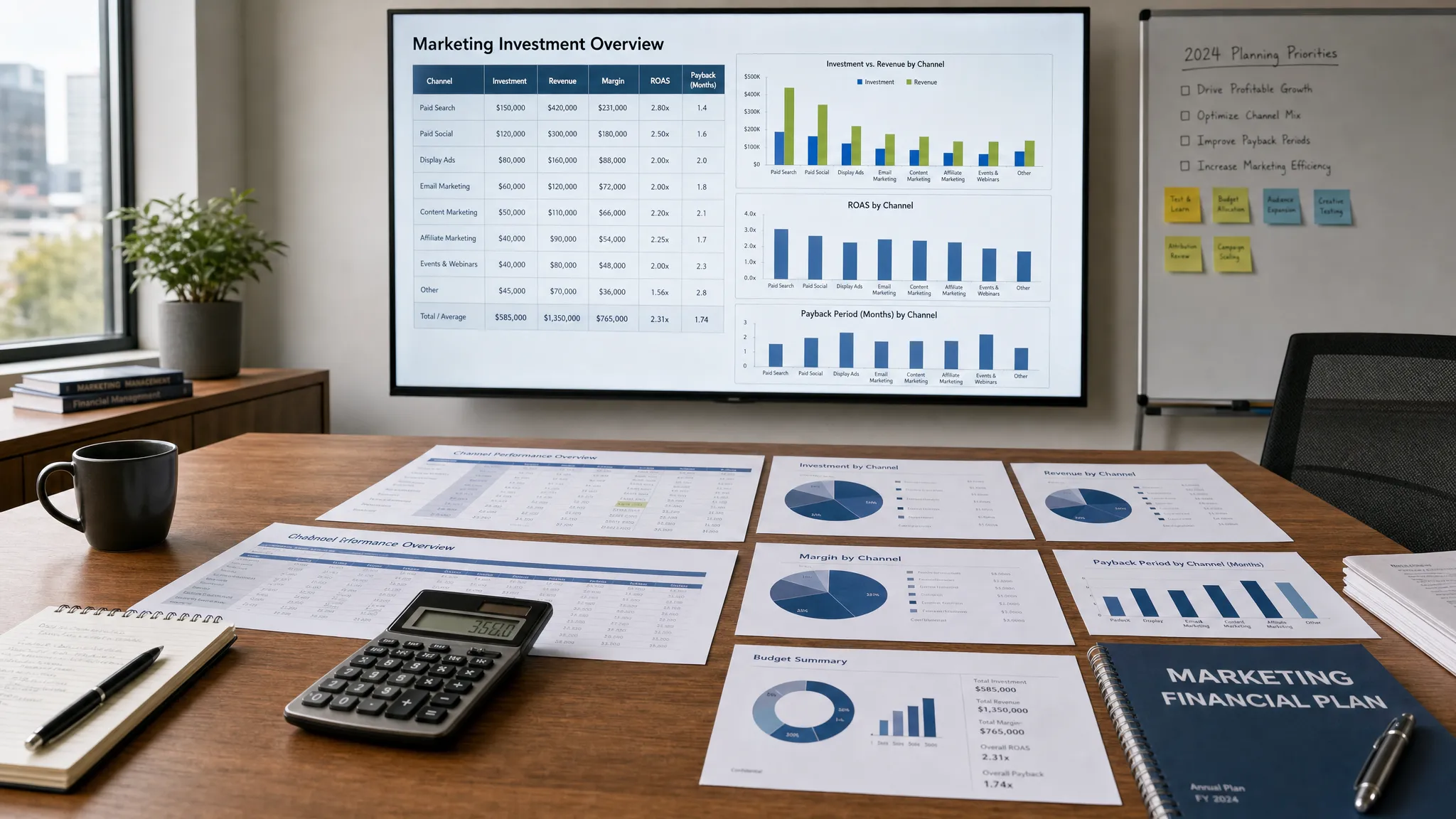
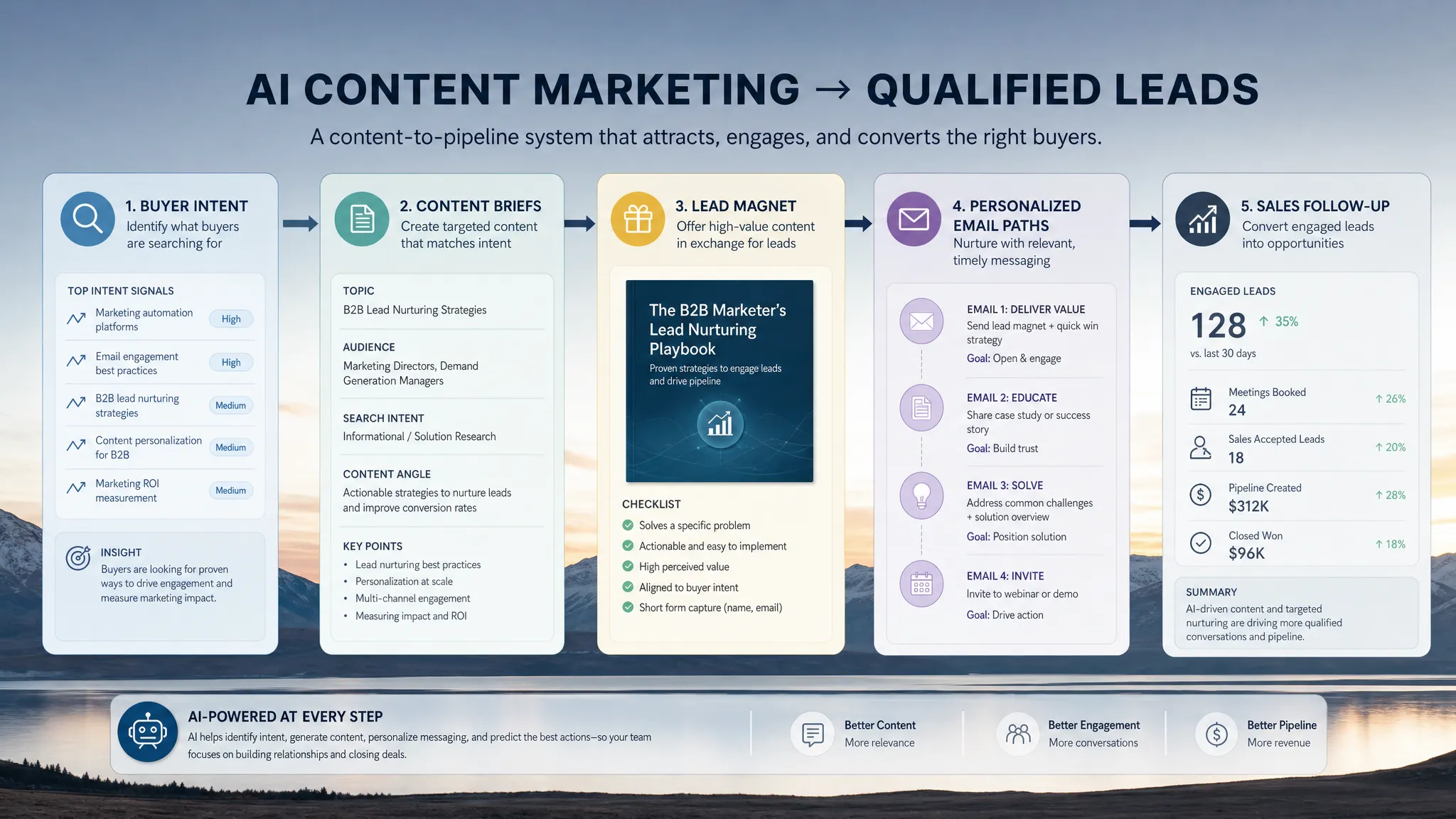
Local SEO reporting often becomes a pile of disconnected metrics. AI can make reporting more useful by turning data into explanations and next steps.
Track metrics that connect visibility to business outcomes. These may include Google Business Profile calls, website clicks, direction requests, booking clicks, local pack rankings, organic traffic to location pages, form submissions, call tracking data, review volume, review rating trends, and conversions by location.
AI can summarize what changed and why it might matter. For example, it can compare performance before and after a Google Business Profile update, identify location pages with declining traffic, or highlight review themes that correlate with higher conversion rates.
The important word is might. AI analysis should be treated as a hypothesis until validated. Local rankings can shift because of proximity, competitors, algorithm updates, seasonality, and demand changes.
If your team is building a broader measurement system, AIMarketer Hub’s guide on how AI for digital marketing improves performance is a helpful companion to this local SEO workflow.
If you are starting from scratch, keep the first month focused. The biggest mistake is trying to automate everything before the basics are accurate.
Here is a simple 30-day plan:
At the end of 30 days, you should have cleaner business data, stronger profile content, better keyword organization, improved review workflows, and a reporting rhythm that helps you decide what to do next.
AI can accelerate good local SEO, but it can also scale mistakes. Watch for these issues before they become expensive to fix.
The safest rule is simple: AI can draft, compare, cluster, summarize, and suggest. A human should verify, approve, publish, and own the customer experience.
Can AI improve local SEO rankings? AI can help improve the assets that support local rankings, such as business profile content, local pages, review workflows, citations, and reporting. It does not guarantee rankings, because local results also depend on distance, competition, prominence, and searcher context.
What is the best way to use AI for Google Business Profile optimization? Use AI to audit completeness, rewrite descriptions, draft posts, organize services, and summarize review themes. Always verify recommendations against Google’s guidelines and your actual business information before publishing.
Can AI write local landing pages? Yes, AI can draft outlines and first versions, but the page needs real local details to be useful. Add verified service information, local proof, customer questions, photos, policies, and examples that are specific to the location.
Is it safe to use AI for review responses? It can be safe if you review every response before posting. Keep responses specific, professional, and privacy-conscious. Never include sensitive customer information or use AI to generate fake reviews.
How often should local businesses use AI for SEO reporting? Monthly reporting is a good starting point for most local businesses. High-volume or multi-location businesses may benefit from weekly summaries of profile actions, rankings, calls, reviews, and conversion trends.
AI for Local SEO works best when it becomes part of a consistent operating system: accurate data, smarter content, faster review management, cleaner reporting, and human oversight at every step.
AIMarketer Hub brings together AI marketing tools, SEO resources, prompt guidance, calculators, and practical guides to help marketers automate and optimize their workflows. Use it to build a more organized, data-informed approach to local search without losing the human trust that local customers expect.