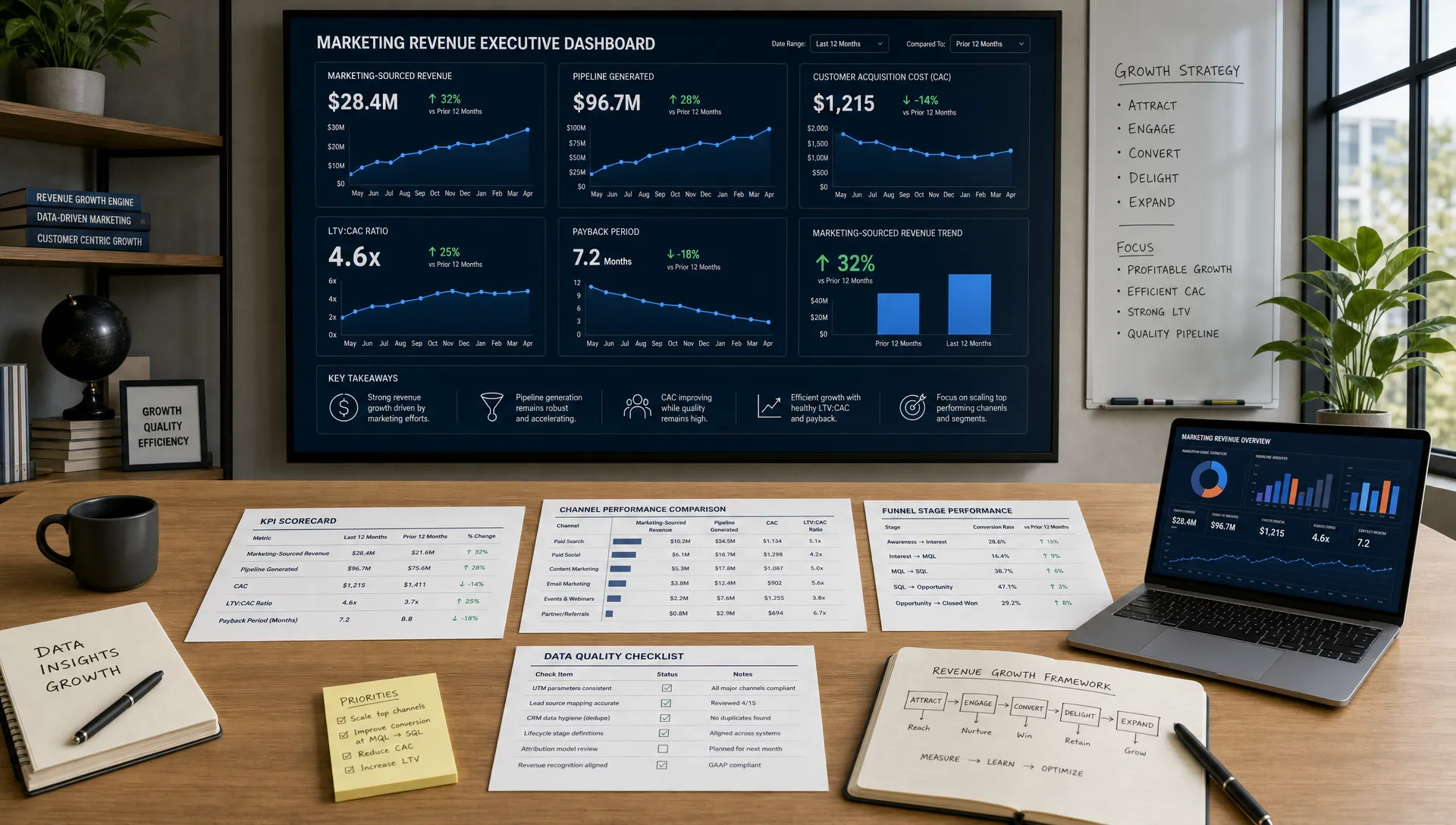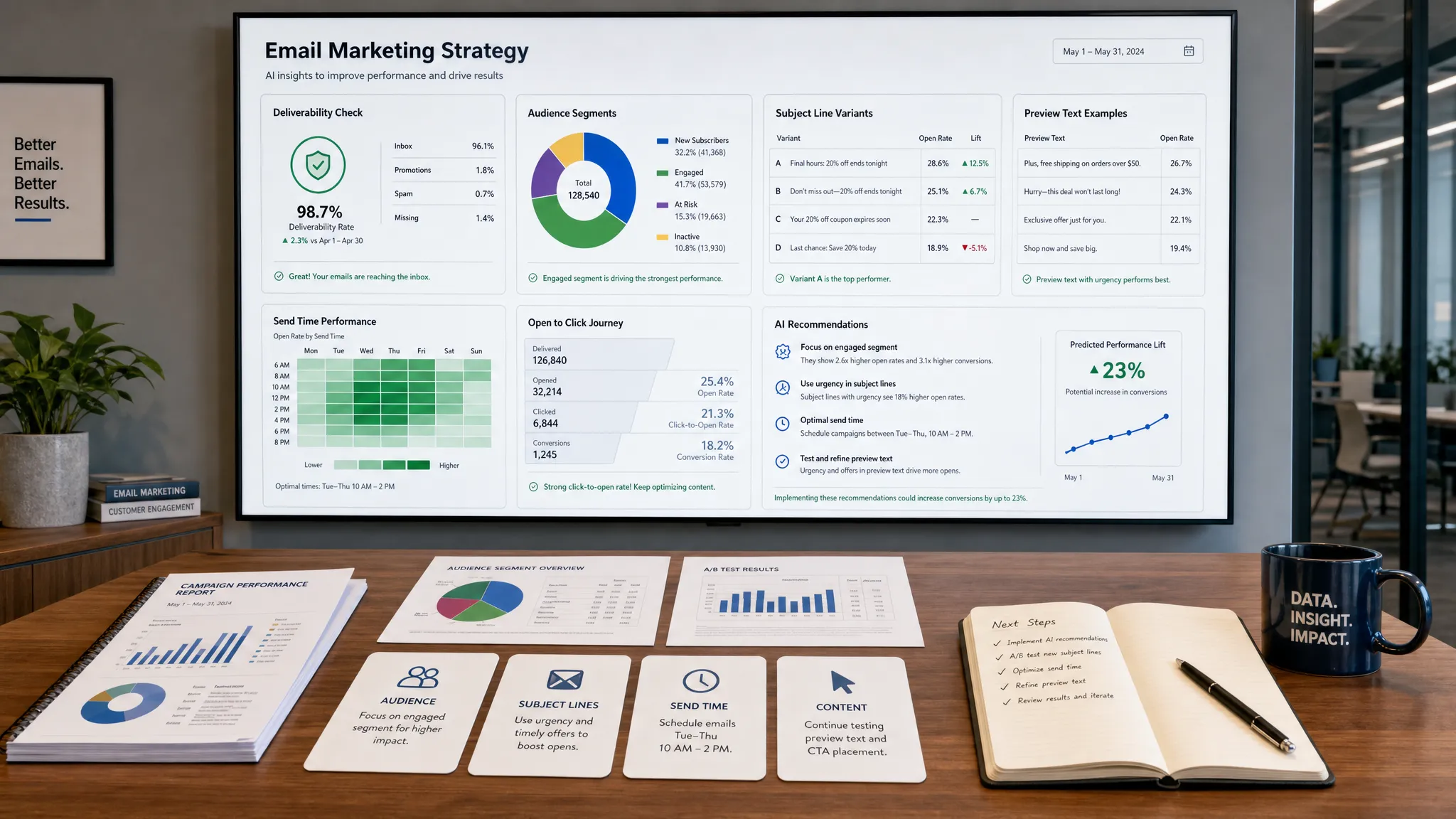
Open rates are no longer a simple scoreboard. Apple Mail Privacy Protection, image caching, and inbox filtering can make opens look higher or less precise than they really are. Still, open rate remains a useful directional signal when you pair it with clicks, replies, conversions, unsubscribes, and spam complaints.
That is where AI email marketing can help. Instead of guessing which subject line sounds clever or sending every campaign at the same time, AI tools can analyze patterns across your audience, generate better creative options, and help you build more relevant email experiences. The goal is not to make your emails sound automated. The goal is to make them feel more timely, useful, and worth opening.
Before optimizing, define what you are trying to improve. A higher open rate is valuable only if it comes from the right subscribers and leads to meaningful engagement. If a sensational subject line gets more opens but fewer clicks, more unsubscribes, or more spam reports, it is not a win.
A smarter open-rate strategy looks at four layers:
AI is especially helpful because it can connect those layers. It can identify which segments open educational emails, which respond to urgency, which ignore discounts, and which are more likely to engage after a specific website visit or product action.
The fastest way to improve open rates is to stop treating every email as a blank page. Your past campaigns contain patterns that are easy to miss manually but valuable for AI analysis.
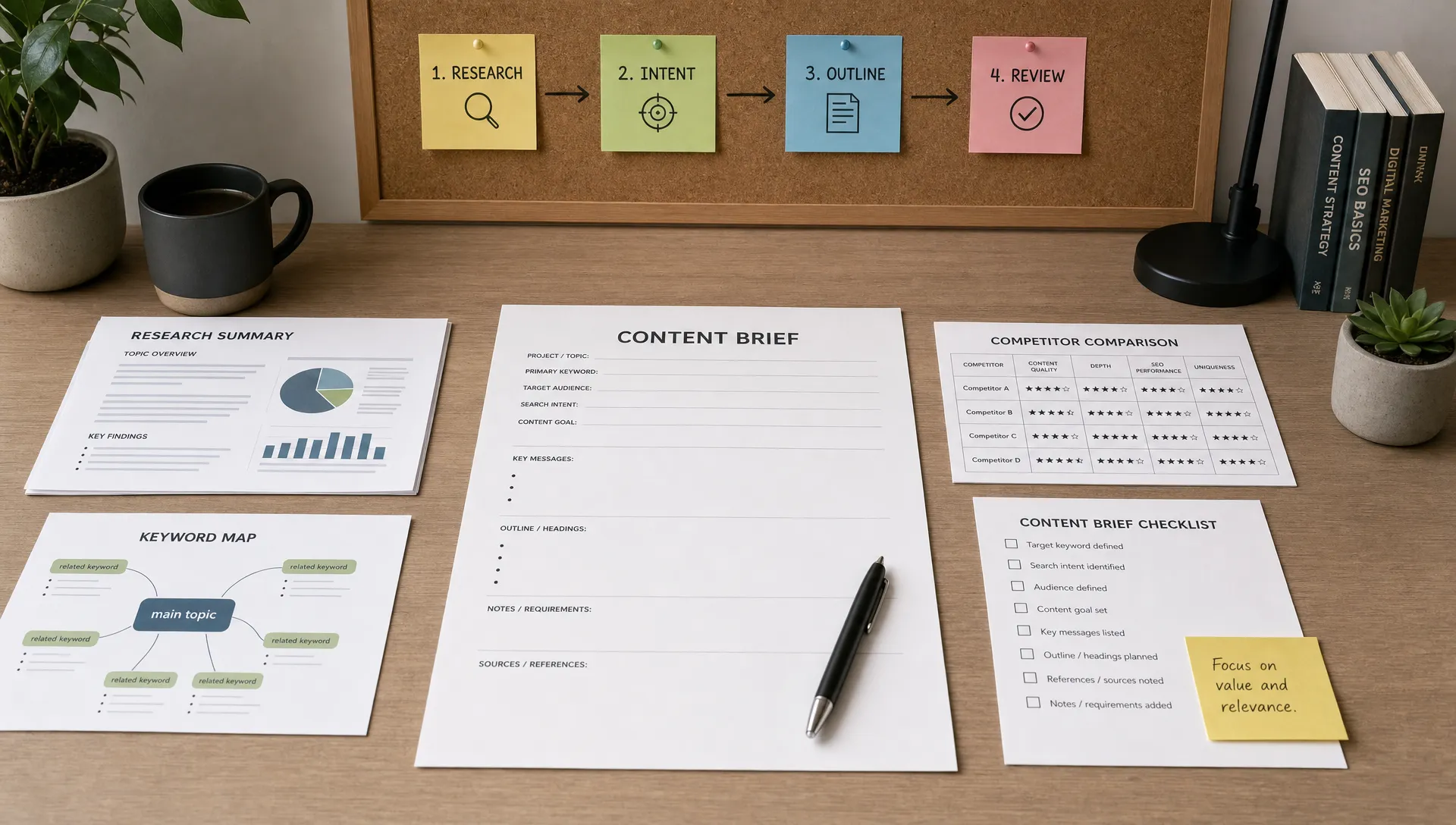
Export recent campaign data from your email platform and look for trends across subject lines, audience segments, send times, content themes, and calls to action. You do not need a complicated data science setup to start. Even a structured spreadsheet with campaign name, audience, subject line, preview text, send day, open rate, click rate, unsubscribe rate, and conversion rate can reveal useful patterns.
Ask your AI tool to summarize what your best-performing campaigns had in common. Then ask it to separate healthy wins from misleading wins. For example, a subject line with high opens and high unsubscribes may indicate curiosity without trust. A subject line with moderate opens but strong clicks may be better for revenue.
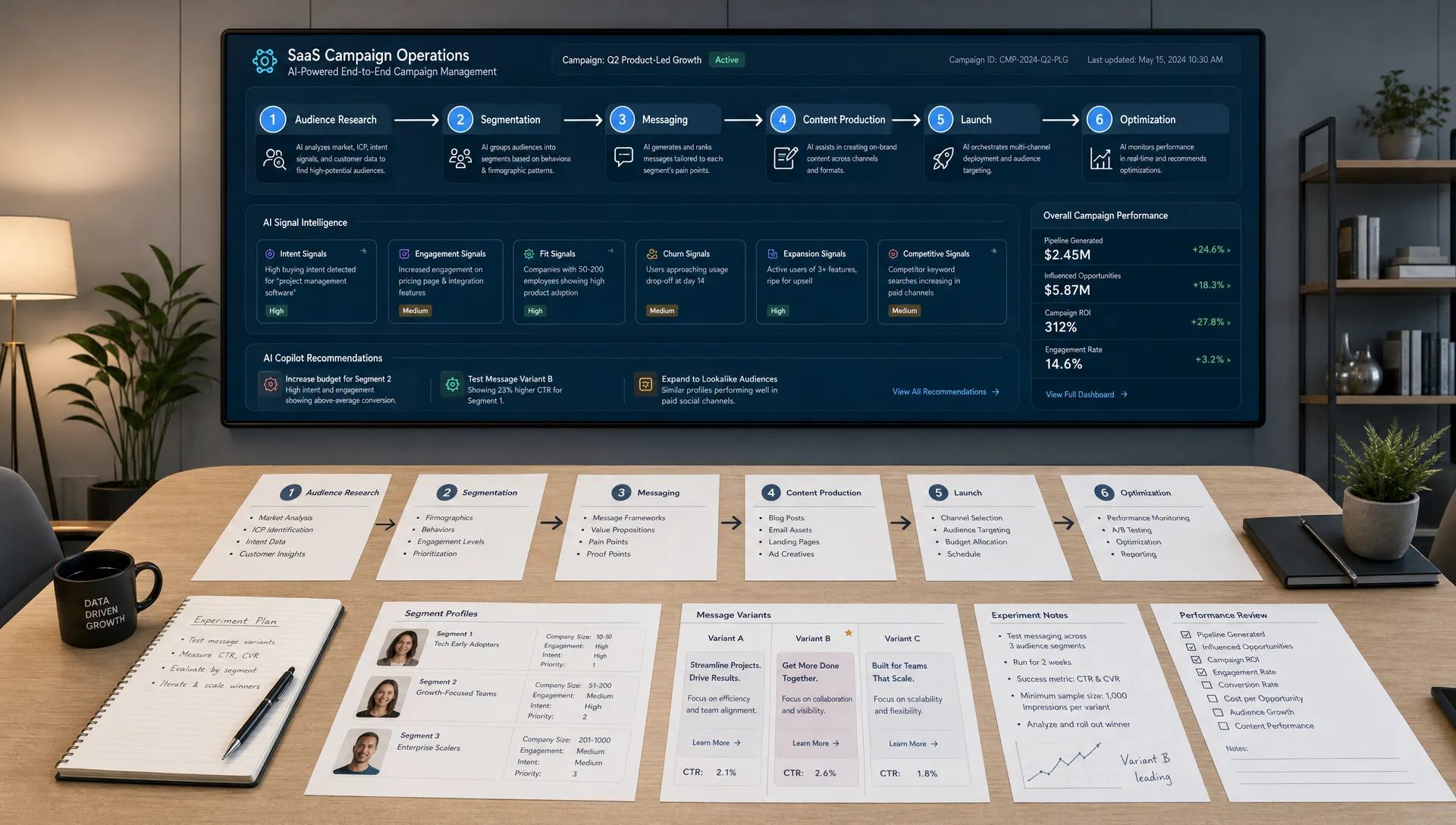
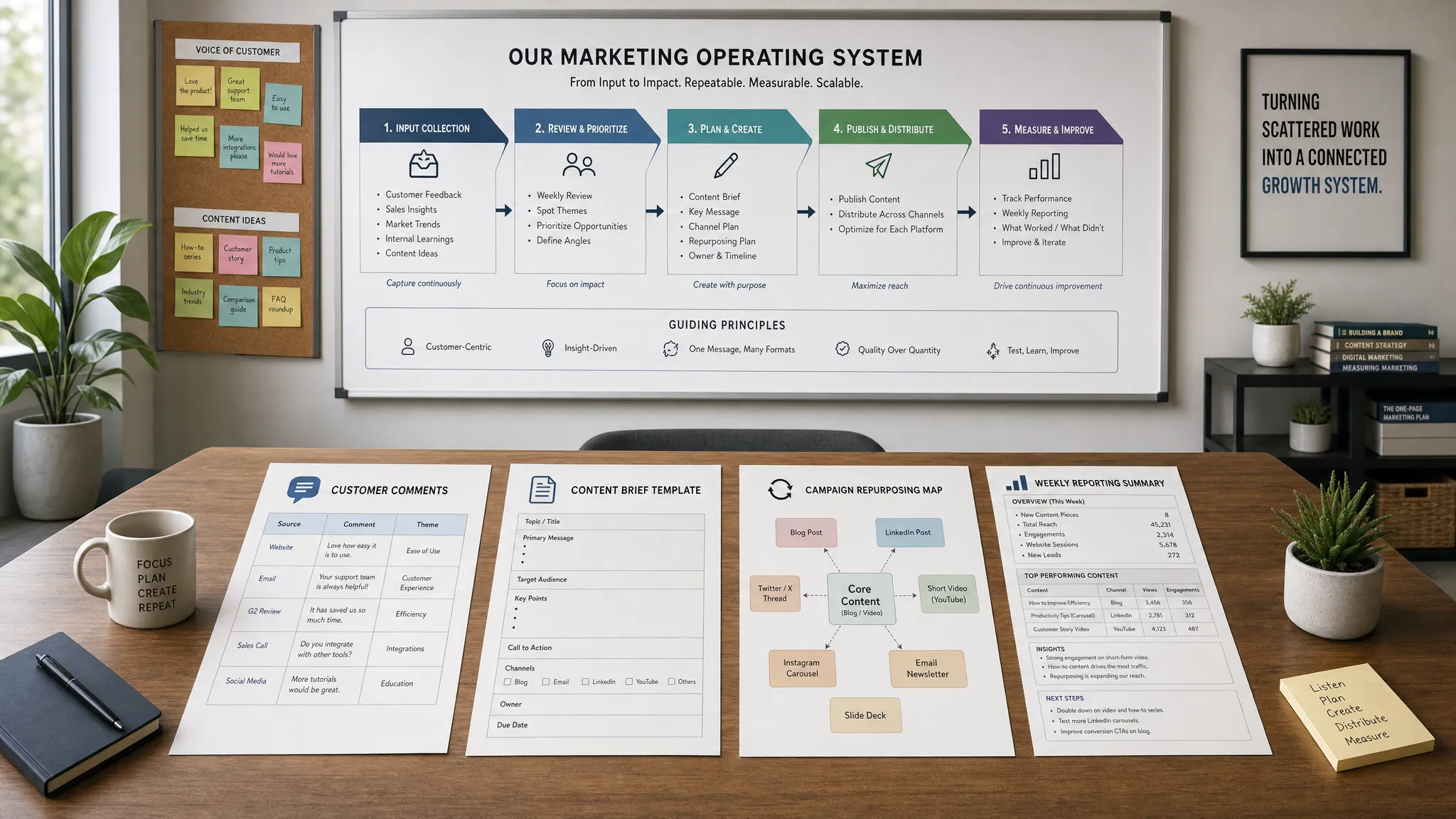
This is also where broader content operations matter. If your team is using AI across newsletters, landing pages, and nurture sequences, the workflow in how AI for content creation saves time and scales output can help you connect email optimization with a more consistent publishing process.
Basic segmentation usually starts with job title, company size, location, or industry. Those fields are useful, but they do not always explain why someone would open an email today.
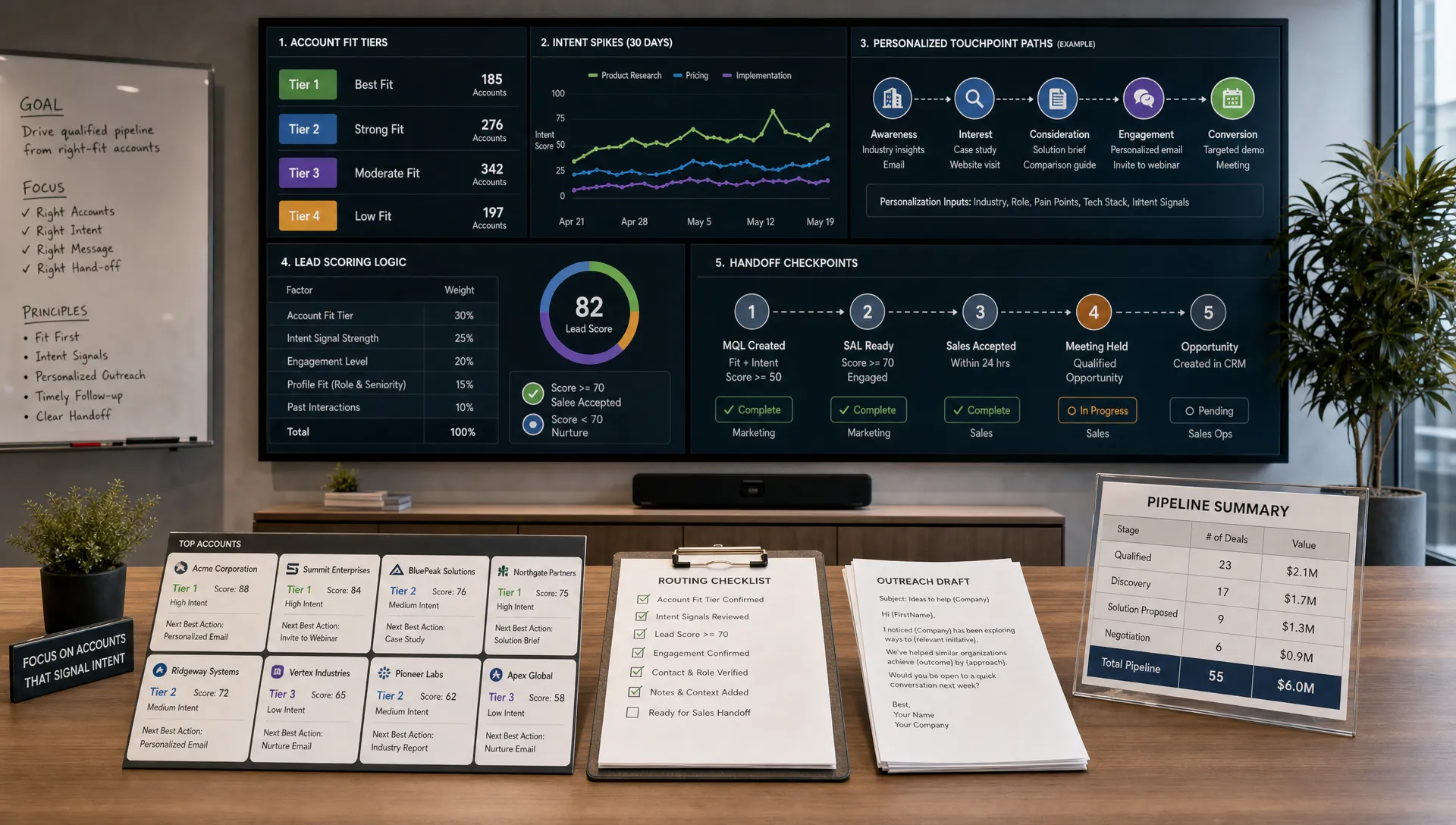
AI can help you build intent-based segments using behavioral signals such as content downloads, product page visits, webinar attendance, past purchases, trial activity, email engagement, and support questions. A CFO who downloaded a pricing guide needs a different email than a CFO who read a beginner’s AI marketing article. The title is the same, but the intent is different.
Strong intent-based segments might include:
Once these groups are defined, AI can help tailor subject lines and preview text to each stage. A new subscriber may respond to clarity and education, while a high-intent lead may respond to specificity, proof, or urgency.
AI is excellent at producing subject line options quickly. The mistake is using the first output without human judgment. Your subject line still needs to sound like your brand, respect the reader’s intelligence, and match the email content.
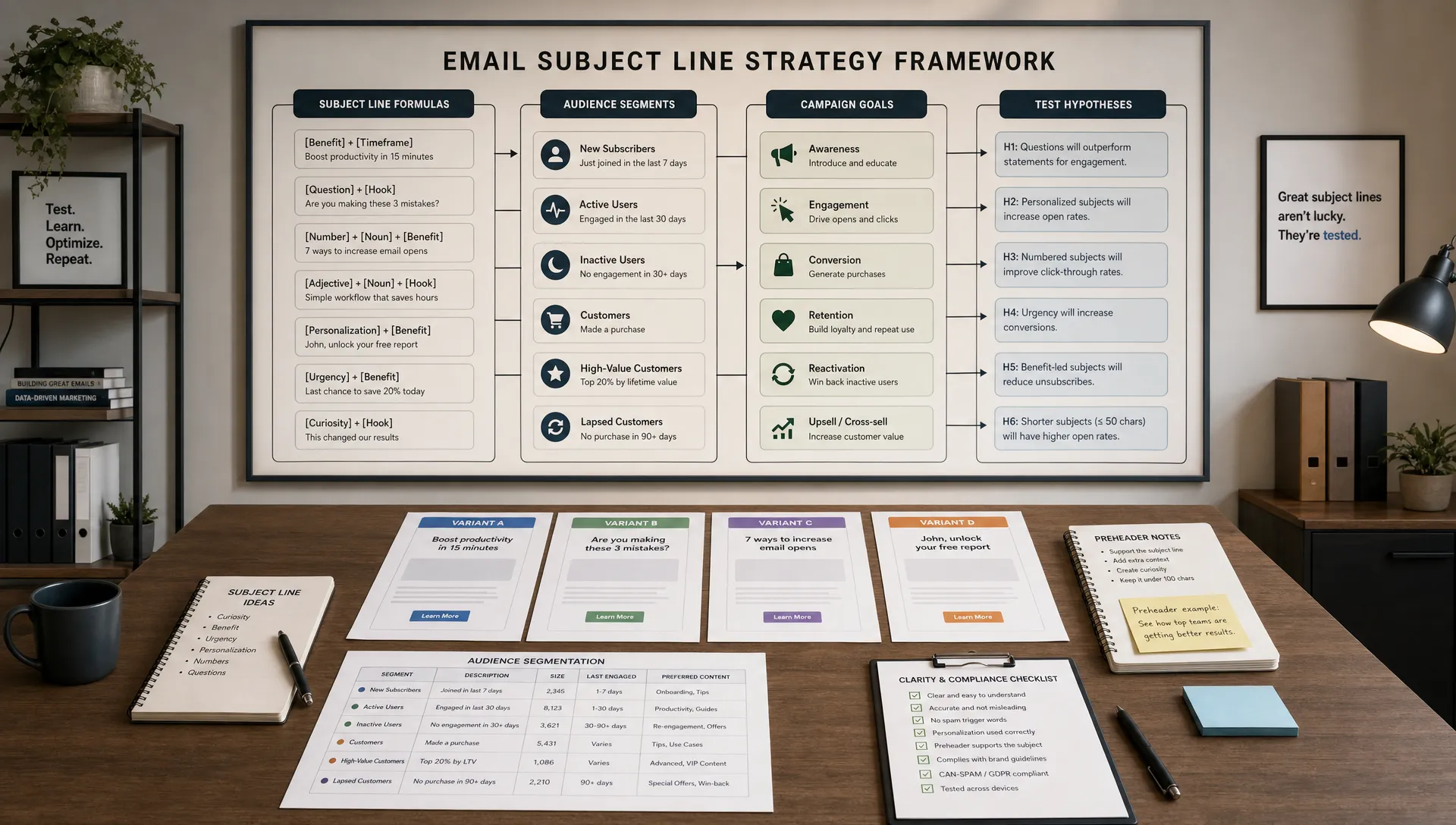
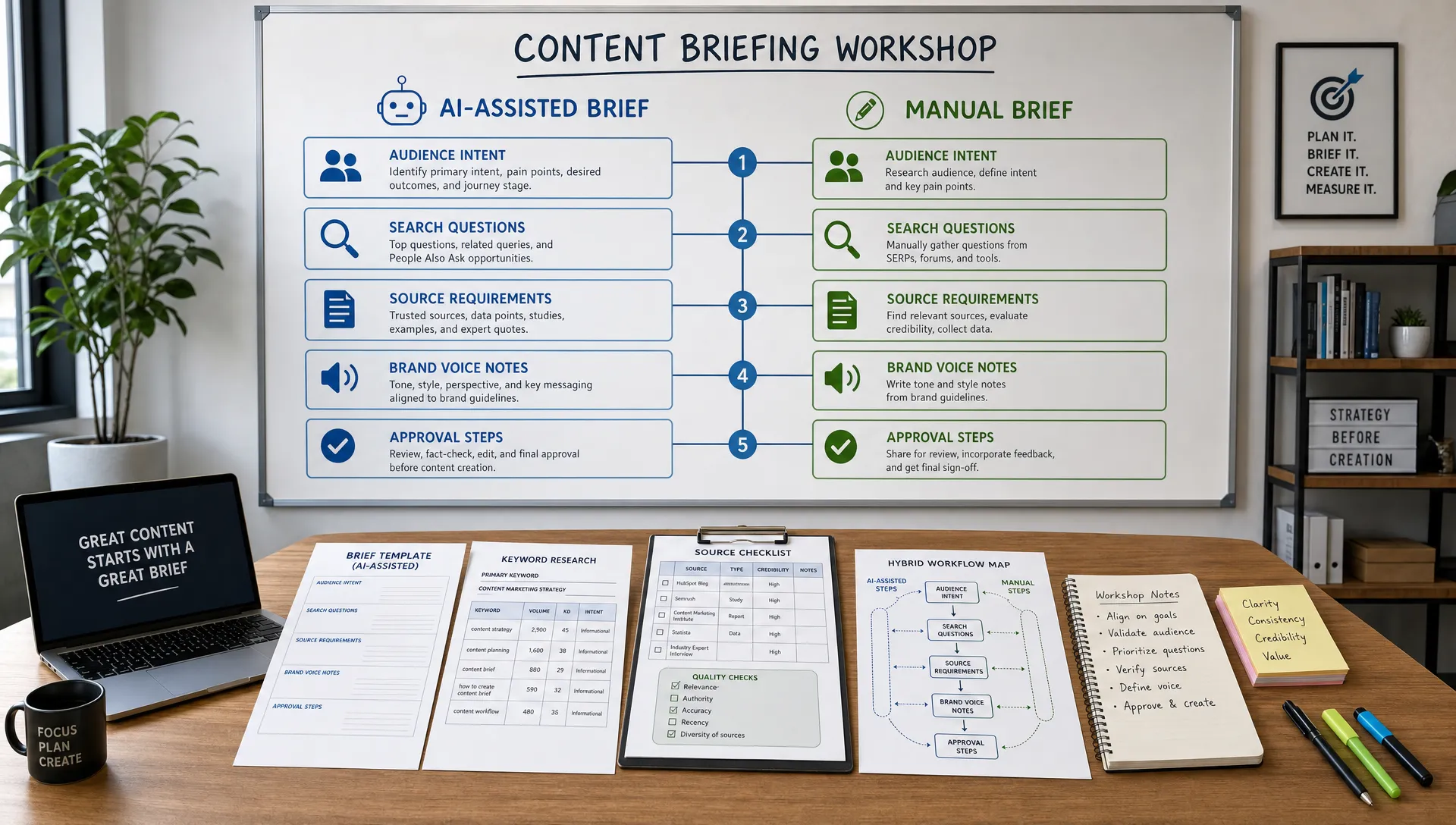
A practical workflow is to ask AI for multiple angles rather than generic variations. For one campaign, generate subject lines based on curiosity, pain point, benefit, proof, timeliness, and directness. Then eliminate anything that feels vague, exaggerated, clickbait-driven, or disconnected from the email body.
Good AI-assisted subject lines often have one of these qualities:
For example, a weak AI-generated subject line might be: Transform your marketing forever. It is broad and overpromises. A stronger version might be: 3 email tests to run before your next launch. It is specific, useful, and easy to understand.
Keep subject lines concise, but do not obsess over a universal character limit. Mobile inboxes truncate differently, and subscriber behavior varies by audience. Instead, put the most important words near the front and use preview text to complete the thought.
Many teams spend 30 minutes on a subject line and 30 seconds on preview text. That is a missed opportunity. Preview text is often the second biggest reason someone opens, especially on mobile.
AI can generate preview text that complements the subject line instead of repeating it. If the subject line introduces the hook, the preview text should clarify the benefit, add context, or reduce uncertainty.
For example, if the subject line is: Your abandoned demo requests need a faster follow-up, the preview text could be: Use these three automation rules to reach high-intent leads before they go cold.
That combination tells the reader what the email is about and why it matters. It also avoids the common inbox problem where the preview text starts with View this email in your browser or an irrelevant footer message.
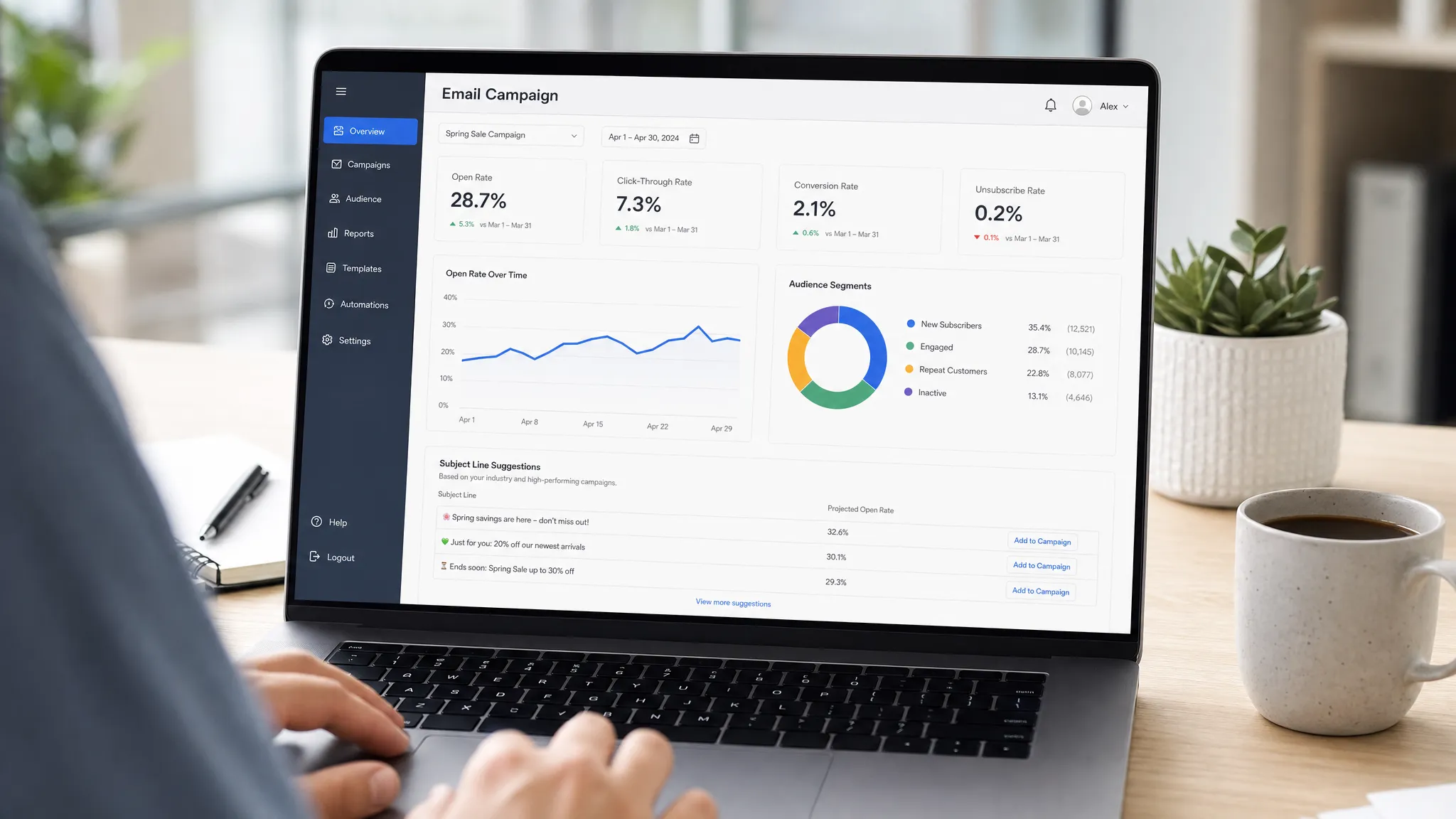
There is no universal best time to send emails. A Monday morning send may work for one audience and fail for another. Even within the same list, executives, practitioners, students, and buyers may engage at different times.
AI-powered analytics can help identify when specific segments are most likely to open and click. Some email platforms use send-time optimization to deliver emails when each subscriber has historically engaged. If you do not have that feature, you can still use AI to analyze engagement by day, hour, region, and segment.
Frequency matters just as much as timing. Sending too often can train subscribers to ignore you. Sending too rarely can make them forget why they subscribed. AI can help spot fatigue signals, such as declining opens, lower clicks, increased unsubscribes, and more spam complaints among people receiving frequent campaigns.
A healthy frequency strategy is flexible. Highly engaged subscribers may welcome more emails, while dormant subscribers may need a slower reactivation sequence or a preference-center option.
Open rates cannot improve if emails do not reach the inbox. Deliverability is the foundation of email performance, and it has become more important as mailbox providers continue tightening sender requirements.
For bulk senders, Google’s sender guidelines emphasize authentication, low spam complaint rates, easy unsubscribe, and responsible sending practices. In practical terms, marketers should pay attention to SPF, DKIM, DMARC, list consent, bounce rates, and complaint rates.
AI can support deliverability in several ways. It can flag unusual spikes in bounces or unsubscribes, identify segments that are dragging down engagement, and help classify inactive contacts for re-engagement or suppression. It can also review copy for risky patterns, such as excessive punctuation, misleading urgency, or claims that may feel spammy.
But do not use AI as a shortcut around permission. Purchased lists, unclear opt-ins, and deceptive subject lines damage sender reputation. The best long-term open-rate strategy is to send wanted emails to people who understand why they are receiving them.
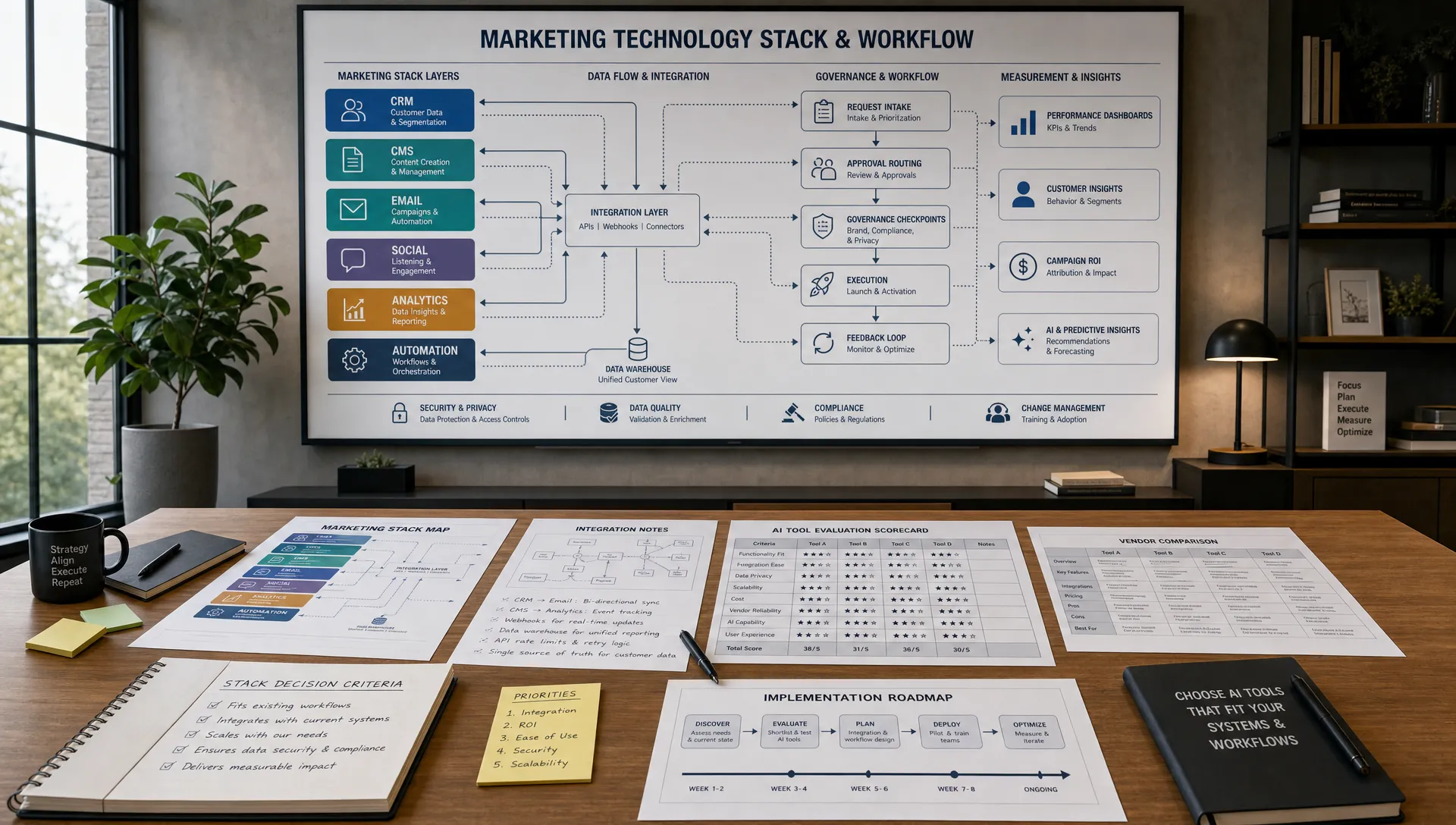
Batch campaigns are useful, but triggered emails often earn stronger engagement because they respond to something the subscriber just did. AI marketing automation can help identify the right moment, message, and next step.
Examples include welcome emails after signup, follow-ups after webinar attendance, nurture emails after a guide download, onboarding emails after purchase, and reactivation emails when engagement drops. These messages are more likely to feel relevant because they are connected to recent behavior.
AI can improve triggered emails by selecting the best content block, recommending the next offer, or adjusting the tone based on lifecycle stage. A first-time visitor may need education. A trial user who has completed key actions may need a case study or upgrade prompt. A dormant subscriber may need a simple preference question rather than another promotion.
The key is to keep automation useful, not overwhelming. A triggered email should feel like a helpful response, not a surveillance-driven interruption.
AI can increase output, but it can also make emails sound generic if you do not give it clear direction. Subscribers open emails from senders they recognize and trust. If every message suddenly sounds like a polished but personality-free template, open rates may suffer over time.
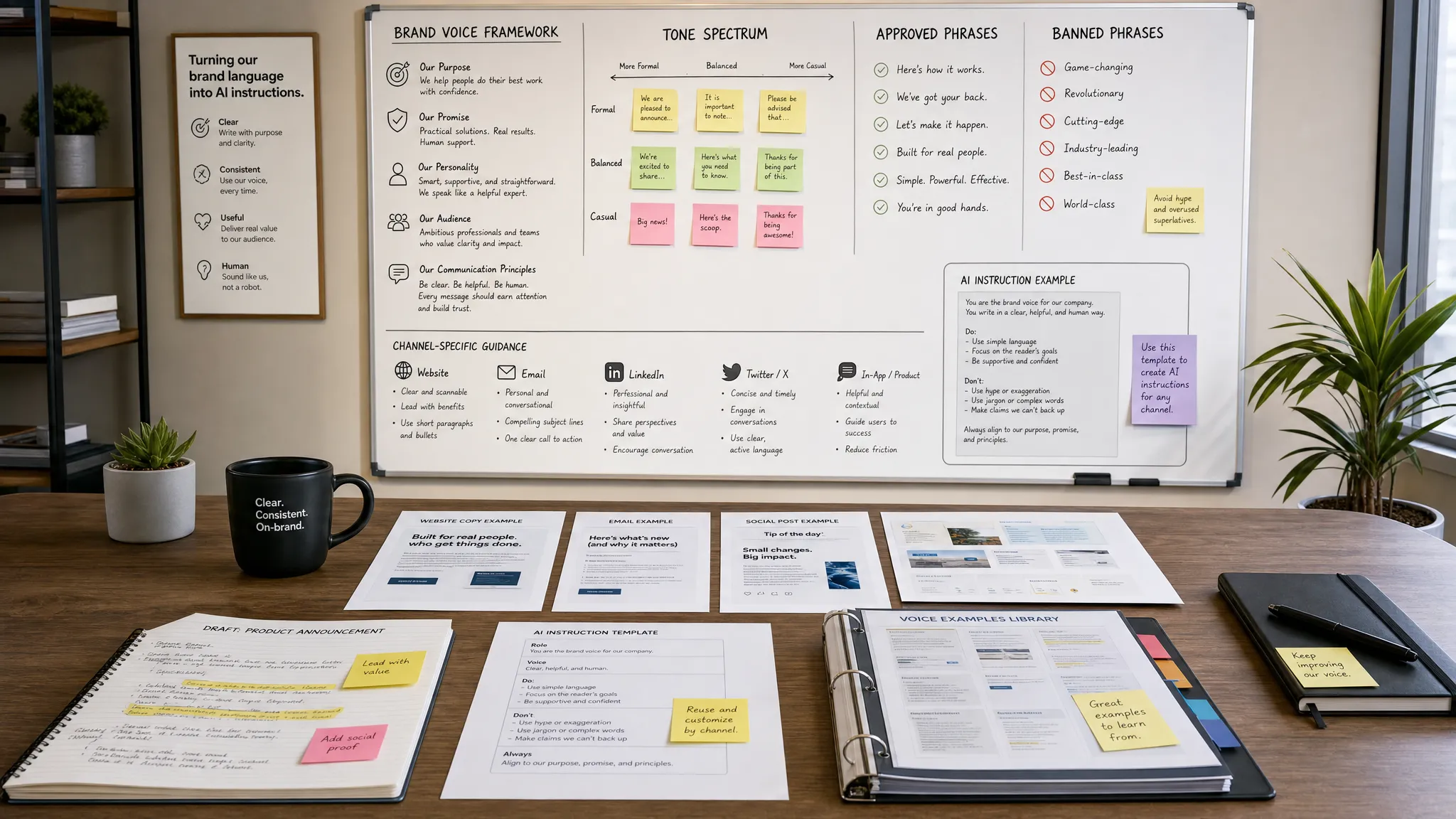
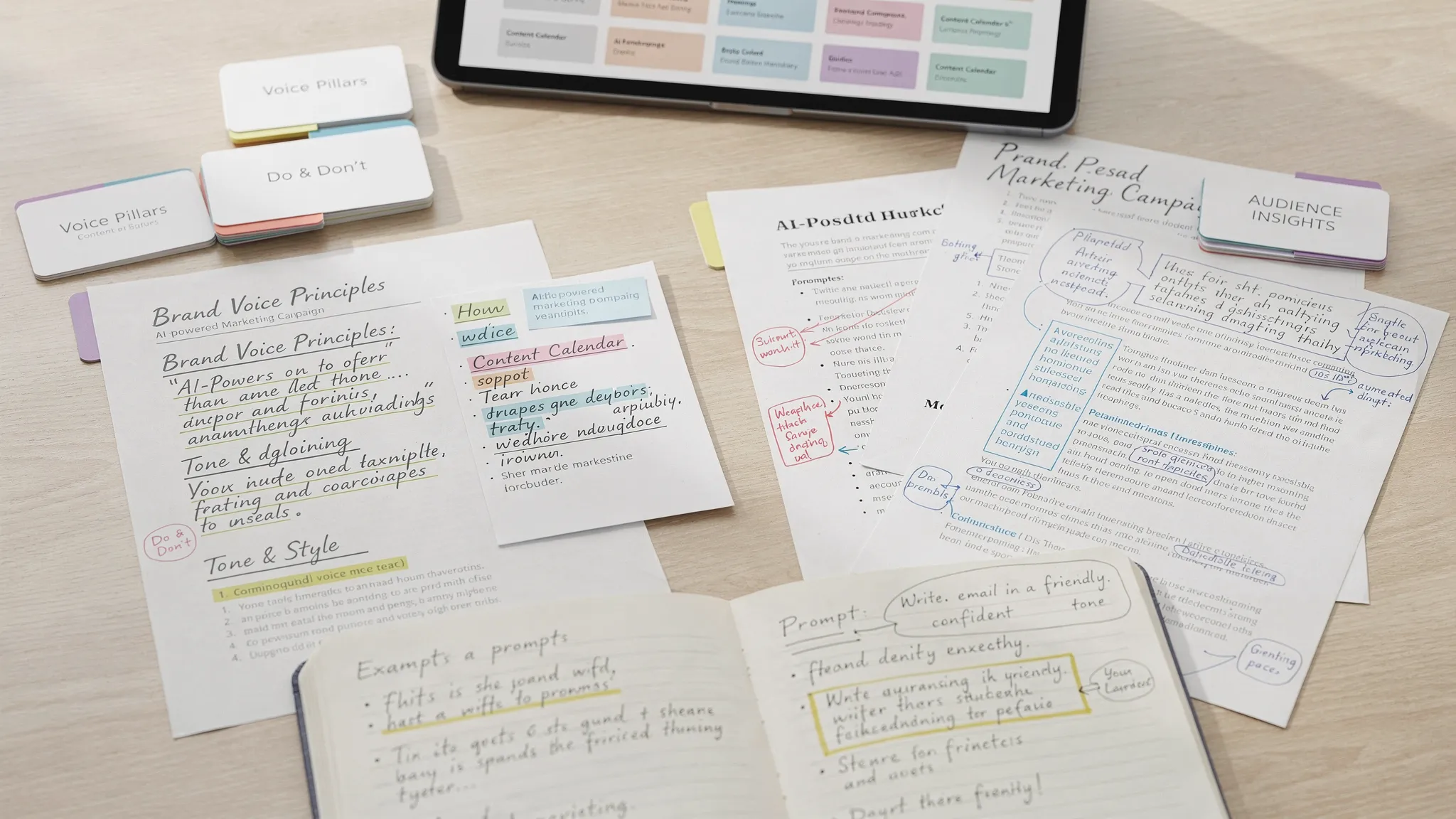
Create a short brand voice guide for email. Include your preferred tone, banned phrases, reading level, formatting style, common customer language, and examples of strong past emails. Feed that guidance into your AI prompts and keep refining it as you learn what your audience responds to.
It also helps to separate AI generation from final editing. Let AI create options, but have a human marketer choose the strategic angle, adjust nuance, verify claims, and make sure the email sounds like it came from your team. For a deeper framework, see this guide on using AI for marketing without losing your brand voice.
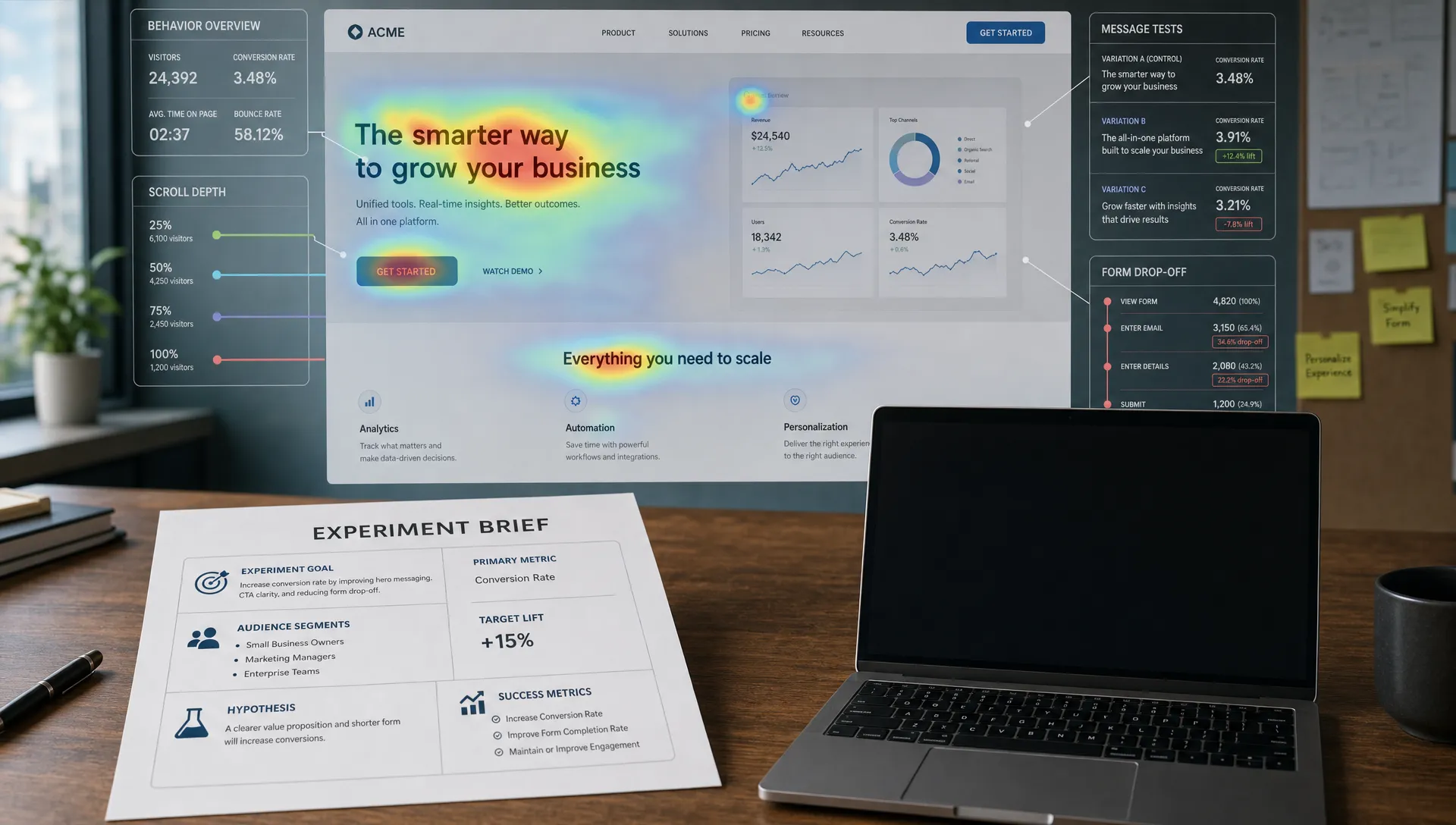
AI makes it easy to generate many variations, but testing too much at once can create confusion. If you test subject line, preview text, send time, sender name, offer, and audience simultaneously, you may not know what caused the result.
Start with one clear question. For example: Does a benefit-led subject line outperform a curiosity-led subject line for trial users? Or: Do dormant subscribers respond better to a preference update or a content recommendation?
Open rate can be the first signal, but it should not be the only metric. Review:
AI can summarize test results, identify segment-level differences, and suggest the next test. Over time, these small lessons build a playbook that is more valuable than one-off subject line wins.
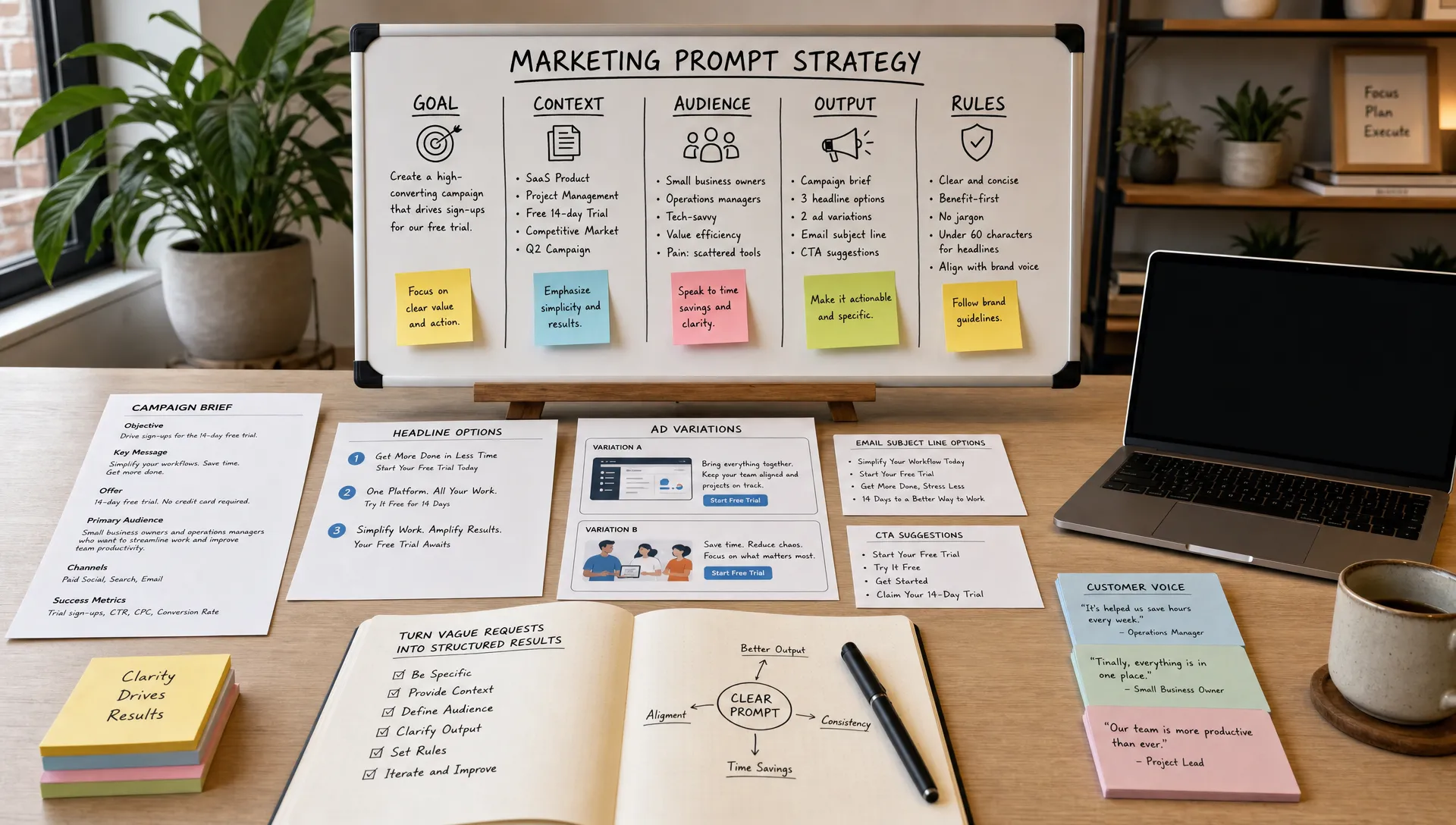
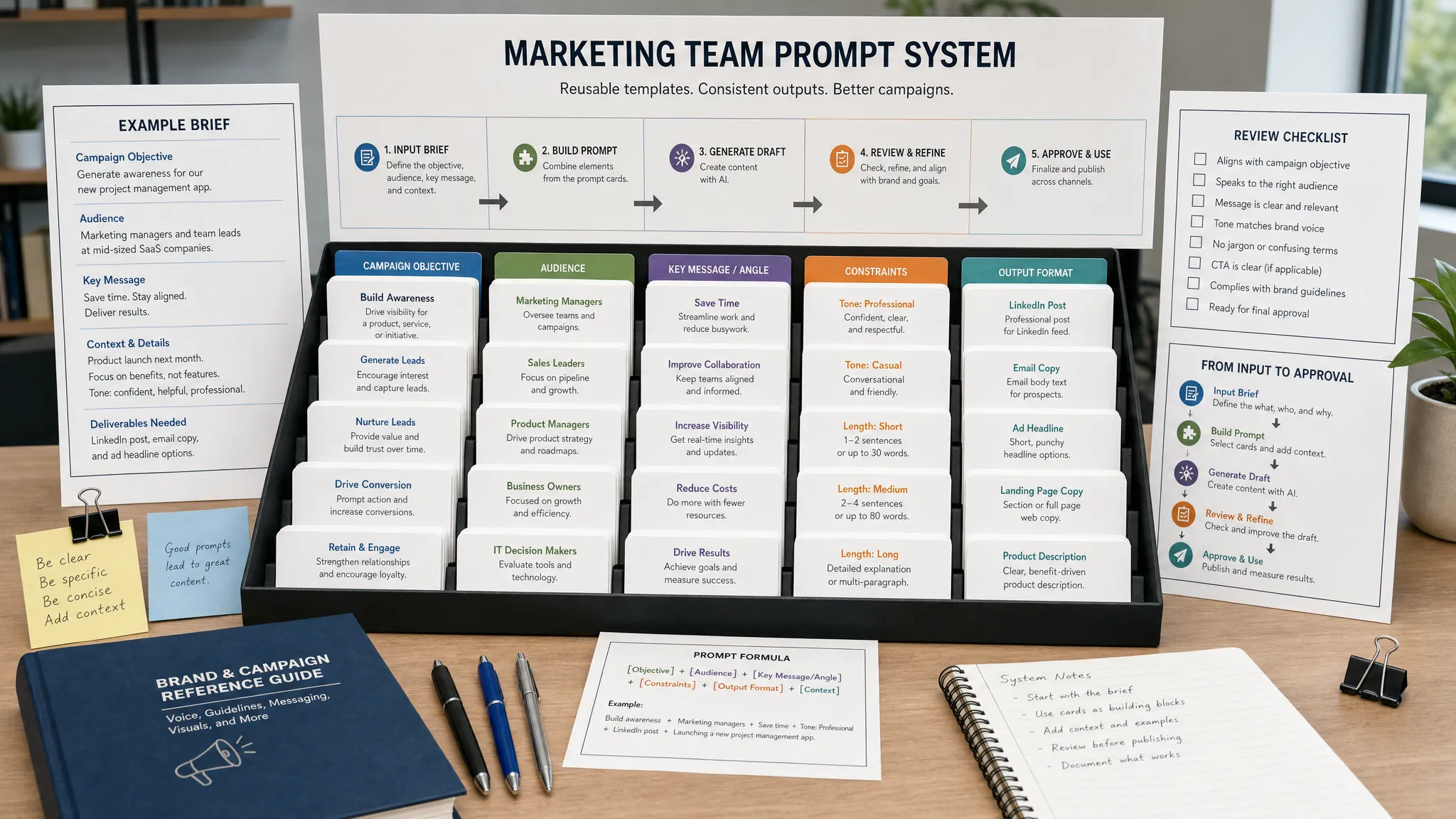
The quality of AI output depends heavily on the prompt. Give the model context, audience, goal, constraints, and examples. Avoid asking for best subject lines in a vacuum.
Try prompts like these:
After generating outputs, score each option against three questions: Is it clear? Is it credible? Is it relevant to this segment right now? If the answer is not yes, revise before sending.
Can AI really increase email open rates? Yes, AI can improve open rates by helping marketers segment audiences, identify engagement patterns, write stronger subject lines, optimize send times, and detect deliverability issues. The best results come when AI recommendations are paired with human strategy and testing.
What is the best AI email marketing tip for beginners? Start by analyzing your past campaigns. Use AI to find which topics, subject line styles, segments, and send times already perform best. This gives you a data-backed foundation before generating new ideas.
Should I use AI-generated subject lines exactly as written? Usually not. Treat AI-generated subject lines as drafts. Edit them for clarity, accuracy, brand voice, and audience fit. Avoid exaggerated claims or curiosity hooks that the email body does not satisfy.
Are open rates still reliable in 2026? Open rates are still useful, but they are imperfect because of privacy features and image-loading behavior. Use them as a directional metric alongside clicks, conversions, replies, unsubscribes, and spam complaints.
How many subject lines should I test at once? For most teams, testing two to four strong variations is enough. The goal is to learn something actionable, not to create so many versions that results become hard to interpret.
Increasing open rates is not about tricking the inbox or chasing clever phrasing. It is about sending more relevant emails, at better moments, with clearer reasons to open.
With the right workflow, AI can help your team move faster while making smarter decisions. Use it to analyze historical performance, sharpen segmentation, generate subject line options, personalize preview text, monitor deliverability, and turn test results into repeatable marketing guides.
For more practical tools, guides, and AI-powered marketing resources, explore AIMarketer Hub and build a workflow that helps every campaign become more useful than the last.