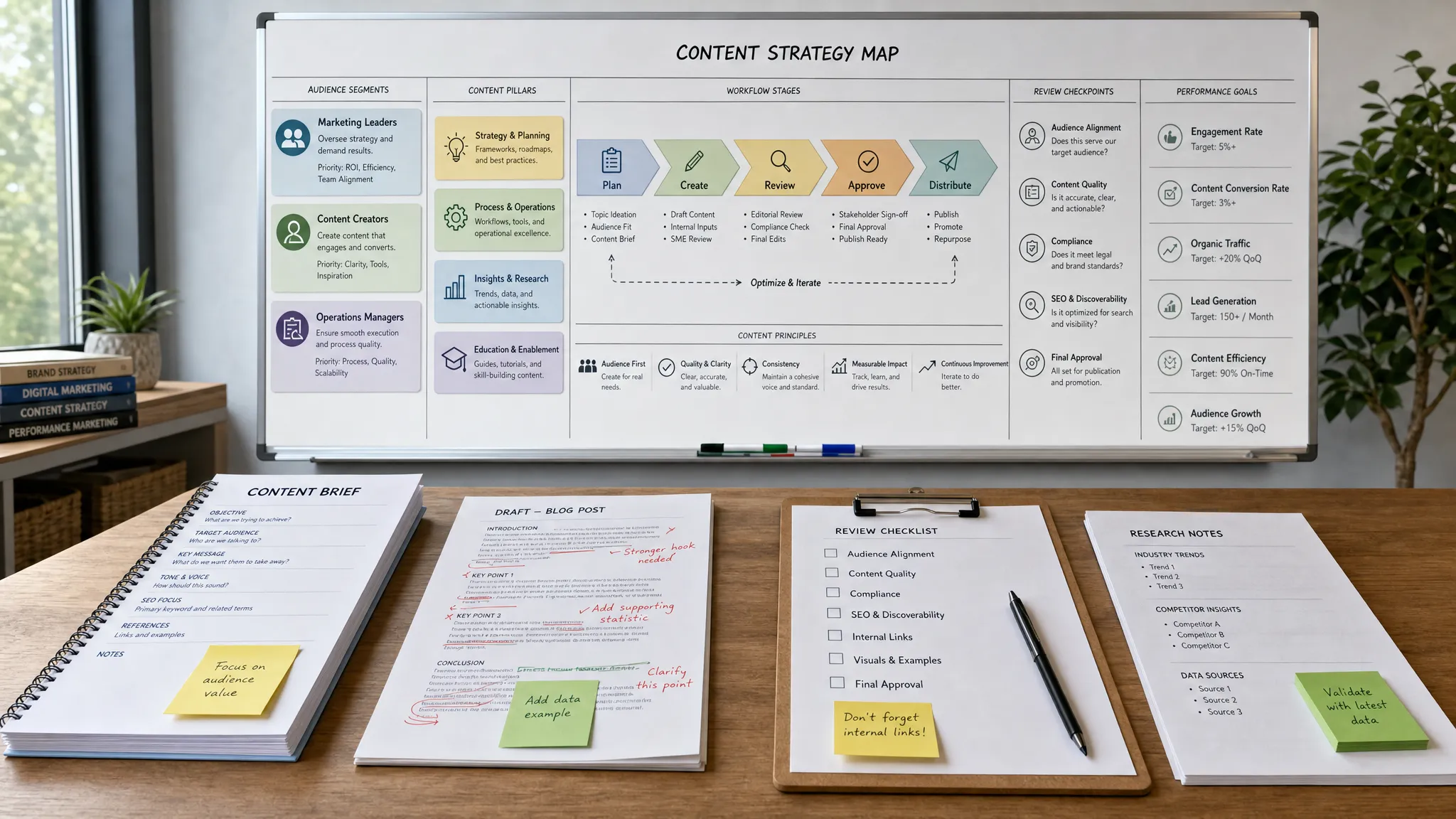
AI can help marketing teams produce drafts, outlines, emails, landing pages, ad variants, and social posts faster than ever. But speed creates a new operational problem: how do you make sure AI-assisted content is accurate, useful, on-brand, compliant, and worth publishing?
That is where AI content quality control becomes essential. It is not a final grammar pass. It is a structured review process that helps teams protect trust while still benefiting from AI marketing automation.
In 2026, the teams getting the most value from AI are not the ones publishing the most content. They are the ones building repeatable systems for quality. A good checklist keeps human judgment at the center, gives editors a clear standard, and helps writers use AI tools without turning every draft into generic content.
Below is a practical AI content quality control checklist your marketing team can use before anything goes live.
AI-generated content can look polished even when it is wrong, thin, outdated, or misaligned with the buyer's real question. That makes quality control especially important for marketing teams that publish at scale.
The risk is not only factual error. AI can create vague advice, repeat the same points in different words, miss search intent, invent product details, use a tone that does not match your brand, or create compliance issues in regulated industries. Those problems can hurt organic performance, lead quality, sales enablement, and customer trust.
Google's people-first content guidance reinforces a useful principle for AI marketing teams: content should serve readers first, not search engines or production quotas. AI can assist with research, structure, repurposing, and editing, but the final content still needs human ownership.
A strong QC process also makes AI more scalable. Instead of debating quality from scratch on every asset, your team can use shared criteria. Writers know what good looks like. Editors review faster. Subject matter experts focus on substance instead of formatting. Marketing leaders get more consistent output across campaigns.
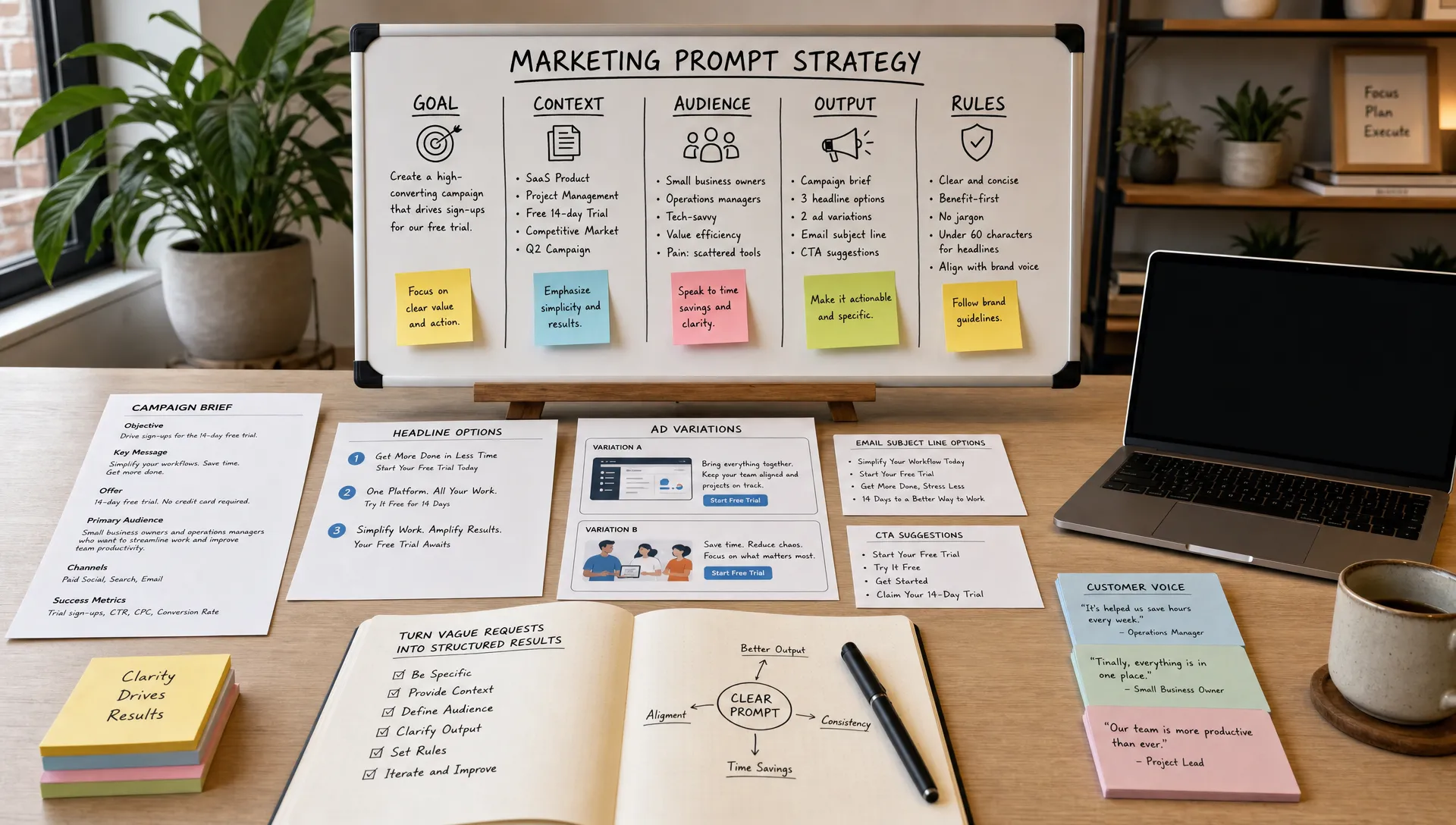
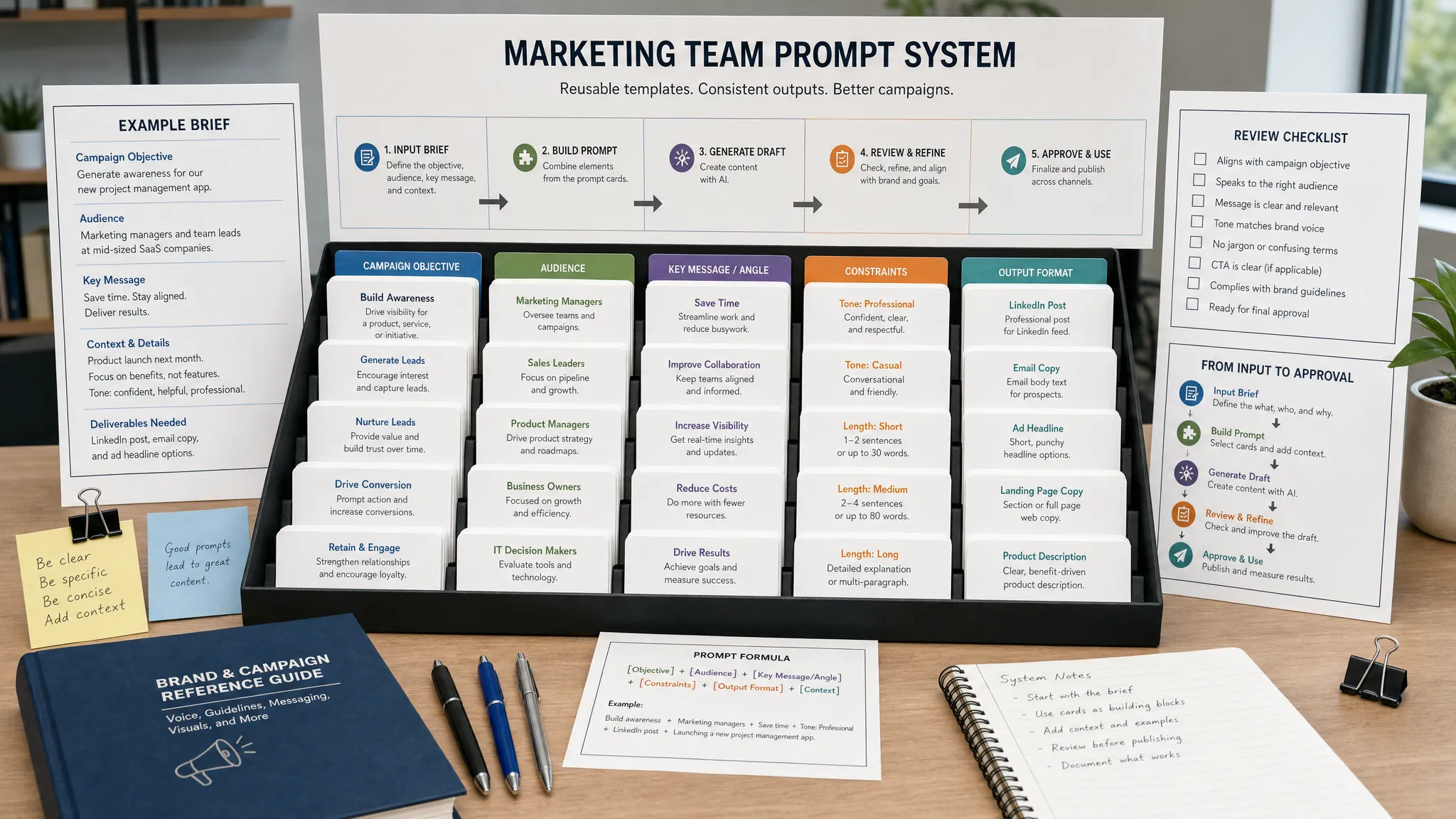
The most common AI content mistake happens before the first draft is written. If the prompt or brief is vague, the output will usually be vague too.
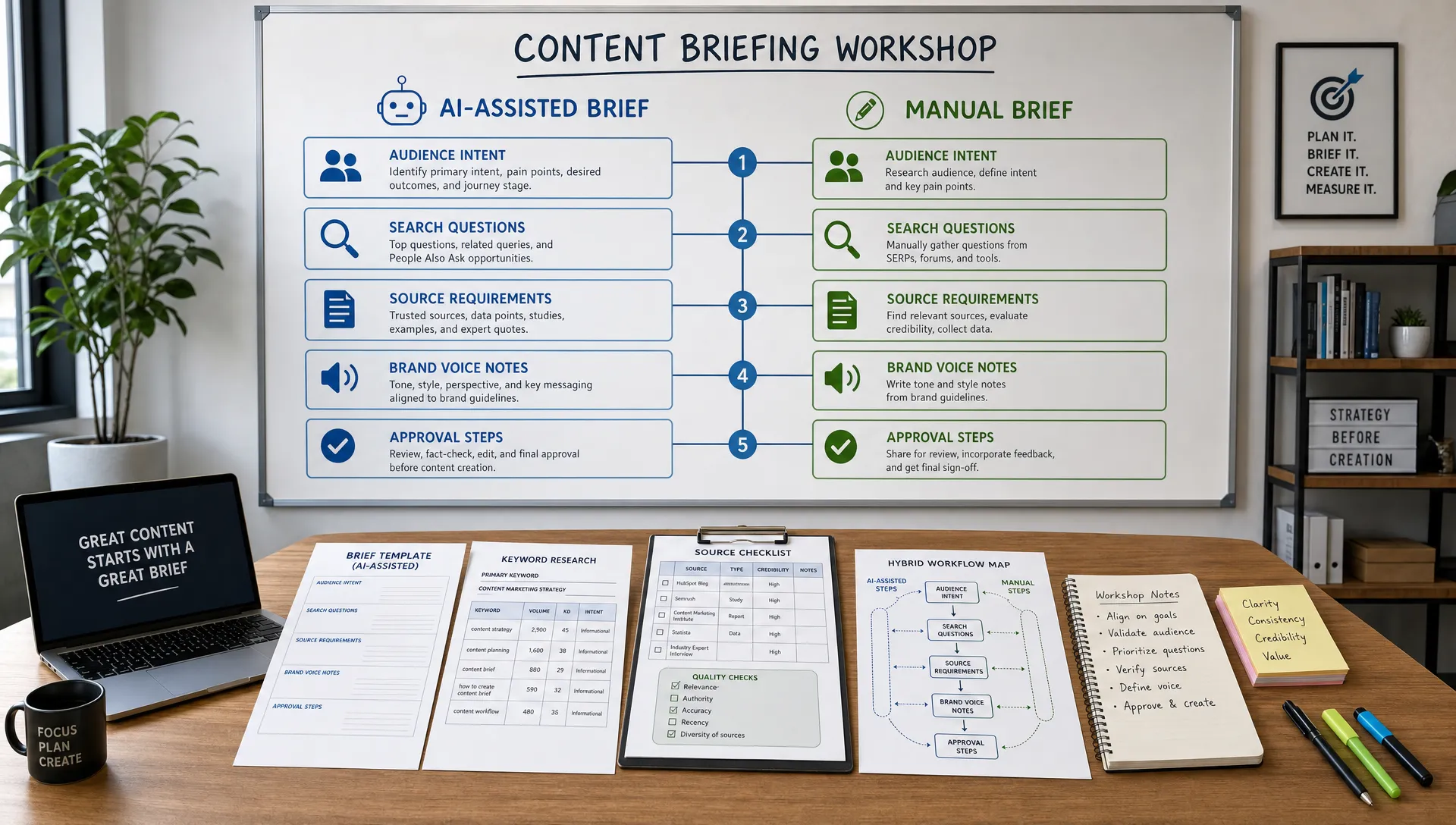
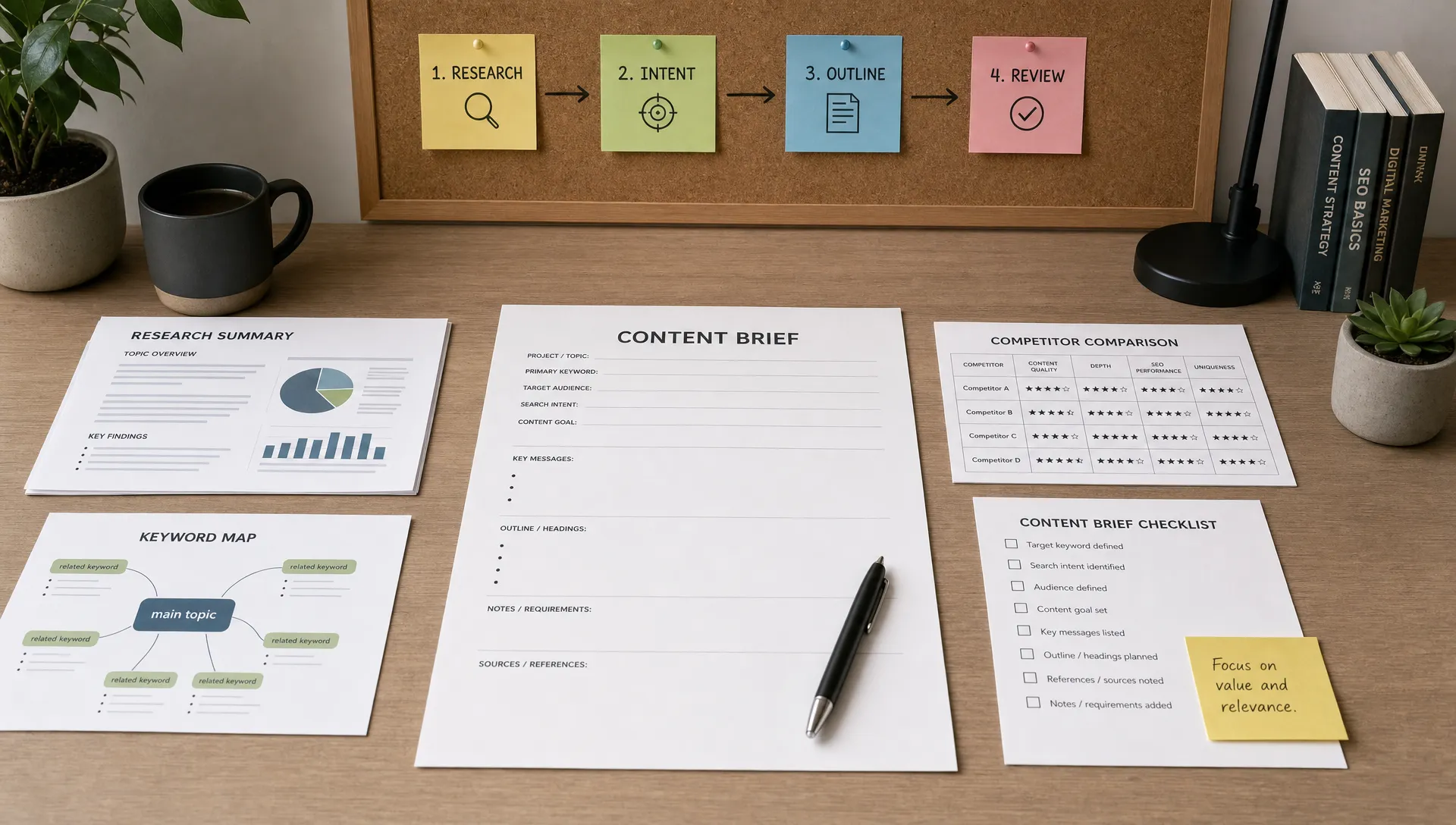
Before reviewing an AI-assisted asset, confirm that the original brief had a clear business goal, audience, content type, funnel stage, and distribution plan. A product comparison page needs different evidence than a top-of-funnel educational article. A nurture email needs different pacing than a LinkedIn thought leadership post.
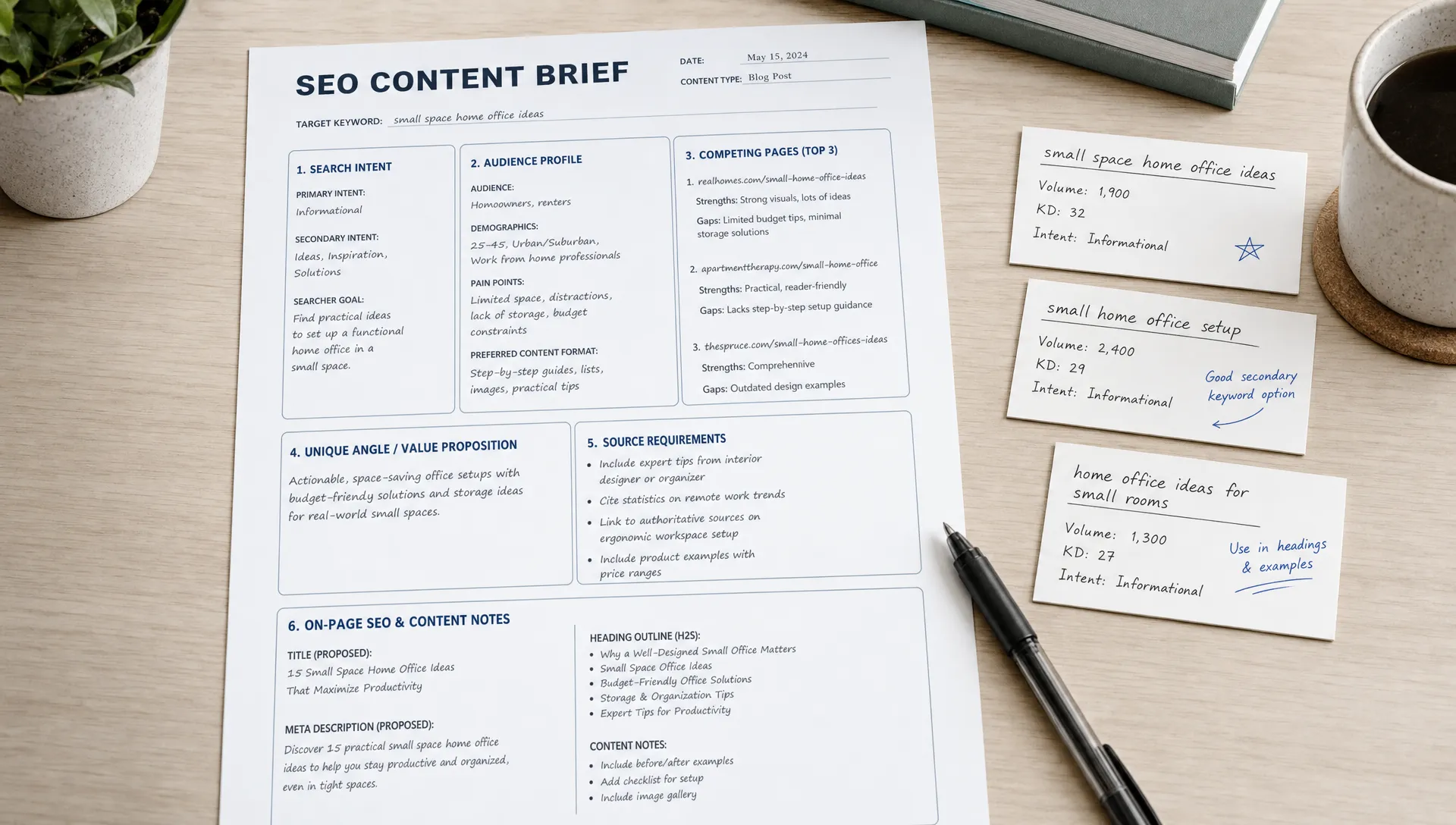
For SEO content, your brief should also define search intent, primary audience pain points, must-cover concepts, internal link opportunities, and what would make the page more useful than what already ranks. If your team needs a deeper process, AIMarketer Hub has a practical guide on building an AI SEO content brief that ranks.
Use this first checkpoint before editing any AI draft:
If the brief fails this stage, do not over-edit the draft. Fix the input first.
AI tools can summarize real information, but they can also blend facts, overstate claims, or produce confident errors. Accuracy review should be a separate step, not something editors do casually while checking style.
Start by identifying every claim that could affect trust. This includes statistics, legal or financial statements, product capabilities, medical or technical advice, competitor comparisons, pricing mentions, and timeline-based statements. Anything that sounds specific should be verified.
Your accuracy review should answer three questions. Is the claim true? Is it current? Is it presented with the right level of certainty?
Be especially careful with dated topics. A best practices article written in 2024 may already be stale by 2026 if it references AI tools, search features, privacy rules, or platform algorithms. Your QC process should require reviewers to refresh examples and remove claims that cannot be verified.
For internal product content, never let AI invent features, integrations, guarantees, customer results, or pricing. If a claim is not confirmed by product documentation, sales enablement materials, or an approved subject matter expert, remove it or rewrite it more generally.
Many AI drafts are grammatically clean but strategically weak. They explain the obvious, repeat generic advice, and fail to help the reader make a better decision.
A useful content review should focus on whether the reader gets something they could not easily find in a dozen similar articles. That does not always mean original research. It can mean a better framework, clearer examples, practical warnings, better sequencing, sharper templates, or a more honest discussion of tradeoffs.
Ask the editor to look for generic sections that could apply to any brand in any industry. Phrases like leverage AI, streamline workflows, and enhance engagement often signal that the draft needs more specificity. Replace vague claims with concrete steps, examples, and decision criteria.
A high-quality AI-assisted piece should include at least one of the following:
This is also where human expertise matters most. AI can help structure the page, but your team should add the experience, judgment, and nuance that make the piece worth reading.
AI often defaults to a neutral, polished tone. That may be acceptable for a first draft, but it rarely creates a memorable brand experience.
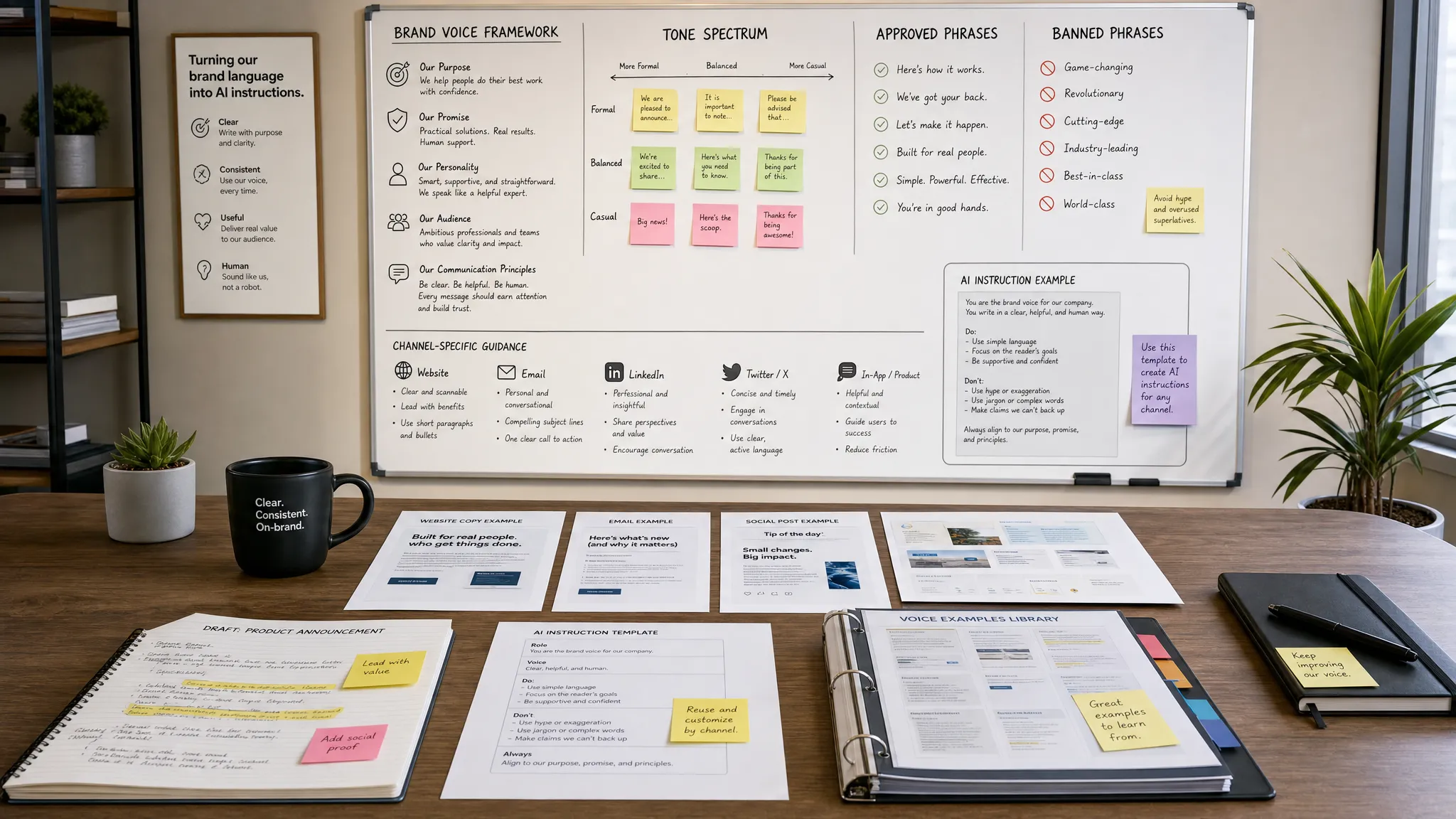
Your quality control checklist should include a brand voice pass. The goal is not to make every article sound identical. It is to make sure the content feels like it came from your company, not a generic AI model.
Review the draft for vocabulary, tone, sentence rhythm, level of confidence, and point of view. A B2B SaaS brand may want a direct and practical voice. A finance brand may need a more careful and compliance-aware tone. A startup founder audience may prefer concise, opinionated guidance.
Create a short internal voice guide that includes preferred phrases, banned phrases, tone examples, and before-and-after rewrites. Then use that guide inside your AI prompts and your human editorial process.

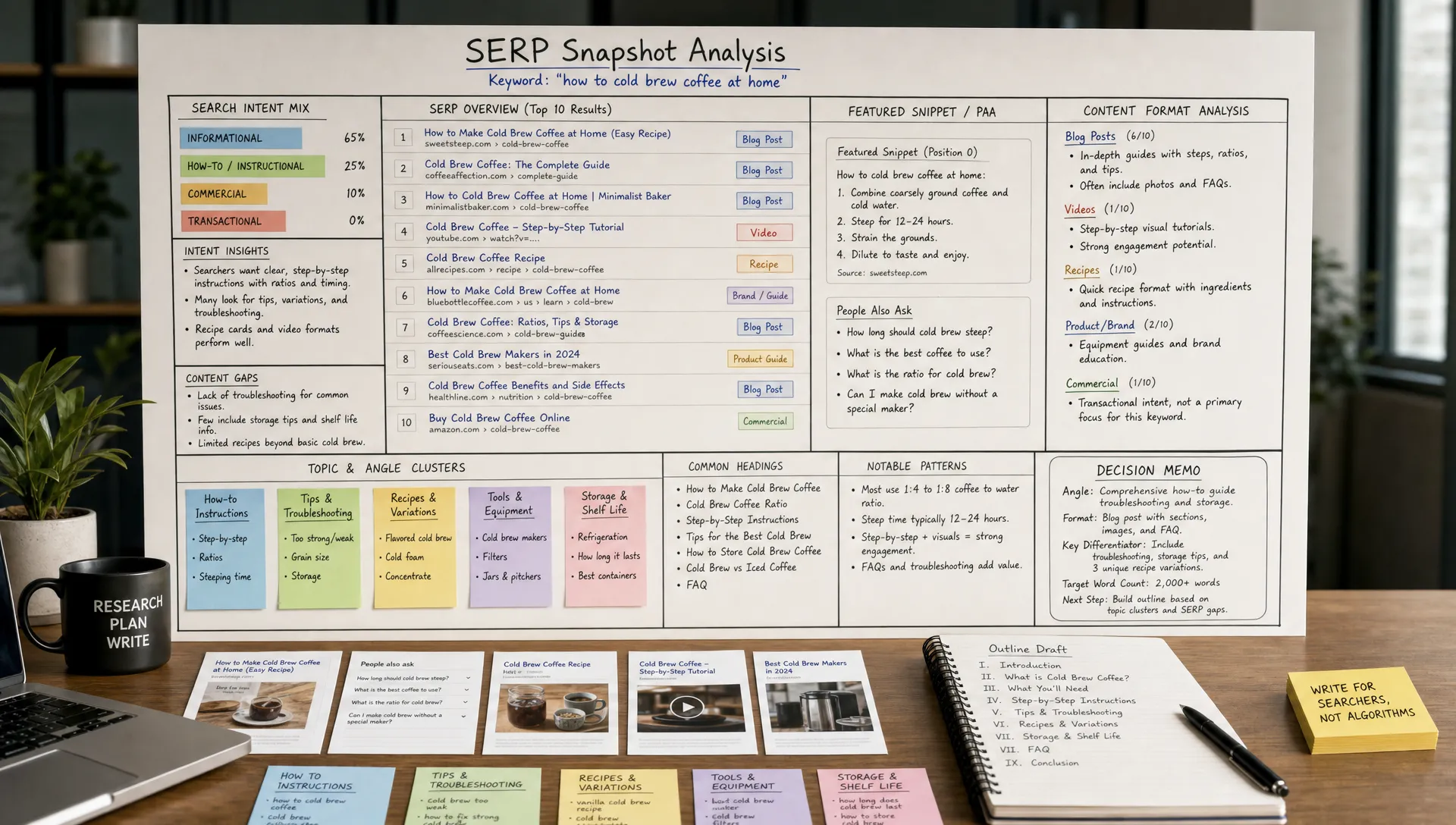
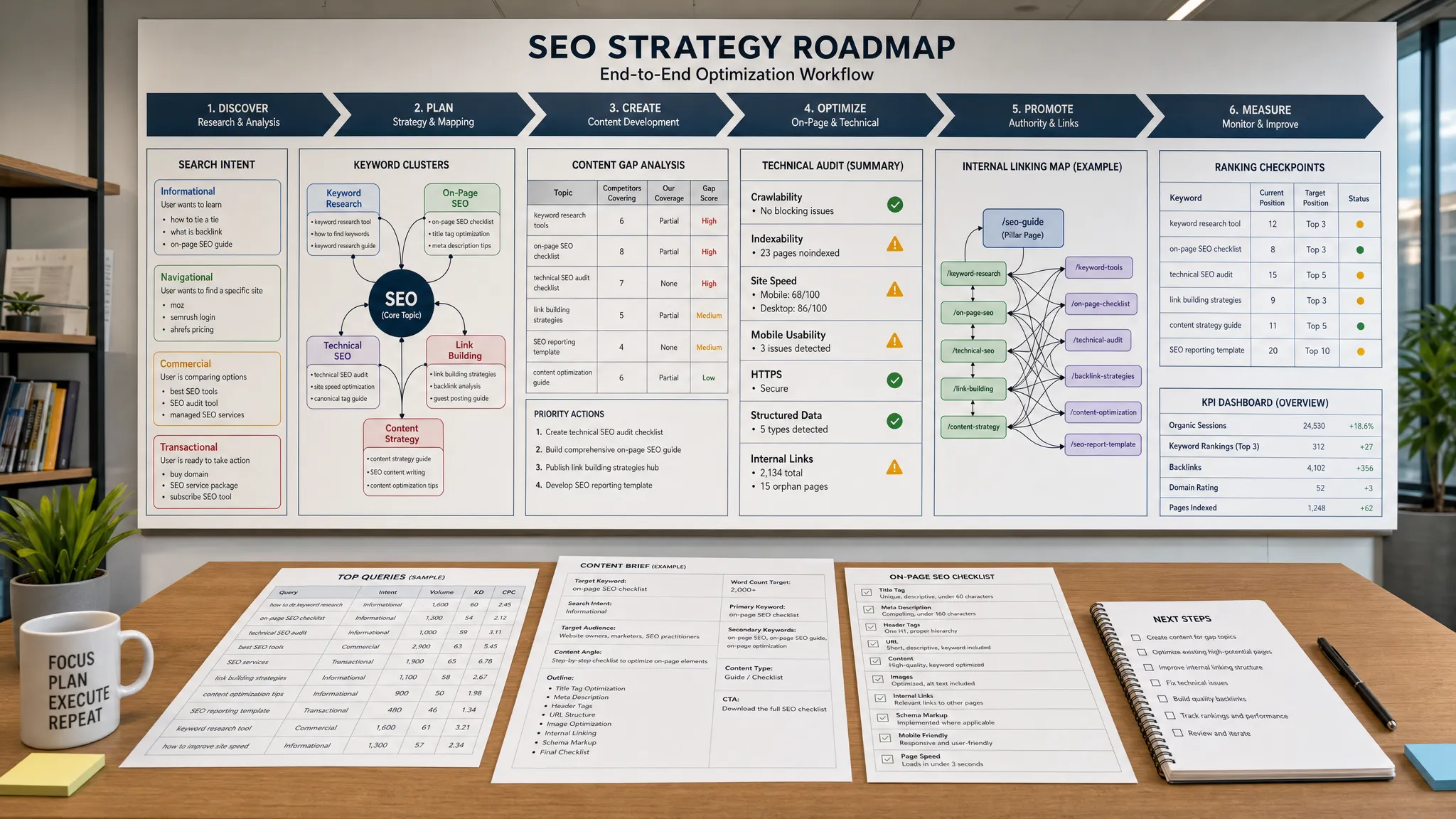
SEO quality control is not about forcing the target keyword into every heading. It is about making sure the content satisfies search intent better than competing pages.
First, compare the draft to the intent behind the query. If the headline promises a checklist, the article should provide a checklist, not a broad essay about AI marketing. If the query has commercial investigation intent, the content should help readers compare options, risks, and next steps. If the query is informational, the page should explain the topic clearly before pushing a conversion.
Next, review structure. Strong SEO content usually has descriptive headings, a logical flow, concise introductions, clear definitions, useful examples, and answers to related questions. The page should be scannable without feeling shallow.
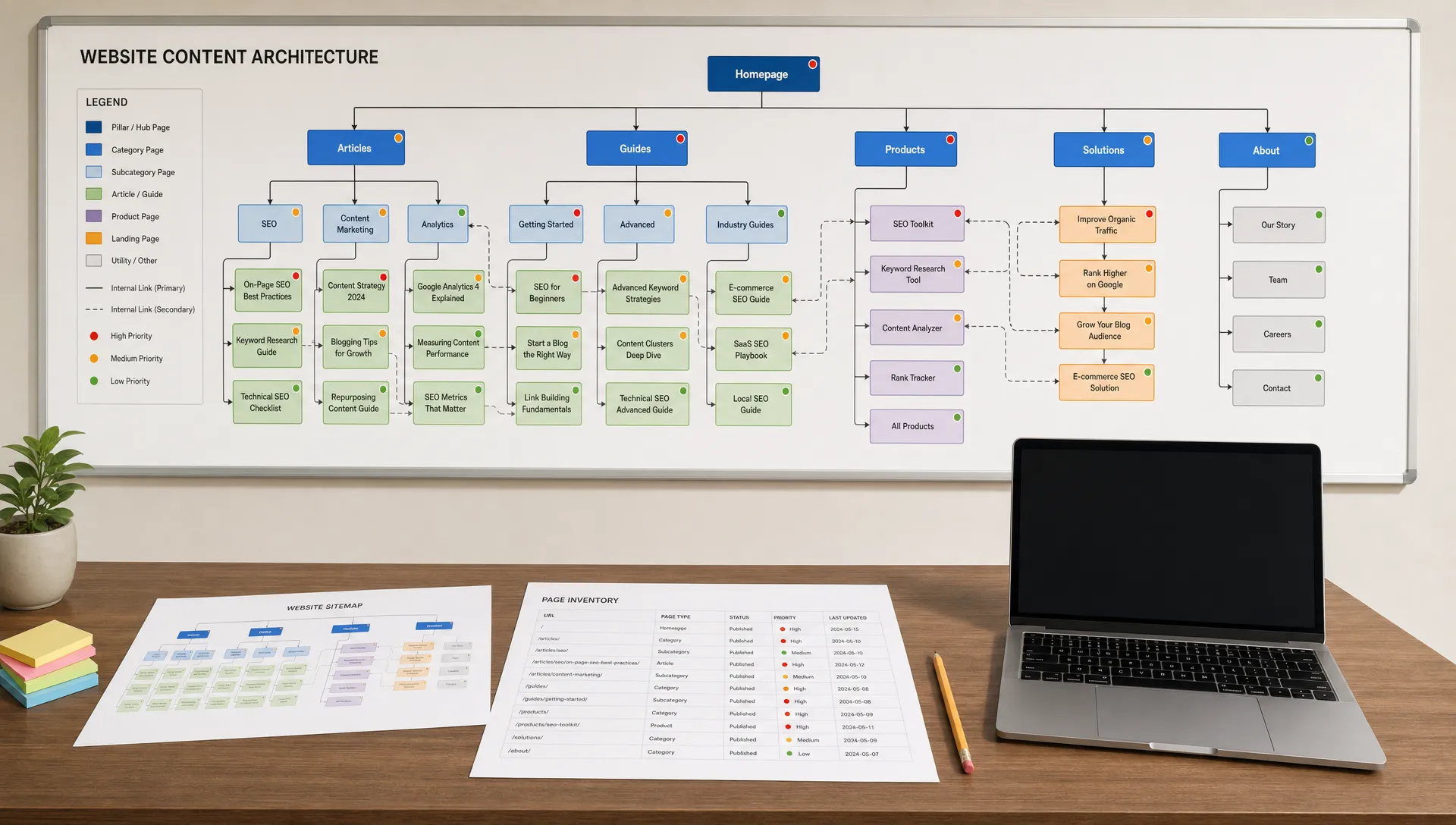
Then check internal linking. Internal links should help readers move to related resources naturally. For example, a quality control article can link to guidance on improving ROI from AI content generation when discussing measurement, or to a workflow article when discussing updates and refreshes.
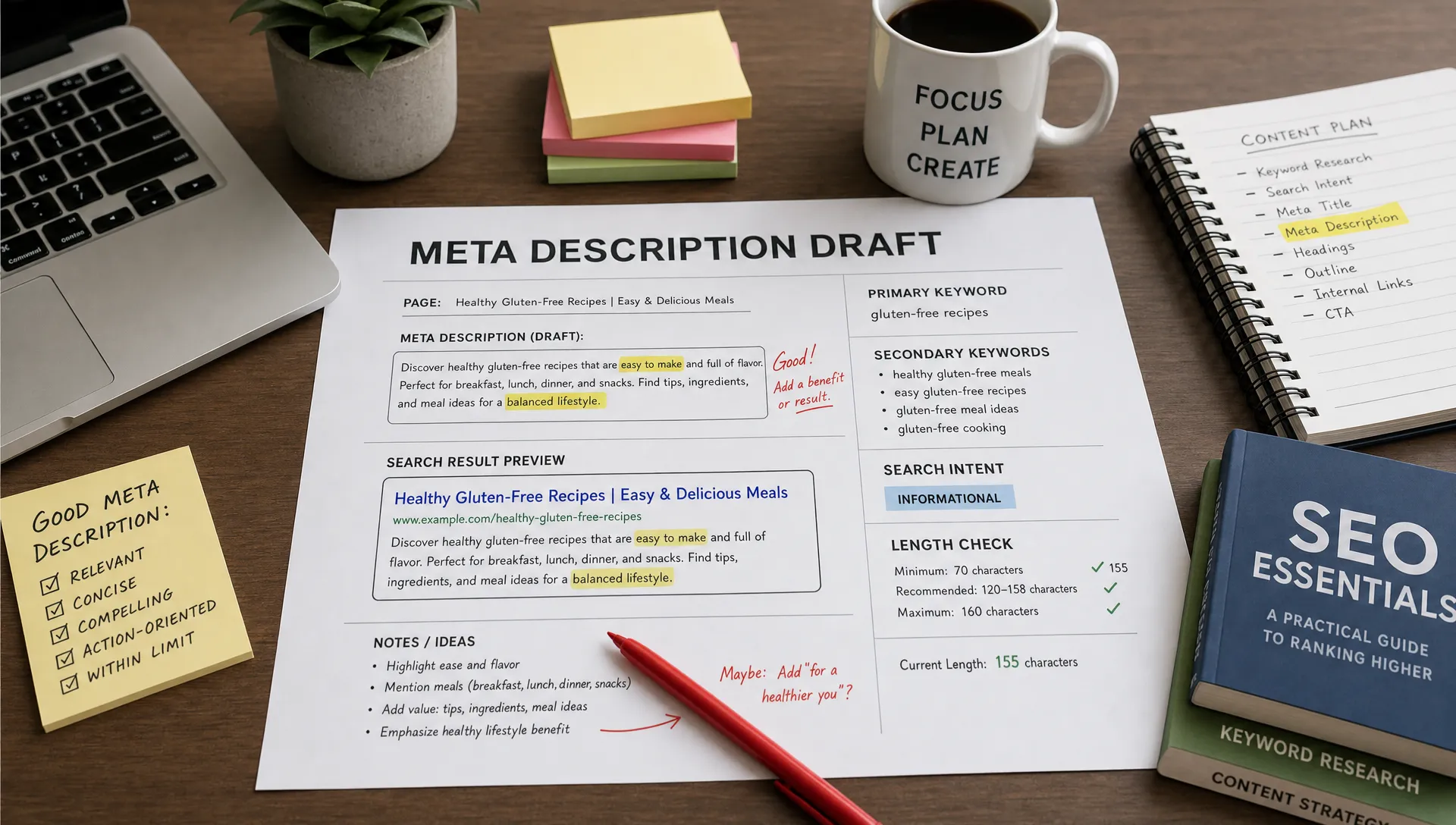
Your SEO QC pass should confirm:
Good SEO editing improves clarity. If optimization makes the page harder to read, the process has gone too far.
AI content can create risks that are easy to miss in a fast-moving marketing workflow. Compliance review is especially important for finance, legal, healthcare, HR, SaaS security, and any industry where claims can affect major decisions.
Your team should define which content needs legal, compliance, or subject matter expert review. Not every blog post needs the same approval path. A general awareness article may only need editorial review, while a claims-heavy landing page may require product, legal, and executive signoff.
Bias review is also important. AI can reproduce stereotypes, exclude audiences, or make assumptions about roles, regions, industries, or customer behavior. Review examples, personas, images, and language for fairness and inclusivity.
Marketing teams should also protect confidential information. Do not paste sensitive customer data, unreleased product details, private financials, legal documents, or proprietary strategy into AI tools unless your company has approved that workflow and understands the data policy of the tool.
Quality content should help the reader and support the business goal. That does not mean every article needs an aggressive sales pitch. It means the next step should match the reader's stage of awareness.
For top-of-funnel content, a helpful next step might be a related guide, checklist, calculator, or newsletter signup. For mid-funnel content, it might be a comparison, case study, webinar, or buyer guide. For bottom-of-funnel content, it might be a demo request, consultation, trial, or product page.
AI content quality control should also apply beyond blog articles. If content fuels outbound sequences, sales emails, LinkedIn outreach, or account-based campaigns, the same standards apply. For example, teams using AI-powered B2B prospecting workflows still need to review personalization quality, claims, tone, data accuracy, and handoff points before messages reach prospects.
A conversion review should ask whether the CTA is relevant, whether the offer matches the content, and whether the transition feels earned. If the article educates beginners, do not immediately push an advanced enterprise demo unless the path is clearly explained.
A checklist becomes easier to manage when your team can score content consistently. You do not need a complex model. A simple 100-point scorecard can help editors identify whether an asset is ready to publish, needs revision, or should be rebuilt.
Consider this scoring structure:
Set a minimum publish threshold. For example, assets scoring below 80 may require revision, while content below 65 may need to return to the brief stage. The exact threshold matters less than consistency.
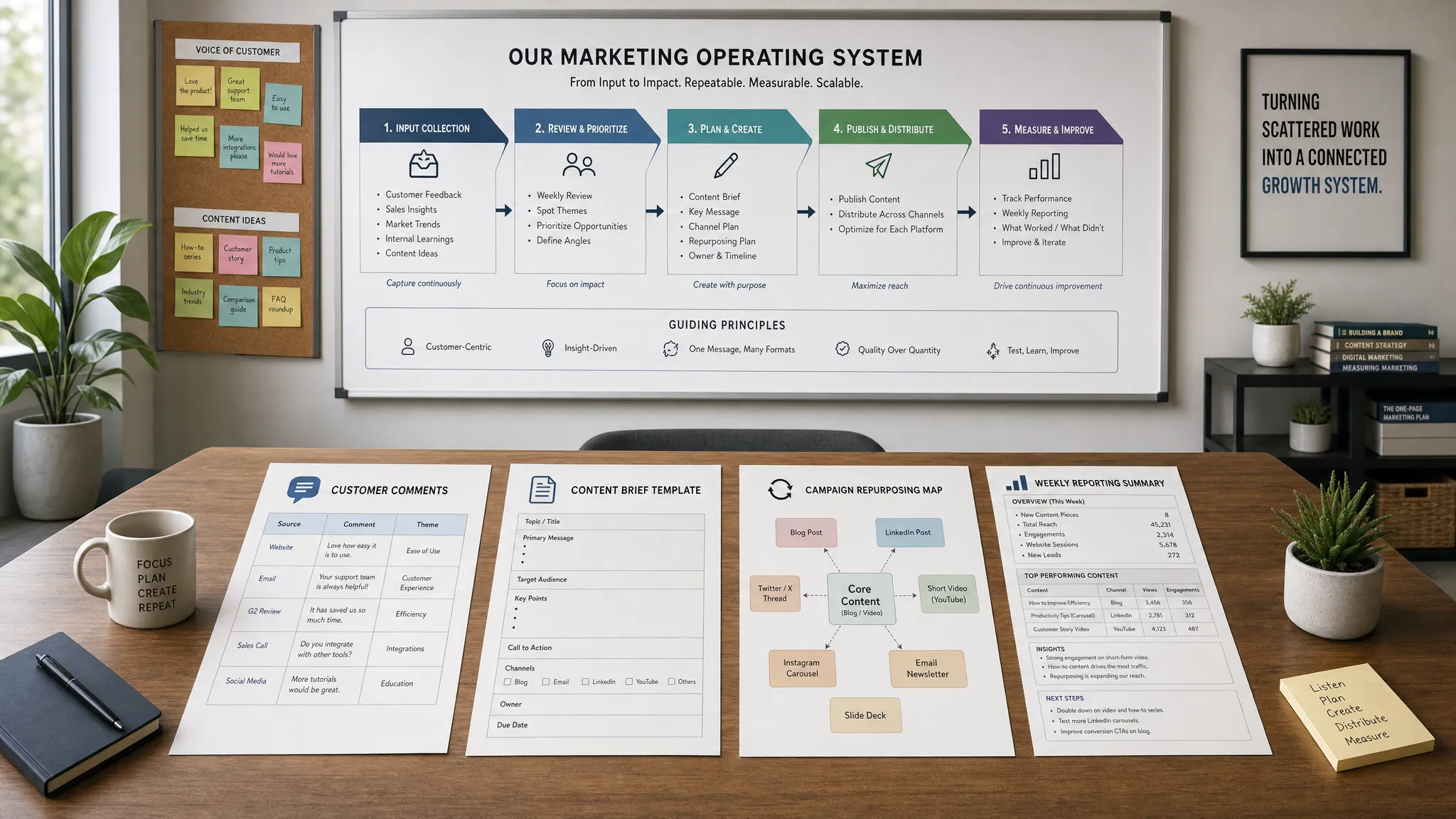
AI content quality control works best when it is built into production, not added at the last minute. If your team only checks quality right before publication, problems become slower and more expensive to fix.
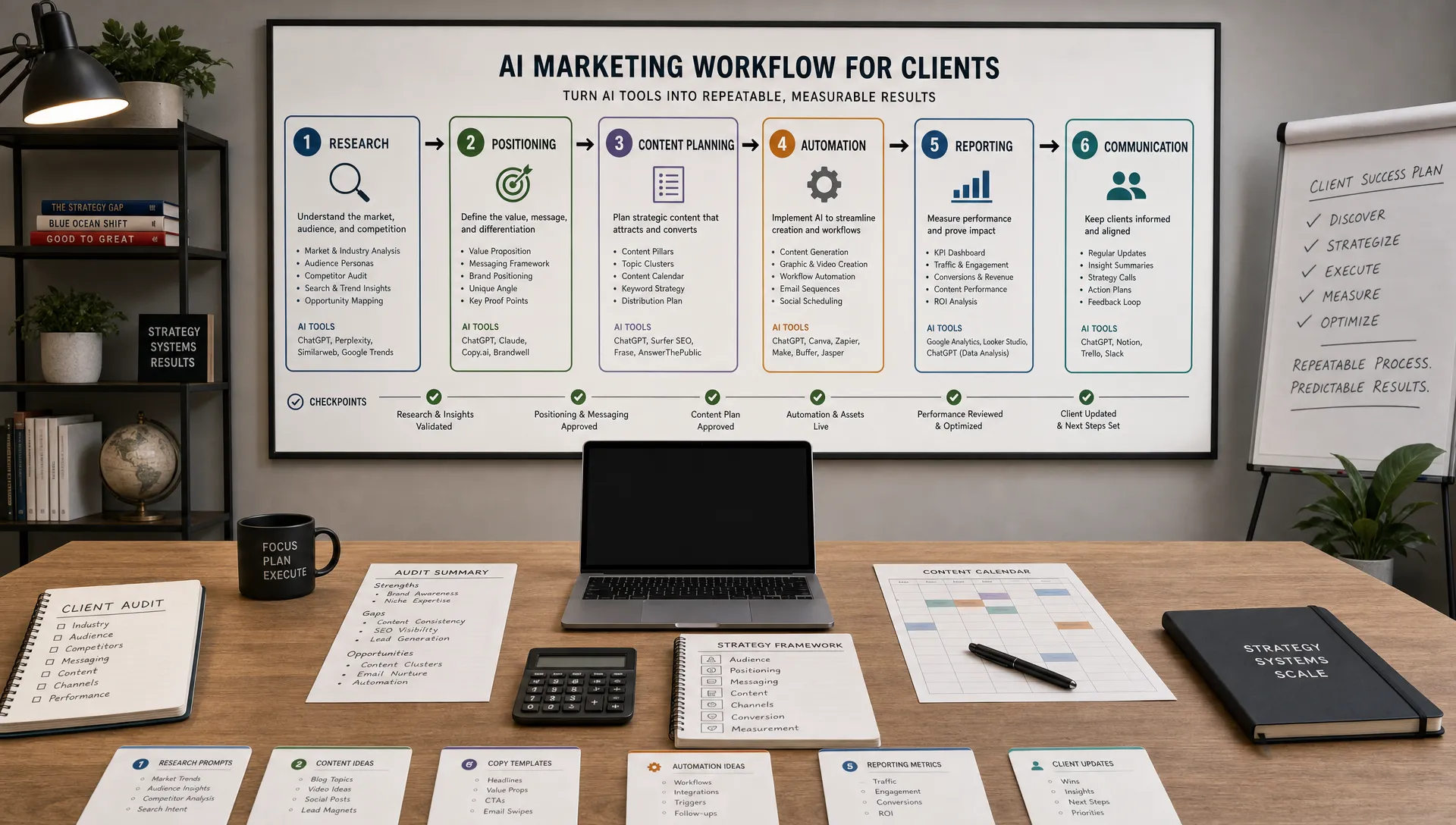
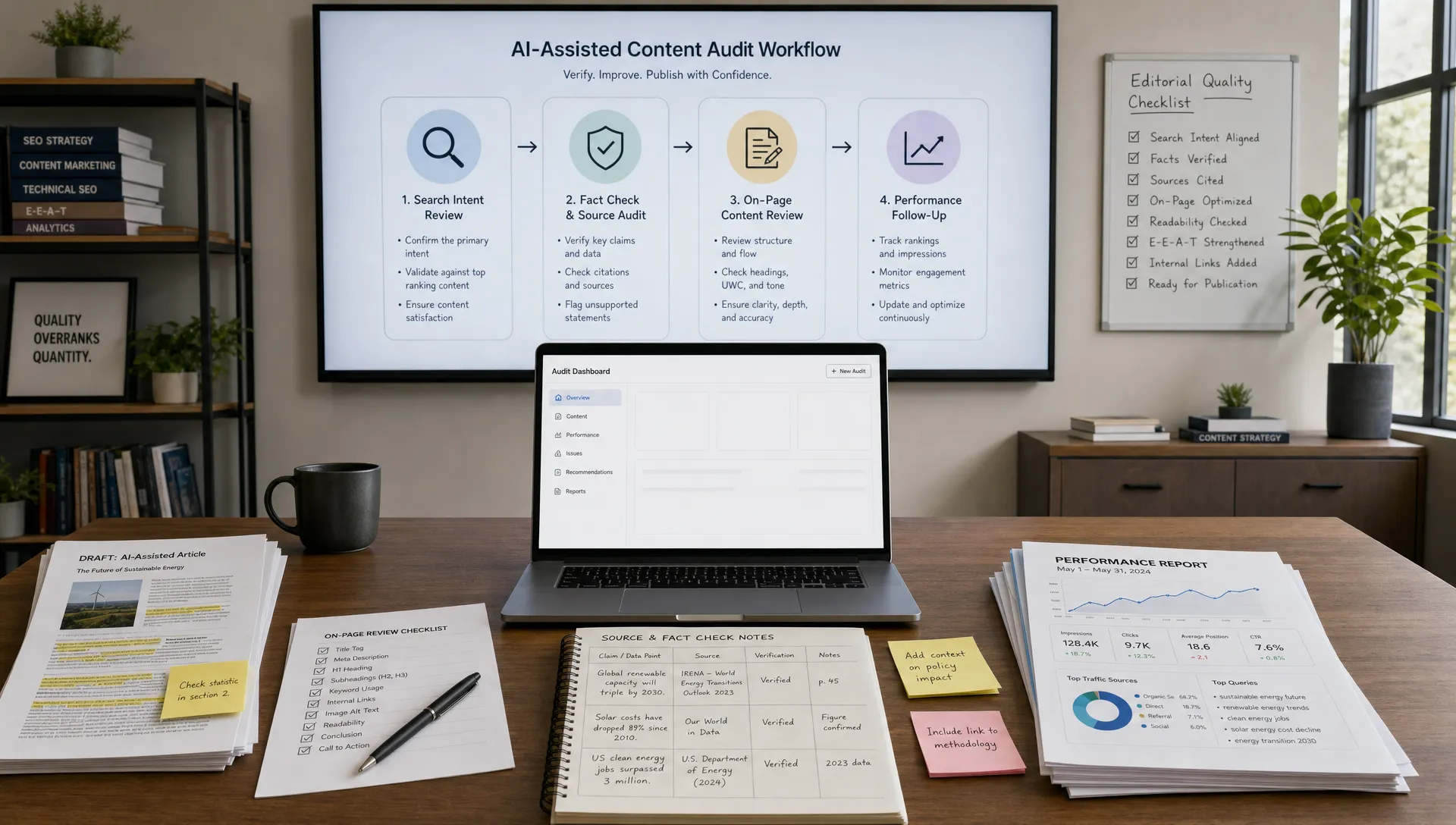
A practical workflow has four gates. First, review the brief before drafting. Second, run an editorial review after the AI-assisted draft is complete. Third, route the content to subject matter, product, legal, or SEO reviewers when needed. Fourth, review performance after publication and feed the learning back into prompts and briefs.
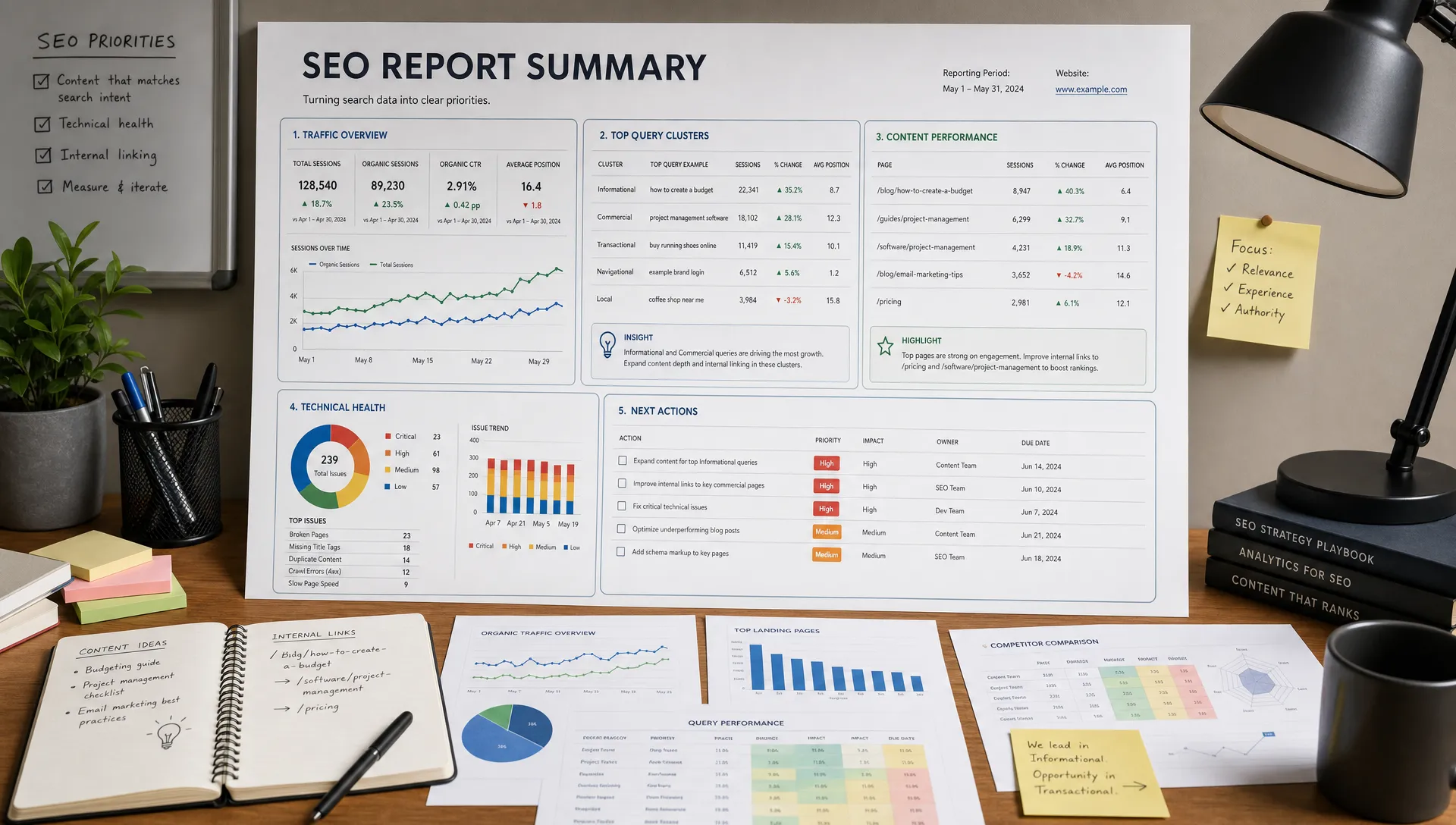
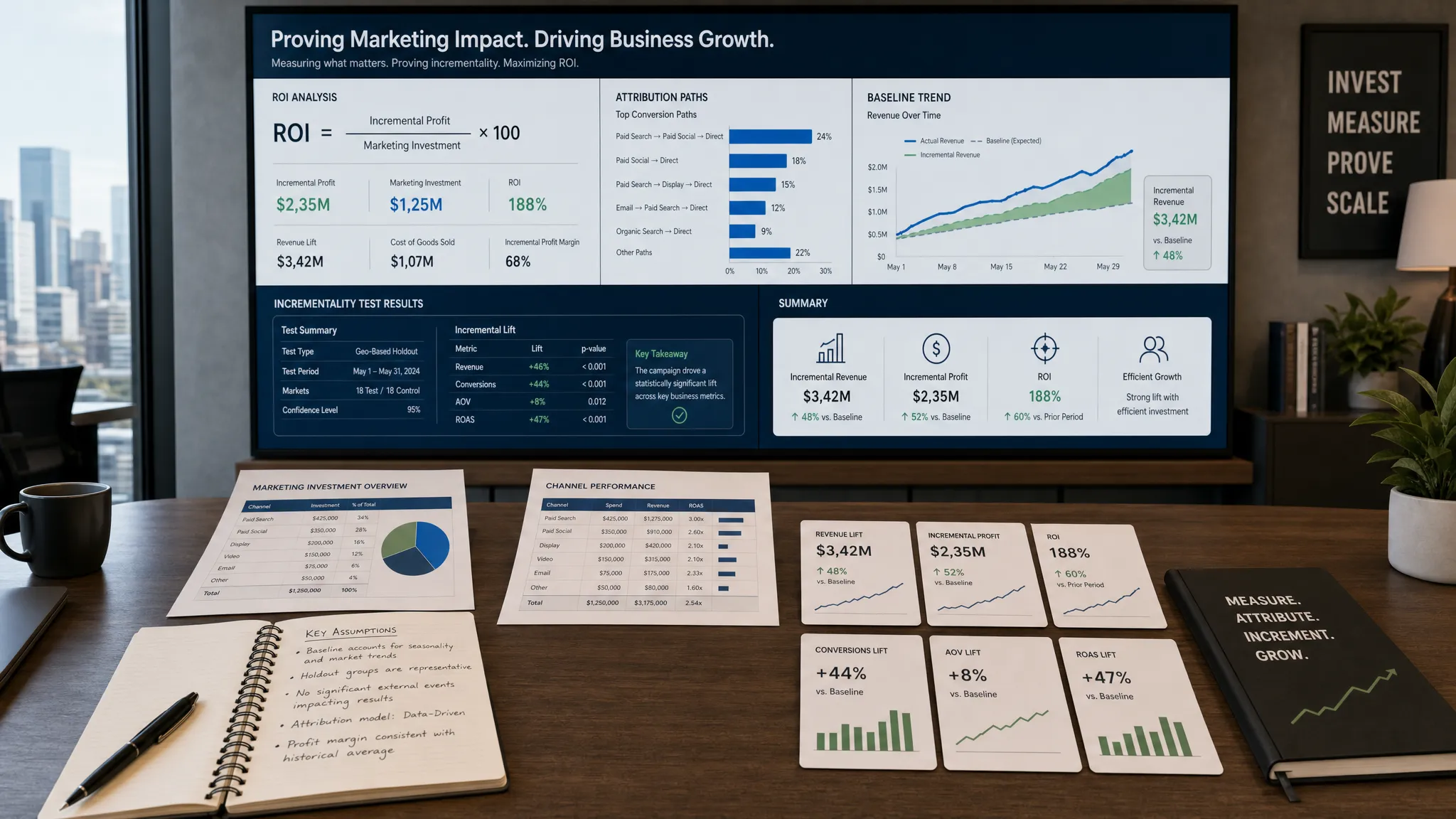
Post-publication review is often overlooked. AI-assisted content should be monitored for rankings, engagement, assisted conversions, lead quality, and user behavior. If a page gets traffic but no meaningful action, the issue may be search intent, CTA fit, content depth, or audience mismatch.
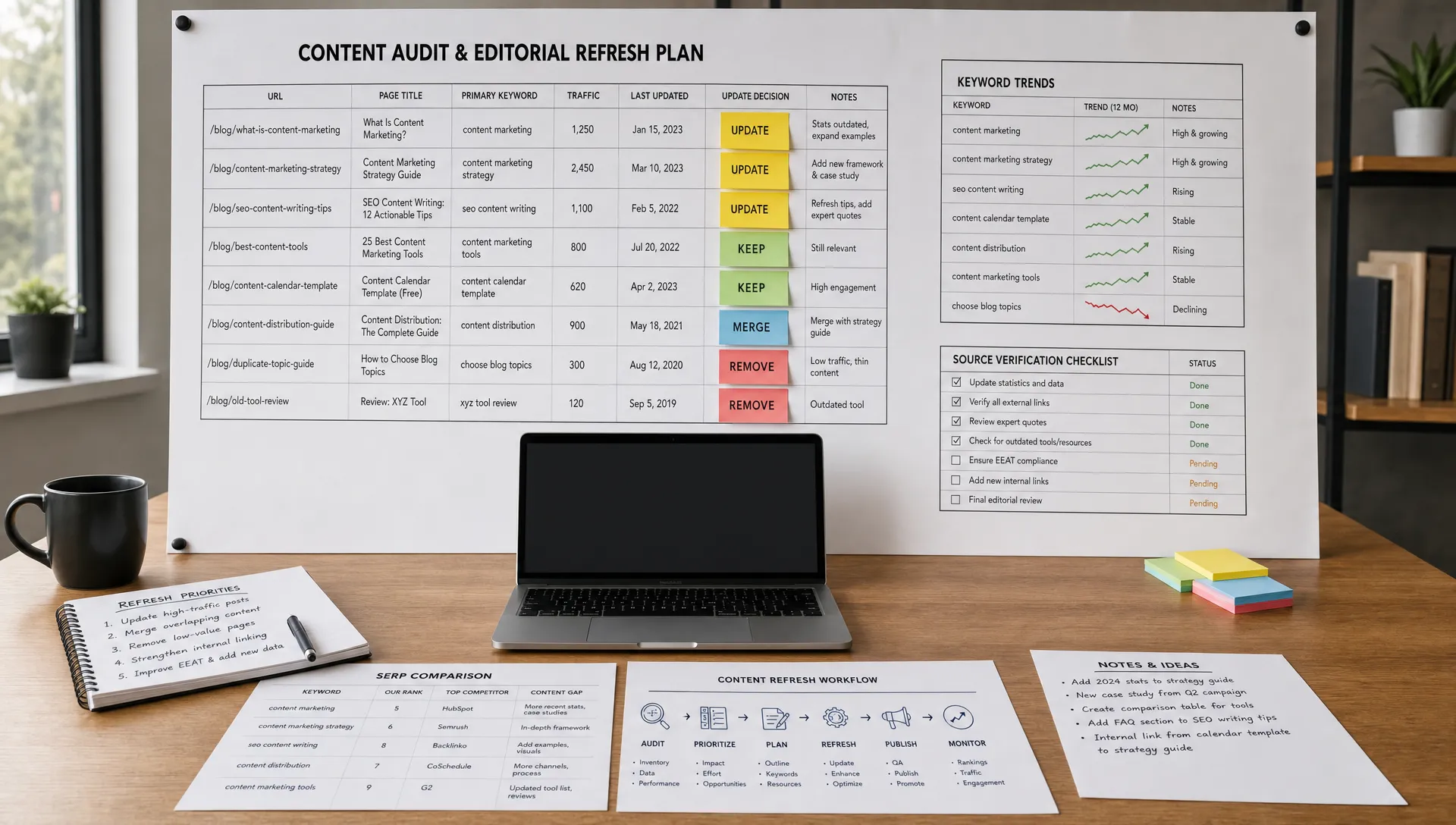
Content also needs maintenance. AI and search behavior change quickly, so old articles can decay even if they were high quality when published. For a structured approach, see AIMarketer Hub's guide to updating old blog content with AI workflows.
Use this final checklist before content goes live:
This final pass should be fast because the major quality checks already happened earlier in the workflow.
What is AI content quality control? AI content quality control is the process of reviewing AI-assisted content for accuracy, usefulness, brand voice, SEO, compliance, and business alignment before publication.
Should AI-generated content always be edited by a human? Yes. AI can accelerate drafting and ideation, but human review is necessary for judgment, factual accuracy, brand nuance, legal risk, and strategic fit.
How do marketing teams measure AI content quality? Teams can measure quality through a mix of editorial scoring and performance data, including rankings, engagement, conversions, assisted pipeline, lead quality, and content refresh needs.
What is the biggest AI content quality mistake? The biggest mistake is treating AI output as finished content. Most quality issues start with weak briefs and continue when teams skip fact-checking, originality review, and conversion alignment.
AI can make marketing teams faster, but quality control is what makes that speed sustainable. The goal is not to create more approval layers. The goal is to create a repeatable system that helps your team publish content that is accurate, useful, on-brand, and tied to real business outcomes.
AIMarketer Hub helps marketers build smarter AI workflows with practical guides, prompt resources, SEO tools, performance insights, and industry-specific marketing resources. Use this checklist as a starting point, then adapt it to your team's risk level, content types, and growth goals.