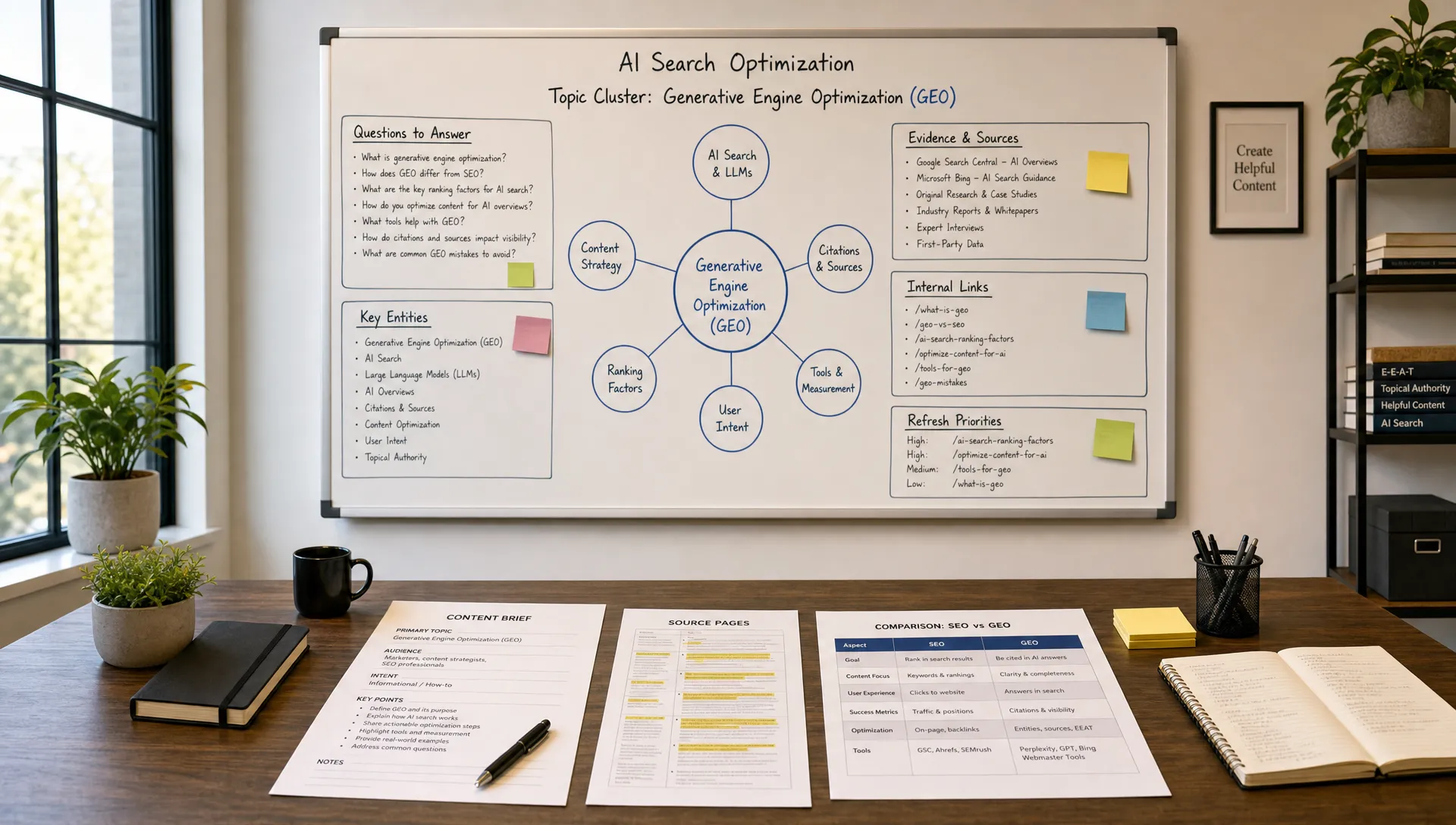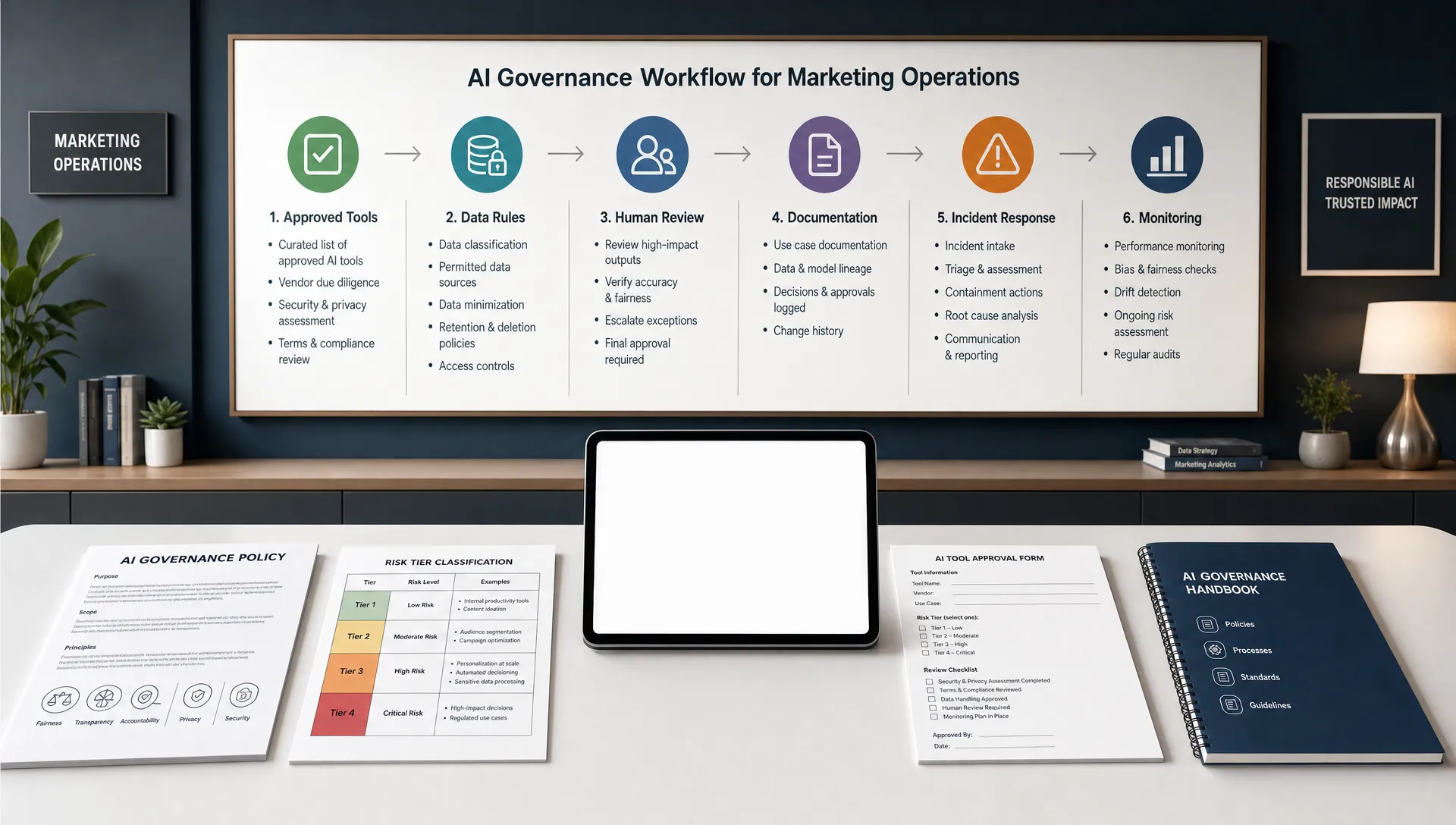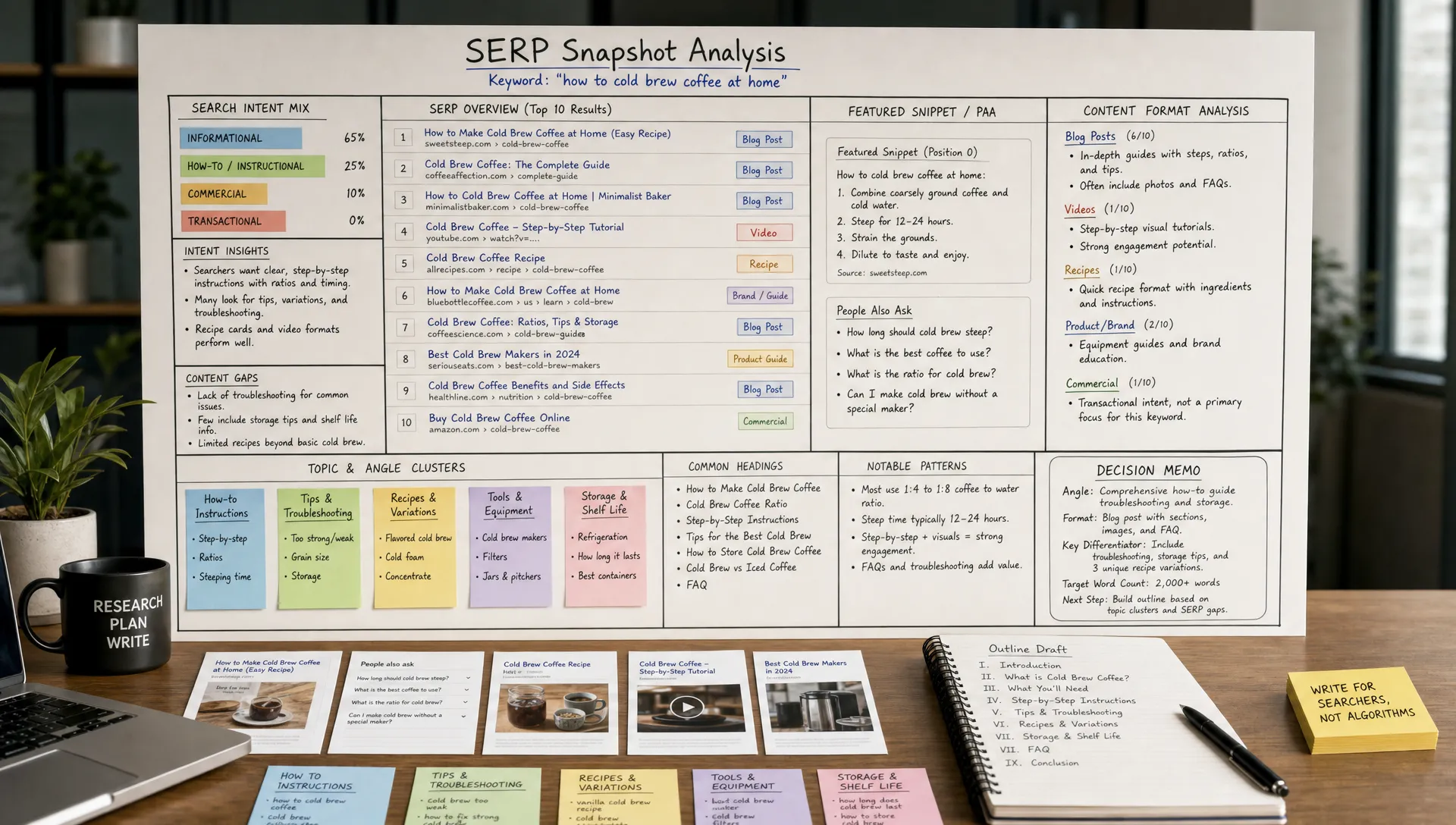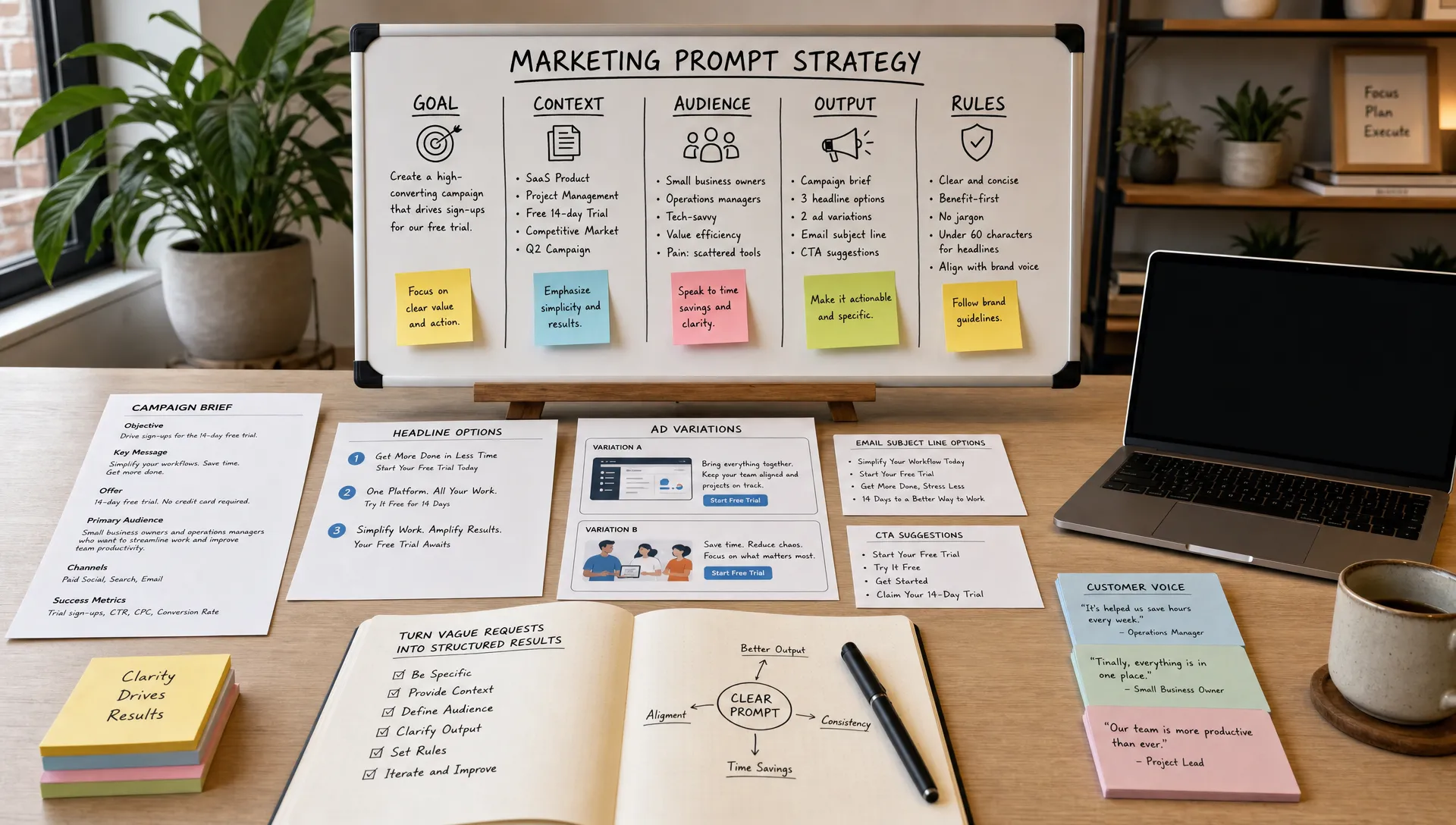
Most content gap analysis starts with a spreadsheet of competitor keywords. That is useful, but it rarely reveals the opportunities your competitors are missing. If every team uses the same SEO tool, exports the same keyword list and writes the same article, the result is predictable: a crowded SERP full of similar posts.
AI helps when you use it for pattern recognition, clustering and synthesis rather than as a shortcut to publish more pages. It can compare competitor content at scale, group search intent signals, mine customer language and identify gaps that are not obvious from keyword volume alone.
The goal is not to find more topics. The goal is to find the missing angle, unanswered question, weaker proof point or underserved buyer segment that gives your content a reason to exist.
A content gap is not simply a keyword you have not targeted. In competitive markets, the highest value gaps often sit inside topics that already have plenty of content.
For example, your competitors may cover “AI marketing automation” broadly, but ignore how a small SaaS team should decide which workflows to automate first. They may rank for “content creation tools,” but never compare the tools by editorial control, compliance needs or handoff process. They may explain a strategy, but fail to show templates, decision criteria or examples from a real workflow.
AI can help you find several types of gaps:
This is where AI has an advantage. It can examine hundreds of pages, reviews, questions and search results faster than a human team can manually tag them. The human role is to set the strategy, verify the findings and decide which gaps deserve investment.
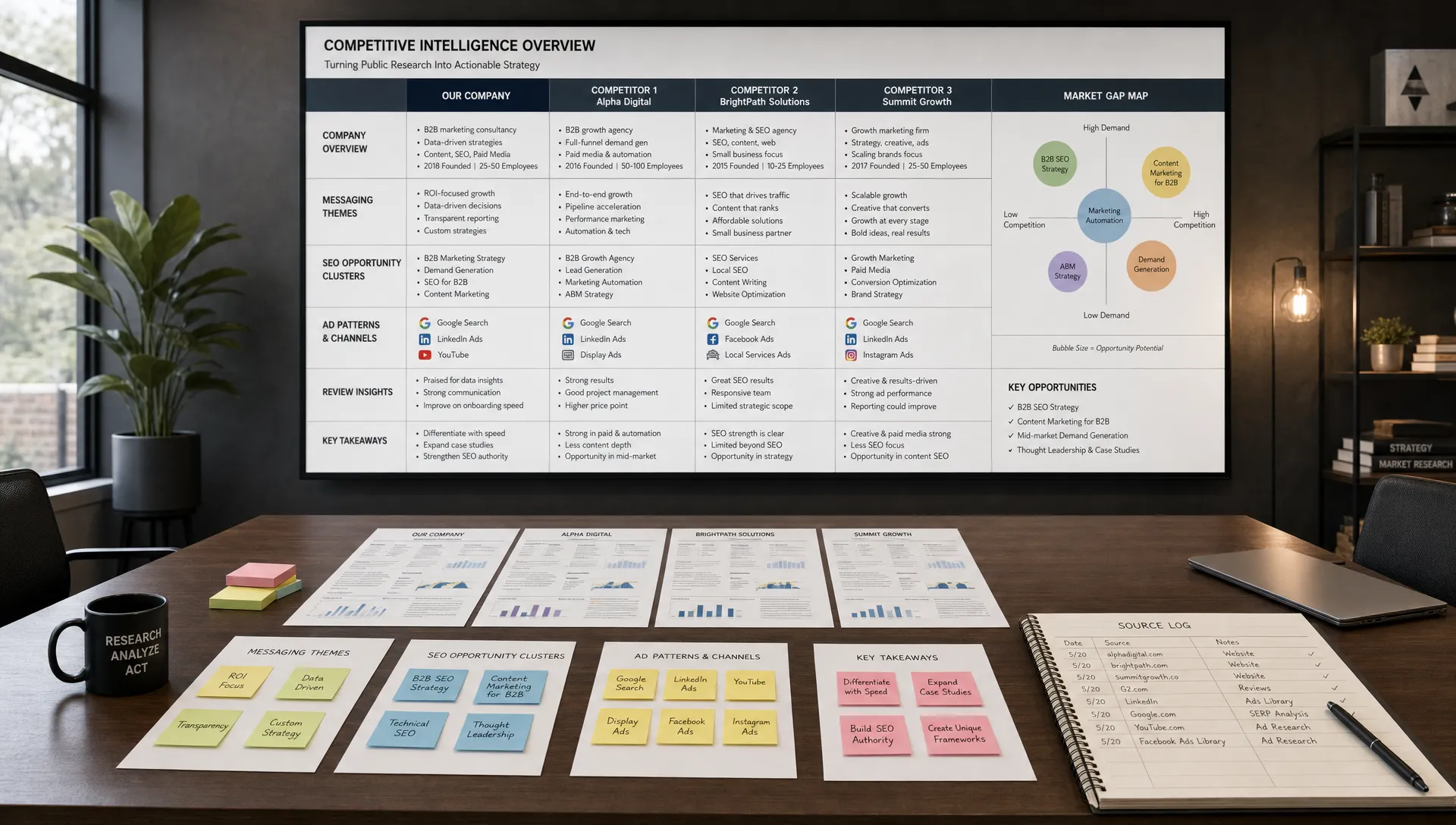
Before you ask AI to find gaps, define the competitors it should study. Many teams make the mistake of looking only at direct business competitors. For content strategy, you need a broader view.
Your content competitors include any site that earns attention for the searches, questions and decisions your customers care about. That may include software review sites, agencies, media publishers, niche newsletters, YouTube creators, Reddit threads and documentation hubs.
A useful competitor set usually includes:
Once you have this list, give AI context about your business model, target audience and priority offers. A content gap for a B2B SaaS company will look different from a gap for an ecommerce brand, even if the keywords overlap.
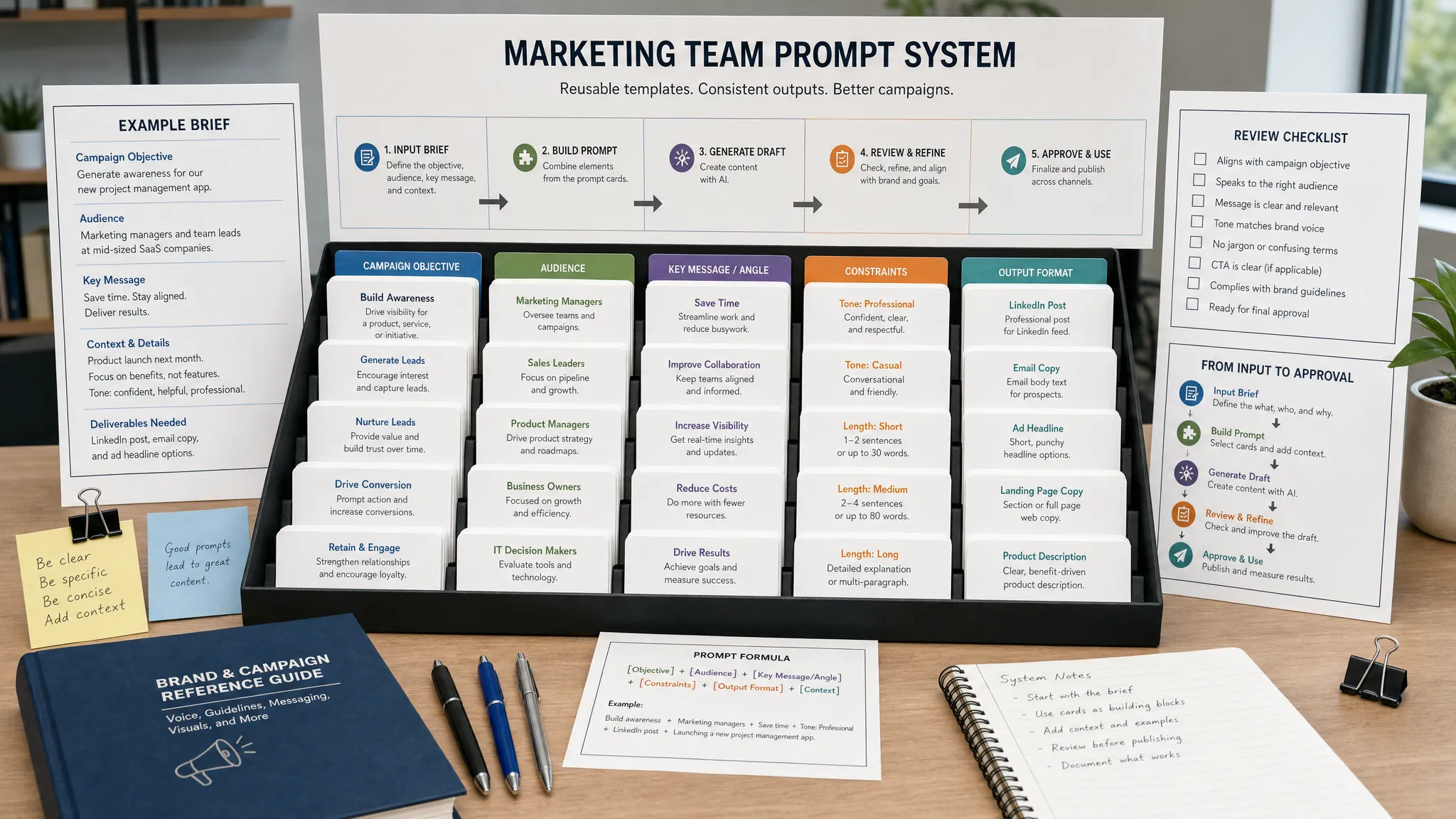
A simple prompt can help frame the task:
You are helping build an SEO content strategy for [business type]. Our target audience is [audience]. Our core offers are [offers]. Analyze the following competitor pages and identify content gaps based on search intent, audience specificity, depth, proof and conversion usefulness. Prioritize gaps that competitors under-serve, not just keywords they rank for.
This framing prevents AI from returning a shallow list of “write about X” ideas. It pushes the analysis toward strategic gaps.
AI output improves dramatically when the source material is specific. Do not rely on a model’s general knowledge of your market. Feed it the actual signals you want it to analyze.
For a strong content gap workflow, gather:
You do not need all of this for every project. If you are starting small, use competitor URLs, your existing content and 20 to 50 real customer questions. That is enough for AI to identify patterns a standard keyword export may miss.
If your team already uses AI for content creation, this gap research should come before drafting. It gives every article a clearer job. AIMarketer Hub’s guide to improving ROI from AI content generation makes a similar point: AI works best when it is tied to business goals and buyer journey stages, not treated as an isolated writing tool.
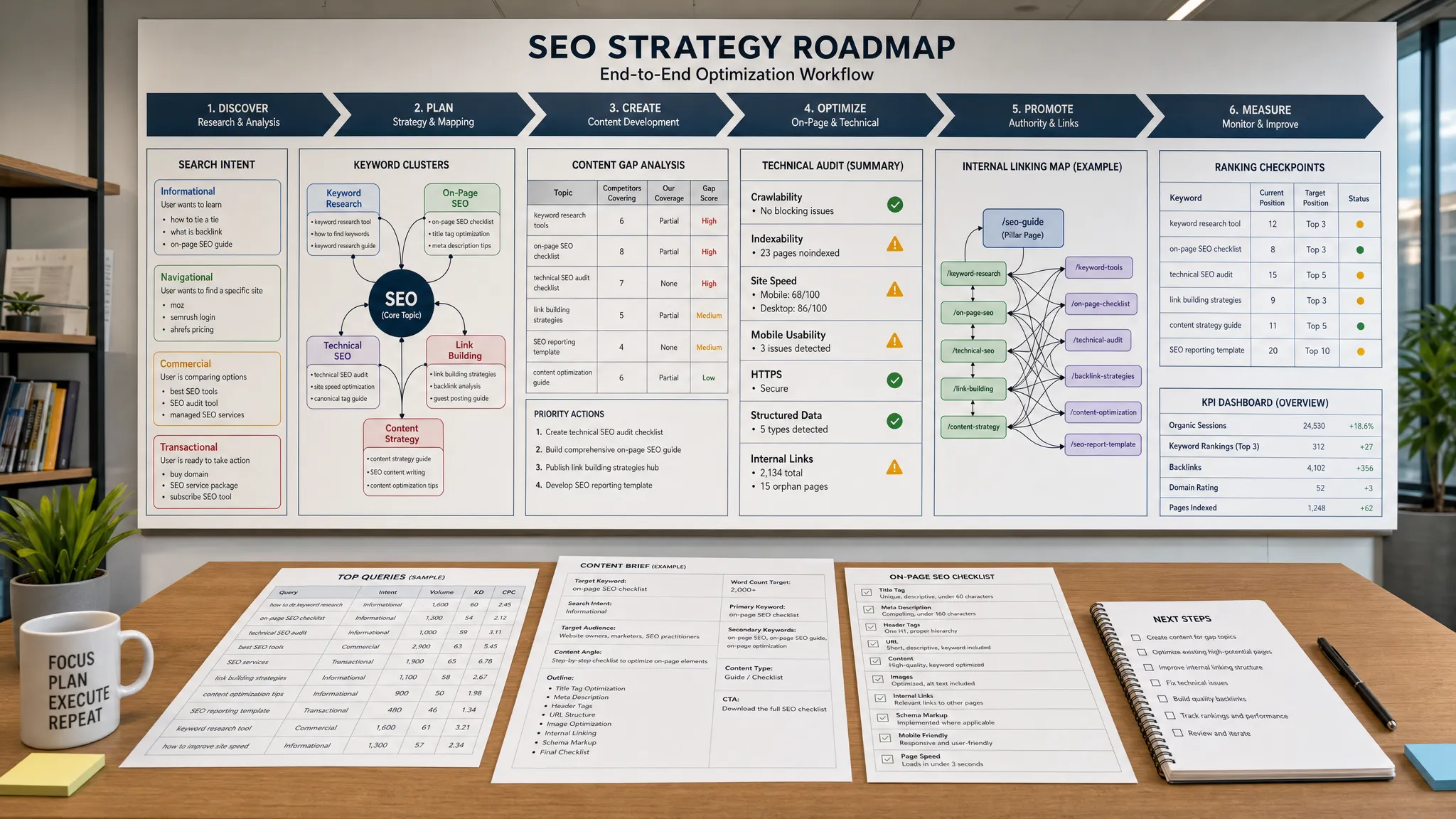
Search intent is where many competitor gap audits fall apart. Two pages can target the same keyword but serve very different users. One reader may want a beginner explanation, another may want a vendor shortlist and another may need a workflow they can implement this week.
Ask AI to classify competitor pages by intent type and depth. You can use categories such as informational, comparative, commercial, implementation and troubleshooting. Then ask for mismatches between what searchers likely need and what competitors provide.
For example, suppose five competitors rank for “AI tools for content creation.” AI might detect that most pages are broad listicles. The missed gap could be a workflow-focused article for marketing managers choosing tools by team size, editorial approval process and content volume. That gap is more actionable than another generic tools list.
Use prompts like:
Review these competitor pages. For each page, identify the dominant search intent, the secondary intent, the audience level and what a motivated reader would still need after reading it. Then summarize the underserved intents across the set.
The phrase “what a motivated reader would still need” is important. It turns the analysis from content inventory into buyer empathy.
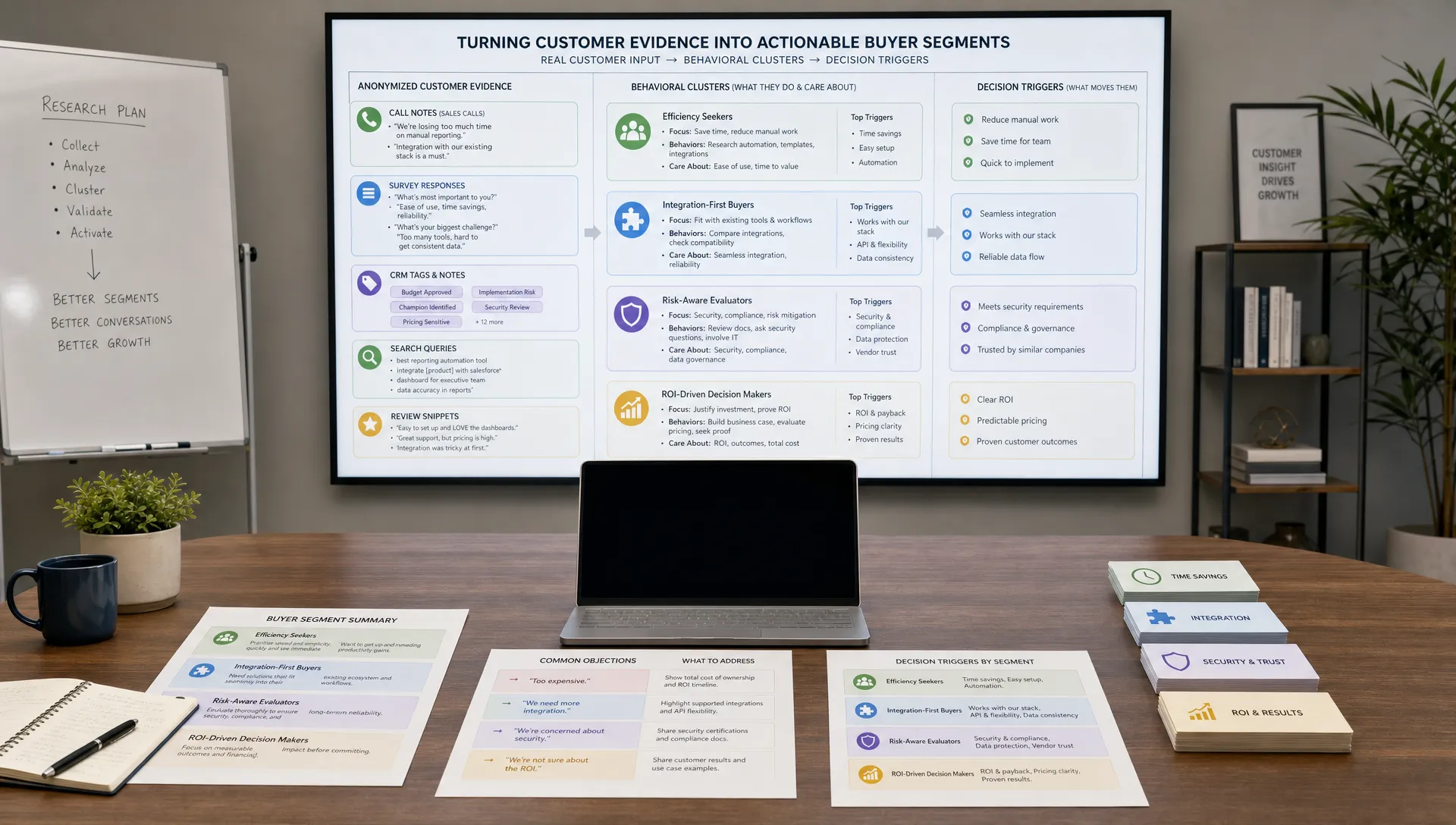
Competitors can copy visible keywords. They cannot easily copy your customer conversations. That makes first-party language one of the strongest sources of content gaps.
Look at sales notes, demo transcripts, onboarding questions, cancellation feedback, support tickets and chat logs. You are searching for repeated confusion, objections, use cases and “how do I” questions.
For example, customers might not ask “best AI-powered analytics platform.” They might ask, “How do I know if AI suggestions are actually improving campaign performance?” That language points to a more specific content opportunity: measurement, trust and decision-making around AI-powered analytics.
Support conversations are especially valuable because they reveal friction after someone has already engaged with a product or service. If recurring questions show that users do not understand setup, integration, reporting or handoffs, those questions can become high-converting help content, product-led SEO pages or comparison assets. When a brand has a high volume of support conversations and needs a stronger system for learning from them, partners such as Ridgeline Agency's customer service teams and CX consulting can help organize support operations in ways that make customer questions easier to capture and act on.
Once you have raw customer language, ask AI to group it by theme:
Cluster these customer questions into content themes. For each theme, identify the buyer stage, the underlying concern, the likely search query, the best content format and whether competitors are likely to address it well.
This method uncovers gaps that keyword tools often miss because real customers rarely phrase problems in tidy SEO terms.

Once AI has analyzed competitors and customer inputs, review the output through a strategic lens. The best opportunities usually fall into four patterns.
This appears when competitors cover a topic at a surface level. The pages may be long, but they repeat definitions, benefits and generic advice.
AI can spot this by comparing heading structures and summarizing repeated sections. If every page includes “What is AI marketing?” and “Benefits of AI marketing,” but none explain how to choose the first automation workflow, you have a practical angle.
The winning content should narrow the audience and add specificity. Instead of “AI marketing automation guide,” the stronger asset might be “How B2B SaaS teams can automate lead nurturing without losing message quality.”
This is common in middle-funnel content. Competitors may list tools, tactics or platforms, but fail to explain how readers should choose.
AI can extract the criteria competitors use and identify what is absent. Missing criteria might include integration requirements, compliance concerns, team capacity, analytics maturity or total implementation effort.
This gap is valuable because decision criteria attract serious buyers. A reader looking for selection guidance is usually closer to action than someone reading a beginner definition.
Customers often hesitate for reasons competitors do not address. They may worry about data privacy, content accuracy, brand voice, setup time, internal adoption or whether AI will create more review work than it saves.
Feed AI real objections from sales calls and compare them against competitor pages. Ask which objections are ignored or answered weakly. Then build content that tackles those concerns directly with examples, checklists and realistic implementation guidance.
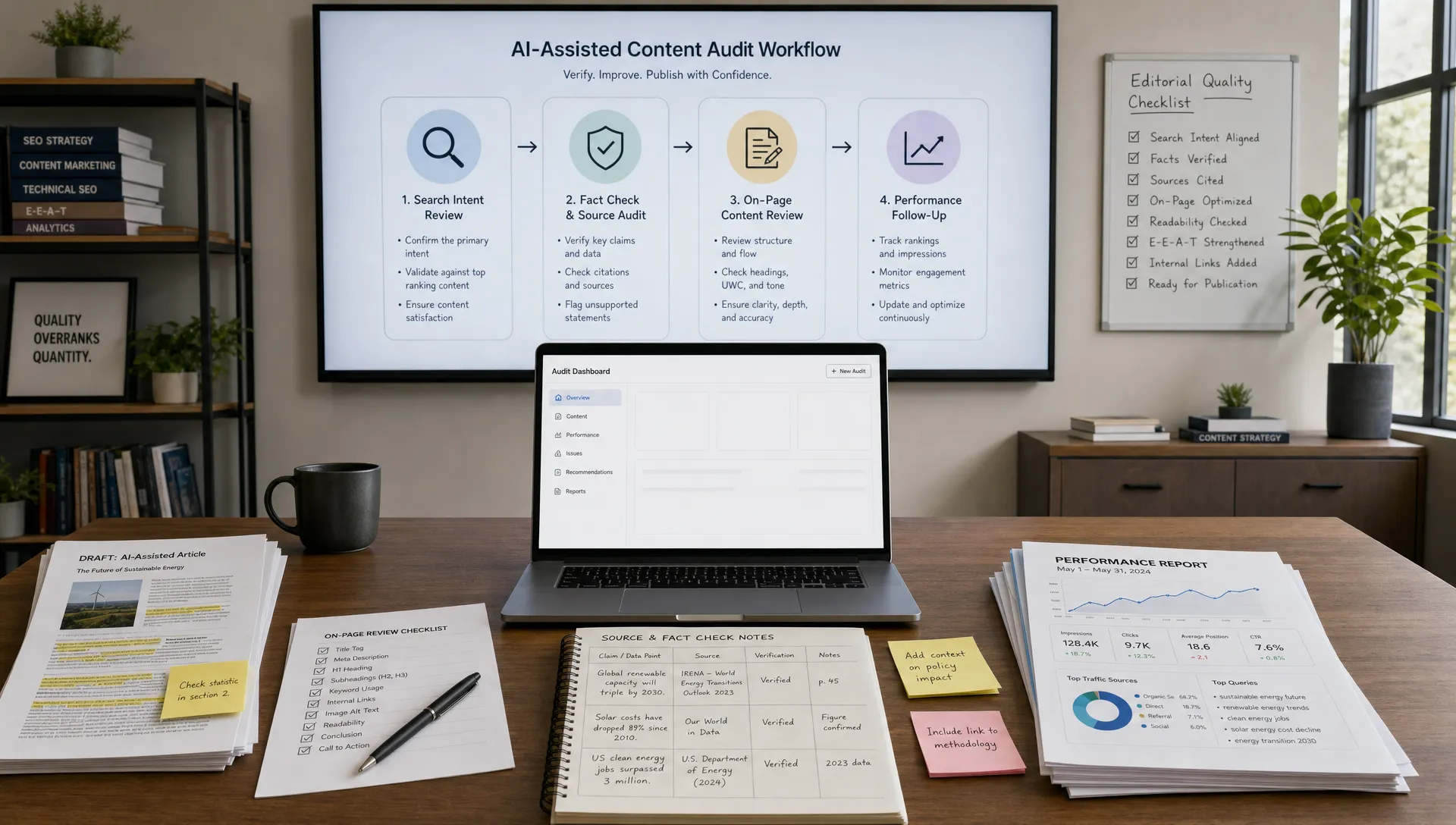
This is also where quality control matters. If you are publishing AI-assisted content on sensitive or high-consideration topics, use a review process that checks factual accuracy, tone, source quality and claims. AIMarketer Hub’s AI content quality control checklist is useful for keeping gap-driven content credible after AI helps draft or structure it.
Sometimes competitors cover the right topic but choose the wrong format. A 2,500-word article may rank, but users may prefer a calculator, prompt pack, worksheet, comparison matrix or decision tree.
AI can infer this by reviewing SERP features and user questions. If search results include templates, videos or calculators, that is a signal that format matters. If competitors only publish articles, you can stand out with a more usable asset.
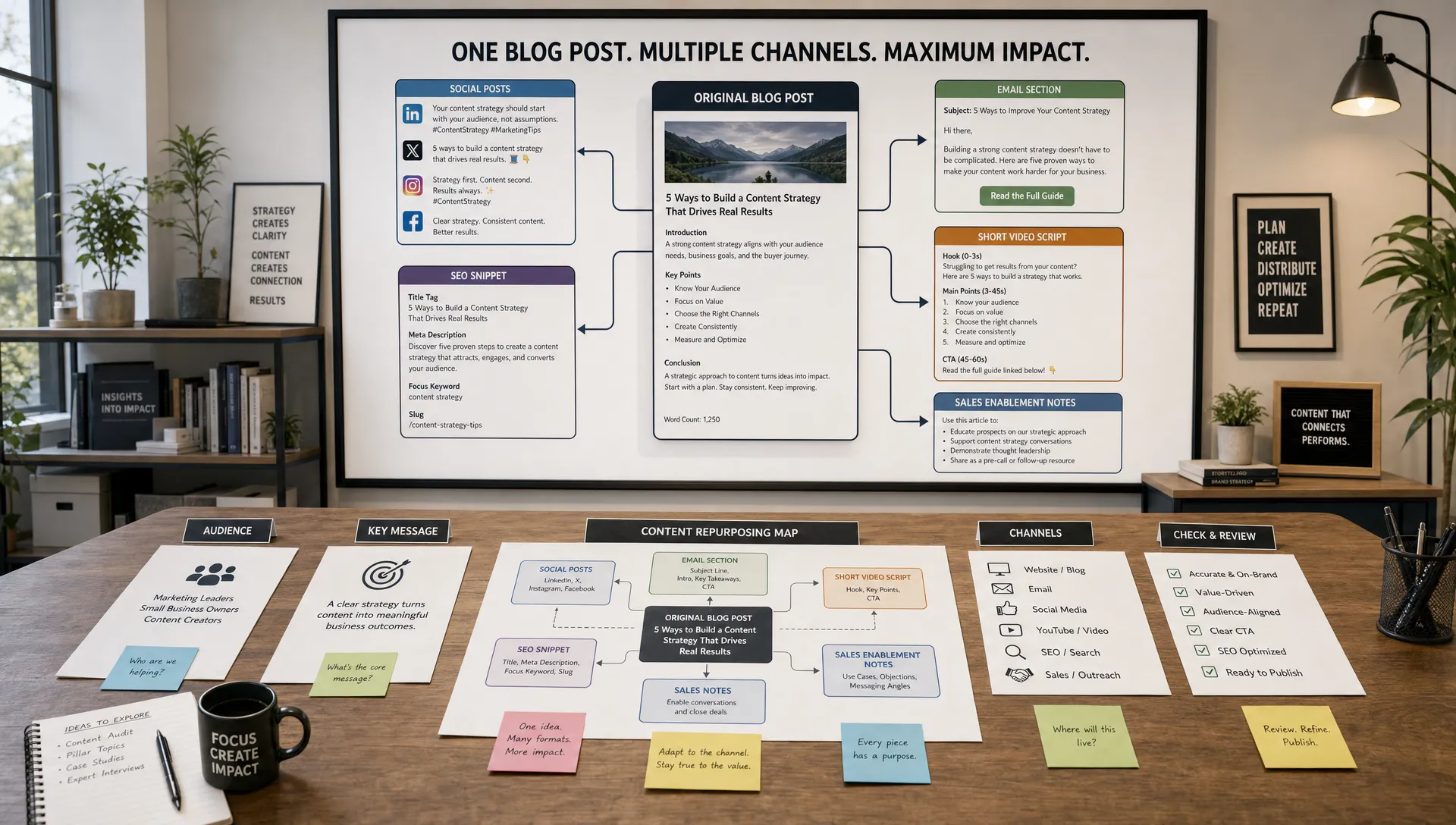
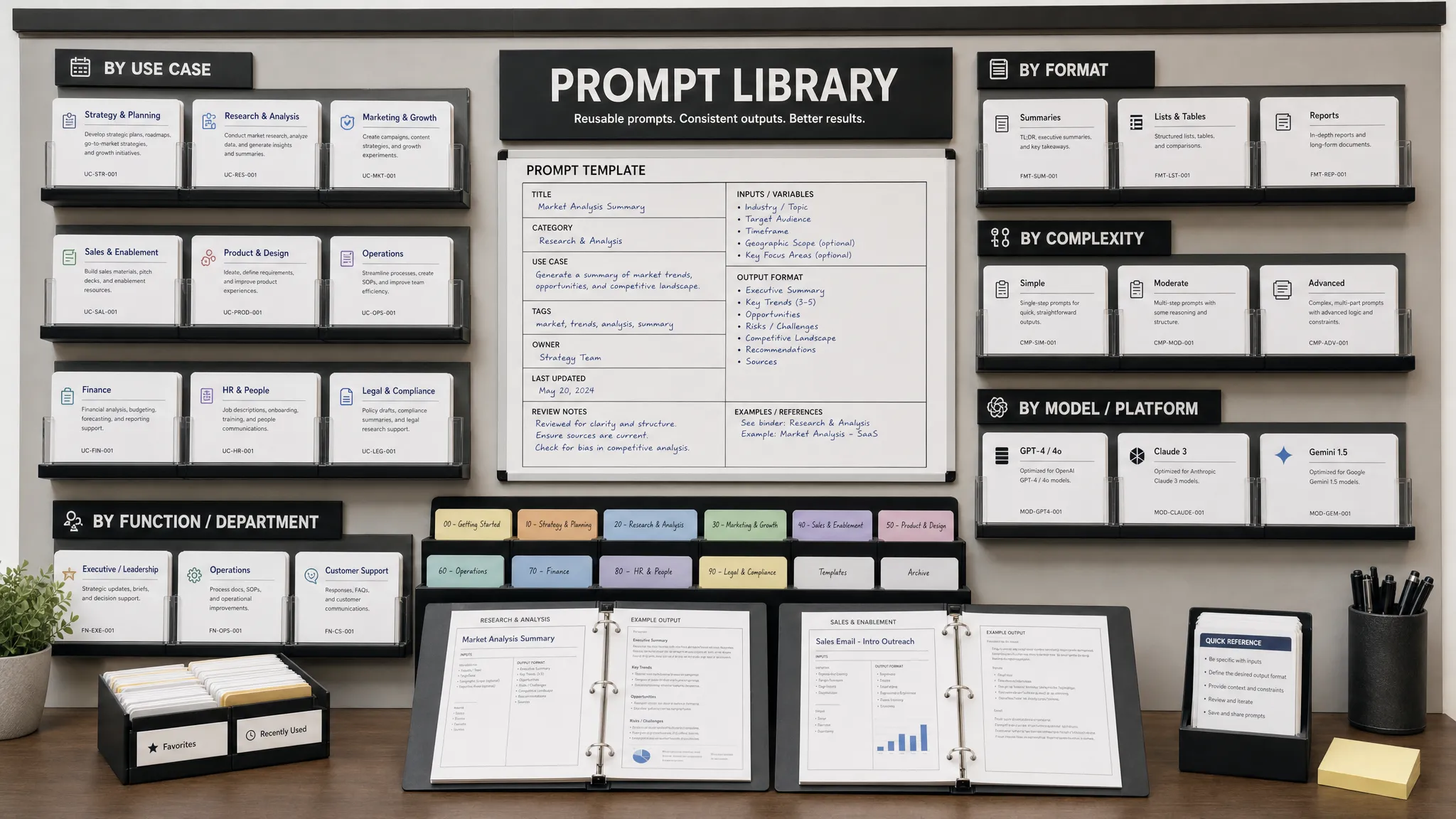
For AIMarketer Hub’s audience, this could mean turning a content gap into a practical resource such as a prompt library, workflow checklist, SEO planning tool or calculator rather than another article.
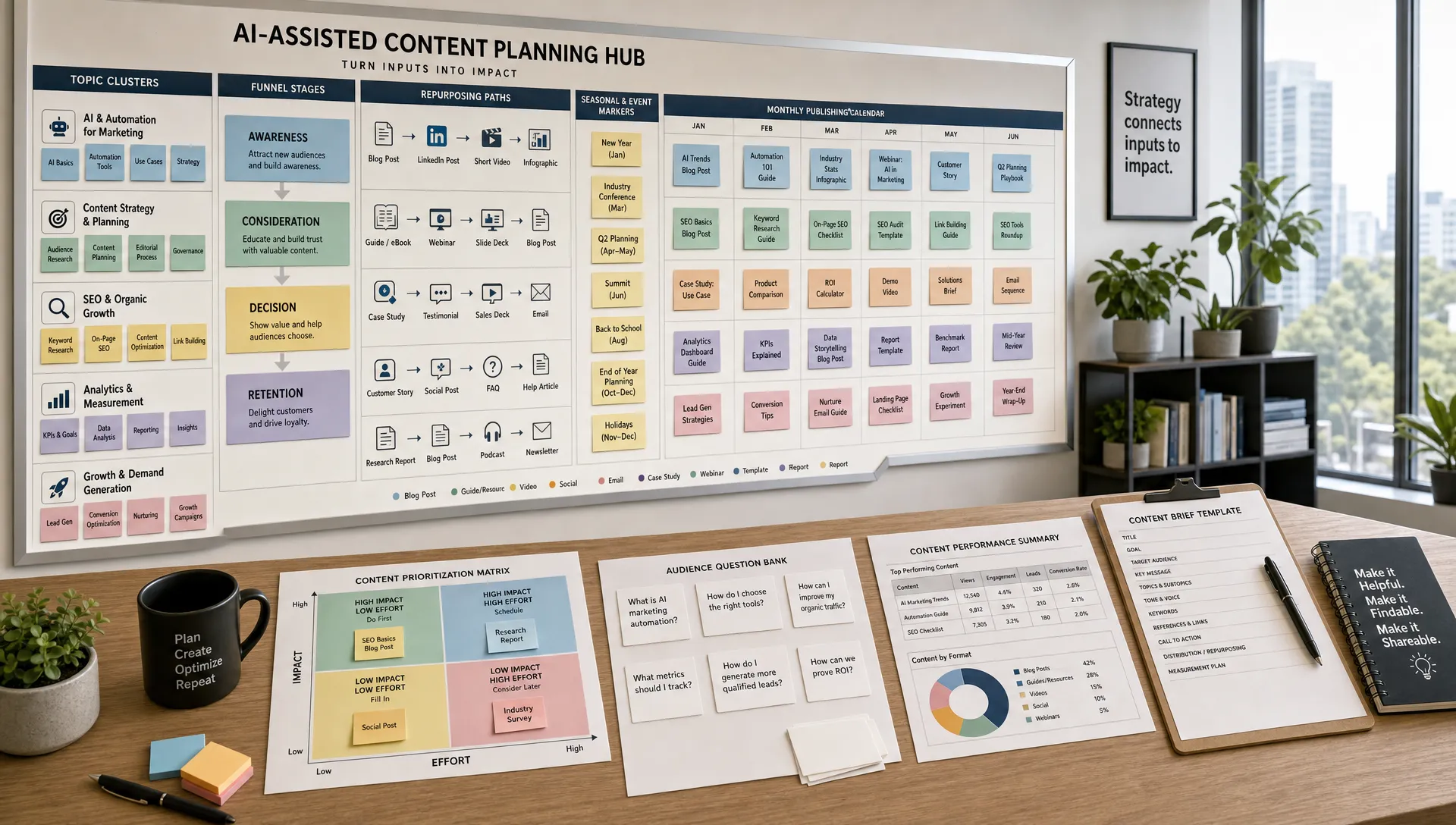
AI can produce dozens of ideas. Publishing all of them is not a strategy. Score each gap so your team focuses on the opportunities most likely to drive meaningful traffic, leads or authority.
Use a simple scoring model with five criteria:
Ask AI to score each gap from 1 to 5, then require an explanation for every score. The explanation matters more than the number. It shows whether the model has a real rationale or is simply making a confident guess.
You can also compare AI’s recommendation against historical performance. If similar topics have driven qualified leads in the past, the gap may deserve a higher priority. For a more data-driven approach, connect this scoring step to methods for forecasting content performance with AI, especially when you need to justify content investment to leadership.
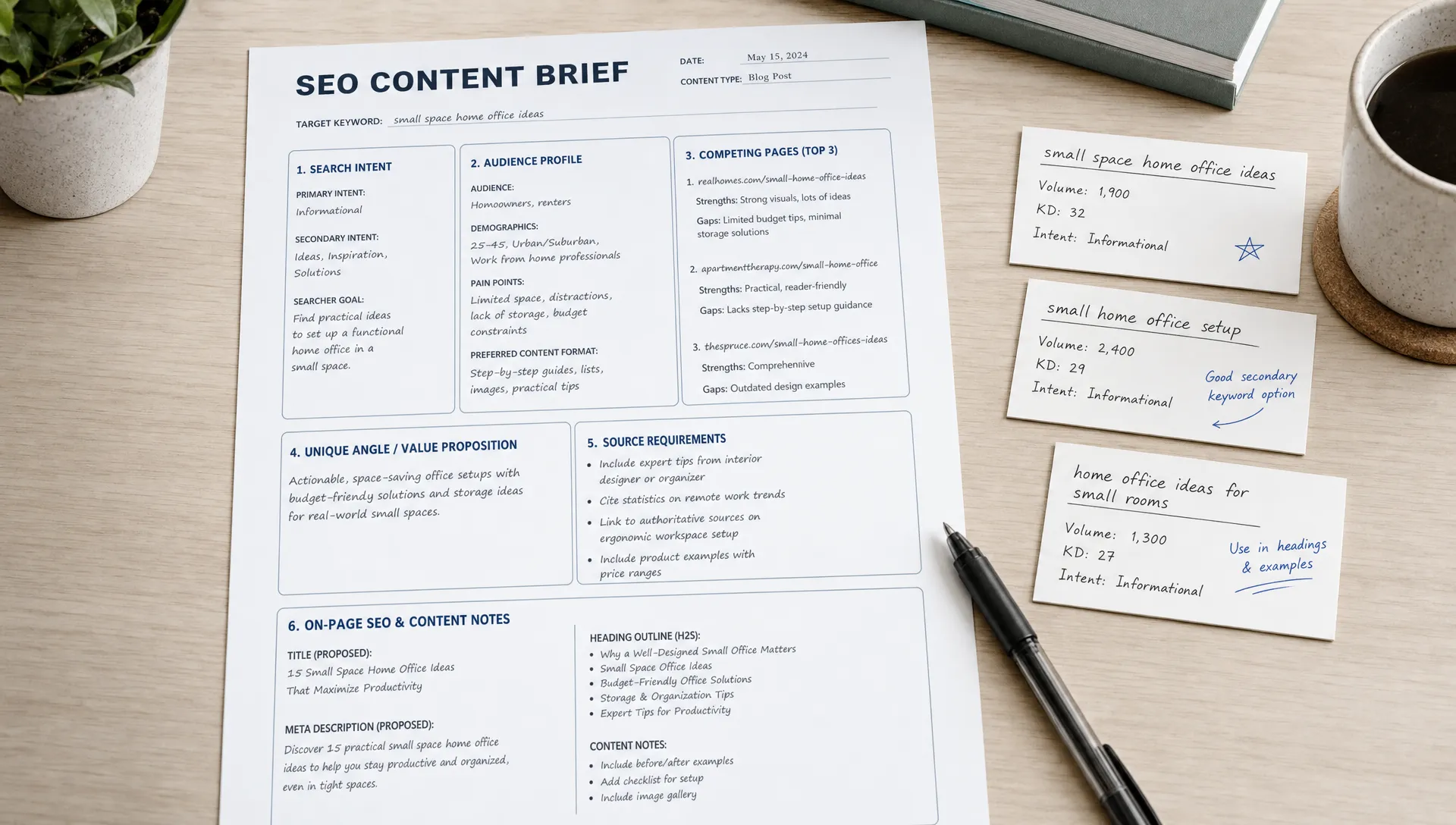
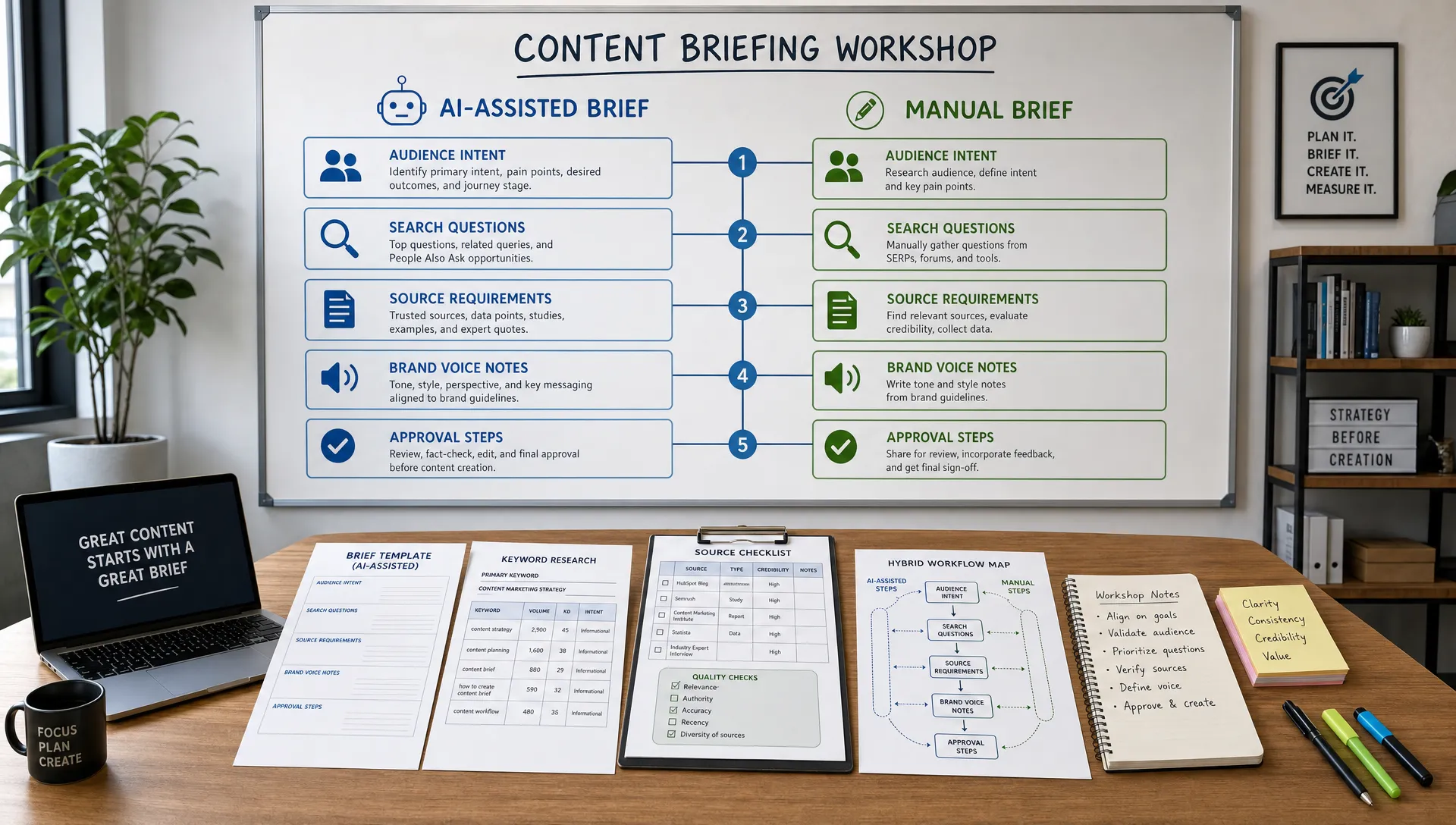
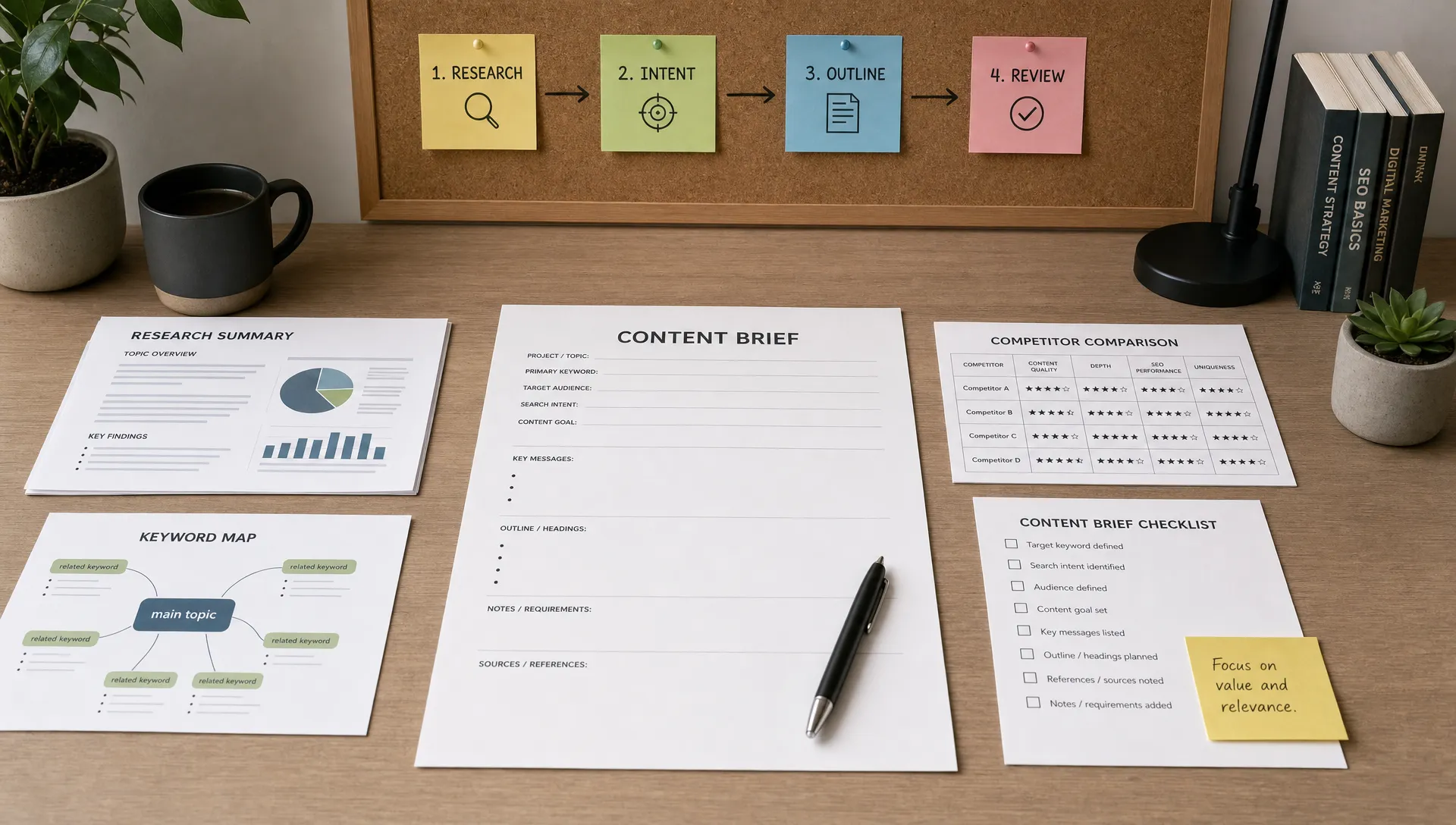
A content gap only becomes useful when it turns into a strong brief. The brief should explain the reader’s problem, the competitor weakness and the specific way your content will improve on what already exists.
A practical AI-assisted brief should include:
This structure keeps AI from generating a generic article. It also helps writers, editors and subject matter experts understand why the content is worth creating.
For example, instead of briefing “write a blog post about AI marketing tools,” your brief might say:
Create a practical guide for small marketing teams choosing AI tools for content planning and performance analysis. Competitors focus on feature lists, but they do not explain how to evaluate tools by workflow fit, review burden, analytics needs and integration complexity. Include a decision checklist and examples of team scenarios.
That brief has a point of view. It gives the content a path to outperform pages that only summarize common features.
AI is good at clustering, summarizing and spotting patterns. It is not a substitute for editorial judgment. Before committing to a gap, review the live SERP yourself and check whether the opportunity still holds.
Look for signs that AI missed context. A competitor page may appear thin in its headings but contain strong videos, tools or downloadable assets. A low-volume query may still matter if it has high buying intent. A promising topic may be too far from your offer to justify the effort.
Human review should answer three questions:
If the answer to any of these is no, park the idea. Good content strategy is as much about saying no as finding new opportunities.
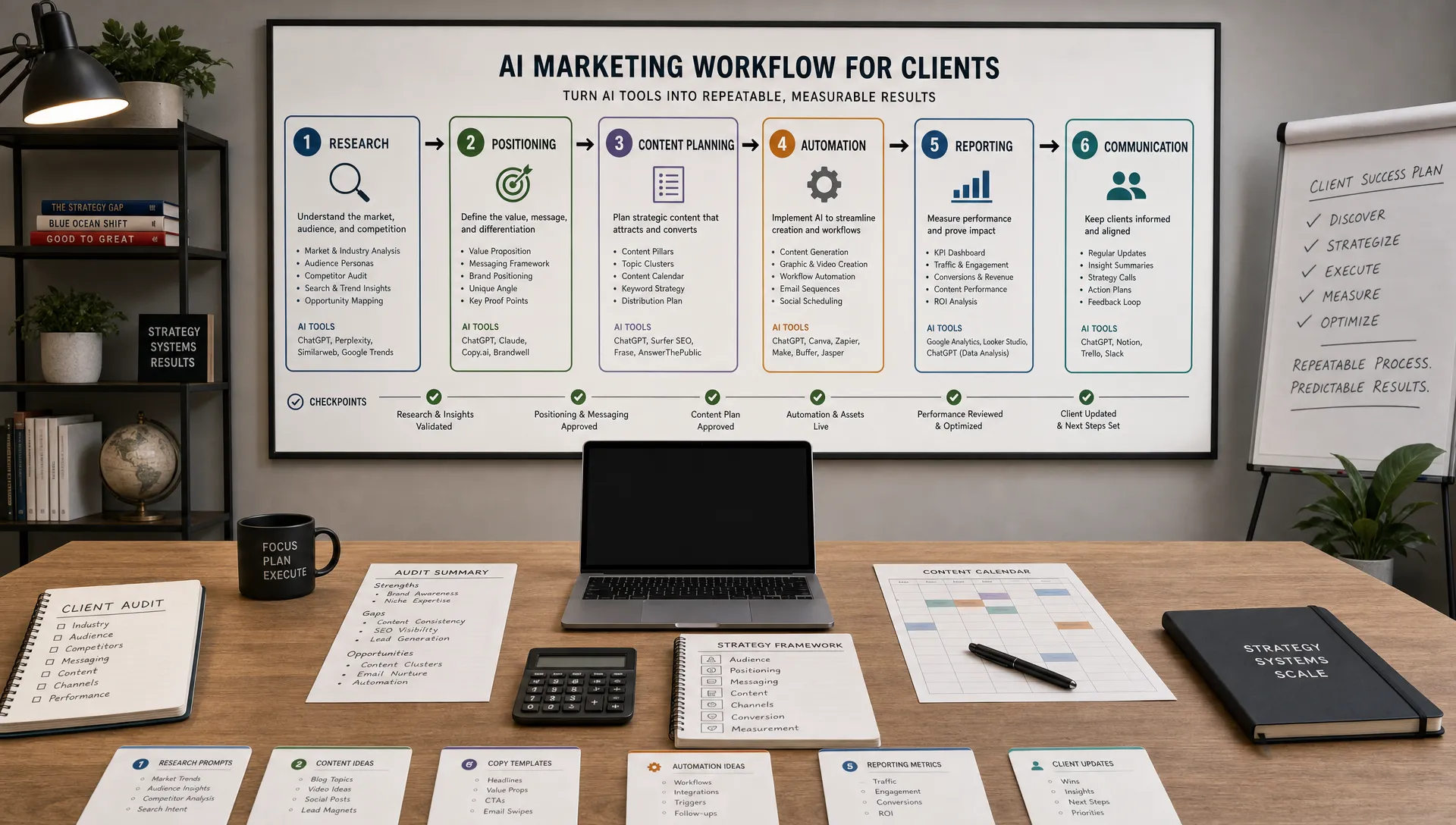
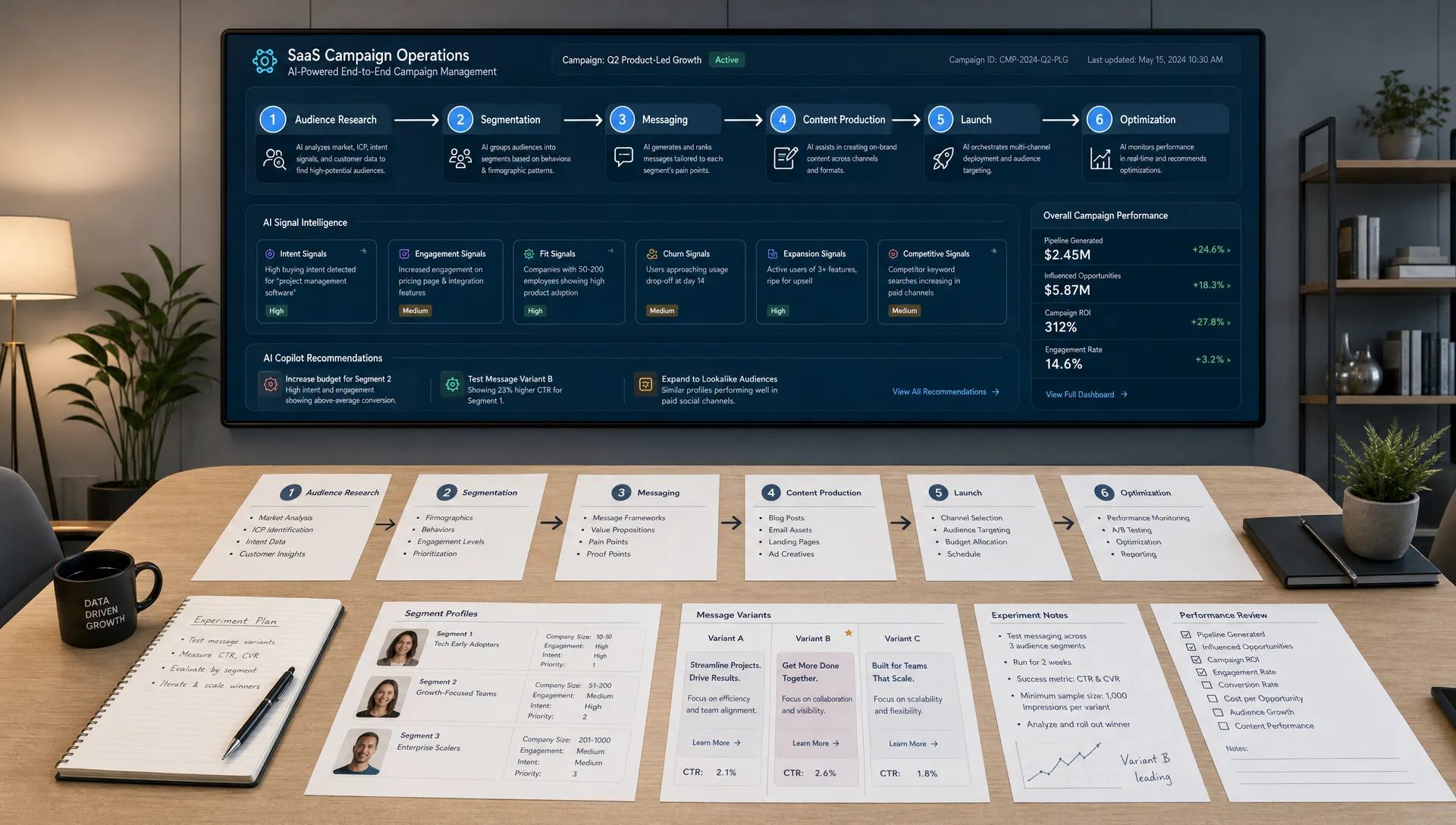
The strongest teams do not run content gap analysis once a year. They build a repeatable workflow that combines competitive monitoring, customer language and performance data.
A monthly workflow might look like this:
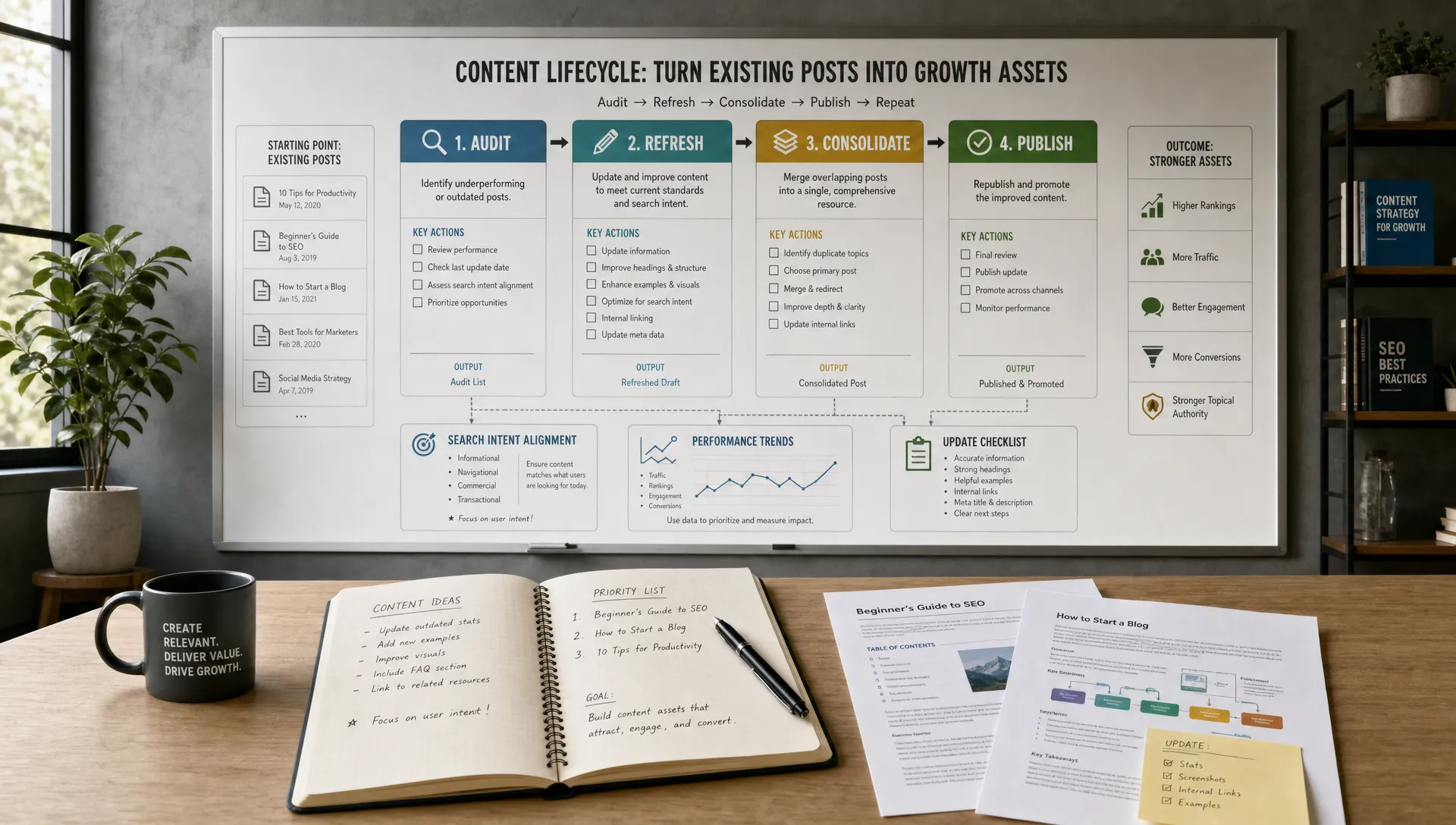
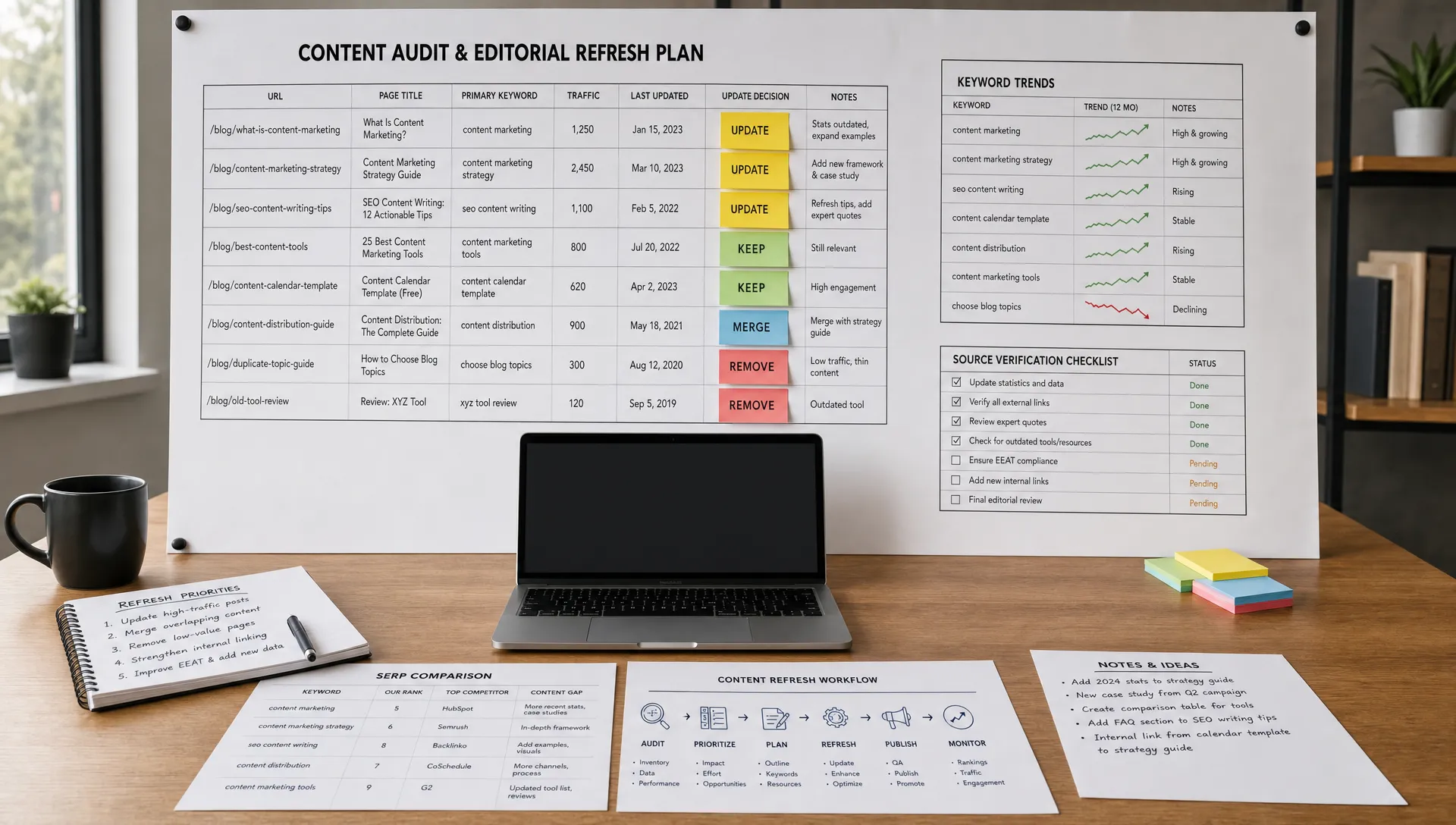
That last step matters. Sometimes the best gap opportunity is not a new article. It is an old page that already has authority but no longer satisfies search intent. If that is the case, use a structured refresh process rather than creating overlapping content. AIMarketer Hub’s guide to the best AI workflows for updating old blog content can help you decide when to refresh, expand or consolidate existing pages.
The biggest mistake is treating AI-generated gap lists as finished strategy. AI can help you find patterns, but it cannot know your sales priorities, customer nuance or brand credibility without context.
Another common issue is chasing every competitor keyword. If a competitor ranks for a topic that does not connect to your offer, matching them may dilute your authority. Better to own fewer topics with stronger depth than publish a scattered library of low-relevance pages.
Marketers also overvalue search volume and undervalue specificity. Some of the best gaps have modest volume but strong buying intent. A detailed article that answers a painful implementation question can produce better leads than a broad post with more traffic.
Finally, avoid publishing AI-drafted content without expert review. Gap-driven content works because it is more useful than what exists. If the final article repeats generic advice, the gap disappears.
Can AI find content gaps without SEO tools? Yes, but it works better with real inputs. You can use AI to analyze competitor pages, customer questions and SERP snippets manually collected from search results. SEO tools add scale, but they are not required for the core analysis.
What is the best AI prompt for content gap analysis? The best prompt includes your audience, offer, competitor URLs, existing content and the type of gap you want to find. Ask AI to identify underserved intent, unanswered questions, weak proof and format mismatches rather than only missing keywords.
How often should marketers run AI content gap analysis? For active content programs, a monthly review is practical. Fast-moving markets may need biweekly checks, especially when competitors publish frequently or search intent changes around new tools, regulations or industry trends.
Should every content gap become a new blog post? No. Some gaps are better solved with a content refresh, FAQ section, comparison page, landing page, template, calculator or sales enablement asset. Match the format to the user need and business goal.
How do you know if a competitor missed a real opportunity? Look for repeated customer questions, weak competitor coverage, visible search demand and a clear connection to your offer. If all four are present, the gap is more likely to be worth pursuing.
Using AI to find content gaps your competitors miss is not about publishing faster. It is about seeing the market more clearly. When you combine competitor analysis with customer language, intent mapping and human editorial judgment, you find opportunities that keyword exports alone rarely reveal.
Build the workflow once, refine it monthly and turn every strong gap into a brief with a clear purpose. That is how AI becomes a strategic advantage in content creation rather than another source of generic ideas.