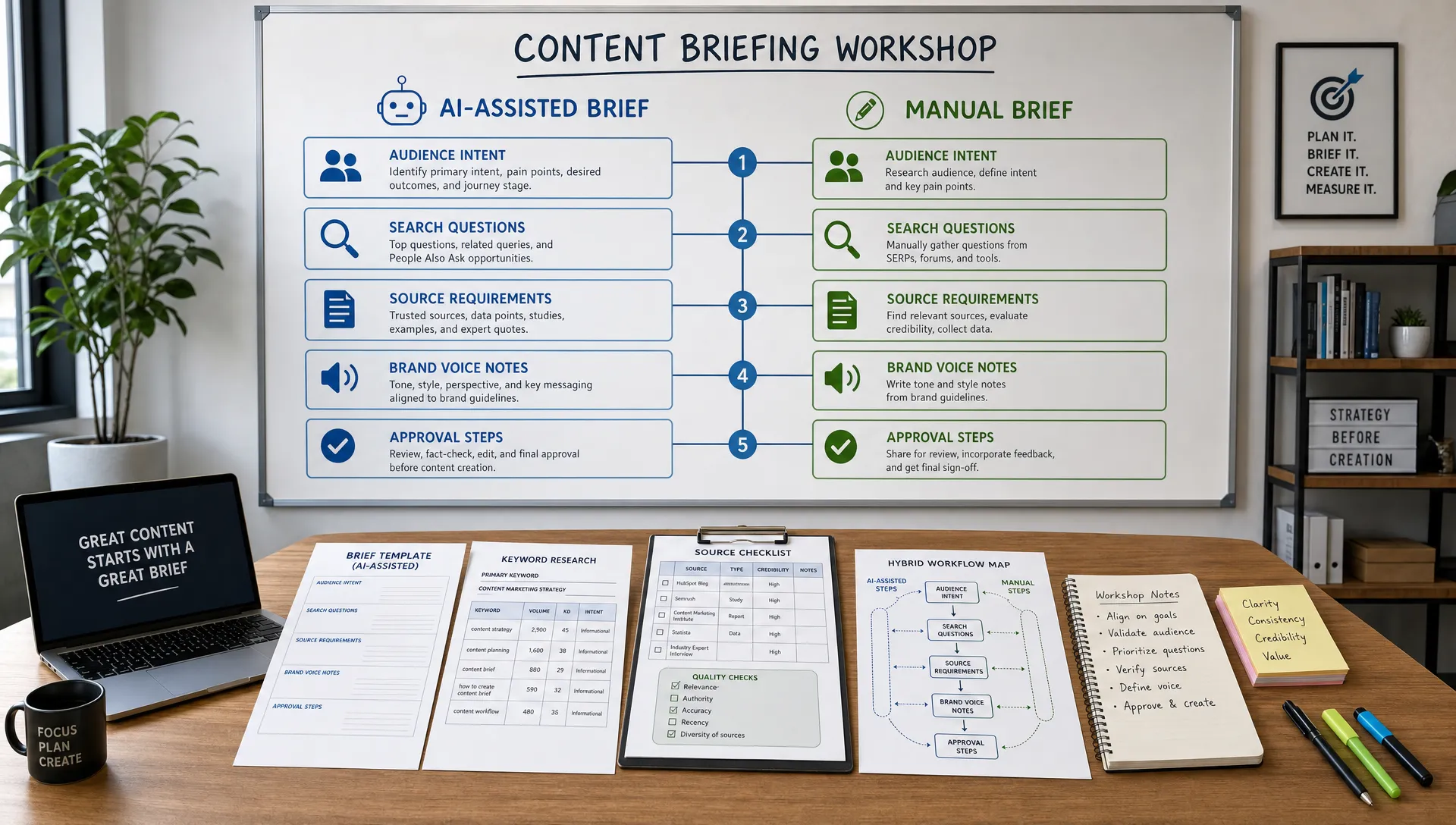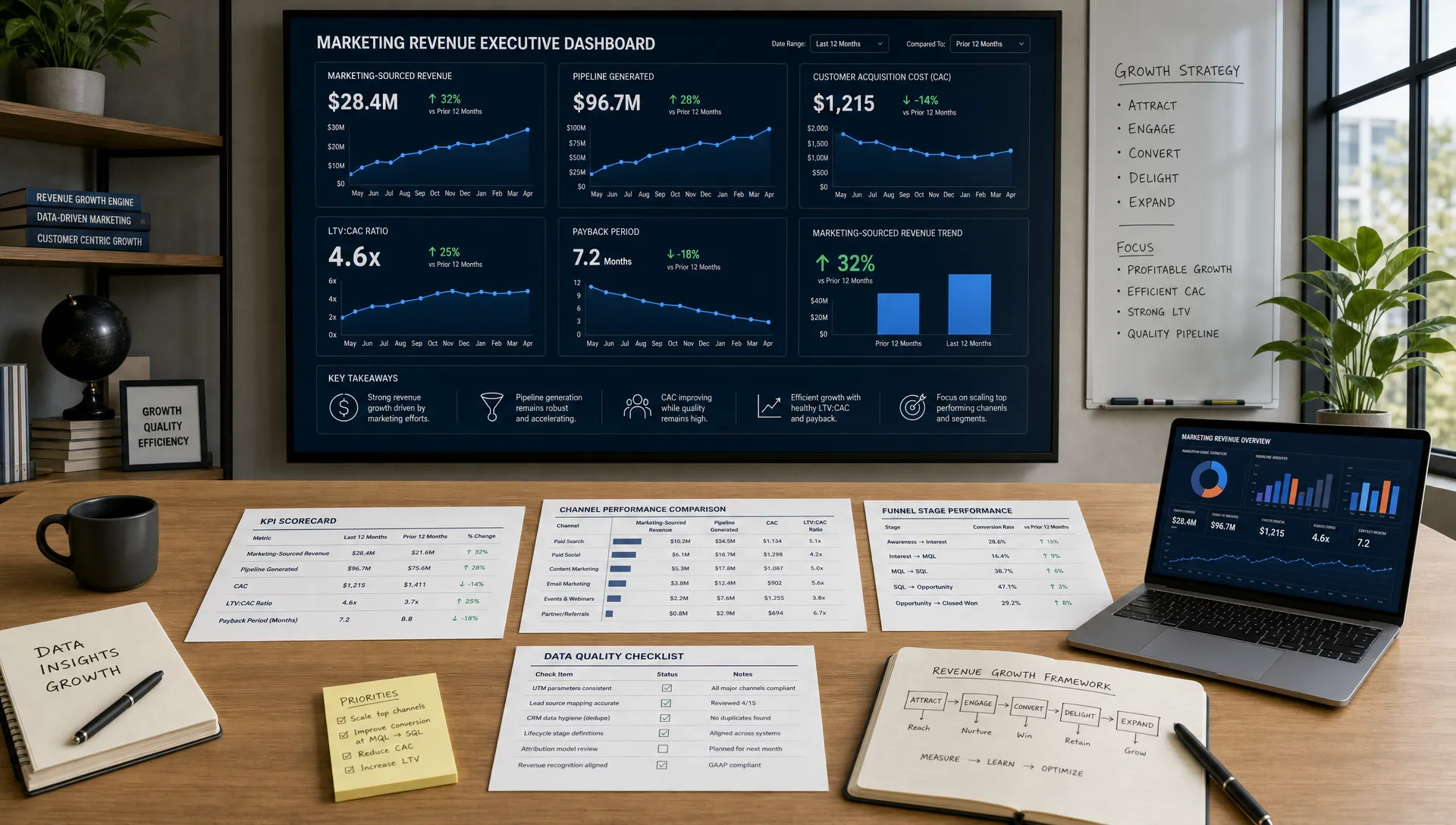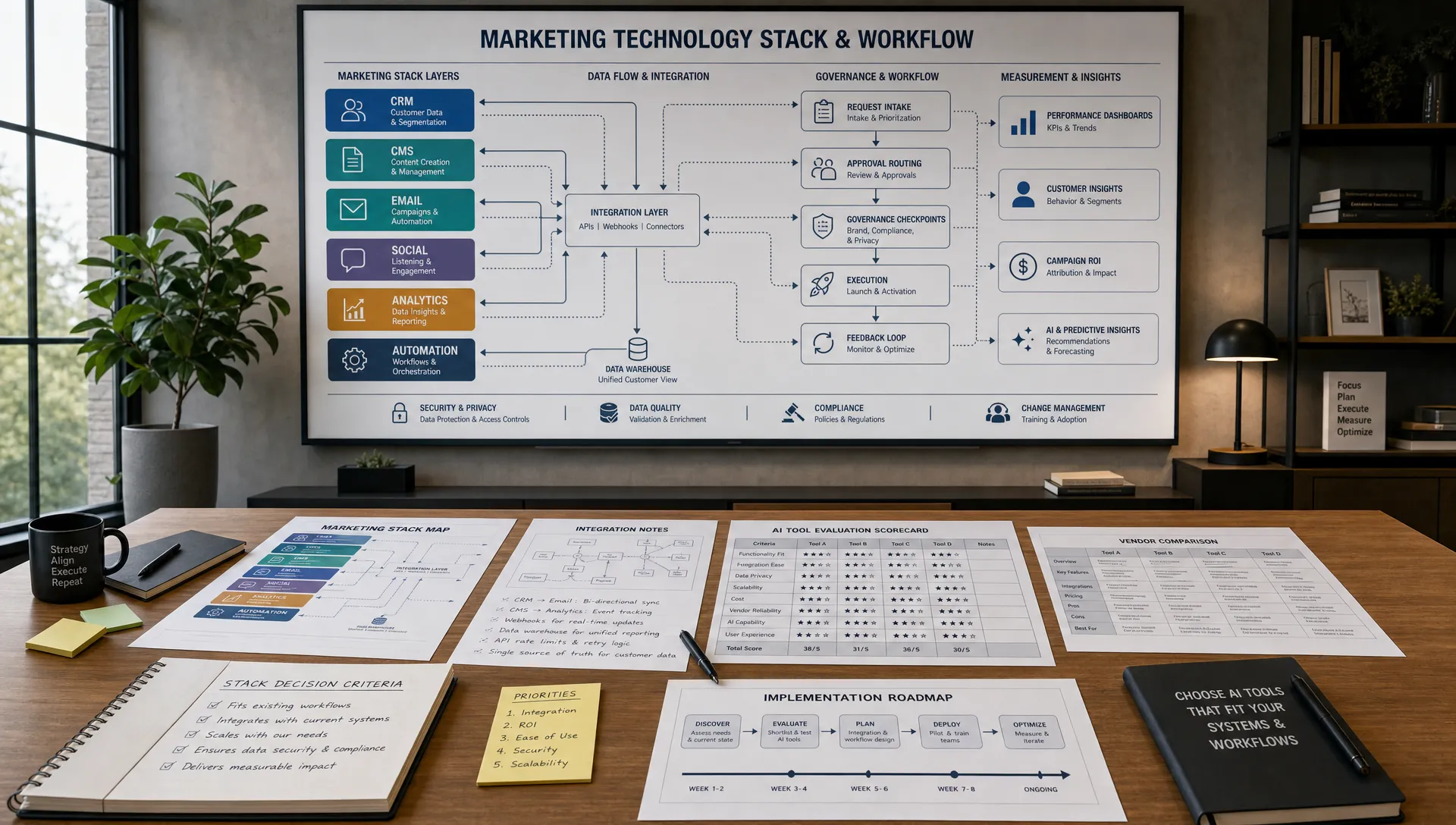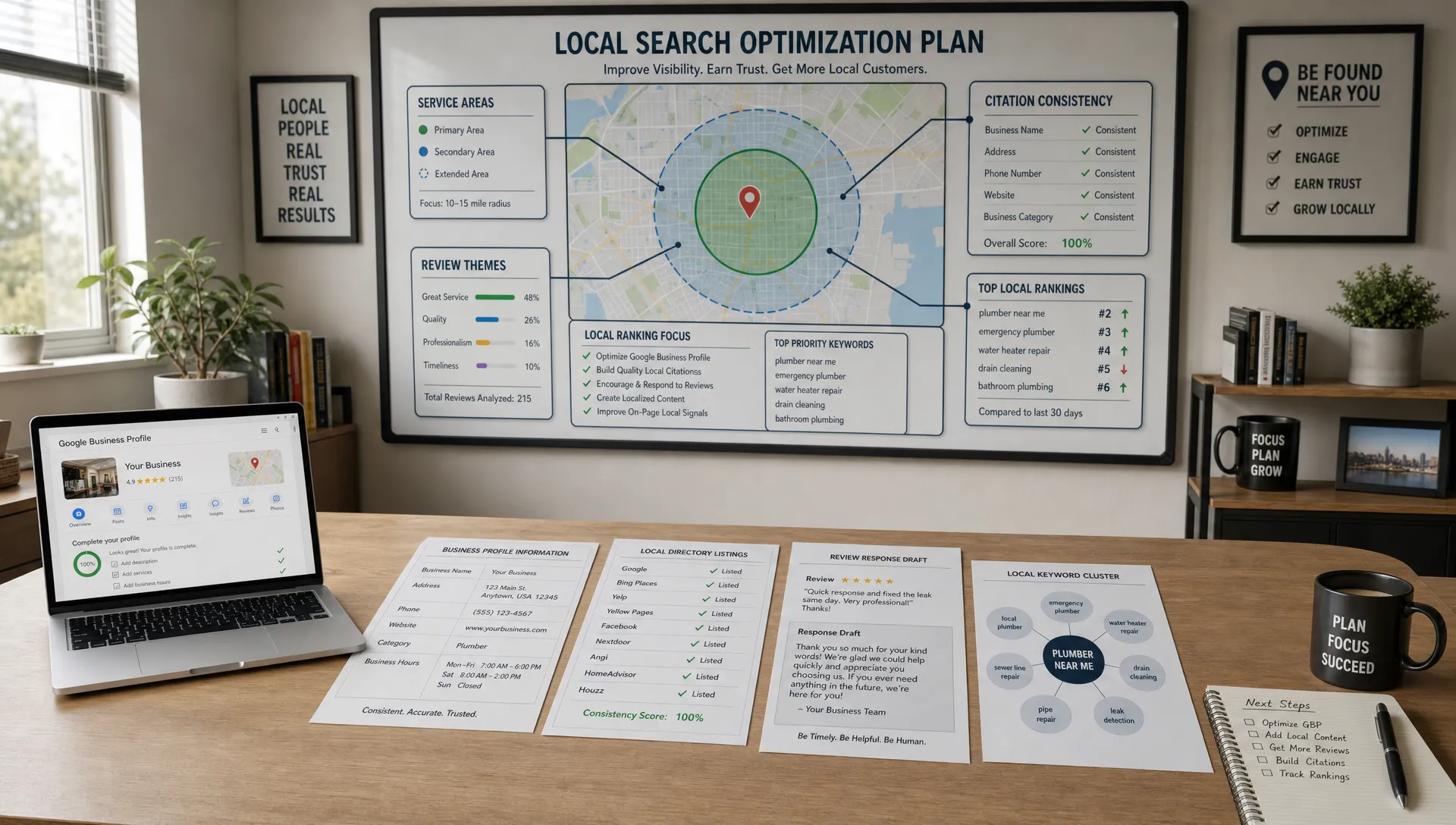
A strong case study does more than say a customer liked your product. It gives a skeptical buyer enough context, proof and confidence to imagine a similar result in their own business.
AI can make that work faster, but speed is not the main advantage. The real value is that AI can help marketers find patterns in messy customer evidence, shape a clearer narrative, adapt the story for different audiences and spot weak proof before it reaches sales or search.
The catch is simple: AI cannot invent the customer story. Better case studies come from better raw material. Your interviews, metrics, objections, implementation details and customer language still matter more than the writing tool. Use AI as a research assistant, strategist and editor, not as the source of truth.
Most weak case studies fail for predictable reasons. They start with a vague challenge, jump to a generic solution and end with an impressive sounding result that lacks context. The reader is left wondering what changed, how hard it was and whether the customer was similar to them.
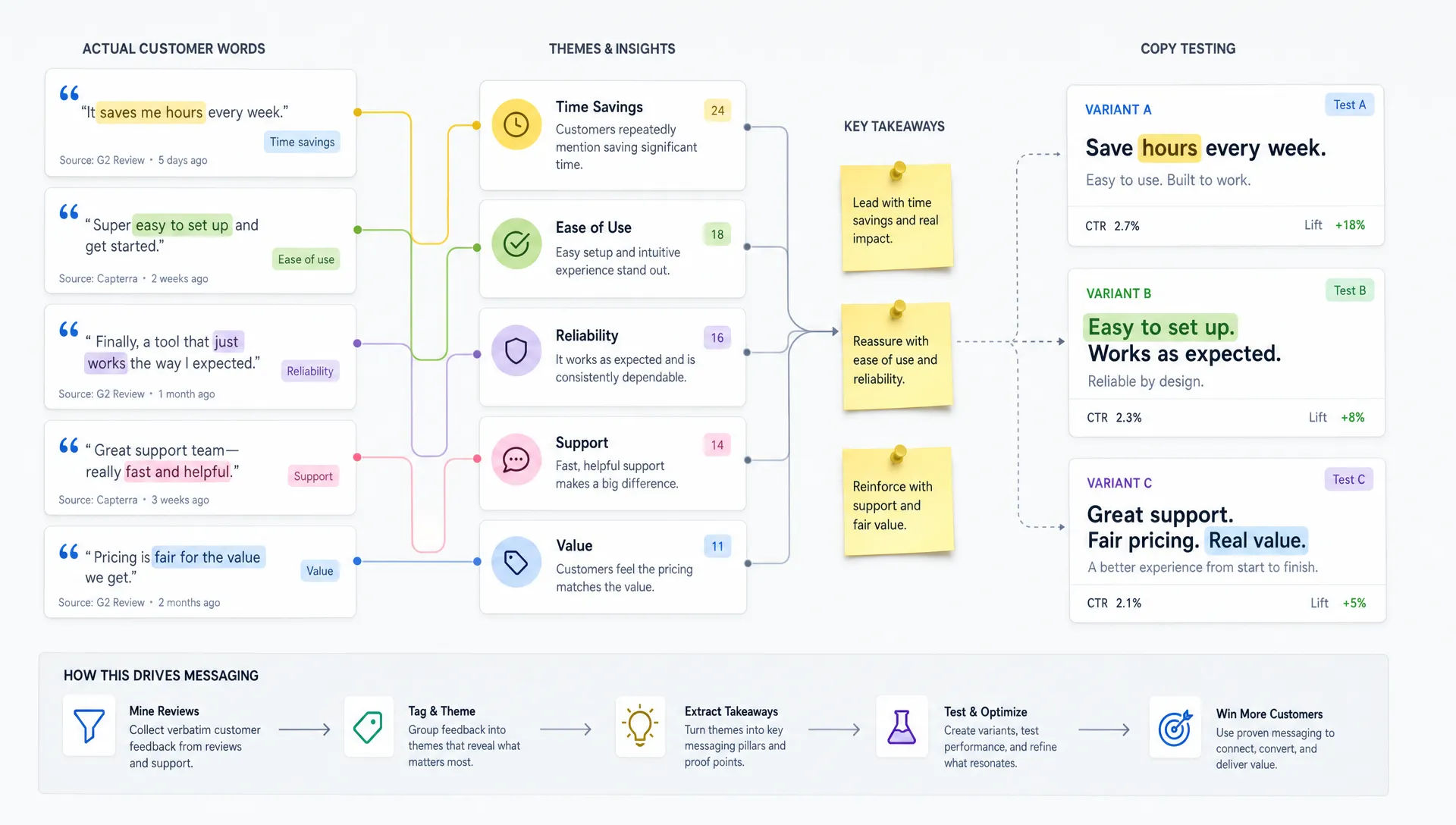
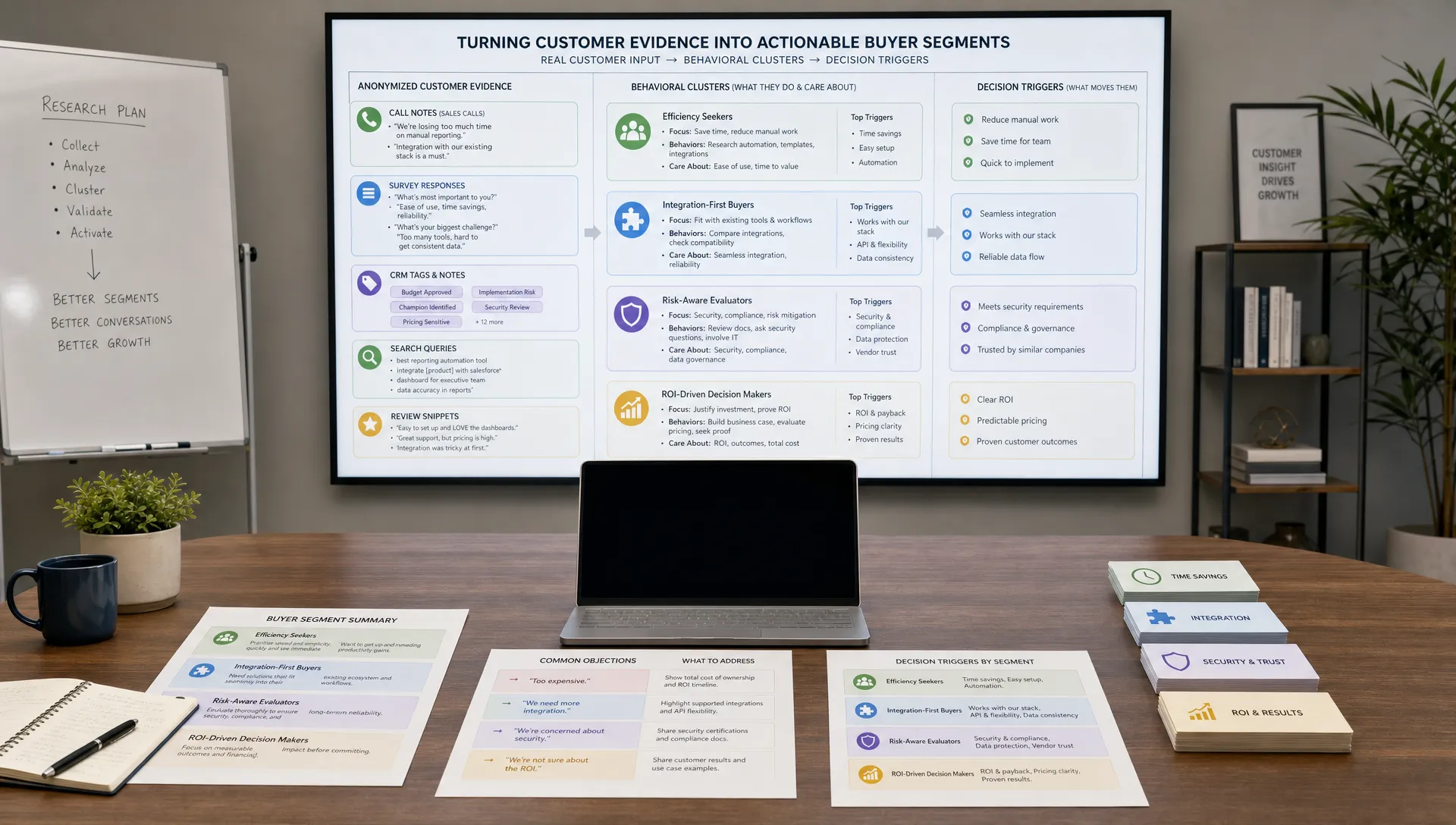
AI helps because it can process large amounts of unstructured information quickly. A transcript, CRM notes, customer success updates, analytics exports and sales call summaries can contain the ingredients for a persuasive case study, but those ingredients are often scattered. AI can group themes, flag repeated phrases, identify objections and suggest a cleaner story arc.
Still, the marketer owns judgment. You decide what is accurate, what is sensitive, what needs customer approval and what belongs in the final piece.
| Case study task | Where AI helps | What humans must own |
|---|---|---|
| Interview planning | Generates tailored questions by persona, industry and outcome | Choosing the questions that fit the customer relationship |
| Transcript analysis | Finds themes, quotes, objections and turning points | Confirming meaning and removing anything confidential |
| Story structure | Suggests narrative flow and section headings | Deciding which story is most useful for buyers |
| Drafting | Creates first drafts, summaries and variants | Preserving accuracy, tone and customer voice |
| Repurposing | Turns one approved story into snippets, emails or sales assets | Keeping claims consistent across every format |
Before opening an AI tool, define what the case study must do. A bottom of funnel case study for a sales team is different from an SEO article, a partner enablement asset or a board level proof point.
Ask yourself what decision the reader is trying to make. Are they comparing vendors, justifying budget, checking implementation risk, evaluating industry fit or looking for measurable ROI? The answer should influence the customer you choose, the proof you emphasize and the structure of the piece.
A SaaS case study aimed at operations leaders might focus on adoption, time saved and workflow change. A legal marketing case study might need to show lead quality, compliance awareness and intake process improvements. A sustainability advisory case study might need details about regulation, subsidies, energy usage and operational constraints. For example, a regional firm offering independent energy advice for entrepreneurs would benefit from case studies that explain practical next steps, not just broad environmental goals.
This is where many AI generated drafts go wrong. They produce a polished story without a clear commercial purpose. Give AI the strategic job first, then ask it to write.
A useful brief might include:
If your team is still building repeatable AI workflows, AIMarketer Hub's guide to AI prompt engineering for marketers is a helpful foundation for turning vague requests into clearer, more reliable outputs.
The best AI case study workflow begins before drafting. Collect the inputs that make the story specific. Without them, AI will fill the gaps with generic business language, which is exactly what readers ignore.
Useful raw material includes:
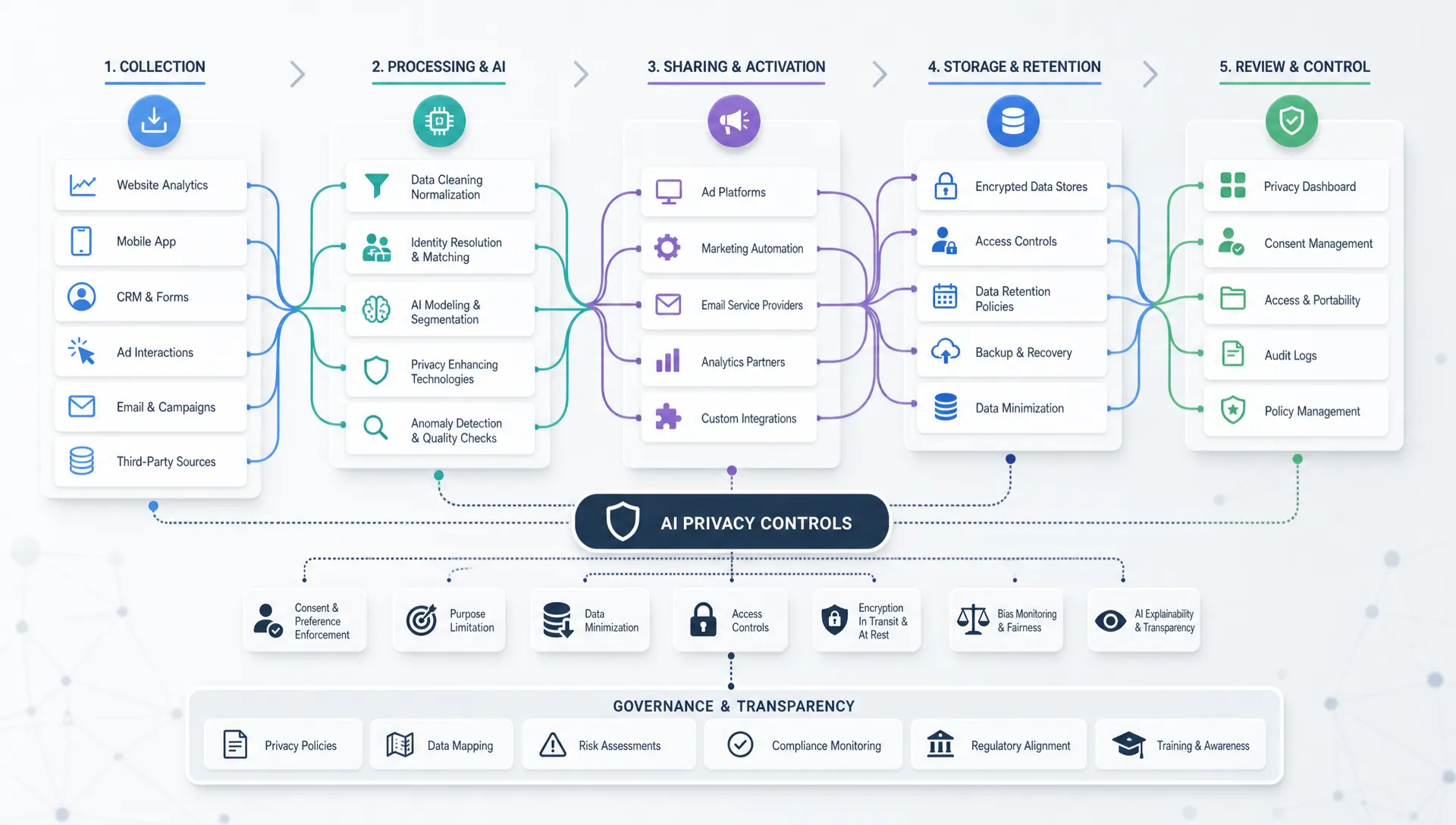
Treat privacy and confidentiality as part of the workflow, not an afterthought. Remove personal data, sensitive financial information and anything the customer has not approved for use. If your company has rules for AI tool usage, follow them before uploading transcripts, CRM exports or performance reports.
A practical safeguard is to create a sanitized evidence document. This document contains only approved facts, anonymized notes where needed and clear labels for what is confirmed versus what still needs validation. AI can then work from a safer, more reliable source.
A case study interview should uncover contrast. What was happening before? Why did the customer act now? What alternatives did they consider? What surprised them during implementation? What changed afterward?
AI is useful for building an interview guide that goes beyond generic questions. Feed it the customer profile, product context and sales objective, then ask for questions organized by story stage.
You are helping me prepare a customer case study interview.

Customer: [industry, size, market, role of interviewee]
Product or service used: [short description]
Main outcome we believe they achieved: [result]
Target reader: [persona and buying stage]
Sales objection this case study should address: [objection]

Create 12 interview questions that uncover:
1. The situation before working with us
2. The trigger that made the problem urgent
3. Alternatives they considered
4. Why they chose us
5. What implementation was really like
6. Measurable and qualitative outcomes
7. Advice they would give to peers

Avoid leading questions and do not assume results that have not been confirmed.
After AI generates questions, cut anything that sounds scripted or self serving. Customer interviews work best when they feel like a conversation. Keep room for follow up questions, especially when the customer says something specific like "we used to spend Fridays reconciling reports" or "the first campaign underperformed until we changed the audience logic." Those details become the texture of the story.
Once you have the interview transcript, resist the urge to ask AI for a finished article immediately. First, ask it to extract the story spine. This keeps the draft grounded in evidence and makes gaps easier to spot.
Analyze this customer interview transcript and extract a case study story spine.

Use only information found in the transcript. Do not invent metrics, timelines or quotes.

Return the output in this structure:
- Customer context
- Problem before the solution
- Trigger for change
- Selection criteria
- Implementation experience
- Results with exact evidence
- Strong direct quotes
- Unclear points that need follow up
- Claims that require verification

Transcript:
[Paste sanitized transcript]
The "unclear points" section is often the most valuable part. It tells you what still needs a follow up email, a data check or customer approval. A polished draft with missing proof is risky. A rough outline with clear gaps is useful.
| Story element | What to look for | Why it matters |
|---|---|---|
| Before state | Friction, cost, delay, risk or missed opportunity | Creates contrast and urgency |
| Trigger | Event or pressure that forced action | Explains why the customer changed now |
| Decision | Criteria, alternatives and objections | Helps similar buyers compare options |
| Implementation | Timeline, stakeholders and obstacles | Reduces perceived risk |
| Outcome | Metrics, qualitative change and next steps | Gives the story credibility |
| Lesson | Advice in the customer's own words | Makes the piece feel useful, not promotional |
AI can produce a first draft quickly, but first drafts often sound too smooth. They remove the phrases that make the customer sound real. Your job is to keep the structure and restore the voice.
A good case study draft usually needs five core sections: customer context, challenge, solution, implementation, results and what comes next. The order can change, but the reader should never struggle to understand who the customer is, what changed and why the proof matters.
Use a prompt that sets rules around accuracy and tone.
Write a case study draft using the evidence below.

Audience: [buyer persona]
Goal: [sales, SEO, enablement, nurture or partner marketing]
Tone: clear, specific and credible. Avoid hype.
Length: [word count]

Rules:
- Use only the facts provided
- Do not invent metrics or customer quotes
- Preserve the customer's wording when a direct quote is strong
- Include implementation details that reduce buyer anxiety
- Make the result credible by naming the metric, timeframe and baseline when available
- Add [Needs verification] wherever proof is missing

Evidence:
[Paste story spine and approved facts]
After you get the draft, read it against the transcript. Look for generic phrases such as "streamlined operations," "unlocked growth" or "transformed the business." Sometimes those phrases are accurate, but they rarely persuade on their own. Replace them with the customer's real language and concrete operational detail.

A result becomes stronger when the reader can understand what was measured. "Increased leads by 40 percent" is weaker than "increased qualified demo requests from paid search by 40 percent over 90 days, compared with the previous quarter." The second version gives the metric a source, scope and timeframe.
AI can help you pressure test proof. Ask it to identify vague claims, missing context and statements that sound stronger than the evidence allows.
| Weak proof | Stronger proof |
|---|---|
| Increased productivity | Reduced weekly reporting time from six hours to two hours |
| Improved lead quality | Increased sales accepted leads by 28 percent over one quarter |
| Saved money | Reduced monthly software spend by consolidating three tools into one |
| Better engagement | Lifted email click rate from 2.1 percent to 3.4 percent across four campaigns |
| Faster process | Cut customer onboarding time from 14 days to nine days |
Not every case study needs a dramatic ROI number. Some of the best stories prove reduced risk, better decision making, smoother collaboration or faster execution. If the customer cannot share exact figures, use approved ranges, qualitative evidence or operational indicators. Just be transparent about what is measured.
A useful AI prompt for proof checking is:
Review this case study draft for proof quality.

Flag:
- Claims without evidence
- Metrics missing a timeframe or baseline
- Results that may sound exaggerated
- Places where a customer quote would strengthen the point
- Follow up questions we should ask before publication

Do not rewrite the case study yet. Return a proof audit table.
This turns AI into a quality control assistant rather than a hype machine.
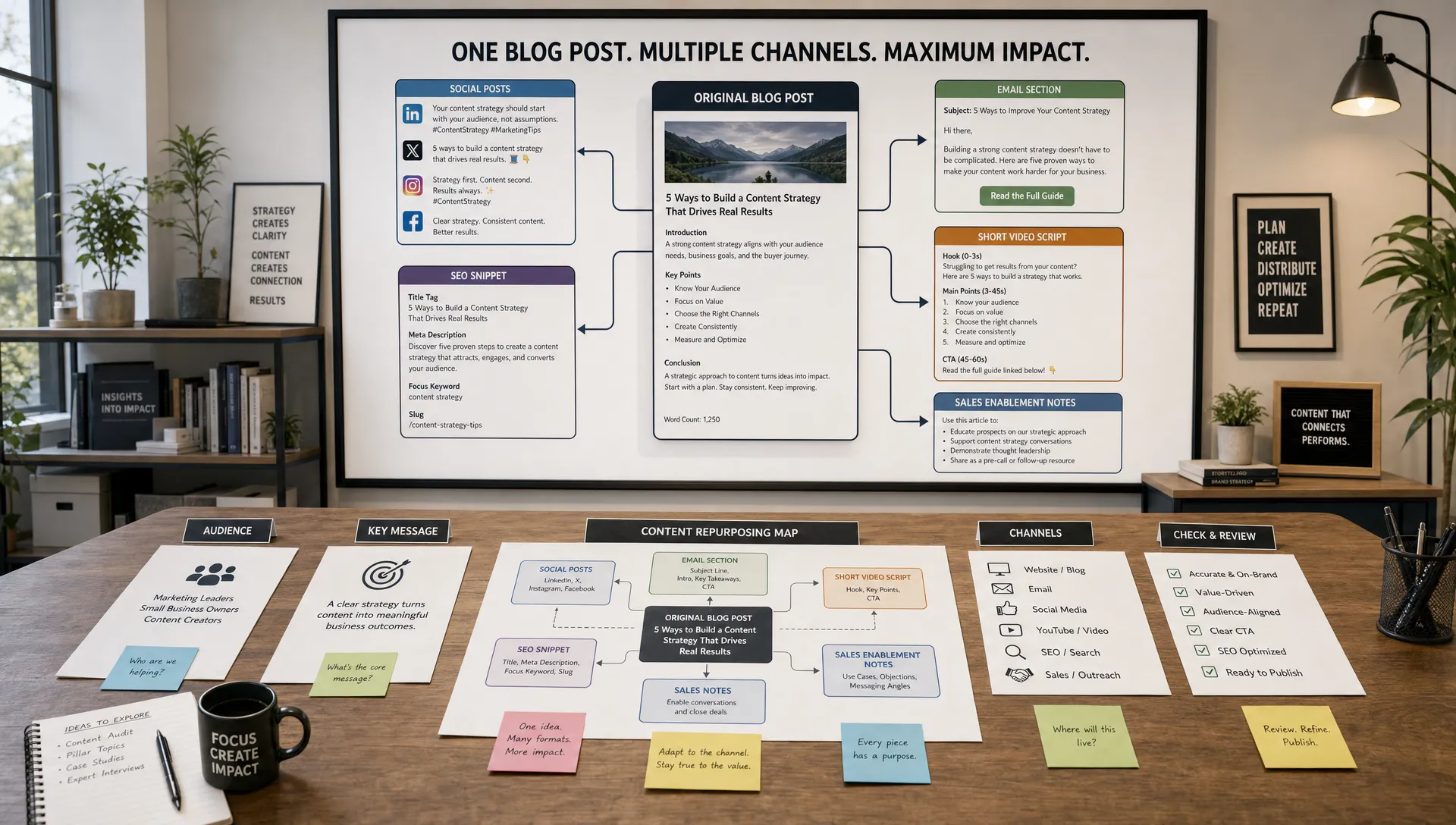
Once the case study is approved, AI becomes especially useful. The approved story can support sales conversations, email campaigns, social posts, landing pages and internal enablement. The key is to maintain one source of truth so every version uses the same claims.
| Asset | What AI can adapt | What must stay consistent |
|---|---|---|
| Sales one pager | Shorter structure, objection handling and proof highlights | Metrics, quotes and customer approval terms |
| Email nurture | Subject lines, preview text and concise story angle | Main outcome and customer context |
| Social posts | Hook variations and quote snippets | Claim wording and attribution |
| SEO article | Search aligned headings and explanatory context | Verified facts and approved customer details |
| Sales call script | Discovery questions tied to the story | The real implementation experience |
This is where AI marketing automation can deliver practical value. One approved case study can become a small campaign, not a single PDF that gets buried in a folder. If you want broader examples of where AI creates measurable marketing value, see AIMarketer Hub's guide to 10 AI marketing use cases with clear business value.
A helpful repurposing prompt is:
Repurpose this approved case study into channel-specific assets.

Create:
- A 150-word sales summary
- A 90-word email teaser
- Three LinkedIn post options
- Five sales discovery questions inspired by the case study
- A short website excerpt

Rules:
- Do not introduce new claims
- Keep all metrics exactly as approved
- Do not create quotes that the customer did not say
- Keep the tone practical and buyer focused

Approved case study:
[Paste final approved version]
Review every output before publishing. AI may compress context in a way that makes a claim sound broader than the original. For example, a result from one campaign should not become a company wide performance claim.
Case studies can rank for commercial searches when they answer real buyer questions. They also help AI search systems understand your experience in a specific industry, use case or customer scenario.
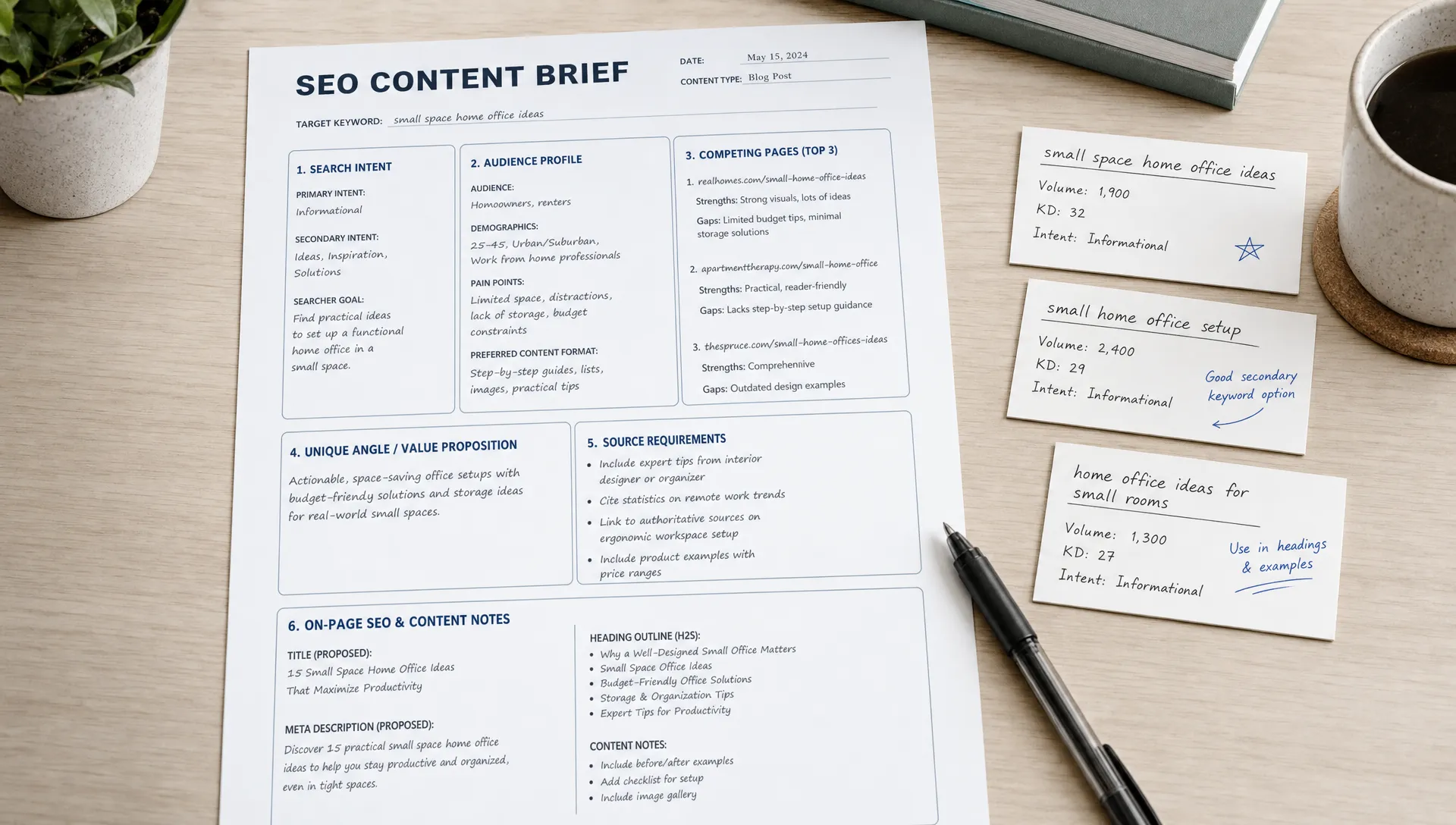
A search friendly case study should make the core facts easy to extract. Use descriptive headings, include the customer type or industry when approved, summarize the challenge and result near the top and define any technical terms that matter to the audience. Avoid burying the metric in a designed graphic with no supporting text.
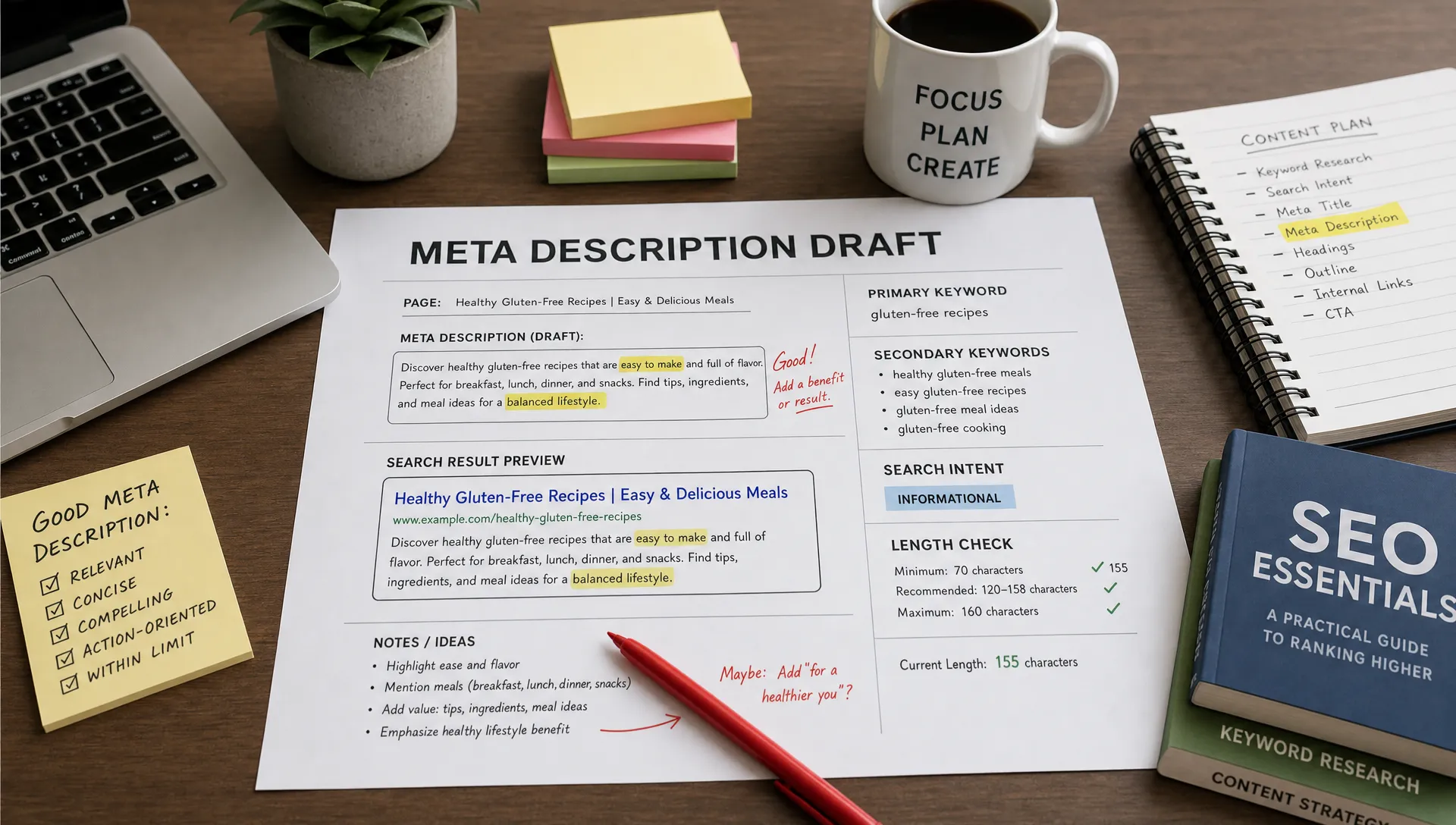
AI can help create SEO elements, but it should work from the final approved story. Ask it for title options, meta descriptions, FAQ ideas and related search intents without changing the underlying claims.
Using this approved case study, suggest SEO improvements.

Return:
- Five title options under 65 characters
- One meta description under 155 characters
- Three buyer questions this case study answers
- Suggested H2 headings
- Internal link opportunities based on the themes

Rules:
- Do not change metrics
- Do not add claims not found in the case study
- Keep the language natural for a B2B buyer
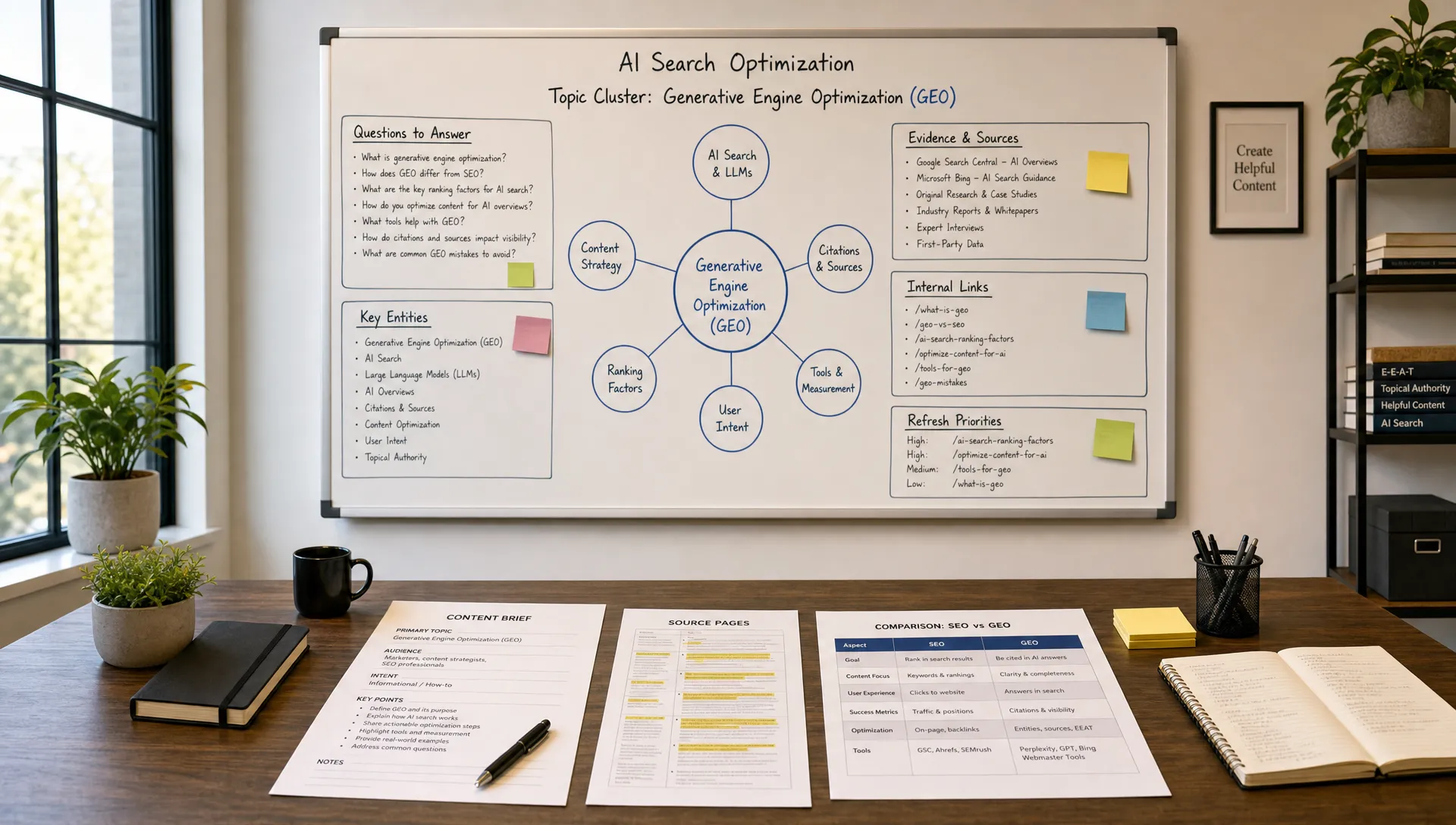
If your content strategy includes AI answer engines, structure matters. Clear summaries, specific evidence and original customer context make a page easier to cite than vague promotional copy. AIMarketer Hub's article on AI search optimization explains how to make content more useful for AI generated answers without sacrificing human readability.
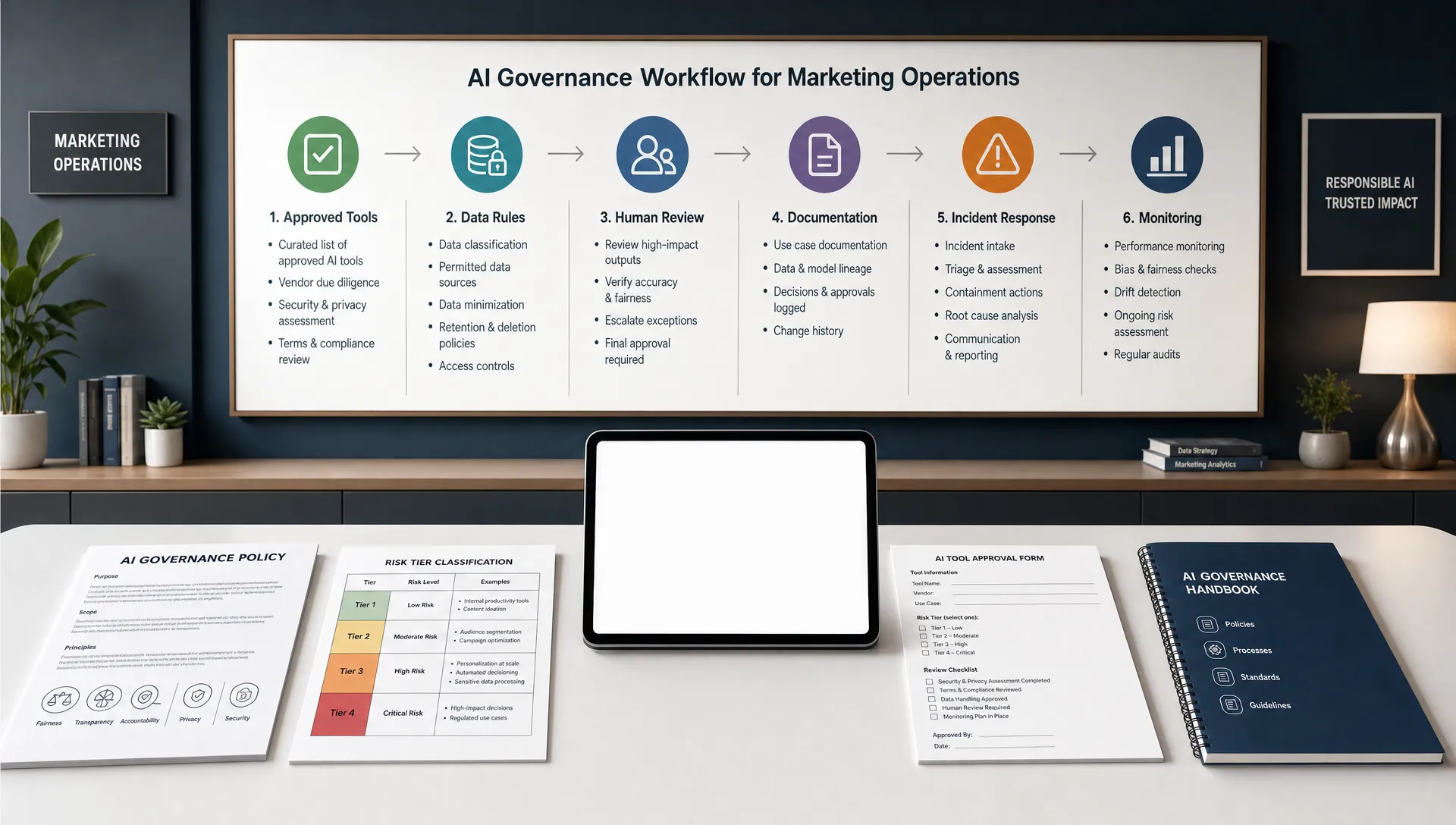
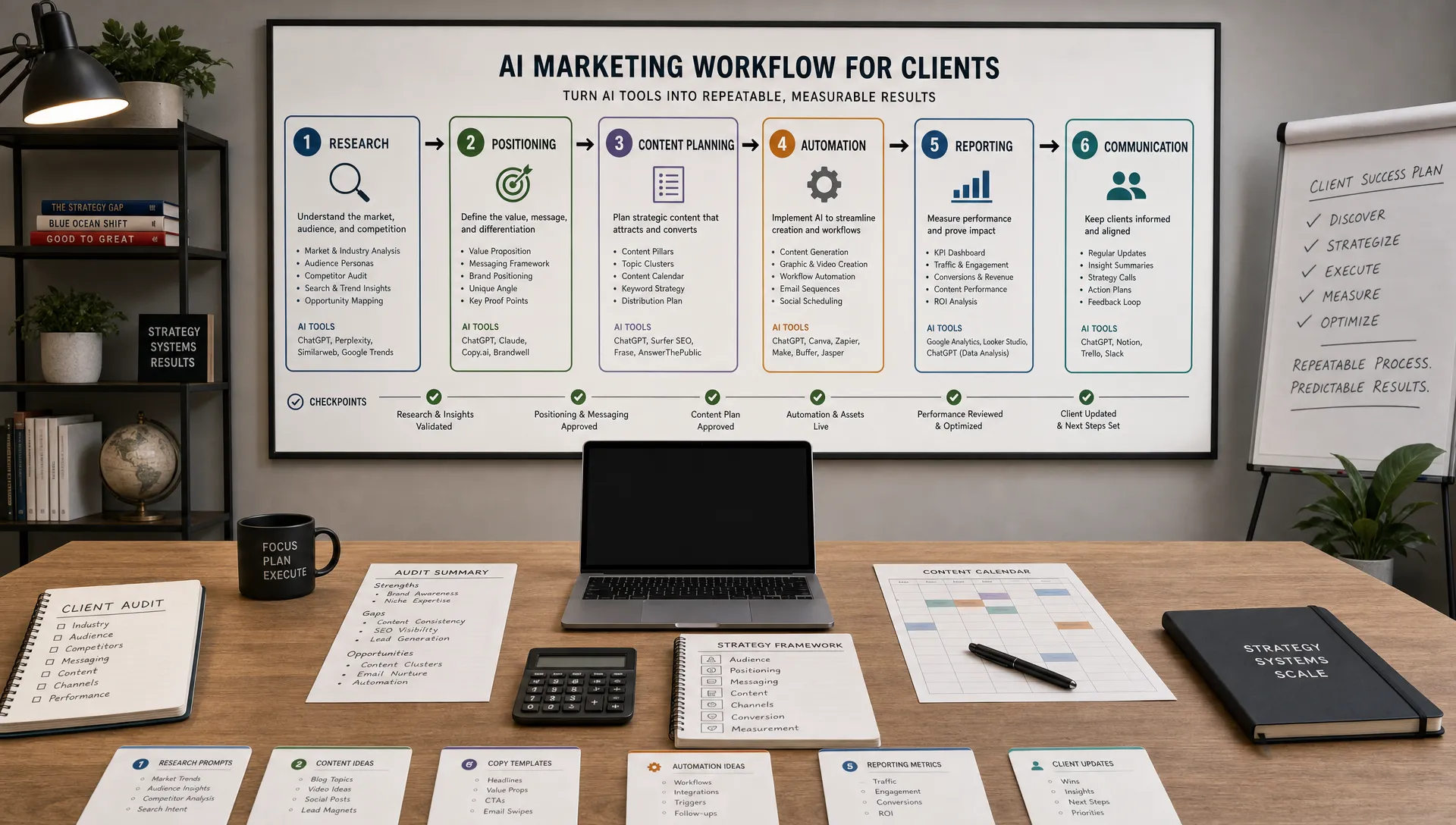
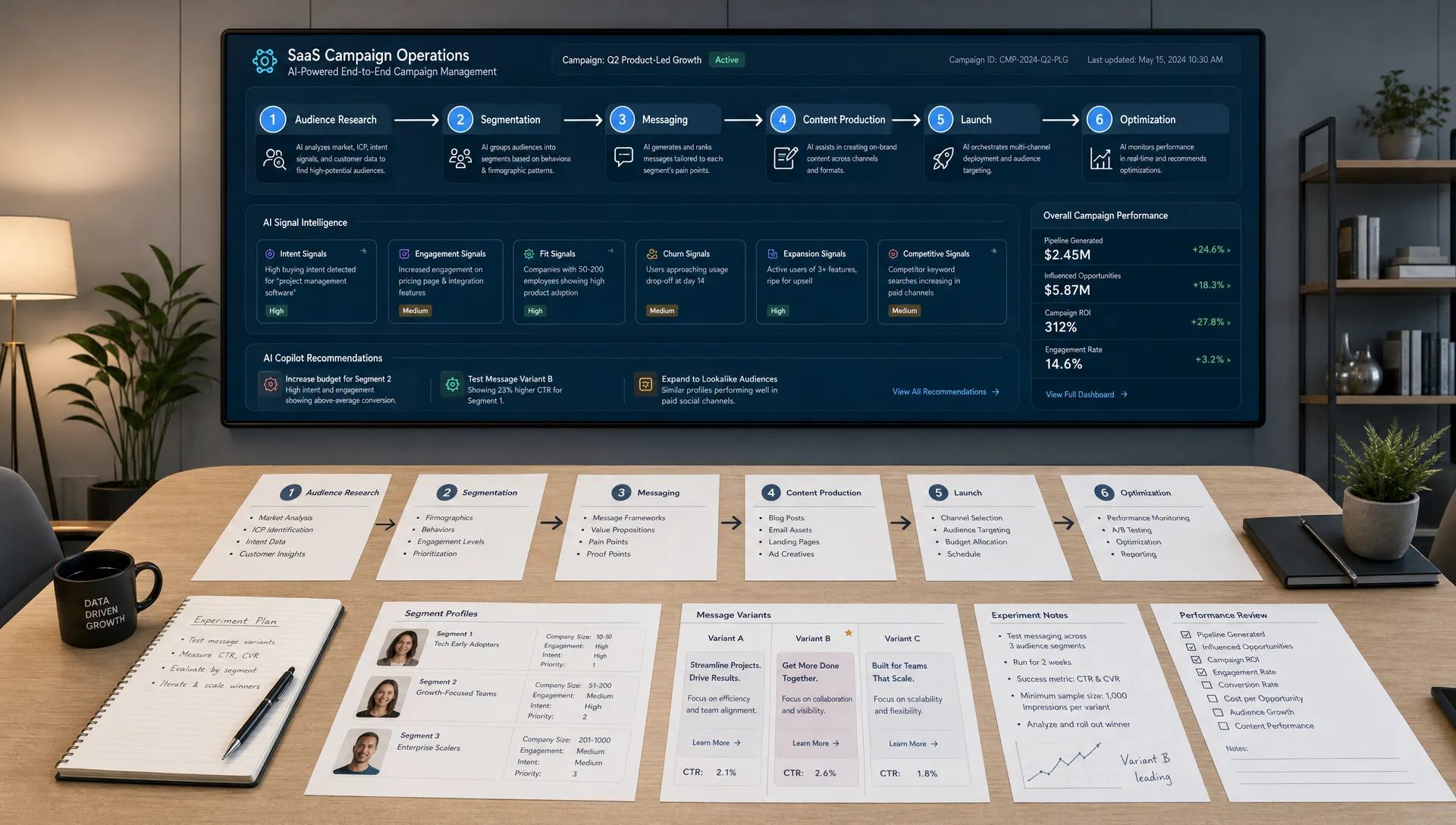
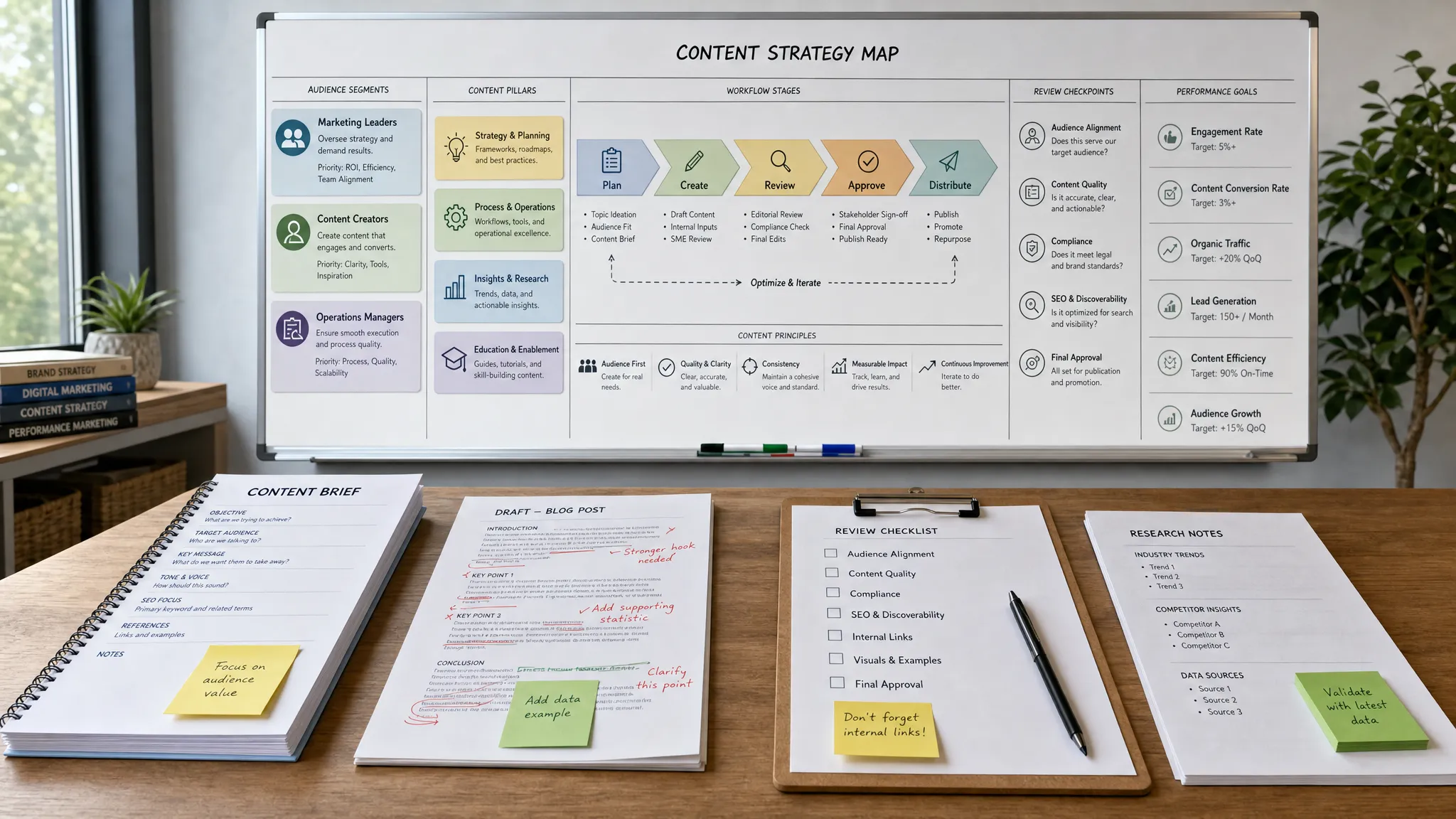
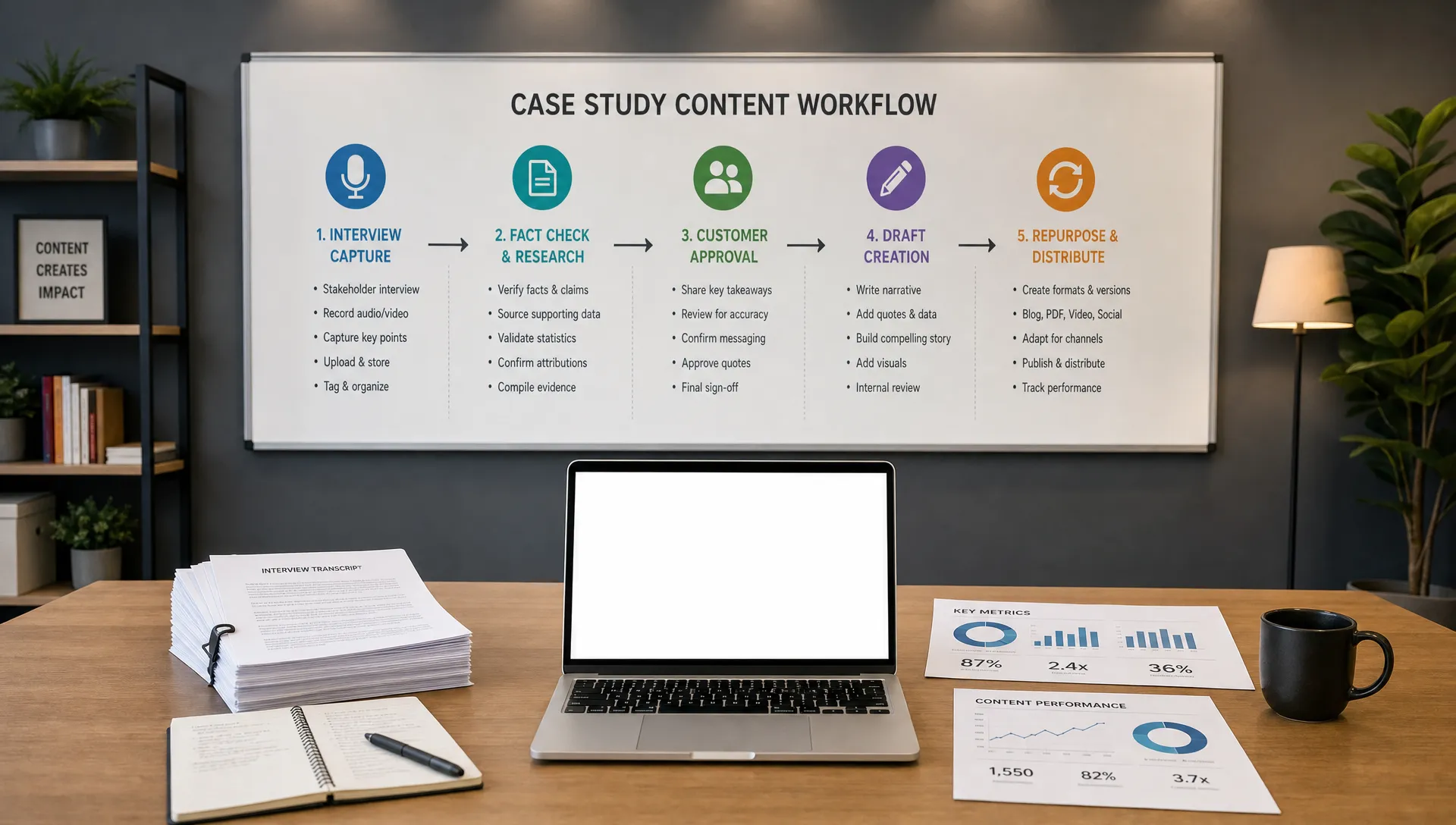
A reliable workflow prevents the biggest AI risks: inconsistent claims, invented details and unapproved customer language. It also helps your team produce case studies more often without starting from scratch each time.
Start with intake. Create a short form that captures the customer profile, product used, measurable outcomes, approval status and target audience. Sales and customer success teams can submit candidates when they notice a strong outcome.
Move next to evidence collection. Record or transcribe the interview when permitted, collect supporting metrics and create a sanitized evidence document. This is the document your AI tools should use.
Then synthesize before drafting. Ask AI for themes, gaps, proof issues and a story spine. This step keeps the writer focused on what is actually supported.
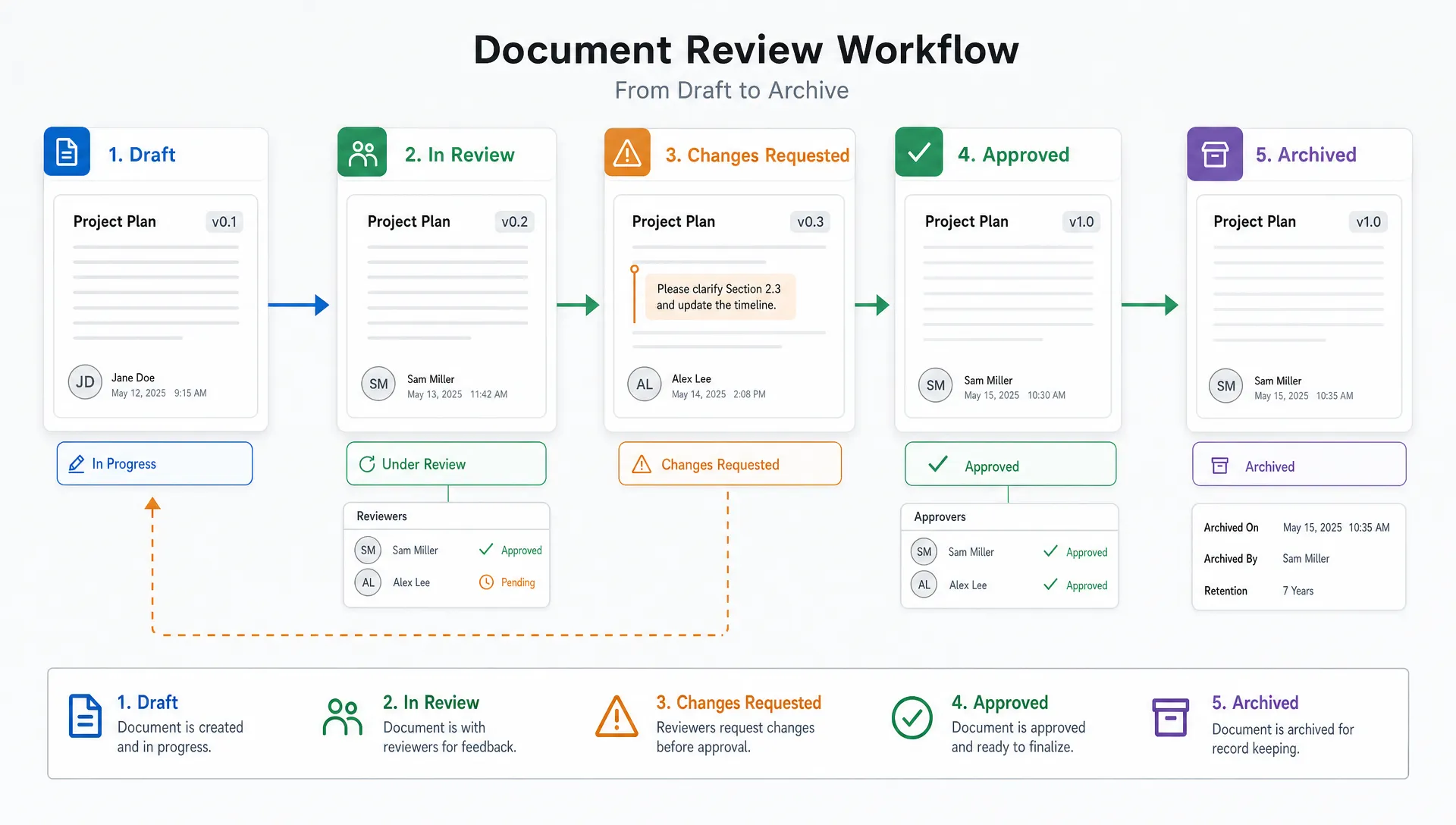
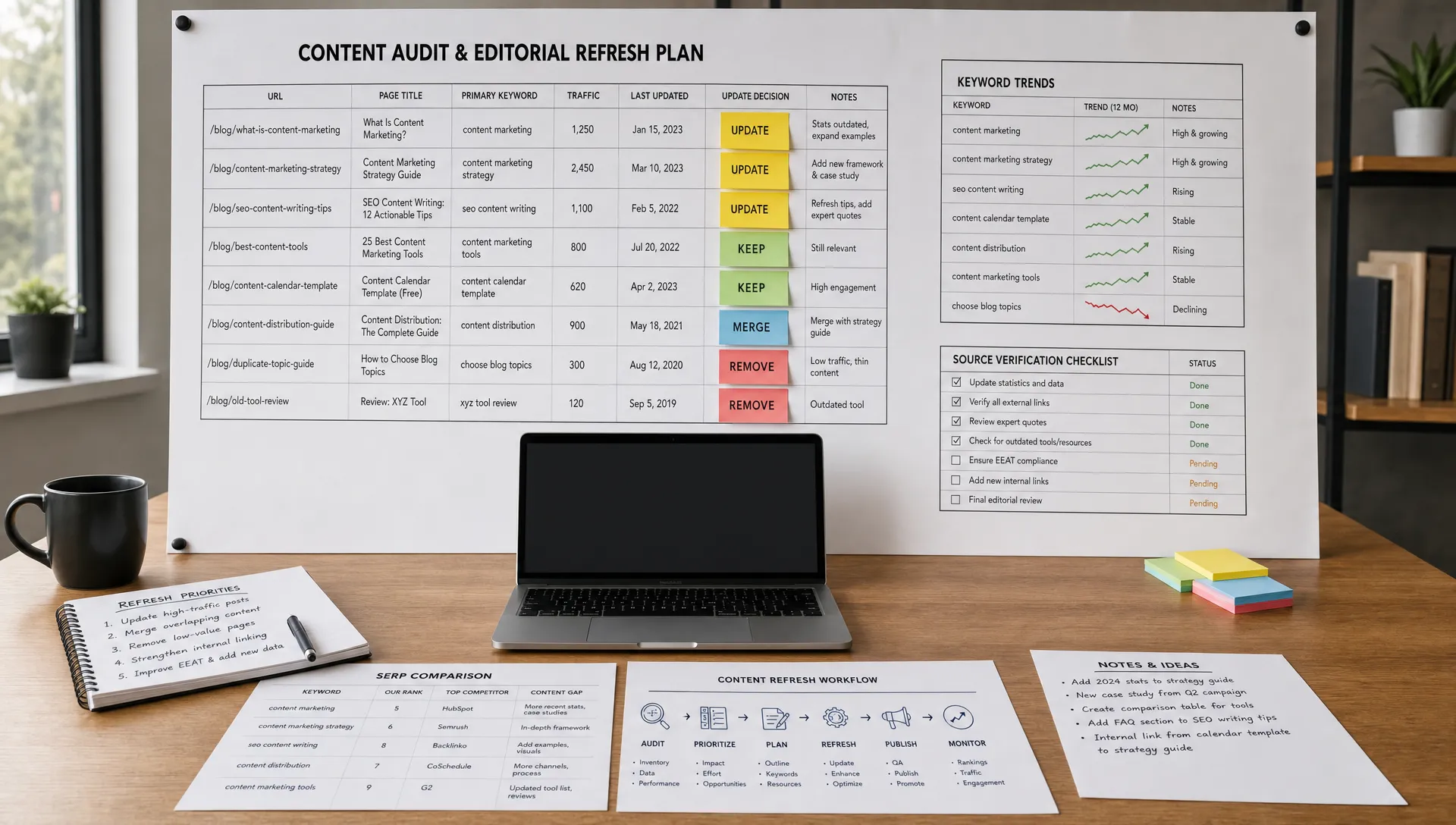
Draft and review in stages. The marketer edits for clarity and strategy, the internal subject matter expert checks accuracy and the customer approves quotes, metrics and any named references.
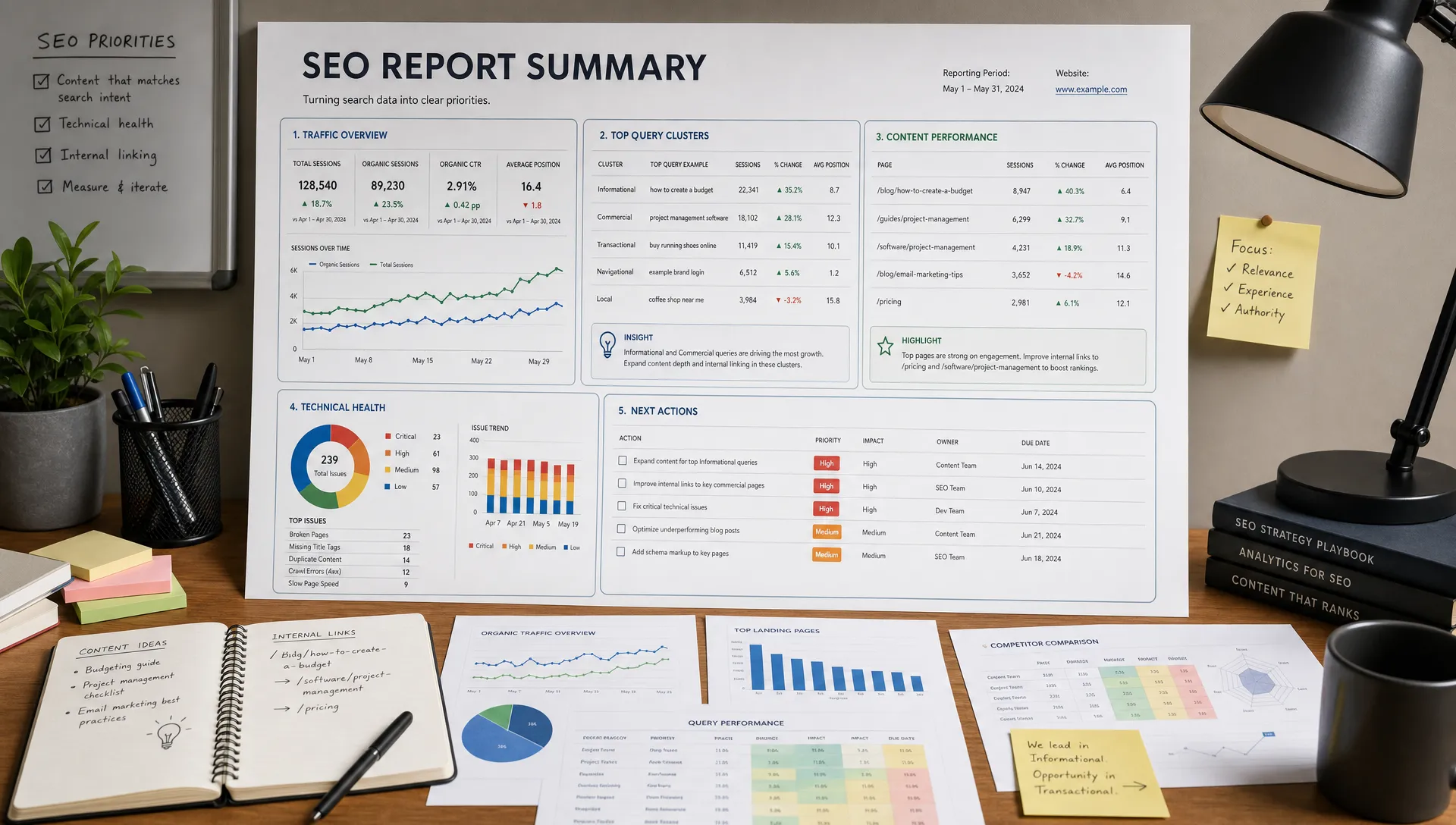
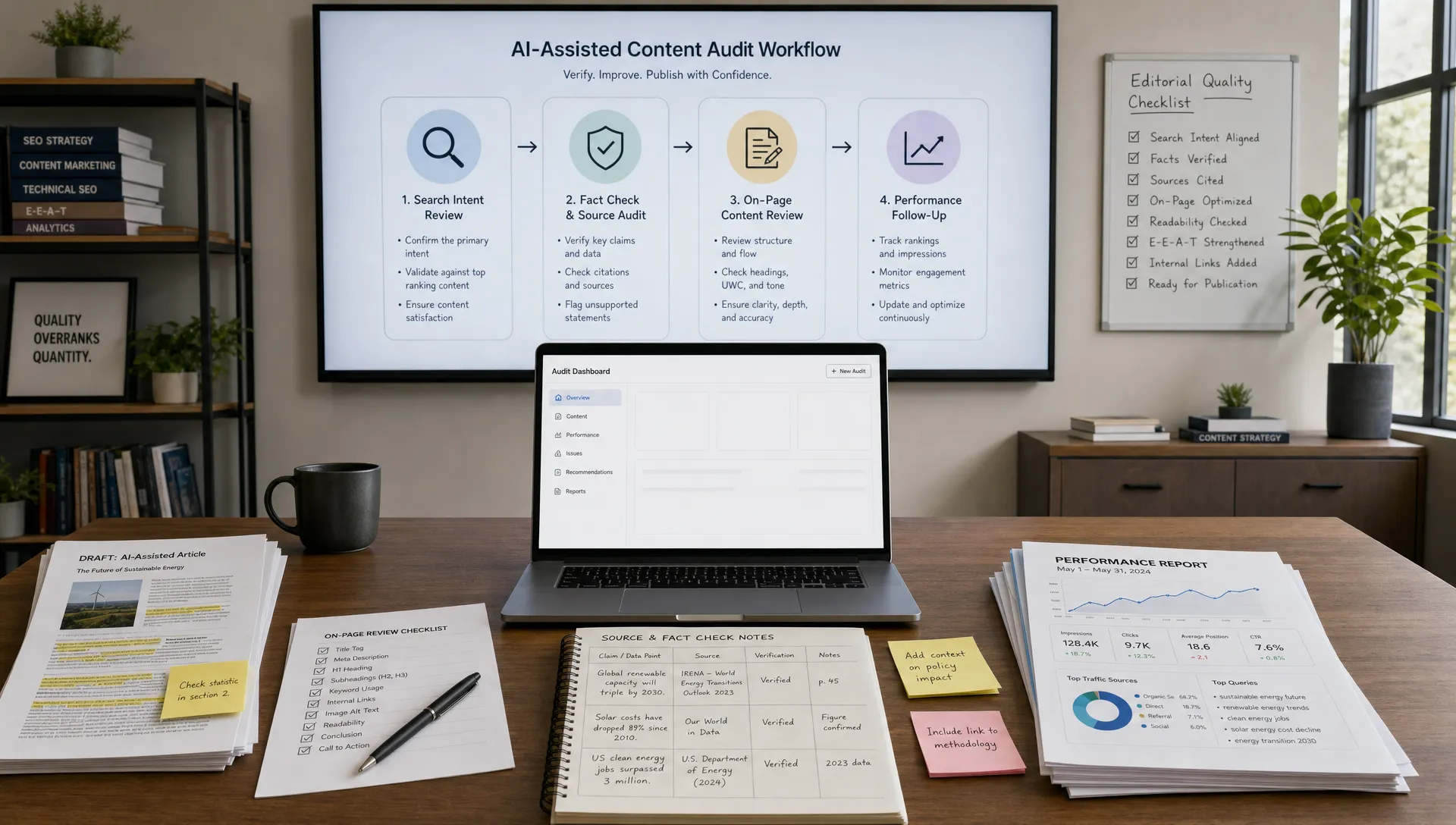
Finally, distribute and measure. Track how the case study performs in organic search, sales conversations, email engagement and assisted pipeline. Performance analytics can show which stories deserve repurposing, updating or stronger promotion.
| Workflow stage | AI role | Human review |
|---|---|---|
| Candidate intake | Summarize opportunity and likely angle | Confirm customer fit and approval path |
| Interview prep | Generate tailored questions | Remove leading or irrelevant questions |
| Evidence synthesis | Extract themes, quotes and gaps | Verify facts and customer meaning |
| Drafting | Create structured first draft | Edit for accuracy, tone and strategy |
| Repurposing | Produce channel variants | Check claim consistency |
| Measurement | Summarize performance patterns | Decide next actions |
The first mistake is asking AI to write the case study too early. If the raw material is thin, the draft will sound plausible but generic. Spend more effort on interviews and evidence, then use AI to accelerate the work.
The second mistake is over-polishing the customer voice. Real buyers trust specific language more than perfect corporate phrasing. If the customer says the old process was "a Friday afternoon scramble," that may be more persuasive than "an inefficient reporting workflow."
The third mistake is treating every case study as the same format. A technical buyer may need implementation details. A CFO may need risk reduction and cost context. A founder may care about speed, simplicity and proof that the team can execute without adding headcount.
The fourth mistake is repurposing without governance. A short social post can accidentally overstate a result by removing qualifiers. Keep the approved case study as the source of truth and check every derivative asset against it.
Can AI write an entire case study? AI can draft a full case study, but it should not create the story from scratch. Use it after you have real interview notes, verified metrics and approved customer context. Human review is still required for accuracy, tone and permission.
What information should I give AI before drafting a case study? Provide the target audience, customer context, product or service used, interview transcript, verified results, implementation details, approved quotes and the marketing goal of the asset. The more specific the evidence, the stronger the output.
How do I stop AI from making up results or quotes? Give the model strict rules to use only supplied evidence, ask it to mark missing information as "Needs verification" and run a proof audit before editing. Never publish a metric, quote or customer claim that has not been confirmed.
Are AI generated case studies good for SEO? They can be, if they are based on original customer evidence and structured around buyer questions. Search performance depends on specificity, helpful context, credible proof and clear formatting, not the fact that AI helped draft the page.
How many versions should I create from one case study? Start with a final approved long form version, then create a sales summary, email teaser, social snippets and website excerpt. Add more versions only when there is a clear channel need and a review process to keep claims consistent.
AI can help you build case studies that are faster to produce and more useful to buyers, but only when your workflow protects the evidence. Start with the customer story, verify the proof, use AI to structure and refine, then repurpose the approved asset with care.
AIMarketer Hub gives marketers practical resources for this kind of work, including AI content generation, a prompt library, SEO tools, performance analytics and industry-specific guides. Use these tools to turn customer evidence into clearer stories, stronger sales assets and more efficient content creation workflows.