Customer reviews are one of the most underused sources of marketing copy. They show what buyers cared about before purchasing, what nearly stopped them and how they describe the value after the fact. That language is usually more specific than a brainstorming session and more believable than a polished brand statement.
The goal is not to copy and paste testimonials into every campaign. The goal is to mine reviews for patterns, turn those patterns into sharper messaging and then validate the new copy with real performance data.
For marketers using AI tools, reviews are even more valuable. They give your prompts real customer language, not generic assumptions. When you combine customer voice with a clear copywriting process, you can create landing pages, ads, emails, product descriptions and social posts that sound closer to the market you are trying to reach.
Strong marketing copy usually answers three questions quickly: what is this, why should I care and why should I believe you? Reviews help with all three.
A product page might say, “Save time with automated reporting.” A review might say, “I used to spend Friday afternoons pulling numbers from three dashboards. Now my Monday client meeting is ready in 10 minutes.” The second version gives you context, emotional payoff and a concrete outcome. That is the difference between a feature claim and customer-driven copy.
Reviews are especially useful because they reveal:
That last point matters for AI marketing and content creation. If your AI prompts only include internal positioning, your output will often sound like your team. If your prompts include review language, the output starts sounding like your customers.
Not all reviews are equally useful. Five-star praise can help, but the most useful copy often comes from detailed reviews that explain the before and after. Three-star and four-star reviews can be just as valuable because they show friction, tradeoffs and unmet expectations.
Start with reviews from your own channels if you have them. Look at website testimonials, app store reviews, ecommerce product reviews, survey responses, support tickets, onboarding feedback and customer success notes. If you sell through marketplaces or review platforms, add those too.
Competitor reviews can also be useful, but handle them carefully. The point is not to steal positioning. The point is to understand category expectations. If customers repeatedly complain that a competing tool is hard to set up, your copy can highlight ease of implementation if that is a real strength. If buyers praise a competitor for fast support, that tells you support speed may be a key buying criterion in your market.
Before using review content, remove personally identifiable information and avoid implying that one customer’s outcome is guaranteed for everyone. Review mining should make your copy more honest and specific, not more exaggerated.
Dumping 500 reviews into an AI tool and asking for “better copy” usually produces average copy. A better approach is to sort reviews by the part of the buying story they reveal.
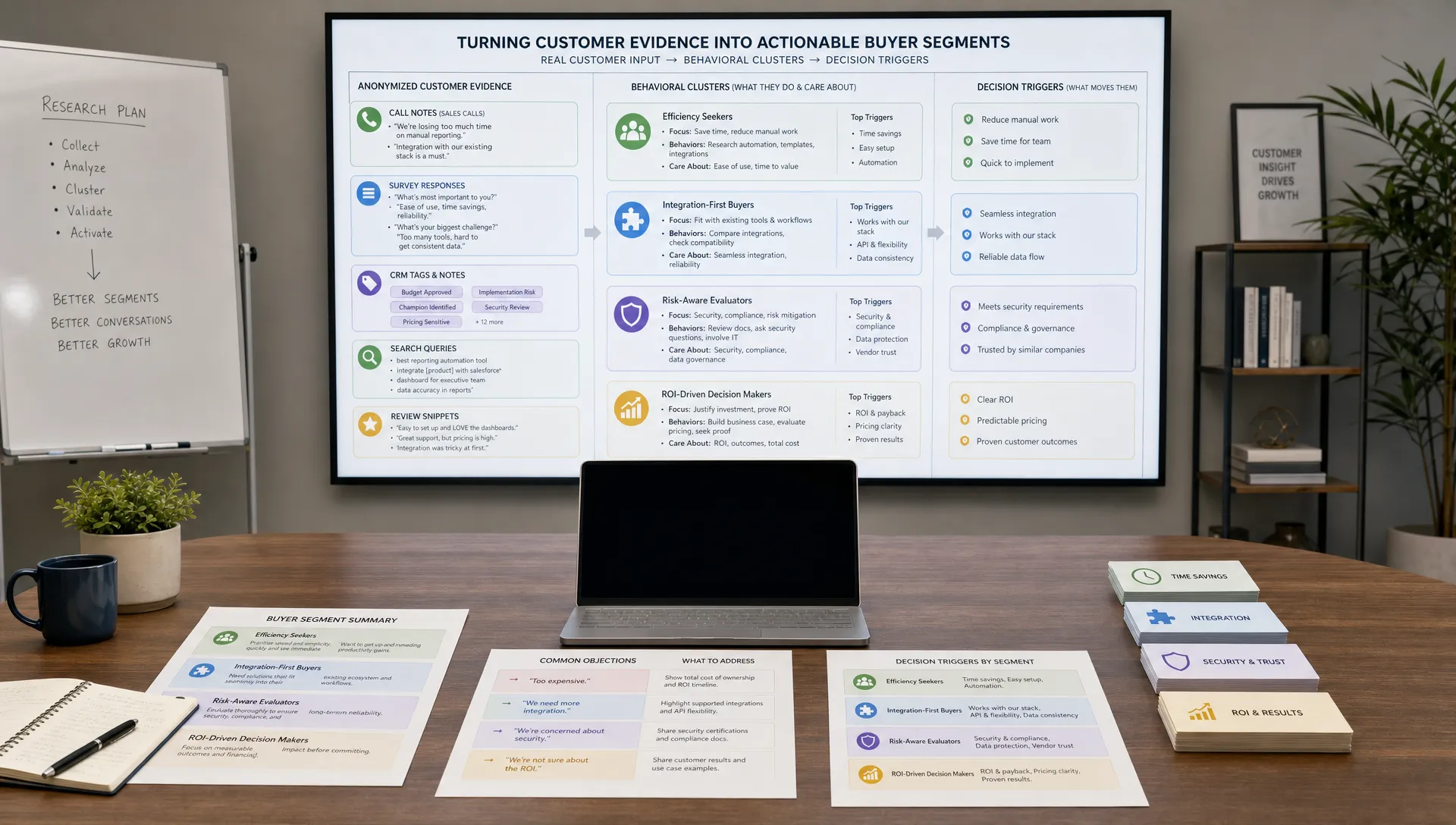
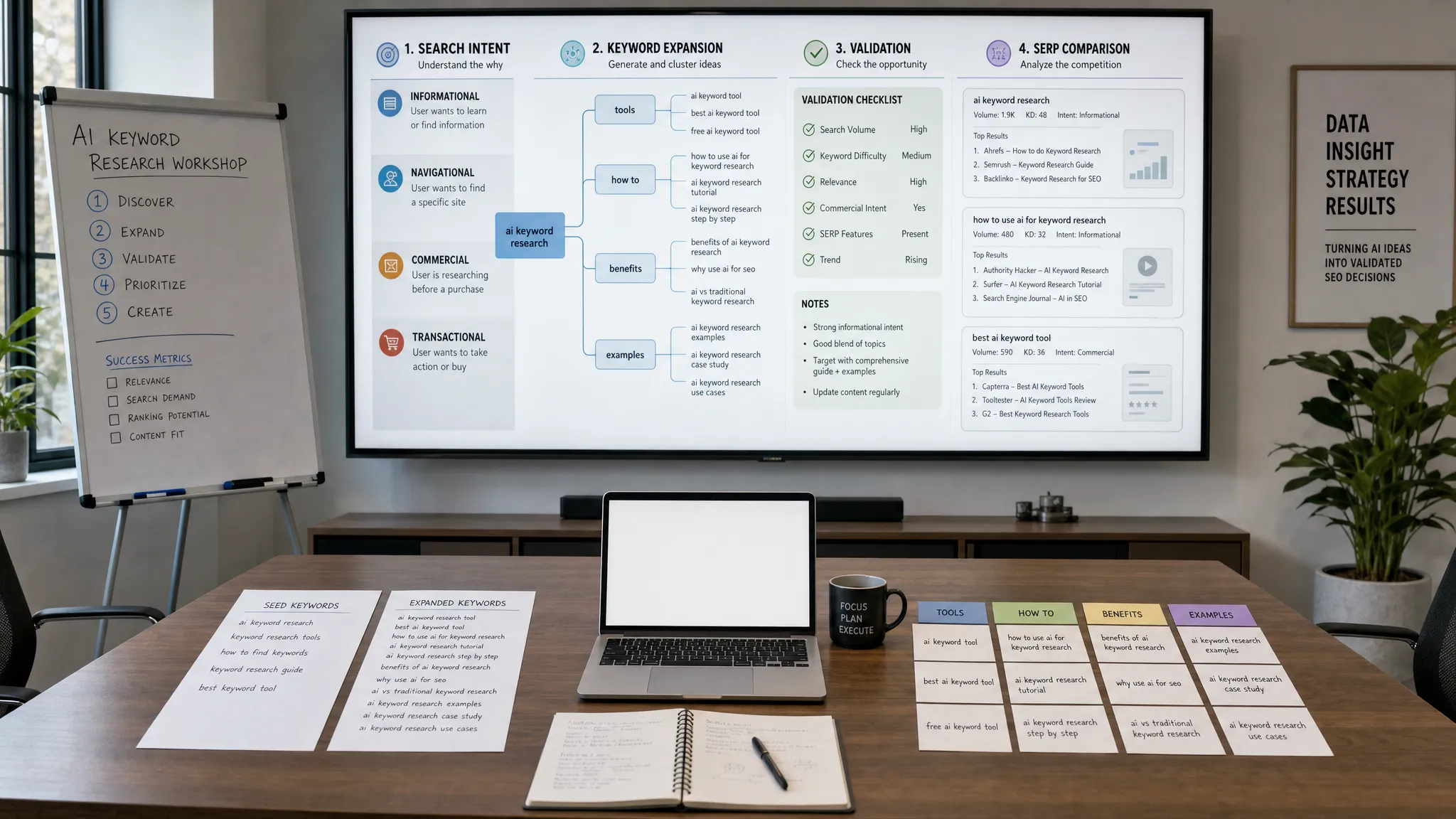
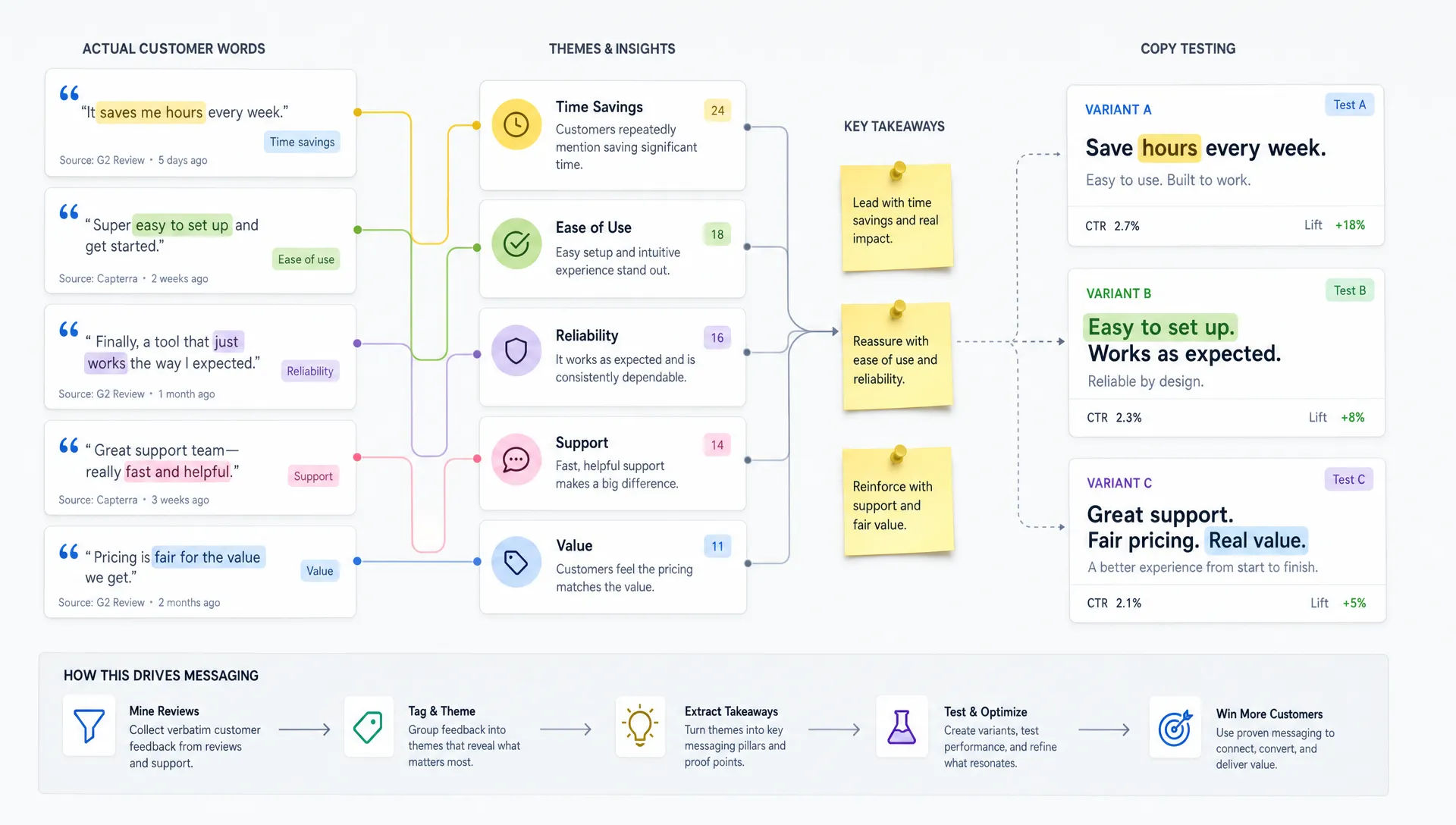
Use a spreadsheet, customer research tool or AI-assisted workflow to tag reviews by theme. You do not need a complicated taxonomy. These five categories cover most copy needs:
As you tag, look for repeated ideas rather than isolated comments. One customer saying “easy to use” is a nice quote. Thirty customers saying they were productive on day one is a positioning signal.
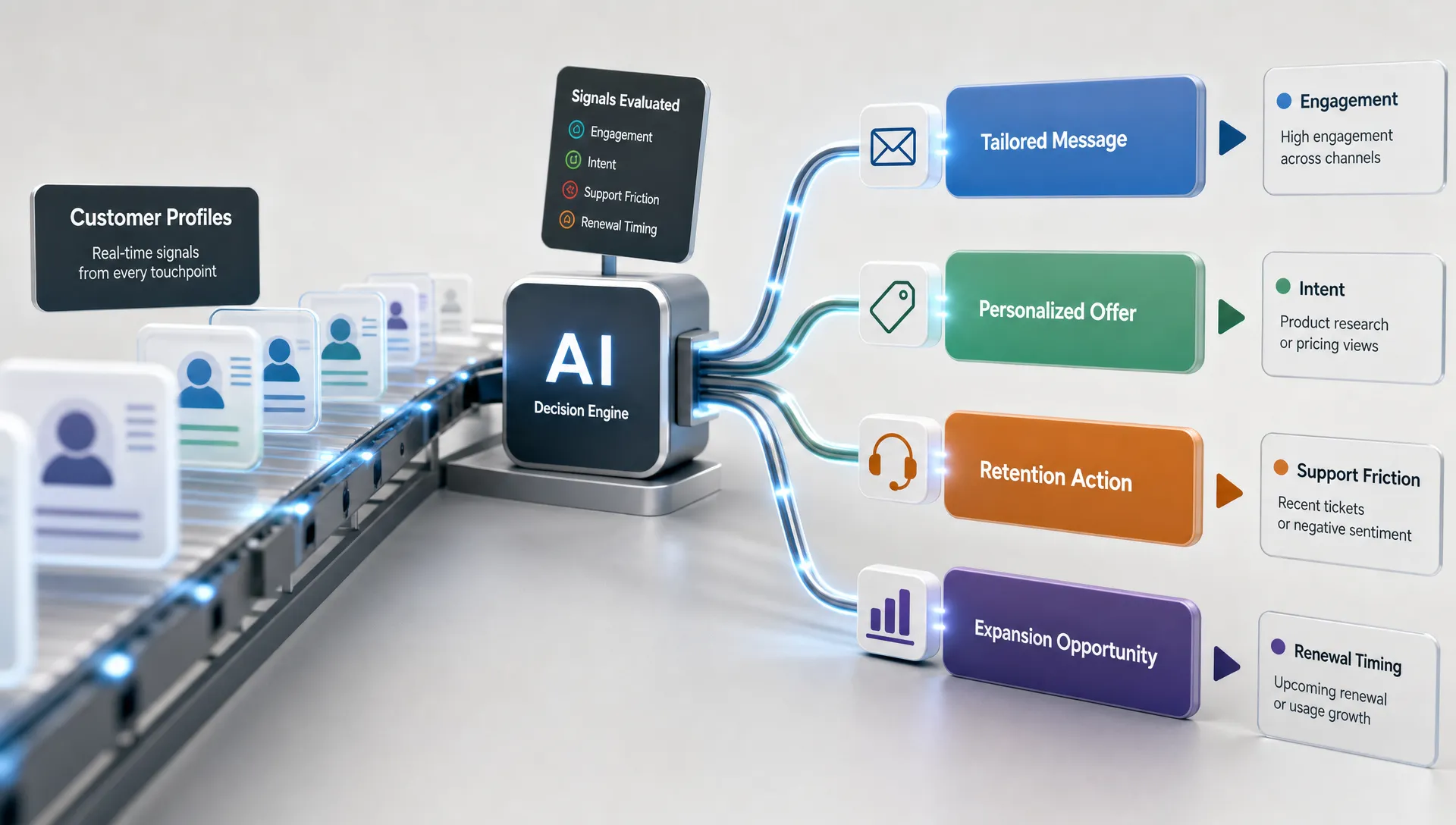
This is where AI-powered analytics can help. AI can cluster similar reviews, identify repeated language and surface sentiment patterns faster than a manual read-through. The human marketer still needs to decide what is strategically useful and what is noise.
Once reviews are sorted, translate them into specific marketing assets. A review is raw material. Copy is the edited version designed for a channel, audience and goal.
For example, a review might say:
“We switched because our old platform made reporting way too complicated. I needed something the whole team could actually use without asking ops for help every week.”
That single review could inspire several copy elements:
Landing page headline: Reporting your whole team can use without waiting on ops.
Subheadline: Replace complicated dashboards with clear, self-serve reports built for weekly decisions.
Ad hook: Still asking ops for every report?
Email angle: Give your team the numbers they need before the next weekly meeting.
Notice that the copy does not quote the review word for word. It keeps the customer’s meaning, sharpens it and adapts it to different formats.
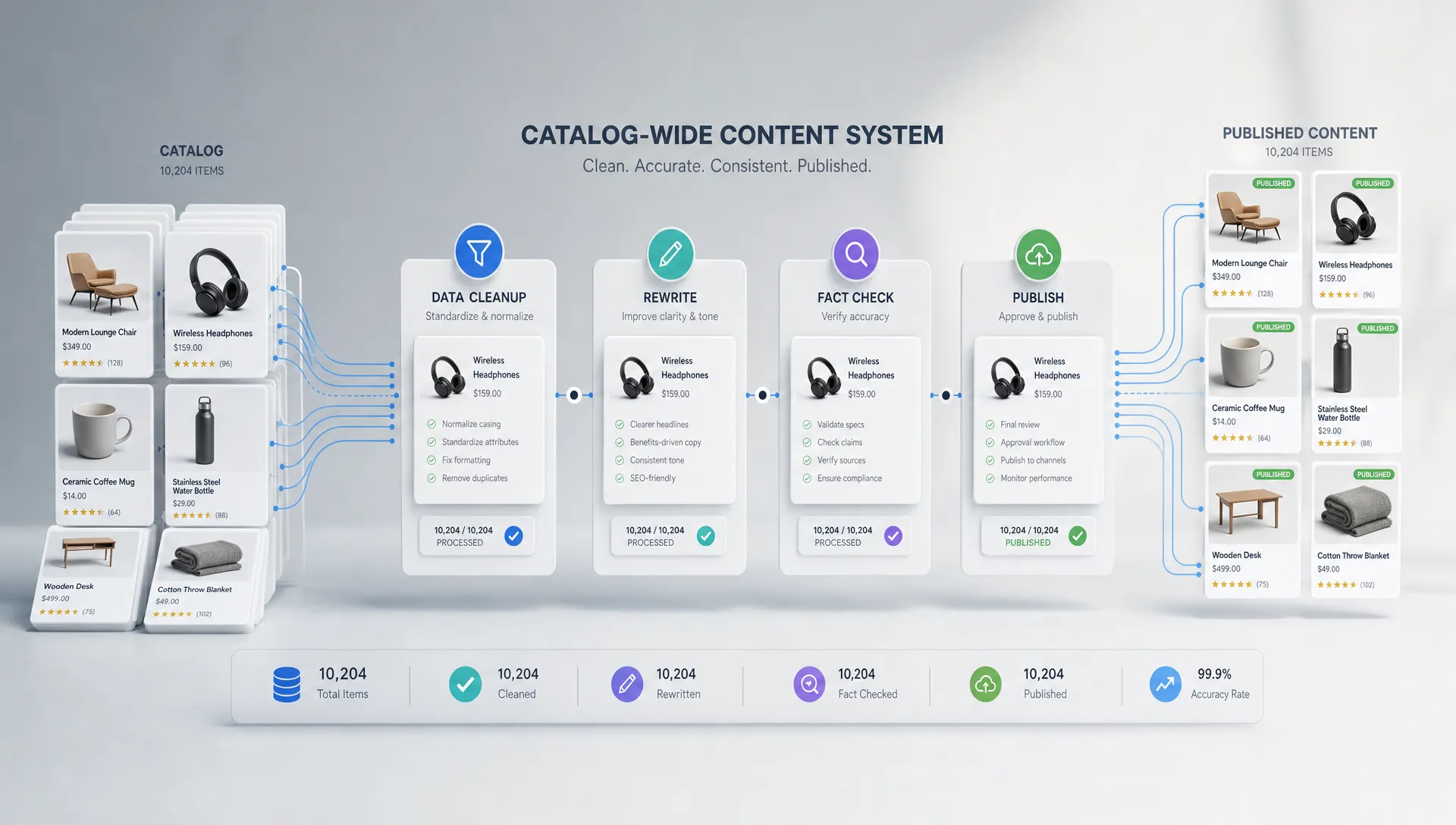
This approach works particularly well for product pages and ecommerce catalogs, where generic feature descriptions can pile up quickly. If you are improving a large set of pages, pair review mining with a structured workflow like AIMarketer Hub’s guide on using AI to improve product descriptions at scale. Reviews can give each description more buyer-specific language instead of making every SKU sound the same.
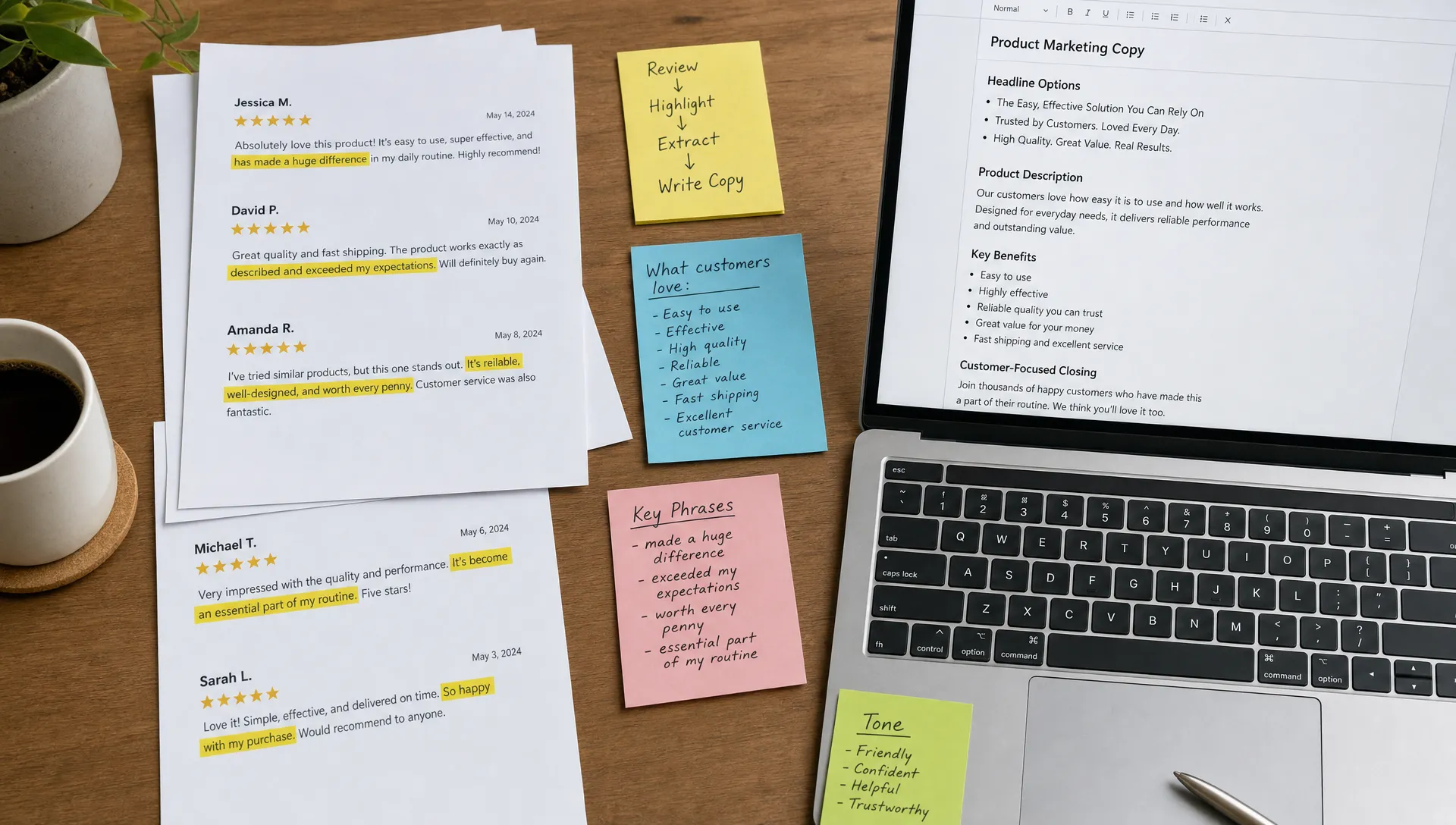
Customer language is powerful, but it still needs editing. Reviews can be messy, emotional, repetitive or too informal for your brand. Your job is to preserve the insight while shaping the message.
A simple rule helps: keep the customer’s meaning, improve the clarity and match the channel.
If a customer says, “This finally stopped our team from chasing everyone for updates,” the insight is about coordination and time wasted on follow-ups. Depending on your brand voice, you might turn that into:
Direct and practical: Stop chasing updates. Keep every project status in one place.
Executive-focused: Give leaders real-time project visibility without manual follow-ups.
Casual and social-friendly: Fewer “just checking in” messages. More work actually moving.
All three versions come from the same review, but each serves a different audience and channel.
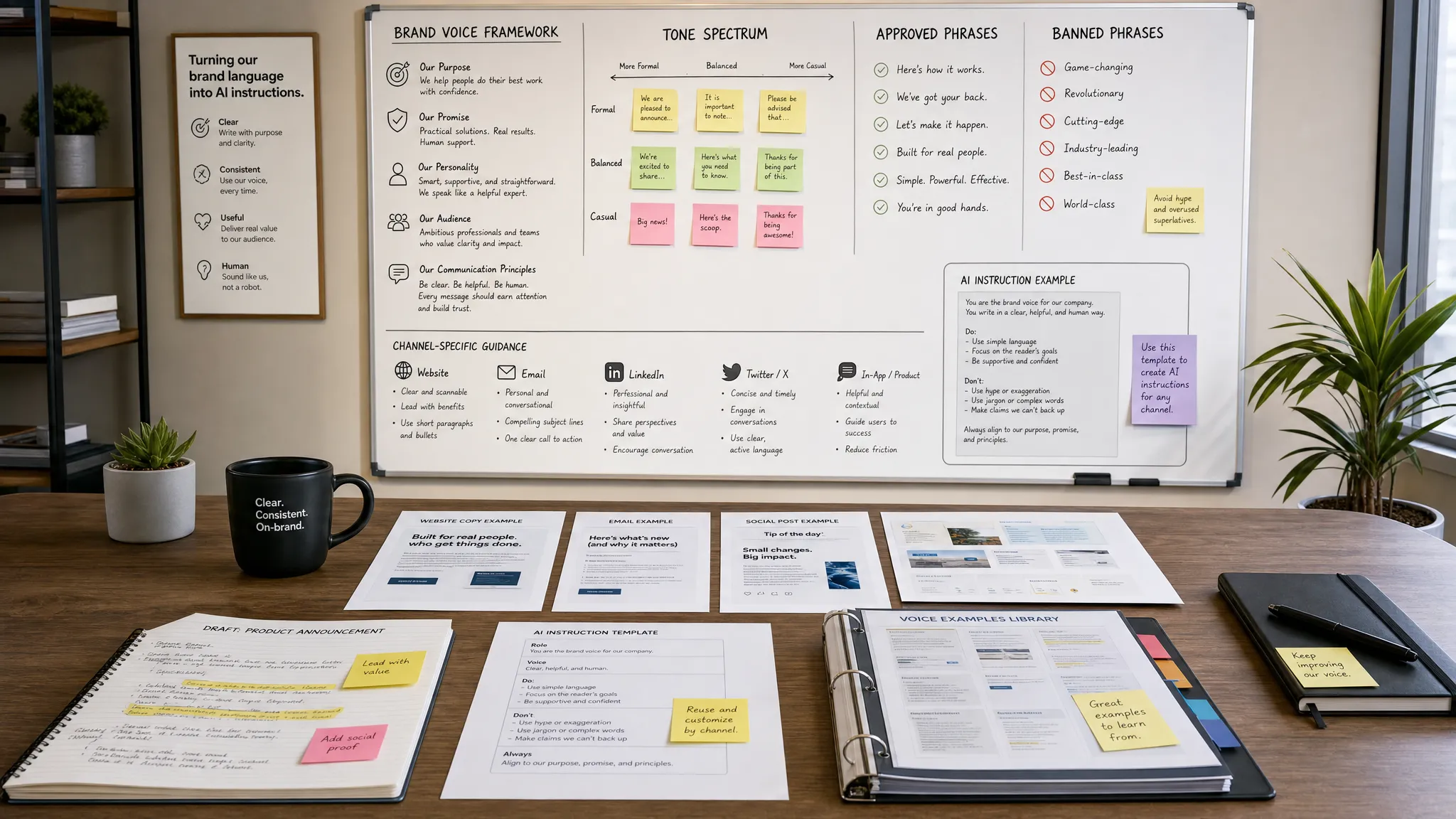
This is also where AI content generation can speed up the process. Give the model your review clusters, brand voice rules and channel constraints. Ask it to produce multiple options, then have a human editor choose the strongest ideas and remove anything exaggerated.
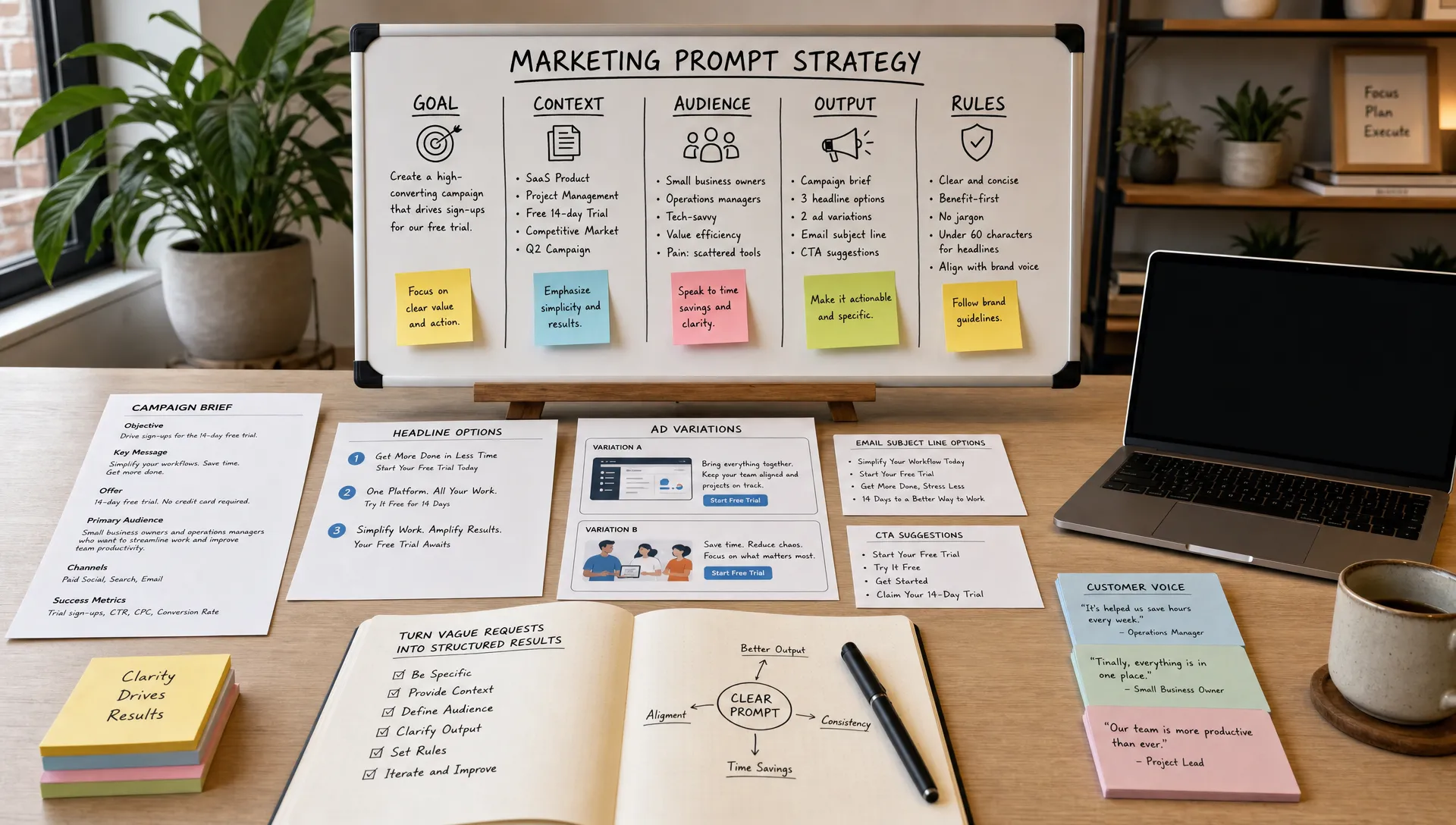
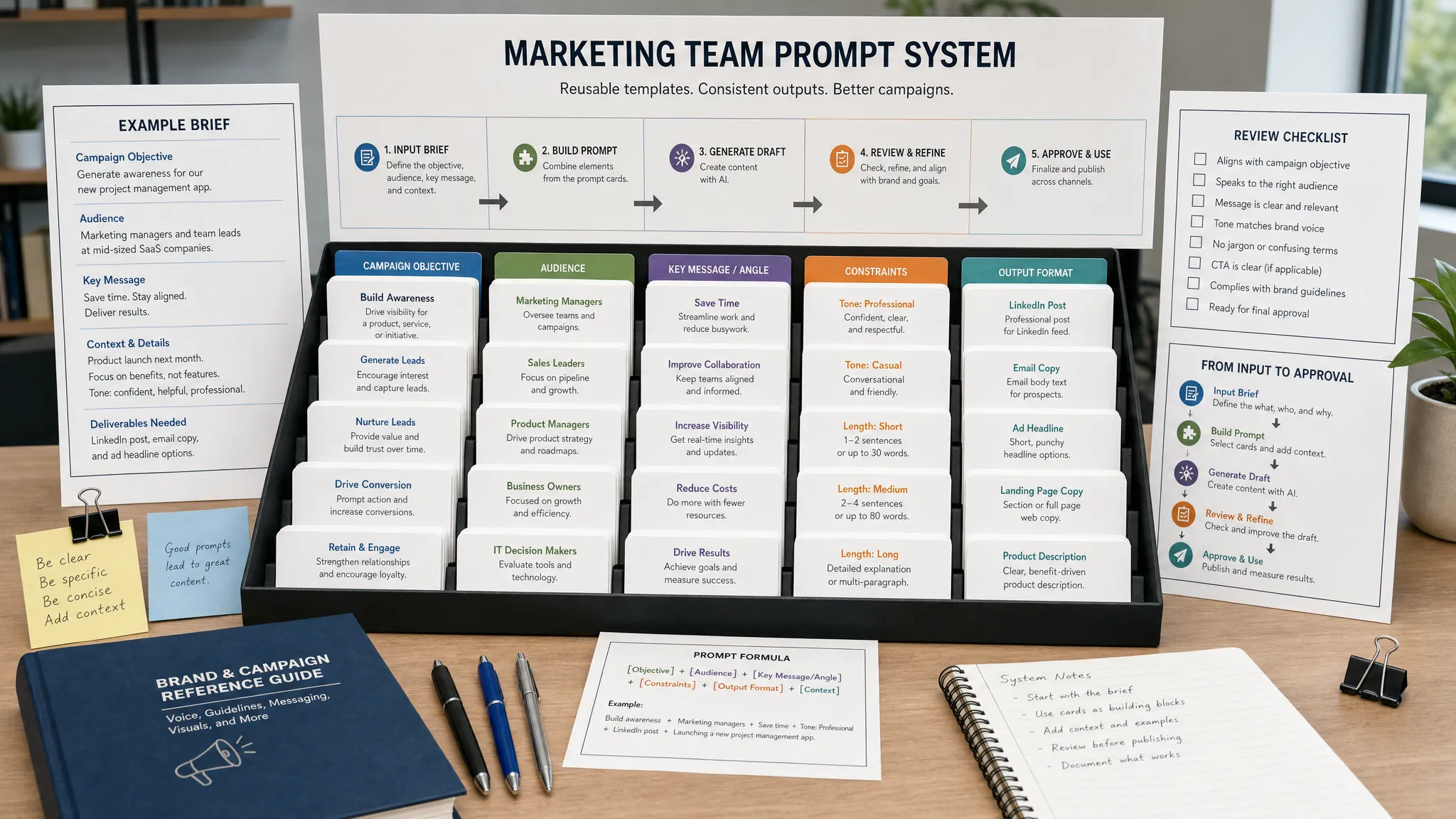
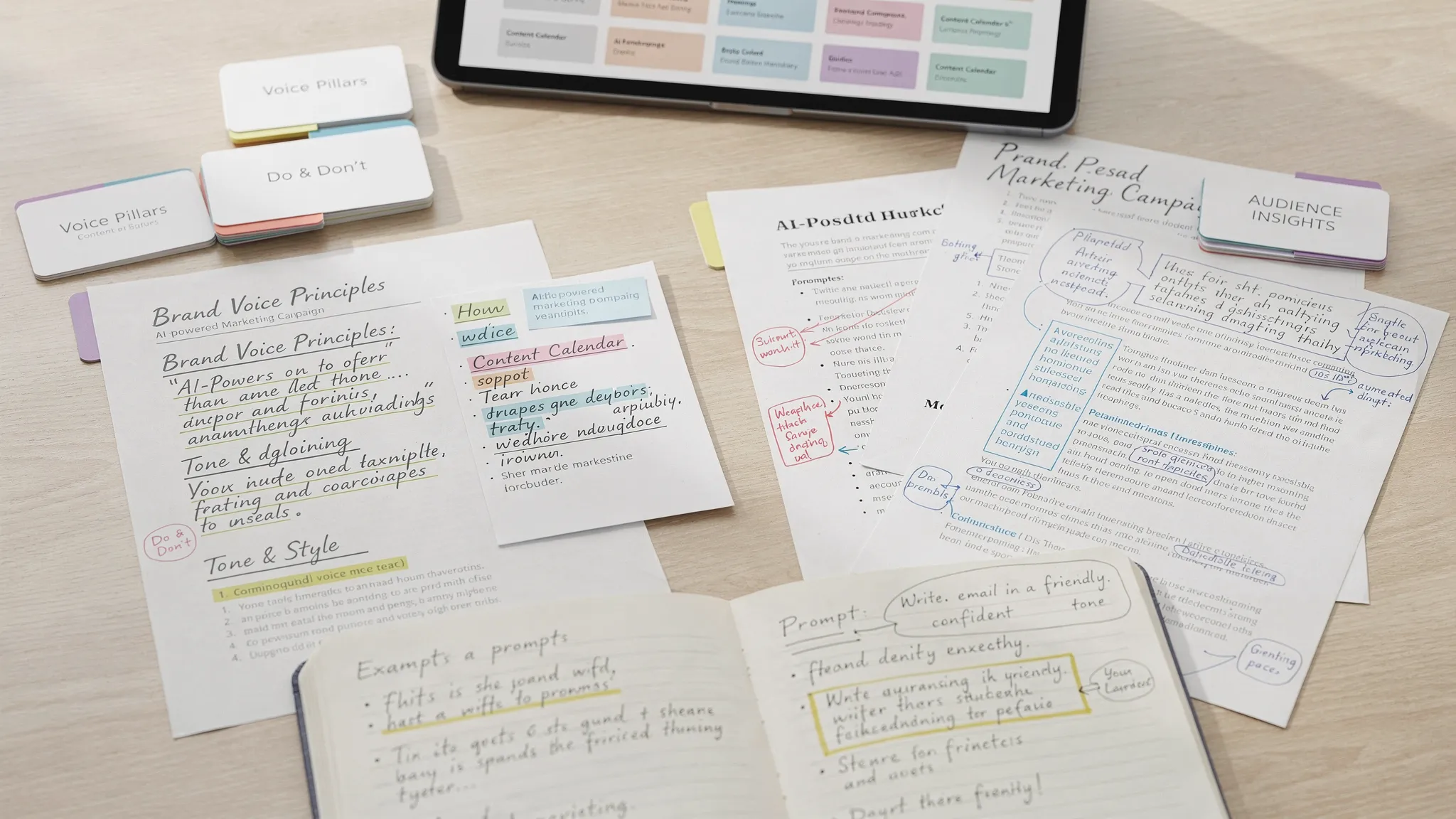
A useful prompt might look like this:
Analyze these customer review excerpts. Identify the top three pain points, top three desired outcomes and five phrases that should influence landing page copy. Then write five headline options for a B2B audience. Keep the tone clear, credible and specific. Do not invent claims that are not supported by the reviews.
For stronger output, include negative instructions. Tell AI not to use vague phrases like “game-changing,” “seamless solution” or “unlock your potential” unless those phrases match your brand. Customer reviews should make your copy more concrete, not more templated.
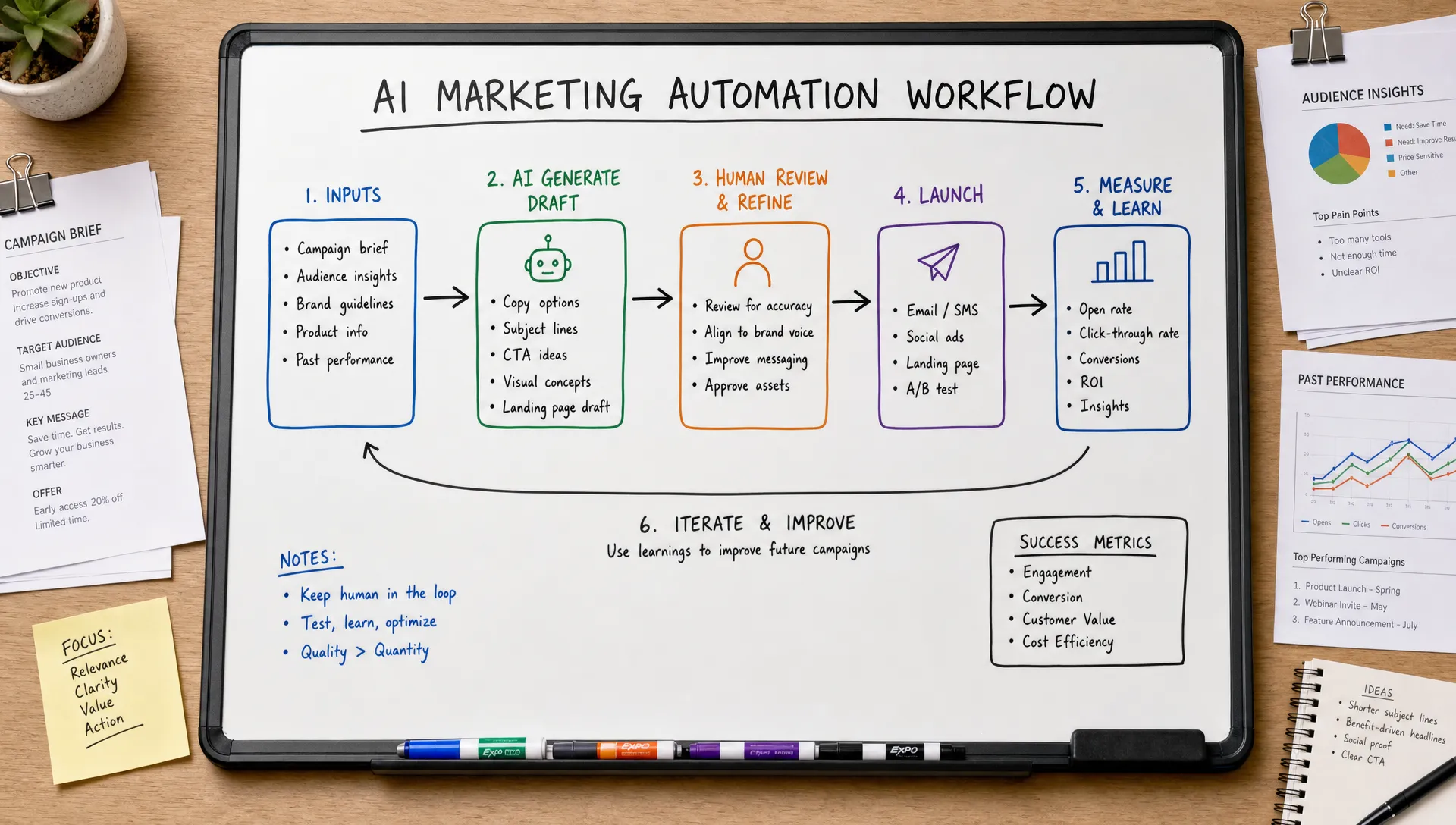
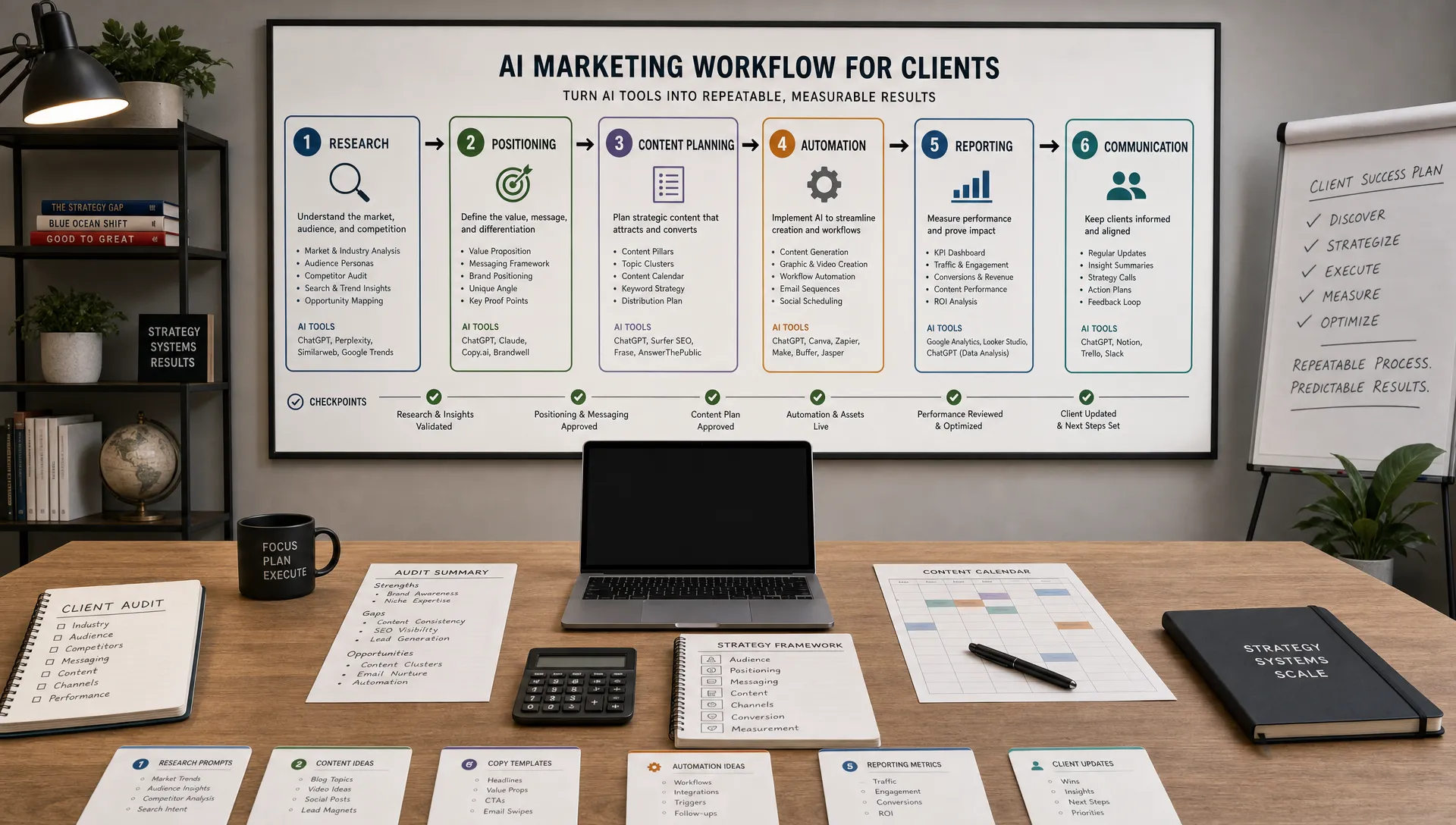
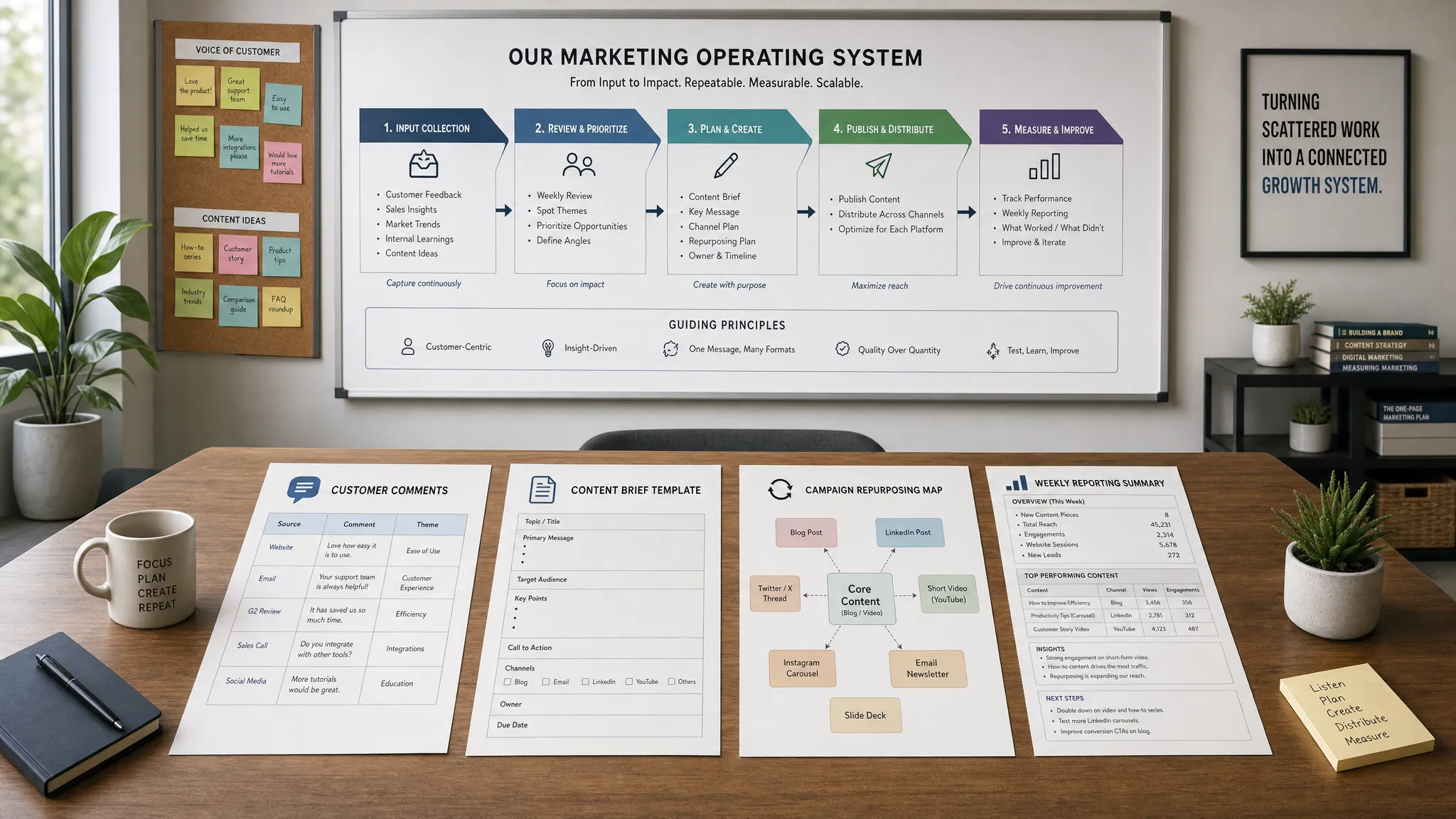
The best teams do not mine reviews once and forget about them. They build a repeatable workflow that feeds customer insights into marketing campaigns.
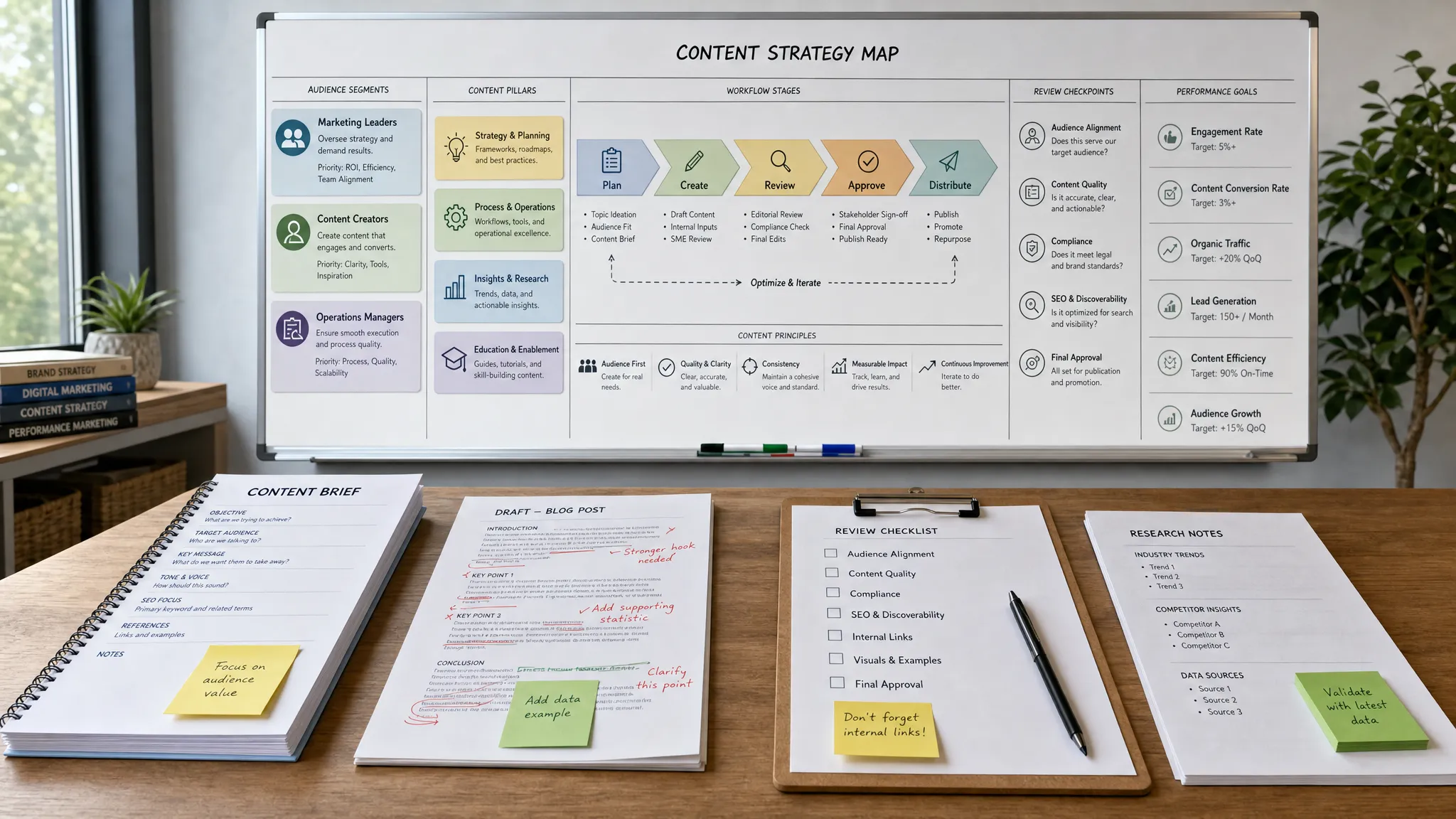
A practical workflow looks like this:
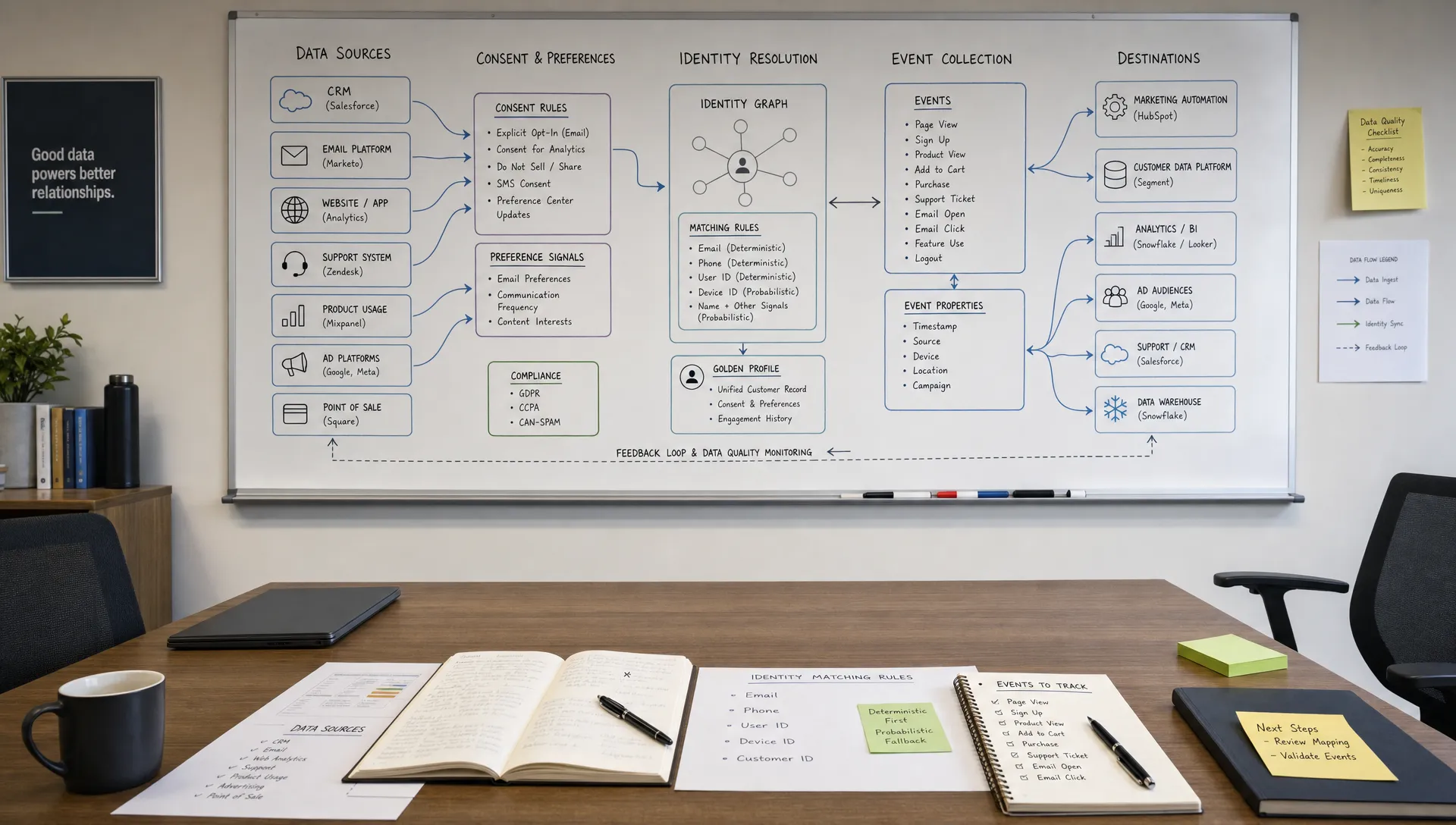
If your organization handles large volumes of reviews across multiple systems, you may eventually need a more operational setup that connects data, AI analysis and publishing workflows. Companies exploring custom automation can look at operational AI and software development partners like Gloura for examples of how AI systems can be built around real business processes rather than one-off experiments.
For most marketing teams, though, a simple monthly workflow is enough to start. The key is consistency. Review mining becomes more useful when you track how customer language changes over time.
Customer reviews can improve almost every part of your marketing funnel, but the best angle depends on buyer intent.
At the top of the funnel, use reviews to understand the problems your audience is trying to name. If customers repeatedly describe confusion, manual work or wasted budget, those themes can become blog topics, social posts and lead magnets.
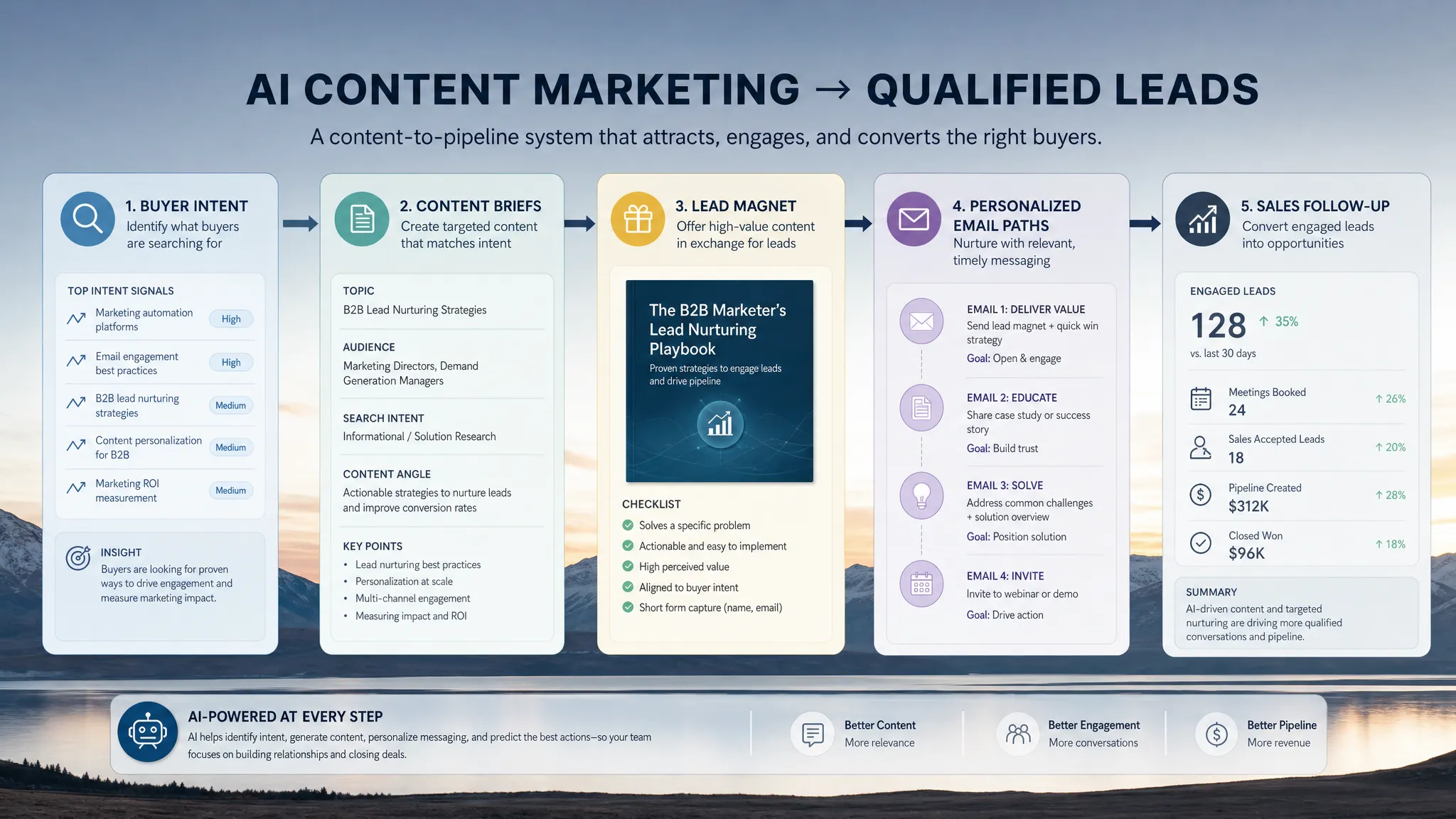
In the middle of the funnel, reviews help explain why your solution fits a specific use case. This is where comparison pages, case-study-style emails and educational guides benefit from customer wording. AIMarketer Hub’s article on AI content marketing tactics that drive more leads is a useful companion here because review insights can strengthen intent-based content.
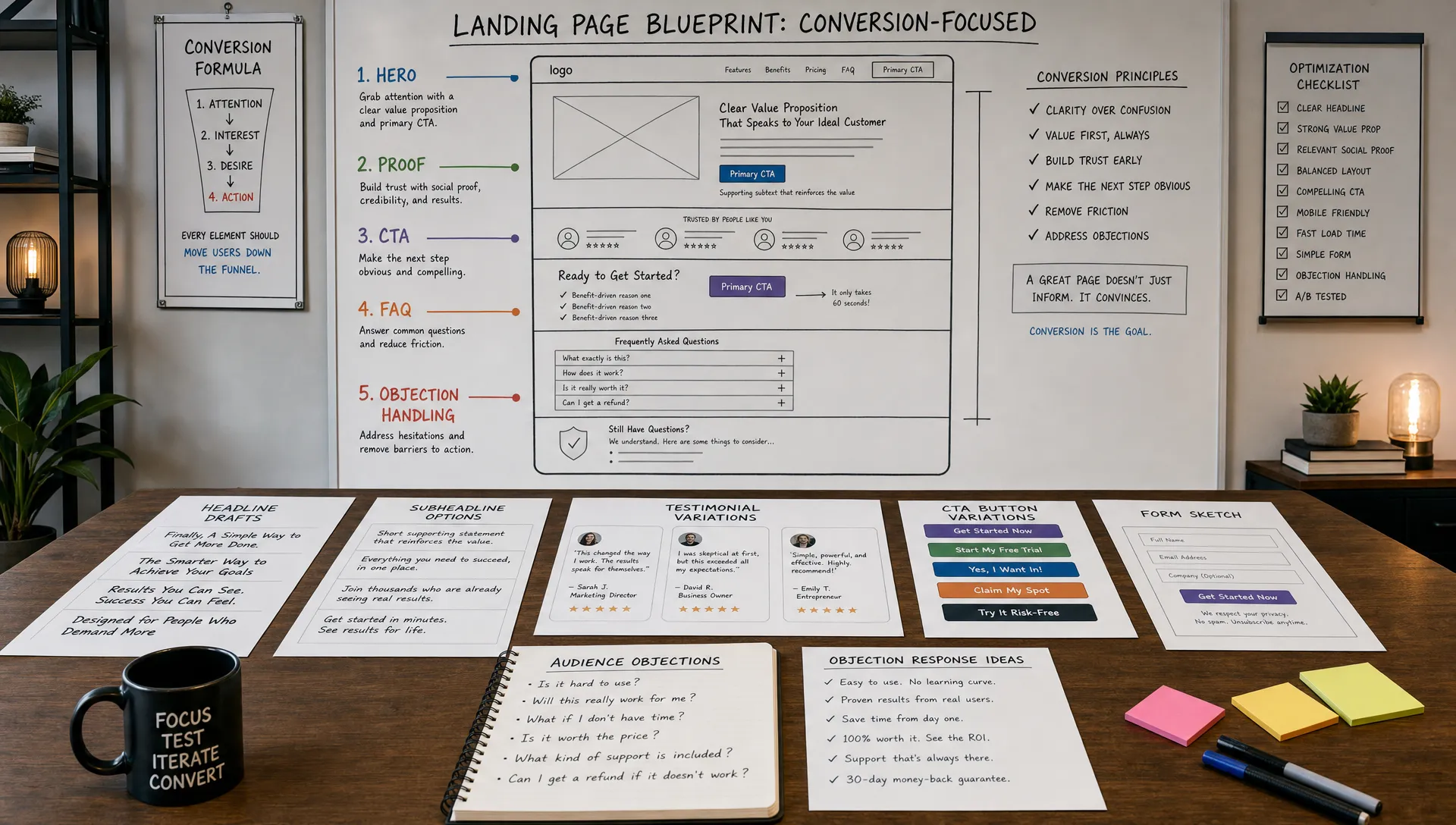
At the bottom of the funnel, reviews help reduce hesitation. Use objection language in FAQs, pricing page copy, demo follow-ups and retargeting ads. If buyers often say they worried implementation would take too long, address setup expectations directly. If they feared the tool would be too technical, show how non-technical users succeed.
Review-driven copy works best when it makes the buying decision feel clearer. It should not manipulate. It should answer the questions prospects already have.
AI can turn customer reviews into dozens of copy options quickly, but speed creates risk. AI may overstate claims, blend unrelated comments or create benefits that sound plausible but are not supported by the data.
Before publishing, check each piece of AI-assisted copy against four standards.
First, does the copy reflect a real pattern in the reviews? A single dramatic quote should not become your main promise unless it represents a common experience.
Second, is the claim specific without being misleading? “Customers save hours each week” may need proof, while “reduce manual reporting work” is safer if reviews consistently support it.
Third, does the copy match the audience’s awareness level? A cold social ad should not assume the same context as a demo follow-up email.
Fourth, does the final draft sound like your brand? Customer language gives you substance, but your brand voice gives it consistency.
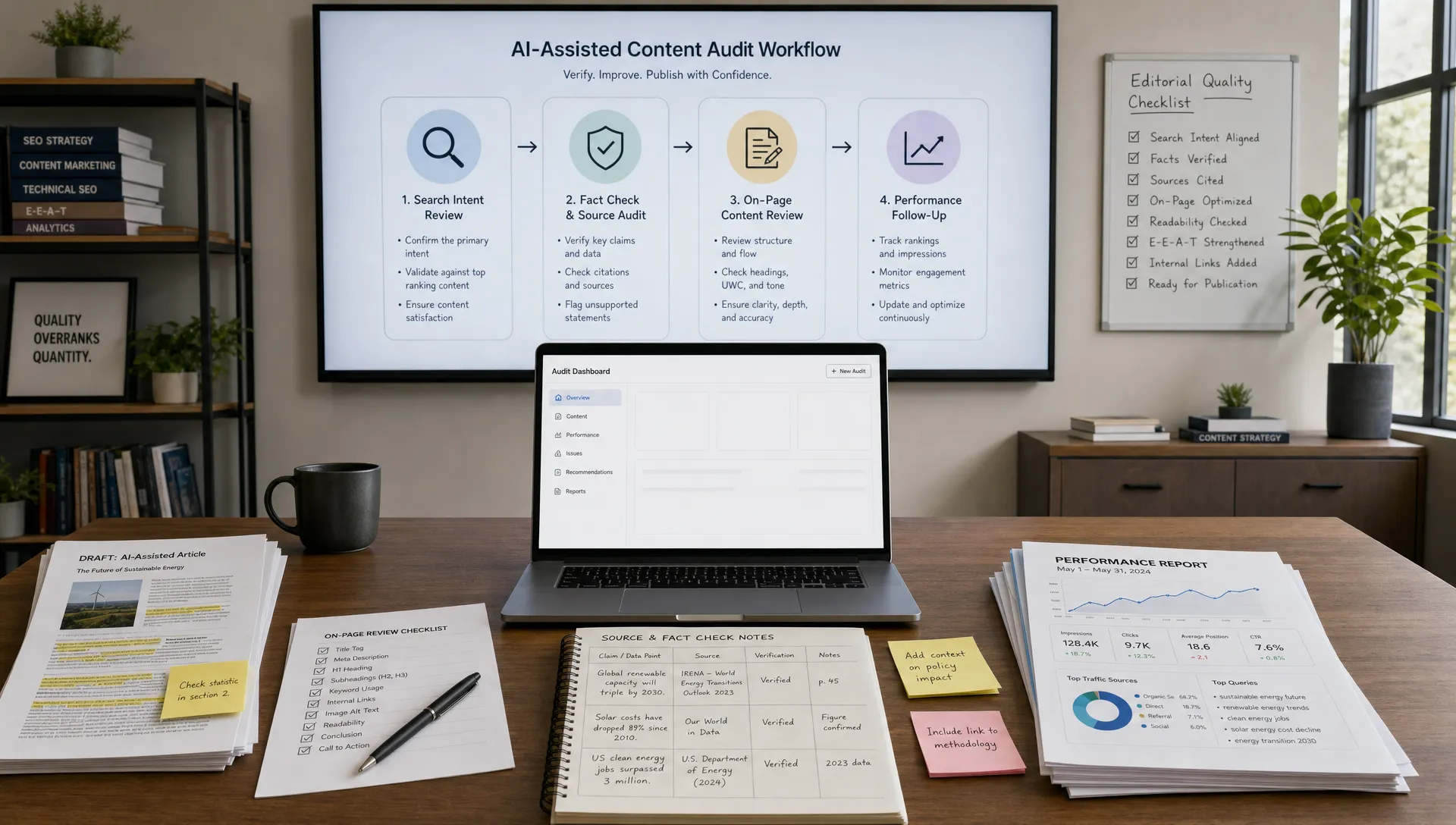
If your team uses AI heavily, build review-based copy into your editorial QA process. AIMarketer Hub’s AI content quality control checklist can help you catch unsupported claims, weak prompts and generic output before content goes live.
The biggest mistake is treating reviews as decoration instead of research. A testimonial block is useful, but the deeper value is the insight behind the testimonial.
Another mistake is only using positive reviews. Negative and mixed reviews reveal objections, missing information and moments where expectations break. Those insights can improve landing pages, onboarding emails and product messaging.
Avoid forcing review language into every sentence. Good copy still needs hierarchy. A page written entirely in customer phrases can feel scattered. Use reviews to shape the message, then edit for flow.
Finally, do not let AI remove the human texture. If every review insight becomes a polished but generic phrase, you lose the reason you mined reviews in the first place. Keep the concrete details that make the message believable.
Can I use customer reviews directly in marketing copy? Yes, but get the right permissions, follow platform rules and avoid changing the meaning of a quote. For general copywriting, it is often better to use reviews as inspiration rather than quoting customers directly.
How many reviews do I need before mining them for copy? You can start with 20 to 30 detailed reviews, but patterns become more reliable as the sample grows. If you have fewer reviews, combine them with sales call notes, support tickets and customer surveys.
Can AI write copy from customer reviews automatically? AI can draft strong options if you provide clean review excerpts, clear audience context and strict claim boundaries. Human review is still needed to check accuracy, tone and strategic fit.
What types of marketing copy benefit most from reviews? Landing pages, ads, product descriptions, email campaigns, FAQs and comparison pages all benefit from customer review insights because they need specific language that addresses real buyer concerns.
Customer reviews are not just social proof. They are a research library for sharper positioning, better content creation and more persuasive marketing workflow automation.
Start small. Pull your latest reviews, tag the repeated pain points and rewrite one landing page section or email sequence using the language your customers already use. Then test the new version against your existing copy.
For more AI marketing guides, SEO tools, prompt ideas and practical resources, explore AIMarketer Hub and build a review-to-copy workflow your team can use again and again.