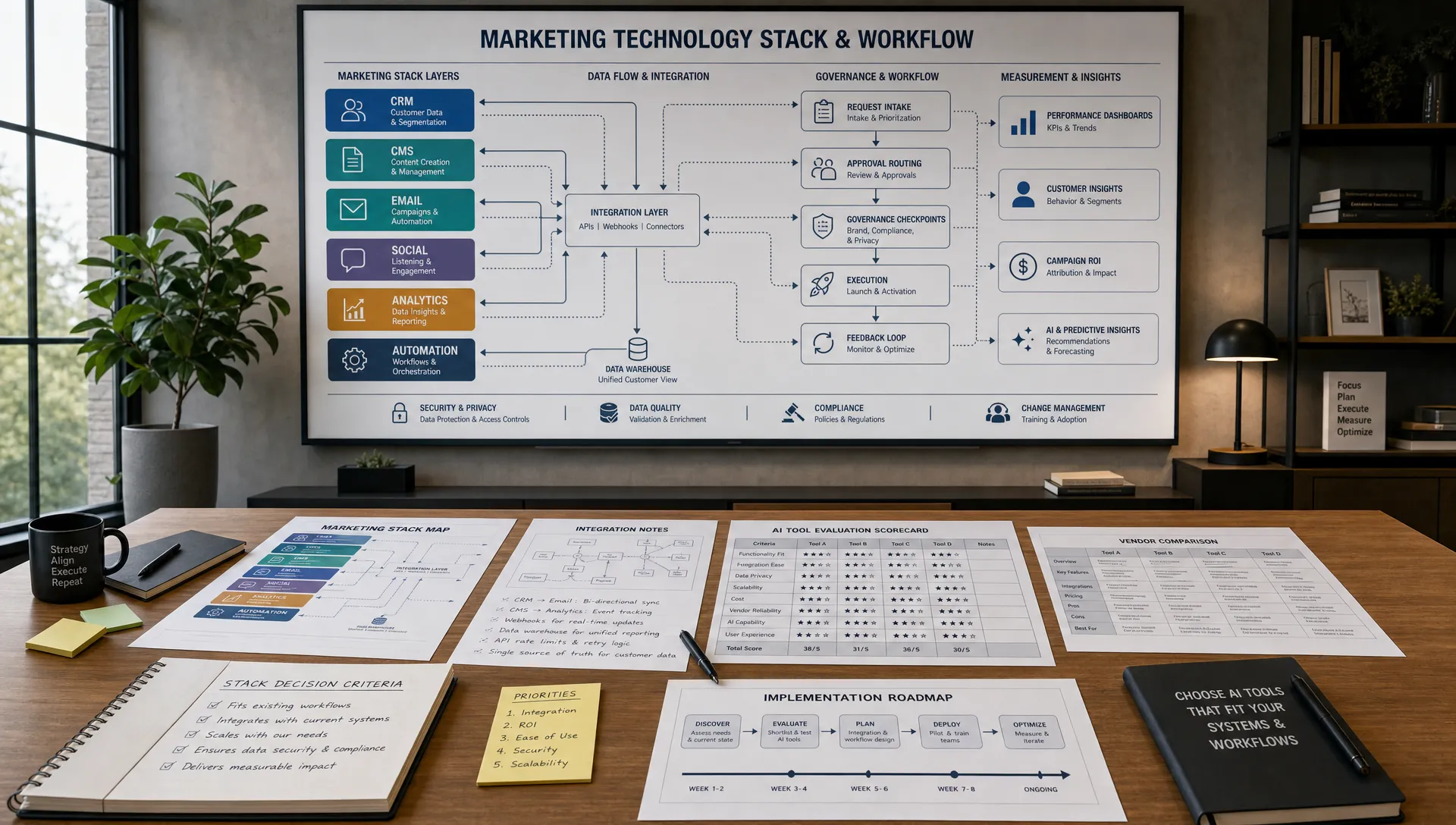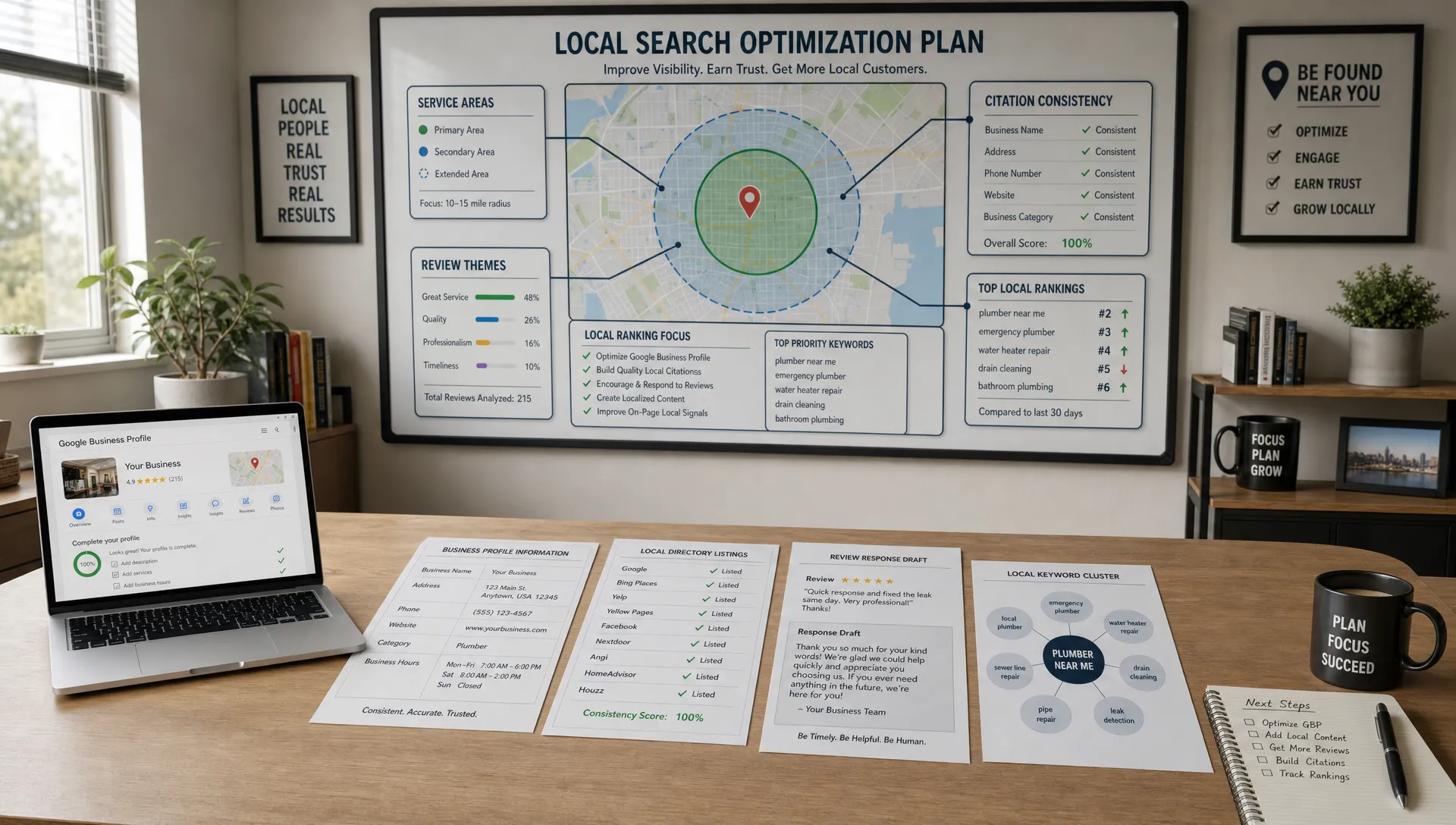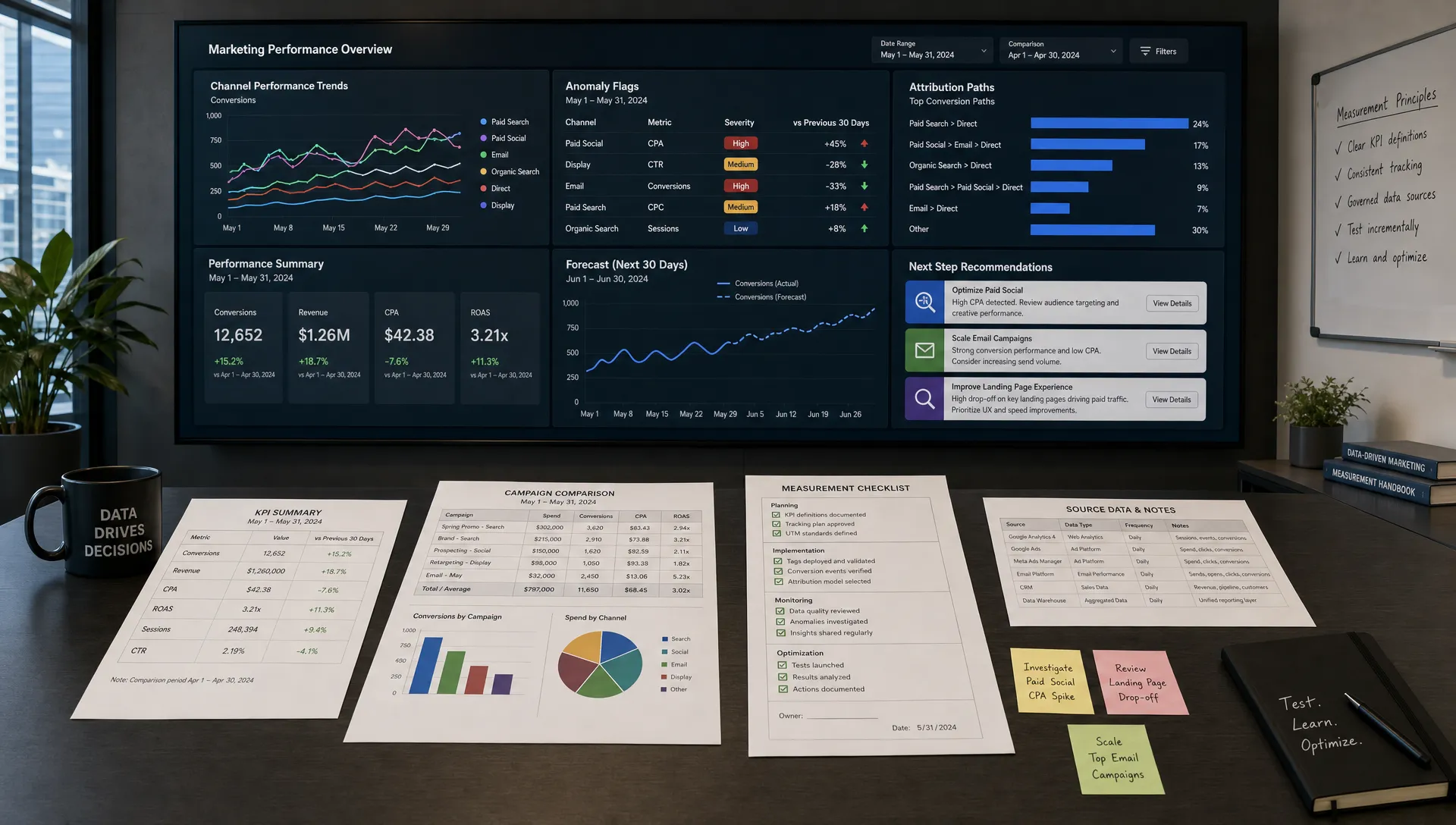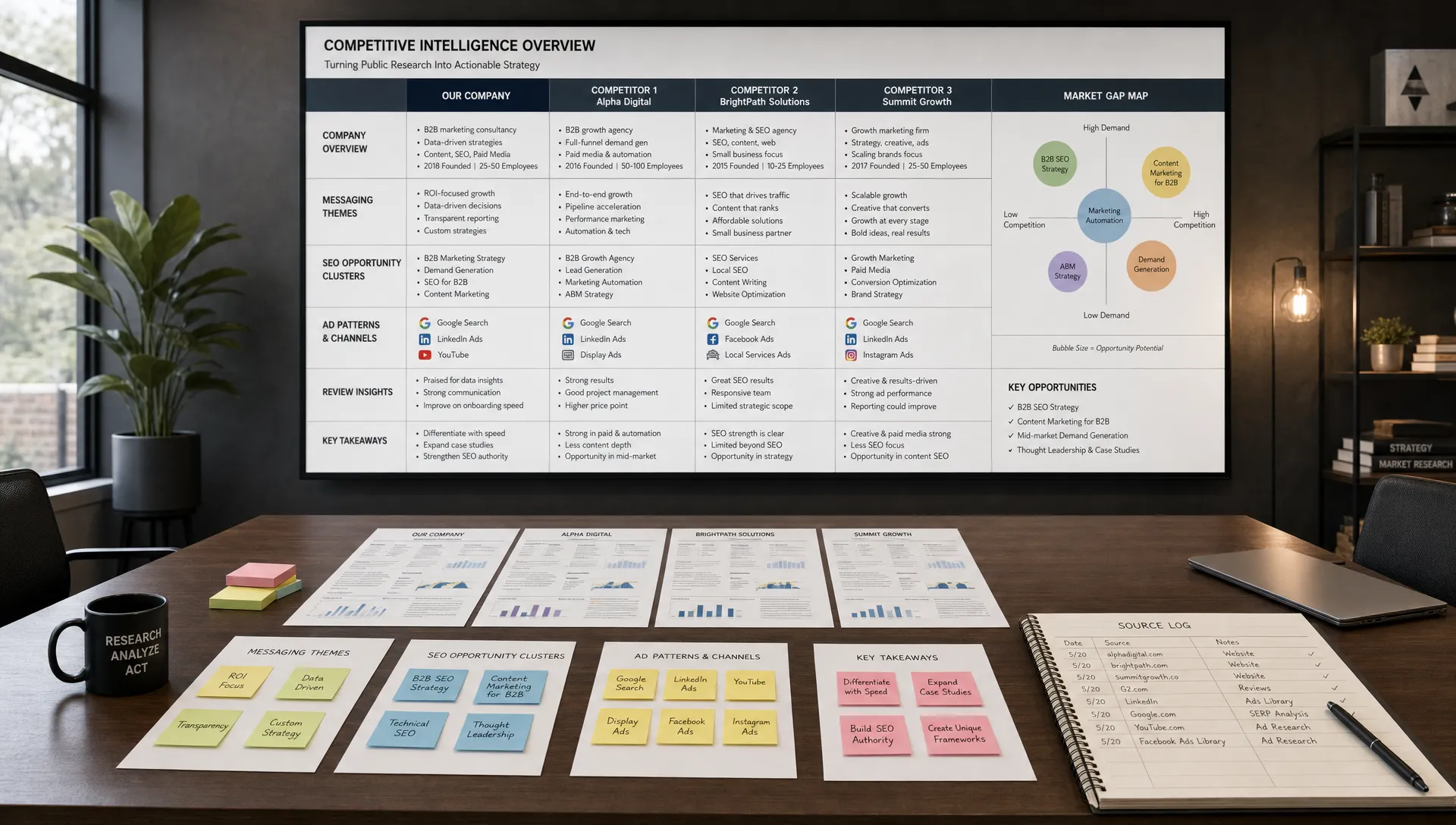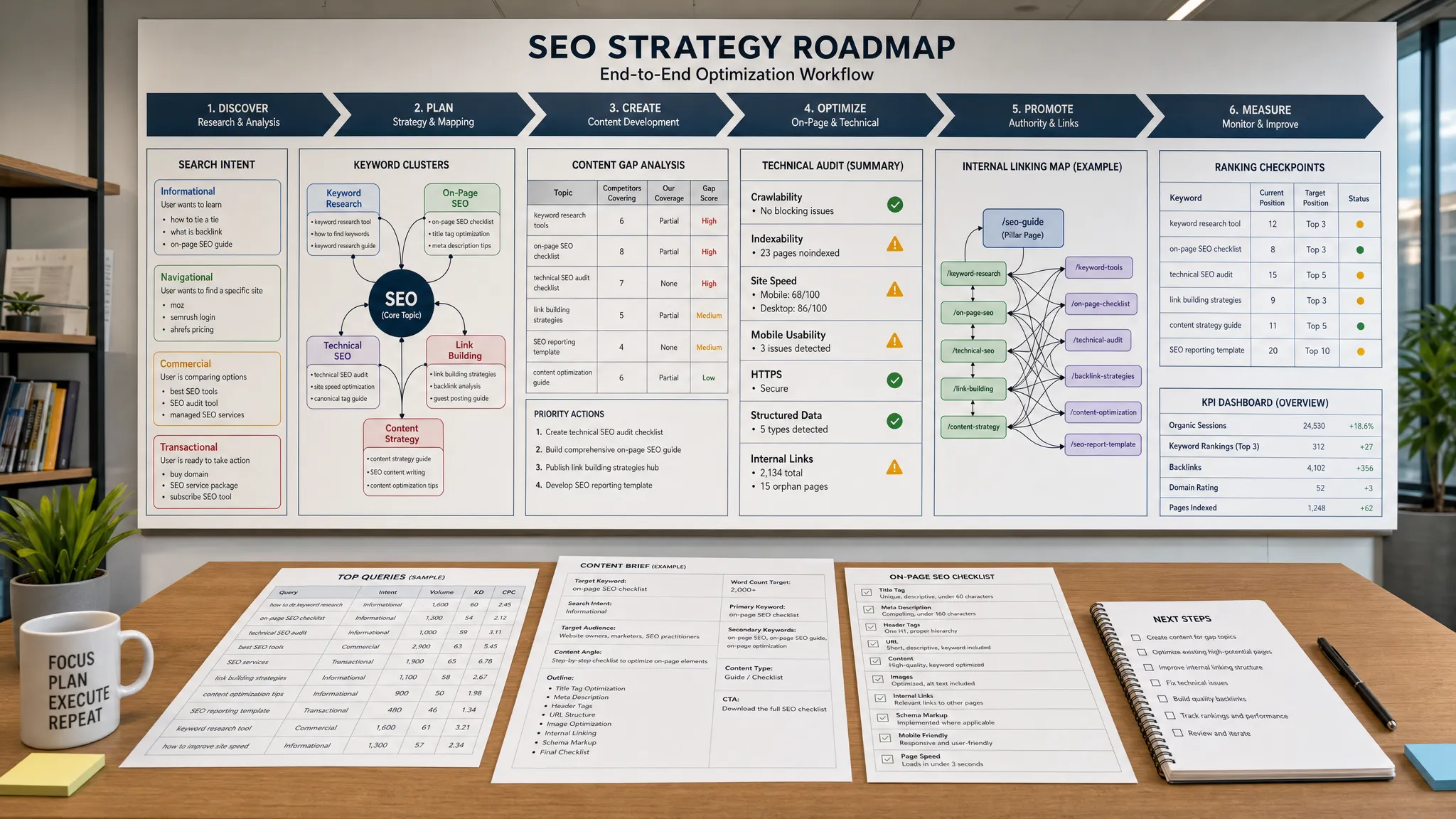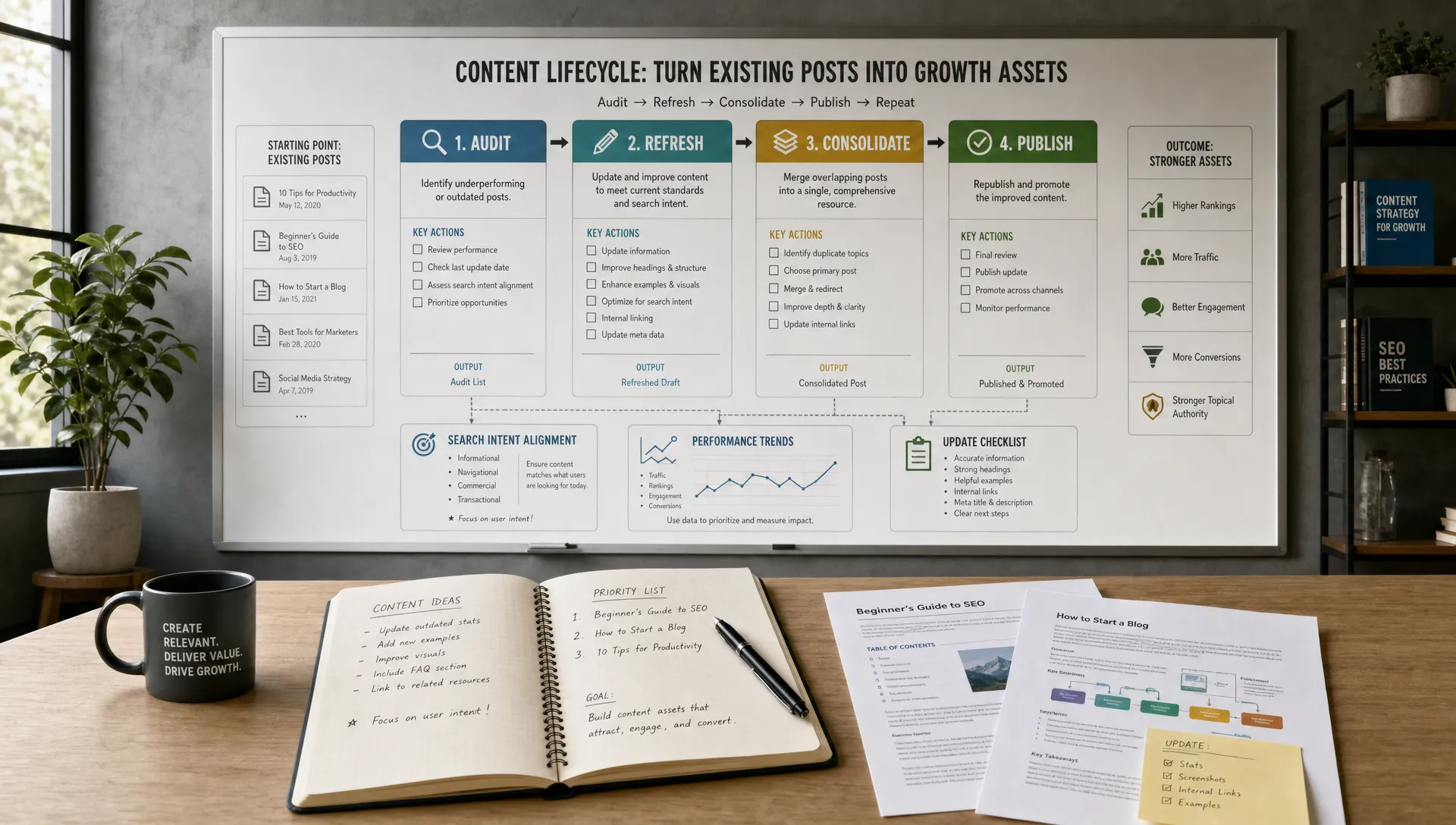
Old blog posts are not dead assets. In many cases, they are your fastest path to more qualified traffic because they already have search history, backlinks, internal links, and topical relevance. The challenge is knowing which posts deserve attention, what to change, and how to use AI without turning a once-useful article into generic content.
The best AI workflows for updating old blog content do not start with rewriting. They start with diagnosis. AI can help you find content decay, compare search intent, summarize competitor gaps, refresh outdated sections, improve internal linking, and monitor performance after publishing. But the strongest results still come from combining AI marketing automation with human judgment, subject-matter expertise, and clear business goals.
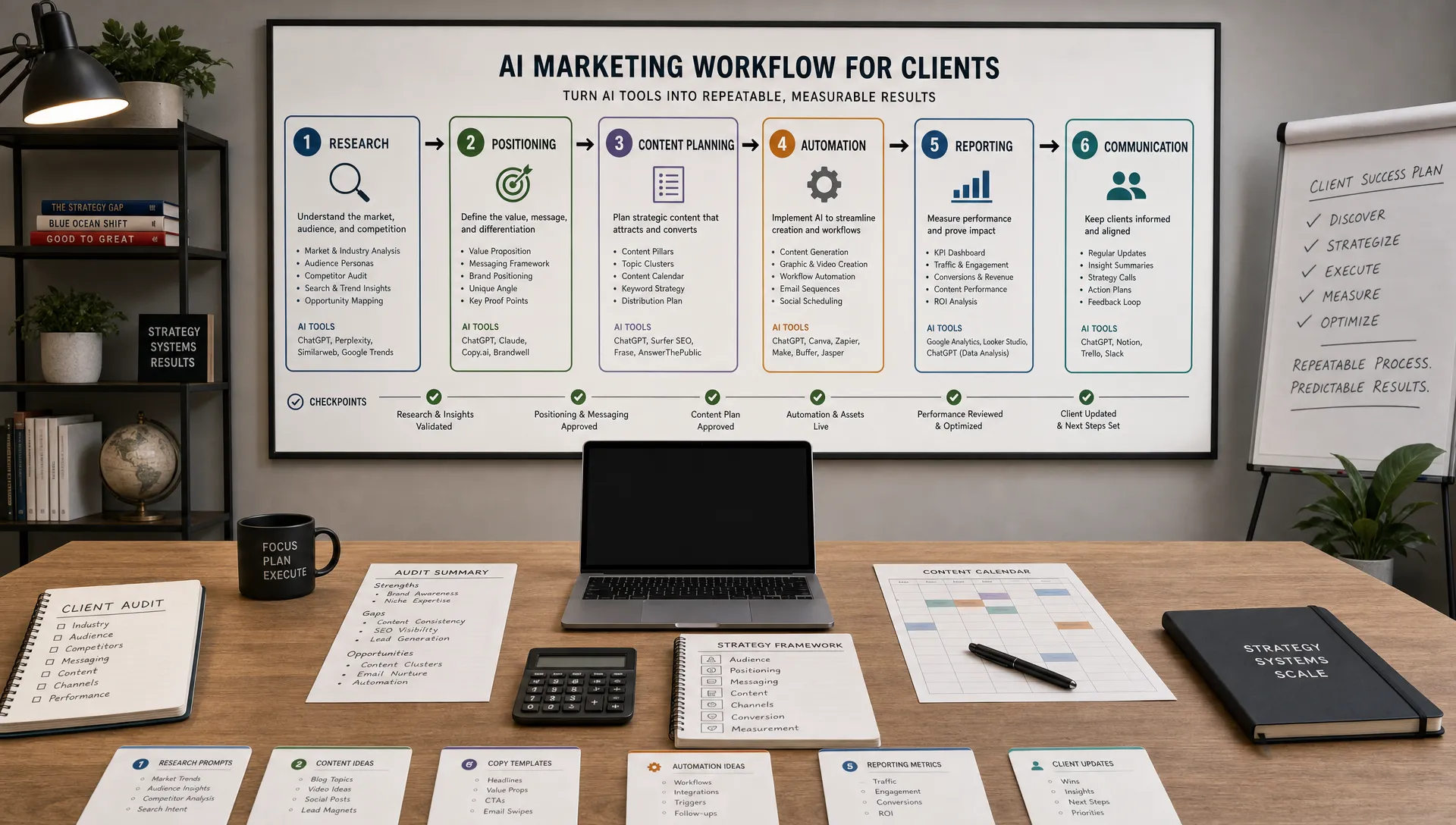
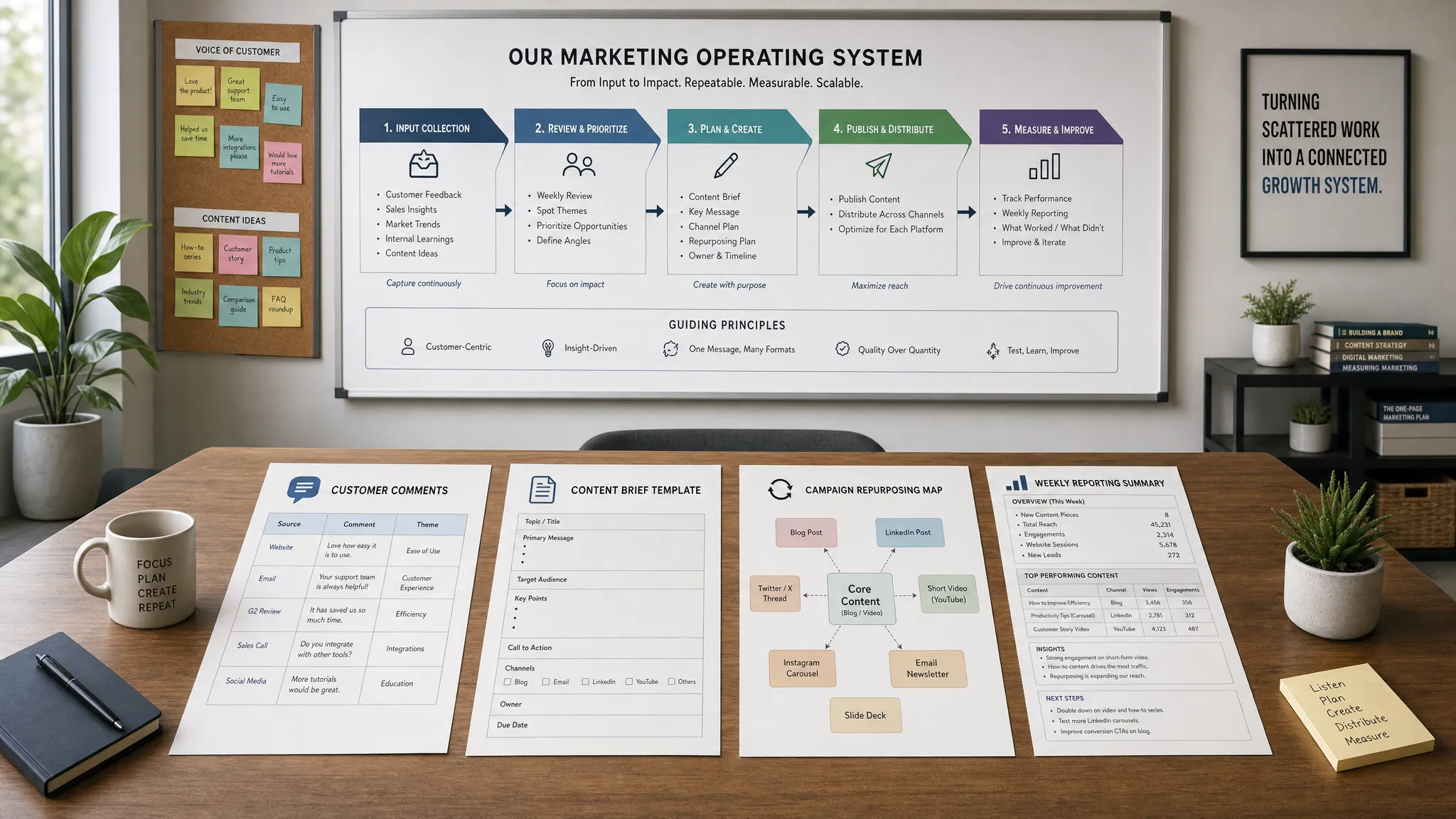
Think of content refreshes as a repeatable optimization system. Instead of asking, “Can AI rewrite this post?”, ask, “What job should this post do now, and what evidence do we need to improve it?”
A strong AI workflow does three things at once: it protects what is already working, fixes what is stale, and improves the post’s ability to satisfy current search intent. That matters because updating old blog content can easily go wrong. If you remove the sections that earned rankings, over-optimize around new keywords, or add unsupported claims, you may weaken the page instead of improving it.
Google’s own guidance on creating helpful, reliable, people-first content is a useful benchmark here. AI can support the process, but the refreshed article still needs originality, accuracy, and genuine usefulness.
A practical AI update workflow should help you answer four questions:
If you already have a content library, the goal is not to refresh everything. The goal is to prioritize the pages with the best upside.
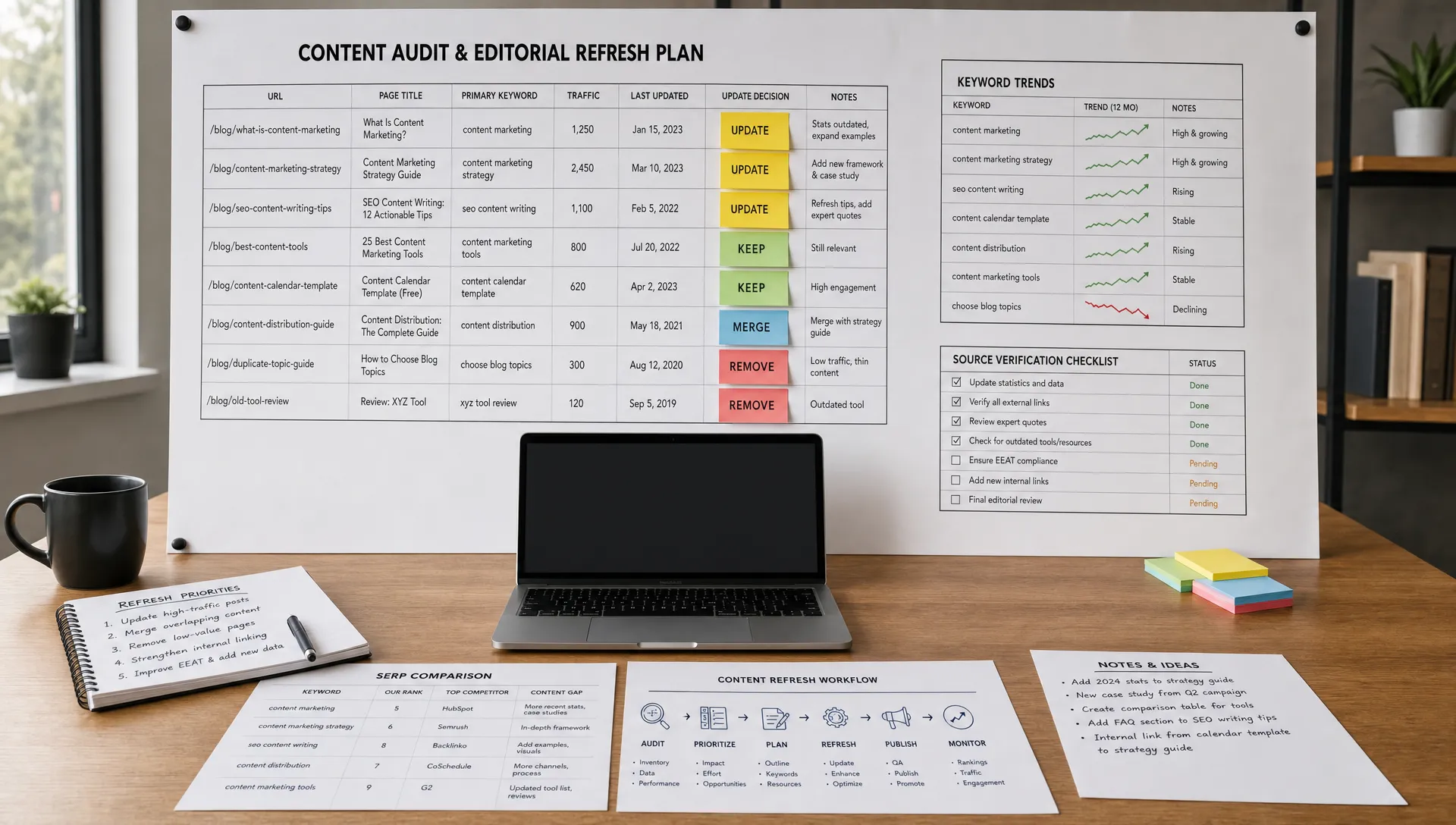
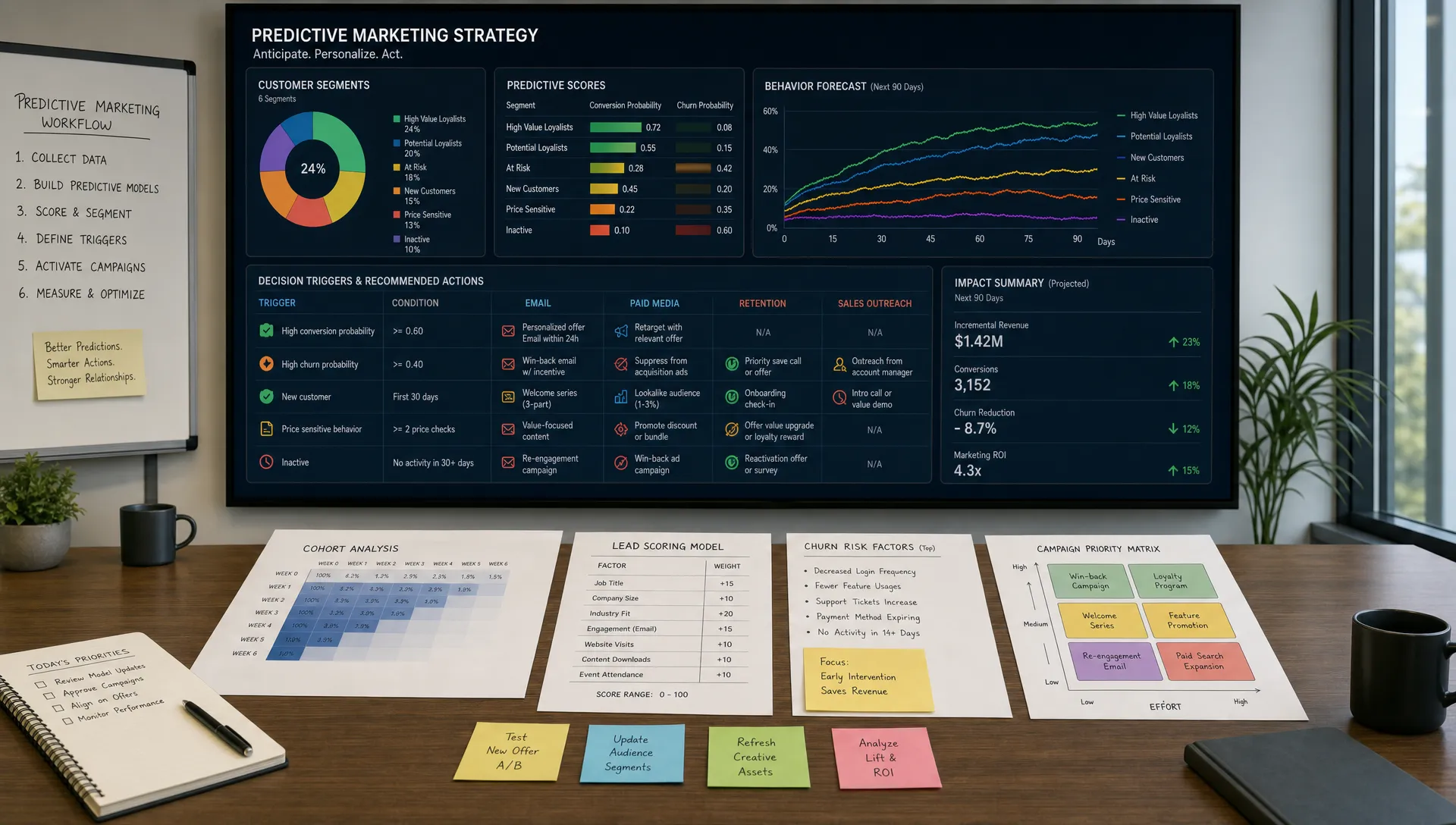
The first workflow is a prioritization workflow. Before opening an AI writing tool, export performance data from sources such as Google Search Console, GA4, your rank tracker, CRM, or marketing analytics platform. Then use AI to classify old posts based on performance patterns.
Useful signals include declining clicks, declining impressions, ranking drops, low conversions, outdated publication dates, thin sections, outdated product references, and keyword cannibalization. A post that dropped from position 3 to position 9 for a high-intent keyword may be a better update candidate than a post that never ranked.
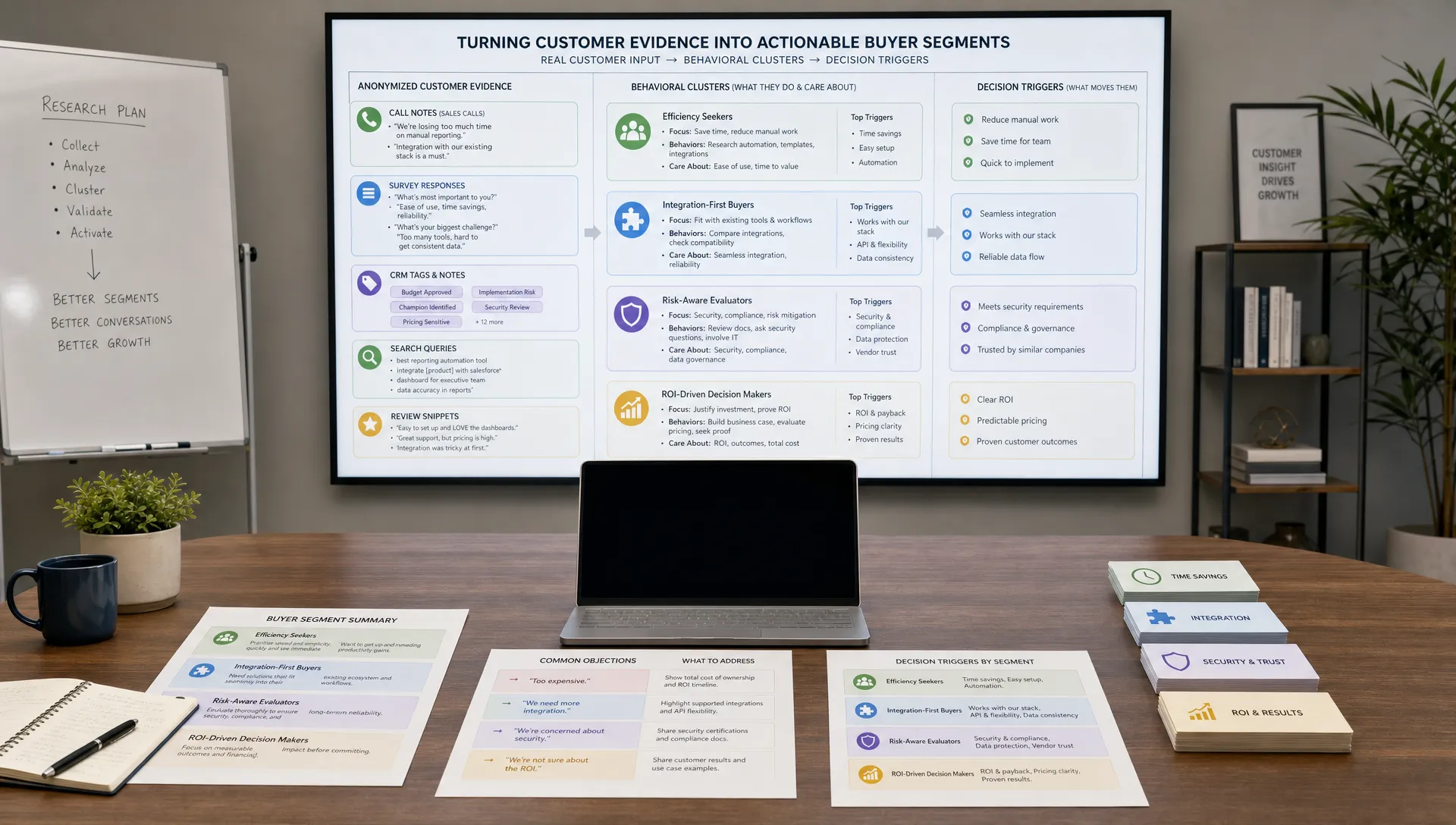
Ask AI to group your URLs into practical categories:
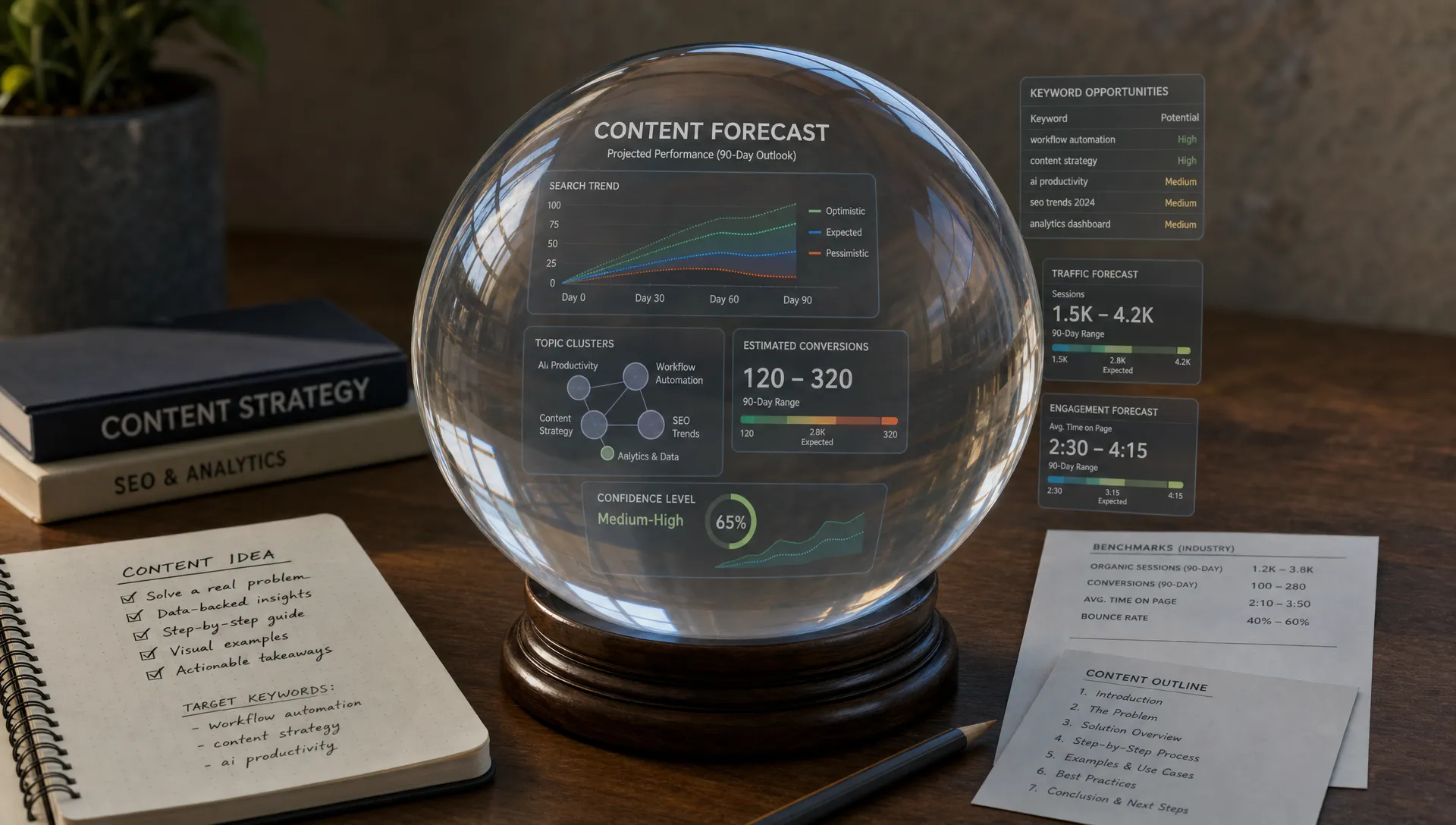
This is where AI-powered analytics becomes valuable. Instead of manually scanning hundreds of URLs, you can have AI summarize patterns and surface pages where a refresh is most likely to move the needle. For a deeper approach to prioritization, AIMarketer Hub’s guide on how to forecast content performance with AI is a useful companion to this workflow.
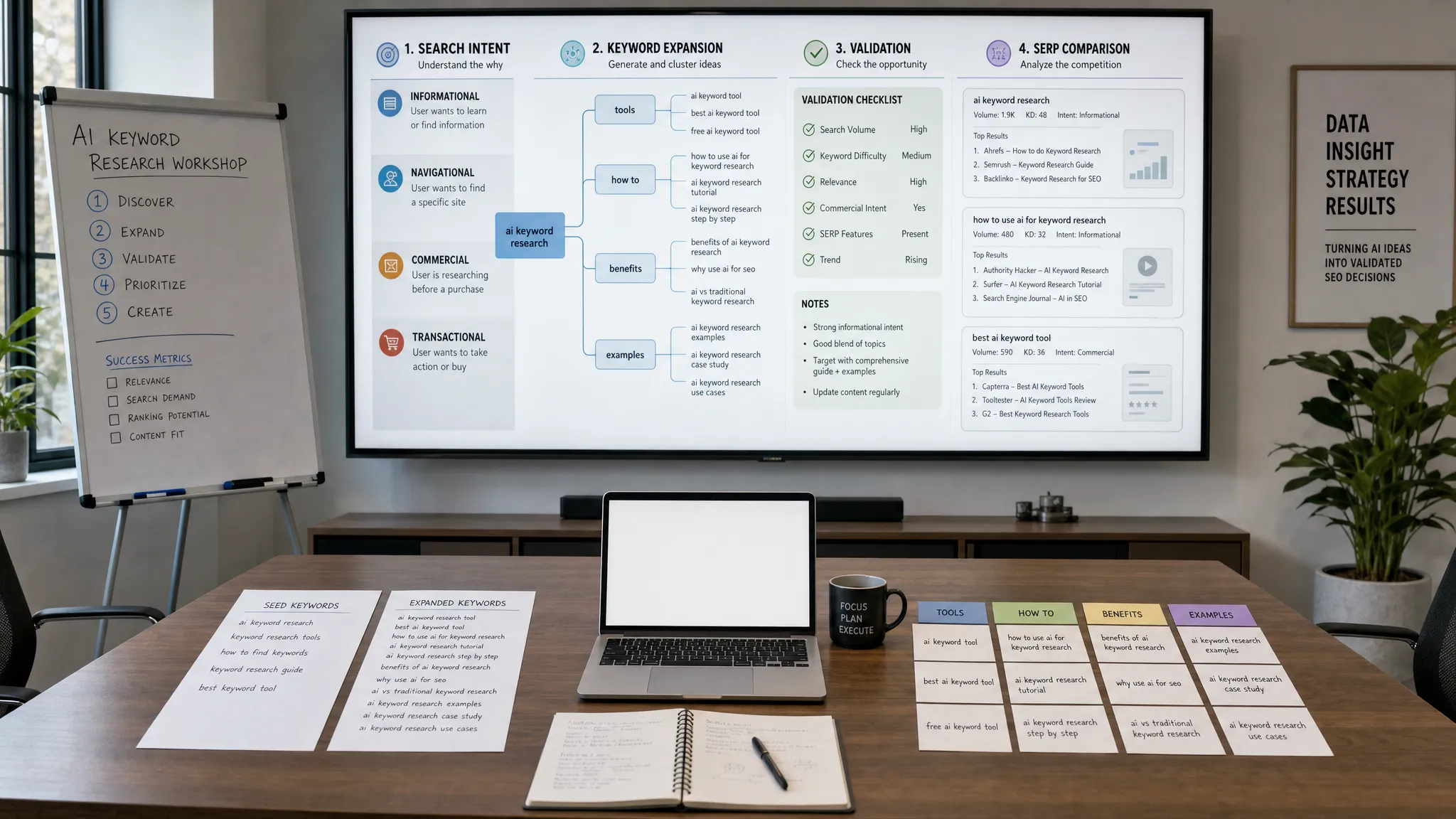
Search intent changes. A blog post that ranked in 2023 may no longer match what searchers expect in 2026. Maybe the query shifted from informational to commercial. Maybe readers now expect templates, calculators, examples, comparisons, screenshots, or expert commentary. Maybe AI Overviews and featured snippets changed the way users scan results.
Use AI to compare the current article against the live search landscape. Feed it your existing post, the target query, and notes from the top-ranking pages. Do not ask AI to copy competitors. Ask it to identify intent patterns.
A useful prompt might be:
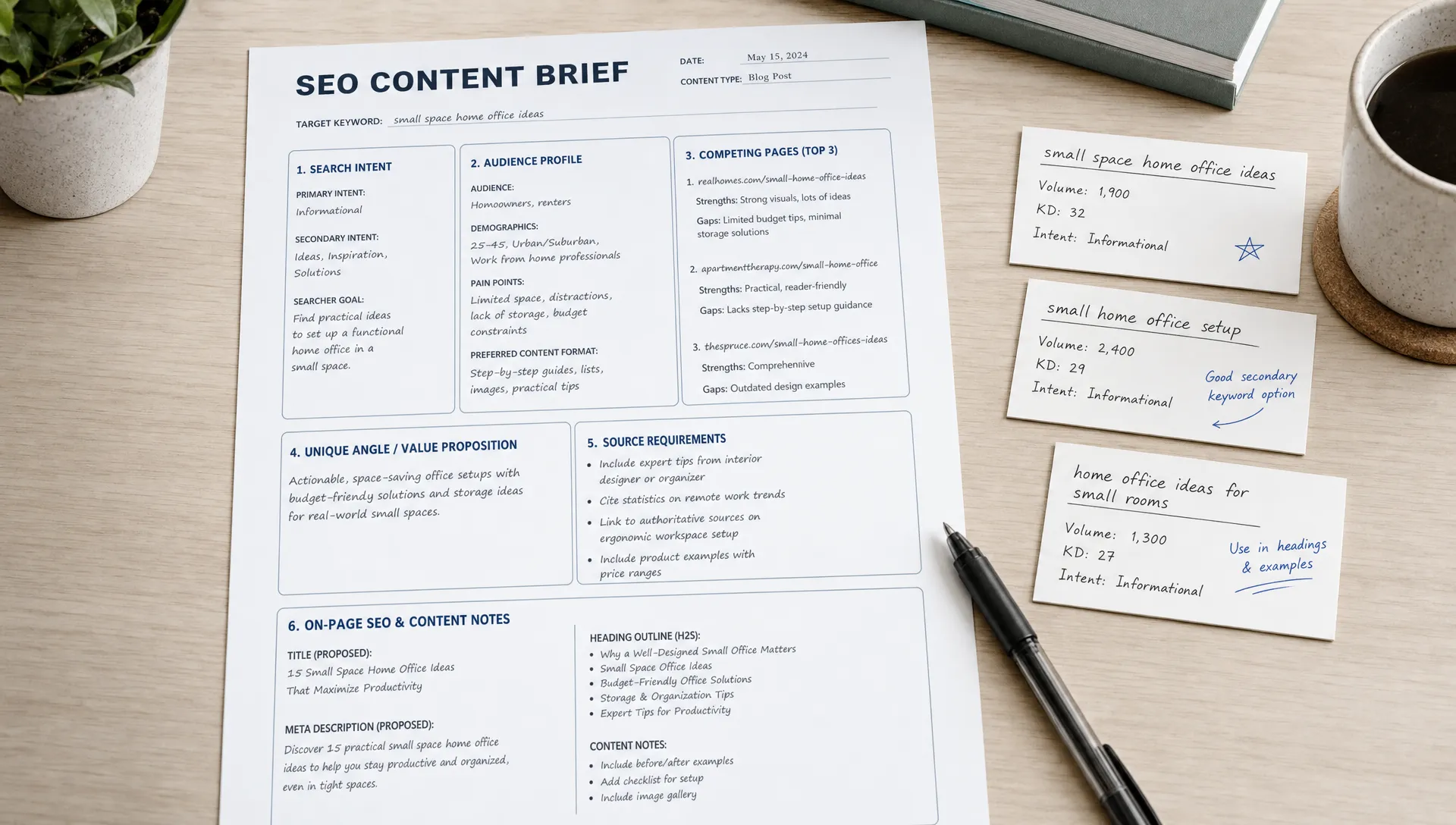
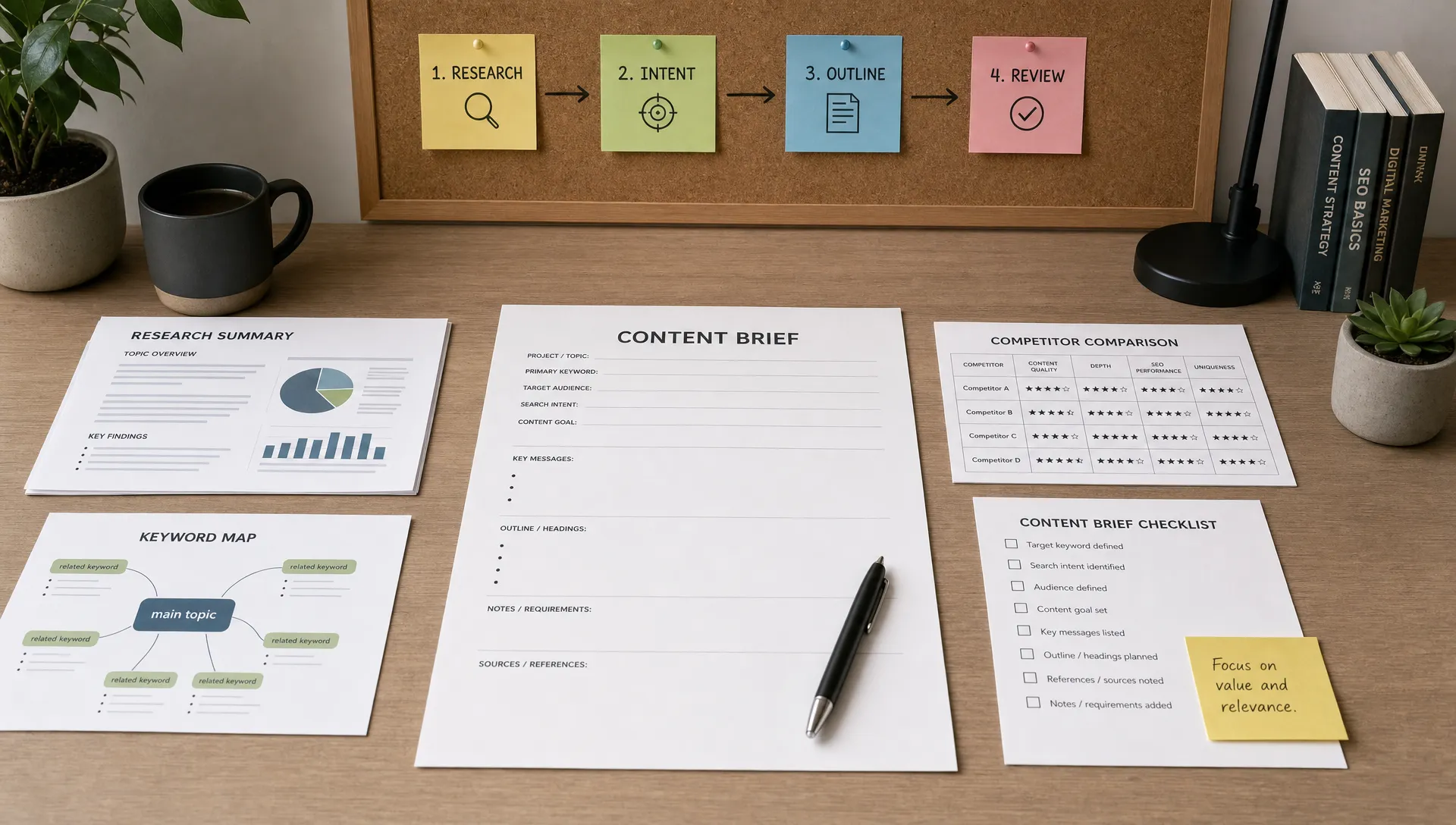
Analyze this existing blog post against the current search intent for [target query]. Identify what the reader likely wants now, which sections still satisfy that intent, which sections feel outdated, and what new angles or examples would make the article more helpful. Do not rewrite yet. Return a prioritized content refresh brief.
The output should become an editorial brief, not a final draft. Look for patterns such as missing definitions, weak comparisons, outdated examples, thin implementation steps, unclear next actions, or a mismatch between the headline and the body.
This step is especially important for AI marketing topics because the landscape changes quickly. A post about AI tools, content creation, or marketing workflow automation can become outdated in months if examples, capabilities, and buyer expectations are not refreshed.
Once you know the intent gap, move into the evidence refresh. This is where many content updates fail. Marketers often add a new introduction, change the year, and call the update complete. Readers can tell when the body of the article is still stale.
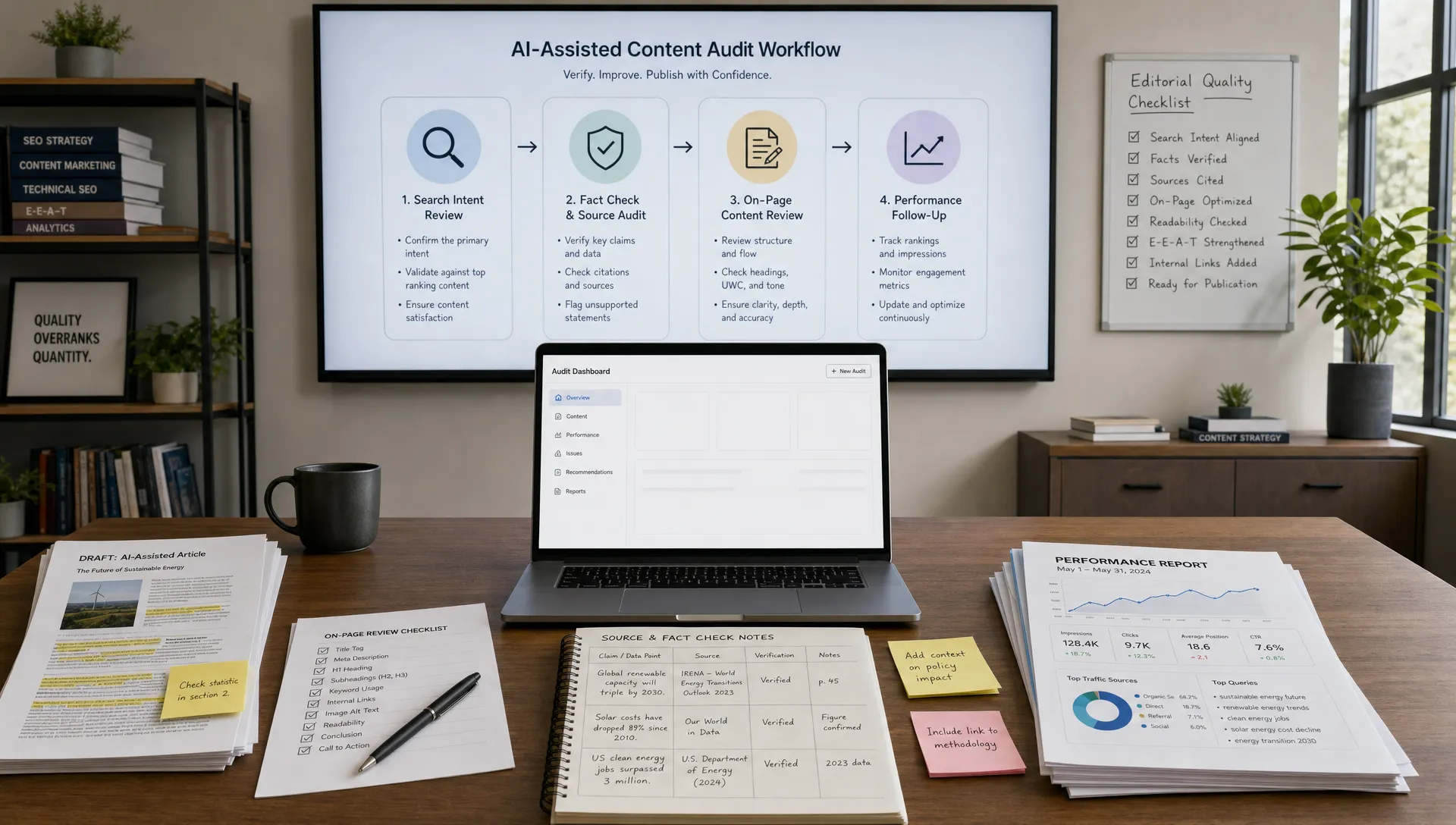
Use AI to audit the article for claims that need verification. Ask it to flag outdated statistics, old screenshots, discontinued tools, broken links, expired examples, old pricing references, and unsupported statements. Then verify the important points manually using reliable sources.
For expert-driven updates, collect new inputs from your internal team. Sales calls, customer support tickets, product updates, industry changes, and recent campaign results often contain insights that competitors cannot easily replicate. AI can summarize those inputs and turn them into usable sections, but the original expertise should come from real business knowledge.
A strong evidence refresh might include updated examples, new use cases, clearer definitions, recent workflow screenshots, more precise recommendations, or a short “what changed” section. If the article targets a commercial or bottom-of-funnel query, add buying criteria, common objections, or decision-making guidance.
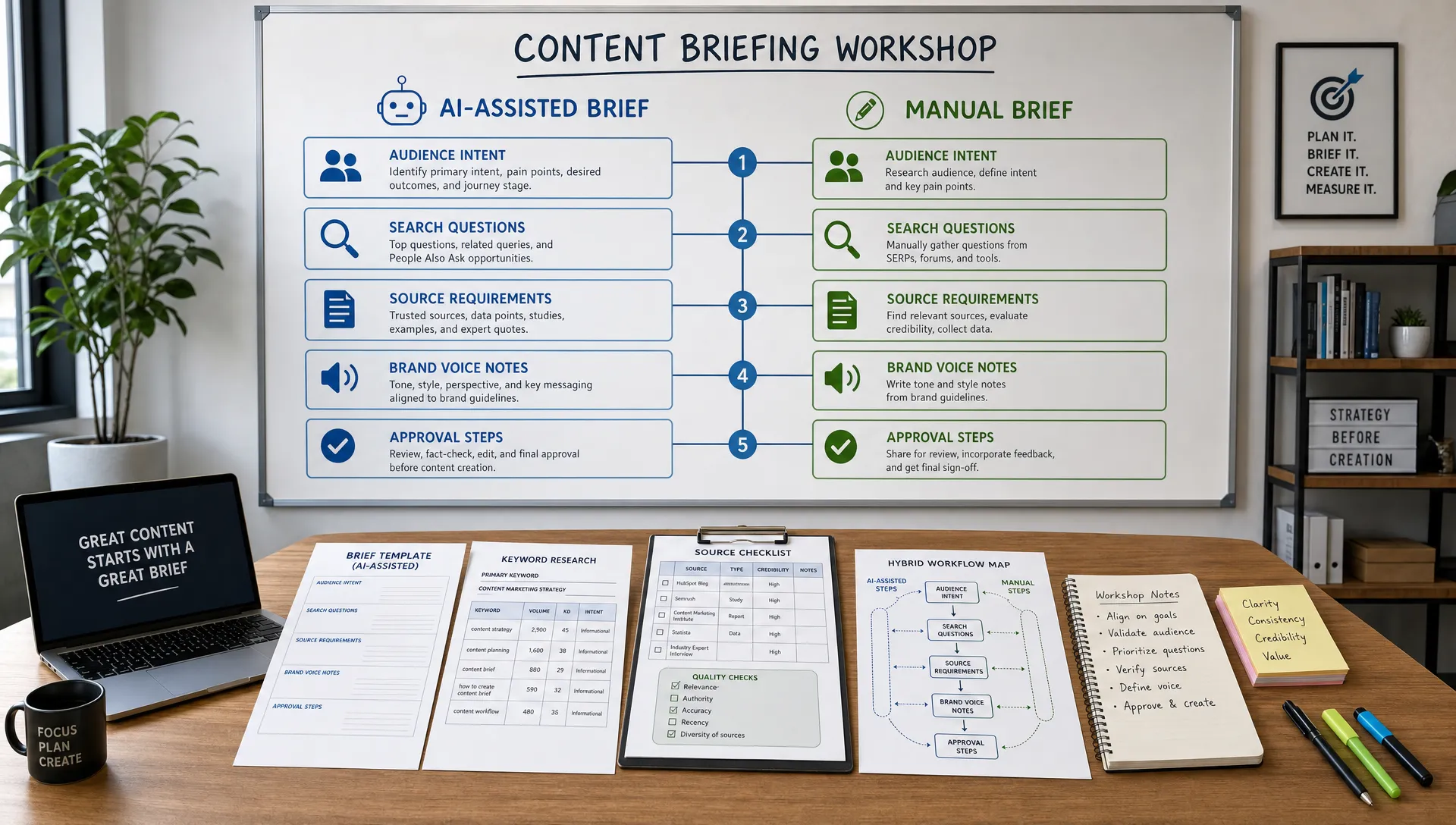
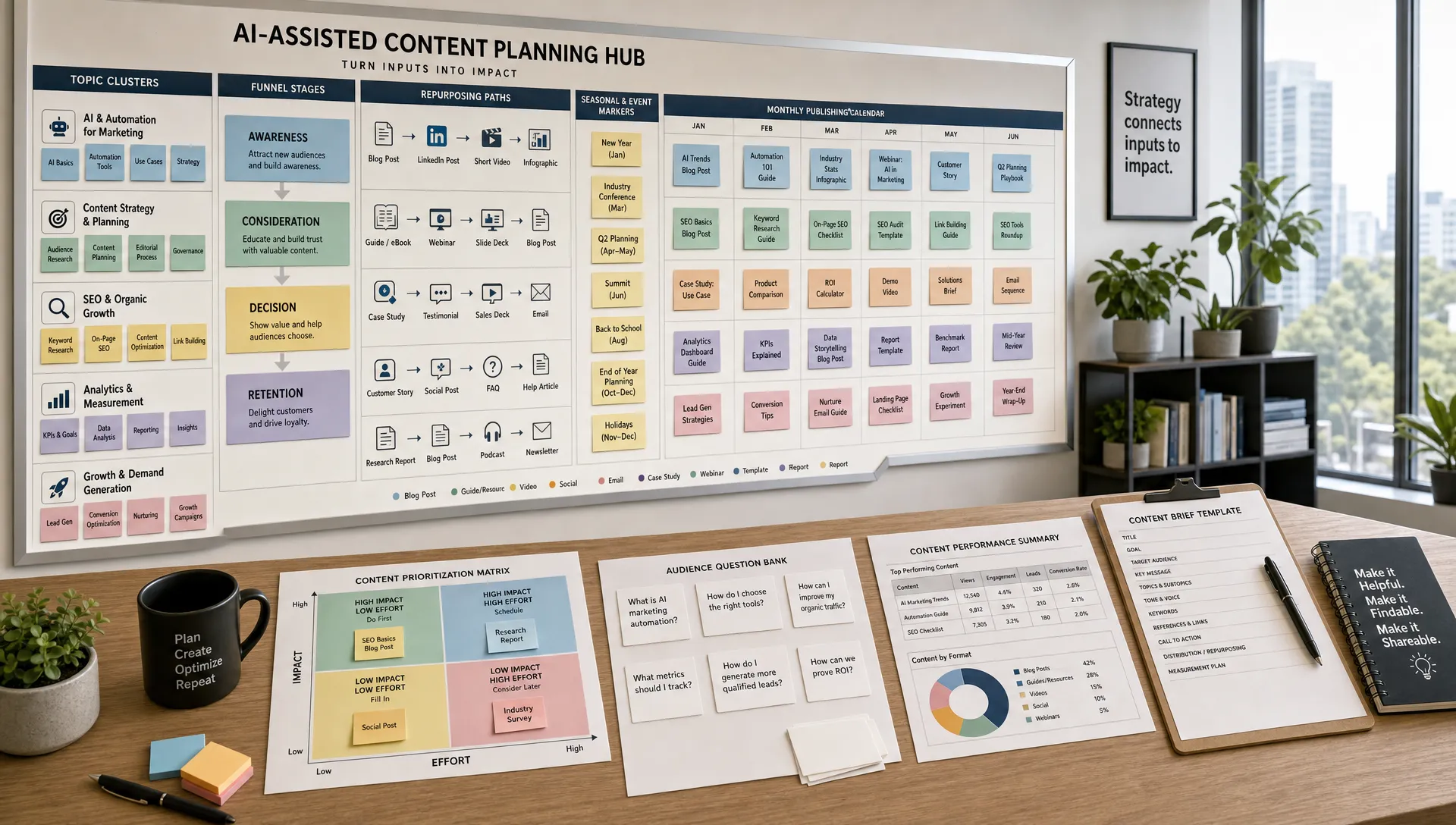
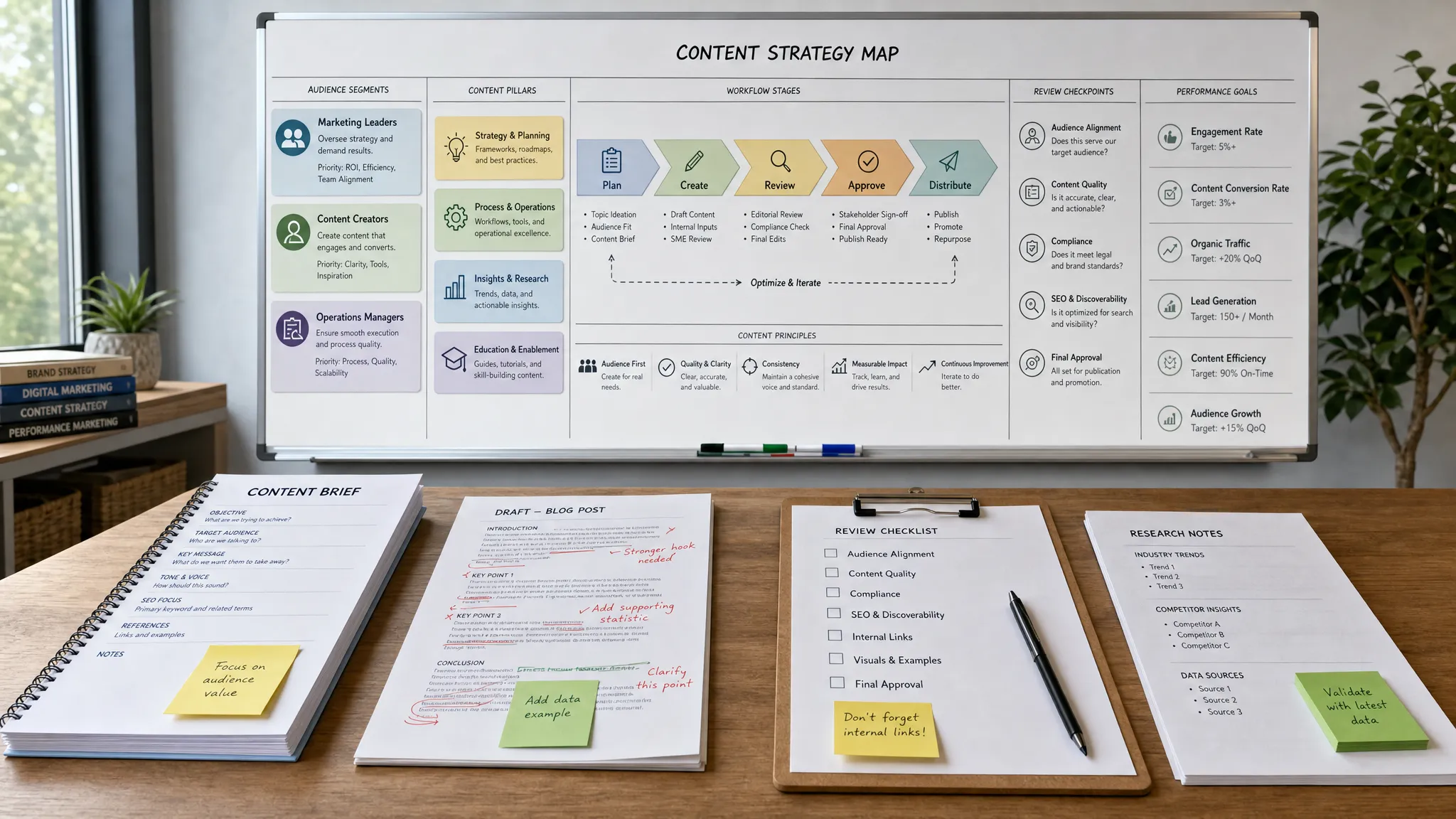
After the research phase, use AI to create a revised outline. The best refreshed outline is not always longer. Sometimes the winning move is to remove fluff, merge repetitive sections, and make the article easier to act on.
Ask AI to preserve sections that already perform well, improve sections that are stale, and add only what is necessary to satisfy current intent. This is also the right moment to improve heading structure. Your H2s and H3s should make the article scannable and answer the natural questions a reader has as they move through the topic.
For old blog content, a helpful outline update often includes:
If you are refreshing many articles, standardize this step. Create outline templates for different post types, such as how-to guides, comparison posts, thought leadership articles, listicles, and product-led educational content. This creates consistency without making every post sound the same.
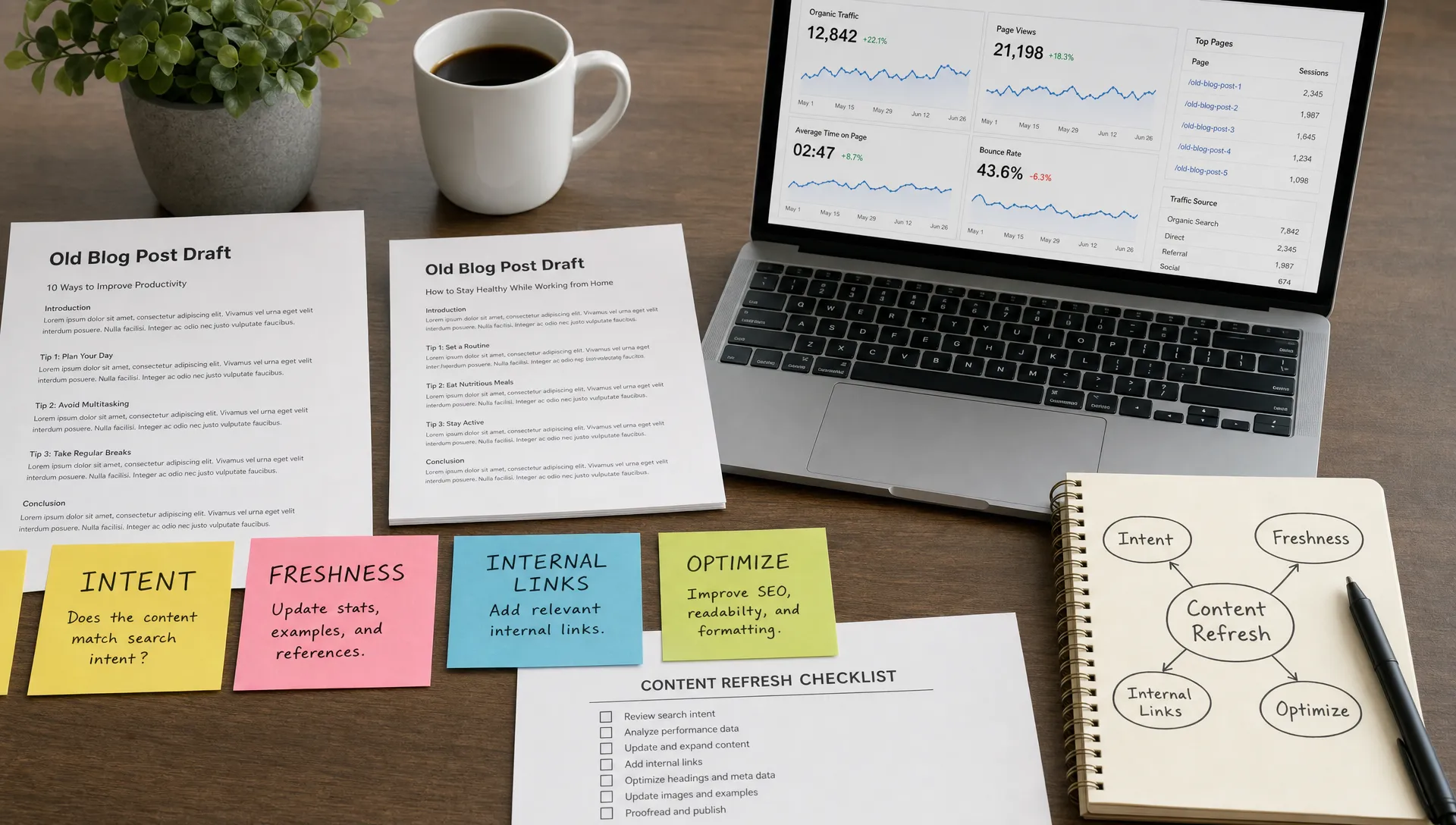
Now you can rewrite, but do it in controlled passes. The safest AI workflow is section-by-section editing, not full-post regeneration. Full rewrites often flatten tone, remove nuance, and accidentally delete high-performing language.
Start with sections that clearly need improvement. Ask AI to make them more specific, more current, and more useful while preserving the original point. Then have a human editor review for accuracy, brand voice, and originality.
A good section rewrite prompt looks like this:
Rewrite this section for clarity, freshness, and practical value. Keep the same search intent and preserve any unique insights. Add concrete examples where helpful. Avoid generic advice, unsupported claims, and exaggerated language. Keep the tone professional, direct, and useful for marketers.
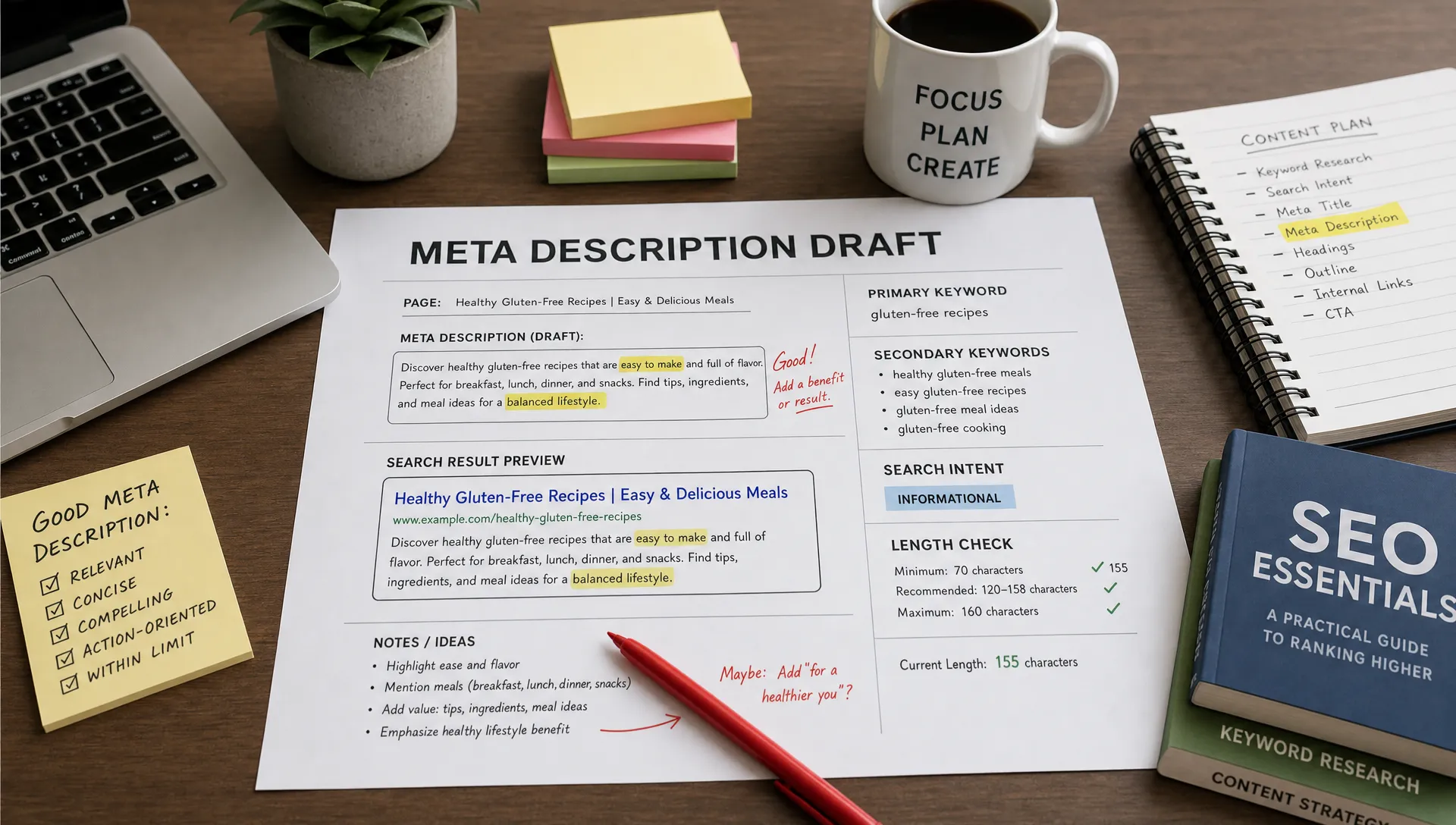
You can also run separate AI passes for readability, examples, introductions, meta descriptions, and FAQs. Keeping each pass focused usually produces better results than asking for everything at once.
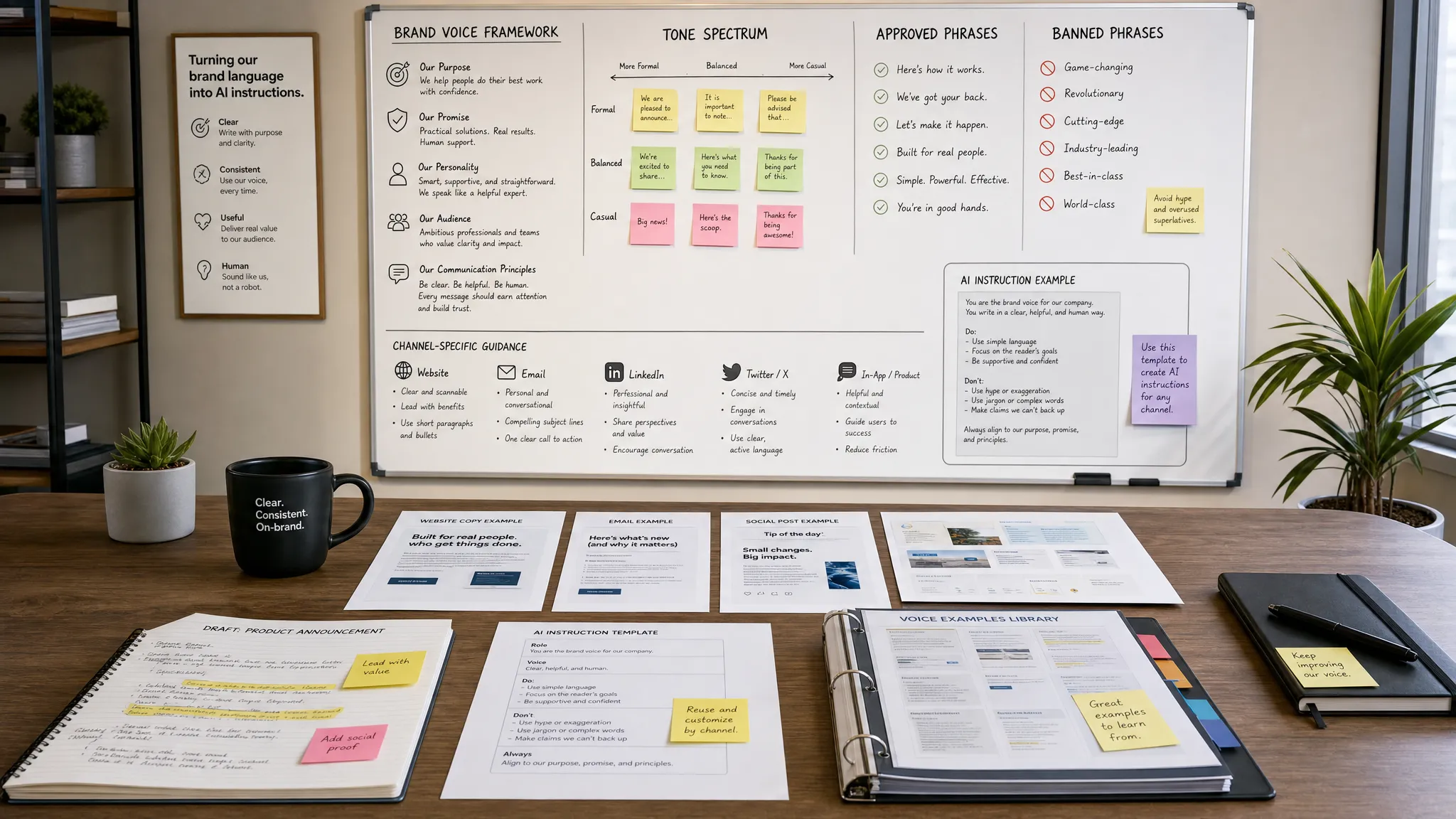
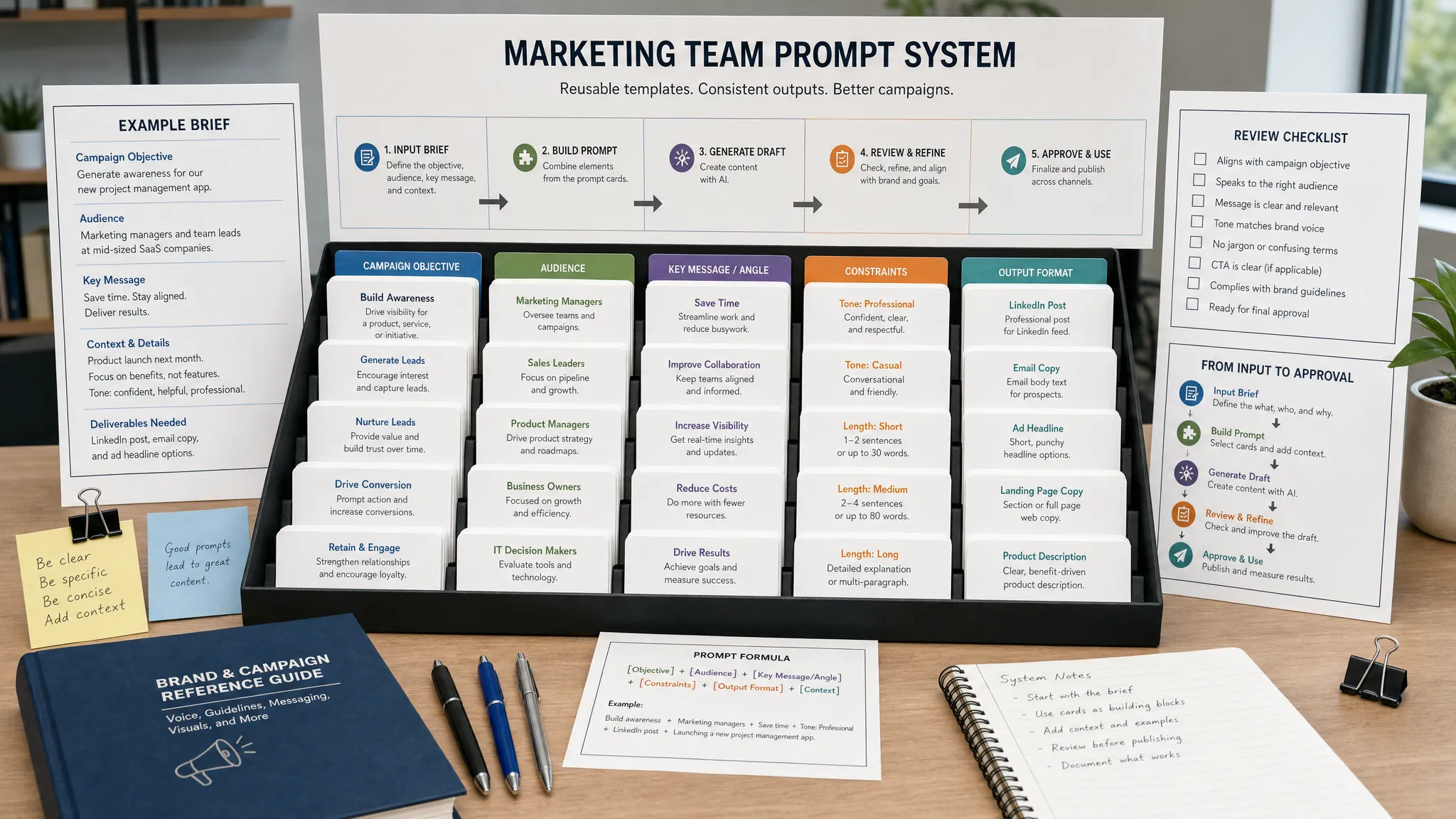
This is also where a prompt library becomes valuable. If your team refreshes content regularly, save tested prompts for content audits, intent analysis, section rewrites, SEO checks, and CTA updates. Consistent prompts make your workflow easier to scale while still leaving room for editorial judgment.
Refreshing old blog content is not only about rankings. It is also about helping readers take the next logical step. That may mean reading a related guide, downloading a resource, trying a calculator, exploring a tool, or contacting your team.
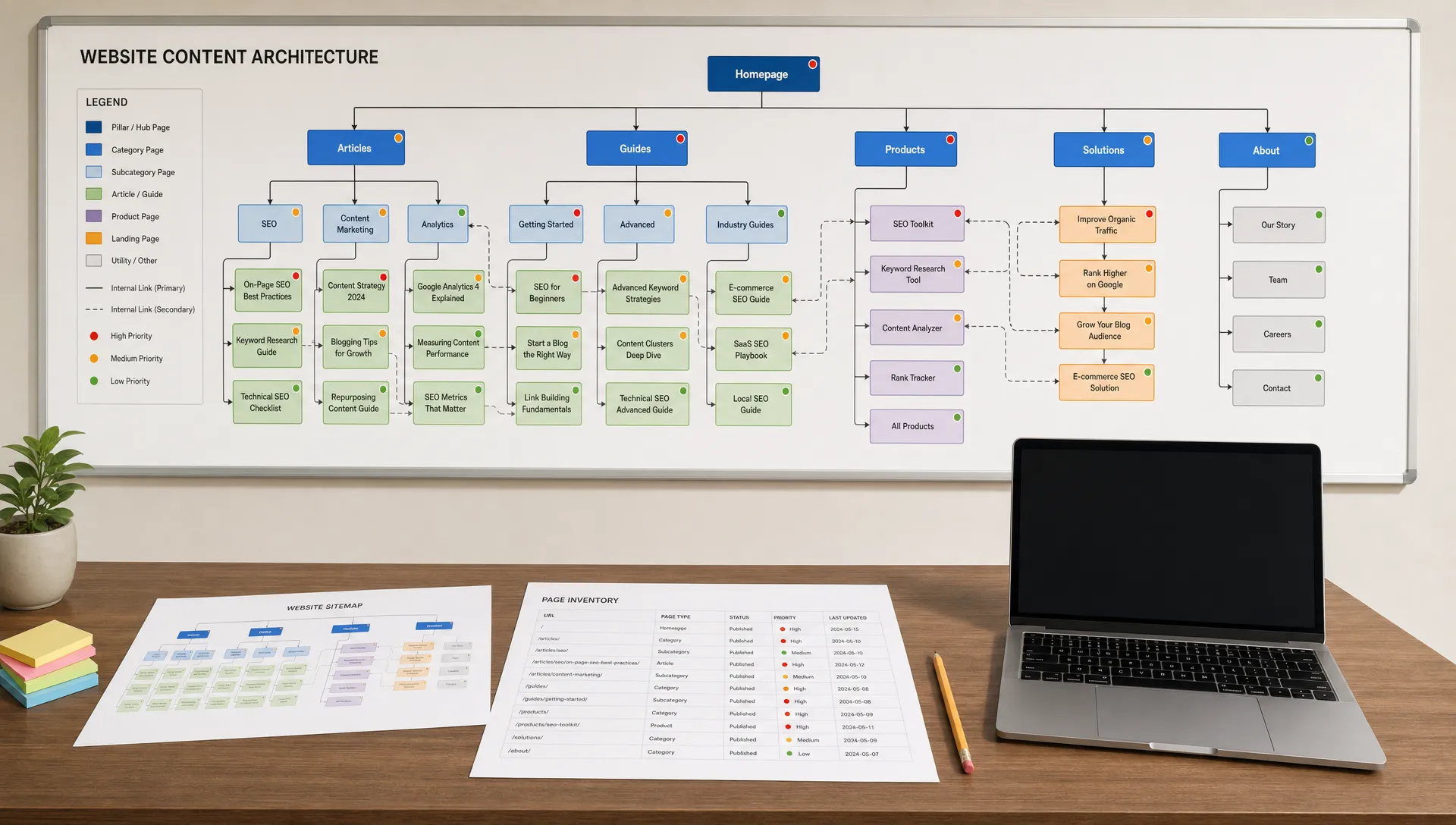
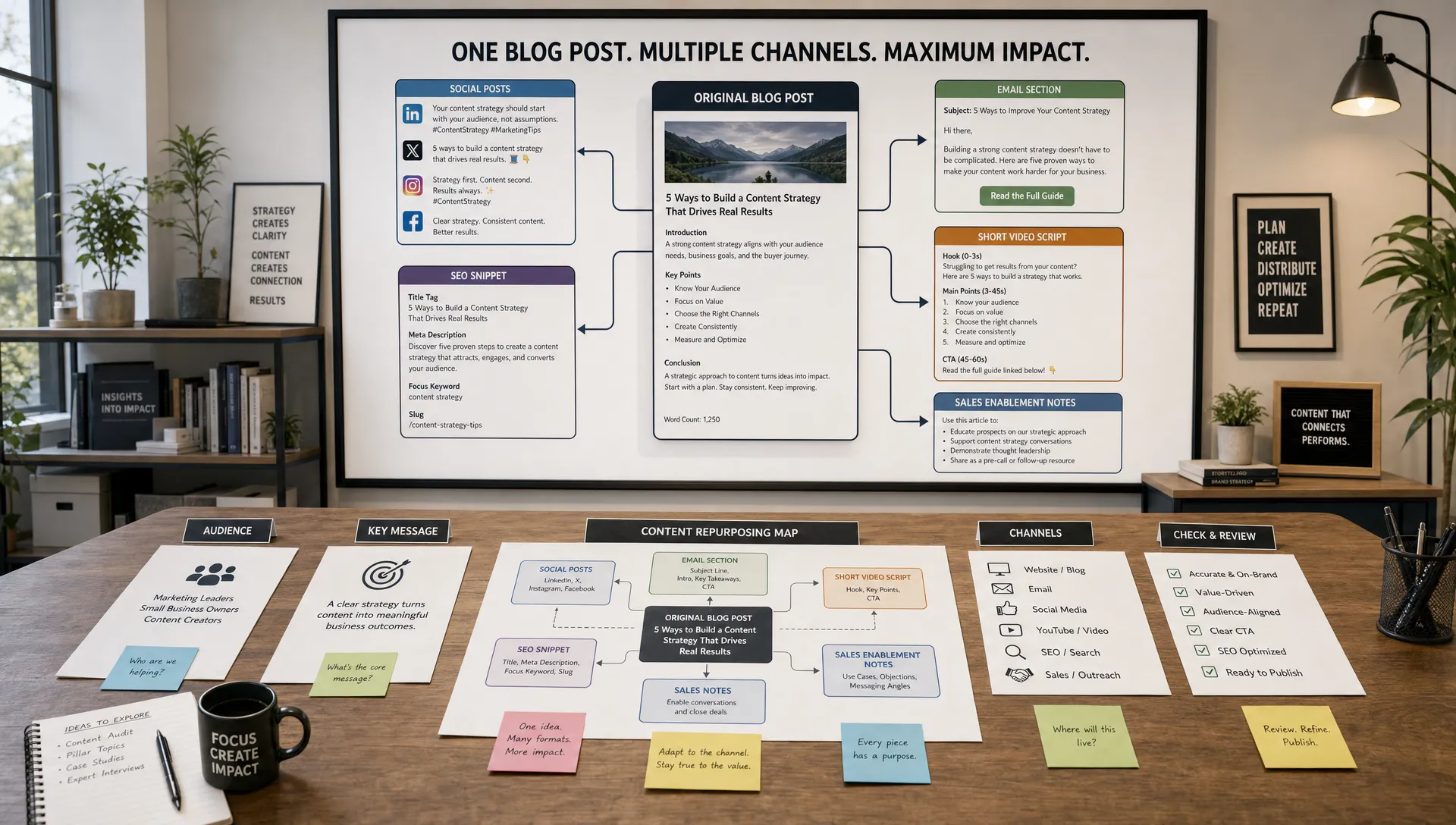
Use AI to analyze the updated article and recommend internal links based on topical relevance and funnel stage. For example, if an updated post explains content refresh workflows, it may naturally point readers to a resource that helps them choose the right AI tools for content refresh. If a refreshed post becomes a strong evergreen asset, you can also repurpose the updated post into channel-specific assets for email, social, video scripts, and sales enablement.
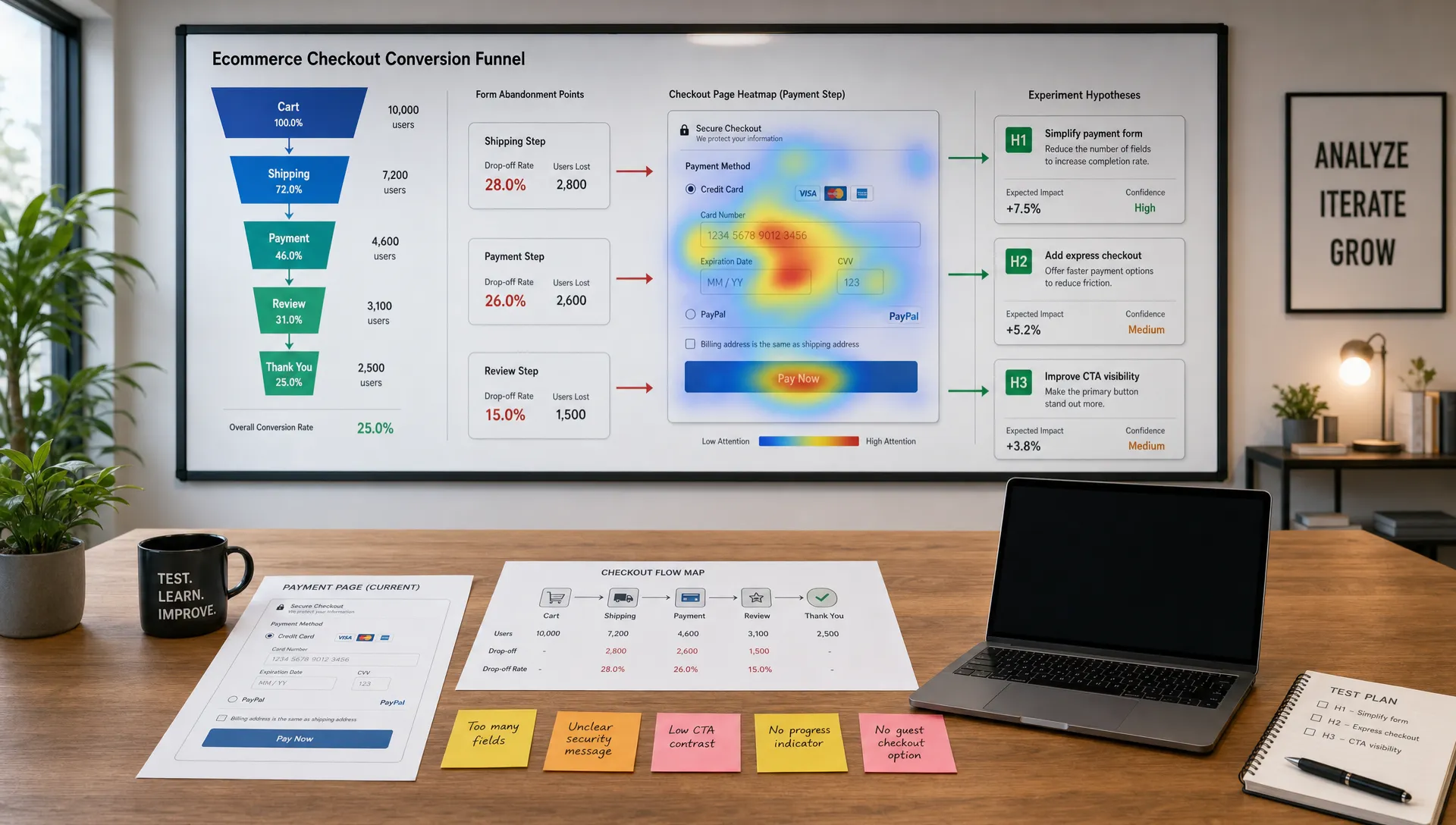
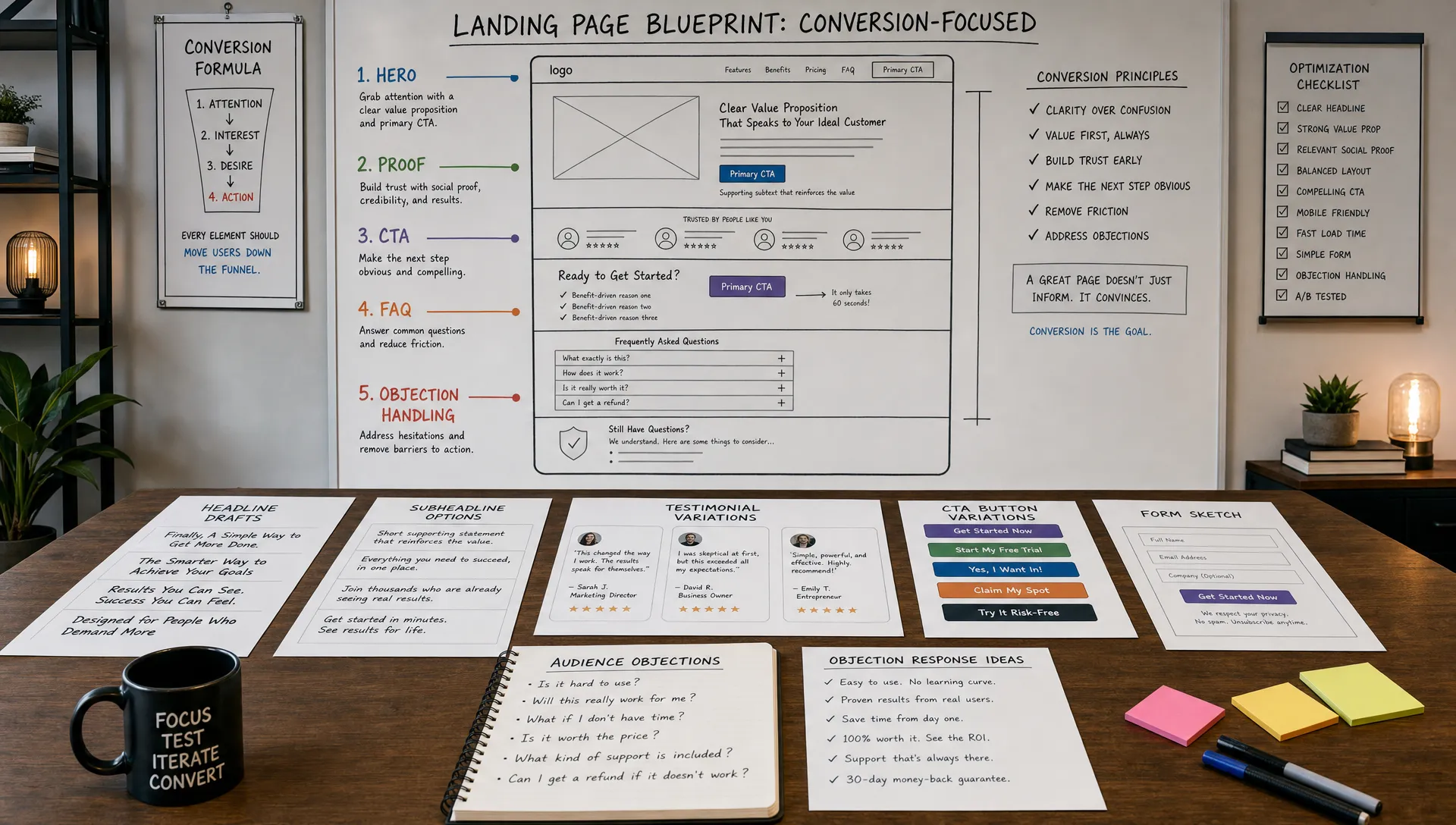
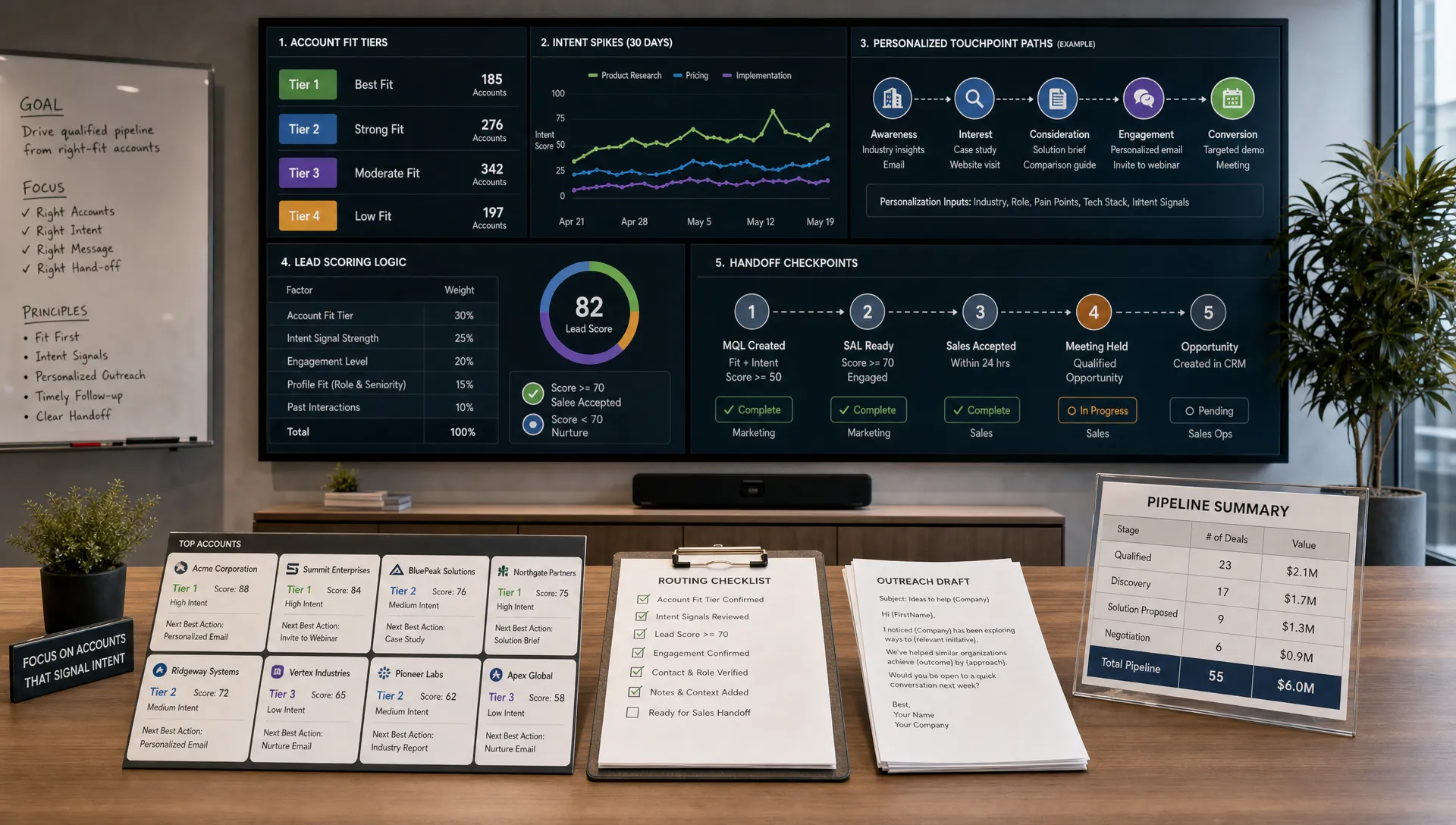
AI can also help you match CTAs to intent. A top-of-funnel article should not always push a demo. A middle-of-funnel guide may perform better with a checklist, calculator, comparison guide, or newsletter signup. A bottom-of-funnel article may need proof points, case examples, or a stronger offer.
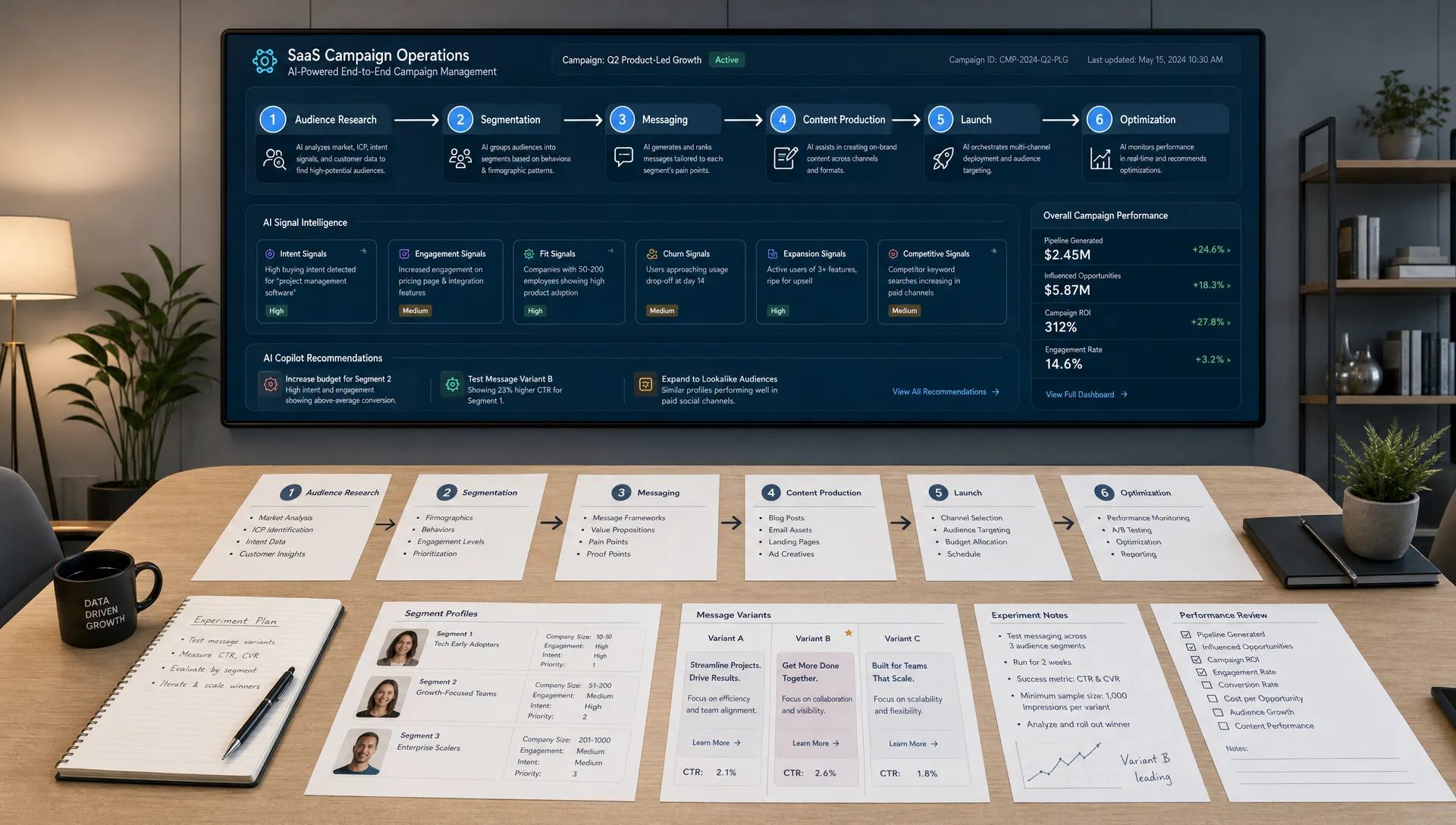
If your content refresh supports paid acquisition, align the organic page with campaign messaging. Agencies that need flexible execution across Google Ads, Meta Ads, or tracking work can pair content updates with on-demand white-label PPC expertise so search and paid media improvements move together without permanent hiring.
Before republishing, run a structured QA workflow. AI is helpful here because it can review the updated article from multiple angles, but you should still manually check anything that affects accuracy, compliance, or brand trust.
Your pre-publish QA should cover:
Do not forget technical checks. Confirm the URL stays the same unless there is a strong reason to change it. If you consolidate content, use proper redirects. Check schema, broken links, page speed, indexability, and mobile formatting. Updating content without technical QA can create avoidable ranking issues.
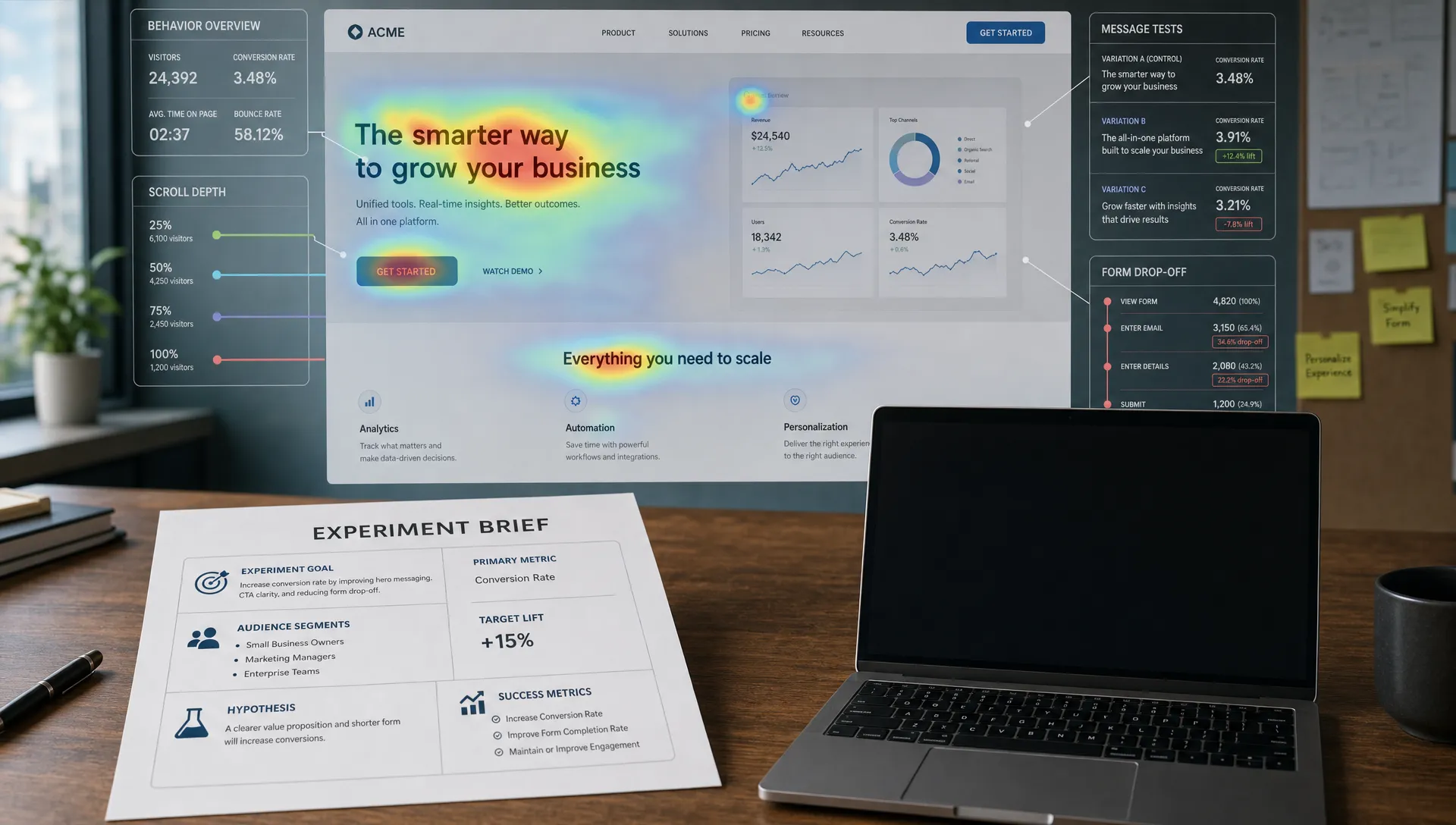
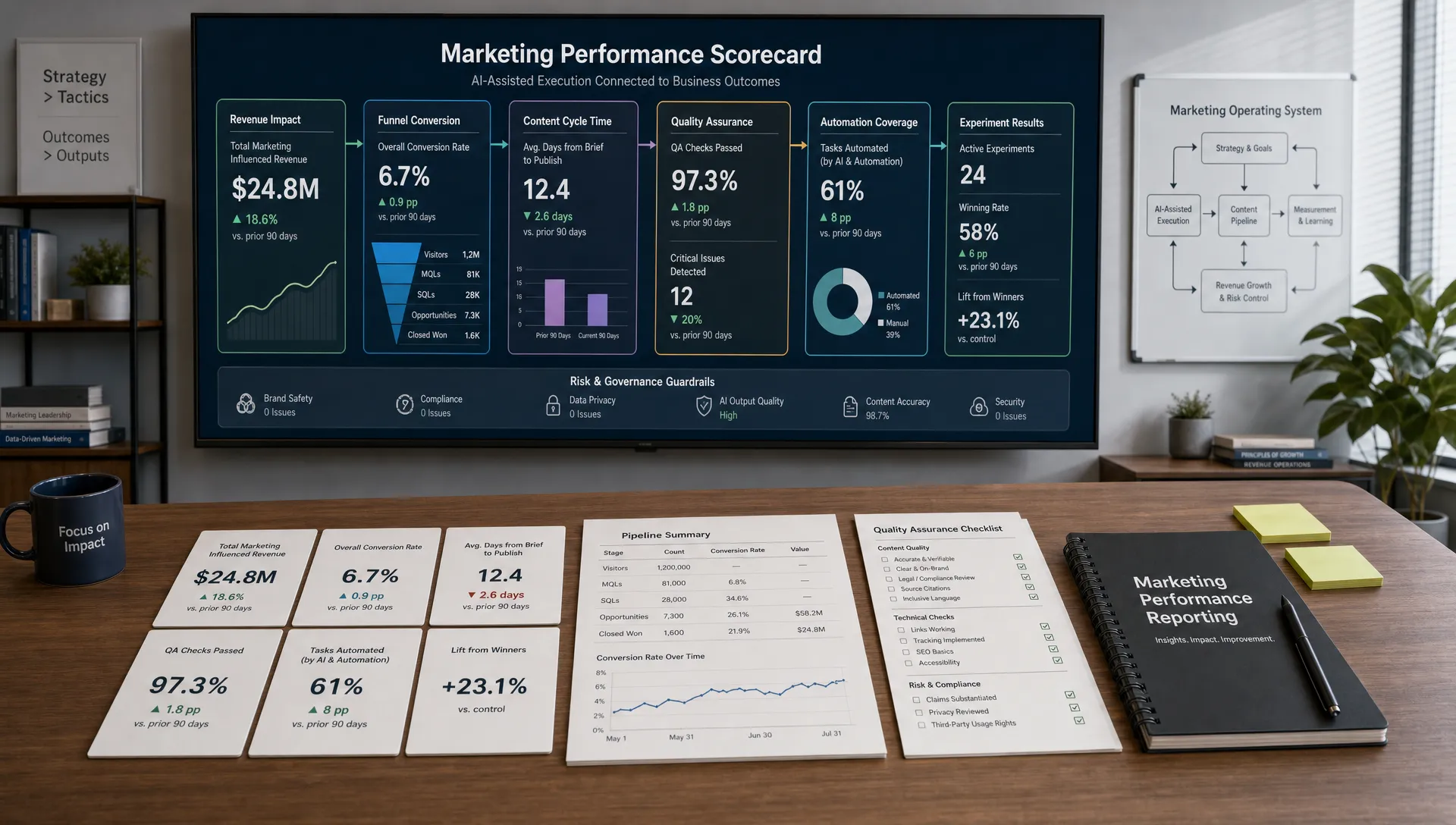
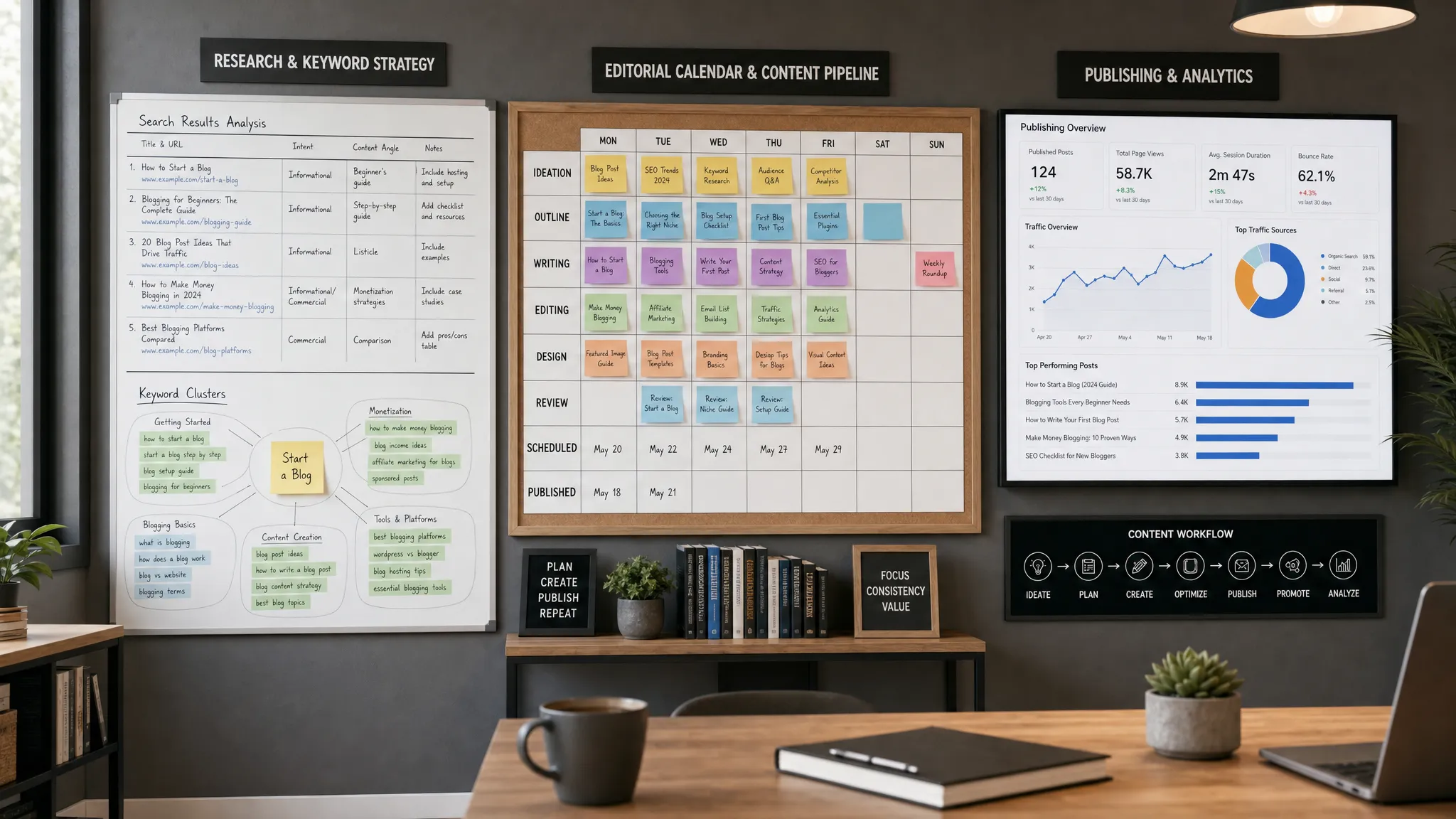
A content update is not finished when it goes live. Treat it as an experiment with a baseline, a hypothesis, and a review window. Before publishing, record the current performance of the page so you can compare results later.
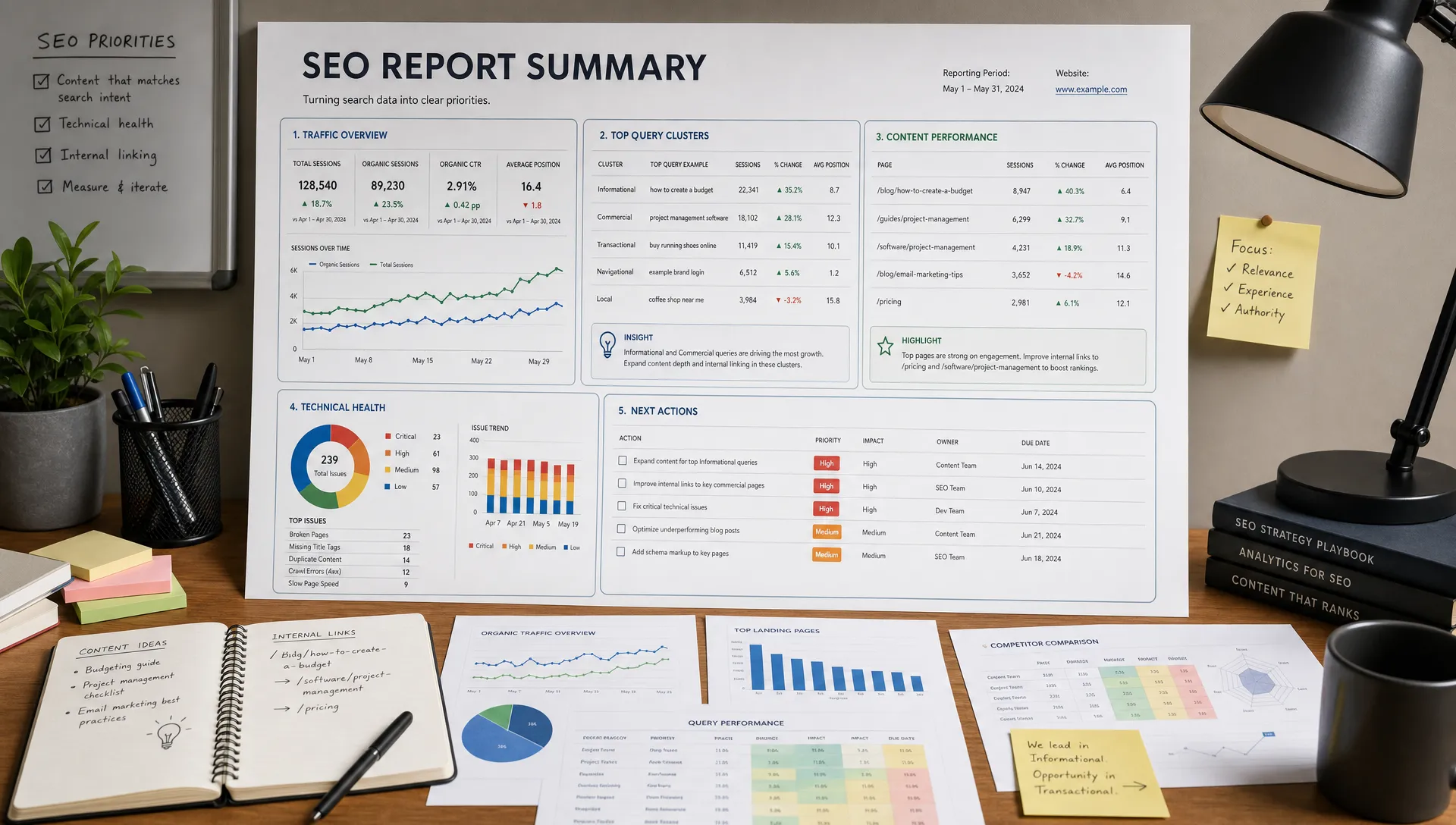
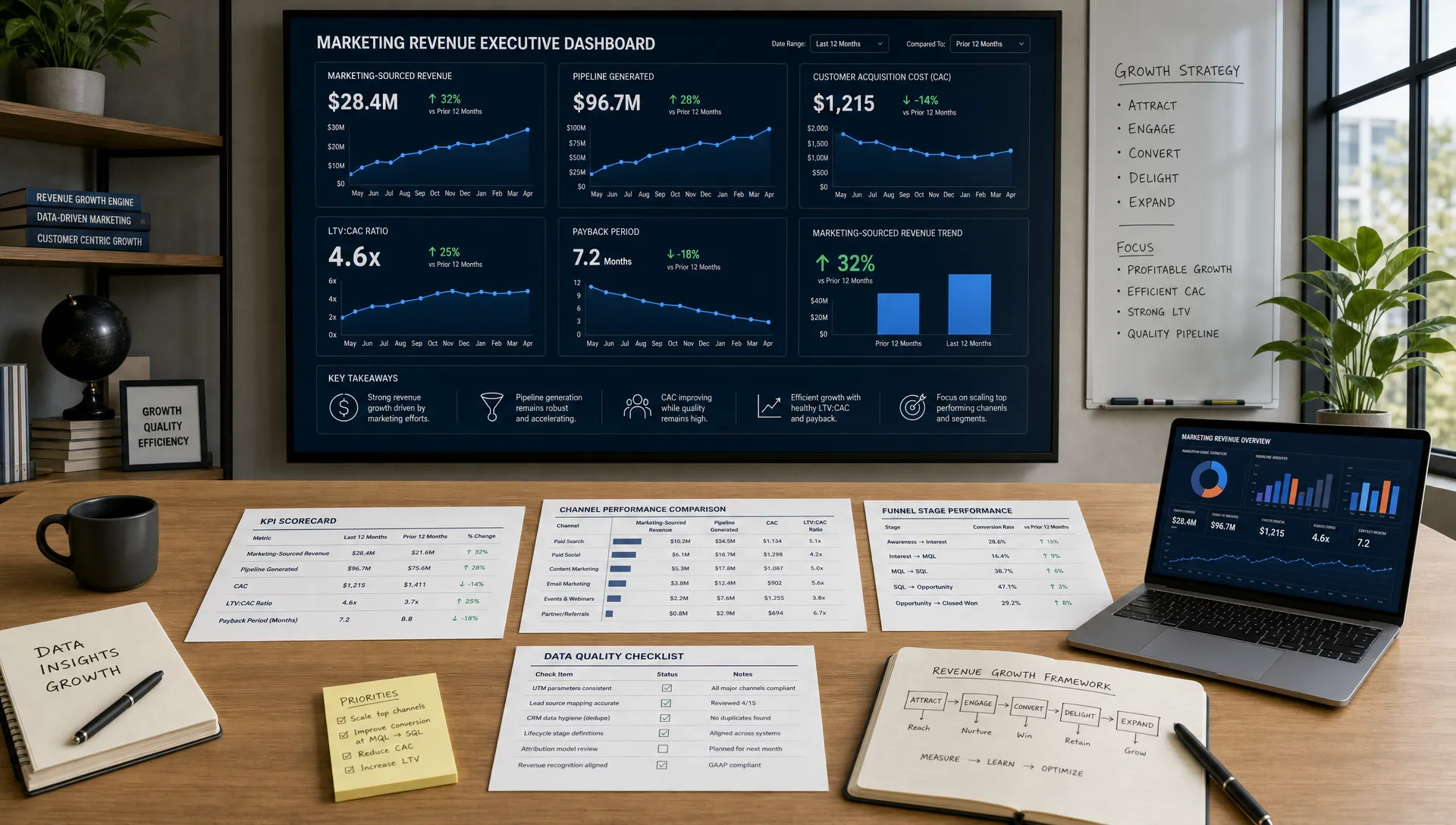
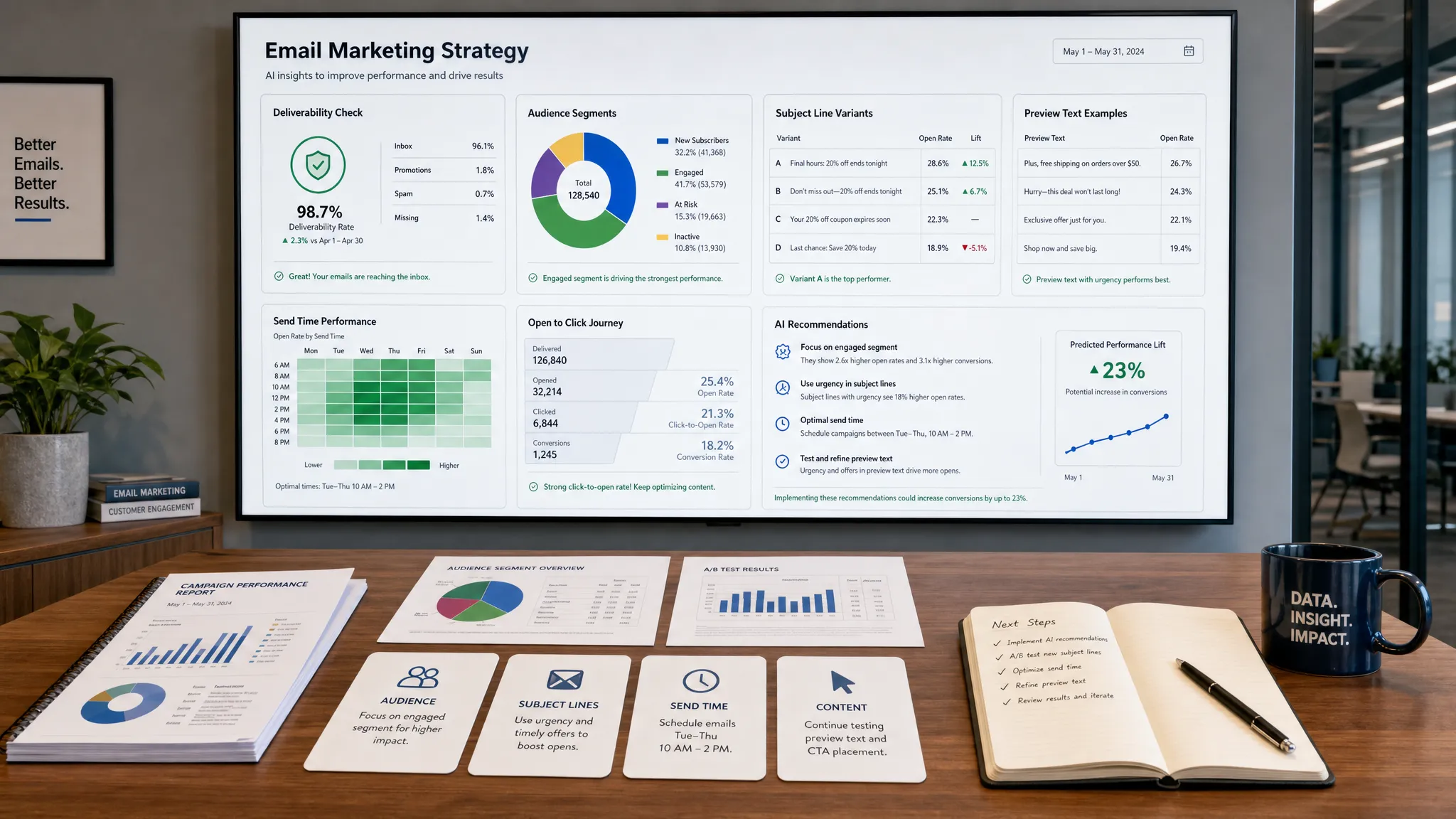
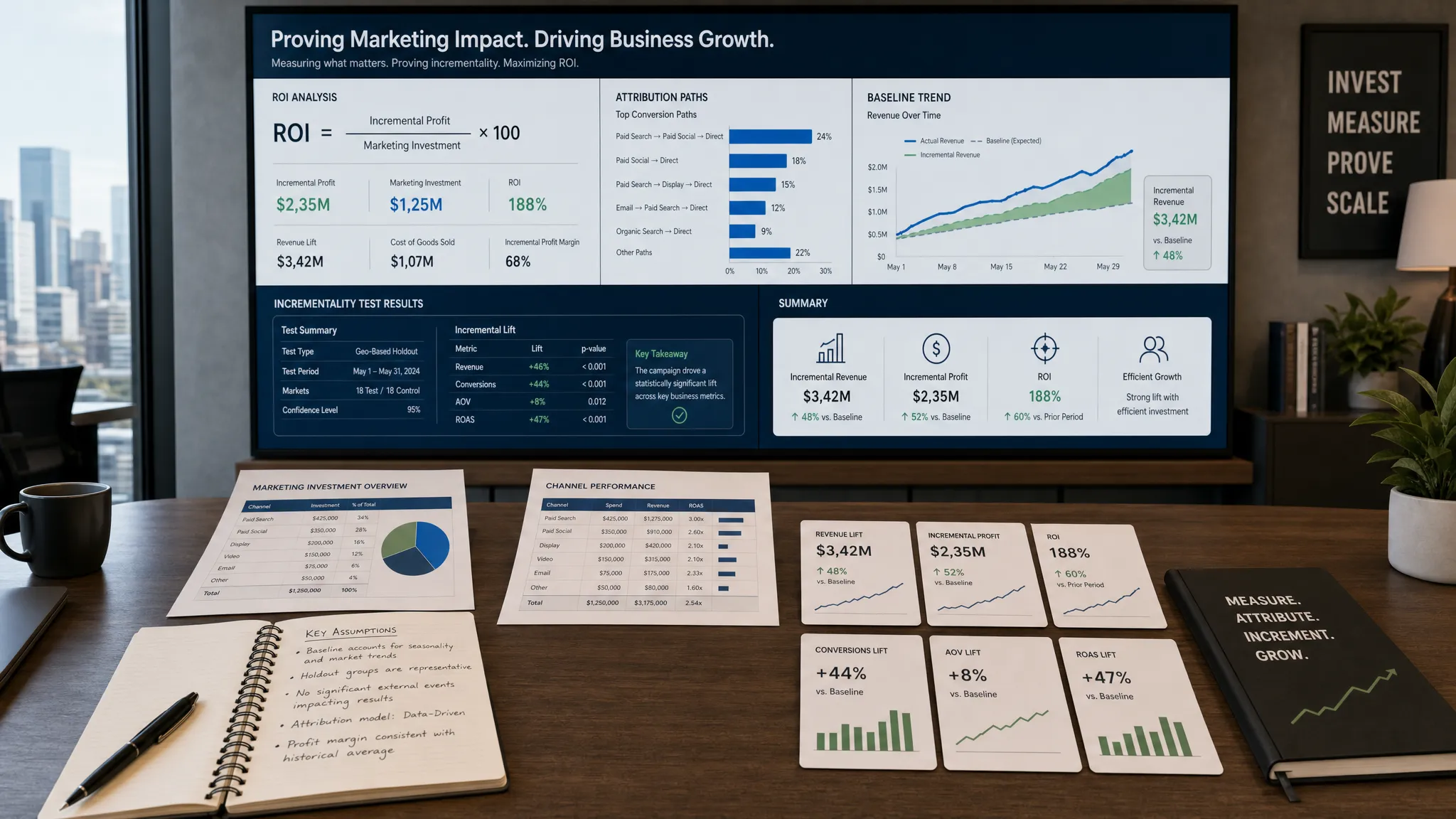
Track metrics such as organic clicks, impressions, average position, engagement, assisted conversions, leads, demo requests, newsletter signups, or revenue influence. The right metric depends on the article’s role in your funnel. A top-of-funnel post may be judged by qualified traffic and engagement, while a bottom-of-funnel post should be measured against conversions and sales influence.
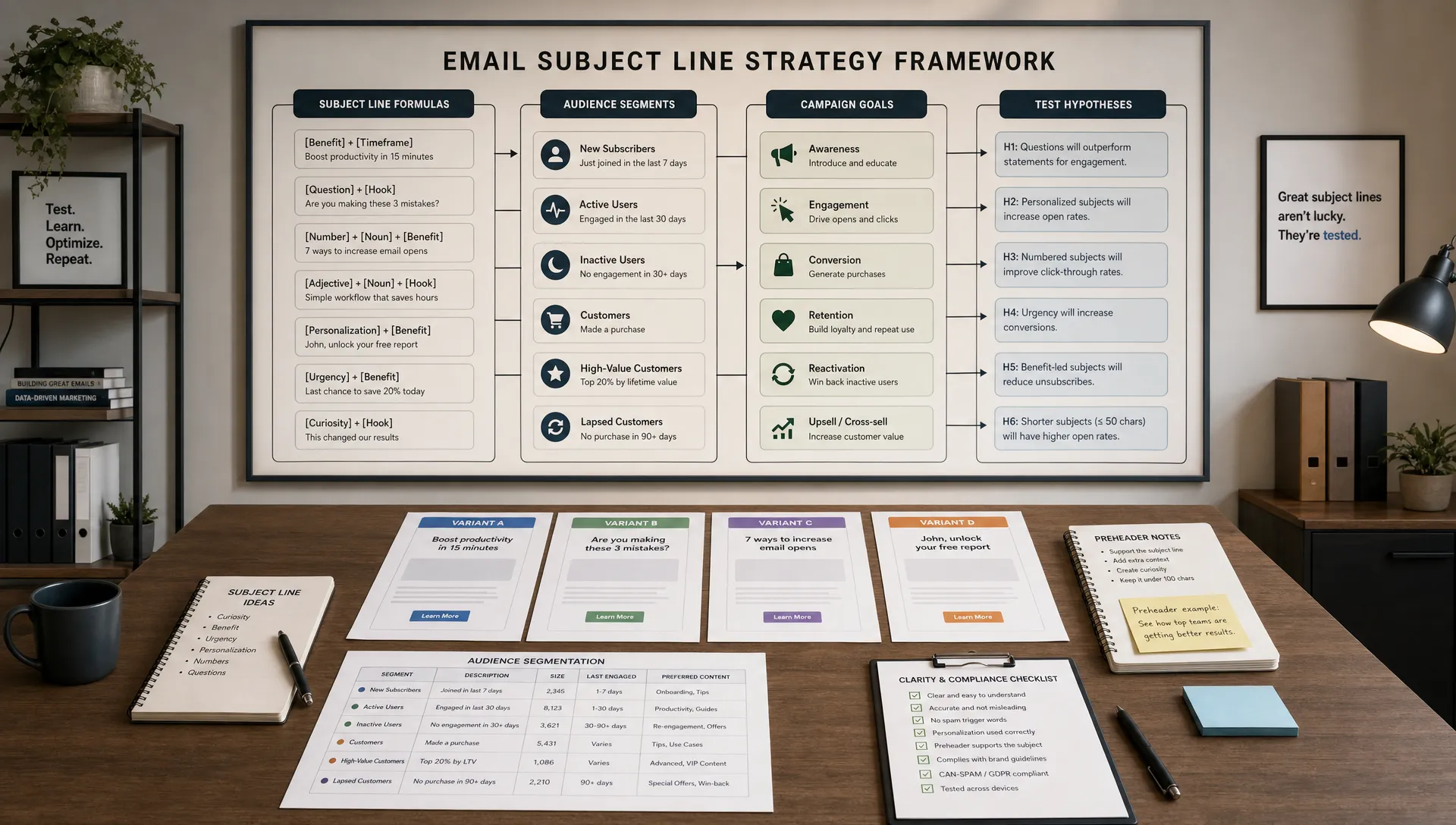
Review early indicators after two to four weeks, but give SEO updates enough time to settle. For many pages, a 60-day or 90-day review gives a more useful picture. If impressions rise but clicks do not, improve the title and meta description. If traffic rises but conversions do not, revisit CTA alignment. If rankings drop, compare the new version with the old one and check whether you removed a section that satisfied an important sub-intent.
AI can summarize performance changes and recommend next actions. The key is to close the loop. Every refresh should teach your team something about what your audience wants and how your content library performs.
Not every old blog post needs the same level of effort. One of the best ways to scale AI content updates is to assign each page a refresh depth before editing.
Light refresh: Use this for posts that still perform well but need minor updates. You might update dates, improve examples, replace broken links, add a short new section, or refine the CTA.
Moderate refresh: Use this for posts with declining traffic or outdated sections. This usually includes intent analysis, outline changes, rewritten sections, updated internal links, and a new meta description.
Full rebuild: Use this for posts that target valuable topics but no longer match search intent. A full rebuild may involve rewriting the structure, adding new research, consolidating competing posts, improving media, and repositioning the CTA.
This simple classification prevents over-editing. It also helps teams manage resources, especially when updating dozens or hundreds of posts.
The first mistake is using AI to rewrite before diagnosing the problem. If traffic declined because of intent mismatch, a cleaner paragraph will not fix it. If conversions dropped because the CTA is wrong, adding more keywords will not help.
The second mistake is removing hard-earned originality. Older posts often contain examples, opinions, screenshots, customer language, or expert explanations that helped them rank. AI may smooth those out unless you explicitly tell it what to preserve.
The third mistake is chasing freshness without substance. Adding the current year to a title can help only if the article actually reflects current information. A real refresh should improve usefulness, not just presentation.
The fourth mistake is ignoring internal links. A refreshed post should strengthen your broader content ecosystem. It should guide readers to related resources and help search engines understand topical relationships across your site.
Finally, avoid measuring only rankings. Rankings matter, but they are not the whole story. Updated content should support business outcomes, whether that means more leads, better-qualified traffic, stronger email growth, or improved assisted conversions.
How often should old blog content be updated? Review important blog posts at least every six to twelve months. High-value posts in fast-changing topics such as AI marketing, SEO, paid media, and software may need quarterly reviews.
Can AI rewrite old blog posts without hurting SEO? Yes, but only when used carefully. AI should support research, structure, editing, and QA. Avoid replacing the entire article without preserving the sections, examples, and intent signals that already work.
Which blog posts should be updated first? Start with posts that have valuable rankings, declining clicks, strong conversion potential, outdated information, or strategic relevance to your current offers. Do not prioritize posts only because they are old.
Should I change the publish date after updating a post? Change the date only when the update is substantial and the article is genuinely current. Minor edits, typo fixes, or small link updates usually do not justify presenting the post as newly refreshed.
How do I know if a content refresh worked? Compare performance before and after the update using organic clicks, impressions, rankings, engagement, conversions, and assisted revenue. Review results over a realistic window, often 60 to 90 days.
The best AI workflows for updating old blog content are not one-off editing tricks. They are repeatable systems for finding opportunities, improving search intent fit, refreshing expertise, optimizing conversion paths, and measuring outcomes.
AIMarketer Hub helps marketers turn that process into a practical workflow with AI-powered marketing tools, expert guides, prompt resources, SEO tools, calculators, and industry-specific marketing resources. If your content archive is full of posts with untapped potential, start by auditing what you already have. With the right AI workflow, yesterday’s blog post can become one of tomorrow’s best-performing growth assets.