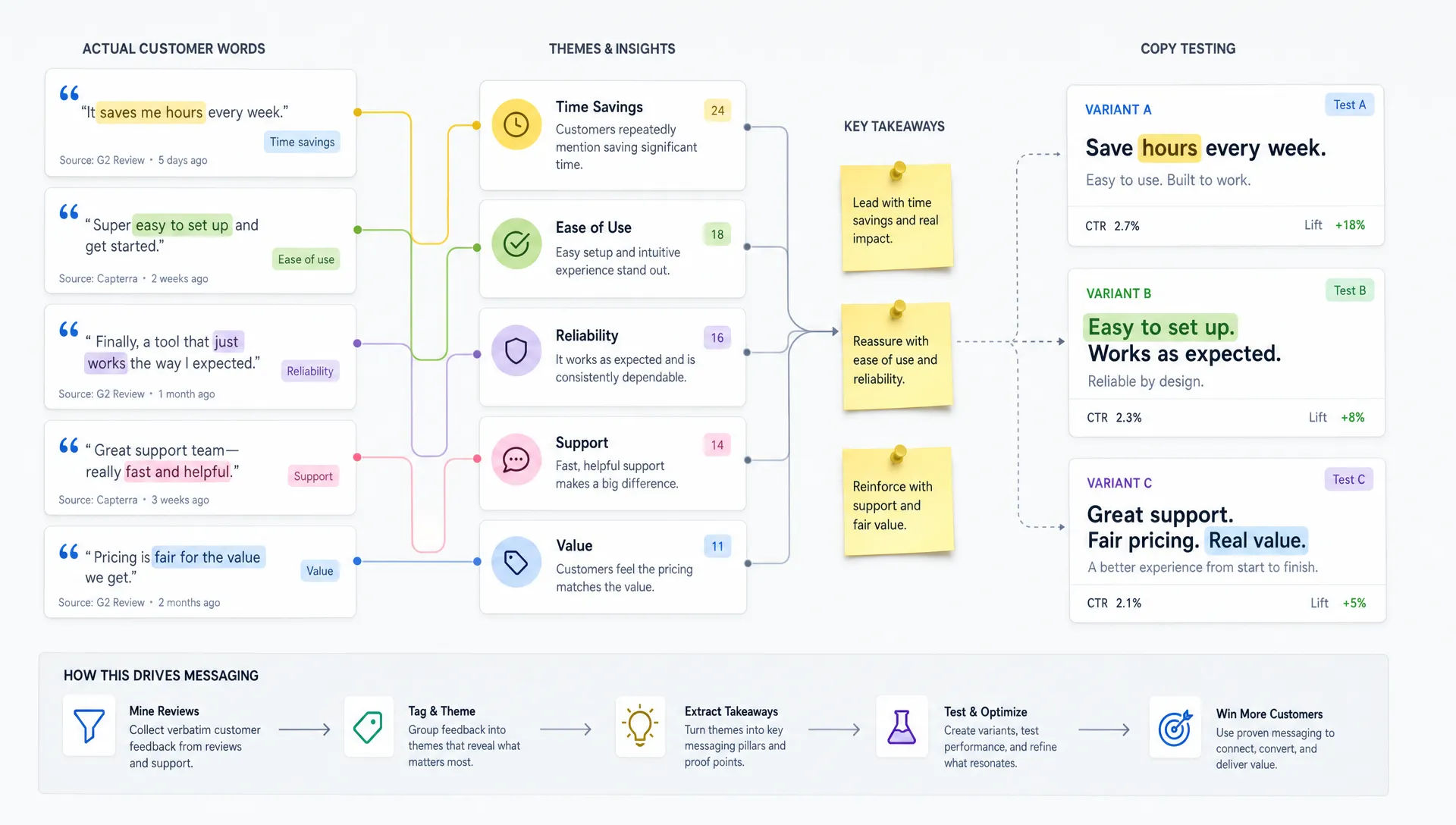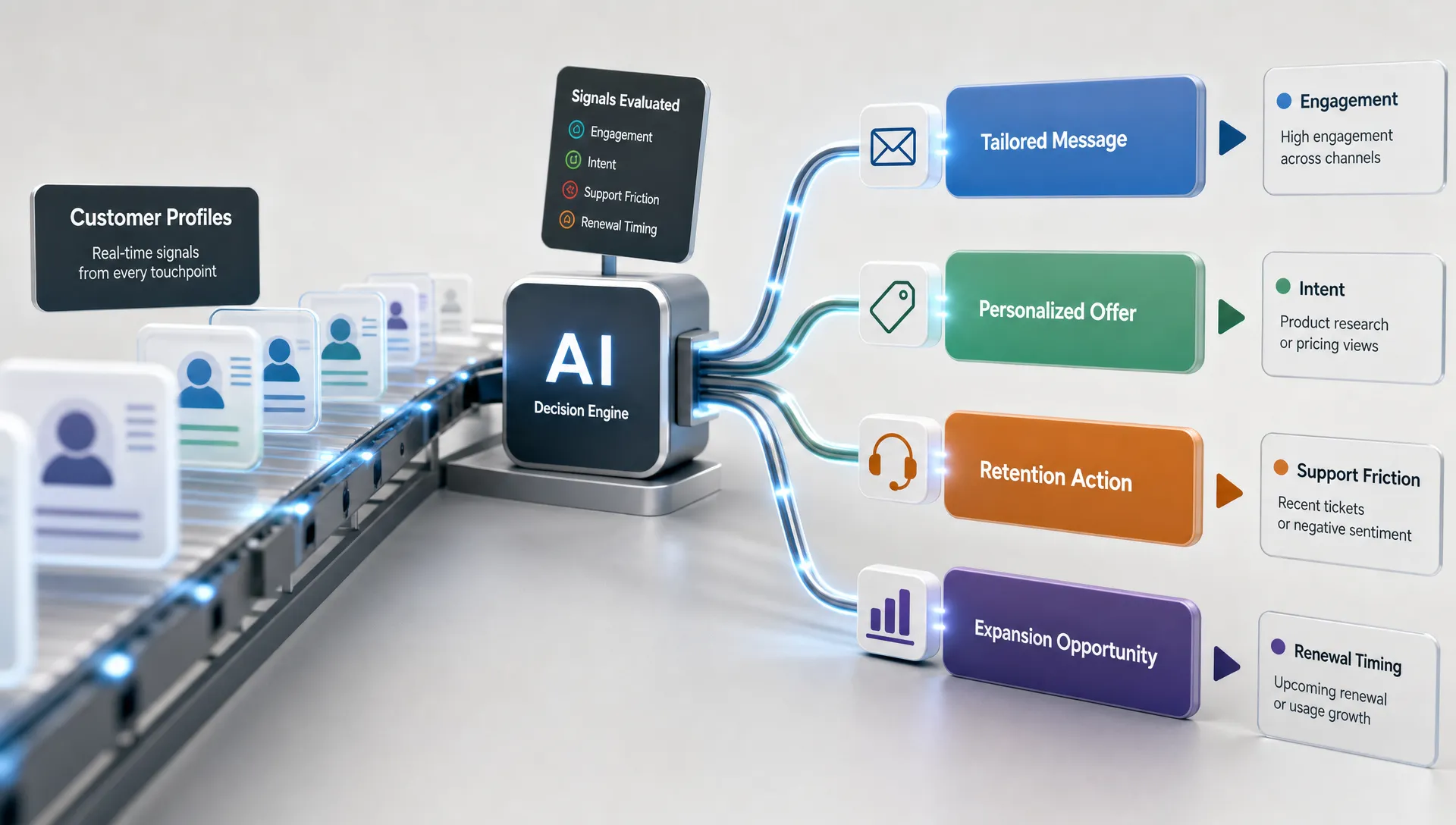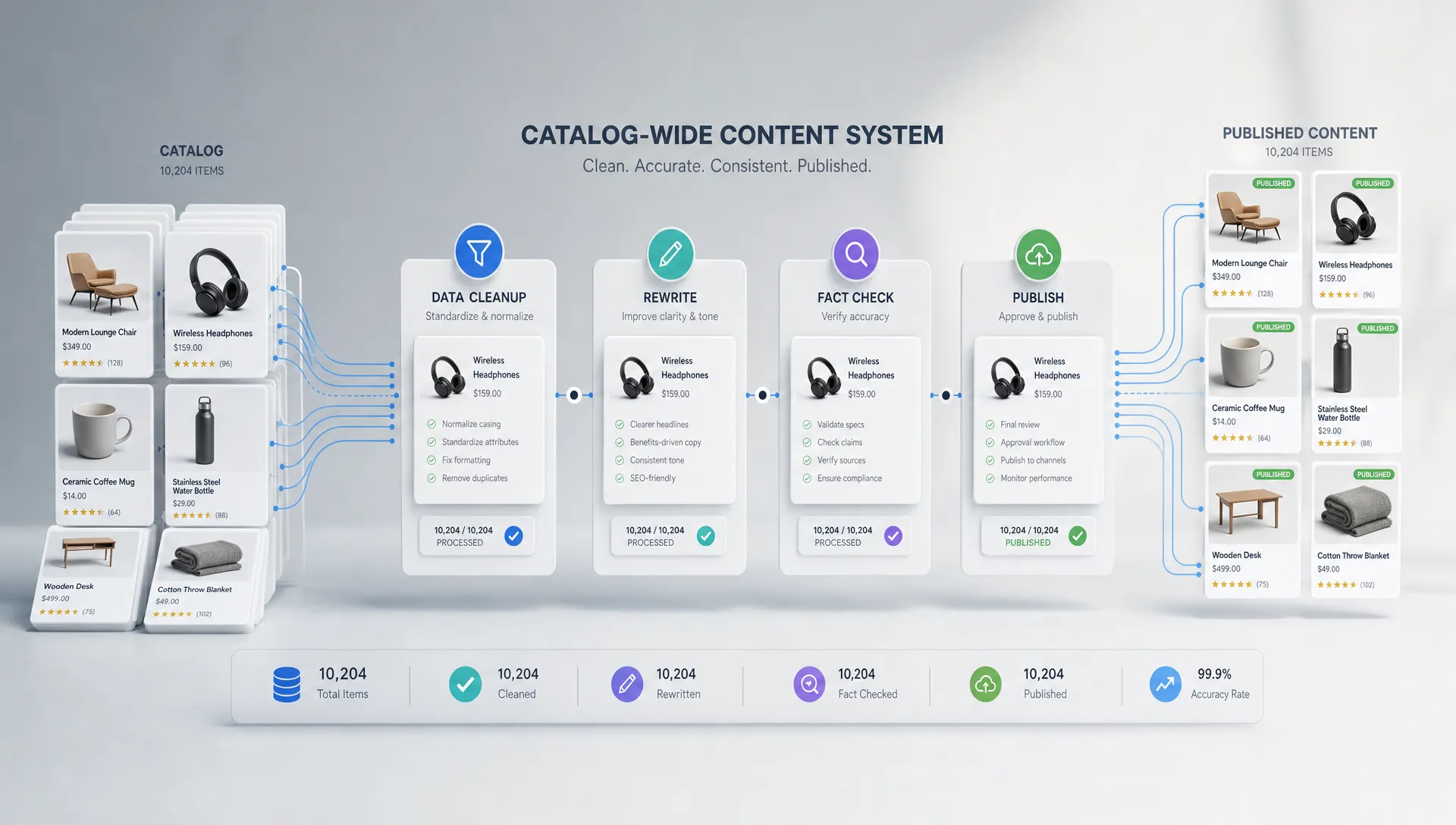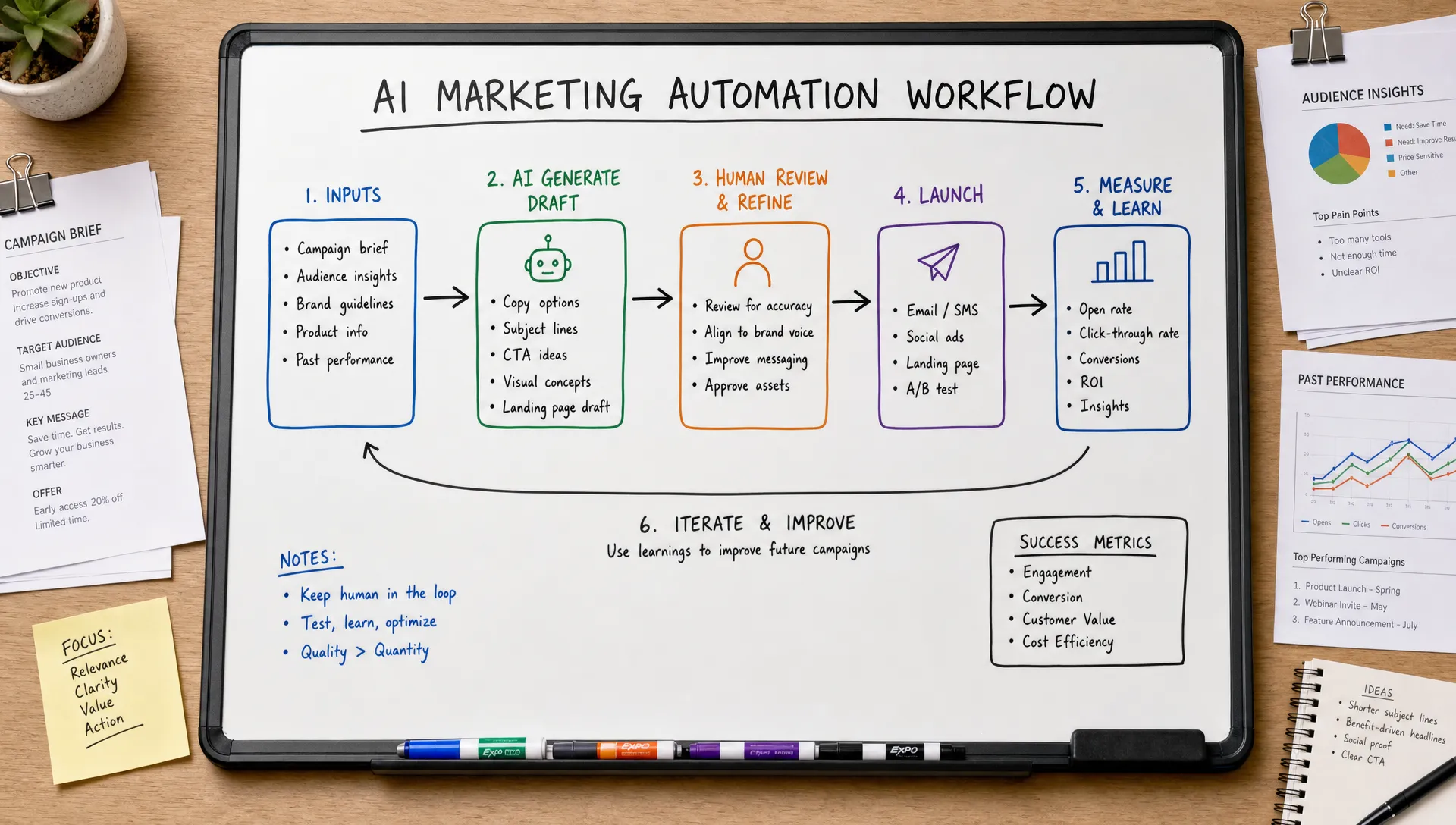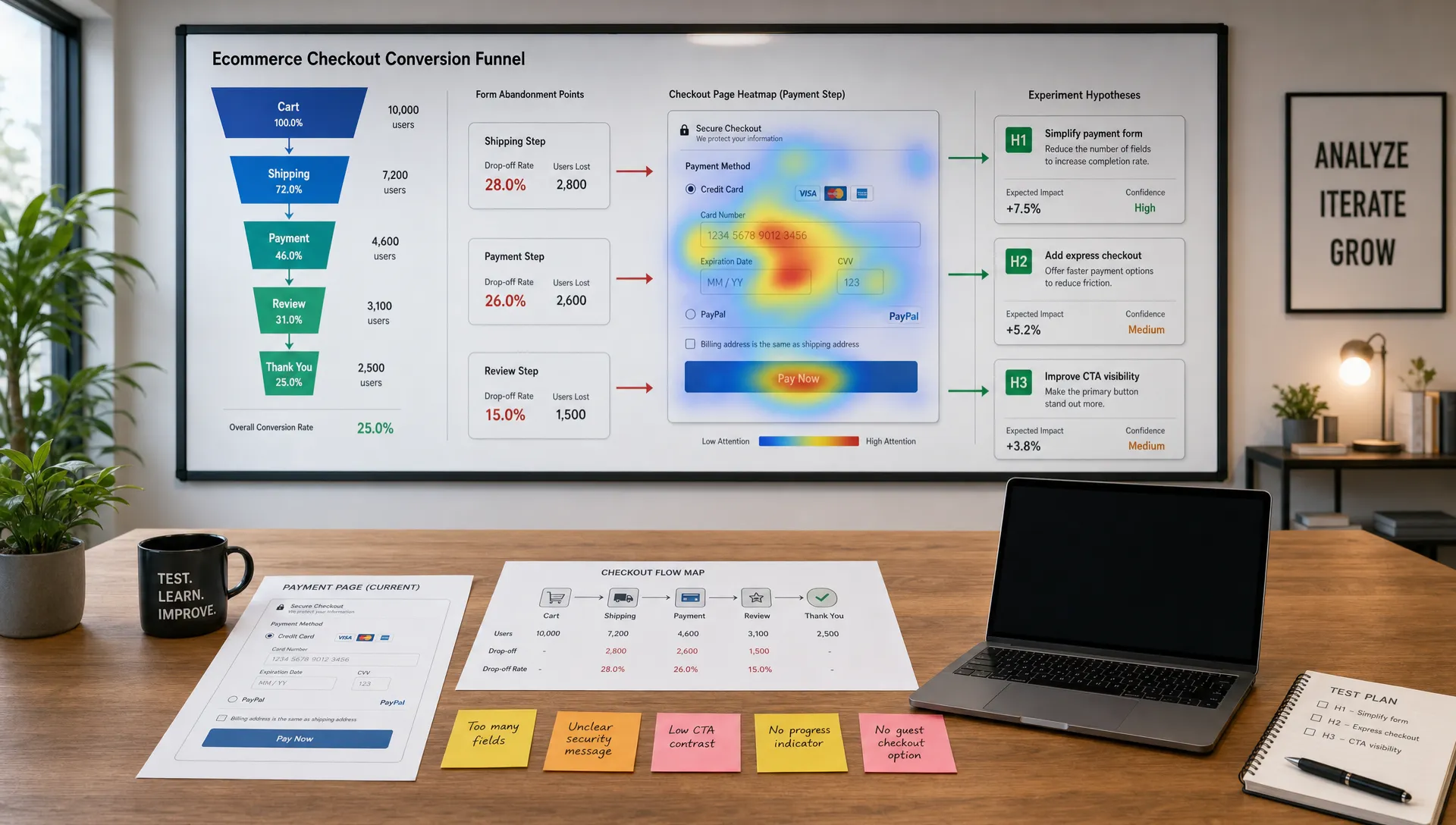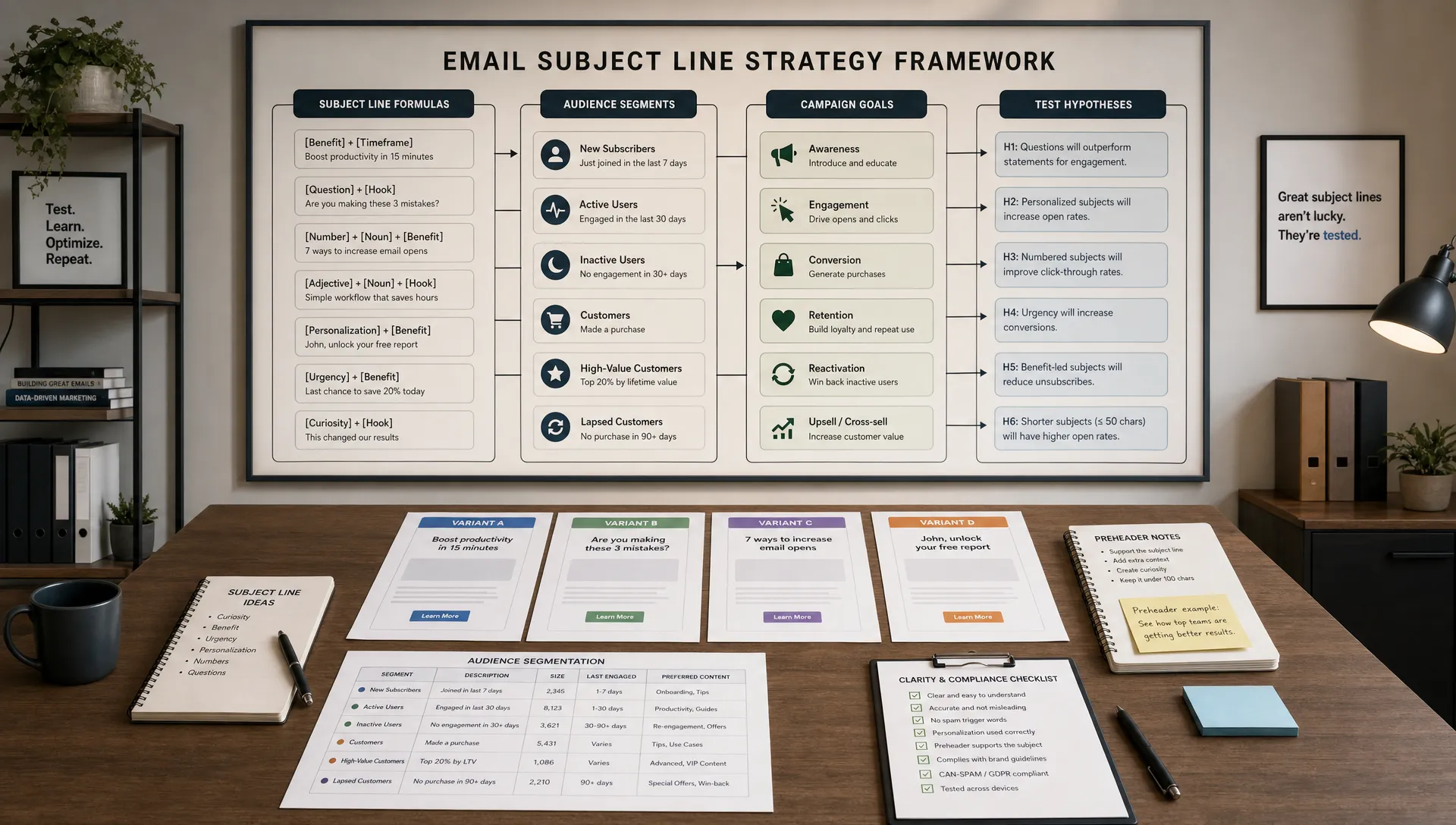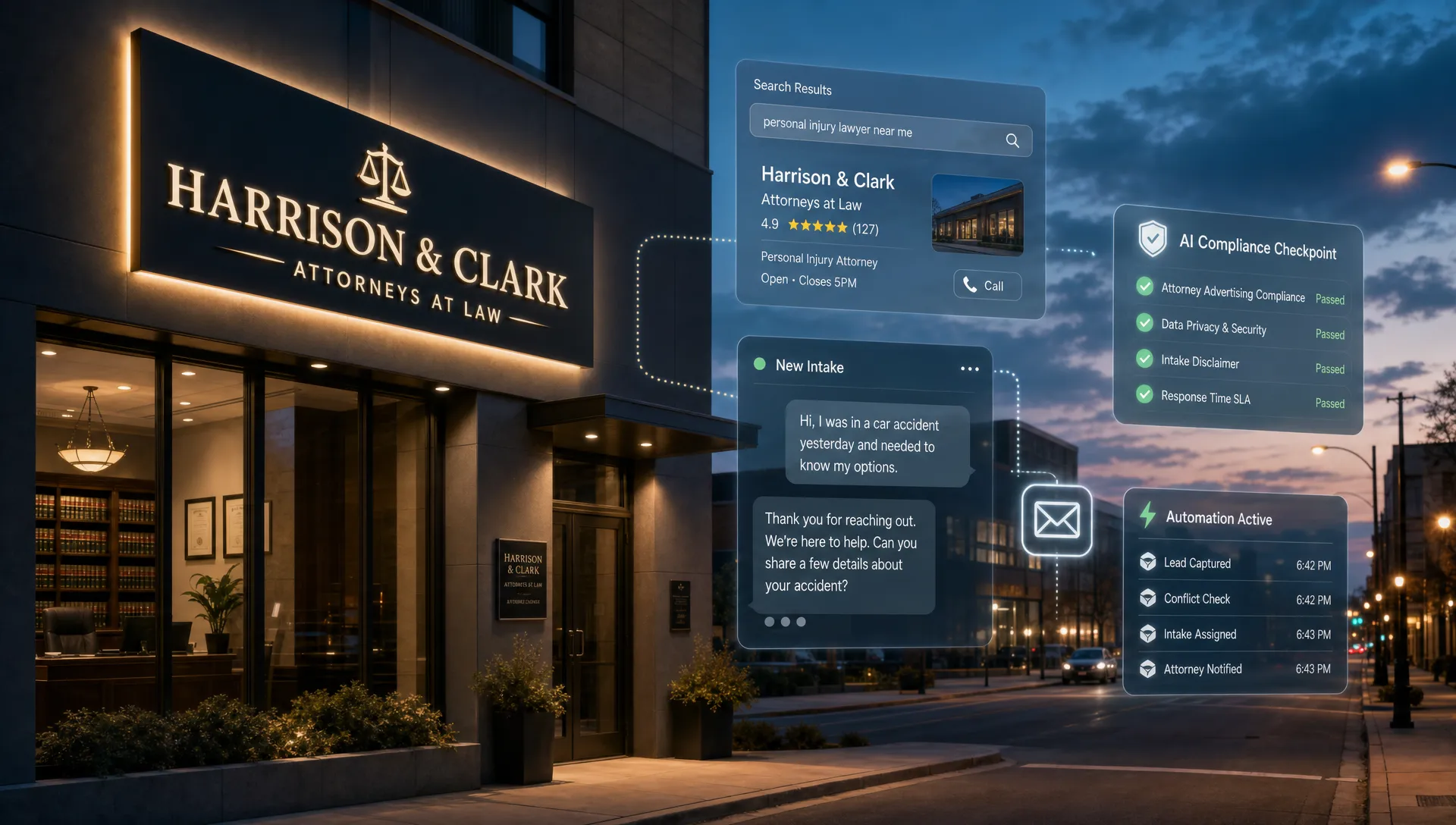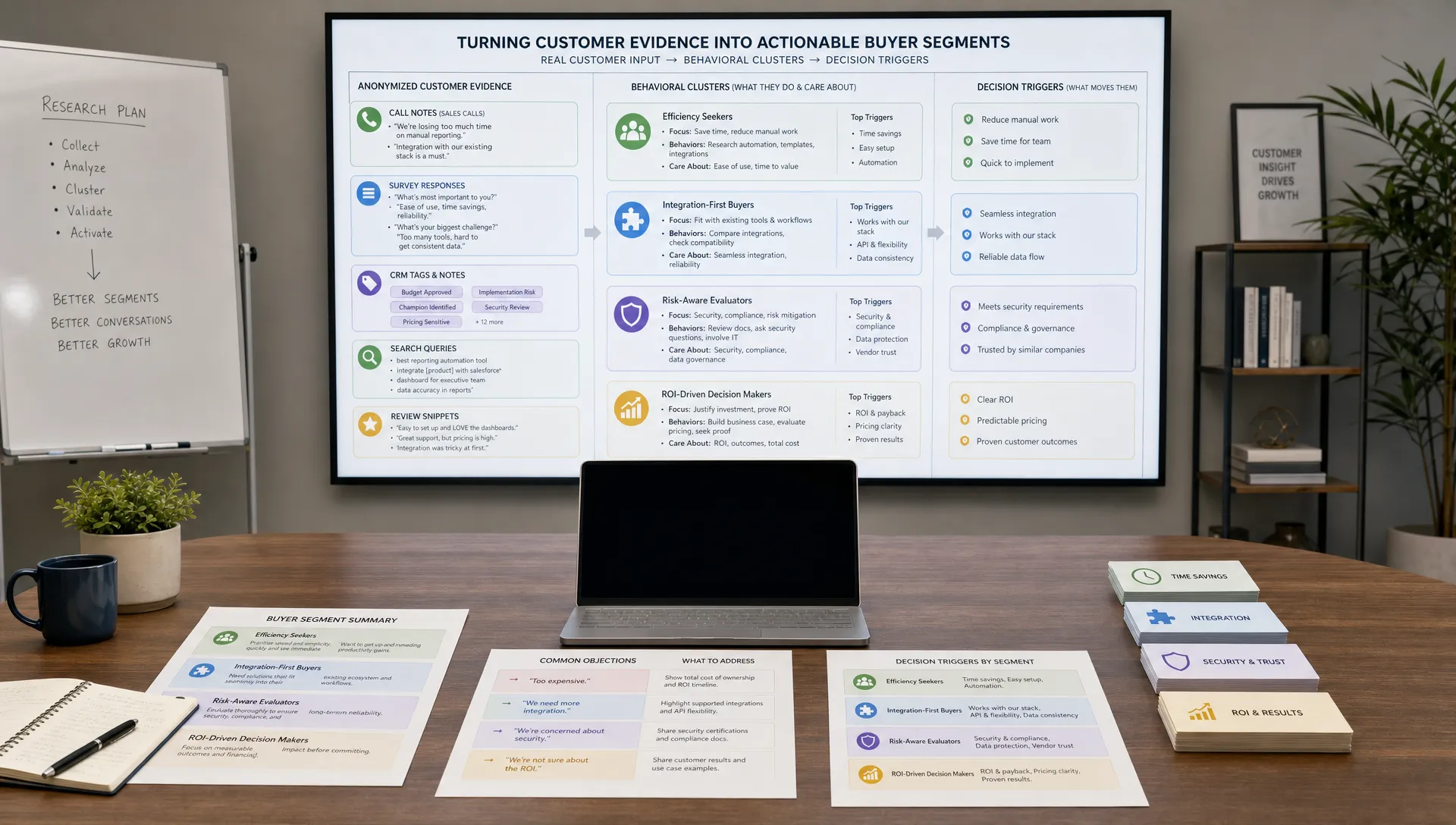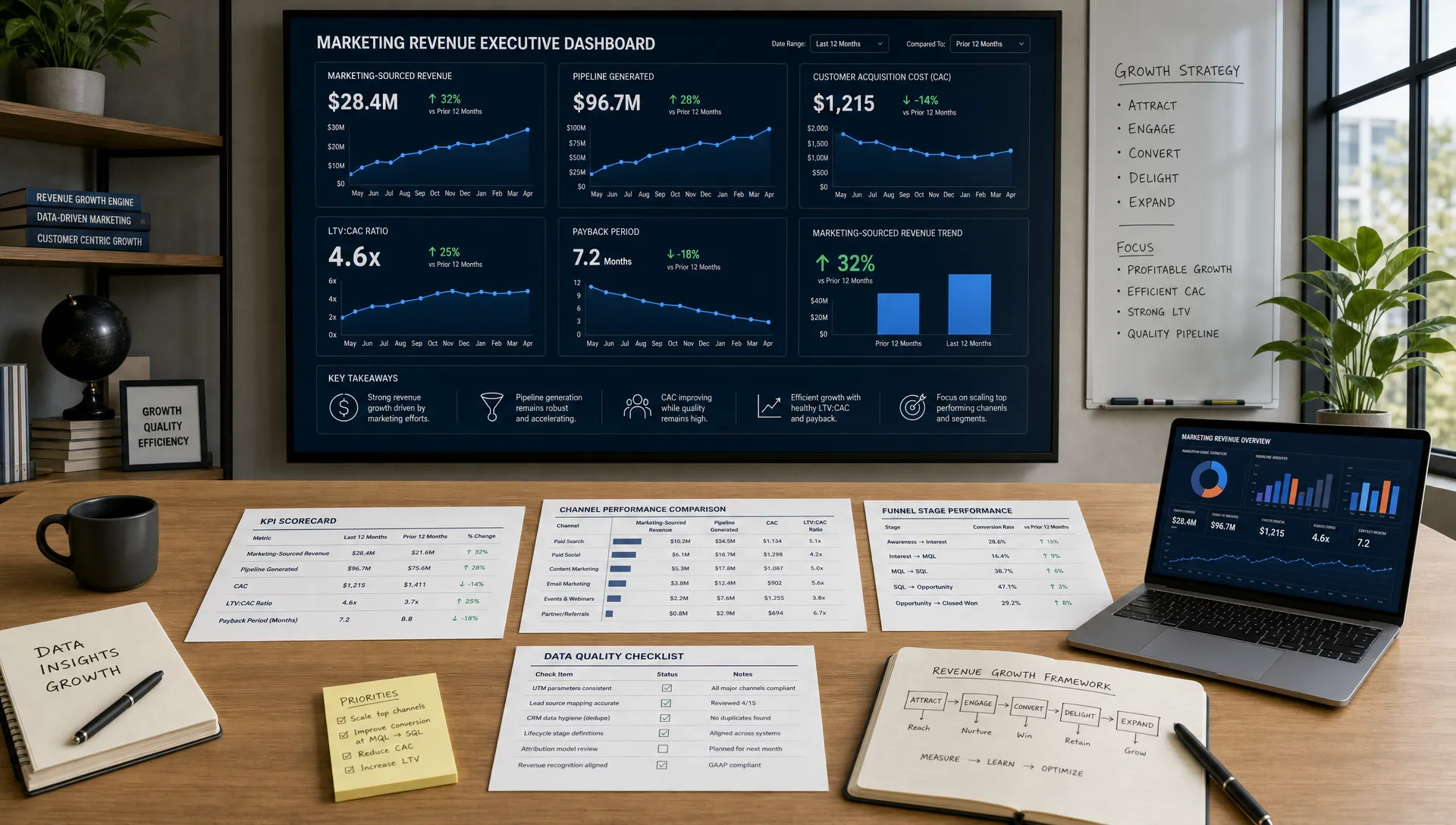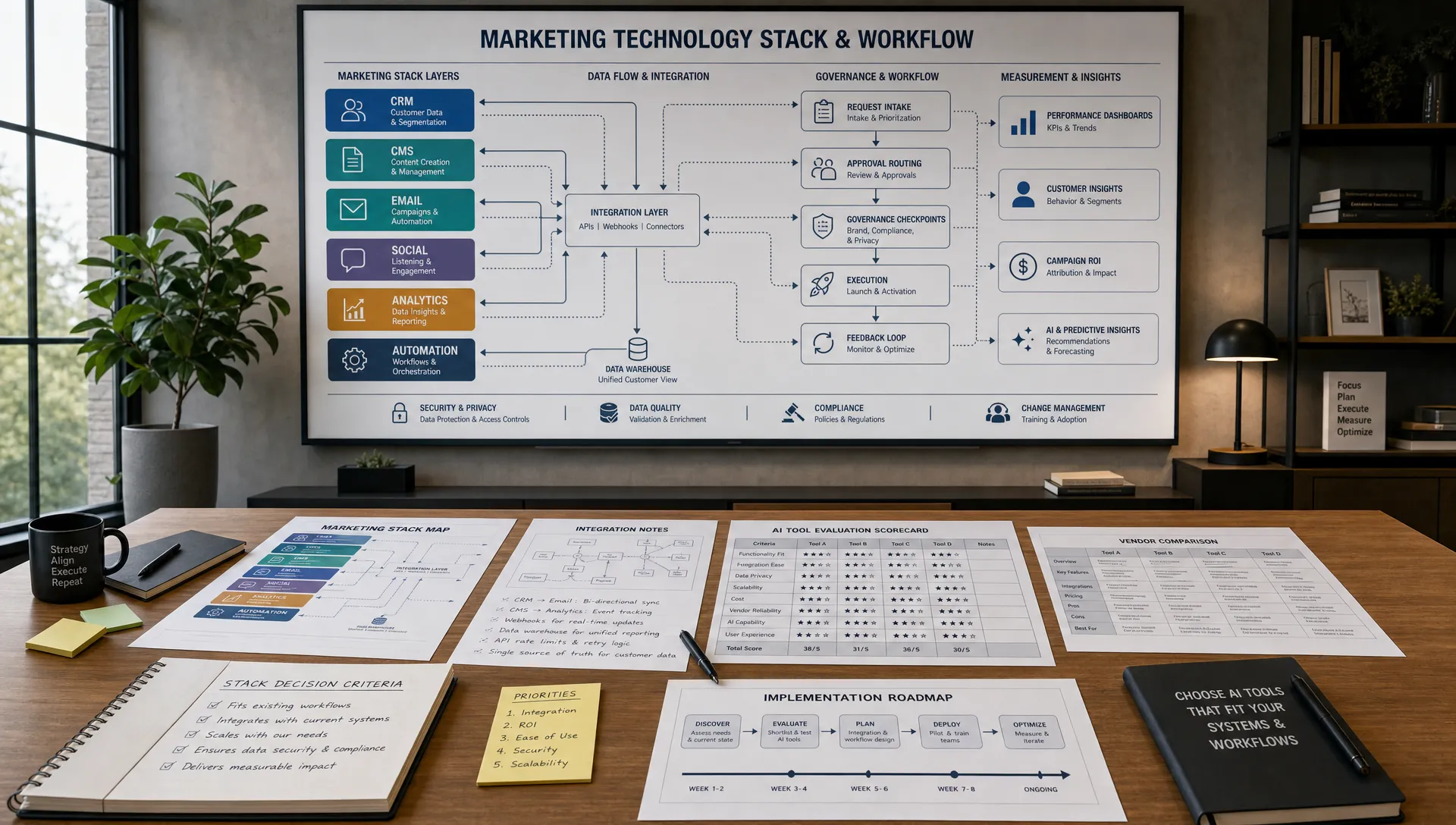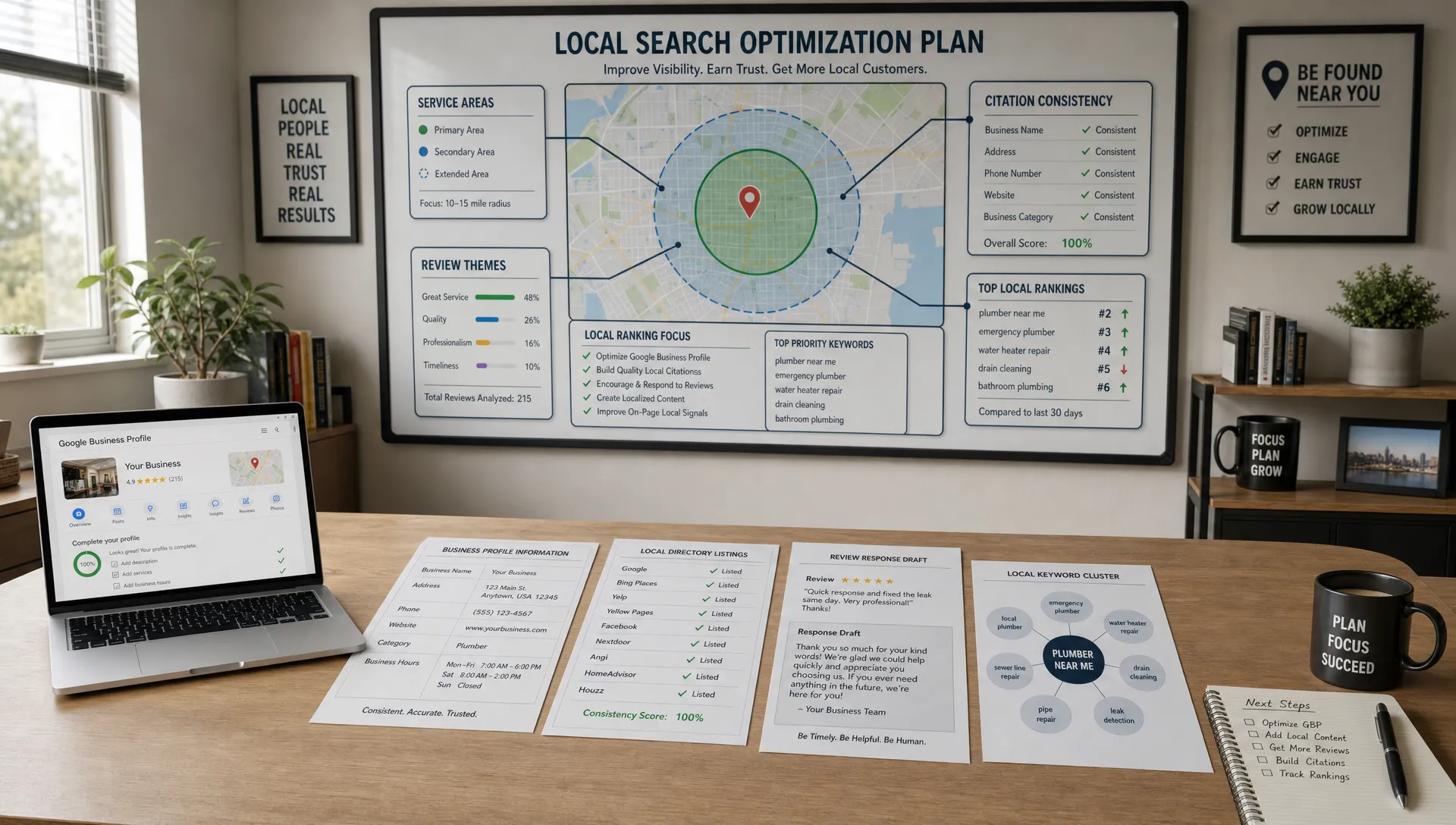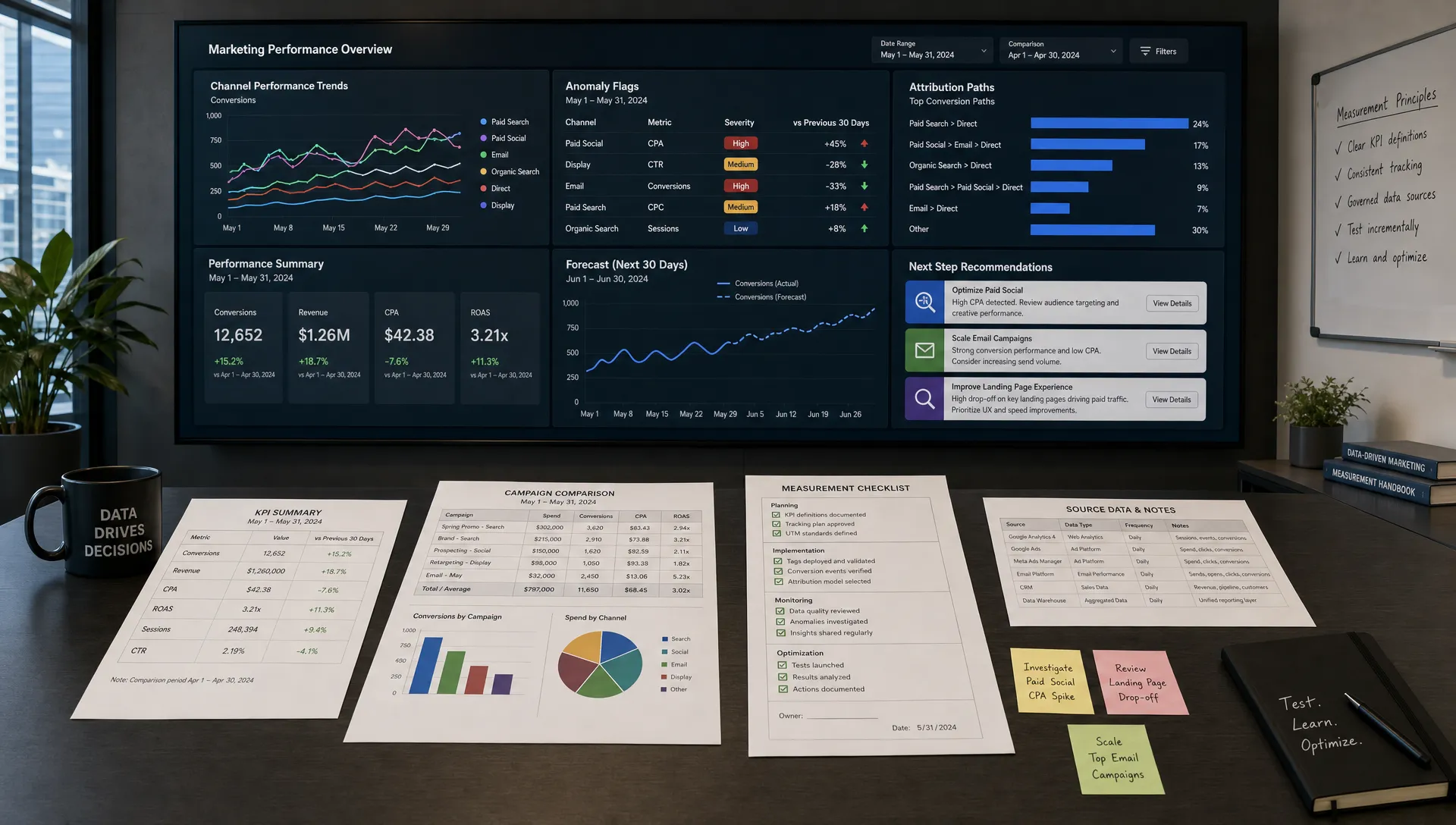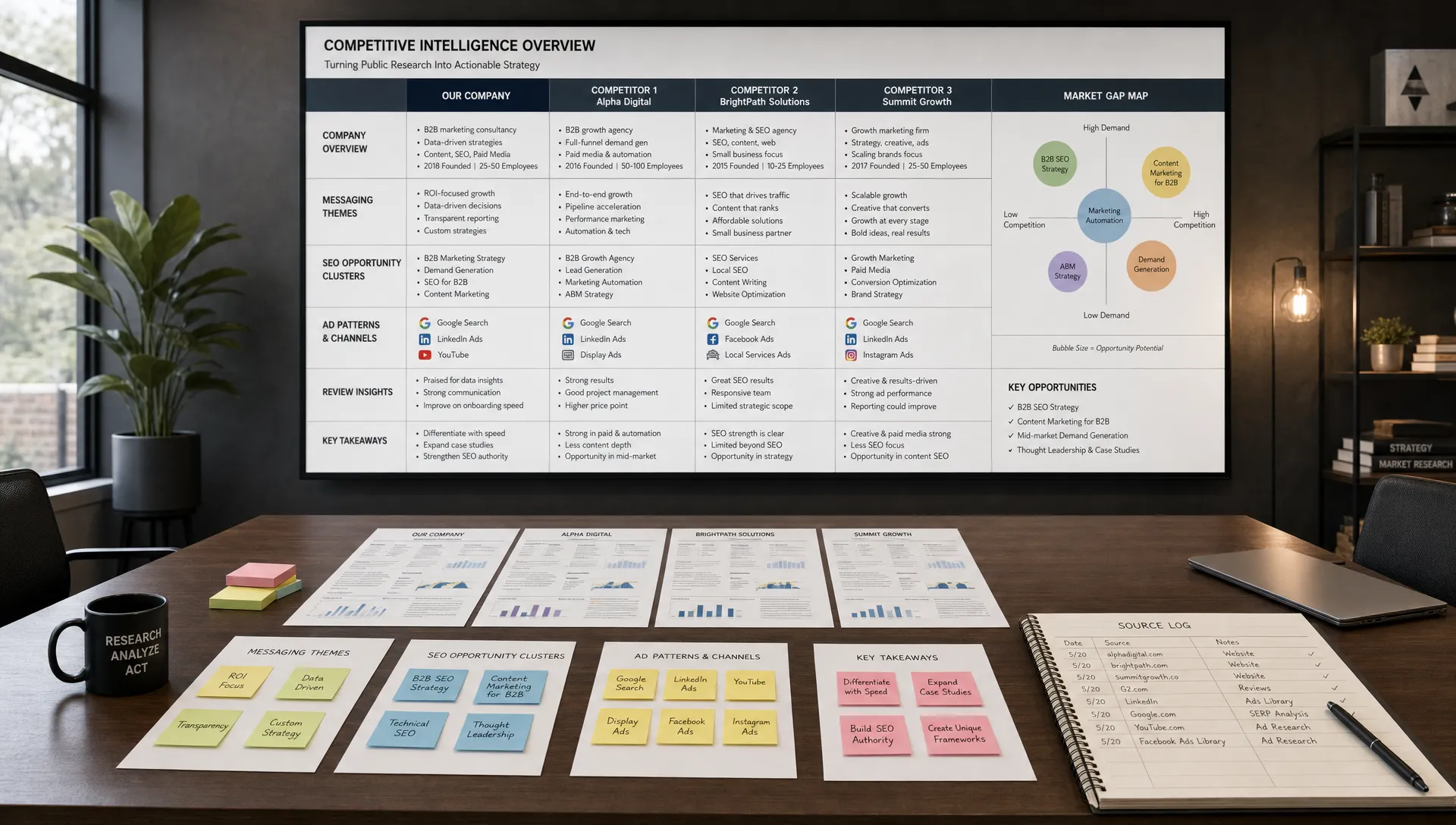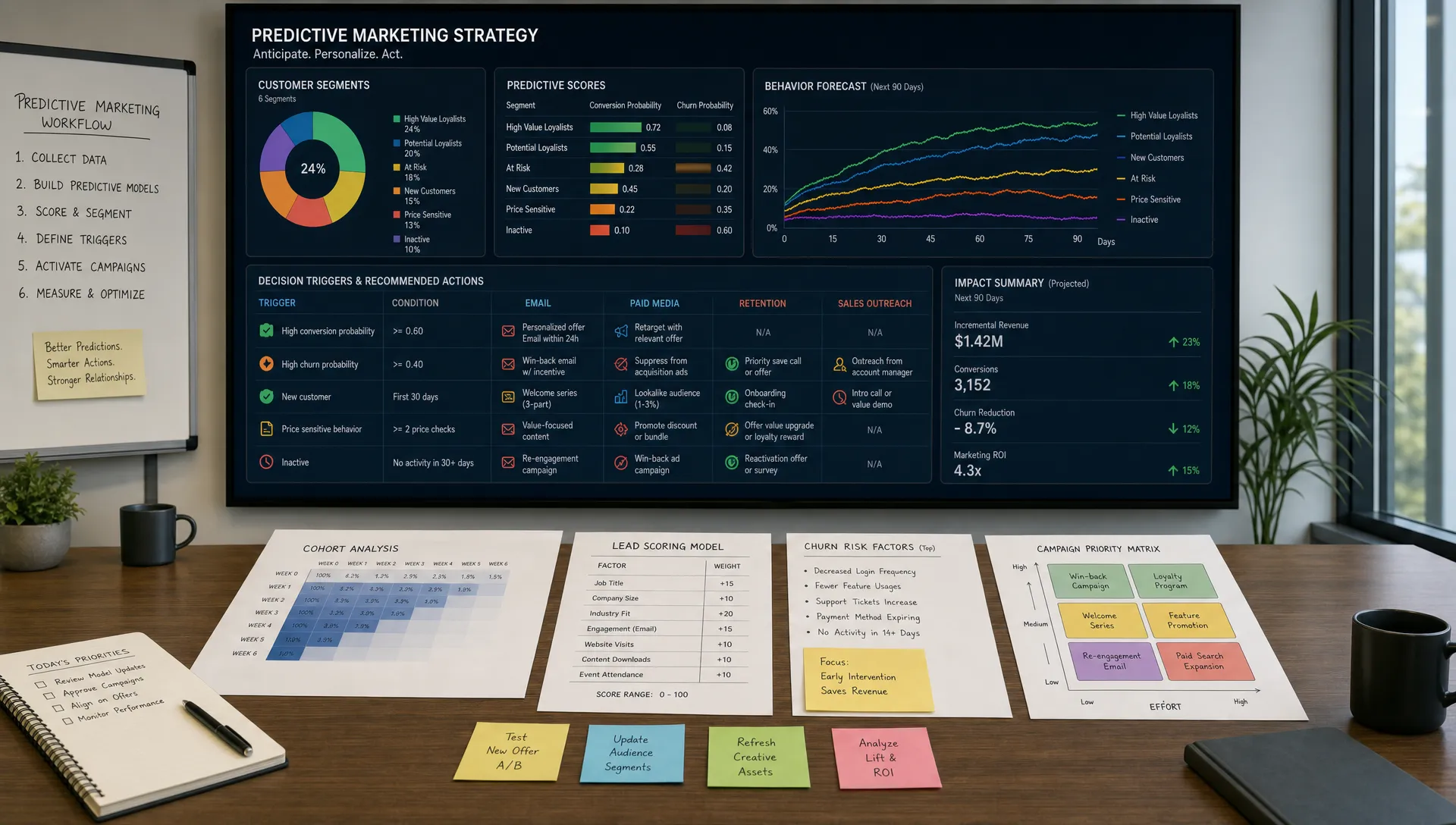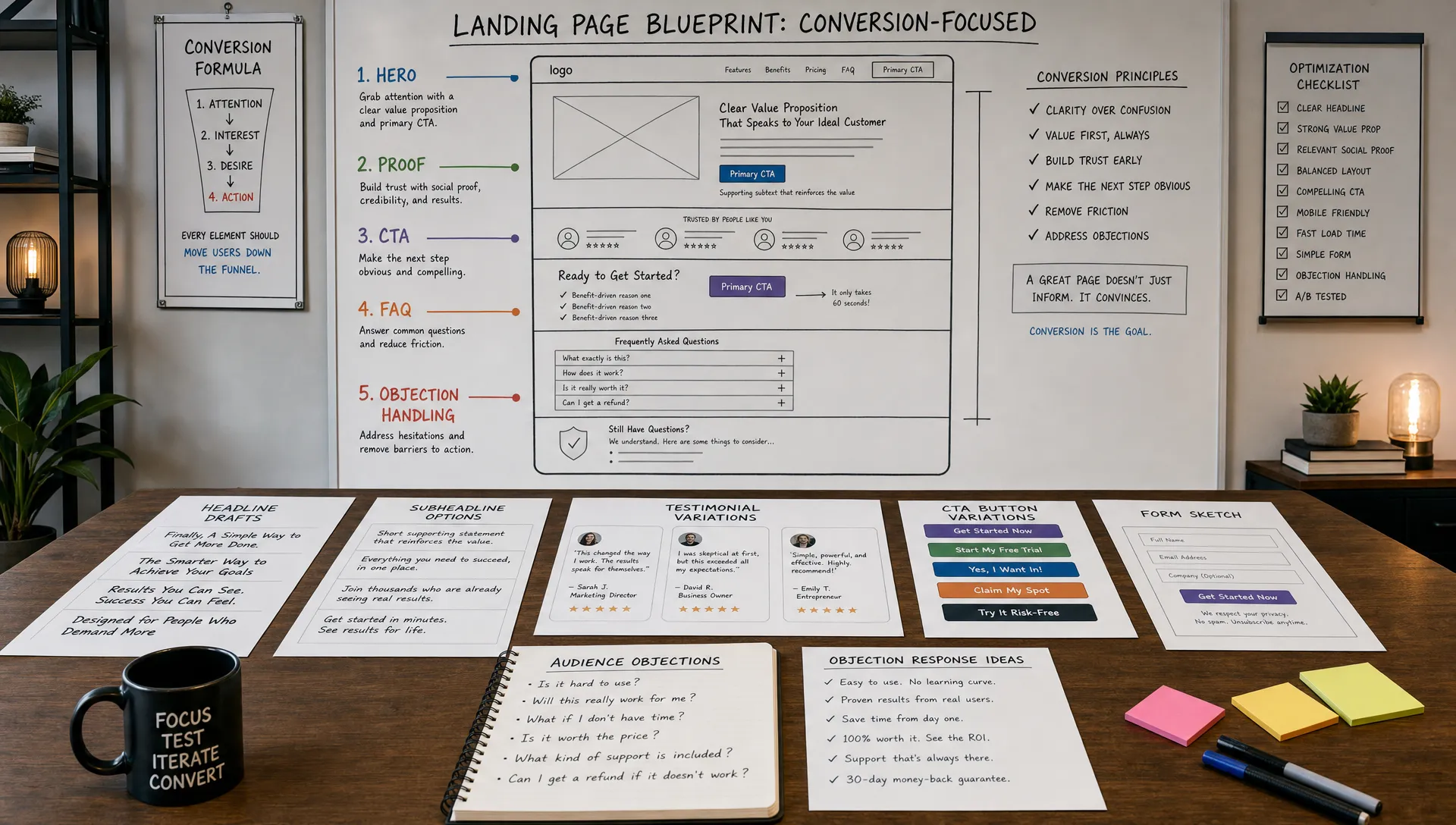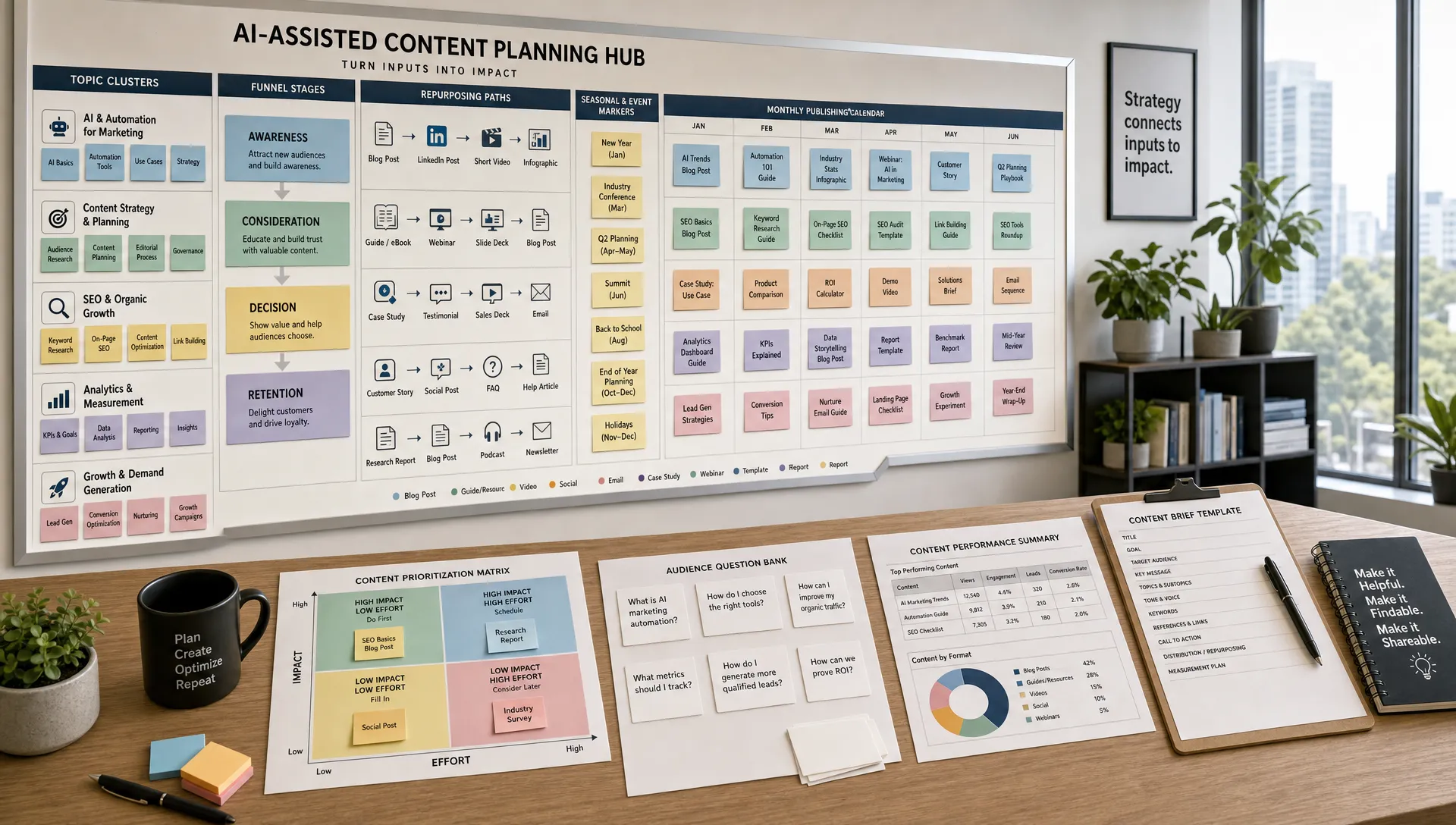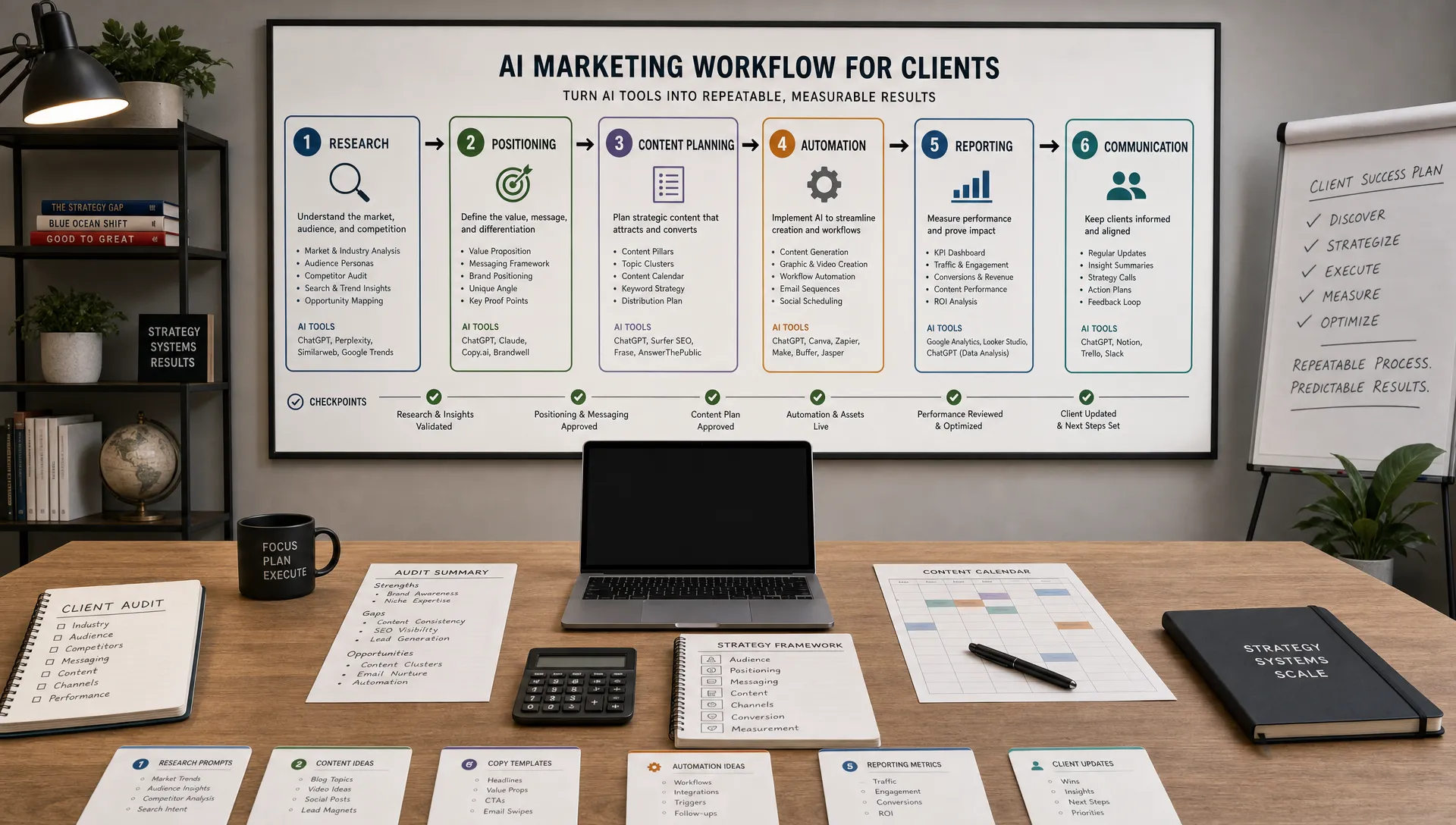
Consultants do not need more AI demos. They need tools that help them win the next client, diagnose the right growth problem, build a sharper strategy, and deliver measurable work without adding more admin. The best AI marketing tools for consultants are not always the flashiest platforms. They are the tools that convert expertise into repeatable workflows: research, positioning, content creation, campaign execution, reporting, and client communication.
That shift is no longer theoretical. McKinsey’s 2024 State of AI report found that 72% of surveyed organizations had adopted AI in at least one business function. For consultants, this means AI literacy has become part of the client expectation. Your clients may not know which tools to trust, but they do expect faster insights, better campaign output, and clearer performance reporting.
The right stack can help you deliver all three. The wrong stack creates more tabs, more subscriptions, and more generic work. This guide focuses on tools that are practical for consultants, not just marketing teams with large internal departments.
A consultant-friendly tool should improve both your delivery quality and your operating leverage. If a platform only creates more content without improving diagnosis, decision-making, or client outcomes, it is not a strategic tool. It is just another production shortcut.
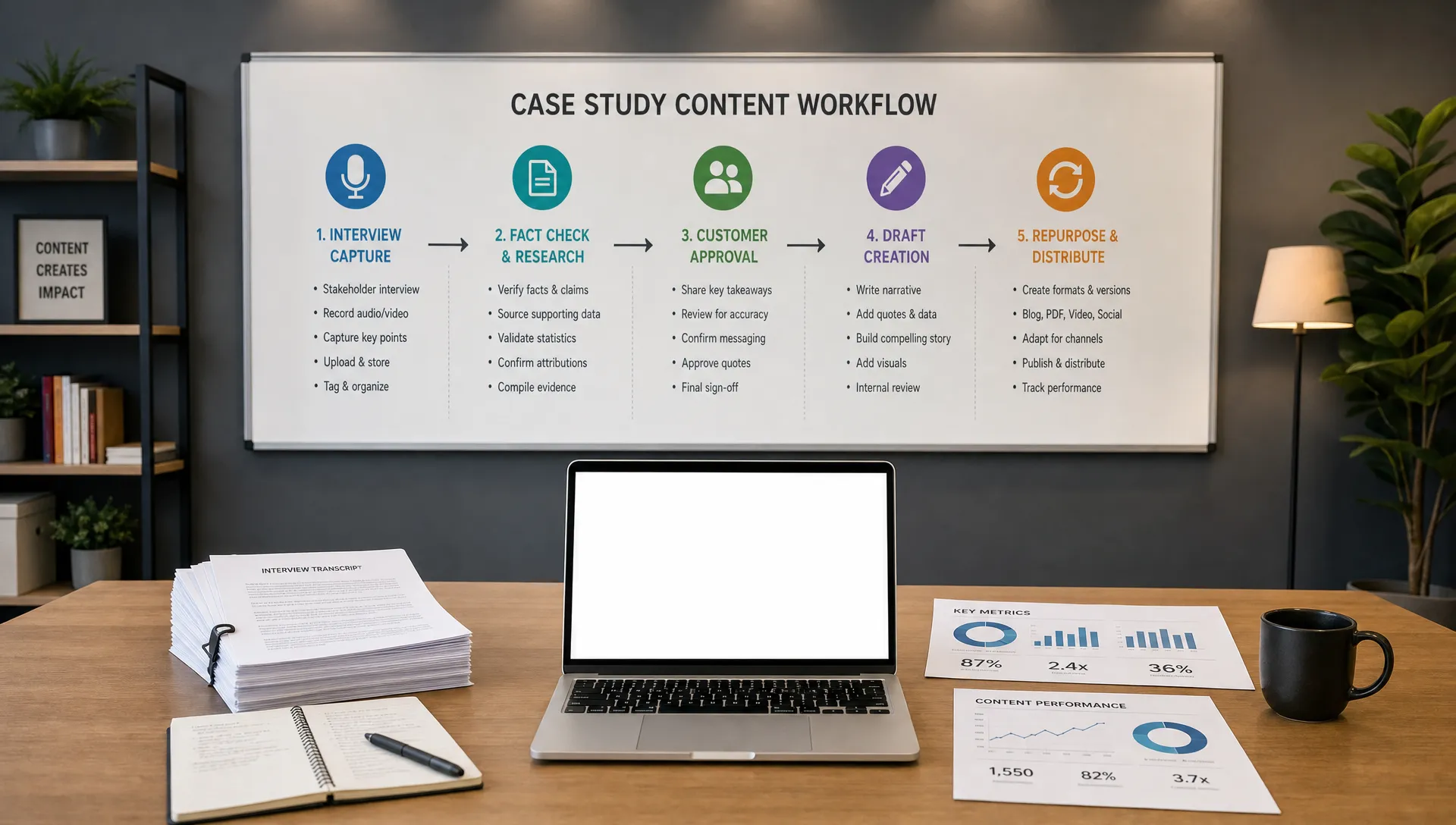
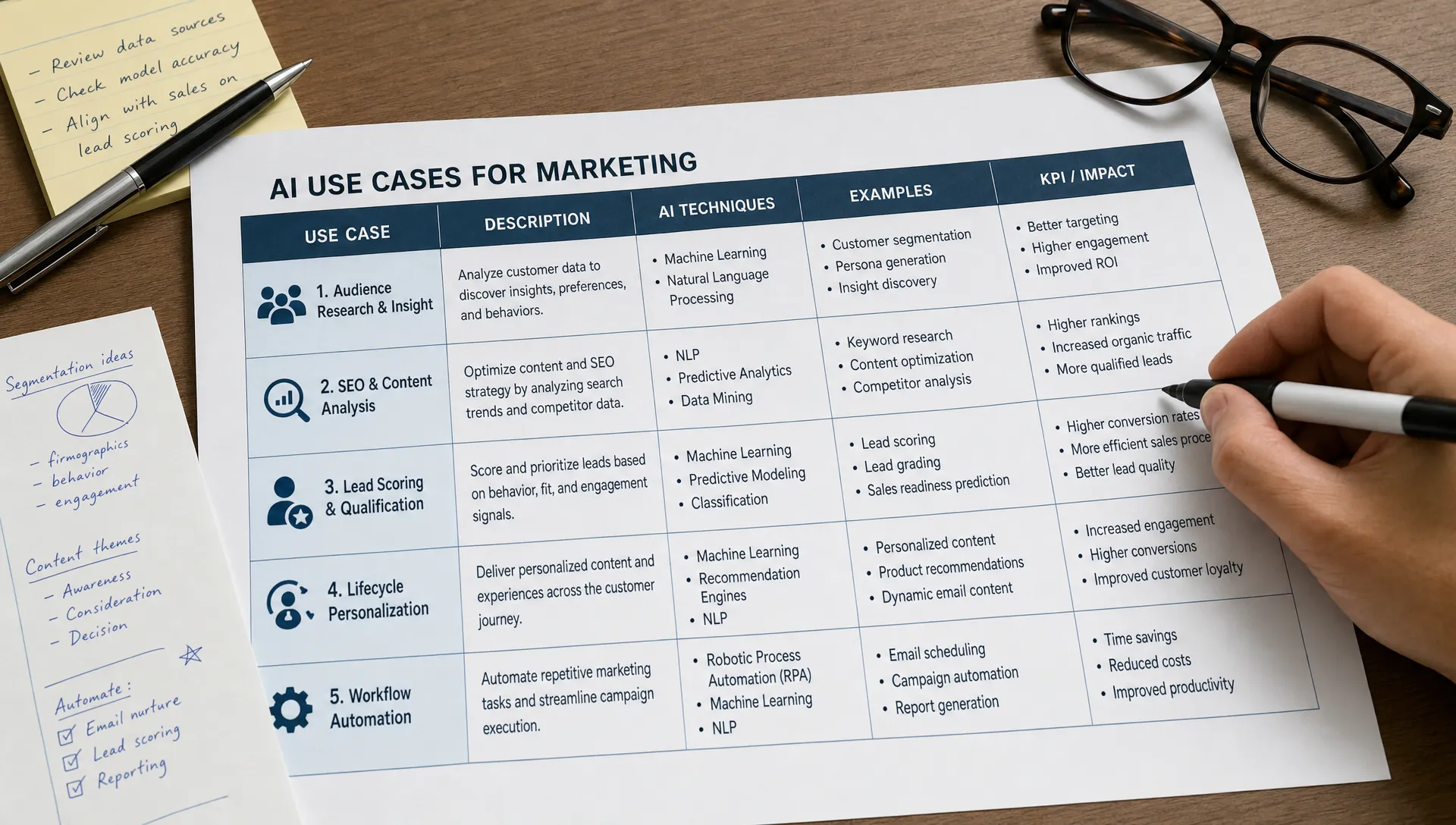
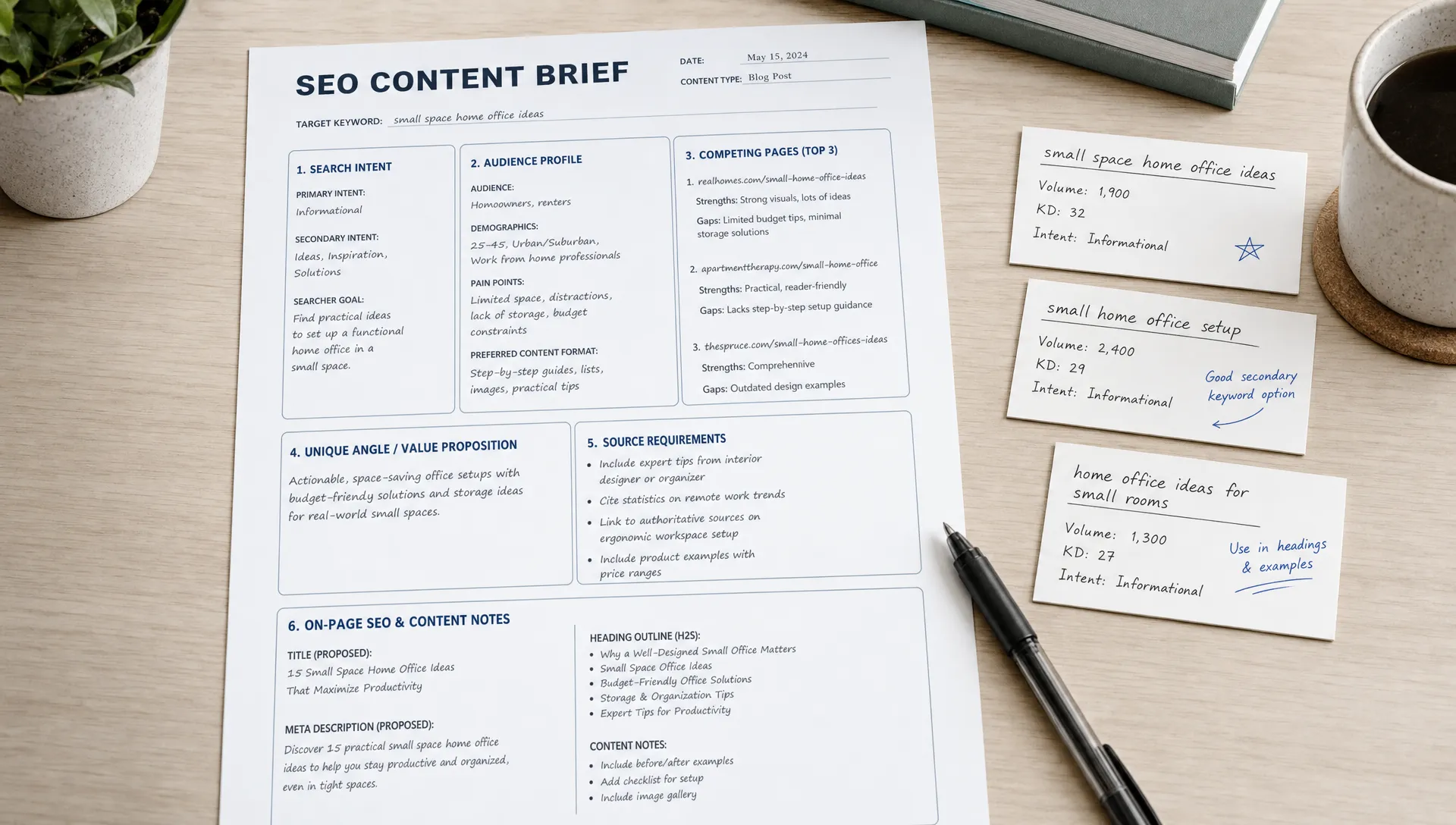
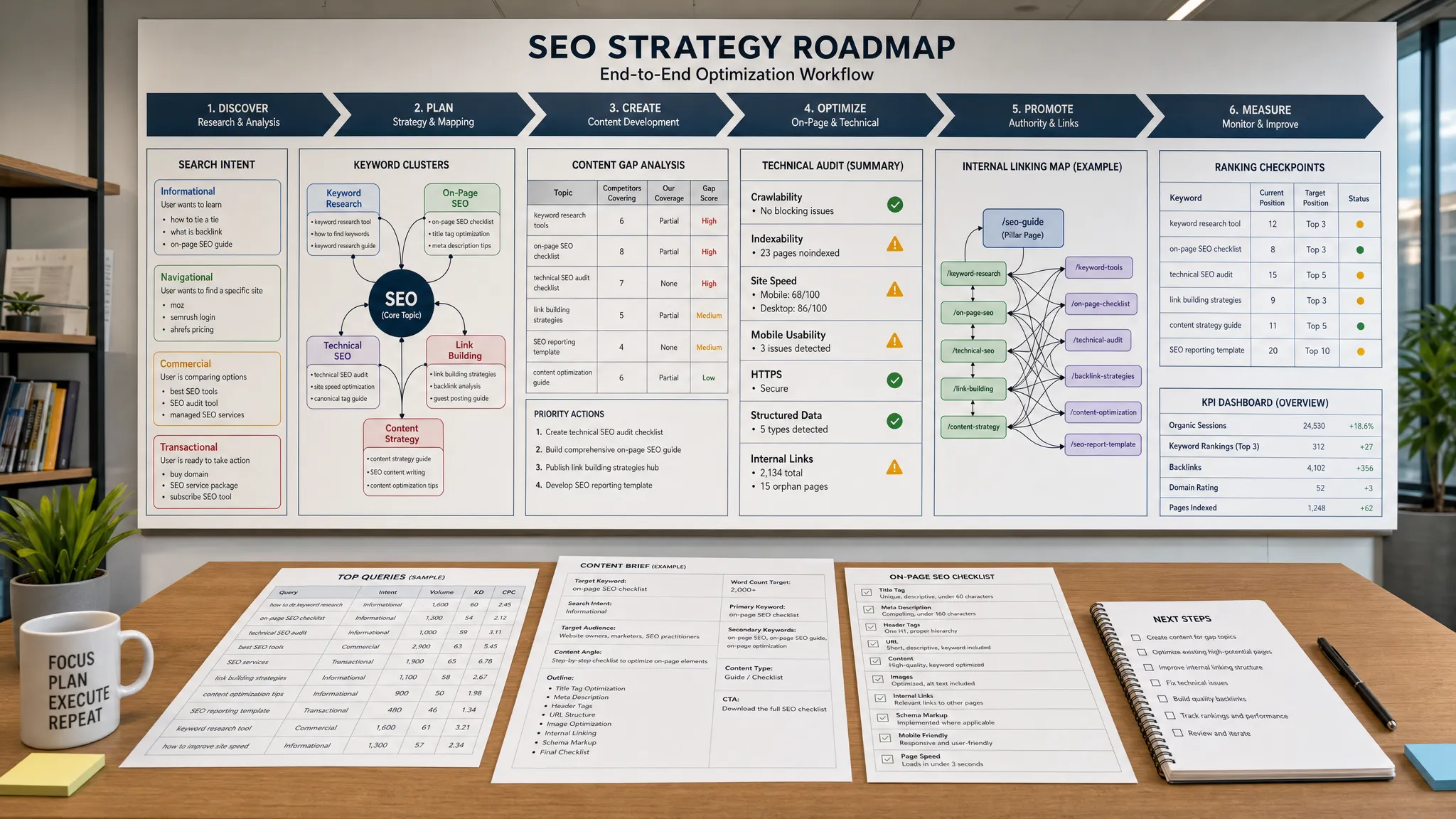
Before choosing software, map the repeatable work that shows up across your client engagements. Most consultants need help in a few core areas: market research, messaging, content planning, SEO, campaign execution, sales enablement, analytics, and workflow automation. A good AI marketing stack should reduce bottlenecks in those areas while keeping your judgment at the center.
Look for tools with these traits:
If you are evaluating a broader platform rather than a focused tool, AIMarketer Hub’s guide on how to pick the right AI marketing platform is a useful next step.
The list below is organized around consulting workflows, not feature checklists. A solo content consultant and a B2B growth advisor may need different tools, but both need a stack that turns strategy into execution.
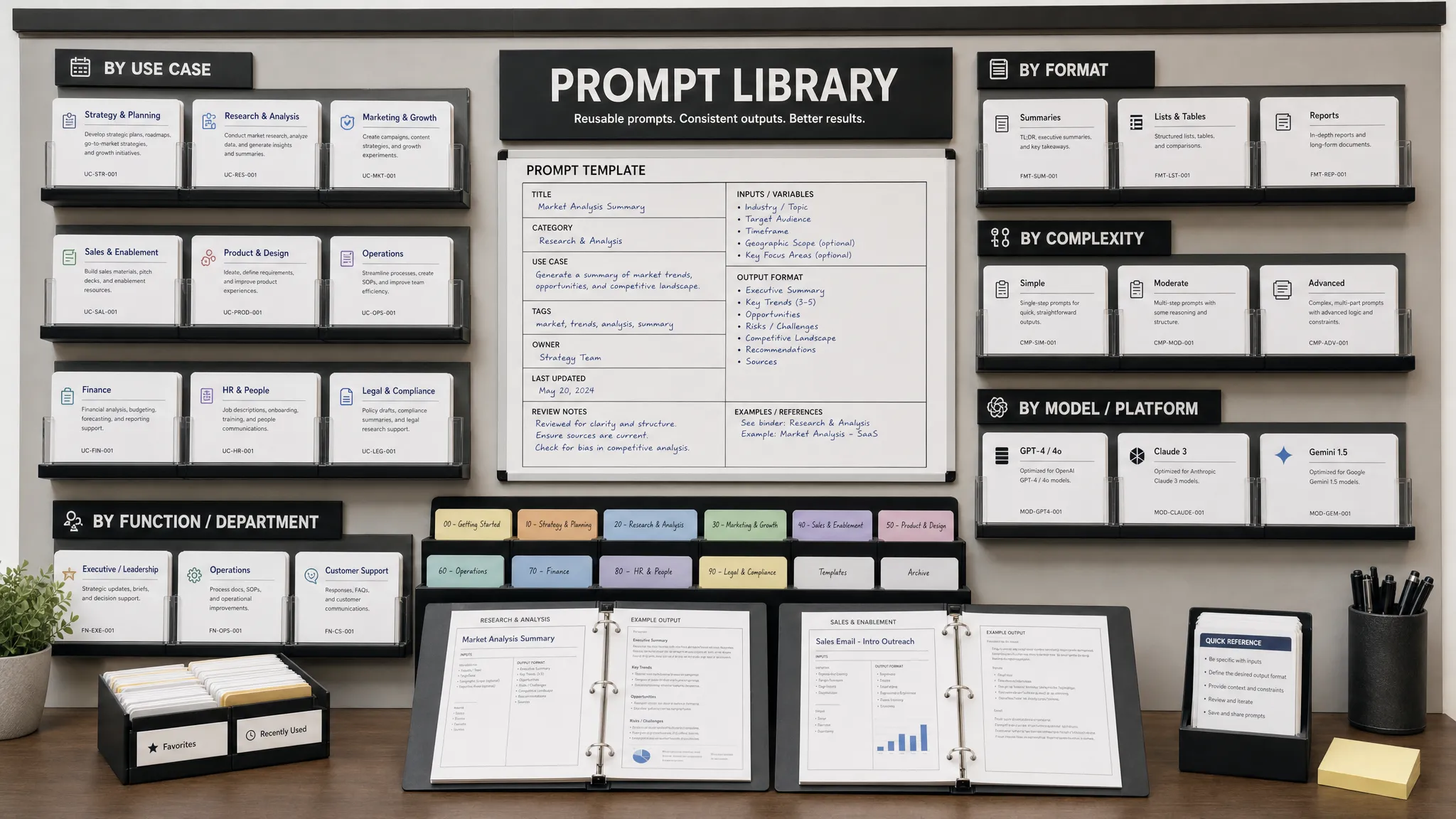
AIMarketer Hub is useful for consultants who want a central resource for AI-powered marketing tools, expert guides, prompt support, SEO resources, calculators, and industry-specific marketing insights. Instead of jumping between scattered templates and generic advice, consultants can use it as a practical starting point for campaign planning, content workflows, and client-specific research.
Its value is especially clear when you need to move from idea to action quickly. For example, a consultant preparing a client growth audit might use AIMarketer Hub to structure content opportunities, explore marketing automation angles, or support client planning with calculators and curated resources.
Best for: consultants who want a practical resource hub for AI marketing, content creation, SEO planning, performance analytics, and repeatable workflows.
Consultant tip: use resource hubs like this to standardize your process. The more repeatable your discovery, content planning, and reporting workflows become, the easier it is to scale without lowering quality.
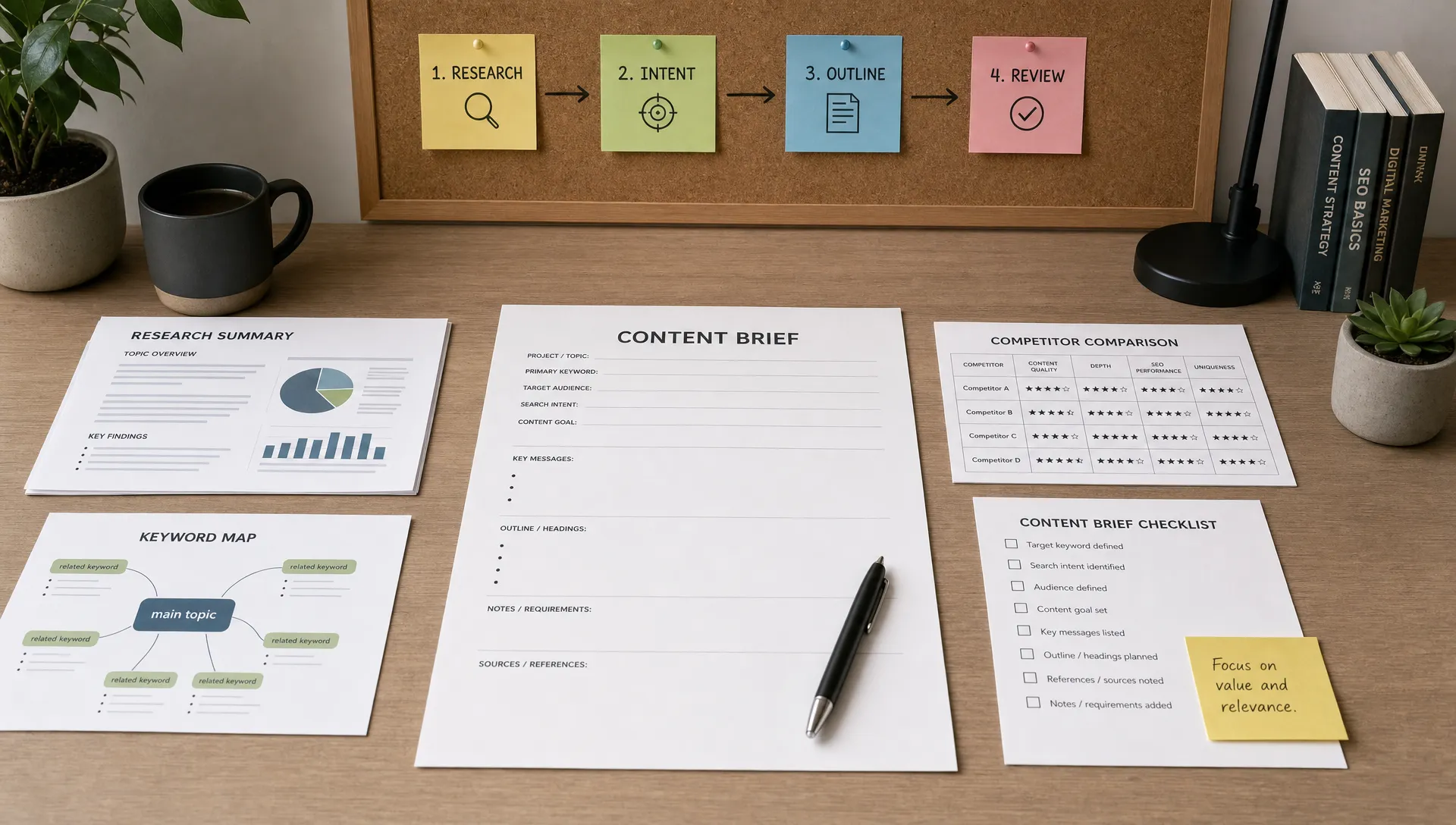
ChatGPT is one of the most flexible tools in a consultant’s AI stack. It can help you draft positioning options, build content briefs, summarize call notes, generate proposal outlines, create campaign angles, and pressure-test messaging before you present it to a client.
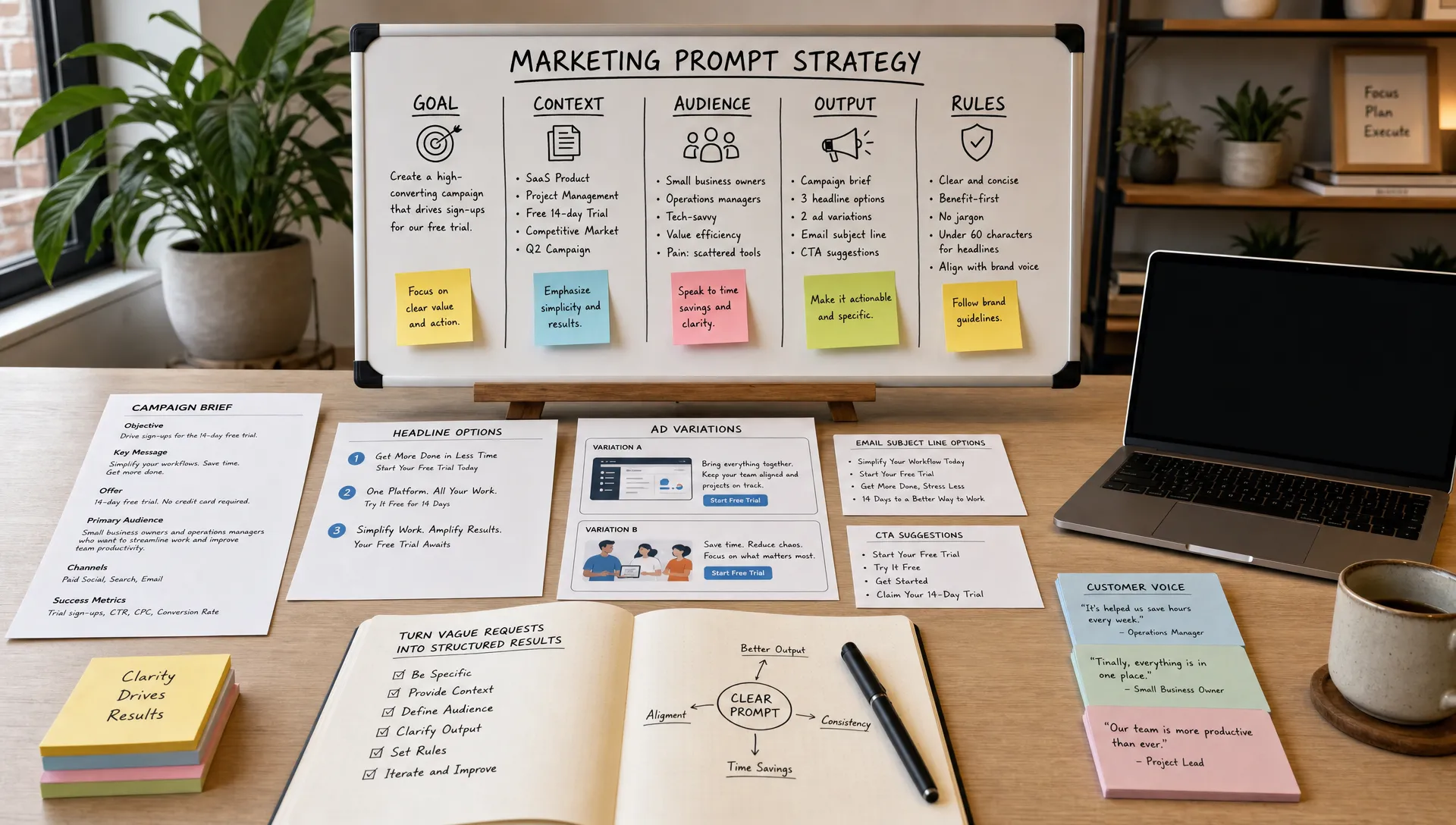
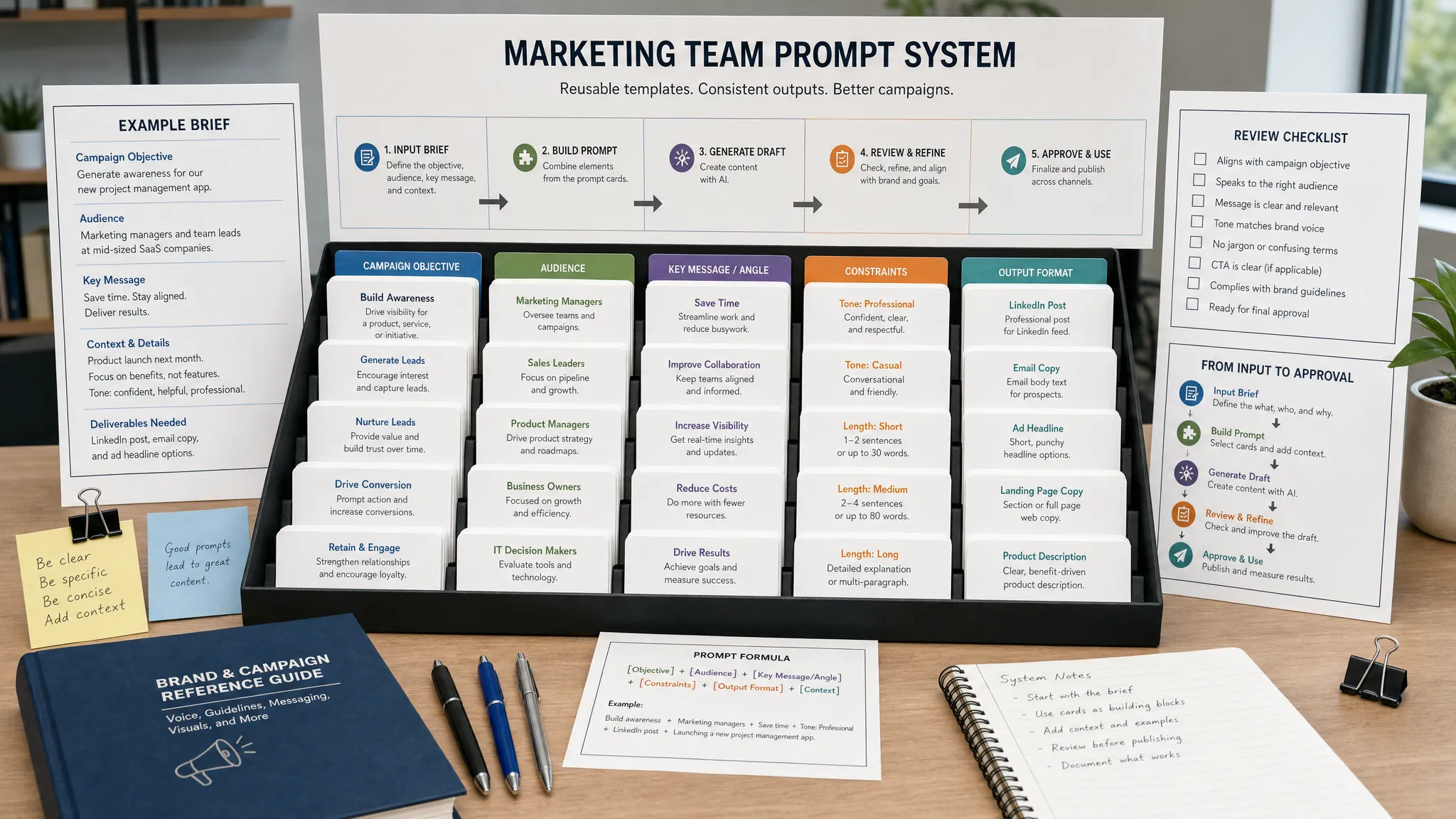
The best use cases are not one-line prompts. Consultants get stronger results when they provide context such as the client’s audience, offer, funnel stage, competitors, constraints, tone, and success metrics. Instead of asking for a marketing plan, ask for three strategic hypotheses, the assumptions behind each one, likely risks, and the data needed to validate them.
Best for: general strategy support, ideation, first drafts, campaign planning, and consultant productivity.
Consultant tip: never treat the first output as final. Use ChatGPT as a thinking partner, then refine the work with your market knowledge, client context, and professional judgment.
Claude is particularly strong for long-form reasoning, document analysis, and clear written communication. Consultants often work with messy inputs: discovery notes, customer interviews, sales decks, product documentation, content inventories, and client feedback. Claude can help organize that information into coherent summaries, strategic themes, and client-ready drafts.
It is also useful when you need a calmer, more polished writing style for executive audiences. For example, you might use Claude to turn a complex marketing audit into a concise board-level narrative, or to transform a tactical content plan into a strategic roadmap.
Best for: long documents, strategy memos, client communication, message refinement, and synthesis.
Consultant tip: feed it examples of the writing style you want. AI output improves dramatically when it has a clear model for structure, tone, and depth.
Perplexity is helpful when you need fast research with visible sources. Consultants can use it to scan market trends, understand category language, compare competitors, identify recent industry shifts, or find supporting evidence for a recommendation.
This is especially useful during discovery, when you need to quickly get oriented in a new client’s market. It can speed up the early research phase, but it should not replace primary sources, customer interviews, or direct competitive analysis.
Best for: market research, trend scanning, competitor context, and source discovery.
Consultant tip: use Perplexity to find leads and sources, then verify important claims directly. Your credibility depends on whether the evidence holds up under client scrutiny.
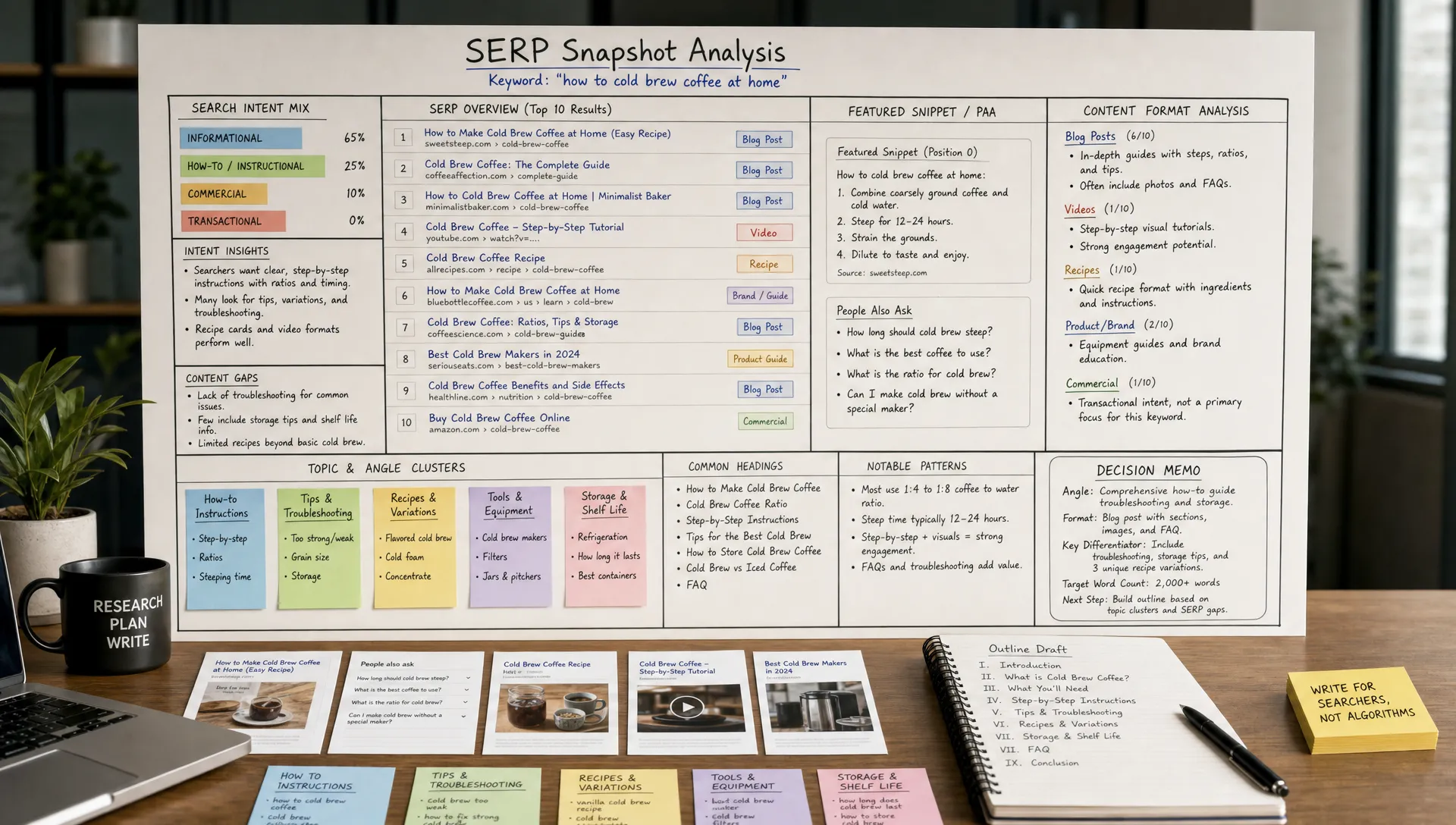
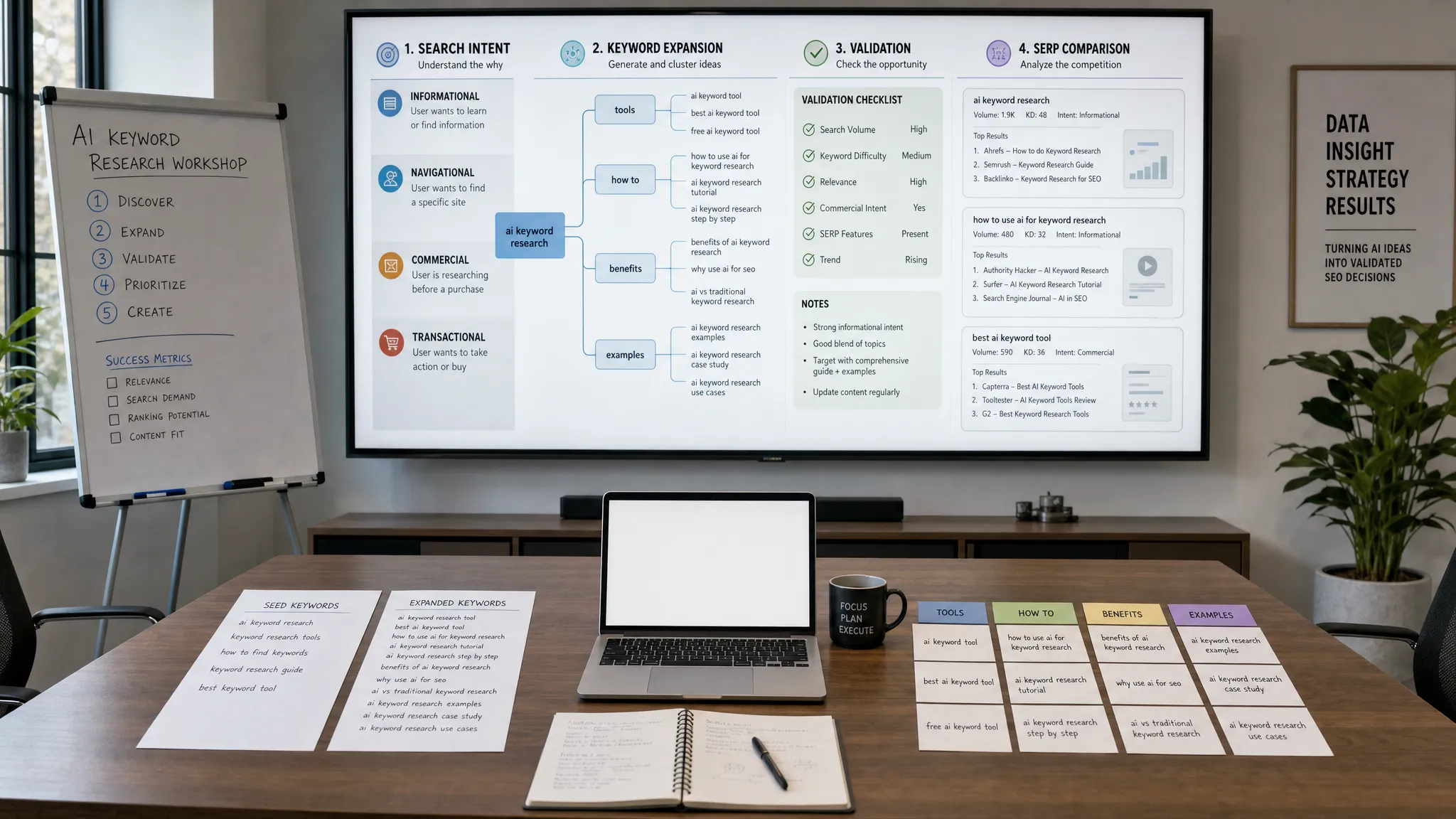
Semrush is a strong choice for consultants who advise on SEO, content strategy, competitive visibility, or digital demand generation. It can help identify keyword opportunities, content gaps, backlink patterns, paid search activity, and competitive movement in search results.
For consultants, the real value is not exporting a long keyword list. It is translating search data into business decisions. Which topics support the sales cycle? Which pages need optimization first? Which competitors are winning because of content depth, authority, or technical strength? Semrush helps surface those questions and gives you the data to answer them.
Best for: SEO audits, content strategy, competitor research, keyword planning, and search performance monitoring.
Consultant tip: avoid overwhelming clients with raw SEO data. Turn insights into prioritized recommendations with impact, effort, and business relevance.
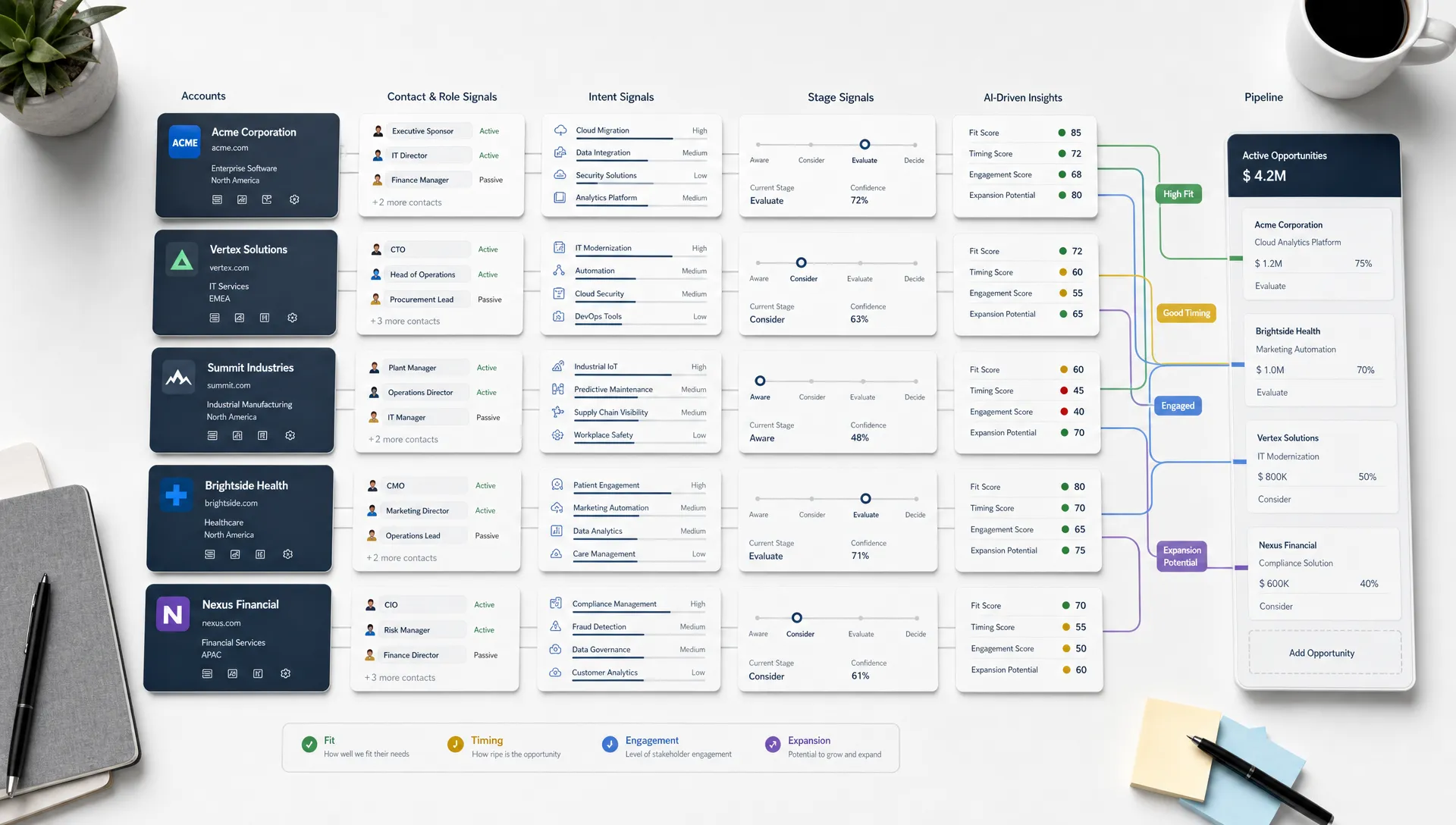
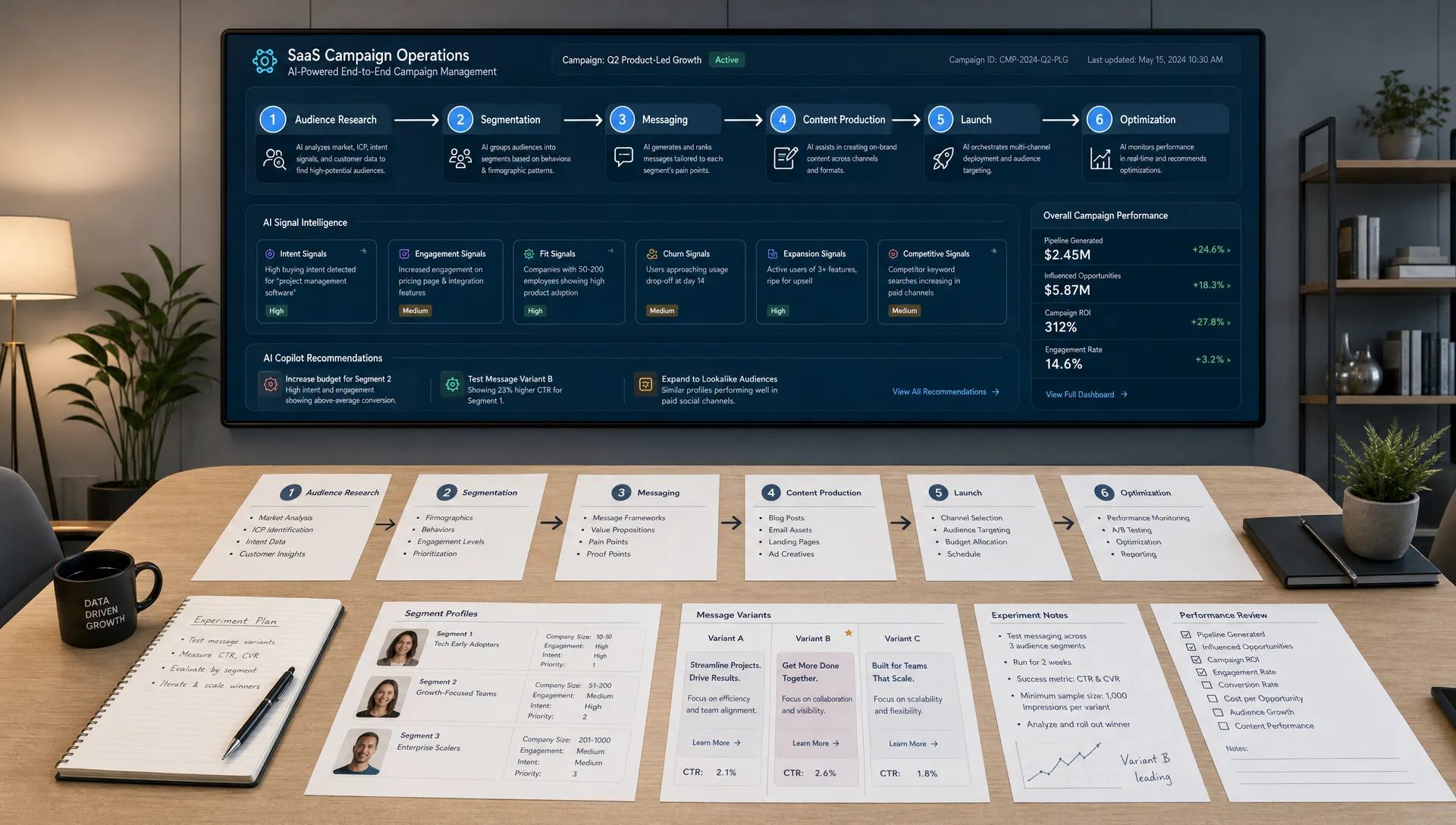
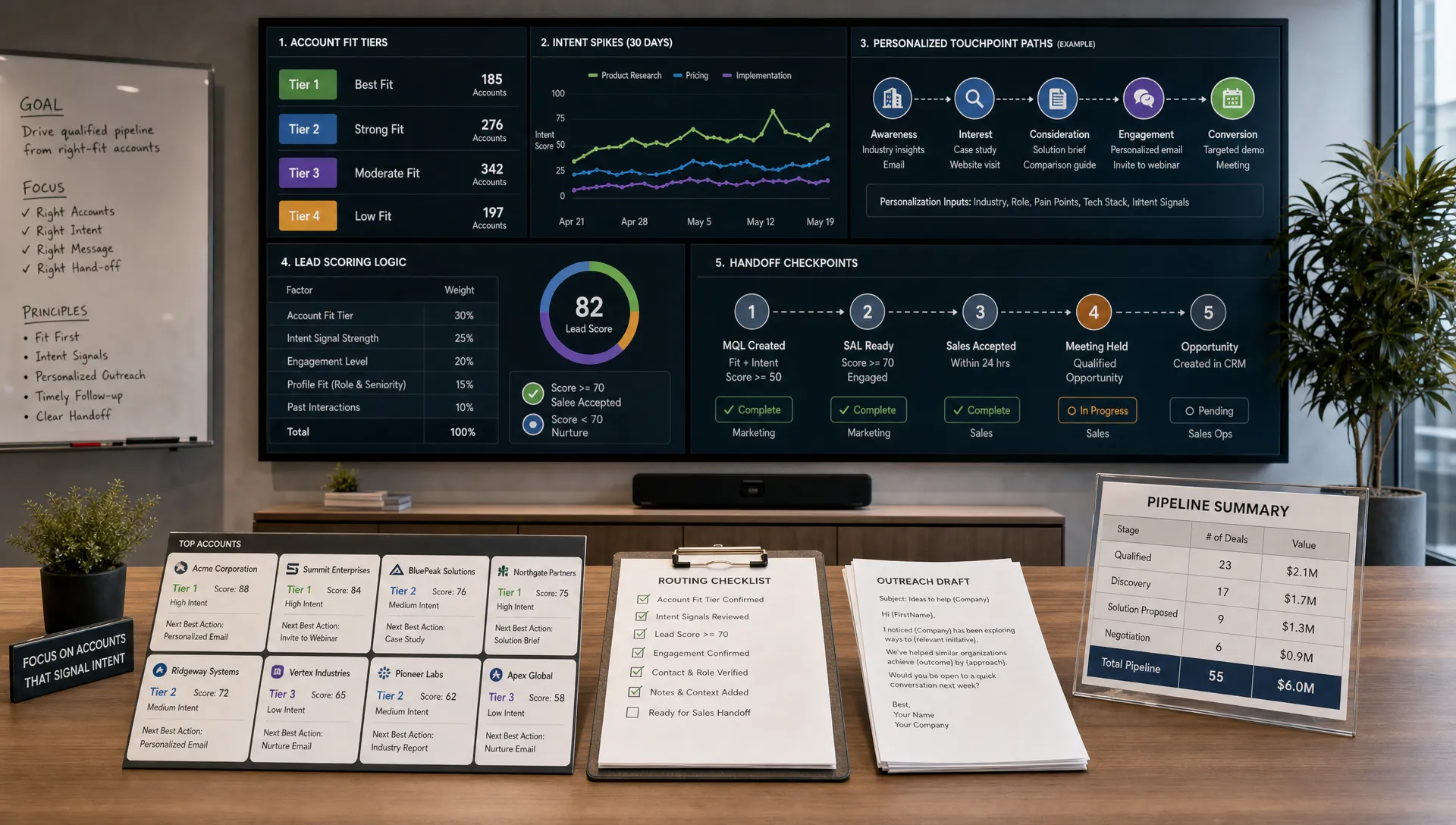
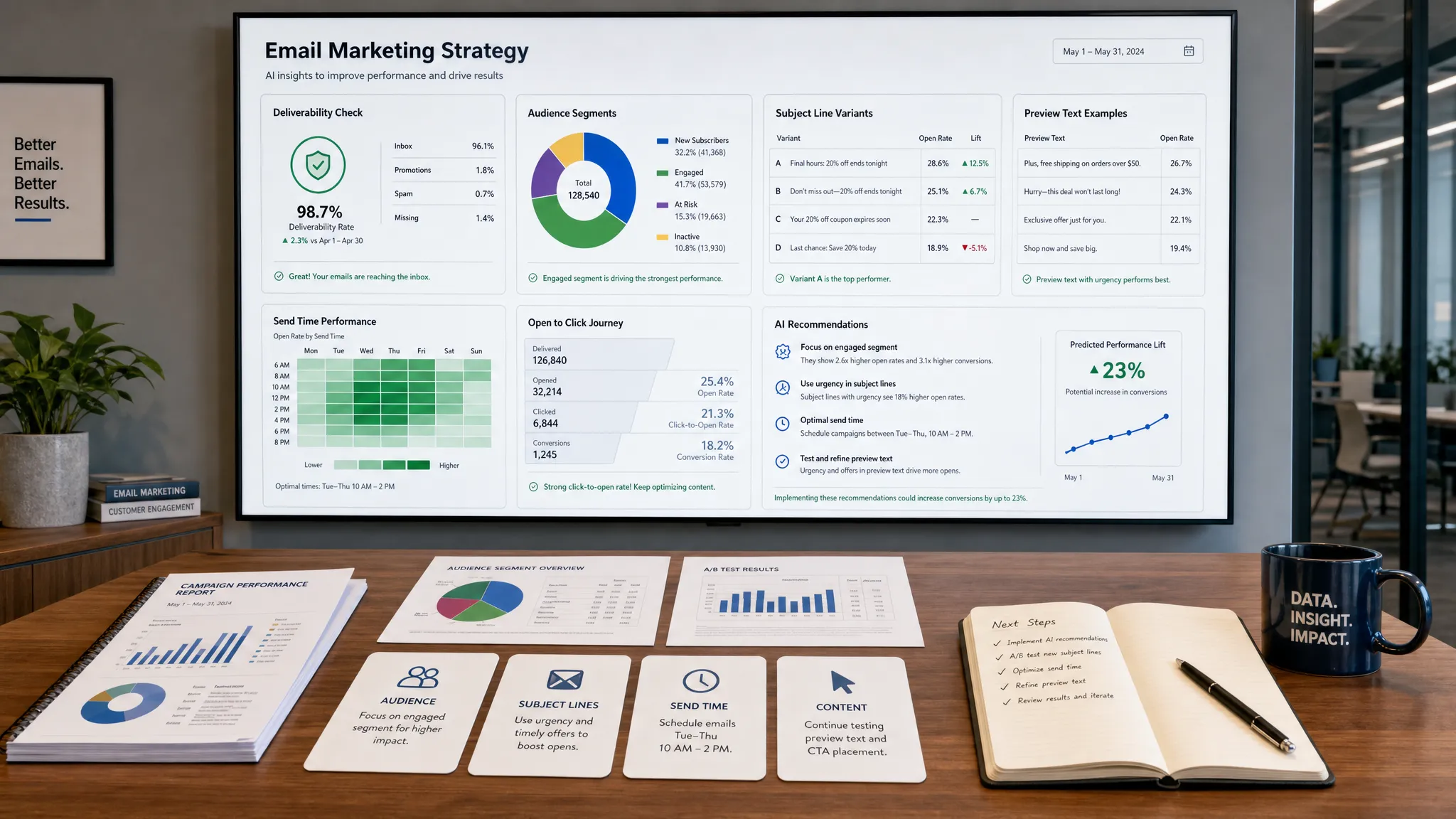
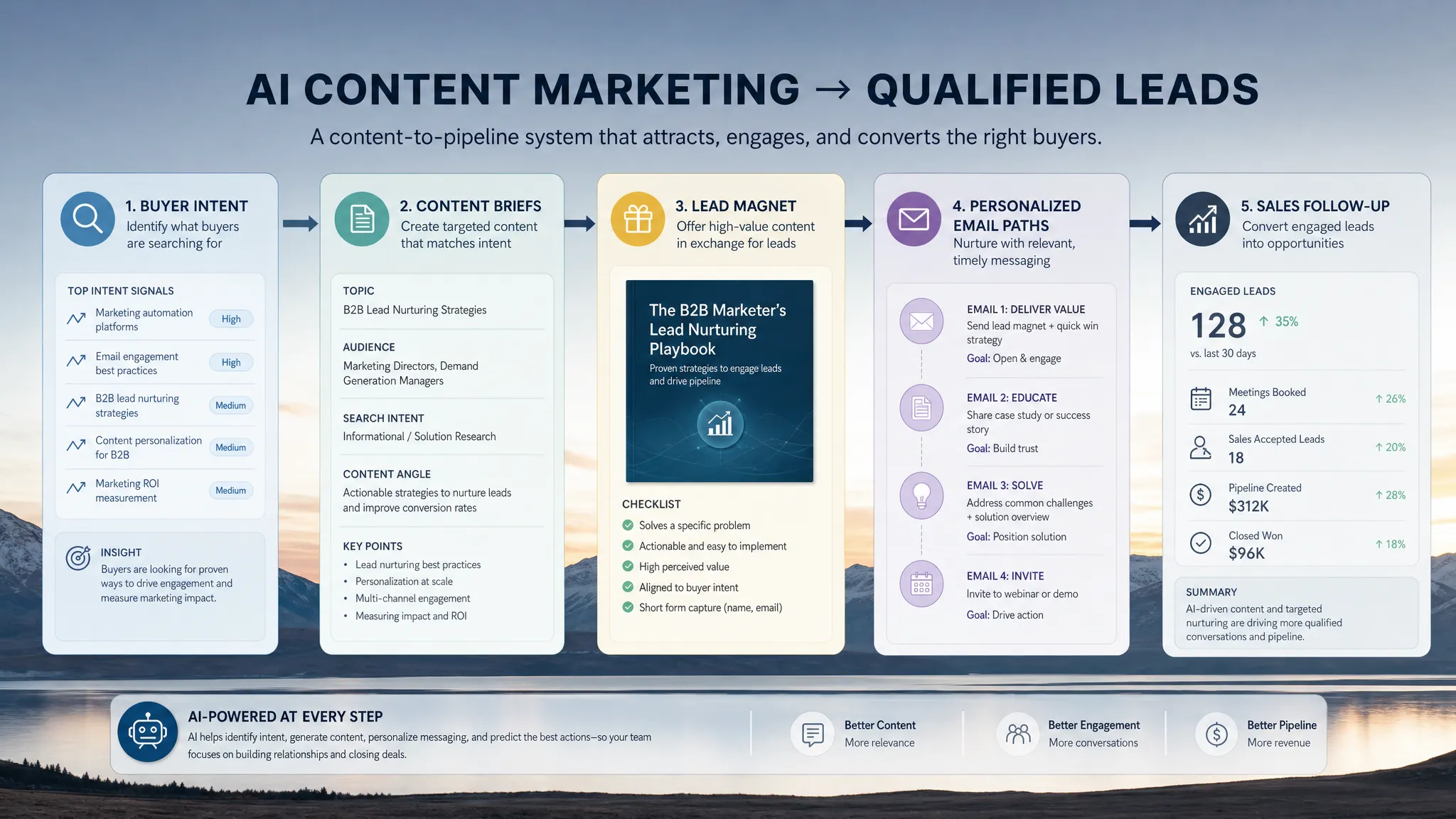
HubSpot is valuable for consultants who work on lead generation, lifecycle marketing, CRM adoption, email campaigns, and sales-marketing alignment. AI is most useful when it connects to real customer and pipeline data, which is why CRM-connected marketing tools matter.
Consultants can use HubSpot to support segmentation, campaign planning, lead nurturing, reporting, and marketing workflow automation. It is especially useful when a client’s biggest problem is not content volume, but disconnected handoffs between marketing, sales, and customer success.
Best for: CRM-based marketing, email workflows, lead nurturing, campaign operations, and client handoff systems.
Consultant tip: define the lifecycle stages and data hygiene rules before automating anything. AI marketing automation only works when the underlying process is clean.
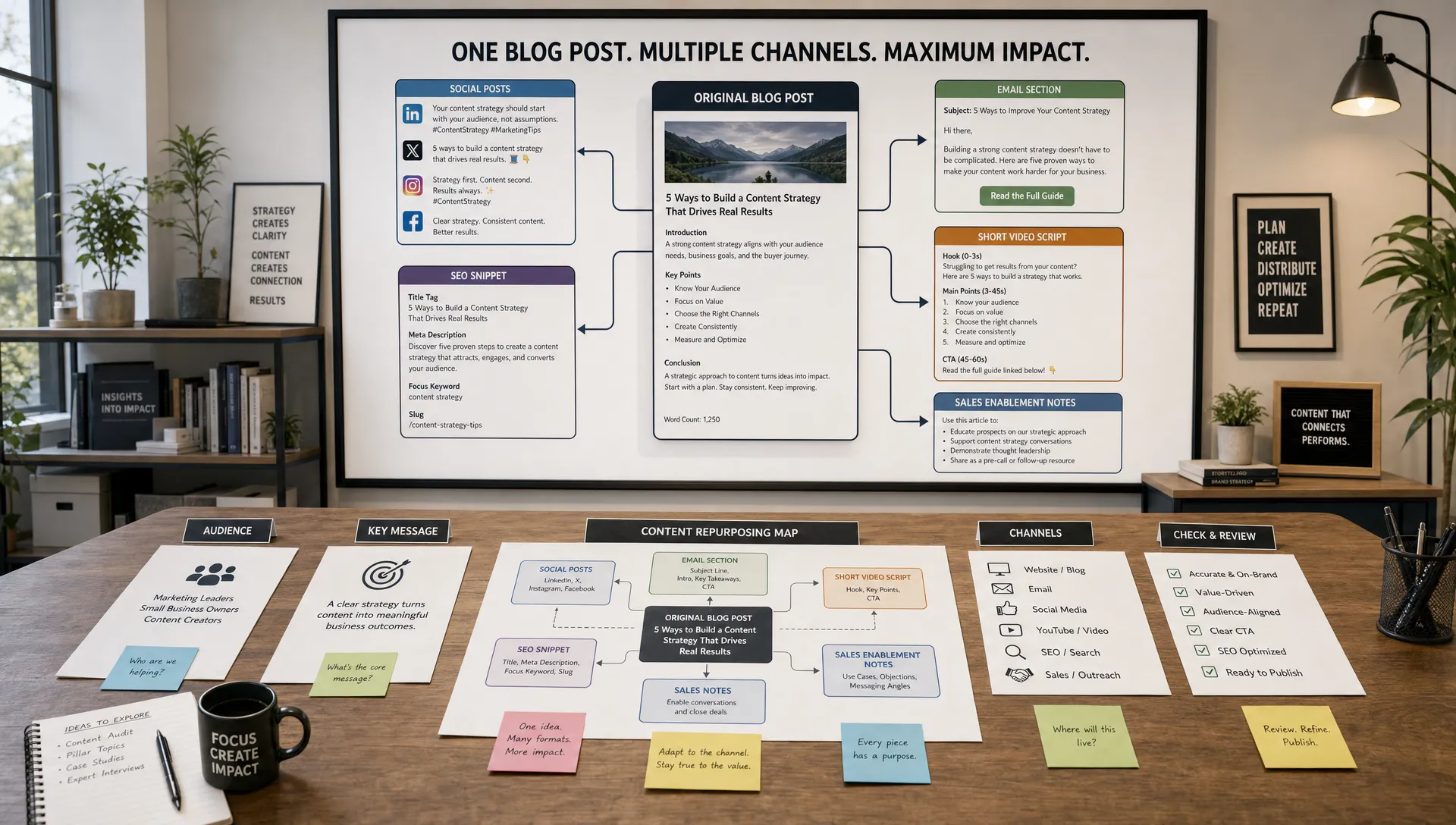
Jasper is built for marketing content production, especially when teams need to create multiple campaign assets while maintaining a consistent brand voice. Consultants who manage content operations, social campaigns, email sequences, or ad creative variations may find it helpful for scaling production.
The key advantage is workflow structure. Instead of creating disconnected AI drafts, you can build repeatable content processes around campaigns, audiences, and brand guidelines. That matters when you are producing assets for multiple clients or helping an internal team increase output without losing consistency.
Best for: content operations, campaign copy, brand voice support, and scalable asset production.
Consultant tip: do not let content volume become the strategy. If brand consistency is a recurring challenge, this AIMarketer Hub article on using AI for marketing without losing your brand voice is worth pairing with your content workflow.
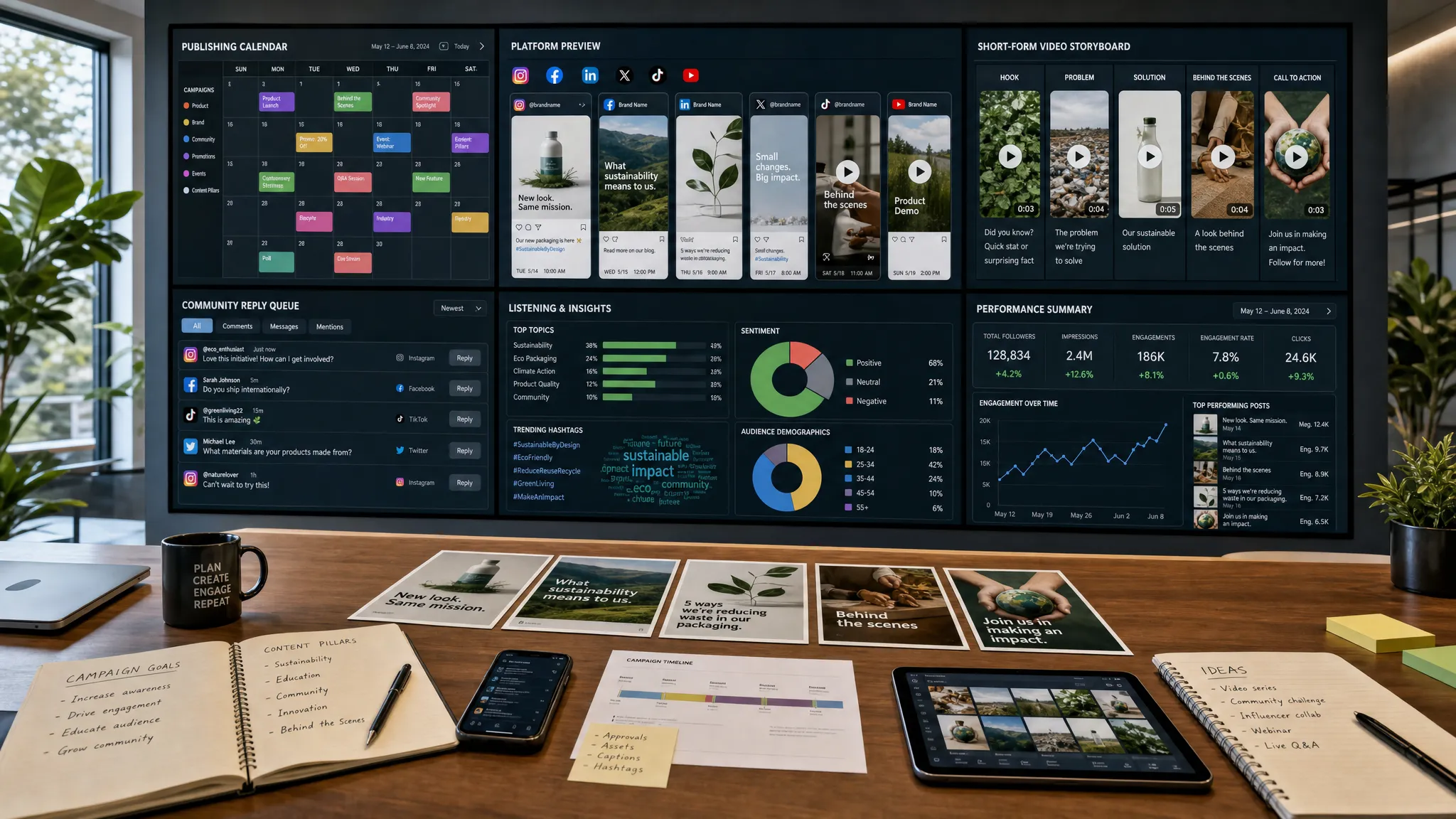
Canva is a practical tool for consultants who need to create client-facing visuals quickly. This includes pitch decks, social posts, report graphics, one-page summaries, workshop materials, and campaign mockups.
AI-assisted design tools are especially helpful when you need to communicate an idea before a full creative team is involved. A consultant can turn a campaign concept into a visual direction, create presentation-ready materials, or help a client understand how a message could show up across channels.
Best for: presentations, social media visuals, campaign mockups, client workshops, and lightweight creative production.
Consultant tip: use Canva to clarify ideas, not to bypass creative strategy. Strong visuals still need a clear audience, message, and objective.
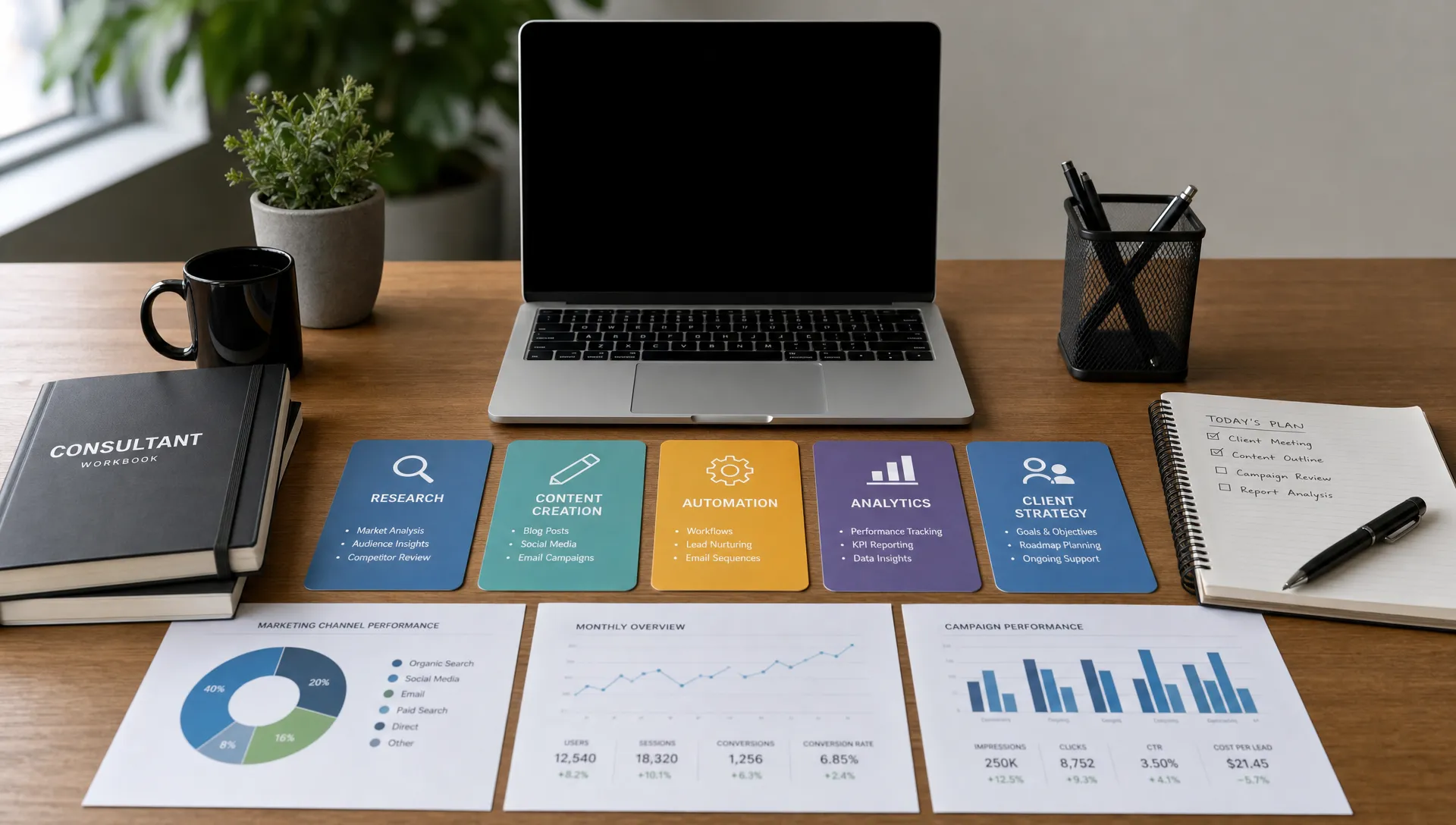
Zapier helps consultants connect the tools clients already use. That makes it useful for automating repetitive marketing tasks such as routing form submissions, updating CRM records, sending internal notifications, creating task reminders, or moving campaign data between platforms.
This is where AI marketing becomes operational. A good consultant can spot the small manual tasks that slow down a team every week, then automate them in a way that reduces errors and improves response speed. Alternatives such as Make can also work well, but Zapier remains one of the most accessible options for many teams.
Best for: no-code automation, lead routing, internal alerts, campaign operations, and connecting marketing systems.
Consultant tip: automate the handoff, not the accountability. Every automated workflow should still have a clear owner and a clear failure path.
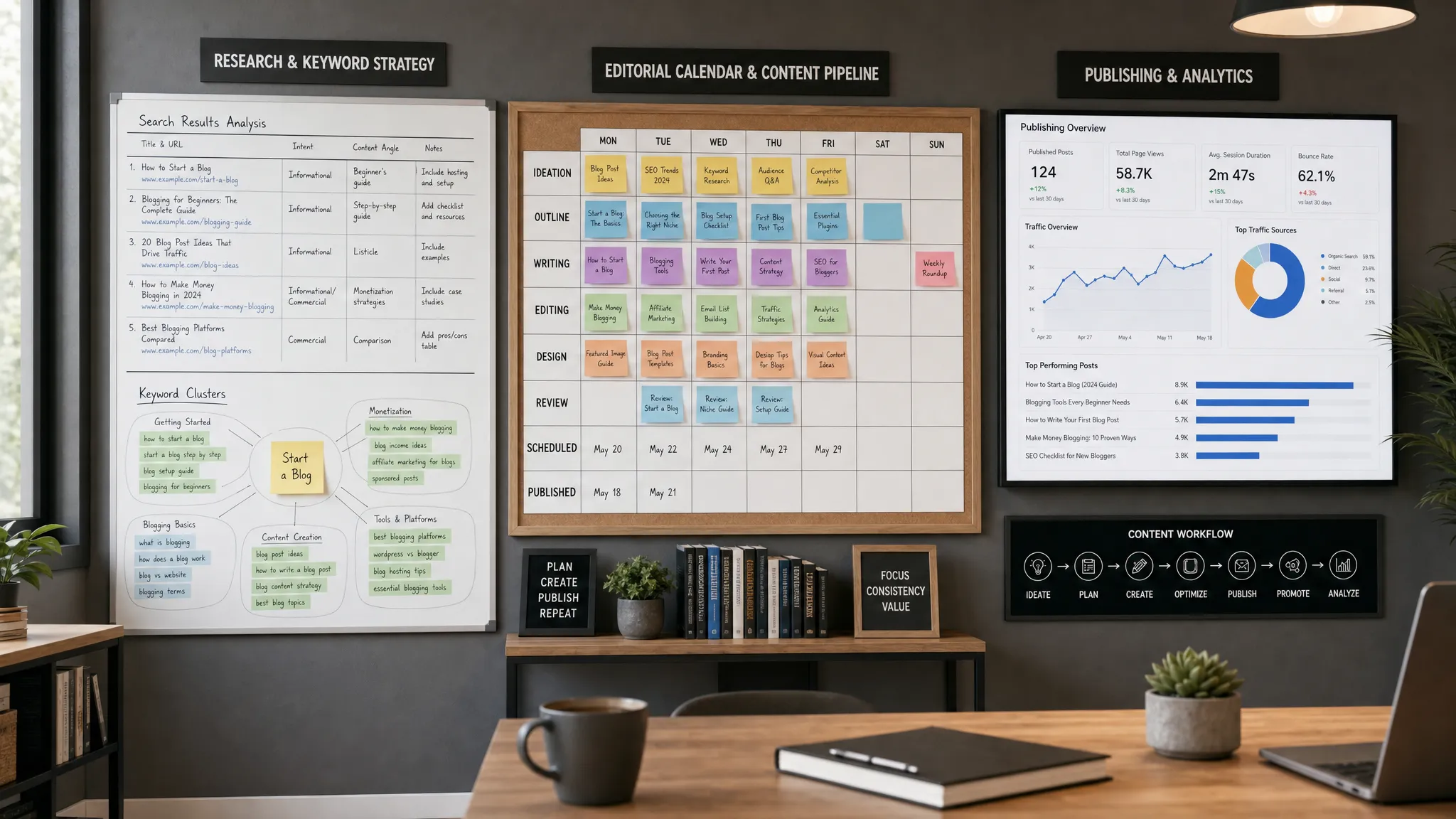
Notion AI is useful for consultants who want to build better internal operating systems. It can help summarize meeting notes, organize research, draft SOPs, maintain content calendars, document client decisions, and turn scattered information into reusable knowledge.
This matters because consultants often lose time searching for past work, rebuilding templates, or trying to remember why a decision was made. A structured knowledge base turns each engagement into an asset for the next one.
Best for: project documentation, research hubs, SOPs, content calendars, and consultant knowledge management.
Consultant tip: create a repeatable client workspace structure. Include discovery notes, strategy decisions, campaign plans, reporting links, and open questions so nothing important lives only in your head.
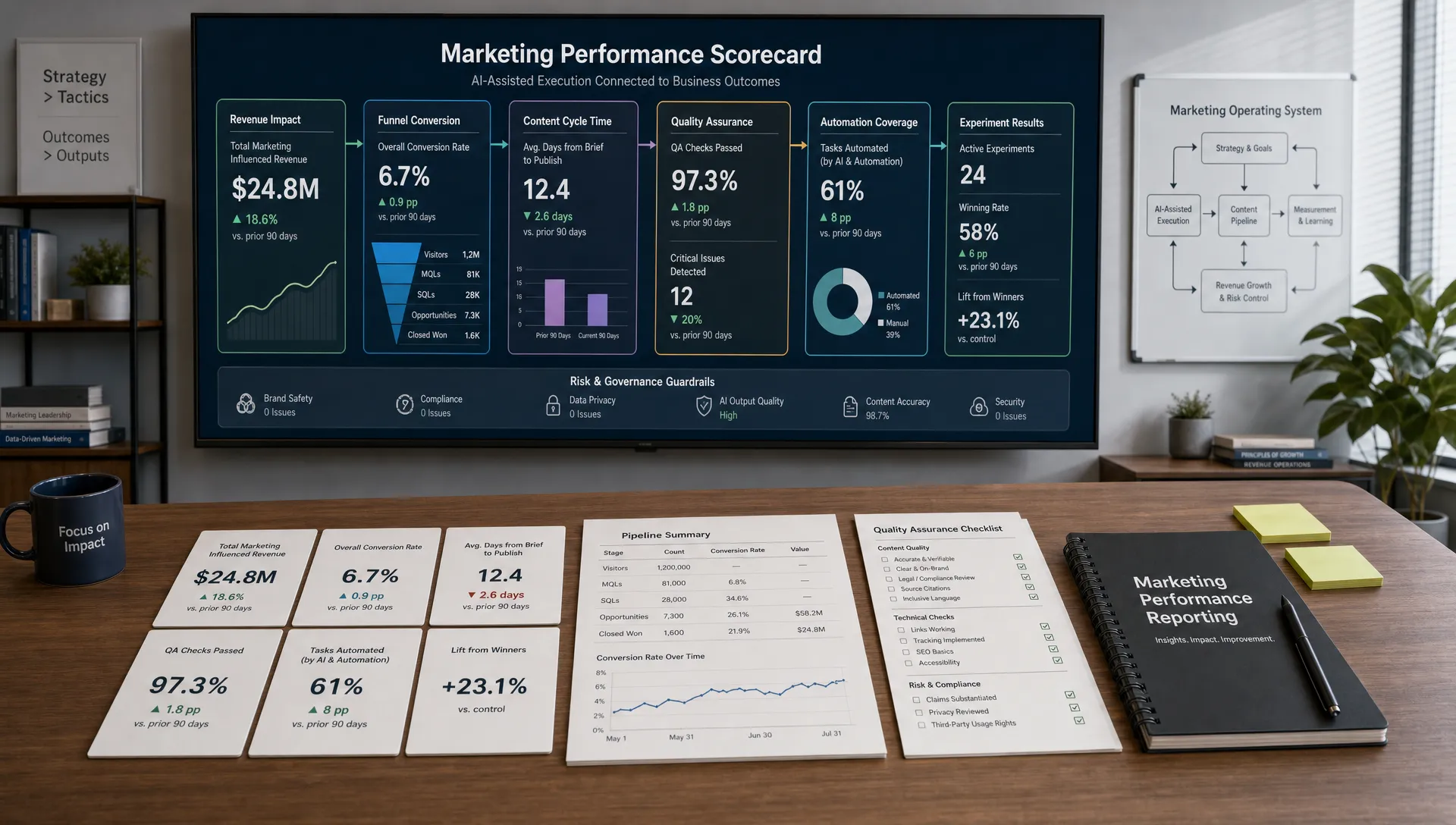
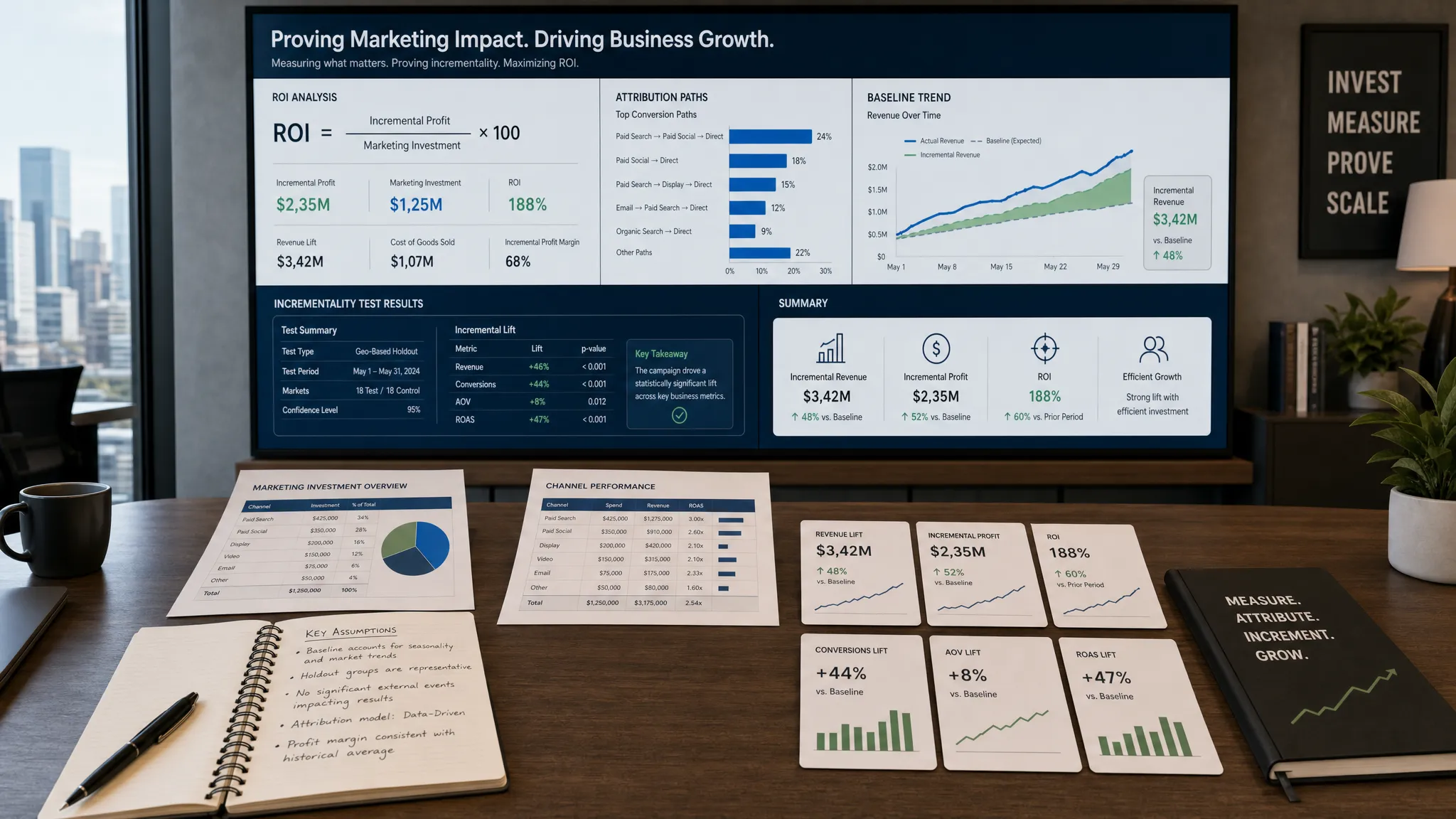
Google Analytics remains a core part of many consulting analytics stacks, especially when paired with Looker Studio for client reporting. While GA4 is not simply an AI content tool, it provides the performance data that makes AI-powered analytics and marketing decisions useful.
Consultants can use analytics data to identify traffic patterns, conversion paths, campaign performance, audience behavior, and content opportunities. AI can help summarize patterns, but the consultant’s job is to interpret what the numbers mean for the business.
Best for: website analytics, campaign reporting, conversion analysis, and executive dashboards.
Consultant tip: build reports around decisions, not vanity metrics. A good client dashboard should answer what happened, why it matters, and what to do next.
You do not need every tool on this list. In fact, buying too many tools too early usually creates confusion. Start with your service model, then choose the tools that remove the biggest bottlenecks.
A solo marketing consultant might start with a general AI assistant, AIMarketer Hub, Canva, GA4, and one automation tool. That gives you coverage across strategy, content, visuals, reporting, and workflow automation without unnecessary complexity.
An SEO or content consultant might prioritize Semrush, ChatGPT or Claude, Jasper, Notion AI, and Google Analytics. That stack supports research, planning, production, documentation, and reporting.
A demand generation consultant might build around HubSpot, Zapier, Canva, Google Analytics, and a research tool like Perplexity. That setup supports lead capture, nurture workflows, campaign assets, measurement, and market context.
A B2B go-to-market consultant might lean on Perplexity, Claude, HubSpot, Notion AI, and a content tool. The focus here is often positioning, account insights, sales enablement, and campaign execution.
The best stack is the one where each tool has a defined job. If two tools do the same work, decide which one fits your workflow better and remove the other. Simplicity is a competitive advantage.
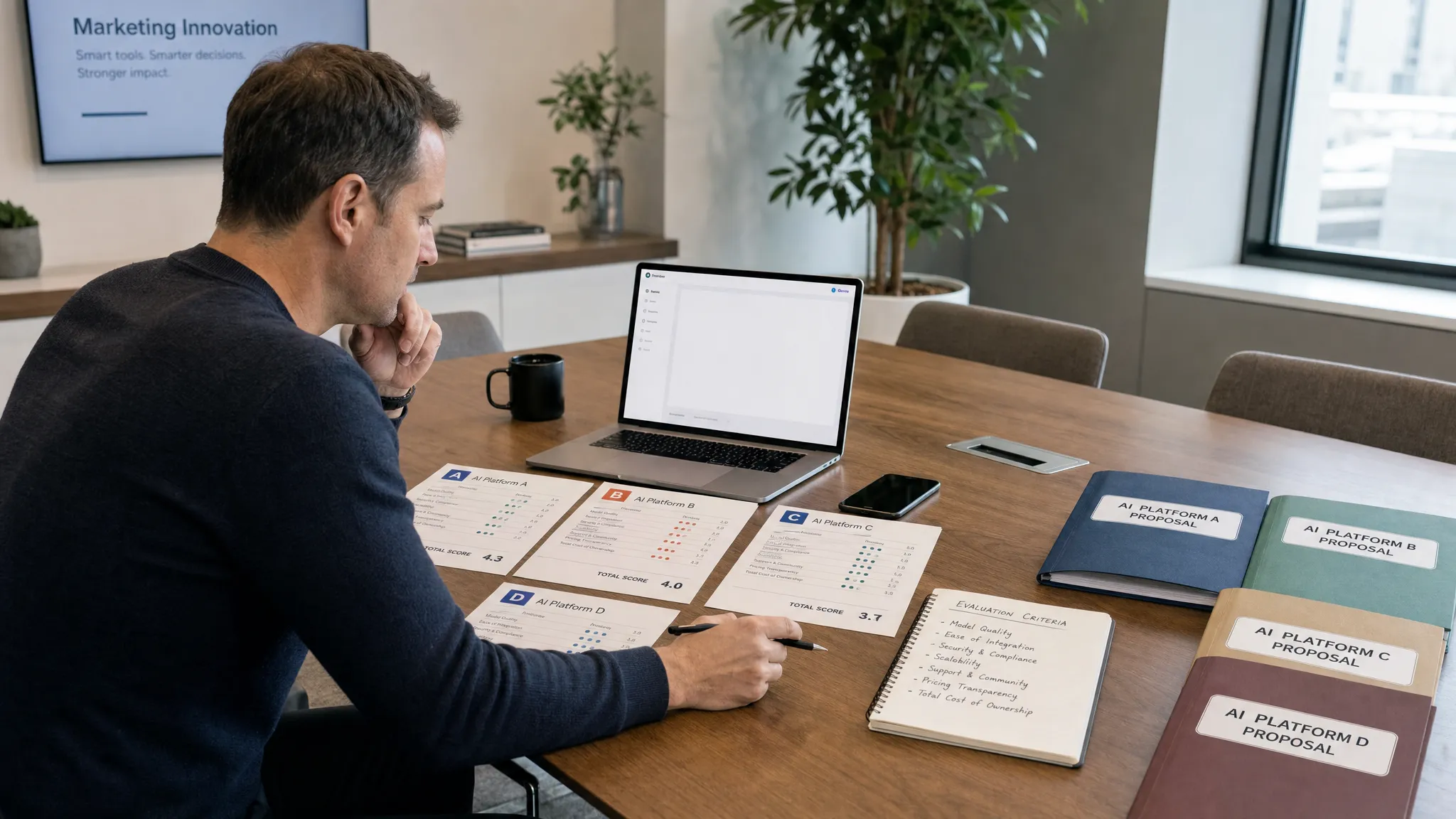
When evaluating a new AI tool, resist the urge to judge it only by demo quality. Demos are designed to look effortless. Real consulting work is full of incomplete data, complex stakeholders, shifting priorities, and tight timelines.
Use this checklist before adding a tool to your stack:
The strongest AI tools make your expertise more visible. They help you ask better questions, move faster, and present clearer recommendations. They do not replace the strategic judgment clients hired you for.
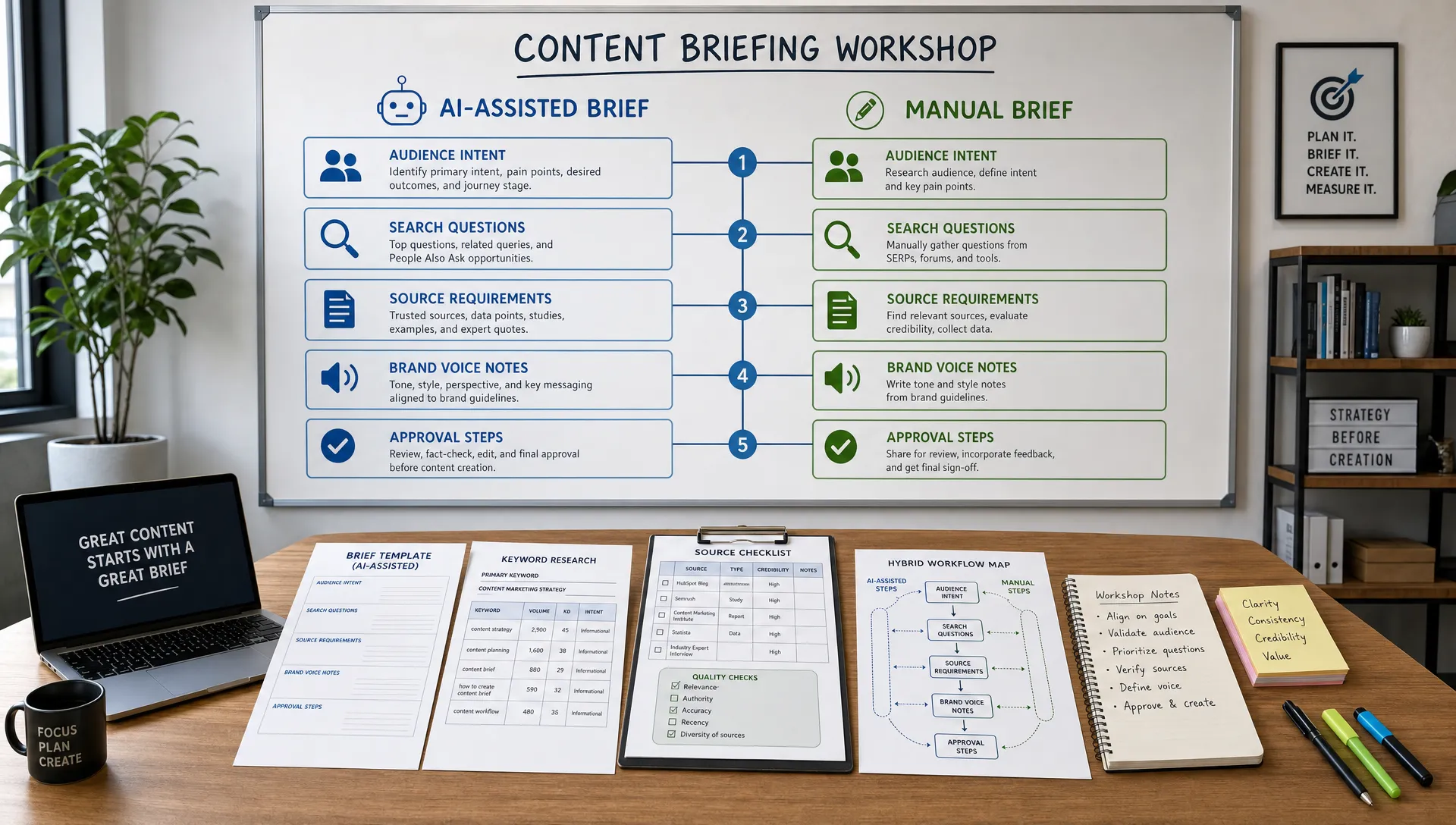
A tool should solve a defined problem. If you have not mapped your research, strategy, production, approval, and reporting process, it is too early to buy software. Start with the workflow, then choose the tool.
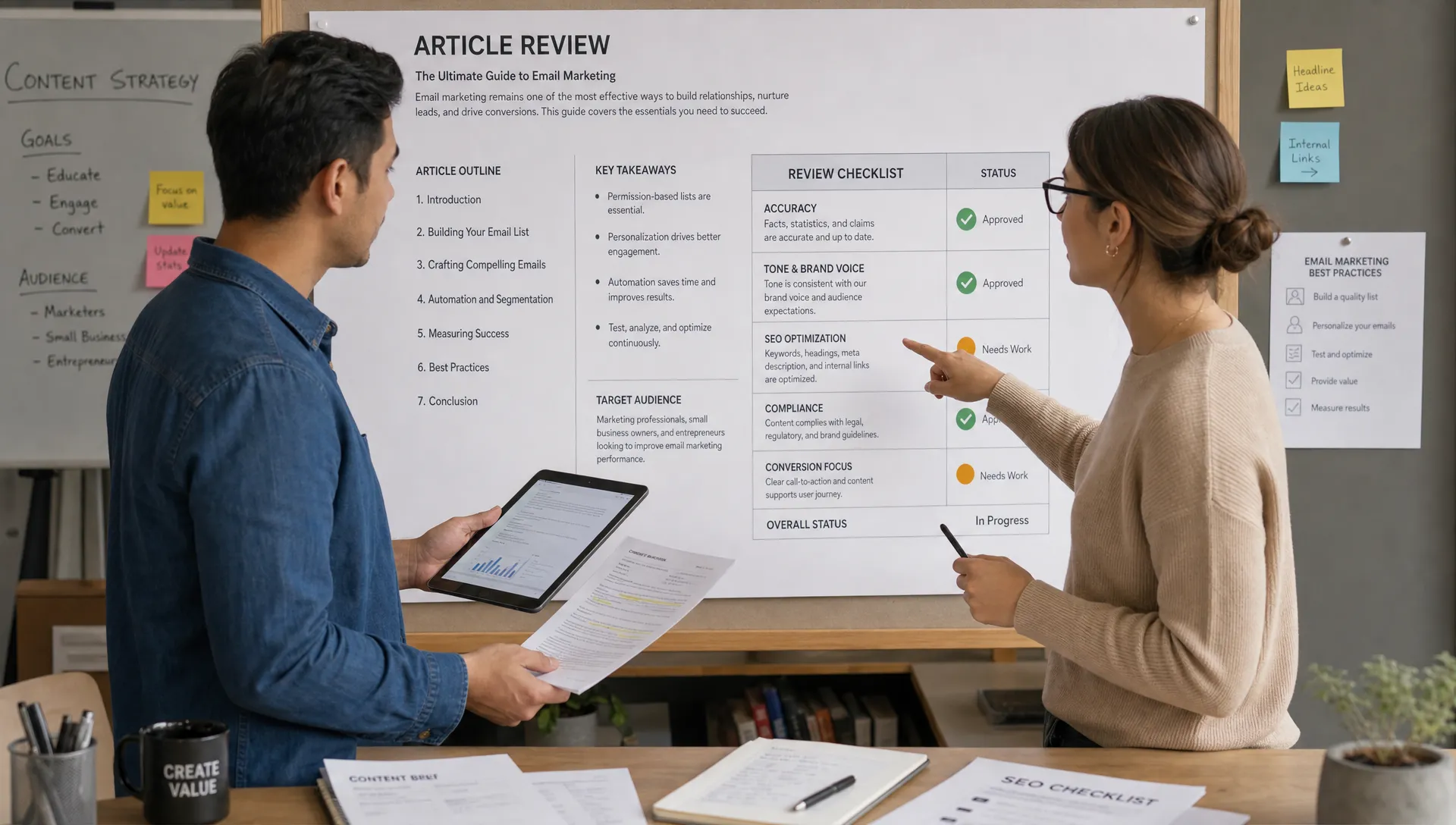
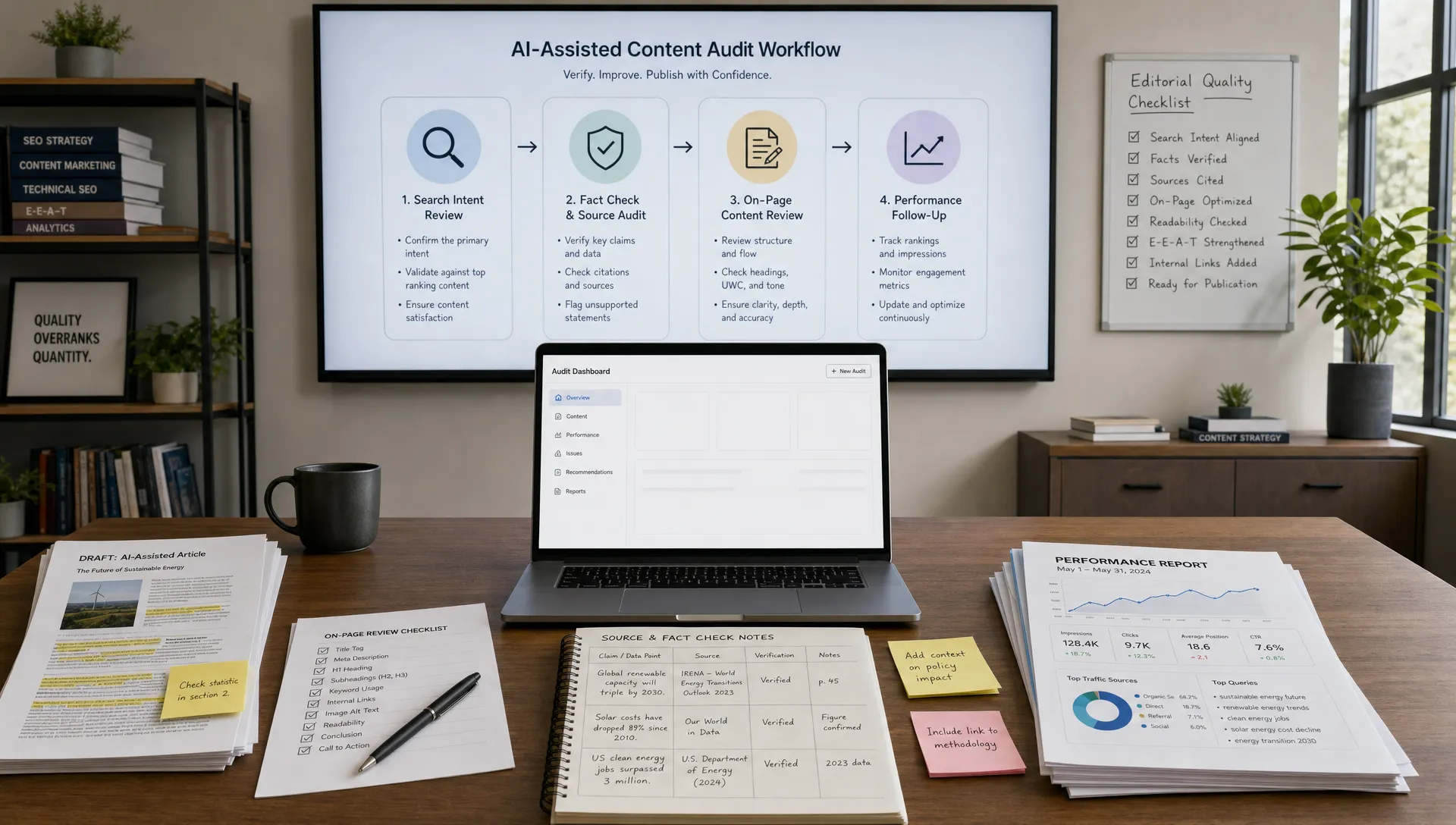
AI can draft, summarize, organize, and suggest. It can also miss context, invent details, or flatten a sharp strategy into generic advice. Every client-facing deliverable should go through expert review.
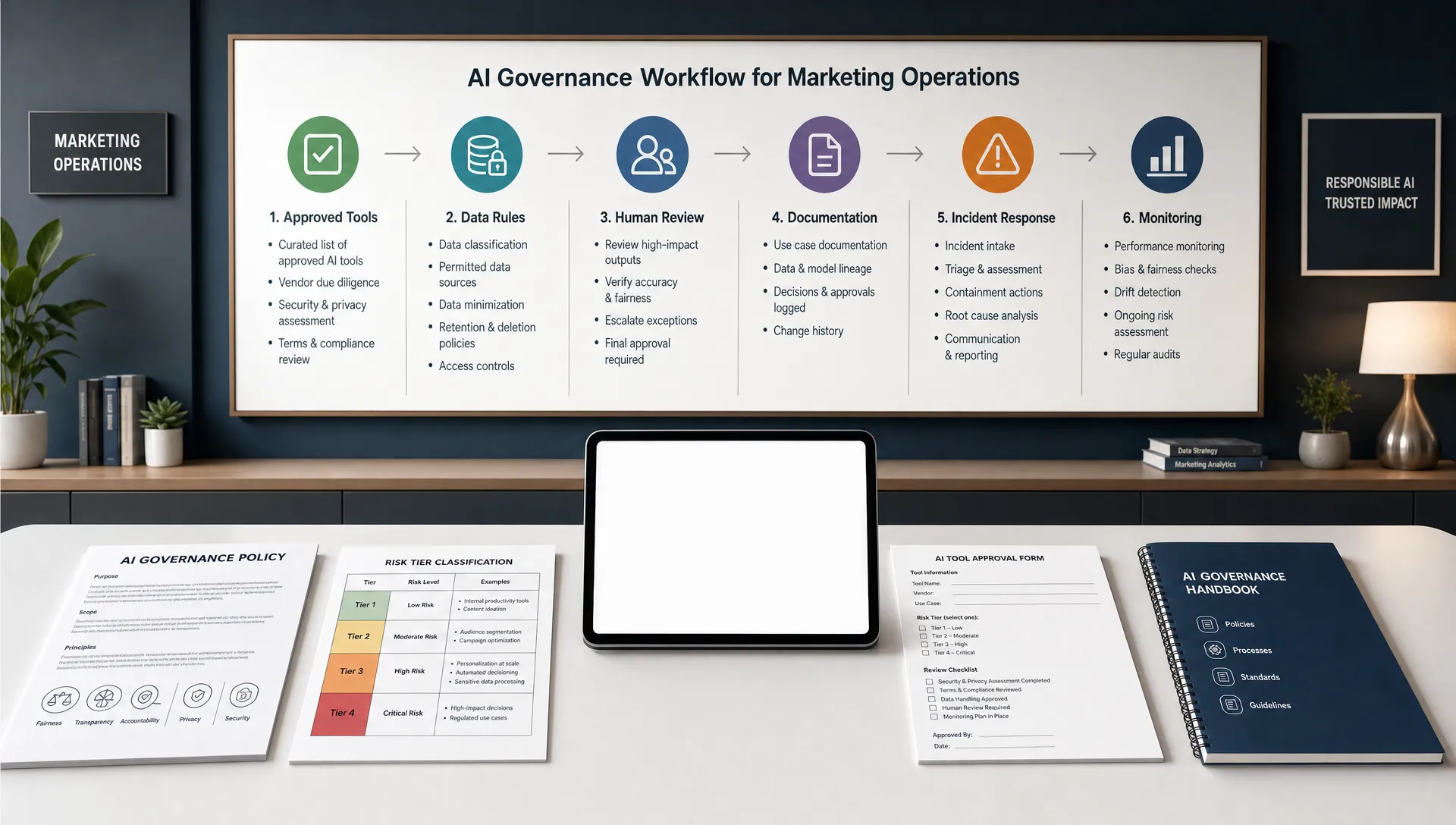
Consultants often handle confidential information, including revenue data, customer lists, strategy documents, and competitive plans. Before using any AI platform with client materials, review permissions, privacy settings, and contractual requirements.
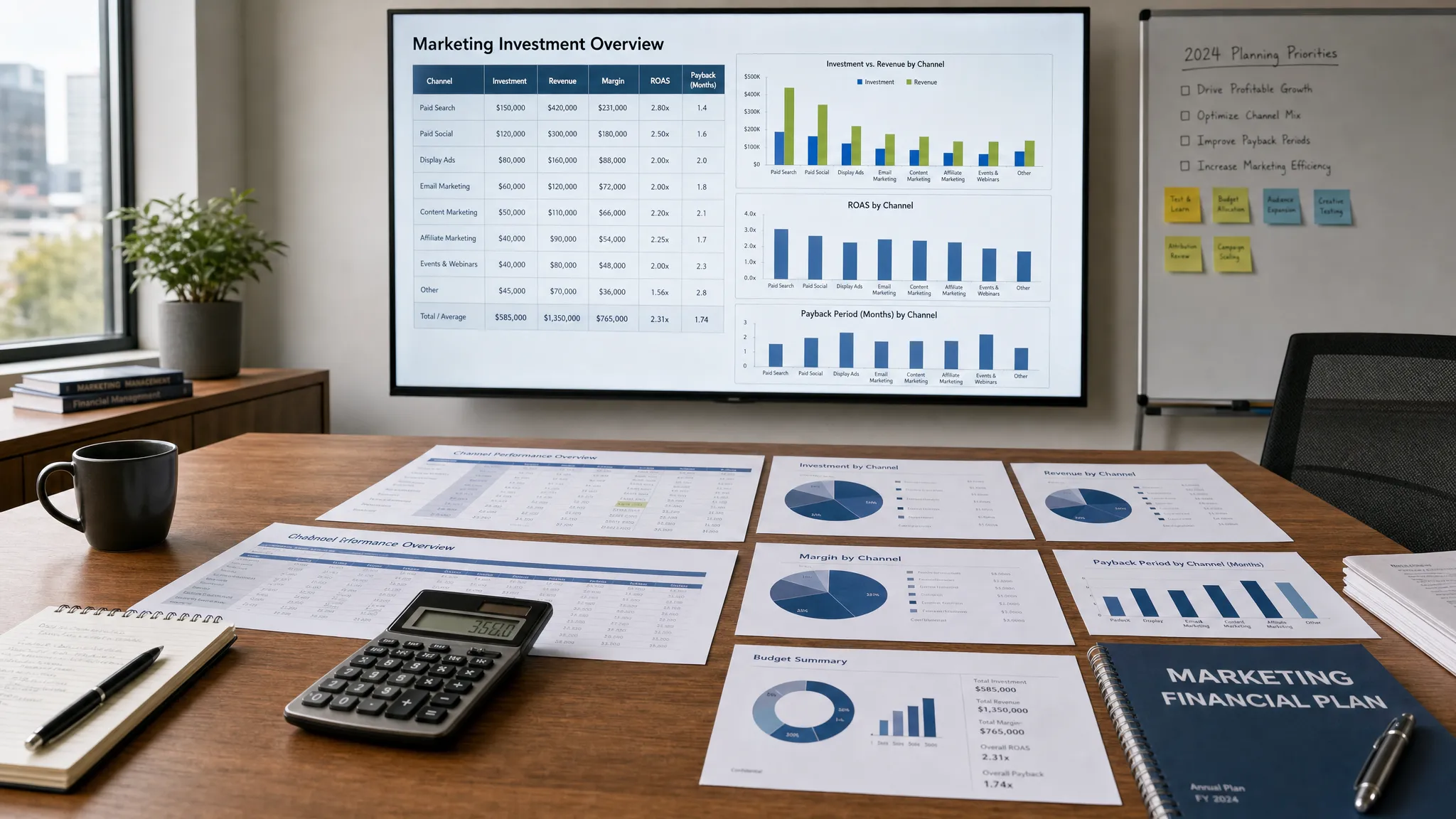
Saving time matters, but clients care more about outcomes. Track whether AI helps improve content quality, campaign speed, lead response time, organic visibility, conversion rates, or reporting clarity. Efficiency is valuable, but effectiveness is what sustains retainers.
What is the best AI marketing tool for consultants? The best tool depends on your service model. ChatGPT and Claude are strong general-purpose assistants, Semrush is excellent for SEO consulting, HubSpot supports CRM-connected automation, and AIMarketer Hub is useful for practical AI marketing resources, tools, and guides.
Do consultants need separate tools for content, SEO, automation, and analytics? Usually, yes. All-in-one platforms can help, but specialized tools often perform better for specific workflows. The key is avoiding overlap and making sure each tool has a clear role.
Can AI marketing tools replace a consultant? No. AI can accelerate research, drafting, analysis, and production, but clients still need judgment, positioning, prioritization, stakeholder management, and accountability. The consultant’s expertise remains the product.
How should consultants protect client data when using AI tools? Avoid uploading confidential data unless the tool, account settings, and client agreement allow it. Remove unnecessary personal information, review data retention policies, and document how AI is used in the engagement.
Which AI tools are best for solo consultants? A practical solo stack might include ChatGPT or Claude for strategy and drafting, Perplexity for research, Canva for visuals, GA4 for reporting, Zapier for automation, and AIMarketer Hub for AI marketing resources and workflow support.
The best AI marketing stack is not the biggest one. It is the one you can apply consistently across client work. AIMarketer Hub brings together AI-powered marketing tools, expert guides, calculators, SEO resources, prompt support, and curated resources to help consultants automate, optimize, and grow smarter.
Use it to sharpen your next audit, plan a campaign, improve content creation, or standardize your consulting workflow without starting from scratch.