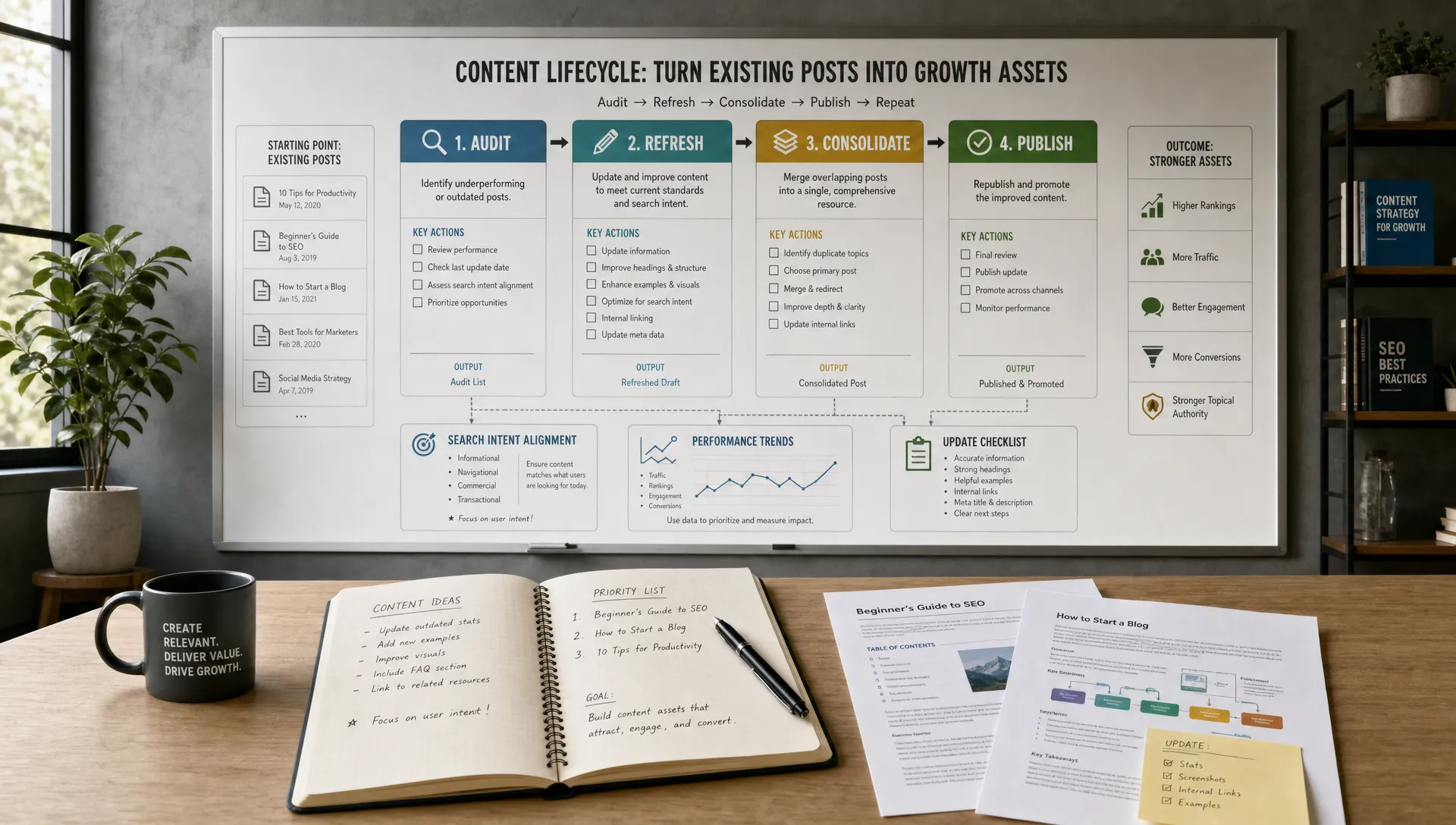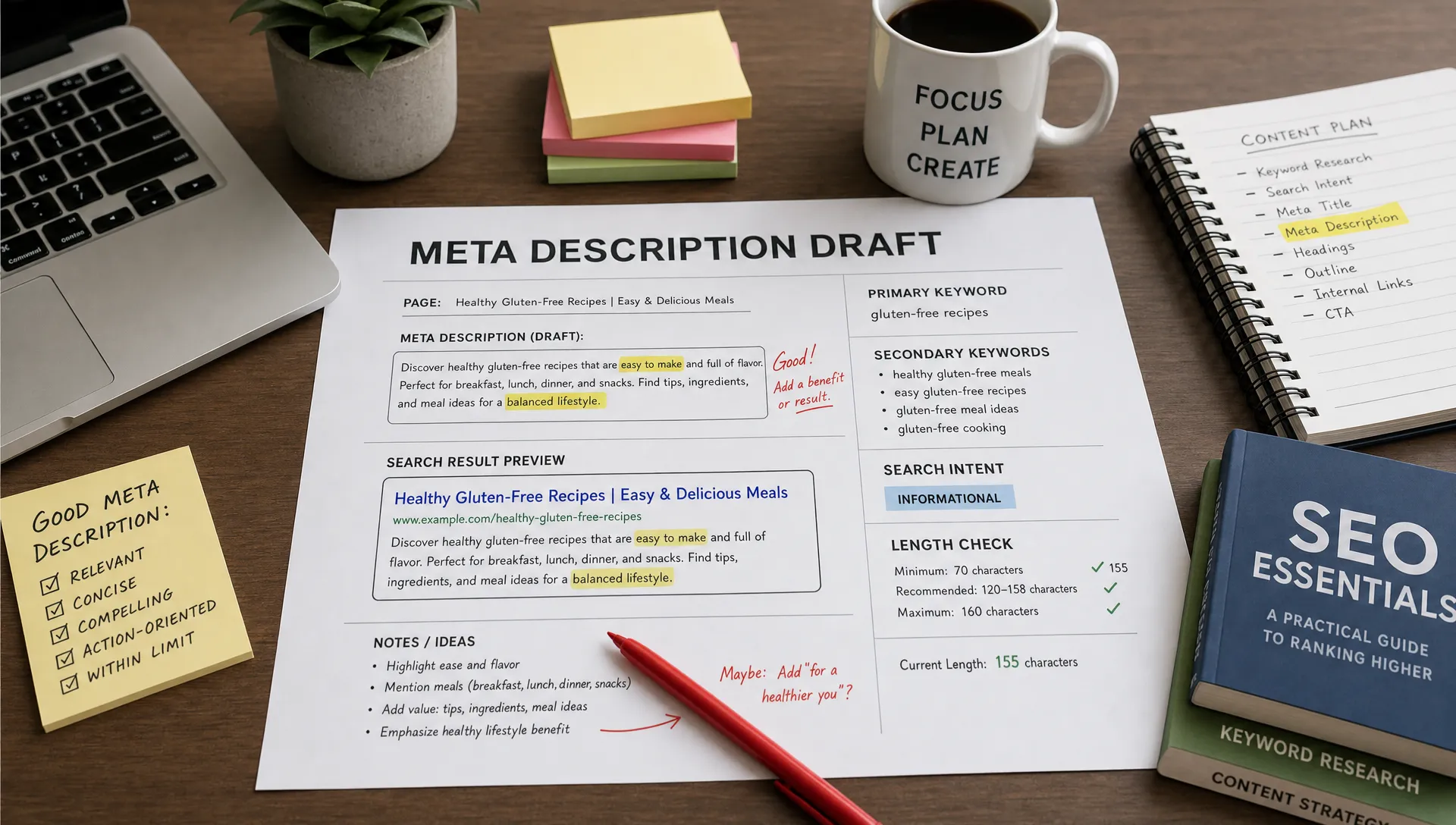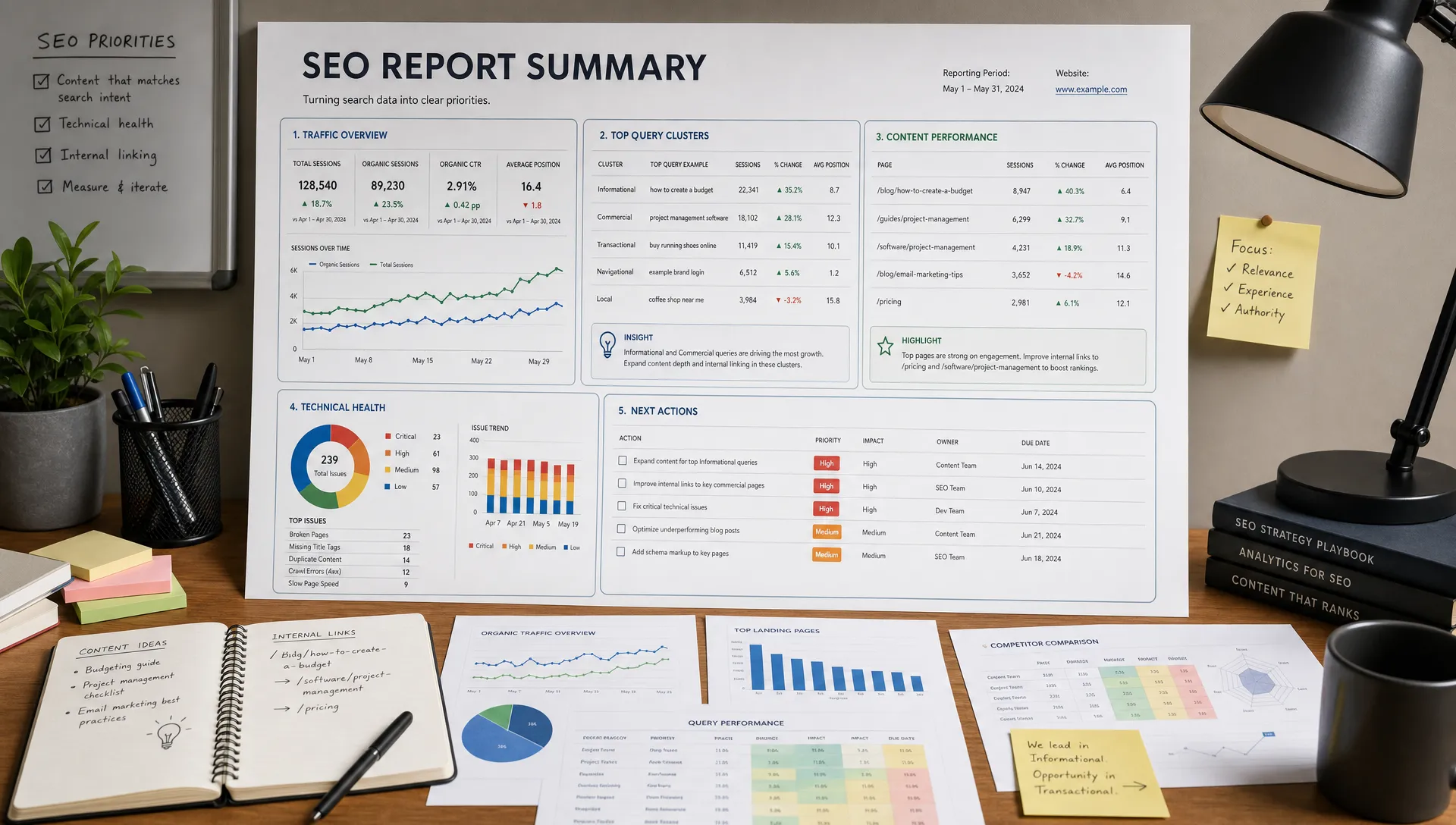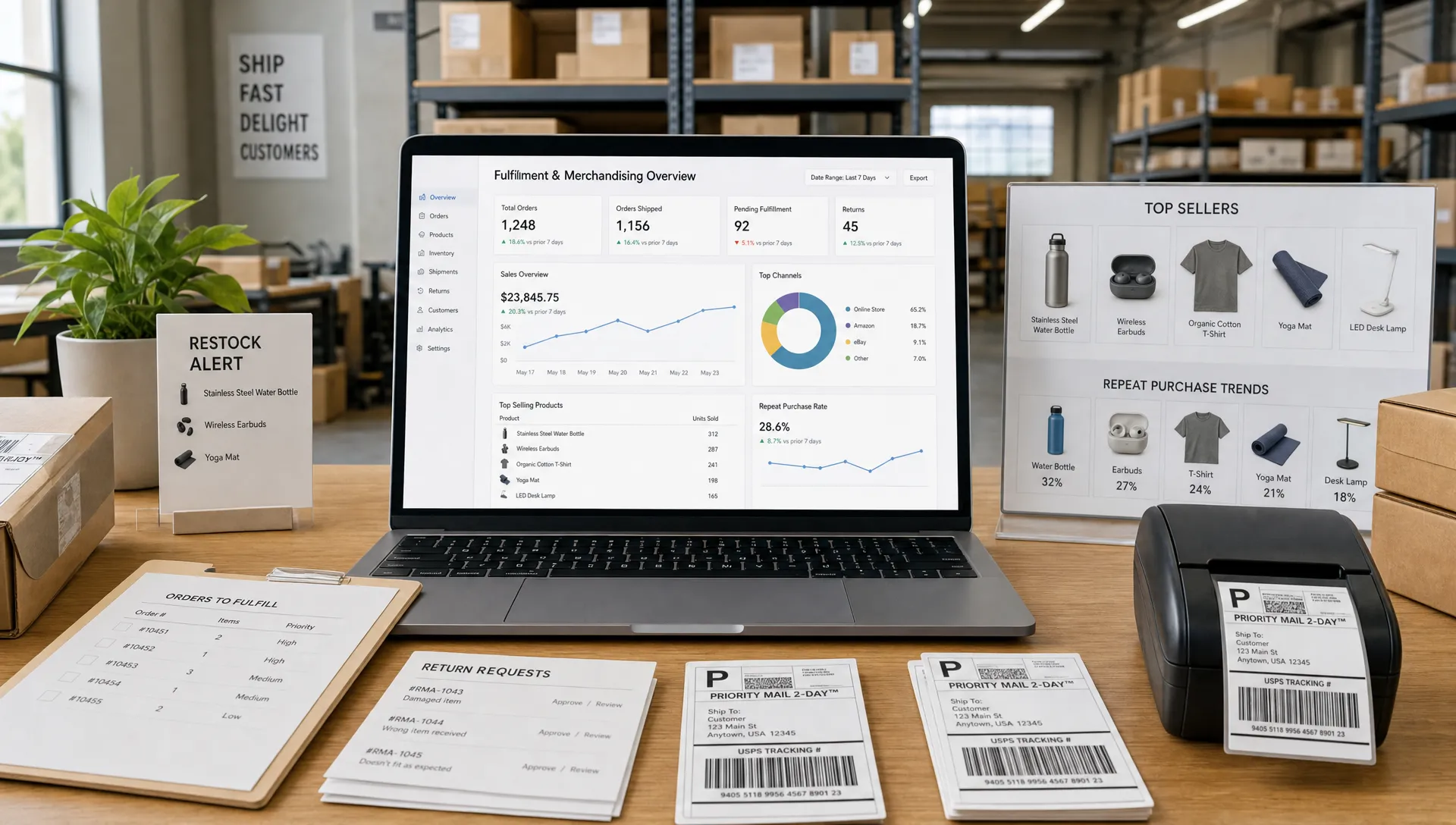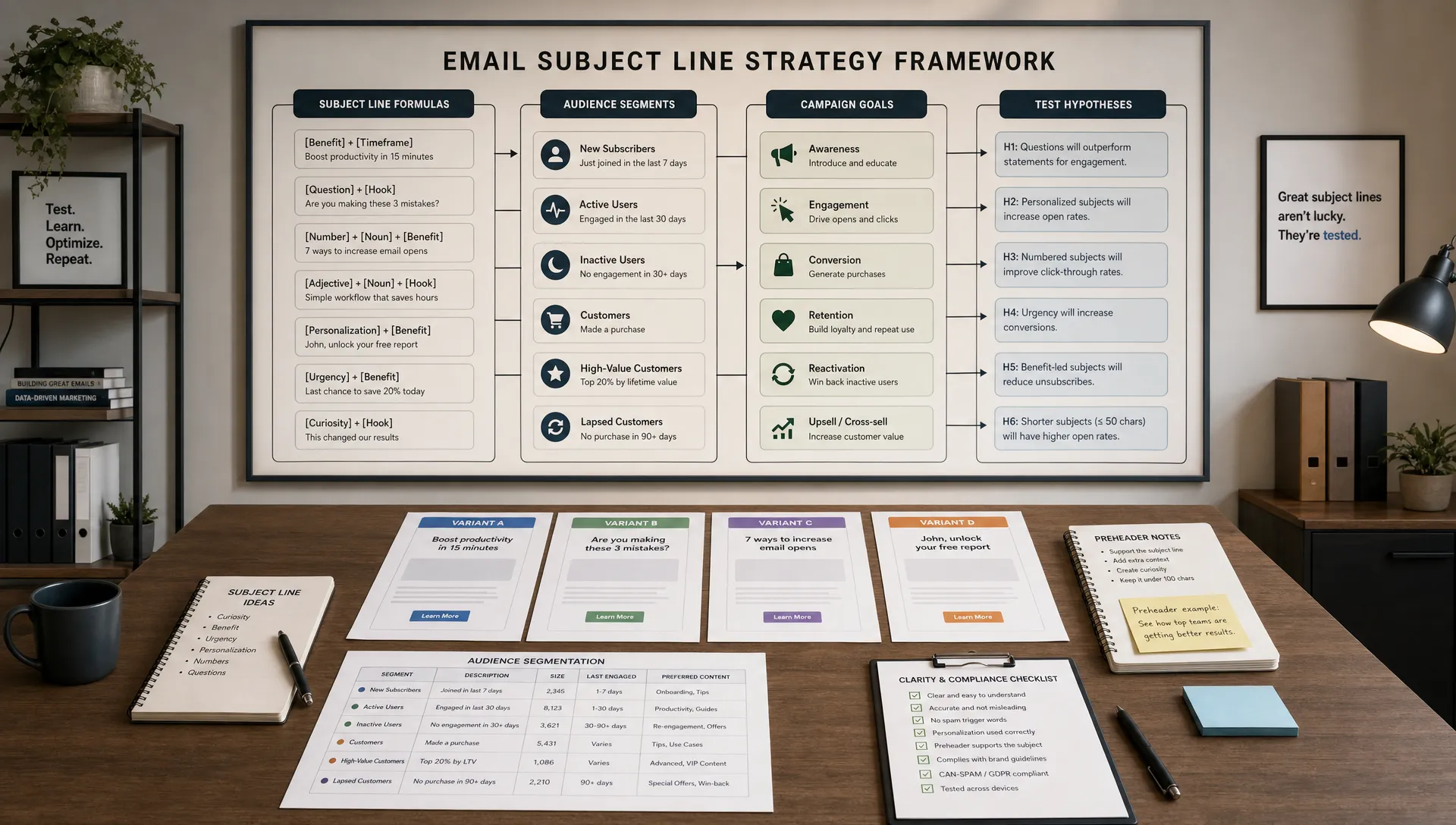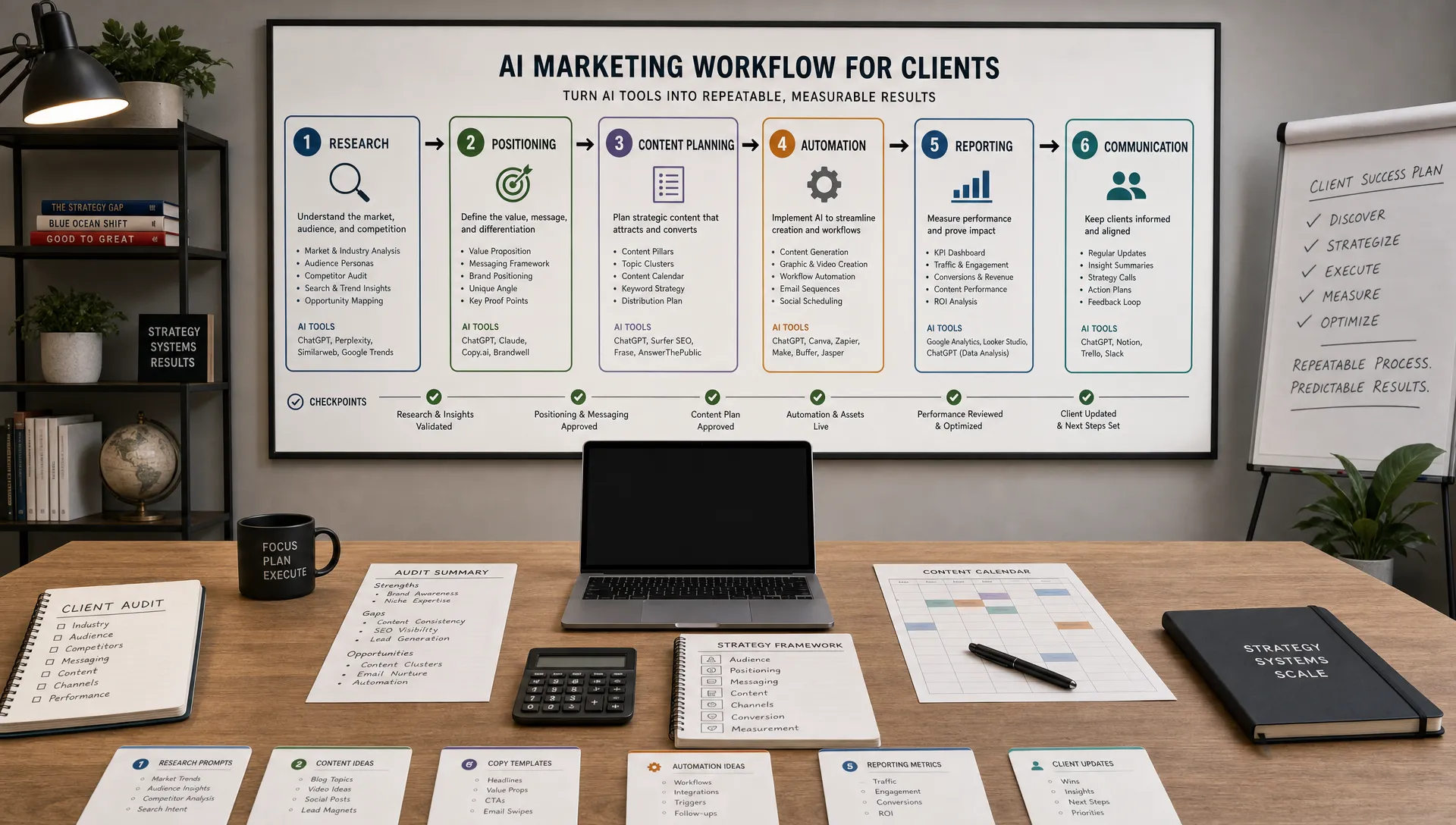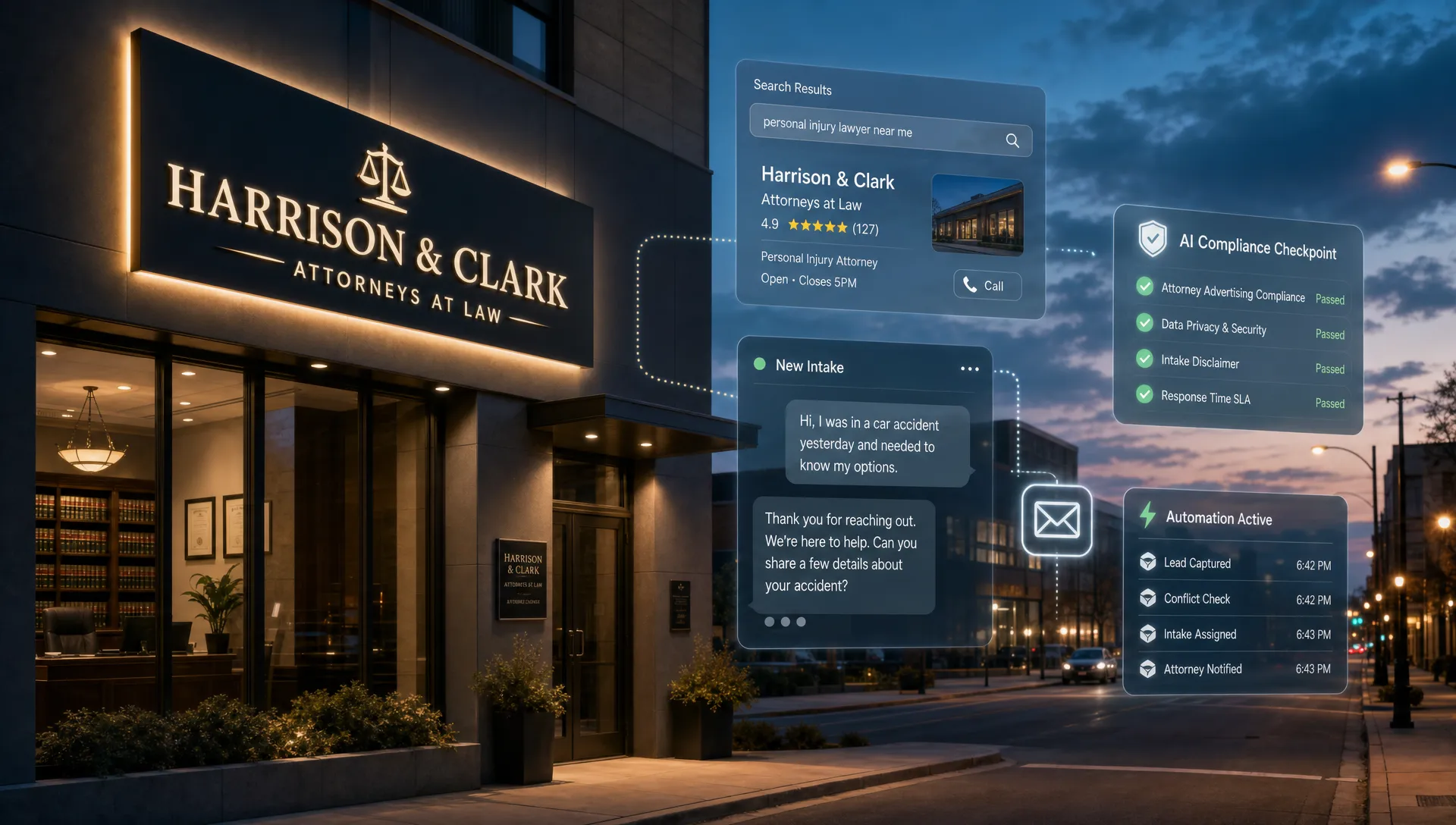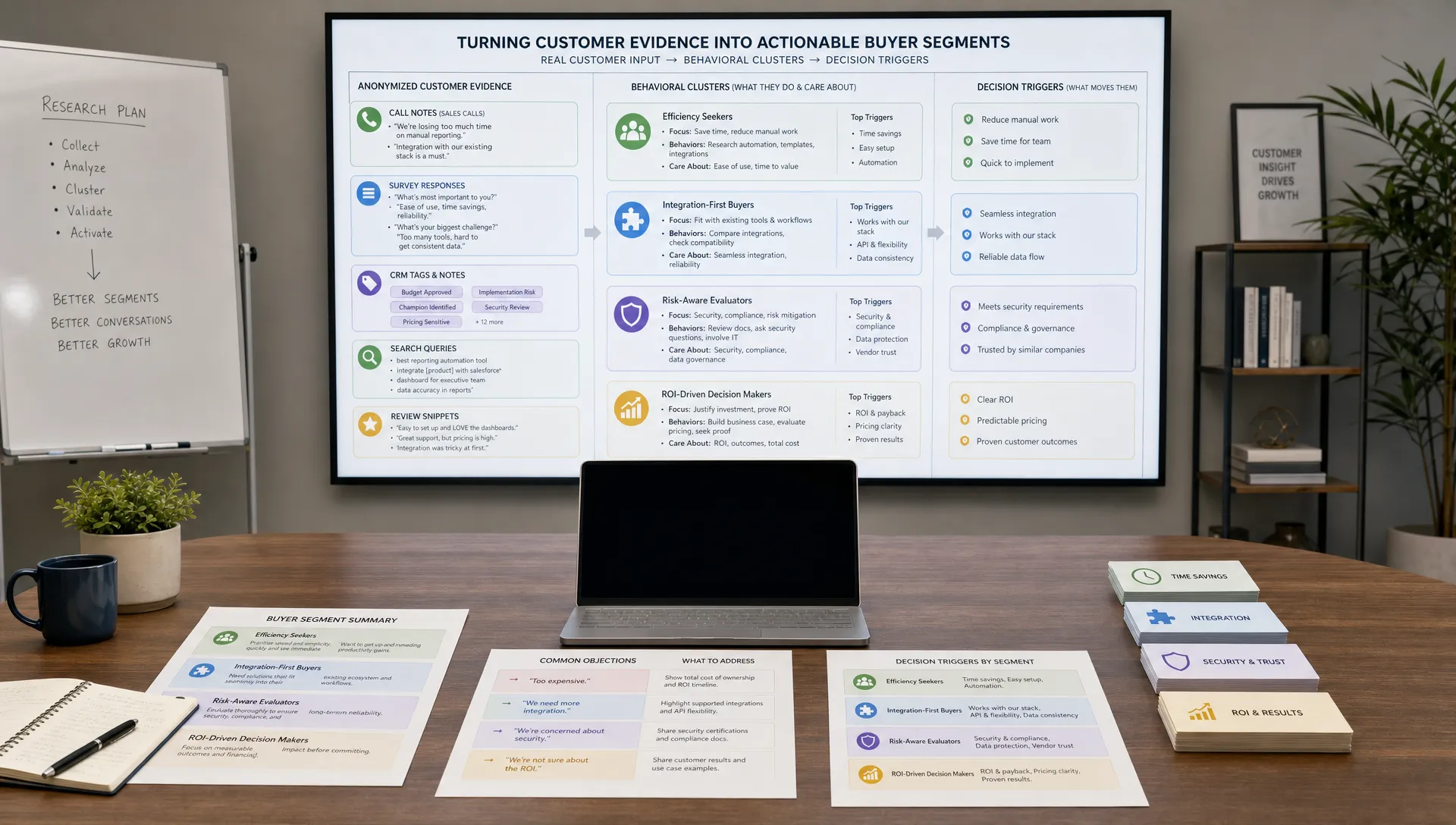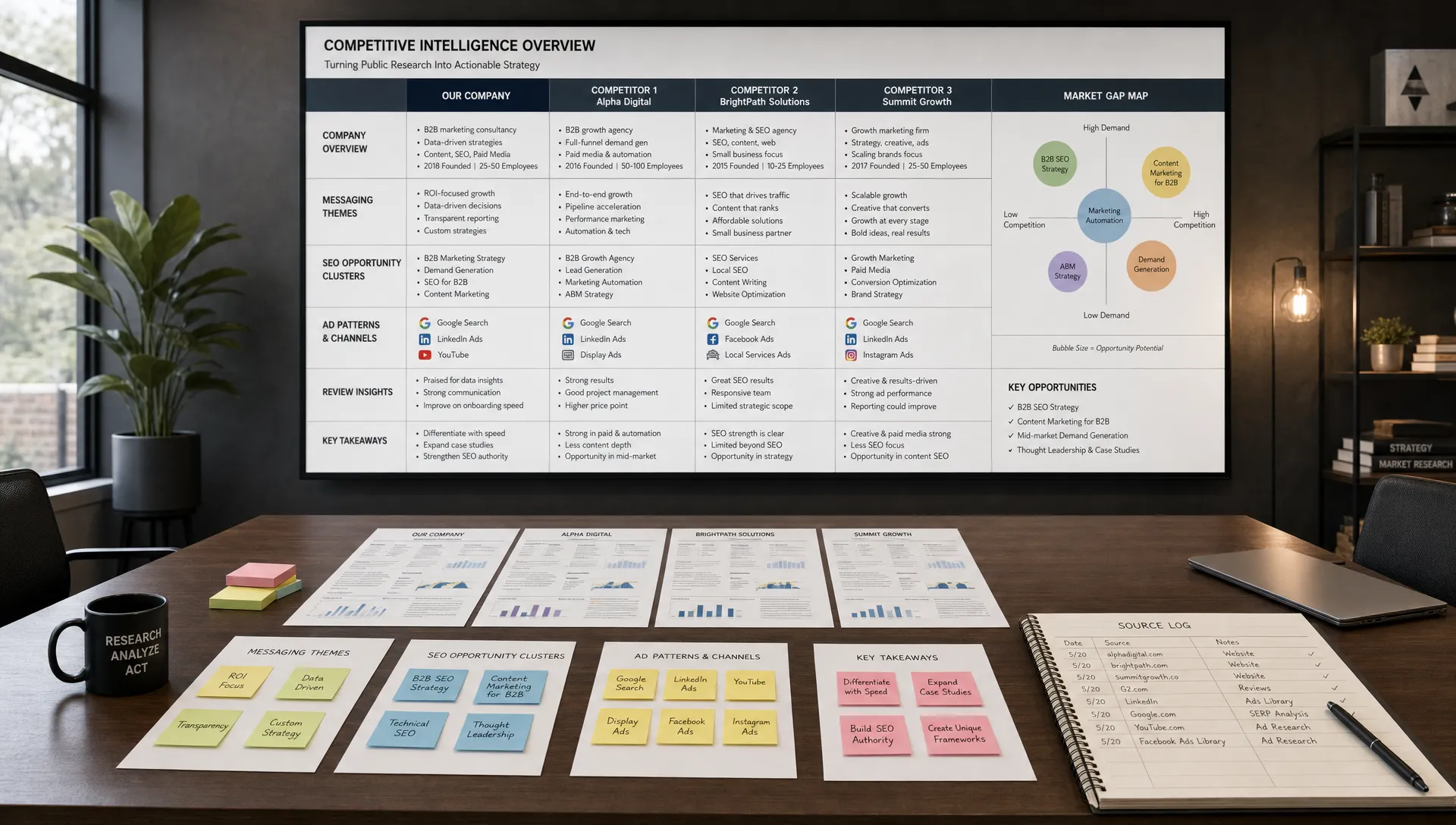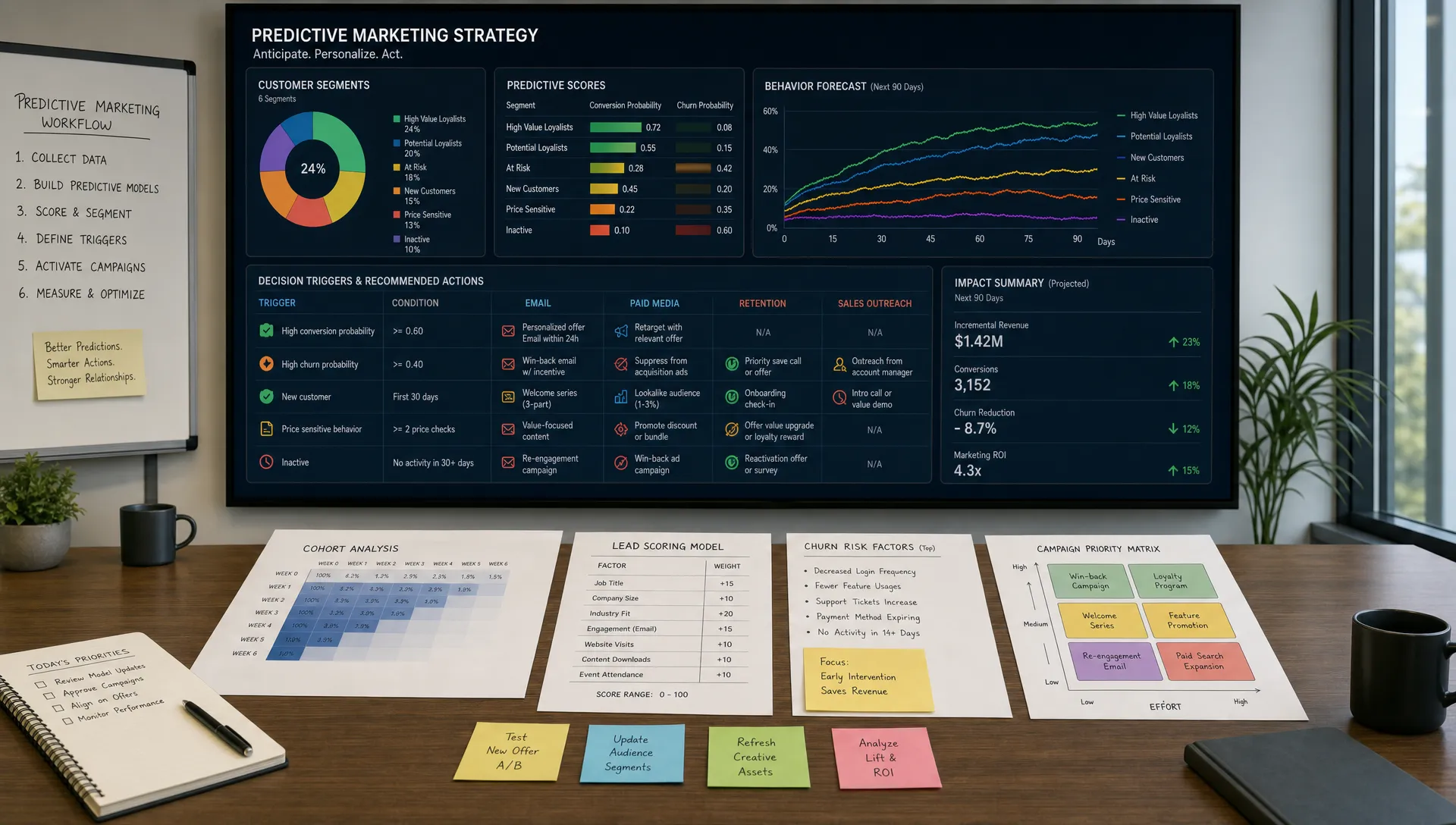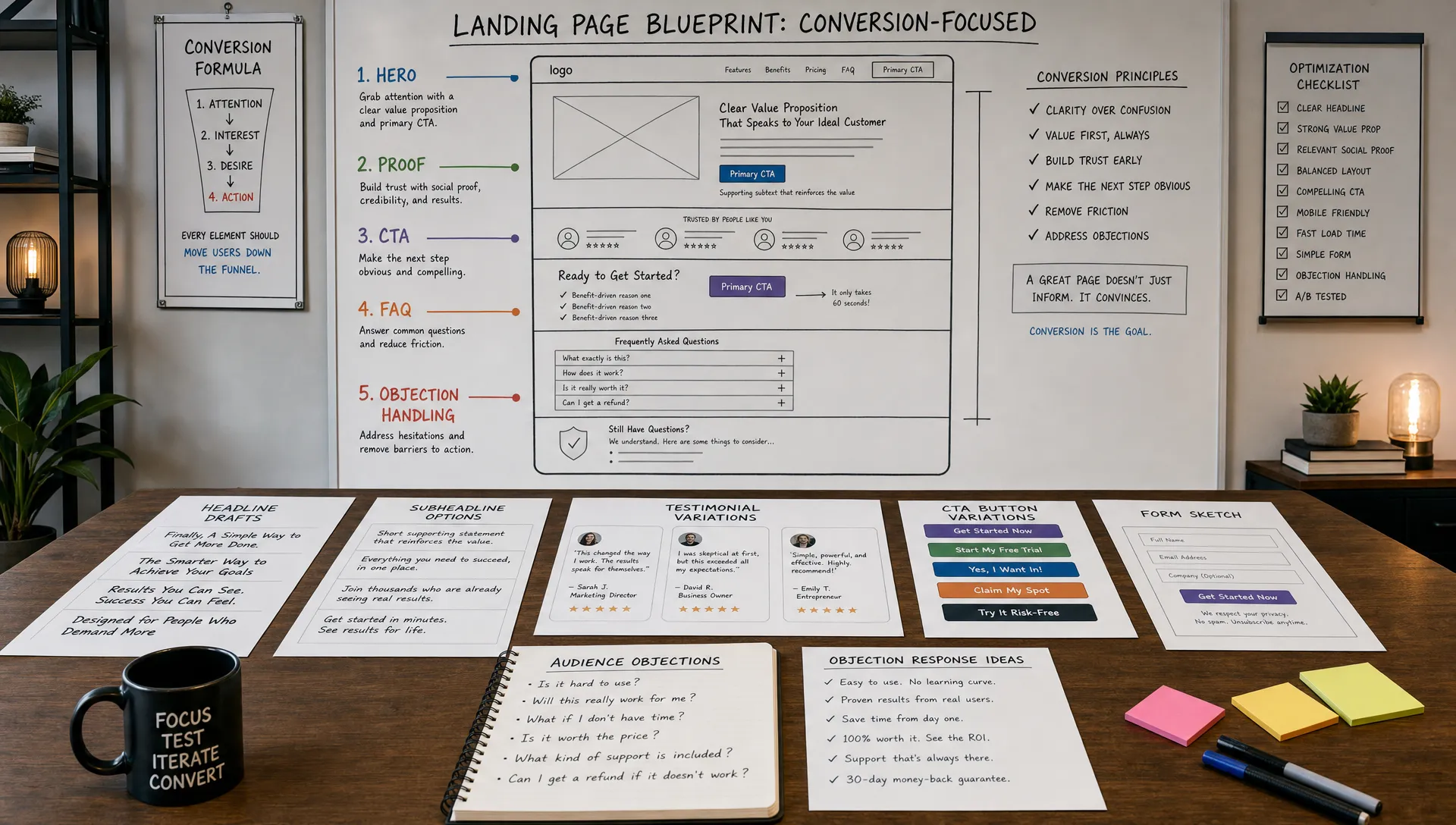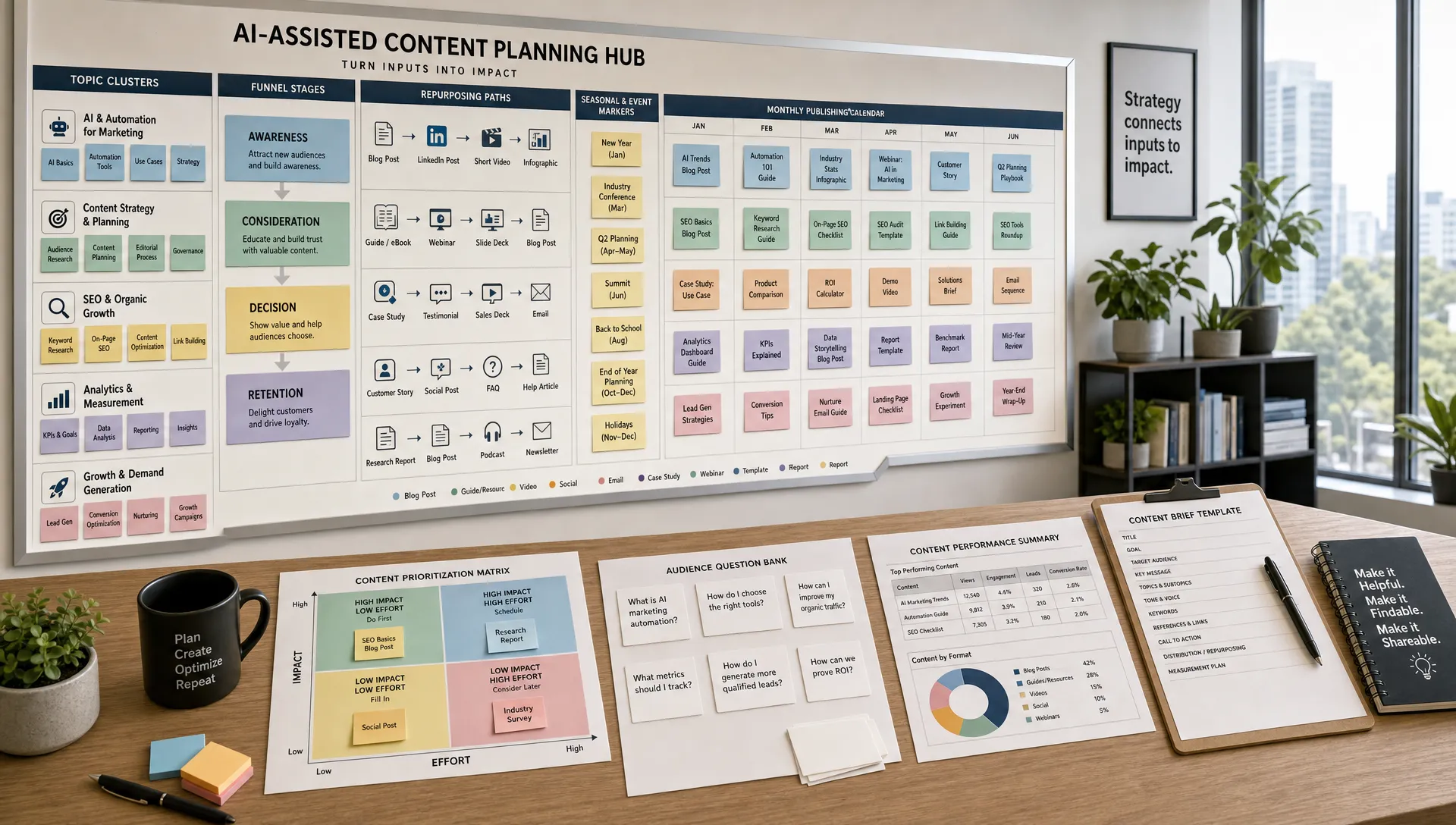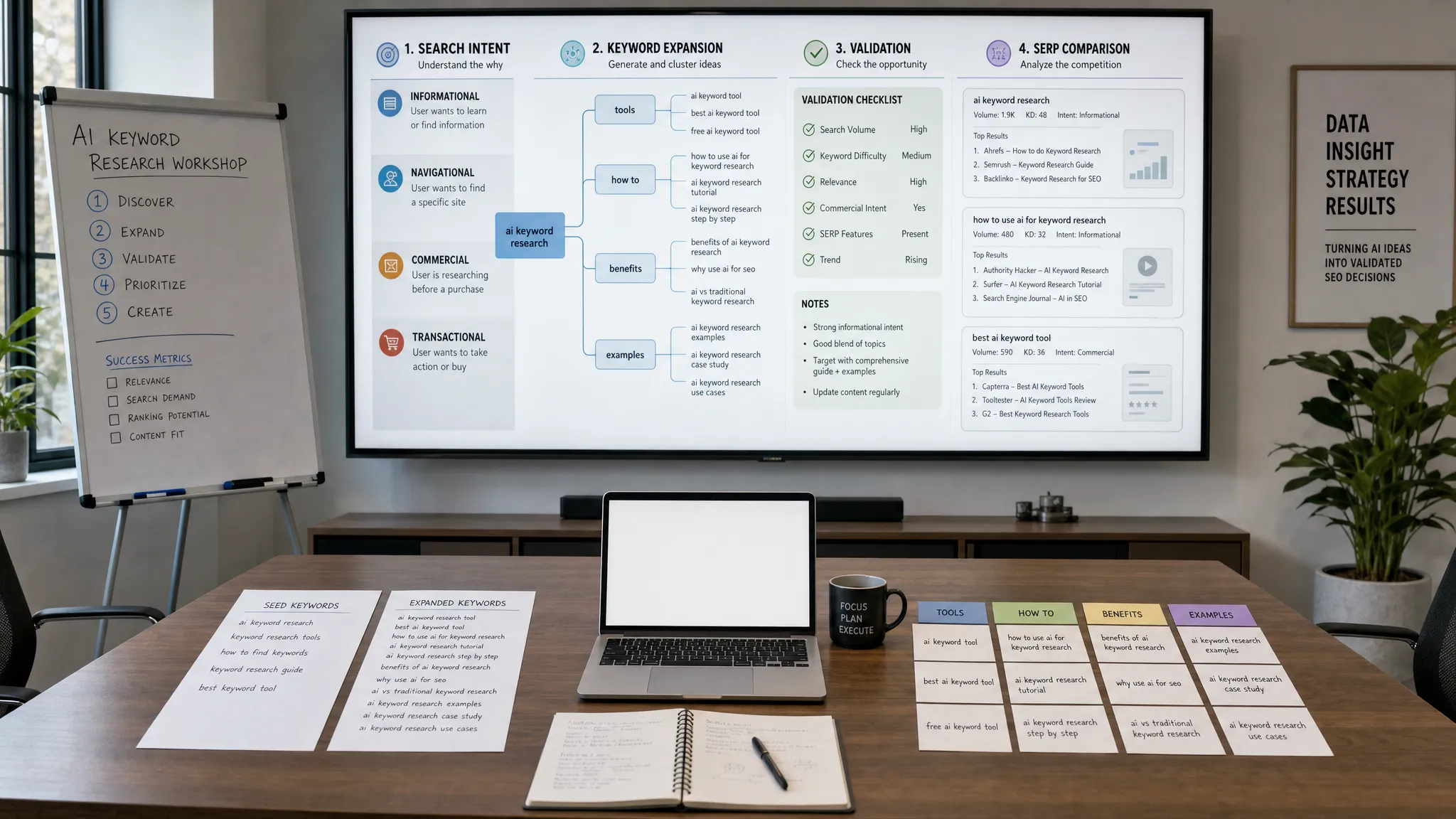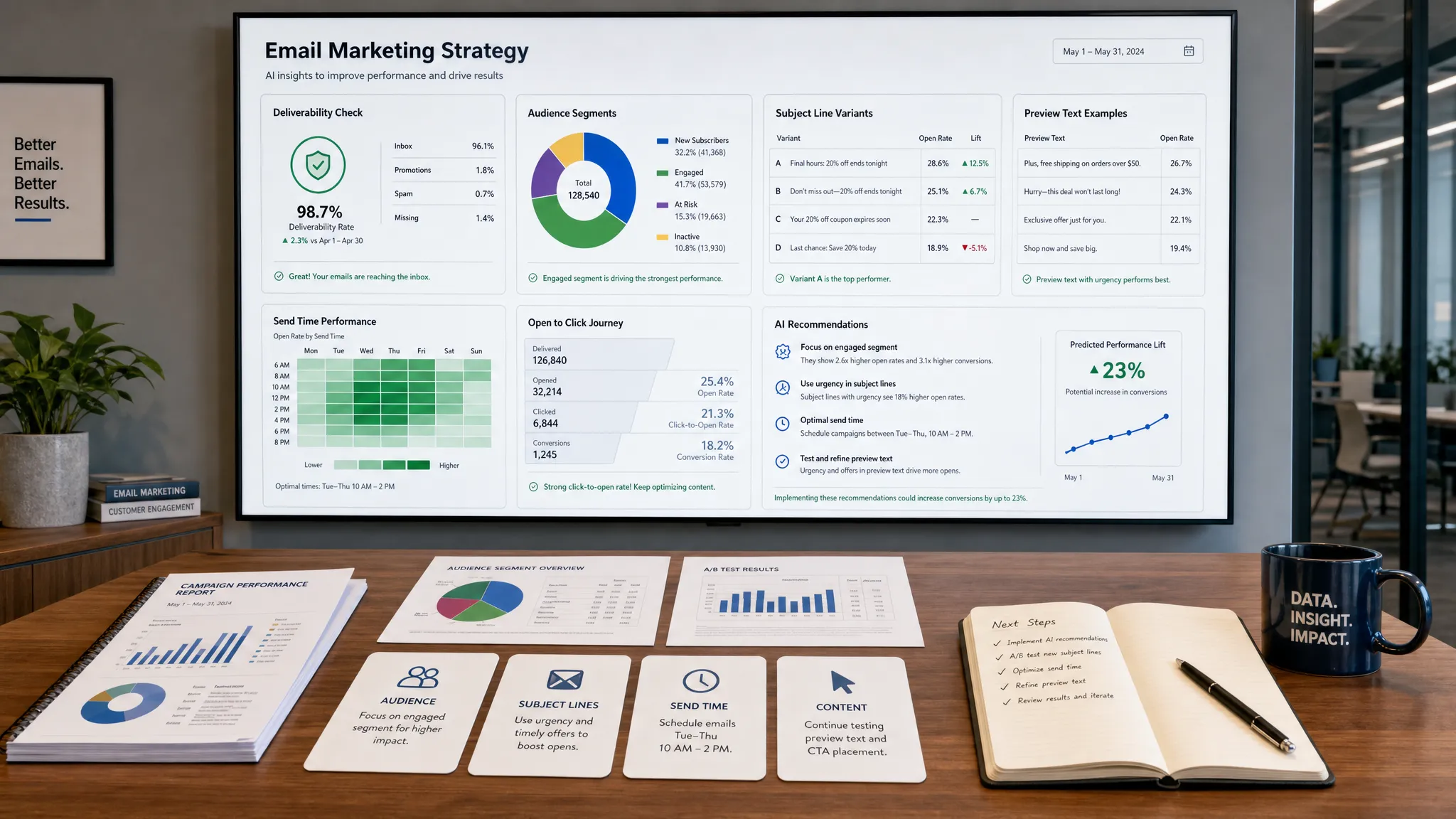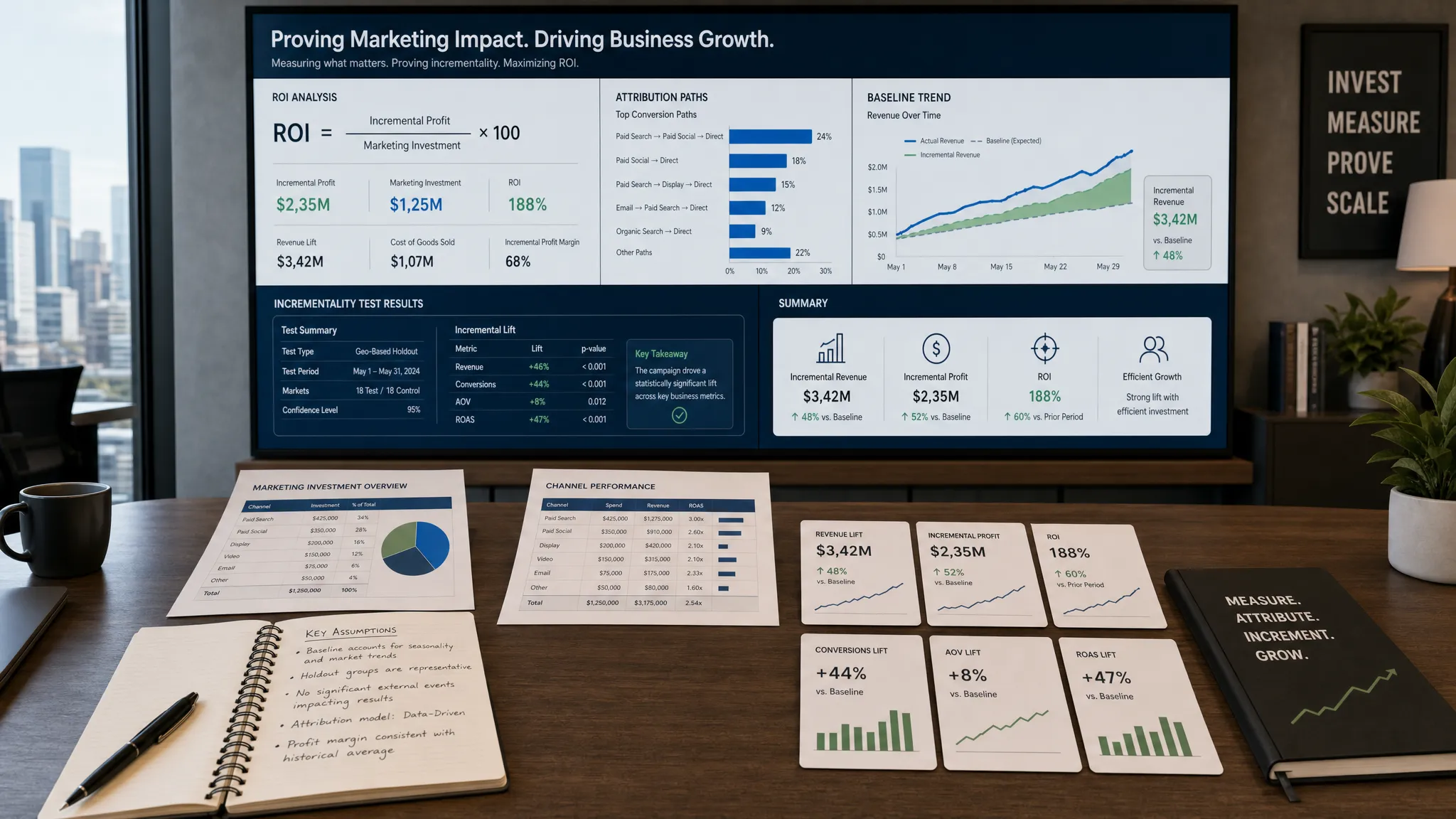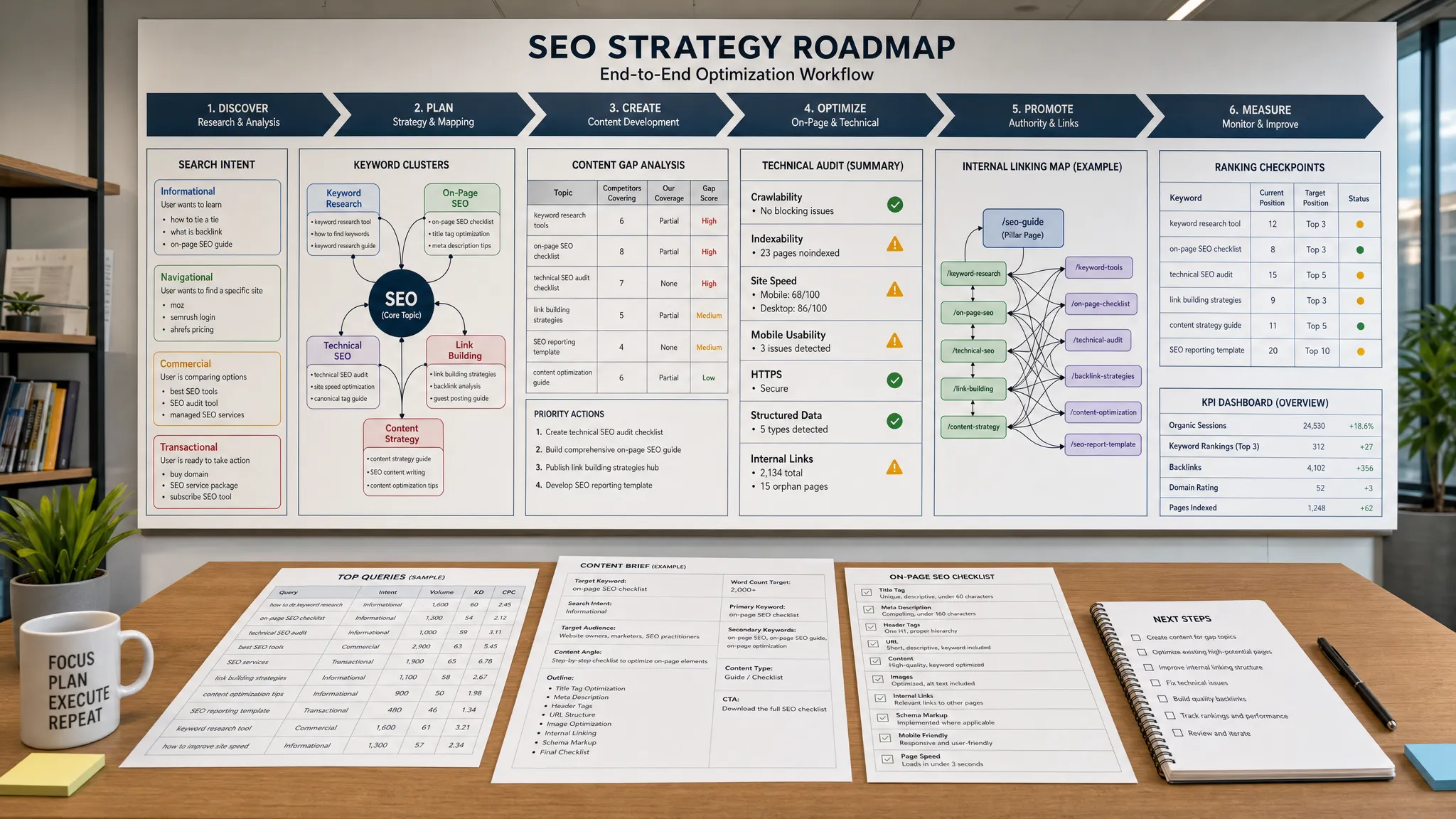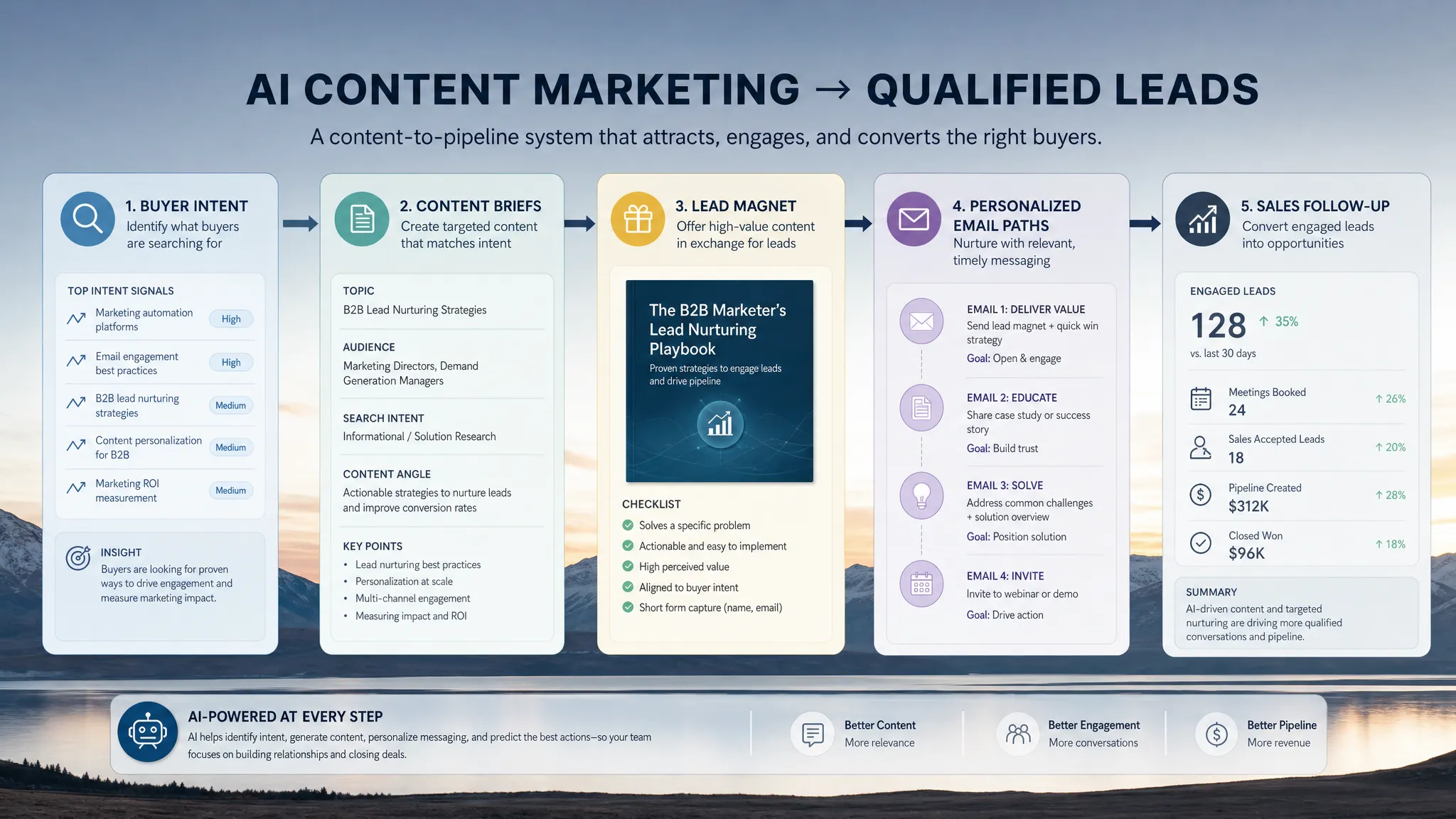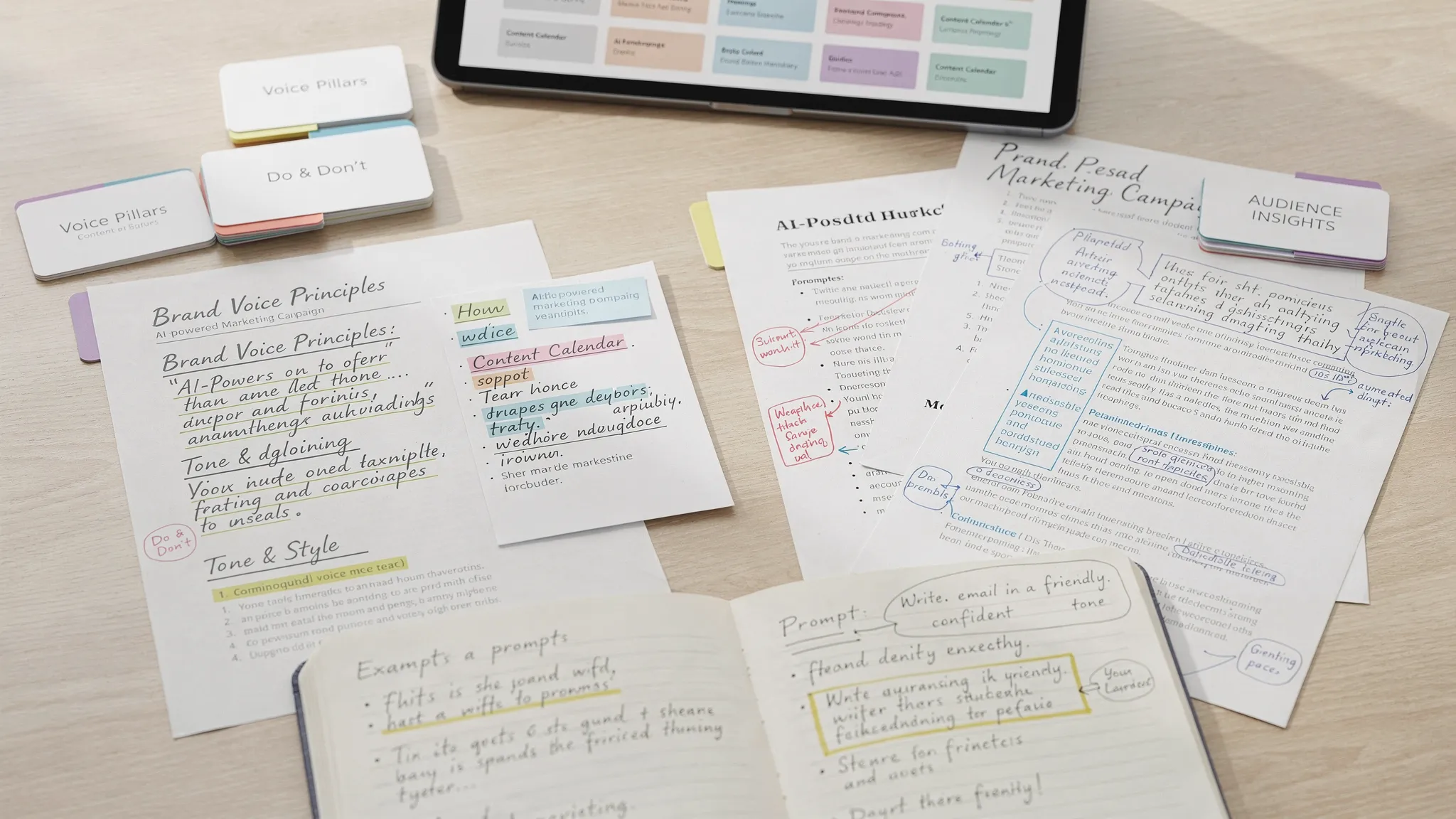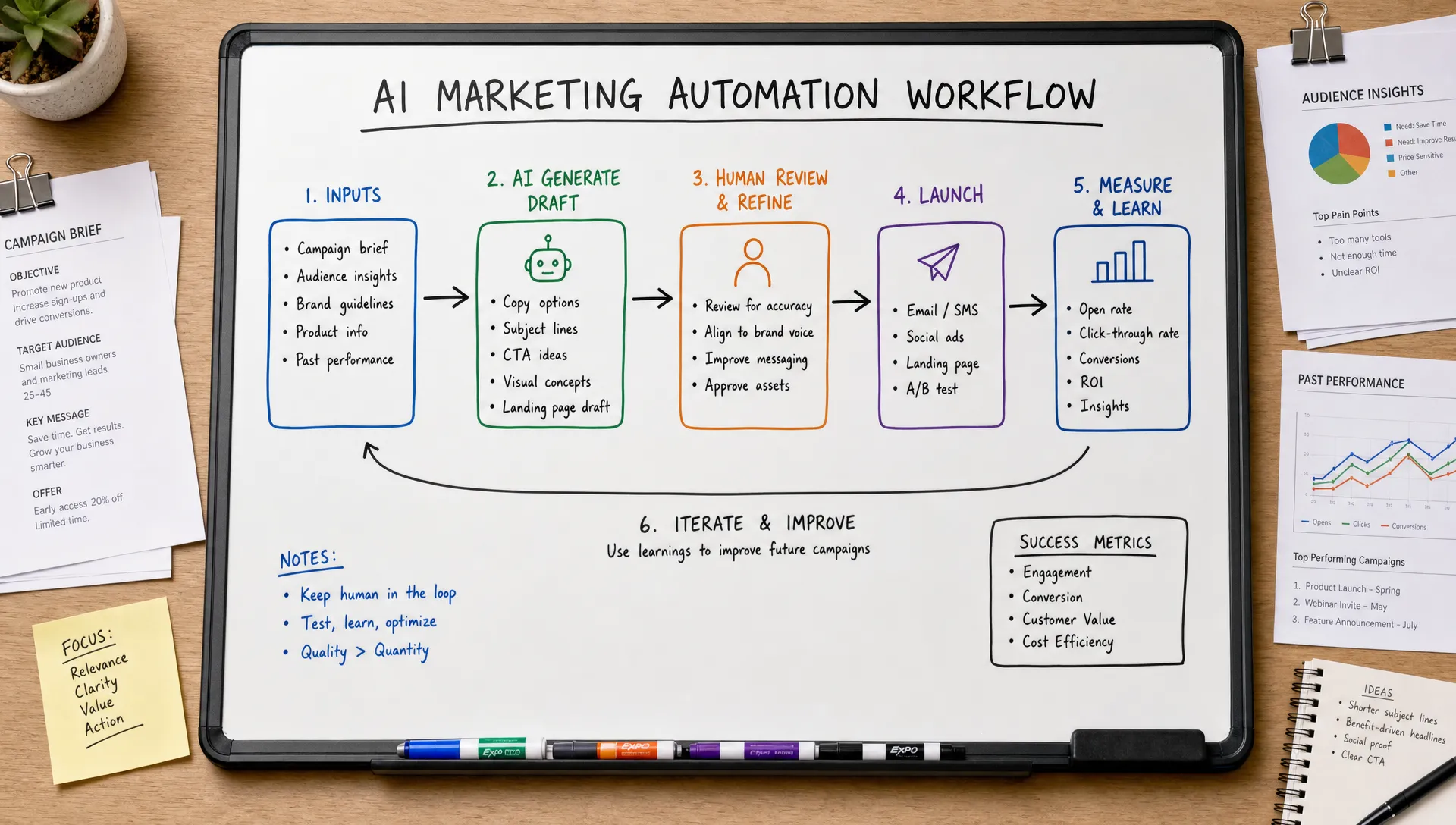
AI marketing automation is most useful when it removes friction from a strategy that already makes sense. It is least useful when it is asked to rescue unclear positioning, messy data or a campaign process nobody has agreed on.
That distinction matters because automation can make a marketing team faster within days. It can also make mistakes faster. A weak nurture sequence can reach more people. A generic AI-generated article can fill a content calendar. A poorly governed lead scoring model can push sales toward the wrong accounts.
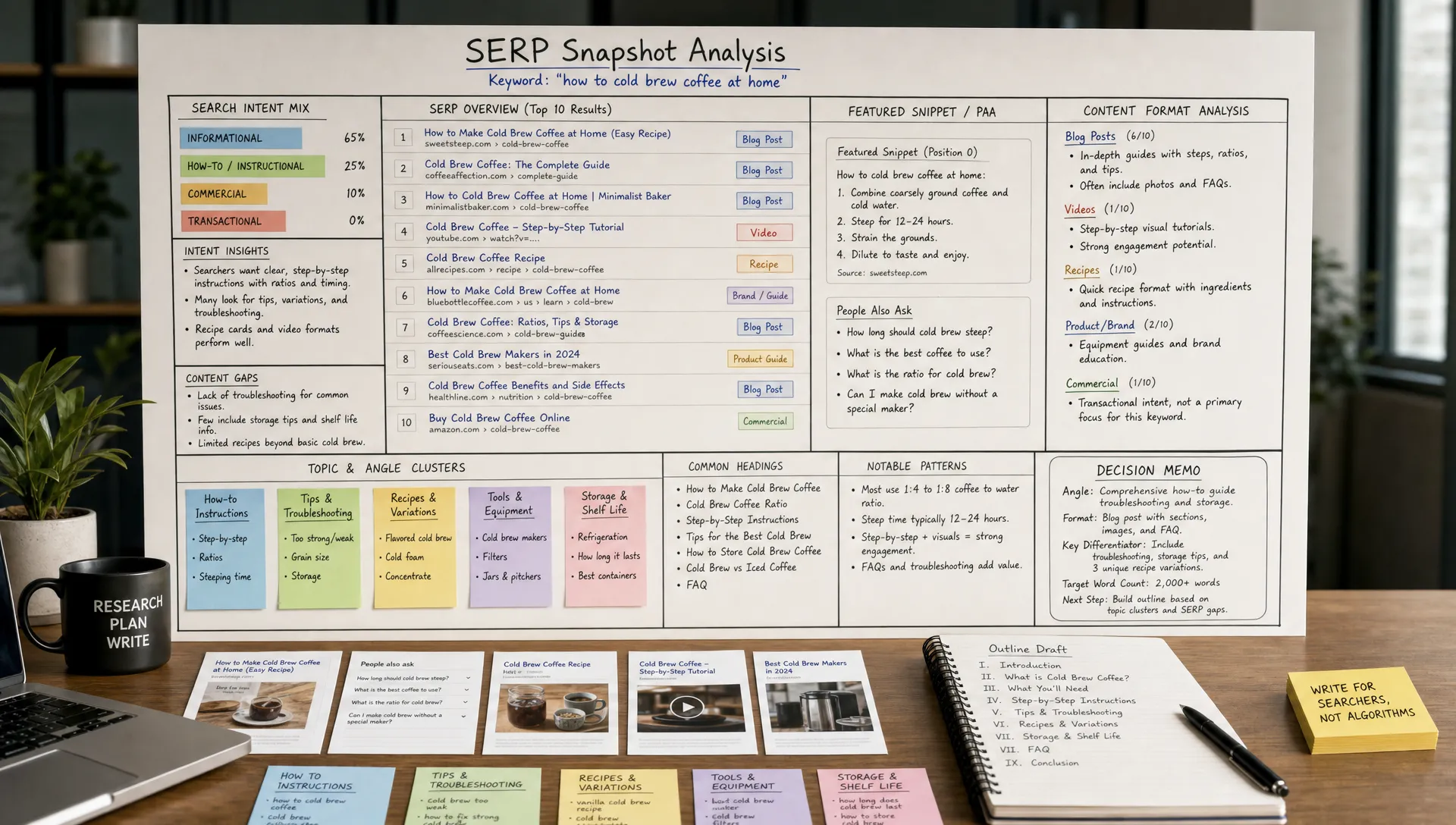
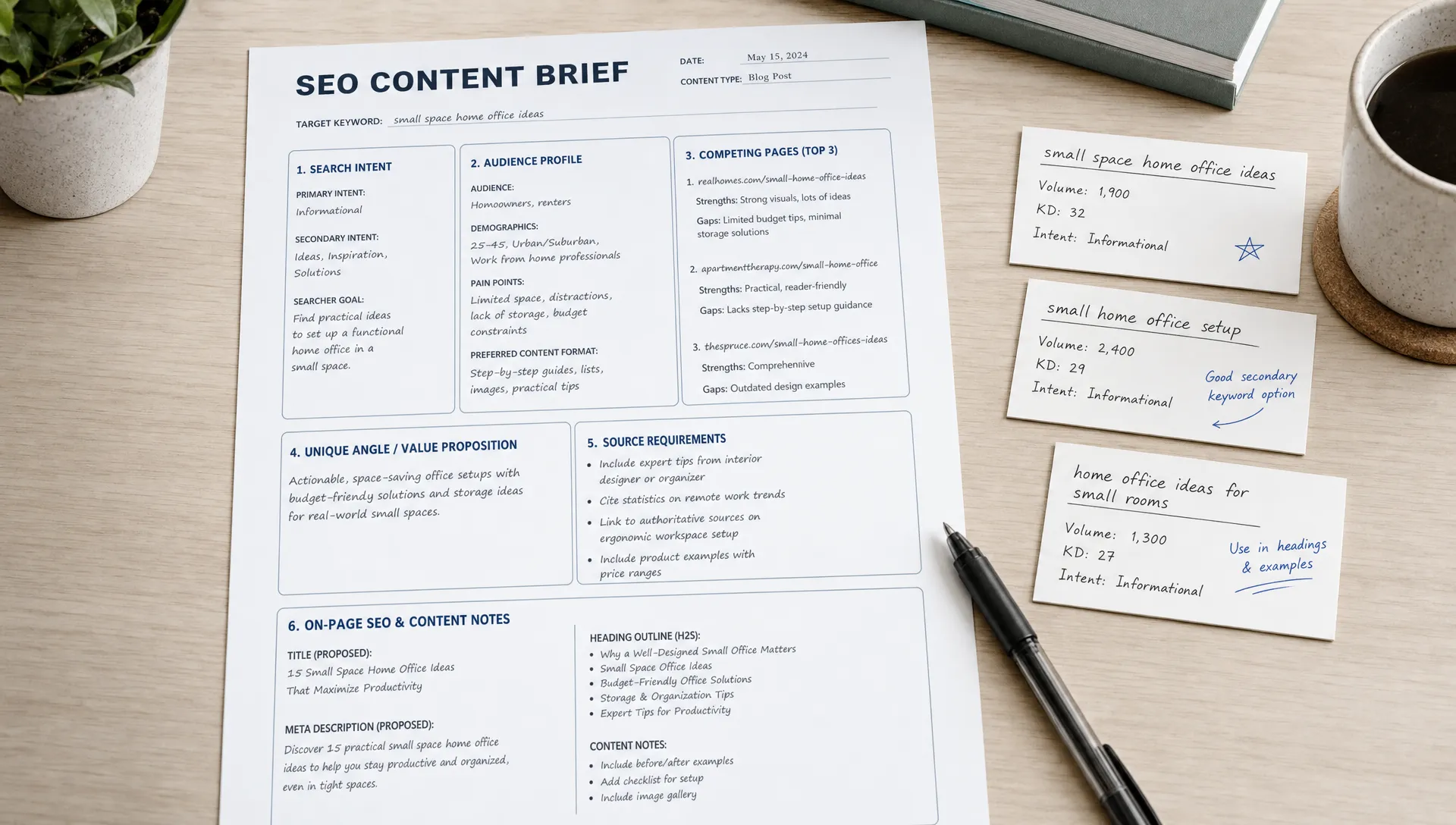
The right starting point is not a huge platform migration or a mandate to automate everything. It is a specific workflow where speed, consistency and personalization can improve a measurable outcome. For many teams, that means lead follow-up, campaign reporting, SEO content briefs, email segmentation or paid creative testing.
This guide breaks down where to start with AI marketing automation, how to choose the first use cases and what to avoid before small problems become expensive ones.
Most automation projects go wrong before anyone writes a prompt or connects an app. The team starts with a tool category, such as AI email automation or AI-powered analytics, instead of a business problem.
A better starting question is simple: what marketing result would improve if the team could respond faster, personalize better or reduce repetitive work?
For example, a SaaS company might want to increase demo attendance from inbound leads. An ecommerce brand might want to recover more abandoned carts. A B2B services company might want to turn sales calls into content ideas and follow-up emails. Each goal points to a different workflow, data requirement and approval process.
Strong AI marketing automation usually supports one of five outcomes:
If the desired outcome is vague, the automation will be vague too. Instead of saying the goal is to use AI for content creation, define the outcome as publishing four expert-reviewed articles per month that target high-intent questions from sales conversations. That shift turns AI from a novelty into an operating system for better execution.
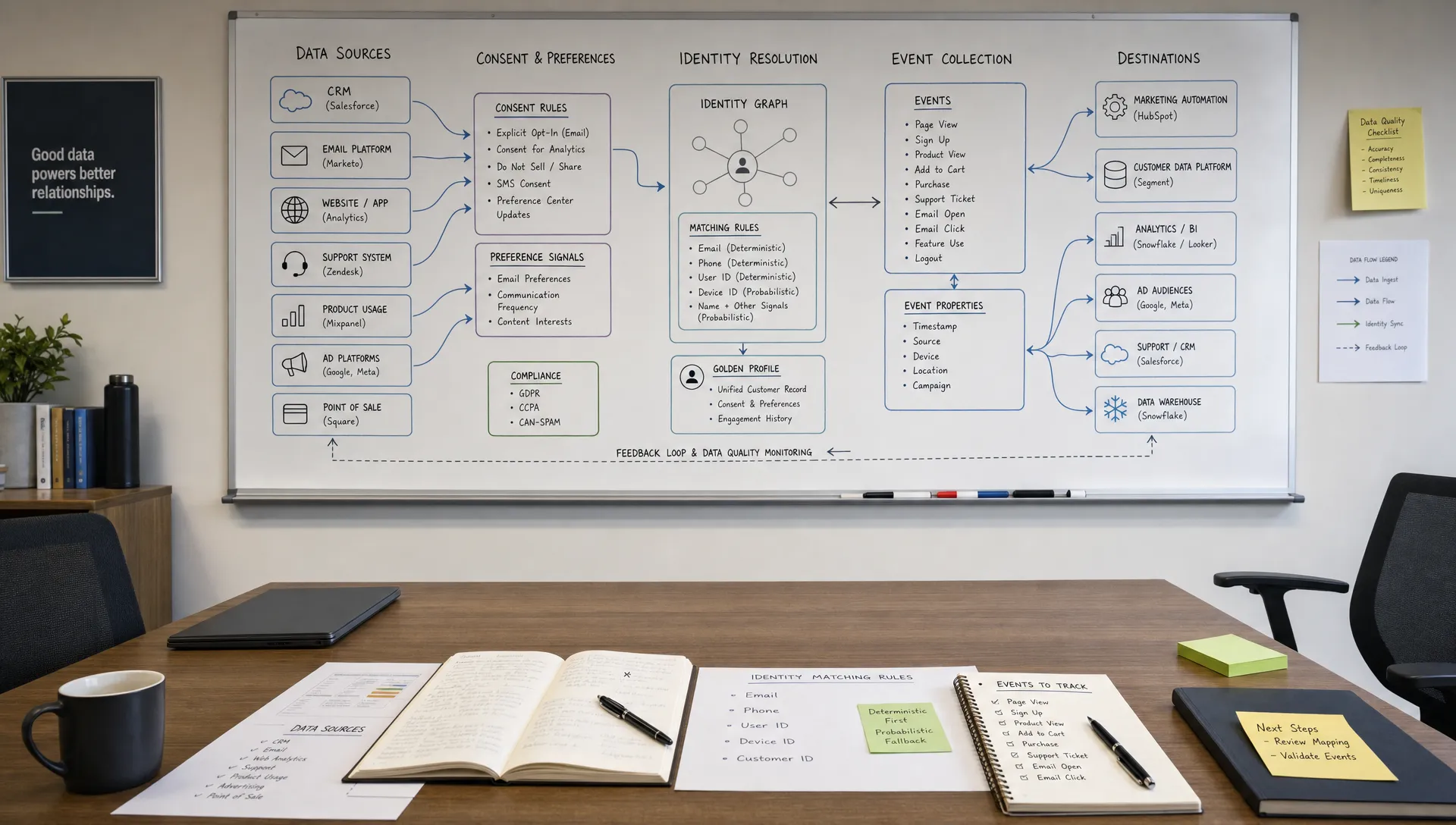
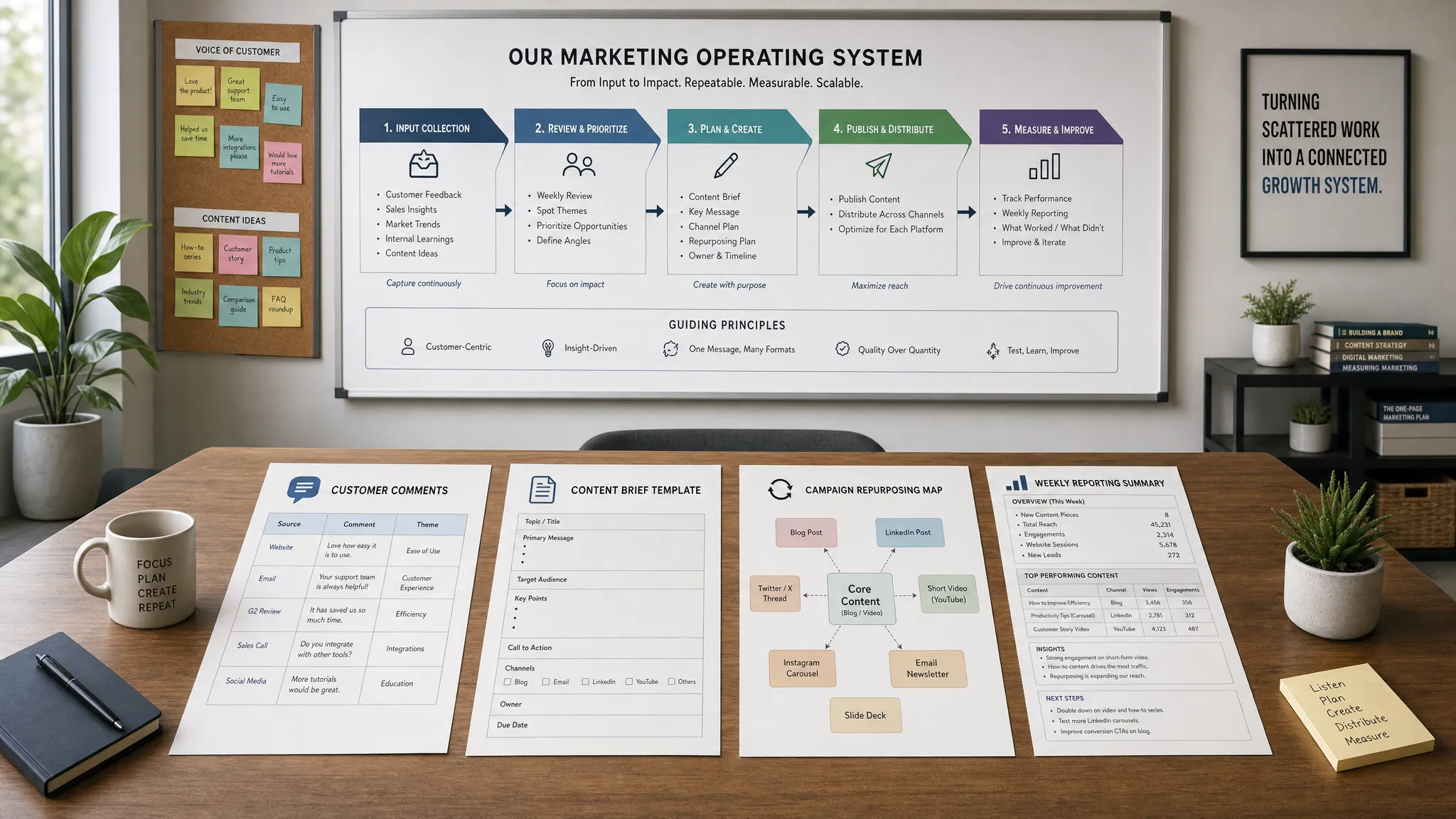
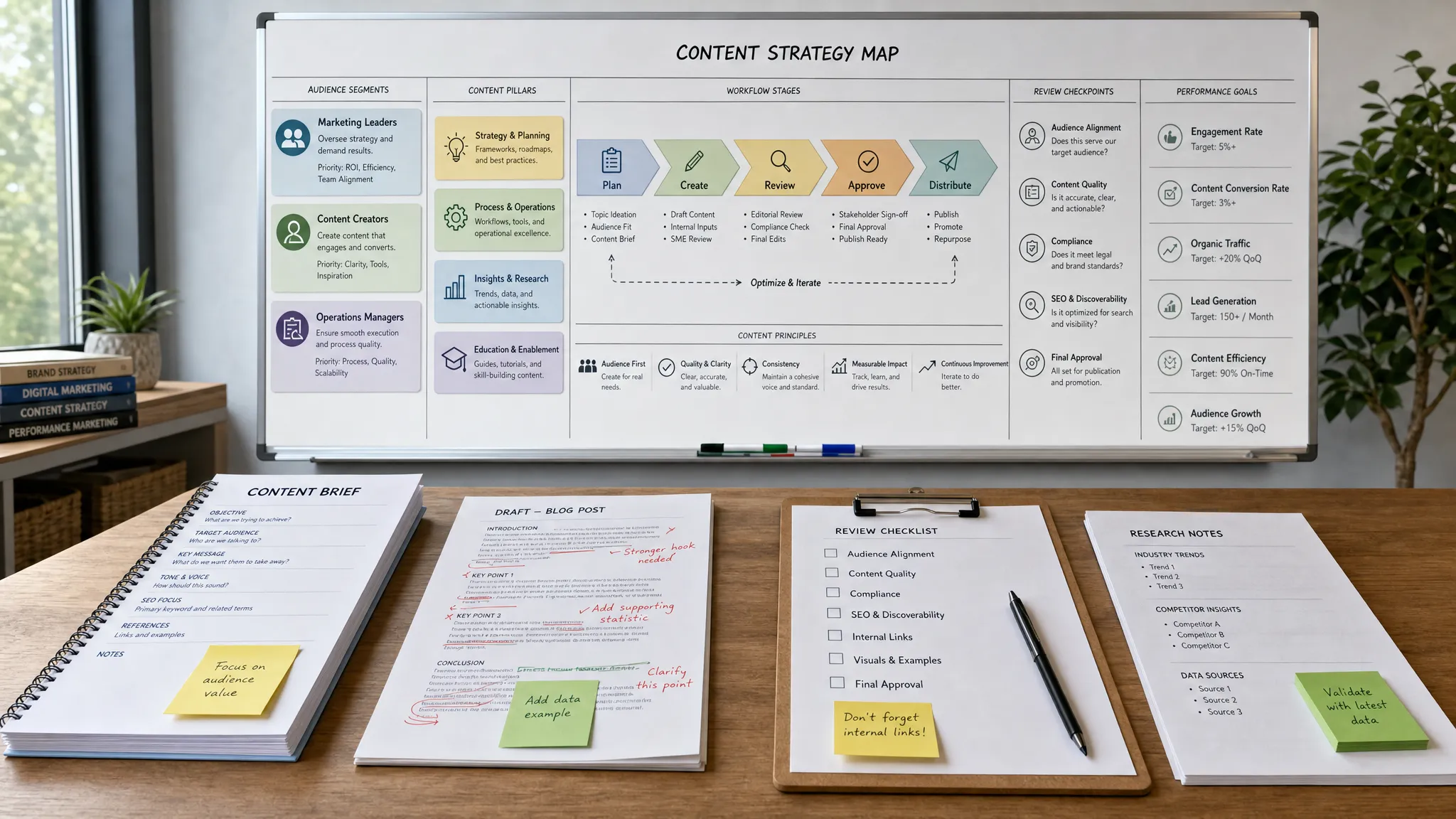
Before adding AI to a marketing process, write down how the process works today. This does not need to be complicated. A one-page map is enough if it captures the inputs, steps, decisions, owners and success metric.
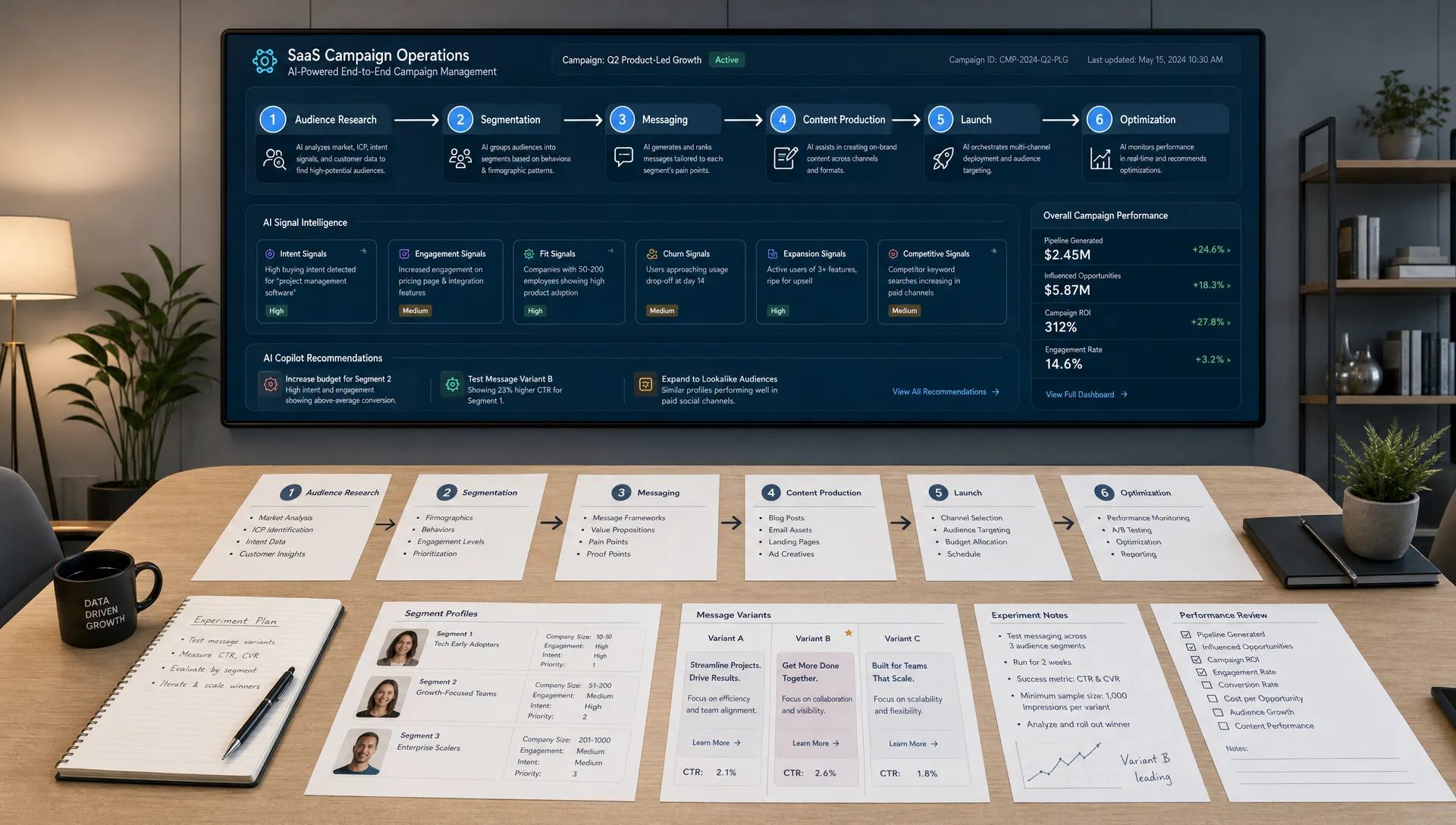
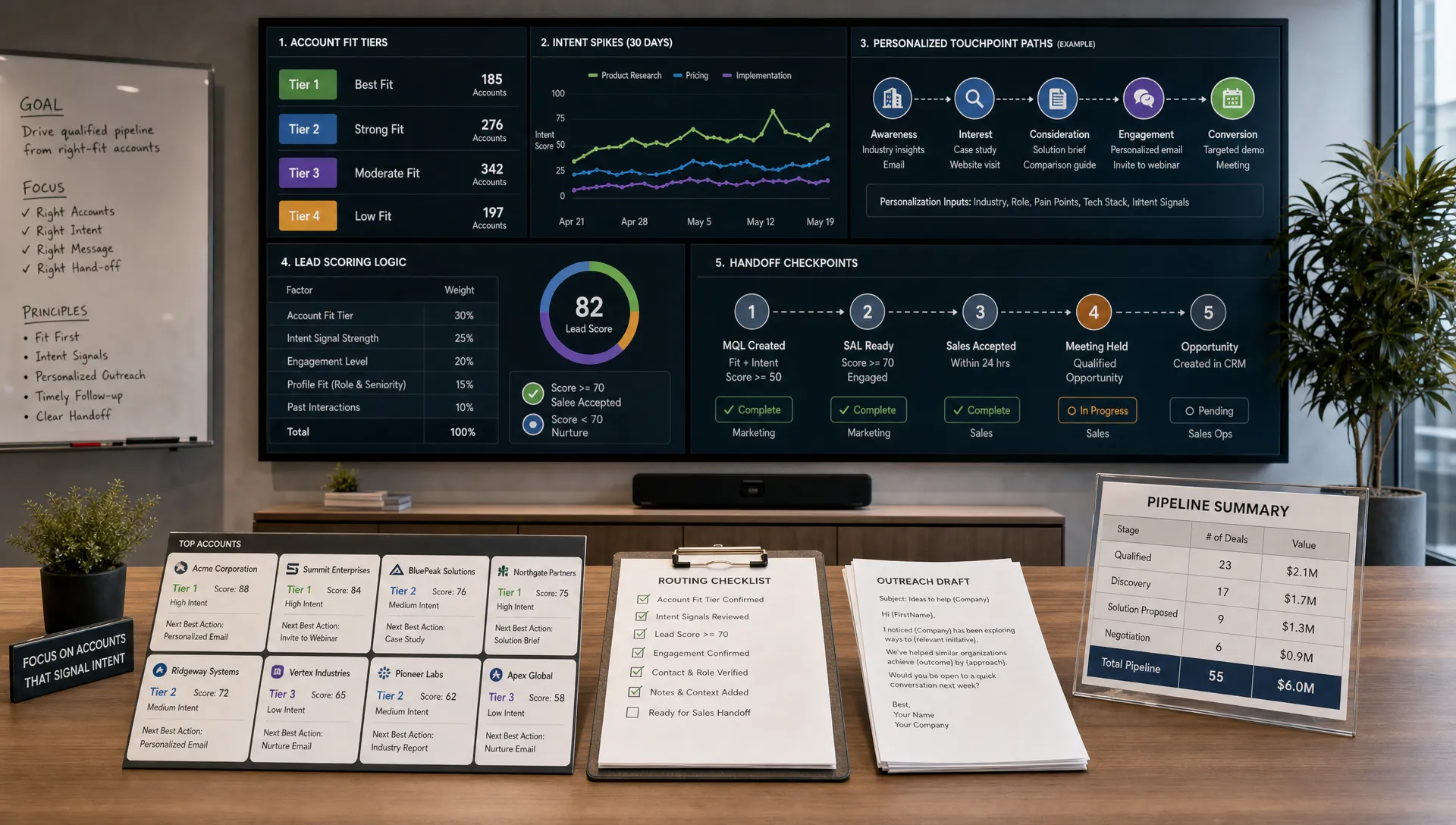
Take lead nurture as an example. The workflow might include a form submission, CRM entry, lead source tagging, segment assignment, email sequence enrollment, sales notification, call booking, follow-up content and reporting. AI could help summarize lead context, personalize the first email, recommend content based on industry or analyze response patterns. But those improvements only work if the underlying workflow is visible.
A simple readiness check can prevent wasted effort:
This kind of mapping also reveals where AI is not the answer. If leads are not converting because the offer is weak, automation will not fix the offer. If campaign reporting takes too long because channel naming is inconsistent, the first move is data hygiene, not a new dashboard.
AI marketing automation depends on data quality. If customer records are duplicated, lifecycle stages are inconsistent or consent fields are missing, automation becomes risky. The output may look polished, but the targeting, timing and personalization will be unreliable.
Start with the data required for the first use case. You do not need to clean every database before launching a small pilot. If the first workflow is a lead nurture sequence, focus on lead source, company type, role, lifecycle stage, consent status and engagement history. If the first workflow is churn prevention, focus on product usage, purchase history, support interactions and renewal timing.
Good customer data also needs governance. Teams should know which fields are trusted, who can change them, how often they are updated and which systems are the source of truth. For a deeper data preparation framework, AIMarketer Hub has a practical guide on how to create AI-ready customer data for marketing.
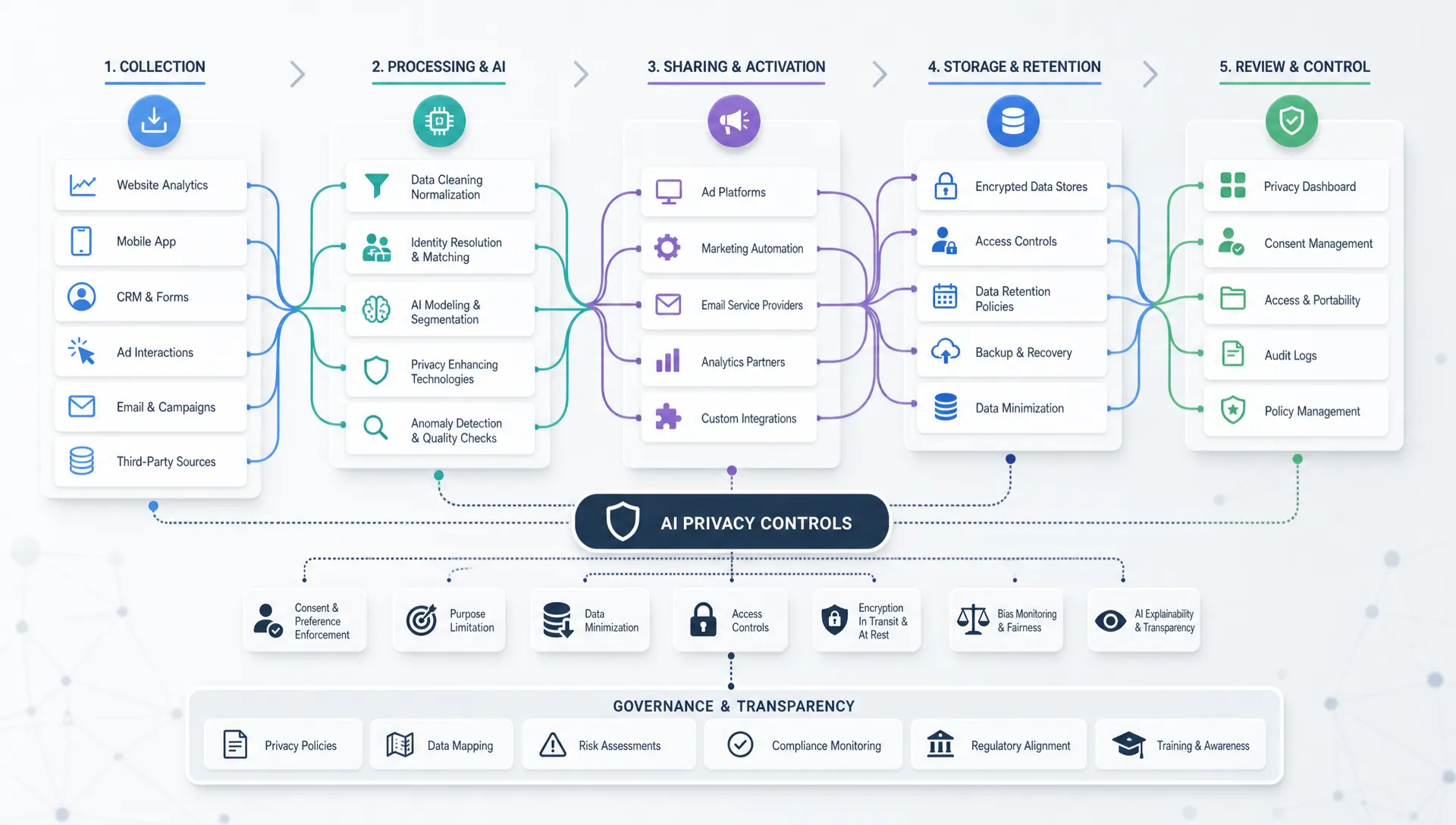
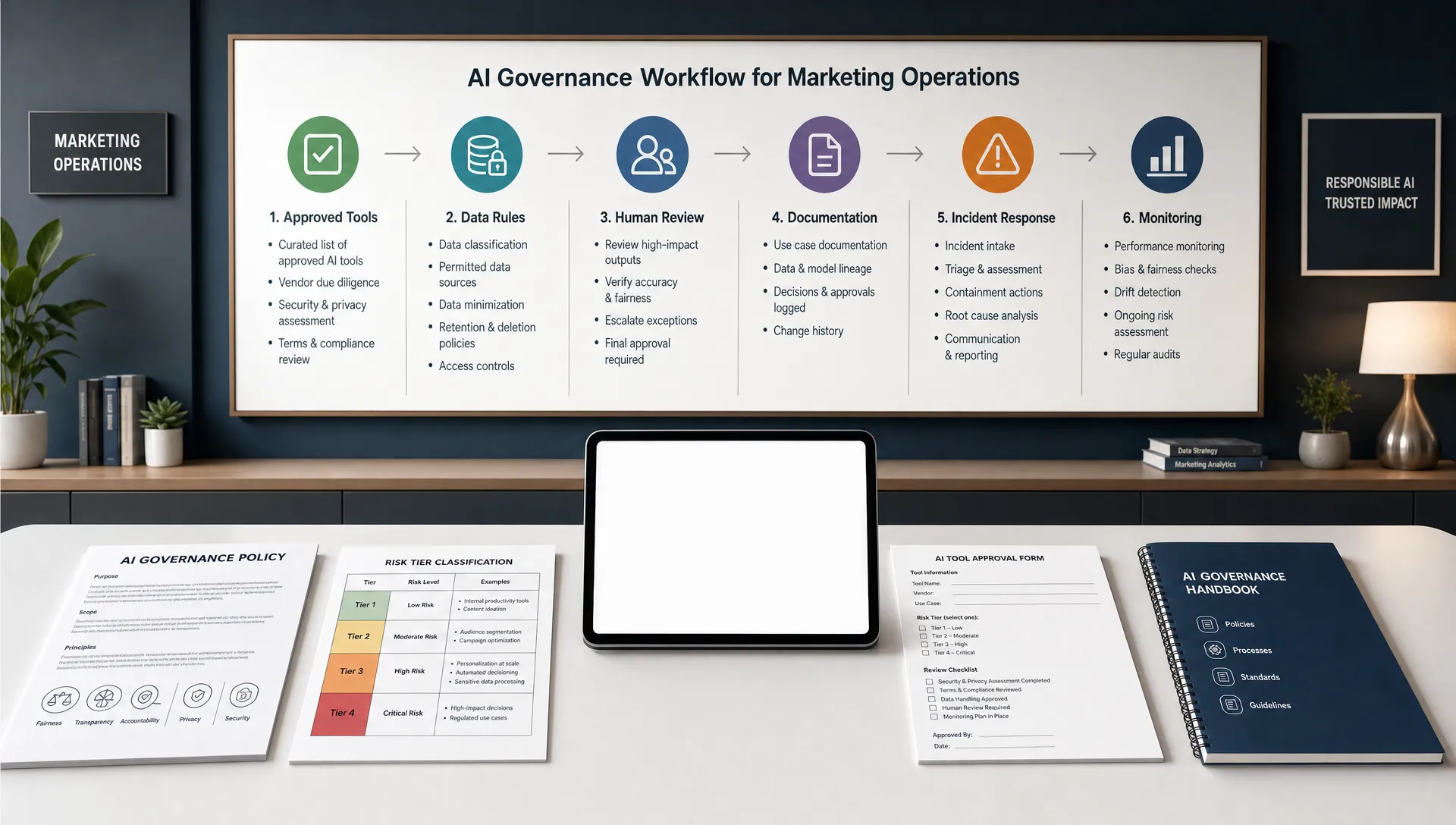
Privacy and compliance should be part of the design, not a final review after everything is connected. The National Institute of Standards and Technology recommends managing AI risk through governance, mapping, measurement and management in its AI Risk Management Framework. Marketing teams can apply that same thinking by documenting where AI is used, what data it touches and where human approval is required.
The best first use case is visible enough to matter but narrow enough to control. Avoid starting with a full customer journey overhaul. Pick one workflow that happens often, has clear rules and can be measured within a few weeks.
For many teams, good first AI marketing automation use cases include:
These use cases work because they combine repetition with judgment. AI can draft, classify, summarize or recommend. A marketer still decides whether the message fits the brand, whether the segment makes sense and whether the next action is appropriate.
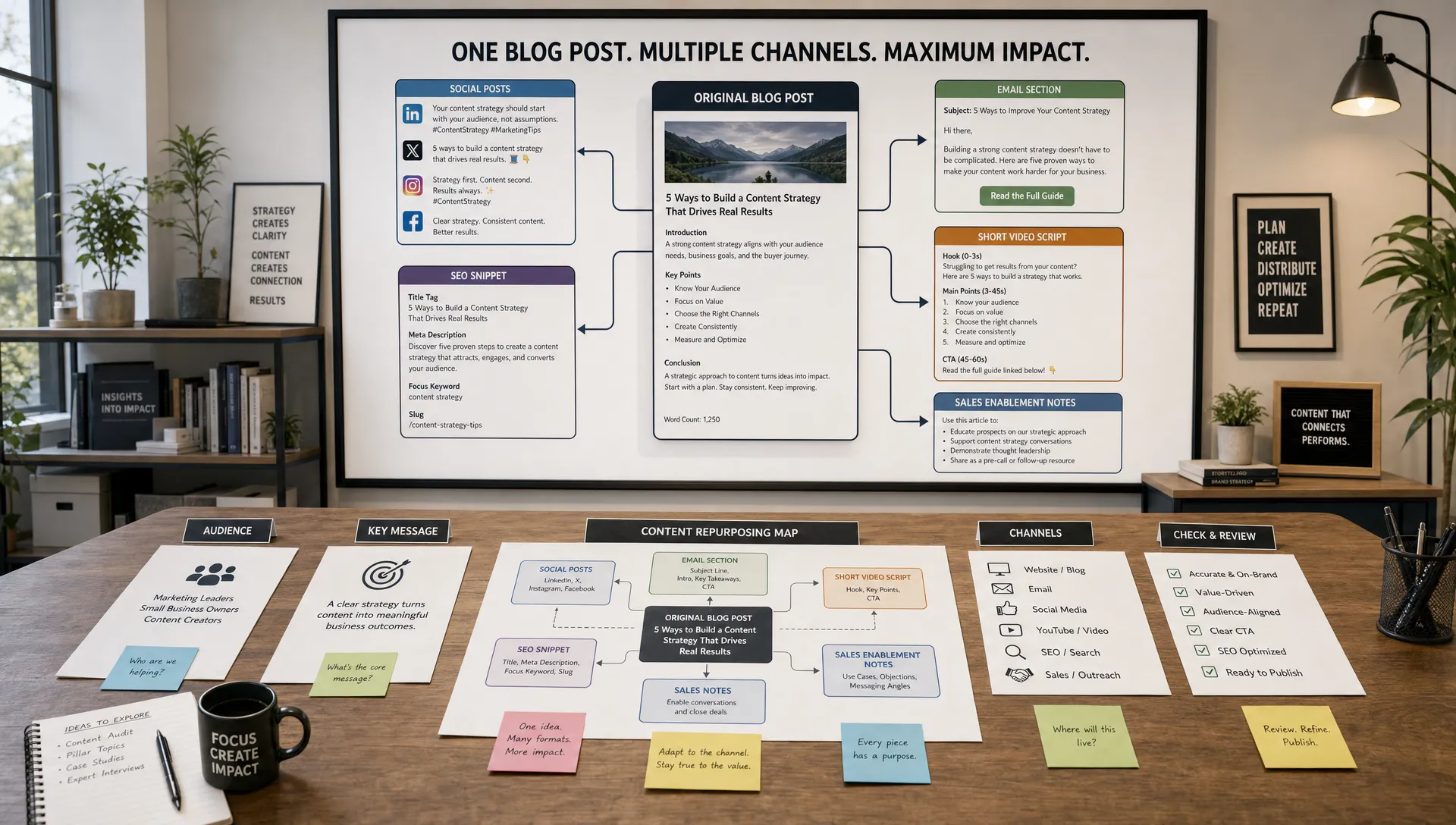
If content is your first automation area, resist the temptation to measure success by output volume alone. Publishing more assets does not matter if they do not support pipeline, retention or brand authority. For a lead-focused approach, see these AI content marketing tactics that drive more leads.
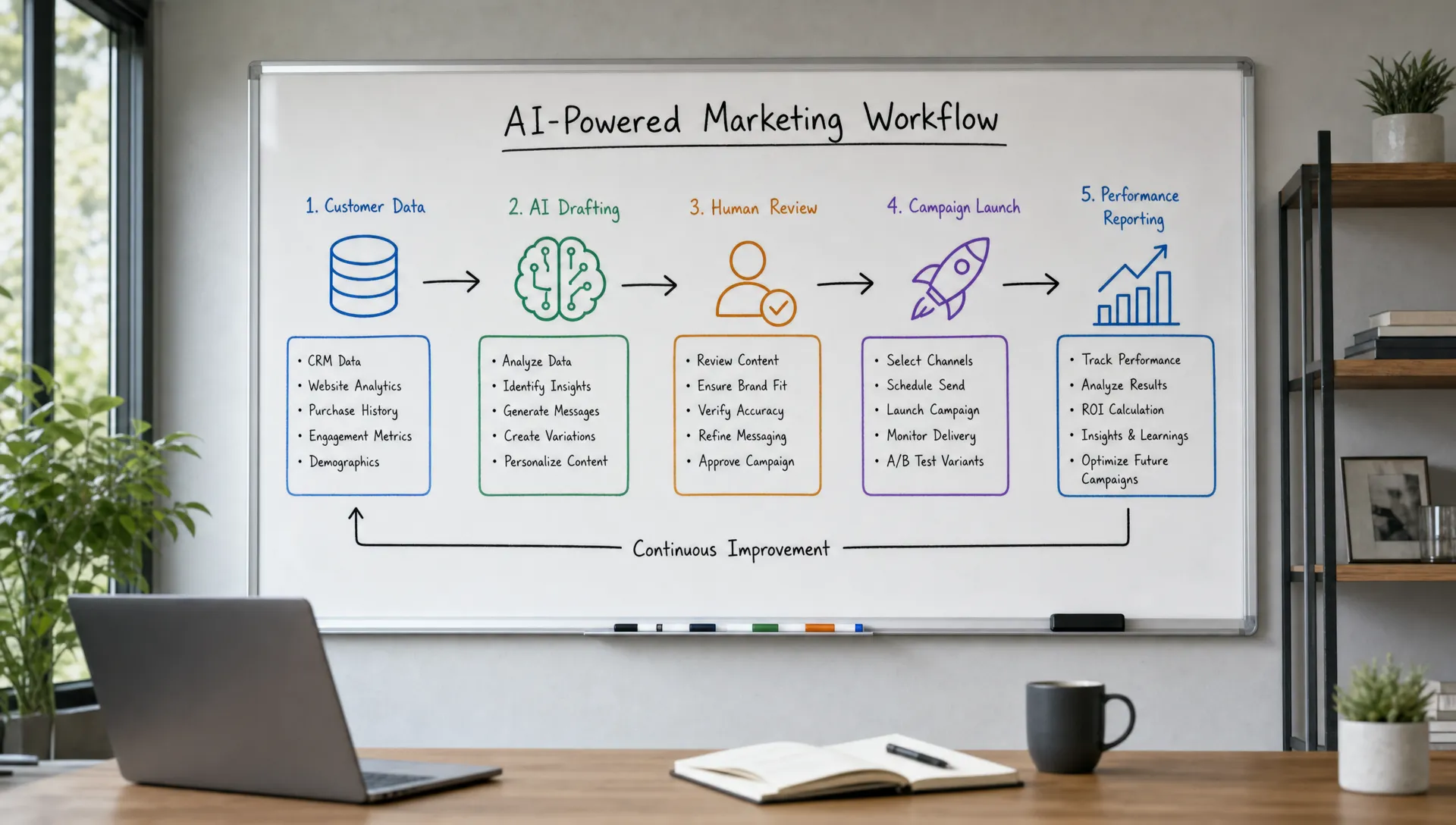
AI marketing automation should reduce manual work, not remove accountability. The more visible or sensitive the customer interaction, the more important human review becomes.
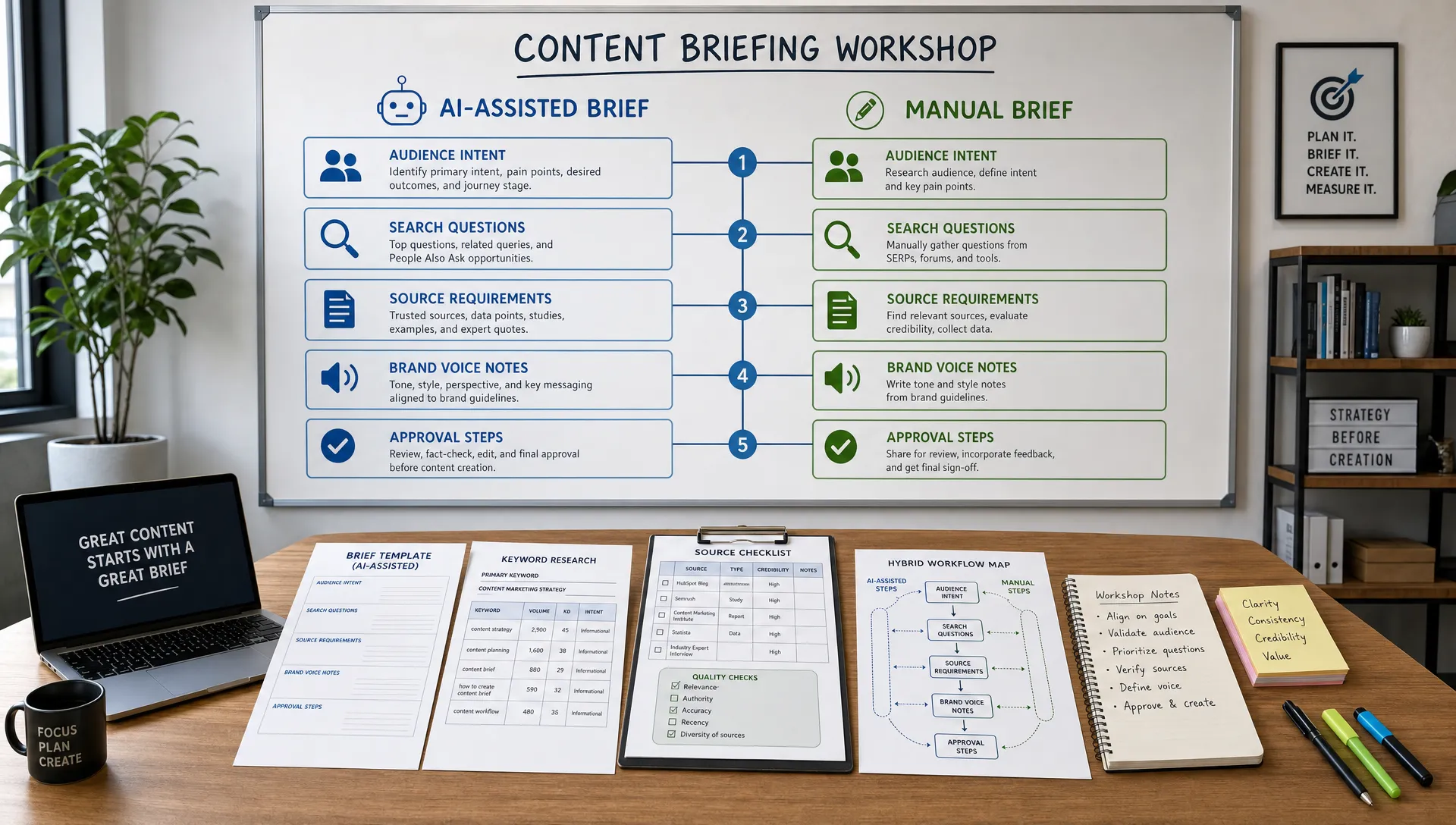
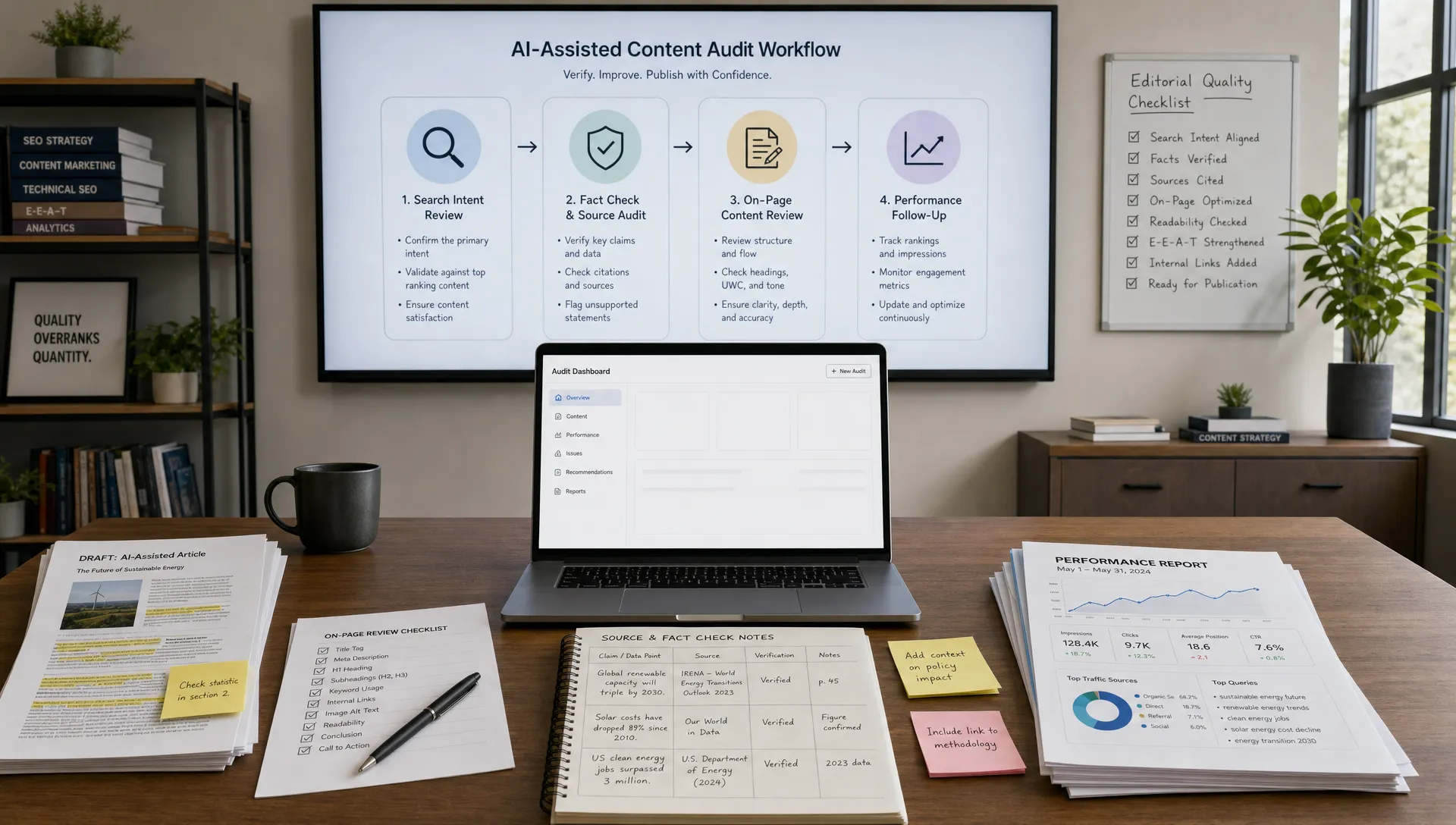
A good rule is to separate internal automation from customer-facing automation. Internal tasks such as summarizing analytics, drafting briefs or clustering keyword ideas can move quickly with light review. Customer-facing tasks such as emails, ads, landing page copy and chatbot responses need tighter approval because they affect brand trust and compliance.
Human review is especially important when AI is used for:
The goal is not to slow everything down. The goal is to define review points once, so the team does not debate them every time. For example, AI can draft five nurture email variations, the marketing manager approves one, the automation platform sends it only to leads who meet clear criteria and performance is reviewed weekly.
Tool selection becomes easier once the workflow, data and approval rules are defined. You can evaluate platforms based on what you actually need, rather than a long feature list that may never be used.
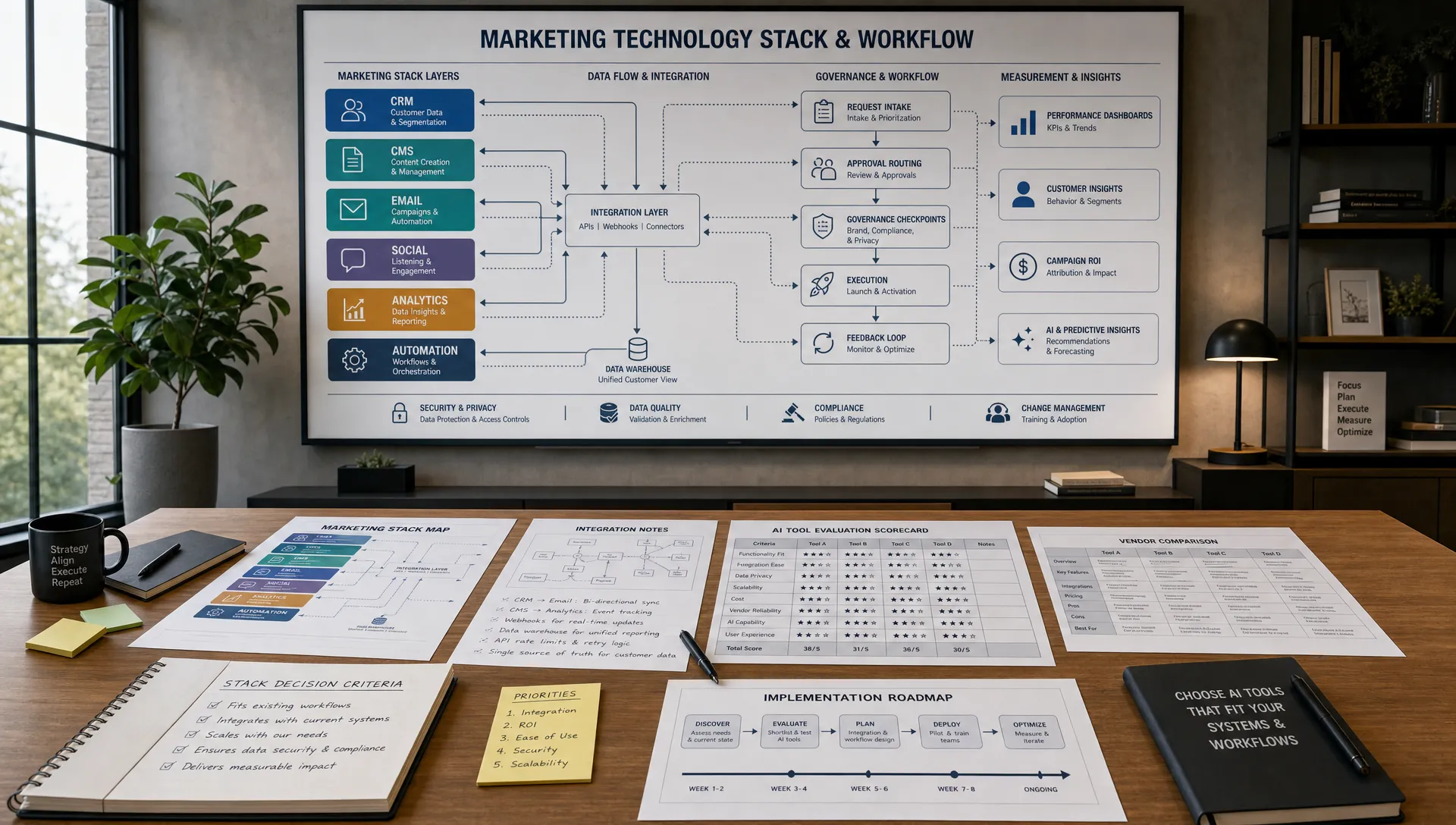
A practical AI marketing automation stack may include content generation, SEO tools, CRM automation, email automation, analytics and prompt management. Some teams need all of these. Many do not. The right stack depends on your channels, team size, existing systems, data maturity and compliance requirements.
When comparing platforms, look beyond the demo. Ask how the tool handles integrations, permissions, data retention, version history, approval workflows and performance measurement. If a vendor cannot explain how its AI features fit into your existing marketing operations, the burden of making it work will fall on your team.
AIMarketer Hub has a separate evaluation guide on how to pick the right AI marketing platform, which is helpful once you have identified the workflow you want to improve.
AI can expose weak marketing operations quickly. These are the mistakes most likely to create wasted spend, poor customer experiences or low-quality output.
If the audience is poorly defined, the offer is unclear or the campaign has no measurable goal, automation only creates more activity. Fix the strategy first. Automation should help a good message reach the right person at the right time, not compensate for a message nobody wants.
AI tools are useful for drafting and organizing ideas, but they should not become the source of truth about your customers. Real insight still comes from sales calls, support tickets, search behavior, surveys, reviews and first-party data. The strongest teams feed those inputs into AI workflows instead of asking the model to invent audience pain points.
Fully automated campaigns can work in mature systems, but early automation needs oversight. Review outputs, spot-check personalization and compare AI recommendations against actual results. If performance improves consistently, then expand the automation.
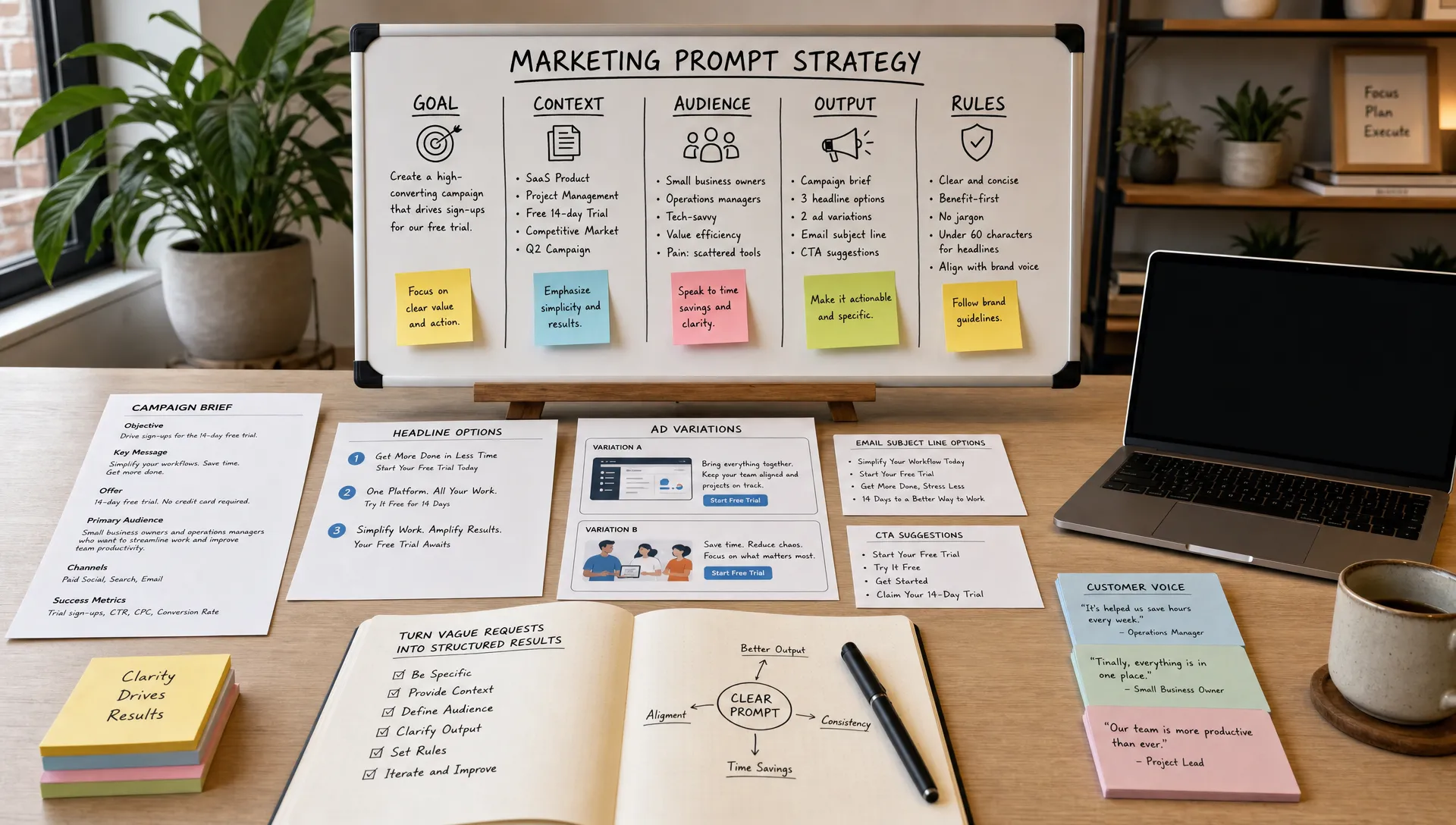
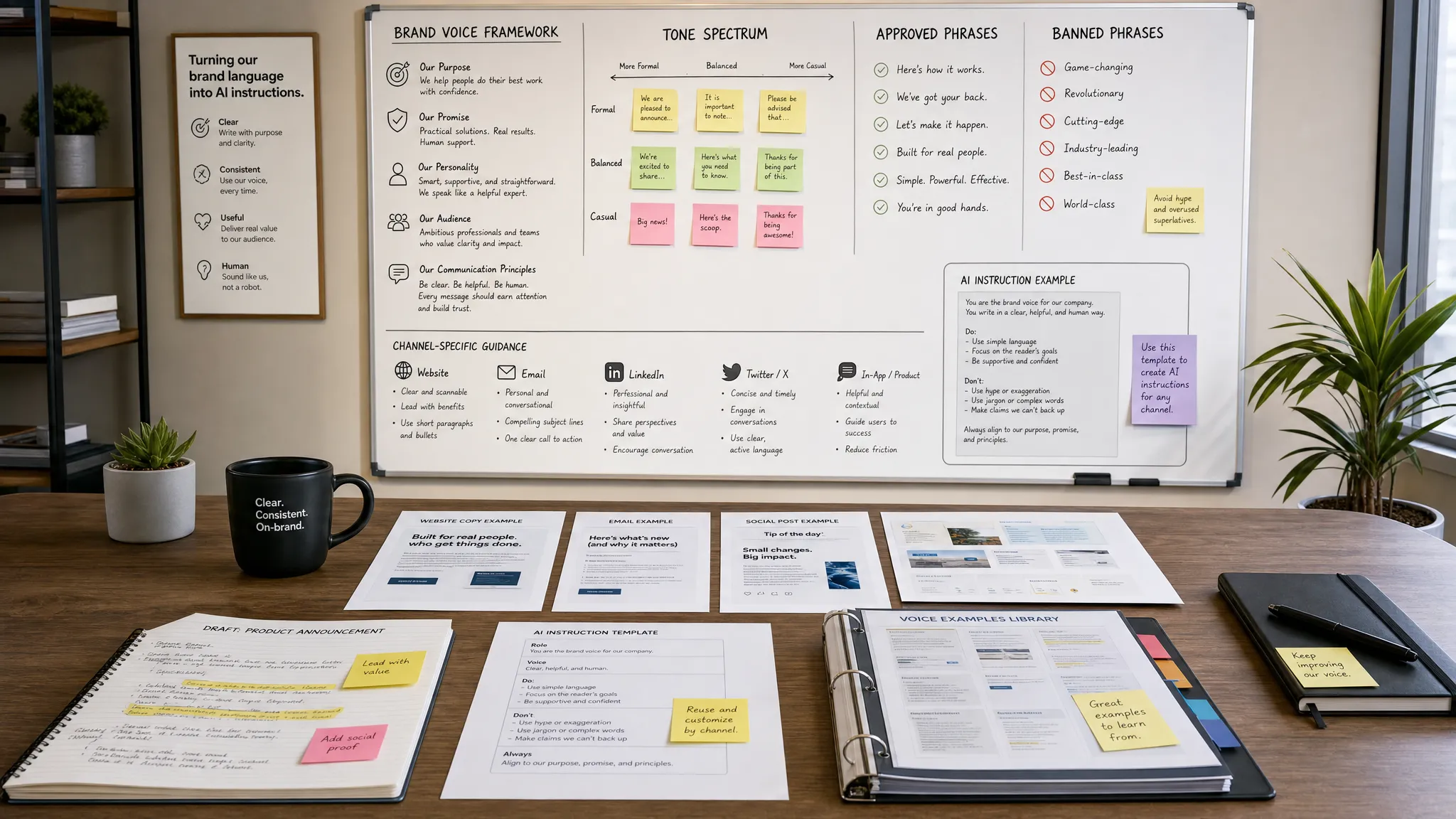
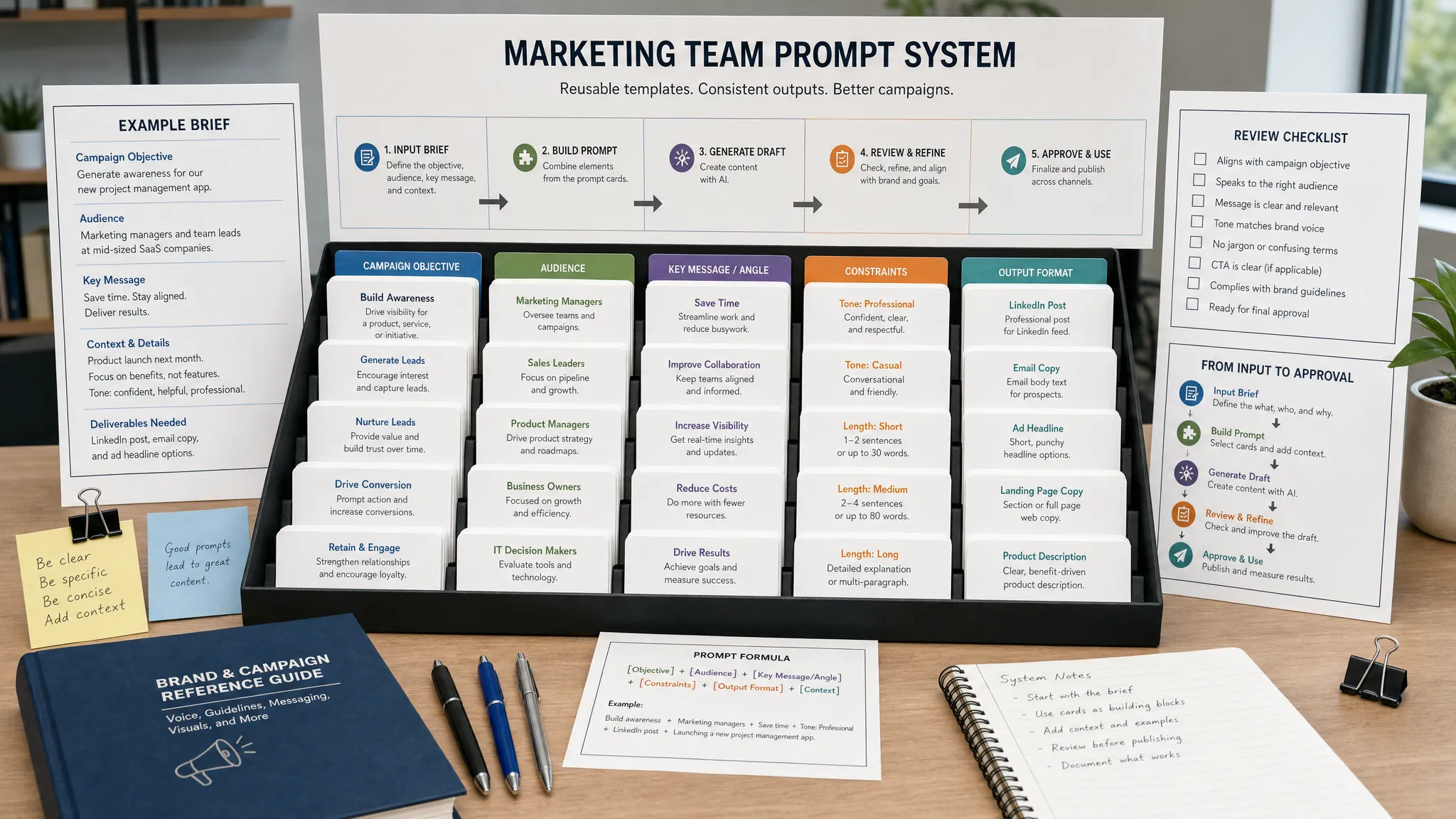
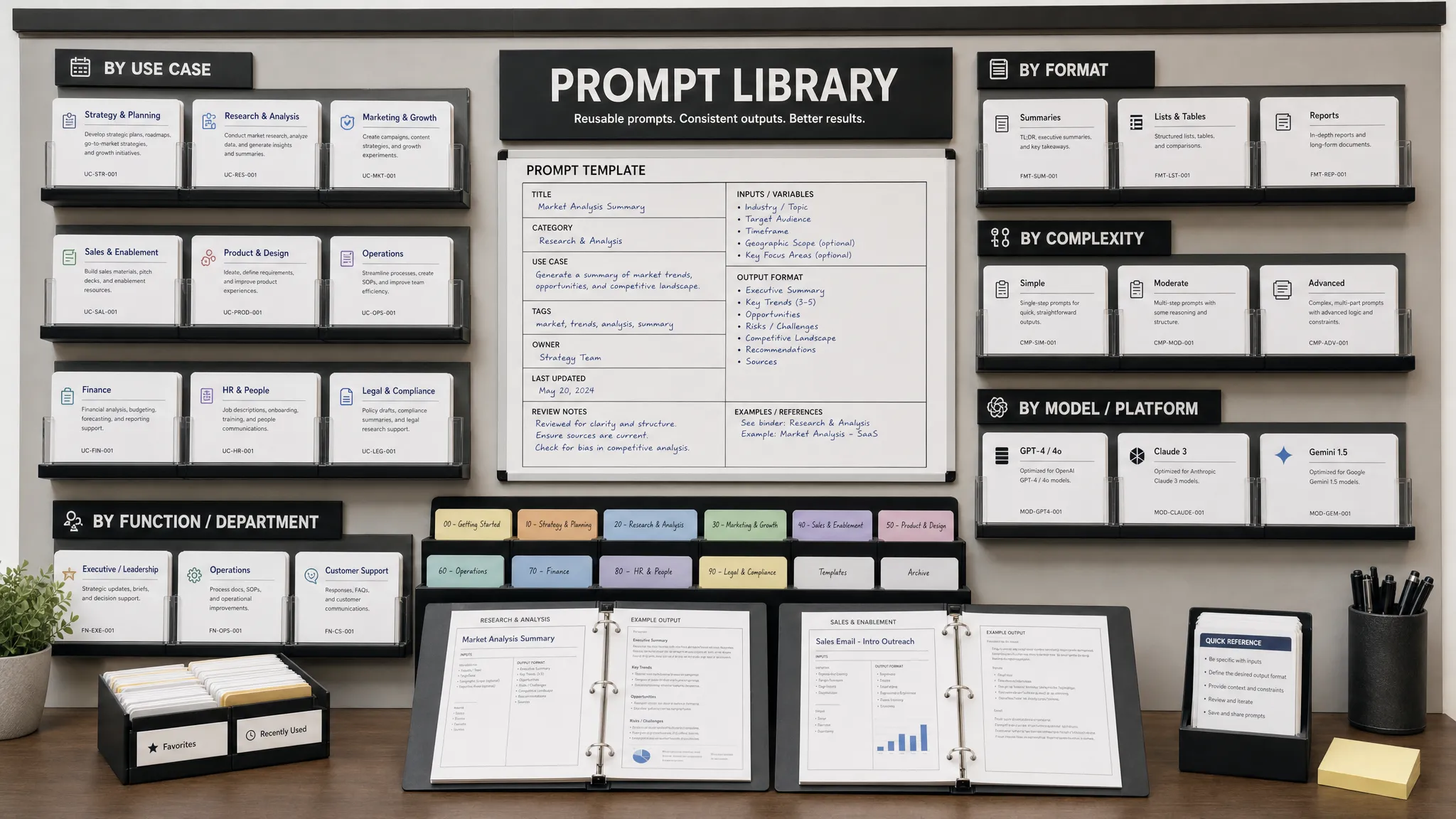
It is easy for every marketer to adopt a different AI tool. That can create security, cost and consistency problems. Teams should define approved tools, shared prompts, naming conventions and quality standards. A small prompt library can do more for consistency than a dozen disconnected apps.
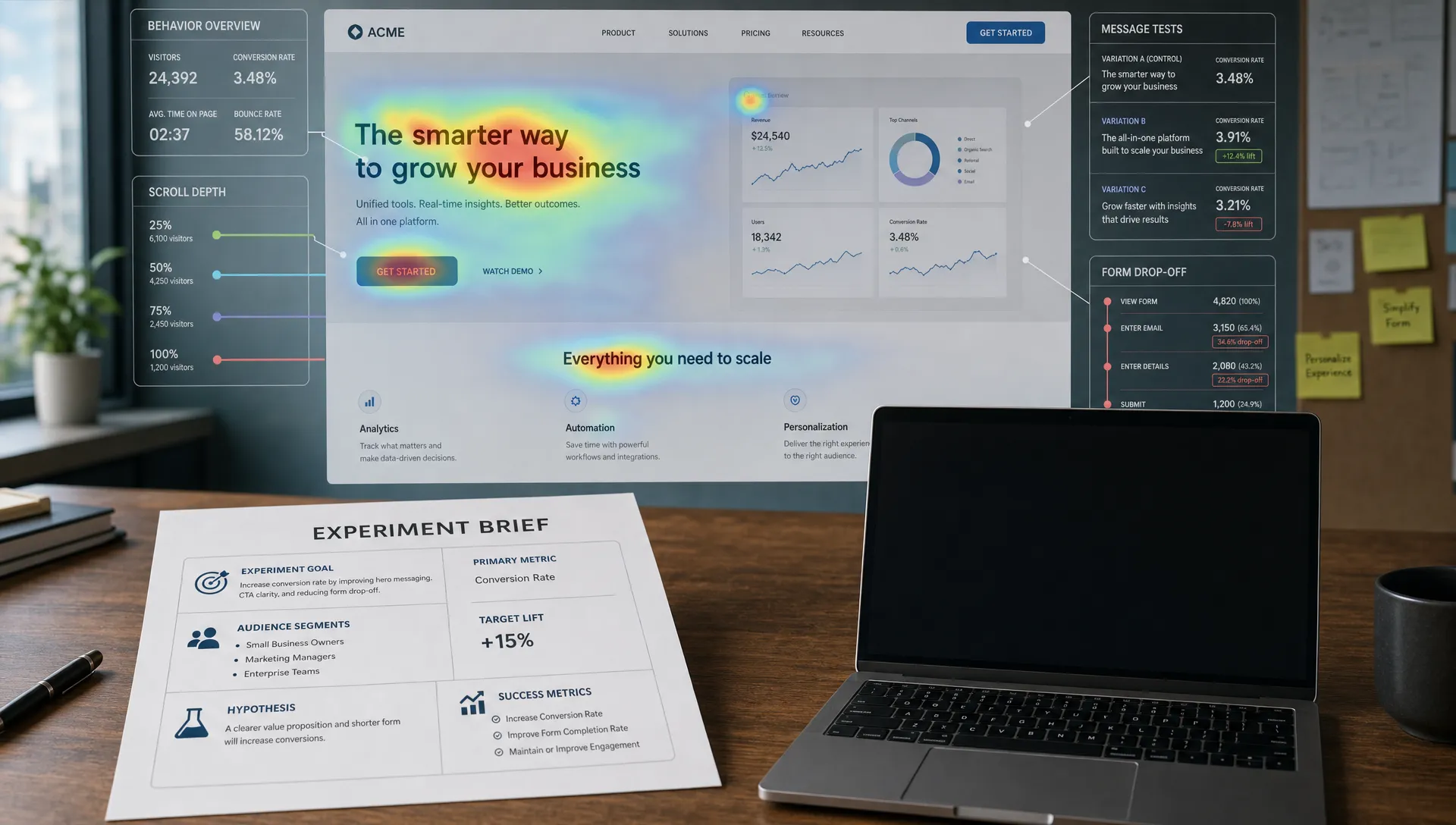
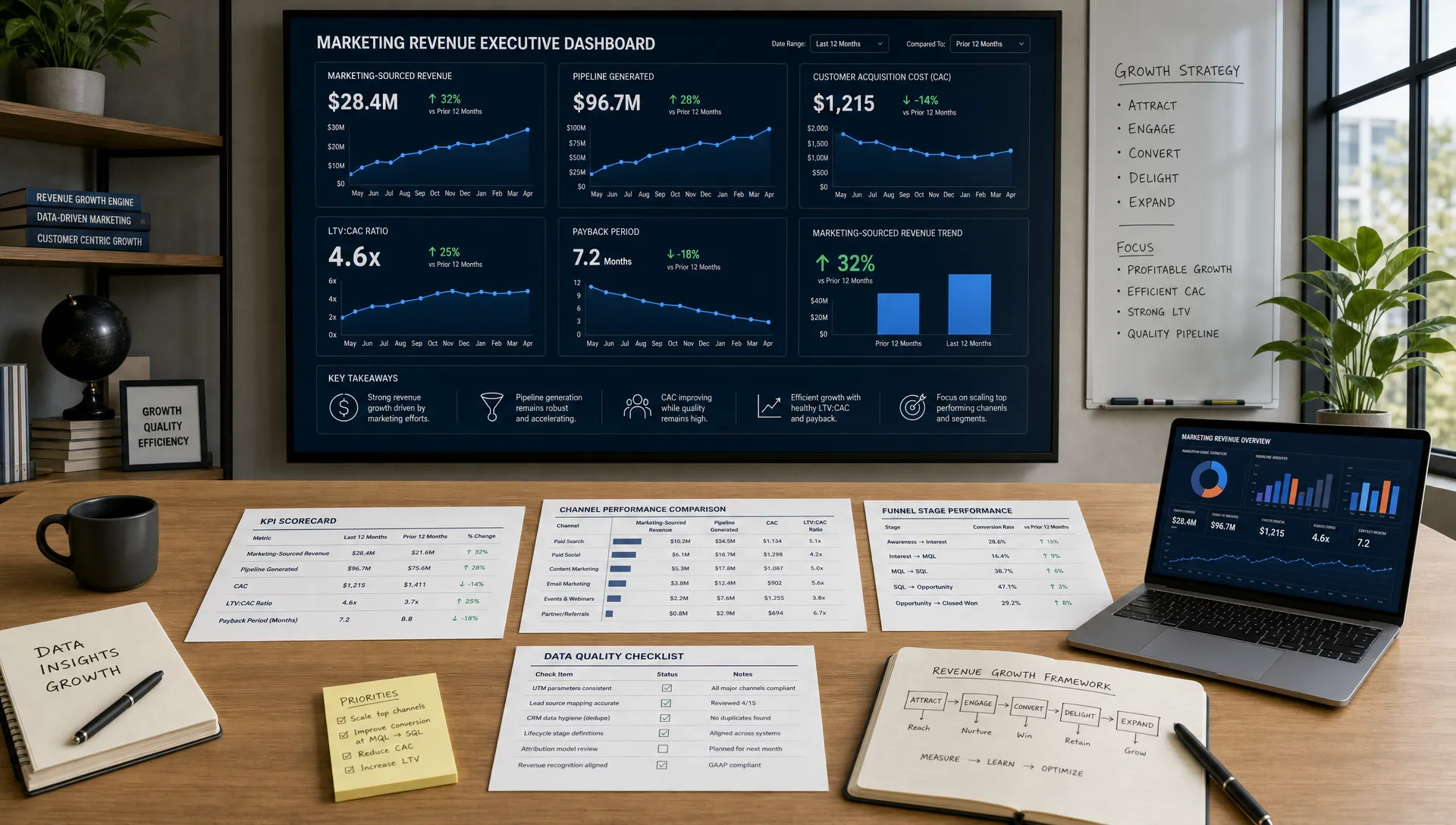
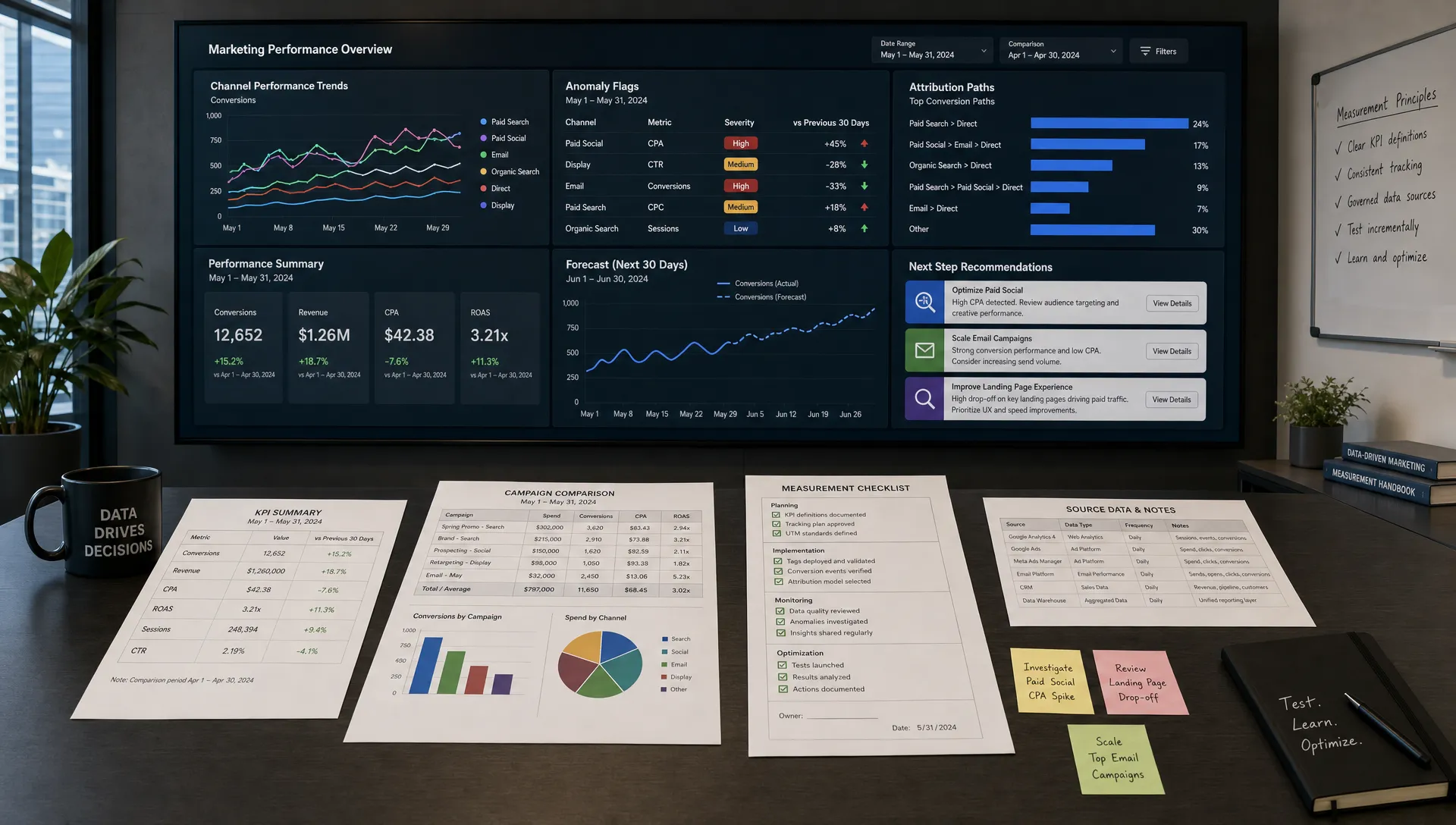
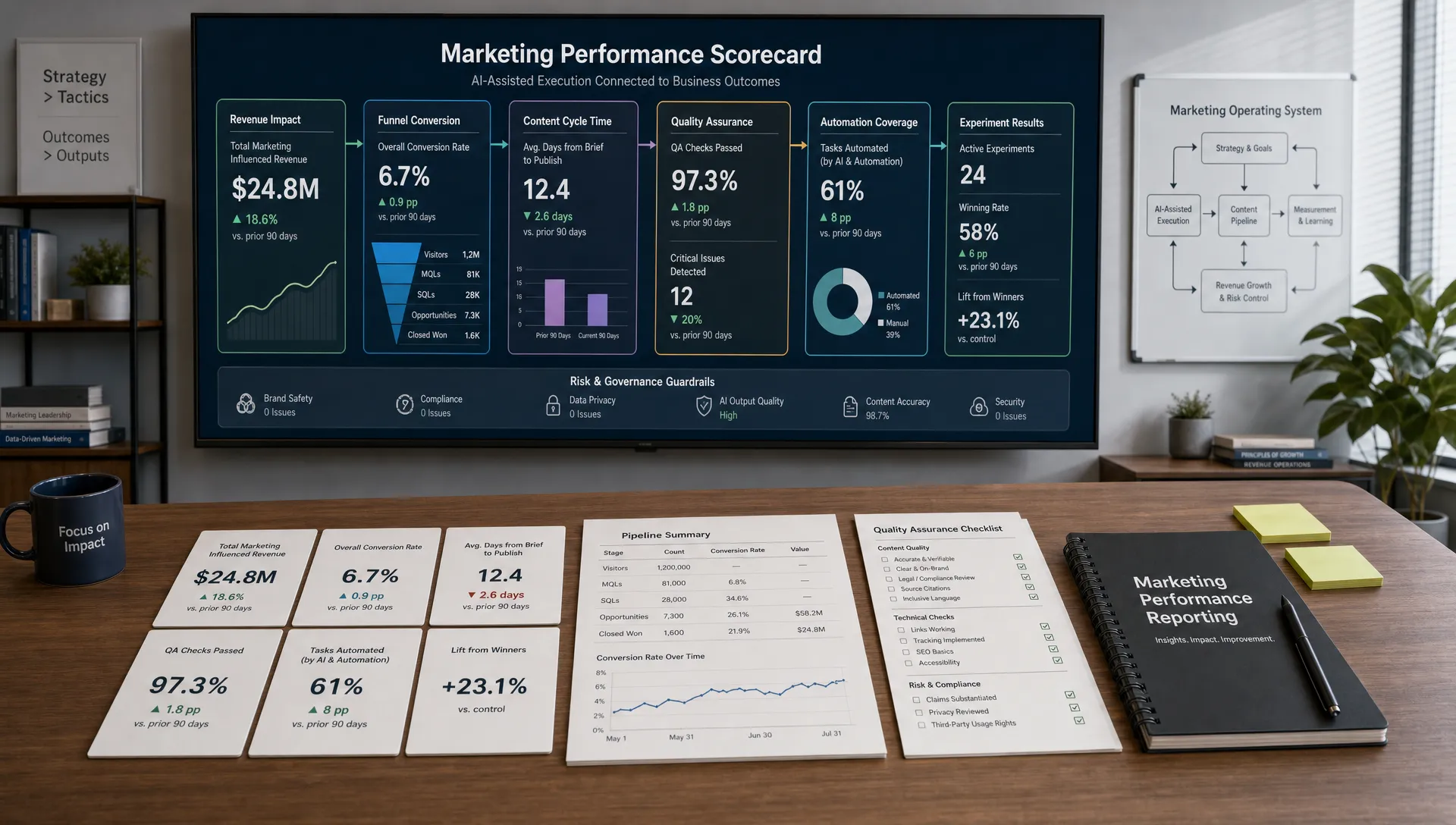
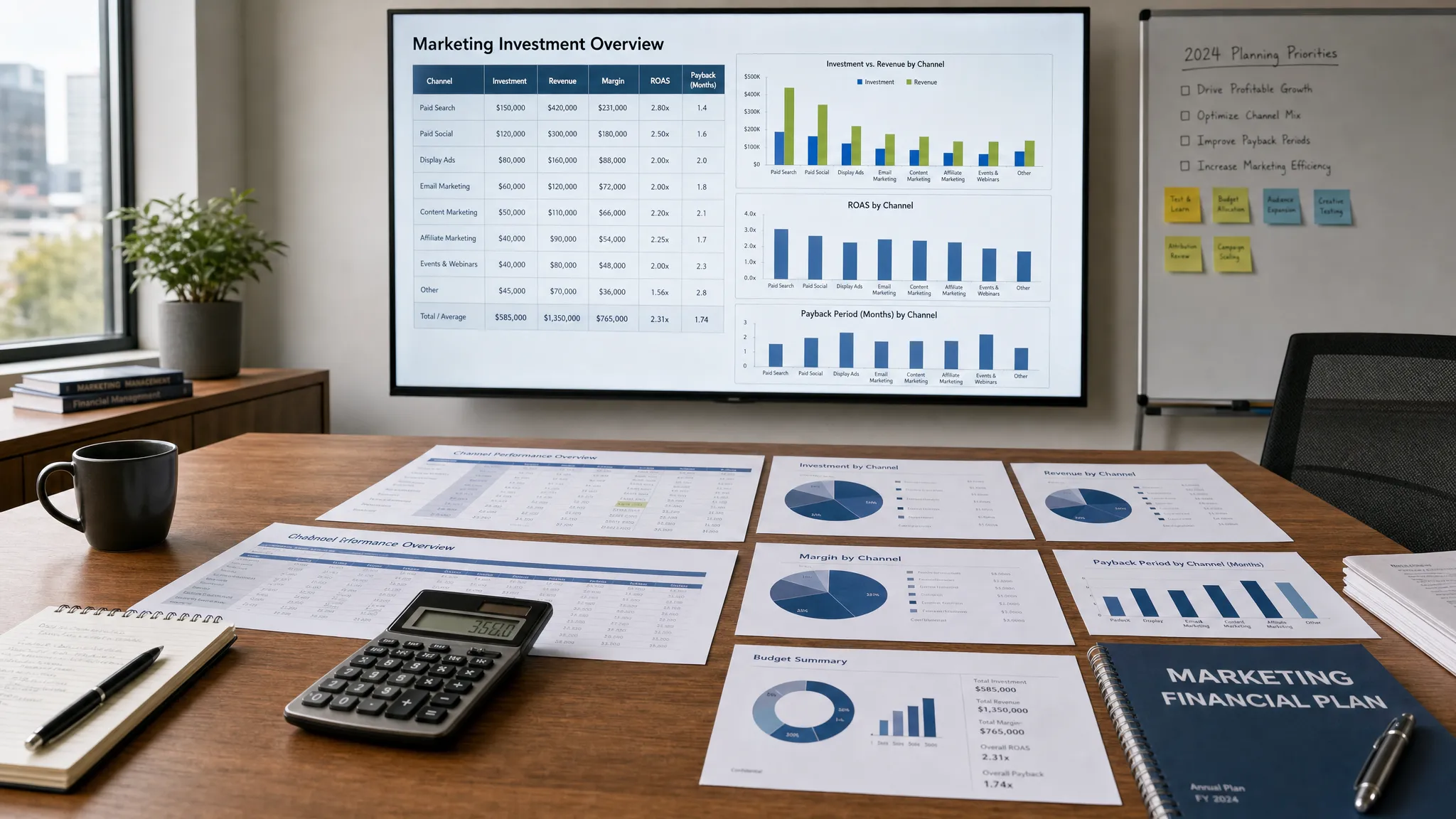
Time saved matters, but it is not the only metric. A team can create emails faster and still produce lower revenue. Track metrics tied to the workflow, such as lead response time, conversion rate, cost per qualified lead, content-assisted pipeline, unsubscribe rate, customer retention or reporting accuracy.
A 30-day pilot is usually enough to test whether AI marketing automation can improve a specific workflow. Keep the scope small and document what you learn.
Choose one workflow with a clear owner and measurable business outcome. Map the current process, identify bottlenecks and decide which parts AI should support. Do not connect tools yet if the process is still unclear.
Gather the data, examples, brand guidelines, prompts and approval rules needed for the pilot. Define what AI can draft or recommend, what a human must approve and what should never be automated.
Test the workflow with a limited audience, a limited content batch or a small campaign segment. Compare AI-assisted output with the previous process. Look at speed, quality, consistency and customer response.
Evaluate results against the original metric. If the pilot saved time but reduced quality, adjust the prompts or review process. If it improved both efficiency and performance, document the workflow and expand carefully.
The most useful outcome from a pilot is not just a performance lift. It is a repeatable operating model the team can reuse for the next automation project.
Some teams can build AI marketing automation internally. Others need help because the problem crosses strategy, creative, media buying, analytics and operations. Outside support can be useful when the team lacks campaign management capacity, needs a fresh workflow audit or wants specialists to manage execution while internal processes mature.
If your team needs hands-on campaign management alongside better marketing operations, a managed digital marketing service can help bridge the gap between strategy and execution while your internal team builds automation skills.
The key is to avoid outsourcing ownership of the system. Whether you work with a consultant, agency or internal operations lead, your team should still understand the data, goals, approval rules and performance metrics behind the automation.
What is AI marketing automation? AI marketing automation uses artificial intelligence to help plan, create, personalize, trigger, analyze or optimize marketing workflows. Common examples include AI-assisted email sequences, lead scoring, content briefs, campaign reporting and audience segmentation.
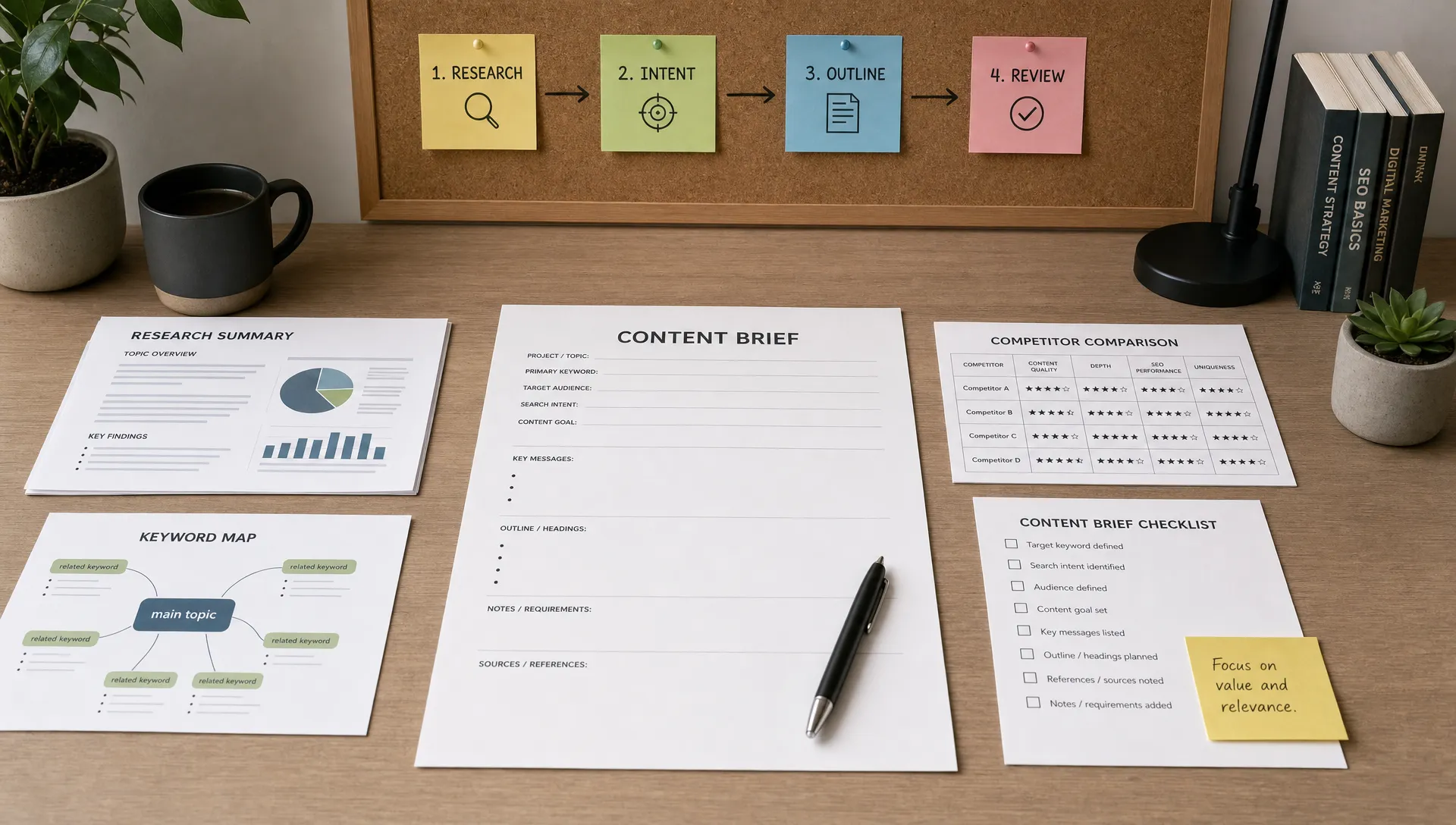
Where should a small team start with AI marketing automation? Start with one repetitive workflow that has a clear business outcome. Good first projects include lead follow-up, weekly reporting, SEO content briefs, email segmentation or ad variation generation for human review.
Can AI marketing automation replace a marketing team? No. AI can reduce manual work and improve consistency, but strategy, customer insight, creative judgment, compliance review and brand decisions still need human ownership.
How do you measure AI marketing automation success? Measure the outcome tied to the workflow. That might be response time, conversion rate, qualified leads, content-assisted pipeline, campaign ROI, retention, unsubscribe rate or reporting accuracy.
What is the biggest mistake to avoid? The biggest mistake is automating before the workflow is clear. If the inputs, approval rules and success metrics are vague, AI will make the process faster but not necessarily better.
AI marketing automation works when it is tied to a real workflow, supported by clean data and guided by human judgment. Start small, measure what matters and expand only after the system proves it can improve both speed and quality.
AIMarketer Hub helps marketers explore practical AI tools, prompt libraries, SEO resources, calculators and industry-specific guides so teams can automate with more confidence and less guesswork.