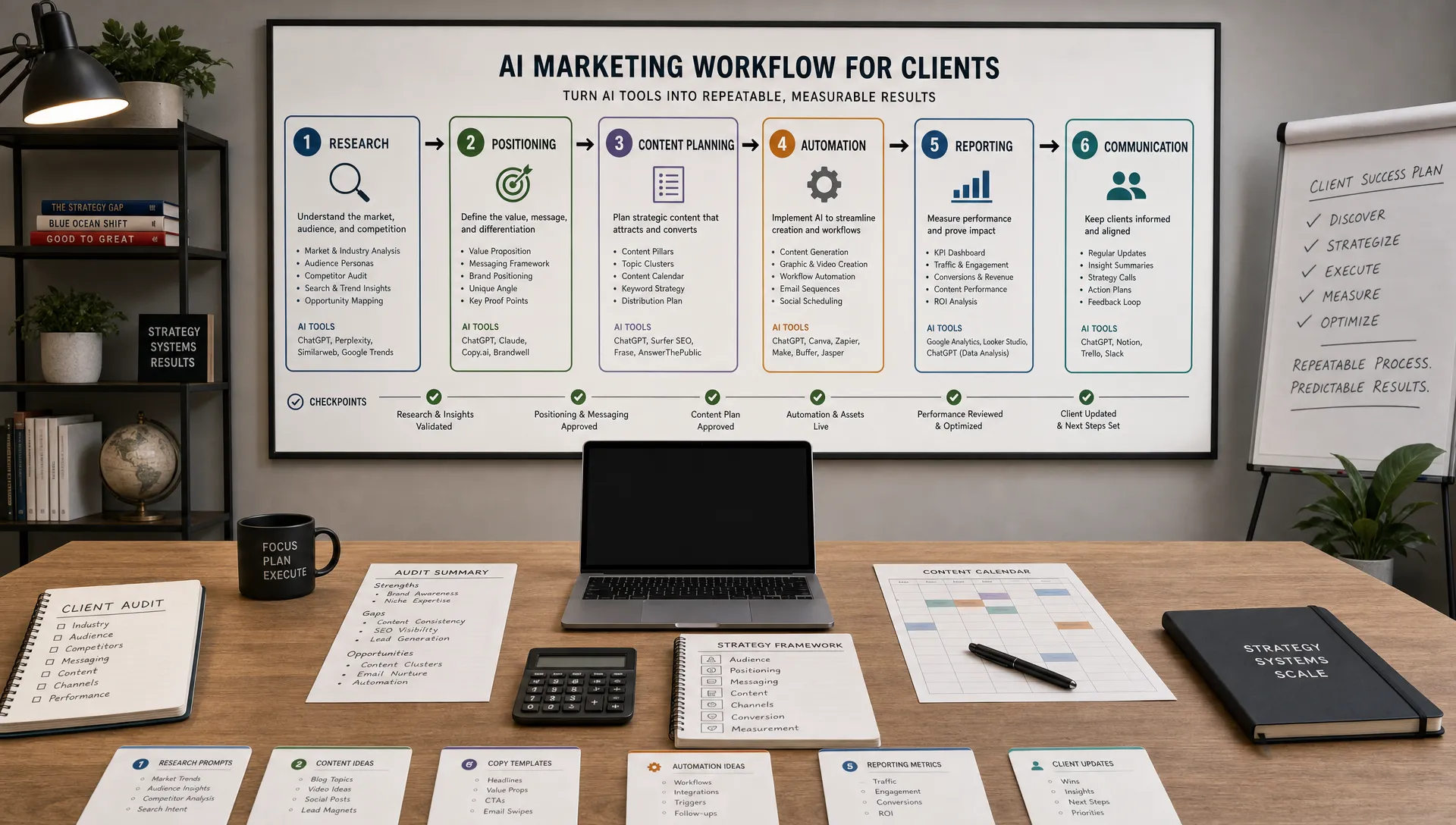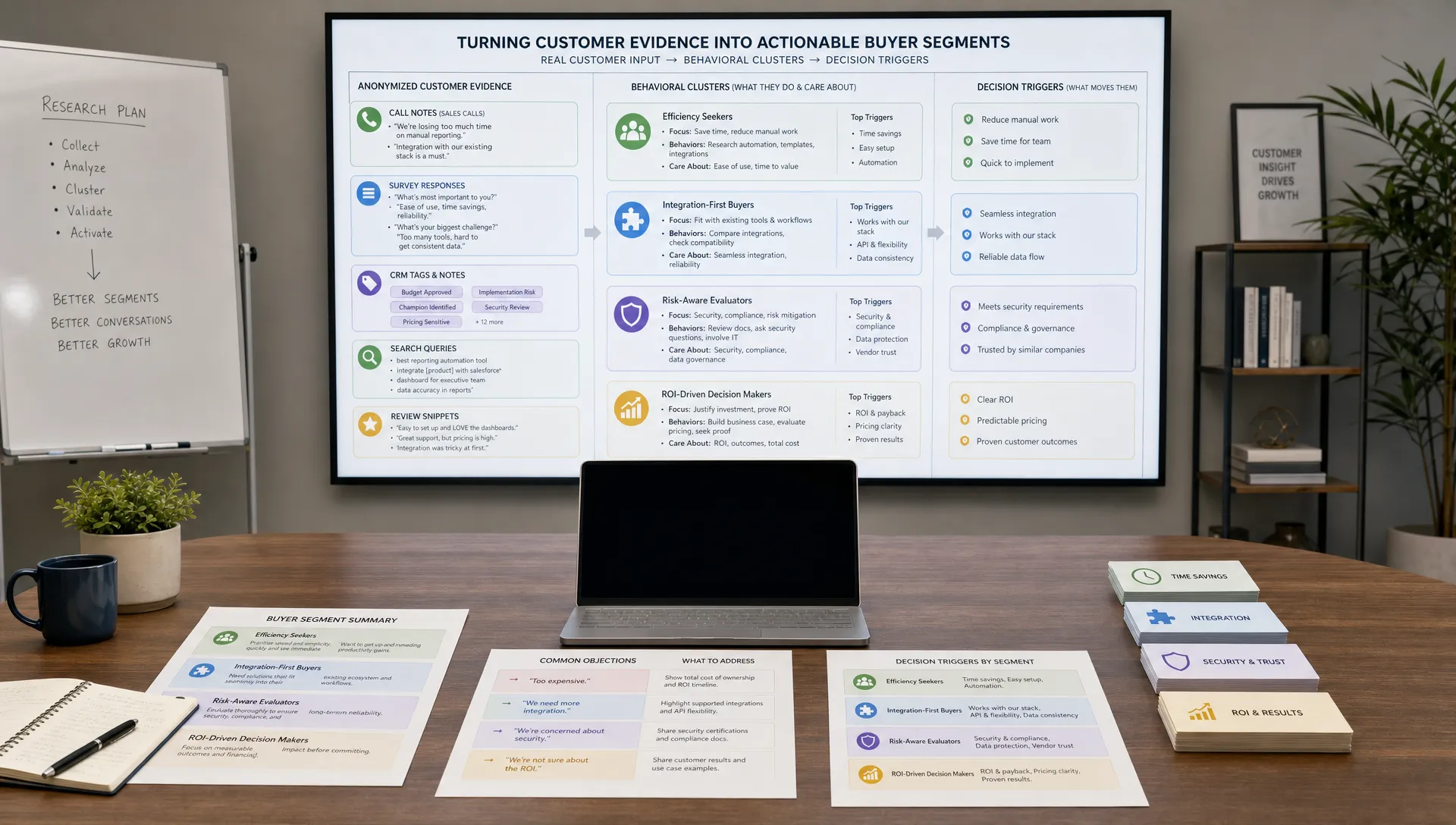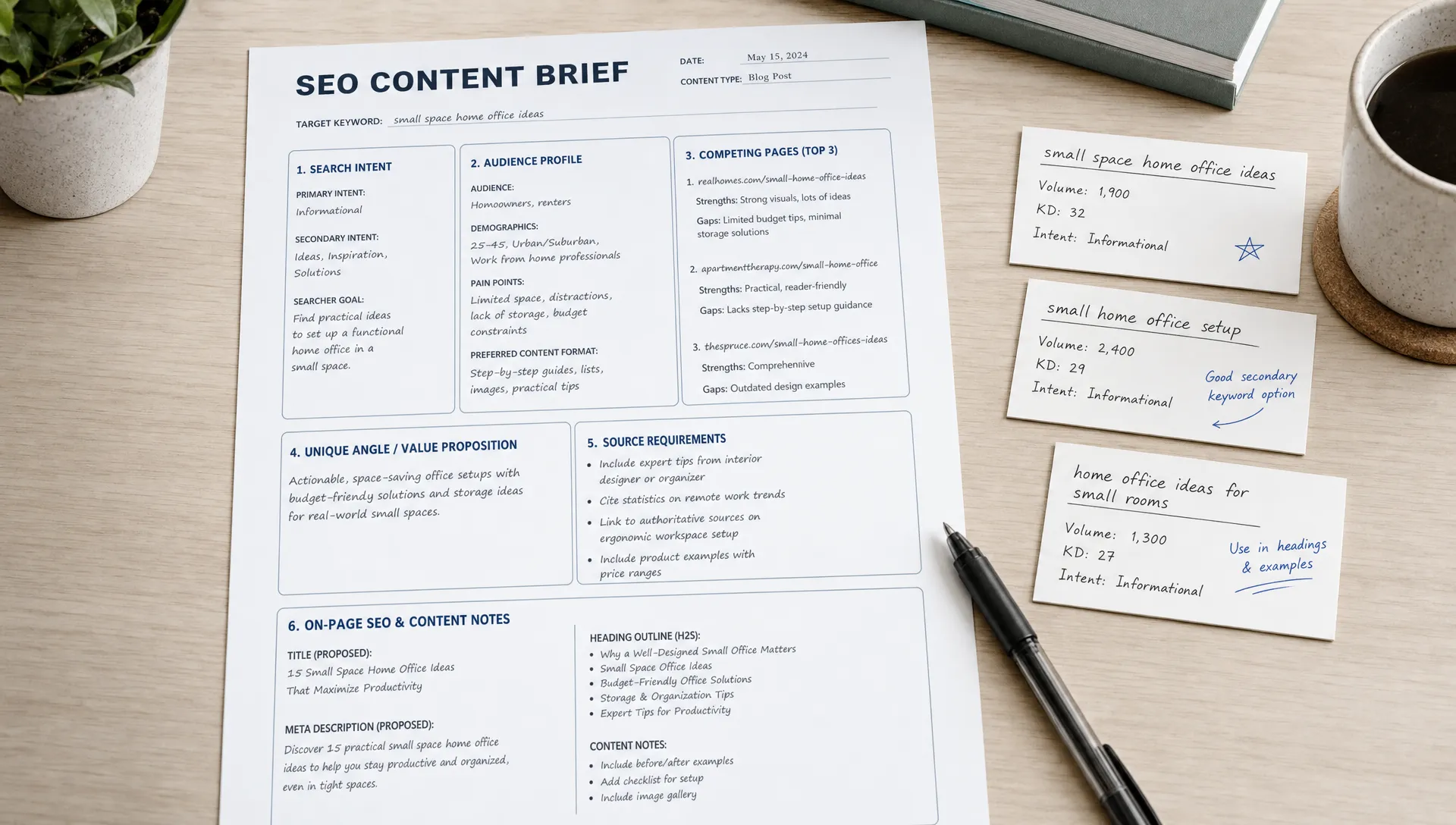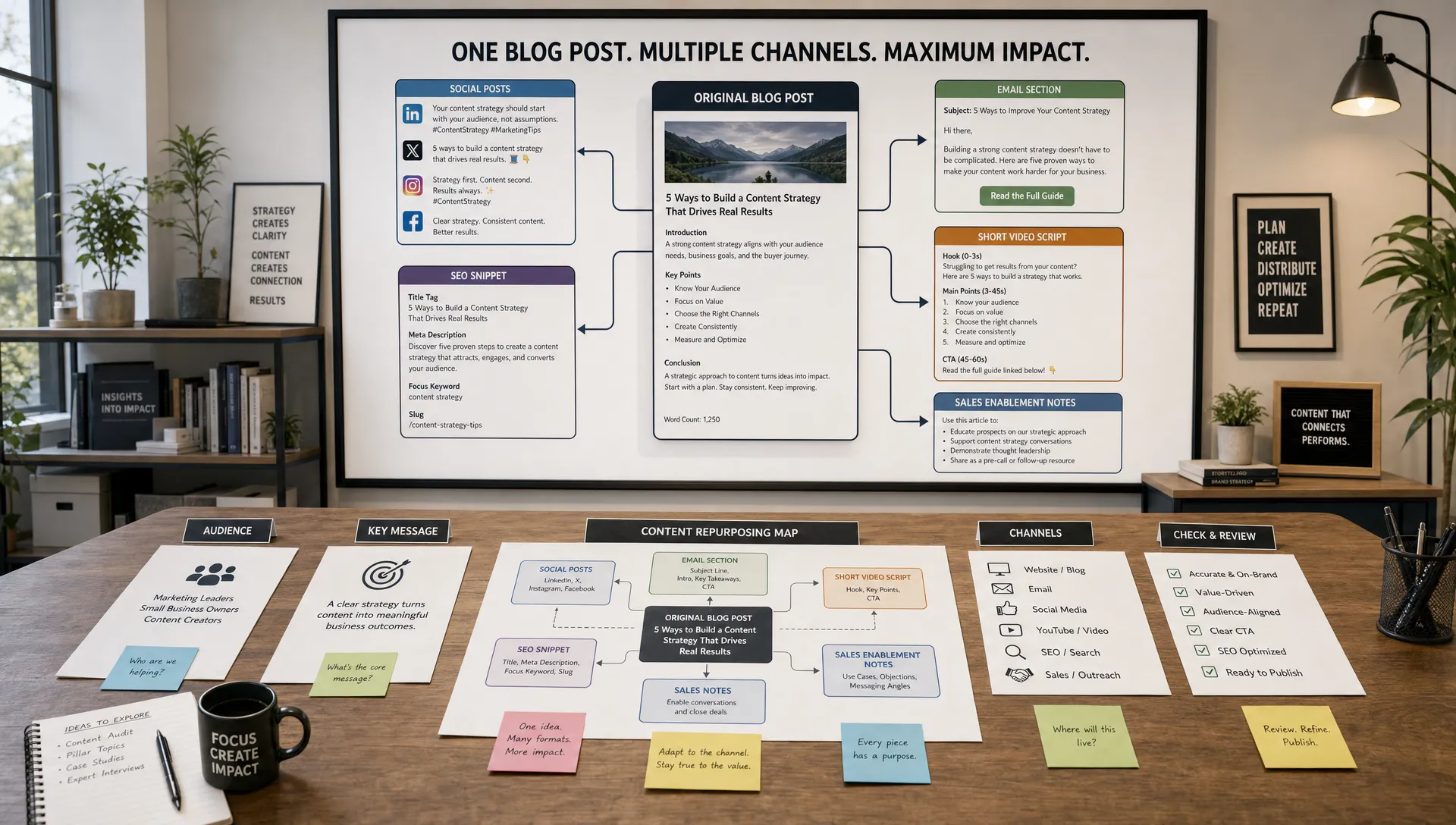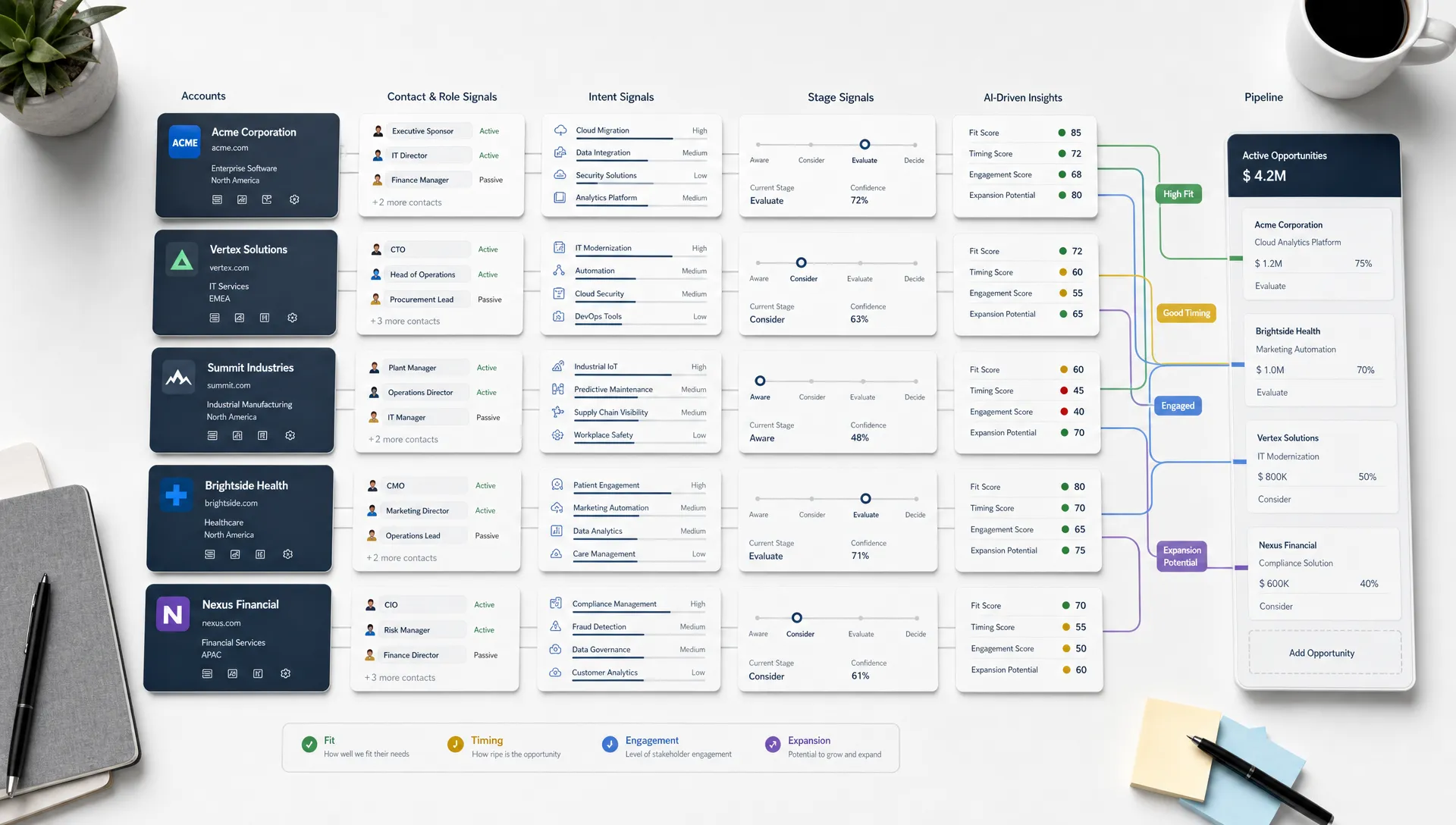
Account-based marketing has always depended on focus. Instead of chasing every lead, ABM teams select high-value accounts, understand the buying committee and coordinate marketing with sales around a narrow set of opportunities.
AI does not change that principle. It changes how much relevant work a team can do before the opportunity is obvious to everyone else.
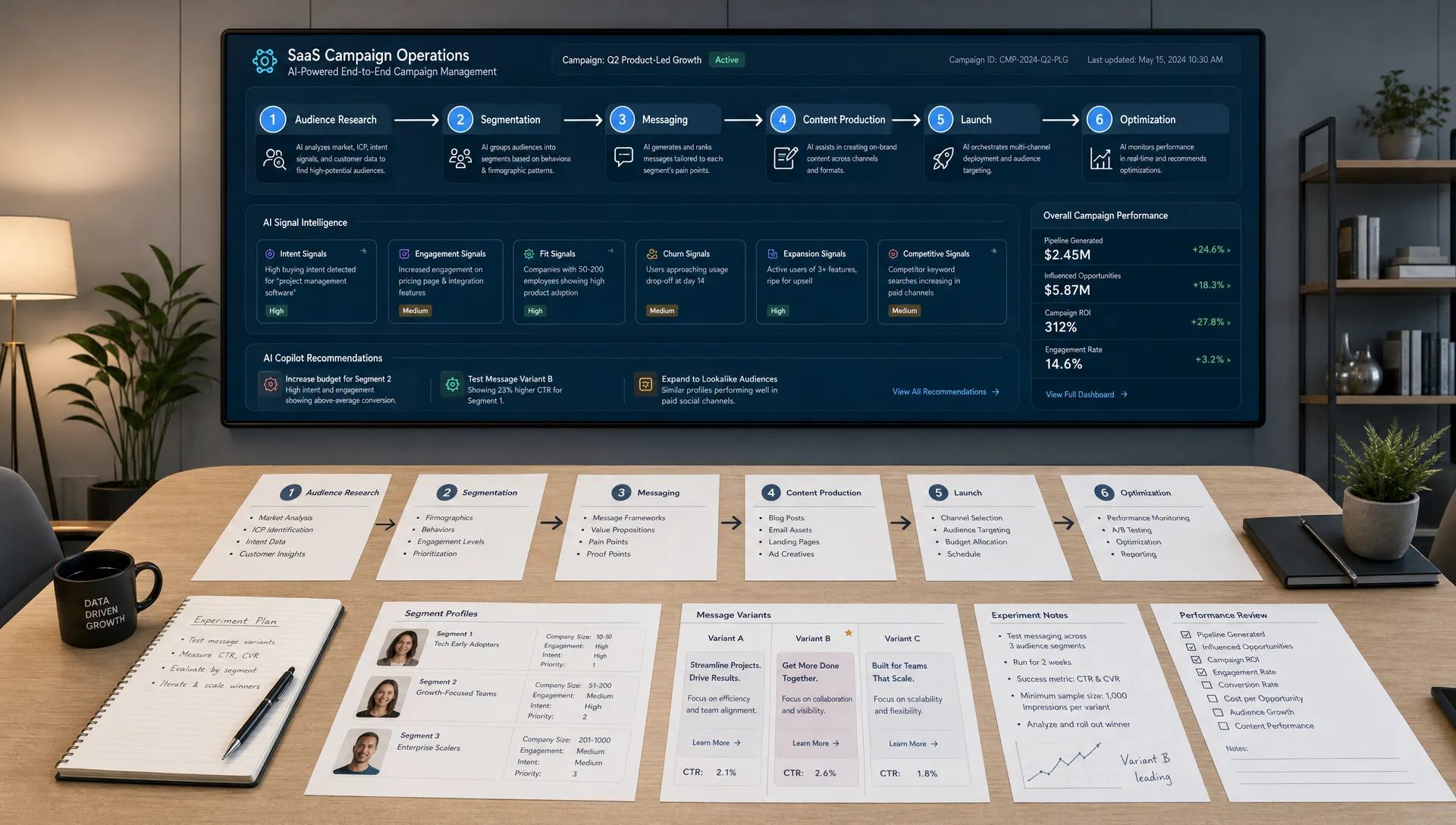
The strongest use cases for AI for account-based marketing are not about producing more emails or flooding LinkedIn with more ads. They help revenue teams decide which accounts deserve attention, what those accounts care about right now, which stakeholders are likely involved and what action should happen next. Used well, AI turns ABM from a static target account list into a responsive pipeline engine.
ABM is data-heavy and coordination-heavy. A single target account may involve multiple business units, several decision-makers, different pain points and a buying process that changes over months. Humans are good at strategy and relationship-building, but they are not built to manually monitor every intent signal, job change, funding update, product launch, website visit and sales note across hundreds of accounts.
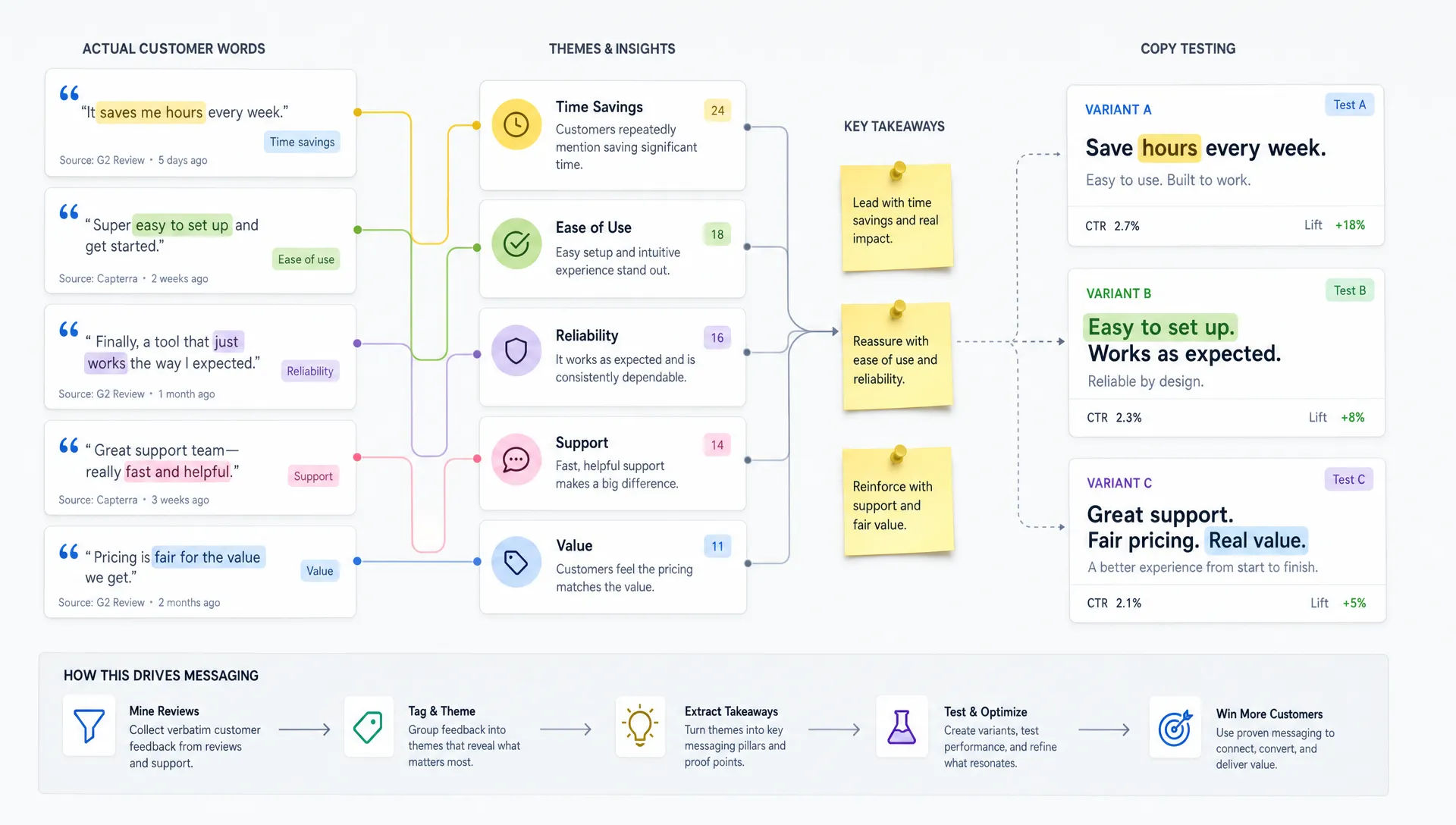
AI helps by finding patterns across messy signals. It can summarize account activity, cluster similar accounts, identify likely buying triggers, draft relevant messaging and recommend next steps. That matters because ABM performance depends on timing as much as targeting.
A company may fit your ideal customer profile perfectly, but if there is no active problem, budget movement or internal pressure, your outreach can sit untouched. Another account may look average on paper, yet show multiple signs of urgency. AI helps marketing and sales spot those differences faster.
The goal is not to automate every ABM decision. The goal is to give marketers and sellers a clearer view of where pipeline is most likely to come from.
Before AI can improve ABM, your account data needs to be usable. This is where many teams stall. They buy an AI tool, connect it to fragmented CRM records and expect accurate prioritization. The output usually reflects the input: duplicate companies, outdated industries, missing opportunity history and incomplete contact roles.
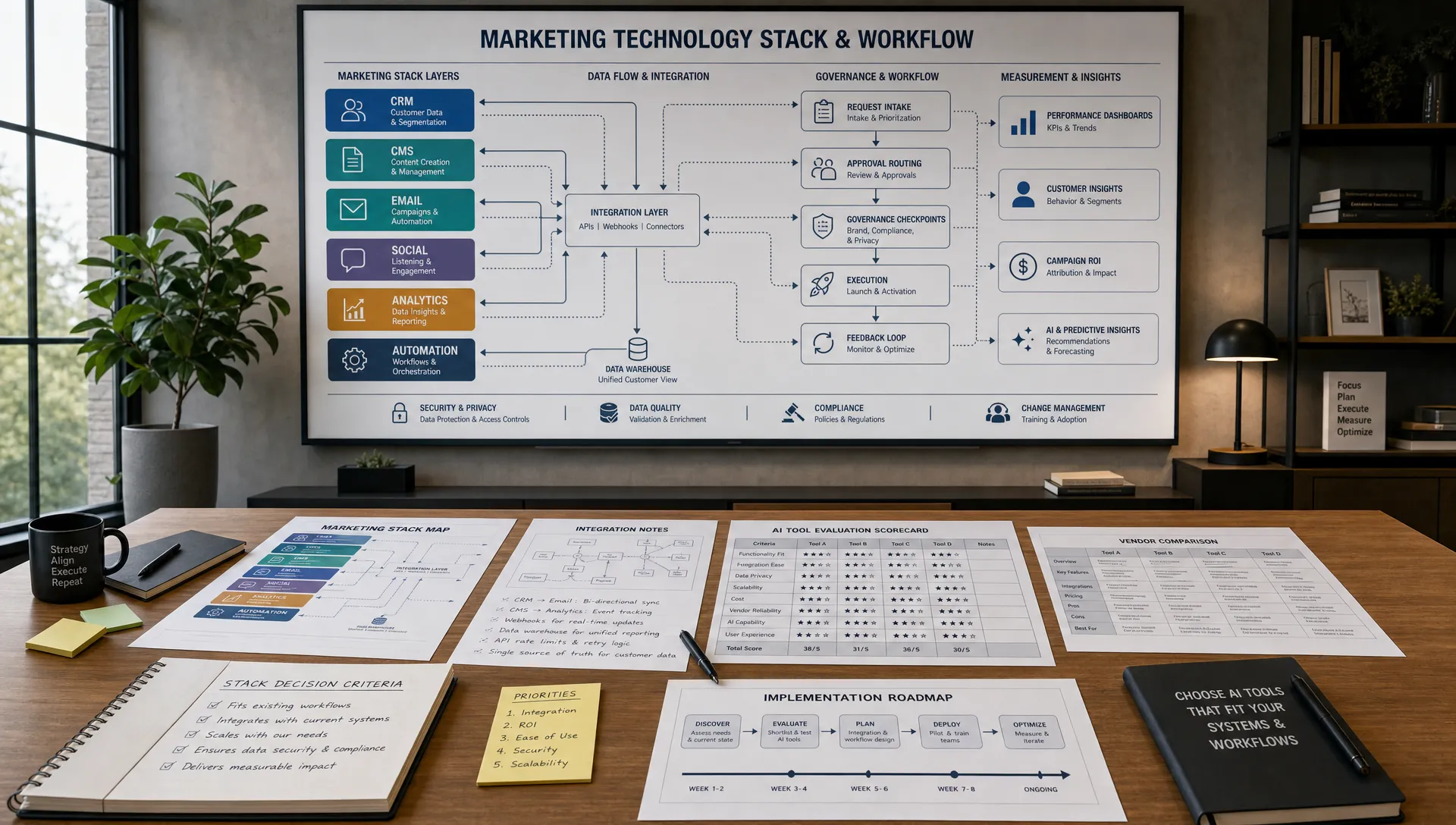
A practical ABM data foundation usually includes firmographic data, technographic data, CRM history, engagement activity, sales notes, website behavior, campaign responses and opportunity outcomes. You do not need perfection, but you do need consistency around account names, lifecycle stages, ownership and the signals that matter most to your sales process.
If your team is still cleaning and structuring marketing data, start with a focused use case rather than a platform-wide overhaul. AIMarketer Hub has a useful guide on creating AI-ready customer data for marketing, especially if your CRM, marketing automation platform and analytics tools are not yet aligned.
Once that foundation is in place, AI can support ABM in ways that directly affect pipeline.
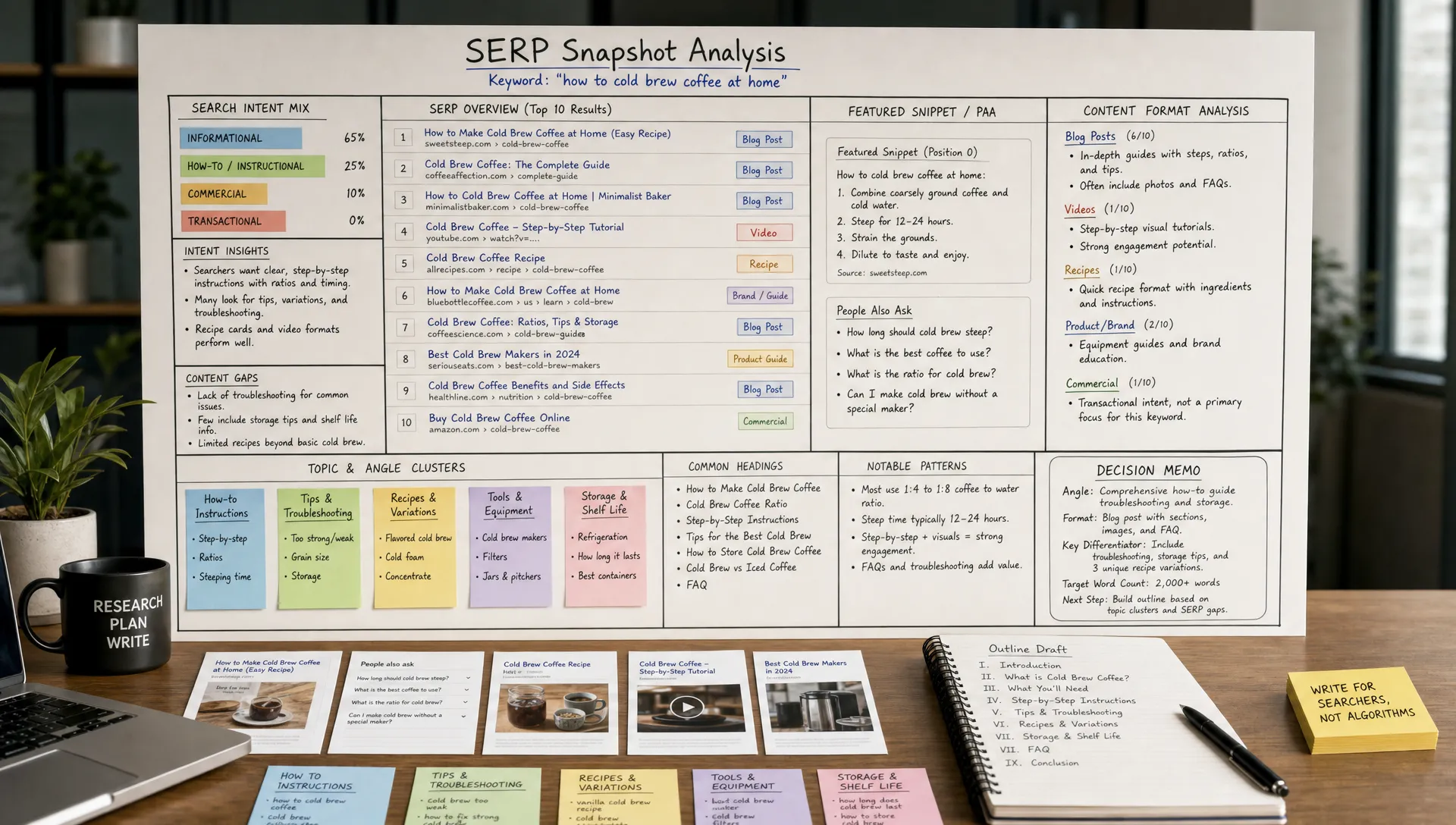
The first pipeline-driving use case is account selection. Traditional ABM lists often start with firmographics, such as company size, industry, geography and revenue. Those are useful, but they rarely explain whether an account is likely to buy soon.
AI can improve account selection by combining fit and timing. It can evaluate closed-won patterns, compare current accounts with your best customers and identify lookalike companies that share meaningful traits. It can also surface signals that suggest a company is entering a buying window, such as hiring for a new department, expanding into a new market, changing leadership or increasing activity around a pain point your solution addresses.
For example, a B2B SaaS company selling compliance automation might ask AI to analyze its last 50 best-fit customers. The model could identify patterns beyond basic industry labels, such as fast hiring in legal operations, repeated mentions of audit readiness in public content or growth into regulated markets. Marketing can then build an ABM list around accounts that show both fit and pressure.
The best output is not a mysterious score. It is a ranked account list with explainable reasons. Sales should be able to see why an account is recommended, what signals were used and what evidence supports the next action.
ABM rarely targets one person. Most meaningful B2B purchases involve a buying committee with economic buyers, technical reviewers, end users, champions and blockers. AI can help marketing and sales infer who may be involved and what each stakeholder likely cares about.
This does not mean guessing personal details or creating creepy personalization. It means using public role information, CRM history and past deal patterns to understand the likely buying group.
For a finance software provider, AI might suggest that the CFO cares about cost control and reporting accuracy, the controller cares about workflow efficiency, the IT leader cares about integrations and the operations team cares about daily usability. Those distinctions help marketers build relevant assets and help sellers avoid sending the same generic message to every stakeholder.
Buying committee intelligence is especially useful for expansion ABM. If your product is already used in one department, AI can help identify adjacent teams that may have similar challenges. Marketing can then create account-specific campaigns that support cross-sell conversations instead of treating expansion as a generic customer newsletter.
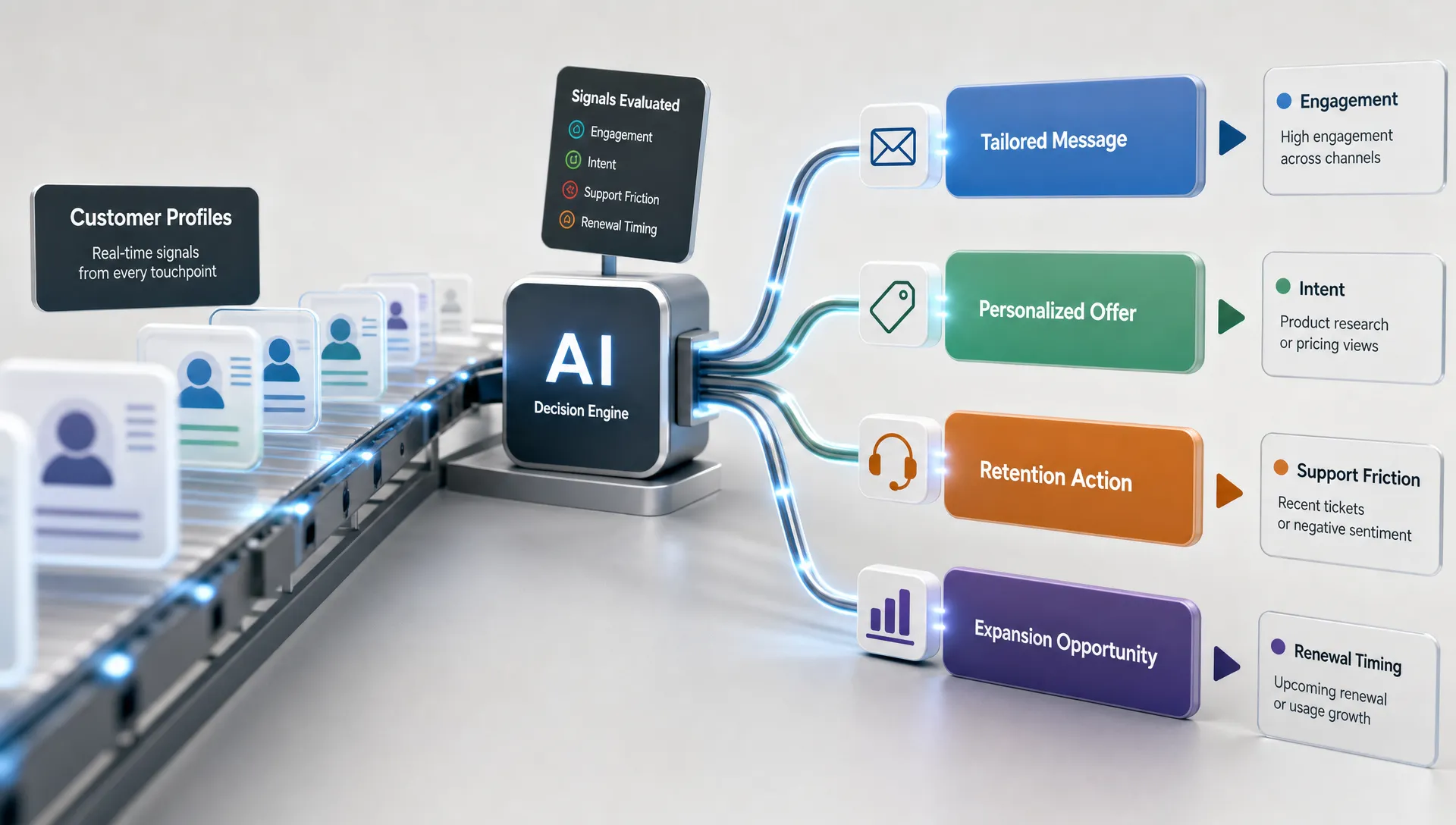
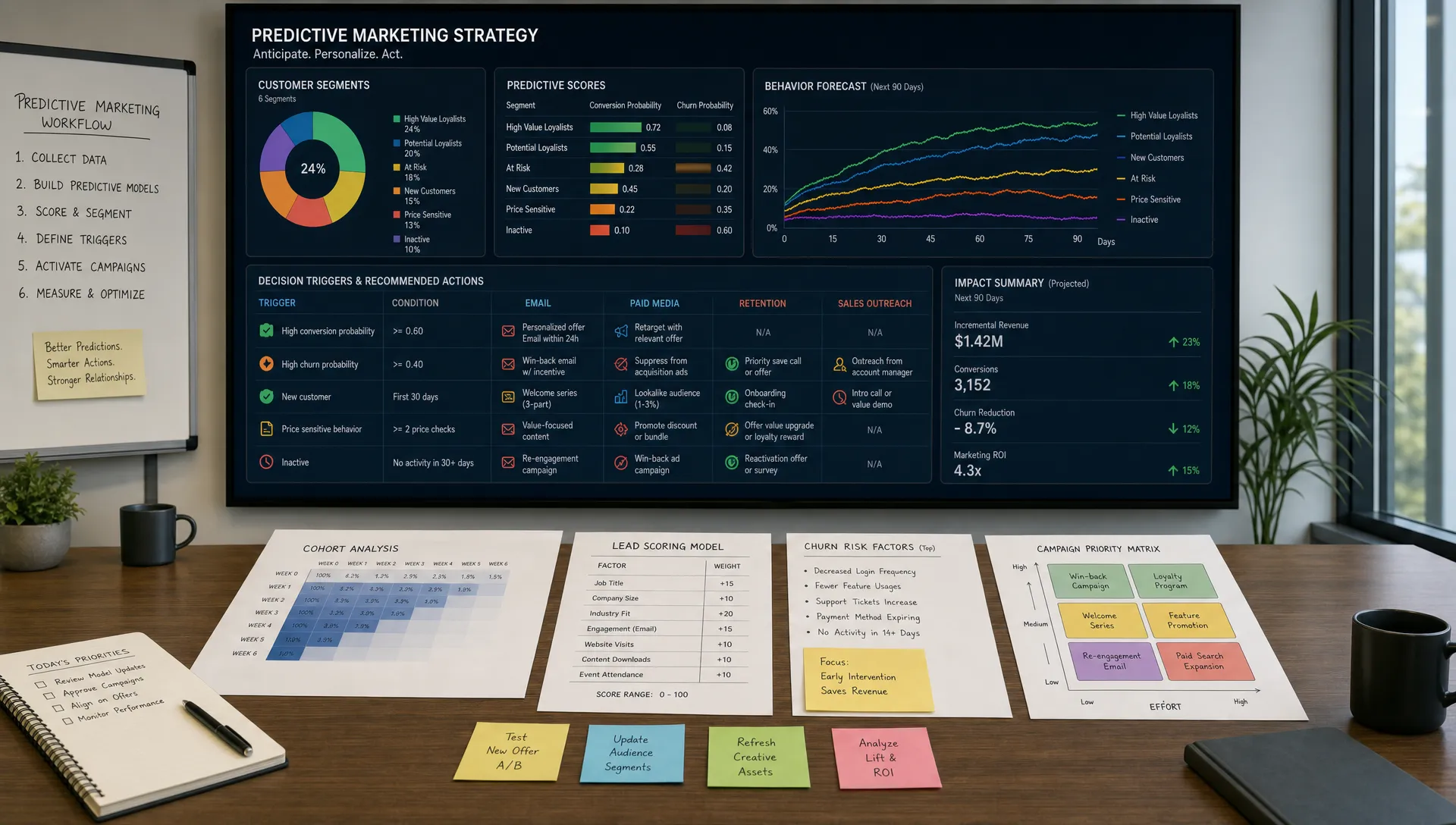
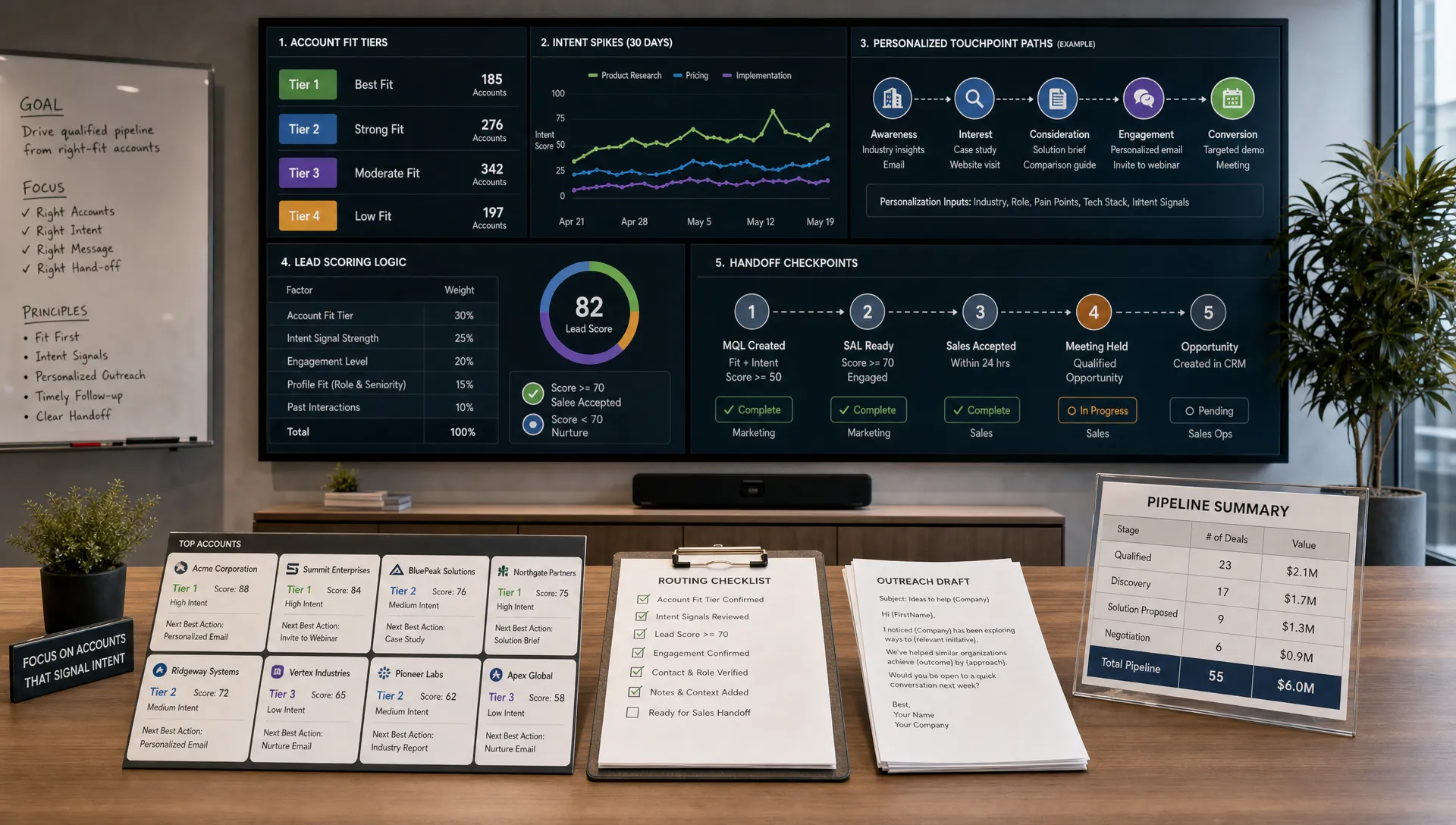
A target account list is not enough. Revenue teams need to know which accounts are warming up now. AI can combine multiple signals into practical prioritization, such as repeat visits to high-intent pages, webinar attendance, ad engagement, content downloads, chatbot conversations, sales email replies and changes in opportunity activity.
The value is not simply scoring more accounts. It is separating casual engagement from buying behavior. A junior employee reading a top-of-funnel blog post is different from three stakeholders visiting pricing, integration and security pages in the same week.
A useful account priority model should consider three dimensions:
This is closely related to lead scoring, but ABM requires a broader view because activity from multiple contacts may combine into one account-level signal. If you want a simpler framework for scoring without making the model too complex, AIMarketer Hub covers the fit, intent and timing approach in its guide to scoring leads with AI.
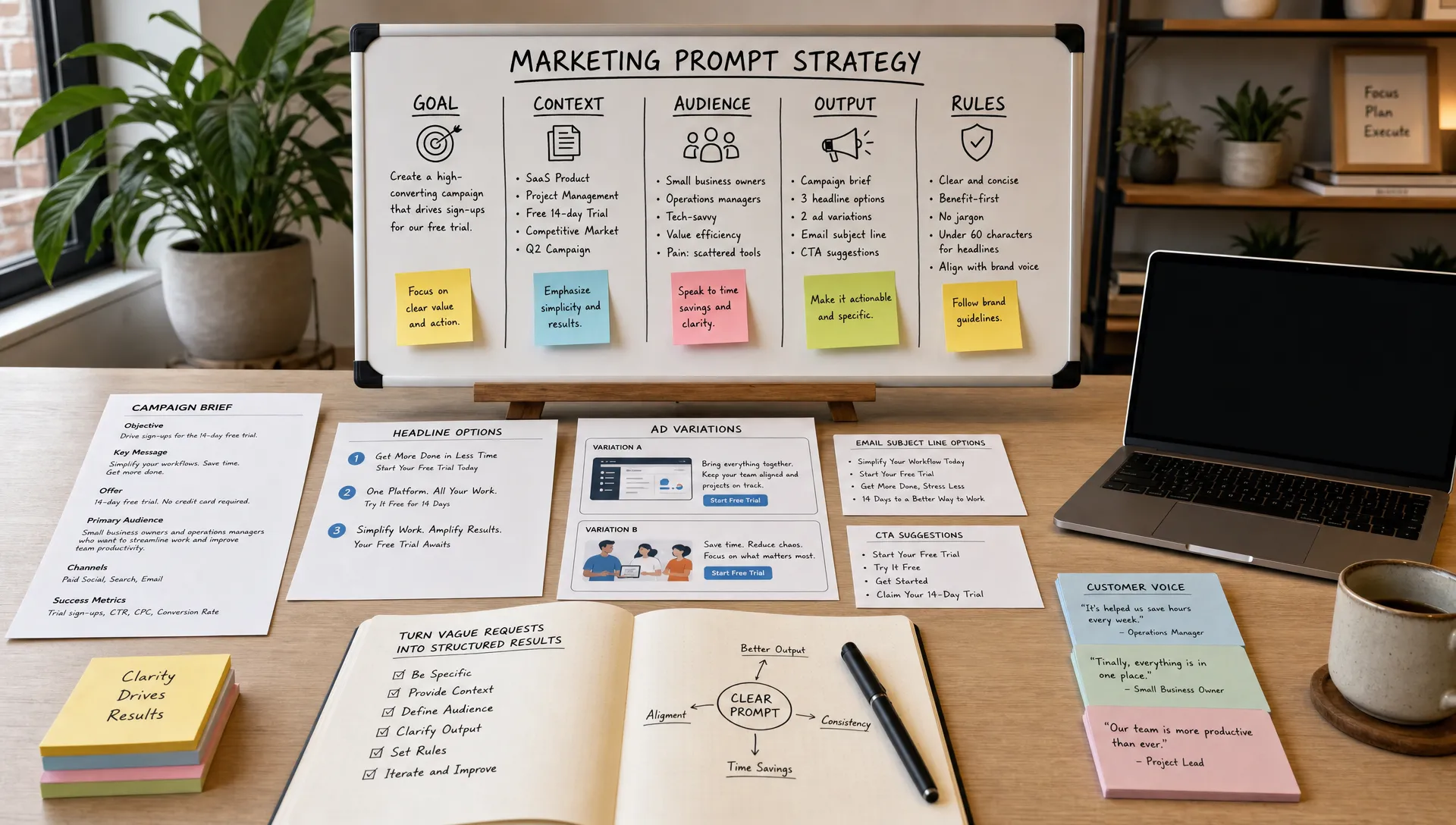
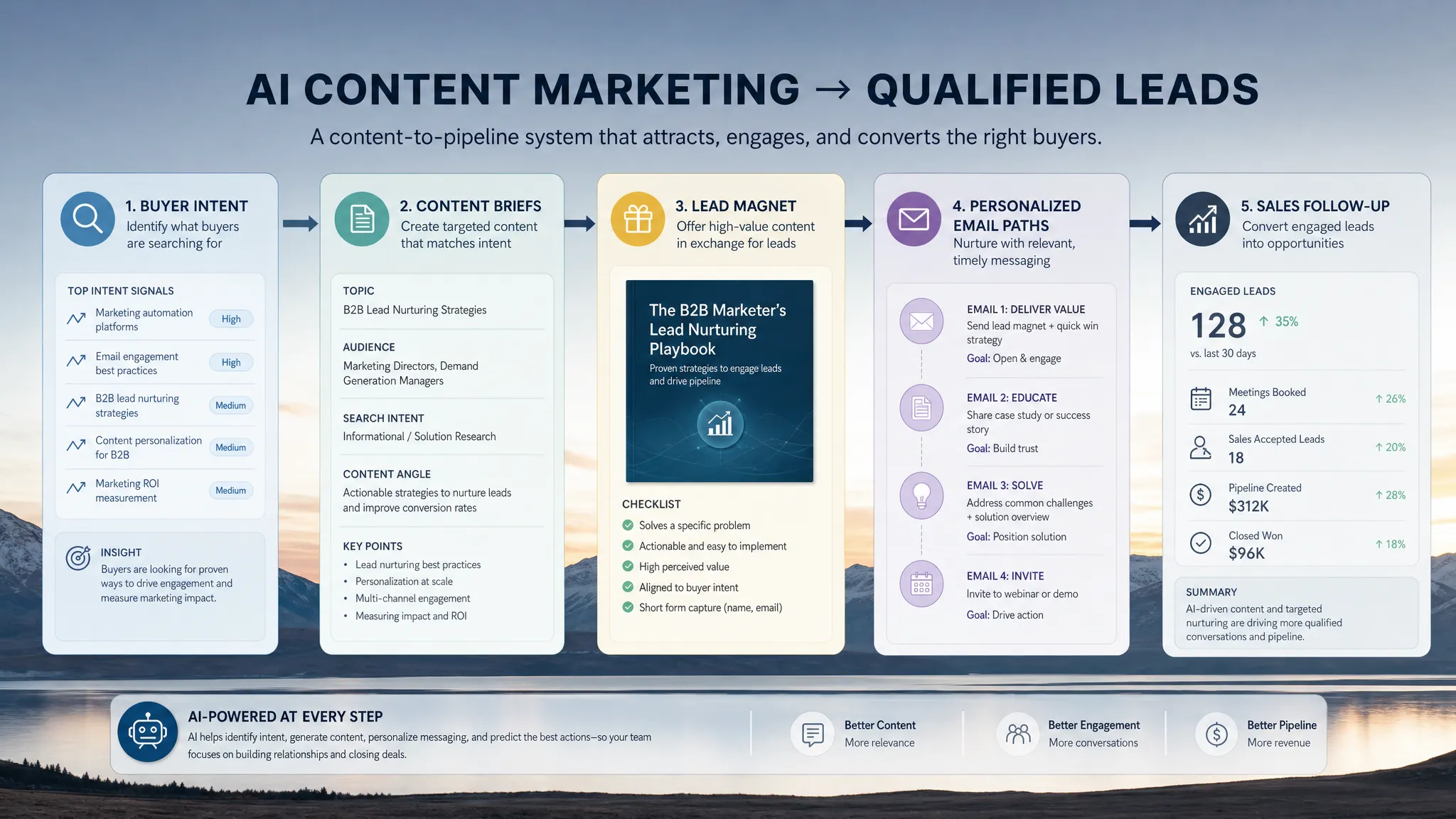
Personalization is the ABM use case most people think of first. It is also the easiest to misuse. AI can draft emails, ads, landing page copy, executive briefs, webinar follow-ups and sales talk tracks, but weak inputs produce shallow personalization.
Good AI-assisted ABM content starts with a clear account hypothesis. What is likely happening inside the company? Why might that matter now? Which stakeholder cares? What proof would be useful? Without that context, AI tends to produce messages that mention the company name, industry and a generic pain point. That is not account-based marketing. It is mail merge with nicer wording.
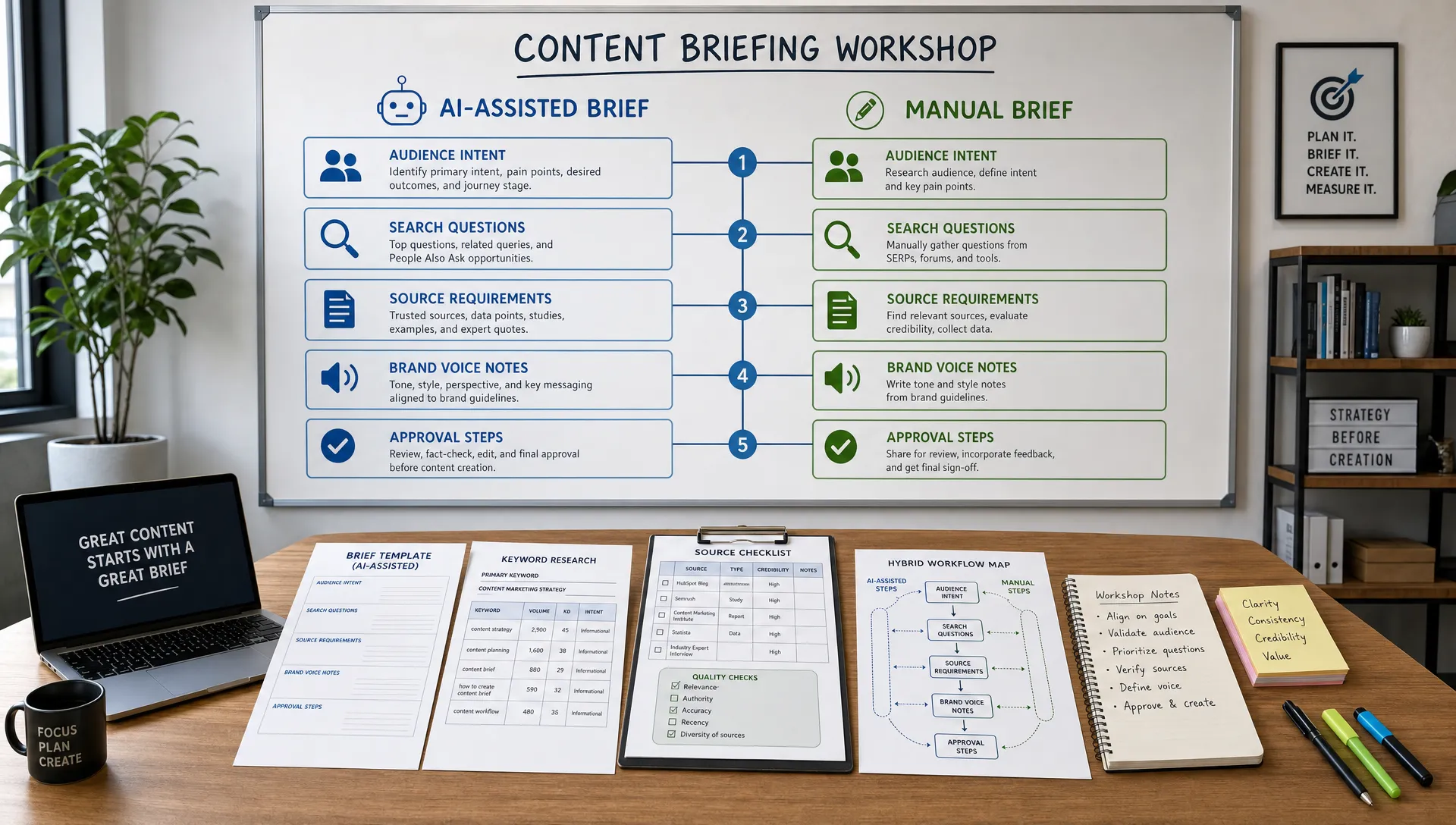
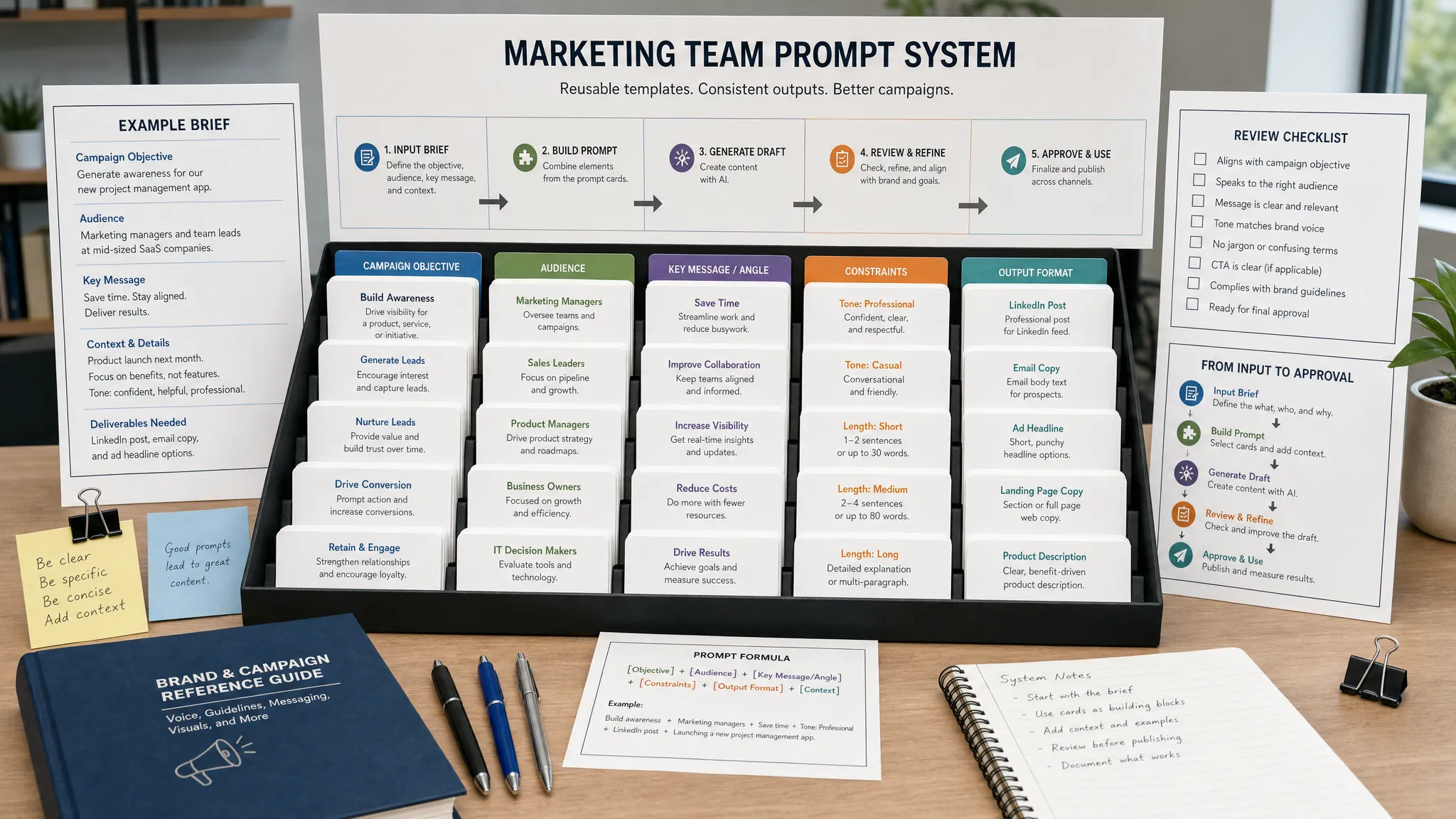
A better workflow is to have AI create a short account brief first. The brief can summarize company background, recent triggers, known CRM activity, likely priorities and open questions for sales. Marketing can then use that brief to generate campaign assets that are specific without being overfamiliar.
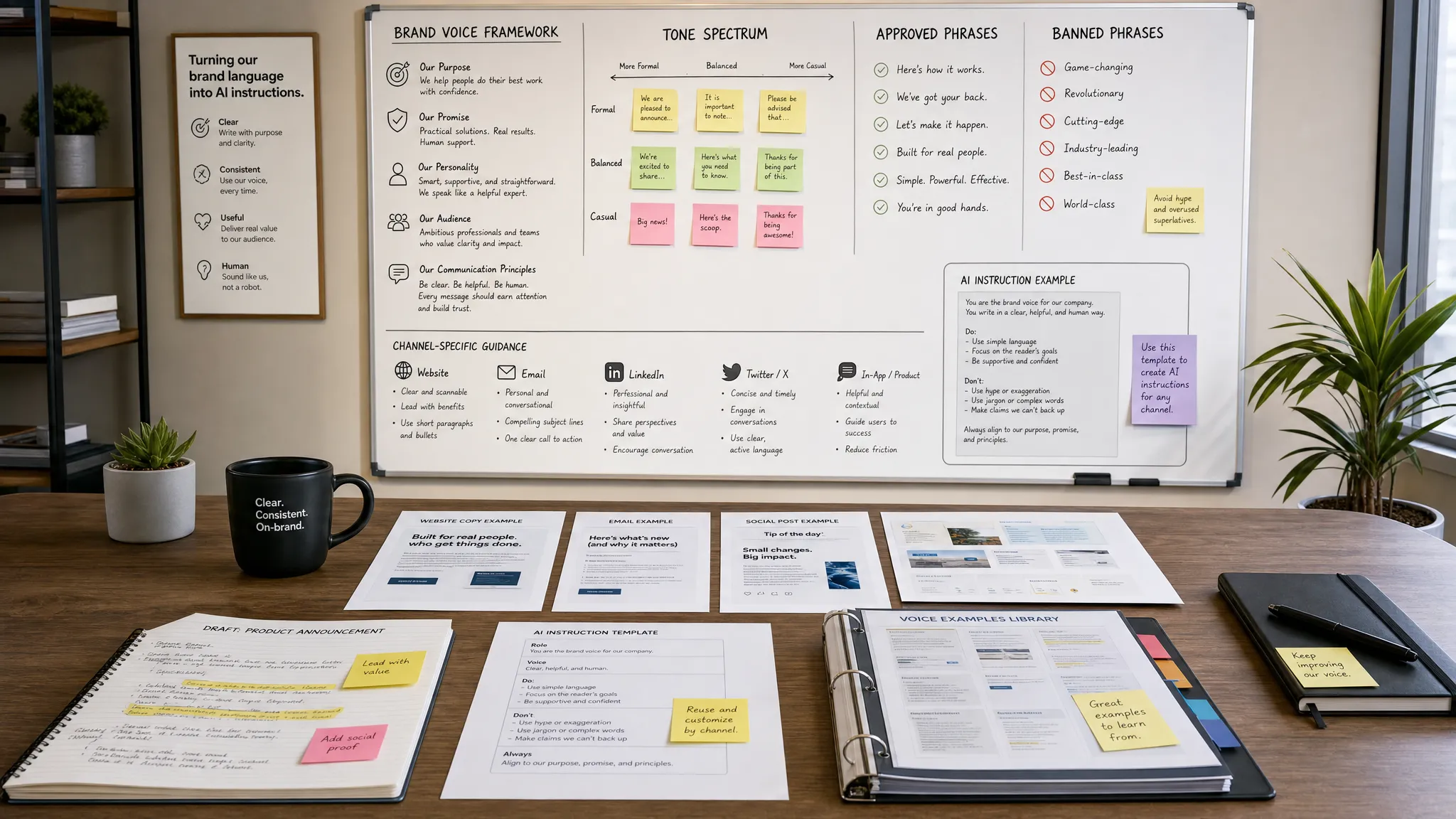
For example, an AI prompt for an account-specific email should include the account segment, stakeholder role, relevant trigger, known objection, desired action and approved proof points. A marketer still needs to edit for accuracy, tone and brand voice. AI should accelerate the first draft, not replace judgment.
Visual quality matters too, especially for one-to-one campaigns, event follow-ups and account-specific landing pages. If your team is repurposing webinar screenshots, customer-submitted images or low-resolution event photos, a browser-based AI image sharpener can help improve clarity before those assets appear in campaigns.
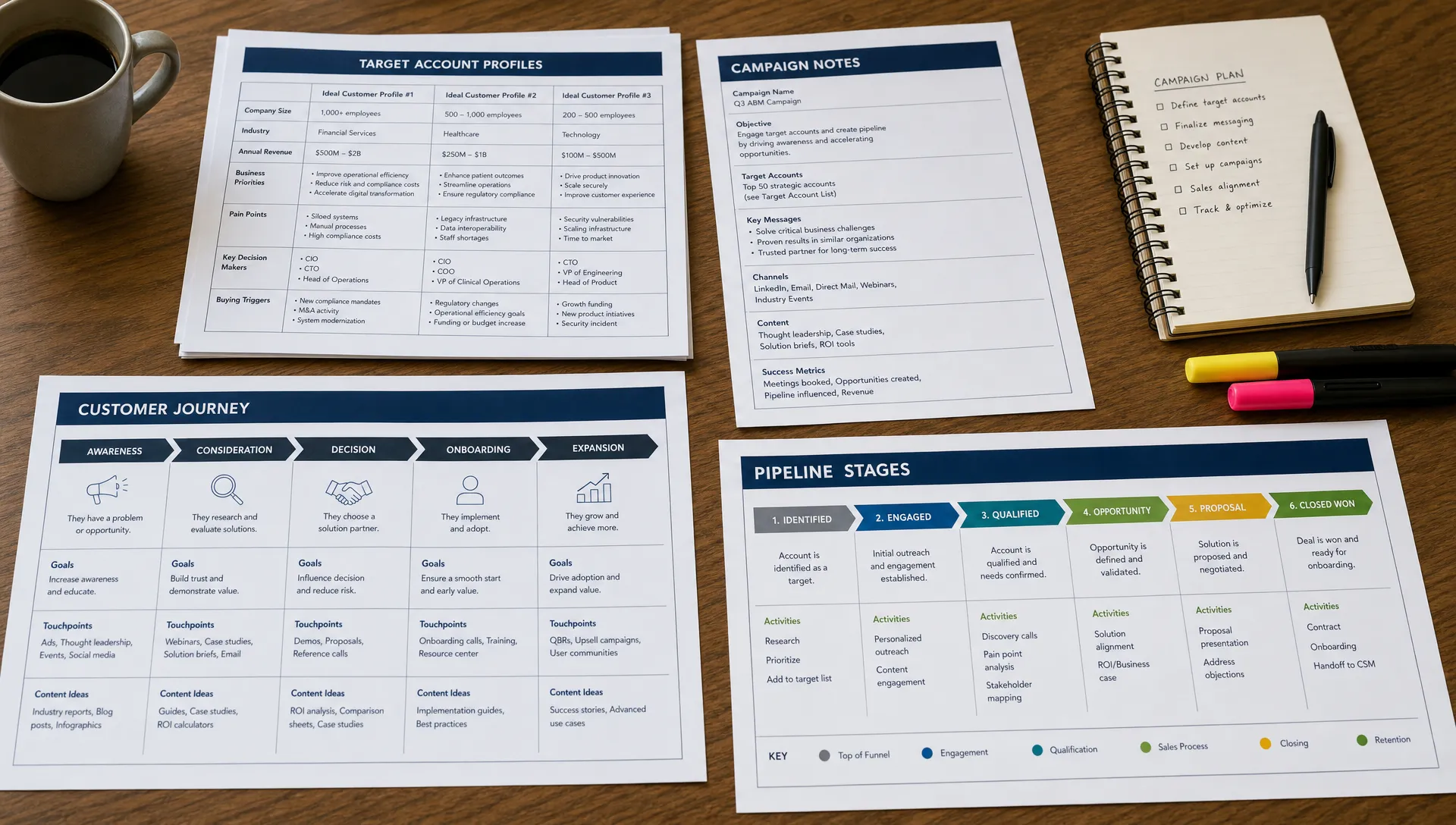
ABM fails when marketing creates interest that sales cannot act on quickly. AI can bridge that gap by converting scattered account data into concise sales enablement.
Instead of expecting an account executive to read every campaign interaction, call transcript and CRM note, AI can summarize what changed since the last touch. It can highlight engaged contacts, recent content consumed, likely objections and recommended talking points. For sales development teams, AI can generate account research summaries before outreach. For account executives, it can create prep notes before discovery calls or renewal conversations.
This is where ABM becomes operational. A campaign does not drive pipeline because an account clicked an ad. It drives pipeline when that engagement leads to a relevant sales action at the right moment.
Sales enablement outputs should be short and practical. The best AI summaries usually answer a few questions: what happened, why it matters, who is involved, what to say next and what not to say. If a summary cannot help a seller take action within a few minutes, it is probably too long.
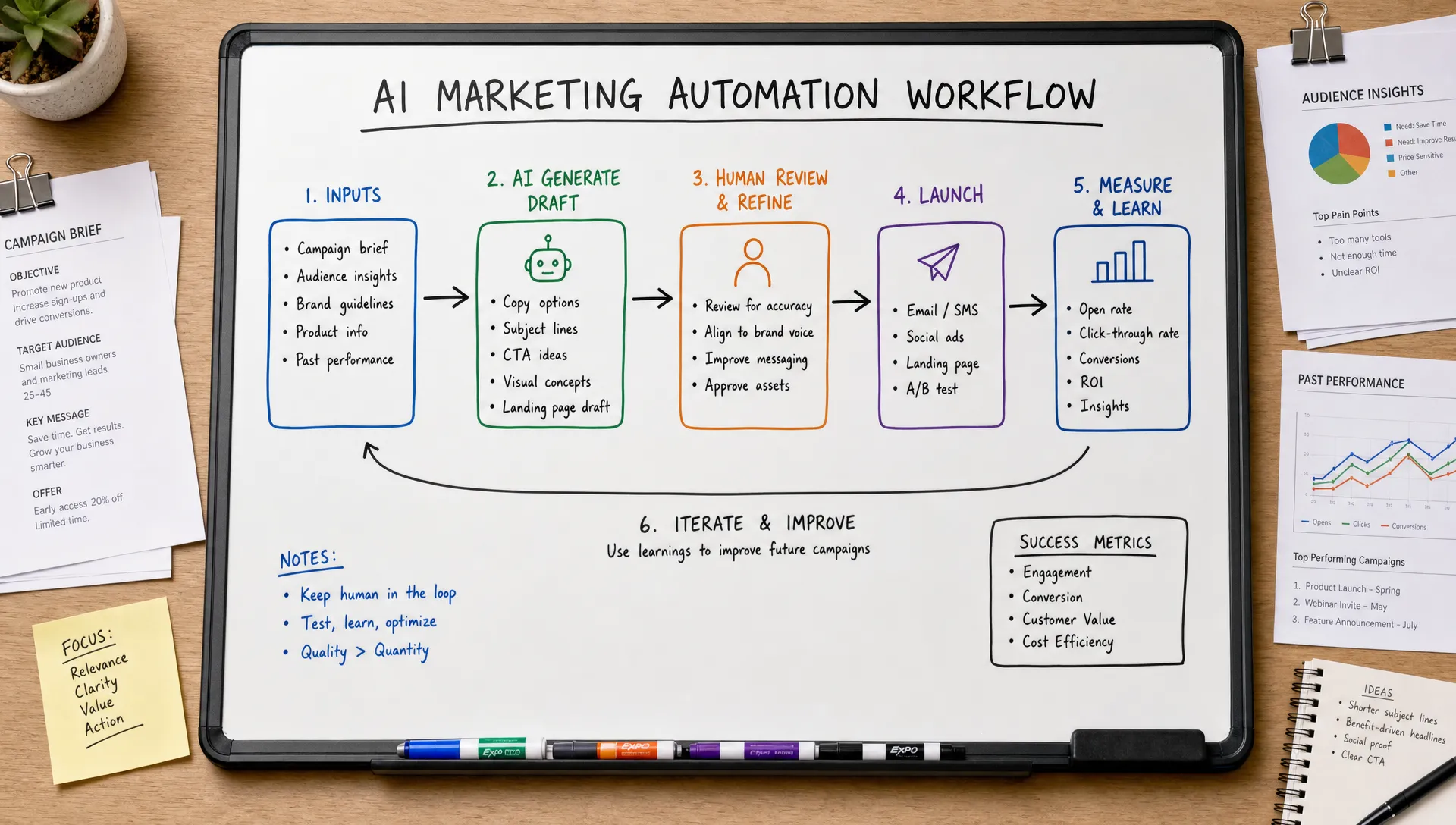
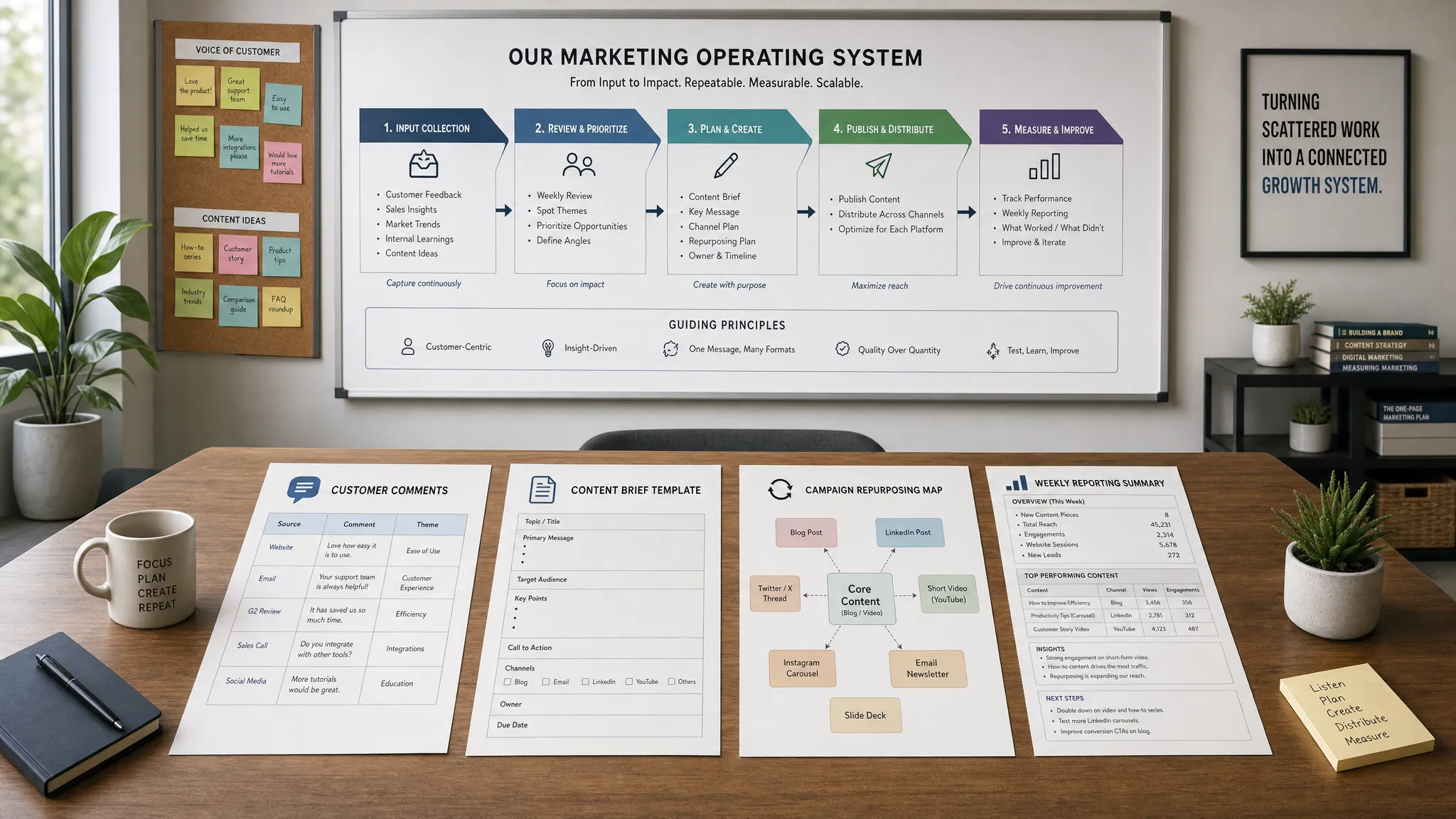
Account-based marketing works best when channels reinforce each other. A target account might see a LinkedIn ad, receive a tailored email, visit a landing page, attend a webinar and then talk with sales. AI can help coordinate those touches based on account stage and behavior.
This is not about blasting every channel at once. It is about sequencing. An early-stage account may need educational content and light retargeting. A high-intent account may need a sales alert, proof-focused nurture and direct outreach. An active opportunity may need stakeholder-specific case studies, security documentation and executive alignment.
AI can recommend next best actions across campaigns when rules become too rigid. For example, if an account has multiple contacts engaging with comparison content, the system might suggest moving that account into a competitive displacement play. If a known opportunity goes quiet, AI might recommend a re-engagement sequence focused on the original business pain and a new proof point.
Teams new to this should avoid automating complex ABM journeys too quickly. Start with one or two plays, define the trigger clearly and review the outputs with sales weekly. AIMarketer Hub’s guide on where to start with AI marketing automation is a helpful companion if you are building your first automated revenue workflows.
Your website is often the most underused ABM channel. If a priority account visits your site, the experience should help them find the most relevant proof, product information and next step quickly.
AI can support account-based website personalization by matching visitors to segments, recommending relevant content and adapting calls to action based on known account stage. A healthcare account might see industry-specific proof. A current customer might see expansion resources. A late-stage opportunity might see security, integration and implementation content more prominently.
There are limits. Personalization should not feel invasive. Avoid messages that reveal too much tracking, such as calling out specific pages a visitor viewed in a way that feels uncomfortable. Strong ABM website personalization feels useful, not surveillance-heavy.
AI chatbots can also support ABM when they recognize the difference between a casual visitor and someone from a target account. The bot can ask qualifying questions, route high-value visitors to sales and recommend resources based on account context. The quality of that experience depends on good data, clear routing rules and careful conversation design.
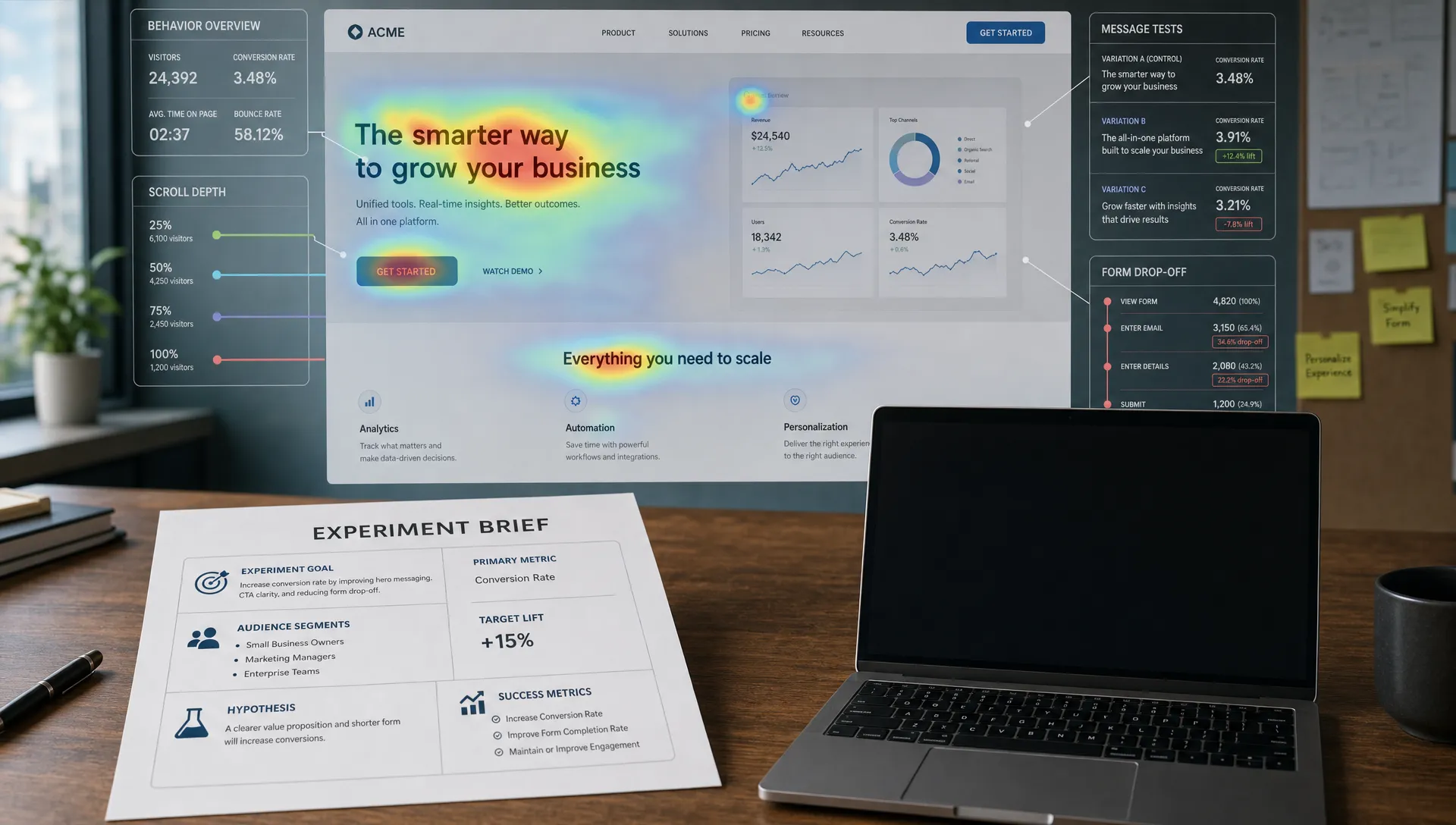
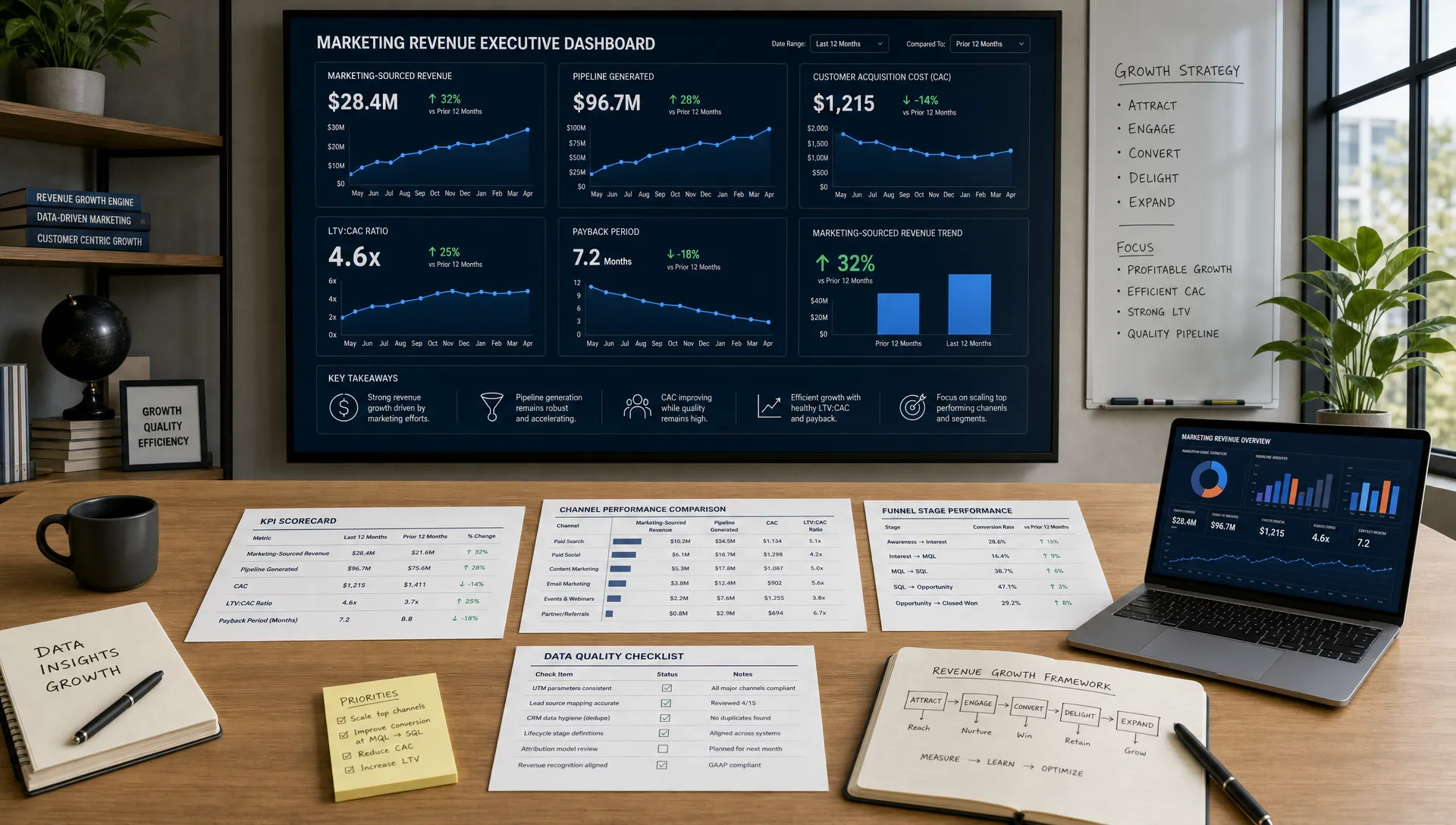
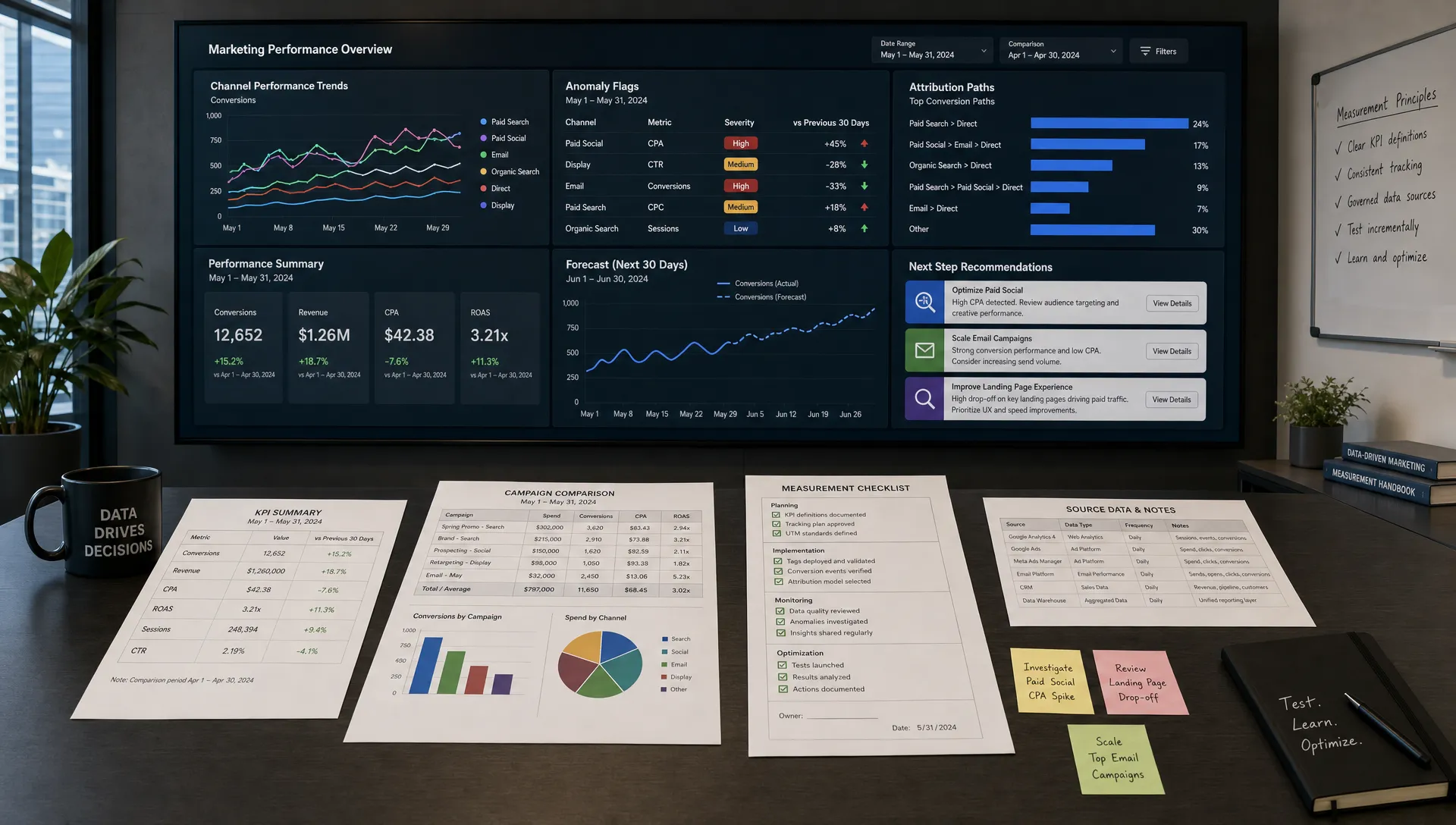
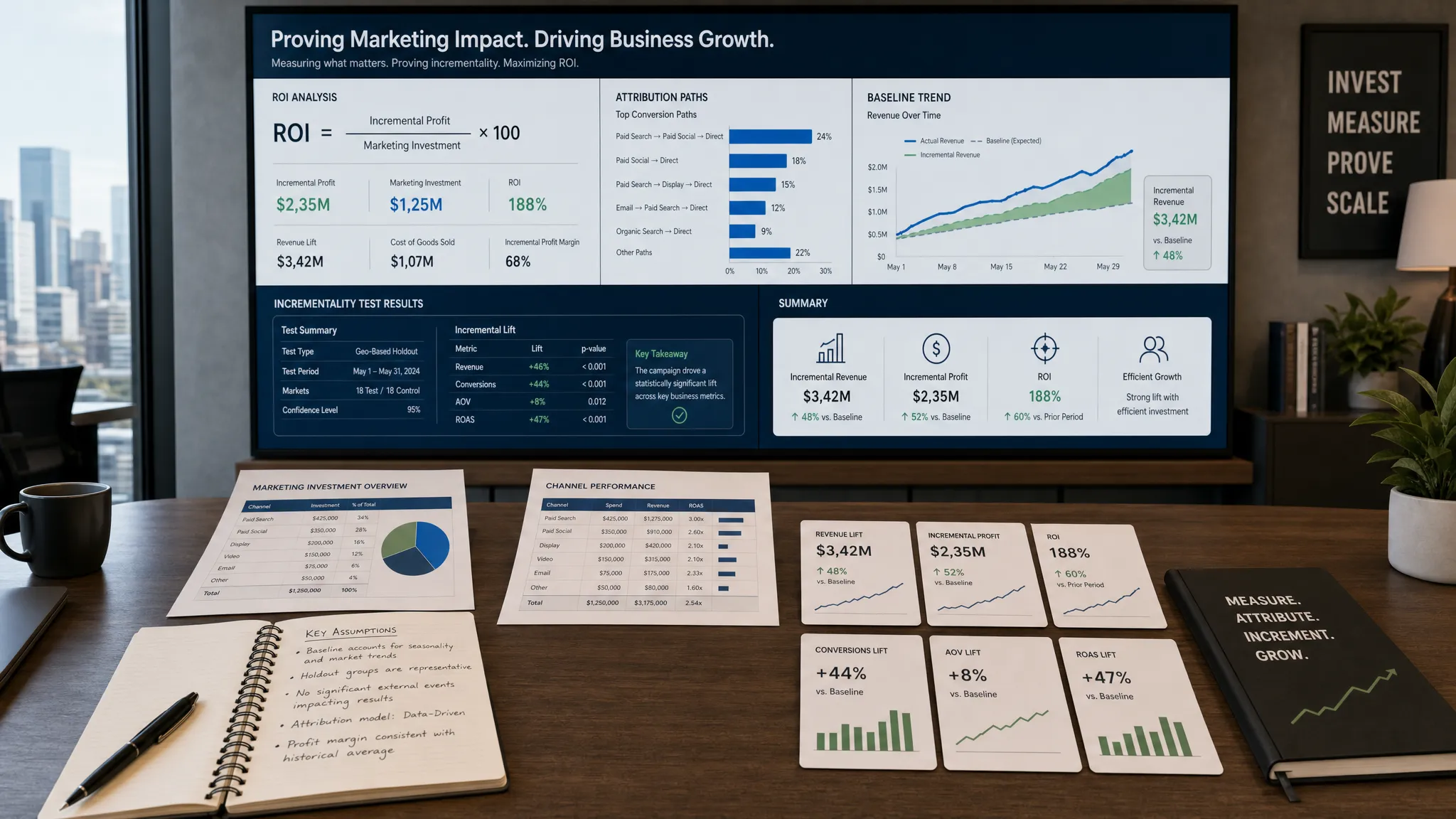
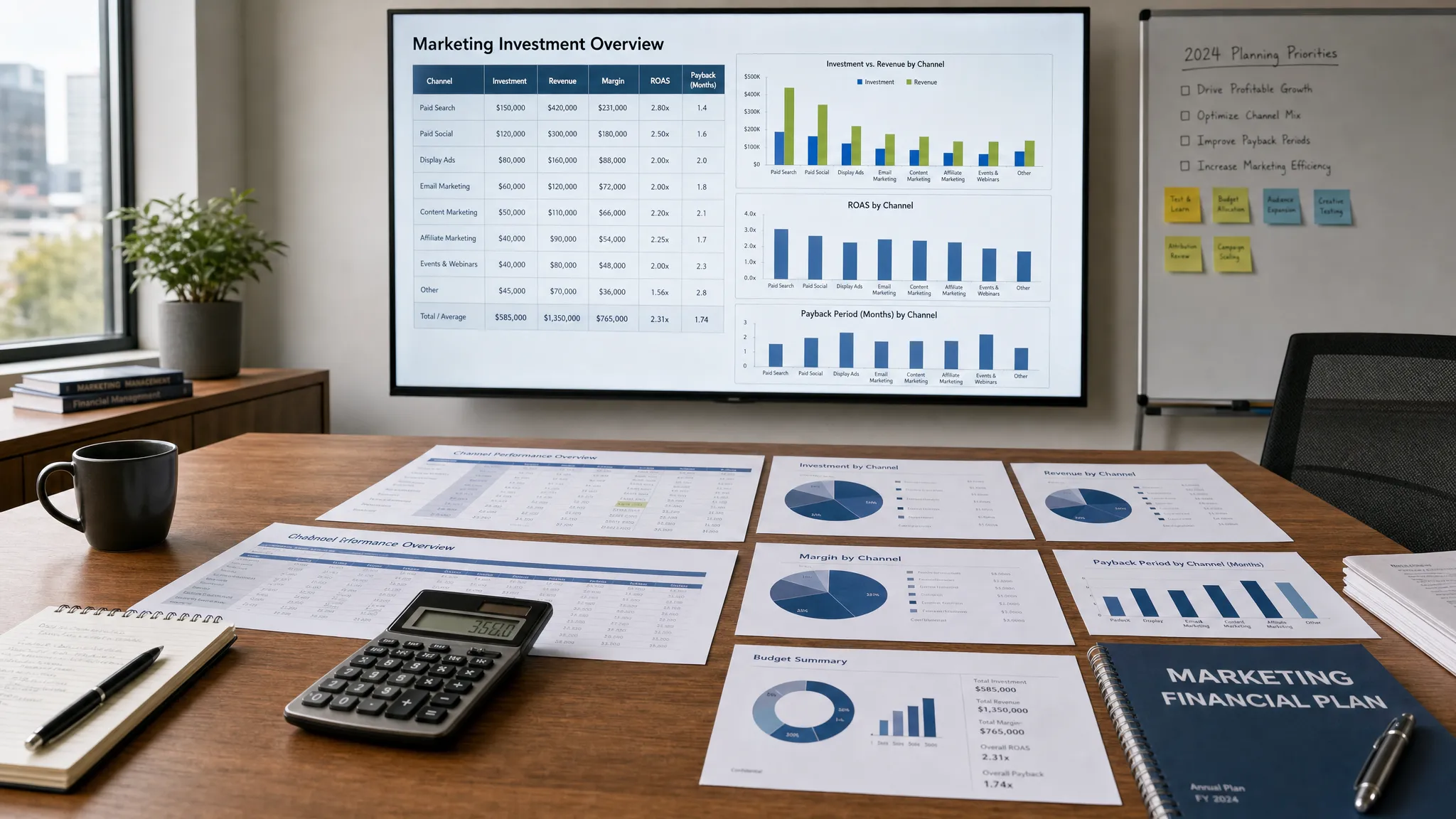
AI can help ABM teams measure what is working beyond surface-level engagement. Opens, clicks and impressions are useful diagnostics, but pipeline impact comes from account movement.
Marketing and sales should track whether target accounts are becoming more engaged, whether buying committees are expanding, whether meetings are being created, whether opportunities are progressing and whether deal velocity is improving. AI can identify patterns across successful account journeys and show which plays tend to precede pipeline creation.
A strong ABM measurement model connects activity to outcomes without pretending every touch deserves full credit. AI can help analyze multi-touch journeys, but marketers still need a clear attribution philosophy. For example, a webinar may not create an opportunity by itself, but it may help engage a technical evaluator who later supports the deal. That influence matters, especially in complex sales cycles.
The table below shows how common AI for account-based marketing use cases connect to pipeline outcomes.
| AI ABM use case | Primary pipeline impact | Data needed | Main risk to manage |
|---|---|---|---|
| Target account selection | Better-fit account lists | CRM history, firmographics, win-loss data | Overweighting old customer patterns |
| Buying committee mapping | More relevant stakeholder engagement | Contact roles, deal history, public role data | Guessing too much from limited data |
| Intent prioritization | Faster response to active demand | Website activity, content engagement, sales signals | Treating low-value activity as buying intent |
| Personalized content | Higher relevance across campaigns | Account briefs, segment data, approved messaging | Generic or inaccurate personalization |
| Sales enablement summaries | Better follow-up and meeting prep | CRM notes, campaign engagement, call summaries | Long summaries that do not guide action |
| Journey orchestration | More consistent multi-channel plays | Account stage, triggers, campaign responses | Automating before the play is proven |
| Pipeline analytics | Clearer view of ABM contribution | Opportunity data, engagement history, revenue outcomes | Overclaiming attribution |
Teams often try to apply AI across the entire ABM program at once. A narrower rollout is usually better. Pick one revenue problem, one segment and one measurable outcome.
For example, your first project could focus on reactivating stalled target accounts, improving meeting conversion from high-intent accounts or increasing expansion opportunities in a specific customer segment. Each project should have a clear before-and-after metric.
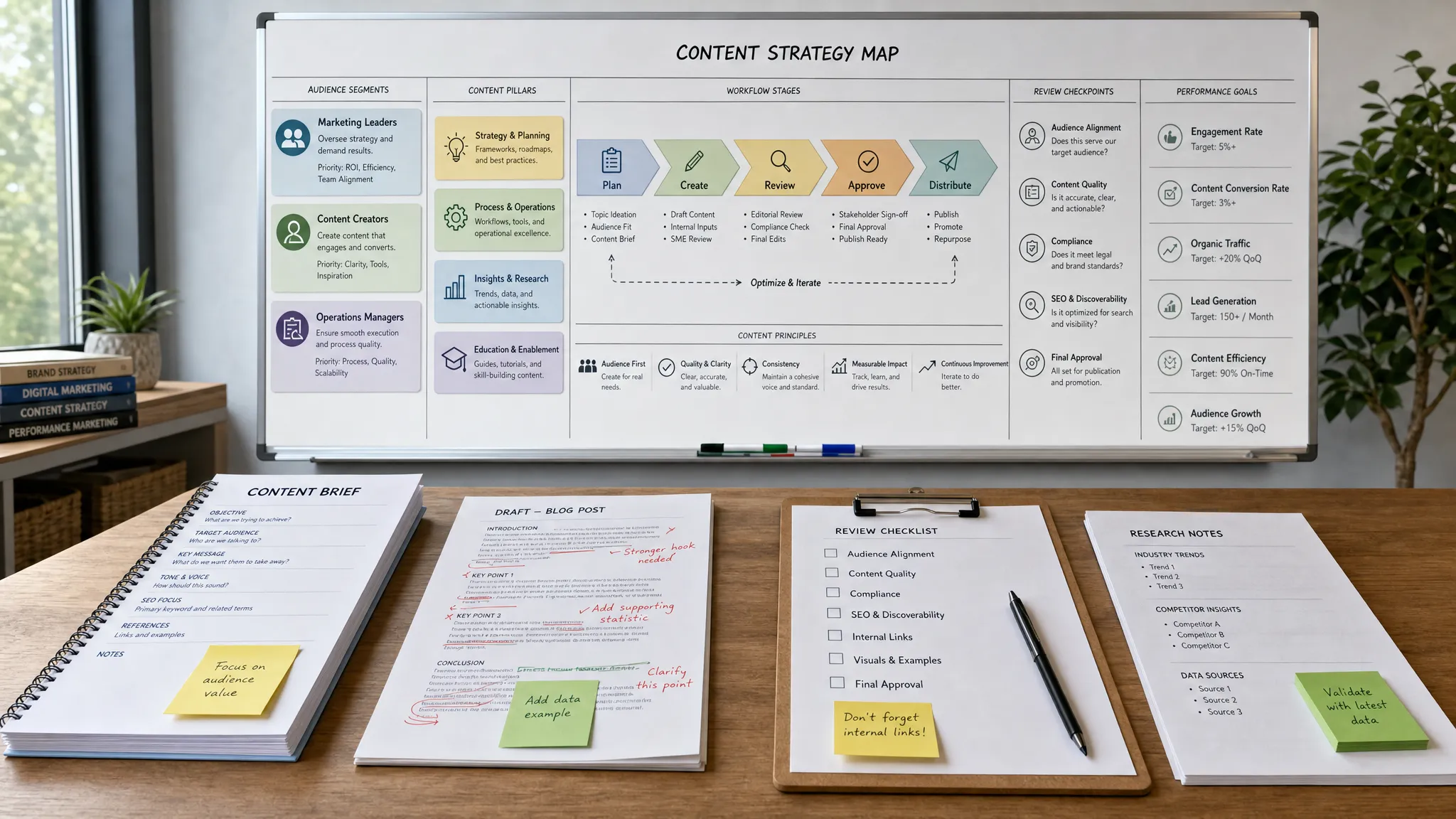
A simple 90-day roadmap can work well:
This roadmap keeps the team honest. If AI saves time but does not improve account movement, refine the workflow before scaling it.
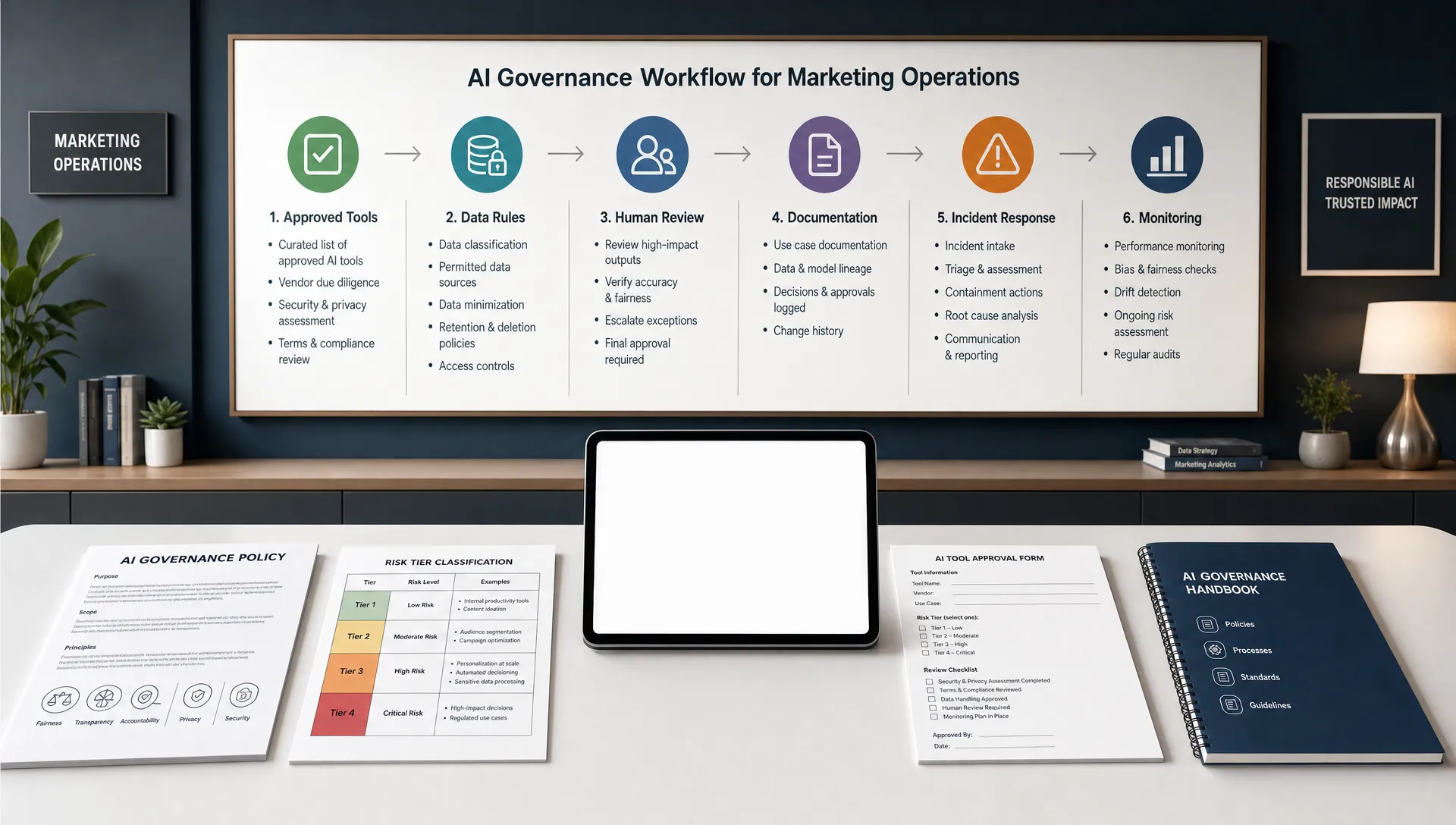
The biggest ABM mistake is using AI to create more activity without better judgment. More emails, more ads and more content do not automatically create pipeline. In some cases, they create noise that makes target accounts less likely to respond.
Another common mistake is relying on black-box scores that sales does not trust. If the model says an account is hot but cannot explain why, sellers will ignore it. Explainability matters because ABM is a team sport. Marketing may own the campaign, but sales needs confidence before changing priorities.
Teams should also watch for hallucinated research. AI can misread company information, confuse similarly named businesses or invent details when prompts are too broad. Every account-specific claim should be checked before it appears in outreach or on a landing page.
Finally, do not treat personalization as the same thing as relevance. Mentioning a recent press release may show research, but it only matters if you connect it to a business problem your buyer recognizes.
Pipeline-focused ABM measurement should combine leading indicators and revenue outcomes. Leading indicators help you see whether accounts are warming up. Revenue outcomes prove whether the program is worth scaling.
Useful metrics include:
The right metrics depend on your ABM motion. One-to-one enterprise ABM may care more about stakeholder depth and opportunity progression. One-to-few ABM may care more about segment-level engagement and meeting conversion. One-to-many ABM may use AI to improve prioritization at scale before sales invests time.
What is AI for account-based marketing? AI for account-based marketing uses machine learning and generative AI to improve account selection, intent analysis, personalization, sales enablement, campaign orchestration and pipeline measurement for high-value target accounts.
Can AI replace an ABM strategist? No. AI can analyze signals, summarize account activity and draft content, but ABM strategy still requires human judgment about market priorities, sales relationships, positioning and deal context.
Which AI ABM use case should we start with? Start with the bottleneck closest to revenue. If sales is wasting time on the wrong accounts, begin with prioritization. If follow-up is slow, start with sales alerts and account summaries. If engagement is weak, test account-specific messaging.
What data is most important for AI-powered ABM? CRM history, account firmographics, contact roles, website behavior, campaign engagement, sales notes and opportunity outcomes are usually the most useful. Clean account matching and consistent lifecycle stages are especially important.
How do you prevent AI personalization from sounding generic? Give AI a clear account hypothesis, stakeholder role, trigger, approved proof points and desired action. Then have a marketer or seller edit the output for accuracy, relevance and brand voice.
AI can make account-based marketing faster, but speed alone is not the goal. The real value comes from sharper account selection, stronger buying committee insight, better-timed outreach and clearer measurement of pipeline movement.
Start with one revenue problem. Build the smallest AI workflow that helps marketing and sales act on it together. Review the results, improve the data and scale only when the workflow creates measurable account progress.
For teams building practical AI marketing systems, AIMarketer Hub offers guides, tools and resources that help marketers automate, optimize and grow without losing sight of revenue outcomes.