Business and marketing are often discussed as if they are separate worlds. The business defines revenue targets, market priorities, and operational constraints. Marketing creates campaigns, content, ads, emails, and brand assets. On paper, that division looks efficient. In practice, it often creates slow decisions, weak messaging, wasted budget, and customer experiences that feel disconnected.
In 2026, that separation is even more costly. Buyers compare more options, AI has accelerated content production, budgets are under tighter scrutiny, and customer journeys span search, social, communities, webinars, outbound, review sites, and sales conversations. If business and marketing are not working from the same strategy, teams may look busy while growth stalls.
The strongest companies do not treat marketing as a service desk for last-minute requests. They treat it as a growth partner that translates business direction into market demand, customer trust, and measurable revenue.

Business and marketing alignment does not mean every department joins every meeting. It does not mean marketing loses creativity or business leaders dictate every campaign idea. It means both sides share the same understanding of customers, positioning, goals, constraints, and success metrics.
A practical definition is simple: business sets the strategic direction, and marketing helps turn that direction into market action.
That includes decisions such as which audiences matter most, which problems the company is best positioned to solve, what value proposition should lead, how the brand should be perceived, which channels deserve investment, and how performance will be measured.
When alignment is strong, marketing can make better decisions without waiting for approval at every step. Business leaders can trust that campaigns are connected to revenue priorities. Sales teams receive leads and messaging that match real buyer needs. Product teams hear sharper customer feedback. Finance sees clearer links between spend and outcomes.
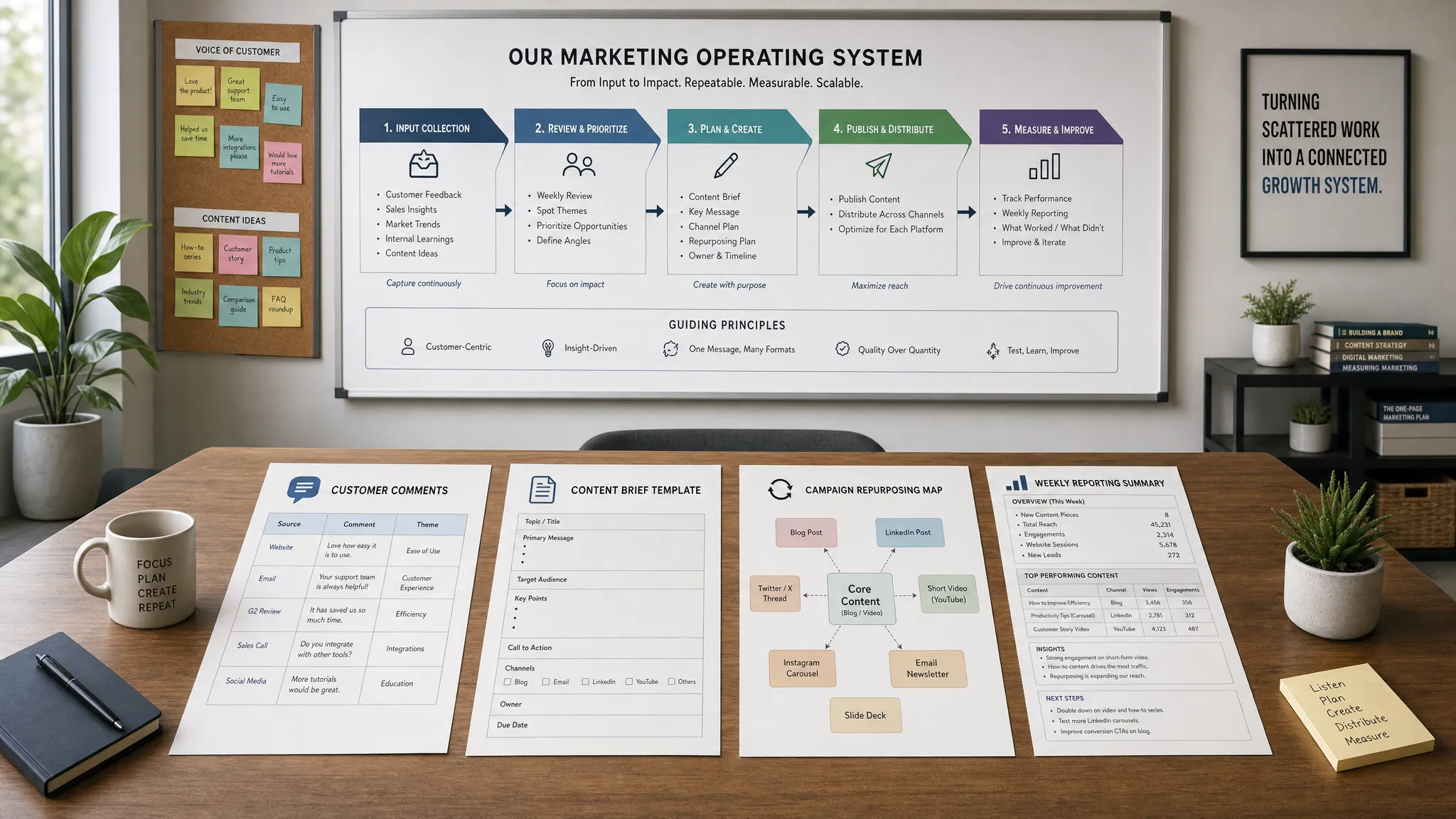
This is why business and marketing must work together, not as a slogan, but as an operating system for growth.
Most misalignment is not caused by bad intentions. It usually comes from different timelines, incentives, and definitions of success.
Business leaders may focus on quarterly revenue, margin, expansion, hiring, cash flow, or investor expectations. Marketing teams may focus on brand awareness, traffic, engagement, lead volume, conversion rates, or campaign performance. Both perspectives are valid, but when they are not connected, the company gets fragmented execution.
A few common patterns create friction:
The result is predictable. Campaigns become reactive, reporting becomes defensive, and teams spend more time explaining performance than improving it.
A classic Harvard Business Review article on ending the war between sales and marketing focused on sales alignment, but the same lesson applies more broadly: growth improves when customer-facing functions stop operating as isolated departments.
The reason alignment matters is not just smoother collaboration. It changes how a company grows.
Marketing is where business strategy meets the market. If the strategy is unclear, marketing amplifies confusion. If the strategy is sharp, marketing can create demand, educate buyers, support sales, and strengthen retention.
Business leaders often see customers through financial performance, retention numbers, operational issues, or strategic accounts. Marketing sees customers through search behavior, content engagement, campaign responses, social conversations, and objections surfaced in messaging tests.
When those views are combined, the company gets a more complete picture. A finance leader may notice that one customer segment has higher lifetime value. Marketing may discover that the same segment responds to a specific pain point in search and email campaigns. Sales may confirm that those prospects close faster when the pitch emphasizes operational efficiency instead of cost savings.
That level of insight rarely emerges from one department alone.
Positioning is not just a marketing exercise. It is a business decision. It determines where the company competes, which buyers it prioritizes, how it differentiates, and what value it promises.
If marketing develops positioning without business input, the message may sound attractive but fail to reflect product reality or market economics. If business leaders define positioning without marketing input, the message may be accurate but uninspiring or too internal.
Aligned teams create positioning that is both commercially grounded and market-ready.
Many companies waste budget because campaigns are disconnected from sales capacity, product priorities, or revenue goals. For example, a team may drive a large number of leads in a segment the business cannot serve profitably. Another team may spend heavily on awareness before clarifying which conversion path matters most.
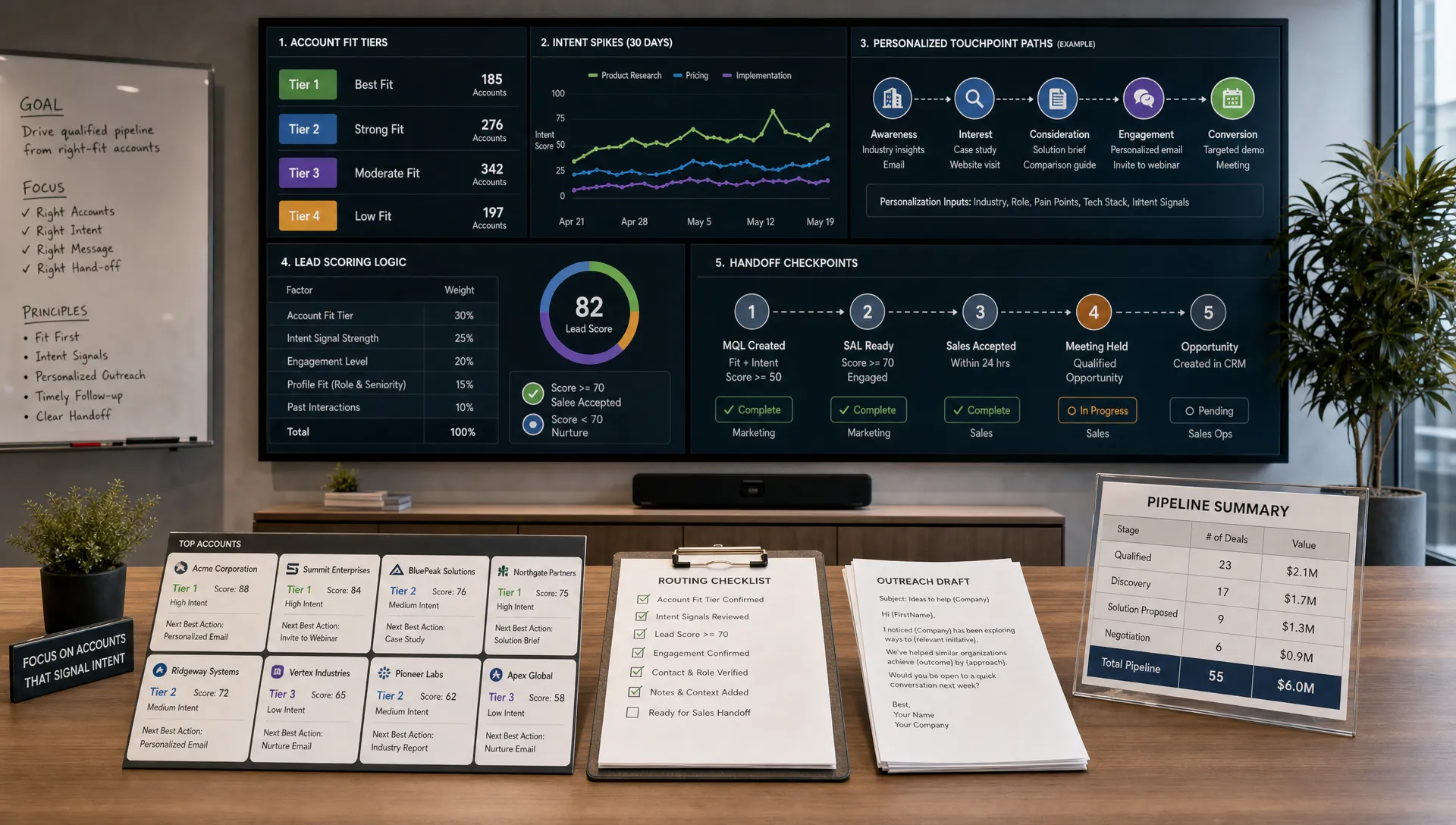
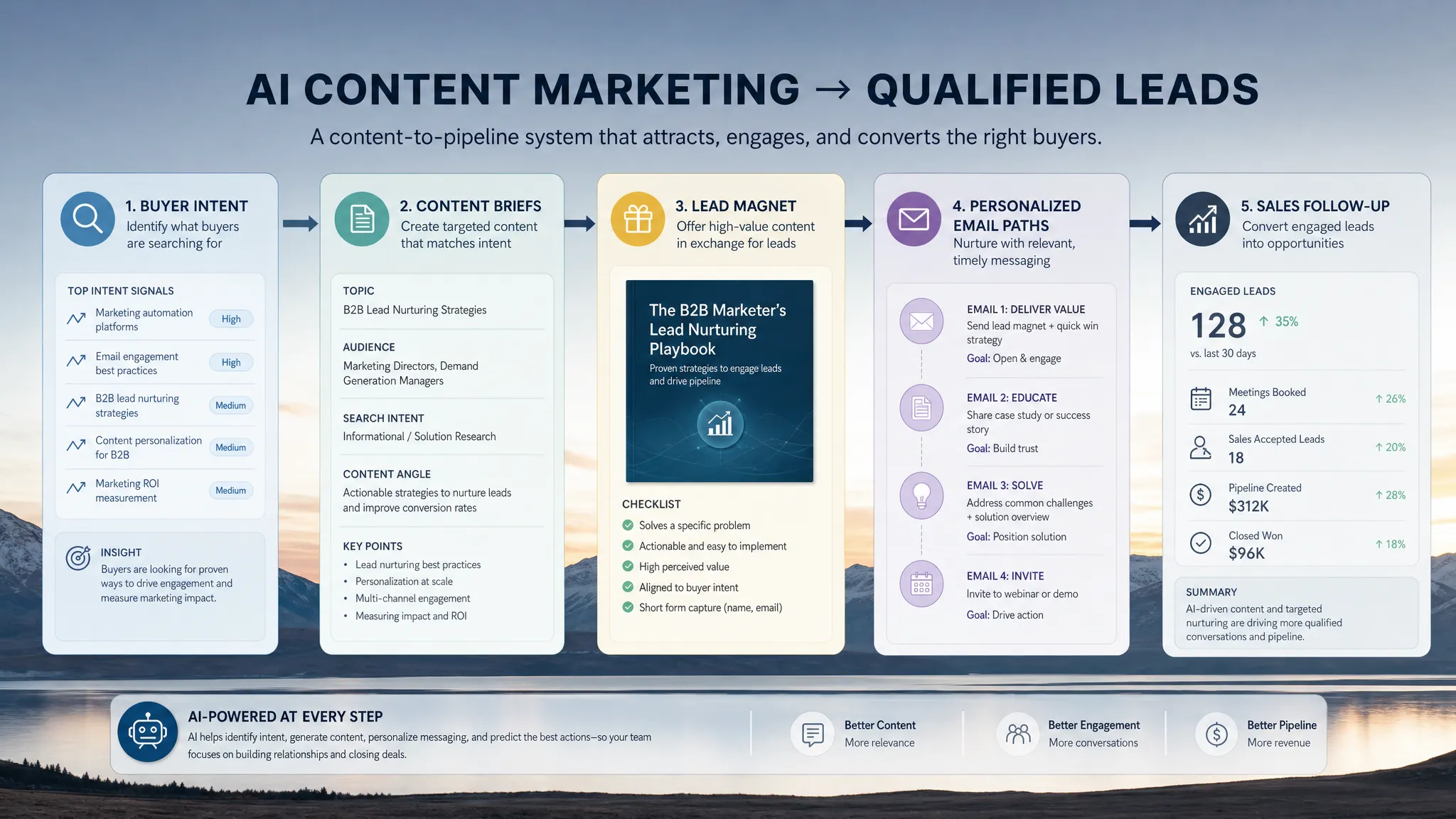
When business and marketing plan together, demand generation becomes more focused. Campaigns can target the right accounts, offers can match buyer readiness, and sales teams can follow up with context that improves conversion.
For B2B companies that need additional pipeline support, partnering with specialists in B2B customer acquisition can also make sense when the internal team has clear targeting, messaging, and qualification criteria in place.
Misaligned teams often debate opinions. Aligned teams review evidence.
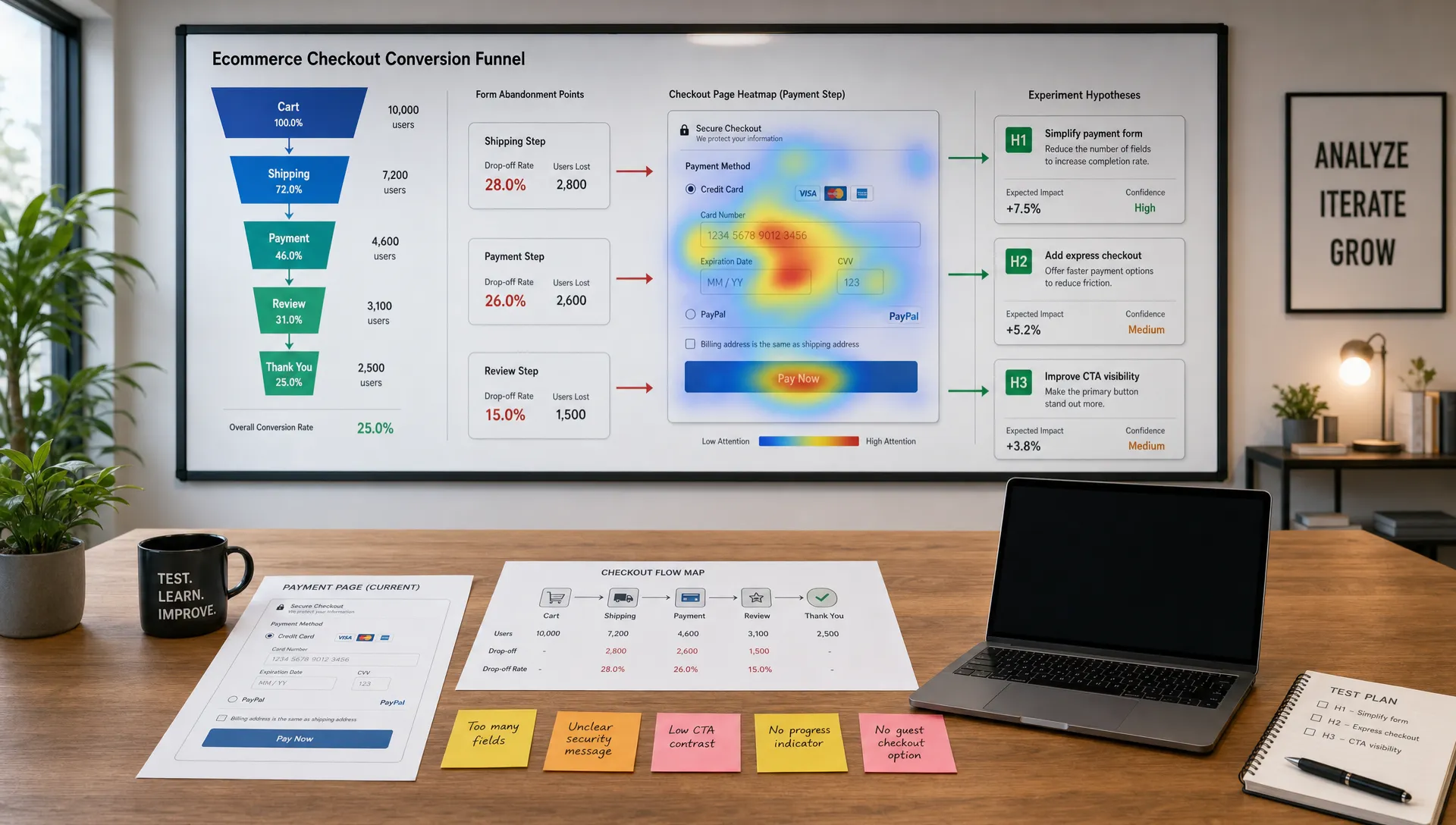
Instead of asking, Which campaign do we like best, they ask, Which campaign supports the current business objective? Instead of asking, Why did marketing not deliver enough leads, they ask, Which part of the funnel is underperforming, and what should we test next?
That shift speeds up decisions because the team has already agreed on the goal, the audience, the metric, and the constraint.
Some areas require especially tight cooperation. If these are disconnected, growth becomes harder to manage.
Marketing cannot efficiently grow a business that is unsure where it wants to win. Before campaigns begin, leadership and marketing should agree on priority markets, industries, company sizes, regions, or customer types.
This does not mean the company can never experiment. It means experiments should be intentional. A business may decide that enterprise SaaS accounts are the main priority this quarter, while marketing runs a smaller test for mid-market demand. The key is shared awareness, not random activity.
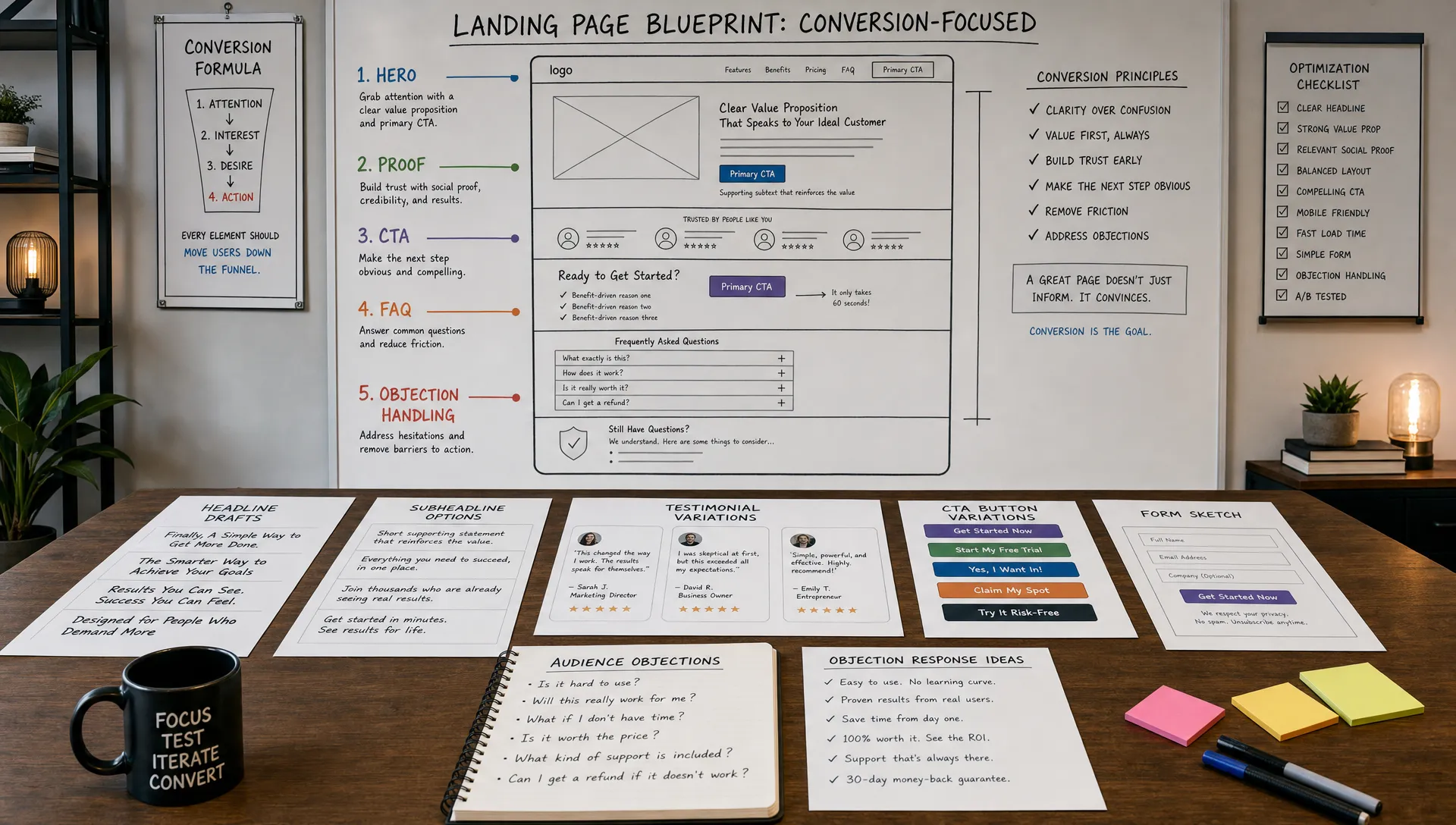
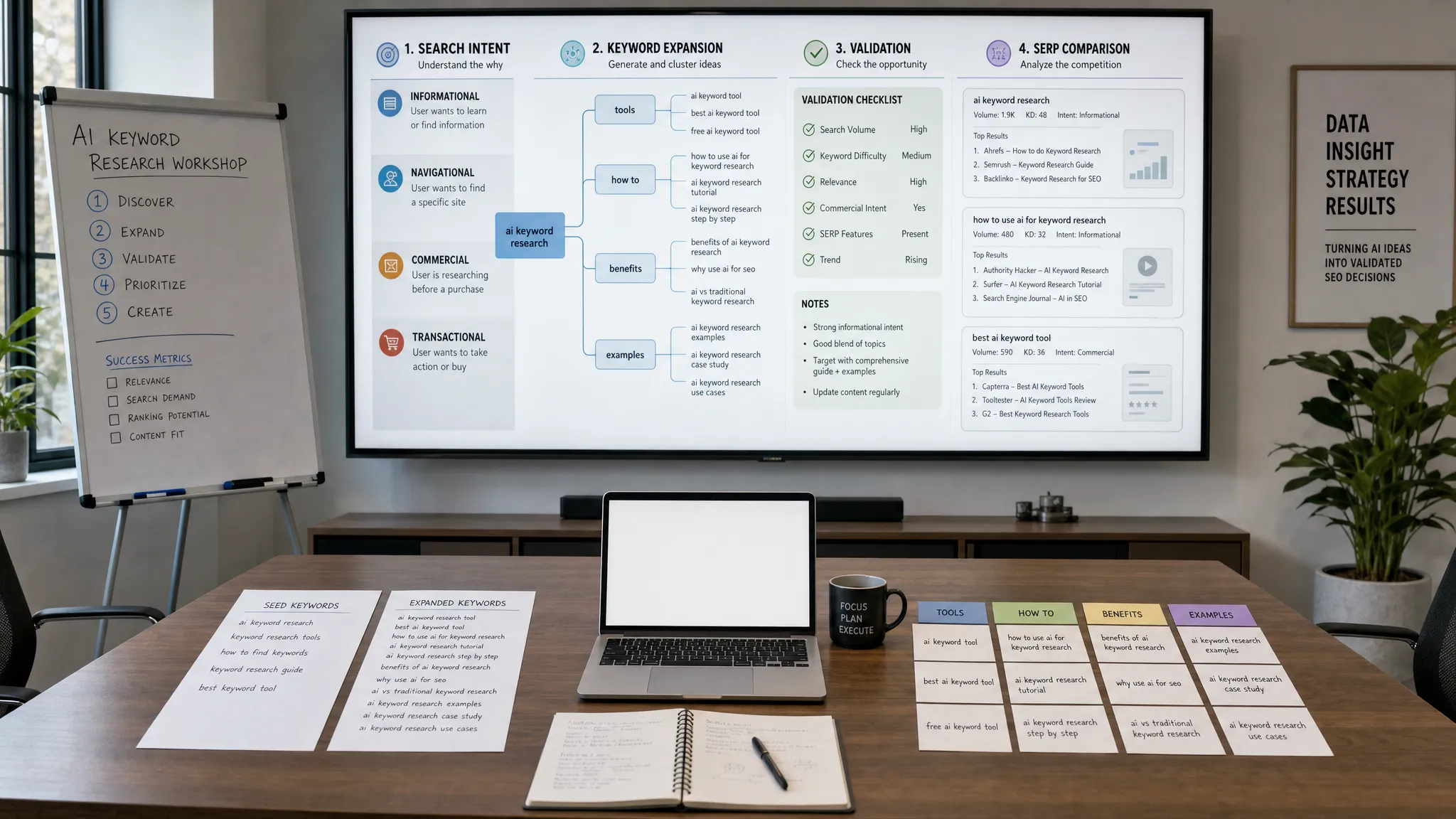
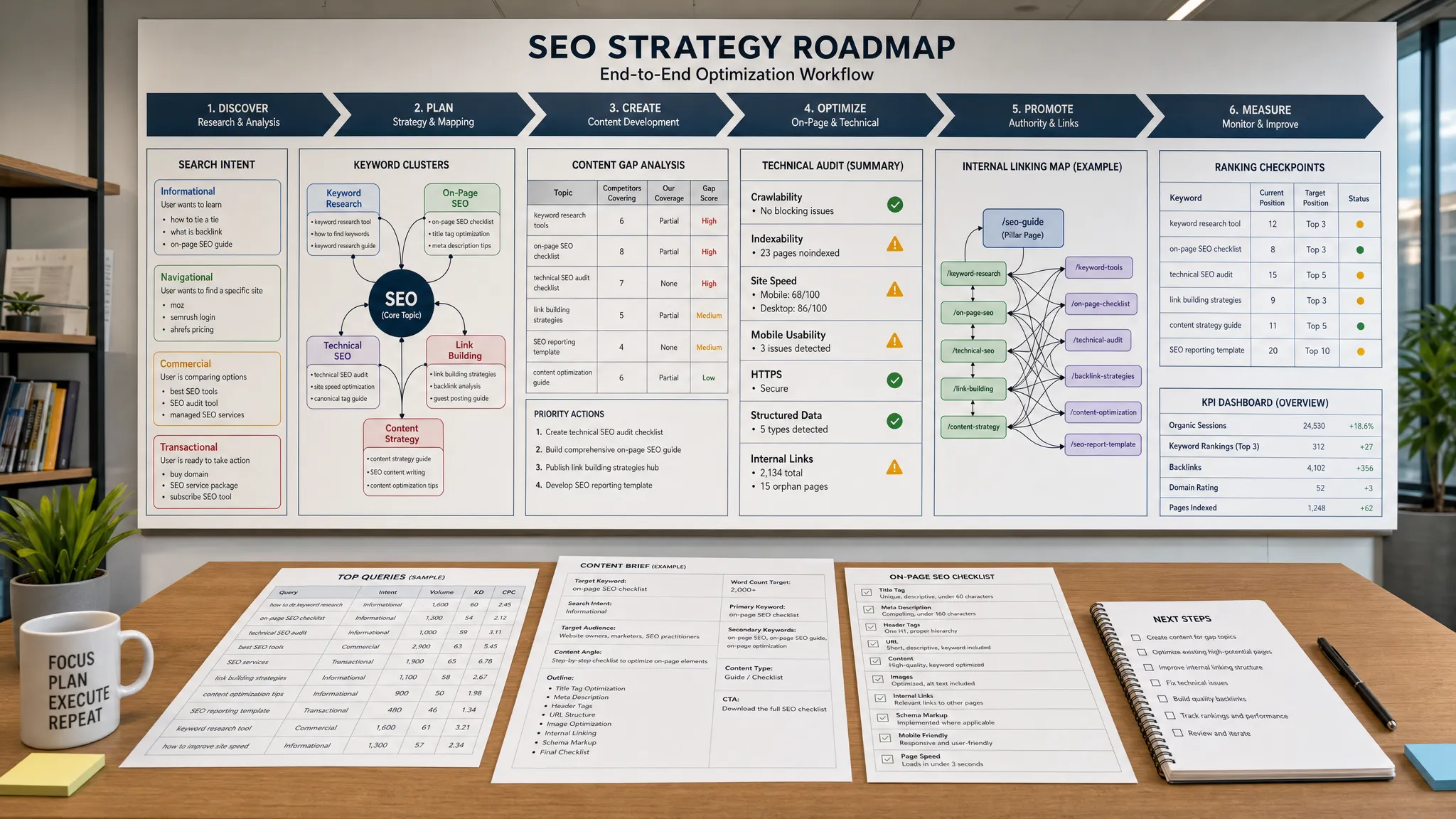
The ideal customer profile should not live only in a slide deck. It should shape keyword strategy, ad targeting, landing pages, content topics, outbound messaging, event choices, and sales qualification.
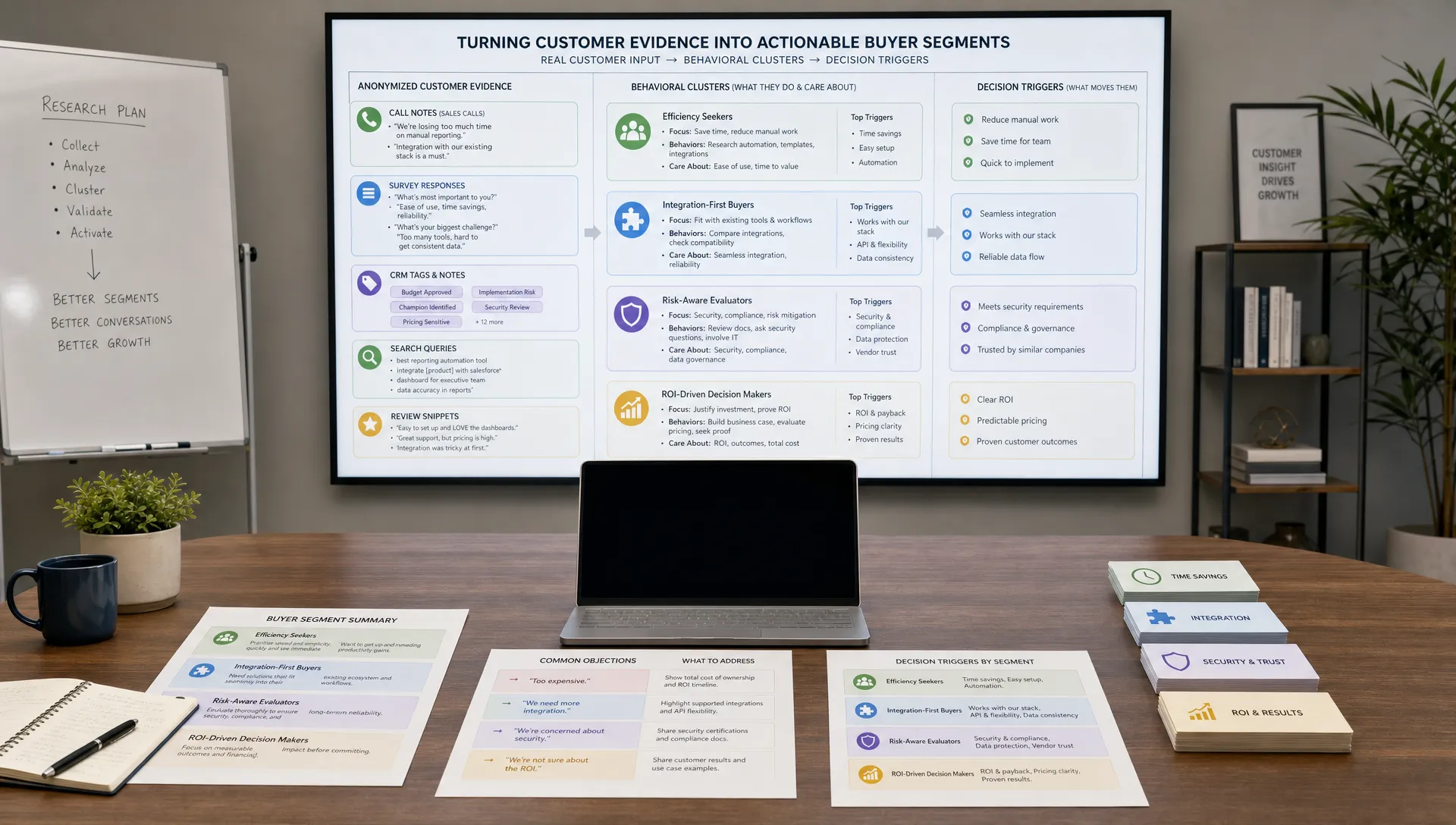
A useful profile answers practical questions. Who has the pain? Who controls budget? What triggers the buying process? What objections delay the deal? What alternatives do they compare? What proof do they need before they trust the company?
Marketing can gather many of these signals from audience behavior. Business leaders can validate them against revenue quality and customer fit.
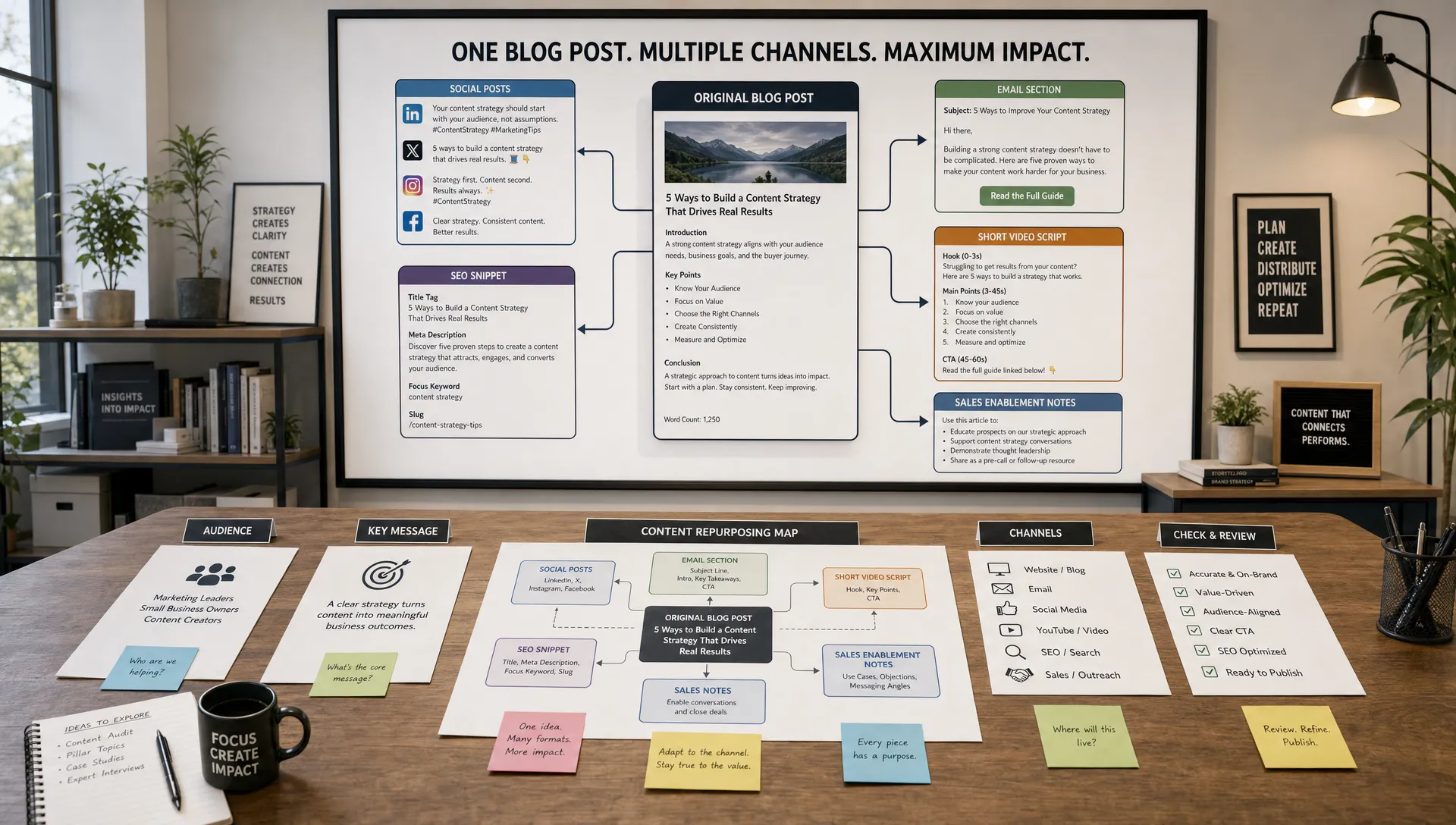
Content is often where misalignment becomes visible. A company publishes blog posts, LinkedIn updates, white papers, videos, and email campaigns, but the pieces do not connect to a larger business goal.
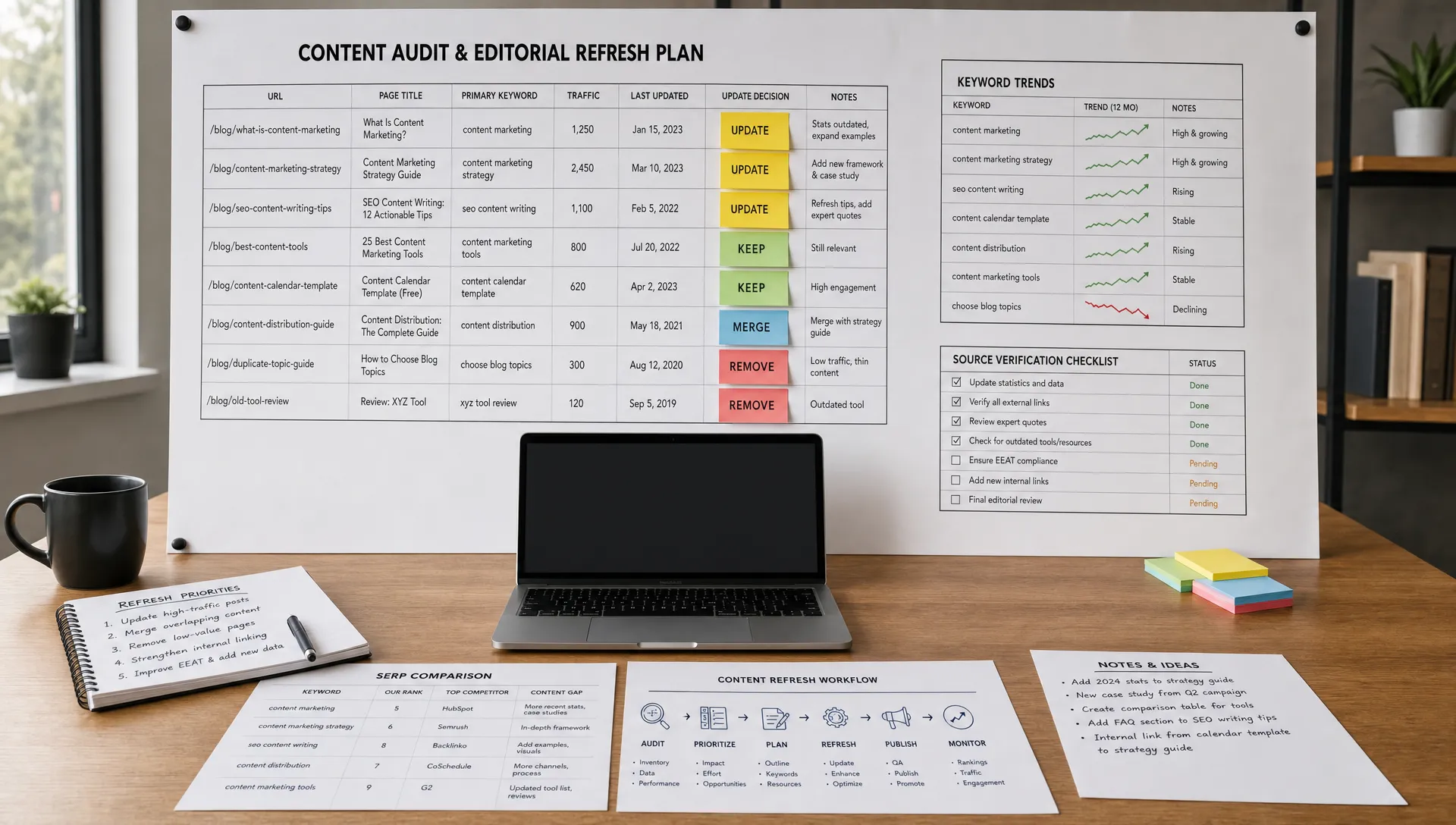
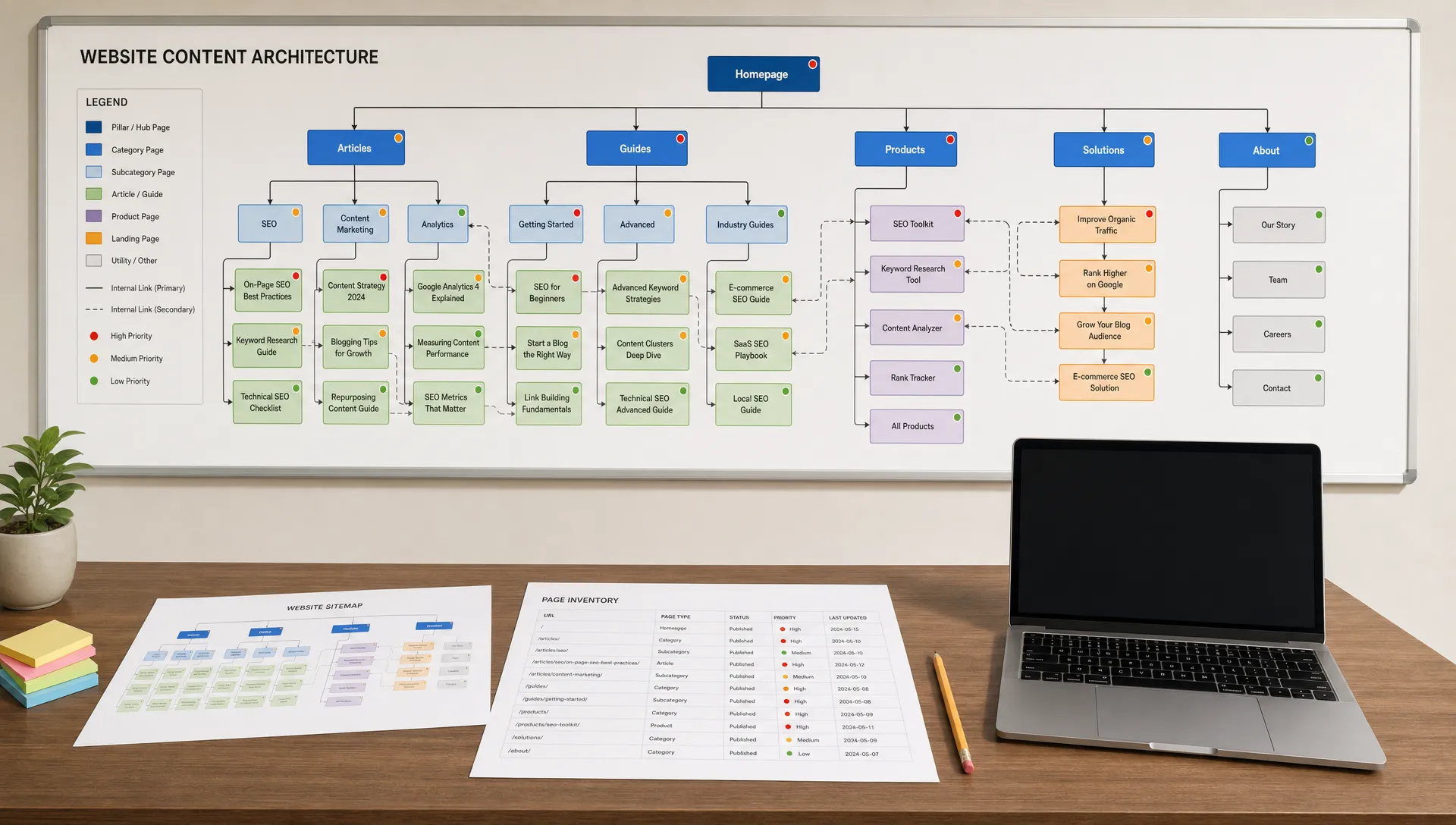
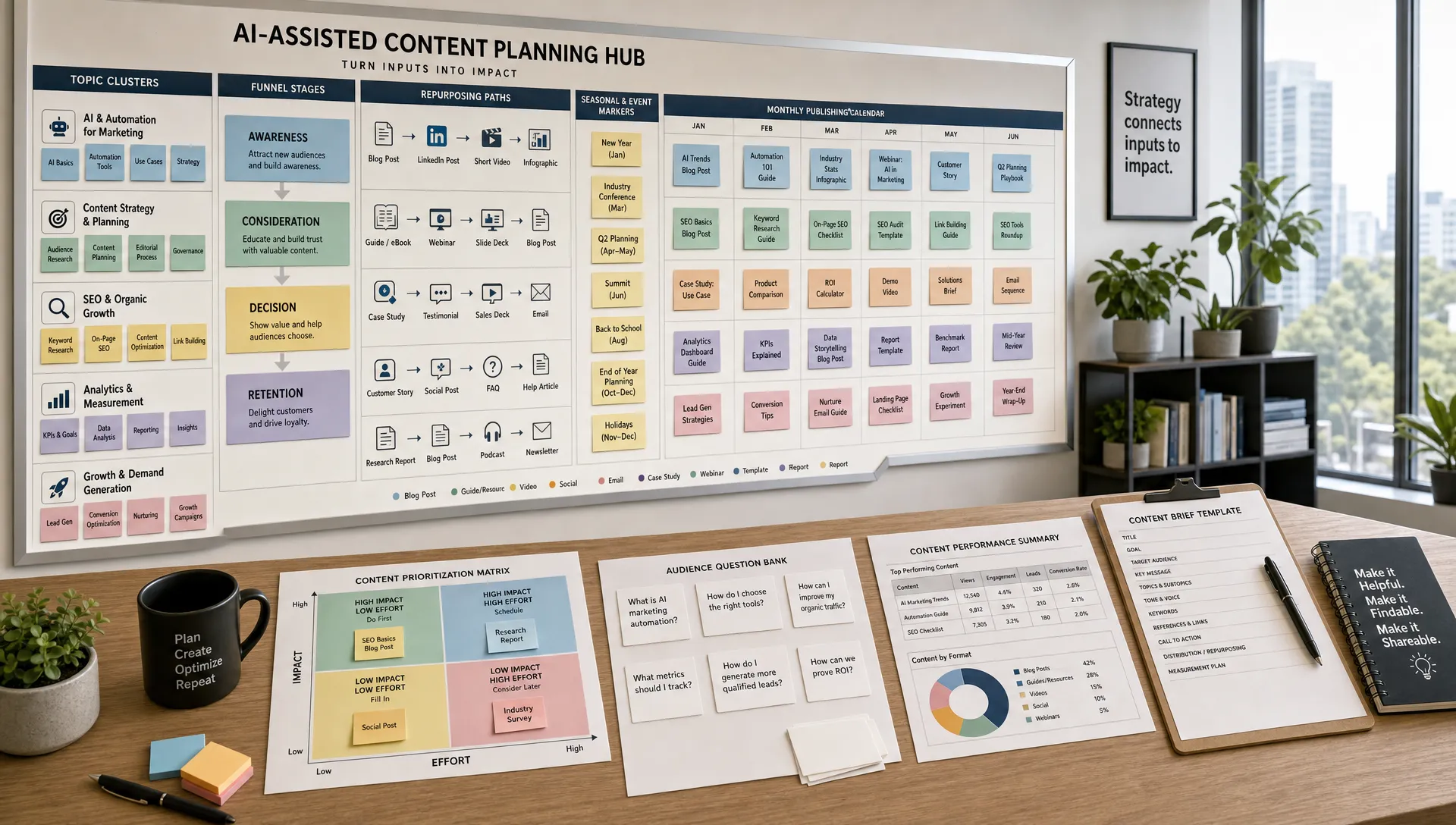
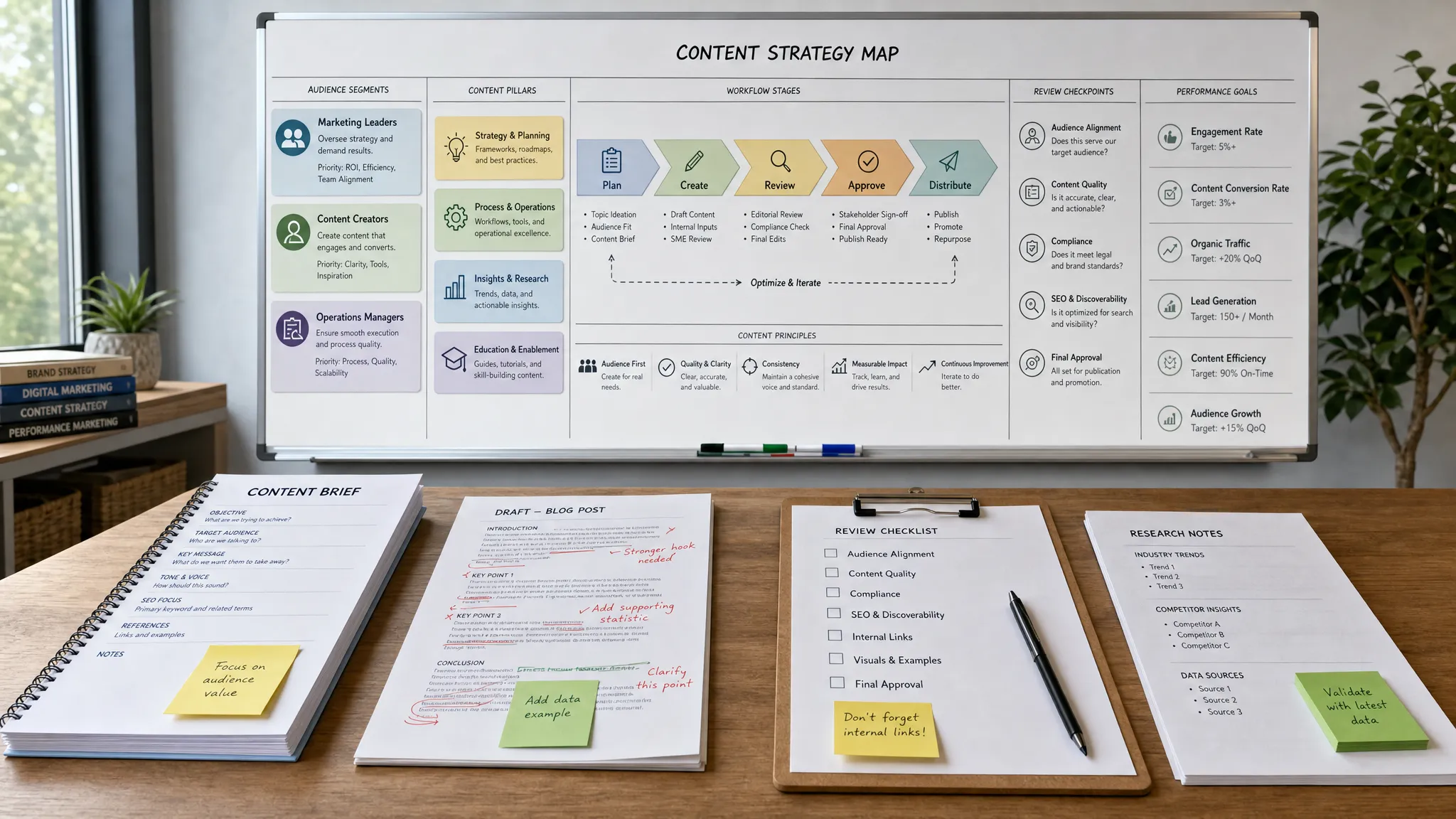
Strong content strategy begins with business priorities. If the goal is to enter a new market, content should educate that audience and build category relevance. If the goal is to improve conversion, content should address objections, comparisons, use cases, and proof. If the goal is retention, content should help customers succeed after purchase.
AI content generation can make this process faster, but speed only helps when the strategy is clear. Otherwise, teams simply produce more disconnected assets.
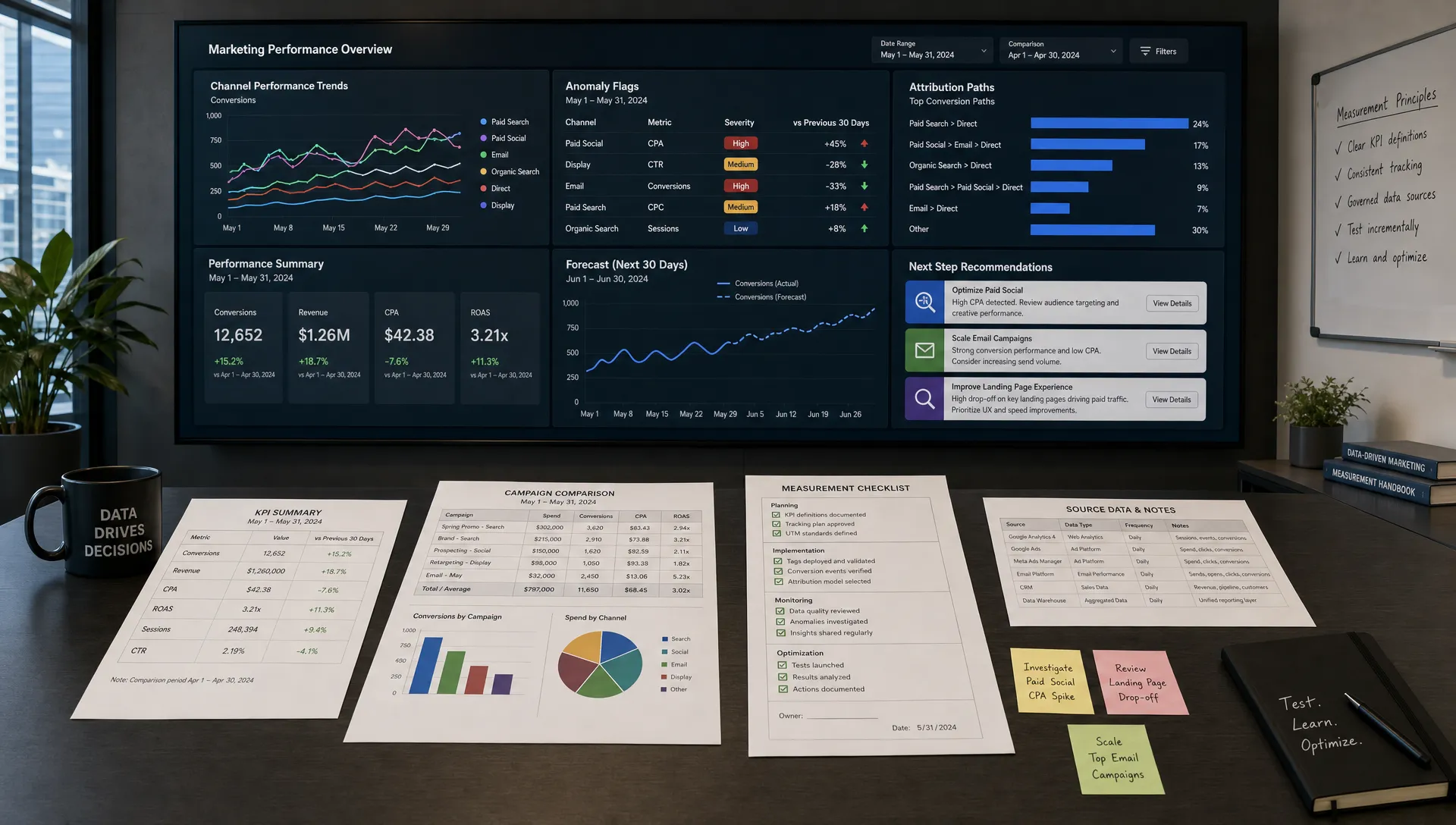
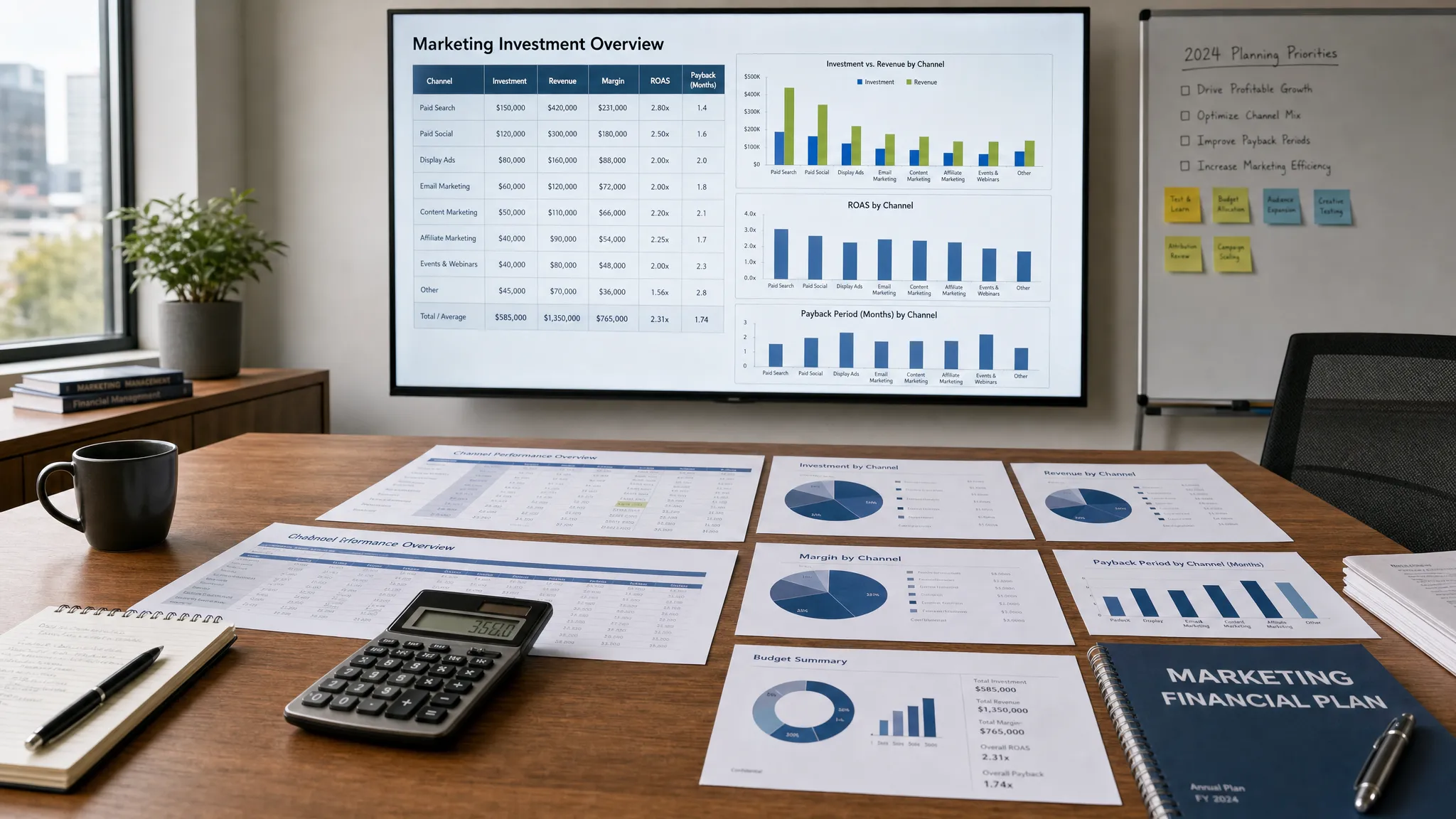
Business leaders need marketing reports that connect to outcomes, not just activity. Marketing teams need leaders to understand that not every valuable effort produces instant revenue.
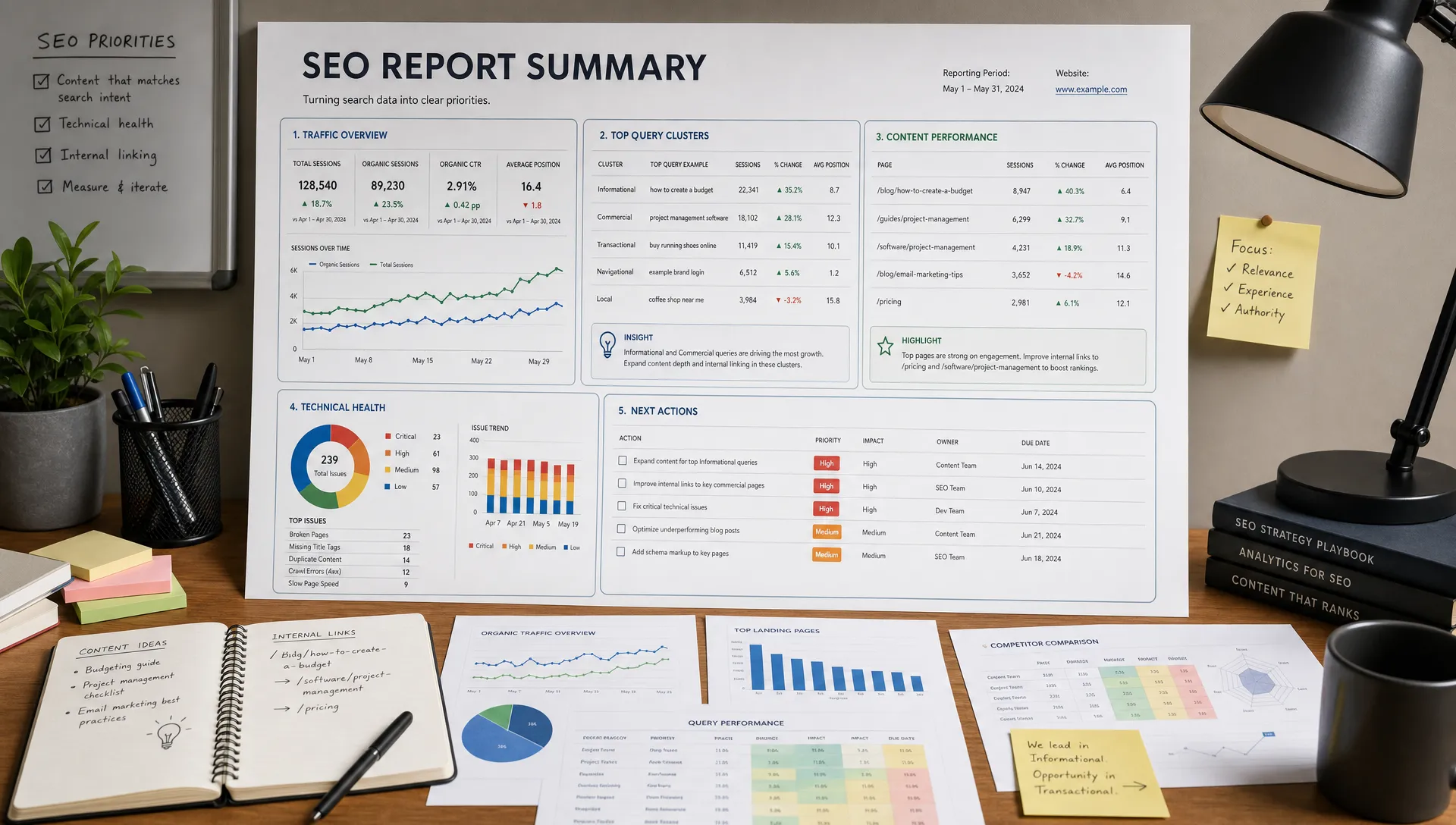
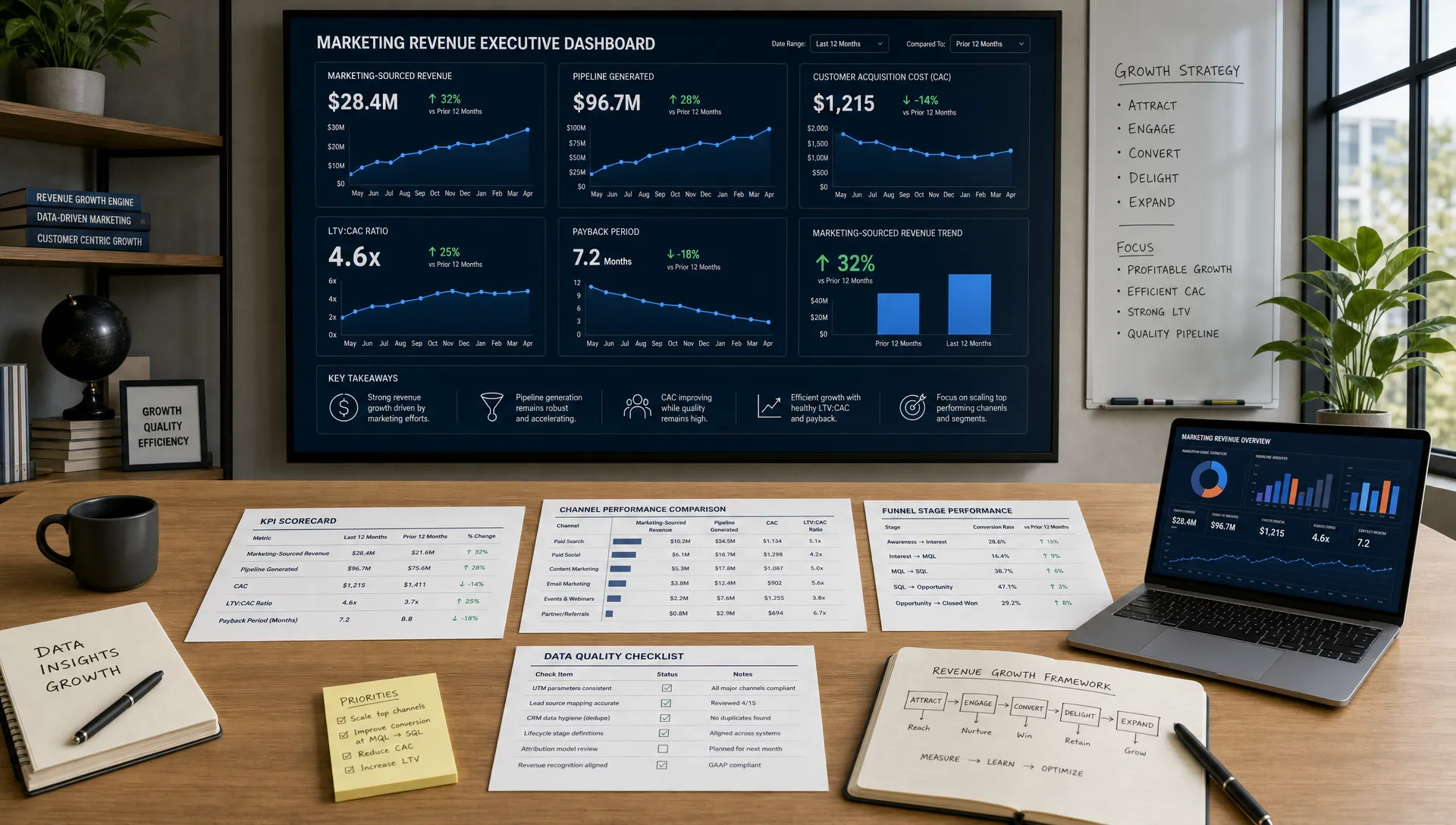
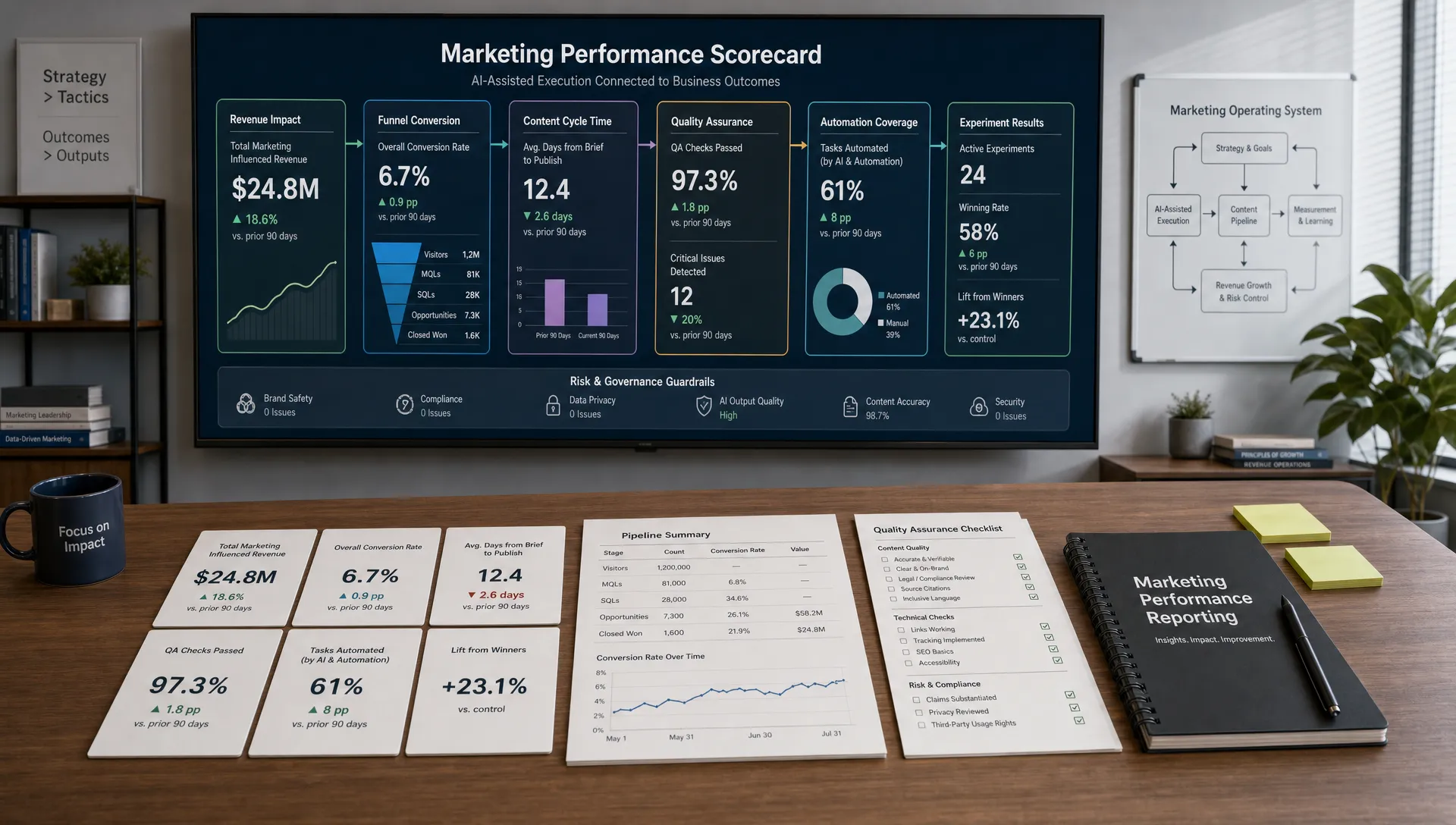
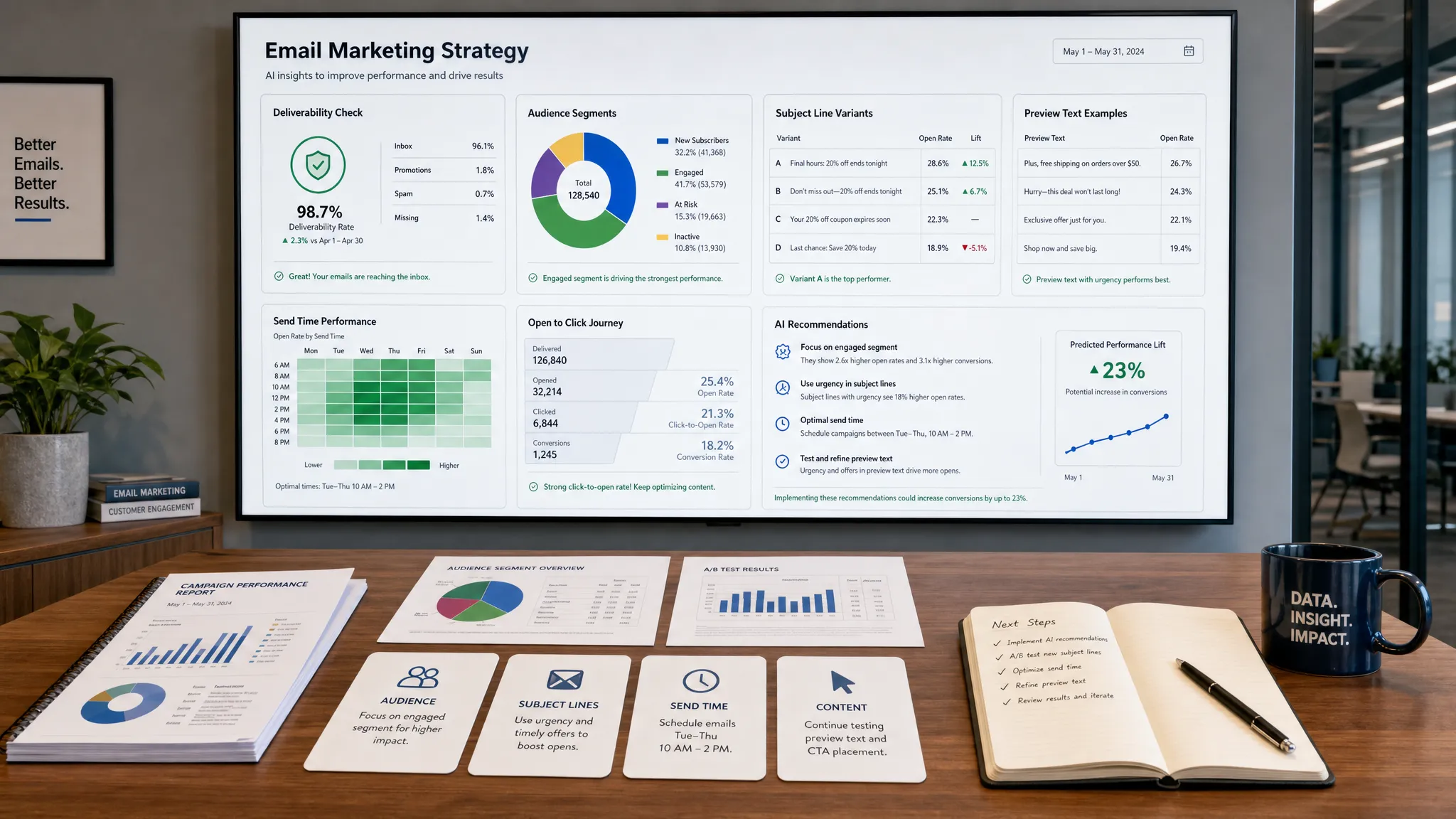
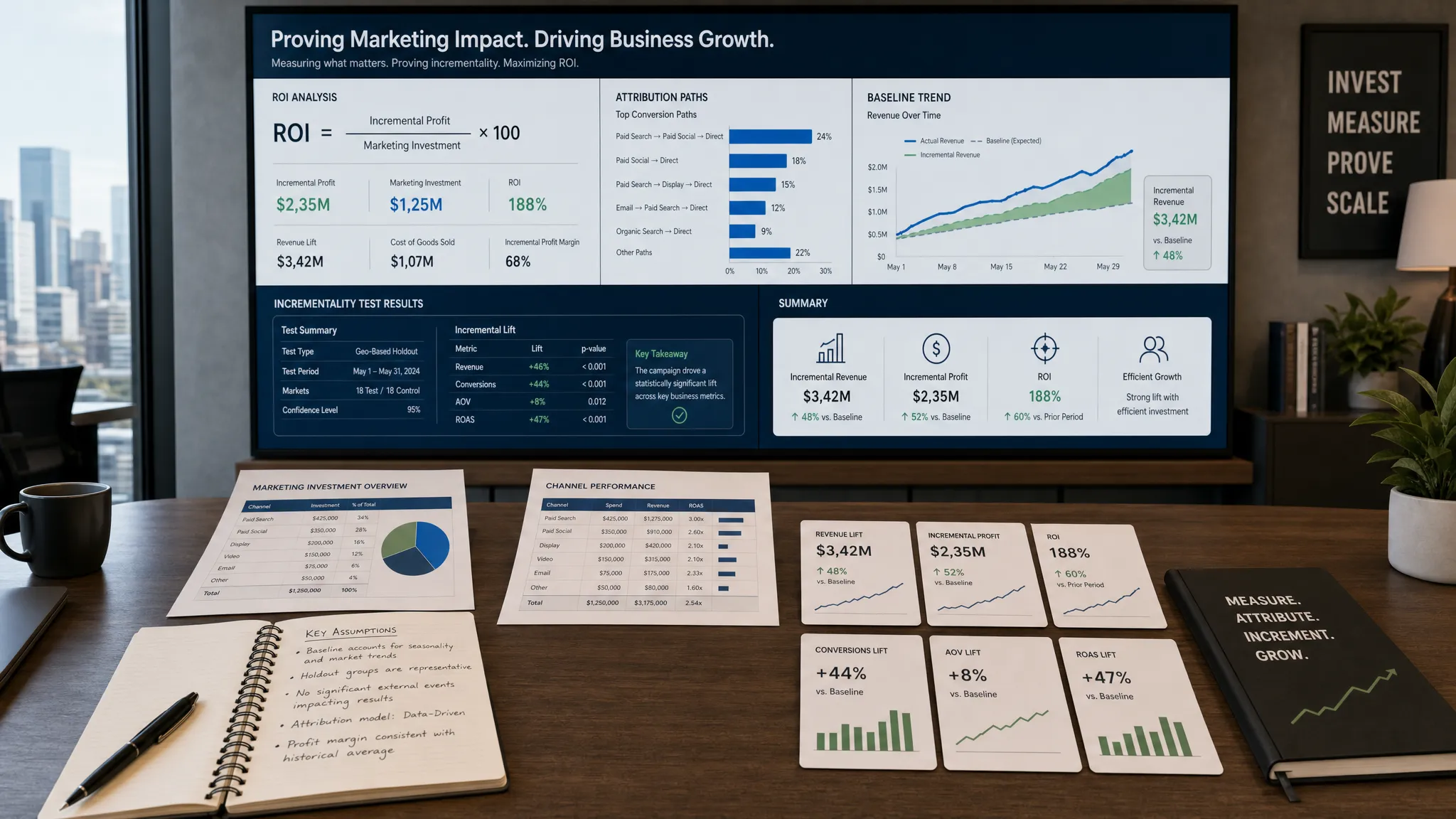
The best reporting structure includes both leading and lagging indicators. Leading indicators show whether the market is responding, such as qualified traffic, engagement from target accounts, demo interest, email replies, and content-assisted conversions. Lagging indicators show business impact, such as pipeline, win rate, customer acquisition cost, retention, and revenue.
This balanced view prevents two mistakes: dismissing brand and education work too early, or celebrating activity that does not support growth.
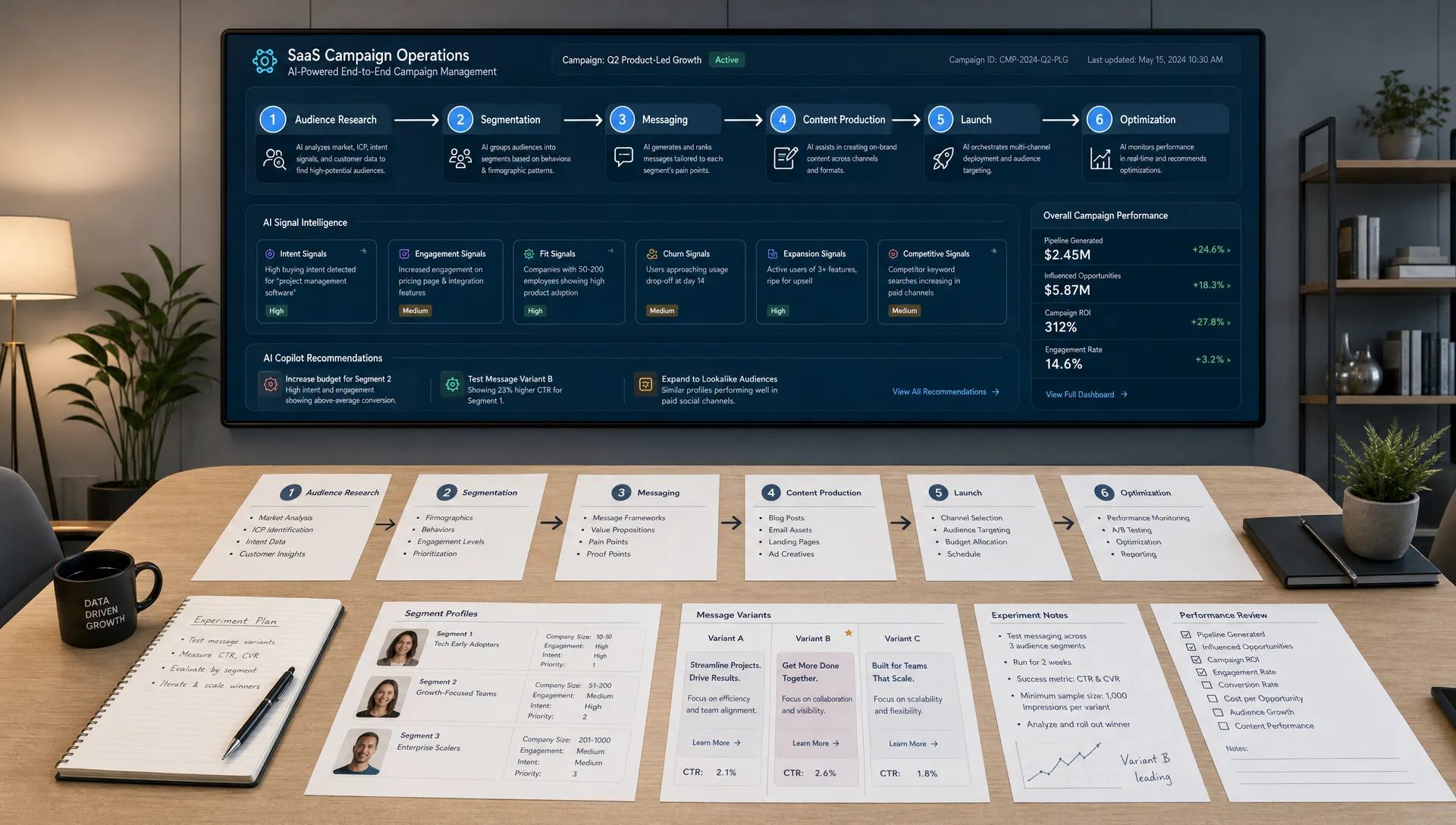
AI has made alignment more important, not less. With AI tools, marketing teams can generate campaign ideas, draft content, summarize customer research, analyze performance, build prompt workflows, and personalize messaging faster than before.
But AI also magnifies weak strategy. If the business has not clarified its audience, positioning, offers, compliance needs, or success metrics, AI will produce content that sounds polished but lacks direction.
Business leaders and marketing teams should collaborate on AI in three specific ways.
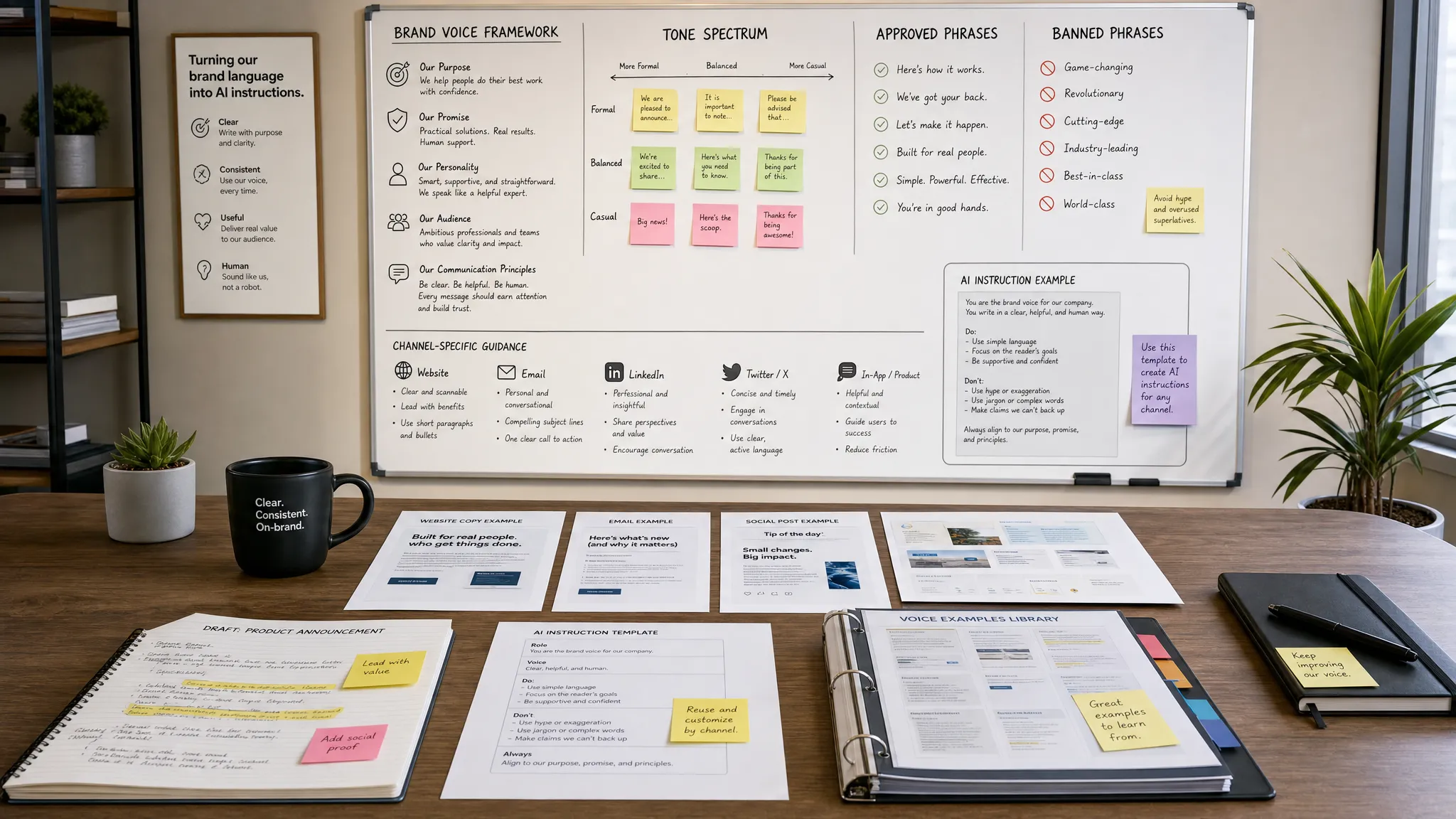
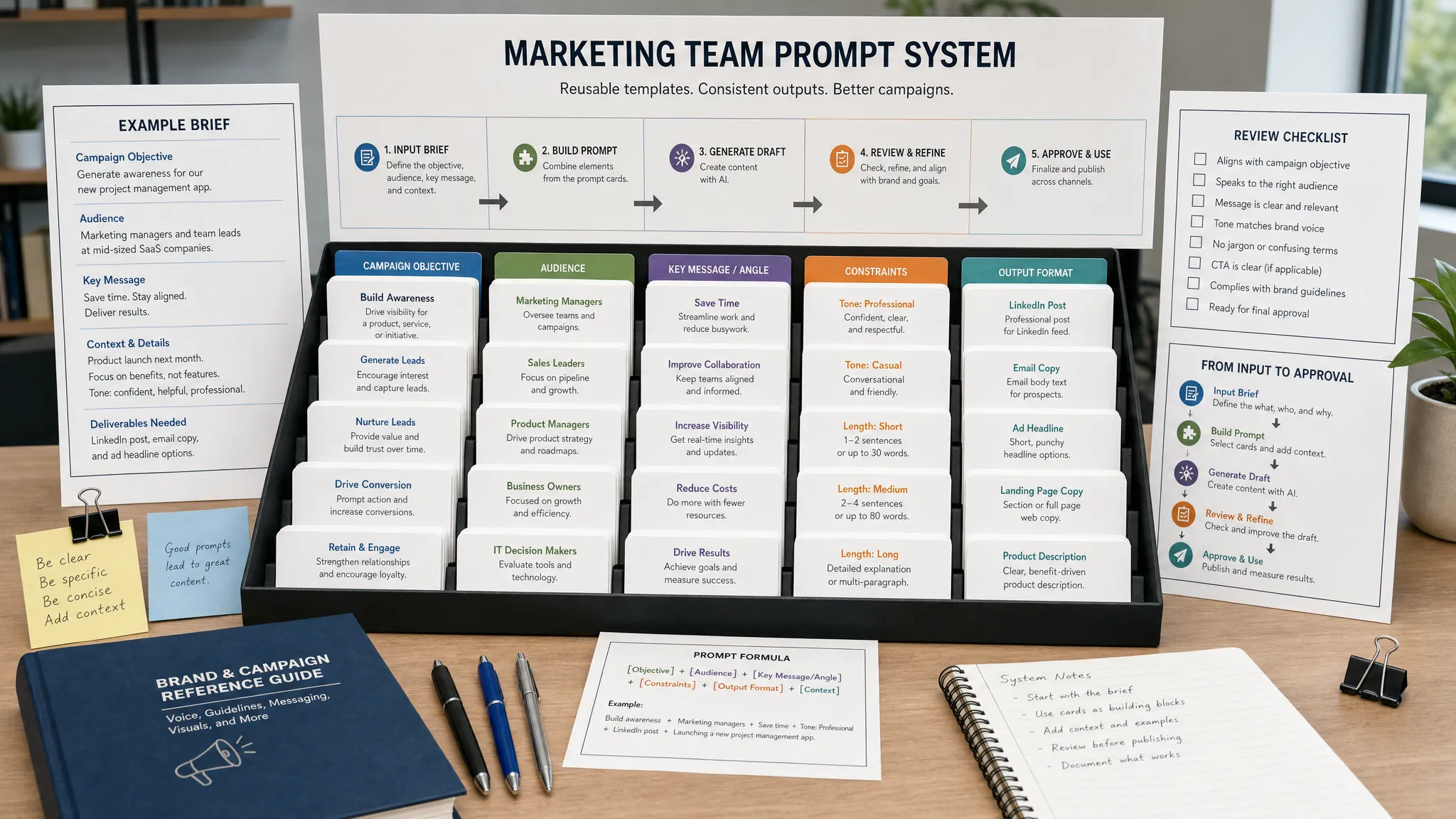
First, they should define approved messaging, claims, tone, and audience segments. This gives AI tools useful boundaries.
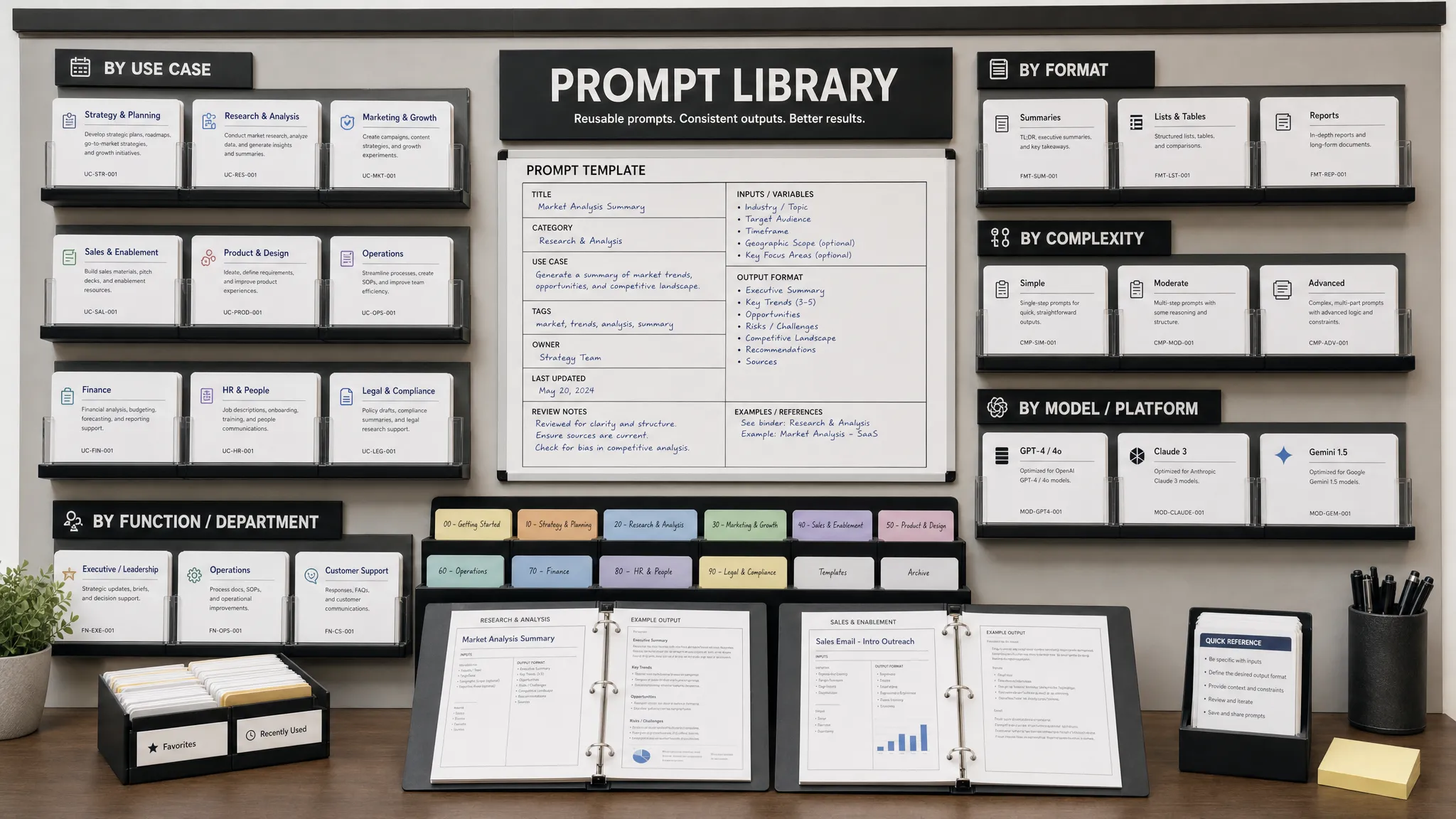
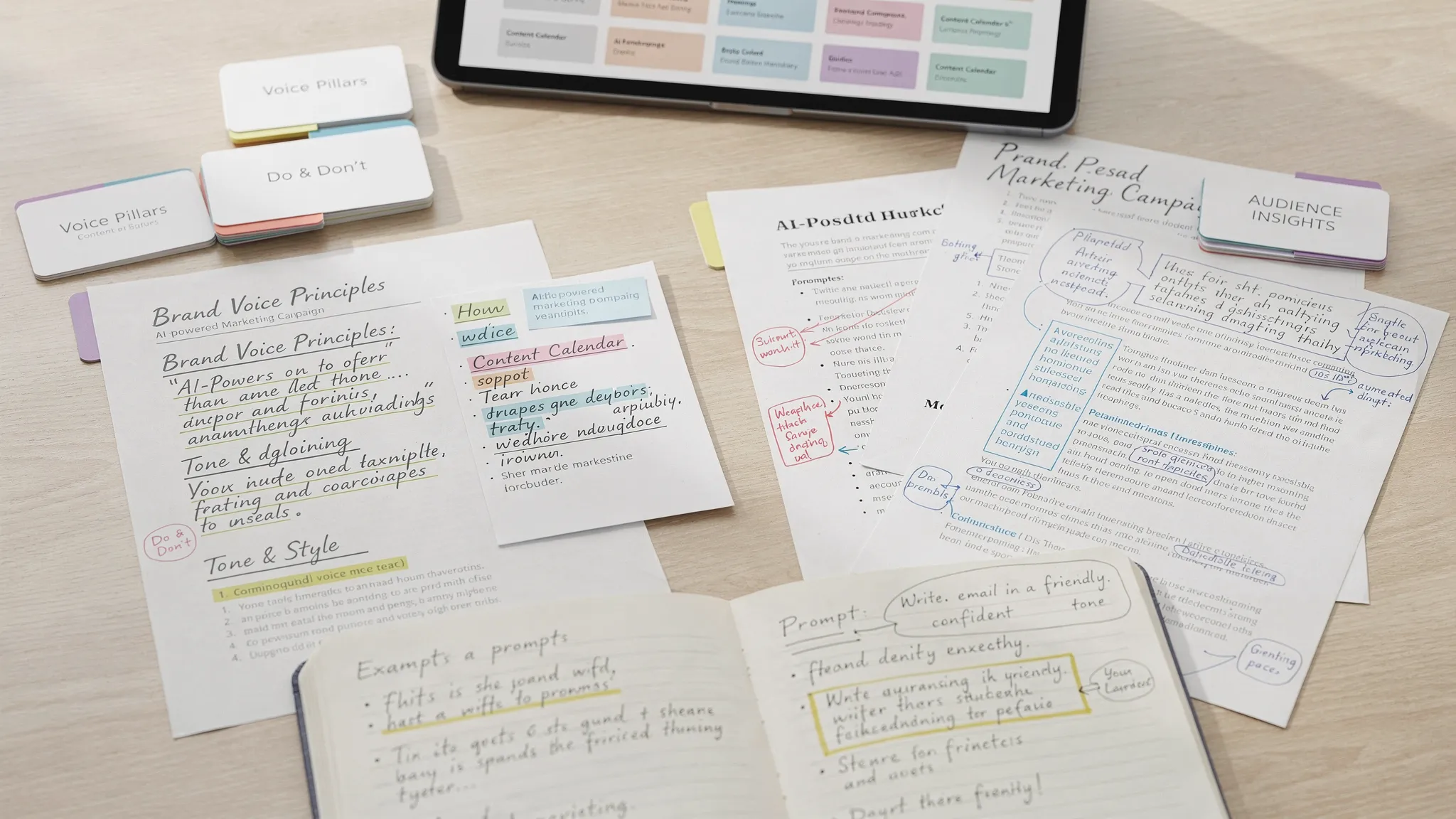
Second, they should create prompt libraries that reflect real business goals. A prompt for a product launch, for example, should include the target customer, primary pain point, differentiator, proof points, conversion goal, and channel.
Third, they should review performance data together. AI can help produce more variations, but humans still need to decide which insights matter and how to apply them.
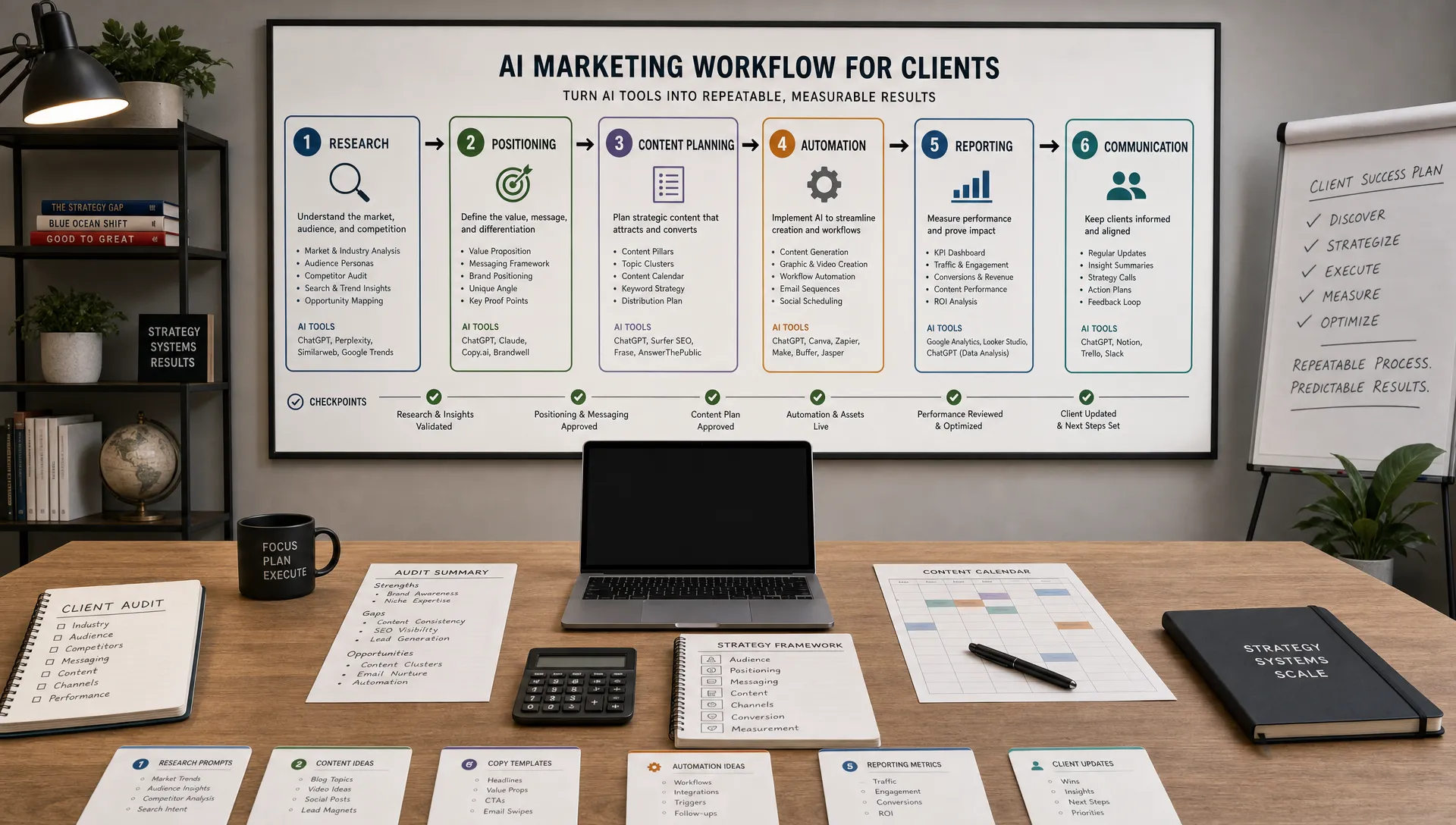
This is where platforms and resource hubs become valuable. Teams do not just need more tools. They need repeatable workflows, proven prompts, SEO support, analytics, and guides that help them turn AI into structured execution.
You do not need a large department or complex operating model to align business and marketing. Smaller teams often have an advantage because they can communicate faster and adjust quickly.
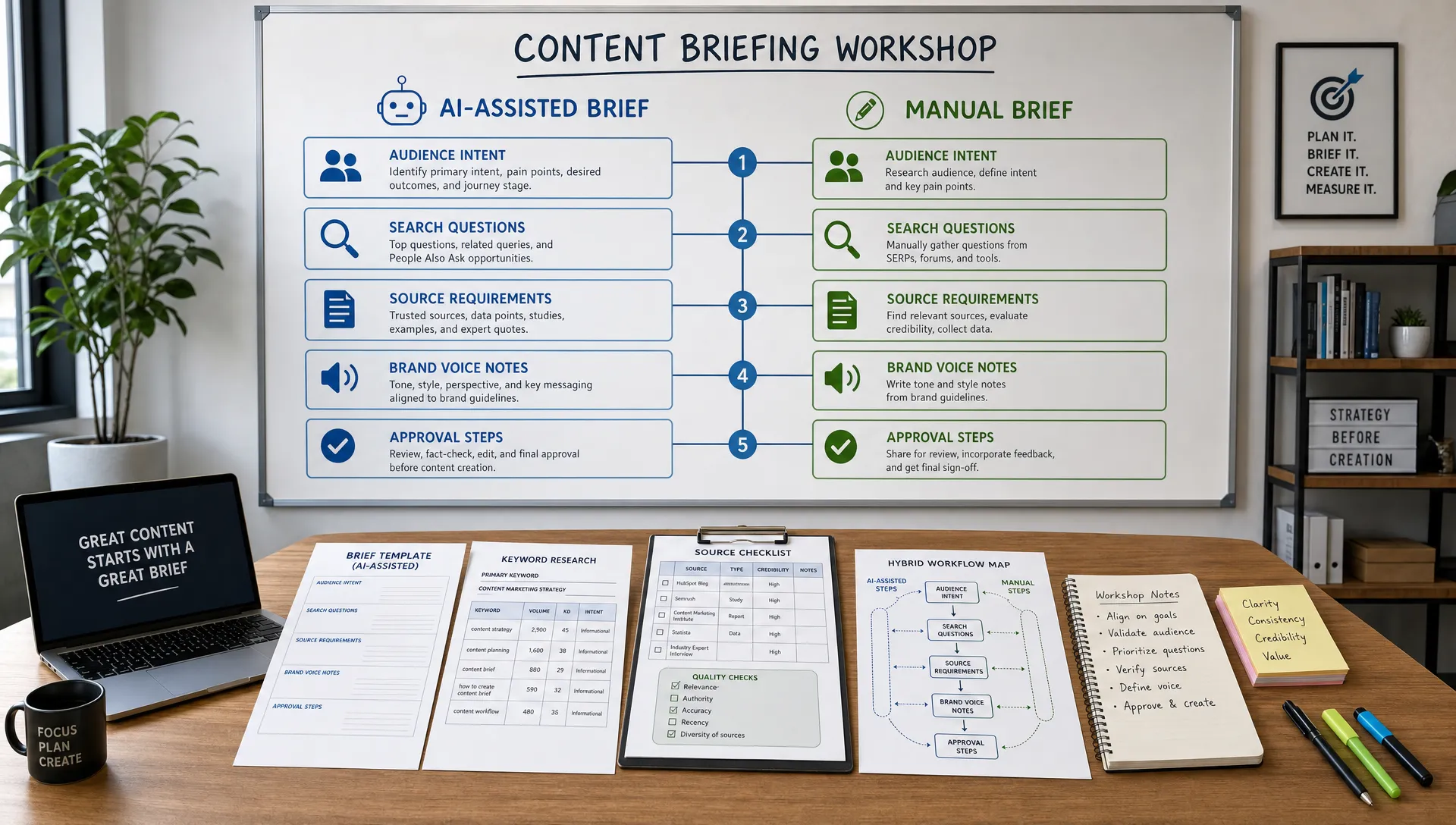
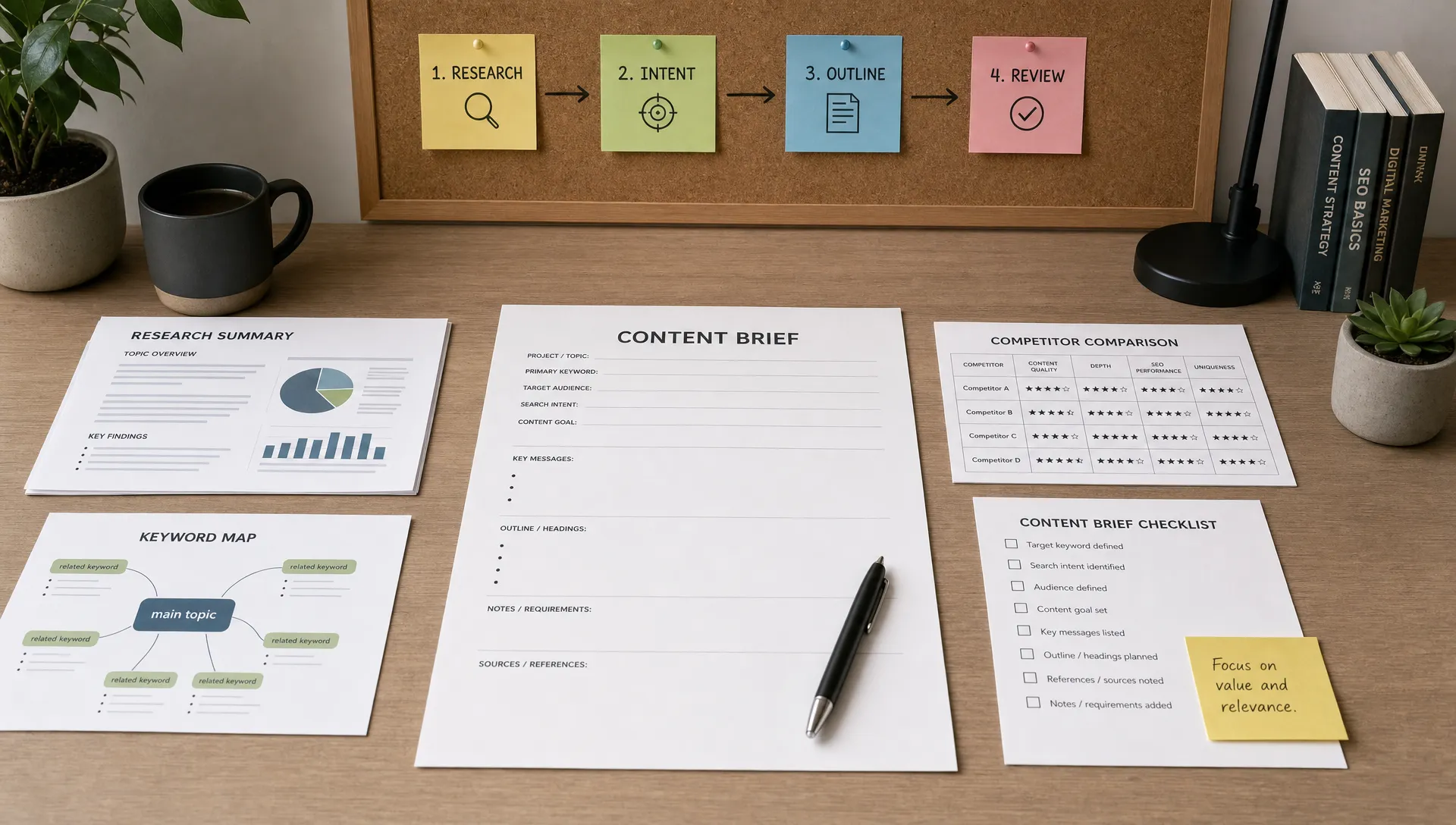
Start with a shared growth brief. This is a short document that defines the business objective, priority audience, core message, offer, channels, success metrics, budget assumptions, and decision owners. It should be clear enough that any team member can explain why the campaign exists.
Then establish a weekly or biweekly growth review. This meeting should not become a long status update. It should focus on what changed, what the data shows, what decisions are needed, and what the team will test next.
Finally, create a feedback loop between marketing, sales, customer success, product, and leadership. Marketing should hear what prospects ask during calls. Sales should know which content prospects engaged with before booking a meeting. Product should understand which features or pain points generate the most interest. Leadership should see how market response informs strategic choices.
A simple alignment rhythm might include:
This structure is simple, but it forces clarity. Clarity is often the missing ingredient in both business strategy and marketing performance.
The first mistake is treating marketing as decoration. If marketing is only asked to make things look better after decisions are made, the business loses the benefit of market insight. Marketing should be involved early enough to shape messaging, audience strategy, and launch planning.
The second mistake is using vague goals. Grow awareness, get more leads, and improve engagement are not enough. The team needs to know which audience, which offer, which funnel stage, and which business outcome matter most.
The third mistake is changing direction too often. Agile marketing is valuable, but constant strategic shifts create noise. Teams need enough consistency to learn from the market.
The fourth mistake is measuring everything the same way. A top-of-funnel educational article, a comparison landing page, and a sales enablement deck serve different purposes. They should not be judged by one metric.
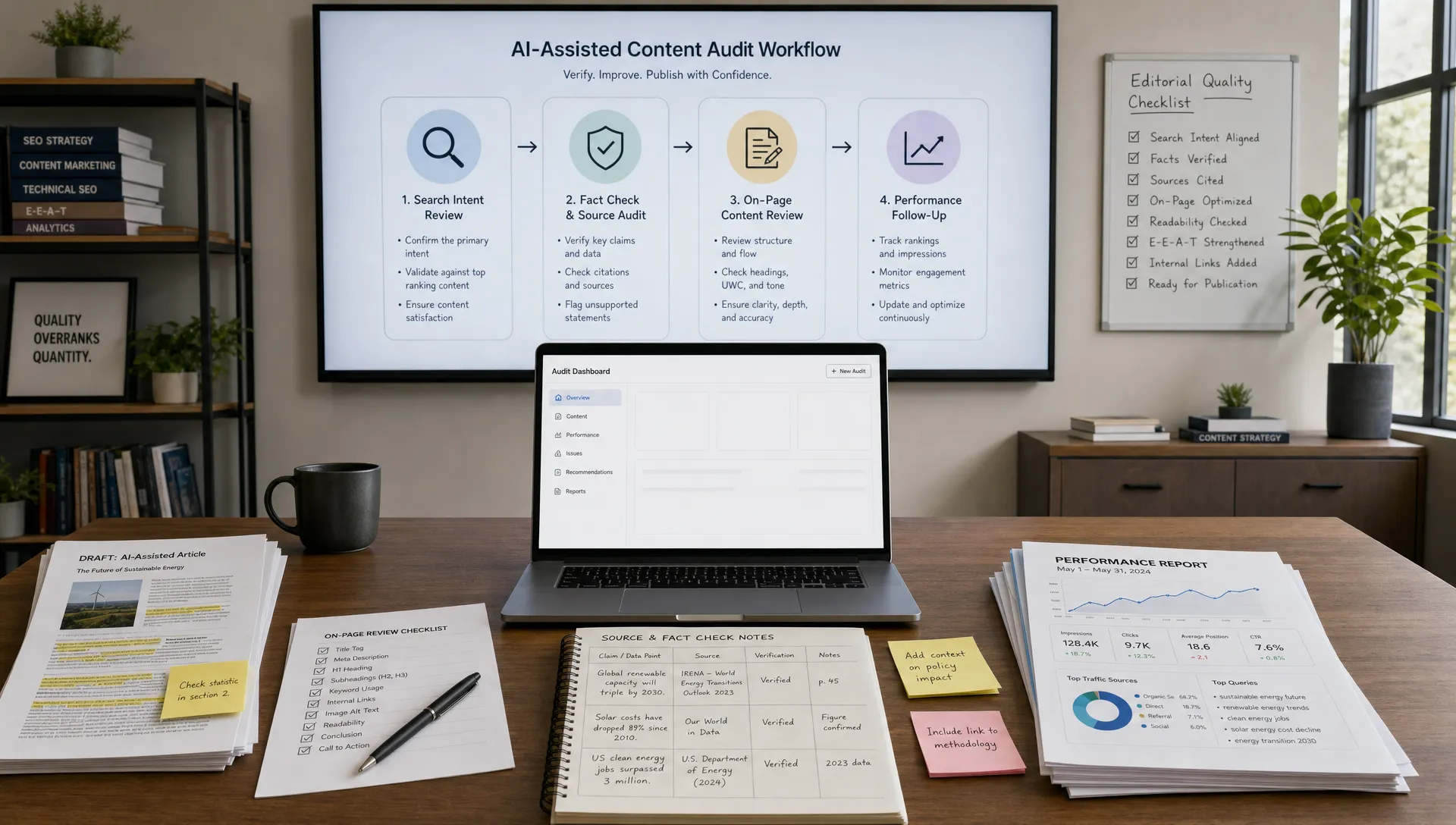
The fifth mistake is adopting AI without governance. AI can improve speed, but teams still need brand standards, fact-checking, approval workflows, data privacy awareness, and human judgment.
You can usually feel alignment before you see it in reports. Meetings become more focused. Campaign briefs get sharper. Sales conversations reflect the same message buyers saw online. Leadership understands what marketing is testing and why. Marketing understands what the business is prioritizing and what constraints matter.
You will also notice more practical signals:
Alignment does not remove every disagreement. In fact, healthy disagreement is useful. It means teams are debating the right questions together instead of optimizing separate agendas.
Why should business and marketing work together? Business and marketing should work together because strategy and market execution are connected. Alignment helps teams target the right customers, communicate clearer value, spend budget more efficiently, and measure growth more accurately.
What is the biggest cause of misalignment between business and marketing? The biggest cause is usually unclear goals. When leadership, marketing, sales, and product teams define success differently, campaigns become reactive and performance becomes difficult to evaluate.
How can a small business improve marketing alignment? A small business can start with a shared growth brief, a clear ideal customer profile, consistent messaging, and a simple reporting rhythm that connects marketing activity to sales and revenue signals.
Does AI make business and marketing alignment easier? AI can make alignment easier by speeding up content creation, research, analysis, and campaign planning. However, it only works well when teams have already clarified their audience, goals, positioning, and approval standards.
What metrics should aligned teams track? Aligned teams should track a mix of leading indicators, such as qualified traffic and engagement, and business outcomes, such as pipeline, win rate, customer acquisition cost, retention, and revenue.
Business and marketing work best when they share one growth agenda. The business brings direction, priorities, and commercial discipline. Marketing brings customer insight, messaging, demand creation, and performance learning. Together, they create a system that is far stronger than either function working alone.
If your team wants to connect strategy with faster execution, explore AIMarketer Hub. You will find AI-powered marketing tools, prompt resources, SEO support, calculators, performance analytics, industry-specific guides, and practical resources designed to help businesses automate, optimize, and grow with more confidence.